
Site and Storage Conditions for Class 3.1 Flammable Liquids
|
|
|
- Olivia Ray
- 10 years ago
- Views:
Transcription
1 Site and Storage Conditions for Class 3.1 Flammable Liquids Introduction Contents Introduction... 1 SITE AND STORAGE CONDITIONS...2 Part 1 General Flammability Conditions...2 Part 2 Conditions Relating to the Unintended Ignition of Flammable Liquids not Located at Hazardous Substance Location...16 Part 3 Conditions Relating to the Unintended Ignition of Flammable Liquids Present at Hazardous Substance Location...22 Part 4 Calculation of Separation Distances...28 Part 5 Existing Type E Buildings Grand-Parenting...29 Part 6 Conditions for Stationary Container Systems...30 Part 7 Emergency Management...30 Part 8 Signage...38 INTERPRETATION...40 SOURCE REGULATIONS AND CONTROLS...49 This document sets out the site and storage conditions for class 3.1 flammable liquids. These substances may also have toxic, corrosive and/or ecotoxic properties (HSNO classes 6, 8 and/or 9), but no other hazardous properties. The conditions set out in this document are incorporated into a group standard by reference, and form part of that group standard. A substance must comply with the conditions in this document as part of the group standard approval. This document has been compiled from the following: Hazardous Substances (Classes 1 to 5 Controls) Regulations 2001; and Hazardous Substances (Emergency Management) Regulations 2001; and Hazardous Substances (Identification) Regulations 2001; and Hazardous Substances (Dangerous Goods and Scheduled Toxic Substances) Transfer Notice Further information on the source of each condition is given in the section Source Regulations and Controls. If any trigger quantity from any of the above regulations has been amended for a specific substance (e.g. petrol) by the Hazardous Substances (Dangerous Goods and Scheduled Toxic Substances) Transfer Notice 2004, or any other Transfer Notice, that amended trigger quantity is not given in this document. This document was published July 2006.

2 Site and Storage Conditions Part 1 General Flammability Conditions 1 Quantities (1) In determining whether the requirements for an approved handler, a hazardous substance location, a transit zone, or a test certificate are activated, the relevant quantity has been exceeded if the quantity-ratio sum is greater than 1 when determined in accordance with the following formula: where quantity-ratio sum = Σ [qp i /qa i ] Σ qp i qa i is the symbol for summation (in this case, summation of the calculated ratios for all flammable hazard classifications present for class 2, 3 and 4 substances) is the quantity of substance with a particular flammable hazard classification present is the quantity of substance of that flammable hazard classification that activates the relevant requirement (2) Where a quantity of gas is specified as cubic metres (m 3 ), this volume is determined by taking the contents and conditions of the gas held in a container and then calculating the volume that the gas would occupy at 15 C and kpa absolute pressure. Where the quantity of gas is specified in kilograms, this refers to the net weight of the gas in liquefied form as held in its container. (3) When considering quantities under subclauses (1) and (2) the quantities of all hazardous substances must be taken into account, howsoever those substances were approved under the Act. 2 Test certification (1) Where a test certificate is required for a hazardous substance location, that test certificate must be renewed at intervals of not more than 12 months, unless on request of the person or persons required to obtain the test certificate the Authority specifies a longer time limit for which the test certificate is valid. (2) The longer time limit specified by the Authority may not exceed 36 months. (3) When specifying the time limit, the Authority must take into account the maximum quantities and types of hazardous substances present or likely to be present at the relevant place; and the review and monitoring systems in place for the management of those substances; and Site and Storage Conditions for Class 3.1 Flammable Liquids 2
![sum = Σ [qp i /qa i ] Σ qp i qa i is the symbol for summation (in this case, summation of the calculated ratios for all flammable hazard classifications present for class 2, 3 and 4 substances) is](/docs-images/40/12252618/images/page_2.jpg "the quantity of substance with a particular flammable hazard classification present is the quantity of substance of that flammable hazard classification that activates the relevant requirement (2)")
3 the compliance history of the organisation concerned and of the persons in charge of the substances. (4) Where there is a requirement to obtain more than one test certificate the test certifier may, on request of the person or persons required to obtain the test certificates, examine at the same time any or all of those matters that require test certification for which the certifier is competent to certify; and where more than one matter has been examined, the report provided by the certifier must indicate whether or not the respective requirements have been met and must give the reasons for any failure to meet those requirements; and a single test certificate may be issued for any or all of those matters where the requirements have been met. 3 General limits on flammable liquids Where a flammable liquid is present at a place in a quantity that exceeds that specified for the relevant substance in Table 1 for more than 18 hours, in the case of a 3.1B or 3.1C flammable liquid; or 2 hours, in the case of a 3.1A flammable liquid that flammable liquid must be held at a hazardous substance location or, if applicable, at a transit depot. Table 1. Quantities of flammable liquids that activate hazardous substance location and transit depot requirements HSNO classification Quantity beyond which conditions apply for closed containers Quantity beyond which conditions apply when use occurring in open containers 3.1A 20 L 20 L 3.1B 100 L in containers greater than 5 L 250 L in containers up to and including 5 L 3.1C 500 L in containers greater than 5 L 1,500 L in containers up to and including 5 L 50 L 50 L 250 L 250 L 4 Requirement to establish a hazardous atmosphere zone At any place containing a flammable liquid in quantities in excess of those specified in Table 2, the person in charge of the flammable liquid must ensure that a hazardous atmosphere zone is established that complies with AS/NZS ; or AS/NZS : 2004; or a code of practice approved by the Authority that specifies hazardous atmosphere zones equivalent to the requirements specified in subclauses and and takes into account the risk of the presence of flammable materials. Site and Storage Conditions for Class 3.1 Flammable Liquids 3

4 Table 2. Quantities of flammable liquids that activate hazardous atmosphere zone HSNO classification 3.1A, 3.1B and 3.1C Minimum quantity of flammable liquid 100 L (closed) 25 L (decanting) 5 L (open occasionally) 1 L (if in open container for continuous use) 5 Application of legislation to electrical systems located in hazardous atmosphere zones (1) Where any electrical installation or any electrical appliance within the scope of the Electricity Regulations 1997 is located within a hazardous atmosphere zone, the conditions imposed on that installation or appliance under the Act are the same as the controls that are included in those parts of the Electricity Act 1992, and regulations, codes, and standards made or recognised under that Act, that relate to hazardous areas. (2) Where any electrical system is located within an underground mine, the conditions imposed on that electrical system under the Act are the same as the controls that are included in those parts of the Health and Safety in Employment (Mining Underground) Regulations 1999 that relate to gassy mines. (3) Where electrical equipment is installed on a ship, vessel, or boat (other than a pleasure vessel containing connectible installations), the conditions imposed on that electrical equipment under the Act are the same as the controls that are included in those parts of the Maritime Rules made under the Maritime Transport Act 1994 that relate to hazardous areas. (4) Where electrical equipment is installed on any train, locomotive, tram, or trolley bus, the conditions imposed on that electrical equipment under the Act are the same as the controls that are included in those parts of the Transport Services Licensing Act 1989 or the Railways Act 2005 or rules made under the Land Transport Act 1998 that relate to hazardous areas. (5) Where any electrical equipment is installed on an aircraft that is under the jurisdiction of the Civil Aviation Rules, the conditions imposed on that electrical equipment under the Act are the same as the controls that are included in those parts of the Civil Aviation Rules that relate to hazardous areas. (6) Where any electrical equipment is used within a hazardous atmosphere zone around an aircraft but is not installed on the aircraft, the conditions imposed on that electrical equipment under the Act are the same as the controls that are included in those parts of the Electricity Act 1992, and regulations, codes, and standards made or recognised under that Act, that relate to hazardous areas. (7) For the purposes of subclause (1), the terms electrical installation, electrical appliance, and hazardous area have the meanings given to them in the Electricity Act (8) For the purposes of subclause (2), the terms electrical system and gassy mine have the meanings given to them in the Health and Safety in Employment (Mining Underground) Regulations Site and Storage Conditions for Class 3.1 Flammable Liquids 4

5 6 Requirements to reduce likelihood of unintended ignition of flammable liquids (1) Unless a flammable liquid is intentionally burned, in circumstances where any air or oxygen is present with such a flammable liquid the person in charge of the substance must (d) (e) (f) elect to manage the flammable liquid under the sets of conditions specified in any one of clauses 7, 9, 11, 13, and 15; and where clause 7 is elected, manage the flammable liquid under the provisions specified in subclause (2) or subclause (6) of that clause; and where clause 9 is elected, manage the flammable liquid under the provisions specified in either subclause (3) or subclause (4) of that clause; and where clause 11 is elected, manage the flammable liquid under the provisions specified in either subclause (3) or subclause (4) of that clause; and ensure that the requirements of the chosen clauses are complied with in full; and record which clause the flammable liquid is being managed under, and have that record available for inspection. (2) Despite the requirements of Part 3 (Approved Handler) of Schedule 1 to the Group Standard relating to a class 3.1 substance, any person handling a flammable liquid under any of clauses 9(4), 11, 13, and 15 must be an approved handler for that substance. 7 Circumstances involving control of ignition sources available to flammable liquids (1) Every person who elects to manage a flammable liquid under clause 6(1), by controlling ignition sources (but not the proportion of flammable vapour or gas to air), must ensure that in any place the flammable liquid is located the requirements of this clause are met. (2) Where a flammable liquid is within any hazardous atmosphere zone the temperature of the flammable liquid and the temperature of any surface in contact with the flammable liquid must not exceed 80% of the auto-ignition temperature in ºC for that flammable liquid; and any permanently fixed equipment or part of such equipment or containers must be effectively electrically bonded and earthed so that the maximum resistance to earth is 1 MΩ, for components that have an electrical resistance greater than or equal to 1 MΩ; and 10 Ω, for components that have an electrical resistance of between 10 Ω and 1 MΩ; and Site and Storage Conditions for Class 3.1 Flammable Liquids 5

6 the flammable liquid must be managed under one of the three sets of provisions set out in subclauses (3), (4), and (5) respectively. (3) SET OF PROVISIONS 1 There must be no ignition source present, unless it can be shown that any release of spark energy would transfer to the mixture of vapour or gas to air less than 10% of the minimum ignition energy of the flammable liquid in air. (4) SET OF PROVISIONS 2 there must be no ignition source present, unless it can be shown that any release of spark energy would transfer to the mixture of vapour or gas to air less than 25% of the minimum ignition energy of the flammable liquid in air; and persons managing flammable liquids in accordance with subclause (4) must operate in accordance with a code of practice approved under section 78 of the Act as meeting the requirements of that subclause for the purposes of this subclause. (5) SET OF PROVISIONS 3 In any situation except situations covered by clause 5, any ignition source located in a hazardous atmosphere zone must be protected in such a way that, in the circumstances in which it is installed (including the presence of dust and particulate matter), it cannot ignite any gas/air mixture or vapour/air mixture formed from the flammable liquids present. (6) At any place where the quantities of flammable liquids present are not sufficient to require the establishment of a hazardous atmosphere zone but where the concentration of vapour or gas may exceed 25% of the LEL; and flammable liquids are present in quantities greater than 10% of that required to trigger the hazardous atmosphere zone requirements then the following requirements apply: (d) there must be no ignition source present, unless it can be shown that any release of spark energy would transfer to the mixture of vapour or gas to air less than 10% of the minimum ignition energy of the flammable liquid in air; and the temperature of the flammable liquid, or the temperature of any surface in contact with the flammable liquid must not exceed 80% of the auto-ignition temperature for that flammable liquid. 8 Methods of complying with clause 7 (1) In the case of an electrical ignition source, compliance with one of, or where applicable a combination of, the explosion-protection techniques listed in Table 2.1 of AS : 1989 meets the requirements of clause 7(5). (2) The requirements of clause 7(2) are met if either Site and Storage Conditions for Class 3.1 Flammable Liquids 6

7 there is compliance with AS/NZS : 2005 relating to the matters described in clause 7(2); or any equipment and any surface in contact with the flammable liquid conform to the temperatures given in Table 3, and the temperature of the flammable liquid is kept below 40ºC. (3) Compliance with AS/NZS 1020: 1995 meets the requirement of clause 7(2) for the dissipation of static electricity from components that have an electrical resistance of between 10 Ω and 1 MΩ. Table 3. Maximum surface temperature of equipment that may contact flammable liquids of known auto-ignition temperatures Auto-ignition temperature More than 562.5ºC Required temperature of surfaces in contact with mixture of flammable vapour evolving from substances and air <450ºC ºC <300ºC ºC <200ºC ºC <135ºC ºC <100ºC Less than 125ºC <85ºC 9 Circumstances involving control of both proportion of vapour or gas to air and amount of energy available (1) Every person who elects to manage a flammable liquid under clause 6(1), by controlling both the proportion of flammable vapour or flammable gas to air, and the amount of energy available, must ensure that in any place the flammable liquid is located the requirements of this clause are met. (2) A flammable liquid must be managed under one of the two sets of provisions set out in subclauses (3) and (4) respectively. (3) SET OF PROVISIONS 1 The proportion of flammable vapour to air at all times must be below 25% of the LEL or above 4 times the UEL; and either there must be no ignition source present, unless it can be shown that any release of spark energy would transfer to the mixture of vapour to air less than 25% of the minimum ignition energy of the flammable liquid in air; or in any situation except situations covered by clause 5, any ignition source located in an area where flammable vapour is present at greater than 10% of the LEL must be protected in such a way that, in the circumstances in which it is installed (including the presence of dust and particulate matter), it cannot ignite any vapour/air mixture formed from the flammable liquids present. Site and Storage Conditions for Class 3.1 Flammable Liquids 7

8 (4) SET OF PROVISIONS 2 (d) the proportion of flammable vapour to air must at all times be below 50% of the LEL; and there must be a system in place to continuously monitor and control the concentration of vapour to meet the requirements of subclause (4); and persons managing flammable liquids according to this subclause must operate in accordance with a code of practice approved under section 78 of the Act as the requirements of this subclause; and either there must be no ignition source present, unless it can be shown that any release of spark energy would transfer to the mixture of vapour to air less than 50% of the minimum ignition energy of the flammable liquid in air; and there is a system in place to continuously monitor and control the amount of ignition energy present to meet the requirements of this subclause; or in any situation except situations covered by clause 5, any ignition source located in an area where flammable vapour is present at greater than 10% of the LEL must be protected in such a way that, in the circumstances in which it is installed (including the presence of dust and particulate matter), it cannot ignite any vapour/air mixture formed from the flammable liquids present. (5) The temperature of the flammable liquid and the temperature of any surface in contact with the flammable liquid must not exceed 80% of the auto-ignition temperature for that flammable liquid. (6) At any place where a flammable liquid is present in quantities greater than that specified in Table 2 (see clause 4), any permanently fixed equipment or container or part of any such equipment or container must be electrically bonded and earthed so that the maximum allowable resistance to earth is 1 MΩ, for dissipation of static electricity from components that have an electrical resistance greater than or equal to 1 MΩ; and 10 Ω, for the dissipation of static electricity from components that have an electrical resistance of less than 1 MΩ. 10 Methods of complying with clause 9 (1) In the case of an electrical ignition source, compliance with one of, or where applicable a combination of, the explosion-protection techniques listed in Table 2.1 of AS : 1989 meets the requirements of clause 9(3) and (4)(d). (2) The requirements of clause 9(5) are met if either there is compliance with AS/NZS : 2005 relating to the matters described in clause 9(5); or Site and Storage Conditions for Class 3.1 Flammable Liquids 8

9 any equipment and any surface in contact with the flammable liquid conform to the temperatures given in Table 3 (see clause 8), and the temperature of the flammable liquid is kept below 40ºC. (3) Compliance with AS/NZS 1020: 1995 is a means of meeting the requirements of clause 9(6) for the dissipation of static electricity from components that have an electrical resistance of between 10 Ω and 1 MΩ. 11 Circumstances involving control of proportion of vapour or gas to air, but not level of energy (1) Every person who elects to manage a flammable liquid under clause 6(1), by controlling the proportion of vapour or gas to air (but not the level of energy) must ensure that, in any place such a flammable liquid is located, the requirements of this clause are met. (2) A flammable liquid must be managed under one of the two sets of provisions set out in subclauses (3) and (4). (3) SET OF PROVISIONS 1 The proportion of vapour to air must at all times be kept below 10% of the LEL or above 10 times the UEL. (4) SET OF PROVISIONS 2 Where the proportion of vapour to air may be greater than 10% of the LEL or less than 10 times the UEL the proportion of vapour to air must at all times be kept either below 50% of the LEL or above 2 times the UEL; and there must be a system in place to continuously monitor and control the concentration of vapour to meet the requirements of subclause (4); and persons managing flammable liquids according to this subclause must operate in accordance with a code of practice approved under section 78 of the Act as meeting the requirements of this subclause. 12 Methods of complying with clause 11 Compliance with sections 5-2 and 5-4 of NFPA 86, Standard for Ovens and Furnaces, 1999, National Fire Protection Association, USA, relating to the matters described in clause 11(4), is a means of meeting the requirements of clause 11(4). 13 Circumstances where flammable vapour or gas present in atmosphere where proportion of oxygen in atmosphere (by volume) greater than 20.9% (1) Every person who elects to manage the flammable vapour of a flammable liquid under clause 6(1), within an atmosphere where the proportion of oxygen is greater than 20.9% volume for volume, must ensure that, in any place where such a flammable liquid is located, the requirements of this clause are met. Site and Storage Conditions for Class 3.1 Flammable Liquids 9

10 (2) A RLEL (O) and a RUEL (O) applicable to the proportion of flammable vapour to oxygen present must be established by the person in charge of the substance, and the RLEL (O) and the RUEL (O) must be available for inspection at any time; and at all times the proportion of vapour of the liquid to oxygen in the atmosphere must be either below 25% of the RLEL (O) or above 4 times the RUEL (O) ; and to meet the requirements of subclause (2), there must be a system in place to continuously monitor and control the proportion of oxygen present; and the proportion of vapour to oxygen present. (3) In a place where the flammable liquid is present in concentrations greater than 10% RLEL (O), the requirements of either of the following subclauses must be met: the person in charge must establish a revised minimum ignition energy for the maximum proportion of oxygen to air expected within the system, and where such a revised minimum ignition energy is established, it must be available for inspection at any time; and there must be no item capable of generating a flame or spark present unless it can be shown that any release of spark energy would transfer to the mixture of vapour to oxygen-enriched air less than 25% of the revised minimum ignition energy; or in any situation except situations covered by clause 5, any ignition source located within the area where flammable vapour is present must be protected in such a way that, in the circumstances in which it is installed (including the presence of dust and particulate matter), it cannot ignite any vapour/air mixture formed from the flammable liquids present. (4) A revised auto-ignition temperature must be established for the maximum proportion of oxygen to air expected to be experienced within the system, and the revised auto-ignition temperature must be available for inspection at any time; and at all times the temperature of the flammable liquid and of any surface in contact with the flammable liquid must be below 80% of the revised auto-ignition temperature for that flammable liquid and oxygen level; and there must be a system in place to continuously monitor and control the temperature of the flammable liquid and of any surface in contact with the flammable liquid to meet the requirements of subclause (4). (5) At any place where a flammable liquid is present in quantities greater than that specified in Table 2 (see clause 4), any permanently fixed equipment or container at the place, or part of such equipment or container, must be electrically bonded and earthed so that the maximum allowable resistance to earth is Site and Storage Conditions for Class 3.1 Flammable Liquids 10

11 1 MΩ, for gradual dissipation of static electricity from components that have an electrical resistance greater than or equal to 1 MΩ; and 10 Ω, for the dissipation of static electricity from components that have an electrical resistance of less than 1 MΩ. (6) The flammable liquid must be managed in accordance with a code of practice approved under section 78 of the Act as a method for meeting the requirements specified in subclauses (3) to (5). 14 Methods of complying with clause 13 Compliance with AS/NZS 1020: 1995 is a means of meeting the requirements of clause 13(5). 15 Circumstances where flammable vapour may be present and proportion of oxygen in atmosphere (by volume) controlled so as to be below 20.9% (1) Every person who elects to manage a flammable vapour of a liquid under clause 6(1), within an atmosphere where the proportion of oxygen present is controlled so as to be below 20.9% (by volume), must ensure that in any place where such a flammable liquid is located the requirements of this clause are met. (2) In the place, the person in charge of the flammable liquid must ensure that either at all times the proportion of flammable vapour of the liquid to air, is either below 25% of the LEL or above 4 times the UEL; or an RLEL (O) and RUEL (O) is established applicable to the range of proportions of flammable vapour of the liquid to oxygen present, in which case that RLEL (O) and RUEL (O) must be available for inspection at any time; and at all times the proportion of vapour to oxygen in the atmosphere must be either below 25% of the RLEL (O), or above 4 times the RUEL (O) ; and (iii) there must be a system in place to continuously monitor and control both the proportion of oxygen to air present, and the proportion of vapour to oxygen present, to meet the requirements of subclause (2). (3) In the place, the person in charge of the flammable liquid must ensure that there is no ignition source present unless it can be shown that any release of spark energy would transfer to the mixture of vapour to air less than 25% of the minimum ignition energy; or in any situation except situations covered by clause 5, any ignition source located in the area where flammable vapour is present is protected in such a way that, in the circumstances in which it is installed (including presence of dust and particulate matter), it cannot ignite any vapour/air mixture formed from the flammable liquids present. Site and Storage Conditions for Class 3.1 Flammable Liquids 11

12 (4) In the place, the person in charge of the flammable liquid must ensure that either the temperature of the flammable liquid and of any surface in contact with the flammable liquid does not exceed 80% of the auto-ignition temperature for that flammable liquid; or a revised auto-ignition temperature is established for the range of proportions of oxygen expected to be present, in which case the revised temperature must be available for inspection at any time; and at all times the temperature of the flammable liquid and of any surface in contact with the flammable liquid must be below 80% of the revised autoignition temperature; and (iii) there must be a system in place to continuously monitor and control the proportion of oxygen to air present, and the temperature of the flammable liquid and the temperature of any surface in contact with the flammable liquid, to meet the requirements of subclause (4). (5) At any place where a flammable liquid is present in quantities greater than that specified in Table 2 (see clause 4), any permanently fixed equipment or container at the place, or part of any such equipment or container, must be electrically bonded and earthed, so that the maximum allowable resistance to earth is 1 MΩ, for dissipation of static electricity from components that have an electrical resistance greater than or equal to 1 MΩ; and 10 Ω, for the dissipation of static electricity from components that have an electrical resistance of less than 1 MΩ. 16 Methods of complying with clause 15 (1) In the case of an electrical ignition source, compliance with any one of the explosionprotection techniques, or a combination of explosion-protection techniques, listed in Table 2.1 of AS : 1989 relating to matters described in clause 15(3) are a means of meeting the requirements of clause 15(3). (2) The requirements of clause 15(4) are met if either there is compliance with AS/NZS : 2005 relating to the matters described in clause 15(4); or any equipment and any surface in contact with the flammable liquid conform to the temperatures given in Table 3 of clause 8, and the temperature of the flammable liquid is kept below 40ºC. (3) Compliance with AS/NZS 1020: 1995 is a means of meeting the requirements of clause 15(5). 17 Segregation requirements for incompatible substances (1) Except where the ignition of a flammable liquid is intended, the person in charge of a flammable liquid must ensure that Site and Storage Conditions for Class 3.1 Flammable Liquids 12

13 the flammable liquid is not in contact with any substance or material with which it is incompatible; and packages of incompatible substances are held separately. (2) For the purpose of this clause, substances or materials specified in Table 4 are incompatible with flammable liquids. Table 4. Substances and materials incompatible with flammable liquids Incompatible substances and materials Class 1 substances Class 2 substances Class 3.2 substances Class 4 substances Class 5 substances (3) This clause does not apply to substances that are located on a vehicle, ship, or aircraft; and segregated in accordance with the Land Transport Rules, the Maritime Rules, or the Civil Aviation Rules, as the case may be. 18 Requirement to establish hazardous substance location (1) The person in charge of a place where any 3.1A, 3.1B or 3.1C flammable liquid is located must establish in that place one or more hazardous substance locations where such flammable liquids are to be situated if the flammable liquid is present in a quantity exceeding that specified for in it Table 1 (see clause 3); and for a period exceeding 18 hours, in the case of a 3.1B or 3.1C flammable liquid; or 2 hours, in the case of a 3.1A flammable liquid. (2) The person in charge of the hazardous substance location must notify an enforcement officer responsible for the enforcement of the Act in the area where the hazardous substance location is located, at least 30 working days before the commissioning of the hazardous substance location as a place for accommodating flammable liquids, of the street address of the place in which the hazardous substance location is located; and the maximum quantity and hazard classification of each flammable liquid that the hazardous substance location is designed or constructed to accommodate. (3) The person in charge of the hazardous substance location must ensure that, where a Group Standard requires a flammable liquid to be under the control of an approved handler, the approved handler requirements of Part 3 (Approved Handler) of Schedule 1 of that Group Standard relating to a class 3.1 substance are met. Site and Storage Conditions for Class 3.1 Flammable Liquids 13

14 (4) The person in charge of the hazardous substance location must ensure that where a test certificate is required under clause 19, a test certificate is obtained that certifies that the requirements of clause 19 are met; and a site plan is available for inspection that shows the physical position, in relation to the legal boundary of the site in which the hazardous substance location or hazardous substance locations are located, of all hazardous substance locations within the place that contain flammable liquids; and all hazardous atmosphere zones and controlled zones within the place; and where required under clause 4, a hazardous atmosphere zone is established and maintained in accordance with that clause. 19 Test certification requirements where a flammable liquid is present at a hazardous substance location or in a hazardous atmosphere zone The person in charge of a hazardous substance location where flammable liquids are present must ensure that the location or place has a current test certificate certifying that the notification requirements of clause 18 are complied with; and where Part 3 (Approved Handler) of Schedule 1 to the Group Standard relating to class 3.1 substances, or clause 6(2), require flammable liquids to be under the control of an approved handler the person in charge of the hazardous substance location is an approved handler for such flammable liquids, or can demonstrate that a person is available who is an approved handler for such substances; and the flammable liquids can be secured so that a person cannot gain access to the flammable liquids without tools, keys, or any other device used for operating locks; and (d) (e) (f) (g) (h) if a hazardous atmosphere zone is required by clause 4, a hazardous atmosphere zone has been established in accordance with that clause, and the extent of the hazardous atmosphere zone is documented; and the requirements of clause 17 are complied with; and the hazardous substance location has signage in place as required by Part 8 of the Site and Storage Conditions; and where the quantity of flammable liquid requires it, Part 7 of the Site and Storage Conditions is complied with; and the requirements of clause 18(4) are complied with; and the requirements of Parts 2 to 5 of the Site and Storage Conditions are complied with. Site and Storage Conditions for Class 3.1 Flammable Liquids 14

15 20 Requirements to be met by transit depot (1) At any transit depot where the quantity of flammable liquids exceeds that specified for the relevant 3.1A, 3.1B or 3.1C liquids in Table 1 (see clause 3), the person in charge of the transit depot must at least 30 working days before the commissioning of the transit depot as a place for accommodating these flammable liquids, notify an enforcement officer responsible for enforcement of the Act in the area where the transit depot is situated of the street address of the transit depot; and the maximum quantity and the hazard classification of each of the substances that the depot is designed to accommodate; and ensure that the approved handler requirements of Part 3 (Approved Handler) of Schedule 1 to the Group Standard relating to a class 3.1 substance are met; and ensure that any road vehicle loaded with containers of these flammable liquids is not less than 3 m from any other vehicle that is loaded with compatible substances; and not less than 5 m from any other vehicle that is loaded with incompatible substances; and (iii) not less than 3 m from any place where containers of compatible substances not on a vehicle are located; and (iv) not less than 5 m from any place where containers of incompatible substances not on a vehicle are located; and (d) (e) (f) (g) ensure that any containers of these substances held in the transit depot but not loaded onto a vehicle are not less than 5 m from containers of incompatible substances; and ensure that all substances located at the transit depot remain within their containers, and that the containers remain closed; and ensure that any electrical equipment at the transit depot is designed and constructed so that in the event of failure of the electrical equipment no resulting ignition source will contact either the substance or its package; and designate and clearly identify with signs that meet the requirements of Part 8 of the Site and Storage Conditions, areas for containment, pending disposal, of any leaked or spilled material or damaged packages. (2) Compliance with those parts of the Electricity Act 1992 and regulations made under that Act, the Health and Safety of Employment (Mining Underground) Regulations 1999, or the Civil Aviation Rules that relate to the matter described in subclause (1)(f) are a means of meeting the requirements of subclause (1)(f). Site and Storage Conditions for Class 3.1 Flammable Liquids 15

16 Part 2 Conditions Relating to the Unintended Ignition of Flammable Liquids not Located at Hazardous Substance Location 21 Person in charge of flammable liquid must comply with this Part (1) The person in charge of a flammable liquid must ensure that the adverse effects of unintended ignition of the flammable liquid are controlled in accordance with this Part. (2) Subclause (1) does not apply if a provision of these conditions states that a different person is responsible. 22 Separation of above ground stationary tank, transportable container or tank wagon containing a flammable liquid from areas of high and low intensity land use (1) This clause does not apply to a domestic oil-burning installation that includes a stationary tank that has a capacity that does not exceed 1,200 L; and complies with clause 64 of Schedule 8 of the Hazardous Substances (Dangerous Goods and Scheduled Toxic Substances) Transfer Notice 2004; or a stationary tank that complies with clause 62(3) of Schedule 8 of that notice. (2) An above ground stationary tank or transportable container that complies with Chapter 6.7 of the UN Model Regulations, or a tank wagon, that contains a flammable liquid that is present in a location that is not a hazardous substance location, must be separated from an area of high intensity land use by not less than the distance specified in whichever of column 2 (for 3.1A, 3.1B or 3.1C liquids) or column 3 (for 3.1D liquids) of Table 5 as shown opposite the capacity of the above ground stationary tank, or transportable container that complies with Chapter 6.7 of the UN Model Regulations or tank wagon, in column 1 of that table; or an area of low intensity land use by not less than the distance specified in column 4 of Table 5 as shown opposite the capacity of the above ground stationary tank, or transportable container that complies with Chapter 6.7 of the UN Model Regulations or tank wagon, in column 1 of that table. (3) Where an above ground stationary tank, a transportable container or a tank wagon, having multiple compartments is installed, the separation distance to areas of high intensity land use and low intensity land use will be based on the aggregate volume of the compartments and the lowest flash point substance stored in any of the compartments. Site and Storage Conditions for Class 3.1 Flammable Liquids 16

17 Table 5. Calculation of distances Capacity (L) Area of high intensity land use (m) Area of low intensity land use (m) Column 1 Column 2 Column 3 Column 4 3.1A, 3.1B, 3.1C 3.1D 3.1A, 3.1B, 3.1C Up to , , , , , , , , ,000, ,000, ,000, ,000, ,000,000 and over Requirement to hold certain packages or transportable containers of a flammable liquid in a building of a certain type (1) A 3.1A, 3.1B or 3.1C flammable liquid, that is present at a location that is not a hazardous substance location, that is contained in one or more packages or transportable containers that comply with Chapter 6.5 of the UN Model Regulations, other than a package or container to which clause 28 applies, must be held in a building of a type specified in subclause (2). (2) The types are (d) a type A building; or a type B building; or a type C building; or a type D building. (3) Despite subclause (1), a flammable liquid that is contained in one or more packages may be held in a storage cabinet that is constructed and installed in accordance with section 4.9 of AS ; and if each package does not contain more than 20 L of the flammable liquid; and the aggregate quantity of all packages of flammable liquid does not exceed 250 L. Site and Storage Conditions for Class 3.1 Flammable Liquids 17

18 24 Separation of building holding packages up to 60 L of 3.1A or 3.1B flammable liquid or packages of any amount of 3.1C flammable liquid from area of high intensity land use (1) This clause applies to every type A, type B, type C or type D building that holds, at a location that is not a hazardous substance location, one or more packages that contains, or each contain, as the case may be up to 60 L of a 3.1A or 3.1B flammable liquid; or a 3.1C flammable liquid. (2) A building to which this clause applies must be separated from an area of high intensity land use by not less than the distance specified in column 4 of Table 6 opposite the aggregate quantity of all packages of flammable liquids specified in whichever of column 1, or column 2, or column 3 of that table relates to the building. Table 6. Calculation of distances Aggregate quantity of 3.1A, 3.1B or 3.1C flammable liquids (L) Area of high intensity land use (m) Column 1 Column 2 Column 3 Column 4 Type A or B building Type C building Type D building 250 1,000 20, , ,000 50, , , , ,000 or more 6 10, , , ,000 or more 15 40, ,000 or more Storage of packages holding 3.1 flammable liquids in a store in a building (1) Class 3.1 flammable liquids may be situated in a store inside a building provided that they are stored in a room with the walls and ceiling constructed with a 60/60/60 fire resistance rating and not more than 450 L is situated in the store; and the flammable liquids are stored in containers, each not exceeding 20 L capacity; or in a room with the walls and ceiling constructed of reinforced concrete or equivalent with a 120/120/120 fire resistance rating and not more than 2,000 L is situated in the store; and Site and Storage Conditions for Class 3.1 Flammable Liquids 18

19 the flammable liquids are stored in containers, each not exceeding 60 L capacity, provided that one container of a maximum capacity of 250 L may be located in the store; or in a type D building which shall have no openings to the interior of the building except for a door that is self-closing in the event of a fire and which opens into a type 1, 2, or 3 building. (2) For the purposes of subclause (1), where the quantity of flammable liquids in the store does not exceed 2,000 L, the door may open into the building if (d) (e) the door of the room has a fire resistance rating of -/60/60 in the case of storage in accordance with subclause (1) and -/120/120 in the case of storage in accordance with subclause (1); and the door is fitted to be self-closing in the event of a fire near the doorway; and there are no combustible materials within 3 m of the doorway; and any portion of any structure within 3 m of the doorway must be constructed of non-combustible materials, and the door is kept closed except when goods are being placed in, or removed from, the store. (3) A building constructed in accordance with subclause (1) or a building which has more than two walls in common with another building that is an area of regular habitation shall have walls constructed of reinforced concrete or equivalent with a fire resistance rating of 240/240/240 and shall not contain more than 5,000 L of 3.1A and 3.1B flammable liquids in aggregate, in containers exceeding 60 L capacity; or 10,000 L in aggregate in the case of all other storage of 3.1A and 3.1B flammable liquids in containers not exceeding 60 L capacity and/or 3.1 C flammable liquids in containers not exceeding 250 L capacity. 26 Separation of building holding transportable containers or packages of more than 60 L of 3.1A, 3.1B or 3.1C flammable liquid from area of high intensity land use (1) This clause applies to every type A, type B, type C or type D building that holds one or more packages or transportable containers that comply with Chapter 6.5 of the UN Model Regulations that contains, or each contain, as the case may be, more than 60 L of a 3.1A, 3.1B or 3.1C flammable liquid, that is present in a location that is not a hazardous substance location. (2) A building to which this clause applies must be separated from an area of high intensity land use by not less than the distance specified in column 4 of Table 7 opposite the aggregate quantity of all transportable containers that comply with Chapter 6.5 of the UN Model Regulations or packages of flammable liquids specified in whichever of column 1, or column 2, or column 3 of that table relates to the building. Site and Storage Conditions for Class 3.1 Flammable Liquids 19

20 Table 7. Calculation of distances Aggregate quantity of 3.1A, 3.1B or 3.1C flammable liquid (L) Area of high intensity land use (m) Column 1 Column 2 Column 3 Column 4 Type A or B building Type C building Type D building 10, , , , , , , ,000 or more 10 10,000 25, , ,000 60, ,000 or more 25 40, ,000 or more Separation of transfer point for a flammable liquid from area of high intensity land use A transfer point used to fill a tank wagon with a flammable liquid, that is not a hazardous substance location, must be separated from an area of high intensity land use by the distance of 10 m in the case of a 3.1A, 3.1B or 3.1C flammable liquid, or 5 m in the case of a 3.1D flammable liquid. 28 A flammable liquid being used or in open package or container to be held in building of a certain type (1) This clause applies when a 3.1A, 3.1B or 3.1C flammable liquid that is present in a location that is not a hazardous substance location, is being used; or contained in one or more packages or containers, one or more of which is open. (2) A 3.1A, 3.1B or 3.1C flammable liquid to which this clause applies and which is located in a building must be held in a type 1 building; or a type 2 building; or a type 3 building; or (d) a paint mixing room that complies with AS/NZS Site and Storage Conditions for Class 3.1 Flammable Liquids 20

21 29 Separation of building holding package containing a 3.1A, 3.1B or 3.1C flammable liquid from area of high intensity land use (1) This clause applies to every type of building specified in clauses 28(2) to (d) in which a flammable liquid, that is present in a location that is not a hazardous substance location, is being used; or contained in one or more packages or containers, one or more of which is open. (2) A building to which this clause applies if the building is a type 1 building or paint mixing room that complies with AS/NZS 4114, must not hold a class 3.1 flammable liquid in a container that is more than 20 L in capacity; and an aggregate quantity of class 3.1 flammable liquids of more than 450 L; and if the building is a type 2 or type 3 building, must not hold more than in the case of a 3.1A or 3.1B flammable liquid, an aggregate quantity of 7,500 L; or in the case of a 3.1C flammable liquid, 10,000 L; and must be constructed so as to hold any 3.1A or 3.1B flammable liquid that exceeds 60 L, or a 3.1C flammable liquid that exceeds 100 L, as close as practicable to ground level. (3) For the purposes of subclause (2), where the building holds both 3.1A and/or 3.1B flammable liquids, and also 3.1C flammable liquids, the relevant quantity has been exceeded if the quantity-ratio is greater than 1. (4) Every building to which this clause applies must be separated from an area of high intensity land use by not less than in the case of a 3.1A or 3.1B flammable liquid, the distance specified in whichever of column 2 or column 3 of Table 8 relates to that type of building opposite the aggregate quantity of the flammable liquid specified in column 1 of that table; or in the case of a 3.1C flammable liquid, the distance specified in whichever of column 2 or column 3 of Table 8 relates to that type of building opposite the aggregate quantity of the flammable liquid specified in column 1 of that table. Site and Storage Conditions for Class 3.1 Flammable Liquids 21
22 Table 8. Calculation of distances Area of high intensity land use (m) Column 1 Column 2 Column 3 Aggregate quantity of 3.1A and 3.1B flammable liquid (L) Type 2 building Type 3 building Up to 1, , , Aggregate quantity of 3.1C flammable liquid (L) Up to 2, , , Repairs and servicing of tank wagons Notwithstanding the requirements of clause 22, a tank wagon may be taken into a building for repairs, vehicle inspection or servicing provided that the tank wagon load tank cannot vent inside the building, that the tank wagon is not located where it can be subject to heating, that no ignition source is permitted within 8 m of the load tank and, in the case of emergency repairs, that the driver or other responsible representative of the owner remains with the vehicle until the repair is completed. Part 3 Conditions Relating to the Unintended Ignition of Flammable Liquids Present at Hazardous Substance Location 31 Person in charge of flammable liquid must comply with this Part (1) The person in charge of a flammable liquid must ensure that the adverse effects of unintended ignition of the flammable liquid are controlled in accordance with this Part. (2) Subclause (1) does not apply if a provision of these conditions states that a different person is responsible. 32 Requirement to establish controlled zone (1) The person in charge of a hazardous substance location at which a 3.1A, 3.1B or 3.1C flammable liquid is present must establish a controlled zone around the hazardous substance location that complies with this Part; and exclude all non-authorised personnel from that controlled zone. (2) Subclause (1) does not apply if the controlled zone includes one or more areas for the retail sale of a flammable liquid referred to in subclause (1) to which the public have access; and Site and Storage Conditions for Class 3.1 Flammable Liquids 22
23 warning signs are provided that are visible to persons in the controlled zone that specify that no ignition source may be brought within that controlled zone. 33 Separation of above ground stationary tank, transportable container or tank wagon containing a 3.1A, 3.1B or 3.1C flammable liquid from boundary of controlled zone (1) This clause does not apply to a domestic oil-burning installation that includes a stationary tank that has a capacity that does not exceed 1,200 L; and complies with clause 64 of Schedule 8 of the Hazardous Substances (Dangerous Goods and Scheduled Toxic Substances) Transfer Notice 2004; or a stationary tank that complies with clause 62(3) of Schedule 8 of that notice. (2) An above ground stationary tank or transportable container that complies with Chapter 6.7 of the UN Model Regulations or tank wagon that contains a 3.1A, 3.1B or 3.1C flammable liquid, that is present at a hazardous substance location, must be separated from the boundary of the controlled zone if the controlled zone abuts an area of high intensity land use, by not less than the distance specified in whichever of column 2 (for 3.1A, 3.1B or 3.1C) or column 3 (for 3.1D) of Table 5 (see clause 22) is opposite the capacity of the above ground stationary tank or transportable container that complies with Chapter 6.7 of the UN Model Regulations or tank wagon in column 1 of that table; or if the controlled zone abuts an area of low intensity land use, by not less than the distance specified in column 4 of Table 5 (see clause 22) opposite the capacity of the above ground stationary tank or transportable container that complies with Chapter 6.7 of the UN Model Regulations or tank wagon in column 1 of that table. (3) Where an above ground stationary tank, transportable container or tank wagon, having multiple compartments is installed, the separation distance to areas of high intensity land use and low intensity land use will be based on the aggregate volume of the compartments and the lowest flash point substance stored in any of the compartments. 34 Requirement to hold certain packages or transportable containers of flammable liquids in building of a certain type (1) A flammable liquid, that is present at a hazardous substance location, that is contained in one or more packages or transportable containers that comply with Chapter 6.5 of the UN Model Regulations, other than a package or container to which clause 40 applies, must be held in a building of a type specified in subclause (2). (2) The types are a type A building; or a type B building; or Site and Storage Conditions for Class 3.1 Flammable Liquids 23
24 (d) a type C building; or a type D building. (3) Despite subclause (1), a flammable liquid that is contained in one or more packages may be held in a storage cabinet that is constructed and installed in accordance with section 4.9 of AS ; and if each package does not contain more than 20 L of the flammable liquid; and the aggregate quantity of all packages of 3.1A, 3.1B or 3.1C flammable liquid does not exceed 250 L. 35 Separation of building holding packages up to 60 L of 3.1A or 3.1B flammable liquid or packages of any amount of 3.1C flammable liquid from boundary of controlled zone (1) This clause applies to every type A, type B, type C or type D building that holds one or more packages that contains, or each contain, as the case may be up to 60 L of a 3.1A or 3.1B flammable liquid that is present at a hazardous substance location; or a 3.1C flammable liquid that is present at a hazardous substance location. (2) If the controlled zone in which a building to which this clause applies abuts an area of high intensity land use, the building must be separated from the boundary of the controlled zone by not less than the distance specified in column 4 of the Table 6 (see clause 24) opposite the aggregate quantity of all packages of flammable liquids specified in whichever of column 1, or column 2, or column 3 of that table relates to the building. 36 Storage of packages holding 3.1 flammable liquids in a store in a building (1) Class 3.1 flammable liquids may be situated in a store inside a building provided that they are stored in a room with the walls and ceiling constructed with a 60/60/60 fire resistance rating and not more than 450 L is situated in the store; and the flammable liquids are stored in containers, each not exceeding 20 L capacity; or in a room with the walls and ceiling constructed of reinforced concrete or equivalent with a 120/120/120 fire resistance rating and Site and Storage Conditions for Class 3.1 Flammable Liquids 24
25 not more than 2,000 L is situated in the store; and the flammable liquids are stored in containers, each not exceeding 60 L capacity, provided that one container of a maximum capacity of 250 L may be located in the store; or in a type D building which shall have no openings to the interior of the building except for a door that is self-closing in the event of a fire and which opens into a type 1, 2, or 3 building. (2) For the purposes of subclause (1), where the quantity of 3.1 flammable liquids in the store does not exceed 2,000 L, the door may open into the building if (d) (e) the door of the room has a fire resistance rating of -/60/60 in the case of storage in accordance with subclause (1) and -/120/120 in the case of storage in accordance with subclauses (1) or (1); and the door is fitted to be self-closing in the event of a fire near the doorway; and there are no combustible materials within 3 m of the doorway; and any portion of any structure within 3 m of the doorway must be constructed of non-combustible materials, and the door is kept closed except for when goods are being placed into or removed from the store. (3) A building constructed in accordance with subclause (1) or a building which has more than two walls with a fire resistance rating of 240/240/240 in common with another building that is an area of regular habitation shall not contain more than 5,000 L of 3.1A and 3.1B flammable liquids in aggregate, in containers exceeding 60 L capacity; or 10,000 L in aggregate in the case of all other storage of 3.1A and 3.1B flammable liquids in containers not exceeding 60 L capacity and / or 3.1C flammable liquids in containers not exceeding 250 L capacity. 37 Deemed compliance with Parts 2 and 3 of the Site and Storage Conditions Where a building to which the public have access holds a flammable liquid that is available for retail sale; and contained in closed containers of capacity not exceeding 10 L; and the quantities are not greater than the quantities specified in Table 1 (see clause 3), the separation distance specified in Parts 2 and 3 from the building may be zero. Site and Storage Conditions for Class 3.1 Flammable Liquids 25
26 38 Separation of building holding transportable containers or packages of more than 60 L of 3.1A, 3.1B or 3.1C flammable liquid in controlled zone from boundary of controlled zone (1) This clause applies to every type A, type B, type C or type D building that holds one or more packages or transportable containers that comply with Chapter 6.5 of the UN Model Regulations that contains, or each contain, as the case may be, more than 60 L of a flammable liquid that is present at a hazardous substance location. (2) If the controlled zone in which a building to which this clause applies abuts an area of high intensity land use, the building must be separated from the boundary of the controlled zone by not less than the distance specified in column 4 of Table 7 (see clause 26) opposite the aggregate quantity of all packages of flammable liquids specified in whichever of column 1, or column 2, or column 3 of that table relates to the building. 39 Separation of transfer point for a flammable liquid from boundary of controlled zone A transfer point used to fill a tank wagon with a flammable liquid, present at a hazardous substance location, must be separated from the boundary of the controlled zone if the controlled zone abuts an area of high intensity land use by the distance of 10 m in the case of a 3.1A, 3.1B or 3.1C flammable liquid, or 5 m in the case of a 3.1D flammable liquid. 40 A flammable liquid being used or in open package or container to be held in building of a certain type (1) This clause applies to a 3.1A, 3.1B or 3.1C flammable liquid, that is present at a hazardous substance location, that is being used; or contained in one or more packages or containers, one or more of which is open. (2) A 3.1A, 3.1B or 3.1C flammable liquid to which this clause applies, and which are located in a building, must be held in a type 1 building; or a type 2 building; or a type 3 building; or (d) a paint mixing room that complies with AS/NZS Separation of building holding package containing a 3.1A, 3.1B or 3.1C flammable liquid from boundary of controlled zone (1) This clause applies to every type of building specified in clauses 40(2) to (d) in which a 3.1A, 3.1B or 3.1C flammable liquid, that is present at a hazardous substance location, is Site and Storage Conditions for Class 3.1 Flammable Liquids 26
27 being used; or contained in one or more packages or containers, one or more of which is open. (2) A building to which this clause applies if the building is a type 1 building or paint mixing room that complies with AS/NZS 4114, must not hold a flammable liquid in a container that is more than 20 L in capacity; and an aggregate quantity of flammable liquids of more than 450 L; and if the building is a type 2 or type 3 building, must not hold more than in the case of a 3.1A or 3.1B flammable liquid, an aggregate quantity of 7,500 L; or in the case of a 3.1C flammable liquid, 10,000 L; and must be constructed so as to hold any 3.1A or 3.1B flammable liquid that exceeds 60 L, or a 3.1C flammable liquid that exceeds 100 L, as close as practicable to ground level. (3) For the purposes of subclause (2), where the building holds both 3.1A and/or 3.1B flammable liquids, and also 3.1C flammable liquids, the relevant quantity has been exceeded if the quantity-ratio is greater than 1. (4) Every building to which this clause applies must be separated from an area of high intensity land use by not less than in the case of a 3.1A or 3.1B flammable liquid, the distance specified in whichever of column 2 or column 3 of Table 8 (see clause 29) relates to that type of building opposite the aggregate in quantity of the flammable liquid specified in column 1 of that table; or in the case of a 3.1C flammable liquid, the distance specified in whichever of column 2 or column 3 in Table 8 (see clause 29) relates to that type of building opposite the aggregate quantity of the flammable liquid specified in column 1 of that table. (5) Despite the provisions of subclauses (1) to (4), when the maximum quantity of flammable liquids used in any building at any one time does not exceed 60 L of 3.1A and 3.1B flammable liquids in aggregate, or 250 L of 3.1C flammable liquids, the use of those flammable liquids other than in a type 1, type 2 or type 3 building is permitted under the following conditions: the building must be occupied by the same organisation that is storing the flammable liquids; and that part of the building in which the activity involving exposure of the flammable liquids to the atmosphere is being carried out must be constructed of fire resisting materials to at least 6 m in all directions from any container in which flammable liquids are used; and Site and Storage Conditions for Class 3.1 Flammable Liquids 27
28 no source of ignition shall be permitted within 15 m of the area where work involving the exposure to the atmosphere of 3.1A and 3.1B flammable liquids in excess of 30 L in total is being carried out unless the working area is protected by an intervening wall. Part 4 Calculation of Separation Distances 42 Calculation of distances for intermediate capacities (1) In Part 2 and Part 3 of the Site and Storage Conditions, if the capacity of an above ground stationary tank; or aggregate quantity of a flammable liquid to which these clauses apply contained in one or more packages; or one or more packages or containers, one or more of which is open (as the case may be) is between any two successive capacities (an intermediate capacity) specified in relation to that capacity or quantity, the separation distance must be calculated in accordance with subclause (2). (2) The separation distance that applies to an intermediate capacity is the distance that is proportional to the difference in capacity or quantity, as the case may be. 43 Distance not to extend beyond boundary unless agreed A separation distance calculated under Part 2 or Part 3 of the Site and Storage Conditions must not be calculated beyond the boundary of the property at which the flammable liquid is present unless the person in charge of any property beyond that boundary agrees that the separation distance may be calculated to include the property of which the person is in charge. 44 Reduction of separation distance and variation of other matters in certain circumstances (1) In respect of a flammable liquid under Part 2 or Part 3 of the Site and Storage Conditions, the Authority may reduce the separation distance required or vary other matters upon application by the person in charge of a place at which a flammable liquid is located; or by approving a code of practice under section 78 of that Act that specifies requirements equivalent to the requirements specified in Part 2 or Part 3. (2) The Authority may reduce the separation distance by up to 50% if in the case of a flammable liquid contained in an above ground stationary tank, the tank is designed and constructed in accordance with SWRI 95-03; or Site and Storage Conditions for Class 3.1 Flammable Liquids 28
29 there is an intervening wall, and the distance is measured in the horizontal plane around the end of any intervening wall by the most direct line to (I) (II) the area of high intensity land use; or the area of low intensity land use; or (III) boundary of the controlled zone; and the wall (I) (II) has a fire resistance rating of 240/240/240 minutes or, where the site on the other side of the boundary adjacent to the premises is a low intensity land use, the wall is constructed of fire-resisting materials; and is vapour-tight; and (III) is of sufficient size to protect the area of high intensity land use or area of low intensity land use (whichever is applicable) from a hazardous substance fire. (3) When considering an application under subclause (1), the Authority must take into account (d) the quantity and location of the flammable liquid, any other hazardous substance located at that place; and the capacity of any fire fighting facilities at that place; and the fire-resistance rating of any structure (for example, walls, floors, ceilings, and doors) that contain the flammable liquid; and in the case of a flammable liquid in an above ground stationary tank, whether the design and construction of the tank will protect the tank from fire. (4) When approving an application under this clause, the Authority may set the time within which the relevant requirements must be met or other such matters as it thinks fit. 45 Compliance plans Part 5 Existing Type E Buildings Grand-Parenting (1) In this Part type E building means a building or storage place approved in accordance with the Dangerous Goods (Class 3 Flammable Liquids) Regulations 1985 as a Type E building that was in use immediately before 1 July 2006 to store or house a flammable liquid. (2) A type E building is not required to comply with Parts 2 to 4 of the Site and Storage Conditions if Site and Storage Conditions for Class 3.1 Flammable Liquids 29
30 it is used for the purpose for which it was used immediately before 1 July 2006; and the person in charge of it complies with subclauses (3) to (6). (3) The person in charge of a type E building must no later than 30 June 2008, engage a test certifier to undertake an assessment and prepare a report as to the extent to which the type E building complies with Parts 2 to 4 (as applicable); and no later than 30 June 2009, give the Authority a compliance plan setting out a programme for bringing the type E building into compliance with Parts 2 to 4 (which may include meeting the criteria set out in clause 44). (4) Upon receiving a compliance plan in accordance with subclause (3) the Authority must either approve it or decline to approve it. (5) The Authority and the person who gave the compliance plan to the Authority may, after the compliance plan is approved, from time to time agree amendments to the compliance plan. (6) The person in charge of the type E building in respect of which a compliance plan has been approved must comply with the compliance plan (as amended from time to time). Part 6 Conditions for Stationary Container Systems 46 Stationary Container Systems Any stationary container system that contains, or is intended to contain, a hazardous substance must comply, to the extent applicable, with the controls for stationary container systems as set out in Parts 1 to 19 of Schedule 8 of the Hazardous Substances (Dangerous Goods and Scheduled Toxic Substances) Transfer Notice 2004, notwithstanding clause 1(1) of that Schedule. Part 7 Emergency Management 47 Fire extinguishers required (1) Every place must have the number of fire extinguishers specified in Table 9 if the quantity of flammable liquids present, or likely to be present, exceed the quantities listed in Table 9. (2) If substances of two or more hazard classifications are held in the place, or reasonably likely to be held in it on occasion the numbers of fire extinguishers are not cumulative; and it is enough to have the highest of the numbers of fire extinguishers specified for substances of the various classifications. Site and Storage Conditions for Class 3.1 Flammable Liquids 30
31 Table 9. Trigger quantities requiring fire extinguishers HSNO classification Quantity No. of fire extinguishers 3.1A 50 L 200 L B 250 L 2 3.1C, 3.1D 500 L 2 48 Location of fire extinguishers (1) In the case of a motor vehicle transporting flammable liquids, the fire extinguishers required by clause 47 must be in or on the vehicle. (2) In any other case, every fire extinguisher required by clause 47 must be so located that the distance of travel between it and the flammable liquids concerned is no more than 30 m. 49 Capability of fire extinguishers Each fire extinguisher required by clause 47 must be able, when used by one person, to put out a fully ignited pool, 50 mm deep and at least 6 m 2 in area, of a flammable liquid with properties equivalent to those of n-heptane. 50 Duties of persons in charge of places in respect of emergency response plans and secondary containment (1) This clause applies to a place if there is held in it, or reasonably likely to be held in it on occasion, an aggregate quantity of hazardous substances of a particular hazard classification greater than the quantity specified in Table 10; and it is not an aircraft subject to the Civil Aviation Act 1990 or a ship subject to the Maritime Transport Act (2) A person in charge of a place to which this clause applies must ensure that the requirements of clauses 51 to 68 are complied with. Table 10. Trigger quantities for emergency plans and secondary containment HSNO classification 3.1A 6.1A, 6.1B, 6.1C 8.2A 9.1A 3.1B 6.1D, 6.5A, 6.5B, 6.7A 8.2B 9.1B, 9.1C 3.1C, 3.1D 6.6A, 6.7B, 6.8A, 6.9A 8.2C, 8.3A 9.1D Quantity 100 L 1,000 L 10,000 L Site and Storage Conditions for Class 3.1 Flammable Liquids 31
32 51 When emergency response plans required A place to which clause 50 applies must have in it a single emergency response plan if the aggregate quantity of hazardous substances of a particular hazard classification held in it or reasonably likely to be held in it is greater than the quantity specified in Table Plans to warn of likely emergencies An emergency response plan must describe all of the reasonably likely emergencies that may arise from the breach or failure of the conditions on substances of the hazard classifications concerned. 53 Contents of plans An emergency response plan must, for each reasonably likely emergency describe the actions to be taken to warn people at the place, and in surrounding areas that may be adversely affected by the emergency, that an emergency has occurred; and advise those people about the actions they should take to protect themselves; and (iii) help or treat any person injured in the emergency; and (iv) (v) manage the emergency so that its adverse effects are first restricted to the area initially affected, then as soon as practicable reduced in severity, then if reasonably possible eliminated; and if any of the substances concerned remain, re-establish the conditions imposed on it when it was approved; and identify every person with responsibility for undertaking any of the actions described in subclause (or any part of any of those actions) and give information on how to contact the person; and any skills the person is required to have; and (iii) any actions that person is expected to take; and specify how to obtain information about the hazardous properties of and means of controlling the substance or substances that may be involved; and actions to be taken to contact any emergency service provider; and (iii) the purpose and location of each item of equipment or material to be used to manage the emergency; and (iv) (v) how to decide which actions to take; and the sequence in which actions should be taken. Site and Storage Conditions for Class 3.1 Flammable Liquids 32
33 54 Extra information required in some cases An emergency response plan must specify the type and location of the fire extinguishers provided under clause 47, and any extra firefighting equipment, materials, and systems provided, if any of the reasonably likely emergencies identified in the plan is a fire; and must provide for the retention of any flammable liquid to prevent its contacting any incompatible substance. 55 Availability of equipment, materials, and people All equipment and materials described in an emergency response plan, and all responsible people described in an emergency response plan who are on duty, must be present at the location concerned; or be available to reach the location of the substance within the times specified in the plan; or in the case of a trained person, be available to provide the advice or information specified in the plan within a time specified in the plan. 56 Availability of plans (1) An emergency response plan must be available to every person identified under clause 53 as being responsible for executing the plan or a specific part of it, and to every emergency service provider identified in it. (2) The information in an emergency response plan must meet the standards of presentation required for information imposed by clause 1 of Part 1 (Information Requirements) of Schedule 1 to the Group Standard. 57 Testing plans (1) An emergency response plan must be tested at least every 12 months; and the test must demonstrate that every procedure or action in the plan is workable and effective. (2) If there is a change to the persons, procedures, or actions specified in an emergency response plan, the plan must be tested within 3 months of the change; and the test must demonstrate that the changed persons can perform their functions under the plan; and each changed procedure or action is workable and effective. (3) The carrying out and the results of every test must be documented; and the documentation must be retained for at least 2 years. Site and Storage Conditions for Class 3.1 Flammable Liquids 33
34 58 Plan can be part of other management documentation An emergency response plan can be part of any other management documentation for an emergency whether required by the Hazardous Substances and New Organisms Act 1996 or some other Act; or undertaken by a person or organisation for some other reason. 59 Secondary containment systems (1) A place to which clause 50 applies must have a secondary containment system if the aggregate quantity of pooling substances of a particular hazard classification held in it is equal to or greater than the quantity specified in Table 10. (2) Subclause (1) does not apply to a place that is a vehicle. (3) The secondary containment system must comply with clauses 60 to 63 depending on the capacities of the container or containers in which the substances are held; and whether they are held in a place above or below ground. (4) If two or more containers of different capacities (as described in clauses 60 to 62) are held at one place, the system must have a capacity of at least the sum of each container category. (5) For the purposes of this clause, and clauses 60 to 63, where this substance is contained in pipework that is installed and operated so as to manage any loss of containment in the pipework it is not to be taken into account in determining whether a place is required to have a secondary containment system; and is not required to be located in a secondary containment system. (6) In this clause, pipework means piping that is connected to a stationary container; and is used to transfer a substance into or out of the stationary container; and includes a process pipeline or a transfer line. 60 Surface containers of up to 60 L If the pooling substances are held in a place above ground and are in containers each of which has a capacity of 60 L or less Site and Storage Conditions for Class 3.1 Flammable Liquids 34
35 if the total volume at the place is less than 5,000 L, the secondary containment system must have a capacity of at least half that total pooling potential; or if the total volume at the place is 5,000 L or more, the secondary containment system must have a capacity of the greater of 2,500 L; and a quarter of that total pooling potential. 61 Surface containers of over 60 and up to 450 L If the pooling substances are held in a place above ground and are in containers one or more of which have a capacity of more than 60 L but none of which has a capacity of more than 450 L if the total volume at the place is less than 5,000 L, the secondary containment system must have a capacity of at least that total pooling potential; or if the total volume at the place is 5,000 L or more, the secondary containment system must have a capacity of the greater of 5,000 L; and half that total pooling potential. 62 Surface containers of over 450 L (1) If the pooling substances are held in a place above ground and are in containers one or more of which have a capacity of 450 L or more, the secondary containment system must have a capacity of at least 110% of the capacity of the largest container. (2) Subclause (1) applies to a container that is so connected to some other container or containers that leakage from it will cause the other container or containers to empty, as if its capacity is the sum of the capacities of all the connected containers. 63 Below ground containers (1) If the pooling substances are held in a place and are in one or more below ground containers, the secondary containment system must have a capacity at least equal to the total pooling potential. (2) In subclause (1), below ground container means a container that is situated below ground; and includes a container below ground, the level of which has been raised to provide cover for the container; and a container covered by other incombustible material instead of ground. Site and Storage Conditions for Class 3.1 Flammable Liquids 35
36 64 Particular controls on secondary containment systems There must be instituted or capable of being instituted in or in respect of a secondary containment system required by this Part, controls that if flammable liquids must be contained, exclude any energy source capable of igniting them or causing them to decompose thermally; and if toxic or biological corrosive substances must be contained, prevent people from being directly exposed to them; and prevent the substances retained from being contaminated by incompatible substances and materials. 65 Secondary containment system for storage of flammable liquids (1) This clause applies to every secondary containment system to which clause 62 applies if any stationary container located within the secondary containment system is used to contain a flammable liquid. (2) The quantity of flammable liquid that may be held in a secondary containment system to which this clause applies must not exceed 75,000,000 L. (3) If the quantity of flammable liquid which may be held within a secondary containment system is greater than 25,000,000 L, and the flammable liquids are stored in more than one stationary container, the stationary containers must be divided into groups. (4) If a group consists of more than one stationary container, the aggregate capacity of the stationary containers in the group must not exceed 25,000,000 L. (5) Each group must be separated from all other stationary containers in the secondary containment system by a further secondary containment system (called an intermediate secondary containment system). (6) An intermediate secondary containment system must comply with all requirements applying to a secondary containment system except it must have a capacity of at least 50% of the capacity of the largest stationary container located within it; and none of the walls that form a subdivision of the secondary containment system may be higher than 0.25 m lower than the height of the lowest wall of the secondary containment system in which it is located. 66 Authority may modify aggregate capacity limit for groups of stationary containers (1) The Authority may, on application from a person, increase the aggregate capacity of stationary containers that may be in a group within a secondary containment system for the purposes of clause 65(4). (2) The Authority may not approve an aggregate capacity under subclause (1) that exceeds 40,000,000 L. Site and Storage Conditions for Class 3.1 Flammable Liquids 36
37 (3) In considering an application under subclause (1) the Authority must have regard to the following matters: (d) (e) the degree of hazard (i.e. whether 3.1A, 3.1B, 3.1C or 3.1D) associated with the flammable liquids which may be held within each intermediate secondary containment system in the secondary containment system to which the application relates; and the capacity of the largest stationary container within each intermediate secondary containment system to which the application relates, and the relationship of that capacity to the capacity of the relevant intermediate secondary containment system proposed in the application; and in relation to each intermediate secondary containment system to which the application relates, the capacity of intermediate secondary containment systems adjacent to it; and the availability of means to prevent unintended ignition, and of means to control the effects of unintended ignition, of flammable liquids stored within each intermediate secondary containment system to which the application relates; and any other matter the Authority considers relevant to its consideration of the application. 67 Authority may modify maximum capacity for secondary containment systems (1) The Authority may, on application from a person, increase the aggregate capacity of stationary containers within a secondary containment system for the purposes of clause 65(2). (2) The Authority may not approve a capacity under subclause (1) that exceeds 120,000,000 L. (3) In considering an application under subclause (1) the Authority must have regard to the following matters: (d) (e) the degree of hazard (i.e. whether 3.1A, 3.1B, 3.1C or 3.1D) associated with the flammable liquids which may be held within the secondary containment system to which the application relates and, if applicable, any existing secondary containment system; and the capacity of the largest stationary container within each secondary containment system and the relationship of that capacity to the capacity of any existing secondary containment system; and the type of design and construction of the stationary container; and the availability of means to prevent unintended ignition, and of means to control the effects of unintended ignition, of flammable liquids which may be held within the secondary containment system to which the application relates; and any other matter the Authority considers relevant to its consideration of the application. Site and Storage Conditions for Class 3.1 Flammable Liquids 37
38 68 Variation to requirements of clause 62 (1) The capacity that a secondary containment system is required to have to comply with clause 62 may be reduced either by the Authority upon application by any person and subject to such conditions as the Authority thinks fit; or in accordance with a code of practice approved by the Authority under section 78 of the Act for the purposes of this clause. (2) The Authority may not approve a capacity under subclause (1) that is less than 100% of the capacity of the largest stationary container located in the secondary containment system to which the application relates. (3) In considering an application under subclause (1) the Authority must take into account any means provided to prevent the capacity of the secondary containment system to which the application relates being taken up by rainwater. Part 8 Signage 69 Duties of persons in charge of places in respect of signage (1) This clause applies to a place if there is held in it, or reasonably likely to be held in it on occasion, an aggregate quantity of hazardous substances of a particular hazard classification greater than the quantity specified in Table 11; and it is not an aircraft subject to the Civil Aviation Act 1990 or a ship subject to the Maritime Transport Act 1994 or a vehicle subject to the Land Transport Act (2) A person in charge of a place to which this clause applies must ensure that signage required by clause 70 is provided; and its content, presentation and positioning comply with that clause; and it meets the general information requirement imposed by clause 1 of Part 1 (Information Requirements) of Schedule 1 to the Group Standard. Site and Storage Conditions for Class 3.1 Flammable Liquids 38
39 Table 11. Trigger quantities requiring signage HSNO classification Quantity 1 3.1A 6.1A 8.2A 9.1A, 9.2A, 9.3A, 9.4A 3.1B 6.1B 8.2B 3.1C 6.1C 8.1A 8.2C, 8.3A 9.1B, 9.1C, 9.2B, 9.2C, 9.3B, 9.4B, 9.4C 3.1D 6.1D 9.1D, 9.2D, 9.3C 50 L 100 L 250 L 1,000 L 10,000 L 1. These are the trigger quantities given in the Hazardous Substances (Emergency Management) Regulations If no trigger quantities for a particular hazard classification are given in Part 2 (Site and Storage) of Schedule 1 to a Group Standard (as may be the case for class 9.2, 9.3 and 9.4 hazards), then there is no requirement for signage for these hazards. 70 Signage requirements (1) If hazardous substances are located in a building (but not a particular room or compartment within it) there must be positioned at every vehicular and pedestrian access to the building, and every vehicular and pedestrian access to land where the building is located, signage that states that hazardous substances are present; and describes the general type of hazard of each of them; and advises the action to be taken in an emergency. (2) If hazardous substances are located in a particular room or compartment within a building, there must be positioned at each entrance to the room or compartment signage complying with subclause (4). (3) If hazardous substances are located in an outdoor area, there must be positioned immediately next to that area signage complying with subclause (4). (4) Signage required by subclauses (2) or (3) must (d) state that hazardous substances are present; and describe the general type of hazard of each of them; and describe the precautions necessary to prevent unintended ignition of flammable liquids; and advise the action to be taken in an emergency. Site and Storage Conditions for Class 3.1 Flammable Liquids 39
40 Interpretation Act means the Hazardous Substances and New Organisms Act 1996 approved handler means a person who has a test certificate that certifies that the person meets the competency requirements for approved handlers specified in the Hazardous Substances and New Organisms (Personnel Qualifications) Regulations 2001 area of high intensity land use, in relation to an area beyond the boundary of a place where a hazardous substance location is sited, includes an area of regular habitation, any other hazardous substance location, and a high density traffic route, but does not include a small office constructed of non-combustible materials associated with a hazardous substances location that is used by persons authorised to be at the location by the person in charge of that location area of low intensity land use, in relation to an area beyond the boundary of a place where a hazardous substance location is sited, includes an area where any person may legally be present occasionally, and also includes a public park or reserve and a traffic route of low or medium traffic density, but does not include an area of regular habitation area of regular habitation includes any dwelling, hospital, school, airport, commercial premises, office, or other area where people regularly congregate AS refers to the Australian Standard AS means the standard on: The Storage and Handling of Flammable and Combustible Liquids AS : 1989 means the Australian standard on: Electrical equipment for explosive atmospheres Explosion protection techniques, Part 1: General requirements AS/NZS refers to the Joint Australian and New Zealand Standard AS/NZS 1020: 1995 means the standard on: The control of undesirable static electricity AS/NZ : 2005 means the standard on: Electrical equipment for explosive gas atmospheres Selection, installation and maintenance General requirements AS/NZS refers to the following: AS/NZS : 2004 Classification of hazardous areas: examples of area classification: General: AS/NZS : 2004 Classification of hazardous areas: examples of area classification: Vehicle workshops, vehicle parking, fuel dispensing stations and aircraft hangars: AS/NZS : 2004 Classification of hazardous areas: examples of area classification: Flammable liquids: Site and Storage Conditions for Class 3.1 Flammable Liquids 40
41 (d) (e) (f) (g) (h) AS/NZS : 2004 Classification of hazardous areas: examples of area classification: Flammable gases: AS/NZS : 2004 Classification of hazardous areas: examples of area classification: Refineries and major installations: AS/NZS : 2004 Classification of hazardous areas: examples of area classification: Laboratories including fume cupboards and flammable medical agents: AS/NZS : 2004 Classification of hazardous areas: examples of area classification: Landfill gas, sewage treatment and sewage pumping plants: AS/NZS : 2004 Classification of hazardous areas: examples of area classification: Surface coatings and adhesives: AS/NZS : 2004 Classification of hazardous areas: examples of area classification: Miscellaneous AS/NZS 4360: 2004 means the standard on: Risk Management AS/NZS : 2004 means the standard on: Electrical apparatus for explosive gas atmospheres Classification of hazardous areas ASTM, when followed by numbers, means the document identified by those numbers that is published by the American Society of Testing and Materials auto-ignition temperature means the minimum temperature at which a mixture of flammable vapour and air, or gas and air, is marginally self-igniting when tested in accordance with ASTM Standard E (1978; reconfirmed 1994) Standard test method for Autoignition Temperature of Liquid Chemicals; or AS 1896 (1976) Gas vapour ignition: Ignition Temperature; or IEC 79-4 (1975) Method of test for ignition temperature compatible means that the substance is chemically inert if brought into contact with any other substance for the range of temperatures and pressures at which the substances are brought into contact; or if it is chemically reactive when brought into contact with any other substance, it does not cause combustion; or generate an explosion; or (iii) generate a new hazardous substance of a different class, subclass or category Site and Storage Conditions for Class 3.1 Flammable Liquids 41
42 condition means any obligation or restriction imposed upon a substance by a Group Standard controlled zone means an area abutting a hazardous substance location that is regulated so that within the zone, the adverse effects of a hazardous substance are reduced or prevented; and beyond the zone, members of the public are provided with reasonable protection from those adverse effects fire resistance rating, in relation to an object or item, means that the object or item is able to maintain its stability, insulation, and integrity, and is able to offer protection against heat radiation for the time specified by the relevant rating in minutes, where stability, insulation, and integrity, respectively, have the meanings ascribed to them in clause A2 of Schedule 1 of the Building Regulations 1992 general type, in relation to a hazardous substance, means a general indication of its subclass (for example, dangerous when wet ) whether given in words or by any other means Group Standard means an approval for a hazardous substance issued by the Authority under Part 6A of the Act hazardous substance location in relation to a class 3.1 flammable liquid means an area where an amount of the flammable liquid that is in excess of the relevant amount specified in Table 1 (see clause 3) is located for more than 18 hours, in the case of a 3.1B or 3.1C flammable liquid; or 2 hours, in the case of a 3.1A flammable liquid: does not include a vehicle, ship, or aircraft while it remains under the direct control of its driver, master, or pilot and under the jurisdiction of the Land Transport Rules, the Maritime Rules, or the Civil Aviation Rules, as the case may be high density, in relation to a public traffic route, means greater than medium density IEC, when followed by numbers, means the document identified by those numbers that is published by the International Electrotechnical Commission; and IEC 79-4:1975 means the document on the Method of test for ignition temperature ignition source means any agency or agent (including any item, product, part of a facility structure, or piece of equipment) capable of igniting a flammable gas, vapour, or other form of combustible substance; and includes a fire, flame, or spark, or anything capable of producing a fire, flame, or spark inspection means inspection under Part 7 of the Act Site and Storage Conditions for Class 3.1 Flammable Liquids 42
43 LEL means lower explosive limit, being the concentration of flammable gas, vapour, or mist in standard air, below which an explosive gas atmosphere will not be formed at 20 C and at kpa absolute pressure liquid has the same meaning as in regulation 3 of the Hazardous Substances (Minimum Degrees of Hazard) Regulations 2001 low density, in relation to a public traffic route, means up to an average per 24 hours of (d) 1,000 vehicles on a road; or 50 rail wagons on a railway; or 400 people on a waterway; or 200 people along a public right of way medium density, in relation to a public traffic route, means greater than low density and up to an average per 24 hours of (d) 5,000 vehicles on a road; or 250 rail wagons on a railway; or 1,800 people on a waterway; or 900 people along a public right of way NFPA refers to documents published by the National Fire Protection Association, Quincy, Massachusetts, USA; and NFPA 86 (1999) refers to the Standard for ovens and furnaces NZS refers to the New Zealand Standard published by the Standards Association of New Zealand NZS (1988) means the standard on Fire Resisting Glazing Systems permanent gas means a gas that has a critical temperature at or below 0ºC, where critical temperature is the temperature above which the gas cannot be liquefied by increasing the pressure person in charge, in relation to a place, a hazardous substance location, a transit depot, or a place of work, means a person who is the owner, lessee, sublessee, occupier, or person in possession of the place, location, or depot, or any part of it; or any other person who, at the relevant time, is in effective control or possession of the relevant part of the place, location, or depot place includes any vehicle, ship, aircraft, or other means of transport Site and Storage Conditions for Class 3.1 Flammable Liquids 43
44 pooling substance means a hazardous substance that is a liquid; or is likely to liquefy in a fire process container means a stationary container that contains or is intended to contain a hazardous substance in the course of manufacture or use of the hazardous substance (for example, a mixing container, reaction vessel, distillation column, drier, or dip tank) quantity-ratio has the same meaning given to it by regulation 6 of the Hazardous Substances (Classes 1 to 5 Controls) Regulations 2001 revised minimum ignition energy means the minimum amount of ignition energy required to ignite a mixture of flammable gas, vapour, or mist in an atmosphere containing a different proportion of oxygen than standard air, when that mixture is within a flammable range revised auto-ignition temperature means the minimum temperature required to ignite a mixture of flammable gas, vapour, or mist in an atmosphere containing a different proportion of oxygen than standard air, when that mixture is within a flammable range RLEL (O) means revised lower explosive limit, being the concentration of flammable gas, vapour, or mist in an atmosphere containing a different proportion of oxygen than standard air, below which an explosive gas atmosphere will not be formed RUEL (O) means revised upper explosive limit, being the concentration of flammable gas, vapour, or mist in an atmosphere containing a different proportion of oxygen than standard air, above which an explosive gas atmosphere will not be formed SADT (self-accelerating decomposition temperature) has the same meaning as in Schedule 2 of the Hazardous Substances (Minimum Degrees of Hazard) Regulations 2001 secondary containment system, in relation to a place, means a system or systems in which pooling substances held in the place will be contained if they escape from the container or containers in which they are being held; and from which they can, subject to unavoidable wastage, be recovered; and includes a system or systems that comply with a code of practice approved by the Authority under section 78 of the Hazardous Substances and New Organisms Act 1996 standard air means air containing 20.9% oxygen (by volume) stationary container system means a stationary tank or process container and its associated equipment, pipework, and fittings, up to and including all transfer points Site and Storage Conditions for Class 3.1 Flammable Liquids 44
45 stationary tank means a tank that is used or intended to be used for the storage or supply of one or more hazardous substances; and normally located at a specific place; and includes (iii) (iv) all parts and materials (for example, coatings) that contribute to maintaining the structural and functional integrity of the tank; and any means of closing the tank (for example, a lid or fitted cover); and any component of the tank intended to protect the contents of the tank from harm (for example, lightning protection); and any other component that is an integral part of the tank (for example, a liquid height indicator, heating coil, or internal valve); but does not include (iii) packaging to which Part 4 (Packaging) of Schedule 1 to the Group Standard applies; or packaging to which chapter 6.5, chapter 6.6, and chapter 6.7 of the UN Model Regulations apply; or a cylinder to which the Hazardous Substances (Compressed Gases) Regulations 2004 apply SWRI means the Southwest Research Institute SWRI means Test Procedures 95-03: Method for Evaluating the Fire Performance of Testing Requirements for Protected Aboveground Flammable Liquids/Fuel Storage Tanks total pooling potential, in relation to a place, means the aggregate quantity of all pooling substances held in the place transit depot means, in the case of 3.1 flammable liquids, a permanent place (excluding a means of transport, and excluding any place where the substances are held for sale or supply) used as a transport depot that is designed to hold flammable liquids in containers that remain unopened during the time that they are present at the depot for periods that are more than 18 hours, in the case of a 3.1B or 3.1C flammable liquid; or 2 hours, in the case of a 3.1A flammable liquid; but are in no case more than 3 days Site and Storage Conditions for Class 3.1 Flammable Liquids 45
46 type 1 building means a building or room that is constructed in accordance with the following: the floor, walls, ceiling and doors have a minimum fire-resistance rating of 60/60/60 minutes; and every door (I) (II) opens towards the outside of the building or room; and is self-closing; and (iii) every window in the building or room complies with NZS : 1988; and no part of which is occupied as a dwelling; and that has a secondary containment system with a capacity of at least 100% of the total pooling potential type 2 building means a building or room that is constructed in accordance with the following: the floor, walls, ceiling and doors have a minimum fire-resistance rating of 120/120/120 minutes; and every door (I) (II) opens towards the outside of the building or room; and is self-closing; and (iii) every window in the building or room complies with NZS : 1988; and no part of which is occupied as a dwelling; and that has a secondary containment system with a capacity of at least 100% of the total pooling potential type 3 building means a building or room that is constructed in accordance with the following: the floor, walls, ceiling and doors have a minimum fire-resistance rating of 240/240/240 minutes; and every door (I) (II) opens towards the outside of the building or room; and is self-closing; and Site and Storage Conditions for Class 3.1 Flammable Liquids 46
47 (iii) every window in the building or room complies with NZS : 1988; and no part of which is occupied as a dwelling; and that has a secondary containment system with a capacity of at least 100% of the total pooling potential type A building means a building that is (iii) constructed to provide a platform on which 1 or more containers are located; and secured to prevent unauthorised access; and part of a secondary containment system; and the following parts of which are made of non-combustible materials: the platform; and the shelter roof (if any) type B building means a framed building that has non-combustible cladding; and is part of a secondary containment system type C building means a building that has a fire rating of 120/120/120 minutes and which is made of structurally strong materials such as brick, block concrete or reinforced concrete; and has a roof made of wood and iron or equivalent products; and is part of a secondary containment system type D building means a building that has a fire-resistance rating of 240/240/240 minutes and which is made of structurally strong materials such as brick, block concrete or reinforced concrete; and has a reinforced concrete roof with a fire rating of 240/240/240 minutes; and is part of a secondary containment system UEL means upper explosive limit, being the concentration of flammable gas, vapour, or mist in standard air, above which an explosive gas atmosphere will not be formed Site and Storage Conditions for Class 3.1 Flammable Liquids 47
48 UN Manual of Tests and Criteria means the fourth revised edition of the Recommendations on the Transport of Dangerous Goods Manual of Tests and Criteria, published in 2003 by the United Nations (New York and Geneva) UN Model Regulations means the 14 th revised edition of the Recommendations on the Transport of Dangerous Goods Model Regulations, published in 2005 by the United Nations vehicle means a motorised land transport vehicle Site and Storage Conditions for Class 3.1 Flammable Liquids 48
49 Source Regulations and Controls This section links each clause specified in this document to the source regulation or transfer notice from which the clause is based. The requirements of these regulations and controls have been incorporated as conditions verbatim, save for simplification to remove redundant text that does not apply to class 3.1 flammable liquids. Clause in this document Relevant regulation/transfer notice 1 Classes 1 to 5 Controls 1 Regulation 6 2 Classes 1 to 5 Controls Regulation 7 3 Classes 1 to 5 Controls Regulation 55 4 Classes 1 to 5 Controls Regulation 58 5 Classes 1 to 5 Controls Regulation 59 6 Classes 1 to 5 Controls Regulation 60 7 Classes 1 to 5 Controls Regulation 61 8 Classes 1 to 5 Controls Regulation 62 9 Classes 1 to 5 Controls Regulation Classes 1 to 5 Controls Regulation Classes 1 to 5 Controls Regulation Classes 1 to 5 Controls Regulation Classes 1 to 5 Controls Regulation Classes 1 to 5 Controls Regulation Classes 1 to 5 Controls Regulation Classes 1 to 5 Controls Regulation Classes 1 to 5 Controls Regulation Classes 1 to 5 Controls Regulation Classes 1 to 5 Controls Regulation Classes 1 to 5 Controls Regulation Dangerous Goods Transfer Notice 2 Schedule 10, Clause 4 22 Dangerous Goods Transfer Notice Schedule 10, Clause Dangerous Goods Transfer Notice Schedule 10, Clause Dangerous Goods Transfer Notice Schedule 10, Clause Dangerous Goods Transfer Notice Schedule 10, Clause 12A 26 Dangerous Goods Transfer Notice Schedule 10, Clause Dangerous Goods Transfer Notice Schedule 10, Clause Dangerous Goods Transfer Notice Schedule 10, Clause Dangerous Goods Transfer Notice Schedule 10, Clause Dangerous Goods Transfer Notice Schedule 10, Clause 16A 31 Dangerous Goods Transfer Notice Schedule 10, Clause 4 32 Dangerous Goods Transfer Notice Schedule 10, Clause Dangerous Goods Transfer Notice Schedule 10, Clause Dangerous Goods Transfer Notice Schedule 10, Clause Dangerous Goods Transfer Notice Schedule 10, Clause Dangerous Goods Transfer Notice Schedule 10, Clause 25A 37 Dangerous Goods Transfer Notice Schedule 10, Clause 25B Site and Storage Conditions for Class 3.1 Flammable Liquids 49
50 Clause in this document Relevant regulation/transfer notice 38 Dangerous Goods Transfer Notice Schedule 10, Clause Dangerous Goods Transfer Notice Schedule 10, Clause Dangerous Goods Transfer Notice Schedule 10, Clause Dangerous Goods Transfer Notice Schedule 10, Clause Dangerous Goods Transfer Notice Schedule 10, Clause Dangerous Goods Transfer Notice Schedule 10, Clause Dangerous Goods Transfer Notice Schedule 10, Clause Dangerous Goods Transfer Notice Schedule 10, Clause Dangerous Goods Transfer Notice Schedule 8 47 Emergency Management 3 Regulation Emergency Management Regulation Emergency Management Regulation Emergency Management Regulation Emergency Management Regulation Emergency Management Regulation Emergency Management Regulation Emergency Management Regulation Emergency Management Regulation Emergency Management Regulation Emergency Management Regulation Emergency Management Regulation Emergency Management Regulation 36, with changes to the regulation by the Dangerous Goods Transfer Notice. 60 Emergency Management Regulation Emergency Management Regulation Emergency Management Regulation Emergency Management Regulation Emergency Management Regulation Dangerous Goods Transfer Notice Schedule 9, Clause 1 66 Dangerous Goods Transfer Notice Schedule 9, Clause 2 67 Dangerous Goods Transfer Notice Schedule 9, Clause 2A 68 Dangerous Goods Transfer Notice Schedule 9, Clause 3 69 Identification Regulation Identification Regulation 52; Emergency Management Regulation Hazardous Substances (Classes 1 to 5 Controls) Regulations Hazardous Substances (Dangerous Goods and Scheduled Toxic Substances) Transfer Notice Hazardous Substances (Emergency Management) Regulations Hazardous Substances (Identification) Regulations Site and Storage Conditions for Class 3.1 Flammable Liquids 50
Guide to Certification for Retail Hardware Stores
 Guide to Certification for Retail Hardware Stores A Guide for the Person in Charge DECEMBER 2011 TECHNICAL GUIDE 2 Table of contents Table of contents... 2 Preface... 3 Purpose of this publication... 4
STORE HAZARDOUS SUBSTANCES SAFELY. incompatibles gas cylinders
 STORE HAZARDOUS SUBSTANCES SAFELY Suitable containers incompatibles gas cylinders Oxy-Acetylene welding flammable substances 35 36 STORE HAZARDOUS SUBSTANCES SAFELY STORE HAZARDOUS SUBSTANCES SAFELY Storing
Performance Standard for Secondary Containment
 Performance Standard for Secondary Containment For Test Certifiers JULY 2012 PERFORMANCE STANDARD Preface This standard document is one of a series produced by the Environmental Protection Authority (EPA)
FLAMMABLE LIQUIDS COMPLIANCE NOTE
 Issued by: Heather Rice Page: 1 of 7 COMPLIANCE NOTE INTRODUCTION This document provides additional guidance to support the Arrangement on Flammable Liquids (Ref No. CYC/HS/A27) CONTENTS Section Topic
HealthandSafetyOntario.ca. Introduction. Storage Containers. Storing Flammable Liquids
 Flammable Liquids Storage Introduction This guideline is designed to help you store flammable liquids safely. It is based on the requirements of the Ontario Fire Code, Part 4, and of the Regulations for
LPG, Flammable Liquids, Toxic and Corrosive Substances
 LPG, Flammable Liquids, Toxic and Corrosive Substances LPG, Flammable Liquids, Toxic and Corrosive Substances Safe Storage and Handling Today s focus is Dangerous substances under the Dangerous Substances
Ontario Fire Code SECTION 5.13 DIP TANKS. Illustrated Commentary. Office of the Ontario Fire Marshal
 Ontario Fire Code SECTION 5.13 DIP TANKS Illustrated Commentary Office of the Ontario Fire Marshal Dip Tanks Illustrated Commentary 1 5.13.1. Location 5.13.1.1. Dip tank operations involving flammable
Queen's University Environmental Health and Safety
 April, 2009 1 SOP-Chem-08 1.0 Introduction This document is intended as a guide to the Queen s University requirements for handling and storing flammable and combustible material in non-laboratories areas.
JOINT CBA AND SIA GUIDANCE FOR THE STORAGE OF FLAMMABLE LIQUIDS IN SEALED PACKAGES IN SPECIFIED EXTERNAL STORAGE AREAS
 JOINT CBA AND SIA GUIDANCE FOR THE STORAGE OF FLAMMABLE LIQUIDS IN SEALED PACKAGES IN SPECIFIED EXTERNAL STORAGE AREAS 1 JOINT CBA AND SIA GUIDANCE FOR THE STORAGE OF FLAMMABLE LIQUIDS IN SEALED PACKAGES
WORKING IN CONFINED SPACES GUIDELINES
 WORKING IN CONFINED SPACES GUIDELINES Contents 1 Introduction... 2 2 Scope... 2 3 Definitions... 2 4 Responsibilities... 3 4.1 Permit Authoriser... 3 4.2 Permit Receiver... 3 4.3 Responsible UOW Officer...
Flammable Liquids Storage
 A Health and Safety Guideline for Your Workplace Flammable Liquids Storage Introduction This guideline is designed to help you store flammable liquids safely. It is based on the requirements of the Ontario
Waste Oil Collection / Storage
 ENVIRONMENTAL & REGULATORY SERVICES Storage Tank Regulation Section P. O. Box 7837 Madison, Wisconsin 53707-7837 TDD #: (608) 264-8777 http://www.commerce.state.wi.us http://www.wisconsin.gov Jim Doyle,
Flammable Liquids Storage
 A Health and Safety Guideline for Your Workplace Flammable Liquids Storage Introduction This guideline is designed to help you store flammable liquids safely. It is based on the requirements of the Ontario
FLAMMABLE AND COMBUSTIBLE LIQUIDS. n OSHA Changes
 FLAMMABLE AND COMBUSTIBLE LIQUIDS OSHA Changes Introduction This module covers the two primary hazards associated with flammable and combustible liquids: explosion and fire. In order to prevent these hazards,
Petrol Storage Information Note
 Petrol Storage Information Note The storage of petrol is governed by specific legislation. These regulations are entitled; Dangerous Substances (Retail and Private Petroleum Stores) Regulations, S.I. 311
Notes. Material 1. Appropriate Flammable Liquids
 29 CFR 1910.106 Flammable Materials Flammable Liquids Preparation 1. Read Applicable Background information and related Company Policy Chapter. 2. Make Copies of this Lesson Plan for Personnel 3. Make
EXPLOSIVE ATMOSPHERES - CLASSIFICATION OF HAZARDOUS AREAS (ZONING) AND SELECTION OF EQUIPMENT
 EXPLOSIVE ATMOSPHERES - CLASSIFICATION OF HAZARDOUS AREAS (ZONING) AND SELECTION OF EQUIPMENT OVERVIEW ASSESSING THE RISK RELATIONSHIP BETWEEN FIRES AND EXPLOSIONS CLASSIFYING HAZARDOUS AREAS INTO ZONES
GUIDELINE FOR SAFETY IN THE HANDLING OF FLAMMABLE LIQUIDS
 GUIDELINE FOR SAFETY IN THE HANDLING OF FLAMMABLE LIQUIDS September 2007 Replaces the July 2004 edition 1. Purpose Purpose of present Guideline is to specify conditions for the safe handling of flammable
Flammable and Combustible Liquids. Slide 1 (of 23)
 Flammable and Combustible Liquids Slide 1 (of 23) Introduction The two primary hazards associated with flammable and combustible liquids are explosion and fire Safe handling and storage of flammable liquids
Hazardous Substances and New Organisms Act 1996
 Hazardous Substances and New Organisms Act 1996 Tattoo and Permanent Makeup Substances Group Standard 2011 Pursuant to section 96B of the Hazardous Substances and New Organisms Act 1996 (the Act), the
Presented by: Rich Perry Marsh Risk Consulting
 Flammable and Combustible Liquids Presented by: Rich Perry Marsh Risk Consulting What s the Big Deal? Flammable and combustible liquids are easily ignited Ignite with explosive force Burn readily and give
BP WIND ENERGY POLICIES AND PROCEDURES
 BP WIND ENERGY POLICIES AND PROCEDURES Document Control Details 1.0 Purpose/Scope 1.1 This procedure provides the minimum requirements to be followed for the storage of flammable or combustible materials
Flammable liquid classes: Combustible Liquid Classes. Class IC. Class II. Class IB F.P. below 22.8 C (73 F), boiling point at or above 37.
 BCFC Part 4 Flammable and Combustible Liquids Application: BCFC Part 4 Part 4 provides for the storage, handling, use and processing of flammable liquids and combustible liquids in buildings,, structures
OSHA Office of Training and Education 1
 Flammable and Combustible Liquids OSHA Office of Training and Education 1 Introduction The two primary hazards associated with flammable and combustible liquids are explosion and fire Safe handling and
Fire & Explosion Risks in Service Stations
 Fire & Explosion Risks in Service Stations Petrol Vapour Petrol gives off highly flammable vapour even at very low temperatures. Because of the flammability of petrol vapours, service stations carry a
Static Electricity. A Health and Safety Guideline for Your Workplace. What Are Some Sources of Static Electricity? What is Static Electricity?
 A Health and Safety Guideline for Your Workplace What is static electricity? What causes it? How is it hazardous? And, most importantly, how can it be controlled? All of these questions will be answered
COMPRESSED GASES. 1.2 The contents of each cylinder and container must be clearly identified (by tag or stamp) on the cylinder.
 Page 1 of 5 COMPRESSED GASES A compressed gas is defined as any mixture of gases in a container with a pressure exceeding 40 psi. at 70 o F, or 104 psi. at 130 o F; or any flammable liquid with an absolute
Flammable Liquids 29 CFR 1910.106
 Flammable Liquids 29 CFR 1910.106 OSHA s Directorate of Training and Education These materials were developed by OSHA s Directorate of Training and Education and are intended to assist employers, workers,
Guide on the Segregation, Packaging, Labelling and Storage of Laboratory Chemical Wastes for Schools
 APPENDIX II Guide on the Segregation, Packaging, Labelling and Storage of Laboratory Chemical Wastes for Schools (Prepared by Environmental Protection Department) 1. Introduction The Waste Disposal (Chemical
Ethanol Vehicle and Infrastructure Codes and Standards Citations
 Ethanol Vehicle and Infrastructure Codes and Standards Citations This document lists codes and standards typically used for U.S. ethanol vehicle and infrastructure projects. To determine which codes and
Electrical Classification
 Electrical Classification Using NFPA 70 and NFPA 499 to Classify Hazardous Locations Electrical classifications are established in accordance with the National Electrical Code, NFPA 70, also referred to
TYPICAL FIRE SAFETY INSPECTION VIOLATIONS
 TYPICAL FIRE SAFETY INSPECTION VIOLATIONS The following is a list of typical violations often found by inspectors and a generic solution. You can use this list to improve the safety of your facility, to
Secondary Containment Systems
 Secondary Containment Systems HSNOCOP 47 April 2012 APPROVED CODE OF PRACTICE UNDER THE HAZARDOUS SUBSTANCES AND NEW ORGANISMS (HSNO) ACT 1996 2 Month YEAR EPA0097 3 Preface This Code of Practice HSNOCOP
POWER ENGINEERS REGULATION
 Province of Alberta SAFETY CODES ACT POWER ENGINEERS REGULATION Alberta Regulation 85/2003 With amendments up to and including Alberta Regulation 84/2014 Office Consolidation Published by Alberta Queen
IFE Level 4 Certificate in Fire Science and Fire Safety (HL)
 IFE Level 4 Certificate in Fire Science and Fire Safety (HL) Unit 2: Fire Safety Unit Reference Number: D/505/5932 Introduction This unit focuses on the prevention and detection of fire in premises and
Petroleum (Consolidation) Regulations 2014
 Petroleum (Consolidation) Regulations 2014 Introduction of new Petroleum Regulations On 1 October 2014 the Petroleum (Consolidation) Regulations 2014 are scheduled to come into force. Who do the Regulations
SECTION FC 2706 NON-PRODUCTION CHEMICAL LABORATORIES
 New York City Administrative Code - Title 29 New York City Fire Code SECTION FC 2706 NON-PRODUCTION CHEMICAL LABORATORIES 2706.1 Scope. This section shall govern the storage, handling and use of laboratory
Material Safety Data Sheet
 1 IDENTIFICATION OF THE SUBSTANCE AND COMPANY a) SUBSTANCE: Natural Gas b) COMPANY: Bord Gáis Éireann PO Box 51 Gasworks Road Cork Telephone: (021) 453 4000 Emergency Telephone: 1850 20 50 50 2 COMPOSITION/INFORMATION
BEDFORDSHIRE FIRE AND RESCUE SERVICE FIRE SAFETY GUIDANCE NOTE NO 40
 BEDFORDSHIRE FIRE AND RESCUE SERVICE FIRE SAFETY GUIDANCE NOTE NO 40 DANGEROUS SUBSTANCES AND EXPLOSIVE ATMOSPHERES REGULATIONS 2002 STORAGE OF PETROLEUM SPIRIT AND OTHER HIGHLY FLAMMABLE LIQUIDS IN CANS,
527 CMR: BOARD OF FIRE PREVENTION REGULATIONS 527 CMR 14.00: FLAMMABLE AND COMBUSTIBLE LIQUIDS, FLAMMABLE SOLIDS OR FLAMMABLE GASES
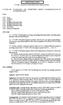 527 CMR 14.00: FLAMMABLE AND COMBUSTIBLE LIQUIDS, FLAMMABLE SOLIDS OR FLAMMABLE GASES Section 14.01: Scope 14.02: Definitions 14.03: Storage 14.04: Handling of Flammable Fluids 14.05: Handling of Flammable
Fuels Safety Program. Liquid Fuels Handling Code Adoption Document Amendment
 Fuels Safety Program Liquid Fuels Handling Code Adoption Document Amendment Ref. No.: FS-207-14 Date: IN THE MATTER OF: Technical Standards and Safety Act 2000, S.O. 2000, c. 16, and Ontario Regulation
Section III Hazardous Materials Management
 Section III Hazardous Materials Management This section of the Everyday Hazmat User s Training Guide covers various types of hazardous materials commonly found in the USDA Forest Service. Federal regulations
Wilkins Safety Group
 H & S Guidance - Flammable Liquids See also: other pages INTRODUCTION Flammable liquids are liquids with a flashpoint of 55ºC or below and hence includes all liquids that are classified as flammable, highly
Hazardous Substance Class Definitions & Labels
 Hazardous Substance Class Definitions & Labels In the IMDG Code, substances are divided into 9 classes. A substance with multiple hazards has one 'Primary Class' and one or more 'Subsidiary Risks'. Some
Storage Tank Systems for Petroleum products and allied petroleum products regulations
 Storage Tank Systems for Petroleum products and allied petroleum products regulations Information Session for: BC MoE Workshop: Update on Contaminated Sites in BC Jim Sheehan Environment Canada February
Combustible Dust Ensuring Safety and Compliance. Brian Edwards, PE Conversion Technology Inc. ENVIRONMENTAL & SAFETY CONSULTING ENGINEERS
 Combustible Dust Ensuring Safety and Compliance Prepared for: REGION IV VPPPA Presented by: Brian Edwards, PE Conversion Technology Inc. ENVIRONMENTAL & SAFETY CONSULTING ENGINEERS 1 Scope of Discussion
INTERNATIONAL STANDARD
 IEC 61892-7 INTERNATIONAL STANDARD Edition 2.0 2007-11 Mobile and fixed offshore units Electrical installations Part 7: Hazardous areas INTERNATIONAL ELECTROTECHNICAL COMMISSION PRICE CODE XA ICS 47.020.60
Decree of the Ministry of the Environment. on fire safety of garages
 E4 THE NATIONAL BUILDING CODE OF FINLAND Fire safety of garages Guidelines 2005 Decree of the Ministry of the Environment on fire safety of garages Adopted in Helsinki, 22 March 2005 Pursuant to the Decision
HSNO Control Regulations FEBRUARY 2012 (AS ORIGINALLY WRITTEN NOVEMBER 2001)
 HSNO Control Regulations FEBRUARY 2012 (AS ORIGINALLY WRITTEN NOVEMBER 2001) USER GUIDE 2 Record of Amendments Amdt No. Section Date Actioned By Signature 3 Foreword The Hazardous Substances and New Organisms
Civil Engineering Sector Labour-Management Health and Safety Committee
 PROCEDURE FOR THE STORAGE AND HANDLING OF FUEL ON CONSTRUCTION SITES Civil Engineering Sector Labour-Management Health and Safety Committee July 2008 PROCEDURE FOR THE STORAGE AND HANDLING OF FUEL ON CONSTRUCTION
ENGINEERED DRAWINGS FOR PETROLEUM STORAGE TANKS
 Facility Name: ENGINEERED DRAWINGS FOR PETROLEUM STORAGE TANKS The following is intended to be used as a guideline for information required to appear on engineered drawings involving petroleum storage
Dennis Fire Department Fire Prevention Mark Dellner Fire Chief
 Dennis Fire Department Fire Prevention Mark Dellner Fire Chief FIRE SAFETY INSPECTION GUIDELINES FOR COMMERCIAL PROPERTIES (MA Fire Prevention Regulations 527 CMR, MGL Chapter 148) FIRE PREVENTION CHECKLIST-
CONSTRUCTION FIRE SAFETY PLANNING GUIDELINES
 CONSTRUCTION FIRE SAFETY PLANNING GUIDELINES Review the following information pertaining to Construction Fire Safety Planning: B.C. Building Code Sections 8.1 up to and including Subsection 8.2.3 B.C.
HealthandSafetyOntario.ca. What is a work permit? Why use a work permit? Types of work permits. When is a work permit needed?
 work permits What is a work permit? A work permit is a written form used to authorize jobs that expose workers to serious hazards. It identifies the work to be done, the hazards involved, and the necessary
OREGON FIRE CODE Interpretations and Technical Advisories
 OREGON FIRE CODE Interpretations and Technical Advisories A collaborative service by local and state fire professionals, along with our stakeholders and customers, to provide consistent and concise application
Title: Confined Space Procedure
 Title: Confined Space Procedure Page Number: 1 of 6 1. Purpose: The purpose of this procedure is to ensure all risks associated with confined spaces within Department of Education and Early Childhood Development
FUELING AND FUEL STORAGE
 FUELING AND FUEL STORAGE BENCHMARK Implement spill prevention measures whenever fuel is handled or stored. Report, minimize, contain and clean up spills that do occur. FUELING BMPS Spills of diesel, oil,
The National Road Traffic Act 93 of 96
 The National Road Traffic Act 93 of 96 Chapter VIII of the Regulations: Transportation of Dangerous Goods and Substances by Road As published in Gov Gaz 20963 of 17 March 2000, enacted on 3 August 2001
Gas Standards and Safety. Guidance Note GAS INSTALLATIONS SUPPLIED FROM BIOGAS FACILITIES - ACCEPTANCE REQUIREMENTS GAS ACT 2000
 Gas Standards and Safety Guidance Note January 2015 (GN106) Version 1.0 GAS INSTALLATIONS SUPPLIED FROM BIOGAS FACILITIES - ACCEPTANCE REQUIREMENTS GAS ACT 2000 A guide to assist in the design of biogas
Title: Confined Space Procedure
 Issue Date: April 2011 Review Date: April 2013 Page Number: 1 of 6 1. Purpose: The purpose of this procedure is to ensure all risks associated with confined spaces within Department of Education and Early
Compressed Gas Cylinder Storage and Handling Guide
 Overview Compressed gas cylinders are used in many workplaces to store gases that vary from extremely flammable (acetylene) to extremely inert (helium). Many compressed gas cylinders are stored at extremely
Suffolk County Department of Health Services. Division of Environmental Quality
 Suffolk County Department of Health Services Division of Environmental Quality Guidelines For the Construction of Storage Areas for Portable Containers ~~~~ Clare B. Bradley, M.D., M.P.H. Suffolk County
Controlling fire and explosion risks in the workplace
 Controlling fire and explosion risks in the workplace A brief guide to the Dangerous Substances and Explosive Atmospheres Regulations Introduction to DSEAR This leaflet provides a brief introduction to
Sample Written Program. For. Flammable Liquids
 Sample Written Program For Flammable Liquids 1 Flammable Liquids. (YOUR COMPANY NAME) Purpose Proper Storage and use of flammable liquids can significantly reduce the possibility of accidental fires and
MOTOR FUEL DISPENSING SAFETY
 STRATEGIC OUTCOMES PRACTICE TECHNICAL ADVISORY BULLETIN January 2010 MOTOR FUEL DISPENSING SAFETY Fire! Not an alarm anyone wants to hear, especially not when the fire is burning at a major fuel source.
FIRE AND LIFE SAFETY REQUIREMENTS FOR CONVENTIONS, TRADE SHOWS AND EXHIBITS November 2011
 FIRE AND LIFE SAFETY REQUIREMENTS FOR CONVENTIONS, TRADE SHOWS AND EXHIBITS November 2011 COLORADO SPRINGS FIRE DEPARTMENT Division of the Fire Marshal If you have any questions or comments regarding the
FACILITY FIRE PREVENTION AND EMERGENCY PREPAREDNESS INSPECTION CHECKLIST
 FACILITY FIRE PREVENTION AND EMERGENCY PREPAREDNESS INSPECTION CHECKLIST Date of Inspection: Conducted by: Location: Reviewed by: Date of Review: Comments or additional corrective action taken as a result
Hazardous materials can be silent killers. Almost every household and workplace has varying amounts of chemicals that, if spilled or combined, will
 HAZARDOUS MATERIALS Hazardous materials can be silent killers. Almost every household and workplace has varying amounts of chemicals that, if spilled or combined, will cause great harm and even death.
General Fire Code Requirements Within Commercial Tenant Spaces
 FIRE DEPARTMENT in cooperation with Scope: General Fire Code Requirements Within Commercial Tenant Spaces This handout is designed to assist owners, architects, contractors and others in understanding
STORAGE AND HANDLING OF DANGEROUS GOODS
 STORAGE AND HANDLING OF DANGEROUS GOODS CODE OF PRACTICE 2005 This former code of practice under the OHS legislation is provided for the purpose of guidance only. Readers should not rely on statements
We hope these Frequently Asked Questions will be of use both to municipal officials and fire inspectors.
 September 14, 2012 Dear AMM Member: Please see the attached Fire Code Frequently Asked Questions. This document was compiled by the Office of the Fire Commissioner at the AMM s request to help clarify
ALVERNIA UNIVERSITY OSHA REGULATION: 29 CFR 1910.252 WELDING, CUTTING, AND BRAZING ( HOT WORK ) SECTION: 3600
 OSHA REGULATION: 9 CFR 90.5 WELDING, CUTTING, AND BRAZING ( HOT WORK ) A. POLICY. This procedure follows requirements set forth in 9 CFR 90.5.. This policy applies to all Hot Work operations being done
Making sense of Intrinsic Safety and Intrinsically Safe Tools
 Making sense of Intrinsic Safety and Intrinsically Safe Tools What is Intrinsically Safe? Intrinsic safety is a protection standard employed in potentially explosive atmospheres. Devices that are certified
c. As mandated by law, facilities must obtain and maintain valid zoning permits as well as permits for intended use.
 Walmart Standards for Suppliers Section 7. Health and Safety 7. Health and Safety Suppliers must provide workers with a safe and healthy work environment. Suppliers must take proactive measures to prevent
RESTRICTED ACCESS AND CONFINED SPACES
 Health & Safety Services Unit name goes here Safety Code of Practice 39 1 st Edition, July 2011 RESTRICTED ACCESS AND CONFINED SPACES University of Reading 2015 Page 1 Contents 1 Summary... 3 2 Introduction...
FIRE AND LIFE SAFETY REQUIREMENTS FOR CONVENTIONS, TRADE SHOWS AND EXHIBITS
 FIRE AND LIFE SAFETY REQUIREMENTS FOR CONVENTIONS, TRADE SHOWS AND EXHIBITS November 2011, Updated March 2012 COLORADO SPRINGS FIRE DEPARTMENT Division of the Fire Marshal If you have any questions or
MATERIAL SAFETY DATA SHEET. PRODUCT IDENTIFIER Carbon Dioxide, Refrigerated Liquid
 SECTION I- Product Information* MANUFACTURER: EPCO Carbon Dioxide Products, Inc. OFFICE PHONE: 1-800-259-3726 24-HOUR EMERGENCY: 1-800-259-8095 SHIPPING NAME: Carbon Dioxide, Refrigerated Liquid UN NUMBER:
3.2 The Department of Environmental Health and Safety is responsible for;
 1 Introduction The have been developed in order to minimize the risk of accidental chemical reactions and exposure resulting from the improper storage of hazardous chemicals. The chemical storage procedures
SAFETY SIGNAGE PROCEDURE
 Page 1 of 10 SAFETY SIGNAGE PROCEDURE 1.0 PURPOSE 1.1 To enable a reference to signage to meet legislative requirements and ensure in cases of emergency appropriate signage is visible. 2.0 SCOPE 2.1 This
Notes. Material 1. Personal Protective Equipment 2.
 29CFR 1926.20(b)-Accident Reduction, 29CFR 1926.21- Safety Training & Education 29CFR 1926.20(a)-Unsafe Working Conditions 29 CFR 1910.132-138, the "Personal Protection Equipment" standard. & 20 CFR 1910.134
Safety Data Sheet Customwood MDF
 1. IDENTIFICATION OF THE MATERIAL AND SUPPLIER. Product Details Product Name: Other Names: Manufacturer s code: U.N. Number: Dangerous Goods Class: HAZCHEM Code: Toxic Substances Schedule: Uses: Customwood
Flammable and combustible liquids. Licence guide. Guide for operators
 Guide for operators About this guide This guide is for businesses that provide flammable and combustible liquids. It provides advice on licensing and fit-out guidelines for businesses. Table of Contents
Technical Requirements for Aboveground Storage Tanks (ASTs) Storing Class IIIB Liquids (other than used oil)
 Technical Requirements for Aboveground Storage Tanks (ASTs) Storing Class IIIB Liquids (other than used oil) References: Comm 10 2009 EDITION / NFPA 30 2008 EDITION ITEM DESCRIPTION Comm 10 / NFPA General
A Code Review for Emergency Generators and Indoor Use of Portable Generators
 A Code Review for Emergency Generators and Indoor Use of Portable Generators By: the Fire and Life-Safety Group (FLS) Fire Code requires that emergency generators be stationary generators. Therefore, a
Mechanical Systems Competency 1.20
 Competency 1.20 Mechanical systems personnel shall demonstrate a working level knowledge of the safety and health fundamentals of mechanical systems and/or components. 1. Supporting Knowledge and Skills
February 2014 Alberta Fire Code 4.2.6.3. Page 1 of 5. Fire Safety and Hand Hygiene in Healthcare Facilities
 FIRE CODE VARIANCE February 2014 Alberta Fire Code 4.2.6.3. Page 1 of 5 ISSUE: Fire Safety and Hand Hygiene in Healthcare Facilities This Variance covers alcohol based hand hygiene products used in healthcare
ADMINISTRATIVE SERVICES MANUAL
 Purpose Responsibilities Proper Storage and use of flammable liquids can significantly reduce the possibility of accidental fires and injuries. To minimize risk to life and properly, the requirements of
Fact sheet 6: for farmers
 Fact sheet 6: for farmers Fuel Oil Storage June 2013 Are you planning to substantially alter your fuel oil store, or add a new one? If so, this fact sheet will help you meet the requirements of The Water
IMPORTANT SAFETY NOTICE
 IMPORTANT SAFETY NOTICE To: Our Valued Customers User safety is a major focus in the design of our products. Following the precautions outlined in this manual will minimize your risk of injury. ITT Goulds
Flammable Storage in a Biotech Facility
 Deputy Chief Gerard Mahoney; Chairman 100 Smith Place Cambridge, MA, 02138 (617) 349-4944 Fax: (617) 349-4905 Mailing Address: 491 Broadway Cambridge, MA 02138 Flammable Storage - Intro Date: 12/09/2009
Heading FACT SHEET. Overview. www.safeworkaustralia.gov.au
 ELECTRICAL RISKS AT THE WORKPLACE Heading FACT SHEET Overview This fact sheet provides general guidance for persons conducting a business or undertaking (PCBUs) and workers on managing electrical risks
Safety Storage Cabinets
 Safety Storage Cabinets Safe storage of flammables? The workplace without a fire resistant Safety Storage Cabinet Dangers, risks and your disadvantages... STORAGE ROOM Transport/working time - Increased
Compressed Gases The Dangers
 Compressed Gases COMPRESSED Compressed gases are any gases or mixture of gases exerting a gauge pressure of 6 pounds per square inch at 68 F. Federal regulations specify how these gases must be stored
Company Header POLLUTION INCIDENT RESPONSE MANAGEMENT PLAN. For [site name] [EPL number]
![Company Header POLLUTION INCIDENT RESPONSE MANAGEMENT PLAN. For [site name] [EPL number]](/thumbs/28/12582614.jpg "Company Header POLLUTION INCIDENT RESPONSE MANAGEMENT PLAN. For [site name] [EPL number]") Company Header POLLUTION INCIDENT RESPONSE MANAGEMENT PLAN For [site name] [EPL number] Pollution Incident Response Management Plan for [insert site name] Contents [need to check correct page numbers]
Company Header POLLUTION INCIDENT RESPONSE MANAGEMENT PLAN For [site name] [EPL number] Pollution Incident Response Management Plan for [insert site name] Contents [need to check correct page numbers]
MATERIAL SAFETY DATA SHEET
 Air Liquide New Zealand Limited 19 Maurice Road Penrose Auckland 1061 Product Name: MATERIAL SAFETY DATA SHEET ALPHAGAZ TM 1 - Oxygen Phone: (09) 622 3880 Fax: (09) 622 3881 Emergency: 0800 156 516 Issued:
Spray Booth Guideline
 Department of Development Service 135 North D Street, Perris CA. 92570 Phone: (951) 443-1029 Fax: (951) 943-3293 PURPOSE The intent of this guideline is to provide the information necessary to ensure that
Industrial Process Pump Safety Manual IMPORTANT SAFETY NOTICE
 Industrial Process Pump Safety Manual IMPORTANT SAFETY NOTICE To: Our Valued Customers User safety is a major focus in the design of our products. Following the precautions outlined in this manual will
IGEM/UP/16 Communication 1756
 Communication 1756 Design for Natural Gas installations on industrial and commercial premises with respect to hazardous area classification and preparation of risk assessments Founded 1863 Royal Charter