
Immunoglobulin diversity, B-cell end antibody repertoire development in large farm animals
|
|
|
- Caroline Ryan
- 10 years ago
- Views:
Transcription
1 Rev. sci. tech. Off. int. Epiz., 1998,17 (1), Immunoglobulin diversity, B-cell end antibody repertoire development in large farm animals J.E. Butler Department of Microbiology and Interdisciplinary Immunology Program, 51 Newton Road, Bowen Science Building, University of lowa, lowa City, IA , United States of America Summary The B-cell lineage, the antibodies produced by these cells and the diversification of the antibody repertoire are essential for the health and survival of all mammals. Cattle, sheep, swine and horses, unlike rodents and primates, develop their antibody repertoire from a relatively small number of V H (variable heavy) genes of one or several families and cattle, sheep and horses use almost exclusively flight chains. These large farm animals appear to use templated mutation (gene conversion) in addition to untemplated (point) mutation in repertoire development; this may occur predominantly in the ileal Peyer's patches. Whether B-cell lymphogenesis is continuous throughout life - as in rodents and primates - or whether B cells are largely of the B-1 lineage and develop only in foetal and neonatal life, is uncertain. The fact that immunoglobulin D (IgD) is totally absent from swine and ruminants may be significant, as IgD is expressed weakly on rodent B-1 cells. Information on IgG subclass diversity in large farm animals is incomplete, except for sheep and cattle, and no information is available for any large farm animal to show whether T helper 1 (Th1 ) and Th2 responses correlate with the expression of any subclass antibody response, as is the case in rodents. All large farm animals exclusively use the mammary gland to transfer immunity to offspring, although the receptor involved in the transport of IgG into colostrum and milk has not been characterised. Efforts to standardise the nomenclature and measurements of antibodies and immunoglobulins in large farm animals are discussed, and a proposal currently under review concerning the standardisation of the nomenclature for bovine immunoglobulins is presented as a model. Keywords B cells - Cattle - Genetics - Horses - Nomenclature - Passive immunity - Repertoire development-swine. Introduction: antibodies in animal health Lessons from experiments of nature The importance of a process or an element to the overall well-being of the organism often becomes obvious when that element or process is absent. While this is the rationale for the use of knock-out transgenic mice in scientific research, there are also naturally-occurring genetic deficiencies. In horses, mice and humans, failure of the rearrangement of the genes which encode antibodies leads to severe combined immune deficiency (SC1D). In SCID there are no antibodies, so victims of the disease, such as Arabian foals (98, 165), succumb to a wasting disease once the passive antibodies obtained from the mare have been exhausted. Since the normal offspring of common large farm animals, i.e., calves, piglets, lambs and foals, possess only small amounts of 'natural' antibodies at birth, they depend on passive antibodies obtained through colostrum and milk (26). Thus, failure of such transfer to occur also leads to death by wasting disease (99). In the case of hyper immunoglobulin M (IgM) syndrome, the T-cell co-stimulatory molecule CD40 (cluster of differentiation

2 44 Rev. sci. tech. Off. int. Epiz., 17 (1 antigen 40) ligand is absent, so that affected individuals are only able to produce IgM antibodies (3). Since most bacterial and viral antigens are T-dependent, the inability of such individuals to produce antibodies other than IgM leaves them highly susceptible to bacterial infection in particular. The above examples illustrate the consequences of the loss of all or a portion of the antibody repertoire. There are additional examples of holes in the repertoire, in which individuals are unable to make antibodies to certain antigens or antibodies of a protective isotype. These experiments of nature illustrate the essential role played by antibodies and development of the antibody repertoire in maintaining animal health. The biological role of secreted antibodies Antibodies rarely act alone in providing protection against infectious agents, but rather act together with various accessory cells of the immune system. IgG antibodies which recognise bacteria are themselves recognised by macrophages or neutrophils bearing so-called Fc-receptors. Once the antibody has recognised the target, the phagocyte can recognise the target-antibody complex. Killing is generally the result of digestion of the bacterium-antibody complex in a phagolysosome. Antibodies can also activate a cascade of enzymes called complement which can perform the following duties: a) generate a membrane attack complex which lyses the infectious organism b) produce a series of mediators, such as anaphylatoxins, which produce an inflammatory response capable of killing the pathogen c) attach an enzyme derivative called C3b to the pathogen, which then allows the pathogen to be recognised by phagocytic cells in much the same manner as if coated with antibody. Examples of antibodies capable of direct intervention include those which block virion penetration of cells, antitoxins which prevent toxins from binding to their cell receptors and antibodies such as IgA, which can block colonisation of an epithelium by interfering with bacterial adhesion. The role of antibodies as B-cell receptors The discussion so far has focused on the role of the secreted form of antibodies in animal health. The secreted form of antibodies is the product of terminally differentiated B cells called plasma cells (Fig. 1). Plasma cells have elaborate synthetic and secretory machinery and a relatively short half-life (five to seven days). The membrane form of an antibody is called the B-cell receptor (BCR), i.e., it is the receptor on B cells which recognises antigen. Secreted antibodies differ from those embedded in the membranes of B cells in that the former have exchanged hydrophobic transmembrane anchors for a sequence which promotes their secretion as soluble proteins. The transmembrane tail of the membrane antibody molecule is associated with two other transmembrane proteins known as Igoc and Ig(3. These accessory molecules are intricately involved in the process of signal transduction. Signal transduction occurs when the BCR encounters antigen and initiates a metabolic pathway which informs the transcriptional machinery in the B-cell nucleus that it has encountered an antigen and that new proteins must be transcribed (or the transcription of others suppressed) to permit the stimulated B cell to process the antigen, proliferate and/or differentiate to a plasma cell. Antigen encounter by B cells results in intemalisation of the BCR-antigen complex and the subsequent digestion of the complex to peptides (called antigen processing). The processed peptides are then displayed on the B-cell surface in the context of class II MHC molecules to be recognised by T cells in much the same manner as was described above when phagocytic cells ingest and digest the antigen-antibody complexes they have phagocytosed. Thus the B cell, like the phagocytic accessory cell, is called an antigen-presenting cell. Upon receiving a second signal from the T cell to which it had effectively presented antigen, the B cell not only proliferates and differentiates into a plasma cell which secretes antibodies specific for the antigen originally encountered by the BCR, but the encounter also sets in motion a process for diversifying the original BCR. This diversification depends on somatic mutation of the genes encoding the original BCR. The rate of somatic mutation of the genes, which controls the specificity of the BCR, is 10 7 greater than for normal eukaryotic genes. This mutational event is one of the mechanisms responsible for expanding and diversifying the antibody repertoire. Secreted antibodies also play an important initial role in the processing of foreign antigen. Namely, the soluble complexes which they form with antigens are subsequently phagocytosed by accessory cells, which degrade them to peptides and present them with major histocompatibility complex (MHC) surface proteins to T cells. Recognition of the foreign peptides in the context of the MHC by the T-cell receptor (TCR) results in stimulation of the T cell. This T-dependent event initiates a series of events which leads to further specific antibody production (Th2 response) or generates inflammatory T cells (Thl response). Both of these responses can resolve the infection. Antibody structure, genes and synthesis The structure of antibodies Figure 2 illustrates the sequential stages of the synthesis of an antibody beginning with rearrangement of various gene segments (2a, top) and ending with a diagram of the antibody encoded by these various gene segments (2a, bottom). All antibodies are monomers or multimers of the four polypeptide chains unit illustrated at the bottom in Figure 2a.

3 Rev. sci. tech. Off. int. Epiz., 17 (1) 45 Fig. 1 Lymphocyte development B-cell development takes place in foetal spleen or bone marrow while T cells develop in the thymus. Both are derived from lymphoid precusors which are derived from foetal liver. During development, each proceeds through a stage in which a surrogate light chain (B cells) or surrogate a-chain (T cells) is displayed as part of the pre-b-cell receptor and pre-t-cell receptor, respectively. Both immature T and B cells are subjected to negative selection by self-antigens and T cells must also be positively selected for cluster of differentiation antigen 8 (CD8) and CD4 on thymic stromal cells which express major histocompatibility complex (MHC) class I and MHC class II. B cells may also be positively selected. An estimated < 5% of all lymphoid cells survive the selection process IgG, the most abundant serum antibody, is composed of a single unit, i.e., the structure shown at the bottom of Figure 2a is composed of two light and two heavy chains. The light chain/heavy chain association at the N-terminal region of these polypeptides forms the 'Fab' portion of the molecule which is composed of the V L + C L domains of the light chain and the V H + C H 1 domains of the heavy chain (Fig. 2a). Any one antibody unit is composed of two such identical Fabs. Since the Fab contains the antigen binding site, each monomelic antibody unit is divalent. Some antibodies, such as IgM, are pentamers of the basic unit and thus have ten identical binding sites. The C H 2 and C H 3 domains of the paired heavy chains at the C-terminal end of the molecule comprise the so-called 'Fc' portion. The Fc portion of an antibody endows it with unique biological activities which include activation of complement, transport across epithelial cells, recognition by Fc-receptors on macrophages, neutrophils and mast cells, and recognition by the lg-binding proteins produced by various bacteria. Since different isotypes of antibodies have different Fc regions (Table I), each isotype is able to initiate different biological activities in protective immunity. Both the heavy and light chains of an antibody are composed of constant (C H, C L ) and variable (V H, V L ) regions. The N-terminal portion of both heavy and light chains (V L + V H ) encodes the Fab and thus determines antibody specificity. Constant regions are encoded by only a few different genes which give the antibody its isotypic or 'class' (or subclass) character. For example, one gene which has been found so far in all mammals encodes the constant region of IgM (called p), and usually just one gene encodes the constant regions of IgA (a-) and IgE (8-), but often multiple genes encode the subclasses of IgG (y-) (Table I). Due to the limited number of genes encoding the constant portion of antibodies and the fact that these are not subject to somatic hypermutation, they are considered 'constant'. Unlike the constant region, many genes encode the 'variable regions' of heavy and light chains (the number of variable gene segments in the variable heavy chain locus is indicated in

4 46 Rev. sci. tech. Off. int. Epiz., 17 (1) Fig. 2a Fig. 2b Germline DNA Somatic recombination DJ-joined DNA Somatic recombination VDJ-joined rearranged DNA Transcription Primary transcript RNA Splicing mrna Translation Heavy chain mrna : messenger ribonucleic acid Fig. 2 Immunoglobulin gene rearrangement and synthesis of an immunoglobulin Modified from Janeway and Travers (78) Fig. 2a: Progressive rearrangement events beginning with germline DNA encoding in humans 91 V segments, 30 D segments, 6 J segments and 10 different constant Ig gene segments (c) linked on chromosome 14q. During rearrangement, a single V, D, and J segment are joined ('VDJ-joined rearranged DNA') in the process called 'combinatorial joining'. Since the VDJ joints can add or subtract nucleotides, 'junctional diversity' also arises. Eventually an mrna encoding the VDJ and constant region is synthesised and subsequently translated into the heavy polypeptide chain of the Ig the darkened area. The second heavy chain of the completed Ig molecule is identical to the first Fig. 2b: The polypeptide structure of the variable heavy chain region of an Ig. The N and C terminals are indicated. The darkened region depicts the so-called (hypervariable) W or (complementary-determining regions) 'CDR' loops which join the anti-parallel 6-pleated sheets together and also comprises the tip of the variable region which interacts with antigen Fig. 2c: A folded version of Fig. 2b showing how the three HV regions come together to form the binding site. These regions are called HV because they show the greatest variability among antibodies and CDRs because they are complementary to the conformation of the antigens they bind parenthesis in Figure 2a). In humans, mice and chickens, there are about 100 genes encoding the variable heavy chain genes and a similar number which encode the V L of the K-light chains. The light chains of antibodies are encoded at two separate loci, kappa (K) and lambda (X). Any one antibody bears either K- or A.-light chains. As far as is known, any of the many variable region genes can be expressed with any particular constant region gene (one is depicted as being used in Fig. 2a). Since the specificity of the antibody is encoded by the variable region genes, the existence of IgM, IgG, IgA and IgE antibodies with identical variable regions, and therefore identical antigen specificity, is possible. As shown in Figure 2a, the eventual synthesis of an antibody molecule involves the rearrangement and joining of various gene segments, i.e., one V H, J H, D H and C H are selected for the heavy chain and one V L, J L and C L for the light chain. This process of variable gene segment selection and joining, together with somatic hypermutation, generates the repertoire of antibodies capable of recognising so many different

5 Rev. sci. tech. Off. int. Epiz., 17 (1) 47 Table I Immunoglobulin diversity among animals (33) Species IgM IgD C H genes IgG ige IgA X C (a) Lgenes K v and V L families H X K GOD, b l Mouse (5%) 1 (95%) SM Human (40%) 1 (60%) SM Bovine (?) (> 98%) 1 (< 2%) 1 (0 2(7)? SM, CVS Sheep 1 0 2(7) 1 1 (?) > 1 (?) (> 95%) 1 (?) (< 5%) 1 Ici 6 3 SM Rabbit (10%) 2 (90%) 1? 7 SM, CVS Swine 1 0 >6(?) (?) (40%) 1 I?) (60%) 1? 7 SM, CVS (?) Horse 1? 4(?) 1 1(7) 4 (93%) 1 (7%)? 1 (cl? 7 Chicken 1 0 W) (?)("> K?) 1 (100%) CVS, SM (?) a) Values in parentheses indicate the proportion of each light chain type expressed b) GOD: generation of diversity. Since all species use both combinatorial joining and junctional diversity, these mechanisms are not listed c) Only one family appears to be expressed d) Chicken IgY appears to share homology and function with both mammalian IgG and IgE Ig : Immunoglobulin SM : untemplated somatic hypermutation CVS : templated somatic mutation (gene conversion) (?) : the exact number is unknown but may be the number indicated? : unknown antigens: the failure of this process in SCID results in an agammaglobulinaemic condition. Antibody and immunoglobulin genes Figure 2, as well as illustrating the general structure of an antibody and the gene segments encoding the antibody, also illustrates how these segments are rearranged to yield the complete antibody molecule. The rearrangement process is at the basis of repertoire development. For example, the human has 91V H segments, 30 D H segments and 6 J H segments, thus there are more than 16,000 different possibilities for generating the variable regions of the heavy chain. Since there are 40 V K genes and five J K segments (there are no D segments in the light chain loci) there are 200 possibilities for the K-light chain variable region. Use of the X-light chain locus results in somewhat fewer possibilities. The frequency of K- or X-chain usage is species-dependent, as summarised in Table I. Using the K locus as an example results in more than 3.2 x 10 6 different Fab fragments which could translate into as many different antibody specificities. This method of generating a repertoire is called combinatorial joining (CJ). In addition to CJ, the actual joints formed between V H, D H and J H segments can involve the addition or removal of nucleotides. This process leads to junctional diversity and is believed to account for at least 1,000 additional possibilities for the variable heavy chain segment alone. Finally, the rearranged variable region gene complex VDJ (heavy chain) or VJ (for light chains) is acted upon by an undefined mutase or some error-prone polymerase or repair enzyme to generate mutations at a rate 10 7 greater than that found in conventional eukaryotic genes. These mutations tend to be clustered in hypervariable (HV) regions which encode the complementary determining regions (CDRs) of antibodies (Fig. 2b). The CDRs are those regions which directly contact antigen in the folded Fab (the shaded regions in Fig. 2b and 2c). Somatic hypermutation of this sort is believed to account for at least another 1,000 variants. If such hypermutation occurs in both the variable heavy and variable light chain regions, the theoretical antibody repertoire would be greater than Using synthetic variable gene modulation, antibody-phage libraries with more than specificities have been generated in vitro (63). Two different forms of somatic hypermutation have been described for introducing additional diversity into rearranged VDJs or VJs. Untemplated mutations occur merely as point mutations which are primarily clustered in the CDR regions. By contrast, species such as the chicken and the rabbit use a separate form of somatic hypermutation which, in effect, appears to involve translocation of shon segments of upstream variable region genes to the most 3' V H gene which will then be transcribed as a type of hybrid. This process, also known as somatic gene conversion, seems to be a mechanism favoured in species which either have, or only use, a small number of highly homologous variable region genes to generate their antibody repertoire (31, 32). B-cell lymphogenesis In mammals such as mice, haematopoiesis begins in the foetal liver or yolk sac, with precursor lymphoid stem cells developing into lymphocytes. Some of these lymphocytes migrate to the developing thymus and there mature into predorninandy a/p T cells (Fig. 1), while others remain behind in the foetal liver to rearrange their antibody genes (Fig. 2a) and become pre-b cells or become Y/À T cells. The gene rearrangement events depicted in Figure 2 are not always productive; non-productive rearrangements typically encode out-of-frame sequences and may occur more frequendy than productive rearrangements (Fig. 1). In mice, pre-b cells with productive rearrangements transcribe and

6 48 Rev. sci. tech. Off. int. Epiz., 17 (1) translate their productivity rearranged V(D)Js into membrane immunoglobulins which serve as BCRs. Initially, the heavy chain variable regions of BCRs of at least conventional (B-2) cells are expressed together with light chain-like segments (X,5 and VpreB) which serve as developmental surrogates (105) (Fig. 1). Later, these surrogate light chains are replaced by the products of rearranged authentic VK or VK chains. These immature B cells are now subjected to negative selection, i.e., those which recognise self-antigens are given a cell death signal. The cells which emerge from the foetal liver and migrate to secondary lymphoid tissues, such as the spleen and lymph nodes, are regarded as mature but naive B cells, and are estimated to comprise less than 30% of the pre-b cell population (118). This paradigm of B-cell development may require modification when extended to non-rodent, non-primate mammals, including the large farm animals which are the subject of this review. The factors and mechanism(s) that determine V H, D H and J H usage during the rearrangement process are poorly understood, although certain patterns have emerged. Studies in foetal mice and humans indicate that gene usage is not random. The most 3' V H families in the murine and human genomes are over-expressed in foetal liver (121, 141, 166). Rabbits use their 3' V H gene 90% of the time (89) and the chicken has only one functional V H gene and it is the most 3' V H gene in the locus (162). Kraj et al found that V 4-34, V 4-54 and V 3-23 dominated the repertoire in pre-, immatureand mature B cells in humans, and foetal piglets use primarily four V H gene segments, two D H segments and their single J H during a day period in utero (92). The productive rearrangement of VDJs, their transcription and translation into BCRs and the subsequent selection and expansion of B cells represent the antigen-independent phase of B-cell differentiation (Fig. 1). While taking place developrrientally in the liver, the process shifts to the bone marrow in adult humans and mice and continues throughout life. These continuously generated B cells are called 'conventional' or B-2 cells. On the other hand, certain B-cell sub-populations appear to be generated only during foetal and early neonatal life and tend to populate the peritoneum. These are called B-l cells and are self-regenerating rather than continuously differentiated from precursors as occurs with conventional B-2 cells. B-cell selection and germinal centres Mature B cells migrate from the bone marrow (or foetal liver) to populate lymph nodes and the spleen. At these sites, the cells encounter antigens, which are recognised by their BCRs, and begin the antigen-dependent phase of their development (Fig. 1). Antigen recognition, combined with cognitive interaction with helper T cells or exposure to certain cytokines, results in activation of the B cells. T-cell-mediated activation leads to proliferation, somatic hypermutation of VDJs and switch recombination. This antigen- and helper T-cell-driven process occurs in follicles of the germinal centres (GC) of these secondary lymphoid organs. Since the T- and B-cell systems are mature at this time, GC formation is dependent on exposure to external antigen. In addition to somatic mutation, secondary VDJ rearrangement (receptor editing) can also occur (66, 86), and may do so through the use of heptamer signal sequences embedded in CDR3 which were the result of the initial productive VDJ rearrangement. Concomitantly, when in the presence of the correct cytokine milieu, class switching occurs. Switching involves the alignment of repetitive sequences known as switch regions such that a particular VDJ is juxtaposed with downstream C H genes, such as those encoding IgA or IgE. The organisation of the heavy chain locus is such that the gene encoding the IgM heavy chain (u) is immediately 3' proximal to the rearranged VDJ. Thus 'switching' involves removal of intervening DNA so some downstream constant region gene now lies immediately 3' proximal to the rearranged V(D)J. This allows the original or somatically-mutated BCR, which recognised the antigen, to be expressed now with a heavy chain other than IgM. Since the Fc portion of the constant region of the antibody heavy chain is the part which determines the special biological role of the cell, switching is an important event in B-cell differentiation. As indicated below, individuals whose T cells are genetically deficient in the co-stimulatory molecule CD40 ligand are unable to switch, and thus can produce only IgM antibodies. If other classes of antibodies are needed to control an infection, such repertoire-deficient individuals are highly susceptible. The somatic mutation or receptor editing of the BCR in GCs which follows an encounter with a T-dependent antigen leads to affinity maturation (79). Since activation stimulates somatic mutation, a small number of mutational events can result in the production of BCRs which can bind the antigen with higher affinity than the original BCR. Thus, waves of stimulation and somatic mutation produce B cells of higher affinity, i.e., the affinity of the response matures. This is, in part, the rationale behind the use of booster immunisations. However, there is much to be learned about this process, particularly in large farm animals, in which the process has not been studied at the molecular level. Since most studies have been performed in mice and involve conventional B cells, the question as to whether an analogous series of events occurs in GCs of species which possess predominantly (or only) B-l cells has not been vigorously addressed. Studies by Kraj et al. suggested that selection by ligand may explain the overrepresentation of V 3-20 in mature B-cells (92). Ligands need not be antigens per se but could also be so-called 'B-cell superantigens'. These are believed to act like T-cell superantigens, such as Staphylococcal enterotoxin (the cause of toxic shock syndrome in women), which can lead to the proliferation of lymphocytes expressing certain V H gene segments regardless of the actual antigen specificity of the BCR. Stromal ligands on host cells may also act as superantigens and this may explain the selective use of the most 3' V H gene in rabbits (123). A human B-cell

7 Rev. sci. tech. Off. int. Epiz., 17 (1) 49 superantigen specifically binds framework regions encoded by V H genes belonging to the V H 3 family (144). Since all swine V H genes are members of the V H 3 family (150), this human foetal superantigen also binds porcine IgG, and a protein with similar properties has recently been detected in porcine bile (G.J. Silverman, personal communication). Thus, preferential selection and proliferation of certain BCRs by intrinsic B-cell superantigens may explain preferential V H expression and may represent an important aspect of B-cell ontogeny and antibody repertoire development in farm animals. Another potential source of both B-cell superantigens and conventional environmental antigen is the intestinal flora. A role of the gut flora in B-cell differentiation, or at least in repertoire diversification, has been suspected for some time (91). The role of intestinal flora in stimulating repertoire diversification in farm animals needs to be addressed, since this is a factor which could theoretically be modulated by management practices. The proliferative capacity of lymphocyte compared to most other eukaryotic cell types would eventually result in transforming the organism into a giant lymph node. To prevent this, a mechanism for eliminating unwanted lymphocytes has evolved. The pre-b cells which fail to produce productive V(D)J rearrangements, or the mature B cells which encounter self-antigen during development in bone marrow - as well as those mature B cells in lymph nodes which do not encounter a recognisable antigen - are all eliminated by apoptosis (programmed cell death). Thus, more than 90% of all pre-b, immature-b and mature B-cell clones are eliminated (Fig. 1). With regard to B cells which recognise self-antigens with their BCRs, conventional wisdom surrounding this topic suggests that if this recognition occurs during foetal and early neonatal life, such cells are deleted or at least rendered tolerant to such self-antigens. However, this appears on the surface to contradict evidence that the so-called natural antibodies of the foetus and neonate are characterised by self reactivity (4, 50). Perhaps low affinity natural antibodies of the B-1 lineage (67) represent the products of B cells which have escaped negative selection because they bound too poorly to self-antigens to cause their programmed cell death. Human diseases such as rheumatoid arthritis, multiple sclerosis, lupus erythematosus, rheumatic fever and autoimmune haemolytic anaemia result from the ability of B cells to recognise self-antigens. Could low affinity natural antibodies be responsible for autoimmunity which appears later in life? Since most antigens involved in autoimmunity are T-dependent, the loss of T-cell tolerance or the retention of some autoreactive T-cell clones not eliminated during thymic development (Fig. 1) is generally considered more important in autoimmunity. The processes and events reviewed above ultimately determine the antibody repertoire which is available to newborn and adult mammals to face the challenge of environmental pathogens. Since a critical balance must be achieved so that BCRs can recognise and respond to pathogens but not to self-antigens, understanding mechanism by which the antibody repertoire is developed is of considerable significance to both human and animal health. Diversity of antibodies and antibody genes among animals lg gene diversity Table I summarises the diversity of immunoglobulins among common homeothermic vertebrates. Diversity is apparent in the following factors: a) the number of heavy chain classes and subclasses b) the expression of K- versus X-light chains c) the number of variable and light chain gene families d) the generator of diversity (GOD) of antibody specificities. For example, IgD has been found so far only in rodents and primates, and while many species have multiple subclasses of IgG, rabbits have only one. Interestingly, rabbits have 13 IgA subclasses, while the number does not exceed two for any other species studied to date. The ratio of expressed K- and X-light chains varies enormously, from more than 93% X-expression in ruminants and the horse to a marked predominance of K in rodents. Surprisingly, swine, an artiodactyl, display a K/X-chain ratio that shows more similarity to humans than to other artiodactyls. In the case of heavy and light chain variable gene families, both rodents and humans have many families; in contrast, all the V H genes in the rabbit, chicken and swine belong to a single family and raminants the also appear to express only one family. Actual numbers of V H genes differ widely; rodents, humans and chickens have circa 100, rabbits may have as many as 200 while swine, sheep and cattle appear to have far fewer. As with K/X-ratios, phylogenetic relationships are not a reliable indicator of Ig diversity, except perhaps in very closely-related species such as domesticated ruminants or rats and mice. The same is true for the GOD. Species with large numbers of V H genes and a large number of gene families rely heavily on combinatorial joining to create diversity, whereas rabbits, which also have a large number of V H genes but only one gene family, rely heavily on templated mutation, i.e., somatic gene conversion. The data in Table I emphasise the danger of assuming that what is true for mice (or humans) is equally applicable to large farm animals. Rather, each species needs to be studied individually and paradigms which have been established for mice should be applied to other species only after experimental confirmation. Diversity in B-cell lymphogenesis Haematopoiesis and lymphopoiesis are evolutionarily conserved developmental events. In most species, these

8 50 Rev. sci. tech. Off. int. Epiz., 17 (1) events begin in the foetal liver and shift to the bone marrow before birth. Diversity among species is most apparent in both T and B lymphocyte subsets. As mentioned above, two major subsets of B cells are recognised: B-l and B-2. The former is characterised in mice by low expression of IgD, high expression of CD5 and early appearance during development. Furthermore, B-l cells are especially plentiful in the peritoneum and have the capacity of self-regeneration. In contrast, B-2 cells are CD5 low or negative, IgD hlgh and are continuously generated in bone marrow. Rabbits and chickens do not produce B cells continuously throughout life and, unsurprisingly, all of their B cells appear to be derived from the B-l lineage. Rabbits also lack a gene encoding IgD (41). The exact role of these two B-cell sub-populations is unclear. There has been speculation that B-l cells are less diversified, i.e., display more germline-like V H /V L sequences, are polyreactive and recognise especially common microbial antigens (43, 67). However, recent studies indicate that B-l cells can also be highly diversified (84). This would be consistent with the fact that rabbits, which have only B-l cells, undergo splendid affinity maturation following immunisation (84). Both B-l and B-2 cells occur in ruminants, although the CD5 population is greatly expanded in trypanosome-infected cattle (114). The situation in swine remains unclear since mab b5367 (anti-cd5) fails to recognise swine B cells (45), although a monoclonal antibody made against a conserved peptide in the cytoplasmic domain of CD5, does recognise swine B cells (2). development in foetal liver in all mammals rather than in the thymus (95). Diversity in the passive transfer of antibodies from mother to young Figure 3 summarises the diversity among common mammals in the transfer of immunity from mother to young. Most notable is the difference between so-called Group I and Group III mammals. In the former, virtually all IgG is transferred in utero by means of an Fc-dependent transport receptor in the placenta. In contrast, Group III mammals transport no antibodies in utero before birth but use an analogous Fc-dependent receptor on acinar epithelial cells in the mammary gland to transport IgG into colostrum. Group II mammals are able to do both. The significance of this difference in the transport of maternal IgG to the offspring is that both foetal rabbits and humans have a serum level of IgG at birth which is equal to or greater than the maternal serum IgG level, while Group III mammals are bom virtually agammaglobulinaemic. The way in which these differences affect the development of the antibody repertoire may depend on whether maternal IgG influences antibody repertoire diversification. While there is evidence that maternal IgG primarily downregulates de novo antibody synthesis (75, 88), investigators in a recent study found no evidence for an effect of maternal IgG on either de novo synthesis of Ig or repertoire development in foetal mice (49). However, the extrapolation of the latter finding to all mammals may be dangerous, since considerable diversity exists among mammals in other aspects of B-lymphogenesis and antibody repertoire development. Species differences in B-cell lymphogenesis may be correlated with differences in primary lymphoid tissues/organs. In chickens, lymphoid follicles in the hindgut collectively form in the bursa of Fabricius. B cells in the bursa diversify by somatic gene conversion prior to migration to secondary lymphoid organs, e.g., the spleen, shortly before hatching. Swine, horses and ruminants have well-developed ileal Peyer's patches (1PP) and the rabbit appendix may serve a similar function. Primates and rodents appear to lack discrete homologues of these hindgut-associated primary lymphoid tissues. While the exact role of the IPP/appendix has not been defined precisely, repertoire diversification occurs in these tissues; although in mammals, diversification involves somatic point mutation as well as gene conversion. Nevertheless, all species which utilise somatic gene conversion to diversify their primary repertoire have some type of hind-gut associated lymphoid organ, i.e., bursa, appendix or IPP. Species diversity in lymphogenesis also occurs in T cells: artiodactyls have both CD4 and CD8 double negative and double positive cells in the periphery, whereas rodents and primates have neither in the periphery (Fig. 1). Furthermore, y/à T cells are more prominent in large farm animals than in humans and rodents and some of these cells may undergo Figure 3 illustrates that the offspring of large farm animals depend on suckling and on maternal colostrum to obtain passive antibodies from their mothers. While this has been known to science for more than 30 years, herdsman have been aware of the effect of this process for at least 4,000 years. Namely, herdsmen knew that the newborn of large farm animals which did not suckle their mothers immediately after birth typically died of wasting disease. Thus, Figure 3 explains why newborn infants can be reared on cows milk without fatal consequences and also why IgG, rather than IgA, predominates in the colostrum of large farm animals, whereas IgA predominates in the colostrum of women and doe rabbits. The immunoglobulins and immunoglobulin genes of swine Serum concentration and non-vascular distribution As in all mammals, IgG is the major Ig in serum (Table II) whereas IgA predominates in most exocrine body fluids (Fig. 4). As in other hooved mammals of Group III (Fig. 3),

9 Rev. sci. tech. Off. int. Epiz., 17 (1) 51 Trace IgG-specific and prolonged in rodents. Non selective, Extensive, non-selective 'closure' in 12 h brief to variable in carnivores Ig : immunoglobulin Fig. 3 Transmission of immunity from mother to young Diagram adapted from Butler (26) Mammals are grouped according to the method used by each in transmission of antibodies to their offspring. The size of the symbol used for the Ig indicates its relative concentration in colostrum IgG is the major Ig in colostrum in swine (Fig. 4) but is replaced in that role by IgA after the first week of lactation. The serum levels of Igs in the sow are significantly influenced by the reproductive cycle (Fig. 5). The precipitous decline in serum IgG levels towards the end of gestation corresponds to the time at which the colostrum-forming gland is selectively accumulating levels of IgG approaching 100 mg/ml (31). The pattern seen in sows (Fig. 5) is also seen in ewes, cows and mares, i.e., in species in which passive IgG antibody is delivered to the neonate through the mammary gland. In sows, changes in serum IgM levels modestly parallel those of IgG during reproduction (Fig. 5). More noteworthy is the increase in serum IgA levels towards the end of gestation and during early lactation. The sow mammary glands can produce more than 30 g of IgA daily (9, 147), which is 30-fold higher than human production levels. The increased serum IgA levels may reflect uptake by the mammary gland lymphatics of IgA produced by the abundant plasma cell population within the gland. The changes in swine in serum Ig levels shown in Figure 5 illustrate the significant impact which reproduction has on the immune system of a Group III mammal. While the IgA of mature swine milk is produced in the gland and in lymph nodes associated with the mammary gland (17), the precursors of these IgA-secreting cells are believed to have been stimulated in the gut by enteric antigen (13). The concept of a gut-mammary gland axis for the supply of IgA anübodies to the newborn of essentially all mammals has become well-established (27, 136). Such a pathway probably evolved due to the fact that newborn mammals are at major risk to pathogens entering by the oral route. IgA is also the major Ig in nasal and tracheal secretions by more than a 20:1 ratio to IgG (Fig. 4), although the corresponding ratio in the lower respiratory tract is lower than 1:1 (108). While over 95% of the IgA is produced locally, only a portion of the IgG is derived from local production (21% in nasal secretions and 60% in the lower respiratory tract). Intact IgA is also secreted in urine (18, 122), whereas much of the IgG in urine is fragmented. IgA-containing plasma cells are prominent in the reproductive tract and numbers of these cells increase during oestrus (76). IgA is the predominant Ig-containing cell in the mesenteric lymph node (MLN) and in the various Peyer's patches along the gut after two weeks (10).

10 52 Rev. sci. tech. Off. int. Epiz., 17 (1) Table II Serum concentration of immunoglobulins in cattle, swine and horses (33) a Cattle Immunoglobulin Cattle Swine Horses IgM 3.0(12.8%) 2.5 (8.8%) 1.6 (6.2%) IgA 0.37(1.5%) 2.0 (7.0%) 3.2(12.3%) IgG (total) 20.4 (86%) 24.0 (84%) 21.1 (81%) lgg (47%) 7 NA lgg2 9.2 (38%) NA NA lgg2a NA? NA lgg2b NA? NA lgg3?? NA lgg4 NA? NA IgGa NA NA? IgGb NA NA? IgGc NA NA? Swine IgG(T) NA NA 8.2 (32%) b ) IgG(B) NA NA 7 ige?? 7 a) Absolute values reported by investigators depend on: i) method of determination ii) age of the animals iii) sex of the animal, especially if female (see Fig. 5) iv) breed or herd tested The value in parenthesis indicates the proportion of total serum Igs contributed by the Ig in question b) Data for Shetland ponies provided by Veterinary Medical Research Diagnostics (VMRD) NA: not applicable since an Ig by the same designation has not been reported for the species indicated?: concentration unknown Horses Biliary transport in swine is very slow in contrast to that in rodents and rabbits; only 2.1% and 2.2% of intravenously injected IgM and IgA, respectively, is transported into bile during the first 40 h (60). Characteristics of the immunoglobulins and immunoglobulin genes of swine The various classes of swine immunoglobulins are highly homologous to their counterparts in other mammals as reflected in the following aspects: a) in the amino acid sequences of their heavy and light chains b) in the physical and chemical properties of the intact immunoglobulins (20) c) by their recognition by polyclonal antisera which cross-react among species (29, 137). IgM is highly conserved, as was initially recognised in studies with cross-reactive antibodies (29, 104). In swine, the amino acid sequence of the p-chain is most similar to that of sheep and cattle and the transmembrane tail of the IgM BCR is identical in sequence in swine, sheep and cattle (110, 151). Consistent with the latter observation is the fact that homology among species is highest at the carboxyl terminal end of the p-chain. This 3' to 5' trend is progressive except for Ig : immunoglobulin BAL : bronchial alveolar lavage Fig. 4 The relative proportion of the major immunoglobulins in the secretions and body fluids of cattle, swine and horses Question marks indicate that no reliable data were available. Data are expressed as a percentage of the total Ig concentration in the particular body fluid the Cp.2 domain which encodes the hinge (152). This is compatible with homology comparisons between the heavy chains of other Igs as well; i.e., the greatest differences are found in the hinge region. Overall homology of the secreted form is highest between sheep and cattle (65% at the protein level) and lowest with chicken and the clawed toad, Xenopus iaevis (37% and 39%, respectively).

11 Rev. sci. tech. Off. int. Epiz., 17(1) 53 DNA (cdna) and genomic DNA have revealed an even more complex pattern. The deduced sequences of five subclasses, including some allotypic variants, are known and as many as eight are suspected on the basis of genomic blots using y-chain-specific DNA probes (80). Unfortunately, monoclonal (or polyclonal) reagents capable of distinguishing all the IgG subclass and allotypic variants immunochemical^ are not available, so the relative distribution of these variants in serum and secretions remains unknown (Table II). However, transcripts encoding IgGl occur most frequently in lymph nodes (80), which suggests that this may be the IgG subclass in highest concentration in the body. Swine, like cattle, sheep, mice and perhaps horses (see below) have a single Ca locus, thus there are no IgA subclasses. However, two very interesting allelic forms of porcine IgA occur, including the IgA b allele which encodes a heavy chain lacking four amino acids in the hinge region (22). This molecule is commonly referred to as the 'hingeless variant' of porcine IgA since the sequence encoded by the twelve missing nucleotides constitutes the hinge for most species IgAs. The IgA a and IgA b alleles segregate as Mendelian traits and litters of piglets from heterozygous matings display the expected 1:2:1 ratio of genotypes. So far, animals which are homozygous for the hingeless variant are rather scarce. The biological significance, if any, of the lack of a hinge remains to be determined. Swine have a single gene encoding IgE, and partial sequence analysis indicates that porcine IgE shares considerable homology with IgE in cattle and sheep. However, the degree of sequence homology among the IgE of large farm animals is significantly less than the homology among IgM from these species. Fig. 5 The concentration of the major Igs in the serum of > 1,000 sows during the reproductive cycle The mean values are depicted by the heavy solid line and the variations represent standard deviations (31,33) The swine switch p has also been cloned and sequenced: swine is the third species (alter mice and humans) for which an Sp sequence has been characterised. Swine switch p is 3,2 kb in length and contains more than 400 pentameric repeats; gagct is the dominant repeat. Swine Sp is highly conserved and most similar to human switch p (152). There is no gene encoding IgD in swine (41) (Table I). Perhaps most surprising in swine is the subclass heterogeneity. Serological studies recognise two to four different IgG subclasses (14, 47, 83, 85, 106, 117, 129, 160) and numerous allotypes (127). Analyses of complementary Light chains corresponding to K and X were recognised from protein sequences (57, 74) and serological cross-reactivity (137). As in humans, K- and X-analogues in swine appear in approximately equal proportions (74, 154). Genes encoding both K- and X-light chains have been cloned and sequenced. CK and CX regions encode 108 and 105 amino acid, respectively, and show 32% similarity to each other (93). CK and CX are highly conserved and porcine CA, is equally homologous (68% to 74%) to CX in humans, cattle, rabbits and mice. Of particular interest was the discovery that the JX and JK segments cloned in the study cited showed 89% and 80% homology to consensus human JX and JK. The similar ratio of k/x in swine Igs to that in primates is noteworthy, since the ratio is very different from that in other related artiodactyls such as cattle, sheep and horses. The variable heavy chain genes of swine The consensus opinion among immunologists is that the variable heavy chain sequence contributes most to antibody specificity. In any case, almost nothing is known about VX- or VK-genes in swine.

12 54 Rev. sci. tech. Off. int. Epiz., 17 (1) Swine, like rabbits and chickens, have VH genes which belong to a single family, V H 3 (Table I). The number of V H genes in swine is small, estimated to be less than 20 (150). This is a major departure from the rabbit, which is estimated to have more than 100 VH genes (46). Chickens have 80 to 100 VH genes, though all but the most 3' genes are pseudogenes (162). Although the exact number of pseudogenes in swine remains unknown, only one has been identified so far (151). Since swine V H genes belong to a single family they are highly homologous and their leader and FR1 regions are essentially identical (147, 149). The number of D H segments in swine is still unknown, although more than 95% of all foetal and neonatal piglets use either D H A or D H B (41, 151). The occurrence of only a single J H segment in swine is of interest (41), since this is similar to chickens but unlike all other mammals so far examined (Table I). Thus the heavy chain variable region locus of swine appears to be much smaller than that described for rodents, primates and the rabbit, and this raises the possibility that the swine antibody repertoire is also more limited. Development of the antibody repertoire in swine Haematopoiesis begins on day 16 in foetal liver, the yolk sac becomes non-functional by day 24 and the first lymphocytes are seen in liver on day 28 (157). VDJ rearrangements can be detected in approximately 50% of foetal livers on day 30 (153), but IgM(+) cells are scarce before day 50 (45), thus the rearrangements seen prior to this time must represent proand pre-b cells (Fig. 1). Lymphocytes from 44 day foetuses can be induced to secrete IgM if stimulated in vitro (45). VDJ rearrangements reach their highest frequency on day 60, which suggests that B-cell lymphogenesis may shift to the bone marrow after this time (153). IgM in particular can be detected in foetal serum after this time and low levels of IgG and IgA are also present at parturition (88). These natural antibodies are apparently similar to those in other newborn mammals (15) since they recognise self-antigens and common bacterial antigens such as lipopolysaccharide (LPS) (45). Such antibodies show high connectivity, low affinity and autoreactivity, and are believed to play a regulatory role during immunological development (4). There have been other suggestions that the antibodies may be important for protection against common bacterial pathogens (15, 167), and Reid et al. have recently shown that such natural antibodies are protective against endotoxin shock in neonates (128). Despite 30 years of conflicting data, Y.B. Kim continues to regard such natural antibodies as the result of contamination of foetal and newborn piglets during natural birth or caesarean surgery (87). He has argued that most immune responses in other newborn mammals are in fact secondary immune responses, i.e., the foetus or newborn were previously exposed to the same antigen. The contaminant theory is flawed since contamination by maternal blood, either at birth or in utero, should result in a predominance of IgG in the sera of newborn piglets rather than IgM. Rejection of the contamination theory gives credence to the concept of natural antibodies. Since such antibodies are broadly specific IgM, they might be best appreciated as an arm of the innate immune system (103). Recent studies have shown that the variable regions of foetal and neonatal antibodies are encoded primarily by four V H genes, two D H segments and one J H, and that somatic mutation is absent. Thus the developing foetus has a very limited antibody repertoire. It is important to determine whether the limited natural antibody repertoire encoded by these VDJs does indeed provide some measure of protective, 'innate immunity' for the newborn piglet. At birth, the major Ig-positive cells in all swine lymphoid tissues bear surface IgM and IgM-containing cells and these are the first to increase after birth. The IgM cells are later followed by IgG- or IgA-containing cells (10). IgM-containing cells also predominate in the intestinal lamina at birth but are gradually replaced by IgA-containing cells three to four weeks later (1,10, 20, 36). Thus IgM and IgA play important roles in the pig intestine, and this statement is supported by the high proportion of lymphocytes in efferent lymph containing IgA (20%) and IgM (13%), while few IgG cells are seen (7). IgA-containing cells also become predominant in the MLN in 2-week-old conventional piglets (10). As indicated, IgM(+) cells persist in the gut mucosa whereas IgG(+) cells are present in very low numbers (10, 36). What is especially surprising is the occurrence of Ig-containing cells of all major isotypes in the thymus (10), a situation which persists even after 10 months of age. While numerous studies, such as those cited above, have followed the sequential appearance of antibody isotypes in serum and Ig(+) cells in tissues, studies are only now underway on the diversification of the antibody repertoire in terms of V H usage, CDR3 diversification, somatic hypermutation and somatic gene conversion (42, 151, 153). Since the adult repertoire is diversified to the extent that individual germline V H or D H segments cannot be recognised and no two clones have the same sequence (150), it is impossible to determine whether adult animals use many more V H genes than foetal and neonatal piglets or whether they merely diversify the same small number of V H genes. A major question surrounds the causes of the diversification of the swine antibody repertoire after birth. Is diversification driven intrinsically or by environmental influences? This will be further discussed below.

13 Rev. sci. tech. Off. int. Epiz., 17 (1) 55 The immunoglobulins and immunoglobulin genes of cattle Serum concentration and non-vascular distribution The numerical data presented in Table II and Figure 4 are derived from studies in cattle. Very similar data are available for sheep and goats, which are a very closely-related species. Thus for conceptual and space-saving considerations, the data presented for cattle will be considered applicable to other domesticated ruminants. All domesticated ruminants have an IgGl which is highly cross-reactive among species (29). IgGl is the major Ig in the colostrum of cows, ewes and nannies and the high concentration of IgGl in this secretion (60 mg to 100 mg/ml) is the consequence of a selective transport mechanism involving IgGl-specific transport receptors in the mammary gland (19, 51). Similar to the situation for total IgG in sows (Fig. 5), serum IgGl levels decrease precipitously three to four weeks prior to parturition, during which time IgGl is being transported selectively into the secretion which is accumulating in the mammary gland (65) (Fig. 3). To date, the receptor responsible for this highly selective transport has not been characterised. IgGl and IgG2 levels in normal bovine sera are equivalent (Table II), while values for the concentration of IgG3 (formerly known as IgG2b) (40) are unknown as an IgG3-specific antibody is not available for quantitative testing. Qualitative data would suggest that IgG3 is a minor serum component (39). Although not transported into colostrum or milk or into any other secretion, IgG2 is nevertheless important in immunological protection. IgG2 is generally ascribed as the most important opsonin for both neutrophil and macrophage phagocytosis. As is the case for most other mammals, IgM and IgA comprise a small portion of the normal serum Igs. In cattle (53, 159) and swine (16, 47), the majority of serum IgA is dimeric, in contrast to human serum IgA in which 80% of the 2.5 mg/ml is monomelic. Low serum levels of dimeric IgA (less than 1 mg/ml) are the rule in most non-primates although swine serum IgA levels are higher than most (Table II). Figure 4 gives the relative concentration of the various Igs in the exocrine body fluid of cattle. With similarity to IgG in swine, IgGl in cattle (and other domesticated ruminants) is the principal Ig of colostrum. However, unlike the situation in either swine or horses, IgA never becomes the major Ig in mature cow milk; rather, IgGl persists in ruminants. This was initially suspected to reflect a local immunodeficiency of the mammary gland (35) but the persistance could also reflect the efficiency of the IgGl transport mechanism; during normal lactation (when the IgG transport mechanism is regarded to be downregulated) the transport of IgGl from serum into milk exceeds the amount of IgA that the gland can produce. Even if IgA is not the predominant Ig in bovine milk, cows are nevertheless secreting more than 2 g of IgA/day. The predominance of IgGl, even in the milk of mature cows, may also reflect local synthesis within the gland or in nearby mammary lymph nodes. Such a possibility is supported by in vitro studies on Ig synthesis by bovine tissues (35) and by calculated values of 'relative occurrence' (33). The ratio of IgGl:IgG2 in many exocrine cattle body fluids supports the notion that IgGl is synthesised locally, or is transported selectively into such secretions by a mechanism similar to that which is operative in the bovine mammary gland. Like swine, but in contrast to rodents and the rabbit, biliary transport of IgA is very inefficient in cattle (37); most IgA is recovered as protein fragments. Despite early reports to the contrary (116, 142), serum transport of IgA into the mammary gland of both sows and cows either does not occur, or occurs at a very low rate (37). The same is true of IgM (59) even though this is also recognised with high affinity by the poly-ig transport receptor. These findings suggest that IgA and IgM in bovine colostrum and milk are synthesised locally while most all IgGl in colostrum is derived selectively from serum, although some local synthesis of IgGl persists in the mammary gland during lactation (see above). In a pattern similar to that seen in swine, IgA is synthesised in the thymus of calves (35). The ratio of IgGldgA in body fluids of swine versus cattle (Fig. 4) supports the original findings from in vitro synthesis studies in cattle which suggested that IgGl in ruminants is produced locally (35). This has led to the concept that ruminant IgGl is a special type of ruminant Ig which is important both systemically and locally (30, 108), which distinguishes ruminant artiodactyls from other members of the same family of mammals. Whether or not this difference evolved with the development of ruminant digestion can only be speculated. Characterisation of ruminant immunoglobulins and immunoglobulin genes The Igs of catde and the genes encoding them are the most completely characterised of the large farm animals. The constant region of the heavy chain locus contains genes encoding IgM, three subclasses of IgG, IgE and IgA (90). Like swine, cattle lack IgD (41, 112). Deduced amino acid sequences have been published for each isotype and for allotypic variants of IgGl, IgG2 and IgG3 (23, 71, 82, 109, 126,155). Sequence data are also available for ovine IgM (68), IgGl (55) and IgE (54); these are more than 75% homologous to those in cattle. Furthermore, polyclonal and monoclonal reagents specific for the heavy chains of the bovine Igs are

14 56 Hev. sci. tech. Off. int. Epiz., 17 (1) strongly cross-reactive with their ovine homologues (29, 118). In the case of IgM, immunodiffusion tests show complete identity. For these reasons, a separate section devoted to sheep has been omitted from this review. Since IgM is the most conserved Ig among vertebrates, the very high rate of homology among closely-related species is not surprising. Between cattle and sheep, homology is 88% and the transmembrane tail of IgM is identical in sequence for cattle, sheep and swine (110). Homology with swine, another artiodactyl, ranges from 65% to 75%. The discovery of IgA in cattle was initially delayed because investigators focused on colostrum without considering that the mode of passive immunity in Group 111 mammals was different from that in rabbits and humans (149). IgA was ultimately shown to be the major Ig synthesised by mucosal tissues in cattle (35) and found in exocrine secretions, except colostrum and milk (101) (Fig. 4). Serum IgA in cattle and other domesticated ruminants is dimeric (53, 159) and is present in low concentration compared to humans, whereas high levels of monomelic IgA are found (Table II). Based on available data, humans - rather than mminants - appear to be the exception (30). As in other species, bovine IgA in secretions is associated with a secretory component (SC) of circa 86 kilodaltons (kda) (34, 100). Free SC is abundant in colostrum and milk and SC was actually first described as glycoprotein-a (64). Even in the milk of mature cows, SC levels average 250 pg/ml, none of which appears to be proteolytically released from fat globule membranes (125). Both IgA and SC are highly cross-reactive among domesticated ruminants (119). Although secretory IgA is typically an 1 IS protein, higher aggregates (~15S) are not uncommon (25). When the bovine IgA sequence is compared to that of other species, the greatest variation occurs in the hinge region; this is a reoccurring theme when comparing the IgA sequences between species (21, 23). The hinge of bovine IgA is comparable to that in the swine IgA a allotypic variant and consists of five amino acids, three serines and two cystienes. Bovine IgA shares 75% sequence homology with porcine IgA; sequence data for sheep and horse IgA are not currently available (23). Both IgA and IgM in milk tend to associate with the fat layer (58, 73, 94). Both Igs are 5 : fold more prevalent in the fat layer than in whey, so that the concentrations of these two Igs is 2- to 3-fold higher in milk fat than in milk whey. This is a selective association, and such an association is not seen with IgGl and IgG2 (58). Whether or not this phenomenon is of biological significance (e.g., necessary for the delivery of these Igs to the gut) is unknown. A similar association seen with IgM and IgA in bronchial mucus is noteworthy (28). Allotypic variants of bovine immunoglobulins were recognised early in the study of the Igs of this species (30) with the two allelic forms of IgG2 having been most thoroughly studied (12, 38, 70, 71, 82). These allotypic variants, IgG2 a and IgG2 b, differ significantly in the hinge region, and the CH3 domain of IgG2 a contains an immunodominant epitope which is recognised by most polyclonal and monoclonal reagents and which can cause IgG2 detection bias in serological assays (40). While there is no overt clinical correlation between allotype and disease susceptibility (81), there is a difference in complement activation (5) and in the immune response to Haemophilus somnus (44). There are two allotypes of IgG3 and apparently several allotypes of IgGl, but these do not result in the dramatic antigenic differences characteristic of the genetic variants of IgG2. Both serological (48) and sequence evidence exist for allotypes of bovine IgA (23). The latter rests on restriction fragment length polymorphism (RFLP) and one Brown Swiss animal which differed from 50 Swedish cattle. However, this observation is consistent with the report of an RFLP variant in Holstein cattle (90). Although IgM is monomorphic in most species, there is evidence from RFLP, from sequence analysis and from the differential specificity of monoclonal anti-igms that allotypic variants of IgM occur in cattle and sheep (68, 110,113). As early as 1967 (74), the fact that light chain distribution in cattle and the horse was highly skewed to favour A-chain expression had been observed (Table I). Since studies in mice originally showed that A-chains were only expressed if productive K-rearrangements failed to develop, the K-locus in these farm animals was presumed defective. In the case of horses, however, this does not appear to be the correct explanation, and apparently functional K-chains have also been identified in cattle (B. Osborne, personal communication) and sheep (W.R. Hein and L. Dudler, personal communication). Nevertheless, the skewed A/K-chain ratio among ruminants is especially interesting since swine, another artiodactyl, do not show this feature (Table I). The variable heavy and light chain genes of ruminants In contrast to swine, information is available on both the light chain variable region genes of domesticated ruminants and those encoded by the heavy chain locus. As A-chains are predominantly expressed in domesticated ruminants (Table I), they have been the focus of studies in both sheep (131) and cattle (120, 146). Sinclair et al. grouped the VA genes into two families of which only one was predominantly expressed (146) and Parng et al. showed that the A-locus in cattle contains about 20 Vk genes, although 14 of these appear to be pseudogenes (120). The bovine Vk genes appear closely-spaced and many of the

15 Rev. sci. tech. Off. int. Epiz., 17 (1) 57 pseudogenes are fused to JA. in the germline, which suggests that they are unlikely to be expressed as such. The abundance of lambda pseudogenes in cattle had been suggested on the basis of the transcripts recovered from a cdna library prepared from the mammary gland (77). While more than one JA is present in the genome, only one is expressed. Studies in sheep have estimated that there are 90 to 100 VA. genes belonging to six families in this species (132). As is discussed below, Parng et al. presented evidence for gene conversion in bovine VA. (120) whereas Reynaud et al. reported no evidence of this in sheep (132). Whether this difference is a consequence of the method used, the time of sampling or whether it represents a real species difference, remains to be determined. life but there is little or no evidence for lymphopoiesis in this organ. B cells are first seen at 48 days (150 day gestation) and occupy 20% of the spleen by 77 days (124). This level of B-cell expansion in the spleen precedes or coincides with the presence of B cells in other lymphoid tissues and occurs in the absence of lymphopoiesis in the bone marrow (107). Haematopoiesis begins at about day 70 in bone marrow while erythopoiesis predominates until day 130; lymphopoiesis is an inconspicuous element of haematopoiesis at any time in foetal bone marrow (139). Considering that there are few IgM(+) cells in liver and that proliferating B cells are present at day 68 in the 1PP (124), the spleen may play an earlier role in B-cell lymphopoiesis in ruminants than has been described in other species. The expressed V H genes which encode bovine and ovine antibodies are homologues of the murine Q52 family, i.e., clan II or V H 2 (8, 52, 138, 148), although homologues of other families are also present in the genome (8, 138). Despite the fact that the number of different VH2 genes in these ruminants is low (13 to 15) (52,138) and is reminiscent of the situation in swine, another artiodactyl (147), those which are expressed do not belong to the V H 3 family. There is currently little definitive information on the D H and J H regions in domesticated ruminants but, in contrast to the D H and j H regions in swine, there appear to be more than a single J H, even though many transcripts use the same J H (8). Those which are expressed resemble human J H 4 and J H 5 (138). Antibody repertoire development in ruminants A great deal of what is known about B-cell development and antibody repertoire development in ruminants is an outgrowth of the research performed by Zdenek Trnka et al. at the Basel Institute, and Silverstein et al. at Johns Hopkins University. The ewe, unlike the sow, allows considerable in utero manipulation of the foetus, including the surgical placement of indwelling catheters, so that humoral aspects of foetal physiology can be studied kinetically. Silverstein et al. used this technology to demonstrate that the ruminant foetus was immunocompetent, responding to different classes of antigens in a progressive manner during foetal development (145). Although some differences (or discrepancies) in the pattern of repertoire development between cattle and sheep are known, the discussion here - perhaps oversimplified - makes the assumption that the process is more similar than different between these two ruminants, since the phylogenetic relationship and Ig gene homology between catde and sheep are very high. During foetal development in lambs, haematopoiesis begins in the yolk sac at 16 days and then moves to the liver; the yolk sac disappears at approximately 27 days (139). The liver remains the principal organ for haematopoiesis during foetal The IPP becomes quite active by day 85. The lymphocytes present are almost exclusively IgM(+) cells and if this organ is resected, animals remain deficient in B cells for at least one year (61). Thus the IPP is the major source of the peripheral B-cell pool of the sheep, although less than 5% reach the periphery and the remainder die of apoptosis (133). Since the IPP is the site of both proliferation and negative selection, IPP follicles can be inferred as the major site for generation of the pre-immune repertoire in ruminants. In sheep, cattle, swine and horses (all species which have IPPs), the organ reaches maximum size early in post-natal life and then involutes with advancing age (134); this developmental pattern is reminiscent of that of the thymus in all mammals. By the age of 18 months, all follicular structures have gone from the IPP of sheep (131). That the IPPs are indeed the site of B-cell repertoire diversification for ruminants but not B-cell development was first shown by Reynaud et al. (131), whose work on VA, revealed no evidence of gene conversion (templated mutation) as had been described for chickens (130, 156) but rather displayed considerable untemplated point mutation. When germ-free, thymectomised lambs were compared to conventional lambs, no evidence for antigen or T-dependence of this mutational diversification was found (132). These observations on VA, genes in the IPP have also been confirmed for VK genes (W.R. Hein and L. Dudler, personal communication). Thus, in contrast to results shown for rabbits (91) and swine (153), vigorous somatic hypermutation appears to occur before birth in ruminants, and is apparently driven by intrinsic factors. Studies on the development of the V H repertoire in both sheep and catde are less advanced than those on VA. in terms of developmental changes. Goldsby et al. have nevertheless presented evidence in support of gene conversion (96), while three other investigative groups have made interesting observations regarding the CDR3 region: namely, CDR3 is especially diverse and encodes 13 to 28 amino acids with many encoding more than 20 amino acids (8, 138, 148). In exceptional cases, CDR3s encoding more than 50 amino acids have been found (8) (A. Kaushik, personal communication). These observations contrast with those from mice, in which CDR3 encodes 7 to 12 amino acids. Catde share both these

16 58 Rev. sci tech. Off. int. Epiz., 17 (1) exceptionally long CDR3s and the occurrence of cysteine residues within the encoded loop with the camel (8,111,138, 148). Since the cysteines allow for potential disulfide bridging, their presence may be needed to stabilise such long CDR3 loops. The immunoglobulins and immunoglobulin genes of the horse The concentration and distribution of immunoglobulins in horses Table II demonstrates that there is no established homology or consistent nomenclature for the various IgG sub-isotypes among the large farm animals discussed in this review. The case for horses is the same as for swine; various IgG sub-isotypes are recognised but data only exist for total IgG concentrations. Since studies in mice, humans and ruminants have demonstrated that different IgG subclasses have different biological functions, there is much to leam about this topic in both swine and horses. Serum IgM and IgA levels in horses appear most similar to those in swine (Table II). In all large farm animals, the serum concentration of IgE is unknown. In exocrine body fluids, the relative contribution of the major Igs parallels that seen in ruminants and swine (Fig. 4). Concentrations of IgG are very high, but IgA levels exceed IgG by 2:1 in the milk of mature mares; this pattern is reminiscent of IgG levels in sows. IgA levels are also greater than IgG levels in intestinal secretions, although the difference is not as pronounced as in swine, resembling rather the situation in cattle (Fig. 4). IgM levels are very low in intestinal secretions. In all secretions of the urogenital tract, IgG predominates (164). In the respiratory tract, IgA and IgM predominate in the nasal secretions, with little IgG present. The levels of IgA and IgM progressively decrease in the bronchi as IgG increases. In the lung, IgG predominates (102). Thus the same pattern as described for cattle and swine in terms of the relative Ig content in different parts of the respiratory tract is true for horses (Fig. 4). Characterisation of the immunoglobulins and immunoglobulin genes of the horse In horses, IgM and IgA have been characterised and sequence data are available for horse IgM (see below). The landmark studies of Rockey et al. nearly three decades ago suggested the existence of four subclasses of IgG (135). This is supported by more recent work with heterohybridomas which have identified IgGa, IgGb, IgGc and IgG(T) as subclasses (97). Although sequence data are still lacking, IgG(T) is clearly a type of IgG and not a separate Ig isotype (163), and polyclonal reagents distinguish IgG(T) from IgG (62, 69) in a manner reminiscent of the antigenic difference which has long been recognised between ruminant IgGl and IgG2 (24). Recent data on horse IgM are consistent with similar data from other species in that there appears to be a single p-chain gene encoding a conserved molecule which shows highest homology to other mammals in the Cu3 and Cp4 domains. When compared to other species, horse. IgM was most homologous to human and canine IgM (140). Wagner et al. have provided new data on the organisation of the horse heavy chain locus indicating the occurrence of six Cy genes (B. Wagner, personal communication). The exact identity of each of these in relationship to the IgG nomenclature used in Table II, and those described by Rockey et al. (135) and Lunn et al. (97), remains to be demonstrated. Horses possess a single gene for Ce and Co., and these are found at the 3' end of the heavy chain locus just as in primates, rodents and the rabbit (161). Equine IgE has been cloned and sequenced and shows highest amino acid sequence homology with sheep IgE (115). However, when homology comparisons are made using either sheep or bovine IgE as the standard, horse IgE is no more similar to ruminant IgE than dog IgE. Homology is highest in Ce3 and Ce4, which perhaps imparts 'IgE-ness' to the molecule since both Fcsl and Fcell recognise the Cs3 domain and recognition by the Fcsl receptor is necessary for the biological activity of IgE. Although the sequence of horse IgA is not yet available, RFLP using the BamHI restriction enzyme suggests the presence of allotypic variants (161). This is conceptually consistent with studies in other mammals, including those covered in this review, in showing that mammalian IgA is typically polymorphic. The ratio of A.:K in expressed horse Igs resembles that of ruminants as a result of being heavily skewed to A-chains (Table I). There appear to be three functional CX, genes and one CX pseudogene (72), while there is only one Gc gene in the horse (56). Antibody repertoire development in the horse The horse, like other large farm animals, has well-developed IPPs which, like the thymus, appear to reach maximum development early in life and then gradually involute (158). Although phylogenetically distant from swine and ruminants, horses (Perissodactylae) are also Group III mammals with regard to the transfer of passive immunity from mother to young (Fig. 3). One might therefore suspect that antibody repertoire development in this species is likely to resemble that of artiodactyls rather than that of rodents and primates. In support of such a prediction, horse antibodies use a A-light chain more than 90% of the time, which is similar to the pattern seen with ruminants (Table I). Usage of Ck does not

17 Rev. sci. tech. Off. int. Epiz., 17 (1) 59 appear to reflect the number of Vk versus VK genes since numbers of both are nearly equal (56, 72). According to the V-gene rearrangement paradigm established from studies in mice, À,-chain usage is thought to indicate that all previous attempts at rearrangement in the kappa locus have been non-productive. Alternatively, the mouse paradigm may not apply universally to all species. In the case of chickens, the use of X-light chain is due to the absence of a kappa locus. Clearly this is not the case for horses or ruminants. There have been no extensive examinations of the V H locus or V H gene usage in horses. In the case of IgE, the expressed V H genes were clearly not of the V H 3 family as in swine or rabbits, but resembled more the V H 2 family which characterises the expressed antibody repertoire of ruminants (115). Schrenzel et al. made similar observations when IgM transcripts were examined (140). These investigators also reported seven different V H genes and five distinct J H segments. One aspect of antibody repertoire development in horses has been studied in Arabian foals that are unable to develop a repertoire. Hypogammaglobulinaemia in these foals was shown by McGuire and Poppie to be an autosomal recessive which causes a primary combined immunodeficiency (98). More recently, Wiler et al. showed this to be the horse equivalent of SCID (165). This is a genetic deficiency of VDJ recombination which results from a frameshift mutation in DNA-dependent kinase (143). The absence of the kinase prevents both coding and signal joint formation so the SCID foals have neither antibodies or rearranged T-cell receptors. International standardisation of immunoglobulin nomenclature and reagents for large farm animals The need for standardisation Virtually all experimental studies on the immune system of farm animals, including those on repertoire development and clinical immunodiagnostic assays, depend on the use of monoclonal or polyclonal antibodies specific for certain epitopes on antibody isotypes or sub-isotypes. The validity and usefulness of information gathered using such reagents depends on the following factors: a) the specificity of the reagent used b) the availability of reference standards c) the use of a standardised nomenclature. Unlike the pharmaceutical and vaccine fields, there are no national or international regulatory agencies to insure the quality of reagents in the field of immunodiagnostics. Suppliers of specific antibodies have no obligation to test the product rigidly before marketing; that becomes the responsibility of the consumer. Since very few consumer laboratories are equipped or supported to conduct such evaluations, reagents are used 'as labelled'. The problem is exacerbated because even if laboratories wished to conduct such tests, suitable reference standards are unlikely to be available for comparison. Among the three requirements listed above, the third is most benign and perhaps least important in collecting valid data. Nomenclature evolves continuously as more information becomes available and this is associated with the addition of new names or changes to old ones, as required. Generally, investigators and diagnostic laboratories become aware of these changes through reviews, conferences or individual articles. However, the nomenclature issue is related to the issues of specificity and the availability of standards. For example, an investigator who purchases a monoclonal antibody specific for swine IgA needs to know whether the antibody is specific for IgA a, IgA b or both. Therefore, the Committee on the Nomenclature and Standardisation of Immunoglobulin for Species of Veterinary Importance, sponsored by the International Union of Immunological Societies and the Veterinary Immunology Committee (IU1S/VIC), has considered these three issues to be linked to such an extent that changes or progress in any one could have a significant impact on the other two. This section describes the goals of this IUISATC Committee and the obstacles to achieving these goals. Establishment of a uniform nomenclature The consensus opinion at the last workshop held by the IUIS/V1C Committee was that a delay in the establishment of a nomenclature for a particular species, until characterisation of at least the major Igs of that species had been completed, would be prudent (11). Since the major bovine isotypes and sub-isotypes have been characterised at the protein and molecular genetic level, a proposed nomenclature for this species is currently being considered by the IUIS (Table III). The Committee hopes to follow the pattern described for cattle in establishing similar nomenclature for the Igs of sheep, swine, horses and other species of veterinary importance. Standardisation of reagents for detection and measurement of immunoglobulins or immunoglobulin genes The IUIS/VIC Committee recognises the need for two types of reagents before standardisation can become a reality. First, there is a need for a purified standard for each isotype or sub-isotype of Ig. In some cases, such as the IgA a and IgA b allotypes of swine or the IgG2 3 and IgG2 b allotypes of cattle, Igs purified from animal sera can be used as standards at least initially. In most cases, a particular Ig isotype cannot be obtained in this manner so hybridoma or heterohybridoma products must be used. The advantage of such products is

18 60 Rev. sci. tech. Off. int. Epiz., 17 (1) Table III Bovine immunoglobulin heavy chain class Current designation Proposed designation Chain Locus Allotype Location and major feature of allotypes, subclasses, etc. lgg1 iggi a y1 a G1 G1*01 Hinge, Arg218; Thr226 iggi b y1» G1 G1*02 Hinge; Thr218, Pro224, Pro226 lgg2a(a1) lgg2 a y2 a G2 G2 a CH3; intradomain loop heptapeptide; Arg419 lgg2a(a2) igg2 b y2 b G2 G2 b Middle hinge, CH3, Glu419 lgg2b/lgg3 igg3 a y3 a G3 G3*01 37 amino acid hinge igg3 b y3 b G3 G3*02 6 amino acid substitutions; 84bp INV3 insertion IgA iga a a a A A*A1 Pst I RFLP iga b a b A A*A2 Pst I RFLP IgM IgM Vi M IgE. ige a 6 a E E*E1 Pst I RFLP ige b E b E E*E2 Pst I RFLP RFLP : restriction length fragment polymorphism Ig : immunoglobulin that the transcript (as cdna) encoding the in vitro product can be sequenced to ensure the exact identity of the synthesised Ig, and the sequence is recorded in GenBank. In the case of swine and horses (or lgg3 in cattle), for which IgG subclass proteins cannot readily be purified free of other subclass IgGs, there is currendy no reasonable alternative to reliance on in vitro synthesised standards, in vitro synthesised standards must also be relied on for IgE in all species. The strategy for preparing such 'gold standards' is outlined in Figure 6. The second requirement is the availability of antibodies for each isotype, sub-isotype, L-chain type and the major allotypic variants of a species. In this situation, only monoclonal antibodies are considered: firstly, because the cells which make the antibodies are theoretically immortal and rarely mutate; secondly, because the goats and rabbits used to prepare polyclonal antibodies die and the specificity of their antibodies changes during the course of blood collection; and thirdly, because monoclonal antibodies offer the best opportunity for recognising subclass- or allotype-specific epitopes. A critical process in this scheme is the testing required to confirm the specificity and usefulness of any monoclonal reagent. Unfortunately, proper testing requires that the reference standards described in Figure 6 first be available. Obstacles to standardisation Perhaps the major obstacle to the standardisation process is the (as yet unproven) need for such measures because making a better vaccine for livestock may not directly depend on standardisation, and animal health economics, not basic science, drives the funding of research. Perhaps for companion animals, such as the horse, whose medical care is more likely to be administered as if horses were humans, the cost of fine-tuned immunodiagnostic kits may be tolerated by the owner of the animal. A second obstacle is that national or international funding agencies view the type of research needed to achieve the goals outlined above as purely technical and there is little enthusiasm for the support of such work. This means that the laboratories which must perform such work are almost certainly federal or state laboratories which do not depend on the 'soft money' provided by competitive research grants. A third obstacle to standardisation is the resistance from the private sector, i.e., the reagent suppliers. Given the current situation that suppliers are under no obligation to prove the quality of their reagents, what would happen if a vendor were to supply a reference centre with a monoclonal antibody which was widely used by investigators who found out that the antibody did not have the same performance as advertised? This is equivalent to allowing a geneticist into a famous dog kennel to deliberately search for genetic defects among the founder animals! Thus, the success of the effort to standardise reagents as envisioned by the IUIS/VIC Committee will depend on the interaction of many factors at the level of the bench scientists, federal administrators, the reagent suppliers and the consumers.

19 Rev. sci. tech. Off. int. Epiz., 17 (1 ) 61 Source of monoclonal Immunoglobulins (Igs) Heterohybridomas True hybridomas Cell harvest Supernatant harvest Transfectomas (engineered antibodies) IgGs Total RNA Ascites fluid Other Igs Grown in serum-free media Standard media 1st strand cdna Protein-G affiny column Anti-Fab affinity column Biochemical and chromatographic purification Sequence analysis Characterisation of purified Ig by SDS-PAGE, IEF, etc. Preservation [20% glycerol, -70 C] Fab cdna ig SDS-PAGE IEF EtISA SRIg monovalent antibody fragment produced by papain digestion complementary DNA immunoglobulin sodium dodecyl sulphate polyacrylamide gel electrophoresis isoelecric focusing enzyme-linked immunosorbent assay standard reference immunoglobulin Simulated ELISA Capture Ab performance Fig. 6 Establishment of standard reference Igs for animals of veterinary importance SRIgs should be monoclonal and should be supported by sequence data. Since these are derived from hybridoma cell lines (or engineered) their deduced sequences can be determined from their cdnas. The SRIgs are purified from the culture supernatants (or ascites) and their protein integrity and characteristics determined. These SRIgs will be used to prepare reference standard sera for world-wide distribution and for testing the specificity of monoclonal antibodies to Igs inappropriate ELISA tests Future studies on antibody repertoire development in farm animals A general perspective Antibodies, the cells which secrete antibodies and the B cells which display these as BCRs are an essential arm of specific adaptive immunity. Those encoded by foetal genes as so-called 'natural antibodies' may also function as a part of innate immunity, perhaps in a similar manner to that proposed for NK cells and y lb cells (6). In addition to intrinsically-encoded natural antibodies, the mammalian immune system has an extraordinary capacity to diversify its antigen receptors through combinatorial joining, junctional diversity and somatic mutation. Since large farm animals appear to have a smaller and less diverse variable gene genome than humans and mice, the mechanisms which are

20 62 Rev. sci. tech. Off. int. Epiz., 17 (1) used by these animals to develop adult repertoires may not follow the paradigm established in laboratory mice. Furthermore, the intrinsic, maternal or environmental factors which influence this process may also differ from rodents because of differences in the passive transfer of immunity (Fig. 3). Although antibody diversity and repertoire development are basic science issues, these processes are no doubt an important ingredient in animal health. Clearly, the ability to design effective vaccines will depend on an understanding of antibody repertoire development. This knowledge will be more important in the future as biotechnology develops more sophisticated approaches to problem solving, especially in the area of vaccination or improving animal health. Proper repertoire development may also depend on nutritional factors which can influence the growth of the microbial gut flora which colonises the gastrointestinal tract of the newborn. If the need to better understand this process is accepted, then what priority should be given to research in this area of immunology? The author discusses his perception of this issue below. Complete the characterisation of the immunoglobulin genome A problem which has plagued veterinary immunology for thirty years is that only 'bits and pieces' of information have been available on the immunoglobulins of large farm animals. Since only partial information is available, an appreciation of how the immune systems of large farm animals differ from those of well-studied laboratory animals has been difficult to achieve, and therefore the task of justifying research on these species per se has also been harder. The lack of information has also meant that reagents were not available to characterise humoral immune responses carefully in these species. While knowledge of the Igs of sheep, cattle, horses and swine were on a par with that known in humans, mice and rabbits in the late 1960s, information about the Igs of the latter species rapidly expanded in the next two decades while very few advances occurred for large farm animals. Thus, significant gaps exist in current knowledge of the potential repertoire of the large farm animals. These gaps include the following: a) the number and biological activities of the IgG subclasses, especially in swine but also in horses b) the heavy chain variable region genes of horses and the Vk and VK genes of swine. Reasonable progress is apparently being made in characterising these regions of the genome in the other large farm animals c) the circumstances and cytokine milieu which determine whether T H 1 and T H 2-like responses occur in large farm animals as in rodents and humans and the IgG subclass responses which serve as indicators of T H 1 and T H 2 responses in different farm animals. Characterisation of B-cell development and repertoire development in large farm animals Investigators working with laboratory animals and humans have ' available panels of monoclonal antibodies which recognise CD markers of pro-, pre- and B cells, thus allowing the careful examination of B-cell ontogeny. Such reagents may be applied directly to tissues, to leucocyte population recovered from animals or may be used in immobilised form to purify and sort the various cell populations. The unavailability of such reagents for large farm animals has seriously hindered progress. For example, even though some DNA probes are available for use in situ, there are no reagents available to identify the cell type which may specifically hybridise with these probes. In addition to the need for monoclonal antibodies specific to CD markers and other antigens of the B-cell lineage, there is also a need for more DNA probes which can specifically hybridise with variable region genes, or gene segments, transcripts of regulatory enzymes and polymerases as well as promoter and enhancer sequences. Both of these categories of reagents will be needed for use in tandem before definitive answers to many of the important questions on B-cell and repertoire development in large farm animals can be given. Assuming that these technological advances will be made in due course, there are several important issues regarding repertoire development in large farm animals which have a major impact on animal health. A few are listed below: a) What determines variable region gene usage during foetal life, and are the 'natural antibodies' encoded by these foetal V(D)Js important for survival of the neonate? b) Is colonisation of the gastrointestinal tract of the newborn necessary for survival and/or is this responsible for diversification of the antibody repertoire? c) Are maternal factors that are transmitted in milk or colostrum to the offspring of large farm animals instrumental in directing (or suppressing) the development of the antibody repertoire in neonates? Is this activation (or suppression) important to animal health? d) Are swine, horses and cattle dependent on the proper development of the IPP to the same degree as sheep? Furthermore, if this organ is the principal site of B-cell repertoire diversification in all large farm animals, what mechanism(s) regulate this diversification? e) Are the B cells of all large farm animals the equivalent of the B-1 cell population in mice, or do farm animals also have a conventional (B-2) cell population? International standardisation of nomenclature and reagents The previous section of this article reviewed the objectives, progress and obstacles being encountered in the attempt to

21 Rev. sci. tech. Off. int. Epiz., 17(1) 63 standardise the nomenclature of Igs of animals of veterinary importance. It is too early to tell whether this effort will be successful, since that will really depend on the priority given to standardisation in the budgets of institutes and funding agencies and whether or not such work is viewed as favourable to reagent suppliers or rather something which would curb profits. Should such an effort be successful, future standardisation could then focus more on the standardisation of DNA probes. This might be a far simpler procedure than standardisation of the Ig proteins and monoclonal reagents. Conclusion The introduction indicated that holes' in the antibody repertoire exist in some cases and can determine life and death. Like an immunodeficiency, there are many holes' in current understanding of Igs and Ig genes of large farm animals which can be critical for proper management and veterinary practice in dealing with large farm animals. Diversité des immunoglobulines, développement des cellules B et du répertoire des anticorps chez les grands animaux d'élevage J.E. Butler Résumé La lignée des lymphocytes B, les anticorps produits par ces cellules et la diversification du répertoire des anticorps sont essentiels à la santé et à la survie de tous les mammifères. Les bovins, ovins, porcins et équins, contrairement aux rongeurs et aux primates, développent leur répertoire d'anticorps à partir d'un nombre relativement faible de gènes V H (variable heavy) d'une ou de plusieurs familles, et les bovins, ovins et équins recourent presque exclusivement aux chaînes légères À. Ces grands animaux domestiques semblent utiliser des conversions géniques en sus des mutations ponctuelles dans le développement du répertoire; ce processus pourrait essentiellement se produire dans les plaques de Peyer de l'iléon. On ignore encore si la lymphogénèse des cellules B se poursuit to ut au long de la vie - comme chez les rongeurs et les primates - ou si les cellules B appartiennent en grande partie à la lignée B-1 et se développent uniquement au cours des stades foetal et néonatal. Le fait que l'immunoglobuline D (IgD) soit totalement absente chez les porcins et les ruminants pourrait constituer un élément significatif, dans la mesure où l'igd est faiblement exprimée dans les cellules B-1 des rongeurs. La diversité de la sous-classe d'igg chez les grands animaux d'élevage n'est complètement connue que pour les ovins et les bovins, et il n'y a pas de données pour aucune grande espèce d'élevage sur l'existence d'une corrélation entre les réponses des lymphocytes «T helper» (Th1) et Th2 et l'expression d'une sous-classe particulière d'anticorps, comme c'est le cas chez les rongeurs. Dans toutes les espèces animales considérées, la transmission de l'immunité à la descendance se fait exclusivement par la glande mammaire, bien que le récepteur intervenant dans le transfert de l'igg au colostrum et au lait n'ait pas été caractérisé. Les actions visant à standardiser la nomenclature et les titrages d'anticorps et d'immunoglobulines chez les animaux sus-visés font l'objet de la discussion et un projet en cours, portant sur la standardisation de la nomenclature des immunoglobulines bovines, est présenté à titre de modèle. Mots-clés Bovins - Cellules B - Développement du système immunitaire - Equins - Génétique - Immunité passive - Nomenclature - Porcins.
22 64 Rev. sci. tech. Off. int. Epiz.. 17 (1) Diversidad de inmunoglobulinas, linfocitos B y desarrollo del repertorio de anticuerpos en los mamíferos de granja J.E. Butler Resumen La diferenciación de los linfocitos B, la producción de inmunoglobulinas por parte de estas células y la diversificación del repertorio de anticuerpos son procesos fundamentales para la salud y la supervivencia de cualquier mamífero. A diferencia de lo que ocurre en roedores y primates, el repertorio de anticuerpos de los bovinos, ovinos, porcinos y equinos se desarrolla a partir de un número relativamente pequeño de genes V H (variable heavy) de una o varias familias. Es más, los bovinos, ovinos y equinos utilizan para ello casi exclusivamente las cadenas ligeras. En la creación del repertorio de anticuerpos de eses grandes animales parecen intervenir, además de mutaciones "no emparejadas" (puntuales), mutaciones "emparejadas" (por conversión génica), proceso que podría tener lugar principalmente en las placas de Peyer del íleon. No se sabe con certeza si la linfogénesis de células B es un proceso continuo a lo largo del ciclo vital -como ocurre en roedores y primates- o si dichas células descienden en su mayoría del linaje B-1 y se desarrollan sólo durante las etapas fetal y neonatal de la vida. El hecho de que los porcinos y los rumiantes carezcan por completo de inmunoglobulinas D (IgD) podría ser significativo, dado que estos anticuerpos se expresan débilmente en las células B-1 de los roedores. La información existente sobre la diversidad de IgG en el ganado es incompleta, excepto en lo que atañe a ovinos y bovinos. No hay datos que permitan saber si, en los grandes animales la respuesta del linfocito T coadyuvante (helper) 1 (Th1 ) y la del Th2 están correlacionadas con la expresión de la respuesta de alguna subclase de anticuerpos, como ocurre en los roedores. En todos estos animales, la glándula mamaria representa la única vía por la que se transmite inmunidad a la descendencia, aunque hasta ahora no ha podido caracterizarse el receptor implicado en el transporte de la IgG al calostro y la leche. Se examinan aquí las tentativas realizadas para estandarizar la nomenclatura y la medida de anticuerpos e inmunoglobulinas en las ya mencionadas especies, y se presenta como modelo una propuesta (actualmente objeto de revisión) para estandarizar la nomenclatura de las inmunoglobulinas bovinas. Palabras clave Bovinos - Desarrollo del repertorio de anticuerpos - Equinos - Genética - pasiva - Linfocitos B - Nomenclatura - Porcinos. Inmunidad References 1. Allen W.D. & Poner P. (1975). - Localisation of immunoglobulins in intestinal mucosa and the production of secretory antibodies in response to intraluminal administration of bacterial antigens in the preruminant calf. Cün. expl Immunol, 21, Appleyard G.D. & Wilkie B.N. (1998). - Porcine CD5 gene and gene product identified on the basis of inter-species conserved cytoplasmic domain sequences. Vet. Immunol. Immunopathol. (in press).
23 Rev. sci. tech. Off. int. Epiz., 17 (1) Aruffo A., Farrington M., Hollenbaugh D., Li X., Milatovich A., Nonoyama S., Bajorath J., Gromaire L.S., Stenkamp R., Neubauer M., Roberts R.L., Noëlle R.J., Ledbetter J.A., Francke U. & Ochs H.D. (1993). - The CD40 ligand, gp39, is defective in activated T-cells from patients with x-linked hyper-igm syndrome. Cell, 72, Avrameas S. (1991). - Natural autoantibodies: from horror autotoxicus to gnothis seauton. Immunol. Today, 12, Bastida-Corceura F., Butler J.E. & Corbeil L.B. (1998). - The heterogeneity of bovine IgG2. X. Differential complement activation of bovine IgG2a Al and A2 allotypes (submitted for publication). 6. Bendelac A. & Fearon D.T. (1997). - Innate pathways that control acquired immunity. Curr. Opin. Immunol, 9, Bennell M.A. & Watson D.L. (1979). - Immunological parameters in the intestinal lymph of pigs including changes during experimentally induced diarrhea. Res. vet. Sci., 3, Berens S.J., Wylie D.E. & Lopez O.J. (1997). - Use of a single V H family and long CDR3 in the variable region of cattle Ig heavy chains. Int. Immunol, 9, Beyer M., Jentsch W., Schliemann R. & Wittenburg H. (1986). - Milchleistung von Sauen. Tierzucht, 40, Bianchi A.T.J., Zwart R.J., Jeurissen S.H.M. & Moonen-Leusen H.W.M. (1992). - Development of the B- and T-cell compartments in porcine lymphoid organs from birth to adult life: an immunohistological approach. Vet. Immunol Immunopaihol, 33, Bianchi A.T.J., Butler J.E., Hoorfar J., Howard C. & Lind P. (1996). - Workshop summary: immunoglobulins and Fc receptors. Vet. Immunol. Immunopaihol, 54, Blakeslee D., Butler J.E. & Stone W.H. (1971). - Serum antigens of cattle. II. Immunogenetics of two immunoglobulin allotypes. J. Immunol, 107, Bohl E.H. & Saif L.J. (1975). - Passive immunity in transmissible gastroenteritis of swine: immunoglobulin characteristics of antibodies in milk after inoculating virus by different routes. Infecí. Immun., 11, Bokhout B.A., van Asten-Noordijk J.J.L. & Stok W. (1986). - Porcine IgG. Isolation of two IgG-subclasses and anti-igg class- and subclass-specific antibodies. Motec. Immunol, 23, Bos N.A., Komura H., Meeuwsen C.G., De Visser H., Hazenberg M.P., Wostman B.S., Pleasants J.R., Benner R. & Marcus D.M. (1989). - Serum immunoglobulin levels and naturally occurring antibodies against carbohydrate antigens in germ-free BALB/c mice fed chemically defined ultrafiltered diet. Eur. J. Immunol, 19, Bourne F.J. (1969). - IgA immunoglobulin from porcine serum. Biochem. biophys. Res. Commu., 36, Bourne F.J. & Curtis J. (1973). - The transfer of immunoglobulins IgG, IgA and IgM from serum to colostrum and milk in the sow. Immunology, 24, Bourne F.J., Curtis J. & Wah L.S. (1973). - Unnary immunoglobulins in the adult pig. Immunology, 24, Brandon M.R., Watson D.L. & Lascelles A.K. (1971). - The mechanism of transfer of immunoglobulins into mammary secretion of cows. Aust.J. expl Biol. med. Sci., 49, Brown P.J. & Bourne F.J. (1976). - Development of immunoglobulin-containing cell populations in intestine, spleen and mesenteric lymph node of the young pig as demonstrated by peroxidase-conjugated antiserum. Am. J. vet. Res., 37, Brown W.R. & Butler J.E. (1994). - Characterisation of the single Ca gene of swine. Molec. Immunol, 31, Brown W.R., Kacskovics L, Amendt B., Shinde R., BlackmoreN., Rothschild M. & Butler J.E. (1995). - The hinge deletion variant of porcine IgA results from a mutation at the splice acceptor site in the first Ca intron. J. Immunol., 154, Brown W.R., Rabbani H.H., Butler J.E. & Hammarstróm L. (1997). - Characterisation of a bovine Ca gene. Immunology, 91, Butler J.E. (1969). - Bovine immunoglobulins. J. Dairy Sci., 52, Butler J.E. (1971). - Physicochemical and immunochemical studies of bovine IgA and glycoprotein a. Biochim. biophys. acta, 251, Butler J.E. (1974). - Immunoglobulins of the mammary secretions. In Lactation: a comprehensive treatise, Vol. Ill (B.L. Larson & V. Smith, eds). Academic Press, New York, Butler J.E. (1979). - Immunologic aspects of breast-feeding, anti-infections activity of breast milk. In Human lactation (T.K. Oliver & T.H. Kirschaum, eds). Semin. Perinatal., 3, Butler J.E. (1981). - A concept of humoral immunity among ruminants and an approach to its investigation. In The ruminant immune system (J.E. Butler, ed.). Plenum Press, New York, Butler J.E. (1983). - Bovine immunoglobulins: an augmented review. Vet. Immunol. Immunopathol., 4, Butler J.E. (1985). - Biochemistry and biology of ruminant immunoglobulins. In Progress in veterinary microbiology and immunology (R. Pandey, éd.). S. Karger, Basel, Butler J.E. (1995). - Antigen receptors, their immunomodulation and the immunoglobulin genes of cattle and swine. In Immunomodulation (T. Van der Lende, ed.). Livestock Prod. Sci., 42, Butler J.E. (1997). - Immunoglobulin gene organization and the mechanism of repertoire development. Scand.J. Immunol, 45, Butler J.E. (1998). - Immunoglobulins and immune cells in animal milks. In Mucosal immunology, chapter 97 (P.L. Ogra, J. Mestecky, M.E. Lamm, W. Strober, J.R. McGhee & J. Bienenstock, eds). Academic Press, New York (in press).
24 66 Rev. sci. tech. Off. int. Epiz., 17 (1) 34. Butler J.E., Coulson E.J. & Groves M.L. (1968). - Identification of glycoprotein-a as a probably fragment of bovine IgA. Fed. Proc, 27, Butler J.E., Maxwell C.F., Pierce C.S., Hylton M.B., Asofsky R. & Kiddy C.A. (1972). - Studies on the relative synthesis and distribution of IgA and IgGl in various tissues and body fluids of the cow. J. Immunol., 109, Butler J.E., Klobasa F. & Werhahn E. (1981). - The differential localisation of IgA, IgM, and IgG in the gut of suckled neonatal piglets. Vet. Immunol. Immunopathol., 2, Butler J.E., Frenyo L.V., Whipp S.C., Wilson R.A. & Koertge T.E. (1986). - The metabolism and transport of bovine serum IgA. Comp. Immunol. Microbiol. inject. Dis., 9, Butler J.E. & Heyermann H. (1986). - The heterogeneity of bovine IgG2. I. The Al allotype is a major determinant recognized by rabbit antibodies to bovine IgG2. Molec. Immunol, 23, Butler J.E., Heyermann H., Frenyo V.L. & Kiernan J. (1987). - The heterogeneity of bovine IgG2. II. The identification of IgG2b. Immunol. Lett., 16, Butler J.E., Navarro P. & Heyermann H. (1994). - The heterogeneity of bovine IgG2. VI. The comparative specificity of monoclonal and polyclonal capture antibodies for IgG2a (Al) and IgG2a (A2). Vet. Immunol Immunopathol, 40, Butler J.E., Sun J. & Navarro P. (1996). - The swine immunoglobulin heavy chain locus has a single J H and no identifiable IgD. Int. Immunol, 8, Butler J.E., Sun J., Navarro P., Kacskovics I. <Sr Brown W.R. (1996). - The C H and V H immunoglobulin genes of swine: implications for repertoire development. Vet. Immunol Immunopathol, 54, Casali P. & Schettino E.W. (1996). - Structure and function of natural antibodies. Curr. Top. Microbiol. Immunol., 210, Corbeil L.B., Gogolewski R.P., Kacskovics I., Corbeil R.R. & Butler J.E. (1997). - Bovine IgG2a antibodies to Haemophilus somnus and allotype expression. Can. J. vet. Med., 61, Cukrowska B., Sinkora J., Rehakova Z., Sinkora M., SplichalL, Tuckova L., Avrameas S., Saalmüller A., Barot-Ciobaru R. & Tlaskalova-Hogenova H. (1996). - Isotype and antibody specificity of spontaneously formed immunoglobulins in pig fetuses and germ-free piglet: production by CD5" B cells. Immunology, 88, Currier S.J., Gallarda J.L. & Knight K.L. (1988). - Partial molecular genetic map of the rabbit V H chromosomal region. J. Immunol, 140, Curtis J. & Bourne F.J. (1971). - Immunoglobulin quantitation in sow serum, colostrum and milk and the serum of young pigs. Biochim. biophys. acta, 236, DeBenedictis G., Capalbo P. & Dragone A. (1984). - Identification of an allotype IgA in cattle serum. Comp. Immunol Microbiol., infect. Dis., 7, Delassus S., Darche S., Kourilsky P. & Cumano A. (1997). - Maternal immunoglobulins have no effect on the rate of maturation of the B cell compartment of the offspring. Eur. J. Immunol, 27, Dighiero G., Lymberi P., Holmberg D., Lundquist I., CoutinhoA. & Avrameas S. (1985). - High frequency of natural antibodies in normal newborn mice. J. Immunol, 134, Dixon F.J., WeigleW.O. SrVazques J.J. (1961). - Metabolism and mammary secretion of serum proteins in the cow. Lab. Invest, 10, Dufour V., Malinge S. & Nau F. (1996). - The sheep Ig variable region repertoire consists of a single V H family. J. Immunol, 156, Duncan J.R., Wilkie B.N., Hiestand F. & Winter A.J. (1972). - The serum and secretory immunoglobulins of cattle: characterisation and quantitation, J. Immunol, 108, Engwerda C.R., Sandeman R.A., Stuart S.J. & Sandeman R.M. (1992). - Isolation and sequences of sheep immunoglobulin E heavy chain complementary DNA. Vet Immunol. Immunopathol, 34, Foley R.C. & Beh K.J. (1989). - Isolation and sequence of sheep IgH and L chain cdna. J. Immunol, 142, Ford J.E., Home W.A. & Gibson D.M. (1994). - Light chain isotype regulation in the horse: characterisation of IgK genes. f. Immunol, 153, Franek. F. & Zorina O.M. (1967). - Isolation and characterisation of lambda and kappa-chains representing structural types of pig gamma G-globulin light chains. Collection Czechoslov. Chem. Commun., 32, Frenyo L.V., Butler J.E. & Guidry A.J. (1986). - The association of extrinsic bovine IgG 1, IgG2, SIgA and IgM with the major fractions and cells of milk. Vet. Immunol Immunopathol, 13, Frenyo L.V., Butler J.E., Wilson R.A. & Kavanagh J. (1987). - The transport and metabolism of bovine IgM. Molec. Immunol, 24, Frenyo L.V., Zolnai A., Pethes G., Ceren-Ocinin E. & Butler J.E. (1989). - Biliary transport of porcine IgM and IgA. Immunobiology, 4, Gerber H.A., Morris B. & Trevella W. (1986). - The role of gut-associated lymphoid tissues in the generation of immunoglobulin-bearing lymphocytes in sheep. Aust. J. expl Biol. med. Sci., 64, Goudswaard J., Virella G., Noordzij A. & Pol J. (1997). - Isolation of equine IgG(T) by hydrophobic interaction chromatography. Immunochemistry, 14,
25 Rev. sci. tech. Off. int. Epiz., 17 (1) Griffiths A.D., Williams S.C., Hartley O., Tomlinson I.M., Waterhouse P., Crosby W.L., Kontennarm R.E., Jones P.T., LowN.M., Allison T.J., Prospero T.D., Hogenboom H.R., Nissim A., Cox J.P.L., Harrison J. L, Zaccolo M., Gherardi E. & Winter G. (1994). - Isolation of high affinity human antibodies directly from large synthetic repertoires. EMBO J., 13, Groves M.L. & Gordon W.G. (1967). - Isolation of a new glycoprotein-a and a yg-globulin from individual cow milks. Biochemistry, 6, Guidry A.J., Butler J.E., Pearson R.E. & Weiland B. (1980). - IgA, IgGl, IgG2, IgM and BSA secretion by the bovine mammary gland throughout lactation. Vet. Immunol. Immunopaihol, 1, Han S., Zheng B., Schatz D.G., Spanopoulou E. & Kelsoe G. (1996). - Neotony in lymphocytes: RAG1 and RAG2 expression in germinal center B cells. Science, 274, Hardy R.R. & Hayakawa K. (1994). - CD5 B cells are a fetal B cell lineage. Adv. Immunol, 55, Hein W.R. & Dudler L. (1993). - Nucleotide sequence of the membrane form of sheep IgM and identification of two Cp allotypes. Molec. Immunol, 30, Helms CM. & Allen P.Z. (1970). - Studies on equine immunoglobulins. If. Antigenic interrelationships among horse IgG, IgG(T) and anti-pneumococcal component. J. Immunol, 105, Heyermann H. & Butler J.E. (1987). - The heterogeneity of bovine IgG2. IV. Structural differences between IgG2a bearing the Al and A2 allotypic determinants. Molec. Immunol, 24, Heyermann H., Butler J.E. & Frangione B. (1992). - The heterogeneity of bovine IgG2. V. Differences in the primary structure of bovine IgG2 allotypes. Molec. Immunol, 29 (9), Home W.A., Ford J.E. & Gibson D.M. (1992). - L.chain isotype regulation in horse. 1. Characterisation of Ig lambda genes. J. Immunol, 149, Honkanen-Buzalski T. & Sandholm M. (1981). - Association of bovine secretory immunoglobulins with milk fat globule membranes. Comp. Immunol. Microbiol., infect. Dis., 4, HoodL., Gray W.R., Sanders G. & Dryer W.J. (1967). - Light chain evolution: antibodies. Cold Spring Harb. Symp. quant. Biol., 32, Husband A.J. & Lascelles A.K. (1975). - Antibody responses in neonatal immunisation in calves. Res. vet. Sci., 18, Hussein A.M., Newby T.J. & Bourne F.J. (1983). - Immunohistochemical studies of the local immune system in the reproductive tract of the sow. J. reprod. Immunol, 1, Ivanov V., Karginov V., Morozov I. & Gorodetsky S. (1988). - Molecular cloning of a bovine immunoglobulin lambda chain cdna. Gene, 67, Janeway C.P. & Travers P. (1996). - Immunobiology. Garland Press, New York. 79. Jarvis M.R. & Voss E.W. Jr (1984). - Fluorescein in kinetic studies of affinity maturation. In Fluorescein hapten: an immunological probe (E.W. Voss Jr, éd.). CRC Press, Boca Raton, Kacskovics I., Sun J. & Butler J.E. (1994). - Five subclasses of swine IgG identified from the cdna sequences of a single animal. J. Immunol, 153, Kacskovics I., Wittum T., Littledike T. & Butler J.E. (1995). - The heterogeneity of bovine IgG2. VII. The phenotypic distribution of the Al and A2 allotypes of lgg2a among beef cows with known clinical history. Vet. Immunol Immunopaihol., 48, Kacskovics I. & Butler J.E. (1996). - The heterogeneity of bovine IgG2. VIII. The complete cdna and deduced amino acid sequence of IgG2a(A) and an IgGl. Molec. Immunol., 33, Kaltreider H.B. & Johnson J.S. (1972). - Porcine immunoglobulins I. Identification of classes and preparation of specific antisera. J. Immunol., 109, Kantor A.B., Merrill C.E., Harzenberg L.A. & Hillson J.L. (1997). - An unbiased analysis of V H -D-J H sequences from B-la, B-lb and conventional B-cells. J. Immunol, 158, Karlsson B.W. (1966). - Immunoelectrophoretic studies on relationships between proteins of porcine colostrum, milk and blood serum. Acta pathol. microbiol, scand., 67, Kikida M., Mori M., Takai T., Tomochika K., Hamatani K. & Ohmori H. (1996). - Re-expression of RAG1 and RAG2 genes in activated mature mouse B-cells. Science, 274, Kim Y.B. (1975). - Developmental immunity in the piglets. In Immunodeficiency diseases in man and animals (R.A. Good & J. Finnstad, eds). Sinauer Sunderland, Massachussetts, Klobasa F., Werhahn E. & Butler J.E. (1981). - Regulation of humoral immunity in the piglet by immunoglobulins of maternal origin. Res. vet. Sci., 31, Knight K.L. (1992). - Restricted V H gene usage and generation of antibody diversity in rabbit. Annu. Rev. Immunol., 10, Knight K.L., Suter M. & Becker R.S. (1988). - Genetic engineering of bovine Ig. Construction and characterisation of hapten binding bovine/murine chimeric IgE, IgA, IgGl, IgG2 and IgG3 molecules. J. Immunol, 140, Knight K.L. & Winstead C.R. (1997). - Generation of antibody diversity in rabbits. Curr. Opin. Immunol, 9, Kraj P., Rao S.P., Glas A.M., Hardy R.R., Milner E.C.B. & Silberstein L.E. (1997). - The human heavy chain Ig V-region gene repertoire is biased at all stages of B cell ontogeny, including early pre-b cells. J. Immunol, 158,
26 68 Rev. sci. tech. Off. int. Epiz, 17(1) 93. Lammers B.M., Beaman K.D. & Kim Y.B. (1991). - Sequence analysis of porcine immunoglobulin light chain cdnas. Molec. Immunol, 28, Lavens G.T., Crago S.S., Kutch W.H. & MesteckyJ. (1981). - Hemolytic plaque formation by cellular and non-cellular elements in human colostrum. J. Immunol, 127, Lefrançois L. & Olson S. (1997). - Reconstitution of the extra thymic intestinal T-cell compartment in the absence of irradiation. J. Immunol, 159, Lucier M.Jackson S., Hyun T., Thompson R., Goldsby R. & Osborne B. (1997). - Multiple sites and mechanisms of diversification in the primary antibody repertoire of cattle. J. Allergy clin. Immunol, 99, 5248 (Abstract 1015). 97. Lunn D.P., Holmes M.A., Schram B. & Duffus W.P. (1995). - Monoclonal antibodies specific for equine IgG sub-isotypes including an antibody which recognises B lymphocytes. Vet. Immunol. Immunopathol., 47, McGuire T.C. & Poppie MJ. (1973). Hypogammaglobulinemia and thymic hypoplasia in horses. A primary combined immunodeficiency disorder. Inject. Immun., 8, McGuire T.C., Crawford T.B., Hallowell A.L. & Macomber L.E. (1977). - Failure of colostral immunoglobulin transfer as an explanation for most infections and deaths in neonatal foals. J. Am. vet. med. Assoc., 170 (11), Mach J.P., Pahud J.J. & Isliker H. (1969). - IgA with 'secretory piece' in bovine colostrum and saliva. Nature, 223, Mach J.P. & Pahud J.J. (1971). - Secretory IgA, a major immunoglobulin in most bovine external secretions. J. Immunol, 106, Mair T.S., Stokes C.R. & Bourne F.J. (1987). - Quantitation of immunoglobulins in respiratory tract secretions of the horse. Vet. Immunol. Immunopathol, 14, Medzhitov R. & Janeway C.A. Jr (1997). - Innate immunity: impact on the adaptive immune response. Curr. Opin. Immunol, 9, Mehta P.D., Reichlin M. & Tomasi T.B. Jr (1972). - Comparative studies of vertebrate immunoglobulins. J. Immunol., 109, Melchers F., Haasner D., Grawunder U., Kalberer C, Karasuyama H., Winkler T. & Rolink A.G. (1994). - Roles of IgH and L chains and surrogate H and L chains in the development of cells of the B lymphocyte lineage. Annu. Rev. Immunol, 12, Metzger J.J. & Fougereau M. (1967). - Caractérisation de deux sous-classes d'immunoglobulines gamma G chez le porc. C.R. Acad. Sci., Paris, 265, Miyasaka M. & Morris B. (1988). - The ontogeny of the lymphoid system and immune responsiveness in sheep. Prog. vet. Microbiol. Immunol, 4, Morgan K.L., Hussein A.M., Newby T.J. & Bourne F.J. (1980). - Quantitation and origin of the immunoglobulins in porcine respiratory tract secretions. Immunology, 41, Mousavi M., Rabbani H. & Hammarstróm L. (1998). - Characterisation of the bovine 8 gene. Immunology, 92 (in press) Mousavi M., Rabbani H. & Hammarström L. (1998). - Characterisation of the gene for the membrane and secretory form of the IgM heavy chain constant region gene (Cp) of the cow. Immunology (in press) Muyldermans S., Atarhouch T., Saldanha J., Barbosa R.G. & Hamers R. (1994). - Sequence and structure of V H domain from naturally occurring camel heavy chain immunoglobulins lacking light chains. Protein Eng., 7, Naessens J. (1997). - Surface Ig on B lymphocytes from cattle and sheep. Int. Immunol., 9, Naessens J., Nelson J., Williams D.J. & Lutje V. (1988). - Identification of isotypes and allotypes of bovine immunoglobulin M with monoclonal antibodies. Immunology, 63, Naessens J. & Williams D.J. (1992). - Characterisation and measurement of CD5 + B cells in normal and Trypanosoma coagulase-infected cattle. Eur. J. Immunol, 22, Navarro P., Barbis D.P., Antczak D. & Butler J.E. (1995). - The complete cdna and deduced amino acid sequence of equine IgE. Molec. Immunol, 32, Newby T.J. & Bourne F.J. (1977). - The nature of the local immune system of the bovine mammary gland. J. Immunol, 118, Olsovska Z., Franek F. & Matousek V. (1982). - Limited enzymatic cleavage of pig immunoglobulin G and of specific antibodies. I. Different resistance of various antibody types to cleavage by pepsin. Folia biol. (Prague), 28, Osmond D.G. (1991). - Proliferation kinetics and the lifespan of B cells in central and peripheral lymphoid organs. Curr. Opin. Immunol, 3, Pahud J.J. & Mach J.P. (1970). - Identification of secretory IgA, free secretory piece and serum IgA in the ovine and caprine species. Immunochemistry, 7, Pamg C.-L., Hansal S., Goldsby R.A. & Osborne B.A. (1966). - Gene conversion contributes to Ig light chain diversity in cattle. J. Immunol, 157, Perlmutter R.M., Kearney J., Chang S.P. & Hood L.E. (1985). - Developmentally controlled expression of immunoglobulin V H genes. Science, 227, Porter P. & Allen W.D. (1969). - Immunoglobulin IgA in the urine of conventional and colostrum-deprived hypogammaglobulinemic pig. Immunology, 17, 789.
27 Rev. sci. tech. Off. int. Epiz., 17 ( Pospisil R., Young-Cooper G.O. & Mage R.G. (1996). - Preferential expansion and survival of B-lymphocytes based on V H framework 1 and framework 3 expression: 'positive' selection in appendix of normal and V H -mutant rabbits. Proc. natl Acad. Sci. USA, 92, Press C.M., Hein W.R. & Landsverk T. (1993). - Ontogeny of leucocyte populations in the spleen of fetal lambs with emphasis on the early prominence of B-cells. Immunology, 80, Pringnitz D.J., Butler J.E. & Guidry A. (1985). - In vivo proteolytic activity of the mammary gland. Contribution to the origin of secretory component, f3 2 -microglobulin and bovine-associated mucoprotein (BAMP) in cow's milk. Vet. Immunol. Immunopaihol., 9, Rabbani H., Hammarström L., Brown W.R. & Butler J.E. (1997). - Genetic polymorphism of bovine IgG3. Immunogenetics, 46, Rapacz J. & Hasler-Rapacz J. (1982). - Immunogenetic studies on polymorphism, postnatal passive acquisition and development of immunoglobulin gamma (IgG) in swine. Proc. 2nd World Congr. Genet. Appl. Livestock Prod., Vol. VIII, Reid R.R., Prodeus A.P., Khan W., Hsu T., Rosen F.S. & Carroll M.C (1997). - Endotoxin shock in antibody-deficient mice. J. Immunol., 159, Rejnek J., Kostka J. &Travnicek J. (1966). - Studies on the immunoglobulin spectrum of porcine serum and colostrum. Folia microbiol. (Prague), 11, Reynaud C.A., Anquez V., Grimai H. & Weill J.C (1987). - A hyperconversion mechanism generates the chicken light chain pre-immune repertoire. Cell, 48, Reynaud C.A., McKay C.R.,Müller R.G. & Weill J.C. (1991). - Somatic generation of diversity in a mammalian primary lymphoid organ: the sheep ileal Peyer's patches. Cell, 64, Reynaud C.A., Garcia C, Hein W.R. & Weill J.C. (1995). - Hypermutation generating the sheep immunoglobulin repertoire in an antigen-independent process. Cell, 80, Reynolds J.D. (1986). - Evidence of extensive lymphocyte death in sheep Peyer's patches. I. A comparison of lymphocyte production and export. J. Immunol., 136, Reynolds J.D. & Morris B. (1984). - The effect of antigen on the development of Peyer's patches in sheep. Eur. J. Immunol, 14, Rockey J.H., Montgomery P.C. & Dorrington K.J. (1970). - Equine anti-hapten antibody. Studies on the primary structure and conformation of equine immunoglobulins. Biochemistry, 9, Roux M.E., McWilliams M., Phillips-Quagliata J.M., Weisz-Carrington P. & Lamm M.E. (1977). - Origin of IgA-secreting plasma cells in the mammary gland. J. expl Med., 146, Ruffilli A. & Baglioni C. (1970). - Species comparison of the antigenic determinants of the variable region of light chain immunoglobulins. J. Immunol., 104, Saini S.S., Hein W.R. & Kaushik A. (1997). - A single predominately expressed polymorphic immunoglobulin V H family, related to mammalian group 1/Clan II, is identified in cattle. Molec. Immunol., 34, Salami M.A., Simpson-Morgan M.W. & Morris B. (1985). - Haemopoiesis and the development of immunological reactivity in sheep foetus. In Immunology of the sheep (B. Morris & M. Miyasaka, eds). Hoffmann-LaRoche, Basel, Schrenzel M.D., King D.P., McKnight M.L. & Ferrick D.A. (1997). - Characterisation of horse (Equus caballus) immunoglobulin mu chain-encoding genes. Immunogenetics, 45, Schroeder H.W. Jr, Haillson J.L. & Permutter R.M. (1987). - Early restriction of the human antibody repertoire. Science, 238, Sheldrake R.F., Husband A.J., Watson D.L. & Cripps A.W. (1984). - Selective transport of serum-derived IgA in mucosal secretions. J. Immunol., 132, Shin E.K., Perryman L.E, & Meek K. (1997). - A kinase-negative mutation of DNA-PKcs in equine SCID results in defective coding and signal joint formation. J. Immunol., 158 (8), Silverman G.J., Pires R. & Bouvet J.P. (1996). - An endogenous sialoprotein and a bacterial B-cell superantigen compete in their V H family-specific interactions with human immunoglobulins. J. Immunol, 157, Silverstein A.M., Uhr J.W., Kraner K.L. & Kukes R.J. (1963). - Fetal response to antigenic stimulus. II. Antibody production by the fetal lamb. j. expl Med., 117, Sinclair M.C, Gilchrist J. & Aitken R. (1995), - Molecular characterisation of bovine VX. regions. J. Immunol, 155, Sinclair A.G., Shaw J.M., Edwards S.A., Hoste S. & McCartney A. (1996). - The effect of dietary protein level on milk yield and composition, and piglet growth and composition of Meishan synthetic and European White breeds of sow. In Abstracts 47th Meeting of the European Association for Animal Production (J.A.M. Arendonk, ed.), August, Lillehammer, Norway, Sinclair M.C, Gilchrist J. & Aitken R. (1997). - The bovine immunoglobulin repertoire is dominated by a single diversified V H gene family. J. Immunol., 159, Sullivan A.L., Prendergast R.A., Antunes L.J., Silverstein A.M. & Tomasi T.B. Jr (1969). - Characterisation of the serum and secretory immune systems of the cow and sheep. J. Immunol., 103, Sun J., Kacskovics I., Brown W.R. & Butler J.E. (1994). - Expressed swine V H genes belong to a small V H gene family homologous to human V H III. J. Immunol, 153,
28 70 Rev. sci. tech. Off. int. Epiz., 17 (1) 151. Sun J. & Butler J.E. (1996). - Molecular characterisation of VDJ transcripts from a newborn piglet. Immunology, 88, Sun J. & Butler J.E. (1997). - Sequence analysis of swine switch u, Cu and Cum. Immunogenetics, 46, Sun J., Hayward C, Shinde R., Christensen R., Ford S.P. & Butler J.E. (1998). - Antibody repertoire development in fetal and neonatal piglets. I. Four V H genes account for 80% of V H usage during 84 days of fetal life (submitted for publication) Symons D.B.A. & Clarkson C.A. (1980). - Isoelectric heterogeneity of immunoglobulins secreted by LPS-activated neonatal and adult lymphocytes in vitro. Immunology, 41, Symons D.B.A., Clarkson C.A. & Beal D. (1989). - Structure of bovine immunoglobulin constant region heavy chain gamma 1 and gamma 2 genes. Molec. Immunol., 26, Thompson C.B. & Neiman P.E. (1987). - Somatic diversification of the chicken immunoglobulin light chain is limited to the rearranged variable gene segment. Cell, 48, Trebichavsky I., Thaskalova H., Curkrowska B., Splichal I., Sinkora J., Rehakova Z., Sinkova M., Pospisil R., Kovaru F., Charley B., Binns R. & White A. (1996). - Early ontogeny of immune cells and their functions in the fetal pig. Vet. Immunol. Immunopathol, 54, Trnka Z. & Morris B. (1985). - The physiological and anatomical complexity of the lymphoid system. In Immunology of the sheep (B. Morris & M. Miyasaka, eds). Hoffmann-LaRoche, Basel, Van Zaane D. & Hulst M.M. (1987). - Monoclonal antibodies against porcine immunoglobulin isotypes. Vet. Immunol. Immunopathol., 16, Wagner B., Siebenkotten G., Leibold W. & Radbruch A. (1998). - Organisation of the equine immunoglobulin constant heavy chain genes. I. Ce and Ca genes. Vet. Immunol Immunopathol. (in press) Weill J.C. & Reynaud C.A. (1995). - Generation of diversity by post-rearrangement diversification mechanism: the chicken and sheep antibody repertoires. In Immunoglobulin genes (T. Honjo & F.W. Alt, eds). Academic Press, New York, Widders P.R., Stokes C.R. & Bourne F.J. (1986). - Investigation of the antigenic relationship between equine IgG and IgG(T). Vet. Immunol. Immunopathol, 13, Widders P.R., Stokes C.R., David J.S. & Bourne F.J. (1984). - Quantitation of the immunoglobulins in reproductive tract secretions of the mare. Res. vet. Sci., 37, Wiler R., Leber R., Moore B.B., Van Dyk L.F., Ferryman L.E. & Meek K. (1995). - Equine severe combined immunodeficiency: a defect in V(D)J recombination and DNA-dependent protein kinase activity. Proc. natl Acad. Sci. USA, 92, Yancopoulos G.D., Desiderio S.V., Paskin M., Kearney J.F., Baltimore D. & Alt F.W. (1984). - Preferential ultilisation of the most V H proximal V H gene segments in pre-b-cell lines. Nature (London), 31, Yother J., Forman C, Gray O. & Briles D. (1982). - Protection of mice from infection with Streptococcus pneumoniae by anti-phosphocholine antibody. Infect. Immun., 36, Vaerman J.-P. (1970). - Studies on IgA immunoglobulins in man and animals. Thesis, University of Louvain, Sintal-Louvain, Belgium, 292 pp.
specific B cells Humoral immunity lymphocytes antibodies B cells bone marrow Cell-mediated immunity: T cells antibodies proteins
 Adaptive Immunity Chapter 17: Adaptive (specific) Immunity Bio 139 Dr. Amy Rogers Host defenses that are specific to a particular infectious agent Can be innate or genetic for humans as a group: most microbes
LESSON 3: ANTIBODIES/BCR/B-CELL RESPONSES
 Introduction to immunology. LESSON 3: ANTIBODIES/BCR/B-CELL RESPONSES Today we will get to know: The antibodies How antibodies are produced, their classes and their maturation processes Antigen recognition
Chapter 5: Organization and Expression of Immunoglobulin Genes
 Chapter 5: Organization and Expression of Immunoglobulin Genes I. Genetic Model Compatible with Ig Structure A. Two models for Ab structure diversity 1. Germ-line theory: maintained that the genome contributed
Antibody Function & Structure
 Antibody Function & Structure Specifically bind to antigens in both the recognition phase (cellular receptors) and during the effector phase (synthesis and secretion) of humoral immunity Serology: the
Antibody Structure, and the Generation of B-cell Diversity CHAPTER 4 04/05/15. Different Immunoglobulins
 Antibody Structure, and the Generation of B-cell Diversity B cells recognize their antigen without needing an antigen presenting cell CHAPTER 4 Structure of Immunoglobulin G Different Immunoglobulins Differences
HUMORAL IMMUNE RE- SPONSES: ACTIVATION OF B CELLS AND ANTIBODIES JASON CYSTER SECTION 13
 SECTION 13 HUMORAL IMMUNE RE- SPONSES: ACTIVATION OF B CELLS AND ANTIBODIES CONTACT INFORMATION Jason Cyster, PhD (Email) READING Basic Immunology: Functions and Disorders of the Immune System. Abbas,
Basics of Immunology
 Basics of Immunology 2 Basics of Immunology What is the immune system? Biological mechanism for identifying and destroying pathogens within a larger organism. Pathogens: agents that cause disease Bacteria,
B Cells and Antibodies
 B Cells and Antibodies Andrew Lichtman, MD PhD Brigham and Women's Hospital Harvard Medical School Lecture outline Functions of antibodies B cell activation; the role of helper T cells in antibody production
Overview. Transcriptional cascades. Amazing aspects of lineage plasticity. Conventional (B2) B cell development
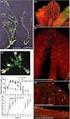 Overview B cell development Transcriptional cascades Amazing aspects of lineage plasticity Conventional (B2) B cell development What happens to an autoreactive B cell? B1 vs B2 cells Key anatomical sites
Microbiology AN INTRODUCTION EIGHTH EDITION
 TORTORA FUNKE CASE Microbiology AN INTRODUCTION EIGHTH EDITION Differentiate between innate and acquired immunity. Chapter 17 Specific Defenses of the Host: The Immune Response B.E Pruitt & Jane J. Stein
CHAPTER 9 IMMUNOGLOBULIN BIOSYNTHESIS
 CHAPTER 9 IMMUNOGLOBULIN BIOSYNTHESIS Although the process by which a functional gene for immunoglobulin HEAVY and LIGHT CHAINS is formed is highly unusual, the SYNTHESIS, POST- TRANSLATIONAL PROCESSING
B cell activation and Humoral Immunity
 B cell activation and Humoral Immunity Humoral immunity is mediated by secreted antibodies and its physiological function is defense against extracellular microbes (including viruses) and microbial exotoxins.
CHAPTER 6 ANTIBODY GENETICS: ISOTYPES, ALLOTYPES, IDIOTYPES
 CHAPTER 6 ANTIBODY GENETICS: ISOTYPES, ALLOTYPES, IDIOTYPES See APPENDIX: (3) OUCHTERLONY; (4) AFFINITY CHROMATOGRAPHY Human immunoglobulins are made up of LIGHT and HEAVY chains encoded by a total of
The Immune System: A Tutorial
 The Immune System: A Tutorial Modeling and Simulation of Biological Systems 21-366B Shlomo Ta asan Images taken from http://rex.nci.nih.gov/behindthenews/uis/uisframe.htm http://copewithcytokines.de/ The
Activation and effector functions of HMI
 Activation and effector functions of HMI Hathairat Thananchai, DPhil Department of Microbiology Faculty of Medicine Chiang Mai University 25 August 2015 ว ตถ ประสงค หล งจากช วโมงบรรยายน แล วน กศ กษาสามารถ
Name (print) Name (signature) Period. (Total 30 points)
 AP Biology Worksheet Chapter 43 The Immune System Lambdin April 4, 2011 Due Date: Thurs. April 7, 2011 You may use the following: Text Notes Power point Internet One other person in class "On my honor,
Chapter 43: The Immune System
 Name Period Our students consider this chapter to be a particularly challenging and important one. Expect to work your way slowly through the first three concepts. Take particular care with Concepts 43.2
B Cell Generation, Activation & Differentiation. B cell maturation
 B Cell Generation, Activation & Differentiation Naïve B cells- have not encountered Ag. Have IgM and IgD on cell surface : have same binding VDJ regions but different constant region leaves bone marrow
Some terms: An antigen is a molecule or pathogen capable of eliciting an immune response
 Overview of the immune system We continue our discussion of protein structure by considering the structure of antibodies. All organisms are continually subject to attack by microorganisms and viruses.
Final Review. Aptamers. Making Aptamers: SELEX 6/3/2011. sirna and mirna. Central Dogma. RNAi: A translation regulation mechanism.
 Central Dogma Final Review Section Week 10 DNA RNA Protein DNA DNA replication DNA RNA transcription RNA Protein translation **RNA DNA reverse transcription http://bass.bio.uci.edu/~hudel/bs99a/lecture20/lecture1_1.html
Guidance for Industry
 Guidance for Industry Interpreting Sameness of Monoclonal Antibody Products Under the Orphan Drug Regulations U.S. Department of Health and Human Services Food and Drug Administration Center for Drug Evaluation
1) Siderophores are bacterial proteins that compete with animal A) Antibodies. B) Red blood cells. C) Transferrin. D) White blood cells. E) Receptors.
 Prof. Lester s BIOL 210 Practice Exam 4 (There is no answer key. Please do not email or ask me for answers.) Chapters 15, 16, 17, 19, HIV/AIDS, TB, Quorum Sensing 1) Siderophores are bacterial proteins
Overview of the Cattle Immune System 1
 Oregon State University BEEF043 Beef Cattle Library Beef Cattle Sciences Overview of the Cattle Immune System 1 Reinaldo F. Cooke 2 Introduction On average, the U.S. cattle industry loses more than $1
ELISA BIO 110 Lab 1. Immunity and Disease
 ELISA BIO 110 Lab 1 Immunity and Disease Introduction The principal role of the mammalian immune response is to contain infectious disease agents. This response is mediated by several cellular and molecular
Core Topic 2. The immune system and how vaccines work
 Core Topic 2 The immune system and how vaccines work Learning outcome To be able to describe in outline the immune system and how vaccines work in individuals and populations Learning objectives Explain
Chapter 3. Immunity and how vaccines work
 Chapter 3 Immunity and how vaccines work 3.1 Objectives: To understand and describe the immune system and how vaccines produce immunity To understand the differences between Passive and Active immunity
2) Macrophages function to engulf and present antigen to other immune cells.
 Immunology The immune system has specificity and memory. It specifically recognizes different antigens and has memory for these same antigens the next time they are encountered. The Cellular Components
Hapten - a small molecule that is antigenic but not (by itself) immunogenic.
 Chapter 3. Antigens Terminology: Antigen: Substances that can be recognized by the surface antibody (B cells) or by the TCR (T cells) when associated with MHC molecules Immunogenicity VS Antigenicity:
Immunology. B lymphocytes & Antibodies. 20.10.2014, Ruhr-Universität Bochum Marcus Peters, [email protected]
 Immunology B lymphocytes & Antibodies 20.10.2014, Ruhr-Universität Bochum Marcus Peters, [email protected] What is an antibody? An antibody is a glycoprotein, which specifically binds to a substance,
T Cell Maturation,Activation and Differentiation
 T Cell Maturation,Activation and Differentiation Positive Selection- In thymus, permits survival of only those T cells whose TCRs recognize self- MHC molecules (self-mhc restriction) Negative Selection-
Immunology Ambassador Guide (updated 2014)
 Immunology Ambassador Guide (updated 2014) Immunity and Disease We will talk today about the immune system and how it protects us from disease. Also, we ll learn some unique ways that our immune system
The Use of Antibodies in Immunoassays
 TECHNICAL NOTE The Use of Antibodies in Immunoassays Introduction Structure of an IgG Antibody Immunological reagents are the backbone of every immunoassay system. Immunoassays can be utilized to quantitatively
Lymph capillaries, Lymphatic collecting vessels, Valves, Lymph Duct, Lymph node, Vein
 WLHS/A&P/Oppelt Name Lymphatic System Practice 1. Figure 12-1 provides an overview of the lymphatic vessels. First color code the following structures. Color code in Figure 12-1 Heart Veins Lymphatic vessels/lymph
Types, production of antibodies and Antibody/antigen interaction
 Types, production of antibodies and Antibody/antigen interaction Antibodies Secreted by B lymphocytes Great diversity and specificity: >109 different antibodies; can distinguish between very similar molecules
The Case of Baby Joe by Kristen L.W. Walton Page 1
 The Case of Baby Joe: Chronic Infections in an Infant by Kristen L.W. Walton SPIRE Postdoctoral Fellowship Program University of North Carolina Chapel Hill Part I Background At birth, Baby Joe appeared
The Body s Defenses CHAPTER 24
 CHAPTER 24 The Body s Defenses PowerPoint Lectures for Essential Biology, Third Edition Neil Campbell, Jane Reece, and Eric Simon Essential Biology with Physiology, Second Edition Neil Campbell, Jane Reece,
ANIMALS FORM & FUNCTION BODY DEFENSES NONSPECIFIC DEFENSES PHYSICAL BARRIERS PHAGOCYTES. Animals Form & Function Activity #4 page 1
 AP BIOLOGY ANIMALS FORM & FUNCTION ACTIVITY #4 NAME DATE HOUR BODY DEFENSES NONSPECIFIC DEFENSES PHYSICAL BARRIERS PHAGOCYTES Animals Form & Function Activity #4 page 1 INFLAMMATORY RESPONSE ANTIMICROBIAL
B Lymphocyte (B cell)
 B Lymphocyte (B cell) B cells: Develop from stem cells in the bone marrow and differentiate into antibody-producing plasma cells in the blood Are capable of making a vast number of antibody specificities
Chapter 2 Antibodies. Contents. Introduction
 Chapter 2 Antibodies Keywords Immunohistochemistry Antibody labeling Fluorescence microscopy Fluorescent immunocytochemistry Fluorescent immunohistochemistry Indirect immunocytochemistry Immunostaining
KMS-Specialist & Customized Biosimilar Service
 KMS-Specialist & Customized Biosimilar Service 1. Polyclonal Antibody Development Service KMS offering a variety of Polyclonal Antibody Services to fit your research and production needs. we develop polyclonal
Immunity and how vaccines work
 1 Introduction Immunity is the ability of the human body to protect itself from infectious disease. The defence mechanisms of the body are complex and include innate (non-specific, non-adaptive) mechanisms
Genetic information (DNA) determines structure of proteins DNA RNA proteins cell structure 3.11 3.15 enzymes control cell chemistry ( metabolism )
 Biology 1406 Exam 3 Notes Structure of DNA Ch. 10 Genetic information (DNA) determines structure of proteins DNA RNA proteins cell structure 3.11 3.15 enzymes control cell chemistry ( metabolism ) Proteins
Structure and Function of DNA
 Structure and Function of DNA DNA and RNA Structure DNA and RNA are nucleic acids. They consist of chemical units called nucleotides. The nucleotides are joined by a sugar-phosphate backbone. The four
Recognition of T cell epitopes (Abbas Chapter 6)
 Recognition of T cell epitopes (Abbas Chapter 6) Functions of different APCs (Abbas Chapter 6)!!! Directon Routes of antigen entry (Abbas Chapter 6) Flow of Information Barrier APCs LNs Sequence of Events
Chapter 18 Regulation of Gene Expression
 Chapter 18 Regulation of Gene Expression 18.1. Gene Regulation Is Necessary By switching genes off when they are not needed, cells can prevent resources from being wasted. There should be natural selection
HuCAL Custom Monoclonal Antibodies
 HuCAL Custom Monoclonal HuCAL Custom Monoclonal Antibodies Highly Specific, Recombinant Antibodies in 8 Weeks Highly Specific Monoclonal Antibodies in Just 8 Weeks HuCAL PLATINUM (Human Combinatorial Antibody
Figure 14.2 Overview of Innate and Adaptive Immunity
 I M M U N I T Y Innate (inborn) Immunity does not distinguish one pathogen from another Figure 14.2 Overview of Innate and Adaptive Immunity Our first line of defense includes physical and chemical barriers
CUSTOM ANTIBODIES. Fully customised services: rat and murine monoclonals, rat and rabbit polyclonals, antibody characterisation, antigen preparation
 CUSTOM ANTIBODIES Highly competitive pricing without compromising quality. Rat monoclonal antibodies for the study of gene expression and proteomics in mice and in mouse models of human diseases available.
Transcription and Translation of DNA
 Transcription and Translation of DNA Genotype our genetic constitution ( makeup) is determined (controlled) by the sequence of bases in its genes Phenotype determined by the proteins synthesised when genes
Autoimmunity and immunemediated. FOCiS. Lecture outline
 1 Autoimmunity and immunemediated inflammatory diseases Abul K. Abbas, MD UCSF FOCiS 2 Lecture outline Pathogenesis of autoimmunity: why selftolerance fails Genetics of autoimmune diseases Therapeutic
Bio 20 Chapter 11 Workbook Blood and the Immune System Ms. Nyboer
 Bio 20 Chapter 11 Workbook Blood and the Immune System Ms. Nyboer Name: Part A: Components of Blood 1. List the 3 plasma proteins and describe the function of each Albumins osmotic balance Globulins antibodies,
10. T and B cells are types of a. endocrine cells. c. lymphocytes. b. platelets. d. complement cells.
 Virus and Immune System Review Directions: Write your answers on a separate piece of paper. 1. Why does a cut in the skin threaten the body s nonspecific defenses against disease? a. If a cut bleeds, disease-fighting
gamma globulins immunoglobulin myeloma proteins monoclonal antibodies mab
 Antibodies Molecular structure Antibodies are plasma glycoproteins, called gamma globulins because of their mobility in an electric field and immunoglobulin (Ig) because of their role in immunity. Antibodies
Why discuss CLL? Common: 40% of US leukaemia. approx 100 pa in SJH / MWHB 3 inpatients in SJH at any time
 Why discuss CLL? Common: 40% of US leukaemia approx 100 pa in SJH / MWHB 3 inpatients in SJH at any time Median age of dx is 65 (30s. Incurable, survival 2-202 20 years Require ongoing supportive care
CCR Biology - Chapter 9 Practice Test - Summer 2012
 Name: Class: Date: CCR Biology - Chapter 9 Practice Test - Summer 2012 Multiple Choice Identify the choice that best completes the statement or answers the question. 1. Genetic engineering is possible
HuCAL Custom Monoclonal Antibodies
 HuCAL Custom Monoclonal Antibodies Highly Specific Monoclonal Antibodies in just 8 Weeks PROVEN, HIGHLY SPECIFIC, HIGH AFFINITY ANTIBODIES IN 8 WEEKS WITHOUT HuCAL PLATINUM IMMUNIZATION (Human Combinatorial
Why use passive immunity?
 Vaccines Active vs Passive Immunization Active is longer acting and makes memory and effector cells Passive is shorter acting, no memory and no effector cells Both can be obtained through natural processes:
Control of Gene Expression
 Home Gene Regulation Is Necessary? Control of Gene Expression By switching genes off when they are not needed, cells can prevent resources from being wasted. There should be natural selection favoring
One of the more complex systems we re looking at. An immune response (a response to a pathogen) can be of two types:
 Immune system. One of the more complex systems we re looking at. An immune response (a response to a pathogen) can be of two types: (pathogen - disease causing organism) 1) Non specific. Anything foreign
MUTATION, DNA REPAIR AND CANCER
 MUTATION, DNA REPAIR AND CANCER 1 Mutation A heritable change in the genetic material Essential to the continuity of life Source of variation for natural selection New mutations are more likely to be harmful
Control of Gene Expression
 Control of Gene Expression What is Gene Expression? Gene expression is the process by which informa9on from a gene is used in the synthesis of a func9onal gene product. What is Gene Expression? Figure
Transgenic technology in the production of therapeutic proteins
 Transgenic technology in the production of therapeutic proteins Transgenic technology represents a new generation of biopharmaceutical production system to meet the medical needs of the new millennium.
Name Date Period. 2. When a molecule of double-stranded DNA undergoes replication, it results in
 DNA, RNA, Protein Synthesis Keystone 1. During the process shown above, the two strands of one DNA molecule are unwound. Then, DNA polymerases add complementary nucleotides to each strand which results
Complex multicellular organisms are produced by cells that switch genes on and off during development.
 Home Control of Gene Expression Gene Regulation Is Necessary? By switching genes off when they are not needed, cells can prevent resources from being wasted. There should be natural selection favoring
13.4 Gene Regulation and Expression
 13.4 Gene Regulation and Expression Lesson Objectives Describe gene regulation in prokaryotes. Explain how most eukaryotic genes are regulated. Relate gene regulation to development in multicellular organisms.
CHAPTER 2 ANTIGEN/ANTIBODY INTERACTIONS
 CHAPTER 2 ANTIGEN/ANTIBODY INTERACTIONS See APPENDIX (1) THE PRECIPITIN CURVE; (2) LABELING OF ANTIBODIES The defining characteristic of HUMORAL immune responses (which distinguishes them from CELL-MEDIATED
Activity 7.21 Transcription factors
 Purpose To consolidate understanding of protein synthesis. To explain the role of transcription factors and hormones in switching genes on and off. Play the transcription initiation complex game Regulation
Antigens & Antibodies II. Polyclonal antibodies vs Monoclonal antibodies
 A Brief Review of Antibody Structure A Brief Review of Antibody Structure The basic antibody is a dimer of dimer (2 heavy chain-light chain pairs) composed of repeats of a single structural unit known
Genetics Module B, Anchor 3
 Genetics Module B, Anchor 3 Key Concepts: - An individual s characteristics are determines by factors that are passed from one parental generation to the next. - During gamete formation, the alleles for
CHAPTER 8 IMMUNOLOGICAL IMPLICATIONS OF PEPTIDE CARBOHYDRATE MIMICRY
 CHAPTER 8 IMMUNOLOGICAL IMPLICATIONS OF PEPTIDE CARBOHYDRATE MIMICRY Immunological Implications of Peptide-Carbohydrate Mimicry 8.1 Introduction The two chemically dissimilar molecules, a peptide (12mer)
Selective IgA deficiency (slgad) [email protected] 0800 987 8986 www.piduk.org
 Selective IgA deficiency (slgad) [email protected] 0800 987 8986 www.piduk.org About this booklet This booklet provides information on selective IgA deficiency (sigad). It has been produced by the PID UK
The immune response Antibodies Antigens Epitopes (antigenic determinants) the part of a protein antigen recognized by an antibody Haptens small
 The immune response Antibodies Antigens Epitopes (antigenic determinants) the part of a protein antigen recognized by an antibody Haptens small molecules that can elicit an immune response when linked
BioBoot Camp Genetics
 BioBoot Camp Genetics BIO.B.1.2.1 Describe how the process of DNA replication results in the transmission and/or conservation of genetic information DNA Replication is the process of DNA being copied before
OKT3. ~ The first mouse monoclonal antibody. used in clinical practice in the field of transplantation ~
 g944202 潘 怡 心 OKT3 ~ The first mouse monoclonal antibody used in clinical practice in the field of transplantation ~ As everybody knows, OKT3 is the first mouse monoclonal antibody produced for the treatment
The immune system. Bone marrow. Thymus. Spleen. Bone marrow. NK cell. B-cell. T-cell. Basophil Neutrophil. Eosinophil. Myeloid progenitor
 The immune system Basophil Neutrophil Bone marrow Eosinophil Myeloid progenitor Dendritic cell Pluripotent Stem cell Lymphoid progenitor Platelets Bone marrow Thymus NK cell T-cell B-cell Spleen Cancer
DNA Replication & Protein Synthesis. This isn t a baaaaaaaddd chapter!!!
 DNA Replication & Protein Synthesis This isn t a baaaaaaaddd chapter!!! The Discovery of DNA s Structure Watson and Crick s discovery of DNA s structure was based on almost fifty years of research by other
LESSON 3.5 WORKBOOK. How do cancer cells evolve? Workbook Lesson 3.5
 LESSON 3.5 WORKBOOK How do cancer cells evolve? In this unit we have learned how normal cells can be transformed so that they stop behaving as part of a tissue community and become unresponsive to regulation.
TEMA 10. REACCIONES INMUNITARIAS MEDIADAS POR CÉLULAS.
 TEMA 10. REACCIONES INMUNITARIAS MEDIADAS POR CÉLULAS. The nomenclature of cytokines partly reflects their first-described function and also the order of their discovery. There is no single unified nomenclature,
Just the Facts: A Basic Introduction to the Science Underlying NCBI Resources
 1 of 8 11/7/2004 11:00 AM National Center for Biotechnology Information About NCBI NCBI at a Glance A Science Primer Human Genome Resources Model Organisms Guide Outreach and Education Databases and Tools
Unit 9: The Lymphatic and Immune Systems NURSING PHYSIOLOGY (NRSG237)
 Unit 9: The Lymphatic and Immune Systems Dr. Moattar Raza Rizvi NURSING PHYSIOLOGY (NRSG237) Functions: Transports Excess Interstitial Fluid Back to Bloodstream Lymphatic vessels collect lymph from loose
Geniron. Custom Antibody Services. Serum services Antibody Monoclonal. Purification Antibody Mono Y Genetic Immunization Genbody Polyclonal Antibody
 Geniron Custom Antibody Services Serum services Antibody Monoclonal Purification Antibody Mono Y Genetic Immunization Genbody Polyclonal Antibody Geniron Poly Y WE PROVIDE OUR SERVICES TO With Expertise
Custom Antibodies & Recombinant Proteins
 Custom Antibodies & Recombinant Proteins INTRODUCTION Custom services to meet your research and development requirements Improvements in health, medicine and diagnostics over the past century can be largely
2006 7.012 Problem Set 6 KEY
 2006 7.012 Problem Set 6 KEY ** Due before 5 PM on WEDNESDAY, November 22, 2006. ** Turn answers in to the box outside of 68-120. PLEASE WRITE YOUR ANSWERS ON THIS PRINTOUT. 1. You create an artificial
Staph Protein A, Immune Complexes, Cryoglobulins, and the Treatment of Rheumatoid Arthritis:
 Staph Protein A, Immune Complexes, Cryoglobulins, and the Treatment of Rheumatoid Arthritis: Immunomodulation, not Immunosuppression Written by Craig Wiesenhutter, M.D. January 2016 This paper has been
The role of IBV proteins in protection: cellular immune responses. COST meeting WG2 + WG3 Budapest, Hungary, 2015
 The role of IBV proteins in protection: cellular immune responses COST meeting WG2 + WG3 Budapest, Hungary, 2015 1 Presentation include: Laboratory results Literature summary Role of T cells in response
Your partner in immunology
 Your partner in immunology Expertise Expertise Reactivity Reactivity Quality Quality Advice Advice Who are we? Specialist of antibody engineering Covalab is a French biotechnology company, specialised
Essentials in Immunology Prof. R. Manjunath Department of Biochemistry Indian Institute of Science, Bangalore
 Essentials in Immunology Prof. R. Manjunath Department of Biochemistry Indian Institute of Science, Bangalore Lecture No. # 02 Cells and Organs of the immune system Part 1 (Refer Slide Time: 00:27) Hello
Chapter 6 DNA Replication
 Chapter 6 DNA Replication Each strand of the DNA double helix contains a sequence of nucleotides that is exactly complementary to the nucleotide sequence of its partner strand. Each strand can therefore
Reproductive System & Development: Practice Questions #1
 Reproductive System & Development: Practice Questions #1 1. Which two glands in the diagram produce gametes? A. glands A and B B. glands B and E C. glands C and F D. glands E and F 2. Base your answer
Animal Pharming: The Industrialization of Transgenic Animals December 1999
 Animal Pharming: The Industrialization of Transgenic Animals December 1999 Animal pharming, the process of using transgenic animals to produce human drugs, is staking its claim in a lucrative world market.
A Genetic Analysis of Rheumatoid Arthritis
 A Genetic Analysis of Rheumatoid Arthritis Introduction to Rheumatoid Arthritis: Classification and Diagnosis Rheumatoid arthritis is a chronic inflammatory disorder that affects mainly synovial joints.
Given these characteristics of life, which of the following objects is considered a living organism? W. X. Y. Z.
 Cell Structure and Organization 1. All living things must possess certain characteristics. They are all composed of one or more cells. They can grow, reproduce, and pass their genes on to their offspring.
Supplemental Material CBE Life Sciences Education. Su et al.
 Supplemental Material CBE Life Sciences Education Su et al. APPENDIX Human Body's Immune System Test This test consists of 31 questions, with only 1 answer to be selected for each question. Please select
Genetics Lecture Notes 7.03 2005. Lectures 1 2
 Genetics Lecture Notes 7.03 2005 Lectures 1 2 Lecture 1 We will begin this course with the question: What is a gene? This question will take us four lectures to answer because there are actually several
MONOCLONAL ANTIBODY PRODUCTION
 MONOCLONAL ANTIBODY PRODUCTION Antibodies having single specificity produced from a single clone of B cell are referred as Mono clonal antibodies (MAbs). In 1975, Georges Köhler and Cesar Milstein devised
Chapter 18: Applications of Immunology
 Chapter 18: Applications of Immunology 1. Vaccinations 2. Monoclonal vs Polyclonal Ab 3. Diagnostic Immunology 1. Vaccinations What is Vaccination? A method of inducing artificial immunity by exposing