
ORTAÖĞRETİM İNGİLİZCE ICEBREAKERS STUDENT S BOOK A 1.1. Aysun KOLCUOĞLU Mahmut ÖZLÜ
|
|
|
- Polly Parrish
- 10 years ago
- Views:
Transcription
1 ORTAÖĞRETİM İNGİLİZCE ICEBREAKERS STUDENT S BOOK A 1.1 Aysun KOLCUOĞLU Mahmut ÖZLÜ Talim ve Terbiye Kurulu Başkanlığının tarih ve 31 sayılı Kurul Kararı ile öğretim yılından itibaren 5 (beş) yıl süre ile Ders Kitabı olarak kabul edilmiştir.

2 Harf Eğitim Yayıncılığı Limited Şirketi Reşit Galip Cd. Hatır Sk. 23/2 GOP - Çankaya ANKARA e-posta: [email protected] web: Harf Eğitim Yayıncılığı Editör Fırat ARSLAN Dil Uzmanı Evren ONUR Görsel Tasarım Uzmanı ve Teknik Yönetmen Hatice Ayan Program Geliştirme Uzmanı Murat TÜRKMEN Ölçme ve Değerlendirme Uzmanı Burçe Evrim DÖNMEZER Rehberlik ve Gelişim Uzmanı Pınar ALTINIŞIK Görsel ve Teknik Hazırlık Harf Eğitim Yayıncılığı ISBN:

3 İSTİKLÂL MARŞI Korkma, sönmez bu şafaklarda yüzen al sancak; Sönmeden yurdumun üstünde tüten en son ocak. O benim milletimin yıldızıdır parlayacak; O benimdir, o benim milletimindir ancak. Çatma, kurban olayım, çehreni ey nazlı hilâl! Kahraman ırkıma bir gül! Ne bu şiddet, bu celâl? Sana olmaz dökülen kanlarımız sonra helâl. Hakkıdır, Hakk a tapan, milletimin istiklâl! Ben ezelden beridir hür yaşadım, hür yaşarım. Hangi çılgın bana zincir vuracakmış? Şaşarım! Kükremiş sel gibiyim, bendimi çiğner, aşarım. Yırtarım dağları, enginlere sığmam, taşarım. Garbın âfâkını sarmışsa çelik zırhlı duvar. Benim iman dolu göğsüm gibi serhaddim var. Ulusun, korkma! Nasıl böyle bir imanı boğar, Medeniyyet! dediğin tek dişi kalmış canavar? Arkadaş! Yurduma alçakları uğratma, sakın. Siper et gövdeni, dursun bu hayâsızca akın. Doğacaktır sana va dettiği günler Hakk ın... Kim bilir, belki yarın, belki yarından da yakın. Bastığın yerleri toprak! diyerek geçme, tanı: Düşün altındaki binlerce kefensiz yatanı. Sen şehid oğlusun, incitme, yazıktır, atanı: Verme, dünyaları alsan da bu cennet vatanı. Kim bu cennet vatanın uğruna olmaz ki fedâ? Şühedâ fışkıracak toprağı sıksan, şühedâ! Cânı, cânânı, bütün varımı alsın da Huda, Etmesin tek vatanımdan beni dünyada cüdâ. Ruhumun senden, İlâhi, şudur ancak emeli: Değmesin mabedimin göğsüne nâmahrem eli. Bu ezanlar -ki şahadetleri dinin temeli- Ebedî yurdumun üstünde benim inlemeli. O zaman vecd ile bin secde eder -varsa- taşım, Her cerîhamdan, İlâhi, boşanıp kanlı yaşım, Fışkırır ruh-ı mücerred gibi yerden na şım; O zaman yükselerek arşa değer belki başım. Dalgalan sen de şafaklar gibi ey şanlı hilâl! Olsun artık dökülen kanlarımın hepsi helâl. Ebediyyen sana yok, ırkıma yok izmihlâl: Hakkıdır, hür yaşamış, bayrağımın hürriyet; Hakkıdır, Hakk a tapan, milletimin istiklâl! Mehmet Âkif ERSOY 3

4 ATATÜRK ÜN GENÇLİĞE HİTABESİ Ey Türk Gençliği! Birinci vazifen, Türk istiklâlini, Türk cumhuriyetini, ilelebet, muhafaza ve müdafaa etmektir. Mevcudiyetinin ve istikbalinin yegâne temeli budur. Bu temel, senin, en kıymetli hazinendir. İstikbalde dahi, seni, bu hazineden, mahrum etmek isteyecek, dahilî ve haricî, bedhahların olacaktır. Bir gün, istiklâl ve cumhuriyeti müdafaa mecburiyetine düşersen, vazifeye atılmak için, içinde bulunacağın vaziyetin imkân ve şeraitini düşünmeyeceksin! Bu imkân ve şerait, çok nâmüsait bir mahiyette tezahür edebilir. İstiklâl ve cumhuriyetine kast edecek düşmanlar, bütün dünyada emsali görülmemiş bir galibiyetin mümessili olabilirler. Cebren ve hile ile aziz vatanın, bütün kaleleri zapt edilmiş, bütün tersanelerine girilmiş, bütün orduları dağıtılmış ve memleketin her köşesi bilfiil işgal edilmiş olabilir. Bütün bu şeraitten daha elîm ve daha vahim olmak üzere, memleketin dahilinde, iktidara sahip olanlar gaflet ve dalâlet ve hattâ hıyanet içinde bulunabilirler. Hattâ bu iktidar sahipleri şahsî menfaatlerini, müstevlilerin siyasî emelleriyle tevhit edebilirler. Millet, fakr u zaruret içinde harap ve bîtap düşmüş olabilir. Ey Türk istikbalinin evlâdı! İşte, bu ahval ve şerait içinde dahi, vazifen; Türk istiklâl ve cumhuriyetini kurtarmaktır! Muhtaç olduğun kudret, damarlarındaki asîl kanda, mevcuttur! 4

5 Mustafa Kemal ATATÜRK

6 6

7 ORGANIZATION OF THE STUDENT S BOOK Name of the theme THEME 2 YOUTH Theme cover page (Theme cover page gives a brief idea of the theme) Before you start: What s your favourite cloth? Do you like shopping? How do you feel today? Who is your favourite good looking celebrity? In this theme you will learn to talk about your clothes to describe people to express your opinion to ask and give the price of something to write a description of a person to talk about your feelings to talk about the names of your personal items and write about them to describe objects (big, small, large, red) Each theme has Before you start questions to introduce the theme. Students answer them as warm up questions to get ready for the theme. In this theme you will learn... is the target to be accomplished at the end of the theme. 29 the names of the objects and the colours. Each theme has three parts: Part A, Part B and Part C All themes start with a vocabulary activity. THEME 1 A Person and the Society PART A: Hi everybody! 1. VOCABULARY A. Look at the pictures and answer the question. What part of the day is it? Write them under the correct pictures. x. It s a big box. Look! This is my umbrella. It s white. It s really nice,. What s that? il case and that s my brown backpack. It is over there. It s black and white. Where is my purse? LISTEN activities enable students to learn and practice both pronunciation and the usage of the points taught throughout the theme. B. How do people say goodbye and greet each other? Write in the correct blank. Bye Good night See you Good morning Hello See you later Take care Good afternoon Hi See you tomorrow Good evening Goodbye Have a nice weekend urse. are. Hi everybody! B. Listen and repeat the numbers PRONUNCIATION eleven twelve thirteen fourteen fifteen A. Listen and repeat the numbers Notice the difference. thirteen - thirty sixteen seventeen eighteen nineteen fourteen - forty B. Listen and put a tick in the twenty twenty-one twenty-two correct box ten twenty thirty forty fifty sixty seventy eighty ninety one hundred READ A. Listen and read. Jack: Hello. My name is Jack. What s your name? Sue: Hi, Jack. My name is Sue. Are you the new student? Jack: Yes, I am the new student in the course. How old are you? Sue: I m twenty-one. And how old are you, Jack? Jack: I m twenty-four. What s your phone number, Sue? Sue: It s What s your address, Jack? Jack: [email protected]. Sue: Thanks. See you tomorrow, Jack. Jack: Bye. Take care. B. Read again and write J (for Jack) or S (for Sue). 24 years old the new student [email protected] 21 years old 9. SPEAK Talk in pairs. Ask and answer. What s your It s phone number? 10. PRACTİCE Write questions for the given answers. 1.? 3.? I m 15. Fine, thanks. And you? 2.? 4.? It s [email protected]. It s PART A READ activities enable students recognition and comprehension. Also, enable them to see the topics in a context LISTEN A. Before you listen, tell the class what the pictures show. Circle the correct one. 1. Greetings 2. Saying goodbye 3. Both SPEAK activities enable students to practice the topics within different speaking activities like; dialogues, group or pair works, role plays etc. PRACTICE activities help students to reinforce the learned subjects in a written form and write T (for true) green. Sorry = when you don t understand someone Opps! = when something goes wrong Here you are = when you are giving something to someone Grammar Reference page 94 (Part B-11) 11. PRACTICE Students notice the grammar points, new vocabulary and sometimes some phrases by looking at the noticeboards. Grammar reference notifications give a direction About me to the students about where to Bfind the grammar explanations and rules. As well as it gives opportunity to find the rules, by completing, filling etc. PART Complete the dialogues. 1. Tony: Is your book, David? David: No,. My book is over there. 3. Jack: What colour your pencil case? Sue: It s orange and green. Jack: Is your pencil case? 7

8 CONTENTS STUDENT S BOOK LAYOUT... 7 HELLO... 9 THEME 1 A PERSON AND THE SOCIETY PART A: Hi everybody! PART B: About me PART C: Me and my family THEME 2 YOUTH PART A: Teenagers clothes PART B: Teenagers appearance PART C: Teenagers feelings and favourites THEME 3 JOBS PART A: What do you do? PART B: I want to be an artist PART C: My schedule THEME 4 PERSONALITY AND CHARACTER PART A: Me, My Likes & Dislikes PART B: Everyday Life PARTC: A busy person THEME 5 TOURISM PART A: Downtown PART B: Do you like your house? PART C: Sightseeing THEME 6 DREAMS AND PLANS PART A: What s your dream holiday? PART B: Time to travel PART C: Would you like to go on a holiday? GRAMMAR REFERENCE PAGES VOCABULARY LIST REFERENCES

9 HELLO! 9

10 HELLO! 1. WHAT S THIS IN ENGLISH? Tell the class. A. Look at the pictures and write the English word under each picture. Then, listen and check your answer. B. Do you know any other English words? Write them down. 10

11 Introduction: Hello! 2. HOW DO YOU SPELL? A. Listen to the alphabet and repeat. The English Alphabet B. Remember the words in 1A. Listen to the dialogues and check your spelling for the words in 1A. e.g. A: How do you spell? B: It s L-E-M-O-N-A-D-E 3. COUNTRIES AND NATIONALITIES A. Match the names with the countries in the photos. FRANCE TURKEY SWEDEN ENGLAND ITALY SPAIN B. Fill in the chart. COUNTRY France Germany Portugal Turkish Japanese Mexican NATIONALITY 11

12 Introduction: Hello! B. Read the dialogue. Then, choose a country from the chart. Act out the dialogue as in the example. Take turns. e.g. A: Where are you from? B: I m from Turkey. I m Turkish. 4. HOW DO YOU DO? Look at the picture and tell the class. What are they doing? A. Read the dialogue and check your answer. Melis: Hi George. Welcome to our country. George: Hi Melis. Glad to be here. Melis: This is my mother Eda Türkmen. And this is my father Erkan Türkmen. George: How do you do Mrs Türkmen? Eda: Nice to meet you, George. Come on. Let s go in and have a rest. B. Complete the dialogue. Lucy: Hi. I m Lucy.? Michael: My name is Michael. Lucy:? Michael: I m from New York. Lucy: I m from London. Nice to meet you, Michael. Michael:, Lucy. 12

13 THEME 1 A PERSON AND THE SOCIETY Before you start: How do you greet people? What is your lucky number? Where is your best friend from? What have you got in your class? In this theme you will learn to greet people to introduce yourself and meet others to give and ask personal information to use numbers to talk about your relationships to write about your family to talk about your personal belongings to describe objects (name of the object and its colour) 13

14 THEME 1 A Person and the Society PART A: Hi everybody! 1. VOCABULARY A. Look at the pictures and answer the question. What part of the day is it? Write them under the correct pictures. B. How do people say goodbye and greet each other? Write in the correct blank. Bye Good night See you Good morning Hello See you later Take care Good afternoon Hi See you tomorrow Good evening Goodbye Have a nice weekend 2. LISTEN A. Before you listen, tell the class what the pictures show. Circle the correct one. 1. Greetings 2. Saying goodbye 3. Both

15 Hi everybody! B. 1. Listen to the three dialogues and find the pictures. 2. Complete the dialogues. Then listen and check your answers. Dialogue 1: Scott : Good, Jill. Jill : Hi, Scott.? Scott : Not bad.? Jill :, thanks. Dialogue 2: Paul :, Jim. Jim :, Man. How is it going? Paul : Hmm. Not much. What? Jim :! Dialogue 3: Mrs Ignes : Good, Mr Dupont.? Mr Dupont :, Mrs Ignes. I m. And you? Mrs Ignes : I m very, thank you. PART A 3. SPEAK Read the dialogues again in B2. Choose a dialogue and act out. Talk in groups of three and act out similar dialogues. Good afternoon Scott. Not bad. Hi James. How is it going? 4. VOCABULARY-Classroom objects A. Match the photos with the names of the objects television whiteboard duster poster window door table desk clock 4 5 computer bookcase calendar board marker 6 7 B. Look at the picture and write the number of the objects on the picture

16 THEME A Person and the Society 1 5. LISTEN - Classroom instructions A. Look at the picture. Who are they? Where are they? B. 1. Listen and repeat. Be quiet, please! What does this word mean? I don t understand. Close your books. Can I go out? Clean the board. Listen to the CD. Can you repeat that, please? 2. Who usually says these phrases? Teachers or students? Write T or S in the correct box above. 6. VOCABULARY- Numbers A. 1. Listen and repeat. 2. Write the number in the correct box. zero one two three four six seven eight nine ten five 16

17 B. Listen and repeat the numbers eleven 16 sixteen 20 twenty 10 ten 60 sixty READ 12 twelve 17 seventeen 20 twenty 70 seventy thirteen 18 eighteen twenty-one 30 thirty 80 eighty A. Listen and read. Jack: Hello. My name is Jack. What s your name? Sue: Hi, Jack. My name is Sue. Are you the new student? Jack: Yes, I am the new student in the course. How old are you? Sue: I m twenty-one. And how old are you, Jack? Jack: I m twenty-four. What s your phone number, Sue? Sue: It s What s your address, Jack? Jack: [email protected]. Sue: Thanks. See you tomorrow, Jack. Jack: Bye. Take care. B. Read again and write J (for Jack) or S (for Sue). 24 years old the new student [email protected] 21 years old 14 fourteen 19 nineteen 40 forty 90 ninety fifteen twenty-two 50 fifty 100 one hundred 7. PRONUNCIATION Hi everybody! A. Listen and repeat the numbers. Notice the difference. thirteen - thirty fourteen - forty B. Listen and put a tick in the correct box PART A 9. SPEAK Talk in pairs. Ask and answer. What s your phone number? It s PRACTİCE Write questions for the given answers. 1.? 3.? I m 15. Fine, thanks. And you? 2.? 4.? It s [email protected]. It s

18 THEME 1 A Person and the Society PART B: About me 1. VOCABULARY-Countries and nationalities Look at the flags. Do you know these countries? Write the missing letters. P AN H N T EY B Z J P N T Y G R N F N SP N V EZU L H G Y 2. LISTEN Match and write the countries next to the nationalities. Listen and check your answers. Then listen and repeat. Japanese Polish Chinese German Italian Venezuelan French Spanish Brazilian Hungarian 3. READ A. Look at the picture and guess. Where are they from? Read and check your guess. 18

19 About me PART B Paul: Hello, Rositta. This is my friend Simge. Simge, this is Rositta. Rosetta: Hi. Nice to meet you, Simge. Simge: Nice to meet you, too. Rosetta: Where are you from Simge? Simge: I m from Turkey and I m the new student in class 9D. Paul is my classmate. Are you Italian? Rosetta: Yes, I am but I m not in class 9D. I m in class 9C. B. Read again and complete the sentences. 1. Simge is. 2. Rosetta is from. 3. Rosetta is in class. 4. and are classmates. Short forms I am from Turkey= I m from Turkey He is Turkish = He s Turkish They are in the class= They re in the class 4. SPEAK Read the dialogue again and talk in groups. Hi, Jim! This is Maria. Maria, this is Jim. Hi, Jim! Nice to meet you. 5. VOCABULARY-Who is she? A. Listen and repeat. Then write the number of the picture in the box. You can use one picture number more than once celebrity roommate dish friend colleague boss neighbour teacher desk mate B. Complete the sentences with the correct word above. 1. Jennifer Aniston is a TV show. 2. My and I are in room My and I are 15. We are in the same class. 4. Mrs Brennan is our. She is from the USA. 5. Sushi is a Japanese. 19

20 THEME A Person and the Society 1 6. READ A. Look at the photos and find. Who is my famous celebrity? This is Tarçın. It is an American cocker. It s my dog. This is Noémi and Blanca. They are my friends. Noémi is from Hungary and Blanca is Spanish. This is my house. My address is 324 West Main Road Apartment, 8 New York, New York This is John and Mary. They are our neighbours. They are married. They are from the USA. ALL AROUND ME This is my desk mate, Lucy. She is from England. This is Fettuccini. It s an Italian dish. This is Leonardo DiCaprio. He is my favourite celebrity. He isn t a TV show celebrity. This is Tom. Tom and John aren t roommates. They are colleagues. B. Read the text. Then circle the correct one. 1. Fettuccini is /isn t a Japanese dish. 2. John and Mary are / aren t our neighbours 3. Tom and John are / aren t colleagues. 4. Lucy is / isn t English. 5. Are / Is Noémi and Blanca Spanish? C. Read again and answer the questions. 1. Who are my friends? 2. Where is my desk mate from? 3. What is Fettuccini? 4. What nationality is Tarçın? 5. Are John and Mary from the USA? 6. Is Tom married? who - asks about people where - asks about places The USA= the United States of America Single = not married Married= a couple who are a husband and a wife. 20

21 7. PRACTICE About me Grammar Reference page 94 (Part B-7) PART B Complete the dialogues. 1. Ray: Hi! My name is Ray.? Amanda: I m Amanda. Nice to meet you, Ray.? Ray:, too. I m from Canada.? Amanda: He is Charles. He is my. We are in the same class. Charles: Hello, Ray!? Ray: Yes, I am. I m from London in England., Charles? Charles: I m Ruth: you in this class? Jessica: No,. I m in class 9D. Tom in this class. Ruth: he your friend? Jessica: Yes,.Oh! Who? Ruth: They my friends. Thank you. See. Jessica: Goodbye. 8. WRITE Read All around me in 6A again and write all around you. 9. VOCABULARY- Colours A. Listen and repeat. What is this? What colour is it? a umbrella a pencil case a pen a folder a and hat a staple a backpack a purse a notebook an and gift box B. Write the colours in the correct blanks. black white red brown yellow orange blue purple pink green 21
22 THEME A Person and the Society READ A. Look at the picture. Tell the names of the objects and the colours. B. Read and check. Judy: Opps! What s that? Kate: It s my personal box. It s a big box. Look! This is my umbrella. It s white. It s really nice, isn t it? Judy: Yes, it s really great. What s that? Kate: It s my purple pencil case and that s my brown backpack. It is over there. Judy: And this? Kate: Oh! That s my hat. It s black and white. Where is my purse? Judy: What colour is it? Kate: It s pink. Judy: Sorry? Kate: It s a leather pink purse. Judy: Here it is. Here you are. Kate: Thanks. C. Read the dialogue again and write T (for true) or F (for false). 1. It isn t a big box. 2. The hat is orange and green. 3. The purse is pink. 4. It s a black umbrella. Sorry = when you don t understand someone Opps! = when something goes wrong Here you are = when you are giving something to someone 22
23 About me PART B Grammar Reference page 94 (Part B-11) 11. PRACTICE Complete the dialogues. 1. Tony: Is your book, David? David: No,. My book is over there. 2. Brenda: Where is my umbrella? Mother: I don t know. Is your umbrella over there? Brenda: Yes,. Thanks Mum. 3. Jack: What colour your pencil case? Sue: It s orange and green. Jack: Is your pencil case? Sue: Yes,. Jack: Here is. 4. Boy: Dad, what colour your folder? Dad: brown. Boy: Is your folder, over there? Dad: Yes,. 12. LISTEN Listen and choose the correct picture a or b. 1. a. b. 3. a. b. 2. a. b. 4. a. b. 13. SPEAK Work in pairs. Ask and answer. Talk about things you have in the class. What colour is your pen? Is this your pen? Here it is. It s blue. Yes, it is. Thank you. 23
24 THEME 1 A Person and the Society PART C: Me and my family 1. VOCABULARY- Whose is this? Listen and repeat. Write the number of the object next to the words in the list Things in my backpack torch 2 dictionary cell phone watch plane ticket notebook camera sunglasses tissues passport wallet toothbrush towels books 2. READ A. Look at the picture and tell the names of the objects. B. Read the dialogue. Whose backpack is that? Mum: Are you ready for your summer camp? Amy: Yes, I m so happy. My notebook, tissues, camera and my books. I think everything is ready. Mum: Hey, your plane ticket and is that your backpack over there? Amy: What colour is it? Mum: It s black. Amy: No, my backpack is black and orange. Mum: Whose is that? Amy: That is my friend s backpack. It s Sally s. Her backpack is black. Mum: Take these. Amy: What are these? Mum: These are towels and dictionaries. Amy: Oh! Thanks Mum. C. Read the dialogue again and answer the questions. 1. Whose backpack is black? 3. Is Amy happy? 2. Who is ready for the summer camp? 4. What colour is Amy s backpack? 24
25 *Grammar Reference pages (Part C-3) 3. PRACTICE A. Circle the correct one. 1. I/ My am 16. My / I name is Paul. 2. She / Her umbrella is red. 3. A: Who s / Whose dictionaries are these? 4. A: Is this / these your camera? B: They / Their are Sally is / s. B: No, it isn t. It s he / his camera. 5. We are in the same class. Their / Our class is 9D. 6. These / Those aren t my towels. It / They are their / our towels. My towels are here. B. Write the sentences in plural. 1. My favourite dish is pizza.. 2. My friend is from Poland.. 3. This is an expensive camera.. 4. That s my pen.. 4. PRONUNCIATION A. Listen to the words. Notice the difference. books babies watches B. Listen to the words. Tick the sound you hear. books / s / babies / z / watches / ız / buses backpacks cafés bags kisses bosses numbers cats apples phones / s / / z / / ız / 25
26 THEME A Person and the Society 1 5. SPEAK Work in pairs. Ask and answer. Talk about things you have in the class. Whose pencil case is this? It s our teacher s. Are those Jane s pencils? No, they aren t Jane s pencils. These are her pencils. They are here. 6. VOCABULARY- Family members Match each word with a person in the pictures. Then listen and repeat. Phil s a. grandfather b. sister c. father d. grandmother e. uncle Kiyoshi s f. wife g. son Erica Phil a Erica s h. husband i. daughter Carlos s j. father k. sister l. aunt m. mother Kiyoshi Carlos 7. READ A. Look at the title. What is the text about? Me and my family Hi! I think I haven t got a big family. My name is William. I m 38. I m a doctor. I m married to Maria. She is my wife and she is a teacher. She is 30. She is from India. Our daughter is 10. Her name is Jasmine. Jasmine s aunt is Lucy. She is my sister. She is a teacher at the university. She isn t single. She has got a son. His name is Joshua. He is only four and he is the only child. He is my nephew. I haven t got I think= in my opinion the only child= no brothers or sisters nephew= is your brother or sister s son niece= is your brother s or sister s daughter parents= your father and mother a brother. My parents, my mother and father, are Dave and Mary. They are in Glasgow now. We have got a small house. I haven t got a car. My wife has got a car. I love my family! 26
27 Me and my family PART C B. Read about William s family and write the correct names in the blanks. 1. hasn t got a daughter. 2. My parents names are and. 3. is Lucy s son s name. 4. is William s nephew and is Lucy s niece. 5. is Joshua s uncle. 6. Jasmine s parents are and. 7. hasn t got a son. 8. Maria s husband is. *Grammar Reference page 95 (Part C-8) 8. PRACTICE Complete the dialogues with the correct form of have got. 1. A: Is that Mary s son? B: No, Mary a son. She a daughter. 2. I a brother or a sister. I am the only child. 3. Oh, no! We a dictionary. 4. A: you a niece? B: Yes, I. I two nieces. 5. A: Excuse me, you a tissue? B: No, I. A: Lucy a tissue? B: Yes, she. 9. SPEAK A. Talk in pairs. Ask and answer questions about your families. Have got a brother? No, I haven t. I have got a sister. She is 18. B. Now write about your friend s family. My friend has got a sister. Her sister is 18. Where? in= My parents are in Glasgow on= My pens are on the table at= My mother is at home 27
28 THEME A Person and the Society LISTEN A. Valerie talks about her family. Listen to Valerie and take notes in the chart. Name Age Relationship Marital Status Possession Tom married Dan father boat Jack Mike 15 Eva Nicole B. Listen again answer the questions about Valerie s family. 1. Who is Nicole?. 2. How old is Valerie s husband?. 3. Who has got two pets?. 4. How many brothers has Valerie got?. 5. Has Valerie got a sister?. 6. Is her brother, Jack married?. 7. What has Valerie s aunt got?. 11. WRITE- What have you got in your backpack? A. Look at the picture and make a list of things you have in your backpack. Things I have got in backpack my two watches B. Now write about the things you have in your school bag. I have got two notebooks and a pencil case. 28
29 THEME 2 YOUTH Before you start: What s your favourite cloth? Do you like shopping? How do you feel today? Who is your favourite good looking celebrity? In this theme you will learn to talk about your clothes to describe people to express your opinion to ask and give the price of something to write a description of a person to talk about your feelings to talk about the names of your personal items and write about them to describe objects (big, small, large, red) 29
30 THEME 2 Youth PART A: Teenagers clothes 1. VOCABULARY-Clothes A. Listen and repeat. accessories B. Which items can you find in the pictures in A? Find and mark them on the pictures. a green and grey hooded top - a denim coat - blue jeans - a pink skirt - a white shirt an orange dress - green trousers - a pink blouse - a white T-shirt - purple shoes a silver necklace - a black handbag - black sunglasses - blue earrings - black sandals a red bracelet - blue white and red trainers - a grey tie - a grey suit - a grey jacket a black and white hat - a black leather watch - trendy sneakers - a cute T-shirt trousers: they are always plural jeans: they are always plural sunglasses: they are always plural denim= blue jeans trendy= fashionable, new or latest 30
31 Teenagers clothes PART A 2. READ A. Read and find. Where is this text from? What is it about? S e v e n t e e n Today our guest is, my celebrity: Selena Gomez. She is really good looking. What s in her wardrobe? MY wardrobe My white beret is cool. I have got lots of boots but they are not stylish. These ones are very fashionable. This is my favourite top. It is really an elegant top and it s cheap. Isn t it cute? This is my new leather skirt. Leather clothes are very expensive. I like all my leather clothes. I have got four leather skirts. This one is my favourite. These are my denim earrings. They are very trendy. B. Read again and write T (true) or F (false) for the statements. Correct the false ones. 1. Selena s favourite clothing is a top. 2. Selena s earrings are leather. 3. Selena has got purple boots. 4. Leather clothes are cheap. 5. Selena s leather skirt is old. 6. Selena s top is elegant. 7. Selena s earrings are unfashionable. 8. Selena s purple boots are stylish. 31
32 THEME Youth 2 Grammar Reference page 96 ( Part A-3) 3. PRACTICE Rewrite the sentences. 1. This is my new leather skirt. My leather. 2. This is really an elegant top. This top. 3. Those dresses are orange.. 4. This hat is black and white.. 5. I have got new trousers.. 6. Those shoes are red and white.. 7. She has got a denim skirt.. 8. My father s tie is trendy.. 4. SPEAK Work in pairs. Ask and answer about your clothes. What s in your wardrobe? Have you got a denim coat? discount: sale in price try on: wear changing room: a small room to change clothes in a clothes shop. I have got trendy dresses. My favourite is my red dress and it s cheap. Yes, I ve got two denim coats. They are stylish. 32
33 Teenagers clothes PART A 5. LISTEN-Shopping A. Look at the picture. Where are the girls? Listen and write two things Jasmine buys:,. Then listen again and complete the second part. At the clothes shop Jasmine: How is that T- shirt? Lena: Which one? Jasmine: The green one. Lena: It is nice but too dark. How about this? Jasmine: Wow! It is really cute. Thanks. Hey Lena! Look at those skirts. They are really trendy. Excuse me, Can I try these on? Shop assistant: Sure. Which ones? Jasmine: This red skirt and this denim one. Shop assistant: OK. Try them on here in the changing room. *** Jasmine: What do you think of these? Lena: Oh! The skirt is pretty. Err...I think the T-shirt is big. Jasmine: Have you got a small size of this purple T-shirt? Shop assistant: Yes. Here you are. Lena: Yes! They are very nice. Jasmine: I ll buy them. Excuse me! How much is this t-shirt? Shop assistant: Let me see it. It is only Euros. Lena: Oh! It is too expensive. Have you got a discount? Shop assistant: We have got 20% discount in cash. And the red skirt is. Jasmine: Okay. How much is that all? Shop assistant: That s all in cash. Jasmine: Here you are. Bye. Shop assistant: Thank you. Good bye. B. Answer the questions. 1. Which skirts are trendy? 2. What is big for Jasmine? 3. How much is the red skirt? 4. Which one is expensive? 5. What colour is the T-shirt? C. Look at the highlighted words. Write what they refer to. one (line 2-3) - the green T-shirt they (line 5) - ones (line 7) - one (line 8) - them (line 9) - they (line 14) - them (line 15) - 33
34 THEME Youth 2 Grammar Reference page 96 ( Part A-6) 6. PRACTICE Complete the dialogues. 1. A: Have you got a skirt? 2. A: Amy, how about these trousers? B: Yes. These are very stylish. B: Which? A: Can I try on? A: These yellow and blue. B: Sure. Which? B: Wow! are great. A: That black leather. A: Let s try on. 7. PRONUNCIATION A. Listen and repeat. Notice the difference in a, b and c. a. children b. suit c. shirt B. Listen and put a tick to the sounds you hear. a. children (t ) b. suit (s) c. shirt ( ) shoes Spanish chair shop she seven check a. children (t ) b. suit (s) c. shirt ( ) 8. SPEAK Work in groups of three. Read the dialogue in 5A. You are at clothes shop. Then, ask and answer questions. Look at those shoes! The blue and the black ones. Which ones? How much are these shoes? 1: one pound 2: two pounds 1: one euro 50: fifty euros They are 50 (pounds) 34
35 THEME 2 Youth PART B: Teenagers appearance 1. VOCABULARY - People s appearance A. Listen and repeat. hair B. Use the vocabulary in A and make sentences about the woman in the picture. - She has got brown eyes. - She is young. She is in her twenties. long straight blonde short curly dark C. Now use the vocabulary in A again and make true sentences about your friend. wavy fair long straight brown My friend is Joe. He is a teenager. He is tall and he has got green eyes. He is a good looking boy. eyes height weight brown hazel tall - short slim - chubby fat - thin blue green D. Match the opposites of the adjectives. 1. young a. tall 2. handsome/beautiful b. thin 3. fat c. chubby 4. short d. curly 5. straight e. ugly 6. slim f. old 7. dark g. light 35
36 2. READ A. Look at the photos. Which one is Jack Sparrow? a or b? B. Read and check your answer. a WHO IS JACK SPARROW? Jack Sparrow is the character of the movie, Pirates of the Caribbean. He is the captain in the movie. Jack Sparrow has got dark eyes. He has got long curly and brown hair. In the movie he has also got beard and a long moustache. But in real life, Johnny Depp hasn t got beard or a moustache. He is in his 40s. He has got brown eyes. He has got short straight and dark hair. He is really different in the movie. b C. Read and match the meanings of the words. 1. movie a. hair between the nose and chin 2. different b. film 3. beard c. hair on your chin and cheeks 4. moustache d. not same in his/her 20s: young in his/her 40s: middle aged in his/her 80s: old D. Read again and answer the questions. 1. Who is the captain? 2. Who has got short hair? 3. Has Johnny Depp got dark hair? 4. What colour eyes has Johnny Depp got? 5. Is Johnny Depp young? 36
37 Teenagers appearance PART B 3. LISTEN A. Look at the pictures and describe the three men. B. Laura and her friend are talking about Laure s uncle. Her uncle s name is Paul. Which one is Laura s uncle? Listen and check the picture a, b or c. a b c 4. SPEAK Play a guessing game in groups of five. Choose your famous celebrity. Don t tell your friends. Ask and answer questions. Guess your friend s celebrity. Is it a man or woman? Has she got blue eyes? A woman. Yes, she has. / No, she hasn t. 5. WRITE A. Read the . What s wrong with the ? To: From: Subject: [email protected] [email protected] my new desk mate hi elena how is it going my new desk mate is a pretty girl her name is agnes she is from venice in italy she is tall and slim she has got long wavy dark hair and green eyes she is a nice person 37
38 THEME Youth 2 PUNCTUATION RULES CAPITALIZATION RULES - We use a period (.) at the end of positive and negative statements. - We use a question mark (?) at the end of a question. We use capital letters: - at the beginning of a sentence i.e. She is my desk mate. - with first names and last names i.e. Jack Sparrow - with cities/ countries/nationalities/languages i.e. İstanbul/Turkey/Turkish/Turkish - with the plural pronoun I i.e. My friends and I are in the class. B. After reading the rules, add punctuations and capitals to the in 5A. For example: Hi, Elena. How is it going? C. Choose a family member. Write an about your family member to your friend. D. After writing, check your punctuation and capital letters. To: From: Subject: 38
39 THEME 2 Youth PART C: Teenagers feelings and favourites 1. VOCABULARY- Adjectives of feelings A. Look at the photos. How do they feel? a c d e b f B. Who says these sentences? Match the sentences with the pictures. Then listen, and check your answers. 1. I am confused. Which one is delicious? Fish or meat? 2. I haven t got any friends. I m very lonely. 3. It s my birthday today. I m very happy. 4. Where is my milk? I m very angry. 5. Ho-hum. I m very bored. I want to play. 6. My partner is not here. I m very sad. 2. READ A. Before you read, guess how Jackie feels. Is she happy or sad? B. Jackie and Paul are on the phone. Read and check your guess. Paul: Hi Jackie! It s Paul speaking. How is it going? Jackie: Hi, Paul. Not much. I am at home. How are you? Paul: Great. I m very happy. Today is my birthday. Sally and I are at Nona s Café. Err... Are you OK, Jackie? Jackie: Sorry. I m not. Paul: Oh! Why are you sad? Jackie: My colleague is in the hospital in New York. She is ill. Paul: Oh! Poor you! Happy- sad faces on people Jackie: I m not sure. I m sad or confused. I ve got lots of work. I think I m sad. Sue is really ill. Paul: Don t worry, she will be fine. Jackie: Thank you, Paul and happy birthday! Paul: Thanks, Jackie. OK then. See you later. Jackie: Bye. 39
40 C. 1. Read the dialogue again. Write P (for Paul) J (for Jackie). a. at home c. sad and confused b. at the cafe with Sally d. birthday e. has got lots of work. 2. Answer the questions. a. Where are Paul and Sally? b. Who is sad? c. What has Jackie got? d. Where is Jackie s colleague? e. Whose birthday is it today? f. How is Paul? g. Why is Jackie sad? 3. SPEAK Work in pairs. You are on the phone. Ask and answer about his/her feelings. Hi Helen! It s Mike speaking. Great! Where are you? Why are you sad? Hello Mike. How is it going? I m at the café. I m sad. Today is my birthday and you are not here. 4. VOCABULARY - School subjects A. Match the school subjects with the pictures. Listen and check your answers Chemistry Art Maths Geography History Physics English 40
41 Teenagers feelings and favourites PART C 5. READ A. Carla and Clayton are talking about their favourites. Skim and find Carla s favourite subject and item. Clayton: Carla, are you OK? Carla: No! I m confused. Paul, what s your favourite subject? Clayton: Well, numbers. I love numbers. I think my favourite subject is Maths. What s yours? Carla: I don t know. Painting is interesting. I love old times, places and people. I get bored in Geography. Clayton: So? Carla: I know, it is Art. Clayton: That s nice. What about your favourite item? Carla: Well. I have got lots of favourites. Clayton: My favourite item is ipad. It s a tablet computer. Carla: Wow! How big is it? Clayton: It isn t big. It s small. It is easy to carry. It s not heavy. Carla: Now, my favourite item is camera. It s small but it has got lots of photos in it. It s silver. I take my family s photos, my friends photos. And you know I love painting. Clayton: That s an interesting item for a girl. Wow: very nice heavy: opposite of light Well: when you need time to think interesting: opposite of boring B. Read the dialogue and answer the questions. 1. What is Carla s fovourite item? 2. What is Clayton s favourite subject? 3. Is Geography interesting? 4. What colour is Carla s camera? 5. What is an ipad? 6. LISTEN A. Listen to the three dialogues. They are describing their favourite personal items Choose a or b. 1. a 2. a 3. a b b b B. Listen to the dialogues again. Choose an item and describe it. 41
42 THEME Youth 2 7. SPEAK Work in pairs. Choose an item from the class and describe it to your friend. My favourite items in the class are posters. They are big, colourful and interesting. My favourite item in the class is my pencil case. It is round, small and easy to carry. It is yellow and red. 8. WRITE A. Complete your item ID form. Name: Size: big small Age: old new Cost: expensive cheap B. Read your item ID form and write the description of your favourite Item. 42
43 THEME 3 JOBS Before you start: What do you want to be? Can you talk about things you can do? What are your spare time activities? What are you good at? In this theme you will learn to ask and answer about one s job the days of the week and the months of the year to talk about your abilities to talk about things you are good at or bad at to interview about someone s work times to tell someone to do or not to do to tell the time to complete a form to talk about spare time activities 43
44 THEME 3 Jobs PART A: What do you do? 1. VOCABULARY - Jobs A. What do they do? Look at the things below and guess their jobs. Match the items with the Jobs. Then, listen to the people and check your guesses doctor ( ) pilot ( ) swimmer ( ) football player ( ) lawyer ( ) cook ( ) police officer ( ) engineer ( ) dentist ( ) singer ( ) B. Read the example and make sentences. 2. READ Number 1 is a dentist. A. Look at the cards. What do these people do? Read and use the cards to complete the blanks with jobs. a teacher an architect Today we are in the streets. We ask people about their jobs. Let s start with Steve. Interviewer: What do you do, Steve? Steve: Well, I ve got a chair. I work with actors. I m a. Interviewer: Is your job interesting? Steve: Yes, very interesting. Interviewer: What about you, Sheila? Sheila: OK. I use a board marker, a board and I ve got lots of students. Interviewer: You are a. Sheila: Yes, you are right. I m very happy with my students. Interviewer: Great! Andrew, what do you do? Andrew: Oh! My job is difficult. I draw, I use a pen, a ruler... Interviewer: I know, you are an. Andrew: That s right. What do you do? Interviewer: Ha-ha! Well, I m an interviewer. B. Read the interview again and write sentences about the people. - Alan Winters hasn t got a job. He is unemployed. Alan Winters SHEILA WHITE ANDREW TAYLOR STEVE WATSON 44
45 What do you do? PART A 3. VOCABULARY- Days / Months- Ordinal and Cardinal Numbers A. Look at the calendars and answer the questions. What day is it today? What month is it? What year is it? B. Read the calendars and find out what Sun shows in the calendars. Write the word for each one. Then listen and repeat. Sun Mon Tue Wed Thu Fri Sat DAYS OF THE WEEK C. Read the calendars again and write the missing months. Then listen and repeat. JANUARY MONTHS OF THE YEAR MARCH APRIL JUNE AUGUST OCTOBER NOVEMBER. 45
46 THEME Jobs 3 4. READ A. Look at the note. What is today? What month is it? What is the date? Look at the calendar and find. Then, read the note and check your answers. A Note from a Mother s Noticeboard Don t forget!!! Today is September 6 th, It s my son, Haden s first birthday. He is one year old. Today all the family is here and we are all very happy. Haden is very happy too. He has got a very big birthday cake and of course, many presents. Your mother wishes you the best. HAPPY BIRTDAY MY DEAR LITTLE BOY! Your MUM loves you. B. Read the text again and write T (true) or F (false). 1. The date is September the sixth. 2. Haden is a year old. 3. Haden hasn t got a birthday cake. 4. The note is from Haden s mother. 5. The family isn t there. 6. Haden s birthday is on the ninth month. 5. LISTEN A. What do you notice on the calendar? March 2013 Sunday Monday Tuesday Wednesday Thursday Friday Saturday 1 1st first 2 2nd second 3 3rd third 10 10th tenth 4 4th fourth 11 11th eleventh 5 5th fifth 12 12th twelfth 6 6th sixth 13 13th thirteenth th twentieth 24 24th twenty-fourth th seventh 8 8th eighth 9 9th ninth st twenty-first th thirtieth 46
47 Teenagers clothes B. Match the written forms and write ordinal numbers on the calendar. Then, listen and repeat the dates on the calendar. PART A 28th 31st 22nd 29th 27th 14th 23rd 26th 15th 25th * fourteenth * twenty-second * thirty-first * twenty-seventh * fifteenth * twenty-eighth * twenty-ninth * twenty-fifth * twenty-third * twenty-sixth C. Now mark your birthday on the calendar 2013 on page (45) and write sentences. My birthday is on (the) ninth (of) August. 6. SPEAK Work in groups of four. Ask your friend s birthday. Tell the class your friend s birthday. When is your birthday? My birthday is on (the) 10th (of) February. Melike s birthday is on (the) fourth (of) April. My birthday is on April (the) fourth. We can say and write the dates in two ways: August 9: August (the) ninth 9th August: (the) ninth (of) August * We don t write the words in parentheses but we say them. 7. WRITE Choose a family member of your family and write about him/her. My cousin s name is Simon. He is a university student. He is 23 years old. His birthday is on 2nd June. 47
48 THEME 3 Jobs PART B: I want to be an artist 1. VOCABULARY - Verbs A. What do you want to be? Which of these can you do? Look at the actions below. Match them with the pictures speak Spanish dance 4 Hola write poems ride a bicycle act 11 cook use a computer 8 9 take photograph do experiments swim (2) 3 sing play football B. Put a tick ( ) to the things you can do and a cross (X) to the things you can t do. Then make sentences. I can swim very well. I want to be a swimmer. I want to be a singer but I can t sing. 2. READ A. Look at the pictures and the text. Where can you find this text? What can he do? Any Tips for a Teenage Artist? I want to be a great artist. My teachers say You are good at painting. Hands are important. My parents say Art classes are expensive. How can I become a good artist? What can I do? I m frustrated. How can I teach myself to draw? Give me tips! 48
49 B. Read and answer the questions. 1. What is he good at? 2. What is important for painting? 3. How does he feel? 4. What is expensive? I want to be an artist Good at X bad at I m good at painting. I m bad at swimming. I m good at Biology. I m bad at Maths. PART B Grammar Reference page 96 ( Part B-3) 3. PRACTICE Complete the dialogues with can and the words in parentheses and give short answers. 1. Bill: What is your favourite subject? Bruce: Chemistry. I am good at it. Bill: (1) experiments? (you/do) Bruce: Yes, (2). Bill: That s nice. 3. Sue: (5) (your brother / use) a computer? Mike: Of course, (6). He is only Matt: I think Michael Phelps is a great swimmer. He (3) very well. Sandy: Yes, I know and he (4) (play) football very well, too. Matt: Really? How do you know that? Sandy: From the Internet. 4. I m not good at Maths. I (7) (solve) problems. It s too hard for me. (swim) 4. SPEAK A. Work in pairs. Read the instructions and fill in the application form. Student A: You work for Vikingen Hotel. You need a talented cook. Student B is the applicant. Interview Student A and fill the application form. Student B: You are good at cooking. You want to be a chef in a hotel. You want a good job. You answer Student A s questions. Hello! Are you Ms Parker? I m here about the job. Hi! Yes, I am. Fine. What s your full name? VIKINGEN HOTELS APPLICATION FORM FIRST NAME:... LAST NAME:... AGE:... ABILITIES * dance * * cook * * animate * * serve * sing LANGUAGES * English * Spanish * * 49
50 THEME Jobs 3 5. WRITE Look at the application form you filled up. Write sentences about your abilities and thing you are good at or bad at. I m good at cooking. I can cook very well. I want to be a chef in a big hotel. 6. VOCABULARY - Dos and Don ts A. Look at the pictures and the phrases. Listen and repeat exercise regularly eat junk food obey the rules smoke 9 10 brush teeth speak loudly be careful feed the animals use computer study your lessons B. Match the phrases with the pictures. Write sentences. 1. Don t use computer for long hours. 2. Obey the rules. 7. READ A. Read and find. Who is the note for? Good morning! Today I m busy. Sorry, darling! You are free and at home. Please don t waste your time! I know you are tired but don t Wake up late. Study your lessons. Don t use Computer for long hours!!! Please, Sam! Ah! Eat something but don t eat junk food. Don t go to bed late! Love you, honey! MUM B. Read again and answer the questions. 1. Who is at home? 2. How is Sam? 3. Is it late at night? 4. Who has got a lot of work? 5. Is Sam s mother tired? C. Read again and write Sam s Dos and Don ts. 50
51 I want to be an artist PART B Grammar Reference page 97 ( Part B-8) 8. PRACTICE Complete the dialogues with the correct forms of the verbs in the box. close - not talk - turn on - relax - take - not walk - be careful 1. Mother: Jack! the lights. It s dark. Son: OK, mum. 2. Student:! Today our teacher is very angry. Desk mate: Sorry. 3. Sam: Have you got the keys, Dad? Dad: Yes, the door. 5. Henry: Are you ready? Brenda: Yes, I am. Henry: your umbrella. It s rainy outside. 6. Jackie: Are you OK? Michael: No, I m very angry. Jackie:! 4. Sue: It s dangerous. on it. Bob: Aaaarrrgh!! 9. SPEAK A. Work in pairs. Student A: You are sad. You are not successful You don t know how to study. Tell your friend about it. Student B: Your friend wants to be successful. You know he can do it. Tell him/her about dos and don ts. I m sad. I want to be successful. I don t know what to do. OK. I know you can do it. First, don t use your computer long hours. Study regular hours 10. WRITE Write Dos and Don ts Card for your friend. Dos - Study regular hours Don ts - Don t watch TV too much
52 THEME 3 Jobs PART C: My schedule 1. VOCABULARY - Telling the time - Spare time activities A. Match the clocks 1-7 with the phrases a-g. Listen and check your answers. 1 - f a. It s ten past ten. b. It s eleven-oh-five. c. It s twenty to four d. It s quarter to two e. It s eight o clock f. It s twelve twenty-three. g. It s half past three. B.1. Listen and repeat. Write the number of the picture next to the phrases. Which ones are spare time activities? go shopping (Picture 9) - have a barbecue - do housework - go to the movies - do the washing up - have lunch - play with my dog - hang out with friends - go to the gym - read a book B.2. Put a tick (3) to the spare time activities. Then make sentences. I go shopping in my spare time. 52
53 My schedule PART C 2. READ A. Look at the picture. Where are they? Who is the interviewer talking with? B. Before you read, use your dictionaries and find the words then complete. Then read and check your answers. busy coach - spare time exercise 1. I have lots of work. I am very. 2. Before we play football, we and get ready for the match. 3. Our tells us the times for training. 4. I listen to music in my. Interviewer: Welcome Mr Nadal. It is very nice to see you in our programme. Raphael Nadal: Thank you very much. Interviewer: Well! You are a champion tennis player. We want to talk about your work times. Do you exercise every day? Raphael Nadal: I exercise four days in a week. Interviewer: Do you exercise long hours? Raphael Nadal: Sometimes. My coach has a schedule. My schedule is very important. My colleagues and I train everyday. Everything is on our schedules. Interviewer: What time do you start your training? Raphael Nadal: At eight in the morning. I get up at 7 and have breakfast. Then I go training. We have lunch at 12 and relax from to We start again at 2 o clock. We stop training at 4 in the afternoon. Then I have a shower. Interviewer: Too busy! Well, what do you do in your free time? Raphael Nadal: On Tuesdays I have free time. I hang out with my friends, watch movies on TV in the evenings. At the weekend we usually have barbecue with our friends. We sometimes have a cup of coffee with our friends. Interviewer: Great! Do you go to bed late? Raphael Nadal: Not really. I go to bed at 12 at night. Interviewer: Thank you for the friendly interview Mr Nadal! Raphael Nadal: You re welcome. The verb have have a shower have lunch/breakfast/dinner have a barbecue have coffee/tea am: from midnight to noon pm: from noon to midnight C. Read the interview again and write the missing parts on Raphael s schedule. Raphael s Schedule TIME MONDAY TUESDAY WEDNESDAY THURSDAY FRIDAY SATURDAY SUNDAY Training Training 8.30 NO Training Training TRAINING pm Training Training Training 53
54 THEME Jobs 3 D. Read the interview and underline the phrases with the verb have as in the example. Look at the noticeboard and make sentence using have. e.g. I. have breakfast everday at 8 in the morning. Prepositions - I have a shower in the mornings - I don t work on Sundays - We go to school at/on weekdays Grammar Reference page 97 (Part C-4) 3. PRACTICE Complete the dialogues with the correct form of the verbs in the parentheses and short forms. Add a preposition where necessary. 1. A: you (hang) out with your friends? B: No, I. I (go) to the cinema. 2. Mike: I (have) free time. you (have)? Sally: Yes. Tuesdays I have free time. 3. We (go) shopping weekends. 4. I (have) Spanish classes Monday the afternoon. 5. A: When you (have) barbecue? B: We usually (have) barbecue Sundays every week. 4. SPEAK 5. WRITE Work in pairs. Ask your friend about his/her free time activities and take notes. Then ask what time and when. What do you do in your free time? When do you go shopping? What time do you go shopping? Write your free time activity list. Then write when and what time you do these activities. Activity List - play with my dog Well, I read a book. Hang out with friends, go to movies, go shopping. We go shopping on Saturdays. We go shopping at 4p.m. in the afternoon. In my free time, I go out and play with my dog at 3 in the afternoons. 54
55 THEME 4 PERSONALITY AND CHARACTER Before you start: What kind of a person is your friend? What is your daily routine? What do people usually do in their spare time? What are your hobbies? Do you like spending your time at home at weekends? How often do you eat out? What are you doing now? In this theme you will learn to talk about one s personality to talk and ask one s hobby to ask and write about one s daily routine to talk about TV shows to talk about one s likes and dislikes to say how often you do things to talk about things that are happening now 55
56 THEME 4 Personality and Character PART A: Me, My Likes & Dislikes 1. VOCABULARY - Personal adjectives A. Listen and repeat. Are you an exciting person? Match the pictures with the adjectives. a b c d cheerful funny outgoing boring creative d e f g h helpful intelligent sensitive B. Then make sentences. 2. READ I am a very helpful and an outgoing person. My friend is an intelligent and creative person. A. Look at the page. Where can you find this kind of information? Who is the teenage boy in the picture? Justin Bieber is heading to Australia this weekend, so it is time for a bit of a Bieber WRAP UP! Background Information Birth name: Justin Drew Bieber Born: March 1, 1994 (age 18) Origin: Stratford, Ontario, Canada Height: 5 7 (1.70 m) Genres: Pop, R&B, teen pop Occupations: Singer, songwriter, composer, musician, actor, rapper, dancer Instruments: Guitar, piano, percussion, trumpet Website: justinbiebermusic.com JUSTIN BIEBER SAYS: NEVER SAY NEVER I m 18 years old. I m from Canada. I m thin and tall. I ve got brown eyes and brown hair. I m talented, creative, I m very independent. I don t like rules and I become frustrated with the routine. My plans are very important; I can be stubborn and hard-headed if my plans don t work. IT S ME! 56
57 Me, My Likes & Dislikes PART A B. Read and find the adjectives that describe Justin Bieber. Use your dictionary and find the meanings. 1. talented C. Read again and answer the questions. 1. What is his full name? 2. How tall is Justin? 3. What does he do? 4. What instruments can he play? 5. What colour eyes has he got? 3. LISTEN A. Look at the pictures. Are you active? Which of these activities are active which aren t? read the newspaper have a rest go jogging play tennis go dancing listen to music B. A woman is answering questions for a survey. Listen to her and put a tick to her answers. SURVEY ON: NAME: Kelly White AGE: Do you go dancing? Yes No 2. When do you go? on weekdays at weekends 3. Do you do sports? Yes No ARE YOU ACTIVE? 4. What sports do you play? basketball tennis golf none 5. When do you play? Mon Tue Wed Thurs Fri Sat Sun 4. C. Listen to Kelly again and write T (true) or F (false) for her sentences. 1. I am very active. 2. I go jogging. 3. I don t have free time. 4. I go dancing on Saturday and on Sunday. 5. I don t play tennis. 6. I don't play tennis on weekdays. 7. I don t have a rest. Grammar Reference page 97 (Part A -4) PRACTICE Complete the dialogues. Use the verbs in the brackets and short forms. 1. Belinda: When you (have) a rest? Becky: Well, in the evening. 2. Ally: What they (do) on Fridays? Sam: They (go) dancing. Ally: they (go) with their friends? Sam: Yes,. 3. Gabriel: you (have) a barbecue every weekend? Edward: No,. 57
58 THEME Personality and Character 4 5. SPEAK Talk in pairs. Ask and answer questions with your desk mate as in the example. Are you an outgoing person? Yes, I am. What do you do? I go to parties and hang out with friends. When do you go out with friends? I hang out friends on weekdays. 6. VOCABULARY - TV programmes Listen and repeat. What kind of TV programmes are these? Match the words with the programmes on the TVs. a b c d e h f g TV GUIDE September 2, 2014 SUNDAY CHANNEL A LIVE 4:30 9:45-11:30 FOOTBALL FORMULLA 1 MATCH 5:30 Flintstones 6:00 News 6.30 Our Planet 7:30 Tennis at Wimbledon ( ) news ( ) documentary ( ) sports ( ) cartoons ( ) sitcom ( ) talk show ( ) soap opera ( ) quiz show 58
59 Me, My Likes & Dislikes PART A 7. SPEAK Read the TV guide. Talk in pairs. Ask and answer questions. When is your favourite programme? What time is the match on? It s today. The football match. It is on at quarter to ten. 8. READ A. Look at the picture. What do you think the dialogue is about? Read and check your answer. Betsy: What s on now? Mike: Flintstones. Do you want to watch them? Betsy: No, I don t like cartoons. Mike: OK. What about Our Planet? Betsy: Well, I quiet like documentaries. Hey, look! There is a tennis match. I like watching tennis on TV. Mike: What time is it on? Betsy: It s on at Mike: I like football matches on TV very much. Yes! There is live football on Channel A. Great! Betsy: Oh no, I hate football. B. Read again and write M for Mike and B for Betsy. 1. I quiet like documentaries. 2. I really like football on TV. 3. I don t like cartoons. 4. I hate football. 9. LISTEN A. Before you listen put a tick ( ) to the pictures. What are your hobbies? riding a bike going fishing riding a horse cooking painting pictures playing the guitar collecting stamps 59
60 THEME Personality and Character 4 B. Listen to a teenage on a TV programme about Teens Hobbies. Write his hobbies next to the symbols C. After listening, complete his sentences. Listen again and check your answers. 1. I don t like. 2. I really. 3. I. 4. I. 5. I. Grammar Reference page 97 ( Part A-10) 10. PRACTICE Complete the sentences. 1. I (not/like) sitcoms. 2. They love (watch) cartoons. 3. My students (not/watch) cartoons. They are not young. 4. A: What is your son s hobby? B: He loves (cook). 5. We (enjoy) fishing. 11. WRITE Think about your hobbies and favourite TV programmes. Use the symbols in 4B and write your likes and dislikes. My likes and dislikes My favourite TV programme (s) is/are... I love... I don t like... 60
61 THEME 4 Personality and Character PART B: Everyday Life 1. VOCABULARY - Daily Routine Put a tick to the activities you do every day. get up have a bath have breakfast/lunch/dinner go to school/work/college have a class work / have a class from to get home go to bed 2. SPEAK Talk with your friend. Choose a daily routine in 1 Vocabulary and tell your friend. I get up at 7.30 in the morning I get up at 6 o clock in the morning 61
62 3. READ A. Look at the picture and the title of the text. Do you know the man? What does he do? B. What is Melon Şapka? Read and find. melon şapka Melon Şapka is a radio DJ for Radyo D 104FM. It s not his real name. People don t know his real name. He is a DJ, an author and a poet. He writes poems. He has seven books. His books' names are Melon Şapka and his radio programme is Melon Şapka, too. His programme starts late at night. His daily routine is different from ours. He gets up late in the morning. He doesn t have breakfast, he has lunch. He writes his books and has a rest in the afternoon. At about 9 he has dinner and then he goes to work. He starts the programme at 11p.m., finishes at 1p.m. from Sunday to Thursday. He gets home about 3 o clock in the morning and he goes to bed. C. Read again and complete the sentences about him. 1. Melon Şapka is. 2. People. 3. He at about He from Sunday to Thursday. 5. He at 11p.m. Grammar Reference page 98 ( Part B-4) 4. PRACTICE 5. WRITE Complete the sentences with the correct from of the verbs in brackets. 1. Tony is a student. He (have) class at My brother (work) in an office. 3. She (go) to bed at 11p.m. at night. 4. My father (get home) late in the evening. 5. Sam (not/have) a shower every day. 6. They (not/work) on Sundays. Choose a member from your family. Write about his/her daily routine. She/he gets up She/he goes to She/he has... 62
63 Everyday Life PART B 6. VOCABULARY - Household chores A. Look at the pictures. Do you do the housework? Match the phrases with the pictures. Then listen and repeat do the laundry ( ) clean the house ( ) water the garden ( ) iron the clothes ( ) take the trash out ( ) wash the dishes ( ) cook ( ) vacuum ( ) take the dog for a walk ( ) 7. PRACTICE Grammar Reference page 98 ( Part B-7) ADVERBS OF FREQUENCY A. Read the sentences. What do you notice? My mother always cooks the meal. 100% My father doesn t know how to cook. He never cooks. 0% My brother usually takes the trash out % My father often waters the garden % My little sister sometimes cleans the house. 50% B. Look at the graph and write the adverbs of frequency in the correct blank. 0% 100% 63
64 THEME Personality and Character 4 8. SPEAK Talk in pairs. Think about how often you do the housework. Ask and answer. How often do you wash the dishes? I often wash the dishes. What about you? 9. PRONUNCIATION A. Listen to the sounds. What's the difference between a, b and c? a. starts b. comes c. watches B. Now listen and tick the sounds you hear. starts /s/ comes /z/ watches /ız/ finishes goes works likes sleeps relaxes 10. READ A. Look at the picture. What is the relation between these two girls? B. Read Jessica s diary and check your answer. July 21 st, 2014 I am very angry with my twin sister, Jasmine. She is always lazy. She never does the housework. Today is weekend. Every weekend is the same. She doesn t help me with the housework. She gets up late at weekends and after the breakfast she hangs out with her friends. She doesn t wash the dishes but goes out. I do the washing and I don t like washing the dishes. She comes home late with her friends. They often sit and watch TV. They always make a big mess. On Sundays, Jasmine goes jogging in the morning and then she goes shopping. I do the laundry and iron the clothes. I always do all the housework. I hate weekends! 64
65 Everyday Life PART B C. Read Jessica s diary again and answer the questions. 1. Who is angry? 2. Who doesn t help with the housework? 3. What does Jasmine do after the breakfast? 4. Does Jessica like washing the dishes? 5. How often do Jasmine and her friends watch TV? 6. Does Jasmine go jogging in the morning? Grammar Reference page 98 ( Part B-11) 11. PRACTICE Complete the dialogues. 1. A: your father help with the housework? B: Yes, he usually helps mum with the cooking. 2. Jasmine: Jack hang out? Jessica: Yes, he always hangs out with his friends. 3. Ralph: your brother take the trash out? Eddie: No, he never takes the trash out. 4. Ally: your parents go shopping every Sunday? Sam: No,. 5. Mr. Baker: What time your wife go to work? Mr. Blake: She at Teacher: What your mother like doing at weekends? Student: She a book and to music. 12. VOCABULARY - Getting around Match the phrases with the pictures. Then listen and repeat take the underground ( ) ride to school ( ) 5 go to school by car ( ) take a taxi ( ) go to school on foot ( ) take the bus ( ) 65
66 THEME Personality and Character SPEAK Talk in pairs. Ask and answer with your desk mate. How does your father go to work? He goes to work by his car. How do you get to school? By bus/car/train/bike... On foot = walk to school/work 14. LISTEN A. Look at the pictures. How often does Michael do these routines? Guess the answer. B. Listen and complete the dialogue with the words. Then check your guesses. twice - three - once - four Tom: Matt. Is your brother Michael a university student? Matt: Yes, he is. He studies Biology. Tom: How does he get to the university? Matt: He often gets to the university by his car. He goes to the university on weekdays. Tom: What does he do at the weekends? Matt: He goes to the gym and he usually goes to a café with his friends. He sometimes goes jogging but on weekdays. Tom: How often does he go jogging? Matt: He goes a week. He often goes on Friday evening. Tom: And how many times a week does he go to the gym? Matt: He goes to the gym a week. On Saturday and on Sunday. He sometimes goes times. Tom: Does he go to bed late? Matt: No, never. He comes home early on Sundays. He studies and he brushes his teeth and then he goes to bed. Tom: How often does he brush his teeth? Matt: times a day. Tom: Thanks for your help. It s all about my homework. Matt: Never mind. See you later. 66
67 Everyday Life C. Listen again and check your answers. Then complete the sentences about Michael. 1. Michael studies. PART B 2. He goes to university. 3. Michael goes to the gym. 4. He brushes his teeth. 5. Michael never. 6. Michael usually. 15. SPEAK Complete the chart below. How often you do and how many times you do these things. Write what you do in the green column. Write how often and how many times you do these things in the orange column. The first one is an example for you. Then talk in pairs. How often / How many times How many times a week do you wash the dishes at home? Housework wash the dishes three times a week I wash the dishes three times a week. Sports Spare time activities Going out 16. WRITE Look at your friend s chart and read it. Then write sentences about your friend. My friend Christina washes the dishes three times a week. 67
68 THEME 4 Personality and Character PART C: A busy person 1. VOCABULARY A. Look at the pictures and the names of the people. What do they do? Who is very busy? Guess. Sally Wright Andrew Walker Maya Chella B. Make sentences as in the example. - Ms Wright is a waitress. She takes orders at work every day. 2. READ takes orders examines the baby teaches in the class A. Look at the pictures and tell. What are they doing? Who are they? B. Read the paragraphs about the three people and check your guesses. I m. I am a student. I m studying medicine at the university. I work part-time in a café. I m not very busy because I go to school on week days. I usually wear a uniform at work but today, I am free. I am wearing shorts and shirt and my trainers because I m playing tennis. I am. I often work late at nights. I m always very busy in the hospital. I examine the patients. I usually don t have free time. I am sometimes free at weekends. Today is Saturday and I m free. Now I am running in the park. My name is. I work in a school in India. I have got many students. We don t work at weekends. I like shopping with my friends in my free time. Today we don t have school and we are shopping at the moment. We are having great fun. C. Read the paragraphs again and write the name of the person in the correct blank. 68
69 A busy person PART C Grammar Reference page 98 ( Part C-3) 3. PRACTICE Read and complete the sentences. Use the verbs in the parentheses. 1. Today is cold. My brother (wear) his coat. 2. Don t shout! Your father (sleep). 3. We are at the party. We (have) great fun. 4. My mother can t answer the phone. She (have) a shower. 5. The children are very happy. They (play) in the garden. 4. VOCABULARY 5. READ A. Listen and repeat. How often do you do these? 1 3 take a nap check s 5 surf on the Net study for an exam use the public transportation B. Look at the pictures and ask and answer questions as in the examples. What are the people doing in picture 5? 2 4 They are using the public transportation. A. Before you read look at the pictures in 4. VOCABULARY. Guess their jobs. B. Read the paragraphs, check your guesses and match them with the pictures.. John is an accountant. He works from 9 am to 6 pm every day. He has got a cute baby boy. But he doesn t spend much time with his child. He works hard all day. But, today is his day off and he is taking a nap with his boy. Janie is a university student. She is at school on weekdays. She always has a lot of homework. She does her homework regularly. Ruth and Rita play volleyball after school. They are in the school team. Today they have got some free time. They are surfing on the net at the moment. George works for a company. He is an architect. He usually goes to work by his car. Today, he is using the public transportation because they are repairing his car. Mary is a young businesswoman. She runs her own business. She has got a marketing company. Ten people work for her. Her secretary is off today. She is checking the s. C. Read the paragraphs again and answer the questions. 1. Is Mary off today? 2. Who has a lot of homework? 3. What is Janie doing at the moment? 4. Why is Mary checking the s? 5. Are John and his baby taking a nap? 6. Is George going to work by his car today? 69
70 THEME Personality and Character 4 6. LISTEN A. Look at the pictures. What are Lucy and Fred doing? B. Listen to two dialogues and answer the questions. Choose a or b. 1. What is Lucy doing? a b 2. What is Fred doing? a b 7. WRITE Imagine a day of your family members. Write a day of them. Then write what they are doing today. Write about how often they do these activities and what they are doing now. 8. SPEAK Talk in pairs. Ask about your friend s writing about his/her a family member s daily routine and what they are doing now. What does your family usually do in the evenings? Is your mother reading the newspaper now? My father usually watches the news on TV. My mother reads the newspapers. No, she isn t. She is making a cake for my brother now. It s his birthday today. 70
71 THEME 5 TOURISM Before you start: What are some places in a town/city? Where do you live? Do you like your house/apartment? Are there any good places to visit in your city/town? How is the weather in winter in your city/town? How was the weather yesterday? In this theme you will learn the names of the places in a city/town to identify the location of objects to ask for and give directions to describe your house or apartment the seasons (with Months and Dates) to write about your house or apartment to ask and talk about weather to read a map to talk about places to visit to talk and write about past 71
72 THEME 5 Tourism PART A: Downtown 1. VOCABULARY - Places A. Can you name some places in a city? B. Look at the pictures and write the names of the places under the pictures. Then listen and repeat. Check your answers READ A. Look at the picture on the right. What do you think the people are talking about? B. Where does the old man want to go? Read and find. Old man: Excuse me. Where is the Central Park? Traffic warden: It s opposite the city hospital on the 5 th Avenue. Old man: How can I get there? Traffic warden: Go down this road and turn right at the market. Then go straight ahead and turn left again at the bank. The park is between the cinema and the police station. Old man: Is it far? Traffic warden: It s about a fifteen-minute walk. Old man: Oh! It s far. I m an old man. I can t walk that much. Where is the bus stop? Traffic warden: Don t take the bus. Take a C. Read again and write T (true) or F (false). taxi. It s cheap and easy by taxi. 1. The Central Park is next to the bank. Old man: Great! Thanks. 2. The bus stop is a five-minute walk. Traffic warden: You re welcome. 3. The Central Park is on the 5 th Avenue. Old man: Sorry, where can I take a taxi? 4. It s cheap and easy by bus. Traffic warden: It s a five-minute walk. Old man: Oh, no! 5. The park is opposite the city hospital. 72
73 Downtown PART A Grammar Reference page 99 ( Part A-3) 3. PRACTICE Look at the map and read the descriptions to find the places. Write the name of the place in the correct blank. 1. It is on the corner of Valley Street and the Hill Street. 2. It is between the museum and the cinema. 3. It is next to the market. 4. It is opposite the hospital. 5. It s between the stationery and the market.. Museum Market Car park Stationery Café Restaurant Hill Street Cinema Valley Street Hospital 4. LISTEN A. Oliver, Sabrina and Paul are downtown. Where do they want to go? Look at the map. Listen and write where the people want to go? School Optician Police Station Thompson Street Park Florist Bank Coffee Shop Italian Restaurant Hospital Post Office 5 th Avenue London Road Museum Hotel Supermarket Shoe Store Stadium Green Road Café Gym Clothes Shop Post Office 1. Oliver:. 2. Sabrina:. 3. Paul:. 73
74 THEME Tourism 5 Grammar Reference page 99 ( Part A-4) B. Listen to Oliver s dialogue again and complete the missing parts. Oliver: me. Is there a near here? Man: Yes, it s the hospital on the 5th Avenue. Oliver: get there? Man: ahead on London Road, turn at the traffic lights. That s 5th Avenue. along the 5th Avenue. It s on your, next to the hospital. Oliver: Is it? Man: No. It s walk. Oliver: very much. Go along = Man: Never mind. Go down= Go up= 5. SPEAK Work in pairs. Look at the map on page 73. Student A: Choose a place from the map. Tell your friend you are in a place. Don t tell the name of the place. Give directions to your friend. Ask your friend to tell the name of the place. Student B: You are at the traffic lights. Your friend is in a place. Listen to your friend s directions and find him/her. Then take turns. Let your friend find you. Go straight ahead You are in a. 6. WRITE Work in pairs. Choose a place to go on the map on page 73 and write a dialogue with your friend as in 4 B. Ask for and give the directions. You: Your friend: 74
75 THEME 5 Tourism PART B: Do you like your house? 1. VOCABULARY - Rooms and parts of a house A. Match the parts of the house with their names. Then listen and check. h upstairs a b i c kitchen ( ) living room ( ) downstairs d e f parents bedroom ( ) bathroom ( ) g study room ( ) balcony ( ) garage ( ) stairs ( ) garden ( ) B. Write sentences about the house above. There is a parents bedroom upstairs. 2. SPEAK Work in pairs. Ask and answer with your friend about your house. Where do you live What s your flat like? I live in a flat. There is a living-room, a bathroom, a bedroom and a kitchen. There is a study room downstrairs. There are two bedrooms and a bathroom upstairs. 75
76 THEME Tourism 5 3. READ A. Look at the picture. What do you think the two women are looking at on the laptop? Read and check your answer. Lisa: Hey, Betty! Look at this! Betty: What s it? Lisa: This is the photo of our new house. Betty: Really? That looks wonderful. Lisa: Yes. Thank you. It s a big house. Betty: Well, what s your new house like? Lisa: Downstairs there is a big living room and a dining room, a kitchen and a nice study room. There is also a small bathroom. Betty: Great. Is there a garden? Lisa: Yes, there is. It s in the front of the house and a garage. Betty: What about upstairs? Lisa: Well, upstairs there are two bedrooms. The large one is parents room and the small one is my daughter s room. There is a big bathroom, too. Betty: What s that? Lisa: That s a balcony. It s an upstairs balcony. Betty: Are there two balconies upstairs? Lisa: No, there is only one. Why don t you come for coffee this afternoon? Betty: Sure. Thank you. See you later. Lisa: Bye. B. Read the dialogue again and answer the questions. 1. Whose house is new? 4. Where is the study room? 2. Is there a garage? 5. How many balconies are there? 3. Are there two large bathrooms? Grammar Reference page 99 ( Part B-3) 4. PRACTICE 5. SPEAK Complete the dialogue with the correct form of there is /are. Tobias: Where do you live, Doris? Doris: I live in the city centre with Claire. Tobias: Really? That s nice. Do you live in a house or a flat? Doris: We live in a flat near the city hospital. We have got a nice small flat. Tobias: How many rooms? Doris: two bedrooms and a living room. Tobias: two bathrooms? Doris: No,. a big bathroom. Tobias: a balcony? Doris: Yes,. Talk in pairs. Read the dialogue in 4 PRACTICE. Ask about your friend s flat/ house and answer. Then take turns. Where do you live? What s your address? What s your flat like? Is there a balcony? I live in It s. There is/are. Yes/No.. 76
77 Do you like your house? PART B 6. VOCABULARY Look at the picture below. Is it a hotel room? Label the pictures. Then, listen and repeat. desk chair wardrobe shower washbasin toilet cupboard TV laptop posters painting lamp rug bed mirror mini-fridge bookself telephone nightstand 7. READ A. Look at the picture above. Where is Lucy? Read and check your answer. Woman: Your room number is 444, Lucy. Here is your key. Lucy: Thank you. Oh! It s really nice. Is this my room in the dormitory? Woman: Yes, it is. Now, here is the bathroom. There is a shower and a washbasin. The TV is on the cupboard. In the cupboard there is a mini-fridge. Your desk is next to the cupboard. There is a telephone on the table. You can call us anytime you want. Lucy: And I ve got a laptop on my desk. Woman: Yes, and you have a big wardrobe. Anything else? Lucy: No, thanks. Ah! Where is the remote control? Woman: Well, I think it is behind the lamp on the nightstand. Good night, Lucy. Lucy: Good night, Ms Stone. B. Read again and write T (for true) and F (for false). Correct the false ones. 1. This is Lucy s dormitory room. 2. The TV is under the cupboard. 3. The desk is next to the cupboard. 4. The telephone is on the nightstand. 5. The remote control is under the chair. 77
78 THEME Tourism 5 Grammar Reference page 100 ( Part B-8) 8. PRACTICE Look at picture in 6 VOCABULARY. Read and circle the correct words. on behind under in next to in front of 1. The mini-fridge is in / on the cupboard. 2. There are two shelves on / in the wall. 3. The toilet is next to the washbasin / desk. 4. There is a mirror in the bathroom / room. 5. The telephone is on / under the desk. 6. The lamp is on the nightstand / cupboard. 7. The rug is under / in front of the bed. 8. The armchair is in front of the bed / desk. 9. There is a poster and a painting on / in wall. 10. The remote-control is behid / on the lamp. 9. LISTEN A. Before you listen, look at the pictures. Which parts of the house are they? a b B. Listen and find. Which one is Judy s room? C. Listen again. Who says? Read the sentences and write J for Judy and B for Beth. 1. I ve got a bed. The bed is next to the window. 2. There are four drawers and a wardrobe under my bed. 3. Are there any paintings or mirrors? 4. There aren t any mirrors. 5. There are some books and a lamp on the desk. 6. Is there a carpet in your room? 7. You re so lucky. D. Answer the questions about Judy s bedroom. 1. Are there any mirrors in Judy s bedroom? 2. Does Judy have any books? Where are they? 3. Where is Judy s desk? 4. Is there a carpet in the room? 5. Are there any books on her desk? 78
79 Grammar Reference page 100 ( Part B-9) 10. PRACTICE Complete with a/an- some-any or the. 1. A: Is there CD player in your class? B: Yes, and there are CDs, too. Do you like your house? 2. There are two nightstands in my parents bedroom. small nightstand and big nightstand. big one is next to mirror and small one is next to bed. There is lamp on small nightstand. 3. Jessie: Are there students in the class, today? some / any There are some books on the shelf. Are there any magazines on the bed? There isn t any milk in the friedge. There is some orange juice in the fridge. Jack: No, there aren t students in class. Today is Saturday. 4. Tara: Mum, there is jacket and umbrella on my bed. Whose are these? Mum: jacket is your father s and umbrella is Mike s. PART B 11. SPEAK A. Before you talk with your partner, look at the pictures. Which part of the house do you have them? Tell your friend. TV washing machine armchair sofa coffee table washbasin sink B. Talk in pairs. Ask and answer. Are there any armchairs in your living room? bookcase dishwasher There is a bookcase in my study room and there are some books in the bookcase. Yes, there are two armchairs. The black one is next to the bookcase and the white one is in front of the window. What about your living room? Is there a bookcase? 79
80 THEME 5 Tourism PART C: Sightseeing 1. VOCABULARY - Seasons A. 1. Listen and repeat. spring summer autumn winter 2. Listen and repeat. What s the weather like today? It s sunny. It s windy. It s rainy. It s cold. It s snowy. B. Write the weather condition for each season. Spring: 2. It s foggy. It s hot. It s cloudy. SPEAK Summer: Autumn: Winter: A. Talk in pairs. Ask and answer. What is the date today? What year is it? What is the weather like today? What was the weather like yesterday? It s... It s... It s... It was... B. Talk in pairs again. This time ask and answer about your favourite season and when/where you usually go on holiday. We say: 2013 two thousand and thirteen in + seasons/months on + dates My birthday is on June 2, Schools start in September. The weather was snowy last week. What your favourite season? When do you usually go on holiday? Where were you last summer? My favourite season is spring. We usually go on holiday in summer. We were in İzmir. 80
81 Sightseeing PART C 3. READ A. Before you read, look at the pictures and the map. Guess the country. B. Angelina and Paul go on a sightseeing tour every year. Where were they last year? Read and write. The city: Places to visit: In the city Boy: Paul: 4. LISTEN Need any help? Yes, please. We want to visit some places. We want to go to Haghia Sophia Mosque and the Rumeli fortress. Boy: Well, you can t go by taxi. They are in different places and it s expensive. Angelina: We also want to go to the Grand Bazaar, Gülhane Park. Are all these places far from here? Boy: Yes, they are. You can t visit these places in one day. Angelina: How can we get to these places? Boy: First, take this city map of İstanbul. Angelina: Hey Paul. Look at the map, we can take a boat tour and we can see the Bosporus, too. Paul: That s nice and the weather is sunny but not very hot. It s a nice weather for sightseeing. Boy: It doesn t rain in İstanbul in summer. Enjoy it. Paul: Oh! Thanks for your help. Boy: You re welcome. C. Read the dialogue again and write T (for true) and F (for false). Correct the false ones. 1. Paul and Angelina were in İstanbul. 4. The weather is rainy in Istanbul in summer. 2. The weather wasn t nice for sightseeing. 5. They can visit all the places in one day. 3. All the places they want to visit were far from there. A. Paul and Angeline were in the Grand Bazaar. They were very tired and hungry. Before you listen, look at the pictures and guess what they can eat in the Grand Bazaar. B. Listen and check your guesses. C. After listening, write the names of the food you hear Fish and bread Burger Pizza 4. Simit and cheese with tea Kebap Mussels 81
82 THEME Tourism 5 Grammar Reference page 100 ( Part C-5) 5. PRACTICE Complete the dialogues. 1. A: you and James at the Chinese restaurant yesterday afternoon? 6. B: No, we. We at an Italian restaurant. WRITE LINKING WORDS We use and: -to list things i.e. There is a bed, a desk and a mirror in my room. -to join similar ideas i.e. The weather is sunny and hot. We use but: -to join two opposite ideas i.e. The weather is sunny but cold. I like winter but I don t like cold. 2. A: Where you sister last Sunday? she at home? B: No, she. She at her friend s house. A. Look at the Linking Words box. Complete the sentences with and or but. 1. I live in a flat. In my flat there are two bedrooms, a kitchen a living room. 2. I like hamburger I don t like mussels. 3. Today the weather is sunny hot. 4. There are a lot of restaurants in the Grand Bazaar lots of jewellery shops. 5. I ve got some books I haven t got any dictionaries. B. Choose a city from your country. Then write about the places for sightseeing. Write about the city s weather, food. Use and, but in your writing. In the city, there are a lot of places for sightseeing. You can visit 7. SPEAK Deron has got a new room. Look at his old room and new room and make sentences. There were posters on the walls but now there are paintings. 82
83 THEME 6 DREAMS AND PLANS Before you start: Where do you usually go on holiday? When are you going to go on summer holiday? What is your dream holiday? Would you like to go on a cruise around Mediterranean? What do you like doing on holiday? In this theme you will learn to talk about dates the names of geographical features to talk about your dream holiday to talk and write about your future plans to invite to accept and refuse invitations to talk about holiday activities to ask for and give permission to write a postcard 83
84 THEME 6 Dreams And Plans PART A: What s your dream holiday? 1. VOCABULARY - Dates A. Look at the calendar. What is the date today? Read the following and mark the dates on the calendar. July Su M Tu W Th F Sa August Su M Tu W Th F Sa September Su M Tu W Th F Sa tomorrow - August the third - the first day of September - next Sunday - the twenty second of August - the twelfth of September - the day after tomorrow - yesterday - the 1st of next month - last Thursday B. Look at the pictures. How often do you do these? Why do you do these? buy plane tickets send postcards send letters send text messages pack your suitcase send s talk on the phone travel by plane 84
85 What s your dream holiday? PART A 2. READ A. Look at the pages below. Why do you think they write these s? Guess. B. Read the s and check your guesses. Then complete the table. ABBIE JAMİE ARNIE PLACE WEATHER WHEN? Send To... [email protected] Send To... [email protected] Hi Alex, I ve got great news. I am going to go to Australia next month. I m going to travel by plane and I m going to buy my ticket next Sunday. I m going to stay for two weeks. You know August is the best time for holiday. The weather is sunny but not very hot. It s really warm. It s going to be a great summer holiday? What about your holiday plans? Abbie Hello Jenny, How is it going? You know my dream holiday is to visit Canada in winter. My dream comes true! This winter I m going to go to visit Toronto with my cousins. We are going to stay for a week probably from 18th to 24th, so don t send me s. You can send me text messages. I m going to go skiing and sightseeing. I m going to go shopping next week and buy boots because the weather is very cold and snowy in winter in Canada. Isn t it great? Jamie Send To... [email protected] What s up Samuel? Guess what? I m going to go on a cruise holiday with my parents in July. We are going to travel for a week. We are going to watch the dolphins, swim in the ocean. I m going to pack my bag tomorrow. I m going to take my sunglasses and a hat because the weather is going to be very hot and sunny. Are going to go on a holiday this summer? Write to me, Arnie C. Read the s again and complete the sentences. Write Arnie, Abbie or Jamie. 1. is going to go on holiday with her family. 2. has a dream holiday. 3. likes winter holiday. 4. has got great news. 5. is going to travel by plane. 6. and are going to stay for a week. 85
86 THEME Dreams And Plans 6 Grammar Reference page 101 ( Part A-3) 3. PRACTICE Complete the dialogues with going to and the words in the parentheses. 1. Sam: Are these your plane tickets? Jack: Yes, well I (go) on a cruise holiday next month. 2. A: Where is Samuel? B: He is here now but he (be) at the airport in the afternoon. 3. Sue: Is your birthday on June 2nd? Brad: Yes and you know my parents (buy) me a car. 4. A: Are you happy? B: No, because my mother (not / cook) pizza this evening. I love pizza. 5. Sally: Where is Mike? Suzan: He is at work. He is very tired. He (not/come) to the party. He (go home and sleep). 4. SPEAK Talk in pairs. Tell your friend two things that you are going to do this summer and two things that you are not going to do. You know I m going to go to my grandparents farm and I m going to stay for a week. I m not going to go to the seaside and swim this summer. Really? I m going to go to the seaside this summer and I m going to do water sports. I m not going to watch TV or do homework on holiday. 5. WRITE WRITING AN OR A POSTCARD Don t forget to follow the steps when you write an or a letter. greet your friend Hi/Hello Dear and the first name Hi Ted, Dear Julie, Hello Jamie, start as in the examples How are you? How is it going? What s up? I m writing to tell you about end your or your letter like this and write your first name See you soon, Write to me, Bye for now, Best wishes, Write back soon, Love, Write an to your friend and write about your holiday. Write about the following: - where you are going to go - when you are going to go - who you are going to go with 86
87 THEME 6 Dreams And Plans PART B: Time to travel 1. VOCABULARY A. Look at the pictures and complete the sentences with a word in the box. Listen and check your answers. Can you guess the highlighted phrases? weather - taxi - information - ticket - money 2. READ A. Look at the picture. What do you think the boy is going to do? B. Read the dialogue and find. What is he going to do first? 1. A: Can you check the on the Net? B: Sure. Today s or tomorrow s weather? A: Tomorrow s, please. 2. A: When are you going to go? B: Well, can you book the for next Sunday, please? 3. A: I have dollars but I want euros. Where can I exchange some? B: There is an exchange office near the bus stop. 4. Boss: I don t know New York. Where can I get about New York? Ah! I m not going to take my car to the airport, please call for a for 6a.m. B. Use your dictionary and check your guesses. Rebecca: Hey Tommy, are you ready to go? Tommy: Of course, I m not. First, I m going to make a list of things to do. Can you help me to make a list for my trip? Rebecca: Sure. You are going to fly to London, Right? Tommy: Yes, I m going to book my ticket tomorrow. Rebecca: OK. Write down ticket. Are you going to get information about London? Tommy: No, I don t think so. But I am going to check the weather on the Net. Rebecca: OK. Weather is also on the list. What else? Are you going to exchange some money? Tommy: No, I m going to do that at the airport. And I am going to take my credit card. Write the credit card on the list, please. Rebecca: Sure. Are you going to call for a taxi to get to the airport? Tommy: That s a good idea. Write down taxi and the passport. Rebecca: Passport? Why? Tommy: I sometimes forget it. Rebecca: Gosh! No. C. Read the dialogue again and answer the questions. 1. When is Tommy going to book his plane ticket? 2. What is Tommy going to do at the airport? 3. How is Tommy going to get to the airport? 4. What is Tommy going to check on the Internet? 5. Is Tommy going to take his credit card with him? 6. Is Rebecca going to go to London with Tommy? 87
88 THEME Dreams And Plans 6 Grammar Reference page 101 ( Part B-3) 3. PRACTICE Complete the dialogues with going to. Use the verbs in parenthesis and give short answers where necessary. 1. Jack: (1) Matt (learn) Spanish? Sue: No, he (2). What about you? Jack: I (3) (learn) French. Sue: Great. 2. A: Where (1) you (go) this summer? B: We (2) (travel) around Asia. A: Really? How (3) (get) there? B: We (4) (travel) by our car. 4. LISTEN A. Sandy is going to go to London. She is going to pack her bag this afternoon. Look at the pictures and tell items. What is she going to take with her? Guess. B. Listen and put a tick in the correct boxes for the things that Sandy is going to take and check your guesses. 5. SPEAK a b A. Talk in pairs. Read the dialogue in 2 again and make a list of things to do before you go on holiday. What are you going to do first? First, I m going to exchange some money. c d B. Talk with your friend and write down your list. My list e f g h 88
89 THEME 6 Dreams And Plans PART C: Would you like to go on a holiday? 1. VOCABULARY - Geographical Features A. Look at the pictures and match with the names of geographical features. Listen and check your answers. 1. Lake 2. Sea / Ocean 3. Mountain 4. River 5. Forest 6. City 7. Village 8. Island 9. Town B. Look at the activities below and decide where you can do these activities. Use the vocabulary from A. Tell the class. You can buy souvenirs on a street market in the town. canoeing go on a cruise buy souvenirs go hiking go sightseeing go camping do water sports 89
90 THEME Dreams And Plans 6 2. READ A. Read the dialogues. What s wrong with the the dialogues? B. Read the dialogues again and put them in the correct order. Then listen and check your answer. a. Sarah: Are you ready to go? Evan: Yes, and I m so excited. When does the ship leave? Sarah: In twenty minutes. Is it going to be your first cruise? Evan: Yes. Where are Emily and Francis? Sarah: They are in their cabins. I m going to go there, too. Do you want to join us? Evan: No, thanks. I m going to go to my cabin. Sarah: OK. Would you like to have dinner all together, later? Evan: I d love to. Sarah: See you later, then. b. Evan: I m so happy. It s a wonderful holiday Sarah: You re right. Evan, tomorrow we are going to go snorkelling. Do you want to come with us? Evan: Sorry, I can t. I m going to go shopping with Sam. We want to buy some souvenirs for friends. Sarah: Who is Sam? Evan: My new friend on the ship. Sarah: Oh! Have a nice day, then. c. Sarah: Are you going to go on a holiday this summer? Evan: Yes, but I can t decide. Sarah: Here are some brochures. Take a look at them. We are going to go on a cruise around Italy with Emily and Francis. Would you like you come? Evan: That sounds great. Thanks for inviting me. C. Read the dialogues and T (for true) and F (for false). 1. Evan decides to go on a cruise with Sarah. 2. Sarah invites Evan to go on a cruise. 3. Sam is Sarah s friend. 4. Evan is going to go snorkelling tomorrow. 5. Evan accepts Sarah s invitation. 90
91 3. PRONUNCIATION Would you like to go on a holiday? Grammar Reference page 101 ( Part C-4) PART C A. Listen and repeat the sentences. What do you notice with the intonation? A: Would you like to go snorkelling? B: Yes, I d love to. A: Do you want to come with us? B: No, thanks. B. Listen and repeat the examples. 1. Would you like to go on a cruise? 2. Do you want to go shopping with me? 4. SPEAK Talk in groups of three. Student A: Invite your friends to do an activity. You can choose an activity from VOCABULARY 1B. Student B and C: Accept or refuse Student A s invitation. Use the box below to help you. Accept Yes, I d love to. Sure, why not? Of course! Great idea! Thanks for inviting me. Refuse No, thanks! I m sorry, I can t. Sorry, I have other plans. I m afraid, I m tired / busy. May be some other time. Would you like to go camping in the forest with us? I m sorry, I can t. I m going to go hiking with my classmates. 5. LISTEN A. Listen to a message on an answering machine. Why is Sue calling? a. Because she wants to invite Thomas to go snorkelling next weekend. b. Because she wants to tell Thomas about the camping on Thursday. c. Because she would like to go hiking with Thomas. B. Listen to the message again and choose the correct one, a or b? Sunday snorkelling 3. a. b. a. b. Friday snorkelling a. b. 91
92 THEME Dreams And Plans 6 6. VOCABULARY Look and read the words in bold. What do the words in bold mean? Do they have a positive or negative meaning? She has a lot of work to do in November. She is going to be very busy. It s an interesting painting. Children are at the party but they are not happy because the party is boring. I m at the shopping centre. I want to go to the bookstore but it is very crowded. The two horses are very fast so it is a very exciting race. 7. READ A. Look at the pictures and tell why people talk on the phone. B. Read and find. Who does Joseph want to talk to? Secretary: Mag s Café, how may I help you? Joseph: Hello. Is Mr Chapman, my father, there, please? Secretary: Yes, but he is very busy now. Can you call him later? Joseph: OK. Thank you. Secretary: No problem. C. Who does Joseph call next? Guess. Then read and find. Mrs Chapman: Hello? Joseph: Hello, mum. It s Justin speaking. Mrs Chapman: Oh! How is it going darling? Joseph: Fine. I m at the bookstore now. I can t buy my book because it s very crowded. Jay has the book. Mum, can I go to Jay s house this evening? I ve got an important exam tomorrow. I want to go because he has the book so I can study with him. Mrs Chapman: Sure, but don t be late. Joseph: All right, mum. May I come home before midnight? Mrs Chapman: Yes, you may. See you later, then. Joseph: Bye. D. Read the dialogues again and match the sentences to make true sentences. Joseph is busy so he can t talk on the phone. has an important exam. Mr Chapman wants to go to Jay s house so he can study. wants her son to come home early. Mrs Chapman is at work. 92
93 Would you like to go on a holiday? PART C Grammar Reference page 101 ( Part C-8) 8. PRACTICE Complete the dialogues. Use Can / can t or May and the verb in parentheses. 1. Jack: (1) (use) your computer, Matt? Matt: I m afraid you (2) Jack: OK. Thanks. because it doesn t work. 2. Sally: (1) (speak) to Mrs Watson, please? Secretary: I m sorry. She isn t here now. (2) (take) a message? Sally: No, thanks. I ll call him later. B: We (4) (travel) by our car. 9. WRITE LINKING WORDS We use because: - to show reason i.e. Joseph wants to study with his friend because he has an important exam. B. Look at the pictures. Write sentences using the adjectives in 7 Vocabulary and the linking words (because or so). We use so: - to express result or consequence i.e. Joseph wants to go to his friend s house so he can study with him. A. Complete the sentences with because or so. 1. My mother never goes shopping she hates it. 2. Jamie loves parties he always has parties at home. 3. Jack can t drive a car he is only four years old. 4. This book is very exciting I can read and finish it quickly. 5. The weather is rainy we can t go out. 93
94 GRAMMAR REFERENCE PAGES Theme 1 The verb be (Part B-7) I am from Turkey. She is 14 years old. He is my favourite celebrity. It is an American cocker. COMPLETE THE TABLE Negatives Questions I He/She/It We/You/They m not 14. Brazilian. colleagues. Are you he (she/it) you (we/they) British? from Italy? friends? Short answers Yes, I am. No, I. Yes, he. No, he. Yes, they. No, they. THIS /THAT - THE VERB be (IT) (Part B-11) COMPLETE THE TABLE HERE This is my purple pencil case. THERE That s my hat. It s black and white. is my pen. and white. is black A: What colour is it? B: It s black and white. Is your umbrella red and green? No, it isn t. Yes, it is. is my staple. is. What colour is? It black. A: this your folder? B: Yes,. PLURALS Look at the table. What do you notice? book watch dictionary Plural nouns books watches dictionaries (Part C-3) THESE / THOSE Notice the difference. This is my backpack. These are my backpacks. That is my towel. Those are my towels. POSSESIVE S Whose? A: Whose books are these? B: These are Sally s books. POSSESIVE ADJECTIVES- (his/her/their/our) Read the examples. What do you notice? These are Jim s cameras. These pens are Jack s and Sue s. These are his cameras. These are their pens. That is my friend s backpack. This is my friend s and my desk mate s desk. It s Sally s. Her backpack is black. It is our desk. 94
95 GRAMMAR REFERENCE PAGES COMPLETE THE TABLE PLURALS torch towel toothbrush camera plane ticket tissue cell phone wallet passport country THESE / THOSE That s a blue purse.. This is an orange pen.. POSSESIVE S A: backpack is blue? B: (Sue) backpack is blue. POSSESIVE ADJECTIVES This is John s pen. pens are red. I m from Turkey. name is Burçak. She is Polish. name is Isabella. They are students. class is 9D. (Part C-3) A. POSSESSION (have / has got) Read and complete. (Part C-8) Positive Statements I have got He /She / It You / We / They have got Negative Statements I haven t got He /She / It You / We / They haven t got Questions Have I got? he / she / it got? you / we / they got? Short answers Yes, I have. No, I haven t. Yes, he /she / it. No, he /she/it hasn t. Yes, you / we / they have. No, you / we / they haven t. B. in /on / at Read the examples. What do you notice? 1. A: Where is the teacher? B: She is in the class. 2. A: Where is your father? B: He is at work. 3. A: Where is Jack? B: He is in England, now. 4. A: Where is your pencil case? B: It is on the desk. 95
96 GRAMMAR REFERENCE PAGES Theme 2 ADJECTIVES What do you notice? I have got four leather skirts. My skirts are leather. a pink blouse My blouse is pink. (Part A-3) Complete the sentences. I like all my clothes. My white beret is. A and hat. A. One / Ones - Indefinite pronoun B. Plural pronouns (Part A-6) Read. What do you notice? Notice what they refer to. Look at those skirts. Which ones? Look at those skirts. They are really trendy. This red skirt and this denim one. They are very nice. I ll buy them. Complete the sentences. Complete the sentences. 1. A: Can I try these on? 1. A: How much are these tops? B: Which? B: 10 each. are cheap. A: The black. 2. A: How about these earrings? 2. I have got two dresses. B: are stylish. Wear. This is red and that is black. Theme 3 CAN - Ability Read and complete. Positive Statements My father is a mechanic, he repair cars. She swim very well. She is a champion. Negative Statements Jack solve Maths problems, he isn t good at Maths. They teach. They are not teachers! (Part B-3) Questions you sing? Yes, I/it. it jump? No, I/it. 96
97 GRAMMAR REFERENCE PAGES IMPERATIVE Notice the difference. Use the verbs in the correct place. (Part B-8) Study - Don t go your lessons. to bed late. (Part C-4) A. PRESENT SIMPLE (I/you/we/they) Read the sentences. Then complete the sentences. I hang out with my friends. We start again at two o clock. B. PREPOSITIONS (at/in/on) Notice the difference. - I don t have free time on Mondays. - Do you have time for breakfast in the morning? - Do you train at weekends? We lunch at 12. Read and complete. Do you go to bed late? - I have dinner at 7.30 pm the evening. - Is your birthday Saturday? Short Answers: exercise long hours? Yes, I do. No, I. - I have lunch noon. - We go to movies weekdays. - I have a shower 7.30 the morning. Theme 4 PRESENT SIMPLE (I/you/we/they) (Part A-4) Read the sentences. What do you notice? Read and complete. I am very active. you? I play tennis. you tennis? PRESENT SIMPLE (I/you/we/they) (Part A-10) Read the sentences. What do you notice? Read and complete. A. I like documentaries. I watch tennis on TV. I don t cartoons. I don t cartoons on TV. Short Answers Are you active? Do you play tennis? Yes, I. No, I. Yes, I. No, I. B. I like riding a horse. I enjoy I don t like football matches on TV a bike. 97
98 GRAMMAR REFERENCE PAGES PRESENT SIMPLE (he/she/it) A. Read the sentences. What do you notice? Read and complete. (Part B-4) I get up early. I don t get up early. He gets up late. He doesn t get up late Positive Statements I You He We breakfast. She breakfast. They It PRESENT SIMPLE (he/she/it) Questions Read the questions. What do you notice? Negative Statements I You He We breakfast. She breakfast. They It (Part B-7) What does Jasmine do after the breakfast? How often does Jessica do all the housework? Does Jessica like washing the dishes? Do they sit and watch TV? Jasmine shopping? Yes, she. No, she. PRESENT SIMPLE (he/she/it) Questions Read the notice. Yes, he does. Does John go to school early? No, he doesn t. Does your mother work in a bank? What does your sister do on Sundays? Complete the sentences 1. A: she (have) a baby? B: Yes, she. 2. A: What Jack (do) at weekends? B: He (go) jogging. PRESENT PROGRESSIVE Read and complete. What do you notice? (Part B-11) (Part C-3) I am They are We are moment. You are my new dress today. at the Bazaar now. great fun at the on the phone. Mr Walker is in the park now. Our teacher, Maya isn t in the class now. She is at the moment. 98
99 GRAMMAR REFERENCE PAGES Theme 5 A. PREPOSITIONS (Part A-3) (next to / between/ opposite /on the corner of) Read and notice. (Part A-4) B. IMPERATIVES Read and complete the sentences. 1. straight (ahead) Bank opposite Cinema 2. right. park market café between 3. left. Bank next to Bank 4. down the street. museum on the corner of 5. a taxi. 6. take the bus. THERE IS / THERE ARE Read the sentences. Complete the sentences. (Part B-3) There There a big window in my classroom. 16 students in our class. there a dictionary in your bag? Yes, there is. No, there isn t. there three rooms in your house? Read and notice. There aren t two bedrooms in my house. There isn t a garage in our house. Yes, there are. No, there aren t. 99
100 GRAMMAR REFERENCE PAGES Prepositions (Part B-8) (in, on, behid, next to, under, in front of) Look and write the correct preposition. A. some / any (Part B-9) Read the sentences. Notice the difference. There are some books on the self. There aren t any books in the bookcase. Are there any mirrors in your room? B. a/an - the Read the sentences. What s the difference? I ve got a bed. The bed is next to the window. There are some books and a lamp on my desk. The desk is between the nightstand and the bed. There isn t an armchair in my room. There is a mirror in the bathroom. A. Past Simple to be (Part C-5) Read the sentences. Notice the difference. There are two paintings on the wall in Deron s new room but there were some posters on the wall in his old room. Read and complete the sentences. There horses in old times but there cars now. Sheila at Mike s house yesterday. A: Where the children last night? B: They at home. They at a party. A: Sandra at school last week? B: Yes, she. Time Expressions: yesterday / yesterday morning, etc. last night / week / month / Tuesday, etc. 100
101 GRAMMAR REFERENCE PAGES Theme 6 (Part A-3) FUTURE going to (future plans and intentions) be going to (Positive and Negative statements) Read the sentences. Guess what? I m going to learn Spanish next month. She is going to study for the exam this evening. We are going to stay for a week. The children are going to play football but they aren t going to play in the garden. Jack is going to go to Italy. He isn t going to go to Spain. FUTURE going to (future plans and intentions) be going to (Questions) (Part B-3) Read the examples. Notice the short forms. A: When are you going to go to London? B: I m not sure. Are you going to pack your bags? Yes, I am. No, I m not. Would like to want to Read the examples and complete the sentences. * A: Would you like to dinner all together? B: Yes. I d love to. Accepting C: I m sorry. I can t. Refusing * A: Do you want to with us? B: Sorry, I can t. (Part C-4) * A: I m going to go shopping with Sam. We want to some souvenirs for friends. (Part C-8) Can/can t May (for permission) Read the examples and notice. * A: Can I take your car, dad? B: No, you can t. I am going to go to work by car today. * Student: May I go out, Mr Walker? Teacher: Sure. * Jack: Can I use your dictionary, Mary? Mary: Yes, you can. 101
102 GRAMMAR REFERENCE PAGES VOCABULARY LIST HELLO PAGE AND THEME 1 Balloon taxi (cab) cake football match supermarket television jeans restaurant yogurt lemonade Bye Good evening Good afternoon Good morning Good night Great! Goodbye How are you? How is it going? Not bad Not much See you Take care Thank you Thanks I m very well desk computer map pencil pen table clock bookcase window poster(s) door calendar Be quiet, please! Can I go out? What does this word mean? Clean the board. I don t understand. Listen to the CD. Close your books. Can you repeat that, please? THEME 2 skirt top beret T-shirt shirt hooded top coat dress trousers boots shoes blouse sandals hat trainers tie jacket sneakers jeans guest wardrobe leather denim earrings necklace bracelet clothing unfashionable trendy stylish cheap expensive old terrible new lots of really elegant cute fashionable THEME 3 doctor pilot swimmer football player lawyer cook police officer engineer dentist singer Board marker interesting difficult draw use ordinal and cardinal numbers Sunday Monday Tuesday Wednesday Thursday Friday Saturday January February March April May June July August September October November December present birthday cake calendar speak dance write ride act cook use a computer take photographs do experiments swim sing play exercise eat smoke feed obey brush study good at bad at important animate service tired late long hours successful regular hours tips Be careful! early note busy waste time past to go shopping have a barbecue do housework go to the movies do the washing up have lunch play with my dog hang out with friends go to the gym read a book champion train important have a shower relax have a cup of coffee go to bed free time busy coach exercise THEME 4 a.m. p.m. cheerful funny outgoing boring creative helpful intelligent sensitive talented independent stubborn exciting hard-headed active have a rest instruments genres songwriter rapper composer musician percussion trumpet survey go jogging go dancing hobby free time sitcoms TV programmes collecting stamps documentaries cartoons news soap operas sports fishing talk shows really What s on? It s on at quiet channel get up have a bath/shower go to school/work have breakfast/lunch/dinner have a class work/ have a class from to get home go to bed DJ often always usually sometimes never angry take the dog for a walk household chores do the laundry take the trash out vacuum water the garden iron the clothes wash the dishes real name do make a big mess take the underground take a taxi take the bus on foot How do you get to school/ work? by go to the gym all about Never mind twice once three times take orders examine teach take a nap surf on the net check e- mails study for an exam use the public transportation do homework fun answer accountant spend time cute off day 102
103 regularly company repair medicine businesswoman secretary part-time having fun Don t shout! spend time waitress wear now at the moment businesswoman THEME 5 cinema police station central park road market bank bus stop stationery restaurant museum hospital street car park hotel avenue take the bus about a ten /five minute walk on the corner of turn right turn left go along go straight ahead far How can I get there? traffic lights Oh! downtown kitchen living room parents bedroom bathroom bedroom study room balcony garage stairs garden dining room upstairs downstairs flat dormitory cupboard telephone desk laptop wardrobe nightstand chair remote control fridge shelf washbasin wall armchair lamp mirror painting carpet sofa coffee table sink TV dishwasher bookcase toilet posters rug shower apartment look wonderful city centre mini-fridge washing machine summer spring autumn winter sunny rainy windy foggy snowy cloudy hot cold tourism season sightseeing visit Haghia Sophia Mosque fortress different city map boat Bosporus mussels idea tired hungry food What s the weather like? THEME 6 the first of July yesterday tomorrow next week next Sunday next month next summer Dear See you soon Write to me Best wishes Love Write back soon send text messages travel by plane send s talk on the phone send postcards stay for a week pack your suitcase Canoeing go on a cruise buy souvenirs go sightseeing go camping go hiking do water sports sunbathe go swimming snorkelling holiday plans weather call information money exchange trip airport passport credit card ticket book exchange money take make list get plane ticket change office call for a taxi geographical features forest island lake sea ocean city town forest mountain river village island ready to go Sorry, I can t Have a nice day brochures That sounds great cabin ship cruise decide refuse accept invite invitation I d love to Sure Of course! REFERENCES Books: TRAVELLER, H.Q Mitchell, (2010). MM Publications ENGLISH IN MIND Hubert Puchta and Jeff Stranks, (2004) Cambridge University Press Examination Papers from University of Cambridge ESOL Examinations (2007). Movers. (Cambridge University Press). LANGUAGE TO GO, Simon le Maistre and Carina Lewis (2004), Pearson Education Limited Build up to COUNTDOWN, Jenny Quıntana, (2007), Oxford University Press Dictionaries: Collins COBUILD Young Learner s English Dictionary Longman Active Study Dictionary International Students Edition Longman Elementary Dictionary Longman First English Dictionary Longman Junior English Dictionary Collins Primary Dictionary Collins COBUILD New Student s Dictionary 103
104 REFERENCES
ENGLISH TEACHER S BOOK
 ENGLSH 4 TEACHER S BOOK Millî lî Eğitim Bakanlığı Talim ve Terbiye Kurulu Başkanlığının 5.1.008 tarih ve 44 sayılı kurul kararı ile 009-010 öğretim yılından itibaren 5 (beş) yıl süreyle ders kitabı olarak
How To Understand Your Job In A Unit 5
 UNIT 5 ON THE JOB IN THIS UNIT YOU learn language to talk about jobs, workplaces and schedules, and to tell the time read an article about different people s jobs learn to get someone s attention, for
Unit 1: Greetings and Introductions. Level 2 ESL
 Unit 1: Greetings and Introductions Level 2 ESL Revision 3.5 Instructor: Robert Ferrier [email protected] 1 Please bring the following to every class: Your binder and all unit packages Pencil or
Kangourou Italia - British Institutes Gara del 2 marzo 2010 Categoria Joey Per studenti della classe quinta della Scuola Primaria
 Testi_Kang_10ENG.qxp 8-01-2010 22:38 Pagina 5 Kangourou Italia - British Institutes Gara del 2 marzo 2010 Categoria Per studenti della classe quinta della Scuola Primaria Choose the correct alternative
2 Complete the crossword. B O 6 R A 7. 4 You do ballet here. 1 You study chemistry 5 You borrow books and biology here. from here.
 Module 1 Schools Ge Ready Vocabulary: School Facilities 1 Find the missing words and complete the sentences. 1 2 3 roomlaboratorystudioroompitchcourtspool I love painting and drawing, so I m always in
Young Learners English
 University of Cambridge ESOL Examinations Young Learners English Flyers Information for Candidates Information for candidates YLE Flyers Dear Parent Thank you for encouraging your child to learn English
1. What do they do? Write the sentences from the box into the correct columns.
 Present simple positive 1. What do they do? Write the sentences from the box into the correct columns. He wears a uniform. She works in a clothes shop. He gets up very early and goes to the market. She
2014-2015 SUPPLEMENTARY MATERIAL (New Language Leader Elementary Unit 2) B / C LEVEL TEACHERS COPY
 GRAMMAR A. Complete the sentences with the correct form of the verbs in brackets. 1. My mother LIVES in Paris because she LIKES cities. (live, like) 2. Rudy DOESN T E-MAIL me but he PHONES me every week.
ENGLISH FILE. End-of-course Test. New. Beginner. 1 Complete the sentences with one word.
 End-of-course Test GRAMMAR 1 Complete the sentences with one word. Example: A Are you Simon? B Yes, I am. 1 A Where Sally from? B She s from Ireland. 2 A Are they French? B No, they. They re Italian. 3
A) COMPLETE THE SENTENCES WITH THE VERBS BELOW IN THE CORRECT FORM. (10x1)
 NAME: CLASS: DATE:../12/2010 NUMBER: A) COMPLETE THE SENTENCES WITH THE VERBS BELOW IN THE CORRECT FORM. (10x1) arrive - finish - go - have - leave - start - watch - work Mr Parker (1)... breakfast at
Young Learners English
 University of Cambridge ESOL Examinations Young Learners English Movers Information for Candidates Information for candidates YLE Movers Dear Parent Thank you for encouraging your child to learn English
Kangourou Italia - British Institutes Gara del 2 marzo 2010 Categoria Wallaby Per studenti della classe terza della Scuola Secondaria di Primo Grado
 Testi_Kang_10ENG.qxp 8-01-2010 22:38 Pagina 10 Kangourou Italia - British Institutes Gara del 2 marzo 2010 Categoria Per studenti della classe terza della Scuola Secondaria di Primo Grado Choose the correct
Middle School ENGLISH NET. Teacher s Book. Güler ŞİLİT
 Middle School ENGLISH NET 6 Teacher s Book Güler ŞİLİT Talim ve Terbiye Kurulu Başkanlığının 25.06.2014 tarih ve 2622588 sayılı yazıları (30.05.2014 tarih ve 39 sayılı kurul kararı) ile 2014-2015 öğretim
3a Order the words to make questions. b Check your answers. c Practise saying the questions.
 3 Home sweet home Language focus there is / there are Jane is looking for a new flat. Look at her list of things in the area and complete the sentences with there s, there isn t, there are or there aren
INSTITUTO POLITECNICO NACIONAL CECYT 1 GONZALO VAZQUEZ VELA GUÍA DE INGLÉS I TURNO MATUTINO
 INSTITUTO POLITECNICO NACIONAL CECYT GONZALO VAZQUEZ VELA GUÍA DE INGLÉS I TURNO MATUTINO MADE BY PATRICIA CASALES AND SERGIO PINEDA 0/2/205 VOCABULARY COUNTRIES AND NATIONALITIES Write the countries and
1 Time. 5 Answer the questions about yourself. Lesson 1: Time in your life. Listening 1
 Time Listening Lesson : Time in your life. Listen to the information about Linda and Huseyin. Are the sentences true or false? True False Linda likes the early morning. She usually checks her emails when
LTTC English Grammar Proficiency Test Grade 1
 LTTC English Grammar Proficiency Test Grade 1 A. Short Comprehension The candidate is expected to demonstrate the ability to understand the passage (around 30 words) and answer questions. B. Usage The
Tapescript. B Listen and write the words. C Help the baby spider. Draw a red line. D Help the baby frog. Listen and draw a green line.
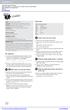 Unit 1 Hello! Topics animals, colours, numbers Functions following instructions, spelling and writing Grammar questions (What s? What are? What colour?), demonstratives (this/these), imperatives Vocabulary
Chapter. The Weekend
 Chapter 3 The Weekend T he weekend begins on Friday night and ends on Sunday night. Our weekend lives are usually different from our weekday lives. We may relax and have fun. We may also work at weekend
English for Spanish Speakers. Second Edition. Caroline Nixon & Michael Tomlinson
 English for Spanish Speakers Second Edition s 2 Caroline Nixon & Michael Tomlinson 1 2 There are pencils in the classroom, yes there are. There s a cupboard on the pencils, yes there is. There s a ruler
Simple Present Tense. Simple Present Tense in the Negative. Grammar Practice Worksheets
 Simple Present Tense Choose the correct verb from the list below to complete the following sentences. Use the correct form of the simple present tense. fix stand speak drink eat do wear have wash make
DESCRIBING A PERSON. 1-Text. 2- Unfamiliar words. 3- Reading Comprehension. 4-Key answers. 5- Four Friends. 6-Remember.
 DESCRIBING A PERSON 1-Text 2- Unfamiliar words 3- Reading Comprehension 4-Key answers 5- Four Friends 6-Remember 7-Key answers 1 1-Text Michael Douglas / Star / Cinema / Celebrity. Michael Douglas Michael
Hello! My name s Peter. I come from England. I m English. Hi! My name s Dorothea. I come from America. I m American.
 Unit, lesson. Listen! Hello! My name s Peter. I come from England. I m English. Hi! My name s Dorothea. I come from America. I m American. Hello! My name s Sue. I come from Canada. I m Canadian. Hello!
Getting together. Present simple 1. New Year in Vietnam. Reading: Everybody s birthday. Word focus: Special occasions
 2 A Present simple 1 B Present simple: questions C Communication strategies Showing interest D Interaction Are you a people person? Getting together Present simple 1 Word focus: Special occasions 1 Work
BUSEL 2015-2016 ACADEMIC YEAR ELEMENTARY EXAM TASK TYPES
 The Elementary exams will have all or some the following task types. READING SECTION TIPS FOR THE READING SECTION DO practise reading English as much as possible. revise the topics, grammar and vocabulary
NIVEL A - ACTIVIDADES DE LECTO-COMPRENSION
 NIVEL A - ACTIVIDADES DE LECTO-COMPRENSION A1 Read the text below: Michael Carrick is twenty-eight years old. He is from Manchester, in England. He is a football player for Manchester United. His hobbies
Hi-tech. Language focus. First conditional. Second conditional. eat. 'd give / wouldn t
 9 Hi-tech Language focus First conditional 1a Complete the sentences with the correct form of the verb in brackets. Use the Present Simple or will + infinitive. eat 1 If you (eat) cheese late at night,
Kangourou Italia Cambridge English Language Assessment Gara del 26 febbraio 2014
 Kangourou Italia ambridge English Language ssessment Gara del 26 febbraio 2014 ategoria Per studenti della classe quinta della Scuola Primaria LISTENING TEST YOU NEED: This question paper n answer sheet
Nombre: Today is Monday. Yesterday was. Tomorrow will be. Today is Friday. Yesterday was. Tomorrow will be. Today is Wednesday.
 Days of the week. Read and complete. Today is Monday. Yesterday was Tomorrow will be. Today is Friday. Yesterday was Tomorrow will be. Today is Wednesday. Yesterday was Tomorrow will be. Today is Saturday.
School activities. Lesson 5 AFTERNOON BREAK MORNING BREAK I love it./it s great. Lesson 1. Mon Tues Wed Thur Fri
 1 Back to school Grammar Present simple affirmative Prepositions of time Present simple negative Object pronouns Vocabulary School subjects School activities Everyday activities Speaking Talking about
KEY ENGLISH TEST for Schools
 KEY ENGLISH TEST for Schools PAPER 1 Reading and Writing Sample Paper Time 1 hour 10 minutes INSTRUCTIONS TO CANDIDATES Do not open this question paper until you are told to do so. Write your name, Centre
Contents: 2008 www.perfect-english-grammar.com May be freely copied for personal or classroom use.
 2 Contents: Grammar of phrasal verbs 2 Deal with 3 Come across 5 Get on with 7 Look after 9 Pick up 11 Review 1 13 Put on 14 Take off 16 Look into 18 Turn down 20 Look forward to 22 Review 2 23 Answers
Dictionary words: Some words in this book are dark black. Find them in your dictionary or try to understand them with no dictionary first.
 Brown Eyes A man is pretending to be me, I said. Why? Every year, Peter and Susan Reed go to Lea-on- Sea for their holiday; every year they stay at the Hotel Vista. This year things start to go wrong.
EXERCICIS DE PRESENT SIMPLE I PRESENT CONTINU. Preparat per: Maria Tarragó. 3 ESO... : pàgines 1 a 4 1 BATX... : pàgines 5 a 8
 EXERCICIS DE PRESENT SIMPLE I PRESENT CONTINU Preparat per: Maria Tarragó 3 ESO... : pàgines 1 a 4 1 BATX... : pàgines 5 a 8 EXERCISES ON THE PRESENT TENSES. Name Group: A) PRESENT SIMPLE A. Write the
9 sets de dúas fichas 1 set de tres fichas
 EXPRESIÓN ORAL 9 sets de dúas fichas 1 set de tres fichas 1 SPEAKING SET 1 CANDIDATE A TASK 1 (MONOLOGUE): FILMS You are a Spanish student living in London and you meet a Polish friend for coffee. You
English for Spanish Speakers. Second Edition. Caroline Nixon & Michael Tomlinson
 English for Spanish Speakers Second Edition s 1 Caroline Nixon & Michael Tomlinson 1 Red and yellow and pink and green, Orange and purple and blue. I can sing a rainbow, Sing a rainbow, Sing a rainbow
Nombre: I am not playing. You are not (you aren t) eating. He is not (He isn t) reading. She is not (She isn t) sleeping.
 Nombre: PRESENT CONTINOUS Affirmative Negative Interrogative I am (I m) playing. You are (you re) eating He is (He s) reading. She is (She s) sleeping. It is (It s) running. We are (we re) speaking. You
TALKING ABOUT THE FUTURE
 UNIT 3 TALKING ABOUT THE FUTURE Be Going To and Will UNIT GOALS Form statements and questions about the future using be going to and will Know the uses of be going to and will Choose between be going to
Nombre: RED GREEN BLUE YELLOW PINK ORANGE. Color according to the instructions. Count and write the number. Celia Rodríguez Ruiz
 Color according to the instructions. RED BLUE ORANGE GREEN YELLOW PINK Count and write the number Read the sentences and color the picture The car is red. The cloud is blue. The dog is brown. The bird
International ESOL English for Speakers of Other Languages Preliminary Level Sample Paper
 International ESOL English for Speakers of Other Languages Preliminary Level Sample Paper This paper must be returned with the candidate s work, otherwise the entry will be void and no result will be issued.
PET SPEAKING PART 3: PICTURE DESCRIPTION
 PET SPEAKING PART 3: PICTURE DESCRIPTION Lecturer: Nguyen Thi Que Intensive English Class K10 PET SPEAKING PART 3: PICTURE DESCRIPTION Objectives: - state what is required to do in the task of PET speaking
Present Perfect Progressive (Present Perfect Continuous)
 (Present Perfect Continuous) Read the situations below and write a sentence using the present perfect progressive tense to say how long the situation has been happening. For & Since Ex. The baby is crying.
CEFR Level A1 Level A1 Global Listening Reading Spoken Interaction Spoken Production Writing
 CEFR Level A1 Level A1 is the lowest level of generative language use - the point at which the learner can interact in a simple way, ask and answer simple questions about themselves, where they live, people
Can you spell these words?
 a an as at am man if in is it sit tip pips on off of men peg pen can dad had back and big him his not got dot up mum but put us run I the to do into no go so 1 the this that then them will with went win
STRAIGHTFORWARD BEGINNER PLACEMENT TEST
 STRAIGHTFORWARD BEGINNER PLACEMENT TEST The Straightforward Beginner Placement Test has been designed to help you decide whether the Straightforward Beginner course would be suitable for your students
NIVEL A - ACTIVIDADES DE LECTO-COMPRENSION
 NIVEL A - ACTIVIDADES DE LECTO-COMPRENSION A1 Read the text below Tammy Roddick is 15 years old. She is a professional tennis player. She is from Omaha, Nebraska, in the United States of America. She has
Young Learners English
 University of Cambridge ESOL Examinations Young Learners English Starters Information for Candidates Information for candidates YLE Starters Dear Parent Thank you for encouraging your child to learn English
ESOL Customer Service Training: Unit 1 1: 1 Student Book. Unit 1: Talking With Your Customer
 ESOL Customer Service Training: Unit 1 1: 1 Unit 1: Talking With Your Customer ESOL Customer Service Training: Unit 1 1: 2 What are your goals? Note to Instructor: If you have permission, use Stand Out
2014-2015 Supplementary Material (New Language Leader Pre-Intermediate Unit 6) A Level Techers Copy
 VOCABULARY A) Match the ages in the box with the definitions 1-8. 7 / 15 / 17 / 25 / 36 / 52 / 67 / 82 1) a young adult 25 2) a child 7 3) an adolescent 15 or 17 4) an elderly person 82 5) a middle-aged
LTTC English Grammar Proficiency Test Grade 2
 LTTC English Grammar Proficiency Test Grade 2 A. Short Comprehension The candidate is expected to demonstrate the ability to understand the passage (around 50 words) and answer the questions. B. Usage
Fry s Sight Word Phrases
 The people Write it down By the water Who will make it? You and I What will they do? He called me. We had their dog. What did they say? When would you go? No way A number of people One or two How long
Reading. Re d on Power up. Skill. Sum up. Spe k up 4 D. You use a digital camera.
 03 We school Reading Re d on Power up 1 music 3 Match the school subjects with the photos. computer studies geography history maths science A B Read the article on page 27 about a school in Northern Ireland.
POZIOM 2 TEKSTY PIOSENEK I RYMOWANEK
 POZIOM 2 TEKSTY PIOSENEK I RYMOWANEK Welcome Piosenka Hello Hello. I m Lindy. Hello. I m Lindy. What s your name? Hello. I m Joe. Hello. I m Joe. It s time to play! Hello. I m Emily. Hello. I m Emily.
The band. 4 Write sentences: Here students must rewrite the sentences given as negatives under the pictures.
 The band Level: 2º E.S.O. Grammar: Present simple, frequency adverbs and word order Functions: describing habits and routines; asking for and giving personal information; talking about abilities Vocabulary:
PET Writing. How to pass the Pet Writing Section
 PET Writing How to pass the Pet Writing Section Index: 1.Who is this book for?... 3 2.Format of the exam... 3 3.Useful Phrases for all writing types... 4 4.Writing short notes... 4 Advice:... 4 Sample
Classroom Language Companion
 Classroom Language Companion Real life language for every day macmillan advantage A new pupil at school A - Hello, I m Nick, what s your name? B - My name s Silvia. A - How old are you Silvia? B - I m
Middle School ENGLISH NET. Student s Book and Workbook. Güler ŞİLİT
 Middle School ENGLISH NET 6 Student s Book and Workbook Güler ŞİLİT Talim ve Terbiye Kurulu Başkanlığının 25.06.2014 tarih ve 2622588 sayılı yazıları (30.05.2014 tarih ve 39 sayılı kurul kararı) ile 2014-2015
Girl Meets Boy. And suddenly there he was, this tall, quiet boy in a blue and white shirt... I'll always remember the first time I saw him.
 Girl Meets Boy And suddenly there he was, this tall, quiet boy in a blue and white shirt... I'll always remember the first time I saw him. Donna is on a boat. She is going to Spain with her family for
SALE TODAY All toys half price
 Name: Class: Date: KET Practice PET TestPractice Reading Test and Reading Writing KET PET Part 1 Questions 1 5 Which notice (A H) says this (1 5)? For Questions 1 5 mark the correct letter A H on your
Year 7. Grammar booklet 3 and tasks Sentences, phrases and clauses
 Year 7 Grammar booklet 3 and tasks Sentences, phrases and clauses Types of Sentence There are 4 main types of sentences. A question asks something and needs a question mark. What s the matter? A statement
Up! Wake. unit. Monday 13 May. Listen, look and say. Play a game. Listen, find and say. 4 Unit 1 vocabulary (routines)
 unit 1 Wake 1:02 1 Up! Listen, look and say. th Monday 13 May 2 eat bre ak fast 1 wake up 3 get dressed 7 play football 6 go to the park 8 do my homework 4 go to school 9 play video games 10 watch TV 5
Nebuló Alapítvány a Gyerekekért
 Nyíregyházi Móricz Zsigmond Általános Iskola Nebuló Alapítvány a Gyerekekért Megyei idegen nyelvi verseny (2015. november 27.) 2015 Winning is not the most important thing. ENGLISH CLASS 6 Name: School:....
DIAGNOSTIC EVALUATION
 Servicio de Inspección Educativa Hezkuntzako Ikuskapen Zerbitzua 2 0 1 1 / 1 2 DIAGNOSTIC EVALUATION 4th YEAR of PRIMARY EDUCATION ENGLISH LITERACY Name / surname(s):... School:... Group:... City / Town:.
flight attendant lawyer journalist programmer sales clerk mechanic secretary / receptionist taxi driver waiter/waitress
 Work Choices UNIT 3 Getting Ready Discuss these questions with a partner. flight attendant lawyer journalist programmer sales clerk mechanic secretary / receptionist taxi driver waiter/waitress 1 Look
2014-2015 SUPPLEMENTARY MATERIAL (New Language Leader Elementary Unit 5) B / C LEVEL TEACHERS COPY
 GRAMMAR A. Complete the table. Use the comparative form of the adjectives in the box. busy bad big famous wet tall ugly good wide rich short heavy important slow hot nice safe large small expensive +er
Non-Stop English 1 Unit 10
 Non-Stop English 1 Unit 10 Vocabulary 1) der Blaue 2) oder 3) alt 4) billig 5) klein (gewachsen) 6) dick 7) Das ist besser 8) Darf ich... 9) Kleid 10) amerikanisch 11) gross 12) ein bisschen teuer 13)
Free Time Animals The world Secret codes The city Forests Memories Sherlock Holmes
 Free Time Animals The world Secret codes The city Forests Memories Sherlock Holmes Material promocional de muestra para Andalucía incluyendo contenido del Activity Book y el Teacher s Resource File de
Entry Exam 2016 in English
 Entry Exam 2016 in English Family Name: First Name: Present School: Duration: 50 minutes Your are not allowed to use pencil. Use a pen! You may leave early. (When finished, turn your test upside down and
Todd and Tara are going to spend the weekend with Uncle Marvin. They re in his flat. There s a poster on the wall and there s a on
 Visit the Rockies comb poster calendar laptop 5 hairbrush 6 briefcase 7 chess set 8 camera 5 6 7 8 Listen and repeat. Read and complete. Then listen and check. Todd and Tara are going to spend the weekend
銘 傳 大 學 九 十 一 學 年 度 轉 學 生 招 生 考 試 八 月 四 日 第 四 節 應 英 轉 三 英 文 聽 力 試 題
 銘 傳 大 學 九 十 一 學 年 度 轉 學 生 招 生 考 試 八 月 四 日 第 四 節 應 英 轉 三 英 文 聽 力 試 題 Part A Medium Dialogue Dialogue 1. 1. a. in the night market b. in a supermarket c. in a 7-11 d. in an electronics store 2. a. She is
Connectedness and the Emotional Bank Account
 Connectedness and the Emotional Bank Account Directions This is a self-guided activity that can be completed by parents, teens or both. It contains five parts and should take about 45 minutes to complete.
Nombre: I am not playing. You are not (you aren t) eating. He is not (He isn t) reading. She is not (She isn t) sleeping.
 PRESENT CONTINUOUS Affirmative Negative Interrogative I am (I m) playing. You are (you re) eating He is (He s) reading. She is (She s) sleeping. It is (It s) running. We are (we re) speaking. You are (you
Cambridge Key English Test 1. Examination papers from University of Cambridge ESOL Examinations: English for Speakers of Other Languages
 Cambridge Key English Test 1 Examination papers from University of Cambridge ESOL Examinations: English for Speakers of Other Languages PUBLISHED BY THE PRESS SYNDICATE OF THE UNIVERSITY OF CAMBRIDGE The
A) Complete the sentences with SIMPLE PRESENT or PRESENT CONTINUOUS.
 ŠESTI RAZRED A) Complete the sentences with SIMPLE PRESENT or PRESENT CONTINUOUS. 1. Susan usually. (go) to school by bus, but now she.. (go) to school by train. 2. Mary often.. (read) in bed, but today
1 Online! 1 Listen and sing. 2 Look and ask a friend. LESSON 1
 1 Online! LESSON 1 1 Listen and sing. 1.7 I love our computer, I use it every day. I search the internet, For new games to play. I upload photos, And I chat with my friends. I sometimes write an email,
A Note to Parents. 1. As you study the list, vary the order of the words.
 A Note to Parents This Wordbook contains all the sight words we will be studying throughout the year plus some additional enrichment words. Your child should spend some time each week studying this Wordbook
Produce legible text. Use a capital letter for proper nouns. Order and compare numbers up to 10, including zero
 Teacher s notes Skills and curriculum references Wt/E1.1 & Wt/E2.1 Use written words and phrases to record or present information Ws/E1.2 Punctuate a simple sentence with a capital letter and a full stop
FUTURE TENSE-BE GOING TO. He She It We. are. You. They. 3.I. swim. 8.Onur and Mustafa. watch TV. MAKING SUGGESTION
 FUTURE TENSE-BE GOING TO POSITIVE FORM(+) NEGATIVE FORM(-) I He She It We They am is going to play tennis tomorrow. do homework tonight. make a cake next Saturday. I He She It We They am is not going to
Middle School UPTURN. in English. Student s Book and Workbook. Mehmet ŞENER
 Middle School UPTURN in English 8 Student s Book and Workbook Mehmet ŞENER Talim ve Terbiye Kurulu Başkanlığının 16.12.2014 tarihli ve 106 sayılı kararıyla 2015-2016 öğretim yılından itibaren 5 (beş) yıl
FILE 1 FILE 2. english file PRE-INTERMEDIATE third edition Entry Checker answer key. a 1 Our 2 My 3 your 4 its 5 your 6 My 7 our 8 His 9 their 10 her
 English File Pre-Intermediate third edition Entry Checker answer key FILE 1 1A a 1 are 2 am 3 are 4 is 5 are 6 is 7 are 8 are 9 is 10 am b 1 I m 2 You re 3 It s 4 They re c 1 We re 2 It s 3 He s 4 You
Wallaby Choose the correct answer (Scegli la risposta giusta)
 Baby_Kang_07.qxp 16-04-2007 12:17 Pagina 10 Kangourou Italia - British Institutes Gara del 20 marzo 2007 Categoria Per studenti della classe terza della Scuola Secondaria di Primo Grado Choose the correct
T.C. 8. SINIF I. DÖNEM. 15 ARALIK 2013 Saat: 11.20
 T.C. 8. SINIF I. DÖNEM 15 RLIK 2013 Saat: 11.20 İNGİLİZCE 1-10. sorularda boş bırakılan yere uygun gelen kelime ya da ifadeyi işaretleyiniz. 1. Last night, I had a dream. In my dream a man was trying
5.7 Nominative Case and Objective Case Pronouns
 Chapter 5 Usage of Verbs, Pronouns, & Modifiers 171 5.7 Nominative Case and Objective Case Pronouns Personal pronouns have three cases: nominative, objective, and possessive (See lesson 1.4). The way a
BATERIA DE EXERCÍCIOS - LÍNGUA INGLESA
 Nome: nº Professor(a): Ano: 6º Turma: Data: / /2013 Desconto Ortográfico: Sem limite para crescer BATERIA DE EXERCÍCIOS - LÍNGUA INGLESA 3º Trimestre 1) Read the email and answer the questions. From: [email protected]
NEW HEADWAY ENGLISH COURSE ELEMENTARY STUDENT S BOOK Oxford University Press www.oup.com/elt. Then and now
 Then and now Past Simple 1 regular verbs. Irregular verbs. Silent letters. Special occasions STARTER When were your grandparents and great-grandparents born? Where were they born? Do you know all their
EKOLA Junior High School Bilingual Programme Entrance Test (1h15) Sample Paper. Result:
 EKOLA Junior High School Bilingual Programme Entrance Test (1h15) Sample Paper Name: Result: Task 1 Which notice says what? For questions 1 5, match the correct letter A H. 1. You do not have to pay extra
FAMILY. MUM, DAD Mum, mum, dad, dad, sister, sister, brother, brother, Shhh, shhh, baby, baby.
 FAMILY MUM, DAD Mum, mum, dad, dad, sister, sister, brother, brother, Shhh, shhh, baby, baby. FATHER, MOTHER Father, mother, father, mother, what about me? Sisters, brothers, sisters, brothers, I can t
ESL ENGLISH AS A SECOND LANGUAGE
 ESL ENGLISH AS A SECOND LANGUAGE Last First Student CSID Instructor Room Class level BEGINNING STUDENT GUIDE This ESL Student Guide was developed by the ESL Learner Persistence Committee. Welcome to our
Shopping: Week 1 of 2
 The Minnesota Literacy Council created this curriculum with funding from the MN Department of Education. We invite you to adapt it for your own classrooms. Beginning Level (CASAS reading scores of 181-200)
ORTAÖĞRETİM İNGİLİZCE A1.2. Workbook. Baykal TIRAŞ - Mehmet ŞENER
 ORTAÖĞRETİM İNGİLİZCE A1.2 Workbook Baykal TIRAŞ - Mehmet ŞENER Talim ve Terbiye Kurulu Başkanlığının 30.01.2014 tarih ve 428746 sayılı yazıları (24.12.2013 tarih ve 268 sayılı kurul kararı) ile 2014-2015
- ENGLISH TEST - ELEMENTARY 100 QUESTIONS
 Exercise 1: Tick (P) the suitable answer. - ENGLISH TEST - 1. My brother... a flat in London. A have B has C haves 2.... you live with your boyfriend? A Do B Does C Is 3. Elizabeth is.... A Philip's wife
Happy Birthday, Teddy!
 1 S é q u e n c e 4 Unit 4, lesson 1 4 2 1 Activity 1 1 Listen to the CD. Happy Birthday, Teddy! Choose the correct key. 1 2 3 4 I are a key. I has a key. I am a key. I is a key. 58 cycle 3 niveau 2 anglais
UniT 5 HERE, THERE AnD EVERYWHERE
 UniT 5 HERE, THERE AnD EVERYWHERE IN THIS UNIT YOU learn language for talking about places read descriptions of where people live give and ask for directions to places in your town listen to a news report
Jake arrives at Euston station in London. It is a holiday weekend and it is his first time away from Manchester. Jake is eighteen years old and he
 Annette Keen Jake arrives at Euston station in London. It is a holiday weekend and it is his first time away from Manchester. Jake is eighteen years old and he lives with his family. Now he is in London.
How to form the Present Perfect
 The present perfect verb tense is a little difficult in English it is used in several different ways, and there are lots of rules to remember. This lesson will teach you everything you ever wanted to know
EXTRA in English Episode 2: Hector goes shopping Script
 EXTRA in English Episode 2: Hector goes shopping Script COMMENTARY [voice over] This is the story of two girls who share a flat in London. They have a neighbour, Nick, who likes Bridget. But Annie likes
Übung Unit 1 9, You and Me
 You and Me Unit 1 9 1 Übung Unit 1 9, You and Me Write the numbers and plurals strawberry (14) fourteen strawberries class (50) fifty classes toe (10) ten toes boy (12) twelve boys foot ( 11) eleven feet
CONCURSO ESPECIAL DE ACESSO E INGRESSO DO ESTUDANTE INTERNACIONAL NOS CURSOS DO 1º CICLO DE ESTUDOS E MESTRADO INTEGRADO
 CONCURSO ESPECIAL DE ACESSO E INGRESSO DO ESTUDANTE INTERNACIONAL NOS CURSOS DO 1º CICLO DE ESTUDOS E MESTRADO INTEGRADO PROVA ESPECÍFICA MODELO DE INGLÊS (NÍVEL A.2.2) WRITTEN TEST Questions 1 5 PART
1 I... swim well when I was very young. A can B could C knew. 3 What... on Sundays? A does Mary usually do B does Mary usually
 Test 2A 1 I... swim well when I was very young. A can B could C knew 2 When I got... I had a bath. A home B at home C to home 3 What... on Sundays? A does Mary usually do B does Mary usually C usually
Nombre: Today is Monday. Yesterday was. Tomorrow will be. Today is Friday. Yesterday was. Tomorrow will be. Today is Wednesday.
 Nombre: Days of the week. Read and write. Today is Monday. Yesterday was Tomorrow will be. Today is Friday. Yesterday was Tomorrow will be. Today is Wednesday. Yesterday was Tomorrow will be. Today is