
Adaptation and dispersal of native salt-marsh species Elytrigia atherica
|
|
|
- Scot Leonard
- 10 years ago
- Views:
Transcription
1 Adaptation and dispersal of native salt-marsh species Elytrigia atherica

2 The research for this thesis was carried out in the Community and Conservation Ecology Group at the Centre for Ecological and Evolutionary Studies (CEES) of the University of Groningen. The research was supported by a grant from the University of Groningen awarded to Prof. Dr. J.P. Bakker as part of the Breedtestrategie program 'Dispersal and Adaptation'. Layout and figures: Dick Visser Cover: Roos Veeneklaas Photos: Roos Veeneklaas Printed by: NetzoDruk, Groningen ISBN: ISBN: (digital version)

3 RIJKSUNIVERSITEIT GRONINGEN Adaptation and dispersal of native salt-marsh species Elytrigia atherica Proefschrift ter verkrijging van het doctoraat in de Wiskunde en Natuurwetenschappen aan de Rijksuniversiteit Groningen op gezag van de Rector Magnificus, dr. E. Sterken, in het openbaar te verdedigen op vrijdag 14 juni 2013 om uur door Roos Marije Veeneklaas geboren op 6 juni 1977 te Nijmegen

4 Promotores: Prof. dr. J.B. Bakker Prof. dr. R. Bijlsma Beoordelingscommissie: Prof. dr. J.L. Olsen Prof. dr. K. Jensen Prof. dr. J. Rozema

5 Contents Chapter 1 General introduction 6 Chapter 2 Spatio-temporal dynamics of the invasive plant species, Elytrigia atherica, 15 on natural salt marshes Chapter 3 Elytrigia atherica invasion of mainland marshes depends on abiotics 37 and management Chapter 4 Effect of grazing and mowing on the clonal structure of Elytrigia atherica: 51 a long-term study of abandoned and managed sites Chapter 5 Clonal structure of Elytrigia atherica along different successional stages 67 of a salt marsh. Chapter 6 To move or not to move: determinants of seed retention in a tidal marsh 83 Chapter 7 General discussion 101 References 113 Summary / Samenvatting 127 Dankwoord 141 List of publications 148 Affiliation of co-authors 147

6

7 Chapter1 General introduction

8 CHAPTER 1 Salt marshes and Elytrigia atherica Coastal salt marshes provide a unique habitat for plant and animal life. This habitat is restricted to a narrow zone between land and sea and is subjected to extreme environmental conditions due to periodic flooding by seawater and high salinity. As a consequence, the salt-marsh plant communities consist of a small number of highly adapted plant species and are considered rare and vulnerable to extinction (Doody, Johnston, & Smith 1993; Westhoff, Hobohm, & Schaminée 1993). Nevertheless, the salt-marsh vegetation provides an important habitat for a wide variety of animals, many of which are restricted to saline habitats (Pétillon et al. 2010; Schrama, Berg, & Olff 2012). Additionally, salt marshes are of great importance as staging and breeding area for migratory birds (Madsen, Cracknell, & Fox 1999; Koffijberg et al. 2006). For this reason an increasing number of the European salt marshes have been designated as nature reserves or as a part of National Parks in the past decades (Esselink, Fresco, & Dijkema 2002; Stock 2003; Townend et al. 2011). Currently, all salt marshes in the Wadden Sea area (40,000 ha) are under the protection of national nature legislation (Essink et al. 2005). A SEEDS Elytrigia RHIZOMES Atriplex Festuca PIONEER ZONE LOW MARSH MIDDLE MARSH HIGH MARSH B Artemisia Plantago Triglochin Puccinellia PIONEER ZONE LOW MARSH MIDDLE MARSH HIGH MARSH Salicornia Figure 1.1 Changes in salt marsh succession on a salt marsh. In earlier succession (A) E. atherica occurs only at higher elevations. Over time, by means of seed dispersal and rhizomes E. atherica will expands to the lower marsh. At a late successional stage (B) E. atherica has invaded the lower marsh. 8

9 GENERAL INTRODUCTION 100 A ISLANDS B MAINLAND 80 incidence (%) Texel Schorren Tersch. Boschplaat Schiermonnikoog Rottumerplaat Friesland Groningen 2002 Phragmites community Elytrigia spp. communities brackish marsh high salt marsh low salt marsh pioneer zone Figure 1.2 Vegetation change in four back-barrier salt marshes on islands and two mainland salt marshes in the Netherlands Wadden Sea over an approximately 25-year period. The graph represents the incidence of main vegetation zones and climax communities of Elytrigia atherica and Phragmites australis (Redraw from Esselink et al., 2009). Salt marshes show a strong zonation of the plant community depending on the elevation of the marsh and the distance to the sea (Adam 1990) (Fig. 1.1A). Differences in elevation are associated to differences in inundation frequency and thus sediment input, soil aeration and salinity. In time the zonation pattern changes as a result of succession. Increasing age of the salt marsh coincides with an increasing input of sediment and organic matter, resulting in increasing elevation and nutrient availability (Olff et al. 1997; Van Wijnen & Bakker 1997). The increasing nutrient availability allows taller growing plants to dominate the marsh (Fig. 1.1B). From a morphological point of view a distinction can be made between two salt marsh types; back-barrier marshes and mainland marshes. Back-barrier marshes are in principal natural salt marshes, developed under the lee of a barrier-beach or an artificial dune ridge. Mainland marshes are largely of anthropogenic origin, as their development is promoted by ditching and the construction of sedimentation fields. The present total area of salt marshes along the Dutch coast is lower compared to that found in historical records around During the past centuries, extensive areas of salt marsh were embanked for coastal protection and agricultural exploitation (Dijkema 1987). Since the 1960s it was no longer economically feasible to embank salt marshes for agriculture. The remaining marshes have become older and higher, developing into suitable habitats for late successional plant species, such as the tall grass Elytrigia atherica. Around 1980, approximately 8% of the salt marsh along the Dutch coast was covered by E. atherica and this expanded to 17% coverage around 2000 (Dijkema et al. 2007)(Fig. 1.2). 9

10 CHAPTER 1 Natural succession is an important player in the increase of E. atherica dominance. The spreading of E. atherica is a phenomenon due to natural succession on back-barrier island marshes without livestock grazing. During succession, the marshes become older and higher by accretion, developing into suitable habitat for late-successional species such as E. atherica (Olff et al. 1997). Also on mainland marshes the incidence and dominance of E. atherica is positively related to elevation and rate of increase of surface elevation (Heinze, Kiehl, & Neuhaus 1999). In later successional stages of salt marshes, more nitrogen is available as a result of silt accumulation (Olff et al. 1997). Van Wijnen & Bakker (2000) showed that atmospheric deposition was the dominant exogenous nitrogen source both in young and old marshes. Thus, anthropogenic eutrophication may have led to an increased nitrogen availability overall on the salt marsh, independent of the successional stage of the marsh. This would enable a late-successional species, such as E. atherica, to expand more rapidly and spread to lower and younger marshes (Bockelmann et al. 2002). Additionally, the rapid increase of E. atherica occurred concurrently with a change in management regimes on many salt marshes. Although salt marshes tend to have a natural appearance, the majority of salt marshes along the mainland coast of the Wadden Sea result from human interference (Dijkema 1983). Livestock grazing on European salt marshes can be traced back for couple of millennia (Davy, Bakker, & Figueroa 2009). Traditionally the mainland marshes were intensively grazed by sheep or cattle. As a result the majority of these marshes were covered by an extremely short homogeneous vegetation of the low-statured grasses Puccinellia maritima or Festuca rubra (Dijkema 1983; Kiehl et al. 1996). Starting in the 1980s, due to economic motivations of farmers or changes in nature management goals, grazing by livestock was discontinued in many marshes, resulting in up to 60% of back-barrier and up to 40% of mainland marshes in the Wadden Sea being ungrazed by 2008 (Esselink et al. 2009). Concurrently with this change in management regimes, namely cessation or reduction of livestock grazing in the past decades, the tall grass Elytrigia atherica has increased in abundance on several salt marshes along the northwest European coast; for example at Mont Saint Michel, France (Valéry et al. 2004), The Wash, UK (Norris, Blair, & Johnson 2007) and Schleswig- Holstein, Germany (Stock et al. 2005; Esselink et al. 2009).As numerous experiments have shown, large herbivores are able to prevent vegetation from being dominated by tall-growing species (Kiehl et al. 1996; Bos et al. 2002; Bakker & Olff 2003). The mainland marshes consist of sedimentation fields with brushwood groynes. The fields are comprised of an extensive artificial system of a few large and many small ditches to allow inundation of the entire field. The intensive drainage system also facilitates fast discharge of the water, thus allowing oxygen to enter the soil and thus enhancing ripening development of the soil. Inundation frequency, as related to elevation and drainage conditions, was shown by Bockelmann et al. (2002) to be of great importance for the occurrence and dominance of E. atherica. Currently, artificial drainage by ditching is infrequently practiced: about 10% of back-barrier marshes and 30% of mainland marshes in the Wadden Sea were recently drained (i.e. <10 years ago) (Esselink et al. 2009). 10

11 GENERAL INTRODUCTION Effect of invasion Invasion by non-native species is considered as one of the most serious threats to the integrity of natural systems (Drake et al. 1989; Tyler, Lambrinos, & Grosholz 2007). Invaders can profit from the increased availability of nitrogen in disturbed systems, and may outcompete the species adapted to previously low-nutrient conditions (Vitousek et al. 1997). Invasion can result in extinction of native species, alteration of nutrient cycles, modification of food webs (Pétillon et al. 2005) and habitat loss. Wetlands are especially susceptible to invasions that lead to monocultures due to their positions in landscapes as sinks for many processes, resulting in the accumulation of the effects of disturbance, wetting, and eutrophication (Zedler & Kercher 2004). Expansion by native species can also lead to the same changes in communities and ecosystems as in the case of non-native species. Bakker (1989) showed that species richness decreased concurrently with the increase in the abundance of E. atherica. Dispersal strategy E. atherica is a clonal plant and as many clonal plant species, able to propagate both sexually (creating new genets from sexually produced seed) and vegetatively (producing genetically identical ramets, which are potentially independent plant units) (Cook 1983). It has been proposed that different modes of propagation are favourable under different environmental conditions encountered during the life of an individual or a population (Olivieri, Michalakis, & Gouyon 1995; Eriksson 1997). This advantage may be expressed at the genetic as well as the ecological level (Ellstrand & Roose 1987). For example, vegetative reproduction has the advantages of physiological aid from the mother plant to the daughter plant through vegetative connectors (D Hertefeldt & Jonsdottir 1999) and absence of the costs of sexual reproduction (e.g. flowering, seed production) (Doust & Laporte 1991; Ronsheim & Bever 2000; Rydgren & Okland 2003). On the other hand, seed dispersal is a key component of a species capacity to establish populations in newly created patches of habitat (Piquot et al. 1998). Hence, long-distance seed dispersal is a means of escaping the competitive effect of clonal crowding and kin competition (Eriksson 1997; Howe & Miriti 2004). This suggests that the recent history of a population of plants capable of both clonal and sexual reproduction is reflected in its genetic structure as the consequence of their past life history and environmental conditions experience. Grazing or mowing may have different effects on the reproductive strategies of plant species (Fernandez, Nunez, & Soriano 1992; Kerley, Tiver, & Whitford 1993). Some species respond to grazing by compensatory growth and producing more side shoots (ramets) (Mcnaughton 1983; Wallace, Mcnaughton, & Coughenour 1985), whereas other species may decrease or increase their seed production. As mentioned above, seedling recruitment may either be increased or limited by grazing. For many clonal species disturbances, such as grazing or fires, are needed for seedling establishment 11

12 CHAPTER 1 (Eriksson 1989) as these reduce the competition from the established vegetation (Eriksson 1997). When seedling establishment is rarely observed in clonal plant populations, the general assumption is that the population is dominated by a few large clones. Only a few studies have dealt with the effect of disturbance by management on the clonal diversity of plant populations (Kleijn & Steinger 2002; Reisch & Scheitler 2009). Thesis outline In a previous project on the successful invasion of E. atherica, Bockelmann (2002) focused on the adaptive plasticity and genetic differentiation of the species, induced by environmental conditions. She showed that abiotic and biotic conditions differ between habitats, in particular inundation frequency and presence of herbivores represent different selection regimes, which resulted in restricted gene flow over small distances (Bockelmann et al. 2003). Additionally she showed that biotic factors had a much stronger effect on seedling growth and mortality than parental origin and were independent of inundation. However, parental origin strongly interacted with herbivory and competition, with seedlings performing better under the conditions that resembled their parental site (Bockelmann, Wels, & Bakker 2011). The main objective of this project is to investigate how E. atherica has been able to spread so rapidly in the past decades on the salt marshes in the Wadden Sea. Firstly, we aim to understand the spatial and temporal dynamics of E. atherica on natural salt marshes. It is difficult to disentangle the relative influences of natural succession and human induced processes on the rapid spread of E. atherica. For this purpose we selected, in chapter 2, four naturally developed back-barrier salt marshes to address this problem. Naturally developed salt marshes feature a self-stimulated development and geomorphological condition and growth that are not affected by humans. Furthermore, the selected salt marshes have not been grazed by livestock or subject to other management regimes. Experimental studies of exclusion of cattle have shown a rapid increase of E. atherica on older marshes (Bakker, Bos, & De Vries 2003). However an increase of E. atherica has not been observed on all abandoned mainland marshes. In chapter 3 we aim to reconcile the contradictory results from local studies demonstrating either strong dominance of E. atherica or hardly any increase at all after the cessation of livestock grazing. Thus, we evaluate which factors affect the dominance of E. atherica on mainland salt marshes after cessation of livestock grazing along the German and Dutch Wadden Sea coast (Fig. 1.3). We study the effect of factors, such as time since cessation of livestock grazing, elevation, surface elevation change rates and drainage conditions, on the increase of E. atherica on the mainland marshes. In chapters 4, 5 and 6 we concentrate on the dispersal strategies of E. atherica. Only a few studies have dealt with the effect of disturbance by management on the clonal diversity of plant populations (Kleijn & Steinger 2002; Reisch & Scheitler 2009). A long-term grazing study on the back-barrier marsh of Schiermonnikoog and the 12

13 GENERAL INTRODUCTION GRAZED SALT MARSH UNGRAZED SALT MARSH Triglochin Artemisia Plantago Festuca Atriplex Elytrigia Figure 1.3 Changes in vegetation community on a middle marsh as after cessation of grazing. availability of molecular markers provided a unique opportunity to study the effects of management regimes on the genetic structure of a clonal plant species. In chapter 4 we address the question whether the clonal structure of E. atherica populations is affected by the different management regimes such as grazing, mowing and no interference. In chapter 5 we assess what mode of propagation, sexual or vegetative, governs the successful spread of the species in new habitats (Fig. 1.1B). Additionally we aim to asses if there is a change in the balance of sexual versus vegetative reproduction as succession proceeds. In chapter 6 we focus on the seed dispersal of E. atherica. We examine the processes that influence seed retention in intertidal systems by identifying simple functional relationships between dispersal vectors (tidal flow, wind-generated waves), trapping agents (vegetation), seed characteristics (buoyancy) and seed retention. We explore the effects of morphological seed traits, vegetation type and hydrodynamic variables on seed retention processes in both in the field and in a flume facility. In chapter 7 we synthesize the findings of this thesis. Firstly, we discuss the rapid spread of E. atherica in the past decades on back-barrier and mainland marshes. Secondly, the dispersal strategies of E. atherica in relation to management and succession are be discussed. Finally, we will indicate the future challenges of E. atherica and the salt-marsh management. 13

14

15 Chapter2 Spatio-temporal dynamics of the invasive plant species, Elytrigia atherica, on natural salt marshes Roos. M. Veeneklaas Kees S. Dijkema Norbert Hecker Jan P. Bakker Published 2013 Applied Vegetation Science 16;

16 CHAPTER 2 Abstract Question: In the past decades, the tall native invasive grass, Elytrigia atherica, has been increasing its frequency and dominance on salt marshes along the Wadden Sea coast. Is this rapid expansion an outcome of natural succession or is it driven by anthropogenic eutrophication resulting from atmospheric deposition? Location: Salt marshes on four back-barrier islands in the Wadden Sea along the coast of the Netherlands and Germany. Methods: We used a combination of time series of vegetation maps and chronosequence data of four naturally developed salt marshes to address our questions. These salt marshes have not been grazed by livestock or subject to other management regimes. By comparing the development of E. atherica within and between the four different salt marshes, we are able to study the spatial and temporal dynamics of the community dominated by Elytrigia atherica on natural salt marshes. Results: The expansion rate of the E. atherica community is highest on young salt marshes (up to 30 years old) with vertical accretion rates of 0.35 cm/yr. The expansion rate decreases on older marshes and reverses direction, becoming negative, on the oldest marshes (around 90 years old), which have no vertical accretion and are under waterlogged conditions. Conclusions: The expansion of E. atherica on natural, back-barrier islands along the Wadden Sea coast is more influenced by the age of the salt marsh and patterns in vertical accretion of soil than by uniformly spread atmospheric deposition. 16

17 DYNAMICS OF ELYTRIGIA ATHERICA ON NATURAL SALT MARSHES Introduction Eutrophication as a result of increased nitrogen input from watersheds to estuaries has become a major environmental concern in coastal systems. Invaders can profit from the increased availability of nitrogen in disturbed systems, and may outcompete the species adapted to previously low-nutrient conditions (Vitousek et al. 1997). Invasion by nonnative species is considered as one of the most serious threats to the integrity of natural systems (Drake et al. 1989; Tyler et al. 2007). Invasion can result in extinction of native species, alteration of nutrient cycles, modification of food webs (Pétillon et al. 2005) and habitat loss. Wetlands are especially susceptible to invasions that lead to monocultures due to their positions in landscapes as sinks for many processes, resulting in the accumulation of the effects of disturbance, wetting, and eutrophication (Zedler & Kercher 2004). Expansion by native species can also lead to the same changes in communities and ecosystems. The tall grass, Elytrigia atherica, is native to the salt marsh and occurs along the North Atlantic Coast from Northern Portugal to Southern Denmark. In the past decades E. atherica has been increasing in frequency and dominance on the salt marshes along the North Sea coast, for example at Mont Saint Michel (France (Pétillon et al. 2005)), The Wash (UK (Norris et al. 1997) and Schleswig- Holstein (Germany (Esselink et al. 2009)). Natural succession is an important player in the increase of E. atherica dominance. The present total area of salt marshes along the Dutch coast is lower compared to that found in historical records around Also the marshes have become older and higher, developing into suitable habitats for presumed climax species. Around 1980, approximately 8% of the salt marsh along the Dutch coast was covered by E. atherica and this expanded to 17% coverage around 2000 (Table 2.1) (Dijkema et al. 2005; Dijkema et al. 2007). This rapid increase has occurred concurrently with a change in management regimes on these salt marshes. Due to the economic reasons of farmers or changes in nature management ideals, grazing by livestock has been discontinued. As numerous experiments have shown, large herbivores are able to prevent vegetation from being dominated by tall-growing species (Kiehl et al. 1996; Bos et al. 2002; Bakker & Olff 2003). Hence, from a management point of view for plant species richness, it is known that the spread of E. atherica can be counteracted by grazing (Van Wijnen et al. 1997) and mowing (Veeneklaas et al. 2011). We know how to reduce the dominance of E. atherica. It is however unknown whether E. atherica can continue to spread under natural conditions and remains to stay a climax species. The aim of this study is to detect if there is a world beyond E. atherica at later successional stages in naturally developed salt marshes. In later successional stages of salt marshes, more nitrogen is available as a result of silt accumulation (Olff et al. 1997). Van Wijnen and Bakker (2000) showed that atmospheric deposition was the dominant exogenous nitrogen source both in young and old marshes. Hence, anthropogenic eutrophication may have led to an increased nitrogen availability overall on the salt marsh, independent of the successional stage of the marsh. This would enable a late-successional species, such as E. atherica, to expand 17

18 CHAPTER 2 Table 2.1 An overview of change in abundance of E. atherica on Dutch salt marshes over time (Dijkema et al. 2009). The cover area (ha) of E. atherica and the total marsh area (ha) per region is shown. The intrinsic rate of natural increase (yr -1 ) is calculated using Dijkema s data (Dijkema et al. 2005; Dijkema et al. 2009) intrinsic rate of increase Study area E. atherica total area E. atherica total area E. atherica total area E. atherica total area cover (%) salt marsh cover (%) salt marsh cover (%) salt marsh cover (%) salt marsh (ha) (ha) (ha) (ha) Eems-Dollard Wadden Sea Groningen mainland Wadden Sea Friesland mainland Wadden Sea North-Holland mainland Wadden Sea East barrier islands Wadden Sea West barrier islands Wadden Sea North-Holland barrier island Haringvliet-mouth Oosterschelde Westerschelde-mouth Westerschelde

19 DYNAMICS OF ELYTRIGIA ATHERICA ON NATURAL SALT MARSHES more rapidly and spread to lower and younger marshes (Bockelmann 2002). As salt marshes expand, vegetation development is highly dependent on local drainage conditions and sediment input (Tessier et al. 2003). For example, on the Hamburger Hallig salt marsh (Germany), a distinct gradient was found with high sedimentation rates close to the intertidal flats and hardly any accretion about 1000m from the edge of the salt marsh (Schröder et al. 2002). Thus, areas further from the edge show less vertical accretion and subsequent soil waterlogging (Esselink et al. 2009). It is difficult to disentangle the relative influences of natural succession and anthropogenically induced processes on the rapid spread of E. atherica. Therefore, we selected four naturally developed back-barrier salt marshes to address this problem in this study. Naturally developed salt marshes feature a self-stimulated development and geomorphological condition and growth that are not affected by humans. Furthermore, the selected salt marshes have not been grazed by livestock or subject to other management regimes. Sequential vegetation maps of the back-barrier islands of Terschelling (NL), Schiermonnikoog (NL), Norderney (D) and Spiekeroog (D) allow us to study the spatial and temporal dynamics of E. atherica on natural salt marshes. The differences in succession between nutrient-rich and nutrient-poor salt marshes will be discussed in the light of nutrient accumulation by sediment accretion. The aim of our study is to distinguish between the effects of natural succession and anthropogenically induced processes on the rapid spread of E. atherica along the Wadden Sea coast. The first hypothesis is that anthropogenic eutrophication has enhanced the expansion rate of E. atherica over time. We expect the time series to reflect the increase in E. atherica but not the chronosequence data, as it is subject to spatially uniform deposition. The second hypothesis is that the expansion rate is affected by factors such as the age of the marsh, rate of vertical accretion and soil waterlogging. By studying the spread of the species on multiple islands, we expect to observe spatial differences in expansion rate. The third hypothesis is that the monoculture of the tall grass is not the climax stage of succession on the salt marsh, but that there is a world waiting beyond E. atherica. Methods Species E. atherica is a hexaploid, tall-growing, wind-pollinated species with the ability of reproducing clonally as well as sexually (Bockelmann et al. 2003). This species is also known as Agropyron pungens, Elymus athericus, Elymus pycnanthus, or Elytrigia pungens. It occurs on continental European salt marshes along the coast from northern Portugal to southern Denmark, and along the southern coasts of the British Isles. Study sites We studied natural salt marshes that had developed without the aid of sedimentation fields and also were not grazed by livestock, as the occurrence of E. atherica is negatively 19

20 CHAPTER 2 Denmark NORTH SEA SPIEKEROOG NORDERNEY SCHIERMONNIKOOG TERSCHELLING The Netherlands Germany 0 50km Figure 2.1 Location of the study sites. affected by cattle and sheep grazing (Bakker et al. 1985). Salt marshes on four barrier islands in the Wadden Sea were studied: the Boschplaat on Terschelling (53º26 N, 5º28 E) and the Oosterkwelder on Schiermonnikoog (53º30 N, 6º16 E) in the Netherlands; the Ostheller on Norderney (53º42 N, 7º17) and the Ostplate on Spiekeroog (53º46 N, 7º45 E) in Germany (Fig. 2.1 & 2.2). By using major creeks as boundaries, the salt marshes were subdivided into five or six sections (see Fig. 2.2). The salt marsh of the Boschplaat on Terschelling developed between 1932 and A long artificial dune ridge was established north of sections T1-T6 (Fig. 2.2) on eastern sand banks (Roozen & Westhoff 1985). In the shelter of this dune ridge, the present salt marsh, the Boschplaat, developed and is currently 75 years old. To this day, the artificial dune ridge reduces the transport of sand and water from the North Sea, thus preventing the development of young marshes. Consequently, the entire salt marsh is of the same age and was established in The Boschplaat has never been grazed by livestock. 20

21 D YNAMICS OF E LYTRIGIA ATHERICA ON NATURAL SALT MARSHES Terschelling 2006 A Schiermonnikoog 2004 B Spiekeroog 2004 C Norderney 2004 D Figure 2.2 Maps of the four barrier islands with naturally developed salt marshes. The different sections indicated for each island are related to natural drainage creeks on the marsh. The position of artificial dune ridges is indicated as a black bar. The grid scale is 1km 1km. 21
22 CHAPTER 2 N Figure 2.3 Salt-marsh development on Schiermonnikoog. Vegetated areas were mapped from aerial photographs and topographical maps (Jager 2006). The shading represents different ages of the salt marsh. The legend labels represent the estimated year of vegetation establishment. In contrast, salt marshes have been developing sequentially on the Oosterkwelder of Schiermonnikoog since An artificial dune ridge was built in 1960 for coastal protection, but it was breached every winter (Fig. 2.2). From the mid-1960s onwards, the artificial dune ridge was only maintained in the area north of section S1. After this time, the eastern part of the island was not protected from the North Sea, thus giving the sea and winds a free hand in dune formation. Due to dominantly westward sea currents, there is a net transport of sediment along the shore from west to east. As a result of this tidal sand deposition, the island is gradually expanding eastward, allowing us to study the dynamic development of the eastern part of the island (Fig. 2.3) (Bakker 1989; Olff et al. 1997). Therefore, Schiermonnikoog displays a chronosequence of salt-marsh establishment from 1913 onwards in our study area. Until 1958, the western part of the Oosterkwelder (section S1) was extensively grazed by cattle. Sections S2-S5 have never been grazed by cattle. The Ostplate of Spiekeroog developed naturally in the eighteenth century after embankment of the Harle Bay. On an aerial photograph from 1960, the high sand deposition of the Ostplate Spiekeroog with attendant little dunes can be observed. Between 1960 and 1980, the initial salt-marsh and dune development began on Ostplate, leading up to the present situation. Artificial constructions, such as drainage ditches or dune ridges, were not used to establish these salt marshes. According to aerial photographs, the initial development of salt marshes on Norderney started before On an aerial photograph from 1937, the western part of the current salt marsh (section N1) and its artificial drainage system can be observed. Between 1938 and 1960 the drainage system was extend to section N2. The eastern salt marsh (section N3 till N6) developed naturally after 1938 in the absence of artificial constructions, such as dune ridges or drainage furrows. 22
23 DYNAMICS OF ELYTRIGIA ATHERICA ON NATURAL SALT MARSHES Comparison of vegetation maps for short-term and long-term dynamics The expansion of E. atherica was recorded by interpreting vegetation maps of different time periods (App. S2.1). All vegetation maps were developed by interpreting data collected from aerial photographs and field surveys. The criteria for classifying the plant communities varied between the maps because they were collected from different sources. To compare the sequential maps, we re-classified the plant communities according to the recently standardized typology for salt marshes in the Trilateral Monitoring and Assessment Programme of the Wadden Sea (TMAP2004) (Bakker et al. 2005) (Appendix S1), using the vegetation survey appendices of these maps. The aforementioned subdivisions applied to each marsh (Fig. 2.2, Table 2.2) allowed us to study patterns along a gradient from west to east on the islands. Area changes between time periods were further analysed using a logarithmic growth equation. A growth formula normalizes area change, so that changes over time within small areas are more comparable to changes over time within large areas. Following Wilson & Bossert (1971) and Rice et al. (2000), the intrinsic rate of natural increase per year (r) was calculated using this logarithmic growth equation: N = N 0 e rt N represents the total area at time 1, N 0 is the total area at time 0, e is the natural logarithm and t, the difference in years between time 1 and time 0. The intrinsic rate of increase of E. atherica community was calculated for each individual section on Schiermonnikoog, Terschelling, Norderney and Spiekeroog. Results Short-term temporal dynamics of Elytrigia atherica on natural marshes The salt marshes of the four islands vary in age and local factors such as vertical accretion and waterlogging. By comparing the development of E. atherica within and between the four different salt marshes, we can monitor the spatial and short-term (1997/ /2006) temporal dynamics of the E. atherica community on natural salt marshes (Fig. 2.4, Table 2.2). The cover of the E. atherica community on Terschelling increased from 15-20% of the vegetated salt marsh in 1999 to 20 30% in The intrinsic rate of increase of E. atherica did not differ between sections and was on average (Fig. 2.4, Table 2.2). In contrast, the incidence of the E. atherica community on Schiermonnikoog was lower in the western than in the eastern salt marshes in both 1997 and In the oldest region (S1, 90 yrs), 25% of the vegetated salt marsh was covered by the E. atherica community, whereas in the youngest region (S5, 20 yrs), the community covered less than 10% of the area (Fig. 2.4, Table 2.2). A similar pattern was found on both German islands, where the highest incidences of the E. atherica community were found in older salt marshes to the west. On Norderney, the incidence of the E. atherica community 23
24 CHAPTER 2 Terschelling 1999 Terschelling 2006 Schiermonnikoog 1997 Schiermonnikoog 2004 Spiekeroog 1997 Spiekeroog 2004 Norderney 1997 Norderney 2004 Figure 2.4 Distribution of the E. atherica community (TMAP type 3.7) during two subsequent mappings around the turn of the millennium in the back-barrier salt marshes of the islands of Terschelling, Schiermonnikoog, Spiekeroog and Norderney. The grid scale is 1km 1km. decreased from 25% in the west to 1% at the eastern-most section of the marsh. On Spiekeroog, a decreasing gradient of the incidence of E. atherica from west to east was observed in In 2004, this gradient had disappeared and an average incidence of 14% was observed over the entire salt marsh. The highest mean rate of increase of the E. atherica community during the period from 1997 to 2004 was found at the 32- to 39-year-old marsh on Spiekeroog, followed by the 33- to 38-year-old marsh on Schiermonnikoog (Table 2.2). The expansion rate of 24
25 DYNAMICS OF ELYTRIGIA ATHERICA ON NATURAL SALT MARSHES Table 2.2 Characteristics of the four barrier-island salt marshes divided into sections. The divisional boundaries between salt-marsh sections are based on the location of major natural creeks intersecting the marsh. The following characteristics are shown: year of initial vegetation establishment (VE); estimated annual vertical accretion rate (VA, cmyr -1 )(unpublished sedimentation data); presence of an artificial dune ridge (dune) or artificial drainage system (drain); and vegetated surface area (ha) (estimated in 1997 and 2004 for Schiermonnikoog and Norderney, in 1999 and 2006 for Terschelling). Island section VEVA (cm yr -1 ) Precence Vegetated % cover Intrinsic rate of increase dune ridge area (ha) E.atherica community of E. atherica community or drain 1997, , , , , Terschelling T dune ridge T dune ridge T dune ridge T dune ridge T dune ridge T dune ridge Total area mean ± s.e ± Schiermonnikoog S dune ridge S none S none S none S none Total area mean ± s.e ± Norderney N1 <1937 drain N2 <1937 drain N3 <1937 none N4 <1960 none N none N none Total area mean ± s.e ± Spiekeroog SP none SP none SP none SP none SP none Total area mean ± s.e ±
26 CHAPTER 2 E. atherica on the older (65- to 72-year-old) marsh of Terschelling was much lower than on the younger marshes of Spiekeroog and Schiermonnikoog (Fig. 2.4). On Norderney, the rate of increase on the western salt-marsh section was similar to that found on Spiekeroog but a negative rate of increase was observed on the eastern sections. Long-term dynamics of Elytrigia atherica community The longest-running time series of detailed vegetation maps we were able to obtain were of Schiermonnikoog, taken from 1958 until In 1958, less than 1% of the vegetated salt marsh was dominated by the E. atherica community but this had increased to almost 25% of the ungrazed salt marsh in 2004 (section 1 in Table 2.3). In 1958, the vegetated salt marsh extended only until the eastern border of section 1. Eastward of section 1, only a few isolated dunes on sandbanks existed (Fig. 2.5). Van der Toorn (1959) identified 18 small stands of E. atherica, with areas ranging between 200 and 1200 m 2, on a map of the vegetated salt marsh. According to Neuteboom (1963), E. atherica occurred at high densities (35-50% cover) on the lower edges of old Hippophae rhamnoides-dominated dunes and higher regions of the Festuca rubra community on the salt marsh in section 1. The surface area of E. atherica community, according to the SALT- typology, had doubled by 1984 (Fig. 2.5). This species had spread to the higher elevations of salt marshes Table 2.3 Total cover area (ha) of the E. atherica community in sections with different periods of vegetation establishment (VE) and intrinsic rate of increase (yr -1 ) on Schiermonnikoog and Terschelling, expressed in Hy (TMAP2004 typology). n/a = not applicable. intrinsic rate of increase VE Schiermonnikoog S S n/a n/a S n/a n/a S n/a n/a S n/a n/a n/a Total Terschelling T T T T T T Total
27 DYNAMICS OF ELYTRIGIA ATHERICA ON NATURAL SALT MARSHES N Elytrigia atherica abundance (%) Figure 2.5 Distribution of the plant species, E. atherica, in the back-barrier salt marsh on the island of Schiermonnikoog during subsequent mappings during the period Abundance of E. atherica is estimated by percentage plant cover, which in turn was calculated from the distribution of plant communities and their concurrent survey data. See Fig. 2.1 for the position of the artificial dune ridge. The grid scale is 1km 1km which had been vegetated for at least ten years. On the older marshes (>50 yrs old), a strong increase in the dominance of E. atherica was observed. On the lower dunes and in the Ammophila arenaria community on seaward dune slopes, a high abundance of E. atherica (about 30%) was observed in the Festuca rubra community (Hf). However, E. atherica was not dominant enough for the vegetation to be classified as E. atherica community. The far eastern tip of the island (section 5) was classified as either dune, green beach vegetation or bare sand (Zonneveld et al. 1990). By 1992, the E. atherica community covered almost 20% of the ungrazed salt marsh (von Asmuth & Tolman 1996). The first establishment of E. atherica stands on the younger salt marshes (those that had developed since 1986) were recorded. Along the levees of the local creek banks, however, the abundance was too low for the vegetation 27
28 CHAPTER 2 to be assigned to the E. atherica community. While the expansion of E. atherica continued on the younger marshes (<50 yr), the spread stagnated at the oldest marsh of section 1 (Table 2.4). Concurrent with the expansion of the cover of the E. atherica community, there was an increase in abundance of E. atherica within communities. The highest intrinsic growth rate was found in the period between 1958 and 1971 (0.224 yr -1 ) on the oldest marsh, which was 45 to 58 years old at that time. However, this section was released from grazing pressure by livestock in The growth rates recorded for the period from 1992 to 2004 generally decreased with the age of the marsh (Table 2.3). Also a high growth rate was found for the marsh between 1992 and 2004 in section 4, which was 23 to 30 years-old at the time. For Terschelling, we were able to obtain detailed vegetation maps from 1976, 1999 and 2006 (App. S2.2). In 1976, a distinct gradient in E. atherica incidence from west to east along the salt marsh could be observed. The intrinsic rate of increase between 1976 and 1999 showed a similar pattern. In later years, succession stagnated and a gradient from west to east could no longer be observed (App. S2.2, Table 2.3). In sections T2 and T3, the E. atherica community covered about 15% of the salt-marsh surface in 1976, approximately 40 years after completion of the artificial dune ridge. In other sections of the marsh, the E. atherica community formed less than 10% of the cover. In 1999, values of abundance between 13% and 21% were measured for the E. atherica community (Table 2.2). In both 1999 and 2006, the expansion rate and abundance of E. atherica were comparable between all sections of the marsh. We found the highest intrinsic rate of increase in section T6 during the period between 1976 and 1999 (0.134 yr -1 ) (Table 2.3). The mean rate of increase over all six sections in the period was yr -1 (± 0.02 s.e.) when the marsh was 42 to 65 years old. When the marsh on Terschelling was 65 to 72 years old ( ), a comparable mean rate of increase was observed over all sections (0.049 yr -1 ±0.007 s.e.). Climax community Elytrigia atherica By overlaying sequential vegetation maps of Schiermonnikoog, we were able to observe which plant communities were the predecessors and/or successors of the E. atherica community (Hy, E. atherica dominant or cover >50%). In 35% of the cases, the Hy community was the climax community during succession on the salt marsh. E. atherica mainly started to reach significant levels of abundance in the Juncus gerardii community, Festuca rubra community (Hf) and Artemisia maritima community (Hz). However, the developmental sequence depended upon the age of the salt marsh. On the salt marsh older than 50 yrs, the A. maritima community was the primary predecessor of the E. atherica community, whereas it was the F. rubra community on the younger marsh. In addition on the salt marsh older than 50 years, fluctuations in late successional plant communities were observed between years. Dominance of the species E. atherica, F. rubra and J. gerardii varied between the years, resulting in different classifications of plant communities. For example, locations where F. rubra communities were observed in 1992 were dominated by the E. atherica community in 1997, and again recorded as the F. rubra community in In the oldest section (S1), the E. atherica communities, which 28
29 DYNAMICS OF ELYTRIGIA ATHERICA ON NATURAL SALT MARSHES include tall plants, did not maintain their position as the climax communities, but developed into low-statured F. rubra- Agrostis stolonifera communities (Hg) with small patches of Phragmites australis in waterlogged areas high on the marsh. On Terschelling, an approximately 75-year-old salt marsh, the dominance of E. atherica as a species increased in spite of the observed low intrinsic rate of increase of the E. atherica community (Fig. 2.4). On higher elevated and well drained areas, such as found along the foot of the dunes and on the creek bank levees on the salt marsh, the cover reached up to 80%. In 1976, dominance by E. atherica was mainly observed on the dunes in sections 1 and 2. Despite the overall increase of E. atherica on the marsh of Terschelling in subsequent years, a decrease in dominance was observed at these dune locations. Within these dunes, the E. atherica community was succeeded by brackish, waterlogged dune-slack vegetation dominated by the P. australis community or brackish grasslands with A. stolonifera and J. gerardii. This vegetation change is comparable to the successional development found on the older inner marsh of Schiermonnikoog. As only vegetation maps of 1997 and 2004 were available for Spiekeroog and Norderney, long-term vegetation changes could not be analysed on the German islands. Discussion We found different rates of expansion of E. atherica on natural salt marshes. The spread occurred at higher rates on young marshes than on older marshes. Young marshes have relatively high levels of vertical accretion, which is linked to greater nitrogen input into the soil, whereas older marshes have low levels of nutrient input (Van Wijnen & Bakker 2001). Since the amount of atmospheric deposition of nitrogen is similar on young and older marshes (Van Wijnen & Bakker 2000), we conclude that the spread of E. atherica is more likely due to natural processes than caused by anthropogenic input of nutrients. We suggest that the spread of E. atherica can be counteracted by waterlogging at older salt marshes. In contrast, increase of atmospheric deposition of nitrogen has led to grass encroachment in coastal dunes (Veer 1997; Kooijman et al. 1998; Remke et al. 2009; Provoost et al. 2011). Coastal dunes have mineral and nutrient-poor soils. Studies have shown that it is the early stages of succession, such as open and semi-fixed dunes, which are most sensitive to atmospheric deposition of nitrogen. In later stages, such as fixed dune grasslands, rates of N-mineralisation exceed that of N-depostion and nitrogen is no longer the limiting nutrient (Veer 1997; Kooijman et al. 1998; Jones et al. 2004). Increase and rate of expansion of the Elytrigia atherica community over time On Schiermonnnikoog, Norderney and Spiekeroog, the marshes extended over time from west to east. Concurrently with the development of these islands, a decrease in expansion rate with increasing salt-marsh age has been observed. The establishment of the artificial dune ridge on Terschelling in 1934 initiated vegetation development over the entire eastern part of the salt marsh at the same time. Corresponding with this 29
30 CHAPTER 2 trajectory of vegetation development, little variation was found in the expansion rate between the different sections of the salt marsh on Terschelling (Table 2.3). In the earlier years of salt-marsh development on Schiermonnikoog (as seen from the historical vegetation map (Blaauw 1971)) and on the young marshes of Schiermonnikoog and Spiekeroog, a high intrinsic rate of spread (>0.2 yr -1 ) was found, which is consistent with the competitive and clonal nature of E. atherica and its potential to spread rapidly. A similar rapid expansion of E. atherica has been observed at other study sites along the Wadden Sea coast (Leendertse et al. 1993; Dijkema et al. 2005). Young stands of P. australis along the coast of Chesapeake Bay also showed a similar pattern (Rice et al. 2000). The expansion rates were lowest on the oldest salt marshes in this study. This suggests that the rate of expansion stagnates or decreases in old stands of E. atherica as fewer suitable sites remain for E. atherica to colonise. In the oldest section of Schiermonnikoog, E. atherica occupied nearly 60% of salt marsh in 2004 (Fig. 2.5). A similar levelling off in expansion, as a result of reaching equilibrium or simply because of limited space, has been found in old and well-established stands of P. australis (Rice et al. 2000) and Spartina alterniflora (Rice et al. 2000; Civille et al. 2005). Although the expansion rate stagnated at the older sites, the abundance of E. atherica actually increased. Climax community of Elytrigia atherica In the 1960s, concerns regarding the decrease of species diversity due to domination by competitive grasses were already stated by (Neuteboom 1963). However, the main species of concern during that period was the low-statured F. rubra. The increase in domination by grasses on salt marshes has gradually been acknowledged by nature managers and conservationists. Today, the tall E. atherica is the commonly acknowledged candidate to take over grasslands and is assumed to be the climax stage of salt-marsh vegetation on mainland and back-barrier island salt marshes (Dijkema et al. 2005). Alhough the E. atherica community has been described as the climax stage of succession, a decrease of the E. atherica community was observed in 2004 on the oldest part of Schiermonnikoog at a large distance from the intertidal flats. The decrease of the E. atherica community may be related to local environmental changes. Esselink et al. (1998) and Schröder et al. (2002) have shown that there is a decreasing gradient of annual vertical accretion in relation to distance from the intertidal flat. The input of sediments is related to the frequency and duration of tidal innundations and, along with the sediments, organic matter including nitrogen is imported (Olff et al. 1997; Van Wijnen & Bakker 1997). A decrease of sediment input on older salt-marsh site may lead to a decrease of available nitrogen. Moreover, a decrease of sediment input accompanied by soil autocompaction may also lead to the formation of depressions with stagnant water. This process may be further enhanced by sea-level rise, and coinciding with poor drainage, will lead to waterlogged conditions after tidal inundations and rainfalls. On Schiermonnikoog and Terschelling, former E. atherica stands have recently been replaced by stands of P. australis and J. gerardii. This process occurred high on these marshes under conditions of waterlogging and little vertical accretion. 30
31 DYNAMICS OF ELYTRIGIA ATHERICA ON NATURAL SALT MARSHES A comparable process, leading to the decline of Elytrigia repens, was caused by waterlogging on brackish mainland salt marshes (Esselink et al. 2000). Laboratory experiments revealed that the root system of E. atherica is negatively affected by inundation (Bouma et al. 2001). This suggests reduced competitive abilities under saturated conditions. In order to unravel the effects of reduced sediment input, further field measurements and experiments are needed as the effects can be due to reduced elevational increase or reduced nutrient input. Expansion rates on natural, back-barrier and man-made, mainland marshes On salt marshes of the barrier islands, we found a high intrinsic rate of spread per year for E. atherica in young marshes up to the age of 30 years with a relatively high vertical accretion of 0.35 cm/yr and this decreased to low rates at older marshes with a very low vertical accretion of 0.15 cm yr -1. These were marshes that had never been grazed by livestock. However, at old (>100 years) back-barrier salt marshes with no vertical accretion but a history of livestock grazing, an expansion of E. atherica stands to dominant levels, with a high intrinsic rate of spread, was recorded. This is in accordance with results collected from permanent plots 30 years after cessation of livestock grazing, whereby E. atherica showed a rapid expansion (from 1% cover to 60% cover) within the three years following the first 10 years of livestock abandonment (Veeneklaas et al. 2011). Also on man-made mainland marshes along the Dutch Wadden Sea coast, aged up to 100 years and with very high vertical accretion rates of about 1 cm yr -1, high expansion rates of 0.10 yr -1 or greater were recorded (Dijkema et al. 2007) (Table 2.1). The high expansion rates at these salt marshes were all found at sites which had been released from livestock grazing. In a further study, we are aiming to disentangle the relationships between the spread of E. atherica, cessation of livestock grazing and vertical accretion in salt marshes. Studies have shown that E. atherica is expanding on salt marshes in the past decade (Fig. 2.1) (Esselink et al. 2000; Dijkema et al. 2009). However, all these study sites showing this expansion at a landscape scale were on previously cattle-grazed salt marshes with sedimentation fields and drainage ditches. The comparison of the four back-barrier islands allowed us to study the spatial and temporal dynamics of the E. atherica community on natural salt marshes, which had never been grazed by livestock. Conclusion The decrease in annual expansion rate over time of the E. atherica community (shown by the sequential maps) is very comparable to the decreasing trend in annual expansion rate along the chronosequence of Schiermonnikoog and Spiekeroog. Contradictory to our first hypothesis, our findings show that the expansion of E. atherica is strongly related to the age of the salt marsh. Thus, we conclude that the rapid expansion of E. atherica along the Wadden Sea coast is not likely to be caused by increased anthropogenic nutrients but more likely a result of successional processes on young and/or 31
32 CHAPTER 2 natural marshes, and changes in vertical accretion and/or cessation of livestock grazing in older natural marshes and marshes with sedimentation fields. Decrease of E. atherica community at the oldest marshes suggest that this community is not the climax stage and that there is a world beyond E. atherica at later successional stages in naturally developed salt marshes. Acknowledgement We thank Bas Kers and Rijkswaterstaat for their support in the search and digitizing of the historical map of Terschelling. Secondly, we thank Dr. E.R. Chang for useful comments and corrections on English and style of the manuscript. Thirdly, we would like to thank Prof. Dr. J. Schaminée and the reviewers for their comments. 32
33 DYNAMICS OF ELYTRIGIA ATHERICA ON NATURAL SALT MARSHES Appendix S2.1 A list of the vegetation maps and descriptive reports used to study the increase of E. atherica. Depending on the available information, the data is formatted as TMAP, Ea >25%, Ea >50% (Salt97)1. Island Survey Scale Type source Data year Schiermonnikoog 1958 unknown Map (van de Toorn 1959) TMAP 1963 unknown Report (Neuteboom 1963) :10000 Map + report (Blaauw 1971) TMAP :1600 Report (Bosch & Huisman 1976) :25000 Report (de Graaf 1978) :10000 Map + report (Zonneveld et al. 1991) TMAP, Ea>25%, Ea>50% :10000 Report (Prins 1992) :12500 Map + report (von Asmuth TMAP, Ea>25%, and Tolman 1996) Ea>50% :10000 Map + report (Gennip et al. 2000) TMAP, Ea>25%, Ea>50% :10000 Map + report (Jager 2006) TMAP, Ea>25%, Ea>50% Terschelling :5000 Map + report (Leeuw & Vuijk 1977) TMAP, Ea>25%, Ea>50% :10000 Map + report (Gennip & TMAP Severijn 2002) :10000 Map + report (Reitsma J.M. et al. TMAP 2008) Norderney :10000 GIS (Ringot 1997) TMAP 2004 Pixel 1024 cm 2 GIS (Petersen 2006) TMAP Spiekeroog :10000 GIS (Ringot 1997) TMAP 2004 Pixel 1024 cm 2 GIS (Petersen 2006) TMAP All relevant vegetation maps were provided in ArcGis format except for Blaauw (1971) and Leeuw & Vuijk (1977). The vegetation maps derived from the last two sources were digitized using a colour photograph and appended features retrieved from Blaauw (1971) and Prins (1992) for Schiermonnikoog, and Leeuw & Vuijk (1977) for Terschelling. Each vegetation map table contained per polygon the following features: i) original community (as described by the author of each map); ii) TMAP community-typology (Bakker et al. 2005); iii) cover percentage E. atherica >25% and co-dominant community per polygon (according to SALT97 (de Jong et al. 1998)); iv) cover percentage E. atherica >50% community per polygon (according to SALT97, (de Jong et al. 1998)); and v) total cover percentage of E. atherica, as species, per polygon (estimated in the field by Jager (2006)). Vegetation and area changes between years were analysed and calculated in ArcGis 9.3, using overlay, union and join commands. The area for plant communities dominated by E. atherica per polygon was calculated by multiplying the community cover percentage with the area of the polygon. 33
34 CHAPTER 2 Appendix S2.1 Distribution of the plant species, E. atherica, in the back-barrier salt marsh on the island of Terschelling during subsequent mappings in 1976, 1999 and Abundance of E. atherica is given as percentages plant cover. The abundance has been estimated from the distribution of plant communities and their concurrent survey data. The grid scale is 1km 1km. N Elytrigia atherica abundance (%)
35 DYNAMICS OF ELYTRIGIA ATHERICA ON NATURAL SALT MARSHES 35
36
37 Chapter3 Elytrigia atherica invasion of mainland marshes depends on abiotics and management R.M. Veeneklaas K.S. Dijkema M. Stock J.P. Bakker Propose to submit to Journal of Coastal Conservation
38 CHAPTER 3 Abstract In the past decades, due to economic motivations of farmers or changes in nature management goals, grazing with livestock has ceased on a great number of mainland salt marshes along the Wadden Sea coast. Most of these marshes had been established from sedimentation fields with intensive ditching. Concurrent with this management change, the tall native grass, Elytrigia atherica, has been increasing in both incidence and dominance. An increase of E. atherica, however, has not been observed on all abandoned mainland marshes. Our aim was to evaluate under which circumstances and for what reasons E. atherica will come to dominate a mainland salt marsh after cessation of livestock grazing. Long-term measurements on vegetation, elevation, sedimentation and drainage conditions allowed us to determine which factors apart from grazing management may affect the rate of increase of E. atherica on mainland salt marshes. Contrary to expectation, a negative relation was found between the dominance of E. atherica and the number of years since cessation of grazing. The incidence and dominance of E. atherica on mainland marshes was related to elevation and drainage conditions. This study shows that when abiotic conditions, namely inundation frequency and drainage, are optimal for E. atherica, this species can dominate the marsh within a few years. However, if drainage is neglected, this dominance does not occur. 38
39 INVASION OF ELYTRIGIA ATHERICA ON MAINLAND MARSHES Introduction Coastal salt marshes provide a unique habitat for plant and animal life. For this reason, an increasing number of the European salt marshes have been designated as nature reserves or as a part of National Parks in the past decades (Esselink, Fresco, & Dijkema 2002; Stock 2003; Townend et al. 2011). Currently, all salt marshes in the Wadden Sea area (40,000 ha) are under the protection of national nature legislation (Essink et al. 2005). Although many salt marshes tend to have a natural appearance, the majority of salt marshes along the mainland coast of the Wadden Sea result from human intervention (Dijkema 1983). Livestock grazing on European salt marshes can be traced back for couple of millennia (Davy, Bakker, & Figueroa 2009). During the past centuries, extensive areas of salt marsh were embanked for coastal protection and agricultural exploitation (Dijkema 1987). Since the 1960s, it has no longer been economically feasible to embank salt marshes for agriculture (Wolff 1992). However, the marshes are maintained for reasons of coastal and nature protection in front of the seawall, and partly continued to be grazed by livestock. Traditionally the mainland marshes were intensively grazed by sheep or cattle. As a result the majority of these marshes were covered by an extremely short homogeneous vegetation of Puccinellia maritima or Festuca rubra (Dijkema 1983; Kiehl et al. 1996). Starting in the 1980s, due to economic motivations of farmers or changes in nature management goals, grazing by livestock was discontinued in many marshes, resulting in up to 60% of islands and up to 40% of mainland marshes in the Wadden Sea being ungrazed by 2008 (Esselink et al. 2009). Concurrently with this change in management regimes, namely cessation or reduction of livestock grazing in the past decades, Elytrigia atherica has increased in abundance on several salt marshes along the northwest European coast; for example at Mont Saint Michel, France (Valéry et al. 2004), The Wash, UK (Norris, Blair, & Johnson 2007) and Schleswig- Holstein, Germany (Stock et al. 2005; Esselink et al. 2009). By around 1980, approximately 8% of the salt marshes along the Dutch mainland coast were covered by E. atherica and this expanded to 17% coverage around 2000 (Dijkema et al. 2009; Esselink et al. 2009). The spreading of E. atherica is a phenomenon due to natural succession on back-barrier island marshes without livestock grazing. During succession, the marshes become older and higher by accretion, developing into suitable habitat for late-successional species such as E. atherica (Olff et al. 1997; Veeneklaas et al. 2013). Also on mainland marshes, the incidence and dominance of E. atherica is positively related to elevation and rate of increase of surface elevation (Heinze, Kiehl, & Neuhaus 1999). Older island marshes are grazed by livestock as are mainland marshes and experimental exclusion of livestock resulted in the establishment and spreading of E. atherica after a decade (Bakker, Bos, & Vries 2003). An increase of E. atherica, however, has not been observed on all abandoned mainland marshes. For example,, E. atherica did not become dominant over whole the marsh in Hamburger Hallig (Germany) even after decades of cessation of grazing (Schröder, Kiehl, & Stock 2002). Remaining salt marshes along the mainland coast of the Wadden Sea feature 39
40 CHAPTER 3 sedimentation fields. These are surrounded by brushwood groynes and many still have a dense drainage system (Esselink et al. 2009). These sedimentation fields with brushwood groynes reduce wave energy and thus enhance trapping of suspended sediment by vegetation. The fields are comprised of an extensive system of a few large and many small ditches to allow inundation of the entire field. The intensive drainage system also facilitates fast discharge of the water, thus allowing oxygen to enter the soil and thus enhances development of the soil. Once the soil is firm and covered by dense salt-marsh vegetation, livestock grazing can be practiced. When grazing is ceased, the intensive drainage system is often no longer maintained. For example, after establishment of the National Park Schleswig-Holsteinisches Wattenmeer, the formerly intensive sheep grazing was strongly reduced or abandoned and also the maintenance of the artificial drainage system was neglected in the abandoned areas (Kiehl et al. 1996; Stock 1997). Furthermore, grazing was deemed no longer feasible and was stopped as a consequence of the cessation of the maintenance of the drainage system in 2000 on some marshes along the Dutch coast (personal observation Dijkema). Inundation frequency, as related to elevation and drainage conditions, was shown by Bockelmann et al. (2002) to be of great importance for the occurrence and dominance of E. atherica. Currently, artificial drainage by ditching is infrequently practiced: about 10% of island marshes and 30% of mainland marshes in the Wadden Sea were recently drained (i.e.<10 years ago) (Esselink et al. 2009). The main aim of this study is to reconcile the contradictory results from local studies demonstrating either strong dominance of E. atherica or hardly any increase at all after the cessation of livestock grazing. Thus, we will evaluate which factors affect the dominance of E. atherica on mainland salt marshes after cessation of livestock grazing in 33 transects spanning from the seawall to the intertidal flats along the German and Dutch Wadden Sea coast. We hypothesise that (i) the incidence and dominance of E. atherica increase over time after cessation of livestock grazing and that (ii) the probability of dominance of E. atherica after cessation of grazing depends on elevation, surface elevation change rates and drainage conditions. Methods Species E. atherica is a hexaploid, wind-pollinated tall grass species with the ability of reproducing clonally as well as sexually (Bockelmann et al. 2003). The species is also known as Agropyron pungens, Elymus athericus, Elymus pycnanthus, or Elytrigia pungens. It occurs on continental European salt marshes along the coast from northern Portugal to southern Denmark, and along the southern coasts of the British Isles. Study sites We studied mainland salt marshes that had been developed with the aid of sedimentation fields along the Wadden Sea coast. The salt marshes are located along the Frisian 40
41 INVASION OF ELYTRIGIA ATHERICA ON MAINLAND MARSHES DENMARK Schleswig- Holstein NORTH SEA Groningen Friesland GERMANY THE NETHERLANDS Figure 3.1 Location of the study sites. and Groningen coast in the Netherlands and in National Park Schleswig-Holsteinisches Wattenmeer in Germany (Fig. 3.1). The topography of the study sites is characterised by sedimentation fields with a dense artificial drainage system (Fig. 3.2) (Kiehl et al. 1996; Dijkema et al. 2011). For this study, we selected sites where the grazing management had been ceased for at least two or more consecutive years. Data collection On the German mainland marshes, 79 permanent plots (4 to 90 m2) were established along 19 transects from the seawall to the intertidal flats since 1991 for monitoring changes in plant communities. Eleven of the 19 transects were (partially) located on ungrazed marshes. The percentage cover of all plant species was recorded annually (Schröder, Kiehl, & Stock 2002; Stock 2012a). Adjacent to the permanent plots, surface elevation change was annually recorded using a sedimentation-erosion bar (Schröder & Lüning 2000; Stock 2012b). To correct for year-to-year differences, for example due to extreme storms, the mean annual surface elevation change was calculated over the period In each permanent plot, elevation (relative to Mean High Tide) was measured in 2001, 2006 and For years when elevation was not measured, elevation was estimated using the mean annual surface elevation change. 41
42 CHAPTER 3 INTERTIDAL FLAT 1 st sedimentation field 2 nd sedimentation field 3 rd sedimentation field sedimentation field (400m x 400m) subfield (100m x 100m) brushwood groyne dam main ditch ditch SEA WALL Figure 3.2 Scematic lay out of a mainland salt marsh, showing the intens drainaige system en brushwood groynes. The mainland marshes along the Dutch coast have been monitored since Along the Frisian and Groningen coast, 25 transects were established. Of the 25 transects, 22 were (partially) located on ungrazed marshes. Each transect consists of a series of three to ten sedimentation fields (400m 400m) from the seawall to the intertidal flats (Fig. 3.1). Each sedimentation field was further divided in 16 subfields of 1 ha, to distinguish whether the measured data applied for the entire sedimentation field or just part of it. For each subfield, the percentage cover of all plant species in the transects was recorded annually. Every four years, the elevation was measured along permanent lines within the subfields (Dijkema et al. 2011). For each subfield, the annual surface elevation change was estimated using the elevation data. The degree of ditch maintenance was annually estimated per subfield according to the following index: (1) ditches present but plot poorly drained, (2) ditches present, plot moderately drained, (3) ditches present, plot well drained. This classification allowed us to study the effect of drainage, elevation and sedimentation rate and the interaction between these factors on the incidence and abundance of E. atherica. 42
43 INVASION OF ELYTRIGIA ATHERICA ON MAINLAND MARSHES Data analysis A database containing time series per plot was established, in which each plot represented a permanent sampling plot along the German coast or a subfield along the Dutch coast. In the analysis, only one year of the time series per plot was selected. The selected year was either the year when E. atherica cover had reached >50% or the final year of the time series if E. atherica did not come to dominate the specific plot. Years of abandonment were calculated until the selected year of the time series. Moreover, only plots within the elevation range of cm (+MHT) were included in the analysis. This is because below 0 cm (+MHT), the plots can be assigned to the pioneer zone of the salt marsh, where the late successional species E. atherica will not occur. At higher elevations (above 100cm (+MHT)), the salt marsh develops into a brackish plant community and is less affected by tidal flooding. In total, 45 plots within eleven transects were analysed in the German marshes, and 65 plots within 22 transects in the Dutch marshes. When the vegetation surveys indicated that the cover of E. atherica was >25%, the plot was assigned to the vegetation type, E. atherica. A distinction between >25% and >50% cover was made within the vegetation type, E. atherica. The occurrence of E. atherica (cover >50%) in relation to duration of abandonment and local abiotic conditions was analysed using stepwise enter logistic regression models in SPSS 17.0 (SPSS Inc.). Results Site characteristics On average, the selected sites had been abandoned for a period of at least ten years before E. atherica came to dominate the marsh. Along the German coast, salt marshes were abandoned for a longer period before E. atherica covered more than 50% of the marsh (Table 3.1). The mean elevation of the selected salt marshes was 42 cm above Mean High Tide. The elevation was lowest on the sedimentation fields along the coast of Groningen (Table 3.1). The mean annual sedimentation rate was highest along the Frisian coast. Table 3.1 Characteristics of selected plots (4-90 m 2 in Germany, 1 ha in the Netherlands) between 0 cm and 100 cm above MHT after the cessation of grazing, along the mainland Wadden Sea coast during the year of selection. The selected year was either the year when E. atherica cover had reached >50% or the final year of the time series if E. atherica did come to dominate the specific plot. Years after Max. years Elevation Surface elevation Drainage n cessation of ungrazed (cm + MHT) change (mm/yr) score grazing mean ± s.e. mean ± s.e. mean ± s.e. mean ± s.e. Friesland 7.0 ± ± ± ± Groningen 8.7 ± ± ± ± Germany 14.3 ± ± ± 1.2 n/a 45 43
44 CHAPTER 3 incidence of vegetation type incidence of vegetation type Dutch coast grazed till plots German coast grazed till plots 1998 A C year Dutch coast ungrazed plots German coast ungrazed plots year B D E. atherica >50% E. atherica 25% 50% E. atherica <25% Figure 3.3 Increase of E. atherica vegetation in monitored plots (located 0 100cm + MHT) along the Dutch and German mainland coast: A) plots along Dutch coast with grazing regime (n = 175); B) ungrazed plots along Dutch coast (n = 65); C) plots along German coast which grazing regime (n = 34); D) ungrazed plots along German coast (n = 45). The vegetation was categorised in three types. Concurrent with the cessation of grazing, the maintenance of the drainage systems was often neglected. At all sites along the German coast, all maintenance of the drainage systems has been ceased and drainage conditions were not recorded during monitoring. Anecdotal observations of German salt marshes (personal communication Stock) indicate that on plots with low elevation, the artificial drainage system has partly filled up with sediment and drainage is blocked whereas on higher elevated locations, the drainage system is maintaining itself and functioning well. Along the Dutch coast, the maintenance of the drainage system differed per site and owner. On some Dutch sites, maintenance of the drainage system was stopped concurrently with cessation of the grazing regime. Drainage conditions were best maintained on the salt marshes of Groningen; on average these sedimentation fields remained moderately drained. After stopping maintenance of the drainage system, the drainage conditions also remained moderately good in Groningen. Some creeks even increased in depth and became a danger for live stock (personal observation Dijkema, In contrast, the Frisian marshes were poorly drained (Table 3.1), and after cessation of maintenance, the remaining drainage systems gradually filled up with sediment. 44
45 INVASION OF ELYTRIGIA ATHERICA ON MAINLAND MARSHES number of years ungrazed a ab b a ab b 800 elevation (mm +MHT) a a a A B -20 C 0 < 25% 25% 50% >50% < 25% 25% 50% >50% < 25% 25% 50% >50% incidence E. atherica incidence E. atherica incidence E. atherica surface elevation change (mm/yr) Figure 3.4 Incidence and cover of E. atherica (E. atherica cover <25%, E. atherica cover 25 50%, E. atherica cover >50%) in relation to A) number of years ungrazed, B) elevation and C) surface elevation change rate. Different letters show significant differences (p < 0.05) between means based on Tukey-test. Dominance of Elytriga atherica During a monitoring period of 12 yrs, an increase of E. atherica vegetation type was observed along all the mainland marshes. In 2010, approximately 50% of the ungrazed and 20% of the grazed mainland salt marshes were dominated by E. atherica (with cover >50%). The increase in incidence and dominance of E. atherica on the ungrazed marshes was up to 60% in the Dutch marshes (Fig. 3.3A,B), and up to 40% on the German marshes (Fig. 3.3C,D). In the German marshes, the spread of E. atherica has only become apparent during the past decade. E. atherica in relation to grazing, elevation, surface elevation change The data show a significant negative relation between dominance of E. atherica and years of abandonment (Wald 6.545, p < 0.01, n = 110) (Fig. 3.4A). The dominance of E. atherica was strongly positively related to the elevation of the salt marsh (Fig. 3.4B, Wald , p < 0.001, n = 110). The three different regions in the Wadden Sea showed this same relation. However, on the Frisian and German salt marshes, the average elevation of plots where E. atherica dominated the vegetation (>50%) is around 50 cm + MHT, whereas on the Groningen salt marshes, E. atherica was able to dominate the salt marsh at a lower elevation of around 40 cm + MHT. There was no significant relation between E. atherica and the rate of surface elevation change, or an interaction between surface elevation change and elevation. E. atherica in relation to drainage conditions As the drainage conditions were not scored on the German plots, the analysis on the effect of drainage was only conducted for the Dutch salt marshes. Neglect of the artificial drainage system clearly resulted in lower dominance of E. atherica. Better drainage 45
46 CHAPTER 3 drainage conditions score a ab b A < 25% 25% 50% >50% incidence E. atherica probability of dominance of E. atherica B well drained 0.2 moderately drained poorly drained elevation (mm +MHT) Figure 3.5 A) Incidence and cover of E. atherica (E. atherica cover <25%, E. atherica cover 25 50%, E. atherica cover >50%) in relation to drainage conditions (1 = poorly drained, 2 = moderately drained, 3 = well drained). Different letters show significant differences (p < 0.05) between means based on Tukey-test; b) Probability of E. atherica dominance per drainage category as a function of elevation. conditions had a significant positive effect on E. atherica (Fig. 3.5A, Wald , p<0.01, n = 65). Secondly, a trend (not significant) was observed that E. atherica was more dominant on plots with higher elevation. The data show that when sites are well drained, E. atherica can expand to dominate at lower elevations on the marsh (Fig. 3.5B). There was no significant relation between dominance of E. atherica and number of years abandoned or rate of surface elevation change when drainage conditions were taken into account. Discussion We hypothesised that the incidence and dominance of E. atherica increased with the number of years after cessation of grazing. Contradictory to our first hypothesis, our results revealed a significant negative relation between dominance of E. atherica and years of cessation of grazing on mainland salt marshes. With respect to our second hypothesis, the incidence and occurrence of E. atherica was slightly positively related to elevation, but not affected by the rate of surface elevation change. Better drainage conditions did have a positive effect on the incidence and dominance of E. atherica. Period of cessation of grazing The negative relation between the dominance of E. atherica and the number of years of cessation of grazing found in this study could be the result of the initial selection by farmers over which sedimentation fields would be abandoned along the coast. Economic and logistic reasons may affect the preference for abandoning certain sedimentation 46
47 INVASION OF ELYTRIGIA ATHERICA ON MAINLAND MARSHES fields. The first fields to be abandoned are most likely the sedimentations fields with the lowest production rate of palatable species or which are least suitable for livestock grazing due to poor drainage conditions. The abiotic conditions at these fields are also less optimal for E. atherica. Additionally, it is quite likely that the high-marsh sedimentation fields, more conveniently located adjacent to the sea wall, are maintained and grazed for a longer period. As a result of intensive grazing, the spread of E. atherica was controlled at these fields, and E. atherica remains present in low densities. E. atherica is a successful clonal plant, able to spread extensive distances underground through rhizomes, and rapidly increases in dominance after abandonment (Veeneklaas et al. 2011). The observed negative relationship suggests that the increase of E. atherica is not affected by the duration of abandonment, but more likely by the abiotic conditions of the abandoned sites. If the abiotic conditions, i.e. inundation frequency depending on elevation and drainage, are optimal for the species, it is merely a matter of a couple of years for E. atherica to dominate the marsh, but if elevation is low and the artificial drainage of the marsh is diminishing, E. atherica will not be able to dominate the vegetation. Surface elevation change and elevation Surface elevation change encompasses two processes: it can increase the amount of nutrients in the soil, as suspended sediment transported by inundations (Olff et al. 1997); it can also increase elevation when sediment input is higher than auto compaction (Nolte et al. 2013). The results presented indicate that the incidence and dominance of E. atherica is not correlated with the rate of surface elevation change. A high number of studies have shown that salt-marsh succession is induced by sedimentation, since increased sediment deposition leads to increased nitrogen (N) accumulation (Roozen & Westhoff 1985; Leendertse, Rozema, & Andrea 1997; Olff et al. 1997). However, these studies were conducted on back-barrier marshes with a relative thin clay layer on top of a sandy sub-soil. Van Wijnen & Bakker (1997) showed that on back-barrier marshes, clay thickness is highly correlated with N-pool, and N-mineralisation (Bakker, Bouma, & Van Wijnen 2005), but overestimated at sites with thicker clay layers. Studies on mainland marshes did not find such a response of E. atherica to fertiliser application (Kiehl et al. 1997; Bockelmann & Neuhaus 1999, personal communications Kai Jensen 2010). It is likely that biomass production on mainland marshes cannot increase due to fertilisation as a result of self-shading (Kiehl, Esselink, & Bakker 1997). In accordance with the latter studies, our results suggest that nitrogen limitation does not play a role on mainland marshes and sedimentation as a nitrogen source is not a determinant of the incidence or dominance of E. atherica. Even though sediment input may not directly affect the occurrence E. atherica, as mainland marshes are not nitrogen limited (Kiehl et al. 2001), the rate of surface elevation change does affect the elevation of the mainland marshes and therefore indirectly the occurrence of E. atherica. Stock (2011) measured positive surface elevation change rates of 20 mm/year close to the intertidal flats and hardly any change in surface elevation at a distance of 1 km from the intertidal flats. Concurrent to this, E. atherica did 47
48 CHAPTER 3 spread close to the intertidal flats, but not at sites with no surface elevation change on ungrazed parts of the salt marsh (Schröder, Kiehl, & Stock 2002). The present study has shown that the dominance E. atherica is strongly correlated to elevation. The rate of surface elevation change is thus one predictor to estimate when a salt marsh will reach the elevation suitable for E. atherica. Drainage The present study has shown that the occurrence and dominance of E. atherica is strongly related to the drainage conditions of a salt marsh. The main purpose of a drainage system is to divert flooding seawater in order to promote soil aeration, which is one of the major factors controlling plant growth in salt marshes (Armstrong et al. 1985; Adam 1990; Bakker et al. 2002; Marani et al. 2006). Esselink et al. (2000) has shown that the neglect of artificial drainage systems clearly resulted in a lower drainage index of the permanent plots in later years. On a back-barrier marsh at great distance from the intertidal flats, a decrease of E. atherica was recorded. The species was succeeded by Phragmites australis, indicating waterlogged conditions (Veeneklaas et al. 2013). The low incidence of E. atherica on sites with waterlogged conditions, as observed by Schröder et al. (2002) and Veeneklaas et al. (2013), suggests that E. atherica does not like wet feet. Bockelmann et al. (2002) also suggest that besides inundation frequency, inundation duration may be of great importance for plants. Personal observations in German and Dutch salt marshes have shown that on plots with low elevation, the artificial drainage system has partly filled up with sediment and drainage is blocked whereas on higher elevated locations, the drainage system is maintaining itself and functioning well. Thus, the cessation of ditch maintenance on the German salt marshes is one of the important factors explaining the slow invasion of E. atherica on those salt marshes compared to the Dutch marshes. Conclusion This study has shown that the incidence and dominance of E. atherica on mainland marshes is mainly determined by elevation and drainage conditions. E. atherica can occur at lower elevations when soil aeration is sufficient as a result of good drainage. As mainland marshes are not nitrogen limited, sedimentation is not of importance for nutrient supply. However, sedimentation rates should be incorporated in models in order to predict when the elevation increase of a salt marsh will result in a suitable habitat for E. atherica. 48
49 INVASION OF ELYTRIGIA ATHERICA ON MAINLAND MARSHES 49
50
51 Chapter4 Effect of grazing and mowing on the clonal structure of Elytrigia atherica: a long-term study of abandoned and managed sites Roos Veeneklaas Anna Bockelmann Thorsten Reusch Jan Bakker Published: 2011, Preslia 83:
52 CHAPTER 4 Abstract Physical disturbance by large herbivores can affect species diversity at the community level and concurrently genetic diversity at the species level. As seedling establishment is rarely observed in clonal plants, short-term experiments and demographic studies are unlikely to reveal the response of clonal plants to disturbances. A long-term (30-year) field experiment and the availability of molecular markers allowed us to investigate the clonal structure of populations of Elytrigia atherica subjected to different management regimes. The long-term field study provided us with five replicated blocks that had been subjected to three different management regimes, grazing by cattle, mowing and abandonment. In this study we examined the effects of herbivore grazing and mowing on clonal richness and genetic diversity of populations in salt marshes using multilocus microsatellite genotypes. In addition,phenotypic traits and spatial positions of E. atherica ramets were determined for 20 samples in a 5 10 m plot in each of the blocks. Abundance and phenotypic traits were affected by the management regimes, resulting in a higher abundance in abandoned fields and plants having shorter and narrower leaves in managed fields. Biomass removal did affect the clonal structure of populations and increased the genetic diversity compared to that in abandoned fields. However, no distinct difference was found between the two management regimes, mowing and grazing. Although seedling recruitment has rarely been observed, the present study shows that such rare events have occurred within the populations studied. Thus, molecular tools can greatly increase our understanding of vegetation dynamics and processes within populations growing under different conditions. 52
53 EFFECT OF GRAZING AND MOWING ON CLONAL STRUCTURE Introduction Plant community structure, composition and dynamics can be greatly affected by landuse practices such as mowing or grazing by large herbivores (Kleijn & Steinger 2002, Ehrlén et al. 2005). Studies have shown that grazing, trampling and/or mowing can alter succession,plant species diversity, structural heterogeneity and productivity (Ritchie & Olff 1999). Large herbivore-exclusion experiments have shown that herbivores can promote or reduce species diversity (Bakker 1989, Crawley 1997, Olff & Ritchie 1998). Through biomass removal and trampling gaps are created in the existing vegetation. This mechanism reduces competition, enhances seedling recruitment and colonization and hence local plant species diversity (Collins & Barber 1986). Other studies have shown that herbivores can have a devastating effect on seedling survival (Bakker & De Vries 1992, Milchunas et al. 1992, Crawley 1997). There are a few detailed studies of the effect of grazing and mowing on population structure (Kölliker et al. 1998, Kotanen & Bergelson 2000, Bühler & Schmid 2001, Bockelmann 2002). These studies focus on monitoring the fate of individual plants and describing differences in phenology and morphology (Watkinson & Powell 1993). However, much more can be learned about the effect of disturbance on population structure. Most clonal plant species combine vegetative and sexual reproduction and as a consequence have complex population structures. Secondly, grazing or mowing may have different affects on the reproductive strategies of plant species (Fernandez et al. 1992, Kerley et al. 1993). Some plant species respond to grazing by compensatory growth and producing more side shoots (ramets) (Mcnaughton 1983, Wallace et al. 1985), whereas other species may decrease or increase their seed production. As mentioned above, seedling recruitment may either be increased or limited by grazing. For many clonal species disturbances, such as grazing or fires, are needed for seedling establishment (Eriksson 1989) as these disturbances reduce the competition from the established vegetation (Eriksson 1997). When seedling establishment is rarely observed in clonal plant populations, the general assumption is that the population is dominated by a few large clones. However, genetic studies on clonal diversity have shown the contrary (Richards et al. 2004, Scheepens et al. 2007). Thus, analysis of spatial and genetic population structure is an important tool for inferring the most likely processes involved in any observed effect of disturbance (Kleijn & Steinger 2002). Only a few studies have dealt with the effect of disturbance by management on the clonal diversity of plant populations (Kleijn & Steinger 2002, Reisch & Scheitler 2009). Both studied the effect of disturbance by comparing sites with different land use. Due to large distances between and the different environments at the sites, the treatments could not be treated as a pair. Experimental studies on the processes determining clonal structure and diversity are lacking, in particular at small spatial scales of several m 2, and at a large temporal scale of decades. Salt marshes along the European Wadden Sea have been grazed since their establishment, around 1000 years A.C. Over the past few decades the management regimes of the salt marshes of the Wadden Sea have changed. The cessation of grazing of the salt 53
54 CHAPTER 4 marsh has lead to the dominance of a few species, and hence a decrease in the number of plant communities and plant species (Van Wijnen & Bakker 1997). The native wheat grass Elytrigia atherica is one of the species that has been increasing in abundance and dominating as a result of this change in the management regime. The palatable, tall grass E. atherica is capable of both vegetative and sexual propagation. In 1972 a longterm field experiment was initiated to study the effects of management on species composition and diversity (Bakker 1989). Three different management regimes, i.e. grazing by cattle, mowing and abandonment were established and monitored for nearly 30 years in replicated blocks. While in the mown fields only biomass was removed, grazing by cattle additionally introduced trampling effects. The study by Bakker (1989) showed that abandonment of the fields resulted in a decrease in species diversity and increase in the abundance of E. atherica (Fig. 4.1). This long-term field experiment and the availability of molecular markers provide a unique opportunity to study the effects of management regimes on the genetic structure of a clonal plant species. We used the polymorphism displayed by microsatellite markers to identify genets and determine the clonal structure and genetic diversity. The aim of the study is to address whether the clonal structure of E. atherica populations is affected by the different management regimes. As biomass removal may reduce competition and enhance seedling recruitment, a higher clonal diversity is expected in the grazing and mowing treatments. Mowing was carried out only once a year, whereas cattle remove biomass throughout the season by repeated grazing and trampling, hence leading to small-scale heterogeneity and more diversity in the grazed plots. This brings about the following questions: (i) How do the different management regimes (abandoned, grazing and mowing) affect the clonal diversity in a clonal palatable grass species? (ii) Do different management regimes affect species diversity in a way similar to their affect on the clonal structure and genetic diversity of E. atherica? Methods Study species Elytrigia atherica (Link) Kerguélen ex Carreras Mart (Triticeae: Poaceae) is a tall-growing grass that reproduces clonally via rhizomes and sexually (Bockelmann et al. 2003). The species is native to salt marshes and occurs along the North Atlantic Coast from Northern Portugal to Southern Denmark. It is wind-pollinated, as are most Poaceae. The main dispersal units are spikelets, which bear up to five seeds (A. C. Bockelmann, personal observation.). Spikelets have no obvious dispersal mechanism. The species is hexaploid (6x = 2n = 42; Stace 1995, Hess et al. 1998). Elytrigia atherica is usually out-crossing (Dewey 1983) but is also self-compatible (Bockelmann 2002). Study site The present study was conducted on a salt marsh on the Dutch Frisian island of Schiermonnikoog (53 30'N, 6 10'E). The study site is situated in the western part of the salt 54
55 EFFECT OF GRAZING AND MOWING ON CLONAL STRUCTURE marsh and has an area of approximately 32 ha. This part of the salt marsh was grazed by young cattle until 1958, after which the salt marsh was abandoned. In 1972, the grazing regime (from beginning of May until end of October) was resumed in a fenced area with a stocking rate of 1.3 to 1.7 head of cattle/ha. Five distinctive plant communities, initially dominated by Juncus maritimus, Festuca rubra/armeria maritima, Elytrigia atherica, Festuca rubra/limonium vulgare and Artemisia maritima, respectively, were selected to study the changes in vegetation (Bakker & De Vries 1992). Within each plant community, concurrently with the introduction of the cattle, a mowing experiment was initiated in the un-grazed salt marsh adjacent to the fence (Bakker 1978, Bakker 1989). In each plant community there were three plots (5 10 m), adjacent to each other, assigned to cattle grazing, mowing in June and abandonment. The distance between the five blocks, each with three treatment plots, varied between 100 m and 400 m. Changes in the vegetation were recorded annually by scoring the cover of all species occurring in permanent quadrats of 2 2 m in each plot from 1972 onwards. In total 15 permanent quadrats, three treatments per plant community, and five distinct plant community vegetation relevés, based on the decimal scale (Londo 1976) were annually recorded. Plant species nomenclature follows Van der Meijden (2005). The sampling in the present study was conducted in November In each plot the tiller density was sampled three times by randomly placing a cm frame within the plot and counting the tillers within this frame. Within each plot phenotypic traits, such as shoot length, width and length of upper leaf were measured for ten randomly selected tillers. Secondly, in each plot 20 tillers of E. atherica were randomly selected for genetic analysis. The location (xy-coordinates) of these tillers was measured and drawn on a map. Young leaf tissue of these mapped tillers was collected and preserved for DNA extraction by drying with silica-gel. In total 300 tillers were selected for genetic analysis. Genetic analysis The distinction between genets and ramets within the sampled tillers of Elytrigia atherica was based on the microsatellite polymorphism displayed at four marker loci. For this study, four microsatellite markers originally designed for two other species of Poaceae, Elymus caninus (Sun et al. 1998) and Triticum aestivum (Röder et al. 1998), were used (Table 4.1). Detailed information on cross-species modification of these microsatellite primers is described by Bockelmann (2002) and Bockelmann et al. (2003). DNA was extracted following the CTAB method (Doyle & Doyle 1987). The extracts were purified and subjected to PCR with fluorescence-labelled primers following (Bockelmann et al. 2003). DNA samples were stored at 20 C until further analysis. The PCR products of primer pairs WMS6 and WMS44, and primer pairs of WMS2 and ECGA89, respectively, were pooled. The products were visualized on an ABI-377 automated sequencer (Applied Biosystems), together with an internal size standard (Gene Scan TM 350 ROX TM, Applied Biostystem). To check the repeatability of the results positive and negative controls were always used. When errors were detected or weak DNA signal and/or banding pattern observed, amplifications were repeated. Samples with weak banding patterns for one of the four primers were not included in subsequent analyses. 55
56 CHAPTER 4 Data analysis As E. atherica is a hexaploid species a codominant analysis for microsatellite markers could not be applied (Bockelmann et al. 2003, Scheepens et al. 2007). Therefore, the banding patterns of the microsatellite markers for each individual sample were interpreted as multilocus fingerprints. To ensure repeatable and reliable genotype assignment, the scoring of polymorphic fragments was automated (Bonin et al. 2004). Polymorphic fragments were scored as present or absent, resulting in a multilocus genotype per ramet, using the software packages GENESCAN and GENOTYPER (Applied Bioystems). Secondly, the scoring data of identical multilocus genotypes, multilocus genotype pairs with a genetic distance of only two bands and a random subset of genotypes were manually checked. In the manual check not only the presence of fragments was scored, but also the amplification intensity of each fragment. As E. atherica is a polyploid species, the amplified fragments show different intensities. The chance of overestimating the number of clones was reduced by incorporating amplification when assigning identical multilocus genotypes. The probability of a particular multilocus genotype is given by the product of the single locus genotype probabilities in random mating conditions P dgen = Πp i, in which p i is the frequency of fragment presence at each locus in the observed multilocus genotype (Sydes & Peakall 1998). The probability of obtaining n 1 more copies of that genotype by chance is given by (P dgen ) n 1, where n is the number of times the genotype was observed (Mandel 2010). Clonal richness for each plot was determined as the number of genets detected (G) divided by the sample size (N) (Kleijn & Steinger 2002). Simpson s index for diversity corrected for finite samples was used as a measure of genotypic diversity per plot, D G = 1 n i (n i 1) / N (N 1), where n i is the number of individuals in the i-th genotype, N is sample size (Ellstrand & Roose 1987, Kleijn & Steinger 2002, Arnaud-Haond et al. 2007). Distance between identical genet pairs was measured using geographical information software (ArcGis 9.3). For each phenotypic trait, the mean and standard error of the randomly selected tillers per plot were calculated. We applied analysis of variance to test for effects of treatment(abandoned, grazed and mown) on phenotypic traits and clonal structure using the software program SPSS 16 (2007) for statistical analyses. Transformations Table 4.1 Microsatelites primer pairs of Triticum aestivum (WMS) and Elymus caninus (ECGA) used to asses multilocus genotypes of Elytrigia atherica. Primer name Repeats in Repeats in Fragment No. of orginal species E. atherica size range (bp) fragments WMS 2 (CA) 18 (CA) WMS 6 (GA) 40 (GA) WMS 44 (GA) 28 no data ECGA 22 (GA) 17 (GA) 12 G(GA)
57 EFFECT OF GRAZING AND MOWING ON CLONAL STRUCTURE were used in the analysis in order to adhere to assumptions of normality and homogeneity of variance, but the measured values were used to produce the figures. The response data was first tested in a general linear model, in which the different plots were fixed and the blocks (initial plant community) random factors. When the block effect was not significant, this random factor was emitted from the analysis. Results Effect of management on plant community Although the experiment was initially (1972) set up in different plant communities, there were no significant differences between the communities in species diversity (one-way ANOVA, F = 0.41, df = 25, P = 0.8) or standing biomass in 2000 (one-way ANOVA, F = 1.901, df = 25, P = 0.148). However, the different management regimes resulted in changes in the initial communities. In 1972 E. atherica occurred only in one block, the E. atherica plant community. After 15 years E. atherica rapidly started to dominate the abandoned plots. This expansion resulted in the establishment of an E. atherica plant community, independent of the initial plant community, in all the abandoned plots (one-way ANOVA, F = , df = 13, P = 0,001, post hoc Tukey) (Fig. 4.1A). Over the years the species diversity (number of species in 4 m 2 ) diverted between the treatments. In 2000 the abandoned had the lowest species number and the grazed plots the highest number of species (one-way ANOVA, F = , df = 13, P = 0.001, post-hoc Tukey) (Fig. 4.1B). The initial plant community, as a random factor, had no significant effect on species diversity Effect of management on plant morphology In all management regimes E. atherica was present at widely varying densities. In the abandoned plots E. atherica formed monocultures, whereas in the grazed and mown plots its abundance (as percentage cover) was often <1% (Fig. 4.1A). The ramet density of E. atherica was at least twice as high in the abandoned plots than the managed plots, however not significantly so (Table 4.2). There were significant differences in the phenotypes recorded in the abandoned versus grazed and mown treatments. The mown and grazed plants had significantly shorter shoots and narrower leaves then the ramets on unmanaged plots (Table 4.2). Except for the length of the primary leaf, the initial plant community, as a random factor, had no significant effect on plant morphology. Effect of management on clonal structure A total of 38 different sized fragments were recorded among the four primer pairs that could be reliably scored when comparing duplicates and all were polymorphic. The highest number of polymorphic fragments was found at locus WMS 6, including 15 fragments, locus WMS44 showed nine fragments. The primer pairs WMS2 and ECGA89 amplified seven fragments each. The number of fragments scored per sampled ranged between 6 and 18. On average 11 amplified fragments were scored per sample. 57
58 CHAPTER 4 Elytrigia atherica cover (%) abandoned in 1972 grazed mown a b A 0 b 16 B number of species (4 m 2 plots) a b c year Figure 4.1 Effect of management on (A) the cover of Elytrigia atherica and (B) number of species in plots that were abandoned in 1972 (closed circles) and permanent quadrats (2 2 m) that were grazed by cattle (open circles) or mown (triangles). Different letters indicate significant (P < 0.05) differences in Table 4.2 Phenotypic traits of Elytrigia atherica (n = 10) and tiller density (n = 3) in each management regime (N = 5). Data were analyzed using one-way ANOVA, density was log-transformed and leaf width square-root transformed. Differetne letters indicate significant differences (P < 0.01) between management regimes based on post hoc Tukey HSD test. Abandoned Grazed Mown F-value df Density (#ramets/100 cm 2 ) 52.1 ± 9.6 a 17.7 ± 8.2 a 13.1 ± 2.7 a Leaf number per tiller 5.12 ± 0.25 a 4.28 ± 0.24 a 4.64 ± 0.19 a Shoot length (cm) 53.4 ± 2.4 a 23.6 ± 3.1 b 23.8 ± 1.9 b Leaf width (cm) 4.45 ± 0.14 a 3.33 ± 0.15 b 3.13 ± 0.13 b
59 EFFECT OF GRAZING AND MOWING ON CLONAL STRUCTURE frequency genetic distance (number of distinct bands) Figure 4.2 Frequency distribution of band differences among 296 different Elytrigia atherica multilocus genotypes based on four microsatellite loci. 1.0 A AB B 1.0 A AB B clonal richness (G/N) abandoned grazed mown A Simpson's index abandoned grazed mown B Figure 4.3 Effect of management regime, i.e. abandoned, grazed or mown, on the clonal diversity of Elytrigia atherica, measured in terms of (A) clonal richness and (B) the Simpson diversity index. The bars represent the means for 20 tillers and standard errors for the results for the different management regimes, and those with different letters differ significantly (P < 0.05), based on Mann-Whitney U tests. Among 296 samples a total of 236 different multilocus genotypes were found, resulting in a grand clonal diversity of A histogram of genetic distances among multilocus genotypes shows band differences between multilocus genotypes are large (Fig. 4.2). At least 95% of the multilocus genotype pair combinations differed in more than two fragments. This 95% interval was also used as the threshold genetic distance. Multilocus genotype pairs that differed in only two fragments were checked and assigned manually. The probability P gen values ranged from 0.03 to The values of P dgen n 1, the probability of drawing more than one copy of a certain multilocus genotype from a randomly mating population, were always lower than 0.05 (range from 0.03 to
60 CHAPTER clonal diversity (G/N) Juncus Festuca/ Armeria Elytrigia Festuca/ Limonium Artemisia Figure 4.4 Comparison of the clonal richness of Elytrigia atherica in different plant communities. The bars represent mean clonal richness and standard error recorded in the three management regimes within each plant community. There are no significant differences in clonal richness in the different plant communities ). This implies that multiple occurring multilocus genotypes were always considered to originate from clonal reproduction. The clonal richness, represented by G/N, was significantly higher in the managed than the abandoned plots (Kruskal-Wallis, χ 2 = 6.54, df = 2, P =0.04, Fig. 4.3A). In the abandoned plots more than 40% of the shoots were of clonal origin, whereas in the managed plots less than 20% originated from vegetative propagation. In comparison with the other plant communities, the G/N was relatively low in the E. atherica plant community, which had a G/N ranging from 0.75 to However, the difference between the plant communities was not significant. In the abandoned E. atherica plot there were only five genets in the 19 ramets (G/N = 0.66, Fig. 4.4) cm Figure 4.5 Distribution of clones in the abandoned plot in the Festuca/Armeria community, an example of intermingled plots. Open circles with identical inner symbols represent ramets with identical genets. Closed symbols represent unique ramets. 60
61 EFFECT OF GRAZING AND MOWING ON CLONAL STRUCTURE frequency frequency frequency distance classes between identical genet pairs (m) A n = 98 N = 913 B n = 45 N = 1061 C n = 9 N = 856 Figure 4.6 Frequency distribution of distances between ramets of the same genet in (A) abandoned, (B) grazed and (C) mown plots, with the number of identical genet-pairs indicated by n and total sample-pair combinations possible by N. Table 4.3 Effect of management regime on the clonal structure of E. atherica based on 20 tillers per management regime. Clone size is the mean number of ramets per genotype (± S.E.). The mean distance between identical genotypes is expressed in terms of clone distance (m), and the maximum distance between two identical genotypes in each treatment. Data were analysed by Kruskal-Wallis test, for which the χ 2 and df are given: different letters row-wise indicate significant (P < 0.05) differences. Abandoned Grazed Mown χ 2 df P Clone size 1.87 ± 0.47 a 1.23 ± 0.12 ab 1.07 ± 0.02 b Mean clone distance (m) 2.19 ± ± ± Maximum distance between identical genets (m) 61
62 CHAPTER 4 The Simpson s diversity index was very high in all management regimes. It was significantly higher in the mown than the abandoned plots (Kruskal-Wallis, χ 2 = 6.06, df = 2, P = 0.05). Grazing resulted in an intermediate Simpson s diversity (Fig. 4.3B). For both clonal richness and Simpson s diversity, the grazed plots were intermediate to the abandoned and mown plots (Fig. 4.3A, B). The initial plant community, as a random factor, had no significant effect on genetic diversity or richness parameters. Sometimes clones grew intermingled within plots and between plots (Fig. 4.5). Twice, a pair of identical genets was found to occur in two fields with different management regimes. The distance between one of these pairs was 41m, which occurred in the abandoned and grazed E. atherica community plot. This pair had a genotype with low likelihood of occurring by chance (P gen = ). Most pairs of identical genets (n) were found in the abandoned plots, 11% of all possible sample-pair combinations (N), with an average clone size of 1.87 ramets per genet (Table 4.2, Fig. 4.6). In the grazed and mown, 4% and 1%, respectively, of the sample-pairs had an identical genotype (Fig. 4.6). The lowest average distance between identical genet pairs was found in the mown plots (Table 4.3, Fig. 4.6).The observed minimum distance between identical genet pairs was 36 cm. Discussion Consistent with the initial hypothesis, we found higher clonal richness (as G/N) in mown plots compared to abandoned plots. Although the expectation was that the abandoned and managed plots would differ, the grazed plots were intermediate between abandoned and mown plots for both clonal richness and in terms of Simpson s diversity index. Apparently, the clonal structure is not only affected by biomass removal by herbivores, but possibly also by other mechanisms. Clonal diversity Elytrigia atherica dominated the abandoned plots, while this species was rare in grazed and mown plots. As E. atherica is a tall grass, its high abundance corresponds to a high standing biomass throughout the year with concomitant competitive suppression of seedling recruitment. The apparent differences in canopy height between the managed and abandoned plots could have resulted in the difference in clonal structure between the mown and abandoned plots. Two possible processes could explain the low clonal diversity in the tall and dense canopy of the E. atherica community in the unmanaged plots. First,the high standing biomass could limit seedling recruitment, as competition for light will be high (Wilson & Tilman 1991, Bakker & De Vries 1992). In many clonal plant species seedling recruitment is highly dependent on disturbance, e.g. removal of above-ground biomass (Watkinson & Powell 1993, Eriksson & Jakobsson 1998). Secondly, disturbance, like mowing and grazing, may enhance the transport of seeds and bulbils (Mouissie et al. 2005, Reisch & Scheitler 2009). Thirdly, with the increase in the number of individuals there is an increase in intraspecific competition among adult 62
63 EFFECT OF GRAZING AND MOWING ON CLONAL STRUCTURE plants (Bengtson 2003), which may result in a loss of genets and decrease in clonal diversity (Gray et al. 1979, Watkinson & Powell 1993). Low genetic diversities resulting from intraspecific competition are recorded for various species at different timescales: Lolium perenne (Mcneilly & Roose 1984), Calamagrostis epigejos (Lehmann 1997), Spartina alterniflora (Travis & Hester 2005) and Elytrigia atherica (Scheepens et al. 2007). Contrasting effects of grazing and mowing on clonal diversity A higher clonal diversity was expected in the grazed than in the mown areas. Mowing took place once a year, whereas cattle may remove biomass throughout the season by repeated grazing and trampling leading to small scale heterogeneity and hence a greater species diversity in the grazed plots. However, in the present study there was no difference in species diversity in the different management regimes. Kleijn & Steinger ( 2002) found different effects of mowing and grazing on the clonal structure of Veratum album. The low clonal diversity in grazed populations of V. album is most likely due to large herbivores avoiding this toxic species and as a consequence enhancing its vegetative reproduction. Elytrigia atherica is a palatable species for cattle therefore selective removal did not play a role in this study. Large herbivores often have positive effects on seedling recruitment by opening up the vegetation through grazing and creating gaps through trampling (Bakker 1987, Silvertown & Smith 1988, Bullock et al. 1994). The percentage of bare soil was highest in the grazed parts of the salt marsh site and seed germination of lower marsh species is higher in the grazed plots (Bakker & De Vries 1992). Gap size can affect seedling establishment (Silvertown & Smith 1988, Watt & Gibson 1988). The amount of bare soil ranged between 20% and 40% in both grazed and mown treatments at this salt-marsh study site (Bakker & De Vries 1992). Therefore, it is unlikely that gap size affected the clonal structure in the present study. Despite the higher germination recorded in the grazed plots, Bakker & De Vries (1992) found a higher seedling survival in mown than in grazed plots at the present study site. In grasslands, small-scale disturbances may enhance germination but not necessarily seedling survival (Eriksson 1997). In Trifolium repens, disturbance enhances germination but the survival of seedlings was higher in undisturbed vegetation (Barrett & Silander 1992). Kuijper et al (2004) show that when neighbouring plants are removed the survival of seedlings of E. atherica was lower than when subject to competition from neighbouring plants. The mown regimes are low disturbance areas, as the vegetation was cut and removed only once annually, whereas cattle grazed the site from early May till end October. The destruction of seedlings by trampling might explain the higher survival in the mown than the grazed plots in several instances, especially in the heavily grazed Festuca-Limonium community (Bakker & De Vries 1992). Effect of management on clonal structure Watkinson & Powell (1993) predict using a simulation model, that genet density of Ranunculus repens is higher in areas of high seedling recruitment whereas inequality of clone size tends to be higher in areas of low seedling recruitment. Kerley et al. (1993), 63
64 CHAPTER 4 Kleijn & Steinger (2002) and Liston et al. (2003) record a larger clone size in the presence of grazers. A greater clone size in undisturbed populations is also recorded for Calamagrostis epigejos (Lehmann 1997) and Lolium perenne (Mcneilly & Roose 1984). Reusch (2006) records enhanced seedling recruitment in response to physical disturbance in Zostera marina. Conversely, in populations of Puccinellia maritima the mean clone size is larger in grazed than undisturbed habitats and seedling establishment more frequent in un-grazed marsh, unlike that recorded in our study (Gray et al. 1979). In the present study we observed an inequality of clone size when there was little disturbance and intraspecific competition as on the abandoned marsh. The single mowing event reduces competition and creates a window of opportunity for seedling recruitment. The presence of large numbers of small sized genets and the highest total number of genets in the mown plots support this. Although disturbance by cattle create windows of opportunity for seedling recruitment the continuous nature of the disturbance reduces the chance of successful recruitment. This is supported by the few but large clones in the grazed areas, where the greatest distance between identical clones was observed (Fig. 4.4). In conclusion, this study indicates that management does have an effect on clonal structure, but there is a threshold. Disturbance can enhance seedling recruitment but too much disturbance will enhance clonal dispersal. Conclusions Few experimental studies have focused on the effect of disturbance on genet dynamics, recruitment or genotypic diversity, and none that we are aware of deal with medium temporal (i.e. 30 years) and spatial (100 m 2 ) scales as in the present study. The studies discussed above mention an effect of disturbance on genet dynamics and recruitment. Only in some of these studies was a significant effect of management on the genetic diversity and differentiation between populations recorded. Lehman (1997), Liston et al. (2003) and Reusch (2006) did find any differences in clonal structure of populations subject to disturbance. However, this effect was also weak, which will be reflected in clonal diversity. Despite, the large demographic differences recorded in populations of Brachypodium pinnatum (Schlapfer & Fischer 1998), Piptochaetium napostaense (Tomas et al. 2000) and Festuca idahoensis (Matlaga & Karoly 2004) caused by different grassland managements, the clonal diversity or genetic variation was unaffected by the treatments. The timescale of these manipulative studies, ranging from three years (Reusch 2006) to 64 years (Matlaga & Karoly 2004), could be for some populations or species too short to observe such changes in clonal diversity or genetic differentiation. Other studies suggest that the morphological differentiation between plants with different grazing histories seems to be the outcome of a phenotypically plastic response of adapted genotypes. In the E. atherica populations studied there was a clear difference in clonal structure and clonal diversity in response to different management over a period of nearly 30 years. Using molecular tools to study the clonal structure of populations can help us 64
65 EFFECT OF GRAZING AND MOWING ON CLONAL STRUCTURE understand and unravel the dynamics and processes in populations subject to different conditions. As hypothesized biomass removal does affect the clonal structure of populations and increases the genetic diversity. However, no distinct differences were recorded for the two management regimes, mowing and grazing. Acknowledgement We thank Silke Carstensen and Jan Veldsink for their technical assistance. Secondly, we thank Jitka Klimes v ová and the reviewers for their useful comments and suggestions, and Tony Dixon for improving our English. R. M. V. is grateful for the support of the Max-Planck-Society through W. Lampert. Vereniging Natuurmonumenten kindly provided us with permission to conduct our fieldwork. 65
66
67 Chapter5 Clonal structure of Elytrigia atherica along different successional stages of a salt marsh J. F. Scheepens R. M. Veeneklaas L. van de Zande J. P. Bakker Published: 2006, Molecular Ecology 16:
68 CHAPTER 5 Abstract Elytrigia atherica is a tall clonal grass species typical of higher salt marshes, but is gradually invading to the lower marshes. At young successional stages of a salt marsh, E. atherica is found sparsely dispersed in small groups of ramets. These patches increase in size and ramet density over time, eventually forming extensive swards as succession proceeds. This study investigates the change in the clonal diversity of E. atherica stands during colonization as a result of its reproductive strategy. Clonal diversities of differently sized patches of E. atherica were investigated on two lower salt-marsh sites of different age, 25 and 35 yrs respectively. Microsatellite fingerprint patterns were used to determine genet identities and to estimate relatedness and genetic differentiation between the sites, between patches within sites and within patches. The majority of the patches on both sites contained more than one genet. On the older site the clonal diversity was higher than on the younger site. However, the clonal diversity tended to decrease with increasing patch size. Low genetic differentiation was found between the two sites, indicating habitat differentiation, whereas differentiation between patches within sites was high. It is reasoned that different environmental conditions could have resulted in different clonal structures: On an older marsh, the increase of successful seedling recruitment, due to more suitable environmental conditions, leads to an increase in clonal diversity. Over time, with increasing ramet density, intra-specific competition is likely to increase, resulting in a decrease of clonal diversity. 68
69 CLONAL STRUCTURE OF ELYTRIGIA ATHERICA Introduction Many clonal plant species are able to propagate both sexually (creating new genets from sexually produced seed) and vegetatively (producing genetically identical ramets, which are potentially independent plant units) (Cook 1983). It has been proposed that different modes of propagation are favourable under different environmental conditions encountered during the life of an individual or a population (Olivieri et al. 1995, Eriksson 1997). This advantage may be expressed at the genetic as well as the ecological level (Ellstrand & Roose 1987). For example, vegetative reproduction has the advantages of physiological aid from the mother plant to the daughter plant through vegetative connectors (D'Hertefeldt & Jonsdottir 1999) and absence of the costs of sexual reproduction (e.g. flowering, seed production) (Doust & Laporte 1991, Ronsheim & Bever 2000, Rydgren & Okland 2003). On the other hand, seed dispersal is a key component of a species capacity to establish populations in newly created patches of habitat (Piquot et al. 1998). Hence, long distance seed dispersal is a means of escaping the competitive effect of clonal crowding and kin competition (Eriksson 1997, Howe & Miriti 2004). This suggests that the recent history of a population of plants capable of both clonal and sexual reproduction is written in its genetic structure as the consequence of past environmetal conditions.. The balance between sexual and vegetative reproduction, i.e. the relative production of sexually and vegetatively produced offspring by individual plants, will determine the clonal diversity of the population (Watkinson & Powell 1993, Eriksson 1997). First, lifehistory traits of the species determine the allocation to both types of propagation. Second, external factors such as seedling and stochastic mortality, competition and herbivory may have effects on clonal diversity. Biotic and abiotic factors such as interspecific competition or facilitation and nutrient availability may affect this balance as well. Thus, the balance between sexual and vegetative reproduction is dynamic and may show spatio-temporal dependence on the prevailing environmental conditions (Mandujano et al. 1998, Nabe-Nielsen & Hall 2002). The wheatgrass species, Elytrigia atherica, is capable of both vegetative and sexual reproduction. In the past, the occurrence of E. atherica was limited to the higher elevations of salt marshes (Bakker 1989, Van Wijnen et al. 1997). However, during the past three decades, the species has been expanding exponentially at higher elevations in many European salt marshes (Bakker et al. 1993). This increase in E. atherica has led to a concurrent decrease in species diversity (Leendertse et al. 1997, Bockelmann et al. 2003). In addition, the species has recently been expanding its range rapidly by invading lower elevations of the marshes (Bockelmann 2002, R.M. Veeneklaas unpublished data),. At young successional stages with low elevations, E. atherica can be found sparsely dispersed in groups of ramets that we will refer to as patches. Patches may establish from a single, or a few seedlings, followed by vegetative spread. These patches increase in size and ramet density over time (R.M. Veeneklaas unpublished data). Such densely packed patches may trap dispersed seeds during tidal inundations. Eventually the 69
70 CHAPTER 5 patches merge and form extensive swards in late successional stages, dominating most other salt-marsh species (Olff et al. 1997, Van Wijnen et al. 1997). Based on the observation that both biotic (e.g. herbivory, Kuijper et al. 2004) and abiotic (e.g. nutrient availability, Van Wijnen & Bakker 1999) conditions acting on E. atherica are very dynamic over time, it is likely that the clonal diversity of E. atherica stands during colonisation will change as a result of a changing reproductive strategy (Kik et al. 1990). In addition, autonomous patch processes, such as the increase of intra-specific competition in denser patches (Tilman 1988), may influence the clonal diversity. It is, however, difficult to predict the direction of change in clonal diversity during succession, as some environmental factors could have opposing effects or have different influences on vegetative or sexual reproduction (Kik et al. 1990). Previously, studies on the genetic diversity of E. atherica in European salt marshes were conducted on macrogeographical scales (Bockelmann et al. 2003, Refoufi & Esnault 2006). However, a specific study aimed at clonal diversity on a microgeographical scale is necessary in order to understand the clonal structure of invasive, clonal plants such as E. atherica. The aim of this study is to assess 1) what mode of propagation, sexual or vegetative, governs the successful spread of the species in new habitats, and 2) whether there is a change in the balance of sexual versus vegetative reproduction as succession proceeds? To this end the clonal diversity of E. atherica on two adjacent sites, differing in successional stage and consequently in environmental conditions but within one salt-marsh system will be measured. Genets will be distinguished by using microsatellite markers as DNA fingerprints (Bockelmann et al. 2003). Relatedness and genetic differentiation between genets and groups of genets will be estimated to assess if differences in environmental conditions between the two sites pose different selection pressures on the individuals (Stanton et al. 1997). Materials and Methods Species, sites and sampling design Elytrigia atherica (Triticeae: Poaceae) (Link) Kerguélen ex Carreras Mart. (sensu (Van der Meijden 2005) is a hexaploid, tall-growing, wind-pollinator with the ability of reproducing clonally as well as sexually (Bockelmann et al. 2003). It occurs on salt marshes along the coast from northern Portugal to southern Denmark and along the southern coasts of the British Isles. To study the clonal structure at a microgeographical scale of E. atherica along a successional gradient, we selected two adjacent salt-marsh sites, deferring in successional stages, but within one salt-marsh system. The study sites are situated on the Oosterkwelder of the Dutch back-barrier island of Schiermonnikoog (53 30 N, 6 10 E). The island of Schiermonnikoog gives us the unique possibility to investigate the long-term succession of E. atherica by space for time substitution within one salt-marsh system. The island grows eastwards due to tidal sand deposition on the eastside of the island as a consequence of the dominant sea currents. This has resulted in a chronosequence of 70
71 CLONAL STRUCTURE OF ELYTRIGIA ATHERICA salt-marsh sites in the shelter of the island (Bakker 1989, Olff et al. 1997). Another advantage of this study site is that the eastern part of the island has not been affected by human impact such as artificial sand walls or livestock grazing. In the present study, two ungrazed salt-marsh sites of 25 and 35 years old, respectively, were chosen. In 1999 the first seedlings of E. atherica were observed at the lower marsh of the young site. Unfortunately it is unknown when the first seedlings established at the lower marsh of the older site. For this reason, the salt marsh age is indicated as the time since initial colonisation by terrestrial plants (information based on aerial photographs) (Olff et al. 1997). The two sites were situated approximately 1500 metres apart. Three blocks per site were established with approximately 20 metres distance between the blocks, each covering 2500 m 2. The occurrence of E. atherica was mapped in each block and ramet densities (m -2 ) in the centre of each patch were determined. A patch was defined when neighbouring ramets were standing within 50 cm of each other. On the younger site, E. atherica occurs in many, predominantly small patches (<5 m 2 ), whereas on the older site, patch sizes are more evenly distributed over size classes (Table 5.1). In addition, E. atherica is more abundant on the older salt marsh (coverage 21.1%) compared to the younger salt marsh (coverage 1.2%). Furthermore, clay thickness and surface elevation were determined in the centre of each square meter in every block. Clay thickness was measured with an auger, the length of the clay column being easily distinguishable from the sandy substrate upon which the clay layer has formed. Surface elevation was measured with a theodolite calibrated to a fixed point of which the elevation with respect to regional Mean High Tide (MHT) was known. For the genetic analysis, a small (<5 m 2 ), an intermediate (5 20 m 2 ) and a large (>20 m 2 ) patch were randomly selected in every block if possible. Leaves were sampled on crossings of a 25 cm 25 cm grid within a 1m 1m plot located in the centre of each patch, whereas outside this core area, sampling took place at increasing grid sizes of up to 2m 2m (Fig. 5.1) (design modified from Van der Velde et al. 2001). The sample size of small, intermediate and large patches ranged from 5 20, and respectively and for their core areas 5 17, and respectively. In addition, several samples were taken from the edges of adjacent patches. In overall 125 samples were collected at the younger site, and 283 samples at the older site. The coordinates of leaf samples were recorded and young leaf tissue (8 10 cm) was put in 2-mL air-tight tubes containing dried silica-gel. Table 5.1 Patch size class distribution as the average number (S.E.) of small (S), intermediate (M) and large (L) patches for the three blocks (2500 m 2 each) on the 25 and 35 year old salt-marsh site. Site Patch size class Small Intermediate Large 25 yrs (2.60) 1.67 (0.33) 0 (0) 35 yrs 5.67 (2.73) 4.67 (1.20) 6.67 (1.20) 71
72 CHAPTER m Figure 5.1 Sampling scheme at patch level for genetic analysis. The open circles represent the core of the patch, sampling level at 25cm 25cm. The black triangles represent the sampling level at 1m x 1m, and the open squares the 2m 2m sampling level. Microsatellite analysis DNA was extracted by grinding 0.5 cm2 leaf tissue with a metal pestle in a 1.5 ml eppendorf tube after the sample had been frozen in liquid nitrogen. The genomic DNA was purified using a CTAB (hexadecyltrimethylammoniumbromide)-based method (Doyle & Doyle 1987) and was stored in 0.1x TE [1 mm Tris-HCl (ph 8.0), 0.1 mm EDTA (ph 8.0)] at 20 C. For this study 5 microsatellite markers were used: ECGA22, ECGA89, WMS2, WMS6 and WMS44, originally designed for Elymus caninus (Sun et al. 1998) and Triticum aestivum (Röder et al. 1998) (see Bockelmann et al for detailed information). Each 10 µl PCR reaction consisted of 1 PCR-buffer (Roche Diagnostics, Almere, NL), 0.2 mm of each dntp (Roche Diagnostics, Almere, NL), 0.5 µm of labeled forward and 0.5 µm of reverse primer (Biolegio, Malden, NL; Applied Biosystems, Warrington, UK), 0.1% (wt/vol) bovine serum albumine (BSA; Roche Diagnostics, Almere, NL), 0.25 units Taq-polymerase (Roche Diagnostics, Almere, NL) and 5 10 ng of genomic DNA. Amplifications were performed with a PE 9700 PCR thermocycler (Perkin-Elmer). After an initial denaturation at 94 C for 3 min, 10 cycles of 1 min at 94 C, 1 min at annealing temperature (50 65 C), and 1 min at 72 C were performed, followed by cycles of 30 s at 94 C, 1 min at annealing temperature (50 65 C), and 1 min at 72 C. Finally an extension period of 20 min at 72 C was applied. A subset of the samples was amplified twice or thrice to validate the results. PCR products were visualized by electrophoresis on an ABI PRISM 377 automated fragment analyser (Perkin-Elmer). The size of the fragments was scored against an internal lane standard (ROX-350). As E. atherica is a hexaploid species, a codominant analysis for microsatellite markers is highly complicated. Scoring of allelic configurations in polyploids has been achieved in other studies (Esselink et al. 2004). However, owing to the alloploid nature of the 72
73 CLONAL STRUCTURE OF ELYTRIGIA ATHERICA species the number of alleles detected per individual varies according to locus (Refoufi and Esnault 2006), it proved to be impossible to quantitatively analyse peak sizes (allele dosage). Therefore, the banding patterns of the microsatellite markers for each individual sample were interpreted as DNA-fingerprints. Both absence and presence of fragments (alleles) was interpreted as characters, yielding individual genotypes that enable genet identification (Jarne & Lagoda 1996). Following Sydes and Peakall (1998), the probability of a particular multilocus genotype is given by the product of the single locus genotype probabilities in random mating conditions: P dgen = Πp i in which p i is the frequency of band presence at each locus in the observed multilocus genotype. After establishing multilocus genotypes of the samples from the obtained fingerprints, these data were linked to the sample coordinates. Clonal diversity was estimated as G/N (Ellstrand and Roose 1987) in which G is the number of different genotypes found and N is the number of samples analysed. Samples from the core area of patches were used to calculate the clonal diversities. This has the advantage that patches are comparable irrespective of their surface area. The overall Simpson s diversity index was calculated per block per site using only the samples from the core areas of patches. Genetic Relatedness Analysis of Molecular Variance (AMOVA) was used to estimate variance components for fingerprint genotypes, partitioning the variation among individuals/within patches and among patches/within sites and among sites (Excoffier et al. 1992). An AMOVA was also used to calculate pairwise differences as Φ ST, an analogue of F ST, between the younger and older site and between patches within sites which were tested for significance with a permutation procedure. The AMOVA analysis was only exercised on the samples of the core, and identical genotypes were omitted. To study the genetic relatedness by geographical distance within sites, the similarity coefficient of band-sharing between samples was calculated as S xy =2n xy /(n x + n y ), where n x and n y are the numbers of bands present in samples x and y, respectively, and n xy is the number of bands shared by x and y (Lynch 1990, Kappe et al. 1995). For the comparison between patches within sites, 9 random samples in the core of a patch were selected and compared pair-wise with 9 samples of the other patches, to avoid multiple sampling. The sample size was limited to the maximum number of samples of the small patches. The geographical distance between patches is expressed as the mean of the distance between pairs. The similarity coefficient within patches was calculated by selecting 8 samples randomly within a patch for the old site, and 4 random samples in the young site and compared pair-wise. For the S between and within patches, a comparison was done between S genet and S ramet. For S genet, every genotype could only occur once in the analysis, where as for S ramet all samples were likely to be drawn. 73
74 CHAPTER 5 By using spatial statistics, spatial autocorrelation of clones was determined giving the clonal probability that at a certain distance interval two ramets belong to the same genet. The spatial autocorrelation of clones within patches for the two sites was estimated by values of Moran s I statistic for different distance classes. Using SPAGeDi software, Moran s I was calculated according to Hardy and Vekemans (2002). Results Surface elevation and clay thickness The difference in surface elevation between both sites was quite small, but statistically significant (25 yrs site = 40 ± 0.4 cm + MHT; 35 yrs site = 38 ± 0.3 cm +MHT; t = 4.39; P < 0.001). A significantly thicker clay layer was observed on the older site (16.8 ± 0.3 cm) in comparison to the younger site (6.3 ± 0.1 cm) (t = 58.86; P < 0.001). In addition, E. atherica occurred at plots with a relatively high clay thickness. A larger difference in mean clay thickness between plots with and without E. atherica was found at the younger site compared to the older site (Table 5.2). Regarding the mean difference in surface elevation between plots with and without E. atherica, E. atherica is more strongly confined to the higher areas at the younger site, whereas at the older site this difference is less distinct. Clonal diversity and environmental effects A total of 42 differently sized bands were found that were reproducible, out of which 35 were polymorphic. Among 410 samples, a total of 186 different multilocus genotypes was found, making a grand clonal diversity of The Simpson s diversity index (D) was Values of P dgen, the probability of drawing more than one copy of a certain multilocus genotype within a randomly mating population, were always lower than (range *10-12.) This implies that multiple copies of a given multilocus genotype can be considered to have been clonally reproduced. Table 5.2 Comparison of surface elevation and clay thickness between plots with and without E. atherica on the 25 and 35 year old sites. Means and standard error are shown below. The t, d.f. and P values (*** <0.001, ** <0.01) of the accompanied two-tailed t-test (unequal variances assumed). Site absent present t df P Clay thickness (cm) 25 yrs 5.87± ± *** 35 yrs 16.44± ± ** Surface elevation (cm+mht) 25 yrs 37.6 ± ± *** 35 yrs 35.6 ± ± *** 74
75 CLONAL STRUCTURE OF ELYTRIGIA ATHERICA 0.8 older salt-marsh younger salt-marsh clonal diversity patch size (m 2 ) Figure 5.2 Relationship between clonal diversity within the patch centre and total patch size in m 2 for the older salt-marsh site and younger salt-marsh site. A quadratic polynomial curve is fit for the older site (R 2 = 0.386) ramet density (per m 2 ) older salt-marsh younger salt-marsh patch size (m 2 ) Figure 5.3 Relationship between ramet density in centre of patches and patch size. A linear regression is fit through both the older salt-marsh site and younger salt-marsh site (Spearman s rank coefficient, r s = 0.765, P < 0.01, N = 47). In general, the patches were found to be multiclonal (13 out of 14 examined patches) and all genets (i.e. an individual consisting of one or more genetically identical ramets) were restricted to their patch. The different genets grew intermingled within patches. The mean clonal diversity on the older site (mean G/N = 0.51, N = 9) was significantly higher than on the younger (mean G/N = 0.28, N = 5) site (2-tailed t-test, equal variances assumed; t 12 = 2.41; P = 0.033) (Fig. 5.2). This implies that the older site harbours relatively more genets per unit area than the younger site. The difference in clonal diversity remained significant (t 9 = 2.74; P = 0.023), when the three largest patches from the older site were omitted from the calculation to compare only approximately even-sized patches. 75
76 CHAPTER 5 At the older site, a high variance in clonal diversity was found for patches smaller than 10m 2. Although there were only three relatively large patches, clonal diversity tended to decrease with patch size (Fig. 5.2). Thus, larger patches contain less genets than smaller patches, but no significant relationship could be detected here. Ramet densities, measured within all patches at a site, showed a similar pattern: large variance but predominantly low densities in small patches and significantly increasing with increasing patch size (Spearman s rank coefficient, r s = 0.765, P < 0.01, N = 47) (Fig. 5.3). However, no significant relation was found between ramet density and clonal diversity. Genetic Relatedness Analysis of Molecular Variance (AMOVA) showed that genetic differentiation between the two sites was relatively low whereas differentiation between patches within sites was very high at both sites (Table 5.3), though somewhat higher on the older site than on the younger site. The mean similarity coefficient (S) between patches was relatively high in both sites (Table 5.4). At the younger site, a significant lower similarity was found for S calculated at genet level than at ramet level. However, at the older site, taking identical genets into the similarity coefficient (S ramet ) did not result in an increase of similarity. At both sites, Table 5.3 Summary of analyses of molecular variance (AMOVA) performed on character data from genets belonging to patches grouped by site or by patches from the younger and the older site. The significance test was based on permutations. Source of variation d.f. Sum of Variance % of Φ ST P squares components variation Between sites <0.001 Within sites Between patches, young <0.001 Within patches, young Between patches, old <0.001 Within patches, old Table 5.4 Band similarity coefficient (S) on genet and ramet level. A comparison between patches within sites (two-tailed t-test, equal variances assumed). Similarity coefficient (S) site genet ramet t df P 25 yrs 0.88 ± ± yrs 0.89 ± ±
77 CLONAL STRUCTURE OF ELYTRIGIA ATHERICA similarity coefficient (S genet) geographical distance (m) 25-year-old site 35-year-old site Figure 5.4 Band similarity coefficient for genets between patches related to the geographical distance between the patches. Pairs from the 25 yrs old site are indicated with open circles and from the 35 yrs site are indicated with closed circles year-old site 35-year-old site 0.4 Moran's I distance (m) Figure 5.5 Correlogram of clonal probability as Moran s I statistics. The average Moran s I of all patches with corresponding standard error are shown per distance class. The 25 yrs old site is indicated with open circles and the 35 yrs site is indicated with closed circles. no significant correlation was found between S and geographic distance (Spearman rank, r s = 0.219, P = 0.12, N = 51; Fig. 5.4). The similarity coefficient within patches did not significantly decrease when identical genets were omitted in the analysis (25 yrs site, S genet = 0.95, S ramet = 0.88, t equal variances = 1.85, df = 7, P = 0.11; 35 yrs site, S genet = 0.90, S ramet = 0.89, t equal variances = 0.25, df = 16, P = 0.81). The clonal probability (i.e. the chance to pick two ramets of the same genet) is relatively high, with a probability of 0.5, at the younger site at distances <25 cm. However, the clonal probability drops abruptly at distances >25 cm (Fig. 5.5). At the older site no autocorrelation is found at any of the distance classes. 77
78 CHAPTER 5 Discussion Clonal diversity and environmental effects Although seedlings in clonal plant populations have rarely been observed in empirical field studies (Eriksson 1997), most populations of such species studied exhibited a considerable amount of genetic variation (Ellstrand and Roose 1987, Widen et al. 1994, Jonsson et al. 1996). This can be explained by the fact that even at a low rate of sexual recruitment within a population a comparable level of clonal diversity can be maintained as in populations of non-clonal species (Watkinson and Powell 1993, Bengtson 2003). The grand clonal diversity of 0.45 found in the present study is high compared to the mean of 0.17 (±0.05 S.E.; N =26) and 0.27 (±0.04 S.e.; N = 45) calculated from two reviews on isozyme based studies of clonal plant populations by Ellstrand & Roose (1987) and Widén (1994) respectively. However, Ellstrand and Roose (1987) found a positive correlation between the clonal diversity and the number of markers used, and which is usually higher in DNA-based studies compared with isozyme-based studies. As isozyme-based studies often do not capture all genetic variation, they may not be comparable with DNA based studies. In the present study, the combinations of four of the five primers already distinguished 73-94% of the genotypes, implying that most genotypes present have also been sampled. In DNA-based studies, a high variability in values of clonal diversity is observed. For instance, Szmidt et al. (2002) found a clonal diversity of 0.72 in Empetrum hermaphroditum, whereas Persson and Gustavsson (2001) found a clonal diversity of 0.22 in their study on Vaccinium vitis-idaea. In populations of the clonal salt-marsh grass, Spartina alterniflora, higher clonal diversities ranging from 0.62 to 0.92 were observed (Travis & Hester 2005). Bockelmann et al. (2003) found their study on populations of E. atherica that the number of identical genotypes ranged from 0 to 17%, indicating that the clonal diversity can reach 1.0 in the studied species. However, as the clonal structure is usually unknown a priori, the chosen sampling scale often yields highly variable estimates of clonal diversity (Ellstrand and Roose 1987, Widen et al. 1994, Hangelbroek et al. 2002), which therefore may not be comparable among different studies. In addition, levels of clonal diversity may also be variable among populations within a species (Aspinwall & Christian 1992, Jonsson et al. 1996, Lehmann 1997, Hangelbroek et al. 2002), making the mean clonal diversity less informative. The overall Simpson s diversity index of 0.64 indicates that there is a substantial clonal diversity and that variation in clone size is small. In other words, there is no skewed distribution in clone size towards some large clones among many smaller ones. In 13 out of 14 patches, more than one genet was found, indicating that patches are usually not the result of only one vegetatively propagating seedling. Multiclonality in patches has also been found in other species, e.g. in Pteridium aquilinum (Parks & Werth 1993), Ilex leucoclada (Torimaru et al. 2003) and Vaccinium stamineum (Kreher et al. 2000). Interestingly, the older site was found to have a significantly higher clonal diversity than the younger site (Fig. 5.2). On the contrary, studies on Puccinellia maritima (Gray et al. 1979) and Agrostis stolonifera (Kik et al. 1990), found a lower number of clones in the 78
79 CLONAL STRUCTURE OF ELYTRIGIA ATHERICA mature populations. Gray et al. (1979) suggested two possible processes affecting the population clonal structure. On the one hand, during development of a marsh a decrease in the number of genotypes is expected, as individuals may be eliminated by competition. On the other hand individuals in the pioneer marsh may be continuously replaced in the mature marsh by new individuals, in which case the number of individuals per unit area between pioneer and mature sites may be similar. However, there is a third possibility; the number of clones could increase over time due to increasingly favourable conditions on the marsh. The data indicate that both the first and third option occur in the studied populations of E. atherica, as explained below. Two important environmental variables affecting clonal structure can explain the differences in clonal diversity between the young and old sites. First, herbivory can have a profound effect on seedling establishment (e.g. (Hangelbroek et al. 2002). Colonisation of new sites by E. atherica happens mainly through seedling recruitment (Bockelmann et al. 2002). Seeds of E. atherica are able to establish successfully on 10-year-old salt marsh when hares and geese are excluded, whereas under natural conditions, grazing by hares and geese prevent or at least slow down invasion of E. atherica on young successional stages. On older successional stages, however, herbivory on seedlings is less severe (Kuijper & Bakker 2003, Kuijper et al. 2004, Kuijper et al. 2005). Hence, the probability for successful establishment will be higher at the older site in comparison to the younger site. The second variable potentially affecting the clonal structure of E. atherica is clay thickness. Clay thickness is positively correlated with soil nitrogen content and increases over time due to tidal sediment deposition (Olff et al. 1997, Van Wijnen & Bakker 1997). Nitrogen is the limiting factor to salt-marsh succession and succession of E. atherica in particular (Kiehl et al. 1997, Leendertse et al. 1997) and is also likely to be involved in salt tolerance of salt-marsh plants (Stewart & Lee 1974, Mansour 2000). With an increasing age of the salt marsh, increasingly favourable conditions for seedling recruitment of E. atherica are present along the chronosequence. Whereas extensive clones can redistribute nutrients (D'Hertefeldt and Jonsdottir 1999) and thus are less affected by locally thin clay layers, seedlings cannot cope with a nitrogen deficit. Seedlings are therefore highly dependent on the site conditions where they germinate. The data on surface elevation and clay thickness indicate that the older site is more favourable for seedling recruitment compared to the younger site due to its thicker clay layer. Seedlings on the older site are less likely to face a nutrient constraint and probably have a higher salt tolerance. On the younger site E. atherica is more strongly confined to areas with a relatively higher elevation (Table 5.2), possibly to reduce inundation and salt stress. Clonal diversity and intra-specific competition The lower herbivory and the higher nutritive status on the older site could affect the seedling recruitment and clonal growth positively, explaining the different clonal diversities between the sites. However, for dense patches, intra-specific competition is likely to play a counteracting role (Bengtson 2003), resulting in a loss of genets and therefore a decrease in clonal diversity (Gray et al. 1979, Watkinson and Powell 1993). Empirical 79
80 CHAPTER 5 evidence for intra-specific competition decreasing clonal diversity has been found for various species at different time-scales (e.g. (Mcneilly & Roose 1984, Hartnett & Bazzaz 1985, Lehmann 1997, Travis and Hester 2005). In E. atherica, intra-specific competition acts at the patch level rather than the site level, because the age of a patch is not necessarily correlated with the age of the salt marsh. Thus, intra-specific competition is assumed to become more important as patches increase in ramet density with increasing patch age. Vegetation density could facilitate for an input of new individuals as vegetation density is positively correlated with seed entrapment (Buitenwerf & Veeneklaas pers. comm.). Though vegetation density or, more importantly, canopy height can also be expected to be negatively correlated with seedling recruitment due to light competition ((Tilman 1988, Aspinwall and Christian 1992, Piquot et al. 1998, Kanno & Seiwa 2004). Although the sample size is too small, the three largest sampled patches hint a negative trend in clonal diversity with increasing patch size. Travis et al. (2002) found a high genetic diversity within young populations of Spartina alterniflora. Apparently, the seedling recruitment in populations of S. alterniflora is limited to the first 30 years after initial colonisation, whereafter clonal diversity will decrease very slowly (Travis and Hester 2005). As E. atherica resembles the clonal salt marsh species, S. alterniflora, the same structural patterns could be found for E. atherica when populations get older, as in the three large patches in our study. Thus, aging of the population will possibly lead to a decrease of seedling recruitment and a severe clonal competition may determine the clonal diversity to a large extent (Gray et al. 1979, Kik et al. 1990). Genetic Relatedness The present study revealed low differentiation between sites (Φ ST = 0.097), indicating habitat differentiation between these lower-marsh sites. This is consistent with the study by Bockelmann et al. (2003) that showed low but significant differentiation between sites at comparable distances on the same island of Schiermonnikoog. In addition, Refoufi & Esnault (2006) found a comparable average genetic differentiation among populations (0.067) at the same spatial scale in Mont Saint-Michel Bay. In both studies, this genetic differentiation between sites with distances <60 km could not be attributed to isolation-by-distance. Bockelmann et al. (2003) therefore attributed this differentiation to measured differences in biotic or abiotic conditions between sites (lower marsh vs. higher marsh). The band-sharing coefficient (S) between patches was relatively high for both sites, but no correlation was found between S and geographic distance (Fig. 5.4). Thus, the patches established most likely independently from one another, and the differentiation occurs on patch level. At the younger site, S ramet was higher than S genet, indicating that identical genets increased the relatedness within the patch. At the older site, including the identical genets in the analysis did not increase the relatedness. The high similarity within patches would suggest that seedlings establishing in the patch mainly originate from within the patch. 80
81 CLONAL STRUCTURE OF ELYTRIGIA ATHERICA An alternative explanation for the high relatedness between genets within patches is that, if minor differences in band patterns are present, somatic mutations are the cause for these differences. Mutations would also increase the clonal diversity falsely ((Hsiao & Rieseberg 1994, Torimaru et al. 2003, Nagamitsu et al. 2004). One band difference was found in 13.9% of of pairs from the random subset of samples used for calculating the band-sharing coefficient and often different primers were involved, suggesting that it is unlikely that these differences were the result of somatic mutations within a genet. In addition, the level of genetic differentiation between the sites (Table 5.3) was comparable with the results from Bockelmann et al. (2003). Finally, a bias in genet identification due to somatic mutations would probably arise equally in all samples. Therefore, conclusions drawn on comparisons between sites would still be meaningful if somatic mutations indeed account for some of the clonal diversity found. Within patches a spatial relatedness was found only at short distances (<25 cm) at the 25 yr old site, though no spatial pattern was found at the older site. In studies on spatial autocorrelation of clones, a high positive autocorrelation has often been found as a result of the spatial limit of clonal dispersal (Chung & Epperson 2000, Namroud et al. 2005). In the present study, such spatial clonal structure is not found. Clones have no sharp boundaries within the patch, possibly due to intermingled growth of the genets. As this study had been conducted within a single salt-marsh system, cautions have to be taken on the generality of our conclusion. However, other studies have shown that our study site is a good representative for other salt-marsh systems within the Wadden Sea with respect to the spreading of E. atherica towards the lower salt marsh (Van Wijnen and Bakker 1997, Bos et al. 2002) In summary, sexual and vegetative propagation in E. atherica are both important in colonizing new sites. Seedling establishment increases with succession of the salt marsh as environmental conditions improve. Seedling establishment, i.e. sexual reproduction, therefore, becomes increasingly dominant, thereby affecting genetic and demographic structure of E. atherica on the older salt marshes. However, severe clonal competition may decrease the clonal diversity in the long run, tipping the balance to vegetative reproduction. Acknowledgement We thank B. de Ridder for helping to map all the patches and collect the abiotic data. Vereniging Natuurmonumenten Schiermonnikoog has kindly provided us permission to conduct our fieldwork. We appreciate the helpful comments and discussion on the paper by Prof. Dr. R. Bijlsma and E.R. Chang. We would like to thank the referees and editor for their comments on the paper. 81
82
83 Chapter6 To move or not to move: determinants of seed retention in a tidal marsh Esther R. Chang Roos M. Veeneklaas Robert Buitenwerf Jan P. Bakker Tjeerd J. Bouma Published: 2008, Functional Ecology 22:
84 CHAPTER 6 Abstract The effects of moisture conditions, seed morphology, vegetation structure and hydrodynamic variables on seed retention were examined in a system where the dominant dispersal agent is water. Experiments were conducted in a tidal salt marsh and in a flume facility where hydrodynamic variables could be controlled. Moisture condition of seeds greatly influenced which factors were most important in determining seed retention. Seed type (buoyancy) was the most important factor when seeds were dry with seeds possessing very low floating capacity (Plantago maritima) being retained in greater numbers than seeds with intermediate floating capacities (Suaeda maritima and Elytrigia atherica). In contrast, hydrodynamic variables dominated retention processes when seeds were waterlogged. The application of waves in addition to flow velocity dislodged more seeds than flow velocity alone. Vegetation structure influenced retention in both dry and wet conditions but less so than other factors. Denser, less rigid vegetation types retained greater numbers of seeds than more open, more rigid vegetation types. Results suggest that buoyancy traits appear to determine whether seeds move in the drier summer and autumn months, after initial detachment from parent plants but the intensity of wave action will determine whether waterlogged seeds stay in a microsite during the wetter months of late autumn to early spring. Keywords: community organisation, flume tank, hydrochory, hydrodynamics, salt marsh 84
85 SEED RETENSION IN A TIDAL MARSH Introduction Seed dispersal, as the initial constraining factor affecting species richness, can influence the structure of plant populations (Kudoh et al. 2006) and communities in systems dominated by water dispersal (Honnay, Verhaeghe & Hermy 2001; Nilsson et al. 2002; Jansson et al. 2005). A recent review, however, suggested that spatial variation in seed deposition in most empirical studies is more easily related to landscape elements that trap seeds than to the theoretical probability of dispersal distance travelled from the seed source (i.e. dispersal kernel) (Levine & Murrell 2003). Predicting where seeds stop is a less appreciated component of the dispersal kernel than how seeds move (Levine & Murrell 2003). In this study, we examine the processes that influence seed retention in tidal systems by identifying simple functional relationships between dispersal vectors (tidal flow, wind-generated waves), trapping agents (vegetation), seed characteristics (buoyancy) and seed retention. Seed retention refers to retention on the ground rather than retention in the gut, as defined in studies on the internal dispersal of seeds by birds and mammals. These relationships are needed to build and test quantitative models in water-driven systems as has been done in wind-driven systems (Johnson & Fryer 1992; Schurr et al. 2005). Morphological traits of seeds, such as size, shape, presence of appendages and seedcoat properties, and compound traits such as floating capacity can influence patterns of seed distribution not only by influencing dispersal processes (Nilsson et al. 2002) but also as a result of interactions with trapping agents (Chambers, Macmahon & Haefner 1991; Peart 1984). In systems where water largely mediates seed dispersal (hydrochory), seed traits such as low mass, large surface area to volume ratio, buoyant appendages, air traps, waxy seed coat and a tenacious attachment to adult plant material (Praeger 1913; Schulthorpe 1967; Hutchinson 1975) may enhance dispersal by increasing the floating capacity. In contrast, traits such as mucilaginous seed coats, hygroscopic awns and collapsing pappi may enhance retention (Chambers & MacMahon 1994). Both the probability of dispersal and dispersal distance have been shown to decrease with increasing vegetation density (Redbo-Torstensson & Telenius 1995; Watkinson 1978). In tidal marshes, vegetation forms important elements of landscape structure providing resistance to tidal currents (Green 2005) and wind-generated waves (Möller et al. 1999). Tidal currents result in net movement of water particles but their velocity can be considerably dampened by vegetation (Shi, Pethick & Pye 1995; Neumeier & Ciavola 2004) and dense vegetation can decrease the generation of turbulence (Nepf 1999). Orbital water movements linked to wave action can more effectively dislodge particles (such as sediments or seeds) vertically but cause no net movement of water particles. Orbital water movements refer to the oscillatory path of water particles as waves pass through water. The magnitudes of these effects are strongly dependent on vegetation characteristics such as shoot density and stiffness (Bouma et al. 2005). In this study, we explore the effects of morphological seed traits, vegetation type and hydrodynamic variables on seed retention processes in a tidal marsh dominated by 85
86 CHAPTER 6 hydrochory by examining these processes both in the field and in a flume facility where hydrodynamic variables can be controlled. We hypothesize that seed retention will be higher in: 1) species with low floating capacity than species with higher floating capacity; 2) denser, less rigid vegetation types compared to a more open, more rigid vegetation types and in 3) a flow treatment compared to a combined treatment (flow and waves). Methods Field study We conducted the field study in a back-barrier salt marsh on the Dutch island of Schiermonnikoog (53º 30' N, 6º 10' E). Five sites approximately 50 m apart were selected for the presence of three contrasting community types in close proximity (details below). Within each site, we sowed in each community type four patches (10 cm 10 cm) with 30 dry seeds each of three contrasting species (details below). We sprayed a little water on the seeds to prevent them from being blown away by the wind. Seeds were left on the marsh surface for one tidal inundation, after which turfs encompassing the patches were cut from the vegetation and examined for seeds under a magnifying glass. We analyzed one control patch for each set of four vegetation patches in order to detect presence of naturally dispersed seeds. The experiment was performed during a spring tide (7 to 8 April, 2004) when plots were inundated with 0.10 to 0.25 m of sea water. Wind conditions were moderately high with a mean speed of 37.4 km/h and maximum sustained speed of 50.4 km/h. To test hypothesis 1, we selected seeds from three salt-marsh species for their contrasting physical traits. Seeds of Plantago maritima have a relatively short floating capacity due to a seed coat that becomes mucilaginous when wetted (Table 6.1). Achenes of Suaeda maritima and grains of Elytrigia atherica have similar, relatively long floating capacities for this system (Table 6.1). The term seed will be used to describe both true seeds and small, indehiscent fruits. We compared three contrasting vegetation types that are common in low-elevation marshes (hypothesis 2). Spartina anglica is a loosely tufted, tall grass with stout, inflexible stems. Limonium vulgare forms low rosettes with leathery, basal leaves and taller flowering stalks. Puccinellia maritima is a creeping grass with soft, half-prostrate stems. Plant nomenclature follows van der Meijden (1996). Flume study A race-track flume tank was used to establish the effect of hydrodynamic conditions (flow vs. combination environments, hypothesis 3) on retention of three contrasting seed types (same species as used in the field experiment, hypothesis 1) in two contrasting stand types (Festuca rubra, L. vulgare, hypothesis 2). We used a F. rubra stand instead of Puccinellia maritima because tillers of F. rubra are similar in morphology to those of P. maritima but are present in much higher densities and we wished to conduct experi- 86
87 SEED RETENSION IN A TIDAL MARSH Table 6.1 Seed traits of species commonly found in salt marshes on Schiermonnikoog. Mass measurements were taken from the LEDA database (Knevel et al. 2003). Measurements for length and width were taken from the Digital Seed Atlas of the Netherlands (Cappers, Bekker & Jans 2006). Residence time at 50% and at 100% describe the time passing before 50% and 100% of initially floating seeds sink in laboratory experiments. Two sources were used for the floating capacity Species given in bold type were used in the seed retention experiments. *dimorphic seeds Species Unit Special traits Mass Length Width Residence time in hours (h) or days (d) (mg) (mm) (mm) Koutstaal et al. (1987) Geertsema (2000) 50 % 100 % 50 % 100 % Seriphidium maritimum Seed Mucilaginous seed coat d 8 d Salicornia sp. Seed h 1 d 1 d 26 d Plantago maritima Seed Mucilaginous seed coat h 7 h 1 d 40 d Fruit d d Atriplex prostrata* Achene h 7 h 1 d 40 d Juncus gerardi Seed d 43 d Spergularia media* Seed Wings on some seeds h 5 7 h 10 d 43 d Limonium vulgare Nut h 5.5 h Puccinellia maritima Grain h 2 4 d Triglochin maritima Seed Wings d >90 d Festuca rubra Grain h 4 5 d 1 d >90 d Suaeda maritima Achene h 7 14 d 1 d >90 d Elytrigia atherica Grain d 5 12 d 1 d >90 d Aster tripolium Achene Pappus d 7 15 d 4 d 70 d Spartina anglica Grain d 4 60 d Glaux maritima Seed d 61 d Atriplex Portulacoides Fruit Persistent bracteole d 120 d 87
88 CHAPTER 6 ments with highly contrasting vegetation types in the flume. Stand of Festuca rubra and Limonium vulgare were grown in monoculture in containers under greenhouse conditions. F. rubra was sown to grow at a mean field density of 5600 tillers/m 2. Adult plants of L. vulgare were transplanted from the field and replanted at a mean field density of 25 plants/m 2. Different saturation conditions of seeds (dry, waterlogged) were used because we expected this to have a significant effect on seed buoyancy and both conditions occur in the field. We used a flume facility to be able to repeat experiments, by having a controlled and reproducible hydrodynamic environment. Two vegetation containers (1.0 m 0.25 m) were placed side by side for each run in the test section of the flume where the soil could be made level with the bottom of the flume. Behind the containers, we placed a net, with an opening exactly fitted to the dimensions of the flume (mesh size ~0.5 mm), in order to catch dislodged seeds. For the dry-seed experiment, seeds were initially dry and exposed to water for a maximum of two hours during the experimental procedure, which is not long enough for most of the seeds to completely lose their floating capacity (Table 6.1). We applied three hydrodynamic treatments sequentially to the same seed lot: i) simulating flooding by filling the flume, ii) applying a strong unidirectional flow (0.40 m/s) and iii) applying wave action (amplitude = 0.39 m, period = 1.7 s) combined with a low unidirectional flow (0.20 m/s). The hydrodynamic treatments were designed to reflect the natural order of hydrodynamic factors that vegetation is subjected to in tidal salt marshes (i.e. tidal current always before waves). For the third hydrodynamic treatment, we used a combination of waves and low-velocity flow because pilot studies showed that applying only wave action resulted in temporary vertical displacement but no net movement of seeds, as predicted by the orbital movement of water during wave action. Fifty seeds each of all three species were sown approximately 20 cm downstream of the leading edge of the vegetation container. After sowing, treatment i was applied by filling the flume to a height of 0.30 m with a partition placed across the flume channel so that seawater would approach the vegetation from one direction. The salinity of the seawater used in the flume experiments was 31. Very low flow velocity was generated in order to make sure that floating seeds were caught in the net. Strong unidirectional flow and wave action with low unidirectional flow were applied for 30 minutes each. Between treatments, we collected seeds from the net. This protocol was repeated five times for each stand type, each time with a new vegetation container. For the waterlogged-seed experiment, 50 seeds of each of the three species were sown as in the dry-seed experiment but with the flume already filled with water to a depth of 0.30 m. The seeds had been soaked in water for a minimum of 24 hours prior to the experiment and only seeds which had lost all floating capacity were used. When all seeds had sunk and settled in the vegetation, we applied a strong-flow velocity (0.40 m/s) for 30 minutes. After emptying the net of seeds, we added 50 more seeds of each of the three species and then applied wave action (amplitude = 0.39 m, period = 1.7 s) combined with a slow-flow velocity (0.20 m/s) for 30 minutes. The net was emptied and dislodged seeds were collected. This protocol was repeated five times for each stand type, each time with a new vegetation container. 88
89 SEED RETENSION IN A TIDAL MARSH In the race-track flume (circumference of m, width of 0.6 m), unidirectional flow velocity was generated through the use of a drive belt. Sinusoidal waves were generated by moving a board that moved back and forth lengthwise along the flume by means of a fly-wheel construction. A more detailed description and diagram of the flume facility at the Netherlands Institute of Ecology in Yerseke is given in Bouma et al. (2005) and at Flow velocity measurements were taken by an Acoustic Doppler Velocimeter (ADV) (Nortek AS, Oslo, Norway) during current generation by the drive belt. The ADV measured the flow velocity in a grid of 69 cm 22 cm at three height levels (5 cm, 11 cm and 17 cm above the soil level). The distance between grid points for the x (direction of current generation), y and z velocities were 3 cm, 5.5 cm and 6 cm respectively. To give a general description of current velocities, the flow velocities along the x, y and z directions were averaged over time for each point along each axis, and then over space for each measuring height. In order to relate changes in hydrodynamics to vegetation properties, we quantified the structure of the stands. We measured percentage cover values using random point quadrat measurements in all the vegetation containers. A hundred points each were recorded at soil level, 5 cm above the soil and at canopy height, and averaged at each measuring height. We also clipped all vegetation in three areas of 10 cm 10 cm per container for estimating biomass (g dry plant material/m 2 ) after the experiments were conducted. Data analysis We applied analysis of variance (ANOVA) to test for effects of seed type (taxonomy), vegetation type and hydrodynamic treatments on seed retention using the software program, SPSS (2003). The response variable used was percentage retention: % retention = seeds found in turfs after treatment / seeds sown in vegetation before treatment 100% (field experiment); % retention = 100% - seeds caught in net / seeds present before treatment 100% (flume experiment). Transformations were used in analyzing both the field (arcsine-square root) and flume (dry: arcsine-square root; waterlogged: arcsine) experiments in order to adhere to assumptions of normality and homogeneity of variance but percentage values of seed retention were used to generate figures. For the field experiments, a general linear model ANOVA with two fixed factors (seed type, vegetation type), one random factor (site), three two-way interactions (seed type vegetation type, seed type site, vegetation type site) and one three-way interaction (seed type vegetation type site) was used. We used a repeated-measures ANOVA model with one within-subjects factor (hydrodynamic treatment) and two between-subjects factors (seed type and vegetation type) for the flume experiments. When the assumption of sphericity was violated, we used the conservative Greenhouse- Geisser correction for degree of freedom and Bonferroni s method for multiple comparisons as advised by Field (2000). For analysis of the waterlogged-seed experiment, the sum of seeds not dislodged by the flow treatment and the 50 seeds of each species added to the vegetation before applying the combined treatment was used in calculating 89
90 CHAPTER 6 percentage retention. Therefore, the combined treatment was potentially applied to more than 150 seeds. Results Seed retention in the field study Seed type was the most important factor in explaining seed retention in the field experiment (F 2,8 = 49.3, P < 0.001) (App. S6.1). Significantly higher numbers of P. maritima seeds were retained followed by seeds of S. maritima and then E. atherica (Tukey s multiple comparisons), differing slightly from predictions by hypothesis 1 (Fig. 6.1). There was a highly significant but small interaction effect between seed type and vegetation type (F 4,16 = 9.6, P < 0.001). Seed retention was significantly lower for seeds of P. maritima in stands of S. anglica than in other vegetation types, whereas vegetation type did not have an effect on the retention of E. atherica and S. maritima seeds. Site was not a significant factor. The control patches captured very few seeds, with the exception of S. maritima seeds which were found in site 5 (App. S.62). We corrected the percentage retention by adding the mean number of seeds found in control patches of each vegetation type for each site to the total of seeds added in the beginning for each seed type (30). Seed retention in the flume study As in the field study, seed type was an important factor in explaining patterns in seed retention for the experiment using initially dry seeds (F 2,24 = 27.8, P < 0.001) (App. S6.3). The greatest numbers of seeds of P. maritima were retained, followed by seeds of S. maritima and E. atherica (Bonferroni s multiple comparisons), as predicted by hypothesis 1 (Fig. 6.2). There was no difference in percentage of seeds retained of the latter two species. Vegetation type also had a significant effect on seed retention but explained much less of the variability than seed type (F 1,24 = 12.9, P = 0.001). Stands of F. rubra retained greater numbers of seeds than those of L. vulgare, as predicted by hypothesis 2 (Figs 6.2A, B). The effect of the hydrodynamic treatment was also significant (F 1.363, = 4.403, P = using Greenhouse-Geisser correction for degrees of freedom) although it was less important than either seed type or vegetation type in influencing seed retention. When seeds were waterlogged, the hydrodynamic treatment was the most important factor in explaining patterns of seed retention (F 1,24 = 335.9, P < 0.001) (App. S6.4). The combined treatment dislodged more seeds than the flow treatment, as predicted by hypothesis 3 (Fig. 6.3). There was also a significant effect of vegetation type with stands of F. rubra generally retaining more seeds than that of L. vulgare (F 1.24 = 65.0, P < 0.001). A very small but significant three-way interaction effect between the hydrodynamic treatment, seed type and vegetation type (F 2,24 = 3.675, P = 0.041) showed that there are no consistent effects of seed type on seed retention processes once the seeds are waterlogged. 90
91 SEED RETENSION IN A TIDAL MARSH Spartina anglica Limonium vulgare Puccinellia maritima % retention Plantago maritima Suaeda maritima Elytrigia atherica Figure 6.1 Percentage retention of Plantago maritima, Suaeda maritima and Elytrigia atherica seeds in the field study for Spartina anglica, Limonium vulgare and Puccinellia maritima community types. 30 seeds of each species were sown in each patch after a spring tide on 8 April 2004 when plots were inundated with cm of sea water. Error bars represent 1 standard error. (n = 5). Festuca rubra Limonium vulgare 100 A B 80 % retention tide tide + flow tide + flow + waves tide tide + flow tide + flow + waves Plantago maritima Suaeda maritima Elytrigia atherica Figure 6.2 Percentage seed retention found in two stand types (Festuca rubra, Limonium vulgare) for initially dry seeds. Three hydrodynamic treatments (upcoming tide, tide + flow, tide + flow + waves) were applied to dislodge seeds in a flume facility. Results for seeds of Plantago maritima, Suaeda maritima and Elytrigia atherica are shown. 50 seeds of each species were sown at the beginning of each replicate run. The waves treatment was a combined treatment of flow current and waves. Error bars represent 1 standard error. (n = 5). Effect of vegetation type on hydrodynamics in the flume study There were key structural differences between F. rubra and L. vulgare stands. The vertical structure of the stands was more evenly spread for F. rubra, whereas much of the plant material was concentrated at ground level for L. vulgare (Fig. 6.4A). The canopy cover of F. rubra (84%) was significantly higher than that for L. vulgare (66%) (t-test: t 8 = 3.09, P=0.02). The canopy height was also generally higher for F. rubra with a peak at 6 cm 91
92 CHAPTER 6 Festuca rubra Limonium vulgare 100 A B 80 % retention flow waves flow waves Plantago maritima Suaeda maritima Elytrigia atherica Figure 6.3 Percentage seed retention found in two stand types (Festuca rubra, Limonium vulgare) for waterlogged seeds. Two hydrodynamic treatments (flow, waves) were applied to dislodge seeds in a flume facility. Results for seeds of Plantago maritima, Suaeda maritima and Elytrigia atherica are shown. 50 seeds of each species were sown at the beginning of each of the two hydrodynamic treatments. The waves treatment was a combined treatment of flow current and waves. Error bars represent 1 standard error. (n = 5). compared to 4 cm for L. vulgare (Fig. 6.4B). However, biomass was significantly higher for L. vulgare (312 gm -2 ) than F. rubra (106 gm -2 ) (t-test: t 6 = -2.81, P = 0.03). When only flow velocity was generated in the flume, the mean stream-wise flow velocity at all levels above the soil was greater in F. rubra than in L. vulgare stands (Fig. 6.4C). The flow velocity measured at 5 cm (located in the vegetation) was lower than at the other two higher heights (located mostly above the canopy of the vegetation) (Fig. 6.4C). However, both lateral and vertical velocities at 5 cm were more variable for L. vulgare stands (lateral velocity σ (standard deviation) = 3.11, vertical velocity σ = 1.33) than for F. rubra stands (lateral velocity σ = 0.73, vertical velocity σ = 0.88). The combination of water depth (0.3 m), wave amplitude (0.039 m), vegetation heights (<0.18 m; Fig. 6.4B) and length of vegetated surface (1.0 m) used in the experiments diminished the level of wave attenuation by the vegetation to a non-detectable level. Discussion Our study indicates that different factors may influence the probability of seed movement or retention in tidal systems during the processes of primary and secondary dispersal. Once seeds are waterlogged, movement or retention may depend greatly upon hydrodynamics because seeds lose their floating capacity. This is important because final distributions of seeds will be highly influenced by interactions between waves, tidal currents and trapping agents (vegetation, microtopography). When seeds are initially dry, differences in floating ability and traits for retention become more important in explaining patterns of seed retention. In the field experi- 92
93 SEED RETENSION IN A TIDAL MARSH at 5 cm above 5 cm ground % frequency A Limonium vulgare B C 18 Festuca rubra canopy height (cm) % frequency horizontal velocity (cm s -1 ) height (cm) Figure 6.4 Parameters of vegetation type and hydrodynamics at different heights: A) percentage frequency of hits for vegetation recorded with point quadrat method at ground, 5 cm above ground and above 5 cm, B) percentage frequency of canopy heights and C) measured horizontal flow velocity at 5 cm, 11cm and 17 cm above ground. Measurements for Limonium vulgare are in dark grey and those for Festuca rubra in light grey. The dotted line represents the smoothed distribution in canopy height for F. rubra, whereas the solid line represents that for L. vulgare. Error bars represent 1 stand error. ment, seed type was more important than vegetation type in explaining patterns of seed retention. The field experiment was not replicated over time under different hydrodynamic conditions but was completed once under moderately rough weather conditions. However, results were similar to the dry-seed experiment in the flume study, where differences in structure were greater between stand types, the current flow was higher and the wave amplitude was lower than in the field study. Seed type was still the most important factor determining the outcome of the dry-seed experiment. Due to the design of the flume experiment, there are some carry-over effects of the hydrodynamic treatments as they were always applied in the same sequence (e.g. flowonly treatment before combined flow-and-wave treatment). These effects are stronger in the dry than in the waterlogged experiment because seeds were replenished between treatments in the latter study. However, seeds are subjected to these carryover effects also in the field in that they always experience tidal inundation, tidal currents and waves in this order. In contrast to our study, some minor differences were found between the distribution of small cypress seeds and more buoyant, larger tupelo fruits in a swamp but most of the patterns in distribution were explained by trapping by emergent vegetation types (Schneider & Sharitz 1988). However, the differences in floating ability between seeds of bald cypress and tupelo (2 ) were much less than those between P. maritima and the other two species in our study (~ 48 ) (Table 6.1). Retention of P. maritima seeds (with mucilaginous seed coats) was much higher, whereas seeds of S. maritima and E. atherica behaved more or less similarly. 93
94 CHAPTER 6 Hydrodynamic variables are more important determinants of retention under wet conditions than seed type in our study. A mechanistic model on secondary dispersal by wind predicts that seed traits could have an effect on the probability of seed movement by influencing the wind interception parameter and threshold lift-off velocity (Schurr et al. 2005). The wind interception parameter refers to the dimentionless ratio between wind velocity experience by the seed and wind velocity at reference height. If the thickness of the seed, as it lays on the ground, falls below a threshold aerodynamic roughness length, this parameter will become 0 resulting in no movement of the seed. The threshold lift-off velocity is determined by balance between wind drag and friction between the seed and the ground surface. As such, the mass-to-area ratio of the seed will influence threshold lift-off velocity. In our study, seeds of E. atherica are one order of magnitude heavier than seeds of S. maritima (Table 6.1) yet differed very slightly in retention ability (and only in the field experiment). Either we did not include enough variability in seed traits (although we included both intermediate and large seeds for our system) or the inclusion of turbulence in the form of waves swamps the effect of these two parameters. Turbulence was not included in model of Schurr et al. (2005). The third important parameter in Schurr et al. (2005) is the obstacle encounter rate by the seeds. However, these obstacles can also change the properties of the dispersal vector itself, as acknowledged by a mechanistic analytical model for wind dispersal (Katul et al. 2005). As water currents encounter vegetation structures, current velocity decreases due to energy losses through hydrodynamic drag and generation of turbulence. Horizontal velocity at 5 cm above the soil was less than half that at 11 cm and 17 cm in the flume study. In other flume studies (Shi et al. 1995; Neumeier & Ciavola 2004), the flow velocity in the lower part of the vegetation was always very slow compared to that higher up in the canopy and above the canopy. Current velocity also decreased with increasing distance from the leading edge of the bed in another flume study on Zostera marina beds, whereas mean turbulence intensity increased (Gambi, Nowell & Jumars 1990). This transference of kinetic energy into turbulent energy was also demonstrated in our study, although this process was more marked for the more open stands of L. vulgare than for denser F. rubra stands. As water flow passes through vegetation, turbulence intensity increases with the introduction of sparse vegetation but then decreases as stem population increases further (Nepf 1999), possibly through interactions between wakes produced behind individual stems (Green 2005). If turbulence intensity, resulting from interactions between flow velocity and vegetation resistance, is augmented by turbulence generated through wave action, it is logical that significantly more seeds would be dislodged and exported as in our waterlogged-seed experiment. Studies on hydrochory in riparian systems have stressed the importance of hydrodynamic factors in transporting seeds with limited floating ability. For example, a greater proportion of species with short-term floating seeds were found along turbulent reaches than tranquil reaches of rivers in a Swedish riparian system (Nilsson et al. 2002). Andersson et al. (2000) speculated that the floating capacity of diaspores was not a crucial factor in structuring riparian communities in their study because flooding events 94
95 SEED RETENSION IN A TIDAL MARSH during spring result in such strong and turbulent currents that even seeds with short floating capacities are dispersed effectively. In flume experiments, Merritt & Wohl (2002) found that saturated seeds sink and get trapped in pool bottoms, thus requiring hydraulic remobilization to move downstream. However, very few other studies on hydrochory have specifically addressed the role of wave action on seed movement (but see Nilsson et al. 2002). In addition, the majority of hydrodynamic studies in vegetation have focussed on unidirectional flow rather than waves (see references in Bouma et al. 2005) but the present study clearly demonstrates that it is necessary to include waves in order to understand transport processes, especially for particles that have a limited floating capacity. The incorporation of updrafts caused by wind turbulence and thermals have resulted in mechanistic models that simulate more realistic dispersal kernels for wind dispersal (Soons 2006; Katul et al. 2005). Seeds face two different challenges with respect to movement (or lack of movement). Firstly, they must disperse in order to colonize new areas, escape from higher mortality near con-specifics and/or find microsites that enhance establishment probability (Howe & Smallwood 1982). Secondly, once reaching a suitable microsite, they must stay long enough to imbibe water, germinate and establish. Current results provide us with an insight into how the balance of dispersal and retention affect seed distribution over time in our open, temperate, hydrochorous systems. Seeds are likely driest in summer and early autumn during the period of initial detachment from parent plants. Both dispersal probability and distance would be enhanced by higher buoyancy of initially dry seeds and strong tidal action is not necessary to dislodge seeds as they float up even with a gentle upcoming tide (Fig. 6.2). Redistribution of seeds, when they are able to dry out between tidal inundations and rain fall, will also be greatly influenced by buoyancy traits of seeds during this period. Seeds are more likely to be waterlogged from late autumn to early spring when further secondary dispersal by tidal water will continue to redistribute seeds. Tides are generally higher, storms also occur more frequently and there is more standing water present on the marsh surface during this period. Once waterlogged, many seeds will tend to remain at a microsite unless they are dislodged by wave action, as occurs during storms. On the salt marsh of Schiermonnikoog, the highest density and diversity of seeds captured by traps during secondary dispersal were found during a stormy period (Chang, Veeneklaas & Bakker 2007). After the last storm of the season, there may be some localized dispersal but many seeds will be retained at microsites, especially if located in dense vegetation, thus setting the template for seedling establishment or incorporation into the soil seed bank. In conclusion, the same seed can have traits that facilitate dispersal and retention, depending upon the moisture conditions of the environment. Thus the level of moisture can exert strong control in this system, determining whether buoyancy or hydrodynamics, influenced by vegetation type, will most influence patterns of seed retention. Studies considering buoyancy traits alone, separated from their ecological context, were not able to greatly explain patterns of community structure in some cases (Andersson, Nilsson & Johansson 2000; Danvind & Nilsson 1997), whereas studies considering buoyancy traits in relation to hydrodynamic variables, landscape features and other 95
96 CHAPTER 6 biotic influences were more successful (Nilsson et al. 2002). Further studies are needed to build empirical or mechanistic relationships between seed retention and predictor variables such as flow velocity, wave action, vegetation resistance and buoyancy. However, the present study provides insights in how to integrate the opposing processes of dispersal and of retention into a single conceptual model. Acknowledgement We thank Jacob Hogendorf for his support in greenhouse work and Dick Visser for help in preparing figures. B. Koutstaal, J. van Stoelen and Dr. L. van Duren provided technical assistance for the flume experiments. Dr. H. Olff provided valuable advice on statistics. Dr. R.L. Jefferies and two anonymous reviewers gave comments which improved the manuscript. Vereniging Natuurmonumenten allowed field work to be done at the nature reserve on Schiermonnikoog. E.R.C. gratefully acknowledges financial support by the Natural Sciences and Engineering Research Council of Canada (NSERC) and the University of Groningen. 96
97 SEED RETENSION IN A TIDAL MARSH Appendix S6.1 ANOVA results for field experiment. Three seed types (Suaeda maritima, Elytrigia atherica, Plantago maritima), three vegetation types (Spartina anglica, Limonium vulgare, Puccinellia maritima)- and five sites were used. For the degrees of freedom, the df for the numerator is given followed by the denominator. Source df MS F Significance Seed type 2, P < Vegetation type 2, P < Seed Vegetation 4, P < Site 4, P = Site Seed 8, P = Site Vegetation 8, P = Site Seed Vegetation 16, P = Error Appendix S6.2 Number of seeds found in control patches during the field experiment. There was one control patch per vegetation type (Spartina anglica, Limonium vulgare, Puccinellia maritima) per site (5). Seeds of Suaeda maritima and Elytrigia atherica, but not of Plantago maritima, were found. As very few seeds were found, only data for patches with captured seeds are shown. Site Vegetation type Seed type Number of seeds 1 L. vulgare S. maritima 1 2 L. vulgare S. maritima 3 2 S. anglica E. atherica 1 4 S. anglica E. atherica 1 4 S. anglica S. maritima 2 5 Puccinellia maritima S. maritima 3 5 S. anglica S. maritima 8 97
98 CHAPTER 6 Appendix S6.3 Repeated-measures ANOVA results for flume experiment using dry seeds. We used three seed types (Suaeda maritima, Elytrigia atherica, Plantago maritima), two vegetation types (Limonium vulgare, Festuca rubra) and three hydrodynamic treatments (upcoming tide, tide + flow, tide + flow + waves). The waves treatment was a combined treatment of flow current and waves. n = 5 Source df MS F Significance Within-subjects factors Hydrodynamics Hydrodynamics seed Hydrodynamics vegetation Hydrodynamics seed vegetation Error Between-subjects factors Seed <0.001 Vegetation Seed vegetation Error Appendix S6.4 Repeated-measures ANOVA results for flume experiment using waterlogged seeds. We used three seed types (Suaeda maritima, Elytrigia atherica, Plantago maritima), two vegetation types (Limonium vulgare, Festuca rubra) and two hydrodynamic treatments (flow, waves). The waves treatment was a combined treatment of flow current and waves. n = 5 Source df MS F Significance Within-subjects factors Hydrodynamics <0.001 Hydrodynamics seed Hydrodynamics vegetation <0.001 Hydrodynamics seed vegetation Error Between-subjects factors Seed Vegetation <0.001 Seed vegetation Error
99 SEED RETENSION IN A TIDAL MARSH 99
100
101 Chapter7 General dicussion
102 CHAPTER 7 In the past decades Elytrigia atherica has been increasing in frequency and dominance on the salt marshes along the North Sea coast. The rapid spread and dominance of E. atherica has led to monospecific stands of the tall grass, and hence a low species and structural diversity (Bakker 1989; Válery, Bouchard, & Lefeuvre 2004). This rapid expansion does not only affect the vegetation community but also the invertebrate fauna and bird populations. All salt marshes in the Wadden Sea are protected under national nature legislation and within EU Habitats Directives. The unified management aim of the Netherlands, Germany and Denmark (Trilateral Wadden Sea Plan) is to maintain and where possible to extend the area of salt marshes and gain a higher biodiversity (Esselink et al. 2009). The observed increase of late-successional salt-marsh communities at the expense of young successional stages and biodiversity is currently an important of issue concern in nature conservation of the Wadden Sea Area. In the 1960s, concerns regarding the decrease of species diversity due to domination by competitive grasses were already stated by Neuteboom (1963). However, the main species of concern during that period was the low-statured Festuca rubra. The increase in domination by grasses on salt marshes has gradually been acknowledged by nature managers and conservationists. Today, the tall E. atherica is the commonly acknowledged candidate to take over grasslands and is assumed to be the climax stage of salt-marsh vegetation on mainland and back-barrier island salt marshes (Dijkema et al. 2005). In the present chapter I will discuss the rapid spread of E. atherica in the past decades on the salt marshes in the Wadden Sea area. Additionally I will discuss the dispersal strategies of E. atherica in relation to management and succession. Finally, I will indicate the future challenges of E. atherica. Invasion of E. atherica on salt marshes Internationally eutrophication as a result of increased nitrogen input from watersheds to estuaries has become a major environmental concern in coastal systems (Vitousek et al. 1997). The findings of Chapter 2 showed that the rapid expansion of E. atherica along the Wadden Sea coast is not likely to be caused by increased anthropogenic nutrients. It is more likely a result of successional processes on young and/or natural marshes, and changes in vertical accretion and/or cessation of livestock grazing in older natural marshes and marshes established from sedimentation fields. In the earlier years of salt-marsh development on Schiermonnikoog and on the young marshes of Schiermonnikoog and Spiekeroog, a high intrinsic rate of spread was found (Table 2.3), which is consistent with the competitive and clonal nature of E. atherica and it s potential to spread rapidly. A similar rapid expansion of E. atherica has been observed at other study sites along the Wadden Sea coast (Leendertse et al. 1993; Dijkema et al. 2005). Young stands of Phragmites australis along the coast of Chesapeake Bay also showed a similar pattern (Rice, Rooth & Stevenson 2000). Concurrently with the development of these islands, a decrease in expansion rate with increasing salt-marsh age has been observed. This suggests that the rate of expansion of E. atherica stagnates or decreases as fewer suitable sites remain for E. atherica to colonise. In the oldest section of Schiermonnikoog, E. atherica occupied nearly 60% of salt marsh in 2004 (Fig. 2.5). A similar level- 102
103 GENERAL DISCUSSION ing off in expansion, as a result of reaching equilibrium or simply because of limited space, has been found in old and well-established stands of Phragmites australis (Rice, Rooth & Stevenson 2000) and Spartina alterniflora (Rice, Rooth & Stevenson 2000; Civille et al. 2005). Although the expansion rate stagnated at the older sites, the abundance of E. atherica actually increased. The establishment of the artificial dune ridge on Terschelling in 1934 initiated vegetation development over the entire eastern part of the salt marsh at the same time. Corresponding with this trajectory of vegetation development, little variation was found in the expansion rate between the different sections of the salt marsh on Terschelling (Table 2.3). E. atherica is a successful clonal plant, able to spread extensive distances underground through rhizomes, and rapidly increases in dominance after(chapter 4). Contradictory to our hypothesis that the incidence and dominance of E. atherica increases with number of years after cessation of grazing, we observed a negative relationship between the dominance of E. atherica and the number of years of cessation of grazing on mainland marshes (Fig. 3.4.A). This negative relation could be the result of the initial selection by farmers over which sedimentation fields would be abandoned along the coast. Economic and logistic reasons affect the preference for abandoning certain sedimentation fields. The first fields to be abandoned are most likely the sedimentations fields with the lowest production rate of palatable species or which are least suitable for livestock grazing due to poor drainage conditions. The abiotic conditions at these fields are also less optimal for E. atherica. Additionally, it is quite likely that the high-marsh sedimentation fields, more conveniently located adjacent to the sea wall, are maintained and grazed for a longer period. As a result of intensive grazing, the spread of E. atherica was controlled at these fields, and E. atherica remains present in low densities. Thus, suggesting that the increase of E. atherica is not affected by duration of abandonment, but more likely by the abiotic conditions of the abandoned sites. If the abiotic conditions, i.e. inundation frequency depending on elevation and drainage, are optimal for the species, it is merely a matter of a couple of years for E. atherica to dominate the marsh, but if elevation is low and the artificial drainage of the marsh is diminishing, E. atherica will not be able to dominate the vegetation. Optimal biotic and abiotic conditions for E. atherica Surface elevation change encompasses two processes: it can increase the amount of nutrients in the soil, as suspended sediment transported by inundations (Olff et al. 1997); it can also increase elevation when sediment input is higher than auto compaction (Nolte et al. 2013). A high number of studies have shown that salt-marsh succession is induced by sedimentation, since increased sediment deposition leads to increased nitrogen (N) accumulation (Roozen & Westhoff 1985; Leendertse, Rozema, & Andrea 1997; Olff et al. 1997). Van Wijnen & Bakker (1997) showed that on back-barrier marshes, clay thickness is highly correlated with N-pool, and N-mineralisation (Bakker, Bouma, & Van Wijnen 2005), but overestimated at sites with thicker clay layers. However, the above mentioned studies were conducted on back-barrier marshes with a relative thin clay layer on top of a sandy sub-soil. 103
104 CHAPTER 7 (P) incidence of E. atherica A B elevation (cm +NAP) clay thickness (cm) 25 Figure 7.1 Probability of incidence of E. atherica as isolated patches along a successional gradient (years in legend indicate year when vegetation start to develop on the saltmarsh) (A) in relation to elevation and (B) in relation to clay thickness. Studies on mainland marshes did not find such a response of E. atherica to fertiliser application (Kiehl et al. 1997; Bockelmann & Neuhaus 1999, personal communications Kai Jensen 2010). It is likely that biomass production on mainland marshes cannot increase due to fertilisation as a result of self-shading (Kiehl, Esselink, & Bakker 1997). Personal observations on isolated patches of E. atherica on the lower marsh along a successional gradient on the back-barrier marsh of Schiermonnikoog showed that the incidence of E. atherica is strongly correlated with elevation at all successional gradient of the marsh (Fig. 7.1A). Strikingly, the incidence of E. atherica was only correlated with clay thickness on the younger marsh (Fig. 7.1B). However, a significant positive correlation was found between the patch size of E. atherica and clay thickness (Pearson Correlation 0.530, P < 0.001) (Fig. 7.2). Thus, suggesting that in later successional stages, with a clay thickness of approximately 10cm or more, the clay (as nutrient supplier) has no additive effect on the incidence of E. atherica, but may have an effect on the competitive ability of the species. In accordance with the latter studies (on mainland marshes), our results suggest that nitrogen limitation does not play a role on mainland or older backbarrier marshes and sedimentation as a nitrogen source is not a determinant of the incidence of E. atherica. Even though sediment input may not directly affect the occurrence E. atherica, as mainland marshes and older back-barrier marshes are not nitrogen limited (Kiehl et al. 2001), the rate of surface elevation change does affect the elevation of the mainland marshes and therefore indirectly the occurrence of E. atherica. Stock (2011) measured positive surface elevation change rates of 20 mm/year close to the intertidal flats and hardly any change in surface elevation at a distance of 1 km from the intertidal flats. Concurrent to this, E. atherica did spread close to the intertidal flats, but not at sites with no surface elevation change on ungrazed parts of the salt marsh (Schröder, Kiehl, 104
105 GENERAL DISCUSSION 100 log patch size (m 2 ) regression clay thickness (cm) Figure 7.2 Correlation between size of isolated patches of E. atherica and clay thickness along a successional gradient. The years in the legend indicate the initial year when vegetation started to develop on the salt marsh. & Stock 2002). The rate of surface elevation change is thus one predictor to estimate when a salt marsh will reach the elevation suitable for E. atherica. The occurrence and dominance of E. atherica is strongly related to the drainage conditions of a salt marsh (Fig. 3.5). The main purpose of a drainage system is to divert flooding seawater in order to promote soil aeration, which is one of the major factors controlling plant growth in salt marshes (Armstrong et al. 1985; Adam 1990; Bakker et al. 2002; Marani et al. 2006). On a back-barrier marsh at great distance from the intertidal flats, a decrease of E. atherica was recorded (Fig. 2.5). The species was succeeded by Phragmites australis, indicating waterlogged conditions. The low incidence of E. atherica on sites with waterlogged conditions, as observed by Schröder et al. (2002) and in Chapter 2, suggests that E. atherica does not like wet feet. Bockelmann et al. (2002) also suggest that besides inundation frequency, inundation duration may be of great importance for plants. Esselink et al. (2000) has shown that the neglect of artificial drainage systems clearly resulted in a lower drainage index of the permanent plots in later years. Personal observations in German and Dutch salt marshes have shown that on plots with low elevation, the artificial drainage system has partly filled up with sediment and drainage is blocked whereas on higher elevated locations, the drainage system is maintaining itself and functioning well. Thus, the cessation of ditch maintenance on the German mainland salt marshes is one of the important factors explaining the slow invasion of E. atherica on those salt marshes compared to the Dutch mainland marshes. Dispersal strategies The seed production and seed rain (deposition of seeds at a site) of E. atherica increases with age of the salt marsh (Chang 2006). As seeds of E. atherica are missing from the soil seed bank on the young salt marsh, and only occurring in low quantities in autumn 105
106 CHAPTER 7 (after seed rain) on the older salt-marsh sites, seeds need to disperse to the right place in the right time for successful establishment. The dispersal of E. atherica seeds is significantly related to the distance from the sea and seeds from low marshes were found in abundance on high marshes, but not vice versa (Chang, Veeneklaas, & Bakker 2009). This corresponds well with other studies that found upward movements of seeds on vegetated marsh surface (Bakker, Dijkstra, & Russchen 1985; Huiskes et al. 1995). However, large quantities of E. atherica seeds are found in seed trapping on sea, suggesting a high export of seeds to other marshes (Wolters et al. 2006). Most likely, a great number of these seeds are deposited as driftline on the foot of a dune after winter storms (Wolters & Bakker 2002) and have a minor chance to successfully establish (Veeneklaas and Chang personal observations). Seeds face two different challenges with respect to movement (or lack of movement). Firstly, they must disperse in order to colonize new areas, escape from higher mortality near con-specifics and/or find microsites that enhance establishment probability (Howe & Smallwood 1982). Secondly, once reaching a suitable microsite, they must stay long enough to imbibe water, germinate and establish. The results of chapter 6 provide us with an insight into how the balance of dispersal and retention affect seed distribution over time in our open, temperate, hydrochorous systems. Seeds are likely driest in summer and early autumn during the period of initial detachment from parent plants. Both dispersal probability and distance would be enhanced by higher buoyancy of initially dry seeds and strong tidal action is not necessary to dislodge seeds as they float up even with a gentle upcoming tide (Fig. 6.2). Redistribution of seeds, when they are able to dry out between tidal inundations and rain fall, will also be greatly influenced by buoyancy traits of seeds during this period. Seeds are more likely to be waterlogged from late autumn to early spring when further secondary dispersal by tidal water will continue to redistribute seeds. Tides are generally higher; storms also occur more frequently and there is more standing water present on the marsh surface during this period. Once waterlogged, many seeds will tend to remain at a microsite unless they are dislodged by wave action, as occurs during storms. On the salt marsh of Schiermonnikoog, the highest density and diversity of seeds captured by traps during secondary dispersal were found during a stormy period (Chang, Veeneklaas, & Bakker 2009). After the last storm of the season, there may be some localized dispersal but many seeds will be retained at microsites, especially if located in dense vegetation, thus setting the template for seedling establishment. Sexual and vegetative propagation in E. atherica are both important in colonizing new sites. The establishments of E. atherica seedlings increases with succession of the salt marsh as environmental conditions improve (Kuijper, Nijhoff, & Bakker 2004). Seedling establishment, i.e. sexual reproduction, therefore, becomes increasingly dominant, thereby affecting genetic and demographic structure of E. atherica on the older salt marshes. However, severe clonal competition may decrease the clonal diversity in the long run, tipping the balance to vegetative reproduction. On a late successional salt marsh a significantly higher clonal diversity was found in comparison to an early successional marsh (Fig. 5.2). On the contrary, studies on P. maritima (Gray, Parsell, & Scott 106
107 GENERAL DISCUSSION 1979) and Agrostis stolonifera (Kik, Vanandel, & Joenje 1990), found a lower number of clones in the mature populations. Gray et al (1979) suggested two possible processes affecting the population clonal structure. On the one hand, during development of a marsh a decrease in the number of genotypes is expected, as individuals may be eliminated by competition. On the other hand individuals in the pioneer marsh may be continuously replaced in the mature marsh by new individuals, in which case the number of individuals per unit area between pioneer and mature sites may be similar. However, there is a third possibility; the number of clones could increase over time due to increasingly favourable conditions on the marsh. The results of chapter 5 learn that both the first and third option occurs in the studied populations of E. atherica, as explained below. Two important environmental variables affecting clonal structure can explain the differences in clonal diversity between the young and old sites. First, herbivory can have a profound negative effect on seedling establishment (Hangelbroek et al. 2002; Kuijper, Nijhoff, & Bakker 2004). Colonisation of new sites by E. atherica happens mainly through seedling recruitment (Bockelmann, Wels, & Bakker 2011). Seeds of E. atherica are able to establish successfully on 10-year-old salt marsh when hares and geese are excluded, whereas under natural conditions, grazing by hares and geese prevent or at least slow down invasion of E. atherica on young successional stages. On older successional stages, however, herbivory on seedlings is less severe (Kuijper & Bakker 2003; Kuijper, Nijhoff, & Bakker 2004; Kuijper, Dubbeld, & Bakker 2005). Hence, the probability for successful establishment will be higher at the older site in comparison to the younger site. The second variable potentially affecting the clonal structure of E. atherica is clay thickness. Clay thickness is, to a certain extent, positively correlated with soil nitrogen content and increases over time due to tidal sediment deposition (Olff et al. 1997; Van Wijnen & Bakker 1997). Nitrogen is the limiting factor to early successional stages of salt-marsh succession and succession of E. atherica in particular (Kiehl, Esselink, & Bakker 1997; Leendertse, Rozema, & Andrea 1997) and is also likely to be involved in salt tolerance of salt-marsh plants (Stewart & Lee 1974; Mansour 2000). With an increasing age of the salt marsh, increasingly favourable conditions for seedling recruitment of E. atherica are present along the chronosequence. Whereas extensive clones can redistribute nutrients (D Hertefeldt & Jonsdottir 1999) and thus are less affected by locally thin clay layers, seedlings cannot cope with a nitrogen deficit. Seedlings are, therefore, highly dependent on the site conditions where they germinate. Seedlings on the older site are less likely to face a nutrient constraint and probably have a higher salt tolerance. On the younger site E. atherica is more strongly confined to areas with a relatively higher elevation (Table 5.2 and Fig. 7.1), possibly to reduce inundation and salt stress. As patches or subpopulations of E. atherica age and increase in abundance and density, intra-specific competition is likely to play a counteracting role (Bengtson 2003), resulting in a loss of genets and therefore a decrease in clonal diversity (Gray, Parsell, & Scott 1979; Watkinson & Powell 1993). Empirical evidence for intra-specific competition decreasing clonal diversity has been found for various species at different time- 107
108 CHAPTER 7 scale: Lolium perenne (Mcneilly & Roose 1984), Calamagrostis epigejos (Lehmann 1997), Spartina alterniflora (Travis & Hester 2005). Vegetation density could facilitate for an input of new individuals as vegetation density is positively correlated with seed entrapment (Fig. 6.2). Though vegetation density or, more importantly, the tall and dense canopy could limit seedling recruitment, as competition for light will be high (Wilson & Tilman 1991; Aspinwall & Christian 1992; Bakker & De Vries 1992; Piquot et al. 1998). In many clonal plant species seedling recruitment is highly dependent on disturbance, e.g. removal of above-ground biomass (Watkinson & Powell 1993; Eriksson & Jakobsson 1998). Although the sample size is too small, the three largest sampled patches, in Fig. 5.2, hint a negative trend in clonal diversity with increasing patch size. Travis et al. (2002) found a high genetic diversity within young populations of S. alterniflora. Apparently, the seedling recruitment in populations of S. alterniflora is limited to the first 30 years after initial colonisation, whereafter clonal diversity will decrease very slowly (Travis & Hester 2005). As E. atherica resembles the clonal salt marsh species, Spartina alterniflora, the same structural patterns could be found for E. atherica when populations get older, as in the three large patches in our study. Thus, aging of the population will possibly lead to a decrease of seedling recruitment and a severe clonal competition may decrease the clonal diversity (Gray, Parsell, & Scott 1979; Kik et al. 1990). A comparable low clonal diversity was found within abandoned, E. atherica dominated plots in an experiment on a late successional grazed marsh (Fig. 4.3). In grazed and mown plots a higher clonal diversity was observed. Disturbance, like mowing and grazing, may enhance the transport of seeds and bulbils (Mouissie, Lengkeek, & Van Diggelen 2005; Reisch & Scheitler 2009) and thus increasing the clonal diversity. A higher clonal diversity was expected in the grazed than in the mown areas as large herbivores often have positive effects on seedling recruitment by opening up the vegetation through grazing and creating gaps through trampling (Bakker 1987; Silvertown & Smith 1988; Bullock et al. 1994). But despite the higher germination recorded in the grazed plots, seedling survival was higher in mown plots at the present study site (Bakker & De Vries 1992). In grasslands, small-scale disturbances may enhance germination but not necessarily seedling survival (Eriksson 1997). In Trifolium repens, disturbance enhances germination but the survival of seedlings was higher in undisturbed vegetation (Barrett & Silander 1992). Kuijper et al. (2004) showed that the survival of seedlings of E. atherica was lower when neighbouring plants are removed, than when subject to competition from neighbouring plants. The single annual mowing event reduces competition and creates a window of opportunity for seedling recruitment. The presence of large numbers of small sized genets and the highest total number of genets in the mown plots support this. Although disturbance by cattle regularly creates windows of opportunity for seedling recruitment the continuous nature of the disturbance reduces the chance of successful recruitment. Disturbance can enhance seedling recruitment but too much disturbance will enhance clonal dispersal. The data in Table 5.3 revealed low differentiation between sites indicating habitat differentiation between the studied lower-marsh sites. This is consistent with the study by Bockelmann et al. ( 2003) that showed low but significant differentiation between 108
109 GENERAL DISCUSSION A Phragmites Elytrigia Atriplex PIONEER ZONE LOW MARSH MIDDLE MARSH HIGH MARSH B Festuca Artemisia Plantago Triglochin Puccinellia PIONEER ZONE LOW MARSH MIDDLE MARSH HIGH MARSH Salicornia Figure 7.3 Changes in salt marsh succession on a salt marsh. In earlier succession (A) E. atherica occurs only at higher elevations. Over time (B) E. atherica expands to the lower marsh, but decreases on marshes far from the sea. sites at comparable distances on the same island of Schiermonnikoog. In addition, Refoufi & Esnault (2006) found a comparable average genetic differentiation among populations at the same spatial scale in Mont Saint-Michel Bay, France. In both studies, this genetic differentiation between sites with distances <60 km could not be attributed to isolation-by-distance. Bockelmann et al. ( 2003) therefore attributed this differentiation to measured differences in biotic or abiotic conditions between sites (lower marsh vs. higher marsh). The isolated patches on the lower salt marsh established most likely independent from each other, as there was no correlation between genetic similarity and geographic distance. The observed high genetic similarity within patches suggests that seedlings establishing in the patch mainly originate from within the patch. Conclusion The rapid spread of E. atherica on mainland and back-barrier marshes is for a great extent a consequence of succession. At young successional stages the incidence of E. atherica is restricted the high marsh (Fig. 7.3A). In time of succession E. atherica gradu- 109
110 CHAPTER 7 RHIZOMES PIONEER ZONE LOW MARSH MIDDLE MARSH HIGH MARSH Salicornia Puccinellia Triglochin Plantago Artemisia Festuca Atriplex Elytrigia Figure 7.4 Rapid spread of E. atherica to lower marsh and new habitats occurs by means of seed dispersal and rhizomes. ally spreads to lower elevation of the salt marsh. But additionally, in time of succession, the incidence of E. atherica decreases on the salt marshes far from the sea, due to decrease of sediment input and accelerated sea-level rise(fig. 7.3B). Dispersal through seedlings and rhizomes are both important in the rapid spread of E. atherica (Fig. 7.4). At young successional stages and lower salt marshes E. atherica establishes through seedlings. Successful seedling establishment is strongly related to suitable abiotic and biotic factors, such as nutrient availability and gaps. Once successfully established as a seedling the spread of E. atherica can occur through rhizomes and rapidly out compete other species. E. atherica can spread and invade clonally from high marsh to lower marsh, or spread clonally as an isolate patch on a lower marsh. Future of E. atherica Although the E. atherica community has been described as the climax stage of succession, a decrease of the E. atherica community was observed on the oldest part of Schiermonnikoog and Terschelling at a large distance from the intertidal flats (Fig.2.5 and App S2.2). The decrease of the E. atherica community is most likely related to local environmental changes. On Schiermonnikoog and Terschelling, the former E. atherica stands have recently been replaced by stands of Phragmites australis and Juncus gerardii, suggesting waterlogging conditions. A comparable process, leading to the decline of Elytrigia repens, was caused by waterlogging on brackish mainland salt marshes (Esselink et al. 2000). Esselink et al. (2000) and Schröder et al. (2002) have shown that there is a decreasing gradient of annual vertical accretion in relation to distance from the intertidal flat. Stock (2011) and Temmerman et al (2005) found that sediment is mainly supplied via the creek/drainage system and mainly deposited close to the source and along the levees. The input of sediments is related to the frequency, height and duration of 110
111 GENERAL DISCUSSION tidal inundations and, along with the sediments, organic matter including nitrogen is imported (Olff et al. 1997; Wijnen, Bakker, & Vries 1997; Esselink & Chang 2010). A decrease of sediment input on older salt-marsh site may lead to a decrease of available nitrogen. Moreover, a decrease of sediment input accompanied by soil autocompaction may also lead to the formation of depressions with stagnant water. This process may be further enhanced by sea-level rise, and coinciding with poor drainage, will lead to waterlogged conditions after tidal inundations and rainfalls. Predictive models of sea-level rise for back-barrier marshes suggest that the surface elevation of the salt marsh close to the source will be able to keep up with the pace, however an increasing inundation frequency is expected (Wijnen & Bakker 2001; Stock 2011). The more inland salt marsh area, with low accretion rate will not be able to keep up with sea-level rise. This will lead to rewetting of the marsh, and thus lead to unsuitable conditions for E. atherica. In this project the question where and when E. atherica will dominate the salt marsh remains partially unanswered. The answer to this question will help us to understand the consequences of future accelerated sea-level rise, but also the implications of management choices. In this project I have unravelled the abiotic and biotic factors which affect the successfulness of the rapid spread of E. atherica. Further spatial modelling should be done in order to predict when and how fast E. atherica will dominate or disappear from the salt marsh. The most important factors in such a spatial model should be elevation in relation to Mean High Tide, surface elevation surface, accelerated sea-level rise and drainage conditions. 111
112
113 References
114 REFERENCES A Adam, P. (1990) Saltmarsh Ecology. Cambridge University Press, Cambridge, UK. Andersson, E., Nilsson, C. & Johansson, M.E. (2000) Plant dispersal in boreal rivers and its relation to the diversity of riparian flora. Journal of Biogeography 27, Armstrong, W., Wright, E.J., Lythe, S. & Gaynard, T.J. (1985) Plant Zonation and the Effects of the Spring-Neap Tidal Cycle on Soil Aeration in a Humber Salt-Marsh. Journal of Ecology, 73, Arnaud-Haond S., Duarte C. M., Alberto, F. & Serrao E. A. (2007) Standardizing methods to address clonality in population studies. Molecular Ecology, 16, Aspinwall, N. & Christian, T. (1992) Clonal structure, genotypic diversity, and seed production in populations of Filipendula-Rubra (Rosaceae) from the North central United-States. American Journal of Botany, 79, B Bakker, E.S. & Olff, H. (2003) Impact of different-sized herbivores on recruitment opportunities for subordinate herbs in grasslands. Journal of Vegetation Science, 14, Bakker, J.P. (1978) Changes in a salt marsh vegetation as a result of grazing and mowing: a five year study of permanent plots. Vegetatio, 38, Bakker, J.P. (1987) Grazing as a management tool in the restoration of species-rich grasslands. Proc. Koninklijke Nederlandse Akademie van Wetenschappen Series C 90, Bakker, J.P. (1989) Nature management by grazing and cutting. Kluwer Academic Publisher, Dordrecht. Bakker J.P., Bos D. & De Vries, Y. (2003) To graze or not to graze: that is the question. Challenges to the Wadden Sea area. Proceedings 10th International Scientific Wadden Sea Symposium (eds W. Wolff, K. Essink, A. Kellerman & M.A. Van Leeuwe), pp Ministry of Agriculture, Nature Management and Fisheries and Department of Marine Biology, University of Groningen, Groningen. Bakker, J.P., Bouma, T.J. & Van Wijnen, H.J. (2005) Interactions between microorganisms and intertidal plant communities. Interactions Between Macro- and Microorganisms in Marine Sediments, pp AGU, Washington, DC. Bakker, J.P., Bunje, J., Dijkema, K.S., Frikke, J., Hecker, N., Kers, A.S., Körber, P., Kohlus, J. & Stock, M. (2005) Wadden Sea Ecosystem No 19. Trilateral Monitoring and Assessment Group. Common Wadden Sea Secretariat, Wilhelmshaven. Bakker, J.P., De Leeuw, J., Dijkema, K.S., Leendertse, P.C., Prins, H.H.T., & Rozema, J. (1993) Salt marshes along the coast of the Netherlands. Hydrobiologia, 265, Bakker, J.P. & De Vries, Y. (1992) Germination and early establishment of lower salt-marsh species in grazed and mown salt-marsh. Journal of Vegetation Science, 3, Bakker, J.P., Dijkstra, M. & Russchen, P.T. (1985) Dispersal, Germination and Early Establishment of Halophytes and Glycophytes on A Grazed and Abandoned Salt-Marsh Gradient. New Phytologist, 101, Bakker, J.P., Esselink, P., Dijkema, K.S., Van Duin, W.E. & De Jong, D.J. (2002) Restoration of salt marshes in the Netherlands. Hydrobiologia, 478, Barrett, J.P. & Silander, A.J. (1992) Seedling recruitment limitation in white clover (Trifolium repens: Leguminosae). American Journal of Botany, 79, Bengtson, B.O. (2003) Genetic variation in organisms with sexual and asexual reproduction. Journal of Evolutionary Biology, 16, Blaauw, F.J. (1971) Een oecologische verkenning van Schiermonnikoog. M.Sc. Thesis, Rijksuniversiteit Groningen, Groningen. Bockelmann, A.C. (2002) Ordinary and successful - the invasion of Elymus athericus in Eureopean salt marshes. PhD thesis, University of Groningen, Groningen. Bockelmann, A.C., Bakker, J.P., Neuhaus, R., & Lage, J. (2002) The relation between vegetation zonation, elevation and inundation frequency in a Wadden Sea salt marsh. Aquatic Botany, 73, Bockelmann, A.C. & Neuhaus, R. (1999) Competitive exclusion of Elymus athericus from a high-stress habitat in a European salt marsh. Journal of Ecology, 87,
115 REFERENCES Bockelmann, A.C., Reusch, T.B.H., Bijlsma, R., & Bakker, J.P. (2003) Habitat differentiation vs. isolation-by-distance: the genetic population structure of Elymus athericus in European salt marshes. Molecular Ecology, 12, Bockelmann, A.C., Wels, T. & Bakker, J.P. (2011) Seed origin determines the range expansion of the clonal grass Elymus athericus. Basic and Applied Ecology, 12, Bonin, A., Bellemain, E., Eidesen, P.B., Pompanon, F., Brochmann, C. & Taberlet, P. (2004) How to track and assess genotyping errors in population genetics studies. Molecular Ecology, 13, Bos, D., Bakker, J.P., De Vries, Y. & Van Lieshout, S. (2002) Long-term vegetation changes in experimentally grazed and ungrazed back-barrier marshes in the Wadden Sea. Applied Vegetation Science, 5, Bosch, M., & Huisman, W. (1976) Vegetatiekartering van een gedeelte van de Oosterkwelder op Schiermonnikoog. Rijksinstituut voor Natuurbeheer, Leersum. Bouma, T.J., De Vries, M.B., Low, E., Peralta, G., Tanczos, C., Van de Koppel, J. & Herman, P.M.J. (2005) Trade-offs related to ecosystem engineering: A case study on stiffness of emerging macrophytes. Ecology, 86, Bouma, T.J., Nielsen, K.L., Van Hal, J. & Koutstaal, B. (2001) Root system topology and diameter distribution of species from habitats differing in inundation frequency. Functional Ecology, 15, Bühler, C. & Schmid, B. (2001) The influence of management regime and altitude on the population structure of Succisa pratensis: Implications for vegetation monitoring. Journal of Applied Ecology, 38, Bullock, J.M., Hill, B. C., Dale, M.P. & Silvertown, J. (1994) An experimental study of the effects of sheep grazing on vegetation change in a species-poor grassland and the role of seedlings recruitment into gaps. Journal of Applied Ecology, 31, C Cappers, R.T.J., Bekker, R.M., & Jans, J.E.A. (2006) Digital Seed Atlas of the Netherlands. Barkhuis Publishing, Eelde. Chambers, J.C. & MacMahon, J.A. (1994) A day in the life of a seed: movements and fates of seeds and their implications for natural and managed systems. Annual Review of Ecology and Systematics, 25, Chambers, J.C., Macmahon, J.A. & Haefner, J.H. (1991) Seed entrapment in alpine ecosystems - effects of soil particle-size and diaspore morphology. Ecology, 72, Chang, E.R. (2006) The Role of Dispersal Constraints in the Assembly of Salt-marsh Communities. PhD thesis, University of Groningen, Groningen. Chang, E.R., Veeneklaas, R.M. & Bakker, J.P. (2007) Seed dynamics linked to variability in movement of tidal water. Journal of Vegetation Science, 18, Chang, E.R., Veeneklaas, R.M., Buitenwerf, R., Bakker, J.P. & Bouma, T.J. (2008) To move or not to move: determinants of seed retention in a tidal marsh. Functional Ecology, 22, Chung, M.G. & Epperson, B.K. (2000) Clonal and spatial genetic structure in Eurya emarginata (Theaceae). Heredity, 84, Civille, J.C., Sayce, K., Smith, S.D. & Strong, D.R. (2005) Reconstructing a century of Spartina alterniflora invasion with historical records and contemporary remote sensing. Ecoscience, 12, Collins, S.L. & Barber, S.C. (1986) Effects of disturbance on diversity in mixed-grass prairie. Vegetatio, 64, Cook, R.E. (1983) Clonal Plant-Populations. American Scientist, 71, Crawley, M. J. (1997) Plant-herbivore dynamics. Plant ecology. (ed. M.J. Crawley), pp , Blackwell Science, Oxford. D D Hertefeldt, T. & Jonsdottir, I.S. (1999) Extensive physiological integration in intact clonal systems of Carex arenaria. Journal of Ecology, 87, Danvind, M. & Nilsson, C. (1997) Seed floating ability and distribution of alpine plants along a northern Swedish river. Journal of Vegetation Science, 8,
116 REFERENCES Davy, A.J., Bakker, J.P. & Figueroa, M.E. (2009) Human modification of European salt marshes. (eds B.R. Silliman, E.D. Grosholz & M.D. Bertness), pp University of California Press, Berkeley. De Graaf, D.T. (1978) Schiermonnikoog, landschapskartering op vegetatiekundige grondslag. Master thesis, University of Groningen, Groningen. De Jong, D.J., Dijkema, K.S., Bossinade, J.H. & Janssen, J.A.M. (1998) SALT 97, Classificatie progamma voor kweldervegetaties. Meetkundige Dienst, Delft. Dewey, D. R. (1983) Historical and current taxonomic perspectives of Agropyron, Elymus, and related genera. Crop Science, 23, Dijkema, K.S. (1983) The salt-marsh vegetation of the mainland coast, estuaries and Halligen. Flora and vegetation of the Wadden Sea island and coastal areas. (eds. K.S. Dijkema & W.J. Wolff), pp Balkema, Rotterdam. Dijkema, K.S. (1987) Changes in salt-marsh area in the Netherlands Wadden Sea after Vegetation between land and sea. (eds. J. Huiskes, A.H.L. Blom & C.W.P.M. Rozema), pp Dr. W. Junk Publishers, Dordrecht. Dijkema, K.S., De Jong, D.J., Vreeken-Buijs, M.J. & Van Duin, W.E. (2005) Kwelders en Schorren in De Kaderrichtlijn Water. Rijkswaterstaat, Den Haag. Dijkema, K.S., Van Duin, W.E., Dijkman, E.M. & Van Leeuwen, P.W. (2007) Monitoring van Kwelders in de Waddenzee. Alterra, Wageningen. Dijkema, K.S., Van Duin, W.E., Dijkman, E.M., Nicolai, A., Jongerius, H., Keegstra, H., Venema, H.J. & Jongsma, J.J. (2011) Friese en Groninger Kwelderwerken: Monitoring en Beheer IMARES; RIjkswaterstaat, Wageningen. Dijkema, K.S., Van Duin, W.E., Nicolai, A., Frankes, J., Jongerius, H., Keegstra, H. & Swierstra, J. (2009) Monitoring en Beheer van de Kwelderwerken in Friesland en Groningen Alterra, Wageningen. Doody, J.P., Johnston, C. & Smith, B. (1993) Directory of the North Sea Coastal Margin. Joint Nature Conservation Committee. Doust, J.L. and G. Laporte. (1991) Population sex-ratios, population mixtures and fecundity in a clonal dioecious macrophyte, Vallisneria americana. Journal of Ecology, 79, Doyle, J.J. & Doyle, J.L. (1987) A rapid DNA isolation procedure for small quantities of fresh leaf tissue. Phytochemical Bulletin, 74, Drake, J.A., Mooney, H.A., DiCastri, F., Groves, R.H., Kruger, F.J., Rejmanek, M. & Williamson, M. (1989) Biological Invasions: a Global Perspective. John Wiley and Sons, Chichester, UK. E Ehrlén, J., Syrjanen, K., Leimu, R., Garcia, M. B. & Lehtila, K. (2005) Land use and population growth of Primula veris: an experimental demographic approach. Journal of Applied Ecology, 42, Ellstrand, N. C. & Roose, M.L. (1987) Patterns of genotypic diversity in clonal plant-species. American Journal of Botany, 74, Eriksson, O. (1989) Seedling Dynamics and Life Histories in Clonal Plants. Oikos, 55, Eriksson, O. (1997) Clonal life histories and the evolution of seed recruitment. The ecology and evolution of clonal plants. (eds H. De Kroon & J.M. Van Groenendael), pp Backhuys Publishers, Leiden. Eriksson, O. & Jakobsson, A. (1998) Abundance, distribution and life histories of grassland plants: a comparative study of 81 species. Journal of Ecology, 86, Esselink, P. & Chang, E.R. (2010) Kwelderherstel Noard-Fryslan Bûtendyks: invloed van stormactiviteit op zes jaar proefverkweldering. Rapport 01. PUCCIMAR Ecologisch Onderzoek & Advies, Vries. Esselink, P., Dijkema, K.S., Reents, S. & Hageman, G. (1998) Vertical accretion and profile changes in abandoned man-made tidal marshes in the Dollard estuary, the Netherlands. Journal of Coastal Research, 14, Esselink, P., Fresco, L.F.M. & Dijkema, K.S. (2002) Vegetation change in a man-made salt marsh affected by a reduction in both grazing and drainage. Applied Vegetation Science, 5, Esselink, G.D., Nybom, H., & Vosman, B. (2004) Assignment of allelic configuration in polyploids using the MAC-PR (microsatellite DNA allele counting-peak ratios) method. Theoretical and Applied Genetics, 109,
117 REFERENCES Esselink, P., Petersen, J., Arens, S., Bakker, J.P., Bunje, J., Dijkema, K.S., Hecker, N., Hellwig, U., Jensen, A.-V., Kers, A.S., Körber, P., Lammerts, M., Stock, M., Veeneklaas, R.M., Vreeken, M. & Wolters, M. (2009) Salt Marshes. Thematic Report No. 8. (eds H Marencic and J d. Vlas). Quality Status Report WaddenSea Ecosystem No. 25. Common Wadden Sea Secretariat (CWSS), Wilhemshaven. Esselink, P., Zijlstra, W., Dijkema, K.S. & Van Diggelen, R. (2000) The effects of decreased management on plant-species distribution patterns in a salt marsh nature reserve in the Wadden Sea. Biological Conservation, 93, Essink, K., Dettman, C., Farke, H., Laursen, K., Lüerßen, G., Marencic, H. & Wiersinga, W. (2005) Wadden Sea Quality Status Report Common Wadden Sea Secretariat (CWSS), Wilhemshaven. Excoffier, L., Smouse, P.E. & Quattro, J.M. (1992) Analysis of molecular variance inferred from metric distances among DNA haplotypes - Application to human mitochondrial-dna restriction data. Genetics, 131, F Fernandez, R.J., Nunez, A.H. & Soriano, A. (1992) Contrasting demography of two Patagonian shrubs under different conditions of sheep grazing and resource supply. Oecologia, 91, Field, A. (2000) Discovering Statistics using SPSS for Windows. SAGE Publications, London. G Gambi, M.C., Nowell, A.R.M. & Jumars, P.A. (1990) Flume observations on flow dynamics in Zostera marina (eelgrass) beds. Marine Ecology Progress Series, 61, Geertsema, J.R. (2000) Herstel kweldervegetatie en de rol die hydrochorie en endozoöchorie hierbij spelen. M.Sc. thesis, University of Groningen, Groningen. Gray, A.J., Parsell, R.J. & Scott, R. (1979) The genetic structure of plant populations in relation to the development of salt marshes. Ecological processes in coastal environments. (eds R.L. Jefferies & A.J. Davy), pp Blackwell Scientific Publications, Oxford. Green, J.C. (2005) Modelling flow resistance in vegetated streams: review and development of new theory. Hydrological Processes, 19, H Hangelbroek, H.H., Ouborg, N.J., Santamaria, L., & Schwenk, K. (2002) Clonal diversity and structure within a population of the pondweed Potamogeton pectinatus foraged by Bewick's swans. Molecular Ecology,11, Hardy, O.J. & Vekemans, X. (2002) SPAGEDi: a versatile computer program to analyse spatial genetic structure at the individual or population levels. Molecular Ecology Notes, 2, Hartnett, D.C. & Bazzaz, F.A. (1985) The genet and ramet population-dynamics of Solidago canadensis in an abandoned field. Journal of Ecology, 73, Heinze, J., Kiehl, K. & Neuhaus, R. (1999) Vegetation succession over 30 years in the ungrazed salt marsh of Süderhafen (Nordstrans Island). Senckenbergiana maritima, 29 (Suppl.,) Hess, H.E., Landolt, E. & Hirzel, R. (1998) Flora der Schweiz und Angrenzender Gebiete, Band 1, Pteridophyta bis Caryophyllaceae, Birkhäuser, Basel. Honnay, O., Verhaeghe, W. & Hermy, M. (2001) Plant community assembly along dendritic networks of small forest streams. Ecology, 82, Howe, H.F. & Miriti, M.N. (2004) When seed dispersal matters. Bioscience, 54, Howe, H.F. & Smallwood, J. (1982) Ecology of seed dispersal. Annual Review of Ecology and Systematics, 13, Hsiao, J.Y. and L.H. Rieseberg. (1994) Population Genetic-Structure of Yushania-Niitakayamensis (Bambusoideae, Poaceae) in Taiwan. Molecular Ecology, 3, Huiskes, A.H.L., Koutstaal, B.P., Herman, P.M.J., Beeftink, W.G., Markusse, M.M. & De Munck, W. (1995) Seed dispersal of halophytes in tidal salt marshes. Journal of Ecology, 83, Hutchinson, G.E. (1975) A Treatise on Limnology 3: Limnological Botany. John Wiley & Sons, New York. J Jager, T.D. (2006) Vegetatiekartering 2004 op basis van false colour-luchtfoto's 1: Report AGI GSMH015. Rijkswaterstaat, Den Haag. 117
118 REFERENCES Jansson, R., Zinko, U., Merritt, D.M. & Nilsson, C. (2005) Hydrochory increases riparian plant species richness: a comparison between a free-flowing and a regulated river. Journal of Ecology, 93, Jarne, P. & Lagoda, P.J.L. (1996) Microsatellites, from molecules to populations and back. Trends in Ecology & Evolution, 11, Johnson, E.A. & Fryer, G.I. (1992) Physical characterization of seed microsites. Journal of Ecology, 80, Jones, M.L.M., Sowerby, A., Williams, D.L. & Jones, R.E. (2008) Factors controlling soil development in sand dunes: evidence from a coastal dune soil chronosequence. Plant and Soil, 307, Jones, M.L.M., Wallace, H.L., Norris, D., Brittain, S.A., Haria, S., Jones, R.E., Rhind, P.M., Reynolds, B.R. & Emmett, B.A. (2004) Changes in vegetation and soil characteristics in coastal sand dunes along a gradient of atmospheric nitrogen deposition. Plant Biology, 6, Jonsson, B.O., Jonsdottir, I.S., & Cronberg, N. (1996) Clonal diversity and allozyme variation in populations of the arctic sedge Carex bigelowii (Cyperaceae). Journal of Ecology, 84, K Kanno, H. & Seiwa, K. (2004) Sexual vs. vegetative reproduction in relation to forest dynamics in the understorey shrub, Hydrangea paniculata (Saxifragaceae). Plant Ecology, 170, Kappe, A.L., Van de Zande, L., Vedder, E. J., Bijlsma, R., & Van Delden, W. (1995) Genetic-variation in Phoca vitulina (the Harbor Seal) revealed by DNA-fingerprinting and Rapds. Heredity, 74, Katul, G.G., Porporato, A., Nathan, R., Siqueira, M., Soons, M.B., Poggi, D., Horn, H.S. & Levin, S.A. (2005) Mechanistic analytical models for long-distance seed dispersal by wind. The American Naturalist, 166, Kerley, G.-I.H., Tiver, F. & Whitford, W.G. (1993) Herbivory of clonal populations: cattle browsing affects reproduction and population structure of Yucca elata. Oecologia, 93, Kiehl, K., Eischeid, I., Gettner, S. & Walter, J. (1996) Impact of different sheep grazing intensities on salt marsh vegetation in northern Germany. Journal of Vegetation Science, 7, Kiehl, K., Esselink, P. & Bakker, J.P. (1997) Nutrient limitation and plant species composition in temperate salt marshes. Oecologia, 111, Kiehl, K., Esselink, P., Gettner, S. & Bakker, J.P. (2001) The impact of sheep grazing on net nitrogen mineralization rate in two temperate salt marshes. Plant Biology, 3, Kik, C., Van Andel, J. & Joenje, W. (1990) Life-History Variation in Ecologically Contrasting Populations of Agrostis-Stolonifera. Journal of Ecology, 78, Kik, C., Van Andel, J., Van Delden, W., Joenje, W., & Bijlsma, R. (1990) Colonization and differentiation in the clonal perennial Agrostis stolonifera. Journal of Ecology, 78, Kleijn, D. & Steinger, T. (2002) Contrasting effects of grazing and hay cutting on the spatial and genetic population structure of Veratrum album, an unpalatable, long-lived, clonal plant species. Journal of Ecology, 90, Knevel, I.C., Bekker, R.M., Bakker, J.P. & Kleyer, M. (2003) Life-history traits of the Northwest European flora: The LEDA database. Journal of Vegetation Science, 14, Koffijberg, K., Dijksen, L., Hälterlein, B., Laursen, K., Potel, P. & Südbeck, P. (2006) Breeding Birds in the Wadden Sea in 2001: Results of the Total Survey in 2001 and Trends in Numbers Between 1991 and Common Wadden Sea Secretariat, Wilhemshaven. Kölliker, R., Stadelmann, F.J., Reidy, B. & Nosberger, J. (1998): Fertilization and defoliation frequency affect genetic diversity of Festuca pratensis Huds. in permanent grasslands. Molecular Ecology, 7, Kooijman, A.M., Dopheide, J.C.R., Sevink, J., Takken, I. & Verstraten, J.M Nutrient limitations and their implications on the effects of atmospheric deposition in coastal dunes; lime-poor and lime-rich sites in the Netherlands. Journal of Ecology, 86, Kotanen, P.M. & Bergelson, J. (2000) Effects of simulated grazing on different genotypes of Bouteloua gracilis: how important is morphology? Oecologia, 123, Koutstaal, B.P., Markusse, M.M. & De Munck, W. (1987) Aspects of seed dispersal by tidal movement. Vegetation between Land and Sea: Structure and Processes (eds A.H. Huiskes, C.W.P.M. Blom, & J. Rozema), pp Junk, Dordrecht. 118
119 REFERENCES Kreher, S.A., Fore, S.A. & Collins, B.S. (2000) Genetic variation within and among patches of the clonal species, Vaccinium stamineum L. Molecular Ecology, 9, Kudoh, H., Shimamura, R., Takayama, K. & Whigham, D.F. (2006) Consequences of hydrochory in Hibiscus. Plant Species Biology, 21, Kuijper, D.P.J. & Bakker, J.P. (2003) Large-scale effects of a small herbivore on slat-marsh vegetation succession - A comparative study on three Wadden Sea islands. Journal of Coastal Conservation, 9, Kuijper, D.P.J., Dubbeld, J. & Bakker, J.P. (2005) Competition between two grass species with and without grazing over a productivity gradient. Plant Ecology, 179, Kuijper, D.P.J., Nijhoff, D. J., & Bakker, J.P. (2004) Herbivory and competition slow down invasion of a tall grass along a productivity gradient. Oecologia,141, L Leendertse, P.C., Rozema, J. & Andrea, A. (1997) Effects of nitrogen addition on the growth of the salt marsh grass Elymus athericus. Journal of Coastal Conservation, 3, Leendertse, P.C., Rozema, J., Janssen, G.M. & Bossinade, J.H. (1993) Salt marshes and water quality. Landschap, 10, Leeuw, G. & Vuijk, D. (1977) Vegetatiekartering de Boschplaat Terschelling, mei-september Rijksinstituut voor Natuurbeheer, Leersum. Lehmann, C. (1997) Clonal diversity of populations of Calamagrostis epigejos in relation to environmental stress and habitat heterogeneity. Ecography, 20, Levine, J.M. & Murrell, D.J. (2003) The community-level consequences of seed dispersal patterns. Annual Review of Ecology, Evolution and Systematics, 34, Liston, A., Wilson, B.L., Robinson, W.A., Doescher, P.S., Harris, N.R. & Svejcar, T. (2003) The relative importance of sexual reproduction versus clonal spread in an arid land bunchgrass. Oecologia, 137, Londo, G. (1976) The decimal scale for relevés of permanent quadrats. Vegetatio, 33, Lynch, M. (1990) The Similarity Index and Dna Fingerprinting. Molecular Biology and Evolution, 7, M Madsen, J., Cracknell, G. & Fox, T. (1999) Goose populations of the Western Palearctic: A review of status and distribution. Wetlands International Publ. 48, Wetlands International, Wageningen. Mandel, J. R. (2010) Clonal diversity, spatial dynamics, and small genetic population size in the rare sunflower, Helianthus verticillatus. Conservation Genetics, 11, Mandujano, M.D., Montana, C., Mendez, I. & Golubov, J. (1998) The relative contributions of sexual reproduction and clonal propagation in Opuntia rastrera from two habitats in the Chihuahuan Desert. Journal of Ecology, 86, Mansour, M.M.F. (2000) Nitrogen containing compounds and adaptation of plants to salinity stress. Biologia Plantarum, 43, Marani, M., Silvestri, S., Belluco, E., Ursino, N., Comerlati, A., Tosatto, O. & Putti, M. (2006) Spatial organization and ecohydrological interactions in oxygen-limited vegetation ecosystems. Water Resources Research, 42, 6. Matlaga, D. & Karoly, K. (2004) Long-term grazing effects on genetic variation in Idaho fescue. Journal of Range Management, 57, Mcnaughton, S.J. (1983) Compensatory plant-growth as a response to herbivory. Oikos, 40, Mcneilly, T. & Roose, M.L. (1984) The distribution of perennial ryegrass genotypes in swards. New Phytologist, 98, Merritt, D.M. & Wohl, E.E. (2002) Processes governing hydrochory along rivers: hydraulics, hydrology, and dispersal phenology. Ecology, 12, Milchunas, D.G., Lauenroth, W.K. & Chapman, P.L. (1992) Plant competition, abiotic, and long-term and short-term effects of large herbivores on demography of opportunistic species in a semiarid grassland. Oecologia, 92, Möller, I., Spencer, T., French, J.R., Leggett, D.J. & Dixon, M. (1999) Wave transformation over salt marshes: a field and numerical modelling study from North Norfolk, England. Estuarine, Coastal and Shelf Science, 49,
120 REFERENCES Mouissie, A.M., Lengkeek, W. & Van Diggelen, R. (2005): Estimating adhesive seed-dispersal distances: field experiments and correlated random walks. Functional Ecology, 19, N Nabe-Nielsen, J. & Hall, P. (2002) Environmentally induced clonal reproduction and life history traits of the liana Machaerium cuspidatum in an Amazonian rain forest, Ecuador. Plant Ecology, 162, Nagamitsu, T., Ogawa, M., Ishida, K. & Tanouchi, H. (2004) Clonal diversity, genetic structure, and mode of recruitment in a Prunus ssiori population established after volcanic eruptions. Plant Ecology, 174, Namroud, M.C., Park, A., Tremblay, F. & Bergeron, Y. (2005) Clonal and spatial genetic structures of aspen (Populus tremuloides Michx.). Molecular Ecology, 14, Nepf, H.M. (1999) Drag, turbulence, and diffusion in flow through emergent vegetation. Water Resources Research, 35, Neumeier, U. & Ciavola, P. (2004) Flow resistance and associated sedimentary processes in a Spartina maritima salt-marsh. Journal of Coastal Research, 20, Neuteboom, J.H. (1963) Vegetatieveranderingen in Het Gebied Paal Q Op Schiermonnikoog. PhD thesis, University of Groningen, Haren. Nilsson, C., Andersson, E., Merritt, D.M. & Johansson, M.E. (2002) Differences in riparian flora between riverbanks and river lakeshores explained by dispersal traits. Ecology, 83, Nolte, S., Koppenaal, E.C., Esselink, P., Dijkema, K.S., Schuerch, M., Groot, A.V, Bakker, J.P. & Temmerman, S. (2013) Measuring sedimentation in tidal marshes: a review on methods and their applicability in biogeomorphological studies. Journal of Coastal Conservation, online. Norris, M.D., Blair, J.M. & Johnson, L.C. (2007) Altered ecosystem nitrogen dynamics as a consequence of land cover change in tallgrass prairie. American Midland Naturalist, 158, Norris, K., Cook, T., O Dowd, B. & Durdin, C. (1997) The density of redshanks Tringa totanus breeding on the salt-marshes of the Wash in relation to habitat and its grazing management. Journal of Applied Ecology, 34, O Olff, H., De Leeuw, J., Bakker, J.P., Platerink, R.J., Van Wijnen, H.J. & De Munck, W. (1997) Vegetation succession and herbivory in a salt marsh: changes induced by sea level rise and silt deposition along an elevational gradient. Journal of Ecology, 85, Olff, H. & Ritchie, M.E. (1998) Effects of herbivores on grassland plant diversity. Trends in Ecology and Evolution, 13, Olivieri, I., Michalakis, Y. & Gouyon, P.H. (1995) Metapopulation genetics and the evolution of dispersal. American Naturalist, 146, P Parks, J.C. & Werth, C.R. (1993) A study of spatial features of clones in a population of bracken fern, Pteridium aquilinum (Dennstaedtiaceae). American Journal of Botany, 80, Peart, M.H. (1984) The influence of diaspore morphology and soil-surface properties on the distribution of grasses. Journal of Ecology, 72, Persson, H.A. & Gustavsson, B.A. (2001) The extent of clonality and genetic diversity in lingonberry (Vaccinium vitis-idaea L.) revealed by RAPDs and leaf-shape analysis. Molecular Ecology, 10, Petersen, J. (2006) Kartierung der gesamten terrestrischen Bereiche des Nationalparks Niedersächsisches Wattenmeer Nationalparkverwaltung Niedersächsisches Wattenmeer, Wilhelmshaven. Pétillon, J., Lasne, E., Lambeets, K., Canard, A., Vernon, P. & Ysnel, F. (2010) How do alterations in habitat structure by an invasive grass affect salt-marsh resident spiders? Annales Zoologici Fennici, 47, Pétillon, J., Ysnel, F., Canard, A. & Lefeuvre, J.C. (2005) Impact of an invasive plant (Elymus athericus) on the conservation value of tidal salt marshes in western France and implications for management: Responses of spider populations. Biological Conservation, 126, Piquot, Y., Petit, D., Valero, M., Cuguen, J., de Laguerie, P. & Vernet, P. (1998) Variation in sexual and asexual reproduction among young and old populations of the perennial macrophyte Sparganium erectum. Oikos, 82,
121 REFERENCES Praeger, R.L. (1913) On the buoyancy of the seeds of some Britannic plants. Scientific Proceedings of the Royal Dublin Society, 14, Prins, A. (1992) Verspreiding van Strandkweek over de Oosterkwelder van Schiermonnikoog. Master Thesis, University of Groningen, Groningen. Provoost, S., Jones, M.L.M. & Edmondson, S.E. (2011) Changes in landscape and vegetation of coastal dunes in northwest Europe: a review. Journal of Coastal Conservation, 15, R Redbo-Torstensson, P. & Telenius, A. (1995) Primary and secondary seed dispersal by wind and water in Spergularia salina. Ecography, 18, Refoufi, A. & Esnault, M.-A. (2006) Genetic diversity and population structure of Elytrigia pycnantha (Godr.)(Triticeae) in Mont Saint-Michel Bay using microsatellite markers. Plant Biology, 8, Reisch, C. & Scheitler, S. (2009) Disturbance by mowing affects clonal diversity: the genetic structure of Ranunculus ficaria (Ranunculuaceae) in meadows and forests. Plant Ecology, 201, Reitsma, J.M., Hoefsloot, G., Wielakker, D. & Anema, L.S.A. (2008) Vegetatiekartering Terschelling Rijkswaterstaat, Den Haag. Remke, E., Brouwer, E., Kooijman, A., Blindow, I. & Roelofs, J.G.M. (2009) Low Atmospheric Nitrogen Loads Lead to Grass Encroachment in Coastal Dunes, but Only on Acid Soils. Ecosystems, 12, Reusch, T.B.H. (2006) Does disturbance enhance genotypic diversity in clonal organisms? A field test in the marine angiosperm Zostera marina. Molecular Ecology, 15, Rice, D., Rooth, J. & Stevenson, J.C. (2000) Colonization and expansion of Phragmites australis in upper Chesapeake Bay tidal marshes. Wetlands, 20, Richards, C.L., Hamrick, J.L., Donovan, L.A. & Mauricio, R. (2004) Unexpectedly high clonal diversity of two salt marsh perennials across a severe environmental gradient. Ecology Letters, 7, Ringot, J.L. (1997) Biotop- und Nutzungstypenkartierung terrestrischer Bereiche des Nationalparks Nds. Wattenmeer Nationalparkverwaltung Niedersächsisches Wattenmeer, Wilhemshaven. Ritchie, M.E. & Olff, H. (1999) Spatial scaling laws yield a synthetic theory of biodiversity. Nature, 400, Röder, M.S., Korzun, V., Wendehake, K., Plaschke, J., Tixier, M.-H., Leroy, P. & Ganal, M.W. (1998) A microsatellite map of wheat. Genetics, 149, Ronsheim, M.L. & Bever, J.D. (2000) Genetic variation and evolutionary trade-offs for sexual and asexual reproductive modes in Allium vineale (Lillaceae). American Journal of Botany, 87, Roozen, A.J.M. & Westhoff, V. (1985) A Study on Long-Term Salt-Marsh Succession Using Permanent Plots. Vegetatio, 61, Rydgren, K. & Okland, R.H. (2003) Short-term costs of sexual reproduction in the clonal moss Hylocomium splendens. Bryologist, 106, S Scheepens, J.F., Veeneklaas, R.M., Van de Zande, L. & Bakker, J.P. (2007) Clonal structure of Elytrigia atherica along different successional stages of a salt marsh. Molecular Ecology, 16, Schlapfer, F. & Fischer, M. (1998) An isozyme study of clone diversity and relative importance of sexual and vegetative recruitment in the grass Brachypodium pinnatum. Ecography, 21, Schneider, R.L. & Sharitz, R.R. (1988) Hydrochory and regeneration in a bald cypress-water tupelo swamp forest. Ecology, 69, Schrama, M., Berg, M.P. & Olff, H. (2012) Ecosystem assembly rules: the interplay of green and brown webs during salt marsh succession. Ecology, 93, Schröder, H.K., Kiehl, K. & Stock, M. (2002) Directional and non-directional vegetation changes in a temperate salt marsh in relation to biotic and abiotic factors. Applied Vegetation Science, 5, Schröder, H.K. & Lüning, M. (2000) Die Standortverhältnisse in den Salzmarschen der Hamburger Hallig. Die Salswiezen der Hamburger Hallig. Schriftenreihe des Nationalparks Schleswig-Holsteinisches Wattenmeer 11 (eds M. Stock & K. Kiehl), pp Landesamt für den Nationalpark Schleswig-Holsteinisches Wattenmeer, Tönning. 121
122 REFERENCES Schulthorpe, C.D. (1967) The Biology of Aquatic Vascular Plants. Edward Arnold, London. Schurr, F.M., Bond, W.J., Midgley, G.F. & Higgins, S.I. (2005) A mechanistic model for secondary seed dispersal by wind and its experimental validation. Journal of Ecology, 93, Shi, Z., Pethick, J.S. & Pye, K. (1995) Flow structure in and above the various heights of a saltmarsh canopy: a laboratory flume study. Journal of Coastal Research, 11, Silvertown, J. & Smith, B. (1988) Gaps in the Canopy - the Missing Dimension in Vegetation Dynamics. Vegetatio, 77, Soons, M.B. (2006) Wind dispersal in freshwater wetlands: Knowledge for conservation and restoration. Applied Vegetation Science, 9, SPSS (2003) SPSS for Windows Release SPSS, Chicago. SPSS (2007) SPSS 16 for Windows SPSS Inc., Chicago. Stace, C.A. (1995) Flora of the Bristish Isles. Cambridge Univ. Press, Cambridge. Stanton, M.L., Galen, C., & Shore, J. (1997) Population structure along a steep environmental gradient: Consequences of flowering time and habitat variation in the snow buttercup, Ranunculus adoneus. Evolution, 51, Stewart, G.R. & Lee, J.A. (1974) Role of proline accumulation in halophytes. Planta, 120, Stock, M. (1997) Salt marsh management in the National Park Schleswig-Holsteinisches Wattenmeer. Wadden Sea Newsletter, 1, Stock, M. (2003) Salwiesenschutz im Wattenmeer. Warnsignale aus Nordsee & Wattenmeer - Eine aktuelle Umweltbilanz. (eds J.L. Lozán, E. Rachor, K. Reise, J. Sündermann & H. Westernhagen), pp Wissenschaftliche Auswertungen, Hamburg. Stock, M. (2011) Patterns in surface elevation change across a temperate salt marsh platform in relation to sea-level rise. Coastline Reports 17 (eds V. Karius, H. Hadler, M. Deicke, H. von Eynatten, H. Brücker & A. Vött), pp EUCC Die Küsten Union Deutschland, Rostock. Stock, M. (2012a) TMAP Wadden Sea Vegetation Database. Biodiversity and Ecology, 4, 373. Stock, M. (2012b) TMAP Wadden Sea Sedimentation Database. Biodiversity and Ecology, 4, 372. Stock, M., Gettner, H., Hagge, K., Heinzel, J., Kohlus, J. & Stumpe, H. (2005) Salzwiesen an der Westküste von Schleswig-Holstein Schriftenreihe des Nationalparks Schleswig-Holsteinische Wattenmeer, 15, Sun, G.L., Salomon, B., & von-bothmer, R. (1998) Characterization and analysis of microsatellite loci in Elymus caninus (Triticeae: Poaceae). Theoretical and Applied Genetics, 96, Sydes, M.A. & Peakall, R. (1998) Extensive clonality in the endangered shrub Haloragodendron lucasii (Haloragaceae) revealed by allozymes and RAPDs. Molecular Ecology, 7, Szmidt, A.E., Nilsson, M.C., Briceno, E., Zackrisson, O. & Wang, X.R. (2002) Establishment and genetic structure of Empetrum hermaphroditum populations in northern Sweden. Journal of Vegetation Science, 13, Temmerman, S., Bouma, T.J., Govers, G. & Lauwaet, D. (2005) Flow paths of water and sediment in a tidal marsh: Relations with marsh developmental stage and tidal inundation height. Estuaries, 28, T Tessier, M., Vivier, J.P., Ouin, A., Gloaguen, J.C. & Lefeuvre, J.C. (2003) Vegetation dynamics and plant species interactions under grazed and ungrazed conditions in a western European salt marsh. Acta Oecologica, 24, Tilman, D. (1988) Plant strategies and the dynamics and structure of plant communities. Princeton University Press, Princeton. Tomas, M.A., Carrera, A.D. & Poverene, M. (2000) Is there any genetic differentiation among populations of Piptochaetium napostaense (Speg.) Hack (Poaceae) with different grazing histories? Plant Ecology, 147, Torimaru, T., Tomaru, N., Nishimura, N. & Yamamoto, S. (2003) Clonal diversity and genetic differentiation in Ilex leucoclada M. patches in an old-growth beech forest. Molecular Ecology, 12, Townend, I., Fletcher, C., Knappen, M. & Rossington, K. (2011) A review of salt marsh dynamics. Water and Environment Journal, 25,
123 REFERENCES Travis, S.E. & Hester, M.W. (2005) A space-for-time substitution reveals the long-term decline in genotypic diversity of a widespread salt marsh plant, Spartina alterniflora, over a span of 1500 years. Journal of Ecology, 93, Travis, S.E., Proffitt, C.E., Lowenfeld, R.C. & Mitchell, T.W. (2002) A comparative assessment of genetic diversity among differently-aged populations of Spartina alterniflora on restored versus natural wetlands. Restoration Ecology, 10, Tyler, A.C., Lambrinos, J.G. & Grosholz, E.D. (2007) Nitrogen inputs promote the spread of an invasive marsh grass. Ecological Applications, 17, V Válery, L., Bouchard, V. & Lefeuvre, J.C. (2004) Impact of the invasive native species Elymus athericus on carbon pools in a salt marsh. Wetlands, 24, Van der Meijden, R. (1996) Heukel's Flora van Nederland. Ed. 22. Wolters-Noordhoff, Groningen. Van der Meijden, R. (2005) Heukel s Flora van Nederland. Ed. 23. Wolters-Noordhoff, Groningen. Van der Toorn, J. (1959) De vegetatie van het gebied "Paal Q" op Schiermonnikoog. Master thesis, University of Groningen, Haren. Van der Velde, M., During, H.J., Van de Zande, L. & Bijlsma, R. (2001) The reproductive biology of Polytrichum formosum: clonal structure and paternity revealed by microsatellites. Molecular Ecology, 10, Van Gennip, B., Knotters, A.G. & Kers, A.S. (2000) Vegetatiekartering Schiermonnikoog Meetkundige Dienst, Delft. Van Gennip, B. & Severijn, F.H. (2002) Vegetatiekartering Boschplaat Report MD-GAE Meetkundige Dienst, Delft. Van Wijnen, H.J. & Bakker, J.P. (1997) Nitrogen accumulation and species replacement in three salt marsh systems in the Wadden Sea. Journal of Coastal Conservation, 3, Van Wijnen, H.J. & Bakker, J.P. (1999) Nitrogen and phosphorus limitation in a coastal barrier salt marsh: the implications for vegetation succession. Journal of Ecology, 87, Van Wijnen, H.J. & Bakker, J.P. (2000) Annual nitrogen budget of a temperate coastal barrier saltmarsh system along a productivity gradient at low and high marsh elevation. Perspectives in Plant Ecology, Evolution and Systematics, 3, Van Wijnen, H.J. & Bakker, J.P. (2001) Long-term surface elevation changes in salt marshes: a prediction of marsh response to future sea-level rise. Estuarine, Coastal and Shelf Science, 52, Van Wijnen, H. J., Bakker, J.P. & De Vries, Y. (1997) Twenty years of salt marsh succession on a Dutch coastal barrier island. Journal of Coastal Conservation, 3, Veeneklaas, R.M., Bockelmann, A.C., Reusch, T.B.H. & Bakker, J.P. (2011) Effect of grazing and mowing on the clonal structure of Elytrigia atherica: a long-term study of abandoned and managed sites. Preslia, 83, Veeneklaas, R.M., Dijkema, K.S., Hecker, N. & Bakker, J.P. (2013) Spatio-temporal dynamics of the invasive plant species Elytrigia atherica on natural salt marshes. Applied Vegetation Science, 16, Veer, M.A.C. (1997) Nitrogen availability in relation to vegetation changes resulting from grass encroachment in Dutch dry dunes. Journal of Coastal Conservation, 3, Vitousek, P.M., D'Antonio, C.M., Loope, L.L., Rejmanek, M. & Westbrooks, R. (1997) Introduced species: A significant component of human-caused global change. New Zealand Journal of Ecology, 21, Von Asmuth, J.R. & Tolman, M. (1996) Vegetatiekartering Schiermonnikoog Report MD-GAT Rijkswaterstaat, Delft. W Wallace, L.L., Mcnaughton, S.J. & Coughenour, M.B. (1985) Effects of Clipping and 4 Levels of Nitrogen on the Gas-Exchange, Growth, and Production of 2 East-African Graminoids. American Journal of Botany, 72, Watkinson, A.R. & Powell, J.C. (1993) Seedling Recruitment and the Maintenance of Clonal Diversity in Plant-Populations - A Computer-Simulation of Ranunculus-Repens. Journal of Ecology, 81,
124 REFERENCES Watkinson, A.R. (1978) The demography of a sand dune annual: Vulpia fasciculata. Journal of Ecology, 66, Watt, T.A. & Gibson, C.W.D. (1988) The effects of sheep grazing on seedling establishment and survival in grassland. Vegetatio, 78, Westhoff, V., Hobohm, C. & Schaminée, J.H.J. (1993) Rote Liste der Pflanzengesellschaften des Naturraumes Wattenmeer unter Berücksichtigung der ungefährdeten Vegetationseinheiten. Tuexenia, 13, Widen, B., Cronberg, N. & Widen, M. (1994) Genotypic diversity, molecular markers and spatialdistribution of genets in clonal plants, a literature survey. Folia Geobotanica & Phytotaxonomica, 29, Wilson, E.O. & Bossert, W.H. (1971) A Primer of Population Biology. Sinauer Associates Inc., Stamford. Wilson, S.D. & Tilman, D. (1991) Components of Plant Competition Along An Experimental Gradient of Nitrogen Availability. Ecology, 72, Wolff, W.J. (1992) The end of a tradition years of embankment and reclamation of wetlands in the Netherlands. Ambio, 21, Wolters, M. & Bakker, J.P. (2002) Soil seed bank and driftline composition along a successional gradient on a temperate salt marsh. Applied Vegetation Science, 5, Wolters, M., Hogendorf, J., Willemse, M. & Bakker, J.P. (2006) Verbreiding van zaden van kwelderplanten in de Waddenzee. De Levende Natuur, 107, Z Zedler, J.B. & Kercher, S. (2004) Causes and consequences of invasive plants in wetlands: Opportunities, opportunists, and outcomes. Critical Reviews in Plant Sciences, 23, Zonneveld, L.M.L., Elershuizen, J.H.B.W. & Kloosterman, E.H. (1991) Handleiding bij de vegetatiekaart van Schiermonnikoog. Rijkswaterstaat, Delft. Zonneveld, L.M.L., Kloosterman, E.H. & Hees, B.W.M.N. (1990) Schiermonnikoog vegetatie-kaart toelichting bruikbaarheid voor het beheer. Report Rijkswaterstaat, Delft. 124
125 125
126
127 Summary Samenvatting
128 SUMMARY Summary All salt marshes in the Wadden Sea are protected under national nature legislation and within EU Habitats Directives. The aim of the Trilateral Wadden Sea Plan, under joined management of the Netherlands, Germany and Denmark, is to maintain and where possible to extend the area of salt marshes and increase the biodiversity. The observed increase of late-successional salt-marsh communities at the expense of young successional stages and biodiversity is currently an issue of concern in nature conservation of the Wadden Sea Area. Additionally, the increased dominance of Elytrigia atherica on salt marshes has gradually been acknowledged by nature managers and conservationists. In the past decades the tall native grass, E. atherica has increased in frequency and dominance on the salt marshes along the North Sea coast. The rapid spread and dominance of E. atherica has led to monospecific stands of the tall grass, and hence a low species and structural diversity. Around 1980, approximately 8% of the salt marsh along the Dutch coast was covered by E. atherica and this expanded to 17% coverage around 2000.This rapid expansion does not only affect the vegetation community but also the invertebrate fauna and bird populations. Concurrently it is assumed that E. atherica will be the climax stage of salt-marsh vegetation on the mainland and back-barrier island salt marshes. The main aim of this thesis is to study how E. atherica has been able to spread so rapidly in the past decades on the salt marshes in the Wadden Sea with focus on the possible dispersal strategies which apply for this species: through rhizomes and/or through seeds. In particular, it is interesting to know whether E. atherica has adapted its dispersal strategy in relation to management and succession. Invasion of E. atherica on the salt marsh Natural succession is an important factor in the increase of E. atherica dominance. In the later successional stages of salt marshes, more nutrients are available as due to silt accumulation. Increase of anthropogenic eutrophication may lead to an increased nitrogen availability on the overall salt marsh, independent of the successional stage of the marsh. This would enable a late-successional species, such as E. atherica, to expand more rapidly and spread to lower and younger marshes. It is difficult to identify the relative influences of natural succession and anthropogenically induced processes on the rapid spread of E. atherica. Therefore, I used a combination of time series of vegetation maps and chronosequence data of four naturally developed back-barrier salt-marshes (Terschelling (NL), Schiermonnikoog (NL), Norderney (D) and Spiekeroog (D)) to address this problem (chapter 2). The selected natural salt marshes have not been grazed by livestock or been subjected to other management regimes. I found different rates of expansion of E. atherica. The expansion occurred at higher rates on young marshes than on older marshes. Young marshes have relatively high levels of vertical accretion, which leads to greater nitrogen input into the soil, whereas older marshes have low levels of nutrient input. The expansion rates were lowest on the oldest salt marshes suggesting that the rate of expansion of E. atherica stagnates or decreases as 128
129 SUMMARY fewer suitable sites remain for E. atherica to colonise. Since the amount of atmospheric deposition of nitrogen is similar on young and older marshes, we conclude that the spread of E. atherica is more likely due to natural succession than caused by anthropogenic input of nutrients. In the past decades economic motivations of farmers and changes in nature management goals has lead to cessation of grazing with livestock on a great number of mainland salt marshes along the Wadden Sea coast. Concurrent with this management change E. atherica increased in both incidence and dominance. However, this has not been observed on all abandoned mainland marshes. I used long-term data on vegetation, elevation, sedimentation and drainage conditions to study which factors apart from grazing management may affect the rate of increase of E. atherica on mainland salt marshes (chapter 3). Contrary to expectation, I found that the dominance of E. atherica did not increase with the number of years since cessation of grazing. The incidence and dominance of E. atherica on mainland marshes was mainly related to elevation and drainage conditions. Better drainage conditions had a positive effect on the incidence and dominance of E. atherica. When abiotic conditions, namely inundation frequency and drainage, are optimal for E. atherica, this species can dominate the marsh within a few years. However, if drainage is neglected, this dominance does not occur. Observations in German and Dutch salt marshes have shown that on plots with low elevation, the artificial drainage system has partly filled up with sediment and drainage is blocked whereas on higher elevated locations, the drainage system is maintaining itself and functioning well. Thus, the cessation of ditch maintenance on the German mainland salt marshes is one of the important factors explaining the slow invasion of E. atherica on those salt marshes compared to the Dutch mainland marshes. Optimal site conditions for E. atherica A large number of studies have shown that salt-marsh succession is induced by sedimentation, since increased sediment deposition leads to increased amounts of nutrients in the soil and to increase of the elevation of the marsh, when the sediment input is higher than the auto compaction. To assess the optimal abiotic conditions for E. atherica to establish on the salt marsh, I measured the incidence of E. atherica, clay thickness and elevation in isolated patches of E. atherica on the lower marsh along a successional gradient on the back-barrier marsh of Schiermonnikoog. I found that the incidence of E. atherica is strongly correlated with elevation at all successional gradients of the marsh. Also, a positive correlation was found between the patch size of E. atherica and clay thickness at all successional gradients of the marsh. Strikingly, the incidence of E. atherica was only correlated with clay thickness on the younger marsh. Thus, suggesting that in later successional stages, with a clay thickness of approximately 10 cm or more, the clay (as nutrient supplier) has no additive effect on the incidence of E. atherica, but may have an effect on the competitive ability of the species. The rate of sedimentation is very variable in space and also affects the spatial distribution of E. atherica. Close to the intertidal flats sedimentation results in surface elevation changes of approximately 20 mm/year, whereas at a distance of 1 km from the 129
130 SUMMARY intertidal flats hardly any change in surface elevation is observed. Concurrent to this, on ungrazed areas of the salt marsh, E. atherica did spread close to the intertidal flats, but not at sites with no surface elevation change. The rate of surface elevation change is thus one predictor to estimate when a salt marsh will reach the elevation level suitable for E. atherica. Furthermore, the occurrence and dominance of E. atherica is strongly related to the drainage conditions of a salt marsh (chapter 2 & 3). My findings suggest that E. atherica does not like wet feet. Dispersal strategies The seed production and seed rain (deposition of seeds at a site) of E. atherica increases with age of the salt marsh. As seeds of E. atherica are missing from the soil seed bank on the young salt marsh, and only occurring in low quantities in autumn (after seed rain) on the older salt-marsh sites, seeds need to disperse to the right place in the right time for successful establishment. The dispersal of E. atherica seeds is strongly related to the distance from the sea and seeds from low marshes were found in abundance on high marshes, but not vice versa. However, large quantities of E. atherica seeds are found in seed trapping on sea, suggesting a high export of seeds to other salt marshes. Most likely, a great number of these seeds are deposited as driftline on the foot of a dune after winter storms and have a smaller chance to establish successfully. In chapter 6 I studied the effects of moisture conditions, seed morphology, vegetation structure and hydrodynamic variables on seed retention and movement. I compared the seed traits of three species, Plantago maritima, Suaeda maritima and E. atherica. Additionally I studied the effect of three different vegetation types on the retention of these seed on the salt marsh and in a flume facility where hydrodynamic variables could be controlled. In all these experiments, the least number of seeds of E. atherica were retained in the vegetation, in comparison to the other species. Dry E. atherica seeds had a higher floating capacity and dislodged more easily. Wave action had dislodged more seeds than flow velocity alone. Denser, less rigid vegetation types, such as Festuca-vegetation retained greater numbers of seeds than more open, more rigid vegetation types, as Limoniumvegetation. These results suggest that buoyancy traits appear to determine whether seeds move in the drier summer and autumn months, after initial detachment from parent plants. However, the intensity of wave action will determine whether waterlogged seeds stay in a microsite during the wetter months of late autumn to early spring. In chapter 5, I assed what mode of propagation, sexual or vegetative, governs the successful spread of the species in new habitats. I used microsatellite fingerprint patterns to determine genetic identities and study the clonal diversities of differently sized patches of E. atherica on two lower salt-marsh sites of different age, 25 and 35 years respectively. On the late successional salt marsh a significantly higher clonal diversity was found in comparison to an early successional marsh. Two important environmental variables affecting clonal structure can explain the differences in clonal diversity between the young and old sites. First, herbivory can have a profound negative effect on seedling establishment. On older successional marshes, however, herbivory on seedlings is less severe. Hence, the probability for successful establishment will be 130
131 SUMMARY higher at the older site in comparison to the younger site. The second variable potentially affecting the clonal structure of E. atherica is nutrient availability. The lack of nitrogen, a nutrient and an enzyme compound for salt tolerance, is the limiting factor in early successional stages of salt-marsh and succession of E. atherica in particular. Whereas extensive clones can redistribute nutrients and thus are less affected by locally thin clay layers, seedlings cannot cope with a nitrogen deficit. Seedlings are, therefore, highly dependent on the site conditions where they germinate. With an increasing age of the salt marsh, increasingly favourable conditions for seedling recruitment of E. atherica are present and thus seedlings on the older site are less likely to face a nutrient constraint. On younger sites, due to nutrient constraints, E. atherica seedlings are more strongly confined to areas with a relatively higher elevation, to reduced avoid frequent inundation and salt stress. As patches or subpopulations of E. atherica age and increase in abundance and density, intra-specific competition is likely to play a counteracting role, resulting in a loss of genets and therefore a decrease in clonal diversity. Vegetation density could facilitate for an input of new individuals as vegetation density is positively correlated with seed entrapment. Though vegetation density or, more importantly, the tall and dense canopy could limit seedling recruitment, as competition for light will be high. Three largest sampled patches hint a negative trend in clonal diversity with increasing patch size. A long-term (30-year) field experiment where populations of E. atherica were subjected to three different management regimes, grazing by cattle, mowing and abandonment enabled me to study the effect of management on the clonal structure of E. atherica (chapter 4). Abundance and phenotypic traits were affected by the management regimes, resulting in a higher abundance in abandoned fields and plants having shorter and narrower leaves in managed fields. I found that biomass removal affected the clonal structure of populations and increased the genetic diversity compared to that in abandoned fields. Within the abandoned, E. atherica dominated plots, a low clonal diversity was found, comparable to the large patches as described in chapter 5. In grazed and mown plots a higher clonal diversity was observed. A higher clonal diversity was expected in the grazed and the mown areas, as disturbance, like mowing and grazing, enhance the transport of seeds and bulbils and thus increasing the clonal diversity. Although disturbance by cattle regularly creates windows of opportunity for seedling recruitment, thus resulting in a high clonal diversity, the continuous nature of the disturbance reduces the chance of successful recruitment. The single annual mowing event reduces competition and creates a window of opportunity for seedling recruitment. Thus, disturbance can enhance seedling recruitment but too much disturbance will enhance clonal dispersal. Future of E. atherica Although the E. atherica community has been described as the climax stage of succession, a decrease of the E. atherica community was observed on the oldest part of Schiermonnikoog and Terschelling at a large distance from the intertidal flats. The decrease of the E. atherica community is most likely related to local environmental changes. On 131
132 SUMMARY Schiermonnikoog and Terschelling, the former E. atherica stands have recently been replaced by stands of Phragmites australis and Juncus gerardii, suggesting waterlogging conditions. There is a decrease of sedimentation and vertical accretion at a greater distance to the sea, as sediment is mainly supplied via the creek/drainage system and mainly deposited close to the source and along the levees. A decrease of sediment input on older salt-marsh site or at greater distance to the mudflats may lead to a decrease of available nitrogen. Moreover, a decrease of sediment input accompanied by soil auto compaction may also lead to the formation of depressions with stagnant water. This process may be further enhanced by sea-level rise, and coinciding with poor drainage, will lead to waterlogged conditions after tidal inundations and rainfalls. Predictive models of sea-level rise for back-barrier marshes suggest that the surface elevation of the salt marsh close to the source will be able to keep up with the pace, however an increasing inundation frequency is expected. The more inland salt marsh area with low accretion rate will not be able to keep up with sea-level rise. This will lead to rewetting of the marsh, and thus lead to unsuitable conditions for E. atherica. Decrease of E. atherica community at the oldest and/or waterlogged marshes suggest that this community is not the climax stage and that there is a world beyond E. atherica. Conclusion The rapid spread of E. atherica on mainland and back-barrier marshes is to a great extent a consequence of succession. At young successional stages the incidence of E. atherica is restricted to the high marsh. In time of succession E. atherica gradually spreads to lower elevation of the salt marsh. But additionally, in time of succession, the incidence of E. atherica decreases on the salt marshes far from the sea, due to decrease of sediment input and accelerated sea level rise. Dispersal through seedlings and rhizomes are both important in the rapid spread of E. atherica. At young successional stages and lower salt marshes E. atherica establishes through seedlings. Successful seedling establishment is strongly related to suitable abiotic and biotic factors, such as gaps and nutrient availability. Once successfully established as a seedling the spread of E. atherica can occur through rhizomes and rapidly out compete other species. E. atherica can spread and invade clonally from high marsh to lower marsh, or spread clonally as an isolate patch on a lower marsh. When abiotic conditions, namely inundation frequency and drainage, are optimal for E. atherica, this species can dominate the marsh within a few years. But when drainage conditions decrease, as a result of succession, maintenance or climate change, E. atherica will disappear, as this species does not like wet feet. 132
133 SAMENVATTING Samenvatting Alle kwelders in de Waddenzee zijn beschermd onder nationale natuurwetgeving en onder de Europese Habitatrichtlijnen. Het doel van het Trilateral Wadden Sea Plan, een samenwerkingsverband van Nederland, Duitsland en Denemarken, is om het huidige kwelderareaal te behouden en waar mogelijk uit te breiden en de biodiversiteit te vergroten. Momenteel wordt een toename van areaal van oudere kwelders in de Waddenzee waargenomen. Deze toename gaat echter wel ten koste van het areaal van de jong ontwikkelde kwelders en de biodiversiteit. Dit is verontrustend voor het natuurbehoud van het Waddenzeegebied. Ook het probleem van de toenemende dominantie van zeekweek (Elytrigia atherica) wordt geleidelijk internationaal door natuurbeschermers en natuurbeheerders erkend. De afgelopen decennia is zeekweek zowel in frequentie als dominantie op de kwelders langs de Noordzeekust sterk toegenomen. Rond 1980 was ongeveer 8% van de kwelder langs de Nederlandse kust bedekt met zeekweek. In 2000 was deze soort al toegenomen tot 17% van de bedekking. Deze snelle verspreiding en dominantie van zeekweek - ook wel verkweking genoemd - heeft geleid tot een eentonige ruige vegetatie met een lage diversiteit van planten en structuur. Deze verkweking heeft niet alleen invloed op de plantengemeenschap maar ook op de insecten- en vogelpopulaties op de kwelder. Aansluitend wordt aangenomen dat, zowel op de eiland- als de vastlandkwelders, dominantie van zeekweek de climax van de kweldervegetatie zal zijn. Het doel van dit proefschrift is om te onderzoeken hoe zeekweek zich in de laatste decennia zo snel heeft kunnen verspreiden op de kwelders in de Waddenzee. Interessant daarbij is vooral welke verspreidingsstrategieën bij deze soort van toepassing zijn: verspreiden via wortelstokken of via zaden. Daarnaast is het van belang te weten of de verspreidingsstrategie van zeekweek is aangepast in relatie tot beheer en successie. Invasie van zeekweek op de kwelder Natuurlijke successie is een belangrijke factor bij de toename van de zeekweek. Als gevolg van overstromingen vindt er sedimentafzetting plaats op de kwelders. Naarmate de kwelder ouder wordt, neemt de sedimentlaag toe en wordt de kwelder voedselrijker. Toename van antropogene eutrofiëring kan leiden tot een toenemende voedselrijkdom over de gehele kwelder, ongeacht de leeftijd van de kwelder. Hierdoor kan een 'late successiesoort', zoals zeekweek, sneller toenemen en zich verspreiden naar een lager gelegen en/of jongere kwelder. Het is lastig onderscheid te maken tussen de invloeden van natuurlijke successie en antropogene eutrofiëring op de snelle verspreiding van zeekweek. Om dit onderscheid te kunnen maken, heb ik gebruik gemaakt van een combinatie van tijdreeksen van vegetatiekaarten en chronosequentiedata van vier natuurlijk ontwikkelde eilandkwelders (Terschelling, Schiermonnikoog, Nordeney en Spiekeroog) (hoofdstuk 2). Deze kwelders hebben zich natuurlijk ontwikkeld als gevolg van overheersende zeestromingen, sedimentafzettingen en ecologische omstandigheden zonder menselijke ingrepen. Verder heeft op de geselecteerde kwelders geen begrazing of een andere beheermaatregel plaatsgehad. Er werden verschillende verspreidingsnelheden van zeekweek op deze kwelders gevonden. De hoogste relatieve snelheid van versprei- 133
134 SAMENVATTING ding werd waargenomen op de jonge kwelders. Hier wordt per jaar een grotere hoeveelheid sediment afgezet dan op de oudere kwelders. Dit resulteert ook in een grotere inbreng van stikstof in de bodem op jonge kwelders. De snelheid van verspreiding van zeekweek was het laagste op de oude kwelder. Mogelijk doordat op een oude kwelder nog maar een beperkt aantal geschikte locaties beschikbaar zijn om te koloniseren, stagneert of neemt de verspreiding van zeekweek zelfs af. Gezien de hoeveelheid atmosferische stikstofdepositie (antropogene eutrofiëring) gelijk is op jonge en oude kwelders, concluderen we dat de toename van zeekweek eerder een gevolg is van natuurlijke successie dan van antropogene eutrofiëring. Door economische motieven van boeren en door veranderingen van natuurbeheervisies, is de afgelopen decennia de beweiding op een groot aantal vastelandkwelders langs de Waddenzeekust stopgezet. In samenhang met deze verandering in beheer, is zeekweek gaan toenemen in frequentie en dominantie op deze kwelders. Maar deze toename is niet op alle verlaten kwelders waargenomen. Ik heb langetermijngegevens van vegetatie, hoogteligging, sedimentatie en drainageomstandigheden gebruikt om te onderzoeken welke factoren, naast begrazingsbeheer, bepalend zijn voor de toename van zeekweek op de vastelandkwelders (hoofdstuk 3). Tegen de verwachting in, nam de dominantie van zeekweek niet toe met het aantal jaren dat de kwelder uit beweiding was genomen. De frequentie en de dominantie van zeekweek hing vooral samen met de hoogteligging en de mate van drainage. Goede afwatering had een positief effect op de zeekweek. Uit de studie blijkt dat wanneer abiotische omstandigheden - vooral overstromingsfrequentie en afwatering - optimaal zijn voor zeekweek, deze soort binnen een paar jaar de kwelder domineert. Als het afwateringsysteem in verval raakt, vindt deze toename niet plaats. Waarnemingen op Duitse en Nederlandse kwelders hebben laten zien dat zonder onderhoud aan de greppels, deze op de lage kwelder dichtslibben en er water langer op de kwelder blijft staan, terwijl op de hogere kwelder deze greppels uit zichzelf openblijven en water afvoeren. Dit verklaart de langzamere toename van zeekweek op de lage Duitse kwelders ten opzichte van de hogere Nederlandse kwelders. Optimale standplaatscondities voor zeekweek Een groot aantal studies heeft laten zien dat kweldersuccessie wordt aangezet door sedimentatie. Een toename van sedimentafzetting leidt tot toename van nutriënten in de bodem. Ook zorgt sedimentafzetting voor een toename van de hoogteligging van de kwelder ten opzichte van de zeespiegel, mits de sedimentafzetting hoger is dan de inklinking van de bodem. Om te bepalen wat de optimale abiotische standplaatscondities zijn voor zeekweek om zich te vestigen op de kwelder, heb ik geïsoleerde zeekweekvlakken (0,5 m2 tot 90 m2) op de lage kwelder van Schiermonnikoog onderzocht. Ik heb op drie locaties langs de successiegradiënt in deze vlakken, het voorkomen van zeekweek, de kleidikte en de hoogteligging gemeten. Uit dit onderzoek blijkt dat over de gehele successiegradiënt het voorkomen van zeekweek sterk gerelateerd is aan de hoogteligging ten opzichte van de zeespiegel en dus overstromingsfrequentie. Verder is, over de gehele successiegradiënt, een relatie gevonden tussen de grootte van een vlak zeekweek en de kleidikte. Bijzonder is dat er alleen op de jonge kwelder een relatie gevon- 134
135 SAMENVATTING den wordt tussen kleidikte en het voorkomen van zeekweek. Deze bevinding suggereert dat op oudere kwelders, met een kleidikte van >10cm, de klei (als voedingsbron) geen effect heeft op de mate van voorkomen van zeekweek, maar mogelijk wel aanvullende waarde heeft voor het competitieve vermogen van zeekweek. De mate van sedimentafzetting is van plaats tot plaats variabel en daarmee ook bepalend voor de ruimtelijke verspreiding van zeekweek. Dicht bij het wad kan sedimentafzetting resulteren in bodemverhoging van bijna 20 mm/jaar, terwijl op meer dan een kilometer van de wadrand er bijna geen verhoging van de bodem plaatsvindt. Tegelijk vindt op onbegrasde kwelders dicht bij de wadrand verspreiding van zeekweek plaats, behalve op locaties waar de bodemhoogte niet toeneemt. De verandering van bodemhoogte is dus een van de belangrijke voorspellende factoren om te bepalen wanneer de kwelder een hoogte bereikt waarop zeekweek kan voorkomen. Daarnaast wordt de frequentie en dominantie van zeekweek sterk bepaald door de afwateringcondities van de kwelder (hoofdstuk 2 & 3). Mijn conclusie is dat zeekweek niet van natte voeten houdt! Dispersiestrategieën De zaadproductie en zaadregen (het vallen van zaden op een locatie) van zeekweek neemt toe naarmate de kwelder ouder wordt. Maar uit eerder onderzoek blijkt dat deze zaden niet teruggevonden worden in de zaadbank (zaadvoorraad in de bodem). Op de jonge kwelder zijn er geen zaden van zeekweek in de zaadbank en op de oudere kwelder alleen in de herfst (na zaadregen) in geringe aantallen. Het is daarom van belang dat zaden zich verspreiden naar de juiste plek op het juiste tijdstip om zich succesvol te kunnen vestigen. De verspreiding van zeekweekzaden wordt sterk bepaald door de afstand ten opzichte van de zee. Zaden worden vooral van de lage kwelder naar de hoge kwelder verspreid, maar niet andersom. Desondanks, worden grote hoeveelheden zeekweekzaden op zee gevangen, wat suggereert dat er een grote export van zaden is naar andere kwelders. Een groot deel van deze zaden eindigt hun reis als vloedmerk aan de rand van een duin na een winterstorm en hebben weinig kans om uit te groeien tot een volwassen plant. In hoofdstuk 6 heb ik de effecten van vochtigheid, zaadvorm, vegetatiestructuur en hydrodynamische variabelen op het vasthoudend vermogen van zaden en de verplaatsing van zaden onderzocht. Dit is gedaan aan drie kweldersoorten: zeeweegbree, schorrenkruid en zeekweek. Daarnaast heb ik het effect van drie verschillende vegetatietypen op het vasthoudend vermogen voor zaden getoetst. Dit heb ik zowel gedaan in een experiment op de kwelder als in een gootopstelling waar verschillende hydrodynamische variabelen gecreëerd konden worden. Uit alle experimenten kwam naar voren dat van zeekweek de minste zaden in de vegetatie werden vastgehouden. Wel hadden droge zeekweekzaden een groter drijfvermogen en raakten ze het makkelijkst los uit de vegetatie. Door toevoeging van golfslag werden er meer zaden losgeslagen uit de vegetatie, dan bij waterstroming alleen. De zaden werden beter vastgehouden in een dichte, minder stijve vegetatie, zoals roodzwenkgraspollen, dan in een meer open en stugge vegetatie, zoals lamsoorplanten. Deze resultaten duiden erop dat het drijfvermogen, na het loskomen van de ouderplant, bepaalt of zaden zich verspreiden 135
136 SAMENVATTING in de droge zomer en herfstmaanden. Maar de intensiteit van de golfslag bepaald of natte zaden op hun microlocatie blijven tijdens de natte maanden van het late najaar tot aan de lente. In hoofdstuk 5 heb ik bekeken welke vorm van voortplanting bepalend is voor de succesvolle verspreiding van deze soort naar nieuwe leefgebieden: seksueel door middel van zaden of vegetatief door middel van wortelstokken. Daarbij heb ik gebruik gemaakt van DNA-technieken om genetische individuen te onderscheiden en de genetische diversiteit in zeekweekvlakken te onderzoeken. Ik heb hierbij vlakken van verschillende grootte op een 25- en 35-jaar oude lage kwelder met elkaar vergeleken. Op de oudere kwelder bleken significant meer genetische individuen in één vlak te zitten dan op de jongere kwelder. Deze verschillen in genetische diversiteit, die de klonale structuur kunnen beïnvloeden, worden bepaald door twee belangrijke omgevingsfactoren. Ten eerste kan begrazing een negatief effect hebben op de vestiging van zaailingen. Op oudere kwelders is begrazing van zaailingen minder hevig. Daarom zal de kans op succesvolle vestiging van zaailingen hoger zijn op de oudere kwelder dan op de jongere kwelder. Een tweede factor die mogelijk invloed heeft op de klonale structuur van zeekweek is de voedselbeschikbaarheid. Stikstof, een nutriënt en een bouwsteen van een enzym t.b.v. zouttolerantie, is een beperkende factor op de zeer jonge kwelder. Grote klonen kunnen nutriënten via hun wortelstokken herverdelen, zaailingen kunnen niet op dergelijke wijze omgaan met een stikstoftekort. Zaailingen zijn daarom afhankelijk van de standplaatscondities waarin zij kiemen en zijn sterker aangewezen op standplaatsen met een relatief hoge ligging ten opzichte van de zeespiegel om de kans op overstroming en zoutstress te beperken. Wanneer vlakken of subpopulaties van zeekweek ouder worden en, gepaard daarmee, toenemen in aantal en dichtheid, kan de hoeveelheid van nieuwe zaailingen toenemen. Dit komt doordat de invang van zaden toeneemt met de dichtheid van de vegetatie. Maar vegetatiedichtheid of nog belangrijker, de hoge en dichte bedekking, beperkt ook de vestiging van zaailingen omdat de competitie voor licht groter wordt. Daarnaast zal in oudere vlakken op den duur ook intraspecifieke competitie gaan optreden. Genetische individuen concurreren elkaar weg, waardoor de genetische diversiteit weer afneemt. De waargenomen lage genetische diversiteit in de drie grootste vlakken geven de suggestie dat genetische diversiteit afneemt met toename van de grootte van de vlakken. Op Schiermonnikoog vindt een lange termijn (> 30 jaar) veldexperiment plaats, waarin populaties van zeekweek tot ontwikkeling zijn gekomen onder invloed van drie verschillende beheermaatregelen: beweiding door runderen, jaarlijks maaien en geen beheer. Dit experiment heeft mij de mogelijkheid gegeven om het effect van beheer op de genetische structuur van zeekweek te bestuderen (hoofdstuk 4). De beheermaatregelen hadden een effect op de dichtheid en de fenotypische kenmerken van zeekweek, waarbij in de velden zonder beheer zeekweek de hoogste bedekking had en de planten in de beheerde velden kortere en smallere bladeren hadden. Mijn bevinding was dat het verwijderen van biomassa door begrazing en/of maaien een effect had op de genetische structuur van de populaties. Binnen de onbeheerde velden, waar zeekweek domineerde, 136
137 SAMENVATTING werd een vergelijkbaar lage genetische diversiteit gevonden als in de grote vlakken in hoofdstuk 5. In de begraasde en gemaaide velden werd een hogere genetische diversiteit gevonden. Dit komt, zoals verwacht, door verstoringen als maaien en grazen en door het transport van zaden en knollen, dat hier nieuwe genetische identiteiten inbrengt. Deze verstoringen zorgen ook voor nieuwe gaten in de vegetatie waar zaailingen zich kunnen vestigen en daarmee ook de genetisch diversiteit verhogen. Maar begrazing door runderen zorgt ook voor een continue kans voor zaailingen om vertrapt of opgegeten te worden. Maaien daarentegen gebeurt maar één keer per jaar, waarna de zaailing in rust tot kieming kan komen. Concluderend: verstoring kan vestiging van zaailingen bevorderen, maar teveel verstoring bevordert verspreiding door middel van wortelstokken. Toekomst van zeekweek Ondanks dat de zeekweekvegetatiegemeenschap wordt omschreven als het climaxstadium van de successie, wordt op de oudere kwelders van Schiermonnikoog en Terschelling een afname van deze vegetatiegemeenschap waargenomen. Deze afname is zeer waarschijnlijk het gevolg van lokale veranderingen van de milieucondities. Op Schiermonnikoog en Terschelling zijn de voormalige zeekweekhalmen vervangen door grassoorten als riet en zilte rus, soorten van zeer natte standplaatsen. Op grotere afstand van de zee vindt er een afname van sedimentafzetting en ophoging van de bodem plaats, doordat sediment vooral wordt aangevoerd via kreken en/of greppels en voor het grootste deel wordt afgezet dicht bij de bron en op de banken. Een afname van sedimentinbreng op de oudere kwelder of op grotere afstand van zee kan zorgen voor een afname van beschikbare stikstof. Bovendien kan een afname van sedimentinbreng samen met inklinking van de bodem leiden tot de ontwikkeling van een depressie met stagnerend water. Dit proces kan verder worden versterkt door zeespiegelstijging, en samenvallend met slechte afwatering, leiden tot langdurige plasdrasomstandigheden na een overstroming of een regenbui. Zeespiegelstijgingmodellen van eilandkwelders voorspellen dat de kwelders dicht bij de zee mee kunnen groeien met de zeespiegelstijging, al wordt wel een hogere overstromingsfrequentie verwacht. De meer inlandse kweldergebieden, met weinig sedimentafzetting kunnen niet mee groeien met de zeespiegelstijging. Hierdoor zal deze kwelder natter en ongeschikt worden als standplaats voor zeekweek. De afname van de zeekweekvegetatiegemeenschap op de oudere en/of nattere kwelders laten zien dat deze plantengemeenschap niet het climaxstadium is en er een wereld is voorbij dit zeekweekstadium. Conclusie De snelle toename van zeekweek op de vasteland- en eilandkwelders is grotendeels een gevolg van successie. In vroege successiestadia is zeekweek gebonden aan standplaatsen op de hoge kwelder. Tijdens de successie kan zeekweek geleidelijk verspreiden naar de lagere delen van de kwelder. Maar ook zal, gedurende de successie, het voorkomen van 137
138 SUMMARY zeekweek afnemen op de kwelders ver van zee door afname van sedimentafzetting en zeespiegelstijging. Verspreiding door middel van zaden en wortelstokken zijn even belangrijke dispersiestrategieën in de snelle toename van zeekweek. Op jonge en/of lage kwelders vestigt zeekweek zich door middel van zaden. Succesvolle vestiging van zaden wordt sterk bepaald door geschikte abiotische en biotische omstandigheden, zoals voedselbeschikbaarheid en ruimte in de bestaande vegetatie. Eenmaal succesvol gevestigd als zaailing kan zeekweek zich vegetatief (d.m.v. wortelstokken) verbreiden en spoedig andere soorten verdrijven. Ook kan zeekweek zich vanaf hoge kwelders indringen op de lage kwelders door vegetatieve verbreiding. Wanneer de abiotische omstandigheden, met name overstromingsfrequentie en afwatering, optimaal zijn voor zeekweek kan deze soort de kwelder binnen enkele jaren domineren. Maar als de afwateringcondities afnemen, door successie, onderhoud of klimaatverandering zal deze soort verdwijnen omdat zeekweek niet van natte voeten houdt. 138
139 139
140
141 Dankwoord
142 DANKWOORD Poeh, het boekje is af!!! De totstandkoming van dit boekje heeft letterlijk en figuurlijk heel wat voeten in de aarde gehad. Het is dan ook niet alleen een afronding van mijn promotieonderzoek maar ook de afronding van een periode van mijn leven. Op deze plek wil ik iedereen bedanken die op welke wijze dan ook heeft bijgedragen aan dit product; alleen had ik het niet kunnen doen! Een aantal mensen wil ik in het bijzonder noemen. Maar eerst een kleine voorgeschiedenis. Als tiener opgroeiend in Zuidelijk Afrika wilde ik dierenarts worden, zodat ik kon werken in Game Reserves. Er was net vrede gesloten in Mozambique en een collega van mijn vader, Carlos Lopes Pereira, een veterinair, was betrokken bij het opzetten van een nieuw Nationaal Park grenzend aan het Krugerpark. Zijn verhalen waren voor mij een toekomstdroom. Na mijn eindexamen ben ik naar Groningen vertrokken om biologie te studeren. Ik had inmiddels vernomen dat je niet alleen als veterinair aan de bak kon komen in de wereld van Nature Conservation. Tijdens de dierecologiecursus kwam ik op Schier terecht; ganzen observeren uit een klein hutje, de Nederlandse savanne. Als kind kwam ik al vaak op Schier met mijn ouders en Opa en Oma Veeneklaas, dan ging ik vogelen bij de Westerplas en chocolademelk drinken bij Noderstraun. Mijn spreekbeurt op de basisschool ging er zelfs over. Anyway, tijdens deze cursus gingen we ook ganzen vangen en met satellietzenders bepakken. Hiervoor lagen we uren in een duinpannetje te wachten tot de ganzen bij de kanonnetten kwamen. Het was net als vroeger, wanneer we 's morgens met de auto vanuit het camp naar een waterhole reden en daar tijden stil in de auto zaten, wachtend op het eerste wild. Tijdens die cursus is de liefde voor de kwelder en de waardering voor de Nederlandse natuur opgebloeid. De passie waarmee Rudi Drenth, Joost Tinbergen, Daan Bos, Leo Bruinzeel en Julia Stahl hun onderzoek deden en het deelden met ons waren voor mij een grote inspiratie. Het jaar er op kon ik weer genieten van de weidsheid van Schiermonnikoog tijdens mijn eerste doctoraal onderzoek aan energiehuishouding bij brand- en rotganzen bij Julia Stahl. Julia, ik wil je hartelijk bedanken voor alle ondersteuning, wijsheid, gezelligheid en chocola! In deze periode benaderde Anna Bockelmann mij of ik bij haar een onderwerp wilde doen aan zeekweek dat toen nog strandkweek heette. Ik wist eigenlijk niet eens welk plantje dat was. Maar de combinatie plant-dier-interactie en ook nog eens moleculaire technieken erbij prikkelde mij wel. Anna en Thorsten Reusch, you both have been great supervisors, friends and an inspiration for further study on Elymus. Ik wil mijn promotoren Prof. Jan P. Bakker en Prof. Kuke (R) Bijlsma van harte bedanken voor het vertrouwen en de vrijheid die ze mij hebben gegeven in het onderzoek. Jan, je onuitputtelijke energie en niet zeuren maar doen mentaliteit sprak me altijd erg aan. Met z n allen het veld in, flink door pakken en daarna onder genot van een biertje napraten tot laat in de avond. De laatste jaren was je ook een grote steun en heb je de juiste wijze gevonden om me aan te moedigen om mijn boekje af te ronden. Dank voor je geduld en je betrokkenheid. Ook wil ik je bedanken voor het blijven organiseren van de Coastal Ecology Expeditions en Workshops. Jij wist hoe belangrijk ze waren voor jonge onderzoekers. Tijdens deze tochten kreeg ik als student en als promovendus in een 142
143 DANKWOORD notendop te zien hoe gevarieerd de kwelders langs de Waddenkust zijn. Daarnaast leverden deze tochten een waardevolle samenwerking op tussen collega's binnen de RUG maar ook ver daarbuiten. Kuke, jij hebt het mogelijk gemaakt dat ik moleculaire technieken kon gebruiken als gereedschap in de ecologie, zonder al te veel afbreuk te hoeven doen aan genetica als vak. Dankzij jouw commentaren op de manuscripten en de goede samenwerking met Niek Scheepens en Louis van de Zande, hebben we het voor elkaar gekregen dat er meer ecologie in Molecular Ecology is gekomen. Ook wil ik Prof. Jelte van Andel bedanken, je was niet mijn promotor maar wel hoofd van mijn groep. Jouw deur stond altijd open en de wijze waarop je iedereen in zijn waarde liet waardeer ik zeer. Veel van het praktisch werk van dit proefschrift, en wat niet in het proefschrift is gekomen, heb ik niet alleen gedaan. Ten eerst wil ik in mijn stagiaires en doctoraalstudenten bedanken, in chronologisch volgorde: Andrea Schleicher, Bas Ridder, Iris Bakker, Jens Meijer, Tamara Havik, Robert Buitenwerf, Niek Scheepens, Laura Vonk en Michiel Veldhuis. Er is niks mooier dan samen een klus te klaren. Veel veldwerk deed ik dan ook niet alleen met doctoraalstudenten, maar ook tijdens de cursussen Vegetatiedynamica en Community and Conservation Ecology. Ook heb ik experimenten en veldwerk samen met mijn kweldermaatjes Mineke Wolters, Dries Kuijper, Esther Chang en Alma de Groot, gedaan. Jullie allen dank voor jullie spierballen, gezelligheid en verhitte discussies, in het veld en op de kamer. Yzaak, een dagje het veld in met jou zag ik altijd als een groot feest! Dank voor je humor en je kennis! Daarnaast heb ik gebruik mogen maken van lange termijn studies, zoals het begrazingsexperiment op Schiermonnikoog en de data reeksen langs de Waddenkust. Dergelijke reeksen zijn van grote waarde, maar vragen wel visies en volhardendheid van de beheerders. Jan, Yzaak, Han Olff en Chris Smit bedankt voor het behouden van de exclosures. Wie had gedacht dat na 40 jaar de exclosures nog vele vragen beantwoorden? Martin Stock, thank you for sharing your valuable data and knowledge on salt marshes in the field and as being a co-author. Kees Dijkema, bedankt voor het beschikbaar stellen van 50 jaar oude, gedetailleerde datareeksen en je inhoudelijke bijdrage aan mijn stukken. De Herdershut, het veldstation op Schier, was jarenlang mijn tweede huis en van onschatbare waarde voor het onderzoek. Het is een luxe om dicht bij je veldgebied te kunnen verblijven, met alle voorzieningen bij de hand. Een schuur vol materiaal, een lab voor het fröbelwerk en een lekkere warme douche na gedane arbeid! Jouke Franke, biologen zijn inderdaad sloddervossen en onmogelijk, maar bedankt voor je inzet voor de Herdershut en dat deze tot op heden er nog staat. Voor de continuering van een goed functionerende hut is ook de inzet van Rudi, Joost, Jan en Han natuurlijk van wezenlijk belang. Het meest waardevol op de Herdershut zijn toch de bewoners, je tijdelijke familie. Naast mijn kweldermaatjes, hadden we de Schollieboys, Martijn van de Pol en Kees Oosterbeek, en de Ganzenclub, Sandra van der Graaf en Götz Eichhornen en alle studenten. De vele potjes Catan en Risk in de kleine keuken, met de onbeperkte hoeveelheid tosti s en de zoektocht naar een slokje goud zullen me altijd blijven bijstaan. Jullie allen bedankt voor die tijd. 143
144 DANKWOORD Ik wil Natuurmonumenten, in het bijzonder Otto Overdijk en Kees Soepboer, bedanken voor de toestemming om veldwerk te mogen doen op Schiermonnikoog en het af en toe uitlenen van de Gator om zware transporten over de kwelder te kunnen doen. Buiten het veldseizoen werden vele werkzame uurtjes doorgebracht in de C-vleugel in Haren en de laatste paar jaar in Zernike. Het Biologisch Centrum bood een stimulerend wetenschappelijk werkklimaat, waar bijeenkomsten zoals de plant-animal interaction group, breedtestrategie-meetings, CEES colloqia en the journal club een belangrijk onderdeel van waren. Ik heb altijd met een grote glimlach daar door de gang gelopen en als ik even mijn ei kwijt moest was er altijd wel iemand te vinden. Ook tijdens mijn depressie heb ik veel steun van velen van jullie gekregen. Jullie lieten mij in mijn waarde en boden een veilige plek waar ik kon re-integreren en uit het diepe dal klimmen. Bij Jacob Hogendorf, Nelly Eck en Jan van de Burg kon ik altijd terecht voor materiaal of een praatje. Daarnaast boden koffiepauzes, lunches, werkoverleggen, de theepauzes in de LEDA-kamer en de spontane borrels en etentjes niet alleen gezelligheid maar ook veel inspiratie en motivatie. Hiervoor wil ik vooral de volgenden in willekeurige volgorde bedanken: Frank, Irma, Renée, Wendy, Joris, Mariska, Cleo, Jan, Chris, Patrick, Elske, Nina, Agata, Ciska, Esther, Dries, Mineke, Alma, Verena, Petra, Harold, Bregje, Sandra, Julia, Grant, Erustus, Kelly, Maarten, Jasper, Roel, Freek, Wimke, Steffi. Ook wil ik Marjan Boertje, Suus Bakker, Joyce Rietveld en Ingeborg Jansen heel erg bedanken voor alle administratieve ondersteuning door de jaren heen. Tjeerd Bouma, Bas Koustaal, Jos Stoelen en Luca van Duren, van NIOZ Yerseke, bedankt voor het mogelijk maken van het flume-onderzoek. Ik heb nog nooit zoveel lol gehad met ducktape, lijmklemmen en een bak met water. Helaas heb ik door mijn valpartij jullie opgescheept met wel een heel erg arbo-verantwoord bruggetje, sorry! Mijn huidige werkgever Bosgroep Noord-Oost Nederland wil ik bedanken voor de vrijheid die zij mij in mijn planning hebben gegeven, zodat ik af en toe een weekje vrij kon nemen om weer eens flink aan mijn boekje te werken. Werk kan nòg zo leuk zijn: zonder vrienden ben je nergens. Ten eerste wil ik Martijn van de Pol persoonlijk bedanken. Martijn heb ik leren kennen tijdens de diereco-cursus op Schier en wij zijn daarna altijd vrienden gebleven. We waren niet alleen huisgenoten op Schier maar ook in Groningen. Martijn, je relativerende vermogen, je droge humor, maar ook een knuffel op z'n tijd hebben een gigantische bijdrage geleverd aan dit boekje. Wanneer Lyanne Brouwer eens niet op een tropisch eiland zat, was ook zij een groot steun en toeverlaat. Het doet me ook deugd dat we ondanks al jullie reizen nog steeds goede vrienden zijn en als we elkaar weer eens zien, is het alsof het gisteren was. Ik ben dan ook heel blij dat jullie beide op mijn promotie kunnen zijn. Al vele jaren is er ook een hecht Oud-en Nieuw-clubje ontstaan met Steffi Michler, Martin Keiser, Janske van de Crommenacker, Martijn van Dinther, Arjen Wassink, Machteld van Amerongen, Martijn Salomons en Martine Broekema. Soms kwamen er anderen bij, soms vielen er een paar af. Om logistieke redenen wijken we nu soms af naar voorjaar-of najaar-week- 144
145 DANKWOORD endjes, maar ik hoop dat we deze weekendjes kunnen blijven doen. Martine, ik geniet van onze uitjes: filmpje pakken, theater, fietstochtje door het landschap of gewoon een kopje thee thuis. Zullen we deze, ook met de tweede op komst en ik aan de man, gewoon lekker voortzetten? Henk en Ciska, Joris en Mariska, Petra, Nina en Verena ik wil jullie bedanken voor alle gezelligheid en steun buiten de vakgroep. In het bijzonder wil ik mijn paranimfen bedanken. Hein Schepers zat vanaf de eerste dag van de studie in mijn practicumgroep. Hoe we vrienden zijn geworden weet ik niet meer, maar dat we het zijn weet ik wel. Ondanks je ontbrekende gevoel voor subtiliteit, je zogenaamde principes, je eigenwijsheid en je droge humor, kan ik altijd bij je terecht, al is het om drie uur 's nachts. Bedankt daarvoor! In mijn tweede jaar leerde ik tijdens een cursus Meike Bulten kennen. Op het eerste gezicht had ik niks met Meike en zij vond mij ook maar arrogant. Dit beeld veranderde al gauw en werden we zelfs huisgenootjes. Onze vakanties naar Zweden, La Palma, Wales, Engeland en Athene waren voor mij goede afleidingen van mijn onderzoek. Meike, de afgelopen jaren zagen we elkaar wat minder, maar dat maakt onze vriendschap er niet minder om. Ook wil ik hun partners, Hilde Jalving en Richard van Hoorn, bedanken voor hun steun al die jaren. Het thuisfront, Rob en Edmée, Sanne en Janneke, Minke en Jan Willem en het grut wil ik ook bedanken. Jullie stonden altijd voor me klaar en boden regelmatig een luisterend oor. Rob en Edmée, jullie hebben ons altijd gestimuleerd dingen uit te zoeken, je nieuwsgierigheid achterna te gaan en je creativiteit en vindingrijkheid toe te passen. Tijdens onze reizen, in de weekendjes weg in Nederland, maar ook tijdens discussies thuis werd jullie interesse voor de natuur en maatschappelijke betrokkenheid niet onder stoelen of banken gestoken. Zonder die opvoeding was ik niet geworden wie ik nu ben, dank daar voor. Mam, nu dat dit boekje af is, hoop ik dat je weer een zorg minder hebt. Tot slot, wil ik Edwin bedanken. Je was eerst de vertragende factor in de afronding van mijn proefschrift. Maar de laatste maanden ben je ook mijn drive geweest om het nu ECHT af te maken. Bedankt voor je steun en laten we volop gaan genieten van wat er allemaal voor ons ligt. 145
146
147
148 List of publications Veeneklaas, R.M., Dijkema, K., Norbert, H. & Bakker, J.P. (2013) Spatio-temporal dynamics of the invasive plant species Elytrigia atherica on natural salt marshes. Applied Vegetation Science, 16, Veeneklaas, R.M., Bockelmann, A.C., Reusch, T.B.H. & Bakker, J.P. (2011) Effect of grazing and mowing on the clonal structure of Elytrigia atherica: a long-term study of abandoned and managed sites. Preslia, 83, De Groot, A.V., Veeneklaas, R.M., Kuijper, D.P.J. & Bakker, J.P. (2011) Spatial patterns in accretion on barrier-island salt marshes. Geomorphology, 134 (3-4), De Groot, A.V., Veeneklaas, R.M. & Bakker, J.P. (2011) Sand in the salt marsh: Contribution of high-energy conditions to salt-marsh accretion. Marine Geology, 282, Esselink, P., Petersen, J., Arens, S., Bakker, J.P., Bunje, J., Dijkema, K.S., Hecker, N., Hellwig, U., Jensen, A.-V., Kers, A.S., Körber, P., Lammerts, M., Stock, M., Veeneklaas, R.M., Vreeken, M. & Wolters, M. (2009) Salt Marshes. Thematic Report No. 8. (eds H Marencic and J d. Vlas). Quality Status Report WaddenSea Ecosystem No. 25. Common Wadden Sea Secretariat (CWSS), Wilhemshaven. Chang, E.R., Veeneklaas, R.M., Buitenwerf, R., Bakker, J.P. & Bouma, T.J. (2008) To move or not to move: determinants of seed retention in a tidal marsh. Functional Ecology, 22, Graaf, A.J.D., Stahl, J., Veeneklaas, R.M. & Bakker, J.P. (2007) Vegetation characteristics of a brackish marsh on Gotland and foraging choices of migrating and brood rearing geese. Annales Botanici Fennici, 44, Chang, E.R., Veeneklaas, R.M. & Bakker, J.P. (2007) Seed dynamics linked to variability in movement of tidal water. Journal of Vegetation Science, 18, Scheepens, J.F., Veeneklaas, R.M., Van de Zande, L. & Bakker, J.P. (2007) Clonal structure of Elytrigia atherica along different successional stages of a salt marsh. Molecular Ecology, 16, Bakker, J.P., Veeneklaas, R.M., Jansen, A., Samwel, A. (2005) Een nieuw groen strand op Schiermonnikoog. De Levende Natuur, 106, Davis, M.A., Pergl, J., Truscott, A.M., Kollmann, J., Bakker, J.P., Domenech, R., Prach, K., Prieur-Richard, A.H., Veeneklaas, R.M., Pysek, P., del Moral, R., Hobbs, R.J., Collins, S.L., Pickett, S.T.A. & Reich, P.B Vegetation change: a reunifying concept in plant ecology. Perspectives in Plant Ecology Evolution and Systematics, 7, Wolters, M., Geertsema, J., Chang, E.R., Veeneklaas, R.M., Carey, P.D. & Bakker, J.P. (2004) Astroturf seed traps for studying hydrochory. Functional Ecology, 18, Bockelmann, A.-C., Veeneklaas, R.M., Souilljee, T., Reusch, T.B.H., Bakker, J.P. (2002) Rapid adaptation to different management regimes in the salt marsh grass Elymus athericus. In PHD-thesis A-C. Bockelmann, Chapter 7, University of Groningen. Stahl, J., Veeneklaas, R.M., Van der Graaf, A.J., Loonen, M.J.J.E. & Drent, R.H. (2001) Conversion factors for energetic expenditure of actively foraging brent and barnacle geese obtained by non-invasive heart rate telemetry. In PHD-thesis J. Stahl, Chapter 5, Rijksuniversiteit Groningen. 148
149 Affiliation of co-authors Anna C. Bockelmann. Leibniz-Institute for Marine Sciences IFM-GEOMAR, Experimental Ecology Food Webs, Düsternbrooker Weg 20, D Kiel, Germany Esther R. Chang. Community and Conservation Ecology Group, Centre for Ecological and Evolutionary Studies, University of Groningen, P.O. Box 11103, 9700 CC Groningen, The Netherlands. Jan P. Bakker. Community and Conservation Ecology Group, Centre for Ecological and Evolutionary Studies, University of Groningen, P.O. Box 11103, 9700 CC Groningen, The Netherlands Kees S. Dijkema. IMARES Texel, P.O. Box 167, 1790 AD, Den Burg, The Netherlands Louis van de Zande. Evolutionary Genetics, Centre for Ecological and Evolutionary Studies, University of Groningen, P.O. Box 11103, 9700 CC Groningen, The Netherlands. Martin Stock. National Park Schleswig-Holstein Wadden Sea, Schlossgarten 1, Tönningen, Germany Niek (J.F.) Scheepens. Section of Ecology, Department of Biology, University of Turku, FIN Turku, Finland Norbert Hecker. Nationalpark Administration of the Lower Saxon Wadden Sea, Virchowstrasse 1, Wilhelmshaven, Germany Robert Buitenwerf. Community and Conservation Ecology Group, Centre for Ecological and Evolutionary Studies, University of Groningen, P.O. Box 11103, 9700 CC Groningen, The Netherlands. Thorsten B. Reusch. Leibniz-Institute for Marine Sciences IFM-GEOMAR, Experimental Ecology Food Webs, Düsternbrooker Weg 20, D Kiel, Germany Tjeerd J. Bouma. Netherlands Institute of Ecology (NIOO-KNAW), Centre for Estuarine and Marine Ecology, P.O. Box 140, 4400 AC Yerseke, The Netherlands 149
150
Ecology of salt marshes 40 years of research in the Wadden Sea
 Ecology of salt marshes 4 years of research in the Wadden Sea Jan P. Bakker Locations Ecology of salt marshes 4 years of research in the Wadden Sea Texel Griend Terschelling Ameland Schiermonnikoog Rottumerplaat
Chapter 3 Communities, Biomes, and Ecosystems
 Communities, Biomes, and Ecosystems Section 1: Community Ecology Section 2: Terrestrial Biomes Section 3: Aquatic Ecosystems Click on a lesson name to select. 3.1 Community Ecology Communities A biological
Grazing as a nature management tool
 Grazing as a nature management tool An experimental study of the effects of different livestock species and stocking densities on salt-marsh birds Freek S. Mandema This study was funded by the Waddenfonds:
CAPS Landscape Metrics November 2011
 CAPS Landscape Metrics November 2011 This appendix describes the landscape metrics available in CAPS. These metrics are weighted and combined separately for each community, using the community model listed
Higher Geography Biosphere Vegetation Succession: Sand Dunes
 Higher Geography Biosphere Vegetation Succession: Sand Dunes A PowerPoint resource to accompany the posters available at: http://www.macaulay.ac.uk/soilposters/education_vegetation_6v2.pdf http://www.macaulay.ac.uk/soilposters/education_vegetation_7v2.pdf
Understanding Crowd Behaviour Simulating Situated Individuals
 Understanding Crowd Behaviour Simulating Situated Individuals Nanda Wijermans The research reported in this thesis was funded by the Netherlands Ministry of Defence ("DO-AIO" fund contract no TM-12). The
Prepared By: Tom Parker Geum Environmental Consulting, Inc.
 Prepared By: Tom Parker Geum Environmental Consulting, Inc. Topics covered: Definition of riparian and floodplain restoration Floodplain attributes as a basis for developing criteria for restoration designs
Disturbances & Succession in a Restoration Context
 Objectives: How can the foundations of and theory in community ecology restoration ecology ecological restoration? Disturbances and Succession Key concepts to understanding and restoring ecological systems»
FORESTED VEGETATION. forests by restoring forests at lower. Prevent invasive plants from establishing after disturbances
 FORESTED VEGETATION Type of strategy Protect General cold adaptation upland and approach subalpine forests by restoring forests at lower Specific adaptation action Thin dry forests to densities low enough
3.1. Succession, Recovery, and Renewal in Natural Communities. A35 Starting Point. What Happens to a Vacant Lot?
 3.1 Succession, Recovery, and Renewal in Natural Communities Here is a summary of what you will learn in this section: Ecosystems change in predictable ways known as succession. Ecosystems can establish
RESTORATION AND ENHANCEMENT OF SOUTHERN CALIFORNIA LAGOONS
 RESTORATION AND ENHANCEMENT OF SOUTHERN CALIFORNIA LAGOONS by Hany Elwany, Ph.D. Scripps Institution of Oceanography Headwaters to Oceans Conference 25 October 2003 CE Ref #03-22 San Diego County Lagoons
AP ENVIRONMENTAL SCIENCE 2010 SCORING GUIDELINES
 AP ENVIRONMENTAL SCIENCE 2010 SCORING GUIDELINES Question 4 (a) Based on the rate cited above, calculate the expected increase in sea level, in meters, during the next 50 years. One point can be earned
San Francisco Bay Area Wetlands Restoration Program Design Review Group. Project Summary Outline
 San Francisco Bay Area Wetlands Restoration Program Design Review Group Project Summary Outline The project proponent desiring to have a project considered by the Design Review Group (DRG) shall provide
Restoration Planning and Development of a Restoration Bank
 Restoration Planning and Development of a Restoration Bank Black Creek Pioneer Village, South Theatre 8:30 a.m. to 3:30 p.m. Habitat Restoration and Environmental Monitoring Projects Section Restoration
Policy & Management Applications of Blue Carbon. fact SHEET
 Policy & Management Applications of Blue Carbon fact SHEET Policy & Management Applications of Blue Carbon Coastal Blue Carbon - An Important Wetland Ecosystem Service Coastal Blue Carbon refers to the
Communities, Biomes, and Ecosystems
 Communities, Biomes, and Ecosystems Before You Read Before you read the chapter, respond to these statements. 1. Write an A if you agree with the statement. 2. Write a D if you disagree with the statement.
by Erik Lehnhoff, Walt Woolbaugh, and Lisa Rew
 Designing the Perfect Plant Activities to Investigate Plant Ecology Plant ecology is an important subject that often receives little attention in middle school, as more time during science classes is devoted
4.2 Buena Vista Creek Watershed
 Buena Vista Creek Watershed 4.2 Buena Vista Creek Watershed Watershed Overview The Buena Vista Creek Watershed is the fourth-largest system within the Carlsbad Hydrologic Unit. The watershed extends approximately
Aquatic Biomes, Continued
 Aquatic Biomes, Continued Introduction Extent of Marine biomes Issues & challenges Factors influencing distribution Dynamics in time & space Depth Tour of marine biomes Issues (by biome) Freshwater biomes
Guidelines to Green Roofing
 The Green Roof Organisation (GRO) Excellence in Green Roofs Guidelines to Green Roofing GRO is a partnership of Industry and Stakeholders coming together to develop guidance for specification, design,
Using LIDAR to monitor beach changes: Goochs Beach, Kennebunk, Maine
 Geologic Site of the Month February, 2010 Using LIDAR to monitor beach changes: Goochs Beach, Kennebunk, Maine 43 o 20 51.31 N, 70 o 28 54.18 W Text by Peter Slovinsky, Department of Agriculture, Conservation
NATURAL RESOURCE RESTORATION LESSON PLAN Fix It!
 NATURAL RESOURCE RESTORATION LESSON PLAN Fix It! Theme Repairing Damaged Resources Links to Overview Essays and Resources Needed for Student Research http://oceanservice.noaa.gov/education/corals http://oceanservice.noaa.gov/topics/coasts/restoration/
1 Introduction. 1.1 Key objective. 1.2 Why the South Esk
 1 Introduction 1.1 Key objective The aim of this study is to identify and assess possible options for improving the quality of the river channel and habitats in the River South Esk catchment whilst helping
WEED MANAGEMENT PLAN FOR. (NAME of PROPERTY or MANAGED AREA) (TOWN or COUNTY, STATE) (TIME PERIOD; e.g. 1996-2000)
 (WEED MANAGEMENT PLAN OUTLINE FOR PUBLIC LAND MANAGERS) (Note: This outline is a modification of a weed management plan template produced by The Nature Conservancy) WEED MANAGEMENT PLAN FOR (NAME of PROPERTY
Connecting Science and Management for Virginia s Tidal Wetlands. In this issue...
 In this issue... We review the relationship between science and the management of tidal wetlands in Virginia. The program has evolved over the past four decades to address: E the public benefits provided
Long Term Challenges for Tidal Estuaries
 A view from a former tidal river manager expert with experience from 6 decades living at, with and from the Tidal River Elbe chairman of the European Interreg Project TIDE (Tidal River Development) Land
Patterns in surface elevation change across a temperate salt marsh platform in relation to sea-level rise
 Karius, Hadler, Deicke, von Eynatten, Brückner & Vött (eds.): Dynamische Küsten Prozesse, Zusammenhänge und Auswirkungen Coastline Reports 17 (2011), ISSN 0928-2734, ISBN 978-3-939206-00-2 S. 33-48 Patterns
1.7.0 Floodplain Modification Criteria
 1.7.0 Floodplain Modification Criteria 1.7.1 Introduction These guidelines set out standards for evaluating and processing proposed modifications of the 100- year floodplain with the following objectives:
GRAZING AND FIRE MANAGEMENT FOR NATIVE PERENNIAL GRASS RESTORATION IN CALIFORNIA GRASSLANDS
 Time-controlled, short duration, high-intensity sheep or cattle grazing for several days in the early spring removes substantial amounts of alien annual plant seed and favors young short-statured seedling
Population Ecology. Life History Traits as Evolutionary Adaptations
 Population Ecology An Overview of Population Ecology Population ecology is the study of factors that affect population: Density Growth A population is a group of individuals of a single species that occupy
RESTORATION & REVITALIZATION
 RESTORATION & REVITALIZATION Legal preservation has not proved to be sufficient to preserve natural communities. Restoration activities are diverse and includes revitalization of natural communities which
Appendix B: Cost Estimates
 Appendix B: Estimates This appendix presents the estimated costs of the monitoring and supplemental research components presented in Section 3 of this document. A 20% quality assurance and quality control
The National Park Service Inventory & Monitoring Program Student Opportunities
 NPS Inventory and Monitoring Program The National Park Service Inventory & Monitoring Program Student Opportunities Sara Stevens Program Manager NPS Inventory and Monitoring Program NPS Programs at URI
Biodiversity and Ecosystem Services: Arguments for our Future Environment
 Biodiversity and Ecosystem Services: Arguments for our Future Environment How have we advanced our understanding of the links between biodiversity, ecosystem functions and ecosystem services? The issue
Revising the Nantahala and Pisgah Land Management Plan Preliminary Need to Change the Existing Land Management Plan
 Revising the Nantahala and Pisgah Land Management Plan Preliminary Need to Change the Existing Land Management Plan Throughout the Plan 1. There is a fundamental need for the revised plan to address how
Communities and Biomes
 Name Date Class Communities and Biomes Section 3.1 Communities n your textbook, read about living in a community. Determine if the statement is true. f it is not, rewrite the italicized part to make it
River Wensum Restoration Strategy Swanton Morley Restoration Scheme Reach 14a
 River Wensum Restoration Strategy Swanton Morley Restoration Scheme Reach 14a At a glance River restoration benefits: Improved planform, channel cross-section, flow variation and sediment process. Improved
-1 7.04 Propagules adapted to wind dispersal n. -1 7.05 Propagules water dispersed n
 Australia/New Zealand Weed Risk Assessment adapted for Florida. Data used for analysis published in: Gordon, D.R., D.A. Onderdonk, A.M. Fox, R.K. Stocker, and C. Gantz. 2008. Predicting Invasive Plants
Opening the psychological black box in genetic counseling
 Opening the psychological black box in genetic counseling A counselee-oriented, integrative approach on the impact of DNA-testing for breast and ovarian cancer on the lives of counselees Joël Vos 1 2 Opening
Woodland caribou (Rangifer tarandus caribou) in the Far North of Ontario: Background information in support of land use planning
 Woodland caribou (Rangifer tarandus caribou) in the Far North of Ontario: Background information in support of land use planning The Far North Caribou Project (FNCP) was initiated in 2008 to support land
CHAPTER 20 COMMUNITY ECOLOGY
 CHAPTER 20 COMMUNITY ECOLOGY MULTIPLE CHOICE 1. The relationship between a predator and its prey is best illustrated by a. a snake eating a bird. c. a lion eating a zebra. b. a fox eating a mouse. d. a
Extinction; Lecture-8
 I. introduction Definition Current extinction Genetic drift Extinction; Lecture-8 II. 3 types of extinction 1. background 2. mass 3. stochastic III. 5 periods of mass IV. human caused 1. on land and in
CRMS Website Training March 2015
 CRMS Website Training March 2015 http://www.lacoast.gov/crms CWPPRA Restoration Program CWPPRA was congressionally funded in 1990 and mandated 20 years of restoration project monitoring CWPPRA program
Sagebrush steppe post-fire rehabilitation projects: Using the past to guide the future
 Forest and Rangeland Ecosystem Science Center Sagebrush steppe post-fire rehabilitation projects: Using the past to guide the future David A. Pyke, U.S. Department of the Interior U.S. Geological Survey
Tree factsheet images at pages 3, 4, 5
 Forest Ecology and Forest Management Group Tree factsheet images at pages 3, 4, 5 Prunus serotina Ehrh. taxonomy author, year Ehrhart 1783 synonym - Family Rosaceae Eng. Name Black Cherry, Wild Cherry
"49 39' 49 38.7' E 49 39.0' E 37 46.7' S 37 47.1' S.
 Appendix Template for Submission of Scientific Information to Describe Ecologically or Biologically Significant Marine Areas Note: Please DO NOT embed tables, graphs, figures, photos, or other artwork
Coastwide Reference Monitoring System Wetlands (CRMS-Wetlands) Project Update
 Coastwide Reference Monitoring System Wetlands (CRMS-Wetlands) Project Update Louisiana Department of Natural Resources Coastal Restoration Division U.S. Geological Survey National Wetlands Research Center
AP Biology Unit I: Ecological Interactions
 AP Biology Unit I: Ecological Interactions Essential knowledge 1.C.1: Speciation and extinction have occurred throughout the Earth s history. Species extinction rates are rapid at times of ecological stress.
Restoring Ecosystems. Ecosystem Restoration Services
 Restoring Ecosystems Ecosystem Restoration Services 2 Ecosystem Restoration Services AECOM s integrated approach sciencebased planning, with innovative design and execution delivers sustainable and cost-effective
9.3.7 Advice December 2014
 9.3.7 Advice December 2014 ECOREGION STOCK Widely distributed and migratory stocks European eel Advice for 2015 The status of eel remains critical and ICES advises that all anthropogenic mortality (e.g.
CRMS Website Training
 CRMS Website Training March 2013 http://www.lacoast.gov/crms Coastwide Reference Monitoring System - Wetlands CWPPRA Restoration Projects Congressionally funded in 1990 Multiple restoration techniques
4.0 Discuss some effects of disturbances on the forest.
 4.0 Discuss some effects of disturbances on the forest. 4.1 Describe common disturbances that occur in the Boreal forest. Disturbances are normal to the life of the forest. Forests are very resilient (able
WONDERFUL, WATERFUL WETLANDS
 WONDERFUL, WATERFUL WETLANDS OBJECTIVES The student will do the following: 1. List characteristics of wetlands. SUBJECTS: Science, Language Arts TIME: 60 minutes 2. Describe the functions of a wetland.
Longboat Dr Noeleen Smyth. Pitcairn 24 21 41 S, 128 18 58 W. UK Overseas Territories and Crown Dependencies: 2011 Biodiversity snapshot 87
 Longboat Dr Noeleen Smyth Pitcairn 24 21 41 S, 128 18 58 W 13 UK Overseas Territories and Crown Dependencies: 2011 Biodiversity snapshot 87 Pitcairn Author: Michele Christian, Division Manager Natural
Risk Analysis, GIS and Arc Schematics: California Delta Levees
 Page 1 of 7 Author: David T. Hansen Risk Analysis, GIS and Arc Schematics: California Delta Levees Presented by David T. Hansen at the ESRI User Conference, 2008, San Diego California, August 6, 2008 Abstract
GLOSSARY OF TERMS CHAPTER 11 WORD DEFINITION SOURCE. Leopold
 CHAPTER 11 GLOSSARY OF TERMS Active Channel The channel that contains the discharge Leopold where channel maintenance is most effective, sediment are actively transported and deposited, and that are capable
Origins and causes of river basin sediment degradation and available remediation and mitigation options. Feedback from the Riskbase workshop
 Origins and causes of river basin sediment degradation and available remediation and mitigation options Feedback from the Riskbase workshop Corinne Merly 1, Olivier Cerdan 1, Laurence Gourcy 1 Emmanuelle
CITY UTILITIES DESIGN STANDARDS MANUAL
 CITY UTILITIES DESIGN STANDARDS MANUAL Book 2 (SW) SW9 June 2015 SW9.01 Purpose This Chapter provides information for the design of open channels for the conveyance of stormwater in the City of Fort Wayne.
DOÑA ANA COUNTY DESIGN STORM CRITERIA GUIDELINES FOR COMMERCIAL AND RESIDENTIAL SITES. Run-off Analysis Methods
 DOÑA ANA COUNTY DESIGN STORM CRITERIA GUIDELINES FOR COMMERCIAL AND RESIDENTIAL SITES Run-off Analysis Methods This document sets forth the minimum design, technical criteria and specifications for the
Small artery tone under control of the endothelium
 Small artery tone under control of the endothelium On the importance of EDHF and myogenic tone in organ (dys)function Simone K. Gschwend Publication of this thesis was supported by generous contributions
Managing Fire Dependent Wildlife Habitat without Fire. A Land Management Practice That: 100 Years of Fire Suppression in Ponderosa pine ecosystems
 Managing Fire Dependent Wildlife Habitat without Fire Dale Swedberg Chairman North Central Washington Prescribed Fire Council Land Management Practices used to Manage Wildlife Habitat A Land Management
Michigan Wetlands. Department of Environmental Quality
 Department of Environmental Quality Wetlands are a significant component of Michigan s landscape, covering roughly 5.5 million acres, or 15 percent of the land area of the state. This represents about
EFFECTS OF ARUNDO DONAX ON RIVER HYDRAULICS, SEDIMENT TRANSPORT, AND GEOMORPHOLOGY, SANTA MARGARITA RIVER, CALIFORNIA
 EFFECTS OF ARUNDO DONAX ON RIVER HYDRAULICS, SEDIMENT TRANSPORT, AND GEOMORPHOLOGY, SANTA MARGARITA RIVER, CALIFORNIA René Leclerc Geomorphologist Robert C. MacArthur, Ph.D., P.E. Principal Headwaters
THE ECOSYSTEM - Biomes
 Biomes The Ecosystem - Biomes Side 2 THE ECOSYSTEM - Biomes By the end of this topic you should be able to:- SYLLABUS STATEMENT ASSESSMENT STATEMENT CHECK NOTES 2.4 BIOMES 2.4.1 Define the term biome.
STATEMENT OF RON HUNTSINGER NATIONAL SCIENCE COORDINATOR BUREAU OF LAND MANAGEMENT U.S
 STATEMENT OF RON HUNTSINGER NATIONAL SCIENCE COORDINATOR BUREAU OF LAND MANAGEMENT U.S. DEPARTMENT OF THE INTERIOR BEFORE THE HOUSE APPROPRIATIONS SUBCOMMITTEE ON INTERIOR, ENVIRONMENT AND RELATED AGENCIES
Style Characterization of Machine Printed Texts
 Style Characterization of Machine Printed Texts Andrew D. Bagdanov This book is typeset by the author using L A TEX2 ε. The main body of the text is set using the Computer Modern family of fonts. The images
Martine Jak 1 and Matthijs Kok 2
 A DATABASE OF HISTORICAL FLOOD EVENTS IN THE NETHERLANDS Martine Jak 1 and Matthijs Kok 2 1 Department of Transport, Public works and Water Management Road and Hydraulic Engineering Division P.O. Box 5044
Water Management in the Netherlands
 Water Management in the Netherlands Eric Boessenkool Senior Advisor to the Management Board of RIjkswaterstaat Ministry of Infrastructure and the Environment New ministry since end of 2010 Merger of Ministry
Ecosystem Services in the Greater Houston Region. A case study analysis and recommendations for policy initiatives
 Ecosystem Services in the Greater Houston Region A case study analysis and recommendations for policy initiatives Ecosystem Services Ecosystems provide services through their natural processes that we
Red-listed plants in semi-natural landscapes
 Red-listed plants in semi-natural landscapes Esgo Kuiper & Anders Bryn Norwegian Forest and Landscape Institute, PO Box 115, Raveien 9, NO-1431 Aas, Norway. Phone: +47 64948000, e-mail: [email protected]
The concepts developed in this standard include the following: Oceans cover about 70% of the surface of the Earth.
 Name Date Grade 5 SOL 5.6 Review Oceans Made by SOLpass - www.solpass.org [email protected] Reproduction is permitted for SOLpass subscribers only. The concepts developed in this standard include
STATUS REPORT FOR THE SUBMERGED REEF BALL TM ARTIFICIAL REEF SUBMERGED BREAKWATER BEACH STABILIZATION PROJECT FOR THE GRAND CAYMAN MARRIOTT HOTEL
 STATUS REPORT FOR THE SUBMERGED REEF BALL TM ARTIFICIAL REEF SUBMERGED BREAKWATER BEACH STABILIZATION PROJECT FOR THE GRAND CAYMAN MARRIOTT HOTEL performed by Lee E. Harris, Ph.D., P.E. Consulting Coastal
LEARNING THE LANDFORMS Grade Level: Third Presented by: Elizabeth Turcott, Endeavor Charter Academy, Springfield, Michigan Length of Unit: 14 lessons
 LEARNING THE LANDFORMS Grade Level: Third Presented by: Elizabeth Turcott, Endeavor Charter Academy, Springfield, Michigan Length of Unit: 14 lessons I. ABSTRACT This unit develops an understanding of
Development proposals will require to demonstrate, according to scale, type and location, that they:-
 Appendix 2 : Relevant Development Plan Policies Angus Local Plan Review 2009 Policy S1 : Development Boundaries (a) Within development boundaries proposals for new development on sites not allocated on
9.0 PUBLIC HEALTH (MOSQUITO ABATEMENT)
 9.0 PUBLIC HEALTH (MOSQUITO ABATEMENT) This chapter analyzes the public health effects of the project, particularly with regard to mosquito abatement. The chapter discusses historical and existing efforts
What is. Ecological Restoration. Welcome! Restoration Ecology Capstone Restoration Capstone Instructors. Restoration Capstone Students
 Restoration Ecology Capstone Restoration Capstone Instructors UW Bothell UW Seattle UW Tacoma Welcome! Warren Gold Jim Fridley Kern Ewing Rodney Pond John Banks UW Bothell UW Seattle UW Seattle UW Seattle
General Permit for Activities Promoting Waterway - Floodplain Connectivity [working title]
![General Permit for Activities Promoting Waterway - Floodplain Connectivity [working title]](/thumbs/39/18645965.jpg "General Permit for Activities Promoting Waterway - Floodplain Connectivity [working title]") General Permit for Activities Promoting Waterway - Floodplain Connectivity [working title] Purpose These rules set forth the conditions under which a person may, without an individual removal-fill permit
General Permit for Activities Promoting Waterway - Floodplain Connectivity [working title] Purpose These rules set forth the conditions under which a person may, without an individual removal-fill permit
STUDY GUIDE ECOLOGY. CHAPTER 21: Populations 1. An overview of ecology. Ecology is the study of interactions between organisms and their environment.
 STUDY GUIDE ECOLOGY CHAPTER 21: Populations 1. An overview of ecology. Ecology is the study of interactions between organisms and their environment. 2. A Hierarchy of interactions: cells tissues organs
Different Types of Marine Protected Area
 A protected area is defined by the IUCN as a clearly defined geographical space, recognised, dedicated and managed, through legal or other effective means, to achieve the long-term conservation of nature
Wadden Sea National Park
 Case Studies Level 1+ Wadden Sea National Park Area: Schleswig-Holstein Country: Germany Date of Completion: 9.1. 06 Pen Picture Schleswig-Holstein s (Lower Saxony) part of the Wadden Sea is a traditional
Final Project Report
 CURTIN UNIVERSITY OF TECHNOLOGY Department of Applied Geology Western Australia School of Mines Applied Sedimentology, Coastal and Marine Geoscience Group GERALDTON EMBAYMENTS COASTAL SEDIMENT BUDGET STUDY
WETLAND RESTORATION PROGRAM WATER ACT APPROVAL ADMINISTRATIVE GUIDE
 WETLAND RESTORATION PROGRAM WATER ACT APPROVAL ADMINISTRATIVE GUIDE May 24, 2005 Table of Contents Introduction...3 Definitions...3 Types of Wetland Restorations...4 Re-Contouring...4 Engineered...4 Water
SITE WEED MANAGEMENT PLAN FOR. (NAME of PRESERVE or CONSERVATION AREA) (TOWN, STATE) (PERIOD; e.g. 2001-2005)
 Site Weed Management Plan Template TNC s Wildland Invasive Species Program Revised: Mandy Tu & Barry Meyers-Rice/WISP SITE WEED MANAGEMENT PLAN FOR (NAME of PRESERVE or CONSERVATION AREA) (TOWN, STATE)
Subsidence due to peat decomposition in the Netherlands kinematic observations from radar interferometry
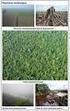 Subsidence due to peat decomposition in the Netherlands kinematic observations from radar interferometry Miguel Caro Cuenca, Ramon Hanssen, Freek van Leijen. Fringe 2007, Frascati, Italy Netherlands, Area
HORTOBAGY SODIC LAKES - Restoration of sodic lake sub-type of the Pannonic salt steppe and marsh habitat in the Hortobágy LIFE07 NAT/H/000324
 HORTOBAGY SODIC LAKES - Restoration of sodic lake sub-type of the Pannonic salt steppe and marsh habitat in the Hortobágy LIFE07 NAT/H/000324 Project description Environmental issues Beneficiaries Administrative
Measuring The Costs Of Chapter 11 Cases
 Measuring The Costs Of Chapter 11 Cases Professional Fees in American Corporate Bankruptcy Cases Proefschrift ter verkrijging van het doctoraat in de Rechtsgeleerdheid aan de Rijksuniversiteit Groningen
ROADMAP ON MARINE RENEWABLE ENERGY
 FAME PROJECT - INTERNATIONAL WORKSHOP TERESA SIMAS 1 20 TH NOVEMBER, 2012 OBJECTIVES Overview of marine renewable energy development and prospects CONTENTS Green House Gas emissions targets Renewable energy