
Bone Grafts, Bone Morphogenetic Proteins, and Bone Substitutes
|
|
|
- Piers Potter
- 10 years ago
- Views:
Transcription
1 Chapter 6 Bone Grafts, Bone Morphogenetic Proteins, and Bone Substitutes Hyun Bae, MD Neil Bhamb, MD Linda E.A. Kanim, MA Justin S. Field, MD I. Bone Healing A. Primary bone healing Occurs with constructs that provide absolute stability. When open reduction and internal fixation is performed, the initial fracture hematoma is disrupted, possibly slowing repair via removal of the fibrin scaffold and loss of early infiltrating cells and cytokines. 1. Fixation of bony surfaces enables primary healing by creating a low-strain environment. 2. Bone heals directly by cortical remodeling. 3. Areas not in direct apposition may be filled by woven bone that is subsequently remodeled to lamellar bone. B. Secondary bone healing Involves responses in the periosteum and surrounding soft tissues. Two types of secondary healing occur: endochondral and intramembranous. Typically, both types occur concurrently at a fracture site. C. Fracture healing is classically described in three phases. 1. Inflammation (early phase) a. Hematoma formation and inflammation occur rapidly in the early phases of bone repair. b. Surface osteocytes may survive and are important in synthesizing new bone. c. Inflammatory cells migrate to the fracture site, followed by fibroblasts and chondrocytes. d. Vasodilation increases local flow and angiogenesis is stimulated, with capillary ingrowth primarily from the periosteum. e. Bone morphogenetic proteins (BMPs) are thought to play an important role in inducing host mesenchymal stem cell migration and differentiation at the repair site. 2. Reparative (middle phase) (Figure 1) a. New bone formation takes the form of immature woven bone (soft callus). b. Seams of osteoid surround the core of necrotic Dr. Bae or an immediate family member has received royalties from Biomet, Stryker, Zimmer, and Nuvasive; is a member of a speakers bureau or has made paid presentations on behalf of Medtronic and Synthes; serves as a paid consultant to or is an employee of Medtronic, Zimmer, and Synthes; has stock or stock options held in Medtronic, Stryker, Orthovita, Spinal Restoration, and Difusion; has received research or institutional support from Stryker, LDR, J&J, Orthovita, and Medtronic; and serves as a board member, owner, officer, or committee member of KASS. Ms. Kanim or an immediate family member has stock or stock options held in Medtronic. Dr. Field or an immediate family member has received royalties from Globus Medical and Nuvasive; is a member of a speakers bureau or has made paid presentations on behalf of Biomet, Globus Medical, and Precision Spine; serves as a paid consultant to or is an employee of Advanced Biologics, Alphatec Spine, Biomet, Globus Medical, Paradigm Spine, and Precision Spine; and has received research or institutional support from Globus Medical and Relievant. Neither Dr. Bhamb nor any immediate family member has received anything of value from or has stock or stock options held in a commercial company or institution related directly or indirectly to the subject of this chapter. Figure 1 Histology shows reparative bone healing with osteoblasts lining new trabecular bone spicules AMERICAN ACADEMY OF ORTHOPAEDIC SURGEONS AAOS COMPREHENSIVE ORTHOPAEDIC REVIEW 2 73

2 Section bone and form viable new bone (hard callus). c. During endochondral ossification, hyaline cartilage provides a framework bridging fracture fragments. d. Cartilage is subsequently calcified by osteoblasts. 3. Remodeling (late phase) a. Coupled resorption and formation occur. b. Remodeling is influenced by the Wolff law and is usually complete by 1 year. D. Endochondral versus intramembranous bone healing 1. Healing occurs via endochondral ossification, which directly bridges the fracture gap, and intramembranous bone formation subperiosteally adjacent to the fracture. 2. Factors that impair bone healing a. Excessive instability at the fracture site or nonapposition of bone b. Lack of blood supply because of the local vascular anatomy or periosteal stripping from injury/dissection c. Anti-inflammatory medications (NSAIDs, steroids) d. Smoking e. Systemic disease: metabolic bone conditions II. Role of Bone Grafts A. Multiple clinical problems may indicate the use of bone graft. 1. Fracture healing, treatment of delayed unions or nonunions 2. Arthrodesis (Figure 2) 3. Replacement of osseous defects occurring as a result of trauma, tumor, or wear B. Bone grafts perform one or more physiologic mechanisms. 1. Osteogenesis a. Osteogenic graft material directly provides cells that are capable of in vivo bone formation. b. Osteoprogenitor cells can proliferate and differentiate to osteoblasts and eventually to osteocytes. Mesenchymal stem cells are multipotent and may be induced to differentiate into bone-forming cells by the local environment. Figure 2 AP radiograph shows L4-S1 instrumented posterior fusion with bone graft placed in the posterolateral gutters. c. Examples: Autologous bone graft, bone marrow aspirate 2. Osteoinduction a. Osteoinductive graft material has factors that induce progenitor cells down a bone-forming lineage via cytokines acting as chemoattractants and differentiation factors. b. Example: BMPs 3. Osteoconduction a. Osteoconductive materials serve as a mechanical scaffold into which new bone can form. b. The three-dimensional configuration and building-block material dictates osteoconductive properties. c. Cancellous bone has greater bone-forming potential than cortical bone because of its greater surface area, increased porosity for cellular infiltration, and space for angiogenesis; however, it provides less immediate structural support. d. Examples: Acellular cancellous chips III. Bone Graft Materials A. Bone graft materials come from a variety of sources and exhibit heterogenous properties (Table 1). Different materials can be combined into a composite graft. B. Autograft is tissue transferred from one site to another in the same individual and has classically been the gold standard of bone graft material. It is still the gold standard by which other grafting materials are measured. Often, the supply may be limited, and procurement can result in donor site morbidity. 74 AAOS COMPREHENSIVE ORTHOPAEDIC REVIEW AMERICAN ACADEMY OF ORTHOPAEDIC SURGEONS

3 Chapter 6: Bone Grafts, Bone Morphogenetic Proteins, and Bone Substitutes 1. Autograft is osteogenic, osteoinductive, and osteoconductive. 2. Autograft may be cortical, cancellous, or corticocancellous; it also may be nonvascularized or vascularized. a. Cortical autograft provides structural support, but its high inorganic density means it provides fewer cells and factors for osteogenesis. b. Cancellous autograft provides less structural support but greater osteoconduction and greater osteogenesis and osteoinduction because of its greater cellular and organic density. 3. Iliac crest bone graft (ICBG) is the most frequent autograft. a. It has the potential to provide abundant cancellous and/or cortical graft. b. Studies have shown complications associated with ICBG, including chronic pain, hematoma formation, injuries to the lateral femoral cutaneous or cluneal nerves, infection, fracture, and scars. The rate of complications is contested in the literature, with studies conducted before 2000 demonstrating major complication rates between 0.76% and 25.0% and minor complication rates, including pain, between 9.4% and 24.0%. More recent studies have shown variable complications rates but seem to suggest lower rates with current techniques (not harvesting the full outer iliac table). 4. Local autograft may be found at the surgical site. In spinal surgery, bone from the lamina is often a source of local autograft after a laminectomy; however, the quantity available may be limited. 5. Other bone graft sources include the ribs, fibula, and tibial metaphysis. The fibula and rib are the most common potentially vascularized options considered. C. Allograft is tissue harvested from a cadaver, processed, and then implanted into another individual of the same species. Because of its availability, it is the most frequently used bone-graft alternative in the United States. 1. Allograft can be cortical, cancellous, or corticocancellous. 2. Most allograft lacks viable cells and therefore does not provide osteogenic properties. Osteoinductive factors are reduced because of the sterilization needed to reduce the risk of disease transmission and avoid host immune responses. 3. Allograft products containing viable cells or enhanced with viable cells are new to the market and may offer another grafting option. Tissues selected from a highly screened donor pool are cryopreserved in a process that maintains cellular viability. Few independent published clinical studies on efficacy exist. This class of allograft remains primarily osteoconductive but may have osteogenic and osteoinductive properties. 4. Disease transmission is exceedingly rare in bone allografts. Precise incidence data are not available. However, with recommended donor screening the estimated chance of obtaining a graft from an HIV-positive individual is less than 1 in 1.67 million. The last reports of viral transmission are of hepatitis C in 2002, and human T-cell lymphocytic virus in The extent of osteoconductive properties, as well as mechanical strength, depends in part on the method of graft processing (fresh, frozen, or freeze-dried form) and whether it is cortical or cancellous. 6. Several different types of allograft may be considered. a. Fresh allograft Rarely used because of the potential for an immune response and disease transmission Fresh allograft may be processed to remove cells and reduce host immune reaction. This process has been shown to improve incorporation. b. Frozen allograft Reduces immunogenicity; frozen allograft requires cold storage logistics and rewarming before implantation to avoid brittleness, which could result in longitudinal fractures. Maintains the osteoconductive properties and potentially some limited osteoinductive capabilities The shelf life of fresh-frozen bone maintained at 20 C is 1 year; 5 years if kept at 70 C. c. Freeze-dried allograft has properties similar to frozen allograft, with a few exceptions. Prepared by freeze-drying Stored at room temperature The shelf life of freeze-dried bone is indefinite but the sterilization of the packaging may expire. Biomechanical studies in the 1980s demonstrated a similar compressive and tensile strength as frozen but reduced torsional/ bending strength. d. Demineralized bone matrix (DBM) 2014 AMERICAN ACADEMY OF ORTHOPAEDIC SURGEONS AAOS COMPREHENSIVE ORTHOPAEDIC REVIEW 2 75

4 Section Table 1 Characteristics of Bone Grafts and Grafting Substitutes Grafting Modality Substance/ Implant Osteogenic Osteoinductive Osteoconductive Autografts Cancellous bone Morcellized iliac crest Metaphyseal long bone Cortical bone Local bone Iliac crest FIbula Cellular Bone marrow aspirate / +/ ++ +/ Allografts Fresh +/ ++ Frozen +/ + Growth factors Freeze-dried Cortical cancellous chips Demineralized bone matrix Various preparations rhbmp-2 rhbmp-7 +/ + +/ Ceramics Hydroxyapatite Tricalcium phosphate + Collagen Absorbable collagen hemostatic sponge DBM is allograft processed with a mild acid extraction to remove the mineral content of bone but leave behind the collagenous structure (mostly type I, with some types IV and X) and noncollagenous proteins. DBMs are combined with carriers such as collagen, gelatin, hyaluronic acid, and glycerol into DBM-based products. The antigenic potential is low because of sterilization and other processing. Theoretically, DBMs have osteoinductive activity, but the level of activity depends on the sterilization process, processing methods, particle size/surface area, and geometry. Significant interproduct (between products) and interlot (between lots) variability exists because each production lot is derived from a single patient. DBM-based products are osteoconductive and serve as a scaffold for new bone, but they lack structural support. The most popular format is a moldable putty containing a DBM base powder mixed with a carrier. The proportion of the DBM base compared with that of the carriers tends to be low in some products. D. Autologous bone marrow aspirate 1. Bone marrow aspirate is a potential source of mesenchymal stem cells and osteoprogenitors. 2. It may be aspirated percutaneously from the iliac crest, vertebral body, or other sources. Bone marrow aspirate can then be mixed with other bone graft extenders and ceramics to create a composite graft material. 3. The number of cells varies depending on host 76 AAOS COMPREHENSIVE ORTHOPAEDIC REVIEW AMERICAN ACADEMY OF ORTHOPAEDIC SURGEONS

5 Chapter 6: Bone Grafts, Bone Morphogenetic Proteins, and Bone Substitutes Table 1 Characteristics of Bone Grafts and Grafting Substitutes (continued) Donor Site Morbidity Immunogenicity Absorption/ Remodeling Rate Immediate Structure/ Torque Strength Typical Orthopaedic Applications Lumbar spine Cervical spine Long bones Spine Tibial nonunion +/ Augmentation of other grafting materials Spine Spine + ++ Spine +/ + Spine + Spine Spine Nonunions +/ Spine Coating for fixation/arthroplasty devices + +/ Functions poorly alone but functions well coupled with BMPs BMP = bone morphogenetic protein, rh = recombinant human, = not present, +/ = variable, +, ++, +++ = is present, qualitative importance. characteristics such as age and sex. 4. It has been suggested that the potency of marrow aspirates could be increased via selective precursor selection, centrifugation, or clonal expansion. E. Collagen 1. Collagen contributes to mineral deposition, vascular ingrowth, and growth factor binding, providing a favorable environment for bone regeneration. It does not provide structural support but may carry immunogenic potential. 2. Collagen functions poorly alone but is used as a nonstructural carrier for BMPs, DBMs, or other graft materials. F. Inorganic compounds and synthetic bioceramics 1. Bioceramics are ionically or covalently bonded calcium phosphate compounds composed of metallic and nonmetallic elements. The most commonly used are alumina, zirconia, bioactive glass, hydroxyapatite (HA), and tricalcium phosphate (TCP). Bioceramics are relatively inert. They demonstrate material properties that are strong in compression but weak in tension. Bioceramics easily bond with living tissues. They may provide good scaffolds for the addition of potentially osteogenic cells in skeletal tissue engineering applications. 2. Several classes of ceramic materials are available. a. Synthetic HA has the chemical composition Ca 10 (PO 4 ) 6 (OH) 2. It typically is used in its crystalline form and is slow to resorb or remodel. For orthopaedic implants, HA usually is coated onto a metal core or incorporated into 2014 AMERICAN ACADEMY OF ORTHOPAEDIC SURGEONS AAOS COMPREHENSIVE ORTHOPAEDIC REVIEW 2 77

6 Section polymers as composites. HA provides a substrate for bony apposition and ongrowth. b. β-tcp has the chemical composition Ca 3 (PO 4 ) 2. Because of its porous nature and chemical composition, it is faster. It is typically developed for orthopaedic implants as a porous biphasic calcium phosphate scaffold with 60% HA and 40% β-tcp. c. Other materials, such as bioactive glass, contain silicone salt combinations. These materials typically interact with the body fluids and, through a salt exchange, form an amorphous layer of HA, which provides the scaffold for bony apposition. 3. Bioceramics alone possess no osteogenic or osteoinductive properties, and they have variable immediate structural support secondary to resorption. They provide an osteoconductive effect or scaffold, which varies based on the pore size of the synthesized material. Larger pore sizes (>50 µm) provide more space for the migration and ingrowth of osteogenic cells and vascular supply. A typical preparation is HA and TCP, sometimes mixed with autograft. IV. Bone Morphogenetic Proteins A. This family of proteins (Table 2) contains at least 20 unique peptides that have now been identified and include members of the transforming growth factor-β (TGF-β) superfamily. Only certain BMPs are osteoinductive; others are unrelated to bone formation or have alternative functions. BMPs play a key role in normal embryonic development. B. Recombinant human forms of these two types of BMPs are currently available: recombinant human BMP-2 (rhbmp-2) and rhbmp-7. These rhbmps are highly water soluble; without a carrier, they will rapidly diffuse from a wound bed and may be washed away by irrigation. rhbmp-2 is indicated for use in spinal fusion and tibial shaft fractures. It is delivered in a purified absorbable collagen sponge. rhbmp-7 is available only under a humanitarian device exemption and may be indicated for use in recalcitrant long-bone nonunions. C. The current use of BMPs in spinal fusion is controversial. Multiple studies from 2011to 2013 have debated the safety of rhbmps for spinal fusion; rhbmp-2 is considered equivalent to ICBG in the formation of bone. D. Because of the controversies surrounding safety and the possible bias in the reporting of adverse advents during the approval of rhbmp-2, two independent studies reviewed the available data on the safety and effectiveness of rhbmp Studies indicated that clinical outcomes or success scores were not clinically different between patients treated with rhbmp-2 and those treated with ICBG. However, one of the studies showed that radiographic fusion was 12% more common in patients treated with rhbmp-2 than in those treated with ICBG. 2. ICBG and rhbmp-2 are associated with similar complication rates when used as a graft material for anterior lumbar interbody fusions, including the rates for retrograde ejaculation. 3. RhBMP-2 is associated with higher complication rates in anterior cervical fusion and higher ectopic bone formation in posterior lumbar interbody fusions. 4. Posterior lateral lumbar fusions using rhbmp-2 are associated with increased transient leg/back pain. 5. A risk of local swelling exists in anterior cervical fusions in which rhbmp-2 is used. E. Bone graft materials may be used together to combine required properties or because of limited availability of one component. 1. A combination of bone graft materials allows products having different properties to be obtained (for example, structural cortical allografts augmented by DBM and local bone graft). 2. Available grafts such as ICBG or local bone graft that is in limited supply may be augmented by other grafting materials. Example: The supply of autogenous local bone graft or ICBG providing osteogenesis, osteoinduction, and osteoconduction may be limited; therefore, augmentation by osteoconductive DBM may be performed to obtain sufficient volume. V. Other Modalities to Enhance Bone Healing A. Electromagnetic stimulation 1. Bone tissue has bioelectric potential. a. Bioelectric potential is electronegative in areas of growth or healing. The area returns to neutral or electropositive as healing progresses. b. Bioelectric potential is electronegative in areas of compression and electropositive in areas of tension. 2. Efficacy a. Trials have shown significant variability in outcomes, with overall efficacy unclear. Benefits have been seen in single studies for some fracture types. Because of the low morbidity of the treatment, the clinical use of electromagnetic 78 AAOS COMPREHENSIVE ORTHOPAEDIC REVIEW AMERICAN ACADEMY OF ORTHOPAEDIC SURGEONS

7 Chapter 6: Bone Grafts, Bone Morphogenetic Proteins, and Bone Substitutes Table 2 A Comparative Overview of Bone Morphogenetic Proteins BMP Synonyms Function Knockout Phenotype in Mice Chromosomal Location in Humans Chromosomal Location in Mice BMP-1 htld1 Induction of cartilage, metalloprotease BMP-2 BMP2A Cartilage and bone formation BMP-3 Osteogenin Negative regulator of bone development Reduced ossification 8p cm Embryonic lethal, heart defect and lack of amnion Increased bone mass, bone volume BMP-4 BMP2B Bone and teeth Embryonic lethal, heart defect, lack of allantois BMP-5 Cartilage development Loss of one pair of ribs in rib cage, short ear BMP-6 Vgr-1 Liver and joint development 20p12 4q21 14q22-q cm cm cm 6p cm Delayed sternum ossification 6p24-p cm BMP-7 OP-1 Kidney development Renal defects 20q cm BMP-8 OP-2 Cartilage and bone formation BMP-9 Gdf-2 CNS and liver development and angiogenesis Spermatogenesis defects 1p35-p32 Not known Postnatal retinal vascular remodeling BMP-10 Heart development Proliferation defects in embryonic cardiomyocytes BMP-11 Gdf-11 CNS development Skeletal A P axis growth pattern abnormalities BMP-12 Gdf-7, Cdmp3 Tendon and cartilage development BMP-13 Gdf-12, Cdmp2 BMP inhibitor in tendon development 10q11.22 Chromosome 14 2p D2 12q13.2 Chromosome 10 Abnormal skull development 2p24.1 Chromosome 12 Abnormal skull, bone fusions at wrist and ankle 8q22. Chromosome 4 BMP-14 GDF-5, CDMP1 Cartilage development Delay in fracture healing 20q cm BMP-15 Gdf-9 Oocyte development Decreased ovulation and fertilization Xp11.2 X 0.5 cm BMP = bone morphogenetic protein, CNS = central nervous system. Adapted with permission from Bandyopadhyay A, Yadav PS, Prashar, P: BMP signaling in development and diseases: A pharmacological perspective. Biochemical Pharmacology 2013;85(7): Types stimulation is common despite its unclear efficacy. a. Pulsed electromagnetic field Alternating current is delivered through an external coil used intermittently during the treatment period. b. Capacitively coupled electrical stimulation Current is delivered between two plates that form a magnetic field over the site of healing. c. Direct current electrical stimulation Direct current is delivered through implanted electrodes. B. Low-intensity ultrasound may affect bone healing, but it is not in widespread clinical use AMERICAN ACADEMY OF ORTHOPAEDIC SURGEONS AAOS COMPREHENSIVE ORTHOPAEDIC REVIEW 2 79

8 Section Top Testing Facts 1. Bone healing progresses through three stages: early (inflammation), middle (reparative), and late (remodeling). 2. Bone grafts may be osteogenic, osteoinductive, and/or osteoconductive. 3. Autograft is the gold standard of bone graft materials. 4. Disease transmission is exceedingly rare in bone allografts. It is estimated that with donor screening protocols there is less than a1in1.6million chance of a false-negative result for HIV status. 5. DBM-based products have been shown to have significant interproduct (between products) and interlot (between lots) donor-specific variability. DBMs are predominantly osteoconductive. 6. Bone marrow aspirates provide potential access to osteogenic mesenchymal precursor cells. 7. Bioceramics are inorganic compounds consisting of metallic and nonmetallic elements held together by ionic or covalent bonds. 8. BMPs (BMP-2, -4, -6, and -7) are potent osteoinductive factors of the TGF-β superfamily. 9. Hyaline cartilage serves as the precursor for bone formation via endochondral ossification. Bibliography Arrington ED, Smith WJ, Chambers HG, Bucknell AL, Davino NA: Complications of iliac crest bone graft harvesting. Clin Orthop Relat Res 1996;329: Bandyopadhyay A, Yadav PS, Prashar P: BMP signaling in development and diseases: A pharmacological perspective. Biochem Pharmacol 2013;85(7): Bauer TW, Muschler GF: Bone graft materials: An overview of the basic science. Clin Orthop Relat Res 2000;371: graft harvesting from the iliac crest and using the RIA: A systematic review. Injury 2011;42(suppl 2):S3-S15. Dinopoulos H, Dimitriou R, Giannoudis PV: Bone graft substitutes: What are the options? Surgeon 2012;10(4): Retraction in Surgeon 2013;11(2):115. Even J, Eskander M, Kang J: Bone morphogenetic protein in spine surgery: Current and future uses. J Am Acad Orthop Surg 2012;20(9): Brighton CT, Hunt RM: Early histological and ultrastructural changes in medullary fracture callus. J Bone Joint Surg Am 1991;73(6): Buck BE, Malinin T, Brown MD: Bone transplantation and human immunodeficiency virus: An estimate of risk of acquired immunodeficiency syndrome (AIDS). Clin Orthop Relat Res 1989;240: Carragee EJ, Hurwitz EL, Weiner BK: A critical review of recombinant human bone morphogenetic protein-2 trials in spinal surgery: Emerging safety concerns and lessons learned. Spine J 2011;11(6): Cooper GS, Kou TD: Risk of cancer after lumbar fusion surgery with recombinant human bone morphogenic protein-2 (rh-bmp-2). Spine (Phila Pa 1976) 2013;38(21): Department of Health and Human Services: Technology Assessment: Bone Morphogenetic Protein. The State of the Evidence of On-Label and Off-Label Use. Original, August 6, Process/downloads/id75ta.pdf. Accessed December 11, Correction, December 13, comments/boneprotein/bmpetab2.htm. Accessed December 11, Dimitriou R, Mataliotakis GI, Angoules AG, Kanakaris NK, Giannoudis PV: Complications following autologous bone Howard JM, Glassman SD, Carreon LY: Posterior iliac crest pain after posterolateral fusion with or without iliac crest graft harvest. Spine J 2011;11(6): Laine C, Guallar E, Mulrow C, et al: Closing in on the truth about recombinant human bone morphogenetic protein-2: Evidence synthesis, data sharing, peer review, and reproducible research. Ann Intern Med 2013;158(12): Miclau T III, Bozic KJ, Tay B, et al: Bone injury, regeneration, and repair, in Einhorn TA, O Keefe RJ, Buckwalter JA, eds: Orthopaedic Basic Science, ed 3. Rosemont, IL, American Academy of Orthopaedic Surgeons, 2007, pp Ng VY: Risk of disease transmission with bone allograft. Orthopedics 2012;35(8): Rodgers MA, Brown JV, Heirs MK, et al: Reporting of industry funded study outcome data: Comparison of confidential and published data on the safety and effectiveness of rhbmp-2 for spinal fusion. BMJ 2013;346:f3981. Seeherman H, Wozney J, Li R: Bone morphogenetic protein delivery systems. Spine (Phila Pa 1976) 2002; 27(16, suppl 1)S16-S23. Younger EM, Chapman MW: Morbidity at bone graft donor sites. J Orthop Trauma 1989;3(3): AAOS COMPREHENSIVE ORTHOPAEDIC REVIEW AMERICAN ACADEMY OF ORTHOPAEDIC SURGEONS

chronos BOne VOid Filler Beta-Tricalcium Phosphate (b-tcp) bone graft substitute
 chronos BOne VOid Filler Beta-Tricalcium Phosphate (b-tcp) bone graft substitute chronos Bone Void Filler Osteoconductive Resorbable Synthetic chronos Granules and Preforms are synthetic, porous, osteoconductive,
THE EVOLVING ROLE OF BONE-GRAFT SUBSTITUTES
 THE EVOLVING ROLE OF BONE-GRAFT SUBSTITUTES AMERICAN ACADEMY OF ORTHOPAEDIC SURGEONS 77TH ANNUAL MEETING MARCH 9-13, 2010 NEW ORLEANS, LOUISIANA ORTHOPAEDIC DEVICE FORUM PREPARED BY: A. SETH GREENWALD,
Choosing Bone Graft Substitutes: Filling the Gaps on Evidence and Pricing. September 24, 2014
 Choosing Bone Graft Substitutes: Filling the Gaps on Evidence and Pricing September 24, 2014 Choosing Bone Graft Substitutes: Filling the Gaps on Evidence and Pricing ECRI Institute Webinar Presented by:
BONE-GRAFT SUBSTITUTES: FACTS, FICTIONS & APPLICATIONS
 BONE-GRAFT SUBSTITUTES: FACTS, FICTIONS & APPLICATIONS AMERICAN ACADEMY OF ORTHOPAEDIC SURGEONS 70th Annual Meeting February 5-9, 2003 New Orleans, Louisiana COMMITTEE ON BIOLOGICAL IMPLANTS Prepared by:
Dental Bone Grafting Options. A review of bone grafting options for patients needing more bone to place dental implants
 Dental Bone Grafting Options A review of bone grafting options for patients needing more bone to place dental implants Dental Bone Grafting Options What is bone grafting? Bone grafting options Bone from
1. outer fibrous layer contains fibroblasts that secrete collagen
 I. cartilage A. perichondrium 1. outer fibrous layer contains fibroblasts that secrete collagen 2. inner chondrogenic layer contains cells that can proliferate and turn into chondroblasts B. cartilage
Osseous Tissue & Structure. The skeletal system includes: Storage of minerals: calcium salts
 Chapter 15 Lecture The Skeletal System: Osseous Tissue & Skeletal Structure The Skeletal System The skeletal system includes: Bones, cartilages, ligaments Bone tissue = osseous tissue Includes living cells
Function of Bones. Bone Tissue and Bones BONE CLASSIFICATION. Long Bones Gross Anatomy. Lab Activity 1 - Gross Anatomy of a Long Bone
 Function of Bones Bone Tissue and Bones Bones form the framework of the skeleton. Anatomy and Physiology Text and Laboratory Workbook, Stephen G. Davenport, Copyright 2006, All Rights Reserved, no part
S YN T H E T I C C A N C E L LO U S B O N E
 S YN T H E T I C C A N C E L LO U S B O N E CELLPLEX TCP Graft is a synthetic cancellous scaffold that provides an optimum environment for cellular infiltration. Composed of tricalcium phosphate, the scaffold
Summary of typical bone-graft substitutes that are commercially available - 2010
 Summary of typical bone-graft substitutes that are commercially available - 2010 Company AlloSource AlloFuse TM Heat sensitive copolymer with DBM Injectable gel and putty Cell culture Biomet Osteobiologics
INFUSE Bone Graft (rhbmp-2/acs)
 1 INFUSE Bone Graft (rhbmp-2/acs) For patients who need more bone to place dental implants Enjoy living with INFUSE Bone Graft. www.medtronic.com Medtronic Spinal and Biologics Business Worldwide Headquarters
BONE OR SOFT TISSUE HEALING AND FUSION ENHANCEMENT PRODUCTS
 #1 MEDICAL POLICY BONE OR SOFT TISSUE HEALING AND FUSION ENHANCEMENT PRODUCTS Policy Number: 2016T0410P Effective Date: February 1, 2016 Table of Contents BENEFIT CONSIDERATIONS COVERAGE RATIONALE DEFINITIONS...
Patient Information. Lateral Lumbar Interbody Fusion Surgery (LLIF).
 Patient Information. Lateral Lumbar Interbody Fusion Surgery (LLIF). Understanding your spine Disc Between each pair of vertebrae there is a disc that acts as a cushion to protect the vertebra, allows
Patient Information. Anterior Cervical Discectomy and Fusion Surgery (ACDF).
 Patient Information. Anterior Cervical Discectomy and Fusion Surgery (ACDF). Understanding your spine Disc Between each pair of vertebrae there is a disc that acts as a cushion to protect the vertebra,
Technology Breakthrough in Spinal Implants (Technical Insights)
 Technology Breakthrough in Spinal Implants (Technical Insights) Biomaterial innovations is a growth factor for spinal implant market June 2014 Table of Contents Section Page Number Executive Summary 4
CHS 06-07 BONES AND SKELETAL TISSUES
 CHS 06-07 BONES AND SKELETAL TISSUES This chapter provides a review of bone and skeletal tissue. The human skeleton is composed primarily of two connective tissues: (1) cartilage and (2) bone. CHARACTERISTICS
BONE-GRAFT SUBSTITUTES: FACTS, FICTIONS & APPLICATIONS
 BONE-GRAFT SUBSTITUTES: FACTS, FICTIONS & APPLICATIONS AMERICAN ACADEMY OF ORTHOPAEDIC SURGEONS 73rd Annual Meeting March 22-26, 2006 Chicago, Illinois ORTHOPAEDIC DEVICE FORUM Prepared by: A. Seth Greenwald,
INFUSE Bone Graft. Patient Information Brochure
 INFUSE Bone Graft Patient Information Brochure This Patient Guide is designed to help you decide whether or not to have surgery using INFUSE Bone Graft to treat your broken tibia (lower leg). There are
BONES AND BONE TISSUE
 BIO 2401 BONES & BONE TISSUE page 1 BONES AND BONE TISSUE Organization of the Skeletal System components: 1) bone 2) skeletal cartilage: surrounded by dense irregular connective tissue which acts to girdle
10/12/2011. Classification of Bones Every adult skeleton contains 206 bones which can be arranged into six broad categories according to shape
 Primary Functions of Skeletal System 1. support 2. storage of minerals & lipids -calcium salts provide vital minerals -lipids are in stored yellow marrow 3. blood cell production -RBC s, WBC s, and other
Mitchell S. Fourman M.Phil Eugene Borst BS Eric Bogner, MD S. Robert Rozbruch MD Austin T. Fragomen, MD
 Post-Operative CT Measurements Accurately Predict the Need for Clinical Intervention Retrospective Findings to Support Prospective Clinical Trial Protocol Mitchell S. Fourman M.Phil Eugene Borst BS Eric
(English) NEXUS SPINE SPACER SYSTEM
 (English) NEXUS SPINE SPACER SYSTEM INDICATIONS FOR USE NEXUS Spine Spacer System, a GEO Structure is indicated for use in the thoraco-lumbar spine (i.e., T1 to L5) to replace a diseased vertebral body
7. Skeletal System: Bone Structure and Function
 7. Skeletal System: Bone Structure and Function For the next two chapters (7 and 9) we will study the skeletal system. Although the major feature of this system is the bones, the skeletal system also consists
.org. Fractures of the Thoracic and Lumbar Spine. Cause. Description
 Fractures of the Thoracic and Lumbar Spine Page ( 1 ) Spinal fractures can vary widely in severity. While some fractures are very serious injuries that require emergency treatment, other fractures can
BIOL 4260 Human Evolu3onary Anatomy Lecture 5: Bone Development & Trunk Anatomy. Lecture 2: Fossil Record
 BIOL 4260 Human Evolu3onary Anatomy Lecture 5: Bone Development & Trunk Anatomy Lecture 2: Fossil Record Segmentation Cyclic genescreate segme ntation clock for somite production Final #s 4 occipital 8
DBX. Bone Graft Substitute. The osteoinductive power.
 DBX. Bone Graft Substitute. The osteoinductive power. Osteoinductivity for challenging bony fusion Excellent handling properties Certified safety The answer to bone voids Brochure for use outside of the
.org. Ankle Fractures (Broken Ankle) Anatomy
 Ankle Fractures (Broken Ankle) Page ( 1 ) A broken ankle is also known as an ankle fracture. This means that one or more of the bones that make up the ankle joint are broken. A fractured ankle can range
Chapter 11. What are the functions of the skeletal system? More detail on bone
 Skeletal System Chapter 11 11.1 Overview of the skeletal system What are the functions of the skeletal system? 1. Supports the body 2. Protects the soft body parts 3. Produces blood cells 4. Stores minerals
E. Blood cells production. Blood cells are produced within the cavities of bones.
 FUNCTIONS OF THE SKELETAL SYSTEM 1. The skeletal system consists of bone, cartilage, ligaments (attach bone to another bone), and tendons (attach muscle to bone). 2. Functions. A. Support. Bone helps to
STEM CELL FELLOWSHIP
 Module I: The Basic Principles of Stem Cells 1. Basics of Stem Cells a. Understanding the development of embryonic stem cells i. Embryonic stem cells ii. Embryonic germ cells iii. Differentiated stem cell
BONE OR SOFT TISSUE HEALING AND FUSION ENHANCEMENT PRODUCTS
 CLINICAL POLICY BONE OR SOFT TISSUE HEALING AND FUSION ENHANCEMENT PRODUCTS Policy Number: SURGERY 056.10 T2 Effective Date: May 1, 2013 Table of Contents CONDITIONS OF COVERAGE... COVERAGE RATIONALE BACKGROUND...
ANTERIOR LUMBAR INTERBODY FUSION (ALIF) Basic Anatomical Landmarks: Anterior Lumbar Spine
 (ALIF) Anterior In human anatomy, referring to the front surface of the body or the position of one structure relative to another Lumbar Relating to the loins or the section of the back and sides between
James A. Sanfilippo, M.D. CONSENT FOR SPINAL SURGERY PATIENT: DATE:
 James A. Sanfilippo, M.D. CONSENT FOR SPINAL SURGERY PATIENT: DATE: 1. I have been strongly advised to carefully read and consider this operative permit. I realize that it is important that I understand
THE SKELETAL SYSTEM: BONE TISSUE. Chapter 6. Anatomy and Physiology Lecture
 Chapter 6 1 THE SKELETAL SYSTEM: BONE TISSUE Chapter 6 Anatomy and Physiology Lecture Chapter 6 2 THE SKELETAL SYSTEM: BONE TISSUE Bone (Osseous) Tissue forms most of the skeleton: Skeletal System - the
chronos. Bone Graft Substitute. Osteoconductive, resorbable, synthetic.
 chronos. Bone Graft Substitute. Osteoconductive, resorbable, synthetic. Optimized osteoconductive matrix Enhancement with biological factors Fast remodeling within 6 to 18 months The answer to bone voids
LifeNet Health Presented by James Clagett, PhD., Chief Science Officer LifeNet Health - The Best Keep Secret in Regenerative Medicine
 Presented by James Clagett, PhD., Chief Science Officer - The Best Keep Secret in Regenerative Medicine Corporate Headquarters Virginia Beach, VA Who is? helps save lives and restore health for thousands
ORTHOPEDICS BONE GRAFT & SYNTHETIC BONE. Gabelli & Company, Inc. January 27, 2004. Companies Highlighted
 One Corporate Center Rye, NY 10580-1422 Tel (914) 921-3700 Fax (914) 921-5098 www.gabelli.com January 27, 2004 Gabelli & Company, Inc. ORTHOPEDICS BONE GRAFT & SYNTHETIC BONE MD Series Threaded Bone Dowels
How To Make An Implant From A Metal That Is Like Bone
 Trabecular Metal Technology The Best Thing Next to Bone Trabecular Metal Technology The Best Thing Next to Bone When you need a hip, knee, shoulder or spine implant, you want assurance that your implant
it will set at body temperature, and it will grow. UNIQUE FORMULATIONS
 BETTER BONE GRAFT FORMULATION. SUPERIOR BONE GRAFT HANDLING. When choosing a Demineralized Bone Matrix, remember that not all products are created equal. For excellent clinical performance and patient
Biotechnology. Srivatsan Kidambi, Ph.D.
 Stem Stem Cell Cell Engineering-What, Biology and it Application Why, How?? to Biotechnology Srivatsan Kidambi, Ph.D. Assistant Professor Department of Chemical & Biomolecular Engineering University of
vitality meets bone volume around dental implants Straumann BoneCeramic
 vitality meets bone volume around dental implants Straumann BoneCeramic The vitality you need around your implants Bone volume restoration and preservation for the desired esthetic outcome Image by PD
Information for the Patient About Surgical
 Information for the Patient About Surgical Decompression and Stabilization of the Spine Aging and the Spine Daily wear and tear, along with disc degeneration due to aging and injury, are common causes
Patient Guide to Neck Surgery
 The following is a sampling of products offered by Zimmer Spine for use in Anterior Cervical Fusion procedures. Patient Guide to Neck Surgery Anterior Cervical Fusion Trinica Select With the Trinica and
Patellofemoral Chondrosis
 Patellofemoral Chondrosis What is PF chondrosis? PF chondrosis (cartilage deterioration) is the softening or loss of smooth cartilage, most frequently that which covers the back of the kneecap, but the
Bone Graft Substitutes
 Medical Coverage Policy Page: 1 of 21 Change Summary: Updated Description, Coverage Limitations, Background, Provider Claims Codes, Medical Terms, References Disclaimer Description Coverage Determination
ICD-10-PCS Documentation and Coding for Spinal Procedures October 22, 2015
 Questions and Answers 1. We have a question regarding a spinal surgical procedure. The diagnosis was bilateral lateral recess stenosis and central stenosis from L2-L5. The procedure was an open lumbar
Bone graft materials in fixation of orthopaedic implants
 PHD THESIS DANISH MEDICAL JOURNAL Bone graft materials in fixation of orthopaedic implants in sheep Hassan Babiker This review has been accepted as a thesis together with 3 previously published papers
5 Frequently Asked Questions About Adult Stem Cell Research
 5 Frequently Asked Questions About Adult Stem Cell Research Stem cells are often referred to in the sociopolitical realm with some level of controversy and beyond that, some level of confusion. Many researchers
Patient Guide to Lower Back Surgery
 The following is a sampling of products offered by Zimmer Spine for use in Open Lumbar Fusion procedures. Patient Guide to Lower Back Surgery Open Lumbar Fusion Dynesys The Dynesys Dynamic Stabilization
Bone Regeneration and Repair: Current and Future Aspects
 Bone Regeneration and Repair: Current and Future Aspects Dr. Madhukar Rajaram Wagh 1, Dr. Dilip Ravalia 2 1 Assistant Professor, Department of Surgery, Gujarat Adani Institute of Medical Sciences, Bhuj,
Lumbar Laminectomy and Interspinous Process Fusion
 Lumbar Laminectomy and Interspinous Process Fusion Introduction Low back and leg pain caused by pinched nerves in the back is a common condition that limits your ability to move, walk, and work. This condition
INFUSE Bone Graft Oral Maxillofacial Bone Grafting Procedures
 INFUSE Bone Graft Oral Maxillofacial Bone Grafting Procedures Dental Products Advisory Panel Committee Ed Chin, DPh Group Director, Regulatory Affairs Medtronic Spinal and Biologics 1 INFUSE Bone Graft
coligne treatment technology
 coligne treatment technology coligne a strategy in spine Leadership begins before the patient enters the surgical theater, among the spine care professionals forming the coalliance. This may be a small
SPINE ANATOMY AND PROCEDURES. Tulsa Spine & Specialty Hospital 6901 S. Olympia Avenue Tulsa, Oklahoma 74132
 SPINE ANATOMY AND PROCEDURES Tulsa Spine & Specialty Hospital 6901 S. Olympia Avenue Tulsa, Oklahoma 74132 SPINE ANATOMY The spine consists of 33 bones called vertebrae. The top 7 are cervical, or neck
SPINAL FUSION. North American Spine Society Public Education Series
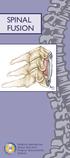 SPINAL FUSION North American Spine Society Public Education Series WHAT IS SPINAL FUSION? The spine is made up of a series of bones called vertebrae ; between each vertebra are strong connective tissues
Posterior Cervical Decompression
 Posterior Cervical Decompression Spinal Unit Tel: 01473 702032 or 702097 Issue 2: January 2009 Following your recent MRI scan and consultation with your spinal surgeon, you have been diagnosed with a
Bone Morphogenetic Proteins & Spinal Surgery for Degenarative Disc Disease
 Ontario Health Technology Assessment Series 2004; Vol. 4, No. 4 Bone Morphogenetic Proteins & Spinal Surgery for Degenarative Disc Disease An Evidence Based Analysis March 2004 Medical Advisory Secretariat
.org. Posterior Tibial Tendon Dysfunction. Anatomy. Cause. Symptoms
 Posterior Tibial Tendon Dysfunction Page ( 1 ) Posterior tibial tendon dysfunction is one of the most common problems of the foot and ankle. It occurs when the posterior tibial tendon becomes inflamed
Advances In Spine Care. James D. Bruffey M.D. Scripps Clinic Division of Orthopaedic Surgery Section of Spinal Surgery
 Advances In Spine Care James D. Bruffey M.D. Scripps Clinic Division of Orthopaedic Surgery Section of Spinal Surgery Introduction The Spine - A common source of problems Back pain is the #2 presenting
.org. Arthritis of the Hand. Description
 Arthritis of the Hand Page ( 1 ) The hand and wrist have multiple small joints that work together to produce motion, including the fine motion needed to thread a needle or tie a shoelace. When the joints
Adult Forearm Fractures
 Adult Forearm Fractures Your forearm is made up of two bones, the radius and ulna. In most cases of adult forearm fractures, both bones are broken. Fractures of the forearm can occur near the wrist at
CHARACTERSTIC RADIOGRAPHIC APPEARANCE
 OSTEOLYTIC LESIONS APPROACH AGE Metastatic Neuroblastoma in infant and young child. Metastases and multiple myeloma in middle aged and elderly. Ewing s sarcoma and simple bone cyst in children and teens.
August 21, 2015. TCM Associates Ltd Mr. Iain Alligan Technical Director 3 Hillgrove Business Park Nazeing Road Essex EN9 2HB United Kingdom
 DEPARTMENT OF HEALTH & HUMAN SERVICES Public Health Service Food and Drug Administration 10903 New Hampshire Avenue Document Control Center - WO66-G609 Silver Spring, MD 20993-0002 Mr. Iain Alligan Technical
HyStem. Hydrogels CELLULAR MATRICES FOR TRANSLATIONAL RESEARCH. esibio.com
 HyStem Hydrogels CELLULAR MATRICES FOR TRANSLATIONAL RESEARCH HyStem Hydrogel Extracellular Matrices Chemically-defined For use in 2D and 3D formats in vitro and in vivo applications Customizable for many
Y O U R S U R G E O N S. choice of. implants F O R Y O U R S U R G E R Y
 Y O U R S U R G E O N S choice of implants F O R Y O U R S U R G E R Y Y O U R S U R G E O N S choice of implants F O R Y O U R S U R G E R Y Your Surgeon Has Chosen the C 2 a-taper Acetabular System The
BRYAN. Cervical Disc System. Patient Information
 BRYAN Cervical Disc System Patient Information 3 BRYAN Cervical Disc System PATIENT INFORMATION BRYAN Cervical Disc System PATIENT INFORMATION 1 BRYAN Cervical Disc System This patient information brochure
Chapter 6: The Skeletal System: Bone Tissue
 Chapter 6: The Skeletal System: Bone Tissue Chapter Objectives FUNCTIONS OF THE SKELETAL SYSTEM 1. Discuss the functions of support, protection, assistance in movement, mineral homeostasis, blood cell
Titanium Foam Implant
 Titanium Foam Implant The Innovator 2 Move Implants is a Research & Development company which focuses on creating innovating products, not only to improve a product, but also the way of doing business.
Degenerative Spine Solutions
 Degenerative Spine Solutions The Backbone for Your Surgical Needs Aesculap Spine Backbone for Your Degenerative Spine Needs Comprehensive operative solutions, unique product technology and world-class
Options for Cervical Disc Degeneration A Guide to the Fusion Arm of the M6 -C Artificial Disc Study
 Options for Cervical Disc Degeneration A Guide to the Fusion Arm of the M6 -C Artificial Disc Study Each year, hundreds of thousands of adults are diagnosed with Cervical Disc Degeneration, an upper spine
Each year, hundreds of thousands of adults are diagnosed with Cervical Disc Degeneration, The Cervical Spine. What is the Cervical Spine?
 Each year, hundreds of thousands of adults are diagnosed with Cervical Disc Degeneration, an upper spine condition that can cause pain and numbness in the neck, shoulders, arms, and even hands. This patient
SUPERIOR COURT OF THE STATE OF CALIFORNIA FOR THE COUNTY OF LOS ANGELES. 21 COMES NOW Plaintiff APRIL CHRISTINE CABANA who alleges as follows:
 RonaldL.M. Goldman, Esq., Bar Number Bijan Esfandiari, Esq., Bar Number 1 A. Ilyas Akbari, Esq., Bar Number 1 BAUM HEDLUND ARISTEI & GOLDMAN, P.C. 1 Wilshire Blvd., Suite 0 Los Angeles, CA 00. Tel: ()-
Value Analysis Brief MIS Lateral Approach to Interbody Fusion
 Value Analysis Brief MIS Lateral Approach to Interbody Fusion Methods This value analysis brief presents information on the clinical and economic benefits of the minimally invasive lateral approach to
Minimally Invasive Spine Surgery What is it and how will it benefit patients?
 Minimally Invasive Spine Surgery What is it and how will it benefit patients? Dr Raoul Pope MBChB, FRACS, Neurosurgeon and Minimally Invasive Spine Surgeon Concord Hospital and Mater Private Hospital Sydney
SAMPLE LECTURE EXAM 1 -- HUMAN ANATOMY
 SAMPLE LECTURE EXAM 1 -- HUMAN ANATOMY 1. The subcutaneous layer consists mostly of. a. smooth muscle c. areolar and adipose connective tissues d. melanin e. keratin 2. Which of the following statements
A Patient s Guide to Diffuse Idiopathic Skeletal Hyperostosis (DISH)
 A Patient s Guide to Diffuse Idiopathic Skeletal Hyperostosis (DISH) Introduction Diffuse Idiopathic Skeletal Hyperostosis (DISH) is a phenomenon that more commonly affects older males. It is associated
Marc A. Cohen, MD, FAAOS, FACS Diplomate American Board of Spinal Surgery Fellow American College of Spinal Surgery
 Marc A. Cohen, MD, FAAOS, FACS Diplomate American Board of Spinal Surgery Fellow American College of Spinal Surgery 221 Madison Ave Morristown, New Jersey 07960 (973) 538 4444 Fax (973) 538 0420 Patient
Module F SKELETAL SYSTEM & ARTICULATIONS
 Module F SKELETAL SYSTEM & ARTICULATIONS Topic from General functions of bone & the skeletal system Structural components microscopic anatomy Structural components gross anatomy Physiology of embryonic
The Types of stem cells: Totipotent Pluripotent Multipotent
 Stem Cells is the main material for building and regeneration of the body Stem cells are not differentiated and can transform to any cell of organism Stem cells are capable of indefinite renewal through
Animal Systems: The Musculoskeletal System
 Animal Systems: The Musculoskeletal System Tissues, Organs, and Systems of Living Things Cells, Cell Division, and Animal Systems and Plant Systems Cell Specialization Human Systems The Digestive The Circulatory
.org. Clavicle Fracture (Broken Collarbone) Anatomy. Description. Cause. Symptoms
 Clavicle Fracture (Broken Collarbone) Page ( 1 ) A broken collarbone is also known as a clavicle fracture. This is a very common fracture that occurs in people of all ages. Anatomy The collarbone (clavicle)
Demystifying Stem Cells. Brent Bost M.D., CPA, MBA, FACOG
 Demystifying Stem Cells Brent Bost M.D., CPA, MBA, FACOG Disclaimers Author currently serves on Board of Directors of CordTrack Most applications discussed today are not currently FDA approved and are,
If you or a loved one have suffered because of a negligent error during spinal surgery, you will be going through a difficult time.
 If you or a loved one have suffered because of a negligent error during spinal surgery, you will be going through a difficult time. You may be worried about your future, both in respect of finances and
WHAT YOU SHOULD KNOW BEFORE YOU BUY A THERAPEUTIC LASER
 WHAT YOU SHOULD KNOW BEFORE YOU BUY A THERAPEUTIC LASER Laurie Edge- Hughes, BScPT, MAnimSt(Animal Physio), CAFCI, CCRT Faculty, Canine Rehab Institute, Wellington, FL Co- Owner, The Canine Fitness Centre
Spine Clinic Neurospine Specialists, Orthopaedics and Neurosurgery
 Spine Clinic Neurospine Specialists, Orthopaedics and Neurosurgery REVISION SPINE SURGERY Revision surgery is a very complex field which requires experience, training and evaluation in a very individual
Risks of Spinal Surgery
 Risks of Spinal Surgery Infection One of the more common potential complications of any surgery is a wound infection. In spinal surgery this can be a very severe problem. It occurs in 1.5 percent to 3
Orthopaedic Spine Center. Anterior Cervical Discectomy and Fusion (ACDF) Normal Discs
 Orthopaedic Spine Center Graham Calvert MD James Woodall MD PhD Anterior Cervical Discectomy and Fusion (ACDF) Normal Discs The cervical spine consists of the bony vertebrae, discs, nerves and other structures.
PRESENTATIONS/PAPERS INTERNATIONAL. RAISING STANDARDS IN JOINT ARTHROPLASTY Course Co-Chairman, The Great Debate - London, June 2013
 PRESENTATIONS/PAPERS INTERNATIONAL 1998 2013 RAISING STANDARDS IN JOINT ARTHROPLASTY Course Co-Chairman, The Great Debate - London, June 2013 HOW TO CHOOSE THE RIGHT STEM FOR THE RIGHT PATIENT Corin Symposium
Inflammation and Healing. Review of Normal Defenses. Review of Normal Capillary Exchange. BIO 375 Pathophysiology
 Inflammation and Healing BIO 375 Pathophysiology Review of Normal Defenses Review of Normal Capillary Exchange 1 Inflammation Inflammation is a biochemical and cellular process that occurs in vascularized
Technique Guide. Norian SRS Fast Set Putty. Calcium phosphate bone void filler.
 Technique Guide Norian SRS Fast Set Putty. Calcium phosphate bone void filler. TableofContents Introduction Norian SRS Fast Set Putty 2 Indications and Contraindications 3 Basic Science 4 Surgical Technique
Therapeutic Effects of Electromagnetic Fields in the Stimulation of Connective Tissue Repair
 Journal of Cellular Biochemistry 52:42-46 (1993) Therapeutic Effects of Electromagnetic Fields in the Stimulation of Connective Tissue Repair Roy K. Aaron and Deborah McK. Ciombor Department of Orthopaedics,
Stem Cell Quick Guide: Stem Cell Basics
 Stem Cell Quick Guide: Stem Cell Basics What is a Stem Cell? Stem cells are the starting point from which the rest of the body grows. The adult human body is made up of hundreds of millions of different
Ground substance is the component of connective tissue between the cells and the fibers
 Connective Tissues Directions: Insert and install your Interactions: Foundations CD. a. Click the "Contents" button. b. Open the Tissue Level of Organization file. c. Click on Anatomy Overviews. d. Work
visualized. The correct level is then identified again. With the use of a microscope and
 SURGERY FOR SPINAL STENOSIS Laminectomy A one inch (or longer for extensive stenosis) incision is made in the middle of the back over the effected region of the spine. The muscles over the bone are moved