
Guidelines for Prevention and Management of Infectious Diseases in Schools
|
|
|
- Scarlett Gaines
- 10 years ago
- Views:
Transcription
1 Guidelines for Prevention and Management of Infectious Diseases in Schools Information for Schools in Waterloo Region Produced by: Region of Waterloo Public Health Infectious Disease Program Revised: October 2014

2 Table of Contents Introduction Reporting 1.1 Important Phone Numbers Legal Reporting Requirements Confidentiality Public Health Role Enforcement of Immunization of School Pupils Act Most Common Reportable Diseases in Schools Reporting High Absentee Rates Chickenpox Reporting Exclusion Guidelines 2.1 Chickenpox Exclusion Children who are Immune-Suppressed Exclusion Guidelines for Infectious Disease in Schools (Charts) Serious Illnesses due to Infectious Diseases 3.1 Serious Illness in School Settings Infection Prevention Measures 4.1 Routine Practices Prevention of Blood-borne Infections Pregnancy and Common Childhood Infections 5.1 Introduction Fact Sheet - Fifth Disease and Pregnancy Fact Sheet - Chickenpox and Pregnancy Appendices List of Reportable Diseases 34 Monthly Chickenpox Report Form 35 Wash your hands/clean your Hands (alcohol based rub) Poster 36 Cover Your Cough Poster 38 2

3 Introduction Almost one in five persons living in Waterloo Region either attend or work in a school or day care setting. The daily mix of students and staff provides numerous opportunities for germs to be passed between everyone in these settings, and especially from child to child. Children are natural explorers of their environments, play closely together and readily share their possessions, food and germs. Preventing and controlling the spread of infections that can be associated with these types of settings starts with information. This manual has been designed to provide information to staff about common infections and to assist in preventing of further transmission of the illness in the school setting. These guidelines will provide information on: Which diseases are reportable to Public Health Role of schools and Region of Waterloo Public Health (PH) personnel in reporting and follow-up of diseases General disease prevention information Exclusion recommendations for students with infectious diseases Information sheets that can be copied and shared as needed We hope you will continue to find these guidelines to be a helpful resource and tool to use in your school and we look forward to receiving your feedback For more information and/or to give feedback: Region of Waterloo Public Health, Infectious Diseases Reporting Line: ext Helpful websites: This entire document and further information including infectious diseases, vaccines and hand hygiene can be found on our Region of Waterloo Public Health website at: Further reliable, current information and printable fact sheets on common childhood infections can be found at the Canadian Pediatric Society website: Caring for Kids Illnesses and Infections 3

4 1.0 Reporting 1.1 Important Public Health Phone Numbers (TTY ) Infectious Diseases Reporting Line: , ext For reporting diseases designated in the guidelines or to obtain general information. Respiratory Intake Line: , ext For reporting of respiratory outbreaks, high absentee rates due to respiratory illness or to obtain general information. Health Protection & Investigation Division Public Health Inspector on-call line: , ext For reporting diseases designated in the guidelines, enteric outbreaks or to obtain information on cleaning/sanitation guidelines, water quality and safe food handling. Emergency After-hours or Weekend Reporting After 4:30 p.m. weekdays; all day weekends and holidays for urgent issues requiring notification of public health. Region of Waterloo Public Health (for referral to all Region of Waterloo Public Health programs and services) All reportable diseases are to be reported by telephone to the Region of Waterloo Public Health, using the telephone numbers listed in these guidelines. Telephone reporting allows a consistent and timely response to any questions or disease outbreaks in schools and assists in preventing further spread of the disease within both the school and the surrounding community. 4

5 1.2 Legal Requirements for Reporting Student Illness School personnel are legally required to report infectious diseases on the reportable disease list (see Appendices) that may have been diagnosed in students at the school. The Health Protection and Promotion Act, R.S.O. 1990, c. H.7, Section 28 states: The principal of a school who is of the opinion that a pupil in the school has or may have a communicable disease shall, as soon as possible after forming the opinion, report thereon to the medical officer of health of the health department in which the school is located. The Health Protection and Promotion Act allows for the following information to be reported to Public Health in respect to a pupil with an infectious disease: 1. Name and address in full 2. Date of birth in full 3. Sex 4. Name and address in full of the school that the pupil attends It is not necessary for school personnel to confirm a diagnosis of a reportable infectious disease with the physician of a student prior to reporting the disease to the Health Department. The Region of Waterloo Public Health staff will confirm and follow up all information with the physician and case or family. Staff Illness The Ontario Health Protection and Promotion Act does not require that principals report illness of staff members to Public Health. There may be circumstances when it would be important for Public Health Staff to be aware of an illness in a staff member (such as pertussis/ whooping cough) so that classroom notification may occur. In these cases, the permission of the staff member to share this information should be obtained prior to reporting the information to Public Health. Alternatively, the staff member can be given the option to report the information themselves so that the appropriate follow-up or investigation can occur. However, reportable diseases in all persons of all ages are also reported to public health by laboratories and physicians. In circumstances where a staff person has a reportable disease, Public Health will be aware and take appropriate action if indicated in order to protect other staff and students. 5

6 1.3 Confidentiality When dealing with health information, everyone has a right to privacy. Personal information can only be gathered and used in a restricted way and the identity of pupils or staff will not be released to the community or to other individuals at the school. The Medical Officer of Health (MOH) is the Health Information Custodian for Region of Waterloo Public Health. The MOH and all persons who act as agents of the MOH (all public health staff) have the responsibility to ensure that personal health information is collected, used, stored and shared with full regard for the protection of privacy and the confidentiality of personal health information. 1.4 Public Health Role The Infectious Disease Program and the Health Protection & Investigation Program share responsibility under the Health Protection and Promotion Act for receiving reports of infectious diseases from physicians, laboratories or schools and providing the appropriate follow-up or outbreak control measures to prevent the further spread of the disease in the school or community. Depending on the disease, these measures may include one or more of the following: Review of immunization status of students in a classroom or throughout the school An information letter to parents, students and staff Legal exclusion by order of the Medical Officer of Health of certain students from the school who are not appropriately or fully immunized or whose medical conditions may put them at a high risk if they develop a reportable disease (e.g., students undergoing chemotherapy) A recommendation for certain students and staff to receive specific preventive antibiotics or immunization An antibiotic clinic or immunization clinic on-site at the school for students or staff if needed The definition of an outbreak varies with each infectious disease, for example; one case of measles in a school constitutes an outbreak. 6

7 1.5 Enforcement of Immunization of School Pupils Act (ISPA) The Immunization of School Pupils Act requires that students attending schools in Ontario be immunized against tetanus, diphtheria, polio, measles, mumps, rubella, and as of July 2014, pertussis, meningococcal disease and chickenpox. The chickenpox vaccine will only be required for children born on or after January 1, 2010 and who have not already had the infection. Under the Act, Region of Waterloo Public Health (ROWPH) is required to maintain immunization records of all students in public and Catholic schools. Between March and June of each year, ROWPH enforces the ISPA, reviews immunization records of all students and can suspend, for up to 20 days, students who have incomplete or no immunization history. Parents may decide because of medical, religious or philosophical reasons not to immunize their child. The ISPA allows for exemptions based on medical or philosophical grounds. A notarized Statement of Conscience or Religious Belief Affidavit must be signed and on file at Public Health. It is parents' responsibility to provide proof of immunization or exemption to Public Health. For more information, please call the Immunization Information Line at , ext Most Common Reportable Diseases in Schools The Health Protection and Promotion Act list a number of reportable diseases or diagnoses. School personnel will most commonly encounter only a few of these reportable diseases in students or staff in the school setting. The majority of illnesses are of a non-reportable nature. Physicians, hospitals and laboratories are also required to report all reportable infectious diseases. The more serious infectious diseases, such as meningitis and group A strep, are most often reported directly from the hospital. Listed below are the diseases most commonly reported from schools: Chickenpox Diarrhea Pertussis Respiratory Illness Public Health requires the total number of cases by age group in a school to be reported monthly If several students in a class are affected Whooping Cough High absentee rates often due to influenza 7

8 1.7 Reporting high absentee rates Influenza is a common infection in schools during the influenza season each year and may cause a sudden increase in absentee rates. Schools are not required to report cases of influenza in individual students or staff members, but are requested to report when absentee rates rise significantly (especially during the traditional influenza season between vember to April). Automated Reporting: Since the spring of 2009, reporting of absentee rates has been done centrally at both the Waterloo Catholic District School Board and Waterloo Region District School Board for those schools reporting their daily absentee information through Trillium. This data is reported the next day to Public Health. Public Health staff will contact any schools reporting elevated absentee rates to determine if the absences are due to illness or other factors. Telephone Reporting: Public and private schools may continue to report increased absentee rates by telephone to the Region of Waterloo Public Health at , ext or to our Respiratory Outbreak Desk at , ext. 5506, especially if a school is not reporting absentee data to the Board office on a daily basis. Private schools may also call directly to report increased absentee rates. Increased absentee rates in school children are often a first indication that influenza (or occasionally norovirus) has appeared in the community. Reporting this type of absenteeism from schools helps Public Health in surveillance for this disease and in alerting health care facilities in the area to increase their preparation. Schools may also report any clusters of illness (e.g. several students in a classroom who are away with diarrhea, nausea or vomiting) and Public Health will investigate as appropriate to ensure there is no food or water-related issues. 8

9 1.8 Chickenpox Reporting Reporting Aggregate Number of Cases: The Ministry of Health requests that the total number (aggregate number) of chickenpox cases by age group be reported to each month when cases of this disease occur in a school. This information is valuable in establishing rates of infection in different age groups and will be especially important with the increased use of the chickenpox vaccine. **** (See Attached Appendices Chickenpox Monthly Reporting Form) AGE NUMBER OF CASES Monthly aggregate reports may be made by FAX or by phone to Public Health see Appendices Reporting an Individual Case: An individual case of chickenpox is legally reportable in the following circumstances: A pupil was hospitalized due to chickenpox A pupil develops serious complications due to chickenpox (encephalitis, pneumonia etc) A pupil passed away due to complications of chickenpox An individual case report may be made by calling the Infectious Diseases Program at , ext

10 2.0 Exclusion Guidelines 2.1 Chickenpox Exclusion 1999 Recommendations remain in effect CHILDREN WITH MILD CHICKENPOX MAY RETURN TO SCHOOL OR DAY CARE AS SOON AS THEY FEEL WELL ENOUGH TO PARTICIPATE IN NORMAL ACTIVITIES, REGARDLESS OF THE STAGE OF THE RASH They do not need to stay home for the previously recommended five days after onset of rash, or until the rash has dried. Children with more severe cases or those who are not completely well (who continue to run a fever or have infected lesions) must stay home. This is a province wide change in policy adopted by the Ontario Ministry of Health, and follows the recommendations from the Canadian Pediatric Society. Research shows that by the time the rash appears, it is too late to stop the spread of the disease. Chickenpox is most infectious one to two days before the rash and when children feel most ill. If there are any concerns or questions, please feel free to contact or refer parents to the Region of Waterloo Public Health Infectious Diseases Line at , ext Children who are Immune-Suppressed Parents of students who have immune-suppressing medical conditions or who are receiving treatments that may alter their ability to fight an infection are advised by the cancer and transplant centers to speak with their child s teacher regarding exposure to infectious diseases. School staff are responsible for informing parents or children who are immunesuppressed when there is chickenpox activity in the school, especially if it is in the same classroom. If there has been significant exposure, these children will receive a preventative injection called VZIG, usually at the hospital. Children who are immunesuppressed include those with leukemia or other cancers, or who have had organ transplants such as a liver or a kidney transplant. 10

11 Managing Infections Exclusion Guidelines for Child Care Providers and Schools Region of Waterloo Public Health October 2014 DISEASE CHICKENPOX CONJUNCTIVITIS (PINK EYE bacterial or viral) HOW TO RECOGNIZE Fever, fatigue, and loss of appetite followed by the appearance of small spots which start off pink in color then change to blisters before crusts form. Runny, red eyes plus crusted discharge. HOW IT SPREADS Contact with infected person or contact with items of linen and clothing which have been contaminated from the blisters. Direct or indirect contact (articles contaminated could be tissue, towel, door handle, clothing). WHEN IT IS CONTAGIOUS Usually 1-2 (could be up to 5) days before rash appears until all blisters become dry. Most infectious before rash and when child is ill. Bacterial: Infectious until 24 hours of appropriate antibiotic treatment received. Viral: Infectious as long as there is eye discharge. REPORT TO PUBLIC HEALTH Yes Call: , ext WHAT TO DO WITH THE CHILD * May return as soon as well enough to participate normally in all activities If bacterial, child can return after 24 hours of appropriate antibiotic treatment. If viral, no need to exclude unless there is an outbreak. INTERVENTION FOR CONTACTS Parents of children who are immunesuppressed (e.g., cancer treatment, leukemia, organ transplant, etc.) should be informed of exposure in the classroom. CALL PUBLIC HEALTH , EXT 5275 FOR MORE INFORMATION IF ANY CONTACT IS: Pregnant See fact sheet *This recommendation from the Canadian Paediatric Society and the Ontario Ministry of Health came into effect in Exclusion of children for 5 days from onset of rash does not slow down the spread of chickenpox. Children are most infectious 1-2 days before the rash and when feeling ill. NOTE: School staff are still responsible for informing parents of immune-suppressed children when there is chickenpox activity in the school.

12 DISEASE DIARRHEA FIFTH DISEASE HOW TO RECOGNIZE Frequent loose, watery or bloody stools. Low fever; distinctive rash begins with slapped cheek appearance, changes to lace-like body rash on arms then legs (may become worse when exposed to sunlight or heat). Rash may last for weeks or sometimes months. HOW IT SPREADS Contact with contaminated food, water, soiled articles or fecally contaminated hands. Primarily by secretions from nose and throat. Outbreaks lasting 2-6 months may occur every 3-5 years in a community WHEN IT IS CONTAGIOUS For duration of illness. In some instances a carrier state may persist for several months. Primarily before onset of rash, until after appearance of rash. REPORT TO PUBLIC HEALTH Yes - ONLY if number of cases are more than usual. Call , ext WHAT TO DO WITH THE CHILD Send child home if two or more episodes and stay home until diarrhea has stopped for 24 hour period. For certain other types of diarrhea, the exclusion period is longer. Please contact , ext for more information. need to stay home. Once the rash appears a child is no longer infectious. INTERVENTION FOR CONTACTS Only for pregnant contacts. CALL PUBLIC HEALTH , EXT 5275 FOR MORE INFORMATION IF ANY CONTACT IS: Pregnant See fact sheet or refer to Board Policies 12

13 DISEASE FOOD POISONING GIARDIASIS HAND, FOOT & MOUTH DISEASE HOW TO RECOGNIZE May include one or several symptoms such as nausea, vomiting, diarrhea or others. Onset may be gradual or sudden. Symptoms can include chronic diarrhea (pale greasy stools), fatigue, weight loss, stomach pain. May have organism present but not have symptoms. Small ulcers in mouth, (mildly painful), mild fever, small water spots on the palms, soles, and between fingers and toes, or buttocks. Mainly in children 6 months to 4 years. HOW IT SPREADS Consumption of food or water containing any organism which causes food poisoning or person to person spread. See Diarrhea Section of this chart. Contact with contaminated water, food, soiled articles or fecally contaminated hands. Person to person spread most common. Direct contact with nose and throat discharges and feces of infected persons. isolation is required, as spread is difficult to prevent. WHEN IT IS CONTAGIOUS Varies but especially when symptoms present. Entire period of infection During the acute stage of illness (incubation period is 3 to 5 days). Several weeks if in the stools. REPORT TO PUBLIC HEALTH Yes Call , ext to arrange for collection of specimens of stool, and suspect food. Yes Call , ext WHAT TO DO WITH THE CHILD Stay home until symptoms are gone. Physician may prescribe medication on a case by case basis. Stay home until free of symptoms for 24 hours. Do not go swimming until free of symptoms for 14 days (e.g., in a pool) Return when fever returns to normal range. INTERVENTION FOR CONTACTS Physician may prescribe medication on a case by case basis. CALL PUBLIC HEALTH , EXT 5275 FOR MORE INFORMATION IF ANY CONTACT IS: 13

14 DISEASE HEADLICE (Pediculosis) HEPATITIS A HEPATITIS B IMPETIGO HOW TO RECOGNIZE Presence of lice or nits (eggs) in hair; head scratching. Fever, jaundice (yellowing of skin and eyes), loss of appetite, nausea, tiredness. Children may not show symptoms. Fever, jaundice (yellowing of skin and eyes), loss of appetite, nausea, tiredness. Infected lesions are pustules on the skin that burst and form thick yellow crusts, often around mouth, nose, diaper area, arms and lower part of legs. HOW IT SPREADS Spreads easily through head to head contact. May be spread indirectly through sharing head clothing, brushes, and clips, etc. Consumption of contaminated water or food; contact with fecally contaminated hands; sexual transmission Blood to blood contact with carrier or case; sexual transmission. Contact with infected person or articles. Often spread on hands. WHEN IT IS CONTAGIOUS As long as lice or eggs remain alive on the person. For 14 days from the date of onset of symptoms. If jaundice develops, until 7 days after the onset of jaundice. From weeks before onset to months or years after recovery. May be infectious for life (if person is a carrier). While there is pus in the sores or hours after treatment begins. REPORT TO PUBLIC HEALTH Yes Call , ext Yes Call WHAT TO DO WITH THE CHILD Refer to child care/school policy regarding management of pediculosis in students and classrooms. After consultation with Public Health. exclusion normally required. Call for more information. Stay home until 24 hours after antibiotic treatment begins. INTERVENTION FOR CONTACTS Public Health does not have a role in management or enforcement issues. However, you can access the information line by dialing , ext Yes Close contacts may be a candidate for immunization. Yes Call for more information. CALL PUBLIC HEALTH , EXT 5275 FOR MORE INFORMATION IF ANY CONTACT IS: 14

15 DISEASE INFLUENZA MEASLES MENINGOCOCCAL MENINGITIS or MENINGOCOCCEMIA MENINGITIS (other bacterial such as pneumococcal) HOW TO RECOGNIZE Sudden onset of fever; chills; headache; muscle aches; cough. Fever; cough; eyes red and sensitive to light; red blotchy rash lasting for at least 3 days, appearing on the face first and then spreading to other parts of the body. Fever; vomiting; lethargy; headache; stiff neck and back; pinpoint purple rash on skin as illness progresses. Fever; vomiting; lethargy; headache; stiff neck and back. HOW IT SPREADS Contact with secretions from nose, throat or mouth. Contact with infected person (coughing and sneezing) or articles soiled with discharge from nose and throat. Extremely infectious. By direct contact with secretions from nose, throat or mouth. Most cases occur as single cases. Varies. WHEN IT IS CONTAGIOUS 3-5 days from onset of symptoms in adults; up to 7 days in children. 3-5 days before onset of rash until 4 days after. Up to 7 days prior to the start of symptoms until 24 hours after starting proper antibiotics. t contagious to others. REPORT TO PUBLIC HEALTH Yes Immediately call , ext Yes Immediately call , ext Yes , ext WHAT TO DO WITH THE CHILD Stay home until symptoms resolve. Stay home for at least 4 days after rash onset. INTERVENTION FOR CONTACTS CALL PUBLIC HEALTH , EXT 5275 FOR MORE INFORMATION IF ANY CONTACT IS: t generally. Immunesuppressed Yes see next column for atrisk contacts. Exclusion of incompletely or non-immunized students or atrisk students from school until up to 2 incubation periods after last case. Yes for those with direct contact with saliva of the case. Pregnant On chemotherapy Immunesuppressed due to other reasons t immunized Immunized before 1 st birthday Public Health will assess exposed persons to determine if preventive antibiotic and immunization is needed 15

16 DISEASE MENINGITIS (Viral) MONONUCLEOSIS (Mono) MUMPS HOW TO RECOGNIZE Fever; vomiting; lethargy; headache; stiff neck and back. Fever, sore throat; tender, enlarged glands in neck. Generally mild disease in children. Fever, swelling and tenderness of one or both sides of face. HOW IT SPREADS By secretions from nose, throat or mouth or from fecally contaminated hands. May be a rare complication of chickenpox, mumps, measles or other viral infections. Direct or indirect contact with saliva. i.e., kissing, sharing utensils or toys. Contact with infected person or articles soiled with discharge from mouth, nose or throat. WHEN IT IS CONTAGIOUS t contagious to others. Most infectious when ill, but can be prolonged for a year or more. From 7 days before swelling and possibly up to 9 days after (minimal after 5 days). REPORT TO PUBLIC HEALTH Yes , ext Yes , ext WHAT TO DO WITH THE CHILD Stay home until child is well enough to return. Return as long as child is well enough. Stay home until 5 days after onset of swelling. INTERVENTION FOR CONTACTS There is no contact follow-up or intervention for this type of meningitis. Yes see next column for at-risk contacts. Exclusion of incompletely or non-immunized students or atrisk students from school until up to 2 incubation periods after last case. CALL PUBLIC HEALTH , EXT 5275 FOR MORE INFORMATION IF ANY CONTACT IS: t immunized 16

17 DISEASE PERTUSSIS (Whooping Cough) PINWORMS HOW TO RECOGNIZE Initial mild cold symptoms followed by irritating dry hacking cough. Coughing becomes paroxysmal (spasms, often with highpitched whoop ) within 1-2 weeks; coughing paroxysms may be followed by vomiting or gagging. Cough is often worse at night and may last 1-2 months or longer. Anal itching; disturbed sleep, irritability; and sometimes secondary infection of the scratched skin. Worms may be seen at anus. HOW IT SPREADS Contact with infected person (coughing and sneezing) or articles soiled with discharge from nose, mouth or throat. Direct transfer of eggs by hand from rectum to mouth or indirectly through clothing, bedding, food, or other articles contaminated with eggs. Eggs can survive up to 3 weeks in environment. WHEN IT IS CONTAGIOUS From beginning of mild cold symptoms to 3 weeks after onset of coughing spasms if not treated with antibiotics or 5 days after beginning treatment with antibiotics. Can be up to 2 weeks after treatment begins. REPORT TO PUBLIC HEALTH Yes , ext WHAT TO DO WITH THE CHILD Stay home for 3 weeks from the onset of cough or until cough stops or 5 days after starting antibiotics (whichever occurs first). exclusion required. INTERVENTION FOR CONTACTS Yes Assessment and treatment of household contacts may be recommended in some circumstances. CALL PUBLIC HEALTH EXT 5275 FOR MORE INFORMATION IF ANY CONTACT IS: Pregnant Infants under 1 year 17

18 DISEASE RINGWORM a) scalp RINGWORM b) body ROSEOLA HOW TO RECOGNIZE Skin infection; scaly; mildly itchy rings. Hair breaks off leaving bald spot. Flat, spreading ring-shaped area, moist or crusted. Reddish around edges with white scales in centre. Fever; rash (usually 2 days or less) begins as fever subsides. Most commonly occurs in children under 2 years of age. HOW IT SPREADS Direct or indirect contact with skin and scalp lesion. Person to person or animal to human. Direct contact with lesions or contaminated clothing, floors, shower stalls, benches. Person to person or animal to human. Viral infection which may be spread by direct contact with droplets from persons carrying the virus (not very contagious). WHEN IT IS CONTAGIOUS As long as lesions are present and viable spores persist on contaminated materials. REPORT TO PUBLIC HEALTH WHAT TO DO WITH THE CHILD Can attend once treatment has started. Same as above. Can attend once treatment has started. Keep child from gym and swimming pools until treatment is completed. Avoid direct contact sports (e.g., wrestling) until treatment is completed. During fever phase and possibly by persons who shed virus without any symptoms. Return if child is well enough. INTERVENTION FOR CONTACTS CALL PUBLIC HEALTH , EXT 5275 FOR MORE INFORMATION IF ANY CONTACT IS: 18

19 DISEASE RUBELLA (German Measles) SCABIES SCARLET FEVER HOW TO RECOGNIZE Mild fever; cold symptoms; swollen neck glands; rash. Lesions round finger webs, wrists, elbows, skin folds, armpits, lower portion of buttocks, beltline. Itching more intense at night. Fever; headache; sore throat; vomiting/fine red rash that feels like sandpaper; flushing of cheeks; white area around mouth. (Strep throat with a sunburnlike rash on the body) HOW IT SPREADS Contact with infected person or articles soiled by body secretions (nose, throat, mouth). Usually direct skin-to-skin contact. Through clothing only if the infected person wore it immediately beforehand. It is a form of streptococcal disease usually through direct contact with infected person or large respiratory droplets. May occur as individual cases or cause outbreaks. WHEN IT IS CONTAGIOUS From 1 week before until up to 1 week after onset of rash. Until all mites are destroyed, usually after 1 2 treatments. For 24 hours after starting antibiotics. REPORT TO PUBLIC HEALTH Yes , ext WHAT TO DO WITH THE CHILD Stay home until 7 days after onset of rash. Stay home until the day after treatment. Stay home until 24 hours after starting antibiotics treatment. INTERVENTION FOR CONTACTS Yes see next column for at-risk contacts. Exclusion of incompletely or non-immunized students or atrisk students from school until up to 2 incubation periods after last case. Yes Consult family physician: possible preventative treatment of those with extensive direct skin-to-skin exposure. CALL PUBLIC HEALTH , EXT FOR MORE INFORMATION IF ANY CONTACT IS: Pregnant t immunized 19

20 DISEASE STREP THROAT HOW TO RECOGNIZE Fever; sore throat; redness and white spots on throat. Most common in children ages 6 to 12. HOW IT SPREADS Usually through direct contact with respiratory droplets (coughs, sneezes) with infected person. WHEN IT IS CONTAGIOUS Until 24 hours after starting antibiotic. REPORT TO PUBLIC HEALTH WHAT TO DO WITH THE CHILD Stay home until 24 hours after starting antibiotics treatment. INTERVENTION FOR CONTACTS CALL PUBLIC HEALTH , EXT 5275 FOR MORE INFORMATION IF ANY CONTACT IS: STREPTOCOCCAL INFECTIONS INVASIVE A very rare form of streptococcal infection causing Necrotizing Fasciitis (a deep muscle & skin infection) or Sepsis (overwhelming infection of the blood). Usually occurs as an isolated case spread is extremely rare but slightly increased for family members exposed to saliva or drainage from case. Until 24 hours after starting antibiotic. Yes , ext Intensive medical treatment required. Yes for those with direct contact with saliva of case or household contacts. 20

21 DISEASE TUBERCULOSIS (TB) HOW TO RECOGNIZE Pulmonary (lungs) Cough for more than 3 weeks, fatigue, fever, weight loss, night sweats. Extra-pulmonary (outside of lungs) Weight loss, feeling unwell, swollen gland(s), or other symptoms depending on location of infection. TB can occur in almost any part of the body. HOW IT SPREADS On droplets in the air expelled when a person with active pulmonary TB coughs or sneezes. WHEN IT IS CONTAGIOUS Only Pulmonary TB is contagious. Can spread from when cough symptoms begin until approximately 2 weeks after treatment is begun or as advised by physician. Contagiousness of these cases varies greatly requires close and prolonged exposure (household contact). Extrapulmonary or latent tuberculosis is not contagious to others. REPORT TO PUBLIC HEALTH Yes WHAT TO DO WITH THE CHILD Region of Waterloo Public Health staff and physician will advise regarding length of exclusion. INTERVENTION FOR CONTACTS Region of Waterloo Public Health staff will advise as to whether follow-up is necessary for contacts in classroom. CALL PUBLIC HEALTH , EXT 5275 FOR MORE INFORMATION IF ANY CONTACT IS: Fact Sheets: Current fact sheets on common childhood infections are available from the Canadian Pediatric Society at: Caring for Kids Illnesses and Infections 21
22 3.0 Serious Illnesses or Death Due to Infectious Diseases 3.1 Serious Illnesses in School Settings A sudden severe illness or death within the school community due to an infectious disease is very rare. When such cases do happen though, there is always a natural concern around whether or not other classmates or staff may also become ill or are at a risk of carrying or acquiring the infection. Public Health maintains close communication with school and board administrative staff in these situations to provide information and assist in the development of any communication if needed. The introduction of childhood vaccines to prevent meningococcal disease and pneumococcal infections has thankfully reduced the risk of these very serious illnesses in students in recent years. Since the early 1990 s, a more serious form of streptococcal ( strep ) infection called invasive group A strep (sometimes referred to as flesh eating disease ) has reemerged as a rare cause of severe and sometimes life-threatening illnesses. These serious streptococcal infections are extremely rare in children but they may sometimes occur as a complication after another illness such as recent chickenpox or respiratory infection. The risk for further transmission in school settings is very low in these cases. Such infections tend to occur as isolated cases and are not transmitted by the type of casual contact that normally occurs in a school setting. In the event that a student or staff member is diagnosed with one of these serious infections, the Region of Waterloo Public Health will provide more specific information, letters or fact sheets as required and in coordination with school communication personnel or traumatic events teams. Please also refer to your board communication protocols. 22
23 4.0 Infection Prevention Measures Good hygiene provides protection against acquiring many infections. This includes encouraging everyone, including students and staff members, to cover one s mouth when coughing or sneezing, disposing of any used tissues in the garbage and washing hands after using a tissue or coming into contact with secretions from the mouth or nose. People must also avoid sharing anything that comes into contact with their mouth (drinks, straws, cigarettes, lipstick, lip balm, mouth guards, etc.). 4.1 Routine Practices an overview Routine practices are a combination of actions or practices that should be used when providing first aid or care for anyone. Routine practices are based on the idea that every person is treated as if they have an infection that could be passed to others. If people treat others as if they have an infection, and protect ourselves, then the chances of being exposed to an illness are smaller. Routine practices include: Hand washing Barrier precautions (gloves or masks) Cleaning Personal hygiene The sections following contain very practical steps that anyone can take in a school setting, to reduce the risk of acquiring or passing germs Personal Hygiene products While most personal hygiene actions will occur at home, the following supplies and products can support hygiene practices while in the school setting: Soap Toilet paper Alcohol-based hand rub Paper towels Tissues Garbage bags or disposal units 23
24 4.1.2 Hand Washing Regular and thorough washing of hands with soap and water is one of the most effective ways of keeping ourselves healthy and stopping the spread of infection to others. Properly washing hands will physically remove germs that have been picked up through daily activity before they can be transferred to our mouths, nose or eyes (which are common entry points for germs into our bodies). When hands are not visibly soiled and hand washing facilities are not immediately available, alcohol-based hand rub can be used to kill germs on the hands. When to wash hands Hands should be washed for at least 15 seconds (the time it takes to sing Happy Birthday twice) in the following situations: Whenever hands are visibly dirty Before and after providing care or first aid to a person where contact with blood or body fluids may occur Before and after meals or snacks Before and after preparing food Before putting on disposable or reusable gloves for first aid or cleaning and after removing gloves After using the toilet After blowing your nose After handling pets or animals How to wash hands Use warm water to wet your wrists and hands Add enough soap to get a good lather when you rub your hands together Scrub your palms and the areas between fingers and the thumb. Scrub for at least 15 seconds. Rinse your hands in warm water until the soap lather is gone. Rinse from the wrist down to the fingertips. Dry your hands using a paper towel (or your own clean towel) Use a paper towel or clean towel to turn off the water taps so that you do not recontaminate you clean hands What kind of hand soap is best? Regular soap is best bet for daily routine washing. The most important action of soap is to physically remove the dirt and germs from hands through the scrubbing action. Antibacterial soaps are not recommended for routine hand washing. Their use should be restricted to specific healthcare settings and patients. 24
25 Liquid soap that can be dispensed with a pump is most hygienic. Bar soap should not be shared between persons. What about alcohol-based hand rubs or gels? Alcohol-based hand rubs (ABHR) or gels are very effective in killing most germs and can be very useful when soap and water are not available. ABHR will, within 15 seconds, kill up to percent of the common germs that may cause illness. The recommended alcohol concentration for hand rubs is at least 62%. These hand rubs are now available in a variety of sizes including small individual containers or larger pump-action containers that can be shared. To use alcohol-based hand rubs: Hands should be dry and have no visible dirt Squirt a quarter-sized portion of hand ABHR into the palm of one hand Rub ABHR over the surface of both hands and between fingers Continue rubbing until hands are dry (about 15 seconds) Barrier Protection Using a barrier such as a tissue or glove physically prevents germs from being spread to you or others and the risk of infection is avoided. Tissues: Tissues should be handy and available for persons to cover their nose and mouth when coughing or sneezing. Once a tissue is used, it should be thrown in the garbage and hands should be washed immediately (or an alcohol-based hand rub applied if hands are not visibly soiled). Gloves: Gloves should be used whenever there may be contact with another person s body fluids (e.g., saliva, blood, mucous, stool). Single use disposable gloves provide a barrier between the skin of your hands and the potentially contaminated body fluids. It also protects the other person from germs that might be on your hands. It is important to wash hands before and after using gloves, even when gloves are disposed of immediately. The process of taking off contaminated gloves can sometimes result in transferring germs to your own hands, so washing hands after use should be as important as using the gloves. Heavy duty rubber gloves that are re-usable or shared are often provided for environmental cleaning tasks. These gloves should be cleaned thoroughly after the 25
26 activity for which they were used and hands should also be washed before and after donning these gloves. Protective Clothing: In some situations, an apron, gown or even a separate set of clothes may be used in situations where direct contact with body fluids is likely to occur. These items should be removed carefully and taken home to be laundered or gently placed in a laundry bin (if provided) for cleaning. rmal laundry cycles and detergent are effective in removing and disabling any germs. 4.2 Prevention of Blood-borne infections Blood-borne infections are very rare in children and the risk for transmission in school settings remains extremely low. However, it is important to assume that all blood is potentially infectious and use the following practices when there is a possibility of contact with blood or blood-tinged body fluids. School personnel come into contact with blood or other potentially infectious body fluids in the course of providing first aid or caring for a student with a bleeding nose etc. The key steps in handling blood or other body fluids that contain visible blood or any objects that have been contaminated with blood include: 1. Wash your hands: Hand washing remains the best defense against any infection, including bloodborne infections. If at all possible, wash hands before and after exposure to blood or any other body fluids and before and after removing gloves. Washing with plain soap and water or alcohol-based hand rub is effective. 2. Wear Gloves: Wear disposable gloves whenever applying first aid or cleaning up blood or body fluid spills from surfaces. Clean, non-sterile vinyl or latex gloves protect any open areas on hands that could be exposed to blood. It is important to wash hands well after removal of gloves. 3. Clean Contaminated Surfaces: Wearing gloves, immediately wipe up spills of blood with paper towels and dispose of them into a plastic lined garbage receptacle. Wash the area with hot water and a household cleaner and then rinse. Apply a specially made solution of household bleach (mix 1 part bleach to 9 parts water) to the area and leave the solution on the surface for 10 minutes and then wipe the area dry. For carpet or upholstered surfaces a low level disinfectant (check the label) may be used 26
27 instead. The carpet should be cleaned with an industrial carpet cleaner as soon as possible following spot disinfection. 4. Dispose of Contaminated Articles: Contaminated tissues, paper towels, etc.: Dispose of any blood-soiled articles into a plastic bag and then tie it at the top. Dispose of bag in the garbage. Laundry: Wearing gloves, rinse blood-stained laundry in cold water but do not remove body fluids by spraying with water. Launder using a regular laundry detergent with household bleach (according to product instructions and where suitable for fabrics) and a normal machine wash and dry. If unable to launder on site, place the contaminated laundry in a plastic bag and then tie it shut for transport home. A second outer bag is recommended only if the bag is leaking. If contaminated clothing is brought to community dry cleaners the item should be appropriately labeled and the cleaning personnel should be informed. Sharps: Any object that could break, cut or puncture the skin can be considered a sharp. Examples are needles, blades, knives or broken glass. Used needles, lancets or an object that has caused a puncture of a person s skin must be considered contaminated and handled with caution. Wear gloves when handling sharps Dispose of sharps in a puncture resistant container and secure with the lid (glass containers should not be used) Dispose of any sharps according to workplace procedures Diabetic syringes and lancets must be disposed of in approved biohazard containers which are available at designated pharmacies For further guidelines, please refer to the applicable Health and Safety Policies for your school board. Posters Hand hygiene posters (laminated) are available from Public Health by calling the main number at and asking for the Resource Centre. They may also be printed from these guidelines or the ROWPH website. In addition, Cover your Cough posters are available for printing from these guidelines or the ROWPH website. Copies are not available through the Resource Centre. See Appendices to view these posters. 27
28 5.0 Pregnancy and Common Childhood Infections 5.1 Pregnancy and Infectious Diseases Infectious diseases or exposures during pregnancy may require additional consideration or medical advice and follow-up. Women working in settings where infections are common should speak with their physician, nurse practitioner or midwife regarding whether or not there may possible risks for them if they are exposed to or develop certain infections. Testing ahead of time may be helpful in determining if the woman may already be immune to some of the diseases that may be of concern during pregnancy. Additional information can be obtained from the Region of Waterloo Public Health Reproductive Health Program at Several fact sheets have been included with these guidelines for reference. 5.2 Fifth Disease and Pregnancy (Parvovirus B19, Erythema Infectiosum) Please see attached fact sheet and refer to your Board policies 5.3 Chickenpox and Pregnancy Please see attached fact sheet and refer to your Board policies 28
29 29
30 30
31 31
32 32
33 APPENDICES 33
34 Reportable Diseases 2014 The following specified Reportable Diseases (Ontario Regulations 559/91 and amendments under the Health Protection and Promotion Act) are to be reported to the local Medical Officer of Health: Acquired Immunodeficiency Syndrome (AIDS) S Leprosy I Amebiasis H Listeriosis H Acute Flaccid Paralysis I Lyme Disease H Anthrax H Botulism H Malaria I Brucellosis H Measles I Campylobacter Enteritis H Meningitis, acute Chancroid I i. bacterial I Chickenpox (Varicella) I ii. viral I Chlamydia Trachomatis Infection S iii. other I Cholera H Mumps I Clostridium difficile associated disease (CDAD) Ophthalmia neonatorum I outbreaks in public hospitals H Cryptosporidiosis H Paralytic Shellfish Poisoning H Cyclosporiasis H Paratyphoid fever H Diphtheria I Pertussis (Whooping Cough) I Encephalitis, including: Plague H i. primary, viral I Pneumococcal disease, invasive I ii. post-infectious I Poliomyelitis, acute I iii. vaccine-related I Psittacosis / Ornithosis H iv. subacute sclerosing panencephalitis I Q Fever H v. unspecified I Rabies H Food Poisoning, all causes H Respiratory Infection Outbreaks in Institutions I Gastroenteritis, institutional outbreaks H Rubella I Giardiasis, except asymptomatic cases H Rubella, congenital syndrome I Gonorrhea S Salmonellosis H Group A Streptococcal Disease, invasive I Severe Acute Respiratory Syndrome (SARS) I Group B Streptococcal Disease, neonatal I Shigellosis H Haemophilus Influenza b Disease, invasive I Smallpox I Hantavirus Pulmonary Syndrome H Transmissible Spongiform Encephalopathy including i. Creutzfeldt-Jakob Disease, all types I Hemorrhagic Fever, including: Syphilis S i. Ebola virus disease I Tetanus I ii. Marburg virus disease I Trichinosis H iii. other viral causes I Tuberculosis I i. active infection Hepatitis, viral i. Hepatitis A I Typhoid Fever H ii. iii. Influenza I Hepatitis B S Hepatitis C S Lassa Fever H Legionellosis H ii. latent infection (positive TB skin test) Tularemia H Verotoxin producing E. coli infection indicator conditions include Hemolytic Uremic Syndrome (HUS) H West Nile Virus Illness (WNV) I Yellow Fever I Yersiniosis H Reporting to Region of Waterloo Public Health - Weekdays 8:30-4:30pm I Infectious Diseases & Tuberculosis Control , ext H Health Protection & Investigation , ext S Sexual Health & Harm Reduction Fax # Emergency after hours/weekends/holidays #: te: disease marked (and respiratory infection outbreak in institutions) should be reported to the Medical Officer of Health. (Other diseases are to be reported by the next business day.)
35 FAX or Phone Chickenpox Cases Monthly Reporting Form Name of Facility Reporting: Contact Name Phone Number For Month Year: Please report all cases of chickenpox identified for the month in each of the following age groups: Age Group <1 year Age Unknown Number of Chickenpox Cases Reporting Options at the end of each month: FAX a copy of this form to or PHONE the information to , ext
36 36
37 37
38 38
Guidelines for Prevention and Management of Infectious Diseases in Schools
 Guidelines for Prevention and Management of Infectious Diseases in Schools Information for Schools in Waterloo Region Produced by: Region of Waterloo Public Health Infectious Disease Program Revised: October
Ambulance Service Patient Care and Transportation Standards
 Ambulance Service Patient Care and Transportation Standards Patient Care A. General Each operator and each emergency medical attendant and paramedic employed by the operator, shall: (a) Ensure that each
What Is. Norovirus? Learning how to control the spread of norovirus. Web Sites
 Web Sites Centers for Disease Control and Prevention (CDC) http://www.cdc.gov/norovirus/index.html Your Local Health Department http://www.azdhs.gov/diro/lhliaison/countymap.htm What Is Ocument dn Norovirus?
Guidelines for Hand Foot and Mouth Disease HFMD
 Guidelines for Hand Foot and Mouth Disease HFMD Hand, foot, and mouth disease, or HFMD, is a contagious illness caused by different viruses. Infants and children younger than 5 years are more likely to
2 P age. Babies from Birth to Age 2
 Contents Babies from Birth to Age 2... 2 Vaccines give parents the power... 2 Vaccines are recommended throughout our lives... 3 Talk to your doctor... 3 Vaccines are very safe... 3 Whooping Cough (Pertussis)...
How can you protect yourself from infections?
 How can you protect yourself from infections? Your Infection Prevention Guide www.esrdncc.org Table of Contents Preventing an infection is an important part of your kidney care...3 Things you can do...4
MRSA. Living with. Acknowledgements. (Methicillin-Resistant Staphylococcus aureus)
 How can I keep myself healthy? Hand washing and use of an alcohol-based hand sanitizer are the primary way to prevent acquiring or transmitting bacteria. If you get a cut or scrape, wash it well with soap
Childhood Diseases and potential risks during pregnancy: (All information available on the March of Dimes Web Site.) http://www.modimes.
 Childhood Diseases and potential risks during pregnancy: (All information available on the March of Dimes Web Site.) http://www.modimes.org/ Fifth disease (erythema infectiosum) is a common, mild, childhood
Streptococcal Infections
 Streptococcal Infections Introduction Streptococcal, or strep, infections cause a variety of health problems. These infections can cause a mild skin infection or sore throat. But they can also cause severe,
Safety FIRST: Infection Prevention Tips
 Reading Hospital Safety FIRST: Infection Prevention Tips Reading Hospital is committed to providing high quality care to our patients. Your healthcare team does many things to help prevent infections.
Blood borne Pathogens
 Blood borne Pathogens What Are Blood borne Pathogens? Blood borne pathogens are microorganisms such as viruses or bacteria that are carried in blood and can cause disease in people. Types of Blood borne
Delaware. Downloaded 01/2011
 Delaware Downloaded 01/2011 3.0 CNA Training Program Requirements 3.3 Curriculum Content 3.3.2 Environmental Needs Of The Resident Key Concepts: Introduces the nursing assistant to the need to keep residents
Bloodborne Pathogens. Scott Anderson CCEMTP. Materials used with permission from the Oklahoma State University
 Bloodborne Pathogens Scott Anderson CCEMTP Materials used with permission from the Oklahoma State University What is a Bloodborne Pathogen? Microorganisms that are carried in the blood that can cause disease
Frequently asked questions about whooping cough (pertussis)
 Frequently asked questions about whooping cough (pertussis) About whooping cough What is whooping cough? Whooping cough is a highly contagious illness caused by bacteria. It mainly affects the respiratory
JAC-CEN-DEL COMMUNITY SCHOOLS BLOODBORNE PATHOGENS UNIVERSAL PRECAUTIONS A BACK TO SCHOOL TRADITION
 JAC-CEN-DEL COMMUNITY SCHOOLS BLOODBORNE PATHOGENS UNIVERSAL PRECAUTIONS A BACK TO SCHOOL TRADITION UNIVERSAL PRECAUTIONS AGAINST BLOODBORNE PATHOGENS Employees working in a school system are potentially
Infection control. Self-study course
 Infection control Self-study course Course objectives By the end of this course you will be able to: 1) Define a germ 2) Define the environment that a germ needs to live and grow 3) Explain the chain of
Whooping Cough. The Lungs Whooping cough is an infection of the lungs and breathing tubes, both of which are parts of the respiratory system.
 Whooping Cough Introduction Whooping cough is a serious bacterial infection of the lungs and breathing tubes. It is also called pertussis. About 16 million cases of whooping cough happen worldwide each
INFECTION CONTROL MANUAL
 Page 1 of 19 Key Words: staff, communicable diseases, diseases, infectious diseases Policy Applies to: All staff employed by Mercy Hospital, Credentialed Specialists and Allied Health Professionals involved
Living with MRSA. Things to remember about living with MRSA: This is really serious. I need to do something about this now!
 Things to remember about living with MRSA: 1. Wash your hands often. 2. Take care of yourself: Eat right, exercise, quit smoking, and avoid stress. 3. Take good care of your skin. 4. Keep skin infections
Learning About MRSA. 6 How is MRSA treated? 7 When should I seek medical care?
 IMPORTANT MRSA is a serious infection that can become life-threatening if left untreated. If you or someone in your family has been diagnosed with MRSA, there are steps you need to take now to avoid spreading
Black Hills Healthcare System
 Black Hills Healthcare System Methicillin Resistant Staphylococcal Aureus (MRSA) Patient and Family Information What is MRSA? Staphylococcus Aureus, often referred to simply as staph, is a bacteria commonly
Management of Norovirus Infection Outbreaks in Hospitals and Nursing Homes Noroviruses are a group of viruses that cause acute gastroenteritis in
 Management of Norovirus Infection Outbreaks in Hospitals and Nursing Homes Noroviruses are a group of viruses that cause acute gastroenteritis in humans. Norovirus was recently approved as the official
DO YOU WORK AROUND BLOOD OR BODY FLUIDS? Cal/OSHA s New Rules
 DO YOU WORK AROUND BLOOD OR BODY FLUIDS? Cal/OSHA s New Rules Labor Occupational Health Program University of California, Berkeley 1994 ACKNOWLEDGMENTS This booklet is a publication of the Labor Occupational
Environmental Management of Staph and MRSA in Community Settings July 2008
 Page 1 of 7 Environmental Management of Staph and MRSA in Community Settings July 2008 Questions addressed on this page What are Staph and MRSA? How is Staph and MRSA spread? What is the role of the environment
VRE. Living with. Learning how to control the spread of Vancomycin-resistant enterococci (VRE)
 VRE Living with Learning how to control the spread of Vancomycin-resistant enterococci (VRE) CONTENTS IMPORTANT VRE is a serious infection that may become life-threatening if left untreated. If you or
FREQUENTLY ASKED QUESTIONS ABOUT PERTUSSIS (WHOOPING COUGH)
 FREQUENTLY ASKED QUESTIONS ABOUT PERTUSSIS (WHOOPING COUGH) What is pertussis? General Questions About Pertussis Pertussis, or whooping cough, is a contagious illness that is spread when an infected person
Living healthy with MRSA
 Stamford Health System Having MRSA means what? Living healthy with MRSA Discharge information for patients and families WASHING YOUR HANDS IS THE KEY!!! Staph aureus is a bacteria that lives on your skin
Plan early - get your vaccinations in time for full protection. To prepare for your trip, schedule an appointment: (910) 347-2154, option #2.
 The Onslow County Health Department Travel Clinic offers a complete line of immunizations and prescriptions to protect you while traveling abroad. The most appropriate immunizations and travel medications
BASIC INFORMATION ABOUT HIV, HEPATITIS B and C, and TUBERCULOSIS Adapted from the CDC
 BASIC INFORMATION ABOUT HIV, HEPATITIS B and C, and TUBERCULOSIS Adapted from the CDC HIV What are HIV and AIDS? HIV stands for Human Immunodeficiency Virus. This is the virus that causes AIDS. HIV is
READ THIS LEAFLET VERY CAREFULLY, AND KEEP IT IN A SAFE PLACE. FLU IS SPREADING IN IRELAND, AND THIS INFORMATION IS IMPORTANT FOR YOU AND YOUR FAMILY.
 READ THIS LEAFLET VERY CAREFULLY, AND KEEP IT IN A SAFE PLACE. FLU IS SPREADING IN IRELAND, AND THIS INFORMATION IS IMPORTANT FOR YOU AND YOUR FAMILY. Information and medical advice for the public on Pandemic
CYTOTOXIC PRECAUTIONS A GUIDE FOR PATIENTS & FAMILIES
 Perth and Smiths Falls District Hospital Attention: Manager, Quality 60 Cornelia Street, West Smiths Falls, Ontario K7A 2H9 CYTOTOXIC PRECAUTIONS A GUIDE FOR PATIENTS & FAMILIES This guide has been prepared
Sanitary Food Preparation & Safe Food Handling
 70 Feeding Infants 10 Sanitary Food Preparation & Safe Food Handling Babies are more susceptible to bacteria than older children, and unsanitary food conditions can cause serious infections. General cleanliness,
Looking after. and treating skin infections. A guide for parents and families
 Looking after and treating skin infections A guide for parents and families Healthy Skin These things help keep your child s skin healthy: Eating healthy food like meat, fruit and vegetables. Drinking
Bloodborne Pathogens. Updated 1.21.13
 Bloodborne Pathogens Updated 1.21.13 Purpose OSHA s Blood-borne Pathogens Standard protects anyone with a job-related risk of contracting a blood-borne borne disease The standard outlines preventative
Quick Reference H1N1 Flu (swine flu)
 Quick Reference H1N1 Flu (swine flu) The United States declared a public health emergency in response to the recent reports of swine flu. UMR wants to help you understand some important facts about H1N1
2 months Diptheria; Tetanus; Whooping Cough; Hib & Polio 1st dose Pneumococcal Conjugate Vaccination
 IMMUNISATIONS You may want to know if your child should have routine immunisations and whether there could be an increased risk of complications because of the heart condition. We have sought the opinions
MUMPS PUBLIC FREQUENTLY ASKED QUESTIONS
 New Jersey Department of Health Vaccine Preventable Disease Program MUMPS PUBLIC FREQUENTLY ASKED QUESTIONS Date: April 17, 2014 DESCRIPTION OF MUMPS What is mumps? Mumps is a disease that is caused by
INFLUENZA (FLU) Flu and You
 Influenza (Flu) What is the flu? The flu is an illness caused by flu viruses. The flu may make people cough and have a sore throat and fever. They may also have a runny or stuffy nose, feel tired, have
This pamphlet describes how all school employees, regardless of job assignment, can minimize the risk of exposure to viral hepatitis.
 Revised July 2010 Viral Hepatitis INTRODUCTION The United Federation of Teachers prepared this pamphlet to answer questions asked by school staff who are concerned about catching hepatitis from their students
Adult Vaccination Frequently Asked Questions: The Basics
 The Basics Why should I get vaccinated? Vaccination is the best way to protect against infections that can make you sick and be passed on to those around you. 1 What kinds of side effects will I get from
Ear Infections Chickenpox chickenpox
 Ear Chickenpox Infections chickenpox Chickenpox Chickenpox is a common, very contagious viral infection that over 90% of people get during childhood unless they have been immunised. After an infection,
What is whooping cough. (pertussis)? Information and Prevention. Ocument dn
 What is whooping cough Ocument dn (pertussis)? Information and Prevention IMPORTANT Pertussis (or whooping cough) is a highly contagious infection that can cause uncontrollable, violent coughing. If you
protect your child IMMUNIZE ON TIME, EVERY TIME. Haemophilus Influenzae Type B (Hib) Human Papillomavirus (HPV) Influenza (Flu) Disease Disease
 protect your child IMMUNIZE ON TIME, EVERY TIME. Diphtheria Haemophilus Influenzae Type B (Hib) Hepatitis A Hepatitis B Human Papillomavirus Influenza (Flu) Measles Meningococcal Disease Mumps Pertussis
Practical Nursing Program (PND) CLINICAL PREPAREDNESS PERMIT (CPP)
 Students are required to: Practical Nursing Program (PND) CLINICAL PREPAREDNESS PERMIT (CPP) Last Name First Name College Student # Birth (DD/MM/YY) 1. Keep this permit up-to-date and current at all times.
Information on Measles and Whooping Cough: Vaccination and Disease
 Information on Measles and Whooping Cough: Vaccination and Disease Vaccine s Mechanism of Action Vaccines expose the recipient to a small amount of an weakened organism. Through this exposure, the body
C. difficile. Answers to frequently asked questions about. at the Jewish General Hospital. www.jgh.ca SIR MORTIMER B. DAVIS JEWISH GENERAL HOSPITAL
 Answers to frequently asked questions about C. difficile at the Jewish General Hospital SIR MORTIMER B. DAVIS JEWISH GENERAL HOSPITAL A McGill University Teaching Hospital www.jgh.ca 1. CLOSTRIDIUM DIFFICILE
Advice for those affected by MRSA outside of hospital
 Advice for those affected by MRSA outside of hospital If you have MRSA this leaflet provides information and advice for managing your day-to-day life. 1 About MRSA There are lots of different types or
Bloodborne Pathogens. San Diego Unified School District Nursing & Wellness Program August 2013
 Bloodborne Pathogens San Diego Unified School District Nursing & Wellness Program August 2013 Why Another In-service?? Cal/OSHA mandates that employees with occupational exposure are informed at the time
BE SURE. BE SAFE. VACCINATE.
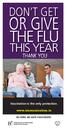 DON T GET OR GIVE THE FLU THIS YEAR THANK YOU Vaccination is the only protection. www.immunisation.ie BE SURE. BE SAFE. VACCINATE. FLU VACCINE 2013-2014 Healthcare workers prevent the spread of flu and
Hygiene and Infection. Control advice in the home
 Introduction The Infection Control Department Mid-Western Regional Hospital, Ennis, wrote this booklet with Clare Primary Community and Continuing Care and C-Diff Patients and Families Group. This booklet
Protecting Myself from MRSA By Angela Ulferts RN, BSN
 Protecting Myself from MRSA By Angela Ulferts RN, BSN What is MRSA? MRSA stands for Methicillin-Resistant Staphylococcus Aureus. This is an infection that has been around for some time. But it has always
C. difficile Infections
 C. difficile Infections Introduction C. difficile is a type of bacteria that can cause diarrhea and infection of the colon. This bacterium is more likely to infect patients at hospitals and other healthcare
Employee Health and Personal Hygiene. for CHILD CARE CENTER DIRECTORS
 Employee Health and Personal Hygiene for CHILD CARE CENTER DIRECTORS National Food Service Management Institute The University of Mississippi Building the Future Through Child Nutrition The National Food
WHEN TO WASH YOUR HANDS
 WHEN TO WASH YOUR HANDS Before eating or preparing food After using the toilet After blowing your nose After handling garbage or trash After touching pets or animals After touching shared objects Before
INFECTIOUS DISEASE IN CHILD CARE SETTINGS GUIDELINES FOR CHILD CARE PROVIDERS
 INFECTIOUS DISEASE IN CHILD CARE SETTINGS GUIDELINES FOR CHILD CARE PROVIDERS Communicable Disease Epidemiology Program 4300 Cherry Creek Drive South Denver, Colorado 80246-1530 Phone: 303-692-2700 FAX:
Moving to a hospital or skilled nursing facility
 H Moving to a hospital or skilled nursing facility What to expect when you have MRSA (Methicillin-resistant Staphylococcus aureus) A booklet for patients, residents, family members, and caregivers About
THIS IS AN OFFICIAL NH DHHS HEALTH ALERT
 THIS IS AN OFFICIAL NH DHHS HEALTH ALERT Distributed by the NH Health Alert Network [email protected] December 11, 2014; 1030 EST (10:30 AM EST) NH-HAN 20141211 Start of Norovirus Season in New Hampshire
Explanation of Immunization Requirements
 Explanation of Immunization Requirements CONTENTS Hepatitis A... 2 Hepatitis B... 3 Influenza... 4 Measles (Rubella), Mumps, and Rubella (MMR)... 5 Pertussis (Tdap)... 6 Tuberculosis (TB) Test... 7 Varicella/Chicken
Kean University BS Degree Program in Athletic Training BLOOD BORN PATHOGENS POLICY
 Kean University BS Degree Program in Athletic Training BLOOD BORN PATHOGENS POLICY Effective September 2, 2014 The following policy will apply to students taking classes and faculty teaching those classes
FOR IMMEDIATE RELEASE Release #2014-04
 FOR IMMEDIATE RELEASE Release #2014-04 CONTACT for this Release: Krista Dommer Office Phone: (209) 468-3571 Email: [email protected] Alvaro Garza, MD, MPH. Public Health Officer MEASLES OUTBREAKS PROMPT
Tuberculosis and You A Guide to Tuberculosis Treatment and Services
 Tuberculosis and You A Guide to Tuberculosis Treatment and Services Tuberculosis (TB) is a serious disease that can damage the lungs or other parts of the body like the brain, kidneys or spine. There are
Hand Hygiene and Infection Control
 C Hand Hygiene and Infection Control Sirius Business Services Ltd www.siriusbusinessservices.co.uk Tel 01305 769969 [email protected] Whatever your First Aid, Fire Safety or Health & Safety
Whooping cough (Pertussis) Information for you
 Whooping cough (Pertussis) Information for you Visit our website: www.nhsaaa.net All our publications are available in other formats ...Information for you...information for you...information for you.
School of Health & Rehabilitation Sciences INFORMATION FOR HEALTH CARE STUDENTS RE: VACCINATIONS AND INFECTIOUS DISEASES
 School of Health & Rehabilitation Sciences INFORMATION FOR HEALTH CARE STUDENTS RE: VACCINATIONS AND INFECTIOUS DISEASES Adults as well as children need protection against infectious diseases. As Health
Key Facts about Influenza (Flu) & Flu Vaccine
 Key Facts about Influenza (Flu) & Flu Vaccine mouths or noses of people who are nearby. Less often, a person might also get flu by touching a surface or object that has flu virus on it and then touching
WHY ARE WE HERE? OSHA BB Pathogen standard. The more you know, the better you will perform in real situations!
 WHY ARE WE HERE? OSHA BB Pathogen standard anyone whose job requires exposure to BB pathogens is required to complete training employees who are trained in CPR and first aid The more you know, the better
Exposure. What Healthcare Personnel Need to Know
 Information from the Centers for Disease Control and Prevention National Center for Infectious Diseases Divison of Healthcare Quality Promotion and Division of Viral Hepatitis For additional brochures
IMPORTANT: PLEASE READ
 PART III: CONSUMER INFORMATION combined hepatitis A (inactivated) and hepatitis B (recombinant) vaccine This leaflet is part III of a three-part "Product Monograph" published when was approved for sale
Immunization Guidelines for Schools and Childcare Facilities
 DEPARTMENT OF PUBLIC HEALTH Immunization Guidelines for Schools and Childcare Facilities Georgia law requires children attending a school or childcare facility be protected from certain vaccine-preventable
The Hepatitis B virus (HBV)
 The Hepatitis B virus (HBV) There are 400 million people in the world who live with chronic hepatitis B, including France. Most people don t even know they are infected. But there are several important
Influenza Vaccine Frequently Asked Questions. Influenza Control Program
 Influenza Vaccine Frequently Asked Questions Influenza Control Program Influenza or the flu can be a serious contagious disease, which is spread by droplet transmission through close contact with an infected
Adapted from a presentation by Sharon Canclini, R.N., MS, FCN Harris College of Nursing and Health Sciences Texas Christian University
 Adapted from a presentation by Sharon Canclini, R.N., MS, FCN Harris College of Nursing and Health Sciences Texas Christian University What is a Pandemic? A pandemic is basically a global epidemic an epidemic
Training on Standard Operating Procedures for Health Care Waste Management Swaziland 12 May, 2011
 Training on Standard Operating Procedures for Health Care Waste Management Swaziland 12 May, 2011 Safe Infectious Waste Handling and Transport Objective Waste Overview Roles and Responsibilities of Waste
Precautions for Handling and Disposal of Dead Bodies
 Precautions for Handling and Disposal of Dead Bodies Department of Health Hospital Authority Food and Environmental Hygiene Department The 8 th edition This set of guidelines is prepared by Infection Control
Diarrhoea and Vomiting illness # Respiratory Infections. advice or information. Page 1 of 6. Comments
 Guidance on Infection Control In Schools and other Child Care Settings Prevent the spread of infections by ensuring: routine immunisation, high standards of personal hygiene and practice, particularly
INFECTION CONTROL POLICY
 INFECTION CONTROL POLICY Infection control is the name given to a wide range of policies, procedures and techniques intended to prevent the spread of infectious diseases amongst staff and service users.
12 Points of Tuberculosis (TB) Patient Education
 12 Points of Tuberculosis (TB) Patient Education Transmission of TB TB is a disease caused by the TB germ. The disease is mainly in the lungs (pulmonary TB), but the germ can travel to other parts of the
4. Infection control measures
 4. Infection control measures Apart from general hygienic practices and vaccination, staff of institutions should also adopt specific infection control measures against communicable diseases. The measures
University of Mary Washington
 University of Mary Washington Student Health Center (540) 654-1040 Instructions for Treatment of Mononucleosis Mononucleosis is caused by a virus. Antibiotics do not help mono but may be prescribed for
BODY SUBSTANCE ISOLATION (BSI): THE STANDARD OF CARE
 CRAIG HOSPITAL POLICY/PROCEDURE Approved: NPC, IC, MEC, P&P 05/06 Effective Date: 02/88 P&P 06/09 Attachments: Revised Date: 05/03, 04/06 Decision Tree for Isolation Precautions Comments on Specific Diseases
Influenza Education Presentation Prepared by Peel Public Health 2014
 Influenza Education Presentation Prepared by Peel Public Health 2014 Disclaimer We are pleased to be able to offer you the use of our Influenza PowerPoint presentation for your use. Peel Public Health
Get the Facts About. Disease
 Get the Facts About TB TUBERCULOSIS Disease What s Inside: 3 PAGE Get the facts, then get the cure 4 PAGE 9 PAGE 12 PAGE Learn how TB is spread Treatment for TB disease Talking to family and friends about
Sore Throat. Definition. Causes. (Pharyngitis; Tonsillopharyngitis; Throat Infection) Pronounced: Fare-en-JY-tis /TAHN-sill-oh-fare-en-JY-tis
 Sore Throat (Pharyngitis; Tonsillopharyngitis; Throat Infection) Pronounced: Fare-en-JY-tis /TAHN-sill-oh-fare-en-JY-tis by Jennifer Lewy, MSW En Español (Spanish Version) Definition A sore throat is the
The Immunization Office, located in the Student Health Center, is open year round to administer needed immunizations at a nominal fee.
 Student Health Services 2815 Cates Avenue Raleigh, NC 27695-7304 919-515-2563 healthcenter.ncsu.edu The Immunization Record Form is designed to collect information about your current immunization status.
CLEAN UP FOR VOMITING & DIARRHEAL EVENT IN RETAIL FOOD FACILITIES
 CLEAN UP FOR VOMITING & DIARRHEAL EVENT IN RETAIL FOOD FACILITIES GENERAL INFORMATION Noroviruses are a group of viruses that cause gastroenteritis [gas-trō-en-ter-ī-tis] in people. Gastroenteritis is
Massachusetts Department of Developmental Services MRSA, VRE, and C. Diff Management Protocol
 Massachusetts Department of Developmental Services MRSA, VRE, and C. Diff Management Protocol PURPOSE: To provide guidance for personnel in order to prevent the spread of Antibiotic Resistant Microorganisms
Healthcare workers report that various factors contribute to poor compliance with hand hygiene. These include:
 RISKTOPICS Hand hygiene in the healthcare setting January 2013 Proper hand hygiene is the best way to keep from getting sick and prevent germs from being spread to others. For hospitals, nursing homes
BLOODBORNE PATHOGENS EXPOSURE CONTROL PLAN
 BLOODBORNE PATHOGENS EXPOSURE CONTROL PLAN Facility Name: University of Arkansas at Little Rock Date of Preparation: 01-17-06 In accordance with the OSHA Bloodborne Pathogens Standard, 1910.1030, the following
Ambulance Service. Patient Care. and. Transportation Standards
 Ambulance Service Patient Care and Transportation Standards Ministry of Health and Long-Term Care Emergency Health Services Branch Patient Care A. General Each operator and each emergency medical attendant
Advice for Colleges, Universities, and Students about Ebola in West Africa For Colleges and Universities
 Advice for Colleges, Universities, and Students about Ebola in West Africa For Colleges and Universities Advice for Study Abroad, Foreign Exchange, or Other Education-related Travel Is it safe to travel
Staying Healthy in Child Care
 Staying Healthy in Child Care Preventing infectious diseases in child care 4 th edition (draft) (12 August 2005) Contents Part 1 How infections are spread... 2 Watching for and recording infections in
Kim Cervantes, MPH, Coordinator / Regional Epidemiology Program Barbara Carothers, LPN, Public Health Representative 1
 Kim Cervantes, MPH, Coordinator / Regional Epidemiology Program Barbara Carothers, LPN, Public Health Representative 1 Overview NJDOH Outbreak Training 2013, Jan 2014 NJLMN Practice Exchange: NJACCHO Outbreak
33 Infection Control Techniques
 CHAPTER 33 Infection Control Techniques Learning Outcomes 33.1 Describe the medical assistant s role in infection control. 33.2 Describe methods of infection control. 33.3 Compare and contrast medical
Hazardous Precautions. Prepared By: Hazardous Precautions Working Group Updated: March 2014
 Hazardous Precautions Prepared By: Hazardous Precautions Working Group Updated: March 2014 1 What are Hazardous Medications? They are therapeutic agents that are often used in the treatment of: cancer,
GUIDELINES TO PREVENT TRANSMISSION INFECTIOUS DISEASES IN SCHOOLS
 GUIDELINES TO PREVENT TRANSMISSION OF INFECTIOUS DISEASES IN SCHOOLS May 1991 Precautions, Procedures and Instructions for Handling Body Fluids DUVAL COUNTY PUBLIC SCHOOLS CONTENTS PAGE Introduction...