
Parent-Teen Driving Guide
|
|
|
- Abigail Barrett
- 10 years ago
- Views:
Transcription
1 ILLINOIS GRADUATED DRIVER LICENSING PROGRAM Parent-Teen Driving Guide JESSE WHITE SECRETARY OF STATE

2 It takes time and practice to learn how to be a good driver. This Parent-Teen Driving Guide is a tool to help parents observe and instruct their teen drivers during the instruction permit phase of licensing. Teens must log a minimum 50 hours of practice driving, including 10 hours at night, with their parents or a responsible adult age 21 or older before obtaining a driver s license. This booklet also outlines the provisions of Illinois Graduated Driver Licensing (GDL) Program, which has become a national model for teen driver safety. Since new GDL provisions were implemented in January 2008, teen driving deaths have decreased 60 percent. The GDL program increases driving privileges for safe and responsible drivers in stages. Safe teen drivers will gradually see their driving restrictions ease as they move from one licensing phase to the next. Distracted driving continues to be a serious hazard on Illinois roadways, especially with regard to young drivers. Cellphone use and texting while driving is prohibited for all drivers regardless of age. Parental involvement is a critical component of any successful GDL Program. Working together we can ensure that our newest, youngest drivers are well prepared to enjoy a lifetime of safe and responsible driving. Jesse White Secretary of State TABLE OF CONTENTS Chapter 1 Illinois GDL Program Questionnaire GDL Phases Chapter 2 Preparing to Drive Before You Turn the Key Commentary Driving Chapter 3 Learning the Skills to Drive Skill 1: Starting and Stopping Skill 2: Turning Skill 3: Backing Up Skill 4: Changing Directions Skill 5: Parking Skill 6: Establishing Right-of-Way Skill 7: Changing Lanes Skill 8: Managing Intersections Skill 9: Following Other Vehicles Skill 10: Defensive Driving Skill 11: Assessing Highway Conditions and Passing Skill 12: Handling Adverse Driving Conditions.19 Chapter 4 Is Your Teen Ready to Drive? Driving Practice Checklist Frequently Asked Questions Chapter 5 Applying for a Driver s License Completion of Driver Education Training What you Need to Apply Acceptable Identification Parent-Teen Driving Contract Affidavit/Consent for Minor to Drive Hour Practice Driving Log

3 Chapter 1 Graduated Driver Licensing Program Illinois Graduated Driver Licensing Program allows teen drivers to gain experience on the road and prove they are good drivers before they graduate to fewer restrictions and more driving privileges. Traffic crashes are the leading cause of death among young people ages Nearly one in five licensed 16-yearolds is in a vehicle crash and, per mile driven, their fatality rate is roughly three to five times that of drivers in their 30s, 40s or 50s. Comprehensive GDL programs like Illinois make a significant improvement to these statistics. In fact, Illinois has seen a 60 percent drop in teen driving fatalities since the new GDL provisions took effect in January Primary contributing factors to the high crash rate among young drivers are a lack of experience and a greater tendency to take risks. To address this issue, the National Highway Traffic Safety Administration along with numerous other traffic safety organizations recommended that states implement a three-tier Graduated Driver Licensing Program. Illinois GDL Program has become a national model for other states. Illinois GDL Program does not increase the minimum age at which a teen can obtain a license. Provided the teen successfully completes an approved driver education program and the instruction permit phase, teens may still obtain a license at age 16. Effective July 1, 2014, a person age who did not take an approved driver education course must successfully complete a six-hour adult Driver Education course before obtaining a driver s license. Parent and teens can test their knowledge of the GDL Program by answering the questions on the following page. (Answers on page 5.) 2

4 Parent Questionnaire: 1. Traffic crashes are the third-leading cause of death among young people ages Safe drivers are rewarded with lower premiums and high-risk drivers pay a greater share of insurance costs. 3. Illinois GDL Program requires parents to spend 50 hours of practice driving, including 10 hours at night, with their teenagers behind the wheel. 4. A parent/legal guardian may withdraw consent for their teen to drive at any time prior to the teen s 18th birthday. 5. It is a crime to provide alcohol to a person under age 21 or to allow underage consumption at your home. 6. During the first six months of licensing or until the driver turns age 18, the number of passengers is limited to the number of safety belts in the vehicle. 7. Your teen must remain traffic conviction-free to graduate through the licensing phases of the GDL Program. 8. Drivers under age 18 are subject to nighttime driving restrictions of 10 p.m.-6 a.m. on weekdays and 11 p.m.-6 a.m. on weekends. 9. A driver under age 18 ticketed for a traffic violation must appear before a judge with a parent/ guardian in order to receive court supervision. 10. A parent/guardian of a driver under age 18 may access the teen s driving record free online. Teen Questionnaire: 1. Driving is considered a right rather than a privilege. 2. Cellphone use while driving is against the law for all drivers. 3. Teenagers under age 18 are subject to nighttime driving restrictions of 11 p.m.-6 a.m. on weekdays and 12 p.m.-6 a.m. on weekends. 4. Every 15 minutes a teenager dies in an alcohol-related crash in the United States. 5. A teen driver is only allowed one traffic conviction per licensing phase in order to move to the next phase. 6. A teen driver and all passengers must wear safety belts. 7. Any teen caught driving without an instruction permit prior to or during the permit driving phase will be ineligible to obtain a driver s license until age For the first 12 months of licensing or until a teen driver turns 18, the number of unrelated passengers is limited to one person under age Drivers under age 21 caught driving with any trace of alcohol or drugs in their systems will lose their driver s licenses. 10. A conviction of two traffic violations in a 24- month period results in a minimum onemonth driver s license suspension. 3

5 Graduated Driver Licensing Phases Permit Phase Drivers Age 15 Parent/legal guardian consent required to obtain an instruction permit. Must be enrolled in an approved driver education course and must pass vision and written tests. Nighttime driving restrictions Sun.-Thurs., 10 p.m.-6 a.m.; Fri.-Sat., 11 p.m.-6 a.m. (local curfews may differ). Permit must be held for a minimum of nine months. Must practice driving a minimum of 50 hours, including 10 hours at night, supervised by a parent or adult age 21 or older with a valid driver s license. Must not acquire any driving convictions during the nine-month permit phase. Number of passengers limited to one in the front seat and the number of safety belts in the back seat. Cellphone/wireless use while driving, including a hands-free device, is prohibited for drivers under age 19, except in the case of an emergency. Permit is valid for up to two years. Sanctions To obtain court supervision for a traffic violation, a driver must appear in court with a parent/legal guardian and also must attend traffic safety school. Limit one court supervision for serious driving offenses. A moving violation conviction results in a nine-month waiting period before applying for a driver s license. Not eligible for any hardship permit. Anyone caught driving without a permit is ineligible to obtain a driver s license until age 18. A person under age 18 who has any unresolved traffic citations may not be issued a driver s license until the citation is resolved. Driver s License Suspension for Nighttime Driving Restriction Violation A person under the age of 18 who violates the nighttime driving restriction may have their driving privileges suspended. Initial Licensing Phase Drivers Ages Parent/legal guardian must certify that a minimum of 50 hours of practice driving, including 10 hours at night, has been completed. Parent/legal guardian must accompany teen to provide written consent to obtain a driver s license OR complete and notarize an Affidavit/Consent for Minor to Drive form. Must have completed a state-approved driver education course. Nighttime driving restrictions Sun.-Thurs., 10 p.m.-6 a.m.; Fri.-Sat., 11 p.m.-6 a.m. (local curfews may differ). Must maintain a conviction-free driving record for six months prior to turning 18 before moving to the Full Licensing Phase. A traffic conviction during the Initial Licensing Phase may extend restrictions beyond age 18. For the first 12 months of licensing or until the driver turns 18, whichever occurs first, the number of passengers is limited to one person under age 20, unless the passenger(s) is a sibling, stepsibling, child or stepchild of the driver. After this period, the number of passengers is limited to one in the front seat and the number of safety belts in the back seat. Cellphone/wireless use while driving, including a hands-free device, is prohibited for drivers under age 19, except in the case of an emergency. 4

6 Sanctions To obtain court supervision for a traffic violation, a driver must appear in court with a parent/legal guardian and also must attend traffic safety school. Limit one court supervision for serious driving offenses. A moving violation conviction before age 18 generates a Secretary of State warning letter to the parent and teenager. A moving violation conviction that occurs within the first year of licensing will result in a six-month extension of the passenger limitation, which allows only one unrelated passenger under age 20. Two moving violation convictions occurring within a 24-month period results in a minimum one-month driver s license suspension. Suspension length is determined by the seriousness of the offenses and the driver s prior driving history. An additional driver s license suspension will result for each subsequent moving violation following the initial suspension. Suspended drivers must attend a remedial education course, may be retested and must pay a $70 reinstatement fee. Driver s License Suspension for Nighttime Driving Restriction Violation A person under the age of 18 who violates the nighttime driving restriction may have their driving privileges suspended. Full Licensing Phase Drivers Ages No age-related restrictions apply except in cases where a driver fails to move from the Initial Licensing Phase to the Full Licensing Phase. Cellphone/wireless use while driving, including a hands-free device, is prohibited for drivers under age 19, except in the case of an emergency. Sanctions Limit one court supervision for serious driving offenses. Two moving violation convictions occurring within a 24-month period results in a minimum one-month driver s license suspension. Suspension length is determined by the seriousness of the offenses and the driver s prior driving history. An additional driver s license suspension will result for each subsequent moving violation following the initial suspension. Suspended drivers are required to pay a $70 reinstatement fee. Answers (from page 3) 5 Parent Questionnaire: 1. False (Traffic crashes are the leading cause of death among young people ages ) 2. True 3. True 4. True 5. True 6. False (For the first 12 months, drivers under 18 are limited to one unrelated passenger under age 20). 7. True 8. True 9. True 10. True Teen Questionnaire: 1. False (Driving is a privilege not a right.) 2. True 3. False (Nighttime driving restrictions for drivers under age 18 are Sun.- Thurs., 10 p.m.-6 a.m.; Fri.-Sat., 11 p.m.-6 a.m.) 4. True 5. False (Must remain traffic convictionfree to graduate to the next licensing level.) 6. True 7. True 8. True 9. True 10. True

7 Chapter 2 Preparing to Drive 50 Hours in the Car With My Parents?!? A lack of behind-the-wheel experience puts teens at a greater risk of being involved or killed in a vehicle crash. The more they practice, the better they will handle different situations on the road. The instruction permit phase of a GDL requires teens to spend 50 hours of driving, including 10 hours at night, with a parent/legal guardian or a responsible adult age 21 or older with a valid driver s license. The 50 hours of driving practice may seem like a lot, but during the nine-month permit phase, this requirement will provide ample time for teen drivers to practice driving in a variety of situations, at different locations and at varying times of the day. This experience will help them become more confident and improve their driving skills so they are prepared when it s time to get a driver s license. Follow these tips for safe driving: Get to know your car. Always wear your safety belt and make sure all passengers are wearing safety belts. Drive sober (the blood-alcohol concentration (BAC) limit for persons under 21 is.00). Ride with sober drivers. Drive defensively. Avoid distractions focus on your driving. Obey all traffic rules, signs, signals and markings. Be alert and anticipate what other drivers might do. Be careful at all intersections think ahead. Don t have more passengers in your car than allowed by law. Don t get stressed out. Don t exceed the posted speed limit or drive faster than you can handle. Don t let friends drive your car. Don t use your cellphone or text while driving. 50 Hours in the Car With My Teen?!? Teaching your teen how to drive takes patience and your full attention. If either of you are tired, angry, distracted or not feeling well, it s best to postpone the driving lesson. Practice when you are both alert and ready to pay attention to each other. Follow these tips to make driving time with your teen positive and productive: Set a good example when you drive. Obey all traffic laws and drive courteously. Wear your safety belt and make sure all other passengers also are wearing theirs. Be enthusiastic. Most teens are excited about getting their driver s license. Don t make the learning experience seem like a chore. Provide a safe vehicle for practice sessions. Take your teenager for driving practice under various seasonal conditions and practice different skills. Be a careful and supportive teacher. Your new driver will make mistakes along the way. Keep the learning experience manageable and positive for your teen. Use positive reinforcement. When your teen is doing well, let him/her know. When he/she makes a mistake, use it as a chance to teach, not punish. 6

8 Sit so your left hand can be placed on the steering wheel to help guide the new driver if necessary. Give directions well in advance. First direct where, then state the action to take (e.g., At the second intersection turn left ). Check traffic conditions on all sides yourself. Avoid the use of terms with possible double meaning (e.g., say that is correct instead of that is right ). For each new maneuver, guide the new driver through two or three practice trials, then allow the teen to practice without specific assistance or direction. Move to a safe place and park for lengthy discussions or performance reviews. Never place yourself or other drivers in dangerous situations. Do not attempt to practice a skill unless you and your teen are comfortable that it can be completed safely. Inform your teen what to do in case of an accident (i.e., call police, exchange insurance information). Discuss and sign the Parent-Teen Driving Contract (see page 23) with your teen. Take your teenager to get a driver s license only when you and your teenager feel the time is right. Before You Turn the Key Choose a mid-size or full-size car with an automatic transmission for your teen to practice driving. Avoid small cars, if possible. Small cars do not afford as much protection in a crash. Sports cars and muscle cars may encourage speeding. New drivers should not be overwhelmed by their vehicle. Driving mistakes in areas such as steering and braking are only magnified in a vehicle that is too large, too powerful or has large blind spots. Before you begin a practice session: Check around the car. Make sure the tires have sufficient air and all lights and signals are working. Check the owner s manual for details on your car s controls, their locations on the dashboard and operations. Check the ventilation before you start driving. Adjust the heating, cooling or airflow as necessary to make you comfortable. All drivers in Illinois must carry liability insurance, which covers personal injury and property damages of other drivers if you are involved in an accident. Safe drivers are rewarded with lower premiums and high-risk drivers pay a greater share of insurance costs. If you are convicted of a traffic offense or involved in a traffic accident involving personal injury or death, that information will go on your Illinois driving record. Insurance companies may access your driving record, which may adversely affect your insurance premiums. Practice Commentary Driving Commentary driving is the practice of verbally calling out each step needed to complete a maneuver. Commentary driving may be awkward at first, but it is the most valuable tool you have for checking your teen s progress. Read the traffic picture aloud. Describe anything that may affect your path of travel. For example, when approaching a red light say, red light ahead, check mirrors, ease off accelerator, apply brake. Take this guide along and use the lists of steps under each skill as a guide. Your teen should practice commentary driving from the passenger seat before actual driving lessons begin. Also, have your teen begin to judge traffic signals and stopping distances as a passenger. He/she should call out points where it would be safe to stop if the light were to turn yellow and at what point it would be safer to proceed through the intersection. When driving, a parent can call out steps while demonstrating a skill. Student drivers should begin commentary as they become comfortable with a skill. 7

9 Chapter 3 Learning the Skills to Drive Following are specific driving skills teens should practice with their parents in the vehicle. What you teach your teen driver should agree with what is taught by the driving instructor. If your teen insists that your instructions are different from the teacher s, contact the driving instructor to be sure you are correct. Do not teach shortcuts or improper procedures. Before you start the car, fasten your safety belt and make sure the car is in Park (P). When you start the car, as a safety precaution, step on the brake; turn the key to Start. After the car starts, check to see that all red warning lights are off. Skill 1: Starting and Stopping Objective: To smoothly control the car when starting and stopping. Where to practice: Have several sessions in a parking lot before practicing on the street. What to practice: When moving the car: Step on the brake. Release parking brake if on. Shift to Drive (D). Check mirrors and blind spots. Release foot brake. Re-check traffic; accelerate. When stopping the car: Check mirrors before you stop. Brake smoothly until you stop. Don t take your foot off the brake until you put the transmission in Park (P) and set the parking brake. Lesson Completed: Parent s Initials: _ Date: Teen s Initials: Date: 8

10 Skill 2: Turning Objective: To make accurate left and right turns from both a stopped position and while moving. Where to practice: Start this lesson in a quiet, open area such as a parking lot, then move into a neighborhood where you can make four turns within a few blocks. Finally, practice crossing multiple lanes of traffic, including shared left-turn lanes. What to practice: Because left turns are easier to make than right turns (as long as there is no oncoming traffic), begin by making left turns, then right turns from a stopped position. Next, practice both turns while moving. On each turn: Decide who should yield the right-of-way (who should go first if there are other cars on the road). Use signals. Check mirrors and blind spots. Control speed (10-15 mph). Search the intersection and identify a gap in traffic. Use hand-over-hand steering. Choose a path and follow it accurately. Lesson Completed: Parent s Initials: _ Date: _ Teen s Initials: Date: _ 9 TIPS When driving in a city, apply the turn signal about four to five seconds before an intersection. New drivers tend to signal too early, which may confuse other drivers. Once you are sure there is a safe gap in traffic, accelerate and make your turn. Don t hesitate once you are in the middle of the intersection. Look ahead to where your car will be in 20 to 30 seconds. Looking through the turn you are going to make or the intersection you are going to cross will help you see potential problems and plan your responses. Where there are multiple left-turn lanes, you must turn into the lane corresponding to the same lane from which you turned. Don t make a habit of staring straight ahead. Good drivers frequently glance in every direction, watching for trouble.

11 Before you start the car, fasten your safety belt and make sure the car is in Park (P). When you start the car, as a safety precaution, step on the brake; turn the key to Start. After the car starts, check to see that all red warning lights are off. Skill 3: Backing Up Objective: To move the car precisely where you want it to go in reverse. Where to practice: First practice off the street, in a driveway or in a parking lot. When you feel confident backing up, practice in street situations with little or no traffic. What to practice: Check for traffic, pedestrians, parked cars and low stationary objects behind you. Turn your head to look out the rear window. Don t rely on your mirrors. Release pressure on the brake just enough to let the car creep backward slowly. The idling speed in a car with automatic transmission is usually enough to move the car backward without giving it gas. Place your right arm at the back of the passenger seat and look through the rear window. Place your left hand at the top of the steering wheel (see illustration). When you want to change directions, move your hands in the direction you want the rear of the car to go. Make small corrections to the steering wheel. Keep your foot in light contact with the brake while the car is moving backward (ride the brake). Glance quickly to the front and sides to check traffic then continue looking through the rear window as you brake smoothly. Lesson Completed: Parent s Initials: _ Date: _ Teen s Initials: Date: _ TIPS Never back up faster than a walking pace. When you get close to an object, back up inch by inch. When backing to the right, make sure you have room on the left side. The front of your car will swing wide to the left. When backing to the left, make sure you have room on the right side. The front of your car will swing wide to the right. 10 Never back up on an expressway. If you miss your exit, continue to the next exit.

12 Skill 4: Changing Directions Objective: To learn where, when and how turns may be made and to make turns efficiently, even in tight spots. Where to practice: Use a variety of driveways and roadways on which turns are legal. What to Practice: Evaluate the traffic flow to decide where and when to turn. Apply the turn signal. Check blind spots. Continually check traffic. Choose a path of travel and follow it. Control speed smoothly. Practice each of these turns in different locations: Three-point turns (see illustration). Turn around by pulling into a driveway on the left side of the street. Turn around by pulling into a driveway on the right side of the street. Backing into a driveway on the right side of the street. U-turn in the middle of the block (where legal). Lesson Completed: Parent s Initials: _ Date: _ Teen s Initials: Date: _ TIPS Because large vehicles have a larger turning radius, allow more time and space to make turns in vans and other large vehicles. 11 Never make a three-point turn near the top of a hill, on a curve, near an intersection or close to trees or fire hydrants.

13 Before you start the car, fasten your safety belt and make sure the car is in Park (P). When you start the car, as a safety precaution, step on the brake; turn the key to Start. After the car starts, check to see that all red warning lights are off. Skill 5: Parking Objective: To park the car in a perpendicular, angle and/or parallel parking space smoothly and consistently, and to get the car out of the parking space in the same way. Where to practice: Start by practicing away from other vehicles in large parking lots with perpendicular spaces. Then move on to angle and parallel parking. Finally, practice each type of parking next to other cars. Downhill Turns Wheels to Curb/Right Uphill with Curb Turn Wheels from Curb/Left Uphill without Curb Turn Wheels to Right What to practice: Check for cars, pedestrians or other obstacles in your way. Use your turn signal and vehicle position to communicate to traffic behind you that you will be parking. Put the car in a good position before turning into the parking space. Move at a slow, consistent speed. Stay in line with your target destination. Maintain a safe distance from other parked cars. Straighten out your car and tires. Set the parking brake when parking on an incline. Lesson Completed: TIPS Before opening your door to get out, look in your mirrors and check your blind spot. Exit from the curb side whenever possible. Parent s Initials: _ Date: _ Teen s Initials: Date: _ 12 Don t park in spaces reserved for persons with disabilities a violation carries a minimum $250 fine.

14 A and B yield to C because C arrived at intersection first. A yields to B before turning from one-way street onto one-way street moving left. A yields to B because B is on the right. Skill 6: Establishing Right-of-Way Objective: To determine which driver must yield the right-of-way in different situations. Where to practice: Begin on roads with light traffic. After demonstrating the ability to read traffic and yield properly, practice on highways and in heavy traffic. B yields to A before entering roadway from alley or driveway. B yields to A at T intersection with no signs or signals. What to practice: Practice yielding the right-of-way in these situations: When making a right turn on red (after stopping). At a stop sign or flashing red signal (after stopping). When entering an intersection with a flashing yellow arrow. When turning left on red (after stopping) from a one-way street onto another one-way street. When there is more than one driver at a four-way stop. The first driver to stop should be the first to go. If more than one car arrive at the same time, the one on the right has the right-of-way. When two cars come to an uncontrolled intersection (no signs/signals) at the same time. The one on the right has the right-of-way. When making a left turn, yield to oncoming traffic. When there is a MERGE sign, yield to through traffic. TIPS Even if you have a green light, yield if there are still vehicles in the intersection. When emerging from an alley, building, private road or driveway (after stopping). Also, yield in the following special situations: For pedestrians at a designated crosswalk. For police or emergency vehicles with sirens or flashing lights. The law requires you to pull to the right side of the road and stop until the vehicle passes. When approaching a stopped school bus with its stop arm extended. Passing a stopped school bus with its stop arm extended carries a three-month driver s license suspension and a minimum $150 fine. For authorized road construction or maintenance vehicles with flashing yellow lights. When a funeral procession enters an intersection, even if you have a green light. Lesson Completed: Parent s Initials: _ Date: _ Teen s Initials: Date: _ 13 If another driver isn t following the right-of-way rules, give the driver the right-of-way to avoid a crash. If you are making a left turn, oncoming traffic has the right-of-way. When a light turns green, only proceed when the intersection is clear. When the same lane is used for both entering and exiting a highway, let the vehicle entering the highway go first.

15 Before you start the car, fasten your safety belt and make sure the car is in Park (P). When you start the car, as a safety precaution, step on the brake; turn the key to Start. After the car starts, check to see that all red warning lights are off. Skill 7: Changing Lanes Objective: To safely enter and leave lanes of moving traffic. Where to practice: Start by pulling away from and parking next to curbs. Then change lanes on residential streets, rural two- and four-lane roads, city streets, open highways with two to six lanes and limited access highways. What to practice: Check mirror(s) to make sure there is enough space between you and the traffic behind you. Apply your turn signal. When changing lanes to the left, check your left blind spots; when changing lanes to the right, check your right blind spots. Check for blind spots out the side windows rather than out the rear window. Change lanes smoothly and try to maintain constant space. Cancel your turn signal once the lane change is complete. Position your mirrors so you can see well when changing lanes. Rearview mirror: Center the view out of the rear window, including as much of the roadway behind the car as possible. The bottom of the mirror should be level with the bottom of the rear window. Outside mirror: Arrange the view to include a small portion of the side of the car, with the main view in the mirror extending down the side of the car to the rear. Lesson Completed: Parent s Initials: _ Date: _ Teen s Initials: Date: _ TIPS Always change lanes one at a time. Shooting across several lanes at once is dangerous. Make sure space between cars ahead and behind in your intended lane is large enough before checking your blind spots. Keep the wheel straight while you check your blind spots. Anxious student drivers sometimes pull the wheel to the side as they turn to check their blind spots. Parents: Get ready to grab the wheel in case this happens. Don t change lanes unless absolutely necessary. The faster you are driving, the less you need to turn the wheel to change lanes. 14

16 Two-Way Two-Way Skill 8: Managing Intersections Objective: To read traffic correctly and move confidently through intersections. One-Way Where to practice: Begin in an area that is not congested such as a quiet neighborhood. As you gain experience, attempt more complex roadways such as rural highways and city intersections. One-Way One-Way One-Way What to practice: The parent can quiz the student on the different meanings of street signs, traffic signals and pavement markings before setting out. While driving, answer the following questions out loud about each intersection as you approach it. Talk about what adjustments you should make based on your answers, and then make those adjustments. Am I traveling uphill or downhill? Is an intersection marked by signs or signals? Are oncoming drivers controlled by signs or signals? Where is my greatest danger coming from? Are there pedestrians? Are there any environmental factors? What lane should I be in? How many lanes are there? Are there any turn islands? Does the width of the road change? TIPS Scan traffic at an intersection: Check the rearview mirror before and after every turn. Check left, then front, then right, preferably when you can see four to six seconds in each direction. Just before entering the intersection, check left, then front, then right again. New drivers tend to focus straight ahead. Emphasize scanning constantly. Look for clues to find hard-to-see residential intersections. Street signs, crossing power lines, yellow curbing, bus stops and newspaper vending machines all may indicate upcoming intersections, especially in residential areas. Lesson Completed: Parent s Initials: _ Date: _ Teen s Initials: Date: _ 15 When waiting at an intersection to make a left turn, keep your wheels facing straight ahead. If your car is rear-ended, you won t be pushed into oncoming traffic. Watch for pedestrians. Most pedestrians involved in car crashes are hit as they first step into the street.

17 Before you start the car, fasten your safety belt and make sure the car is in Park (P). When you start the car, as a safety precaution, step on the brake; turn the key to Start. After the car starts, check to see that all red warning lights are off. Skill 9: Following Other Vehicles Objective: To keep a following distance of at least four to six seconds behind the car in front of you. Where to practice: Use residential roads, rural two- and four-lane roads, city streets and open highways with two to six lanes of traffic. What to practice: Practice keeping a three-second following distance behind the car in front of you at speeds below 30 mph. At speeds of more than 30 mph keep at least a six-second following distance. When road and/or weather conditions are bad, increase your distance to a six- to eight-second count. To check your following distance in front: Select a fixed object on the road ahead such as a sign, tree or overpass. When the vehicle ahead of you passes the object, begin counting one-thousand-one, one-thousandtwo, etc. If you reach the object before you finish saying one-thousand-three, you are following too closely. Monitor the distance of the driver behind you: Check your rearview mirror frequently for tailgaters. Leaving room in front of your car allows the driver behind you to pass. Leaving room in front of your car allows you to brake slowly and avoid being rear-ended by the driver behind you. Vehicle Speed Approximate Feet Vehicle Will Travel in One Second Three-Second Rule Distance 25 mph 35 mph 45 mph 55 mph 65 mph 70 mph Lesson Completed: 37 feet 52 feet 66 feet 81 feet 96 feet 103 feet 111 feet back 156 feet back 198 feet back 243 feet back 288 feet back 309 feet back TIPS Slow down when the driver in front of you slows down to maintain your four- to sixsecond following distance. Parent s Initials: _ Date: _ Teen s Initials: Date: _ Increase your following distance when following trucks, buses, motorcycles, driver education vehicles, emergency vehicles or vehicles with outof-state license plates. 16

18 Skill 10: Defensive Driving Objective: To avoid danger by recognizing danger signs early and to communicate with other drivers. Where to practice: Begin on simple roads with little traffic. As you perform better, increase the complexity of the roads and traffic conditions you choose. What to practice: Assessing other drivers to determine your strategy and distance: What is the type of vehicle? Does the vehicle have out-of-state license plates? The driver may not be familiar with the area. Is the driver young, old? Is his/her driving out of control? Is the driver weaving in and out of traffic, straying out of his/her lane, etc.? Is the driver obeying the rules of the road? Has the driver left his/her turn signal on? He/she is not paying careful attention to his/her driving. Is the driver tailgating or driving in others blind spots? Is the driver using his/her lights and horn to communicate? Is the driver distracted using a cellphone, talking with other passengers, eating, etc.? Assess the vehicles around you: Buses and trucks require more room to maneuver, especially when turning corners. They are slow to stop/start and have larger blind spots. City buses/taxis may expect the right-of-way when pulling away from a curb. Cars covered with dirt or snow may have trouble seeing well. Communicate with other drivers: Use eye contact to tell drivers and pedestrians you see them. Use lane position to show which way you may move or turn. Use speed to communicate your plan to stop or turn. Speed also may indicate aggressiveness of another driver. Use turn signals five seconds before making a change of direction. Use headlights when using windshield wipers (during rain, snow) and during low-light conditions (fog, dusk, dawn) it s state law. Tap brake lights several times to warn traffic behind you to slow or stop. Tap (not blast) horn to alert other drivers. Use hand signals if your car s signal lights aren t working. Watch behind you. Check the rearview mirror before and after braking. Lesson Completed: Parent s Initials: _ Date: _ Teen s Initials: Date: _ 17 TIPS Be aware at crosswalks and around parked cars to make sure pedestrians, bicyclists and animals don t dart out in front of you. Check in both directions even if you are crossing a one-way street. Don t assume a vehicle with its turn signal on is going to turn until the driver starts executing the turn.

19 Before you start the car, fasten your safety belt and make sure the car is in Park (P). When you start the car, as a safety precaution, step on the brake; turn the key to Start. After the car starts, check to see that all red warning lights are off. Skill 11: Assessing Highway Conditions and Passing Objective: To identify highway conditions and change speed, position or path as necessary. Where to practice: On different highways with various traffic conditions and at various times of day. Do Not Pass Black Car is Breaking the Law No Passing Zone Curve Hill Railroad, Bridge, Tunnel, Viaduct What to practice: Check traffic before entering a highway. When entering a highway, find a gap in traffic then accelerate to the pace of existing traffic. React to highway signs, signals and pavement markings. Leave yourself a way out (drive defensively). Plan your exit well in advance; get into the proper lane early. Use your turn signal and tap your brake to tell others you are exiting. Use extreme caution when passing on a two-lane highway. Do not pass on a hill or curve or in a no-passing zone. Make sure you can clearly see ahead to determine if there is oncoming traffic before passing. Do not speed up when being passed. Move a little to the right and be prepared to slow down if the passing driver suddenly views a problem ahead while passing. Adjust speed for: Passing vehicles Curves Unpaved roads Animals Hills Roadside business areas Lesson Completed: Parent s Initials: _ Date: _ Teen s Initials: Date: _ 18 TIPS Parents It is much safer to practice passing on a multi-lane highway (two lanes going the same direction) before passing on a two-lane highway. If there is a vehicle immediately in front of the vehicle you want to pass, DO NOT pass. Make sure you see the entire vehicle you just passed in your rearview mirror before you move back into the original lane.

20 Skill 12: Handling Adverse Driving Conditions Objective: To learn how to react to difficult and unexpected situations on the road. Where to practice: In bright sun, at night and in rain, fog and snow. What to practice: When visibility is reduced: Decrease your speed. Use the defroster. Leave more space all around your car for maneuvering. Using your lights: At night, use the high-beam headlights when legal. In glare, use a visor or wear sunglasses. In fog, slow down, use only your low-beam headlights. In rain, slow down, use the wipers, use your headlights, and leave a space cushion between you and other drivers. When traction is reduced: Increase space around your car for maneuvering. Increase your following distance. Don t brake and steer at the same time unless you have anti-lock brakes. Avoid locking wheels: In rain, reduce speed. In snow, increase following distance. In ice, whenever possible, don t drive. Lesson Completed: Parent s Initials: _ Date: _ TIPS If a winter storm is coming, prepare your car with necessary safety items. Don t drive unless ab so - lutely necessary! Teen s Initials: Date: _ 19 If you drift off the road and onto the shoulder, don t slam on the brakes or jerk the steering wheel suddenly. Instead, let up on the gas, stay off the brake and gradually guide the wheels back on the road.

21 Chapter 4 Is Your Teen Ready to Drive? Driving Practice Checklist Starting Vehicle Checks seat adjustment and mirror. Fastens safety belt. Checks traffic in all directions by turning head. Uses rearview mirrors. Starts smoothly, uses good posture and uses signals. Finds and correctly uses all control devices in vehicle. Does not allow conversation to interfere with safe operation of vehicle. Steering Holds steering wheel with hands approximately at 9 and 3 o clock positions. Keeps elbow, hand and arm inside vehicle. Uses hand-over-hand technique to return wheel to straight-ahead position. Maintains an even course; does not wander within driving lane. Lane Observance/Parking Stays in proper lane at all times. Allows sufficient space between vehicle and other vehicles. Provides sufficient space when returning to driving lane after passing. Yields right-of-way when right-of-way belongs to other driver. Stops more than 5 feet from bumper of vehicle ahead at intersection. Positions vehicle within 12 inches of curb or edge of roadway when parallel parking. Speed Drives at reasonable speed for conditions and traffic flow. Obeys school speed limits in posted zones. Adjusts speed prior to making a turn. Turn Signals/Lane Changes/Braking Gives proper signal, left or right, in adequate amount of time (100 feet-urban; 200 feetrural) prior to turning. Cancels signal upon completion of turn or lane change. Turns into proper lane. Does not scrape curb or median when turning. Stop Signs/Traffic Lights/Yield Stops before marked stop line, marked or unmarked crosswalk, or before entering the intersection if there are no crosswalks or stop lines. Stops 10 feet before proper stopping point. Stops vehicle motion completely when required. Obeys traffic signal including arrows. Waits until signal turns green before moving when at a red traffic signal. Reduces speed when approaching a flashing yellow light. Reduces speed enough to see traffic conditions and is prepared for evasive action, if necessary. Backing Turns head to right to watch the rear when backing. Looks to rear at all times while backing, except the last 5 feet. Backs in a fairly straight line without stopping for any corrections. Does not exceed approximately 5 mph. Does not scrape or hit curb and stays within appropriate lane lines. Interstate Driving/Railroad Crossings Adjusts to proper speed on entrance ramp. Adjusts speed as necessary for smooth merge onto interstate. Does not drive on shoulder of interstate while merging on or off. Makes proper signal when changing lanes. Stops vehicle prior to railroad crossing arms. Looks and listens in both directions for trains. Proceeds across tracks when safe to do so. 20
22 Has the GDL program been effective in Illinois? Traffic crashes are the leading cause of death among young people ages Drivers ages account for approximately 13 percent of all drivers involved in fatal crashes, yet this group accounts for just 6.4 percent of the driving population. Studies estimate that GDL programs can reduce teen crash fatalities from 12 percent to 38 percent. In Illinois, teen driving fatalities have dropped by nearly 60 percent since the new GDL provisions took effect in January Does Illinois GDL Program raise the minimum age at which an individual can obtain a driver s license? No. Age 16 remains the age at which a person who has successfully completed a driver education program can apply for a driver s license. The graduated system establishes additional requirements during the instruction permit phase, with the goal of producing better-skilled 16-year-old drivers. Why do GDL laws limit the number of passengers in a car driven by a teen? Passenger restrictions reduce the likelihood of a young, inexperienced driver being distracted by a car full of teens. According to the National Highway Traffic Safety Administration, for teen age drivers, the presence of one passenger nearly doubles the fatal crash risk compared with driving alone. With two or more passengers, the fatal crash risk is five times as high as driving alone. Illinois GDL law requires a passenger limitation time of 12 months, or until the driver turns 18, whichever occurs first. What happens if a new driver is caught violating the passenger limitation rule? If a driver is in violation of the passenger limitation rule, the driver, as well as all passengers in the vehicle, may be ticketed. Won t the earlier driving restriction times on nights and weekends prevent me from getting a job or going to after-school activities? Exemptions in the law allow new drivers to drive to and from employment or school-sanctioned activities outside the restriction times. Will I lose my driver's license if I am convicted of violating the nighttime driving restrictions? Your driver s license will be suspended if you are Frequently Asked Questions convicted of violating the nighttime driving re stric - tions. If my teenager is driving, who can be ticketed if passengers are not wearing safety belts? The driver may be ticketed for any passenger not wearing a safety belt. The driver and all passengers are required to wear safety belts. If I get a traffic ticket while I have my graduated driver license will I lose my license? During the initial and full licensing phases prior to age 21, a moving violation conviction before age 18 generates a warning letter to the parent/legal guardian and teenager. A moving violation conviction within the first year of licensing will result in a six-month extension of the passenger limitation. Two moving violation convictions within a 24- month period will result in a minimum one-month driver s license suspension. Any person under age 21 who receives court supervision for possession, consumption, purchase or receipt of alcohol will receive a three-month driver s license suspension. A conviction for possession, consumption, purchase or receipt of alcohol will result in a one-year driver s license suspension. What happens if I get a traffic ticket during the permit phase or initial licensing phase? During the permit phase, a moving violation conviction results in a nine-month waiting period before applying for a driver s license. If the conviction is received by the Secretary of State's office after the driver has moved to the initial licensing phase, the driver will be remanded back to the permit phase. A letter will be sent to the driver and the parent/guardian indicating the change in driving status. Drivers in the initial licensing phase (usually drivers ages 16 and 17), must remain conviction free for the final six months before moving to the next phase. If a new driver receives a conviction during 21
23 this six-month period, he/she will not be able to move to the next phase of the program until he/she is conviction-free for a full six months or until age 21, whichever occurs first. What if my driving privileges are suspended or revoked when I am under age 18. Am I eligible for a driving permit? A driver under age 18 who has a suspended or revoked driver's license in Illinois may be eligible for a Restricted Driving Permit, depending on the circumstances of the suspension or revocation. For more information, call the Secretary of State Administrative Hearings Department at What happens if a new driver is caught street racing? Any driver, regardless of age, convicted of street racing will have his/her license revoked for at least 12 months. How do I withdraw my consent to drive for my teenager? To withdraw consent to drive for a driver under age 18, the parent/guardian who signed the application giving the driver permission to obtain a driver s license must send a notarized letter to the Secretary of State indicating their wishes to withdraw consent for the minor to hold an Illinois driver s license. How do I have my teenager s driver s license reinstated after withdrawing my consent to drive? To reinstate a minor's driving privileges, the parent/legal guardian who withdrew consent must send a notarized letter to the Secretary of State indicating their wishes to have the teen s driving privileges reinstated. The minor driver must visit a Secretary of State Driver Services facility and retake the vision, written and driving exams, and pay the appropriate fee in order to be reissued an Illinois driver s license. Have we discussed alcohol, drugs and driving? Does my teen know what to do if he/she is riding with a friend who has been drinking? Have we practiced in heavy city traffic? Have we practiced on one-way streets and at intersections with three-way signals? Have we practiced using a left-turn center lane? Have we practiced on small country roads, on gravel roads with potholes and on hills? Have we practiced in bad weather? Have we practiced at night? Have we practiced entering, exiting and driving on a freeway? Have we discussed what to do if an emergency occurs? Have we discussed what to do if an accident occurs? Do you feel that your teen can do all the above in a car by himself/herself? Does my teenager know I can cancel his/her license at any time, for any reason? Do I need to take the Adult Driver Education Course to obtain my driver s license? You MUST take a six hour Adult Driver Education Course to obtain an Illinois driver s license if all three of the following points are accurate. You are 18, 19 or 20 years old; You are applying for an Illinois driver s license for the first time; and You have never taken any type of driver education course in high school or through a commercial driving school. Why do I have to take the Adult Driver Education Course: On July 1, 2014, a new law went in to effect that requires new driver s license applicants to successfully complete an Adult Driver Education Course prior to applying for an Illinois driver s license if no qualifying driver education course had been completed prior to age 18. How do I know if my teen is ready to obtain a driver s license? When your teenager drives well enough to pass the driving test for a license, ask yourself the questions below. You may have overlooked some practice or knowledge your youngster needs: 22
24 Chapter 5 Applying for a Driver s License Completion of Driver Education Training Upon successful completion of the classroom and behind-the-wheel portions of driver education through your local high school, the Secretary of State s office will receive notification and add a notation to your driving record. Any student under age 18 who drops out of high school cannot have the notation indicating completion placed on his/her driver s license record unless: The instructor has written verification of enrollment in a GED or alternative program; The student has a GED; The student, prior to dropping out, received passing grades in at least eight courses in the previous two semesters; or The student has written consent from his/her parents or legal guardian and the regional superintendent. The local superintendent or chief school administrator may waive conditions deemed in the best interest of the student or dropout. Successful completion of driver education can be verified by accessing the Illinois State Board of Education s Web site at Applying for Your Driver s License To apply for your driver s license before reaching age 18, you must: Bring your instruction permit and acceptable forms of identification (see page 24) to a Driver Services facility at the time of application. Notification of your completion date must have been received from the State Board of Education or the Secretary of State and appear on your driver s license record. Present a form from your parent/legal guardian certifying that you have a minimum of 50 hours of behindthe-wheel practice time, including 10 hours at night, and are sufficiently prepared and able to safely operate a motor vehicle. An applicant applying for a driver s license or ID card for the first time in Illinois must present one document from each of Group A, B, C and two documents from Group D on page 24. Cooperative Driver Testing Program High school students who successfully complete an accredited driver education course of classroom and behind-the-wheel instruction with a combined grade of A or B may be exempt from taking a facility administered driving exam when applying for a driver s license. The course must include a minimum of 30 hours of classroom training and six hours of behind-the-wheel training. Students also must pass a driving test that meets minimum standards established by the Secretary of State s office, either during the driver education course or at the time of application for the driver s license. The program is voluntary, but school districts are encouraged to participate by contacting the Secretary of State s office. 23
25 ACCEPTABLE IDENTIFICATION DOCUMENTS PHOTOCOPIES ARE NOT ACCEPTED All acceptable documents presented for verification or proof must be valid (current and not expired). One document may satisfy more than one Group. Group A Written Signature Canceled Check (within 90 days prior to application) CDTP Certification Form Court Order Credit Card/Debit Card (major brand) Driver Education Certificate Government Driver s License Government ID Card Illinois Driver s License (current) Illinois ID Card (current) Medicare Card with suffix A, J, H, M or T Military Service Record (DD214) Mortgage or Installment Loan Documents Out-of-State Driver s License/ID Card (current) Passport (valid U.S. or foreign) Social Security Card U.S. Citizenship and Immigration Services (USCIS) Forms I- 551 (Alien Registration Card); I-766 (Employment Authorization Card); I-94 (Arrival/Departure Record) with Valid Passport U.S. Military Driver s License/ID Card (for signature verification only) Acceptable major brand credit cards (for signature verification only) include American Express, Diners Club, Discover, Master Card and Visa. Group B Date of Birth Adoption Records Birth Certificate Court Order (Change of birth date) Certified Grade/High School/University Transcript Illinois Driver s License (current) Illinois ID Card (current) Military Service Record (DD214) Naturalization Certificate Passport (valid with complete date of birth) Social Security Award Letter (primary beneficiary only) U.S. Citizenship and Immigration Services (USCIS) Forms I-551 (Alien Registration Card); I-571 (Refugee Travel Document); I-766 (Employment Authorization Card); I-797A (Notice of Action Status Change); I-94 (Arrival/Departure Record) with Valid Passport U.S. Military Driver s License/ID Card U.S. Passport Card (valid with complete date of birth) U.S. Visa Group B documents must contain the applicant s full name and complete date of birth and must be verifiable. To be verifiable, it must be possible to contact the regulatory authority to confirm the authenticity of the document. Birth Certificates must be original or certified by a Board of Health or Bureau of Vital Statistics within the U.S. or by the U.S. State Department, U.S. territories or Canada. A certified copy is a document produced by the issuing jurisdiction which has an embossed seal or an original stamped impression. Foreign passports and foreign birth certificates are accepted as proof if accompanied by any other item in Group B. Group C Social Security Number Illinois Driver s License Record Illinois ID Card Record Military Service Record (DD214) Social Security Award Letter (primary beneficiary only) Social Security Card (issued by SSA) U.S. Military Driver s License/ID Card Group C documents must contain the applicant s name and full Social Security Number. If using an Illinois driver s license or ID record, the Social Security Number must have been previously verified with the SSA. An applicant applying for a Temporary Visitor Driver s License is not required to present documents from Group C. Instead, the applicant must sign a declaration on the TVDL application that the applicant is, at the time of application, ineligible to obtain a Social Security number. Group D Residency (2 Documents Required) Affidavit-Certificate of Residency (Available only at a Drivers Service facility) Bank Statement (dated within 90 days prior to application) Canceled Check (dated within 90 days prior to application) Certified Grade/High School/College/University Transcript Credit Report (issued by Experian, Equifax or TransUnion, dated within 12 months of application) Deed/Title, Mortgage, Rental/Lease agreement Insurance Policy (homeowner s or renter s) Letter on Official School Letterhead (dated within 90 days prior to application) Medical Claim or Statement of Benefits (from private insurance company or public (government) agency, dated within 90 days of application) Official mail received from a State, County, City or Village or a Federal Government agency (must include first and last name of applicant and complete current address), may include Homestead Exemption Receipt; Jury Duty Notice (issued within 90 days of application); Selective Service Card; Social Security Annual Statement; Social Security Disability Insurance Statement; Supplemental Security Income Benefits Statement; Voter Registration Card Pay Stub or Electronic Deposit Receipt Pension or Retirement Statement Phone Book, produced by a phone book publisher Report Card from Grade/High School or College/University Tuition invoice/official mail from college or university, dated within the 12 months prior to application Utility Bill (electric, water, refuse, telephone land/cell, cable or gas, issued within 90 days of application) Group D documents must contain the applicant s full residence address. Documents in Groups A, B or C, that contain the full residence address also may be used for Group D. One document from Group D is required for applicants under the age of 5 applying for an identification card. Presenting a Homeless Status Certification for a no-fee Identification Card meets Group D requirements. After review of all identification presented, Secretary of State management has the right to accept or refuse any document. Both lists acceptable and unacceptable are subject to change. Unacceptable Documents Bond Receipt or Bail/Bond Card Business Card Check Cashing Card Club/Fraternal Membership Card College or University ID Card Commercially produced (non-state or unofficial) ID Card Concealed Carry Card DHS Card (Department of Human Services) Fishing License HFS Card (Healthcare and Family Services) Handwritten ID/Employment Card Hunting License Illinois FOID Card Instruction Permit/Receipt Insurance Card Library Card Personal Mail Temporary Driver s License Traffic Citation (Arrest Ticket) Unlicensed Financial Institution Loan Papers Vehicle Registration Video Club Membership Card Wallet ID Printed on recycled paper. Printed by authority of the State of Illinois. December DSD X 173.5B
26 25
27 26
28 27
29 28
30 Dear Parent/Guardian: OFFICE OF THE SECRETARY OF STATE JESSE WHITE Secretary of State As Secretary of State, I want to take every reasonable step possible to make our roads safer and to save more lives. Unfortunately, too many young, novice drivers are killed or injured in motor vehicle crashes. Such crashes are the leading cause of death for people ages State law requiring 50 hours of practice driving, 10 of which must be done at night, will help give young people more experience behind the wheel, in a variety of situations, helping them to become better drivers. Please note that the 50 hours are in addition to any time spent behind-the-wheel with a driving instructor. All 50 hours must be spent with someone age 21 or older who has been licensed for a minimum of one year. The following chart may be used to record the 50 hours of behind-the-wheel practice time, including 10 hours of nighttime driving, that your teenager must complete before obtaining a driver s license. This chart is designed solely for your convenience as a means to ensure your teen has completed the required 50 hours of practice driving. Jesse White Secretary of State Location of Practice Date Weather Conditions Daytime (e.g., highway, residential area) Daytime Total Nighttime Nighttime Total Grand Total Initials * Total time spent practicing must equal a MINIMUM OF 50 HOURS. Springfield, Illinois Printed on recycled paper. Printed by authority of the State of Illinois. April DSD X
31 Location of Practice Date Weather Conditions Daytime (e.g., highway, residential area) Daytime Total Nighttime Nighttime Total Grand Total Initials Signature of Parent, Guardian or Other Responsible Adult Printed on recycled paper. Printed by authority of the State of Illinois. April DSD X
32 Location of Practice Date Weather Conditions Daytime (e.g., highway, residential area) Daytime Total Nighttime Nighttime Total Grand Total Initials Signature of Parent, Guardian or Other Responsible Adult Printed on recycled paper. Printed by authority of the State of Illinois. April DSD X
33
34 Printed by authority of the State of Illinois. February DSD A 217.6
Atlanta, Georgia Road Test
 1. When driving your car Into traffic from a parked position, you should: A. Sound your horn and pull Into the other lane. B. Signal and proceed when safe. C. Signal other traffic and pull directly into
Teaching Your Teen to Drive
 MetLife Auto & Home Teaching Your Teen to Drive Without driving each other crazy! Dear Parent/Guardian, One of the best ways for you to influence your teen s driving habits is to sit in the copilot seat
Bicycle Safety Quiz Answers Parental Responsibilities
 Bicycle riding is a great way to get into shape and enjoy the outdoors. To remain safe on Illinois roads, it is important to follow the same traffic safety laws that govern vehicle drivers. No amount of
Bicycle riding is a great way to get into shape
 Bicycle riding is a great way to get into shape and have fun. To remain safe on Illinois roads, it is important to follow the same traffic safety laws that govern vehicle drivers. No amount of bicycle
Beginner s Permit. Survival Guide. Compliments of. (843) 263-5023 www.123drivedrivingacademy.com [email protected]
 Beginner s Permit Survival Guide Compliments of (843) 263-5023 www.123drivedrivingacademy.com [email protected] Please use this study guide to assist you in studying for your written knowledge
DEFENSIVE DRIVING. It s an Attitude
 DEFENSIVE DRIVING It s an Attitude RLI Design Professionals Design Professionals Learning Event DPLE 155 July 15, 2015 RLI Design Professionals RLI Design Professionals is a Registered Provider with The
What Every Driver Must Know Review Assignment
 What Every Driver Must Know Review Assignment 1. Who is the Michigan Secretary of State? What services does the Secretary of State office offer? What days and hours is your local Secretary of State branch
12 & 15- Passenger Van Defensive Driver Training
 12 & 15- Passenger Van Defensive Driver Training NHTS-national Highway Traffic Safety Administration Recognizes that 12-15 passenger vans (include driver) are similar type vehicle and offer the same hazards
Safety-conscious Drivers Prevent Crashes. Defensive Driving: Managing Visibility, Time and Space. Improve Your Defensive Driving Skills
 Defensive Driving: Managing Visibility, Time and Space Motor vehicle travel is the primary means of travel in the United States. With all the benefits that come along with mobility, there are thousands
New Driver & Coach Practice Guide
 New Driver & Coach Practice Guide Welcome to Driving in Maryland Dear Coach and Rookie Driver: For the Rookie Driver: Congratulations. In getting your Learner s Instructional Permit, you have just completed
FMCSA Webinar Nov.18th to Examine Large Truck Crash Fatalities Involving Pedestrians & Bicyclists. New Technology for Better Fleet Management
 In This Issue: FMCSA Webinar Nov.18th to Examine Large Truck Crash Fatalities Involving Pedestrians & Bicyclists Help Prevent Roadway Accidents involving Pedestrians How to Steer Clear of Accidents with
Back to School Car Safety. Direct Buy Warranty Staff September 19, 2014
 Back to School Car Safety Direct Buy Warranty Staff September 19, 2014 It s back to school season, and that means kids are picking out new clothes, putting on their backpacks, and hitting the road to get
Broward County Public Schools Core Curriculum Department. Driver s Education Basic Driving Skills: Study Guide
 Broward County Public Schools Core Curriculum Department Driver s Education Basic Driving Skills: Study Guide 5 th Edition 2 nd Edition K.C. Wright Administrative Building 600 Southeast Third Avenue Fort
When Your Teen. Driver s Seat. A Guide for Parents. What else should you know?
 When Your Teen IS IN THE Driver s Seat What else should you know? Visit www.coteendriver.com up-to-date inmation on teen driving laws and links to other resources, such as insurance inmation, driving schools
chapter 3 basic driving skills
 chapter 3 basic driving skills When curving to the left, keep the front wheels close to the right edge of the lane to keep your driver s side rear wheels out of the next lane of traffic. Curve ahead slow
GENIUS DMV. cheat sheets QUESTION 1 QUESTION 2 QUESTION 3 QUESTION 4. 2 Driving-Tests.org. All Rights Reserved.
 DMV GENIUS cheat sheets QUESTION 1 QUESTION 2 QUESTION 3 QUESTION 4 are a pair of white or longitudinal lines that mark where pedestrians are permitted to walk. Crosswalk lines Crosswalk lines are a pair
Driver Certification
 Driver Certification Environmental Health & Safety/Risk Management Department of Campus Operations 300 College Park Dayton, Ohio 45469-2904 937-229-4503 Agenda: Part I: Review of UD Driver Certification
Safe Driving Rules & Regulations
 Chapter 4 58 60 61 61 62 62 64 65 Speed Control Passing Keeping to the Right Yielding the Right-of-Way Pedestrians in a Crosswalk Intersections Entering Highways, Parkways and Turnpikes Leaving Highways,
Document Name: Driving Skills. Purpose: To outline necessary driving skills required to maximize driving safety.
 Document Name: Driving Skills Date Created: 8 October 2013 Date Reviewed: 4 February 2014 Date Approved: 29 July 2015 Purpose: To outline necessary driving skills required to maximize driving safety. Overview:
Bicycle Safety Enforcement Action Guidelines
 Introduction Bicycle Safety Enforcement Action Guidelines People ride bicycles for many different reasons: fitness, recreation, or for transportation. Regardless of the reason for riding, bicyclists young
15-Passenger Van Safety Awareness Program. Environmental Health & Safety Department 570-662-4906
 15-Passenger Van Safety Awareness Program Environmental Health & Safety Department 570-662-4906 Course Objective The objective of this presentation is to increase the safety awareness of passenger van
A Guide to Safe Bicycling in Hawai i
 A Guide to Safe Bicycling in Hawai i Sharing the Road: A Guide to Safe Bicycling in Hawai i What Motorists & Bicyclists Should Know Everyone has the right to be safe on Hawai i s roads. Law of the Splintered
Model Fleet Safety Program Short
 TM Model Fleet Safety Program Short CORPORATE HEADQUARTERS 518 EAST BROAD STREET COLUMBUS, OHIO 43215 614.464.5000 STATEAUTO.COM TM Disclaimer: The information contained in this publication was obtained
GET IT IN WRITING. PARENTS ARE THE KEY TO SAFE TEEN DRIVING. LEARN HOW.
 GET IT IN WRITING. Don t just talk about safe driving; set your family s own driving rules and get your teen to agree to them in writing through a Parent-Teen Driving Agreement. Put a copy of your agreement
Sharing the road safely
 6 sharing the road in this chapter Sharing the road safely Pedestrians Cyclists Motorcycle riders Passenger vehicles Large vehicles School buses Public transit buses Emergency vehicles Emergency workers
Appendix A In-Car Lessons
 Driver Education Classroom and In-Car Curriculum Appendix A In-Car Lessons Table of Contents In-Car Lessons Introduction..... A-4 Overview and Objectives Teacher Information and Resources Lesson #1 Developing
HOW TO PREPARE FOR YOUR MARYLAND NONCOMMERCIAL CLASS C DRIVER S TEST
 ` HOW TO PREPARE FOR YOUR MARYLAND NONCOMMERCIAL CLASS C DRIVER S TEST A portion of your noncommercial driving test will be conducted on a closed course to test your basic control of the vehicle, and a
Chapter 4 DEFENSIVE DRIVING
 Chapter 4 DEFENSIVE DRIVING Chapter 4 Table of Contents Chapter 4 DEFENSIVE DRIVING... 4-1 DEFENSIVE DRIVING... 4-3 Positioning The Bus... 4-3 When Making a Turn at an Intersection... 4-3 Making the perfect
6: LANE POSITIONS, TURNING, & PASSING
 6: LANE POSITIONS, TURNING, & PASSING BASIC LANE POSITIONS Traffic law says that slower vehicles should stay to the right. But where exactly should bicycles ride? Here are some basics. Never Ride Against
Steer Clear. Driver s. Program. Safety Awareness Program by State Farm
 Steer Clear Driver s Program Safety Awareness Program by State Farm Parent/Driver Agreement As a parent/guardian, I will: Try to remember that I was a new driver once too. Be fair and reasonable in my
TEST ON Driving Safely Among Bicyclists and Pedestrians
 TEST ON Driving Safely Among Bicyclists and Pedestrians Next you will take a 16 question test about driving safely among bicyclists and pedestrians. Please take out a sheet of paper to mark down and score
Florida Class E Knowledge Exam Road Rules Practice Questions www.gdlinstitute.org
 If you purchase the Value Package from GDL Institute, over 100 additional practice questions are included at no additional cost. Use discount code PQ10 and receive 10% off of the package price! 1. If you
Skills, Laws and Safety
 3 Basic Skills, Laws and Safety This chapter provides information about basic skills, laws and safety, with tips for preparing to drive, controlling speed, signaling, yielding, turning at intersections
SAMPLE VEHICLE FLEET SAFETY & USAGE POLICY
 SAMPLE VEHICLE FLEET SAFETY & USAGE POLICY Policy The purpose of this policy is to ensure the safety of those individuals who drive company vehicles and to provide guidance on the proper use of company
20 Tips for Safe Driving
 20 Tips for Safe Driving www.libertymutualinsurance.com Liberty Mutual 20 Tips What s Your Driving Skill Level? As you can see, this national survey 1 found that drivers rated themselves highly. The tendency
Texas Drivers License
 Sample Tests & Material to help prepare for the Texas Drivers License Test This document was compiled by Adriana Diesen for her personal use and later adopted by Shell Outpost Houston. It contains the
20 Tips for Safe Driving
 Helping People Live Safer, More Secure Lives Since 1912 Thank you for considering Liberty Mutual for your insurance needs. As one of the leading providers of auto, home and life insurance in the United
GENERAL DRIVING TEST QUESTIONS
 GENERAL DRIVING TEST QUESTIONS 99 15 16 16 17 15 20 18 GENERAL TEST QUESTIONS 1. When you take a road test for a driver s license: 1. You must provide the vehicle. 2. The vehicle must be in safe operating
Carolina Road Driving School Sample Test Questions
 Carolina Road Driving School Sample Test Questions 1. A driver's license is required for which of the following? 1. Sitting in the driver's seat of a car while the engine is running. 2. Steering a car
Driver Guide for Parents and Teens
 Driver Guide for Parents and Teens Welcome to the World of Teen Driving Each year thousands of Hoosier teens receive learner s permits or driver s licenses from the Indiana Bureau of Motor Vehicles (BMV).
Section 3: Safe Driving
 Section 3: Safe Driving In this section you ll learn about: Hand position Speed limits Stopping Yielding the right-of-way Roundabouts Changing lanes Over-correcting Turning U-turns Turn signals Maintaining
87-A DISTRICT DIVISION MOST COMMON TRAFFIC CIVIL INFRACTION VIOLATIONS
 87-A DISTRICT DIVISION MOST COMMON TRAFFIC CIVIL INFRACTION VIOLATIONS Revised as of 04/2016 Misdemeanor violations may require a hearing date at which time fine and costs will be assessed. Section Code
How To Drive In Wisconsin
 Wisconsin Driver s Book Address Change Your renewal notice and any other important information from the Division of Motor Vehicles (DMV) is sent to your last known address. If you move, please inform the
JUVENILES BEHIND THE WHEEL LAWS FOR YOUNG DRIVERS
 JUVENILES BEHIND THE WHEEL LAWS FOR YOUNG DRIVERS Mara Dudley Llano Municipal Court Where Are We Going? Identify relevant statutes applicable to young drivers Discuss the need for restrictive laws on young
These "rules of the road" are based on Texas Transportation Code statutes. Find the complete bicycle code at the bottom of the page
 Texas Bicycle Laws These "rules of the road" are based on Texas Transportation Code statutes. Find the complete bicycle code at the bottom of the page Bicyclists have the rights and duties of other vehicle
CHAPTER 3: LEARNING TO DRIVE
 CHAPTER 3: LEARNING TO DRIVE This chapter provides information that will help you become a safe driver. It covers these topics: Choosing Safety First Driver Factors Everyday Driving Skills Special Circumstances
Bicycle Riding. WHAT ARE the. One Final Note... It is against the law to ride a bicycle under the influence of alcohol and/or drugs. (21200.
 One Final Note... It is against the law to ride a bicycle under the influence of alcohol and/or drugs. (21200.0 VC) Bicycle Riding WHAT ARE the CALIFORNIA HIGHWAY PATROL CHP 909 (12/11) OPI 013 94 75015
Massachusetts Private Passenger Automobile Statistical Plan Appendix C Traffic Law Violations
 The following abbreviations are used in Appendix C: M.G.L. c., Chapter and Section of the Massachusetts General Laws CMR Code of Massachusetts Regulations The following out-of-state incidents are to be
211 CMR: DIVISION OF INSURANCE 21 APPENDIX A: TRAFFIC LAW VIOLATIONS. The following abbreviations are used in Appendix A:
 211 CMR: DIVISION OF INSURANCE 21 APPENDIX A: TRAFFIC LAW VIOLATIONS The following abbreviations are used in Appendix A: "M.G.L. c., ", " CMR ", Chapter and Section of the Massachusetts General Laws Code
GENERAL KNOWLEDGE PRACTICE TEST
 GENERAL KNOWLEDGE PRACTICE TEST 1. Driving under the influence of any drug that makes you drive unsafely is: a. Permitted if it is prescribed by a doctor b. Against the law c. Permitted if it is a diet
Arizona Permit Test Flash Cards
 Arizona Permit Test Flash Cards Study online at quizlet.com/_aoqvq A curb painted RED means: 1. : You may not stop, stand, or park. A curb painted WHITE means: 2. : You may stop only long enough to pick
general, accidents caused by misjudging
 Unit 3: The Effect of Natural Forces on your Vehicle Page 1 of 11 Purpose: Acquaint the student with some of the natural forces acting on a vehicle while stopping, maneuvering, and during a crash. Explain
PART I TRAFFIC VIOLATIONS
 PART I TRAFFIC VIOLATIONS A. MOTOR VEHICLE STATUTES N.J.S.A. 39:3-4 Driving or parking unregistered motor vehicle 39:3-9a Failure to notify change in name $22 39:3-9a Failure to endorse license $42 39:3-10
Driving and your Teen an 8 Step Guide for Parents
 Driving and your Teen an 8 Step Guide for Parents #DriveSafer Learning to drive is a rite of passage; a sacred experience between parent and teen. Helping your son or daughter on their journey doesn t
Florida Road Test. 7. Which of the following statements is true?
 1. If your driver license and license plate(s) are suspended for not having insurance under the No-Fault Law, you will have to pay how much amount and show proof of current insurance to get them back.
PARENT S. the. supervised driving program. A Requirement for Teen Licensing. PennDOT Driver and Vehicle Services.
 PennDOT Driver and Vehicle Services PARENT S supervised driving program the A Requirement for Teen Licensing With Support From & DOWNLOAD OUR FREE MOBILE APP From first steps to first car. You ve been
ILLINOIS RULES OF THE ROAD
 ILLINOIS 2015 RULES OF THE ROAD Illinois Rules of the Road 2015 Illinois continues to be a national leader in traffic safety. Over the last decade, traffic fatalities in our state have declined significantly.
Fleet Operations Safety Guide
 Fleet Operations Safety Guide Winning Safety Guide for Fleet Operations Safety Guidelines for Fleet Operations Safety Policy Statement Vehicle Safety Program Driver Selection Process Safety Rules Incentive
Level 2 Award in Safe Driving at Work
 Level 2 Award in Safe Driving at Work Student notes (sample) www.britsafe.org Membership Training Qualifications Audit and Consultancy Audit and Policy Consultancy and Opinion Policy Awards and Opinion
This manual is also available on the DMV website, www.dmvnow.com.
 The Virginia Driver s Manual will help you learn and understand safe driving practices. Study this manual to prepare for the knowledge test, obtain a Virginia driver s license and become a safe driver.
Defensive Driving While Towing a Trailer By Elizabeth Koncki, Maryland Department of Agriculture
 Defensive Driving While Towing a Trailer By Elizabeth Koncki, Maryland Department of Agriculture Many of you have heard the term defensive driving, but maybe you may have not been taught the method or
Operating Vehicle Control Devices
 Module 2 Topic 3 Operating Vehicle Control Devices 1. Identify the vehicle controls in the pictures below: 1. 2. 3. 4. 7. 7. 5. 6. 1. accelerator 2. parking brake 3. foot brake 4. gear shift lever_ 5.
NASHVILLE BICYCLE LAW 3/18/09
 NASHVILLE BICYCLE LAW 3/18/09 12.60.010 Compliance with Title 12 provisions. It is unlawful for any person to do any act prohibited or fail to perform any act required by Title 12 of this code. (Prior
Tennessee Traffic Laws Relating to Bicycles A HANDBOOK FOR MOTORISTS & BICYCLISTS
 Tennessee Traffic Laws Relating to Bicycles A HANDBOOK FOR MOTORISTS & BICYCLISTS About the Knoxville Regional Bicycle Program The Knoxville Regional Transportation Planning Organization (TPO) coordinates
What Every Young Michigan Bicyclist Must Know
 What Every Young Michigan Bicyclist Must Know A Guide for Youth Tips for Riding Your Bicycle Legally and Safely Meet the LMB Safety Kids Sprocket Madison Hub Spokes Chase Ryder What Every Young Michigan
1. LICENSING OF DRIVERS
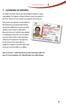 1. LICENSING OF DRIVERS Possession of a driver s licence and the privilege of driving is a major responsibility. The Registrar of Motor Vehicles, under the authority of the Motor Vehicle Act issues, renews
Guide. Crease Lines. Perf Line 6.85. accident EXTRA PANEL NOT NEEDED. Parent-Teen Contract Preparing your teen for the road ahead
 Printed Side outside view 18 3 9/16 3 5/8 9/ 16 3 7/8 3 7/8 3 5/8 What to do if you re in an accident Stop! If you leave the site of an accident, you could be Road Ahead charged with a hit and run regardless
TABLE OF CONTENTS. Contact Information Regarding Fleet Operations...2. Driver Qualifications...3. Fleet Operations...4. Use of Personal Vehicles...
 TABLE OF CONTENTS Contact Information Regarding Fleet Operations...2 Driver Qualifications...3 Fleet Operations...4 Use of Personal Vehicles...6 Commercial Motor Vehicles (CDL Drivers)...7 Driver License
AAA S GUIDE TO A SAFE
 Credit: ThinkStock SAME ROADS SAME RULES SAME RIGHTS AAA S GUIDE TO A SAFE BIKE RIDE DRIVING A BICYCLE Yes, bicyclists MUST drive their bicycles in the same manner that motorists drive their cars. Most
To Foreign Nationals Who Drive Vehicles in Japan (English Language Version) Chapter 1 Basic Information
 7,1, 2011 License Division Translated by National Police Agency To Foreign Nationals Who Drive Vehicles in Japan (English Language Version) Introduction This booklet is designed to help you understand
Chapter 3 INTERMEDIATE LICENSES FOR DRIVERS UNDER 18 GRADUATED LICENSE PROCEDURES
 Drivers under 18 years old are required to go through graduated steps of driving experience to gain full, unrestricted Driver License status. The graduated Driver License steps are designed to incrementally
Traffic Safety Quiz Show. Grade level: 4/5
 Traffic Safety Quiz Show Grade level: 4/5 Introduction: In this activity, students play a game that allows them to demonstrate and develop bicycle and pedestrian safety knowledge. The game is based on
Cycle Safety. Some tips on safer cycling. Údarás Um Shábháilteacht Ar Bhóithre Road Safety Authority
 Cycle Safety Some tips on safer cycling Údarás Um Shábháilteacht Ar Bhóithre Road Safety Authority Be safe For further information on safe cycling, please look at the Rules of the Road website at www.rulesoftheroad.ie
PARENT S. the. supervised driving program. A Requirement for Teen Licensing. Washington State Department of Licensing.
 Washington State Department of Licensing PARENT S supervised driving program the A Requirement for Teen Licensing With Support From DOWNLOAD OUR FREE MOBILE APP A Message from the Director Your teen has
Drinking, Drugs & Health
 Chapter 6 Drinking, Drugs & Health Drinking, Drugs & Health 103 104 104 106 106 107 107 108 Effects of Alcohol How Much is Too Much? Drinking and Driving Good Hosts and the Drinking Driver Designated Drivers
RIDE ON THE RIGHT TIP:
 B I C Y C L I N G I N C O L O R A D O RULES OF THE ROAD Please consult the Colorado Revised Statutes for the specific language of the law regarding bicycles and their operation. Municipalities and other
safety behind the wheel a practice driving guide for teens and parents
 safety behind the wheel a practice driving guide for teens and parents our mission The mission of The USAA Educational Foundation is to help consumers make informed decisions by providing information on
ve been rolling Here, s to you, Oregon riders! You, , s no wonder for longer than you, ve been walking, so it
 THE BICYCLIST S 1 the bicyclist s survival guide ride safely. the way to go. 2 Here, s to you, Oregon riders! You, ve been rolling for longer than you, ve been walking, so it, s no wonder you feel right
SAFE CYCLING GUIDE. 6th Edition
 SAFE CYCLING GUIDE 6th Edition BEFORE SETTING OUT A WELL-MAINTAINED BICYCLE is key A Check tire pressure B Check that the chain does not slip C Check the brakes D Check lights and reflectors: 3 4 1 5 2
PREVENTABILITY OF MOTOR VEHICLE COLLISIONS
 PREVENTABILITY OF MOTOR VEHICLE COLLISIONS Management and fleet supervisors should establish standards for defensive driving in any type of fleet safety program. The overall performance of the drivers
Bike Laws: Massachusetts
 Bike Laws: Massachusetts Do you know your rights of the road? Do you know what your responsibilities are when biking in Massachusetts? Here is a summary of Massachusetts bike law that covers equipment,
Curriculum Scope and Sequence Modules for Driver Education in Virginia
 Curriculum Scope and Sequence Modules for Driver Education in Virginia Module Four Basic Maneuvering Tasks: Moderate Risk Driving Environment Risk Assessment Space Management Changing Lanes Turnabouts
Why are Teens at Risk? Teens are more likely to be involved in a crash than other drivers. Teen drivers:
 T E EN DRIVI NG Learning to drive is a major milestone in a teen s life, bringing increased freedom and independence. However, teens who drive also face an increased risk of getting seriously injured
MetLife Auto & Home. Driver Improvement Course Discount
 MetLife Auto & Home Driver Improvement Course Discount We re Ready to Hit the Road to Safety and Savings! Although safer vehicles and highway designs may save lives, even transportation safety engineers
- FREE! - The Official San Francisco BIKE GUIDE. 1st Edition
 - FREE! - The Official San Francisco BIKE GUIDE 1st Edition SF BIKE LAWS SAN FRANCISCO BICYCLISTS MUST: Yield to People Walking Whether they re in a crosswalk or not, ALWAYS yield to people walking. Stop
Traffic Safety Tips. Edmonton
 Traffic Safety Tips Edmonton Contents HUEdmonton Traffic Safety TipsUH 3 HUBeing A Responsible Courteous DriverUH 3 HUSpeed LimitsUH 4 HUFollowing Too CloseUH 6 HUStopping DistancesUH 6 HUIntersection
Fashion Institute of Technology OPERATIONAL SERVICES
 Fashion Institute of Technology OPERATIONAL SERVICES Motor Vehicle Use Manual 2010 Table of Contents 1. Introduction............................................. 1 1.1 Purpose and Application of Manual..........................
DRIVER KNOWLEDGE TEST QUESTIONS CLASS C (CAR) LICENCE
 DRIVER KNOWLEDGE TEST QUESTIONS CLASS C (CAR) LICENCE ICAC1 - ICAC What will happen if you are caught cheating on the knowledge test? - You will not be allowed to take another test for 6 weeks. - You will
SAFE CYCLING GUIDE. 7th Edition
 SAFE CYCLING GUIDE 7th Edition BEFORE SETTING OUT A Check tire pressure B Check that the chain does not slip C Check the brakes D Check lights and reflectors: 1 A WELL-MAINTAINED BICYCLE is key 3 4 5 Adjust
GEICO produced DVD REAL TEEN DRIVING. 4 real teens in real driving situations in-car cameras no scripts it s all very, very real
 GEICO is: proud to be the nation s fastest growing auto insurer proud to serve more than 10 million policyholders proud to help spread the message on safe driving to new drivers and their families GEICO