
Guidelines for the Development and Implementation of Environmental Emergency Response Plans
|
|
|
- Matthew Bryan
- 10 years ago
- Views:
Transcription
1 COMMONWEALTH OF PENNSYLVANIA Department of Environmental Protection Guidelines for the Development and Implementation of Environmental Emergency Response Plans PA Department of Environmental Protection PO Box 2063 Harrisburg, PA

2 COMMONWEALTH OF PENNSYLVANIA DEPARTMENT OF ENVIRONMENTAL PROTECTION DOCUMENT ID: TITLE: Guidelines for the Development and Implementation of Environmental Emergency Response Plans EFFECTIVE DATE: April 2001 Minor changes were made throughout the document on September 7, 2004 Minor changes were made throughout the document on August 6, 2005 AUTHORITY POLICY: PURPOSE: BACKGROUND: APPLICABILITY: DISCLAIMER: PAGE LENGTH: The Federal Clean Water Act, the Pennsylvania Clean Streams Law (35 P.S ), the Pennsylvania Solid Waste Management Act, the Pennsylvania Storage Tank Act, the Oil Pollution Act and regulations promulgated thereunder. To plan and provide effective and efficient response to emergencies and accidents for any situation dealing with the public health, safety and the environment. To improve and preserve the purity of the Waters of the Commonwealth by prompt adequate response to all emergencies and accidental spills of polluting substances for the protection of public health, animal and aquatic life and for recreation. This document is being revised to add regulatory references in Table 1 and Procedures, Item A. Revisions were made to Procedures, Items A, C, D and F. Some telephone contact names, telephone contact numbers and bureau names have been updated in Appendices IV and V. Bureau and division names have been changed on the cover page of the Addendum. This document provides a one stop requirement to comply with the state and federal laws and regulations dealing with emergency planning and response and pollution prevention and contingency planning requirements (plans such as PIP, SPCC, SWPPP, etc.) for all activities to be carried out in the Commonwealth. The policies and procedures outlined in this guidance are intended to supplement existing requirements. Nothing in the policies or procedures shall affect regulatory requirements. The policies and procedures herein are not an adjudication or a regulation. There is no intent on the part of DEP to give the rules in these policies that weight or deference. This document establishes the framework within which DEP will exercise its administrative discretion in the future. DEP reserves the discretion to deviate from this policy statement if circumstances warrant. 48 Pages LOCATION: Vol. 33, Tab / August 6, 2005 / Page i

3 COMMONWEALTH OF PENNSYLVANIA DEPARTMENT OF ENVIRONMENTAL PROTECTION Guidelines for the Development and Implementation of Environmental Emergency Response Plans This document ( ) provides a one stop requirement to comply with the state and federal laws and regulations dealing with emergency planning and response and pollution prevention and contingency planning requirements (i.e., PIP, SPCC, SWPPP, etc) for all activities to be carried out in the Commonwealth. The use of the document and compliance with it are required as part of applying for any permit or requesting approval of any action that has a potential to cause pollution of the Commonwealth s air, water and land resources. The manual is also available to download from the DEP website at: The document may be revised from time to time or as the need arises due to changes in state/federal laws and regulations. If you have suggestions for improvement to this document or desire that future revisions be sent to you, please provide the following information to the Department. Date this request made: Name Street or Route City State Telephone Zip Code This manual could be improved by Yes, send me future revisions to the manual Yes, please notify me of any revisions for downloading from DEP web site. Send to: Director, Environmental Emergency Response Pennsylvania Department of Environmental Protection Field Operations Deputate, RCSOB 16th Floor P.O. Box 2063 Harrisburg, PA / August 6, 2005 / Page ii

4 Guidelines for the Development and Implementation of Environmental Emergency Response Plans TABLE OF CONTENTS Introduction...1 TABLE 1 TABLE 2 Page State and Federal Pollution Incident Prevention and Emergency Response Programs...2 Comparison of State and Federal Pollution Incident Prevention and Emergency Response Programs...3 I. Procedures for Development and Review of Environmental Emergency Response Plans...5 II. A. Who Must Develop These Plans?...5 B. How Do Existing Environmental Emergency Response Plans Fit in With Newer Required Planning?...6 C. Development and Submission of Plans for Review and Approval...6 D. Distribution of the Plan...7 E. Implementation of the Plan...7 F. Revisions of the Plan...7 Plan Content and Format...8 TABLE 3 Elements and Format of a PPC & SPR...9 A. Description of Facility Description of the Industrial or Commercial Activity Description of Existing Emergency Response Plans Material and Waste Inventory Pollution Incident History Implementation Schedule for Plan Elements Not Currently in Place...12 B. Description of How Plan is Implemented by Organization Organizational Structure of Facility for Implementation List of Emergency Coordinators Duties and Responsibilities of the Coordinator Chain of Command...13 C. Spill Leak Prevention and Response Pre-release Planning Material Compatibility Inspection and Monitoring Program / August 6, 2005 / Page iii

5 TABLE OF CONTENTS (continued) Page 4. Preventive Maintenance Housekeeping Program Security External Factor Planning Employe Training Program...16 D. Countermeasures Countermeasures to be Undertaken by Facility Countermeasures to be Undertaken by Contractors Internal and External Communications and Alarm Systems Evacuation Plan for Installation Personnel Emergency Equipment Available for Response...18 E. Emergency Spill Control Network Arrangements with Local Emergency Response Agencies and Hospitals Notification Lists Downstream Notification Requirement for Storage Tanks...19 APPENDIX I Examples of an Emergency Coordinator s Duties and Responsibilities...20 APPENDIX II Pollution Incident Prevention Practices...12 APPENDIX III APPENDIX IV Examples of Emergency Equipment...26 DEP Emergency Telephone List...27 APPENDIX V DEP Field Operations Program Contacts...28 APPENDIX VI ADDENDUM Downstream Notification List (Example)...31 Supplemental Guidance for the Development and Implementation of Preparedness, Prevention, and Contingency (PPC) Plans under the National Pollutant Discharge Elimination System (NPDES) Stormwater Permitting Program / August 6, 2005 / Page iv

6 Guidelines for the Development and Implementation of Environmental Emergency Response Plans INTRODUCTION A wide variety of industrial activities, both manufacturing and commercial, exist in Pennsylvania. Many of these activities have the potential for causing environmental degradation or endangerment of public health and safety through accidental releases of toxic, hazardous, or other pollutional materials. In recognition of this fact, several State and Federal regulatory programs have been developed to encourage the use of preventive approaches to deal with unwarranted releases of toxic, hazardous, or other pollutants to the environment. Table 1 lists these programs and defines the statutory and regulatory basis for each. A more detailed summary of each program is shown in Table 2 which illustrates the similarities among them. A review of the regulations and guidelines pertaining to each program more clearly illustrates these similarities. The main differences between the programs are the types of industrial activities and the nature of the polluting materials addressed. The Department s objective is to consolidate the similarities of the State and Federal pollution incident prevention and emergency response programs into one overall program. Industrial and commercial installations which have the potential for causing accidental pollution of air, land or water, or the endangerment of public health and safety are required to develop and implement Preparedness, Prevention and Contingency (PPC) Plans which encompass the other Departmental program requirements. A PPC Plan is required for any NPDES Application for Storm Water Discharge General Permits or Water Management Permits. A special addendum has been added to the document for NPDES Stormwater discharge applicants. In the case of regulated storage tank facilities, with an aggregate aboveground storage capacity > 21,000 gallons, a Spill Prevention Response (SPR) plan is required. This SPR plan, in addition to the contents of a PPC plan, requires a specific downstream notification requirement. Those storage tank facilities that already have a PPC plan need only update the PPC plan and include the downstream notification requirement. The Department strongly recommends that regulated facilities consolidate all required plans into one single document. For those facilities required to develop plans under SARA Title III, the Department will support deviation from the format suggested in this guidance document to ensure consistency with the SARA Title III plans provided that all required information is included in the one plan / August 6, 2005 / Page 1

7 Plan Spill Prevention Control and Countermeasure (SPCC) Preparedness, Prevention, and Contingency (PPC), or Contingency Planning Spill Prevention Response (SPR) Plan Facility Response Plan (FRP) TABLE 1 STATE AND FEDERAL POLLUTION INCIDENT PREVENTION AND EMERGENCY RESPONSE PROGRAMS Implemented By U.S. EPA* Pa. DEP as part of the Hazardous Waste Program Pa. DEP as part of the Residual Waste Program Pa. DEP as part of the Municipal Waste Program Pa. DEP as part of the Oil and Gas Program 1 Pa. DEP as part of the Water Quality Program. Pa. DEP and US EPA as part of the NPDES Program Pa. DEP as part of the Storage Tank Program US EPA* US Coast Guard State and Federal Laws Which Apply Federal Clean Water Act Pa. Solid Waste Management Act Pa. Solid Waste Management Act Pa. Solid Waste Management Act Pa. Clean Streams Law, Pa Solid Waste Management Act PA Clean Streams Law Federal Clean Water Act. Pa. Storage Tank and Spill Prevention Act State and Implementing Regulations Effective Date of Regulations 40 CFR Pa. Code Ch. 262a, 264a, 265a, 266a 25 Pa. Code Ch. 287, 288, 289, 293, 295 and Pa. Code Ch. 273, 277, 279, 281, 283 and Pa. Code Ch , 25 Pa. Code Ch PA Code Chapter CFR 125 Subpart K 5/01/99 7/4/92 4/9/ /19/80 Act /89 Oil Pollution Act 40 CFR (1) Complete information on PPC Plans required under the Oil and Gas Program can be found in the Oil & Gas Operators Manual available from the Bureau of Oil and Gas Management. * Additional information is available from US EPA Region III, Philadelphia, PA, (215) / August 6, 2005 / Page 2

8 TABLE 2 COMPARISON OF STATE AND FEDERAL POLLUTION INCIDENT PREVENTION AND EMERGENCY RESPONSE PROGRAMS Aspect Preparedness, Prevention, and Contingency (PPC) (Water) Preparedness, Prevention, and Contingency (PPC) (Waste) Spill Prevention Response (SPR) Plan Spill Prevention Control, and Countermeasures (SPCC) Purpose Prevention/Control of accidental discharge of polluting materials to surface waste or groundwater To minimize and abate hazards to human health and the environment from fires, explosions, or release of solid wastes to air, soil, or surface water Prevention/Contr ol of accidental discharge of regulated substances and downstream notification requirements Prevention of accidental discharges of oils and hazardous substances into the waters of the United States Types of Industrial Activities Affected All industrial activities having potential for accidental pollution Activities which generate, store, recycle, treat, transport, or dispose of solid wastes, activities associated with drilling and operating oil and gas wells Activities pertaining to above ground storage facilities with >21,000 gallons of regulated substances Non-transportation related activities with potential for discharge of oil and hazardous substances Activities Covered? Transportation, storage, processing of raw materials, intermediates, products, fuels, wastes Generation, storage, transport, recycle, treatment, disposal of hazardous wastes; processing and disposal of residual or municipal wastes; road spreading operations, brine disposal Storage and handling of regulated substances Production, storage, processing, refining, handling, transferring, distributing What Pollution Materials are Addressed? All polluting materials Any hazardous, residual, municipal, or medical wastes Hazardous Substances and Petroleum Oil and hazardous substances defined pursuant to Sec. 311 of the Clean Water Act / August 6, 2005 / Page 3

9 Aspect Hazards Addressed Plan Includes Amendments to Plan Required for Significant Facility or Operational Changes? Emergency Incident Report Required? Annual Notification/Updated TABLE 2 (Cont.) COMPARISON OF STATE AND FEDERAL POLLUTION INCIDENT PREVENTION AND EMERGENCY RESPONSE PROGRAMS Preparedness, Preparedness, Prevention, and Prevention, and Contingency (PPC) Contingency (PPC) (Water) (Waste) Container leaks, ruptures, spills, floods, power failures, mechanical failure, human error, strikes, vandalism Study of past incidents, training, preventive maintenance, housekeeping, security, backup equipment, internal, external communicator, spill containment, drainage controls, inspections Same plus fires and explosions Same plus additional local notification, emergency coordination, and evacuation requirements Spill Prevention Response (SPR) Plan Same Same, plus downstream notification requirement Spill Prevention Control, and Countermeasures (SPCC) Same Same Yes Yes Yes Yes Yes Yes Yes Yes No No Yes No / August 6, 2005 / Page 4

10 I. PROCEDURES FOR DEVELOPMENT AND REVIEW OF ENVIRONMENTAL EMERGENCY RESPONSE PLANS A. Who Must Develop These Plans? PPC In general, any manufacturing or commercial installation which has the potential for causing accidental pollution of air, land, or water or for causing endangerment of public health and safety through accidental release of toxic, hazardous, or other polluting materials must develop, maintain, and implement a PPC Plan.* Manufacturing or commercial waste water dischargers, which are required to obtain NPDES permits, must develop PPC plans in order to satisfy the requirements of Chapter 101 of the Department s Rules and Regulations. In addition to NPDES discharges there are a variety of other non-npdes manufacturing or commercial installations which may be directed by the Department to develop PPC plans on a caseby-case basis. Manufacturing or commercial installations which generate hazardous waste, or which involve treatment, recycling, storage, or disposal of hazardous waste must develop PPC plans in conformance with Chapter 262a, 264a, and 265a of the Department s regulations. Generators, of between 100 and 1,000 kilograms of hazardous waste per month, may not be required to have a PPC plan if they comply with the Preparedness and Prevention requirements in the regulations. (Note: hazardous waste transporters must also develop PPC plans under Chapter 263a. A separate PPC guidance document has been developed for transporters.) A person who owns or operates a residual waste disposal or processing facility must develop a PPC plan under Chapters 287, 288, 289, 293, 295, and 297 of the residual waste regulations. A person who owns or operates a municipal waste disposal or processing facility must develop a PPC plan under Chapters 273, 277, 279, 281, 283, and 284 of the municipal waste regulations. In regards to the Oil and Gas Program, PPC Plans are required under the Clean Streams Law for approval of road spreading operations, drilling and operating oil and gas wells, and brine disposal wells. These plans are required under 25 Pa. Code Chapters and In addition, PPC Plans are required for NPDES and Part II Water Quality Management Permits. The Plan requirements are contained in the Oil and Gas Operators Manual SPR Facility owners with aboveground storage tank aggregate capacity > 21,000 gallons of a regulated substance. *Note: PPC plans developed by hazardous waste generators and/or treatment, recycling, storage or disposal facilities, which would not otherwise be required to obtain NPDES or Water Quality Protection Part II permits, generally need only to address the PPC planning requirements as they pertain to their hazardous waste activity (unless otherwise directed by the Department) / August 6, 2005 / Page 5

11 B. How Do Existing Emergency Response Plans Fit in With Newer Program Requirements? It should be noted that oil-related Spill Prevention, Control, and Countermeasure (SPCC) plans, which are or have been developed pursuant to EPA s oil-related SPCC regulations, should also be considered as part of an installation s overall PPC plan. Some installations may elect to integrate their oil-related SPCC plan with the PPC or SPR plan elements, or may elect to keep it as a separate chapter, or appendix, to the PPC or SPR plan. Likewise, the additional downstream notification requirement of an SPR plan can be added to an existing plan to satisfy the Storage Tank and Spill Prevention Act, providing all required elements of a SPR plan are completed for the existing plan. Other types of existing emergency response plans should be handled in a similar manner. C. Development and Submission of Plans for Review and Approval. The plan must be developed in accordance with good engineering practice by someone who is familiar with the day-to-day operations at the site. If an outside consultant is employed for this purpose, he must be authorized to conduct a thorough study of the material storage, handling, usage, disposal, and waste management practices conducted at the installation. Section II outlines the general content and format of PPC and SPR plans. In general, plans should be submitted for review and approval by the Department in conjunction with applications for NPDES Water Quality Management, Storage Tank, Residual Waste Management, Municipal Water Management, or Hazardous Waste Management permits, as follows: 1. NPDES dischargers should submit (2) copies of the PPC plan for review, along with the NPDES application materials. All Stormwater General Permit applicants must complete and implement the Plans before or at the same time as application submission. Facilities which are not required to obtain NPDES permits, but which must obtain Water Quality Protection Part II permits, should submit (2) copies of the PPC plan for review, along with the Part II permit application. 2. Residual waste disposal/processing/transfer/composting facilities are required to develop and submit a PPC Plan as part of the residual waste permit application. Facilities permitted under permit-by-rule are required to develop PPC Plans and maintain them on site. 3. Municipal waste disposal/processing, transfer/composting facilities are required to develop and submit a PPC plan as part of the municipal waste permit application. Facilities permitted under permit-by-rule are required to develop PPC plans and maintain them on site. Other facilities which are not normally required to obtain NPDES or WQM Part II permits may also be required to develop and submit a PPC Plan, should conditions warrant, pursuant to Chapter 92 of the Department s regulations / August 6, 2005 / Page 6

12 4. Hazardous waste generators are required to develop PPC plans and to maintain them on site. They are required to submit PPC plans to the Department for review upon request by the Department. 5. Hazardous waste treatment, recycling, storage, or disposal facilities should submit one copy of the PPC plan for each copy of the Hazardous Waste Part B permit application being submitted. In these situations the PPC plan is considered as part of the overall Hazardous Waste Part B permit application. Final PPC plan approval will accompany the issuance of a Hazardous Waste Management permit. 6. Aboveground storage tank facilities (with aggregate capacity >21,000 gallons) are required to submit one copy of the SPR plan to the appropriate regional DEP office for review. This plan must be developed in consultation with county and municipal emergency management agencies. Facilities that already have a PPC plan can update the PPC plan with the downstream notification requirement to satisfy this obligation. 7. Oil and gas well operators must prepare and implement a plan describing the measures to prevent pollution of the surface water and groundwater and for the control and disposal of pollutional substances and waste. A copy of the plan must be provided to the Department upon request. D. Distribution of the Plan A copy of the plan and any subsequent revisions must be maintained on-site. All members of the installation s organization for developing, implementing, and maintaining the plan and all emergency coordinators must review the plan and be thoroughly familiar with provisions. In addition to the site copy and the copy submitted to the Department, other facility plans should be made available to the following agencies, to the extent which they may become involved in an actual emergency (see Description of PPC Plan Elements, Part E.1.): Submission of copies to all of these entities is a legal requirement for hazardous waste facilities. Bulk aboveground storage tank facilities are required to submit copies to emergency management agencies, as noted below. 1. County and local Emergency Management Agencies. (This is a legal requirement for storage tank facilities with >21,000 gallons of above ground storage.) 2. Local Fire Service Agencies and/or Hazmat Team 3. Local Emergency Medical Service Agencies 4. Local Police E. Implementation of the Plan The provisions of the plan must be carried out whenever emergency situations arise which endanger public health and safety, or the environment. F. Revisions of the Plan The PPC Plan must be periodically reviewed and updated, if necessary. At minimum, this must occur when: 1. Applicable Department regulations are revised; / August 6, 2005 / Page 7

13 II. 2. The plan fails in an emergency; 3. The installation changes in its design, construction, operation, maintenance, or other circumstances, in a manner that materially increases the potential for fires, explosions or releases of toxic or hazardous constituents; or which changes the response necessary in an emergency; 4. The list of emergency coordinators changes; 5. The list of emergency equipment changes; or 6. As otherwise required by the Department. In addition to the above, the SPR or PPC plans must also be revised upon the removal or addition of a storage tank(s). PLAN CONTENT AND FORMAT General Instructions A. Table 3 outlines the basic elements of a PPC and SPR Plan. Each of these elements is further described in this guidance document. Certain plan elements may not be entirely applicable or appropriate for a specific manufacturing or commercial installation. In these cases the person preparing the plan should act accordingly and should provide a brief explanation as to why the plan element(s) in question is not applicable or appropriate. B. The most important thing to remember in developing your plan is that the actual effectiveness of the plan will depend upon its simplicity and readability. Plans which are composed of several volumes of overly detailed narrative discussions and specifications tend to discourage the reader or user. Diagrams, charts, tables, maps, and plans must be easily readable and understandable, particularly in times of an actual emergency. The plan should additionally be indexed or tabbed in such a way that the key portions which pertain to emergency response can be quickly referred to / August 6, 2005 / Page 8

14 TABLE 3 ELEMENTS AND FORMAT OF A PPC AND SPR PLAN A. Description of Facility 1. Description of the Industrial or Commercial Activity 2. Description of Existing Emergency Response Plans 3. Material and Waste Inventory 4. Pollution Incident History 5. Implementation Schedule for Plan Elements Not Currently in Place B. Description of How Plan is Implemented by Organization 1. Organizational Structure of Facility for Implementation 2. List of Emergency Coordinators 3. Duties and Responsibilities of the Coordinator 4. Chain of Command C. Spill Leak Prevention and Response 1. Pre release Planning 2. Material Compatibility 3. Inspection and Monitoring Program 4. Preventive Maintenance 5. Housekeeping Program 6. Security 7. External Factor Planning 8. Employe Training Program D. Countermeasures 1. Countermeasures to be Undertaken by Facility 2. Countermeasures to be Undertaken by Contractors 3. Internal and External Communications and Alarm Systems 4. Evacuation Plan for Installation Personnel 5. Emergency Equipment Available for Response E. Emergency Spill Control Network 1. Arrangements with Local Emergency Response Agencies 2. Notification Lists 3. Downstream Notification Requirement for Storage Tanks / August 6, 2005 / Page 9

15 A. Description of Facility DESCRIPTION OF PLAN ELEMENTS 1. Description of the Industrial or Commercial Activity Briefly describe the nature of the industrial or commercial activity which occurs at the site. Include a general discussion of products manufactured, manufacturing processes used, wastes generated, etc. On a copy of a 7 1/2 minute USES map show the following: - Facility location - Facility name - Facility ID # - Name of 7 1/2 minute USES quadrangle - County - Location of facility site and site boundaries - Location of each storage tank - Location of surface drainage courses leading away from the site, and major surface streams and tributaries near the site - Location of any known public and private surface water intakes downstream from the site Include a drawing which shows the following: - General layout of the site - Property boundaries - Areas occupied by manufacturing or commercial activities - Raw materials and product storage - Loading and unloading operations - High risk areas where spills and leaks most likely would occur - Waste handling, storage, and treatment facilities - Drains, pipes, and channels which lead away from potential leak or spill areas - Outfall pipes which discharge to surface streams or drainage channels - Secure and open-access areas - Entrance and exit routes to the site 2. Description of Existing Emergency Response Plans Briefly describe any existing plan, which has been previously developed by the installation, for the purpose of pollution incident prevention or emergency response preparedness. If the plan has previously been / August 6, 2005 / Page 10

16 approved by the Department, this should also be noted, along with the date of approval. Provide a brief discussion as to how the existing plan relates to the overall PPC or SPR Plan being developed. The degree to which the existing plan encompasses some, or all, of the PPC/SPR Plan elements should also be noted. When the PPC has been developed and an SPR plan is needed, the downstream notification requirement information can be added as an addendum. Similar plans which have been prepared for agencies other than DEP should also be described and cross-referenced to the maximum extent possible to the PPC Plan elements so as to minimize rewriting. For example, an oil related Spill Prevention Control and Countermeasure (SPCC) Plan which has been developed to comply with EPA s regulations 40 CFR 112, may be treated as an appendix, or as a separate chapter, to the overall PPC/SPR Plan for an installation. 3. Material and Waste Inventory Identify and list by common chemical name and trade name, the locations, sources and quantities of raw chemical materials, commercial chemical products, manufacturing chemical intermediates, and process wastes managed at the installation which have the potential for causing environmental degradation or endangerment of public health and safety through accidental releases. Requests for confidentiality of this information will be handled in accordance with Department regulations. Detailed descriptions must be available for materials that have a high potential for spills, discharges, explosions, or fires (such as those stored in bulk storage). Materials that have a low potential for spills, discharges, explosions, or fires (such as those used and stored in small quantities in a laboratory) should be minimally detailed. This information should be used to evaluate the prevention, containment, mitigation, cleanup, and disposal measures which would be used in the event of a spill, discharge, explosion, or fire. As new materials are added to the list, their pollution potential should be evaluated. Attach to this plan the Material Safety Data Sheet (MSDS) for each material in storage (the MSDS must be completed to the extent it meets the requirements of 29 CFR (9) Hazardous Communications Standard Requirements). 4. Pollution Incident History List the previous pollution incidents, the date, the material or waste spilled, approximate amount spilled, environmental damage, and action taken to prevent a recurrence. An important criteria in determining the effectiveness of the plan and its implementation is the history of incidents at the installation. A history of no incidents suggest that the practices and procedures at the site are effective. For a site with a history of incidents, it is important to / August 6, 2005 / Page 11

17 investigate the reasons for the spills and the response of the company in minimizing the potential for their recurrence. 5. Implementation Schedule for Plan Elements Not Currently in Place Provide a list of any missing or incomplete aspects of the plan and a time schedule when they will be implemented. An implementation schedule, or any elements of the plan not currently in place, must be developed. Each missing or incomplete aspect of the plan should be addressed and discussed within the applicable elements of the plan. Missing or incomplete aspects must be implemented as soon as possible and in conformance with all Department regulations and requirements. B. Description of How Plan is Implemented by Organization 1. Organizational Structure of Facility for Implementation Describe the organizational structure for implementation of the plan. Describe the duties and responsibilities of the individuals within the organization that will implement the plan. Each installation must develop a permanent organizational structure for developing, implementing, and maintaining the plan. The exact nature and make-up of this structure will vary considerably, depending upon the size and complexity of the installation. For example, a large manufacturing company may either establish a formal preparedness-response committee, or it may assign this responsibility to an existing organization within the company, such as a safety committee or a preventive maintenance group. A small manufacturing or commercial facility may only have one or two individuals responsible for developing and implementing the plan. However, the preparedness-response organization, regardless of its size, must be given both the responsibility and authority by management for developing, implementing, and maintaining the plan. The main duties and responsibilities of the preparedness-response organizational structure should include identification of materials and wastes handled (materials inventory), identification of potential spill sources (risk assessment), establishment of spill-reporting procedures, visual inspection programs review of past incidents and spills, and countermeasures utilized. In addition, the preparedness-response organizational structure should be responsible for coordination needed to implement the goals of the plan, coordination of the activities for spill cleanup, notification of authorities and establishment of training and educational programs for installation personnel. The preparedness response organizational structure should have the overall responsibility for periodically reviewing and evaluating the plan and instituting appropriate changes at regular intervals. The organizational structure should also be responsible for the review of new construction and process changes at an installation relative to the plan / August 6, 2005 / Page 12

18 The organizational structure should also evaluate the effectiveness of the overall plan and make recommendations to management on related matters. 2. List of Emergency Coordinators Provide an up-to-date list of names, addresses, and phone numbers (office and home) of all persons qualified to act as emergency coordinator. Where more than one is listed, one must be named as the primary coordinator, and others shall be listed in the order in which they will assume responsibility as alternates. At all times there must be at least one employee either on the installation s premises or on-call with the responsibility for coordinating all emergency response measures. The emergency coordinator must be thoroughly familiar with all aspects of the plan, all operations and activities, the location and characteristics of all materials handled, the location of all records and the lay out of the installation. In addition, this individual should have the authority to commit the resources necessary to carry out the plan. 3. Duties and Responsibilities of the Coordinator Describe the duties and responsibilities of the emergency coordinator specific to your installation or activity in the event of an imminent or actual emergency. 4. Chain of Command During an emergency, the emergency coordinator should activate alarm systems, notify emergency response agencies, identify the problem, assess the health or environmental hazards, and take all reasonable measures to stabilize the situation. The emergency coordinator should also be responsible for follow-up activities after the incident such as treating, storing, or disposing of residues and contaminated soil, decontamination and maintenance of emergency equipment, and submission of any reports. Appendix I describes some example duties and responsibilities of the emergency coordinator. Provide an internal list, by position, of key employees that must be contacted in the event of an emergency or spill. List the positions, office telephone extensions, and home phone numbers (if applicable) of key employees, in the order of responsibility that would be contacted in the event of an emergency or spill. This list, along with the notification procedure, should be posted on bulletin boards or other conspicuous locations around the installation. C. Spill Leak Prevention and Response 1. Pre-release Planning Describe the sources and areas where potential spills and leaks may occur, the direction of flow of spilled materials, and the pollution incident prevention practices (see Appendix II) specific to the source or area / August 6, 2005 / Page 13

19 Provide separate drawings, plot plans (or include in the general layout drawings), showing sources and quantities of materials and wastes. Sources and areas where potential spills may occur, and pollution incident prevention practices (see Appendix II). The plan should include a prediction of the direction of the flow of materials spilled as a result of equipment failure, accident, or human error. Particular care and attention should be paid to evaluating the following: raw materials storage, in plant transfer, process and materials handling, intermediary and product storage (if applicable), truck and rail car loading and unloading, and waste handling and storage. Describe and identify valving for the storage tank and system to be used to partition off each storage tank in case of a release. Liquid storage areas must have containment capacity sufficient to hold the volume of the largest single container or tank, plus a reasonable allowance for precipitation based on local weather conditions and plant operations. Containment systems must be sufficiently impervious to contain spilled material or waste until it can be removed or treated. Tank or container materials must be compatible with the material or waste stored. Pollution incident prevention practices to eliminate contaminated runoff, leaching, or windblowing must be implemented in non liquid storage areas. Provisions must be made to contain or manage contaminated run-off or leachate from these areas. Piping, processing, and materials handling equipment at in-plant transfer, process, and materials handling areas must be designed and operated so as to prevent spills. Containment practices should be instituted at processing and handling areas including floor drains, storm sewers, or drainage swales to prevent an accidental discharge. Protection such as covers or shields to prevent windblowing, spraying, and releases from pressure relief values from causing a discharge should be provided as appropriate. Truck and rail car loading and unloading areas must have sufficient containment capacity to hold the volume of the largest tank truck or rail car loaded or unloaded at the installation, plus a reasonable allowance for precipitation. Any overhead piping must have adequate clearance over roadways. Containment systems must be sufficiently impervious to contain spilled material or waste until it can be removed or treated. 2. Material Compatibility Summarize the engineering practices followed with regard to material compatibility such as materials of construction, corrosion, etc. Engineering practices with regard to material compatibility normally consist of an appraisement of the compatibility of construction materials of tanks, pipelines, etc., with their contents; the reaction of materials or wastes when intentionally or inadvertently mixed or combined; and, the compatibility of a container such as a storage tank or pipeline with its environment / August 6, 2005 / Page 14

20 Specific consideration should be given to the procedures and practices delineating the mixing of materials and prohibiting mixing of incompatible materials which may result in fire, explosion, or unusual corrosion. Thorough cleaning of storage vessels and equipment before reuse should be standard practice to ensure that there is no residual incompatible with the next or later materials used. Coatings or cathodic protection should be considered for protecting buried pipelines or storage tanks from corrosion. 3. Inspection and Monitoring Program Describe the type and frequency of inspections and monitoring for leaks or other conditions that could lead to spills or emergency situations. Typical inspections include the following: pipes, pumps, values, and fittings for leaks; tanks for corrosion; tanks supports and foundations for deterioration; chemical material piles for windblowing; evidence of spilled materials along drainage ditches; effectiveness of housekeeping practices; damage to shipping containers; leaks, seeps, or overflows at waste treatment, storage, or disposal sites; etc. Areas that should be inspected include the following: storage, loading and unloading, transfer pipelines, waste treatment facilities, and disposal sites. The use of an inspection checklist may be useful in an inspection and monitoring program. Routine monitoring should be performed to determine the physical conditions and liquid levels in tanks, the quality of plant site runoff in diked areas, etc., either by manual testing or in-situ instrumentation. Monitoring should be used to initiate a warning of the need for immediate corrective action to prevent a spill or other emergency condition. Monitoring systems should be used in conjunction with a communications or alarm system to immediately notify personnel of abnormal conditions. An inventory system should also be considered for keeping track of those materials having the greatest potential for causing problems due to leaks, spills, or mishandling. As a minimum, the frequency of inspection and monitoring must be in accordance with the applicable Department regulations and permits. Appendix II includes some additional inspection and monitoring examples. 4. Preventive Maintenance Describe the aspects of the preventive maintenance program for equipment and systems relating to conditions that could cause environmental degradation or endangerment of public health and safety. Describe the procedures for the correction of those conditions by adjustment, repair, or replacement before the equipment or system fails. A good preventive maintenance program includes the following: (1) identification of equipment and systems to which the program should apply; (2) periodic inspections of identified equipment and systems; (3) periodic testing of equipment and systems, (such as routine calibration / August 6, 2005 / Page 15

21 of environmental monitoring equipment); (4) appropriate adjustment, repair, or replacement of parts; and (5) complete recordkeeping of the preventive maintenance activities, inspection and test results, calibration dates, repairs, replacement, and adjustments to the applicable equipment and systems. 5. Housekeeping Program Identify the areas and the type of housekeeping practices that should apply to reduce the possibility of accidental spills and safety hazards to plant personnel. 6. Security Examples of good housekeeping include the following: neat and orderly storage of chemicals; prompt removal of small spillage; regular refuse pickup and disposal; maintenance of dry, clean floors by use of brooms, vacuum cleaners, or cleaning machines; and, provisions for the storage of containers or drums to keep them from protruding into open walkways, pathways, or roads. Dry chemicals should be swept or cleaned up to prevent possible washdown to drains and drainage ditches or windblowing of the material to other areas of the plant. Small liquid accumulations on the ground or on a floor in a building should be cleaned up to prevent discharge or transport to other areas. See Appendix I for additional examples. Describe the security procedures employed at the installation to prevent accidental or intentional entry that could result in a violation of Departmental regulations, or injury to persons or livestock. Security systems described in the plan should address, as necessary: fencing; lighting; vehicular traffic control; access control; visitors passes; locked entrances; vandalism; locks on drain valves and television monitoring. Security procedures must be in accordance with applicable Department regulations. 7. External Factor Planning Describe the possible effects of power outages, strikes, floods, snowstorms, etc., and the action to be taken to alleviate any resulting effects to public health and safety or the environment. 8. Employe Training Program Summarize the training program given to employees which will enable them to understand the processes and-materials with which they are working, the safety and health hazards, the practices for preventing, and the procedures for responding properly and rapidly to spills. At a minimum, the training program must be designed to ensure that personnel are able to respond effectively to emergencies by familiarizing them with emergency procedures, emergency equipment systems including, where applicable: procedures for using, inspecting, repairing, and replacing emergency and monitoring equipment; key parameters for / August 6, 2005 / Page 16
22 D. Countermeasures automatic cut-off systems; communications and alarm systems; response to fires and explosions; site evacuation procedures; and shut down of operations. In addition the employee training program should address other aspects of the preparedness-response program such as preventive maintenance, inspection and monitoring, housekeeping practices, etc. The training program must be designed and conducted in accordance with applicable Department regulations. Records of the employes attendance in the training program should be included in personnel files. 1. Countermeasures to be Undertaken by Facility Provide specific countermeasures which will be undertaken by facility personnel in the event of a release. Include valve activations, equipment isolations, flow diversions, boom deployment, and any other activities which will be undertaken to halt the migration of the contaminant off site and to mitigate the consequence of the release. 2. Countermeasures to be Undertaken by Contractors Provide a list of emergency response contractors, phone numbers, and the services they will provide. The services of nearby contractors should be investigated and arrangements made for the prompt performance of contractual services on short notice. Equipment suppliers should be contacted to determine the availability and means of delivery of equipment needed for removing pollution or hazards to the public health and safety. Describe arrangements with these contractors and the time frame in which they can respond with required equipment. 3. Internal and External Communications and Alarm Systems Describe the internal communications or alarm used to provide immediate emergency instruction (voice or signal) to installation personnel. Describe the external communications or alarm system used to summon emergency assistance from local police or fire departments. Examples of communications or alarm systems are: hand held two way radios; CB radios; telephones; fire or police alarms; PA systems; beeper or voice pagers, etc. 4. Evacuation Plan for Installation Personnel Describe the evacuation plan for facility personnel where there is a possibility that evacuation could be necessary. The plan must describe signals to be used to begin evacuation, primary evacuation route, and alternate evacuation routes (in cases where primary routes could be blocked by releases of hazardous materials, wastes, gases, or fires). Periodic drills should be conducted to evaluate the effectiveness of the plan / August 6, 2005 / Page 17
23 5. Emergency Equipment Available for Response Provide an up-to-date list of available emergency equipment. The list must include the location, a physical description, and a brief description of the intended use and capabilities of each item on the list. Describe the procedures for maintenance and decontamination of emergency equipment. E. Emergency Spill Control Network All installations should have equipment available to allow personnel to respond safely and quickly to emergency situations. Some examples of emergency equipment are portable fire extinguishers, fire control equipment (including special extinguishing equipment such as that using foam, inert gas, or dry chemicals), spill control equipment, decontamination equipment, self contained breathing apparatus, gas masks, and emergency tool and patching kits. See Appendix III for more examples. All equipment must be tested and maintained as necessary to assure its proper operation in time of emergency. After an emergency, all equipment must be decontaminated, cleaned, and fit for its intended use before normal operations resume. 1. Arrangements with Local Emergency Response Agencies and Hospitals Provide a list of local emergency response agencies and hospitals. Include the phone numbers and describe arrangements concerning the emergency services they will provide. 2. Notification Lists Arrangements must be made, as appropriate, to inform local emergency response agencies, and hospitals concerning the type of materials or wastes handled at the installation and the potential need for services. Arrangements should be made which will designate who will be the primary emergency response agency and who will provide support services during emergencies. Efforts should be made to familiarize police, fire departments, emergency response teams, and the County Emergency Management Coordinator with the layout of the installation, the properties and dangers associated with the hazardous materials handled, places where personnel would normally be working, entrances to roads inside the facility, and the possible evacuation routes. At a minimum, this requirement must be in accordance with applicable Department regulations. Provide a list of agencies and phone numbers that must be contacted in the event of an emergency or spill. A list must be developed for notifying State, local, and Federal regulatory agencies of all spills. Such a list should include, as applicable: PA DEP (see Appendix IV); PA Emergency Management Agency; County Health Department; County EMA; PA Fish Commission; the National Response / August 6, 2005 / Page 18
24 Center (U.S. EPA and U.S. Coast Guard); local police and fire departments; the local sewage treatment plant (for discharges to sewer system); and downstream public water supplies, industrial water users, and recreation areas. 3. Downstream Notification Requirement for Storage Tanks This is an additional requirement of storage tank facilities with aggregate aboveground storage >21,000 gallons of regulated substances. It can be addended to an updated PPC plan so as to meet the SPR plan requirement. The requirement includes a 20-mile downstream Notification List, an annual notification requirement, and an annual Notification List update. Lists of downstream users may be developed from information provided by your county Emergency Management Agency. Downstream Notification List shall include all municipalities and surface water users within 20 downstream miles of the tank facility. Surface water users include drinking water companies, and industries that utilize surface water intakes; and municipalities include each county, township, city and borough located within this downstream corridor. This list is to be developed via assistance from the local emergency management agency. (Refer to Appendix V for an example.) Annual Written Notification must be given to downstream water users and municipalities on the Notification List. This written notification at a minimum must include a detailed inventory of the type and quantity of material in storage at the facility. Annual Update must be developed each year in cooperation with the local Emergency Management Agency. This Notification List update will show any changes in contacts, users, telephone # s needed for emergency downstream notification and the annual written notification. Also, any changes in the emergency response organization (such as telephone numbers) should be updated / August 6, 2005 / Page 19
25 APPENDIX I EXAMPLES OF AN EMERGENCY COORDINATOR S DUTIES AND RESPONSIBILITIES Whenever there is an imminent or actual emergency situation, the emergency coordinator must immediately: 1. Activate facility alarms or communications systems, where applicable, to notify facility personnel; and 2. Notify local emergency response agencies including the Department. Whenever there is an emission or discharge, fire, or explosion, the emergency coordinator must immediately identify the character, exact source, amount, and areal extent of emitted or discharged materials. He may do this by observation or review of records and, if necessary, by chemical analysis. Concurrently, the emergency coordinator must assess possible hazards to human health or the environment that may result from the emission or discharge, fire, or explosion. This assessment must consider both direct and indirect effects of the emission, discharge, fire, or explosion. If the emergency coordinator determines that the installation has had an emission, discharge, fire, or explosion which would threaten human health or the environment, he must immediately notify the applicable local authorities including the county emergency management agency and indicate if evacuation of local areas may be advisable; and immediately notify the Department in accordance with Appendix IV; the National Response Center; and the Pennsylvania Emergency Management Agency; and report the following: a. Name of the person reporting the incident b. Name and location of the installation c. Phone number where the person reporting the spill can be reached d. Date, time, and location of the incident e. A brief description of the incident, nature of the materials or wastes involved, extent of any injuries, and possible hazards to human health or the environment f. The estimated quantity of the materials or wastes spilled, and g. The extent of contamination of land, water, or air, if known. When there is a release from an aboveground storage tank which threatens the water supply of downstream users, these downstream users (on the Downstream Notification List) must be notified within 2 hours of the release. Priority for notification is by closest proximity to the release site. During an emergency, the emergency coordinator must take all reasonable measures necessary to ensure that fire, explosion, emission, or discharge do not occur, reoccur, or spread to other materials or wastes at the installation. These measures shall include where applicable, stopping manufacturing processes and operations, collecting and containing released materials or wastes, and removing or isolating containers. If the installation stops operations in response to a fire, explosion, emission, or discharge, the emergency coordinator must ensure that adequate monitoring is conducted for leaks, pressure / August 6, 2005 / Page 20
26 buildup, gas generation, or ruptures in valves, pipes, or other equipment, wherever this is appropriate. Immediately after an emergency, the emergency coordinator, with Departmental approval, must provide for treating, storing, or disposing of residues, contaminated soil, etc., from an emission, discharge, fire, or explosion at the installation. The emergency coordinator must insure that in the affected areas of the installation, no material or waste incompatible with the emitted or discharged residues is processed, stored, treated, or disposed of until cleanup procedures are completed; and, all emergency equipment listed in the plan is cleaned and fit for its intended use before operations are resumed. Within 15 days after the incident, the installation must submit a written report on the incident to the Department. The report must include the following: a. Name, address, and telephone number of the individual filing the report b. Name, address, and telephone number of the installation c. Date, time, and location of the incident d. A brief description of the circumstances causing the incident e. Description and estimated quantity by weight or volume of materials or wastes involved f. An assessment of any contamination of land, water, or air that has occurred due to the incident g. Estimated quantity and disposition of recovered materials or wastes that resulted from the incident, and h. A description of what actions the installation intends to take to prevent a similar occurrence in the future / August 6, 2005 / Page 21
27 APPENDIX II POLLUTION INCIDENT PREVENTION PRACTICES Pollution incident prevention practices can be divided into the following four categories: prevention, containment, mitigation and ultimate disposition. The listings below provide specific examples of each category. 1. PREVENTION Visual Observations of: Storage facilities Transfer pipelines Loading and unloading areas Waste handling and storage areas Detailed Inspections of: Monitoring Pipes, pumps, valves, and fittings for leaks Tanks for corrosion (internal and external) Dry material or waste stockpiles for windblowing Tanks supports or foundations for deterioration Walls for stains Drainage ditches and areas around old tanks for evidence of spilled materials Primary or secondary containment for deterioration Housekeeping practices Shipping containers for damage Material or waste conveyance systems for leaks, spills, or overflows Integrity of stormwater collection systems Waste storage, treatment, or disposal sites for leaks, seeps, and overflows Liquid-level detectors Alarm systems Pressure and temperature gauges Analytical testing instrumentation Pressure drop shut-off devices Flow meters Valve positioning indicators Equipment operational lights Excess-flow valves Automatic runoff diversion devices Routine sample collection (including groundwater and monitoring wells) Redundant instrumentation Records (all monitoring results/findings) Nondestructive Testing Hydrostatic pressure tests Acoustical emission tests Radiographic tests Magnetic particle tests Liquid Penetration Records of tank wall thicknesses and results of all testing / August 6, 2005 / Page 22
28 2. CONTAINMENT Secondary Containment Dikes Curbs Depressed areas Storage basins Sumps Drip pans Liners Double piping Sewer collection systems Flow Diversion Trenches Drains Graded pavement Grating Overflow structures Sewers Culverts Vapor Control Dust Control Sealing Water spray Vapor space Vacuum exhaust 3. MITIGATION Hoods Cyclone collectors Bag-type collectors Filters Negative-pressure systems Water spraying Foamed plastic compounds used for plugging leaks in tanks Physical Clean-up Labeling Brooms Shovels Plows U.S. DOT or National Fire Protection Association s (NFPA) designation on tanks and pipelines Color coding of tanks and pipelines Warning signs / August 6, 2005 / Page 23
29 Vehicle Positioning Covering Physical barriers (e.g., wheel chocks) Underlying drains Designated loading and unloading areas Tarpaulins over outdoor dry waste or material stockpiles Buildings or roofs over outside processes or stockpiles Vegetation, rock, or synthetic covering on surface impoundments Pneumatic and Vacuum Conveying Loading and unloading by air pressure or vacuum Safety relief valves Dust collectors Air slide trucks and rail cars Preventive Maintenance Periodic inspections Periodic testing to determine soundness of system Identification of equipment and systems that need to be upgraded, repaired, or replaced Appropriate adjustment, repair, or replacement of parts Complete recordkeeping of all repairs, upgrading, replacements, and adjustments; and all testing findings/results after system modifications were made Good Housekeeping Neat and orderly storage of chemicals Prompt removal of small spillage Regular garbage pickup and disposal Maintenance of dry, clean floors by use of brooms, vacuum cleaners, etc. Maintenance of proper spacing for pathways and walkways between containers and drums Stimulation of employee interest in good housekeeping Employee Training Programs Materials Inventory Systems Material Safety Data Sheets Mechanical Clean up Vacuum systems Pumps Pump/bag system Chemical Clean up Sorbents activated carbon polyurethane and polyolefin spheres, beads, and foam belts amorphous silicate glass foam clay sawdust / August 6, 2005 / Page 24
30 Gelling agents Foams Volatilization polyelectrolytes polyacrylamide butylstyrene copolmyers polyacrylonitrile polyethylene oxide rockwood alcohol protein fluoroprotein aqueous film-forming foam polar liquid foam surfactant-based foam distillation stripping evaporation Carbon absorption Coagulation/precipitation Neutralization Ion exchange Chemical oxidation Biological treatment 4. ULTIMATE DISPOSITION Thermal oxidation Land disposal Recycle Recover Reuse Detoxification / August 6, 2005 / Page 25
31 APPENDIX III EXAMPLES OF EMERGENCY EQUIPMENT Special equipment is often required and may be needed quickly in an emergency. Examples include the following: Aerial ladder Absorbant materials Accident investigation kit Air compressor Air supply, for breathing equipment Backhoe Basket stretchers Bulldozer Bullhorn Camera/photo equipment Cellar pump Chain hoist Chain saw Chemical neutralizers Crane Cutters (power) Decontamination equipment with a clean Resuscitator water supply (70-80%F) Ejector - smoke Elevated platform truck Explosimeters Fans Firefighting equipment First aid supplies Foam concentrate supply Foam generators Forklift Fuel Supply Geiger counter Generator trailer Heaters, portable Helicopter Hydraulic spreader jacks Inhalator Jack hammer Jacks Ladder Truck Lighting equipment, portable Medical supplies Metal saw (power) Public address system Radio Resuscitator Sand supply Self-contained breathing apparatus (SCBA) Self-contained underwater breathing apparatus (SCUBA) Submersible pump Tank truck Tool box Welding/cutting equipment Water pump / August 6, 2005 / Page 26
32 APPENDIX IV COMMONWEALTH OF PENNSYLVANIA DEPARTMENT OF ENVIRONMENTAL PROTECTION EMERGENCY NOTIFICATION NUMBERS STATEWIDE EMERGENCY NOTIFICATION NUMBER (800) (PA ONLY) OR (717) (To Be Used If There Is A Problem In Contacting The Region) NORTHEAST REGION NORTHCENTRAL REGION Williamsport (570) (24 Hr. #) Wilkes-Barre (570) (24 Hr. #) SOUTHCENTRAL REGION Harrisburg (717) (877) SOUTHEAST REGION Norristown (484) (24 Hr. #) / August 6, 2005 / Page 27
33 APPENDIX V PENNSYLVANIA DEPARTMENT OF ENVIRONMENTAL PROTECTION Field Operations--Environmental Cleanup Program Regional Storage Tank List Region Southeast Regional Office 2 East Main Street Norristown, PA Telephone: (484) Northeast Regional Office 2 Public Square Wilkes-Barre, PA Telephone: (570) Southcentral Regional Office 909 Elmerton Avenue Harrisburg, PA Telephone: (717) Northcentral Regional Office 208 W. Third Street Williamsport, PA Telephone: (570) Southwest Regional Office 400 Waterfront Drive Pittsburgh, PA Telephone: (412) Northwest Regional Office 230 Chestnut Street Meadville, PA Telephone: (814) Contact Kathy Nagle Ron Brezinski Gregory Bowman Steve Webster Gale Campbell Daniel F. Peterson In the event no contact with the Regional Office is made, the Department Emergency number (717) shall receive calls during and after business hours, 24 hours daily and holidays and weekends. Oil and Gas Management Program South Regional Office 400 Waterfront Drive Pittsburgh, Pa (412) Northwest Regional Office 230 Chestnut Street Meadville, PA (814) David F. Janco Craig Lobins / August 6, 2005 / Page 28
34 PENNSYLVANIA DEPARTMENT OF ENVIRONMENTAL PROTECTION Field Operations--Water Management Region Contact Southeast Regional Office 2 East Main Street Norristown, PA Telephone: (484) James Newbold Northeast Regional Office 2 Public Square Wilkes-Barre, PA Telephone: (570) Southcentral Regional Office 909 Elmerton Avenue Harrisburg, PA Telephone: (717) Northcentral Regional Office 208 W. Third Street Williamsport, PA Telephone: (570) Southwest Regional Office 400 Waterfront Drive Pittsburgh, PA Telephone: (412) Northwest Regional Office 230 Chestnut Street Meadville, PA Telephone: (814) Kate Crowley Jim Spontak Daniel Alters Steve Balta Dave Milhous / August 6, 2005 / Page 29
35 PENNSYLVANIA DEPARTMENT OF ENVIRONMENTAL PROTECTION Field Operations--Waste Management Regional Contact Region Southeast Regional Office 2 East Main Street Norristown, PA Telephone: (484) Northeast Regional Office 2 Public Square Wilkes-Barre, PA Telephone: (570) Southcentral Regional Office 909 Elmerton Avenue Harrisburg, PA Telephone: (717) Northcentral Regional Office 208 W. Third Street Williamsport, PA Telephone: (570) Southwest Regional Office 400 Waterfront Drive Pittsburgh, PA Telephone: (412) Northwest Regional Office 230 Chestnut Street Meadville, PA Telephone: (814) Contact Facilities Manager Facilities Manager Facilities Manager Facilities Manager Facilities Manager Facilities Manager / August 6, 2005 / Page 30
36 APPENDIX VI IGMARS STORAGE FACILITY Harrisonberg, PA Example DOWNSTREAM NOTIFICATION LIST FOR YEAR 1992 Facility Address Harrison County PO Box 15 Harrison Co. Courthouse Harrisonberg, PA Greenly Township PO Box 498, RD 1 Harrisonberg, PA Harrisonberg City PO Box 21, City Hall Harrisonberg, PA Mile Mark Contact Telephone - Ronald Swoyer Office: Co. Emergency Mgt. (717) Coordinator Emergency: (717) Donald Trump Office: (717) Emergency: (717) Jay Miller Office: (717) Emergency: (717) Harrisonberg Water Harrisonberg, PA 6 Richard Miles Office: (717) Emergency: (717) Harrison Township Harrison Township Building Krissville, PA Harrison Township Auth. PO Box 234 Krissville, PA Villa Assoc. Box 29 Krissville, PA Harrison Water Auth. Box 28 Krissville, PA Charles Davis Township Manager 12 Kemp Olsen Auth. Manager Office: (717) Emergency: (717) Office: (717) Emergency: (717) George Kay Office: (717) Emergency: (717) Justine Keener Office: (717) Emergency: (717) Igmars Emergency Coor. Date NOTE: This Downstream Notification List when annually updated should be dated for the year updated and signed by the storage tank facility s emergency coordinator / August 6, 2005 / Page 31
37 ADDENDUM COMMONWEALTH OF PENNSYLVANIA DEPARTMENT OF ENVIRONMENTAL PROTECTION SUPPLEMENTAL GUIDANCE FOR THE DEVELOPMENT AND IMPLEMENTATION OF PREPAREDNESS, PREVENTION AND CONTINGENCY (PPC) PLANS UNDER THE NATIONAL POLLUTANT DISCHARGE ELIMINATION SYSTEM (NPDES) STORM WATER PERMITTING PROGRAM September 2001 BUREAU OF WATER STANDARDS AND FACILITY REGULATION DIVISION OF PLANNING AND PERMITS / August 6, 2005 / Page 32
38 FORWARD The Supplemental Guidance for the Development and Implementation of Preparedness, Prevention and Contingency (PPC) Plans under the National Pollutant Discharge Elimination System (NPDES) Storm Water Permitting Program has been prepared to provide those owners, operators, and municipalities who must prepare Preparedness, Prevention and Contingency (PPC) Plans (in accordance with the General Permit for Discharges of Storm Water from Industrial Activities and the Department s Chapter 91 regulations) with guidance on what storm water issues must be addressed. This supplemental guidance, when used with the existing guidance entitled Guidelines for the Development and Implementation of Environmental Emergency Response Plans, hereafter called the PPC guidance or guidelines, will provide complete information on incorporating the new storm water requirements into existing or new PPC Plans for facilities seeking coverage under the general permit to discharge storm water associated with industrial activity. Section 1 provides an introduction to the regulatory requirements for storm water discharges, the General Permit for Discharges of Storm Water From Industrial Activities and the special condition within the permit to develop and implement a Preparedness, Prevention and Contingency Plan. Section 2 follows the format of the original guidelines. Where changes must be incorporated to address the new storm water requirements, the necessary modifications or addendums are explicitly presented. It is emphasized that the original guidance pertains to emergency response plans that include potential releases, their controls, and management practices that are applicable to facilities regardless of whether they discharge storm water associated with industrial activity. The supplemental guidance s requirements, on the other hand, have specific requirements that focus exclusively on managing storm water discharges associated with industrial activity / August 6, 2005 / Page 33
39 SECTION 1 INTRODUCTION The Department of Environmental Protection is authorized by law to protect the quality of both surface and underground waters of the Commonwealth through the prevention and abatement of water pollution. Specifically, the federal Clean Water Act and the Pennsylvania Clean Streams Law require that all point source discharges of pollutants be authorized and regulated under a National Pollutant Discharge Elimination System (NPDES) permit. Point source discharges that are not regulated under a NPDES permit are in violation of the federal Clean Water Act and the Pennsylvania Clean Streams Law, and may be subject to applicable penalties and fines. Recent revisions to the federal NPDES regulations (55 FR 47990; November 16, 1990) require that permit applications be submitted and NPDES permits be issued for storm water discharges associated with industrial activity (see the Bureau of Water Quality Management s Notice of Intent Requirements for Coverage Under the General Permit for Discharges of Storm Water From Industrial Activities for definition of industries covered). In accordance with the Department s regulations at 25 Pa , the Department of Environmental Protection has developed and issued a general NPDES permit that sets forth the requirements and conditions to control storm water discharges from industrial activities. Special Permit Condition for the Development and Implementation of a PPC Plan The General Permit for Discharges of Storm Water from Industrial Activities requires operators of facilities covered under the permit to develop and implement a Preparedness, Prevention and Contingency (PPC) Plan in accordance with 25 Pa. Code and the PPC guidelines contained in this document prior to authorization to discharge under this general permit. 1 The PPC Plan, once implemented, will provide best management practices (BMPs) to control the discharges of pollutants to receiving waters. In general, the PPC Plan is required to identify potential sources of pollution which may reasonably be expected to affect the quality of storm water discharges associated with industrial activity from the facility. In addition, the PPC Plan is required to describe the implementation of practices that are to be used to reduce the pollutants in storm water discharges associated with industrial activity at the facility. This supplemental guidance provides the additional elements and requirements needed to address storm water issues in the PPC Plan required under the general permit. When used in conjunction with this document, the terms and conditions of the permit should be satisfied and the appropriate spill prevention control and storm water control - requirements should be addressed. 1 See Part C.3.a. of the General permit / August 6, 2005 / Page 34
40 SECTION 2 MODIFICATIONS TO EXISTING ELEMENTS AND FORMAT OF THE PPC PLAN Modify or add to Section II of the PPC guidance, the elements beginning with A (Description of Facility). Each modification or addendum is identified explicitly in the following pages using the format contained in this document. In cases where no modifications to the original guidelines are necessary, the element heading is presented and the user is referred to the requirements in the PPC guidance. Again, users or developers of PPC Plans that meet the requirements of a general permit to discharge storm water associated with industrial activity must fulfill all of the requirements of the PPC guidance and the additional requirements and addendums of this supplemental guidance. A. Description of Facility 1. Description of the Industrial or Commercial Activity Add the following to the requirements in the original guidance for this section. Provide a narrative description of significant materials 2 that have been treated, stored or disposed in a manner to allow exposure to storm water within the three years prior to the issuance of the general permit and the present; the method of on-site storage or disposal; materials management practices that were employed to minimize contact of these materials with storm water runoff between the time of three years prior to the date of the issuance of this permit and the present; materials loading and access areas; the location and a description of existing structural and nonstructural control measures to reduce pollutants in storm water runoff; and a description of any treatment the storm water receives. On the 7 1/2-minute USGS map show the following: -- Provide an outline of the drainage area for each storm water outfall. On the drawings required in the original guidance show the following: -- Indicate existing structural control measures to reduce pollutants in storm water runoff. -- Identify commercial and industrial activities that are exposed to precipitation to include fueling stations, vehicle and equipment maintenance and/or cleaning areas, loading/unloading areas, locations used for treatment, storage or disposal of wastes, liquid storage tanks, and processing areas. 2. Description of Existing Emergency Response Plans Refer to the requirements in the original guidance. 3. Material and Waste Inventory Refer to the requirements in the original guidance. 2 Significant materials includes, but is not limited to: raw materials; fuels, materials such as solvents, detergents, and plastic pellets; finished materials such as metallic products; raw materials used in food processing or production; hazardous substances designated under section 101(14) of CERCLA; any chemical the facility is required to report pursuant to EPCRA Section 313; fertilizers; pesticides; and waste products such as ashes, slag and sludge that have the potential to be released with storm water discharges / August 6, 2005 / Page 35
41 4. Pollution Incident History Add the following to the requirements in the original guidance for this section. Provide a list of significant leaks and spills 3 of toxic and hazardous pollutants that occurred in areas that are exposed to precipitation or that otherwise drain to a storm water conveyance at the facility after the date of three years prior to the effective date of the permit. This list shall be updated as appropriate during the permit. 5. Implementation for Plan Elements Not Currently in Place Refer to the requirements in the original guidance. B. Description of How Plan is Implemented by Organization 1. Organizational Structure of Facility for Implementation Refer to the requirements in the original guidance. 2. List of Emergency Coordinators Refer to the requirements in the original guidance. 3. Duties and Responsibilities of the Coordinator Refer to the requirements in the original guidance. 4. Chain of Command Refer to the requirements in the original guidance. C. Spill Leak Prevention and Response 1. Pre-release Planning Add the following to the requirements in the PPC guidance for this section. Assess the potential of various sources at the plant to contribute pollutants to storm water discharges. Each of the following shall be evaluated for the reasonable potential for contributing pollutants to runoff: loading and unloading operations; outdoor storage activities; outdoor manufacturing or processing activities; significant dust or particulate generating processes; and on-site waste disposal practices. Consider the toxicity of chemicals; quantity of chemicals used, produced, or discharged; the likelihood of contact with storm water; and history of significant leaks or spills of toxic or hazardous pollutants. The description shall specifically list any significant potential source of pollutants at the site and for each potential source, any pollutant or pollutant parameter of concern (e.g., biochemical oxygen demand). Describe pollution incident prevention practices in storage areas used for the storage of salts for deicing or other commercial or industrial purposes. Storage piles of salt used for deicing or other commercial or industrial purposes and which generate a storm water discharge associated with industrial activity which is discharged to a waters of the United States 3 Significant spills includes, but is not limited to: releases of oil and hazardous substances in excess of reportable quantities under Section 311 of the Clean Water Act (see 40 CFR and CFR ) or section 102 of CERCLA (see 40 CFR 302.4) / August 6, 2005 / Page 36
42 shall be enclosed or covered to prevent exposure to precipitation, except for exposure resulting from adding or removing materials from the pile. Dischargers shall demonstrate compliance with this provision as expeditiously as practicable, but in no event later than October 1, Piles do not need to be enclosed or covered where storm water from the pile is not discharged to waters of the United States. 2. Material Compatibility Refer to the requirements in the PPC guidance. 3. Inspection and Monitoring Program Add the following to the requirements in the PPC guidance for this section. Identify qualified personnel to conduct site compliance evaluations for storm water discharges associated with industrial activities, but in no case, less than once per year. Such evaluations will provide the following: Visually inspect areas contributing to storm water discharges associated with industrial activity for evidence of, or the potential for, pollutants entering the drainage system. Measures to reduce pollutant loadings should be evaluated to determine whether additional control measures are needed. Structural storm water management measures, sediment and erosion control measures, and other structural pollution prevention measures identified in the plan should be observed to ensure that they are operating correctly. A visual inspection of equipment needed to implement the plan, such as spill response equipment, should be made. Based on the results of these inspections, potential pollutant sources identified (Section C) and control measures (i.e., good housekeeping, preventive maintenance, spill prevention and response), should be revised as necessary within 15 days of the inspection. The revision will provide for the implementation of any changes to the PPC plan in a timely manner, but in no case later than 90 days after the inspection. A report summarizing the scope of the inspection, personnel making the inspection, the date(s) of the inspection, major observations relating to the implementation of the PPC plan, and any actions taken as a result, should be retained for a period of at least one year after coverage under this permit terminates. This report will identify any incidents of noncompliance. Where a report does not identify any incidents of noncompliance, the report should contain a certification that the facility is in compliance with the PPC plan and the permit. This report shall be signed in accordance to the signatory requirements stipulated in the general permit. Where annual site inspections are shown in the plan to be impractical for inactive mining sites due to the remote location and inaccessibility of the site, site inspections required under this part should be conducted at appropriate intervals specified in the plan, but, in no case less than once in three years / August 6, 2005 / Page 37
43 4. Preventive Maintenance Add the following to the requirements in the PPC guidance for this section. Describe the aspects of the preventive maintenance program. This program should involve the timely inspection and maintenance of storm water management devices (e.g., cleaning oil/water separators, catch basins, etc.) as well as inspecting and testing plant equipment and systems to uncover conditions that could cause breakdowns or failures resulting in discharges of pollutants to surface waters. Records of these maintenance procedures should be maintained. 5. Housekeeping Program Add the following to the requirements in the PPC guidance for this section. Establish housekeeping protocols to ensure the proper handling of materials and the maintenance of a clean, orderly facility to prevent pollutants from entering separate storm water sewers and/or to prevent contact with storm water runoff. 6. Security Refer to the requirements in the PPC guidance. 7. External Factor Planning Refer to the requirements in the PPC guidance. 8. Employee Training Program D. Countermeasures Add the following to the requirements in the PPC guidance for this section. Employee training should inform personnel responsible for implementing activities identified in the storm water pollution prevention plan or otherwise responsible for storm water management at all levels of responsibility of the components and goals of the storm water pollution prevention plan. Training should address topics such as spill response, good housekeeping and material management practices. A pollution prevention plan shall identify periodic dates for such training. 1. Countermeasures to be Undertaken by Facility Refer to the requirements in the PPC guidance. 2. Countermeasures to be Undertaken by Contractors Refer to the requirements in the PPC guidance. 3. Internal and External Communications and Alarm Systems Refer to the requirements in the PPC guidance. 4. Evacuation Plan for Installation Personnel Refer to the requirements in the PPC guidance. 5. Emergency Equipment Available for Response Refer to the requirements in the PPC guidance / August 6, 2005 / Page 38
44 E. Emergency Spill Control Network 1. Arrangements with Local Emergency Response Agencies and Hospitals Refer to the requirements in the PPC guidance. 2. Notification Lists Refer to the requirements in the PPC guidance. 3. Downstream Notification Requirements for Storage Tanks Refer to the requirements in the PPC guidance. THE ELEMENTS F THROUGH J ARE ADDENDUMS TO THE ORIGINAL GUIDANCE. The PPC plan should also meet the requirements stipulated in these addendums to the PPC guidance. All of the management practices required for facilities (including EPCRA Section 313 facilities) are to be implemented and described in the plan. F. Storm Water Management Practices Provide a narrative considering the appropriateness of traditional storm water management practices (practices other than source control) and the use of BMPs to control storm water runoff and prevent storm water pollution. Based on an assessment of the potential of various sources at the plant to contribute pollutants to storm water, provide that measures determined to be reasonable and appropriate, be implemented and maintained. Traditional storm water management practices are measures which reduce pollutant discharges by reducing the volume of storm water discharges, such as swales, or preventing storm water to run-on to areas of the site which conduct industrial activities. Low cost measures may include diverting rooftop or other drainage across grass swales, cleaning catch basins, and installing and maintaining oil and grit separators. Other measures may include infiltration devices and unlined retention and detention basins. Traditional storm water management practices can also include water reuse activities and snow removal activities. The PPC plan shall include a certification that the discharge has been tested or evaluated for the presence of non-storm water discharges. The certification shall include the identification of potential significant source of non-storm water at the site. A description of the results of any test and/or evaluation for the presence of non-storm water discharges, the evaluation criteria or testing method used, the date of any testing and/or evaluation, and the on-site drainage points that were directly observed during the test. G. Sediment and Erosion Prevention In the PPC plan, identify areas which, due to topography, activities, or other factors, have a high potential for significant soil erosion, and identify measures to limit erosion. Sediment and erosion prevention and control measures should be developed and implemented in accordance with Chapter 102 of the Department s rules and regulations and the Bureau of Soil and Water Conservation s Erosion and Sediment Pollution Control Program Manual / August 6, 2005 / Page 39
45 H. Additional Requirements for EPCRA, Section 313 Facilities 4 Describe the types of storm water controls (containment, drainage control and/or diversionary structures) that will be used in areas where Section 313 water priority chemicals are stored, 5 processed or otherwise handled. Storm water controls should provide for the following preventive systems or its equivalent: Curbing, culverting, gutters, sewers or other forms or drainage control to prevent or minimize the potential for storm water run-on to come into contact with significant sources of pollutants; or roofs, covers or other forms of appropriate protection to prevent storage piles from exposure to storm water and wind blowing. In addition to the minimum standards for EPCRA Section 313 facilities, the storm water pollution prevention plan will meet the following requirements for liquid storage areas, material storage areas other than liquids, truck and rail car loading and unloading areas for liquid Section 313 water priority chemicals: -- Liquid storage areas where storm water comes into contact with any equipment, tank container, or other vessel used for Section 313 water priority chemicals. No tank or container shall be used for the storage of a Section 313 water priority chemical unless its material and construction are compatible with the material stored and conditions of storage such as pressure and temperature, etc. Secondary containment must be provided to contain the entire capacity of largest single container or tank plus sufficient freeboard to allow for precipitation, a strong spill contingency and integrity testing plan, and/or other equivalent measures. If the secondary containment and its upstream drainage system are subject to precipitation, an allowance for drainage for a 25-year, 24-hour storm event shall be provided over and above. Secondary containment shall be sufficiently impervious. Plant s treatment system may be substituted for secondary containment if it has sufficient excess holding capacity always available. -- Material storage areas for Section 313 water priority chemicals other than liquids. Material storage areas for Section 313 water priority chemicals other than liquids which are subject to runoff, leaching, or wind shall incorporate drainage or other control features which will minimize the discharge of Section 313 water priority chemicals. 4 5 An EPCRA, Section 313 Facility means a facility that manufactures, imports, processes, or otherwise uses listed toxic chemicals and who, pursuant to Section 313 of Title III of SARA, are required to report annually their releases of those chemicals to any environmental media. Section 313 water priority chemical means a chemical or chemical categories which: 1) Are listed at 40 CFR pursuant to Section 313 of the Emergency Planning and Community Right-to-Know Act (EPCRA) (also known as Title III of the Superfund Amendments and Reauthorization Act (SARA) of 1986; 2) are present at or above threshold levels at a facility subject to EPCRA Section 313 reporting requirements; and 3) that meet at least one of the following criteria: (i) Are listed in Appendix D of 40 CFR 122 on either Table II (organic priority pollutants), Table III (certain metals, cyanides, and phenols) or Table V (certain toxic pollutants and hazardous substances); (ii) are listed as a hazardous substance pursuant to Section 311(b)(2)(A) of the CWA at 40 CFR 116.4; or (iii) are pollutants for which EPA has published acute or chronic water quality criteria / August 6, 2005 / Page 40
46 -- Truck and rail car loading and unloading areas for liquid Section 313 water priority chemicals. These areas shall be operated to minimize discharges of Section 313 water priority chemicals. Protection such as overhangs or door skirts to enclose trailer ends at truck loading/unloading docks shall be provided as appropriate. Appropriate measures to minimize discharges of Section 313 chemicals may include: placement and maintenance of drip pans (including the proper disposal of materials collected in the drip pans where spillage may occur such as hose connections); a strong spill contingency and integrity testing plan; and/or other equivalent measures. -- Areas where Section 313 water priority chemicals are transferred, processed or otherwise handled. Processing equipment and materials handling equipment shall be operated so as to minimize the discharges of Section 313 water priority chemicals. Materials used in piping and equipment shall be compatible with the substances handled. Drainage from process and materials handling areas shall minimize storm water contact with Section 313 water priority chemicals. Additional protection such as covers or guards to prevent exposure to wind, spraying, or releases from pressure relief vents from causing a discharge of Section 313 water priority chemicals to the drainage system shall be provided as appropriate. Visual inspections or leak tests shall be provided for overhead piping conveying Section 313 water priority chemicals without secondary containment. -- For drainage originating from the above described areas, valves or other positive means should be used to prevent discharges or excessive leaks of Section 313 water priority chemicals. Where containment units are employed, such units may be emptied by pumps or ejectors; however, these shall be manually activated. Flapper-type drain valves must not be used to drain containment areas. Valves used for the drainage of containment areas should not be used to drain noncontainment areas. Valves used should be of the open-and-closed design. If plant drainage is not engineered as above, the final discharge of all in-plant storm sewers should be equipped to be equivalent with a diversion system that could, in the event of an uncontrolled spill of a Section 313 water priority chemical, return the spilled material to the facility. Records shall be kept of the frequency and estimated volume (in gallons) of discharges from the containment areas. -- Records shall be kept of the frequency and estimated volume (in gallons) of discharges from containment areas. -- Other areas (other than those described above) of the facility from which runoff which may contain a Section 313 water priority chemical, or spills of Section 313 water priority chemicals could cause a discharge, shall incorporate the necessary drainage or other control features to prevent discharge of spilled or improperly disposed material and ensure the mitigation of pollutants in runoff or leachate / August 6, 2005 / Page 41
47 -- All areas of the facility shall be inspected at specific intervals for leaks or conditions that could lead to discharges of Section 313 water priority chemicals or direct contact of storm water with raw materials, intermediate materials, waste materials or products. In particular, plant piping, pumps storage tanks and bins, pressure vessels, process and materials handling equipment, and material bulk storage area shall be examined for any conditions or failures which could cause a discharge. Inspection shall include examination for leaks, wind blowing, corrosion, support or foundation failure, or other forms of deterioration or noncontainment. Inspection intervals shall be specified in the plan and shall be based on design and operational experience. Different areas may require different inspection intervals. Where a leak or other condition is discovered which may result in significant releases of Section 313 water priority chemicals to the drainage system, corrective action shall be taken. When a leak or noncontainment of a Section 313 water priority chemical has occurred, contaminated soil, debris, or other material must be promptly removed and disposed in accordance with this PPC Plan. -- Facility employees and contractor personnel using the facility shall be trained in and informed of preventive measures at the facility. Employee training shall be conducted at intervals specified in the plan, but not less than once per year, in matters of pollution control laws, and regulations and in the PPC Plan, and the particular features of the facility and its operation which are designed to minimize discharges of Section 313 water priority chemicals. The plan should designate a person who is accountable for spill prevention at the facility and who will set up the necessary spill emergency procedures and reporting requirements so that spills and emergency releases of Section 313 water priority chemicals can be isolated and contained before a discharge of a Section 313 water priority chemical can occur. Contractor or temporary personnel shall be informed of plant operation and design features in order to prevent discharges or spills from occurring. If the installment of secondary containment structures or equipment listed above are not economically achievable at a facility, the PPC Plan should provide a spill contingency and integrity testing plan which provides a description of measures that ensure spills or other releases of toxic amounts of Section 313 water priority chemicals do not occur. The testing plan should contain the following: -- Detailed descriptions which demonstrate that secondary containment is not economically achievable; -- Description of response plans, personnel needs, and methods of mechanical containment such as the use or sorbents, booms collection devices, etc.); steps to be taken for removal of spilled Section 313 water priority chemicals; and access and availability of sorbents and other equipment; -- The testing component of the alternative plan must provide for conducting integrity testing of storage tanks at least once every five years, and / August 6, 2005 / Page 42
48 conducting integrity and leak testing of valves and piping a minimum every year; and -- A written and actual commitment of manpower, equipment and materials required to comply with this permit and to expeditiously control and remove quantity of Section 313 water priority chemicals that may result in a toxic discharge. Provide a certification by a Registered Professional Engineer. The Professional Engineer shall certify that he or she has examined the facility and is familiar with the provisions in the PPC Plan and can attest that the PPC Plan has been prepared in accordance with good engineering practices. The Professional Engineer must recertify the PPC Plan once a year. I. Certification Requirements for Non-Storm Water Discharges Provide a certification meeting the requirements of Part C, Section 3(a) of the industrial activities stormwater general permit (PAG #3) relating to the presence of non-stormwater discharges in the system. If a facility does not have access to an outfall, manhole, or other point of access to the ultimate conduit which receives the discharge, this section of the plan shall indicate why the certification was not feasible. A discharge that is unable to provide the certification required by this paragraph must also then notify the Department within 180 days of the effective date of the general permit in accordance with Section A.3. of the permit. J. Signatory Requirements The PPC plan must be signed in accordance with the signatory requirements stipulated in the general permit / August 6, 2005 / Page 43
Contingency Plan. Facility Name
 Contingency Plan Facility Name This plan is reviewed annually and amended whenever changes occur that will significantly affect the ability of this facility to respond to an emergency situation. This includes
Contingency Plan Template. Hazardous Materials and Waste Management Division (303) 692-3300
 Contingency Plan Template Hazardous Materials and Waste Management Division (303) 692-3300 October 2008 Contingency Plan A Large Quantity Generator of hazardous waste must have a written contingency plan
Spill Prevention, Control & Cleanup SC-11
 Objectives Cover Contain Educate Reduce/Minimize Product Substitution Description Spills and leaks, if not properly controlled, can adversely impact the storm drain system and receiving waters. Due to
ACTIVITY NAME. Training Requirements for Spill Prevention Control and Countermeasures (SPCC) 40 CFR Part 112 Naval Air Station Corpus Christi Texas
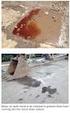 ACTIVITY NAME Training Requirements for Spill Prevention Control and Countermeasures (SPCC) 40 CFR Part 112 Naval Air Station Corpus Christi Texas CY 2014 BOTTOM LINE UP FRONT To prevent oil discharges
History of the SPCC Rule
 2010 SPCC Training SPCC Rule History of the SPCC Rule The SPCC plan is a document required under the clean water act (CWA) It became effective in 1972 and has changed little in 32 years. The rule was formally
SPILL PREVENTION AND RESPONSE PLAN TEMPLATE FOR BUSINESSES IN DAYTON S SOURCE WATER PROTECTION AREA
 SPILL PREVENTION AND RESPONSE PLAN TEMPLATE FOR BUSINESSES IN DAYTON S SOURCE WATER PROTECTION AREA Regulated Substance Management: All Regulated Substances, including chemical wastes, are to be managed
Good Housekeeping Practices for DPW/Fleet Maintenance Facilities
 Good Housekeeping Practices for DPW/Fleet Maintenance Facilities Kevin P. Walker C&S Engineers, Inc. Best Management Practices Best Management Practices (BMPs) are measures and/or controls used to prevent
TRAINING SPCC/SWPP Training UGA. Automotive Center. Campus Transit
 SPILL PREVENTION, CONTROL, AND COUNTERMEASURE TRAINING SPCC/SWPP Training UGA STORM WATER Automotive Center POLLUTION Campus Transit PREVENTION PLAN PLAN Goals of SPCC/SWPP Training Introduce facility
Outdoor Storage of Raw Materials SC-33
 Objectives Cover Contain Educate Reduce/Minimize Description Raw materials, by-products, finished products, containers, and material storage areas exposed to rain and/or runoff can pollute stormwater.
WASTE Application Form - Dublin Waste to Energy SECTION J ACCIDENT PREVENTION & EMERGENCY RESPONSE
 SECTION J ACCIDENT PREVENTION & EMERGENCY RESPONSE Describe the existing or proposed measures, including emergency procedures, to minimise the impact on the environment of an accidental emission or spillage.
Spill Prevention, Control and Countermeasure (SPCC) Rule
 Spill Prevention, Control and Countermeasure (SPCC) Rule Code of Federal Regulations Title 40 CFR Part 112 Training Guide for Oil and Fuel handlers on Farms 1 Purpose of SPCC Rule To prevent oil discharges
Contingency Plan. Community College of Denver - Auraria Campus Facility Name
 Contingency Plan Community College of Denver - Auraria Campus Facility Name This plan is reviewed annually and amended whenever changes occur that will significantly affect the ability of this facility
Spill Prevention, Control and Countermeasure (SPCC)
 Spill Prevention, Control and Countermeasure (SPCC) History Original promulgation 1973, effective 1974 Codified in 40 CFR 112 (EPA Jurisdiction) Proposed rulemaking 1991, 1993 and 1997 Amended July 17,
Waste Handling & Disposal
 Objectives Cover Contain Educate Reduce/Minimize Product Substitution Description Improper storage and handling of solid wastes can allow toxic compounds, oils and greases, heavy metals, nutrients, suspended
SPILL PREVENTION, CONTROL AND COUNTERMEASURE PLAN
 SPILL PREVENTION, CONTROL AND COUNTERMEASURE PLAN XXXX FARM (CITY OR COUNTY), MICHIGAN CONTACT (NAME), OWNER CERTIFICATION: I hereby certify that I have examined the facility, and being familiar with the
SILICON VALLEY CLEAN WATER. May 2015
 SILICON VALLEY CLEAN WATER May 2015 Slug Discharge Control and Spill Containment Guidelines This document was revised and used with the permission of the Los Angeles County Sanitation District, Industrial
PPG21. Pollution Prevention Guidelines. pollution incident response planning: PPG 21. 1. Introduction
 PPG21 February 2004 Environmental Alliance working together Pollution Prevention Guidelines pollution incident response planning: PPG 21 These guidance notes have been drawn up to assist those developing
Asbestos Storage Facility Plan Examples
 Asbestos Storage Facility Plan Examples The purpose of this document This document contains examples of what an operational plan, plans and specification, contingency plan and closure plan should look
ABOVE-GROUND STORAGE TANKS
 ABOVE-GROUND STORAGE TANKS Above-ground storage tanks in Georgia are regulated by the State Fire Marshall and by the EPA. Above-ground tanks containing 1,100 gallons or less do not require any secondary
Sanitary Sewer Overflow Response Plan Working Committee SANITARY SEWER OVERFLOW RESPONSE PLAN
 Sanitary Sewer Overflow Response Plan Working Committee SANITARY SEWER OVERFLOW RESPONSE PLAN I. PURPOSE The Municipality / Authority has structured this Sanitary Sewer Overflow Response Plan to satisfy
OIL STORAGE REQUIREMENTS OF THE SPCC REGULATIONS. Christopher J. Ecsedy, P.E. Fuss & O'Neill, Inc. 146 Hartford Road Manchester, CT 06040
 ABSTRACT OIL STORAGE REQUIREMENTS OF THE SPCC REGULATIONS Christopher J. Ecsedy, P.E. Fuss & O'Neill, Inc. 146 Hartford Road Manchester, CT 06040 The SPCC regulations entail numerous requirements for the
On-Site Risk Management Audit Checklist for Program Level 3 Process
 On-Site Risk Management Audit Checklist for Program Level 3 Process Auditor name: Date: I. Facility Information: Facility name: Facility location: County: Contact name: RMP Facility I.D. Phone Number:
Pollution Prevention And Best Management Practices For Dry Cleaners Operating In Broward County
 FORWARD In 1991, the Broward County Environmental Protection and Growth Management Department, who was then known as the Department of Natural Resource Protection (DNRP), initiated the development of Pollution
Critical Regulations SUMMARY OF. Stormwater Management Regulations (National Pollutant Discharge Elimination System or "NPDES ) 40 CFR 122.
 SUMMARY OF Critical Regulations Stormwater Management Regulations (National Pollutant Discharge Elimination System or "NPDES ) 40 CFR 122.26 Spill Prevention, Control, and Countermeasures Rule (SPCC) 40
Spill Prevention, Control, and Countermeasures (SPCC) Regulations Update
 Spill Prevention, Control, and Countermeasures (SPCC) Regulations Update The current deadline for most facilities (including typical mining and aggregate operations) is November 10, 2011. All facilities
Spill Prevention Control and Countermeasure (SPCC) Regulations Fact Sheet
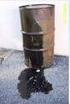 Spill Prevention Control and Countermeasure (SPCC) Regulations Fact Sheet REGULATORY SUMMARY The Spill Prevention Control and Countermeasure (SPCC) regulations strive to prevent oil from entering navigable
OIL POLLUTION PREVENTION REGULATIONS
 OIL POLLUTION PREVENTION REGULATIONS The Newly Revised SPCC Rules Spill Prevention Control and Countermeasure NON-TRANSPORTATION RELATED ONSHORE AND OFFSHORE FACILITIES Code of Federal Regulations Title
Chapter 2 Stormwater Pollution Prevention Plan (SWPPP) for Park Operations
 SWPPP for Park Operations 2 Chapter 2 Stormwater Pollution Prevention Plan (SWPPP) for Park Operations Bordered by Lake Washington & Lake Sammamish, the City of Bellevue has more than 60 miles of streams,
MAGB HEALTH, SAFETY AND ENVIRONMENT GROUP POLLUTION INCIDENT RESPONSE PLAN
 MAGB HEALTH, SAFETY AND ENVIRONMENT GROUP POLLUTION INCIDENT RESPONSE PLAN SCOPE: This guidance sets out best practice for producing a Pollution Incident Response Plan to deal with an environmental incident
A Guide for Used Oil Transporter Training Programs. Following are excerpts from laws and rules pertaining to Used Oil Transporter Certification
 A Guide for Used Oil Transporter Training Programs Introduction An used oil transporter that transports over public highways more than 500 gallons of used oil annually, not including oily waste, must become
Pollution Incident Response Management Plan
 Pollution Incident Response Management Plan POLLUTION INCIDENT RESPONSE MANAGEMENT PLAN 1. Introduction This Pollution Incident Response Management Plan (PIRMP) has been prepared to describe the processes
Spill Prevention, Control and Countermeasure (SPCC) Training
 Spill Prevention, Control and Countermeasure (SPCC) Training Fort Jackson 2015 Origins of SPCC Regulatory History 1972 Clean Water Act Oil Pollution Act of 1990 Spill Prevention Control and Countermeasures
Appendix N Framework Spill Prevention, Containment, and Countermeasures Plan Prepared by: Idaho Power Company 1221 W Idaho Street Boise, ID 83702
 Appendix N Framework Spill Prevention, Containment, and Countermeasures Plan Prepared by: Idaho Power Company 1221 W Idaho Street Boise, ID 83702 November 2011 TABLE OF CONTENTS 1.0 PURPOSE... 1 2.0 RESPONSIBILITY
Spill Control Prevention Plan (SCPP)
 Spill Control Prevention Plan (SCPP) FACILITY INFORMATION PLEASE PRINT Facility Name: Mailing Address: Physical address if different: Owner Name: Owner Address: Primary Contact Name: Work Phone Number:
Safety Manual Title: Spill Prevention & Response Review Date: 6/1/2014
 Operation s Purpose The purpose of this plan is to document spill prevention and response requirements. Each Elkhorn Construction, Inc. jobsite will develop a spill prevention and response plan based on
ANNEX 2 Emergency / Pollution Incident Response Plan
 ANNEX 2 Emergency / Pollution Incident Response Plan Volume 5 of 5 Appendix 21.1 Annex 2 EPIRP Page 1 of 9 1 WIND FARM CONSTRUCTION ENVIRONMENTAL EMERGENCY / POLLUTION RESPONSE PLAN... 3 1.1 Policy...
This plan, its contents, and emergency notification procedures shall be made available to all appropriate University employees.
 FACILITIES MANAGEMENT OFFICE OF ENVIRONMENTAL HEALTH AND SAFETY EMERGENCY RESPONSE PLAN FOR HAZARDOUS SUBSTANCE RELEASES ON UA s UPTOWN & DOWNTOWN CAMPUSES January 12, 2015 Last Revision This plan is designed
Hazardous Waste Determination and Management Plan
 Hazardous Waste Determination and Management Plan Prepared By: Triumvirate Environmental Developed: November 2014 Updated: Program Approval Associate Vice President of Public Safety & Administrative Services
Radioactive Waste Storage Facility and Tank System Design Criteria Standards
 UCRL-AR-133355 Rev 1 Radioactive Waste Storage Facility and Tank System Design Criteria Standards John Wood Rich Michalik Karen Doiron May 1999 DISCLAIMER This document was prepared as an account of work
APPENDIX O. Spill Prevention and Emergency Response Plan. G3 Terminal Vancouver Port Metro Vancouver Project Permit Application APPENDIX O
 APPENDIX O Spill Prevention and Emergency Response Plan APPENDIX O G3 Terminal Vancouver Port Metro Vancouver Project Permit Application G3 TERMINAL VANCOUVER: PORT METRO VANCOUVER SPILL PREVENTION AND
SPILL CONTAINMENT AND CONTROL PLAN
 SPILL CONTAINMENT AND CONTROL PLAN PUD NO. 1 TREATMENT PLANT 1257 GLASS ROAD PORT ANGELES, WASHINGTON PUD No. 1 Treatment Plant 2431 East Highway 101 P.O. Box 1090 Port Angeles, WA 98362 Facility Description:
Kurt Wilson Louisiana Dept. of Environmental Quality Business & Community Outreach Division Small Business/Small Community Assistance Program
 Kurt Wilson Louisiana Dept. of Environmental Quality Business & Community Outreach Division Small Business/Small Community Assistance Program LDEQ Water Regulations Spill Prevention and Control (SPC) Authorized
 Section A SPCC Plan Implementation Checklist This section of the report addresses compliance with certain requirements of Federal Regulations 40 CFR 112. I. STATUS OF SPCC PLAN (40 CFR 112.3) YES NO A.
DIRECTIVE 055: STORAGE REQUIREMENTS FOR THE UPSTREAM PETROLEUM INDUSTRY. August 2012
 DIRECTIVE 055: STORAGE REQUIREMENTS FOR THE UPSTREAM PETROLEUM INDUSTRY August 2012 SECTION 2 The storage requirements in Directive 055 apply to upstream petroleum facilities, well sites, and pipelines
Spill Clean-up. Flammable Liquids Liquids with flash points below 100 degrees Fahrenheit.
 SUNY Cortland-Environmental Health and Safety Office Spill Clean-up Inception Date : June 16, 2010 Latest Revision/Review Date: July 15, 2015 Last Review/Revision Date: April 30, 2014 Contents I. Introduction
CHAPTER 5 STANDARDS FOR MANAGEMENT
 Railroad Commission of Texas CHAPTER 5 STANDARDS FOR MANAGEMENT OF HAZARDOUS OIL AND GAS WASTE INTRODUCTION The management standards of Rule 98 parallel those in the federal regulations. Rule 98 adopts
Civil Engineering Sector Labour-Management Health and Safety Committee
 PROCEDURE FOR THE STORAGE AND HANDLING OF FUEL ON CONSTRUCTION SITES Civil Engineering Sector Labour-Management Health and Safety Committee July 2008 PROCEDURE FOR THE STORAGE AND HANDLING OF FUEL ON CONSTRUCTION
DEPARTMENT OF ENVIRONMENTAL PROTECTION BUREAU OF WATER SUPPLY MANAGEMENT. Principles for Ground Water Pollution Prevention and Remediation
 DEPARTMENT OF ENVIRONMENTAL PROTECTION BUREAU OF WATER SUPPLY MANAGEMENT DOCUMENT NUMBER: 383-0800-001 EFFECTIVE DATE: December 1, 1996 TITLE: AUTHORITY: POLICY: Principles for Ground Water Pollution Prevention
FUELING AND FUEL STORAGE
 FUELING AND FUEL STORAGE BENCHMARK Implement spill prevention measures whenever fuel is handled or stored. Report, minimize, contain and clean up spills that do occur. FUELING BMPS Spills of diesel, oil,
MARSHALL UNIVERSITY HAZARDOUS WASTE DISPOSAL SECTION
 MARSHALL UNIVERSITY HAZARDOUS WASTE DISPOSAL SECTION TABLE OF CONTENTS POLICY STATEMENT.2 REFERENCE PROCEDURE 3 l.0 Purpose.3 2.0 Scope 3 3.0 Definitions 4 4.0 Responsibilities 5 5.0 Procedure.7 11/16/2005
UNIVERSITY OF WISCONSIN MADISON
 UNIVERSITY OF WISCONSIN MADISON Contractor Spill Contingency Plan (while working on campus) Departments of: Environment, Health & Safety Physical Plant Table of Contents Spill Contingency Plan Most Common
ALLEGANY WIND POWER PROJECT CONSTRUCTION SPILL PREVENTION PLAN
 ALLEGANY WIND POWER PROJECT CONSTRUCTION SPILL PREVENTION PLAN Best Management Practices (BMPs) will be implemented during construction of the Allegany Wind Power Project to prevent and contain spills.
Suffolk County Department of Health Services. Division of Environmental Quality
 Suffolk County Department of Health Services Division of Environmental Quality Guidelines For the Construction of Storage Areas for Portable Containers ~~~~ Clare B. Bradley, M.D., M.P.H. Suffolk County
FACILITY ENVIRONMENTAL COMPLIANCE
 FACILITY ENVIRONMENTAL COMPLIANCE 2014 TxDOT Environmental Conference 2014 TxDOT Environmental Conference 2014 TxDOT Environmental Conference Table of Contents 1 Introduction 1 2 Facility Environmental
CHAPTER 62-740 PETROLEUM CONTACT WATER
 CHAPTER 62-740 PETROLEUM CONTACT WATER 62-740.010 Declaration of Intent (Repealed) 62-740.020 Applicability 62-740.030 Definitions 62-740.040 General 62-740.100 Management Practices for Producers of PCW
SPILL PREVENTION, CONTROL AND COUNTERMEASURE PLAN. for the PIÑON RIDGE MILL 16910 HIGHWAY 90 BEDROCK, COLORADO 81411. Prepared by:
 SPILL PREVENTION, CONTROL AND COUNTERMEASURE PLAN for the PIÑON RIDGE MILL 16910 HIGHWAY 90 BEDROCK, COLORADO 81411 Prepared by: ENERGY FUELS RESOURCES CORPORATION September 2009 SPILL PREVENTION, CONTROL,
Extraction Oil and Gas, LLC. Diamond Valley Central Oil Terminal Waste Management Plan
 Extraction Oil and Gas, LLC. Diamond Valley Central Oil Terminal Waste Management Plan Scope: This Extraction Oil and Gas Waste Management Plan has been prepared to provide operations personnel at the
PREVENTING GROUNDWATER POLLUTION: SECONDARY CONTAINMENT
 PREVENTING GROUNDWATER POLLUTION: SECONDARY CONTAINMENT PREVENTING GROUNDWATER POLLUTION IS EVERYONE S JOB! Even if our drinking water comes from rivers, lakes, or reservoirs, we need to be mindful of
MAJOR PLANNING CONSIDERATIONS CHECKLIST
 MAJOR PLANNING CONSIDERATIONS CHECKLIST The following checklist is provided as a guide to assure that relevant considerations are identified in the emergency management planning process. Use the blank
DRAFT Public Outreach Document for What s an SSMP?
 DRAFT Public Outreach Document for What s an SSMP? This easy to read document is developed and provided to interested parties to assist in educating cities, agencies, their management, elected officials
Chapter 5: Spills Response
 Chapter 5: Spills Response When printing materials are spilled, the response required by the owner or operator depends on what is spilled and the quantity. The entities who must be informed of a spill
Spill Prevention, Control, and Countermeasures (SPCC) Course Material
 Introduction Welcome to the Spill Prevention, Control, and Countermeasures (SPCC) Training course. The ultimate goal of this course is to help you recognize the ways you can avoid pollution of the local
BEST MANAGEMENT PRACTICES FOR LEAK AND SPILL CONTROL
 BEST MANAGEMENT PRACTICES FOR LEAK AND SPILL CONTROL Summary Keeping a facility clean helps improve productivity and employee morale. In addition, it presents a positive image to customers, stakeholders
LIQUID WASTE TREATMENT FACILITY MENDIS ROAD, HUDSON CREEK DRAFT GUIDELINES FOR A PUBLIC ENVIRONMENTAL REPORT
 LIQUID WASTE TREATMENT FACILITY MENDIS ROAD, HUDSON CREEK DRAFT GUIDELINES FOR A PUBLIC ENVIRONMENTAL REPORT Introduction The purpose of this Public Environmental Report (PER) is to provide the Government
Environmental Health & Safety
 Environmental Health & Safety Title: Oil Spill Notification, Reporting, and Response Effective Date: 04/01/2008 Document #: PBS-007-001.JPB Revision Date: Rev. 0 I. Purpose of the Policy: To ensure Oil
HAZARDOUS WASTE PERSONNEL TRAINING. Hazardous Waste Management Branch Office of Solid and Hazardous Waste Management
 IDEM Indiana Department of Environmental Management Office of Land Quality P.O. Box 6015 Indianapolis, IN 46206-6015 OLQ PH: (317) 232-8941 Nonrule Policy Document Title: Hazardous Waste Personnel Training
IAC 7/2/08 Agriculture and Land Stewardship[21] Ch 44, p.1
![IAC 7/2/08 Agriculture and Land Stewardship[21] Ch 44, p.1](/thumbs/39/20233896.jpg "IAC 7/2/08 Agriculture and Land Stewardship[21] Ch 44, p.1") IAC 7/2/08 Agriculture and Land Stewardship[21] Ch 44, p.1 CHAPTER 44 ON-SITE CONTAINMENT OF PESTICIDES, FERTILIZERS AND SOIL CONDITIONERS [Prior to 7/27/88, see 21 Ch 9] PESTICIDES 21 44.1(206) Definitions.
IAC 7/2/08 Agriculture and Land Stewardship[21] Ch 44, p.1 CHAPTER 44 ON-SITE CONTAINMENT OF PESTICIDES, FERTILIZERS AND SOIL CONDITIONERS [Prior to 7/27/88, see 21 Ch 9] PESTICIDES 21 44.1(206) Definitions.
GUIDANCE FOR DEVELOPMENT OF SPILL AND SLUG PREVENTION CONTROL PLANS AND FACILITIES FOR THE CITY OF ATTLEBORO SEWER USERS
 Company Name: Address: The City of Attleboro s Rules and Regulations for the use of Wastewater Facilities require each user to provide protection from accidental discharge of prohibited materials and substances
SPILL PREVENTION, CONTROL, AND COUNTER MEASURES PLAN (SPCC)
 SPILL PREVENTION, CONTROL, AND COUNTER MEASURES PLAN (SPCC) UNIVERSITY RISK MANAGEMENT Occupational and Health Programs 19 Hagood Avenue, Suite 908 Charleston SC 29425 843-792-3604 Revised: June 2015 Spill
Code Compliance Guideline: Swimming Pool Chemicals
 A publication of Fairfax County, Virginia CODE COMPLIANCE GUIDELINE SWIMMING POOL CHEMICALS AND FIRE SAFETY REQUIREMENTS RELATED TO POOL OPERATIONS This publication outlines the Fire Prevention Code requirements
Florida Department of Environmental Protection
 Florida Department of Environmental Protection Background Mobile vehicle and equipment washing involves washing at a location where vehicles are based (such as a trucking company, warehouse, bus station,
Hazardous Waste Accumulation, Storage, & Labeling
 Nadine Deak, Kalamazoo District Office 269-567-3592 or [email protected] Jenny Bennett, Gaylord District Office 989-705-2421 or [email protected] Hazardous Waste Accumulation, Storage, & Labeling
SAFETY GUIDANCE MATERIAL
 SAFETY GUIDANCE MATERIAL SAFETY MANAGEMENT MONDAY MARCH 23,GUIDANCE 2015 This safety resource was written for the scrap industry by the scrap industry and was developed to assist you in making your scrap
The potential to adversely affect human
 Purpose and Applicability of Regulations The potential to adversely affect human health and the environment is always present when using, storing, and transporting regulated materials. Consequently, numerous
Contact Person Sarah Morris-Benavides Revision 1.1 Document Plan 10200.037 Effective Date 07/01/2014 Review Date 03/15/2017.
 Ames Laboratory Federal SPCC regulations (40 CFR Part 112) were created under the authority of the Clean Water Act. The stated purpose is " to prevent oil discharges from reaching navigable waters of the
Appendix VIII: Spill Prevention, Control and Countermeasure (SPCC) Plans
 Appendix VIII: Spill Prevention, Control and Countermeasure (SPCC) Plans Background What is a Spill Prevention, Control and Countermeasure (SPCC) Plan? An SPCC plan is a written document that describes
Spill Prevention Control and Countermeasure Plan
 Spill Prevention Control and Countermeasure Plan Boston College Prepared by: Rizzo Associates, Inc. March 5, 1997 Reviewed and Updated by: ENSR International May, 1998 Last Update Boston College January,
Unauthorized Discharges and Sanitary Sewer Overflows
 TCEQ REGULATORY GUIDANCE Field Operations Support Division RG-395 Revised April 2011 Unauthorized Discharges and Sanitary Sewer Overflows What does this document cover? The Texas Commission on Environmental
EMERGENCY PREPAREDNESS & RESPONSE PROCEDURE
 1 of 12 DOCUMENT REVISION HISTORY Revision No. Date DESCRIPTION OF CHANGES Pages Affected By 00 01/07/2003 Draft Issued For Comment All HSEQ Dept. 01 01/09/2003 Total Change First Approved Issue All HSEQ
ENVIRONMENTAL HEALTH AND SAFETY HAZARDOUS MATERIALS MANAGEMENT PLAN
 ENVIRONMENTAL HEALTH AND SAFETY HAZARDOUS MATERIALS MANAGEMENT PLAN November 2011 University of Northern Colorado Hazardous Materials Management Plan I. General II. III. IV. Responsibilities Definition
~CSRMA ALERT~ REVISED SPCC RULE WILL IMPACT MOST POTW S
 ~CSRMA ALERT~ September 17, 2004 REVISED SPCC RULE WILL IMPACT MOST POTW S A CSRMA member in the San Francisco Bay Area was recently inspected by the EPA and Bay Area Regional Water Quality Control Board
Farm Fuel Tank Safety Guide
 Farm Fuel Tank Safety Guide This brochure is provided by North Dakota Department of Emergency Services, your Local Emergency Planning Committee, and the State Emergency Response Commission along with assistance
SPILL RESPONSE PLAN. What is the Issue? Regulatory Requirements. General Information
 An equal opportunity university SPILL RESPONSE PLAN What is the Issue? Accidental spills of petroleum products, common household cleaning products, hazardous materials or hazardous waste, can have negative
Improper storage of fuel on construction sites will increase the risk of water pollution that may occur as a result of leaks or spills.
 WQ-10 Best Management Practice (BMP) Water Quality Protection Guideline Secondary Containment Design Standards Fuel Storage on Construction Sites According to the EPA, the majority of water pollution in
Spill Prevention, Control and Countermeasures (SPCC) 40 CFR 112. For Bulk Facilities
 Spill Prevention, Control and Countermeasures (SPCC) 40 CFR 112 For Bulk Facilities Section 311(c) and/or (e) Administrative Order if threat or actual discharge At time of inspection, could not conclude
BUSINESS EMERGENCY/CONTINGENCY PLAN COVER SHEET
 BUSINESS EMERGENCY/CONTINGENCY PLAN COVER SHEET I. IDENTIFICATION For Dept Use Only Log In/Date Stamp FACILITY ID # F A 1 2 3 4 5 6 7 BUSINESS NAME (Same as FACILITY NAME or DBA) 3 CUPA Automotive Repair
1. Site plans assist the Fire Department to determine where a potential spill can be contained. The detailed site plan shall include the following:
 Secondary Containment, Spill Control and Drainage Guidelines for Hazardous Materials per 2010 CFC PURPOSE The intent of this guideline is to provide the requirements for the design and construction of
Appendix J3 - Outline Fuel Spill Contingency Response Plan. Control room receives call on fuel spill from staff or public
 Appendix J3 - Outline Fuel Spill Contingency Response Plan Control room receives call on fuel spill from staff or public Initial Actions to be taken after Fuel Spill reported Identification of the source
DRAFT Guidelines for Manually Diverting Outdoor Wastewater to the Sanitary Sewer
 Only RAIN down the Storm Drain... DRAFT Guidelines for Manually Diverting Outdoor Wastewater to the Sanitary Sewer This publication applies to you if: You generate wastewater outdoors, and The wastewater
DOES YOUR COMPANY NEED AN SPCC PLAN? Larry Seabolt Remtech Engineers Remediation Specialists
 DOES YOUR COMPANY NEED AN SPCC PLAN? Larry Seabolt What is a Spill Prevention, Control and Countermeasures Plan? Is your company required to have a SPCC plan? What constitutes a SPCC plan? The answer to
Satellite Accumulation Areas Large Quantity Generators June 2009
 Satellite Accumulation Areas Large Quantity Generators June 2009 Large quantity generators of hazardous waste can accumulate up to 55 gallons of non-acutely hazardous waste or up to one quart of acutely
Ingredion ANZ Pty Ltd
 Ingredion ANZ Pty Ltd 170 Epping Road, Lane Cove, NSW 2066 EPL: 518 Page 1 of 8 1. Purpose and Background POLLUTION INCIDENT RESPONSE The purpose of this Pollution Incident Response Management Plan (PIRMP)
FLORIDA HAZARDOUS WASTE MANAGEMENT REGULATIONS THAT DIFFER FROM FEDERAL REQUIREMENTS
 FLORIDA HAZARDOUS WASTE MANAGEMENT REGULATIONS THAT DIFFER FROM FEDERAL REQUIREMENTS Chapter 1: Introduction General Notes Lead Agency: Florida Department of Environmental Protection (DEP) Division of
APPENDIX G Materials Storage and Handling Guidelines
 APPENDIX G Materials Storage and Handling Guidelines 1.0 INTRODUCTION Operations at Austin-Bergstrom International Airport (ABIA) comprise several different industrial activities including aircraft, ground