
As the burden of alcohol misuse in
|
|
|
- Arlene Randall
- 10 years ago
- Views:
Transcription
1 CMAJ Review Brief interventions for alcohol misuse Anne Moyer PhD, John W. Finney PhD See commentary, As the burden of alcohol misuse in terms of disease, trauma and social problems grows in Canada, increased access to brief interventions is recommended. Such access forms part of a comprehensive two-tiered response involving population-level changes, such as regulating the marketing, pricing and availability of alcohol, and more focused practices, such as education and intervention. 1 In 2007, recommendations from Canada s National Alcohol Strategy Working Group identified screening, brief intervention and referral to specialist treatment as an important strategy for reducing the negative health effects of excessive alcohol consumption, particularly injury and chronic disease. 2 Here, we discuss a practical approach to the delivery of brief interventions based on evidence supporting their effectiveness (Box 1). This approach is intended for use by health care providers who determine, during the provision of primary, specialty or hospital care, that an individual is engaging in unhealthy drinking. What is the purpose of a brief intervention for alcohol misuse? Box 1: Evidence used in this review We searched PubMed and MEDLINE databases using combinations of the terms brief, intervention, alcohol and review along with the related articles function. These searches yielded citations numbering in the hundreds; we focused our attention on the most recently published research, particularly state-ofthe-art systematic reviews and a recent systematic review of reviews. We selected the examples of brief interventions featured here to illustrate differing salient aspects of their content and delivery (intensiveness and intensity, type of practitioner) with a focus on high-quality research (i.e., randomized controlled trials) and evidence related to the Canadian context. A common goal of brief interventions for alcohol misuse is to reduce drinking to recommended low-risk patterns and levels, not necessarily to urge abstinence. The intent is to reduce overall consumption and harmful practices like binge drinking, so as to lower the likelihood of such negative health and social consequences as chronic disease (liver disease, stroke, cancer, diabetes mellitus), damage to a fetus, motor vehicle crashes, injuries, domestic violence, family discord, and occupational or academic instability. For healthy adults up to 65 years of age, Canadian guidelines for low-risk alcohol drinking advise consuming no more than 10 drinks a week for women (with no more than 2 drinks a day on most days) and no more than 15 drinks a week for men (with no more than 3 drinks a day on most days). 3 In addition, the guidelines recommend not drinking when engaging in potentially dangerous activ ities, minimizing intoxication, abstaining from alcohol when pregnant or intending to become pregnant, and delaying the uptake of drinking by youth. These guidelines were developed from evidence supporting the levels and patterns of alcohol consumption that would reasonably mini mize health risks, negative social consequences and prenatal harm. 4 A health care provider can undertake brief interventions during routine health care visits or during a hospital stay for a different condition. In addition, focused screening is useful in contexts where problematic alcohol use is common (e.g., emergency departments) or in groups for whom it is particularly harmful (e.g., obstetrics patients or people who have been arrested for driving while intoxicated). 5 Typically, brief interventions are considered most suitable for those whose Key points Competing interests: None declared. This article has been peer reviewed. Correspondence to: Anne Moyer, CMAJ DOI: /cmaj Canadian guidelines on low-risk drinking, published in 2011, highlight the national importance of tackling risky alcohol use. Health care providers who are not addiction specialists are well positioned to identify individuals who drink and can play an important role in lowering risky alcohol use. Screening and brief interventions may reduce the toll of risky or harmful drinking. Authoritative resources and protocols can allow nonspecialist health care providers to provide screening, brief interventions and/or referral to treatment for at-risk patients Canada Inc. or its licensors CMAJ 1

2 drinking does not meet the criteria for an alcohol use disorder, but they may also be a valuable in itial component of a more comprehensive or stepped-care form of treatment. 6 What constitutes a brief intervention? Screening A brief intervention is usually preceded by screening that is, asking targeted questions about drinking behaviour. The College of Family Physicians of Canada and the Canadian Centre on Substance Abuse have developed a protocol for screening, brief intervention and referral based on three screening questions (Box 2). 7 Box 2: Description of the screening, brief intervention and referral protocol of the College of Family Physicians of Canada and the Canadian Centre on Substance Abuse 7 The protocol begins with three screening questions. If the response to the first question ( Do you drink beer, wine, coolers or other alcoholic beverages? ) is no, reasons are explored (e.g., religion, family history, medications or being in recovery). If, for example, the patient is in recovery and reports doing well, abstinence is supported and reinforced. If the patient is in recovery and reports not doing well, then follow-up involves support, assessment for concurrent mental illness, and referral to further addiction treatment or community support resources, as needed. If the patient answers yes to the first question, two additional questions are asked: On average, how many days per week do you drink alcohol? and On a typical drinking day, how many drinks do you consume? If the patient s consumption is within the Canadian limits for low-risk drinking, the behaviour is reinforced, a copy of the low-risk drinking guidelines is provided, and screening is repeated annually. If the patient is part of a subgroup for which even lower levels of alcohol consumption are recommended (such as youth and young adults, pregnant or breastfeeding women, adults older than 65 years, people at risk for chronic conditions that are more likely to occur with or be exacerbated by alcohol consumption 8 and those coping with prior alcohol dependence), then he or she is advised to reduce alcohol consumption and is referred to such resources as community support groups and addiction treatment services. If the patient is drinking more than the low-risk limits, further assessment is used to determine if he or she meets the criteria for alcohol dependence or alcohol abuse set out in the American Psychiatric Association s Diagnostic and Statistical Manual of Mental Disorders, fourth revision (DSM-IV), 9 or is simply at elevated risk. (The new version of this classification, DSM-5, 10 uses a single category, alcohol use disorder, with mild, moderate and severe subclassifications; 11 it has not yet been incorporated into the Canadian protocol.) Brief intervention and follow-up protocols for each of three levels of risk (elevated risk, alcohol abuse or alcohol dependence) are provided. Each intervention begins with a session of advice and assistance during which the health care provider gives feedback on risk stage, assesses the patient s readiness to change and engages in nonjudgmental discussion. For those at elevated risk, cutting down to low levels of risk is encouraged; for those with alcohol abuse, cutting down or abstaining is suggested; and for those with alcohol dependence, abstinence with medication support is recommended. Depending on the patient s readiness to change and the level of risk, reiterating concern, providing support, assisting in goal planning, referring to community resources (such as Alcoholics Anonymous or formal provincial treatment services), monitoring for withdrawal and/or prescribing medication are offered. If drinking goals have not been met by the time of next follow-up, these types of assistance are provided again. Other commonly used screening tools include the Alcohol Use Disorders Identification Test Consumption Items (AUDIT-C) 12 and the CAGE questionnaire. 13 The three-item AUDIT-C can be used to assess a range of severity of drinking problems, from risky drinking to alcohol use disorders. 14 It consists of the following three questions: How often have you had a drink containing alcohol in the last year? How many drinks containing alcohol did you have on a typical day when you were drinking in the last year? How often in the last year have you had six or more drinks on one occasion? The four-item CAGE questionnaire asks about key areas that would indicate that drinking has become problematic: feeling the need to cut down, having been criticized for drinking, feeling guilty about drinking or feeling the need to drink first thing in the morning. The CAGE questionnaire is not recommended to be used alone (without additional questions to assess levels of recent consumption), because it does not identify people with elevated alcohol consumption who have not experienced problems related to their drinking and because it asks about lifetime experiences, so may generate a positive screening result for people who are no longer consuming alcohol or are drinking at low-risk levels. 14 Computer-assisted screening and incorporation of screening into existing clinic information-gathering procedures can be effective in relieving provider burden. 15,16 Brief interventions When risky alcohol use is identified through screening, brief interventions, commonly involving individualized feedback and counselling, can then be initiated. The interventions available for use are diverse but typically involve giving brief advice and deliberately employing client-centred, nonconfrontational, motivational approaches to avoid creating resistance to change. 17 The most commonly used elements in this kind of motivational interviewing have been summarized by the acronym FRAMES: Feedback of risk, encouraging Responsibility for change, Advice, a Menu of options, therapeutic Empathy and enhancing Self-efficacy. 18 Providers help to set goals and suggest useful change strategies, which can often be bolstered by supplemental materials, such as pamphlets or workbooks. The intensity of contact varies from very brief (less than 5 minutes, with no follow-up) through brief (less than 15 minutes, with no follow-up) to brief but repeated (individual sessions of less than 15 minutes, with multiple follow-up contacts). 19 One example of a very brief intervention 2 CMAJ

3 consisted of just five minutes of advice (feedback of screening results and review of associated adverse health consequences) delivered by a nurse to patients aged 55 and older with hazardous drinking levels. 20 An example of a brief multi contact intervention was directed at college students during routine visits with their primary care providers at five US and Canadian health clinics. 21 A 15-minute intervention and a 15-minute reinforcement session with the physician were scheduled one month apart, followed by two telephone calls from a primary care interventionist. The sessions involved motivational interviewing techniques. Students were given a manual that included feedback about their drinking, descriptions of drinking norms and the adverse effects of drinking among college students, exploration of personal likes and dislikes related to drinking, worksheets on drinking cues, instruction on how to calculate blood alcohol levels, consideration of the effects of alcohol on life goals, strategies for cutting down, a drinking contract and drinking diary cards. Follow-up Follow-up involves additional assessment, re inforcement and, if necessary (i.e., if drinking becomes more hazardous), referral to more intensive treatment. How effective are brief interventions? Much investigation has been directed at establishing the effectiveness (real-world performance) of brief interventions for alcohol abuse in primary care. One recent comprehensive and rigorous systematic review of published systematic reviews provided an authoritative summary of this evidence. 22 Overall, across 24 systematic reviews (summarizing a total of 56 individual trials), brief alcohol interventions delivered in primary health care settings were effective in reducing harmful and hazardous drinking, despite a lack of positive findings in some individual trials. The authors noted that such null effects might be due to a Hawthorne effect, whereby simply joining a trial or having one s drinking recorded influenced the level of drinking. The most commonly assessed drinking outcome was weekly alcohol consumption, with one representative review 23 suggesting that brief interventions reduced this variable by 38 g per week (95% confidence interval [CI] 23 to 54 g) for 22 trials of interventions in primary care after one year of follow-up. This review of reviews 22 also reported only limited or mixed evidence in terms of the usefulness of brief interventions for women, particularly pregnant women, despite the notion that the antenatal period could represent a time when there is a potent incentive to quit drinking. In addition, for those with more severe drinking problems, systematic reviews have found little support for the effectiveness of brief interventions alone. Among 11 trials of brief interventions in people who were not seeking treatment, the effect on alcohol consumption at three- to six-month follow-up was significantly greater when those with more severe alcohol problems were excluded (aggregate effect size 0.21, 95% CI 0.14 to 0.27) than when they were not excluded (0.05, 95% CI 0.07 to 0.16). 24 Similarly, among 16 randomized controlled trials of alcohol screening and brief intervention in primary care, the 2 trials that did not exclude people with very heavy alcohol use or dependence found no significant effects. 25 What resources exist to help in administering brief interventions? Some nonspecialist providers may find it challenging to address drinking above low-risk levels with their patients (Box 3). The specific challenges include a lack of familiarity with how to identify risky drinking, awkwardness in initiating a conversation about alcohol if it is unrelated to the condition for which treatment is being sought, and perceptions of a lack of expertise and time to intervene. 32 Other challenges to implementation include a lack of financial incentives; practitioners feelings about their own Box 3: Applying the results of this review in clinical practice Brief interventions are best applied for persons who do not meet the criteria for an alcohol use disorder, especially one of high severity. However, if such a person declines referral to specialized treatment, a brief intervention, using motivational interviewing techniques, can be employed to generate more openness to specialized treatment or as a first step in a planned, stepped-care approach. When employing a motivational brief intervention with a person who already is committed to change, it is better not to focus on the pros of drinking or substance use in a decisional balance component. Although focusing on the positive aspects of drinking or substance use has not yet been studied in relation to undermining an individual s commitment to change, 26 some evidence of this effect has been found with patients who use cocaine. 27 For persons who are ambivalent about changing their drinking or substance use behaviour, exploring the decisional balance can be effective. Simple referral to treatment or a mutual help group is often, by itself, ineffective. More effective are interventions that have been developed and can be applied to increase engagement Furthermore, for patients with accompanying psychiatric or social conditions and more severe dependence, more intense monitoring and management of recovery following treatment may be necessary. 31 CMAJ 3

4 drinking practices; and the complex social, cultural and moral context concerning what constitutes problematic drinking. 33 Time constraints may be ameliorated by the emergence of digitally mediated screening and delivery of brief interventions through the Internet or mobile devices, 34 but these are still new and do not yet have a large body of evidence supporting their effectiveness. A broad range of health care providers without specific addiction expertise are well positioned to identify individuals who drink at levels that are harmful before such patients have even considered changing their alcohol consumption or seeking treatment. Patients are likely to be receptive to a professional with whom they may already have a clinical relationship and whom they trust. In addition, patients may appreciate receiving an intervention in a primary care or hospital setting, which can be less embarrassing, stigmatizing or inconvenient than consulting an addiction specialist or entering a formal alcohol treatment program. As summarized above (see Box 2), the College of Family Physicians of Canada and the Canadian Centre for Substance Abuse have developed a Web-based resource for Canadian family physicians, nurse practitioners and other health care professionals. 7 This resource uses Canadian low-risk alcohol guidelines and provides support for screening, brief intervention, referral to specialist treatment and subsequent follow-up. Included is a clinical guide adapted from the US National Institute on Alcohol Abuse and Alcoholism and the British Columbia Ministry of Health, as well as a video training module demonstrating the principles of motivational and nonjudgmental approaches to developing rapport with patients and encouraging them to talk about and make a commitment to change their risky alcohol consumption. The site also includes links to national and international resources, as well as materials for patients, such as guides to low-risk drinking and a workbook to facilitate drinking less. Additional resources are listed in the box Physician resources. Unanswered questions Although screening and brief interventions for risky or harmful drinking have considerable empiric support, their effectiveness and costeffectiveness for misuse of other drugs remains to be determined. Hampering such efforts is the lack of a practical, brief screening instrument for identifying problematic drug use. Determining the types of clients for whom various intensities and numbers of sessions of brief interventions are appropriate is another question needing more empiric evidence. References 1. Giesbrecht N, Stockwell T, Kendall P, et al. Alcohol in Canada: reducing the toll through focused interventions and public health policies. CMAJ 2011;183: National Alcohol Strategy Working Group. Reducing alcoholrelated harm in Canada: toward a culture of moderation. Recommendations for a national alcohol strategy. Edmonton and Ottawa: Alberta Alcohol and Drug Abuse Commission, Canadian Centre on Substance Abuse and Health Canada; Available: (accessed 2014 Feb. 3). 3. Butt P, Beirness D, Gliksman L, et al. Alcohol and health in Canada: a summary of evidence and guidelines for low-risk drinking. Ottawa: Canadian Centre on Substance Abuse; Stockwell T, Butt P, Beirness D, et al. The basis for Canada s new low-risk drinking guidelines: a relative risk approach to estimating hazardous levels and patterns of alcohol use. Drug Alcohol Rev 2012;31: Moyer A, Finney JW. Brief interventions for alcohol problems: factors that facilitate implementation. Alcohol Res Health ;28: Breslin FC, Sobell MB, Sobell LC, et al. Toward a stepped care approach to treating problem drinkers: the predictive utility of within-treatment variables and therapist prognostic ratings. Addiction 1997;92: Alcohol screening, brief intervention & referral: helping patients reduce alcohol-related risks. Mississauga and Ottawa (ON): College of Family Physicians of Canada and Canadian Centre on Substance Abuse; Available: (accessed 2014 Jan. 31). 8. Canada s low-risk alcohol drinking guidelines: communicating alcohol-related health risks. Ottawa: Canadian Centre on Substance Abuse; Available: Library/2012-Communicating-Alcohol-Related-Health-Risks-en.pdf (accessed 2014 Feb. 3). 9. Diagnostic and statistical manual of mental disorders. 4th ed., text revision. Washington: American Psychiatric Association; Diagnostic and statistical manual of mental disorders. 5th ed. Washington: American Psychiatric Association; Alcohol use disorder: a comparison between DSM IV and DSM 5. NIH Publ. No Bethesda (MD): National Institute on Alcohol Abuse and Alcoholism; Available: pubs.niaaa.nih.gov/publications/dsmfactsheet/dsmfact.pdf (accessed 2014 Feb. 22). 12. Bush K, Kivlahan DR, McDonell MB, et al. The AUDIT alcohol consumption questions (AUDIT-C): an effective brief screening test for problem drinking. Arch Intern Med 1998; 158: Ewing JA. Detecting alcoholism. The CAGE questionnaire. JAMA 1984;252: Bradley KA, Kivlahan D, Williams E. Brief approaches to alcohol screening: practical alternatives for primary care. J Gen Intern Med 2009;24: Lotfipour S, Howard J, Roumani S, et al. Increased detection of alcohol consumption and at-risk drinking with computerized alcohol screening. J Emerg Med 2013;44: Johnson JA, Woychek A, Vaughan D, et al. Screening for at-risk alcohol use and drug use in an emergency department: integration of screening questions into electronic triage forms achieves high screening rates. Ann Emerg Med 2013;62: Heather N. Breaking new ground in the study and practice of alcohol brief interventions. Drug Alcohol Rev 2010;29: Miller WR, Rollnick S. Motivational interviewing. New York: Guilford Press; Whitlock EP, Green CA, Polen MR, et al. Behavioral counseling interventions in primary care to reduce risky/harmful alcohol use. Rockville (MD): Agency for Healthcare Research and Quality; Watson JM, Crosby H, Dale VM, et al. AESOPS: a randomised controlled trial of the clinical effectiveness and cost-effectiveness of opportunistic screening and stepped care interventions for older hazardous alcohol users in primary care. Health Technol Assess 2013;17: Fleming MF, Balousek SL, Grossberg PM, et al. Brief physician advice for heavy drinking college students: a randomized controlled trial in college health clinics. J Stud Alcohol Drugs 2010; 71: O Donnell A, Anderson P, Newbury-Birch D, et al. The impact of brief alcohol interventions in primary healthcare: a systematic review of reviews. Alcohol Alcohol 2014;49: CMAJ

5 23. Kaner EF, Beyer F, Dickinson HO, et al. Effectiveness of brief alcohol interventions in primary care populations. Cochrane Database Syst Rev 2007;(2):CD Moyer A, Finney JW, Swearingen CE, et al. Brief interventions for alcohol problems: a meta-analytic review of controlled investigations in treatment-seeking and non-treatment-seeking populations. Addiction 2002;97: Saitz R. Alcohol screening and brief intervention in primary care: absence of evidence for efficacy in people with dependence or very heavy drinking. Drug Alcohol Rev 2010;29: Ashton M. The motivational hallo. Drug Alcohol Find 2005;13: Available: _M_33.pdf (accessed 2015 Jan. 8). 27. Rohsenow DJ, Monti PM, Martin RA, et al. Motivational enhancement and coping skills training for cocaine abusers: effects on substance use outcomes. Addiction 2004;99: Pecoraro A, Horton T, Ewen E, et al. Early data from Project Engage: a program to identify and transition medically hospitalized patients into addictions treatment. Addict Sci Clin Pract 2012;7: Roozen HG, de Waart R, van der Kroft P. Community re inforcement and family training: an effective option to engage treatment-resistant substance-abusing individuals in treatment. Addiction 2010;105: Timko C, DeBenedetti A. A randomized trial of intensive referral to 12-step self-help groups: one-year outcomes. Drug Alcohol Depend 2007;90: Scott CK, Dennis ML. Results from two randomized clinical trials evaluating the impact of quarterly recovery management checkups with adult chronic substance users. Addiction 2009;104: Aalto M, Pekuri P, Seppa K. Obstacles to carrying out brief intervention for heavy drinkers in primary health care: a focus group study. Drug Alcohol Rev 2003;22: O Donnell A, Wallace P, Kaner E. From efficacy to effectiveness and beyond: What next for brief interventions in primary care? Front Psychiatry 2014;5: Struzzo P, Scafato E, McGregor R, et al. A randomised controlled non-inferiority trial of primary care-based facilitated access to an alcohol reduction website (EFAR-FVG): the study protocol. BMJ Open 2013;3. pii:e Affiliations: Stony Brook University (Moyer), Stony Brook, NY; Center for Innovation to Implementation (Finney), VA Palo Alto Health Care System, Menlo Park, Calif. Contributors: Both authors drafted the article or revised it critically for important intellectual content, gave final approval of the version to be published and agree to act as guarantors of the work. Physician resources Alcohol Screening, Brief Intervention & Referral (SBIR), a three-step clinical Web resource for managing patients alcohol consumption (College of Family Physicians of Canada and Canadian Centre on Substance Abuse): College Health Intervention Projects: Creating a Healthier Lifestyle (University of Wisconsin, Department of Family Medicine): /documents/research/workbook_chips _v6.pdf Alcohol Screening and Brief Intervention for Youth: A Practitioner s Guide (US Department of Health and Human Services, National Institutes of Health, National Institute on Alcohol Abuse and Alcoholism): /publications/practitioner/youthguide/youthguide.pdf Helping Patients Who Drink Too Much: A Clinician s Guide (US Department of Health and Human Services, National Institutes of Health, National Institute on Alcohol Abuse and Alcoholism): /publications /Practitioner/CliniciansGuide2005/guide.pdf CMAJ 5

How To Diagnose And Treat An Alcoholic Problem
 guideline for identification and treatment of alcohol abuse/dependence in primary care This guideline is informational in nature and is not intended to be a substitute for professional clinical judgment.
http://nurse practitioners and physician assistants.advanceweb.com/features/articles/alcohol Abuse.aspx
 http://nurse practitioners and physician assistants.advanceweb.com/features/articles/alcohol Abuse.aspx Alcohol Abuse By Neva K.Gulsby, PA-C, and Bonnie A. Dadig, EdD, PA-C Posted on: April 18, 2013 Excessive
CAGE. AUDIT-C and the Full AUDIT
 CAGE In the past have you ever: C tried to Cut down or Change your pattern of drinking or drug use? A been Annoyed or Angry because of others concern about your drinking or drug use? G felt Guilty about
Karla Ramirez, LCSW Director, Outpatient Services Laurel Ridge Treatment Center
 Karla Ramirez, LCSW Director, Outpatient Services Laurel Ridge Treatment Center 1 in 4 Americans will have an alcohol or drug problems at some point in their lives. The number of alcohol abusers and addicts
Alcohol and Opiates Disorders
 BRIEF SCREENING, INTERVENTION, AND REFERRAL The Problem According to the National Institute on Alcohol Abuse and Alcoholism 3 in 10 adults drink at levels that elevate their risk of physical, mental health,
OVERVIEW OF BRIEF INTERVENTION FOR RISKY SUBSTANCE USE IN PRIMARY CARE. Prepared by CASAColumbia
 OVERVIEW OF BRIEF INTERVENTION FOR RISKY SUBSTANCE USE IN PRIMARY CARE Prepared by CASAColumbia February 2014 Outline Introduction Three Key Steps Engage Motivate Plan Sample Videos 2 INTRODUCTION 3 Addiction
Alcohol Screening and Brief Interventions of Women
 Alcohol Screening and Brief Interventions of Women Competency #2 Midwest Regional Fetal Alcohol Syndrome Training Center Competency 2: Screening and Brief Interventions This competency addresses preventing
Substance Use Education for Nurses Screening, Brief Intervention and Referral to Treatment (SBIRT) SBIRT: An Effective Approach
 Substance Use Education for Nurses Screening, Brief Intervention and Referral to Treatment (SBIRT) University of Pittsburgh The ATN-SBIRT Program is a partnership with the University of Pittsburgh and
Implementation of SBIRT onto Electronic Health Records: From Documentation to Data
 Implementation of SBIRT onto Electronic Health Records: From Documentation to Data John R. McAteer, LCSW-R New York City Department of Health and Mental Hygiene Bureau of Alcohol and Drug Use Prevention,
Screening, Brief Intervention, Referral, and Treatment (SBIRT) in Psychiatry
 Screening, Brief Intervention, Referral, and Treatment (SBIRT) in Psychiatry Steve Martino, Ph.D. The SBIRT Training in Yale Residency Programs (SAMHSA 1U79Ti020253-01; PI: Gail D Onofrio, M.D.) At Issue
Alcohol screening and brief intervention in primary care: no evidence of efficacy for dependence
 Systematic review: Alcohol screening and brief intervention in primary care: no evidence of efficacy for dependence Richard Saitz MD, MPH, FACP, FASAM Professor of Medicine & Epidemiology Boston University
Suggested APA style reference:
 Suggested APA style reference: Parks, G. A., & Woodford, M. S. (2005). CHOICES about alcohol: A brief alcohol abuse prevention and harm reduction program for college students. In G. R. Walz & R. K. Yep
Substance Abuse Screening
 The Goal of Substance Abuse Screening The goal of substance abuse screening is to identify individuals who have or are at risk for developing alcohol or drug-related problems, and within that group, identify
Screening, Brief Intervention and Referral to Treatment (SBIRT) for Substance Use: A Public Health Approach. Joan Dilonardo, Ph.D., R.
 Screening, Brief Intervention and Referral to Treatment (SBIRT) for Substance Use: A Public Health Approach Joan Dilonardo, Ph.D., R.N What is SBIRT? Some definitions Screening: a preliminary systematic
SBIRT: Behavioral Health Screenings & Patient- Centered Care. Presented By: Zoe O Neill July 24, 2013
 SBIRT: Behavioral Health Screenings & Patient- Centered Care Presented By: Zoe O Neill July 24, 2013 Welcome! Type questions into the Questions Pane Patient-Centered Primary Care Institute History and
Tom Freese, PhD Sherry Larkins, PhD Clayton Chau, MD (Planner) - Medical Director Behavioral Services; L.A. Care Health Plan
 Tom Freese, PhD Sherry Larkins, PhD Clayton Chau, MD (Planner) - Medical Director Behavioral Services; L.A. Care Health Plan UCLA Integrated Substance Abuse Programs UCLA David Geffen School of Medicine,
David C. Maynard, MA, LPCC, NCC Emergency and Trauma Services Chandler Medical Center
 ALCOHOL AND DRUG USE: Addressing a Prolific Problem in Healthcare David C. Maynard, MA, LPCC, NCC Emergency and Trauma Services Chandler Medical Center American College of Surgeons Committee On Trauma
Screening Patients for Substance Use in Your Practice Setting
 Screening Patients for Substance Use in Your Practice Setting Learning Objectives By the end of this session, participants will Understand the rationale for universal screening. Identify potential health
Assessment of depression in adults in primary care
 Assessment of depression in adults in primary care Adapted from: Identification of Common Mental Disorders and Management of Depression in Primary care. New Zealand Guidelines Group 1 The questions and
AUDIT. The Alcohol Use Disorders Identification Test: Interview Version
 AUDIT The Alcohol Use Disorders Identification Test: Interview Version Read questions as written and record answers carefully. Begin the AUDIT by saying Now I am going to ask you some questions about your
Comprehensive Addiction Treatment
 Comprehensive Addiction Treatment A cognitive-behavioral approach to treating substance use disorders Brief Treatment Eric G. Devine Deborah J. Brief George E. Horton Joseph S. LoCastro Comprehensive Addiction
California Society of Addiction Medicine (CSAM) Consumer Q&As
 C o n s u m e r Q & A 1 California Society of Addiction Medicine (CSAM) Consumer Q&As Q: Is addiction a disease? A: Addiction is a chronic disorder, like heart disease or diabetes. A chronic disorder is
The concept of National guidelines for treatment of alcohol and drug problems/ dependence in Sweden 2007
 The concept of National guidelines for treatment of alcohol and drug problems/ dependence in Sweden 2007 Ulf Malmström coordinator, PhD National Board of Health and Welfare Cyprus May 2009 Why establish
Screening, Brief Intervention, and Referral to Treatment Core Curriculum
 Screening, Brief Intervention, and Referral to Treatment Core Curriculum Acknowledgments The material included in this course is based largely on the works of previously funded SAMHSA grantees. Other information
echat: Screening & intervening for mental health & lifestyle issues
 echat: Screening & intervening for mental health & lifestyle issues Felicity Goodyear-Smith Professor & Academic Head Dept of General Practice & Primary Health Care Faculty of Medicine & Health Science
Screening, Brief Intervention, and Referral for Treatment: Evidence for Use in Clinical Settings: Reference List
 Screening, Brief Intervention, and Referral for Treatment: Evidence for Use in Clinical Settings: Reference List Elinore F. McCance Katz, MD, PhD Professor of Psychiatry University of California San Francisco
Minnesota Co-occurring Mental Health & Substance Disorders Competencies:
 Minnesota Co-occurring Mental Health & Substance Disorders Competencies: This document was developed by the Minnesota Department of Human Services over the course of a series of public input meetings held
Alcohol Screening and Brief Intervention. A guide for public health practitioners
 Alcohol Screening and Brief Intervention A guide for public health practitioners Table of Contents Overview... 2. Alcohol Problems and Their Impact... 3. The Numbers and Impact Types of Alcohol Use Why
GP-led services for alcohol misuse: the Fresh Start Clinic
 London Journal of Primary Care 2011;4:11 15 # 2011 Royal College of General Practitioners GP Commissioning GP-led services for alcohol misuse: the Fresh Start Clinic Johannes Coetzee GP Principle, Bridge
American Society of Addiction Medicine
 American Society of Addiction Medicine Public Policy Statement on Treatment for Alcohol and Other Drug Addiction 1 I. General Definitions of Addiction Treatment Addiction Treatment is the use of any planned,
ALCOHOLISM. getting the facts
 ALCOHOLISM getting the facts U.S. Department of Health and Human Services National Institutes of Health National Institute on Alcohol Abuse and Alcoholism ALCOHOLISM getting the facts For many people,
Alcohol Facts and Statistics
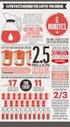 Alcohol Facts and Statistics Alcohol Use in the United States: Prevalence of Drinking: In 2012, 87.6 percent of people ages 18 or older reported that they drank alcohol at some point in their lifetime;
FAQ' s on Alcohol Abuse and Alcoholism
 FAQ' s on Alcohol Abuse and Alcoholism It is important to understand that these answers are not meant to provide specific medical advice, but to provide information to better understand the health consequences
PERSPECTIVES ON DRUGS The role of psychosocial interventions in drug treatment
 UPDATED 31.5.2016 PERSPECTIVES ON DRUGS The role of psychosocial interventions in drug treatment Psychosocial interventions are structured psychological or social interventions used to address substance-related
New Substance Abuse Screening and Intervention Benefit Covered by BadgerCare Plus and Medicaid
 Update December 2009 No. 2009-96 Affected Programs: BadgerCare Plus, Medicaid To: All Providers, HMOs and Other Managed Care Programs New Substance Abuse Screening and Intervention Benefit Covered by BadgerCare
SBIRT INITIATIVE. SBIRT Process. SBIRT Overview. The New Hampshire Youth Screening, Brief Intervention and Referral to Treatment (SBIRT)
 Overview INITIATIVE New Hampshire Youth Screening, and Referral to Treatment Initiative The New Hampshire Youth Screening, and Referral to Treatment () Initiative of the New Hampshire Charitable Foundation
Alcohol Screening and Brief Intervention. A guide for public health practitioners
 Alcohol Screening and Brief Intervention A guide for public health practitioners Table of Contents Overview... 2. Alcohol Problems and Their Impact... 3. The Numbers and Impact Types of Alcohol Use Why
Alcohol Overuse and Abuse
 Alcohol Overuse and Abuse ACLI Medical Section CME Meeting February 23, 2015 Daniel Z. Lieberman, MD Professor and Vice Chair Department of Psychiatry George Washington University Alcohol OVERVIEW Definitions
Alcohol Identification and Brief Advice (IBA) in Buckinghamshire
 Alcohol Identification and Brief Advice (IBA) in Buckinghamshire A resource for frontline health and multi-agency professionals to identify and respond to alcohol consumption above recommended levels This
SPECIFICATION FOR THE LOCAL COMMISSIONED SERVICE FOR THE MANAGEMENT ALCOHOL MISUSE
 SPECIFICATION FOR THE LOCAL COMMISSIONED SERVICE FOR THE MANAGEMENT OF ALCOHOL MISUSE Date: March 2015 1 1. Introduction Alcohol misuse is a major public health problem in Camden with high rates of hospital
Prevention Status Report 2013
 The Prevention Status Reports (PSRs) highlight for all 50 states and the District of Columbia the status of public health policies and practices designed to prevent or reduce important health problems.
Frequently Asked Questions About Prescription Opioids
 Mental Health Consequences of Prescription Drug Addictions Opioids, Hypnotics and Benzodiazepines Learning Objectives 1. To review epidemiological data on prescription drug use disorders Ayal Schaffer,
Treatment Approaches for Drug Addiction
 Treatment Approaches for Drug Addiction NOTE: This is a fact sheet covering research findings on effective treatment approaches for drug abuse and addiction. If you are seeking treatment, please call 1-800-662-HELP(4357)
Alcohol Awareness: An Orientation. Serving Durham, Wake, Cumberland and Johnston Counties
 Alcohol Awareness: An Orientation Alcohol Facts The most commonly used addictive substance in the United States o 17.6 million people (1 in 12 adults) suffer from alcohol abuse or dependence o Millions
ALCOHOLISM, ALCOHOL DEPENDENCE AND THE EFFECTS ON YOUR HEALTH.
 ALCOHOLISM, ALCOHOL DEPENDENCE AND THE EFFECTS ON YOUR HEALTH. Alcoholism also known as alcohol dependence is a disabling ADDICTIVE DISORDER. It is characterized by compulsive and uncontrolled consumption
Alcohol Screening and Brief Intervention (SBI) for Trauma Patients
 Alcohol Screening and Brief Intervention (SBI) for Trauma Patients AMERICAN COLLEGE OF SURGEONS Committee on Trauma U.S. DEPARTMENT OF HEALTH AND HUMAN SERVICES Centers for Disease Control and Prevention,
Alcohol Awareness Month October 2013. Chad Asplund, MD, FACSM Medical Director, Student Health Georgia Regents University
 Alcohol Awareness Month October 2013 Chad Asplund, MD, FACSM Medical Director, Student Health Georgia Regents University Alcohol Statistics According to the Office of Juvenile Justice and Delinquency
Nalan Ward,MD Director MGH Outpatient Addiction Services
 Nalan Ward,MD Director MGH Outpatient Addiction Services National Survey Results (2012) (52.1 percent) of Americans aged 12 or older reported being current drinkers of alcohol Nearly one quarter (23.0
Designing Clinical Addiction Research
 Designing Clinical Addiction Research Richard Saitz MD, MPH, FACP, FASAM Professor of Medicine & Epidemiology Boston University Schools of Medicine & Public Health Director, Clinical Addiction, Research
Chapter 7. Screening and Assessment
 Chapter 7 Screening and Assessment Screening And Assessment Starting the dialogue and begin relationship Each are sizing each other up Information gathering Listening to their story Asking the questions
Ass Professor Frances Kay-Lambkin. NHMRC Research Fellow, National Drug and Alcohol Research Centre UNSW
 Ass Professor Frances Kay-Lambkin NHMRC Research Fellow, National Drug and Alcohol Research Centre UNSW Frances Kay-Lambkin PhD National Health and Medical Research Council Research Fellow Substance Use
Do specialist alcohol liaison nurses improve alcohol-related outcomes in patients admitted to hospital settings?
 Do specialist alcohol liaison nurses improve alcohol-related outcomes in patients admitted to hospital settings? Niamh Fingleton and Catriona Matheson Academic Primary Care, University of Aberdeen, March
Treatment Approaches for Drug Addiction
 Treatment Approaches for Drug Addiction [NOTE: This is a fact sheet covering research findings on effective treatment approaches for drug abuse and addiction. If you are seeking treatment, please call
Colorado Substance Use and Recommendations Regarding Marijuana Tax Revenue
 Colorado Substance Use and Recommendations Regarding Marijuana Tax Revenue Substance addiction and abuse is Colorado s most prevalent, complex, costly and untreated public health challenge. It is an issue
Understanding and Managing Addiction in the Workplace
 Presents Understanding and Managing Addiction in the Workplace October 8 th, 2013 Mani Alcaide, RN, CPMHN(c) Manager of Intake & Assessment Services Bellwood Health Services Inc. These materials may not
What Health Professionals Know and Do About Alcohol and Other Drug Use During Pregnancy
 What Health Professionals Know and Do About Alcohol and Other Drug Use During Pregnancy Trecia Wouldes, PhD Department of Psychological Medicine A Research Report in Collaboration with Executive Summary
BRIEF INTERVENTION. For Hazardous and Harmful Drinking. Thomas F. Babor John C. Higgins-Biddle. A Manual for Use in Primary Care
 WHO/MSD/MSB/01.6b Original: English Distribution: General Thomas F. Babor John C. Higgins-Biddle BRIEF INTERVENTION For Hazardous and Harmful Drinking A Manual for Use in Primary Care World Health Organization
Trauma Center Alcohol Screening. Michael Mello, MD, MPH Injury Prevention Center at Rhode Island Hospital /Hasbro Children s Hospital
 Trauma Center Alcohol Screening and Intervention Michael Mello, MD, MPH Injury Prevention Center at Rhode Island Hospital /Hasbro Children s Hospital Disclosures I have no affiliations, sponsorship, financial
Fixing Mental Health Care in America
 Fixing Mental Health Care in America A National Call for Measurement Based Care in Behavioral Health and Primary Care An Issue Brief Released by The Kennedy Forum Prepared by: John Fortney PhD, Rebecca
Alcohol-use disorders overview
 Alcohol-use disorders overview A NICE pathway brings together all NICE guidance, quality standards and materials to support implementation on a specific topic area. The pathways are interactive and designed
Addiction Counseling Competencies. Rating Forms
 Addiction Counseling Competencies Forms Addiction Counseling Competencies Supervisors and counselor educators have expressed a desire for a tool to assess counselor competence in the Addiction Counseling
The Benefits of a Creating a Healthy Work Environment
 Eaton County Substance Abuse Advisory Group (ECSAAG) Barry-Eaton District Health Department The Benefits of a Creating a Healthy Work Environment This presentation includes: Harmful affects of alcohol,
Dartmouth Medical School Curricular Content in Addiction Medicine for Medical Students (DCAMMS) Keyed to LCME Core Competency Domains ***Draft***
 Dartmouth Medical School Curricular Content in Addiction Medicine for Medical Students (DCAMMS) Keyed to LCME Core Competency Domains ***Draft*** This content, sorted by LCME competencies is intended to
Course Description. SEMESTER I Fundamental Concepts of Substance Abuse MODULE OBJECTIVES
 Course Description SEMESTER I Fundamental Concepts of Substance Abuse MODULE OBJECTIVES At the end of this course participants will be able to: Define and distinguish between substance use, abuse and dependence
David Meshorer, Ph.D. Psychological Health Roanoke
 Substance Abuse In The Elderly David Meshorer, Ph.D. Psychological Health Roanoke The Invisible Epidemic Substance abuse in the elderly is one of the fastest growing health problems facing the county Even
Brief Interventions for other drugs? Luke Mitcheson, Clinical Psychologist,
 Brief Interventions for other drugs? Luke Mitcheson, Clinical Psychologist, Ideas in development For who? Delivered by? What? When? How to disseminate outside of specialist commissioned services? Implementation
Unforeseen Benefits: Addiction Treatment Reduces Health Care Costs CLOSING THE ADDICTION TREATMENT GAP
 Unforeseen Benefits: Addiction Treatment Reduces Health Care Costs CLOSING THE ADDICTION TREATMENT GAP Executive Summary Improving America s health care system, creating a healthier country, and containing
SEEKING DRUG ABUSE TREATMENT: KNOW WHAT TO ASK
 National Institute on Drug Abuse SEEKING DRUG ABUSE TREATMENT: KNOW WHAT TO ASK U.S. Department of Health and Human National Institutes of Health SEEKING DRUG ABUSE TREATMENT: KNOW WHAT TO ASK The goal