
Alcoholic liver disease (ALD)
|
|
|
- Ethelbert Gilmore
- 10 years ago
- Views:
Transcription
1 14 Original Article Clinical Profile of Alcoholic Liver Disease in a Tertiary Care Centre and its Correlation with Type, Amount and Duration of Alcohol Consumption Nitya Nand 1, Parveen Malhotra 2, Dipesh Kumar Dhoot 3 Abstract Introduction: Alcoholic liver disease (ALD) is a major cause of mortality and morbidity worldwide. Various studies show contradictory results about the role of amount, type and duration of alcohol exposure in determining the risk to develop ALD with ethnic variations in susceptibility to develop ALD and South Asians are shown to be more prone to develop ALD. This study was carried out to evaluate clinical profile of ALD in Indian population and to find out the correlation of disease severity and outcome with alcohol intake. Material and Methods: 201 patients of ALD were evaluated to correlate their clinical complications, biochemical parameters, prognostic markers (Discriminant function [DF] score, Model for end-stage liver disease [MELD] score and Child-Pugh score) and in-hospital mortality with their alcohol intake data in form of type, amount and duration of alcohol intake. Results: Hepatic encephalopathy, neutrophil to lymphocyte ratio (NLR) and all three prognostic scores showed a dose-dependent relation with the amount of alcohol intake (p <0.05). However, the mortality rate didn t show a significant relation with amount. Further the type of alcohol intake didn t show any relation with disease severity; however, the duration of alcohol intake showed a positive relation with mortality rate. NLR emerged as a useful bedside marker of disease severity which correlates well with all prognostic markers (p <0.05 for NLR s Spearman correlation with DF score and Child-Pugh Score), more so with MELD score (p <0.0001); and complications like hepatic encephalopathy and hepato-renal syndrome. NLR also correlated with mortality rate but it was not statistically significant. Introduction Alcoholic liver disease (ALD) and its complications are major causes of mortality and morbidity worldwide. However, every person consuming alcohol does not develop the disease and a number of factors determine the overall risk of developing the disease in a given patient. These may include amount, duration and type of the alcohol consumed, nutritional status, co-morbid conditions, race, sex and genetic factors etc. Editorial Viewpoint ALD is a major health problem across the country at all the levels of healthcare systems This study shows correlation between alcohol intake and prognostic scores. Type of alcohol did not show correlation with the severity of ALD. Various studies have shown different results about the role of drinking pattern including amount, duration and type of alcohol in the pathogenesis of disease. A few of them showed a dose-dependent effect on the risk of developing ALD, while others showing a threshold effect, above which the risk of development of cirrhosis was not further influenced by the amount of alcohol. 1-3 South Asian race and female sex are more prone to develop liver disease with lesser alcohol consumption and in shorter duration of time than their counterparts. 3-7 Illicitly brewed liquor has been found to be more toxic than licit drinks despite low level of alcohol in a study. 8 The extent of protein calorie malnutrition may also play an 1 Senior Professor and Unit Head, 2 Associate Professor, 3 Resident, Department of Medicine, Pt. B. D. Sharma Post-Graduate Institute of Medical Sciences, Rohtak, Haryana Received: ; Revised: ; Re-revised: ; Accepted:
2 15 important role in determining the outcome of patients with ALD. 9,10 Since there are considerable variations among different studies and most of these studies have been done more than a decade ago in Western population. Western data from research done on Caucasian population can t be applied blindly to Indian population in view of the ethnic differences, and very few studies have been carried out in Indians. Hence we planned this study to get a detailed profile of alcoholic liver disease patients in Indian population, including their alcohol consumption data, disease severity and outcome. Material and Methods Two hundred one adult patients of chronic liver disease with a significant history of alcohol consumption determined by AUDIT-C score 4 were selected for study. HIV, hepatitis B or C positive and hemodynamically unstable patients were excluded from the study. A pre-informed written consent was obtained from each participant (or attendant if patient was unconscious). A detailed alcoholism history and clinical history was taken from each patient and complete physical examination was done. Various biochemical and ultrasonographic findings were recorded on a specially designed performa. Alcoholism history included four measures type, duration (years), amount (units per day) and frequency (days per month). We arbitrarily divided the amount of alcohol intake as light when alcohol intake was <360 units per month, moderate units per month and heavy 720 unit or more per month. A unit of alcohol was defined as amounts of liquor equivalent to 10 gram of pure alcohol. This amount equates roughly to 30 ml of spirits (concentration 40% by volume, e.g. whisky, vodka, gin), 100 ml of wine or 250 ml of beer. 11 Alcohol concentration in local country-made spirits have no fixed standards, ranging from 25% to 50% by volume. Hence in present study, a unit of country liquor was also taken as 30 ml, equivalent to branded spirits. The duration was defined as short when it was up to 10 years, moderate when it was years and long if it was more than 20 years. Average amount per month was calculated by multiplying daily amount with frequency. Patients were divided according to their type (country, whiskey and variable drinkers), amount and duration. Based upon these clinical and biochemical data, various prognostic markers (Maddrey s Discriminant function score [DF] score, Model for end-stage liver disease [MELD] score and Child- Pugh score) were calculated for each participant. All the admitted participants were observed during hospitalization for any complications of alcoholic liver disease. Disease outcome in terms of either death or improvement was noted and in-hospital mortality rate was calculated. All these data were compared and correlated to each other to determine 1. Comparison of complication rate, prognostic scores and mortality rate among different groups according to type, amount and duration of alcoholism. 2. Correlation of different biochemical and hematologic parameters with complication rate, prognostic scores and mortality rate. 3. Comparison of mortality rates between low risk and high risk groups of different prognostic scores. Statistical Analysis: All the statistical comparisons were done with GraphPad Instat Version 3.0 software and p values were obtained. Categorical data were compared with Fisher s Exact test for 2 groups and Chi-square test for 3 groups and Odds ratio with 95% confidence interval was calculated. Quantitative data were compared with analysis of variance (ANOVA) test. Various prognostic markers were correlated to each other and with NLR by Spearman s nonparametric correlation test. Results The study comprised of 201 male alcoholic patients with mean age of 46.2±9.86 years and mean weight of 58±6 kg. Majority of them have been consuming country-made spirits (79%), other consuming branded spirits like whisky (6.5%) and variable drinkers (14%) while only 1 patient (0.5%) was consuming beer. Country-drinkers consumed more amount (499 units per month) as compared to whisky (328 units/ month) and variable consumers (381 units/month). Average duration of alcohol intake was 17 years which was not significantly different among various liquor groups. Abdominal pain (55%), distension (78%) and jaundice (60%) were the most common symptoms while ascites (72%), pedal edema (60%) and icterus (62%) were the most common clinical signs, followed closely by splenomegaly (57%). Hepatic failure, parotid swelling (20%) and alopecia (17%) were most common amongst the peripheral signs followed by clubbing (9%) and spider nevi (9%). Ultrasound revealed hepatomegaly (42%) to be more common than small shrunken liver (13%) in alcoholic liver patients. Splenomegaly (57%) was common and it was mild (42%) in most of the patients. Ascites (72%) was most common among the markers of portal hypertension; followed by splenomegaly and dilated portal vein (53%) where as the portal venous collaterals (3.5%) were least common. Basic biochemical investigations showed anemia in 87% of patients and leukocytosis in 36% patients, differential counts showed polymorphonuclear predominance
3 16 Table 1: Comparison of patients drinking different alcoholic beverages complication rates, prognostic markers and outcome Country Whisky Variable P-value (N=159) (N=13) (N=28) Complications Encephalopathy 93 (58.5%) 7 (53.8%) 18 (64.3%) Ascites 116 (72.9%) 8 (61.5%) 20 (71.4%) HRS 56 (35.2%) 5 (38.5%) 9 (32.1%) GI bleed 95 (59.7%) 6 (46.2%) 17 (60.7%) 0.62 N/L ratio Prognosis and outcome DF score MELD score Child-Pugh Mortality 20% 18.2% 21% Table 2: Effect of amount of alcohol exposure complication rates, prognostic markers and outcome Unit / Month < >720 P-value (N=55) (N=75) (N=71) Complications Encephalopathy 28 (50.91%) 39 (52%) 51 (71.83%) Ascites 37 (67.27%) 56 (74.67%) 52 (73.24%) HRS 17 (30.9%) 26 (34.67%) 27 (38%) GI bleed 36 (65.45%) 39 (52%) 44 (62%) N/L ratio Prognosis and outcome DF score MELD score Child-Pugh Mortality 17.5% 18.9% 22.4% Table 3: Effect of duration of alcohol exposure complication rates, prognostic markers and outcome Duration Upto 10 yr yr >20 yr P-value (N=51) (N=98) (N=52) Complications Encephalopathy 24 (47.1%) 60 (61.2%) 34 (65.4%) 0.13 Ascites 39 (76.5%) 73 (74.5%) 33 (63.5%) 0.26 HRS 17 (33.3%) 36 (36.7%) 17 (32.7%) GI bleed 33 (64.7%) 57 (58.2%) 29 (55.8%) 0.63 N/L ratio Prognosis and DF score outcome MELD score Child-Pugh Mortality 5.26% 27.8% 19.5% HRS: Hepatorenal syndrome; GI: Gastrointestinal; N/L ratio: Neutrophil:Lymphocyte ratio; DF score: Discriminant function score; MELD: Model for end-stage liver disease (as evidenced by mean N/L Ratio of 5.5±3.4). Liver function tests revealed elevated transaminases with mean AST/ALT ratio of 2.15±0.88. Hyperbilirubinemia was seen in 85% patients (mean bilirubin 5.28±6.03 mg/dl). However serum bilirubin >3 mg/dl was found in around 52% of patients. Mean albumin levels were 2.79±0.62 g/dl and severe hypoalbuminemia (<3 g/dl) was seen in 65%, and coagulopathy (mean INR 2.08±0.89) were also common biochemical findings. However none of biochemical abnormalities correlated with type, amount or duration of alcohol intake. Risk of upper gastrointestinal bleed didn t correlate with coagulopathy (INR levels) or with portal hypertension (PVD 13 mm); probably because of relative collapse of varices after bleed, thus showing relatively normalized portal vein diameter (PVD). Common complications were ascites (72%), hepatorenal syndrome (35%), hepatic encephalopathy (59%) and gastrointestinal bleeding (59%). Patients with encephalopathy and HRS had a higher in-hospital mortality rate which showed a significant linear correlation with derangement of mental status (in encephalopathy) and serum creatinine (in HRS). However mortality rates were not seen to be higher in ascites and gastrointestinal bleed patients, which can be due to our biased selection of patients (massively bleeding patients were excluded due to hemodynamic instability). None of these complications except for hepatic encephalopathy correlated with type (Table 1), amount (Table 2), or duration (Table 3) of alcohol consumption. Hepatic encephalopathy correlated well with amount (more common in heavy drinkers) but not with type or duration (Table 1, 2, 3). NLR correlated well with all three prognostic scores by Spearman s non-parametric correlation and the correlation coefficient ρ was found to be (p <0.05) with Maddrey DF score; (p <0.001) with MELD score and (p <0.05) with Child-Pugh score. Thus the correlation was significant with all three prognostic markers but it was extremely significant with MELD score (Figure 1). NLR also correlated well with amount of alcohol consumption (ρ 0.172, p <0.05) but not with duration of alcohol intake. When patients were divided into low (<2.5), medium ( ) and high (>4.5) risk group based upon NLR and these groups were compared for complication rate, mean prognostic scores and mortality rate. All the three prognostic markers as well as hepatorenal syndrome were found to be significantly higher in high NLR group as compared to low and medium NLR groups (Figure 2). Hepatic encephalopathy and mortality rate were also higher in high N/L ratio group, although difference couldn t reach the limit of statistical significance (Table 4). Hepatic transaminases and serum albumin were not found
4 17 MELD score NLR Fig. 1: Correlation of NLR with MELD score 13.8 HRS DF score MELD score Fig. 2: Correlation of NLR with complications prognosis and outcome to be significantly associated with incidence of complications. Bilirubin and INR were found to be significantly associated with incidence of complications. Encephalopathy and death rate was higher in hyperbilirubinemic patients although the difference was not much significant (p = and , respectively). The incidence of ascites and encephalopathy were higher in patients with higher INR values (p-value and , respectively). The three prognostic scores i.e. Maddrey DF, MELD and Child- Pugh scores were calculated and Child-Pugh score Mortality % N/L <2.5 N/L N/L >4.5 mortality rates were found to be significantly higher in the high risk groups of all three markers (Figure 3). Child-Pugh score was the most sensitive in detecting high risk (0% mortality in low risk group A) while DF and MELD scores were found to be more specific. Mortality rates also differed among different age groups, with significantly higher rates in older age groups. When correlated with alcohol consumption data; the complications, prognostic markers or mortality rate didn t vary amongst various types of alcohol intake (Table 1). However all the three prognostic markers correlated well with amount of alcohol intake (Table 2) but mortality rate didn t show any correlation with it (Figure 4). On the contrary, none of the complications and prognostic markers (except child- Pugh score) varied significantly amongst patients drinking for different durations but mortality rate was significantly higher in those drinking for >10 yrs (Table 3). This difference however could probably be due to presence of age as a confounding factor in these groups as the groups were not comparable in their mean age. Discussion The association of alcohol with cirrhosis was first recognized by Matthew Baillie in Despite considerable research since the 1950s, many important facets of this disease have yet to be resolved. One of these important questions is: Why does cirrhosis develop in only a small fraction of heavy alcohol abusers? What are the factors that predispose someone to the development of liver disease? The explanation of the apparent predisposition of certain people to develop alcoholic cirrhosis is unknown, although recent studies showing role of genetic polymorphisms have attempted to explain these differences between alcoholic cirrhotics and healthy alcoholics, complete molecular pathogenic mechanisms are yet to be proven. Quantity and duration of alcohol intake are considered the most important risk factors involved in the development of alcoholic liver disease. The ideal, but unfeasible, study design for estimation of the risk function is a prospective monitoring of alcohol consumption and recording of the rate of development of cirrhosis per unit of time. Hozo et al in their study of alcoholic liver disease patients in Croatia proved by mathematical model that the occurrence of liver cirrhosis increases exponentially
5 18 Table 4: Correlation of N/L Ratio with various complications, prognostic markers and outcome Complications Prognosis Outcome 100% % 80% 70% 60% 50% 40% 30% 20% 10% 0 0% 51 N/L <2.5 N/L N/L >4.5 P-value Number HRS 4(13.8%) 28(33.3%) 38(43.2%) Encephalopathy 13(44.8%) 51(60.7%) 54(61.4%) Ascites 24(82.75%) 58(69%) 63(71.6%) 0.36 G I bleed 18(62.07%) 52(61.90%) 49(55.68%) DF score MELD score Child-Pugh Death 2/23 13/61 15/67 Recovery 21/23 48/61 52/ Mortality 11.11% 18.67% 22.39% 70 Fig. 3: Relation of mortality with various prognostic scores Fig. 4: Correlation of alcohol amount with prognosis and outcome Impr. 68 with the increase of the amount of alcohol consumed. 1 Becker et al in their large populationbased prospective cohort study in Copenhagen also observed similar dose-dependent rise in the risk. 3 The 9 Death DF <32 DF >32 MELD <20 MELD >20 CP-A/B CP-C DF score MELD score Child-pugh Mortality < > 720 level of alcohol intake above which the relative-risk was significantly greater than 1 was observed at 7 to 13 beverages per week for women and 14 to 27 beverages per week for men. Savolainen et al suggested that above a rather low level of alcohol consumption, the risk of development of cirrhosis was not further influenced by the amount of alcohol consumed. 2 Thus it is clear that many different studies have given different cut-off levels of safe drinking though it has been recognized that no level of alcohol amount is absolutely safe. Narawane et al studied 328 patients from a public hospital in Mumbai and found that liver disease was more common in those who consumed illicitlybrewed as compared to licit liquor. 8 Daily drinking, volume of alcohol consumption >200 ml per day, and duration of drinking >14 years were significantly more common in those with liver disease. A cumulative intake of >2000 ml. years, calculated as the product of volume (ml per day) and duration (years), was a reliable cut-off level for association with liver disease. The content of alcohol in these liquors, estimated in 23 samples, ranged from g/100 ml, being lower in the illicit liquors. Thus, in Mumbai, they suggested the alcoholic liver disease occurred more commonly with consumption of illicit liquor (despite its lower alcohol content) and liver involvement appeared earlier and with lower consumption levels than in the West. 8 In our study, most of the patients were consuming local countrymade liquor (79%) but no significant difference was found between the disease severity in country liquor consumers and branded whisky consumers. Incidence of complications, various prognostic markers and mortality rate were similar in country liquor and branded liquor consumers. In non-branded alcohol, concentration of alcohol is usually lower than branded alcohol but the effect is more or less similar. No significant difference was noted in the complications, prognostic scores and mortality rates between branded and non-branded alcohol in our study. The exact difference
6 19 in the concentration or amount of alcohol between branded and non-branded alcohol could not be determined because we didn t test the samples for the concentration of alcohol or other toxins/impurities. However, previous studies have shown the role of impurities in the higher incidence of ALD in country liquor drinkers. Similarly the duration of alcoholism also didn t affect the incidence of complications and prognostic markers (except Child- Pugh score) but Child-Pugh score and overall mortality rate was significantly lower in patients with alcohol exposure of less than 10 years as compared to those with alcohol history of more than 10 years. Although this difference in mortality rate was found to be statistically significant, age remained a confounding factor in this analysis as the groups were not comparable in their mean age. Patek et al had found in their study that only 34% of cirrhotic patients had been drinking for <20 years 12 while in the Indian study done by Narawane et al 86% of the cirrhotic patients were drinking for <20 years. 8 In our study 149 patients (74%) had been drinking for 20 yrs which is close to the previous Indian study and it further consolidates the fact that Indians develop liver disease in lesser duration than Western population. The higher incidence of cirrhosis in South Asians than Caucasians, despite lesser amount of alcohol and in lesser duration of alcohol intake, has been thought to be due to genetic polymorphisms of genes responsible for alcohol metabolism like ADH, ALDH and CYP2E1 and genes responsible for inflammatory cytokine production like TNF-α and IL-10. Most of these studies have been done in western population and oriental population and these studies show significant difference in prevalence of these gene alleles between Caucasians and Asians. A recent study including 175 alcoholic cirrhotic patients, 140 non-alcoholic cirrhotic patients, 255 non-alcoholic controls and 140 alcoholic controls; done in Lucknow revealed that the ADH1C*1/*1 genotype exhibited significant association with alcoholic liver cirrhosis while ADH1B genotypes did not show any significant association. 14 A much higher risk to alcoholic liver cirrhosis was observed in patients carrying a combination of wild genotypes of ADH1C (ADH1C*1/*1) and variant genotype of ADH1B (ADH1B*2/*2) or CYP2E1 (CYP2E1*5B) or null genotype of glutathione s-transferases M1 (GSTM1). Another study done at AIIMS including 174 alcoholics showed that hepatic transaminases were significantly increased, age of onset of alcohol dependence was significantly lesser and duration of dependence was significantly higher in those with ALDH2*1/*1 as compared to ALDH2*2/*2 genotype, suggesting protective role of the latter genotype from alcoholism as well as alcoholic liver disease. 15 Although it is worth mentioning that average alcohol consumption of these groups was also not comparable (4-8 times more alcohol consumption in ALDH2*1/*1 group as compared to ALDH2*2/*2 group). Thus it can be concluded that effect of genetic polymorphism on alcoholic liver disease may probably be indirect due to higher alcohol consumption due to higher tolerance. The genotypic frequencies of these two alleles were found to be 73% and 11% respectively. The ADH1B*2 allele, which is known to confer protection against alcoholism and is relatively common in East Asian populations, was found to be present at very low frequency (0.001) in their study. Another study done by Bhaskar et al in 397 healthy individuals from six tribal populations from various parts of India reported that ALDH2*2/*2 allele was absent in Indians. 16 Thus both of the protective genotypes have been shown to be rare in Indian population which provides a possible explanation for their predisposition to develop alcoholic liver disease with lesser amount and lesser duration of alcohol intake. When correlating with amount of alcohol consumption, hepatic encephalopathy was significantly more common in heavy drinkers than light and moderate drinkers. Comparatively non-significant difference between light and moderate group and significant difference between moderate and heavy groups suggests the threshold to be near 720 units/month or approximately 24 units per day. A positive correlation was also seen between alcohol amount and all three prognostic scores, which were found to be significantly higher in the heavy drinkers but other three complications (HRS, GI bleed and ascites) and overall mortality rate were not significantly higher in heavy drinkers (Figure 4). Previous study of Narawane et al didn t comment about the complications or mortality rate but they found significantly higher alcohol consumption in the patients with liver disease than the alcoholics without liver disease. Among those with liver disease, cirrhotics were found to drink more alcohol than non-cirrhotics. Thus this study and the previous study by Narawane et al, both show a significant correlation between alcohol amount and disease progression. Physical examination and imaging findings in this study showed similar results as seen in the pioneer study of Mendenhall CL (jaundice 60%, ascites 57%, splenomegaly 26%, and hepatomegaly 87%). 13 Two remarkable differences are higher incidence of splenomegaly and a lower incidence of hepatomegaly in this study as compared to that of Mendenhall. This difference was probably because the study group of Mendenhall predominantly contained alcoholic hepatitis
7 20 patients while this study consists of whole spectrum of alcoholic liver disease including cirrhotics. Similarly, Mendenhall showed higher level of bilirubin in moderate alcoholic hepatitis than mild and severe hepatitis and their average levels were higher (1.6, 13.5 and 8.7 mg/dl in mild, moderate and severe disease respectively) than this study. This difference could also probably be due to the same reason. Neutrophil to lymphocyte ratio (NLR) has been recently used as a non-invasive marker to assess the severity and to determine the probability of NASH in nonalcoholic fatty liver disease. It has also been used as a predictor of bacteremia in medical emergencies and to predict the recurrence of HBV-associated hepatocellular carcinoma after liver transplantation. Apart from this, prognostic value of NLR in patients presenting with STelevation myocardial infarction undergoing primary percutaneous coronary interventions has also been proven in some studies. Till date, there is no study about its role in alcoholic liver disease as a prognostic marker. It is a simple, easy and commonly available bedside diagnostic tool which can be easily used in the most peripheral areas to assess the disease severity. Hence in this study we evaluated the utility of NLR as a prognostic marker in ALD and we correlated NLR with three wellestablished prognostic markers i.e. Maddrey DF, MELD score and Child-Pugh score by spearman s non-parametric correlation and we found a positive correlation of NLR with all three well-established prognostic markers i.e. Maddrey DF score, MELD score (Figure 4) and Child-Pugh score with a significant p-value <0.05 (Figure 2, Table 4). A higher NLR (>4.5) in our study was also found to be associated with higher risk of developing complications like HRS (43.2% in NLR >4.5 vs. 13.8% in NLR <2.5 and 33.3% in NLR ; p-value ) (Figure 2). It also showed positive correlation with hepatic encephalopathy and mortality rate although p-value couldn t reach statistical significance (Figure 2, Table 4). NLR also correlated well with amount of alcohol consumption, with significant rise in heavy drinkers. Thus it can be concluded that NLR can be used as a simple bedside prognostic marker to assess disease severity in alcoholic liver disease. Conclusions Our study concludes that there is a dose dependent relation of complications (hepatic encephalopathy), prognostic markers (DF score, MELD score and Child-Pugh score) and NLR with amount of alcohol intake but type of alcohol exposure don t have much effect on the complications, prognostic markers and mortality. Duration of alcohol didn t have an effect on most of the disease severity markers except Child-Pugh score and overall mortality, though agerelated bias could not be ruled out when comparing for duration. NLR emerged as a useful bedside marker of disease severity which correlates well with all three prognostic markers, complications like HE and HRS. NLR also correlated with mortality rate although not found to be statistically significant. Further studies with age-matched larger sample may probably throw more light on the effect of alcohol duration and NLR on mortality rates. References 1. Hozo I, Mirić D, Ljutić D, Giunio L, Andelinović S, Bojić L. Relation between the quantity, type and duration of alcohol drinking and the development of alcoholic liver cirrhosis. Med Arh 1995; 49: Savolainen VT, Liesto K, Mannikko A, Penttila A, Karhunen PJ. Alcohol consumption and alcoholic liver disease: evidence of a threshold level of effects of ethanol. Alcohol Clin Exp Res 1993; 17: Becker U, Deis A, Sørensen TI, Grønbaek M, Borch-Johnsen K, Müller CF, et al. Prediction of Risk of Liver Disease by Alcohol intake, Sex, and Age: A prospective population study. Hepatology 1996; 23: Sato N, Lindros KO, Baraona E, Ikejima K, Mezey E, Jarvelainen HA, et al. Sex difference in alcohol-related organ injury. Alcohol Clin Exp Res 2001; 25:40S 45S. 5. Furube M, Sugimoto M, Asakura I, Mizukami H, Akita H, Hatori T, et al. Sex difference in alcoholic liver disease: with special reference to the severity of alcoholic hepatitis. Arukoru Kenkyuto Yakubutsu Ison 1989; 24: Douds AC, Cox MA, Iqbal TH, Cooper BT. Ethnic differences in cirrhosis of the liver in a british city: Alcoholic cirrhosis in south Asian men. Alcoholism 2003; 38: Wickramasinghe SN, Corridan B, Izaguirre J, Hasan R, Marjot DH. Ethnic differences in the biological consequences of alcohol abuse: a comparison between South Asian and European males. Alcoholism 1995; 30: Narawane NM, Bhatia S, Abraham P, Sanghani S, Sawant SS. Consumption of country liquor and its relation to alcoholic liver disease in Mumbai. J Assoc Phys Ind 1998; 46: Mendenhall C, Roselle GA, Gartside P, Moritz T. Relationship of protein calorie malnutrition to alcoholic liver disease: a reexamination of data from two Veterans Administration Cooperative Studies. Alcohol Clin Exp Res 1995; 19: Leevy CM, Moroianu SA. Nutritional aspects of alcoholic liver disease. Clin Liver Dis 2005; 9: Sherlock S, Dooley J. Alcohol and the liver. In: Sherlock S, Dooley J, editor. Diseases of the Liver and Biliary System. 11th ed. Oxford: Blackwell science; 2001: Patek AJ, Toth IG, Saunders MG, Castro GAM, Engel JJ. Alcohol and dietary factors in cirrhosis. An epidemiological study of 304 alcoholic patients. Arch Intern Med 1975; 135: Mendenhall CL. Alcoholic hepatitis. Clin Gastroenterol 1981; 10: Khan AJ, Husain Q, Choudhuri G, Parmar D. Association of polymorphisms in alcohol dehydrogenase and interaction with other genetic risk factors with alcoholic liver cirrhosis. Drug Alcohol Depend 2010; 109: Vaswani M, Prasad P, Kapur S. Association of ADH1B and ALDH2 gene polymorphisms with alcohol dependence: a pilot study from India. Hum Genomics 2009; 3: Bhaskar LVKS, Thangaraj K, Osier M, Reddy AG, Rao AP, Singh L et al. Single nucleotide polymorphism of the ALDH2 gene in six Indian populations. Ann Hum Biol 2007; 34:
Patterns of abnormal LFTs and their differential diagnosis
 Patterns of abnormal LFTs and their differential diagnosis Professor Matthew Cramp South West Liver Unit and Peninsula Schools of Medicine and Dentistry, Plymouth Summary liver function / liver function
Risk Factors for Alcoholism among Taiwanese Aborigines
 Risk Factors for Alcoholism among Taiwanese Aborigines Introduction Like most mental disorders, Alcoholism is a complex disease involving naturenurture interplay (1). The influence from the bio-psycho-social
Evaluation and Prognosis of Patients with Cirrhosis
 Evaluation and Prognosis of Patients with Cirrhosis Marion G. Peters, MD John V. Carbone, MD, Endowed Chair Professor of Medicine Chief of Hepatology Research University of California San Francisco Recorded
Cirrhosis and HCV. Jonathan Israel M.D.
 Cirrhosis and HCV Jonathan Israel M.D. Outline Relationship of fibrosis and cirrhosisprevalence and epidemiology. Sequelae of cirrhosis Diagnosis of cirrhosis Effect of cirrhosis on efficacy of treatment
NP/PA Clinical Hepatology Fellowship Summary of Year-Long Curriculum
 OVERVIEW OF THE FELLOWSHIP The goal of the AASLD NP/PA Fellowship is to provide a 1-year postgraduate hepatology training program for nurse practitioners and physician assistants in a clinical outpatient
Surveillance for Hepatocellular Carcinoma
 Surveillance for Hepatocellular Carcinoma Marion G. Peters, MD John V. Carbone, MD, Endowed Chair Professor of Medicine Chief of Hepatology Research University of California San Francisco Recorded on April
After the Cure: Long-Term Management of HCV Liver Disease Norah A. Terrault, MD, MPH
 After the Cure: Long-Term Management of HCV Liver Disease Norah A. Terrault, MD, MPH Professor of Medicine Department of Gastroenterology Director, Viral Hepatitis Center University of California San Francisco
Alcohol Units. A brief guide
 Alcohol Units A brief guide 1 2 Alcohol Units A brief guide Units of alcohol explained As typical glass sizes have grown and popular drinks have increased in strength over the years, the old rule of thumb
The State of the Liver in the Adult Patient after Fontan Palliation
 The State of the Liver in the Adult Patient after Fontan Palliation Fred Wu, M.D. Boston Adult Congenital Heart Service Boston Children s Hospital/Brigham & Women s Hospital 7 th National Adult Congenital
Approach to Abnormal Liver Tests
 Approach to Abnormal Liver Tests Naga P. Chalasani, MD, FACG Professor of Medicine and Cellular & Integrative Physiology Director, Division of Gastroenterology and Hepatology Indiana University School
Liver Diseases. An Essential Guide for Nurses and Health Care Professionals
 Brochure More information from http://www.researchandmarkets.com/reports/1047385/ Liver Diseases. An Essential Guide for Nurses and Health Care Professionals Description: Liver disease is a rapidly growing
Transmission of HCV in the United States (CDC estimate)
 Transmission of HCV in the United States (CDC estimate) Past and Future US Incidence and Prevalence of HCV Infection Decline among IDUs Overall incidence Overall prevalence Infected 20+ years Armstrong
evaluation of cancer hazards Robert A Baan PhD The IARC MONOGRAPHS International Agency for Research on Cancer Lyon, France
 Consumption of alcoholic beverages; evaluation of cancer hazards Robert A Baan PhD The IARC MONOGRAPHS International Agency for Research on Cancer Lyon, France The IARC Monographs The IARC Monographs are
PREVENTION OF HCC BY HEPATITIS C TREATMENT. Morris Sherman University of Toronto
 PREVENTION OF HCC BY HEPATITIS C TREATMENT Morris Sherman University of Toronto Pathogenesis of HCC in chronic hepatitis C Injury cirrhosis HCC Injury cirrhosis HCC Time The Ideal Study Prospective randomized
Optimal levels of alcohol consumption for men and women at different ages, and the all-cause mortality attributable to drinking
 Optimal levels of alcohol consumption for men and women at different ages, and the all-cause mortality attributable to drinking Ian R. White, Dan R. Altmann and Kiran Nanchahal 1 1. Summary Background
Alcoholic Liver Disease in Women
 Clinical Medicine Alcoholic Liver Disease in Women JMAJ 45(3): 111 117, 2002 Masayoshi YAMAUCHI Associate Professor, Division of Gastroenterology and Hepatology, Department of Internal Medicine, Jikei
Alcohol and the Liver
 The facts about... Alcohol and the Liver Five key things you need to know This is a part of your body that regularly works overtime. The liver is our largest organ and it has 500 different roles. One of
A 55 year old man with cirrhosis due to chronic hepatitis C (CHC) genotype 3a is referred for liver transplantation.
 A 55 year old man with cirrhosis due to chronic hepatitis C (CHC) genotype 3a is referred for liver transplantation. Three years ago he was treated with 24 weeks of peginterferon alfa-2a (180 µg/wk, PEGIFN)
AZERBAIJAN. Lower-middle Income Data source: United Nations, data range 1999-2006
 AZERBAIJAN SOCIOECONOMIC CONTEXT Total population 8,406,000 Annual population growth rate 0.6% Population 15+ years 76% Adult literacy rate 98.8% Population in urban areas 52% Income group (World bank)
TAJIKISTAN. Recorded adult (15+) alcohol consumption by type of alcoholic beverage (in % of pure alcohol), 2005
 TAJIKISTAN SOCIOECONOMIC CONTEXT Total population 6,640,000 Annual population growth rate 1.3% Population 15+ years 61% Adult literacy rate 99.5% Population in urban areas 25% Income group (World bank)
Lamivudine for Patients with hronic Hepatitis B and Advanced Liver Disease. From : New England Journal of Medicine
 Lamivudine for Patients with hronic Hepatitis B and Advanced Liver Disease From : New England Journal of Medicine Volume 351:1521-1531, Number 15, Oct 7, 2004 馬 偕 紀 念 醫 院 一 般 內 科, 肝 膽 腸 胃 科 新 竹 分 院 陳 重
Liver Transplantation for Hepatocellular Carcinoma. John P. Roberts, MD Chief, Division of Transplant Service University of California, San Francisco
 Liver Transplantation for Hepatocellular Carcinoma John P. Roberts, MD Chief, Division of Transplant Service University of California, San Francisco Hepatocellular Carcinoma HCC is the 5th most common
Acute on Chronic Liver Failure: Current Concepts. Disclosures
 Acute on Chronic Liver Failure: Current Concepts Vandana Khungar, MD MSc Assistant Professor of Medicine University of Pennsylvania, Perelman School of Medicine September 20, 2015 None to declare Disclosures
MANAGEMENT OF LIVER CIRRHOSIS
 MANAGEMENT OF LIVER CIRRHOSIS Information Leaflet Your Health. Our Priority. Page 2 of 6 What is cirrhosis? Cirrhosis is a result of long-term, continuous damage to the liver and may be due to many different
Oral Zinc Supplementation as an Adjunct Therapy in the Management of Hepatic Encephalopathy: A Randomized Controlled Trial
 Oral Zinc Supplementation as an Adjunct Therapy in the Management of Hepatic Encephalopathy: A Randomized Controlled Trial Marcus R. Pereira A. Study Purpose Hepatic encephalopathy is a common complication
What You Don t Know Can Harm You
 A L C OHOL What You Don t Know Can Harm You National Institute on Alcohol Abuse and Alcoholism National Institutes of Health U.S. Department of Health and Human Services If you are like many Americans,
Facts About Alcohol. Addiction Prevention & Treatment Services
 Facts About Alcohol Addiction Prevention & Treatment Services Table of Contents Facts about alcohol: What is harmful involvement with alcohol?... 2 What is alcohol dependence?... 3 What Is BAC?... 4 What
Management of hepatitis C: pre- and post-liver transplantation. Piyawat Komolmit Bangkok
 Management of hepatitis C: pre- and post-liver transplantation Piyawat Komolmit Bangkok Liver transplantation and CHC Cirrhosis secondary to HCV is the leading cause of liver transplantation in the US
Review: How to work up your patient with Hepatitis C
 Review: How to work up your patient with Hepatitis C You screened your patient, and now the HCV antibody test is positive. What do you do next? The antibody test only means they have been exposed to HCV.
Leading the Way to Treat Liver Cancer
 Leading the Way to Treat Liver Cancer Guest Expert: Sukru, MD Professor of Transplant Surgery Mario Strazzabosco, MD Professor of Internal Medicine www.wnpr.org www.yalecancercenter.org Welcome to Yale
Diabetic Nephropathy
 Diabetic Nephropathy Kidney disease is common in people affected by diabetes mellitus Definition Urinary albumin excretion of more than 300mg in a 24 hour collection or macroalbuminuria Abnormal renal
PHARMACOLOGICAL Stroke Prevention in Atrial Fibrillation STROKE RISK ASSESSMENT SCORES Vs. BLEEDING RISK ASSESSMENT SCORES.
 PHARMACOLOGICAL Stroke Prevention in Atrial Fibrillation STROKE RISK ASSESSMENT SCORES Vs. BLEEDING RISK ASSESSMENT SCORES. Hossam Bahy, MD (1992 2012), 19 tools have been identified 11 stroke scores 1
BACKGROUND MEDIA INFORMATION Fast facts about liver disease
 BACKGROUND MEDIA INFORMATION Fast facts about liver disease Liver, or hepatic, disease comprises a wide range of complex conditions that affect the liver. Liver diseases are extremely costly in terms of
Study of Effects of Probiotic Lactobacilli in Preventing Major Complications in Patients of Liver Cirrhosis
 Research Article Study of Effects of Probiotic Lactobacilli in Preventing Major Complications in Patients of Liver Cirrhosis RR. Pawar*, ML. Pardeshi and BB. Ghongane Department of Pharmacology, B.J. Medical
Albumin and All-Cause Mortality Risk in Insurance Applicants
 Copyright E 2010 Journal of Insurance Medicine J Insur Med 2010;42:11 17 MORTALITY Albumin and All-Cause Mortality Risk in Insurance Applicants Michael Fulks, MD; Robert L. Stout, PhD; Vera F. Dolan, MSPH
Service Definition with all Clinical Terms Service: Laprascopic Cholecystectomy Clinic (No Gallstones in bile duct)
 Service Definition with all Clinical Terms Service: Laprascopic Cholecystectomy Clinic (No Gallstones in bile duct) Section 1 Service Details Service ID: 7540540 Service Comments: Referrer Alert: Service
Alcohol Facts and Statistics
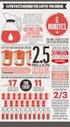 Alcohol Facts and Statistics Alcohol Use in the United States: Prevalence of Drinking: In 2012, 87.6 percent of people ages 18 or older reported that they drank alcohol at some point in their lifetime;
End Stage Liver Disease: What is New? Marion Peters MD UCSF Berlin 2012
 End Stage Liver Disease: What is New? Marion Peters MD UCSF Berlin 2012 Natural History of ESLD Increasing liver fibrosis Development of HCC Chronic liver disease Compensated cirrhosis Decompensated cirrhosis
ELEMENTS FOR A PUBLIC SUMMARY. Overview of disease epidemiology. Summary of treatment benefits
 VI: 2 ELEMENTS FOR A PUBLIC SUMMARY Bicalutamide (CASODEX 1 ) is a hormonal therapy anticancer agent, used for the treatment of prostate cancer. Hormones are chemical messengers that help to control the
JAMAICA. Recorded adult per capita consumption (age 15+) Last year abstainers
 JAMAICA Recorded adult per capita consumption (age 15+) 6 5 Litres of pure alcohol 4 3 2 Beer Spirits Wine 1 1961 1965 1969 1973 1977 1981 1985 1989 1993 1997 21 Sources: FAO (Food and Agriculture Organization
HEPATOCELLULAR CARCINOMA (HCC) RESECTION VERSUS TRANSPLANTATION. Francis Yao, M.D.
 UCSF TRANSPLANT CONFERENCE - 9/28/2012 HEPATOCELLULAR CARCINOMA (HCC) RESECTION VERSUS TRANSPLANTATION Francis Yao, M.D. Professor of Clinical Medicine and Surgery Medical Director, Liver Transplantation
Alcohol Awareness: An Orientation. Serving Durham, Wake, Cumberland and Johnston Counties
 Alcohol Awareness: An Orientation Alcohol Facts The most commonly used addictive substance in the United States o 17.6 million people (1 in 12 adults) suffer from alcohol abuse or dependence o Millions
Liver Failure. Nora Aziz. www.3bv.org. Bones, Brains & Blood Vessels
 Liver Failure Nora Aziz www.3bv.org Bones, Brains & Blood Vessels Severe deterioration in liver function Looses ability to regenerate/repair decompensated Liver extensively damaged before it fails Equal
A CASE OF LIVER CIRRHOSIS & HEPATIC ENCEPHALOPATHY
 A CASE OF LIVER CIRRHOSIS & HEPATIC ENCEPHALOPATHY 2 1 Mr N.N. 56 yr old male. Admitted on 22/03/02. 1 month Hx of abdominal distention, confusion, inability to concentrate and dyspnoea Grade 111. Pmx:
http://nurse practitioners and physician assistants.advanceweb.com/features/articles/alcohol Abuse.aspx
 http://nurse practitioners and physician assistants.advanceweb.com/features/articles/alcohol Abuse.aspx Alcohol Abuse By Neva K.Gulsby, PA-C, and Bonnie A. Dadig, EdD, PA-C Posted on: April 18, 2013 Excessive
CMS Limitations Guide - Laboratory Services
 CMS Limitations Guide - Laboratory Services Starting October 1, 2015, CMS will update their exisiting medical necessity limitations on tests and procedures to correspond to ICD-10 codes. This limitattions
OMG my LFT s! How to Interpret and Use Them. OMG my LFT s! OMG my LFT s!
 How to Interpret and Use Them René Romero, M.D. Clinical Director, Pediatric Hepatology CPG Gastroenterology, Hepatology and Nutrition Emory University School of Medicine Objectives Understand the anatomy
PRIOR AUTHORIZATION PROTOCOL FOR HEPATITIS C TREATMENT
 PRIOR AUTHORIZATION PROTOCOL FOR HEPATITIS C TREATMENT HARVONI (90mg ledipasvir/400mg sofosbuvir): tablet (PREFERRED AGENT) SOVALDI (sofosbuvir ): 400mg tablets (PREFERRED AGENT ) OLYSIO (simeprivir) PEG-INTRON
Epidemiology of Hypertension 陈 奕 希 3120000591 李 禾 园 3120000050 王 卓 3120000613
 Epidemiology of Hypertension 陈 奕 希 3120000591 李 禾 园 3120000050 王 卓 3120000613 1 Definition Hypertension is a chronic medical condition in which the blood pressure in the arteries is elevated. 2 Primary
David C. Maynard, MA, LPCC, NCC Emergency and Trauma Services Chandler Medical Center
 ALCOHOL AND DRUG USE: Addressing a Prolific Problem in Healthcare David C. Maynard, MA, LPCC, NCC Emergency and Trauma Services Chandler Medical Center American College of Surgeons Committee On Trauma
CAGE. AUDIT-C and the Full AUDIT
 CAGE In the past have you ever: C tried to Cut down or Change your pattern of drinking or drug use? A been Annoyed or Angry because of others concern about your drinking or drug use? G felt Guilty about
9. Substance Abuse. pg 166-169: Self-reported alcohol consumption. pg 170-171: Childhood experience of living with someone who used drugs
 9. pg 166-169: Self-reported alcohol consumption pg 170-171: Childhood experience of living with someone who used drugs pg 172-173: Hospitalizations related to alcohol and substance abuse pg 174-179: Accidental
Prevalence of alcohol consumption among Rheumatoid Arthritis patients on Methotrexate and impact on liver function tests
 Prevalence of alcohol consumption among Rheumatoid Arthritis patients on Methotrexate and impact on liver function tests Christine Iannaccone, MPH, Michelle Frits, Jing Cui, PhD, Michael Weinblatt MD,
Liver disease accounts for 2% of deaths and
 R e s i d e n t G r a n d R o u n d s Alcoholic Hepatitis Elliot Ellis, MD Douglas G. Adler, MD Series Editor: Mark A. Perazella, MD, FACP A 45-year-old woman with a past medical history notable for alcohol
Does referral from an emergency department to an. alcohol treatment center reduce subsequent. emergency room visits in patients with alcohol
 Does referral from an emergency department to an alcohol treatment center reduce subsequent emergency room visits in patients with alcohol intoxication? Robert Sapien, MD Department of Emergency Medicine
activity guidelines (59.3 versus 25.9 percent, respectively) and four times as likely to meet muscle-strengthening
 18 HEALTH STATUS HEALTH BEHAVIORS WOMEN S HEALTH USA 13 Adequate Physical Activity* Among Women Aged 18 and Older, by Educational Attainment and Activity Type, 09 11 Source II.1: Centers for Disease Control
Epidemiology of Hepatitis C Infection. Pablo Barreiro Service of Infectious Diseases Hospital Carlos III, Madrid
 Epidemiology of Hepatitis C Infection Pablo Barreiro Service of Infectious Diseases Hospital Carlos III, Madrid Worldwide Prevalence of Hepatitis C 10% No data available WHO.
Alcohol Overuse and Abuse
 Alcohol Overuse and Abuse ACLI Medical Section CME Meeting February 23, 2015 Daniel Z. Lieberman, MD Professor and Vice Chair Department of Psychiatry George Washington University Alcohol OVERVIEW Definitions
Intracellular fat deposition
 Who Gets Alcoholic Liver Disease? Chris Day Newcastle University Alcoholic Fatty Liver (Steatosis) Fatty hepatocytes Intracellular fat deposition Alcoholic SteatoHepatitis (ASH) Fat deposits Inflammation
Anticoagulants in Atrial Fibrillation
 Anticoagulants in Atrial Fibrillation Starting and Stopping Them Safely Carmine D Amico, D.O. Overview Learning objectives Introduction Basic concepts Treatment strategy & options Summary 1 Learning objectives
Therapy of decompensated cirrhosis Pre-transplant for HBV and HCV
 Therapy of decompensated cirrhosis Pre-transplant for HBV and HCV Universitätsklinikum Leipzig Thomas Berg Sektion Hepatologie Klinik und Poliklinik für Gastroenterologie und Rheumatologie Leber- und Studienzentrum
SBRT (Elekta), 45 Gy in fractions of 3 Gy 3x/week for 5 weeks (N=22) vs.
 Uitgangsvraag 6: Wat is de plaats van stereotactische radiotherapiebehandeling (SBRT) bij HCC patiënten? Primaire studies I Study ID II Method III Patient characteristics IV Intervention(s) V Results primary
inflammation of the pancreas and damage to the an increased risk of hypertension, stroke and Table 7.1: Classification of alcohol consumption
 H E A LT H SURVEY Alcohol Consumption 7 Alcohol Consumption N AT I O N A L Introduction Excessive alcohol consumption is associated with inflammation of the pancreas and damage to the an increased risk
11. Analysis of Case-control Studies Logistic Regression
 Research methods II 113 11. Analysis of Case-control Studies Logistic Regression This chapter builds upon and further develops the concepts and strategies described in Ch.6 of Mother and Child Health:
NUTRITION IN LIVER DISEASES
 NUTRITION IN LIVER DISEASES 1. HEPATITIS: Definition: - Viral inflammation of liver cells. Types: a. HAV& HEV, transmitted by fecal-oral route. b. HBV & HCV, transmitted by blood and body fluids. c. HDV
Alanine aminotransferase (serum, plasma)
 Alanine aminotransferase (serum, plasma) 1 Name and description of analyte 1.1 Name of analyte Alanine aminotransferase (ALT) 1.2 Alternative names Systematic name L alanine:2 oxoglutarate aminotransferase
Update on hepatitis C: treatment and care and future directions
 Update on hepatitis C: treatment and care and future directions Professor Greg Dore Viral Hepatitis Clinical Research Program, National Centre in HIV Epidemiology and Clinical Research, University of New
HCV/HIVCo-infection A case study by. Dominic Côté, Nurse Clinician B.Sc Chronic Viral Illness Services McGill University Health Centre
 HCV/HIVCo-infection A case study by Dominic Côté, Nurse Clinician B.Sc Chronic Viral Illness Services McGill University Health Centre Objectives By sharing a case study of a patient co-infected with HIV/HCV
LCD for Viral Hepatitis Serology Tests
 LCD for Viral Hepatitis Serology Tests Applicable CPT Code(s): 86692 Antibody; Hepatitis, Delta Agent 86704 Hepatitis B Core Antibody (HBcAb); Total 86705 Hepatitis B Core Antibody (HBcAb); IgM Antibody
Source: National Institute on Alcohol Abuse and Alcoholism. Bethesda, Md: NIAAA; 2004. NIH Publication No. 04-3769.
 Diagnosis and Treatment of Alcohol Dependence Lon R. Hays, MD, MBA Professor and Chairman Department of Psychiatry University of Kentucky Medical Center Defining the Standard Drink A standard drink = 14
INITIATING ORAL AUBAGIO (teriflunomide) THERAPY
 FOR YOUR PATIENTS WITH RELAPSING FORMS OF MS INITIATING ORAL AUBAGIO (teriflunomide) THERAPY WARNING: HEPATOTOXICITY AND RISK OF TERATOGENICITY Severe liver injury including fatal liver failure has been
Risk of alcohol. Peter Anderson MD, MPH, PhD, FRCP Professor, Alcohol and Health, Maastricht University Netherlands. Zurich, 4 May 2011
 Risk of alcohol Peter Anderson MD, MPH, PhD, FRCP Professor, Alcohol and Health, Maastricht University Netherlands Zurich, 4 May 2011 Lifetime risk of an alcoholrelated death (1/100) 16.0 14.0 12.0 10.0
BREAST CANCER AWARENESS FOR WOMEN AND MEN by Samar Ali A. Kader. Two years ago, I was working as a bedside nurse. One of my colleagues felt
 Ali A. Kader, S. (2010). Breast cancer awareness for women and men. UCQ Nursing Journal of Academic Writing, Winter 2010, 70 76. BREAST CANCER AWARENESS FOR WOMEN AND MEN by Samar Ali A. Kader Two years
Characterisation of co-morbidities in patients with alcoholic liver disease and engaging them in treatment.
 Characterisation of co-morbidities in patients with alcoholic liver disease and engaging them in treatment. Khairunnessa Rahman, Dheeraj Shukla, Leigh Dahlenburg, Andrew Bailey, Robert Gribble, Paul Haber
Source: National Institute on Alcohol Abuse and Alcoholism. Bethesda, Md: NIAAA; 2004. NIH Publication No. 04-3769.
 Diagnosis and Treatment of Alcohol Dependence Lon R. Hays, MD, MBA Professor and Chairman an Department of Psychiatry University of Kentucky Medical Center Defining the Standard Drink A standard drink
Hepatitis C. Laboratory Tests and Hepatitis C
 Hepatitis C Laboratory Tests and Hepatitis C If you have hepatitis C, your doctor will use laboratory tests to check your health. This handout will help you understand what the major tests are and what
Big Data for Population Health and Personalised Medicine through EMR Linkages
 Big Data for Population Health and Personalised Medicine through EMR Linkages Zheng-Ming CHEN Professor of Epidemiology Nuffield Dept. of Population Health, University of Oxford Big Data for Health Policy
Beware that Low Urine Creatinine! by Vera F. Dolan MSPH FALU, Michael Fulks MD, Robert L. Stout PhD
 1 Beware that Low Urine Creatinine! by Vera F. Dolan MSPH FALU, Michael Fulks MD, Robert L. Stout PhD Executive Summary: The presence of low urine creatinine at insurance testing is associated with increased
Role of Body Weight Reduction in Obesity-Associated Co-Morbidities
 Obesity Role of Body Weight Reduction in JMAJ 48(1): 47 1, 2 Hideaki BUJO Professor, Department of Genome Research and Clinical Application (M6) Graduate School of Medicine, Chiba University Abstract:
LIVER FUNCTION TESTS AND STATINS
 LIVER FUNCTION TESTS AND STATINS Philippe J. Zamor and Mark W. Russo Current Opinion in Cardiology 2011,26:338 341 SUMMARY Purpose of review: To discuss recent data on statins in patients with elevated
PRINCESS MARGARET CANCER CENTRE CLINICAL PRACTICE GUIDELINES
 PRINCESS MARGARET CANCER CENTRE CLINICAL PRACTICE GUIDELINES GASTROINTESTINAL HEPATOCELLULAR CARCINOMA GI Site Group Hepatocellular Carcinoma Authors: Dr. Jennifer Knox, Dr. Mairead McNamara 1. INTRODUCTION
2.1 AST can be measured in heparin plasma or serum. 3 Summary of clinical applications and limitations of measurements
 Aspartate aminotransferase (serum, plasma) 1 Name and description of analyte 1.1 Name of analyte Aspartate aminotransferase (AST) 1.2 Alternative names Systematic name L aspartate:2 oxoglutarate aminotransferase
Alcoholic Liver Disease
 14 ACG PRACTICE GUIDELINES nature publishing group CME Alcoholic Liver Disease Robert S. O Shea, MD, MSCE 1, Srinivasan Dasarathy, MD 1 and Arthur J. McCullough, MD 1 These recommendations provide a data-supported
Designing Clinical Addiction Research
 Designing Clinical Addiction Research Richard Saitz MD, MPH, FACP, FASAM Professor of Medicine & Epidemiology Boston University Schools of Medicine & Public Health Director, Clinical Addiction, Research
Primary Care Guidance Program: Non-Alcohol related Fatty Liver Disease (NAFLD) Guidance on Management in Primary Care
 Primary Care Guidance Program: Non-Alcohol related Fatty Liver Disease (NAFLD) Guidance on Management in Primary Care This advice has been developed to help GPs with shared care of patients with Non- Alcohol
DISCLOSURES RISK ASSESSMENT. Stroke and Heart Disease -Is there a Link Beyond Risk Factors? Daniel Lackland, MD
 STROKE AND HEART DISEASE IS THERE A LINK BEYOND RISK FACTORS? D AN IE L T. L AC K L AN D DISCLOSURES Member of NHLBI Risk Assessment Workgroup RISK ASSESSMENT Count major risk factors For patients with