
AIRWAY ASSESSMENT : PREDICTORS OF DIFFICULT AIRWAY
|
|
|
- Myles Bond
- 10 years ago
- Views:
Transcription
1 GUPTA, Indian J. Anaesth. SHARMA, 2005; JAIN 49 : (4) AIRWAY : ASSESSMENT PREDICTORS OF DIFFICULT AIRWAY 257 AIRWAY ASSESSMENT : PREDICTORS OF DIFFICULT AIRWAY Dr. Sunanda Gupta 1 Dr. Rajesh Sharma KR 2 Dr. Dimpel Jain 3 Introduction Expertise in airway management is essential in every medical speciality. Maintaining a patent airway is essential for adequate oxygenation and ventilation and failure to do so, even for a brief period of time, can be life threatening. Respiratory events are the most common anaesthetic related injuries, following dental damage. The three main causes of respiratory related injuries are inadequate ventilation, oesophageal intubation and difficult tracheal intubation. Difficult tracheal intubation accounts for 17% of the respiratory related injuries and results in significant morbidity and mortality. In fact up to 28% of all anaesthesia related deaths are secondary to the inability to mask ventilate or intubate. 1 The term airway in its day-to-day usage refers to the upper airway which may be defined as the extrapulmonary air passage, consisting of the nasal and oral cavities, pharynx, larynx, trachea and large bronchi. Difficult airway is one in which there is a problem in establishing or maintaining gas exchange via a mask, an artificial airway or both. Recognizing before anaesthesia, the potential for a difficult airway (DA) in designated Difficult airway clinics allows time for optimal preparation, proper selection of equipment and technique and participation of personnel experienced in DA management. Assessment Assessment of difficult airway in patients begins with a comprehensive history and physical examination. I. History : Medical, surgical or anaesthetic factors may be indicative of a difficult airway (DA). Some of the airway compromising conditions are given in table 1. Anaesthetic factors which could predispose to a DA are oedema, burns, bleeding, tracheal/oesophageal stenosis, compression or perforation, pneumothorax or aspiration of gastric contents. 1. M.D.,PhD, MNAMS, Prof. and Unit Head 2. M.B.B.S., Sr. Resident 3. M.B.B.S., Sr. Resident Department of Anaesthesiology and Intensive Care RNT Medical College, Udaipur Correspond to : Dr. Sunanda Gupta [email protected] Table - 1 : Airway-compromising conditions Congenital : Pierre-Robin syndrome Treacher-Collins syndrome Goldenhar s syndrome Down s syndrome Kippel-Feil syndrome Goiter Acquired : Infections: Supraglottis Croup Abscess (intraoral, retropharygeal) Ludwig s angina Arthritis: Rheumatoid arthritis Ankylosing spondylitis Benign tumors: Cystic hygroma, lipoma, adenoma, goiter Malignant tumor, Facial injury, cervical spine injury, laryngeal/tracheal trauma Obesity Acromegaly Acute burns Micrognathia, macroglossia, cleft soft palate Auricular and ocular defects, malar and mandibular hypoplasia Auricular and ocular defects, malar and mandibular hypolasia Poorly developed or absent bridge of the nose, macroglossia Congenital fusion of a variable number of cervical vertebrae, restriction of neck movement Compression of trachea, deviation of larynx/trachea Laryngeal oedema Laryngeal oedema Distortion of the airway and trismus Distortion of the airway and trismus Temporomandibular joint ankylosis, cricoarytenoid arthritis, deviation of laynrx, restricted mobility of cervical spine Ankylosis of cervical spine, less commonly ankylosis of temporomandibular joints, lack of mobility of cervical spine Stenosis or distortion of the airway, fixation of larynx or adjacent tissues secondary to infiltration or fibrosis from irradiation Edema of the airway, hematoma, unstable fraction(s) of the maxillae, mandible and cervical vertebrae. Short thick neck, redundant tissue in the oropharynx, sleep apnea Macroglossia, prognathism Oedema of airway I I. General, physical and regional examination : A global assessment should include the following: i. Patency of nares : look for masses inside nasal cavity (e.g. polyps) deviated nasal septum, etc. ii. Mouth opening of at least 2 large finger breadths between upper and lower incisors in adults is desirable.

2 258 PG ISSUE : AIRWAY MANAGEMENT INDIAN JOURNAL OF ANAESTHESIA, AUGUST 2005 iii. Teeth : Prominent upper incisors, or canines with or without overbite, can impose a limitation on alignment of oral or pharyngeal axes during laryngoscopy and especially in association with a large base of tongue, they can compound the difficulty during the direct laryngoscopy or bag-mask ventilation. An edentulous state, on the other hand, can render axis alignment easier but hypopharyngeal obstruction by the tongue can occur. iv. Palate : A high arched palate or a long, narrow mouth may present difficulty. v. Assess patient s ability to protrude the lower jaw beyond the upper incisors (Prognathism). vi. Temporo-mandibular joint movement : It can be restricted ankylosis/fibrosis, tumors, etc. vii. Measurement of submental space (hyomental/ thyromental length should ideally be > 6 cm). viii. Observation of patient s neck : A short, thick neck is often associated with difficult intubation. Any masses in neck, extension of neck, neck mobility and ability to assume sniffing position should be observed. ix. Presence of hoarse voice/stridor or previous tracheostomy may suggest stenosis. x. Any systemic or congenital disease requiring special attention during airway management (e.g. respiratory failure, significant coronary artery disease, acromegaly, etc.). xi. General assessment of body habitus can yield important information. xii. Infections of airway (e.g. epiglottitis, abscess, croup, bronchitis, pneumonia). xiii. Physiologic conditions : Pregnancy and obesity. It is also important to recognize the difficult-tomask ventilate patient as mask ventilation is of paramount importance. Several specific factors are (i) Presence of beard : Difficulty in creating proper seal with a mask/ possibly some underlying abnormality e.g. disfiguring malignancy of jaw, (ii) Body mass index : Patients with BMI > 26 kgm 2-2 may be difficult to mask ventilate, (iii) Lack of teeth: Difficult to establish effective seal, (iv) Age and snoring : Patients older than 55 years with history of snoring are probably associated with varying degrees of obstructive sleep apnea and are difficult to mask ventilate, (v) Jewellery worn by piercing of lips, tongue, cheek, chin, eye brows and ear may also create difficulty in mask ventilation. III. Specific tests for assessment A. Anatomical criteria 1. Relative to tongue/pharyngeal size Mallampatti test 2 : The Mallampati classification correlates tongue size to pharyngeal size. This test is performed with the patient in the sitting position, head in a neutral position, the mouth wide open and the tongue protruding to its maximum. Patient should not be actively encouraged to phonate as it can result in contraction and elevation of the soft palate leading to a spurious picture. Classification is assigned according to the extent the base of tongue is able to mask the visibility of pharyngeal structures into three classes: (fig. 1) Pillars Fig.1 : Mallampati classification (Class I-IV) Class I : Visualization of the soft palate, fauces; uvula, anterior and the posterior pillars. Class II : Visualization of the soft palate, fauces and uvula. Class III : Visualization of soft palate and base of uvula. In Samsoon and Young s modification (1987) 3 of the Mallampati classification, a IV class was added. Class IV: Only hard palate is visible. Soft palate is not visible at all. To avoid false positive or false negative, this test should be repeated twice. Since its not possible to measure the size of the posterior part of the tongue relative to the capacity of the oropharynx, this method of assessment gives an indirect means of evaluating their relative proportionality. If the base of the tongue is proportional to the oropharynx then provided there are no other disturbing factors, the exposure of the glottic inlet will not be difficult. On the other hand, a disproportionately large base of the tongue overshadows the larynx and perhaps makes the angle between the two more acute, preventing easy exposure of the larynx Atlanto occipital joint (AO) extension : It assesses feasibility to make sniffing or Magill position for intubation i.e. alignment of oral, pharyngeal

3 GUPTA, SHARMA, JAIN : AIRWAY ASSESSMENT PREDICTORS OF DIFFICULT AIRWAY 259 and laryngeal axes into an arbitrary straight line. The patient is asked to hold head erect, facing directly to the front, then he is asked to extend the head maximally and the examiner estimates the angle traversed by the occlusal surface of upper teeth. Measurement can be by simple visual estimate or more accurately with a goniometer. Any reduction in extension is expressed in grades: Grade I : >35 Grade II : Grade III : Grade IV : < 12 Normal angle of extension is 35 or more 5, 6 3. Mandibular space i. Thyromental (T-M) distance (Patil s test) 7 : It is defined as the distance from the mentum to the thyroid notch while the patient s neck is fully extended. This measurement helps in determining how readily the laryngeal axis will fall in line with the pharyngeal axis when the atlanto-occipital joint is extended. Alignment of these two axes is difficult if the T-M distance is < 3 finger breadths or < 6 cm in adults; cm is less difficult, while > 6.5 cm is normal. i i. Sterno-mental distance : Savva (1948) 8 estimated the distance from the suprasternal notch to the mentum and investigated its possible correlation with Mallampati class, jaw protrusion, interincisor gap and thyromental distance. It was measured with the head fully extended on the neck with the mouth closed. A value of less than 12 cm is found to predict a difficult intubation. iii. Mandibulo-hyoid distance (fig. 2) 9 : Measurement of mandibular length from chin (mental) to hyoid should be at least 4 cm or three finger breadths. It was found that laryngoscopy became more difficult as the vertical distance between the mandible and hyoid bone increased. iv. Inter-incisor distance : It is the distance between the upper and lower incisors. Normal is 4.6 cm or more; while > 3.8 cm predicts difficult airway. Wilson and colleagues 10 developed another scoring system in which they took 5 variables weight, head, neck and jaw movements, mandibular recession, presence or absence of buck teeth. Risk score was developed between 0 to 10. They found that higher the risk score, greater the accuracy of prediction with a lower proportion of false positives. Arne and colleagues 11 produced a new scoring system based on multifactorial analysis. Apart from the above indicators by Wilson et al, it also included presence or absence of overt airway pathology. The sensitivity and specificity levels of this system was above 90%. LEMON airway assessment method (fig. 3) The score with a maximum of 10 points is calculated by assigning 1 point for each of the following LEMON criteria: L = Look externally (facial trauma, large incisors, beard or moustache, large tongue) E = Evaluate the rule (incisor distance-3 finger breadths, hyoid-mental distance-3 finger breadths, thyroid-to-mouth distance-2 finger breadths) M = Mallampati (Mallampati score > 3). O = Obstruction (presence of any condition like epiglottitis, peritonsillar abscess, trauma). N = Neck mobility (limited neck mobility) Patients in the difficult intubation group have higher LEMON scores. 12,13 Fig. 3 : LEMON airway assessment method ; 1 = Inter-incisor distance in fingers, 2 = Hyoid mental distance in fingers, 3 = Thyroid to floor of mouth in fingers Fig.2 : The hyoid chin distance B. Direct laryngoscopy and fibreoptic bronchoscopy Difficulty in intubation can be classified according to the view obtained during direct laryngoscopy into 4 grades. These 4 grades of laryngoscopic views were defined by Cormack and Lehane (1984) 14 (fig.4).

4 260 PG ISSUE : AIRWAY MANAGEMENT INDIAN JOURNAL OF ANAESTHESIA, AUGUST 2005 iii. Relation of mandibular angle and hyoid bone with cervical vertebra and laryngoscopy grading : A definite increase in difficult laryngoscopy was observed when the mandibular angle tended to be more rostral and hyoid bone to be more caudal, position of mandibular angle being more important. Fig. 4 : Laryngoscopic view. Grades I-IV by Cormack and Lehane, 1984 (14) Grade I Visualization of entire laryngeal aperture. Grade II Visualization of only posterior commissure of laryngeal aperture. Grade III Visualization of only epiglottis. Grade IV Visualization of just the soft palate. Grade III and IV predict difficult intubation. An optimal position for alignment of axes of mouth, pharynx and larynx achieved by flexion of neck and extension of the head at the atlanto-occipital joint is very important. 5,15 C. Radiographic assessment (fig. 5) 16, 17, From skeletal films Lateral cervical x-ray film of the patients with head in neutral position closed is required for the following measurement: iv. Anterior/Posterior depth of the mandible : White and Kander (1975) 18 have shown that the posterior depth of the mandible i.e, the distance between the bony alveolus immediately behind the 3 rd molar tooth and the lower border of the mandible is an important measure in determining the ease or difficulty of laryngoscopy. v. C 1 -C 2 gap Calcified stylohyoid ligaments are manifested by crease over hyoid bones on radiological examination. Laryngoscopy is difficult because of inability to lift the epiglottis from posterior pharyngeal wall as it is firmly attached to the hyoid bone by the hyo-epiglottic ligament. 2. Fluoroscopy for dynamic imaging (cord mobility, airway malacia, and emphysema). 3. Oesophagogram (inflammation, foreign body, extensive mass or vascular ring). 4. Ultrasonography (assessment of anterior mediastinal mass, lymphadenopathy, differentiates cyst from mass and cellulitis from abscess). 5. Computed tomography/mri (congenital anamolies, vascular airway compression). 6. Video-optical intubation stylets (combines viewing capability with the familiar handling of intubation devices). D. Predictors of difficult airway in diabetics Predictors of difficult airway are not the same in diabetics as in non-diabetic groups. Fig. 5 : Points of measurements from skeletal films ; 1 = Effective mandibular length, 2 = Posterior mandibular depth, 3 = Anterior mandibular depth, 4 = Atlanto-occipital gap, 5 = C 1 C 2 gap i. i i. Mandibulo-hyoid distance : An increase in the mandibulo-hyoid distance resulted in an increase in difficult laryngoscopy. 9 Atlanto-occipital gap : A-O gap is the major factor which limits the extension of head on neck. Longer the A-O gap, more space is available for mobility of head at that joint with good axis for laryngoscopy and intubation. Radiologically there is reduced space between C 1 and occiput. i. i i. Palm print 19,20 : The patient is made to sit; palm and fingers of right hand are painted with blue ink, patient then presses the hand firmly against a white paper placed on a hard surface. It is categorized as: Grade 0 All the phalangeal areas are visible. Grade 1 Deficiency in the interphalangeal areas of the 4 th and 5 th digits. Grade 2 Deficiency in interphalangeal areas of 2 nd to 5 th digits. Grade 3 Only the tips of digits are seen. Prayer sign 19,21 : Patient is asked to bring both the palms together as Namaste and sign is categorized as Positive When there is gap between palms. Negative When there is no gap between palms.

5 GUPTA, SHARMA, JAIN : AIRWAY ASSESSMENT PREDICTORS OF DIFFICULT AIRWAY 261 E. Indicators of difficult intubation The classic signs altering the operator to difficulty of intubation may be summarised as follows: a. Poor flexion extension mobility of the head on neck. 22,23 b. A receding mandible and presence of prominent teeth. 24 c. A reduced atlanto-occipital distance, a reduced space between C1 and the occiput. 18 d. Large tongue size related more to the ratio of the anterior length of the tongue to the length of the chin or mandible. 3,25 F. Six standards in the evaluation of airway a. Temporomandibular mobility (fig.6) One finger b. Inspection of mouth, oropharynx Mallampati classification (fig.1) Two fingers c. Measurement of mento-hyoid distance (4 cm) in adult (fig.2) Three fingers. d. Measurement of distance from chin to thyroid notch (5 to 6 cm) (fig.3) Four fingers f. Ability to flex head towards chest, extend head at atlanto-occipital junction and rotate head, turn right and left (five movements). g. Symmetry of nose and patency of nasal passage. Fig. 5 : Temporomandibular mobility G. Quick airway assessment 1. Can the patient open the mouth widely? - Indicative of TM joint movement. 2. Can the patient maximally protrude the tongue? - Inspects posterior aspect of mouth/pharyngeal structures. 3. Patient s ability to move jaw forward? - Indicates ease to manoeuver the laryngoscope. 4. Can patient fully bend/extend the head and move it side wards? - Indicates neck movements. For movement at A-O joint ask patient to place the chin on the chest, clasp both hands behind the neck, pull downwards and try to move head upwards. H. Assessment of paediatric airway Assessment of difficult airway in paediatric patients, as in adults begins with a comprehensive history and physical examination. History : Questions regarding complaints of snoring, apnoea, day time somnolence, stridor, hoarse voice and prior surgery or radiation treatment to face or neck should be made. This information may indicate hypoxemia and pulmonary hypertension. History should also consist of a review of previous anaesthetic records with attention being paid to history of oropharyngeal injury, damage to teeth, awake tracheal intubation or postponement of surgery following an anaesthetic. Physical examination : It should focus on the anomalies of face, head, neck and spine. Evaluate size and shape of head, gross features of the face; size and symmetry of the mandible, presence of sub-mandibular pathology, size of tongue, shape of palate, prominence of upper incisors, range of motion of jaw, head and neck. The presence of retractions (suprasternal/sternal/ infrasternal/ intercostal) should be sought for they usually are signs of airway obstruction. Breath sounds Crowing on inspiration is indicative of extrathoracic airway obstruction whereas, noise on exhalation is usually due to intrathoracic lesions. Noise on inspiration and expiration usually is due to a lesion at thoracic inlet. Obtaining blood gas and O 2 saturation is important to determine patient s ability to compensate for airway problems. Transcutaneous CO 2 determinations are very helpful in infants and young children. Many investigators have attempted to develop methods that predict a difficult laryngoscopy in this age group. These methods have been primarily studied in adults and have variable sensitivity in children. Mallampati classification and cormack and lehane grading Size of tongue relative to oral cavity and pharynx which is determined by Mallampati classification as described previously and its relation with the glottic view on laryngoscopy as determined by Cormack and Lehane was assessed by Kopp et al (1995). 26 Mallampati classification does not accurately predict a poor view of glottis during direct laryngoscopy in paediatric patients. Moreover, appropriate classification by Mallampati method is often hampered by a lack of cooperation in infants and young children. The mandibular space assessment is mainly suitable for older children as a predictor of difficult airway. Thus values for thyromental, hyomental and horizontal

6 262 PG ISSUE : AIRWAY MANAGEMENT INDIAN JOURNAL OF ANAESTHESIA, AUGUST 2005 mandibular lengths do not exist for the paediatric population. This places the paediatric anaesthesiologist at a disadvantage and increases the likelihood of being confronted with an unexpected DA. It underscores the need for a good history and importance for always being prepared for DA. Several tests may be done to predict a difficult airway in children. 27 a. Plain radiography For evaluation of nasopharynx, pharynx, subglottic lesion and trachea. b. CT scan and MRI can detect choanal atresia, lymphatic malformation of neck, mediastinal masses etc. c. Direct or indirect endoscopy of the upper and lower airway for functional assessment and diagnosis of a pathology in nasopharynx, supraglottic, glottic and subglottic areas. d. Fluoroscopy For assessment of dynamic pathology e.g. airway malacia specially when stridor, cough and dysphagia are present. e. USG studies To assist in evaluation of functional and organic airway disorders, assess the dynamic state of certain pathologies. f. Pulmonary function studies can provide valuable information about patency of airway passages. Many medical, surgical conditions and congenital syndromes are associated with a difficult airway in both adults as well as paediatric patients. Techniques to assess the airway have primarily been studied in adults. Fewer predictive tests are available in children. Techniques useful in adults may not be applicable to infants and children and lack of cooperation significantly complicates gathering useful information in children. Conclusion No single airway test can provide a high index of sensitivity and specificity for prediction of difficult airway. Therefore it has to be a combination of multiple tests. It must be recognized, however, that some patients with a difficult airway will remain undetected despite the most careful preoperative airway evaluation. Thus, anaesthesiologists must always be prepared with a variety of preformulated and practiced plans for airway management in the event of an unanticipated difficult airway. References 1. Benumof JL. Definition and incidence of difficult airway. In : Benumof JL. Editor. Airway management : Principles and practice. St Louis Mosby 1996: (Ch 6). 2. Mallampati SR, Gatt SP, Gugino LD, Waraksa B, Freiburger D, Liu PL. A Clinical sign to predict difficult intubation; A prospective study. Can Anaesth Soc J 1985; 32: Samsoon GLT, Young JRB. Difficult tracheal intubation : a retrospective study. Anaesthesia 1987; 42: Mallampati SR. Clinical assessment of airway. Anesthesiol Cl N America 1995; 13(2): Banister FB, Mc Beth RG. Direct laryngoscopy and tracheal intubation. Lancet 1964; 2: Bellhouse CP, Dove C. Criteria for estimating likelihood of difficulty of endotracheal intubation with the Macintosh laryngoscope. Anaesth intensive care 1988; 16: Patil VU, Stehling LC, Zauder HL. Predicting the difficulty of intubation utilizing an intubation guide. Anaesthesiology, 1983; 10: Savva D. Prediction of difficult tracheal intubation. Br J Anaesth 1994; 73: Chou HC, Wu TL. Mandibulohyoid distance in difficult laryngoscopy. Br J Anaesth 1993; 71: Wilson ME, Spiegelhalter D, Robertson JA et al. Predicting difficult intubation. Br J Anaesth 1988; 61: Arne J, Descoins P, Bresard D, Aries J, Fuseiardi J. A new clinical score to predict difficult intubation. Br J Anaesth 1993; 70 (suppl) : A Murphy MF, Walls RM. The difficult and failed airway. In : Manual of emergency airway management. Chicago : Lipincott. Williams and Wilkins 2000: Reed MJ, Dunn MJG, McKeown DW. Can an airway assessment score predict difficulty at intubation in the emergency department? Emerg Med J 2005; 22: Cormack RS, Lehane J. Difficult tracheal intubation in obstetrics. Anaesthesia 1984; 39: Gillespie NA. Endotracheal anaesthesia. Ed.2, Madison Univ. of Wisconsin Press Londy F, Norton ML. Radiologic techniques for evaluation and management of the difficult airway. In; Norton ML, Brown ACD, eds; Atlas of the difficult airway. St. Louis; Mosby Yearbook Inc 1991; Samra SK, Schork MA, Guinto FC. A study of radiologic imaging techniques and airway grading to predict a difficult endotracheal intubation. J Clin Anesth 1995; 7: White A, Kander PL. Anatomical factors in difficult direct laryngoscopy. Br J Anaesth 1975; 47: Reissell E, Orko R, Maunuksela EL Lindgren L. Predictability of difficult laryngoscopy in patients with long term diabetes mellitus. Anaesthesia 1990; 45: Nadal JLY, Fernandez BA, Ecsobar IC et al. Palm print as a sensitive predictor of difficult laryngoscopy in diabetics. Acta Anaesthesiol Scand 1998; 42: McLennan S, Yue D, Marsh M et al. The prevention and reversibility of tissue non-enzymatic glycosylation in diabetes. Diabetic Medicine 1986; 3: Cass NM, James NR, Lines V. Difficult direct laryngoscopy complicating intubation for anaesthesia. Br Med J 1956; 1: Brechner VL. Unusual problems in the management of airways. 1. Flexion-extension mobility of the cervical spine. Anesth Analg 1968; 47: Block C and Brechner VL. Unusual problems in airways management II. The influence of the temporo-mandibular joint, the mandible and associated structures on endotracheal intubation. Curr Res Anesth 1971; 50: McIntyre JWR. Continuing medical education : The difficult endotracheal intubation; A prospective study. Can Anaesth Soc J 1985; 32: Kopp VJ, Bailey A, Valley RD et al. Utility of the Mallampati classification for predicting difficult intubation in paediatric patients. Anesthesiology 1995; 83: A Gregory GA, Riazi J. Classification and assessment of the difficult paediatric airway. Anesth Cl N America 1998; 16(4): Suggested reading 1. Clinical Anaesthesia; Paul G Barash 4th edition, 2001; Lippincott Williams and Wilkins. 2. General anaesthesia; Collins VJ, Vol.1 :3 rd edition, Anesthesiology Clinics of North America; Vol.16, Number 4, Dec 1998.

Airway assessment. Bran Retnasingham Andy McKechnie
 Airway assessment Bran Retnasingham Andy McKechnie The average Camberwell patient? Airway assessment There is one skill above all else that an anaesthetist is expected to exhibit and that is to
AIRWAY MANAGEMENT. Angkana Lurngnateetape, MD. Department of Anesthesiology Siriraj Hospital
 AIRWAY MANAGEMENT Angkana Lurngnateetape, MD. Department of Anesthesiology Siriraj Hospital Perhaps the most important responsibility of the anesthesiologist is management of the patient s airway Miller
The Difficult Airway. The Difficult Airway. Difficult Airway Algorithms: ASA. Ectopic Anesthesia. Cancel Case. Awaken. airway. Defining ng the problem
 The Difficult Airway The Difficult Airway Robert J. Vissers, MD FACEP Department of Emergency Medicine Legacy, Emanuel Hospital Defining ng the problem Defining ng the difficult d airway a Identifying
Laryngeal Mask Airways (LMA), Indications and Use for the Pre-Hospital Provider. www.umke.org
 Laryngeal Mask Airways (LMA), Indications and Use for the Pre-Hospital Provider Objectives: Identify the indications, contraindications and side effects of LMA use. Identify the equipment necessary for
ENT Emergencies. Injuries of the Neck. Registrar Dept Trauma and emergency Medicine Tygerberg Hospital
 ENT Emergencies Injuries of the Neck Registrar Dept Trauma and emergency Medicine Tygerberg Hospital Neck Injuries Blunt and Penetrating Trauma Blunt Injuries Blunt trauma direct/indirect Trauma to larynx
Neonatal Intubation. Purpose. Scope. Indications. Equipment Cardiorespiratory monitor SaO 2 monitor. Anatomic Considerations.
 Page 1 of 5 Purpose Scope Indications Neonatal Intubation To assure proper placement of endotracheal tubes for maximum ventilation using proper intubation procedures. The policy applies to all Respiratory
Classification of Malocclusion
 Classification of Malocclusion What s going on here? How would you describe this? Dr. Robert Gallois REFERENCE: Where Do We Begin? ESSENTIALS FOR ORTHODONTIC PRACTICE By Riolo and Avery Chapter 6 pages
Respiratory Concerns in Children with Down Syndrome
 Respiratory Concerns in Children with Down Syndrome Paul E. Moore, M.D. Associate Professor of Pediatrics and Pharmacology Director, Pediatric Allergy, Immunology, and Pulmonary Medicine Vanderbilt University
ROLE OF ORAL APPLIANCES TO TREAT OBSTRUCTIVE SLEEP APNEA
 1 ROLE OF ORAL APPLIANCES TO TREAT OBSTRUCTIVE SLEEP APNEA There are three documented ways to treat obstructive sleep apnea: 1. CPAP device 2. Oral Appliances 3. Surgical correction of nasal and oral obstructions
ORAL MAXILLO FACIAL SURGERY REFERRAL RECOMMENDATIONS
 ORAL MAXILLO FACIAL SURGERY REFERRAL RECOMMENDATIONS Diagnosis / Symptomatology Evaluation Management Options Referral Guidelines General problems include: Soft tissue conditions of the face and oral cavity
General Thoracic Surgery ICD9 to ICD10 Crosswalks. C34.11 Malignant neoplasm of upper lobe, right bronchus or lung
 ICD-9 Code ICD-9 Description ICD-10 Code ICD-10 Description 150.3 Malignant neoplasm of upper third of esophagus C15.3 Malignant neoplasm of upper third of esophagus 150.4 Malignant neoplasm of middle
The EMT Instructional Guidelines in this section include all the topics and material at the EMR level PLUS the following material:
 Airway Management, Respiration and Artificial Ventilation EMR Applies knowledge (fundamental depth, foundational breadth) of general anatomy and physiology to assure a patent airway, adequate mechanical
IV. DEFINITION OF LYMPH NODE GROUPS (FIGURE 1) Level IA: Submental Group
 IV. DEFINITION OF LYMPH NODE GROUPS (FIGURE 1) Fig. 1 The level system is used for describing the location of lymph nodes in the neck: Level I, submental and submandibular group; Level II, upper jugular
Pediatric Airway Management
 Pediatric Airway Management Dec 2003 Dr. Shapiro I., PICU Adult Chain of Survival EMS CPR ALS Early Defibrillation Pediatric Chain of Survival Prevention CPR EMS ALS Out-of-Hospital Cardiac Arrest SIDS
(970) 663-6878 WWW. REYNOLDSORALFACIAL. COM
 (970) 663-6878 WWW. REYNOLDSORALFACIAL. COM Glossary Anterior-Posterior - Front-back Class I - Normal relationship of teeth Class II - Distal (posterior) relationship of mandibular teeth to maxillary teeth.
Claims submission simplified for emergency dental procedure codes
 January 2002 No. 2002-02 PHC 1844 To: Dentists HMOs and Other Managed Care Programs Claims submission simplified for emergency dental procedure codes Effective immediately, both electronic and paper claims
a guide to understanding pierre robin sequence
 a guide to understanding pierre robin sequence a publication of children s craniofacial association a guide to understanding pierre robin sequence this parent s guide to Pierre Robin Sequence is designed
05 - DENTAL SURGERY. (02) MS (Oral Surgery) Part II Examination
 05 - DENTAL SURGERY (02) MS (Oral Surgery) Part II Examination 01. October 1990 02. October 1991 03. October 1992 04. October 1993 05. October 1994 06. November 1995 07. October 1996 08. November 1997
CRANIOFACIAL ABNORMALITIES
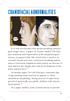 CRANIOFACIAL ABNORMALITIES It is well documented that mouth-breathing children grow longer faces. A paper by Tourne entitled The long face syndrome and impairment of the nasopharyngeal airway, recognised
The etiology of orthodontic problems Fifth session
 بنام خداوند جان و خرد The etiology of orthodontic problems Fifth session دکتر مھتاب نوری دانشيار گروه ارتدنسی Course Outline( 5 sessions) Specific causes of malocclusion Genetic Influences Environmental
AWAKE FIBREOPTIC INTUBATION THE BASICS ANAESTHESIA TUTORIAL OF THE WEEK 201
 AWAKE FIBREOPTIC INTUBATION THE BASICS ANAESTHESIA TUTORIAL OF THE WEEK 201 18 TH OCTOBER 2010 Dr S Kritzinger Registrar in Anaesthetics Pinderfields General Hospital, Wakefield, UK Dr M van Greunen Consultant
A. function: supplies body with oxygen and removes carbon dioxide. a. O2 diffuses from air into pulmonary capillary blood
 A. function: supplies body with oxygen and removes carbon dioxide 1. ventilation = movement of air into and out of lungs 2. diffusion: B. organization a. O2 diffuses from air into pulmonary capillary blood
Lateral pterygoid muscle Medial pterygoid muscle
 PATIENT INFORMATION BOOKLET Trismus Normal Jaw Function The jaw is a pair of bones that form the framework of the mouth and teeth. The upper jaw is called the maxilla. The lower jaw is called the mandible.
Conundrums in Ambulatory Anesthesia I
 THE UNIVERSITY OF TEXAS SOUTHWESTERN MEDICAL CENTER DALLAS Parkland Hospital, Dallas, Texas Conundrums in Ambulatory Anesthesia I Girish P. Joshi, MBBS, MD, FFARCSI Professor of Anesthesiology and Pain
EAR, NOSE AND THROAT (ENT) ASSESSMENT
 This assessment is effective as of October 2014. For more information or to provide feedback on this or any other decision support tool, e-mail [email protected] EAR, NOSE AND THROAT (ENT) ASSESSMENT
Removable appliances II. Functional jaw orthopedics
 Removable appliances II. Functional jaw orthopedics Melinda Madléna DMD, PhD Associate professor Department of Pedodontics and Orthodontics Faculty of Dentistry Semmelweis University Budapest Classification
Minimally Invasive Spine Surgery
 Chapter 1 Minimally Invasive Spine Surgery 1 H.M. Mayer Primum non nocere First do no harm In the long history of surgery it always has been a basic principle to restrict the iatrogenic trauma done to
Acknowledgements. Dental Management of Obstructive Sleep Apnea in a Maxillofacial Prosthodontic Practice. Transfer of Information
 Dental Management of Obstructive Sleep Apnea in a Maxillofacial Prosthodontic Practice Alvin G. Wee, BDS, MS, MPH Associate Professor and Director Division of Oral Facial Prosthetics / Dental Oncology
INTERNATIONAL MEDICAL COLLEGE
 INTERNATIONAL MEDICAL COLLEGE Joint Degree Master Program: Implantology and Dental Surgery (M.Sc.) Basic modules: List of individual modules Basic Module 1 Basic principles of general and dental medicine
Temporo-Mandibular Joint Complex Exercise Suggestions
 Temporo-Mandibular Joint Complex Exercise Suggestions I. Exercise Generalizations: A. Patients with post-traumatic TMJ problems or with recent-onset dysfunction that is largely posture-related will generally
Sign up to receive ATOTW weekly - email [email protected]
 RHEUMATOID ARTHRITIS AND ANAESTHESIA - PART 2 ANAESTHESIA TUTORIAL OF THE WEEK 267 13 TH AUGUST 2012 Dr Rashmi Menon Leeds General Infirmary Correspondence to [email protected] QUESTIONS 1. A
Clinical Practice Guideline For Orthodontics
 Clinical Practice Guideline For Orthodontics MOH- Oral Health CSN -Orthodontics -2010 Page 1 of 15 Orthodontic Management Guidelines 1. Definitions: Orthodontics is the branch of dentistry concerned with
Underwriting Sleep Apnea
 Underwriting Sleep Apnea Joel Weiner, MD, FLMI April 29, 2014 WAHLU The Northwestern Mutual Life Insurance Company Milwaukee, WI A Brief Survey Before We Get Started The Weiner Sleepiness Scale How likely
Developmental Cysts. Non-odontogenic Cysts. Nasopalatine duct cyst. Palatal and gingival cysts of newborns
 Non-odontogenic Cysts Dr. Ioannis G. Koutlas Division of Oral Pathology Developmental Cysts a.k.a. fissural cysts Exact pathogenesis of some of them uncertain Generally, slow increase May be identified
Preventive Pediatric Dental Care. Lawrence A. Kotlow DDS Practice Limited to Pediatric Dental Care 340 Fuller Road Albany, New York 12203
 Preventive Pediatric Dental Care Lawrence A. Kotlow DDS Practice Limited to Pediatric Dental Care 340 Fuller Road Albany, New York 12203 Patient comfort and safety 1. All children are treated using the
Cervical Spine Imaging
 March 20, 2006 Cervical Spine Imaging Johannes Kratz, Harvard Medical School Year IV 1 Overview Background Clinical Cases Diagnostic Tests and a Decision-Tree Algorithm Examples of Cervical Spine Evaluations
Introduction to Dental Anatomy
 Introduction to Dental Anatomy Vickie P. Overman, RDH, MEd Continuing Education Units: N/A This continuing education course is intended for dental students and dental hygiene students. Maintaining the
UNMH Oral and Maxillofacial Surgery Clinical Privileges
 All new applicants must meet the following requirements as approved by the UNMH Board of Trustees effective: 09/26/2014 INSTRUCTIONS Applicant: Check off the "Requested" box for each privilege requested.
Bitewing Radiography B.E. DIXON. B.D.S., M.Sc., D.P.D.S.
 Bitewing Radiography B.E. DIXON B.D.S., M.Sc., D.P.D.S. Main Indications Detection of Dental Caries Monitoring progression of caries Assessment of existing restorations Assessment of Periodontal status
a guide to understanding moebius syndrome a publication of children s craniofacial association
 a guide to understanding moebius syndrome a publication of children s craniofacial association a guide to understanding moebius syndrome this parent s guide to Moebius syndrome is designed to answer questions
The Newborn With a Congenital Disorder. Chapter 14. Copyright 2008 Wolters Kluwer Health Lippincott Williams & Wilkins
 The Newborn With a Congenital Disorder Chapter 14 Congenital Anomalies or Malformations May be caused by genetic or environmental factors Approximately 2% to 3% of all infants born have a major malformation
An Evaluation of the Rapid Airway Management Positioner in Obese Patients Undergoing Gastric Bypass or Laparoscopic Gastric Banding Surgery
 OBES SURG (2010) 20:1436 1441 DOI 10.1007/s11695-009-9885-8 CASE REPORT An Evaluation of the Rapid Airway Management Positioner in Obese Patients Undergoing Gastric Bypass or Laparoscopic Gastric Banding
Respiratory System. Chapter 21
 Respiratory System Chapter 21 Structural Anatomy Upper respiratory system Lower respiratory system throat windpipe voice box Function of Respiratory System Gas exchange Contains receptors for sense of
.org. Fractures of the Thoracic and Lumbar Spine. Cause. Description
 Fractures of the Thoracic and Lumbar Spine Page ( 1 ) Spinal fractures can vary widely in severity. While some fractures are very serious injuries that require emergency treatment, other fractures can
Resorptive Changes of Maxillary and Mandibular Bone Structures in Removable Denture Wearers
 Resorptive Changes of Maxillary and Mandibular Bone Structures in Removable Denture Wearers Dubravka KnezoviÊ-ZlatariÊ Asja»elebiÊ Biserka LaziÊ Department of Prosthodontics School of Dental Medicine University
TRACHEOSTOMY TUBE PARTS
 Page1 NR 33 TRACHEOSTOMY CARE AND SUCTIONING Review ATI Basic skills videos: Tracheostomy care and Endotracheal suction using a closed suction set. TRACHEOSTOMY TUBE PARTS Match the numbers on the diagram
SYSTEMATIC APPROACH TO ORTHODONTIC DIAGNOSIS DENT 656
 SYSTEMATIC APPROACH TO ORTHODONTIC DIAGNOSIS DENT 656 ORTHODONTIC CLASSIFICATION / DIAGNOSIS Goal of diagnosis: An orderly reduction of the data base to a useful list of the patient s problems Useful??
Headgear Appliances. Dentofacial Orthopedics and Orthodontics. A Common Misconception. What is Headgear? Ideal Orthodontic Treatment Sequence
 Ideal Orthodontic Treatment Sequence Headgear Appliances Natalie A. Capan, D.M.D. 580 Sylvan Avenue, Suite 1M Englewood Cliffs, New Jersey 07632 (201)569-9055 www.capanorthodontics.com [email protected]
SCD Case Study. Most malignant lesions of the tonsil are either lymphosarcoma or carcinoma.
 SCD Case Study Dry Mouth This case study details a patient who has experienced xerostomia as a result of treatment for squamous cell carcinoma of the left tonsil involving surgery followed by deep x-ray
Instability concept. Symposium- Cervical Spine. Barcelona, February 2014
 Instability concept Guillem Saló Bru, MD, Phd AOSpine Principles Symposium- Cervical Spine Orthopaedic Depatment. Spine Unit. Hospital del Mar. Barcelona. Associated Professor UAB Barcelona, February 2014
!Financial agreement COST / RISK / BENEFIT
 COMPLETE DENTURES 1 2 Oral Examination, Diagnosis and Treatment Planning Initial Appointment! Get to know your patient! Personally, experiences, expectations! Past medical history! Past dental history!
European Academy of DentoMaxilloFacial Radiology
 European Academy of DentoMaxilloFacial Radiology Framework for Specialist Training in Dental and Maxillofacial Radiology Background The scope of DentoMaxilloFacial Radiology DMFR (Dental and Maxillofacial
Spinal Cord Injury Education. An Overview for Patients, Families, and Caregivers
 Spinal Cord Injury Education An Overview for Patients, Families, and Caregivers Spinal Cord Anatomy A major component of the Central Nervous System (CNS) It is 15 to 16 inches long, and weighs 1 to 2 ounces
Objectives AXIAL SKELETON. 1. Frontal Bone. 2. Parietal Bones. 3. Temporal Bones. CRANIAL BONES (8 total flat bones w/ 2 paired)
 Objectives AXIAL SKELETON SKULL 1. On a skull or diagram, identify and name the bones of the skull 2. Identify the structure and function of the bones of the skull 3. Describe how a fetal skull differs
SAMPLE. Anesthesia Services. An essential coding, billing, and reimbursement resource for anesthesiology and pain management ICD-10
 Coding and Payment Guide www.optumcoding.com Anesthesia Services An essential coding, billing, and reimbursement resource for anesthesiology and pain management 2017 a ICD10 A full suite of resources including
The American Society of Anesthesiologists (ASA) has defined MAC as:
 Medical Coverage Policy Monitored Anesthesia Care (MAC) sad EFFECTIVE DATE: 09 01 2004 POLICY LAST UPDATED: 11 04 2014 OVERVIEW The intent of this policy is to address anesthesia services for diagnostic
Prehistoric skulls have minimal malocclusions. Why do contemporary industrialized societies have such a high incidence of malocclusion?
 Prehistoric skulls have minimal malocclusions. Why do contemporary industrialized societies have such a high incidence of malocclusion? C1 This historic skull has good facial form, beautiful dental occlusion
COURSE: PHS 211 Human Anatomy and Physiology for the Performing Arts (1 credit - compulsory). LECTURER: SALMAN, Toyin Mohammed. B.sc (Ilorin), M.
 COURSE: PHS 211 Human Anatomy and Physiology for the Performing Arts (1 credit - compulsory). LECTURER: SALMAN, Toyin Mohammed. B.sc (Ilorin), M.sc (Ibadan) Department of Physiology, Faculty Basic Medical
Difficult Pre-hospital Airway Management
 Difficult Pre-hospital Airway Management Frans L. Rutten, MD, FDSA Elisabeth Hospital Tilburg, The Netherlands In management of patients with an emergency, airway management and ventilatory care are the
2.06 Understand the functions and disorders of the respiratory system
 2.06 Understand the functions and disorders of the respiratory system 2.06 Understand the functions and disorders of the respiratory system Essential questions What are the functions of the respiratory
Coding and Payment Guide for Dental Services. A comprehensive coding, billing, and reimbursement resource for dental services
 Coding and Payment Guide for Dental Services A comprehensive coding, billing, and reimbursement resource for dental services 2011 Contents Introduction...1 Coding Systems... 1 Claim Forms... 2 Contents
SECTION 2. Oral Maxillofacial Surgeon Services. Table of Contents
 SECTION 2 Table of Contents Table of Contents 1. GENERAL POLICY (Updated 4/1/12)... 3 1-1 Credentials... 3 1-2 Clients Enrolled in a Managed Care Plan... 3 1-3 Clients NOT Enrolled in a Managed Care Plan...
Oxygen Therapy. Oxygen therapy quick guide V3 July 2012.
 PRESENTATION Oxygen (O 2 ) is a gas provided in a compressed form in a cylinder. It is also available in a liquid form. It is fed via a regulator and flow meter to the patient by means of plastic tubing
Anterior Approach Burn s Space Esophagus
 Cervical Complications Complications after Cervical Spine Surgery Dr. Rock Patel University of Michigan, Ann Arbor APPROACH RELATED Anterior Posterior PROCEDURE RELATED ACDF Disc Arthroplasty Laminectomy/Fusion
Whiplash injuries can be visible by functional magnetic resonance imaging. Pain Research and Management Autumn 2006; Vol. 11, No. 3, pp.
 Whiplash injuries can be visible by functional magnetic resonance imaging 1 Bengt H Johansson, MD FROM ABSTRACT: Pain Research and Management Autumn 2006; Vol. 11, No. 3, pp. 197-199 Whiplash trauma can
One Lung Ventilation Module (OLV)
 1 One Lung Ventilation Module (OLV) A Thoracic Surgery Directors Association (TSDA) Cardiothoracic Surgery Resident Boot Camp Syllabus The ability to isolate one of the lungs is an essential skill set
Evaluation and treatment of emphysema in a preterm infant
 ISPUB.COM The Internet Journal of Pediatrics and Neonatology Volume 11 Number 1 Evaluation and treatment of emphysema in a preterm infant T Saad, P Chess, W Pegoli, P Katzman Citation T Saad, P Chess,
EARLY TREATMENT. First Phase Treatment: Your foundation for a lifetime of beautiful teeth
 EARLY TREATMENT For some people, early orthodontic treatment means that a child simply has braces placed on the teeth at a young age. While that concept may be somewhat true, early orthodontic treatment
Chapter 10. All chapters, full text, free download, available at http://www.divingmedicine.info SINUS BAROTRAUMA ANATOMY OF THE SINUSES
 Chapter 10 All chapters, full text, free download, available at http://www.divingmedicine.info SINUS BAROTRAUMA ANATOMY OF THE SINUSES The sinuses are air filled cavities contained within the bones of
Residency Competency and Proficiency Statements
 Residency Competency and Proficiency Statements 1. REQUEST AND RESPOND TO REQUESTS FOR CONSULTATIONS Identify needs and make referrals to appropriate health care providers for the treatment of physiologic,
Program Specification for Master Degree Anesthesia, ICU and Pain Management
 Cairo University Faculty of Medicine Program type: Single Program Specification for Master Degree Anesthesia, ICU and Pain Management Department offering program: Anesthesia, intensive care and pain management
A Patient s Guide to Diffuse Idiopathic Skeletal Hyperostosis (DISH)
 A Patient s Guide to Diffuse Idiopathic Skeletal Hyperostosis (DISH) Introduction Diffuse Idiopathic Skeletal Hyperostosis (DISH) is a phenomenon that more commonly affects older males. It is associated
Low Back Injury in the Industrial Athlete: An Anatomic Approach
 Low Back Injury in the Industrial Athlete: An Anatomic Approach Earl J. Craig, M.D. Assistant Professor Indiana University School of Medicine Department of Physical Medicine and Rehabilitation Epidemiology
ICD-10 Codes for Orthodontics
 Introduction Kirt E. Simmons, DDS, PhD This document is meant to provide general information on diagnostic coding, specifically coding using the ICD-10 code set. Proper and accurate diagnostic coding is
Perioperative Management of Patients with Obstructive Sleep Apnea. Kalpesh Ganatra,MD Diplomate, American Board of Sleep Medicine
 Perioperative Management of Patients with Obstructive Sleep Apnea Kalpesh Ganatra,MD Diplomate, American Board of Sleep Medicine Disclosures. This activity is supported by an education grant from Trivalley
IMPLANT CONSENT FORM WHAT ARE DENTAL IMPLANTS?
 IMPLANT CONSENT FORM WHAT ARE DENTAL IMPLANTS? Dental implants are a very successful and accepted treatment option to replace lost or missing teeth. A dental implant is essentially an artificial tooth
COMPLICATIONS OF SUSPENSION LARYNGOSCOPY
 Ann Otol Rhinol Laryngol 111:2002 Ann Otol Rhinol Laryngol 111:2002 REPRINTED FROM ANNALS OF OTOLOGY, RHINOLOGY & LARYNGOLOGY November 2002 Volume 111 Number 11 COPYRIGHT 2002, ANNALS PUBLISHING COMPANY
Administrative. Patient name Date compare with previous Position markers R-L, upright, supine Technical quality
 CHEST X-RAY Administrative Patient name Date compare with previous Position markers R-L, upright, supine Technical quality AP or PA ( with x-ray beam entering from back of patient, taken at 6 feet) Good
Oxygen - update April 2009 OXG
 PRESENTATION Oxygen (O 2 ) is a gas provided in compressed form in a cylinder. It is also available in liquid form, in a system adapted for ambulance use. It is fed via a regulator and flow meter to the
EYE, EAR, NOSE, and THROAT INJURIES
 T6 EYE, EAR, NOSE, and THROAT INJURIES Management of injuries of the eyes, ears, nose, and throat focuses on airway management and initial stabilization of the injury. Bilateral comparisons can assist
Perioperative risk factors in obese patients for bariatric surgery: a Singapore experience
 Original Article Singapore Med J 2011; 52(2) : 94 Perioperative risk factors in obese patients for bariatric surgery: a Singapore experience Iyer U S, Koh K F, Chia N C H, Macachor J, Cheng A Department
The Difficult Airway in Head and Neck Tumor Surgery. Niels F. Jensen, MD. Jonathan L. Benumof, MD
 1 The Difficult Airway in Head and Neck Tumor Surgery Niels F. Jensen, MD Jonathan L. Benumof, MD 1. Assistant Professor, Department of Anesthesiology, University of Iowa 2. Professor, Department of Anesthesiology,
Oxygenation. Chapter 21. Anatomy and Physiology of Breathing. Anatomy and Physiology of Breathing*
 Oxygenation Chapter 21 Anatomy and Physiology of Breathing Inspiration ~ breathing in Expiration ~ breathing out Ventilation ~ Movement of air in & out of the lungs Respiration ~ exchange of O2 & carbon
Tuition and Fees Dentists - Full time (per annum): 20,000
 Diploma of Oral Surgery Residency Training Program in preparation for the Fachzahnarzt in Oral Surgery Specialty Examination in the Republic of Germany Degree awarded: - Diploma of Oral Surgery - Fachzahnarzt
If you or a loved one have suffered because of a negligent error during spinal surgery, you will be going through a difficult time.
 If you or a loved one have suffered because of a negligent error during spinal surgery, you will be going through a difficult time. You may be worried about your future, both in respect of finances and
CHAPTER 10 RESTS AND PREPARATIONS. 4. Serve as a reference point for evaluating the fit of the framework to the teeth.
 CHAPTER 10 RESTS AND DEFINITIONS A REST is any rigid part of an RPD framework which contacts a properly prepared surface of a tooth. A REST PREPARATION or REST SEAT is any portion of a tooth or restoration
OTOLARYNGOLOGY/FACIAL PLASTIC SURGERY-HEAD AND NECK SURGERY
 AMERICAN OSTEOPATHIC ASSOCIATION INSTITUTIONAL SEGREGATED TOTAL LOG FORM OTOLARYNGOLOGY/FACIAL PLASTIC SURGERY-HEAD AND NECK SURGERY Training Institution Mailing Address Daytime Phone ( ) Email Name of
WHIPLASH INJURIES By Prof RP Grabe, Department of Orthopaedics, University of Pretoria
 1 WHIPLASH INJURIES By Prof RP Grabe, Department of Orthopaedics, University of Pretoria In a recent publication in Spine the Quebec task force mentions that very little is available in the literature
TMJ Exercises Information for patients
 Oxford University Hospitals NHS Trust Specialist Surgery TMJ Exercises Information for patients What is the Temporomandibular Joint? The temporomandibular joint (TMJ) is located in front of the ear where
Temple Physical Therapy
 Temple Physical Therapy A General Overview of Common Neck Injuries For current information on Temple Physical Therapy related news and for a healthy and safe return to work, sport and recreation Like Us
Chapter 2 - Anatomy & Physiology of the Respiratory System
 Chapter 2 - Anatomy & Physiology of the Respiratory System Written by - AH Kendrick & C Newall 2.1 Introduction 2.2 Gross Anatomy of the Lungs, 2.3 Anatomy of the Thorax, 2.4 Anatomy and Histology of the
Obstructive Sleep Apnoea
 Obstructive Sleep Apnoea What is obstructive sleep apnoea? People who suffer from Obstructive Sleep Apnoea (OSA) reduce or stop their breathing for short periods while sleeping. This can happen many times
Attachment S: Benefits Covered - ADULTS - AGE 21 AND OVER
 Diagnostic services include the oral examinations and selected radiographs needed to assess the oral health, diagnose oral pathology and develop an adequate treatment plan for the Participant s oral health.
Information for the Patient About Surgical
 Information for the Patient About Surgical Decompression and Stabilization of the Spine Aging and the Spine Daily wear and tear, along with disc degeneration due to aging and injury, are common causes
Clearing the C Spine
 1. Introduction 2. Clinical Presentation 3. History 4. Physical Exam 5. Diagnosis 6. Investigations 7. Evaluation 8. Management 9. Reference 10. Acknowledgents Clearing the C Spine 1. Introduction: Injury
Healthcare services requiring prior authorisation
 Annex 2 Healthcare requiring prior authorisation This list does not include organ transplants and does also not apply to long-term care and the primary purpose of which is to support people in need of