
Wound care of the advanced cancer patient
|
|
|
- Raymond Hodge
- 10 years ago
- Views:
Transcription
1 Hematol Oncol Clin N Am 16 (2002) Wound care of the advanced cancer patient Kathryn G. Froiland, MSN, RN, AOCN, CWOCN Division of Nursing, The University of Texas M.D. Anderson Cancer Center, 1515 Holcombe Blvd, Box 163, Houston, TX 77030, USA Loss of skin integrity can cause significant distress to the patient and to the caregiver who is trying to provide comfort and promote healing under difficult circumstances. This article will discuss the assessment and management of wounds commonly found in oncology patients. Clinical features Pressure ulcers are areas of necrosis that develop when soft tissue is compressed between a bony prominence and an external surface for a prolonged period [1]. The coccyx, sacrum, and heel are most vulnerable, because there is less soft tissue present between the bone and skin in these areas; however, ulcers may develop in conjunction with any improperly fitting assistive device. The risk of pressure ulcer formation increases for those who experience atrophy of subcutaneous and muscle tissue layers. The National Pressure Ulcer Advisory Panel has classified pressure ulcers into stages that identify involved tissue layers. Stage 1 and 2 pressure ulcers are the most common types seen in the oncology population. Risk is greater in oncology patients because of advanced age and concurrent chronic illness. Pain and fatigue may contribute to self-limited mobility during the course of the disease. Poor nutritional status (a common finding in patients with cancer) further impairs the ability to maintain skin integrity and to heal wounds. Surgical wounds are acute wounds caused by a surgeon s scalpel (Fig. 1). Many are closed at the conclusion of the surgical procedure. Closure may be delayed to allow for the edema or infection to resolve or for drainage of exudate. Closed wounds may open spontaneously or may require opening to allow for drainage of exudate, debridement of nonviable tissue, or treatment of infection. The cellular microenvironment of the wound is influenced by many address: [email protected] (K.G. Froiland) /02/$ see front matter D 2002, Elsevier Science (USA). All rights reserved. PII: S (02)

2 630 K.G. Froiland / Hematol Oncol Clin N Am 16 (2002) Fig. 1. Surgical wound and abdominal incision. factors, including tissue hypoxia, hypovolemia, postoperative warming, poor nutrition, diabetes mellitus, prior irradiation, and poor pain control. These factors all affect the patient s ability to maintain a closed wound and to heal over time. Although radiation therapy technology has improved over the years, skinrelated alterations do occur and can be a source of discomfort during and after treatment. The cytotoxic effects of radiation on the skin are enhanced when combined with chemotherapy [2]. Acute reactions are a function of the dose delivered multiplied by the volume treated over time exposed to radiation, rather than the total applied dose. Radiation effects are cumulative but self-limiting, often subsiding within 3 months after therapy [3]. Skin manifestations can range from erythema to moist desquamation and blistering (Fig. 2). Malignant cutaneous wounds are ulcerating cancerous lesions of the skin that may be open and draining [4]. Incidence of such wounds is estimated at 10% among patients with metastatic disease [5]. Although most commonly associated with breast cancer (Fig. 3), these wounds may metastasize from many primary sites. Wounds may contain firm, flesh-colored nodules, reddish-blue nodules, or cauliflower-like masses. Sinus tracts and fistulas may be found within the wounds. Depth of tissue involvement also varies. Bleeding is a common symptom associated with these lesions, and it impacts on the decision to debride necrotic tissue. A foul odor is common and is caused by infection and tissue necrosis. Incontinence resulting in exposure of skin to urine moisture and the enzymes of stool can cause associated skin breakdown. The loss of this protective barrier opens a portal for infection. The skin becomes painful, thus hampering the

3 K.G. Froiland / Hematol Oncol Clin N Am 16 (2002) Fig. 2. Moist desquamation in a 75-year-old woman with vulvar cancer who is receiving chemoradiation. patient s willingness to participate in cleansing procedures. Incontinence can be socially isolating and often promotes dependence on caregivers. Fig. 3. Malignant cutaneous breast wound in a 49-year-old woman with stage IV breast cancer with lung metastasis.

4 632 K.G. Froiland / Hematol Oncol Clin N Am 16 (2002) Assessment Wound assessment and documentation should include the following findings: Degree of tissue layer destruction or color Anatomic location Length, width, depth, and tunneling using consistent units of measure Appearance of the wound bed and surrounding skin Drainage specifying amount, color, and consistency Pain or tenderness Temperature [6] Although these parameters were developed to assess pressure ulcers, they are useful for assessing other types of wounds. The skin surrounding the wound must be assessed for color, temperature, and swelling. Excessive dryness or moisture or nonviable tissue or exudate may delay re-epithelialization once granulation occurs. Finally, assess the wound for the presence of foreign objects, such as sutures, staples, or environmental debris. Removal, if possible, is recommended [6]. Urinary or fecal incontinence The patient s history is evaluated to determine the cause of incontinence, and the perineal skin is examined. Complicating factors, such as infection, retention of urine, fecal impaction, recent initiation of enteral feedings, mobility impairment, and neurologic disorders, are identified. Further urodynamic or anorectal physiological testing can be deferred until the patient s cancer is controlled. Once causation has been determined, various factors can be manipulated to decrease further episodes of incontinence. Skin-related damage may appear as an irritant contact dermatitis involving erythema, edema, and vesicle formation. Failure to remove the irritant (urine or stool) will result in progressive inflammation of the skin, resulting in blistering, erosion of epidermis, weeping, and pain. Itching and burning occur with mild inflammation, whereas severe inflammation is associated with epidermal loss and exposure of dermal nerve endings, causing pain. Intertrigo is a mild Candida infection that occurs within warm, moist skin folds. It may be mistaken for irritant dermatitis and appears as superficial linear erosions at the base of a skinfold or circular erosions between the buttocks, with surrounding erythema. It is commonly found on the skin of diabetic and obese patients, especially if their mobility is impaired. Perineal yeast infections caused by Candida albicans are common among individuals who are incontinent and those who are immunocompromised. The resultant rash appears as an area of confluent erythema, which is more intense in the center and may lack a distinct border. Pinpoint satellite vesicles are

5 K.G. Froiland / Hematol Oncol Clin N Am 16 (2002) visible at the periphery. Friction will unroof the vesicles, causing them to appear as macules. Scaling may be present. Long-term infections cause hyperpigmentation of the affected area and may be mistaken for a pressure ulcer, especially if seen over the sacrum or coccyx [7]. Prognosis and treatment Topical wound management helps keep the wound moist, clean, warm, and protected from trauma and secondary infection. More that 2000 products are available on the market today. The following list describes products that are useful in caring for several types of wounds. A limited number of examples are included. The reader is referred to wound care texts [6,8] and to manufacturers packaging information for more detail. Consultation with a certified wound, ostomy, and continence care nurse is advised ( or WOCN). Alginates are derived from seaweed and absorb up to 20 times their weight. They interact with exudate to form a soft gel. This gel maintains a moist wound environment, facilitates autolytic debridement, fills dead space, and is easy to apply and remove. Alginates dehydrate lightly exudating wounds and require a secondary dressing (Bard AlgiDERM, CR Bard, Inc, Covington, GA; Smith & Nephew AlgiSite M, Smith & Nephew, Inc, Largo, FL; Coloplast Comfeel SeaSorb, Coloplast Corp, Marietta, GA). Collagen encourages the deposition and organization of newly formed collagen fibers and granulation tissue in the wound bed. It may be used on pressure ulcers; on infected and noninfected wounds; in tunnels; to absorb minimal to heavy exudate; and on skin grafts and donor sites. It maintains a moist wound environment, is conforming, and is nonadherent. It is not recommended for third-degree burns or for wounds containing dry eschar, because it requires a secondary dressing (Johnson & Johnson FIBRACOL, ETHICON, Inc, Somerville, NJ; Hymed hycure, The Hymed Group Corp, Bethlehem, PA; BioCore Kallagen-Medifill II Gel, BioCore Medical Technologies, Inc, Silver Spring, MD). Composite dressings combine two or more distinct products, which are manufactured as one dressing. Features of the dressing include a bacterial barrier; an absorptive nonalginate layer, foam, hydrocolloid, or hydrogel; a semi- or nonadherent property for wound contact; and an adhesive border. They may be used as primary or secondary dressings on wounds with minimal to heavy exudate, healthy granulation tissue, moist necrotic tissue, or granulation and necrotic tissue. Composites facilitate autolytic debridement, allow moisture vapor exchange, and may be used on infected wounds. They are easy to apply and remove but require intact periwound skin for anchoring the dressing (Molnlyke Alldress, Molnlycke Health Care, Eddystone, PA; DeRoyal COVADERM PLUS DeRoyal, Powell, TN; Kendall TELFA Island Dressing, Kendall Health Care Products Company, Mansfield, MA).

6 634 K.G. Froiland / Hematol Oncol Clin N Am 16 (2002) Foams are absorbent, create a moist environment, and provide thermal insulation to the wound. Being nonadherent, they are easy to apply and remove. They may require a secondary dressing, tape, wrap, or net to hold in place (Beiersdorf Cutinova Foam, Beiersdorf-Jobst, Inc, Charlotte, NC; Bertek (Dow Hickam) Flexzan Bertek (Dow Hickam) Pharmaceuticals, Research Triangle Park, NC; ConvaTec Lyofoam ConvaTec, Skillman, NJ). Hydrocolloids are occlusive or semiocclusive dressings composed of gelatin, pectin, or carboxymethylcellulose. They create a moist environment allowing clean wounds to granulate and necrotic wounds to debride. They are used as primary or secondary dressings to manage pressure ulcers, wounds with nonviable eschar or slough, or wounds with light to moderate exudate. Although impermeable to contaminants, they limit gas exchange with the environment. They are self-adhesive and mold well. The edges may curl and injure fragile skin when removed. Use with caution on skin of patients with thrombocytopenia. They may be placed along the edges of surgical wounds to protect periwound skin from moisture and dermal stripping caused by traumatic tape removal (ConvaTec DuoDERM; Coloplast Comfeel; 3M Tegasorb, 3M Health Care, St. Paul, MN). Hydrofiber dressings are soft nonwoven dressings made from sodium carboxymethylcellulose fibers (AQUACEL; ConvaTec). They are highly absorbent for managing exudating wounds of all types. As absorption occurs, gel forms, providing a moist environment that promotes debridement and nontraumatic removal. They may be used as an alternative to an alginate dressing. Hydrogels are water- or glycerin-based amorphous gels, impregnated gauze, or sheet dressings. They maintain a moist environment, promote granulation and epithelialization, and facilitate autolytic debridement. They are soothing and may reduce pain in minor burns and radiation-induced skin breakdown. They provide minimal to moderate absorption, dehydrate if not covered with a secondary dressing, and may cause periwound breakdown if allowed to contact intact skin (Carrington Carrasyn Gel, Carrington Laboratories, Irving, TX; ConvaTec SAF-Gel; Bard Vigilon, Bard Medical Division, CR Bard, Inc, Covington, GA). Specialty absorptives are multilayered dressings consisting of highly absorptive layers of cellulose, cotton, or rayon fibers. They are used as secondary dressings, are semi- to nonadherent, and are highly absorptive (Smith & Nephew EXU-DRY; Healthpoint IODOFLEX PAD, Healthpoint, Fort Worth, TX; DeRoyal Sofsorb). Transparent films are adhesive, waterproof and impermeable to contaminants, and permit water vapor to cross the semipermeable barrier. Films maintain a moist environment and facilitate autolytic debridement. Their transparency permits wound observation. Films may be used as primary dressings on nondraining wounds, such as skin tears or as secondary dressings. Films should not be placed over infected wounds and are not recommended for use on fragile skin. Dressings placed on high-friction areas may dislodge (Johnson & Johnson BIOCLUSIVE; Smith & Nephew OpSite; 3M Tegaderm).

7 Selected other products Cream or emulsion dressings BIAFINE Radiodermatitis Emulsion dressing (Medix Pharmaceuticals Americas, Inc., Largo, FL) recruits macrophages to promote granulation, debrides autolytically, creates a moist environment, absorbs exudate, and decreases odor. Debriding agents K.G. Froiland / Hematol Oncol Clin N Am 16 (2002) ACCUZYME Papain-Urea Debriding Ointment (Healthpoint) contains papain, which is a proteolytic enzyme that digests nonviable protein matter without harming healthy tissue. It is indicated to debride necrotic tissue and to liquefy slough in pressure ulcers, burns, surgical wounds, vascular wounds, and infected wounds. Collagenase SANTYL Ointment (Smith & Nephew) is a collagen-specific proteolytic enzyme that debrides necrotic tissue without harming healthy granulation tissue. Debridement of chronic dermal ulcers and burned areas is its indicated usage. It should be used with a topical antibiotic powder in infected wounds. Skin sealants provide a transparent waterproof barrier that protects intact skin from excess moisture. They come in several forms, including wipes, sprays, and gels. Those containing a minimal amount of alcohol or none at all are most comfortable on tender skin. Vacuum-assisted closure/negative pressure wound therapy (Kinetic Concepts, Inc., San Antonio, TX) evacuates wound fluid, reduces localized edema, stimulates granulation tissue formation, and reduces bacterial colonization Fig. 4. Abdominal surgical wound with vacuum-assisted closure dressing in place.

8 636 K.G. Froiland / Hematol Oncol Clin N Am 16 (2002) counts. Open-cell foam sponge is fit into the wound, the wound is sealed with an adhesive drape, and subatmospheric pressure is applied through an evacuation tube by a computerized pump. The pump is programmed to deliver the appropriate amount of negative pressure based on the individual characteristics of the wound. Therapy is applied until closure is achieved or until the wound has granulated sufficiently for surgical closure. This therapy has been used successfully in oncology patients who have surgical wounds and pressure ulcers (Fig. 4). Care of irradiated skin Cleaning skin with tepid water is advisable. A minimal amount of mild soap may be used if necessary. Skin may be rinsed gently with water using a spray bottle. The skin should be patted dry with a soft towel or may be dried with a hair dryer set on a low or cool setting. Exposure to heat or cold should be avoided. Perfume, deodorant, makeup, scented soaps, adhesives, and tight-fitting clothes should not be used in the treatment area. Itching is often caused by dryness. Use of ointments, lotions, or moisturizers should be approved by the radiation oncologist to avoid interference with treatment. Aquaphor (Beiersdorf) and BIAFINE are products commonly used to rehydrate and moisturize erythematous and desquamated skin. Hydrogels, wafers, and sheets may be applied to provide comfort to inflamed areas. Cooling the wafers or sheets by refrigeration may soothe exposed nerve endings. If the skin becomes moist and weepy, nonadherent absorptive dressings can be applied. They should be secured by nonbinding elastic mesh garments to intact, nonirradiated skin. The patient must be supported with adequate pain-relieving medication. Topical application of anesthetic gel may provide short-term relief. Symptom management should be continued after completion of radiation therapy, because reactions continue for several weeks or months after treatment. Care of malignant cutaneous wounds The wound is often painful. Nonadherent dressings that offer long wear times (ie, changes no more often than every 2 to 3 days) should be considered to minimize pain. Hydrocolloid dressings applied to fragile periwound skin will decrease trauma. Nontraumatic tapes and mesh netting can be used to affix dressings and to ease removal of dressings. Hemostatic dressings, nonadherent gauze, alginates, and silver nitrate can be used to control minor bleeding. Appropriate precautions must be taken when sharply debriding these wounds, because vascular structures are often difficult to identify and because bleeding may be difficult to control. Necrotic tissue, infection, or saturated dressings are sources of odor. Ionic irrigants or wound cleansers can mechanically remove odorous necrotic tissue. Absorbent dressings, polysaccharide beads (Healthpoint IODOSORB), sodium-

9 K.G. Froiland / Hematol Oncol Clin N Am 16 (2002) impregnated gauze (Molnlycke MESALT), and alginates absorb odorous wound fluid. Charcoal-impregnated dressings (ConvaTec CARBOFLEX and LYO- FOAM C; Johnson & Johnson ACTISORB PLUS), used as the outermost layer of the dressing, suppress odor until saturated. The amount of exudate and extent of odor will determine the frequency of dressing changes. Conservative autolytic or enzymatic debridement can be used to gently and effectively soften and remove necrotic tissue. Although appropriate, surgical debridement is used less commonly because of the risk of bleeding [9]. Antimicrobial creams, dressings with antibacterial properties, antibiotic solutions, and sodium-impregnated gauze may reduce bacterial load, thereby reducing odor. Metronidazole (gel or crushed tablets in normal saline solution) applied one to two times daily to the wound bed or on gauze placed over the wound will suppress odor (indication not US Food and Drug Administration approved) [8]. Biologic odor-eliminating sprays can help control environmental odors. Although readily available and less costly, spray deodorizers and vanilla extract or orange oil only mask odor. It is advisable to change odorous dressings when strikethrough of drainage occurs. Fig year-old woman with Mycosis fungoides.

10 638 K.G. Froiland / Hematol Oncol Clin N Am 16 (2002) The volume of exudate varies and determines the type of dressing required to contain it. Alginates and foam dressings can contain moderate to large amounts of exudate. Heavily exudative wounds need superabsorbent pads and an alginate or hydrofiber dressing, absorptive powder, beads, or wound-filler products. Wound drainage pouches should be considered when dressings require frequent changing, when odor is uncontrolled, or when the periwound skin shows signs of impending breakdown. Pouching may facilitate the patient s ability to ambulate without concern for dislodging bulky, moist, dressing material. Cutaneous lesions associated with mycosis fungoides appear as blisters or bullae that vary in size and number (Fig. 5). These lesions open and drain watery fluid and can be quite painful and can cause heat loss as drainage evaporates. Surrounding skin may be sensitive and friable. The skin may be very dry, cracked, and inelastic. Itching is usually remedied with diligent application of a heavy petrolatum-based moisturizer (Beiersdorf AQUAPHOR) after bathing and as needed for relief. Antibiotic ointment applied to open areas protects against infection. Some patients have found whirlpool treatments comforting and effective in gently debriding nonviable tissue. Absorbent, nonadhering dressings secured with roll gauze can collect drainage between treatments. Care of skin affected by urinary or fecal incontinence Mild cleansers provide gentle cleaning action, require no rinsing, and leave a protective barrier on the skin. These products minimize patient discomfort and shorten caregiver s cleaning time. A moisture barrier cream or ointment is advised for both preventing and treating skin breakdown. Petrolatum, dimethicone, and zinc oxide are common ingredients in these products. An antifungal agent may be added to the moisture barrier ointment and is effective in treating yeast-induced rashes. Devices for managing urinary incontinence for men include external or condom catheters and adhesive urinary pouches. Both types of devices are attached to collection bags that can measure volume and contain urine. Each device should be applied according to the manufacturer s instructions to promote skin integrity and should allow a wear time of 24 to 72 hours or longer. External collection devices for women are very limited. An external pouch is available that is useful for short-term urine collection in the bedridden patient. Unfortunately, the device does not adhere for long-term care nor does it facilitate mobility. Indwelling catheters may be the best option for managing urinary incontinence in severely or terminally ill cancer patients. The perineum and the catheter should be cleansed daily. A closed drainage system (catheter and drainage bag) should be maintained and changed as a unit. Rectal tubes are not advised because an inflated anchoring balloon can cause tissue necrosis in the rectum. An appropriately applied fecal incontinence collector is an alternative management device. Denuded skin can be prepared

11 K.G. Froiland / Hematol Oncol Clin N Am 16 (2002) with moisture-absorbing powder and skin sealants or thin hydrocolloid dressings to provide a dry surface for pouching. Absorbent pads and garments are available in many sizes and designs and are either disposable or reusable. Those products that contain polymer products wick urine away from the skin and contain a gel, which makes them more effective than nonpolymer products [10]. Unfortunately, similar products for containment of stool and control of its odor are not as readily available. Summary Prevention remains our best defense in maintaining skin integrity. Daily skin inspection, gentle cleaning, cleansing after episodes of incontinence, moisturizer use, containment of drainage, and minimization of contributing factors are essential steps in caring for patients who are at risk for or who actually develop wounds. Proper techniques for positioning can be taught to the patient and the caregiver. Support mattresses and cushions may be required to prevent or treat skin breakdown. Mobility training and strengthening can make a difference in the successful treatment of wounds. Adequate nutrition is essential for healing and plays a pivotal role in the success or failure of the treatment plan. References [1] Pressure ulcers in adults: prediction and prevention, clinical practice guidelines. AHCPR Pub. No , [2] Margolin SG, Breneman JC, Denman DL, et al. Management of radiation-induced moist skin desquamation using Hydrocolloid dressings. Cancer Nurs 1990;13(2):71. [3] Bruner DW, McGinn-Byer M. Ostomy care considerations for patients before and After radiation therapy. Progressions 1993;5(3):18. [4] British Columbia Cancer Agency. Guidelines for the care of chronic ulcerating malignant skin lesions. Cancer Management Manual. Vancouver, British Columbia: University of British Columbia; [5] Lookingbill DP, Spangler N, Helm KF. Cutaneous metastases in patients with Metastatic carcinoma: a retrospective study of 4020 patients. J Am Acad Dermatol 1993;29(Suppl 2):228. [6] Hess CT. Clinical guide: wound care. 3rd edition. Springhouse (PA): Springhouse Corporation; [7] Doughty DB, editor. Urinary and fecal incontinence: nursing management. 2nd edition. St. Louis (MO): Mosby; [8] Bryant RA, editor. Acute and chronic wounds: nursing management. 2nd edition. St. Louis (MO): Mosby; p [9] Young T. The challenge of managing fungating wounds. Commun Nurse 1997;3(9):41. [10] Storer-Brown D. Diapers and underpads, part 1: skin integrity outcomes. Ostomy Wound Manage 1994;40(9):20 32.
![Those products that contain polymer products wick urine away from the skin and contain a gel, which makes them more effective than nonpolymer products [10].](/docs-images/40/8687056/images/page_11.jpg "Unfortunately, similar products for containment of stool and control of its odor are not as readily available. Summary Prevention remains our best defense in maintaining skin integrity.")
WOUND MANAGEMENT PROTOCOLS WOUND CLEANSING: REMOVING WOUND DEBRIS FROM WOUND BASE
 WOUND MANAGEMENT PROTOCOLS PURPOSE: Provide nursing personnel with simple guidance regarding appropriate dressing selection in the absence of wound specialist expertise Identify appropriate interventions
Wound Care: The Basics
 Wound Care: The Basics Suzann Williams-Rosenthal, RN, MSN, WOC, GNP Norma Branham, RN, MSN, WOC, GNP University of Virginia May, 2010 What Type of Wound is it? How long has it been there? Acute-generally
APPLICATION OF DRY DRESSING
 G-100 APPLICATION OF DRY DRESSING PURPOSE To aid in the management of a wound with minimal drainage. To protect the wound from injury, prevent introduction of bacteria, reduce discomfort, and assist with
Use of a Pressure Ulcer Protocol: Benefits and Recommendations
 Use of a Pressure Ulcer Protocol: Benefits and Recommendations Elizabeth L. Enriquez RN,BSN,MPH,CWOCN Wound Care Specialist/Infection Control Morningiside House 1000 Pellham Parkway, Bronx, NY 10461 Wound
Skin Care In Bladder And Bowel Dysfunction Wendy Ness Colorectal Nurse Specialist
 Skin Care In Bladder And Bowel Dysfunction Wendy Ness Colorectal Nurse Specialist Function Of The Skin Healthy skin serves several purposes it protects the internal organs physically, chemically and biologically
Managing cavity wounds Journal of Community Nursing March 1998 Author: Rosemary Pudner
 Managing cavity wounds Journal of Community Nursing March 1998 Author: Rosemary Pudner It has been seen in recent years, that an increasing number of patients are being discharged early into the community,
Cutimed PROTECT Medical skin protection. Protect Preserve Prevent
 PROTECT Medical skin protection Protect Preserve Prevent PROTECT Ordering information PROTECT is available in foam applicators and spray bottle PROTECT REF No. Size Unit of Measure HCPCS Spray 7265300
Skin Care Educational Pocket Guide
 Skin Care Educational Pocket Guide Moisture-Associated Skin Damage Moisture-Associated Skin Damage is the injury to the skin by repeated or sustained exposure to moisture. Intertriginous dermatitis Incontinence-associated
Position Statement: Pressure Ulcer Staging
 Position Statement: Pressure Ulcer Staging Statement of Position The Wound, Ostomy and Continence Nurses (WOCN) Society supports the use of the National Pressure Ulcer Advisory Panel Staging System (NPUAP).
FUNCTIONS OF THE SKIN
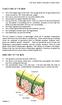 FUNCTIONS OF THE SKIN Skin is the largest organ of the body. The average adult has 18 square feet of skin which account for 16% of the total body weight. Skin acts as a physical barrier for you to the
PRESSURE ULCER GUIDELINES FOR TOPICAL TREATMENT
 PRESSURE ULCER GUIDELINES FOR TOPICAL TREATMENT The following are suggested guidelines for treatment of pressure ulcers using products from Swiss-American Products, Inc. and are intended to supplement
How To Care For A Stoma
 People who have a stoma often share many of the same questions and concerns. This best practice document provides answers to some of the common questions that people ask about the day to day care of the
The Use of MEDIHONEY for Wound Management in Oncology
 The Use of MEDIHONEY for Wound Management in Oncology Presenter: Patrice M. Dillow, MSN, APRN, CWOCN Cancer Treatment Centers of America Midwestern Regional Medical Center A Magnet Hospital This presentation
Understand nurse aide skills needed to promote skin integrity.
 Unit B Resident Care Skills Essential Standard NA5.00 Understand nurse aide s role in providing residents hygiene, grooming, and skin care. Indicator Understand nurse aide skills needed to promote skin
OASIS-C Integument Assessment: Not for Wimps! Part I: Pressure Ulcers
 OASIS-C Integument Assessment: Not for Wimps! Part I: Pressure Ulcers Presented by: Rhonda Will, RN, BS, COS-C, HCS-D Assistant Director, OASIS Competency Institute 243 King Street, Suite 246 Northampton,
What dressing for what wound. Prudence Lennox National Clinical Leader Healthcare Rehabilitation Ltd
 What dressing for what wound Prudence Lennox National Clinical Leader Healthcare Rehabilitation Ltd Wound assessment Accurate wound assessment is a prerequisite to planning appropriate care & should adopt
CHAPTER V CONCLUSION AND RECOMMENDATIONS. findings are presented, implications for nursing practice and education are discussed,
 CHAPTER V CONCLUSION AND RECOMMENDATIONS In this chapter, a summary of the findings and conclusion drawn from the findings are presented, implications for nursing practice and education are discussed,
7/11/2011. Pressure Ulcers. Moisture-NOT Pressure. Wounds NOT Caused by Pressure
 Assessment and Documentation of Pressure Ulcers Jeri Ann Lundgren, RN, BSN, PHN, CWS, CWCN Pathway Health Services July 19, 2011 Training Objectives Describe etiologies of pressure ulcers Discuss how to
PATIENT TEACHING GUIDE: Wound Care Handbook
 PATIENT TEACHING GUIDE: Wound Care Handbook PATIENT TEACHING GUIDE: WOUND CARE Design by Mariscal Design, Illustrations by Lysa Hawke. The Wound Care Self Care Guide was written and prepared by: Barbara
Caring for a Hemovac Drain
 Caring for a Hemovac Drain 269 12. Raise side rail. Lower bed height and adjust head of bed to a comfortable position. 13. Remove additional PPE, if used. Perform hand hygiene. These promote patient safety.
PROTOCOL INCONTINENCE, URINARY/FECAL Effective Date: August 4, 2010
 Number: PROT0106 Submitted by: WOC Issuing Department: PATIENT CARE SERVICES Approved By: (Signature on File) Reviewed by: Date: WOC Nursing Service 7/27/10 Med Surg CPT 8/10 Date: 08/2010 Supersedes:
Pressure Ulcers: Facility Assessment Checklists
 Pressure Ulcers: Facility Assessment Checklists This is a series of self-assessment checklists for nursing home staff to use to assess processes related to managing pressure ulcers in the facility, in
How To Recover From A Surgical Wound From A Cast
 Care of Your Wounds After Amputation Surgery by Paddy Rossbach, RN Depending on the reason for your amputation and the state of your limb at the time of surgery, definitive closure of the wound may take
Management of Burns. The burns patient has the same priorities as all other trauma patients.
 Management of Burns The burns patient has the same priorities as all other trauma patients. Assess: - Airway - Breathing: beware of inhalation and rapid airway compromise - Circulation: fluid replacement
Management of Gastrostomy Tube Complications for the Pediatric and Adult Patient
 Management of Gastrostomy Tube Complications for the Pediatric and Adult Patient Introduction Ideally, Gastrostomy Tube (GT) management should not be a problem. However, there may be underlying conditions
WHAT IS INCONTINENCE?
 CNA Workbook WHAT IS INCONTINENCE? Incontinence is the inability to control the flow of urine or feces from your body. Approximately 26 million Americans are incontinent. Many people don t report it because
CCME CNE Course Announcement
 CCME CNE Course Announcement Activity Title: NoCVA Pressure Ulcer Webinar The Carolinas Center for Medical Excellence (CCME) is accredited as an approved provider of continuing nursing education by North
TAKING CARE OF WOUNDS KEY FIGURE:
 Chapter 9 TAKING CARE OF WOUNDS KEY FIGURE: Gauze Wound care represents a major area of concern for the rural health provider. This chapter discusses the treatment of open wounds, with emphasis on dressing
Wound Care on the Field. Objectives
 Wound Care on the Field Brittany Witte, PT, DPT Cook Children s Medical Center Objectives Name 3 different types of wounds commonly seen in sports and how to emergently provide care for them. Name all
Summary of Recommendations
 Summary of Recommendations *LEVEL OF EVIDENCE Practice Recommendations Assessment 1.1 Conduct a history and focused physical assessment. IV 1.2 Conduct a psychosocial assessment to determine the client
7/30/2012. Increased incidence of chronic diseases due
 Dianne Rudolph, DNP, GNP bc, CWOCN Discuss management of wound care in older adults with focus on lower extremity ulcers Identify key aspects of prevention Explain basic principles of wound management
Wound, Ostomy and Continence Nurses Society s Guidance on OASIS-C1 Integumentary Items: Best Practice for Clinicians
 Wound, Ostomy and Continence Nurses Society s Guidance on OASIS-C1 Integumentary Items: Best Practice for Clinicians Acknowledgments Wound, Ostomy and Continence Nurses Society s Guidance on OASIS-C1 Integumentary
COMPLIANCE WITH THIS DOCUMENT IS MANDATORY
 COVER SHEET NAME OF DOCUMENT Wound Wound Assessment and Management TYPE OF DOCUMENT Procedure DOCUMENT NUMBER SESLHDPR/297 DATE OF PUBLICATION April 2014 RISK RATING Medium LEVEL OF EVIDENCE N/A REVIEW
SKIN CARE & WOUND MANAGEMENT POLICY AND PROCEDURE
 Department: Description: Adventist Aged Care Document Name: Skin Care and Wound Management 14/04/2014 SKIN CARE & WOUND MANAGEMENT POLICY AND PROCEDURE TABLE OF CONTENTS 1.0 PURPOSE... 2 2.0 SCOPE... 2
A Pocket Guide. Application and Cutting Guide
 A Pocket Guide Application and Cutting Guide Developed by Pia Carlsen, RN, Denmark Jacqui Fletcher, Principal Lecturer, MSc BSc (Hons) PG Dip (ED) RN ILT, UK Maria Mousley, AHP, Consultant Podiatrist,
HCPCS Coding Information 3M Health Care Products
 Revised February 2015 Coding Information 3M Health Care Products Ostomy Products Professional Skin Care Products Dressings and Bandages Medical Tapes Rehabilitation Products Disclaimer: The reimbursement
Anyone who has difficulty moving can get a pressure sore. But you are more likely to get one if you:
 Patient information from the BMJ Group Pressure sores Anyone can get a pressure sore if they sit or lie still for too long without moving. People who are old or very ill are most likely to get them. Careful
How To Stage A Pressure Ulcer
 WOCN Society Position Statement: Pressure Ulcer Staging Originated By: Wound Committee Date Completed: 1996 Reviewed/Revised: July 2006 Revised: August 2007 Reviewed/Revised: April 2011 Definition of Pressure
NURSING DOCUMENTATION
 NURSING DOCUMENTATION OBJECTIVES 1. The learner will be able to state 2 components of documentation that meet the 2. The learner will be able to identify 4 characteristics of a complete skin assessment
Wound Classification Name That Wound Sheridan, WY June 8 th 2013
 Initial Wound Care Consult Sheridan, WY June 8 th, 2013 History Physical Examination Detailed examination of the wound Photographs Cultures Procedures TCOM ABI Debridement Management Decisions A Detailed
WOUND OSTOMY CONTINENCE NURSES SOCIETY GUIDANCE ON OASIS-C INTEGUMENTARY ITEMS
 Wound Ostomy Continence Nurses Society Guidance on OASIS-C Integumentary Items WOCN OASIS Taskforce Members: Ben Peirce (Chairperson), RN, BA, CWOCN, COS-C Dianne Mackey, BSN, RN, PHN, CWOCN Laurie McNichol,
University Health Network Policy & Procedure Manual
 University Health Network Policy & Procedure Manual Clinical Manual Skin & Wound Assessment & Management This policy is under review and revision. Some of the procedures may not reflect current practice
Individualized Care Plans Fully Developed
 Appendix Individualized Care Plans Fully Developed A Refer to Chapter 1 The Nursing Process: A Synopsis, p. 32: Two Individualized Care Plans Fully Developed; Care Plan 1 for Mr. John Walters, Care Plan
Every Nurse is a Skin Care Nurse
 Every Nurse is a Skin Care Nurse Contents Introduction 4 Anatomy of the Skin 4 Importance of the Epidermis 5 Authors: Laura Herbe BSN, RN, CWOCN Patti Haberer MA, BSN, RN, CWOCN Jayme Taylor Managing Risk
Illinois Department of Public Health STATEMENT OF DEFICIENCIES AND PLAN OF CORRECTION. Statement of LICENSURE Violations
 (X1) PROVER/SUPPLIER/CLIA ENTIFICATION NUMBER: (X3) SURVEY D NAME OF PROVER OR SUPPLIER (X4) SUMMARY REGULATORY OR LSC ENTIFYING INFORMATION) PROVER'S PLAN OF CORRECTION Final Observations Statement of
Wirral University Teaching Hospital NHS Foundation Trust
 Clinical guideline Wound dressings Guidance for Use There are several types of dressings in use at Wirral University Teaching Hospitals (WUTH). These are: 1. Medicated dressings a) Hydrocolloid dressings
Inservice: Wound Care and Dressings. Friday, June 26, 2009. A. Closed Wounds tissue is injured but skin is not BROKEN
 f Inservice: Wound Care and Dressings Friday, June 26, 2009 WOUNDS: Are injuries of the skin and underlying subcutaneous tissues and muscles (Nursing Manual by Lippincott) Are disruptions in the integrity
Diabetic Foot Ulcers and Pressure Ulcers. Laurie Duckett D.O. Plastic and Reconstructive Surgeon Oklahoma State University Center for Health Sciences
 Diabetic Foot Ulcers and Pressure Ulcers Laurie Duckett D.O. Plastic and Reconstructive Surgeon Oklahoma State University Center for Health Sciences Lecture Objectives Identify risk factors Initiate appropriate
How To Prevent Pressure Ulcer
 Pressure ulcers prevention and treatment A Coloplast quick guide Table of Contents Pressure ulcers prevention and treatment... 3 What is a pressure ulcer?... 4 How do pressure ulcers occur?... 5 Who develops
The use of MEDIHONEY in Palliative Wound Care and the Advanced Aging Patient
 The use of MEDIHONEY in Palliative Wound Care and the Advanced Aging Patient Presenter: Angel Sutton, RN, MSN/Ed, CWCN, CFCN, CCCN Wound Care Nurse Consultant Agenda My clinical practice Why MEDIHONEY?
HCPCS AMERIGEL HYDROGEL DRESSINGS CODING GUIDANCE FOR:
 HCPCS CODING GUIDANCE FOR: AMERIGEL HYDROGEL DRESSINGS FORM 1500 MUST HAVE THE FOLLOWING: APPROPRIATE HCPCS CODE APPROPRIATE A MODIFIER ACCURATE POS = 12 The Centers for Medicare and Medicaid Services
Prevention and Recognition of Obstetric Fistula Training Package. Module 8: Pre-repair Care and Referral for Women with Obstetric Fistula
 Prevention and Recognition of Obstetric Fistula Training Package Module 8: Pre-repair Care and Referral for Women with Obstetric Fistula Early detection and treatment If a woman has recently survived a
Standard Operating Procedure Template
 Standard Operating Procedure Template Title of Standard Operation Procedure: Topical Negative Pressure (TNP) Reference Number: Version No: 1 Issue Date: May 2012 Review Date: August 2015 Purpose and Background
Wound Healing. Healing is a matter of time, but it is sometimes also a matter of opportunity. Hippocrates
 C HAPTER 9 Wound Healing Healing is a matter of time, but it is sometimes also a matter of opportunity. Hippocrates As the above quote suggests, conduct regular and systematic wound assessments, and seize
RENFREW VICTORIA HOSPITAL SKIN AND WOUND CARE PROGRAM TRAINING RISK ASSESSMENT OF SKIN BREAKDOWN AND TREATMENT OF WOUNDS AND PRESSURE ULCERS
 RENFREW VICTORIA HOSPITAL SKIN AND WOUND CARE PROGRAM TRAINING RISK ASSESSMENT OF SKIN BREAKDOWN AND TREATMENT OF WOUNDS AND PRESSURE ULCERS SELF-LEARNING MODULE For Registered Nurses and Registered Practical
Symptom Management Guidelines: RADIATION DERMATITIS
 Definition Symptom Management Guidelines: RADIATION DERMATITIS Radiation dermatitis is a common side effect of radical ionizing radiation treatment. The pathophysiology of a radiation skin reaction is
Radiation Therapy for Breast Cancer
 Radiation Therapy for Breast Cancer www.cpmc.org/learning i learning about your health What Is? Radiation therapy is a treatment for cancer that uses high-energy x-rays to destroy cancer cells. (Radiation
How to Care for Your Premature Baby s Skin
 The Emily Center How to Care for Your Premature Baby s Skin Child Care/Health Promotion Si usted desea esta información en español, por favor pídasela a su enfermero o doctor. Name of Child: Date: How
The compatibility of INTRASITE Gel and ACTICOAT : An In-Vivo and In-Vitro assessment
 *smith&nephew The compatibility of INTRASITE Gel and ACTICOAT : An In-Vivo and In-Vitro assessment 1 Trade Marks of Smith & Nephew An In-Vivo and In-Vitro assessment of the compatibility of ACTICOAT and
Wound and Skin Assessment. Mary Carvalho RN, BSN, MBA Clinical Coordinator Johnson Creek Wound and Edema Center
 Wound and Skin Assessment Mary Carvalho RN, BSN, MBA Clinical Coordinator Johnson Creek Wound and Edema Center Skin The largest Organ Weighs between 6 and 8 pounds Covers over 20 square feet Thickness
Safety FIRST: Infection Prevention Tips
 Reading Hospital Safety FIRST: Infection Prevention Tips Reading Hospital is committed to providing high quality care to our patients. Your healthcare team does many things to help prevent infections.
Inflammation and Healing. Review of Normal Defenses. Review of Normal Capillary Exchange. BIO 375 Pathophysiology
 Inflammation and Healing BIO 375 Pathophysiology Review of Normal Defenses Review of Normal Capillary Exchange 1 Inflammation Inflammation is a biochemical and cellular process that occurs in vascularized
Home Care for Your Nephrostomy Catheter
 Home Care for Your Nephrostomy Catheter This handout covers information about caring for your nephrostomy catheter right after placement and caring for it long term. If you have any questions, please call
NPUAP PRESSURE ULCER ROOT CAUSE ANALYSIS (RCA) TEMPLATE
 Purpose: The development of a facility acquired pressure ulcer brings with it both a financial impact to an institution and a performance or quality of care impact that may be reportable to state or government
Radiation Therapy To the Arms or Legs
 Radiation Therapy To the Arms or Legs You will be receiving two to six weeks of radiation to the arms or legs. It will describe how your treatments are given. It will also describe how to take care of
Chapter 11. Everting skin edges
 Chapter 11 PRIMARY WOUND CLOSURE KEY FIGURE: Everting skin edges In primary wound closure, the skin edges of the wound are sutured together to close the defect. Whenever possible and practical, primary
URINARY CATHETER CARE
 URINARY CATHETER CARE INTRODUCTION Urinary catheter care is a very important skill, and it is a skill that many certified nursing assistants (CNAs) must know. Competence at providing urinary catheter care
ABThera Open Abdomen Negative Pressure Therapy for Active Abdominal Therapy. Case Series
 ABThera Open Abdomen Negative Pressure Therapy for Active Abdominal Therapy Case Series Summary of Cases: USER EXPERIENCE The ABThera OA NPT system was found by surgeons to be a convenient and effective
It is appropriate to highlight the functions of the skin as they underpin the management of the burn wound:
 CARE OF BURN PATIENTS IN THE HOSPITAL Sheila Kavanagh OAM, RN, RM, Bnurs, Royal Adelaide Hospital, Adelaide, Australia; Alette de Jong RN, MSc, Rode Kruis Ziekenhuis, Beverwijk, The Netherlands; Nursing
Simplicity through innovation
 RENASYS Soft Port Simplicity through innovation The new RENASYS Soft Port from Smith & Nephew represents a revolutionary advancement in Negative Pressure Wound Therapy (NPWT). This innovative Soft Port
Silicone pressure-reducing pads for the prevention and treatment of pressure ulcers
 S46 Product focus Silicone pressure-reducing pads for the prevention and treatment of pressure ulcers Abstract Pressure ulcers, a key quality of care indicator, cause emotional distress to the patient,
Abdominal Wall (Ventral, Incisional, Umbilical) Hernia Repair Postoperative Instructions
 Abdominal Wall (Ventral, Incisional, Umbilical) Hernia Repair Postoperative Instructions No lifting greater than 10 15 lbs for the first three weeks following your surgery. Walking around the house, office
3M Steri-Strip S Surgical Skin Closure. Commonly Asked Questions
 3M Steri-Strip S Surgical Skin Closure Commonly Asked Questions What are the indications for use of 3M Steri-Strip S Surgical Skin Closure? Steri-Strip S Surgical Skin Closures are indicated as a primary
Faecal Incontinence Patient advice and information leaflet on the management of faecal incontinence
 Oxford University Hospitals NHS Trust Oxford Pelvic Floor Service Faecal Incontinence Patient advice and information leaflet on the management of faecal incontinence What is faecal incontinence? Faecal
MRSA. Living with. Acknowledgements. (Methicillin-Resistant Staphylococcus aureus)
 How can I keep myself healthy? Hand washing and use of an alcohol-based hand sanitizer are the primary way to prevent acquiring or transmitting bacteria. If you get a cut or scrape, wash it well with soap
Reimbursement guide. IODOSORB and IODOFLEX are Cadexomer Iodine Dressings which are available in a gel or pad format.
 Reimbursement guide IODOSORB and IODOFLEX are Cadexomer Iodine Dressings which are available in a gel or pad format. IODOSORB and IODOFLEX remove barriers to healing and reduce pain and odor associated
Since its introduction almost 20
 Guidelines for safe negative-pressure wound therapy Rule of thumb: Assess twice, dress once By Ron Rock MSN, RN, ACNS-BC Since its introduction almost 20 years ago, negative-pressure wound therapy (NPWT)
Laparoscopic Colectomy. What do I need to know about my laparoscopic colorectal surgery?
 Laparoscopic Colectomy What do I need to know about my laparoscopic colorectal surgery? Traditionally, colon & rectal surgery requires a large, abdominal and/or pelvic incision, which often requires a
Hand Dermatitis in Health Care Workers
 Hand in Health Care Workers Safety and Health Assessment and Research for Prevention (SHARP) Program Washington Department of Labor and Industries PO Box 44330 Olympia, WA 98504-4330 1-888-66-SHARP www.lni.wa.gov/sharp/derm
Pressure Ulcers Risk Management and Treatment
 Pressure Ulcers Risk Management and Treatment Objectives State reasons why individuals initiate lawsuits. Define strategies to reduce the risk of litigation. Determine appropriate treatment for the patient.
A PRINTED copy of this guideline may not be the most recent version. The OFFICIAL version is located on IHNET at the Policies & Procedures Home Page
 A PRINTED copy of this guideline may not be the most recent version. The OFFICIAL version is located on IHNET at the Policies & Procedures Home Page IX0200: Prevention & Control of Catheter Associated
b. Povidone Iodine 5% Swabsticks, Single Pack (4 packs) c. Clean gloves
 Program Agenda SUBJECT: Universal Decolonization Protocols for Pre-operative Orthopedic Patients EFFECTIVE DATE: 5/2014 REVISED DATE: I. Policy: The largest fraction of hospital acquired infections (HAIs),
URINARY CATHETER INSERTION - STRAIGHT OR INDWELLING CATHETER
 URINARY CATHETER INSERTION - STRAIGHT OR INDWELLING CATHETER PURPOSE To obtain a sterile urine specimen. To facilitate emptying bladder. To relieve bladder distention. To irrigate bladder. To measure residual
3M Medical. 3M Cavilon No Sting Barrier Film. Evidence-based, Versatile. Skin Damage Prevention
 Medical Cavilon No Sting Barrier Film Evidence-based, Versatile Skin Damage Prevention Cavilon No Sting Barrier Film Unique Polymer Advantages is a worldwide leader in the science of polymer technology
THERAPEUTIC USE OF HEAT AND COLD
 THERAPEUTIC USE OF HEAT AND COLD INTRODUCTION Heat and cold are simple and very effective therapeutic tools. They can be used locally or over the whole body, and the proper application of heat and cold
THE DEVELOPMENT OF A CARE BUNDLE FOR THE CRITICALLY ILL
 PRESSURE ULCER PROPHYLAXIS THE DEVELOPMENT OF A CARE BUNDLE FOR THE CRITICALLY ILL Barb Duncan RN, BScN Heather Harrington RN, BScN, CNCC(c) Louanne Rich vanderbij, RN, BScN, MSc., WOCN CWCN Barb Duncan
Preventing Diaper Rashes
 Preventing Diaper Rashes This pamphlet is meant to help you learn what you can do to help prevent diaper rash. Your child is receiving medication (antibiotics, diuretics, chemotherapy) that may make your
Radiation Therapy and Caring for Your Skin
 Patient Information Radiation Therapy and Caring for Your Skin Comments, Feedback? Contact Patient and Professional Education 519-685-8742 Email: [email protected] Reviewed by the LRCP Patient Education
PATIENT GUIDE. Care and Maintenance Drainage Frequency: Max. Drainage Volume: Dressing Option: Clinician s Signature: Every drainage Weekly
 PATIENT GUIDE Care and Maintenance Drainage Frequency: Max. Drainage Volume: Dressing Option: Every drainage Weekly Clinician s Signature: ACCESS SYSTEMS Pleural Space Insertion Site Cuff Exit Site Catheter
Advanced Wound Management Product Catalog
 *smith&nephew Advanced Wound Management Product Catalog For patients. For budgets. For today. AWM Mar. 2, 3 ACTICOAT Silver-Coated Antimicrobial Barrier Dressing ACTICOAT is indicated as an antimicrobial
Opticell Wound Dressings. Powerful Yet Gentle Moisture Management
 Wound Dressings Powerful Yet Gentle Moisture Management 1 Exclusive Forzagel TM Technology s unique gelling attributes are the result of Forzagel technology. When moistened, the absorbent fibers of the
3M Cavilon Durable Barrier Cream. Clinical Evidence Summaries. Clinical. Evidence. Summaries
 3M Cavilon Durable Barrier Cream TM Clinical Evidence Summaries Durable. Comfortable. Unique. It s the polymers... 3 Note: In Australia and New Zealand, Cavilon Durable Barrier Cream is approved for the
Radiation Therapy for Prostate Cancer
 Radiation Therapy for Prostate Cancer Introduction Cancer of the prostate is the most common form of cancer that affects men. About 240,000 American men are diagnosed with prostate cancer every year. Your
Taking Care of Your Skin During Radiation Therapy
 Taking Care of Your Skin During Radiation Therapy Princess Margaret Information for patients who are having radiation therapy Read this pamphlet to learn about: What a radiation skin reaction is How to
BARD MEDICAL DIVISION UROLOGICAL DRAINAGE. Foley Catheter Care & Maintenance. Patient Education Guide
 BARD MEDICAL DIVISION Foley Catheter Care & Maintenance Patient Education Guide WHAT IS A FOLEY CATHETER? Because of your medical problem, your body is having trouble completely emptying your bladder of
Pressure Ulcers Assessing and Staging. Anne Pirzadeh RN CWOCN University of Colorado Hospital June 2010
 Pressure Ulcers Assessing and Staging Anne Pirzadeh RN CWOCN University of Colorado Hospital June 2010 Never Events: Pressure Ulcers Pressure Ulcer Codes: MD documentation of pressure ulcers determines
Vacuum-Assisted Wound Closure ISSN: 0002-936X American Journal of Nursing
 Vacuum-Assisted Wound Closure ISSN: 0002-936X American Journal of Nursing Author(s): Chua Patel, Christy T. MS, RN; Kinsey, Gail C. MS, RN, CNS; Koperski-Moen, Kelley J. ADN, RN; Bungum, Lisa D. BSN, RN
Clinical Guideline for: Aseptic Technique
 Clinical Guideline for: Technique Summary This guideline provides the principles of, Non Touch, and Clean Techniques to be implemented in the hospital environment. Key Points The essential elements of