
PHMB Prontosan and AMD Foam P15
|
|
|
- Lucy Ford
- 10 years ago
- Views:
Transcription
1 Dressing Application Criteria Developed and compiled by: Jennifer Byrnes Wound Management Nurse Practitioner Royal Darwin Hospital January 2013

2 CONTENTS Wound Management Principles...p3 How to Manage Different Wound Types.. p4 Wound assessment using TIME. p7 Assessing leg and foot ulcers. p8 Wound Products by Generic Name: Acrylic dressings eg:.tegaderm Absorbent.. p9 Alginates eg:sorbsan, Algisite M, kaltostat, Seasorb.p10 Atraumatic dressings eg:.mepilex, Mepitel. p11 Cadexomer Iodine. eg: Iodosorb p12 Capillary wicking dressings eg: Vacutex, Advadraw p13 Chemical..p14 Flaminal..P14 PHMB Prontosan and AMD Foam P15 Exudate managers eg: Mesorb, Zetuvit p16 Films eg: Opsite, Tegaderm.. p17 Fixation sheets eg: Fixomul, Hyperfix, Mefix.. p18 Hydrocolloids eg: Comfeel, Duoderm..p19 Hydrogels eg: Solosite, Intrasite,. p20 Hypertonic Saline eg: Mesalt, Curasalt p21 Impregnated gauzes eg: Jelonet, Cuticerin, Adaptic.P22 Impregnated Polyurethane Foam eg. Polymem. p23 Island dressings eg: Primapore, Cutiplast.P24 Non Adherent Dressings (NAD) eg: Telfa, interpose, melonin.p25 Odour Absorbing eg: Carbonet, Actisorb p26 Polyurethane Foam eg. Allevyn, Biatain, Lyofoam p27 Retention Stockings eg Tubifast, Tensofast.. p28 Silver dressings eg: Acticoat, Mepilex AG P29 Acticoat.P29 Mepliex AG, Allevyn AG..P30 Topical negative pressure wound therapy eg: VAC, PICO, Vac Via...p31 Tubular Bandages eg Tubigrip, Tensogrip P32 Using Tubular bandages for venous compression therapy p33 Zinc Bandages.eg. Zip Zoc, Viscopaste, Steripaste p34 Glossary..p35 2

3 To understand how to manage a wound, firstly it is essential to have understanding of the following: 1. Physiology of the wound healing process a. Inflammatory phase b. Reconstruction phase c. Maturation phase 2. Factors that inhibit wound healing a. Underlying disease: diabetes, cancer, renal disease, liver disease b. Nutritional status c. Medications that inhibit wound healing e.g. steroids d. Other treatments the patient may be undergoing e.g. radiotherapy. e. Age, obesity, smoking, alcohol 3. the mode of healing that is occurring a. Primary intention b. Delayed primary intention c. Secondary intention d. Surgical intervention ie Graft or Flap When providing wound care remember to do the following: Assess the wound (consider factors that affect wound healing) i. Type of wound (Acute / Chronic) ii. Exudate amount, type, colour and odour iii. Surrounding Skin iv. Pain v. Infection / inflammation vi. Wound clinical appearance; granulating, sloughy, necrotic, epithelising, overgranulating Determine the underlying aetiology of the wound Determine the goal of care i. To heal ii. To maintain iii. To palliate Remember in all wound care DO NO HARM. If you are unsure ask senior nurse in your area or contact wound resource person in your area or you can contact RDH wound nurse on pager #0977 or via phone /

4 How to Manage Different Wound Types Necrotic Wounds: Require hydration (!check aetiology first,) Use a Hydrogel dressing Sharp debridement (Check aetiology if no pulse do not perform sharp debridement) Surgical debridement may be necessary Score thick necrotic tissue if necessary If no signs of anaerobe infection use film or hydrocolloid to assist in faster rehydration!never rehydrate dry Gangrene (black fingers and toes) Paint with Betadine and leave it dry! Wet gangrene should be converted to dry gangrene by this process Sloughy Wounds: Need Autolytic Debridement (Edmonds, Foster, & Sanders 2008) i. Low exudate use Hydrogel ii. Moderate to high exudate use Hypertonic saline (caution with painful wounds) iii. High exudate use Calcium Alginate May need sharp debridement i. Sharp debridement accelerates the healing process ii. This stimulates the inflammatory response May need mechanical debridement (wet to dry) i. Short term only. 3-5 days maximum ii. Ensure appropriate analgesia is provided Infected wounds Topical antimicrobial dressings i.e. Silver or Cadexomer Iodine Acticoat is the dressing of choice for bite wounds / dirty traumatic wounds Use Cadexomer iodine on sloughy infected wounds, do not use Acticoat on thick slough Avoid occlusive dressing for anaerobic infections! High exudate: Acticoat absorbent (silver calcium alginate) Cadexomer iodine powder (for small wounds only)! Low exudate: Acticoat sheet (requires ongoing moisture) Cadexomer iodine ointment (for small wounds only) Remember: Acticoat is an anti-inflammatory dressing which is effective on over 150 different pathogens, and is active on Pseudomonas, MRSA, Gram ve, Gram +ve Bacilli, viruses, spores & fungi. Is a broadspectrum topical antimicrobial, which kills pathogens within 30 minutes of contact. Cadexomer Iodine stimulates the inflammatory process as a result stimulates static wounds and reduces colonisation / bioburden of wounds. Heavily colonised wounds not actively infected Use chemical wound products ie Flaminal or PHMB! High exudate: Flaminal Forte (gel with calcium alginate) or AMD Foam! Low exudate: Flaminal Hydro or Prontosan Gel 4

5 If high bioburden use prontosan wash, then rinse with saline prior to Flaminal application. Betadine wash can also be used, apply for 2 mins then wash thoroughly with saline prior to dressing application, this technique is effective in reducing wound colonisation especially MRSA. Granulating Wounds: No debridement necessary High exudate use Calcium Alginate with foam as secondary cover Low exudate use Hydrogel to promote moist environment. Overgranulation: Pressure pad: (see photo guide do multiple straps to gain effect)! Use Foam or Gauze pad strap this firmly in place with Fixomul! Fixomul cut down to the box to get non-stretch weave!!! Pull strap firmly in alternating directions to gain adequate pressure Caustic stick / Silver nitrate stick:! Apply paraffin to good skin! Treat overgranulation with silver nitrate stick Surgical or sharp removal.! Check if on anticoagulant therapy Superficial wounds Need protection and maintain moist environment Hydrocolloid, Film or Foam can be used Bleeding wounds: Pressure Calcium Alginate Gel foam (used primarily in theatre for bleeding areas, no standard wound care stock) Impregnated packs e.g. adrenaline or cocaine Exposed Bone or Tendon: Keep hydrated but avoid maceration High exudate Calcium Alginate Low exudate Hydrogel Skin tears and fragile skin: Use Atraumatic dressings Mepitel remains intact for 14 days Change secondary dressing (usually exudate manager) PRN Key Tips. If it is Wet you want to control the exudate If it is Dry you want to hydrate it. Caution make sure you know the aetiology Remember the Whole person!! Be cost effective If in doubt ask! 5

6 Jenni is available Mon to Fri 8 to 4pm on or pager #0977 [email protected]. of photographs are also accepted for consult where necessary. Please aim for clear photos with 1x close up and 1x wide shot of wound Phone wound nurse once ed to ensure these have been received Polycom technology can be used for virtual consults in remote areas that have the video link service available. Wound nurse polycom contact number is !ALERT!!!!!!ALERT!!!!!!ALERT!!!!!!Never Rehydrate Dry Gangrene (black fingers and toes) Paint with Betadine and leave it dry! Wet gangrene should be converted to dry gangrene by this process Do not attempt sharp debridement on these wounds These wounds have no blood flow, an small cut will lead to further wound deterioration Let wound dry, it will then demarcate and auto-amputate Betadine will assist in drying out wound and provide a antimicrobial barrier against pathogens whilst it undergoes this process (Edmonds, Foster, & Sanders 2008) Caution Auto amputation can be painful ensure adequate analgesia is provided for patients undergoing this process 6

7 T I M E Is an acronyn used for wound assessment process, products may have a classification to fit into these categories as you go through this booklet T = TISSUE VIABILITY Assess viability of tissue. Remove any non viable tissue either by autolytic or conservative sharp debridement. Aim is to have viable tissue for best wound healing outcomes. I = INFLAMMATION AND / OR INFECTION Assess if inflammation or infection is present. Signs include increase exudate, odour redness, pain, oedema and heat. Reduce bioburden by using antimicrobial dressings. If systemic infection is present treat with antibiotics. Aim is to have wound clear of bioburden, treatment of active infection and reduction of chronic inflammation due to bioburden. M = MOISTURE IMBALANCE Assess level of moisture in the wound. A WET wound can lead to maceration and further wound breakdown A DRY wound can slow the healing process by development of thick slough, eschar and necrotic tissue. Aim is to have a moist wound environment by either absorbing exudate in wet wounds or adding moisture to dry wounds. E = EDGE OF WOUND Assess the edge of the wound. If wound edge does not advance in 2-4 weeks reassessment of current wound therapy is required. If edges are rolled or raised or undermining or dry crust is present wound closure may be compromised. Aim to ensure edges of wound come together in a timely manner by addressing all components of T I M and addressing each of these sections. 7

8 Assessing Leg and Foot ulcers!if a pulse is weak or absent do not attempt sharp debridement!! Venous Arterial! Diabetic Legs Hair usually present Dark staining in gator region (haemosiderin) Skin is dry and flaky Often has eczema / dermatitis Pale legs Thin shiny skin No hair on limb or toes Leg pallor on elevation Thickened nails Unremarkable Feet may be dry and flat due to neuropathy Site Size / shape Exudate Lower 3 rd of leg Usually above medial malleoli Large, with ragged edges Shallow base Distal areas toes and feet In areas prone to trauma or friction shin malleoli heels, toes Punched out appearance Deep with pale base Large amount Low exudate Varied Soles of feet and in areas prone to friction, pressure and trauma Size and shape vary May have callous build up at wound edges Wound bed Oedema Pulses Pain Dark granulation tissue May contain slough Oedematous legs May have thin ankles with oedema above this Present in all areas (femoral, popliteal, posterior tibial & pedal) ABI is 0.8 to 1.1 Moderate, dull ache Pain is relieved by elevating the limbs Pale granulation tissue Dry slough or necrotic tissue Localised to wound area Absent or weak ABI is <0.8 Extreme pain Pain is relieved by dangling the limb Claudication (cramping) on mobilisation Often sloughy with infection or heavy colonisation Localised only Bounding Usually present ABI >1.1 due to calcification of vessels Abnormal sensation may be experienced if neuropathy is present Often painless wounds!sharp debridement on arterial wounds may lead to further wound deterioration.!some leg wounds will be a combination of venous and arterial deficiency.!compression should only be applied by trained staff to prevent complications. Compression must not be applied until exact aetiology is determined or wound deterioration may occur. Take extra precaution when using DVT prophylaxis stockings e.g.teds on limbs with compromised flow as pressure injury or ulceration may occur. Ensure pressure off loading is performed especially in patients with compromised arterial flow or sensation i.e. diabetics & renal patients. 8

9 ACRYLIIC DRESSIINGS M = MOIISTURE IIMBALANCE Generic Name: Transparent adhesive acrylic dressing Trade Names: Tegaderm Absorbent etc Types: Flat sheet Description: A transparent adhesive acrylic dressing formed in a variety of shapes with the capacity for absorption of fluid For use on low to moderate exudate wounds For use over donor sites Can be primary or secondary dressing (calcium alginate beneath) Can be left intact for up to seven days (dependant on exudate amount) Primary role is to absorb exudate / moisture control Tips: Wound can be viewed through dressing Acrylic pad must be bigger than the size of the wound it is applied to Heavily exudating wounds may lead to maceration i.e. may require more regular changes 9

10 ALGIINATES (FOR WET WOUNDS) M = MOIISTURE IIMBALANCE Generic Name: Calcium Alginate Trade Names: Algisite M, Sorbsan, Kaltostat, Seasorb, Algoderm etc Types: Sheet, Ribbon, Rope Description: Calcium alginate formed from seaweed. For moderate to high exudate wounds Primary dressing for deep & shallow wounds Has haemostatic ability (use for bleeding wounds) Forms a gel to promote a moist wound environment Is an autolytic debrider for wet sloughy wounds Can be left intact for 3-5 days. Can be used on bone / tendon (if moderate exudate) For use in either clean or infected wounds Requires secondary dressing either exudate manager or foam Tips: If alginate is white and dry on dressing removal it is the wrong dressing as there is not enough exudate, consider changing to a hydrogel Cut to size of wound do not overlap onto intact skin Do not mix with hydrogel as alginate forms into a gel with exudate Do not wet prior to application Caution: Do not place in sinuses where the bottom cannot be seen Apply lightly when used as packing to allow space to absorb exudate 10

11 Generic Name: Silicone Trade Names: Mepitel, Mepilex, Types: ATRAUMATIIC DRESSIINGS Skiin tear protocoll and ffragiille skiin Sheet, Foam, Mesh Description: Silicone dressing designed to prevent trauma on removal of dressing, it gently adheres to intact skin without causing trauma. For wounds with fragile skin, minimises tissue trauma on removal of dressing Mepitel can be used on skin tears, fungating tumors, fragile sites prone to bleeding. Mepitel requires a secondary dressing. change secondary PRN and leave Mepitel intact (7-14 days), change if pores are clogged Foam can be left 3 5 days depending on exudate, remove once foam pad is soaked Mepitel requires secondary dressing, usually exdudate manager Apply adhesive side down Tips: Mepilex foam: change when foam is soaked Mepitel change 7 14 days as long as pores are not clogged A 2cm overlap onto intact skin is required for to maintain adhesion of silicone safetac dressings NOTE: Mepitel is not a daily dressing!! It must be left intact with secondary dressing changed PRN. 11

12 CADEXOMER IIODIINE (FOR IINFECTED WOUNDS) Generic Name: Cadexomer Iodine Trade Names: Iodosorb Types: II = IINFECTIION / IINFLAMMATIION Ointment, Powder or Paste Description: Iodine based dressing in a starch based polymer (cadexomer) that contains a 0.9% iodine, providing sustained release iodine over 3 days. Provides a broad spectrum antimicrobial effect. For wounds that are infected especially MRSA and pseudomonas Wounds with heavy bioburden Forms a gel at wound base which becomes and autolytic debrider Use on infected and heavily colonised wounds Use as an autolytic debrider of sloughy infected wounds Reduces wound malodour Ointment use for dry wounds Powder use for wet wounds Requires a secondary dressing (foam or exudate manager) Stimulates static wounds Tips: Ensure all residual dressing is removed prior to reapplication, residual dressing appears as a yellow / white gel in the wound base Is a 3rd daily dressing, requires this time for iodine to absorb Caution: Do not use on: Patients sensitive to iodine Patients with hyperthyroidism or Graves disease Children under the age of 12yrs Pregnant or lactating women 12

13 CAPIILLIIARY WIICKIING DRESSIING Generic Name: Capillary Wicking M = MOIISTURE IIMBALANCE Trade Names: Vacutex, Advadraw etc Types: Flat sheets Description: Compressed cotton fibre with a capillary wicking action, creates the similar effect to topical negative pressure dressing e.g. Vac, without the need of a machine. Cut into strips for application into narrow wounds Spiral cut to improve length of dressing For moderate to high exudate wounds, high absorbency capacity Capillary action similar to topical negative pressure (VAC) Added layers increase exudate management capacity Wear time 2-3 days Change when top layer is soaked Requires a secondary dressing (foam or exudate manager) Tips: Requires sharp scissors for cutting Can be used as flat sheet, cut into strips for sinuses to act like a straw, pulling exudate away Cut into spiral effect to get long strips for deep sinuses Fenestrate dressing if going over elbows or knees for flexibility Caution: Do not place on healthy skin, as it will cause maceration Do not leave intact for extended periods of time as adhesion to wound bed may occur Do not use on bleeding wounds, as this will accelerate bleeding 13

14 Type 1 CHEMIICAL DRESSIINGS II = IINFECTIION / IINFLAMMATIION 2 Types: Flaminal (page 14) and PHMB (page 15) Generic Name: Enzyme alginogels Trade Names: Flaminal Forte, Flaminal Hydro Types: Gel Description: Gel based matrix, with enzymatic action that absorbs micro-organisms into this matrix, where free radicals breakdown the micro-organisms wall. Consists of glucose oxidase and lactoperoxidase which is effective on pseudomonas and MRSA For wounds that are heavily colonised / heavy bioburden Effective on MRSA, VRE, E.coli and pseudomonas Gel structure maintains moist wound environment Gel acts as autolytic debrider Flaminal Forte has alginate fibres to aid in gel structure and has a higher absorbency capacity. For use on moderate exudate wounds with heavy bacterial burden Flaminal Hydro Has a gel structure but absorbency capacity is low. For use on low to now exudate wounds with heavy bacterial burden NOTE: Single patient use tubes, apply patient label to tube once opened. Tube can be kept with patient until expiry date if tube is well sealed and not contaminated 14

15 Type 2 CHEMIICAL DRESSIINGS II = IINFECTIION / IINFLAMMATIION Generic Name: PHMB Polyhexamethylene Biguanide Trade Names: Prontosan wash, Prontosan gel, AMD foam Types: Wash, Gel, Foam Description: Is a fast acting broad spectrum antimicrobial which is effective in reducing bioburden of wounds is effective on a broad range of pathogens including MRSA and is also effective on some viruses. For wounds with heavy bioburden especially MRSA, VRE & Candida AMD foam is applied directly to wound base to reduce bioburden Prontosan has added betaine that disrupts bacteria s cell electrical balance leading to death of the cell. The betain surfactant loosens and aids in removal of biofilm from the wound base. It is not absorbed and is safe to human cells. Prontosan wash should be placed on wound only left for mins then washed off with saline. Wash can be kept for 8 weeks after opening (if not contaminated) Foam is a primary dressing only, gel requires secondary dressing Caution: Care should be taken to not have prontosan on periwound skin as repeated contact will cause skin irritation and breakdown Place barrier cream around wound prior to application of PHMB wash Do not use on pregnant women Do not use intraocularly, middle/ inner ear or for joint or peritoneal lavarge 15

16 Generic name: Exudate managers EXUDATE MANAGERS M = MOIISTURE IIMBALANCE Trade Names: Zetuvit, Mesorb, Mextra, Absorb etc Types: Soft pads various sizes Description: Highly absorbent dressing with a low sheer wound contact layer and a fluid repellent backing. It has a cellulose pulp centre that wicks fluids into the dressing to control exudate. For wounds heavily exudating wounds Can be used as primary or secondary dressing Absorbs fluid amounts greater than 6 x a standard combine can hold Recommended as secondary dressing over mepitel Mesorb apply white side to wound Zetuvit apply white side to wound Secure with either tape around the edges or retention stocking Caution: Do not cut these dressings as the dressing will fall apart and it will be incapable of managing exudate. Can become heavy when dressing is soaked with exudate 16

17 FIILMS M = MOIISTURE IIMBALANCE Generic Name: Semipermeable adhesive film dressing Trade Names: Opsite, Tegaderm, Bioclusive, Nikoderm etc Types: Sheets, Spray, Island dressing with incorporated pad Description: A thin membrane of polyurethane with acrylic adhesive, that is semipermeable allowing moisture to pass through via evaporation (MVTR) but is impermeable to micro-organisms. For low to no exudate wounds Provides protection and creates moist environment Use over areas to create moisture for rehydration e.g. hydrogel on necrotic tissue, use film as an occlusive secondary dressing Can be used to establish a waterproof dressing Not for use on infected wounds Tips: Use barrier film wipe prior to application to for increased adhesion Apply barrier film wipe to edge of film after application to reduce risk of edges lifting IV films allow more moisture / gaseous exchange to occur, they do not create moist wound environment for healing Caution: DO NOT use IV films for sealing of topical negative pressure dressings (VAC) due to porous nature of these films they will not be able to maintain the seal required to conduct this type of wound therapy. 17

18 FIIXATIION SHEETS ADHESIIVE TAPE Generic Name: Polyacylate Fixation Tape Trade Names: Fixomull, Hyperfix, Mefix, Omnifix etc Types: Sheets in roll Description: Is a non woven polyester with a polyacrylate adhesive tape, designed to hold dressings insitu. For fixation of dressings over wounds Should not be used a primary dressing on wound Do not cover foam dressings with fixation sheet, only secure around edges of dressing (covering reduces foams absorbency capacity) Conforms to body contours aids in holding dressings insitu Tips: Use adhesive remover to aid removal (silicone or citrus based) If no adhesive remover apply oil, wrap in cling wrap for 4 hrs then remove gently (will require washing of periwound skin post removal) Do not remove without the aid of either above techniques as tissue damage may occur Use Mepitel under fixation sheet where graft fixation is required, this will protect new graft tissue Caution: Dressing is not licensed as a primary dressing by the TGA (Carville 2012) Do Not use on fragile skin, use retention stockings instead to hold dressings isitu 18

19 Generic Name: Hydrocolloid HYDROCOLLOIIDS M = MOIISTURE IIMBALANCE Trade Names: Comfeel, Duoderm etc Types: Sheet, Paste and Powder Description: Pectin gelatine and carboxymethelcellulose combination with or without calcium alginate cross linking fibres. For low to no exudate wounds Not for use over exposed bone or tendon Self adhering Not for use on infected wounds Wear time seven days, or when leaking Must be changed when leakage occurs Leave intact if dressing centre is white (gel has formed and is donating to wound bed beneath), change when white area turns brown Tips: DO NOT cut to size of wound Must have 2cm overlap onto good skin or leakage will occur Do not cover with fixation sheet (Fixomul ) as dressing cannot be visualised, therefore unable to determine when change is necessary. In dry eschar / necrotic tissue a thin layer of hydrogel can be applied to wound base prior to application of hydrocolloid to improve rehydration of area. 19

20 Generic Name: Hydrogel HYDROGELS M = MOIISTURE IIMBALANCE Trade Names: Solosite, Intrasite, Solugel, Aquaclear etc Types: Gel, Impregnated Gauze, Sheet Description: Glycerin amorphous based gel with large amounts of water and small amounts of carboxymethelcellulose glycol For low to no exudate wounds Use for autolytic debridement of dry slough and necrotic tissue Can be used over exposed bone or tendon Can be used on deep or shallow wounds For deep wounds use intrasite conformable or gel soaked gauze to keep gel at the wound base For shallow dry wounds a hydrogel sheet e.g. Aquaclear is good for donating moisture in these wound types Can be left intact for 3 to 5 days Do not use on wet wounds as maceration will occur Can be used on clean or infected wounds Tips: Avoid application of gel to intact skin as maceration may occur Aquaclear requires 2cm overlap onto intact skin (will not macerate) Caution:!Never Rehydrate Dry Gangrene (black fingers and toes) Paint with Betadine and leave it dry! Wet gangrene should be converted to dry gangrene by this process NOTE: Single patient use tubes, apply patient label to tube once opened, discard after one week 20

21 HYPERTONIIC SALIINE T = TIISSUE VIIABIILIITY Generic Name: Hypertonic Saline Gauze Trade Names: Mesalt, Curasalt etc Types: Impregnated Gauze, Description: Gauze delivery system impregnated with hypertonic saline solution For cleaning thick slough and debris from wound bed Will clean wounds with heavy bioburden Can be let intact up to 3 days For moderate to heavy exudate wounds Requires a secondary dressing (foam or exudate manager) Caution Dressing must be cut to wound size, avoid overlap onto healthy skin Can be painful, avoid use in painful wounds Do not use on dry wounds Do not use over exposed bone or tendon. 21
22 IIMPREGNATED GAUZE Generic Name: Impregnated Gauzes Trade Names: Jelonet, Adaptic, Cuticerin, Paratulle etc Types: Gauze consistency with various impregnation Description: Gauze or cotton, woven or non woven with an oil or paraffin base, it may or may not contain medication For preventing dressings adhering to wound base Some impregnated gauzes have medication added e.g! Bactrigras has chlorhexidine! Inadine has iodine Tips: In cavities where maggot infestation may have occurred use triple layer of non medicated dressing to create occlusive environment, this suffocates the maggots which can then be irrigated out at next dressing change Caution Dressing with woven cotton (Jelonet / Paratulle ) can shed fibres into wound base, these must all be removed at each dressing change 22
23 IIMPREGNATED POLYURETHANE FOAM Generic Name: Impregnated Polyurethane Quadra Foam Trade Names: Polymem, PolyWic, PolyMax Types: Sheet, Cavity filler Description: A polyurethane foam impregnated with glycerine and surfactants in either an adhesive or non adhesive format. For use on low to moderate exudate wounds Surfactant aids in wound base cleansing Does not breakdown non viable tissue Wear time dependant on exudate amount usually 1 to 3 days Dressing must be in contact with wound base (do not apply any other type of dressing beneath polymem, except polywic) Tips: Dressing must be changed when 75% of the wound size has struck though the dressing (not 75% of the entire dressing) If cavity is present use polywic to gain contact with wound base Use polymax for heavier exudating wounds as it has a higher exudate management capacity Initial dressings increase wound exudate so more frequent dressings may be required initially Caution: Should not be used on high exudate wounds Topical environment can lead to periwound maceration, i.e. take particular care when using in Darwin / Gove region, monitor dressing changes more frequently 23
24 Generic Name: Island dressing IISLAND DRESSIINGS Trade Names: Primapore, Cutiplast, Compose, Mepore etc Types: Adhesive pads of varying sizes Description: A low absorbent layer no adherent layer with an adhesive backing of a fixation sheet or film. For low to no exudate Has minimal absorbency capacity Dressings without waterproof backing i.e. primapore / compose must be changed once wet or if strikethrough occurs Dressings without waterproof backing do not donate moisture or aid in maintaining a moist environment For wounds healing by primary intention or epidermal wounds Caution: Wet island dressings that do not have a waterproof backing (ie Film backing) become a portal for infection Do not use as a secondary dressing on moderate to high exudate wounds due to low absorbency capacity and risk of becoming a portal for infection 24
25 NON ADHERENT DRESSIINGS (NAD) Generic Name: Non adherent dry or film coated dressing Trade Names: Telfa, Interpose, Melonin, Melolite etc Types: Non-adhesive pads of varying sizes Description: Non adherent wound contact layer with thin polyester film that is bonded to a cotton or acrylic pad. NAD s are usually the contact layer used in island dressings For low to no exudate Has minimal absorbency capacity Must be changed once wet or if strikethrough occurs For wounds healing by primary intention or shallow low exudate wounds Does not donate moisture or aid in maintaining a moist environment Caution: If NAD is used as primary dressing it must be changed once strike though occurs Wet NAD s become a portal for infection 25
26 ODOUR ABSORBIING DRESSIINGS Generic Name: Odour absorbing dressing Trade Names: Carboflex, Actisorb, Carbonet, Kaltocarb etc Types: Sheet form Description: Dressing combined with activated charcoal that absorbs both exudate and odour caused by bacteria For malodorous wounds Absorbs exudate, the carbon eliminates odour For low to moderate wounds only Dressings with calcium alginate as contact layer can be applied directly to wound base e.g. Carboxflex and Kaltocarb Calcium alginate dressings are for bleeding wounds or oozing wounds Caution: Do not cut to size as dressing my shed or disintegrate 26
27 POLYURETHANE FOAM M = MOIISTURE IIMBALANCE Generic Name: Polyurethane Foam Trade Names: Allevyn, Biatain, Lyofoam etc Types: Sheet Description: Polyurethane foam with or without an adhesive backing that has the ability to absorb exudate and dispel via evaporation, with a moisture repellent backing. For moderate to high exudate wounds Can be used as a primary or secondary dressing Provides thermal insulation of the wound base Can be adhesive or non adhesive Can be left intact for up to 7 days Requires changing when strikethrough reaches edge of dressing Can be used as a protective dressing over superficial low exudate wounds Tips: For non adhesive foam do not cover entire sheet with tape e.g. Fixomull as this will reduce the ability for foam to evaporate moisture from the dressing resulting in less absorbency capacity 27
28 RETENTIION STOCKIINGS Generic Name: Retention stocking / tubular retention bandage Trade Names: Tubifast, Tensofast etc Types: Sheet form Description: Light weight tubular bandage, which does not cause any compression or constriction to the area it is applied to. It comes as a two way stretch cotton tubular bandage roll. For retaining dressings insitu without the need of bandages For holding non adhesive dressings insitu e.g. exudate managers and non adhesive foams without the need of adhesive tapes Does not apply restriction or compression to limbs it is applied to For use of retaining dressings insitu on fragile skin Tips: Coloured line indicates size of retention stocking See side of box for recommended application to each body part Red x-small arms and legs Green small arms and legs Blue for normal sized leg and arms Yellow for larger legs and normal size thighs Larger sizes are available for torso use 28
29 SIILVER DRESSIINGS: (Acticoat) II = IINFECTIION / IINFLAMMATIION Generic Name: Nanocrystalline Silver Trade Names: Acticoat, Acticoat Absorbent, Acticoat Flex Types: Sheet, Ribbon, Mesh and Calcium Alginate Description: A dressing coated with a nanocrystalline silver particles which enhances bactericidal effect and reduction of inflammation For use on actively infected wounds, and wounds with high bioburden or wounds at a high risk of developing infection Effective on MRSA, Psuedomonas, VRE, Gram ve, Gram +ve Bacilli Viruses, Spores and Fungi Kills pathogens within 30 minutes of contact is bactericidal Has an anti-inflammatory effect Sheet and flex can be used on wet to dry wounds Acticoat Absorbent is calcium alginate for wet wounds, apply dry Acticoat sheet and flex can be covered with damp gauze and Fixomull and wet BD to daily when showering (Must be kept wet to remain active) Tips: Is a 3 rd daily dressing, a double layer of Acticoat sheet can last for 7 days Acticoat sheet and flex are safe to overlap onto healthy skin Acticoat Absorbent must be cut to wound size to prevent maceration In low exudate wounds use hydrogel on top of Acticoat sheet and flex, the cover with foam to maintain moisture Apply Acticoat sheet blue side down for maximum effect Painful wounds apply silver side down, a smear of hydrogel beneath the Acticoat sheet Acticoat must be wet with water not saline. Do Not wet Acticoat Absorbent it is a calcium alginate Caution: Do Not use on wounds with thick slough, use cadexomer iodine instead 29
30 SIILVER DRESSIINGS:(Mepiilex Ag / Allevyn Ag / SSD) II = IINFECTIION / IINFLAMMATIION Generic Name: Ionic silver Trade Names: Mepilex Ag, Allevyn Ag, Silver Sulfadiazine (SSD) Types: Foam, Atraumatic Silicone, 1% cream (aqueous) Description: Ionic silver for the prevention or management of bacterial burden of wounds For use on wounds that are heavily colonised / heavy bioburden Use to prevent active infection occurring Mepilex AG has silicone atraumatic adhesive for fragile skin Allevyn AG is a polyurethane foam impregnated with SSD cream Allevyn AG comes in both adhesive and non adhesive foam SSD cream requires daily application with secondary dressing Tips: Both foams can be left intact for up to 7 days Both foams can overlap onto healthy skin Not best option for active infection (use Acticoat instead) Not known to have anti-inflammatory effect Caution: Requires contact with wound base to achieve antimicrobial effect Do not use as a secondary dressing i.e. on top of calcium alginate etc Do not apply other dressings beneath these dressings Avoid SSD cream on healthy skin as it can lead to maceration SSD cream may be used for primary burns management if Acticoat is not available (Liaise with Burns Nurse for best dressing option) 30
31 TOPIICAL NEGATIIVE PRESSURE THERAPY VAC/ RENAYSIIS/ PIICO Generic Name: Topical Negative Wound Pressure Therapy, TNP Trade Names: VAC, Renaysis, PICO, Prevera, Vac Via etc Types: Machines of various sizes, some are disposable Description: Creates topical negative pressure over the wound surface to assist in wound contraction, stimulation of collagen and fibrin synthesis, whilst reducing oedema and increasing blood flow. Uses foam or gauze as the primary contact layer For use on wounds to stimulate growth of new granulation tissue For low to high exudate wounds, can be use on clean or infected wounds For fixation of grafts For growth of granulation tissue over exposed bone and tendon For acceleration of closure of wounds with large deficits Tips: Use white foam for painful wounds (requires higher pressure setting to achieve same result increase level by 50mmHg, (ie.125 needs to be 175) Use white foam over bone and tendon Non sting barrier wipes assist in gaining seal The hole for suction pad must be size of a 50c piece 3 rd to 4 th daily dressings, for graft fixation leave intact 5 days Caution Do Not use over actively bleeding wounds Use with caution in patients on anticoagulant therapy Avoid use on ischaemic limb wounds Do not use on wounds with thick slough or non viable tissue, requires debridement prior to TNP application Do Not use IV opsite for sealing TNP dressings as it will be ineffective Do Not put foam directly on intact skin as tissue damage will occur 31
32 TUBULAR BANDAGES Generic Name: Tubular bandages Trade Names: Tubigrip, Tensogrip etc Types: Tubular banadge Description: Tubular bandage with elastic fibres which conforms to limbs whilst providing supportive level of compression. For light compression of limbs Multiple layers are used to increase compression level For assistance in reduction of oedema of limbs For support of limbs following strains and sprains For use on grafts post fixation and commencement of scar management Tips: In patients with diagnosed venous insufficiency, where there is no trained staff to proved compression therapy a multi layered compression system can be used to gain 25-30mmHg. The three layer system is demonstrated on the following page, accurate measurements are required to ensure correct sizing is achieved Caution: Do not use to hold dressings insitu (use retention stockings instead) When using tubular bandages on legs the foot must be incorporated to prevent swelling below the bandage i.e. Toe to Knee Do not use on patients with fragile skin the elasticity can cause skin tears to occur, (use retention stocking instead) Do not use on patients with Arterial disease / insufficiency 32
33 TUBULAR BANDAGES COMPRESSIION Not trained to apply compression therapy? A single layer of tubular bandage exerts 8-10mmHg When using the modified multi layer tubular bandage as alternative to compression bandaging the following process should be attended. Select size as per manufacturers instructions 1st layer apply Toe to knee (8-10 mmhg) 2nd layer apply Toe to mid calf (16-20mmHg) 3rd layer apply toe to above ankle (24-28mmHg) Note this must be removed at night (when patient is in bed) (Normal compression level for Venous Leg Ulcer compression is 30-40mmHg) Caution: Should only be used on patients with diagnosed venous congestion 33
34 ZIINC BANDAGES Generic Name: Zinc Impregnated Bandages Trade Names: Viscopaste, Steripaste, Zip Zoc etc Types: Flat bandage or Tubular bandage Description: A bandage impregnated with zinc plus or minus preservatives, paraffin or Icthammol For legs with vascular dermatitis / eczema Limbs with multiple small leaking lesions with periwound skin irritation Dressing is designed to remain intact for 7 days Can be used under compression bandages Small patches can be used on wounds as a primary dressing Tips: Zip Zoc being a tubular bandage is easiest to use no specialised bandage technique required Flat bandages must be applied in a pleated overlap fashion (from toe to knee to prevent constriction and oedema occurring Do not apply flat bandages in continuous spiral bandage technique as constriction may occur Caution: Some patients are sensitive to preservatives in these bandages, it is recommended to patch test patients who may fit this category Caution when bandaging patients with limb oedema, use strips of bandage vertically up the limb on these patients instead of the pleated overlap approach 34
35 GLOSSARY ABII AANTTI IMICCRROBBI IAALL AUTTOLLYYTTI ICC BAACCTTEERRI IAALL BBURRDEEN BBAACCTTEERRI ICCI IDAALL BBI IOBBURRDEEN BBI IOFFI ILLM CCLLAAUDI ICCAATTI ION CCOLLONI ISSAATTI ION CCONTTAAMI INAATTI ION Ankle brachial Index, a test used to determine arterial and venous blood flow of lower limbs An agent that prevents the growth of harmful microbes in the wound environment is a process where with the provision of moist environment non-viable tissue is broken down in the wound bed. The amount of bacteria on the wound bed, large numbers may delay wound healing An agent that has the ability to kill bacteria The amount of micro-organisms on the wound bed, large numbers may delay wound healing A polysaccharide matrix that houses multiple microorganisms within its protective barrier, it can coat the wound base and penetrate into deeper tissue. It is impermeable to anitibiotics and most antimicrobials Pain experienced usually in the calf region when walking, occurs in patients with compromised arterial flow to lower limbs, pain is eased by resting Where there are a large number of one or more species of micro-organisms populate the wound base in large numbers, these may delay wound healing but are not causing an active infection Presence of unwanted micro-organisms in either the wound or wound product DEEBBRRI IDEE // DEEBBRRI IDEEMEENTT Removal of non viable tissue from the wound base using various techniques EEPPI ITTHEEI ILLI IAALL EEPPI ITTHEELLI ISSI ING The last layer of cells deposited in the wound healing cascade, where wounds are at the final stage of healing Regeneration of epithelial cells to gain wound closure 35
36 EESSCCHAARR EEXXUDAATTEE GAANGRREENEE GRRAANULL AATTI ION HAAEEMOSSTTAATTI ICC HAAEEMOSSI IDEERRI IN INFFEECCTTI I ION INFFLLAAMMAATTI I ION MAACCEERRAATTI ION MAALLLLEEOLLI I MAALLODOURR MVVTTRR NAANOCCRRYYSSTTAALLLLI INNEE Necrotic or devitalised tissue in the wound Fluid produced by the wound Death of healthy tissue leading to necrossis usually due to poor arterial supply to limbs, can lead to bacterial invasion and susequent putrefication Growth of connective tissue and blood vessels An agent that assistings in gaining heamostasis by stemming bleeding in wounds Brown staining in the lower third of the legs due to leakage of redblood cells into surrounding tissue, the breakdown of these cells leads to deposits of iron in the surrounding tissue causing this staining Where pathogens invade the wound or body. Local and systemic signs indicate that an invasion has occurred, this can include tissue destruction, increased exudate and odour A localised chemical response to harmful stimuli in the body, it is characterised by a vascular response where increased blood flow / redness is seen in affected area. However there may be no signs of active infection Tissue that is exposed to moisutre for a prolonged period of time, resulting in tissue appearing wet, white, wrinkly and mobile. This leads to softening or destruction of tissue due to reduction of tensile strength A bony prominence found on either side of the ankle joint a distinctive unpleasent odour Moisture vapour transfer rate, relating to the ability of a dressing to provide gaseous exchange and evapourate moisture is a small particle that has the dimensions that are equal to or smaller than 100 nanometers NEECCRROTTI ICC dead tissue and cells 36
37 NEEURROPPAATTHYY NON--VVI IAABBLLEE OVVEERRGRRAANULLAATTI ION PPAALLLLORR PPEERRI I--WOUND PPOLLYYUEERRTTHAANEE PPRRI IMAARRYY DDRREESSSSI ING PPRROPPHYYLL AAXXI ISS SSEECCONDAARRYY DRREESSSSI ING SSEEMI IPPEERRMEEAABBLLEE SSI INUSS // SSI INUSSEESS SSLLOUGH // SSLLOUGHYY VVI IAABBI ILLI ITTYY function of nerves (motor, sensory, and autonomic) are altered resulting in altered sensation of the area Not alive, dead, non functional where granulation tissue rises above normal skin level margins, excess growth of granulation tissue paleness of skin, lighter colour than normal Tissue that surround the wound margins a type of foam of various thicknesses The dressing that will be in contact with the wound base An agent used to prevent or defend against something occurring Covers over the primary dressings, it does not come incontact with the open wound base Only permits certain molecules to pass through its surface a cavity or channel where the base may or may not be visable non viable tissue found in the wound pertaining to if tissue is alive and able to heal 37
38 FOR FURTHER IINFORMATIION PLEASE REFER TO: THE AUSTRALIIAN WOUND MANAGEMENT ASSOCIIATIION STANDARDS FOR WOUND MANAGEMENT 38
39 REFERENCES / BIIBLIIOGRAPHY Angel.D, Sperring.B., (2006) Dressing Selections Guidelines. Royal Perth Hospital. WA. Australian Wound Management Association (2010) Standards for Wound Management [online].available from Bale.S., & Harding.K., (2003) Managing patients unable to tolerate therapeutic compression. British Journal of Nursing (Tissue Viability Supplement), Vol12; No2; PP s4-13. Bryant.R.A, & Nix.D.P, (2012) Acute & Chronic Wounds: current management concepts. Mosby Inc Riverport Dr, St Louis, Missouri, USA. Carville,K.,(2012) Wound Care Manual Silver Chain Foundation (incorporated) Osborne Park Western Australia Edmonds,M.E, Foster,A.V.M & Sanders,L.J. (2008) A Practical Manual of Diabetic Foot Care. Blackwell publishing inc., Main St, Malden, Massachusetts, USA. Flecther.J. (2007) Wound Assessment and the TIME framework. British Journal of Nursing, Vol 16, No 8. McCulloch.J.M & Kloth.L.C (2010) Wound Healing Evidence Based Management. F.A. Davis Company, 1915 Arch Street. Philadelphia, PA. USA. 39
What dressing for what wound. Prudence Lennox National Clinical Leader Healthcare Rehabilitation Ltd
 What dressing for what wound Prudence Lennox National Clinical Leader Healthcare Rehabilitation Ltd Wound assessment Accurate wound assessment is a prerequisite to planning appropriate care & should adopt
Managing cavity wounds Journal of Community Nursing March 1998 Author: Rosemary Pudner
 Managing cavity wounds Journal of Community Nursing March 1998 Author: Rosemary Pudner It has been seen in recent years, that an increasing number of patients are being discharged early into the community,
Wound Care: The Basics
 Wound Care: The Basics Suzann Williams-Rosenthal, RN, MSN, WOC, GNP Norma Branham, RN, MSN, WOC, GNP University of Virginia May, 2010 What Type of Wound is it? How long has it been there? Acute-generally
WOUND MANAGEMENT PROTOCOLS WOUND CLEANSING: REMOVING WOUND DEBRIS FROM WOUND BASE
 WOUND MANAGEMENT PROTOCOLS PURPOSE: Provide nursing personnel with simple guidance regarding appropriate dressing selection in the absence of wound specialist expertise Identify appropriate interventions
APPLICATION OF DRY DRESSING
 G-100 APPLICATION OF DRY DRESSING PURPOSE To aid in the management of a wound with minimal drainage. To protect the wound from injury, prevent introduction of bacteria, reduce discomfort, and assist with
COMPLIANCE WITH THIS DOCUMENT IS MANDATORY
 COVER SHEET NAME OF DOCUMENT Wound Wound Assessment and Management TYPE OF DOCUMENT Procedure DOCUMENT NUMBER SESLHDPR/297 DATE OF PUBLICATION April 2014 RISK RATING Medium LEVEL OF EVIDENCE N/A REVIEW
Hydrosorb Comfort. Hydrosorb comfort features its own adhesive film border. 4.5 x 6.5cm HTM900702 Box/5 $ 7.5 x 10cm HTM900706 Box/5.
 202 / HYDROGEL Hydrosorb Hydrosorb is a transparent, solid hydrogel sheet with a semi-permeable outer layer. The dressing provides a moist wound environment for optimal healing. The dressing s 60% water
List of dressings etc on wound formulary (as described on vision system)
 List of dressings etc on wound formulary (as described on vision system) Acticoat dressing 5cm x 5cm (5 per box) Acticoat dressing 10cm x 10cm (5 or 12 per box) Actiocoat dressing 10cm x 20cm (12 per box)
FUNCTIONS OF THE SKIN
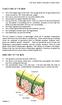 FUNCTIONS OF THE SKIN Skin is the largest organ of the body. The average adult has 18 square feet of skin which account for 16% of the total body weight. Skin acts as a physical barrier for you to the
A Pocket Guide. Application and Cutting Guide
 A Pocket Guide Application and Cutting Guide Developed by Pia Carlsen, RN, Denmark Jacqui Fletcher, Principal Lecturer, MSc BSc (Hons) PG Dip (ED) RN ILT, UK Maria Mousley, AHP, Consultant Podiatrist,
How does Diabetes Effect the Feet
 How does Diabetes Effect the Feet What Skin Changes May Occur? Diabetes can cause changes in the skin of your foot. At times your foot may become very dry. The skin may peel and crack. The problem is that
Use of a Pressure Ulcer Protocol: Benefits and Recommendations
 Use of a Pressure Ulcer Protocol: Benefits and Recommendations Elizabeth L. Enriquez RN,BSN,MPH,CWOCN Wound Care Specialist/Infection Control Morningiside House 1000 Pellham Parkway, Bronx, NY 10461 Wound
Wound Healing Community Outreach Service
 Wound Healing Community Outreach Service Wound Management Education Plan January 2012 December 2012 Author: Michelle Gibb Nurse Practitioner Wound Management Wound Healing Community Outreach Service Institute
Wound Classification Name That Wound Sheridan, WY June 8 th 2013
 Initial Wound Care Consult Sheridan, WY June 8 th, 2013 History Physical Examination Detailed examination of the wound Photographs Cultures Procedures TCOM ABI Debridement Management Decisions A Detailed
The compatibility of INTRASITE Gel and ACTICOAT : An In-Vivo and In-Vitro assessment
 *smith&nephew The compatibility of INTRASITE Gel and ACTICOAT : An In-Vivo and In-Vitro assessment 1 Trade Marks of Smith & Nephew An In-Vivo and In-Vitro assessment of the compatibility of ACTICOAT and
Wound Dressing Formulary
 Wound Dressing Formulary WOUND DRESSING FORMULARY The aim of the formulary is to aid all Health Care Professionals (in both primary and secondary care) who care and treat patients with wounds and tissue
Cutimed PROTECT Medical skin protection. Protect Preserve Prevent
 PROTECT Medical skin protection Protect Preserve Prevent PROTECT Ordering information PROTECT is available in foam applicators and spray bottle PROTECT REF No. Size Unit of Measure HCPCS Spray 7265300
TAKING CARE OF WOUNDS KEY FIGURE:
 Chapter 9 TAKING CARE OF WOUNDS KEY FIGURE: Gauze Wound care represents a major area of concern for the rural health provider. This chapter discusses the treatment of open wounds, with emphasis on dressing
Wound and Skin Assessment. Mary Carvalho RN, BSN, MBA Clinical Coordinator Johnson Creek Wound and Edema Center
 Wound and Skin Assessment Mary Carvalho RN, BSN, MBA Clinical Coordinator Johnson Creek Wound and Edema Center Skin The largest Organ Weighs between 6 and 8 pounds Covers over 20 square feet Thickness
WOUND MANAGEMENT PRODUCTS FORMULARY
 Tissue Viability Service WOUND MANAGEMENT PRODUCTS FORMULARY Version: April 2014 Tissue Viability Service: Pia Obank, Julie Sturges, Ann Fowler, Sam Goodman 01/04/2014 Introduction The first choice dressing
Wirral University Teaching Hospital NHS Foundation Trust
 Clinical guideline Wound dressings Guidance for Use There are several types of dressings in use at Wirral University Teaching Hospitals (WUTH). These are: 1. Medicated dressings a) Hydrocolloid dressings
Position Statement: Pressure Ulcer Staging
 Position Statement: Pressure Ulcer Staging Statement of Position The Wound, Ostomy and Continence Nurses (WOCN) Society supports the use of the National Pressure Ulcer Advisory Panel Staging System (NPUAP).
Management of Burns. The burns patient has the same priorities as all other trauma patients.
 Management of Burns The burns patient has the same priorities as all other trauma patients. Assess: - Airway - Breathing: beware of inhalation and rapid airway compromise - Circulation: fluid replacement
PRESSURE ULCER GUIDELINES FOR TOPICAL TREATMENT
 PRESSURE ULCER GUIDELINES FOR TOPICAL TREATMENT The following are suggested guidelines for treatment of pressure ulcers using products from Swiss-American Products, Inc. and are intended to supplement
Understand nurse aide skills needed to promote skin integrity.
 Unit B Resident Care Skills Essential Standard NA5.00 Understand nurse aide s role in providing residents hygiene, grooming, and skin care. Indicator Understand nurse aide skills needed to promote skin
How To Recover From A Surgical Wound From A Cast
 Care of Your Wounds After Amputation Surgery by Paddy Rossbach, RN Depending on the reason for your amputation and the state of your limb at the time of surgery, definitive closure of the wound may take
Opticell Wound Dressings. Powerful Yet Gentle Moisture Management
 Wound Dressings Powerful Yet Gentle Moisture Management 1 Exclusive Forzagel TM Technology s unique gelling attributes are the result of Forzagel technology. When moistened, the absorbent fibers of the
Looking after your wound following skin surgery
 Looking after your wound following skin surgery Exceptional healthcare, personally delivered Introduction You have just undergone an operation, under local anaesthetic, for the removal of a skin lesion.
Wound Healing. Healing is a matter of time, but it is sometimes also a matter of opportunity. Hippocrates
 C HAPTER 9 Wound Healing Healing is a matter of time, but it is sometimes also a matter of opportunity. Hippocrates As the above quote suggests, conduct regular and systematic wound assessments, and seize
7/30/2012. Increased incidence of chronic diseases due
 Dianne Rudolph, DNP, GNP bc, CWOCN Discuss management of wound care in older adults with focus on lower extremity ulcers Identify key aspects of prevention Explain basic principles of wound management
The population of the United Kingdom is
 Wound care in five English NHS Trusts: Results of a survey KEY WORDS Ageing Infection Survey Wound Wound dressing Karen Ousey Reader Advancing Clinical Practice, School of Human and Health Sciences, University
Provided by the American Venous Forum: veinforum.org
 CHAPTER 1 NORMAL VENOUS CIRCULATION Original author: Frank Padberg Abstracted by Teresa L.Carman Introduction The circulatory system is responsible for circulating (moving) blood throughout the body. The
PATIENT TEACHING GUIDE: Wound Care Handbook
 PATIENT TEACHING GUIDE: Wound Care Handbook PATIENT TEACHING GUIDE: WOUND CARE Design by Mariscal Design, Illustrations by Lysa Hawke. The Wound Care Self Care Guide was written and prepared by: Barbara
CHAPTER 15 SCLEROTHERAPY FOR VENOUS DISEASE
 Introduction CHAPTER 15 SCLEROTHERAPY FOR VENOUS DISEASE Original authors: Niren Angle, John J. Bergan, Joshua I. Greenberg, and J. Leonel Villavicencio Abstracted by Teresa L. Carman New technology has
wound care ...wound healing devices, wound care products, adhesive, non-adhesive bandages, dressings, wound cleansers... Contents Infection Control
 113 wound care Nursing Wound Ostomy...wound healing devices, wound care products, adhesive, non-adhesive bandages, dressings, wound cleansers... 113 114 Wound Cross Reference - Chart 1 Nursing Wound Ostomy
Dressing and bandage
 Dressing and bandage Mihajlo Lojpur, M.D., Ph.D. INTRODUCTION The terms dressing and bandage are often used synonymously. In fact, the term dressing refers more correctly to the primary layer in contact
SKIN CARE & WOUND MANAGEMENT POLICY AND PROCEDURE
 Department: Description: Adventist Aged Care Document Name: Skin Care and Wound Management 14/04/2014 SKIN CARE & WOUND MANAGEMENT POLICY AND PROCEDURE TABLE OF CONTENTS 1.0 PURPOSE... 2 2.0 SCOPE... 2
COMPLIANCE WITH THIS DOCUMENT IS MANDATORY
 COVER SHEET NAME OF DOCUMENT TYPE OF DOCUMENT Policy DOCUMENT NUMBER DATE OF PUBLICATION August 2011 RISK RATING Medium Risk LEVEL OF EVIDENCE REVIEW DATE August 2014 FORMER REFERENCE(S) EXECUTIVE SPONSOR
TREATMENT 1. Control bleeding by applying pressure over wound with Gauze Pads (Surgical Supply-4). 2. Contact Surgeon for laceration repair options.
 Page 1 of 8 pages NOTE Contact Surgeon before giving any medication marked with an asterisk. In an emergency or during Loss of Signal, begin appropriate treatment; then call Surgeon as soon as possible.
VARICOSE VEINS. Information Leaflet. Your Health. Our Priority. VTE Ambulatory Clinic Stepping Hill Hospital
 VARICOSE VEINS Information Leaflet Your Health. Our Priority. Page 2 of 7 Varicose Veins There are no accurate figures for the number of people with varicose veins. Some studies suggest that 3 in 100 people
Tired, Aching Legs? Swollen Ankles? Varicose Veins?
 Tired, Aching Legs? Swollen Ankles? Varicose Veins? Healthy Legs 2006 http://healthylegs.com Page 1 Venous disorders are widespread Leg problems are widespread throughout the world, but what most people
Let's get physical: Cutimed Sorbact
 Let's get physical: Cutimed Sorbact Staph. aureus (yellow), Pseudomonas aeruginosa (purple), Enterococcus faecalis (blue), Klebsiella spec. (green) and Candida albicans (orange) bound to Cutimed Sorbact
Summary of Recommendations
 Summary of Recommendations *LEVEL OF EVIDENCE Practice Recommendations Assessment 1.1 Conduct a history and focused physical assessment. IV 1.2 Conduct a psychosocial assessment to determine the client
KINESIOLOGY TAPING GUIDE
 KINESIOLOGY TAPING GUIDE What is Kinesiology tape and how does Kinesiology tape work? How to apply Kinesiology tape Examples of application of UP Kinesiology tape for common injuries and conditions Introduction
Stop painful dressing changes!*
 Stop painful dressing changes!* Apply it, leave it,* help heal it * AQUACEL Ag BURN and AQUACEL BURN dressings provide a comfortable environment while the dressing is in situ or upon removal. Although
Standard Operating Procedure Template
 Standard Operating Procedure Template Title of Standard Operation Procedure: Topical Negative Pressure (TNP) Reference Number: Version No: 1 Issue Date: May 2012 Review Date: August 2015 Purpose and Background
CCME CNE Course Announcement
 CCME CNE Course Announcement Activity Title: NoCVA Pressure Ulcer Webinar The Carolinas Center for Medical Excellence (CCME) is accredited as an approved provider of continuing nursing education by North
NHS Greater Glasgow and Clyde Wound Formulary 2015/16
 NHS Greater Glasgow and Clyde Wound Formulary 2015/16 rimary Care and Acute Joint Formulary Wound care formulary, product data and prescribing guidance developed by the Wound Formulary and Implementation
An evaluation of Actilite Antibacterial non-adherent dressing with Activon+
 An evaluation of Actilite Antibacterial non-adherent dressing with Activon+ Antibacterial protection Activon honey plus Manuka oil. Non-adherent The non-adherence of the knitted viscose is further enhanced
Varicose Vein Surgery
 Information for patients Varicose Vein Surgery Northern General Hospital You have been diagnosed as having varicose veins and your specialist has recommended varicose vein surgery. This leaflet explains
7/11/2011. Pressure Ulcers. Moisture-NOT Pressure. Wounds NOT Caused by Pressure
 Assessment and Documentation of Pressure Ulcers Jeri Ann Lundgren, RN, BSN, PHN, CWS, CWCN Pathway Health Services July 19, 2011 Training Objectives Describe etiologies of pressure ulcers Discuss how to
BANDAGES AND BANDAGING TECHNIQUES
 BANDAGES AND BANDAGING TECHNIQUES Your role as a veterinary assistant is to understand the theory behind bandaging, as bandaging is the veterinary technician s and the veterinarian s role. You ll need
University Health Network Policy & Procedure Manual
 University Health Network Policy & Procedure Manual Clinical Manual Skin & Wound Assessment & Management This policy is under review and revision. Some of the procedures may not reflect current practice
Graduated compression hosiery (stockings)
 What is compression hosiery? Compression hosiery are elasticated stockings which give support to your legs. In graduated compression hosiery, the pressure given by the stockings is greater at the ankle
RENFREW VICTORIA HOSPITAL SKIN AND WOUND CARE PROGRAM TRAINING RISK ASSESSMENT OF SKIN BREAKDOWN AND TREATMENT OF WOUNDS AND PRESSURE ULCERS
 RENFREW VICTORIA HOSPITAL SKIN AND WOUND CARE PROGRAM TRAINING RISK ASSESSMENT OF SKIN BREAKDOWN AND TREATMENT OF WOUNDS AND PRESSURE ULCERS SELF-LEARNING MODULE For Registered Nurses and Registered Practical
Flushing and Dressing a Peripherally Inserted Central Catheter (PICC Line): a Guide for Nurses
 Flushing and Dressing a Peripherally Inserted Central Catheter (PICC Line): a Guide for Nurses Information for Nurses Introduction This information is for community nursing staffs who have been asked to
USING ADAPTIC TOUCH Non-Adhering Silicone Dressing: CASE STUDIES
 INTERNATIONAL CASE STUDIES USING ADAPTIC TOUCH Non-Adhering Silicone Dressing: CASE STUDIES CASE STUDIES SERIES 2013 This document has been jointly developed by Wounds International and Systagenix with
OPERATION:... Proximal tibial osteotomy Distal femoral osteotomy
 AFFIX PATIENT DETAIL STICKER HERE Forename.. Surname NHS Organisation. Responsible surgeon. Job Title Hospital Number... D.O.B.././ No special requirements OPERATION:..... Proximal tibial osteotomy Distal
Nursing Management of Patient with Casting
 Nursing Management of Patient with Casting Elsa CHUNG Workshop on Trauma Management with Cast Application 5 July 2009 (Sunday) Functions A rigid external immobilizer to secure body part To maintain support
Critically evaluate the organization of diabetic foot ulcer services and interdisciplinary team working
 Rationale of Module Accurate nursing assessment is the key to effective diabetic foot ulcer prevention, treatment and management. A comprehensive assessment identifies ulcer aetiology and the factors which
HCPCS AMERIGEL HYDROGEL DRESSINGS CODING GUIDANCE FOR:
 HCPCS CODING GUIDANCE FOR: AMERIGEL HYDROGEL DRESSINGS FORM 1500 MUST HAVE THE FOLLOWING: APPROPRIATE HCPCS CODE APPROPRIATE A MODIFIER ACCURATE POS = 12 The Centers for Medicare and Medicaid Services
Diabetic Foot Ulcers and Pressure Ulcers. Laurie Duckett D.O. Plastic and Reconstructive Surgeon Oklahoma State University Center for Health Sciences
 Diabetic Foot Ulcers and Pressure Ulcers Laurie Duckett D.O. Plastic and Reconstructive Surgeon Oklahoma State University Center for Health Sciences Lecture Objectives Identify risk factors Initiate appropriate
How To Stage A Pressure Ulcer
 WOCN Society Position Statement: Pressure Ulcer Staging Originated By: Wound Committee Date Completed: 1996 Reviewed/Revised: July 2006 Revised: August 2007 Reviewed/Revised: April 2011 Definition of Pressure
Development of a Next- Generation Antimicrobial Wound Dressing- Results Count
 Development of a Next- Generation Antimicrobial Wound Dressing- Results Count Phil Bowler, MPhil, FIBMS Science & Technology, ConvaTec 24 th November 2015 /TM all trade marks are the property of their
Knee arthroscopy advice sheet
 Knee arthroscopy advice sheet During an arthroscopy, a camera is inserted into the knee through two or three small puncture wounds. It allows the surgeon to look at the joint surfaces, cartilage and the
Vacuum-Assisted Wound Closure ISSN: 0002-936X American Journal of Nursing
 Vacuum-Assisted Wound Closure ISSN: 0002-936X American Journal of Nursing Author(s): Chua Patel, Christy T. MS, RN; Kinsey, Gail C. MS, RN, CNS; Koperski-Moen, Kelley J. ADN, RN; Bungum, Lisa D. BSN, RN
The use of MEDIHONEY in Palliative Wound Care and the Advanced Aging Patient
 The use of MEDIHONEY in Palliative Wound Care and the Advanced Aging Patient Presenter: Angel Sutton, RN, MSN/Ed, CWCN, CFCN, CCCN Wound Care Nurse Consultant Agenda My clinical practice Why MEDIHONEY?
OASIS-C Integument Assessment: Not for Wimps! Part I: Pressure Ulcers
 OASIS-C Integument Assessment: Not for Wimps! Part I: Pressure Ulcers Presented by: Rhonda Will, RN, BS, COS-C, HCS-D Assistant Director, OASIS Competency Institute 243 King Street, Suite 246 Northampton,
Super-absorbent dressing for improving patient care
 BIGGER PACKAGES NOW AVAILABLE! Super-absorbent dressing for improving patient care BRITAIN S No. SUPER-ABSORBENT (IMS May 205) Caring with KerraMax As a woundcare nurse, you ve seen the damage exudate
* This policy is under review and is being updated. A revised policy will be added shortly * February 2009. Clinical Development Forum
 * This policy is under review and is being updated. A revised policy will be added shortly * Document Title: PCT Document Ref No.: Local Document Ref No.: Date of Approval: Approved by: Guidance for the
Inservice: Wound Care and Dressings. Friday, June 26, 2009. A. Closed Wounds tissue is injured but skin is not BROKEN
 f Inservice: Wound Care and Dressings Friday, June 26, 2009 WOUNDS: Are injuries of the skin and underlying subcutaneous tissues and muscles (Nursing Manual by Lippincott) Are disruptions in the integrity
RATIFIED BY NNPDG SEPTEMBER 2006 FOR REVIEW 2009
 NOTTINGHAM UNIVERSITY HOSPTIALS/RUSHCLIFFE PCT NURSING PRACTICE GUIDELINES GUIDELINES FOR CARE OF A PATIENT WITH A WOUND DRAINAGE SYSTEM CONTENTS PAGE Introduction and Types of Drains 1 Procedure for Applying
The Use of MEDIHONEY for Wound Management in Oncology
 The Use of MEDIHONEY for Wound Management in Oncology Presenter: Patrice M. Dillow, MSN, APRN, CWOCN Cancer Treatment Centers of America Midwestern Regional Medical Center A Magnet Hospital This presentation
Clinical Guideline for: Aseptic Technique
 Clinical Guideline for: Technique Summary This guideline provides the principles of, Non Touch, and Clean Techniques to be implemented in the hospital environment. Key Points The essential elements of
CHAPTER V CONCLUSION AND RECOMMENDATIONS. findings are presented, implications for nursing practice and education are discussed,
 CHAPTER V CONCLUSION AND RECOMMENDATIONS In this chapter, a summary of the findings and conclusion drawn from the findings are presented, implications for nursing practice and education are discussed,
Chapter 11. Everting skin edges
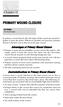 Chapter 11 PRIMARY WOUND CLOSURE KEY FIGURE: Everting skin edges In primary wound closure, the skin edges of the wound are sutured together to close the defect. Whenever possible and practical, primary
Initial Management of Acute Sports Injuries. By Martin Meyer Sports Physiotherapist Director APE
 Initial Management of Acute Sports Injuries By Martin Meyer Sports Physiotherapist Director APE Owned and operated by Perth physios with over 20 years experience Sports Medicine Wholesaler Strapping tapes
A Patient s guide to. pin site care. (Upper and lower limb external fixation) Limb Reconstruction Unit [email protected].
 A Patient s guide to pin site care (Upper and lower limb external fixation) Limb Reconstruction Unit [email protected] Introduction Before you leave hospital you will have been taught how
PowerLight LED Light Therapy. The FUTURE of corrective skin
 PowerLight LED Light Therapy The FUTURE of corrective skin care TODAY LED facial treatments Effective when used with correct protocols Non thermal stimulation of collagen Increases circulation and lymphatic
3M Coban 2 Layer Compression Systems
 3M Coban 2 Layer Compression Systems Application & Removal Pocket Guide Basic Application Layer 1 The Inner Comfort Layer 1 2 Apply with the foam side against the skin, using just enough tension to conform
Provided by the American Venous Forum: veinforum.org
 CHAPTER 20 LYMPHEDEMA DIAGNOSIS AND THERAPY Original authors: Audrea Cheville, Cindy Felty, Gail L. Gamble, Peter Gloviczki, Thom W. Rooke, David Strick Abstracted by Raghu Motaganahalli Introduction Lymphedema
Care for your child s Central Venous Catheter (CVC)
 Care for your child s Central Venous Catheter (CVC) This booklet is intended for general informational purposes only. You should consult your doctor for medical advice. Please call the clinic or your home
How can DIABETES affect my FEET? Emma Howard Community Diabetes Lead Podiatrist, Oxford Health NHS Foundation Trust
 How can DIABETES affect my FEET? By: Emma Howard Community Diabetes Lead Podiatrist, Oxford Health NHS Foundation Trust HOW CAN DIABETES AFFECT MY FEET? What is neuropathy? This leaflet explains how diabetes
Your Guide to Peritoneal Dialysis Module 3: Doing Peritoneal Dialysis at Home
 Your Guide to Peritoneal Dialysis Module 3: 6.0959 in Preparing to do PD One of the most important things about PD is to keep the dialysis area and anything that comes in contact with the PD equipment
WOUND EXUDATE: WHAT IT IS AND HOW TO MANAGE IT
 WOUND EXUDATE: WHAT IT IS AND HOW TO MANAGE IT Wound exudate plays an essential role in wound healing by providing a moist wound bed and a supply of necessary nutrients. Understanding what causes changes
.org. Plantar Fasciitis and Bone Spurs. Anatomy. Cause
 Plantar Fasciitis and Bone Spurs Page ( 1 ) Plantar fasciitis (fashee-eye-tiss) is the most common cause of pain on the bottom of the heel. Approximately 2 million patients are treated for this condition
Reimbursement guide. IODOSORB and IODOFLEX are Cadexomer Iodine Dressings which are available in a gel or pad format.
 Reimbursement guide IODOSORB and IODOFLEX are Cadexomer Iodine Dressings which are available in a gel or pad format. IODOSORB and IODOFLEX remove barriers to healing and reduce pain and odor associated
Inflammation and Healing. Review of Normal Defenses. Review of Normal Capillary Exchange. BIO 375 Pathophysiology
 Inflammation and Healing BIO 375 Pathophysiology Review of Normal Defenses Review of Normal Capillary Exchange 1 Inflammation Inflammation is a biochemical and cellular process that occurs in vascularized
PATIENT GUIDE. Care and Maintenance Drainage Frequency: Max. Drainage Volume: Dressing Option: Clinician s Signature: Every drainage Weekly
 PATIENT GUIDE Care and Maintenance Drainage Frequency: Max. Drainage Volume: Dressing Option: Every drainage Weekly Clinician s Signature: ACCESS SYSTEMS Pleural Space Insertion Site Cuff Exit Site Catheter
Heel pain and Plantar fasciitis
 A patient s guide Heel pain and Plantar fasciitis Fred Robinson BSc FRCS FRCS(orth) Consultant Trauma & Orthopaedic Surgeon Alex Wee BSc FRCS(orth) Consultant Trauma & Orthopaedic Surgeon. What causes
Post-surgical V.A.C. VeraFlo Therapy with Prontosan Instillation on Inpatient Infected Wounds * COLLECTION OF CASE STUDIES
 COLLECTION OF CASE STUDIES Post-surgical V.A.C. VeraFlo Therapy with Prontosan Instillation on Inpatient Infected Wounds * *All patients were treated with systemic antibiotics Post-surgical V.A.C. VeraFlo
Guideline: Wound Bed Preparation for Healable and Non-Healable Wounds in Adults & Children 1
 Developed by the BC Provincial Nursing Skin and Wound Committee in collaboration with Wound Clinicians from: TITLE Guideline: Wound Bed Preparation for Healable and Non-Healable Wounds in Adults & Children
How To Care For A Wound From A Wound
 14. 14.1 Introduction Purpose This section is intended as a guide to assist staff in the best wound management practices and is an addition to the formal documentation of the clinical records. For the
Varicose Veins Operation. Patient information Leaflet
 Varicose Veins Operation Patient information Leaflet 22 nd August 2014 WHAT IS VARICOSE VEIN SURGERY (HIGH LIGATION AND MULTIPLE AVULSIONS) The operation varies from case to case, depending on where the
Skin & Wound Care Prevention & Treatment. By Candy Houk, RN Skin & Wound Program Manager
 Skin & Wound Care Prevention & Treatment By Candy Houk, RN Skin & Wound Program Manager OBJECTIVES Classify Stage 1 and 2 pressure ulcers Recognize suspected Stage 3, 4, DTI, and unstageable pressure ulcers
Central Venous Catheter (CVC) Sterile Dressing Change - The James
 PATIENT EDUCATION patienteducation.osumc.edu Central Venous Catheter (CVC) Sterile Dressing Change - The James A dressing protects your catheter site and helps reduce the risk of infection. You will need
3M TM DuraPrep TM Surgical Solution (Iodine Povacrylex [0.7% available iodine] and Isopropyl Alcohol, 74% w/w) Patient Preoperative Skin Preparation
![3M TM DuraPrep TM Surgical Solution (Iodine Povacrylex [0.7% available iodine] and Isopropyl Alcohol, 74% w/w) Patient Preoperative Skin Preparation](/thumbs/29/13403158.jpg "3M TM DuraPrep TM Surgical Solution (Iodine Povacrylex [0.7% available iodine] and Isopropyl Alcohol, 74% w/w) Patient Preoperative Skin Preparation") 3M TM DuraPrep TM Surgical Solution (Iodine Povacrylex [0.7% available iodine] and Isopropyl Alcohol, 74% w/w) Patient Preoperative Skin Preparation Commonly Asked Questions I like the concept of a one-step
3M TM DuraPrep TM Surgical Solution (Iodine Povacrylex [0.7% available iodine] and Isopropyl Alcohol, 74% w/w) Patient Preoperative Skin Preparation Commonly Asked Questions I like the concept of a one-step