
NeuroPace RNS System Patient Manual
|
|
|
- Nelson Cox
- 10 years ago
- Views:
Transcription
1 NeuroPace RNS System Patient Manual You should have two manuals, both this manual and the NeuroPace Remote Monitor manual. Read both manuals before use. This manual is not meant to take the place of advice from your doctor. For a complete discussion of indications for use, contraindications, warnings, cautions, and potential side effects, talk to your doctor NeuroPace, Inc.

2 FCC Information The following is communications regulation information on the model RNS-300M neurostimulator and model W-02 wand. Neurostimulator FCC ID: WBWRF300 Wand FCC ID: WBW902 All components comply with Part 15 of the FCC Rules. Operation is subject to the following 2 conditions: (1) This device may not cause harmful interference, and (2) this device must accept any interference received, including interference that may cause undesired operation. IMPORTANT: Changes or modifications to these components not expressly approved by NeuroPace, Inc. could void the FCC Certification, and negate your authority to operate them. This equipment complies with FCC radiation exposure limits set forth for an uncontrolled environment. This transmitter must not be co-located or operating in conjunction with any other antenna or transmitter.

3 Table of Contents 1. About the RNS System Risks of Using the RNS System Warnings and Cautions What to Expect with the RNS System Traveling with the RNS System Care and Maintenance Clinical Studies: Risks and Benefits Electromagnetic Emissions and Immunity If You Need Help... 35

4 Explanation of symbols on product or package labeling Refer to the appropriate product for symbols that apply. Caution MR Unsafe Prescription Only Temperature Limits Ethernet Connection (Network Connection) Proposition 65, a State of California voter initiative, requires the following notice: WARNING: Some product components may expose you to chemicals known to the State of California to cause cancer, or birth defects, or other reproductive harm.

5 1. About the RNS System Indications for Use The RNS System is an adjunctive therapy in reducing the frequency of seizures in individuals 18 years of age or older with partial onset seizures who have undergone diagnostic testing that localized no more than 2 epileptogenic foci, are refractory to two or more antiepileptic medications, and currently have frequent and disabling seizures (motor partial seizures, complex partial seizures and / or secondarily generalized seizures). The RNS System has demonstrated safety and effectiveness in patients who average 3 or more disabling seizures per month over the three most recent months (with no month with fewer than two seizures), and has not been evaluated in patients with less frequent seizures. Epilepsy and its Treatment Epilepsy is a brain disorder that causes seizures. Seizures occur when there is a sudden electrical misfiring of nerve cells in the brain. These misfires can cause convulsions or spasms, confusion, staring blankly, and sometimes loss of consciousness. There is no one cause of epilepsy. Genetics, head trauma, medical and developmental disorders may all play a role. Epilepsy affects nearly 3 million Americans and 50 million people worldwide. Epilepsy is usually treated first with antiepileptic drugs. These drugs help to prevent seizures. If a person s epilepsy cannot be brought under control after trying two or more different antiepileptic drugs, that person s epilepsy is said to be medically refractory, i.e. the likelihood of achieving seizure freedom with another antiepileptic drug is less than 5%. If a person s epilepsy is said to be medically refractory the person may be a candidate for other treatments. Treatment with the RNS System The RNS System is designed as a treatment for medical refractory partial epilepsy with partial onset seizures, in which seizures begin in a focus in the brain and then may spread to involve other parts or even the entire brain. The RNS System does not treat other types of epilepsy (generalized epilepsies) in which seizures arise from all areas of the brain at the same time. People who use the RNS System will continue to take antiepileptic drugs. Your doctor will know if you have the type of epilepsy and the kinds of seizures that can be treated with the RNS System. 1

6 Alternative Treatments for Medically Refractory Epilepsy Epilepsy surgery involves removing or disconnecting the part of the brain that is triggering the seizures. Epilepsy surgery can be very helpful, but not all people with epilepsy are candidates for an epilepsy surgery that results in seizure freedom. Another treatment option for partial onset seizures is vagus nerve stimulation, which provides periodic electrical stimulation to the vagus nerve in the neck. In most cases, people who are treated with epilepsy surgery or vagus nerve stimulation continue to take antiepileptic drugs. The type of treatment prescribed will depend on several factors. These include the frequency and severity of seizures, ability to localize seizure foci, the number of seizure foci, the person s age and overall health, and their medical history. An accurate diagnosis of the type of epilepsy is also critical to choosing the best treatment. The goal of all epilepsy treatment is to achieve seizure freedom or, if that is not possible, to control seizures, avoid the side effects of treatment, and make it possible for people to continue to lead lives that are not affected by seizures. Description of the RNS System A small, battery-powered device (called a neurostimulator) is surgically implanted in the skull. Wires (called leads) that are connected to the neurostimulator are placed on and/or inside the brain. The neurostimulator monitors the electrical activity of the brain and detects abnormal activity that could lead to a seizure. If abnormal activity is detected, the neurostimulator delivers electrical stimulation to the brain through the leads to help prevent the seizure before it occurs. The neurostimulator will be programmed for initial use by your doctor after it is surgically implanted. Then the neurostimulator settings will be adjusted on an ongoing basis as needed. A computer (called the NeuroPace Programmer) lets your doctor do the initial programming and follow-up adjustments to the neurostimulator. Adjustments are based on brain activity and response to stimulation, which are both stored in the neurostimulator. A remote monitor lets you collect data from the neurostimulator, and send the data to your doctor. The remote monitor consists of a special software program installed on a laptop computer, a wand and accessories. After connecting the hand-held wand to the laptop, data in the neurostimulator are collected by placing the wand over the implant site. The wand uses Radio Frequency (RF) communication to collect the data. Data are stored in the laptop and 2

7 then sent to a secure database over the internet. The database is called the PDMS (Patient Data Management System) and your doctor can access your data. Your doctor will review the data and use the results to adjust the neurostimulator settings during future office visits. As part of the RNS System, your doctor will provide you with a magnet. The magnet instructs the neurostimulator to record brain activity when you quickly swipe it over the neurostimulator during a seizure. That way your doctor is able to identify the event during data review and make adjustments to the neurostimulator settings as needed. Another use of the magnet is to temporarily stop stimulation. Although not expected to happen, you may want to stop stimulation if you think you are feeling the stimulation. A medical implant identification card is provided that lets others know you are using the neurostimulator. Carry the card at all times. The card contains important information in the event you are being treated by another doctor who is unfamiliar with the RNS System. You should also show this card before going through security systems at airports and other places. Refer to the Warnings and Cautions section for specific information. The neurostimulator remains implanted until your doctor determines that battery power is low. Then it is time to replace the neurostimulator. This is usually after 2.6 to 4.3 years with typical use. For medium stimulation and detection settings the battery is estimated to last 3.9 years. At that time, the neurostimulator is removed and a new one is implanted. Unless the leads need to be replaced, the new neurostimulator will be connected to the same leads. 3

8 The Parts of the RNS System Read your NeuroPace Remote Monitor Manual for a description of your NeuroPace Remote Monitor, wand, power cord and accessories. RNS Neurostimulator The device implanted in the skull that delivers electrical stimulation. NeuroPace Cortical Strip Leads and NeuroPace Depth Leads The leads are wires that connect the neurostimulator to areas of the brain where seizures start. The neurostimulator senses your brain activity and delivers electrical stimulation through these wires. Magnet A device that lets you record brain activity during a seizure. The magnet also lets you temporarily stop stimulation. Medical Implant Identification Card A wallet-sized card that lets others know that you are using the RNS System and makes them aware of procedures that are harmful (such as an MRI), your physician s name and phone number, and which NeuroPace products have been implanted. 4

9 Contraindications The RNS System should not be used by people who: o Are at high risk for surgical complications such as active systemic infection, coagulation disorders (such as the use of anti-thrombotic therapies) or platelet count below 50,000. o Have another medical device implanted that delivers electrical energy to the brain. o Are unable, or do not have the necessary assistance, to properly operate the NeuroPace Remote Monitor or magnet. DO NOT have any of the following medical procedures if you have the RNS System implanted. These procedures produce energy that can travel through the neurostimulator and leads to the brain, and can result in brain injury or death. Turning the neurostimulator off prior to the procedure will not prevent problems from occurring. Even if the neurostimulator has been removed, problems can arise if any part of a lead is still implanted. If you have any of the procedures listed below while you have the RNS System implanted, it may result in serious injury or possible death. o MRI Magnetic Resonance Imaging (The RNS System is MRI Unsafe ). Even if the neurostimulator has been removed, you should not have an MRI if any part of a lead or the cranial prosthesis is still implanted. o Diathermy High-frequency electromagnetic radiation, electric current or ultrasonic waves to induce heat in tissue anywhere on the body, either for therapy or relaxation. You absolutely CANNOT be treated with any type of shortwave, microwave, or therapeutic ultrasound diathermy device whether or not it is used to produce heat. These treatments should not be applied anywhere on the body. o Electroconvulsive Therapy (ECT) Electrically-induced seizures to treat psychiatric disorders. o Transcranial Magnetic Stimulation (TMS) Electromagnetic current to treat psychiatric disorders. 5

10 2. Risks of Using the RNS System There are benefits and risks associated with all medical devices and treatments. Talk to your doctor about the benefits and risks of the RNS System and whether it is appropriate for you. Your doctor can also answer questions regarding the information in this manual. Risks of Surgery and Treatment There are health risks associated with using the RNS System. Risks include complications from surgically implanting the neurostimulator and leads. They also include potential risks related to the performance and use of the RNS System. Discuss these risks with your doctor. The risks of the surgery to implant the RNS Neurostimulator and leads are comparable to other surgical procedures to treat epilepsy and to implant brain stimulators for Parkinson's disease. Risks associated with surgical implantation and treatment with the RNS System include post-implant infection (7%) and bleeding in the brain or under the skull because of the implant (4.7%). There are also risks of infection and bleeding with surgery to replace or remove the neurostimulator and leads. There were other events which occurred during the studies which may or may not be related to treatment with the RNS System. These included psychiatric symptoms (39.8%), changes in seizures (16%), and seizure related injury (49.2%), including seizure related head injury (10.5%). Eleven (11) patients died during the study. No patient died of a complication of a surgery related to the neurostimulator or leads. Patients with epilepsy, especially severe epilepsy, have a risk for sudden death (SUDEP). Seven (7) patients died from probable, possible or definite SUDEP, two patients died by suicide, one patient died of lymphoma, and one patient died of complications due to status epilepticus. Although some patients in the RNS System studies died of SUDEP, there is no current indication that the risk of SUDEP in persons treated with the RNS System is higher than expected for people with severe epilepsy. See the Clinical Studies: Risks and Benefits section for more information. The neurostimulator delivers electrical stimulation to the brain when it detects brain activity that your doctor feels could show the start of a seizure. You should not feel the stimulation but it is possible that you might feel a brief tingling sensation in your scalp or pain in your head. If you do, talk to your doctor so that changes can be made to the neurostimulator settings. 6

11 Neurostimulator/Leads replacements and failures For a full discussion of what to expect for the initial implant surgery see the Implant Surgery section. The neurostimulator should work for about 2.6 to 4.3 years with typical use before the battery power is drained. How long your battery lasts depends on the programming settings used by your doctor. When the battery power gets very low, the neurostimulator will need to be surgically replaced with a new one. Your doctor will let you know when the neurostimulator needs to be replaced. The surgery involves first making an incision in your scalp. Then the surgeon will remove the old neurostimulator from its holder secured in the skull, and replace it with a new one. This surgery has less risk than the first surgery to implant the neurostimulator and leads because the doctor will not have to do any surgery on the bone and will not need to insert or move any of your leads. In many instances, this is done as an outpatient procedure and usually takes about one hour. As with any surgery, there are risks. During the clinical trials, some patients had pain at the incision site and infection after replacement. If the RNS System is not working properly, it may not provide the right amount of stimulation at the right time. If the neurostimulator is not working properly, you will need to have it replaced. If the leads are not working properly, then the neurosurgeon may suggest that the leads be changed. Sometimes, your doctor may want to change the leads that are connected to your neurostimulator. If these leads have already been implanted, the procedure is like the neurostimulator replacement and can be done as an outpatient procedure in an hour or less (compared with 2 to 5 hours for the first surgery). If new leads are inserted, then the procedure will be more like the initial implant surgery. See the Clinical Studies: Risks and Benefits section for more information. You may not be aware of problems with the performance of the neurostimulator or leads unless you are having more frequent or more severe seizures than before. So it is important that you collect data from the neurostimulator and send data to the PDMS database as directed by your doctor. NeuroPace recommends you collect data from the neurostimulator at least once a day and send data to the PDMS database at least once a week. If there is a concerning change in your seizures, you should also collect and send data to the PDMS database on a more frequent basis so that your doctor is able to decide whether any adjustments to the neurostimulator settings should be made. Refer to your NeuroPace Remote Monitor Manual for more information. People using the RNS System will not be able to undergo certain medical procedures. These are procedures that might damage the neurostimulator/leads, or cause injury and even death. A list of these procedures can be found in both the Contraindications, and Warnings and Cautions sections of this manual. 7

12 3. Warnings and Cautions WARNINGS: Medical Procedures DO NOT have any of the following procedures before making sure the person administering the procedure knows that you have the RNS System implanted and they have consulted with the doctor who is monitoring your use of the RNS System: o Computerized Tomography (CT or CAT) scans. o Radiation therapy (such as cobalt 60 or gamma radiation to treat cancer). o Lithotripsy (shock waves to break up hard masses, such as kidney stones). o Electrolysis (electrical current to remove unwanted hair). The energy used in these procedures may damage the RNS System. This could result in stimulation not being delivered, additional surgery to remove or replace parts of the RNS System, serious injury, or death. In addition, Computerized Tomography (CT or CAT) scans should be performed only under the following conditions: o The neurostimulator should be turned off prior to the procedure if possible. This should be done by your doctor or someone who is authorized to adjust the settings using the NeuroPace Programmer. o The scan should be taken at the lowest X-ray beam level possible. o Avoid directing the beam at or near the implant site for more than a few seconds. o Emergency services need to be available in the event you have a serious side effect. This is especially important if the scan area includes the implant site. o The neurostimulator should be turned back on after the procedure. Lithotripsy and Electrolysis should not be performed on the head or neck. Contact your doctor as soon as possible if you have questions or suspect your RNS System is not working properly after any medical procedure. 8

13 Interaction with Implanted Cardiac Devices Possible effects of RNS System interaction with an implanted cardiac device (such as pacemakers or defibrillators) include the following: o Defibrillation therapy from an implanted defibrillator may damage the RNS System. o The electrical pulses from the RNS System may interact with the sensing operation from a cardiac device and could result in an inappropriate response of the cardiac device and vice versa. Adverse Tissue Reaction Allergic reaction to the RNS System materials and / or leads implanted is possible. Chronic Tissue Stimulation The effects of long-term brain stimulation are not completely known and may present some risks to the patient. Erosion Skin erosion (breakdown of skin tissue) may occur on and / or around the neurostimulator and / or lead implant site, particularly in the case of protrusion of the implanted RNS System products above the surface of the skull. Lead Migration The implanted lead(s) may migrate (move) from their desired implant location. Lead migration can result in changes in detections and stimulation effectiveness, and may require additional surgical procedures to modify the lead location. Pregnant Women The safety and effectiveness of the RNS System has not been studied in pregnant women. 9

14 RNS System Failure As with any electronic device, the RNS System may malfunction (not work). Potential causes include battery malfunctions, an electrical short, open circuits, lead fractures, lead insulation failures, or damage as a result of head trauma. These malfunctions are unpredictable, and may result in too little stimulation or no stimulation. A lead failure may result in the lead needing to be removed or repositioned, which would require surgery. A malfunctioning neurostimulator may need to be replaced, which would require surgery. Although the device is designed to turn off if overstimulation or excess current occurs, there is a possibility that product failure could result in brain tissue damage. Case Damage If the neurostimulator case is ruptured or pierced due to outside forces, severe brain tissue damage could result from exposure to the battery chemicals. Electrical Shock To avoid electrical shock (as with any electronic device such as a laptop computer): o DO NOT use the wand or laptop when you are wet. o DO NOT apply water or liquids directly to the wand or laptop. o DO NOT modify the power cord that came with your remote monitor in any way. If your remote monitor came with a 3-pronged plug, connect it to an outlet that accepts that type of plug. o DO NOT use the wand or laptop during an electrical storm. o DO NOT clean the wand or laptop with any cleaning liquids or aerosols. Wipe the outside of the wand and laptop with a clean cloth, dampened with water and wrung out. Make sure to disconnect the laptop from the electrical outlet before cleaning. o DO NOT use the wand or laptop if you think they appear to be damaged or are not working properly. DO NOT attempt to repair the wand or laptop. Contact NeuroPace Customer Support for assistance. Not following these instructions may cause an electrical shock that may result in serious injury or death, and may damage the wand or laptop. 10

15 Electromagnetic Interference (EMI) Electromagnetic interference is a field of energy generated by equipment found in the home, work, medical, or public environments that is strong enough to interfere with neurostimulator function. Sources of strong electromagnetic interference can result in the following effects: o Serious injury or death - It is possible for the interference sources to couple enough energy into a neurostimulator system to damage brain tissue. o System damage - resulting in a loss or change in symptom control and requiring reoperation. o Operational changes to the neurostimulator - causing stimulation to turn on or off, or resetting or reprogramming the neurostimulator resulting in a return of symptoms. o Unexpected changes in stimulation - causing a momentary increase in stimulation which may be felt. You should exercise caution to avoid devices which generate a strong electric or magnetic field. Refer to Electromagnetic Emissions and Immunity for more information. Radio Frequency Identification (RFID) Interference RFID scanners can produce signals that appear as brain activity to the neurostimulator. Such signals could cause the neurostimulator to deliver stimulation. Potential sources of RFID may occur in a health care environment, retail stores, public libraries, airports and business environments. Refer to Electromagnetic Emissions and Immunity for more information. Airport Security and Other Surveillance Systems Tell people working with security and theft systems that you have the RNS System implanted and show your medical implant identification card. Walk through the center of security screening units without stopping when possible and exit the area of the screening device as soon as possible. Leave the security area as soon as practical. Security screening devices (such as theft detectors and airport security screening devices) may be found at retail stores, public libraries and airports. Such devices use technology that can cause or temporarily disrupt stimulation while you are being scanned. For more information, contact your local airport security office or TSA (Transportation Safety Administration). 11

16 Laptop Overheating DO NOT cover or enclose the laptop with anything that could restrict airflow through the vents and not allow heat to disperse. All laptop computers generate a moderate amount of heat when they are turned on. Restricting the airflow can damage the laptop or cause a fire. Wand Placement DO NOT use (position) the wand over any other medical device. This includes other implanted devices such as a pacemaker or defibrillator, as well as devices that are used outside the body, such as a CPAP machine. Not following these instructions may momentarily interfere with the operation of other medical devices. CAUTIONS: Medical Procedures and Dental Work Before all medical procedures tell the person administering the procedure that you have the RNS System implanted. All medical procedures and dental work should be performed with caution. Contact your doctor as soon as possible if you have questions or suspect your RNS System is not working properly after a medical procedure. Diagnostic x-rays and diagnostic ultrasounds may be performed without affecting the RNS System. Applying Pressure on the Neurostimulator and Leads DO NOT press on or play with the implanted neurostimulator or leads. This may damage the neurostimulator or leads and result in stimulation not being delivered until they are surgically repaired or replaced. Magnet DO NOT drop the magnet onto any hard surface. The magnet can shatter into small, sharp pieces that can cut the skin. Household Magnets and Magnetic Bracelets DO NOT put items that contain magnets within 4 inches of the neurostimulator. Magnets contained in such products as stereo speakers, AM/FM radios, power tools, cellular, cordless and conventional phones, as well as magnets used therapeutically or worn on the body may interfere with stimulation. Since it is not always obvious if an item contains a magnet, refer to the packaging and instructions that came with 12

17 the item for more information. You can also call the manufacturer of the item and ask them. Most headsets and earphones available in stores do not interfere with stimulation, but not all have been tested. Battery Depletion For continued operation, the neurostimulator needs to be surgically replaced when the battery is depleted. Your doctor will let you know when the neurostimulator needs to be replaced. Neurostimulator Longevity High and frequent levels of stimulation reduce neurostimulator battery longevity. Removal and EMI considerations Before all medical procedures tell the person administering the procedure that you have the RNS System implanted if any system components (neurostimulator, leads, lead fragments or cranial prosthesis) remain implanted after you stop using the RNS System. You could still experience side effects from EMI if any system parts remain implanted. These effects may result in stimulation of the brain tissue and tissue damage resulting in serious injury or death. Refer to Electromagnetic Emissions and Immunity for more information. Lead Replacement and Leads Left in Place The long-term safety associated with leads left in place without use, replacement of leads, and lead removal is unknown. Other Active Implanted Medical Devices RNS System interactions with other active implantable medical devices (such as pacemakers, defibrillators, implanted spinal cord and peripheral nerve stimulators, cochlear implants, and vagus nerve stimulators) are not known. Contact your doctor to discuss your situation or to answer questions. Scuba diving or hyperbaric chambers DO NOT dive below 10 meters (33 feet) of water or enter hyperbaric chambers above 2.0 atmospheres absolute (ATA). Such pressures could damage the RNS System. 13

18 Patient Population for Which Safety and Efficacy Have not Been Established The safety and effectiveness of the RNS System has not been established for: o People with generalized epilepsy. o People with a seizure focus that cannot be adequately localized. o Pregnant women. o People under the age of 18. o People with simple partial sensory seizures only. o People with less than three seizures a month on average. o People who have more than two epileptic foci. o People who have not failed two antiepileptic drugs. Safety and Effectiveness beyond 24 months The safety and effectiveness of the RNS System beyond 24 months is unknown. Remote Monitor Laptop DO NOT use the laptop for any other purpose except as instructed. The laptop is designed to operate only as part of the remote monitor. DO NOT make any changes or adjustments to the laptop hardware or software. This includes attaching external devices like a mouse, or inserting CDs or DVDs into the drive. Any changes you make that are not part of the instructions may damage the remote monitor and may not allow you to send data to the PDMS database. Data Collection You should collect data from the neurostimulator, and send data to the PDMS database, as directed by your doctor. NeuroPace recommends you collect data from the neurostimulator at least once a day and send data to the PDMS database at least once a week. By sending your data on a regular basis, your doctor will be able to identify problems and make adjustments. Your doctor will also be able to determine when battery power is getting low. If you do not collect and send data as directed, your doctor may not be able to review your data and make adjustments on a timely basis. If you are having seizures more frequently or with greater severity, talk with your doctor as soon as possible. Your doctor may ask you to collect and send data to the PDMS database on a more frequent basis until adjustments can be made to the neurostimulator settings. Talk to your doctor about what you should do if you are unable to collect data from your neurostimulator or send data to the PDMS database as directed. 14

19 Wand Signal Test DO NOT test the wand signal for more than 10 minutes a day. Testing the wand signal for more than 10 minutes a day may cause the neurostimulator battery to drain more quickly than expected. Operating Temperatures DO NOT use the wand or laptop in temperatures above or below the recommended operating range (32 o F - 95 o F). The wand or laptop may not operate properly at temperatures below 32 o F or above 95 o F. These devices may also become warm during normal operation. DO NOT use them when the room temperature is above 95 o F to avoid discomfort. Remote Monitor Setup DO NOT set up the remote monitor where people can trip over the cords. The cords may be tripping hazards, especially for small children and pets. Tripping over the cords may damage the remote monitor parts, and may result in bodily injury. DO NOT rest anything on the power cord. DO NOT move the remote monitor to another location without first disconnecting the parts and storing them in the carrying case. Disconnect the wand and all cords from the laptop. You may damage the parts if you do not disconnect them before moving them. 15

20 4. What to Expect with the RNS System Implant Surgery Before Your Surgery Your doctor will carefully examine you to locate the areas in your brain where your seizures start. This helps determine where the leads should be placed in the brain. Your doctor will also decide how many leads to implant, depending on the location of your seizures. The cortical strip lead is placed on the surface of the brain. The depth lead is placed inside the brain. Make sure your doctor explains all the risks associated with implant surgery, especially as they might relate to any other medical conditions you may have. Your Implant Surgery Your surgeon will determine what type of anesthesia you will need. You may be placed under general anesthesia for the neurostimulator implant. The implantable RNS System is made of two parts: the neurostimulator and leads (tiny wires with electrodes). The entire surgery should take approximately 2 to 5 hours. During the procedure and while you are asleep, at least one cut, and maybe more, will be made in your scalp and skull (the exact places may vary). The cuts made for putting in the leads are about the size of quarter, but may be larger. The cut in the skull for the neurostimulator will most often be made on the side toward the back of the head. The exact shape of the cut will be made to fit the neurostimulator. The position may be different depending on where the leads are placed and other factors. The neurostimulator is fixed in place and connected to two of the leads. Usually two leads are implanted during the procedure. However, depending on the area where your seizures start, the doctors may decide that implanting up to four leads during the procedure may be the best option for you. No more than four leads will be implanted. If you have more than two leads put in, only two leads will be connected to the neurostimulator. The ones that are not connected to the neurostimulator are not active and cannot deliver responsive stimulation. At a later time, the doctor may decide to change the leads connected to the neurostimulator, if needed. The 16

21 inactive lead(s) could be attached to the neurostimulator and be made active during a second surgery. The surgery to connect a lead that is not active is not as major as the first surgery. Talk to your surgeon about the specific details of your surgery. Post-Surgery Recovery You may remain in the hospital for a few days following surgery until your doctor feels it is okay for you to return home. Your doctor will also use that time to make sure there have been no complications from surgery and may program your neurostimulator for initial use. Your incision areas will be checked to make sure they are healing properly. Ongoing Treatment and Monitoring The neurostimulator delivers electrical stimulation to the brain when it detects abnormal brain activity as determined by your doctor. You should not feel the stimulation. A few patients report that they feel the stimulation when first using the RNS System. This side effect is usually resolved by your doctor making changes to the neurostimulator settings. The RNS System is designed to reduce the frequency of seizures. The majority of patients continue to experience seizures while using the RNS System. You should expect to continue to take antiepileptic medications. Not everyone who uses the RNS System will respond to stimulation the same way. 17
22 You will be expected to see your doctor for follow-up visits for as long as you use the RNS System. The visits may be frequent at first and then not as often. At those visits, your doctor will adjust the neurostimulator settings based on data you have collected from the neurostimulator and sent to the PDMS database. You should talk to your doctor if you feel you are having seizures with greater frequency. It is a good idea to collect and send data to the PDMS database more frequently until your doctor is able to make adjustments. Although the neurostimulator and leads are secured below your scalp, a blow to the head or neck may dislodge or damage them. If the parts move or are damaged, this may result in stimulation not being delivered until the neurostimulator or leads are surgically repaired or replaced. Talk to your doctor if you have had any type of head or neck trauma after you begin using the RNS System. Although it is not known if there is a larger risk of bleeding in the brain after head trauma in patients who are implanted with the RNS System, you should tell your doctor if you have any head trauma or injury to the head or neck. The NeuroPace Remote Monitor and Wand You will use the NeuroPace Remote Monitor and wand to collect data from the neurostimulator and send the data to the PDMS database as directed by your doctor. NeuroPace recommends you collect data from the neurostimulator at least once a day and send data to the PDMS database at least once a week. For complete instructions on the set up and use of the remote monitor and wand read your NeuroPace Remote Monitor Manual. The Magnet The magnet has two uses: 1) It instructs the neurostimulator to make a recording of your brain activity when you choose. Talk to your doctor to find out when you should use the magnet to record your brain activity (such as when a seizure is starting). The recording will be included with the other data you collect with the remote monitor and send to the PDMS database. At your next office visit, your doctor can review your brain activity and make adjustments to the neurostimulator settings as needed. 18
23 To record an event, quickly swipe the magnet over the neurostimulator. 2) It lets you temporarily stop stimulation. You may want to do this if you feel the stimulation. To stop stimulation, hold the magnet in place over the neurostimulator. Stimulation will be stopped for as long as you hold the magnet in place. When you move the magnet away normal operation will resume. The only other way to stop stimulation is by your doctor adjusting the neurostimulator settings. 19
24 When it s Time to Replace the Neurostimulator Your neurostimulator is powered by a battery and will need to be replaced when battery power is low. The neurostimulator should last 2.6 to 4.3 years with typical use. How long your battery lasts depends on the programming settings used by your doctor. Your doctor will be able to determine when battery power is getting low. When the battery power gets very low, the neurostimulator can be surgically removed and replaced with a new one. Replacement surgery will be less complex and should take less time than when the neurostimulator was first implanted. Unless the leads need to be replaced, the new neurostimulator will be connected to the same leads during the surgery. Your doctor may adjust the location of the leads at that time. 20
25 5. Traveling with the RNS System There are a few things you need to be aware of when traveling. Airport Security WARNING: Tell people working with security and theft systems that you have the RNS System implanted and show your medical implant identification card. Walk through the center of security screening units without stopping, when possible, and exit the area of the screening device as soon as possible. Leave the security area as soon as practical. Security screening devices (such as theft detectors and airport security screening devices) may be found at retail stores, public libraries and airports. Such devices use technology that can cause or temporarily disrupt stimulation while you are being scanned. For more information, contact your local airport security office or TSA (Transportation Safety Administration). Traveling for an Extended Period of Time within the U.S. If you are unable to bring your remote monitor with you, you will not be able to transfer your neurostimulator data as directed. Talk with your doctor in advance to find out what you should do in these situations. Traveling outside the U.S. The steps for connecting to the Internet from your laptop may be different outside the U.S. and you might not be able to connect or send data. Talk with your doctor in advance to find out what you should do in these situations. 21
26 6. Care and Maintenance Neurostimulator and Leads No special care and maintenance is required for the neurostimulator and leads. Remote Monitor and Wand For information on the care and maintenance of your remote monitor and wand read your NeuroPace Remote Monitor Manual. 22
27 7. Clinical Studies: Risks and Benefits NOTE: There are risks and benefits associated with all medical devices and treatments. Talk to your doctor about the risks and benefits of the RNS System and whether it is appropriate for you. Your doctor can also answer questions regarding the information in this manual. The risks and benefits of the RNS System were measured in three clinical studies. Patients participating in the studies were all adults who had partial onset seizures that began from 1 or 2 foci in the brain, and had frequent seizures that had not been controlled with at least 2 different antiepileptic medications. The first study was designed to show safety in 65 epilepsy patients who were being treated with the RNS System for 2 years. The second study was designed to measure both the risks and benefits in 191 epilepsy patients being treated with the RNS System and followed for 2 years. Following completion of one of the first two studies, patients had the option to enroll in the third long-term follow up study. During the third study, patients continued to receive stimulation and were followed for an additional 7 years to monitor long-term risks and benefits. Patients are still being followed in this long-term follow-up study. The first two clinical studies have been completed. All of the studies looked at the risks of the RNS System by measuring the number of adverse events. Adverse events included any complication or complaint that arose during the studies. Adverse events were measured for all patients throughout all of the studies. In order to understand the benefits of the RNS System, the second study had a 3 month comparison period. During the comparison period, half of the patients received stimulation (Treatment Group) and the other half did not (Control Group). Following the comparison period, all patients were able to receive stimulation for the rest of the time in the study. The studies measured benefits by looking at whether patients being treated with stimulation had fewer seizures. Patients completed daily seizure diaries and also filled out questionnaires about their seizure severity and quality of life. Risks Safety Results You can ask your doctor to discuss adverse events reported during the studies. Safety was assessed in all patients implanted with the RNS System in all of the studies. Any event that occurred while a patient was participating in one of the 23
28 studies at any time was reported as an adverse event, whether the doctor thought it was related to the RNS System or not. This is customary in studies of new treatments. In addition to reporting every adverse event, the investigator classified each adverse event as serious or non-serious and as device-related (which includes device-related and device relation uncertain) or not device-related. Adverse events were considered serious if they resulted in: o Significant risk or impact on health. o Serious injury or death. o Hospital admission. o Surgery to stop or lessen the event. Pivotal Study Serious Adverse Events following Surgery (Pivotal Study) The main goal of the Pivotal study was to compare the safety of the RNS System to the safety of epilepsy surgery and to the safety of Deep Brain Stimulation for movement disorders. From implant to 4 weeks, the rate of serious adverse events with the RNS system was 12.0% compared to 15% for epilepsy surgery. From implant to 12 weeks, the rate of serious adverse events was 18.3% for the RNS System compared to 36% for the Deep Brain Stimulator. These results show that the safety of the RNS System is comparable to these other procedures. Adverse Events during the Comparison Period (Pivotal Study) Serious adverse events were compared for the patients who were receiving stimulation during the Comparison Period (the Treatment Group) and for those who were not (the Control Group). There were 4 patients in the Treatment group (4.2%) and 5 in the Control Group (5.4%) who had serious adverse events. Table 1 presents the serious adverse events that occurred in these 9 patients. During this same time period, non-serious adverse events occurred in 70 Treatment Group patients (72.9%) and 62 Control Group patients (66.7%). Table 2 lists the non-serious adverse events reported in 2.5% or more of the patients in either the Treatment or the Control Groups. This includes all adverse events whether the investigator felt they were device-related or not. 24
29 Table 1: Pivotal Study Serious Adverse Events During the Comparison Period Adverse Event Treatment (N=96) % (#) patients with events Control (N=93) % (#) patients with events Complex partial seizures increased 1.0% (1) 1.1% (1) Alcohol poisoning 1.0% (1) -- Hernia (hernia surgery) % (1) Implant site infection due to seizure % (1) Jaw fracture due to seizure % (1) Myocardial infarction (heart attack) 1.0% (1) -- Nephrolithiasis (kidney stones) % (1) Pneumonia 1.0% (1) -- Simple partial seizures (sensory) % (1) Simple partial seizures increased (sensory) % (1) Table 2: Pivotal Study Serious and Non-serious Adverse Events in 2.5% of Patients in Either Group During the Comparison Period Adverse Event Treatment (N=96) % (#) patients with events Control (N=93) % (#) patients with events Nasopharyngitis (sore throat and runny nose) 6.3% (6) 8.6% (8) Headache 5.2% (5) 7.5% (7) Contusion due to seizure (bruise) 7.3% (7) 2.2% (2) Skin laceration due to seizure (cut) 6.3% (6) 3.2% (3) Complex partial seizures increased 4.2% (4) 3.2% (3) Depression 5.2% (5) 2.2% (2) Dysesthesia (painful sensation on the skin) 2.1% (2) 5.4% (5) Influenza (flu) 4.2% (4) 3.2% (3) Vomiting 3.1% (3) 3.2% (3) Adverse drug reaction (bad reaction to medication) 3.1% (3) 2.2% (2) Therapeutic agent toxicity (side affect of antiepileptic medications) % (5) Upper respiratory tract infection (common cold) 1.0% (1) 4.3% (4) Pain of skin 4.2% (4) -- Pharyngitis (sore throat) 1.0% (1) 3.2% (3) Abdominal pain 3.1% (3) -- Balance disorder % (3) Head injury % (3) 25
30 Combined RNS System Studies For the combined studies, all of the adverse events that occurred to any patient at any time were collected whether the doctor thought they were related to the RNS System or not. Over the 903 patient years of experience, 64.5% (165/256) of the patients experienced a serious adverse event and 99.2% (254/256) of the patients experienced a non-serious adverse event, including common and expected illnesses and conditions, such as colds and flus. There were no unanticipated device-related serious adverse events in any of the RNS System studies. Further detail is provided below. Deaths and SUDEP Analysis (Combined Studies) Sudden unexpected death in epilepsy (SUDEP) is a term used when a person with epilepsy suddenly dies without a clear cause of death. The actual cause of SUDEP is unknown. There was a special committee of doctors who decided whether a death was because of SUDEP. The information about deaths covers a longer period of time than for the other safety information. As of October 24, 2012, with over 1,195 patient years of treatment, 11 of the 256 patients in the RNS System studies had died. One patient died of a cancer (lymphoma), one patient died of complications from status epilepticus (a seizure that lasts more than 30 minutes), 2 patients died by suicide and 7 deaths were linked to possible, probable or definite SUDEP. The number of SUDEP deaths that occurred during the RNS System studies is comparable to what is expected in patients with severe epilepsy. Device-Related Serious Adverse Events by Year (Combined Studies) Over the 903 patient years of experience, the most frequent device-related serious adverse events (occurring in 2.5% of patients) were implant site infection (5.9%), premature battery depletion (which required a surgical procedure) (4.3%), medical device removal (3.5%), and device lead damage (2.7%). Serious Adverse Events of Particular Relevance (Combined Studies) Serious adverse events of particular relevance in persons with epilepsy and in persons with an implanted medical device include intracranial hemorrhage, infection, psychiatric events, change in seizures, status epilepticus and seizure-related injury. Serious adverse events in these categories for all patients in all RNS System studies are discussed below. 26
31 Intracranial Hemorrhage Serious adverse events related to intracranial hemorrhage (bleeding in the brain or under the skull) occurred in 12 of the 256 implanted patients (4.7%): o 4 were in the first 4 weeks after surgery. o 3 were later than the first 4 weeks of surgery. o 5 were due to a seizure-related head trauma. 2 patients (0.8%) had 2 non-serious adverse events because of an intracranial hemorrhage. These two events were considered non-serious because no medical treatment was required. Infection Serious adverse events related to infections near the neurostimulator occurred in 18 of the 256 patients (7.0%): o 1 was diagnosed before the RNS System was implanted. o 2 were due to seizure-related head trauma. 11 of the 18 (4.3%) patients had the neurostimulator and/or leads removed because of infection. 10 patients (3.9%) had 11 non-serious adverse events because of an infection. These were infections near the neurostimulator (5 patients, 2.0%) and at the incision site (6 patients, 2.3%). Psychiatric Issues Many patients in these studies had a history of depression (49%) and/or suicidality (5.2%). Twenty-one of the 256 patients had a serious adverse event related to a psychiatric issue. o 12 patients (4.7%) had 18 serious adverse events because of suicidality: o Suicide (2), depression with suicidal thoughts (6), suicide attempt (6), suicidal ideation (thoughts) (2) and suicidal behavior (threats or gestures) (2). o 3 patients had a chronic psychosis. o 2 patients had an acute psychosis. o 2 patients had a conversion disorder (psychogenic seizures). o 1 patient each had depression, psychosis after a seizure, emotional distress, affect lability (mood swings), agitation, alcohol abuse and alcohol withdrawal, and an episode of a visual hallucination. 27
32 81 patients (31.6%) had 148 non-serious adverse events because of a psychiatric issue. The most common were depression (47 patients, 18.4%), anxiety (21 patients, 8.2%) and depression with suicidal thoughts (4 patients, 1.6%). Changes in Seizures Some patients reported a serious adverse event because of more frequent seizures. o 4 patients (1.6%) had more frequent simple partial motor seizures. o 16 patients (6.3%) had more frequent complex partial seizure frequency. o 15 patients (5.9%) had more frequent generalized tonic-clonic seizures. Some patients reported a serious adverse event because of more severe seizures. o 1 patient (0.4%) had more severe simple partial motor seizures. o 15 patients (2.0%) had more severe complex partial seizure frequency. o 11 patients (4.3%) had more severe generalized tonic-clonic seizures. Three patients had a serious adverse event because of a new type (new symptoms) of a seizure. Most of these were considered serious because the patient was admitted for video-eeg monitoring or hospitalized to modify antiepileptic medications. 109 patients (42.6%) had 361 non-serious adverse events because of a change in seizures. The most common were increased frequency of complex partial seizures (43 patients, 16.8%), new symptoms as part of a complex partial seizure (33 patients, 12.9%) and new symptoms as part of a simple partial sensory seizure (29 patients, 11.3%). Status Epilepticus Status epilepticus, commonly referred to as status, is a term used to describe a seizure that lasts 30 minutes or longer. Eight (8) of the 256 patients (3.1%) were hospitalized because of status epilepticus. One 28
33 additional patient had status epilepticus after the neurostimulator and leads were removed, but while the patient was still in the study; the status occurred while the patient was being evaluated for epilepsy surgery with surgically implanted electrodes and had antiepileptic medications reduced. 1 patient had a non-serious adverse event because of status epilepticus. This patient was treated with oral medication as an outpatient. Seizure-Related Injury Twenty-three (23) of the 256 patients (9%) had a serious adverse event because of an injury that occurred during a seizure. Some patients had more than one type of injury: o 7 patients had a laceration (cut). o 5 patients fractured a bone. o 4 patients had bleeding in the brain or under the skull. o 3 patients were burned. o 2 patients had a head injury. o 2 patients developed an implant site infection after falling during a seizure. o 1 patient had a joint injury. o 1 patient had a contusion (bruise). 103 patients (40.2%) had 370 non-serious adverse events because of a seizure-related injury. The most common were contusions (bruises) (43 patients, 16.8%), lacerations (cuts) (38 patients, 14.8%), and head injury (25 patients, 9.8%). Withdrawals and Discontinuations As of May 12, 2011, in the combined RNS System studies, 43 of 256 (16.8%) patients stopped participating in the RNS System studies. Seven (7) patients were explanted because of infection, 1 patient was explanted because of hemorrhage, 3 patients were lost to follow-up, 9 patients died and 23 patients withdrew by choice. As of October 24, 2012, 11 patients had died. Neurostimulator Replacements There were 324 neurostimulators that were removed or replaced; 265 were replaced due to expected battery depletion. The usual amount of time until the neurostimulator was replaced because of expected battery depletion was 2.2 years. 29
34 Three (3) neurostimulators were replaced due to infection or erosion (skin breakdown). Eleven (11) neurostimulators were replaced during a procedure for lead revision. Eleven (11) neurostimulators were replaced due to premature battery depletion (this is discussed in detail below). One neurostimulator was replaced after a procedure to stop an unrelated cerebrospinal fluid leak. One neurostimulator was replaced because it was thought to be damaged after the patient was hit in the head. During a replacement procedure, one neurostimulator was not working and was replaced by another neurostimulator before the operative site was closed. No reasons were provided for 3 additional neurostimulator replacements. Eleven (11) of the 256 patients had their neurostimulators replaced because the battery did not last as long as expected. These were batteries made by a certain manufacturer who no longer supplies batteries for the RNS Neurostimulator. There were 28 neurostimulator removal procedures. Thirteen (13) neurostimulators were removed due to infection (11) or scalp erosion (skin breakdown) at the incision site (2); 2 were re-implanted at a later date. Other reasons for neurostimulator removal included epilepsy surgery (7), insufficient efficacy (3), to pursue other treatments (2), ongoing complaints (1), cerebral hemorrhage (1) and no reason provided (1). Serious adverse events which occurred after the neurostimulator was removed included: 1 patient had a replacement of the bone at the implant site; 1 patient had worsening of tonic-clonic seizures (this patient later had the neurostimulator re-implanted); 1 patient had status epilepticus after the neurostimulator and leads were removed during evaluation for epilepsy surgery (this patient was already discussed). Lead Damage, Removals and Revisions There were 11 procedures to replace or revise 14 damaged leads in 10 patients. During 9 of these procedures the damaged leads were replaced. During 2 of these procedures the damaged leads were disconnected and a previously implanted lead was connected to the neurostimulator. There were 27 procedures to change the leads location for sensing and stimulation; 15 of these changes occurred during a routine neurostimulator replacement. Ten (10) patients had their leads revised when their neurostimulator was replaced. This was to: implant a new lead (4), connect a 30
35 lead that was already implanted to the neurostimulator (4), replace a lead due to high impedance (1), and to replace leads after a procedure to stop an unrelated cerebrospinal fluid leak (1). There were 24 procedures in which leads were removed or left behind at the same time that the neurostimulator was removed; 9 were due to infection, 7 were due to epilepsy surgery, 3 were due to insufficient efficacy, 2 were done to pursue other treatments, 1 was after a cerebral hemorrhage, 1 was as a result of ongoing complaints and 1 patient had no reason provided. Benefits The RNS System has been shown to reduce the frequency of disabling seizures in adults with partial onset seizures that have not been controlled with antiepileptic medications. In the comparative study, seizure frequency was measured for 3 months in both the Treatment Group (received stimulation) and the Control Group (did not receive stimulation). The Treatment Group had a reduction in seizures of 37.9% and the Control Group had a reduction in seizures of 17.3%. Seizure frequency was also measured by determining the number of patients who achieved a 50% reduction in seizures. During the 3 month Comparison Period 29% of patients in the Treatment Group and 27% of patients in the Control Group achieved a 50% or more reduction from baseline. There was no difference in the number of days without seizures and no difference in seizure severity between the Treatment and Control Groups. After 1 year, almost half of the patients (44%) had at least 50% fewer seizures. And at 2 years, over half of the patients (55%) had at least 50% fewer seizures. Doctors could change antiepileptic medications after the Comparison Period (when all patients were receiving stimulation) as they thought was best for their patient. More than half of the patients did not have any medication changes (54%), 7.6% had their antiepileptic medications decreased, 22% had their antiepileptic medications increased and 16% had their medications both increased and decreased. Therefore, it is possible that some of the seizure reduction in some patients could have been due to changes in antiepileptic medications. Quality of life (QOLIE) as measured by a questionnaire often used in epilepsy treatments was assessed. A significant clinical improvement on the QOLIE assessment 31
36 is defined as an improvement of 5 points or more. 36.6% of patients in the Treatment Group and 39.1% of the patients in the Control Group had a significant clinical improvement at the end of the 3 month Comparison Period. At 1 and 2 years postimplant, 38% and 44% of patients (respectively) experienced a significant clinical improvement. 32
37 8. Electromagnetic Emissions and Immunity Electromagnetic interference (EMI) is a field of energy generated by equipment found in the home, work, medical, or public environments that is strong enough to interfere with neurostimulator function. The RNS System is designed to be immune from common sources of electromagnetic interference. The most common sources of EMI are discussed below. Hospital or Medical Environments You should always inform healthcare personnel that you have an implanted RNS System (and show your medical implant identification card) before any procedure is performed. Most diagnostic procedures, such as x-rays and ultrasounds, may be performed without affecting the RNS System. However other diagnostic and therapeutic equipment with higher energy levels may interfere with the RNS System. Refer to the Warnings and Cautions section for specific information. Home, Work or Public Environments You should avoid or exercise caution when in the presence of the following potential sources of EMI that may affect the operation of the neurostimulator: o Radiofrequency identification (RFID) sources. o Power lines and transmission towers. o Electric substations, power generators and large transformers. o Portable and mobile RF communications equipment. o Electric arc welding equipment. o Electric steel furnaces. o Electric induction heaters. o Electric fences. o Body fat measurement scales. o Jackhammers. o Stun guns. 33
38 The following commonly used items should not affect the operation of the neurostimulator: o Cell phones and Bluetooth devices. o Electric toothbrushes, electric shavers and hair trimmers. o Microwave ovens. o Appliances such as washing machines, dryers, electric stoves, toasters, blenders, electric can openers and food processors. o Electric blankets and heating pads. o Personal computers, electric typewriters, copiers, and fax machines. o Televisions, AM/FM radios, stereos, personal music players. o Vacuum cleaners and electric brooms. For additional information about devices that generate electromagnetic interference contact NeuroPace. If you suspect EMI is disrupting the operation of your neurostimulator move away from the source of the EMI. 34
39 9. If You Need Help If you are having a medical emergency call 911and tell them that you have the RNS System implanted. Contact the doctor who manages your RNS System as soon as possible if: o You are experiencing seizures with greater frequency or severity than before. o You want to check if you can undergo a certain medical procedure or treatment while you have the RNS System implanted. o You are unable to collect and send data to the PDMS database as your doctor has directed. Contact NeuroPace Customer Support if: o You need help with the set up or use of the remote monitor or wand. o You need to replace any part of the remote monitor or wand. o You need more information about what to do when traveling through airport security and other surveillance systems. 35
40 NeuroPace, Inc. 455 N. Bernardo Ave. Mountain View, CA USA Customer Support: (Toll-Free in the United States) Website: DN Rev 2 Rev Date:
NeuroPace RNS System Patient Manual
 NeuroPace RNS System Patient Manual You should have two manuals, both this manual and the NeuroPace Remote Monitor Manual. Read both manuals before use. This manual is not meant to take the place of advice
NeuroPace. RNS System Patient Manual
 NeuroPace RNS System Patient Manual CAUTION: Federal law restricts this device to sale by or on the order of a physician. 01/2013 DN 1013555 Rev 2 1 2013 NeuroPace, Inc. 2 This Manual supports: RNS Neurostimulator
NeuroPace Remote Monitor Manual
 NeuroPace Remote Monitor Manual This manual includes information for the use of the NeuroPace Remote Monitor and is a supplement to your RNS System Patient manual. This manual is not meant to take the
RNS System Clinical Summary
 RNS System Clinical Summary This Manual is intended to be read in conjunction with the RNS System User Manual. Refer to the user manual for device description, package contents, device specifications and
NeuroPace Remote Monitor Manual
 NeuroPace Remote Monitor Manual This manual includes information for the use of the NeuroPace Remote Monitor and is a supplement to your RNS System Patient manual. This manual is not meant to take the
RNS System User Manual
 2015 NeuroPace, Inc. Rev Date: 2015-04 DN 1015882 Rev 2 This Manual supports: ii RNS Neurostimulator: model RNS-300M with firmware version 7.0 NeuroPace Cortical Strip Lead: models CL-315-10, CL-325-10,
 Epimed Would Like To Congratulate The 20th Annual Budapest Conference The New Shape of Pain Relief SmalleST. ThiNNeST. CoNTouRed design. Precision Novi is the world s smallest, thinnest 16 contact primary
Vagus Nerve Stimulation (VNS)
 Vagus Nerve Stimulation (VNS) Your doctor has suggested Vagus Nerve Stimulation (VNS) as an extra treatment to reduce the number of seizures you or your child has as well as how long they last. Either
NeuroStar TMS Therapy Patient Guide for Treating Depression
 NeuroStar TMS Therapy Patient Guide for Treating Depression This NeuroStar TMS Therapy Patient Guide for Treating Depression provides important safety and use information for you to consider about treating
Spinal cord stimulation
 Spinal cord stimulation This leaflet aims to answer your questions about having spinal cord stimulation. It explains the benefits, risks and alternatives, as well as what you can expect when you come to
VNS Therapy for Epilepsy
 VNS Therapy for Epilepsy This pamphlet provides general information for the public. It is not intended to cover all possible uses, directions, precautions, interactions or adverse effects involving any
Electroconvulsive Therapy - ECT
 Electroconvulsive Therapy - ECT Introduction Electroconvulsive therapy, or ECT, is a safe and effective treatment that may reduce symptoms related to depression or mental illness. During ECT, certain parts
Therapies for Treatment- Resistant Depression. A Review of the Research
 Therapies for Treatment- Resistant Depression A Review of the Research Is This Information Right for Me or Someone I Care For? Yes, if: A doctor or health care professional has told you that you have major
Neurostimulation: Orthopaedic Institute of Ohio 801 Medical Drive Lima, Ohio 45804 419-222-6622
 801 Medical Drive Lima, Ohio 45804 419-222-6622 Neurostimulation is the stimulation of the spinal cord by tiny electrical impulses. An implanted lead (a flexible insulated wire), which is powered by an
INSERTABLE CARDIAC MONITORING SYSTEM. UNLOCK the ANSWER. Your heart and long-term monitoring
 INSERTABLE CARDIAC MONITORING SYSTEM UNLOCK the ANSWER Your heart and long-term monitoring UNLOCK the ANSWER Irregular heartbeats can be related to a variety of conditions, including unexplained fainting,
Living with Your Pacemaker
 Brief Statement Additional Device Information An implantable pacemaker system relieves symptoms of heart rhythm disturbances. They do this by restoring normal heart rates. A normal heart rate provides
Vagus Nerve Stimulator (VNS)
 Directorate of Children s Services Vagus Nerve Stimulator (VNS) Information booklet for parents/carers This is an information booklet for families and carers of young people who have, or are considering
Ureteroscopy with Laser Lithotripsy
 Ureteroscopy with Laser Lithotripsy Introduction Kidney stones are fairly common. Although kidney stones can be very painful, they are treatable, and in many cases preventable. Your doctor may recommend
Epilepsy Patient s Manual
 Epilepsy Patient s Manual for Vagus Nerve Stimulation with the VNS Therapy System December 2008 U.S. Version This Patient s Manual is a supplement to the physician s manuals. It is not meant to take the
Brain Cancer. This reference summary will help you understand how brain tumors are diagnosed and what options are available to treat them.
 Brain Cancer Introduction Brain tumors are not rare. Thousands of people are diagnosed every year with tumors of the brain and the rest of the nervous system. The diagnosis and treatment of brain tumors
What You Should Know About Cerebral Aneurysms
 What You Should Know About Cerebral Aneurysms From the Cerebrovascular Imaging and Interventions Committee of the American Heart Association Cardiovascular Radiology Council Randall T. Higashida, M.D.,
SUBSTANCE USE DISORDER SOCIAL DETOXIFICATION SERVICES [ASAM LEVEL III.2-D]
![SUBSTANCE USE DISORDER SOCIAL DETOXIFICATION SERVICES [ASAM LEVEL III.2-D]](/thumbs/27/9667060.jpg "SUBSTANCE USE DISORDER SOCIAL DETOXIFICATION SERVICES [ASAM LEVEL III.2-D]") SUBSTANCE USE DISORDER SOCIAL DETOXIFICATION SERVICES [ASAM LEVEL III.2-D] I. Definitions: Detoxification is the process of interrupting the momentum of compulsive drug and/or alcohol use in an individual
SUBSTANCE USE DISORDER SOCIAL DETOXIFICATION SERVICES [ASAM LEVEL III.2-D] I. Definitions: Detoxification is the process of interrupting the momentum of compulsive drug and/or alcohol use in an individual
American Heritage Life Insurance Company
 Policy GVAP1 pays the following benefits for covered on and off the job accidental injuries that result within 90 days (180 days for Accidental Death or Dismemberment) from the date of the accident. A
Steps to getting a diagnosis: Finding out if it s Alzheimer s Disease.
 Steps to getting a diagnosis: Finding out if it s Alzheimer s Disease. Memory loss and changes in mood and behavior are some signs that you or a family member may have Alzheimer s disease. If you have
Disease/Illness GUIDE TO ASBESTOS LUNG CANCER. What Is Asbestos Lung Cancer? www.simpsonmillar.co.uk Telephone 0844 858 3200
 GUIDE TO ASBESTOS LUNG CANCER What Is Asbestos Lung Cancer? Like tobacco smoking, exposure to asbestos can result in the development of lung cancer. Similarly, the risk of developing asbestos induced lung
Surgery for cervical disc prolapse or cervical osteophyte
 Mr Paul S. D Urso MBBS(Hons), PhD, FRACS Neurosurgeon Provider Nº: 081161DY Epworth Centre Suite 6.1 32 Erin Street Richmond 3121 Tel: 03 9421 5844 Fax: 03 9421 4186 AH: 03 9483 4040 email: [email protected]
INFUSE Bone Graft (rhbmp-2/acs)
 1 INFUSE Bone Graft (rhbmp-2/acs) For patients who need more bone to place dental implants Enjoy living with INFUSE Bone Graft. www.medtronic.com Medtronic Spinal and Biologics Business Worldwide Headquarters
Herniated Cervical Disc
 Herniated Cervical Disc North American Spine Society Public Education Series What Is a Herniated Disc? The backbone, or spine, is composed of a series of connected bones called vertebrae. The vertebrae
Inferior Vena Cava filter and removal
 Inferior Vena Cava filter and removal What is Inferior Vena Cava Filter Placement and Removal? An inferior vena cava filter placement procedure involves an interventional radiologist (a specialist doctor)
User Manual Table of Contents. Instructions for Using the LaserTouchOne Charging the Unit... 5 Holding the Device... 5 Treatment Steps...
 User Manual User Manual Table of Contents Introduction The LaserTouchOne... 3 Device Features and Controls (Photo of device)... 4 Product Contents... 4 Laser Safety... 4 Electrical Safety... 5 Instructions
Patient Information Booklet. Endovascular Stent Grafts: A Treatment for Abdominal Aortic Aneurysms
 Patient Information Booklet Endovascular Stent Grafts: A Treatment for Abdominal Aortic Aneurysms TABLE OF CONTENTS Introduction 1 Glossary 2 Abdominal Aorta 4 Abdominal Aortic Aneurysm 5 Causes 6 Symptoms
National Coverage Determination. Vagus Nerve Stimulation (VNS)
 National Coverage Determination Vagus Nerve Stimulation (VNS) Number NEURO-004 Contractor Name Wisconsin Physicians Service Insurance Corporation AMA CPT Copyright Statement CPT codes, descriptions and
Types of Brain Injury
 Types of Brain Injury The bones of your skull are hard and they protect your brain. Your brain is soft, like firm Jell-O. When your head moves, your brain moves inside your skull. When your head is hit
Society of Nuclear Medicine 1850 Samuel Morse Drive Reston, VA 20190-5316 www.snm.org
 What is nuclear medicine? Nuclear medicine is a medical specialty that is used to diagnose and treat diseases in a safe and painless way. Nuclear medicine procedures permit the determination of medical
Do I Have Epilepsy? Diagnosing Epilepsy and Seizures. Epilepsy & Seizures: Diagnosis
 Epilepsy & Seizures: Diagnosis Do I Have Epilepsy? Diagnosing Epilepsy and Seizures Artwork by Studio E participant Ashley N. (details on inside cover) About the Cover: Cover artwork was created by Ashley
Chronic Low Back Pain
 Chronic Low Back Pain North American Spine Society Public Education Series What is Chronic Pain? Low back pain is considered to be chronic if it has been present for longer than three months. Chronic low
Normal bladder function requires a coordinated effort between the brain, spinal cord, and the bladder.
 .. Urinary Incontinence Urinary incontinence is not an inevitable part of aging, and it is not a disease. The loss of bladder control - called urinary incontinence - affects between 13 and 17 million adult
75-09.1-08-02. Program criteria. A social detoxi cation program must provide:
 CHAPTER 75-09.1-08 SOCIAL DETOXIFICATION ASAM LEVEL III.2-D Section 75-09.1-08-01 De nitions 75-09.1-08-02 Program Criteria 75-09.1-08-03 Provider Criteria 75-09.1-08-04 Admission and Continued Stay Criteria
INFORMED CONSENT FOR SLEEVE GASTRECTOMY
 INFORMED CONSENT FOR SLEEVE GASTRECTOMY This informed-consent document has been prepared to help inform you about your Sleeve Gastrectomy including the risks and benefits, as well as alternative treatments.
A Patient s Guide to Minimally Invasive Abdominal Aortic Aneurysm Repair
 A Patient s Guide to Minimally Invasive Abdominal Aortic Aneurysm Repair Table of Contents The AFX Endovascular AAA System............................................ 1 What is an Abdominal Aortic Aneurysm
Acute Low Back Pain. North American Spine Society Public Education Series
 Acute Low Back Pain North American Spine Society Public Education Series What Is Acute Low Back Pain? Acute low back pain (LBP) is defined as low back pain present for up to six weeks. It may be experienced
Guide to Claims against General Practitioners (GPs)
 Patients often build up a relationship of trust with their GP over a number of years. It can be devastating when a GP fails in his or her duty to a patient. Our medical negligence solicitors understand
Lumbar Laminectomy and Interspinous Process Fusion
 Lumbar Laminectomy and Interspinous Process Fusion Introduction Low back and leg pain caused by pinched nerves in the back is a common condition that limits your ability to move, walk, and work. This condition
Herniated Disk. This reference summary explains herniated disks. It discusses symptoms and causes of the condition, as well as treatment options.
 Herniated Disk Introduction Your backbone, or spine, has 24 moveable vertebrae made of bone. Between the bones are soft disks filled with a jelly-like substance. These disks cushion the vertebrae and keep
Depression in Older Persons
 Depression in Older Persons How common is depression in later life? Depression affects more than 6.5 million of the 35 million Americans aged 65 or older. Most people in this stage of life with depression
Key Facts about Influenza (Flu) & Flu Vaccine
 Key Facts about Influenza (Flu) & Flu Vaccine mouths or noses of people who are nearby. Less often, a person might also get flu by touching a surface or object that has flu virus on it and then touching
Vagus nerve stimulation therapy in epilepsy
 Published on Epilepsy Action (http://www.epilepsy.org.uk/) Page generated on 15/05/2013 Vagus nerve stimulation therapy in epilepsy In this section Introduction About VNS therapy How VNS therapy works
Diuretics: You may get diuretic medicine to help decrease swelling in your brain. This may help your brain get better blood flow.
 Hemorrhagic Stroke GENERAL INFORMATION: What is a hemorrhagic stroke? A hemorrhagic stroke happens when a blood vessel in the brain bursts. This may happen if the blood vessel wall is weak, or sometimes
Radiation therapy involves using many terms you may have never heard before. Below is a list of words you could hear during your treatment.
 Dictionary Radiation therapy involves using many terms you may have never heard before. Below is a list of words you could hear during your treatment. Applicator A device used to hold a radioactive source
.org. Herniated Disk in the Lower Back. Anatomy. Description
 Herniated Disk in the Lower Back Page ( 1 ) Sometimes called a slipped or ruptured disk, a herniated disk most often occurs in your lower back. It is one of the most common causes of low back pain, as
X-Plain Trigeminal Neuralgia Reference Summary
 X-Plain Trigeminal Neuralgia Reference Summary Introduction Trigeminal neuralgia is a condition that affects about 40,000 patients in the US every year. Its treatment mostly involves the usage of oral
Spinal Cord Stimulation
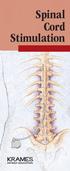 Spinal Cord Stimulation Relieving Chronic Pain If chronic pain restricts your life, you may have tried many ways to find relief. This may include medications, nerve blocks, physical therapy, and surgery.
What Can I Do about Atrial Fibrillation (AF)?
 Additional Device Information 9529 Reveal XT Insertable Cardiac Monitor The Reveal XT Insertable Cardiac Monitor is an implantable patientactivated and automatically activated monitoring system that records
ICD-10-CM Official Guidelines for Coding and Reporting
 2013 Narrative changes appear in bold text Items underlined have been moved within the guidelines since the 2012 version Italics are used to indicate revisions to heading changes The Centers for Medicare
Spinal Cord Injury. North American Spine Society Public Education Series
 Spinal Cord Injury North American Spine Society Public Education Series What Is a Spinal Cord Injury? A spinal cord injury is a condition that results from damage or trauma to the nerve tissue of the spine.
Vagus Nerve Stimulation (V.N.S) Training for staff who support people with epilepsy and a vagus nerve implant
 Vagus Nerve Stimulation (V.N.S) Training for staff who support people with epilepsy and a vagus nerve implant Vagus Nerve Stimulation is used in people whose epilepsy has proved difficult to control using
INTRAPERITONEAL HYPERTHERMIC CHEMOTHERAPY (IPHC) FOR PERITONEAL CARCINOMATOSIS AND MALIGNANT ASCITES. INFORMATION FOR PATIENTS AND FAMILY MEMBERS
 INTRAPERITONEAL HYPERTHERMIC CHEMOTHERAPY (IPHC) FOR PERITONEAL CARCINOMATOSIS AND MALIGNANT ASCITES. INFORMATION FOR PATIENTS AND FAMILY MEMBERS Description of Treatment A major difficulty in treating
New England Pain Management Consultants At New England Baptist Hospital
 New England Pain Management Consultants At New England Baptist Hospital Pain Management Center Health Assessment Dear New Pain Management Patient, Welcome to the New England Pain Management Consultants
Acute Myeloid Leukemia
 Acute Myeloid Leukemia Introduction Leukemia is cancer of the white blood cells. The increased number of these cells leads to overcrowding of healthy blood cells. As a result, the healthy cells are not
MEDICATION GUIDE. These serious side effects are described below:
 MEDICATION GUIDE LYRICA (LEER-i-kah) (pregabalin) Capsules and Oral Solution, CV Read this Medication Guide before you start taking LYRICA and each time you get a refill. There may be new information.
Temple Physical Therapy
 Temple Physical Therapy A General Overview of Common Neck Injuries For current information on Temple Physical Therapy related news and for a healthy and safe return to work, sport and recreation Like Us
Accident Coverage Details
 Accident Coverage Details Choose Level 1 or Level 2 Benefits Accident Coverage provides 24-hour coverage or off-the-job coverage. Select the level of coverage that best meets your needs and budget. BENEFITS
RADIATION THERAPY guide. Guiding you through your treatment
 RADIATION THERAPY guide Guiding you through your treatment 2013_RADIATION_GUIDE_6PG.indd 1 Before Treatment Consultation with the Radiation Oncologist During your first visit with the radiation oncologist,
Living With Your Pacemaker
 2012 Living With Your Pacemaker Living With Your Pacemaker The pamphlet will help you learn what your new pacemaker can do for you. The heart s natural pacemaker Your heart s natural pacemaker controls
Mesothelioma. 1995-2013, The Patient Education Institute, Inc. www.x-plain.com ocft0101 Last reviewed: 03/21/2013 1
 Mesothelioma Introduction Mesothelioma is a type of cancer. It starts in the tissue that lines your lungs, stomach, heart, and other organs. This tissue is called mesothelium. Most people who get this
Non-epileptic seizures
 Non-epileptic seizures a short guide for patients and families Information for patients Department of Neurology Royal Hallamshire Hospital What are non-epileptic seizures? In a seizure people lose control
YOUR MRI EXAM: QUESTIONS AND ANSWERS
 YOUR MRI EXAM: QUESTIONS AND ANSWERS What is MRI? MRI is short for Magnetic Resonance Imaging. MRI is an advanced technology that lets your doctor see internal organs, blood vessels, muscles, joints, tumors,
St. Luke s MS Center New Patient Questionnaire. Name: Date: Birth date: Right or Left handed? Who is your Primary Doctor?
 St. Luke s MS Center New Patient Questionnaire Name: Date: Birth date: Right or Left handed? Who is your Primary Doctor? Who referred you to the MS Center? List any other doctors you see: Reason you have
A PATIENT S GUIDE TO ABLATION THERAPY
 A PATIENT S GUIDE TO ABLATION THERAPY THE DIVISION OF VASCULAR/INTERVENTIONAL RADIOLOGY THE ROBERT WOOD JOHNSON UNIVERSITY HOSPITAL Treatment options for patients with cancer continue to expand, providing
Methamphetamine. Like heroin, meth is a drug that is illegal in some areas of the world. Meth is a highly addictive drug.
 Methamphetamine Introduction Methamphetamine is a very addictive stimulant drug. People who use it can form a strong addiction. Addiction is when a drug user can t stop taking a drug, even when he or she
Praxis Physical Therapy and Human Performance 935 Lakeview Parkway Suite #195 Vernon Hills, IL 60030 Phone: 847-247-7200 Fax: 847-247-4340
 Medical Registration Form (Page 1) Welcome to our Office: By completing this patient information form, you will help us to serve you more efficiently. Should you have any questions concerning our professional
Percutaneous Abscess Drainage
 Scan for mobile link. Percutaneous Abscess Drainage An abscess is an infected fluid collection within the body. Percutaneous abscess drainage uses imaging guidance to place a thin needle through the skin
Does This Hospital Serve Cocktails? Alcohol Withdrawal: A Nursing Perspective. Written and presented by: Susan Laffan, RN, CCHP-RN, CCHP-A
 Does This Hospital Serve Cocktails? Alcohol Withdrawal: A Nursing Perspective Written and presented by: Susan Laffan, RN, CCHP-RN, CCHP-A Disclaimer: This speaker has no financial disclaimers to report.
Saint Francis Kidney Transplant Program Issue Date: 6/9/15
 Kidney Transplant Candidate Informed Consent Education Here are educational materials about Kidney Transplant. Please review and read these before your evaluation visit. The RN Transplant Coordinator will
Suffering from varicose veins? Patient Information. ELVeS Radial Minimally invasive laser therapy of venous insufficiency
 Suffering from varicose veins? Patient Information ELVeS Radial Minimally invasive laser therapy of venous insufficiency Do you suffer from heavy legs or visible veins? This makes diseases of the veins
BOYER CHIROPRACTIC INC
 Patient Name: Birthdate: Sex: M / F Address: City: State: Zip: Telephone: Social Security #: Driver Lic. #: Occupation: Employer: Work Phone: Address: City: State: Zip: Subscriber Name: Health Plan: Subscriber
Limited Benefit Accident Only Insurance. Accidents Happen. Are You Prepared? AMERICAN FIDELITY ASSURANCE COMPANY
 AMERICAN FIDELITY ASSURANCE COMPANY Wellness Benefit Benefits Paid Directly to You Excellent Customer Service Learn More» Limited Benefit Accident Only Insurance Accidents Happen. Are You Prepared? Life
Multiple Myeloma. This reference summary will help you understand multiple myeloma and its treatment options.
 Multiple Myeloma Introduction Multiple myeloma is a type of cancer that affects white blood cells. Each year, thousands of people find out that they have multiple myeloma. This reference summary will help
Electrodiagnostic Testing
 Electrodiagnostic Testing Electromyogram and Nerve Conduction Study North American Spine Society Public Education Series What Is Electrodiagnostic Testing? The term electrodiagnostic testing covers a
Introduction. What is syncope?
 Syncope Introduction What is syncope? Syncope (SING-kuh-pee) is a medical term for fainting. When you faint, your brain is not receiving enough blood and oxygen, so you lose consciousness temporarily.
Neural Tube Defects - NTDs
 Neural Tube Defects - NTDs Introduction Neural tube defects are also known as NTDs. They happen when the spine and brain do not fully develop while the fetus is forming in the uterus. Worldwide, there
American Fidelity Assurance Company s. Accident Only. Insurance Plan. Accidents Happen. Are You Prepared?
 American Fidelity Assurance Company s Accident Only Insurance Plan Accidents Happen. Are You Prepared? Accident Only Plan Accidents can happen to anyone at any time. You cannot plan for when an accident
Cocaine. Like heroin, cocaine is a drug that is illegal in some areas of the world. Cocaine is a commonly abused drug.
 Cocaine Introduction Cocaine is a powerful drug that stimulates the brain. People who use it can form a strong addiction. Addiction is when a drug user can t stop taking a drug, even when he or she wants
PATIENT CONSENT TO PROCEDURE - ROUX-EN-Y GASTRIC BYPASS
 As a patient you must be adequately informed about your condition and the recommended surgical procedure. Please read this document carefully and ask about anything you do not understand. Please initial
Spinal Cord Stimulation (SCS) Therapy: Fact Sheet
 Spinal Cord Stimulation (SCS) Therapy: Fact Sheet What is SCS Therapy? Spinal cord stimulation (SCS) may be a life-changing 1 surgical option for patients to control their chronic neuropathic pain and
Y O U R S U R G E O N S. choice of. implants F O R Y O U R S U R G E R Y
 Y O U R S U R G E O N S choice of implants F O R Y O U R S U R G E R Y Y O U R S U R G E O N S choice of implants F O R Y O U R S U R G E R Y Your Surgeon Has Chosen the C 2 a-taper Acetabular System The
Department of Neurosciences Dorsal Root Ganglion (DRG) Stimulation Information for patients
 Oxford University Hospitals NHS Trust Department of Neurosciences Dorsal Root Ganglion (DRG) Stimulation Information for patients We have recently seen you in clinic as you have had pain for a long period
Positron Emission Tomography - For Patients
 Positron Emission Tomography - For Patients A physician s written order is required for any PET-CT tests. How should I prepare for my PET-CT? PET-CT is more complicated than most other tests you may be
Pregnancy and Substance Abuse
 Pregnancy and Substance Abuse Introduction When you are pregnant, you are not just "eating for two." You also breathe and drink for two, so it is important to carefully consider what you put into your
Smoking and misuse of certain pain medicines can affect the risk of developing renal cell cancer.
 Renal cell cancer Renal cell cancer is a disease in which malignant (cancer) cells form in tubules of the kidney. Renal cell cancer (also called kidney cancer or renal adenocarcinoma) is a disease in which
Small cell lung cancer
 Small cell lung cancer Small cell lung cancer is a disease in which malignant (cancer) cells form in the tissues of the lung. The lungs are a pair of cone-shaped breathing organs that are found within
Spine University s Guide to Kinetic MRIs Detect Disc Herniations
 Spine University s Guide to Kinetic MRIs Detect Disc Herniations 2 Introduction Traditionally, doctors use a procedure called magnetic resonance imaging (MRI) to diagnose disc injuries. Kinetic magnetic
What If I Have a Spot on My Lung? Do I Have Cancer? Patient Education Guide
 What If I Have a Spot on My Lung? Do I Have Cancer? Patient Education Guide A M E R I C A N C O L L E G E O F C H E S T P H Y S I C I A N S Lung cancer is one of the most common cancers. About 170,000
Corporate Medical Policy
 Corporate Medical Policy File Name: Origination: Last CAP Review: Next CAP Review: Last Review: spinal_cord_stimulation 3/1980 10/2015 10/2016 10/2015 Description of Procedure or Service Spinal cord stimulation
Multiple Myeloma Understanding your diagnosis
 Multiple Myeloma Understanding your diagnosis Multiple Myeloma Understanding your diagnosis When you first hear that you have cancer you may feel alone and afraid. You may be overwhelmed by the large amount
Overactive Bladder (OAB)
 Overactive Bladder (OAB) Overactive bladder is a problem with bladder storage function that causes a sudden urge to urinate. The urge may be difficult to suppress, and overactive bladder can lead to the
Introduction Breast cancer is cancer that starts in the cells of the breast. Breast cancer happens mainly in women. But men can get it too.
 Male Breast Cancer Introduction Breast cancer is cancer that starts in the cells of the breast. Breast cancer happens mainly in women. But men can get it too. Many people do not know that men can get breast
Nerve Blocks. What is a Nerve Block? What are some common uses of the procedure?
 Scan for mobile link. Nerve Blocks A nerve block is an injection to decrease inflammation or "turn off" a pain signal along a specific distribution of nerve. Imaging guidance may be used to place the needle
LOSS OF BLADDER CONTROL IS TREATABLE TAKE CONTROL AND RESTORE YOUR LIFESTYLE
 LOSS OF BLADDER CONTROL IS TREATABLE TAKE CONTROL AND RESTORE YOUR LIFESTYLE TALKING ABOUT STRESS INCONTINENCE (SUI) Millions of women suffer from stress incontinence (SUI). This condition results in accidental
How To Use A U.S. Cell Phone At Home
 U.S. Cellular Home Phone 1 Contents Getting to Know Your Device...5 Appearance... 5 LED Indicators... 6 Device Installation...7 Before You Begin... 7 Installing the Battery... 7 Installing the Power Adapter...