
The State of Natural Gas Pipelines in Fort Worth
|
|
|
- James Hopkins
- 10 years ago
- Views:
Transcription
1 TheStateofNaturalGas PipelinesinFortWorth ProducedBy AccufactsInc. ClearKnowledgeintheOverInformationAge RichardB.Kuprewicz President,AccufactsInc. (425) N.StateSt.Suite609 Bellingham,WA98225 (360) ProducedFor October2010 1
2 P.O. Box 3088, Fort Worth, Texas Dear Neighbor, As I am sure you are well aware, many of the neighborhoods within Fort Worth have struggled for the past few years with the growing natural gas development in our midst. Drilling is a complex issue, particularly in an urban setting. While gas well drilling can represent a significant economic benefit to many, it also brings with it an increased safety risk to all of us who live in Fort Worth. As many newspaper and television stories have portrayed, trying to understand and measure that increased risk is often difficult and contentious. In the spring of 2009 the Fort Worth League of Neighborhood Associations learned of a new grant program from the U.S. Department of Transportation s Office of Pipeline Safety. Each grant made up to $50,000 available for local communities to hire independent pipeline expertise to investigate and report on pipeline issues that are of concern to those communities. We applied for, and received, one of those grants to help provide expert, objective information about the safety of the growing number of natural gas pipelines that increasingly crisscross our neighborhoods and our city. The following report is the culmination of this grant effort. We hope you find it informative and helpful in ensuring the safety of the pipelines in your neighborhood and in our city. Sincerely, Libby Willis President Fort Worth League of Neighborhood Associations 2
3 ReportSummary Since early in 2010 the Pipeline Safety Trust and Accufacts have been discussing with members of the Fort WorthLeagueofNeighborhoodAssociationstheirconcernsaboutthelevelofurbangasdrillingoccurringin FortWorth,andthelargeexpansionofpipelinesthatwillnaturallyfollow.InAprilwetraveledtoFortWorth and met League members, members of the Fort Worth City Council and City staff, representatives of the Railroad Commission of Texas (RRC), state legislators, and representatives from many of the pipeline companies.fromthesediscussions,meetings,areanewsstories,andpubliclyavailableinformationwehave preparedthefollowingreportonthestateofnaturalgaspipelinesinfortworth. Drillinginurbanareasposesmanydifficultquestionsincludingimpactstoairandwaterquality,andincreased risk to human health and safety. This report focuses solely on the issues associated with the natural gas pipelinesinfortworth,withaparticularemphasisontheincreasingnumberofpipelinescreatedbytheurban drilling. The report tries to provide enough information so those not involved with pipelines on a daily basis can understand the differences between the different types of pipeline and how they are regulated, operated, maintained and where more information is available. We also try to address, from our point of view, the variousconcernswehaveheardfrompeopleinthefortwortharea. Inpreparingthisreportweusedagooddealofinformationthatispubliclyavailable,mainlyfromthefederal OfficeofPipelineSafety(OPS) 1 andtherailroadcommissionoftexas(rrc).insomecaseswetriedtoverify piecesofinformationthatwefoundconfusing,butforthemostpartwetookthisinformationatfacevalue.in otherwords,iftherrcwebsitesaysthereisa30inchpipelinewithamaximumallowableoperatingpressure of1200psigrunningalongtheeastsideofolddentonroadwehaveassumedthatinformationisaccurate enoughforthepurposesofthisreport. Amongthequestionsthisreporttriedtoanswerare: WhatarethetypesofnaturalgaspipelinesinFortWorthandhowtolearnthegenerallocations? Whoregulatesthesitingandsafeoperationofthesepipelines? Whatarethebasicsafetyrequirementsforconstructing,operatingandmaintainingthesepipelines? Whatrisksdothesepipelinesposetopublicsafety? Whatcanbedonetoreducethesepublicsafetyrisksevenfurther? Inthereportyouwillfindanumberofrecommendationsthatvariousagenciesandstakeholdergroupscould adoptthatwouldmakepipelinesinfortworthevensafer.thoserecommendationsinclude: TheU.S.CongressorthefederalOfficeofPipelineSafetyCould: 1. Implement a rulemaking to clarify the point where onshore regulated gas gathering lines begin(49 CFR Part192.8).Thatpointshouldbedefinedtoensuretherearenounregulatedgaspipelinesoffofwellpads inclass2,3,or4areas,orother identifiedsites wherelargegroupsmaygather. 2. Implement a rulemaking to include all Type A gathering lines (49 CFR Part 192.9) under the full requirements of the Integrity Management program (49 CFR Part 192 Subpart O) that currently only appliestotransmissionpipelines. 1 The Office of Pipeline Safety (OPS) is within the Pipeline and Hazardous Materials Safety Administration (PHMSA), which is part of the U.S. Department of Transportation. Often OPS and PHMSA are used synonymously. 3
4 3. ThefederalOfficeofPipelineSafetyortheRRCshouldundertakeastudytodeterminethebenefitsand risksofodorizinggatheringlinesinpopulatedareas.thatstudyshouldataminimumaddresstheconcern ofproperinjectionofodorantatmultiplewellsites,howandatwhatconcentrationsheavierthanairgas componentsmaychangetheneedforodorants,andtheapparentdisconnectbetweentherequirements for odorant in Type A gathering lines in populated areas and the various exemptions to those requirements,particularlyrelatedtogatheringlinestransportinggasinurbanareas. TheTexasStateLegislatureCould 4. Make clear that in urban areas pipeline routing using road rights of way under TxDOT control is an approveduseaslongasitisdoneinawaythatdoesnotconflictwithhighwaysafetyorfutureplanned expansionofhighways. 5. Considerformingsometypeofpipelinesitingcommissionthatwouldbeindependentfromtheinherent conflict of interest that pipeline operators or the monetary beneficiary for well leases and rights of way agreementsoftenhave.suchabodycouldbeempoweredtoestablishsafepipelineroutesforhighstress pipelinesinpopulatedurbanareas. 6. FundastudyoftheFortWorthareatodeterminehowmuchduplicatepipelineinfrastructurecouldhave been avoided already, and into the future, if those companies drilling in urban areas were required to masterplansharedpipelineinfrastructureaspartoftheirwelldevelopmentstrategy. TheRailroadCommissionofTexas(RRC)Could 7. UsetheirownauthorityonintrastatepipelinesinTexastoadoptrecommendation2above. 8. Amend current rules to allow municipal government to adopt stricter pipeline safety standards on intrastatepipelinesaslongastheyarecompatiblewithstateandfederalregulations. 9. Undertakeastudyoftheproductionpipelinesthatoccurbeforethefirstpointofmeasurementonoroff thewellpadsinfortworthtodetermineifthosepipelinesareputtingpeopleatthesamelevelofriskas regulated production, gathering and transmission pipelines and therefore need to be under the same pipelinesafetyregulations. 10. MakeitclearintheirrulesthattheexemptionavailableunderTITLE16,PART1,CHAPTER8,SUBCHAPTER A,RULE 8.1(c)(2)willnotbegrantedifitwillallowacompanytooperatepipelinesunderregulationsless stringentthanwhattherrchasset. 11. Provide clear publicly available documentation regarding their involvement during construction of new intrastatepipelines.thatdocumentationshouldeitherprovideevidencethattheyhavetheinvolvement necessarytocatchthetypesofproblemsidentifiedbyops,oraretakingthestepsnecessarytodoso. 12. ThefederalOfficeofPipelineSafetyortheRRCshouldundertakeastudytodeterminethebenefitsand risksofodorizinggatheringlinesinpopulatedareas.thatstudyshouldataminimumaddresstheconcern ofproperinjectionofodorantatmultiplewellsites,howandatwhatconcentrationsheavierthanairgas componentsmaychangetheneedforodorants,andtheapparentdisconnectbetweentherequirements for odorant in Type A gathering lines in populated areas and the various exemptions to those requirements,particularlyrelatedtogatheringlinestransportinggasinurbanareas. 13. AddthecauseoftheexcavationincidentaswellasthefinesleviedtothedatabasefieldsintheirTexas PipelineDamagePreventionQuerysystem. 4
5 14. Reviewandremovemostoftheexemptionsincludedintheirdamagepreventionregulations(TACTitle16, Part1,Chapter18). 15. Createapubliclyaccessibledocketsystemthatwouldincludeallinformationaboutpipelineenforcement casesandfines.italsowouldincludeanyrequestsforexemptionsorwaiversandtherrcreasoningfor grantingordenyingsuchrequests. 16. Make its incident database available to the public. Instead of just reporting the number of incidents reported, information about the particular pipeline involved, date, location, damage caused, and cause shouldalsobeprovided. TheCityofFortWorthCould 17. Usethepowersgrantedthemforprotectingpublicwelfare,andfortheapprovalofwherepipelinescross publicpropertyandrights of ways,toensurethatwheneverfeasible,newnaturalgaspipelinesarerouted in the least populated areas. This would include corridors along main roads and railroads, and current openspacenotslatedforfutureresidentialorcommercialoccupancyorintenserecreationaluse. 18. Ensure that adequate public discussion of pipeline route selection is included before siting approval is granted.thiswouldincludereviewbytheappropriateadvisorycommitteessuchasthegasdrillingreview Committee, the Zoning Commission, the Plan Commission, the Parks and Community Services Advisory Board,etc. 19. Schedule a City Council work session to get a presentation on the final Pipelines and Informed Planning Alliance Report when it is released, and then decide how to proceed to adopt the parts they feel important.ataminimumtheyshouldadopttheconsultationzoneprocessintocitycode. 20. ReviewtheiremployeetrainingregardingdamagepreventiontoensuretheOneCallsystemisbeingused beforeallexcavationandthatsafeexcavationpracticesarefollowed. 21. Make all pipeline permit information publicly available online, and ensure that the maximum allowable operating pressure (MAOP), pipe diameter, and potential impact radius distances of all pipelines are providedinsuchinformationbeforeapprovalissoughtfromvariouscommitteesorthecitycouncil. 22. Makeallpermittedpipelineroutesavailableonlinebeforeapprovalisprovided.ToensuretheCityisusing itsapprovalauthoritytohelpdevelopsafepipelineroutes,whenapprovalforcrossingofcityrights of way orothercitycontrolledpropertyissoughttherouteoftheentirepipelineshouldbeprovidednotjustthe locationwherethepipelinewillcross. ThePipelineIndustryCould 23. ProvidetheirexpertiseandcooperationinworkingwiththeCityofFortWorthtoroutepipelinesinthe leastpopulatedareasfeasible. 24. Makespecificinformationaboutpipelineroutes,construction,specifications,operationsandinspections oftheirpipelinesavailableontheirwebsites. TheCitizensofFortWorthCould 25. Learnwherethepipelinesareintheirneighborhoods,andmakesuretheyusetheOneCallsystembefore digging.theyshouldlearnwhomtocontactiftheyseesomeoneelsetheybelieveisdiggingwithoutusing the free One Call locate service, and who to notify and what actions to take if they suspect a release is occurring. 5
6 26. Continue to review pipeline safety information and make elected officials, regulatory agencies and the pipelineindustryawareofconcernstheyhaveregardingtheinabilitytoaccesspipelinesafetyinformation. Background TheNaturalGasResource The Barnett Shale is situated in North Texas, and is one of the largest natural gas reserves in the country. Coveringanareaof5,000squaremiles,productiontakesplacein23countiesfromnearly14,000wells. 2 Much of the Barnett Shale gas reserve lies under the Fort Worth metropolitan area. In 2003, the U.S. Geological Surveyestimatedthatthisareaheldavolumeof26trillioncubicfeetofrecoverablegas. 3 TheCityofFortWorth FortWorthisthe17 th largestcityinthe UnitedStatesandoverthelastseveral yearshasconsistentlybeenamongthe fastestgrowingcitiesinthecountry. WithinFortWorth'scitylimits,anareaof 300squaremiles,residemorethan 736,200people. 4 Although drilling for gas in urban areas is not new, it is unlikely that the extraction activities in other areas have been of the magnitude of those in the City of Fort Worth. There are currently at least 1224 producing gas wells in the city, an additional 450 wells that have been permitted, and 64 applications are pending 5. TopTen2009BarnettShaleGas OperatorsAccordingtoRRCData OperatorName GasProduced(MCF) 1.DEVONENERGYPRODUCTIONCO,L.P. 70,186,229 2.CHESAPEAKEOPERATING,INC. 53,895,594 3.XTOENERGYINC. 46,089,101 4.EOGRESOURCES,INC. 27,573,566 5.QUICKSILVERRESOURCESINC. 17,260,127 6.ENCANAOIL&GAS(USA)INC. 11,759,229 7.RANGEPRODUCTIONCOMPANY 8,306,251 8.CARRIZOOIL&GAS,INC. 6,072,955 9.WILLIAMSPROD.GULFCOAST,L.P. 5,958, BURLINGTONRESOURCESO&GCOLP 5,934,708 Withgasdrillingactivitieslocatedinsuchdensely populatedareas,therenaturallyarisesaheightenedpublic awareness of and concerns about the impact of these activities on public safety and health. 2 Railroad Commission of Texas, Newark, East (Barnett Shale) Statistics updated 12/29/ Barnett Boom Ignites Hunt for Unconventional Gas Resources January 2007, 4 North Central Texas Council of Governments, 5 City of Fort Worth website, 6
7 WhatKindofNaturalGasPipelinesAreinFortWorth TherearefourmaintypesofnaturalgaspipelinesinFortWorth,anditisimportanttounderstandwhatthe different types are since they have different safety considerations and are regulated by different agencies underdifferentrules. Thefourmaintypes,inorderfromthegaswelltoyourhouse,are: Production Lines: These are the pipes and equipment, normally near the wellhead, used to produce and preparethegasfortransport. GatheringLines:Thesearethepipelinesthattransportnaturalgasfromaproductionfacilitytoatransmission line.ingeneral,higher pressuregatheringlinesinpopulatedareasaredesignatedas TypeA gatheringlines. MostofthegatheringlinesinFortWorthareTypeA. TransmissionLines:Thesearetherelativelylarger,higher pressurepipelinesthatmovegasfromproduction orstoragetowherethegasisdistributedtoourhomesandbusinesses. DistributionLines:Adistributionlineisarelativesmall,lowerpressurepipelineusedtosupplynaturalgasto theconsumer.adistributionlineisanypartofthedistributionsystem,anetworkofpipesconsistingofmains andservicelineslocateddownstreamofanaturalgastransmissionline. Thefigurebelowmayhelpmakeallthisclearer. Two other important distinctions are interstate pipelines compared to intrastate pipelines. Interstate pipelinesrunacrossstateborders,whileintrastatepipelinesdonotcrossstateborders. 7
8 Two of the key measurable determinants of the risks a pipeline poses to public safety are the pipeline s locationandenforcementofthesafetygoverningitsdesign,construction,operation,andmaintenance. TheSitingofaGasPipeline infortworth InterstatePipelines Ingeneral,thefederalgovernmentcanonlydeterminethesitingofinterstategastransmissionpipelines.It has no authority over the siting of intrastate gas pipelines, regardless of whether they are production, gathering,transmissionordistributionlines. Thoseintendingtoconstructpipelinesandtheassociatedfacilitiesforuseintheinterstatetransportationof gasmustapplytothefederalenergyregulatorycommission(ferc)foracertificateofpublicnecessityand convenienceforsitingofpipelines.thevastmajorityofnewgaspipelinesbeingproposedforthefortworth areaarenotinterstatepipeline,sonofederalagencyisinvolvedinthesiting. IntrastatePipelines The Railroad Commission of Texas(RRC) generally does not have authority over the siting of intrastate gas pipelines.oneexceptionisforthelocationofcertainpipelinesandancillaryequipmentthattransport sour gas, whichisgasthatcontainsaconcentrationof100partspermillionormoreofhydrogensulfide levels therrchasdeterminedtobetoxic. In Texas, the siting of most intrastate gas pipelines is left to gas corporations. This is because the Texas Legislaturehasgivensuchcorporationstherightofeminentdomain:thepowertocondemnprivateproperty forpublicuseuponpaymentofadequatecompensation. Eminentdomainiscommonlythoughtofasagovernmentright.InupholdingtheTexasLegislature sgranting of this right to gas corporations, Texas courts have ruled the Legislature made a determination that transportinggasfromplacesofproductiontoplacesofsaleservesa publicpurpose. Through their eminent domain power, gas corporations have broad authority to acquire private land for a publicpurpose.theirabilitytoacquirepublicpropertythrougheminentdomainismorelimited. The Texas Legislature also granted gas corporations and gas utilities the authority to lay and maintain their pipelines on certain public lands and waters. But generally this authority is not unbridled: to do so requirestheconsentofanaffectedstateagencyormunicipality. Eventhoughamunicipalityhaslimitedpowertodirectlydictatewhereanintrastategaspipelinecanbesited, a municipality such as Fort Worth may indirectly impact the routing of a pipeline. It can do this through its authoritytoprotectpublichealthandsafetybytheadoptionandenforcementof policepower ordinances and zoning regulations. These are actions that are necessary to protect health, life, and property and to preservethegoodgovernment,order,andsecurityofthemunicipalityanditsinhabitants. 6 Inaddition,the Legislatureallowsamunicipalitytoadoptanordinance thatestablishesconditionsformapping,inventorying, locating,orrelocatingpipelinesover,under,along,oracrossapublicstreetoralleyorprivateresidentialarea intheboundariesofthemunicipality. 7 6 TexasStatutes,LocalGovernmentCode, TexasStatutes,UtilitiesCode, (b)(2)(A) 8
9 Usingthesepowers,theCityofFortWorthadoptedOrdinance ,whichamendedinitsentirety theprovisionsofthecity scodepertainingtogasdrillingandoilproduction.includedinthisportionofthe CityCodearetechnicalandpermittingrequirementsforgaspipelines.Thepipelinesthataresubjecttothese requirements include but are not limited to production lines, gathering lines and transmission lines, regardlessofwheretheyarelaidinthecity. Under the City s Code the City s Gas Drilling Review Committee must review proposed pipelines before a construction permit can be issued for the pipeline. Between the provisions of the City s Code and the requirement that gas corporations get the consent of the municipality before they lay pipelines across city ownedproperty,thecityhasasignificantindirectabilitytocontrolwherepipelinesareroutedwithinthecity limits. EminentDomainversusPublicHealthandSafety The Texas Legislature has created a legal puzzle with regard to the siting of intrastate gas pipelines. It has given gas corporations the right of eminent domain, which would appear to give them the ability to site pipelinesalmostanywheretheywantonprivatelands.yetthelegislaturehasalsoempoweredmunicipalities to protect the public health and safety through ordinances and zoning regulations, which could indirectly affectwherethesepipelinesarerouted. Thecourtshavetriedtoreconcilethesegrantsofpowerandtheirdecisionsseemtoturnonthespecificfacts ofthecasesbeforethem:dothezoningregulationsdilutetheeminentdomainpowerofthegascorporation anddictatewhereapipelinecanbesited?ordotheseregulationsmerelyprotectthepublichealthandsafety from activities related to the construction, operation, and maintenance of the pipeline? Until this issue is resolved eitherjudiciallyorlegislatively gascorporations,municipalities,andthepublicwillnotbeableto actwithacompleteunderstandingofthelimitsoftheirpowers. IssuesAroundtheSitingofPipelinesandPolicyRecommendations Asremarkableasitmayseem,neitherfederalnorstatepipelinesafetyregulationsaddresstheissueofsafely sitingpipelines.partofthereasonforthisdisconnectisthatpipeline siting is not under the jurisdiction of the agencies chartered with the administrationandenforcementofpipelinesafetyregulations. It is our opinion that wherever possible production, gathering and transmissionpipelinesshouldbesitedinlocationsthatare generally emptyareas. Locationssuchasmajorroadwayandrailroadcorridors, andcurrentopenspacenotslatedforfutureresidentialorcommercial occupancyorintenserecreationaluseshouldbeusedforgaspipelines as opposed to residential neighborhood settings. The City of Fort Worth has special powers associated with public rights of way, protectionofpublicwelfare,aswellaszoningthatcanallowthemto itisnotclearthereis anyentitythat currentlyisempowered andfunctioningto strategicallyroute pipelinesinthesafest locationspossible encourage such prudent routing. All siting in public areas requires that adequate considerations, such as adequate pipeline depth to handle surface loading in roadways for example, be included in these specific decisions.fromourreviewitisnotclearthereisanyentitythatcurrentlyisempoweredandfunctioningto strategicallyroutepipelinesinthesafestlocationspossible. 9
10 Incitiesitisoftendifficulttodeterminethebestrouteforapipelinegiventhemanycomplicationsand competingintereststhatcancomeintoplay.oftentheincentiveforapipelinecompanymaybethatthe shortestpathistheleastexpensive.whilethisiscertainlyoneconsiderationsomeonealsoneedstoensure thatlongerroutesthatmayprovidegreatersafetytocurrentpopulationsandlessimpacttofuture developmentarealsoconsidered. Pipelines can either leak or rupture, and these two very different types of failure should be considered in choosingroutesforpipelines. Becauseofthemanytonsofresultinggasreleasedand considerably larger potential impact zones associated with gas pipeline ruptures, additional care should be exercised in the placement of large diameter, highpressure gas pipelines. For gas pipelines capable of rupture, sites where large groups of unsheltered individuals may gather, or structures that cannot be easily evacuated, such as schools, hospitals and facilitiesthathousetheelderly,shouldbeavoided. 8 Forgaspipelinescapableof rupture,siteswherelargegroupsof unshelteredindividualsmaygather, orstructuresthatcannotbeeasily evacuated,suchasschools, hospitalsandfacilitiesthathouse theelderly,shouldbeavoided Forpipelinesthatcanrupture,distancingandsitespecificscreening,suchastheprudentplacementoftrees, concrete structures and parking lots, can also play an important role in prudent pipeline placement These screening techniques can buy some survival time by helping to block people from the initial heat flux or creatingmoredistancebetweenpeopleandapotentialrupture. Inpipelinesitingforleaks,proximityofpipelinestostructureswheregascancollectandbuildup,especiallyif thepipelinesarenotodorized,iscriticallyimportant.leakinggasthatbuildsupinastructurecanresultinvery destructiveforcesuponignitionanddetonation.thatiswhyforgasdistributionpipelinesthatcannotavoid proximitytostructures,odorizationofthegasasanearlywarningofleaksismandatory.becausetransmission andgatheringpipelinescanalsoleak,odorantinjectionisrequiredincertainhighpopulationareastoassistin leakdetection,buttherearemanyexclusionseveninsuchareas.asaresult,mosttransmissionandgathering pipelinemilesdon tincludeodorant. Inarelatedsitingissue,itisnotuncommon,especiallyincities,forpipelinestoshareacommonright ofway given the limited availability of suitable land for such purposes. In such shared pipeline rights of way it is incumbentonallthoseinvolvedthatcertainpipelineconstruction,operations,maintenance,andemergency activitiesbecommunicatedamongstallpipelineoperatorsinthesharedright of way.anotherproblemwith thecurrentsystemintexasthatprovidespipelineoperatorswiththerightofeminentdomainisthatthereare multipleoperatorsandthereislittleincentivetobuildandsharecommonpipelineinfrastructure.witheach company building its own systems the risk is multiplied, with little apparent thought to how to minimize pipelinesthroughsharedfacilities. Our review of Fort Worth pipeline maps from the RRC indicates that the vast majority of existing pipelines (althoughcertainlynotall)havebeensitedinthetypesofopenareasthatwerecommend.theinformation available to us during our review did not allow us to interpret whether much of this current open space is plannedforfuturedevelopment,orthecurrentorfutureintensityofrecreationaluses.goodplanningwould certainly include not just the current use, but the future uses also to avoid foreclosing potential future plannedusesbysitingpipelinesinsuchplacesnow. 8 Gas distribution pipelines, and low stress production, gathering and transmission pipelines cannot rupture. 10
11 SitingRecommendations The City of Fort Worth should use the powers granted them for protecting public welfare, and for the approvalofwherepipelinescrosspublicpropertyandrights of ways,toensurethatwheneverfeasible,new naturalgaspipelinesareroutedintheleastpopulatedareas.thiswouldincludecorridorsalongmainroads and railroads, and current open space not slated for future residential or commercial occupancy or intense recreationaluse. TheCityofFortWorthshouldensurethatadequatepublicdiscussionofpipelinerouteselectionisincluded before construction approval is granted. This would include review by the appropriate advisory committees such as the Gas Drilling Review Committee, the Zoning Commission, the Plan Commission, the Parks and CommunityServicesAdvisoryBoard,etc. The State Legislature, or failing that the City of Fort Worth, may want to consider forming some type of pipeline siting commission that would be independent from the inherent conflict of interest that pipeline operatorsorthemonetarybeneficiaryforwellleasesandrights of wayagreementsoftenhave.suchabody couldbeempoweredtoestablishsafepipelineroutesforhighstresspipelinesinpopulatedurbanareas. TheTexasDepartmentofTransportation(TxDOT)ortheStateLegislatureshouldmakeclearthatinurban areas pipeline routing using road rights of way under TxDOT control is an approved and encouraged use as longasitisdoneinawaythatdoesnotconflictwithhighwaysafetyorfutureplannedexpansionofhighways. TheStateLegislatureshouldfundastudyoftheFortWorthareatodeterminehowmuchduplicatepipeline infrastructurecouldhavebeenavoidedalready,andintothefuture,ifthosecompaniesdrillinginurbanareas wererequiredtomasterplansharedpipelineinfrastructureaspartoftheirwelldevelopmentstrategy. ThepipelineindustryshouldprovidetheirexpertiseandcooperationinworkingwiththeCityofFortWorth toroutepipelinesintheleastpopulatedareasfeasible. RegulatingPipelineSafety Pipeline FederalPowers infortworth TheU.S.DepartmentofTransportation,throughitsOfficeofPipelineSafety(OPS)establishestheminimum safetystandardsfortheinterstateandintrastatetransportationofgasbypipelines,aswellasforthe pipeline facilities used in these activities. The term pipeline facilities includes pipelines, rights of way, facilities, buildings,andequipmentusedintransportinggasortreatinggasduringitstransportation. CongressmandatedthatOPSadoptcertainsafetystandards.Amongtheareasinwhichstandardsmustbe adopted are operator qualifications, facility information and documents (for example, emergency response plansandmapping),andperiodicpipelineinspections.othermandatedstandardsincludethoseaddressing risk analyses and integrity management programs for pipeline facilities(other than distribution pipelines) in high densitypopulationareas,aswellasaseparateintegritymanagementprogramfordistributionpipelines. All of the mandates vary depending on whether a pipeline is for production, gathering, transmission or distribution. CongressalsogavePHMSAauthoritytoadoptothersafetystandardsonitsown.Thisdiscretionaryauthority is extremely broad and covers the entire range of the public safety risk areas except for siting related to 11
12 pipeline facilities and transportation: design, installation, inspection, emergency plans and procedures, testing,construction,operation,replacementandmaintenance. PHMSA sminimumfederalsafetystandardsfornaturalgaspipelinesaresetoutintitle49,part 192 of the Code of Federal Regulations (49 CFR Part 192), which can be found at: StatePowers ThefederalOfficeofPipelineSafetyhascertifiedTexasas havingavalidpipelinesafetyprogram.becauseofthiscertificationthelegislature has given regulatory authority over the safety of intrastate pipeline facilities and intrastate pipeline transportation to the Railroad Commission of Texas (RRC). Although the federal government is responsible for setting minimum pipeline safety standards, Texas can adopt additional or stricter safety standards for intrastate pipeline facilities and intrastate pipeline transportation. However, any intrastatesafetystandardsadoptedbytexasmustbecompatiblewiththefederal standards. Only in a few instances has the RCC imposed requirements beyond the federal regulations that significantly affect intrastate pipeline safety. The additional requirementsinclude: Clarifiesthebeginningofgatheringlinestothefirstpointofmeasurement Requiresexcavatorsandpipelineoperatorstoreportalldamagetopipelines TheTexasRRCpipelinesafetyregulationscanbefoundat: MunicipalPowers NumberofProbable ViolationsonNatural GasPipelines IdentifiedbytheRRC , , , , , , , , ,100 The Texas Legislature has expressly prohibited a municipality from adopting and enforcing safety standards and practices over pipelines regulated by the federal government or the RRC. By doing so, the Legislature seemstohaveimplicitlygivenamunicipalitythepowertoadoptandenforcesafetystandardsandpractices overpipelinesthatarenotregulatedbythefederalandstategovernments. The Legislature also has expressly stated this prohibition does not prevent a municipality from establishing conditionsfor mapping,inventorying,locatingorrelocatingofpipelinesover,under,along,oracrossapublic streetoralleyorprivateresidentialarea. Thisimpliesthat:(1)amunicipalitycanestablishconditionsfor theseactivitieswhenthepipelineisregulatedbytherrc(thatis,anintrastatepipeline);and(2)establishing theseconditionsdoesnotconstitutetheimpositionofasafetystandardorpractice. TheCityofFortWorth sordinance InitsCode,theCityofFortWorthhasadoptedasetofrequirementsfor CityRegulatedPipelines. For example,alloperatorsofthesepipelinesmust: Burythesepipelinesatacertaindepth. Bury duringabackfillofanexcavationforthesepipelines awarningtapeonefootabovetheline sofutureexcavatorswillbeawareofthepresenceofthepipeline. 12
13 Installonthesepipelinesanautomatedpressuremonitoringsystemthatcandetectleaksandshut offanypipelineorsectionofpipelinethatisleaking 9. There is some ambiguity over what is and isn t a safety standard. If these requirements apply only to pipelinesnotregulatedbythefederalgovernmentortherrc,thenitwouldnotmatterwhetherornotthey wereconsideredtobesafetystandardsorpractices:thecitywouldbewithinitsauthoritytoimposethem.it alsomaybethatthecity srequirementsfallunderthelegislativeintenttoprovidecitieswiththeabilityto requiresystemsfor mapping,inventorying,locatingorrelocating pipelines.ifambiguityexistsbetweenwhat thecitybelievesitcanrequireandwhatthepipelineoperatorsinthecitythinkthecitycanrequirethenthe legislatureshouldstepintoclarifythissituation. Thereisnothinginstateorfederallawthatrestrictsacity sabilitytoaskforincreasedsafetymeasuresaspart oftheirnegotiationsregardingtheuseofcityrights of wayorotherpublicproperty.whilethecitymaynot be able to require or enforce such measures, cities nationwide have been able to obtain increased safety measures through such voluntary requests, especially when such safety measures are well thought out and supportedbythepublic. IncreasingPipelineSafetyThroughLandUseandZoning OneareainwhichtheCityofFortWorthhasconsiderableabilitytoincreasepipelinesafetyisthroughtheir land use and zoning authority. Over the past year and a half the Pipelines and Informed Planning Alliance (PIPA), started by the federal Office of Pipeline Safety, has worked to determinerecommendedbestpracticesthatlocalgovernmentscanuse to ensure greater safety near pipelines. PIPA is made up of over 150 representativesfromawidevarietyofstakeholdergroups.thefinalpipa reportincludes46recommendedpractices,manyofwhichwouldneed tobeadoptedbylocalgovernment.thosepracticesincludethingslike: Consider the potential impact of a pipeline incident in new development Ensurepipelinerights of wayareshownonallrelevantzoning, planning,andpublicworksmaps Consider the Potential Impact of a Pipeline Incident in the DesignandLocationofNewRoads IncorporateEmergencyResponsePlansintoLandDevelopment CreationofConsultationand/orPlanningZonesNearPipelines Landusepracticesnearpipelineshavethreemajorgoals: Oneareainwhich thecityoffortworth hasconsiderable abilitytoincrease pipelinesafetyis throughtheirlanduse andzoningauthority. Ensure communication between builders/developers/excavators and pipeline operators so everyoneknowswhatisplannednearpipelines Putinplacepracticesthatprotectpipelinesfromconstructiondamage Putinplacemoreprotectiveplanningandbuildingcodestoprotectpeoplethatlivenearpipelines TheMunicipalResearchandServicesCenterhasdevelopedanentirewebsitethatcoversthese planningnear pipelines issues.itcanbefoundat: 9 Given the compressibility of gas, Accufacts believes the ability to detect leaks by pressure loss is highly unlikely and probably ineffective in most gas systems. 13
14 Regulatoryloopholesbetweenproductionandgatheringpipelines Federal pipeline safety regulations that define where unregulated production pipelines stop and where regulatedgatheringlinesstart,arelessthanclear,potentiallyallowingforlargeunregulatedpipelinesinurban areas. To the RRC s credit they have clarified and expanded the federal definitions to include under their pipeline safety regulations all gas pipelines after the first point of measurement. Since the RRC requires measurementoneachwellpad,thisexpandeddefinitionshouldputunderregulationallpipelinesleavingwell pads. While many production and gathering pipelinesarenotaslargeastransmission pipelines, there are currently some in Fort Worth as large as 24 inches in diameter with maximum allowable operating pressures similar to transmission pipelines. Additional considerations are warranted given the Currentlythesepipelinesareexemptfrom federalintegritymanagementrulesthat requiresomeformofinspectionataminimum ofeverysevenyears,andclearlydefinehow andwhenproblemsfoundduringthese inspectionsarereportedandrepaired. capability of pipelines of this size to release many tons of gas upon rupture. Currently these pipelines are exempt from federal Integrity Management rules that require some form of pipe quality inspection at a minimumofeverysevenyears,andclearlydefinehowandwhenproblemsfoundduringtheseinspectionsare reportedandrepaired.therrchasalsonotaddressedthisissueforpipelineundertheirauthority. TherealsoappearstobealoopholeintheRRCpipelinesafetyrules(Title16,Part1,Chapter8,SubchapterA, Rule 8.1(c)(2)) that would allow large companies that also operate pipelines that fall under federal regulationstobeexemptedfromthemorestringentstaterules.accordingtoourconversationswiththerrc, todatenocompanieshaveappliedforthisexemption. RegulatoryRecommendations The federal Office of Pipeline Safety should implement a rulemaking to clarify the point where onshore regulatedgasgatheringlinesbegin(49cfrpart192.8).thatpointshouldbedefinedtoensurethereareno unregulated gas pipelines off of well pads in class 2, 3, or 4 areas, or other identified sites where large groupsmaygather. ThefederalOfficeofPipelineshouldimplementarulemakingtoincludeallTypeAgatheringlines(49CFR Part 192.9) under the full requirements of the Integrity Management program(49 CFR Part 192 Subpart O) thatcurrentlyonlyappliestotransmissionpipelines. The RRC should use their own authority on intrastate pipelines in Texas to adopt the recommendation aboveregardingintegritymanagementrequirementsfortypeagatheringlines. ToavoidanyconflictoverwhethertheCityofFortWorthhasjurisdictiontoadoptpipelinesafetystandards such as depth of cover, use of warning tape, and automated pressure monitoring the RRC or the state legislature should amend current rules to allow municipal government to adopt stricter pipeline safety standardsonintrastatepipelinesaslongastheyarecompatiblewithstateandfederalregulations. The RRC should undertake a study of the production pipelines that occur before the first point of measurementonoroffthewellpadsinfortworthtodetermineifthosepipelinesareputtingpeopleatthe 14
15 samelevelofriskasregulatedgatheringandtransmissionpipelinesandthereforeneedtobeunderthesame pipelinesafetyregulations. TheRRCshouldmakeitclearintheirrulesthattheexemptionavailableunderTitle16,Part1,Chapter8, Subchapter A, Rule 8.1(c)(2) will not be granted if it will allow a company to operate pipelines under regulationslessstringentthanwhattherrchasset. TheFortWorthCityCouncilshouldscheduleaworksessiontogetapresentationonthefinalPipelinesand Informed Planning Alliance Report when it is released, and then decide how to proceed to adopt the parts theythinkareimportant.ataminimumtheyshouldadopttheconsultationzoneprocessintocitycode. PipelineSafetyRequirementsDuringDesignandConstruction Theconstructionphaseofpipelineinstallationisacriticallyimportanttimetoensurethelong termintegrity ofthepipeline.belowareafewoftheissuesdealtwithduringtheconstructionphasethataffectspipeline safety.thesevarioussafetyprecautionspertainmainlytogastransmissionandregulatedgatheringpipelines. Somegatheringandproductionlinesarenotrequiredtofollowthesestandards. ChoosingPipe Pipesectionsarefabricatedinsteelrollingmillsandinspectedtoassuretheymeetgovernmentandindustry safetystandards.generallybetween40and80feetinlength,theyaredesignedspecificallyfortheirintended locationinthepipeline.avarietyofsoilconditionsandgeographicorpopulationcharacteristicsoftheroute willdictatedifferentrequirementsforpipesize,strength,wallthicknessandcoatingmaterial.notallpipeis steel.somelowpressuregathering,transmissionanddistributionpipelinesuseothermaterialssuchasother metals,andnonmetallicmaterial,suchasplasticorcomposites. PipeBurial Mechanicalequipmentsuchaswheeltrenchersorbackhoesisusedtodigthepipetrench.Occasionally,rock drilling and blasting is required to break rock in a controlled manner. The material that is excavated during trenching operations is temporarily stockpiled on the non working side of the trench. This material will be usedagaininthebackfilloperation.insomelimitedlocations,horizontaldirectionsdrilling(hdd)aswellas boringisusedtoplacepipeundergroundwithouttheneedoftrenching. Thetrenchesaredugdeepenoughtoallowforanadequateamountofcoverwhenthepipeisburied.Federal regulations require that transmission pipelines and regulated type A gathering lines be buried at least 30 inches below the surface in rural areas and deeper (36 inches) in more populated areas. In addition, the pipeline must be buried deeper in some locations, such as at road and railroad crossings (36 inches) and crossings of navigable bodies of water (48 inches), and may be less in other locations such as when it is installedinconsolidatedrock(18to24inches).thedepthofburialmustbeaccordingtotheseregulationsat thetimeofburial,butthereisnothingthatrequiresthisdepthbemaintainedovertime. WeldingofSteelPipelines Tocarryouttheweldingprocess,thepipesectionsaretemporarilysupportedalongtheedgeofthetrench and aligned. The various pipe sections are then welded together into one continuous length, using manual, semiautomaticorautomaticweldingprocedures. As part of the quality assurance process, each welder must pass qualification tests to work on a particular pipeline job, and each weld procedure must be approved for use on that job in accordance with federally adopted welding standards. Welder qualification takes place before the project begins. Each welder must 15
16 complete several welds using the same type of pipe as that to be used in the project. The welds are then evaluated by placing the welded material in a machine and measuring the force required to pull the weld apart.itisinterestingtonotethataproperweldisactuallystrongerthanthepipeitself. Forhigherstresspipelinesover6inchesindiameter,asecondlevelofquality assuranceensuresthequalityof the ongoing welding operation. To do this, qualified technicians sample a certain number of the welds(the samplenumbervariesbasedonthepopulationnearthepipeline)usingradiologicaltechniques(i.e.,x rayor ultrasonicinspection)toensurethecompletedweldsmeetfederallyprescribedqualitystandards.thex ray technicianprocessesthefilminasmall,portabledarkroomatthesite.ifthetechniciandetectscertainflaws, theweldisrepairedorcutout,andanewweldismade.anothermethodofweldqualityinspectionemploys ultrasonictechnology. Coating Severaldifferenttypesofcoatingsmaybeusedtocoatthepipeatthefactoryandthejointsmadeinthefield, with the most common at this time being fusion bond epoxy or polyethylene heat shrink sleeves. Prior to application,thebarepipeisthoroughlycleanedtoremoveanydirt,millscaleordebris.thecoatingisthen applied and allowed to dry. After field coating and before the pipe is lowered into the trench, the entire coatingofthepipeisinspectedtoensurethatitisfreefromdefects. LoweringandBackfilling Oncethepipelineisweldedandcoated,itisloweredintothetrench.Loweringisdonewithmultiplepiecesof specialized construction equipment called sidebooms. This equipment acts in tandem to lift and lower segmentsoftheassembledpipelineintothetrenchinasmoothanduniformmannertopreventdamagingthe pipe. Oncethepipelineisloweredintotheground,thetrenchisbackfilled,toensurethatthepipeanditscoating arenotdamaged.thisisgenerallyaccomplishedwitheitherabackhoeorpaddingmachinedependingonthe soilmakeup. Careistakentoprotectthepipeandcoatingfromsharprocksandabrasionasthebackfillisreturnedtothe trench.inareaswherethegroundisrockyandcoarse,thebackfillmaterialisscreenedtoremoverocksorthe pipe is covered with a material to protect it from sharp rocks and abrasion. Alternatively, clean fill may be broughtintocoverthepipe.oncethepipeissufficientlycovered,thecoarsersoilandrockcanthenbeused tocompletethebackfill. Asthebackfilloperationsbegin,theexcavatedmaterialisreturnedtothetrenchinreverseorder,withthe subsoilputbackfirst,followedbythetopsoil.thisensuresthetopsoilisreturnedtoitsoriginalposition. ValvesandValvePlacement Avalveisamechanicaldeviceinstalledinapipelineandusedtocontroltheflowofgas.Somevalveshaveto beoperatedmanuallybypipelinepersonnel,somevalvescanbeoperatedremotelyfromacontrolroom,and somevalvesaredesignedtooperateautomaticallyifacertainconditionoccursonthepipeline.ifapipeline shouldfail,howquicklythevalvescanbeclosedandthedistancebetweenthevalvesaresomeofthemain determinationsforhowmuchgasisreleased. OperatingPressure Maximum allowable operating pressure (MAOP) is the maximum internal pressure at which a natural gas pipelineorpipelinesegmentmaybecontinuouslyoperated.maopissetatlevelsmeanttoensuresafetybe 16
17 requiringthatthepressuredoesnotcauseunduestressonthepipeline.howthispressureisdeterminedis defined in federal regulations and is based on a number of different factors such as the location of the pipeline,pipewallthickness,previouspressuretests,andthepressureratingsofvariouscomponents. Testing Generally, but with certain exceptions, all newly constructed natural gas transmission pipelines must be hydrostaticallytestedbeforetheycanbeplacedintoservice.thepurposeofahydrostaticpressuretestisto eliminateanydefectthatmightthreatenthepipeline'sabilitytosustainitsmaximumoperatingpressureplus anadditionalsafetymargin,atthetimeofthehydrostatictest.apipelineisdesignedtoaspecifiedstrength based on its intended operating pressure. Hydrostatic pressure testing consists of filling the pipeline with water and raising the internal pressure to a specified level above the intended operating pressure. Critical defectsthatcannotwithstandthepressurewillfail.upondetectionofsuchfailures,thedefectsarerepaired ortheaffectedsectionofthepipelineisreplacedandthetestresumeduntilthepipeline"passes". Hydrostatic testing is not the only means for detecting pipe defects. For example, inline inspection (ILI) technologiesareusedthatpermittheidentificationofspecifictypesofdefects,suchascorrosion.butbecause notalllinescanbeinspectedwithilitoolsandbecauseoftheneedtofindtypesofimperfectionsthatarenot currentlydetectedbyilitechnology,hydrostatictestingisanacceptedmethodfordemonstratingthefitness ofapipelinesegmentforservice. ConcernsDuringPipelineConstruction In2009thefederalOfficeofPipelineSafety(OPS)heldaspecialworkshoptogooverthenumerousproblems they found during just 35 inspections of new transmission pipelines under construction. These inspections found significant problems with the pipe coating, the pipe itself, the welding, the excavation methods, the testing, the design, etc. The findings and presentations from this workshop can be found at: OPS s findings call intoquestionthecurrentsystemofinspectionsfortheconstructionofnewpipelines.thisconstructionphase iscriticalfortheongoingsafetyofthesepipelinesforyearstocome.itisuncleartoushowinvolvedtherrcis ininspectingtheconstructionofnewpipelines. RecommendationsRegardingPipelineConstruction TheRailroadCommissionofTexasshouldprovideclearpubliclyavailabledocumentationregardingtheir involvementduringconstructionofnewintrastatepipelines.thatdocumentationshouldeitherprovide evidencethattheyhavetheinvolvementnecessarytocatchthetypesofproblemsidentifiedbyops,orare takingthestepsnecessarytodoso. PipelineSafetyRequirementsDuringOperation CorrosionProtection Unprotectedsteelpipelinesaresusceptibletocorrosion,andwithoutpropercorrosionprotectioneverysteel pipelinewilleventuallydeteriorate.corrosioncanweakenthepipelineandmakeitunsafe.luckily,technology has been developed to allow corrosion to be controlled in many cases to extend pipeline life if applied correctlyandmaintainedconsistently. Herearethethreecommonmethodsusedtocontrolcorrosiononpipelines: 17
18 Cathodic protection (CP) is a system that uses direct electrical current to counteract the normal externalcorrosionofametalpipeline.cpisusedwhereallorpartofapipelineisburiedundergroundor submergedinwater.onnewpipelines,cpcanhelppreventcorrosionfromstarting;onexistingpipelines, CPcanhelpstopexistingcorrosionfromgettingworse. Pipelinecoatingsandliningsareprincipaltoolsfordefendingagainstcorrosionbyprotectingthebare steel. Corrosioninhibitorsaresubstancesthatcanbeaddedtoapipelinetodecreasetherateofattackof internalcorrosiononthesteelsincecpcannotprotectagainstinternalcorrosion. SupervisoryControlandDataAcquisitionSystem(SCADA) ASCADAisapipelinecomputersystemdesignedtogatherinformationsuchasflowratethroughthepipeline, operational status, pressure, and temperature readings. Depending on the pipeline this information allows pipeline operators to know what is happening along the pipeline, and allows quicker reactions for normal operations,andtoequipmentmalfunctionsandreleases.somescadasystemsalsoincorporatetheabilityto remotelyoperatecertainequipment,includingcompressorstationsandvalves,allowingoperatorsinacontrol center to adjust flow rates in the pipeline as well as to isolate certain sections of a pipeline. Many SCADA systemsalsoincludeleakdetectionsystemsbasedonthepressureandmassbalanceinthepipelines. Right of waypatrols Regulationsrequireregularpatrolsofpipelineright of waystocheckforindicationsofleaksandensurethat noexcavationactivitiesaretakingplaceonorneartheright of waythatmaycompromisepipelinesafety.for transmissionpipelinesthesepatrolsareoftenaccomplishedbyaerialpatrols. LeakageSurveys Regulationsalsorequireregularleakagesurveysforalltypesofnaturalgaspipelinesalongthepipelineroutes. Personnelwalkordrivetherouteusingspecializedequipmenttodetermineifanygasisleakingandtothen quantifythesizeoftheleak.verysmallleaksareanormalpartofmostgaspipelinesystems. Odorization Alldistributionpipelines,andsometransmissionandgatheringlines(thosemainlyinhighlypopulatedareas), arerequiredtobeodorizedsoleakinggasisreadilydetectablebyapersonwithanormalsenseofsmell. IntegrityManagement IntegrityManagementreferstoarelativelynewsetoffederalrulesthatspecifyhowpipelineoperatorsmust identify, prioritize, assess, evaluate, repair and validate through comprehensive analyses the integrity of their pipelines. Some form of integrity management now applies to both transmission and distribution pipelines, although gathering lines are exempt from these requirements. For gas transmission pipelines integritymanagementrequiresthatlinesthatcouldaffecthighconsequenceareas(mainlymorepopulated areas) have to be re inspected by their operators every seven years. This re inspection is done mainly with internal inspection devices called smart pigs, but may also be done through pressure tests or direct assessment. Once inspected the rules require that operators respond to certain anomalies found on their pipeline in certain ways within certain timeframes. In the first 5 years of this program these rules required nearly 3000 repairs be made to natural gas transmission pipelines that fall within High Consequence Areas. Unfortunately,onlyabout7%ofthegastransmissionpipelinesnationwidearerequiredtodotheseimportant inspections. ConcernsDuringPipelineOperations As already discussed above under regulatory authority, there is still considerable confusion regarding which regulationsapplytointrastategatheringandproductionpipelines.thefederalofficeofpipelinesafetyorthe 18
19 RRC needs to provide clarity so the public knows which of the pipelines that run through Fort Worth neighborhoodsareandarenotincludedinavarietyoffederalandstateregulations.thisisparticularlytrue regardingcorrosionprotection,odorization,leaksurveysandintegritymanagement. Recent newspaper stories and information coming from the RRC seem to indicate that a serious corrosion problem exists on steel distribution service lines. It is commendable that the RRC has moved forward to addressthisproblem,butitwouldalsobebeneficialiftheymadeitclearwhetherallthepipelinesthatleave thewellpadsinfortwortharerequiredtomeetthesamecorrosionandleaksurveyrequirementsasthese distributionlines,orsimilarregulationsfortransmissionpipelines. Thereisalsoagooddealofdiscussionaboutwhetherthegatheringlinesleavingwellpadsshouldbeodorized, andwhethercertaintypeagatheringlinesarerequiredtobeodorized.thefederalregulationsrequirethat Type A gathering lines (the majority of gathering lines in Fort Worth are Type A) be odorized in densely populated areas, but provides an exemption to odorization if over 50% of the pipeline downstream is in sparsely populated areas. The RRC has told us that gathering lines in Fort Worth are not required to be odorized,andpipelinecompanieshaveconfirmedthatisbecauseoftheexemptioninthefederalregulations. If odorization is seen as a safety measure that is important enough to be required of similar pipelines in populatedareas,thenthisexemptiontothatsafetyrequirementneedstobereexamined. IfodorizationwasrequiredofgatheringlinesinFortWorththenanotherissuethatwouldhavetobecarefully addressed would be the various drilling operators ability to correctly inject the odorant into the lines at multiplewellpadsthroughoutthecommunity.frequentfugitiveemissionsofodorantwouldcauseneedless emergencyresponsecalls,andcouldpotentiallyunderminethepublic sresponsetoarealleak. Oneotherissuethatisfrequentlytalkedaboutinrelationtoodorizationiswhetherthegasbeingproducedis wet gas. Wet gas does not refer to moisture content, but to the presence of compounds such as ethane, propaneandbutane.thesecompoundsareheavierthanair,whichcancreateamoredangeroussituationif thereisaleak.currentlyneitherfederalnortexasregulationscontainadefinitionofwetgas,ordescribeany difference in how pipelines that contain significant concentrations of these heavier components should be treated.normallythesecomponentsareremovedatgastreatmentplants,butinanareasuchasfortworth whererawgasisbeingtransportedthroughpopulatedareasitisanissuethatneedstobeaddressed.therrc hastoldusthatthegasinfortworthisnotwetgas,butthatcouldchangeasthegasfieldsage,andwithno requirementstotestforanddefinewetgasthisisanissuethatshouldbeaddressed. RecommendationsRegardingPipelineOperation ThefederalOfficeofPipelineSafetyortheRRCshouldundertake a study to determine the benefits and risks of odorizing gathering lines in populated areas. That study should at a minimumaddresstheconcernofproperinjectionofodorantat multiplewellsites,howandatwhatconcentrationsheavierthan airgascomponentsmaychangetheneedforodorants,andthe apparent disconnect between the requirements for odorant in Type A gathering lines in populated areas and the various exemptions to those requirements, particularly related to gatheringlinestransportinggasinurbanareas. ThefederalOfficeof PipelineSafetyortheRRC shouldundertakeastudyto determinethebenefitsand risksofodorizinggathering linesinpopulatedareas. 19
20 PipelineDamagePreventionPrograms One of the leading causes of all pipeline incidents is damage to pipelines from people digging. In fact, as shown below, for the past 10 years this has been the main cause of deaths and injuries when all types of pipelines are considered together in the U.S. and Texas 10. For this reason programs designed to decrease damagetopipelinescausedbyexcavationareextremelyimportanttoprotectpeopleandtheenvironment. BelowarebriefdescriptionsofthemajordamagepreventioneffortsinTexas. ReportingofExcavationDamageandEnforcement The Railroad Commission of Texas (RRC) has adopted regulations that require both pipeline companies and excavatorstoreportalldamagetopipelines.thereportingof incidents is tracked on a publicly accessible database which gives the RRC and the public the ability to analyze which excavatorsarehittingpipelines,thecauseofthatdamage,and what penalties the RRC imposed. This publicly available databaseisfairlyuniqueintheentirenation,withmanystates having no ability to even track excavation damage. Even the federal pipeline incident tracking system lacks the data of In2009theRRCdatabaseshowsthat therewere290incidentsofexcavation damagetopipelinesinfortworth,with 78ofthosehappeningafterthe excavatorfailedtousetheonecall system.excavationbythecityoffort Worthaccountedforaround40ofthe 290incidents,althoughimproperly markedpipelinescausedmorethana thirdoftheincidentsinvolvingthecity. Texas ssystem.forcomparisonaccordingtothefederalofficeofpipelinesafety sincidentdatabaseoverthe past ten years Texas averages about 10 pipeline incidents per year caused by excavation damage. The RRC database shows an average of about 18,000 incidents per year. You can view the database at: One CallCenters The primary tool for avoiding damages to underground facilities is timely communication between those digging (excavators) and the owners of the facilities. It is important to Call Before You Dig. One call centers facilitate this communicationprocessbyenablinganexcavatortoplacejustonecall,priorto digging, to request that all underground facilities in the area of a planned excavationbelocatedandmarked. 10 PHMSA website:
21 By simply dialing 811 or , you can reach the one call center where, at no cost to you, companies that may operate underground utilities in the area you plan to dig will be notified. Those companiescanthendispatchlocatecrewstodetermineandsurfacemarkthelocationoftheirutilitiessothat youcanavoidhittingthemwhenyoubeginyourexcavation.texaslawrequiresanyonedoingexcavationto calltohavethelocationoftheutilitiesmarkedatleast48workinghoursbeforeanyexcavationisdone,and Texas law defines excavation as the movement of earth by any means. This includes inserting, moving, or removing any object in the ground, even fence posts, rods, stakes, picks, shovels or other hand tools to a depthgreaterthan16inches. Hittingundergroundutilitieswhenyouarediggingcancauseinjuries,evendeaths,environmentaldamageand loss of critical infrastructure and services. Strikes that don t cause immediate problems can lead to failures yearslater.ifyoudon tmakethecall,youcouldbeliablefordamagecostsandrepairs,aswellassubjectto potentialpenalties.don ttakethechance Callbeforeyoudig. BestPracticesRegardingDamagePrevention In2000anationalorganizationcalledtheCommonGroundAlliance(CGA)waslaunchedinanefforttoreduce damagestoallundergroundfacilitiesinnorthamericathroughsharedresponsibilityamongallstakeholders. Inpromotingaspiritofsharedresponsibility,theCGAwelcomesallstakeholderswhowouldliketobeapart oftheidentificationandpromotionofbestpracticesthatleadtoareductionindamage.any bestpractices, endorsed by the CGA come with consensus support from experts representing the following stakeholder groups: Excavators, Locators, Road Builders, Electric, Telecommunications, Oil, Gas Distribution, Gas Transmission, Railroad, One Call, Public Works, Equipment Manufacturing, State Regulators, Insurance, EmergencyServicesandEngineering/Design. CGA has taken the lead nationally is developing best practices to reduce damage to underground utilities, includingpipelines.thelatestversion(version7.0)oftheirbestpracticesmanualincludes147bestpractices inthefollowingcategories: 1.Planning&DesignBestPractices 7.PublicEducationBestPractices 2.OneCallCenterBestPractices 8.Reporting&EvaluationBestPractices 3.Location&MarkingBestPractices 4.ExcavationBestPractices 5.MappingBestPractices 6.ComplianceBestPractices PublicAwareness 9.MiscellaneousPractices ToobtainafreecopyoftheCGABestPracticesmanualvisit thecgawebsiteat: Formanyyears,thepipelineindustryhasprovidedinformationtoavarietyofgroupslivingandworkingnear pipelinestoensuretheyknowaboutthepipelinesintheirarea,howtorecognizeandrespondtoaproblem, and ways to prevent damage to pipelines. The American Petroleum Institute developed a series of recommended practices for pipelines operators to use to help ensure the effectiveness of these public awareness efforts. In 2005 these recommended practices were incorporated by reference into the federal pipeline safety regulations (49 CFR and 49 CFR ), and now require that pipeline operators conduct continuing public awareness programs to provide pipeline safety information to four stakeholder audiences: *AffectedPublic*EmergencyOfficials*LocalPublicOfficials*Excavators Under these regulations, pipeline operators must provide the above groups with information about how to recognize, respond to, and report pipeline emergencies. The importance of using the one call notification system prior to excavation is to be emphasized for all stakeholders. Emergency officials and local public officials must be provided information about the location of transmission pipelines to enhance emergency 21
22 responseandcommunitygrowthplanning.affectedmunicipalities,schooldistricts,businesses,andresidents must be advised of pipeline locations. Of particular significance is the requirement that operators must periodicallyreviewtheirprogramsforeffectivenessandenhancetheprogramsasnecessary.anon printablecopyoftheserecommendedpracticescanbedownloadedat: ConcernsWithDamagePreventionPrograms WewerequitepleasedwiththerecentchangesthattheRRCmadetotheirDamagePreventionregulations.In particular, the damage reporting requirements and their publicly accessible database of damage done to pipelines seems progressive and unique in the entire nation. It is unclear and nearly impossible from the available data to know whether the RRC is using this information to provide adequate enforcementofdamagepreventionlawstoreducesuchincidents. The reporting system could be made more valuable to local government and the public by including in the database query results the cause of the incident and the penalties assessed. This would make it possible for the public to not only see who was hitting pipelines, but also why, and whether the RRC is providing enoughenforcementtodeterfuturedamage. therrc sdamage reportingrequirementsand theirpubliclyaccessible databaseofdamagedone topipelinesseems progressiveanduniquein theentirenation. InJuneof2010therewerethreedeathsintwodaysinTexasfromdamagedonetopipelines.Thoseincidents madecleartheneedforconstantvigilance,educationandenforcementtokeepthoselivingandworkingnear pipelines safe. Often failure to use the One Call system is believed to be the only problem regarding excavationdamage,butitwouldappearfromtheserecentincidentsthathowpipelinesarelocatedafterthe callismade,andthecommunicationbetweenexcavators,andpipelineoperatorsandlocatorsalsoneedsto becarefullyre evaluated.thisisparticulartrueinareassuchasfortworthwherethedensityofpeopleliving, workingandplayingnearpipelinescontinuestoincrease.ofconcernisthenumberofexemptionsforcertain groupsintherrcdamagepreventionregulations(tactitle16,part1,chapter18). It is also disconcerting that the City of Fort Worth is one of the main culprits when it came to damaging pipelines. While it seems understandable that the City probably does more digging in areas around the city wherepipelinesarelocatedinthecourseoftheiractivitiesthenmostothers,itdemonstratesthereisroom for improvement in their own damage prevention activities. The City s Gas Drilling Ordinance requires all pipelinesregulatedbythecitytoprovideasbuiltdrawingsofthepipelines sufficienttolocatethepipelines inthefuture. Whilethisisagoodwaytokeeptrackofthebasictypesandlocationsofthepipelines,theCity and others should not rely on such drawings for the location of pipelines when excavation activities are planned. The One Call system should always be used to communicate with pipeline companies to ensure necessaryprecautionsaretakenbeforediggingbegins. Wehavealargenumberofthepublicawarenessmaterialsprovidedbypipelinecompaniestothe affected public that live near their pipelines. While much of the information provided is very important(call before you dig, what to do if you suspect a leak, contact information) it often is presented in such a way that it appearstobemoreofapublicrelationspieceonhowsafeandnecessarypipelinesare.wefearthatthese multiplemixedmessagesmayunderminethepublic sunderstandingoftheimportantinformationincluded. Also, the information the public wants is not always included in the public awareness materials. The OPS is currentlyworkingtoimplementinspectionstandardsfortheseprogramstoensuretheireffectiveness,andwe hopethatthroughthatprocessandtheindustry sownreviewthisvaluableprogramwillcontinuetoimprove. 22
23 RecommendationsforDamagePreventionPrograms TheRRCshouldaddthecauseoftheexcavationincidentaswellasthefinesleviedtothedatabasefieldsin theirtexaspipelinedamagepreventionquerysystem. TheCityofFortWorthshouldreviewtheiremployeetrainingandthatoftheiroutsidecontractorsandsubcontractorsregardingdamagepreventiontoensuretheOneCallsystemisbeingusedbeforeallexcavation andthatsafeexcavationpracticesarefollowed. The RRC should review and remove most of the exemptions included in their damage prevention regulations(tactitle16,part1,chapter18). The Citizens of Fort Worth should familiarize themselves with where the pipelines are in their neighborhoods,andmakesuretheyusetheonecallsystembeforedigging.theyshouldlearnwhotocontact iftheyseesomeoneelsewhotheybelieveisdiggingwithoutusingthefreeonecalllocateservice. WhereArethePipelinesinFortWorth? The reality is that there are pipelines of one type or another in every area of Fort Worth. Certainly the largest network of pipelines is the distribution pipeline system that consists of gas mains running throughout the city and the individual service pipelines that deliver natural gas to individual homes and businesses.ifyouweretoview thisonamapitwouldlooklike a spider web of pipelines coveringtheentirecity. Thelargerhazardousliquidand natural gas transmission pipelines are more limited throughoutthecommunity.on this map of Tarrant County developed by the National PipelineMappingSystemthehazardousliquidpipelinesareshowningreenandthenaturalgastransmission pipelinesareshowninred. Anyonecanaccessthesemapstoseewherehazardousliquidandgastransmissionpipelinesrunthroughtheir community.the publicviewer forthemapsisat: Thesystemtakespracticetonavigate,butonceapersonfiguresitoutitispossibletozoomintogetanidea of where these types of pipelines are generally located and some basic information about the pipelines themselves.themapbelowshowsthemaximumscalethatcanbeviewedonthemapsandtheinformation 23
24 available for one of the included pipelines. While these types of maps can provide a general idea of where pipelinesarelocatedtheyshouldneverbeusedasanindicationofwhereitmightbesafetodig.theonecall systemistheonlywaytoidentifythelocationofapipeline. TheRailroadCommissionofTexasalsohasapublicmap viewingsystemthatcanbeaccessedat: This system, one of the few provided by any state agency in the entire nation, also takes some practice, but once understoodcanprovidemapsofthesamepipelinesasshownabove.thisisalsotheonlysystemweareaware ofthatallowspeopletolookatgatheringpipelinesaswellaswhereactualgaswellsarelocated.therailroad Commissionmappingsitealsoprovidessomebasicinformationaboutthepipelinesfound,andallowsanyone to look up the pipeline permit where more in depth information(such as pressure, pipe wall thickness and grade,classlocation,etc.)canbefound. ThenumberofgatheringpipelinesinFortWorthwillcontinuetoincreaseasthenumberofwellsincreasesin thecity.belowisamapfromtherailroadcommissionoftexas mappingsystemthatshowwherethecurrent activegatheringpipelinesareintarrantcounty.thedensityofpipelinessurroundingtheurbanareasofthe countymayprovideaviewofthepossiblefutureofhowmanypipelinesmayendupinthecityaswelldrilling reachesitsfulldensity. 24
25 GatheringPipelinesinTarrantCounty HowMuchRiskisThereFromthePipelinesinFortWorth? Riskisoneofthosethingsthatonepersoncannotreallydefineforanother,sinceeachpersonthinksabout risksintheirownpersonalway.whilesomefeelthatskydivingisariskworthtaking,otherswon tevengoup intheairplane.inotherwords,itisnotpossibleforustosaywhethertheincreaseinthenumberofpipelines associatedwithurbangasdrillingissafeenoughortoomuchofarisktotake.allwecandoistotrytoprovide enough information so individuals can make that decision on their own, and then work with others in their communitytosetpoliciesbasedonthebeliefsofasmanypeopleaspossible. Webelievethatriskismadeupoftwodifferentfactorsbothofwhichneedtobecarefullyconsideredwhen decidinghowriskyanactivityis.thosefactorsaretheprobabilitythataneventwilloccur(chanceapipeline willruptureorleak),andthepossibleconsequencesifitdoes.wehavealreadytalkedaboutthevariousthings thatpipelineoperatorsarerequiredtodotokeeptheirpipelinessafeandthereforereducetheprobabilityof aneventoccurring. One other measure that helps shed light on the probability of an occurrence is the past incident rates for pipelinesinagivenarea.pastperformancecannotaccuratelyreflectfutureincidentssincemanyfactorscould changeovertime,butsuchdatacanprovidetrendlinesthatpointtoneededchangesinpipelineoperation, maintenance,publicoutreachandregulations.belowaresomegraphsthatshowthenumberofsignificant incidents occurring on the different types of pipelines in the past ten years in both Texas and nationwide. Thesegraphsalsoindicatethetrendlinesforincidentsduringthisperiod.Wehavealsoincludedgraphsthat showthecausesoftheincidents,soitiseasiertotellwhichincidentswerewithinthecontrolofthepipeline operator. 25
26 26
27 27
28 28
29 ThesegraphsappeartoshowthatthetrendforpipelineincidentinTexasissimilarorlessthanthesametypes ofpipelinesnationwide.theinformationregardingthecauseofincidentsseemstoindicatethatcorrosionand excavationdamagearelargerproblemsintexasonsometypesofpipelines. Wealsohaveprovidedbelowthenumberofincidents,injuriesanddeaths,andpropertydamageduringthe past ten years for the different types of pipelines in Texas. Below that are the specific incidents that have occurredinfortworth. TexasSignificantIncidents* Milesof Pipeline Numberof Incidents IncidentPerMileof PipelinePerYear Numberof Deaths& Injuries Property Damage HazardousLiquid 56, $171,007,707 NaturalGasTransmission 66, $156,137,110 NaturalGasDistribution 92, $9,623,362 NaturalGasGathering 6, $27,448,856 *SignificantIncidentsareincidentsthatincludedeaths,injuriesrequiringhospitalization,$50,000in propertydamagein1984dollars,andforliquidlinescertainspillvolumesandincidentsinvolving unintentionalfiresorexplosions **Distributionmileagedoesnotincludetheindividualservicelinestoeachhomeandbusiness ***AllnumbersbasedonPHMSAincidentdatabase AllFortWorthReportedIncidents The above charts and graphs should provide some measures of the probability of a pipeline incident happeningandsomeoftheconsequencesifitdoes.itisfairlyclearfromthedatathatthechanceofapipeline failinginanyparticularspotisvery,verysmall,butofcourseifyouaskthefamiliesofanyofthe15people who were killed by pipeline incidents over the past ten years in Texas they would tell you that the consequencesarehuge.sowhatarethepossibleconsequencesofnaturalgaspipelinefailures,andhowcan theybequantified? 29
30 In 2000 the Gas Research Institute contracted with C FER Technologies to produce a model A Model For SizingHighConsequenceAreasAssociatedWithNaturalGasPipelines 11 thatbecameinstrumentalinhelping definepotentialimpactzonesaroundnaturalgaspipelines.whilethemodeliscomplex,thebasicideaisthat by considering the diameter of the pipeline and the pressure it is operating at, it is possible to predict the impact area around the pipeline that could lead to a fatal exposure in the event of a catastrophic failure. Belowisthechartoutofthemodelthatpredictsthesedifferentzones. ItispossibletousethisgraphtoanalyzethepotentialimpactradiusofspecificpipelinesinFortWorth.Below is an aerial photo of a neighborhood along Old Denton Road that has both a gas transmission (Enterprise Products, 30 inch diameter, Maximum Allowable Operating Pressure (MAOP) 1200psi) and gas gathering (Crosstex,16inchdiameter,1200MAOP)pipelinerunningcloseby. The outer red circle shows the Potential Impact Radius (PIR) for thetransmissionpipelineandthe inner red circle is the PIR for the gathering line. As you can see over60homesandalargechurch fall within the PIR of the transmission pipeline, while about 15 homes and none of the actual church building fall within thepirofthegatheringpipeline. This dramatically illustrates how thepressureandsizeofapipeline canaffecttheareaimpactedbya
31 complete pipeline rupture. It should be remembered that the PIR calculations are based on a rupture in an openarea,sopeopleorhomesshelteredbywalls,treesorotherbuildingswillbeshieldedfromsomeofthe effectsoftheinitialblastwaveandheatradiation. Below are some additional pictures of different neighborhoods in Fort Worth with the PIR of the pipelines overlaidonthem.itshouldberememberedthattheseillustrationsareforthemaopthatthesepipelinesare allowedtooperatewithin.boththerrcandthepipelineoperatorshavetoldusthattheynormallyoperate these pipelines at much lower pressures, which wouldincreasethepipeline ssafety. Some experts have argued that the C FER Model underestimates the impact areas around natural gas pipelines, especially for large diameter pipelinesathighpressures,howeverthebasic conceptprovidesagoodcontextforunderstanding the function between pipeline size, pressure, and potentialimpact. Anotherwayistoconsidertheactualconsequence of a pipeline incident is by reviewing actual previous incidents. The National Transportation Safety Board investigates many of the most significant incidents and the reports of their investigations can be found at: 31
32 Thephotosbelowalsoprovidesomeindicationoftheconsequencesofnaturalgaspipelinefailures. NaturalGas Transmission Pipeline Failure. BushlandTX, November 2009 Failureofanaturalgastransmissionpipeline.Inthisincidenttherewasno explosionorfire,thecraterwascreatedbythepressureofthegascomingout ofthepipeline.notehowfarthepipeintheupperrightcornerwasthrown. 32
33 Failureofanaturalgastransmissionpipeline.Arrowshowspointoffailure.Notehowfar frompointoffailurehousesweredestroyed Firecausedby gasfroma distribution pipelineleak buildingupin houseandthen exploding. 33
34 Neighborinvolvement,TransparencyandWheretoGetMoreInformation Ifyouhavemadeitthisfarinthisreportthenyouhavetakenanimportantsteptohelpensurethatpipelines in Fort Worth will be as safe as possible by educating yourself about how they work, who s in charge, and what needs to be done to ensure the public s safety is being looked after. We believethatpipelinesafetyislikeathree leggedstoolwiththeindustry,regulators andpubliceachservingasonelegofthestoolandeachplayingacrucialrole.ifany legofthestoolfalterspipelinesafetyisatrisk. Theindustryusesitsvastresourcesandexpertisetoinstall,operateandmaintain safe pipelines. The regulators verify through inspections and data collection that the minimum safety regulations are appropriate and are being met, and when necessary use enforcement authority to ensure compliance. The public, including electedofficials,serveasthewatchdogstopushforgreaterregulationandenforcementwhennecessary,and tomakesurecomplacencydoesn tsetin. The public can only do their part of the job if there is adequate transparency in what the industry and the regulators are doing. Adequate performance, inspection, and enforcement data needs to be easily publicly availablesocompliancecanbeverified.adequateinformationaboutthespecifications,contents,androutes ofproposedpipelinesalsoneedtobeeasilyavailablesopeoplelivinginpotentiallyimpactedneighborhoods candecideforthemselvesifadequatesafetyprecautionshavebeentaken.andtheinformationthatdecision makers use to make pipeline safety decisions also needs to be available to the public so they can decide whether their officials are making decisions with full knowledge of the impacts and with the public s safety andwelfareinmind. WebelievethatRonaldReaganwasrightwhenhesaid trustbutverify. Onlythroughsuchverificationcan trustinpipelinesafetygrow,andonlywhengovernmentandindustryistrulytransparentissuchverification possible. Asstatedearliermuchofthisreportisbasedoninformationthatispubliclyavailable.ThefederalOfficeof PipelineSafety(OPS)hasmadegreatstridesinthepastfewyearsincreasingtransparencybymakingbetter incident, enforcement and inspection data available. The RRC has a robust website that includes pipeline maps,individualpermitsandannualreports,andinformationonexcavationdamagethatisnotavailablefrom thevastmajorityofotherstatepipelineregulators. ConcernsWithPipelineInformationTransparency While a large amount of information is publicly available and verifiable, there is still important information missing, which may lead to distrust of the process. With the current electronic abilities to post nearly unlimitedmaterialsonlineindustryandgovernmentcouldcreatemoretrustbypostinginformationthatthey alreadyarerequiredtoprepare,insteadofcreatingbarriersbyexpectingthepublictogothroughaformal public information request process. The industry in particular provides very little information about their particularpipelinesandtheassociatedoperations,maintenanceandinspection. One of the very basic measures of pipeline safety is incident data. OPS has worked hard to upgrade their incidentdatabaseinthepastyears,andnowprovidesstate by statebreakoutsofincidentdataincludingthe specificsforeachincident.therrcprovidesdatathatshowshowmanymoreincidentsonintrastatepipelines were reported to them than to OPS, but no specifics are provided regarding these incidents that allows analysisofsafetytrendsorgapsinregulations. 34
35 One other concern is that often security issues are raised as a reason to prevent the public from access to important pipeline information. It is our opinion that these concerns are often overblown, and that a well informedpublicincreasessafetyinmanyways. TransparencyRecommendations TheRRCshouldcreateapubliclyaccessibledocketsystemthatwouldincludeallinformationaboutpipeline enforcement cases and fines. It also should include any requests for exemptions or waivers and the RRC reasoningforgrantingordenyingsuchrequests. TheRRCshouldmakeitsincidentdatabaseavailabletothepublic.Insteadofjustreportingthenumberof incidents reported, information about the particular pipeline involved, date, location, damage caused, and causeshouldalsobeprovided. TheCityofFortWorthshouldmakeallpipelinepermitinformationpubliclyavailableonline,andensurethat themaximumallowableoperatingpressure(maop),pipediameter,andpotentialimpactradiusdistancesof allpipelinesareprovidedinsuchinformationbeforeapprovalissoughtfromvariouscommitteesorthecity Council. The City of Fort Worth should make all permitted pipeline routes available online before approval is provided. To ensure the City is using its approval authority to help develop safe pipeline routes, when approval of crossing of City rights of way or parks are sought, the route of the entire pipeline should be provided,notjustthelocationwherethepipelinewillcrosstheright of wayorpark. Pipeline operators should make specific information about pipeline routes, construction, specifications, operationsandinspectionsoftheirpipelinesavailableontheirwebsites. TheCitizensofFortWorthshouldcontinuetoreviewpipelinesafetyinformationandmakeelectedofficials, regulatory agencies and the pipeline industry aware of concerns they have regarding the inability to access pipelinesafetyinformation. WhereToGetMoreInformation CitizenOrganizations FortWorthLeagueofNeighborhoodAssociations PipelineSafetyTrust Regulations Federalpipelinesafetyregulations Texaspipelinesafetyregulations&undergroundpipelinedamagepreventionregulations CityofFortWorth GasWellDrillingandPipelineInfo PipelineMapsandData FederalOfficeofPipelineSafety s TexasInfoPages StakeholderCommunications RailroadCommissionofTexas Pipelineandgaswellmaps Pipelineexcavationdamagequery T 4PipelinePermits rrc/#results PipelineSafetyData 35
36 AbouttheAuthors The principal authors of this report were Richard Kuprewicz, president of Accufacts Inc and Carl Weimer, executivedirectorofthepipelinesafetytrust. RichardKuprewiczhasover35yearsexperienceinthe energyindustryofferingspecialfocusonappropriatepipeline designandoperationinareasofuniquepopulationdensity orofanenvironmentallysensitivenature.heiscurrentlya memberoftheu.s.departmentoftransportationtechnical HazardousLiquidPipelineSafetyStandardsCommittee (THLPSSC)andisthepastchairmanoftheWashingtonState CitizensCommitteeonPipelineSafety.Heisachemical engineer,experiencedinproduction,pipeline,andrefinery design,construction,operation,maintenance,riskanalysis, management,acquisition,andhazardanalysis.hehasalso authoredmanypapersonpipelinesafety,bothnationally andinternationally. Carl Weimer has been the executive director of the Pipeline Safety Trust since The Trust is the only national non profit public interest organization that focuses on pipeline safety issues. He also serves on the U.S. Department of Transportation's Technical Hazardous Liquid Pipeline Safety Standards Committee, and the steering committee for the Pipelines and Informed Planning Alliance. Mr. WeimerhastestifiedtoboththeU.S.HouseofRepresentativesandSenate on pipeline safety issues multiple times, organized five national pipeline safetyconferences,runsthenationalsafepipelinesandlngsafetylistserves thatincludeover700peoplefromaroundthecountry,andregularlyserves as an independent source of pipeline safety information for news media, localgovernment,andcitizensaroundthecountry.mr.weimerwaselected in 2005 to the Whatcom County Council, and re elected in He has a degree in Natural Resources and Environmental Education from the UniversityofMichigan,aswelladegreeinIndustrialElectronicsTechnology frompeninsulacollege. 36
Regulation of Natural Gas Pipelines. June 23, 2008
 Regulation of Natural Gas Pipelines June 23, 2008 Federal and State Regulations Federal: 49 United States Code 60101. et. seq. Title 49 Code of Federal Regulations The Office of Pipeline Safety (OPS),
Frequently Asked Transmission Pipeline Questions
 Frequently Asked Transmission Pipeline Questions Who is PennEast, LLC? PennEast was formed by the partnership of AGL Resources, NJR Pipeline Company, South Jersey Industries and UGI Energy Services (UGIES).
PIPELINE FUNDAMENTALS. texaspipelines.com
 PIPELINE FUNDAMENTALS texaspipelines.com Texas Oil & Gas: Generating $2.6 Billion for State Revenues texaspipelines.com Texas Oil & Gas Texas produces 20% of US Domestic Oil Production 1.1 Million Barrels
Pipeline Basics & Specifics About Natural Gas Pipelines
 Last updated: September 2015 Pipeline Basics & Specifics About Natural Gas Pipelines Introduction to Pipelines There are over 2.6 million miles of fuel pipelines in the United States. Who regulates pipelines
NW Natural & Pipeline Safety
 NW Natural & Pipeline Safety We Grew Up Here NW Natural is an Oregon-based utility company founded in 1859. The company purchases natural gas for its core market in western Oregon and southwestern Washington,
FEDERAL GOVERNMENT OVERSIGHT OF PIPELINE SAFETY
 Operational Safety INTRODUCTION The Millennium Pipeline Company (Millennium) is proud of the key role it plays in New York s energy infrastructure. The Millennium Pipeline is a vital link in a system that
SOCALGAS APROACH TO PIPELINE INTEGRITY
 SUMMER 2011 SOCALGAS APROACH TO PIPELINE INTEGRITY Southern California Gas Company (SoCalGas ) is committed to providing clean, safe and reliable natural gas to its customers and takes important steps
SUMMARY OF DISTRIBUTION INTEGRITY MANAGEMENT PROGRAM
 Page 1 of 9 SUMMARY OF DISTRIBUTION INTEGRITY MANAGEMENT PROGRAM Program Overview: The Distribution Integrity Management Program ( DIMP ) activities are focused on obtaining and evaluating information
Urban Pipeline. Replacement Project. Calgary, Alberta. Safety First. Always.
 Urban Pipeline Replacement Project A Natural Gas Pipeline Initiative Calgary, Alberta Safety First. Always. The Consequences of NOT Proceeding with the UPR Project If the Urban Pipeline Replacement (UPR)
Operations and Maintenance Procedures for Natural Gas Systems
 Operations and Maintenance Procedures for Natural Gas Systems Contact Information John West Transportation Specialist U.S. Department of Transportation PHMSA Office of Training and Qualifications Office
PIPELINE EMERGENCIES. Chapter 2 Pipeline Regulations and Safety Programs. Michael Callan
 PIPELINE EMERGENCIES Pipeline Regulations and Safety Programs Michael Callan Pipeline Regulations And Safety Programs Objectives a) Describe The Basic Types And Categories Of Pipeline Systems, Including:
49 CFR 192 Transportation of Natural and Other Gas By Pipeline: Minimum Federal Safety Standards
 49 CFR 192 Transportation of Natural and Other Gas By Pipeline: Minimum Federal Safety Standards THIS DOCUMENT CONTAINS ONLY THE SECTIONS NEEDED FOR THE API 1169 ICP EXAMS Subpart G General Construction
California Public Utilities Commission Risk Assessment Unit Hazard Database Project Report on Status and Initial Recommendations
 California Public Utilities Commission Risk Assessment Unit Hazard Database Project Report on Status and Initial Recommendations March 14, 2012 I. Introduction The California Public Utilities Commission
Understanding the Oil & Gas Exploration & Production Hazardous Waste Definition Exemption. Jeff Bowman, TEEX
 Understanding the Oil & Gas Exploration & Production Hazardous Waste Definition Exemption Jeff Bowman, TEEX Oil and Gas Exploration and Production Waste Exclusion Jeff R. Bowman, MSPH, CHMM Texas A&M Engineering
MAR 23 2012. Sincerely,
 MAR 23 2012 Mr. Terry Gottberg President Merit Energy Company, LLC 1327 Noel Road, Suite 500 Dallas, TX 75240 Re: CPF No. 5-2011-6001 Dear Mr. Gottberg: Enclosed please find the Final Order issued in the
Portable Natural Gas Supply Solutions
 Portable Natural Gas Supply Solutions Presented by Dimitri Karastamatis, P.E. September 22, 2015 Overview CenterPoint Energy Mobile Energy Solutions Pipeline Integrity Portable Gas Supply (CNG & LNG) Other
NCCER 13614 Progress Blvd., Alachua, FL 32615 Tel: (888) 622-3720 E-mail: [email protected]. Task Number Item Date(s) Recorded By
 NCCER 13614 Progress Blvd., Alachua, FL 32615 Tel: (888) 622-3720 E-mail: [email protected] PIPELINE MAINTENANCE On-the-Job Training Level One MODULE 66101-02 INTRODUCTION TO THE PIPELINE INDUSTRY This is
Frequently Asked Questions About PennEast Pipeline Project
 Frequently Asked Questions About PennEast Pipeline Project Who is PennEast Pipeline Company, LLC? AGL Resources, NJR Pipeline Company, South Jersey Industries, PSEG Power LLC and UGI Energy Services (UGIES)
DAMAGE PREVENTION LEGISLATION ELEMENTS REQUIRED FOR CANADA
 DAMAGE PREVENTION LEGISLATION ELEMENTS REQUIRED FOR CANADA Ensuring the Highest Level of Public, Worker and Community Safety with Effective Legislation for Damage Prevention / Protection of Buried Infrastructure
S Y S T E M M O D E R N I Z A T I O N
 S Y S T E M M O D E R N I Z A T I O N T H E L I N E M B E X T E N S I O N P R O J E C T B A L T I M O R E A N D H A R F O R D C O U N T I E S, M A R Y L A N D Project Overview Columbia Gas Transmission
Cathodic Protection. Remote Monitoring of Cathodic Protection on a Gas Distribution Network
 Cathodic Protection Remote Monitoring of Cathodic Protection on a Gas Distribution Network Author: Martin Alderson Northern Gas Networks Issued for UKOPA members CP measurements are very labour intensive
LARGE DIAMETER PIPELINE INNOVATIVE FAST TRACKED REPAIR
 LARGE DIAMETER PIPELINE INNOVATIVE FAST TRACKED REPAIR ABSTRACT Phil Hubbard, P.E., HRSD Paul Wilson, P.E., Brown and Caldwell* Mark Harber, P.E., Brown and Caldwell *301 Bendix Road, Suite 400 Virginia
Inquiring Minds Want to Know: Questions Landowners Should Ask in Negotiations with Companies Seeking Easements
 Inquiring Minds Want to Know: Questions Landowners Should Ask in Negotiations As a property owner, you should make a decision about granting an easement based on the same level of information available
A World Class Manufacturer of Induction Bends
 A World Class Manufacturer of Induction Bends COFELY FABRICOM BENDING A leading position in bending High Flexibility and Close Tolerances As a world leading manufacturer of pipe bends, produced by induction
Jeffrey D. Wiese Associate Administrator for Pipeline Safety
 U.S. Department of Transportation Pipeline and Hazardous Materials Safety Administration NOV 1 Z 2015 1200 New Jersey Ave, 5.E. Washington, D.C. 20590 VIA CERTIFIED MAIL AND FAX TO: 713-646-4378 Mr. Troy
TECHNICAL INFORMATION ABOUT NATURAL GAS TRANSPORT
 TECHNICAL INFORMATION ABOUT NATURAL GAS TRANSPORT I / 7 Natural Gas Transport. General principle The most efficient and effective method of natural gas distribution from the place of production to the
Recently Completed Projects - Consulting Service Projects
 Nicor Gas Corrosion Control, Cathodic Protection & Integrity Management Illinois USA Multi-year contract providing corrosion control, cathodic protection and integrity management services since 2001. Primary
INDIAN STANDARDS FOR NATURAL GAS PIPELINE SYSTEM
 INDIAN STANDARDS FOR NATURAL GAS PIPELINE SYSTEM 1. IS 15663(Part 1):2006 This code covers requirements and recommendations for the design, materials, construction and testing of pipelines made of steel
THE STATE OF THE NATIONAL PIPELINE INFRASTRUCTURE
 US DEPARTMENT OF TRANSPORTATION Introduction THE STATE OF THE NATIONAL PIPELINE INFRASTRUCTURE Over the past 70 plus years, a nationwide system of pipelines has been constructed to transport almost 100
1.3.2 Method of construction and restoration of existing water service connections. This shall include:
 1.0 GENERAL 1.1 DESCRIPTION: This specification shall cover the rehabilitation of existing water lines using the GRUNDOCRACK PIPE BURSTING SYSTEM. Pipe bursting is a system by which the pneumatic bursting
NSW Licensed Pipeline Performance Reporting Guidelines
 NSW Licensed Pipeline Performance Reporting Guidelines NSW Trade & Investment Resources and Energy Division GPO Box 3889 Sydney NSW 2001 Rev Jan 2012 NSW T & I Division of Resources and Energy Contents
A comprehensive range
 The professionals in coated pipelines A comprehensive range We have reduced our machine set-up times to offer a fast turnaround for fusion bonded epoxy, multi-layer and internal pipe coatings. All coating
The Pipelines Regulations, 2000
 PIPELINES, 2000 P-12.1 REG 1 1 The Pipelines Regulations, 2000 being Chapter P-12.1 Reg 1 (effective April 1, 2000) as amended by the Statutes of Saskatchewan, 2014, c.21. NOTE: This consolidation is not
Hughes Natural Gas, Inc. Customer Information and Rules of Service Updated September 2014
 Hughes Natural Gas, Inc. Customer Information and Rules of Service Updated September 2014 LOCATION: 31830 State Highway 249, Ste A, Pinehurst, TX 77362 PHONE: (281) 766-1290 Toll Free: (866) 601-3507 WEBSITE:
Comanche Trail Pipeline Project. September 2015
 Comanche Trail Pipeline Project September 2015 2 Comanche Trail Pipeline Project The Comanche Trail Pipeline is a Texas intrastate pipeline (1) designed to transport 1.1 billion cubic feet per day of clean-burning
Abnormal Operating Conditions Emergency Plans and Public Awareness Plans for Natural Gas Systems
 Abnormal Operating Conditions Emergency Plans and Public Awareness Plans for Natural Gas Systems Contact Information John West Transportation Specialist U.S. Department of Transportation PHMSA Office of
Trenching and Excavation Safety
 1.0 ACTIVITY DESCRIPTION 1.1 This document provides basic safety guidelines related to excavation and trenching in pipeline construction activities. These guidelines are applicable to the locating, marking
Railroad Commission of Texas Page 1 of 48 16 TAC Chapter 8-Pipeline Safety Regulations
 Railroad Commission of Texas Page of 0 0 The Railroad Commission of Texas (Commission) adopts new.0-.0, relating to Risk- Based Leak Survey Program, Leak Grading and Repair, and Mandatory Removal and Replacement
AUG 1 1 2611. Mr. Max Jameson Environmental/Regulatory Manager Sabco Oil and Gas Corporation 34 S. Wynden Drive Houston, TX 77056. Dear Mr.
 U.S. Department of Transportation Pipeline and Hazardous Materials Safety Administration 1200 New Jersey Avenue, SE Washington, D.C. 20590 AUG 1 1 2611 Mr. Max Jameson Environmental/Regulatory Manager
APPENDIX J GAS DISTRIBUTION
 APPENDIX J GAS DISTRIBUTION Ji Jii APPENDIX J GAS DISTRIBUTION NEIL G. THOMPSON, PH.D. 1 SUMMARY The natural gas distribution system includes 2,785,000 km (1,730,000 mi) of relatively small-diameter, low-pressure
Chapter 5 Financial Plan
 The Safe, Accountable, Flexible, Efficient Transportation Equity Act: A Legacy for Users (SAFETEA_LU) requires that the MTP incorporate a financial plan for the planning period. The MTP is required to
April 15, 2011 VIA ELECTRONIC TRANSMISSION
 Enbridge Pipelines (Lakehead) L.L.C. Shaun G. Kavajecz, Manager 119 N 25 th Street E Pipeline Compliance Superior, WI 54880 Tel 715 394 1445 www.enbridgepartners.com Fax 713 821 9428 [email protected]
NATURAL GAS PIPELINE SAFETY
 NATURAL GAS PIPELINE SAFETY INFORMATION FOR EMERGENCY OFFICIALS Pipeline Safety in Your Community We WANT TO MAKE sure you are aware of our continuing efforts to keep your community safe and how you can
The Engineering Science of Oil Pipelines
 The Engineering Science of Oil Pipelines From the Keystone XL pipeline project to spills and leaks in existing lines, pipelines are in the news. The SMCC has prepared this backgrounder on crude oil and
One-Call Notification Screening
 Purpose Reference The purpose of this document is to share learnings with pipeline operators related to the process of receiving, analyzing, and managing notifications from the State One-call Center to
CSA Group Safety Standards for Oil and Gas Pipeline Systems: A Life-Cycle Approach
 CSA Group Safety Standards for Oil and Gas Pipeline Systems: A Life-Cycle Approach Greg Orloff, MBA Government Relations Officer North America and Europe CSA Group Z662 Technical Committee (TC) Over 250
COMPRESSION. Bureau of Forestry. Natural Gas Advisory Committee January 15, 2014. Presentation to the. www.dcnr.state.pa.us
 COMPRESSION Bureau of Forestry Presentation to the Natural Gas Advisory Committee January 15, 2014 Gas Well Decline Gas wells decline in volume and pressure as produced As the pressure declines so does
SMALL GAS OPERATOR OPERATION AND MAINTENANCE PLAN
 SMALL GAS OPERATOR OPERATION AND MAINTENANCE PLAN Facility Name: Address: QUALIFIED PERSONNEL All tasks shall be completed by a person that is qualified to that task (see operators qualification of individuals
Pipeline Safety Excellence API - AOPL ANNUAL LIQUIDS PIPELINE SAFETY PERFORMANCE REPORT & STRATEGIC PLAN OPL. energy. Association of Oil Pipe Lines
 Pipeline Safety Excellence TM 2015 API - AOPL ANNUAL LIQUIDS PIPELINE SAFETY PERFORMANCE REPORT & STRATEGIC PLAN energy A OPL Association of Oil Pipe Lines ASSOCIATION OF OIL PIPE LINES (AOPL) represents
Special Specification 7021 Water Main and Sewer Line Replacements
 Special Specification 7021 Water Main and Sewer Line Replacements 1. DESCRIPTION Furnish, install, or replace water pipe, water valves, water meters and boxes, water service connections, fire hydrant assemblies,
A RISK MANAGEMENT TOOL FOR ESTABLISHING BUDGET PRIORITIES. John F. Kiefner, Ph.D President Kiefner and Associates, Inc. Worthington, Ohio 43085
 A RISK MANAGEMENT TOOL FOR ESTABLISHING BUDGET PRIORITIES John F. Kiefner, Ph.D President Kiefner and Associates, Inc. Worthington, Ohio 43085 Presented at the Risk Assessment/Management of Regulated Pipelines.
SECTION 15125 HIGH DENSITY POLYETHYLENE (HDPE) PIPE AND FITTINGS FOR WATER DISTRIBUTION AND TRANSMISSION
 SECTION 15125 HIGH DENSITY POLYETHYLENE (HDPE) PIPE AND FITTINGS FOR WATER DISTRIBUTION AND TRANSMISSION PART 1 GENERAL.01 SECTION INCLUDES Furnishing and installing 4 inch through 16 inch high density
UPDATE ON MAINE'S UNDERGROUND TANK LAWS
 MAINE OIL DEALERS ASSOCIATION TECHNICAL BULLETIN #6.5 MAINE UNDERGROUND TANK LAW CHANGES September, 1992 [Replaces Technical Bulletin #6.4, issued January, 1992] UPDATE ON MAINE'S UNDERGROUND TANK LAWS
OSU Extension FACT SHEET
 OHIO STATE UNIVERSITY EXTENSION! OSU Extension FACT SHEET Ohio State University Extension, 2120 Fyffe Road, Columbus, OH 43210 Shale Oil and Gas Development Fact Sheet Series A Landowner s Guide to Understanding
GAS INSTALLERS MANUAL CINERGY AND SUBSIDIARY COMPANIES CUSTOMER PROCEDURE FOR INSTALLING 3", 4", 6", AND 8" IPS PLASTIC GAS SERVICE PIPING
 CINERGY AND SUBSIDIARY COMPANIES CUSTOMER PROCEDURE FOR INSTALLING 3", 4", 6", AND 8" IMPORTANT TELEPHONE NUMBERS IPS PLASTIC GAS SERVICE PIPING Cinergy Gas & Electric Services For information regarding
Re: INGAA s Comments to OSHA s Request for Information concerning Process Safety Management
 March 28, 2014 OSHA Docket Office Occupational Safety and Health Administration U.S. Department of Labor Room N-2625 200 Constitution Avenue NW Washington, DC 20210 Via electronic submission: www.regulations.gov
Program Design and Engineering Key to Infrastructure Replacement and Cost Containment
 Program Design and Engineering Key to Infrastructure Replacement and Cost Containment By: Tom Ziegenfuss, COO Les Goodman VP/Distribution Dave Klimas, VP/Distribution Glen Armstrong, Senior Codes Specialist
IAC 7/2/08 Utilities[199] Ch 9, p.1 CHAPTER 9 RESTORATION OF AGRICULTURAL LANDS DURING AND AFTER PIPELINE CONSTRUCTION
![IAC 7/2/08 Utilities[199] Ch 9, p.1 CHAPTER 9 RESTORATION OF AGRICULTURAL LANDS DURING AND AFTER PIPELINE CONSTRUCTION](/thumbs/39/18416513.jpg "IAC 7/2/08 Utilities[199] Ch 9, p.1 CHAPTER 9 RESTORATION OF AGRICULTURAL LANDS DURING AND AFTER PIPELINE CONSTRUCTION") IAC 7/2/08 Utilities[199] Ch 9, p.1 CHAPTER 9 RESTORATION OF AGRICULTURAL LANDS DURING AND AFTER PIPELINE CONSTRUCTION 199 9.1(479,479B) General information. 9.1(1) Authority. The standards contained herein
IAC 7/2/08 Utilities[199] Ch 9, p.1 CHAPTER 9 RESTORATION OF AGRICULTURAL LANDS DURING AND AFTER PIPELINE CONSTRUCTION 199 9.1(479,479B) General information. 9.1(1) Authority. The standards contained herein
Contingency Plan. Facility Name
 Contingency Plan Facility Name This plan is reviewed annually and amended whenever changes occur that will significantly affect the ability of this facility to respond to an emergency situation. This includes
Tennessee Gas Association
 Environmental, Health, and Safety These courses promote sound work practices and are designed to satisfy many of the environmental, health, and safety regulations for initial and refresher employee training.
HP1337, LD 1903, item 1, 123rd Maine State Legislature An Act To Implement the Recommendations of the Working Group Studying Mold in Buildings
 PLEASE NOTE: Legislative Information cannot perform research, provide legal advice, or interpret Maine law. For legal assistance, please contact a qualified attorney. An Act To Implement the Recommendations
School pipeline safety information WHAT S INSIDE
 School pipeline safety information WHAT S INSIDE Emergency Response Plan/Management Guide Call Before You Dig How To Recognize The Location Of A Pipeline Recognizing A Pipeline Leak Pipelines are near
Public Awareness Programs for Pipeline Operators API RECOMMENDED PRACTICE 1162 FIRST EDITION, DECEMBER 2003
 Public Awareness Programs for Pipeline Operators API RECOMMENDED PRACTICE 1162 FIRST EDITION, DECEMBER 2003 Public Awareness Programs for Pipeline Operators Pipeline Segment API RECOMMENDED PRACTICE 1162
Pipeline Safety Excellence ANNUAL LIQUID PIPELINE SAFETY PERFORMANCE REPORT & STRATEGIC PLAN 2013
 TM Pipeline Safety Excellence ANNUAL LIQUID PIPELINE SAFETY PERFORMANCE REPORT & STRATEGIC PLAN 2013 ASSOCIATION OF OIL PIPE LINES (AOPL) represents liquid pipeline owners and operators transporting crude
Technical Note 802 Leak Testing of Polyethylene Pipe For Municipal and Industrial Applications Part 1 Pre-Test Considerations
 Technical Note 802 Leak Testing of Polyethylene Pipe For Municipal and Industrial Applications Part 1 Pre-Test Considerations Leak testing may be used to find leaks in a newly constructed or newly modified
NOTICE OF AMENDMENT CERTIFIED MAIL - RETURN RECEIPT REQUESTED. November 28, 2012
 NOTICE OF AMENDMENT CERTIFIED MAIL - RETURN RECEIPT REQUESTED November 28, 2012 Mr. Stan Wingate, Vice President Montana Dakota Utilities Co. 400 North Fourth St Bismarck, ND 58501 CPF 3-2012-1009M Dear
Iowa Smart Planning. Legislative Guide March 2011
 Iowa Smart Planning Legislative Guide March 2011 Rebuild Iowa Office Wallace State Office Building 529 East 9 th St Des Moines, IA 50319 515-242-5004 www.rio.iowa.gov Iowa Smart Planning Legislation The
AWWA Small Systems Pipe Repair Checklist, as published in July 2008 Opflow Question of the Month
 , as published in July 2008 Opflow Question of the Month Thanks to: Mike Grahek, Los Angeles Department of Water, Los Angeles, California Ahmad Havivian, Black & Veatch, Gaithersburg, Maryland David Kroon,
The work of this Section includes furnishing and installing Reinforced Concrete Pressure Pipe as shown on the Drawings and as specified.
 Section 33 0200- Page 1 of 4 PART 1 - GENERAL 1.1 DESCRIPTION OF WORK The work of this Section includes furnishing and installing Reinforced Concrete Pressure Pipe as shown on the Drawings and as specified.
This guidance was prepared to parallel the Low Hazard Exemption process guidance prepared by the Waste and Materials Management Program.
 RR-999 Management of Contaminated Soils and Other Waste Materials Under s. NR 718 Wis. Adm. Code Wisconsin Department of Natural Resources (November, 2014) The attached document, Management of Contaminated
C. Section 014510 TESTING LABORATORY SERVICE.
 SECTION 014500 QUALITY CONTROL PART 1 GENERAL 1.01 RELATED REQUIREMENTS A. Drawings and General Provisions of Contract, including General and Special Conditions and other Division 1 Specification Sections,
Platts 3 rd Annual Midstream Development & Management Conference - Houston, Texas
 Platts 3 rd Annual Midstream Development & Management Conference - Houston, Texas Rodney L. Waller Senior Vice President May 21, 2010 Platts 3 rd Annual Midstream Development & Management Conference l
Appendix B: Uniform Color Code & Marking Guidelines
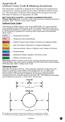 Appendix B: Uniform Color Code & Marking Guidelines The information contained in Appendix B is intended to be supplemental information for existing practices found within CGA Best Practices Version 2.0.
Pipeline Regulatory and Environmental Permits
 Chapter 3 Pipeline Regulatory and Environmental Permits William E. Bauer Chapter Outline Introduction 57 3.1 Regulation of Interstate Pipelines 58 3.1.1 FERC-Regulated Natural Gas Pipelines 58 3.1.2 FERC-Regulated
Specification for Pipe Coating Repairs Offshore
 Specification for Pipe Coating Repairs Offshore Specification for Pipe Coating Repairs Offshore 1 of 6 Table of Contents 1.0 SCOPE... 3 2.0 REFERENCE DOCUMENTS... 3 3.0 MATERIALS... 3 4.0 EQUIPMENT AND
Measuring the Condition of Prestressed Concrete Cylinder Pipe
 Measuring the Condition of Prestressed Concrete Cylinder Pipe John Marshall, P.E.I, I J.W. Marshall and Associates, and Paul S. Fisk, President NDT Corporation Introduction Prestressed Concrete Cylinder
COMPARISON OF INTEGRITY
 COMPARISON OF INTEGRITY MANAGEMENT ASSESSMENT TECHNIQUES FOR NATURAL GAS TRANSMISSION PIPELINES Prepared for The INGAA Foundation, Inc. by: Process Performance Improvement Consultants, LLC (P-PIC) 201
Wastewater Capital Projects Management Standard Construction Specification
 CITY AND COUNTY OF DENVER ENGINEERING DIVISION Wastewater Capital Projects Management Standard Construction Specification 10.1 Precast Concrete Pipe 10.1.1 General This section covers material requirements,
Engineered, Time-Tested Foundation Repairs for Settlement in Residential and Light Commercial Structures. The Leading Edge.
 TM TM Engineered, Time-Tested Foundation Repairs for Settlement in Residential and Light Commercial Structures. SM The Leading Edge. 10 One Major Causes of foundation settlement or more conditions may
CHAPTER VII CONSTRUCTION QUALITY CONTROL INSPECTION PROGRAM 1
 CHAPTER VII CONSTRUCTION QUALITY CONTROL INSPECTION PROGRAM 1 1 This Chapter of the FERC Engineering Guidelines has been prepared under contract with R & H Thomas, Inc. JANUARY 1993 Chapter VII Construction
External Wrapping of Steel Riser Pipe. Case Study HJ3 CS200902
 External Wrapping of Steel Riser Pipe Case Study HJ3 CS200902 Introduction Refineries process a wide variety of petroleum products. As part of the process, they rely on cooling towers, which recycle water
Name: Date: P.O. Box 2449, San Antonio, Texas 78298 (210) 233-3683. Number of Taps
 PRIVATE LATERAL PROGRAM QUESTIONNAIRE The WEF Collection System Committee is primarily interested in successfully operating programs for work performed on the privately-owned portion of the lateral line;
Victorian Purchasing Guide for UEG11 Gas Industry Training Package Version No 2
 Victorian Purchasing Guide for UEG11 Gas Industry Training Package Version No 2 July 2014 State of Victoria (Department of Education and Early Childhood Development) 2014. Copyright of this material is
Eric Six Heath Consultants Incorporated
 Eric Six Heath Consultants Incorporated 9030 Monroe Road Houston, TX 77061 www.heathus.com The contents of this manual are proprietary to Heath Consultants (HEATH). Reproduction in whole or in part of