
2-74% 1-91% % 1-91%
|
|
|
- Anis Marshall
- 10 years ago
- Views:
Transcription

1


2


3 2-74% 1-91% % 1-91%


4 3-99.5% %

5 J Child Orthop (2010) 4:39 44 DOI /s ORIGINAL CLINICAL ARTICLE Juvenile osteochondritis of femoral condyles: treatment with transchondral drilling. Analysis of 40 cases Rammal Hayan Gicquel Phillipe Schneider Ludovic Karger Claude Clavert Jean-Michel Received: 6 October 2009 / Accepted: 24 November 2009 / Published online: 18 December 2009 Ó EPOS 2009 Abstract Introduction Osteochondritis dissecans (OCD) of the femoral condyle is a rare lesion. Materials and methods A retrospective study (level IV evidence) analyzing a series of 40 pediatric cases with juvenile femoral condyles osteochondritis treated by arthroscopic multiple transchondral drilling between February 1999 and June 2008 was undertaken. This lesion affected the medial condyle in 87.5% of cases. The average age at treatment was 13.4 years. Our study took into account the location of the lesion and its radiological evolutionary stage. The average follow up was 14.8 months. The postoperative evaluation was based on the clinical and radiological scores of Hughston. Results Good clinical and radiological results in 97.5 and 95% of cases,respectively were obtained, with a significant correlation (P \ 0.001) between clinical scores and radiological Hughston scores. The closed nature of the growth plate during surgery has a significant deleterious effect (P \ 0.001) on the clinical and radiological score of Hughston. Conclusion All patients presenting juvenile condylar osteochondritis with open growth plate during treatment had good clinical and radiological results, confirming the validity and effectiveness of multiple transchondral drilling in this type of lesion. Keywords Juvenile osteochondritis dissecans Femoral condyles Arthroscopic transchondral drilling Introduction Osteochondritis dissecans (OCD), a term introduced by König in 1887 [1], is a rare lesion that affects the articular cartilage and the epiphyseal bone and may result in lack of consolidation to the separation of osteochondral fragment [2 6]. Most cases of OCD (75%) are present at the knees and three-quarters of those occur in the medial femoral condyle [7]. The pathophysiology of this disease is still mysterious and several etiological hypotheses have been discussed [8 10]: repetitive microtrauma, ischemia, lack of ossification, genetic cause, etc. Treatment is variable and depends on both the lesion itself (stable or unstable) and the patient (closure or nonclosure of the growth plate) [2, 7, 8]. The objective of this study is to evaluate the results in the medium and long term of femoral condyles OCD in children and adolescents carried out by arthroscopic multiple transchondral drilling. Materials and methods R. Hayan (&) G. Phillipe S. Ludovic K. Claude C. Jean-Michel Pediatric Orthopedic Surgery Department, Hautepierre Hospital, Moliere Avenue, Strasbourg Cedex, France [email protected] Between February 1999 and June 2008, 39 patients with juvenile osteochondritis of femoral condyles (accounting for 40 cases) were treated by arthroscopic transchondral drilling. Among the patients, 28 (71.8%) were male. The medial condyle was affected in 87.5% of cases, with involvement of the right knee in 14 cases, the left knee in 123

6 40 J Child Orthop (2010) 4:39 44 Fig. 1 a Harding classification to distinguish anterior, mean, and posterior lesions. b Cahill and Berg classification for medio-lateral localization of the lesions 22 cases, and two cases of bilateral OCD. One patient had a unilateral bicondylar OCD. Among the five cases of OCD of the lateral condyle, two cases (40%) were associated with discoid lateral meniscus. The mean patient age at diagnosis of OCD was 12 years (range 8 16 years). The average age at the time of surgery was 13.4 years, with age limits of 9.75 and 16.5 years. Clinically, all patients complained of knee pain at diagnosis and one patient had episodes of locking associated with a discoid lateral meniscus. Initially, all patients received conservative treatment by restriction of sports activities for an average of 6 months (range 3 12 months) without immobilization or nonweight-bearing gait. A conventional radiography was performed in all patients (anteroposterior [AP], lateral, and skyline views). A computed tomography (CT) scan was performed in 15 cases (37.5%) and magnetic resonance imaging (MRI) in 21 patients (52.5%). Surgical indication was raised when symptoms persisted after conservative treatment was followed appropriately Fig. 2 Measures to calculate the lesion volume on anteroposterior (AP) and lateral views of the knee Fig. 3 Bedouelle s radiological classification 123

7 J Child Orthop (2010) 4: and/or when the control radiographs showed a worsening of the lesion of osteochondritis, especially when approaching the end of growth. The location of OCD was defined according to the classifications of Harding [11] and Cahill and Berg [3, 12] on the lateral and AP views, respectively (Fig. 1). The radiographic evaluation, as classified by Cahill and Berg, showed a predominance of type 2 lesions (87.5%) and, as classified by Harding, showed a predominance of type B lesions (85%) against 12.5% of type C. One case had a lesion extended to areas B and C of the femoral condyle. The volume of OCD lesions was measured on AP and lateral views (Fig. 2). The mean volume of the lesions was 1,835.4 mm 3 (204 6,750 mm 3 ). Fig. 4 a, b A patient with Cahill type 2, Harding type B, and Bedouelle grade IIb osteochondritis dissecans (OCD). c, d The same patient 19 months after a transchondral drilling with a Hughston radiological score of 4 123

8 42 J Child Orthop (2010) 4:39 44 Table 1 Hughston clinical scale Excellent 4 Normal sports activity No symptoms Normal physical examination Good 3 Normal sports activity Knee pain with intense activities Normal physical examination Average 2 Normal sports activity Knee pain and swelling with intense activities Normal physical examination Bad 1 Knee pain and swelling with moderate activities Flexum less than 20 Failure 0 Restriction of sports Knee pain and swelling with daily activities Flexum more than 20 Table 2 Hughston radiological scale 4 Normal 3 Defect or sclerosis 2 Flattening of the condyle 1 Irregular condyle with narrowing of the joint space less than 50% 0 Knee arthritis with narrowing of the joint more than 50% The evolutionary stages of condylar osteochondritis were defined according to Bedouelle s classification [13] (Fig. 3). The radiographic evaluation according to the classification of Bedouelle, at the time of surgery, noted 10% stage Ia, 15% Ib, 40% IIa, 22.5% IIb, and 12.5% III; thus, 87.5% of cases were stages I and II. The distal femoral growth plate was open at the time of surgery in 95% of cases. The postoperative average follow up was 14.8 months (range 8 46 months). The clinical and radiological evaluation of patients (Fig. 4) was performed by the Hughston score [14] (Tables 1 and 2). This is a retrospective descriptive study. The statistical analysis has appealed, for quantitative variables, to nonparametric tests of Spearman, to search for correlations, analysis of variance (ANOVA) by ranks of the Kruskal Wallis test, and for comparison between groups. For qualitative variables, according to the effectiveness, Fisher s test or the Chi test were used. The significance level chosen was Surgical technique Transchondral drilling was described by Smillie in 1957 [15] and was performed, at that time, by open surgery. Currently, this technique is almost exclusively carried out with arthroscopy. So, after a conventional installation for knee arthroscopy, the diseased area is identified. This identification is made on the gross appearance of articular cartilage, gray or yellowish, with a frosted consistency, and abnormal to palpation due to its softening. In case of doubt, an intraoperative fluoroscopic tracking can help. Multiple perforations (5 10) using a fine mm diameter K- wire are made through the articular cartilage, opposite to the lesion of the subchondral bone and passing beyond the zone of sclerosis that circumscribes the lesion. After the drilling, one must observe bleeding from the healthy underlying bone through the puncture holes [16]. Postoperatively, non-weight-bearing for 1 month using two crutches with free mobilization of the knee has been proposed. Discontinuation of sport was the rule. Follow up involves clinical and radiographic monitoring. The resumption of sports activities was allowed 6 months after surgery. Results No complications were encountered during the perioperative period. The Hughston Clinic score was 0 in 2.5%, 3 in 25%, and 4 in 72.5%; thus, giving 97.5% of good results (score 3 or 4). The clinical score of 0 corresponds to a skeletally mature patient. The Hughston radiographic score was 2 in 5%, 3 in 35%, and 4 in 60%; thus, giving 95% of good results (score 3 or 4) (Fig. 5). The radiological score of 2 was found in two skeletally mature patients. A significant correlation (P \ 0.001) was found between the radiological and clinical scores of Hughston. The closed nature of the growth plate at the time of surgery has a significant deleterious effect (P \ 0.001) on the clinical and radiographic scores of Hughston. On the contrary, we have not found any influence on the results of clinical and radiological Hughston scores of the lesion s volume, its radiological stage, or its location following the Cahill and Berg or Harding classification. Discussion The primary goal of the treatment of osteochondritis is to promote the consolidation of the subchondral bone, the preservation of cartilage, and to prevent osteoarthritis. The immature knee, whose physis is still open, has a high potential for cure [2], therefore, conservative treatment should always be the first-line choice in stable juvenile osteochondritis, knowing that about 50% of lesions develop in a positive way in a period of months [3, 17]

9 J Child Orthop (2010) 4: Fig. 5 a Grade II b Bedouelle OCD. b Radiograph 6 months later with a Hughston radiological score of 4. c Arthroscopic views for the same patient. Localization of the OCD region. d, e Transchondral drilling with a 1.2-mm K-wire. f Bleeding from the drilling holes 3 All patients in our series have maintained a conservative treatment by restriction of sports activities for an average of 6 months, and the use of surgical treatment was offered to one of the following criteria: instability or fragments sequestration, persistence of symptoms in a compliant patient, and the imminent closure of the physis. These indications were similar to those found in the literature [18 20]. For many authors, multiple transchondral drilling was the preferred treatment of juvenile osteochondritis condylar after failure of conservative treatment. Guhl [18] showed in their study that, among the 15 patients, aged years, operated by multiple transchondral drilling, 13 had excellent and good results (86.7%). Cepero et al. [19] showed excellent and good clinical and radiological results in 98% of patients operated on for arthroscopic drilling. Aglietti et al. [20] showed a normalization of radiological images in 87.5% of patients treated by drilling and all patients were clinically asymptomatic at 4 years of decline. Bradley and Dandy [21] have performed this technique and noted a radiological and clinical cure in 91% of patients after 2 years of decline. Anderson et al. [2] noted good results in 90% of patients with condylar juvenile osteochondritis. Transarticular drilling was conducted by Ganley et al. [22] in 49 patients aged under 18 years. The drilling was effective in 83% of immature knees against 75% of adolescents with a closed growth plate. Kocher et al. [23] studied the functional and radiological results of this technique in 23 patients with 30 lesions of osteochondritis for a 123

10 44 J Child Orthop (2010) 4: mean of 3.9 years and found clinical and radiological healing in all patients. Louisia and Beaufils [24] have shown good clinical and radiological results in 70.6% of juvenile osteochondritis against 50% in adult osteochondritis. In our series, all patients were operated by multiple arthroscopic transchondral drilling with good clinical and radiological results in 97.5 and 95% of cases, respectively. From a radiological point of view, the two patients who scored 2 on the Hughston scale were skeletally mature at the time of the surgery. Conclusion All patients with osteochondritis dissecans (OCD) of the femoral condyles with an open growth plate had good postoperative clinical and radiological outcomes, therefore, confirming the validity and effectiveness of multiple transchondral drilling in the treatment of juvenile OCD. References 1. König F (1887) Ueber freie Körper in den Gelenken. Dtsch Z Chir 27: Anderson AF, Richards DB, Pagnani MJ, Hovis WD (1997) Antegrade drilling for osteochondritis dissecans of the knee. Arthroscopy 13(3): Cahill BR (1995) Osteochondritis dissecans of the knee: treatment of juvenile and adult forms. J Am Acad Orthop Surg 3: Clanton TO, DeLee JC (1982) Osteochondritis dissecans. History, pathophysiology and current treatment concepts. Clin Orthop Relat Res 167: Glancy GL (1999) Juvenile osteochondritis dissecans. Am J Knee Surg 12: Pappas AM (1981) Osteochondrosis dissecans. Clin Orthop Relat Res 158: Murray JRD, Chitnavis J, Dixon P, Hogan NA, Parker G, Parish EN et al (2007) Osteochondritis dissecans of the knee; long-term clinical outcome following arthroscopic debridement. Knee 14: Kocher MS, Tucker R, Ganley TJ, Flynn JM (2006) Management of osteochondritis dissecans of the knee: current concepts review. Am J Sports Med 34(7): Mubarak SJ, Carroll NC (1979) Familial osteochondritis dissecans of the knee. Clin Orthop Relat Res 140: Hefti F, Beguiristain J, Krauspe R, Möller-Madsen B, Riccio V, Tschauner C et al (1999) Osteochondritis dissecans: a multicenter study of the European Pediatric Orthopedic Society. J Pediatr Orthop B 8: Harding WG 3rd (1977) Diagnosis of ostechondritis dissecans of the femoral condyles: the value of the lateral X-ray view. Clin Orthop Relat Res 123: Cahill BR, Berg BC (1983) 99m-Technetium phosphate compound joint scintigraphy in the management of juvenile osteochondritis dissecans of the femoral condyles. Am J Sports Med 11: Bedouelle J (1988) L ostéochondrite disséquante des condyles fémoraux chez l enfant et l adolescent. In: Cahiers d enseignement de la SOFCOT. Expansion Scientifique Française, pp Hughston JC, Hergenroeder PT, Courtenay BG (1984) Osteochondritis dissecans of the femoral condyles. J Bone Joint Surg Am 66: Smillie IS (1957) Treatment of osteochondritis dissecans. J Bone Joint Surg Br 39: Lefort G, Moyen B, Beaufils P, De Billy B, Breda R, Cadilhac C et al (2006) L ostéochondrite disséquante des condyles fémoraux: analyse de 892 cas. Rev Chir Orthop Traumatol 92(S5): Cahill BR, Phillips MR, Navarro R (1989) The results of conservative management of juvenile osteochondritis dissecans using joint scintigraphy. A prospective study. Am J Sports Med 17: Guhl JF (1982) Arthroscopic treatment of osteochondritis dissecans. Clin Orthop Relat Res 167: Cepero S, Ullot R, Sastre S (2005) Osteochondritis of the femoral condyles in children and adolescents: our experience over the last 28 years. J Pediatr Orthop B 14: Aglietti P, Buzzi R, Bassi PB, Fioriti M (1994) Arthroscopic drilling in juvenile osteochondritis dissecans of the medial femoral condyle. Arthroscopy 10: Bradley J, Dandy DJ (1989) Results of drilling osteochondritis dissecans before skeletal maturity. J Bone Joint Surg Br 71: Ganley TJ, Amro RR, Gregg JR, Halpern KV (2002) Antegrade drilling for osteochondritis dissecans of the knee. Pediatric Orthopaedic Society of North America 23. Kocher MS, Micheli LJ, Yaniv M, Zurakowski D, Ames A, Adrignolo AA (2001) Functional and radiographic outcome of juvenile osteochondritis dissecans of the knee treated with transarticular arthroscopic drilling. Am J Sports Med 29: Louisia S, Beaufils P (1997) Perforations transcartilagineuses dans le traitement de l ostéochondrite disséquante du condyle fémoral interne, vol 7. Sauramps Médical, Montpellier 123

11 The Knee 13 (2006) Autologous osteochondral transplantation for the treatment of chondral defects of the knee D. Karataglis, M.A. Green, D.J.A. Learmonth * Royal Orthopaedic Hospital, Bristol Road South, Birmingham B31 2AP, UK Received 1 December 2004; accepted 26 May 2005 Abstract Full-thickness chondral defects of weight-bearing articular surfaces of the knee are a difficult condition to treat. Our aim is to evaluate the mid- and long-term functional outcome of the treatment of osteochondral defects of the knee with autologous osteochondral transplantation with the OATS technique. Thirty-six patients (37 procedures) were included in this study. Twenty-three patients were male and thirteen were female with a mean age of 31.9 years (range: years). The cause of the defect was OCD in 10 cases, AVN in 2, lateral patellar maltracking in 7, while in the remaining 17 patients the defect was post-traumatic. The lesion was located on the femoral condyles in 26 cases and the patellofemoral joint in the remaining 11. The average area covered was 2.73 cm 2 (range: cm 2 ) and patients were followed for an average of 36.9 months (range: months). The average score in their Tegner Activity Scale was 3.76 (range: 1 8), while their score in Activities of Daily Living Scale of the Knee Outcome Survey ranged from 18 to 98 with an average of Thirty-two out of 37 patients (86.5%) reported improvement of their preoperative symptoms. All but 5 patients returned to their previous occupation while 18 went back to sports. No correlation was found between patient age at operation, the size or site of the chondral lesion and the functional outcome. We believe that autologous osteochondral grafting with the OATS technique is a safe and successful treatment option for focal osteochondral defects of the knee. It offers a very satisfactory functional outcome and does not compromise the patient s future options. D 2005 Published by Elsevier B.V. Keywords: Osteochondral transplantation; Chondral defect; Knee; Arthroscopy 1. Introduction The management of full-thickness chondral defects of a weight-bearing articular surface remains a contentious issue. The repair capacity of articular cartilage is limited, especially in large defects occurring after skeletal maturity [1 5]. Spontaneous repair as well as resurfacing promoted by treatment options such as abrasion arthroplasty, microfractures and drilling occurs with the formation of reparative fibrocartilage, has poor biomechanical characteristics compared to hyaline cartilage [2,5]. Osteochondral autograft transplantation is a method, which provides autologous hyaline cartilage for resurfacing * Corresponding author. Tel.: addresses: [email protected] (D. Karataglis), [email protected] (D.J.A. Learmonth). the chondral defect, thus reconstructing more accurately both the histological and biomechanical properties of the articular surface [6 11]. It has, though, technical limitations, mainly related to the size of the defect and to donor site morbidity [12]. Our aim was to evaluate the mid- and long-term functional outcome of the treatment of osteochondral defects of the knee joint with autologous osteochondral transplantation with the OATS technique. 2. Materials and methods Between July 1998 and March 2003, 42 patients underwent 43 procedures for autologous osteochondral transplantation (one bilateral) with the OATS technique (Osteochondral Autograft Transplantation System, Arthrex, Naples, USA). Six patients were /$ - see front matter D 2005 Published by Elsevier B.V. doi: /j.knee

12 D. Karataglis et al. / The Knee 13 (2006) not available on final follow-up, and therefore, 36 patients (37 procedures) were included in this study. Of those patients, 23 were male and 13 were female with a mean age of 31.9 years (range: years). The cause of the chondral defect was osteochondritis dissecans (OCD) in 10 cases, avascular necrosis (AVN) in 2, lateral patellar maltracking in 7, while in the remaining 17 patients, the defect was post-traumatic following a road traffic accident, fall from a height or a sporting injury. The lesion was located on the medial femoral condyle in 18 cases, on the lateral femoral condyle in 8, on the trochlea in 7 and on the patella in the remaining 4. The joint was initially assessed arthroscopically and the defect size, as well as the extent of subchondral bone loss was recorded (Fig. 1). Subsequently autologous osteochondral transplantation was carried out with the OATS technique (Osteochondral Autograft Transplantation System, Arthrex, Naples, USA), which allows for press-fit graft implantation (Fig. 2). Grafts were harvested from the lateral or medial edge of the trochlea and secondarily from the notch if more graft was required. The depth of the donor osteochondral plug ranged from 12 to 15 mm and the recipient site was drilled to such a depth so as to compensate for any potential subchondral bone loss and at the same time allow for some bone impaction. Care was taken to achieve perpendicular graft insertion, deliver the graft flush with the joint surface and reproduce the joint curvature as close to anatomical as possible. In 22 cases, graft harvesting and subsequent implantation was carried out following an arthrotomy, while in the remaining 15 cases, grafts were harvested through a mini-arthrotomy and implanted arthroscopically. In two patients where the lesion size was 12 cm 2 and 6.7 cm 2, respectively, a combination of autograft and allograft material was used due to the size of the defect. A drain was inserted in the joint for 24 hours and patients were encouraged to start passive mobilisation of their knee as soon as pain allowed. Touch-toe weight bearing was advocated for 4 6 weeks and patients gradually progressed to full weightbearing thereafter. Patients who underwent osteochondral transplantation to the articular surface of the trochlea or the patella had their knee immobilised in extension for 3 4 weeks in order to protect the graft. 1 Osteochondral transplantation was combined with ACL reconstruction in 4 cases, lateral meniscal repair in 1 and a Fig. 1. Osteochondral lesion of the medial femoral condyle in a 35-yearold patient. Fig. 2. Following treatment with autologous osteochondral transplantation covering of the defect with hyaline cartilage and satisfactory graft incorporation is seen during second look arthroscopy. lateral release or an Elmslie Trillat procedure in all 7 cases with an element of lateral patellar maltracking. Functional evaluation was performed using questionnaires using the Tegner activity scale and the Activities of Daily Living Scale of the Knee Outcome Survey [13]. 3. Results The average area of the osteochondral lesion covered with autologous osteochondral transplantation ranged from 0.8 to 12 cm 2 (average: 2.73 cm 2 ). The diameter of the grafts used ranged from 6 to 10 mm and 1 to 8 grafts were used in each case to achieve > 90% covering of the lesion area. Patients were hospitalised for an average period of 3.06 days (range 1 6 days). Patients were followed for a minimum of 18 months (average: 36.9 months, range: months). The average score in their Tegner Activity Scale was 3.76 (range: 1 8), while their score in Activities of Daily Living Scale of the Knee Outcome Survey ranged from 18 to 98 with an average of Thirty-two out of thirty-seven patients (86.5%) reported improvement of their pre-operative symptoms. All but 5 returned to their previous occupation and regular day-to-day activities and 18 went back to sports. No correlation was found between patient age at operation, the size or site of the chondral lesion and the functional outcome as depicted in the outcome measures used. Nine patients had a second look arthroscopy for ongoing swelling, pain or clicking 7 13 months following their initial procedure. Arthroscopic assessment was combined with arthrolysis in one case, debridement and chondroplasty around the graft in four cases and partial medial meniscectomy in a further two cases. The grafts were found to be stable, well incorporated and with satisfactory chondrocyte survival in all but two cases, where they were loose and were therefore revised. In four out of those nine patients, symptoms improved significantly. No donor-site related morbidity was recorded. One patient had a superficial wound infection that was successfully managed with oral antibiotics and one had a deep vein thrombosis and was warfarinised. 2

13 Osteochondral transplantation and autologous chondrocyte implantation 34 D. Karataglis et al. / The Knee 13 (2006) Discussion Osteochondral defects spontaneously heal with fibrocartilage and treatment options such as abrasion arthroplasty, microfractures and drilling also promote the formation of fibrocartilaginous tissue, whose load-bearing properties and histological characteristics are significantly inferior to those of normal hyaline cartilage [2,14 16]. Furthermore, fibrocartilage has been shown to fibrillate and degrade with time, resulting in further deterioration of its loading characteristics [17]. In weight-bearing areas of the knee, this can cause impairment of smooth load transmission, leading to point loading and thus predisposing to development of osteoarthritis. It is only osteochondral transplantation and autologous chondrocyte implantation that can provide hyaline cartilage covering of the articular surface defect. Autologous chondrocyte implantation leads to covering of the defect with predominantly hyaline or hyaline-like cartilage [18], although this has been challenged by recent reports [19]. Cost, as well as the need for two operative procedures, in order to initially harvest cartilage, culture it and subsequently implant it during a second procedure a few weeks later, remain concerns regarding this method. The functional outcome with autologous chondrocyte implantation is satisfactory, but it is a matter of debate if it is superior to autologous osteochondral transplantation [18,19]. Autologous osteochondral transplantation, on the other hand, is an appealing option, as it allows for coverage of the chondral lesion with adequate thickness, good quality hyaline cartilage and at the same time closely reproduces the anatomical condyle curvature [20 23]. Stabilisation of the grafts in the recipient area with a press-fit technique allows for satisfactory initial graft stability and obviates the need for any sort of internal fixation. A high rate of successful graft incorporation is subsequently achieved through direct bone healing in the surface between the graft and the recipient area. A number of authors have reported a high rate of symptom relief and functional improvement, as well as very satisfactory survival of the transplanted hyaline cartilage [6 11,24 27]. This method, though, has certain limitations, namely, increased donor site morbidity and a less favourable outcome when used for relatively sizeable defects (> 22 cm) [12,28]. 3 Cadaveric studies have demonstrated that grafts harvested from the lateral or medial edge of the trochlea can better reproduce the anatomical curvature of the recipient sites on the femoral condyle [22,23]. Ahmad et al. also suggested that the distal medial trochlea is totally non-load bearing, unlike the intercondylar notch, lateral trochlea and proximal medial trochlea where non-load-bearing areas are fairly limited [20]. Therefore, the distal medial trochlea appears to be the area of choice for osteochondral graft harvesting, bearing in mind the above-mentioned biomechanical considerations. Grafts from other areas may have to 3 be harvested, though, if a sizeable lesion has to be covered. Other factors that seem to influence the outcome are perpendicular graft insertion [9], delivering the graft flush with the joint surface and achieving adequate graft stability to avoid graft micromotion [29]. Our results are comparable with those reported in the literature regarding functional improvement and pain relief and suggest that this method is very effective in treating fullthickness chondral defects. Although no direct correlation between the size of the lesion and the functional outcome was found, one should bear in mind that increased lesion size raises concerns about graft availability and the ability to achieve stable graft fixation. In conclusion, with this method, defects are resurfaced with osteochondral autografts, thus permitting joint surface covering with autologous hyaline cartilage as well as stable and safe graft incorporation. We believe that autologous osteochondral transplantation is a successful treatment option for focal osteochondral defects of the knee. It offers a very satisfactory functional outcome and does not compromise the patients future options. References [1] Prasad D, Learmonth D. Natural progression of osteo-chondral defect in the femoral condyle. Knee 2002;9:7 10. [2] Bobic V, Noble J. Articular cartilageto repair or not to repair? J Bone Joint Surg Br 2000;82-B: [3] Farnworth L. Osteochondral defects of the knee. Orthopedics 2000; 23(2): [4] Jaberi FM. Osteochondritis disecans of the weight-bearing surface of the medial femoral condyle in adults. Knee 2002;9: [5] Gross AE. Repair of cartilage defects in the knee. J Knee Surg 2002; 15(3): [6] Jacob RP, Franz T, Gautier E, Mainil-Varlet P. Autologous osteochondral grafting in the knee: indication, results and reflections. Clin Orthop 2002;401: [7] Hangody L, Feczko P, Bartha L, Bodo G, Kish G. Mosaicplasty for the treatment of articular defects of the knee and ankle. Clin Orthop 2001;391S:S [8] Hangody L, Fules P. Autologous osteochondral mosaicplasty for the treatment of full-thickness defects of weight-bearing joints. Ten years of experimental and clinical experience. J Bone Joint Surg Am 2003;85-A(Suppl. II): [9] Hangody L, Kish G, Karpati Z, Szerb I, Udvarhelyi I. Arthoscopic autogenous osteochondral mosaicplasty for the treatment of femoral condylar articular defects. A preliminary study. Knee Surg Sports Traumatol Arthrosc 1997;5: [10] Hangody L, Kish G, Karpati Z, Udvarhelyi I, Szigeti I, Bely M. Mosaicplasty for the treatment of articular cartilage defects: application in clinical practice. Orthopedics 1998;21(7): [11] Hangody L, Rathonyi GK, Duska Z, Vasarhelyi G, Fules P, Modis L. Autologous osteochondral mosaicplasty. Surgical technique. J Bone Joint Surg Am 2004;86-A(Suppl. I): [12] Agneskirchner JD, Brucker P, Burkart A, Imhoff AB. Large osteochondral defects of the femoral condyle: press-fit transplantation of the posterior femoral condyle (MEGA-OATS). Knee Surg Sports Traumatol Arthrosc 2002;10(3): [13] Irrgang JJ, Snyder-Mackler L, Wainner RS, Fu FH, Harner CD. Development of a patient-reported measure of function of the knee. J Bone Joint Surg Am 1998;80-A:
![fibrocartilaginous tissue, whose load-bearing properties and histological characteristics are significantly inferior to those of normal hyaline cartilage [2,14 16].](/docs-images/45/6653747/images/page_13.jpg "Furthermore, fibrocartilage has been shown to fibrillate and degrade with time, resulting in further deterioration of its loading characteristics [17].")
14 D. Karataglis et al. / The Knee 13 (2006) [14] Akizuki S, Yasukawa Y, Takizawa T. Does arthroscopic abrasion arthrosplasty promote cartilage regeneration in oateoarthritic knees with eburnation? A prospective study of high tibial osteotomy with abrasion arthrosplasty versus high tibial osteotomy alone. Arthroscopy 1997;13(1):9 17. [15] Alleyne KR, Galloway MT. Management of osteochondral injuries of the knee. Clin Sports Med 2001;20(2): [16] Cain EL, Clancy WG. Treatment algorithm for osteochondral injuries of the knee. Clin Sports Med 2001;20(2): [17] Shahgaldi BF. Repair of large osteochondral defects: load-bearing and structural properties of osteochondral repair tissue. Knee 1998;5: [18] Bentley G, Biant LC, Carrington RWJ, Akmal M, Goldberg A, Williams AM, et al. A prospective randomised comparison of autologous chondrocyte implantation versus mosaicplasty for osteochondral defects in the knee. J Bone Joint Surg Br 2003;85-B: [19] Horas U, Pelinkovic D, Herr G, Aigner T, Schnettler R. Autologous chondrocyte implantation and osteochondral cylinder transplantation in cartilage repair of the knee joint. A prospective comparative trial. J Bone Joint Surg Am 2003;85-A: [20] Outerbridge HK, Outerbridge AR, Outerbridge RE. The use of a lateral patellar autologous graft for the repair of large osteochondral defects on the knee. J Bone Joint Surg Am 1995;77-A: [21] Outerbridge HK, Outerbridge AR, Outerbridge RE, Smith DE. The use of lateral patellar autologous grafts for the repair of large osteochondral defects in the knee. Acta Orthop Belg 1999;65 (Suppl. 1): [22] Ahmad CS, Cohen ZA, Levine WN, Ateshian GA, Mow VC. Biomechanical and topographic considerations for autologous osteochondral grafting in the knee. Am J Sports Med 2001;29(2): [23] Bartz RL, Kamaric E, Noble PC, Lintner D, Bocell J. Topographic matching of selected donor and recipient sites for osteochondral autografting of the articular surface of the femoral condyles. Am J Sports Med 2001;29(2): [24] Marcacci M, Kon E, Zaffagnini S, Visani A. Use of autologous grafts for reconstruction of osteochondral defects of the knee. Orthopedics 1999;22(6): [25] Morelli M, Nagomori J, Miniachi A. Management of chondral injuries of the knee by osteochondral autogenous transfer (mosaicplasty). J Knee Surg 2002;15(3): [26] Menche DS, Vangsness CT Jr, Pitman M, Gross AE, Peterson L. The treatment of isolated articular cartilage lesions in the young individual. Instr Course Lect 1998;47: [27] Barber FA, Chow JCY. Arthroscopic osteochondral transplantation. Arthroscopy 2001;17(8): [28] Laprell H, Petersen W. Autologous osteochondral transplantation using diamond bone-cutting system (DBCS): 612 years follow-up of 35 patients with osteochondral defects at the knee joint. Arch Orthop Trauma Surg 2001;121: [29] Pearse S, Hurtig MB, Clarnette R, Karla M, Cowan B, Miniaci A. An investigation of 2 techniques for optimizing joint surface congruency using multiple cylindrical osteochondral autografts. Arthroscopy 2001;17(1):50 5.
![A prospective study of high tibial osteotomy with abrasion arthrosplasty versus high tibial osteotomy alone. Arthroscopy 1997;13(1):9 17. [15] Alleyne KR, Galloway MT.](/docs-images/45/6653747/images/page_14.jpg "Management of osteochondral injuries of the knee. Clin Sports Med 2001;20(2):343 64. [16] Cain EL, Clancy WG. Treatment algorithm for osteochondral injuries of the knee.")
Patellofemoral Chondrosis
 Patellofemoral Chondrosis What is PF chondrosis? PF chondrosis (cartilage deterioration) is the softening or loss of smooth cartilage, most frequently that which covers the back of the kneecap, but the
Anatomy and Physiology 101 for Attorneys
 Knee Injuries Anatomy and Physiology 101 for Attorneys Phil Davidson, MD Heiden-Davidson Orthopedics Salt Lake City, UT May 2011 Introduction Dr. Phil Davidson Park City and SLC clinics Education: Harvard,
Posttraumatic medial ankle instability
 Posttraumatic medial ankle instability Alexej Barg, Markus Knupp, Beat Hintermann Orthopaedic Department University Hospital of Basel, Switzerland Clinic of Orthopaedic Surgery, Kantonsspital Baselland
AAOS Articular Cartilage Restoration: The Modern Frontier
 AAOS Articular Cartilage Restoration: The Modern Frontier 18.75 CME Credits March 31 April 2, 2016 OLC Education & Conference Center Rosemont, IL Kevin D. Plancher, MD, and Nicholas A. Sgaglione, MD Course
Articular Cartilage Injury to the Knee: Current Concepts in Surgical Techniques and Rehabilitation Management
 Articular Cartilage Injury to the Knee: Current Concepts in Surgical Techniques and Rehabilitation Management Combined Sections Meeting 2014 Las Vegas, Nevada, February 3 6, 2014 James L. Carey, MD, MPH
Rehabilitation Guidelines for Autologous Chondrocyte Implantation. Ashley Conlin, PT, DPT, SCS, CSCS
 Rehabilitation Guidelines for Autologous Chondrocyte Implantation Ashley Conlin, PT, DPT, SCS, CSCS Objectives Review ideal patient population Review overall procedure for Autologous Chondrocyte Implantation
AAOS Guideline of The Diagnosis and Treatment of Osteochondritis Dissecans
 AAOS Guideline of The Diagnosis and Treatment of Osteochondritis Dissecans Summary of Recommendations The following is a summary of the recommendations in the AAOS clinical practice guideline, The Diagnosis
THE CARTILAGE IMPLANT FOR BIOLOGICAL CARTILAGE REPAIR
 THE CARTILAGE IMPLANT FOR BIOLOGICAL CARTILAGE REPAIR 02/13 Content chondrotissue (p.4) Scientific Background (p.5) Preclinical Outcomes (p.6) Clinical Outcomes: MRI Evaluation (p.7) Clinical Outcomes:
REHABILITATION GUIDELINES AUTOLOGOUS CHONDROCYTE IMPLANTATION USING CARTICEL
 REHABILITATION GUIDELINES AUTOLOGOUS CHONDROCYTE IMPLANTATION USING CARTICEL Michael M. Reinold, PT, ATC Kevin E. Wilk, PT Jeffrey R. Dugas, MD E. Lyle Cain, MD Scott D. Gillogly, MD The following has
Revision ACL Surgery
 Charles H. Brown Jr.,M.D, Director International Knee & Joint Centre Abu Dhabi, United Arab Emirates Introduction Revision ACL Surgery Incidence of ACL reconstruction in an active population reported to
How To Know If You Can Recover From A Knee Injury
 David R. Cooper, M.D. www.thekneecenter.com Wilkes-Barre, Pa. Knee Joint- Anatomy Is not a pure hinge Ligaments are balanced Mechanism of injury determines what structures get damaged Medial meniscus tears
Chondral Defect Repair with Particulated Juvenile Cartilage Allograft
 Zimmer Technical Memo Chondral Defect Repair with Particulated Juvenile Cartilage Allograft Jack Farr, M.D. OrthoIndy Cartilage Restoration Center Voluntary Professor of Orthopaedic Surgery, IUMC 5255
Anterior Cruciate Ligament Reconstruction
 1 Anterior Cruciate Ligament Reconstruction Surgical Indications and Considerations Anatomical Considerations: The anterior cruciate ligament (ACL) lies in the middle of the knee. It arises from the anterior
Mary LaBarre, PT, DPT,ATRIC
 Aquatic Therapy and the ACL Current Concepts on Prevention and Rehab Mary LaBarre, PT, DPT,ATRIC Anterior Cruciate Ligament (ACL) tears are a common knee injury in athletic rehab. Each year, approximately
Spinal Arthrodesis Group Exercises
 Spinal Arthrodesis Group Exercises 1. Two surgeons work together to perform an arthrodesis. Dr. Bonet, a general surgeon, makes the anterior incision to gain access to the spine for the arthrodesis procedure.
High-Flex Solutions for the MIS Era. Zimmer Unicompartmental High Flex Knee System
 High-Flex Solutions for the MIS Era Zimmer Unicompartmental High Flex Knee System Zimmer Unicompartmental High Flex Knee Built On Success In today s health care environment, meeting patient demands means
Anatomic Percutaneous Ankle Reconstruction of Lateral Ligaments (A Percutaneous Anti ROLL)
 Anatomic Percutaneous Ankle Reconstruction of Lateral Ligaments (A Percutaneous Anti ROLL) Mark Glazebrook James Stone Masato Takao Stephane Guillo Introduction Ankle stabilization is required when a patient
.org. Ankle Fractures (Broken Ankle) Anatomy
 Ankle Fractures (Broken Ankle) Page ( 1 ) A broken ankle is also known as an ankle fracture. This means that one or more of the bones that make up the ankle joint are broken. A fractured ankle can range
Rehabilitation Guidelines Following Microfracture Procedures to the Knee
 UW Health Sports Rehabilitation Rehabilitation Guidelines Following Microfracture Procedures to the Knee There are two types of cartilage in the knee: meniscus and articular. One type of cartilage is the
ACL Reconstruction in the Skeletally Immature: Do a Transphsyeal Hamstring. It Will Be Fine.
 ACL Reconstruction in the Skeletally Immature: Do a Transphsyeal Hamstring. It Will Be Fine. George A. Paletta, Jr., MD The Orthopedic Center of St. Louis St. Louis, MO Disclosure Neither I, George A Paletta,
Address correspondence to Michael M. Reinold, Boston Red Sox Baseball Club, Fenway Park, 4 Yawkey Way, Boston, MA 02215. E-mail: mreinold@redsox.
 Current Concepts in the Rehabilitation Following Articular Cartilage Repair Procedures in the Knee Michael M. Reinold, PT, DPT, ATC, CSCS 1 Kevin E. Wilk, PT, DPT 2 Leonard C. Macrina, MSPT, CSCS 3 Jeffrey
Sports Radiology : Making a diagnosis or solving a problem
 Sports Radiology : Making a diagnosis or solving a problem Professor Dr John George University of Malaya Research Imaging Centre University of Malaya Medical Centre Kuala Lumpur, Malaysia. Abstract: Aim:
FEMORAL NECK FRACTURE FOLLOWING TOTAL KNEE REPLACEMENT
 1 FEMORAL NECK FRACTURE FOLLOWING TOTAL KNEE REPLACEMENT László Sólyom ( ), András Vajda & József Lakatos Orthopaedic Department, Semmelweis University, Medical Faculty, Budapest, Hungary Correspondence:
Name of Policy: Arthroscopic Debridement and Lavage as Treatment for Osteoarthritis of the Knee
 Name of Policy: Arthroscopic Debridement and Lavage as Treatment for Osteoarthritis of the Knee Policy #: 391 Latest Review Date: December 2014 Category: Surgery Policy Grade: B Background/Definitions:
QUESTION I HAVE BEEN ASKED TO REHAB GRADE II AND III MCL INJURIES DIFFERENTLY BY DIFFERENT SURGEONS IN THE FIRST 6WEEKS FOLLOWING INJURY.
 QUESTION I HAVE BEEN ASKED TO REHAB GRADE II AND III MCL INJURIES DIFFERENTLY BY DIFFERENT SURGEONS IN THE FIRST 6WEEKS FOLLOWING INJURY. SOME ARE HINGE BRACED 0-90 DEGREES AND ASKED TO REHAB INCLUDING
KNEE ARTHROSCOPY. Dr C.S. Waller. Orthopaedic Surgeon
 KNEE ARTHROSCOPY Dr C.S. Waller Orthopaedic Surgeon Specializing in surgery of the hip and knee 83826199 What is Arthroscopy? Arthroscopy involves the inspection of the inside of the knee joint with a
Rehabilitation guidelines for patients undergoing knee arthroscopy
 Rehabilitation guidelines for patients undergoing knee arthroscopy At the RNOH, our emphasis is patient specific, which encourages recognition of those who may progress slower then others. We also want
Frequently Asked Questions following Anterior Cruciate Ligament Reconstruction Surgery 1
 Frequently Asked Questions following Anterior Cruciate Ligament Reconstruction Surgery 1 Will my knee be normal after surgery and recovery? Unfortunately, even with an ACL reconstructive procedure, it
Zimmer Gender Solutions NexGen High-Flex Implants
 Zimmer Gender Solutions NexGen High-Flex Implants Because Women and Men are Different Something new is taking shape It s all about shape. Women and men are different. That s not news to the medical establishment.
Arthroscopy of the Hip
 Arthroscopy of the Hip Professor Ernest Schilders FRCS, FFSEM Consultant Orthopaedic Surgeon Specialist in Shoulder and Hip Arthroscopy, Groin and Sports Injuries Private consulting rooms The London Hip
C H A P T E R 3 5. Thomas J. Merrill, DPM Riquel Gonzalez, DPM INTRODUCTION CASE REPORT
 C H A P T E R 3 5 CORTICOSTEROID INDUCED AVASCULAR NECROSIS OF THE RIGHT MEDIAL CUNEIFORM TREATED WITH TRINITY EVOLUTION BONE GRAFT AND ARTHRODESIS: Case Report and Review of the Literature Thomas J. Merrill,
Michael K. McAdam, M.D. Orthopedic Surgeon Specializing in Arthroscopy and Sports Medicine
 Michael K. McAdam, M.D. Orthopedic Surgeon Specializing in Arthroscopy and Sports Medicine Anterior Cruciate Ligament Injury Injury to the anterior cruciate ligament (ACL) is common, especially in athletic
PRESENTATIONS/PAPERS INTERNATIONAL. RAISING STANDARDS IN JOINT ARTHROPLASTY Course Co-Chairman, The Great Debate - London, June 2013
 PRESENTATIONS/PAPERS INTERNATIONAL 1998 2013 RAISING STANDARDS IN JOINT ARTHROPLASTY Course Co-Chairman, The Great Debate - London, June 2013 HOW TO CHOOSE THE RIGHT STEM FOR THE RIGHT PATIENT Corin Symposium
www.ghadialisurgery.com
 P R E S E N T S Dr. Mufa T. Ghadiali is skilled in all aspects of General Surgery. His General Surgery Services include: General Surgery Advanced Laparoscopic Surgery Surgical Oncology Gastrointestinal
Medial patellofemoral ligament (MPFL) reconstruction
 Medial patellofemoral ligament (MPFL) reconstruction Introduction Mal-tracking (when the knee cap doesn t move smoothly in the grove below) and instability of the patella (knee Normal patella (above) on
Ulnar sided Wrist Pain
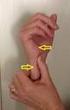 Ulnar sided Wrist Pain 1 Susan Cross, 1 Anshul Rastogi, 2 Brian Cohen, 1 Rosy Jalan 1 Dept of Radiology, Barts Health NHS Trust, London, UK 2 London Orthopaedic Centre Contact: [email protected]
Osteochondral Ankle Defects
 Osteochondral Ankle Defects MAARTJE ZENGERINK,C.NIEK VAN DIJK Introduction An osteochondral ankle defect is a lesion involving talar articular cartilage and subchondral bone, mostly caused by a single
.org. Arthritis of the Hand. Description
 Arthritis of the Hand Page ( 1 ) The hand and wrist have multiple small joints that work together to produce motion, including the fine motion needed to thread a needle or tie a shoelace. When the joints
CHART 4 - NEW FEE CODES - EFFECTIVE OCTOBER 1, 2010
 Bulletin 4520 Implementation of the 2008 Physician Services Agreement Changes Effective, Chart 4 REVISED CHART 4 - NEW FEE CODES - EFFECTIVE OCTOBER A190 Special psychiatric consultation A $285.00 A231
How To Fix A Radial Head Plate
 Mayo Clinic CoNGRUENT RADIAL HEAD PLATE Since 1988 Acumed has been designing solutions to the demanding situations facing orthopedic surgeons, hospitals and their patients. Our strategy has been to know
Is Your Horse Off Behind?? Hindlimb Facts. Common Hindlimb Lameness. Diagnostic Techniques. Gait Analysis 3/21/2012
 Is Your Horse Off Behind?? Nathaniel A. White II DVM MS DACVS Jean Ellen Shehan Professor and Director Common Hindlimb Lameness Sacroiliac joint pain Hip Lameness Stifle Lameness Stress Fractures Hock
INSTRUCTIONS FOR USING THE KNEE SOCIETY RADIOGRAPHIC EVALUATION FORM
 INSTRUCTIONS FOR USING THE KNEE SOCIETY RADIOGRAPHIC EVALUATION FORM Routine standing and recumbent anterior-posterior, lateral, and skyline patellar roentgenograms are made pre-operative, at time of hospital
WORKPLACE SAFETY AND INSURANCE APPEALS TRIBUNAL DECISION NO. 1047/14
 WORKPLACE SAFETY AND INSURANCE APPEALS TRIBUNAL DECISION NO. 1047/14 BEFORE: C. M. MacAdam: Vice-Chair HEARING: June 3, 2014 at Toronto Written DATE OF DECISION: June 18, 2014 NEUTRAL CITATION: 2014 ONWSIAT
chronos BOne VOid Filler Beta-Tricalcium Phosphate (b-tcp) bone graft substitute
 chronos BOne VOid Filler Beta-Tricalcium Phosphate (b-tcp) bone graft substitute chronos Bone Void Filler Osteoconductive Resorbable Synthetic chronos Granules and Preforms are synthetic, porous, osteoconductive,
Oxford Partial Knee. A Definitive Implant. Tibial Component. Anatomical shape for optimal bone coverage
 Oxford Partial Knee Oxford Partial Knee A Definitive Implant With over 35 years clinical experience, the Oxford Partial Knee is the most widely used 1 and proven 2 partial knee system in the world. Tibial
Treatment of osteochondral defects of the talus
 Treatment of osteochondral defects of the talus Christiaan van Bergen Treatment of osteochondral defects of the talus Christiaan J.A. van Bergen Colophon C.J.A. van Bergen, Amsterdam, the Netherlands,
Current strategies for knee cartilage repair
 REVIEW ARTICLE Current strategies for knee cartilage repair N. S. Kalson, P. D. Gikas, T. W. R. Briggs Bone Tumour Service, Royal National Orthopaedic Hospital, Brockley Hill, Stanmore, Middlesex, UK Correspondence
Employees Compensation Appeals Board
 U. S. DEPARTMENT OF LABOR Employees Compensation Appeals Board In the Matter of VERA R. PRICE and U.S. POSTAL SERVICE, POST OFFICE, Indianapolis, IN Docket No. 03-928; Submitted on the Record; Issued June
Zimmer DeNovo NT Natural Tissue Graft
 Zimmer DeNovo NT Natural Tissue Graft Surgical Technique Biologic treatment for early intervention and cartilage repair. Overview DeNovo NT Natural Tissue Graft (Fig. 1) is an off-the-shelf human tissue,
ChondroCelect Rehabilitation Program
 ChondroCelect Rehabilitation Program Rehabilitation differs depending on the type and site of the lesion and the patient personal profile. Grouping of the lesions and patient profiles is helpful to ensure
The Knee: Problems and Solutions
 The Knee: Problems and Solutions Animals, like people, may suffer a variety of disorders of the knee that weaken the joint and cause significant pain if left untreated. Two common knee problems in companion
Rehabilitation of Revision ACL Reconstruction
 Chapter 1 Rehabilitation of Revision ACL Reconstruction Michael B. Ellman, MD Rush University Medical Center, Chicago, Illinois Michael D. Rosenthal, PT, DSc, SCS, ECS, ATC, CSCS Naval Medical Center,
Knee injuries are a common concern resulting in
 F A N T A S T I C F I N D I N G S The Case for Utilizing Prolotherapy as First-Line Treatment for Meniscal Pathology: A Retrospective Study Shows Prolotherapy is Effective in the Treatment of MRI-Documented
Rehabilitation Guidelines for Posterior Cruciate Ligament Reconstruction
 UW Health Sports Rehabilitation Rehabilitation Guidelines for Posterior Cruciate Ligament Reconstruction The knee has three joints--the patellofemoral joint (knee cap), the tibiofemoral joint and the tibiofibular
James D. Ferrari, MD
 James D. Ferrari, MD Work Experience 2001-Present Advanced Orthopedic and Sports Medicine Specialists Denver, CO Clinical Professor of Orthopedic Surgery University of Colorado Health Science Center Denver,
Osteochondral transplantation using autografts from the upper tibio-fibular joint for the treatment of knee cartilage lesions
 Knee Surg Sports Traumatol Arthrosc (2012) 20:1136 1142 DOI 10.1007/s00167-012-1910-0 KNEE Osteochondral transplantation using autografts from the upper tibio-fibular joint for the treatment of knee cartilage
Corporate Medical Policy Continuous Passive Motion in the Home Setting
 Corporate Medical Policy Continuous Passive Motion in the Home Setting File Name: Origination: Last CAP Review: Next CAP Review: Last Review: continuous_passive_motion_in_the_home_setting 9/1993 6/2016
This is my information booklet: Introduction
 Hip arthroscopy is a relatively new procedure which allows the surgeon to diagnose and treat hip disorders by providing a clear view of the inside of the hip with very small incisions. This is a more complicated
Mini Medical School _ Focus on Orthopaedics
 from The Cleveland Clinic Mini Medical School _ Focus on Orthopaedics Arthritis of the Shoulder: Treatment Options Joseph P. Iannotti MD, PhD Professor and Chairman, Department of Orthopaedic Surgery The
Arthritis of the Shoulder
 Arthritis of the Shoulder In 2011, more than 50 million people in the United States reported that they had been diagnosed with some form of arthritis, according to the National Health Interview Survey.
EMPLOYMENT: PEACHTREE ORTHOPAEDIC CLINIC ATLANTA- GA 2013- PRESENT Orthopaedic Surgeon Northside Hospital, Atlanta, GA
 GEORGE N. GUILD III, M.D. ORTHOPAEDIC SURGEON: ADULT HIP AND KNEE RECONSTRUCTION PEACHTREE ORTHOPAEDIC CLINIC 5505 PEACHTREE DUNWOODY ROAD SUITE 600 ATLANTA, GA 30342 TEL. (404)- 355-0743 FAX: 404-355-
A STUDY OF ARTHROSCOPIC MANAGEMENT OF MENISCAL INJURIES G. Ramesh 1, J. Ashok Vardhan Reddy 2, Manne Vishnu Vardhan 3
 A STUDY OF ARTHROSCOPIC MANAGEMENT OF MENISCAL INJURIES G. Ramesh 1, J. Ashok Vardhan Reddy 2, Manne Vishnu Vardhan 3 HOW TO CITE THIS ARTICLE: G. Ramesh, J. Ashok Vardhan Reddy, Manne Vishnu Vardhan.
INJURIES OF THE HAND AND WRIST By Derya Dincer, M.D.
 05/05/2007 INJURIES OF THE HAND AND WRIST By Derya Dincer, M.D. Hand injuries, especially the fractures of metacarpals and phalanges, are the most common fractures in the skeletal system. Hand injuries
Christian N. Anderson, MD
 Curriculum Vitae Christian N. Anderson, MD Office Contact Information Tennessee Orthopaedic Alliance 4230 Harding Road, Suite 1000 37205 Phone (615) 383-2693 (ext. 209) Fax (615) 297-1449 Education University
Y O U R S U R G E O N S. choice of. implants F O R Y O U R S U R G E R Y
 Y O U R S U R G E O N S choice of implants F O R Y O U R S U R G E R Y Y O U R S U R G E O N S choice of implants F O R Y O U R S U R G E R Y Your Surgeon Has Chosen the C 2 a-taper Acetabular System The
Position Statement: The Use of Total Ankle Replacement for the Treatment of Arthritic Conditions of the Ankle
 Position Statement: The Use of Total Ankle Replacement for the Treatment of Arthritic Conditions of the Ankle Position Statement The (AOFAS) endorses the use of total ankle replacement surgery for treatment
Osteoarthritis progresses slowly and the pain and stiffness it causes worsens over time.
 Arthritis of the Foot and Ankle Arthritis is the leading cause of disability in the United States. It can occur at any age, and literally means "pain within a joint." As a result, arthritis is a term used
ARTHROSCOPIC HIP SURGERY
 ARTHROSCOPIC HIP SURGERY Hip Arthroscopy is a relatively simple procedure whereby common disorders of the hip can be diagnosed and treated using keyhole surgery. Some conditions, which previously were
A patient s s guide to: Arthroscopy of the Hip
 A patient s s guide to: Arthroscopy of the Hip Brian J. White MD Assistant Team Physician Denver Nuggets Western Orthopaedics - Denver, Colorado Introduction This is designed to provide you with a better
Hamstring Apophyseal Injuries in Adolescent Athletes
 Hamstring Apophyseal Injuries in Adolescent Athletes Kyle Nagle, MD MPH University of Colorado Department of Orthopedics Children s Hospital Colorado Orthopedics Institute June 14, 2014 Disclosures I have
The Trial of a Soft Tissue Knee Injury Case. By Ben Rubinowitz and Evan Torgan
 The Trial of a Soft Tissue Knee Injury Case By Ben Rubinowitz and Evan Torgan Although often overlooked as commonplace or insignificant, an injury to the knee joint often results in a severe, permanent
cartilage regeneration
 COLLAGEN MEMBRANE The membrane for safe cartilage regeneration WWW.CARTIMAIX.COM About Cartimaix Cartimaix is a cell-free, biodegradable collagen membrane used to cover articular cartilage defects during
Rehabilitation Guidelines for Knee Multi-ligament Repair/Reconstruction
 UW Health Sports Rehabilitation Rehabilitation Guidelines for Knee Multi-ligament Repair/Reconstruction The knee joint is comprised of an articulation of three bones: the femur (thigh bone), tibia (shin
Howell ACL System. Howell 65 Tibial Guide EZLoc Femoral Fixation Device WasherLoc Tibial Fixation Device Graft Choice
 Howell ACL System Howell 65 Tibial Guide EZLoc Femoral Fixation Device WasherLoc Tibial Fixation Device Graft Choice Howell ACL System Howell 65 Tibial Guide EZLoc Femoral Fixation Device WasherLoc Tibial
.org. Posterior Tibial Tendon Dysfunction. Anatomy. Cause. Symptoms
 Posterior Tibial Tendon Dysfunction Page ( 1 ) Posterior tibial tendon dysfunction is one of the most common problems of the foot and ankle. It occurs when the posterior tibial tendon becomes inflamed
OPERATIVE TREATMENT OF CHONDRAL DEFECTS IN THE HIP JOINT:
 OPERATIVE TREATMENT OF CHONDRAL DEFECTS IN THE HIP JOINT: A SYSTEMATIC REVIEW Mark A. Jordan, BS University of Illinois Rockford, IL Geoffrey S. Van Thiel, MD/MBA Rockford Orthopedic Associates Rockford,
Femoral Acetabular Impingement And Labral Tears of the Hip James Genuario, MD MS
 Femoral Acetabular Impingement And Labral Tears of the Hip James Genuario, MD MS Steadman Hawkins Clinic Denver at Lone Tree 10103 RidgeGate Pkwy, Aspen Bldg#110 Lone Tree, CO 80124 Phone: 303-586-9500
Meniscus. Loading of Meniscus. Meniscus Biomechanics. Rehabilitation Following Meniscus Repair Alone & Combined with ACL Reconstruction
 Rehabilitation Following Meniscus Repair Alone & Combined with ACL Reconstruction Russ Paine, PT Director Memorial Hermann Sportsmedicine Rehabilitation Houston, Texas Meniscus Knee bends 2-4 million x
Foot and Ankle Technique Guide Proximal Inter-Phalangeal (PIP) Fusion
 Surgical Technique Foot and Ankle Technique Guide Proximal Inter-Phalangeal (PIP) Fusion Prepared in consultation with: Phinit Phisitkul, MD Department of Orthopedics and Rehabilitation University of Iowa
UNILATERAL VS. BILATERAL FIRST RAY SURGERY: A PROSPECTIVE STUDY OF 186 CONSECUTIVE CASES COMPLICATIONS, PATIENT SATISFACTION, AND COST TO SOCIETY
 UNILATERAL VS. BILATERAL FIRST RAY SURGERY: A PROSPECTIVE STUDY OF 186 CONSECUTIVE CASES COMPLICATIONS, PATIENT SATISFACTION, AND COST TO SOCIETY Robert Fridman DPM, Jarrett Cain DPM, Lowell Weil Jr. DPM,
Evaluating Knee Pain
 Evaluating Knee Pain Matthew T. Boes, M.D. Raleigh Orthopaedic Clinic September 24, 2011 Introduction Approach to patient with knee pain / injury History Examination Radiographs Guidelines for additional
We compared the long-term outcome in 61
 Fracture of the carpal scaphoid A PROSPECTIVE, RANDOMISED 12-YEAR FOLLOW-UP COMPARING OPERATIVE AND CONSERVATIVE TREATMENT B. Saedén, H. Törnkvist, S. Ponzer, M. Höglund From Stockholm Söder Hospital,
ASSOCIATE PROFESSOR BO POVLSEN Emeritus Consultant Orthopaedic Surgeon Guy s & St Thomas Hospitals NHS Trust GMC no. 3579329
 ASSOCIATE PROFESSOR BO POVLSEN Emeritus Consultant Orthopaedic Surgeon Guy s & St Thomas Hospitals NHS Trust GMC no. 3579329 Consultant Orthopaedic Surgeon London Bridge Hospital Medico-Legal Secretary:
Malleolar fractures Anna Ekman, Lena Brauer
 Malleolar fractures Anna Ekman, Lena Brauer How to use this handout? The left column is the information as given during the lecture. The column at the right gives you space to make personal notes. Learning
KNEE ARTHROSCOPY. Effective Date: March 24, 2014 Review Dates: 4/11, 4/12, 4/13, 5/14, 5/15
 KNEE ARTHROSCOPY MEDICAL POLICY Effective Date: March 24, 2014 Review Dates: 4/11, 4/12, 4/13, 5/14, 5/15 Date Of Origin: April 13, 2011 Status: Current I. POLICY/CRITERIA Knee arthroscopy is covered for
The Petrylaw Lawsuits Settlements and Injury Settlement Report
 The Petrylaw Lawsuits Settlements and Injury Settlement Report KNEE INJURIES How Minnesota Juries Decide the Value of Pain and Suffering in Knee Injury Cases The Petrylaw Lawsuits Settlements and Injury
Zimmer Periarticular Proximal Tibial Locking Plate
 Zimmer Periarticular Proximal Tibial Locking Plate Surgical Technique The Science of the Landscape Zimmer Periarticular Proximal Tibial Locking Plate 1 Table of Contents Introduction 2 Locking Screw Technology
The Trans-Rotator Cuff Approach to SLAP Lesions: Technical Aspects for Repair and a Clinical Follow-up of 31 Patients at a Minimum of 2 Years
 The Trans-Rotator Cuff Approach to SLAP Lesions: Technical Aspects for Repair and a Clinical Follow-up of 31 Patients at a Minimum of 2 Years Stephen J. O Brien, M.D., Answorth A. Allen, M.D., Struan H.
This article appeared in a journal published by Elsevier. The attached copy is furnished to the author for internal non-commercial research and
 This article appeared in a journal published by Elsevier. The attached copy is furnished to the author for internal non-commercial research and education use, including for instruction at the authors institution
Rehabilitation following Microfracture of the Knee
 Rehabilitation following Microfracture of the Knee Cartilage 1(2) 96 107 The Author(s) 2010 Reprints and permission: sagepub.com/journalspermissions.nav DOI: 10.1177/1947603510366029 http://cart.sagepub.com