
Osteochondral Ankle Defects
|
|
|
- Stella Booth
- 9 years ago
- Views:
Transcription
1 Osteochondral Ankle Defects MAARTJE ZENGERINK,C.NIEK VAN DIJK Introduction An osteochondral ankle defect is a lesion involving talar articular cartilage and subchondral bone, mostly caused by a single or multiple traumatic events leading to partial or complete detachment of the osteochondral fragment with or without osteonecrosis. Many terms are in use to describe this defect, including osteochondral fracture, osteochondral lesion, osteochondritis dissecans, transchondral fracture, flake fracture, and intra-articular fracture. Osteochondral defects (OCDs) can occur in any joint; however, the most common location is the knee. OCDs of the ankle comprise approximately 4% of the total number of OCDs [1]. It occurs most frequently in 20- to 30-year-old men [2]. Defects can be found on the medial and lateral sides of the talar dome and occasionally are located centrally. Ankle sprains are accepted as being the most common cause of osteochondral ankle defects. Ankle injuries are also among the most common injuries seen in sports medicine. It is estimated that one ankle injury per 10,000 people per day occurs [3]. Ankle injuries comprise 45% of basketball injuries, 25% of volleyball injuries, and 31% of football injuries [4]. The percentage of osteochondral lesions associated with lateral ankle ligament rupture has been determined by three Authors who routinely inspected the lateral talar dome in a consecutive series of patients operated for lateral ankle ligament rupture. These Authors reported 5%, 6%, and 9%, respectively, of lateral talar dome lesions [5 7]. The percentage of medial dome lesions is unknown but is estimated to be as high as lateral talar dome lesions [6]. After an athlete sustains an ankle sprain, treatment is directed at returning him or her to the previous level of competition as soon as possible. However, after standard treatment for acute ankle sprains, residual symptoms are reported in 33 40% of patients [5]. If symptoms persist after an ankle sprain, the possibility of an OCD needs to be considered. The aim of this chapter is to provide an overview of osteochondral ankle defects, their symptoms, and specific treatment indications in football players.

2 320 M. Zengerink, C.N. van Dijk History In 1856, Monro first reported the presence of cartilaginous bodies in the (ankle) joint [8]. In 1870, Paget further described the defects [9]; and in 1888, König first used the term osteochondritis dissecans for loose bodies in the knee joint [10]. He suggested that these were the result of spontaneous osteonecrosis secondary to vascular occlusion of the subchondral bone. He used the term osteochondritis to refer to an inflammatory process, and dissecans, derived from the Latin word dissecare, to separate. An inflammatory process, however, has never been proved to be involved in the pathology. In 1959, Berndt and Harty were the first to mention trauma as the main etiologic factor of osteochondral ankle defects. They used the term transchondral fracture of the talus to describe the defect and presented a classification system and guidelines for indications for surgery [8]. Since Berndt and Harty s classic paper, indications for surgical treatment have changed, and nowadays, a large variety of treatment options exist for the different forms of osteochondral ankle defects. Aetiology In the ankle, traumatic insult is more widely accepted as the aetiology of talar OCDs although not without controversy. Both trauma and ischemia are probably involved in the pathology. As not all patients report a history of ankle injury, a subdivision can be made in aetiology of non-traumatic and traumatic defects. The non-traumatic aetiology concerns idiopathic OCDs. In these, ischemia, subsequent necrosis, and possibly genetics are aetiologic factors. OCDs in identical twins and in siblings have been described [12 14]. In 10 25% of patients, the occurrence of the defect is bilateral [11, 15]. In the etiology of traumatic OCDs, ankle sprains play the largest role. A severe ankle sprain can cause a small fracture and subsequent impaired vascularity, leading to the formation of an OCD. Besides, microtraumas caused by repetitive articular cartilage surface loading or excessive stress can lead to cellular degeneration or death by the disruption of collagen fibril ultra-structure and thickening of the subchondral bone [16]. In lateral lesions, trauma is described in 98% of cases; in medial lesions, this is 70% [17]. Mechanism of Injury When the talus twists inside its box-like housing during an ankle sprain, the cartilage lining can be damaged. This may lead to a bruise and subsequent softening of the cartilage or worse: a crack in the cartilage or delamination. Separation of the cartilage can occur in the upper layer as a result of shearing

3 Osteochondral Ankle Defects 321 forces. Alternatively, separation may occur in the subchondral bone, giving rise to a subchondral lesion. Fragments can break off and float loose in the ankle joint or they can remain partially attached and in position. Progression may result in increased joint pressure, resulting in the forcing of synovial fluid into the epiphysis, creating a subchondral cyst. The subchondral cyst and increased joint pressure may prevent healing. The subchondral fracture has no soft tissue attachments and is highly susceptible to subsequent avascular necrosis. In cadaver ankles, Berndt and Harty could reproduce lateral defects by strong inversion of a dorsi-flexed ankle [11]. As the foot was inverted on the leg, the lateral border of the talar dome was compressed against the face of the fibula. When the lateral ligament ruptured, avulsion of the chip began. This chip could be completely detached but remain in place or be displaced by supination. With the use of an excessive inverting force, the talus within the mortise was rotated laterally in the frontal plain, impacting and compressing the lateral talar margin against the articular surface of the fibula. Then, a portion of the talar margin was sheared off from the main body of the talus. This caused a lateral OCD. They were able to reproduce a medial lesion by plantar flexing the ankle, slight anterior displacement of the talus upon the tibia, inversion, and internal rotation of the talus on the tibia. Lateral osteochondral lesions are usually located in the anterior third of the talar dome. Medial lesions are mostly located in the posterior half (Fig. 1). There are exceptions, however, and anteromedial, posterolateral, as well as Fig. 1. Main locations of osteochondral ankle defects

4 322 M. Zengerink, C.N. van Dijk centrally located lesions do occur after trauma. Multiple lesions in one patient can be present. Lateral lesions are typically shallow and wafer shaped, indicating a shear mechanism of injury (Fig. 2). In contrast, medial lesions are generally deep and cup-shaped, indicating a mechanism of torsional impaction. Medial lesions are usually asymmetric whereas lateral lesions are symmetric. Because of their shape, lateral lesions are more often displaced than medial lesions. Clinical Presentation A differentiation has to be made between the acute and chronic situation. In the acute situation, symptoms of osteochondral ankle defects compare to those of acute ankle injuries. They include lateral or medial ankle pain, functio laesa, and swelling. In patients with an isolated ligamentous ankle injury, these symptoms usually resolve after functional treatment within 2 3 weeks. If symptoms do not resolve after 3 6 weeks, an OCD of the talus should be suspected. These patients typically present with persisting symptoms and limited range of motion. Locking and catching are symptoms of a displaced fragment. In most patients with a non-displaced lesion after supination trauma, the symptoms in the acute situation cannot be distinguished from the soft tissue damage. Chronic lesions classically present as deep lateral or medial ankle pain Fig. 2. Shear mechanism of injury in lateral osteochondral ankle defects

5 Osteochondral Ankle Defects 323 associated with weight bearing. Reactive swelling and stiffness can be present, but absence of swelling, locking, or catching does not rule out an OCD. Recognisable pain on palpation is typically not present in these patients. Some patients have a diminished range of motion. Possible symptoms are: - Lateral or medial ankle pain; - Functio laesa; - Swelling; - Locking; - Catching; - Deep pain on weightbearing; - Stiffness; - Diminished range of motion. Differential diagnoses are: - Posttraumatic synovitis; - OCD of tibial plafond; - Sinus tarsi syndrome; - Os trigonum; - Ligament laxity; - Peritendinitis - Osteoarthritis; - Osteoid osteoma; - Avascular necrosis of the talus. Damaged talar cartilage is responsible for pain during weight bearing. This is probably the result of edge loading by the tibia on the cartilage rim of the defect and the subchondral bone underneath. Due to the convex nature of the talus, the edges of the mainly circular defect are more heavily loaded than usual. Part of the healthy cartilage is gone, and the remaining cartilage has to carry the weight transmitted by the tibia. Nerve endings in the subchondral bone in the rim of the defect or underneath the defect are excitated by the increased loading. The purpose of treatment is to diminish the edge loading, destroying the mechanism responsible for increased local hydraulic pressure onto the subchondral area below the defect. Diagnosis After careful history taking and physical examination of the ankle, routine radiographs are made consisting of weight-bearing anteroposterior, mortise, and lateral views of both ankles. The radiographs may show an area of detached bone surrounded by radiolucency (Fig. 3). Initially, the damage

6 324 M. Zengerink, C.N. van Dijk Fig. 3. Radiolucency medial talar dome indicating an osteochondral defect (x-ray) may be too small to be visualised on a routine x-ray. By repeating the imaging studies at later stage, the abnormality sometimes becomes apparent. A heel-rise view with the ankle in a plantar-flexed position may reveal a posteromedial or posterolateral defect [18]. A bone scan can differentiate between a symptomatic and asymptomatic lesion. Magnetic resonance imaging (MRI) is often used for detection of these lesions. Computed tomography (CT) is useful for better defining the exact size and location of the lesion and is therefore more valuable for preoperative planning (Figs. 4, 5). In diagnosing an OCD, CT has proven to be just as valuable as MRI [18]. Fig. 4. Computed tomography (CT) scan of a lateral osteochondral defect, coronal reconstruction
![A heel-rise view with the ankle in a plantar-flexed position may reveal a posteromedial or posterolateral defect [18]. A bone scan can differentiate between a symptomatic and asymptomatic lesion.](/docs-images/43/17253142/images/page_6.jpg "Magnetic resonance imaging (MRI) is often used for detection of these lesions.")
7 Osteochondral Ankle Defects 325 Fig. 5. Computed tomography (CT) scan of a medial osteochondral defect, sagittal reconstruction Classification and Staging In 1959, Berndt and Harty suggested a classification system for staging the lesions at the time of surgery based on plain radiographs of the ankle [8]. In grade I, there is local compression of the cartilage and subchondral bone, and usually there are no radiographic findings. In grade II, there is avulsion or partial detachment of the osteochondral fragment, but the main part is still attached to the talus. In grade III, there is complete avulsion of an osteochondral fragment without any displacement. In grade IV, the osteochondral fragment is completely detached and displaced inside the ankle joint (Table 1 and Fig. 6). Later, classification systems based on MRI, CT, and arthroscopic findings were made [19 21]. The use of these classification systems is questionable since none of the systems are dually related to the current treatment options [22]. Table 1. Classification and staging of lesions according to Berndt and Harty (adapted form [11]) Stage I II III IV Description Small compression fracture Incomplete avulsion of a fragment Complete avulsion of a fragment without displacement Displaced fragment Current Treatment Options There are widely published non-surgical and surgical techniques for treatments of symptomatic osteochondral lesions.
![at the time of surgery based on plain radiographs of the ankle [8]. In grade I, there is local compression of the cartilage and subchondral bone, and usually there are no radiographic findings.](/docs-images/43/17253142/images/page_7.jpg "In grade II, there is avulsion or partial detachment of the osteochondral fragment, but the main part is still attached to the talus.")
8 326 M. Zengerink, C.N. van Dijk Fig. 6. Classification of osteochondral ankle defects (adapted from [11]) Non-operative Treatment This may be rest and/or restriction of (sporting) activities with or without treatment with non-steroidal anti-inflammatory drugs (NSAIDs) or cast immobilisation for at least 3 weeks and up to 4 months. The aim is to give the bruised talus rest so oedema can resolve and necrosis prevented or for the (partly) detached fragment to become re-attached to the surrounding bone. Bone Marrow Stimulation (BMS) This is the treatment mostly indicated. After débridement, multiple connections with the subchondral bone are created. They can be accomplished by drilling or micro-fracturing. The objective is to partially destroy the calcified zone that is most often present and to create multiple openings into the subchondral bone. Intra-osseous blood vessels are disrupted, and the release of growth factors leads to the formation of a fibrin clot. The formation of local new blood vessels is stimulated, marrow cells are introduced in the OCD, and fibro-cartilaginous tissue is formed. In the case of large defects, a cancellous bone graft can be placed. Retrograde Drilling Retrograde drilling is done for primary OCDs when there is more or less intact cartilage with a large subchondral cyst. The aim is to induce subchondral bone revascularisation and subsequently to accomplish new bone formation. A cancellous graft may be placed to fill the gap. Autologous Chondrocyte Implantation/Transplantation (ACI/ACT) Autologous chondrocyte implantation (ACI) attempts to regenerate tissue with a high percentage of hyaline-like cartilage. By means of an arthroscopic

9 Osteochondral Ankle Defects 327 approach, a region of healthy articular cartilage is identified and a biopsy is taken. The tissue is minced and enzymatically digested. Chondrocytes are separated by filtration, and the isolated chondrocytes are cultivated in culture medium for days. An arthrotomy is performed, and the chondral lesion is excised up to the healthy surrounding cartilage. A periosteal flap is removed from the tibia and is sutured to the surrounding rim of normal cartilage. The cultured chondrocytes are then injected beneath the periosteal flap. This treatment is not widely available as yet, and more results need to be published. Osteochondral Transplantation Osteochondral autografts have been examined as an alternative to allografts for the treatment of OCDs. Two related procedures have been developed: mosaicplasty and osteochondral autograft transfer system (OATS). Both are reconstructive bone grafting techniques that use one or more cylindrical osteochondral grafts from the less-weight bearing periphery of the ipsilateral knee and transplant them into the prepared defect site on the talus. Its goal is to reproduce the mechanical, structural, and biochemical properties of the original hyaline articular cartilage that has become damaged. It is carried out either by an open approach or by an arthroscopic procedure. Fixation Large fragments are treated surgically with reduction and fixation of the osteochondral fragment. Several types of internal fixation have been reported, including Herbert screws, Kirschner wires, absorbable fixation, and fibrin glue. Management and Prognosis The choice of treatment for osteochondral ankle defects depends on symptomatology, duration of complaints, size of defect, and whether a primary or secondary OCD. None of the current grading systems are sufficient to direct the choice of treatment [22]. Pure cartilage lesions, asymptomatic, and low symptomatic lesions are treated conservatively with rest, ice, temporarily reduced weight bearing and, in case of giving way, an orthosis. Consideration for surgical treatment is failure of non-operative treatment or continuing symptoms after previous surgical treatment (secondary OCD). In three recent reviews of the literature, the best treatment currently available for primary osteochondral ankle defects is excision, débridement, and drilling [22 24]. According to the recent International Society of Arthroscopy, Knee Surgery, and Orthopaedic Sports Medicine and the International Federation

10 328 M. Zengerink, C.N. van Dijk of Sports Medicine (ISAKOS FIMS) consensus, débridement and drilling/ micro-fracturing is the first step in the treatment of symptomatic osteochondral lesions that are too small to consider fixation [25]. Fixation with 1 or 2 leg screws is preferred in (semi)acute lesions in which the fragment is 15 mm or larger. In adolescents, re-fixation of an OCD should always be considered even in fragments that are smaller than 15 mm. Large talar cystic lesions can be treated by retrograde drilling and filling the gap with a bone graft. In the case of failed primary treatment, an osteochondral transplant can be considered. The place of cultured chondrocyte transplant still needs to be determined. Treatment by means of excision, débridement, and bone marrow stimulation is the first choice and results in 86% good/excellent results [22]. Preoperatively, we have to decide how to approach the defect. Depending on the preference of the surgeon and the location of the lesion, the approach can be from the front, the back, or by means of a medial malleolar osteotomy. In the case of arthroscopic treatment, we have to decide whether to use mechanical distraction in combination with a 2.7-mm arthroscope or to use a 4.0-mm arthroscope and treat the OCDs in the anterior working area by full plantar-flexion of the ankle. In patients with unlimited plantar flexion, all defects in the anterior half of the talus as well as lesions located in the anterior part of the posterior half can thus be reached and treated. The procedure is started without distraction. Introduction of the instruments is with the ankle in the fully dorsiflexed position using the standard anteromedial and anterolateral portal. The standard anteromedial and anterolateral approaches are created as described [26]. A 4.0-mm scoop and a 4.5-mm or 5.5-mm shaver are introduced. If the OCD is located anteromedially, the 4.0-mm arthroscope is moved over to the anterolateral portal, and the instruments are introduced through the anteromedial portal. For an anterolateral defect, the arthroscope remains in the anteromedial portal, and the instruments are introduced through the anterolateral portal. If osteophytes are present, they are removed first by chisel, burr, or aggressive full-radius resector (Bone Cutter). Synovitis located anterolaterally (in case of an anterolateral defect) or anteromedially (in case of an anteromedial defect) is removed first by a 4.5-mm or 5.5-mm full-radius resector with the ankle in the dorsiflexed position. The completeness of removal of osteophytes and synovitis is checked by bringing the ankle into plantarflexion. It should now be possible to palpate and visualise the OCD without disturbance of the synovium or overlying osteophyte. If this is not the case, then a further synovectomy is performed with the ankle in the dorsiflexed position. After sufficient synovectomy, it should be possible to identify the lesion with the ankle in the forced plantarflexed position by palpating the cartilage with a probe. In the case of a posteriorly located osteochondral lesion, this demands a full plantar flexion. A little joint laxity helps to open up the joint. During this
![fixation [25]. Fixation with 1 or 2 leg screws is preferred in (semi)acute lesions in which the fragment is 15 mm or larger.](/docs-images/43/17253142/images/page_10.jpg "In adolescents, re-fixation of an OCD should always be considered even in fragments that are smaller than 15 mm.")
11 Osteochondral Ankle Defects 329 part of the procedure, we apply a soft tissue distractor [26]. Not only can the lesion be palpated with a probe, but it should also be possible to visualise at least the anterior part of the lesion. If possible, the 4.5-mm or 5.5-mm aggressive, full-radius resector is now introduced into the defect. In doubtful cases, before introduction of the resector, it can be useful to identify the defect by introducing a spinal needle, thereby penetrating the defect area. If there is any doubt about the direction and the extent of the defect, the arthroscope is moved over to the portal opposite the defect (the anteromedial portal in case of an anteromedial OCD), and the completeness of the débridement is assessed. The scope is then brought back to the opposite portal, and further débridement is performed by means of the aggressive full-radius resector or a small closed cup curette. It is important to remove all dead bone and overlying unsupported, unstable cartilage. Every step in the débridement procedure is checked by regularly switching portals. A precise and complete débridement with removal of all loose fragments can thus be performed. Introduction of the instruments and the arthroscope is performed with the ankle in the fully dorsiflexed position, thus preventing iatrogenic cartilage damage. After full débridement, the sclerotic zone is drilled by multiple drill holes using a 2-mm burr or a 1.4-mm K-wire. A K-wire has the advantage of flexibility whereas a 2-mm drill can break more easily if the position of the ankle is changed during drilling. When a 2- mm drill is used, a drill sleeve is necessary to protect the tissue. Micro-fracturing by means of a microfracture probe offers the possibility to work around the corner. Make sure that the calcified area is penetrated. After treatment depends on the type of surgical treatment. After arthroscopic débridement and drilling, patients are encouraged to make active plantar-flexed and dorsi-flexed ankle movements. Partial weight-bearing is allowed. Full weight-bearing is dependent on the size and location of the lesion. A lesion of up to 1 cm is allowed to progress to full weight bearing within 2 weeks. Larger lesions and anteriorly located lesions require partial weight bearing of up to 6 weeks. Running on even ground is permitted after 12 weeks. If a fragment is fixed, the period of non-weight bearing is 6 weeks followed by another 4 6 weeks of controlled weight bearing. After medial malleolar osteotomy, weight-bearing is dependent on the surgical treatment of the osteochondral lesion. After OATS, running is not permitted until the graft has been incorporated. Full return to normal and sporting activities is usually possible 3 6 months postoperatively. The guidelines we propose for treatment of osteochondral talar lesions are presented in Table 2. In spite of the recommended considerations for types 3 6, débridement and bone marrow stimulation can always be considered as a first treatment option.

12 330 M. Zengerink, C.N. van Dijk Table 2. Proposed treatment guidelines for osteochondral talar lesions Type Treatment 1. Asymptomatic lesions, Conservative low symptomatic lesions 2. Symptomatic lesions 10 mm Débridement and drilling/micro-fracturing 3. Symptomatic lesions mm Consider débridement and drilling, fixation, osteochondral graft, or chondrocyte transplant 4. Symptomatic lesions 15 mm Consider fixation or graft 5. Large talar cystic lesions Consider retrograde drilling with/without bone transplant 6. Secondary lesions Consider osteochondral transplant Important Notes Concerning Football Players The major cause of osteochondral ankle defects is supination trauma. Prevention should therefore be aimed at preventing ankle sprains. A 2001 Cochrane systematic database review provides good evidence for the beneficial effect of ankle supports in the form of semi-rigid orthoses or air-cast braces to prevent ankle sprains during high-risk sporting activities. Athletes with a history of previous sprain can be advised that wearing such supports may reduce the risk of incurring a future sprain. However, any potential prophylactic effect should be balanced against the baseline risk of the activity, the cost of the particular device, and for some the possible or perceived loss of performance [24]. Proprioceptive training has also been shown to be effective for prevention of ankle sprain recurrences [28]. Concerning treatment, arthroscopic intervention affords a quicker return to play than an open technique. The majority of lesions can be treated arthroscopically. Many posteromedial lesions do not have to be treated by malleolar osteotomy but can be treated arthroscopically by bringing the foot in hyperplantar-flexion although skill and experience are required. Advantages of arthroscopic treatment are: low morbidity, low cost, fast recovery, and fast mobilisation. Possible disadvantages of a medial malleolar osteotomy in case of a posteromedial osteochondral ankle defect are persisting ankle stiffness, use of fixation screws, mal-union, non-union, and degenerative changes due to the osteotomy over the long term [19]. Morbidity at the donor site in OATS is seen in up to 50% of cases [30, 31]. In an athlete, this is a concern since knee pain

13 Osteochondral Ankle Defects 331 may prevent the patient from returning to competitive play. Rehabilitation in athletes is not only directed at progressing the patient from protected mobilisation to partial and full weight bearing but also at strengthening and proprioceptive activity. References 1. DeBerardino TM, Arciero RA, Taylor DC (1997) Arthroscopic treatment of soft tissue impingement of the ankle in athletes. Arthroscopy 13: McCullough CJ, Venugopal V (1979) Osteochondritis dissecans of the talus: the natural history. Clin Orthop Relat Res 144: Katcherian D (1994) Soft-tissue injuries of the ankle. In: Lufter LD, Mizel MS, Pfeffer GB (eds) Orthopaedic knowledge update: Foot and ankle. AAOS, Rosemont, pp Garrick JG (1977) The frequency of injury, mechanism of injury, and epidemiology of ankle sprains. Am J Sports Med 5: Bosien WR, Staples OS, Russell SW (1955) Residual disability following acute ankle sprains. J Bone Joint Surg Am 37: Van Dijk CN (1994) On diagnostic strategies in patients with severe ankle sprain. Thesis, University of Amsterdam, Amsterdam 7. Lippert MJ, Hawe W, Bernett P (1989) Surgical therapy of fibular capsule-ligament rupture [Article in German]. Sportverletz Sportschaden 3: Monro A (1856) Microgeologie. Th Billroth, Berlin, p Paget J (1870) On the production of the loose bodies in joints. St Bartholomew s Hospital Rep 6:1 10. König F (1888) Über freie Körper in den Gelenken. Deutsch Zeit Chirurg 27: Berndt AL, Harty M (1959) Transchondral fractures (osteochondritis dissecans) of the talus. J Bone Joint Surg Am 41: Woods K, Harris I (1995) Osteochondritis dissecans of the talus in identical twins. J Bone Joint Surg Br 77: Anderson DV, Lyne ED (1984) Osteochondritis dissecans of the talus: case report on two family members. J Pediatr Orthop 4: Erban WK, Kolberg K (1981) Simultaneous mirror image osteochondrosis dissecans in identical twins [Article in German]. Rofo 135: Canale ST, Belding RH (1980) Osteochondral lesions of the talus. J Bone Joint Surg Am 62: Frenkel SR, Di Cesare PE (1999) Degradation and repair of articular cartilage. Front Biosci 15: Flick AB, Gould N (1985) Osteochondritis dissecans of the talus (transchondral fractures of the talus): review of the literature and new surgical approach for medial dome lesions. Foot Ankle 5: Verhagen RA, Maas M, Dijkgraaf MG et al (2005) Prospective study on diagnostic strategies in osteochondral lesions of the talus. Is MRI superior to helical CT? J Bone Joint Surg Br 87: Anderson IF, Crichton KJ, Grattan-Smith T et al (1989) Osteochondral fractures of the dome of the talus. J Bone Joint Surg Am 71: Ferkel RD, Sgaglione NA (1993) Arthroscopic treatment of osteochondral lesions of the talus: long-term results. Orthop Trans 17:1011

14 332 M. Zengerink, C.N. van Dijk 21. Frank A, Cohen P, Beaufils P et al (1989) Arthroscopic treatment of osteochondral lesions of the talar dome. Arthroscopy 5: Verhagen RA, Struijs PA, Bossuyt PM et al (2003) Systematic review of treatment strategies for osteochondral defects of the talar dome. Foot Ankle Clin 8: Tol JL, Struijs PA, Bossuyt PM et al (2000) Treatment strategies in osteochondral defects of the talar dome: a systematic review. Foot Ankle Int 21: Struijs PA, Tol JL, Bossuyt PM et al (2001) Treatment strategies in osteochondral lesions of the talus. Review of the literature [Article in German]. Orthopaede 30: Chan KM, Karlsson J (eds) (2005) ISAKOS FIMS World consensus conference on ankle instability 26. Van Dijk CN, Scholte D (1997) Arthroscopy of the ankle joint. Arthroscopy 13: Handoll HH, Rowe BH, Quinn KM et al (2001) Interventions for preventing ankle ligament injuries. Cochrane Database Syst Rev CD Verhagen E, van der Beek A, Twisk J et al (2004) The effect of a proprioceptive balance board training program for the prevention of ankle sprains: a prospective controlled trial. Am J Sports Med 32: Gaulrapp H, Hagena FW, Wasmer G (1996) Postoperative evaluation of osteochondrosis dissecans of the talus with special reference to medial malleolar osteotomy [Article in German]. Z Orthop Ihre Grenzgeb 134: Whittaker JP, Smith G, Makwana N et al (2005) Early results of autologous chondrocyte implantation in the talus. J Bone Joint Surg Br 87: LaPrade RF, Botker JC (2004) Donor-site morbidity after osteochondral autograft transfer procedures. Arthroscopy 20:69 73

.org. Ankle Fractures (Broken Ankle) Anatomy
 Ankle Fractures (Broken Ankle) Page ( 1 ) A broken ankle is also known as an ankle fracture. This means that one or more of the bones that make up the ankle joint are broken. A fractured ankle can range
Treatment of osteochondral defects of the talus
 Treatment of osteochondral defects of the talus Christiaan van Bergen Treatment of osteochondral defects of the talus Christiaan J.A. van Bergen Colophon C.J.A. van Bergen, Amsterdam, the Netherlands,
Posttraumatic medial ankle instability
 Posttraumatic medial ankle instability Alexej Barg, Markus Knupp, Beat Hintermann Orthopaedic Department University Hospital of Basel, Switzerland Clinic of Orthopaedic Surgery, Kantonsspital Baselland
George E. Quill, Jr., M.D. Louisville Orthopaedic Clinic Louisville, KY
 George E. Quill, Jr., M.D. Louisville Orthopaedic Clinic Louisville, KY The Ankle Sprain That Won t Get Better With springtime in Louisville upon us, the primary care physician and the orthopaedist alike
QUESTION I HAVE BEEN ASKED TO REHAB GRADE II AND III MCL INJURIES DIFFERENTLY BY DIFFERENT SURGEONS IN THE FIRST 6WEEKS FOLLOWING INJURY.
 QUESTION I HAVE BEEN ASKED TO REHAB GRADE II AND III MCL INJURIES DIFFERENTLY BY DIFFERENT SURGEONS IN THE FIRST 6WEEKS FOLLOWING INJURY. SOME ARE HINGE BRACED 0-90 DEGREES AND ASKED TO REHAB INCLUDING
Malleolar fractures Anna Ekman, Lena Brauer
 Malleolar fractures Anna Ekman, Lena Brauer How to use this handout? The left column is the information as given during the lecture. The column at the right gives you space to make personal notes. Learning
Ankle Sports injuries. Ben Yates
 Ankle Sports injuries Ben Yates Common Extra-articular Conditions Lateral collateral ligament sprains (grades 1,2,3) Functional instability Mechanical instability Achilles tendonopathy (Achillodynia) superficial
Foot and Ankle Injuries in the Adolescent Athlete
 Foot and Ankle Injuries in the Adolescent Athlete Kevin Latz, MD Children s Mercy Hospital Center for Sports Medicine Foot and Ankle Injuries Very common Influenced by the unique properties of growth plates
Anatomic Percutaneous Ankle Reconstruction of Lateral Ligaments (A Percutaneous Anti ROLL)
 Anatomic Percutaneous Ankle Reconstruction of Lateral Ligaments (A Percutaneous Anti ROLL) Mark Glazebrook James Stone Masato Takao Stephane Guillo Introduction Ankle stabilization is required when a patient
Sports Injuries of the Foot and Ankle. Dr. Travis Kieckbusch August 7, 2014
 Sports Injuries of the Foot and Ankle Dr. Travis Kieckbusch August 7, 2014 Foot and Ankle Injuries in Athletes Lateral ankle sprains Syndesmosis sprains high ankle sprain Achilles tendon injuries Lisfranc
Osteochondral Lesions of the Talar Dome
 ORTHOPAEDIC SURGERY BOARD REVIEW MANUAL PUBLISHING STAFF PRESIDENT, GROUP PUBLISHER Bruce M. White EXECUTIVE EDITOR Debra Dreger SENIOR EDITOR Becky Krumm, ELS CONTRIBUTING EDITOR Robert Litchkofski ASSISTANT
The Ankle Sprain That Won t Get Better. By: George E. Quill, Jr., M.D. With springtime in Louisville upon us, the primary care physician and the
 The Ankle Sprain That Won t Get Better By: George E. Quill, Jr., M.D. With springtime in Louisville upon us, the primary care physician and the orthopaedist alike can expect to see more than his or her
Acute Ankle Injuries, Part 1: Office Evaluation and Management
 t June 08, 2009 Each acute ankle injury commonly seen in the office has associated with it a mechanism by which it can be injured, trademark symptoms that the patient experiences during the injury, and
Patellofemoral Chondrosis
 Patellofemoral Chondrosis What is PF chondrosis? PF chondrosis (cartilage deterioration) is the softening or loss of smooth cartilage, most frequently that which covers the back of the kneecap, but the
Ankle Injury/Sprains in Youth Soccer Players Elite Soccer Community Organization (ESCO) November 14, 2013
 Ankle Injury/Sprains in Youth Soccer Players Elite Soccer Community Organization (ESCO) November 14, 2013 Jeffrey R. Baker, DPM, FACFAS Weil Foot and Ankle Institute Des Plaines, IL Ankle Injury/Sprains
How To Know If You Can Recover From A Knee Injury
 David R. Cooper, M.D. www.thekneecenter.com Wilkes-Barre, Pa. Knee Joint- Anatomy Is not a pure hinge Ligaments are balanced Mechanism of injury determines what structures get damaged Medial meniscus tears
The Land of Os: Accessory Ossicles of the Foot
 The Land of Os: Accessory Ossicles of the Foot Susan Cross, Anshul Rastogi, Rosy Jalan; Dept of Radiology, Barts Health NHS Trust, London, UK Contact: [email protected] Pictorial review Abstract
Chapter 5. Objectives. Normal Ankle Range of Motion. Lateral Ankle Sprains. Lateral Ankle Sprains. Assessment of Lateral Ankle Sprains
 Objectives Chapter 5 Assessment of Ankle & Lower Leg Injuries Review the following components of injury assessment related to the ankle and lower leg Stress tests Special tests Normal Ankle Range of Motion
1 of 6 1/22/2015 10:06 AM
 1 of 6 1/22/2015 10:06 AM 2 of 6 1/22/2015 10:06 AM This cross-section view of the shoulder socket shows a typical SLAP tear. Injuries to the superior labrum can be caused by acute trauma or by repetitive
AAOS Guideline of The Diagnosis and Treatment of Osteochondritis Dissecans
 AAOS Guideline of The Diagnosis and Treatment of Osteochondritis Dissecans Summary of Recommendations The following is a summary of the recommendations in the AAOS clinical practice guideline, The Diagnosis
PROTOCOLS FOR INJURIES TO THE FOOT AND ANKLE
 PROTOCOLS FOR INJURIES TO THE FOOT AND ANKLE I. DIGITAL FRACTURES A. Background Digital fractures commonly occur in the workplace and are usually the result of a crush injury from a falling object, or
INJURIES OF THE HAND AND WRIST By Derya Dincer, M.D.
 05/05/2007 INJURIES OF THE HAND AND WRIST By Derya Dincer, M.D. Hand injuries, especially the fractures of metacarpals and phalanges, are the most common fractures in the skeletal system. Hand injuries
Semmelweis University Department of Traumatology Dr. Gál Tamás
 Semmelweis University Department of Traumatology Dr. Gál Tamás Anatomy Ankle injuries DIRECT INDIRECT Vertical Compression (Tibia plafond Pilon) AO 43-A,B,C Suppination (adduction + inversion) AO 44-A
Rehabilitation Guidelines for Knee Arthroscopy
 Rehabilitation Guidelines for Knee Arthroscopy Arthroscopy is a common surgical procedure in which a joint is viewed using a small camera. This technique allows the surgeon to have a clear view of the
Anatomy and Physiology 101 for Attorneys
 Knee Injuries Anatomy and Physiology 101 for Attorneys Phil Davidson, MD Heiden-Davidson Orthopedics Salt Lake City, UT May 2011 Introduction Dr. Phil Davidson Park City and SLC clinics Education: Harvard,
CLINICAL ARTICLE. Page 44 / SA ORTHOPAEDIC JOURNAL Winter 2009
 Page 44 / SA ORTHOPAEDIC JOURNAL Winter 2009 C L I N I C A L A RT I C L E Diagnosis and treatment of osteochondral defects of the ankle ML Reilingh, MD CJA van Bergen, MD CN van Dijk, MD, PhD Department
Ankle Fractures - OrthoInfo - AAOS. Copyright 2007 American Academy of Orthopaedic Surgeons. Ankle Fractures
 Copyright 2007 American Academy of Orthopaedic Surgeons Ankle Fractures "I broke my ankle." A broken ankle is also known as an ankle "fracture." This means that one or more of the bones that make up the
.org. Lisfranc (Midfoot) Injury. Anatomy. Description
 Lisfranc (Midfoot) Injury Page ( 1 ) Lisfranc (midfoot) injuries result if bones in the midfoot are broken or ligaments that support the midfoot are torn. The severity of the injury can vary from simple
Arthroscopy of the Hand and Wrist
 Arthroscopy of the Hand and Wrist Arthroscopy is a minimally invasive procedure whereby a small camera is inserted through small incisions of a few millimeters each around a joint to view the joint directly.
Bankart Repair using the Smith & Nephew BIORAPTOR 2.9 Suture Anchor
 Shoulder Series Technique Guide *smith&nephew BIORAPTOR 2.9 Suture Anchor Bankart Repair using the Smith & Nephew BIORAPTOR 2.9 Suture Anchor Gary M. Gartsman, M.D. Introduction Arthroscopic studies of
.org. Posterior Tibial Tendon Dysfunction. Anatomy. Cause. Symptoms
 Posterior Tibial Tendon Dysfunction Page ( 1 ) Posterior tibial tendon dysfunction is one of the most common problems of the foot and ankle. It occurs when the posterior tibial tendon becomes inflamed
When is Hip Arthroscopy recommended?
 HIP ARTHROSCOPY Hip arthroscopy is a minimally invasive surgical procedure that uses a camera inserted through very small incisions to examine and treat problems in the hip joint. The camera displays pictures
.org. Arthritis of the Hand. Description
 Arthritis of the Hand Page ( 1 ) The hand and wrist have multiple small joints that work together to produce motion, including the fine motion needed to thread a needle or tie a shoelace. When the joints
Arthroscopy of the Hip
 Arthroscopy of the Hip Professor Ernest Schilders FRCS, FFSEM Consultant Orthopaedic Surgeon Specialist in Shoulder and Hip Arthroscopy, Groin and Sports Injuries Private consulting rooms The London Hip
Frequently Asked Questions following Anterior Cruciate Ligament Reconstruction Surgery 1
 Frequently Asked Questions following Anterior Cruciate Ligament Reconstruction Surgery 1 Will my knee be normal after surgery and recovery? Unfortunately, even with an ACL reconstructive procedure, it
Rehabilitation Guidelines for Meniscal Repair
 UW Health Sports Rehabilitation Rehabilitation Guidelines for Meniscal Repair There are two types of cartilage in the knee, articular cartilage and cartilage. Articular cartilage is made up of collagen,
Arthritis of the Shoulder
 Arthritis of the Shoulder In 2011, more than 50 million people in the United States reported that they had been diagnosed with some form of arthritis, according to the National Health Interview Survey.
Sports Related Fractures of the Foot and Ankle
 Sports Related Fractures of the Foot and Ankle Patrick Ebeling, MD Orthopedic Foot and Ankle Surgeon Twin Cities Orthopedics Burnsville, MN No disclosures Sports Related Fractures of 5 th Metatarsal Fractures
Rehabilitation Guidelines for Autologous Chondrocyte Implantation. Ashley Conlin, PT, DPT, SCS, CSCS
 Rehabilitation Guidelines for Autologous Chondrocyte Implantation Ashley Conlin, PT, DPT, SCS, CSCS Objectives Review ideal patient population Review overall procedure for Autologous Chondrocyte Implantation
Case Report Reconstructive Osteotomy for Ankle Malunion Improves Patient Satisfaction and Function
 Case Reports in Orthopedics Volume 2015, Article ID 549109, 5 pages http://dx.doi.org/10.1155/2015/549109 Case Report Reconstructive Osteotomy for Ankle Malunion Improves Patient Satisfaction and Function
A compressive dressing that you apply around your ankle, and
 Ankle Injuries & Treatment The easiest way to remember this is: R.I.C.E. Each of these letters stands for: Rest. Rest your ankle. Do not place weight on it if it is very tender. Avoid walking long distances.
8 Ankle sprain. 8.1 Introduction. 8.2 Anatomy. OrthopaedicsOne Articles. Contents
 8 Ankle sprain Contents Introduction Anatomy Clinical Presentation Pathogenesis Classification (Staging) Imaging Conservative Treatment Operative Treatment Postoperative Care Outcome Complications Controversy
Hamstring Apophyseal Injuries in Adolescent Athletes
 Hamstring Apophyseal Injuries in Adolescent Athletes Kyle Nagle, MD MPH University of Colorado Department of Orthopedics Children s Hospital Colorado Orthopedics Institute June 14, 2014 Disclosures I have
Imaging of Lisfranc Injury
 November 2011 Imaging of Lisfranc Injury Greg Cvetanovich, Harvard Medical School Year IV Agenda Case Presentation Introduction Anatomy Lisfranc Injury Classification Imaging Treatment 2 Case Presentation
Rheumatoid Arthritis of the Foot and Ankle
 Copyright 2011 American Academy of Orthopaedic Surgeons Rheumatoid Arthritis of the Foot and Ankle Rheumatoid arthritis is a chronic disease that attacks multiple joints throughout the body. It most often
Wrist and Hand. Patient Information Guide to Bone Fracture, Bone Reconstruction and Bone Fusion: Fractures of the Wrist and Hand: Carpal bones
 Patient Information Guide to Bone Fracture, Bone Reconstruction and Bone Fusion: Wrist and Hand Fractures of the Wrist and Hand: Fractures of the wrist The wrist joint is made up of the two bones in your
.org. Rotator Cuff Tears. Anatomy. Description
 Rotator Cuff Tears Page ( 1 ) A rotator cuff tear is a common cause of pain and disability among adults. In 2008, close to 2 million people in the United States went to their doctors because of a rotator
Internal Impingement in the Overhead Athlete: A Correlation of Findings on MRI and Arthroscopic Evaluation
 Internal Impingement in the Overhead Athlete: A Correlation of Findings on MRI and Arthroscopic Evaluation Lee D Kaplan, MD J Towers, MD PJ McMahon, MD CH Harner,, MD RW Rodosky,, MD Thrower s shoulder
Rehabilitation Guidelines for Lateral Ankle Reconstruction
 UW HEALTH SPORTS REHABILITATION Rehabilitation Guidelines for Lateral Ankle Reconstruction The ankle is a very complex joint. There are actually three joints that make up the ankle complex: the tibiotalar
Y O U R S U R G E O N S. choice of. implants F O R Y O U R S U R G E R Y
 Y O U R S U R G E O N S choice of implants F O R Y O U R S U R G E R Y Y O U R S U R G E O N S choice of implants F O R Y O U R S U R G E R Y Your Surgeon Has Chosen the C 2 a-taper Acetabular System The
Michael K. McAdam, M.D. Orthopedic Surgeon Specializing in Arthroscopy and Sports Medicine
 Michael K. McAdam, M.D. Orthopedic Surgeon Specializing in Arthroscopy and Sports Medicine Anterior Cruciate Ligament Injury Injury to the anterior cruciate ligament (ACL) is common, especially in athletic
Scaphoid Fracture of the Wrist
 Page 1 of 6 Scaphoid Fracture of the Wrist Doctors commonly diagnose a sprained wrist after a patient falls on an outstretched hand. However, if pain and swelling don't go away, doctors become suspicious
world-class orthopedic care right in your own backyard.
 world-class orthopedic care right in your own backyard. Patient Promise: At Adventist Hinsdale Hospital, our Patient Promise means we strive for continued excellence in everything we do. This means you
Hand and Upper Extremity Injuries in Outdoor Activities. John A. Schneider, M.D.
 Hand and Upper Extremity Injuries in Outdoor Activities John A. Schneider, M.D. Biographical Sketch Dr. Schneider is an orthopedic surgeon that specializes in the treatment of hand and upper extremity
Rehabilitation Guidelines for Knee Multi-ligament Repair/Reconstruction
 UW Health Sports Rehabilitation Rehabilitation Guidelines for Knee Multi-ligament Repair/Reconstruction The knee joint is comprised of an articulation of three bones: the femur (thigh bone), tibia (shin
HIP ARTHROSCOPY : PATIENT INFORMATION
 !! HIP ARTHROSCOPY : PATIENT INFORMATION Contents Diagram of a labral tear 2 Operative technique 4 Operating time 6 Complications 6 After hip arthroscopy 7 Further reading : Femoro-Acetabular Impingement
Syndesmosis Injuries
 Syndesmosis Injuries Dr. Alex Rabinovich Outline Anatomy Injury types and classification Treatment options Nonoperative vs. Operative Indications for operative Operative technique Postoperative management
Clinical guidance for MRI referral
 MRI for cervical radiculopathy Referral by a medical practitioner (excluding a specialist or consultant physician) for a scan of spine for a patient 16 years or older for suspected: cervical radiculopathy
Adult Forearm Fractures
 Adult Forearm Fractures Your forearm is made up of two bones, the radius and ulna. In most cases of adult forearm fractures, both bones are broken. Fractures of the forearm can occur near the wrist at
Lateral Ankle Instability Repair using TWINFIX Ti 3.5 mm Suture Anchors
 *smith&nephew ANKLE TECHNIQUE GUIDE Lateral Ankle Instability Repair using TWINFIX Ti 3.5 mm Suture Anchors Prepared in Consultation with: James Calder, MD KNEE HIP SHOULDER EXTREMITIES Lateral Ankle Instability
Treatment of osteochondral lesions of the talus: a systematic review
 Knee Surg Sports Traumatol Arthrosc (2010) 18:238 246 DOI 10.1007/s00167-009-0942-6 ANKLE Treatment of osteochondral lesions of the talus: a systematic review Maartje Zengerink Peter A. A. Struijs Johannes
Spinal Cord Injury. North American Spine Society Public Education Series
 Spinal Cord Injury North American Spine Society Public Education Series What Is a Spinal Cord Injury? A spinal cord injury is a condition that results from damage or trauma to the nerve tissue of the spine.
Elbow Injuries and Disorders
 Elbow Injuries and Disorders Introduction Your elbow joint is made up of bone, cartilage, ligaments and fluid. Muscles and tendons help the elbow joint move. There are many injuries and disorders that
C H A P T E R 3 5. Thomas J. Merrill, DPM Riquel Gonzalez, DPM INTRODUCTION CASE REPORT
 C H A P T E R 3 5 CORTICOSTEROID INDUCED AVASCULAR NECROSIS OF THE RIGHT MEDIAL CUNEIFORM TREATED WITH TRINITY EVOLUTION BONE GRAFT AND ARTHRODESIS: Case Report and Review of the Literature Thomas J. Merrill,
Field Evaluation and Management of Non-Battle Related Knee and Ankle Injuries by the ATP in the
 Field Evaluation and Management of Non-Battle Related Knee and Ankle Injuries by the ATP in the JF Rick Hammesfahr, MD Editor s Note: Part Three consists of ankle injury evaluation and taping. Part Two
Articular Cartilage Injury to the Knee: Current Concepts in Surgical Techniques and Rehabilitation Management
 Articular Cartilage Injury to the Knee: Current Concepts in Surgical Techniques and Rehabilitation Management Combined Sections Meeting 2014 Las Vegas, Nevada, February 3 6, 2014 James L. Carey, MD, MPH
ORTHOARIZONA Shelden L. Martin, M.D.
 ORTHOARIZONA Shelden L. Martin, M.D. Common Foot Procedures - Physical Therapy Guidelines 1. Hallux Rigidus: Cheilectomy with and without concomitant osteotomies. Hallux Rigidus refers to the limitation
ASSOCIATE PROFESSOR BO POVLSEN Emeritus Consultant Orthopaedic Surgeon Guy s & St Thomas Hospitals NHS Trust GMC no. 3579329
 ASSOCIATE PROFESSOR BO POVLSEN Emeritus Consultant Orthopaedic Surgeon Guy s & St Thomas Hospitals NHS Trust GMC no. 3579329 Consultant Orthopaedic Surgeon London Bridge Hospital Medico-Legal Secretary:
Herniated Cervical Disc
 Herniated Cervical Disc North American Spine Society Public Education Series What Is a Herniated Disc? The backbone, or spine, is composed of a series of connected bones called vertebrae. The vertebrae
ORTHOPAEDIC KNEE CONDITIONS AND INJURIES
 11. August 2014 ORTHOPAEDIC KNEE CONDITIONS AND INJURIES Presented by: Dr Vera Kinzel Knee, Shoulder and Trauma Specialist Macquarie University Norwest Private Hospital + Norwest Clinic Drummoyne Specialist
EMERGING TECHNOLOGIES IN THE BATTLE AGAINST KNEE OSTEOARTHRITIS: NEW ANSWERS TO OLD QUESTIONS
 EMERGING TECHNOLOGIES IN THE BATTLE AGAINST KNEE OSTEOARTHRITIS: NEW ANSWERS TO OLD QUESTIONS Dr. Jason Peeler PhD, CAT(C) Department of Human Anatomy & Cell Science, U of M Pan Am Clinic Research Foundation
THE CARTILAGE IMPLANT FOR BIOLOGICAL CARTILAGE REPAIR
 THE CARTILAGE IMPLANT FOR BIOLOGICAL CARTILAGE REPAIR 02/13 Content chondrotissue (p.4) Scientific Background (p.5) Preclinical Outcomes (p.6) Clinical Outcomes: MRI Evaluation (p.7) Clinical Outcomes:
Achilles Tendon Repair, Operative Technique
 *smith&nephew ANKLE TECHNIQUE GUIDE Achilles Tendon Repair, Operative Technique Prepared in Consultation with: C. Niek van Dijk, MD, PhD KNEE HIP SHOULDER EXTREMITIES Achilles Tendon Repair, Operative
Treatment Guide Understanding Elbow Pain. Using this Guide. Choosing Your Care. Table of Contents:
 Treatment Guide Understanding Elbow Pain Elbow pain is extremely common whether due to aging, overuse, trauma or a sports injury. When elbow pain interferes with carrying the groceries, participating in
Shoulder Arthroscopy
 Copyright 2011 American Academy of Orthopaedic Surgeons Shoulder Arthroscopy Arthroscopy is a procedure that orthopaedic surgeons use to inspect, diagnose, and repair problems inside a joint. The word
Temple Physical Therapy
 Temple Physical Therapy A General Overview of Common Neck Injuries For current information on Temple Physical Therapy related news and for a healthy and safe return to work, sport and recreation Like Us
Mary LaBarre, PT, DPT,ATRIC
 Aquatic Therapy and the ACL Current Concepts on Prevention and Rehab Mary LaBarre, PT, DPT,ATRIC Anterior Cruciate Ligament (ACL) tears are a common knee injury in athletic rehab. Each year, approximately
.org. Achilles Tendinitis. Description. Cause. Achilles tendinitis is a common condition that causes pain along the back of the leg near the heel.
 Achilles Tendinitis Page ( 1 ) Achilles tendinitis is a common condition that causes pain along the back of the leg near the heel. The Achilles tendon is the largest tendon in the body. It connects your
DIAGNOSING SCAPHOID FRACTURES. Anthony Hewitt
 DIAGNOSING SCAPHOID FRACTURES Anthony Hewitt Introduction Anatomy of the scaphoid Resembles a deformed peanut Articular cartilage covers 80% of the surface It rests in a plane 45 degrees to the longitudinal
A patient s s guide to: Arthroscopy of the Hip
 A patient s s guide to: Arthroscopy of the Hip Brian J. White MD Assistant Team Physician Denver Nuggets Western Orthopaedics - Denver, Colorado Introduction This is designed to provide you with a better
LATERAL PAIN SYNDROMES OF THE FOOT AND ANKLE
 C H A P T E R 3 LATERAL PAIN SYNDROMES OF THE FOOT AND ANKLE William D. Fishco, DPM The majority of patient encounters with the podiatrist are secondary to pain in the foot and/or ankle. If we draw an
Approach to Lower Extremity Osteomyelitis. A radiologic tour of a patient encounter
 Approach to Lower Extremity Osteomyelitis A radiologic tour of a patient encounter David Guo,, HMS III Gillian Lieberman, MD BIDMC, October 2009 Our learning goals Review lower extremity anatomy Discuss
A Simplified Approach to Common Shoulder Problems
 A Simplified Approach to Common Shoulder Problems Objectives: Understand the basic categories of common shoulder problems. Understand the common patient symptoms. Understand the basic exam findings. Understand
SHOULDER INSTABILITY. E. Edward Khalfayan, MD
 SHOULDER INSTABILITY E. Edward Khalfayan, MD Instability of the shoulder can occur from a single injury or as the result of repetitive activity such as overhead sports. Dislocations of the shoulder are
AOBP with thanks to: Dawn Dillinger, DO Kyle Bodley, DO
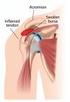 AOBP with thanks to: Dawn Dillinger, DO Kyle Bodley, DO Common maneuvers in some sports that can increase risk for injury Jumping Pivoting while running Sudden stopping while running Maneuvering a ball
SHOULDER INSTABILITY IN PATIENTS WITH EDS
 EDNF 2012 CONFERENCE LIVING WITH EDS SHOULDER INSTABILITY IN PATIENTS WITH EDS Keith Kenter, MD Associate Professor Sports Medicine & Shoulder Reconstruction Director, Orthopaedic Residency Program Department
Evaluating Knee Pain
 Evaluating Knee Pain Matthew T. Boes, M.D. Raleigh Orthopaedic Clinic September 24, 2011 Introduction Approach to patient with knee pain / injury History Examination Radiographs Guidelines for additional
OS TRIGONUM SYNDROME. Incidence: 10% unilateral and 2% bilateral in general population 1. Bilateral occurs in 50% of os trigonum population 4.
 OS TRIGONUM SYNDROME Incidence: 10% unilateral and 2% bilateral in general population 1. Bilateral occurs in 50% of os trigonum population 4. Mechanism of Injury: Os trigonum syndrome occurs due to repetitive,
ASSOCIATED LESIONS COMPLICATIONS OSTEOARTICULAR COMPLICATIONS
 Corrective Osteotomy of Distal Radius Malunion---New Horizons I certify that, to the best of my knowledge, no aspect of my current personal or profession situation might reasonably be expected to affect
.org. Fractures of the Thoracic and Lumbar Spine. Cause. Description
 Fractures of the Thoracic and Lumbar Spine Page ( 1 ) Spinal fractures can vary widely in severity. While some fractures are very serious injuries that require emergency treatment, other fractures can
Osteoarthritis progresses slowly and the pain and stiffness it causes worsens over time.
 Arthritis of the Foot and Ankle Arthritis is the leading cause of disability in the United States. It can occur at any age, and literally means "pain within a joint." As a result, arthritis is a term used
.org. Plantar Fasciitis and Bone Spurs. Anatomy. Cause
 Plantar Fasciitis and Bone Spurs Page ( 1 ) Plantar fasciitis (fashee-eye-tiss) is the most common cause of pain on the bottom of the heel. Approximately 2 million patients are treated for this condition
Synopsis of Causation
 Ministry of Defence Synopsis of Causation Internal Derangement of the Knee Author: Dr Tony Fisher, Medical Author, Medical Text, Edinburgh Validator: Mr Malcolm Glasgow, Norfolk and Norwich University
The Knee: Problems and Solutions
 The Knee: Problems and Solutions Animals, like people, may suffer a variety of disorders of the knee that weaken the joint and cause significant pain if left untreated. Two common knee problems in companion
Calcaneus (Heel Bone) Fractures
 Copyright 2010 American Academy of Orthopaedic Surgeons Calcaneus (Heel Bone) Fractures Fractures of the heel bone, or calcaneus, can be disabling injuries. They most often occur during high-energy collisions
Orthopaedic Approach to Back Pain. Seth Cheatham, MD
 Orthopaedic Approach to Back Pain Seth Cheatham, MD 262 Seth A. Cheatham, MD VCU Sports Medicine I have no financial disclosures. Focus on clinical situations where a referral to an orthopaedic surgeon