
A Cool Therapy for HIE. It s s Here! A Cool Therapy for Neonatal Brain Injury
|
|
|
- Albert Underwood
- 10 years ago
- Views:
Transcription
1 A Cool Therapy for HIE It s s Here! A Cool Therapy for Neonatal Brain Injury Corinne L. Leach, MD, PhD Women and Children s s Hospital of Buffalo Grand Rounds July 25, 2008 I. Case Report II. Extent of the Problem III. Definitions and Diagnosis of HIE IV. Pathophysiology of HIE V. Conventional management VI. New Therapies for HIE Phenobarbital Room air resuscitation Brain Cooling VII. Quality Improvement at WCHOB NICU Continuous Video EEG Delivery Room O2O blenders Systemic Hypothermia Case Report Baby SS was a 2.6 kg AGA product of a 35 1/7 weeks gestation to a 41 yo healthy G4P1 female with an uncomplicated pregnancy until she presented by ambulance to an outlying hospital with severe abdominal pain and fetal bradycardia. Delivered by stat C/S at which time placental abruption was noted. DR: apneic,, HR<60, flaccid. Intubated, cardiac compressions, epi x1. Cord gas: ph<6.8, PCO2 80 s, BE >-30. > Gasping respirations at 4min of life. Apgars 1,5,10 min; no spont movement until 30 min of life. Outside hospital course Hand-bagged ventilation with 100% O2 UVC, UAC placed, 20 ml/kg NSS Seizure onset at 1h of life 20 mg/kg phenobarbital Oozing blood noted PT/PTT/Fibrinogen obtained ABG at 1.5h of life: 7.03/24/173/ Serum glucose 163 mg/dl Partial correction with 2 meq/kg NaHCO3 during transport Arrival at WCHOB NICU Neuro exam: no spontaneous breathing, decreased tone and reflexes; gag present Cardiovascular: no murmur, adequate pulses, BP 52/24, HR 160 Temp 36.6ºC Labs Na 133; BUN 19, Cr 1.5; INR 2.12; Hct 41.1; plt 179K, AST 315, ALT 48 WCHOB Course HIE no spontaneous respiratory x 24h; vent x72h; no spontaneous movement x 36h Metabolic Acidosis persistent for 3h Coagulopathy - FFP 30/kg over first 24h Glucose instability Seizures initial EEG mildly depressed background; normal D3

2 II. Extent of Problem Acute Perinatal Hypoxic-Ischemic Encephalopathy Postasphyxial encephalopathy Incidence: infants per 1000 live term births in developed countries *Unchanged over last 20 years Moderate HIE Mortality: 10% Permanent Disability: 30% of survivors Severe HIE Mortality: 60% Permanent Disability: up to100% of survivors **Up to 30% of CP due to perinatal HIE WCHOB Perinatal Regional Referral Center NICU HIE Incidence Outborn and inborn: 16 infants per year on average Range per year WNY total birth rate: 16,000/yr 131 infants with moderate to severe HIE admitted to WCHOB III. Diagnosis of HIE Criteria Pertinent obstetric event (e.g. uterine rupture, abruption, cord prolapse,, maternal hemorrhage) Measures of impaired placental gas exchange (e.g. cord ph) Poor adaptation at birth and need for resuscitation (e.g. low Apgar scores) Clinical encephalopathy (e.g. low Sarnat scores) Other organ system dysfunction Severity of Perinatal Asphyxia Initial Markers of Severity Neurologic exam Sarnat classification, EEG background pattern Degree of metabolic acidosis and time to correction Cord gas and early infant blood gases Degree of other organ involvement renal compromise transaminase elevation cardiogenic shock Sarnat Classification of HIE Sarnat I (Mild) hyper-alert, staring, irritability, apnea, hypotonia; ; no seizures Sarnat II (Moderate) depressed consciousness, lethargy, hypotonia,, seizures Sarnat III (Severe) stupor, flaccid, unresponsive, decerebrate; ; seizures uncommon

3 EEG in Infant with Severe HIE Multi-system Organ Injuries Vulnerabilit y Clinical Presentation Recoverability Brain ++++ Apnea, Hypotonia, Encephalopathy, Coma, + Sz Kidneys +++ Acute Renal Failure +++ Lungs +++ PPHN, ALI, ARDS ++++ Liver ++ Transaminase Derangement, Coagulopathy ++++ Heart ++ Cardiogenic Shock, Valvular Regurgitaiton ++++ Heme ++ Thrombocytopenia, DIC ++++ Vascular ++ SIRS, capillary leak, sclerema ++++ GI Tract ++ Feeding Intolerance, NEC ++++ IV. Pathophysiology of HIE Brain Responses to Perinatal Asphyxia Shankaran, Clin Ob Gyn 2007; Lorek, Pediatr Res º Energy Failure: cerebral blood flow and O 2 /substrates ATP Tissue acidosis Acute intracellular derangements 2º Energy Failure: cerebral blood flow and O 2 /substrates (reperfusion injury ATP NO tissue acidosis Acute intracellular derangements

4 Regional Patterns of Hypoxic- Ischemic Brain Injury Progression of neuronal injury or loss in term infant with HIE. T1-weighted images Vulnerable (damage associated with Sarnat II) Cerebral Cortex Subcortex and White Matter Deep Central Brain Thalamus, Caudate Nucleus, Internal Capsule Basal Ganglia Hippocampus Vulnerable More Resistant (damage associated with Brainstem (damage associated with Sarnat III) Very Resistant (damage associated with death) Midbrain Cerebellum 5 days 18 days 18 days 7 months Increased high signal Abnormal highlighting of the Diffuse high signal intensity intensity with low signal cortex superiorly with Persistent abnormal high signal throughout the basal cystic components. abnormal low signal intensity intensity in the thalami and ganglia and thalami. consistent with infarction in lentiform nuclei. Considerable Normal white matter the subcortical white matter white matter atrophy. appearance. Rutherford, j.earlhumdev 2005 Supportive Intensive Care V. Conventional Management of the Term Infant with HIE Correction of Hemodynamic and Pulmonary Disturbances Hypotension pressor, inotrope support Metabolic acidosis NaHCO 3 if needed Capillary leak/ SIRS colloid support, steroids, free water restriction Hypoventilation/Apnea IMV support PPHN Nitric Oxide Supportive Intensive Care Correction of Metabolic and Electrolyte Disturbances Hypoglycemia, Hypocalcemia, Hyponatremia Correction of Hypothermia Warmer with servo-control to 37ºC VI. New Therapies for HIE Treatment of Seizures Phenobarbital, EEG Monitoring for Liver and Renal Dysfunction LFT s,, renal ultrasound, lytes,, BUN/Cr

5 HIE Pharmacotherapy Phenobarbital 40 mg/kg 31 infants moderate-severe HIE randomized seizure incidence Phenobarbital 9/15 Control 14/16 3 year normal neurodevelopmental outcome Phenobarbital 11/15 Control 3/16 Hall, J Pediatr 1998 Brain Cooling Nature s s Evidence for Hypothermia Neuroprotection Natural cooling occurs in asphyxiated infant: hypothalamus suppressed by encephalopathy Asphyxiated newborns have decreased temperature to 34.5ºC within 2h of birth (2ºC C less than non-asphyxiated newborns) Burnard 1958 Infants of difficult deliveries unable to generate heat as well as infants that had no difficulty Brück 1961 Infants given GA require active warming compared with children and adults Plattner 1997 Experimental Evidence for Hypothermia Neuroprotection Animal Studies Animal models of brain ischemia: reduction in brain temp by 2-5ºC 2 C offers neuroprotection Favorable effect on multiple pathways contributing to brain injury Excitatory amino acids - Thoresen, Neuroreport 1997 Cerebral energy state - Thoresen, Pediatr Res 1995 Cerebral blood flow and metabolism Baldwin, Am J Physiol 1991 Nitric oxide production - Thoresen, Neuroreport 1997 Apoptosis Edwards, Biochem Biophys Res Commun 1995 Adult Hypothermia Therapy Used in head trauma, stroke, and cardiac arrest Potential Complications of Therapeutic Hypothermia Cold-injury syndrome Culic Culic,, Arch Med Res 2005 Sclerema Multi-system organ damage pulmonary hemorrhage, renal failure, DIC Hypovolemia Glucose instability PPHN

6 Potential Complications of Therapeutic Hypothermia Bradycardia, arrhythmia Hypertension Major venous thrombosis Refractory hypotension Sepsis Hypotension with rapid re-warming Brain Cooling Trials in Infants with HIE Randomized controlled clinical trials Total body cooling Single center pilots Azzoparti,, Pediatrics 2000; Shankaran, Pediatrics 2002; Debillion,, Dev Med Child Neurol 2003 Multi-center pilots Eicher,, 2005 Multi-center Shankaran,, NICHD 2005 Multi-center TOBY, UK pending 2008 Cooling Cap (Plus mild systemic hypothermia) Single center pilots Gunn, 1998; Thoresen,, Pediatrics 2000; Multi-center - CoolCap Gluckman,, 2005 Cooling Cap Total Body Cooling Time (min) Laptook, Pediatrics 2001 Time (min) Laptook, Pediatrics 2001 NICHD Trial Initial Screening 36 weeks gestation Admitted to NICU 6h of life Poor respiratory effort at birth and need for resuscitation or Diagnosis of HIE NICHD Trial Eligibility Criteria ph 7.0 or BE -16 mmol/l within 1h of life OR ph 7.01 to 7.15, or BE -15 to 10 mmol/l within 1h of life or blood gas not available AND Acute perinatal event including late or variable decels, cord prolapse,, cord rupture, uterine rupture, maternal trauma, hemorrhage, or cardiorespiratory arrest AND Either Apgar or assisted ventilation at birth and continued for 10 min

7 Inclusion Criteria NICHD Trial Infants who met above criteria AND Presence of moderate or severe encephalopathy according to table Criteria for Moderate and Severe HIE Category Level of consciousness Spontaneous activity Posture Tone Primitive reflexes Suck Moro Autonomic Pupils Heart rate Respiration Moderate Lethargic Decreased Distal flexion, full extension Hypotonia (focal or general) Weak Incomplete Constricted Bradycardia Periodic breathing Severe Encephalopathy Stupor/coma No activity Decerebrate Flaccid Absent Absent Deviated/dilated/non-reactive Unstable Apnea NICHD, NEJM 2005 Whole Body Hypothermia Trial Whole Body Hypothermia Trial Shankaran, NICHD, NEJM 2005 Shankaran, NICHD, NEJM 2005 Whole Body Hypothermia Trial Whole Body Hypothermia Trial Shankaran, NICHD, NEJM 2005 Shankaran, NICHD, NEJM 2005

8 Summary of Deaths and Survivor Outcomes in Hypothermia Trials Month Outcomes: Hypothermia Trials (n) = %; months Shankaran, Clin Ob Gyn 2007 (n)=%; Visual impairment = blindness Shankaran, Clin Ob Gyn 2007 Hypothermia Bottom Line 2 large randomized controlled trials of therapeutic hypothermia for term newborns with mod-severe perinatal HIE combined outcomes of death and ND disability Few adverse effects mild and transient Support for Hypothermia as Standard of Care AAP Committee on Fetus and Newborn and the NICHD institutions who use hypothermia should employ a rigorous protocol, data collection, and neurodevelopmental F/U Perlman, Pediatrics 2008 It is time to stop postponing the decision to accept hypothermia (at experienced centers that use established protocols) as an effective treatment. It is our duty to explain the benefits and unknowns of cooling and to offer this treatment to every eligible patient with moderate to severe neonatal HIE. NICHD: National Institute of Child Health and Human Development VII. Quality Improvement at WCHOB Perinatal Regional Referral Center NICU QI: How can we improve the outcome of the infant with HIE? New at WCHOB Continuous Video EEG Aspen room; remote 24h monitoring on V7 $42,000 September to Remember NICU Fundraising Event Co-chaired by Dr. Reynolds and NICU parents Oxygen blenders purchased for every DR Enables resuscitation with optimal O 2 Brain Cooling Passive hypothermia on transport Total Body Cooling in the NICU

9 WCHOB Regional Perinatal Referral Center Total body cooling Phase I: Initiation of passive cooling at referring site Turn off warmer in DR and nursery Phase II: Arrival of transport team Transport in unheated isolette Consider cool packs Phase III: Arrival at WCHOB NICU Place on cooling blanket for 72h Appreciation to Drs. Vasanth Kumar and Vivien Carrion

What do we mean by birth asphyxia
 Neonatal Medicine and brain injury in the Infant at term Andrew Whitelaw Professor of Neonatal Medicine University of Bristol What do we mean by birth asphyxia Interruption in oxygen delivery to the fetus
Post - resuscitation management of an asphyxiated neonate
 Post - resuscitation management of an asphyxiated neonate Slide PA 1, 2 Introduction Perinatal asphyxia is a common neonatal problem and contributes significantly to neonatal morbidity and mortality. It
Brain Injury during Fetal-Neonatal Transition
 Brain Injury during Fetal-Neonatal Transition Adre du Plessis, MBChB Fetal and Transitional Medicine Children s National Medical Center Washington, DC Brain injury during fetal-neonatal transition Injury
A8b. Resuscitation of a Term Infant with Meconium Staining. Session Summary. Session Objectives. References
 A8b Resuscitation of a Term Infant with Meconium Staining Karen Wright, PhD, NNP-BC Assistant Professor and Coordinator, Neonatal Nurse Practitioner Program Dept. of Women, Children, and Family Nursing,
Fetal Acid Base Status and Umbilical Cord Sampling. David Acker, MD
 Fetal Acid Base Status and Umbilical Cord Sampling David Acker, MD Part I: Some Background Intra-uterine Event as Causative of CP Cord ph < 7.00 and base excess of > 12 Early onset neonatal encephalopathy
Neonatal Outreach Education Program Course Catalog
 2012 Neonatal Outreach Education Program Course Catalog Photo by Brian Redden (559) 353-5615 (559) 353-6255 Table of Contents Program Overview... 2 General Course Information... 3 Save The Date Children
Newborn outcomes after cesarean section for fetal distress in BC
 Newborn outcomes after cesarean section for fetal distress in BC Patricia Janssen, PhD, UBC School of Population and Public Health Scientist, Child and Family Research Institute Kevin Jenniskens, MSc,
Physiologic Basis for Fetal Heart Rate Monitoring
 Physiologic Basis for Fetal Heart Rate Monitoring Physiologic Basis for Fetal Heart Rate Monitoring The objective of intrapartum fetal heart rate (FHR) monitoring is to prevent fetal injury that might
Cerebral palsy, neonatal death and stillbirth rates Victoria, 1973-1999
 Cerebral Palsy: Aetiology, Associated Problems and Management Lecture for FRACP candidates July 2010 Definitions and prevalence Risk factors and aetiology Associated problems Management options Cerebral
Neonatal Emergencies. Care of the Neonate. Care of the Neonate. Care of the Neonate. Student Objectives. Student Objectives continued.
 Student Objectives Neonatal Emergencies After completing this section the student will be able to: 1. Identify three physiologic and/or anatomic features unique to the newborn 2. List three perinatal factors
Update on Small Animal Cardiopulmonary Resuscitation (CPR)- is anything new?
 Update on Small Animal Cardiopulmonary Resuscitation (CPR)- is anything new? DVM, DACVA Objective: Update on the new Small animal guidelines for CPR and a discussion of the 2012 Reassessment Campaign on
KING FAISAL SPECIALIST HOSPITAL AND RESEARCH CENTRE (GEN. ORG.) NURSING AFFAIRS. Scope of Service PEDIATRIC INTENSIVE CARE UNIT (PICU)
 PICU-Jan.2012 Page 1 of 7 Number of Beds: 18 Nurse Patient Ratio: 1:1-2 : The Pediatric Intensive Care Unit (PICU) provides 24 hour intensive nursing care for patients aged neonate through adolescence.
Cerebral Palsy An Expensive Enigma
 Cerebral Palsy An Expensive Enigma Rhona Mahony National Maternity Hospital A group of permanent disorders of the development of movement and posture, causing activity limitation that are not attributed
TIMING OF ASPHYXIAL INJURY AND BIRTH TRAUMA
 TIMING OF ASPHYXIAL INJURY AND BIRTH TRAUMA Richard C. Halpern, Partner, Thomson Rogers Obstetric Malpractice cases involving asphyxiated newborns present unique challenges to Plaintiffs counsel. Standard
Why the INFANT Study
 The INFANT Study A multi-centre Randomised Controlled Trial (RCT) of an intelligent system to support decision making in the management of labour using the CTG Why the INFANT Study INFANT stands for INtelligent
APPENDIX B SAMPLE PEDIATRIC CRITICAL CARE NURSE PRACTITIONER GOALS AND OBJECTIVES
 APPENDIX B SAMPLE PEDIATRIC CRITICAL CARE NURSE PRACTITIONER GOALS AND OBJECTIVES The critical care nurse practitioner orientation is an individualized process based on one s previous experiences and should
The 5 Most Important EMS Articles EAGLES 2014
 The 5 Most Important EMS Articles EAGLES 2014 Corey M. Slovis, M.D. Vanderbilt University Medical Center Metro Nashville Fire Department Nashville International Airport Nashville, TN VanderbiltEM.com
5/30/2014 OBJECTIVES THE ROLE OF A RESPIRATORY THERAPIST IN THE DELIVERY ROOM. Disclosure
 THE ROLE OF A RESPIRATORY THERAPIST IN THE DELIVERY ROOM Ona Fofah, MD FAAP Assistant Professor of Pediatrics Director, Division of Neonatology Department of Pediatrics Rutgers- NJMS, Newark OBJECTIVES
Obstetrical Emergencies
 Date: July 18, 2014 Page 1 of 5 Obstetrical Emergencies Purpose: To provide the process for the assessment and management of the patient with an obstetrical related emergency. Pre-Medical Control 1. Follow
Standard of Care: Neonatal Intensive Care Unit (NICU) Physical and Occupational Therapy Management of the high risk infant.
 BRIGHAM & WOMEN S HOSPITAL Department of Rehabilitation Services Standard of Care: Neonatal Intensive Care Unit (NICU) Case Type / Diagnosis: The high-risk infant is defined as the baby with any event
Community Ambulance Service of Minot ALS Standing Orders Legend
 Legend Indicates General Information and Guidelines Indicates Procedures Indicates Medication Administration Indicates Referral to Other Protocol Indicates Referral to Online Medical Direction Pediatric
ST. ROSE HOSPITAL EMERGENCY SERVICES THERAPEUTIC HYPOTHERMIA AFTER CARDIAC ARREST PROTOCOL PURPOSE
 PURPOSE To outline the management of therapeutic hypothermia for the patient following cardiac arrest. LEVEL SUPPORTIVE DATA EFFECTS OF THERAPEUTIC HYPOTHERMIA Interdependent. Requires MD order. Cardiac
A look at continuing developments in the field, including history of fetal monitoring and causation issues
 Medical malpractice: Preparation and trial of birth injury cases A look at continuing developments in the field, including history of fetal monitoring and causation issues BY JAMES BOSTWICK Over the past
Epinephrine in CPR. The 5 Most Important EMS Articles EAGLES 2014. Epi vs No-Epi Take Homes 2/28/2014. VF/VT (1990 Pairs) Epi vs No-Epi
 The 5 Most Important EMS Articles EAGLES 214 Corey M. Slovis, M.D. Vanderbilt University Medical Center Metro Nashville Fire Department Nashville International Airport Nashville, TN nephrine in CPR VF/VT
The Sepsis Puzzle: Identification, Monitoring and Early Goal Directed Therapy
 The Sepsis Puzzle: Identification, Monitoring and Early Goal Directed Therapy Cindy Goodrich RN, MS, CCRN Content Description Sepsis is caused by widespread tissue injury and systemic inflammation resulting
Children's Medical Services (CMS) Regional Perinatal Intensive Care Center (RPICC) Neonatal Extracorporeal Life Support (ECLS) Centers Questionnaire
 Children's Medical Services (CMS) Regional Perinatal Intensive Care Center (RPICC) Neonatal Extracorporeal Life Support (ECLS) Centers Questionnaire Date: RPICC Facility: CMS use only Include the following
 GUIDELINES FOR HOSPITALS WITH NEONATAL INTENSIVE CARE SERVICE : REGULATION 4 OF THE PRIVATE HOSPITALS AND MEDICAL CLINICS REGULATIONS [CAP 248, Rg 1] I Introduction 1. These Guidelines serve as a guide
It is recommended that the reader review each medical directive presented in this presentation along with the actual PCP Core medical directive.
 It is recommended that the reader review each medical directive presented in this presentation along with the actual PCP Core medical directive. This presentation will highlight the changes and any new
ACLS PHARMACOLOGY 2011 Guidelines
 ACLS PHARMACOLOGY 2011 Guidelines ADENOSINE Narrow complex tachycardias or wide complex tachycardias that may be supraventricular in nature. It is effective in treating 90% of the reentry arrhythmias.
BIRTH ASPHYXIA The New Consensus Statement
 P.E.L.T. 2015 BIRTH ASPHYXIA The New Consensus Statement Keith Bolton Rahima Moosa Mother & Child Hospital THE HERD IS UNDER THREAT HPCSA CIVIL COURTS CRIMINAL COURTS Background The child with cerebral
Ischemia and Infarction
 Harvard-MIT Division of Health Sciences and Technology HST.035: Principle and Practice of Human Pathology Dr. Badizadegan Ischemia and Infarction HST.035 Spring 2003 In the US: ~50% of deaths are due to
I.O. Phd International Research Program
 Founders A.W.D. Gavilanes, MD, PhD (Maastricht, The Netherlands) D.S.M. Gazzolo, MD, PhD (Alessandria, Italy) F. van Bel, MD, PhD (Utrecht, The Netherlands) G.H.A. Visser, MD, PhD (Utrecht, The Netherlands)
The Initial and 24 h (After the Patient Rehabilitation) Deficit of Arterial Blood Gases as Predictors of Patients Outcome
 Biomedical & Pharmacology Journal Vol. 6(2), 259-264 (2013) The Initial and 24 h (After the Patient Rehabilitation) Deficit of Arterial Blood Gases as Predictors of Patients Outcome Vadod Norouzi 1, Ali
Neonatal Hypotonia. Clinical Approach to Floppy Baby
 Neonatal Hypotonia Clinical Approach to Floppy Baby Hypotonia in the newborn is a common presenting feature of systemic illness or neurologic dysfunction at any level of the central or peripheral nervous
BIRTH INJURY AND NEWBORN BRAIN DAMAGE
 BIRTH INJURY AND NEWBORN BRAIN DAMAGE ROBERT J. TALASKA 1415 North Loop West Suite 200 Houston, Texas 77008 713.869.1240 713.869.1465 fax State Bar of Texas 15 TH ANNUAL ADVANCED MEDICAL MALPRACTICE COURSE
NEONATAL ABSTINENCE SYNDROME AND SCORING SYSTEM
 VIDANT MEDICAL CENTER PATIENT CARE _ SUBJECT: Abstinence Scoring NUMBER: A-1 PAGE: 1 OF: 5 _ NEONATAL ABSTINENCE SYNDROME AND SCORING SYSTEM POLICY: A thorough evaluation of the infant is required in order
Oxygen Therapy. Oxygen therapy quick guide V3 July 2012.
 PRESENTATION Oxygen (O 2 ) is a gas provided in a compressed form in a cylinder. It is also available in a liquid form. It is fed via a regulator and flow meter to the patient by means of plastic tubing
10/30/2013. Causes of neonatal encephalopathy. insult. HIE Meta Trauma Drug Struc Bug Folk??
 On Beyond Cooling- Review of Neonatal Encephalopathy and Its Treatment Head and Body Cooling Learning for Babies 2013 William Walsh, MD Vanderbilt University CNS injury Mechanisms of injury Making the
Medical Direction and Practices Board WHITE PAPER
 Medical Direction and Practices Board WHITE PAPER Use of Pressors in Pre-Hospital Medicine: Proper Indication and State of the Science Regarding Proper Choice of Pressor BACKGROUND Shock is caused by a
Premature Infant Care
 Premature Infant Care Introduction A premature baby is born before the 37th week of pregnancy. Premature babies are also called preemies. Premature babies may have health problems because their organs
Measurement of fetal scalp lactate to determine fetal well being in labour
 Measurement of fetal scalp lactate to determine fetal well being in labour Clinical question Among women at term in labour is the measurement of fetal scalp lactate superior to fetal scalp ph in predicting
THERAPEUTIC INDUCED HYPOTHERMIA GUIDELINES
 THERAPEUTIC INDUCED HYPOTHERMIA GUIDELINES Guidelines for Inclusion: (check all that apply) Cardiac arrest patients with any of the following: Ventricular fibrillation Pulseless Ventricular tachycardia
Cord Blood Erythropoietin and Markers of Fetal Hypoxia
 July 21, 2011 By NeedsFixing [1] To investigating the relationship between cord blood erythropoietin and clinical markers of fetal hypoxia. Abstract Objective: To investigating the relationship between
Southern Stone County Fire Protection District Emergency Medical Protocols
 TITLE Pediatric Medical Assessment PM 2.4 Confirm scene safety Appropriate body substance isolation procedures Number of patients Nature of illness Evaluate the need for assistance B.L.S ABC s & LOC Focused
Septic Shock: Pharmacologic Agents for Hemodynamic Support. Nathan E Cope, PharmD PGY2 Critical Care Pharmacy Resident
 Septic Shock: Pharmacologic Agents for Hemodynamic Support Nathan E Cope, PharmD PGY2 Critical Care Pharmacy Resident Objectives Define septic shock and briefly review pathophysiology Outline receptor
Oxygen - update April 2009 OXG
 PRESENTATION Oxygen (O 2 ) is a gas provided in compressed form in a cylinder. It is also available in liquid form, in a system adapted for ambulance use. It is fed via a regulator and flow meter to the
Vasopressors. Judith Hellman, M.D. Associate Professor Anesthesia and Perioperative Care University of California, San Francisco
 Vasopressors Judith Hellman, M.D. Associate Professor Anesthesia and Perioperative Care University of California, San Francisco Overview Define shock states Review drugs commonly used to treat hypotension
Diabetic Ketoacidosis: When Sugar Isn t Sweet!!!
 Diabetic Ketoacidosis: When Sugar Isn t Sweet!!! W Ricks Hanna Jr MD Assistant Professor of Pediatrics University of Tennessee Health Science Center LeBonheur Children s Hospital Introduction Diabetes
INTRAPARTUM PATHWAYS TO NEONATAL NEUROLOGIC INJURY - A LAWYER S VIEW OF THE MEDICINE
 INTRAPARTUM PATHWAYS TO NEONATAL NEUROLOGIC INJURY - A LAWYER S VIEW OF THE MEDICINE By Richard C. Halpern Partner Thomson Rogers [email protected] 416-868-3215 November 2013 INTRODUCTION Newborn
Perinatal hypoxic-ischemic encephalopathy (HIE) remains a major cause of neurodevelopmental impairment. The
 Perinatal Acidosis and Hypoxic-Ischemic Encephalopathy in Preterm Infants of 33 to 35 Weeks Gestation Lina F. Chalak, MD, MSCS 1, Nancy Rollins, MD 2, Michael C. Morriss, MD 2, Luc P. Brion, MD 1, Roy
Interpretation of Laboratory Values
 Interpretation of Laboratory Values Konrad J. Dias PT, DPT, CCS Overview Electrolyte imbalances Renal Function Tests Complete Blood Count Coagulation Profile Fluid imbalance Sodium Electrolyte Imbalances
BLS TREATMENT GUIDELINES - CARDIAC
 BLS TREATMENT GUIDELINES - CARDIAC CARDIOPULMONARY ARREST - NON-TRAUMATIC (SJ-B101) effective 07/01/99 Defibrillation CPR Apply S-AED and assess rhythm as trained. Defib as indicated Simultaneous OXYGEN:
Addendum to the NRP Provider Textbook 6 th Edition Recommendations for specific modifications in the Canadian context
 Addendum to the NRP Provider Textbook 6 th Edition Recommendations for specific modifications in the Canadian context A subcommittee of the Canadian Neonatal Resuscitation Program (NRP) Steering Committee
CORD BLOOD COLLECTION / ANALYSIS- AT BIRTH
 WOMEN AND NEWBORN HEALTH SERVICE King Edward Memorial Hospital CLINICAL GUIDELINES OBSTETRICS AND MIDWIFERY King Edward Memorial Hospital WOMEN AND NEWBORN HEALTH SERVICE INTRAPARTUM CARE SPECIMEN COLLECTION
Subject: Severe Sepsis/Septic Shock Published Date: August 9, 2013 Scope: Hospital Wide Original Creation Date: August 9, 2013
 Stony Brook Medicine Severe Sepsis/Septic Shock Recognition and Treatment Protocols Subject: Severe Sepsis/Septic Shock Published Date: August 9, 2013 Scope: Hospital Wide Original Creation Date: August
F.E.E.A. FONDATION EUROPEENNE D'ENSEIGNEMENT EN ANESTHESIOLOGIE FOUNDATION FOR EUROPEAN EDUCATION IN ANAESTHESIOLOGY
 créée sous le Patronage de l'union Européenne Detailed plan of the program of six courses 1. RESPIRATORY 1. ESPIRATORY AND THORAX 1.1 Physics and principles of measurement 1.1.1 Physical laws 1.1.2 Vaporizers
NEONATAL RESUSCITATION PROVIDER (NRP) RECERTIFICATION TABLE OF CONTENTS
 NEONATAL RESUSCITATION PROVIDER (NRP) RECERTIFICATION TABLE OF CONTENTS NEONATAL FLOW ALGORITHM.2 INTRODUCTION 3 ANTICIPATION OF RESUSCITATION 4 TEMPERATURE CONTROL.4 CLEARING THE AIRWAY OF MECONIUM 5
Quality of Birth Certificate Data. Daniela Nitcheva, PhD Division of Biostatistics PHSIS
 Quality of Birth Certificate Data Daniela Nitcheva, PhD Division of Biostatistics PHSIS Data Quality SC State Law requires that you file the birth certificate within 5 days of a child s birth. Data needs
Safe Zone: CV PIP < 26; HFOV: MAP < 16; HFJV: MAP < 16 Dopamine infusion up to 20 mcg/kg/min Epinephrine infusion up to 0.1 mcg /kg/min.
 Congenital Diaphragmatic Hernia: Management Guidelines 5-2006 Issued By: Division of Neonatology Reviewed: Effective Date: Categories: Chronicity Document Congenital Diaphragmatic Hernia: Management Guidelines
Why is prematurity a concern?
 Prematurity What is prematurity? A baby born before 37 weeks of pregnancy is considered premature. Approximately 12% of all babies are born prematurely. Terms that refer to premature babies are preterm
Milliman Guidelines NICU Levels*
 Milliman Guidelines NICU Levels* Neonatal Intensive Care Unit Level IV If the following conditions/procedures exist, in addition to the fulfillment of Level III Criteria, the approved inpatient days should
PEDIATRIC TREATMENT GUIDELINES
 P1 Pediatric Patient Care P2 Cardiac Arrest Initial Care and CPR P3 Neonatal Resuscitation P4 Ventricular Fibrillation / Ventricular Tachycardia P5 PEA / Asystole P6 Symptomatic Bradycardia P7 Tachycardia
Neonatal Reference Guide
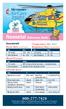 Operated by REACH Air Medical Services Assessment Heart Rate (beats/min.) Age Rate
HYPOXIC-ISCHEMIC BRAIN INJURY of the NEWBORN & CEREBRAL PALSY. Jin S. Hahn, M.D.
 HYPOXIC-ISCHEMIC BRAIN INJURY of the NEWBORN & CEREBRAL PALSY Jin S. Hahn, M.D. Cerebral Palsy: Definition Group of disorders that present after birth characterized by abnormal control of movement or posture
NICE Pathways bring together all NICE guidance, quality standards and other NICE information on a specific topic.
 Diabetic ketoacidosis in children and young people bring together all NICE guidance, quality standards and other NICE information on a specific topic. are interactive and designed to be used online. They
SE5h, Sepsis Education.pdf. Surviving Sepsis
 Surviving Sepsis 1 Scope and Impact of the Problem: Severe sepsis is a major healthcare problem that affects millions of people around the world each year with an extremely high mortality rate of 30 to
Appendix L: HQO Year 1 Implementation Priorities
 Appendix L: HQO Year 1 Implementation Priorities Chronic Obstructive Pulmonary Disease (Source: COPD Chairs) Non-Invasive Positive Pressure Ventilation Early Ambulation If possible, seek patient preferences
CHLAMYDIA SCREENING IN WOMEN
 CHLAMYDIA SCREENING IN WOMEN APPLICATIONS OBJECTIVE Purpose of Measure: ELIGIBLE POPULATION Which members are included? STANDARD OF CARE What screening should be done? NCQA ACCEPTED CODES DOCUMENTATION
ACUTE RESPIRATORY DISTRESS SYNDROME (ARDS) S. Agarwal, MD, S. Kache MD
 ACUTE RESPIRATORY DISTRESS SYNDROME (ARDS) S. Agarwal, MD, S. Kache MD Definition ARDS is a clinical syndrome of lung injury with hypoxic respiratory failure caused by intense pulmonary inflammation that
The importance of acidosis in asphyxia
 The importance of acidosis in asphyxia Janet M Rennie Senior Lecturer in Neonatal Medicine Institute for Women s Health, UCL, London Clinical negligence seminar, 1 Crown Office Row Objectives To review
Adult CCRN/CCRN E/CCRN K Certification Review Course: Endocrine 12/2015. Endocrine 1. Disclosures. Nothing to disclose
 Adult CCRN/CCRN E/CCRN K Certification Review Course: Carol Rauen RN BC, MS, PCCN, CCRN, CEN Disclosures Nothing to disclose 1 Body Harmony disorders and emergencies Body Harmony (cont) Introduction Disorders
Correlation between Umbilical Cord ph and Apgar Score in High Risk Pregnancy
 Original Article Iran J Pediatr Dec 2010; Vol 20 (No 4), Pp:401-406 Correlation between Umbilical Cord ph and Apgar Score in High Risk Pregnancy Mousa Ahmadpour Kacho* 1, MD; Nesa Asnafi 2, MD; Maryam
Rural Health Advisory Committee s Rural Obstetric Services Work Group
 Rural Health Advisory Committee s Rural Obstetric Services Work Group March 15 th webinar topic: Rural Obstetric Patient and Community Issues Audio: 888-742-5095, conference code 6054760826 Rural Obstetric
Priya Rajan, MD Northwestern University September 13, 2013
 Priya Rajan, MD Northwestern University September 13, 2013 o Study Finds Benefits in Delaying Severing of Umbilical Cord nytimes.com, 7/10/13 o Delay cord clamping for baby health, say experts bbc.com.uk,
SARASOTA MEMORIAL HOSPITAL NURSING PROCEDURE
 SARASOTA MEMORIAL HOSPITAL NURSING PROCEDURE TITLE: MAGNESIUM SULFATE ADMINISTRATION FOR ANTEPARTUM AND INTRAPARTUM PATIENTS WITH PRE-TERM LABOR DATE: REVIEWED: PAGES: 6/92 08/11 1 of 6 ISSUED FOR: Nursing
4/15/2013. Maribeth Inturrisi RN MS CNS CDE Perinatal Diabetes Educator [email protected]
 Maribeth Inturrisi RN MS CNS CDE Perinatal Diabetes Educator [email protected] List the potential complications associated with diabetes during labor. Identify the 2 most important interventions essential
Identifying Neonatal Abstinence Syndrome (NAS) and Treatment Guidelines University of Iowa Children s Hospital -2/11/13
 Identifying Neonatal Abstinence Syndrome (NAS) and Treatment Guidelines University of Iowa Children s Hospital -// What is Neonatal Abstinence Syndrome? Neonatal withdrawal after intrauterine exposure
NRP 2012 Putting New Resuscitation Guidelines into Practice
 Outreach Education Online Video Library for Healthcare Professionals NRP 2012 Putting New Resuscitation Guidelines into Practice. Jeanette Zaichkin, RN, MN, NNP-BC December 2, 2010 Program Handouts This
Planning: Patient Goals and Expected Outcomes The patient will: Remain free of unusual bleeding Maintain effective tissue perfusion Implementation
 Obtain complete heath history including allergies, drug history and possible drug Assess baseline coagulation studies and CBC Assess for history of bleeding disorders, GI bleeding, cerebral bleed, recent
EMBARGOED FOR RELEASE
 Systems of Care and Continuous Quality Improvement Universal elements of a system of care have been identified to provide stakeholders with a common framework with which to assemble an integrated resuscitation
STUDY GUIDE 1.1: NURSING DIAGNOSTIC STATEMENTS AND COMPREHENSIVE PLANS OF CARE
 STUDY GUIDE 1.1: NURSING DIAGNOSTIC STATEMENTS AND COMPREHENSIVE PLANS OF CARE WHAT IS A NURSING DIAGNOSIS? A nursing diagnosis is a clinical judgment about individual, family, or community responses to
Over 660 Contact Hours of Online Continuing Nursing Education!
 Over 660 of Online Continuing Nursing Education! Choose from Four Great Series: Clinical Health Care Clinical & Continuing Education MedSenses AACN NetLearning is committed to providing you with the very
STAGES OF SHOCK. IRREVERSIBLE SHOCK Heart deteriorates until it can no longer pump and death occurs.
 STAGES OF SHOCK SHOCK : A profound disturbance of circulation and metabolism, which leads to inadequate perfusion of all organs which are needed to maintain life. COMPENSATED NONPROGRESSIVE SHOCK 30 sec
Diabetic Emergencies. David Hill, D.O.
 Diabetic Emergencies David Hill, D.O. Class Outline Diabetic emergency/glucometer training Identify the different signs of insulin shock Diabetic coma, and HHNK Participants will understand the treatment
COUNTY OF KERN EMERGENCY MEDCAL SERVICES DEPARTMENT. EMS Aircraft Dispatch-Response-Utilization Policies & Procedures
 COUNTY OF KERN EMERGENCY MEDCAL SERVICES DEPARTMENT Final - May 2, 2002 Russ Blind Interim Director Robert Barnes, M.D. Medical Director TABLE OF CONTENTS Section: Topic: Page #: I. Definitions 3-4 II.
Risk Insurance Definitions of the Critical Illness benefits. Dr. Eric Starke Insurance Medical Advisor
 Risk Insurance Definitions of the Critical Illness benefits Dr. Eric Starke Insurance Medical Advisor Why a Critical Illness benefit? A living benefit for a dreaded disease. Dr. Barnard once said the outcome
CEREBRAL PALSY AND MENTAL RETARDATION DEFINITION
 CEREBRAL PALSY AND MENTAL RETARDATION DEFINITION It is a disorder of posture movement and tone due to a static encephalopathy acquired during brain growth in fetal life infancy or early childhood. Though
The effect of blood gas and Apgar score on cord blood cardiac Troponin I
 The 2004;16:315 319 Case Report The effect of blood gas and Apgar score on cord blood cardiac Troponin I Gülcan Türker, Kadir Babaoğlu, Can Duman, Ayşe S Gökalp, Emine Zengin and Ayşe Engin Arısoy From
The Clinical Evaluation of the Comatose Patient in the Emergency Department
 The Clinical Evaluation of the Comatose Patient in the Emergency Department patients with altered mental status (AMS) and coma. treat patients who present to the Emergency Department with altered mental
SUBSTANCE USE DISORDER SOCIAL DETOXIFICATION SERVICES [ASAM LEVEL III.2-D]
![SUBSTANCE USE DISORDER SOCIAL DETOXIFICATION SERVICES [ASAM LEVEL III.2-D]](/thumbs/27/9667060.jpg "SUBSTANCE USE DISORDER SOCIAL DETOXIFICATION SERVICES [ASAM LEVEL III.2-D]") SUBSTANCE USE DISORDER SOCIAL DETOXIFICATION SERVICES [ASAM LEVEL III.2-D] I. Definitions: Detoxification is the process of interrupting the momentum of compulsive drug and/or alcohol use in an individual
SUBSTANCE USE DISORDER SOCIAL DETOXIFICATION SERVICES [ASAM LEVEL III.2-D] I. Definitions: Detoxification is the process of interrupting the momentum of compulsive drug and/or alcohol use in an individual
Using the Electronic Medical Record to Improve Evidence-based Medical Practice. P. Brian Smith Duke University Medical Center Durham, NC
 Using the Electronic Medical Record to Improve Evidence-based Medical Practice P. Brian Smith Duke University Medical Center Durham, NC Disclosure I have no relevant financial relationships with the manufacturer
The Child With Cerebral Palsy
 The Child With Cerebral Palsy Lisa Thornton, MD Medical Director, KidsRehab LaRabida Children's Hospital Schwab Rehabilitation Hospital University of Chicago Pritzker School of Medicine Cerebral Palsy
ACLS Cardiac Arrest Algorithm Neumar, R. W. et al. Circulation 2010;122:S729-S767
 ACLS Cardiac Arrest Algorithm Neumar, R. W. et al. Circulation 2010;122:S729-S767 Copyright 2010 American Heart Association ACLS Cardiac Arrest Circular Algorithm Neumar, R. W. et al. Circulation 2010;122:S729-S767
Head Injury. Dr Sally McCarthy Medical Director ECI
 Head Injury Dr Sally McCarthy Medical Director ECI Head injury in the emergency department A common presentation 80% Mild Head Injury = GCS 14 15 10% Moderate Head Injury = GCS 9 13 10% Severe Head Injury
Neonatal Reference Guide
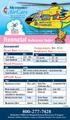 Operated by REACH Air Medical Services Assessment Heart Rate (beats/min.) Rate