
Kenya Nursing Workforce Report. The Status of Nursing in Kenya, 2012
|
|
|
- Brice Flowers
- 10 years ago
- Views:
Transcription
1 Kenya Nursing Workforce Report The Status of Nursing in Kenya, 2012

2

3 Kenya Nursing Workforce Report The Status of Nursing in Kenya, 2012

4 Kenya Nursing Workforce Report: The Status of Nursing in Kenya, 2012 Collaborating Institutions Kenya Ministry of Health (MOH) Nursing Unit Human Resources Department Nursing Council of Kenya (NCK) Kenya Health Workforce Project (KHWP) Emory University U.S. Centers for Disease Control and Prevention (CDC) Donor Support This report was made possible by the support from US President s Emergency Plan for AIDS Relief (PEPFAR) through cooperative agreement number 1U36OE from U.S. Centers for Disease Control and Prevention (CDC), Division of Global HIV/ AIDS (DGHA). Contact Information Ministry of Health Nursing Unit Afya House, Cathedral Road P.O. Box , Nairobi Tel Nursing Council of Kenya NCK Plaza Kabarnet Lane (off Ngong Road) P.O. Box Tel [email protected] The findings and conclusions of this report are those of the author(s) and do not represent the official position of the US Centers for Control and Prevention. 2 KENYA HEALTH Emory University Workforce Project

5 Foreword In Kenya, nurses provide the bulk of direct patient care at all levels of health services delivery. The Kenya Nursing Workforce Report is the first of its kind, providing a comprehensive overview of the status of nursing in Kenya. The report provides county level data on trends in Kenya s nursing workforce to inform health systems strengthening, policy development, and future research, as well as the devolved management of health services at the county level. This report provides data on the supply, regulation, deployment and distribution of nurses in Kenya. Supply and regulation data include enrollment in nurse training, examination, registration with the council, private practice, licensure renewals and intent to migrate. Deployment and distribution data include the employment of nurses in Kenya s public, parastatal and faith-based sectors. Nursing data on county of deployment, facility type and sector of employment is included, as well as data on nursing workforce attrition. This national nursing report will serve as a platform for a future integrated report on the health workforce in Kenya. The development of this national nursing report was made possible by support from the U.S. President s Emergency Plan for AIDS Relief (PEPFAR) through CDC Kenya, who has supported the development of health workforce information systems in Kenya since These information systems, which were developed through a collaboration between the Emory University Kenya Health Workforce Project, Nursing Council of Kenya (NCK) and Kenya Ministry of Health (MOH), include the Regulatory Human Resources Information System (rhris) in the NCK and the Kenya Health Workforce Information System (KHWIS) in the Nursing Unit, formerly the Department of Nursing, MOH. Data from the rhris and KHWIS informed the development of this report. On behalf of the Kenya Ministry of Health, I would like to acknowledge the contributions of several individuals and organizations without whom this report would not have been possible. We would like to thank all stakeholders, specifically the Nursing Unit, the Nursing Council of Kenya, the Human Resources Department, the National Nurses Association of Kenya, the Kenya Progressive Nurses Association, nurse training and employing institutions from the public, private and faith-based sectors, listed in Annex III. Additionally, we want to thank the Emory University Kenya Health Workforce Project and CDC for their technical support, and PEPFAR for the financial support to develop the report. In conclusion, it is our sincere hope that these data will be used by policy makers, program managers and researchers to improve health workforce management and health services delivery in Kenya. Sincerely, Prof. F. H. K. Segor Principal Secretary Ministry of Health

6 Kenya Nursing Workforce Report: The Status of Nursing in Kenya, 2012 Table of Contents Executive Summary... 7 Introduction Kenyan Context Geography and Demography Economic Context Political Context Health Status Kenya s Health System Policy and Governance Service Provision Health Care Financing Tracking Kenya s Health Workforce Health Information Systems Tracking Nursing Supply and Regulation Tracking Nursing Deployment and Distribution Methods Supply and Regulation of Nurses Distribution and Deployment of Nurses Supply and Regulation of Nurses Nurse Training Workforce Entry Nursing Workforce Renewal and Retention Deployment and Distribution of Nurses Employed Workforce Deployment Distribution Workforce Attrition Conclusion Annex I: County Level Data Annex II: Nurse Training Institutions Approved by the NCK, December Annex III: List of Key Stakeholders References

7 Acronyms AIDS ANC ARV BScN CDC CH CHAK CPD DGHA DHIS FBO GDP GHRIS GOK HIV HR IPPD JLI KCCB KCSE KHWIS KHWP KNH KMTC LCC MDG MEDS MFL MOH MoMS MoPHS MTRH NASCOP NCK NGO NHA NHSSP NJSC NU OECD OGAC PEPFAR RH rhris SUPKEM SWAp TB THE TOK WDI WHO Acquired Immune Deficiency Syndrome Antenatal Care Antiretroviral Bachelor of Science in Nursing Centers for Disease Control and Prevention Child Health Christian Health Association of Kenya Continuing Professional Development Division of Global HIV/AIDS District Health Information System Faith Based Organization Gross Domestic Product Government Human Resources Information System Government of Kenya Human Immunodeficiency Virus Human Resources Integrated Personnel Payroll Database Joint Learning Initiative Kenya Catholic Conference of Bishops Kenya Certificate of Secondary Education Kenya Health Workforce Information System Kenya Health Workforce Project Kenyatta National Hospital Kenya Medical Training College Lillian Carter Center for Global Health and Social Responsibility Millennium Development Goal Mission for Essential Drugs and Supplies Master Facility List Ministry of Health Ministry of Medical Services Ministry of Public Health and Sanitation Moi Teaching and Referral Hospital National AIDS and STI Control Programme Nursing Council of Kenya Non-governmental Organization National Health Accounts National Health Sector Strategic Plan National Joint Steering Committee Nursing Unit Organization for Economic Co-operation and Development Office of the Global AIDS Coordinator President s Emergency Plan for AIDS Relief Reproductive Health Regulatory Human Resources Information System Supreme Council of Muslims of Kenya Sector Wide Approach Tuberculosis Total Health Expenditure Trained Outside of Kenya World Development Indicators World Health Organization 5

8 Kenya Nursing Workforce Report: The Status of Nursing in Kenya, 2012 List of Tables 1.1 Percent Population Distribution by Age Group, Location, and Year 1.2 Population Distribution by Province 1.3 Economic Indicators 1.4 Main Causes of Mortality 1.5 Health Indicators 2.1 Salary Ranges by Public Sector Nursing Job Groups 5.1 Public, Private and Faith-based Training Institutions Student to Tutor Ratios 5.2 Licensure Registration Exam Performance by Training Institution Agent, Nursing Specialty Areas for Deployed Nurses 6.2 Deployment by Facility Type and Nursing Cadre List of Figures 2.1 Levels of Care under the Kenya Essential Health Package 2.2 Breakdown of Total Health Expenditure by Funding Source 5.1 Map of Nurse Training Institutions by Sponsoring Agent and County 5.2 Trends in Nurse Training Annual Enrollment, Ratio of Newly Trained Nurses by County of Origin with Training Institutions 5.4 Trends in Pre-service Attrition and Failure to Register with NCK, Trends in New Nurse Registration with the NCK, Ratio of Newly Registered Nurses per 100,000 Population by County of Origin 5.7 Ratio of Nurses per 100,000 Population Nursing Workforce by County of Origin 5.8 Ratio of Nurses Ever Registered by County of Origin with Training Institutions 6.1 Age of Nursing Workforce by Sector of Employment 6.2 Nursing Educational Cadre by Sector of Employment 6.3 Length of Employment by Sector 6.4 Year of First Employment for Deployed Workforce by Sector, Public, Parastatal and Faith-based Nurse Deployment by Facility Type 6.6 Ratio of Nurses per 100,000 Population by County of Deployment List of Annexes Annex I County Level Data Annex II Nurse Training Institutions Approved by the NCK, December 2013 Annex III List of Key Stakeholders 6

9 Executive Summary The purpose of this report is to provide a situation assessment of the nursing workforce in Kenya. Accessible and up-to-date information on human resources for health is essential to health sector planning. This report explores trends in nurse training, examining the flow of nurses into the national supply and the regulation of nursing practice, as well as the deployment of nurses in the public, parastatal and faith-based sectors. 1 Supply and Regulation of Nurses In Kenya, the Nursing Council of Kenya (NCK) set standards related to the education and practice of nurses. The NCK uses the Regulatory Human Resources Information System (rhris) to track nurses through the process of training, examination and registration to practice nursing. The rhris provided data for this report on the supply and regulation of nurses in Kenya. As of mid-2013, the NCK has approved 83 nursing training institutions of which 53.0% are public, 32.5% are faith-based and 14.5% are private. Training institutions offer programs at the certificate, diploma and degree level and are located in 30 of Kenya s 47 counties. In Kenya, nurses are trained at three levels, certificate (i.e. an enrolled nurse), diploma (i.e. a registered nurse) and degree (i.e. Bachelor of Science in Nursing (BScN)). From , 25,415 new students enrolled in nurse training with the annual intake tripling between 2003 (1,545 new students) and 2012 (4,294). Over half of the nursing students (57.4%) trained at one of the 28 Kenya Medical Training Colleges (KMTCs). For nurse training, the NCK recommends a tutor to student ratio of 1:10. The KMTCs have an average tutor to student ratio of 1:22, demonstrating the need for more faculty at government sponsored training colleges. The average tutor to student ratio at faith-based and private institutions is 1:14 and 1:7 respectively. Student nurse attrition, or failure to register with the NCK, for students that enrolled in training from was 8.8%. To enter the register, graduates must pass the NCK licensure exam. Starting in 2012, the NCK offered licensing exams four times per year at 96 exam centres across Kenya. In 2012, 4,273 students sat for the NCK exam with a pass rate of 82.3%. Students who fail the licensure exam are allowed to retake the exam. From , 17,579 nurses passed their licensure exam and registered with the NCK to practice in Kenya. The annual number of nurses registering to enter the workforce doubled between 2003 (1,423 newly registered nurses) and 2012 (2,908). For the nurses newly registered with the NCK, 74.2% are diploma nurses with certificate and degree nurses at 19.6% and 6.2% respectively. In Kenya, the nursing workforce eligible to practice is comprised of nurses that have registered with the NCK. The public sector retirement age is 60 years of age, while nurses over 60 years are still eligible to work in the private and faith-based sectors. As of 2012, there were 50,025 nurses aged 60 years of age or younger registered to practice nursing in Kenya and 5,066 over 60 years. 2 For nurses aged 60 years and under, diploma nurses comprise 57.8% of the workforce, followed by certificate nurses (39.2%) and degree nurses (3.0%). 1 Since only 64.4% of private facilities reported their nursing deployment data to the Kenya Health Workforce Information System, this report could not include private sector nurse deployment. 2 This number includes nurses registered with the NCK since 1960, but does not account for death, out-migration and other forms of attrition. 7

10 Kenya Nursing Workforce Report: The Status of Nursing in Kenya, 2012 Kenya, like many other countries in the region, now requires nurses to obtain continuing professional development (CPD), which is linked to licensure renewal. The NCK also requires nurses to renew their licenses every three years. From , 39,919 nurses renewed their practice licenses, accounting for 79.8% of nurses ever registered aged 60 years or younger. This provides a more accurate picture of the active nursing workforce in Kenya with a ratio of nurses per 100,000 population. The World Health Organization (WHO) recommends 250 health care workers (doctors, nurses and midwives) per 100,000 population [1]. In 1991, the NCK began issuing private practice licenses that enable nurses to run private clinics and nursing homes. From , the NCK issued 1,612 private practice licenses. Enrolled nurses account for 85% of licenses issued with 15% issued to registered nurses. The NCK requires only three years of clinical experience as eligibility to apply for a private practice license. The majority of nurses that received private practice licenses had between years (32.5%) and years (34.0%) years of experience. Almost half of private practice nurses (45%) were aged years of age. Deployment and Distribution of Nurses Based on 2012 deployment data from the Kenya Health Workforce Information System (KHWIS), maintained by the Nursing Unit, formerly the Department of Nursing, Ministry of Health (MOH), there are 19,591 nurses deployed at 4,187 health facilities across Kenya, including public, parastatal and faith-based facilities. The public sector employs 16,671 of these nurses, followed by 2,246 employed in Kenya s two parastatal national referral hospitals Kenyatta National Hospital and Moi Teaching and Referral Hospital and the remainder at faith-based facilities. The number of nurses working within private facilities is not known since most of these facilities are not currently reporting to the MOH. When comparing the ages of nurses employed in the public and faith-based sectors, the faith-based sector employs a higher percentage of younger nurses aged years (26%) compared to the public sector (6%), while the public sector employs a higher percentage of nurses aged years (28%). The majority of the public sector nursing workforce trained at the diploma level (52.5%). While enrolled nurses comprise a smaller percentage of the Kenyan nursing workforce ever registered aged 60 years or younger (39.2%), they constitute 46.4% of nurses employed in the public sector. In Kenya, nurse deployment differs across facility types. While hospitals only comprise 8.4% of health facilities, 67.9% of the nursing workforce is deployed in hospitals. Dispensaries comprise 72.0% of health facilities, but only account for 17.7% of deployed nurses. Health care administration is streamlined in Kenya, as government management offices only account for 3.5% of health facilities and 3.1% of the deployed nursing workforce. Based on deployment data reported to the MOH and captured in the KHWIS, the national nurse to population ratio for deployed nurses is 51.5 nurses per 100,000 population 3. However, the nurse to population ratios vary by county. Isiolo (122.8 nurses per 100,000 population), Embu (104.8) and Nyeri (101.7) counties have the highest nurse to population ratios, while Wajir (19.9), Turkana (12.2) and Mandera (8.6) counties have the lowest. For the deployed nursing workforce, 13% have post-basic training in specialty areas. While 79.5% of the nursing workforce received basic midwifery training as part of their pre- 8 3 The ratio of 51.5 nurses per 100,000 population is based on nurses deployed at government, faith-based and parastatal facilities (i.e. private facility nurse deployment is not captured); while the ratio of nurses per 100,000 population is based on the number of nurses registered with the NCK aged 60 years or younger that have renewed their licenses from

11 service education, an additional 10% of deployed nurses have a post-basic specialization in midwifery (i.e. advanced training). Another 3% of the deployed nursing workforce has specialty training in other areas, including psychiatry, ophthalmology, pediatrics, perioperative, anesthesia, critical care, nephrology and accident and emergency. Based on data from the Integrated Personnel Payroll Database (IPPD), the leading cause of workforce attrition is retirement (37%), followed by death (28%) and dismissal (19%). Another cause of workforce exit is out-migration, as indicated by data from the rhris on licensure verifications, which provide data on intent to migrate, not actual migration. Nurses may submit multiple verification applications to migrate. From , 1,149 nurses applied to migrate, accounting for 1,278 total applications. During this period, there was an average of 256 annual applications to migrate, a 37.4% decrease compared to the previous nine years. 9

12 Kenya Nursing Workforce Report: The Status of Nursing in Kenya, 2012 Introduction Health service delivery requires strong governance, appropriate financing, a functional supply chain, sufficient commodities, accessible health facilities and an adequate health workforce. The aim is a robust health system through which the health workforce can deliver quality patient care. In Kenya s health care system, health professionals are the life giving force the doctors, nurses, clinical officers, laboratory technicians and technologists, radiographers and radiologists, pharmacists, nutritionists and dieticians, dentists, health managers, and public health officers and technicians among others. The health workforce ensures patients can access needed preventive, diagnostic and curative services. In Kenya, the nursing workforce plays a vital role in health service delivery, providing the bulk of direct patient care. In 2004, Kenya s doctor to nurse ratio was 1 doctor for 8.24 nurses [1]. Yet even as nurses comprise a substantial portion of the health workforce in Kenya, areas remain where there are insufficient nurses to meet patient demand. In the past, Kenya s nursing workforce shortage coexisted with the unemployment of trained nurses [2] a paradoxical situation resulting from the macro-economic policies of international finance institutions. These policies included economic structural adjustment programs that limited public sector spending on the health workforce [3]. These hiring ceilings meant that the Ministry of Health (MOH) could no longer directly hire and deploy new nursing graduates. Since 2006, the Government of Kenya (GOK) This report explores trends in nurse training, examining the supply of nurses into the national registry and the regulation of nursing practice, as well as the deployment of nurses in the public, parastatal and faith-based sectors. has been working to create the fiscal space necessary to hire and deploy more qualified licensed nurses to meet the demands for service delivery through the Emergency Hire Program and more recently in 2010 through the Economic Stimulus Package. To inform health sector planning, health managers and policy makers require a robust understanding of workforce dynamics. This includes a better understanding of the nursing workforce supply pipeline and skill-mix required at the facility level. In order to promote health, prevent the spread of disease, and offer quality care, Kenya must ensure that its nursing workforce is well regulated and comprised of licensed professionals that are strategically deployed and equitably distributed at each level of care. Addressing these complex issues requires timely and accurate data on which to base workforce decisions. Information systems that gather health workforce data to drive and enhance the management of human resources for health are a key component of health systems strengthening. Through data systems such as the Regulatory Human Resources Information System (rhris), Kenya Health Workforce Information System (KHWIS), Integrated Personnel Payroll Database (IPPD), and Human Resource (HR) data systems, Kenya s health professional regulatory agencies and MOH collect health workforce information, specifically regulatory, deployment, payroll, and HR management data respectively. Together, these information systems collect nursing data, among other health workforce data on the training and licensing of nurses, as well as nursing workforce deployment at the facility level. These data systems are workforce management tools that assist policy makers and health managers to answer key questions facing Kenya s health sector. Similar to other sub- Saharan African countries, Kenya faces numerous workforce challenges including scaling- 10

13 up its nursing workforce, the maldistribution of nurses, global nurse migration and issues of workforce retention as it strives to meet the Millennium Development Goals (MDGs) [4]. The purpose of this report is to provide a situation assessment of the nursing workforce in Kenya. Accessible and up-to-date information on human resources for health is essential to health sector planning. This report explores trends in nurse training, examining the supply of nurses into the national register and the regulation of nursing practice, as well as the deployment of nurses in the public, parastatal and faith-based sectors. This document seeks to provide comprehensive, county-level data on trends in Kenya s nursing workforce that will inform health systems strengthening, policy development, and future research as Kenya devolves the management of its health services to the county level. 11

14 Kenya Nursing Workforce Report: The Status of Nursing in Kenya, 2012 Chapter One Kenyan Context Age Group This section provides a general overview of Kenya, as the context in which the nursing workforce is produced and deployed. 1.1 Geography and Demography Kenya, located in East Africa, boarders five countries and two bodies of water with Ethiopia to the north, Somalia to the northeast, Tanzania to the south, Uganda and Lake Victoria to the west, South Sudan to the northwest, and the Indian Ocean to the southeast. Table 1.1: Percent Population Distribution by Age Group, Location, and Year Urban Rural Total Urban Rural Total < 5 years years years years Sample Population 7,344 29,784 37,128 7,416 30,602 38,019 Source: Kenya Demographic and Health Surveys 2003 [6] and 2009 [5]. With the constitutional referendum passed in August 2010 and following the general election in March 2013, Kenya transitioned from eight provinces that were sub-divided into districts into a new governance structure comprised of 47 counties and a national level. While Kenya has a total land area of 571,466 square kilometers, only 20% of this land is arable. The climate in Kenya varies by elevation, with the coastal region experiencing warmer weather year round and regions in closer proximity to bodies of water receiving more rainfall. Kenya has two wet and two dry seasons, with long rains from March to May, short rains from October to December, and dry seasons in between [5]. Kenya s population grew by 34% in ten years, from 28.7 million people in 1999 to 38.6 million 2009, similar to the 34% growth increase from 21.4 million people in 1989 to 1999 [7]. A disproportionate percentage of Kenya s population live in rural areas (67.7%), compared to urban dwellers (32.3%) (Table 1.1) [7]. In rural areas, only 26.3% of women received any education beyond primary school compared to 57.6% of urban dwelling women. A disproportionate number of Kenyan s live in counties that comprise Kenya s former Rift Valley Province (Table 1.2). Table 1.2: Population Distribution by Province Nairobi Central Coast Eastern North Eastern Nyanza Rift Valley Western Kenya 3,138,369 4,383,743 3,325,307 5,668,123 2,310,757 5,442,711 10,006,805 4,334,282 38,610,097 Source: Kenya 2009 Population and Housing Census Highlights [7]. 1.2 Economic Context While Kenya experienced economic growth from , averaging over 5% per year, this growth halted after 2007 due to political violence, harsh droughts, the global economic downturn and limited investment. In 2009, economic growth was 2.2% with inflation at 9.3% and 40% of the population unemployed [8]. 12

15 Chapter 1: Kenyan Context Although economic instability is still a threat (Table 1.3), Kenya launched an Economic Recovery Strategy in which the health sector is identified as a top priority. In 2009/10, Kenya spent 1.62 million dollars on health, a 20% increase over 2005/06, and had a total health expenditure (THE) of 5.4% of gross domestic product (GDP) [8]. While the Abuja declaration recommends that governments spend at least15% of their national budget on health, Kenya only spent 4.6% of its total budget on health in 2009/10. This is down from 8.6% in 2001/02. In Kenya, health care expenditures are tracked using the national health accounts (NHA), which tracks the funding sources, financing agents, healthcare providers, and services and products purchased [8]. Health care financing in Kenya is discussed further in Section 2.3. GDP per capita (constant 2000 US$) Table 1.3: Economic Indicators Kenya Year of Data Total Average Value in Sub-Saharan Africa Year of Data Source of Data , WDI-2010 GDP growth (annual %) WDI-2010 Per capita total expenditure on health at international dollar rate WHO 1.3 Political Context During the general elections on March 4, 2013, Kenyans elected their fourth President, as well as governors, senators and members of the national assembly in line with the August 2010 constitution, which was supported by 67% of Kenyans. The previous eight provinces are now organized in 47 counties to which power and oversight is being Private expenditure on health as % of total expenditure on health Out-of-pocket expenditure as % of private expenditure on health WHO WHO Gini Index WDI-2010 Source: Kenya National Health Accounts 2009/10 [8]. devolved, [9] with the distribution of functions between the national and county governments. The new government has a leaner central structure with 18 ministries. Each ministry is overseen by a Cabinet Secretary appointed by the President [9]. Following the general election, the former Ministry of Medical Services (MoMS) and Ministry of Public Health and Sanitation (MoPHS) merged to form the Ministry of Health (MOH), overseen by a Cabinet Secretary. The devolution of health related functions under the new constitution will shape the future of the health system, specifically the staffing of health facilities. 1.4 Health Status Life expectancy in Kenya in 2011 was 60.0 years [10], an increase from 56.6 years in 1995 [5]. In Kenya, communicable diseases (Table 1.4), maternal and perinatal conditions and nutritional deficiencies comprise 72% of the burden of disease, while non-communicable diseases and injuries comprise 20% and 8% respectively [10]. In 2013, 59% of people had access to safe water and 31% to basic sanitation (Table 1.5). Kenya is working to meet the MDG 7 goal where 72% of Kenyans will have access to safe water and 63% to basic sanitation by 2015 [10]. 13

16 Kenya Nursing Workforce Report: The Status of Nursing in Kenya, 2012 MDG 6 is aimed at combating HIV/AIDS, malaria and other diseases. In 2001, the HIV/ AIDS prevalence among adults aged years was 7.7%. The goal is to decrease this prevalence by half by 2015 [10]. While HIV/AIDS remains the leading cause of mortality in Kenya (Table 1.4), the HIV/AIDS prevalence is decreasing at 5.6% in 2012 [13]. Kenya was formerly Table 1.4: Main Causes of Mortality Table 1.5: Health Indicators Main Causes of Mortality Percentage Indicators Unit 1. HIV/AIDS 38 Life Expectancy (years) Lower Respiratory Infections Diarrheal Diseases 7 4. Tuberculosis 5 5. Malaria 5 6. Cerebrovascular Disease 4 Crude Mortality Rate (15-60 years per 1,000) Under 5 Mortality Rate (per 1,000 live births) Maternal Mortality Rate (per 100,000 live births) Ischemic Heart Disease 4 8. Perinatal Conditions 4 9. Road Accidents Chronic Obstructive Pulmonary Disease Source: WHO (2006) Country health profile of Kenya [11]. 2 HIV/AIDS Prevalence (%) 6.2 Access to Safe Water (%) 59 Access to Sanitation (%) 31 Source: WHO (2013) Kenya: health profile [12]. organized by provincial boundaries, across which disease burden varies. The former Nyanza Province has a HIV prevalence of 15.1% - triple that of Nairobi and Western [13]. In 2009, 62% of people in need of ARVs had access with a goal of 100% access by In 2008, the rate of tuberculosis (TB) in Kenya (180 per 100,000 population) was almost three times the 2015 goal [10]. While HIV/AIDS remains Kenya is working to reduce maternal mortality to 95 women the leading cause of mortality per 100,000 live births by However, maternal mortality in in Kenya, the HIV/AIDS prevalence Kenya was 360 per 100,000 in 2013 (Table 1.5) [10]. In the former North Eastern Province, only 69.5% of childbearing women is decreasing at 5.6% in report receiving antenatal care (ANC) compared to 88.4% or more of women in other provinces. Delivery at a health facility is also lowest in the former North Eastern Province (17.3%) followed by the former Western (25.3%) and Rift Valley (32.9%) Provinces. While women in North Eastern cite reasons for not attending ANC, such as facility closure, distance, or poor quality services, women in Western Province cite distance and cost. Major reasons cited by women in Rift Valley for not delivering at a facility include distance and that facility birth is unnecessary [4]. 14
![While HIV/AIDS remains the leading cause of mortality in Kenya (Table 1.4), the HIV/AIDS prevalence is decreasing at 5.6% in 2012 [13]. Kenya was formerly Table 1.4: Main Causes of Mortality Table 1.](/docs-images/40/3944762/images/page_16.jpg "5: Health Indicators Main Causes of Mortality Percentage Indicators Unit 1. HIV/AIDS 38 Life Expectancy (years) 60 2. Lower Respiratory Infections 10 3. Diarrheal Diseases 7 4. Tuberculosis 5 5.")
17 Chapter 2: Kenya s Health System Chapter Two: Kenya s Health System This section outlines Kenya s health system, including health policy and governance, service provision, and health financing. 2.1 Policy and Governance Health policy in Kenya is outlined in the Vision 2030 and the Kenya Health Policy Framework, , in line with the Millennium Development Goals, These policies are translated into 5-year medium-term strategic objectives, outlined in the Second Medium Term Plan for the overall government and the Kenya National Health Sector Strategic Plan (NHSSP) III, for the health sector. The NHSSP II, , and NHSSP III, , promote a Sector Wide Approach (SWAp) to health care, including partnership among public and private entities, including the Government of Kenya, international donors, non-profits organizations, non-governmental organizations, civil society organizations and faith-based organizations. To guide the implementation of strategic objectives, the SWAp identifies priority investments to achieve the overall medium-term objectives, which are outlined in a Joint Program of Work and Funding to guide and prioritize health interventions [14]. Previously, the MoMS oversaw curative services delivered though government hospitals and the MoPHS was responsible for health promotion and preventive services delivered through government health centres and dispensaries at the community level. Together, the ministries of health worked closely to promote health and deliver health services in Kenya [15]. The respective Directors of Medical Services and Public Health and Sanitation served as the technical heads of health care delivery, overseeing health policy development, coordination, and implementation. Each health cadre, including nursing, clinical officers, laboratory technicians and technologists, and doctors, had a national head to which their provincial officers reported. All district officers reported to provincial officers. The restructured health sector includes national-level and county-level governments. Following the 2013 presidential election, MoMS and MoPHS merged to form the Ministry of Health (MOH), which has a lean national government operations as governance is moved down to the county level [16]. The NHSSP III, , will guide service delivery at the national and county levels moving forward [16] in line with Kenya s new constitution. National-level government functions consist of policy formation and the management of national referral hospitals, while county-level functions include the management of health facilities and service provision within the county, as well as the recruitment and retention of health care workers to staff those facilities [17]. In Kenya, regulatory bodies govern the licensure and registration of health care professionals. These include the Kenya Medical Practitioners and Dentists Board, the Nursing Council of Kenya, the Kenya Medical Laboratory Technicians and Technologists Board, the Clinical Officers Council of Kenya, the Pharmacy and Poisons Board, the Kenya Nutritionists and Dieticians Institute, the Radiation Protection Board, and Public Health Officers and Technicians Council among others. Each regulatory body is responsible for upholding ethical and professional standards of practice for their health care. 15

18 Kenya Nursing Workforce Report: The Status of Nursing in Kenya, Service Provision In Kenya, the public sector provides approximately 50-60% of the health services, while the remaining health services are provided by the private and faith-based sectors [18,19]. According to the Master Facility List (MFL) as of 2013, there were 4,031 public sector health facilities, 3,550 private and 1,057 According to the Master faith-based facilities in Kenya [20]. In 2009/10, 46% of the total Facility List (MFL) as of 2013, health expenditure (THE) went to the public sector, followed there were 4,031 public sector health by 23% to the private and not-for-profit sectors, 14% to public facilities, 3,550 private and 1,057 health programs, 8% to health administration, 8% to community faith-based facilities in Kenya. health workers and 1% to other avenues of health delivery [8]. This health care financing supports service delivery in Kenya organized under the Kenya Essential Package for Health (KEPH), which outlines six levels of service delivery (Figure 2.1) [15,21]. Under the NHSSP III, it is envisioned that these six levels of care will be condensed to four tiers [16]. Level one service delivery includes Primary Health Care at the Community Level. This level ensures the delivery of health promotion and preventative services. It requires approximately 15,200 community health workers to be fully realized [21], as these services are community-based. Figure 2.1: Levels of Care under the Kenya Essential Health Package 6 Tertiary hospitals 5 Secondary hospitals 4 Primary hospitals 3 Health centres, maternities, nursing homes 2 Dispensaries/clinics INTERFACE 1 Community: Village/households/families/individuals Source: Republic of Kenya (2010) Reversing the trends [15]. Level two services are delivered through Dispensaries. Dispensaries represent the lowest level of facility-based, out-patient service delivery. The MOH recommends staffing 2-5 nurses per dispensary and 48% of dispensaries met this goal in The challenge will be to ensure adequate staffing for the remaining facilities, which are understaffed or those that have closed due to lack of staff [22]. Level three service delivery occurs via Health Centres and Nursing Homes. Health centres constitute the lowest level of inpatient care, in conjunction with out-patient and maternity services. In Kenya, all nursing homes are privately owned; whereas, the GoK operates 70% of health centres [23]. The MOH recommends staffing 8-12 nurses per health centre [24]. In 2012, 17% of health centres met or exceeded this goal with the remainder staffed by less than eight nurses. Level four service delivery is provided through District and Sub-district Hospitals. This is the primary level of hospital care, offering access to select specialized services. The MOH recommends one district or subdistrict hospital per population catchment of 250,000. Historically, over 55% of all public 16
![According to the Master Facility List (MFL) as of 2013, there were 4,031 public sector health facilities, 3,550 private and 1,057 According to the Master faith-based facilities in Kenya [20].](/docs-images/40/3944762/images/page_18.jpg "In 2009/10, 46% of the total Facility List (MFL) as of 2013, health expenditure (THE) went to the public sector, followed there were 4,031 public sector health by 23% to the private and")
19 Chapter 2: Kenya s Health System sector medical staff doctors, nurses, and clinical officers worked in level four facilities [22]. Previously, level five service delivery occured via Provincial and Regional Referral Hospitals. Every former province, except Nairobi, has a provincial hospital, which offers access to specialized medical services and in-patient care. Level five services are now being transitioned to county referral hospitals. Level six service delivery is provided through National Referral Hospitals. Kenya has two parastatal national referral hospitals Kenyatta National Hospital (KNH) and Moi Teaching and Referral Hospital (MTRH) and two national referral hosptials Mathari National Teaching and Referral Hospital and the National Spinal Injuries Hospital which provide access to highly specialized medical services. Private referral hospitals include The Mater Hospital, Aga Khan University Hospital, Nairobi Hospital, M.P. Shah, Karen Hospital and Avenue Hospitals among others. In Kenya, faith-based organizations (FBOs) also play a large role in the delivery of health services, especially the Kenya Catholic Conference of Bishops (KCCB) and the Christian Health Association of Kenya (CHAK). The KCCB operates 446 health facilities in Kenya, including 83 hospitals. CHAK represents a national network of Protestant supported health facilities and health programs comprised of 24 hospitals, 45 health centres, 312 dispensaries, and 53 health programs [25]. Together KCCBand CHAK run the Mission for Essential Drugs and Supplies (MEDS), which provides 1,500 facilities with high quality medical supplies. The Supreme Council of Muslims of Kenya (SUPKEM) also supports the delivery of health services comprising about 1% of facilities in Kenya [25], including 44 community health projects. Globally, nurses provide the bulk of direct patient care. This is especially true in Africa where the number of doctors per population is quite low, leaving nurses to fill the gap. In 2004, Kenya s doctor to nurse ratio was 1 doctor for every 8.24 nurses [1], with nurses staffing dispensaries and the majority of health centres. Kenya is one of thirty-six sub-saharan African countries facing a critical shortage of health care workers [1]. 2.3 Health Care Financing In 1998, Kenya began using the National Health Accounts (NHA) to track the flow of resources spent on health. NHA tracks total health expenditure (THE) for the country including the funding sources, financing agents, distribution of health funds, and spending on priority health areas (e.g. HIV and reproductive health). The NHA also informs the national health sector strategic plan (NHSSP) [8]. Figure 2.2: Breakdown of Total Health Expenditure by Funding Source In 2009/10, Kenya s THE was Kshs billion. Funding sources include a mixture of private (37%), donors (34%) and government (29%) resources (Figure 2.2). The financing agents, or managers of these health funds, included non-governmental organizations (NGOs) (29%), the ministries of health (27%), outof-pocket (25%), private insurance (7%), Source: Kenya National Health Accounts 2009/10 [8]. 17

20 Kenya Nursing Workforce Report: The Status of Nursing in Kenya, 2012 the National Hospital Insurance Fund (5%), parastatal (2%) and private institutions among others [8]. Health financing translates into health services delivery as these funds reach hospitals, health facilities and villages to enhance public health promotion and the provision of care. While the majority of THE supports level 4-6 facilities, including national referral, provincial, district and sub-district hospitals, there has been an increase in the amount of THE that supported level 1-3 health services, including community programs, dispensaries and health centres. In 2009/10, 49% of THE was utilized on hospitals with 20% on health centres, dispensaries, clinics and pharmacies. Fourteen percent of THE was spent on public health programming. Spending on community health workers increased from 1% in 2005/06 to 8% in 2009/10, representing a significant increase in investment in public health promotion at the lowest level [8]. From 2005/06 to 2009/10, there was a marked change in the services THE purchased with significant decreases in acute care spending and increases to primary care. While 22% percent of the THE was spent on inpatient care, an 11% decrease from 2005/06, 39% was spent on outpatient care, a 19% increase in absolute values. Similarly, spending on public health prevention and promotion increased to 23% of THE, up 133% from 2005/06. Pharmaceutical spending increased to 3% of THE for 2009/10, representing a 30% increase from 2005/06 and spending on health care administration decreased to 9% of THE for 2009/10, down 25% from 2005/06 [8]. Additionally, the NHA has subaccounts to track disease specific spending on HIV, reproductive health (RH), malaria, TB, and child health (CH). In 2009/10, Kenya spent Kshs 30.1 billion ($398 million) on HIV prevention, care and treatment, an 11% increase from 2005/06. In 2009/10, spending on HIV services accounted for 24.4% of THE with 51% coming from donors such as PEPFAR, the Global Fund and the Clinton Health Access Initiative. Private and public HIV funding sources accounted for 28% and 21% of THE respectively. Thirty-seven percent of THE spent on HIV supported public sector services, followed by 21% to community health workers, 17% to providers of health programs, 15% to for-profit providers, and 7% to non-profit providers. Thirty-three percent of HIV THE financed outpatient HIV services, followed by 32% to HIV prevention and public health programming, 19% to inpatient HIV care and 1% to pharmaceuticals. Kenya continues to struggle to improve maternal health (MDG 5). In 2010, maternal mortality was estimated to be 360 per 100,000 live births still nearly four times the national goal [26]. In 2009/10, Kenya s THE on RH was Kshs 17 billion ($225 million) a 23% increase in reproductive health spending over 2005/06. Funding for RH came largely from the public sector (40%), followed by private (38%) and donors (22%). The majority of these funds (63%) supported reproductive health services delivered through level 4-6 hospitals; whereas, 14% of THE on RH supported health centres, clinics and dispensaries and 11% supported reproductive health programming [8]. In Kenya, malaria accounts for 19% of all mortality. THE on malaria for 2009/10 was Kshs 30.7 billion ($405 million), accounting for 25% of THE. The majority of malaria financing came from private sources (52%), followed by public (31%) and donor (17%) funding. The public sector providers accounted for 58% of THE on malaria services, followed by 25% to private providers and 9% to community health workers. Outpatient and inpatient malaria services accounted for the largest percentage of THE on malaria (74%) with 10% going to malaria prevention and public health promotion [8]. 18

21 Chapter 2: Kenya s Health System As noted, nurses provide the majority of direct patient care. In Kenya s public sector, approximately 56% of nurses earn between Kshs 31,020 Kshs 41,590 (USD $365-$489) per month with 30% earning slightly less and 13% earning above that range (Table 2.1). Public sector health workforce salaries are a significant factor when considering health care financing. Job Group Table 2.1: Salary Ranges by Public Sector Nursing Job Groups, 2012 Percent per Job Group Salary Range (Kshs)/month Enrolled Nurse III 8.0% 16,692 21,304 Enrolled Nurse II 2.6% 19,323 24,662 Enrolled Nurse I 6.8% 24,662 29,918 Senior Enrolled Nurse 44.6% 31,020 41,590 Nursing Officer III 9.1% 19,323 24,662 Nursing Officer II 3.8% 24,662 29,918 Nursing Officer I 11.9% 31,020 41,590 Senior Nursing Officer 12.7% 35,910 45,880 Assistant CNO, Senior Assistant, Deputy, Senior Deputy, CNO 0.4% 41, ,928 Source: IPPD data from the HR Department, MOH,
22 Kenya Nursing Workforce Report: The Status of Nursing in Kenya, 2012 Chapter Three: Tracking Kenya s Health Workforce This section describes some key information systems in Kenya s health sector, including systems that track health facilities, burden of disease and service delivery, public sector personnel management, and the supply and deployment of professional health workers. Health workforce information systems, which link databases from health professional regulatory bodies with databases in the Ministry of Health, provide real-time, accurate information on the supply and deployment of Kenya s health workforce. 3.1 Health Information Systems Critical to addressing human resource needs is the creation of effective workforce information systems that are capable of providing accurate information required for human resource planning, development and management. One of the Critical to addressing human resource needs is the creation of effective workforce information systems that are capable of providing accurate information required for human resource planning, development and management. major problems that low-income countries face in assessing workforce capacity is the lack of interoperable electronic database systems that can be utilized to monitor the supply pipeline, track clinical education and development, and assess staffing needs. There are several information systems in Kenya s health sector, each capturing different aspects of health service delivery, including information systems that track burden of disease and service delivery, payment for services, public sector personnel management, medical commodities and the supply and deployment of the health workforce. At this time, there is little exchange of information between various information systems in Kenya s health sector. However, Kenya is working towards a more integrated health information system. Since most information systems in the health sector house facility level data, meaning the data collected is linked to a specific health facility, the MFL was developed to map all health facilities and has been incorporated into several other information systems. The MFL is a web-based system ( which captures data including the health facility code, name, postal address, location, district, division, sub-location, plot number, ownership, type, constituency, land line, mobile, fax, , person in charge, in charge and phone, services provided, number of beds, number of cots, and status (e.g. operational, inactive, closed). Having a common facility identifier allows data from the various information systems to be periodically matched or even linked, creating a more accurate picture of health service delivery in Kenya. This process enhances data accuracy and facilitates more complex analyses. The MFL is a first step towards a more integrated health information system, which will give policy makers and health managers the resources they need to make informed decisions for Kenya s health sector [27]. The Department of Health Information Systems in the MOH houses the District Health Information System (DHIS-2). DHIS-2 is a web-based system ( that facilitates data collection, storage, analysis and utilization. This system supports the capture of data from health facilities, including burden of disease and service delivery. Data on morbidity and mortality by cause are reported using DHIS-2 (e.g. pneumonia, HIV, diarrhea), pro- 20
23 Chapter Three: Tracking Kenya s Health Workforcee viding a rich source of data on inpatient and outpatient services. DHIS-2 captures data and generates reports from public, private and faith-based health facilities [27]. The Integrated Personnel Payroll Database (IPPD) and the Government Human Resources Information System (GHRIS) track payroll data on public sector employees. The newer GHRIS is web-based with personal and administrative access. Personal access enables public sector employees to update their personal data in real time as changes occur. The HR Department, Public Service Department, and Department of Personnel Management use the administrative access to manage HR functions for public sector employees. IPPD is not webbased, but housed in the HR Department in the MOH, capturing key data elements related to the public sector workforce, including pay station, pay grade, terms of service (e.g. temporary or permanent), date of last promotion, cadre (e.g. lab technician or clinical officer), date of first hire, marital status, gender, date of birth and name of employee [27]. The HR Department in the MOH is developing a web-based system to streamline the management of public sector HR functions, using the ihris Manage software [27]. This information system captures public sector health workers demographic information and tracks employees through the hiring and deployment process. ihris Manage also collects data on employee transfer, training, and promotion. Computerizing the personnel management process will facilitate a more efficient public sector recruitment and deployment process [27]. To track the supply and deployment of Kenya s health workforce, regulatory and deployment databases have been developed for doctors, dentists, nurses, laboratory technicians and technologists, clinical officers, pharmacists and nutritionists. The health professionals deployment database, the Kenya Health Workforce Information System (KHWIS), is housed in the MOH [28]. The health professionals training and regulation databases, which form the Regulatory Human Resource Information System (rhris), are housed in specific professional regulatory boards and councils. Data from the KHWIS and rhris was used as the basis for this report. 3.2 Tracking Nursing Supply and Regulation The Nursing Council of Kenya regulates the practice of nursing in Kenya, including the training of nurses, approval of nurse training institutions, maintenance of the national nursing registry and private practice nurses. For each of these functions, the council uses the rhris to capture key data. The Nursing Council of Kenya uses the rhris for timely data retrieval and analysis to inform the regulation of nursing in Kenya. The NCK collects specific information related to nurse training. All nurse training institutions, whether public, private or faithbased, are required to be approved by the NCK and submit data on the enrolment of new nursing students. The NCK assigns each student an index number, which serves as a unique identifier for that individual through graduation and into their nursing career. The NCK also collects key demographic data when students begin their training, including their county of origin, secondary school, date of birth and gender. During the student s training, the council collects information on training disruptions, final examination, licensure, registration and nursing specialty. The NCK administers a national qualification exam for certificate (enrolled), diploma (registered) and degree (BScN) nurses. Upon successful completion of this exam, certificate and diploma nurses can apply to enter the national register, while BScN nurses must complete a 1-year internship prior to entering the register. Some The Nursing Council of Kenya uses the rhris for timely data retrieval and analysis to inform the regulation of nursing in Kenya. 21
24 Kenya Nursing Workforce Report: The Status of Nursing in Kenya, 2012 exceptions to the internship requirement are made for nurses upgrading from diploma to BScN based on their experience. Once in the register, nurses are given a registration number. During the hiring process, employers are encouraged to confirm nurses registration with the NCK, verifying their credentials to practice nursing in Kenya. To maintain an updated national register, the NCK tracks information such as continuing education, retention, disciplinary action, and migration. For education, the NCK tracks both upgrades in academic education and short courses. An academic upgrade is when a nurse advances their educational status from enrolled to registered or registered to a bachelor s degree. Academic upgrades also include post-basic training in specialty areas (e.g. critical care). Masters degrees and PhDs are recognized as special qualifications. Short courses include continuing professional development to ensure up-to-date skills. Retention, or licensure renewal, is required every three years. At this point, the NCK updates each nurse s personal information and confirms that the nurse has completed the required continuing professional development. The NCK also grants permission to nurses trained outside of the country to practice in Kenya and verifies nursing credentials for Kenyan nurses applying to migrate. The latter information can be used to estimate the number of nurses that intend to leave the country. Finally, the NCK collects data on the regulation of private practice and nursing education in Kenya. Nurses that open a private practice must register with the council and submit a facility inspection report from their local supervising authority. The council also conducts inspections of nurse training schools to ensure certain standards are maintained with respect to tutor capacity, the physical facilities, transportation, bed capacity, and bed occupancy. The rhris facilitates the work for the NCK, as they monitor nurse training, update the national register, and regulate nursing practice in Kenya. The information system enables the NCK to perform its everyday duties with more ease and in a timely manner. For example, employers can easily verify a candidate s nursing credentials with the NCK during the hiring process to screen for fraudulent certificates. In this manner, the NCK utilizes the health workforce information system to enhance their regulation of the practice of nursing in Kenya. The registration number allows nurses regulatory information from the rhris to be 3.3 Tracking Nursing Deployment and Distribution The Ministry of Health governs the deployment of nurses at linked with their deployment information from the KHWIS. the national and county level in Kenya s public sector. To ensure the appropriate skill-mix and distribution of nurses, the Nursing Unit (NU), previously known as the Department of Nursing, collects specific data on nurse deployment using the KHWIS. This includes demographic information, such as date of birth, marital status, gender, as well as key educational information, such as academic qualifications, nursing specialty, registration number, training school, and license number. Nurses are tracked by personal identifiers, including a personnel number, which is assigned when a nurse joins public sector service with MOH, and a registration number, which is assigned to each nurse when they register with the NCK. The registration number allows nurses regulatory information from the rhris to be linked with their deployment information from the KHWIS. The NU also captures human resource data, including the date of first appointment, the position, promotional status, and attrition. The information system captures deployment facility data, mapped according to each facility s MFL code, including 22
25 Chapter Three: Tracking Kenya s Health Workforcee the facility type, location, and nurse s ward. Facility types indicate deployment in a ministry office, provincial hospital, district hospital, health centre, dispensary or other facility type. The NU manages nursing deployment centrally in conjunction with the provincial nursing offices, although this structure is changing in conformity with the devolved structures and services to the county level. At the time this data set was obtained, reporting to the KHWIS occurred in the following manner. Each provincial nursing office generates staffing reports on a quarterly basis, which capture the nurses deployed at public facilities in each province. The provincial offices send reports to the district health offices, which deliver them to the facilities for updates. Facility managers note changes in staffing on the report and send it back to the district nursing office, which then sends it to the provincial nursing office. The provincial nursing office then enters any staffing changes into the electronic health workforce information system, updating deployment information. Since the public sector only delivers half of the nursing services in Kenya, the NU is partnering with faith-based and private organizations to collect deployment information on nurses working in their facilities, although this information remains incomplete at present, particularly for the private sector. 23
26 Kenya Nursing Workforce Report: The Status of Nursing in Kenya, 2012 Chapter Four Methods The data for this report were obtained from the rhris in the NCK and the KHWIS in the NU, which capture supply and deployment data on nurses, respectively. During the development and review of this report, key stakeholders from the Kenya s health sector, including leaders from public, private and faith-based institutions provided technical advice on areas of analysis and reporting related to the training, regulation and deployment of nurses in Kenya. These stakeholders are listed in Annex III. 4.1 Supply and Regulation of Nurses For this report, the NCK provided data on the supply and regulation of nurses in Kenya using the rhris. This report examines several areas, including student nurse training and internships, newly registered nurses, the eligible nursing workforce, renewal and retention, educational upgrades, private practice and out-migration. Through stakeholder consultations, the Heads of Departments for Standards and Ethics, Education, Examination and Registration at the NCK provided information on the standards and regulation of nursing education and practice. Trends in student nurse training were analyzed using a 10-year timeframe from This data provides information on Kenya s nurse production capacity, including the types of nurses trained, nurse training institution production and students county of origin, age and gender. The number and distribution of training schools and internship centres as of mid are also described, as well as the training school or internship centre sponsoring agent (e.g. GOK, private or faith-based). The percentage of nurses that enrolled in training from but failed to enter the national register is also reported (i.e. student nurse attrition). This report also examines trends related to newly registered nurses over a 10-year timeframe from Newly registered nurses are described by their year of entry into the register, class of nurse, age, gender, county of origin and nationality. The eligible nursing workforce was defined as all nurses registered with the NCK to practice nursing in Kenya. The NCK began registering nurses in Since the public sector mandatory retirement age is 60, the nursing workforce was calculated using nurses registered with the NCK aged years. Nurses over 60 years of age are reported separately, as these nurses are eligible for service in the private and faith-based sectors. The nursing workforce is described in terms of the number of nurses registered, age, gender, nationality, county of origin, as well as their county of training, class of nurse (e.g. enrolled, registered, BScN), and specialty area. In Kenya, nurses are required to renew their practice license every three years. Licensure renewal provides a better understanding of the active nursing workforce in Kenya. Renewals are reported for a 5-year period from The number of unique nurses renewing their licenses is also reported, as nurses could have renewed more than one time in the 5-year period. Educational upgrades are reported for nurses already registered with the NCK that obtained an additional certificate, diploma or degree from Upgrades were clas At the time of analysis in mid-2013, the NCK had approved 83 nurse training institutions. By December 2013, the NCK had approved 97 nurse training institutions, which are listed in Annex II by county, sponsoring sector and courses offered.
27 Chapter 4: Methods sified either as horizontal or vertical horizontal meaning that the nurse obtained an additional qualification at or below the previous level of education and vertical meaning that the nurse upgraded from certificate to diploma or diploma to degree. Upgrades were analyzed according to the number of years nurses waited after initially registering with the NCK to obtain an upgrade. The NCK began approving nurses to practice privately starting in The number of private practice nurses was analyzed from , looking at the age, gender, educational qualifications, county of practice and time since entering the registry to the commencement of private practice. 4.2 Deployment and Distribution of Nurses For this report, the NU provided data as of December 2012 on the distribution and deployment of nurses in Kenya using the KHWIS. To determine the percent of facilities reporting their nursing staff to the NU, the number of reporting facilities in the KHWIS was compared to the total number of health facilities listed in the MFL by sector. Reporting varied by sector with parastatal hospitals reporting at 100% i.e. Kenyatta National Hospital and Moi Teaching and Referral Hospital, public facilities at 84.9%, faith-based facilities at 71.8% and private facilities at 64.4%. Since the number of private facilities reporting was so low and data were missing from the majority of major private hospitals, nursing workforce data for the private sector was excluded from this report. However, data from the MFL was used to report on the number, type and location of private facilities in Kenya [20]. The nursing workforce for the public, parastatal and faith-based sectors is described for the facilities reporting, including the number of nurses employed and basic demographic information such as age and gender. The nursing workforce for these sectors is also described by the nurses educational qualifications, specialty skills, average length of employment and hiring trends using the date of first employment. The KHWIS was used to report the number of public, parastatal and faith-based health facilities, describing the various facility types (e.g. dispensaries, health centres, etc.) and the number of nurses per facility type. Nurse to population ratios were calculated at the national and county levels for Kenya using the number of nurses deployed in public, parastatal and faith-based facilities. Nurse to population ratios at the county level were compared to the national average to identify disparities in nurse distribution across counties. Data from IPPD was analyzed to provide information on nursing workforce attrition from , including the leading causes of attrition. Attrition was also reported by nursing class (e.g. enrolled or registered). The potential loss of nurses due to out-migration was reported using data from the NCK based on requests for licensure verification by year from This migration data was compared to previously reported trends [29]to assess for changes in intent to migrate. 25
28 Kenya Nursing Workforce Report: The Status of Nursing in Kenya, 2012 Chapter Five Supply and Regulation of Nurses This section provides data on the supply and regulation of nurses in Kenya. Nurse training is described in terms of pre-service education including approved nurse training institutions, tutor to student ratios and trends in new student enrollment. Workforce entry includes newly registered nurses, as well as nurses trained outside of Kenya. The nursing workforce is described in terms of nurses that are registered with the NCK and eligible to practice nursing in Kenya, including those in private practice. Renewal and retention data provides information on the active nursing workforce in Kenya, including those that have upgraded their academic qualifications. Figure 5.1: Map of Nurse Training Institutions by Sponsoring Agent and County 5.1 Nurse Training Pre-Service Education In Kenya, all nurse training institutions must be accredited and approved by the NCK. To apply for accreditation, a nurse training institution must submit a completed accreditation application form and a copy of their curriculum to the NCK, which then issues further guidelines. Once the institution has met all required guidelines, the NCK s Finance Department issues an invoice and the Standards Department identifies an inspection team. Recommendations from the inspection team s report are presented to the Discipline, Standards and Ethics Committee and to the Full Council for consideration. Pending approval by the Full Council, a certificate of accreditation is issued to the institution. In cases where institutions are denied accreditation, they are informed of the outstanding conditions to be fulfilled in order to receive a certificate of accreditation. As of mid-2013, the NCK had approved 83 nurse training institutions in Kenya 5. One fifth of all nurse training institutions are located in Nairobi (18), followed by Kiambu (5), Nyeri (5), Meru (5), Uasin Gishu (5), and Kisii (4) with 24 counties having between 1-3 training institutions. There are 17 counties 26 5 At the time of analysis in mid-2013, the NCK had approved 83 nurse training institutions. By December 2013, the NCK had approved 97 nurse training institutions, which are listed in Annex II by county, sponsoring sector and courses offered.
29 Chapter 5: Supply and Regulation of Nurses with no nurse training institution namely counties in the North East and South West. Of the 83 approved institutions, 53.0% are public, 32.5% are faith-based and 14.5% are private. The distribution of nurse training institutions by sector varies across counties (Figure 5.1). In Kenya nurse training institutions may offer programs at three levels certificate, diploma and degree. Both BScN and diploma programs produce registered nurses; whereas, certificate programs produce enrolled nurses. The number of certificate programs has decreased over the past 10 years in favor of diploma nursing programs. The standards to enter nurse training vary by program. The Kenya National Exams Council administers the Kenya Certificate of Secondary Education (KCSE), a qualifying exam for all secondary school students (equivalent to high school). Students applying to degree programs must have a minimum KCSE of C+ or higher in English/Kiswahili, math or physics, chemistry, and biology [30]. Students applying to diploma programs must have a minimum KCSE aggregate of C, with at least a C in English/Kiswahili and biology, C- in physics, chemistry or maths [30]. Students applying to certificate programs must have a minimum KCSE aggregate of C-, including a C- or higher in English/Kiswahili and biology and a D+ or higher in maths, physics or chemistry. To upgrade from a certificate to diploma, the nurse must have a certificate in nursing, be registered with the NCK, and have a minimum KCSE aggregate of C-. To upgrade from a diploma to degree, the nurse must have a diploma in nursing, be registered with the NCK and have a minimum KCSE of C. The NCK also sets standards regarding faculty for nursing programs and institutions. Faculty teaching in degree programs are required to have a master s degree with at least two years of clinical nursing experience, as well as preparation in education and curriculum development and evidence of participation in scholarly activities. Faculty teaching in diploma programs are required to have a bachelor s degree in nursing with at least two years of clinical experience, as well as preparation in education and curriculum development and be current with their continuing professional development [30]. The NCK recommends tutor to student ratios for nursing education and clinical placements. For classroom instruction, the NCK recommends a ratio of 1 tutor to 10 students [30]. For clinical instruction, the NCK recommends 1 clinical tutor for every 6 students in long-term care, health centre, and dispensary settings. In general wards, the NCK recommends 1 clinical tutor for every 4 students. In intensive care wards, high dependency units, and labor wards, the NCK recommends 1 clinical tutor for every 2 students [30]. While the NCK recommends 1 tutor to 10 students for classroom instruction, the actual ratios vary across nurse training institutions. At the Kenya Medical Training Colleges (KMTCs), the tutor to student ratios vary from a low of 1 tutor to 6 students to a high of 1 tutor to 50 students, while the average is 1 tutor to 22 students, demonstrating the need for additional nursing faculty in many of the institutions. Tutor to student ratios are slightly lower at faith-based and private training institutions, where the average is 1:14 and 1:7, respectively. While the NCK recommends 1 tutor to 10 students for classroom instruction, the actual ratios vary across nurse training institutions. 27
30 Kenya Nursing Workforce Report: The Status of Nursing in Kenya, 2012 Table 5.1: Public, Private and Faith-based Training Institutions Student to Tutor Ratios Sector Public Private Faith- Based Type of Institution Mid-Level College Number of Institutions Tutor : Student Ratio (N=66) LOW HIGH RANGE AVERAGE 26 1:6 1: :22 University 5 1:1 1: :19 Mid-Level College 4 1:5 1:12 7 1:7 University 3 1:7 1:11 4 1:7 Mid-Level College 24 1:4 1: :14 University 4 1:5 1: :14 Currently, there are 33 approved BScN internship centres in Kenya of which 20 are government affiliated and 13 are private or faith-based. Students in enrolled and registered nursing programs complete clinical training during their nursing education, while BScNs are required to complete a 1-year internship following their graduation. The majority of internship centres (63.6%) are located in 8 counties, including Nairobi with 5 centres, Mombasa with 4 and Meru, Kisii, Kakamega, Kiambu, Nyeri, and Kisumu with 2 each (Annex 1.1). Production Capacity From , 25,415 students entered training at pre-service nursing institutions. The annual intake of new students almost tripled from 1,545 in 2003 to 4,294 in 2012 (Figure 5.2). During these 10 years, 81.1% of students enrolled in diploma programs, follow by 10.0% in certificate and 8.9% in BScN programs. These students trained in 83 nurse training institutions across Kenya. From , the Government of Kenya trained 65.6% of new nursing students, while the faith-based and private sectors trained 28.8% and 5.6% respectively. Over half the nursing students (14,588), or 57.4%, trained at one of the 28 Kenya Medical Training Colleges (KMTC). Of the new students training in nursing, 62.4% (15,383) trained in 10 of Kenya s 47 counties, including Nairobi (2,755), Meru Figure 5.2: Trends in Nurse Training Annual Enrollment, (1,902), Nyeri (1,727), Uasin Gishu (1,551), Kakamega (1,505), Kiambu (1,347), Homa Bay (1,267), Kisii (1,197), Embu (1,129) and Mombasa (1,002). These 10 counties have a range of 2 (Embu and Mombasa) to 18 (Nairobi) training institutions. At the time this cohort ( ) was trained, 30 of Kenya s 47 counties had at least one nurse training institution. Many of Kenya s 17 counties without nurse training institutions have lower ratios of newly trained nurses to the county population (e.g. Mandera, Wajir, Narok, Marsabit, Lamu, Tana River, and Kajiado) (Figure 5.3) (Annex 1.2). 28
31 Chapter 5: Supply and Regulation of Nurses Figure 5.3: Ratio of Newly Trained Nurses by County of Origin 6 with Training Institutions The demographics of newly trained nurses shifted slightly over the past 10 years. Over a quarter of student nurses trained between were male (28.7%), which represents a 5% increase compared to the percentage of males in the overall nursing workforce (23.6%). However, female nurses still comprise the majority of newly trained nurses (71.3%). The majority of students were aged years (82.2%) with 11.3% aged years, 4.2% aged years, and 2.0% aged years. Between , 9,179 nurses in this cohort started training. Of these nurses, 16.4% started certificate programs, 74.9% diploma programs and 8.7% degree programs. 6 County of origin is defined as the county the nurse is from at the time they enter pre-service training. 29
32 Kenya Nursing Workforce Report: The Status of Nursing in Kenya, 2012 For student nurses that enrolled in training from , 92.2% of all new students successfully completed training, For student nurses that passed their licensure exam and registered with the NCK. Of the enrolled in training from 8.8% that failed to register with the NCK, failure to register was , 92.2% of all new students highest among BScN students at 29.7%, followed by diploma successfully completed training, (7.1%) and certificate (5.8%) students (Figure 5.4). While reasons passed their licensure exam and for failure to register among BScN students were not captured in registered with the NCK. the NCK database, these graduates may seek other opportunities within the health sector that may not require registration with nursing council. In 2009, the GOK began hiring 200 BScN nurse interns per year to try and increase the numbers of BScN graduates that successfully complete their internship and register with the NCK. The spike in failure to register among BScNs that enrolled in training in 2007 may be due to the fact that BScNs require 4 years of training followed by a 1-year internship, which can take longer to complete. Thus, it is possible that some BScNs that started training in 2007 went on to register in 2013, after this dataset was obtained. Figure 5.4: Trends in Pre-service Attrition and Failure to Register with NCK, Workforce Entry Newly Registered The annual number of newly qualified nurses entering the workforce doubled from 1,423 in 2003 to 2,908 in In 2012, the pass rate on the NCK licensure exam was 82.3% for new graduates. Following graduation from a nurse training institution and successful completion of an internship (for BScNs), all nurses are required to take the NCK licensing exam. There are 96 exam centres across 29 counties. Nairobi has 22.9% of the exam centres, followed by Kiambu, Meru and Uasin Gishu, which each accounted for 6.3% of exam centres. Starting in 2012, the NCK offered licensing exams four times per year in January, February, July and August, with a total of 4,273 students taking the NCK exam. In 2012, the pass rate on the NCK licensure exam was 82.3% for new graduates. Exam failure rates were similar across students trained at gov- 30
33 Chapter 5: Supply and Regulation of Nurses Table 5.2: NCK Registration Exam Performance, 2012 Sector Public (GOK) No. Training Institutions Enrolled Candidates (% Passed) Registered Candidates (% Passed) BScN Candidates (% Passed) TOTAL Candidates No. (%) Failed Proportion (%) Passed Average Tutor: Student Ratio , , (18.4) :22 Private (15.9) :07 FBO , (16.5) :14 TOTAL (74.1) 3,697 (82.9) 433 (79.5) 4, (17.7) :17 ernment, private and faith-based institutions, ranging from 15.9% for private to 16.5% for faith-based to 18.4% for government institutions in 2012 (Table 5.2). By cadre, exam pass rates varied from 74.1% for enrolled candidates to 79.5% for BScN candidates to 82.9% for diploma candidates. Students who fail the NCK exam are eligible to retake the exam during the next exam period. From , 17,579 newly qualified nurses registered with the NCK to practice in Kenya. The annual number of newly qualified nurses entering the workforce doubled from 1,423 in 2003 to 2,908 in The number of newly registered enrolled nurses fell from 627 in 2003 to 242 in 2012 due to the phasing out of enrolled nursing programs (Figure 5.5). Conversely, the number of newly registered diploma nurses rose from 716 in 2003 to 2,448 in Newly registered BScN increased from 80 in 2003 to 218 in 2012 (Figure 5.5). Figure 5.5: Trends in New Nurse Registration with the NCK, Of the newly qualified nurses that entered the register from , 74.2% were diploma prepared registered nurses, 19.6% were certificate prepared enrolled nurses and 6.2% were degree prepared BScN nurses. Over a quarter of these newly qualified nurses that entered the NCK national register were male (26.1%) with the majority being female (73.9%). However, 37.3% of newly registered BScN nurses were male. 31
34 Kenya Nursing Workforce Report: The Status of Nursing in Kenya, 2012 The demographic details of new nurses entering the workforce were largely young Kenyans. The majority of newly qualified nurses were between years of age (94.8%) with 4.4% between years of age, 0.6% between years of age and 0.2% between years of age. Of the newly qualified nurses, 99.5% were Kenyan with an additional 17 nurses coming from India (0.1%) and 17 from Rwanda (0.1%) among other countries in the region and abroad. While the newly qualified nurses came from all 47 counties (i.e. their county of origin), there were large disparities between the numbers of new nurses from each county. Kenya produced 42.6 nurses per 100,000 population (Figure 5.6) from Compared to the national ratio, newly registered nurses were 3.2 times more likely to come from Embu county, 2.7 times more likely to come from Baringo and Nyeri counties, 1.8 times more likely to be from Kisii and 1.7 times more likely to be from Nairobi. Nurses were least likely to be from Kwale, Mandera and Turkana counties, which produced only 10%, 16% and 22% of the national ratio. Nurses from nine counties, including Nairobi, Kisii, Meru, Kiambu, Nyeri, Embu, Nakuru, Uasin Gishu, and Baringo, comprised 51.3% of all new nurses entering the national registry from Figure 5.6: Ratio of Newly Registered Nurses per 100,000 Population by County of Origin 32 Trained Outside of Kenya The NCK also registers nurses that were trained outside of the country to practice nursing in Kenya. Nurses trained outside of Kenya (TOK) undergo a formal application process where they apply for registration in Kenya and their certifications and training documents are verified. Applicants are then interviewed by a panel, which either approves them to undertake a three-month internship or recommends they sit a written exam. Successful interviewees and examinees then complete an internship. Successful interns are given clearance to pay registration fees, after which they are entered into the register and receive a practice license. The NCK faces some challenges registering nurses that trained outside of Kenya. The entry criteria for nurse training institutions vary by country. Since some students do not meet the entry criteria for nursing training in Kenya, they train in neighboring countries and return to Kenya to practice. Some countries do not have nursing councils or boards of nursing, which complicates the process of verifying applicants credentials. This process is essential to ensure applicants are not presenting forged certificates. In some instances,
35 Chapter 5: Supply and Regulation of Nurses there are communication challenges related to language barriers experienced by some foreign nurses. From , the NCK registered 883 nurses trained outside of Kenya, averaging 177 nurses per year. Of these, 58.9% (520) were registered nurses (i.e. diploma and BScN) and 41.1% (363) were enrolled nurses. Nurses trained outside of Kenya account for 6.1% of the nursing workforce entering the registry annually, which remained consistent over the five-year period. 5.3 Nursing Workforce Nurses trained outside of Kenya account for 6.1% of the nursing workforce entering the register annually, which remained consistent over the five-year period. Ever Registered to Practice Since the NCK began registering nurses in 1960, over 61,500 nurses have registered in Kenya. For the 55,091 nurses that ever registered with age data, there were 50,025 (90.8%) nurses aged 60 years or younger registered to practice in Kenya as of While the mandatory public sector retirement age is 60, there were still 5,066 (9.2% of the workforce) nurses over the age of 60 registered to work and eligible for service in the private and faith based sectors. Of the 50,025 nurses eligible for public sector work, 21.4% are aged years, 27.9% are years, 27.2% are years and 23.5% are years. While the majority of the nursing workforce aged 60 years or younger is female (76.4%), males (23.6%) now comprise nearly a quarter of Kenya s nurses. Most nurses registered to work in Kenya aged 60 years or younger are Kenyan (99.8%) with 69 nurses from other African countries, 20 from India, and 19 from high-income countries. In Kenya, the ratio of nurses is per 100,000 population based on the number of nurses ever registered aged 60 years or younger captured in the rhris. At the county level, the majority of the nursing workforce aged 60 years or younger is from Nyeri, Embu, Baringo, Meru, and Kisii counties, which contribute nurses at 3.7, 2.9, 1.9, 1.8 and 1.5 times the national level average respectively. Turkana, Mandera and Kwale counties contributed the least number of nurses. Figure 5.7: Ratio of Nurses per 100,000 Population Nursing Workforce by County of Origin 33
36 Kenya Nursing Workforce Report: The Status of Nursing in Kenya, 2012 Figure 5.8: Ratio of Nurses Ever Registered by County of Origin with Training Institutions Of the 30 counties that have nurse training institutions, the majority of Kenya s nursing workforce aged 60 years or younger trained in Nairobi (23.0%), Meru (7.8%), Nyeri (7.2%), Kisumu (6.1%) and Kiambu (6.1%), Kakamega (5.6%), Homa Bay (4.6%), Meru (4.5%) and Nakuru (4.3%). Most of Kenya s nursing workforce (59.1%) trained at government institutions followed by 33.8% at faith-based and 7.1% at private institutions (Figure 5.8). While the training of certificate-level enrolled nurses decreased greatly as Kenya upgraded the majority of their nurses to diploma-level registered nurses, enrolled nurses still comprise 39.2% of Kenya s nursing workforce. Registered nurses comprise 57.8% of the nursing workforce while degree-level nurses with a BScN comprise 3.0%. Kenya also trains nurses in a number of specialty areas with 15.1% of the nursing workforce having some type of specialty training. While 76.2% (38,163) of Kenya s nursing work- 34
37 Chapter 5: Supply and Regulation of Nurses force has basic training in midwifery 7, there are an additional 6,302 (12.6% of the nursing workforce) nurses that have advanced, post-basic specialty training in midwifery. Another 1,280 nurses have additional specialty skills, including 559 trained in psychiatry, 244 nurses in critical care, 155 in peri-operative nursing, 134 in pediatrics, 97 in ophthalmic nursing, 40 in anesthesiology, 37 in nephrology, and 14 in accident and emergency. There are 14 Masters level nurses in areas including public health, nursing, epidemiology, medical statistics and health services management and 3 PhD prepared nurses who have registered their qualifications with the NCK. Private Practice In Kenya, nurses are permitted to practice privately by Section 17 of The Nurses (Amendment) Act, The NCK sets private practice standards, which requires the nurse be a Kenyan citizen with at least three years of experience under a senior nurse. To be granted a private practice license, the nurse must have a valid practice license with the NCK and have their premises inspected and approved by the District Health Management Team annually. The NCK also requires private practice nurses to obtain liability insurance and submit reports regarding other nurses working within the practice [30]. The NCK began issuing private practice licenses in From , the NCK issued 1,612 private practice licenses to nurses. Eighty-five percent were issued to certificate nurses and 15% to diploma nurses. Male nurses comprised 33.5% of private practice nurses with 66.5% being female. Private practice nurses operate in all counties except Isiolo with the majority practicing in Meru (12.4%), Kiambu (12.0%), Nyeri (10.2%), Nairobi (7.1%), Kakamega (6.0%), Kisii (5.8%), Makueni (4.1%), Machakos (3.7%), Embu (3.7%) and Murang a (3.4%). While the NCK only requires three years of clinical experience to apply for a private practice license, only 2.9% of private practice licenses issued were to nurses with 10 years or less of practice experience. The majority had years (32.5%) or (34.0%) years of practice experience with 25.1% having years and 5.5% having 41 or more years. Almost half (45%) of the private practice nurses were aged years with 22% aged years and 28% aged over 60 years. While 76.2% (38,163) of Kenya s nursing workforce has basic training in midwifery, there are an additional 6,302 (12.6% of the nursing workforce) nurses that have advanced, post-basic specialty training in midwifery. While the NCK only requires three years of clinical experience to apply for a private practice license, only 2.9% of private practice licenses issued were to nurses with 10 years or less of practice experience. 5.4 Renewal and Retention Continuing Professional Development Licensure renewal is a new process in many African countries. Several countries in the region, including Kenya, are transitioning from lifelong licensure to a licensure renewal process that is linked to continuing professional development (CPD). Starting in 2008, the NCK issued a policy requiring all nurses in Kenya to renew their licenses every three years and demonstrate earning 40 CPD hours per year [30]. This policy was made mandatory by 7 Kenya Enrolled Community Health Nurses, Kenya Registered Community Health Nurses and Kenya Registered Nurses all receive a semester of training in midwifery. Specialty training in midwifery includes those trained as Kenya Enrolled Midwives or Kenya Registered Nurse Midwives. 35
38 Kenya Nursing Workforce Report: The Status of Nursing in Kenya, 2012 the NCK in In 2011, the NCK issued two circulars, informing all nurses that licensure renewal would now be a prerequisite for practicing in Kenya [31]. From , the NCK issued a total of 39,939 licensure renewals. Renewals increased from 1,258 in 2008 to 10,289 in In 2011, when the NCK circulars regarding mandatory renewal linked to CPD were issued, the council renewed 17,571 licenses, accounting for 44.0% of all renewals during this five-year period. Based on the active nursing workforce of 39,919, Kenya has a nurse to population ratio of nurses per 100,000 population compared to the WHO recommendation of 250 health workers per 100,000. From , 23% of the active nursing workforce upgraded from certificate level to diploma (7,225), or from diploma to degree. Of these renewals, 39,899 renewed their licenses one time and 20 renewed their licenses two times. From , 39,919 nurses renewed their practice licenses, which accounts for 79.8% of nurses ever registered that are 60 years of age or younger, providing a more accurate reflection of the active nursing workforce in Kenya. Based on the active nursing workforce of 39,919, Kenya has a nurse to population ratio of nurses per 100,000 population compared to the WHO recommendation of 250 health workers per 100,000 [1]. Educational Upgrades From , 9,184 nurses obtained educational. upgrades. These upgrades can be horizontal, meaning that a nurses with a certificate or diploma obtain a second certificate or diploma in another specialty area (e.g. midwifery) or vertical, meaning that a nurse goes on to obtain the next level of educational training (e.g. from certificate to diploma or diploma to degree). Vertical upgrades accounted for 81.9% of the 9,184 educational upgrades. From , 23% of the active nursing workforce upgraded from certificate level to diploma (7,225), or from diploma to degree (172). The remaining 18.1% of upgrades were horizontal with 349 certificate level nurses earning a second post-basic certificate (e.g. psychiatry), 299 diploma prepared nurses earning a post-basic certificate (e.g. midwifery) and 1,013 earning a second post-basic diploma (e.g. ophthalmology, nephrology), and 5 degree level nurses earning a post-basic diploma (e.g. critical care, paediatric). The majority (78.6%) of nurses upgraded within 15 years of initially registering with the NCK with an additional 15.9% that upgraded after entering the registry. 36
39 Chapter 6: Deployment and Distribution of Nurses Chapter Six Deployment and Distribution of Nurses This section provides data on the deployment and distribution of nurses in Kenya. Demographic data on the employed workforce is provided for the public, parastatal and faith-based sectors, based on reporting to the KHWIS. Additional employment data include length of employment and specialty areas for the nursing workforce. Data on the distribution of nurses include deployment by sector, county and facility type, as well as data on workforce attrition by cause. 6.1 Employed Workforce Based on 2012 deployment data from the KHWIS, there are 16,671 nurses employed in the public sector by the Government of Kenya (GOK). An additional 2,246 nurses are employed by parastatals, representing Kenya s two national referral hospitals Kenyatta National Hospital and Moi Teaching and Referral Hospital. An additional 759 (71.8%) of the 1,057 faith-based health facilities in Kenya reported their nursing workforce employment numbers. These faithbased facilities employ 966 nurses. The GOK seconds 87 nurses to faith-based organizations and 7 to parastatals. The public sector employs significantly more male nurses (23.3%) than the faithbased (16.8%) and parastatal (18.0%) sectors. Figure 6.1: Age of Nursing Workforce by Sector of Employment For the 19,451 deployed nurses captured in the KHWIS with gender data, 77.7% are female and 22.3% are male. The public sector employs significantly more male nurses (23.3%) than the faith-based (16.8%) and parastatal (18.0%) sectors (p<0.001). The faithbased sector employs a higher percentage of nurses aged years (26%) compared to 37
40 Kenya Nursing Workforce Report: The Status of Nursing in Kenya, 2012 the public sector (6%). However, the public sector employs a higher percentage of nurses aged (28%) compared to the faith-based sector (11%) (Figure 6.1). This could reflect the difficulty for newer graduates in obtaining public sector employment, as well as the longevity of a public sector nursing career. Figure 6.2: Nursing Educational Cadre by Sector of Employment The majority of the public sector nursing workforce trained at the diploma level (52.5%) and 1.1% at the degree level (Figure 6.2). While only 39.2% of the nursing workforce ever registered aged 60 years or younger is comprised of enrolled nurses, 46.4% of nurses employed by the public sector are enrolled nurses. Parastatal hospitals employ the highest percentage of BScN nurses at 4.6% of their nursing workforce. The nursing workforce in parastatal and faith-based facilities is largely comprised of registered nurses, including % and 71.6% of their workforce respectively. Nurses deployed in the public, parastatal and faith-based sectors have a variety of specialty skills. As part of their nursing Table 6.1: Nursing Specialty Areas for Deployed Nurses education, 79.5% have received basic Specialty Area Midwifery Psychiatric Ophthalmic Pediatric Peri-operative Anesthesia Critical Care Nephrology Accident and Emergency TOTAL Number of Deployed Nurses 1, ,588 training in midwifery. An additional 10% of the nursing workforce has received post-basic specialty qualifications in midwifery with an additional 3% having specialty qualifications in other areas, such as pediatrics and critical care among others. Table 6.1 describes the specialty nurses deployed across Kenya s public, parastatal and faith-based sectors. The two parastatal hospitals, Kenyatta and Moi, employ 12 psychiatric nurses, 9 ophthalmic nurses, 4 pediatric nurses, 26 peri-operative nurses, 31 critical care nurses, 21 nephrology nurses and 13 accident and emergency nurses. 38
41 Chapter 6: Deployment and Distribution of Nurses Figure 6.3: Length of Employment by Sector On average, nurses working in the public sector have been employed for 18 years compared to 11 years for faith-based facilities reporting. For the public sector workforce, one third (30.6%) have been employed between 1-10 years and another one third (34.3%) have been employed for years (Figure 6.3). Nurses in the faith-based sector are more likely to be employed between 1-10 years (59.7%) compared to the public sector. Length of employment was missing for approximately 50% of nurses deployed in the parastatal sector. Of the current public sector nursing workforce, 666, 769 and 1,282 nurses joined the public sector in 2004, 2006 and 2010 respectively, based on their date of first employment (Figure 6.4). According to the MOH, an increased number of diploma and BScN nurses joined the public sector in 2004 due to a hiring backlog. Nurses entering the workforce in 2006, which alone represents 4.8% of the public sector nursing workforce, is likely due to the Emergency Hire Plan [32]. Similarly in 2010, the GOK enacted its Economic Stimulus Plan, which allowed the public sector to employ more nurses. The number of nurses that started working in the public sector in 2010 account for 7.9% of Kenya s public sector nursing workforce. Figure 6.4: Year of First Employment for Deployed Workforce by Sector, EHP: Emergency Hire Program ESP: Economic Stimulus Package 39
42 Kenya Nursing Workforce Report: The Status of Nursing in Kenya, Deployment Distribution Facility Distribution For the public, parastatal and faith-based institutions In Kenya, 67.9% of the reporting, there are a total of 19,591 nurses deployed at 4,187 nursing workforce is health facilities across Kenya. In Kenya, 67.9% of the nursing deployed in hospitals, which comprise workforce is deployed in hospitals, which comprise 8.4% of 8.4% of total health facilities. total health facilities (Figure 6.5). Of the nurses deployed in Dispensaries comprise 72.0% of the hospitals, 16.9% are deployed in Kenya s two parastatal hospitals, Kenyatta National Hospital and Moi Teaching and Referral health facilities, but only account for 17.7% of the total deployed nursing Hospital. Dispensaries comprise 72.0% of the health facilities, but only account for 17.7% of the total deployed nursing workforce. workforce. Kenya has streamlined health care administration whereby government management offices comprise only 3.5% of health facilities and account for 3.1% of the deployed nursing workforce (Figure 6.5). Annex 1.3 provides data on the number of health facilities by type, sector and county. Figure 6.5: Public, Parastatal and Faith-based Nurse Deployment by Facility Type The KHWIS had cadre data (e.g. enrolled, registered, BScN) on 19,292 of the deployed nurses. Hospitals employ a higher percentage of registered nurses (58.7%) compared to health centres, which employ an equal percentage of enrolled (49.8%) and registered (49.6%) nurses (Table 6.2). Dispensaries employ a higher percentage of enrolled nurses (62.3%) compared to other facility types. Health administration offices and parastatals employed the highest percentages of registered (75.5% and 72.8% respectively) and BScN nurses (3.8% and 4.5% respectively). According to the MFL, there are 3,550 private facilities spread across Kenya s 47 counties. The majority of private health facilities are clinics (77.3%), another 6.5% are dispensaries, 4.8% are nursing homes, 3.6% are hospitals, 2.5% are health/medical centres, 1.1% are dental/eye clinics, 0.8% are voluntary counseling and testing centres and 3.1% are other types of facilities. Since only 64.4% of private facilities data was captured in the KHWIS and 40
43 Chapter 6: Deployment and Distribution of Nurses Table 6.2: Deployment by Facility Type and Nursing Cadre FACILITY TYPE Certificate Enrolled Diploma Registered Degree BScN TOTAL Hospitals 4,334 (40.0%) 6,349 (58.7%) 145 (1.3%) 10,828 (100%) Health Centers 1,089 (49.8%) 1,084 (49.6%) 12 (0.6%) 2,185 (100%) Dispensaries 2,137 (62.3%) 1,283 (37.4%) 8 (0.2%) 3,428 (100%) Health Administration 125 (20.7%) 457 (75.5%) 23 (3.8%) 605 (100%) Parastatal National Referral Hospitals 490 (22.7%) 1,570 (72.8%) 98 (4.5%) 2,158 (100%) data from the large private hospitals was not reported, the number of nurses deployed in the private sector is unknown. Geographic Distribution The nurse to population ratios varied by county with a national ratio of 51.5 nurses (based on nurses deployed in the GOK, parastatal and faith-based facilities) per 100,000 Figure 6.6: Ratio of Nurses per 100,000 Population by County of Deployment 41
44 Kenya Nursing Workforce Report: The Status of Nursing in Kenya, 2012 population. Several counties have nurse to population ratios that are higher than the national average (Figure 5.6), including Isiolo (2.4 times higher), Embu (2.0), Nyeri (2.0), Uasin Gishu (1.9), Nairobi (1.7) and Lamu (1.6). Three counties have extremely low nurse to population ratios when compared to the national average. Mandera, Turkana and Wajir are 83%, 76%, 61% below the national rate respectively. Annex 1.4 lists the nurse to population ratios by county of deployment. 6.3 Workforce Attrition Based on available data from IPPD from , 826 nurses left the public sector. The causes of public sector nursing attrition include retirement (37%), death (28%), dismissal (19%), resignation (10%) and transfer (6%). For nurses leaving the public sector, 69% were enrolled nurses and 31% were registered nurses. Another form of workforce attrition, not directly captured in IPPD, is due to migration. Based on available data from the rhris on requests for licensure verification, 1,149 nurses applied to migrate between , accounting for 1,278 applications since nurses can apply more than one time. From , the average number From , the average number of annual applications to migrate decreased to approximately 256 per year, representing a 37.4% decrease in annual applications compared to the previous nine years. of annual applications to migrate decreased to approximately 256 per year, representing a 37.4% decrease in annual applications compared to the previous nine years [29]. The majority of applications to migrate were to the United States (62%). Applications to the United Kingdom fell to 3% compared to 33% over the previous nine years. Applications to Canada (13%) and Australia (10%) accounted for a larger percentage of total applications compared to the previous nine years (Canada 2% and Australia 5%). Applications to other African countries remained steady at 6% [29]. 42
45 Conclusion In order to address the shortage of human resources for health, Kenya has invested heavily in nurse training. The NCK has approved several nurse training institutions totalling 97 by the end of Nearly 75% of Kenya s counties now have at least one nurse training institution. From , the annual intake of new nursing students tripled from 1,545 to 4,294. Nearly all students (92%) go on to register with the NCK and are available to practice in Kenya. To enter the register, new graduates take a national licensure exam. In 2012, the pass rate was over 82%. The annual number of newly qualified nurses entering the register doubled from 1,423 in 2003 to 2,908 in 2012 totalling 17,579 new nurses over ten years. An average of 177 nurses trained outside Kenya also entered the registry annually from Kenya has not only scaled up the training and registration of new nurses, but also facilitated career progression for nurses, by upgrading 23% of the active nursing workforce from certificate level to diploma or degree. From , 39,919 nurses renewed their practice licenses, giving a more accurate reflection of the active nursing workforce. Based on the active nursing workforce, Kenya has a nurse to population ratio of nurses per 100,000 compared to the WHO recommendation of 250 health workers per 100,000. For the nurses deployed in Kenya s public, parastatal and faith-based sectors, the distribution of nurses varies across facility types. Approximately 68% of the nursing workforce is deployed in hospitals, which comprise only 8% of facilities, while only 20% of the nursing workforce is deployed at dispensaries, which comprise 72% of health facilities. The distribution of the nursing workforce varies across Kenya s 47 counties. The national average for nurses working in Kenya s public, parastatal and faith-based sectors (data on nurses working in private facilities is not available) is 51.5 deployed nurses per 100,000 population. Isiolo, Embu, Nyeri and Uasin Gishu counties all have nurse to population ratios that exceed the national average by nearly two times. Mandera, Turkana and Wajir counties are 83%, 76%, 61% below the national rate respectively. The demographics of the nursing workforce also differs by sector of employment. The public sector has employed significantly more male nurses at 23%, compared to 17% in faith-based and 18% in parastatal facilities. Additionally, the public sector has employed more nurses aged years (28%), compared to 19% in parastatal and 11% in faith-based facilities. Parastatal facilities have employed the highest percentage of BScN nurses at 5%, compared to 2% in faith-based and 1% public facilities. Kenya is also retaining more of its nurses. Nursing workforce attrition due to migration has decreased. Intent to migrate among the nursing workforce decreased 37% from , compared to the previous nine years. The collection and analysis of this nursing data was made possible through the development and maintenance of robust health workforce information systems, including the rhris and KHWIS, which support Kenya s health system. Health managers and policy makers should utilize these findings to influence national level policy development, public health programming and health services delivery at the county level. Martha Rogers Emory University KHWP Principal Investigator [email protected] (USA) 43
46 Kenya Nursing Workforce Report: The Status of Nursing in Kenya, 2012 Annex I: County Level Data Annex 1.1: Approved Nurse Training Institutions, NCK Licensing Exam Centres and BScN Internship Centres by County 44 County Name Annex 1.1: Approved Nurse Training Institutions, NCK Licensing Exam Centres and BScN Internship Centres by County # Approved GOK Nurse Training Institutions # Approved FBO Nurse Training Institutions # Approved Private Nurse Training Institutions Total # of Approved Nurse Training Institutions # Approved NCK Licensing Exam Centres # Approved Internship Centres BARINGO BOMET BUNGOMA BUSIA EMBU GARISSA HOMA BAY ISIOLO KAJIADO KAKAMEGA KERICHO KIAMBU KILIFI KIRINYAGA KISII KISUMU KITUI KWALE LAIKIPIA LAMU MACHAKOS MAKUENI MANDERA MARAKWET ELGEYO MARSABIT MERU MIGORI MOMBASA MURANG A NAIROBI NAKURU NANDI NAROK NYAMIRA NYANDARUA NYERI SAMBURU
47 Annex I: County Level Data County Name Annex 1.1: Approved Nurse Training Institutions, NCK Licensing Exam Centres and BScN Internship Centres by County # Approved GOK Nurse Training Institutions # Approved FBO Nurse Training Institutions # Approved Private Nurse Training Institutions Total # of Approved Nurse Training Institutions # Approved NCK Licensing Exam Centres # Approved Internship Centres SIAYA TAITA TAVETA TANA RIVER THARAKA NITHI TRANS NZOIA TURKANA UASIN GISHU VIHIGA WAJIR WEST POKOT Total
48 Kenya Nursing Workforce Report: The Status of Nursing in Kenya, 2012 County Name Annex 1.2 Nursing Workforce by County of Origin with Nurse to Population Ratios # Nurses Newly Registered by County of Origin ( ) Ratio of Newly Registered Nurses per 100,000 Population ( ) County Population # Nurses Ever Registered ( < = 60 years) by County of Origin Ratio of Nurses Ever Registered ( < = 60 years) per 100,000 Population BARINGO ,561 1, BOMET , BUNGOMA ,630, BUSIA , EMBU ,212 1, GARISSA , HOMA BAY , ISIOLO , KAJIADO , KAKAMEGA ,660,651 2, KERICHO ,339 1, KIAMBU ,623,282 2, KILIFI ,109, KIRINYAGA , KISII 1, ,511,422 2, KISUMU ,909 1, KITUI ,012, KWALE , LAIKIPIA , LAMU , MACHAKOS ,098,584 1, MAKUENI ,527 1, MANDERA ,025, MARAKWET ELGEYO , MARSABIT , MERU ,356,301 3, MIGORI , MOMBASA ,370 1, MURANG A ,581 1, NAIROBI 2, ,138,369 5, NAKURU ,603,325 1, NANDI , NAROK , NYAMIRA , NYANDARUA , NYERI ,558 3, SAMBURU , SIAYA , TAITA TAVETA , TANA RIVER , THARAKA NITHI , TRANS NZOIA ,757 1,
49 Annex I: County Level Data County Name Annex 1.2 Nursing Workforce by County of Origin with Nurse to Population Ratios # Nurses Newly Registered by County of Origin ( ) Ratio of Newly Registered Nurses per 100,000 Population ( ) County Population # Nurses Ever Registered ( < = 60 years) by County of Origin Ratio of Nurses Ever Registered ( < = 60 years) per 100,000 Population TURKANA , UASIN GISHU ,179 1, VIHIGA , WAJIR , WEST POKOT , Total 16, ,610,097 49,
50 Kenya Nursing Workforce Report: The Status of Nursing in Kenya, 2012 Annex 1.3 Health Facilities by County and Sector Sector GOVERNMENT OF KENYA PARASTATAL FAITH-BASED ORGANIZATIONS Total Number Facility Type Number of Health Facilities Hospitals Health Centres Dispensaries Program Offices Hospitals Hospitals Health Centres Dispensaries of Health Facilities 8 (Private Excluded) , ,144 BARINGO BOMET BUNGOMA BUSIA EMBU GARISSA HOMA BAY ISIOLO KAJIADO KAKAMEGA KERICHO KIAMBU KILIFI KIRINYAGA KISII KISUMU KITUI KWALE LAIKIPIA LAMU MACHAKOS MAKUENI MANDERA MARAKWET/ ELGEYO MARSABIT MERU MIGORI MOMBASA MURANG A NAIROBI NAKURU NANDI NAROK NYAMIRA NYANDARUA NYERI
51 Annex I: County Level Data Annex 1.3 Health Facilities by County and Sector Sector GOVERNMENT OF KENYA PARASTATAL FAITH-BASED ORGANIZATIONS Total Number Facility Type Number of Health Facilities Hospitals Health Centres Dispensaries Program Offices Hospitals Hospitals Health Centres Dispensaries of Health Facilities 8 (Private Excluded) , ,144 SAMBURU SIAYA TAITA TAVETA TANA RIVER THARAKA NITHI TRANS NZOIA TURKANA UASIN GISHU VIHIGA WAJIR WEST POKOT County level data were missing for 43 health facilities. 49
52 Kenya Nursing Workforce Report: The Status of Nursing in Kenya, 2012 Annex 1.4 Nurses by County and Sector with Nurse to Population Ratios 9 Sector GOVERNMENT OF KENYA PARASTATAL FAITH-BASED ORGANIZATIONS Facility Type Number of Nurses Hospitals Health Centres Dispensaries Program Offices Hospitals Hospitals Health Centres Dispensaries Total Number of Nurses 10 (Excluding Private) Population Ratio of Nurses per 100,000 Population 10,072 2,159 3, , ,496 38,610, BARINGO , BOMET , BUNGOMA ,630, BUSIA , EMBU , GARISSA , HOMA BAY , ISIOLO , KAJIADO , KAKAMEGA ,660, KERICHO , KIAMBU ,130 1,623, KILIFI ,109, KIRINYAGA , KISII ,511, KISUMU , KITUI ,012, KWALE , LAIKIPIA , LAMU , MACHAKOS ,098, MAKUENI , MANDERA ,025, MARAKWET /ELGEYO , MARSABIT , MERU ,356, MIGORI , MOMBASA , MURANG A , NAIROBI , ,785 3,138, NAKURU ,020 1,603, NANDI , NAROK , NYAMIRA , NYANDARUA ,
53 Annex I: County Level Data Annex 1.4 Nurses by County and Sector with Nurse to Population Ratios 9 Sector GOVERNMENT OF KENYA PARASTATAL FAITH-BASED ORGANIZATIONS Facility Type Number of Nurses Hospitals Health Centres Dispensaries Program Offices Hospitals Hospitals Health Centres Dispensaries Total Number of Nurses 10 (Excluding Private) Population Ratio of Nurses per 100,000 Population 10,072 2,159 3, , ,496 38,610, NYERI , SAMBURU , SIAYA , TAITA TAVETA , TANA RIVER , THARAKA NITHI TRANS NZOIA , , TURKANA , UASIN GISHU , VIHIGA , WAJIR , WEST POKOT , Private sector excluded. Nurses deployed at faith-based training institutions were not captured by the KHWIS. 10 Data on county of deployment was missing for 95 nurses. 51
54 Kenya Nursing Workforce Report: The Status of Nursing in Kenya, 2012 Annex II: Nurse Training Institutions Approved by the NCK, December 2013 Nurse Training Institutions Approved by the NCK, December 2013 Institution County Sector Course Offered 1 AGA KHAN UNIVERSITY NAIROBI PRIVATE KRCHN, BSCN 2 AIC LITEIN SCHOOL OF NURSING BOMET FBO KRCHN 3 AMREF SCHOOL OF NURSING NAIROBI PRIVATE KRCHN 4 ARMED FORCES M. SCHOOL NAIROBI GOK KRCHN 5 BARATON UNIVERSITY UASIN GICHU FBO BSCN 6 BOMET KMTC BOMET GOK KRCHN 7 BONDO KMTC SIAYA GOK KRCHN 8 BUNGOMA KMTC BUNGOMA GOK KRCHN 9 CHUKA UNIVERSITY THARAKA NITHI GOK BSCN 10 CONSOLATA WAMBA SAMBURU FBO KRCHN 11 CONSOLATA H. ORTUM NAIROBI FBO KRCHN 12 CONSOLATA NKUBU MERU FBO KRCHN 13 CONSOLATA NYERI NYERI FBO KRCHN 14 DAYSTAR UNIVERSITY NAIROBI FBO BSCN 15 EGERTON UNIVERSITY NAKURU GOK BSCN 16 ELDORET KMTC ELDORET GOK KRCHN 17 EMBU KMTC EMBU GOK KRCHN 18 FIDENZA,KYENI EMBU FBO KRCHN 19 GETRUDES SCHOOL OF NURSING NAIROBI PRIVATE KRPaedN 20 GREAT LAKES UNIVERSITY KISUMU PRIVATE BSCN 21 HOMA BAY KMTC HOMA BAY GOK KRCHN 22 JOAN SCHOOL OF NURSING KISUMU PRIVATE KRN 23 JOMO KENYATTA UNIVERSITY OF AGRIC & TECH. KIAMBU GOK BSCN 24 KABARAK UNIVERSITY BARINGO PRVATE BSCN 25 KABIANGA UNIVERSITY COLLEGE KERICHO GOK BSCN 26 KAKAMEGA KMTC KAKAMEGA GOK KRCHN 27 KAPKATET KMTC KERICHO GOK KRCHN 28 KAPSOWAR KMTC MARAKWET/ELGEYO GOK KRCHN 29 KENDU BAY KMTC HOMA BAY GOK KRCHN 30 KENYA METHODIST UNIVERSITY MERU FBO BSCN 31 KENYATTA UNIVERSITY NAIROBI GOK BSCN 32 KIJABE M. SCHOOL KIAMBU FBO KRCHN 33 KILIFI KMTC KILIFI GOK KRCHN 34 KIMATHI UNIVERSITY NYERI GOK BSCN 35 KISII KMTC KISII GOK KRCHN 36 KISII UNIVERSITY KISII GOK BSCN 37 KISUMU KMTC KISUMU GOK KRCHN 38 KITALE KMTC TRANS NZOIA GOK KRCHN 52
55 Annex II: Nurse Training Institutions Approved by the NCK, December 2013 Nurse Training Institutions Approved by the NCK, December 2013 Institution County Sector Course Offered 39 KITUI KMTC KITUI GOK KRCHN 40 KMTC BUNGOMA BUNGOMA GOK KRCHN 41 KMTC GARISSA GARISSA GOK KECHN, KRCHN UPGRADING 42 KMTC KABARNET BARINGO GOK KECHN 43 KMTC LODWAR TURKANA GOK KECHN 44 KMTC MATHARE NAIROBI GOK KRPN/KEPN 45 KMTC MSAMBWENI KWALE GOK KRCHN 46 KNH CENTRE NAIROBI PARASTATAL PERI OPERATIVE 47 MACHAKOS KMTC MACHAKOS GOK KRCHN 48 MASENO UNIVERISTY KISUMU GOK BSCN 49 MASENO SCH OF NURSING KISUMU FBO KRCHN 50 MASINDE MULIRO UNIVERSITY KAKAMEGA GOK BSCN 51 MATER M. HOSPITAL NAIROBI PRIVATE RM/RN 52 MAUA METHODIST HOSPITAL MERU FBO KRCHN 53 MBALE KMTC VIHIGA GOK KRCHN 54 MERU KMTC MERU GOK KRCHN 55 MIGORI KMTC MIGORI GOK KRCHN 56 MOI REFERRAL HOSPITAL UASIN GICHU PARASTATAL KRN/KRCCN, Nephrology 57 MOI UNIVERITY ELDORET UASIN GICHU GOK BSCN 58 MOMBASA KMTC MOMBASA GOK KRCHN 59 MT. KENYA UNIVERSITY KIAMBU PRIVATE BSCN 60 MURANG A KMTC MURANGA GOK KRCHN 61 NAIROBI HOSPITAL NAIROBI PRIVATE KRN/ CCN 62 NAIROBI KMTC NAIROBI GOK KRCHN, 63 NAIROBI WOMENS HOSPITAL NAIROBI PRIVATE KRCHN 64 NAKURU KMTC NAKURU GOK KRCHN 65 NAZARETH SCHOOL OF NURSING KIAMBU FBO KRCHN 66 NEP COLLEGE GARISSA PRIVATE KRCHN/KECHN UPGRADING 67 NORTH COAST KMTC KILIFI GOK KRCHN 68 NYAMIRA KMTC NYAMIRA GOK KRCHN 69 NYERI KMTC NYERI GOK KRCHN 70 NZOIA COLLEGE NURSING TRANS NZOIA PRIVATE KRN 71 OUR LADY LOURDES MISSION HOSPITAL SCHOOL OF NURSING KIRINYAGA FBO KRCHN 72 OUTSPAN MEDICAL COLLEGE NYERI PRIVATE KRN (KRCHN in March 2014) 73 P.C.E.A CHOGORIA THARAKA NITHI FBO KRCHN 74 PARKLANDS TRAINING SCHOOL NAIROBI GOK ECHN POST BASIC 75 PCEA KIKUYU KIAMBU FBO KRN 76 PCEA SURBURB COLLEGE NAKURU NAKURU FBO KRN 77 PCEA TUMUTUMU NYERI FBO KRCHN 78 PORT- REITZ KMTC MOMBASA GOK KRCHN 53
56 Kenya Nursing Workforce Report: The Status of Nursing in Kenya, 2012 Nurse Training Institutions Approved by the NCK, December 2013 Institution County Sector Course Offered 79 PRESBYTERIAN UNIVERSITY OF EAST AFRICA KIAMBU FBO BSCN 80 PUMWANI SCHOOL OF MIDWIFERY NAIROBI GOK MIDWIFERY (RM/EM) 81 PWANI UNIVERSITY COLLEGE KILIFI GOK BSCN 82 RAM SCHOOL OF NURSING KISII PRIVATE KRN 83 REGINA PACIS UNIVERSITY COLLEGE NAIROBI FBO BSCN 84 SIAYA KMTC SIAYA GOK KRCHN 85 ST. CAMILLUS, TABAKA KISII FBO KRCHN 86 ST. CLARES H. KAPLONG BOMET FBO KRCHN 87 ST. JOSEPH S H. KILGORIS KAJIADO FBO KRCHN 88 ST. JOSEPH S NYABONDO HOMA BAY FBO KRCHN 89 ST. LUKES H. KALOLENI KILIFI FBO KRCHN 90 ST. LUKES N. KINANGOP KIAMBU FBO KRCHN 91 ST. MARY LANGATA NAIROBI FBO KRCHN 92 ST.ELIZABETH,MUKUMU KAKAMEGA FBO KRCHN 93 TENWEK HOSPITAL BOMET FBO KRCHN 94 THIKA KMTC THIKA GOK KRCHN 95 UNIVERSITY OF NAIROBI NAIROBI GOK BSCN 96 UZIMA UNIVERSITY COLLEGE KISUMU FBO BSCN 97 WEBUYE KMTC BUNGOMA GOK KRCHN 54
57 Annex II: Nurse Training Institutions Approved by the NCK, December
58 Kenya Nursing Workforce Report: The Status of Nursing in Kenya, 2012 Annex III: List of Key Stakeholders During the development and review of this report, key stakeholders from the Kenyan health sector, including leaders from public, private and faith-based institutions provided technical advice on areas of analysis and reporting related to the training, regulation and deployment of nurses in Kenya. These stakeholders are listed below. 56 Elizabeth Oywer Registrar, NCK Martha Rogers Emory University KHWP Principal Investigator (USA) Agnes Waudo Country Project Director, Emory University KHWP Rose Kiriinya Kinyua Data Analyst, Emory University KHWP Jessica Gross Research Communication Consultant, Emory University KHWP Kevin Lanyo Programmer, Emory University KHWP David Wambua Data Coordinator, NCK Chris Rakuom Chief Nursing Officer, NU Paul Kavoo Deputy CNO, NHMB Rankesh Mutisya Lecturer, Chuka University Sarah Burje ACNO, NCK Eva Wanjiku ITO, NCK Daniel Kavoo DCNO, MOH HQ Victor Were Programmer, Emory University KHWP Susan Otieno Senior Deputy CNO, MOH
59 Annex III: List of Key Stakeholders Isabella Mbai Senior Lecturer and Dean, Moi University George Mburu Web Developer, Emory University KHWP Shem Ateka HR Department, MOH Ruth Were Director of Nursing, Mater Hospital Gladys Wandete SNO, MoMS Jeremiah Mainah National Chairperson, NNAK Kaberia Laibuta Data Coordinator, MOH-NBI Francis Gwama Data Coordinator, MOH NDBS Eve Rysper Rajula Lecturer, University of Nairobi Beldina Owade CN, Nairobi City Council com Jostine Mutinda ACNO, NCK Thaddeus Mayaka Chairman, KPNA Priscilla Najoli ACNO, NCK John Mugui Principal Lecturer, KMTC Kirui Elvis Economist, MOH Luke Simba Kodambo National Chair, NNAK Maurice Osano HR Manager, NCK Salome Kangangi ACNO, MoPHS Joshua Oiro SIO, KEC
60 Kenya Nursing Workforce Report: The Status of Nursing in Kenya, 2012 Stanley Kiplangat Health Services Support Manager, CHAK Philomena Maina DDNS, KNH Henry Onyiego Economist, MOMS Patrick Kyalo HR Advisor, CHAK Andrew Kamenju Software Engineer, Avid IT Firdaus Omar Health National Coordinator, SUPKEM
61 References 1. World Health Organization (2006) The World Health Report 2006: Working together for health Volqvartz J (2005) The brain drain. The Guardian. 3. Joint Learning Initiative (2004) Human resources for health: overcoming the crisis (2008) Kenya--taking forward action on human resources for health with DFID, OGAC and other partners: summary. DFID and USAID. knowledge/publications/partner/tfa_kenya.pdf. 5. Kenya National Bureau of Statistics and ORC Macro (2010) Kenya demographic and health survey, cfm?surv_id=300&ctry_id=20&srvytp=. 6. Central Bureau of Statistics Ministry of Health and ORC Macro (2004) Kenya demographic and health survey, 2003.: cfm?surv_id=216&ctry_id=20&srvytp=ctry&cn=kenya. 7. Kenya National Bureau of Statistics (2010) Kenya 2009 population and housing census highlights. Results/KNBS Brochure.pdf. 8. Republic of Kenya (2010) Kenya national health accounts 2009/10. nha/country/ken/kenya_nha_ pdf. 9. The World Bank (2013) Kenya overview. overview. 10. World Health Organization (2010) Kenya: factsheets of health statistics. who.int/en/kenya/country-health-profile.html. 11. World Health Organization (2006) Country health profile of Kenya. int/en/kenya/country-health-profile.html. 12. World Health Organization (2013) Kenya: health profile. 13. National AIDS and STI Control Programme (2013) Kenya AIDS indicator survey 2012: preliminary report. Nairobi, Kenya: Ministry of Health, Kenya. library/3d/preliminary Report for Kenya AIDS indicator survey 2012.pdf. 14. Chankova S, Kombe G, Muchiri S, Decker C, Kimani G, et al. (2006) Rising to the challenges of human resources for health in Kenya: developing empirical evidence for policy making. USAID, Partners in Health Reformplus Republic of Kenya (2010) Reversing the trends: The second national health sector strategic plan of Kenya - Annual operational plan 6 - July June marsgroupkenya.org/pdfs/2011/01/ministry_pdfs/ministry_of_public_health_and_ Sanitation/REPORTS/Annual_Operational_Plan_6_July_2010_to_June_2011.pdf. 16. International Health Partnership (2012) Joint assessment of Kenya s health sector strategic plan. Documents/Key_Issues/NHP JANS/Kenya JANS Report.Nov2012.pdf. 17. Wakaba M, Mbindyo P, Ochieng J, Kiriinya R, Todd J, et al. (2014) The public sector nursing workforce in Kenya: a county-level analysis. Hum Resour Health 12: 6. 59
62 Kenya Nursing Workforce Report: The Status of Nursing in Kenya, Chankova S, Kombe G, Muchiri S, Decker C, Kimani G, et al. (2006) Rising to the challenges of human resources for health in Kenya: developing empirical evidence for policy making.: USAID, Partners for Health Reformplus Chankova S, Muchiri S, Kombe G (2009) Health workforce attrition in the public sector in Kenya: a look at the reasons. Hum Resour Health 7: Master Facility List (2011) e-health Kenya Facilities. search.aspx. 21. Rakuom C (2010) Nursing human resources in Kenya: A case study. International Council of Nurses (ICN). Publications/Case_Studies/Nursing_Human_Resources_in_Kenya_Case_Study.pdf. 22. Gondi O, Otieno C, James J (2006) Report on human resources mapping and verification exercise. Republic of Kenya, Ministry of Health. 23. Wamai R (2009) The kenya health system--analysis of the situation and enduring challenges. Japan Medical Association Journal 52: Gondi O, Otieno C., James J. (2006) Report on human resources mapping and verification exercise. Republic of Kenya. Ministry of Health. 25. Government of Kenya (2007) A situational analysis study of the faith based health services vis-a-vis the government health services. Ministry of Health. 26. United Nations (2012) Millenium development goals indicators. unsd/mdg/seriesdetail.aspx?srid=553&crid= Public Health Informatics Institute (2013) HRIS-HMIS interoperability assessment for Kenya: optimizing health sector decision-making through the strategic exchange of data. 28. Waters KP, Zuber A, Willy RM, Kiriinya RN, Waudo AN, et al. (2013) Kenya s health workforce information system: a model of impact on strategic human resources policy, planning and management. Int J Med Inform 82: Gross JM, Rogers MF, Teplinskiy I, Oywer E, Wambua D, et al. (2011) The impact of outmigration on the nursing workforce in Kenya. Health Serv Res 46: Nursing Council of Kenya (2012) Standards of nursing education and practice for nurses in Kenya. 2nd ed. 31. Nursing Council of Kenya (2012) Continuing professional development framework for nurses in Kenya. 32. Gross JM, Riley PL, Kiriinya R, Rakuom C, Willy R, et al. (2010) The impact of an emergency hiring plan on the shortage and distribution of nurses in Kenya: the importance of information systems. Bull World Health Organ 88:
63
64
The Public Health Crisis in Kenya: and Economic Challenges
 The Public Health Crisis in Kenya: An Inside Perspective on the Medical and Economic Challenges Mark Weisburst, MD, MBA, FACC, FACP Stanford Medical School Hartford Hospital University of Hartford Business
Country Case Study E T H I O P I A S H U M A N R E S O U R C E S F O R H E A L T H P R O G R A M M E
 Country Case Study E T H I O P I A S H U M A N R E S O U R C E S F O R H E A L T H P R O G R A M M E GHWA Task Force on Scaling Up Education and Training for Health Workers S U M M A R Y Ethiopia suffers
UGANDA HEALTH CARE SYSTEM
 UGANDA HEALTH CARE SYSTEM Community and Home based Rehabilitation Course Julius Kamwesiga KI May 2011 Objectives 1. Define a Health System 2. Describe how Ugandan Health care System is organized 3. Outline
NURSING IN EGYPT. Age. Female. Male EGYPT DEMOGRAPHICS PROFILE AGENDA. Net migration rate: -0.21 migrant(s)/1,000 population (2009 est.
 AGENDA Egyptian Society Demographics Major Problems in Egypt NURSING IN EGYPT Egyptian System facilities Human resources for health Prof. Dr. Effat El-Karmalawy 2010 Egyptian Education System Education
COUNTRY REPORT: CAMBODIA Sophal Oum, MD, MTH, DrPH, Deputy Director-General for Health
 COUNTRY REPORT: CAMBODIA Sophal Oum, MD, MTH, DrPH, Deputy Director-General for Health I. ESTABLISHED PROFESSIONAL QUALIFICATIONS IN HEALTH, 2003 Sector Medical Service, Nursing, First Aid Medical Service
NATIONAL HEALTH ACCOUNTS:
 THE REPUBLIC OF UGANDA MINISTRY OF HEALTH NATIONAL HEALTH ACCOUNTS: KEY MESSAGES (FY2010/11 & 2011/12) NATIIONAL HEALTH ACCOUNTS: KEY MESSAGES Introduction The overall purpose of the National Health Accounts
To provide access for all who need reproductive health services by 2015 (p.14).
 1 EXECUTIVE SUMMARY The availability of appropriately trained, well-deployed and motivated human resources is critical for an efficiently functioning, sustainable health system. Health workers with the
Electronic Patient Management System epms Zimbabwe
 Electronic Patient Management System epms Zimbabwe Collecting and Managing Data at the Patient Level for Better Treatment and Care Having access to patient health information enables medical professionals
Overview of the Health System in Kenya
 Chapter 2 Overview of the Health System in Kenya Dr. Richard Muga, Dr. Paul Kizito, Mr. Michael Mbayah, Dr. Terry Gakuruh This chapter provides an overview of the health system in Kenya as a context in
Current Title: Lecturer & Clinical Nurse Specialist, School of Nursing Sciences, University of Nairobi
 CURRICULUM VITAE PERSONAL DETAILS Name: Miriam Carole Atieno Wagoro Address: P. O. Box 52353-00200, Nairobi. E-mail: atienomo @ yahoo.co.uk [email protected] Cell phone: +254 722 737356, 0735626960 Office
Islamic Republic of Afghanistan Ministry of Public Health. Contents. Health Financing Policy 2012 2020
 Islamic Republic of Afghanistan Ministry of Public Health Contents Health Financing Policy 2012 2020 Table of Content 1. Introduction 1 1.1 Brief County Profile 1 1.2 Health Status Data 1 1.3 Sources
Goal 1: Eradicate extreme poverty and hunger. 1. Proportion of population below $1 (PPP) per day a
 Annex II Revised Millennium Development Goal monitoring framework, including new targets and indicators, as recommended by the Inter-Agency and Expert Group on Millennium Development Goal Indicators At
Human Resources Policy
 Islamic Republic of Afghanistan Ministry of Public Health Human Resources Policy Kabul 2006 National Human Resources Policy Page 1 Contents Pages Glossary of Terms 3 List of Acronyms 3 Background to HR
Challenges & opportunities
 SCALING UP FAMILY PLANNING SERVICES IN AFRICA THROUGH CHRISTIAN HEALTH SYSTEMS Challenges & opportunities Samuel Mwenda MD Africa Christian Health Associations Platform/CHAK Presentation outline Introduction
KENYA, COUNTY HIV SERVICE DELIVERY PROFILES
 MINISTRY OF HEALTH KENYA, COUNTY HIV SERVICE DELIVERY PROFILES NATIONAL AIDS AND STI CONTROL PROGRAM NASCOP Table of Contents Page Content 4 Abbreviations 5 Introductions 6 Reporting rates 8 Kiambu County
A New Kind of Health Professional in South Africa
 Clinical Associates A New Kind of Health Professional in South Africa Clinical Associates will be competent, professional members of the public healthcare sector. They have the necessary knowledge, skills,
Content Introduction. Pag 3. Introduction. Pag 4. The Global Fund in Zimbabwe. Pag 5. The Global Fund Grant Portfolio in Zimbabwe.
 Content Introduction The Global Fund in Zimbabwe The Global Fund Grant Portfolio in Zimbabwe Capacity Development 2009-2014 Capacity Development and Transition Planning 2014 Overview of the Capacity Development
REPUBLIC OF KENYA MINISTRY OF HEALTH NATIONAL POLICY ON INJECTION SAFETY AND MEDICAL WASTE MANAGEMENT
 REPUBLIC OF KENYA MINISTRY OF HEALTH NATIONAL POLICY ON INJECTION SAFETY AND MEDICAL WASTE MANAGEMENT MINISTRY OF HEALTH NATIONAL POLICY INJECTION SAFETY AND MEDICAL WASTE MANAGEMENT FEBRUARY 2007 National
OneHealth Tool: Supporting integrated strategic health planning, costing and health impact analysis
 OneHealth Tool: Supporting integrated strategic health planning, costing and health impact analysis December 2013 Health Systems Financing and Governance Department OneHealth Tool: Launched May 2012 and
A Comparative Analysis of Health Markets and Private For Profit, Pro-Poor Interventions in East Africa
 A Comparative Analysis of Health Markets and Private For-Profit, Pr A Comparative Analysis of Health Markets and Private For Profit, Pro-Poor Interventions in East Africa Salome Wawire Presentation Outline
Kiambu County Edition
 CHS VIPASHO Kiambu County Edition Before Gachege Dispensary after the renovations done by CHS in the TEGEMEZA Project Thika District Hospital Thika District Hospital has Quality and sustainable health
Universal Health Care
 Universal Health Care in the Philippines Gains and Challenges Enrique T. Ona, MD, FPCS, FACS ( Hon.) Secretary of Health The Social Contract with the Filipino From treating health as just another area
U.S. President s Malaria Initiative (PMI) Approach to Health Systems Strengthening
 U.S. President s Malaria Initiative (PMI) Approach to Health Systems Strengthening What is Health System Strengthening? Strengthening health systems means supporting equitable and efficient delivery of
August 2012. Action for Global Health call for International Development Select Committee Inquiry into health systems strengthening
 August 2012 Action for Global Health call for International Development Select Committee Inquiry into health systems strengthening Introduction In recent years DFID has prioritised health and nutrition
Presented By: Ruth Charo. October 2007
 Kenya Makes a Quantum Leap in Health Sector Wide Approaches International Conference on PBAs in Health October 2 nd -4 th 2007, Madagascar. Presented By: Ruth Charo October 2007 Background NHSSP II set
Since achieving independence from Great Britain in 1963, Kenya has worked to improve its healthcare system.
 Medical Management Plan Kenya OVERVIEW Company Mission Our mission is to encourage young people to volunteer for worthwhile work in developing countries. We expect that doing this kind of voluntary work
The implementation of PHC re-engineering in South Africa
 The implementation of PHC re-engineering in South Africa Yogan Pillay, Deputy director-general in the National Department of Health currently responsible for Primary Health Care, District Health Systems
Health Human Resources Action Plan
 December 2005 Message from the Minister and Deputy Minister of Health Angus MacIsaac, Minister Cheryl Doiron, Deputy Minister In Nova Scotia, we are fortunate to have more than 30,000 dedicated and talented
Participatory Approach to Develop and Strengthen Human Resources Information Systems for Nurses in ECSA Region
 Participatory Approach to Develop and Strengthen Human Resources Information Systems for Nurses in ECSA Region ECSACON 7 th Scientific Conference August 14, 2006 Pamela A. McQuide, R.N., Ph.D. Workforce
Access to affordable essential medicines 1
 35 Access to affordable essential medicines 1 Target 8e In cooperation with pharmaceutical companies, provide access to affordable essential drugs in developing countries. Target 8e of the Millennium Development
Jobs in Botswana - Ministry of Health
 Jobs in Botswana - Ministry of Health Botswana is a landlocked country in Southern Africa surrounded by the Republic of South Africa, Namibia, Zimbabwe and Zambia The country has an area of 581, 730 sq
AFRICAN UNION ROADMAP: PROGRESS IN THE FIRST YEAR
 AFRICAN UNION ROADMAP: PROGRESS IN THE FIRST YEAR Update on progress to implement the African Union Roadmap on Shared Responsibility and Global Solidarity for AIDS, TB and Malaria Response in Africa (2012
STRENGTHENING HUMAN RESOURCES FOR HEALTH OCCASIONAL PAPER SERIES,NUMBER 1
 STRENGTHENING HUMAN RESOURCES FOR HEALTH OCCASIONAL PAPER SERIES,NUMBER 1 April 2006 This publication was written by Slavea Chankova and Sara Sulzbach and was reviewed by Elijah Sinyinza. It draws from
Central African Republic Country brief and funding request February 2015
 PEOPLE AFFECTED 2 700 000 affected with 2,000,000 target by Humanitarian response 1 472 000 of those in need, targeted for health service support by WHO 430 000 internally displaced 426 000 refugees HEALTH
SIERRA LEONE NATIONAL HEALTH ACCOUNTS
 Ministry of Health and Sanitation Government of Sierra Leone Directorate of Health Systems, Policy, Planning and Information Health Financing Unit http:/www.health.gov.sl SIERRA LEONE NATIONAL HEALTH ACCOUNTS
The Burgeoning Public Health Crisis: Demand Analysis and Market Opportunity for Advanced Trauma Systems in the Developing World
 The Burgeoning Public Health Crisis: Demand Analysis and Market Opportunity for Advanced Trauma Systems in the Developing World Globally, the causes of mortality will experience significant shifts over
REPUBLIC OF RWANDA MINISTRY OF EDUCATION P.O BOX 622 KIGALI 2013 EDUCATION STATISTICAL YEARBOOK
 REPUBLIC OF RWANDA MINISTRY OF EDUCATION P.O BOX 622 KIGALI 2013 EDUCATION STATISTICAL YEARBOOK September 2014 FOREWORD The mission of the Ministry of Education is to transform the Rwandan citizens into
IFMSA Policy Statement Human Resources for Health
 IFMSA Policy Statement Human Resources for Health Location: Taipei, Taiwan. Date of Adoption: August 9 th 2014. Date of Expiry: August 9 th 2017. Summary We, the International Federation of Medical Students
Welcome to Angkor Hospital for Children, Siem Reap, Cambodia. SOM SOPHAL Director of Nursing Angkor Hospital for Children
 Welcome to Angkor Hospital for Children, Siem Reap, Cambodia SOM SOPHAL Director of Nursing Angkor Hospital for Children Contents: 1. Cambodian mapping 2. Background/recent history 3. Health care system
VII. IMPACT ON THE HEALTH SECTOR
 VII. IMPACT ON THE HEALTH SECTOR The HIV/AIDS epidemic has posed and will continue to pose tremendous challenges to the health systems of the developing countries, especially in the most severely affected
The Friends of HRSA is a non-partisan coalition of more than 170 national organizations
 Friends of the Health Resources and Services Administration c/o American Public Health Association 800 I Street NW Washington DC, 20001 202-777-2513 Nicole Burda, Government Relations Deputy Director Testimony
cambodia Maternal, Newborn AND Child Health and Nutrition
 cambodia Maternal, Newborn AND Child Health and Nutrition situation Between 2000 and 2010, Cambodia has made significant progress in improving the health of its children. The infant mortality rate has
Jennie Lates, Deputy Director: Pharmaceutical Services Ministry of Health & Social Services
 Jennie Lates, Deputy Director: Pharmaceutical Services Ministry of Health & Social Services Introduction to Namibia Overview of Health System and Supply Chain Key Findings of Human Resources for Supply
NOVA SCOTIA S. Nursing Strategy 2015
 NOVA SCOTIA S Nursing Strategy 2015 NOVA SCOTIA S Nursing Strategy 2015 Contents Background...1 Support at Every Stage...2 Evidence & Experience...3 A Multi-Faceted Approach...4 Nursing Education...5 Maintain
MINISTRY OF HEALTH- BOTSWANA VACANCY ANNOUNCEMENTS
 MINISTRY OF HEALTH- BOTSWANA VACANCY ANNOUNCEMENTS Vacancies for health professional exist in the Ministry of Health in Botswana. The Ministry of Health exists to provide health services that will improve
Development of Social Statistics in Indonesia: a brief note
 Development of Social Statistics in Indonesia: a brief note Wynandin Imawan [email protected] BPS Statistics Indonesia 29 September 2011 1 Legal Setting Institutional: Statistics Law No 16 1997; BPS Statistics
Assessing and Determining Capacity challenges in Health. Dr Lilian Dudley Health Systems Trust 13 October 2005
 Assessing and Determining Capacity challenges in Health Dr Lilian Dudley Health Systems Trust 13 October 2005 Definitions Human resources for health (HRH) persons engaged in any capacity in the production
Revised Scheme of Service. for. Nursing Personnel
 Revised Scheme of Service for Nursing Personnel REPUBLIC OF KENYA THE PRESIDENCY MINISTRY OF DEVOLUTION AND PLANNING Telegraphic address: "Personnel", Nairobi Telephone: Nairobi 222741 I Fax: 243620 Ref.
The Smartest Targets For The WORLD 2016-2030
 The Smartest Targets For The WORLD 2016-2030 The World s Best Targets Right now, 193 governments negotiating Targets for 2016-2030 Most people don t know Development aid 2016-30: $2.5 trillion The World
How To Understand The Cost Of Jangalak Drug Addicts Hospital
 2013 Islamic Republic of Afghanistan Ministry of Public Health General Directorate Policy, Planning and International Relations Health Economics and Financing Directorate Cost Analysis of Jangalak Drug
REPUBLIC OF KENYA HEALTH SECTOR STRATEGIC PLAN FOR HEALTH INFORMATION SYSTEM 2009-2014 MINISTRY OF MEDICAL SERVICES AFYA HOUSE P.O. BOX 30016- NAIROBI
 REPUBLIC OF KENYA HEALTH SECTOR STRATEGIC PLAN FOR HEALTH INFORMATION SYSTEM 2009-2014 MINISTRY OF MEDICAL SERVICES AFYA HOUSE P.O. BOX 30016- NAIROBI MINISTRY OF PUBLIC HEALTH AND SANITATION AFYA HOUSE
How to Design and Update School Feeding Programs
 CHAPTER 7 How to Design and Update School Feeding Programs Previous chapters highlight the need to improve the design of new school feeding programs and to revisit existing programs with a view toward
VACANCY ANNOUNCEMENTS
 VACANCY ANNOUNCEMENTS The Maternal and Child Survival Program (MCSP) is a USAID funded project assisting the Ministry of Health and Social welfare (MOH) to improve the effectiveness of the Ministry and
September 2014 DISCLAIMER:
 i September 2014 Recommended Citation: Government of Kenya. 2014. Data Quality Audit Report, August 2014, Nairobi, Kenya: Division of Health Informatics Monitoring and Evaluation, Ministry of Health, AfyaInfo
INDICATOR REGION WORLD
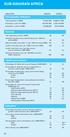 SUB-SAHARAN AFRICA INDICATOR REGION WORLD Demographic indicators Total population (2005) 713,457,000 6,449,371,000 Population under 18 (2005) 361,301,000 2,183,143,000 Population under 5 (2005) 119,555,000
MATERNAL AND CHILD HEALTH
 MATERNAL AND CHILD HEALTH 9 George Kichamu, Jones N. Abisi, and Lydia Karimurio This chapter presents findings from key areas in maternal and child health namely, antenatal, postnatal and delivery care,
MINISTRY OF HEALTH AND LONG-TERM CARE
 THE ESTIMATES, 1 The Ministry provides for a health system that promotes wellness and improves health outcomes through accessible, integrated and quality services at every stage of life for all Ontarians.
Health, history and hard choices: Funding dilemmas in a fast-changing world
 Health, history and hard choices: Funding dilemmas in a fast-changing world Thomson Prentice Global Health Histories Health and Philanthropy: Leveraging change University of Indiana, August 2006 An embarrassment
Strengthening Policies on the Harmful Use of Alcohol, Gender-Based Violence and Infectious Disease
 Strengthening Policies on the Harmful Use of Alcohol, Gender-Based Violence and Infectious Disease A joint UNDP, WHO, IOGT, & FORUT initiative Dudley Tarlton [email protected] SVRI Forum, September
Section 3 Module 5 Human Resources for Health. Module 5
 Section 3 Module 5 Human Resources for Health 207 Module 5 Human Resources for Health This module presents a framework for human resources for health and outlines specific indicators to measure to understand
GLOBAL HEALTH ESSENTIAL CORE COMPETENCIES
 GLOBAL HEALTH ESSENTIAL CORE COMPETENCIES All medical graduates should understand the major factors that influence the health of individuals and populations worldwide. They should have a basic understanding
5.4 Country case study: Kenya
 5.4 Country case study: Kenya Authors Grace N. Thoithi, Dean, [email protected]; and Faith A. Okalebo, Lecturer, [email protected]; School of Pharmacy, University of Nairobi. P. O. Box 19676-00202 Nairobi.
HEALTH TRANSITION AND ECONOMIC GROWTH IN SRI LANKA LESSONS OF THE PAST AND EMERGING ISSUES
 HEALTH TRANSITION AND ECONOMIC GROWTH IN SRI LANKA LESSONS OF THE PAST AND EMERGING ISSUES Dr. Godfrey Gunatilleke, Sri Lanka How the Presentation is Organized An Overview of the Health Transition in Sri
Primary care is the first point of contact for individuals and families in a continuing healthcare process.
 APPENDIX C HONG KONG S CURRENT PRIVATE HEALTHCARE SECTOR An Overview of Hong Kong s Healthcare System C.1 Hong Kong s healthcare delivery system is characterized by its dual public and private healthcare
SUMMARY- REPORT on CAUSES of DEATH: 2001-03 in INDIA
 SUMMARY- REPORT on CAUSES of DEATH: 2001-03 in INDIA Background: Long-term mortality measurement by cause, gender and geographic area has been the requirement of every country. With this in view, Medical
Continuing Medical Education in Eritrea : Need for a System
 Original Articles Continuing Medical Education in Eritrea : Need for a System Abdullahi M. Ahmed 1, Besrat Hagos 2 1. International Centre for Health Management, Istituto Superiore di Sanita, ` Rome, Italy
Philippine Health Agenda: Universal Health Care. Enrique T. Ona, MD, FPCS, FACS Secretary of Health
 Philippine Health Agenda: Universal Health Care Enrique T. Ona, MD, FPCS, FACS Secretary of Health Thirty percent of our countrymen who succumb to sickness die without seeing a doctor. -President Aquino
EDUCATION AND SCHOOLS
 PARTNERS FOR CHANGE EDUCATION AND SCHOOLS SUB-SAHARAN AFRICA PARTNERS FOR CHANGE EDUCATION AND SCHOOLS PARTNERS FOR CHANGE The British Council works in partnership with key institutions across Sub-Saharan
Why Accept Medicaid Dollars: The Facts
 Why Accept Medicaid Dollars: The Facts If we accept federal Medicaid dollars, nearly 500,000 North Carolinians will gain access to health insurance. As many as 1,100 medically unnecessary deaths per year
HOSPITAL SUBSECTOR ANALYSIS
 HOSPITAL SUBSECTOR ANALYSIS Fourth Health Sector Development Project (RRP MON 41243) A. Introduction 1. The health status of the people of Mongolia has generally improved over the years, and significant
Health Reform and the AAP: What the New Law Means for Children and Pediatricians
 Health Reform and the AAP: What the New Law Means for Children and Pediatricians Throughout the health reform process, the American Academy of Pediatrics has focused on three fundamental priorities for
Organization of the health care system and the recent/evolving human resource agenda in Canada
 Organization of the health care system and the recent/evolving human resource agenda in Canada 1. Organization - the structural provision of health care. Canada has a predominantly publicly financed health
CALL FOR PROPOSALS. Provision of Health Service Delivery Activities in Kismayo, Somalia. Migration Health Division (MHD)
 CALL FOR PROPOSALS Provision of Health Service Delivery Activities in Kismayo, Somalia Migration Health Division (MHD) Date: 26 th August 2015 Closing Date: 6 th September 2015 Eligible Parties: Eligible
Strengthening management and leadership practices to increase health-service delivery in Kenya: an evidence-based approach
 Seims et al. Human Resources for Health 2012, 10:25 RESEARCH Open Access Strengthening management and leadership practices to increase health-service delivery in Kenya: an evidence-based approach La Rue
Nursing Leadership: Do We Have a Global Social Responsibility?
 Nursing Leadership: Do We Have a Global Social Responsibility? Executive Summary Canadian Nurses Association www.cna-aiic.ca June 2008 This report has been prepared by CNA to provide an overview of conference
HEALTH POLICY PROJECT/ KENYA
 HEALTH POLICY PROJECT/ KENYA Building capacity for improved health policy, advocacy, governance, and finance Overview Evidence guides planning and monitoring for improved maternal health In Kenya, HPP
Health Service Delivery Profile. Vanuatu. Developed in collaboration between WHO WPRO and Ministry of Health, Vanuatu
 Health Service Delivery Profile Vanuatu 2012 Developed in collaboration between WHO WPRO and Ministry of Health, Vanuatu Vanuatu Health Service Delivery Profile (1) Demography, Social Context and Health
Patty Iron Cloud National Native American Youth Initiative Meeting June 20, 2011
 Patty Iron Cloud National Native American Youth Initiative Meeting June 20, 2011 Indian Health Service Overview by Yvette Roubideaux, M.D., M.P.H. Director, Indian Health Service (The Patty Iron Cloud
INDICATOR REGION WORLD
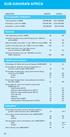 SUB-SAHARAN AFRICA INDICATOR REGION WORLD Demographic indicators Total population (2006) 748,886,000 6,577,236,000 Population under 18 (2006) 376,047,000 2,212,024,000 Population under 5 (2006) 125,254,000
Post-Conflict Health System Assessment: The Case of Libya
 Post-Conflict Health System Assessment: The Case of Libya Department of Primary Care & Public Health School of Public Health, Faculty of Medicine Imperial College London, Charing Cross Campus 25 th September
Scheme of Service for Medical Social Workers
 REPUBLIC OF KENYA Scheme of Service for Medical Social Workers 0 April, 2009 Issued by the Permanent Secretary Ministry of State for Public Service Office of the Prime Minister Nairobi 1 SCHEME OF SERVICE
C-IMCI Program Guidance. Community-based Integrated Management of Childhood Illness
 C-IMCI Program Guidance Community-based Integrated Management of Childhood Illness January 2009 Summary This document provides an overview of the Community-based Integrated Management of Childhood Illnesses
Human resources for health:
 Human resources for health: a snapshot of Zambia s Strategic Plan Ministry of Health, Zambia The World Health Organization (WHO) defines health workers, or human resources for health (HRH), as all people
Content. Introduction: Health in Zimbabwe. PSM Zimbabwe. Pag 3. Pag 4. Zimbabwe s Response: Key Achievements. Pag 5
 Content Introduction: Health in Zimbabwe Zimbabwe s Response: Key Achievements Strengthening the Procurement and Supply Chain in Zimbabwe Identification of Needs Central Storage and Distribution: The National
MYANMAR HEALTH CARE SYSTEM
 MYANMAR HEALTH CARE SYSTEM M yanmar health care system evolves with changing political and administrative system and relative roles played by the key providers are also changing although the Ministry of
Part 4 Burden of disease: DALYs
 Part Burden of disease:. Broad cause composition 0 5. The age distribution of burden of disease 6. Leading causes of burden of disease 7. The disease and injury burden for women 6 8. The growing burden
Free healthcare services for pregnant and lactating women and young children in Sierra Leone
 Free healthcare services for pregnant and lactating women and young children in Sierra Leone November 2009 Government of Sierra Leone Contents Foreword 3 Country situation 4 Vision 5 Approach 6 Focus 6
First Ladies Luncheon
 Project C.U.R.E., the largest provider of donated medical supplies and equipment to developing nations around the world, invites you to partner with the 2016 Project C.U.R.E. First Ladies Initiative honoring
Integrated Healthcare Technology Package: Introduction. Peter Heimann World Health Organization, Genève
 Integrated Healthcare Technology Package: Introduction Peter Heimann World Health Organization, Genève Why ihtp MILLENNIUM DEVELOPMENT GOALS T0 BE ACHIEVED BY 2015 1. Halve extreme poverty and hunger 2.
INTEGRATED MANAGEMENT OF CHILDHOOD ILLNESS (IMCI) Planning, Implementing and Evaluating Pre-Service Training
 INTEGRATED MANAGEMENT OF CHILDHOOD ILLNESS (IMCI) Planning, Implementing and Evaluating Pre-Service Training WORKING DRAFT: AUGUST 2001 Department of Child and Adolescent Health and Development (CAH) Family