
Traffic in Helsinki 2002
|
|
|
- Chastity Armstrong
- 10 years ago
- Views:
Transcription
1 HELSINKI CITY URBAN FACTS OFFICE: web publications 24 5 Traffic in Helsinki 22 Photo: Helena Roschier Web Publications ISSN ISBN X Translations Käännös-Aazet Oy Douglas Gordon Magnus Gräsbeck FURTHER INFORMATION Irene Lilleberg, [email protected] Carolina Sierimo, [email protected] Leena Hietaniemi, [email protected]

2 Contents Preface 6 1. Helsinki s traffic-related position Europe Finland Helsinki Region 1 2. Transport policy and infrastructure Transport policy Transport infrastructure Road system Light traffic lanes and pedestrian environment Parking areas and number of parking spaces Goods traffic system Shipping, rail and air traffic Traffic control system Bus and tram lanes Priority and give way arrangements Speed limits Street parking Car parking charges Residential and business parking Park & ride Signs Traffic signs Light traffic signs Road markings Traffic control system and miscellaneous traffic telematics in Helsinki Background and aims Traffic control system Software Number of traffic signals in Helsinki Construction of traffic signals in Helsinki Miscellaneous traffic telematics Traffic cameras Public transport priority Real-time parking information Tunnel control Vehicle stock Vehicle stock registered in Helsinki Vehicle trends Car ownership Public transport system Route network and operation Fleet Stations, stops, terminuses and park & ride Public transport users Standard of service and quality of public transport Traffic and passenger volumes Vehicle trends Busiest streets and stretches of main roads Analysis of traffic by hour and vehicle Traffic monitoring 38 3

3 6.1.4 Traffic mileage Public transport passengers Bus, tram and metro passengers Train passengers Ship passengers Air passengers Analysis of modes of transport Cyclists Car traffic flow Morning rush hour into the city centre Evening rush hour out of the city centre Traffic flow monitoring Comparison of car and bus flow rates Road accidents Road safety trend Deaths and injuries Inner city and suburbs Accidents by road type Accident black spots Accidents involving pedestrians, cyclists and motorists Children, young people, adults of working age and senior citizens Vehicle safety Accident statistics Transportation economics Transport sector cash flow Transport investments and special taxes collected by the State in the Helsinki Metropolitan Area Transport investments in Helsinki Public transport economics in Helsinki Accident costs How Helsinki inhabitants spend money on travel Time spent travelling in the Helsinki Metropolitan Area Environmental aspects of traffic The impacts of transport and mobility Emissions from different modes of transport in urban traffic Source data Passenger cars City buses Rail traffic Goods traffic Mopeds and motorcycles Walking and cycling Comparison of modes of transport Impacts of traffic on air quality Impurities caused by traffic Air quality measurement Air quality development in the 199s Air quality today Future trend of air quality Traffic noise Noise abatement legislation Noise situation Noise abatement methods Future noise trends Communications Social changes 75 4

4 11.2 Helsinki an information industry cluster ICT hardware as indicators of development Communications infrastructure in Helsinki Transport habits Background Factors affecting transport habits Daily journeys Changes transport habits Future outlook Changes in transport habits Transport system development in Helsinki Public transport Main street system Future funding of transport investments Transport telematics 91 List of figures 92 List of maps 93 List of tables 94 5

5 Traffic in Helsinki 22 There is a wealth of information available about traffic and transport in Helsinki. This publication seeks to compile the latest information and to describe traffic and its significance in a modern networking information society, where efficient, smooth-flowing, safe traffic is growing in importance. Communications and accessibility are becoming increasingly important competitive factors. This special publication, compiled by a range of different experts, provides an overview of how traffic works in Helsinki. Traffic in Helsinki 22 was published in Finnish at the beginning of the year 23, and it was prepared in collaboration with Helsinki City Planning Department. Traffic is an important part of an urban community s function. Helsinki and its surrounding municipalities form Finland s largest labour market area, where traffic is a key development factor. An efficient public transport system is of paramount importance for the everyday convenience of Helsinki inhabitants, whose transport habits are examined by interview surveys. Traffic control systems play a major role in road safety. Helsinki is a major international hub for both passenger and goods traffic. This publication contains sections on Helsinki s logistical position, traffic and passenger volumes and transportation economics. It also contains an extensive review of the adverse environmental impacts of traffic. Telecommunications, information technology and future prospects are also touched on. We would like to warmly thank all persons and organisations involved in this publication. Helsinki, December 23 Leila Lankinen Acting Information Manager Helsinki Urban Facts Olli-Pekka Poutanen Head of Transportation and Traffic Planning Division Helsinki City Planning Department 6

6 Jussi Vuorinen Helsinki City Planning Department, Strategic Urban Planning Division 1. Helsinki s traffic-related position 1.1 Europe Seen from Europe, especially from the area of the European Union, Helsinki is on the periphery. The sea separates it from its main market areas and journeys are long to areas in the heart of Europe and other extreme corners of Europe. Helsinki s position makes air traffic and shipping extremely important. Map 1.1 Flight times from Helsinki to North America and the Far East. Source: Helsinki City Planning Department, Civil Aviation Administration, Finnair 7

7 As regards air traffic, Helsinki s position has some advantages over the rest of Europe. Routes to the Far East in particular are shorter via Helsinki. This in turn adds to the supply of routes and thus improves the city s accessibility. Similarly, the airspace is less crowded than in Europe s core areas. In 2, over 1 million passengers passed through Helsinki-Vantaa Airport. Most of the flows of goods in Finland s foreign trade go by sea. Since Helsinki and environs constitute Finland s largest consumer region, the main stream of imports flows towards Helsinki. This in turn means frequent, scheduled traffic, which is a major advantage for exports. At the Port of Helsinki, imports and exports are almost in balance. Helsinki is Finland s largest port for unitised cargos and the second largest in the Nordic countries after Gothenburg, Sweden. Map 1.2 Transit freight by rail from Helsinki, transport times in days in 22. Source: Helsinki City Planning Department Water routes are also important for passenger traffic, with almost three million passengers a year on the ferries plying between Finland and Sweden. Since Estonian independence, there has been a dynamic rise in traffic between Helsinki and Tallinn, with over six million passengers a year. The fall of the Iron Curtain in the early 199s has otherwise changed Helsinki s traffic-related position. Not only Tallinn, but also St Petersburg and Riga are nearby and easily accessible. The opening up of Finland s eastern neighbour highlights the importance of Helsinki s road links. For historic reasons, Finland and Russia share the same railway gauge. Russia is an enormous country and rail traffic has played a major role in the country s development, which explains Russia s extensive rail network. The rail link from Helsinki extends not only to Russia, but also much further afield to Asia Minor, China and the Pacific Coast. 8


8 1.2 Finland Finland is a large, sparsely populated country. Helsinki is on the perimeter of the country, although enjoys a favourable position from the aspect of international communications. Even before Helsinki was founded, major transport routes converged in the area. Construction of Finland s first railway, between Helsinki and Hämeenlinna, and later to St Petersburg, was also a major step. A scheduled rail service was introduced between Helsinki and Hämeenlinna in 1862 and on the Helsinki-Riihimäki-St Petersburg line in 187. Map 1.3 Connections from Helsinki to adjacent areas. Source: Helsinki City Planning Department, The Finnish Road Administration Recent decades have seen work on building a motorway network. Motorways to Lahti and Tampere have already been completed and work is currently underway on building a Turku-Helsinki-St Petersburg motorway as part of the Trans European Network (TEN), where it has priority status with a further fourteen European projects. Finland s large size also means it has a very advanced domestic air traffic sys- 9

9 tem. Domestic flights account for around 3 per cent of traffic at Helsinki-Vantaa Airport. There are especially frequent flights to Oulu, which has developed into a north Finnish metropolis and is home to Finland s second major ICT cluster. 1.3 Helsinki Region The Helsinki Region forms a semi-circle. Helsinki is on the coast and its centre is on a peninsula. From the transport aspect, this means longer journeys than a similar circular region. Regional population growth is taking place increasingly further away from the centre. During the early days of motoring in the 196s, the location of the city centre was considered especially problematical. Nowadays, we understand the environmental values relating to Helsinki s position. What was earlier considered a disadvantage is now thought of as a major benefit. A centre surrounded by the sea and enjoying a location where ship s passengers sail right into the heart of the city is something quite unique even in an international context. People come into the centre by public transport and increasingly by rail. Helsinki is improving the transport system by extending and enhancing the rail network. References Helsingin kehityskuva Katse 2-luvulle. Helsingin kaupunkisuunnitteluviraston julkaisuja 1996:21. Helsingin yleiskaava 22. Maankäytön kehityskuva. Helsingin kaupunkisuunnitteluviraston julkaisuja 21:1. 1

10 Jorma Kaihlanen Helsinki City Planning Department, Traffic Planning Division Antero Naskila Helsinki City Planning Department, Traffic Planning Division 2. Transport policy and infrastructure 2.1 Transport policy Strong population growth in Helsinki and the rest of the Helsinki Metropolitan Area calls for increasingly tougher demands to improve the public transport system throughout the area. When considering the 1992 Master Plan, Helsinki City Council decided that the transport system was to be improved taking into account all forms of transport that support efforts to develop the urban structure and to foster an environment-friendly transport culture. The latter requires no increase in having to rely on a car, as well as an improvement otherwise in public transport journey times and the standard of service in relation to travel by car. The public transport system is based on improving and expanding rail transport and more feeder transport schemes. Within the inner city, public transport policy is based on retaining and enhancing existing tram network. Transverse (cross-town) public transport is to be improved. 2.2 Transport infrastructure Road system There are nine radial arteries entering Helsinki. Five of these are national main roads and four primarily routes serving regional traffic. The radial arteries join the main city road system at a distance of 1-5 km from the city centre. Two orbital roads link these radial arteries in the Helsinki Metropolitan Area. Ring I is 7-9 km from the city centre and Ring III km. There is also a Ring II between these in the west, from Länsiväylä to Turuntie, and there are plans to extend Ring II to the main Hämeenlinnanväylä road. Streets and roads in Helsinki total km. 11

11 2.2.2 Light traffic lanes and pedestrian environment In 1994, the City Council established a target of doubling the amount of cycling in Helsinki. This further integrated cycling into the city s overall transport policy. Efforts to promote cycling have not only included building a network of cycle paths and improving safety, but also cycle parking and even marketing aimed at encouraging cycling. Helsinki has some 1 km of light traffic lanes, of which around 55 km are paved. Approximately one third have separate lanes for cyclists and pedestrians. There are also pavements and many minor pathways through parks that are not part of the cycle path network. Some 2-25 km of new cycle paths are built each year. There are around 28 separate bridges and subways for light traffic, with an average of five new ones being built each year. Half of the cycle paths are next to streets and around half in green areas. There are a total of some 14 km of cycle paths in the inner city and nowadays there are cycle paths through the city from different directions. A main route plan for outdoor recreation and exercise covers the entire city. The total length of routes is 49 km, of which almost 38 km are in a recreational environment. Some stretches of these routes are shared with other light traffic and some include quiet stretches of street. Most of the routes are illuminated and a considerable part serves as a base for ski trails in winter. Free city bikes were introduced in Helsinki in 2, when the city was one of the cultural capitals of Europe. Initially, there were 3 cycles and a further 25 were added in In practice there are currently about 3 cycles simultaneously in use. Some are being repaired and others have disappeared. The cycles may be used as far as Hakaniemi and Taka-Töölö, which covers a slightly wider area than the city centre. The cycles have proved extremely popular with Helsinki inhabitants and tourists a- like. Helsinki City Transport is responsible for the cycles. A regional recreation map has been the most significant way of marketing cycling. The map started out in 1975 as a cycle path map of Helsinki. There are also 21 different local cycle path brochures in the Helsinki area aimed at introducing local inhabitants to the sights and history along the routes. Each year in May, Helsinki celebrates national cycling week and for a couple of years has also held a regional banderol campaign to entice motorists to leave their cars at home and cycle. Additionally, various offices and departments have more than 6 cycles for various job-related purposes. Since the early 199s, there has been a tremendous improvement in the pedestrian environment in the city centre. This has been created by allocating more space to pedestrian use and by improving pavement quality through the use of granite slabs and under pavement heating Parking areas and number of parking spaces Helsinki regulates the number of parking spaces, especially in the inner city, in line with its traffic policy. The city s responsibility for parking arrangements is mostly to provide public parking areas. 12

12 Because of the huge number of jobs and services in the inner city, especially in the central business district (CBD), there is a very great need for parking spaces. However, in compliance with the city s policies, there are a very limited number of parking spaces available. There can be no significant increase in commuter parking spaces without considerably more congestion. Most of the inner city was built at a time when today s huge parking need could not have been envisaged. However, most of the streets are wide enough for parking. Three in five inhabitants keep their car parked on the street or in some other public parking area. Parking problems are most acute in the city centre, which has 36 5 parking spaces, some 45 per cent, 16 4, of these are on streets. Just over half of these places, approximately 8 8, come under residential or business parking schemes. Places in parking facilities account for around 11 per cent, or some 4 of the total number of spaces. In future, there are plans to reduce the number of street parking spaces and increase the number of spaces in parking facilities. The overall number of parking spaces will remain more or less unchanged Goods traffic system As the centre of Finland s economy and its largest population cluster, the Helsinki Metropolitan Area is a consumer centre and a major commodities production area. The following facts portray the area s own logistics system: a large volume of goods moving within the urban structure harbours scattered within the urban structure transport services in core areas. The features below distinguish goods traffic in the Helsinki Metropolitan Area from that in the rest of the country: a complete lack of basic heavy industry most of the warehouses of central firms and wholesalers are outside the centre the Port of Helsinki is Finland s largest port for unitised cargo Helsinki-Vantaa Airport is the hub for air cargo in Finland the country s largest population cluster requires many delivery operations major nationwide transportation of raw materials for the wood and metal industries bypass the Helsinki Metropolitan Area relatively more transport within the area than elsewhere in Finland Shipping, rail and air traffic Harbour areas The Port of Helsinki has four harbours: the South Harbour, West Harbour, Sörnäinen Harbour and Laajasalo Oil Harbour. The West Harbour is the centre of Finland s container traffic. Sörnäinen Harbour is a roll-on/roll-off harbour and an important harbour for vehicle imports. The former shipyard area at Vuosaari has been used as a har- 13

13 bour for coal imports. The South Harbour and, to a certain extent, the West harbour are passenger harbours. The most significant project currently under way is Vuosaari Harbour, which will take over all goods traffic from the West Harbour and Sörnäinen Harbour. Passenger traffic facilities will remain at the South Harbour and West Harbour. The port area is 217 hectares and has 8.6 km of quays. Railway stations There are 15 railway stations in Helsinki. The largest of these are the Central railway station and Pasila. Airports Helsinki-Vantaa Airport recently celebrated its 5 th anniversary and is a major base for international air traffic in Europe. The airport also plays an important role as Finland s main airport, with almost all domestic flights either starting or terminating at Helsinki-Vantaa. Some 1 million passengers pass through Helsinki-Vantaa Airport, which provides some 1 jobs. A third runway was opened on 28 November 22. Helsinki-Malmi, Helsinki s original airport, opened in With the transfer of scheduled air traffic to Helsinki-Vantaa in 1953, Malmi Airport remained in use for general aviation. This well-equipped airport is home to a host of companies providing flight training and aircraft hire, air taxi companies, helicopter operators and Finland s largest parachute club. The Frontier Guard s patrol aircraft fleet is also stationed at Malmi. References Helsingin yleiskaava, Ilmailulaitos, viestintäyksikkö, Merenkulkulaitos, PLJ 22, Pääkaupunkiseudun yhteistyövaltuuskunta, YTV. Pyöräilyn kaksinkertaistamisohjelma, Helsingin kaupunginkanslian julkaisusarja A/6/1996. Pääulkoilureitistön toteuttamisohjelma vuosille 21-24, Helsingin kaupungin liikuntaviraston julkaisuja 2 B 3. Valtion rautatiet (VR), Henkilöliikenne,

14 Hannu Laine Helsinki City Planning Department, Traffic Planning Division Kari Sane Helsinki Urban Traffic Control Centre 3. Traffic control system 3.1 Bus and tram lanes Work on the systematic development of public transport schemes in Helsinki got under way with a public transport pilot test in the Helsinki Metropolitan Area in the early 197s. Road traffic legislation introduced road signs indicating bus and tram lanes in Even before then, buses had their own lanes with preferential and pre-selection signs and trams had their own lanes with barrier lines and structural segregation. Map 3.1 Tram lanes indicated by traffic markings or structures in 22. Source: Helsinki City Transport HKL 15

15 Lane marking aims at equality between public and private transport by dividing existing lanes used in relation to numbers of persons carried by mode of transport. Tram lanes are always in force and reserved exclusively for trams. Bus lanes are normally in force between 7am and 6pm, Monday to Friday and 9am to 3pm on Saturdays. They may also be used by taxis, lorries and vans between 9am and 3pm. Bus lanes total 48.2 km and lanes reserved for trams - either by street markings or structural means 53.5 km. 3.2 Priority and give way arrangements Already in the 193s, traffic routes intended for through traffic were declared as main roads, which meant that traffic on them had priority over traffic joining them from side streets. The late 197s saw work on harmonising and improving the priority system so that roads of a lower classification also became subject to give-way arrangements. Priority arrangements sought to improve road safety by simplifying the traffic environment so that give-way signs and what motorists felt to be the right of priority corresponded to each other. 3.3 Speed limits Helsinki introduced a general speed limit of 5 kph in However, on some stretches of main country roads, the speed limit was 7 km/h. Even in the late 197s, over 9 per cent of the road system was subject to a general speed limit. On 19 April 1982, the City Board decided to revise the speed limits along main streets. On 22 September 1986 it decided on a 4 km/h limit on residential streets in suburban areas with a predominance of blocks of flats, on 29 October 199 on a 3 km/h limit on residential streets in suburban areas with a predominance of small houses and on 16 December 1991 on a 4 km/h limit within the inner city. To reduce speeds to the required level, some 6 traffic calmers have been built: 47 speed humps and 12 raised pedestrian crossings. The remainder are raised junctions and stretches of street. Most of the 1127 km of streets are subject to a 4 km/h speed limit, 12 km are subject to a 1 km/h limit, 37 km to an 8 km/h limit, 11 km to a 7 km/h limit, 52 km to a 6 km/h limit and 161 km to a 5 km/h limit. 16

16 3.4 Street parking Street parking spaces in the inner city are reserved for three user groups with the following priority: - Service and delivery traffic - Inhabitants, near residential blocks - People transacting business, shoppers and visitors in the proximity of shops, offices, etc. There are some 16 4 street parking spaces in the city centre. Most of the parking places are subject to a charge. Figure 3.1 Parking spaces in the city centre in 21. Source: Helsinki City Planning Department Car parking charges The first parking meters were introduced in Helsinki on 2 nd May 1955 and allowed payment for a maximum of two hours parking at a time in 15- or 3-minute periods. The charge was,7 an hour. 17

17 Map 3.2 Parking charge zones in Helsinki in 22. Source: Helsinki City Planning Department For the purpose of car parking charges, Helsinki is divided into three zones. In zone 1, parking is subject to payment 9am-7pm, Monday to Friday and 9am-6pm on Saturday and in zones 2 and 3, 9am-7pm, Monday to Friday, except for a few separate areas. Parking charges are 2.4 an hour in zone 1, 1.2 an hour in zone 2 and.6 and hour in zone 3. Parking charges can be paid in cash at 427 ticket vending machines and 1 parking meters, by disposable prepaid parking tickets, electronic parking payment device (25 in use) or by mobile phone. 18

18 3.4.2 Residential and business parking Helsinki is divided into 12 areas for the purposes of residential and business parking. In nine of these areas parking is subject to a charge except for holders of residential and business parking permits. Residents can buy a parking permit for 36. Business parking permits are available for 36 and entitle holders to park also in residential parking areas. The permits are valid for 12 months at a time. Around 23 5 residential parking permits and 2 8 business parking permits have been issued. There are some 17 residential parking spaces. Map 3.3 Residential parking areas in Helsinki in 22. Source: Helsinki City Planning Department 19

19 3.4.3 Park & ride Park & ride parking places are being built in a bid to reduce parking needs in the city centre. Most of the parking facilities are at metro and railway stations. There are currently around 3 park & ride parking spaces in use. 3.5 Signs Traffic signs Traffic signs aim at complementing the use of maps, street names and address numbers to enable drivers to find their way from main roads to various districts within the city and to the city centre. As a rule, road numbers are generally used on routes out of the city centre. The use of traffic signs in Helsinki is based on an early-199s general plan covering the entire city. The routes, intersections, places shown and way of giving information were decided at the same time Light traffic signs Light traffic signs are based on signs to a distant destination complemented by various local and special destinations en route. The system was devised in the mid-198s and in 2 work began on more extensive plans for light traffic signs. These plans for the entire city are scheduled for completion in Road markings Road markings assist traffic control implemented by structures and traffic signs. Recent years have seen an increase in road markings both in terms of quantity and the introduction of new markings, such as the loading square, which is currently being piloted. 3.6 Traffic control system and miscellaneous traffic telematics in Helsinki Background and aims There are many reasons for planning and maintaining traffic signal control. Apart from in rush hour peaks, the use of traffic signals without exception causes delays to main road traffic, but increases safety and cuts waiting times for side street traffic and pedestrians crossing a main road. A rolling horizon giving the green light for private vehicles often puts tram and bus traffic completely on stop. 2

20 3.6.2 Traffic control system The traffic control system is currently divided in two parts. Traffic signal computers control the computer hardware or control devices at junctions. These devices in turn regulate the traffic signals showing red, amber and green for motorists and pedestrians. In the suburbs, traffic signals usually operate independently or are linked up in systems covering 4-8 junctions. Almost all traffic signals today operate in real-time. The traffic signal control device at a junction or individual pedestrian crossing uses sensors and pedestrian buttons to monitor traffic in different directions and constantly regulates the duration of the green light between various directions depending on traffic flow in each direction. The control device can also skip directions or pedestrian crossings when there is no traffic and use the extra green light to benefit other directions and crossings. When the control device receives notice of an approaching tram or bus, it can also effect priority, in other words regulate traffic signals to favour public transport more than normal Software Central computers controlling traffic signals synchronise the traffic signals at different junctions. This means they can create a rolling horizon of green lights from one junction to the next, where traffic can drive, in fact only in one direction at a time, with minimum stops. Central computers select suitable traffic signal programs for different traffic conditions. Most junctions use 8-16 programs. Different traffic signal programs are required, for example, in exceptional traffic conditions such as road accidents or slippery roads. When major public events are held, traffic signals at the ice rink, Finlandia Hall and the Fair Centre, for example, are almost without exception operated manually by choosing a suitable traffic signal program both before and after the event. This enables smooth traffic flow and limits the extent of any traffic disruptions caused by the event. The traffic control centre also publishes daily, in advance, on its website at www. hel.fi/liikenteenohjaus any events that it expects will affect traffic flow. 21

21 3.6.4 Number of traffic signals in Helsinki The first traffic signals in Helsinki were introduced in 1951 at the junction of Aleksanterinkatu and Mikonkatu streets. Figure 3.2 Number of traffic signals in Helsinki number All traffic lights Centrally co-ordinated traffic lights Source: Helsinki City Planning Department It was not until the 196s and growth of private motoring that the number of traffic signals began to grow. A traffic control centre, then known as the central control for traffic signals, was established in This also saw Helsinki become one of the first cities in Europe to have computerised traffic signal control. A few years later, most of the traffic signals in the city centre were linked up to the centre. It was not until the late 199s that the growth of traffic signals began to level off. Instead of traffic signals at junctions, many new push button operated lights at pedestrian crossings have been built on routes children use to go to school Construction of traffic signals in Helsinki The focus in construction is gradually shifting to traffic signal replacement and maintenance. The oldest traffic control devices date from the early 197s and are not computerised. All special traffic signal functions such as priority for public transport call for computer operated traffic signal control devices. Because the expected economic lifespan for traffic signal control devices is around 2 years, 15-2 devices have to be replaced each year. 22
22 Table 3.1 Helsinki traffic signals in figures in 22. Number of traffic lights Computer-operated traffic lights 284 Other co-ordinated traffic lights 3 Non-co-ordinated traffic lights 235 Traffic lights total 549 Types of traffic lights Traffic lights in intersections 325 Separate zebra crossing lights 89 Tram traffic lights 5 Traffic lights for transversal Joker Bus 1 Fire station traffic lights 2 Tram warning lights 12 Pedestrian warning lights 3 Traffic light equipment Traffic light posts Traffic light signs Traffic light lamps Indicators 5 7 Pedestrian buttons Traffic light buzzers or similar 573 Public transport priority at traffic lights Tram priorities in intersections 16 Tram priorities - coming 258 Bus priorities in intersections 21 Bus priorities - coming 38 Source: Helsinki City Planning Department 3.7 Miscellaneous traffic telematics Traffic cameras The traffic control centre operates almost 3 traffic cameras to monitor traffic flow at all strategic junctions. Since these cameras can be turned to different angles and zoomed, they are extremely useful in situations of disruption Public transport priority Public transport priority at traffic signals in Helsinki is part of Helmi, a more extensive telematics system, which features four important public transport functions: satellite positioning of buses and trams traffic signal priority at intersections passenger information timetable monitoring. Satellite positioning is based on GPS hardware in buses and tramcars. The positioning information given by the hardware is synchronised by opening the door at a stop. A precision odometer is used to determine the position of trams and buses between stops. 23
23 Traffic signal priority is based on a radio message transmitted by buses and trams at a junction. The place from where the radio modem transmits a request to initiate priority before a junction and immediately after to end priority is programmed into the computer aboard the bus or tram. The impact of the request on traffic signal function depends on the moment in the signal cycle that the control device receives the request: public transport priority is usually in the form of an extended green light, green light acceleration, cycle speed acceleration and extra phase. Timetable monitoring is based on comparing the scheduled position of a tram or bus to its actual position. The information is continually shown on the monitor in front of the driver to within an accuracy of one second, for example 52 sec late. Buses and trams running early are not given priority at traffic signals. The terminal display at bus and tram stops tells when the next bus or tram will arrive. In future this information will also be available by mobile phone or via the internet Real-time parking information There are three real-time parking information systems in Helsinki: Centre, Ruoholahti and Pasila. There are more than 7 parking spaces in 12 parking facilities. Real-time parking information aims at telling drivers the parking facilities where there is still space available as the driver approaches them. The information is updated once a minute. The type of information board in use in Helsinki shows the parking situation in the nearest facilities by name and the collective situation in facilities further afield. The real-time information system complements fixed signs and includes 56 information boards which contain 86 individual variable guides. There are 45 fixed signs Tunnel control The latest traffic telematics system is tunnel control of the public transport tunnel on Eliel Saarisentie road. The system comprises changing information boards, traffic signs and signals that can be used to close the tunnel in full or in part from traffic because of maintenance work. All functions can be started automatically from the workstation at the traffic control centre. Tunnel traffic volume and vehicle speeds can also be measured at the workstation. The system also includes four traffic cameras, which can be used to monitor traffic in the tunnel, and various technical monitoring systems such as ventilation and lighting measurement and regulation systems and emissions monitoring. References Kaupunkisuunnitteluvirasto, aluesuunnittelutoimiston tilastoaineisto. Kaupunkisuunnitteluvirasto, liikennevalotoimiston tilastoaineisto. 24
24 Irene Lilleberg Helsinki City Planning Department, Traffic Planning Division 4. Vehicle stock 4.1 Vehicle stock registered in Helsinki Vehicles include motor vehicles (cars, motorcycles and mopeds), various machinery and bicycles. Vehicle stock means the number of registered vehicles at year-end. Figure 4.1 Number of vehicles registered in Helsinki and in Finland as a whole Helsinki 25 Whole country Helsinki Whole country Source: Finnish Vehicle Administration AKE At year-end 21, there were 214 vehicles registered in Helsinki, with cars accounting for just under 188 of this figure. There were almost 24 goods vehicles, around 1 6 buses and almost 1 special vehicles, which includes campers and museum vehicles. 25
25 4.2 Vehicle trends The 198s was a period of great motorisation in Finland, with the vehicle stock in Helsinki rising by almost 5 per cent. During the following decade, the economic situation of the 199s was reflected in vehicle numbers. Compared to 199, there are almost 1 per cent more vehicles in Helsinki and the number of vehicles has risen by over 5 per cent since 198. At year-end 21, there were almost 2.5 million vehicles registered in the country as a whole. Passenger cars accounted for 86 per cent of this figure. The vehicle stock in Finland as a whole has risen slightly more than in Helsinki, especially during the 198s. In the 199s, economic cycles affected the vehicle stock in Helsinki much more than in Finland as a whole because the registered vehicle stock in Helsinki contains a higher number of company vehicles than average. 4.3 Car ownership Car ownership, or the number of registered vehicles per 1 inhabitants, was 335 in Helsinki at year-end 21. The overall number of vehicles registered in Helsinki was 382 per 1 inhabitants. To a certain extent, the change in car ownership in the 199s differed from the change in the vehicle stock as a whole. After the recession, car ownership grew more slowly in Helsinki than the overall vehicle stock. The ratio of registered cars to the population is still 4 per cent less than in 199. At year-end 21, there were 416 registered vehicles per 1 inhabitants in the whole country, 25 per cent more than in Helsinki. Figure 4.2 Number of vehicles registered in Helsinki per 1 residents Cars per 1 inh Source: Helsinki City Planning Department s Traffic Planning division 26
26 There were 8 7 motor cycles in Helsinki at year-end 21, 2.5 times more than in 198. The rise in the number of motorcycles has gathered speed each year since A similar trend is in evidence in Finland as a whole. At year-end 21, there were 13 per cent more motorcycles in Helsinki and in Finland as a whole compared to the previous year. At year-end 21, there were 3 4 mopeds in Helsinki. Since 1995, the number of mopeds has risen in the same way as the number of motorcycles. Table 4.1 Number of vehicles registered (cars and motorcycles) in Helsinki 31 December Vehicles Motor Total Cars Vans and lorries Buses Special cycles total Vans Lorries vehicles Source: Finnish Vehicle Administration AKE The number of vans has also risen in Helsinki since 198, rising relatively more than the number of cars in the 198s before declining in the early 199s. References Ajoneuvohallintakeskus, tilastoaineistoa vuosilta Kaupunkisuunnitteluvirasto, liikennesuunnitteluosasto, tilastoaineistoa. 27
27 Heidi Hyvärinen Helsinki City Planning Department, Traffic Planning Division 5. Public transport system 5.1 Route network and operation The route network in the Helsinki region comprises an extensive bus system, tram, metro and commuter train traffic and ferries to the island of Suomenlinna. Most of the bus routes are radial, entering the city centre from various districts. Trams are the primary form of transport in the inner city. Feeder routes take advantage of the large transport capacity of the metro and commuter trains. Additionally, transverse bus routes complement the public transport system between local centres. There are some 54 km of Finnish State Railways commuter train track, 21.1 km of metro track, 11 tram routes and 83.5 km of tramway in Helsinki. Bus routes total 3 28 km, with 19 bus services, which have been tendered out to private operators since Map 5.1 Tram routes in Helsinki in 22. Source: Helsinki City Transport Department HKL 28
28 Since the second half of the 199s, a comprehensive service route has been formed to complement normal scheduled traffic. Service buses also bring public transport within the reach of senior citizens and the disabled. There are currently 14 service routes. Recent decades have seen a focus on increasing train and metro traffic. Ruoholahti metro station was completed in 1993 and the branch line of the metro, with new stations, to Vuosaari in The railway track to Tikkurila to the north in neigbouring Vantaa started operating in 1995 and a similar track to Leppävaara in the west was completed in summer 22. Work is currently underway on building additional tracks between Tikkurila and Kerava, which lies some 3 kilometres to the north of Helsinki. These will be brought into use in 24. Autumn 25 will see the start up of Jokeri, a main public transport orbital route between Itäkeskus (Easten Centre in Helsinki) and Westend in Espoo. The route will operate using low floor natural gas buses. Figure 5.1 Provision of passenger places on different days of the week in summer and winter 21. Seats 7 Winter Summer Weekdays Saturday Sunday Weekdays Saturday Sunday Buses Metro Tram Source: Helsinki City Transport HKL Bus traffic on the Helsinki routes was reduced between 199 and 1995, since when there has been an increase in the provision of all modes of transport in response to growing demand. Buses provide around half (5%) of the passenger places, the metro 28 per cent and trams 22 per cent. Route operating times vary, but public transport operates between 5am and 2am on weekdays. At weekends and on Wednesdays, public transport operates almost around the clock since eight early morning bus routes operate on those nights. 5.2 Fleet There are currently 656 buses, including 62 articulated buses and 5 six-wheelers, in operation on routes within Helsinki. The number of low floor buses has risen steadily 29
29 over the past ten years and currently accounts for 55 per cent of the bus fleet. Tendering has also led to a growing number of environmentally friendly natural gas powered buses, of which there are currently 6 in operation. There are also 16 mini- and midi-buses. Of the 19 tramcars, 82 are articulated trams and 17 fairly old 4-axle cars. There are 1 new low floor trams in operation out of a total of 4 on order. There are 54 metro units in operation, 12 of which were new trains that started operating in 21. Finnish State Railways has also started to use new low floor trains in commuter traffic in the region. There are three passenger ferries to Suomenlinna. 5.3 Stations, stops, terminuses and park & ride Stations, stops and terminuses form the public transport interface for passengers. These are the places where passengers also seek the information they require for their journey. The information system is an important part of the interface network formed by stops and stations. There are 16 metro stations and 15 railway stations in Helsinki. There are also feeder bus terminuses at three metro stations and two railway stations. The largest bus terminuses are in the city centre. The new Eliel terminus near the central railway station started operating in 22, when all routes departing from the bottom part of Kamppi switched to the terminus. Construction of a new underground bus terminus at Kamppi started in autumn 22. Buses to south Espoo and long distance routes will start operating from the terminus in Public transport users An average of one journey per inhabitant is made by public transport each day and around 32 journeys a year. A journey means travelling from one point of departure to a destination and allows for a change of transport during the journey. Figure 5.2 Public transport user frequency in 21. One day a week 8 % Less often 9 % 2-3 days a week 17 % At least 4 days a week 66 % Source: Helsinki City Transport HKL 3
30 Passenger numbers travelling by public transport peaked in 1986, before starting to fall. The reason for the fall was the huge rise in the car stock and private motoring in the second half of the 198s. The turnaround took place in 1991, since when there has been a steady increase in passenger numbers. Economic conditions, moderate ticket prices (including a tram ticket), an extension to the metro and a stricter parking policy have contributed to the growing popularity of public transport. Most public transport passengers are regular passengers, travelling by public transport almost every day. Such passengers account for 66 per cent of public transport users. Occasional travellers, who travel in Helsinki no more than 2-3 times a month, account for roughly 1 per cent of passengers. The passenger structure of public transport within Helsinki differs considerably from that of the population in terms of age and sex. Women make up 54 per cent of the Helsinki population and men 46 per cent. However, the figures for public transport passengers are 65 per cent women and just 35 per cent men. Figure 5.3 Age distribution: public transport passengers and the Helsinki population in 21. % Age group Public transport users Whole population Source: Helsinki City Transport HKL Relatively more young people, year-olds, travel by public transport than the percentage they represent in the population structure. Around 7 per cent of persons under 2 travel by public transport daily. Similarly, the share of over 6-year-olds using public transport is just half of the share represented by this age group in the entire population. Helsinki inhabitants have accounted for a steadily increasing share of public transport in regional transport. To maintain the appeal and low cost of public transport, Helsinki, Espoo, Vantaa and Kauniainen have already worked together on tariffs and planning for 15 years. Around 82 per cent of passengers use season tickets, 9 per cent ten-trip tickets and 9 per cent single tickets. 31
31 5.5 Standard of service and quality of public transport The City Council has approved a planning instruction to control the quality of the public transport system. This instruction defines the guideline values for the following factors: - accessibility of stops and stations (walking distances) - operating hours - route links (changes) - passenger density in carriages (load factor) - frequency. The guideline values are implemented fairly well on the existing service network. Except for late evening and night traffic, 3-5 metres can be considered an acceptable walking distance to a bus or tram stop. Waiting time at bus or trams stops, or the time depending on frequency, is considered as one of the main factors indicating the level of service. In the suburbs, services to the city centre generally operate at 1-minute intervals during the rush hour and at intervals of under 2 minutes during the day and in the evenings. Buses travel at an average speed of 26.5 kph and trams at 15.5 kph. Map 5.2 Journey times to the city centre by public transport during the rush hour in 21. Source: Helsinki City Transport HKL 32
32 Customer satisfaction has been systematically monitored in Helsinki since Indeed, customer satisfaction was studied before then but apart from a few exceptions, the studies were of a non-recurring nature. The monitoring of customer satisfaction introduced in 1995 conducts continuous passenger surveys on almost all routes. During the year, responses are obtained from around 9 passengers, who assess each quality factor on a grade on 4-1. Results for 21 show that the metro received the highest grades in both subsections: 8.36 for the operator and 8.65 for the system. The metro s strengths lie in smooth journeys and punctuality, those of bus traffic lie in passenger density, order and bus cleanliness. Tram traffic was ranked for the standard of driver services, tram stop conditions and the ease of changing trams. Finnish State Railways good points in commuter traffic were smooth journey and clean carriages. Figure 5.4 Percentage of various quality factors graded excellent (9-1) in different modes of transport in autumn Service given by drivers Drivers' way of driving Drivers' knowledge Tidiness of vehicle Roominess Standard of vehicle Punctuality Order, security Changing to other vehicle Waiting (at bus stops etc.) Smoothness of travel Tidiness of stations Function of boards and signs % Bus Tram Metro Train Source: Helsinki City Transport HKL 33
33 Aside from continually monitoring customer satisfaction, Helsinki is also involved in the international BEST project, which was launched in 2 and continues until 25. The project aims to ascertain which European city has the best public transport system. There are nine European cities taking part: Stockholm, Oslo, Helsinki, Copenhagen, Vienna, Barcelona, Geneva, London and Manchester. An annual customer satisfaction survey is conducted in each city. In 22, Helsinki was proved to have the best public transport system. References Kaupunkisuunnitteluvirasto, liikennejärjestelmätoimiston tilastoaineistoja. Helsingin kaupungin liikennelaitoksen tilastoaineistoja. 34
34 Seppo Haataja Helsinki City Transport, Planning Unit Tuija Hellman Helsinki City Planning Department, Traffic Planning Division Irene Lilleberg Helsinki City Planning Department, Traffic Planning Division 6. Traffic and passenger volumes 6.1 Vehicle trends Each day, 26 cars and trams cross the city centre boundary. The number of vehicles crossing the city boundary is double that crossing the city centre boundary. Except for the years of recession in the early 199s, car traffic in Helsinki has grown continually since 198. Overall, traffic has risen by around 5 per cent since 198. The highest increase has been on the city boundary, where traffic has doubled. One of the reasons for this is that jobs are concentrated in Helsinki and housing is scattered around neighbouring municipalities. Parking restrictions in the city centre have also meant that some car passenger journeys are destined for places other than the city centre. Traffic trends have differed within the inner city, with just a 12 per cent rise in traffic crossing the city centre boundary and 28 per cent crossing the inner city boundary since 198. Traffic crossing the city boundary has increased in different ways in different directions, with a markedly greater increase in the northeast of Helsinki (from Tuusulanväylä to Lahdenväylä) than elsewhere. Growth in transverse traffic in the suburbs has led to an almost four-fold increase in traffic on Ring I since 198. The impacts of the recession in the early 199s were most in evidence in traffic on the city centre and inner city boundaries. Since the recession, traffic on the city centre and inner city boundaries has risen by 4 per cent and 8 per cent respectively. Traffic growth has been considerably higher (21%) on the city boundary and on transverse suburban routes (32%), which in practice means Ring I. 35
35 Figure 6.1 Annual change in per cent in vehicle traffic in Helsinki Change in percentages Source: Helsinki City Planning Department s Traffic Planning Division Figure 6.2 Traffic numbers on cordon lines Cars/trams 6 5 Inner City border 4 City boundary City Centre boundary Transversal line (cross-town) Source: Helsinki City Planning Department s Traffic Planning Division Compared to 199, traffic is still 4 per cent less on the city centre boundary, about the same on the inner city boundary and 19 per cent higher on the city boundary. An examination of traffic growth in various parts of Helsinki since 1993 shows that traffic on the city centre boundary and inner city boundary has grown most in the west. 36
36 Traffic on the city boundary has grown most in the northwest. Traffic in Helsinki has risen most on transverse streets in suburban areas, or in practice on Ring I. Map 6.1 Vehicle numbers on the main street network in Helsinki during a 24-hour period on an autumn weekday in 21. TRAFFIC VOLUMES ON AN AUTUMN WEEKDAY ( 24h ) ON THE MAIN STREETS IN HELSINKI TIKKURITIE VANHA PORVOONTIE TUUSULANVÄYLÄ LAHDENVÄYLÄ HÄMEENLINNANVÄYLÄ VIHDINTIE PORVOONVÄYLÄ LÄNSIMÄENTIE ITÄVÄYLÄ 15 6 KEHÄ TURUNTIE TURUNVÄYLÄ OTANIEMEN SILTA ITÄVÄYLÄ LÄNSIVÄYLÄ Source: Helsinki City Planning Department s Traffic Planning Division Busiest streets and stretches of main roads The busiest thoroughfare in Helsinki is Ring I, which has the greatest volume of traffic on the stretch near the Central Park, where some 97 vehicles pass a day. Elsewhere on Ring I, the number varies between 5 and 85 vehicles a day. The second busiest point is Länsiväylä on the city boundary, which, at 72 vehicles a day, has the highest volume of traffic crossing both the city and inner city boundary Analysis of traffic by hour and vehicle Whereas traffic in the city centre is fairly balanced throughout the day, there are more marked congestion peaks in the suburbs. Approximately one in six vehicles driving on the main streets of Helsinki is a vehicle other than a car. Vans account for one in ten vehicles and other goods vehicles for almost 5 per cent. There are more public transport vehicles - buses and trams in the centre than elsewhere in the city. 37
37 6.1.3 Traffic monitoring Vehicle trends in Helsinki are monitored through traffic counts, which measure traffic trends as vehicle numbers (including trams). The counts are carried out by Helsinki City Planning Department. Motor vehicle traffic is counted each year in September on three circular cordon lines and one transverse line. Almost all the traffic on these is counted. In addition to these so-called orbital points, traffic is monitored elsewhere on the main street system at a total of 9 points, using a counting device in 81 points. Fifteen of these counting points are built and maintained by the Finnish Road Administration. The 44 counting points on the ring road have been selected to cover the principal radial and transverse routes in Helsinki. Map 6.2 Traffic cordon lines in Helsinki. City boundary Transverse line Inner City boundary Centre boundary Source: Helsinki City Planning Department s Traffic Planning Division Traffic mileage Traffic volume can also be measured in terms of traffic mileage, in other words the number of kilometres driven by vehicles in a certain time (vehicle kilometre). An average of 6.38 million vehicle kilometres a day were driven on the streets of Helsinki in 199 and 7.13 million in 2. Similarly, annual traffic mileage was 2 9 million vehicle kilometres in 199 and million in 2. 38
38 Figure 6.3 Analysis of traffic on the city centre and city boundaries by time of day in 21. Cars city border isthmus border Time Source: Helsinki City Planning Department s Traffic Planning Division Figure 6.4 Traffic mileage trend in Helsinki (million vehicle kilometres p.a.). Performance=million vehicle kilometres per annum Source: Helsinki City Transport HKL 39
39 6.2 Public transport passengers Bus, tram and metro passengers This review applies to public transport within Helsinki, in other words the journeys made by public transport that begin and terminate in Helsinki. In this context, passenger number means the number of passengers boarding public transport vehicles. If, the first part of a passenger s journey was by bus and the second part by tram, this is registered as two journeys. A total of some 81 6 journeys by public transport were made within Helsinki on a single autumn weekday in 21. Of this figure, journeys were made on internal Helsinki routes and 76 on regional routes and Finnish Railways commuter trains. During the whole of 21, a total of 21.9 million journeys were made on internal routes in Helsinki and 23.6 million on regional routes. Many changes have taken place in long-term trends in passenger numbers over the years. A look at the trend from the mid-198s to the present day shows two stages of development. Passenger numbers declined until 1991, since when they have risen in a fairly straight line to the present day. Figure 6.5 Public transport passenger numbers in Helsinki Million passengers Source: Helsinki City Transport Department HKL An examination of the forms of transport shows that the greatest change has been a steady decline in bus travel over the years, whereas there has been a steady increase in rail travel. In 21, rail traffic had a 53.7 per cent share of weekday journeys made, buses 45.9 per cent and water transport.4 per cent. Passenger numbers have risen in all forms of rail transport. The greatest change, however, has been in metro traffic, where daily users will soon be in the same magnitude as in tram traffic. 4
40 Figure 6.6 Annual passenger numbers for different modes of transport in public transport within Helsinki Million passengers Bus Tram Metro Train Ferry Source: Helsinki City Transport HKL Train passengers On an October weekday in 21, 195 commuters used stations in Helsinki. Since 1981, the number of train passengers has risen by 49 per cent. Construction development has led to greater use of the stations at Pasila and Malmi in particular. In 21, 39 per cent of commuter passengers at stations in Helsinki used the central railway station and 24 per cent Pasila station. Map 6.3 Number of commuter train passengers during a 24-hour period on a weekday in October 21. Pasila 47 2 Number of passengers using the the station 58 8 Number of passengers between the stations 38 6 Puistola Tapanila Pitäjänmäki Valimo Malminkartano 6 8 Kannelmäki Pohjois-Haaga 5 4 Huopalahti Ilmala Käpylä Oulunkylä 3 9 Pukinmäki 5 6 Malmi 15 1 Pasila Helsinki 75 9 Source: Finnish Railways, passenger counts 41
41 In 1986, 82 commuter and long-distance passengers crossed the city centre boundary on a weekday. The figure for 21 was 9 4 passengers, of which 84 per cent were commuter passengers. Likewise 13 commuter and long-distance passengers crossed the inner city boundary in 1986 and in 21. The corresponding figures for the city boundary were 8 in 1986 and 88 in 21. Passengers on commuter trains accounted for 79 per cent of these figures Ship passengers Passenger numbers through Helsinki harbours have risen constantly. In 198, there were 1.3 million passengers, in the late 198s the number of passengers started to rise sharply to reach 3.9 million in 199. Estonian independence in 1991 further fuelled the dynamic rise in traffic to Tallinn. Of the 9.3 million passengers passing through Helsinki harbours in 2, Estonia accounted for 67 per cent, Sweden for 29 per cent, Germany for 2 per cent and other countries 2 per cent Air passengers There has been a continual increase in landings at Helsinki-Vantaa Airport, with 83 aircraft landing in 21, an increase of 25 per cent on the figure for 199. In 21, 58 per cent of landings were international flights and 42 per cent domestic flights. Figure 6.7 Number of passengers at Helsinki-Vantaa Airport (1 persons) Passengers, All flights International flights 2 Domestic flights Source: Finnish Civic Aviation Administration Around 3.3 million passengers passed through Helsinki-Vantaa Airport in 198. The late 198s saw a brisk growth in international traffic in particular and in 199, 42
42 there were 8 million passengers passing through the airport. The recession of the early 199s was also felt by airlines, with passenger numbers declining in both international and domestic traffic alike. After 1993, passenger numbers started to rise strongly again to reach just over 1 million passengers, 7 per cent of which travelled a- broad, in 21. Passengers at Helsinki-Vantaa Airport accounted for 72 per cent of the total number of air passengers in Finland as a whole in Analysis of modes of transport Analysis of the modes of transport measures public transport trends and the share of passenger transport. Counts are made in both directions on one weekday and in the morning rush hour into the city centre between 6am and 9am. The mode of transport is monitored by passenger counts for public transport and the number of passengers in cars is obtained by multiplying the number of cars by the average passenger loading factors. Loading counts have been performed since The latest were carried out in 1997, when the average daily loading factor for traffic on the city centre boundary was 1.35 and 1.29 in the morning rush hour. At the turn of the 198s, there was a fairly high number of passenger traffic using public transport, 75 per cent in the morning rush hour and 67 per cent for the 24-hour period as a whole. The rapid growth in the vehicle stock in the 198s increased motoring and reduced the share of public transport. The number of persons using public transport over a 24-hour period started to rise again in the 199s. The number of jobs fell in the city centre in the 199s and the number of people using public transport during the morning rush hour declined in the early 199s before beginning to rise again in In 21, passengers using public transport accounted for 7 per cent of persons in the morning rush hour and 63 per cent over the day as a whole. Figure 6.8 Passenger traffic crossing the city centre boundary by mode of transport during a 24-hour period on a weekday in October 1979, 1986, 1991 and 21. People % 37 % 4 % 4 % 37 % 8 Proportion by car % 6 % 63 % 6 % 63 % 4 Proportion by public transport Train Tram Metro Bus/coach Car Source: Passenger tallies made by Helsinki City Transport HKL and Helsinki City Planning Department s Traffic Planning Division 43
43 On the inner city boundary, the share of public transport was 53 per cent a day in 199 and 55 per cent in In the morning rush hour towards the city centre the figures were 61 per cent in 199 and 62 per cent in On the city boundary, the share of public transport was 29 per cent a day in 199 and 28 per cent in In the morning rush hour towards the city centre the figures were 41 per cent in 199 and 4 per cent in Cyclists The active cycling season is from April to October. The weather has a heavy impact on cycling and wet weather can reduce cycling by 1-4 per cent. Figure 6.9 Cyclists crossing the city centre and inner city boundaries on a June weekday Cyclists City Centre boundary Inner City boundary Source: Helsinki City Planning Department s Traffic Planning Division The number of cyclists crossing the city centre and inner city boundaries is counted manually on one day in June every three years. Counts have been made since In 1992, cyclists were counted at 13 points on the city centre boundary and at 25 points on the inner city boundary. In June 1992, 15 1 cyclists crossed the city centre boundary. The figure for June 21 was cyclists. The corresponding figures for the inner city boundary were 18 for June 1992 and for June 21. On a fine summer day in 21 over 28 cyclists crossed the city centre boundary and almost 33 crossed the inner city boundary. On a summer day in 21, cyclists crossed the city centre boundary. Even though the number of cyclists has varied each year depending on the weather, the overall trend is upwards. 44
44 Figure 6.1 Use of helmets by cyclists in Helsinki % 5 Women Total Men Source: Helsinki City Planning Department Use of cycling helmets has been counted since 1993, when just 16 per cent of cyclists wore one. Counts in summer 21 showed that 4 per cent of cyclists wore a helmet. The figures for women and men were 43 per cent and 38 per cent respectively. Cycling helmets are mostly worn when cycling to or from work. References Haataja, Seppo: Vuosaaren metron vaikutustutkimus. Helsingin kaupungin liikennelaitos Hellman, Tuija: Pyörälaskennat 21 Helsingissä. Muistio Helsingin kaupunkisuunnitteluvirasto, liikennesuunnitteluosasto. Hellman, Tuija: Liikennesuorite Helsingissä vuonna 2. Muistio Helsingin kaupunkisuunnitteluvirasto, liikennesuunnitteluosasto. Hellman, Tuija & Lilleberg, Irene: Liikenteen kehitys Helsingissä vuonna 21. Helsingin kaupunkisuunnitteluviraston julkaisuja 22:6. Putkonen, Jukka: Liikennesuoritteet Helsingissä vuonna 199. Muistio : Helsingin kaupunkisuunnitteluvirasto, liikennesuunnitteluosasto. 45
45 Tuija Hellman Helsinki City Planning Department, Traffic Planning Division 7. Car traffic flow Traffic flow is sensitive to occasional disruptions, the significance of which increases when various journey types and modes of transport intermingle. Journey time varies least on motorways and most in the inner city. During the recession in the early 199s, traffic volumes declined and traffic flowed much more smoothly. In 21, there was 2 per cent more traffic on the inner city boundary, 19 per cent more on the city boundary and 12 per cent more on transverse routes than in Traffic on Ring I has increased especially in the morning and evening rush hours. 7.1 Morning rush hour into the city centre Traffic throughput on roads into Helsinki declines as the centre approaches. Traffic flowing smoothly on motorways queues on the main streets into the centre. Traffic signals at the end of motorways regulate traffic entering the street network so that traffic still flows fairly well on the main streets. Nevertheless, during the morning rush hour traffic does not flow into the city centre without congestion. Between 1991 and 21, average journey speed fell considerably on all routes. Only journeys coming from the direction of the Lahdenväylä motorway have become slightly quicker. In 21 the average journey time to the city centre was 32 minutes and the average speed was just 23 km/h. In 21 the average speed on the Lahdenväylä route was 51 km/h. Travel time zones in the morning rush hour towards the city centre extended increasingly further from Erottaja towards Itäväylä and Lahdenväylä in 21. Journey length driven in these directions was longest in a comparison of time zones. Average speeds during the morning rush hour on most transverse routes in the inner city declined to km/h between 1991 and 21. Going westwards on Ring I, average journey speed rose between 1991 and 1997 before falling again in 21 to the 1991 level. Average journey speed eastwards has risen continually. Enhancements such as graded intersections have been made to Ring I to improve traffic flow and in some places there has been a marked improvement. However, in other places, e.g. near the Espoo boundary, traffic flow has deteriorated. 46
46 Map 7.1 Morning rush hour into the city centre 1991, 1997 and 21. Morning peak towards the city centre 6am 9am 26/25/32 3 min. 35/35/3 38/38/36 21/21/23 2 min. 47/52/51 Lahdenväylä 22/19/2 Itäväylä 28/29/23 25 min. Veturitie 15/16/17 15 min. 19/18/19 47/48/46 16/17/21 3/29/24 27/25/24 1 min. 11/1/13 Hämeenlinnanväylä Vihdintie 2/2/24 Tuusulanväylä Turunväylä Länsiväylä 36/38/3 26/25/32=Average journey time in 1991/1997/21 28/29/23 =Average speed 1991/1997/21 Source: Helsinki City Planning Department s Traffic Planning Division Map 7.2 Morning rush hour on transverse routes 1991, 1997 and 21. THE TRANSVERSE ROUTES Morning peak 6am 9am 2/21/2 55/61/55 39/38/39 Kehä I 58/65/66 2/18/17 16*/14/14 17/16/17 13/14/16 26/3/27 29/31/29 31*/3/27 19/16/18 19/17/2 39/36/36 21/19/21 32*/3/29 24/27/23 26/28/23 25/23/2 17*/14/15 2/22/22 25/27/25 *The route was longer in /16/18 12/12/14 26/25/32=Average journey time in 1991/1997/21 28/29/23=Average speed 1991/1997/21 Source: Helsinki City Planning Department s Traffic Planning Division 47
47 7.2 Evening rush hour out of the city centre On radial routes the evening rush out of the city centre flows more smoothly than on almost all other measured routes. Unlike during the morning rush hour, there are no bottleneck junctions regulating traffic in the evening rush hour. However, various events, road works and other disruptions congest traffic more quickly than normal and thus affect traffic flow. Map 7.3 Evening rush hour out of the city centre 1991, 1997 and 21. Evening peak outwards the city centre 3pm 6pm Vihdintie 24/23/26 18/19/19 Hämeenlinnanväylä Tuusulanväylä 2/18/2 2 min. Lahdenväylä 2/19/2 25 min. 39/37/37 39/44/4 51/54/49 Itäväylä 3/32/28 Veturitie 14/14/17 15 min. 17/17/18 49/5/48 15/15/17 Turunväylä 32/33/29 28/28/23 1 min. 9/8/1 Länsiväylä 43/45/37 26/25/32 =Average journal time in 1991/1997/21 28/29/23 =Average speed 1991/1997/21 Source: Helsinki City Planning Department s Traffic Planning Division Between 1991 and 21 journeys in the direction of Länsiväylä slowed considerably. Unlike on radial routes, evening rush hour traffic in the very city centre does not flow as smoothly as in the morning. In 21, average speeds on transverse routes in the inner city varied between 21 and 31 km/h. Average evening rush hour speeds on Ring I rose between 1991 and 1997, despite much heavier traffic. In 21, the average speed westwards was 63 km/h and eastwards 58 km/h. 48
48 Map 7.4 Evening rush hour on transverse routes 1991, 1997 and 21. THE TRANSVERSE ROUTES Evening peak 3pm 6pm 21/2/19 53/59/63 37/4/41 Kehä I 52/55/58 22/21/2 16*/15/15 16/14/16 15/18/15 31/31/26 31/34/31 3*/29/26 16/16/19 21/2/2 36/39/38 22/19/18 33*/28/28 21/18/21 21/22/22 23/22/22 18*/14/16 21/2/21 19/25/21 *The route was longer in /18/21 14/15/15 26/25/32=Average journey time in 1991/1997/21 28/29/23=Average speed 1991/1997/21 Source: Helsinki City Planning Department s Traffic Planning Division 7.3 Traffic flow monitoring Car traffic flow in Helsinki has been monitored on 14 routes every other year since Flow rates have been measured using the so-called floating car method, where three vehicles equipped with measuring instruments drive freely with other traffic. The measuring program records speed and delay data every 1 seconds. Traffic flow rate measurements are output for three periods: the morning rush hour 6am-9am, day traffic 9am-3pm and the evening rush hour 3pm-6pm. Traffic flow rates are monitored both along the entire route and on stretches, or between links, of which there are usually 5-16 depending on the length of the route. Flow rate measurements provide data on driving speed, travel speed (speed including delays or stops), delays and journey times. 7.4 Comparison of car and bus flow rates Except on a few routes measured, there are no major differences in average journey times for cars and buses. In Helsinki on the other hand, journey times by car are faster than buses into and out of the centre. Buses are slowed by stops, which account for 1-15 per cent of total journey time during the rush hour. On the other hand, bus lanes cut journey times enabling buses to complete some stretches of the journey faster than 49
49 cars. In Helsinki, regional buses make fewer stops than Helsinki City Transport buses and are thus faster. Journey times by bus vary more than those by car. Journey times by bus and car have been examined only in Helsinki. Regional buses towards Länsiväylä are faster than cars, especially in the morning rush hour, when the journey from the city boundary was four minutes less than by car. In the evening rush hour, the bus takes just a minute less than a car. In the morning rush hour in particular, the bus is a competitive option compared to the car. Of eight routes measured during the morning rush hour, buses are much faster than cars when driving from Länsiväylä, Vihdintie and Hämeenlinnanväylä to the city centre. In evening rush hours, the bus is quicker only towards Länsiväylä. References Puttonen, Jukka: Liikenteen sujuvuus Helsingissä vuonna Helsingin kaupunkisuunnitteluvirasto. Julkaisu 1991:1. Hellman, Tuija: Liikenteen sujuvuus Helsingissä vuonna Helsingin kaupunkisuunnitteluvirasto. Julkaisu 1997:11. Hellman, Tuija: Liikenteen sujuvuus Helsingissä vuonna 21. Helsingin kaupunkisuunnitteluvirasto. Julkaisu 21:11. 5
50 Kirsti Nieminen Helsinki City Planning Department, Traffic Planning Division Eero Pasanen Helsinki City Planning Department, Traffic Planning Division 8. Road accidents The social costs of road accidents in Helsinki are almost 3 million a year. The risk of death on the road is greater than that during leisure time or at work. Attempts are being made to improve road safety in many different ways: traffic planning, control, education, legislation, vehicle R&D and new technology. 8.1 Road safety trend Today, traffic in Helsinki claims only a fifth of the number of fatalities it did in the late 196s. In 1969, 59 pedestrians lost their lives in Helsinki. Thirty years later the figure was just 7, despite a two-fold rise in the number of kilometres driven. During the 197s, the number of road accident victims in Helsinki and elsewhere in Finland fell by around 5 per cent. The 197s saw the introduction of speed limits on main Finnish roads and the compulsory use of seat belts in the front seats of passenger cars. Figure 8.1 Number of fatalities in road accidents in Helsinki Source: Helsinki City Planning Department s Traffic Planning Division 51
51 The downward trend in road accidents came to an end in the 198s, although did not rise at the same dramatic rate as the number of kilometres driven. Speed limits of 3 km/h and 4 km/h were extensively introduced in suburban residential areas in Helsinki. Figure 8.2 Road accidents, accidents involving personal injury, deaths and vehicle mileage in Helsinki Deaths Index 198= Traffic Deaths 75 Deaths / 5 1 million vehicle 25 kilometres Accidents leading to casualties Index 198= Traffic 15 Accidents leading 125 to casualties Accidents leading to casualties/ 25 1 million vehicle kilometres All traffic accidents Index 198= Traffic All traffic accidents All traffic accidents / 25 1 million vehicle kilometres Source: The Committee of Insurance Companies VALT s register on traffic accidentd, the RIKI accident register of Helsinki City Planning Department s Traffic Planning division In the first half of the 199s, the number of road deaths fell sharply in Helsinki and the rest of Finland alike. A 4 km/h speed limit was introduced on most residential and commercial streets in the inner city of Helsinki in March Speed bumps and other structural traffic calmers were introduced on suburban residential streets to control driving speeds. 8.2 Deaths and injuries Between 1997 and 21, an average of 13 people were killed and 892 people injured each year on Helsinki roads. Every other death involved a pedestrian and two thirds of persons in the injuries statistics involved motorists. 52
52 Figure 8.3 Average deaths and injuries in Helsinki by transport category Deaths N=13 Pedestrians 6 Passengers 2 Drivers 3 KUOLLEET N=13 Cyclists 2 Injured N=892 Pedestrians 182 Passengers 227 Cyclists 123 Mopedcyclists 11 Motorcyclists 27 LOUKKAANTUNEET Drivers N= Source: Traffic accident register of Helsinki City Planning Department s Traffic Planning division Annual road fatalities in Helsinki have fallen from just under 3 in the second half of the 198s to an average of 13 today. A similar trend has been noted elsewhere in Finland. However the risk of death on the roads is lower in Helsinki than elsewhere in the country. The number of injuries on Helsinki roads has not declined as dramatically as the number of deaths. The number of passenger injuries fell during the 198s, the number of pedestrian victims has fallen since 1992 and the number of cycling victims since
53 8.3 Inner city and suburbs Traffic in the suburbs is safer than in the inner city and 7 per cent of vehicle kilometres driven is in the suburbs. Figure 8.4 Average annual number of accidents resulting in personal injury (inner city = city districts 1-27). Inner Helsinki Accidents leading to casualties per annum Pedestrian accidents Cyclist accidents Motor vehicle accidents Outer Helsinki Accidents leading to casualties per annum Average Inner Helsinki average 366 Outer Helsinki average Accidents leading to casualties per annum Source: Accident register of Helsinki City Planning Department s Traffic Planning division Accidents involving pedestrians take place mainly in the inner city (65%, ). More accidents involving cyclists occur in the suburbs. The number of accidents involving motorists is similar in both the inner city and suburbs. Motorways, which account for over 4 per cent of kilometres, are among the safest roads in the city. 8.4 Accidents by road type Motorways have been designed to meet the needs of road traffic. Most of the traffic network in the city centre took shape during the age of horse-drawn vehicles. Modern through traffic, property maintenance, buses, trams, cyclists and pedestrians still move about and crisscross in the same cramped environment. 54
54 Per kilometre driven, the number of deaths and injuries is virtually 5-times higher on the most dangerous commercial street in Helsinki compared to the safest motorways. 8.5 Accident black spots On average, two in three accidents involving personal injury occur at road junctions. Most of the worst accident black spots at junctions are in the very centre or on main roads in the inner city and the worst traffic spots at busy junctions on Ring I. The worst accident black spot for pedestrians is at the junction of Kaivokatu and Keskuskatu streets. Map 8.1 Accident black spots in Helsinki each year Traffic place IND5 = Interchange,or a group of several intersections 1-14 = Number of order Intersection IND5 Kehä III Tuusulanväylä Tuusulanväylä Tuusulanväylä Tuusulanväylä Tuusulanväylä Tuusulanväylä Tuusulanväylä Tuusulanväylä Tuusulanväylä 7 9 Kehä III Mannerheimintie Mannerheimintie Mannerheimintie Mannerheimintie Mannerheimintie Mannerheimintie Mannerheimintie Mannerheimintie Mannerheimintie Lönnrotinkatu Pohjoisesplanadi 9 5 Vihdintie Vihdintie Vihdintie Vihdintie Vihdintie Vihdintie Vihdintie Vihdintie Vihdintie Turunväylä Muurimestarintie Lahdenväylä Itäväylä Itäväylä Itäväylä Itäväylä Itäväylä Itäväylä Itäväylä Itäväylä Itäväylä /22 Source: Accident register of Helsinki City Planning Department s Traffic Planning division 8.6 Accidents involving pedestrians, cyclists and motorists An average of 414 motor vehicle accidents, 185 pedestrian accidents and 118 bicycle accidents resulting in personal injury were recorded in the RIKI register in Helsinki each year between 1997 and 21. On average, just one in five accidents resulting in personal injury is reported and recorded in the RIKI register. 55
55 Figure 8.5 Accidents in Helsinki resulting in personal injury by accident type Accidents leading to casualties per annum 6 5 Motor vehicle accidents Pedestrian accidents 1 Cyclists accidents Source: Accident register of Helsinki City Planning Department s Traffic Planning division Pedestrian accidents In Helsinki, pedestrian accidents (4%) occur mainly on busy main and feeder roads in the inner city and 19 per cent on residential streets in the city as a whole. One in two pedestrian accidents occur when a pedestrian is crossing the road on a pedestrian crossing and one in three accidents occurs outside a pedestrian crossing. Figure 8.6 Type of accident in pedestrian accidents resulting in personal injury in Types of situations among pedestrian accidents leading to casualties N=927 Pedestrians on pavements or traffic islands 4% Pedestrians walking on roadway 2 % Other 11 % Pedestrians on zebra crossing 44 % Pedestrians crossing street outside zebra crossing 3 % Pedestrians on zebra crossing, car turning 9 % Source: Accident register of Helsinki City Planning Department s Traffic Planning division 56
56 Bicycle accidents Most of the accidents recorded by the police are collisions between a cyclist and a vehicle on a road. Most accidents (7%) occur at road junctions, the most common spot (68%) at road junctions is a pedestrian crossing, in other words a continuation of the cycle path at a junction. Figure 8.7 Type of accident in cycle accidents resulting in personal injuries Car colliding with bicycle elsewhere 14 % Car colliding with bicycle on zebra crossing outside intersection 12 % Types of situations among bicycle accidents leading to casualties N=627 Others 3 % Pedestrian colliding with cyclist 5% Cyclist colliding with cyclist 8 % Car colliding with bicycle elsewhere at intersection 17 % Car colliding with bicycle on zebra crossing at intersection 41 % Source: Accident register of Helsinki City Planning Department s Traffic Planning division Motor vehicle accidents Vehicle traffic is safest on motorways. The highest accident risk (personal injury per 1m kilometres driven) is on main roads in the inner city and busy feeder roads. The most common type of motor vehicle accident involving personal injury in the early 198s was crossing accidents (34%). Today it is rear-end collision (32%). 8.7 Children, young people, adults of working age and senior citizens The majority of road accident victims are adults of working age. In Helsinki, 68 children under the age of 15, 185 young people, 585 adults of working age and 68 senior citizens are injured or killed each year ( ). Young people, small children and senior citizens pose the highest accident risk in Helsinki traffic. During their first years of school, children on foot are at a much greater risk of being involved in an accident than children of other ages. Senior citizens are at the greatest risk of being killed in a road accident. 57
57 Figure 8.8 Accident victims by age group per 1 residents, average in Helsinki Victims per 1, inhabitants Index 198 = year olds year olds Victims per 1, inhabitants Index 198 = year olds year olds Victims per 1, inhabitants Age group Victims per 1, inhabitants Passengers Drivers Moped or motor cyclist Cyclists Pedestrians Victims = deceased and injured altogether Source: Accident register of Helsinki City Planning Department s Traffic Planning division, Helsinki City Urban Facts Internet Service: Helsinki data from regional database 8.8 Vehicle safety Cars are involved in most accidents resulting in personal injury in Helsinki. Between 1997 and 21, cars were involved in 581, buses in 6 and trams in 23 accidents a year resulting in personal injury. 58
58 Cycling is by far the most dangerous form of transport given the number of kilometres cycled. Per passenger kilometre, buses cause least personal injury in Helsinki. Trams cause more than double and cars more than treble the number of victims compared to buses. Trams and buses are also safer for passengers and others, whereas cyclists cause more injuries to themselves than to others. 8.9 Accident statistics Nowadays, road safety in Helsinki is monitored using the police crime register (RIKI) and Traffic Safety Committee of Finnish Insurance Companies data. In addition to the above, Helsinki also has access to the accident register kept by the traffic and special police at Helsinki Police Department. References Hellman, Tuija: Liikennesuorite Helsingissä vuonna 2. Helsingin kaupunkisuunnitteluviraston liikennesuunnitteluosaston muistio Helsingin kaupungin Tietokeskuksen Internet-sivut ( Tilastotietoja, Helsingin tilastotietoja seudullisesta tietokannasta). Nieminen, Kirsti, Liikenneonnettomuudet Helsingissä vuonna 2, Helsinki 21, Kaupunkisuunnitteluviraston julkaisu 21:13. Olkkonen, Seppo, Vuoriainen, Timo, Jalankulkijoiden ja pyöräilijöiden kaatumistapaturmat ja niiden aiheuttamat kustannukset Helsingissä , Helsinki 21, Helsingin kaupungin rakennusviraston julkaisu 21:29. Parkkari, Kalle, Vakuutusyhtiöiden liikenneturvallisuustoimikunta, Sähköposti Liikennevahingot Helsingissä vuosina Räty, Pekka: Tutkimus liikenneonnettomuusrekistereiden edustavuudesta ja peittävyydestä. Helsinki 2, Tielaitos, Tiestötiedot, Tielaitoksen selvityksiä 38/2. Tiehallinnon internet-sivut ( Tiehallinnon tilastot, Koko maan liikennesuorite ( Tieliikenneonnettomuudet 21, Helsinki 22, Tilastokeskus ja Liikenneturva, Suomen virallinen tilasto. Liikenne ja matkailu 22:12. Vakuutusyhtiöiden liikennevahinkotilasto, vuosijulkaisut , Vakuutusyhtiöiden liikenneturvallisuustoimikunta (VALT). Wuori, Ilona, Helsingin poliisilaitoksen Liikenne- ja erityispoliisi Sähköposti , liikenneonnettomuudet Helsingissä vuosina
59 Leena Hietaniemi City of Helsinki Urban Facts Heidi Hyvärinen Helsinki City Planning Department, Traffic Planning Division Jorma Kaihlanen Helsinki City Planning Department, Traffic Planning Division Kirsti Nieminen Helsinki City Planning Department, Traffic Planning Division 9. Transportation economics 9.1 Transport sector cash flow Transport investments and special taxes collected by the state in the Helsinki Metropolitan Area In 2, the government collected a total of million from motorists in the Helsinki Metropolitan Area in various forms of taxes and other payments. The government spent 9 million of this figure for the benefit of transport in the area Transport investments in Helsinki In 21, Helsinki spent 63.1 million on building streets, traffic routes and tracks and on traffic schemes. An additional 35.8 million was spent on street and road maintenance and upkeep. Most of this expenditure was funded through local taxes. Figure 9.1 Investment expenditure by transport sector in Helsinki million euros Jokeri cross-town bus line Special arrangements for buses Improving public transport Car parks Traffic lights Traffic arrangements, City Planning Office Streets, Public Works Department Metro, City Transport Department Metro, Public Works Department Track investments Traffic routes Source: Helsinki City Planning Office s Traffic Planning division 6
60 9.2 Public transport economics in Helsinki Helsinki has fostered the use of public transport for decades by low cost fares. Fare revenue covers approximately half of the expenditure and the other half is subsidised from taxes. Fare revenues have risen since the first half of the 199s as passenger numbers grew. However, last year saw this trend even out and the growth in fare revenue came to an end. In 21, fare revenue totalled some 86 million. Various efficiency measures such as putting out bus traffic to tender resulted in lower costs, which meant there was no need to increase fares between 1995 and 21. In early 22, the fares rose for the first time in seven years. Staff costs account for around half of public transport expenditure. Cost structures differ greatly depending on mode of transport. The metro is the most capital intensive and bus traffic the most labour intensive in terms of expenditure structure. Investments in and maintenance of the basic structure (tracks, stations, stops and terminuses) swallow around a quarter of the public transport budget. Fleet acquisitions are also major expenditure items. Figure 9.2 Fare revenues by ticket type 21. Annual ticket 32,1 million FIM Tourist ticket 4,3 million FIM Helsinki-card,7 million FIM Single 137,3 million FIM 3 day tickets 25,3 million FIM Ten-trip tickets 85,7 million FIM Source: Helsinki City Transport The annual cost of running public transport in the Helsinki Metropolitan Area is around million and fare revenue is some million. The difference between expenditure and revenue is met by municipal contributions. Costs are divided by the number of journeys made by the inhabitants in each municipality. The cost of journeys made using regional tickets are divided between the municipalities on the basis of ticket type studies. In 21, Helsinki s municipal contribution was around 6.39 million. The Helsinki Metropolitan Area is divided into shared Helsinki, Espoo and Kauniainen and Vantaa fare zones along the lines of the municipal boundaries. Single zone journeys are journeys within one fare zone and cost the internal flat-rate fare de- 61
61 termined by each municipality. Journeys between two zones are those that cross a fare zone and are subject to a flat-rate regional fare. Figure 9.3 Passenger kilometre cost by mode of transport FIM/journey 6 5 Bus Tram Metro Source: Helsinki City Transport Various ticket pilot schemes have been tested and in 22 the shift was made from cardboard season tickets to electronic travel cards. The first travel cards were introduced in autumn 21. Since late 21, it has been possible to use a mobile phone to pay for single tickets on trams and the metro. Tickets are also valid on the Suomenlinna ferries. The tram ticket, a low cost single ticket allowing no change of tram, has been a proven success since the mid-199s. Group and family tickets were also introduced at the same time. The municipalities surrounding the Helsinki Metropolitan Area are working on several ticket cooperation pilots. In 21, ticket inspectors issued penalty fares to some 29 passengers. A total of 1.83 million tickets were inspected. Although some 2.2 per cent of passengers travel without a ticket, the percentage of passengers receiving a penalty fare is slightly lower at 1.56%. The past five years have seen a steady rise in the number of passengers travelling without a ticket. 9.3 Accident costs Road accidents cause annual municipal costs of 297 million ( ) in Helsinki. This calculation is based on accident unit cost calculation principles approved by the Ministry of Transport and Communications. The costs include the economic losses sustained by the community and a so-called well-being loss. Economic costs are the loss of the victim s work input, medical treatment costs, administration costs of insurance companies, the police sickness insurance and the judicial system, funeral costs, loss of vehicle and other material losses. Calculation of the loss of well-being is 62
62 based on so-called individual willingness to pay. It is based on studies that have analysed people s willingness to make financial sacrifices to reduce the risk of accident. Some 223 million of the costs arise from injuries as a result of accidents, 31 million from accidents resulting in death and 45 million from accidents resulting in material damage. The unit costs used are 2.4 million for a fatal accident, 315 for an accident resulting in injury and 17 for material damage. 9.4 How Helsinki inhabitants spend money on travel Data about how inhabitants of Helsinki spend money on travel are based on consumer research carried out by Statistics Finland. In 1998, Helsinki households accounted for 13 per cent of all transport costs, compared to 8 per cent for the country as a whole. A Helsinki household spent a total of FIM 7 61 on short train, bus and taxi journeys, as well as transport services. The corresponding figure for a household in the country as a whole was FIM FIM 1 58 was spent on short bus journeys and FIM 67 on taxi journeys per household in Helsinki. This compares with FIM 23 on taxi journeys and FIM 65 on short bus journeys per household for the country as a whole. Helsinki inhabitants spent FIM 2 35 on road journeys. The corresponding figure for the country as a whole was FIM 98. Helsinki inhabitants also spent more money on tickets for foreign trips than the country as a whole, FIM 1 9 and FIM 57 respectively. Helsinki inhabitants also spent more money on foreign package tours and cruises than Finland as a whole, FIM 1 88 compared to FIM In 1998, Helsinki inhabitants spent FIM 1 59 on water transport, again more than inhabitants in the country as a whole. 9.5 Time spent travelling in the Helsinki Metropolitan Area In , people spent 19 minutes a day, expressed in terms of average weekdays, on journeys to work. The figure was highest in comparisons between different major areas. In Finland as a whole, the comparative figure was 13 minutes and in North Finland 11 minutes. References Tilastokeskus, ajankäyttötutkimus Tilastokeskus, kulutustutkimus 199, , Helsingin kaupungin liikennelaitos, tilastoja Kaupunkisuunnitteluvirasto, liikennejärjestelmätoimisto, tilastotietoja Tiehallinto, Tieliikenteen ajokustannukset 2. Helsinki
63 Sari Kettunen City of Helsinki Environment Centre Marjatta Malkki Helsinki Metropolitan Area Council Johanna Vilkuna City of Helsinki Environment Centre 1. Environmental aspects of traffic 1.1 The impacts of transport and mobility Mobility and traffic have many positive and negative impacts on the urban environment and everyday urban life. The entire traffic system has a major impact on social structure. Traffic volume, efficiency, use of space and the modal division of transport affect the health, safety and enjoyment of the environment in which we live. Traffic consumes energy, gives rise to noise and hazardous emissions and causes accidents. Figure 1.1 The impacts of traffic and mobility. Cityscape Various population groups' needs and opportunities Use of natural resources Traffic noise Community structure and traffic system Use of space Traffic accidents Effects of traffic and transport Energy consumption Biodiversity Emissions into breathed air Greenhouse gas emissions An appealing, healthy and safe living environment Source: Helsinki City Environment Centre 64
64 1.2 Emissions from different modes of transport in urban traffic Traffic emissions are a major factor affecting local air quality. Oxides of nitrogen and particulate emissions currently pose the worst health problem. Carbon dioxide is a greenhouse gas that leads to climate change. There is a direct correlation between carbon dioxide emissions from vehicles and energy consumption Source data The primary source of data used was from LIPASTO 2, a calculation system for traffic exhaust gas emissions and energy consumption in Finland developed by the Technical Research Centre of Finland (VTT). The system contains unit emission figures and energy consumption coefficients for different modes of transport in Finland Passenger cars At year-end 21, the average age of passenger cars in the Helsinki Metropolitan Area was 8.1 years. Catalytic converters became compulsory for all new petrol driven cars in 199. In 21, around 53 per cent of cars in Finland had a catalytic converter. The figure for the Helsinki Metropolitan Area is higher than that for the country as a whole. Cars account for 8-9 per cent of carbon monoxide and hydrocarbon emissions in the Helsinki Metropolitan Area and for around 5 per cent of oxides of nitrogen emissions. Huge differences in urban driving conditions add to fuel consumption and emissions. Vehicle fuel consumption is some 6 per cent higher when driving in built up areas than when driving on main roads. Table 1.1 Estimated vehicular emissions per person kilometre (g/pp/km) in urban driving. CO HC NOx PM CO 2 Average car in 2, petrol (1,2 persons) 8,7 1,3,88, Car EURO 2 petrol (1,2 persons) 1,7,5,21,6 151 Average car in 2 diesel (1,2 persons),52,15,81, Car EURO 2 diesel (1,2 persons),42,11,74, Average city bus in 2 (18 passengers),42,14,81,4 7 City bus EURO 2 diesel (18 passengers),17,1,63,18 68 Tram (21 passengers),3,4,9,8 57 Commuter train (7 passengers),2,3,6,7 32 Metro (1 passengers per pair of wagons),8,1,2,4 13 CO = carbon monoxide, HC = hydrocarbons, NOx = nitrogen oxides, PM = exhaust particles total, CO 2 = carbon dioxide. Source: LIPASTO 2, Mäkelä 22, Helsinki City Transport Deparment. 65
65 The average fuel consumption and carbon dioxide emissions from new petrol powered cars fell by 8 per cent between 1993 and 2. The corresponding figure for diesel cars was 23 per cent. Petrol powered cars have different exhaust gas emissions to diesel powered ones. Each litre of petrol consumed gives rise to 2 35 g of carbon dioxide compared to 2 66 g per litre of diesel. However, diesel cars consume less fuel and thus give rise to slightly less carbon dioxide exhaust gas emissions than petrol powered cars per journey made. Catalytic converters and improved fuels have cut carbon monoxide, hydrocarbon and oxides of nitrogen emissions from petrol driven cars. Advances in vehicle technology and fuels (low sulphur diesel) have also led to a decline in exhaust gas emissions from diesel cars, although these produce more particulate and oxides of nitrogen emissions than petrol powered cars do City buses It is estimated that buses account for a maximum of 1-15 per cent of exhaust gas emissions in the Helsinki Metropolitan Area. There is still very little information about exhaust gas emissions from diesel powered city buses. Automatic drive, introduced to improve driver comfort, results in higher fuel consumption and thus greater emissions. Calculations show that the use of natural gas and liquefied gas have led to a major fall in oxides of nitrogen (-6%) and particulate emissions (-85%) compared to However, use of gas as a fuel has resulted in a sharp rise in hydrocarbon emissions (including methane). Switching over to the use of natural gas powered buses can lead to lower oxides of nitrogen and particulate emissions in bus traffic. April 22 saw the introduction of new gas powered buses to replace 15-year-old diesel buses on routes in the centre of Helsinki. Compared to the diesel buses withdrawn from service, it is estimated that the natural gas buses will cut oxides of nitrogen emissions by almost 8 per cent and particulate emissions by around 9 per cent (Helsinki City Transport 22) Rail traffic Emissions arising from the production of electricity used by rail traffic are thought to account for a very minor share, 2 per cent maximum, of overall traffic emissions in the Helsinki Metropolitan Area. The metro is the most energy efficient form of rail traffic in Helsinki and gives rise to very small emissions per passenger Goods traffic Diesel powered goods traffic is a much more serious problem as far as emissions and air quality are concerned and is thought to account for around 4 per cent of oxides of nitrogen emissions and over half of the particulate emissions in the Helsinki Metropolitan Area. It is believed that goods traffic will account for an increasing amount of emissions whilst passenger car emissions will fall. 66
66 1.2.6 Mopeds and motorcycles It is thought that mopeds and motorcycles produce much hydrocarbon and carbon monoxide emissions in particular. These emissions occur especially when accelerating, driving slowly or driving in stops and starts and pose a health risk Walking and cycling Instead of driving short distances, when a car engine doesn t really have time to warm up properly and the catalytic converter isn t fully effective, it s worth encouraging walking and cycling to cut exhaust gas emissions Comparison of modes of transport Motor vehicle exhaust gas emissions, especially those from goods traffic and passenger cars, cause the greatest adverse environmental impact caused by traffic. The metro, local commuter trains and trams are energy-efficient forms of transport. Switching over to natural gas buses can decrease particulate and oxides of nitrogen emissions, especially compared with existing diesel buses. The adverse impacts attributable to vehicle emissions depend, among other things, on emission height. Emissions from motor vehicle traffic are discharged straight into the air we breathe and have a major effect on local air quality. The emissions arising from producing the energy used by rail traffic are discharged from high smokestacks spread over a wide area and thus become diluted, alleviating their impacts at the same time. 1.3 Impacts of traffic on air quality Impurities caused by traffic Most of the various impurities produced by traffic originate from passenger cars and goods traffic, with public transport accounting for a maximum of 1-15 per cent. Additionally, air currents from traffic cause street dust particles to rise in the streets. The impact of other sources energy production, industry, particles carried long distances on air quality is either less, local or sporadic, as is the impact of shipping and air traffic. The use of unleaded petrol has resulted in a complete elimination of lead emissions from exhaust gases. Carbon dioxide on the other hand is the end product of fully combusted fuel and whilst not harmful outdoors, it is the principal greenhouse gas. The amount of carbon dioxide can only be reduced by cutting fuel consumption and by using public transport, especially rail traffic Air quality measurement The Environmental Office of Helsinki Metropolitan Area Council (YTV) continuously measures air quality at measuring stations in Töölö, Vallila and Kallio. Air 67
67 quality guidelines and limit values are provided in Government decisions (48/96 and 48/91) and in the Decree on Air Quality (711/21). These values are based on international health effect studies. Air quality guidelines are national and indicative by nature. They express the aims of air quality management and should be taken into account in urban planning, for example. The guidelines should not be exceeded and air quality better than that referred to in the guidelines should not deteriorate. Limit values are binding and must not be exceeded in the long-term. New, stricter EU limit values entered into force in 21 and will be gradually met by Air quality development in the 199s Traffic changes particularly affected the quality of air in the 199s. Traffic volumes have risen sharply since the decline as a result of the recession in the early 199s. At the same time, however, better fuels and cleaning technology have had a positive impact on traffic-derived impurities. Improved fuels and catalytic converters have resulted in lower carbon monoxide concentrations, which are well below the guidelines and limit values. Catalytic converters have led to a marked fall in nitrogen monoxide concentration, although at times nitrogen oxide concentration exceeds 24-hour guidelines especially during periods of heavy traffic. Ozone is carried by the wind to the Helsinki Metropolitan Area from Central Europe, where it is formed by oxides of nitrogen reacting with hydrocarbons. There is little ozone formation in the Finnish climate and what little there is can at times be used up when it reacts with nitrogen monoxide in congested environments. The mean ozone concentration in the Helsinki Metropolitan Area rose during the 199s. The concentration of suspended dust particles or total suspended particulates declined during the 198s and 199s and is currently well below the annual limit value of 15 mg/m 3. This is because of better quality grit, more efficient removal of street dust and lower particulate emissions in energy production. Nevertheless, total suspended particulate guidelines are still exceeded in Töölö on both a yearly and daily basis. However, 24-hour concentrations exceed guidelines and approach the 24-hour limit value especially during the removal of grit from the streets in late winter and early spring. Roughly one third of particulate matter is street dust. Lead concentrations in the air fell during the 199s as a result of unleaded petrol. The air quality index has been used since 1994 in information about air quality. Air quality was satisfactory on most days between 1994 and Air quality today Average concentrations of most impurities in the air declined during the 199s and air quality today is mostly satisfactory. Current impurities in the air are particulate matter (PM 1 ), small particulate matter (PM 2.5 ), nitrogen dioxide (NO 2 ) and ozone (O 3 ), which are problematic at certain times and in certain places. Nitrogen dioxide and particulate matter are impurities caused by traffic. High ozone concentrations are during the spring and summer months. 68
68 In our climate, the traffic environment acts as an ozone sequester, when ozone reacts with the nitrogen monoxide in exhaust gases and even uses it up. Concentrations of impurities derived from traffic vary greatly depending on traffic volume, the share of heavy traffic, congestion, speed, weather and wind conditions. The air is cleanest at night and on Sundays in July and during the autumn and worst during weekday rush hours in winter and spring. Wind and precipitation efficiently clean the air. Table 1.2 Daily value of air quality index in Helsinki Good Satisfactory Passable Bad Year Helsinki HMA* Helsinki HMA* Helsinki HMA* Helsinki HMA* *HMA = Helsinki Metropolitan Area Source: Helsinki Metropolitan Area Council YTV, Environmental Bureau The hourly limit of 2 mg/m 3 for nitrogen dioxide (if the situation continues for more than 18 hours) can be exceeded in situations of inversion, which occur particularly on clear, cold mornings. In the event of this, in 1998 Helsinki drew up a plan of readiness recommending that private motoring be avoided and later gradually restricting the use of private motoring. In 1999, Helsinki drew up a plan of action to combat acute street dust. Under the plan, the City of Helsinki Public Works Department will wet the streets if dust concentration becomes too high and if the weather forecast suggests the situation is unlikely to improve. As far as air quality is concerned, the worst areas in Helsinki are poorly aired, congested street corridors and the vicinity of major arterial roads, where concentrations of nitrogen dioxide and particulate matter can consistently exceed guidelines and can, according to calculation model estimates, also exceed limit values. Air quality is worst at the lower strata level and improves with height Future trend of air quality Recent decades have seen an improvement in air quality, a trend that, despite an anticipated sharp increase in traffic, is expected to continue because vehicle emissions are declining at the same time. Nevertheless, guidelines for nitrogen dioxide and particulate matter may be exceeded locally in future along main roads and ring roads and in inner city street corridors. 69
69 1.4 Traffic noise Noise has become a growing environmental problem. The problem of noise has been further exacerbated by an increasingly compact urban structure and the dynamic rise in vehicular traffic. Figure 1.2 Number of inhabitants in noise areas in Helsinki in 21, by mode of transport. Source: Helsinki City Environment Centre Noise abatement legislation The main general noise abatement provisions and principles are included in the Environmental Protection Act, which, when it entered into force in 22, replaced the Noise Abatement Act. The Act highlights preventative action and the minimisation of adverse impacts Noise situation The noise situation in Helsinki has been monitored since way back in the early 197s. The first areas studied were those where noise exceeded 64 db(a). In 199, the Ministry of the Environment issued guidelines for arrangements to monitor the noise situation in municipalities These guidelines divided noise zones into areas with levels of 55, 6 and over 65 db(a). Areas with noise levels exceeding 55 db(a) then began to be considered as noise areas. The same zoning scheme is still in use today. Road traffic is the greatest cause of noise problems today. In 198, around 88 Helsinki inhabitants lived in noise areas exceeding 55 db(a). In 1993, the figure was 12. The latest estimate for 2 put the figure at 92 Helsinki inhabitants living in a noise area exceeding 55 db(a). Of this figure, 47 lived near public roads and 45 in streets. 7
70 Finland s busiest stretches of railway track - the main line to the North and the so-called coast line towards Turku in the west - are in Helsinki. A study carried out in 1992 showed that 6 3 Helsinki inhabitants lived in an area with railway traffic noise. In 21, it was thought 6 5 inhabitants were subject to train noise. The noise areas of Helsinki-Vantaa Airport and Helsinki-Malmi Airfield extend to the Helsinki area. The noise area of Helsinki-Vantaa Airport extends to the northern parts of Helsinki. In 199, there were 26 7 Helsinki inhabitants living in the noise area. This figure had fallen to 4 7 in 1994 and the corresponding figure in 2 was around 6. Changed flight routes, which are advantageous to Helsinki, and stricter aircraft noise regulations are the reason for this fall in the number of inhabitants subject to the airport noise Noise abatement methods Prevention is the watchword in noise abatement. Noise problems can be prevented or existing problems alleviated through zoning and traffic planning. Some stretches of streets can be designated as no through roads or otherwise subject to limits. Banning heavy vehicles from certain roads is particularly effective. Lower speed limits also reduce noise levels. Heavy goods vehicles have been banned from the centre of Helsinki since Additionally night driving is prohibited on some streets. Helsinki makes an annual noise barrier construction programme based on the budget confirmed by the city council and on the economic plan. The programme includes projects to be carried out by the city itself and those in cooperation with Uusimaa Road District. By the beginning of 1999, Helsinki had built 36.6 km of noise barriers. Map 1.1 Existing and planned noise barriers in Helsinki. Source: YTV Helsinki Metropolitan Area Council, Traffic division 71
71 1.4.4 Future noise trends Forecasts suggest that noise areas from street and road traffic will expand until 22 at the latest, subjecting increasingly more people to noise. This is the outcome of the dynamic growth in traffic, especially along transverse routes. It is thought noise problems from air and railway traffic will decrease. References 1.1 The impacts of transport and mobility YTV (22). Raide- ja ajoneuvoliikenteen verkkoselvitys. Pääkaupunkiseudun julkaisusarja B 22: Emissions from different modes of transport in urban traffic HKL (22). HKL ja Kalenoja Hanna & Harri Kallberg (1998). Liikenteen energiankulutus, päästöt ja ympäristövaikutukset. Tampereen teknillinen korkeakoulu, liikenne- ja kuljetustekniikka. Julkaisu 3. Korpela, Kari. 21. Uusien henkilöautojen CO2-päästöt vuosina Tampereen teknillinen korkeakoulu. Liikenne- ja kuljetustekniikan tutkimuksia 39. Liikenneministeriö (1999). Toimenpiteet tieliikenteen hiilidioksidipäästöjen vähentämiseksi. Liikenneministeriön julkaisuja 16/99. Mäkelä Kari (2). LIPASTO 2. Liikennevälineiden yksikköpäästöt. VTT Rakennus- ja yhdyskuntatekniikka. Mäkelä Kari (22). Henkilökohtainen tiedonanto. Mäkelä Kari & Anu Tuominen, Esa Pääkkönen (21). Suomen rautatieliikenteen päästöjen laskentajärjestelmä RAILI 2. VTT Rakennus- ja yhdyskuntatekniikka. Tilastokeskus (22). Tilastokeskus Ikonen Markku & Nils-Olof Nylund, Päivi Aakko, Juhani Laurikko, Tom Eklund, Sari Mäkelä (2). Katsaus ajoneuvoliikenteen polttoainevaihtoehtoihin. VTT Energian raportteja 18/2. YTV (1999). Vaihtoehtoisten polttoaineiden käyttömahdollisuudet joukkoliikenteessä pääkaupunkiseudulla. Pääkaupunkiseudun julkaisusarja B 1999: Impacts of traffic on air quality Aarnio, P., Koskentalo, T. & Hämekoski, K. Ilmanlaatu pääkaupunkiseudulla vuonna 1995, Pääkaupunkiseudun yhteistyövaltuuskunta (YTV), Pääkaupunkiseudun julkaisusarja C 1996:12. Aarnio, P., Koskentalo, T. & Hämekoski, K. Ilmanlaatu pääkaupunkiseudulla vuonna 1996, Pääkaupunkiseudun yhteistyövaltuuskunta (YTV), Pääkaupunkiseudun julkaisusarja C 1997:6. 72
72 Aarnio, P., Hämekoski, K. & Koskentalo, T. Ilmanlaatu pääkaupunkiseudulla vuonna 1997, Pääkaupunkiseudun yhteistyövaltuuskunta (YTV), Pääkaupunkiseudun julkaisusarja C 1998:1. Aarnio, P., Koskentalo, T. & Osmo, J. Ilmanlaatu pääkaupunkiseudulla vuonna 1998, Pääkaupunkiseudun yhteistyövaltuuskunta (YTV), Pääkaupunkiseudun julkaisusarja C 1999:4. Aarnio, P., Koskentalo, T. & Myllynen, M. Ilmanlaatu pääkaupunkiseudulla vuonna 1999, Pääkaupunkiseudun yhteistyövaltuuskunta (YTV), Pääkaupunkiseudun julkaisusarja C 2:7. Aarnio, P. & Koskentalo, T. Ilmanlaatua koskevien direktiivien vaikutukset pääkaupunkiseudulla, Pääkaupunkiseudun yhteistyövaltuuskunta, Ympäristötoimisto, Pääkaupunkiseudun julkaisusarja C 21:3. Aarnio, P., Myllynen, M. & Koskentalo, T. Ilmanlaatu pääkaupunkiseudulla vuonna 2, Pääkaupunkiseudun yhteistyövaltuuskunta (YTV), Pääkaupunkiseudun julkaisusarja C 21:8. Aarnio, P., Haaparanta, S. & Koskentalo, T. Ilmanlaatu pääkaupunkiseudulla vuonna 21, Pääkaupunkiseudun yhteistyövaltuuskunta (YTV), Pääkaupunkiseudun julkaisusarja C 22:17. Ilmanlaatu tammi elokuu 22, kuukausitiedotteet, YTV ympäristötoimisto. Koskentalo, T. Ruoholahden, Kilon ja Rajakylän typpidioksidimääritykset, Pääkaupunkiseudun yhteistyövaltuuskunta, Ympäristötoimisto, Muistio 2/1998. Liikenteen jäljet, Tietoa liikenteen ilmanlaatu- ja meluvaikutuksista asuinympäristössä, Pääkaupunkiseudun yhteistyövaltuuskunta, Ympäristötoimisto, Esite 2. Liikenteen vaikutukset ilmanlaatuun. Pääkaupunkiseudun liikennejärjestelmäsuunnitelman tarkistus, PLJ 1998, Pääkaupunkiseudun yhteistyövaltuuskunta (YTV), Pääkaupunkiseudun julkaisusarja B 1997:11. Loukkola, K. & Myllynen, M. Ilmanlaadun mittaukset siirrettävillä mittausasemilla , Pääkaupunkiseudun yhteistyövaltuuskunta, Ympäristötoimisto, Muistio 1/2. Malkki, M. Typpidioksidimääritykset 1999, Helsingin keskusta, Espoon Juvanmalmi ja Kylänportti, Vantaan Vantaanportti, Pääkaupunkiseudun yhteistyövaltuuskunta, Ympäristötoimisto, Muistio 5/1999. Malkki, M. Typpidioksidimääritykset 2, Alppikylä & Jakomäki, Kehä II:n ympäristö, Vantaanportti, Pääkaupunkiseudun yhteistyövaltuuskunta, Ympäristötoimisto, Muistio 2/2. Malkki, M. Typpidioksidimääritykset 2 ja 21, Viikinmäki ja Jakomäki, Kehä II:n ympäristö, Kehä III:n ympäristö, Pääkaupunkiseudun yhteistyövaltuuskunta, Ympäristötoimisto, Muistio 1/21. Malkki, M. Typpidioksidimääritykset 22, Kehä I:n ympäristö, Pääkaupunkiseudun yhteistyövaltuuskunta, Ympäristötoimisto, Muistio 1/22. Pietarila, H., Rasila, T., Rantakrans, E. & Pesonen, R. Keskustatunnelin ilmanlaatuvaikutukset, Hiilimonoksidi- ja typenoksidipäästöjen leviämisselvitys. Helsingin kaupunkisuunnitteluvirasto, Keskustatunnelin ympäristövaikutusten arviointi. Ilmatieteen laitos, Ilmanlaadun tutkimus, Helsinki 2. 73
73 Pietarila, H., Salmi, T., Saari, H. & Pesonen, R. Ilmanlaadun alustava arviointi Suomessa, rikkidioksidi, typen oksidit, PM1 ja lyijy. Ilmatieteen laitos, Ilmanlaadun tutkimus, Helsinki 21. Pääkaupunkiseudun liikennejärjestelmän strategisen tason ympäristövaikutusten arviointi. LYYLI-raporttisarja 1, Pääkaupunkiseudun julkaisusarja B 1998:4. Tolonen, R., & Lyly, O. Helsingin kaupungin valmiussuunnitelma koskien liikenteen typpipäästöistä aiheutuvia vakavia ilmansaastetilanteita. Helsingin kaupungin ympäristökeskuksen moniste 2/98. Tolonen, R., Paavilainen, T. & Arnold, M. Toimintasuunnitelma akuuttien katupölyhaittojen torjumiseksi. Helsingin kaupungin ympäristökeskuksen moniste 3/ Traffic noise Helsingin katuverkon meluntorjuntaselvitys, raporttiluonnos, 22. Helsingin pääteiden meluntorjunta 1999 esite, Helsingin kaupunkisuunnitteluvirasto. Helsinki-Malmin lentoaseman lentomeluselvitys, Helsingin kaupungin ympäristökeskuksen julkaisu 1/1992. Helsinki-Malmin lentoaseman ympäristöraportti 2, raporttiluonnos 21. Lahtela, Juha Tieliikenteen melualueella Helsingissä asuneet vuonna 1993, raporttiluonnos. Lentokoneiden melun kehittyminen ja hallinta 23-22, Ilmailulaitos, Helsinki-Vantaan lentoasema, Ilmailulaitos A19/21. Liikennemelun huomioon ottaminen kaavoituksessa, LIME-työryhmän mietintö, Ympäristöministeriö, Suomen ympäristö -julkaisusarja 493/21. Liikenteen jäljet, tietoa liikenteen ilmanlaatu- ja meluvaikutuksista asuinympäristössä, YTV, 2. Melutilanne Helsingissä, seurantaraportti, ympäristökeskuksen julkaisuja 6/92. Melutilanteen seurannan järjestäminen kunnissa, ympäristöministeriö, ympäristönsuojeluosasto, ohje Pääkaupunkiseudun pääväylien meluntorjuntaohjelma vuosille 2-22, pääkaupunkiseudun julkaisusarja B 2:6. Pääkaupunkiseudun rautateiden meluntorjuntaohjelma vuosille 21-22, Pääkaupunkiseudun julkaisusarja B 21:13. Pääradan meluesteiden tarveselvitys, Helsingin kaupunkisuunnitteluviraston liikennesuunnitteluosaston selvityksiä L 1992:2. Survo, Kyösti ja Hänninen, Otto Altistuminen ympäristömelulle Suomessa, esiselvitys, Pohjois-Savon ympäristökeskus, Suomen ympäristö julkaisusarja 241/
74 Satu Tiitola Helsinki City Planning Department, Master Plan Unit 11. Communications 11.1 Social changes The internet and electronic communications pave the way for new work practices and increase flexibility at work, in studies, using services and during leisure time. The urban structure also reflects the changes ushered in by information and communication technology (ICT). The borders between work, home and leisure have become increasingly blurred. Computer work neither pollutes nor makes a noise and generally requires very little physical space. Tele-working and e-commerce, for example, create new potential and needs for mobility. Increasingly widespread Tele-working and flexible working hours affect people s daily mobility. If we work at home, regular commutes are likely to turn into various errands and leisure journeys at some stage during the day. Telecommunications links make it possible to obtain information and goods and use services irrespective of time and place. These links can be used to deal with banking matters, shop online, order tickets or book journeys. Use of the internet is not limited to essentials, but also acts as a source of information for diverse hobbies and leisure time activities. Library facilities, listening to music, discussion groups, games and dating are just some of the diverse range of services available online. Internet and users are also socially active since online meetings are both simple and convenient to arrange even among larger groups. Alternative work practices undoubtedly affect people s mobility. Telecommunications links seem to complement and support traditional forms of mobility. Although there are many possibilities, telecommunications links are neither displacing the need for physical mobility nor the importance of personal contact. Traffic and communications volumes have grown at the same rate ever since the telephone was invented, neither has the growth in air traffic halted the setting up of video conferences Helsinki an information industry cluster Both transport and communications connections will continue to be one of the basic requirements for a vibrant city. In the Helsinki Metropolitan Area, a highly educated population, high incomes, compact urban structure and the large number of busines- 75
75 ses, especially those in the information industry, contribute to the demand and supply of all communications connections. Figure 11.1 Jobs in Helsinki in the information industry and other industries (index, 1993=1). Index, 1993= Information sector jobs Other jobs Source: Helsinki City IMC (Information Management Centre) Figure 11.2 Shares of the Helsinki Metropolitan Area and Helsinki of all jobs in Finland s information industry in 2. % Information Manufacturing Services Information sector jobs total content production Helsinki Rest of Metropolitan Area Source: Statistics Finland s urban and regional indicators The Finnish information industry is strongly focused on Helsinki and the Helsinki Metropolitan Area and without doubt played a part in the economic growth of Helsinki and in the increase in jobs in the 199s. The use of information and communication technology (ICT) is closely associated with the information industry, even though the 76
76 telecommunications sector proper is considered as just one part of the information industry. The information industry has grown much faster than other industries, accounting for 13 per cent of jobs in Helsinki in Subsequently the industry has accounted for a third of all industrial growth. In 1999, IT accounted for 17 per cent of jobs in Helsinki, compared to 9 per cent for the country as a whole. At year-end 1999, Espoo had the highest share, 25 per cent, of jobs in the IT industry. In Oulu the corresponding figure was 18 per cent, in Tampere 14 per cent and in Turku 9 per cent. The Helsinki Metropolitan Area is home to almost half the jobs in Finland s content and service provision sectors. At under 3 per cent, the share of IT-related goods production is markedly much smaller. The distribution of various sectors within the IT industry in Helsinki is very similar to that in the Helsinki Metropolitan Area as a whole. Helsinki is home to a fifth of the jobs in content and service provision ICT hardware as indicators of development The use and amount of ICT hardware mobile phones, computers and internet subscriptions are often used as indicators to measure the technological development of society. According to OECD benchmark information in 2, Finland ranked second in global internet server penetration per capita, with 147 servers for every 1 inhabitants. The United States overtook Finland in late 1998, since when it has also increased its lead on other countries. The mobile phone has an unassailable position in comparisons of Finnish ICT hardware. Over 9 per cent of Finnish households already have a mobile phone and the number of households seems to have stabilised at this level. In this respect, there are no major differences between the Helsinki Metropolitan Area and the rest of the country. Figure 11.3 Number of host computers connected to the internet per 1 inhabitants Number/1 inhabitants United States Finland Iceland Canada Norway Sweden Source: Statistics Finland. Science, Technology- and Research 77
77 Figure 11.4 Total number of mobile phone subscriptions in Finland Number Source: The Ministry of Transport and Communications Figure 11.5 Share of Helsinki firms of at least 2 employees using and the internet % internet Source: Helsinki City Information Management Centre 78
78 11.4 Communications infrastructure in Helsinki Generally speaking, Helsinki has a good, technologically advanced communications infrastructure. Compact dwelling, innovative business, an educated population and a high level of income have all contributed to the building of advanced communication networks in the city. In many districts there is a choice between different technologies (wired connections including telephone, cable TV and the electricity grid and wireless such as mobile phone, radio and satellite connections). Helsinki is not responsible for building communications networks, this is done by telecom operators and the private sector (including Elisa and TeliaSonera). Finland has spearheaded deregulation of the telecommunications business. As for building communications networks, the city of Helsinki, too, seeks to be neutral on both the competitive and technological fronts. For competitive reasons, companies are hardly likely to want to reveal the coverage of their communications networks. References Castells, Manuel (21). The internet galaxy. Reflections on the internet, business and society. Oxford university press, New York 21. Helsingin kaupungin tietokeskus. Information industries provided a third of Helsinki s job growth Koski, Heli (2). ETLA. Laajakaistaverkon rakentaminen Helsingissä. Raportti Helsingin kaupungille LVM (=Liikenne- ja viestintäministeriö) (21). Televiestintätilasto 21. Edita Oyj. Helsinki 21. Suokas, Juha (1999a). Informaatioala Helsingin kehityksen moottori. Helsingin kaupungin tietokeskus. Tilastoja 1999: 25. Suokas, Juha (1999b). Tieto- ja viestintätekniikan käyttö helsinkiläisissä yrityksissä. Helsingin kaupungin tietokeskus. Tilastoja 1999: 28. Taloustutkimus Oy. Internet-käyttäjämäärät Suomessa Tilastokeskus. Kaupunki- ja seutuindikaattorit Tilastokeskus, tiede, teknologia ja tutkimus Virtanen, Vesa (21). Tieto- ja viestintätekniikka ja sen käyttö. Kotitalouksien matkapuhelimien, tietokoneiden ja tietoverkkoyhteyksien yleistyminen Suomessa. Artikkeli Helsingin seudun suunnat 4/21 -ajankohtaiskatsauksessa. 79
79 Raimo Valtanen Helsinki Metropolitan Area Council 12. Transport habits 12.1 Background There are numerous factors - stage of life, level of income, job and transport links - that affect people s transport habits. Transport studies have been conducted in the Helsinki Metropolitan Area for traffic planning purposes. In autumn 2, the Helsinki Metropolitan Area Council (YTV) commissioned an interview survey on the modes of transport residents in the region use. The study ascertained the transport habits of almost 8,7 residents in the Helsinki Metropolitan Area during a normal working day and collected data about 28, journeys Factors affecting transport habits Car ownership has a major impact on the way people travel. In turn, household size, stage of life, level of income and local transport affect car ownership or use of a car. In 2, at least 59 per cent of households in the Helsinki Metropolitan Area had at least one car, 11 per cent had at least two cars and 41 per cent did not own a car. Households not owning a car formed a majority, 59 per cent, in the inner city of Helsinki, 26 per cent of households in Espoo and Kauniainen didn t own a car and 3 per cent in Vantaa. Households with cars were larger than average and 72 per cent of the population studied belonged to households that owned a car. Private households had the use of 32 registered cars, an average of 345 cars per 1 inhabitants. Least cars were in the inner city of Helsinki, which had 28 cars per 1 inhabitants. Espoo and Kauniainen showed the highest figures with over 4 cars per 1 inhabitants. Car penetration in Helsinki averaged 313 vehicles per 1 inhabitants. Persons living in Espoo and Kauniainen had relatively more company cars. Inhabitants in the Helsinki Metropolitan Area had 44 company cars, corresponding to 14 per cent of all passenger cars. In 1988, prior to the recession, the figure was 18 per cent and in 1995 just 13 per cent. In the Helsinki Metropolitan Area, 77 per cent of persons over the age of 18 had a driving licence. Almost as many young women as young men had a driving licence, although in the older age groups considerably more men had a driving licence. 8
80 Taking the region as a whole, 69 per cent had some kind of public transport ticket. There were relatively fewer people without a ticket in Helsinki. An average eight per cent had more than one type of ticket Daily journeys Inhabitants in the Helsinki Metropolitan Area made 3.1 million journeys on an ordinary weekday in autumn 2. This figure also includes journeys to destinations outside the area. Almost 3 per cent of journeys were made on foot or by cycle. Public transport accounted for 27 per cent of these journeys and cars for 44 per cent. When only journeys within the area by car are considered, public transport accounted for 39 per cent of trips. Figure 12.1 Journeys by mode of transport in the Helsinki Metropolitan Area in 2 (journeys/weekday). In a car, or taxi 1 % Other 1 % Walking 22 % Driving a car 34 % Cycling 7 % Bus 16 % Metro 4 % Tram 3 % Train 3 % Source: Liikkumistottumukset ja niiden muutokset pääkaupunkiseudulla vuonna 2. Publication series of the Helsinki Metropolitan Area Council YTV C 22:11. People living in the inner city of Helsinki used public transport for almost two thirds of journeys made within the inner city and for at least half of the journeys between the inner city and other places in the Helsinki Metropolitan Area. In transverse journeys and stretches outside the area, public transport generally accounts for just 2 per cent. The smallest share was in journeys between Espoo and Vantaa. Over 8 per cent of all journeys were home related, in other words they either began or ended at home. Commuting from home to work accounted for 22 per cent of journeys (23% in 1995 and 3% in 1988). The largest travel category was other trip from home. Public transport accounts for a fairly large share of school journeys and commuting. Use of a car was most common in the case of journeys other than those relating to home. An average of 3.6 journeys per person per day were made. Persons living in Espoo and Kauniainen were the most mobile and also used their cars the most. The differen- 81
81 ces between areas were similar to those noted earlier. Persons living in the inner city of Helsinki were the heaviest users of public and light transport. Inhabitants of Espoo and Vantaa used public and light transport almost equally to get around. Figure 12.2 Journeys per person per day by residential area and mode of transport in 2. Trips/person/24h Helsinki, Inner City Helsinki, Outer City Espoo and Kauniainen Vantaa Total Cycle or on foot Public transport Car Other Source: Liikkumistottumukset ja niiden muutokset pääkaupunkiseudulla vuonna 2. Publication series of the Helsinki Metropolitan Area Council YTV C 22:11. Men and women made a similar number of journeys, although there was a marked difference in the form of transport used. Men of all age groups used a car considerably more than women. Similarly, women used public transport more than men. In most age groups more women than men walk or cycle. 82
82 Figure 12.3 Daily journey made in the Helsinki Metropolitan Area by residential area in 2 (km per person). 11,1 14,5 8, ,9 14,7 2 8,9 18, ,1 2,4 1,7 15,2 1,1 18,7 11,4 1,5 14,5 6,7 1,8 8,3 8,4 1,9 11 7,5 2,1 1,8 9,5 2,1 11,1 1,4 1,5 1,3 15 6,8 5,2 7 6,4 2,2 1,9 11,6 8,3 8,4 17,1 1,7 5,4 2,4 1,7 7,3 1,3 5,7 5,7 2,6 12 8,1 1,5 1,9 Public transport Car Cycle or on foot Source: Liikkumistottumukset ja niiden muutokset pääkaupunkiseudulla vuonna 2. Publication series of the Helsinki Metropolitan Area Council YTV C 22:11. Inhabitants in the Helsinki Metropolitan Area travel an average of 22 km within the area on a normal weekday. Men travel more than women (24 km and 2 km) and men travel almost twice as far by car than women do. If the modal split of a journey is calculated, public transport accounts for 38 per cent, car transport 53 per cent and light transport 9 per cent. Public transport accounts for a total of almost 42 per cent of the car or public transport vehicle mileage. Figure 12.4 Number of journeys a day per inhabitant by purpose of journey Trips/person/24 h 1,4 1,2 1,,8,6,4,2 1,4 1,2 1,,8,6,4, To/from work To/from school Shopping, errands, hobbies Non-home-related Public transport Car transport Source: Liikkumistottumukset ja niiden muutokset pääkaupunkiseudulla vuonna 2. Publication series of the Helsinki Metropolitan Area Council YTV C 22:11. 83
83 Persons living in the inner city of Helsinki are the least mobile and only daily drive a car for a third of the distance driven by inhabitants on the outskirts of the Helsinki Metropolitan Area. Inhabitants of the Helsinki Metropolitan Area spent an average of 1 hour 2 minutes travelling each day. There was no difference between men and women in the time spent travelling. A single journey took an average of 22 minutes. Journeys by public transport took the most time, an average of 32 minutes Changes in transport habits Extensive transport surveys were conducted in the Helsinki Metropolitan Area in 1966, 1976 and All of these surveys included the transport habits of people in the area. The population in the area has risen by almost 5 per cent since the mid-196s and the number of cars in use by private households has risen four-fold over the same period. The population of the inner city of Helsinki has fallen by a third since the mid-196s. At the same time, the populations of Espoo, Kauniainen and Vantaa have tripled. Figure 12.5 Journeys made by public transport and car within the Helsinki Metropolitan Area Trips, 1/24h Car Public transport Source: Liikkumistottumukset ja niiden muutokset pääkaupunkiseudulla vuonna 2. Publication series of the Helsinki Metropolitan Area Council YTV C 22:11. In the mid-196s, the inner city of Helsinki was home to almost 75 per cent of the jobs in the Helsinki Metropolitan Area, compared to less than 4 per cent today. The number of jobs in the Helsinki suburbs has almost tripled and in Espoo, Kauniainen and Espoo has grown by 5-6 fold in 35 years. 84
84 Car ownership has increased and housing has become more dispersed as incomes have risen. As the car stock has grown, the number of car journeys made in the area has quadrupled since the mid-196s. Over the same period, the number of journeys made by public transport has risen by 4 per cent or more slowly than population growth. The share of public transport of journeys made by motor vehicle within the Helsinki Metropolitan Area has fallen from two thirds to 39 per cent. Relatively, public transport is most used for commuting and school journeys. After the mid-199s, it seems the long decline in the share of public transport of modal transport has stopped. There are several reasons for this: successful efforts to keep tickets reasonably cheap, improvements in the public transport system, including extension of the metro line to Vuosaari and the city rail track between Tikkurila Helsinki and a considerable rise in motoring costs. Also more dwellings have been built in the inner city in almost the same ratio as average in the metropolitan area. Table 12.1 Mode of transport by journey type in the Helsinki Metropolitan Area in 2. Means of transport Total Cycle or on foot Public transport Car Other % Trip to or from home School trip to or from home Other trip to or from home Non-home-related trip Source: Liikkumistottumukset ja niiden muutokset pääkaupunkiseudulla vuonna 2. Publication series of the Helsinki Metropolitan Area Council YTV C 22:11. References Liikkumistottumukset ja niiden muutokset pääkaupunkiseudulla vuonna 2. Pääkaupunkiseudun julkaisusarja C 22:11. Liikkumisen nykytila. Pääkaupunkiseudun julkaisusarja B21:1. 85
85 Olli-Pekka Poutanen Helsinki City Planning Department, Traffic Planning Division Raimo Valtanen Helsinki Metropolitan Area Council 13. Future outlook 13.1 Changes in transport habits Passenger and goods traffic continue to increase in the wake of population and economic growth. As incomes rise, greater population dispersion, smaller households and upholding the idea of a house and garden further fragment the social structure, which in turn lengthens journeys and adds to the amount of private motoring. The population is ageing and average life expectancy increasing. Future senior citizens will be more mobile than those of a similar age today. Unlike today s senior citizens who have learned to save, future senior citizens are used to consuming, travelling, and using services. Using a car is a natural part of life and in future also increasingly more female senior citizens will hold a driving licence. Leisure time travel is likely to increase with people travelling much farther afield. As incomes rise, people become less worried about the cost of travel and their mobility increases. The daily amount of time used for getting around is likely to remain unchanged and people will switch to faster modes of transport. Advances made in information technology may have a major impact on the forms of transport used. The number of jobs suitable for teleworking is constantly growing. Increasing contacts in both working and private life, coupled with the ease with which information is readily available, bring about a greater need for personal contacts. Whilst e-commerce reduces the number of visits to shops and similar places, it also gives rise to more delivery traffic. Although teleworking can help reduce commuting and congestion, there may well be a rise in other kinds of journeys. People s values and attitudes change, although there are conflicting views on the impacts of these changes. Cycling and walking will increase if health and environmental attitudes strengthen. Journeys are poised to lengthen as the social fabric grows more fragmented, which in turn will reduce the share of light traffic. Some researchers see society undergoing major individualisation. This and an emphasis on independency add to private motoring. Public transport in the Helsinki Metropolitan Area works best into and out of the centre of Helsinki. Nevertheless, land use and mobility are increasing on the outskirts of the area, where cars are used for most journeys. It is thought commuting within the area will continue increasing, as will commuting across the area s boundary. 86
86 13.2 Transport system development in Helsinki Outlines for developing the transport system in Helsinki were given in the proposed 22 master plan, which the City Planning Committee started to consider in December 22. The principal aim of transport system development continues to be to make public transport increasingly more competitive compared to private motoring. Since the rail network forms the backbone of the public transport system, work on improving and extending this network plays a key role in developing public transport Public transport Rail transport network development projects Extension of the metro from the Ruoholahti district of Helsinki to south Espoo via Lauttasaari and Koivusaari is the main project in plans to develop the transport system. If a decision is made during 23 to continue work on planning the West Metro, a start can be made on construction work from Ruoholahti westwards during the current decade. This would mean the metro line to Espoo could be operative in around 215. The proposed 22 master plan also includes a second metro line, from Pasila to Kamppi via Meilahti and Töölö and further to Laajasalo via Erottaja, the Market Square and Katajanokka. The metro could also later be taken to Santahamina if it becomes a residential area. Meilahti would be home to a bus terminal for bus routes serving the northwest of Helsinki. On the existing metro line, new stations will be built at Kalasatama and Roihupelto in connection with land use development. At Vuosaari, the metro will continue to the workplace zone at the new harbour. Development of the urban structure in these directions also includes extending the metro eastwards from Mellunmäki to Sipoo or Vantaa. Another important development project in the area s rail transport system is the Pisara rail loop, which would start underground from the main railway line at Eläintarha and go under Etu-Töölö to the city centre and further on to Hakaniemi, from where the tunnel line would rejoin the main railway line at Alppipuisto. Stations on the loop would be Centre, Hakaniemi and possibly Etu-Töölö. The loop would enable commuter trains currently terminating at the central railway station to be combined into shuttle lines between various track directions. Shuttle lines would considerably cut trafficking costs and platform needs at the central railway station and thus allow the station yard to be reduced in size. Shorter walking distances and easier changes to metro and tram routes in the city centre will improve the level of service, with improved connections outside the inner city. The Pisara loop would provide a sound platform on which to develop rail transport in the area in, for example, the Klaukkala direction. 87
87 Map 13.1 Main transport system implementation plan. Source: Helsingin yleiskaava 22, ehdotus, selostus, Helsinki City Planning Department s publication series 22:17, The proposed 22 master plan retains an option for a track eastwards from Tapanila to Porvoo via Jakomäki, although it currently seems unlikely that this would be built. Trams will strengthen their role in the inner city transport system and tramlines will be extended to new residential areas in the inner city, Sompasaari, Kalasatama and Arabiaranta on the eastern waterfront of the city and Jätkäsaari. In future, tram services may be introduced to Viikki and the Malmi Airport area. The Jokeri system is first being implemented as a transverse bus route, but could be later changed to a tram route. Bus traffic As the rail network expands and direct suburban bus routes increasingly terminate at rail stations outside the city centre, the future will see a decline in bus traffic and the terminuses they use in the city centre. Water traffic The role of water traffic is poised to increase in future, at least in the Laajasalo direction, as a new residential district springs up on the waterfront at Kruunuvuorenranta. High costs, however, mean that water traffic will not constitute the principal form of transport between Kruunuvuorenranta and the city centre. 88
88 Main street system Only a few new connections need to be built in the main Helsinki street system. In fact the only new main street connection needed is in the eastern district, the Kivikonlaita junction from Viikintie road to Ring I. However, there is a need to improve existing street system connections in transverse traffic. Major transverse street connections requiring improvement are Ring I, Hakamäentie-Pasilanväylä and the Central Tunnel Future funding of transport investments The cost of carrying out the improvement projects in the transport system, shown in the proposed 22 master plan, in the Helsinki area are 2.5 billion, of which the city of Helsinki s share is 1.5 billion. It is obvious that implementing these projects within a reasonable time calls for new financing initiatives. A working group set up by the Ministry of Transport and Communications in late 2 recently studied transport investment financing issues. Each of the phases for progression suggested by the working group creates a platform for the following stage. The proposal essentially applies to funding road and street traffic. Covering a period of around 15 years, progress with implementing the proposal will be made by switching from regulatory taxation and the development of basic route maintenance budgeting to tax-like user charges and ultimately to user pricing based on positioning. However, the working group s development idea for transport pricing and distribution of accrued funds proposed is extremely justified both from the transport management and transport investment aspects. Fees collected from traffic could be used to considerably better manage and control the rate of traffic, its direction and the timing of journeys. The fees would be used much more than at present to pay for traffic facilities provided both on the state s public roads and on municipal streets. The final stage of the proposal requires a positioning system in all vehicles. Technically, this system could be implemented during the 21s at the earliest. 89
89 Figure 13.1 Replacement of fiscal road taxes by other payments. 136 OFV KKM OFV KKM MKM UKM FV FV FV OFV FV Phase Phase 1 Phase 2 Phase 3 Abbreviations: FV Present fiscal taxes OFV Fiscal taxes that direct traffic and environmental policy KKM Fixed tax-nature fee and renewed street fee MKM Dynamic fee UKM Fee including external expenses Source: Väyläpalvelujen rahoituksen uudet mallit, publication 6/22 of the Ministry of Transport and Communications As far as the motorist is concerned, the new traffic pricing would mean cheaper fuel and possibly cheaper vehicles through lower special taxes. Conversely, motorists would have to pay more for route charges depending on how much, when and where they drive. Although this means much higher motoring costs than at present, car ownership taxes and charges would be lower. Payments would depend more on car usage based on the charges incurred by using route services. Thus the user pays principle would be implemented much better than it is at present. From the city s perspective, the new model of funding route services would mean a fairer return to the city of payments collected from motorists for services. This means less money from municipal taxes would be spent on transport. 9
90 13.4 Transport telematics Transport telematics means integrating information and communication technology into transport. Telematics would be used in a bid to improve transport throughput, safety, reliability and service and is currently the most significant individual factor changing and improving transport function. Helsinki already currently has many transport telematics applications in use. These include a traffic signal system with related traffic cameras, the Helmi telematics system that improves public transport regularity and passenger information, real-time parking facility information, tunnel control on the Eliel Saarisen tien road and car parking charge schemes, where payment is made using electronic vehicle-specific Parcard hardware or mobile phone. Traffic information broadcast by radio stations is also a form of telematics as is the camera monitoring system used by Helsinki police in speed control. Increasingly more information is being delivered via the internet, television, mobile phones and vehicle computer systems and their monitors, real-time roadside information, radio stations and special traffic information points. Distribution of information calls for an extremely comprehensive information and monitoring system and cooperation between different players in the transport system. Only reliable information is able to be used and in demand so that people could be prepared to pay for it. References Asumisen, työn ja liikkumisen tulevaisuus, Pääkaupunkiseudun julkaisusarja B 21:4. Helsingin yleiskaava 22, ehdotus, selostus, Helsingin kaupunkisuunnitteluviraston julkaisuja 22:17, Väyläpalvelujen rahoituksen uudet mallit, Liikenne ja viestintaministeriön julkaisuja 6/22. 91
91 List of figures Figure 3.1 Parking spaces in the city centre in 21. Figure 3.2 Number of traffic signals in Helsinki Figure 4.1 Number of vehicles registered in Helsinki and in Finland as a whole Figure 4.2 Number of vehicles registered in Helsinki per 1 residents Figure 5.1 Provision of passenger places on different days of the week in summer and winter 21. Figure 5.2 Public transport user frequency in 21. Figure 5.3 Age distribution: public transport passengers and the Helsinki population in 21. Figure 5.4 Percentage of various quality factors graded excellent (9-1) in different modes of transport in autumn 21. Figure 6.1 Annual change in per cent in vehicle traffic in Helsinki Figure 6.2 Traffic numbers on cordon lines Figure 6.3 Analysis of traffic on the city centre and city boundaries by time of day in 21. Figure 6.4 Traffic mileage trend in Helsinki (million vehicle kilometres p.a.). Figure 6.5 Public transport passenger numbers in Helsinki Figure 6.6 Annual passenger numbers for different modes of transport in public transport within Helsinki Figure 6.7 Number of passengers at Helsinki-Vantaa Airport (1 persons) Figure 6.8 Passenger traffic crossing the city centre boundary by mode of transport during a 24-hour period on a weekday in October 1979, 1986, 1991 and 21. Figure 6.9 Cyclists crossing the city centre and inner city boundaries on a June weekday Figure 6.1 Use of helmets by cyclists in Helsinki Figure 8.1 Number of fatalities in road accidents in Helsinki Figure 8.2 Road accidents, accidents involving personal injury, deaths and vehicle mileage in Helsinki Figure 8.3 Average deaths and injuries in Helsinki by transport category Figure 8.4 Average annual number of accidents resulting in personal injury (inner city = city districts 1-27). Figure 8.5 Accidents in Helsinki resulting in personal injury by accident type Figure 8.6 Type of accident in pedestrian accidents resulting in personal injury Figure 8.7 Type of accident in cycle accidents resulting in personal injuries in Figure 8.8 Accident victims by age group per 1 residents, average in Helsinki Figure 9.1 Investment expenditure by transport sector in Helsinki Figure 9.2 Fare revenues by ticket type 21. Figure 9.3 Passenger kilometre cost by mode of transport
92 Figure 1.1 The impacts of traffic and mobility.figure 1.2 Number of inhabitants in noise areas in Helsinki in 21, by mode of transport. Figure 1.2 Number of inhabitants in noise areas in Helsinki in 21, by mode of transport. Figure 11.1 Jobs in Helsinki in the information industry and other industries (index, 1993=1). Figure 11.2 Shares of the Helsinki Metropolitan Area and Helsinki of all jobs in Finland s information industry in 2. Figure 11.3 Number of host computers connected to the internet per 1 inhabitants Figure 11.4 Total number of mobile phone subscriptions in Finland Figure 11.5 Share of Helsinki firms of at least 2 employees using and the internet Figure 12.1 Journeys by mode of transport in the Helsinki Metropolitan Area in 2 (journeys/weekday). Figure 12.2 Journeys per person per day by residential area and mode of transport in 2. Figure 12.3 Daily journey made in the Helsinki Metropolitan Area by residential area in 2 (km per person). Figure 12.4 Number of journeys a day per inhabitant by purpose of journey Figure 12.5 Journeys made by public transport and car within the Helsinki Metropolitan Area Figure 13.1 Replacement of fiscal road taxes by other payments. List of maps Map 1.1 Flight times from Helsinki to North America and the Far East. Map 1.2 Transit freight by rail from Helsinki, transport times in days in 22. Map 1.3 Connections from Helsinki to adjacent areas. Map 3.1 Tram lanes indicated by traffic markings or structures in 22. Map 3.2 Parking charge zones in Helsinki in 22. Map 3.3 Residential parking areas in Helsinki in 22. Map 5.1 Tram routes in Helsinki in 22. Map 5.2 Journey times to the city centre by public transport during the rush hour in 21. Map 6.1 Vehicle numbers on the main street network in Helsinki during a 24-hour period on an autumn weekday in 21. Map 6.2 Traffic cordon lines in Helsinki. Map 6.3 Number of commuter train passengers during a 24-hour period on a weekday in October 21. Map 7.1 Morning rush hour into the city centre 1991, 1997 and 21. Map 7.2 Morning rush hour on transverse routes 1991, 1997 and 21. Map 7.3 Evening rush hour out of the city centre 1991, 1997 and 21. Map 7.4 Evening rush hour on transverse routes 1991, 1997 and 21. Map 8.1 Accident black spots in Helsinki each year Map 1.1 Existing and planned noise barriers in Helsinki. Map 13.1 Main transport system implementation plan. 93
93 List of tables Table 3.1 Helsinki traffic signals in figures in 22. Table 4.1 Number of vehicles registered (cars and motorcycles) in Helsinki 31 December Table 1.1 Estimated vehicular emissions per person kilometre (g/pp/km) in urban driving. Table 1.2 Daily value of air quality index in Helsinki Table 12.1 Mode of transport by journey type in the Helsinki Metropolitan Area in 2. 94
Guide to using public transport in the Helsinki region
 Guide to using public transport in the Helsinki region Helsinki, Espoo, Kauniainen, Vantaa, Kerava, Sipoo and Kirkkonummi form an integrated regional public transport area where traveling is easy and affordable.
Customer Satisfaction Index 2014
 Customer Satisfaction Index 01 Contents Executive summary Customer satisfaction methodology Initiatives to improve customer satisfaction November 01 results Overall train network Overall bus regions Overall
Case Marja-Vantaa: Introduction of a new housing area
 Case Marja-Vantaa: Introduction of a new housing area Nordic Cleantech Solutions 12.9.2008 Reijo Sandberg Project Director Marja-Vantaa Project City of Vantaa Vantaa - Vanda The fourth biggest city in
An integrated approach to develop the transport system of Metropolitan Helsinki
 An integrated approach to develop the transport system of Metropolitan Helsinki Suvi Rihtniemi 22.5.2013 Helsingin seudun liikenne -kuntayhtymä Welcome to Helsinki Region Contents of the presentation 1.
STATISTICS OF FATAL AND INJURY ROAD ACCIDENTS IN LITHUANIA,
 Vilnius 215 STATISTICS OF FATAL AND INJURY ROAD ACCIDENTS IN LITHUANIA, 211 214 TABLE OF CONTENTS INTRODUCTION... 9 GENERAL INFORMATION... 1 1. VEHICLE FLEET... 11 1.1. Number of vehicles, 1995 214...
Central London ongestion charging
 Transport for London Central London ongestion charging Impacts monitoring Fourth Annual Report, June 2006 Overview MAYOR OF LONDON Transport for London 2006 All rights reserved. Reproduction permitted
Development of a Concept for the Public Transport Interconnectivity for Savaria International Airport. Report
 Development of a Concept for the Public Transport Interconnectivity for Savaria International Airport Report CENTRAL EUROPE Programme Project CHAMPIONS February 2012 Development of a Concept for the Public
Helsinki-Vantaa Airport. Kamppi
 Helsinki-Vantaa Airport Kamppi Airport connections By bus Bus number 615. From the airport to Helsinki city center/ From Helsinki city center to the airport From the airport, the bus leaves from terminal
This document is part of a series of Building a Stronger South Australia policy initiatives from the Government of South Australia.
 3. Public Transport This document is part of a series of Building a Stronger South Australia policy initiatives from the Government of South Australia. 1. Future Fund 2. Jobs and Skills 3. Public Transport
Measuring the Street:
 Measuring the Street: New Metrics for 21st Century Streets 1 Measuring the Street: New Metrics for 21st Century Streets New York City s streets are constantly called on to the meet new and varied needs
Development of Shanghai Integrated Transport (2010-2015) XIAO Hui and GU Yu
 Development of Shanghai Integrated Transport (2010-2015) XIAO Hui and GU Yu Abstract This article summarises the general situation of Shanghai s integrated transport system and then determines the trends
A Greener Transport System in Denmark. Environmentally Friendly and Energy Efficient Transport
 A Greener Transport System in Denmark Environmentally Friendly and Energy Efficient Transport Udgivet af: Ministry of Transport Frederiksholms Kanal 27 DK-1220 København K Udarbejdet af: Transportministeriet
City of Helsinki City Planning Department. Light rail. Public transport for the future Helsinki. www.hel.fi/ksv/en
 City of Helsinki City Planning Department Light rail Public transport for the future Helsinki www.hel.fi/ksv/en Helsinki and the entire Helsinki metropolitan area are growing rapidly. The estimated population
Integrated Public Transport Service Planning Guidelines. Sydney Metropolitan Area
 Integrated Public Transport Service Planning Guidelines Sydney Metropolitan Area December 2013 CONTENTS 1. INTRODUCTION 3 1.1 Purpose 3 1.2 Background 3 1.3 Travel in Sydney Metropolitan Area 5 1.4 Objectives
Children and road safety: a guide for parents
 Child Safety Week Report Children and road safety: a guide for parents What are the facts? The number of children aged up to 19 years who are killed or seriously injured each year on Britain's roads has
Recommendations for regional cycling developments of Budapest metropolitan area
 Recommendations for regional cycling developments of Budapest metropolitan area European Union European Regional Development Fund Transport challenges in metropolitan regions: The Catch-MR project Transport
Road Traffic Management Strategy STRATEGIES OF THE FINNISH TRANSPORT AGENCY
 Road Traffic Management Strategy 03 2010 STRATEGIES OF THE FINNISH TRANSPORT AGENCY Road Traffic Management Strategy Strategies of the Finnish Transport Agency 3/2010 Finnish Transport Agency Helsinki
Bicycle Safety Webinar December 1 st 2010
 Bicycle Safety Webinar December 1 st 2010 Kay Teschke Kay Teschke is Professor in the Schools of Population and Public Health and of Environmental Health at the University of British Columbia. She is principal
General Travel Conditions of Helsinki Region Transport
 2015 General Travel Conditions of Helsinki Region Transport Helsinki Region Transport General Travel Conditions 1.1.2015 The Helsinki Region Transport (HSL) Travel Conditions apply to public transport
Stone Way N Rechannelization: Before and After Study. N 34th Street to N 50th Street
 City of Seattle Department of Transportation Stone Way N Rechannelization: Before and After Study N 34th Street to N 50th Street May, 2010 INTRODUCTION Population density in Seattle is increasing within
AN ECO-EFFICIENT OFFICE BUILDING IN KEILANIEMI
 AN ECO-EFFICIENT OFFICE BUILDING IN KEILANIEMI www.keilaranta.fi The new, truly adaptable office complex at Keilaranta is the closest building to the new Keilaniemi metro station. Attractive premises for
Demand for Long Distance Travel
 Demand for Long Distance Travel April 2011 Demand for long distance travel 1 Structure of this paper 1.1 This paper is structured as follows: Section 2 sets out past trends in the demand for long distance
Transport planning in the Stockholm Region
 Stockholm County Council Office of Regional Planning and Urban Transportation Hans Hede Transport planning in the Stockholm Region METREX/Moscow International workshop June 2006 A region with great potential
Transport demands in suburbanized locations
 Agronomy Research 12(2), 351 358, 2014 Transport demands in suburbanized locations M. Lukeš *, M. Kotek and M. Růžička Faculty of Engineering, Czech University of Life Sciences Prague, 165 21 Prague 6
10 Aviation Element. 10.1 Introduction. 10.1.1 Purpose of Chapter
 10 Aviation Element 10.1 Introduction 10.1.1 Purpose of Chapter This chapter provides the aviation element of the RFATS 2035 Long Range Transportation Plan. It describes the existing conditions and trends
Latest anf Future Development Plans in Helsinki
 Latest anf Future Development Plans in Helsinki Ville Lehmuskoski, Planning Director Best seminar, 16th November 2006 Content of the presentation Traffic Signal Priorities and Passenger Information (HELMI)
Why build the Silvertown Tunnel?
 Why build the Silvertown Tunnel? Over the last 30 years east London has changed with the redevelopment of former industrial areas into major commercial and residential districts. The development of Canary
Cleantech. Lahti Finland. Gateway to Russia
 Cleantech Lahti Finland Gateway to Russia Leader in the cleantech industry Image: Alstom Helsinki to Lahti in one hour. The future logistics estate in the Lahti Region will total approximately 1000 hectares.
46 000 m 2 of business space in the best commercial spot! Raahen Portti Trade and Services RAAHEN PORTTI
 46 000 m 2 of business space in the best commercial spot! Raahen Portti Trade and Services www.raahenportti.fi The Gateway of Raahe www.raahenportti.fi The Gateway of Raahe Trade and Services 46 000 m
CITY OF HELSINKI. Introducing Major Urban Development Projects. 7.10.2013 EXPO REAL, München, October 7-9 2013 1
 CITY OF HELSINKI Introducing Major Urban Development Projects 7.10.2013 EXPO REAL, München, October 7-9 2013 1 HELSINKI NEW HORIZONS City of Helsinki Urban Development Areas One of the fastest growing
TITLE A CTS FOR THE NEW ROME EXHIBITION
 CityMobil2 - Socio-economic impact study Reference Group Meeting Lausanne 23 June 2015 TITLE A CTS FOR THE NEW ROME EXHIBITION Carlo Sessa Gabriele Giustiniani, ISIS ITR 30/3/2015 1 Envisioning AUTOMATED
BICYCLE TRENDS IN CAMBRIDGE
 BICYCLE TRENDS IN CAMBRIDGE Cambridge promotes bicycling as a healthy, environmentally friendly way of getting around as an important part of the City's efforts to improve mobility and protect our environment.
Ticket prices. From 1 January 2016. HSL Customer Service Tel. 09 4766 4000 Mon-Fri 7am-7pm, Sat-Sun 9am-5pm. www.hsl.fi www.reittiopas.
 From 1 January 2016 HSL Customer Service Tel. 09 4766 4000 Mon-Fri 7am-7pm, Sat-Sun 9am-5pm www.hsl.fi www.reittiopas.fi/en/ Ticket prices Region Transport Travel Card season tickets You can load on your
TDC Heavy Vehicle Forecasts - February 2010 Release 2008/09 HOUSEHOLD TRAVEL SURVEY. SUMMARY REPORT 2010 Release
 TDC Heavy Vehicle Forecasts - February 2010 Release 2008/09 HOUSEHOLD TRAVEL SURVEY SUMMARY REPORT 2010 Release 0 About the Transport Data Centre The Transport Data Centre (TDC), of Transport NSW, provides
CELL PHONE TRACKING. Index. Purpose. Description. Relevance for Large Scale Events. Options. Technologies. Impacts. Integration potential
 CELL PHONE TRACKING Index Purpose Description Relevance for Large Scale Events Options Technologies Impacts Integration potential Implementation Best Cases and Examples 1 of 10 Purpose Cell phone tracking
Department of State Development, Infrastructure and Planning. State Planning Policy state interest guideline. State transport infrastructure
 Department of State Development, Infrastructure and Planning State Planning Policy state interest guideline State transport infrastructure July 2014 Great state. Great opportunity. Preface Using this state
Claughton Medical Centre Travel Plan
 Claughton Medical Centre Travel Plan June 2011 1 Contents Page 1. Introduction 2 2. Objectives 3 3. Targets 5 4. Site Audit 6 5. Travel Survey 11 6. Marketing strategy 13 7. Monitoring and review 15 8.
DEPARTMENT OF TRANSPORT CYCLING STRATEGY 29 February 2008
 DEPARTMENT OF TRANSPORT CYCLING STRATEGY 29 February 2008 INTRODUCTION The Department of Transport s Business Plan for the 2007/08 financial year stated the following: Government Aim: Quality Environment
URBAN PUBLIC TRANSPORT PLANNING IN TEHRAN AND THE OUTCOME OF THE IMPLEMENTED BRT LINES
 United Nations Forum on Climate Change Mitigation, Fuel Efficiency and Sustainable Urban Transport URBAN PUBLIC TRANSPORT PLANNING IN TEHRAN AND THE OUTCOME OF THE IMPLEMENTED BRT LINES S. MEHDI TASHAKKORI
HSL and Mobility management
 HSL and Mobility management Best payback from existing service Tarja Jääskeläinen Helsingin seudun liikenne -kuntayhtymä HSL region Hyvinkää Mäntsälä Six municipalities: Helsinki, Espoo, Kauniainen, Vantaa,
Getting around London
 Getting around London Improving health worldwide www.lshtm.ac.uk What we will cover: Different types of ticket Student discount Underground Bus London Overground Cycling and walking Taxis Transport for
PISA. Agenzia Regionale per la Protezione ambientale della Toscana (ARPAT)
 PISA City in Tuscany, Pisa is a city of nearly 90,000 inhabitants, that become around 200,000 considering also the residents in the surrounding municipalities. Pisa is known worldwide for its Leaning Tower
Rural Road Safety Policy in Korea: Lesson Learned
 Regional Seminar on Safe, Climate Adaptive and Disaster Resilient Transport for Sustainable Development Nov. 17 th, Seoul Rural Road Safety Policy in Korea: Lesson Learned Sangjin HAN Korea Transport Institute
City of Vantaa New Plans and Projects
 City of Vantaa New Plans and Projects Smart Mobility for Better Cities Conference 12 May, 2011 Gilbert Koskela Project Engineer Marja-Vantaa project City of Vantaa has been a forerunner in Finland in studying
The challenge: tranform the Urban Mobility model to make Milano a more Livable city. Agency for Mobility, Environment, Territory - City of Milan
 The challenge: tranform the Urban Mobility model to make Milano a more Livable city Maria Berrini CEO of AMAT Maria Berrini CEO of AMAT Agency for Mobility, Environment, Territory - City of Milan Milan
EMTA BAROMETER OF PUBLIC TRANSPORT IN EUROPEAN METROPOLITAN AREAS (2004)
 EMTA BAROMETER OF PUBLIC TRANSPORT IN EUROPEAN METROPOLITAN AREAS (2004) July 2007 Presentation EMTA is the association of European Metropolitan Transport Authorities that brings together the public authorities
Fares Policy In London: Impact on Bus Patronage
 Fares Policy In London: Impact on Bus Patronage Agenda Introduction to Transport for London Overview of Bus Patronage in London Changes in Policy and patronage since 2000 Fares Strategy Ticketing Strategy
The New Mobility: Using Big Data to Get Around Simply and Sustainably
 The New Mobility: Using Big Data to Get Around Simply and Sustainably The New Mobility: Using Big Data to Get Around Simply and Sustainably Without the movement of people and goods from point to point,
RULES OF THE ROAD BY LWTL Staff Writer
 RULES OF THE ROAD BY LWTL Staff Writer Publisher s Note This is the First of a Three Part Series on Pedestrian and Bicycle Safety. This First Part is made available to all readers. The final two parts
Needs Analysis. Long Beach Bicycle Master Plan. Bicycle Commuter Needs. LONG BEACH BICYCLE MASTER PLAN Needs Analysis
 Long Beach Bicycle Master Plan Needs Analysis The purpose of reviewing the needs of commuter and recreational bicyclists is twofold: (1) it is instrumental when planning a system which must serve both
Young thinking on future Smart Transport
 2011-10-04 Young thinking on future Smart Transport Ideas and illustrations by Students at Thorildsplan College Fariba Daryani, City av Stockholm, Sweden Major challenges concerning traffic and transport
Walking or Cycling? Facts about Extent, Safety and Environmental Consequences
 Summary: TØI report 432/1999 Authors: Rune Elvik, Marika Kolbenstvedt, Ingunn Stangeby Oslo 1999, 54 pages Norwegian language Walking or Cycling? Facts about Extent, Safety and Environmental Consequences
INTERACTIONS BETWEEN ACCIDENT RATE AND TRAFFIC VOLUME
 INTERACTIONS BETWEEN ACCIDENT RATE AND TRAFFIC VOLUME Algis Pakalnis, Deputy Director, Mindaugas Dimaitis, Head of Road Division, Andrius Gužys, Road Division Group Leader, Transport and Road Research
Seoul CITIES ALLIANCE. Seoul s Owl Bus Based on Big Data Technology
 CITIES ALLIANCE IN Solutions ACTION from Seoul Sharing experiences in sustainable urban policy Seoul s Owl Bus Based on Big Data Technology The Seoul Night Bus, also known as the Owl Bus, is the brand
Chapter 1: Background
 Chapter 1: Background 1.1 Trends in Bicycle Ridership and Collisions in Toronto Toronto has relatively high levels of bicycle traffic on its downtown streets. On a typical weekday, bicycles make up roughly
Bedford s Network Management Strategy (2011 2021) November 2010
 Bedford s Network Management Strategy (2011 2021) November 2010 Page 1 of 13 1. Introduction 1.1. The Bedford Borough Council Network Management Strategy has been developed to support local and national
WATERWAYS in Finland
 WATERWAYS in Finland The efficient and economical running of Finland s vital international transport demands a comprehensive and safe network of fairways. The mission of the Finnish Maritime Administration
How To Develop A Balanced Transport System In Devon
 Devon Structure Plan First Review - 1995 to 2011 7 Transportation (T Policies) Explanatory Memorandum (September 1999) (Policies and Proposals adopted February 1999) 7. TRANSPORTATION 7.1 Transportation
The Danish Transport System. Facts and Figures
 The Danish Transport System Facts and Figures 2 The Ministry of Transport Udgivet af: Ministry of Transport Frederiksholms Kanal 27 DK-1220 København K Udarbejdet af: Transportministeriet ISBN, trykt version:
Nearly 38,000 vehicles cross the Shinnecock Canal on Sunrise Highway (NYS Route 27) daily, during peak summer months.
 2. Traffic Characteristics Traffic volumes have increased in concert with population growth in the Towns of Southampton and East Hampton. The New York State Department of Transportation (NYSDOT) maintains
muuto M ALEKSI OFFICES 9
 29 imasoto ophelis vitra vitra muuto ALEKSI OFFICES 9 Aleksanterinkatu 9 Helsinki Helsinki CBD harbour (Tallinn) 1,5 km taxi 4 min walking 17 min Helsinki Vantaa Airport 20 km taxi 25 min coach station
CAPACITY AND LEVEL-OF-SERVICE CONCEPTS
 CHAPTER 2 CAPACITY AND LEVEL-OF-SERVICE CONCEPTS CONTENTS I. INTRODUCTION...2-1 II. CAPACITY...2-2 III. DEMAND...2-2 IV. QUALITY AND LEVELS OF SERVICE...2-2 Service Flow Rates...2-3 Performance Measures...2-3
Cycle Safety. Some tips on safer cycling. Údarás Um Shábháilteacht Ar Bhóithre Road Safety Authority
 Cycle Safety Some tips on safer cycling Údarás Um Shábháilteacht Ar Bhóithre Road Safety Authority Be safe For further information on safe cycling, please look at the Rules of the Road website at www.rulesoftheroad.ie
Safety Evidence for Bicycling
 Photo: Boegh (Flickr) Cycling in Cities Research Program School of Population & Public Health The University of British Columbia Faculty of Health Sciences Simon Fraser University Driving near bicyclists
Ticketing Scheme for Public Transport in Greater Manchester
 Ticketing Scheme for Public Transport in Greater Manchester Introduction The Greater Manchester Ticketing Scheme has been developed under powers given to the Authority under Sections 135 to 138 of the
Title. Pedal cyclist casualties, 2013
 Title SB 57/2014 2 July 2014 Pedal cyclist casualties, 2013 This Statistical Bulletin looks at pedal cyclist road traffic casualties in Wales. It looks both at all pedal cyclist casualties and at child
Guidelines for travel expenses related to medical and hospital services, medical reviews and return to work case conferencing.
 Travel Expenses Guidelines for travel expenses related to medical and hospital services, medical reviews and return to work case conferencing June 2015 The WorkSafe Agent (the Agent) can reimburse reasonable
Copenhagen, Denmark - Trends in Public Perception
 CYKELN TAR ÖVER GATAN NØRREBROGADE IN COPENHAGEN FROM TRAFFICSTREET TO CYCLE/BUSSTREET AGENDA Nørrebrogade before Green Wave V.1 The political vision Planning process Nørrebrogade today? FACTS Length:
TRANSPORT IMPACTS OF THE COPENHAGEN METRO
 TRANSPORT IMPACTS OF THE COPENHAGEN METRO Jane Ildensborg-Hansen TetraPlan A/S, Copenhagen, Denmark ([email protected]) Goran Vuk Danish Transport Research Institute, Lyngby, Denmark, ([email protected]) 1. INTRODUCTION
Criteria 3: Criteria 4: Traffic flow and traffic signals. Shakespeare Grove would be made one way running into Acland Street.
 Attachment D - Option Analysis Acland Street Acland Street Options Criteria 1: Criteria 7: Local access to the shopping strip - by walking, bike riding and by car (parking) Traffic flow and traffic signals
Eliminating Gridlock Through Effective Travel Demand Management and Urban Mobility Strategies
 Eliminating Gridlock Through Effective Travel Demand Management and Urban Mobility Strategies 1. Facts and figures 2. Zurich s holistic transport planning 3. The success of Zurich s public transport 4.
Travel Expenses. June 2013. Guidelines. Definitions
 Travel Expenses Guidelines for travel expenses related to medical and hospital services, medical reviews return to work case conferencing and community group programs June 2013 The WorkSafe Agent (the
Seamless journeys from door to door. www.bettertransport.org.uk
 Seamless journeys from door to door www.bettertransport.org.uk Seamless journeys from door to door If public transport is to offer a real and attractive alternative to cars, it needs to offer the same
Bike sharing schemes (BSS)
 Bike sharing schemes (BSS) Index Purpose Description Relevance for Large Scale Events Options Technologies Impacts Integration potential Implementation Best Cases and Examples 1 of 7 Purpose The need to
Introducing Light Rail Page 1 of 9
 Introducing Light Rail Page 1 of 9 Introducing Light Rail Page 2 of 9 Introduction History What is light rail? Light rail as an economic tool Application Why light rail? Vehicles Power supply Stations
AF1 Urban Environmental Planning WP 5 Urban Transport
 Adaptation to Global to Climate Climate Change Change AF1 Urban Environmental Planning WP 5 Urban Transport Prof. Dr. Günter Emberger Dr. Paul Pfaffenbichler Vienna University of Technology Institute of
TRANSPORT MODES AND THE CONSOLIDATION OF TRANSPORT LOTS
 TRANSPORT MODES AND THE CONSOLIDATION OF TRANSPORT LOTS November 2002 Department of Forest Economics, University of Helsinki Visit: for updates General When weighing between different modes of transport
Iasi. T76.1 Bus Management System in Iasi. Iasi
 Iasi T76.1 Bus Management System in Iasi Iasi May 2012 Project no. Project Name Start date of the Project Duration: Measure: Task: Deliverable: Due date of Deliverable: Actual 21 st May 2012 submission
Success with three networks: SBB Infrastructure. InnoTrans 2012.
 Success with three networks: SBB Infrastructure. InnoTrans 2012. 2 SBB is playing a central role in the success for Swiss economy. The efficient rail network and reliable transport services facilitate
Sustainable transport in Stockholm. Gustaf Landahl City of Stockholm
 Sustainable transport in Stockholm Gustaf Landahl City of Stockholm The Capital of Scandinavia Outline Is Stockholms transport sustainable? Stockholm grows fast Carrots and sticks Conclusions Urban Mobility
Legislative Council Secretariat INFORMATION NOTE. Public transport facilities and traffic control measures in Singapore
 INFORMATION NOTE Public transport facilities and traffic control measures in Singapore 1. Introduction 1.1 Singapore is the first city in the world to make use of Electronic Road Pricing ("ERP") system
Maximum speed. Stop and Give way to Manually operated temporary No entry for give way traffic on STOP and GO signs vehicular traffic major road
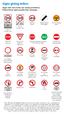 Signs giving orders Signs with red circles are mostly prohibitive. Plates below signs qualify their message. Entry to 20 mph zone End of 20 mph zone Maximum speed National speed limit applies School crossing
Where Do We Want to Go? How Can We Get There?
 Where Do We Want to Go? How Can We Get There? The BRTB has adopted nine goals, with supporting strategies, performance measures, and performance targets. Together, these goals, strategies, measures, and
Use of GPS systems with people count sensors for transport planning studies
 0 Use of GPS systems with people count sensors for transport planning studies Lic. Nora Turco 1 [email protected] 1. Summary: The Buenos Aires Metropolitan Region (RMBA 2 ) is one the major urban areas
How to use your go card on the TransLink network. TransLink go card user guide
 How to use your go card on the TransLink network TransLink go card user guide Contents The benefits of travelling using go card 2 How to travel using your go card 3 How to top up your go card 4 Touch on
Fleet management system as actuator for public transport priority
 10th ITS European Congress, Helsinki, Finland 16 19 June 2014 TP 0226 Fleet management system as actuator for public transport priority Niels van den Bosch 1, Anders Boye Torp Madsen 2 1. IMTECH Traffic
Trends and issues Lake Te Koutu walkway, Cambridge
 27 Trends and issues Lake Te Koutu walkway, Cambridge 3 Trends 3.1 Journey to work Over the past two to three decades there has been a significant increase in private vehicle ownership and usage and a