
TRENING A ZDROWIE / TRAINING & HEALTH
|
|
|
- Derek Holland
- 10 years ago
- Views:
Transcription
1 IDŌ Ruch dla Kultury / Movement for Culture 2008, 8, TRENING A ZDROWIE / TRAINING & HEALTH Autorem opublikowanego niżej tekstu jest prof. dr med. Helmut Kogel, profesor chirurgii, kierownik Zakładu Chirurgii Ogólnej i Naczyniowej na Uniwersytecie w Ulm. Jest on dyrektorem regionalnym Międzynarodowej Federacji Sztuk Walki (IMAF) i członkiem Komisji Badań Naukowych Stowarzyszenia Idōkan Polska, autorem podręcznika okinawskiego bōjutsu pt. Kobudo Bojutsu: Technik Training Katas (Meyer & Meyer Verlag, 2005) i dwóch prac z medycyny sztuk walki opublikowanych w poprzednich tomach IRK-MC. Posiada stopnie: 5 dan w karate (renshi), 5 dan w kobudō (renshi), 2 dan w idō, 2 dan w nihon jūjutsu oraz 1 antas w filipińskiej sztuce arnis. Helmut Kogel M.D., Professor of Surgery, is a Chief of the Department of General and Vascular Surgery, University of Ulm (Germany), also: Regional Director IMAF / Kokusai Budoin and member of Scientific Research Committee, Idōkan Poland Association. HELMUT KOGEL University of Ulm (Germany) Department of General and Vascular Surgery, Dreifaltigkeitshospital gem.gmbh (Germany) Bubishi the secret records of Okinawa / Bubishi sekretny przekaz z Okinawy Submission: ; acceptance: Key words: Bubishi, kyusho, jintai, traditional Chinese medicine, koishiki katas, acupuncture system Bubishi is been said the bible of Karate. The Question is why? Traditional Chinese Medicine (TCM) has taken an enormous influence on the system of the Asian Martial Arts. Behind the Asian martial art in former times there was the knowledge of the human body anatomy, his function and regulation system. Weak points have been found out to be especially suitable for attacks. These were the same points as known in the acupuncture system of the TCM, it was collected under the name Jintai or Kyusho. Tuite attacks have been directed to the joints, the sinews and the muscles. Some anatomic ideas were necessary to understand these techniques. In Bubishi there is also a description how to heal injuries. That means, the most important information for martial artists could be found inside the book. But the original was not open for everybody. Only some records have been made and have been brought by some Sappushi (ministers of the Chinese Kingdom) to Kumemura, a Chinese village near Naha on Okinawa island. In the following several hundred years a lot of information of the hand made records have been lost. The secret of Kyusho and Tuite Jutsu can be found in the reconstruction of the old traditional Katas (Koishiki Katas). But it is very difficult to understand because the Katas have been changed since a lot of time. Two different versions of the so-called Bubishi came from China, the province Fujin. The first version has probably been written by an expert of martial arts, called Mao Yuan Yi during the Ming dynasty This project has 240 chapters, which deal with tactical advices, such as different precautions in different areas. It resembles to the document of Sunzi. Moreover, this work includes the defence of weapons and bare hands techniques. In the Bubishi we find 32 different fighting positions, including 16 positions with an opponent. It is said, that the original book is kept in secret and only military elite can has access (R. Habersetzer). The second version derives probably from the Chinese village called Yong Chun in Fujin. It contains more fight combinations, but no tactical advices for the war. The old Chinese language is very difficult to understand, even for native people. This smaller book has only 32 chapters. One chapter includes the fighting style of the crane (Hakusturu-Ken), the playing crane (Happoren), other chapters describe acupuncture points concerning to fighting techniques, the treatment of illnesses and 104

2 injuries with special herbal medicine. This chapter is also very difficult to understand not only because of its old language, but also because of the difficult content. Moreover the prescriptions of the herbal medicine differ from one region to the other in China. Similar plants have different concentration of poison dependent on the region. Fig. 1. The place where the Bubishi record was kept in Okinawa by Chinese Sappushi in 1730, Shizeibo, Kume / Fot. 1. Miejsce, gdzie przechowywano zapiski Bubishi na Okinawie przez Chińczyka Sappushi w 1730 r., Shizeibo, Kume The word Bubishi derives from Chinese language: Bu means the warrior, Bi means science, and Shi is the spirit. The records derive from the knowledge of Shaolin Kempo. Here 365 so called smooth targets of the human body are known. 36 strikes have been described and 24 paralysing techniques (so called big points). Moreover 7 restricted zones are described. Hitting these points, irreversible injury can occur. The records of this second book of Bubishi have been copied by hand and have been given from the master to one student. The records differ, because mistakes occurred by incorrect translation of the old language and because some masters put in their own ideas and interpretations. Some masters of Okinawa have such records, as for example Tetsuhiro Hokama. Some have tried to translate the old Chinese language and to make a new interpretation. The original is said to be kept by a family in Taiwan, not experts in martial arts... Also some records are kept in Japan (mainland), including analyses of Jintai (Kyusho) [Habersetzer 2004]. In 1934 the Goju Ryu Master Tadahiko Ohtsuka published for the first time a book about this theme. It includes three chapters: 1. the story of the crane style, the playing crane (happoren), techniques of the crane style in Bubishi ; 2. Manual of martial arts, advices of Sunzi, escape techniques (Gedatsuho), the six different forms of fighting hands (Rokkishi); 3. The treatment of injuries with herbal medicine. One excellent comment in German and French language has been made by Roland Habersetzer in A similar Version has been published 105

3 by Patrick McCarthy in English language in He discussed this theme with Tetsuhiro Hokama in Okinawa, before he wrote his book. Tetsuhiro Hokama published a book about Bubishi in Japanese Language in 1984 with the title Okinawa Karate no Ayumi. The similarity can be seen in the different books. The records of Chojun Miyagi and the books of Gichin Funakoshi contain also element of the Karate bible Bubishi. Profound knowledge in acupuncture science, traditional Chinese medicine and the human anatomy are necessary in order to understand the special message of the Bubishi. Fig 2. Projection of restricted zones in a CT- Scan of the anterior neck region / Fot. 2. Obraz obszaru ograniczonego na odcinku szyjnym widzianym z przodu Without the special knowledge the records of Bubishi remain a secret. Because these old records are written with old Chinese script, years ago, we can only discover some meanings of the book. Research of Hokama concerning Bubishi In 1984 Tetsuhiro Hokama has written a book named Okinawa Karate no Ayumi, his personal analysis based on studies during several decades. I got from him an extract of the most important chapters, which are especially of interest, more than other interpretations. These records are dealt with different themes: 1. Tips for training 2. Tactical advices for fighters (similar as in the book of Sunzi) 3. Typical combinations for self defence (47 tables) 4. Techniques of Happoren (crane style) 5. Selected Kyusho combinations (attacks to weak points, neural reflex points) 6. Seven restricted zones 7. Diagnosis of wounds injuries 8. Selected examples of the art of herbal medicine for fighters 106

4 9. Basics of Kappo (resuscitations techniques) 10. The principals of the tower with the five circles and the Kyusho of the human body 11. The six forms of fighting hands (Okinawa Te) and some other themes. The interpretations of Hokama take care of the special cultural properties of Asian thinking and give insights into the basics of martial arts. The Bubishi is living During my studies with Sensei Hokama I learned to go back to the roots. When he analyzes special self-defence situations, he compares them with combinations of old Goju Ryu Kata movements and combinations of the Bubishi. Fig. 3. Combination of escape technique out of rear bear hug, concerning the image 1 of the Bubishi. It is similar to the beginning of the Kata Seienchin / Fot. 3. Kombinacja techniki oswobodzenia się z chwytu niedźwiedziego tylnego dotycząca obrazu 1 z Bubishi. Jest ona podobna do początku Kata Seienchin In my opinion, this is not a development back to ancient Kata techniques. It is an analysis if these techniques are suitable for practice. Special Todi-, Quanfa and Kempo techniques have been proved for several hundred years. They are like a pattern in the hands of Okinawan grandmasters like sensei Hokama. For several generations these masters have routine in practice of this martial art, they are living their art. This is an important cultural detail of Okinawan people, similar as the Bushido of the Japanese mainland, the art of the samurai. Also in Japan they have done a lot of work, like the development of Judo, of Karate and a lot of other martial arts. They made these arts popular in the whole world. Martial art in the hands of Okinawan and Japanese people has a special dimension; which cannot be reached by western people. Many things remain a secret for western people, because we are thinking in another way. Only the intensive study of Asian culture can enable us to get better insight. In my opinion, moreover, we cannot understand the real way of Aikido, of Karate, of Judo and other martial arts without the knowledge in traditional Chinese medicine. This knowledge cannot be limited to the study of Meridian system and Acupuncture. Asian sight of healthy, the sense of living with the nature, the health breathing like in Taiji and Qigong must be included. 107

5 The role of diurnal rhythm in martial arts Fig 4. The main meridians the semi-body / Fot. 4. Główne meridiany na połowie ciała There are 12 main meridians in Chinese medicine. These meridians are connected with inner organs, and on the outer surface with extremities and the joints. Moreover there exist 8 extraordinary meridians. It is a network between the other main meridians. There are 12 diverging channels, 12 muscle pathways and 12 main skin areas. In Asian sight the elementary energy (Qi or Chi) and blood (Xue) are flowing through these main meridians and can be sent via connecting channels and diverging channels through muscle and skin pathways to the whole body. On the skin and the surface of these meridians we find a lot of holes (points), which are used in traditional Chinese medicine for acupuncture. There are 361 well known acupuncture points. But moreover in acupuncture a lot of other so called extra points, not so well known, can be used. An abundance of energy (Chi) can be diverted into the extra channels and can be stored. In case of need of energy (Chi) this power can be feed into the main meridians. On each meridian the energy takes only the way in one constant direction. All meridians are connected by different channels. The flow of Chi follows a rhythm of 24 hours, every day in the same way. It is called the diurnal cycle. All meridians are used by the energy during three times per day. Blood and Chi are flowing through the channels during 2 hours and are reaching their maximum of energy during this interval (see: Fig. 4). The flow of energy through the 8 extra meridians is running permanently, independent of the time-interval. The first description of the diurnal rhythm and the phases of sun and moon have been made by a Chinese man named Feng Yiyuan and by the monk Liu Yuan, and Taoist. This special diurnal rhythm is utilized in traditional Chinese medicine and in Asian martial art in former times. For example massage with the direction of the chi flow is more effective than a technique in the opposite direction. Hitting an acupuncture point on a meridian during the interval with high energy is been said to induce an enhanced effect, because the Chi flow is interrupted. Stimulation 2 4 hours after the peak of Chi in one point can calm down the flow. In the Bubishi numerous combinations of strikes and kicks, respecting the diurnal rhythm are described. In the Bubishi we find the name of animals for different time intervals, 108

6 because in China it was usual to do this, it was called Sichen. But comparing the time intervals of Bubishi with the intervals in acupuncture science, we can detect some unexplained differences. Probably there are some mistakes in the hand written records of Bubishi. Fig. 5. Simplified clock of meridian circle / Ryc. 5. Uproszczony zegar cyklu meridianów The diurnal circle of energy (Chi) and the blood (Xue) begins in the lung and is passing the meridians as described in the fig 4. The circle is finished in the liver and begins there again. In traditional Chinese medicine a lot of diurnal circles are respected in the treatment of illness. The moon circle, the seasons and the direction of the heaven take further influence. In western medicine the diurnal rhythm is also known, but there is not so much research. Everybody knows the enormous influence of the day- night rhythm on the function of the organs. The secretion of hormones depends on it, the function of the circulatory system, the intestine and more. For example the cortisol level in the blood is very low on 4 o clock in the morning. During this time people take not so much attention and accidents happen more often. But there is not so 109

7 much explanation about the reasons of these mechanisms. In contrast Chinese medicine can give more information because of another point of view. But the calculation of the time intervals in the old China was very complicated as described by Hokama [1984]. Day and night do not have a 12 hour interval. One time interval shows a circa 2 hour period. Each time interval has the name of a beast. Each time interval was divided in further intervals (for example: Ox three = 30 past 3). Parallel another time system was use: morning and afternoon had 6 units, midday and noon had the number 9. These intervals had no name of animals, they had only numbers. The calculation differed from the other system. The seasons changed the diurnal rhythm. It was referred to the rising and the falling down of the sun. Moreover, there was a compass with 12 directions. Each direction had a name of the beast circle. Such system is very complicated. In martial arts of high level special attacks have been proposed in a special direction and during a special time. The structure to think of Chinese people made it easier to work in this way. This knowledge of the diurnal rhythm was used to ameliorate the effect of the training in the so called 36 chambers of the Shaolin. That means they respected time interval and direction during practice and Kata training. Historical Evolution of Kyusho Jutsu It is very difficult to look back to the evolution of Kyusho Jutsu. Most of the experts of the past have made no records of the application of vital points in Asian Martial Arts. Since the beginning, probably 1300 P.D., they gave the experiences of these secret techniques from hand to hand and from master to intimate student (Uchi Deshi), and to members of their own family. Kyusho Jutsu is intensively combined with the acupuncture model of the traditional Chinese medicine (TCM). Maybe such system of vital points should have been developed for the first time in 1300 P.D. from Zhang San-Feng and was called Dim Mac [Erle Montaigne]. Zhang was an eremite from the Wudang Mountains. He should have tested the effect of strikes and pressure points according to acupuncture doctrine first in animals, later on also in humans. Zhang who lived in the province Hopei was so impressed by the results of his techniques that he probably feared to make records of his knowledge. He transferred his knowledge only to members of his family and has hidden some techniques in dance like movements, called hào ch`uan, later on it developed to Taijiquan. The first records derived probably from his student Wang T`sung - Yeuh [Montaigne, Simpson 1997a, b; Habersetzer 2004]. Probably this knowledge came to some monasteries of Buddhism. The monks were intensively engaged with the healing art and the secret fighting techniques. The development of the poisoned hand, the so called Dianxue (Xue = cavity, blood flow) began to start. The name of Dianxue has its origin in the delayed effect of blows that means hours or days later. It depends on the circadian rhythmic of the flow of energy (Ki) through the Meridian channels. Time by time different styles occurred, such as Shaolin Kempo (or Chinese Kempo). It was known as a very strong style and has later on influenced the Okinawa style of Shuri Te and Shorin Ryu. The other system, called Yang style possessed more tender movements and influenced probably later on the Goju Ryu style (Naha Te) of Okinawa. The Ryu Kyu islands have been especially predisposed for cultural exchange between India, Japan and China, caused by the special geographic position, near to Taiwan and China. This was also important for the Martial Arts, which have been used for self-defence. Nowadays during journeys through Okinawa the intensive cultural exchange can also be detected in architecture, gardening art, living design and in the appearance of different people deriving from China, Japan, Philippines and some other lands. In Okinawa in former times a special form of self-defence existed, called Ti (or Te). This system has been influenced in 1400 P.D. by elements of Shaolin Kempo (Chinese Kempo). Also this art has been given hand to hand and has not been noted down. There is a correlation between these fighting arts and the Buddhism, which came by the Indian monk Dharuma (in India Bodhidharma) to China in 520 A.D. He became known by his technique of meditation (Za Zen). It is said that he remained sitting in this position for nine years. His theory became known under the name of Ekkinkyu. Two books have been found in the 110

8 Shaolin (Shorinji) temple called Ekkinkyu and Senzuikyo. The content of Ekkinkyu has been brought from different masters to the inhabitants of Okinawa; it was called Shorinji Kempo or Chinese Kempo. The Ekkinkyu has been combined with the self-defence system of Okinawa. This was the development of Okinawa Te [Hokama 1996]. The correlation of Buddhism and Karate is partially in doubt of some authors. Master Arakakis opinion is that two styles came from China to Okinawa that means Shorin Ryu and Shorei Ryu, which took later on influence onto other styles. For a long time martial arts have been intensively associated with healing arts. This is known in India, China, Okinawa and later on also in Japan. Healing methods and revival techniques could develop like Kappo, Kuatsu, the harmonizing art of Shin Jyutsu and many others. Healing methods are important to prevent and to cure injuries. It s a pity, that the knowledge of the traditional healing methods have been more and more forgotten and have been forced out by modern western medicine also in Japan. In our view it is a mistake because these two healing methods of Asian and western world are not competitive arts, they supplement each other. The western medicine is concentrated to the treatment of damages of organs; the traditional Chinese medicine is directed predominantly to cure and prevent malfunctions, deregulations of different organs. TCM has more prophylactic Character compared to western medicine. Also in Okinawa the fighting techniques on vital points have been trained concealed. Okinawa has been occupied by several foreign invaders. There has been an embarquement to have weapons in 1470 and 1609 P.D... The secret techniques have been practiced in different dances, so called Odoris. It was a similar trick as in former times in China. Very important records concerning Martial Arts can be found in the so called Bubishi. There are only few copies, which have been written by hand from original books of China. Because the copy was handmade, some mistakes could happen. Nowadays it is very difficult to analyse the different but similar copies. Gichin Funakoshi has quoted essential parts of the Bubishi, written by ancient Chinese masters, in his books. One of the first masters, who made progress of Okinawa Te, was Sakugawa Kanga (born 1735 P.D.). Matsumura Sokon (born ~ 1796) studied Martial Arts of Sakugawa and of the Chinese Master Kong Shu Kung, the creator of the Karate Kata Kushanku (later on called Kanku Dai). He had some well known students, such as Itosu Anko, Kuwate Ryusei, Yabu Kansetsu, Hanishiro Chomo, Kyan Chotoku and Gichin Funakoshi. It is very interesting to make studies about the concealing of Kyusho techniques step by step by reading chronologously and analysing the books of Funakoshi. Funakoshi has been encouraged by Jigoro Kanō to create with Karate a similar system as Kanō did with Judo. The martial arts should be changed. It was necessary to take them out of the system of self defence and transfer them into a system of physical training, confirming the character and to create a possibility of sportive competition without danger of severe injury. Jigoro Kanō initially was stimulated by the German Professor Dr. med. Erwin Baelz, who was teacher on the University of the Japanese Emperor in Tokyo. Kanō should create a system for physical education by elements of the old Jujutsu following the example of Turnvater Jahn in Germany. In the following years Kanō and Funakoshi formed with Judo and Karate a new system, which derived from the old Jujutsu. This was a great intellectual effort. These systems should be changed into sports without danger. In Karate traditional Katas have been modified and realistic applications have been rendered less harsh. The training has also to be changed and the secret dangerous techniques have not been shown any more to the students. Only in some old Katas we can reconstruct Kyusho techniques by comparing different styles and the applications (Bunkai). In this sense Kyushu techniques (strikes onto vital points), Tuite- or Torite techniques (pressure point techniques and distortion of joints) are hidden in Katas. One of the first books of Funakoshi is called To Te Jutsu (Chinese hand Jutsu). Here you can find an old form of the Kata Kushanku. It was brought to Okinawa by a Chinese Kempo master in He was minister of the Ming emperor Shu Kung (in Japanese language: Kosokun). This Kata was used to form later on Kanku Sho and Kanku Dai in Shotokan Karate. In Shorin Ryu style this Kata is known as Kusanku. Kusanku is probably the original Kata, because more realistic techniques can be seen compared to Shotokan style. Moreover Funakoshi shows in his old books 111

9 exercises with a partner with more realistic applications. When practicing a Tsuki he withdraws the other hand and holds the partner. Nowadays the hand is withdrawn to the hip only symbolically [Dillman 2000]. The Karate techniques have been changed and realistic applications have been hidden step by step in late books of Funakoshi [1984, 1994, 1997]. Following the tradition of the Samurai, the lesson has been divided into Shoden (basics), Chuden (advanced techniques) and finally Okuden (secret techniques). Nowadays techniques of Kyusho Jutsu are kept hidden for most Karate masters. There are only few teachers, who studied these secrets or have been instructed by Japanese masters. Menkyo Kaiden (master qualification) is a degree for few selected masters. Kyusho Jutsu cannot be understood without profound knowledge about the anatomy of the human body and the knowledge of the acupuncture doctrine. That s the reason why techniques are often been accused to be a quack. But the real essence of Ryu Kyu Kempo is the Kyusho Jutsu. It can be shown very impressively by some Okinawan masters. Fig. 6. Restricted zones from Bubishi, CT scan of the back of the neck / Fot. 6. Ograniczone obszary z Bubishi, obraz tylnej części szyi Relationship between Kyusho and healing arts The secret art of Kyusho Jutsu is living further on in some Grandmasters such as Soken Hohan ( ), the teacher of George A. Dillman. Kyusho Jutsu has been handed down for many generations. In some cases these masters had knowledge about Chinese medicine. So the access to the science of weak points of the human body (Kyusho points) was made easier. The masters have no interest to teach dangerous techniques to advanced students. The primary aim of Kyusho Jutsu is to finish attacks with a few paralysing blows without any dangerous injury and to 112
![The Karate techniques have been changed and realistic applications have been hidden step by step in late books of Funakoshi [1984, 1994, 1997].](/docs-images/43/3151507/images/page_9.jpg "Following the tradition of the Samurai, the lesson has been divided into Shoden (basics), Chuden (advanced techniques) and finally Okuden (secret techniques).")
10 finish a fight as soon as possible. In Bubishi some combinations have been misunderstood. Some translators believe that the death is caused by some special combinations some times later. But it is a typical mistake in translation of old Chinese characters. In the text of Bubishi the meaning of these characters is only malfunction. May be in special cases of injury death can occur, but this is not the primary aim. These malfunctions can be cured by Chinese medicine, which is also described in Bubishi. Dangerous points in Bubishi are described as restricted zones of the body. This is a proof of the defensive and reserved position of the martial art of Okinawa. We can wonder about the variety of Kyusho techniques in most traditional Katas in different styles. But is necessary to go back to the old roots of the traditional Kata. If we understand Kyusho Jutsu, we can also understand the statement of Gichin Funakoshi that every defence is simultaneously an attack. For the defence also is directed to weak points of the human body. REFERENCES 1. Beschaden J. (2001), Shen-Akupunkturatlas, Springer Verlag. 2. Cardwell C. (2003), The Western Bubishi, Ludlow Distributing Company, Knoxville, Tennessie. 3. Clark R. (2001), Pressure Point Fighting [in:] A Guide to the Secret Heart of Asian Martial Arts, Tuttle Martial Arts. 4. Dillman G.A. (2000), Kyusho Jutsu, The Dillman Method of Pressure Point Fighting (3th printing). 5. Funakoshi G. (1984), Karate-Do Kyohan, the Master Text (12 th Edition), Kodansha International Ltd., Tokyo New York San Francisco. 6. Funakoshi G. (1994), Karate-Do Nyumon, Kodansha International, Tokyo New York London. 7. Funakoshi G. (1997), To-Te Jitsu, Masters Publication, Hamilton, Ontario, Canada. 8. Funakoshi G. (2001), Karate Jutsu, The Original Teachings of Master Funakoshi, Kodansha International, Tokyo New York London. 9. Habersetzer R. (2004), Bubishi, An der Quelle des Karate Do, Palisander Verlag, Chemnitz. 10. Hokama T. (1984), Okinawa Karate No Ayumi, Japanese language, Self Editing Company. 11. Hokama T. (1996), History and Traditions of Okinawan Karate, Masters Publication, Hamilton, Ontario, Canada. 12. Kelly D.O.M. (2001), Death Touch, the Science behind the Legend of Dim Mac, Paladin Press, Boulder, Colorado. 13. Kirby G. (2001), Jujitsu nerve Techniques, the Invisible Weapon of Self-Defence. 14. Kogel H. (1975), Relationship between Budo and Medicine, Ido Movement for Culture, vol. 3, Ass. Idokan Poland, Rzeszów. 15. McCarthy P. (1995), The Bible of Karate: Bubishi Tuttle Publisching, Boston Rutland Vermont Tokyo. 16. Martinez J. (2001), Okinawa Karate, The Secret Art of Tuite, Javier E. Martinez San Juan, Puerto Rico. 17. Montaigue E. (1993), Dim-Mac, Death-Point Striking, Paladin Press, Boulder, Colorado. 18. Montaigue E. (1995), Dim-Mac s 12 Most Deadly Katas, Points of no Return, Paladin Press, Boulder, Colorado. 19. Montaigne E., Simpson W. (1997a), The Encyclopedia of Dim-Mac, The Extra Meridians, Points, and More, Paladin Press, Boulder, Colorado. 20. Montaigne E., Simpson W. (1997b), The Encyclopedia of Dim-Mac The Main Meridians, Paladin Press, Boulder, Colorado. 21. Nagamine S. (1998), The Essence of Okinawan Karate-Do, Tittle Martial Arts Publishing, Boston Rutland Vermont Tokyo. 22. Tedeschi M. (2003), Essential Anatomy for Healing and Martial Arts (3th printing), Weatherhill Publ. Inc. 23. Yukiko I. (1976), Shiatzu, Die japanische Heilmassage, Scherz Verlag, Bern München Wien. Słowa kluczowe: Bubishi, kyusho, jintai, tradycyjna medycyna chińska, kata koishiki, system akupunktury STRESZCZENIE Zapiski Bubishi dają wgląd w stary system azjatyckiej sztuki walki i leczenia kontuzji, które można odnieść w walce. Punkty kyusho i punkty akupunktury są takie same. W celu lepszego zrozumienia tradycyjnej sztuki walki należy zapoznać się z akupunkturą, anatomią ludzką oraz chińską medycyną ziół. Sekret kyusho i tuite jutsu został zapisany w Bubishi i w tradycyjnych kata. 113

The History of Karate Belts and Ranks
 The History of Karate Belts and Ranks Introduction Modern-day students of karate generally assume that the ranking system of kyu (color belt) and dan (black belt) levels, and the various titles that high-ranking
Internal Chi Breathing
 Internal Chi Breathing By Michael Winn Note: This article is adapted from a transcript of the audio course Chi Kung Fundamentals #3: Internal Chi Breathing. If you wish to learn the breathing method only,
PREPARING THE RESEARCH REPORT FOR INSTRUCTOR CERTIFICATION AND DAN EXAMINATIONS
 PREPARING THE RESEARCH REPORT FOR INSTRUCTOR CERTIFICATION AND DAN EXAMINATIONS Prepared by the ISKF Technical Committee INTRODUCTION Over the past several years, examiners reading research papers submitted
Full Circle. mindbodyspirit programs Carol Clark, co-founder, director, instructor. Training Experience
 Full Circle mindbodyspirit programs Carol Clark, co-founder, director, instructor Training Experience 1974-1975, 1977-1983 Sil Lum Wu Shu Kung Fu Lum Kung Fu school Sil Westfield, MA Instructor: Sifu Alan
Report: Aikido Seminar with S. Takeda Sensei (6. Dan) and D. Radüntz Sensei (4. Dan)
 Report: Aikido Seminar with S. Takeda Sensei (6. Dan) and D. Radüntz Sensei (4. Dan) Seminar Date: 24. - 26. October 2008 Location: Aikidojo, Germany Aikido Seminar October 2008 2 KU emptiness, sky, nothingness
The Role of Complementary and Alternative Medicine
 The Role of Complementary and Alternative Medicine By Leslie Mendoza Temple, MD and Cynthia A. Holmes, PhD According to Dr. Andrew Weil, Director of the Integrative Medicine program at the University of
CONTENTS PART ONE: OKINAWA
 CONTENTS CHAPTER 1 4 BUN - BU RYODO CHAPTER 2 PART ONE: OKINAWA 10 OKINAWA, THE BIRTHPLACE OF KARATE 14- Satsuma Invasion 15- Shogun Ieyasu Tokugawa 20- Meiji Restoration CHAPTER 3 24 THE CREATORS OF MASTER
Examination program and Jiu-Jitsu/SD exam regulations of the WKU/GCO
 1 Jiu-Jitsu/SD exam regulations 2 General regulations These regulations are the basis and part of the Jiu-Jitsu/SD training in the WKU & GCO and include the equality of gender. Tests may include peculiarities
Physical therapies. Massage
 This information is an extract from the booklet, Understanding complementary therapies. You may find the full booklet helpful. We can send you a copy free see page 6. This information discusses eight physical
Krav Maga Expert s Secrets
 Krav Maga Expert s Secrets Krav Maga became the official hand to Hand Combat System of the Israeli Defense Forces (IDF) from its inception. It was created and perfected as a Self Defense and Hand to Hand
QIGONG An Introduction to the Ancient Practice of Harmonious Integration of Body, Breath and Mind
 NORTH JERSEY CENTER FOR ACUPUNCTURE AND ORIENTAL MEDICINE QIGONG An Introduction to the Ancient Practice of Harmonious Integration of Body, Breath and Mind 12 Main Street, Suite 12-2 Madison, NJ 07940
Circle Of Life SM : Cancer Education and Wellness for American Indian and Alaska Native Communities
 Wellness along the Cancer Journey: American Indian, Alaska Native and Complementary Healing Revised October 2015 Chapter 3: Complementary and Alternative Medicine Alternative & Native Healing Rev. 10.8.15
Exploring the. Lazy Yoga. in Thai Massage
 Exploring the Lazy Yoga in Thai Massage Cyndi Karges Prairie Yoga - 200 Hr. Teacher Training (2010-2011) Thai Massage is an ancient style of healing that includes elements of reflexology, yoga, energy
HANSHI S FIRST TRUE SENSEI, MASTER AKIRA TANIGUCHI & A HISTORY OF KARATE IN BRAZIL
 HANSHI S FIRST TRUE SENSEI, MASTER AKIRA TANIGUCHI & A HISTORY OF KARATE IN BRAZIL Written by Hanshi Richard www.budoryu-international.com 1 Karate was introduced to Brazil by Japanese immigrants who originally
Sombo Russian Wrestling
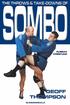 The Throws and Take-downs of Sombo Russian Wrestling Geoff Thompson S U M M E R S D A L E Copyright Geoff Thompson 2001 All rights reserved. The right of Geoff Thompson to be identified as the author of
Three Treasures Circle Qigong
 Three Treasures Circle Qigong Introduction We practice this process to remind ourselves of what is true now In this moment, and beyond all time. We are separate, individual and unique, And there is no
Dr. Reinhard Voll, MD
 Dr. Reinhard Voll, MD EAV "The Basics" In the late 1940 s, a German medical doctor and engineer, Dr. Reinhard Voll, began researching and proving an innovative testing method now known as EAV (Electro-Acupuncture
Black Belt Ranks and Titles
 Black Belt Ranks and Titles People studying karate at the color-belt level tend to think of a black belt as their ultimate goal. That frame of mind is useful up to a point, but once black belt level is
School & Teacher Programs Online Gallery Ascending the Peaks: Exploring Mountains in East Asian Art
 East Asian Art Mountains are such dominating features in East Asian geography that they have played a major role in shaping beliefs and cultural understanding for centuries. They are venerated by major
Tai Chi Nation guide to Qigong - Part 1
 Tai Chi Nation guide to Qigong - Part 1 We hope this guide will help introduce you to and inspire you in the practice of Tai Chi Qigong. We love this wonderful art and have gained so much benefit from
Comprehensive Insurance & Protection Scheme for Foreigners Staying in China of. Ping An Annuity Insurance Company, Ltd.
 Brief Introduction to Chinese Version (Effective since August 1, 2014) Comprehensive Insurance & Protection Scheme for Foreigners Staying in China of Ping An Annuity Insurance Company, Ltd. To participate
Comprehensive Insurance & Protection Scheme for Foreigners Staying in China of. Ping An Annuity Insurance Company, Ltd.
 Brief Introduction to Chinese Version Comprehensive Insurance & Protection Scheme for Foreigners Staying in China of Ping An Annuity Insurance Company, Ltd. To participate in conditions: International
Acupuncture in the Military
 The Pathways Interview: Winter 2008-09 Issue Interview by Daniel Redwood, DC Col. Richard Niemtzow, MD, PhD, MPH, is a military medical physician who practices acupuncture on a full-time basis for the
C. difficile Infections
 C. difficile Infections Introduction C. difficile is a type of bacteria that can cause diarrhea and infection of the colon. This bacterium is more likely to infect patients at hospitals and other healthcare
Ordinary Moments of Grace
 Ordinary Moments of Grace To everything there is a time and a season for every purpose under heaven. A time to be born and a time to die. A time to sow and a time to reap. A time to laugh and a time to
Who is Hector Hernandez
 517-712-5012 Who is Hector Hernandez Hector L. Hernandez is an author, former law enforcement officer, speaker and trainer. Located in U.S.A. He has over 20 years of experience and is recognized as the
WELCOME TO GOD S FAMILY
 WELCOME TO GOD S FAMILY To all who received him, to those who believed in his name, he gave the right to become children of God children born not of natural descent, nor of human decision or a husband
Glossary of Chinese Martial & Internal Arts Terms Sam Masich
 Glossary of Chinese Martial & Internal Arts Terms Sam Masich Pinyin Wade-Giles Definition =================================================================== Maxiqi Ma Hsi Ch i Masich sinofied. (lit. Strange
What Is CAM? What is CAM? Are complementary medicine and alternative medicine different from each other? What is integrative medicine?
 What Is CAM? There are many terms used to describe approaches to health care that are outside the realm of conventional medicine as practiced in the United States. This fact sheet explains how the National
Recovering with T3 - by Paul Robinson. Introduction
 Recovering with T3 - by Paul Robinson Introduction I am not a professional writer. Neither am I a doctor, a medical researcher or a biochemist. I am simply a man who has had his life derailed by thyroid
Unit 4 Lesson 8 The Qin and Han Dynasties
 Unit 4 Lesson 8 The Qin and Han Dynasties Directions Read the False statements below. Replace each underlined word with one from the word bank that makes each sentence True. Word Bank Ying Zheng army copper
helps lung to breath last stage of transformation of qi Defensive Qi circulates outside the vessels moistens skin and hair readjusts body temperature
 Types of Qi Qi English Translation location function Qing Qi Air Qi Lung inhaled by the Lung Gu Qi Food Qi Spleen and Stomach Zong Qi Gathering Qi stored in chest air qi + food qi produced by Spleen and
Assessment of the project
 Assessment of the project International Marketing Offensive for Smart Phones in China 1. Assessment of the project itself In November 2014 we started preparing our project which was an international marketing
Composition as Explanation Gertrude Stein
 Composition as Explanation Gertrude Stein First delivered by the author as a lecture at Cambridge and Oxford, this essay was first published by the Hogarth Press in London in 1926 and revived in the volume
THE WARFARE OF PRAYER EPHESIANS 6:10-18
 THE WARFARE OF PRAYER EPHESIANS 6:10-18 Text: Ephesians 6:10-12, 18 Ephesians 6:10-12 10 Finally, my brethren, be strong in the Lord, and in the power of his might. 11 Put on the whole armour of God, that
PowerPoint Lecture Outlines prepared by Dr. Lana Zinger, QCC CUNY Complementary and Alternative Medicine
 PowerPoint Lecture Outlines prepared by Dr. Lana Zinger, QCC CUNY 17 Complementary and Alternative Medicine Complementary and Alternative Medicine: What Is It and Who Uses It?! Complementary Medicine Used
Health Vitality Longevity
 Health Vitality Longevity St Petersburg Shaolin Wahnam Cosmos Chi Kung and Tai Chi Chuan Festival + November 2 nd -5 th, 2012 Hotel indigo in Downtown St Petersburg, Fl Info @ www.shaolinstpete.com/festival/
BIMAADIZIWIN: A Healthy Way of Life" Teaching and Research Viewer Guide
 BIMAADIZIWIN: A Healthy Way of Life" Teaching and Research Viewer Guide PBS eight s landmark series, Ojibwe/Waasaa-inaabidaa:We Look In All Directions, celebrates an extraordinary Native American culture
Thinking About Complementary & Alternative Medicine
 Thinking About Complementary & Alternative Medicine A guide for people with cancer PATIENT & family EDUCATION U.S. DEPARTMENT OF HEALTH AND HUMAN SERVICES National Institutes of Health National Cancer
HOLISTIC HEALTH MALDIVES RANGALI ISLAND
 HOLISTIC HEALTH MALDIVES RANGALI ISLAND NATUROPATHY SERVICES MALDIVES RANGALI ISLAND Holistic Health incorporates the principles of Naturopathy or Natural Healing and combines modern science with nature
Student Lesson. Iwo Jima! Where Are You? Geography Lesson
 Student Lesson Geography Lesson LESSON TITLE: Iwo Jima! Where are you? GRADE LEVEL: 7 12 EALRS: Social Studies: History 1.2 analyze the historical development of events, people, places, and patterns of
From c. A.D. 45- A.D. 116, a woman named Ban Zhao served as the imperial historian.
 The Han Dynasty A Time of Great Achievement From Chaos and Disunity to Stability and Great Works With the fall of the Qin Dynasty, China was plunged into chaos and fighting. In time, a farmer-turned soldier,
Course of fire begins with a proper load and make ready for each relay.
 SEMI-AUTO PISTOL QUALIFICATION COURSE: 2011 OPOTA TARGET: OPOTA RQT-2 NUMBER OF ROUNDS: 25 (26 minimum on shooter) FIRING RANGE DISTANCE REQ.: TIME LIMITS: LIGHT CONDITIONS: MODE OF CARRY: MAGAZINES ARE
How can karate help parents? How long will it take to become proficient? How long will it take to become a black belt?
 The instructors of the Ryukyu Academy welcome you to our Karate Dojo. It is our goal to provide excellent martial arts training in a safe and disciplined environment. We provide training and support to
TAI-CHI 24 FORM. Compiled by Robert Yeoh CONTENTS. [email protected] www.optusnet.com.au/~robyeoh Latest Revision: 24 October 2002
 TAI-CHI 24 FORM Compiled by Robert Yeoh [email protected] www.optusnet.com.au/~robyeoh Latest Revision: 24 October 2002 CONTENTS HISTORY OF TAI CHI 1 OPENING FORM...3 2 PART HORSE S MANE LEFT, RIGHT,
budo / curriculum vitae pagina 1
 budo / curriculum vitae pagina 1 Th. J. Theloesen (Theo). From Judo and Ju-Jutsu green-belt in 1958 to 7th Dan Karate-Do in 1996 NAJA: Nederlandse Amateur Ju-Jutsu and Judo Association Picture is taken
Guo Lin walking Qigong and the standing Guo Lin Qigong practices.
 Guo Lin walking Qigong and the standing Guo Lin Qigong practices. These are the forms used by Guo Lin to treat her own cancer, and used to treat the cancer of many others. If you have cancer, please consult
The Damage by Asbestos and the Problems of Compensation/Relief in Japan. Kenichi Miyamoto
 The Damage by Asbestos and the Problems of Compensation/Relief in Japan Kenichi Miyamoto 2010 年 2 月 RPSPP Discussion Paper No.16 The Damage by Asbestos and the Problems of Compensation/Relief in Japan
The Benefits of Judo Kata
 . Malcolm Young BAJ No:41 Intermediate Coach Examination The Benefits of Judo Kata.......... The Benefits of Judo Kata Understanding the Term Kata...3 Benefits to the Art...5 Benefits to the Instructor...7
SHORIN RYU TRADITIONAL OKINAWA KARATE-DO REQUIREMENTS MANUAL NAME
 GRAND RIVER KARATE Cooperation Friendship Learning SHIDO-KAN SHORIN RYU TRADITIONAL OKINAWA KARATE-DO REQUIREMENTS MANUAL NAME Member of the Beikoku Shido-kan Karate-do Association 1 Okinawan Shisa is
LILLIAN PITAWANAKWAT LESSON PLAN 2006 All Rights Reserved 4D Interactive Inc. 416-530-2752 1
 Elder Lillian Pitawanakwat Nation Ojibwe/Potawotami Lesson Plan Grade Level Junior (Grades 1-6) Time Required 3 4 hours Subject Strand Links Geography Natural Science Astronomy Traditional Teachings The
SHORIN RYU TRADITIONAL OKINAWA KARATE-DO REQUIREMENTS MANUAL NAME
 GRAND RIVER KARATE Cooperation Friendship Learning www.grkarate.com SHIDO-KAN SHORIN RYU TRADITIONAL OKINAWA KARATE-DO REQUIREMENTS MANUAL NAME Member of the Beikoku Shido-kan Karate-do Association 1 Okinawan
Wu Ming Qigong for Breast Cancer Treatment and Prevention
 Wu Ming Qigong for Breast Cancer Treatment and Prevention The most powerful tool traditional Chinese medicine has to offer for breast cancer treatment and prevention is qigong (pronounced chee-kung), an
Jainism Jainism also began in India; religion teaches ahimsa nonviolence - Jains believe all living things have souls and should not be hurt
 Lesson 3 Buddhism and India s Golden Age MAIN IDEAS Belief System A teacher called the Buddha developed a new religion that focused on helping people to escape suffering. Government The Maurya rulers united
The Pavement Arena Adapting Combat Martial Arts to the Street Geoff Thompson
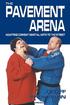 The Pavement Arena Adapting Combat Martial Arts to the Street Geoff Thompson S U M M E R S D A L E First published 1993. This edition copyright Geoff Thompson 2001 All rights reserved. The right of Geoff
Luiz Felipe Scolari, Portuguese National Team Coach: Who scores, wins!
 The complete soccer coaching experience SOCCERCOACHING Interna tiona l SPECIAL Luiz Felipe Scolari, Portuguese National Team Coach: Who scores, wins! Portugal started Euro 2008 as one of the favorites
Champlain and Native American Relations. When Christopher Columbus mistakenly took the New World for India he labeled
 Champlain and Native American Relations When Christopher Columbus mistakenly took the New World for India he labeled the natives of this land as Indians. The term may not be politically correct today,
PUSD High Frequency Word List
 PUSD High Frequency Word List For Reading and Spelling Grades K-5 High Frequency or instant words are important because: 1. You can t read a sentence or a paragraph without knowing at least the most common.
Shared Cultural Symbols A Pre-Visit Lesson to Asian Gardens: Science and Culture
 Shared Cultural Symbols A Pre-Visit Lesson to Asian Gardens: Science and Culture Objectives: To discuss the reasons why certain ideas become cultural symbols. To compare and contrast the cultural symbols
Ancient China. Military Stamp/Seal. The Qin and Han Dynasties
 Ancient China The Qin and Han Dynasties Military Stamp/Seal http://history.cultural-china.com/chinawh/images/exbig_images/c03bc44c62df55844b6ebc96427e0f5f.jpg Qin Shi Huangdi 246BCE - Warring States Period
SCRIPT NUMBER 116 ALCOHOL ADDICTION - 2 (TWO SPEAKERS)
 SCRIPT NUMBER 116 ALCOHOL ADDICTION - 2 (TWO SPEAKERS) PROGRAM NAME: HEALTH NUGGETS PROGRAM TITLE: ALCOHOL ADDICTION - 2 PROGRAM NUMBER: 116 SUBJECT: ALCOHOL ADDICTION, RISK FACTORS, TREATMENT KEY WORDS:
Healing the Invisible Wound. Recovery and Rehabilitation from a Post Traumatic. Stress Injury. By Dr. Amy Menna
 Healing the Invisible Wound Recovery and Rehabilitation from a Post Traumatic Stress Injury By Dr. Amy Menna Post Traumatic Stress Disorder can affect anyone. It is a term used to describe a reaction to
FOREWORD AND CONTENT OF THE GERMAN EDITED BOOK 'DAS WISSEN VOM HEILEN' BY OESCH VERLAG ZURICH, SWITZERLAND
 THE KNOWLEDGE OF HEALING Tibetan Medicine FOREWORD AND CONTENT OF THE GERMAN EDITED BOOK 'DAS WISSEN VOM HEILEN' BY OESCH VERLAG ZURICH, SWITZERLAND [email protected] www.oeschverlag.ch Tel +41 1 3057066
Acupuncture: An Introduction
 Acupuncture: An Introduction Acupuncture is among the oldest healing practices in the world. As part of traditional Chinese medicine (TCM), acupuncture aims to restore and maintain health through the stimulation
Benchmark C Describe the characteristics of feudal societies and the transition to the Renaissance and Reformation in Europe.
 Feudalism in Japan and Europe Connection: History Benchmark C Describe the characteristics of feudal societies and the transition to the Renaissance and Reformation in Europe. Indicator 3 Describe the
Tai Chi for Health Purposes
 Tai Chi for Health Purposes Tai chi (pronounced tie chee and also known by some other names and spellings ) is a mind-body practice that originated in China as a martial art. A person doing tai chi moves
Ancient China: The Qin and Han Dynasties**
 Name Period Date Ancient China: The Qin and Han Dynasties** 246BCE - Warring States Period Zhou Dynasty has almost no power in China Qin Shi Huangdi comes to power in 246BCE as king of state of Qin Conquers
Shaolin Temple. Dengfeng, China. Home of Shaolin Kung Fu
 Shaolin Temple Dengfeng, China Home of Shaolin Kung Fu Location The temple is located on in the foothill of Songshan Mountain in Henan, China. Dengfeng is the nearest town (15 min. away)and it offers shopping,
INTEGRATING AND UNDERSTANDING CLASSICAL AND TCM THEORY
 INTEGRATING AND UNDERSTANDING CLASSICAL AND TCM THEORY Aims To integrate TCM and Classical approaches. To aid study for NCCAOM exam. The NCCAOM exam is greatly based upon TCM but also draws on a number
Integrative TaiJiQuan & Medical Qi Gong Series. Michael Frost, PhD., ND.
 Integrative TaiJiQuan & Medical Qi Gong Series Michael Frost, PhD., ND. THE THREE LEVELS OF TRAINING There are three grades, or levels of training in Integrative TaiJiQuan. These three basic grades, which
What Is Complementary and Alternative Medicine (CAM)?
 What Is Complementary and Alternative Medicine (CAM)? There are many terms used to describe approaches to health care that are outside the realm of conventional medicine as practiced in the United States.
By Bing You, L.Ac., M.D. (China) Diplomate, American Academy of Pain Management Diplomate, National Certification Commission for Acupuncture &
 By Bing You, L.Ac., M.D. (China) Diplomate, American Academy of Pain Management Diplomate, National Certification Commission for Acupuncture & Oriental Medicine ! Chinese medicine is based on an energetic
[Figure 1] East Asian smartphone game market scale (according to country/region) (Prediction) (Prediction) (Prediction)
![[Figure 1] East Asian smartphone game market scale (according to country/region) (Prediction) (Prediction) (Prediction)](/thumbs/27/10429923.jpg "[Figure 1] East Asian smartphone game market scale (according to country/region) (Prediction) (Prediction) (Prediction)") Survey materials Press release July 29, 2014 CyberZ, Inc. The East Asian Smartphone Game Market Scale is 916.8 Billion Yen (Two Times the Previous Year) and Will Reach the One Trillion Yen Mark in 2014
Survey materials Press release July 29, 2014 CyberZ, Inc. The East Asian Smartphone Game Market Scale is 916.8 Billion Yen (Two Times the Previous Year) and Will Reach the One Trillion Yen Mark in 2014
Institute of Chinese Energy Healing
 JING DONG GONG Stillness Movement Qigong LONDON WORKSHOP It is NOW time for these ancient Chinese healing techniques to be made available to the West. Master Wang Juemin The Michael Lomax Stillness Movement,
Homeopathy Naturopathy Osteopathy Chiropractic Ayurveda and Conventional
 Credit: The image of Chinese medicine bottles from http://www.flickr.com/photos/moriza/49897087/ Homeopathy Naturopathy Osteopathy Chiropractic Ayurveda and Conventional Russell A. Faust, PhD, MD, FAAP
Game Design Document and Production Timeline. John Laird and Sugih Jamin University of Michigan
 Game Design Document and Production Timeline John Laird and Sugih Jamin University of Michigan Game Production Timeline Inspiration (1 month) Results in game treatment/concept paper Conceptualization (3-5
Massage therapy and energy-based therapies
 Massage therapy and energy-based therapies This information is an extract from the booklet Complementary therapies and cancer. You may find the full booklet helpful. We can send you a copy free see page
UK W E L L N E S S C E N T R E
 WELLNESS CENTRE UK A TRUE PLEASURE OF SENSES... Taking care of yourself is a real moment of pleasure and well-being. Our beauty treatments have soft and tender textures, perfumed with loving scents: Damas
Procedure Information Guide
 Procedure Information Guide Total hip replacement Brought to you in association with EIDO and endorsed by the The Royal College of Surgeons of England Discovery has made every effort to ensure that the
What are you. worried about? Looking Deeper
 What are you worried about? Looking Deeper Looking Deeper What are you worried about? Some of us lie awake at night worrying about family members, health, finances or a thousand other things. Worry can
An IFC Reports Interview with. Dr. Mansour B. AlOrf, Hospital Director, ALORF Hospital, Kuwait. For our special report on Kuwait
 An IFC Reports Interview with Dr. Mansour B. AlOrf, Hospital Director, ALORF Hospital, Kuwait On the 15 th February 2011 For our special report on Kuwait IFC REPORTS: Kuwait reportedly has one of the best
Qigong. Ba Duan Jin. The Eight Pieces of Brocade
 Qigong Ba Duan Jin The Eight Pieces of Brocade by Col and g Hamilton Yiheyuan Martial Arts Contents Page Introduction 2 Preparation 2 1. Hold up the Sky 3 2. The Archer 4 3. Join Heaven and Earth 5 4a.
Name Class Date. Ancient China Section 4
 Name Class Date Ancient China Section 4 MAIN IDEAS 1. Han dynasty government was based on the ideas of Confucius. 2. Family life was supported and strengthened in Han China. 3. The Han made many achievements
A successful law career that spans nearly 40 years has to start somewhere.
 February 11, 2002 News Story By Kelly A. McCauley Lawrence Gursten Education: Wayne State University Law School (1965) Experience: Gursten, Koltonow, Gursten, Christensen & Raitt, Southfield Professional
~ 2015 KUNG FU CHINA TRAINING TOUR ~
 ~ 2015 KUNG FU CHINA TRAINING TOUR ~ with GRANDMASTER WILLIAM CHEUNG October 10 to 20, 2015 Foshan (Yip Man s home town) > Shaolin Temple (the birthplace of martial arts) > Hong Kong (Grandmaster William
CHINA OVERVIEW: A BRIEF HISTORY OF CHINESE DYNASTIES. Student Handouts, Inc.
 CHINA OVERVIEW: A BRIEF HISTORY OF CHINESE DYNASTIES Student Handouts, Inc. GEOGRAPHY OF CHINA Larger than the United States Climate varies North Temperate and cold South Subtropical Erosion Floods and
LESSON TITLE: Jesus Visits Mary and Martha THEME: Jesus wants us to spend time with \ Him. SCRIPTURE: Luke 10:38-42
 Devotion NT249 CHILDREN S DEVOTIONS FOR THE WEEK OF: LESSON TITLE: Jesus Visits Mary and Martha THEME: Jesus wants us to spend time with \ Him. SCRIPTURE: Luke 10:38-42 Dear Parents Welcome to Bible Time
World IMACSSS Congress and extraordinary distinctions for martial arts experts
 Idōkan Poland Association IDO MOVEMENT FOR CULTURE. Journal of Martial Arts Anthropology, Vol. 11, no. 1 (2011), pp. 67 76 REPORTS & REVIEWS Jan Słopecki 1, Kazimierz Obodyński 2 1 Association Idōkan Poland,
Dragon Legend in Chinese Art Motifs (Jade, Bronze, Porcelain, and Folk Arts) Chinese Culture and Society Series
 1 Dragon Legend in Chinese Art Motifs (Jade, Bronze, Porcelain, and Folk Arts) Chinese Culture and Society Series Phylis Lan Lin, PhD Associate Vice President for International Partnerships University
Study on Interior Design and Architectural Culture. Haoran Yang. Environmental art college, Hebei Academy of Fine Arts, Shijiazhuang, 050700, China
 International Conference on Education Technology and Economic Management (ICETEM 2015) Study on Interior Design and Architectural Culture Haoran Yang Environmental art college, Hebei Academy of Fine Arts,
Rotator Cuff Pathophysiology. treatment program that will effectively treat it. The tricky part about the shoulder is that it is a ball and
 Rotator Cuff Pathophysiology Shoulder injuries occur to most people at least once in their life. This highly mobile and versatile joint is one of the most common reasons people visit their health care
Total hip replacement
 Patient Information to be retained by patient What is a total hip replacement? In a total hip replacement both the ball (femoral or thigh bone) side of the hip joint and the socket (acetabular or pelvic
Cerebral Palsy. 1995-2014, The Patient Education Institute, Inc. www.x-plain.com nr200105 Last reviewed: 06/17/2014 1
 Cerebral Palsy Introduction Cerebral palsy, or CP, can cause serious neurological symptoms in children. Thousands of children are diagnosed with cerebral palsy every year. This reference summary explains
Markham Stouffville Hospital
 Markham Stouffville Hospital Adult Diabetes Education Frequently Asked Questions What is diabetes? Diabetes is a disease in which blood glucose levels are above normal. Most of the food we eat is turned
Getting Kids Reading in Mandarin: The Comic Book Connection by Elizabeth Weise
 Getting Kids Reading in Mandarin: The Comic Book Connection by Elizabeth Weise We know two things about reading in all languages: the more you do, the easier it gets, and the more you read, the better