
Macadamia problem solver & bug identifier
|
|
|
- Barnard Short
- 10 years ago
- Views:
Transcription
1 Macadamia problem solver & bug identifier Reprint information current in 2003 REPRINT INFORMATION PLEASE READ! For updated information please call or visit the website This publication has been reprinted as a digital book without any changes to the content published in We advise readers to take particular note of the areas most likely to be out-of-date and so requiring further research: Chemical recommendations check with an agronomist or Infopest Financial information costs and returns listed in this publication are out of date. Please contact an adviser or industry body to assist with identifying more current figures. Varieties new varieties are likely to be available and some older varieties may no longer be recommended. Check with an agronomist, call the Business Information Centre on , visit our website or contact the industry body. Contacts many of the contact details may have changed and there could be several new contacts available. The industry organisation may be able to assist you to find the information or services you require. Organisation names most government agencies referred to in this publication have had name changes. Contact the Business Information Centre on or the industry organisation to find out the current name and contact details for these agencies. Additional information many other sources of information are now available for each crop. Contact an agronomist, Business Information Centre on or the industry organisation for other suggested reading. Even with these limitations we believe this information kit provides important and valuable information for intending and existing growers. This publication was last revised in The information is not current and the accuracy of the information cannot be guaranteed by the State of Queensland. This information has been made available to assist users to identify issues involved in macadamia production. This information is not to be used or relied upon by users for any purpose which may expose the user or any other person to loss or damage. Users should conduct their own inquiries and rely on their own independent professional advice. While every care has been taken in preparing this publication, the State of Queensland accepts no responsibility for decisions or actions taken as a result of any data, information, statement or advice, expressed or implied, contained in this publication.

2 Brown or dead leaves Leafminer damage... 8 Twig-girdler damage Felted coccid damage Leaf beetle damage Cicada damage Heat damage Herbicide damage Salt damage Branch dieback disease Bacterial wilt disease Boron toxicity Frost damage Fire burn damage Distorted leaves Felted coccid damage Flower thrips damage Broad mite damage Aphid damage Glyphosate damage Fruitborer damage Mealybug damage Spotting bug damage Zinc deficiency Extreme boron deficiency.. 58 Tip borer damage Mistletoe infestation Copper deficiency Vining disorder Vertical growth disorder Chewed leaves Twig-girdler damage Leaf beetle damage Caterpillar damage Meat ant damage Leaf fall Tree decline... 4 Trunk canker disease... 4 Armillaria root rot disease. 48 Kretzchmaria disease Trunk damage Trunk canker disease... 6 Lichen infestation Hail damage Frost damage Fire burn damage Graft incompatibility Brown or dead flowers Flower caterpillar damage.. 80 Raceme blight disease Flower thrips damage Leaf beetle damage Water stress damage Herbicide spray damage Broad mite damage Frost damage Lace bug damage Aphid infestation Distorted flowers Felted coccid damage Chewed flowers Hairyline butterfly damage Flower looper damage Spots on husks or shells Spotting bug damage Nutborer damage Husk spot disease Scale infestation Husk rot disease Yellow peach moth Adhering husk Cornelian butterfly Nut stemborer damage Twig-girdler damage Hail damage Pencilled blue butterfly Mealybug infestation Leptocoris bug damage Sigastus weevil damage Holes in shells Nutborer damage Rat damage Kernel grub damage Open micropyle Split or broken shells Early germination Cracked shells Animal damage Water stress Premature nut drop Various causes Discoloured husks/shells Black shells Pale shells Thrips damage Mite damage Spray damage Mealybug infestation Damaged kernels Spotting bug damage Nutborer damage Husk rot disease Early germination Cracked shells Yellow peach moth Black shells Pale shells Kernel grub damage Open micropyle Cornelian butterfly Twig-girdler damage Green vegetable bug Sigastus weevil damage Miscellaneous Sticktight nuts Prominent suture Typical symptoms leaf fall, yellow leaves, and twig dieback Tree decline Cause: Undetermined. Believed to be caused by a combination of factors that lead to a run-down in tree health. These include nutrient deficiencies; low soil organic matter levels; soil erosion, exposing surface roots to desiccation; root death in compacted or shallow soils (heavy clay or rock within 1 m of the surface). 4 Close-up of yellowing and burning of the leaf margins Identification: Typical symptoms are leaf fall, yellow or bronzed leaves and twig dieback. Trees may die. Leaves may show a wide range of symptoms but leaf spotting, and yellowing and burning of the leaf margins are common. Treatment: Prune affected trees to reduce tree size by onethird. Apply a general foliar fertiliser at regular intervals once new leaf growth has occurred. Maintain a layer of mulch 5 cm thick up to and just outside the dripline to help encourage new root growth. Ensure that the mulch is kept away from the trunk. Trees may take some time to recover. Prevention: Maintain appropriate levels of soil nutrients by using regular soil and leaf analysis. Pay particular attention to phosphorus, calcium and ph. Regularly apply mulch, particularly where soil erosion or mechanical harvesting exposes surface roots. Consider a perennial living mulch such as sweet smother grass in the interrow and tree row areas. Control water flow within the orchard to prevent water flowing down the tree rows, causing soil erosion. Treat insect and disease problems promptly to maintain trees in a healthy vigorous condition. Regular light pruning of healthy trees encourages vigorous new growth. Avoid planting macadamias in shallow marginal soils. 5

3 Trunk canker disease Cause: The fungus Phytophthora cinnamomi. 6 Typical symptoms lack of vigour, yellow leaves, and leaf fall (healthy tree on right) dead wood gumming discoloured bark gumming split bark suckers Trunk symptoms mature tree Trunk symptoms young tree Identification: Typical symptoms are lack of vigour, yellow leaves and leaf fall. In advanced cases, twig dieback may also be present, and trees often set a heavy crop of nuts. Trees may die. On the trunks, affected areas (cankers) show as dark discolouration of the bark, often with gum or resin exuding. If the bark is removed, a brown discolouration of the outer wood is visible. As the disease progresses, deep furrowed vertical cankers with split bark may extend up from ground level. Suckers may develop from the rootstock, particularly in young trees. Treatment: With small cankers, pare back affected bark and wood with a sharp knife; thoroughly soak trunks with an appropriate registered fungicide. Some labels recommend the fungicide be applied in conjunction with a white, water-based paint. This helps seal the wound and keep the fungicide in contact with the tree. Where cankers are extensive, and paring back affected bark/wood is impracticable, either spray or paint affected areas, or spray affected trees with an appropriate registered systemic fungicide. Repeat as directed. Prevention: Plant disease-free nursery trees. Avoid planting in soils subject to periodic waterlogging. Where drainage is marginal, plant on shallow mounds with an effective orchard surface drainage network. Avoid wounding the trunk, particularly when using slashers. Keep mulch and fertiliser at least 30 cm from the base of the trunk. Before the wet season, spray the trunk with a mixture of a copper fungicide and white, water-based paint to a height of 350mm. 7 Macadamia leafminer damage Cause: Larvae of the macadamia leafminer Acrocercops chionosema. 8 Typical field symptoms scorched appearance of new growth Close-up of leaf blisters (left), insect mines (right) Fully grown larvae under a blister ready to pupate Close-up of fully grown larvae (blister removed) actual size up to 6 mm long Identification: Field symptoms are a ragged and firescorched appearance of the new growth flush. Close-up examination of affected leaves shows meandering mine tracks of the larvae and leaf blistering, the latter occurring with more extensive damage. If leaf blisters are moist, removal of the blister will reveal live larvae underneath. Fully-grown larvae are up to 6 mm long, pale green to yellow in the earlier stages, and with red bands when ready to pupate. Damage is most severe in orchards located in elevated regions close to rainforest. Treatment: Treatment is only necessary on young trees when more than 60% of inspected terminals are damaged. Where necessary, spray with an appropriate registered insecticide. Older trees can tolerate the damage with minimal effect, and do not require spraying. Prevention: Regularly monitor young trees so that the problem can be treated before it gets out of hand. Use an integrated pest management (IPM) approach, which includes the use of less disruptive insecticides with minimal impact on beneficial insects. Leafminer has many natural enemies and if these are properly managed, spraying is generally unnecessary. 9

4 Macadamia twig-girdler damage Cause: Larvae of the macadamia twig-girdler Neodrepta luteotactella. 10 Damage first shows at a branch fork or leaf whorl (arrowed) Leaves webbed together as a shelter for the insect. Note the insect faeces Close-up of damaged leaf whorls Close-up of a mature larva protruding from its shelter (actual size 25 mm) Identification: Damage generally first shows at a branch fork or leaf whorl and is generally confined to young trees in the field or nursery. The leaves may be skeletonised and the larva web them together into a shelter that incorporates larval faeces. Mature larvae are up to 25 mm long and a brown mottled colour with a black head capsule and longitudinal rows of dark-brown dots. They can be difficult to distinguish from larvae of macadamia nutborer. The insect may also affect nuts see symptoms on page 140. Treatment: First check that the damage is serious enough to warrant treatment. More than 15% of terminal shoots on young trees and 20% on mature trees need to be damaged to justify treatment. Where necessary, spray affected trees with an appropriate registered insecticide. Specific treatment may be necessary on young trees (up to about five years old), but is generally unnecessary on bearing trees, as sprays applied for nutborer provide adequate control. Prevention: Regularly monitor trees so that the problem can be treated before it gets out of hand. Use an integrated pest management (IPM) approach, which includes the use of less disruptive insecticides with minimal impact on beneficial insects. The twig girdler has many natural enemies and if these are properly managed, spraying is generally unnecessary. 11 Macadamia felted coccid damage 12 A heavy coccid infestation Distortion of young shoots from coccid feeding male crawlers pupae adult females Close-up of infestation magnified (actual size of adult females up to 1 mm) Feeding damage on older leaves Close-up of trunk infestation Cause: The macadamia felted coccid Eriococcus ironsidei. Identification: There is a range of symptoms. When the coccid feeds on young shoots, extensive distortion and stunting adults of the youngest leaves occurs. On older leaves, feeding causes yellow spotting, leaf browning and leaf death. Young seedlings and grafted trees may be killed by heavy infestations. Close examination of the undersides of affected leaves reveals a large number of small (up to 1 mm across) raised scales. Depending on the time of year, these may be white to grey adult females (generally present along the leaf mid-vein), nymph brown male crawlers and white pupae. Branches and trunks may also be infested. The insect gains its name from the felty covering of the adults and pupae. The coccid may also affect flowers see symptoms on page 88. Treatment: Spray affected trees with an appropriate registered insecticide. Spray only affected trees and trees in their immediate vicinity. Seek specialist advice from a macadamia pest consultant as frequent use of some chemicals destroys the natural enemies and may encourage build-up of the pest. adults Prevention: As the pest is generally introduced into an orchard on budwood or nursery plants, carefully inspect all such materials for the pest. If detected, disinfest before use. Regularly monitor trees so that the problem can be treated before it gets out of hand. Use an integrated pest management (IPM) approach, which includes the use of less disruptive insecticides with minimal impact on beneficial insects. 13

5 Scale insects Macadamia white scale (actual size up to 2 mm across) Cause: Macadamia white scale (Pseudaulacaspis brimblecombei), long soft scale (Coccus longulus), macadamia mussel scale (Lepidosaphes egg macadamiae), oleander scale (Aspidiotus nerii) and latania scale (Hemiberlesia lataniae). Long soft scale (actual size up to 3 mm long) Macadamia mussel scale (actual size up to 2 mm long) adult Identification: A number of scale insects infest leaves; some also infest twigs and branches. Appearance varies from small white circular patches to raised elongated lumps. Most scales infest the undersides of leaves but oleander scale is also common on the upper surfaces. Long soft scale and oleander scale occur mostly nymph along the main vein. Black sooty mould often grows on honeydew secreted by long soft scale. Ants are often present, feeding on the honeydew. Scale insects may also affect nuts see symptoms on page 116. Treatment: Spray affected trees with an appropriate registered insecticide. Spray only affected trees and trees in the immediate vicinity. Spraying should be targeted at periods when young scales are moving to shoots and nuts. Seek specialist advice from a macadamia pest consultant as the frequent use of some chemicals destroys the natural enemies and may encourage build-up of scales. 14 Oleander scale (actual size up to 2 mm across) Latania scale: on leaf (left), on twig (right) (actual size up to 2 mm across) Prevention: Regularly monitor trees so that the problem can be treated before it gets out of hand. Use an integrated pest management (IPM) approach, which includes the use of less disruptive insecticides with minimal impact on beneficial insects. As scales are commonly introduced into an orchard on nursery plants, carefully inspect these on arrival. If detected, disinfest before use. 15 Flower thrips damage Cause: Flower thrips (Scirtothrips sp.). Strap-leaf symptom showing significant leaf distortion Curling and cupping symptom with leaf discolouration Identification: Flower thrips are tiny insects with rasping and sucking mouthparts, which can damage new growth, particularly in dry seasons. Two types of symptoms can occur distortion of the youngest leaves causing them to be significantly stunted and strap-like; and distortion of young leaves causing yellow to bronze discolouration with curling and cupping. Adult thrips are tiny (actual size less than 1.5 mm) and not readily visible to the naked eye. Thrips may also affect flowers and nuts see symptoms on pages 84 and 128. Treatment: Spray affected trees with an appropriate registered insecticide. Spray only affected trees and trees in their immediate vicinity ( hot spots ). Heavy infestations are often reduced significantly following heavy rain in these situations, spraying may not be necessary. Prevention: Regularly monitor trees so that the problem can be treated before it gets out of hand. Use an integrated pest management (IPM) approach, which includes the use of less disruptive insecticides with minimal impact on beneficial insects. 16 Close-up of adult thrips (highly magnified actual size less than 1.5 mm long) 17

6 Broad mite damage Cause: The broad mite Polyphagotarsonemus latus. Typical symptoms healthy tree on left; affected tree on right Close-up of affected leaves note that the margins are cupped downwards Identification: Damage is most common in nurseries, and occasionally occurs in young trees in the field. Typical symptoms are distorted leaves with the margins cupped downwards. The mites are extremely small less than 0.3 mm long and are not visible with the naked eye. The mite also affects flowers and nuts see symptoms on pages 92 and 130. Treatment: Treatment is generally only necessary in nurseries. Where required, sprays applied for spotting bugs are generally effective against broad mite. Spray only affected trees and trees in their immediate vicinity ( hot spots ). Prevention: Regularly monitor nursery trees so that the problem can be treated before it gets out of hand. adults eggs 18 Close-up of the mites (highly magnified actual size less than 0.3 mm long) 19 Aphid infestation Cause: The black citrus aphid Toxoptera citricida. Typical field infestation note the ants tending the aphids Identification: Aphids typically infest young shoots where they feed on the succulent new growth. The feeding (sap sucking) damage can cause distortion of the leaves and growing tip. Black sooty mould often grows on the honeydew secretions of the aphids. In many cases, ants tend the aphids for the honeydew secretions. Aphids are black, soft-bodied and up to 2 mm long. Infestations are most common in the cooler months of winter and early spring. Aphids may also infest flowers see symptoms on page 100. Treatment: Treatment is rarely necessary as natural enemies generally provide adequate control. Serious outbreaks are generally the result of frequent use of disruptive chemicals for other pests. Where necessary, spray with an appropriate registered insecticide. Prevention: Use an integrated pest management (IPM) approach, which includes the use of less disruptive insecticides with minimal impact on beneficial insects. shed skins syrphid fly larva beneficial 20 Close-up of aphid adults and nymphs (magnified actual size about 2 mm long) 21

7 Redshouldered leaf beetle damage Cause: Feeding by swarms of the redshouldered leaf beetle (or Monolepta beetle) Monolepta australis. Typical scorched appearance of affected leaves Identification: Beetles attack young leaves, often leaving only a network of veins. The affected leaves desiccate, giving a scorched appearance to the shoots. Adult beetles are light yellow in colour with a cherry-coloured band across the base of the wing covers and a similarly coloured spot in the middle of each wing cover. Beetles are generally about 4 mm long. The beetles occur sporadically in plague numbers at various times of the year but are most common after rain in spring and summer. Swarms can invade orchards and cause serious damage within 2 to 3 days. Often individual trees or small groups of trees are heavily infested while adjacent trees are largely beetle-free. The problem is more serious in districts where there are large areas of kikuyu or similar pastures. Cadagi gum (Eucalyptus torelliana) is particularly attractive to the beetles and can be used as an early indicator of beetle activity. The beetles may also affect flowers see symptoms on page 86. Treatment: Spray only trees with beetle swarms and trees in their immediate vicinity with an appropriate registered insecticide. Heavily-damaged trees may take some time to recover. 22 Close-up of adult beetles (actual size about 4 mm long) Prevention: Monitor orchards carefully, particularly after rain in spring and early summer, so the problem can be treated before it gets out of hand. Be particularly vigilant in orchards adjacent to kikuyu pastures. 23 Glyphosate herbicide damage Cause: Drift or accidental application of glyphosate herbicide onto the foliage of the tree. Typical distortion of leaves on a branch Identification: The youngest leaves on an affected shoot are small, distorted and often yellow. Often only one branch or part of a branch on a tree shows symptoms. The stunting of growth produces a bunched appearance known as witch s broom. In some cases, the affected leaves become hard and leathery, giving the growth a stiffened appearance. Young trees are particularly susceptible to damage because of the presence of green stem tissue and leaves close to the ground. Treatment: If the damage is not severe, trees will gradually grow out of the problem. Pruning off the affected branches may help in recovery. Prevention: Don t use glyphosate herbicide around young trees, particularly at or near planting-out time. If it is absolutely necessary, use a knapsack sprayer and mix the herbicide at rates at the lower end of the recommended label range. Protect the trees while spraying. To prevent herbicide uptake from lower leaves, strip them off when planting out, or use protective sleeves on the trunk. 24 Witch s broom effect. Note how the leaves lower on the branch are unaffected Stiffened appearance from leaves becoming hard and leathery 25

8 Orange fruitborer damage Cause: Larvae of the orange fruitborer Isotenes miserana. Identification: Young leaves are rolled and webbed together to form silken tunnels or shelters for the larvae. Unlike many other moth and butterfly larval tunnels, the orange fruitborer tunnels are completely free of insect faeces. Rolling and webbing of young leaves Fully-grown larvae are up to 10 mm long and brown to greenish-brown in colour, with two brown stripes running down the length of the body. In nurseries, damage to the growing point results in the development of multiple side shoots near the tip, instead of the single shoot required for grafting. Treatment: In bearing trees, specific treatment for this pest is rarely necessary, as sprays applied for macadamia nutborer will generally keep it in check. However, treatment may be necessary in the nursery and occasionally on young trees in the field. Where necessary, sprays registered for nutborer are also generally effective against orange fruitborer. Prevention: Regularly monitor trees in nurseries and young trees in the field so that the problem can be treated before it gets out of hand. Use an integrated pest management (IPM) approach, which includes the use of less disruptive insecticides with minimal impact on beneficial insects. 26 Damage to the growing point produces multiple side shoots Close-up of larvae (actual size up to 10 mm long) 27 Caterpillar damage 1 Cause: Caterpillars (larvae) of a range of moths and butterflies including cup moths (Comana fasciata and Anaxidea lozogramma), large bagworm (Oiketicus elongatus), and variegated hairy caterpillar (Anthela varia). See pages 30 and 32 for symptoms of damage by other caterpillars. Cup moth larva (Anaxidea lozogramma) on damaged leaf actual size of larva up to 25 mm long Macadamia cup moth larva (Comana fasciata) actual size up to 20 mm long and 10 mm wide. Note the yellow stripe down the back, which helps the larva resemble a leaf Identification: Leaf symptoms vary widely depending on the pest, but may range from complete defoliation of the young leaves through to ragged holes and patches in leaves. Treatment: In bearing trees, specific treatment for caterpillars is rarely necessary, as sprays applied for macadamia nut borer and fruitspotting bug will generally keep them in check. However, treatment may be necessary in the nursery and occasionally on young trees in the field. Where necessary, sprays registered for nutborer and fruitspotting bug are also generally effective against caterpillars. Prevention: Regularly monitor trees in nurseries and young trees in the field so that the problem can be treated before it gets out of hand. Use an integrated pest management (IPM) approach, which includes the use of less disruptive insecticides with minimal impact on beneficial insects. 28 Large bagworm: female case on left (actual size about 100 mm long) and male case on right (actual size about 50 mm long) Variegated hairy caterpillar (actual size about 60 mm long) 29

9 Caterpillar damage 2 Cause: Caterpillars (larvae) of a range of moths and butterflies including bizarre looper (Eucyclodes pieroides), doubleheaded hawk moth (Coequosa triangularis), and pencilled blue butterfly (Candalides absimilis). See pages 28 and 32 for symptoms of damage by other caterpillars. Bizarre looper viewed from above (actual size up to 30 mm long) Bizarre looper; side view showing the typical looping body motion Doubleheaded hawk moth larva (actual size up to 120 mm long) Identification: Leaf symptoms vary widely depending on the pest, but may range from complete defoliation of the young leaves through to ragged holes and patches in leaves. Treatment: In bearing trees, specific treatment for caterpillars is rarely necessary, as sprays applied for macadamia nut borer and fruitspotting bug will generally keep them in check. However, treatment may be necessary in the nursery and occasionally on young trees in the field. Where necessary, sprays registered for nutborer and fruitspotting bug are also generally effective against caterpillars. Prevention: Regularly monitor trees in nurseries and young trees in the field so that the problem can be treated before it gets out of hand. Use an integrated pest management (IPM) approach, which includes the use of less disruptive insecticides with minimal impact on beneficial insects. 30 Pencilled blue butterfly larva on a damaged leaf (actual size up to 16 mm long). Note that colour may vary according to diet 31 Caterpillar damage 3 Cause: Caterpillars (larvae) of a range of moths and butterflies including brown tufted caterpillar (Olene mendosa), and brown looper (Lophodes sinistraria). See pages 28 and 30 for symptoms of damage by other caterpillars. Brown tufted caterpillar on damaged leaf (actual size of caterpillar up to 25 mm long) Identification: Leaf symptoms vary widely depending on the pest, but may range from complete defoliation of the young leaves through to ragged holes and patches in leaves. Treatment: In bearing trees, specific treatment for caterpillars is rarely necessary, as sprays applied for macadamia nut borer and fruitspotting bug will generally keep them in check. However, treatment may be necessary in the nursery and occasionally on young trees in the field. Where necessary, sprays registered for nutborer and fruitspotting bug are also generally effective against caterpillars. Prevention: Regularly monitor trees in nurseries and young trees in the field so that the problem can be treated before it gets out of hand. Use an integrated pest management (IPM) approach, which includes the use of less disruptive insecticides with minimal impact on beneficial insects. 32 Brown looper. Left immature larvae on a damaged leaf. Note that larvae are satiny-black in colour with transverse white bands, and are up to 25 mm long. Right: mature larva. Note that larva is now brown in colour and up to 50 mm long 33

10 Cicada damage Cause: Adult cicadas (Psaltoda sp.). Identification: Large numbers of adult cicadas often emerge in orchards during summer. After mating, the female deposits eggs in slits cut in the branches by its spear-like egglaying apparatus (ovipositor). These branches may splinter and die, and are also more susceptible to wind damage. Affected tree showing branches affected by cicada egg-laying Egg-laying slits made by female cicadas on twigs When the eggs hatch, the nymphs enter the soil and feed on the roots. When nymphs mature, they exit the soil and climb the tree. The emerging adults leave the shed skins attached to the branches and trunks. Treatment: Damage is not generally serious enough to warrant treatment. Prevention: As the damage is generally sporadic, no preventative measures are considered practical. 34 Close-up of the twig damage at a later stage Shed nymphal cases (actual size about 20 mm long), are often attached to the branches and trunks of affected trees 35 Mealybug damage predator Cause: The hibiscus mealybug Maconellicoccus hirsutus. Distortion of the growing point from mealybug feeding adults & nymphs Close-up of mealybugs magnified (actual size about 4 mm long) and a larva of the predatory ladybird (Cryptolaemus montrouzieri) Identification: Mealybugs congregate near the growing points. Feeding results in distortion of the youngest leaves and eventually, permanent damage to the tip. This results in stunting of the shoot and the formation of a rosette of leaves. Adult mealybugs are oval-shaped, about 4 mm long, with thin filaments extending from the body, and covered by a thin coating of greyish-white mealy wax. Ants often tend the mealybugs for their honeydew secretions. Sooty mould often grows on the honeydew secretions. The insect may also affect nuts see symptoms on page 146. Treatment: Treatment is rarely necessary as outbreaks are sporadic and natural enemies generally provide adequate control. Serious outbreaks are generally the result of frequent use of disruptive chemicals for other pests. Prevention: Use an integrated pest management (IPM) approach, which includes the use of less disruptive insecticides with minimal impact on beneficial insects. 36 Stunting of the growing point from mealybug damage 37

11 Heat stress and damage Cause: High temperatures (over 35 C) during leaf growth (heat stress) and hot, dry conditions (heat damage). Bleaching of young leaves from heat stress Leaves sometimes show an uneven yellow bleaching Close-up of affected leaves Identification: In susceptible varieties, high temperatures may cause a bleaching of the young leaves. Depending on tree condition, leaf symptoms vary from a complete bleaching to an uneven yellow bleaching and mottling. Damage is generally confined to highly susceptible varieties such as 781. Symptoms may be similar to those of winter yellows caused by cold weather (see pages 72 73). Hot dry conditions may cause leaf death. This may vary from the death of leaf margins through to the death of a whole leaf. Damage is generally confined to the leaves of the most recent growth flush. In young trees exposed to hot dry winds, all the leaves may be burnt and eventually drop off. The new flush emerges from the remaining skeleton of the tree. Treatment: None is practicable. Short-term heat stress does not appear to significantly affect nut yield or quality. Prevention: Avoid highly susceptible varieties in hotter areas. The appropriate use of windbreaks and irrigation, where available, helps to minimise damage. 38 Typical heat damage symptoms Leaf burning from hot dry winds 39 Nitrogen deficiency Cause: Insufficient nitrogen available to the tree. Identification: Affected leaves are an overall pale-green colour. Symptoms first appear on the older leaves. This generally distinguishes the problem from heat stress, where only the youngest leaves are generally affected. In advanced nitrogen deficiency, leaves may become bronzed in colour. Typical symptoms on a shoot, showing the overall pale-green colour Treatment: Do a leaf analysis to check nitrogen levels. Apply fertiliser as recommended by the results. Prevention: Do regular leaf and soil analysis and apply fertilisers to maintain appropriate nitrogen levels. 40 Close-up of affected leaves. Note that the veins may be distinctly lighter in colour than the interveinal areas. The lower leaf is beginning to show the bronzing associated with advanced nitrogen deficiency 41

12 Desiccant herbicide spray damage Cause: Damage from desiccant herbicide accidentally applied to foliage. Desiccant herbicides include paraquat, diquat and paraquat/diquat mixtures. Typical damage to the lower leaves Identification: Affected leaves show a variety of brown spots and burnt areas. Damage generally occurs on the lower leaves closest to the herbicide spray path. Treatment: No treatment is possible. Prevention: Apply herbicides very carefully, avoiding any contact with foliage. Avoid applying herbicides during windy conditions. Skirting of trees (removing low hanging branches) will minimise the risk. Use shielded low-pressure fan or flood nozzles, calibrate machinery, use a pressure gauge to monitor pressure, and instruct operators in application technique. 42 Close-up of two examples of damage 43 Salt damage Cause: High salt levels in the root zone. Caused by either the use of salty irrigation water or the over-use of fertilisers. Identification: The typical symptom is a distinct browning of the leaf margins of older leaves. The younger leaves may also be pale in colour. The problem is commonly seen in nursery plants. Typical field symptoms. Note the severe marginal burn Treatment: Do not apply fertilisers until the problem has been investigated. Get an analysis done on soil, plant tissue and irrigation water. Check fertiliser rates and re-adjust if necessary. Water heavily to leach the salt out of the root zone. If water analysis confirms salt damage, use another water source. If the problem occurs in the nursery, re-pot affected plants. Prevention: Thoroughly test irrigation water before use. Water with a salt level of less than 1.2 ds/m is preferred. Before planting macadamias, do a soil analysis to check underlying salt levels. Calculate fertiliser rates very carefully to avoid over-fertilising, especially in young plants. 44 Severe salt damage in nursery plants 45

13 Bananaspotting bug damage Cause: The bananaspotting bug Amblypelta lutescens lutescens. Typical symptoms showing the collapse of the shoot at the point of feeding Identification: The bug attacks young lush shoots, particularly in late summer and early autumn after the nuts mature. The shoot collapses at the feeding point and dies. Nymphs are orange-red with a distinctive light-red stippling surrounding a pair of large black spots on the abdomen. Adults are light green to brown, winged, somewhat rectangular in shape and slender in build. Adults are about 12 to 15 mm long (excluding antennae). Damage is worse in orchards adjacent to rainforest. The bug occurs in Queensland only. Treatment: In bearing trees, damage is insignificant and is rarely sufficient to justify specific treatment. The essential sprays applied for nut protection are generally sufficient to prevent tip damage. Specific treatment may be necessary in the nursery (where the maintenance of a single shoot for grafting is necessary) and occasionally on young trees in the field. Where necessary, spray with an appropriate registered insecticide. The bug also attacks nuts see symptoms on page Nymph actual size about 10 mm long (excluding antennae) Adult bug actual size about 12 to 15 mm long (excluding antennae) Prevention: Regularly monitor trees in nurseries and young trees in the field so that the problem can be treated before it gets out of hand. Monitor first in areas adjacent to rainforest or known hot spots. In some cases, spraying may be necessary only in these parts of the orchard. Use an integrated pest management (IPM) approach, which includes the use of less disruptive insecticides with minimal impact on beneficial insects. 47 Armillaria root rot disease Cause: The fungus Armillaria luteobubalina. Affected tree with healthy tree on the right Large root showing the creamcoloured fungus (arrowed) growing under the bark Identification: Affected trees slowly decline, with yellow or dead leaves, stunted growth and twig dieback. The disease can be diagnosed by the presence of one or more of the following symptoms cream-coloured fungal growth just beneath the bark of the crown and larger roots; black, cord-like strands of the fungus (called shoestrings ) in the soil around the base of the tree; honey-coloured mushrooms at the base of the tree (generally present during cold wet weather). Treatment: There is no effective treatment for affected trees. If decline of the tree is well advanced, it is probably best to remove the tree together with as many of the major roots as possible. This limits further spread, and allows treatment of the planting site before re-planting. Prevention: On newly cleared ground, ensure all tree stumps and major roots are removed before planting macadamias. 48 Shoestrings of the fungus at the base of a tree (soil removed) Mushrooms of the fungus at the base of a tree 49

14 Branch dieback disease Cause: The fungi Dothiorella ribis (Dothiorella canker), and Corticium salmonicolor (Pinks disease). Affected tree showing the diseased branches amongst otherwise healthy foliage Identification: The disease generally affects individual branches. Leaves of affected limbs first look pale and lack a healthy sheen. They eventually dry out, making the diseased branches very conspicuous amongst the otherwise healthy foliage. The leaves stay attached to the affected branch. With Dothiorella canker, the bark of affected limbs is darker than normal with a slight water soaked appearance at the leading edge of the infection. When the bark is peeled away, a brownpurple discolouration of the wood in narrow lines may be seen. With Pinks disease, a thin, pink fungal growth develops on the bark of affected limbs. As the growth ages, it turns white and the affected bark often cracks and peels off. Pinks disease is more common in wetter, humid areas and in large trees subject to shading from adjacent forest. Treatment: Prune out affected limbs at a point below the infection (look for discoloured wood or mould). Seal all wounds with water-based plastic paint or grafting mastic. Spray the affected area with an appropriate registered copper-based fungicide. 50 Close-up of Dothiorella branch canker with bark removed. Note narrow dark lines in wood Close-up of Pinks disease fungal growth encircling a branch Prevention: Maintain tree vigour so that branches are not exposed to heat, frost, nutrient or moisture stress. Avoid unnecessary wounding of branches. Disinfect pruning machinery when moving between orchards. Reduce canopy density to increase air movement and assist the lower canopy to dry out after rain. 51 Affected tree showing the rapid browning and death of leaves Bacterial wilt disease Cause: The bacterium Ralstonia (syn Pseudomonas) solanacearum. Cross-section of the basal trunk of an affected tree showing the discolouration of water conducting tissues Identification: Leaves on affected trees brown and die quickly, but remain on the tree. When the lower trunk is cut across, a grey to brown, watersoaked discolouration of the water conducting wood can be seen. A slimy bacterial ooze may exude from the affected tissues on the cut surface. The disease is more common in shallow marginal soils subject to waterlogging. Treatment: There is no practical treatment, as the trees die very quickly. Prevention: Where possible, avoid planting macadamias into sites that have recently grown bacterial wilt susceptible crops such as tomato, potato, capsicum and eggplant. Avoid planting macadamias in shallow marginal soils. Avoid waterlogging by ensuring adequate surface drainage and, where appropriate, mounding. Keep broadleaf weeds under control, as many are hosts for the disease

15 Iron deficiency Cause: Insufficient iron available to the tree. Generally caused by over-liming or overuse of phosphorus fertiliser. May also be a problem in alkaline (high ph) soils. Identification: Field symptoms vary from an overall yellow mottling to an x-ray effect where the tissue between the veins yellows and the midrib and major veins remain green. In severe cases, nuts are also yellow. Yellow mottling symptom. Note the green iron spots X-ray effect where the veins remain dark green In nursery plants in pots, the growth tip is brown and stunted and the next oldest leaves are yellow with green midribs. In all cases, the oldest leaves remain dark green throughout. Treatment: Foliar sprays of either iron chelate or soluble ferrous sulphate can be used to reduce the severity of the symptoms. However, where the problem is due to over-liming or overuse of phosphorus fertilisers, symptoms may disappear in time without further treatment. Do a soil analysis to determine if the soil is deficient in iron. If so, apply ferrous sulphate to the soil. If the soil ph is above 7.0 (1:5 water test), acidify the soil by applying either elemental sulphur or sulphate of ammonia. Prevention: Do regular leaf and soil analysis and apply fertilisers in accordance with the results. This will help avoid over-liming and overuse of phosphorus fertilisers. 54 Symptom in a nursery plant showing the yellowing of young leaves. Note that the older leaves remain green 55 Affected shoot showing yellowing in the older leaves while the youngest leaves remain green Magnesium deficiency Cause: Insufficient magnesium available to the tree. Identification: Symptoms first develop in older leaves with yellowing occurring between the veins, extending out towards the margins. In all but severe cases, the veins and adjacent tissue remain green, producing a Christmas tree shaped band of green tissue. Treatment: Do leaf and soil analysis to check soil ph and calcium and magnesium levels. Apply dolomite if both calcium and magnesium levels are low and the soil ph is less than 5.0 (1:5 water test). Otherwise apply magnesium oxide. Prevention: Do regular leaf and soil analysis and apply fertilisers to maintain appropriate soil ph and magnesium levels. 56 Close-up of affected leaves severe deficiency in leaf at right 57

16 Zinc deficiency Cause: Insufficient zinc available to the tree. Identification: The deficiency causes restricted shoot growth resulting in the formation of clusters of stunted leaves at the ends of the shoots (known as rosetting ). The stunted leaves show an interveinal yellow mottling, which initially develops away from the leaf margins. Zinc deficiency clusters of stunted leaves at the end of shoots Zinc deficiency close-up of stunted leaves Treatment: Get a leaf analysis done to confirm the diagnosis. Apply zinc to the ground under the tree. In severe cases, also spray zinc sulphate heptahydrate to the spring leaf flush. Prevention: Do regular leaf and soil analysis to monitor nutrient levels. Apply zinc to the ground under the trees during orchard preparation and then annually according to leaf and soil analysis results. Extreme boron deficiency Cause: Extremely low levels of boron available to the tree. Identification: Affected leaves are hard and leathery, malformed with splits in the veins. The growing tip may die. Treatment: Get a leaf analysis done to confirm the diagnosis. Apply a foliar spray of Solubor. For a permanent solution, also apply a soil application of boron. Seek specialist advice on rates and application processes. 58 Extreme boron deficiency note the split veins and dead growing point Prevention: Do regular leaf and soil analysis to monitor nutrient levels. Apply boron to the ground under the trees during orchard preparation and then at regular intervals according to leaf and soil analysis results. 59 Boron toxicity Cause: Excessive use or uneven application of boron fertiliser. Typical symptoms of severe damage in a nursery tree Close-up of symptoms in a nursery tree showing the uneven marginal burn and interveinal yellowing Identification: A range of symptoms may occur, depending on the situation. In nursery plants, the most common is an uneven marginal burn of leaves with associated interveinal yellowing. The veins remain dark green. Leaves may curl upward as the marginal burning progresses. Field trees generally show severe yellowing, without the marginal burn. Again, the veins remain green. Treatment: In nursery plants, water heavily to leach the boron out of the root zone. Where possible, replant in a new potting medium. Provided the damage is not too severe, field trees will eventually grow out of the problem. Prevention: Calculate boron rates very carefully, based on leaf and soil analysis recommendations. When applying boron to the soil, apply it very evenly. Because of the small quantities involved, this is very difficult when applying boron in solid form. The best way is to mix the boron in water and spray it onto the soil surface. 60 Field symptoms 61

17 Algal leaf spot Cause: Saprophytic (non-pathogenic) algae growing on the leaf surface. Identification: The algae produce distinct grey spots on the upper leaf surface. Although the spots are superficial and do no permanent damage to the leaf, they remain until the leaves age and drop off. Algal leaf spot Treatment: Treatment is not necessary as algal leaf spot causes no permanent damage. Prevention: Preventative measures are not necessary as algal leaf spot causes no permanent damage. Lichen infestation Cause: Growth of lichens (organisms that are a symbiotic association between algae and fungi). Identification: Lichens appear as greyish-green irregular growths on the branches and tree trunks. They are more common in old orchards in elevated regions where mists and fog regularly occur. Treatment: Treatment is not necessary as lichens cause no permanent damage. Prevention: Preventative measures are not necessary as lichens cause no permanent damage. 62 Lichens on a trunk 63 Tip borer damage Cause: The nut stemborer Paranepsia amydra. Identification: The insect causes death of the growing tips on new leaf flushes, especially in late summer and autumn. The insect may also affect nuts see symptoms on page 138. Tip borer damage to the growing point Treatment: Treatment may be necessary in the nursery and occasionally young trees in the field. Where necessary, sprays registered for nutborer are generally effective against tipborer. Prevention: Regularly monitor trees in nurseries and young trees in the field so that the problem can be treated before it gets out of hand. Use an integrated pest management (IPM) approach, which includes the use of less disruptive insecticides with minimal impact on beneficial insects. Mistletoe infestation Cause: Infestation by plant-parasitic mistletoes. Identification: Mistletoe seeds germinate on macadamia branches and connect to the tree s sap stream. From there, they produce their own leaves, branches and flowers. Mistletoes should not be confused with natural epiphytic ferns, which are commonly found growing on main limbs in the lower canopy. Treatment: Cut off and destroy accessible mistletoe clumps. 64 Close-up of mistletoe infestation Prevention: There are no available preventative measures. 65

18 Manganese toxicity Cause: High uptake of manganese from the soil. Occurs in soils with high manganese levels when ph falls below 6.5 (1:5 water test). Identification: Affected leaves have an irregular pale yellow margin towards their tip, with many small dark spots. The toxicity often occurs in combination with magnesium deficiency. Manganese toxicity typical symptoms Manganese toxicity (dark spots around margin) combined with magnesium deficiency ( Christmas tree effect) Treatment: Get a leaf analysis done to confirm the diagnosis. Apply lime or dolomite to raise soil ph to 6.5 (1:5 water test). Prevention: Do regular leaf and soil analysis to monitor nutrient levels. In high manganese soils, maintain soil ph at 6.5 or above (1:5 water test). Hail damage Cause: Impact damage from hailstones. Identification: Symptoms are typically confined to one side of the tree and consist of brown pock marks of varying size and shape. Young trees are more prone to trunk damage because the foliage provides limited protection against hailstone impact. See page 140 for nut damage symptoms. Treatment: There is no practical treatment, although copper fungicide sprays may protect the trunk against subsequent trunk canker infection. 66 Hail damage to trunk Prevention: There are no practical preventative measures. 67 Copper deficiency Cause: Insufficient copper available to the tree generally caused by low levels of copper in the soil. Typical symptoms showing the long willowy growth and upward curling at the end of the shoot Identification: The newly formed flush of affected branches is twisted and vine-like, particularly in young trees. The problem is caused by the weakness of the shoot, which bends downwards under the weight of foliage. The twisting follows through the shoot tip attempting to grow upward. Terminal leaves may be small and distorted. The problem is more likely in sandy soils. Copper deficiency can sometimes be confused with the vining disorder see page 70. Treatment: Apply a foliar application of a copper-based spray. Get a soil analysis done to check soil copper levels. If deficient, apply copper sulphate to the soil at rates determined by the soil analysis results. Prevention: Do regular leaf and soil analysis to monitor nutrient levels. The use of copper based fungicide sprays for husk spot control generally reduces the likelihood of copper deficiency. 68 Close-up of an affected shoot 69

19 Vining disorder Vining disorder Cause: Unknown. Identification: The disorder causes abnormal long, slender branches, sometimes up to a metre in length. Sometimes the leaves on affected branches are small and because of short internodes, also bushy. Affected branches are non-productive. The problem seems more common at higher altitudes in cool and foggy (low light) situations, for example Malanda on the Atherton Tableland. Treatment: There is no available treatment, although pruning affected branches will improve the aesthetics of the tree. Prevention: Avoid planting macadamias, particularly the variety 508, in cool, foggy areas. In these situations, avoid close planting. Abnormal vertical growth disorder (tall tree syndrome) Cause: Unknown. Identification: Affected trees appear to have excessive upright branching, and are taller than unaffected trees of the same age. Flowering and nut production cease. When severe, trees take on the appearance of poplar trees. Treatment: There is no available treatment. 70 Abnormal vertical growth disorder Prevention: There are no available preventative measures. 71 Cold weather/frost damage Cause: Damage from cold winds or freezing temperatures. Temperatures below -1 C will damage young trees. Older trees can withstand short periods of frost to -6 C. Cold wind damage (winter yellows) Foliage symptoms of freezing damage Identification: There are two types of symptoms. Damage from cold winds may occur in young trees on winter growth flushes induced by fertilising in late autumn (winter yellows). It is most common in colder production areas. Young leaves become yellow then bleached and develop a hard rubbery appearance. Damage from freezing temperatures causes browning and death of the young leaves, and where severe, splitting of the bark on the trunk. This ringbarks the tree, and in most cases it dies. Damage usually occurs in the lowest lying part of the orchard, where the cold air pools. Treatment: Trees affected by cold wind damage and mild freezing damage (foliage symptoms only) will generally recover. Where trunks are damaged, remove the loose bark. If less than half the circumference of the trunk is damaged, spray the affected area with a copper fungicide then seal it with water-based plastic paint. If more than half the circumference is affected, replanting is usually necessary. 72 Trunk symptoms of freezing damage: early symptoms (left) note the bark splitting and falling off; later symptoms (right) note how the trunk becomes effectively ringbarked Prevention: With young trees in colder areas, do not apply nitrogen fertiliser in late autumn. Avoid planting trees in frosty areas. Protect young trees by loosely wrapping the trunk before winter with insulating material (newspaper, corrugated cardboard, aluminium foil or grass/straw). Remove after the risk of frost has passed. Plant tree rows so cold air can flow to lower areas. Anti-transpirant sprays applied before the frost season may help reduce damage. 73

20 Fire burn damage Cause: Heat from bush and grass fires. Macadamias are highly susceptible to heat damage, both from radiant heat from fires in the near vicinity and from actual fire burn around the tree. 74 Typical fire burn damage in a row of young trees Trunk symptoms. Note the sucker regrowth Close-up of damage from radiant heat. Note how the damage is more severe on the right side facing the fire front Brown nodules (callus tissue) forming on the burnt trunk Identification: Leaf and branch damage generally occurs through radiant heat from fires. This causes varying degrees of scorching and death of leaves and branches. Damage is generally more severe on the side of the tree facing the fire front. Trunks are mostly damaged by grass or ground fires, causing bark splitting and ringbarking. Later, brown nodules (callus tissue) form on the burnt areas. Sucker growth occurs from the rootstock. Treatment: If the damage is confined to just the leaves and branches, the tree will generally recover. However if the trunk is severely damaged, the tree will not recover. These trees are best removed and the sites replanted. Where trunks are partially damaged, seal all wounds with water-based plastic paint or grafting mastic. Prevention: Maintain an effective firebreak around the orchard. In forested situations where only minimal firebreaks may be possible, a border of mango trees, which are more heat and fire resistant, may help shield the macadamia trees from major damage. During periods of high fire risk, keep interrow areas mown and watered (where irrigation is available), and keep dry mulch such as husks or straw away from young trees. Avoid build-up of dry organic material around trees, particularly before the high fire-risk period. 75 Graft incompatibility Cause: Incompatibility between the scion wood and the rootstock. Graft incompatibility rootstock over-growing scion Graft incompatibility scion overgrowing rootstock Identification: Two types of symptoms may occur. The first involves the rootstock swelling and over-growing the scion. The second involves the scion swelling and over-growing the rootstock. Cracking of the bark sometimes occurs at the swelling point. Treatment: There is no available treatment. Some trees show little apparent ill-effect from the problem, while others may show obvious symptoms of decline. Prevention: There is little that can be done apart from avoiding the use of rootstocks known to cause problems. Chimera Cause: Genetic mutation in a branch on the tree. Identification: Affected leaves may show a range of symptoms including distortion and colour variation. Other branches on the tree will be normal by comparison. Irregular patterns of variegation are a common symptom. In this case, the variegation of leaves is completely unrelated to the veins, unlike most nutrient disorders. Treatment: There is no treatment. Prevention: The problem is sporadic and not significant enough to warrant any preventative measures. 76 Chimera (genetic mutation) 77

Macadamia problem solver & bug identifier
 Macadamia problem solver & bug identifier Reprint information current in 2003 REPRINT INFORMATION PLEASE READ! For updated information please call 13 25 23 or visit the website www.deedi.qld.gov.au This
Custard apple information kit
 information kit Reprint information current in 1998 REPRINT INFORMATION PLEASE READ! For updated information please call 13 25 23 or visit the website www.deedi.qld.gov.au This publication has been reprinted
Tree Integrated Pest Management. Dan Nortman Virginia Cooperative Extension, York County
 Tree Integrated Pest Management Dan Nortman Virginia Cooperative Extension, York County IPM Refresher Definition: The use of a combination of appropriate pest control tactics to reduce pest population
Why Fruit Trees Die D. B. Meador, Extension Specialist (retired) University of Illinois
 Why Fruit Trees Die D. B. Meador, Extension Specialist (retired) University of Illinois Occasionally, fruit trees decline and often die. Diseases affecting the leaves, fruit, and twigs of fruit trees usually
Symptoms Include: Stippled, bronzed or bleached appearance of leaves
 Common Tree Pests & Diseases Of Central Texas Lara Schuman City of Austin Urban Forestry Program Stress and Trees City life can be stressful, and trees feel stress too. Common urban tree issues include:
Part 1: Knowing how to identify the problem. Author: Damon Polta, Friendly Aquaponics Farm Manager. For free distribution.
 Diseases, Deficiencies, and Toxicities in Plants Part 1: Knowing how to identify the problem. Author: Damon Polta, Friendly Aquaponics Farm Manager. For free distribution. Diseases Beet Western Yellow
Diagnosing Home Citrus Problems
 ARIZONA COOP E R AT I V E E TENSION AZ1492 April 2009 Diagnosing Home Citrus Problems John Begeman, Glenn Wright PROBLEMS OF FRUIT Fruit Drops Prematurely: Natural fruit drop occurs during the spring.
Diagnosing Problems of Roses in the Landscape
 ARIZONA COOP E R AT I V E E TENSION AZ1528 September 2010 Diagnosing Problems of Roses in the Landscape Desert Southwest gardeners are fortunate to have fewer insect and disease problems on roses than
Major Insects of Apple, Peach and Pear Trees in the Home Orchard
 Major Insects of Apple, Peach and Pear Trees in the Home Orchard Henry W. Hogmire West Virginia University Tree Fruit Research and Education Center Kearneysville, WV Apple Pests Plum Curculio Beetle (snout
GENERAL WATERING & CARE GUIDE
 GENERAL WATERING & CARE GUIDE Between 30-60 percent of water applied to lawns and gardens is never absorbed by the plants. Water is often wasted because it is applied too quickly and runs off, evaporates
Construction Damage to Trees
 Construction Damage to Trees When a building site is cleared, several large, well-established trees are often left to enhance the aesthetic value of the property. However, within about 2-8 years after
CITRUS PRUNING. control, fruit production and size control
 CITRUS PRUNING Pruning techniques for tree health pest Pruning techniques for tree health, pest control, fruit production and size control Tree Shapes Citrus trees are generally pruned to a central leader
PROBLEM DIAGNOSIS FOR AVOCADO
 Avocado trees are well suited for Southern California. They don t mind alkaline soil too much and they like the climate. They are, in general, tolerant of the heavy pruning that may be needed to keep the
Fertilizer, Weed Control, Grubs, and General Application Questions
 Lawn Care FAQ s Fertilizer, Weed Control, Grubs, and General Application Questions Why do we have so many weeds? Dandelions in particular, weeds in general, do not seem concerned about how long lawn has
NUTRIENT DISORDERS IN TREE FRUITS
 PNW 121E NUTRIENT DISORDERS IN TREE FRUITS A Pacific Northwest Extension Publication Washington Idaho Oregon NUTRIENT DISORDERS IN TREE FRUITS By Nels R. Benson, Soil Scientist and Horticulturist (retired),
A DISCOVERY REGARDING THE DEATH OF ASH TREES IN THE PLYMOUTH AREA
 A DISCOVERY REGARDING THE DEATH OF ASH TREES IN THE PLYMOUTH AREA As you are probably aware, we have seen a significant amount of dying ash trees in the Plymouth, Canton, Northville area. This prompted
Diagnosing Disorders of Trees
 148 Appendix A Diagnosing Disorders of Trees Diagnosing tree problems can be difficult. Symptoms and signs can be subtle or only visible using special techniques, important information can be missing,
Care of Mature Backyard Apple Trees
 Education Center and Info Line practical solutions to everyday questions Toll free Info Line 1-877-398-4769 M-F 9 AM - 2 PM Care of Mature Backyard Apple Trees Introduction Backyard apple trees can be
runing & Orchard Renewal
 P runing & Orchard Renewal Richard G. St-Pierre, Ph.D. (January 2006) The Basics Of Pruning & Orchard Renewal Pruning is defined as the art and science of cutting away a portion of a plant to improve its
Cloud Mountain Farm Center 6906 Goodwin Rd., Everson, WA 98247 (360)966-5859 voice, (360)966-0921 fax, www.cloudmountainfarmcenter.
 Disease and Pest Management in the Home Orchard Fruit trees have been grown in home orchards for centuries. The goal of many gardeners today is to have fresh fruit from their own trees with a minimum of
PREVENTING PEST DAMAGE IN HOME LAWNS
 PREVENTING PEST DAMAGE IN HOME LAWNS Quick Tips Summary Use mixed grass seeds rather than a single variety Fertilize with composted organics or slow-acting synthetic products Keep soil at ph 5.8 6.5 Keep
Deficiency Symptoms in Vegetable Plants (Corrective Treatments Per 30ʼ-long Row)
 Deficiency Symptoms in Vegetable Plants (Corrective Treatments Per 30ʼ-long Row) BORON (1-2 ounces Borax) General Symptoms Rosette Crown terminal buds; Death of terminal buds; leaves are an off-green color;
The Basics of Tree Pruning
 The Basics of Tree Pruning By John Ball, Forest Health Specialist and Aaron Kiesz, Urban and Community Forestry Specialist Until the end of the 19 th century, trees were not a common sight in many parts
Advanced Intelligence Report Tree & Shrub Insect Control: Protecting Trees from Emerald Ash Borer
 Advanced Intelligence Report Treating For Emerald Ash Borer With Bayer Advanced Tree and Shrub Insect Control Soil Drench Dr. Bruce Stewart, Bayer Advanced Consumer Products Emerald Ash Borer (EAB) is
A Visual Guide to Detecting Emerald Ash Borer Damage
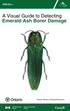 cfs.nrcan.gc.ca A Visual Guide to Detecting Emerald Ash Borer Damage Ontario Ministry of Natural Resources Library and Archives Canada Cataloguing in Publication A visual guide to detecting emerald ash
RIPPLE Africa Step by Step Fruit Tree planting Guide
 RIPPLE Africa Step by Step Fruit Tree planting Guide NOTES ON FRUIT PRODUCTION Aim and Objective The aim and objective of RIPPLE Africa as an organisation is to make Nkhata Bay District one of the leading
A REVIEW OF PEST CONTROL IN AVOCADOS
 California Avocado Society 1979 Yearbook 63: 58-65 A REVIEW OF PEST CONTROL IN AVOCADOS C. Don Gustafson Farm Advisor, Cooperative Extension Service, University of California, San Diego County. Introduction
Nutrient Deficiencies
 Integrated Pest Management Nutrient Deficiencies and Application Injuries in Field Crops John Sawyer Department of Agronomy Nitrogen deficiency in corn IPM 42 Revised July 2004 Nutrient deficiencies in
The Alfalfa Weevil in Utah
 Page 1 of 5 The Alfalfa Weevil in Utah Fact Sheet No. 58 January 1989 Edward W. Evans Extension Entomologist Introduction The alfalfa weevil is a major pest throughout Utah. It is a beetle with one generation
Virginia Gardener http://www.hort.vt.edu/envirohort
 The Virginia Gardener http://www.hort.vt.edu/envirohort Name Help Sheets: Things Plants Need There are certain things that every living thing needs in order to live and grow. Just like you, plants need
Dieback, Twig blight or Canker (Colletotrichum gloeosporioides- asexual stage, Glomerella cingulata.)
 Camellia Camellia spp. Propagation Camellias are usually propagated by cuttings of new growth taken just as the stem is changing from green to brown. Wound the stem, use 3000-8000 ppm IBA-talc and grow
Summer Stress Arrives Early on Cool Season Lawns
 Summer Stress Arrives Early on Cool Season Lawns Figure 1. A fall installed tall fescue sod showing the first signs of summer stress following the arrival of record setting heat in central Virginia in
University of Hawaii at Manoa, College of Tropical Agriculture and Human Resources
 University of Hawaii at Manoa, College of Tropical Agriculture and Human Resources J. Sugano, J. Uyeda, S. Fukuda, K. Wang, M. Kawate, C. Tamaru, B. Fox, and T. Radovich College of Tropical Agriculture
Enterprise Guide for Southern Maryland: Growing Broccoli
 1 Fact Sheet 450 Enterprise Guide for Southern Maryland: Growing Broccoli Broccoli is a popular vegetable in both fresh and frozen forms and has become a common vegetable in salad bars. Recently it has
GLOSSARY OF TREE TERMS
 GLOSSARY OF TREE TERMS Aeration providing air to the soil to alleviate compaction and improve structure. Arboriculture the practice and study of the care of trees and other woody plants. Arborist a professional
o d Propagation and Moon Planting Fact Sheet
 o d Propagation and Moon Planting Fact Sheet Propagation Propagation is actually quite simple and requires very little effort on your part. Most seeds are ready to go, complete with all the nutrients and
Tree Trimming Tips and Tricks
 Tree Trimming Tips and Tricks Start with Professionals Mistakes can be costly for you and your tree. Professionals who know about trees can help you get started with the right tree in the right place.
Chapter D9. Irrigation scheduling
 Chapter D9. Irrigation scheduling PURPOSE OF THIS CHAPTER To explain how to plan and schedule your irrigation program CHAPTER CONTENTS factors affecting irrigation intervals influence of soil water using
Guide to Healthy Trees
 Guide to Healthy Trees Al and Bri Seaton Front cover image: This magnifi cent tree is located on our property in Mansfi eld, Victoria. A few years ago it was suffering severely from drought, erosion and
Identification and Prevention of Frost or Freeze Damage By Linda Reddick, Kingman Area Master Gardener
 KINGMAN IS GROWING! COLUMN Identification and Prevention of Frost or Freeze Damage By Linda Reddick, Kingman Area Master Gardener Again this year we have been experiencing some very cold weather, with
CITRUS PROBLEM DIAGNOSIS
 Citrus trees are well suited for Southern California. They don t mind alkaline soil too much and they like the climate. The major problems of backyard citrus at this time are Citrus Leafminer, various
WHAT IS WRONG WITH MY LAWN?
 WHAT IS WRONG WITH MY LAWN? Lawn problems can occur in small areas or larger patches and entire lawns can be affected. Sometimes the problems are due to poor growing conditions, improper lawn care practices,
PINEAPPLE PRODUCTION. Introduction
 PINEAPPLE PRODUCTION Introduction The pineapple is a tropical and subtropical fruit grown in many countries in Africa. In Uganda it is mainly grown south of Lake Kyoga and western Uganda. Ii is a tradable
DEVELOPMENT GUIDELINES OAK TREES CARE AND MAINTENANCE
 DEVELOPMENT GUIDELINES OAK TREES CARE AND MAINTENANCE This guide will offer basic information for the preservation and maintenance of oak trees as a part of an overall landscape use. Unfortunately, oak
Insects That Kill Trees. Diane G. Alston Extension Entomologist Utah State University 2004 Professional Tree Care Workshops
 Insects That Kill Trees Diane G. Alston Extension Entomologist Utah State University 2004 Professional Tree Care Workshops Topics Introduction websites, IPM strategies Ips bark beetles Tree borers flatheaded,
Two Main Precautions Before You Begin Working
 Pruning Mango Trees Roy Beckford, Ag/Natural Resources Agent, UF/IFAS Lee County Two Main Precautions Before You Begin Working 1. Mango peel and sap contain urushiol, the chemical in poison ivy and poison
Onion & Leek Planting Guide
 Onion & Leek Planting Guide Important Remove plants from box immediately. Do not put in soil or water before planting. Keep cool and dry until you can plant. Follow the instructions inside for best results.
Tree Care Guide. W.A. Industries: 3655 N. Southport Ave., Chicago, IL 60613 (888) 333-9352 www.megagro.com
 Tree Care Guide Think of the tree you just purchased as a lifetime investment and considering many tree species live for many decades, they are a wonderful legacy. How well your tree, and investment, grows
INSECT MANAGEMENT (Roberts & McPherson)
 INSECT MANAGEMENT (Roberts & McPherson) A number of insect pests are capable of severely damaging soybeans. However, it is important to realize that soybeans can withstand considerable insect damage at
Hop Pest Control. H. E. Morrison. jpf^vrsiolnrru; - «ibntoj."' «- '',orto JUN 6 I-JJ3
 Hop Pest Control H. E. Morrison its of jpf^vrsiolnrru; - «th ' s ibntoj."' «- '',orto JUN 6 I-JJ3 Agricultural Experiment Station Oregon State College Corvallis Circular of Information 589 May 1958 Hop
Irish potatoes are one of America s most
 E-511 11-10 Easy Gardening Joseph Masabni, Assistant Professor and Extension Horticulturist, The Texas A&M University System Irish potatoes are one of America s most popular vegetables the average American
Oaks represent the major shade trees of Texas and are also important components of
 GARDENING FACT SHEET Harris County Cooperative Extension 3033 Bear Creek Drive, Houston, Texas 77084 281.855.5600 http://harris-tx.tamu.edu/hort Major Oak Diseases and their Control by Jerral D. Johnson
Rose Diseases and Insects in the Bradenton-Sarasota Area
 Rose Diseases and Insects in the Bradenton-Sarasota Area By: Philip Paul, CR The 10 bad actors in our area are the fungi and pests that some days slow down our enjoyment of our rose gardens. This issue
Tree and forest restoration following wildfire
 Peter F. Kolb (PhD) MSU Extension Forestry Specialist Adj. Assistant Professor Forest Ecology School of Forestry, University of Montana, Missoula, MT 59808 Tel. (406) 243-4705, e-mail: [email protected]
BANANA PRODUCTION. ARC-Institute for Tropical and Subtropical Crops. Banana Production - English
 BANANA PRODUCTION ARC-Institute for Tropical and Subtropical Crops Banana Production - English BANANA PRODUCTION Compiled by Directorate Communication National Department of Agriculture and W. Willemse,
Tree Maintenance Practices
 OUTLINE. I. Pruning Methods a. Crown Raising.3 b. Structural Pruning...3 c. Thinning 4 d. Crown Reduction (drop crotch).4 e. Restoration...5 II. Pruning Cuts a. Types of Pruning Cuts.5-8 b. Principles,
Plant Physiology Critical Stages in the Life of a Corn Plant
 Plant Physiology Critical Stages in the Life of a Corn Plant Heather Darby and Joe Lauer Nature greatly influences corn growth and yield. However, the corn producer can manipulate the environment with
Coffee Growing Basics: Fertilizer, Disease, Insects. HC Skip Bittenbender Extension Specialist CTAHR/UH
 Coffee Growing Basics: Fertilizer, Disease, Insects HC Skip Bittenbender Extension Specialist CTAHR/UH Problems? Who to call first? Our UH/CTAHR Extension Agents! Virginia Easton Smith, W. Hawaii - 322-4892
Control of Insect Pests in Eucalypt Plantations
 Control of Insect Pests in Eucalypt Plantations Number 30 Revised February 2007 By Charlma Phillips, Principal Forest Health Scientist Eucalypts are native to Australia and have evolved in association
EPA Reg. No. 33657-16-59639 (Except California and New York)
 Supplemental Label EPA Reg. No. 33657-16-59639 (Except California and New York) SAFARI 20 SG INSECTICIDE FOR UPDATED ORNAMENTAL PLANT APPLICATIONS AND TRUNK SPRAY IN TREES AND LARGE SHRUBS DIRECTIONS FOR
Helping Trees Recover From Stress
 Helping Trees Recover From Stress INTRODUCTION Trees are the dominant component in the natural and managed landscape in New England. For the most part, trees in forests thrive and, typically, live more
12. INSECT PEST AND DISEASE MANAGEMENT
 12. INSECT PEST AND DISEASE MANAGEMENT Conservation farming promotes a diversity of insect life, influences pest populations and also favours many beneficial insects. The beneficial insects which act as
Spruce problem diagnosis for yard trees
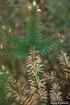 Spruce problem diagnosis for yard trees KEY Effect on tree Kills tree Other damage No damage Size of tree Seedling Sapling to pole Pole and larger By Jana Albers and Mike Albers, DNR-Forestry URL = http://files.dnr.state.mn.us/assistance/backyard/treecare/forest_health/whitesprucediagnosis.pdf
Exhibit Inquiry. Rainforest. Aug 11
 Exhibit Inquiry Exhibit Inquiry Have students look for the following exhibits related to living things during their visit to the Ontario Science Centre: Where to go: (Level 6) What it's about: Tropical
Pruning Fruit Trees. Develop strong tree structure. This should begin when trees are planted and continue each year thereafter.
 Agriculture and Natural Resources Pruning Fruit Trees Extension Horticulture Arkansas Is Our Campus Visit our web site at: http://www.uaex.edu Fruit trees should be pruned every year to maintain their
1. THE GROWER 2. GREENHOUSE STRUCTURE FEATURED 3. CROPS GROWN. Hung Nguyen: 0408 696 949, [email protected]
 1. THE GROWER Hung Nguyen: 0408 696 949, [email protected] Hung is a new grower in his third year of independent farm management. He completed a Diploma in Horticulture while working on his parent
Oak Trees BASIC GROWING REQUIREMENTS FOR YOUR
 They are beautiful in their peace, They are wise in their silence. They will stand after we are dust. They teach us, and we tend them. G.A. MacDunelmor BASIC GROWING REQUIREMENTS FOR YOUR Oak Trees The
Organic Control Methods of Almond Insect Pest
 Big Tree Organic Field Day Turlock, CA, April 2nd, 2009 Organic Control Methods of Almond Insect Pest David Doll Farm Advisor UCCE Merced County Overview Organic Control Methods of Control of common pests
Insect Pests of Pecan. Will Hudson Extension Entomologist
 Insect Pests of Pecan Will Hudson Extension Entomologist How important is nut drop to production? Pecan trees typically lose 75% of the pecans between nut set and shell hardening even when protected from
OSU Extension Service Master Gardener Program. Organic Pest Control. Weston Miller OSU Extension Service Community and Urban Horticulture faculty
 Organic Pest Control Weston Miller OSU Extension Service Community and Urban Horticulture faculty Audience Question What does the term organic pest control mean to you? Preview of Presentation Organic
Whiteflies in Southwest Florida
 Whiteflies in Southwest Florida 02/22/2013 Agenda What is a whitefly? What damage do whiteflies cause? How can whiteflies be treated? What is the future for whitefly problems? What is a whitefly? Small,
III. Hazard Tree Summary
 III. Hazard Tree Summary Methodology The sheer numbers of trees as well as the difficulty in determining precise tree ownerships has hampered hazard tree identification on the SVCA property. We did identify
Ligustrum, Privet Ligustrum japonicum
 Ligustrum, Privet Ligustrum japonicum http://edis.ifas.ufl.edu/mg022 Propagation L. japonicum Ligustrum are propagated by softwood cuttings taken in spring, or 5 10 cm semihardwood cuttings with a heel
COOPERATIVE EXTENSION
 COOPERATIVE EXTENSION UNIVERSITY of CALIFORNIA COUNTY of SAN DIEGO 4-H YOUTH & FAMILY AGRICULTURE HORTICULTURE NATURAL RESOURCES NUTRITION & CONSUMER SCIENCE 9335 Hazard Way, Suite 201, San Diego, CA 92123
FORMATIVE PRUNING OF BUSH TREES WINTER PRUNING OF ESTABLISHED BUSH TREES AIMS SPUR BEARERS & TIP BEARERS PRUNING OF SPUR BEARERS
 FORMATIVE PRUNING OF BUSH TREES Formative pruning is essential and should be carried out in the dormant season, November- March. Its purpose is to produce a well-balanced tree with a strong branch framework
Cherokee Chief Plena Rubra Fragrant Cloud
 INTRODUCTION The natural range of dogwoods extends from Maine to the Gulf of Mexico. The trees color cities and countrysides white with dazzling displays in the early spring. Although they are most spectacular
How To Diagnose Plant Problems
 FS-10-72 PALM PROBLEMS THAT AREN T M. L. Robinson, Area Extension Specialist, Environmental Horticulture Angela O Callaghan, Area Extension Specialist, Social Horticulture When trying to diagnose problems
Chemical versus Biological Control of Sugarcane. By Abid Hussain Matiari Sugar Mills Ltd.
 Chemical versus Biological Control of Sugarcane By Abid Hussain Matiari Sugar Mills Ltd. Sugarcane It is an important cash crop, Pakistan is the fifth largest cane producing country. However, its yield
Wildfire Damage Assessment for the 2011 Southeast Complex Fires
 Wildfire Damage Assessment for the 2011 Southeast Complex Fires Chip Bates & Mark McClure, Forest Health Management Background: On March 24, 2011, multiple wildfires began across southeast Georgia. Strong,
Propagation and Care of Leyland Cypress as Christmas Trees
 Propagation and Care of Leyland Cypress as Christmas Trees Orville M. Lindstrom 1, David J. Moorhead 2, and Glen W. Kent 3 1 Associate Professor-Horticulture Research, Georgia Station. 2 Associate Professor,
Tomato Year-Round IPM Program ANNUAL CHECKLIST (Reviewed 12/12)
 Tomato Year-Round IPM Program ANNUAL CHECKLIST (Reviewed 12/12) These practices are recommended for a monitoring-based IPM program that reduces water quality problems related to pesticide use. Track your
PICTORIAL DIAGNOSTIC GUIDE Compiled by Gaye Hammond, Past President, Houston Rose Society [email protected], 281/458-6116
 The following photographs in Section 1 identify symptoms in roses which have common causes and can sometimes be caused by Rose Rosette Disease (a/k/a Rose Rosette Virus). Just because you see a symptom
Integrated Pest Management
 Integrated Pest Management Science and Language Arts Brief Description: This lesson will focus all of the information the students have learned about pests in the other insect lessons in a decision-making
University of California Cooperative Extension Master Gardeners The Backyard Orchard Fruit Cultivation Guide
 Strawberries (Short day: Chandler ; Day neutral: Fern ) Blueberries (Low chill: O Neal, Misty, Sunshine Blue ) Boysenberries ( Boysen, Olallie ) Raspberries ( Bababerry ) Bareroot and 6 packs in fall to
Growing apples, pears and plums at home in Ireland
 Growing apples, pears and plums at home in Ireland If you have not yet planted your fruit trees, you have the opportunity to select the exact varieties and rootstocks that you want. Section 1. (For those
2744 Tanaga Basin New Lenox, Illinois 60451 (t)708.860.8310 (f)888.354.0955 www.agemalandscape.com
 Maintaining YOUR Landscape Annual Calendar 2744 Tanaga Basin New Lenox, Illinois 60451 (t)708.860.8310 (f)888.354.0955 www.agemalandscape.com MARCH - Clean winter debris, leaves, and twigs from your lawn
Pests of Woody Ornamental Plants An Online Resource for IPM Information
 Title: Pests of Woody Ornamental Plants An Online Resource for IPM Information Project Leaders: Shari Romar, Lead Writer; Gary Couch, Technical Advisor, NYS IPM Program; Jody Gangloff-Kaufmann, Project
CHECKLIST INTEGRATED PEST MANAGEMENT
 CHECKLIST INTEGRATED PEST MANAGEMENT Before introducing a crop into a greenhouse remove weeds, algae, pet plants, and any plant and growing medium debris located throughout the greenhouse. Repair any drainage
Cytospora Canker. A Hard Nut to Crack. My current ongoing projects 1/23/2013. 30% of Cherry trees
 Cytospora Canker: A Hard Nut to Crack Ramesh Pokharel My research and extension program is aimed at > Solving practical fruit production problems > Increased producer profitability > Strengthening the
Integrated Pest Management (IPM)
 Integrated Pest Management (IPM) in crops and pastures Integrated Pest Management (IPM) means using a combination of biological, cultural and chemical control methods to manage pest problems. The term
When you buy a high-quality tree, plant it correctly, and treat it properly, you and your tree will benefit greatly in many ways for many years.
 Buying High-Quality Trees When you buy a high-quality tree, plant it correctly, and treat it properly, you and your tree will benefit greatly in many ways for many years. When you buy a low-quality tree,
INTEGRATED PEST MANAGEMENT
 C 1 H A P TE R INTEGRATED PEST MANAGEMENT LEARNING OBJECTIVES After completely studying this chapter, you should: Be able to define integrated pest management. Understand the importance of an economic
DESIGNING A SCHOOL GARDEN. Sandy McGroarty, An Taisce Green-Schools
 DESIGNING A SCHOOL GARDEN Sandy McGroarty, An Taisce Green-Schools Designing the Garden Why do you want a garden? Ornamental Edible Forest Garden Outdoor Classroom Biodiversity Maintenance over the Summer
Growing Balaton - Horticultural Considerations
 Growing Balaton - Horticultural Considerations Amy Iezzoni Dept. of Horticulture Michigan State University Jim Nugent District Horticulturist MSU Extension The fruit industry in Michigan has generations
CHAPTER- VIII TERMITE DAMAGES TO VARIOUS PLANT AND AGRICULTURAL CROPS
 CHAPTER- VIII TERMITE DAMAGES TO VARIOUS PLANT AND AGRICULTURAL CROPS 8.1. Introduction In addition to structural wood, the termite also infested woody plants, such as trees, shrubs, and herbs reported
LIME SULPHUR INSECTICIDE MITICIDE FUNGICIDE COMMERCIAL DANGER: CORROSIVE TO EYES READ THE LABEL AND ATTACHED BOOKLET BEFORE USING
 datapak group M fungicide LIME SULPHUR INSECTICIDE MITICIDE FUNGICIDE COMMERCIAL DANGER: CORROSIVE TO EYES READ THE LABEL AND ATTACHED BOOKLET BEFORE USING REGISTRATION NO. 16465 PEST CONTROL PRODUCTS
Integrated Pest Management
 Chapter 2 Integrated Pest Management In This Chapter Keywords After learning the information in this chapter, you will be able to: 1. Define Integrated Pest Management (IPM). 2. List and describe the 5