
PROBLEM DIAGNOSIS FOR AVOCADO
|
|
|
- Baldric Jennings
- 9 years ago
- Views:
Transcription
1 Avocado trees are well suited for Southern California. They don t mind alkaline soil too much and they like the climate. They are, in general, tolerant of the heavy pruning that may be needed to keep the tree s growth low enough for convenient homeowner fruit harvesting. Avocado trees are troubled by relatively few pests, the most common of which are various root rot fungi, persea mite, and excess salt accumulations. Fungus is the most serious avocado disease in California. Fungus thrives in excess soil moisture. Over irrigation and poor drainage and may attack trees of any size or age. Absence of feeder roots prevents moisture uptake so soil under diseased trees stays wet. Diseased trees may set a heavy crop of small fruit but will decline and die, either rapidly or slowly. Fungus can spread by contaminated nursery stock, water in contact with infested soil, shoes, cultivation equipment. Control measures for fungal diseases are to use an integrated approach of prevention, culture, treatment. Plant on soil with good internal drainage; avoid over watering; use clean nursery stock, preferably certified disease free; use resistant rootstocks; prevent soil or water movement from infested areas. In the table below, pink shading represents fungal or bacterial problems, green shading represents insects or other pests, blue shading represents other conditions. Small, pale green, wilted leaves. Sparse foliage. New leaves don t grow or are small with poor color. Small branches die back at top of tree. Poor growth, loss of tree vigor. Small, yellowing leaves; premature leaf drop; wilting, collapse. In winter, clusters of fan shaped mushrooms form at base of infected trees a few days after a rain. Poor growth, loss of tree vigor. Yellowing) foliage. Poor fruit production. Cankers on truck and branches. Leaf blotching, wilting. Rapid death of some new growth. Often death of entire tree eventually. avocado root rot Armillaria root rot avocado black streak (ABS) Fumigate small spots of disease. If detected early; otherwise, cut off the tree at ground level and fumigate soil. Contact a pest control adviser about soil fumigation. Fungicides. Use as part of an integrated control program. Replant infested soil with immune plants, such as any varieties of Citrus, cherimoya, all types of vegetables, most annual f1ower crops, and many deciduous fruit trees and berries. Also known as oak root fungus. Attacks roots. Visible symptoms may not appear until fungus is well established in the roots. Can destroy entire root system and kill tree. Once symptoms appear, it is very difficult to save a tree, and disease may have spread to roots of adjacent trees. After aerial parts of infected trees are dead, the fungus remains alive in the roots to infect any replanted, susceptible trees, such as citrus, peach, or avocado. Fumigate before replanting. Let soil dry out between irrigations Causal organism unknown. Attacks trunk and branches. Present in California for more than 60 years but observed only on Guatemalan varieties such as Hass and Reed and only after prolonged stress. Since many symptoms are similar to those attributed to other causes, cankers on trunk and branches are diagnostic of ABS. Cankers vary in size and have a dry, powdery, water soluble sugar that exudes through tiny cracks in the bark. Shallow red brown lesions under cankers are revealed when bark is removed. Management of ABS consists of maintain tree health with good fertilizer and irrigation practices. Remove unhealthy trees; it is safest to fumigate the soil if replanting to avocado. 1

2 Leaves suddenly wilt on one or more parts of tree and then turn brown and die but do not drop off for months. Brown to gray brown streaks are visible in wood of branches or roots. Bark cankers exude white powder. Outer bark cracks and sheds easily. Diseased trees die back and may look unhealthy but rarely die. Trunk cankers at base of older trees, originating at or below ground level. Canker appears as a dark region with a red, resinous exudate that dries to a white, crystalline deposit. Underneath the superficial canker is an orange tan to brown lesion instead of the normal white or cream colored tissue. Lesion has a fruity odor when exposed. Gradual decline over years or sudden tree death. Fruit hanging near the ground has a distinct, rounded black area, usually at the end toward the soil. Rot soon extends internally, sometimes to the seed. Verticillium wilt Dothiorella canker Phytophthora canker (collar rot) Phytophthora fruit rot May kill all or part of tree, with the remainder having complete recovery. If disease is severe and recurring, contact a pest control adviser about soil fumigation. Mexican rootstocks are more resistant than Guatemalan. Do not plant on soil that has been used for other crops susceptible to Verticillium wilt, such as tomato, eggplant, pepper, many berries, apricot, potato, and several flower crops. Do not plant any of these near an avocado tree. Attacks trunk and branches; a minor fungal problem favored by moisture. Keep irrigation water off tree base. Guatemalan rootstocks or scion tops are much more susceptible than Mexican. Control not usually needed. Scraping off outer bark removes some infection and encourages regeneration of vigorous bark. After picking, move fruit to a minimum of 41 F as quickly as possible. Ripen under 60 F to minimize rot. Collar rot is now widespread in California, second only to avocado root rot in severity. Disease is favored by excess soil moisture, such as from over irrigation or poor drainage. Spreads by contaminated nursery stock, irrigation water, and cultivation equipment. Use sanitation measures noted for other Phytophthora species. Seedling rootstocks are generally more sensitive than clonal stocks, such as Duke 7 and Toro Canyon. Since Phytophthora canker is found increasingly together with avocado root rot, use an integrated approach to control both. Do not allow the lower trunks of trees to stay wet. Place drip emitters away from tree trunks. Avoid wetting tree trunks. Avoid wounding trunks. If cankers are detected at an early stage, they can sometimes be controlled by cutting out the infected tissue. No chemicals are currently registered for use on this disease. Attacks fruit. Limited to prolonged wet weather in a dry climate like California. Probably caused by disease organisms splashing the soil, so a mulch or leaf layer should help. Removing fruit that touches the ground will remove a likely source of disease. 2

3 Brown, scattered, dead areas on leaves. If extensive, causes severe leaf drop. Infected fruit develops small, dark spots. Fruit rot develops upon ripening after harvest; the flesh rots are many and smaller than Dothiorella. Lengthwise narrow yellow, red, or necrotic shallow indentations on twigs. Rectangular fruit with white, yellow, or reddish streaks. Cracking of bark on trunk and larger branches known as alligator bark. Tree is stunted. Light green or yellow areas on upper leaf surfaces along the midrib, later extending to the smaller veins and entire leaf. Areas of severe feeding later turn brown (bronzing of leaves) and leaves may drop. Light green or yellow areas on underside of leaves along the midrib and larger veins. Heavy infestations can cause leaf drop. Anthracnose sunblotch (avocado sunblotch viroid) avocado brown mite avocado mite Attacks leaves and fruit. Becomes serious in California only with wet, mild winters. As with Dothiorella fruit rot, important to cool fruits quickly after picking and to ripen them at below room temperature, if possible. Removing dead material and pruning to open tree canopy for better aeration are helpful, if needed. Spores germinate and penetrate the fruit before harvest, causing brown to black spots but the disease does not develop further until after harvest. Resumes growth during ripening. Attacks all parts of tree. Purchase registered trees for which scion top and rootstock are indexed as viroid free. Established infected tree can contaminate nearby healthy avocados by wound to wound cutting tools. Removal is recommended in such cases. Sterilize pruning tools and harvesting clippers between trees. Tiny, brown colored mite about the size of a period, the same size as the persea mite and the avocado mite. Attacks upper leaf surface. Trees injured in proportion to the amount of green leaf area lost. See persea mite for further details. Tiny, yellow to pale green mite about the size of a period; a pest of avocados primarily in coastal areas. Attacks underside of leaves. Formerly known as six spotted mite. See persea mite for further details. 3

4 Small necrotic spots on the underside of leaves along the midrib and main veins. As population increases, new necrotic spots appear between the veins. Each spot is covered with fine webbing that shines silvery in sunlight. Necrotic spots can coalesce and block transport of carbohydrates from leaf cells to veins. At this point leaves drop, and if extensive, fruit drop follows. Scarring on young fruit that starts near the stem end and spreads over entire surface. Feeding on fruit stems causes fruit drop. Dark leathery patches on upper leaf surface and random feeding lines on leaf underside. Unlike mites, thrips leave small black fecal pellets. Fruit and leaves covered with honeydew and sooty mold. Mealybugs present. persea mite Avocado thrips Mealybugs Attacks underside of leaves. A yellowish mite about the size of a printed period. This new mite pest, a native to Mexico, was first detected in California in It spreads rapidly since its webbing protects it and its eggs from the predacious mite Amblyseius hibisci, a common biological control agent in California. In severe infestations, mite population can reach 1000 mites per leaf. Its numbers peak with dry summer heat and decline rapidly in the fall, but enough winter survival occurs (eggs overwinter) to repeat the cycle, allowing buildup of adult populations in spring. Gwen is a favorite host, then Hass, Reed, and other varieties. Other hosts include citrus fruits (not leaves), deciduous fruits (apricot, peach, nectarine, plum, persimmon), grapes, sumac and liquidambar trees, roses, and acacias. To confirm the identity of persea mite, hold a white sheet of paper horizontally under symptomatic foliage and rap the stem sharply; the mites will be evident on the paper as moving specks. With a hand lens, the 8 distinguishing mite legs will be visible, and yellow color should be definitive. The persea mite is gradually coming under good biological control because the population of a predacious mite native to California, Galendromus annectens is increasing. Another predacious mite imported to California by UC scientists Galendromus helveolus, also holds promise. In the meantime, individual homeowner trees can be helped by water jet washing, which is more effective if insecticidal soap is added. To minimize initial infection, avoid drought and other stress. Contact our hotline for up to date recommendations for control methods approved for home growers. Similar to citrus thrips; a very active, oval, yellow insect about 1/25 inch (1 mm) long. Attacks leaves and fruit. New exotic avocado pest first noticed in July 1996 in Ventura County. Has spread to many avocado groves statewide. Believed native to Central America. Scarring can be severe, leading to alligator skin. Damage is usually cosmetic. Sanitary precautions recommended, not spraying, because insecticides disrupt beneficial insects. Thrips can fly but are also spread by wind, contaminated clothing, and equipment. UC entomologists are working on introducing new biocontrols Attack leaves and fruit. Soft, oval, segmented insects, usually whitish, under '/4 inch (6 mm) long, covered with a mealy wax. They suck plant juices, leading to stunting and, rarely, death. Natural enemies usually control mealybugs, but ants protect them from their natural enemies. If ants are controlled, natural predators such as ladybird beetles will control mealybugs. Hand pick small mealybug infestations or daub with rubbing alcohol. For larger infestations, hose off with water or apply soap or oil sprays. 4

5 Ants present. Ants do not feed on avocado trees, but drive away the natural enemies of insect pests of avocados. Argentine worker ants travel in distinct, narrow trails. Holes in leaves and fruit. Slimy trails. Diameter of the brown garden snail is about 1 inch (2.5 cm). Gray garden slug is a snail relative that lacks shell. Holes in new leaves, webbed and rolled together. Fruit scarred and rolled/webbed with leaves. Caterpillars make shelters by webbing two leaves or a leaf and a fruit. Caterpillar pupates inside fruit. Adult, night flying, brownish moth emerges. Leaf damage on terminal shoot is especially evident for omnivorous looper. Tip and marginal burn of older leaves, premature defoliation, and sometimes a progressive mottled yellowing behind the burn. Pale green to yellow, small leaves with yellow veins; lack of vegetative growth; lower yields; premature defoliation Argentine ant Southern fire ant Brown garden snail Gray garden slug Avocado worms (leafrollers): amorbia moth omnivorous looper orange tortrix Excess salts (chloride and sodium) Ants feed on honeydew excreted by scales, mealybugs, and other insect pests and can interrupt biological control of pests by denying access to the tree. Apply a band of sticky material around the base of the trunk of mature trees that mechanically blocks ants; prune trees about 2 feet (0.6 m) above the ground so ants cannot get into trees without climbing the trunk. Any ant activity is a danger sign. Insecticide or poison baits can reduce ant numbers. Attack leaves and fruit. Most active at night and early morning when ground is damp. Hand pick; best hunting is after 10 pm. Or place short, wide boards with cleats at either end to keep the boards about 1 inch (2.5 cm) off the ground; these will be daytime hiding places. Pests can then be squashed or killed with a solution of 1 part household ammonia and 1 part water in a spray bottle. Keep ammonia off leaves since it damages plants. Other methods include chemical baits; predatory decollate snails; drowning snails in fermented liquid, such as beer; and copper barriers around trunk. K Attack leaves and fruit. Several different leafroller pests are often called avocado worms, usually found near damaged leaves. Omnivorous looper eats holes in leaves, leaving only midrib and larger veins. Feeds on fruit and causes scarring. Crawls with a looping motion.. Can spin a silken thread and hang suspended from it when disturbed. May vary in color from pale green to pink or yellow with stripes or other markings. Grows to 1½ to 2 inches (4 to 5 cm) long. Amorbia moth caterpillars are yellow green, about 1 inch (2.5 cm) long. Orange tortrix caterpillars are greenish to bright yellow or pale strawcolored and prefer the top half of trees. Small parasitic wasps and flies usually keep the avocado worm population low. Certain fungi and viruses are also natural biological controls. Pick avocado worms out of their shelters or squash them in place. Rare, severe outbreaks can be sprayed with Bacillus thuringiensis (BT) or a chemical insecticides as a last resort Salt accumulations are often confused with nutritional deficiencies. Avocados are particularly sensitive to salts, accumulating chlorides and sodium more readily than most other tree crops. Rapid burn at the base or leaf tip followed by defoliation suggests either an excessive fertilizer application or inadequate irrigation. Extra root zone leaching during the summer is indicated. Nitrogen deficiency Affects leaves and fruit yield. Apply Nitrogen during the first irrigation of each month from March October. Young trees need Nitrogen applications at different rates than older, mature trees. 5

6 Light yellow areas between veins, starting at leaf margins, extending to midrib and base. Small, narrow leaves. Pearshaped fruit become oval to round, smaller than normal. Terminal growth looks like feather duster. Twig dieback. Defoliation. Reduced yields. Interveinal yellowing on leaves. Tip and marginal leaf burn. Defoliation. Twig dieback. Reduced yields. Leaves, twigs look water soaked, then wither, darken. Branches die back, and bark splits in severe cases. Leaves may drop quickly or persist on tree. When fruit freezes, flesh dries out and brownish pits may form on skin. Xylem (water conducting elements) in the fruit turn black. Large and small branches blacken, die. Wood peels off in patches. Fruit skin develops tough, brownish spots, and fruit may dry out. Zinc deficiency Iron deficiency Frost damage sunburn Source: UC Master Gardener Handbook Affects leaves, twigs, fruit yield. Can be controlled by applying zinc as a spray to foliage or to the soil. Foliar applications most effective in June and July. Methods of soil application vary and effectiveness can last longer than foliar sprays. Affects leaves and fruit yield. Can occur in high ph soils containing lime (calcium carbonate) but not common in California. Deficiency accentuated by excess soil moisture. Mexican race rootstocks are less sensitive Attacks leaves and fruits first; attacks progressively larger wood after harder frosts. Allow tree to recover before removing frost killed wood. After new growth appears in early spring, wait for any dieback, then cut back to live wood, identified by a green layer just under the bark. Pruning cuts heal naturally, so no need to paint them. Affects trunk, branches, fruit. A problem in hot, sunny areas. Wrap the trunk in white cardboard or use whitewash or flat white latex paint. Maintain adequate nitrogen and water for good foliage. 6

Why Fruit Trees Die D. B. Meador, Extension Specialist (retired) University of Illinois
 Why Fruit Trees Die D. B. Meador, Extension Specialist (retired) University of Illinois Occasionally, fruit trees decline and often die. Diseases affecting the leaves, fruit, and twigs of fruit trees usually
A REVIEW OF PEST CONTROL IN AVOCADOS
 California Avocado Society 1979 Yearbook 63: 58-65 A REVIEW OF PEST CONTROL IN AVOCADOS C. Don Gustafson Farm Advisor, Cooperative Extension Service, University of California, San Diego County. Introduction
Tree Integrated Pest Management. Dan Nortman Virginia Cooperative Extension, York County
 Tree Integrated Pest Management Dan Nortman Virginia Cooperative Extension, York County IPM Refresher Definition: The use of a combination of appropriate pest control tactics to reduce pest population
Diagnosing Home Citrus Problems
 ARIZONA COOP E R AT I V E E TENSION AZ1492 April 2009 Diagnosing Home Citrus Problems John Begeman, Glenn Wright PROBLEMS OF FRUIT Fruit Drops Prematurely: Natural fruit drop occurs during the spring.
Custard apple information kit
 information kit Reprint information current in 1998 REPRINT INFORMATION PLEASE READ! For updated information please call 13 25 23 or visit the website www.deedi.qld.gov.au This publication has been reprinted
CITRUS PROBLEM DIAGNOSIS
 Citrus trees are well suited for Southern California. They don t mind alkaline soil too much and they like the climate. The major problems of backyard citrus at this time are Citrus Leafminer, various
GENERAL WATERING & CARE GUIDE
 GENERAL WATERING & CARE GUIDE Between 30-60 percent of water applied to lawns and gardens is never absorbed by the plants. Water is often wasted because it is applied too quickly and runs off, evaporates
Part 1: Knowing how to identify the problem. Author: Damon Polta, Friendly Aquaponics Farm Manager. For free distribution.
 Diseases, Deficiencies, and Toxicities in Plants Part 1: Knowing how to identify the problem. Author: Damon Polta, Friendly Aquaponics Farm Manager. For free distribution. Diseases Beet Western Yellow
CITRUS PRUNING. control, fruit production and size control
 CITRUS PRUNING Pruning techniques for tree health pest Pruning techniques for tree health, pest control, fruit production and size control Tree Shapes Citrus trees are generally pruned to a central leader
Care of Mature Backyard Apple Trees
 Education Center and Info Line practical solutions to everyday questions Toll free Info Line 1-877-398-4769 M-F 9 AM - 2 PM Care of Mature Backyard Apple Trees Introduction Backyard apple trees can be
Symptoms Include: Stippled, bronzed or bleached appearance of leaves
 Common Tree Pests & Diseases Of Central Texas Lara Schuman City of Austin Urban Forestry Program Stress and Trees City life can be stressful, and trees feel stress too. Common urban tree issues include:
The Basics of Tree Pruning
 The Basics of Tree Pruning By John Ball, Forest Health Specialist and Aaron Kiesz, Urban and Community Forestry Specialist Until the end of the 19 th century, trees were not a common sight in many parts
Major Insects of Apple, Peach and Pear Trees in the Home Orchard
 Major Insects of Apple, Peach and Pear Trees in the Home Orchard Henry W. Hogmire West Virginia University Tree Fruit Research and Education Center Kearneysville, WV Apple Pests Plum Curculio Beetle (snout
Cloud Mountain Farm Center 6906 Goodwin Rd., Everson, WA 98247 (360)966-5859 voice, (360)966-0921 fax, www.cloudmountainfarmcenter.
 Disease and Pest Management in the Home Orchard Fruit trees have been grown in home orchards for centuries. The goal of many gardeners today is to have fresh fruit from their own trees with a minimum of
Identification and Prevention of Frost or Freeze Damage By Linda Reddick, Kingman Area Master Gardener
 KINGMAN IS GROWING! COLUMN Identification and Prevention of Frost or Freeze Damage By Linda Reddick, Kingman Area Master Gardener Again this year we have been experiencing some very cold weather, with
Diagnosing Problems of Roses in the Landscape
 ARIZONA COOP E R AT I V E E TENSION AZ1528 September 2010 Diagnosing Problems of Roses in the Landscape Desert Southwest gardeners are fortunate to have fewer insect and disease problems on roses than
DEVELOPMENT GUIDELINES OAK TREES CARE AND MAINTENANCE
 DEVELOPMENT GUIDELINES OAK TREES CARE AND MAINTENANCE This guide will offer basic information for the preservation and maintenance of oak trees as a part of an overall landscape use. Unfortunately, oak
Cytospora Canker. A Hard Nut to Crack. My current ongoing projects 1/23/2013. 30% of Cherry trees
 Cytospora Canker: A Hard Nut to Crack Ramesh Pokharel My research and extension program is aimed at > Solving practical fruit production problems > Increased producer profitability > Strengthening the
Virginia Gardener http://www.hort.vt.edu/envirohort
 The Virginia Gardener http://www.hort.vt.edu/envirohort Name Help Sheets: Things Plants Need There are certain things that every living thing needs in order to live and grow. Just like you, plants need
University of California Cooperative Extension Master Gardeners The Backyard Orchard Fruit Cultivation Guide
 Strawberries (Short day: Chandler ; Day neutral: Fern ) Blueberries (Low chill: O Neal, Misty, Sunshine Blue ) Boysenberries ( Boysen, Olallie ) Raspberries ( Bababerry ) Bareroot and 6 packs in fall to
A DISCOVERY REGARDING THE DEATH OF ASH TREES IN THE PLYMOUTH AREA
 A DISCOVERY REGARDING THE DEATH OF ASH TREES IN THE PLYMOUTH AREA As you are probably aware, we have seen a significant amount of dying ash trees in the Plymouth, Canton, Northville area. This prompted
Organic Control Methods of Almond Insect Pest
 Big Tree Organic Field Day Turlock, CA, April 2nd, 2009 Organic Control Methods of Almond Insect Pest David Doll Farm Advisor UCCE Merced County Overview Organic Control Methods of Control of common pests
Rose Diseases and Insects in the Bradenton-Sarasota Area
 Rose Diseases and Insects in the Bradenton-Sarasota Area By: Philip Paul, CR The 10 bad actors in our area are the fungi and pests that some days slow down our enjoyment of our rose gardens. This issue
Hop Pest Control. H. E. Morrison. jpf^vrsiolnrru; - «ibntoj."' «- '',orto JUN 6 I-JJ3
 Hop Pest Control H. E. Morrison its of jpf^vrsiolnrru; - «th ' s ibntoj."' «- '',orto JUN 6 I-JJ3 Agricultural Experiment Station Oregon State College Corvallis Circular of Information 589 May 1958 Hop
Tree and forest restoration following wildfire
 Peter F. Kolb (PhD) MSU Extension Forestry Specialist Adj. Assistant Professor Forest Ecology School of Forestry, University of Montana, Missoula, MT 59808 Tel. (406) 243-4705, e-mail: [email protected]
The Alfalfa Weevil in Utah
 Page 1 of 5 The Alfalfa Weevil in Utah Fact Sheet No. 58 January 1989 Edward W. Evans Extension Entomologist Introduction The alfalfa weevil is a major pest throughout Utah. It is a beetle with one generation
Summer Stress Arrives Early on Cool Season Lawns
 Summer Stress Arrives Early on Cool Season Lawns Figure 1. A fall installed tall fescue sod showing the first signs of summer stress following the arrival of record setting heat in central Virginia in
Construction Damage to Trees
 Construction Damage to Trees When a building site is cleared, several large, well-established trees are often left to enhance the aesthetic value of the property. However, within about 2-8 years after
Dieback, Twig blight or Canker (Colletotrichum gloeosporioides- asexual stage, Glomerella cingulata.)
 Camellia Camellia spp. Propagation Camellias are usually propagated by cuttings of new growth taken just as the stem is changing from green to brown. Wound the stem, use 3000-8000 ppm IBA-talc and grow
runing & Orchard Renewal
 P runing & Orchard Renewal Richard G. St-Pierre, Ph.D. (January 2006) The Basics Of Pruning & Orchard Renewal Pruning is defined as the art and science of cutting away a portion of a plant to improve its
Macadamia problem solver & bug identifier
 Macadamia problem solver & bug identifier Reprint information current in 2003 REPRINT INFORMATION PLEASE READ! For updated information please call 13 25 23 or visit the website www.deedi.qld.gov.au This
Apricot Tree Prunus armeniaca
 Apricot Tree Prunus armeniaca Up to 25-30 tall x 15-20 wide or partial shade 10 degrees F. General: The Apricot Tree is a subspecies of the peach and dates back 3,000 years to northeastern China. Apricots
Fertilizer, Weed Control, Grubs, and General Application Questions
 Lawn Care FAQ s Fertilizer, Weed Control, Grubs, and General Application Questions Why do we have so many weeds? Dandelions in particular, weeds in general, do not seem concerned about how long lawn has
COOPERATIVE EXTENSION
 COOPERATIVE EXTENSION UNIVERSITY of CALIFORNIA COUNTY of SAN DIEGO 4-H YOUTH & FAMILY AGRICULTURE HORTICULTURE NATURAL RESOURCES NUTRITION & CONSUMER SCIENCE 9335 Hazard Way, Suite 201, San Diego, CA 92123
Strawberry Anthracnose
 Strawberry Anthracnose Bill Turechek and Cathy Heidenreich Introduction - The term anthracnose is a general term used to describe plant diseases. Strawberry anthracnose refers to several diseases of strawberry
Oaks represent the major shade trees of Texas and are also important components of
 GARDENING FACT SHEET Harris County Cooperative Extension 3033 Bear Creek Drive, Houston, Texas 77084 281.855.5600 http://harris-tx.tamu.edu/hort Major Oak Diseases and their Control by Jerral D. Johnson
Two Main Precautions Before You Begin Working
 Pruning Mango Trees Roy Beckford, Ag/Natural Resources Agent, UF/IFAS Lee County Two Main Precautions Before You Begin Working 1. Mango peel and sap contain urushiol, the chemical in poison ivy and poison
Diagnosing Disorders of Trees
 148 Appendix A Diagnosing Disorders of Trees Diagnosing tree problems can be difficult. Symptoms and signs can be subtle or only visible using special techniques, important information can be missing,
Integrated Pest Management
 Integrated Pest Management Science and Language Arts Brief Description: This lesson will focus all of the information the students have learned about pests in the other insect lessons in a decision-making
Strawberry Leaf Spot
 Strawberry Leaf Spot Cathy Heidenreich and Bill Turechek Introduction - Leaf spot is one of the most common and widespread diseases of strawberry. Mycosphaerella fragariae is also the cause of black seed
WHAT IS WRONG WITH MY LAWN?
 WHAT IS WRONG WITH MY LAWN? Lawn problems can occur in small areas or larger patches and entire lawns can be affected. Sometimes the problems are due to poor growing conditions, improper lawn care practices,
Coffee Growing Basics: Fertilizer, Disease, Insects. HC Skip Bittenbender Extension Specialist CTAHR/UH
 Coffee Growing Basics: Fertilizer, Disease, Insects HC Skip Bittenbender Extension Specialist CTAHR/UH Problems? Who to call first? Our UH/CTAHR Extension Agents! Virginia Easton Smith, W. Hawaii - 322-4892
Irish potatoes are one of America s most
 E-511 11-10 Easy Gardening Joseph Masabni, Assistant Professor and Extension Horticulturist, The Texas A&M University System Irish potatoes are one of America s most popular vegetables the average American
Onion & Leek Planting Guide
 Onion & Leek Planting Guide Important Remove plants from box immediately. Do not put in soil or water before planting. Keep cool and dry until you can plant. Follow the instructions inside for best results.
Enterprise Guide for Southern Maryland: Growing Broccoli
 1 Fact Sheet 450 Enterprise Guide for Southern Maryland: Growing Broccoli Broccoli is a popular vegetable in both fresh and frozen forms and has become a common vegetable in salad bars. Recently it has
AVOCADO PRODUCTION IN HOME GARDENS Author: Gary S. Bender, Ph.D. UCCE Farm Advisor
 AVOCADO PRODUCTION IN HOME GARDENS Author: Gary S. Bender, Ph.D. UCCE Farm Advisor Avocados are grown in home gardens in the coastal zone of California from San Diego north to San Luis Obispo. Avocados
NUTRIENT DISORDERS IN TREE FRUITS
 PNW 121E NUTRIENT DISORDERS IN TREE FRUITS A Pacific Northwest Extension Publication Washington Idaho Oregon NUTRIENT DISORDERS IN TREE FRUITS By Nels R. Benson, Soil Scientist and Horticulturist (retired),
RIPPLE Africa Step by Step Fruit Tree planting Guide
 RIPPLE Africa Step by Step Fruit Tree planting Guide NOTES ON FRUIT PRODUCTION Aim and Objective The aim and objective of RIPPLE Africa as an organisation is to make Nkhata Bay District one of the leading
Tree Trimming Tips and Tricks
 Tree Trimming Tips and Tricks Start with Professionals Mistakes can be costly for you and your tree. Professionals who know about trees can help you get started with the right tree in the right place.
Helping Trees Recover From Stress
 Helping Trees Recover From Stress INTRODUCTION Trees are the dominant component in the natural and managed landscape in New England. For the most part, trees in forests thrive and, typically, live more
Deficiency Symptoms in Vegetable Plants (Corrective Treatments Per 30ʼ-long Row)
 Deficiency Symptoms in Vegetable Plants (Corrective Treatments Per 30ʼ-long Row) BORON (1-2 ounces Borax) General Symptoms Rosette Crown terminal buds; Death of terminal buds; leaves are an off-green color;
Whiteflies in Southwest Florida
 Whiteflies in Southwest Florida 02/22/2013 Agenda What is a whitefly? What damage do whiteflies cause? How can whiteflies be treated? What is the future for whitefly problems? What is a whitefly? Small,
University of Hawaii at Manoa, College of Tropical Agriculture and Human Resources
 University of Hawaii at Manoa, College of Tropical Agriculture and Human Resources J. Sugano, J. Uyeda, S. Fukuda, K. Wang, M. Kawate, C. Tamaru, B. Fox, and T. Radovich College of Tropical Agriculture
Pruning Mature Trees. Reasons for Pruning
 Pruning Mature Trees Pruning is the most common tree maintenance procedure. Although forest trees grow quite well with only nature's pruning, landscape trees require a higher level of care to maintain
Cherokee Chief Plena Rubra Fragrant Cloud
 INTRODUCTION The natural range of dogwoods extends from Maine to the Gulf of Mexico. The trees color cities and countrysides white with dazzling displays in the early spring. Although they are most spectacular
Guide to Healthy Trees
 Guide to Healthy Trees Al and Bri Seaton Front cover image: This magnifi cent tree is located on our property in Mansfi eld, Victoria. A few years ago it was suffering severely from drought, erosion and
Ligustrum, Privet Ligustrum japonicum
 Ligustrum, Privet Ligustrum japonicum http://edis.ifas.ufl.edu/mg022 Propagation L. japonicum Ligustrum are propagated by softwood cuttings taken in spring, or 5 10 cm semihardwood cuttings with a heel
BENEFITS OF USING IPM
 Edward J. Bechinski and William H. Bohl Potato growers who use IPM consider all available pest control tools. Alternatives to conventional pesticides are the foundation of every IPM plan. Pesticides play
INSECT MANAGEMENT (Roberts & McPherson)
 INSECT MANAGEMENT (Roberts & McPherson) A number of insect pests are capable of severely damaging soybeans. However, it is important to realize that soybeans can withstand considerable insect damage at
Black Dotted Brown Moth
 Athens-Clarke County Community Tree Program Black Dotted Brown Moth Athens is experiencing its fourth year of significant infestation by the black dotted brown moth (Cissusa spadix). The caterpillar of
Picture Tour: Dry Beans Diseases
 Picture Tour: Dry Beans Diseases Saginaw Valley Research and Extension Center agbioresearch.msu.edu 1 Images of: Blight Root rot White mold Common Mosaic virus Leaf spot Rust Anthracnose BLIGHT Common
o d Propagation and Moon Planting Fact Sheet
 o d Propagation and Moon Planting Fact Sheet Propagation Propagation is actually quite simple and requires very little effort on your part. Most seeds are ready to go, complete with all the nutrients and
2744 Tanaga Basin New Lenox, Illinois 60451 (t)708.860.8310 (f)888.354.0955 www.agemalandscape.com
 Maintaining YOUR Landscape Annual Calendar 2744 Tanaga Basin New Lenox, Illinois 60451 (t)708.860.8310 (f)888.354.0955 www.agemalandscape.com MARCH - Clean winter debris, leaves, and twigs from your lawn
PEST AND DISEASE MANAGEMENT
 PEST AND DISEASE MANAGEMENT Introduction The damage caused by many pests can often be tolerated in a school garden. Some pests can be controlled without chemicals by washing plants with a forceful spray
Wilt diseases of tomatoes can be caused
 A l a b a m a A & M a n d A u b u r n U n i v e r s i t i e s Wilt Diseases of Tomatoes ANR-0797 Wilt diseases of tomatoes can be caused by fungal, bacterial, viral, and nematode pathogens, as well as
Oak Wilt Identification and Management
 Oak Wilt Identification and Management Introduction Oak wilt, the most damaging disease of oak trees in lowa, has killed many forest and landscape oaks in the Eastern and Central United States. Oak wilt
Garden and plant health
 The idea of a healthy garden, rather than simply pest and disease free plants, is at the heart of organic growing. The first part of this section, Keeping the garden healthy, looks at ways of maintaining
As closely related members of the rose family,
 E-612 2-13 Texas Fruit and Nut Production lums, Nectarines, Apricots Cherries, Almonds and Prunus hybrids Larry Stein, Jim Kamas, and Monte Nesbitt Extension Fruit Specialists, The Texas A&M University
PINEAPPLE PRODUCTION. Introduction
 PINEAPPLE PRODUCTION Introduction The pineapple is a tropical and subtropical fruit grown in many countries in Africa. In Uganda it is mainly grown south of Lake Kyoga and western Uganda. Ii is a tradable
Oak Trees BASIC GROWING REQUIREMENTS FOR YOUR
 They are beautiful in their peace, They are wise in their silence. They will stand after we are dust. They teach us, and we tend them. G.A. MacDunelmor BASIC GROWING REQUIREMENTS FOR YOUR Oak Trees The
Tomato Year-Round IPM Program ANNUAL CHECKLIST (Reviewed 12/12)
 Tomato Year-Round IPM Program ANNUAL CHECKLIST (Reviewed 12/12) These practices are recommended for a monitoring-based IPM program that reduces water quality problems related to pesticide use. Track your
Spruce problem diagnosis for yard trees
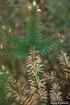 Spruce problem diagnosis for yard trees KEY Effect on tree Kills tree Other damage No damage Size of tree Seedling Sapling to pole Pole and larger By Jana Albers and Mike Albers, DNR-Forestry URL = http://files.dnr.state.mn.us/assistance/backyard/treecare/forest_health/whitesprucediagnosis.pdf
Tree Care Guide. W.A. Industries: 3655 N. Southport Ave., Chicago, IL 60613 (888) 333-9352 www.megagro.com
 Tree Care Guide Think of the tree you just purchased as a lifetime investment and considering many tree species live for many decades, they are a wonderful legacy. How well your tree, and investment, grows
Advanced Intelligence Report Tree & Shrub Insect Control: Protecting Trees from Emerald Ash Borer
 Advanced Intelligence Report Treating For Emerald Ash Borer With Bayer Advanced Tree and Shrub Insect Control Soil Drench Dr. Bruce Stewart, Bayer Advanced Consumer Products Emerald Ash Borer (EAB) is
Composting is one of the healthiest means of Organic Gardening.
 Master Gardeners Nearly 30 years ago Washington State University began a program of training volunteers to help instruct members of their communities about proper gardening practices. That program has
Tomato Disease Management in Greenhouses
 Purdue Extension publication BP-197-W University of Kentucky Cooperative Extension publication ID-233 Vegetable Diseases Tomato Disease Management in Greenhouses Photos by the authors Authors Daniel S.
Nutrient Deficiencies
 Integrated Pest Management Nutrient Deficiencies and Application Injuries in Field Crops John Sawyer Department of Agronomy Nitrogen deficiency in corn IPM 42 Revised July 2004 Nutrient deficiencies in
Unit 4 Lesson 1: A Pest by Any Other Name
 Focus Areas: Pest Control: Biological; Environmental Science, Language Arts Focus Skills: critical thinking, conducting research, observing, graphing, interpreting data Objectives To explore human attitudes
LIME SULPHUR INSECTICIDE MITICIDE FUNGICIDE COMMERCIAL DANGER: CORROSIVE TO EYES READ THE LABEL AND ATTACHED BOOKLET BEFORE USING
 datapak group M fungicide LIME SULPHUR INSECTICIDE MITICIDE FUNGICIDE COMMERCIAL DANGER: CORROSIVE TO EYES READ THE LABEL AND ATTACHED BOOKLET BEFORE USING REGISTRATION NO. 16465 PEST CONTROL PRODUCTS
1. THE GROWER 2. GREENHOUSE STRUCTURE FEATURED 3. CROPS GROWN. Hung Nguyen: 0408 696 949, [email protected]
 1. THE GROWER Hung Nguyen: 0408 696 949, [email protected] Hung is a new grower in his third year of independent farm management. He completed a Diploma in Horticulture while working on his parent
III. Hazard Tree Summary
 III. Hazard Tree Summary Methodology The sheer numbers of trees as well as the difficulty in determining precise tree ownerships has hampered hazard tree identification on the SVCA property. We did identify
Pest Control in Home Vegetable Gardens WSU EXTENSION MANUAL EM009
 Pest Control in Home Vegetable Gardens WSU EXTENSION MANUAL EM009 PEST CONTROL IN HOME VEGETABLE GARDENS A.L. Antonelli, Washington State University Extension Entomologist These control measures for common
INTEGRATED PEST MANAGEMENT
 C 1 H A P TE R INTEGRATED PEST MANAGEMENT LEARNING OBJECTIVES After completely studying this chapter, you should: Be able to define integrated pest management. Understand the importance of an economic
AGFACTS. Strawberry disease control guide MAJOR DISEASES OF STRAWBERRIES
 AGFACTS AGFACTS AGFACTS www.agric.nsw.gov.au Strawberry disease control guide Agfact H3.3.1 third edition, May 2004 Lawrence Ullio, District Horticulturist Elizabeth Macarthur Agricultural Institute Camden
Integrated Pest Management
 Chapter 2 Integrated Pest Management In This Chapter Keywords After learning the information in this chapter, you will be able to: 1. Define Integrated Pest Management (IPM). 2. List and describe the 5
IDENTIFICATION & MANAGEMENT OF. Pumpkin Diseases
 IDENTIFICATION & MANAGEMENT OF Pumpkin Diseases 2 Richard Latin and Karen Rane Department of Botany and Plant Pathology Disease Sclerotinia Rot Phytophthora Blight Bacterial Fruit Spot Powdery Mildew Downy
A guide for handling for cabbage, carrot, hot pepper, lettuce, sweet potato and tomato. Food and Agriculture Organization of the United Nations
 A guide for handling for cabbage, carrot, hot pepper, lettuce, sweet potato and tomato Food and Agriculture Organization of the United Nations A guide for handling for cabbage 1. HARVESTING Harvesting
Insects That Kill Trees. Diane G. Alston Extension Entomologist Utah State University 2004 Professional Tree Care Workshops
 Insects That Kill Trees Diane G. Alston Extension Entomologist Utah State University 2004 Professional Tree Care Workshops Topics Introduction websites, IPM strategies Ips bark beetles Tree borers flatheaded,
Wildfire Damage Assessment for the 2011 Southeast Complex Fires
 Wildfire Damage Assessment for the 2011 Southeast Complex Fires Chip Bates & Mark McClure, Forest Health Management Background: On March 24, 2011, multiple wildfires began across southeast Georgia. Strong,
OSU Extension Service Master Gardener Program. Organic Pest Control. Weston Miller OSU Extension Service Community and Urban Horticulture faculty
 Organic Pest Control Weston Miller OSU Extension Service Community and Urban Horticulture faculty Audience Question What does the term organic pest control mean to you? Preview of Presentation Organic
Proper Pruning Basic Techniques and Tips. 2012 ECCFC Rocky Ford, CO
 Proper Pruning Basic Techniques and Tips 2012 ECCFC Rocky Ford, CO 1 The Pro-Active Pruner! Plan BEFORE Planting Select the Right Tree For the Right Place Begin pruning trees while they are young Common
Pineapples. Ian Hewett Horticultural Marketing Inspectorate United Kingdom. Version - October 2011
 Pineapples Ian Hewett Horticultural Marketing Inspectorate United Kingdom Version - October 2011 1 Definition Of Produce This Standard applies to pineapples of varieties (cultivars) grown from Ananascomosus(L).
Scouting and Thresholds for Blueberry Pests and Diseases
 Scouting and Thresholds for Blueberry Pests and Diseases This field guide is intended to be used as a tool to aid in sampling and decision-making for managing key insect, mite, and disease pests in blueberry
Growing apples, pears and plums at home in Ireland
 Growing apples, pears and plums at home in Ireland If you have not yet planted your fruit trees, you have the opportunity to select the exact varieties and rootstocks that you want. Section 1. (For those
PREVENTING PEST DAMAGE IN HOME LAWNS
 PREVENTING PEST DAMAGE IN HOME LAWNS Quick Tips Summary Use mixed grass seeds rather than a single variety Fertilize with composted organics or slow-acting synthetic products Keep soil at ph 5.8 6.5 Keep