
Bacteria of Medical Importance
|
|
|
- Bernard Goodman
- 9 years ago
- Views:
Transcription
1 Bacteria of Medical Importance Introduction Historically, bacteria have been the cause of some of the most deadly diseases and widespread epidemics of human civilization. Although smallpox and malaria, diseases caused by other microbes, may have killed more humans than bacterial diseases, bacterial diseases such as tuberculosis, typhus, plague, diphtheria, typhoid fever, cholera, dysentery, and pneumonia have taken a mighty toll on humanity. Water purification, immunization (vaccination) and modern antibiotic treatment continueto reduce the morbidity and the mortality of bacterial disease in the Twenty-first Century, at least in the developed world where these are acceptable cultural practices. However, many new bacterial pathogens have been recognized in the past 25 years (see Table 1) and many "old" bacterial pathogens, such as Staphylococcus aureus and Mycobacterium tuberculosis, have emerged with new forms of virulence and new patterns of resistance to antimicrobial agents. Table 1. Bacterial pathogens and diseases recognized or reemerged since 1977 Bacterium Legionella pneumophila Listeria monocytogenes Campylobacter jejuni Staphylococcus aureus Disease Legionnaires' pneumonia listeriosis gastroenteritis distributed world-wide toxic shock syndrome E. coli O157:H7 hemorrhagic colitis; hemolytic uremic syndrome Borrelia burgdorferi Helicobacter pylori Ehrlichia chaffeensis Clostridium difficile Vibrio cholerae O139 Salmonella enterica Serotype Typhimurium DT 104 Bartonella henselae Streptococcus pyogenes Chlamydia pneumoniae Clostridium botulinum Vibrio vulnificus Parachlamydia Lyme Disease and complications gastric and duodenal ulcers human ehrlichiosis antibiotic induced diarrhea; pseudomembranous colitis epidemic cholera salmonellosis cat scratch fever necrotizing fasciitis (GAS); streptococcal toxic shock syndrome atherosclerosis sudden infant death syndrome (SIDS) woumd infection, septicemia, gastrointestinal disease Pneumonia
2 Corynebacterium amycolatum Hospital-acquired endocarditis Most of the bacterial pathogens of humans are classified as Gram-positive or Gramnegative, some notable exceptions being the mycoplasmas, chlamydiae, spirochetes and the mycobacteria. In this article the major pathogens of humans are organized into natural groups based on bacteriological criteria, rather than on the basis of affected organ, mode of transmission, or type of disease. This goes with being written by a bacteriologist. Spirochetes The spirochetes are a phylogenetically distinct group of bacteria which have a unique cell morphology and mode of motility. Spirochetes are very thin, flexible, spiral-shaped procaryotes that move by means of structures called axial filaments or endoflagella. The flagellar filaments are contained within a sheath between the cell wall peptidoglycan and an outer membrane. The filaments flex or rotate within their sheath which causes the cells to bend, flex and rotate during movement. Most spirochetes are free living (in muds and sediments), or live in associations with animals (e.g. in the oral cavity or GI tract). A few are pathogens of animals Treponema pallidum is the agent of syphilis, a sexually transmitted disease, and Borrelia burgdorferi causes Lyme Disease. which is transmitted by the bite of the deer tick. Figure 1. Spirochetes: A. Cross section of a spirochete showing the location of endoflagella between the inner membrane and outer sheath; B. Borrelia burgdorferi, the agent of Lyme disease; C. Treponema pallidum, the spirochete that causes syphilis. (CDC) Spirilla and other curved bacteria Spirilla are Gram-negative bacteria with a helical or spiral shape. Their metabolism is respiratory and never fermentative. Unlike spirochetes, they have a rigid cell wall and are motile by means of ordinary polar flagella. Two important pathogens of humans are found among the spiral forms. Campylobacter jejuni is the cause of bacterial diarrhea, especially in children. The bacterium is transmitted via contaminated food, usually undercooked poultry or shellfish, or untreated drinking water. Helicobacter pylori is able to colonize the gastric mucosal cells of humans, i.e., the lining of the stomach, and it has been well established as the cause of peptic ulcers and there is strong evidence for its involvement in adenocarcinoma.
3 Figure 2. Helicobacter pylori Vibrios The term vibrio refers to a Gram-negative bacterium which has the cell shape of a curved rod or a comma. Members of the genus Vibrio are common bacteria in aquatic environments, especially marine environments. They have structural and metabolic properties that overlap with both the enterics and the pseudomonads. Vibrios are facultative (grow in the presence or absence of O 2 ), like enterics, but they have polar flagella, are oxidase-positive, and degrade sugars in the same manner as the pseudomonads. In aquatic habitats they overlap with the pseudomonads in their ecology, although pseudomonads favor fresh water and vibrios prefer salt water. Some marine vibrios are bioluminescent (they emit light) and some are symbionts of fish, squid and other marine life. Vibrio choleraecauses epidemic or Asiatic cholera which, untreated, is one of the most rapidly fatal infectious diseases known. The pathology is related to diarrheal diseases caused by the enteric bacteria, except it is relentless, and a patient can die rapidly from dehydration. The cholera toxin, which is the classic model of a bacterial enterotoxin, is also produced by some strains of E. coli. Figure 3. Vibrio cholerae, the agent of Asiatic or epidemic cholera. The Gram-negative aerobic rods and cocci The name refers to Gram-negative bacteria phenotypically related to members of the genus Pseudomonas. Their metabolism is respiratory and never fermentative. Important
4 human pathogens include Pseudomonas aeruginosa,neisseria gonorrhoeae,neisseria meningitidis, Bordetella pertussis, Haemophilus influenzae, Legionella, Brucella and Francisella, and a few others. Many bacteria in this physiological group are free-living in soil and water, and they play an important role in decomposition, biodegradation, and the C and N cycles. Also, many bacteria which are pathogens of plants are found in this group, including Pseudomonas, Xanthomonas and Agrobacterium. Figure 4. Three looks at Pseudomonas,the head of the Gram-negative aerobic rods. A. Electron micrograph, negative stain. B. Scanning electron micrograph. C. Gram stain. Pseudomonas aeruginosa is the quintessential opportunistic pathogen of humans. It is a leading cause of hospital-acquired infections (nosocomial infections), and it is difficult to erradicate due to its resistance to most antimicrobial agents. There is probably no tissue that cannot become infected by Pseudomonas if the host defenses are weakened, and it is difficult to erradicate due to it's resistance to antimicrobial agents. It is usually involved in soft tissue infections, urinary tract infections and pneumonia Whooping cough (or pertussis) is caused by Bordetella pertussis. The disease is particularly serious in infants and young children and has a high mortality rate. Whooping cough is controlled by vaccination with the acellular pertussis vaccine, which is usually given in association with diphtheria, tetanus and sometimes H. influenzae type b (Hib), as part of the childhood immunization program in the U.S. Legionaires' pneumonia is caused by Legionella pneumophila. This pneumonia, and the bacterium, were not discovered until 1976, when there was an outbreak of disease at a Legionaire's meeting in Philadelphia. It took several months to find, culture and grow the bacterium. The incident was a wake-up call to public health officials that there were probably a lot of disease-producing bacteria outthere that they know nothing about. Neisseria gonorrhoeae causes the sexually-transmitted disease gonorrhea, and Neisseria meningitidisis the agent of meningicoccal meningitis. The Neisseriae are discussed below with the Pyogenic Cocci. Haemophilus influenzae is also a cause of meningitis, but the icidence of the disease has declined rapidly with the use of the Hib vaccine which began in Haemophilus is sometimes involved in infections of the upper respiratory tract, particularly the sinuses.
5 Brucellosis is a chronic debilitating infection in humans associated with reproductive failure in domestic animals. Person-to-person transmission of brucellae is extremely rare. Brucella abortus is the species usually involved in human disease. The primary reservoir of the organism is in cattle, although bison are sometimes wrongfully accused. Enterics Enteric bacteria are Gram-negative rods with facultative anaerobic metabolism that live in the intestinal tracts of animals in health and disease. This group consists of Escherichia coli and its relatives, the members of the family Enterobacteriaceae. Enteric bacteria are related phenotypically to several other genera of bacteria such as Pseudomonas and Vibrios. Generally, a distinction can be made on the ability to ferment glucose; enteric bacteria all ferment glucose to acid end products while similar Gram-negative bacteria (e.g. pseudomonads) cannot ferment glucose. Because they are consistent members of the normal flora humans, and because of their medical importance, an extremely large number of enteric bacteria have been isolated and characterized. Escherichia coli is, of course, the type species of the enterics. E. coli is such a regular inhabitant of the intestine of humans that it is used by public health authorities as an indicator of fecal pollution of drinking water supplies, swimming beaches, foods, etc. E. coli is the most studied of all organisms in biology because of its occurrence, and the ease and speed of growing the bacteriium in the laboratory. It has been used in hundreds of thousands of experiments in cell biology, physiology, and genetics, and was among the first cells for which the entire chromosomal DNA base sequence (genome) was determined. In spite of the knowledge gained about the molecular biology and physiology of E. coli, surprisingly little is known about its ecology, for example, why it consistently associates with humans, how it helps its host, how it harms its host, etc. A few strains of E. coli are pathogenic (one is now notorious, strain 0157:H7, that keeps turning up in raw hamburger headed for a fast-food restaurants). Escherichia coli causes intestinal tract infections (usually acute and uncomplicated, except in the very young ) or uncomplicated urinary tract infections and neonatal meningitis. Figure 5. E. coli O157.H7. This is a phase contrast image of cells immobilized on an agar-coated slide. The enteric group also includes some other intestinal pathogens of humans such as Shigella dysenteriae, cause of bacillary dysentery, and Salmonella enteritidis, cause of
6 food poisoning and gastroenteritis. Salmonella typhi, which infects via the intestinal route, causes typhoid fever. Some bacteria that don't have an intestinal habitat resemble E. coli in enough ways to warrant inclusion in the enteric group. This includes Proteus, a common saprophyte of decaying organic matter and Yersinia pestis, which causes bubonic plague. Also classified as an enteric is Erwinia, a pathogen of plants that causes fireblight in pear and apple trees and soft rot of carrots and potatoes. Pyogenic Cocci The pyogenic cocci are spherical bacteria that cause various suppurative (pus-producing) infections in animals. Included are the Gram-positive cocci Staphylococcus aureus, Streptococcus pyogenes and Streptococcus pneumoniae,and the Gram-negative cocci, Neisseria gonorrhoeae and N. meningitidis. In terms of their phylogeny, physiology and genetics, these genera of bacteria are unrelated to one another. They share a common ecology, however, as parasites of humans. The Gram-positive cocci are the leading pathogens of humans. It is estimated that they produce at least a third of all the bacterial infections of humans, including strep throat, pneumonia, food poisoning, various skin diseases and severe types of septic shock. The Gram-negative cocci, notably the neisseriae, cause gonorrhea and meningicoccal meningitis. Figure 6. Gallery of pyogenic cocci, Gram stains of clinical specimens (pus), L to R: Staphylococcus aureus, Streptococcus pyogenes, Streptococcus pneumoniae, Neisseria gonorrhoeae, Neisseria meningitidis.the large cells with lobed nuclei are neutrophils. Pus is the outcome of the battle between phagocytes (neutrophils) and the invading cocci. As the bacteria are ingested and killed by the neutrophils, the neutrophils eventually lyse (rupture) and release their own components, plus the digested products of bacterial cells, which are the make-up of pus. As a defense against phagocytes the staphylococci and streptococci produce toxins that kill the neutrophils before they are able to ingest the bacteria. This contributes to the pus, and therefore these bacteria are "pyogenic" during their pathogenic invasions. Two species of Staphylococcus live in association with humans: Staphylococcus epidermidis which lives normally on the skin and mucous membranes, and Staphylococcus aureus which may occur normally at various locales, but in particular on the nasal membranes (nares). S. epidermidis is rarely a pathogen and probably benefits its host by producing acids on the skin that retard the growth of dermatophytic fungi. S. aureus always has the potential to cause disease and so is considered a pathogen. Different strains of S. aureus differ in the range of diseases they can cause, including boils and pimples, wound infections, pneumonia, osteomyelitis, septicemia, food intoxication, and toxic shock syndrome. S. aureus is the leading cause of nosocomial
7 (hospital-acquired) infections by Gram-positive bacteria. Also, it is notoriously resistant to penicillin and many other antibiotics. Recently, a strain of S. aureus has been reported that is resistant to all known antibiotics in clinical usage, which is a grim reminder that the clock is ticking on the lifetime of the usefulness of current antibiotics in treatment of infectious disease. Staphylococcus aureus is a successful bacterial pathogen because it has a very wide range of virulence determinants (structural, biochemical or genetic features that allow the bacterium to cause disease), and it occurs as normal flora of humans (on skin, nasal membranes and the GI tract), which ensures that it is readily transmitted from one individual to another. Streptococcus pyogenes, more specifically the beta-hemolytic group A streptococci, like S. aureus, causes an array of suppurative diseases and toxinoses (diseases due to the production of a bacterial toxin), in addition to some autoimmune or allergic diseases. S. pyogenes is occasionally found as normal flora in the upper respiratory tract(<15% of individuals), but it is the main streptococcal pathogen for man, most often causing tonsillitis or strep throat. Streptococci also invade the skin to cause localized infections and lesions, and produce toxins that cause scarlet fever and toxic shock. Sometimes, as a result of an acute streptococcal infection, anomalous immune responses are started that lead to diseases like rheumatic fever and glomerulonephritis, which are called poststreptococcal sequelae. Unlike the staphylococci, the streptococci have not developed widespread resistance to penicillin and the other beta lactam antibiotics, so that the beta lactams remain drugs of choice for the treatment of acute streptococcal infections. Streptococcus pneumoniae is the most frequent cause of bacterial pneumonia in humans. It is also a frequent cause of otitis media (infection of the middle ear) and meningitis. The bacterium colonizes the nasopharynx and from there gains access to the lung or to the eustachian tube. If the bacteria descend into the lung they can impede engulfment by alveolar macrophages if they possess a capsule which somehow prevents the engulfment process. Thus, encapsulated strains are able to invade the lung and are virulent (cause disease) and noncapsulated strains, which are readily removed by phagocytes, are nonvirulent. The Neisseriae cause gonorrhea and meningitis. Neisseriaceae is a family of Gramnegative bacteria with characteristics of enterics and pseudomonads. The neisseriae are small, Gram-negative cocci usually seen in pairs with flattened adjacent sides. Most neisseriae are normal flora or harmless commensals of mammals living on mucous membranes. In humans they are common residents of the throat and upper respiratory tract. Two species are primary pathogens of man, Neisseria gonorrhoeaeand Neisseria meningitidis. Neisseria gonorrhoeae is the second leading cause of sexually-transmitted disease in the U.S., causing over 300,000 cases of gonorrhea annually. Sometimes, in females, the disease may be unrecognized or asymptomatic such that an infected mother can give birth and unknowingly transmit the bacterium to the infant during its passage through the birth canal. The bacterium is able to colonize and infect the newborn eye resulting neonatal
8 ophthalmia, which may produce blindness. For this reason (as well as to control Chlamydia which may also be present), an antimicrobial agent is usually added to the newborn eye at the time of birth. Neisseria meningitidis is an important cause of bacterial meningitis, an inflammation of the meninges of the brain and spinal cord. Other bacteria that cause meningitis include Haemophilus influenzae,staphylococcus aureus and Escherichia coli. Meningococcal meningitis differs from other causes in that it is often responsible for epidemics of meningitis. It occurs most often in children aged 6 to 11 months, but it also occurs in older children and in adults. Meningococcal meningitis can be a rapidly fatal disease, and untreated meningitis has a mortality rate near 50 percent. However, early intervention with antibiotics is highly effective, and with treatment most individuals recover without permanent damage to the nervous system. Endospore-forming bacteria Endospore-forming bacteria produce a unique resting cell called an endospore. They are Gram-positive and usually rod-shaped, but there are exceptions. The two medically important genera are Bacillus, the members of which are aerobic spore formers in the soils, and Clostridium, whose species are anaerobic spore formers of soils, sediments and the intestinal tracts of animals. Figure 7. Endospore-forming bacilli (phase contrast illumination). Endospores are dehydrated, refractile cells appearing as points of bright light under phase microcsopy. Endospore-forming bacteria are characterized by the location (position) of the endospore in the mother cell (sporangium) before its release. The spore may be central, terminal or subterminal, and the sporangium may or may not be swollen to accomodate the spore. Some sporeformers are pathogens of animals, usually due to the production of powerful toxins. Bacillus anthracis causes anthrax, a disease of domestic animals (cattle, sheep, etc.), which may be transmitted to humans. Bacillus cereus causes food poisoning. Clostridium botulimum causes botulism, a form of food poisoning, and Clostridium tetani is the agent of tetanus. Clostridium perfringens causes food poisoning, anaerobic wound infections and gas gangrene, and Clostridium difficile causes asevere form of colitis called pseudomembranous colitis. Whenever the spore-formers act as pathogens, it is not uncommon or surprising that their spores are somehow involved in transmission or survival of the organism between hosts.
9 Figure 8. Robert Koch's original photomicrographs of Bacillus anthracis. In 1876, Koch established by careful microscopy that the bacterium was always present in the blood of animals that died of anthrax. He took a small amount of blood from such an animal and injected it into a healthy mouse, which subsequently became diseased and died. He took blood from that mouse and injected it into a another healthy mouse. After repeating this several times he was able to recover the original anthrax organism from the dead mouse, demonstrating for the first time that a specific bacterium is the cause of a specific disease. In so doing, he established Koch's Postulates, which still today supply the microbiological standard to demonstrate that a specific microbe is the cause of a specific disease. Listeria monocytogenes is a Gram-positive rod-shaped bacterium related to bacillus and Clostridium but it does not form endospores. Listeria monocytogenes is the agentof listeriosis, a serious infection caused by eating food contaminated with the bacteria. Listeriosis has recently been recognized as an important public health problem in the United States. The disease affects primarily pregnant women, newborns, and adults with weakened immune systems. Figure 9. Listeria monocytogenes. Transmission EM. Actinomycetes and related bacteria The actinomycetes are not thought of as pathogenic bacteria, but two of their relatives are among the most important pathogens of humans, these being the agents of tuberculosis and diphtheria. Actinomycetes are a large group of Gram-positive bacteria that usually grow by filament formation, or at least show a tendency towards branching and filament formation. Many of the organisms can form resting structures called spores, but they are not the same as endospores. Branched forms superficially resemble molds and are a striking example of convergent evolution of a procaryote and a eukaryote together in the soil habitat. Actinomycetes such as Streptomyces have a world-wide distribution in soils. They are important in aerobic decomposition of organic compounds and have an important role in biodegradation and the carbon cycle. Actinomycetes are the main producers of antibiotics in industrial settings, being the source of most tetracyclines, macrolides (e.g. erythromycin), and aminoglycosides (e.g. streptomycin, gentamicin, etc.).
10 Two genera of bacteria that are related to the actinomycetes, Corynebacterium and Mycobacterium, contain portant pathogens of humans: Otherwise, many nonpathogenic mycobacteria and corynebacteria live in normal associations with animals. Mycobacterium tuberculosis is the etiologic agent of tuberculosis (TB) in humans. Tuberculosis is the leading cause of death in the world from a single infectious disease. Mycobacterium tuberculosis infects 1.7 billion people/year which is equal to 33% of the entire world population. The bacterium is responsible for over 3 million deaths/year. After a century of decline in the United States, tuberculosis is increasing, and multiple drug-resistant strains have emerged. This increase in cases is attributable to changes in the social structure in cities, the HIV epidemic, and patient failure to comply with treatment programs. A related organism, Mycobacterium leprae, causes leprosy. Figure 10. Mycobacterium tuberculosis Acid-fast stain. 1000X magnification The genus Corynebacterium consists of a diverse group of bacteria including animal and plant pathogens, as well as saprophytes. Some corynebacteria are part of the normal flora of humans, finding a suitable niche in virtually every anatomic site. The best known and most widely studied species is Corynbacterium diphtheriae, the causal agent of diphtheria. The study of Corynebacterium diphtheriae traces closely the development of medical microbiology, immunology and molecular biology. Many contributions to these fields, as well as to our understanding of host-bacterial interactions, have been made studying diphtheria and the diphtheria toxin. Rickettsias and chlamydiae are two unrelated groups of bacteria that are obligate intracellular parasites of eukaryotic cells. Rickettsias cannot grow outside of a host cell because they have leaky membranes and are unable to obtain nutrients in an extracellular habitat. Chlamydiae are unable to produce ATP in amounts required to sustain metabolism outside of a host cell and are, in a sense, energy-parasites. Rickettsias occur in nature in the gut lining of arthropods (ticks, fleas, lice, etc.). They are transmitted to vertebrates by an arthropod bite and produce diseases such as typhus fever, Rocky Mountain Spotted Fever, Q fever and ehrlichiosis.
11 Chlamydiae are tiny bacteria that infect birds and mammals. They may colonize and infect tissues of the eye and urogenital tract in humans. Chlamydia trachomatis causes several important diseases in humans: chlamydia, the most prevalent sexually transmitted disease in the U.S., trachoma, a leading cause of blindness worldwide, and lymphogranuloma venereum. Chlamydia pneumoniae is a cause of pneumonia and has been recently linked to atherosclerosis. Figure 11. Ehrlichia chaffeensis Ehrlichiae obligate intracellular parasites related to the rickettsiae that are tick-borne pathogens of dogs and humans. In humans, they cause human granulocytic ehrlichiosis (HGE) and human monocytic ehrlichiosis (HME). In this electron micrograph, dense-core cells of E. chaffeensis are seen exiting the host cell following rupture of the cytoplasmic membrane. The Ehrlichiae will now go on to infect additional host cells or they may be ingested by a feeding tick, and spread to another animal. Mycoplasmas are a group of bacteria that lack a cell wall. The cells are bounded by a single triple-layered membrane. They may be free-living in soil and sewage, parasitic inhabitants of the mouth and urinary tract of humans, or pathogens in animals and plants. In humans, Mycoplasma pneumoniae causes primary atypical pneumonia, also called walking pneumonia.
Mini-Medical School on Infectious Diseases. Session #1 - Basic Science
 Mini-Medical School on Infectious Diseases Session #1 - Basic Science The Microbial World Michael V. Norgard, Ph.D., Chairman Department of Microbiology U.T. Southwestern Medical Center The Microbial World
Principles of Disease and Epidemiology. Copyright 2010 Pearson Education, Inc.
 Principles of Disease and Epidemiology Pathology, Infection, and Disease Disease: An abnormal state in which the body is not functioning normally Pathology: The study of disease Etiology: The study of
Medical Microbiology Microscopic slides and media
 Medical Microbiology Microscopic slides and media Head of Microbiology Department and Laboratory Medical Immunology : Janina Grzegorczyk MD, PhD, professor Implementators: Małgorzata Brauncajs MD Zbigniew
SELECTIVE AND DIFFERENTIAL MEDIA
 SELECTIVE AND DIFFERENTIAL MEDIA Selective and differential media are used to isolate or identify particular organisms. Selective media allow certain types of organisms to grow, and inhibit the growth
Transmission of genetic variation: conjugation. Transmission of genetic variation: conjugation
 Transmission of genetic variation: conjugation Transmission of genetic variation: conjugation Bacterial Conjugation is genetic recombination in which there is a transfer of DNA from a living donor bacterium
Delaware. Downloaded 01/2011
 Delaware Downloaded 01/2011 3.0 CNA Training Program Requirements 3.3 Curriculum Content 3.3.2 Environmental Needs Of The Resident Key Concepts: Introduces the nursing assistant to the need to keep residents
MEDICAL MICROBIOLOGY 603 OR POPULATION HEALTH SCIENCES 603 CLINICAL AND PUBLIC HEALTH MICROBIOLOGY January 18-May 6, 2011
 MEDICAL MICROBIOLOGY 603 OR POPULATION HEALTH SCIENCES 603 CLINICAL AND PUBLIC HEALTH MICROBIOLOGY January 18-May 6, 2011 Lectures: M, W, F 1:20-2:30 P.M. ( All lectures will be ~ 70 Minutes ) Office Hours
Medical Microbiology Culture Media :
 Lecture 3 Dr. Ismail I. Daood Medical Microbiology Culture Media : Culture media are used for recognition and identification (diagnosis) of microorganisms. The media are contained in plates (Petri dishes),
Bacterial Classification, Structure and Function
 Frank Lowy Bacterial Classification, Structure and Function Introduction The purpose of this lecture is to introduce you to terminology used in microbiology. The lecture will: 1. cover different classification
Strep Throat. Group Members: Rebecca Okinczyc
 Strep Throat Group Members: Rebecca Okinczyc Andrew Miclat Joshua Savage Introduction It is the purpose of this paper to present a comprehensive and exhaustive description of the disease Streptococcal
Lecture Objectives: Why study microbiology? What is microbiology? Roots of microbiology
 1 Lecture Objectives: Why study microbiology? What is microbiology? Roots of microbiology Why study microbiology? ENVIRONMENTAL MEDICAL APPLIED SCIENCE BASIC SCIENCE The science of microbiology Microbiology
Bacteria: The good, the bad, and the ugly. SEPA BioScience Montana Module 2
 Bacteria: The good, the bad, and the ugly. SEPA BioScience Montana Module 2 Introduction: The following reading will give you a basic introduction to bacteria and their role in illness. It will explore
BIOL 584 (Medical Microbiology) Syllabus Spring 2009
 BIOL 584 (Medical Microbiology) Syllabus This course will focus on mechanisms of microbial pathogenesis and the host response, and the scientific approaches that are used to investigate these processes.
STATE UNIVERSITY OF NEW YORK COLLEGE OF TECHNOLOGY CANTON, NEW YORK COURSE OUTLINE VSCT 210 VETERINARY MICROBIOLOGY
 STATE UNIVERSITY OF NEW YORK COLLEGE OF TECHNOLOGY CANTON, NEW YORK COURSE OUTLINE VSCT 210 VETERINARY MICROBIOLOGY Prepared By: Mary O Horo Loomis, DVM SCHOOL OF SCIENCE, HEALTH AND CRIMINAL JUSTICE VETERINARY
Streptococcal Infections
 Streptococcal Infections Introduction Streptococcal, or strep, infections cause a variety of health problems. These infections can cause a mild skin infection or sore throat. But they can also cause severe,
ICD 9 Codes Version 28
 0010 Cholera due to vibrio cholerae 0011 Cholera due to vibrio cholerae el tor 0019 Cholera, unspecified 0020 Typhoid fever 0021 Paratyphoid fever A 0022 Paratyphoid fever B 0023 Paratyphoid fever C 0029
Ch 14: Principles of Disease and Epidemiology
 Ch 14: Principles of Disease and Epidemiology Learning Objectives Define pathology, etiology, infection, and disease Explain the difference between normal, transient, and opportunistic microbes Compare
Microorganisms in water
 Leonardo da Vinci Project Sustainability in commercial laundering processes Module 6 Special aspects Chapter 2 Microorganisms in water Module 6 Special aspects Chapter 2 Microorganisms in water 1 Content
A little information goes a long way
 Wastewater Pathogens What s In There? Steve Barnard Muskegon County Wastewater Management System Afraid? A little information goes a long way Complex Issue Pathogen: Organism that causes disease Bacteria
The Immune System and Disease
 Chapter 40 The Immune System and Disease Section 40 1 Infectious Disease (pages 1029 1033) This section describes the causes of disease and explains how infectious diseases are transmitted Introduction
WHY IS THIS IMPORTANT?
 CHAPTER 1 WHAT IS MICROBIOLOGY AND WHY IS IT IMPORTANT? WHO / TDR / Crump WHY IS THIS IMPORTANT? Microbiology is more relevant than ever in today s world. Infectious diseases are a leading health-related
PRINCIPLES OF INFECTIOUS DISEASE EPIDEMIOLOGY MODULE II THE INFECTIOUS DISEASE PROCESS
 PRINCIPLES OF INFECTIOUS DISEASE EPIDEMIOLOGY MODULE II THE INFECTIOUS DISEASE PROCESS This outline is provided as an aid to the student. It contains only the basic content of the module. To view the supporting
CHAPTER 35 HUMAN IMMUNE SYSTEM STANDARDS:SC.912.L.14.52 & SC.912.L.14.6
 CHAPTER 35 HUMAN IMMUNE SYSTEM STANDARDS:SC.912.L.14.52 & SC.912.L.14.6 SECTION 1 - Infectious Disease 1.Identify the causes of infectious disease. 2.Explain how infectious diseases are spread. Causes
Approaches to Infection Control
 Approaches to Infection Control Considerations for PTAs in the Clinic Objectives Describe the basic characteristics of bacteria, viruses, fungi, and parasites. Discuss the locations, advantages, and disadvantages
Sampling of the surface contamination using sterile cotton swabs from toys obtained from
 RESULTS Sampling of the surface contamination using sterile cotton swabs from toys obtained from the Nursery at Queen Mary, University of London showed diverse microorganism growth. A variety of species
Multiple Choice Questions
 C hapter 13 WHY DO WE FALL ILL Multiple Choice Questions 1. Which one of the following is not a viral disease? (a) Dengue (b) AIDS (c) Typhoid (d) Influenza 2. Which one of the following is not a bacterial
Microbiology Specimen Collection Instructions. Alphabetical List of Microbiology Tests
 Page 1 of 8 Alphabetical List of Tests Test/Specimen Type Collection Table Referred out Abscess aspirate, wound Acanthamoebae Parasitology Acinetobactor screening Adenovirus Serology AFB Stain only Amoebiasis
Bacteria vs. Virus: What s the Difference? Grade 11-12
 Bacteria vs. Virus: What s the Difference? Grade 11-12 Subject: Biology Topic: Bacteria, viruses, and the differences between them. The role that water plays in spreading bacteria and viruses, and the
Immunization Healthcare Branch. Meningococcal Vaccination Program Questions and Answers. Prepared by
 Immunization Healthcare Branch Meningococcal Vaccination Program Questions and Answers Prepared by Immunization Healthcare Branch (IHB), Defense Health Agency Last Updated: 27 Mar 06 www.vaccines.mil 877-GET-VACC
WHY IS THIS IMPORTANT?
 CHAPTER 10 BACTERIAL GROWTH Eye of Science / Science Photo Library WHY IS THIS IMPORTANT? Increase in numbers is one of the requirements for infection. This increase is dependent upon bacterial growth.
C. difficile Infections
 C. difficile Infections Introduction C. difficile is a type of bacteria that can cause diarrhea and infection of the colon. This bacterium is more likely to infect patients at hospitals and other healthcare
KEY CONCEPT Organisms can be classified based on physical similarities. binomial nomenclature
 Section 17.1: The Linnaean System of Classification Unit 9 Study Guide KEY CONCEPT Organisms can be classified based on physical similarities. VOCABULARY taxonomy taxon binomial nomenclature genus MAIN
Gram-Negative Bacteria and others
 Slide 1 Gram-Negative Bacteria and others Robert P. Rapp, Pharm. D. College of Pharmacy Slide 2 Gram-negative Bacteria - Respiratory Related Hemophilus influenzae Usually Community Acquired Gram-Negative
Introduction to Microbiology The Microbial World and You (Chapter 1) Lecture Materials for Amy Warenda Czura, Ph.D. Suffolk County Community College
 Introduction to Microbiology The Microbial World and You (Chapter 1) Lecture Materials for Amy Warenda Czura, Ph.D. Suffolk County Community College Primary Source for figures and content: Eastern Campus
The general structure of bacteria
 The general structure of bacteria The uni-cellular organisms Viruses Herpes virus, HIV, influenza virus The procaryotic organisms Escherichia, Salmonella, Pseudomonas Streptococcus, Staphylococcus, Neisseria
Adapted from Biology 15 Laboratory Supplemental Manual: Wrightsman, Ininns and Cannon- Moloznic.
 Biology 3B Laboratory Cultural Characteristics of Bacteria Objectives: Describe bacterial structure: colony morphology, cell shape, growth patterns. To distinguish how various growth media will affect
Zoonosis From Pets Dr. Corrie Brown, University of Georgia A Webber Training Teleclass
 Zoonoses from Pets Old faithfuls Pretty scary On the increase/ really wild Skin diseases often from pets! Corrie Brown, DVM, PhD Professor of Veterinary Pathology University of Georgia, Athens, GA Hosted
Name Date Class. This section explains what kinds of organisms cause infectious disease and how infectious diseases are spread.
 Fighting Disease Name Date Class Infectious Disease This section explains what kinds of organisms cause infectious disease and how infectious diseases are spread. Use Target Reading Skills Before you read,
Gymnázium, Brno, Slovanské nám. 7, WORKBOOK - Biology WORKBOOK. http://agb.gymnaslo.cz
 WORKBOOK http://agb.gymnaslo.cz Biology Subject: Teacher: Iva Kubištová Student:.. School year:../ This material was prepared with using http://biologygmh.com/ Topics: 1. 2. 3. 4. 5. 6. Viruses and Bacteria
Course Outline and Syllabus for Students
 Course Outline and Syllabus for Students Name: Ian Crandall Course Number: PHM242H1 Course Title: Microbiology of Infectious Diseases Course Description: The course provides a brief introduction to the
Cystic Fibrosis Webquest Sarah Follenweider, The English High School 2009 Summer Research Internship Program
 Cystic Fibrosis Webquest Sarah Follenweider, The English High School 2009 Summer Research Internship Program Introduction: Cystic fibrosis (CF) is an inherited chronic disease that affects the lungs and
Laboratory Exercise # 11: Differentiation of the Species Staphylococcus and Streptococcus
 Laboratory Exercise # 11: Differentiation of the Species Staphylococcus and Streptococcus Purpose: The purpose of this laboratory exercise is to explore the differences between Staphylococcal species and
Make your own bacteria!
 Make your own bacteria! Bacteria: a single-celled microorganism with no membrane-bound nucleus. Bacteria are found everywhere from soil to acidic hot springs. You can make your own bacteria to take home
Prokaryotes Reading Bacteria Characteristics of Bacteria plasma membrane cell wall. flagella DNA ribosomes pili (singular = pilus)
 Prokaryotes Reading Did you ever wonder what happens to all the leaves that fall from the trees every autumn? In a few years if they just piled up, the leaves in the woods would be knee-deep, and eventually
Listeria spp. and Listeria monocytogenes in Foods. Kristi McCallum Rocky Mountain Food Safety Conference May 24 & 25, 2016
 Listeria spp. and Listeria monocytogenes in Foods Kristi McCallum Rocky Mountain Food Safety Conference May 24 & 25, 2016 Genus Listeria Gram-positive, non-spore forming bacilli Demonstrate a tumbling
Personal Injury TYPES OF HOLIDAY ILLNESSES. www.simpsonmillar.co.uk Telephone 0844 858 3200
 TYPES OF HOLIDAY ILLNESSES Whilst on holiday many different contractable illnesses exist, the list below contains the most common. This list is by no means exhaustive and if you have suffered from an illness
Question Bank Economic Importance of Bacteria And Fungi
 Question Bank Economic Importance of Bacteria And Fungi 1. Name the sciences which deal with the study of bacteria and fungi. Ans. Study of bacteria Bacteriology Study of fungi Mycology. 2. Where can we
Ambulance Service Patient Care and Transportation Standards
 Ambulance Service Patient Care and Transportation Standards Patient Care A. General Each operator and each emergency medical attendant and paramedic employed by the operator, shall: (a) Ensure that each
Plan early - get your vaccinations in time for full protection. To prepare for your trip, schedule an appointment: (910) 347-2154, option #2.
 The Onslow County Health Department Travel Clinic offers a complete line of immunizations and prescriptions to protect you while traveling abroad. The most appropriate immunizations and travel medications
Other Causes of Fever
 T e c h n i c a l S e m i n a r s Other Causes of Fever Febrile Illness Causes Fever After Seven Days Referral Relapsing Fever - Borreliosis Overview JHR Adaptation Sore Throat Overview Prevention Management
Childhood Diseases and potential risks during pregnancy: (All information available on the March of Dimes Web Site.) http://www.modimes.
 Childhood Diseases and potential risks during pregnancy: (All information available on the March of Dimes Web Site.) http://www.modimes.org/ Fifth disease (erythema infectiosum) is a common, mild, childhood
X-Plain Pediatric Tuberculosis Reference Summary
 X-Plain Pediatric Tuberculosis Reference Summary Introduction Tuberculosis, or TB, is a bacterial infection that causes more deaths in the world than any other infectious disease. When a child gets TB,
35-40% of GBS disease occurs in the elderly or in adults with chronic medical conditions.
 What is Group B Strep (GBS)? Group B Streptococcus (GBS) is a type of bacteria that is found in the lower intestine of 10-35% of all healthy adults and in the vagina and/or lower intestine of 10-35% of
National Antimicrobial Resistance Monitoring System - Enteric Bacteria. A program to monitor antimicrobial resistance in humans and animals
 National Antimicrobial Resistance Monitoring System - Enteric Bacteria A program to monitor antimicrobial resistance in humans and animals Antimicrobial resistance in foodborne pathogens is an important
ABU DHABI FOOD CONTROL AUTHORITY. Food Poisoning. www.facebook.com/adfca1. www.twitter.com/adfca. www.youtube.com/adfcamedia
 Food Poisoning جهاز أبوظبي للرقابة الغذائية ABU DHABI FOOD CONTROL AUTHORITY Food Poisoning www.facebook.com/adfca1 www.twitter.com/adfca www.youtube.com/adfcamedia Creating awareness among the consumers
Biological Sciences Initiative
 Biological Sciences Initiative HHMI Student Activities Measuring Antibiotic Resistance Introduction: You might be aware that antibiotics were once thought of as a magic bullet; a nearly perfect drug for
Oxygen relation Definition Examples Picture Facultative Anaerobe
 Oxygen relation Definition Examples Picture Facultative Anaerobe Does not require oxygen. Can grow with or without it. Able to detoxify toxic by products of oxygen. E. Coli Microaerophile Growth throughout
APPENDIX B: UWHC SURGICAL ANTIMICROBIAL PROPHYLAXIS GUIDELINES
 APPENDIX B: UWHC SURGICAL ANTIMICROBIAL PROPHYLAXIS GUIDELINES Principles of prophylaxis 1) Use antimicrobials for surgical procedures where prophylactic antimicrobials have been found to be beneficial.
You are planning to travel on vacation or business does your destination require a vaccination?
 Disease, travel and vaccinations You are planning to travel on vacation or business does your destination require a vaccination? If you are planning to stay in a resort or a city and you are in good health,
Pentavalent Vaccine. Guide for Health Workers. with Answers to Frequently Asked Questions
 Pentavalent Vaccine Guide for Health Workers with Answers to Frequently Asked Questions Ministry of Health and Family Welfare Government of India 2012 Immunization is one of the most well-known and effective
Summary of the risk management plan (RMP) for Tritanrix HB [Diphtheria, tetanus, pertussis (whole cell) and hepatitis B (rdna) vaccine (adsorbed)]
![Summary of the risk management plan (RMP) for Tritanrix HB [Diphtheria, tetanus, pertussis (whole cell) and hepatitis B (rdna) vaccine (adsorbed)]](/thumbs/27/12172665.jpg "Summary of the risk management plan (RMP) for Tritanrix HB [Diphtheria, tetanus, pertussis (whole cell) and hepatitis B (rdna) vaccine (adsorbed)]") EMA/14365/2014 Summary of the risk management plan (RMP) for Tritanrix HB [Diphtheria, tetanus, pertussis (whole cell) and hepatitis B (rdna) vaccine (adsorbed)] Overview of disease epidemiology Diphtheria
EMA/14365/2014 Summary of the risk management plan (RMP) for Tritanrix HB [Diphtheria, tetanus, pertussis (whole cell) and hepatitis B (rdna) vaccine (adsorbed)] Overview of disease epidemiology Diphtheria
Protein Synthesis Inhibitors
 Protein Synthesis Inhibitors Macrolides - Lincosamides Aminoglycosides Tetracyclines Chloramphenicol Streptogramins Oxazolidinones Lecture Outline Description of protein synthesis Antibiotics Structure
MICROBIAL HAZARDS. Eating food contaminated with harmful microorganisms. These
 MICROBIAL HAZARDS Microorganisms are everywhere. They can be found in the air, in water, in soil, on animals, and even on humans. Some are beneficial, such as those used to make fermented dairy and meat
PERTUSSIS SURVEILLANCE AND RESPONSE PROTOCOL
 PERTUSSIS SURVEILLANCE AND RESPONSE PROTOCOL Public Health Action 1. Educate the public, particularly parents of infants, about the dangers of whooping cough and the advantages of initiating immunization
Managing Clostridial Diseases in Cattle
 Managing Clostridial Diseases in Cattle Sheila M. McGuirk, DVM, PhD Introduction The many diseases of cattle that are attributed to Clostridial bacteria are shown in the following table. Clostridial type
3.0 Treatment of Infection
 3.0 Treatment of Infection Antibiotics and Medicine National Curriculum Link SCN 3-13b SCN 3-20b HWB 3-15a HWB 3-16a HWB 3-17a Learning Outcomes All students will know: Most common infections will get
Information on Measles and Whooping Cough: Vaccination and Disease
 Information on Measles and Whooping Cough: Vaccination and Disease Vaccine s Mechanism of Action Vaccines expose the recipient to a small amount of an weakened organism. Through this exposure, the body
What Is Clostridium Difficile (C. Diff)? CLOSTRIDIUM DIFFICILE (C. DIFF)
 What Is Clostridium Difficile (C. Diff)? Clostridium difficile, or C. diff for short, is an infection from a bacterium, or bug, that can grow in your intestines and cause bad GI symptoms. The main risk
Furthering Families. Milk pasteurization. Guarding against disease
 Guarding against disease Milk, a natural liquid food, is one of our most nutritionally complete foods, adding high-quality protein, fat, milk sugar, essential minerals, and vitamins to our diet. However,
Borderless Diseases By Sunny Thai
 Borderless Diseases By Sunny Thai Millennium Development Goal #6 6. Combat HIV/AIDS, malaria and other borderless diseases. A. Halt and begin reversing spread of HIV by 2015. B. Achieve universal access
Immunity. Humans have three types of immunity innate, adaptive, and passive: Innate Immunity
 Immunity Humans have three types of immunity innate, adaptive, and passive: Innate Immunity Everyone is born with innate (or natural) immunity, a type of general protection. Many of the germs that affect
Lesson 1 Understanding the Epidemiologic Triangle through Infectious Disease
 Lesson 1 Understanding the Epidemiologic Triangle through Infectious Disease Section Diseases Investigative Questions What is our experience with infectious diseases and what do we know about them? What
Current Trends in Immunization
 Current Trends in Immunization Christian Lease Director, Immunization Policy, Novartis Vaccines 2011 NCSL Meeting Objectives Review the benefits of immunization Discuss where the immunization enterprise
General Trends in Infectious Disease
 General Trends in Infectious Disease Four phenomena underline the increase in ID problems: Aging population Increasing numbers of immunocompromised patients Increased mobility of the population Newly emerging
Food Safety Issues Arising at Food Production in a Global Market
 Journal of Agribusiness 18(1), Special Issue (March 2000):129S133 2000 Agricultural Economics Association of Georgia Food Safety Issues Arising at Food Production in a Global Market Michael P. Doyle Foodborne
Mosaic 545 Pathogen Diagnostic Technology Platform. Immunotrex Biologics, Inc
 Immunotrex Biologics, Inc Syed K. Hasan M.D. Ph.D. CEO/President Immunotrex Michael McDaniel CEO/President Infinity Medical Engineering Immunotrex Biologics, Inc. Infinity Medical Engineering, LLC 2014
Antibiotic-Associated Diarrhea, Clostridium difficile- Associated Diarrhea and Colitis
 Antibiotic-Associated Diarrhea, Clostridium difficile- Associated Diarrhea and Colitis ANTIBIOTIC-ASSOCIATED DIARRHEA Disturbance of the normal colonic microflora Leading to alterations in bacterial degradation
Equine Equine Diarrhea Diarrhea Diarrhea in the Horse: Salmonella and Other Infections Introduction Clinical Signs
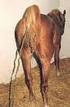 Equine Diarrhea Diarrhea in the Horse: Salmonella and Other Infections Amanda M. House, DVM, DACVIM Assistant Professor Large Animal Clinical Sciences UF College of Veterinary Medicine Introduction Clinical
CEFA-DROPS AND CEFA-TABS
 Page 1 of 5 FORT DODGE ANIMAL HEALTH Division of Wyeth 800-5TH STREET N.W., P.O. BOX 518 FORT DODGE IA 50501 USA Telephone: 515-955-4600 Fax: 515-955-3730 Order Desk Telephone: 800-685-5656 Order Desk
FACULTY OF MEDICAL SCIENCE
 Doctor of Philosophy Program in Microbiology FACULTY OF MEDICAL SCIENCE Naresuan University 171 Doctor of Philosophy Program in Microbiology The time is critical now for graduate education and research
10. T and B cells are types of a. endocrine cells. c. lymphocytes. b. platelets. d. complement cells.
 Virus and Immune System Review Directions: Write your answers on a separate piece of paper. 1. Why does a cut in the skin threaten the body s nonspecific defenses against disease? a. If a cut bleeds, disease-fighting
Salmonella Illness & Attribution
 The Poultry Federation SALMONELLA SUMMIT MARCH 26, 2013 9:15-10:00AM Salmonella Illness & Attribution Arthur P. Liang, M.D., M.P.H. Senior Advisor for Food Safety Division of Foodborne Waterborne & Environmental
Microscopes and the Metric System
 Microscopes and the Metric System BIO162 Fall 2007 Sizes of Microorganisms: -Viruses: 0.01 0.3 um -Bacteria: 1 3 um -Fungi: 3 30 um -Protozoa: 5 1000 um 1 Measuring Microorganisms Ocular Micrometer The
Nursing college, Second stage Microbiology Dr.Nada Khazal K. Hendi L14: Hospital acquired infection, nosocomial infection
 L14: Hospital acquired infection, nosocomial infection Definition A hospital acquired infection, also called a nosocomial infection, is an infection that first appears between 48 hours and four days after
1) Siderophores are bacterial proteins that compete with animal A) Antibodies. B) Red blood cells. C) Transferrin. D) White blood cells. E) Receptors.
 Prof. Lester s BIOL 210 Practice Exam 4 (There is no answer key. Please do not email or ask me for answers.) Chapters 15, 16, 17, 19, HIV/AIDS, TB, Quorum Sensing 1) Siderophores are bacterial proteins
BioCOSHH Risk Assessment
 BioCOSHH Risk Assessment A BioCOSHH risk assessment is required by law for the possession or use of biological agents or hazards. Managers and principal investigators are responsible for BioCOSHH risk
THE DANISH CHILDHOOD VACCINATION PROGRAMME
 THE DANISH CHILDHOOD VACCINATION PROGRAMME 2015 CONTENTS Introduction 2 The Danish childhood vaccination programme 3 Why do we vaccinate children in Denmark? 4 The diseases 5 Diphtheria 5 Tetanus 5 Whooping
 Full version is >>> HERE
 Raw Milk Quality Tests Do They Predict Fluid Milk Shelf-life or Is it time for new tests?
 Raw Milk Quality Tests Do They Predict Fluid Milk Shelf-life or Is it time for new tests? Martin Wiedmann Milk Quality Improvement Program November 3, 2011 Fluid milk shelf life What defines shelf life
PENNSYLVANIA DEPARTMENT OF HEALTH 2015 PAHAN 307 04-02-ADV Pertussis in Centre County
 PENNSYLVANIA DEPARTMENT OF HEALTH 2015 PAHAN 307 04-02-ADV Pertussis in Centre County DATE: 04/02/2015 TO: Health Alert Network FROM: Karen M. Murphy, PhD, RN, Acting Secretary of Health SUBJECT: DISTRIBUTION:
Protein Synthesis Inhibitors
 Frank Lowy Protein Synthesis Inhibitors This lecture discusses a diverse group of antibiotics that are grouped together because they all have a common mechanism of action they are protein synthesis inhibitors.
Genetic material of all living organisms. Biology - 100
 Genetic material of all living organisms. Biology - 100 This antibiotic is made from a fungus that was first discovered growing on an orange and it became the first antibiotic to treat infection. Biology
Course Curriculum for Master Degree in Food Hygiene /Faculty of Veterinary Medicine
 Course Curriculum for Master Degree in Food Hygiene /Faculty of Veterinary Medicine The Master Degree Food Hygiene /Veterinary Medicine is awarded by the Faculty of Graduate Studies at Jordan University