
Walden University. School of Nursing Handbook 2013
|
|
|
- Gabriel Nash
- 10 years ago
- Views:
Transcription
1 Walden University School of Nursing Handbook 2013

2 Walden University 100 Washington Avenue South, Suite 900 Minneapolis, MN Walden University is accredited by The Higher Learning Commission and a member of the North Central Association, Walden University practices a policy of nondiscrimination in admission to, access to, and employment in its programs and activities. Walden does not discriminate on the basis of race, color, sex, age, religion or creed, marital status, disability, national or ethnic origin, socioeconomic status, sexual orientation, or other legally protected status. Walden is committed to providing barrier-free access to its educational services and makes appropriate and reasonable accommodations when necessary. Students requesting accommodations per the Americans with Disabilities Act (ADA) must contact the Office of Disability Services at [email protected]. This publication represents current curricula, educational plans, offerings, requirements, tuition, and fees. These may be modified or discontinued from time to time in the university s sole discretion to carry out the university s purposes and objectives. Neither the provisions of this document, nor the acceptance of students through registration and enrollment in the university constitutes a contract or an offer of a contract Walden University, LLC School of Nursing Handbook (June 2013) Page ii

3 Contents Section 1. Introduction...1 About the School of Nursing Handbook...1 Walden University...1 College of Health Sciences...3 School of Nursing...3 Section 2. Bachelor of Science in Nursing (BSN) Completion Program...9 Overview...9 Completion Requirements Course Descriptions Section 3. Master of Science in Nursing (MSN) Overview Degree Requirements Course Descriptions Portfolio Section 4. Post-Master s Certificates in Nursing Overview Certificate Requirements Course Descriptions Section 5. Doctor of Nursing Practice (DNP) Overview Individual Student Learning Outcomes Degree Requirements Course Descriptions Practicum for DNP Program DNP Project Frequently Asked Questions Section 6. Professional Standards and Certification Professional Standards Board Certification Section 7. Policies and Procedures Student Conduct and Responsibilities Academic Progress Requirements Frequently Asked Questions Section 8. Student Resources Advising Writing Center School of Nursing Handbook (June 2013) Page iii

4 Disability Services Student Support Team Library Student Assistance Program Veteran s and Military Benefits Student Organizations School of Nursing Community of Interest Section 9. Helpful Hints Getting Started Beginning a New Class Communicating Effectively Succeeding in Courses Following APA Style Participating in Course Discussions Completing Written Assignments Solving Technical Problems Receiving Grade Reports Graduation and Commencement Section 10. Contact Information School of Nursing Other Important Resources Appendices School of Nursing Handbook (June 2013) Page iv
5 Section 1. Introduction About the School of Nursing Handbook Welcome to the Walden University School of Nursing Handbook. This handbook is a resource for school- and program-specific academic policies, procedures, and resources for Walden s School of Nursing (SON). It also provides program-specific information about nursing curricula, department personnel, and strategies for program success. The Walden University Catalog and the Walden University Student Handbook are available at catalog.waldenu.edu. The student handbook outlines all university policies, resources, and services. For academic information including official curricular requirements, course descriptions, and full faculty and administration listings refer to the current catalog. Walden catalogs for previous academic years are also archived at this site. Students who are admitted for and enrolled during the academic year are subject to the policies and procedures described in this handbook and the student handbook. The university reserves the right to change any provision, offering, requirement, or fee at any time within the student s enrollment period. Neither the provisions of this handbook, catalog, or student handbook, nor the acceptance of students to the university through the admission, enrollment, and registration processes, constitute a contract or an offer of a contract. The university further reserves the right to require students to withdraw from the university for cause at any time. Walden University Walden is an accredited institution that for more than 40 years has provided an engaging learning experience for working professionals. Walden s mission of producing scholar-practitioners has attracted a community of extraordinary students and faculty, all sharing a common desire to make a positive social impact to make a difference. Highlights of Walden s commitment include: Diverse and comprehensive core curriculum: Walden provides students the intellectual foundation necessary to see the interrelationships among the central ideas and means of expression that are specific to the disciplines. This foundation supplies a context for knowledge and makes possible the cross-fertilization of ideas to enhance creativity, innovation, and problem solving. Student-centeredness: Walden s faculty and staff are devoted to helping students balance their education with their personal and professional lives. Walden s library, tutoring, and other student services also provide essential resources. School of Nursing Handbook (June 2013) Page 1
6 Accreditation Real-world application: Degree programs are developed by scholarpractitioners who continually assess courses to make sure they are current and relevant. International perspectives: Walden University is the flagship online university in the Laureate International Universities network a leading global network of more than 60 accredited campus-based and online universities in 29 countries, serving more than 740,000 students. Walden and Laureate share a commitment to broadening access to quality higher education. Through this unique, multinational educational community, Walden and Laureate are creating opportunities for students to advance their lives and the communities they serve. Positive social change: Walden believes that knowledge is most valuable when put to use for the greater good. Students, alumni, and faculty are committed to improving the human and social condition by creating and applying ideas to promote the development of individuals, communities, and organizations, as well as society as a whole. Scholar-practitioner model: Walden s goal is to help students become scholarpractitioners by challenging them to integrate scholarly research with their own expertise as skilled practitioners in their fields. Walden University is accredited by The Higher Learning Commission and a member of the North Central Association, Walden s Bachelor of Science in Nursing (BSN) and Master of Science in Nursing (MSN) and Doctor of Nursing Practice (DNP) programs are accredited by the Commission on Collegiate Nursing Education (CCNE), One Dupont Circle, NW, Suite 530, Washington, D.C , CCNE is a national accrediting agency recognized by the U.S. Department of Education and ensures the quality and integrity of baccalaureate and graduate education programs in preparing effective nurses. For students, accreditation signifies program innovation and continuous self-assessment. Vision Walden University envisions a distinctively different 21st-century learning community where knowledge is judged worthy to the degree that it can be applied by its graduates to the immediate solutions of critical societal challenges, thereby advancing the greater global good. Mission Walden University provides a diverse community of career professionals with the opportunity to transform themselves as scholar-practitioners so that they can effect positive social change. Goals To provide multicontextual educational opportunities for career learners. To provide innovative, learner-centered educational programs that recognize and incorporate the knowledge, skills, and abilities students bring into their academic programs. School of Nursing Handbook (June 2013) Page 2

7 Social Change To provide its programs through diverse process-learning approaches, all resulting in outcomes of quality and integrity. To provide an inquiry/action model of education that fosters research, discovery, and critical thinking, and that results in professional excellence. To produce graduates who are scholarly, reflective practitioners and agents of positive social change. Walden defines positive social change as a deliberate process of creating and applying ideas, strategies, and actions to promote the worth, dignity, and development of individuals, communities, organizations, institutions, cultures, and societies. Positive social change results in the improvement of human and social conditions. This definition of positive social change provides an intellectually comprehensive and socially constructive foundation for the programs, research, professional activities, and products created by the Walden academic community. In addition, Walden supports positive social change through the development of principled, knowledgeable, and ethical scholar-practitioners, who are and will become civic and professional role models by advancing the betterment of society. College of Health Sciences Vision The college s vision is to be recognized as a preeminent college of health sciences producing innovative leaders who engage in critical and creative thinking to address the health needs of local and global communities through the delivery of healthcare services, research, and education. Mission The college s mission is to offer academic programs in the health sciences using a scholarpractitioner model to prepare health professionals who embrace social change, critical thinking, and evidence-based decision making and action and who contribute to the physical, social, mental, emotional, and spiritual well-being and greater good of individuals and local and global communities. School of Nursing Vision The School of Nursing envisions recognition as a preeminent 21st-century school of nursing in which the contributions of nursing, health, and related sciences will transform the provision of School of Nursing Handbook (June 2013) Page 3

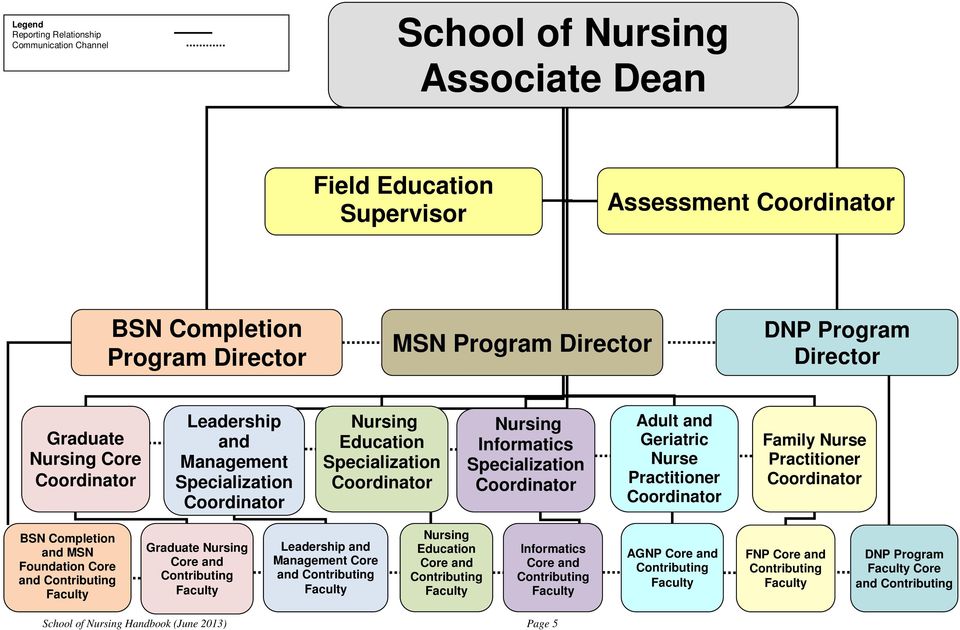
8 nursing services along the continuum of care and across the human lifespan to meet the needs of individuals and local and global communities. Mission The School of Nursing provides academically rigorous and culturally and contextually relevant educational programs, based in the scholar-practitioner model, for a diverse array of nursing professionals seeking enhancement of critical-thinking skills, abilities to select and implement evidence-based practices, and core and specialty nursing knowledge in order to transform society. Goals The School of Nursing s goals are derived from those of the institution, as summarized below: To empower the nursing professional through academic advancement that enhances personal growth, professional development, and academic achievement. To create an educational environment where learners are able to build on their existing transformational and professional nursing knowledge, skills, and integrative abilities. To educate the nursing professional with consideration for the complex needs of the diverse learner while upholding professional nursing standards. To encourage learners to integrate biopsychosocial, nursing, and health theories, research, and evidence-based practice that exemplifies professional nursing standards. To prepare professional nursing leaders who are empowered to promote social change for individuals, groups, and organizations locally, nationally, and globally. Organizational Structure The current organizational chart, as shown in Figure 1, depicts the structure of the School of Nursing in terms of relationships among personnel and programs. The chart provides lines of authority and responsibility as well as communication channels. Figure School of Nursing organizational chart in terms of relationships among personnel and programs. School of Nursing Handbook (June 2013) Page 4

9 Legend Reporting Relationship Communication Channel School of Nursing Associate Dean Field Education Supervisor Assessment Coordinator BSN Completion Program Director MSN Program Director DNP Program Director Graduate Nursing Core Coordinator Leadership and Management Specialization Coordinator Nursing Education Specialization Coordinator Nursing Informatics Specialization Coordinator Adult and Geriatric Nurse Practitioner Coordinator Family Nurse Practitioner Coordinator BSN Completion and MSN Foundation Core and Contributing Faculty Graduate Nursing Core and Contributing Faculty Leadership and Management Core and Contributing Faculty Nursing Education Core and Contributing Faculty Informatics Core and Contributing Faculty AGNP Core and Contributing Faculty FNP Core and Contributing Faculty DNP Program Faculty Core and Contributing School of Nursing Handbook (June 2013) Page 5
10 Organizing Framework for Programs Walden offers two options for registered nurses who do not already have a Bachelor of Science in Nursing (BSN): the BSN Completion Program and the RN Track of the Master of Science in Nursing (MSN) program. Nurses with a BSN enter the MSN program at the core course level and follow the BSN Track. Both the BSN Completion Program curriculum and the MSN s RN Track foundational courses build on a foundation of technical competencies and baccalaureate preparation in the arts, sciences, and humanities to prepare RNs for generalist practice. (Appendix A) On that foundation of baccalaureate preparation and generalist nursing competencies, the MSN core curriculum adds core competencies in advanced nursing practice. (Appendix B, Level 1) Students then acquire specialization competencies through one of five advanced nursing specializations offered in the MSN program: Adult-Gerontology Nurse Practitioner, Nursing Education, Family Nurse Practitioner, Leadership and Management, or Nursing Informatics. (Appendix B, Level 2) The Doctor of Nursing Practice (DNP) program builds upon the knowledge of the master s-level program outcome roles and expands competencies in administrative, healthcare policy, informatics, and population-based specialties for focus on aggregates in healthcare settings. (Appendix C) These layers of preparation are depicted in the SON Framework shown in Figure 2. Figure SON Framework. School of Nursing Handbook (June 2013) Page 6
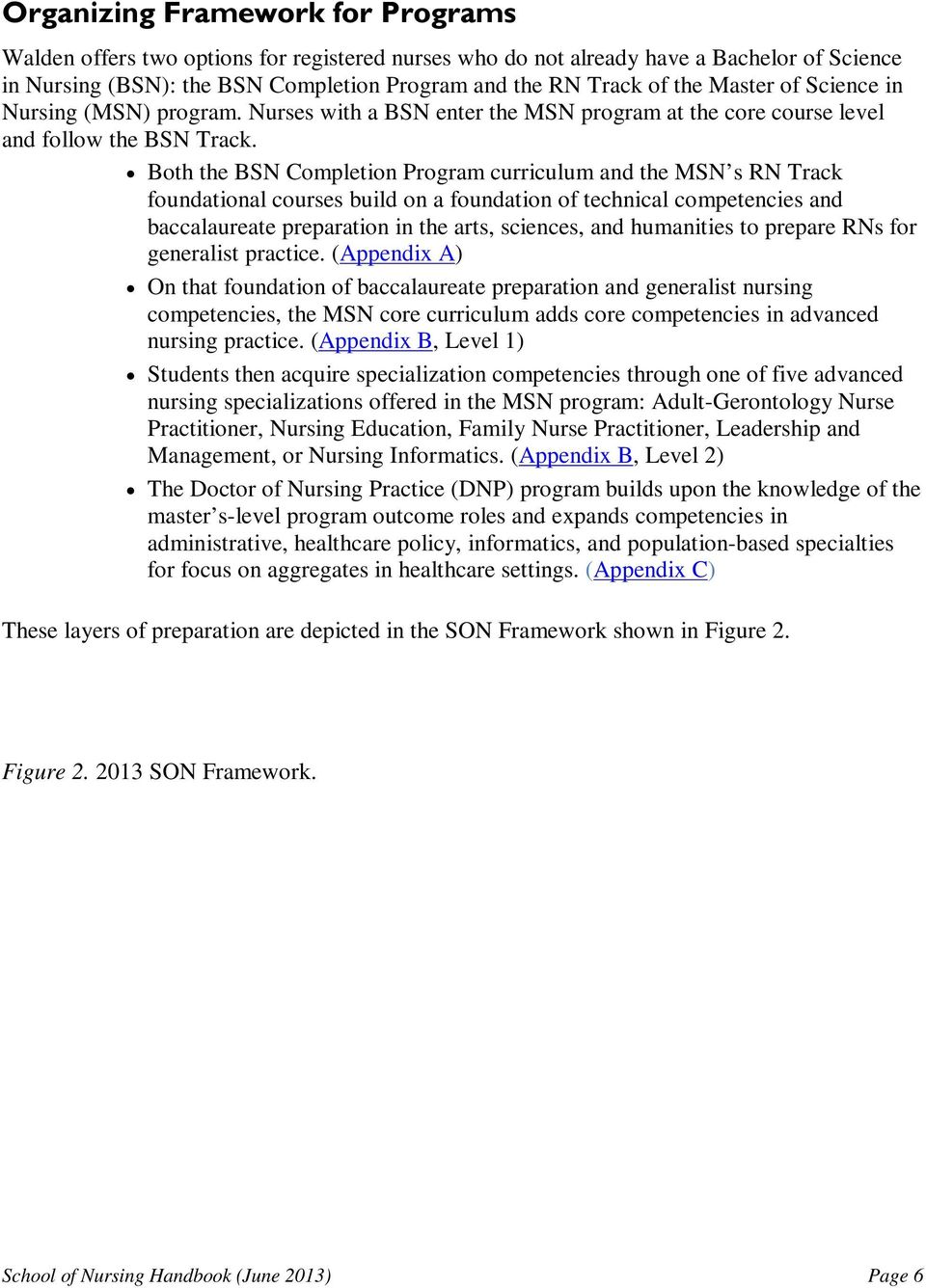
11 Level 3 Nurse Scholar-Practitioner Competencies Level 2 Nurse Specialization Competencies Level 1 Graduate Nursing Core Competencies Professional Competencies of the Registered Nurse Generalist Baccalaureate Arts, Sciences, and Humanities Technical Competencies of the Registered Nurse School of Nursing Handbook (June 2013) Page 1
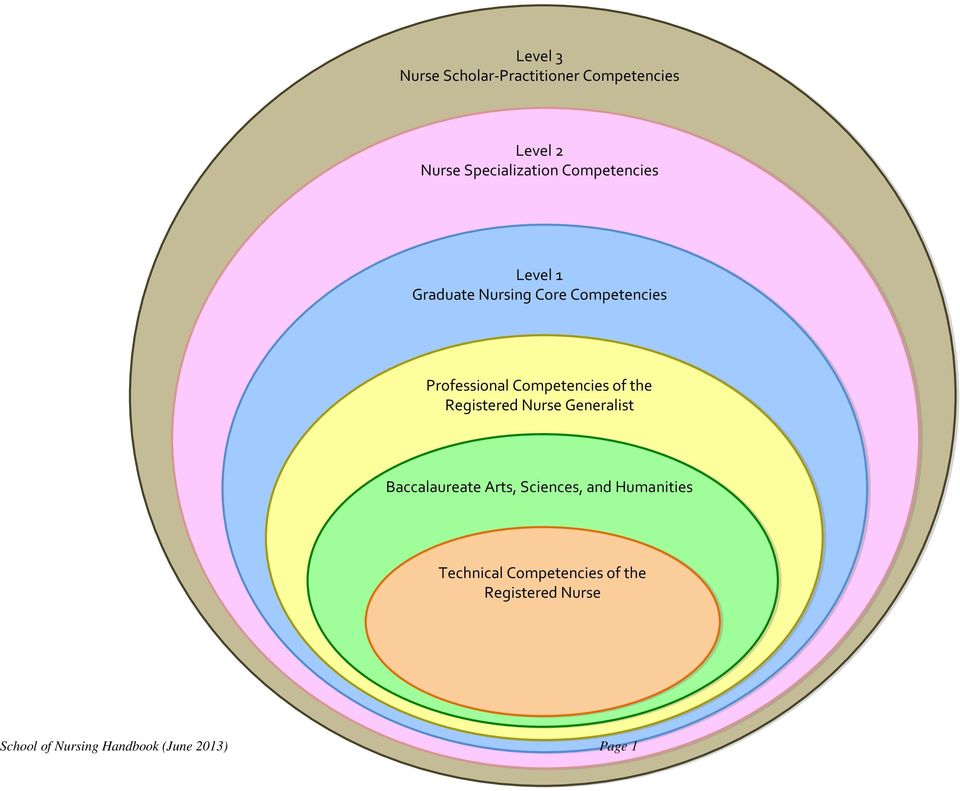
12 Quality Improvement The SON is committed to ongoing, systematic quality improvement for program effectiveness. As shown in Appendix D, the School of Nursing Quality Improvement Plan (SONQIP) for Program Effectiveness establishes indicators for accountability in the areas of student learning, faculty productivity, and program accountability. Each indicator is operationally defined; the entity responsible for collecting the data related to each operational definition is identified; the frequency of data collection and the primary data source are established; a community of interest is linked; benchmarks are set; and the outcome is monitored as part of the assessment plan within the School of Nursing Assessment Committee role and responsibility. School of Nursing Handbook (June 2013) Page 8

13 Section 2. Bachelor of Science in Nursing (BSN) Completion Program Overview Walden s Bachelor of Science in Nursing (BSN) Completion Program provides current registered nurses who have a diploma or associate degree in nursing with the opportunity to earn a BSN degree. Walden offers a flexible, relevant, evidence-based program of study that equips students with the tools for success in a nursing career. The curriculum is based on The Essentials of Baccalaureate Education for Professional Nursing Practice (AACN, 2008) and the American Nurses Association s Guide to the Code of Ethics for Nurses: Interpretation and Application (2010), Nursing: Scope and Standards of Practice (2010), and Nursing s Social Policy Statement (2010). Individual Student Learning Outcomes At the end of the program, graduates will be able to: 1. Apply leadership and informatics concepts in decision making to promote patient safety and quality care. 2. Use evidence based on the sciences, humanities, and research to guide nursing practice across the health-illness continuum in a variety of healthcare settings. 3. Evaluate the implications of policy on issues of access, equity, affordability, and social justice in healthcare delivery, including the health of vulnerable populations and healthcare disparities. 4. Demonstrate effective communication and collaboration skills to improve patient outcomes. 5. Implement individual and population-focused interventions to promote health and to prevent and manage disease and injuries. 6. Exhibit accountability for personal and professional behaviors in accordance with standards of moral, ethical, and legal conduct and with a commitment to continuous professional development. 7. Provide patient-centered nursing care based on a comprehensive and focused health assessment, across the lifespan using sound clinical judgment as well as developmentally and culturally appropriate approaches. Appendix A depicts the links among the School of Nursing s goals, these individual student learning outcomes, the undergraduate curriculum, and the assessment plan. School of Nursing Handbook (June 2013) Page 9
14 Completion Requirements 180 quarter credits, at least 45 of which must be completed at Walden General education courses (50 cr., at least 10 of which must be completed at Walden) First course (1 cr.) Nursing license transfer of credit (up to 50 cr.) (Note: Students who are not awarded the maximum of 50 credits will take general education or elective courses to complete this requirement.) Elective courses (25 cr.) Upper-division courses (54 cr., including two courses with a practicum component) Admission Requirements All students admitted to the BSN Completion Program must have a current, active registered nurse (RN) license in the United States or its territories. International nurses must have the equivalent of an RN license in their home country. All applicants must also present an associate s degree in nursing or a diploma in nursing. Nurses admitted to the program may be awarded up to 50 quarter credits based on transcripts from an accredited associate degree in nursing or a nursing diploma. Walden s Office of Admissions will evaluate transcripts and diploma information to determine the extent of credit awarded. General Education Courses Students must complete all general education requirements (as listed below) prior to enrolling in any courses in the BSN Completion Program. The general education curriculum establishes a foundation of the arts, sciences, and humanities. The BSN curriculum builds on this foundation. Two written and oral communications courses Two humanities courses Four mathematics/natural sciences courses (including statistics, microbiology, and anatomy and physiology) Two social sciences courses Elective(s) as needed to reach the credits required All undergraduate students must complete the following general education courses at Walden: WLDN Dynamics of Walden Success: Learning Lab (1 cr.) COMM Contemporary Communications (5 cr.) SOCI Social Responsibility (5 cr.) School of Nursing Handbook (June 2013) Page 10

15 Elective Courses Students are to select five additional courses to fulfill the elective requirement. Students may choose from general education courses or concentration courses. At least two elective courses must be at the 3000 level or above. These 25 credits of electives are in addition to the general education requirements. Upper-Division Course Sequence Two of the upper-division courses (NURS Family, Community, and Population-Based Care and NURS Leadership Competencies in Nursing and Healthcare) each have a 45- hour virtual practicum component. Students complete their 45 practicum hours as an independent learning experience. Course faculty members help students to complete projects of their choice. Students are not required to go to a healthcare site, and they do not need a preceptor as part of the practicum. Faculty members who teach the course facilitate students work. NURS Family, Community, and Population-Based Care The focus of this course is on application of theories and concepts from nursing and public health sciences in assessing health status and preventing and controlling disease in families, aggregates, and communities as clients. The use of epidemiological and community assessment techniques to examine populations at risk, health promotion, and levels of disease prevention with special emphasis on ethnically diverse and vulnerable populations are incorporated. Major local, state, and national health issues are considered, including mental health and substance abuse and related co-morbidities; re-emergence of infectious and communicable diseases; environmental and occupational health hazards; bioterrorism; emergency preparedness; and disaster response. This course includes a 45-hour virtual, online population-based practicum with no required preceptors or travel. NURS Leadership Competencies in Nursing and Healthcare This course focuses on building the knowledge and key competencies essential to successful leadership and influence in an evolving healthcare delivery system. The course emphasizes increasing self-awareness in the context of organizational challenges and individual motivation; distinguishing leadership from management; team building; strengthening interpersonal communication and interdisciplinary effectiveness; shaping a preferred future for nursing; translating strategic vision into action; as well as developing skills in implementing and managing organizational change. Specific learning opportunities include case studies, a battery of self-assessments and 360-degree feedback instruments, and exposure to top-level leaders in nursing and healthcare. This course includes a 45-hour virtual, online leadership practicum with no required preceptors or travel. Table 1. Bachelor of Science in Nursing Upper-Division Course Sequence* Quarter 1 2 Course NURS Issues and Trends in Nursing 5 (5,0) NURS The Context of Healthcare Delivery 5 (5,0) NURS Information Management in Nursing and Healthcare 5 (5,0) NURS Pathopharmacology 5 (5,0) School of Nursing Handbook (June 2013) Page 11

16 3 4 5 NURS Health Assessment 5 (5,0) NURS Research and Scholarship for Evidence-Based Practice 5 (5,0) NURS Topics in Clinical Nursing 5 (5,0) NURS Family, Community, and Population-Based Care 7 (5,2) NURS Public and Global Health 5 (5,0) NURS Leadership Competencies in Nursing and Healthcare 7 (5,2) *Courses are listed with this notation: Total quarter credits (didactic credits, practicum credits) Course Descriptions General Education Courses COMM Contemporary Communications (5 cr.) Effective communicators know how to choose the type of communication that best suits their intended audience. This course introduces students to the fundamentals of effective communication in contemporary society. Students primary focus is communication using electronic means, such as cell phones, , instant messaging, and Internet technologies. They explore a wide range of communication methods and technologies as well as their impact on the individual and society. Through this course, students gain the knowledge and skill to use appropriate contemporary communication strategies for various settings and audiences. They also gain the ability to apply writing and criticalthinking skills to their personal, academic, and work lives. Note: Students must take this course in the first quarter. SOCI Social Responsibility (5 cr.) Technological advancements, globalization, and other 21st-century dynamics that bring individuals together provide a means and a responsibility to work collectively for the common good. This course provides an interdisciplinary synthesis of learning for students through the lens of civic engagement and social responsibility. Students engage in assignments that emphasize problem solving in contemporary society. They explore the history of social responsibility and issues related to social change, civic engagement, and the media. In this course, students develop awareness and skills to sustain and advance the communities in which they live. (Prerequisite: All other required general education courses completed.) First Course WLDN Dynamics of Walden Success: Learning Lab (1 cr.) Walden University offers students a dynamic learning environment and a range of support services to ensure academic success. In this course, students immerse themselves in Walden University s online learning environment and apply skills from the student readiness orientation. In addition, students discover and apply the tools and services that will support them throughout their degree program. Through classroom discussions and the application of key communication principles, students establish an online community of peers and explore their degree program School of Nursing Handbook (June 2013) Page 12

17 with discipline-specific examples. This course helps students prepare for their Walden academic career and continues their orientation to the university. Upper-Level Nursing Courses NURS Issues and Trends in Nursing (5 cr.) This course provides students with an overview of the evolution of nursing as a profession and its relationship to the changes in organization, structure, and function of the U.S. healthcare delivery system. Students examine major issues and trends in nursing and healthcare and consider the influence of socioeconomic, ethical, legal, and political variables as well as professional values on contemporary nursing practice. Through weekly discussions, students explore and share personal experiences on contemporary nursing issues, such as the nursing shortage, workforce challenges, diversity, and the professional status of nursing. Note: Students must take this course first in their sequence. NURS The Context of Healthcare Delivery (5 cr.) Improvement of healthcare delivery in the United States relies on many factors, such as effective nurse advocacy through politics, policy, and professional associations. But advocacy depends on the ability to fully understand current issues, systems, policies, and related contexts. In this course, students engage in a systems-level analysis of the implications of healthcare policy on issues of access, equity, affordability, and social justice in healthcare delivery. Through policy analysis assignments students apply legislative, regulatory, and financial processes relevant to the organization and provision of healthcare services. Students consider the impact of these processes on quality and safety in the nursing practice environment and disparities in the healthcare system. Through this course, students gain the knowledge and skills needed to advocate for vulnerable populations and promote positive social change. (Prerequisite: NURS 3000.) NURS Information Management in Nursing and Healthcare (5 cr.) Professionals often use information technology to support clinical and managerial decision making in the field of healthcare. Students in this course explore these information technology applications through a variety of written and practical assignments. They focus on information technology that supports the delivery of services, including the collection, storage, retrieval, and communication of data; information systems safeguards; ethical and legal issues; and information management to promote patient safety and quality of care. Students also share examples of information literacy and discuss why it is important to the practice of nursing. Additionally, students identify basic hardware and software components and explore fundamental software applications, including spreadsheets and healthcare databases. (Prerequisite: NURS 3005.) NURS Pathopharmacology (5 cr.) A major responsibility of nurses is to help ensure safe administration of medication by having an in-depth understanding of drug categories and how each type interacts with other drugs in the body. In this course, students explore foundational pharmacologic principles and topics, including key drug actions and interactions, effects of various categories of drugs, and pharmacokinetics and pharmacodynamics. Through case studies and other functional applications, students learn about the pathophysiology related to major health problems across the lifespan and the pharmacologic management of those problems. They examine the cellular aspects of disease, pathophysiological signs and symptoms, and dynamics of body defenses. Students also consider pathopharmacological implications in the practice of nursing. (Prerequisite: NURS 3010.) NURS Health Assessment (5 cr.) Through this course, students have the opportunity to gain the knowledge and skills required to collect data related to assessment of individual health status. They learn the physical examination skills of School of Nursing Handbook (June 2013) Page 13

18 inspection, palpation, percussion, and auscultation used to assess major body systems across the lifespan. They gain practical experience using interviewing techniques and communication skills for taking patient histories, and they discuss the psychological, social, and cultural aspects of clinical assessment. Additionally, students consider the integration of data to guide the nursing process and ethical guidelines. Engaging in interactive simulations, students apply knowledge and demonstrate understanding of conducting health assessments. (Prerequisite: NURS 3015.) NURS Research and Scholarship for Evidence-Based Practice (5 cr.) Nurses engage in research to stay up-to-date on the changing scope of healthcare as well as new methods and best practices in providing quality care to patients. Students in this course learn the basic elements of the research process. They also learn how scholar-practitioners use these elements to discover new knowledge and models for applying evidence to inform clinical decisions and improve nursing practice and patient outcomes. They consider the ethical conduct of research and scholarly work as well as the nurse s role in the collection, documentation, analysis, interpretation, dissemination, and utilization of research data. Students apply course concepts as they research a current problem in nursing practice, propose solutions for change, and synthesize literature that supports their proposed changes. (Prerequisite: NURS 3020.) NURS Topics in Clinical Nursing (5 cr.) In this course, students learn about the major acute and chronic health problems and leading causes of death across the lifespan, including etiology, pathogenesis, clinical presentation, and implications for treatment and disease management. They also explore the relationship of genetics and genomics to health and illness; infection-control issues, such as drug-resistant organisms; accidents or injuries; common geriatric syndromes; palliative and end-of-life care; and complementary and alternative therapies. Students apply course concepts and demonstrate understanding of nursing intervention through the development of an action plan based on best practices and a teaching plan designed to prevent accidents and injuries. (Prerequisite: NURS 4000.) NURS Family, Community, and Population-Based Care (7 cr.) The focus of this course is on application of theories and concepts from nursing and public health sciences in assessing health status and preventing and controlling disease in families, aggregates, and communities as clients. Epidemiological and community assessment techniques are used to examine populations at risk, health promotion, and levels of disease prevention, with special emphasis on ethnically diverse and vulnerable populations. Major local, state, and national health issues are considered, including mental health and substance abuse and related co-morbidities; re-emergence of infectious and communicable diseases; environmental and occupational health hazards; bioterrorism; emergency preparedness; and disaster response. This course includes a 45-hour virtual, online populationbased practicum with no required preceptors or travel. NURS Public and Global Health (5 cr.) Through this course, students widen their perspectives of promoting health and preventing disease as they examine health issues that transcend national borders, class, race, ethnicity, and culture. Students discuss the role of the nurse in preserving and promoting health among diverse populations as well as their role in illness prevention and health promotion, protection, and maintenance of targeted populations. They also explore principles of epidemiology and the influencing sociopolitical factors that impact health and wellbeing of humankind. Students engage in assignments designed to provide practical application of content on topical issues, such as infant mortality rates in the United States and abroad, infectious or communicable disease, and implications of global climate change on health, among others. Finally, students consider and reflect on the nurse s role as a leader in transforming the future of the world s health. (Prerequisite: NURS 4010.) School of Nursing Handbook (June 2013) Page 14
19 NURS Leadership Competencies in Nursing and Healthcare (7 cr.) This course will focus on building the knowledge and key competencies essential to successful leadership and influence in an evolving healthcare delivery system. The course emphasizes increasing self-awareness in the context of organizational challenges and individual motivation; distinguishing leadership from management; team building; strengthening interpersonal communication and interdisciplinary effectiveness; shaping a preferred future for nursing; translating strategic vision into action; as well as developing skills in implementing and managing organizational change. Specific learning opportunities include case studies, a battery of self-assessments and 360-degree feedback instruments, and exposure to top-level leaders in nursing and healthcare. This course includes a 45-hour virtual, online leadership practicum with no required preceptors or travel. (Prerequisite: NURS 4015.) School of Nursing Handbook (June 2013) Page 15

20 Section 3. Master of Science in Nursing (MSN) Overview Walden s Master of Science in Nursing (MSN) program provides current registered nurses with the opportunity to earn an MSN degree. Walden offers a flexible, relevant, evidence-based program of study that equips students with the tools for success in a nursing career. The curriculum is based on the following: The Essentials of Master s Education in Nursing (AACN, 2011) The Scope of Practice for Academic Nurse Educators (NLN, 2005) Nursing Informatics: Scope and Standards of Practice (ANA, 2008b) Technology Informatics Guiding Education Reform (TIGER): Initiative Informatics Competencies Quality and Safety Education for Nurses (QSEN): Informatics Competencies Nursing Administration: Scope and Standards of Practice (ANA, 2009) The Nurse Practitioner Core Competencies (The National Organization of Nurse Practitioner Faculties [NONPF], 2012) Criteria for Evaluation of Nurse Practitioner Programs (The National Task Force on Quality Nurse Practitioner Education, 2012) Walden offers the following MSN specializations: Adult-Gerontology Nurse Practitioner (AGNP) Family Nurse Practitioner (FNP) Leadership and Management Nursing Education Nursing Informatics Individual Student Learning Outcomes At the end of this program, graduates will be able to: 1. Synthesize organizational/systems leadership for cost-effective specialist nursing practice that contributes to high-quality healthcare delivery, advancement of the nursing profession, and social change. 2. Critique evidence-based literature drawing from diverse theoretical perspectives and pertinent research to guide decision making that demonstrates best practices for specialist nursing practice in a global society. School of Nursing Handbook (June 2013) Page 16

21 3. Integratively assess, diagnose, plan, implement, and evaluate cost-effective healthcare strategies that reduce health disparities by patient/population advocacy for access to specialist nursing care. 4. Demonstrate ability to effectively communicate using audience-specific oral, written, and information technology for professional delivery of specialist nursing care. 5. Evaluate health needs of diverse populations for necessary teaching/coaching functions based on specialist nursing knowledge to restore/promote health and prevent illness/injury. 6. Exhibit ongoing commitment to professional development and value of nursing theories/ethical principles (altruism, autonomy, human dignity, integrity, social justice) in accordance with ethically responsible, legally accountable specialist nursing practice. 7. Implement specialist nursing roles to promote quality improvement of patient-centered care in accordance with professional practice standards that transform health outcomes for diverse populations. Appendix B depicts the links between the School of Nursing s goals and these individual student learning outcomes, the MSN core and specialization curricula, and the assessment plan. Degree Requirements BSN Track: 35 sem. cr.; RN Track: 59 sem. cr. Professional Development Plan and program of study Foundation course (1 sem. cr.) Foundation courses (24 sem. cr.) RN Track only Core courses (12 sem. cr.) Specialization courses (16 sem. cr.) Capstone synthesis: project and practicum (6 sem. cr.) Portfolio Quarter-Based Program Effective September 2012 BSN Track: 51/56 cr.; RN Track: 80/85 cr. Professional Development Plan and program of study Foundation course (1 cr.) Foundation courses (29 cr.) RN Track only Core courses (20 cr.) Specialization courses (30/35 cr.) Portfolio (Nursing Education, Leadership and Management, and Nursing Informatics specializations only) Admission Tracks The MSN program has two admission tracks for registered nurses: School of Nursing Handbook (June 2013) Page 17
22 BSN Track: This track is for students with a Bachelor of Science in Nursing (BSN) degree. Students enter the MSN program at the core (graduate) level. RN Track: This track is for students with a diploma, an associate degree in nursing, or a bachelor s degree other than a BSN. Students complete 24 semester credits (or 29 quarter credits for the quarter-based program) of foundation courses before starting the core (graduate) courses. The foundation courses contain the essential content and learning activities to prepare students for the core courses. Note about general education requirements: Candidates for entry into the RN Track who have not completed the required minimum undergraduate credits of general education courses (as shown below) may enroll in general education courses at Walden. Students who choose to complete general education courses at Walden can transition directly into the RN Track of the MSN program after they have completed the general education requirements. Two written and oral communications courses Two humanities courses Four mathematics/natural sciences courses (including statistics*, microbiology, anatomy and physiology) Two social sciences Elective(s) as needed to reach the credits required *Note: If students have not taken a statistics course, they are required to complete STAT 3001 prior to enrolling in NURS 6052; however, they can begin the MSN program prior to completing STAT All students complete the same core curriculum. The six core courses provide students with graduatelevel knowledge in areas of leadership, theory, research, diversity, ethical and legal issues, and healthcare systems. The specialization courses build on the core courses and offer students direction and guidance for influencing nursing practice in selected areas. The capstone courses provide students the opportunity to integrate knowledge from their previous courses into a practice setting (practicum) and to evaluate the achievement of professional and organizational goals. A portfolio based on the specific outcomes of the program must be submitted and approved before the degree is granted. Note about licensure for students enrolled in the Adult-Gerontology Nurse Practitioner (AGNP) and Family Nurse Practitioner (FNP) specializations: Students enrolled in these specializations must have and maintain a current, unrestricted RN license in the state where they will perform their clinical practicum. Note: Courses are listed below with this notation: Total semester credits (didactic credits, practicum credits). Foundation Courses Both Tracks NURS Success Strategies in the Master of Science Program in Nursing Online Environment 1 (1, 0) School of Nursing Handbook (June 2013) Page 18
23 Quarter-Based Program Effective September 2012 NURS Foundations of Graduate Study 1 (1, 0) RN Track Only NURS Issue and Trends in Nursing 4 (4, 0) NURS Advancing Nursing Through Inquiry and Research 4 (4, 0) NURS Information and Healthcare Technologies Applied to Nursing Practice 4 (4, 0) NURS Topics in Clinical Nursing 4 (4, 0) NURS Managing a Continuum of Care for Positive Patient Outcomes 4 (4, 0) NURS The Practice of Population-Based Care 4 (4, 0) Quarter-Based Program Effective September 2012 NURS Issues and Trends in Nursing 5 (5,0) NURS Research and Scholarship for Evidence-Based Practice 5 (5,0) NURS Topics in Clinical Nursing 5 (5,0) NURS Family, Community, and Population-Based Care 7 (5,2) NURS Leadership Competencies in Nursing and Healthcare 7 (5,2) Core Courses NURS The Nurse Leader: New Perspectives on the Profession 3 (3, 0) NURS Policy and Politics in Nursing and Healthcare 3 (3, 0) NURS Integrating Theory and Research for Evidence-Based Practice 3 (3, 0) NURS Promoting and Preserving Health in a Diverse Society 3 (3, 0) Quarter-Based Program Effective September 2012 NURS Policy and Advocacy for Improving Population Health 5 (5, 0) NURS Transforming Nursing and Healthcare Through Technology 5 (5, 0) NURS Essentials of Evidence-Based Practice 5 (5, 0) NURS Interprofessional Organizational and Systems Leadership 5 (5, 0) Specialization Courses Adult-Gerontology Nurse Practitioner Specialization Effective September 2012 The Adult-Gerontology Nurse Practitioner specialization prepares students to make a positive difference in today s dynamic and ever-changing healthcare environment, whether in clinical practice or a related health professional role. Students gain responsibility in their current role or prepare to advance their career. Walden practicum coordinators are available to assist students in meeting their practicum requirements. Graduates pursue national adult nurse practitioner certification and state credentialing. NURS Advanced Pathophysiology 5 (5, 0) NURS Advanced Health Assessment and Diagnostic Reasoning 5 (5, 0) NURS Advanced Pharmacology 5 (5, 0) NURS Primary Care of Adults Across the Lifespan 5 (3, 2) NURS Primary Care of Frail Elders 5 (3, 2) NURS Primary Care of Women 5 (3, 2) School of Nursing Handbook (June 2013) Page 19
24 NURS Direct Care Roles in Health Promotion and Disease Prevention Across the Lifespan 5 (3, 2) Nursing Education Specialization The Nursing Education specialization prepares nurses for faculty positions in all types of undergraduate nursing programs, as well as for educator roles in diverse practice settings. Graduates have the knowledge to develop, plan, implement, and evaluate educational programs for nursing students and other individuals or groups needing health-related education. NURS Student-Centered Learning in Nursing Education 3 (3, 0) NURS Teaching Strategies for Nurse Educators 3 (3, 0) NURS Integrating Technology Into Nursing Education 3 (3, 0) NURS Curriculum Development, Assessment, and Evaluation 3 (3, 0) NURS The Nurse Educator: Roles, Responsibilities, and Relationships 4 (4, 0) Quarter-Based Program Effective September 2012 NURS Advanced Pathopharmacology 5 (5, 0) NURS Advanced Health Assessment and Diagnostic Reasoning 5 (5, 0) NURS Curriculum Development, Assessment, and Evaluation 5 (5, 0) NURS Teaching Learning Strategies: Integrating Technology Into Nursing Education 5 (5, 0) NURS Specialty in Clinical Nursing 5 (5, 0) NURS The Role of the Nurse Educator 5 (3, 2) Family Nurse Practitioner Specialization Effective September 2012 The Family Nurse Practitioner specialization focuses on evidence-based techniques that can enhance the quality of care and outcomes for patients. The program offers strategies that can prepare students to work in acute and primary care health settings or change the course of their healthcare career. Walden practicum coordinators can assist students in meeting their clinical practice requirements. Graduates of the program can pursue national family nurse practitioner certification and state credentialing. NURS Advanced Pathophysiology 5 (5, 0) NURS Advanced Health Assessment and Diagnostic Reasoning 5 (5, 0) NURS Advanced Pharmacology 5 (5, 0) NURS Primary Care of Adults Across the Lifespan 5 (3, 2) NURS Primary Care of Adolescents and Children 5 (3, 2) NURS Primary Care of Women 5 (3, 2) NURS Direct Care Roles in Health Promotion and Disease Prevention Across the Lifespan 5 (3, 2) Leadership and Management Specialization The Leadership and Management specialization prepares nurses for leadership positions in complex healthcare systems. Collaboration and partnerships are key to managing change and meeting standards for nursing practice. Graduates are ready to make a difference in organizations by addressing pressing issues, such as workforce development, resources, integration of technology, and the maintenance and improvement of quality care. School of Nursing Handbook (June 2013) Page 20
25 NURS The Nurse Administrator: Leading and Managing for Excellence 4 (4, 0) NURS Healthcare Finance and Budgeting 4 (4, 0) NURS Human Resource Management 4 (4, 0) NURS Case Study: Quality Nursing in a Complex Healthcare Organization 4 (4, 0) Quarter-Based Program Effective September 2012 NURS Leadership in Nursing and Healthcare 5 (5, 0) NURS Finance and Economics in Healthcare Delivery 5 (5, 0) NURS Managing Human Resources 5 (5, 0) NURS Healthcare Systems and Quality Outcomes 5 (5, 0) NURS Strategic Planning in Healthcare Organizations 5 (5, 0) NURS Capstone Synthesis Practicum 5 (3, 2) Nursing Informatics Specialization The Nursing Informatics specialization prepares nurses to effectively utilize information technology to enhance the quality of patient care. This specialization blends nursing science with computer and information science. Coursework focuses on such key areas as information systems, database concepts, and effective project management. Graduates have the skills to integrate new data and existing knowledge to support decision-making processes that affect patients and providers. NURS Informatics in Nursing and Healthcare 4 (4, 0) NURS Information and Knowledge Management 4 (4, 0) NURS Supporting Workflow in Healthcare Systems 4 (4, 0) NURS Project Management: Healthcare Information Technology 4 (4, 0) Quarter-Based Program Effective September 2012 NURS Informatics in Nursing and Healthcare 5 (5, 0) NURS Information and Knowledge Management 5 (5, 0) NURS Supporting Workflow in Healthcare Systems 5 (5, 0) NURS System Design, Planning, and Evaluation 5 (4, 1) NURS Project Management: Healthcare Information Technology 5 (5, 0) NURS Capstone Synthesis Practicum 5 (3, 2) Capstone Synthesis Courses The practicum provides MSN students with the opportunity to synthesize knowledge, to develop specialized competence in professional nursing practice, to apply knowledge to the solution of professional nursing practice issues, and to develop a respect for and a commitment to continued professional scholarship. Students are advised to begin seeking a practicum placement as early as possible, but no later than two terms before they plan to begin the practicum. The completion of practicum experiences gives students the confidence to function at an advanced level in a selected practice setting. For students in the Education, Leadership, and Management and Nursing Informatics specializations who enrolled prior to September 2012, the capstone synthesis courses include a School of Nursing Handbook (June 2013) Page 21
26 125-hour practicum. The practicum takes place in two sequential terms (NURS 6500 and 6510) taken at the conclusion of the specialization component of the MSN program. Students enrolled in the new quarter-based program effective September 2012 take NURS 6600 as the practicum course in the Nursing Informatics and Leadership and Management specializations during their last quarter. Students enrolled in the Nursing Education specialization take the practicum course NURS 6351 during their last quarter. Note: These courses require a minimum of 144 practicum hours. Details about the practicum, the required forms, the approval process, and important practicum application deadlines are found in the School of Nursing Practicum Manual. NURS Capstone: Synthesis Practicum I 3 (2.5, 0.5) NURS Capstone: Synthesis Practicum II 3 (2.5, 0.5) NURS Capstone Synthesis Practicum (5 cr.) NURS Role of the Nurse Educator (5 cr.) Course Descriptions Foundation Courses Both Tracks NURS Success Strategies in the Master of Science Program in Nursing Online Environment (1 sem. cr.) The purpose of this course is to introduce students to Walden University and to the requirements for successful participation in an online curriculum. The course will also provide a foundation for the student s academic and professional success as a scholar-practitioner and social change agent. Course assignments focus on the practical application of writing and critical-thinking skills and the integration of professional practice with professional and academic excellence as they relate to practice in nursing. Quarter-Based Program Effective September 2012 NURS Foundations of Graduate Study (1 cr.) The purpose of this course is to introduce students to Walden University and to the requirements for successful participation in an online curriculum. The course will also provide a foundation for the student s academic and professional success as a scholar-practitioner and social change agent. Course assignments focus on the practical application of writing and critical-thinking skills and the integration of professional practice with professional and academic excellence as they relate to practice in nursing. RN Track Only NURS Issues and Trends in Nursing (4 sem. cr.) An overview of the evolution of nursing as a profession and its relationship to the changes in organization, structure, and function of the U.S. healthcare delivery system is provided in this course. Students examine and discuss major issues and trends in nursing and healthcare. They also consider the influence of socioeconomic, ethical, legal, and political variables as well as professional values on contemporary nursing practice. Students conduct a literature review, which they use to analyze and summarize contemporary diversity issues in the workplace. They also engage in additional application- School of Nursing Handbook (June 2013) Page 22
27 based assignments on a variety of topics, such as the nursing shortage, professional practice, licensing, and legal and ethical issues. NURS Advancing Nursing Through Inquiry and Research (4 sem. cr.) Contemporary nursing practice now often involves conducting research to learn the most recent trends and effective practices to treat patients. Students in this course focus on the steps of the research process. They explore qualitative and quantitative methods and gain a foundation for evidence-based practice through inquiry and critical analysis of scholarly literature. Students also examine strategies for using research effectively in a variety of situations. Through a collaborative project, students critically investigate and share information on current nursing issues. NURS Information and Healthcare Technologies Applied to Nursing Practice (4 sem. cr.) The rise of technological evolution and innovation continues to change approaches and practices in healthcare; therefore, nursing professionals should understand how to harness technology in ways to improve delivery and care. In this course, students learn how professionals use information technologies and systems to support decision making in nursing practice, administration, research, and education. They examine information sources used as tools, such as listservs, the Internet, , and databases. Students consider advances in technology that support the delivery of services as well as the collection, storage, and retrieval of information. They also examine and discuss ethical and legal issues that impact the use of technology in healthcare. Students engage in a team project through which they assess a current issue in nursing, focusing on the impact of information technology. NURS Topics in Clinical Nursing (4 sem. cr.) Major acute and chronic health problems and leading causes of death across the lifespan, including etiology, pathogenesis, clinical presentation, and implications for treatment and disease management are highlighted in this course. Consideration is given to the relationship of genetics and genomics to health and illness, infection-control issues such as drug-resistant organisms, accidents/injuries, common geriatric syndromes, palliative and end-of-life care, as well as complementary and alternative therapies. Development of a framework for nursing interventions is emphasized. NURS Managing a Continuum of Care for Positive Patient Outcomes (4 sem. cr.) While the current healthcare system is inundated with the needs of aging patients with chronic disease, providers are seeking ways to advance patient outcomes management and promote initiatives that will improve the long-term health of the population. In this course, students explore concepts related to the management of disease and the prevention of further disability. They identify the impact of cultural, social, political, legal, and environmental factors on providing a continuum of care. Using an evidencebased approach, students also evaluate a variety of topics that address documentation, evaluation, and quality outcome standards. Students apply methods, tools, and standards learned in the course to the development of care/case management plans. Through these projects, students reflect on the nursing role in achieving positive outcomes for individuals, groups, and communities. NURS The Practice of Population-Based Care (4 sem. cr.) The primary goal of public/community health nursing is to maintain and improve the general health of populations through promoting and assisting populations in making positive changes in behavior. In this course, students take an interdisciplinary approach to understanding the practice of population-based care. They examine concepts of health, levels of prevention, epidemiology of wellness, global health issues, and control of health problems as well as principles of interdisciplinary care. Students learn and apply methods to plan, intervene, and evaluate care in communities. They also examine integrative approaches to working with groups in the community to positively impact health behaviors. Additionally, students engage in a group School of Nursing Handbook (June 2013) Page 23
28 project in which they review and synthesize literature on a health problem and target population and then investigate an appropriate intervention program. Quarter-Based Program Effective September 2012 Please note: Core courses should be taken as sequenced below and completed prior to entering Core Courses NURS Issues and Trends in Nursing (5 cr.) This course provides an overview of the evolution of nursing as a profession and its relationship to the changes in organization, structure, and function of the U.S. healthcare delivery system. Major issues and trends in nursing and healthcare are examined with consideration given to the influence of socioeconomic, ethical, legal, and political variables as well as professional values on contemporary nursing practice. Note: Students must take this course first in their sequence. NURS Research and Scholarship for Evidence-Based Practice (5 cr.) This course focuses on the basic elements of the research process in discovery of new knowledge and models for applying evidence to inform clinical decisions and improve nursing practice and patient outcomes. Consideration is given to the ethical conduct of research and scholarly work as well as the nurse s role in the collection, documentation, analysis, interpretation, dissemination, and utilization of research data. (Prerequisite: NURS 3001.) NURS Topics in Clinical Nursing (5 cr.) This course highlights major acute and chronic health problems and leading causes of death across the lifespan, including etiology, pathogenesis, clinical presentation, and implications for treatment and disease management. Consideration is given to the relationship of genetics and genomics to health and illness, infection-control issues, such as drug-resistant organisms, accidents/injuries, common geriatric syndromes, palliative and end-of-life care, as well as complementary and alternative therapies. Development of a framework for nursing interventions is emphasized. (Prerequisite: NURS 4001.) NURS Family, Community, and Population-Based Care (7 cr.) The focus of this course is on application of theories and concepts from nursing and public health sciences in assessing health status and preventing and controlling disease in families, aggregates, and communities as clients. The use of epidemiological and community assessment techniques to examine populations at risk, health promotion, and levels of disease prevention with special emphasis on ethnically diverse and vulnerable populations are incorporated. Major local, state, and national health issues are considered, including mental health and substance abuse and related co-morbidities; re-emergence of infectious and communicable diseases; environmental and occupational health hazards; bioterrorism; emergency preparedness, and disaster response. This course includes a 45-hour virtual, online populationbased practicum with no required preceptors or travel. (Prerequisite: NURS 4006.) NURS Leadership Competencies in Nursing and Healthcare (7 cr.) This focus of this course is on building the knowledge and key competencies essential to successful leadership and influence in an evolving healthcare delivery system. Increasing self-awareness in the context of organizational challenges and individual motivation; distinguishing leadership from management; team building; strengthening interpersonal, communication, and interdisciplinary effectiveness; shaping a preferred future for nursing; translating strategic vision into action; as well as developing skills in implementing and managing organizational change are emphasized. Specific learning opportunities include case studies, a battery of self-assessments and 360-degree feedback instruments, and School of Nursing Handbook (June 2013) Page 24
29 exposure to top-level leaders in nursing and healthcare. This course includes a 45-hour virtual, online leadership practicum with no required preceptors or travel. (Prerequisite: NURS 4011.) Core Courses Please note: Core courses should be taken as sequenced below and completed prior to entering specialization courses. NURS The Nurse Leader: New Perspective on the Profession (3 sem. cr.) Nurses who assume leadership roles in healthcare must understand various change and management theories, be ready to adapt to constantly evolving work settings and cultures, and lead others by positive example. In this course, students examine and discuss the impact that changes in healthcare systems have on transforming the nursing profession as well the opportunities for leadership resulting from such change. They also assess a variety of theories related to leadership and management. Students engage in activities designed to provide practical application of content on topics such as followership, current situations in practice that require change, strategies to reduce resistance to change, and the development of leadership attributes. Through this course, students have the opportunity to learn strategies and gain skills for becoming empowered as well as for acquiring and sustaining leadership roles in nursing. NURS Policy and Politics in Nursing and Healthcare (3 sem. cr.) An important responsibility in the nursing profession is to stay current on factors changing the healthcare delivery system so that individual goals and practices align to overarching healthcare needs. In this course, students engage in a critical analysis of socioeconomic, political, legal, ethical, and global factors that affect nursing and healthcare delivery. Through written and case study applications, students examine issues of cost, quality, and access with emphasis on healthcare reform, including financing and payment systems, delivery models, health information management, and the integration of healthcare services to affect safety and quality. Students also explore inter-professional practice issues as well as nursing s involvement in health policy and advocacy. NURS Integrating Theory and Research for Evidence-Based Practice (3 sem. cr.) In this course, students are provided with an overview of the development of nursing theory, research, and practice. They learn the process by which practitioners critically appraise and translate theory and research into evidence-based practice in the development of clinical outcomes. Students build on foundational statistics concepts and skills as they explore the practical use of diverse research methods and associated statistical techniques. Students employ course concepts as they engage in evidence-based practice applications, such as basic analyses of quantitative and qualitative data and critiquing a qualitative or quantitative study. NURS Promoting and Preserving Health in a Diverse Society (3 sem. cr.) Prevention of illness and promotion of a healthy lifestyle leads to improved quality of life and are often more cost effective than treatment or intervention. Students in this course explore health improvement and disease management/prevention initiatives intended to promote healthy societies worldwide. They examine the effects of social, political, and environmental conditions in relation to healthcare access, quality of care, and cultural relevance. Students also examine the contributions of nurse leaders who work to improve health in society. Using these examples as well as theories learned in the course, students research a contemporary health issue, develop and explicate a community health project, and describe the models or process they would use to evaluate their project for efficacy. Quarter-Based Program Effective September 2012 Please note: Courses should be taken as sequenced below and completed prior to entering specialization courses. School of Nursing Handbook (June 2013) Page 25
30 NURS Policy and Advocacy for Improving Population Health (5 cr.) In today s rapidly changing healthcare delivery system, decisions made within the political arena impact the future of healthcare systems and the population healthcare professionals serve. In this course, students examine healthcare reform and its impact on healthcare delivery, population health, and nursing practice. They evaluate policies that influence the structure, financing, and quality in healthcare and examine healthcare delivery from a global perspective. Through discussions, case studies, and other activities, students examine the effect of legal and regulatory processes on nursing practice, healthcare delivery, and population health outcomes. Students also examine ways to advocate for promotion and preservation of population health and gain the necessary skills to influence policy and support changes effected by the passing of new healthcare reform legislation. NURS Transforming Nursing and Healthcare Through Technology (5 cr.) Evidence-based practice is an essential nurse competency that supports the provision of effective and efficient care. Through team projects and individual applications, students learn how to organize, evaluate, and use health information and knowledge to critically appraise and use information technology to enhance evidence-based practice. Students also apply evidence-based practice to improve advanced nursing practice and healthcare outcomes across organization, public-health, and consumer-health settings. NURS Essentials of Evidence-Based Practice (5 cr.) Nurses base practice on sound and tested evidence in order to ensure the safety, high quality, and costeffectiveness of patient care. In this course, students are provided with the opportunity to gain a better understanding of the development and relationship of nursing theory, research, and practice. Through a variety of online activities and coursework, students explore the role of nursing theory in both research and practice. They examine research literature to differentiate and critique various research designs, including quantitative, qualitative, and mixed-method models; appraise statistical data; and analyze evidence. Acquired knowledge helps students to critically evaluate research to make decisions about use of findings to enhance practice. NURS Interprofessional Organizational and Systems Leadership (5 cr.) Students in this course prepare to exercise leadership through which they can help to ensure their organization is able to adapt and flourish in the ever-changing world of healthcare. Students explore the impact of healthcare system changes on transforming the nursing profession. They examine and discuss theories related to leadership and management and learn about empowerment strategies that assist master s-prepared nurses to assume and succeed in leadership roles. Students engage in course assignments that focus on real-world nursing practice applications of theory. Specialization Courses Adult Gerontology Nurse Practitioner Specialization Please note: NURS 6501, 6511, and 6521 must be completed prior to starting clinical courses. NURS Advanced Pathophysiology (5 cr.) Advanced practice nurses must be equipped with an in-depth understanding of pathophysiological disease processes across the lifespan. In this course, students focus on understanding the bio-physiological processes, the deviations from these processes, and an in-depth examination of the scientific concepts related to the biology of disease processes. Advanced practice nursing students learn how normal organ systems function and how organ systems are interrelated to help the body maintain homeostasis. Through knowledge of pathophysiological disease processes, students gain the information needed to develop School of Nursing Handbook (June 2013) Page 26
31 appropriate treatment plans for patients across the lifespan. Students explore a variety of topics, such as immunity, inflammation, cancer genetics, and cardiovascular disease. They also examine a range of disease processes, including hematologic, renal, neurologic, gastrointestinal, and reproductive disorders. NURS Advanced Health Assessment and Diagnostic Reasoning (5 cr.) The physical and emotional well-being of patients and families can be complex and multifaceted. Advanced practice nurses need to have the knowledge and ability to provide safe, competent, and comprehensive physical health assessments to develop appropriate treatment plans. Students in this course focus on concepts and assessment skills to care for patients across the lifespan. They learn to use diagnostic reasoning, advanced communication and physical assessment skills to identify changes in health patterns, from conception to geriatrics. Students also use a systematic approach through which they focus on the assessment of patients with acute and chronic health problems. They engage in course assignments that emphasize health promotion, disease prevention, and health maintenance across the lifespan. NURS Advanced Pharmacology (5 cr.) A solid foundation in the concepts and principles of drug therapy across the lifespan is essential to the work of advanced practice nurses. Students in this course apply the advanced principles of pharmacology, including pharmacogenomics, pharmacokinetics, and pharmacodynamics, by analysis of common drug classes prescribed by advanced practice nurses across the lifespan. Factors influencing successful therapy such as effectiveness, safety, acceptability, cost, genetic/environmental influences, complementary regimens, and patient behaviors are considered. Through this course, students prepare to examine complex decisions in the management and treatment of selected acute and chronic diseases across the lifespan through pharmacologic and nonpharmacologic agents. Advanced practice nursing students will have a more in-depth understanding of drug legislation and regulation for prescribing drugs. NURS Primary Care of Adults Across the Lifespan (5 cr.) In this course, students learn how nurse practitioners master the art and science of clinical decision making among adult populations. Students focus on the diagnosis and management of primary healthcare needs and problems of the adult and elderly adult. They engage in a variety of course assignments that focus on physical and behavioral disease processes central to diagnosing illnesses as well as planning, implementing, and evaluating therapeutic treatment programs for acute illnesses commonly encountered in a primary healthcare setting. Students gain confidence in clinical experiences in a primary healthcare setting where they learn to plan, implement, and evaluate therapeutic regimens for adult patients with common acute and chronic illnesses. (Prerequisite(s): NURS 6501, NURS 6511, and NURS 6521.) Note: This course requires a minimum of 144 practicum hours. NURS Primary Care of Frail Elders (5 cr.) The frail elderly are a subpopulation characterized by inactivity and weight loss. In this course, students focus on the complex healthcare and management needs of the frail elderly by advanced nurse practitioners in community settings. Students learn to plan, implement, and evaluate therapeutic regimens through the analysis of case studies and the actual care of frail elderly in various settings. Additionally, students examine content related to end of life care and caregiver issues to gain the knowledge and sensibilities needed to implement positive change for the quality of life available to this vulnerable population. (Prerequisite(s): NURS 6501, NURS 6511, NURS 6521, and NURS 6531)Note: This course requires a minimum of 144 practicum hours. NURS Primary Care of Women (5 cr.) How can a nurse practitioner decide what is important to focus on in a 15- to 30-minute appointment with a woman seeking primary care? Students in this course gain opportunities to teach and promote wellness in women in the process of screening for commonly seen gynecological disorders. Students learn to School of Nursing Handbook (June 2013) Page 27
32 analyze data to interpret results for the benefit of women seeking assistance with planning healthy lifestyle behaviors. They also gain clinical experience in a primary healthcare setting that provides opportunities to increase competence in diagnosis, treatment, referrals, or follow-up care with a concentration on improving patient outcomes. (Prerequisite(s): NURS 6501, NURS 6511, NURS 6521, NURS 6531, and either NURS 6540 or NURS 6541). Note: This course requires a minimum of 144 practicum hours. NURS Direct Care Roles in Health Promotion and Disease Prevention Across the Lifespan (5 cr.) Taking a broader view of the comprehensive perspectives of health in a community is imperative for an advanced practice nurse. Students in this course focus on health-related behaviors that impact the health wellness of individuals across the lifespan. Students examine how nutrition, exercise, smoking, and sedentary lifestyle relate to common diseases. Through case studies and a group project, students complete risk assessments, diagnose health problems directly related to risky lifestyles, and implement and evaluate various behavioral and therapeutic measures to reduce the negative behavior and improve lifestyles. (Prerequisite(s): NURS 6501, NURS 6511, NURS 6521, NURS 6531, and either NURS 6540 or NURS 6541, and NURS 6551). Note: This course requires a minimum of 144 practicum hours. Nursing Education Specialization Please note: Core courses should be taken as sequenced below. NURS Student-Centered Learning in Nursing Education (3 sem. cr.) A major goal of nurse educators is to recognize students individual and collective needs to create a supportive learning environment. In this course, students explore the theories and principles associated with the diverse learning needs of adults as well as effective strategies to meet these needs. Students examine and discuss a variety of topics, including socialization, motivation, critical thinking, learning styles, and the impact of societal values on the learning environment. They also examine the unique needs of nontraditional, international, educationally disadvantaged, and physically challenged students. Students apply content through the critical analysis and summary of an adult learning plan designed to overcome learning barriers. NURS Teaching Strategies for Nurse Educators (3 sem. cr.) Student success often depends on a supportive learning environment and strategic teaching tactics. In this course, students learn the theories and principles that support a variety of evidence-based teaching strategies. They examine personal and professional teacher attributes that demonstrate positive rolemodeling. They also explore and discuss a toolbox of instructional strategies, effective communication and reflective-thinking techniques, student interactions, and student engagement. Students complete assignments designed to provide practical application of content in areas such as lesson planning, needs assessments and learning objectives, strategies and resources, and evaluation planning. NURS Integrating Technology Into Nursing Education (3 sem. cr.) Contemporary nurse educators often use current and evolving technology to enhance student learning. Students in this course assess technological applications that educators use in teaching/learning environments in nursing, including technologies that support tracking student assignments and participation, outcomes assessment, and grading. They explore the function of media, multimedia, computer-based technologies, models, and simulations; processes for evaluating and selecting technology; and distance and online education modalities. Additionally, students explore the use of online information resources, presentation systems, and information storage systems, and they assess the integration of technology with texts and printed materials. Students demonstrate their understanding of technology integration through the development of an online course and an evaluation plan designed to assess the potential efficacy of the course. School of Nursing Handbook (June 2013) Page 28
33 NURS Curriculum Development, Assessment, and Evaluation (3 sem. cr.) A wide array of factors, including social, economic, regulatory, and technological transformations, impact the current educational environment. Therefore, nursing education curricula must be relevant and meet the health and nursing needs of society. Students in this course learn about curriculum development and the many processes that contribute to it. They explore the philosophical foundations of curriculum development; curriculum components; societal, professional, and educational trends; frameworks, competencies, and outcomes; organizational constraints; and a selection of learning activities. Students also define the processes of curriculum assessment and evaluation in the context of program, course, and student outcomes. They apply course concepts and theory to the development of a syllabus or course outline. Through this course, students work toward attaining the skills required to develop curricula that address the nursing needs of society, support standards of practice, and prepare graduates for practice in diverse settings. NURS The Nurse Educator: Roles, Responsibilities, and Relationships (4 sem. cr.) The goal of nurses, in all settings, is to be effective educators who guide and facilitate learning and contribute to the educational goals of the organizations in which they work. Students in this course explore the significance of the educator role as it applies to diverse settings, and they assess associated responsibilities and relationships. They examine concepts related to being change agents and leaders, role socialization, legal and ethical expectations, and professional development. They also explore and discuss nurse educator responsibilities, such as balancing role demands, using evidence to improve teaching, promoting scholarship related to teaching, developing partnerships, and engaging in collaboration and advocacy. Using knowledge gained in previous courses as well as concepts presented in this course, students demonstrate their understanding through various application-based exercises. They also observe the role of a nurse educator in a practice setting and record their learning experiences through journal assignments. Quarter-Based Program Effective September 2012 Please note: Core courses should be taken as sequenced below. NURS Advanced Pathopharmacology (5 cr.) Nurse educators must have advanced knowledge of the concepts and principles of pathophysiology and drug therapy that relate to the nursing care of a variety of patient groups. In this course, students integrate concepts of pathophysiological processes and pharmacologic treatment as a foundation for advanced nursing practice. Students have the opportunity to apply the knowledge gained to specific real-world clinical cases. NURS Advanced Health Assessment and Diagnostic Reasoning (5 cr.) The physical and emotional well-being of patients and families can be complex and multifaceted. Advanced practice nurses need to have the knowledge and ability to provide safe, competent, and comprehensive physical health assessments to develop appropriate treatment plans. Students in this course focus on concepts and assessment skills to care for patients across the lifespan. They learn to use diagnostic reasoning, advanced communication, and physical assessment skills to identify changes in health patterns, from conception to geriatrics. Students also use a systematic approach through which they focus on the assessment of patients with acute and chronic health problems. They engage in course assignments that emphasize health promotion, disease prevention, and health maintenance across the lifespan. NURS Curriculum Development, Assessment, and Evaluation (5 cr.) The educational environment is influenced by social, economic, regulatory, and technological transformations. Students in this course learn the theoretical processes that drive curriculum development, School of Nursing Handbook (June 2013) Page 29
34 assessment, and evaluation. They also focus on curriculum components, which include societal, professional, and educational trends that affect nursing education curricula in the current environment. NURS Teaching Learning Strategies: Integrating Technology Into Nursing Education (5 cr.) In this course, students explore ways to use technology successfully and design effective teaching strategies to meet diverse learning needs. Students engage in producing innovative teaching approaches that use a variety of teaching methods, including adapting technology for multiple learning styles. Students write learning objectives using Bloom s Taxonomy that meet unique needs of nontraditional, international, educationally disadvantaged, and physically challenged learners. NURS Specialty in Clinical Nursing (5 cr.) In today s complex healthcare arena there is increased patient acuity and a growing need for better-educated nurses at the bedside. Nurse educators must possess advanced clinical knowledge to teach complex clinical content effectively, including selecting a focus to advance their knowledge in a clinical specialty. Students advance their clinical knowledge in a selected specialty to prepare them to fulfill the role of the nurse educator. Note: This course requires a minimum of 72 practicum hours. NURS Role of the Nurse Educator (5 cr.) Nursing education students in this course explore the roles of the nurse educator, including providers of care, staff developers, clinical educators, and academic educators. Through the practicum experience, students translate and apply theoretical principles from their advanced clinical specialty of providing direct care to patients as well as in their practice of teaching. Students work toward solving real-world problems, with the assistance of their preceptors, in a clinical setting as well as with teaching projects in a classroom setting, patient setting, and staff-development setting. They also present the results of their project in the workplace and in the online classroom. Note: This course requires a minimum of 72 practicum hours. Family Nurse Practitioner Specialization Please note: NURS 6501, 6511, and 6521 must be completed prior to starting clinical courses. NURS Advanced Pathophysiology (5 cr.) Advanced practice nurses must be equipped with an in-depth understanding of pathophysiological disease processes across the lifespan. In this course, students focus on understanding the bio-physiological processes, the deviations from these processes, and an in-depth examination of the scientific concepts related to the biology of disease processes. Advanced practice nursing students learn how normal organ systems function and how organ systems are interrelated to help the body maintain homeostasis. Through knowledge of pathophysiological disease processes, students gain the information needed to develop appropriate treatment plans for patients across the lifespan. Students explore a variety of topics, such as immunity, inflammation, cancer genetics, and cardiovascular disease. They also examine a range of disease processes, including hematologic, renal, neurologic, gastrointestinal, and reproductive disorders. NURS Advanced Health Assessment and Diagnostic Reasoning (5 cr.) The physical and emotional well-being of patients and families can be complex and multifaceted. Advanced practice nurses need to have the knowledge and ability to provide safe, competent, and comprehensive physical health assessments to develop appropriate treatment plans. Students in this course focus on concepts and assessment skills to care for patients across the lifespan. They learn to use diagnostic reasoning, advanced communication, and physical assessment skills to identify changes in health patterns, from conception to geriatrics. Students also use a systematic approach through which they focus on the assessment of patients with acute and chronic health School of Nursing Handbook (June 2013) Page 30
35 problems. They engage in course assignments that emphasize health promotion, disease prevention, and health maintenance across the lifespan. NURS Advanced Pharmacology (5 cr.) A solid foundation in the concepts and principles of drug therapy across the lifespan is essential to the work of advanced practice nurses. Students in this course apply the advanced principles of pharmacology, including pharmacogenomics, pharmacokinetics, and pharmacodynamics, by analysis of common drug classes prescribed by advanced practice nurses across the lifespan. Factors influencing successful therapy, such as effectiveness, safety, acceptability, cost, genetic/environmental influences, complementary regimens, and patient behaviors are considered. Through this course, students prepare to examine complex decisions in the management and treatment of selected acute and chronic diseases across the lifespan through pharmacologic and nonpharmacologic agents. Advanced practice nursing students will have a more in-depth understanding of drug legislation and regulation for prescribing drugs. NURS Primary Care of Adults Across the Lifespan (5 cr.) In this course, students learn how nurse practitioners master the art and science of clinical decision making among adult populations. Students focus on the diagnosis and management of primary healthcare needs and problems of the adult and elderly adult. They engage in a variety of course assignments that focus on physical and behavioral disease processes central to diagnosing illnesses as well as planning, implementing, and evaluating therapeutic treatment programs for acute illnesses commonly encountered in a primary healthcare setting. Students gain confidence in clinical experiences in a primary healthcare setting where they learn to plan, implement, and evaluate therapeutic regimens for adult patients with common acute and chronic illnesses. (Prerequisite(s): NURS 6501, NURS 6511, and NURS 6521.) Note: This course requires a minimum of 144 practicum hours. NURS Primary Care of Adolescent and Children (5 cr.) How can a nurse practitioner master the art and science of clinical decision making among pediatric populations? This course provides students with the opportunity to answer this question as they examine content related to the primary healthcare of children and adolescents while focusing on the common health problems. Students learn how to identify, diagnose, and manage these problems. They also gain confidence in clinical experience in a primary healthcare setting that provides opportunities to assess, diagnose, plan, implement, and evaluate therapeutic regimens for acute and chronic illnesses commonly found in children and adolescents. (Prerequisite(s): NURS 6501, NURS 6511, NURS 6521, and NURS 6531). Note: This course requires a minimum of 144 practicum hours. NURS Primary Care of Women (5 cr.) How can a nurse practitioner decide what is important to focus on in a 15- to 30-minute appointment with a woman seeking primary care? Students in this course gain opportunities to teach and promote wellness in women through the process of screening for commonly seen in gynecological disorders. Students learn to analyze data to interpret results for the benefit of women seeking assistance with planning healthy lifestyle behaviors. They also gain clinical experience in a primary healthcare setting that provides opportunities to increase competence in diagnosis, treatment, referrals, or follow-up care with a concentration on improving patient outcomes. (Prerequisite(s): NURS 6501, NURS 6511, NURS 6521, NURS 6531, and either NURS 6540 or NURS 6541). Note: This course requires a minimum of 144 practicum hours. NURS Direct Care Roles in Health Promotion and Disease Prevention Across the Lifespan (5 cr.) School of Nursing Handbook (June 2013) Page 31
36 Taking a broader view of the comprehensive perspectives of health in a community is imperative for an advanced practice nurse. Students in this course focus on health-related behaviors that impact the health and wellness of individuals across their lifespan. Students examine how nutrition, exercise, smoking, and a sedentary lifestyle relate to common diseases. Through case studies and a group project, students complete risk assessments, diagnose health problems directly related to risky lifestyles, and implement and evaluate various behavioral and therapeutic measures to reduce the negative behavior and improve lifestyles. (Prerequisite(s): NURS 6501, NURS 6511, NURS 6521, NURS 6531, and either NURS 6540 or NURS 6541, and NURS 6551). Note: This course requires a minimum of 144 practicum hours. Leadership and Management Specialization Please note: Courses should be taken as sequenced below. NURS The Nurse Administrator: Leading and Managing for Excellence (4 sem. cr.) The primary goal of leaders in nursing is to achieve excellence in the delivery of patient services. In this course, students work toward gaining the knowledge and skills required to lead and manage in the nursing profession. They examine organizational, managerial, and leadership theories, and they discuss standards of practice for nursing administration. They also examine roles and responsibilities, quality improvements, strategic planning and management, regulations, and the function of information systems. Students observe practical applications in nursing administration through field experiences in practice settings. They also sharpen writing and critical-thinking skills through application-based writing assignments, such as a business plan proposal, journal entries, and a reflection from the perspective of a nurse administrator. NURS Healthcare Finance and Budgeting (4 sem. cr.) In this course, students explore applications of financial principles in developing, budgeting, and managing resources. Students analyze budgeting processes used in healthcare settings, budgeting models and information systems, nurse administrator responsibilities in finance and budgeting, and the impact of private and public policies. They also examine budget and resource decisions that contribute to the achievement of organizational and nursing service outcomes. Students engage in field experiences in which they observe individuals in practice settings who are involved in key financial activities. Additionally, students gain hands-on experience developing financial elements of a business plan for an organization, including a financial statement, revenue and volume projections, and reimbursement codes and rates, among others. NURS Human Resource Management (4 sem. cr.) One of the most important skills in the healthcare industry is the ability to manage the individuals who provide service and deliver care. Students in this course examine the roles and responsibilities of nurse administrators in human resource management. They explore and discuss current legal, ethical, professional, and practice policies and standards as well as the role of technology to support human resource functions. They also examine strategies that support positive organizational and nursing-service goals. Additionally, students observe human resource administrators within a healthcare organization to observe how they provide support to employees and align responsibilities to the strategic goals of the organization. Students use course concepts and knowledge gained from field experiences to complete various practical-application assignments. NURS Case Study: Quality Nursing in a Complex Healthcare Organization (4 sem. cr.) Students in this course use a case study approach to synthesize and apply knowledge to a current nursing practice issue. Through a collaborative case study project, students use a variety of administrative strategies to achieve positive patient care delivery outcomes. They develop a comprehensive plan in the context of current nursing-service challenges, analyze and explicate a case study, and provide strategic recommendations that address the issues and challenges presented in the case. Building their professional School of Nursing Handbook (June 2013) Page 32
37 portfolio, students apply leadership and management theory and strategy to the design of their own case study created for use as a leadership development exercise. Students also review the work of their peers, share perspectives, and provide feedback. Quarter-Based Program Effective September 2012 Please note: Courses should be taken as sequenced below. NURS Leadership in Nursing and Healthcare (5 cr.) This course sets the foundational stage for the Leadership and Management specialization. Students focus on theoretical and practical aspects of leadership and management functions in healthcare administration, and they discuss standards of practice for nursing administration. They explore a range of topics, including roles and responsibilities, quality improvements, strategic planning and management, regulations, accreditation, and information systems. Through this course, students learn the goals of the nurse manager and leader, including ways to facilitate efficient, quality healthcare delivery to achieve excellence in patient care and services. NURS Finance and Economics in Healthcare Delivery (5 cr.) Students in this course learn about the fundamentals of finance and budgeting in healthcare delivery. They apply financial principles, such as budgeting processes used in multiple healthcare settings and the nurse administrator s responsibilities within the context of leading and managing resources. Through these applications, students explore budget development and management of operational and capital resources. They examine the influence of private and public policies and budgeting models that effect quality outcomes within the aspect of financial planning using information systems. Students also explore budget and resource decisions contributing to the achievement of organizational outcomes within the context of providing efficient and cost-effective quality care. NURS Managing Human Resources (5 cr.) Nursing leadership is grounded firmly in managing our most important resource human capital. In this course, students address nurse administrators role and responsibilities in human resource management. Students explore current legal, ethical, professional, and practice policies and standards, and they learn how to apply technology to human resource functions. Additionally, students learn strategies to support positive organizational and nursing service goals. They also have the opportunity to gain an understanding of the importance of staff satisfaction as well as creating collaborative and supportive partnerships within organizations. NURS Healthcare Systems and Quality Outcomes (5 cr.) The development of leadership strategies and competencies that support the healthcare organizational delivery of quality care is imperative to quality outcomes within healthcare systems. In this course, students use a systems approach to explore the organizational structures that impact healthcare quality and, ultimately, positive patient outcomes. Students learn how interdisciplinary collaboration is important to the development of quality management structures, gaining an understanding of how quality improvement is a strategic mandate. Engaging in conceptual and application-based assignments, students focus on clinical and service quality planning, control and improvement initiatives, models and tools for process improvement, and the importance and use of metrics in daily operations. NURS Strategic Planning in Healthcare Organizations (5 cr.) Nurse leaders in healthcare organizations must be aware of and integrate strategic organizational goals. Students in this course use an interdisciplinary case study approach to examine nursing administrative practice issues as they relate to the strategic planning process. Students apply leadership and management principles, concepts, and theory to strategic issues within the case study format. Through these School of Nursing Handbook (June 2013) Page 33
38 applications, students learn to use a variety of administrative strategies within the context of supportive and collaborative interdisciplinary relationships to achieve positive patient care delivery outcomes that effect positive social change in patient communities. NURS Capstone Synthesis Practicum (5 cr.) Students in this course apply the MSN curriculum experience by translating knowledge into practice by designing, developing, and implementing a project in a professional healthcare setting. By using the culmination of learning, students gain the opportunity to effect positive social change within the healthcare delivery environment in the roles of change agent and nurse. The result of the practicum experience provides students with an experience through which they develop their passion as a practitioner while enhancing the nurse role as an advocate for social change within the context of a scholarly presence. Note: This course requires a minimum of 144 practicum hours. Nursing Informatics Specialization Please note: Courses should be taken as sequenced below. NURS Informatics in Nursing and Healthcare (4 sem. cr.) In this course, students establish the foundational knowledge for understanding and practicing nursing informatics in healthcare settings. Students learn about core and supporting models and theories for nursing informatics as well as its foundation in science. They explore the use of information technology to support decisions that promote safety and quality in patient-centered care, and they assess concerns about protecting information and system integrity. Students engage in practical assignments through which they become familiar with various informatics-related functions and their impact on nurses in healthcare. They also summarize and reflect on their learning experiences. NURS Information and Knowledge Management (4 sem. cr.) Healthcare professionals must have the knowledge and skills to make data-based decisions that lead to effective practice and improved patient care. Students in this course examine database systems as a foundation for studying concepts of data modeling, techniques of data definition, and data manipulation. They explore concepts of information and knowledge management with emphasis on application to the practice setting. Students discuss a variety of topics, such as information management in practice, data modeling, maximizing database performance, and human error in decision making, among others. They also engage in an integrative, collaborative project through which they investigate a current nursing or healthcare issue, plan and build a relational database to address the issue, and assess and provide feedback on plans presented by peers. NURS Supporting Workflow in Healthcare Systems (4 sem. cr.) Nurse informaticists must understand the flow of nursing work to develop information systems that provide effective support and usability. In this course, students examine the analysis, design, development, implementation, and evaluation of electronic information systems in healthcare. They compare, contrast, and critique methods of systems design and devote special attention to workflow modeling. They also engage in a variety of assignments to gain an understanding of the various workflow issues that impact the role of a nurse informatician, such as observing or interviewing healthcare professionals, developing a needs assessment plan, creating a model of a problematic workflow, and redesigning the workflow using a case approach. NURS Project Management: Healthcare Information Technology (4 sem. cr.) The field of health informatics requires leaders who have the knowledge and skill to oversee all types of projects, from product or service conception through delivery to stakeholders; such knowledge requires an understanding of multiple core areas of management, such as scope, time, and quality management, among others. Students in this course explore the theory and practice of how to manage health School of Nursing Handbook (June 2013) Page 34
39 information technology projects. Students learn how to plan, schedule, and control healthcare informatics projects. They consider hypothetical scenarios and professional experiences as they discuss project management specifics, such as managing risk, controlling changes in scope, and handling budget issues. Students use project management software to build a project schedule, and they engage in an integrative team project scenario, including all the major elements and challenges of a healthcare informatics project in the real world. Quarter-Based Program Effective September 2012 Please note: Courses should be taken as sequenced below. NURS Informatics in Nursing and Healthcare (5 cr.) Nursing informatics is a rapidly evolving discipline that impacts all areas of nursing practice. Students in this course establish foundational knowledge for understanding and practicing nursing informatics in healthcare settings. Students explore models and theories that support nursing informatics and examine the use of information technology in support of decisions that promote safety and quality in patient-centered care. They also differentiate concerns about information protection and system integrity. Using concepts learned in the course, students engage in assignments through which they focus on nursing practice in healthcare applications, thus acquiring necessary skills to improve the management of healthcare through informatics nursing practice. NURS Information and Knowledge Management (5 cr.) Effectively managing healthcare data is essential to the practice of nursing informatics. In this course, students examine database systems, including database design and manipulation. Students also explore concepts of information and knowledge management in the healthcare practice setting. Course assignments provide students with the opportunity to work efficiently in teams and build essential skills to execute database design. Through this course, students examine nursing s contributions to knowledge management in healthcare organizations. (Microsoft Access 2010 is required for this course. Access is commonly furnished with Microsoft Office). NURS Supporting Workflow in Healthcare Systems (5 cr.) Effective knowledge and information flow is critical in the coordination of patient care. Nurses are at the center of care coordination for patients and informatics nurses are central to the design and development of information systems that support workflow in nursing practice. Students in this course examine the analysis, design, development, implementation, and evaluation of electronic information systems in healthcare systems. They compare, contrast, and critique methods of system design. Students also focus on workflow modeling, including assessment of current state workflow and the design of future state workflow, and they examine workflow design best practices to support the implementation and optimization of electronic health records. (Microsoft Visio 2010 is required for this course). NURS Project Management: Healthcare Information Technology (5 cr.) Healthcare information technology and the implementation of electronic health records are foundational practices critical for success in project management. In this course, students learn the theory of health information technology project management and apply it to real-world experiences. Using project management software, students create a project management plan and schedule, and they control and close tasks related to a health informatics project. Through team projects and individual applications, students build skills and confidence that support the implementation of healthcare information technology to improve the quality of care and patient outcomes. (Microsoft Project 2010 is required for this course). School of Nursing Handbook (June 2013) Page 35
40 NURS System Design, Planning, and Evaluation (5 cr.) Healthcare policy, including the American Recovery and Reinvestment Act (2009) and the Health Insurance Portability and Accountability Act (1996), mandates that electronic documentation systems are secure and effective. In this course, students explore systems security and evaluation methods. Through discussion of real-world practice that includes public health and community-based settings, students evaluate the impact of redesigned workflows to the larger system design and throughout the organization. Students create a plan for system design and system evaluation. Through team projects and individual applications, they build skills and confidence that support collaborative, interdisciplinary system design to improve the effectiveness of care. Note: Students participate in a 72-hour practicum experience. NURS Capstone Synthesis Practicum (5 cr.) Students in this course apply the MSN curriculum experience by translating knowledge into practice by designing, developing, and implementing a project in a professional healthcare setting. By using the culmination of learning, students gain the opportunity to effect positive social change within the healthcare delivery environment in the roles of change agent and nurse. The result of the practicum experience provides students with an experience through which they develop their passion as a practitioner while enhancing the nurse role as an advocate for social change within the context of a scholarly presence. Note: This course requires a minimum of 144 practicum hours. Capstone Synthesis Courses NURS Capstone Synthesis: Practicum I (3 sem. cr.) Students in the practicum are provided with the opportunity to engage in a supervised experience that integrates theory and research with practice. With guidance and support from their preceptor and instructor, students apply theory to better understand a specialization role in the context of an organization, formulate and achieve individualized learning objectives, and initiate a project conceptualized in collaboration with their preceptor in agreement with the instructor. The practicum (NURS 6500 and NURS 6510) requires a minimum of 125 total hours, which students record in their time log. Students also complete a cumulative journal in which they provide evidence-based or theory-based analyses of activities, issues, or problems that occur during their experience. NURS Capstone Synthesis: Practicum II (3 sem. cr.) This course is a continuation of students practicum experience and coursework started in NURS Students bring closure to their work on real-world problems, which they developed with their preceptor earlier in their experience. They also evaluate and complete their practicum project and present it to their work site and in the online classroom. The practicum (NURS 6500 and NURS 6510) requires a minimum of 125 total hours, which students record in their time log. Students continue work on their cumulative journal, which provides evidence-based or theory-based analyses of activities, issues, or problems that occur during their experience. Portfolio There are many different images of a professional portfolio. Most professionals are familiar with résumés, but the use of a professional portfolio as both a retrospective and prospective archive is a fairly new idea in nursing. Anderson, Gardner, Ramsbotham, and Tones (2009) describe how portfolios have different structures for learning assessment and competence validation. Portfolios go beyond career changes, additional education, and expanded community service activities. Some academicians submit an academic portfolio when they apply for promotion and/or tenure. A nurse researcher may track proposals, funding received, publications, and presentations with a research portfolio. A nurse who works as an independent consultant uses a consulting portfolio to track work product. Nurses can similarly focus their portfolios to reflect career accomplishments, credentialing, and future goals. School of Nursing Handbook (June 2013) Page 36
41 Serving several functions, the portfolio Content provides a repository for educational and professional accomplishments. documents educational progression and growth throughout the program. helps evaluate achievement of program learning outcomes. demonstrates a professional image, through organization and presentation of material. communicates accomplishments to colleagues and the professional community. The portfolio includes the following documentation and evidence: A current résumé. The first part of the portfolio should be an up-to-date résumé. A Professional Development Plan, initiated in NURS 6000 and refined. Portfolio assignments from each of the courses. (See the Format section below for more details.) Goal-achievement activities and/or experiences that prepared the student to meet the seven individual student learning outcomes. The End of Program Outcome Evidence Chart allows students to document how they have achieved the expected student outcomes of service, scholarship, and social change for each of the expected individual student learning outcomes. The form for this chart is provided in NURS Format Students submit the final portfolio in electronic form. A title for the portfolio (e.g., Walden University, Master of Science in Nursing, Specialization ), the student s name, and the date of submission must appear on the cover sheet of each assignment. The first (cover) page of the portfolio is a title page listing the title, full name, mailing address, telephone number (including area code), address, position (e.g., Nurse ICU), and date of submission. Students must compile all portfolio assignments into a single Word document. After having created the cover page, they should carefully copy and paste the portfolio items from their original Word documents into the portfolio Word document, organizing them as explained in this handbook. If necessary, students may scan other documents and include them in the portfolio as images. Students may also include a descriptive list of documents that cannot be submitted electronically. All assignments should be free of typographical, grammatical, structural, and punctuation errors. In some cases, this will mean correcting portfolio documents. Students should not include pages that show faculty member comments. School of Nursing Handbook (June 2013) Page 37
42 Submission The margins on the paper should be standard. APA style indicates 1 inch on all four sides. While each student s portfolio may vary slightly from these specifications, consistency and scholarly presentation is most important. The size of the font should be equivalent to Arial or Times New Roman, pt. The font should be no smaller than the print on this page. Do not use all caps or italics or a script font. Students must organize the portfolio sections according to the sequence of courses and include course numbers. A new section should be started for each course. On a blank page, students should type the course number in the center of the page. Assignments from that course will follow. The portfolio must have a professional appearance. Students should use images sparingly, only as needed (including images can greatly increase the size of the portfolio, making it difficult to upload or download). Students may include pictures, notes, letters from colleagues, artifacts from their professional work environment, or any other special artifacts that document how they have grown throughout their academic journey. For example, if a student conducted a workshop on hospice care, he or she should include the website, the brochure, and participant evaluations if there are Word documents or scanned copies, if possible. Otherwise, he or she should provide a brief description of the documents. Students must submit the portfolio to the instructor in Week 7 of NURS 6510, in the designated drop box. The instructor reviews the portfolio and advises students of any needed revisions. If revisions are needed, students must complete the revisions before the instructor assigns a final grade. The portfolio is graded on a Satisfactory/Unsatisfactory basis. Reminder: All portfolio items must be pasted into a single Word document. Students should follow the organizational directions provided in this document. Helpful Hints For successful completion of the portfolio, students should do the following: Initiate the portfolio process at the beginning of the MSN program, collecting evidence and storing materials and information in an organized way. Set up computer and paper files for the different portfolio areas. For example, one computer file may document continuing education (CE) activities. A paper file would hold the actual certificates. Organize course files into different categories (e.g., papers, journal entries, reflections, professional development, and course assignments). Copy and paste all journal entries into one file to demonstrate growth. Be certain to keep all assignments that are identified as portfolio assignments for each course in the program. Be sure to include submission dates on all portfolio materials. School of Nursing Handbook (June 2013) Page 38
43 Become familiar with portfolio terminology: Individual Student Learning Outcomes Learner-focused statements explicitly describing the characteristics or attributes to be attained by students as a result of program activities. At the curricular level, these are reflected in course, unit, and/or level objectives. Expected Outcomes Statements of predetermined levels of aggregate achievement expected of students who complete the program and of program faculty members. Expected outcomes are established by the nursing faculty, are consistent with professional nursing standards and guidelines, and reflect the needs of the community of interest. Descriptive Statements Statements that are intended to give the reader a mental image of something experienced. Résumé or Curriculum Vitae (CV) An account of one s professional or work experience and qualifications. Reflection Statements describing personal and professional growth in specific areas. Evidence Basis for belief or disbelief, knowledge on which to base belief. Growth Personal progression from simple to more complex. Journal A written, narrative record of observations, ideas, and insights that are recorded on a regular basis, while they are still fresh. Keeping a journal allows one to store thoughts about interconnections between separate courses and to document meaningful experiences, thoughts, and feelings about the process of becoming a master s-prepared nurse. Learn more about creating a portfolio by reviewing the following sources: ACT Nursing and Midwifery Board. (2009). Professional portfolio for nurses and midwives: Tools for reflective practice and lifelong learning. Australia: ACT Nursing and Midwifery Board. Anderson, D., Gardner, G., Ramsbotham, J., & Tones, M. (2009). E-portfolios: Developing nurse practitioner competence and capability. Australian Journal of Advanced Nursing, 26(4), Andre, K., & Heartfield, M. (2007). Professional portfolios: Evidence of competency for nurses and midwives. Marrickville, NSW: Elsevier. Australian Nursing and Midwifery Council. (2009). ANMC continuing competence framework. Canberra: Australian Nursing and Midwifery Council. Byrne, M., Delarose, T., King, C., Leske, J., Sapnas, K., & Schroeter, K. (2007). Continued professional competence and portfolios. Journal of Trauma Nursing,14(1), Keefe, S. (2006, September 18). Building a professional portfolio. Advance for Nurses, Grad Issue, p. 71. Taylor, B. (2006). Reflective practice: A guide for nurses and midwives (2nd ed.). Berkshire, England: Open University Press. Frequently Asked Questions Why is each student being asked to develop a comprehensive portfolio? The faculty members of Walden s MSN program believe that a portfolio serves the following purposes: Promotes the synthesis of knowledge To become competent leaders in the nursing profession and a selected specialization, students need to synthesize a School of Nursing Handbook (June 2013) Page 39
44 great deal of information from a variety of sources. Creating the portfolio provides the structure for thinking about and communicating these interconnections. Promotes reflective thought One hallmark of graduate education is the ability to think analytically and engage in self-assessment. Creating the portfolio allows students to evaluate and demonstrate their achievements in acquiring advanced nursing and specialty knowledge. Provides evidence that students have met the assignment, course, and program learning outcomes The portfolio reflects the different ways student meet learning outcomes. What are the contents of the portfolio? Portfolios are individual creations no two look exactly alike. Students organize their portfolio into sections so that they can easily extract specific types of information and evidence when needed. The portfolio includes a current résumé, a Professional Development Plan, the program of study, and portfolio assignments from courses. Is the portfolio graded? The individual assignments and parts of the portfolio are graded throughout the MSN program. The compiled portfolio is graded on a Satisfactory/Unsatisfactory basis, based on the grading rubric in NURS 6500/6510. When is the portfolio due? Parts of the portfolio are due as students complete assignments, projects, and courses, and as they reflect on their growth and program experiences. Compilation of the portfolio is due at the end of the program, in Week 7 of NURS School of Nursing Handbook (June 2013) Page 40
45 Section 4. Post-Master s Certificates in Nursing Overview The School of Nursing offers three certificates at the post-master s-degree level. The certificate program provides the opportunity for nurses trained at the master s level to pursue specialized training. Each certificate consists of 17 semester credits of graduate-level nursing specialization courses. Walden University offers the following post-master s certificates: Nursing Education Certificate Nursing Informatics Certificate Nursing Leadership and Management Certificate Note: Individuals already prepared in one of these specializations may not pursue a certificate in the same specialization. Certificate Requirements 17 semester credits (exception: 16 semester credits for Walden MSN graduates*) Foundation course: NURS 6000 (1 sem. cr.)* Specialization courses (16 sem. cr.) *Note: Students who are graduates of Walden s MSN program are not required to repeat NURS 6000 as part of a certificate program. Courses are listed below with this notation: Total semester credits (didactic credits, practicum credits) Foundation Course NURS Success Strategies in the Master of Science Program in Nursing Online Environment 1 (1, 0) Specialization Courses The courses for the certificates are the same courses as those for the MSN specializations (except Nursing Leadership and Management is different by one course: NURS 6400 instead of NURS 6230). Nursing Education Certificate This certificate program prepares nurses for faculty positions in all types of undergraduate nursing programs, as well as for educator roles in diverse practice settings. Students who complete this certificate School of Nursing Handbook (June 2013) Page 41
46 program have the knowledge to develop, plan, implement, and evaluate educational programs for nursing students and other individuals or groups needing health-related education. NURS Student-Centered Learning in Nursing Education 3cr. (3, 0) NURS Teaching Strategies for Nurse Educators 3cr. (3, 0) NURS Integrating Technology Into Nursing Education 3cr. (3, 0) NURS Curriculum Development, Assessment, and Evaluation 3cr. (3, 0) NURS The Nurse Educator: Roles, Responsibilities, and Relationships 4cr. (4, 0) Nursing Informatics Certificate This certificate program, which blends nursing science with computer and information science, prepares nurses to effectively utilize information technology to enhance the quality of patient care. Coursework focuses on such key areas as information systems, database concepts, and effective project management. Students who complete this certificate program have the knowledge to integrate data, information, and knowledge to support decision-making processes that affect patients and providers. NURS Informatics in Nursing and Healthcare 4 (4, 0) NURS Information and Knowledge Management 4 (4, 0) NURS Supporting Workflow in Healthcare Systems 4 (4, 0) NURS Project Management: Healthcare Information Technology 4 (4, 0) Nursing Leadership and Management Certificate This certificate program prepares nurses for leadership positions in complex healthcare systems. Students who complete this certificate program are ready to make a difference in organizations by addressing pressing issues such as workforce development, resources, integration of technology, and the maintenance and improvement of quality care. NURS The Nurse Administrator: Leading and Managing for Excellence 4 (4, 0) NURS Healthcare Finance and Budgeting 4 (4, 0) NURS Human Resource Management 4 (4, 0) NURS Informatics in Nursing and Healthcare 4 (4, 0) Course Descriptions Foundation Course NURS Success Strategies in the Master of Science Program in Nursing Online Environment (1 sem. cr.) This course introduces students to Walden University and to the requirements for successful participation in an online curriculum. Students work toward building a foundation for academic and professional success as scholar-practitioners and social change agents. Students engage in course assignments focused on the practical application of professional writing, critical-thinking skills, and the promotion of professional and academic excellence as they relate to practice in nursing. Specialization Courses Nursing Education Certificate Please note: Courses should be taken as sequenced below: School of Nursing Handbook (June 2013) Page 42
47 NURS Student-Centered Learning in Nursing Education (3 sem. cr.) A major goal of nurse educators is to recognize students individual and collective needs to create a supportive learning environment. In this course, students explore the theories and principles associated with the diverse learning needs of adults as well as effective strategies to meet these needs. Students examine and discuss a variety of topics, including socialization, motivation, critical thinking, learning styles, and the impact of societal values on the learning environment. They also examine the unique needs of nontraditional, international, educationally disadvantaged, and physically challenged students. Students apply content through the critical analysis and summary of an adult learning plan designed to overcome learning barriers. NURS Teaching Strategies for Nurse Educators (3 sem. cr.) Student success often depends on a supportive learning environment and strategic teaching tactics. In this course, students learn the theories and principles that support a variety of evidence-based teaching strategies. They examine personal and professional teacher attributes that demonstrate positive rolemodeling. They also explore and discuss a toolbox of instructional strategies, effective communication and reflective-thinking techniques, student interactions, and student engagement. Students complete assignments designed to provide practical application of content in areas such as lesson planning, needs assessments and learning objectives, strategies and resources, and evaluation planning. NURS Integrating Technology Into Nursing Education (3 sem. cr.) Contemporary nurse educators often use current and evolving technology to enhance student learning. Students in this course assess technological applications that educators use in teaching/learning environments in nursing, including technologies that support tracking student assignments and participation, outcomes assessment, and grading. They explore the function of media, multimedia, computer-based technologies, models, and simulations; processes for evaluating and selecting technology; and distance and online education modalities. Additionally, students explore the use of online information resources, presentation systems, and information storage systems, and they assess the integration of technology with texts and printed materials. Students demonstrate their understanding of technology integration through the development of an online course and an evaluation plan designed to assess the potential efficacy of the course. NURS Curriculum Development, Assessment, and Evaluation (3 sem. cr.) A wide array of factors, including social, economic, regulatory, and technological transformations, impact the current educational environment. Therefore, nursing education curricula must be relevant and meet the health and nursing needs of society. Students in this course learn about curriculum development and the many processes that contribute to it. They explore the philosophical foundations of curriculum development; curriculum components; societal, professional, and educational trends; frameworks, competencies, and outcomes; organizational constraints; and selection of learning activities. Students also define the processes of curriculum assessment and evaluation in the context of program, course, and student outcomes. They apply course concepts and theory to the development of a syllabus or course outline. Through this course, students work toward attaining the skills required to develop curricula that address the nursing needs of society, support standards of practice, and prepare graduates for practice in diverse settings. NURS The Nurse Educator: Roles, Responsibilities, and Relationships (4 sem. cr.) The goal of nurses, in all settings, is to be effective educators who guide and facilitate learning and contribute to the educational goals of the organizations in which they work. Students in this course explore the significance of the educator role as it applies to diverse settings, and they assess associated responsibilities and relationships. They examine concepts related to being change agents and leaders, role socialization, legal and ethical expectations, and professional development. They also explore and discuss School of Nursing Handbook (June 2013) Page 43
48 nurse educator responsibilities, such as balancing role demands, using evidence to improve teaching, promoting scholarship related to teaching, developing partnerships, and engaging in collaboration and advocacy. Using knowledge gained in previous courses as well as concepts presented in this course, students demonstrate their understanding through various application-based exercises. They also observe the role of a nurse educator in a practice setting and record their learning experiences through journal assignments. Nursing Informatics Certificate Please note: Courses should be taken as sequenced below: NURS Informatics in Nursing and Healthcare (4 sem. cr.) In this course, students establish the foundational knowledge for understanding and practicing nursing informatics in healthcare settings. Students learn about core and supporting models and theories for nursing informatics as well as its foundation in science. They explore the use of information technology to support decisions that promote safety and quality in patient-centered care, and they assess concerns about protecting information and system integrity. Students engage in practical assignments through which they become familiar with various informatics-related functions and their impact on nurses in healthcare. They also summarize and reflect on their learning experiences. NURS Information and Knowledge Management (4 sem. cr.) Healthcare professionals must have the knowledge and skills to make data-based decisions that lead to effective practice and improved patient care. Students in this course examine database systems as a foundation for studying concepts of data modeling, techniques of data definition, and data manipulation. They explore concepts of information and knowledge management with emphasis on application to the practice setting. Students discuss a variety of topics, such as information management in practice, data modeling, maximizing database performance, and human error in decision making, among others. They also engage in an integrative, collaborative project through which they investigate a current nursing or healthcare issue, plan and build a relational database to address the issue, and assess and provide feedback on plans presented by peers. NURS Supporting Workflow in Healthcare Systems (4 sem. cr.) Nurse informaticists must understand the flow of nursing work to develop information systems that provide effective support and usability. In this course, students examine the analysis, design, development, implementation, and evaluation of electronic information systems in healthcare. They compare, contrast, and critique methods of systems design and devote special attention to workflow modeling. They also engage in a variety of assignments to gain an understanding of the various workflow issues that impact the role of a nurse informatician, such as observing or interviewing healthcare professionals, developing a needs assessment plan, creating a model of a problematic workflow, and redesigning the workflow using a case approach. NURS Project Management: Healthcare Information Technology (4 sem. cr.) The field of health informatics requires leaders who have the knowledge and skill to oversee all types of projects, from product or service conception through delivery to stakeholders; such knowledge requires an understanding of multiple core areas of management, such as scope, time, and quality management, among others. Students in this course explore the theory and practice of how to manage health information technology projects. Students learn how to plan, schedule, and control healthcare informatics projects. They consider hypothetical scenarios and professional experiences as they discuss project management specifics, such as managing risk, controlling changes in scope, and handling budget issues. Students use project management software to build a project schedule, and they engage in an integrative team project scenario, including all the major elements and challenges of a healthcare informatics project in the real world. School of Nursing Handbook (June 2013) Page 44
49 Nursing Leadership and Management Certificate Please note: Courses should be taken as sequenced below: NURS The Nurse Administrator: Leading and Managing for Excellence (4 sem. cr.) The primary goal of leaders in nursing is to achieve excellence in the delivery of patient services. In this course, students work toward gaining the knowledge and skills required to lead and manage in the nursing profession. They examine organizational, managerial, and leadership theories, and they discuss standards of practice for nursing administration. They also examine roles and responsibilities, quality improvements, strategic planning and management, regulations, and the function of information systems. Students observe practical applications in nursing administration through field experiences in practice settings. They also sharpen writing and critical-thinking skills through application-based writing assignments, such as a business plan proposal, journal entries, and a reflection from the perspective of a nurse administrator. NURS Healthcare Finance and Budgeting (4 sem. cr.) In this course, students explore applications of financial principles in developing, budgeting, and managing resources. Students analyze budgeting processes used in healthcare settings, budgeting models and information systems, nurse administrator responsibilities in finance and budgeting, and the impact of private and public policies. They also examine budget and resource decisions that contribute to the achievement of organizational and nursing service outcomes. Students engage in field experiences in which they observe individuals in practice settings who are involved in key financial activities. Additionally, students gain hands-on experience developing financial elements of a business plan for an organization, including a financial statement, revenue and volume projections, reimbursement codes and rates, among others. NURS Human Resource Management (4 sem. cr.) One of the most important skills in the healthcare industry is the ability to manage the individuals who provide service and deliver care. Students in this course examine the roles and responsibilities of nurse administrators in human resource management. They explore and discuss current legal, ethical, professional, and practice policies and standards as well as the role of technology to support human resource functions. They also examine strategies that support positive organizational and nursing-service goals. Additionally, students observe human resource administrators within a healthcare organization to observe how they provide support to employees and align responsibilities to the strategic goals of the organization. Students use course concepts and knowledge gained from field experiences to complete various practical-application assignments. NURS Informatics in Nursing and Healthcare (4 sem. cr.) In this course, students establish the foundational knowledge for understanding and practicing nursing informatics in healthcare settings. Students learn about core and supporting models and theories for nursing informatics as well as its foundation in science. They explore the use of information technology to support decisions that promote safety and quality in patient-centered care, and they assess concerns about protecting information and system integrity. Students engage in practical assignments through which they become familiar with various informatics-related functions and their impact on nurses in healthcare. They also summarize and reflect on their learning experiences. School of Nursing Handbook (June 2013) Page 45
50 Section 5. Doctor of Nursing Practice (DNP) Overview Walden s Doctor of Nursing Practice (DNP) program provides students with the opportunity to earn a doctoral degree in nursing practice. Walden offers a flexible, relevant, evidence-based program of study that prepares experts in advanced specialty nursing knowledge and skills for healthcare practice. The program provides rich and varied opportunities in practice settings aimed at assisting graduates to achieve the required outcomes and competencies for advanced specialty practice. Graduates engage in practice in such areas as administrative, informatics, leadership/management and population-based specialties, and they focus their practice on aggregates, such as populations, systems, organizations, and state or national policies. These specialties do not have direct patient care responsibilities but must define actual or emerging issues and design appropriate aggregate health interventions (AACN, 2006). The DNP program ascribes to and has designed the program of study in alignment with selected specialty professional standards and guidelines as well as the professional standards and guidelines of AACN s The Essentials of Doctoral Education for Advanced Nursing Practice (AACN, 2006), as cited below: The Essentials of Doctoral Education for Advanced Nursing Practice I. Scientific Underpinnings for Practice II. III. IV. Organizational and Systems Leadership for Quality Improvement and Systems Thinking Clinical Scholarship and Analytical Methods for Evidence-Based practice Information Systems/Technology and Patient Care Technology for the Improvement and Transformation of Health Care V. Health Care Policy for Advocacy in Health Care VI. VII. VIII. Interprofessional Collaboration for Improving Patient and Population Health Outcomes Clinical Prevention and Population Health for Improving the Nation s Health Advanced Nursing Practice Individual Student Learning Outcomes At the end of this program, graduates will be able to: 1. Translate research findings to direct evidence-based nursing practice. School of Nursing Handbook (June 2013) Page 46
51 2. Develop organizational system changes for quality improvement in healthcare delivery in response to local and/or global community needs. 3. Apply optimal utilization of healthcare information technology across healthcare settings. 4. Advocate for the advancement of nursing and healthcare policy through sharing of sciencebased knowledge with healthcare policymakers. 5. Demonstrate leadership to facilitate collaborative teams for improving patient and populations health outcomes. 6. Utilize advanced nursing practice knowledge to implement methodologies to improve population health outcomes. 7. Establish a foundation for lifelong learning for continual elevation of contributions to the field of nursing through active involvement in professional organizations and/or other professional bodies. Degree Requirements Curriculum Plan Table 2. DNP Curriculum Plan Course No. DNP Program Core Coursework Didactic Clinical Total Credits Credits Credits NURS 8000 Foundations and Essentials of Doctoral Study in Nursing NURS 8100 Healthcare Policy and Advocacy NURS 8110 Theoretical and Scientific Foundations for Nursing Practice NURS 8200 Research Methods for Evidence-Based Practice NURS 8210 Transforming Nursing and Healthcare Through Technology NURS 8300 Organizational and Systems Leadership for Quality Improvement NURS 8310 Epidemiology and Population Health Total DNP Core Credits: Course No. DNP Program Practicum Experience Coursework Didactic Clinical Total Credits Credits Credits NURS 8410 Best Practices in Nursing Specialties NURS 8400 Evidence-Based Practice I: Assessment and Design NURS 8500 Evidence-Based Practice II: Planning and Implementation NURS 8510 Evidence-Based Practice III: Implementation, Evaluation, and Dissemination Total DNP Practicum Credits: School of Nursing Handbook (June 2013) Page 47
52 Course No. Additional DNP Program Coursework (Taken as Needed) Didactic Clinical Total Credits Credits Credits NURS 8600 DNP Field Experience NURS 8700 DNP Project Mentorship Course Descriptions NURS Foundations and Essentials of Doctoral Study in Nursing (1 cr.) This course provides the foundations for professional development in doctoral nursing practice. In addition to introducing Walden University expectations, relevant professional essentials and standards are reviewed and end-of-program expectations are highlighted. Strategies for academic success in the online environment, including the application of writing and critical-thinking skills, are included. This course will address the essentials of being a Walden doctoral student; past, present, and future similarities and differences between the DNP and Ph.D.; relevant professional and specialty standards of doctoral-level nursing practice; intra- and interdisciplinary collaboration; and the expectations of the DNP Project. NURS Healthcare Policy and Advocacy (5 cr.) Students explore the economic, financial, and political influences on healthcare delivery and consider the need for reform of the healthcare delivery system through the political and policy process, including an examination of legal, regulatory, ethical, societal, and organizational contexts. Additional areas of study include the importance of inter-professional collaboration in improving health outcomes through the policy process; and advocacy for the development and implementation of nursing and healthcare policies in organizations and at the local, state, national, and international levels. NURS 8110 Theoretical and Scientific Foundations for Nursing Practice (5 cr.) The focus of this course is the integration of scientific, philosophical, and theoretical concepts as the basis for the highest level of nursing practice. The scientific underpinnings for nursing practice including biobehavioral, pathophysiological, psychosocial, and environmental sciences are examined. The interrelationship between knowledge, research, and practice is explored. Clinical inquiry, ethical issues, and models of evidence-based practice are presented. NURS 8200 Research Methods for Evidence-Based Practice (5 cr.) This course addresses the application and interpretation of biostatistics in nursing research, including descriptive methodologies, commonly used statistical tests, confidence intervals, statistical inference and probability, analysis of variance, and considerations in powering a study. Basic concepts of data collection and analysis are presented, in addition to analytical methods and clinical scholarship to translate research, evidence, and science into practice. Emphasis is placed on evaluation of research, datadriven decision making, and the integration of new knowledge in complex and diverse clinical and healthcare practice settings. NURS Transforming Nursing and Healthcare Through Technology (5 cr.) This course will focus on the critical appraisal and use of information technology in advanced nursing practice. Emphasis will be on processing and managing information systems/technology resources in consumer, clinical, and public health settings. Course content will include retrieval and critical analysis of digital data to support healthcare quality improvement; electronic health records integration and evaluation; Web-based learning or intervention tools to support and improve patient care; ethical, regulatory, and legal issues; healthcare standards and principles for selecting and evaluating information systems and patient care technology; and information technology to support generation of new knowledge and emerging information technologies. School of Nursing Handbook (June 2013) Page 48
53 NURS Organizational and Systems Leadership for Quality Improvement (5 cr.) This course emphasizes the development of leadership strategies and competencies in healthcare organizations and systems for quality improvement. Unique organizational structures and behaviors that impact organizational performance are emphasized. The roles and responsibilities of leaders, managers, and administrators within healthcare organizations are addressed from the macro (organization-wide) perspective and micro (individual and team performance) perspective. Key organizational theories, principles, and concepts including mission, vision, values, and strategic and operational planning are addressed in relation to achieving the effective and efficient delivery of safe healthcare services. The goal of managing outcomes through data analysis and knowledge and skills based on contemporary theory and research is emphasized in the following areas: motivation, communication, teamwork, leadership style, power, change, quality management, coalition building, negotiation, and conflict management. Development of student self-awareness and self-evaluation receives major attention. NURS Epidemiology and Population Health (5 cr.) This course provides an overview of epidemiologic methodology in the study of the distribution and etiology of disease and health-related conditions in human populations. Important study designs are introduced and the strengths and weaknesses inherent in each are discussed. Select global problems such as infectious diseases, bioterrorism attacks, and effects of disasters and emergencies are presented with consideration given to epidemiologic and biostatistical methods to study factors related to aggregate, population and individual health. Cultural sensitivity and an interprofessional approach to caring for diverse populations at risk to ensure access to care are emphasized. NURS Evidence Based Practice I: Assessment and Design (5 cr.) This course focuses on the competencies required of the healthcare professional in planning for the design, development, implementation, and evaluation of health promotion and disease prevention initiatives. Subjects include strategic approaches to planning, implementation, and evaluation, including cost-benefit analysis. Students identify the practicum question for their project and select a faculty mentor for their DNP project. Each student develops portfolio evidence: Integrative critical review that familiarizes the student with the literature and results in identification of a practicum question. This is a 5- credit course (4 didactic, 1 practicum). Practicum hours have a 1:6 ratio (credit/practicum), resulting in 72 practicum hours. NURS 8400 is a pre-requisite to NURS NURS Best Practices in Nursing Specialties (5 cr.) This course covers the advanced biostatistics methods that students need to prepare for conducting future research and emphasizes scholarly inquiry of key concepts in nursing. Students explore the consideration and analysis of best practices in specialty areas as well as evolving issues in their nursing area of practice. This course directs the student to explore advanced specialty practice problems through a guided initial review of the literature. Under the guidance of an approved practicum mentor, students develop a program and/or project to intervene with practicum questions. Students generate a Portfolio Evidence Plan to address practicum questions (e.g., program planning, practice change, consultation, quality improvement project, or pilot study proposal with any necessary IRB approvals). This is a 5-credit course (4 didactic, 1 practicum). Practicum hours have a 1:6 ratio (credit/practicum), resulting in 72 practicum hours. NURS.8410 is a pre-requisite to NURS NURS Evidence-Based Practice II: Planning and Implementation (3 cr.) This DNP practicum course focuses on the implementation of program/project design to intervene with practicum questions under the guidance of an approved practicum mentor. Additionally, the student generates practicum portfolio evidence: Systematic review that drills down to the evidence regarding the practicum question and resulting findings, conclusions, and recommendations. This 3-credit practicum School of Nursing Handbook (June 2013) Page 49
54 course has a 1:6 ratio of credit to practicum hours, resulting in 216 practicum hours. NURS 8500 is a prerequisite to NURS NURS 8510 Evidence-Based Practice III: Implementation, Evaluation, and Dissemination (3 cr.) This DNP practicum course focuses on the evaluation of an evidence-based health project relevant to aggregate, systems, or organizational levels of healthcare. In addition, the student develops and plans for the dissemination of a scholarly product generated by that project to a wider community of scholarpractitioners. Students work with an approved practicum mentor to generate practicum portfolio evidence and complete portfolio requirements (CV, self-evaluation, and reflection). The student continues to generate practicum portfolio evidence demonstrating the use of leadership skills and advanced nursing practice knowledge to promote quality improvement, improve health outcomes, and inform healthcare policy. Students continue to engage in and complete the DNP project. This 3-credit practicum course has a 1:6 ratio of credit to practicum hours, resulting in 216 practicum hours. NURS DNP Field Experience (1 6 cr.) The purpose of this course is to provide students with the opportunity to complete additional practicum hours to fulfill the 1,000-hour requirement of the DNP. Students may take the DNP Field Experience course up to six times based on practicum hours attained prior to DNP admission. Students generate practicum portfolio evidence. This 1-credit practicum course has a 1:6 ratio of credit to practicum hours, resulting in 72 practicum hours. NURS DNP Project Mentorship (0 cr.) The purpose of this course is to serve as a platform for ongoing communication between students and their DNP Project Committee chairs and a repository for drafts and documentation related to the DNP project. Students will be assigned to sections of NURS 8700 based on their DNP Project Committee chair, who will support communication between students who are working on their DNP projects with common faculty chairs in an ongoing collaborative learning community. NURS 8700 is to be taken concurrently with NURS 8400, NURS 8500,and NURS NURS DNP Project Continuation (3 cr.) The purpose of this course is to enable the student to complete the DNP Scholarly Project if not completed concurrently with NURS Practicum for DNP Program Overview The practicum experience assists students in deepening their specialty area practice knowledge as they continue to enhance their leadership and nursing skills. To achieve this, they develop and engage in a relationship with an approved preceptor and they focus on acquiring skills at the aggregate, systems, and organizational level; achieving individualized learning objectives; and building and assimilating advanced specialty practice knowledge as conceptualized by themselves, their preceptors, and their practicum faculty members and approved by their individual practicum faculty members. The practicum requires students to apply the knowledge, concepts, and competencies that they School of Nursing Handbook (June 2013) Page 50
55 have acquired during their program of study, particularly in relation to their area of nursing specialization. During the practicum, students also undertake a DNP project that serves to provide them with an opportunity to engage in and provide leadership for evidence-based practice in their chosen practice settings. The primary objective of the practicum is to build and assimilate knowledge for advanced specialty practice at a high level of complexity (AACN, 2006, p. 19). Students should, therefore, focus on expanding their specialty practice knowledge at the aggregate level and their socialization to roles they are interested in occupying after the completion of the DNP program, as described in the following examples: Leadership and Management students: If participating in nursing practice as a nurse-manager, students should seek to learn about and gain experience pertaining to organizational and system issues in healthcare. Nursing Informatics students: After finding a preceptor with expertise or credentials in informatics, students might focus their new knowledge and expertise on community-, system-, or organization-wide information systems development and implementation in a healthcare setting. Advanced Nursing Practice students: After finding a preceptor in their specialty area, students may focus their practicum experience on developing and applying new knowledge and expertise in their specialty area along with expanding their responsibilities for managing the care of individuals, families, and communities. In addition, they may examine the following areas based on their area of expertise: practice trends, possible systemic changes to improve healthcare quality and safety at the organizational or policy level, or improvements in evidence-based practice. The DNP practicum consists of a series of four online courses, which are taken sequentially*. During these four terms students accumulate a minimum of 576 practicum hours in a site-based experience. A portion of the practicum hours may be involved with the implementation of the DNP project; however, the primary focus of these hours should be on achieving the goals set for the practicum experience. Students enrolled in the practicum courses must have and maintain a current, unrestricted RN license in the state where they will do their clinical practicum. *Note: Practicum courses cannot be taken concurrently. Students must satisfactorily complete all the requirements of the NURS 8410, NURS 8400, NURS 8500, and NURS 8510 courses in accordance with the information provided in the course syllabi. Students earn 4 quarter credits and 1 practicum credit each for NURS 8410 and NURS 8400 and 3 practicum credits each for NURS 8500 and NURS They receive a letter grade on a standard 4.0 grading scale for each course. Registration for the practicum courses is automatic but is subject to review based on whether students meet course prerequisites and have an approved DNP Practicum Application on file in the nursing field experience office. Students who do not meet the application requirements and time deadlines are dropped from the practicum course until all appropriate documents are on file and approved and all course prerequisites are met. School of Nursing Handbook (June 2013) Page 51
56 Note: If students believe they have met all the requirements for starting the practicum and do not see the course registration on their mywalden university portal, they should contact the nursing field experience coordinators at for assistance. Required Activities Students must complete a minimum of 576 hours of combined advanced specialty practice and project hours during the practicum. Students may start logging practicum hours during Week 1 of NURS 8410 but no earlier. All practicum hours should be completed by Week 11 of NURS Implementation of the DNP project may be included as part of the practicum hours; however, activities such as reviewing literature, writing project papers, and/or preparing other assignment documents may not be included as part of the practicum hours. Please note: A minimum of 1,000 hours total are required to graduate from the DNP program, 576 of which will accrue during the practicum experience. Up to 424 hours may be transferred in from master s nursing programs as applicable. Additional hours may be completed as necessary in NURS 8600 for students who did not attend master s programs that included at least 424 practice hours. As a general guide, the following activities may be counted toward the required 576 practicum hours: Activities that are directly related to the completion of practicum goals and objectives. Implementation activities related to the DNP project. Working with diverse stakeholders in achieving aggregate-, organizational-, or policy-level goals. The following activities should generally not be included as practicum hours: Travel time related to the practicum. Communication, such as s and phone calls, unless conferencing, meeting, or conducting practicum or project-related communications. Review of literature, library work, or development of the written document related to the DNP project. Writing and editing assignments for NURS 8410, NURS 8400, NURS 8500, and/or NURS Individualized Learning Objectives Walden expects that students engaged in the practicum experience will focus on developing and expanding advanced nursing knowledge and skills at the aggregate, organizational, or policy level as well as integrating a range of skills into a coherent professional identity as nurse scholarpractitioners. General practicum objectives and outcomes are aligned with course and/or program objectives and outcomes. Students set specific goals for their practicum experience that are consistent with their professional preparation and coursework. These goals inform the evaluation of competencies at the end of NURS 8410, NURS 8400, NURS 8500, and NURS Students develop their own student-specific objectives, which are related to their area of specialization School of Nursing Handbook (June 2013) Page 52
57 and the relevant issues identified, to engage within the healthcare environment. These selfdeveloped learning objectives are intended to articulate with course objectives and outcomes. Course faculty members review and approve student self-developed learning objectives. Please note: The practicum experience should not include any direct, hands-on patient care. Table 3. DNP Practicum Courses, Prerequisites, and Hours Required Practicum Course Prerequisites Practicum Hours NURS Best Practices in Nursing NURS 8000, NURS 8110, 72 Specialties NURS 8200, NURS 8210 NURS Evidence-Based Practice I: NURS Assessment and Design NURS Evidence-Based Practice II: Planning and Implementation NURS 8400 and NURS NURS Evidence-Based Practice III: Implementation, Evaluation, and Dissemination More Information All general courses, NURS 8400, NURS 8410, and NURS 8500 Complete information on the process and procedure for the DNP practicum is found in the School of Nursing s Doctor of Nursing Practice (DNP) Practicum and Project Manual. The manual includes information on such steps as; practicum sites and nomination of preceptors, completion and submission of the DNP practicum application package, approval process and steps involved in beginning practicum experiences, and evaluation and continuous improvement of the practicum. DNP Project Overview The DNP program at Walden University is designed to promote students development as nurse leaders and scholar-practitioners. Pursuant to this outcome, graduates are expected to engage in and provide leadership for evidence-based practice in their chosen practice settings. This requires theoretical, empirical, and experiential application of knowledge, including translation of research to practice, evaluation, and improvement of healthcare practice and outcomes, and participation in collaborative scholarship. The final phase of study for all Walden doctoral students involves a capstone experience, referred to in the DNP program as the DNP project or simply the project. The DNP project is guided scholarship that demonstrates doctoral students ability to apply systematic and/or disciplined inquiry to needs, issues, and problems in professional nursing practice. In the project, School of Nursing Handbook (June 2013) Page
58 students develop a plan to address a need, issue, or problem; implement the plan under supervision of a committee of experts; and evaluate the overall success of the project. The project should reflect a high level of conceptual understanding and make a meaningful contribution to nursing practice and/or policy. In line with Walden s mission, the DNP project should also encourage positive social change by creating and applying ideas, strategies, and actions to promote the worth, dignity, and development of individuals, communities, organizations, institutions, cultures, and societies to improve overall human and social conditions. Refer to the School of Nursing Doctor of Nursing Practice (DNP) Practicum Manual for information related to the practicum and project processes and procedures. Statement of Goals for DNP Project Study The purpose of the DNP project is to guide students in designing, developing, implementing, evaluating, and disseminating scholarship that addresses a need or problem in their focus practice area. This guided practical learning experience serves four purposes. The DNP project; provides students with an opportunity to apply concepts, methods, models, and theories in practice; provides students mentored practical learning experience addressing needs, problems, or issues relevant to nursing practice using systematic inquiry as nurse scholar-practitioners; serves as a means to evaluate student learning of concepts, knowledge, theories, and competencies as well as the ability to carry out systematic and/or disciplined inquiry to address needs, problems, or issues relevant to nursing practice; and prepares students to participate in evidence-based scholarship in their roles as nurse leaders and scholar-practitioners. Ultimately, the DNP project aims to prepare doctoral students with the knowledge and experience to positively impact the quality of healthcare and advance the nursing profession through integration and application of knowledge. DNP Project Completion Process The DNP program curriculum is designed to promote student development through critical analysis, synthesis of literature, and application of theory and research to nursing practice settings. Students are encouraged to identify and define an evidence-based need, problem, or issue related to their area of specialization early in the program, then explore that need, problem, or issue throughout DNP coursework. This focused attention assists students in developing specific expertise and facilitating timely progress toward degree completion. Students who develop an understanding of problems or issues and familiarity with relevant research in coursework begin the project with a considerable advantage and are well positioned to conduct successful DNP projects in a timely manner. Additional information related to the project process and stages can be found in the School of Nursing Doctor of Nursing Practice (DNP) Practicum Manual. School of Nursing Handbook (June 2013) Page 54
59 Students should note that Walden s Writing Center has several resources for doctoral-level writing and APA style. Students may make an appointment through the Walden scheduling system for a writing review. More Information Complete information related to the DNP project is found in the School of Nursing Doctor of Nursing Practice (DNP) Practicum Manual. The manual details the three states of the DNP project, as follows: 1. DNP project premise 2. DNP project proposal 3. DNP project implementation The manual also includes a sample DNP final project outline with complete project portfolio descriptions. Students enroll in the DNP project no-credit companion course (NURS 8700). This course is concurrent with NURS 8400, NURS 8500, and NURS 8510, and it serves for the submission of projects for review and discussion with the committee chair. Committee chairs and members are appointed or selected during NURS 8400 and approved by the DNP program director. The DNP project committee includes three members: a committee chair, a committee member, and a university research reviewer (URR). School of Nursing Handbook (June 2013) Page 55
60 Frequently Asked Questions How long is the practicum? DNP students spend a total of 48 weeks engaged in practicum-related activities, including 12 weeks each in NURS 8410, NURS 8400, NURS 8500, and NURS Can students take two practicum courses concurrently? No. The four-course series is hierarchical in nature, with each building on concepts and products of the previous course, and is designed to be taken sequentially. Do students have to finish all the practicum hours during the practicum course? DNP students must complete 576 hours in the four-course practicum sequence. Additional hours to complete the 1,000-hour graduation requirement may either be transferred in from an appropriate educational experience (usually an MSN degree) or met through enrollment in NURS DNP Field Experience. What books do students need for NURS 8410, NURS 8400, NURS 8500, and NURS 8510? Students do not receive any books for these courses. Students use the books and materials they have acquired in previous courses, in addition to relevant literature pertinent to their chosen topic. Will students need to obtain books or materials for the practicum experience that are not included in NURS 8410, NURS 8400, NURS 8500, and NURS 8510? It may be necessary for students to purchase specific books that relate to their chosen area of interest, as not all important work in that area is published in peer-reviewed journals (and therefore not available in the Walden online library). This is a common requirement of scholarpractitioners who seek to keep current in their areas of expertise. When is the deadline for the practicum application package? The DNP practicum application package deadline is the first day of the quarter before students wish to begin their first practicum course, which is NURS This deadline is firm. Application elements that are received after the deadline are delayed in processing until the next quarter, and therefore, students practicum start dates are delayed. What is the earliest that students can submit their practicum application package? Students may submit their DNP practicum application package at any time prior to deadline. School of Nursing Handbook (June 2013) Page 56
61 The practicum site provides liability insurance coverage for students. Do students still need to have liability insurance on their own? Yes. All Walden students beginning a practicum are required to purchase professional liability insurance, even if there is no patient and/or client contact. Who should sign students field site affiliation agreement? Affiliation agreements must be signed by a site administrator who has the authority to sign legal agreements. Often, that is the contracts manager, CEO, CNO, director, or president. Large organizations may have an onsite legal department that reviews such agreements. Can students submit required practicum documents separately? No. To prevent the loss of practicum application documents, students must submit all documents together in one zipped file, as explained in the How to Create a Zipped File section of the DNP Practicum and Project Manual. When can students begin their practicum? Students may begin their practicum experiential learning activities once they have successfully completed all prerequisite coursework, submitted their practicum application documents, and received a practicum approval notice. They must be in good academic standing to begin the practicum experience. If students are unsure of their academic standing, they should contact the Academic Advising Team. The practicum site requests that the students begin practicum activities before they start the practicum course. Are students allowed to start early? No. They must wait until the first day of the practicum course to begin their practicum activities. Any hours accumulated prior to the first week of the practicum course are not accepted. Can the practicum experience be virtual? Typically, students complete the practicum at a physical site. The DNP program must approve any exceptions. Can students be paid for their practicum? No. Students cannot engage in a paid practicum experience, under any circumstances. Practicum experiences undertaken at one s place of employment cannot be scheduled during his or her working hours. School of Nursing Handbook (June 2013) Page 57
62 Section 6. Professional Standards and Certification Professional Standards Walden s SON faculty has identified selected professional standards and guidelines that incorporate external influences on nursing practice and the profession. At the undergraduate level, the SON uses the following guidelines and standards: The Essentials of Baccalaureate Education for Professional Nursing Practice (AACN, 2008) The American Nurses Association s Guide to the Code of Ethics for Nurses: Interpretation and Application (2010 reissue) Nursing: Scope and Standards of Practice (2010) Nursing s Social Policy Statement (2010) At the graduate level, the SON uses the following guidelines and standards: For MSN The Essentials of Master s Education for Advanced Practice Nursing (AACN, 1996) and the National League for Nursing s The Scope of Practice for Academic Nurse Educators (2005) For DNP The Essentials of Doctoral Education for Advanced Nursing Practice (AACN, 2006) For both MSN and DNP the American Nurses Association s (ANA) Nursing Administration: Scope and Standards of Practice (2009) and Nursing Informatics: Scope and Standards of Practice (2008) Board Certification Walden s nursing programs help to prepare students for various specialty certification exams. Those certifications are briefly described in the text and in Table 4. For additional information, students may visit the nursing associations websites via the links provided in this section. National League for Nursing The National League for Nursing (NLN) is a professional association for nurse faculty members and leaders in nursing education. NLN members include nurse educators, education agencies, healthcare agencies, and interested members of the public. NLN offers certification for academic nurse educators. Certified Nurse Educator CM (CNE) Certification in any field is a mark of professionalism. For academic nurse educators, it establishes nursing education as a specialty area of practice and creates a means for faculty members to demonstrate their expertise in this role. It communicates to students, peers, and the academic and healthcare School of Nursing Handbook (June 2013) Page 58
63 communities that the highest standards of excellence are being met. By becoming credentialed as a Certified Nurse Educator (CNE), nurses serve as leaders and role models. American Nurses Credentialing Center The American Nurses Credentialing Center (ANCC) is the largest nurse credentialing organization in the United States. ANCC is a subsidiary of the American Nurses Association and offers certification in many specialty areas. Five certification areas are related to Walden s MSN program: Adult-Gerontology Nurse Practitioner Family Nurse Practitioner Nurse Executive Nurse Executive, Advanced Informatics Nurse Nurse Executive (NE-BC) Credential awarded: Nurse Executive-Board Certified (RN-BC) Certification as a Nurse Executive indicates specialized knowledge and skill in administrative roles at the nurse manager or nurse executive level in a healthcare organization. Nurse Executive, Advanced Credential awarded: Nurse Executive, Advanced-Board Certified (NEA-BC) The Nurse Executive, Advanced board certification reflects the practice of graduate-prepared nurses who are responsible for managing organized nursing services and who are accountable for the setting in which clinical nursing is practiced. Informatics Nursing Credential awarded: Registered Nurse-Board Certified (RN-BC) ANCC also offers certification in Informatics Nursing. The informatics nurse is involved in activities that focus on the methods and technologies of information handling in nursing. Informatics nursing practice includes the development, support, and evaluation of applications, tools, processes, and structures that help nurses to manage data in direct care of patients and clients. Note: Walden offers Nursing Informatics specialization students the option of earning 200 hours of faculty-supervised practicum in informatics, instead of the mandatory minimum of 125 hours. This option meets the ANCC practice requirement for eligibility of candidates for this certification. Nursing Professional Development Credential awarded: Registered Nurse-Board Certified (RN-BC) The Nursing Professional Development board certification is for the nurse educator who is involved in activities that focus on the sciences of nursing, technology, research and evidencebased practice, practice-based evidence, change, communication, leadership, and education. School of Nursing Handbook (June 2013) Page 59
64 Family Nurse Practitioner Credential awarded: Family Nurse Practitioner-Board Certified (FNP-BC) The Family Nurse Practitioner board certification is an entry-level, competency-based examination for nurse practitioners reflective of nurse practitioner knowledge and expertise for the primary care of individuals across the lifespan. Adult-Gerontology Primary Care Nurse Practitioner Credential awarded: Adult-Gerontology Primary Care Nurse Practitioner-Board Certified (AGPCNP-BC) The Adult-Gerontology Primary Care Nurse Practitioner board certification is an entry-level, competency-based examination for nurse practitioners reflective of nurse practitioner knowledge and expertise for the primary care of adults and the elderly. American Organization of Nurse Executives (AONE) A subsidiary of the American Hospital Association, the American Organization of Nurse Executives (AONE) is a national organization of nurses who design, facilitate, and manage care. AONE provides leadership, professional development, advocacy, and research to advance nursing practice and patient care, promote nursing leadership excellence, and shape public policy for healthcare. Certified in Executive Nursing Practice (CENP) The Certified in Executive Nursing Practice credential is geared to nurse leaders who are engaged in executive nursing practice. American Academy of Nurse Practitioners Certification Program The purpose of the American Academy of Nurse Practitioners National Certification Program (AANPCP) is to provide a valid and reliable program for entry-level nurse practitioners to recognize their education, knowledge, and professional expertise. The AANPCP provides a process for validation of an advanced practice nurse's qualifications and knowledge for practice as a nurse practitioner. Family Nurse Practitioner and Adult-Gerontology Primary Care Nurse Practitioner The AANPCP National Certification Examinations are entry-level, competency-based examinations for nurse practitioners reflective of nurse practitioner knowledge and expertise for each of four specialties: Adult Gerontologic Adult-Gerontology Primary Care (available after January 2013) Family Nurse Practitioner School of Nursing Handbook (June 2013) Page 60
65 Table 4. National Board-Certification Exam Eligibility After Walden MSN Program Completion Specialization Certification Examination Eligibility Requirements Nursing Education Leadership and Management CNE offered by the National League for Nursing (NLN) RN-BC offered by the American Nurses Credentialing Center (ANCC) NE-BC offered by the American Nurses Credentialing Center (ANCC) NEA-BC offered by the American Nurses Credentialing Center (ANCC) The Certified Nurse Educator (CNE) examination is designed to recognize excellence in the advanced specialty role of the academic nurse educator. To be eligible for this certification, the candidate must; hold a current, active RN license in a state or territory of the United States or the professional, legally recognized equivalent in another country; have a master s or doctoral degree in nursing with a major emphasis in nursing education and 9 or more credit hours of graduate-level education courses (e.g., curriculum development and evaluation; instructional design; principles of adult learning; assessment/measurement and evaluation; principles of teaching and learning, instructional technology); and have completed at least 2 years of full-time employment in an academic faculty role within the past 5 years. The Nursing Professional Development board certification (RN-BC) is for the nurse educator who is involved in activities that focus on the sciences of nursing, technology, research and evidence-based practice, practice-based evidence, change, communication, leadership, and education. To be eligible for this certification, the candidate must; hold a current, active RN license in a state or territory of the United States or the professional, legally recognized equivalent in another country; have a bachelor s degree or higher in nursing; have completed the equivalent of at least 2 years of full-time practice as a registered nurse; have completed a minimum of 4,000 hours of clinical practice in nursing professional development within the last 5 years; and have completed 30 hours of continuing education (CE) in nursing professional development within the last 3 years. The Nurse Executive board certification (NE-BC) is for nurse leaders in nursing administration. To be eligible for this certification, the candidate must; hold a current, active RN license in a state or territory of the United States or the professional, legally recognized equivalent in another country; hold a bachelor s or higher degree in nursing; have served in an administrative position at the nurse executive level OR a faculty position teaching graduate students nursing administration OR a nursing management or executive consultation position, for at least 24 months as a fulltime equivalent in the last 5 years; and have completed 30 hours of continuing education (CE) in nursing administration within the last 3 years. (This CE requirement is waived with an accredited master s degree in nursing administration.) The Nurse Executive, Advanced board certification (NEA-BC) is for nurse leaders who are prepared at the graduate level in nursing administration. To be eligible for this certification, the candidate must; hold a current, active RN license in a state or territory of the United States or the professional, legally recognized equivalent in another country; hold a master s degree or higher in nursing, or a bachelor's degree in nursing and a master s in another field; have served in an administrative position at the nurse executive level OR a faculty position teaching graduate students executive-level nursing School of Nursing Handbook (June 2013) Page 61
66 Specialization Certification Examination Eligibility Requirements administration, for at least 24 months as a full-time equivalent in the last 5 years; and have completed 30 hours of continuing education (CE) in nursing administration within the last 3 years. (This CE requirement is waived with an accredited master s degree in nursing administration.) Nursing Informatics Family Nurse Practitioner (FNP) and Adult- Gerontology Nurse Practitioner CENP offered by the American Organization of Nurse Executives (AONE) RN-BC offered by the American Nurses Credentialing Center (ANCC) NP-BC offered by the American Academy of Nurse Practitioners The Certified in Executive Nursing Practice (CENP) certification is geared to nurse leaders who are engaged in executive nursing practice. To be eligible for this certification, the candidate must; hold a valid and unrestricted license as a registered nurse and have an accredited master s degree or higher in nursing plus 2 years of experience in an executive nursing role OR a bachelor of science in nursing (BSN) degree plus 4 years in an executive nursing role. The Informatics Nursing board certification (RN-BC) is for the informatics nurse who is involved in activities that focus on the methods and technologies of information handling in nursing. To be eligible for this certification, the candidate must; hold a current, active RN license in a state or territory of the United States or the professional, legally recognized equivalent in another country; have completed the equivalent of 2 years of full-time practice as a registered nurse; have a bachelor s degree or higher in nursing or a bachelor s degree in a relevant field; have completed 30 hours of continuing education in informatics within the last 3 years; and meet one of the following practice hour requirements: practiced a minimum of 2,000 hours in informatics nursing within the last 3 years, or practiced a minimum of 1,000 hours in informatics nursing in the last 3 years and completed a minimum of 12 semester hours of academic credit in informatics courses that are a part of a graduate-level informatics nursing program, or completed a graduate program in nursing informatics containing a minimum of 200 hours of faculty-supervised practicum in informatics. The American Academy of Nurse Practitioners Certification Program (AANPCP) National Certification Examinations are entry-level, competency-based examinations for nurse practitioners reflective of nurse practitioner knowledge and expertise for each of four specialties: adult, gerontologic, adult-gerontology primary care (available after January 2013), and family nurse practitioner. The AANPCP National Certification Examinations are offered to graduates or impending graduates of an accredited master s, post-master s, or doctoral-level adult, family, and gerontologic nurse practitioner programs in the United States and Canada desiring to sit for the Adult, Family, or Gerontologic National Certification Examination. Additional requirements include; a minimum of 500 (or more) clinical clock hours of faculty-supervised practice, courses in advanced physical assessment, advanced pharmacology, and advanced pathophysiology, and a current active RN/APRN license in a state or territory of the United States or Canada, an official transcript showing academic work-to-date completed, or a School of Nursing Handbook (June 2013) Page 62
67 Specialization Certification Examination Eligibility Requirements final official transcript showing the degree awarded (conferred), or a postmaster s certificate. Applicants may begin the application process as early as 6 months before graduating. Candidates are encouraged to establish an online profile and account with AANPCP on their website at The ANCC National Certification Examinations, just as the AANP exams noted above, are entry-level, competency-based examinations for nurse practitioners reflective of nurse practitioner knowledge and expertise for the two specialties: adult-gerontologic and family nurse practitioner. Family Nurse Practitioner (FNP) and Adult- Gerontology Nurse Practitioner FNP-BC or AGPCNP- BC offered by American Nurses Credentialin g Center (ANCC) Requirements include; a current, active RN license in a state or territory of the United States or the professional, legally recognized equivalent in another country; a master s, post-graduate, or doctoral degree from a family nurse practitioner program accredited by the Commission on Collegiate Nursing Education (CCNE) or the National League for Nursing Accrediting Commission (NLNAC). A minimum of 500 facultysupervised clinical hours must be included in the family nurse practitioner program. The FNP graduate program must include coursework across the lifespan and include three separate courses in advanced physical/health assessment, advanced pharmacology, and advanced pathophysiology AND content in health promotion and disease prevention, and differential diagnosis and disease management. For further information visit: School of Nursing Handbook (June 2013) Page 63
68 Section 7. Policies and Procedures Important note: The student handbook should be consulted for complete university policies and procedures this handbook is a supplement only. Student Conduct and Responsibilities From the left navigation bar on the student handbook s home page, students can access the University Policies and Code of Conduct sections, which provide detailed information about important matters, such as Walden s Code of Conduct; drug and alcohol policy; and processes for complaints, petitions for policy exceptions, grievances, and appeals. Code of Conduct Walden s Code of Conduct addresses the university s expectations of students in four areas: Nondiscrimination Nonharassment Professional conduct Academic integrity The SON abides by the university s Code of Conduct as well as the policies and procedures regarding violations. Student-Initiated Requests The SON follows the university definitions of student-initiated requests and the university policies and procedures for addressing those requests. Student-initiated requests include petitions, academic appeals, grade appeals, grievances, and complaints. The SON has the philosophy of mitigating formal written appeals through a strong student-centered approach of working directly with concerned students to resolve issues preemptively. Walden communicates the formal process for filing and resolving complaints to faculty and students through the University Policies and Code of Conduct section of the student handbook. Ombudsperson Walden has appointed a university ombudsperson to act as a resource for student concerns and policy issues, as well as to assist in the academic appeals process. The ombudsperson serves as an objective party for the university, advocating for fairness. The job of the ombudsperson is to aid in the timely and impartial resolution of problems in a non-adversarial, non-litigious manner. Students are encouraged to consult the ombudsperson as a first resort when they are attempting to resolve issues informally or do not know where to address a problem or how to approach the appropriate person or committee. Students can contact the university ombudsperson by ing [email protected]. School of Nursing Handbook (June 2013) Page 64
69 Academic Progress Requirements There is a minimum GPA requirement throughout students enrollment in the nursing degree programs and specialization certificates for students to progress and graduate: Bachelor of Science in Nursing (BSN) Completion Program: 2.0 GPA Master of Science in Nursing (MSN) program: 3.0 GPA Post-master s certificates: 3.0 GPA Students with GPAs lower than the minimum required are contacted by an academic advisor, informing them that they have been placed on academic warning. Students who are placed on academic warning must regain positive academic standing or progress (as instructed by the advisor), including meeting the required GPA within two terms. In addition, students who fail a required course twice are dismissed from the program. The Academic Progress section of the student handbook provides more information about enrollment and academic progress requirements. Frequently Asked Questions How do students register for courses? BSN students register for courses every 6 weeks. After July 2013, all BSN students were eligible to register via their mywalden portal page: o Select the Student Services tab on your mywalden page. o Select Register for Classes / View Degree Audit o Select the (Year) (F, W, Sp, Su) (QTR) in which you want to register for classes o Select your program(s) highlighted in blue to view/change course registration and to view your degree audit. o On the next page, you see your degree audit. Look for the next class you have not taken and click on the Register link. o Select a section of that class and click Register button at the bottom of the screen, and then you should receive a confirmation message. If students have questions about registration, they can contact academic advising at [email protected] or WALDENU or MSN and post-master s certificate students are automatically registered for courses, which follow a prescribed sequence. MSN students are registered for two courses each semester. (One course takes place the first 8 weeks of the semester, and the other occurs at the second 8 weeks of the semester.) DNP students are automatically registered every 12 weeks for their courses, which follow a prescribed sequence. Students are pre-registered for full-time study but must contact their advisor if they wish to take a part-time plan of study each quarter. How do students access their courses? Students access courses through their mywalden university portal. They should log in using the user name and password that was provided in their initial welcome . School of Nursing Handbook (June 2013) Page 65
70 Whom do students ask about their tuition or financial aid? Students may contact the Office of the Bursar at for questions about tuition bills or financial aid status. Whom do students ask about their transfer of credit? Students may contact the Office of Admissions at for questions about transfer of credit. School of Nursing Handbook (June 2013) Page 66
71 Section 8. Student Resources Advising With a focus on providing an optimal student experience, Walden ensures that prospective students are given personalized attention from the initial point of contact through completion of the degree program. Enrollment Advising The prospective students initial contact with enrollment advisors provides the opportunity to address and answer any open-ended questions that may arise. As prospective students primary contact when they first inquire about Walden, enrollment advisors help prospective students with the information they need, whether it is explaining financial aid or having transfer credits evaluated. Enrollment advisors have a thorough understanding of the degree program and can answer prospective students specific questions to determine if the program will meet each prospective student s educational and career goals. An enrollment advisor is designated for each prospective student to help maintain consistency throughout the inquiry process. When prospective students enroll, enrollment advisors facilitate the admission process and advocate for them. Once prospective students have submitted all application materials, including transcripts, goal statements, and any supporting documentation, an admission specialist assesses those materials and collaborates with program faculty to determine the admission decision. This decision is then relayed to prospective students by their enrollment advisor. They also receive a formal written notification of the admission decision. If admitted, prospective students are then given the opportunity to commit and thereby reserve their place for an upcoming term. Academic Advising Walden s academic advisors have a depth of program knowledge and work collaboratively with program faculty members to ensure that students receive accurate information throughout their program. Walden requires academic advisors to have a master s degree. Most have degrees in counseling or psychology with relevant work experience, either in academic advising or counseling, customer service, or education. The Academic Advising Team includes several academic advisors dedicated to the nursing students and faculty members; however, all academic advisors are able to support and assist the students and faculty members in the nursing programs. Academic advisors assist students with informed academic planning decisions by discussing the students options, considering life circumstances as well as personal and professional goals, and pointing out such specifics as university policies, program requirements, and guidelines. Students can contact academic advisors by calling WALDENU ( ). Advisors are available Monday through Friday, 7 a.m. to 7 p.m., Central time. Students can also advisors: BSN: [email protected] MSN: [email protected] Post-Master s Certificates in Nursing: [email protected] School of Nursing Handbook (June 2013) Page 67
72 DNP: Writing Center The Walden University Writing Center is dedicated to helping students become better writers by providing exemplary writing instruction, feedback, and resources for students and faculty, with the goal of increasing student retention and improving the quality of Walden research. The center offers a staff of dissertation editors and writing tutors to help students better understand the academic writing process and to offer constructive and positive feedback to improve student writing. University faculty members also have access to the Writing Center s resources, to help their students achieve progress as writers and researchers. The Writing Center offers courses, tutoring, tutorials, handouts, residency presentations, editorial assistance, sample papers, and links to some of the best writing resources available on the Web. In addition, the Writing Center provides students with help regarding APA style and formatting. For more information, visit the Writing Center s website. Disability Services The Office of Disability Services is dedicated to providing barrier-free access to Walden s educational services. The office works with students to be sure that all aspects of their academic programs are available, by performing such activities as the following: Advising students about assistive technology resources. Informing students about programs for funding, such assistive technology resources. Making arrangements for students to receive instructional material in an alternative format. Advocating with instructors for students with disabilities. For more information or to request assistance, visit the Office of Disability Services. Student Support Team Once students enroll in their first course, Walden s Student Support Team is available to help with basic technical support and administrative questions. Technical support includes questions related to the online learning environment as well as navigational and technical issues within the mywalden university portal. The Student Support Team also serves as initial support for the bursar, registrar, and order processing and fulfillment of course materials. The Student Support Team is available 24 hours a day, 7 days a week. Students can reach the Student Support Team via these four methods: Live chat: Click the Support tab of the mywalden university portal. Request form: Use the Write Us button on the Support tab of the mywalden university portal. School of Nursing Handbook (June 2013) Page 68
73 Phone: Call WALDENU ( ).* Send a message to [email protected]. *Note: For international calls, students should visit the Contact Numbers page on the Walden website to see a list of international phone numbers. Library The Walden University Library is fully digital and houses electronic books, full-text journals, and more than 100 databases. Dedicated Walden librarians are available to assist students with their research needs. They help students develop search strategies, identify and evaluate resources, and obtain books and journal articles. The library supports students information literacy development through webinars, tutorials, and online guides. Accessible through the Walden Library website and also through each student s mywalden university portal, the library contains many tutorials and handouts to help students make the best use of the library and their time. Students can reach librarians via these methods: via an online form: Ask A Librarian. Phone: Student Assistance Program Challenges at home or work can affect the learning experience. Walden offers a Student Assistance Program to provide free and confidential support, resources, and information to students and everyone in their household to help better address many of life s challenges. Confidential Counseling on Personal Concerns Students can receive confidential counseling from experienced clinicians via a toll-free, 24-hour phone line ( ; TDD ). A guidance consultant is available to listen to students needs and, if appropriate, refer them to resources in their community. Students may call anytime with personal concerns, including the following: Relationships, including marital conflicts and problems with children. Major life changes. Stress, anxiety, or depression. Grief and loss. All records are kept private and confidential by ComPsych, the program provider. Online Information, Tools, and Services Visit for expert information about personal and family issues, legal and financial concerns, and more. Each time students return, they receive personalized, relevant information based on their individual life needs by School of Nursing Handbook (June 2013) Page 69
74 reviewing in-depth help sheets on a range of topics, getting answers to specific questions, searching for services and referrals, and using helpful planning tools to organize and manage issues. Note: Students should log on to their mywalden university portal and click the Student Assistance Program link on the Academic tab to locate Walden s ID. Students must provide this ID number when they call or first log in to the Student Assistance Program website. Veteran s and Military Benefits Walden works closely with the U.S. Department of Veteran Affairs (VA) and the Minnesota State Approving Agency to administer and certify Montgomery GI Bill benefits on behalf of qualified students. Walden s programs are approved for the certification of enrollment of the Montgomery GI Bill (MGIB), the Post-9/11 GI Bill, Vocational Rehabilitation and Employment Program Service (VR&E), federal tuition assistance, and more. Students are encouraged to contact Walden s Veterans Office to obtain information pertaining to their certification, to ask general benefit questions, or to request an copy of Salute: Guide to Military and VA Education Benefits at Walden University. Students may contact Walden s Veteran Office at WALDENU ( ) or [email protected]. Student Organizations Walden University International Honor Society for Nursing Founded in 2008, Walden s Phi Nu chapter of Sigma Theta Tau International (STTI), the International Honor Society for Nursing, is the students connection to Walden nurse-colleagues around the world. Students, graduates, and faculty members are invited to join at any time during the year to accomplish the following objectives: Recognize superior achievement. Recognize the development of leadership qualities. Foster high professional nursing standards. Encourage creative work. Strengthen their commitment to the ideals and purposes of the nursing profession. To ask questions, provide news of their own, and learn more about their nursing honor society, students are encouraged to visit the society s website or send an to [email protected]. Membership Candidates are qualified for membership as long as eligibility requirements are met. These requirements include demonstration of superior academic achievement, academic integrity, and potential for professional leadership. To apply, candidates follow this membership process: School of Nursing Handbook (June 2013) Page 70
75 Complete the proper form: (a) undergraduate nurse, (b) graduate nurse, or (c) nurse leader. Mail the completed form and membership fee to Walden University International Honor Society for Nursing, Walden University, 100 Washington Avenue South, Suite 900, Minneapolis, MN Send an electronic copy of the application to A faculty advisor will verify the candidate s GPA eligibility and report the findings to the membership committee. The candidate is then notified, usually by , of a successful or unsuccessful application or of any additional documentation needed, such as transcripts of academic records or letters of recommendation. Walden University Alumni Association The Walden University Alumni Association promotes lifelong relationships with alumni and students, supports excellence, and contributes professional resources to the college and its stakeholders. The alumni association is committed to the recruitment and retention of alumni mentors who will make a difference in the lives of all students and alumni members at Walden University. Student Representation Interested students can have a voice in the SON s decision-making processes by representing their student peers as non-voting members of the school s Curriculum and Academic Policy (CAP) committee (see Table 5). Students who meet the selection criteria (below) can self-nominate, or a SON faculty member can nominate them. Members of Walden s SON student community receive an annual invitation for volunteers. There are three student representatives, one for each nursing degree program (DNP, MSN, and BSN Completion Program). Selection Criteria To be eligible to participate as a member in the CAP committee, students must be in good standing with the university (minimum of 2.5 GPA) with no Code of Conduct violations; have completed at least one semester at Walden in the SON; remain enrolled in at least one class during their CAP committee tenure and commit to a 1-year term; be willing to commit to one monthly meeting, as well as additional assignments outside of meetings; and submit their name and a short statement explaining why they would like to join the CAP committee to their program director. Selections are based on feedback from CAP committee members, faculty members, and specialty coordinators. If students cannot uphold their commitment, they are asked to resign, and a new student representative is recruited. The program directors for each degree program post an in-course announcement each session informing students who their CAP student representative is, who the alternate is, and how they may be contacted. School of Nursing Handbook (June 2013) Page 71
76 Table 5. Representatives to SON CAP Committee Communities of Interest College of Health Sciences (CHS) SON Administration SON Faculty Leadership SON Faculty SON Consumers Representative CHS vice president CHS representative to the University Curriculum and Academic Policy Committee SON associate dean Graduate core coordinator BSN completion program director Leadership and Management specialization coordinator Nursing Education specialization coordinator Nursing Informatics specialization coordinator DNP program director Specialty representatives from core and contributing faculty BSN Undergraduate student MSN graduate student DNP graduate student School of Nursing Community of Interest The School of Nursing Community of Interest is composed of groups and individuals who have an interest in the SON and the effectiveness of the achieved mission, goals, and expected outcomes. The communities of interest include individuals who are internal to the SON, external to the SON but internal to the university, and external to the university, as outlined below: Internal to the SON: faculty members, administrators, program directors, students, and staff members. External to the SON but internal to the university: administration leadership, service providers, support staff, and faculty members. Internal to the university: alumni, employers, regulatory and accreditation bodies, professional organizations, community and healthcare leaders, SON Advisory Committee, and consumers. School of Nursing Handbook (June 2013) Page 72
77 Section 9. Helpful Hints Getting Started In the MSN, post-master s certificate, and DNP programs, students are provided with their course materials, including textbooks and DVDs. Walden sends course materials to students a few weeks before the start of each course. Students are responsible for determining that all materials have arrived and are complete. Note: Students in the BSN Completion Program do not automatically receive textbooks; they must purchase their textbooks. If students start their program at the beginning of a semester or a quarter, they receive course materials for both terms of the semester or quarter. If students start their program in the second term of a semester or quarter, they receive materials only for that term. Students also access articles online from the Walden Library. For missing, incorrect, or damaged materials, students should call or send an e- mail to [email protected]. Students should include their name, student ID, address, phone numbers, address, and the number and name of the course they are starting. Students need to work with the course materials team directly. To be successful in the program, students must devote about the same time to each course as they would if they were taking the course on a physical campus. The amount of time they need to spend on their studies each week varies from person to person and assignment to assignment. On average, students should plan to spend a minimum of hours each week, depending on weekly assignments. The teaching/learning environment creates a partnership between students and instructors. Communication, analysis, discussion, and resolution are part of creating and maintaining a positive environment. Students need to work with their instructor, from the beginning, to assure they are achieving their learning goals. Students should be aware that they may not receive some messages if their computer and/or Internet provider are set to block listserv messages, as some systems view these messages as spam. Students may need to have their settings changed so that they can receive these messages. Students may be able make these changes themselves, or they may need to contact their provider. (AOL is one provider that blocks such messages.) Students should go to their mywalden university portal and take some time to explore the information available there. School of Nursing Handbook (June 2013) Page 73
78 Beginning a New Class At the start of each new class, students should perform the following activities: Thoroughly review the following sections of the course: Syllabus, Calendar, Schedule, Course Support, and Grading. Links to these sections are found on the left side of the course s home page. Also review the material in the other links as soon as possible. Print the syllabus, schedule, grading information, instructor contact information, and course checklist all found in the course s Document Sharing (a.k.a. Doc Sharing) area. In doing this, students can refer to the information easily as they work on their assignments. Printing these items is also helpful for students if they have difficulty accessing the Walden site at any time and want to work on their assignments offline. Read the welcome and faculty information posted on the course s home page. Get to know the instructor by reading everything the instructor writes. Go to the Student Lounge and post an introduction. This is one of the ways students get to know one other and form a scholarly community online. Posting an introduction is also one of the ways instructors can check that students are in the classroom. The Student Lounge link is found on the left side of the course s home page. Check the Document Sharing area of the classroom for documents that are used for various assignments or that provide information intended to help students succeed in the class. Review the assignments that will be completed throughout the entire course. Save information found when researching an assignment (in the library or on the Internet). This information may be useful for a learning experience scheduled for later in the course. Students may want to start a file for each week and begin to develop ideas about their experiences that relate to topics throughout the course, or they may start an outline and collect information for an assignment. In this way, students can chunk their work and increase their efficiency. Check the course syllabus and the Course Support link for whom to contact if problems or issues arise at the start of a class. For the most effective help, students should contact the person that they think is most likely to have the expertise needed to solve the problem. Communicating Effectively When communicating with instructors and colleagues, students should ensure the following: Sign first and last names when sending messages, so that the receiver is able to identify who is sending the message. Include the course and section number in the Subject line when sending messages to an instructor. Read the s, the Q&A Forum, and the Announcements on a regular basis. Note: When students first log in to their classroom, they can view the Announcements by clicking Expand. Use colleagues names when communicating in Discussion Forums. School of Nursing Handbook (June 2013) Page 74
79 Respond to questions or comments in the Discussion Forums, Q&A Forum, and the Student Lounge. Be aware that the Student Lounge, not the Discussion Forums, is for sharing ideas and discussing items of interest. Also be aware that instructors may read anything posted in the Student Lounge, Discussion Forums, chat rooms, and other areas of the classroom. Check the Q&A Forum area regularly; this is where students often ask general class questions and receive answers from instructors and other students; therefore, students can obtain useful information just by reading through the forum on a regular basis. Do not use or share information posted by classmates in the Discussion Forum without first receiving permission; information posted in the Discussion Forum is to be kept in that setting. Students should develop the practice of sharing their experiences without including identifying information. For example, refer to a practice setting or individuals in general rather than specific terms. Send any messages of a personal nature directly to the instructor rather than posting them in a community area. After submitting an assignment via the drop box and receiving a grade from the instructor on that assignment, send all future communication about that assignment via . Instructors rarely check the drop box after returning an assignment, and they are not alerted when a message is posted in the drop box or in the Grades area. Try different ways to make contact with the instructor if a timely response to an message is not received. (Some incoming messages are blocked because of filters and firewalls.) To ask if the was received, students can add a posting to the Q&A Forum or call the instructor. Succeeding in Courses The following tips include general information to help students understand the design and delivery of courses at Walden as well as guidelines for being successful in a course: Students should focus on each course individually and avoid making comparisons between courses, instructor styles, and approaches to online instruction. Each instructor brings different areas of expertise and expectations to a course. For example, some instructors have higher expectations than others regarding student writing. When in doubt, ask about the instructor s preferences. Carefully complete the work to meet the current course guidelines and meet the instructor s expectations. If students do this for each course, they have a better chance of succeeding in the course. Grading rubrics guide instructors in evaluating assignments and assigning scores. These rubrics guide students as well, by informing them about content and format expectations for each learning activity. Course assignments and rubrics may vary between courses. Each course has grading rubrics for its discussions and assignments. Students should make sure they are familiar with the appropriate rubrics. Grading is done in whole numbers in the nursing programs. Instructors do not give partial points in the final score for a graded learning experience. School of Nursing Handbook (June 2013) Page 75
80 To receive a final course grade, students must complete all the assignments for each course. Portfolio assignments are required for MSN students with the exception of the Adult- Gerontology Nurse Practitioner and Family Nurse Practitioner specializations starting with the graduate core courses (NURS 6100). Students must save all of their portfolio assignments in an electronic format. In addition to saving the files on the hard drive, they should save a back-up copy. General overviews of the portfolio and practicum are posted in selected courses; however, the most current information is posted in the classroom the term before students begin the practicum. Students should not rely on previous information, as course information may be revised between terms or semesters. All syllabi include a detailed description of plagiarism. The university and the nursing faculty take all unethical behaviors, including violations of academic honesty, very seriously. University policies, as detailed in the student handbook, are strictly followed to address such situations. Cheating is defined as fraud, deceit, or dishonesty in an academic assignment. Cheating includes using or attempting to use materials or assisting others in using materials that are prohibited or inappropriate in the context of the academic assignment in question. Students should be sure that they complete and submit their work independently, unless there is a team project. Some examples of cheating or plagiarism are o allowing others to do an assignment or portion of an assignment, o sharing work in assignments and submitting it as one s own, and o using a commercial term paper service. Contrary to what some students believe, faculty members and administrators do not see individual course evaluations. Students feedback, including their comments, is taken seriously as a way to help improve the course and the overall program. With the understanding that grades are not affected by responses to evaluations, students should provide as much feedback as they can. When an issue or concern arises in the classroom, students first action should be to e- mail their instructor and explain the situation. If there is not a resolution between students and instructors, they may contact the Academic Advising Team. Walden expects students and instructors to communicate clearly and consistently to address and resolve issues and concerns in a timely manner. Following APA Style The Publication Manual of the American Psychological Association (APA manual), 6th edition, is the final authority for all scholarly work in the BSN, MSN, and DNP programs and the postmaster s certificates, regarding formats, headings, citations, reference lists, and so on. The Pocket Guide to APA Style (pocket guide), 4th edition, by Robert Perrin is a more concise version of information in the 6th edition APA manual and is the resource used by BSN and MSN students. School of Nursing Handbook (June 2013) Page 76
81 Students should consider these tips and suggestions for learning and following APA style for coursework: Use the pocket guide, not other sources, to determine the format and style for papers. Following the pocket guide should eliminate confusion and variations in formatting citations in the text and reference list. Contact the instructor with any questions about APA. Consult the Walden Writing Center for in-depth material about writing and APA support. Consult the APA manual, 6th edition, for more information on any topic in the pocket guide. Understand that continued errors, after repeated comments by faculty members, will result in maximum points deducted from assignments. Learning to use APA style is essential for student success. One suggestion for learning APA style is to study the pocket guide or appropriate APA manual and to make a list of the types of sources used most frequently, noting formats for both in-text citations and the reference list. This will provide an easy way to check if the format is correct while working on an assignment. Update the list each week. If students have points deducted for APA errors and argue that someone told them the format was correct, those students will still lose the points. However, if students cite the source from the pocket guide or APA manual, and the citation is correct according to the source, they will not lose points. APA seems to generate many issues for students, but the ability to use this publication style is very important as students become leaders in nursing. APA is the most accepted and required manual of style in scholarly writing for nursing. Students need to know how to use APA correctly, especially for citing and referencing sources, when developing materials, making presentations, and publishing. While learning APA may be challenging, it is of great benefit to students and their future. If using an APA template, be sure the template is for the appropriate edition of the APA manual. Follow APA style for the title page and add the following: o Course number and section o Student name o Date Do not use abstracts for written assignments in the nursing programs. Use headings and subheadings for written assignments to organize the content. Using headings also helps to determine if all the criteria is addressed and if the flow and organization of the content is correctly reflected. Generally, two levels of headings are sufficient. Refer to the sample paper found in Doc Sharing. School of Nursing Handbook (June 2013) Page 77
82 Participating in Course Discussions Before participating in discussions, students should read the learning resources for the week. Students should also read the syllabus to determine the number of discussion postings they are required to do each week. Guided by the course Discussion Criteria and Discussion Rubric, faculty members evaluate both the quantity and quality of student participation,. If students wish to earn the maximum points for a discussion, they need to have a plan for developing their postings. Here is an example of a suggested plan: Students should print the Discussion Rubrics, so they are available as a guide while writing any responses. Students should use the Discussion Rubrics to determine what is required to earn the maximum points. As students develop an initial response to the discussion, they should compare what they are writing to what is required. Then, students should write the postings to include all the areas required in the rubrics. Students should write the initial posting in a Word document. Using Word allows students to format the posting correctly and to correct grammatical and spelling errors. When the text is ready, students can copy and paste the posting to the discussion. Students should review the posting and fix any errors, such as APA citations and references. Students should support discussion statements with references to the learning resources and any additional sources, such as journal articles or information from websites. Writing from personal experience alone is not sufficient. Personal opinions are acceptable only if those opinions are supported by scholarly sources. Students should keep in mind the following tips on due dates and timing of submissions: Postings must be done during the current week (Monday through Sunday). Early postings are not allowed; points are deducted for early postings. The initial discussion response must be posted no later than 11:59 p.m. (Mountain time) on Wednesday of each week. Students will lose points for late submissions. Students may post additional responses to other students and the instructor at any time during the week. All postings must be in the classroom by Sunday, 11:59 p.m. (Mountain time) to count for the current week. In the DNP program, unless otherwise noted, initial postings to discussions are due by Day 3 and response postings are due by Day 6. It is important to adhere to the weekly timeframe to allow others ample time to respond to each posting. In addition, students are expected to respond to questions directed toward their own initial posting in a timely manner. Completing Written Assignments Students should complete the following activities to successfully complete writing assignments: School of Nursing Handbook (June 2013) Page 78
83 Read the learning resources for the week and any additional sources before completing the written assignments. Review the grading rubric for the assignments and make sure all criteria are covered. Adhere to the posted deadline for submitting written assignments. Students will lose points for late submissions. If students need additional time to finish course assignments and the term is over, an instructor may assign them an Incomplete (I) grade and give them more time to complete the work. An Incomplete may be given when a student has completed most of the assignments and participated in class throughout the term. Incompletes are reserved for situations when students have a major issue near the end of a course and need additional time. Each nursing course must be completed before starting the next, so there is little time between courses. Walden has strict requirements for allowing the assignment of Incomplete grades, and they are not granted often. Use correct grammar and spelling in all assignments. All assignments must use APA formatting for style, citations, and references. Points are deducted for grammar, spelling, and format errors. Note: Initially, instructors may deduct minimum points for APA and writing errors to give students the opportunity to improve; however, continuing to make the same errors on subsequent assignments will result in the maximum number of points being deducted. The goal is for students to use APA format and style and to write correctly not to lose points. Proofread all written work. Do not rely on spelling- and grammar-checking software programs. They are valuable but not perfect. Read assignments aloud, or have someone else read the papers to check them for clarity. Consider purchasing a grammar textbook if unsure about grammar skills. Read it is one of the best ways to learn to write. Use the Walden Writing Center s services to help improve writing. Students instructors may also recommend other writing resources. Pay attention to feedback from instructors. Usually, instructors will not spend a great deal of time correcting grammar, writing, and APA format. Once the instructor provides feedback about what needs to improve, students are responsible for making those improvements. Instructors may require students to make corrections to an assignment before they will grade the assignment. When an instructor suggests that students use the Writing Center and/or other resources to improve their skills, students should pay attention to the advice. Organizational Tips Students should complete the following activities when organizing content in written assignments: Consult the grading criteria provided for each written assignment. These criteria assist in the organization of the assignment and help students ensure that they have included all the required information and addressed all the criteria. School of Nursing Handbook (June 2013) Page 79
84 Begin the paper with an introduction that provides an overview of the topic, the purpose of the paper, and the topics that will be addressed. Add a conclusion at the end of the paper to present key insights or points presented in the assignment. Use APA-style headings within the paper to separate the different sections. Remember to remain within the page limits specified for each assignment. Cite the sources in the text of the assignment and include a References page at the end of the paper. (Use the appropriate edition of the APA manual or pocket guide to format the in-text citations and reference list. Students will lose points for improper formatting.) Solving Technical Problems If the Walden server is down or if students have computer problems, students should e- mail their Discussion post and/or their Application assignments to the course instructor by the deadline. This proves that the students work is completed on time. Instructors deduct points when they do not receive assignments on time. However, once the server or their own computer is up and running again, students must still post their work to the appropriate forums in the classroom. The forums are the official record of students participation and completion of assignments. Students need to have a back-up system in place in case the computer or Internet service is not available. Students should plan a system before trouble happens. They may opt to go to a library, a friend s house, or Internet café so that they can be in class and submit their work on time. Students should always inform their instructor when they encounter a significant problem that could impact their ability to meet due dates. If students cannot be in class for a period of time, students may need to drop the course and start again the next term. The university s academic calendar indicates dates to withdraw from or drop a course. (From the catalog home page, choose the student handbook and then choose Academic Calendar and Registration Policies from the left navigation menu.) Students may also consult the Academic Advising Team with any questions. Receiving Grade Reports The Office of the Registrar no longer routinely mails unofficial grade reports to students. If students would like to request a copy of their grade report, they should [email protected] or call , ext In their request, students must include their full name, Walden ID number, and the grading term(s) for which they are requesting a grade report. Students can also request an official transcript by mailing or faxing the request form to the university. Graduation and Commencement Students graduation date is also called their degree conferral date or validation date. Semester- and quarter-based students are eligible for validation or conferral of their degree at the end of the final academic term for which they were registered. Degrees are conferred on the last day of the academic term for both semester-based students and quarter-based students. School of Nursing Handbook (June 2013) Page 80
85 Application for Graduation As students approach the completion of their program, they must submit a Graduation Application within the first week of their final academic term to confirm their eligibility to graduate and to help ensure that their diploma is accurate. Students can find the application on their mywalden university portal under the Student Services tab. The Graduation Application has all the information students need regarding degree conferral. Once the application has been received, the Office of the Registrar confirms whether or not students have satisfied all the degree requirements. When all requirements are confirmed as being complete, the Office of the Registrar validates the degree. Once the degree has been validated, students receive an at their Walden address confirming the degree validation. In that are instructions on requesting official transcripts and attending commencement. Diplomas or certificates are mailed to students at the addressed requested on the Graduation Application and are received approximately 2 4 weeks after the degree conferrals have been processed. Commencement Ceremonies The Walden community gathers to honor its graduates twice a year, at summer and winter commencement ceremonies. Walden encourages graduates to invite guests to share in the celebration of their accomplishments. Students who graduate between December 1 and May 31 are eligible to attend the summer ceremony. Students who graduate between June 1 and November 30 are eligible to attend the winter ceremony. Students are responsible for ensuring that they meet the eligibility requirements to attend the commencement ceremony prior to making arrangements to attend. Walden s Commencement website provides more information, including information on when details about the next ceremony will be posted. Each commencement is shared via a webcast. Previous recordings can be viewed at this site as well. Contact [email protected] with any questions. School of Nursing Handbook (June 2013) Page 81
86 Section 10. Contact Information Students should begin their inquiry at the level at which their question is most likely to be answered. Delays in obtaining information may result if students inquire first from an administrator and must be referred to a more appropriate resource person. Note: Students should be familiar with the information in this manual and the School of Nursing Handbook before contacting a SON faculty or staff member for help. School of Nursing Nursing Field Experience Nursing field experience coordinators DNP Practicum Application materials should be sent to MSN Practicum Application materials should be sent to BSN Completion Program Director Karen Ouzts, Ph.D., RN, APHN-BC, CNE MSN Program Director Vincent Hall, Ph.D., RN, CNE DNP Program Director Andrea Lindell, Ph.D., RN, ANEF Associate Dean, School of Nursing Assoc. Dean Andrea Lindell, Ph.D., RN, ANEF [email protected] [email protected] [email protected] [email protected] [email protected] [email protected] [email protected] Other Important Resources Academic Advising Team Academic advisors are available at WALDENU ( ), option 3, Monday through Friday, 7 a.m. to 7 p.m. Central time. Students can also advisors: BSN Completion Program: [email protected] MSN program: [email protected] School of Nursing Handbook (June 2013) Page 82
87 Post-master s certificates: [email protected] DNP program: [email protected] Office of Disability Services The director of disability services can be reached by phone at , ext. 1205, or e- mail at [email protected]. For more information, visit the Office of Disability Services. Writing Center Services Writing Center staff members are available to answer questions about doctoral writing or APA style. Students can contact tutors via at [email protected], and they can schedule tutor reviews by choosing the Tutors option in the Walden scheduling system. For doctoral students, although only the proposal chapters are reviewed in one-on-one appointments, students may send questions about the final chapters or section to [email protected]; one of the editors will respond within 24 hours. Visit the Writing Center website for more information on this service and to view the full range of services offered by the Writing Center. School of Nursing Handbook (June 2013) Page 83
88 Appendices School of Nursing Handbook (June 2013) Page 84
89 Appendix A: Affinity Diagram for RN Program Options Walden University School of Nursing (SON) Goals The SON goals are derived from those of the institution as summarized below: 1. To empower the nursing professional through academic advancement that enhances personal growth, professional development, and academic achievement. 2. To create an educational environment where learners are able to build on their existing transformational and professional nursing knowledge, skills, and integrative abilities. 3. To educate the nursing professional with consideration for the complex needs of the diverse learner while upholding professional nursing standards. 4. To encourage learners to integrate biopsychosocial, nursing and health theories, research, and evidence-based practice that exemplifies professional nursing standards. 5. To prepare professional nursing leaders who are empowered to promote social change for individuals, groups, and organizations locally, nationally, and globally. Graduate Characteristics and Individual Student Learning Outcomes The options for registered nurses without a BSN degree (i.e., the BSN Completion Program and foundational courses in the RN Track of the MSN program) are designed to prepare graduates who function as: LEADERS/CHANGE AGENTS LO1 - Apply leadership and informatics concepts in decision making to promote patient safety and quality care. SCHOLAR-/EVIDENCE-BASED PRACTITIONERS LO2 - Use evidence based on the sciences, humanities, and research to guide nursing practice across the healthillness continuum in a variety of healthcare settings. PROFESSIONALS/COLLABORATORS LO3 - Evaluate the implications of policy on issues of access, equity, affordability, and social justice in healthcare delivery including the health of vulnerable populations and healthcare disparities. EFFECTIVE COMMUNICATORS LO4 - Demonstrate effective communication and collaboration skills to improve patient outcomes. EDUCATORS/CONSULTANTS LO5 - Implement individual and population-focused interventions to promote health and to prevent and manage disease and injuries. LIFELONG LEARNERS LO6 - Exhibit accountability for personal and professional behaviors in accordance with standards of moral, ethical, and legal conduct with a commitment to continuous professional development. HEALTHCARE PROVIDERS LO7 - Provide patient-centered nursing care based on a comprehensive and focused health assessment, across the lifespan using sound clinical judgment as well as developmentally and culturally appropriate approaches. Curricula for Registered Nurses The curriculum builds on a foundation of general education requirements and technical competencies of the registered nurse through preparation in one of two options: BSN COMPLETION PROGRAM quarter credits (didactic, practicum) N Issues and Trends in Nursing 5 (5,0) N The Context of Healthcare Delivery 5 (5,0) N Information Management in Nursing and Healthcare 5 (5,0) N Pathopharmacology 5 (5,0) N Health Assessment 5 (5,0) N Research and Scholarship for Evidence-Based Practice 5 (5,0) N Topics in Clinical Nursing 5 (5,0) N Family, Community, and Population-Based Care 7 (5,2) N Public and Global Health 5 (5,0) N Leadership Competencies in Nursing and Healthcare 7 (5,2) MSN FOUNDATIONAL COURSES (RN TRACK) semester credits (didactic, practicum) N Success Strategies in the Master of Science Program in Nursing Online Environment 1(1,0) N Issues and Trends in Nursing 4 (4,0) N Advancing Nursing Through Inquiry and Research 4 (4,0) N Information and Healthcare Technologies Applied to Nursing Practice 4 (4,0) N Topics in Clinical Nursing 4 (4,0) N Managing a Continuum of Care for Positive Patient Outcomes 4 (4,0) N The Practice of Population-Based Care 4 (4,0) N Issues and Trends in Nursing 5 (5,0) N Research and Scholarship for Evidence-Based Practice 5(5,0) N Topics in Clinical Nursing 5(5,0) N Family, Community, and Population-Based Care 7 (5,2) N Leadership Competencies in Nursing and Healthcare 7 (5,2) Accountability Indicators and SON Quality Improvement Plan Evidence of program effectiveness is shown in the evaluation of aggregate outcomes as summarized below and on the RN Program Options Balanced Scorecard: STUDENT LEARNING Course evaluations by students and faculty at course end (OIRA*/SON) Preceptor/performance evaluations (by students and faculty at course end) Selected academic dashboard metrics (annually by OIRA) FACULTY PRODUCTIVITY Faculty evaluations by students and SON at course end (OIRA/SON) Faculty Satisfaction Survey by faculty annually each fall (OIRA) Performance evaluations (annually by SON dean and coordinators) PROGRAM ACCOUNTABILITY Alumni Satisfaction Survey each fall by graduates from 1, 3, and 5 years prior (OIRA) Employer Survey by employers each spring (SON) Graduation Survey by graduates at program end (OIRA) LORbooks (annually by OIRA/SON) Program quality and effectiveness (annually by SON) Student Satisfaction Survey by students annually each fall (OIRA) Selected academic dashboard metrics (annually by OIRA) *OIRA = Office of Institutional Research and Assessment Note: Undergraduate didactic credit is calculated at 1 contact hour per credit per week in a 12-week course and 2 contact hours per credit per week in a 6-week course. Practicum credit is calculated at 2 credits equal 45 contact hours. Sources: AACN, 2008; ANA, 2008a; ANA, 2004; ANA, 2003; SON, 2010; ANA, 2010(a); ANA, 2010(b); ANA, 2010(c). School of Nursing Handbook (June 2013) Page 85
90 Appendix B: Affinity Diagram for MSN Program Walden SON Goals The SON goals are derived from those of the institution as summarized below: 1. To empower the nursing professional through academic advancement that enhances personal growth, professional development, and academic achievement. 2. To create an educational environment where learners are able to build on their existing transformational and professional nursing knowledge, skills, and integrative abilities. 3. To educate the nursing professional with consideration for the complex needs of the diverse learner while upholding professional nursing standards. 4. To encourage learners to integrate biopsychosocial, nursing and health theories, research, and evidencebased practice that exemplifies professional nursing standards. 5. To prepare professional nursing leaders who are empowered to promote social change for individuals, groups, and organizations locally, nationally, and globally. Graduate Characteristics and Individual Student Learning Outcomes The MSN core and specialization curricula are designed to prepare graduates who function as: LEADERS/CHANGE AGENTS LO1 - Synthesize organizational/systems leadership for cost-effective specialist nursing practice that contributes to high-quality healthcare delivery, advancement of the nursing profession, and social change. SCHOLAR-/EVIDENCE-BASED PRACTITIONERS LO2 - Critique evidence-based literature drawing from diverse theoretical perspectives and pertinent research to guide decision making that demonstrates best practices for specialist nursing practice in a global society. PROFESSIONALS/COLLABORATORS LO3 - Integratively assess, diagnose, plan, implement, and evaluate cost-effective healthcare strategies that reduce health disparities by patient/population advocacy for access to specialist nursing care. EFFECTIVE COMMUNICATORS LO4 - Demonstrate ability to effectively communicate using audience-specific oral, written, and information technology for professional delivery of specialist nursing care. EDUCATORS/CONSULTANTS LO5 - Evaluate health needs of diverse populations for necessary teaching/coaching functions based on specialist nursing knowledge to restore/promote health and prevent illness/injury. LIFELONG LEARNERS LO6 - Exhibit ongoing commitment to professional development and value of nursing theories/ethical principles (altruism, autonomy, human dignity, integrity, social justice) in accordance with ethically responsible, legally accountable specialist nursing practice. HEALTHCARE PROVIDERS LO7 - Implement specialist nursing roles to promote quality improvement of patient-centered care in accordance with professional practice standards that transform health outcomes for diverse populations. MSN Core and Specialization Curricula Courses are in semester credits (didactic, practicum). The curriculum builds on a foundation of baccalaureate requirements and professional competencies of the generalist nurse through preparation in one of three advanced nursing specializations: LEVEL 1: GRADUATE NURSING CORE N Success Strategies in the Master of Science Program in Nursing Online Environment 1 (1,0) N Understanding Healthcare Systems 3 (3,0) N The Nurse Leader: New Perspectives on the Profession 3 (3,0) N Linking Theory to Nursing Practice 3 (3,0) N Evidence-Based Practice Through Research 3 (3,0) N Ethical and Legal Views of the Changing Healthcare System 3 (3,0) N Promoting and Preserving Health in a Diverse Society 3 (3,0) LEVEL 2: LEADERSHIP AND MANAGEMENT SPECIALIZATION N The Nurse Administrator: Leading and Managing for Excellence 4 (4,0) N Healthcare Finance and Budgeting 4 (4,0) N Human Resource Management 4 (4,0) N Case Study: Quality Nursing in a Complex Healthcare Organization 4 (4,0) N Capstone Synthesis: Practicum I 3 (2.5,0.5) N Capstone Synthesis: Practicum II 3 (2.5,0.5) LEVEL 2: NURSING EDUCATION SPECIALIZATION N Student-Centered Learning in Nursing Education 3 (3,0) N Teaching Strategies for Nurse Educators 3 (3,0) N Integrating Technology Into Nursing Education 3 (3,0) N Curriculum Development, Assessment, and Evaluation 3 (3,0) N The Nurse Educator: Roles, Responsibilities, and Relationships 4 (4,0) N Capstone Synthesis: Practicum I 3 (2.5,0.5) N Capstone Synthesis: Practicum II 3 (2.5,0.5) LEVEL 2: NURSING INFORMATICS SPECIALIZATION N Informatics in Nursing and Healthcare 4 (4,0) N Information and Knowledge Management 4 (4,0) N Supporting Workflow in Healthcare Systems 4 (4,0) N Project Management: Healthcare Information Technology 4(4,0) N Capstone Synthesis: Practicum I 3 (2.5,0.5) N Capstone Synthesis: Practicum II 3 (2.5,0.5) Accountability Indicators and SON Quality Improvement Plan Evidence of program effectiveness is shown in the evaluation of aggregate outcomes as summarized below and on the MSN Program Balanced Scorecard: STUDENT LEARNING Course evaluations by students and faculty at course end (OIRA*/SON) End-of-program portfolio (by SON dean and coordinators at program end) Preceptor/performance evaluations (by students and faculty at mid-point and at practicum end) Selected academic dashboard metrics (annually by OIRA) FACULTY PRODUCTIVITY Faculty evaluations by students and SON at course end (OIRA/SON) Faculty Satisfaction Survey by faculty annually each fall (OIRA) Performance evaluations (annually by SON dean and coordinators) PROGRAM ACCOUNTABILITY Alumni Satisfaction Survey each fall by graduates from 1, 3, and 5 years prior (OIRA) Employer Survey by employers each spring (SON) Graduation Survey by graduates at program end (OIRA) LORbooks (annually by OIRA/SON) Program quality and effectiveness (annually by SON) Student Satisfaction Survey by students annually each fall (OIRA) Selected academic dashboard metrics (annually by OIRA) *OIRA = Office of Institutional Research and Assessment Note: Graduate didactic credit is calculated at 1 contact hour per credit per week in a 16-week course and 2 contact hours per credit per week in an 8-week course. Specialty practicum credit is calculated at 8 contact hours per credit per week in a 16-week course and 16 contact hours per credit in an 8-week course. For example, NURS 6500 and 6510 as 3-credit (2.5/.5) 16-week courses each incorporate 40 didactic contact hours (1 x 2.5 x 16) and 64 practicum contact hours (8 x 0.5 x 16). Sources: AACN, 1996; ANA, 2009; ANA, 2008b; NLN, 2005; SON, School of Nursing Handbook (June 2013) Page 86
91 Appendix B-1: Affinity Diagram for MSN Program (Quarter-Based Program, Effective September 2012) Walden SON Goals The SON goals are derived from those of the institution as summarized below: 1. To empower the nursing professional through academic advancement that enhances personal growth, professional development, and academic achievement. 2. To create an educational environment where learners are able to build on their existing transformational and professional nursing knowledge, skills, and integrative abilities. 3. To educate the nursing professional with consideration for the complex needs of the diverse learner while upholding professional nursing standards. 4. To encourage learners to integrate biopsychosocial, nursing and health theories, research, and evidence-based practice that exemplifies professional nursing standards. 5. To prepare professional nursing leaders who are empowered to promote social change for individuals, groups, and organizations locally, nationally, and globally. Graduate Characteristics and Individual Student Learning Outcomes The MSN core and specialization curricula are designed to prepare graduates who function as: LEADERS/CHANGE AGENTS LO1 - Synthesize organizational/systems leadership for cost-effective specialist nursing practice that contributes to high-quality healthcare delivery, advancement of the nursing profession, and social change. SCHOLAR-/EVIDENCE-BASED PRACTITIONERS LO2 - Critique evidence-based literature drawing from diverse theoretical perspectives and pertinent research to guide decision making that demonstrates best practices for specialist nursing practice in a global society. PROFESSIONALS/COLLABORATORS LO3 - Integratively assess, diagnose, plan, implement, and evaluate cost-effective healthcare strategies that reduce health disparities by patient/population advocacy for access to specialist nursing care. EFFECTIVE COMMUNICATORS LO4 - Demonstrate ability to effectively communicate using audience-specific oral, written, and information technology for professional delivery of specialist nursing care. EDUCATORS/CONSULTANTS LO5 - Evaluate health needs of diverse populations for necessary teaching/coaching functions based on specialist nursing knowledge to restore/promote health and prevent illness/injury. LIFELONG LEARNERS LO6 - Exhibit ongoing commitment to professional development and value of nursing theories/ethical principles (altruism, autonomy, human dignity, integrity, social justice) in accordance with ethically responsible, legally accountable specialist nursing practice. HEALTHCARE PROVIDERS LO7 - Implement specialist nursing roles to promote quality improvement of patientcentered care in accordance with professional practice standards that transform health outcomes for diverse populations. MSN Core and Specialization Curricula Courses are in semester credits (didactic, practicum). The curriculum builds on a foundation of baccalaureate requirements and professional competencies of the generalist nurse through preparation in one of five advanced nursing specializations: LEVEL 1: GRADUATE NURSING CORE N Foundations of Graduate Study 1 (1, 0) N Policy and Advocacy for Improving Population Health 5 (5, 0) N Transforming Nursing and Healthcare Through Technology 5 (5, 0) N Essentials of Evidence-Based Practice 5 (5, 0) N Interprofessional Organizational and Systems Leadership 5 (5, 0) LEVEL 2: LEADERSHIP AND MANAGEMENT SPECIALIZATION N Leadership in Nursing and Healthcare 5 (5, 0) N Finance and Economics in Healthcare Delivery 5 (5, 0) N Managing Human Resources 5 (5, 0) N Healthcare Systems and Quality Outcomes 5 (5, 0) N Strategic Planning in Healthcare Organizations 5 (5, 0) N Capstone Synthesis Practicum 5 (3, 2) LEVEL 2: NURSING EDUCATION SPECIALIZATION N Advanced Pathopharmacology 5 (5, 0) N Advanced Health Assessment and Diagnostic Reasoning 5 (5, 0) N Curriculum Development, Assessment, and Evaluation 5 (5, 0) N Teaching Learning Strategies: Integrating Technology Into Nursing Education 5 (5, 0) N Specialty in Clinical Nursing 5 (5, 0) N The Role of the Nurse Educator 5 (3, 2) LEVEL 2: NURSING INFORMATICS SPECIALIZATION N Informatics in Nursing and Healthcare 5 (5, 0) N Information and Knowledge Management 5 (5, 0) N Supporting Workflow in Healthcare Systems 5 (5, 0) N System Design, Planning, and Evaluation 5 (4, 1) N Project Management: Healthcare Information Technology 5 (5, 0) N Capstone Synthesis Practicum 5 (3, 2) LEVEL 2: ADULT-GERONTOLOGY NURSE PRACTITIONER N Advanced Pathophysiology 5 (5, 0) N Advanced Health Assessment and Diagnostic Reasoning 5 (5, 0) N Advanced Pharmacology 5 (5, 0) N Primary Care of Adults Across the Lifespan 5 (3, 2) N Primary Care of Frail Elders 5 (3, 2) N Primary Care of Women 5 (3, 2) N Direct Care Roles in Health Promotion and Disease Prevention Across the Lifespan 5 (3, 2) LEVEL 2: FAMILY NURSE PRACTITIONER N Advanced Pathophysiology 5 (5, 0) N Advanced Health Assessment and Diagnostic Reasoning 5 (5, 0) N Advanced Pharmacology 5 (5, 0) N Primary Care of Adults Across the Lifespan 5 (3, 2) N Primary Care of Adolescents and Children 5 (3, 2) N Primary Care of Women 5 (3, 2) N Direct Care Roles in Health Promotion and Disease Prevention Across the Lifespan 5 (3, 2) Note: Graduate didactic credit is calculated at 1 contact hour per credit per week in a 12-week course and 1 credit equals 72 clinical hours. Sources: AACN, 2011; ANA, 2009; ANA, 2008b; NLN, 2005; SON, Accountability Indicators and SON Quality Improvement Plan Evidence of program effectiveness is shown in the evaluation of aggregate outcomes as summarized below and on the MSN Program Balanced Scorecard: STUDENT LEARNING Course evaluations by students and faculty at course end (OIRA*/SON) End-of-program portfolio (by SON dean and coordinators at program end) Preceptor/performance evaluations (by students and faculty at mid-point and at practicum end) Selected academic dashboard metrics (annually by OIRA) Certification exam pass rates (AGNP and FNP) FACULTY PRODUCTIVITY Faculty evaluations by students and SON at course end (OIRA/SON) Faculty Satisfaction Survey by faculty annually each fall (OIRA) Performance evaluations (annually by SON dean and coordinators) PROGRAM ACCOUNTABILITY Alumni Satisfaction Survey each fall by graduates from 1, 3, and 5 years prior (OIRA) Employer Survey by employers each spring (SON) Graduation Survey by graduates at program end (OIRA) LORbooks (annually by OIRA/SON) Program quality and effectiveness (annually by SON) Student Satisfaction Survey by students annually each fall (OIRA) Selected academic dashboard metrics (annually by OIRA) *OIRA = Office of Institutional Research and Assessment School of Nursing Handbook (June 2013) Page 87
92 Appendix C: Affinity Diagram for DNP Program Walden SON Goals The SON goals are derived from those of the institution as summarized below: 1. To empower the nursing professional through academic advancement that enhances personal growth, professional development, and academic achievement. 2. To create an educational environment where learners are able to build on their existing transformational and professional nursing knowledge, skills, and integrative abilities. 3. To educate the nursing professional with consideration for the complex needs of the diverse learner while upholding professional nursing standards. 4. To encourage learners to integrate biopsychosocial, nursing and health theories, research, and evidence-based practice that exemplifies professional nursing standards. 5. To prepare professional nursing leaders who are empowered to promote social change for individuals, groups, and organizations locally, nationally, and globally. Graduate Characteristics and Individual Student Learning Outcomes The DNP core and specialization curricula are designed to prepare graduates who function as: SCHOLAR-/EVIDENCE-BASED PRACTITIONERS LO1 - Translate research findings to direct evidence-based nursing practice. LEADERS/CHANGE AGENTS LO2 - Develop organizational system changes for quality improvement in healthcare delivery in response to local and/or global community needs. CONSULTANTS LO3 - Apply optimal utilization of healthcare information technology across healthcare settings. PROFESSIONALS/COLLABORATORS LO4 - Advocate for the advancement of nursing and healthcare policy through sharing of science-based knowledge with healthcare policy makers. EFFECTIVE COMMUNICATORS LO5 - Demonstrate leadership to facilitate collaborative teams for improving patient and population health outcomes. HEALTHCARE PROVIDERS LO6 - Utilize advanced nursing practice knowledge to implement methodologies to improve population health outcomes. LIFELONG LEARNERS LO7 - Establish a foundation for lifelong learning for continual elevation of contributions to the field of nursing through active involvement in professional organizations and/or other professional bodies. DNP Core and Practicum Curricula Courses are in semester credits (didactic, practicum). The curriculum builds on foundations including the baccalaureate preparation and professional competency of the generalist nurse, graduate-level content related to advanced nursing practice, and specialized content related to nursing practice in education, informatics, and leadership/management: LEVEL 1: DOCTOR OF NURSING PRACTICE CORE N Foundations and Essentials of Doctoral Study in Nursing 1 (1,0) N Healthcare Policy and Advocacy 5 (5,0) N Theoretical and Scientific Foundations for Nursing Practice 5 (5,0) N Methods for Evidence-Based Practice 5 (5,0) N Transforming Nursing and Healthcare Through Technology 5 (5,0) N Organizational and Systems Leadership for Quality Improvement 5 (5,0) N Epidemiology and Population Health 5 (5,0) LEVEL 2: DOCTOR OF NURSING PRACTICE PRACTICUM N Best Practices in Nursing Specialties 5 (4,1) N Evidence-Based Practice I: Assessment and Designs 5 (4,1) N Evidence-Based Practice II: Planning and Implementation 3 (0,3) N Evidence-Based Practice III: Implementation, Evaluation, and Dissemination 3 (0,3) N DNP Field Experience (0, 0-6) N DNP Project Mentorship (0, 0) Accountability Indicators and SON Quality Improvement Plan Evidence of program effectiveness is shown in the evaluation of aggregate outcomes as summarized below and on the DNP Program Balanced Scorecard: STUDENT LEARNING Course evaluations by students and faculty at course end (OIRA*/SON) End-of-program portfolio (by SON dean and coordinators at program end) Preceptor/performance evaluations (by students and faculty at mid-point and at practicum end) Selected academic dashboard metrics (annually by OIRA) FACULTY PRODUCTIVITY Faculty evaluations by students and SON at course end (OIRA/SON) Faculty Satisfaction Survey by faculty annually each fall (OIRA) Performance evaluations (annually by SON dean and coordinators) PROGRAM ACCOUNTABILITY Alumni Satisfaction Survey each fall by graduates from 1, 3, and 5 years prior (OIRA) Employer Survey by employers each spring (SON) Graduation Survey by graduates at program end (OIRA) LORbooks (annually by OIRA/SON) Program quality and effectiveness (annually by SON) Student Satisfaction Survey by students annually each fall (OIRA) Selected academic dashboard metrics (annually by OIRA) *OIRA = Office of Institutional Research and Assessment Note. DNP graduate didactic credit is calculated at 1 contact hour per credit per week in a 12-week course and 1 credit equals 72 clinical hours. Sources: AACN, 2006, 1996; ANA, 2009; ANA, 2008b; SON, School of Nursing Handbook (June 2013) Page 88
93 Appendix D: School of Nursing Quality Improvement Plan (SONQIP) for Program Effectiveness Accountability Indicator Student Learning Course evaluations End-of-program graduate portfolio Preceptor/performance evaluations Selected academic dashboard metrics Faculty Productivity Faculty evaluations Faculty Satisfaction Survey Performance evaluations Program Accountability Alumni Satisfaction Survey Operational Definition Ratings of instruction, course characteristics, support services, impact of course. Formative/summative evaluation of curricular contributions to the development of specialist characteristics of graduates as leaders/change agents; scholar-/evidence-based practitioners; professionals/collaborators; effective communicators; educators/consultants; lifelong learners; and healthcare providers. Formative/summative evaluation of preceptor/student contributions to approved practicum/project learning objectives. Academic advising; admissions; career services; library services; disability services; Writing Center; ombudsperson cases; residencies; research support. IQR of at least 3 on a 5-point scale on each of the eight quality items; monitoring/mentoring tool; peer evaluation. Overall satisfaction; satisfaction in areas of job, technology, services, institutional identity, faculty governance, committee assignments. SON actual faculty outcomes of teaching, scholarship, service, and practice. Employment industry and occupation/job placement rate; overall satisfaction; reported publications, presentations, professional activities/memberships; recommendations for improvement (open-ended question). Data Designate OIRA/SON SON SON OIRA OIRA/SON OIRA SON OIRA Source, Cycle Students and faculty, at course end SON dean and coordinators, at program end Students and faculty, at mid-point and at practicum end Institutional resources, annually Students and SON, at course end Faculty, annually each winter SON dean and coordinators, annually Graduates from 1, 3, and 5 years prior, each fall Community of Interest Score/% Benchmark SON, students 90% (Instructional Quality Ranking, [IQR]) SON, students 90% (LORbook) SON, students, preceptors, nurse leaders SON, CHS, Walden University 90% (LORbook) n/a SON, faculty 90% (IQR) Faculty See Faculty Outcome Balanced Scorecard Outcome Met Met Met n/a Met See Faculty Outcome Balanced Scorecard SON, faculty As above As above SON, alumni See Student Outcome Balanced Scorecard See Student Outcome Balanced Scorecard School of Nursing Handbook (June 2013) Page 89
94 Accountability Indicator Operational Definition Data Designate Source, Cycle Community of Interest Score/% Benchmark Outcome Employer Survey Graduation Survey Student Satisfaction Survey Selected academic dashboard metrics Program quality and effectiveness LORbook Employment industry and occupation/job placement rate; overall satisfaction; recommendations for improvement (openended question). Employment industry and occupation/job placement rate; overall satisfaction; satisfaction with field experiences, thesis, dissertation; recommendations for improvement (open-ended question); professional plans. Employment industry and occupation/job placement rate; overall satisfaction; recommendations for improvement (openended question); satisfaction with instruction, curricula, technology, and services. Enrollment, time-to-degree, student to faculty ratio, graduation/retention rate. Review of SON vision, mission, goals, structure, governance, resources, affinity, professional standards (see Appendix E), curricular scope and sequence, benchmarks, structure, process, outcomes, and plan of action. Aggregate student and faculty outcomes, practicum/preceptor analysis, portfolio assessments, SONQIP. OIRA OIRA OIRA OIRA SON OIRA/SON Employers, each spring Graduates, at program end Students, annually each fall Institutional resources, annually CAP Assessment Subcommittee, annual review; Academic Program Review, every 5 years CAP Assessment Subcommittee, annual review SON, employers As above As above SON, graduates As above As above SON, students As above As above SON, CHS, Walden University n/a n/a All n/a n/a All n/a n/a School of Nursing Handbook (June 2013) Page 90
95 Appendix E. Professional Standards These sources include the professional standards used in the SON programs and noted within the Affinity Diagrams in Appendices A, B, and C. American Association of Colleges of Nursing (AACN). (1996). The essentials of master s education for advanced practice nursing. Washington, DC: American Association of Colleges of Nursing. American Association of Colleges of Nursing (AACN). (2008). The essentials of baccalaureate education for professional nursing practice. Washington, DC: American Association of Colleges of Nursing. American Association of Colleges of Nursing (AACN).(2006). The essentials of doctoral education for advanced nursing practice. Washington, DC: American Association of Colleges of Nursing. American Nurses Association (ANA). (2008). Nursing informatics: Scope and standards of practice. Silver Spring, MD: American Nurses Association. American Nurses Association (ANA). (2009). Nursing administration: Scope and standards of practice. Silver Spring, MD: American Nurses Association. American Nurses Association (ANA). (2010). Nursing s social policy statement. Washington, DC: American Nurses Association. American Nurses Association (ANA). (2010). Nursing: Scope and standards of practice. Washington, DC: American Nurses Association. American Nurses Association (ANA). (2010). Guide to the code of ethics for nurses: Interpretation and application. Silver Spring, MD: American Nurses Association. National League for Nursing (NLN). (2005). The scope of practice for academic nurse educators. New York, NY: National League for Nursing. School of Nursing (SON). (2010). School of nursing handbook. Minneapolis, MN: Walden University. School of Nursing Handbook (June 20132) Page 91
96 Appendix F. References American Association of Colleges of Nursing (AACN). (2011). The essentials of master s education in nursing. Washington, DC: American Association of Colleges of Nursing. American Nurses Association (ANA). (2008). Nursing informatics: Scope and standards of practice. Silver Spring, MD: American Nurses Association. American Nurses Association (ANA). (2009). Nursing administration: Scope and standards of practice. Silver Spring, MD: American Nurses Association. National League for Nursing (NLN). (2005). The scope of practice for academic nurse educators. New York, NY: National League for Nursing. QSEN Institute. Quality and safety education for nurses (QSEN): Informatics competencies. Retrieved from qsen.org/competencies/graduate-ksas/#informatics The National Organization of Nurse Practitioner Faculties (NONPF). (2012). The nurse practitioner core competencies. Retrieved from The National Task Force on Quality Nurse Practitioner Education. Criteria for evaluation of nurse practitioner programs. (2012). Retrieved from TIGER Informatics Competencies Collaborative (TICC). (2009, August). Technology informatics guiding education reform (TIGER): Initiative informatics competencies final report. Retrieved from School of Nursing Handbook (June 20132) Page 92
How To Become A Doctor Of Nursing Practice
 Department of Health Sciences Moss School of Nursing Doctor of Nursing Practice: Family Nurse Practitioner (DNP) DNP Program Information Packet The Doctor of Nursing Practice (DNP) degree is designed for
MASTER OF SCIENCE IN NURSING Director: Jennifer Twaddell
 Nursing MASTER OF SCIENCE IN NURSING Director: Jennifer Twaddell Department of Nursing Mission and Purposes The Department of Nursing is dedicated to carrying out the mission of the College of Arts and
MASTER OF SCIENCE IN NURSING Director: Jennifer Twaddell
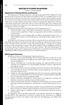 Graduate Studies and Research 476 The University of North Carolina at Pembroke 2014-2015 Academic Catalog MASTER OF SCIENCE IN NURSING Director: Jennifer Twaddell Department of Nursing Mission and Purposes
THE SCHOOL OF NURSING
 NURSING BACHELOR OF SCIENCE IN NURSING The RN to BSN Program is a baccalaureate program for Registered Nurses who hold an active, unencumbered license as a Registered Nurse from any state in the United
Purpose. Admission Requirements NURSING EDUCATION STUDENT LEARNING OUTCOMES RESIDENCY REQUIREMENTS. Clinical Requirements
 NURSING EDUCATION Purpose This program is designed for professional nurses who have earned a Master s or Doctoral Degree in Nursing and seek further education in advanced nursing practice. Concentrations
Course Descriptions NUR 3805 Nursing Roles, Dimensions and Perspectives 3 credits NUR 3069 Advanced Health Assessment 2 credits
 Course Descriptions NUR 3805 Nursing Roles, Dimensions and Perspectives 3 credits The discipline of Nursing has been identified as having the potential for making a major impact on the transformation of
MASTER OF SCIENCE IN NURSING
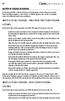 300 MASTER OF SCIENCE IN NURSING Clarke University offers a Master of Science in Nursing degree in Nurse Educator and Family Nurse Practitioner programs, a post-master s certificate program and a master
Graduate Curriculum Guide Course Descriptions: Core and DNP
 Graduate Curriculum Guide Course Descriptions: Core and DNP APN Core Courses (35 credits total) N502 Theoretical Foundations of Nursing Practice (3 credits) Theoretical Foundations of Nursing Practice
Calendar. Program Mission and Outcomes
 Mercy College of Nursing and Health Sciences 31 Mercy College of Nursing and Health Sciences Master of Science in Nursing Dean: Kezia Lilly Faculty: Dana Hunt Office: 4431 S. Fremont St. Springfield, MO
Nursing (NURS) 3205. Nursing Research and Evidence-Based Practice. 3215. Nursing Research
 Nursing (NURS) Dean: Professor Regina M. Cusson Office: Room 201, Storrs Hall For major requirements, see the School of Nursing section of this Catalog. 1110. Introduction to Health and the Discipline
Post Graduate/APRN Certificate Programs
 POST-GRADUATE CERTIFICATE Post Graduate/APRN Certificate Programs Purpose This distance education program is designed for the experienced registered nurse who has earned a master s or doctoral degree in
THE SCHOOL OF NURSING
 NURSING BACHELOR OF SCIENCE IN NURSING The RN to BSN Program is a baccalaureate program for Registered Nurses who hold an active, unencumbered license as a Registered Nurse from any state in the United
Doctor of Nursing Practice
 308 Doctor of Nursing Practice Clarke University offers a Doctor of Nursing degree in Family Nurse Practice to serve the needs of the working health care professionals seeking post baccalaureate study.
Doctor of Nursing Practice (DNP)
 DOCTOR OF NURSING PRACTICE (DNP) Doctor of Nursing Practice (DNP) Purpose The distance education program leading to the Doctor of Nursing Practice degree at Wilkes University is linked to the mission statements
RN-MS Program. Purpose. Admission Requirements. State Requirements for Online/Distance Education. Degree Requirements
 RN-MS PROGRAM RN-MS Program Purpose This accelerated program is designed for the experienced, practicing registered nurse who plans to continue nursing studies through the master's level and does not hold
Program of Study: Master of Science in Nursing: Family Nurse Practitioner
 Program of Study: Master of Science in Nursing: Family Nurse Practitioner Program Description The Master of Science in Nursing: Family Nurse Practitioner program prepares experienced professional nurses
Advanced Practice Nursing
 Wegmans School of Nursing Master of Science in: Advanced Practice Nursing Program Overview The mission of the program at St. John Fisher College is to provide a stimulating milieu of academic and clinical
Department of Health Sciences Moss School of Nursing. Master of Science Degree in Nursing (MSN)
 Department of Health Sciences Moss School of Nursing Master of Science Degree in Nursing (MSN) MSN Program Information Packet The Master of Science in Nursing degree will provide graduates with a foundation
NURSING. Doctor of Nursing Practice Program
 NURSING SUSAN DENISCO, DNP, APRN, FNP-BC, CNE, CNL Associate Professor and Interim Director School of Nursing Phone: 203-365-7661 Fax: 203-365-7662 E-mail: [email protected] Doctor of Nursing Practice
University of Pikeville Division of Nursing RN-to-BSN Program. Admission and Curriculum Information
 Admission Criteria for the RN-to-BSN Program University of Pikeville Division of Nursing RN-to-BSN Program Admission and Curriculum Information 1. Must submit an application for admission to the University
SOUTHERN UNIVERSITY AND A&M COLLEGE BATON ROUGE, LOUISIANA
 MASTER OF SCIENCE IN NURSING (MSN) COURSE DESCRIPTIONS 600. THEORETICAL FOUNDATIONS OF ADVANCED NURSING (Credit, 3 hours). A systematic examination of the concepts of nursing, human beings, health, and
School of Nursing Program
 School of Nursing Program 18 Admisssion and Progression The Duke University School of Nursing Program MISSION The mission of the Duke University School of Nursing is to create a center of excellence for
School of Nursing Program
 School of Nursing Program 18 School of Nursing Program The Duke University School of Nursing Program Mission The mission of the Duke University School of Nursing is to create a center of excellence for
Kaplan University School of Nursing
 Kaplan University School of Nursing 2013 2014 School Overview healthcare.kaplan.edu 866.583.6765 (Toll Free) healthcare.kaplan.edu 2 Contents Our Goal... 5 Kaplan University History... 6 School of Nursing
Kaplan University School of Nursing
 Kaplan University School of Nursing 2013 School Overview healthcare.kaplan.edu Contents Who We Are... 5 Our Goal... 5 Kaplan University History... 6 School of Nursing Mission... 6 School of Nursing Philosophy...
University of Pikeville Division of Nursing RN-to-BSN Program. Accreditation Statement
 University of Pikeville Division of Nursing RN-to-BSN Program Accreditation Statement The University of Pikeville RN-BSN completion program is a candidate for accreditation by the National League for Nursing
Doctor of Nursing Practice (DNP)
 2014-2015 Creighton University Catalog 1 Doctor of Nursing Practice (DNP) Creighton University College of Nursing offers a program of study in nursing leading to the degree of Doctor of Nursing Practice
Doctor of Nursing Practice (DNP)
 REQUEST FOR NEW PROGRAM APPROVAL Catalog Copy for New Program Doctor of Nursing Practice (DNP) The doctor of nursing practice (DNP) degree prepares nurses with a blend of clinical, organizational, economic,
M.S.N. Graduate Program
 M.S.N. Graduate Program Graduate Program Mission The Saint Luke s College of Health Sciences is an educational leader serving exceptional students pursuing a graduate nursing degree. An institution of
Nurse Practitioner Student Learning Outcomes
 ADULT-GERONTOLOGY PRIMARY CARE NURSE PRACTITIONER Nurse Practitioner Student Learning Outcomes Students in the Nurse Practitioner Program at Wilkes University will: 1. Synthesize theoretical, scientific,
Master of Science in Nursing Education and Administration
 BELLARMINE UNIVERSITY in veritatis amore Donna and Allan Lansing School of Nursing & Health Sciences Master of Science in Nursing Education and Administration The purpose of the Master of Science in Nursing
Nursing (BS) Health assessment Leadership and management Nursing research Care of culturally diverse populations Global Health and policy issues
 Nursing (BS) ACADEMIC DIRECTOR: Margaret Reilly CUNY School of Professional Studies 101 West 31 st Street, 7 th Floor New York, NY 10001 Email Contact: Margaret Reilly, [email protected] URL: http://sps.cuny.edu/programs/bs_nursing
COLLEGE OF HEALTH & HUMAN SERVICES
 COLLEGE OF HEALTH AND HUMAN SERVICES 159 COLLEGE OF HEALTH & HUMAN SERVICES Degree Program Dothan Campus Montgomery Campus The College of Health and Human Services provides quality education for professional
College of Nursing Catalog 2015-2016
 College of Nursing Catalog 2015-2016 Graduate The College of Nursing at the University of Toledo offers several graduate-level degree and certificate programs. Doctor of Nursing Practice (DNP) and Master
Master s Entry into Nursing. Academic Manual 2015-2016
 Master s Entry into Nursing Academic Manual 2015-2016 TABLE OF CONTENTS Overview of the Master s Entry into Nursing (MEN) Program 2 Outcomes 2 Plan of Study 3-4 Course Descriptions 5-11 Overview of the
University of Pikeville Division of Nursing RN- to- BSN Program. Accreditation Statement. Admission Criteria* RN to BSN Program
 University of Pikeville Division of Nursing RN- to- BSN Program Accreditation Statement The University of Pikeville RN- BSN program is a candidate for accreditation by the National League for Nursing Accrediting
MENNONITE COLLEGE OF NURSING
 192 MENNONITE COLLEGE OF NURSING 312 Edwards Hall, (309) 438-7400 Nursing.IllinoisState.edu Dean: Janet Krejci, 312 Edwards Hall. Graduate Program Coordinator: Caroline Mallory. Graduate Faculty: K. Astroth,
In order to support and accomplish this mission the nursing faculty has identified the following purposes:
 Nursing (M.S.N.) Nursing Mission We engage students, faculty and communities through dynamic and innovative nursing education, practice and scholarship to influence health in our world. Purposes In order
Calendar. Program Mission and Outcomes. Class Dates. Deadlines for Intent to Graduate Card Fall 2015... September 10 Spring 2016...
 43 Mercy College of Nursing and Health Sciences Master of Science in Nursing Dean: Kezia Lilly Director: Cozi Bagley Faculty: Dana Hunt Office: 4431 S. Fremont St. Springfield, MO 65804 (417) 820-2069
RN- BSN Program Admission and Curriculum. Accreditation Statement. Admission Criteria RN- BSN Program
 RN- BSN Program Admission and Curriculum Accreditation Statement The University of Pikeville RN- BSN program is accredited by the Accreditation Commission for Education in Nursing (ACEN), 4 Peachtree Road
Master of Science in Nursing. Academic Programs of Study 2015 2016 MSN
 Master of Science in Academic Programs of Study 2015 2016 MSN TABLE OF CONTENTS 1) ACCREDITATION AND EDUCATIONAL OUTCOMES 3 2) REGISTRATION AND ADVISING 3) COURSE LOAD See Policies 4) CLINICAL EXPERIENCES
Nursing (M.S.N.) and Certificate Programs
 Seattle Pacific University 2005 2006 Graduate Catalog 83 SCHOOL OF HEALTH SCIENCES MARSTON HALL 206.281.2233 [email protected] WWW.SPU.EDU/DEPTS/HSC Nursing (M.S.N.) and Certificate Programs At a time of
Graduate Program Objective #1 Course Objectives
 1 Graduate Program Objective #1: Integrate nursing science and theory, biophysical, psychosocial, ethical, analytical, and organizational science as the foundation for the highest level of nursing practice.
Nursing. Admission. Nursing (540) 568-6314 http://www.nursing.jmu.edu/ Department Head Dr. Merle Mast. Graduate Program Coordinator Dr.
 Nursing Nursing (540) 568-6314 http://www.nursing.jmu.edu/ Department Head Dr. Merle Mast Graduate Program Coordinator Dr. Patty Hale Professors P. Hale, M. Mast, J. Rocchiccioli Associate Professors L.
Nursing. Admission. Nursing Phone: (540) 568-6314 Web site: http://www.nursing.jmu.edu/ Department Head Dr. Julie Sanford
 Nursing Nursing Phone: (540) 568-6314 Web site: http://www.nursing.jmu.edu/ Department Head Dr. Julie Sanford Graduate Program Director Dr. Patty Hale Professors P. Hale, M. Mast, J. Rocchiccioli, L. Hulton
graduate programs School of Health Sciences
 graduate programs School of Health Sciences 86 Nursing Our graduate education program in nursing allows the learner to demonstrate leadership in health care settings, practice in advanced clinical roles
Test Content Outline Effective Date: February 9, 2016. Family Nurse Practitioner Board Certification Examination
 February 9, 2016 Board Certification Examination There are 200 questions on this examination. Of these, 175 are scored questions and 25 are pretest questions that are not scored. Pretest questions are
W. Cary Edwards School of Nursing. RN-BSN/MSN Student Handbook 2015-2016. Michelle Mijares BSN 14. Gary Fassler BSN 08, MSN 11
 W. Cary Edwards School of Nursing RN-BSN/MSN Student Handbook 2015-2016 Michelle Mijares BSN 14 Gary Fassler BSN 08, MSN 11 Contents ~~~ 1 Message from the Dean 2 W. Cary Edwards School of Nursing 2 Mission
COLLEGE OF HEALTH & HUMAN SERVICES
 COLLEGE OF HEALTH AND HUMAN SERVICES 195 COLLEGE OF HEALTH & HUMAN SERVICES The College of Health and Human Services provides quality education for professional practice in a variety of areas associated
Doctor of Nursing Practice (DNP) College of Health Professions and Social Work http://www.fgcu.edu/chpsw/sondnp/index.
 Doctor of Nursing Practice (DNP) College of Health Professions and Social Work http://www.fgcu.edu/chpsw/sondnp/index.asp 239-590-7454 2015-2016 Catalog Year The Doctor of Nursing Practice (DNP) program
College of NURSING. Mary H. Mundt, DEAN UNDERGRADUATE PROGRAM
 College of NURSING Mary H. Mundt, DEAN The nursing profession is committed to the promotion of health through the provision of high quality nursing care within the health care system. Nursing encompasses
Master of Science in Nursing Psychiatric Mental Health Nurse Practitioner Track
 Master of Science in Nursing Psychiatric Mental Health Nurse Practitioner Track Please note: Students admitted into the Psychiatric Mental Health Nurse Practitioner (PMHNP) track during the Summer and
Computer competency includes word processing skills and the ability to communicate electronically.
 College of Nursing Graduate Programs The College of Nursing at the University of Toledo offers several graduate-level degree and certificate programs. DNP and MS degrees and academic certificates are offered.
Nursing DEGREE ONLINE. online.uark.edu/nurse RN TO BACHELOR OF SCIENCE IN NURSING MASTER OF SCIENCE IN NURSING DOCTOR OF NURSING PRACTICE PROGRAMS
 Nursing DEGREE PROGRAMS ONLINE RN TO BACHELOR OF SCIENCE IN NURSING MASTER OF SCIENCE IN NURSING DOCTOR OF NURSING PRACTICE online.uark.edu/nurse Welcome to the Eleanor Mann School of Nursing Welcome!
Crosswalk of the Master s Essentials with the Baccalaureate and DNP Essentials
 Crosswalk of the Master s Essentials with the Baccalaureate and DNP Essentials Essential 1: Background for Practice from Sciences and Humanities Baccalaureate: Liberal Education for Baccalaureate Generalist
COLLEGE OF HEALTH & HUMAN SERVICES
 COLLEGE OF HEALTH AND HUMAN SERVICES 187 COLLEGE OF HEALTH & HUMAN SERVICES The College of Health and Human Services provides quality education for professional practice in a variety of areas associated
NURSING. Kathleen Hirthler, DNP, CRNP, FNP-BC; Chair, Graduate Nursing Program; Assistant Professor 570-408-5027 kathleen.hirthler
 NURSING Deborah A. Zbegner, Ph.D., CRNP, WHNP-BC; Dean of Nursing; Associate Professor 570-408-4086 [email protected] Kathleen Hirthler, DNP, CRNP, FNP-BC; Chair, Graduate Nursing Program; Assistant
NURSING. Doctor of Nursing Practice Program
 NURSING ANNE M. BARKER, EDD, RN PROFESSOR AND CHAIR Phone: 203-371-7717 Fax: 203-365-7662 E-mail: [email protected] Doctor of Nursing Practice Program The University offers a Doctor of Nursing Practice
ESSENTIAL DUTIES AND RESPONSIBILITIES. Program Duties and Responsibilities:
 An Invitation to Apply: Simmons College School of Nursing and Health Sciences: Department of Nursing Director of the Doctor of Nursing Practice (DNP) Program THE SEARCH Simmons College School of Nursing
I. Required Nursing Courses ON-LINE PROGRAM AT IN-STATE TUITION RATES
 SCHOOL OF NURSING BSN DEGREE COMPLETION SEQUENCE F REGISTERED NURSES 3027 Human Health Building 2200 N. Squirrel Road, Rochester MI 8309-01 (28) 370-253 www.oakland.edu/nursing [email protected] ON-LINE
2014-2015 Graduate Nursing Student Handbook, Policies, and Procedures
 2014-2015 Graduate Nursing Student Handbook, Policies, and Procedures JoAnn McGrath School of Nursing 1 TABLE OF CONTENTS I. The Nursing Program Welcome to Nursing 3 Mission of Alverno College 4 Mission
Master of Science in Nursing
 GRADUATE FACULTY COMMITTEE DOC. NO. 1149 Approved November 16, 2009 RECOMMENDATION OF THE SUBCOMMITTEE ON GRADUATE COURSE AND CURRICULUM AND THE GRADUATE PROGRAM COMMITTEE AND THE FACULTY OF THE COLLEGE
Master of Science in Nursing
 Master of Science in Nursing RN to MSN I N S P I R AT I O N e X P LO R AT I O N c o m passion Discover the lourdes difference L O U R D E S U N I V E R S I T Y G R A D U AT E S C H O O L For more details
Center for Medicine, Nursing and Health Sciences North Haven Campus
 School of Nursing School and Program Information..................................................168 Mission Statement.............................................................. 169 Values.........................................................................
Nursing Science (NUR SCI)
 University of California, Irvine 2015-2016 1 Nursing Science (NUR SCI) Courses NUR SCI 40. Introduction to Nursing and Health Care. 2 Units. Introduction to roles and responsibilities of nursing professionals,
graduate-level Nursing
 nova southeastern university college of allied health and nursing graduate-level Nursing Master of Science in Nursing Degree Post-Master of Science in Nursing Certificates entering class 2012 The Master
Computer competency that includes word processing skills and the ability to communicate electronically.
 College of Nursing Graduate Programs The College of Nursing at the University of Toledo offers several graduate-level degree and certificate programs. DNP and MS degrees and academic certificates are offered.
646 HEALTH CARE POLICY IN THE U.S.: DEVELOPMENT, IMPACTS AND IMPLICATIONS FOR NURSES
 Graduate Courses: Master s Courses (NURS) AY 2012-13 (Effective August 2012) Professional Core 646 HEALTH CARE POLICY IN THE U.S.: DEVELOPMENT, IMPACTS AND IMPLICATIONS FOR NURSES (3). This course examines
Washburn University School of Nursing. Preceptor Handbook for Graduate Students
 1 Washburn University School of Nursing Preceptor Handbook for Graduate Students 2 TABLE OF CONTENTS Description of the Program...3 Graduate Program Preceptor Guidelines...4 Code of Professional Conduct...7
Master of Science in Nursing
 Master of Science in Nursing Graduate nursing courses are presented in Ursuline s value-based framework and emphasize the clinical components of advanced practice nursing. All students enrolled in the
BAKER COLLEGE SCHOOL OF NURSING
 BAKER COLLEGE SCHOOL OF NURSING Graduate Nursing Handbook OVERVIEW MISSION, PHILOSOPHY AND PROGRAM OUTCOMES School of Nursing Mission The mission of the Baker College School of Nursing is to prepare graduates
Master of Science in Nursing
 Curry College s Master of Science in Nursing is designed for nurses who want to enhance their practice with cutting-edge knowledge and skills. Among the program features are: Convenient campus locations
BACHELOR OF SCIENCE IN NURSING (BSN)
 BACHELOR OF SCIENCE IN NURSING (BSN) (Please see the Undergraduate Program Offerings by Campus chart in the catalog or on the Herzing Website at www.herzing.edu/career-programs/downloads for a list of
College of Nursing. Doctor of Nursing Practice Program
 SACRED HEART UNIVERSITY GRADUATE CATALOG 2015-2016 College of Nursing MARY ALICE DONIUS, EDD, RN ASSOCIATE PROFESSOR Dean, College of Nursing Phone: 203-365-4508 Fax: 203-365-7662 E-mail: [email protected]
Master of Science in Nursing
 Master of Science in Nursing Advanced Practice Registered Nurse, Family Nurse Practitioner COLLEGE OF NURSING nova southeastern university 2012 2013 MASTER OF SCIENCE IN NURSING ADVANCED PRACTICE REGISTERED
Nursing - Graduate (NGRD)
 Loma Linda University 2015-2016 1 Nursing - Graduate (NGRD) Courses NGRD 500. Primary Care Adult-Gerontology Nurse Practioner: Fragile elders. 2 Continues development of the A-GNP role of health promotion,
Full-Time Study 2 Years Part-Time Study Available Non-traditional Class & Clinical Schedule
 Contact us for the latest information regarding program changes/updates: Phone:(662)846-4255 Fax:(662)846-4271 E-mail: [email protected] WWW.DELTASTATE.EDU/NURSING Accredited by the National Commission
TOC. Table of Contents. Criteria for Admission. Your Application Checklist. MSN Courses & Tracks. Frequently Asked Questions (FAQ s)
 Information Package TOC Table of Contents 1 2 8 9 Criteria for Admission Your Application Checklist MSN Courses & Tracks Frequently Asked Questions (FAQ s) Contact Information Criteria for Admission Application
Master of Science in Nursing
 Curry College s Master of Science in Nursing focuses on the timely and relevant Clinical Nurse Leader (CNL ) role. The program is designed for nurses who want to enhance their practice with cutting-edge
Bachelor of Science in Nursing Entry Level COLLEGE OF NURSING
 Bachelor of Science in Nursing Entry Level COLLEGE OF NURSING nova southeastern university 2012 2013 The Largest Health Care Provider As you plan or consider a career as a registered nurse, you should
NMNEC CURRICULUM BSN
 NMNEC CURRICULUM BSN 1 NMNEC Program Objectives 1. Engage in professional nursing practice that is patient-centered and culturally appropriate for individuals, families, and communities. 2. Integrate principles
DEPARTMENT OF NURSING C.W.POST CAMPUS LONG ISLAND UNIVERSITY GRADUATE STUDENT HANDBOOK
 DEPARTMENT OF NURSING C.W.POST CAMPUS LONG ISLAND UNIVERSITY GRADUATE STUDENT HANDBOOK C.W. POST CAMPUS DEPARTMENT OF NURSING GRADUATE STUDENT HANDBOOK TABLE OF CONTENTS PAGE MISSION STATEMENT FOR C.W.
r o c h e s t e r co l l e g e c ta lo g 141
 School of Nursing r o c h e sdepartment School t e r coof l lnursing e gof e Religion cata lo& g Bible 2012-2013 141 school of (NUR) The mission of the Rochester College School of Nursing is to prepare
The Oakland University nursing programs are fully accredited by the Commission on Collegiate Nursing Education.
 OAKLAND UNIVERSITY SCHOOL OF NURSING RN/BSN DEGREE COMPLETION SEQUENCE 3027 Human Health Building 2200 N. Squirrel Road, Rochester MI 8309-01 (28) 370-253 / www.oakland.edu/nursing / [email protected]
National Organization of Nurse Practitioner Faculties
 1 National Organization of Nurse Practitioner Faculties SAMPLE CURRICULUM TEMPLATES FOR DOCTORATE of NURSING PRACTICE (DNP) NP EDUCATION Introduction NONPF presents these templates as exemplars of Doctor
I. Required Nursing Courses ON-LINE PROGRAM AT IN-STATE TUITION RATES
 OAKLAND UNIVERSITY SCHOOL OF NURSING RN/BSN DEGREE COMPLETION SEQUENCE 3027 Human Health Building 2200 N. Squirrel Road, Rochester MI 8309-01 (28) 370-253 www.oakland.edu/nursing [email protected] Healthcare
HANDBOOK FOR GRADUATE NURSING STUDENTS Supplement to the Ferris State University Code of Student Community Standards
 FERRIS STATE UNIVERSITY COLLEGE OF HEALTH PROFESSIONS SCHOOL OF NURSING HANDBOOK FOR GRADUATE NURSING STUDENTS Supplement to the Ferris State University Code of Student Community Standards JULY 2015 TABLE
Nursing. take your career to the next level. Graduate School. Master s Degrees: Doctoral Degree: Advanced Certificates: BUFFALO NEW YORK
 Graduate School take your career to the next level Nursing Master s Degrees: Community Health Family Nurse Practitioner Doctoral Degree: Nursing Practice (D.N.P.) Advanced Certificates: Family Nurse Practitioner
Master of Science in Nursing Online Programs
 Master of Science in Nursing Online Programs Nursing Education Health Systems Leadership COLLEGE OF NURSING nova southeastern university 2012 2013 MASTER OF SCIENCE IN NURSING NURSING EDUCATION/HEALTH
SCHOOL OF NURSING Philosophy Statement
 SCHOOL OF NURSING Philosophy Statement Nursing is a discipline, a profession, and a service. The discipline of nursing is a body of knowledge, formalized in philosophical and scientific theory/theoretical