
Graft Flow Increases with Release of Stabilizing Device in Off-pump Coronary Surgery
|
|
|
- Justin Mathews
- 10 years ago
- Views:
Transcription
1 Original Article Graft Flow Increases with Release of Stabilizing Device in Off-pump Coronary Surgery Alistair G. Royse, MDBS, FRACS, 1,2 Colin F. Royse, MDBS, FANZCA, 1,3 and Christina T. Wong 1 Transit-time Doppler can be used for intraoperative assessment of graft patency, by measuring conduit flow, or from the calculation of a derivation of the spectral waveform. The optimal timing of measurement is when graft flows are maximal. Fifteen patients underwent multivessel coronary bypass surgery without the use of cardiopulmonary bypass. Transit-time Doppler of 57 anastomoses was performed immediately before and after release of the Octopus stabilizing device, and mean graft flow was measured as over 5 consecutive beats. The graft flow increased after release of the stabilizing device for all grafts from 20.1±1.8 to 33.2±2.4 ml/min (). When analyzed by individual grafts, and by coronary artery territory, the increase in flow remained significant. The timing of transit-time Doppler assessment of conduit flow should be performed immediately after release of the stabilizing device. (Ann Thorac Cardiovasc Surg 2003; 9: 3848) Key words: transit-time Doppler, off-pump coronary artery bypass surgery, conduit flow Introduction From 1 Department of harmacology, The University of Melbourne, Victoria, Departments of 2 Cardiothoracic Surgery and 3 Anaesthesia and ain Management, The Royal Melbourne Hospital, Victoria, Australia Received January 6, 2003; accepted for publication April 18, Address reprint requests to Alistair G. Royse, MBBS, MD, FRACS:.O. Box 2135, The Royal Melbourne Hospital, Victoria 3050, Australia. The prospect of intraoperative assessment of graft flow as a predictor of patency has been a goal sought by many, as it could facilitate immediate graft revision and lower the risk of graft failure. Transit-time Doppler allows instantaneous graft flow measurement. Based on the flow rate, 1-4) or a calculation derived from the instantaneous flow trace, 5-7) prediction of patency is made. Most series describe intraoperative revision with technical errors found and/or correction of poor flow subsequent to revision. There are few series systematically examining graft patency where intraoperative assessment was considered satisfactory. 6) Intraoperative alternatives to transit-time Doppler include intraoperative angiography, thermal coronary angiography, 8) hand held high frequency ultrasound probes (pulsed wave Doppler), 9,10) and use of an electromagnetic flow meter. 11) None of these methods has gained widespread acceptance. Assessment of graft flow is of particular importance during the evolution of new surgical techniques, such as off-pump coronary artery bypass grafting (OCABG), where the operator may wish to check patency after each anastomosis. The effect of retraction and stabilization may influence graft flow, as the resistance to graft flow may be increased by the mechanical pressure exerted by the stabilizing device distal to the anastomosis. A low graft flow in this setting could lead the surgeon to wrongly assume that the graft was defective. Maximal graft flow should occur when arteriolar resistance distal to the anastomosis is minimal, which is likely to occur following a period of ischemia to the vascular bed. Our aim was to identify the effect on transit-time Doppler assessment of graft flow during the application and release of a stabilizing device used in off-pump coronary artery bypass surgery. Materials and Methods Following approval from the Royal Melbourne Hospital Human Ethics Committee, written informed consent was obtained from 27 patients undergoing off-pump coronary 384

2 Graft Flow Increases with Release of Stabilizing Device in Off-pump Coronary Surgery Fig. 1. Transit-time Doppler tracing of conduit flow before and after release of the stabilizing device. artery bypass surgery, performed by a single surgeon. Surgical technique All patients underwent multivessel revascularization without the use of cardiopulmonary bypass. A Y graft was constructed using the left internal mammary artery (LIMA) and the radial artery (RA). 12) The LIMA was used to graft the left anterior descending artery (LAD) territory and the RA used for the remaining territories. The Octopus III stabilizing device (Medtronic, Inc., Minneapolis, MN, USA) was used in all cases. This device uses a combination of suction and direct pressure on the myocardium immediately adjacent to the coronary artery at the site of anastomosis, to stabilize the heart. Flow measurement Equipment Intraoperative blood flow measurements were performed using H2MB or H3MB (2.5 or 3.0 mm) handle-style, perivascular transit-time Doppler flow probes connected to an HT207 dual channel flowmeter (Transonic Systems Inc., Ithaca, NY, USA). robes are placed around the vessel to be measured and sterile gel is used for acoustic coupling (Aquasonic 100, arker Laboratories, Inc., Orange, NJ, USA). In the case of the LIMA, some dissection of tissues around the artery was usually required to facilitate passage of the probe around the artery. Mean blood flow was calculated from a sample of 5 heartbeats. Continuous recordings of arterial pressure and blood flow were stored for off-line analysis using WINDAQ data acquisition and playback software (DATAQ Instruments, Inc., Akron, OH, USA). Mean arterial pressure (MA, mmhg) was measured simultaneously with pressure transducers positioned at mid-axillary level. Segmental graft flow measurement In each graft segment flow was measured by placing the Doppler probe immediately proximal to the anastomosis. Measurements were taken after completion of the anastomosis whilst the stabilizing device remained in position (Retracted) and immediately after the removal of the stabilizing device (Released) (Fig. 1). For analysis of grafts grouped according to coronary territory, the intermediate artery was considered within the circumflex (Cx) territory. Validation of transit-time Doppler measurements Transit-time Doppler has been previously validated in cardiac surgery patients. 4,13) rior to grafting, the transittime Doppler method was compared with flow measured by the collection of blood in a beaker over 6 seconds from the freely flowing ends of the composite grafts (manual method). atients were excluded where there was more than a 35% variance between the Doppler flow and the manual flow. We allowed this magnitude of variance to account for errors inherent in clinical measurements and because blood was collected for only 6 seconds. Subsequent to grafting, segmental graft flows were excluded if the quality of the trace did not allow adequate analysis for 5 beats. Statistical analysis The statistical analyses were performed using SSS for Windows v (SSS Inc., Chicago, IL, USA). All values are expressed as mean ± 1 standard error of the mean (SEM). Differences were assessed by 2-tailed, paired samples t-tests, with adjustment for multiple hy- 385

3 Royse et al. Table 1. Validation of initial Doppler flow Transit-time Doppler flow Manual flow LIMA open RA open LIMA and RA open 94.0± ± ± ± ± ± LIMA open is flow measured with the left internal mammary artery open and the radial artery clamped. RA open is flow measured with the radial artery open and the left internal mammary artery clamped. LIMA and RA open is flow measured with both conduits open. Manual flow was calculated from the volume of blood collected in 6 seconds. is adjusted statistic for testing three comparisons using the Ryan-Holm Bonferroni stepdown procedure. Table 2. Transit-time Doppler flow by graft Grafts (n) Retracted flow MA (mmhg) D1 (8) D2 (5) LAD (12) M1 (10) M2 (6) M3 (2) M4 (1) DA (9) Ix (2) LVBr (1) Distal LAD (1) 20.9± ± ± ± ± ± ± ± Non retracted flow 40.0± ± ± ± ± ± ± ± ± ± ± ± ± ± ± ± D, diagonal arteries; LAD, left anterior descending artery; M, marginal arteries; DA, posterior descending artery; Ix, intermediate artery; LVBr, left ventricular branch artery; MA, mean arterial blood pressure. The number of grafts is represented by (n). is the adjusted statistic for testing three comparisons 11 comparisons using the Ryan-Holm Bonferroni stepdown procedure. pothesis testing by the Ryan-Holm Bonferroni stepdown procedure (), to correct for family-wise Type 1 error. 14) Significance was considered present if Results Twenty-seven patients were recruited to the study. Eleven patients were excluded because the difference in flow between transonic and manual methods was >35%. In one patient the study was abandoned because of hemodynamic instability. Sixty-three grafts were performed in 15 patients. In four patients, flow tracings for six anastomoses were of poor quality and were excluded, leaving 57 grafts for analysis. There were 13 males and 2 females with mean age 63.7±1.6 years and mean body surface area 1.94±0.04 m 2. There was a mean of 3.2 grafts performed per patient. There were no significant postoperative complications. Creatinine kinase was 457.2±69.12 IU/L and Troponin I was 4.61±0.97 g/l. Hospital stay was 6.4±0.5 days. The manual and transit-time flows for the free graft are shown in Table 1. For those included in the study, there was no significant difference in flow between transit-time Doppler and manual methods (=). The flow of the composite conduit was 237.5±19.1 ml/min, range ml/min. The mean arterial pressure for all grafts was 84.7±1.6 mmhg (range: mmhg). The graft flow increased following release of the stabilizing device from a mean of 20.1±1.8 ml/min to 33.2±2.4 ml/min (). This was true for most of the coronary branches (Table 2). Not all coronary arteries had significant flow increase, due to small sample size. We additionally analyzed flows according to coronary artery territory (Table 3) and found significant increase in all territories [ for LAD and Cx territories, and = for right coronary artery (RCA) territory]. The mean increase in graft flow after release of the stabilizing device was 13.1±1.3 ml/min (38.6±4.0%). In 386

4 Graft Flow Increases with Release of Stabilizing Device in Off-pump Coronary Surgery Table 3. Transit-time Doppler flow by coronary artery territory Territory (n) Retracted flow MA (mmhg) LAD (26) RCA (10) Cx (21) 24.8± ± ±1.8 Non retracted flow 40.3± ± ± ± ± ±2.6 MA, mean arterial blood pressure. The number of grafts in each coronary territory is represented by (n). is the adjusted statistic for testing three comparisons using the Ryan-Holm Bonferroni stepdown procedure. LAD, left anterior descending artery; RCA, right coronary artery, Cx, circumflex. four anastomoses (two patients), there was a decrease in graft flow following Octopus release, and an associated fall in MA. The magnitude of fall was 2 ml/min (MA mmhg), 3 ml/min in two anastomoses (MA mmhg, and mmhg) and a fall of 14 ml/min (MA mmhg). Comment Our main finding was that conduit flow increased after release of the stabilizing device. This suggests that the Octopus device stabilizes the myocardium by compression as well as suction (rather than suction alone). The reduced conduit flow during stabilization may be caused by an increase in regional vascular resistance caused by mechanical compression of the myocardium. Flow increases following removal of the device are suggestive of a reduction in regional vascular resistance. It is possible, that reduced heart retraction may increase cardiac output, contributing to increased graft flow. The most important use of intraoperative graft flow assessment is to detect a defective anastomosis, allowing immediate revision. This should reduce the risk of graft failure. The prediction of graft patency using transit-time Doppler is based on the raw flow measured, 1-4) or a calculation derived from the raw flow trace. 5-7) It is important, therefore, to perform the measurements when measure graft flow is maximal. Of interest was that there was a fall in flow in four anastomoses following release of the stabilizing device. This phenomenon has been previously observed. The most likely explanation appeared to be a high graft flow immediately after completion of the anastomosis when considerable myocardial ischemia was evident during the construction of the anastomosis. There may have been considerable reperfusion of the regional vascular bed by the time the stabilizer was released. Another possibility is that the mean arterial pressure and cardiac output decreased following Octopus release. Indeed in the four anastomoses where graft flow fell, MA also decreased but only by a small magnitude. The exclusion of 11 patients because of differences between Doppler and manually calculated flows highlights two important limitations in the use of transit-time Doppler technologies. Firstly, the probes become increasingly unreliable with repeated use (as was the case in our series, having been used during previous studies). Secondly, the movement of the conduit may impair the acoustic coupling sufficiently to impair accurate measurement of graft flows in some instances. Most of the LIMA grafts required limited dissection of the satellite veins in order to facilitate application of the probe. Failure to do so could compromise the accuracy of the measurement or potentially lead to localized spasm of the conduit during the application of the probe. Finally, any calcification within the conduit will impede the ultrasound signal. Although not specifically recorded in this study, some of the six graft flow measurements found to be unsatisfactory were associated with calcification in the radial artery conduit. It is also possible that MA or cardiac output may have altered in the short time between the retracted and released measurements. This study suggests that graft assessment should be performed after release of the stabilizing device in offpump coronary artery bypass surgery. Acknowledgments The authors thank Dr. John Ludbrook (Biomedical Statistical Consulting Service ty. Ltd.) for statistical advice and for review of the manuscript. We thank Mrs. Karen Groves for her assistance in manuscript preparation and data management. The study is supported by an educational grant from the Sir Edward Dunlop Research Foundation. 387

5 Royse et al. References 1. Walpoth BH, Bosshard A, Genyk I, et al. Transit-time flow measurement for detection of early graft failure during myocardial revascularization. Ann Thorac Surg 1998; 66: Walpoth BH, Mohadjer A, Gersbach, et al. Intraoperative internal mammary artery transit-time flow measurements: comparative evaluation of two surgical pedicle preparation techniques. Eur J Cardiothorac Surg 1996; 10: D Ancona G, Karamanoukian HL, Salerno TA, Schmid S, Bergsland J. Flow measurement in coronary surgery. Heart Surg Forum 1999; 2: Royse AG, Royse CF, Groves KL, Bus B, Yu G. Blood flow in composite arterial grafts and effect of native coronary flow. Ann Thorac Surg 1999; 68: D Ancona G, Karamanoukian HL, Ricci M, et al. Graft revision after transit time flow measurement in offpump coronary artery bypass grafting. Eur J Cardiothorac Surg 2000; 17: Shin H, Yozu R, Mitsumaru A, et al. Intraoperative assessment of coronary artery bypass graft: transit-time flowmetry versus angiography. Ann Thorac Surg 2001; 72: VanHimbergen DJ, Koenig SC, Jaber SF, Cerrito B, Spence A. A review of transit-time flow measurement for assessing graft patency. Heart Surg Forum 1999; 2: Shabbo F, Rees GM. Thermography in assessing coronary artery saphenous graft patency and blood flow. Cardiovasc Res 1982; 16: Tavilla G, Jackimovicz J, Berreklouw E. Intraoperative blood flow measurement of the right gastroepiploic artery using pulsed Doppler echocardiography. Ann Thorac Surg 1997; 64: Takayama T, Suma H, Wanibuchi Y, et al. Doppler miniprobe to measure arterial graft flow in coronary artery bypass grafting. Ann Thorac Surg 1991; 52: D Ancona G, Karamanoukian HL, Ricci M, Bergsland J, Salerno TA. Graft patency verification in coronary artery bypass grafting: principles and clinical applications of transit time flow measurement. Angiology 2000; 51: Royse AG, Royse CF, Raman JS. Exclusive Y graft operation for multivessel coronary revascularization. Ann Thorac Surg 1999; 68: Canver C, Dame N. Ultrasonic assessment of internal thoracic artery graft flow in the revascularized heart. Ann Thorac Surg 1994; 58: Ludbrook J. Multiple comparison procedures updated. Clin Exp harmacol hysiol 1998; 25:

CORONARY ARTERY BYPASS GRAFTS, STENTS, AND EXTRACORONARY CARDIAC DZ. Charles White MD
 CORONARY ARTERY BYPASS GRAFTS, STENTS, AND EXTRACORONARY CARDIAC DZ Charles White MD Director of Thoracic Imaging Department of Radiology University of Maryland CORONARY ARTERY BYPASS GRAFTS First performed
Section Two: Arterial Pressure Monitoring
 Section Two: Arterial Pressure Monitoring Indications An arterial line is indicated for blood pressure monitoring for the patient with any medical or surgical condition that compromises cardiac output,
Hand Collateral Circulation and Fractional Artery
 Surgical implications of variations in hand collateral circulation: Anatomy revisited Permyos Ruengsakulrach, FRCST a Norman Eizenberg, MB, BS b Claude Fahrer, MB, BS b Marius Fahrer, FRACS b Brian F.
Vascular Technology (VT) Content Outline Anatomy & physiology 20% Cerebrovascular Cerebrovascular normal anatomy Evaluate the cerebrovascular vessels
 Vascular Technology (VT) Content Outline Anatomy & physiology 20% normal anatomy Evaluate the cerebrovascular vessels hemodynamics Evaluate the cerebrovascular vessels for normal perfusion normal anatomy
California Health and Safety Code, Section 1256.01
 California Health and Safety Code, Section 1256.01 1256.01. (a) The Elective Percutaneous Coronary Intervention (PCI) Pilot Program is hereby established in the department. The purpose of the pilot program
12 Lead ECGs: Ischemia, Injury & Infarction Part 2
 12 Lead ECGs: Ischemia, Injury & Infarction Part 2 McHenry Western Lake County EMS Localization: Left Coronary Artery Right Coronary Artery Right Ventricle Septal Wall Anterior Descending Artery Left Main
Clinical Practice Assessment Robotic surgery
 Clinical Practice Assessment Robotic surgery Background: Surgery is by nature invasive. Efforts have been made over time to reduce complications and the trauma inherently associated with surgery through
ANESTHESIA FOR MYOCARDIAL REVASCULARIZATION. Alla Klimova, M.D UAMS, Little Rock, AR
 ANESTHESIA FOR MYOCARDIAL REVASCULARIZATION Alla Klimova, M.D UAMS, Little Rock, AR Objectives Historical perspective of CABG Stent or surgery Indication for CABG surgery On pump CABG : design and pathophysiology
Management of Pacing Wires After Cardiac Surgery
 Management of Pacing Wires After Cardiac Surgery David E. Lizotte, Jr. PA C, MPAS, FAPACVS President, Association of Physician Assistants in Cardiovascular Surgery Conflicts: None Indications 2008 Journal
The left internal mammary artery (LIMA) is the
 Case Report 925 Direct Stenting of a Transradial Left Internal Mammary Artery Graft Wei-Chin Hung, MD; Bih-Fang Guo, MD, PhD; Chiung-Jen Wu, MD; Chien-Jen Chen, MD; Chih-Yuan Fang, MD Taking the transfemoral
Majestic Trial 12 Month Results
 Majestic Trial 12 Month Results S.Müller-Hülsbeck, MD, EBIR, FCIRSE, FICA ACADEMIC HOSPITALS Flensburg of Kiel University Ev.-Luth. Diakonissenanstalt zu Flensburg Knuthstraße 1, 24939 FLENSBURG Dept.
Subclavian Artery Reconstruction in Patients Undergoing Coronary Artery Bypass Grafting
 Original Article Subclavian Artery Reconstruction in Patients Undergoing Coronary Artery Bypass Grafting Masami Ochi, MD, Nobuo Hatori, MD, PhD, Kazuhiro Hinokiyama, MD, Yoshiaki Saji, MD, and Shigeo Tanaka,
Perioperative Cardiac Evaluation
 Perioperative Cardiac Evaluation Caroline McKillop Advisor: Dr. Tam Psenka 10-3-2007 Importance of Cardiac Guidelines -Used multiple times every day -Patient Safety -Part of Surgical Care Improvement Project
Endoskopische Venenentnahme der V. saphena in der koronaren Bypasschirurgie - Aktuelle Datenlage - Dr. med. Stefanie Reutter
 Endoskopische Venenentnahme der V. saphena in der koronaren Bypasschirurgie - Aktuelle Datenlage - Dr. med. Stefanie Reutter Endoskopische Venenentnahme (EVH) - Einführung 1979 Tevaearai und Kollegen haben
Thoracoabdominal aortic aneurysm
 Thoracoabdominal aortic aneurysm Patient (1) - 69 PMH: 2013 - MVP, aortic root replacement with biological valve (Perimount) and subtotal aortic arch replacement Analysis for oppressive chest complaints
MYOCARDIAL PERFUSION COMPUTED TOMOGRAPHY PhD course in Medical Imaging. Anne Günther Department of Radiology OUS Rikshospitalet
 MYOCARDIAL PERFUSION COMPUTED TOMOGRAPHY PhD course in Medical Imaging Anne Günther Department of Radiology OUS Rikshospitalet CORONARY CT ANGIOGRAPHY (CTA) Accurate method in the assessment of possible
Endovascular Repair of an Axillary Artery Aneurysm: A Novel Approach
 Endovascular Repair of an Axillary Artery Aneurysm: A Novel Approach Bao- Thuy D. Hoang, MD 1, Jonathan- Hien Vu, MD 2, Jerry Matteo, MD 3 1 Department of Surgery, University of Florida College of Medicine,
Heart Center Packages
 Heart Center Packages For more information and appointments, Please contact The Heart Center of Excellence at the American Hospital Dubai Tel: +971-4-377-6571 Email: [email protected] www.ahdubai.com
Principles of Medical Ultrasound. Pai-Chi Li Department of Electrical Engineering National Taiwan University
 Principles of Medical Ultrasound Pai-Chi Li Department of Electrical Engineering National Taiwan University What is Medical Ultrasound? Prevention: actions taken to avoid diseases. Diagnosis: the process
Clinical Research Intracoronary Stenting with Crushing in Coronary Artery Bifurcation Lesions: Initial Results and Medium-Term Follow Up
 Hellenic J Cardiol 45: 379-383, 2004 Clinical Research Intracoronary Stenting with Crushing in Coronary Artery Bifurcation Lesions: Initial Results and Medium-Term Follow Up PETROS S. DARDAS, DIMITRIS
INNOVATIONS IN THE ENVIRONMENT: HOW THE HYBRID OPERATING ROOM CAN INFLUENCE CARDIAC SURGERY
 CLAUDIO GROSSI Cardiac Surgery Ospedale Santa Croce CUNEO (Italy) INNOVATIONS IN THE ENVIRONMENT: HOW THE HYBRID OPERATING ROOM CAN INFLUENCE CARDIAC SURGERY Impossibile visualizzare l'immagine. La memoria
Interactive Cardiovascular and Thoracic Surgery 1 (2002) 30 34. Institutional review
 Interactive Cardiovascular and Thoracic Surgery 1 (2002) 30 34 Institutional review Totally endoscopic coronary artery bypass grafting on the arrested heart is a prerequisite for successful totally endoscopic
Scott Hubbell, MHSc, RRT-NPS, C-NPT, CCT Clinical Education Coordinator/Flight RRT EagleMed
 Scott Hubbell, MHSc, RRT-NPS, C-NPT, CCT Clinical Education Coordinator/Flight RRT EagleMed Identify the 12-Lead Views Explain the vessels of occlusion Describe the three I s Basic Interpretation of 12-Lead
The return of myocardial ischemia after coronary artery
 Occurrence and Risk Factors for Reintervention After Coronary Artery Bypass Grafting Joseph F. Sabik III, MD; Eugene H. Blackstone, MD; A. Marc Gillinov, MD; Nicholas G. Smedira, MD; Bruce W. Lytle, MD
Direct Arterial Blood Pressure Monitoring Angel M. Rivera CVT, VTS (ECC) Animal Emergency Center Glendale, WI March 2003
 Direct Arterial Blood Pressure Monitoring Angel M. Rivera CVT, VTS (ECC) Animal Emergency Center Glendale, WI March 2003 Introduction Direct measurement of arterial blood pressure is obtained via a peripheral
Upper Extremity Vein Mapping for Placement of a Dialysis Access
 VASCULAR TECHNOLOGY PROFESSIONAL PERFORMANCE GUIDELINES Upper Extremity Vein Mapping for Placement of a Dialysis Access This Guideline was prepared by the Professional Guidelines Subcommittee of the Society
Is Stenting or Coronary Artery By-pass Grafting the Better Treatment for This Patient?
 Is Stenting or Coronary Artery By-pass Grafting the Better Treatment for This Patient? --- NIRS-IVUS TVC Imaging Adds Additional Information for the Heart Team Dr. Luis Tami Memorial Regional Hospital
Real-Time 3-Dimensional Transesophageal Echocardiography in the Evaluation of Post-Operative Mitral Annuloplasty Ring and Prosthetic Valve Dehiscence
 Journal of the American College of Cardiology Vol. 53, No. 17, 2009 2009 by the American College of Cardiology Foundation ISSN 0735-1097/09/$36.00 Published by Elsevier Inc. doi:10.1016/j.jacc.2008.12.059
Experience of Direct Coronary Stenting at National Institute of Cardiovascular Diseases
 Experience of Direct Coronary Stenting at National Institute of Cardiovascular Diseases T. Masood,T. Sagheer,D. Jan,N. Qamar,A.M.A. Faruqui ( National Institute of Cardiovascular Diseases (NICVD), Karachi.
Endoscopic versus Open Saphenous Vein Harvest in Patients Undergoing CABG, an Angiographically Measured Graft Patency Comparison
 Pacific University CommonKnowledge School of Physician Assistant Studies Theses, Dissertations and Capstone Projects 8-14-2010 Endoscopic versus Open Saphenous Vein Harvest in Patients Undergoing CABG,
Coronary Artery Surgery Recent Developments
 Review Article Acta Cardiol Sin 2005;21:131 6 Coronary Artery Surgery Recent Developments Kuan-Ming Chiu and Shu-Hsun Chu Cardiovascular surgery had great advancement in the twentieth century. In 1929,
Antiplatelet and anticoagulation treatment of patients undergoing carotid and peripheral artery angioplasty
 Round Table: Antithrombotic therapy beyond ACS Antiplatelet and anticoagulation treatment of patients undergoing carotid and peripheral artery angioplasty M. Matsagkas, MD, PhD, EBSQ-Vasc Associate Professor
Declaratory Ruling 2005-1 Replaces Declaratory Ruling 97-2
 Declaratory Ruling 2005-1 Replaces Declaratory Ruling 97-2 RE: The permitted role of unlicensed surgical assistants ( assistants ) in taking of the saphenous vein during coronary artery bypass graft (
Diagnostic and Therapeutic Procedures
 Diagnostic and Therapeutic Procedures Diagnostic and therapeutic cardiovascular s are central to the evaluation and management of patients with cardiovascular disease. Consistent with the other sections,
Podcast with Dr. Kossick
 Podcast with Dr. Kossick Interviewed by Western Carolina University Graduate Anesthesia Student Kristin Andrejco From the Head of the Bed [email protected] December 5, 2014 (33 min) EKG Lead
PulseCO: A Less-Invasive Method to Monitor Cardiac Output From Arterial Pressure After Cardiac Surgery
 PulseCO: A Less-Invasive Method to Monitor Cardiac Output From Arterial Pressure After Cardiac Surgery Timothy T. Hamilton, MD, Lynne M. Huber, RN, and Michael E. Jessen, MD The Department of Cardiovascular
Coding Updates for 2013: Cardiology
 Coding Updates for 2013: Cardiology Presented by: David Dunn, MD, FACS CIRCC, CPC-H, CCVTC, CCC, CCS, RCC National Coding Standards Sources of information Centers for Medicare and Medicare (CMS) Provider
Ultrasound in Vascular Surgery. Torbjørn Dahl
 Ultrasound in Vascular Surgery Torbjørn Dahl 1 The field of vascular surgery Veins dilatation and obstruction (varicose veins and valve dysfunction) Arteries dilatation and narrowing (aneurysms and atherosclerosis)
VFI Technology to Change the Way You Work
 Technology to Change the Way You Work Vascular Ultrasound Made Easier Vector Flow Imaging VFI VFI is a ground-breaking technology that can revolutionize the workflow for many Doppler ultrasound applications.
UnitedHealthcare, UnitedHealthcare of the River Valley and Neighborhood Health Partnership Cardiology Notification and Prior Authorization Program:
 UnitedHealthcare, UnitedHealthcare of the River Valley and Neighborhood Health Partnership Cardiology Notification and Prior Authorization Program: Electrophysiology Implant Code Classification Table The
Hemodynamic Monitoring: Principles to Practice M. L. Cheatham, MD, FACS, FCCM
 SUMMARY HEMODYNAMIC MONITORING: FROM PRINCIPLES TO PRACTICE Michael L. Cheatham, MD, FACS, FCCM Director, Surgical Intensive Care Units Orlando Regional Medical Center Orlando, Florida Fluid-filled catheters
General Information Guide
 Online Clinical Ultrasound and Echocardiography Courses AMA Category 1 CME Credit TM approved A New Paradigm in Echocardiography Education Entirely Distance-Based Learning General Information Guide The
Specific Basic Standards for Osteopathic Fellowship Training in Cardiology
 Specific Basic Standards for Osteopathic Fellowship Training in Cardiology American Osteopathic Association and American College of Osteopathic Internists BOT 07/2006 Rev. BOT 03/2009 Rev. BOT 07/2011
Ultrasound Technologies. PD1v. vascular pocket doppler. Operating Instructions
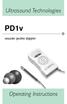 Ultrasound Technologies PD1v vascular pocket doppler Operating Instructions Before using your Pocket Doppler for the first time, please read these operating instructions carefully. 1 INTRODUCTION The UltraTec
PRECOMBAT Trial. Seung-Whan Lee, MD, PhD On behalf of the PRECOMBAT Investigators
 Premier of Randomized Comparison of Bypass Surgery versus Angioplasty Using Sirolimus-Eluting Stent in Patients with Left Main Coronary Artery Disease PRECOMBAT Trial Seung-Whan Lee, MD, PhD On behalf
Chapter 10. Mitral Valve Repair and Redo Repair for Mitral Regurgitation in a Heart Transplant Recipient
 Chapter 10 Mitral Valve Repair and Redo Repair for Mitral Regurgitation in a Heart Transplant Recipient Journal of Cardiothoracic Surgery 2012; 7: 100 Wobbe Bouma a Johan Brügemann b Inez J. Wijdh den
Policies and Procedures. Related to. IABP Therapy
 Policies and Procedures Related to IABP Therapy Courtesy of Datascope Corp. Clinical Support Services The following policies and procedures are intended to serve as guidelines for developing hospital policy.
The new generation in ECG interpretation
 The new generation in ECG interpretation Philips DXL ECG Algorithm, Release PH100B The Philips DXL ECG Algorithm, developed by the Advanced Algorithm Research Center, uses sophisticated analytical methods
Online Clinical Ultrasound and Echocardiography Courses
 Online Clinical Ultrasound and Echocardiography Courses AMA Category 1 CME Credit TM approved A New Paradigm in Echocardiography Education Entirely Distance Based Learning The introduction of echocardiography
Systematic Approach to 12 Lead EKG Interpretation
 Systematic Approach to 12 Lead EKG Interpretation Maureen Knechtel MPAS, PA-C Wellmont CVA Heart Institute Disclosure Statement of Financial Interest I, Maureen Knechtel, do not have a financial interest/arrangement
FFR CT : Clinical studies
 FFR CT : Clinical studies Bjarne Nørgaard Department Cardiology B Aarhus University Hospital Skejby, Denmark Disclosures: Research grants: Edwards and Siemens Coronary CTA: High diagnostic sensitivity
EFSUMB EUROPEAN FEDERATION OF SOCIETIES FOR ULTRASOUND IN MEDICINE AND BIOLOGY Building a European Ultrasound Community
 MINIMUM TRAINING REQUIREMENTS FOR THE PRACTICE OF MEDICAL ULTRASOUND IN EUROPE Appendix 8: Vascular Ultrasound Level 1 Training and Practice Practical training should involve at least two half day ultrasound
Ankle Block. Indications The ankle block is suitable for the following: Orthopedic and podiatry surgical procedures of the distal foot.
 Ankle Block The ankle block is a common peripheral nerve block. It is useful for procedures of the foot and toes, as long as a tourniquet is not required above the ankle. It is a safe and effective technique.
CARDIAC & THORACIC SURGERY REFERRAL AND CONSULTATION GUIDE 2011-2012
 CARDIAC & THORACIC SURGERY REFERRAL AND CONSULTATION GUIDE 2011-2012 Dear Colleague, We are pleased to provide you with the Cardiac and Thoracic Surgery Referral and Consultation Guide for the University
All patients presenting to the Emergency Department with symptoms suggestive of
 APPENDIX: Online Data Supplements Clinical Trial Inclusion and Exclusion Criteria All patients presenting to the Emergency Department with symptoms suggestive of acute coronary syndrome (ACS) were screened
The Cardiac Society of Australia and New Zealand
 The Cardiac Society of Australia and New Zealand Guidelines on Support Facilities for Coronary Angiography and Percutaneous Coronary Intervention (PCI) including Guidelines on the Performance of Procedures
State-of-the-Art Technology in Cardiac CT
 1 2 Next Step Evolution or Revolution? State-of-the-Art Technology in Cardiac CT Stefan Ulzheimer, PhD Global Director of Collaborations CT Siemens Medical Solutions Major Innovations in CT Head The 80
OVER 45 YEARS TEXTILE GRAFT TECHNOLOGY EXPERIENCE MAQUET THE GOLD STANDARD
 OVER 45 YEARS TEXTILE GRAFT TECHNOLOGY EXPERIENCE MAQUET THE GOLD STANDARD A comprehensive, proven vascular graft portfolio and exceptional professional support make MAQUET Cardiovascular a valuable asset
Complications of Femoral Catheterization. Daniel Kaufman, MD University Hospital of Brooklyn December 16, 2005
 Complications of Femoral Catheterization Daniel Kaufman, MD University Hospital of Brooklyn December 16, 2005 Case Presentation xx yr old female presents with fever, chills, and painful swelling of R groin
ACLS Defibrillation Protocols With the ZOLL Rectilinear Biphasic Waveform AHA/ERC Guidelines 2005
 ACLS Defibrillation Protocols With the ZOLL Rectilinear Biphasic Waveform AHA/ERC Guidelines 2005 Introduction: The purpose of this document is to outline the equivalent biphasic protocols specific to
Measure #257 (NQF 1519): Statin Therapy at Discharge after Lower Extremity Bypass (LEB) National Quality Strategy Domain: Effective Clinical Care
 Measure #257 (NQF 1519): Statin Therapy at Discharge after Lower Extremity Bypass (LEB) National Quality Strategy Domain: Effective Clinical Care 2016 PQRS OPTIONS FOR INDIVIDUAL MEASURES: REGISTRY ONLY
Press. Siemens solutions support diagnosis and treatment of cardiovascular diseases
 Press Healthcare Erlangen, August 29, 2015 ESC 2015: ExCel London Exhibition and Convention Center, Booth #G700 Siemens solutions support diagnosis and treatment of cardiovascular diseases New cardiovascular
ST Segment Elevation Nothing is ever as hard (or easy) as it looks
 ST Segment Elevation Nothing is ever as hard (or easy) as it looks Cameron Guild, MD Division of Cardiology University of Mississippi Medical Center February 17, 2012 Objectives 1. Describe the electrical
Non-invasive Tissue Oximetry for Flap Monitoring: An Initial Study
 Non-invasive Tissue Oximetry for Flap Monitoring: An Initial Study Alex Keller, M.D. 1,2 ABSTRACT The ideal monitoring tool to evaluate free flap success should be noninvasive, continuous, and reliable.
Cilostazol versus Clopidogrel after Coronary Stenting
 Cilostazol versus Clopidogrel after Coronary Stenting Seong-Wook Park, MD, PhD, FACC Division of Cardiology, Asan Medical Center University of Ulsan College of Medicine Seoul, Korea AMC, 2004 Background
Antonio Colombo MD on behalf of the SECURITY Investigators
 Second Generation Drug-Eluting Stents Implantation Followed by Six Versus Twelve-Month - Dual Antiplatelet Therapy - The SECURITY Randomized Clinical Trial Antonio Colombo MD on behalf of the SECURITY
Your Guide to Express Critical Illness Insurance Definitions
 Your Guide to Express Critical Illness Insurance Definitions Your Guide to EXPRESS Critical Illness Insurance Definitions This guide to critical illness definitions will help you understand the illnesses
Cardiovascular Physiology
 Cardiovascular Physiology Heart Physiology for the heart to work properly contraction and relaxation of chambers must be coordinated cardiac muscle tissue differs from smooth and skeletal muscle tissues
ISCHAEMIC HEART DISEASE SURGICAL TREATMENT AND POST-OPERATIVE COMPLICATIONS
 DOI: 10.5644/PI2015-158-07 ISCHAEMIC HEART DISEASE SURGICAL TREATMENT AND POST-OPERATIVE COMPLICATIONS Ilirijana Haxhibeqiri-Karabdić*, Emir Kabil**, Haris Vranić* * Heart Institute Clinical Center University
Doppler. Doppler. Doppler shift. Doppler Frequency. Doppler shift. Doppler shift. Chapter 19
 Doppler Doppler Chapter 19 A moving train with a trumpet player holding the same tone for a very long time travels from your left to your right. The tone changes relative the motion of you (receiver) and
Duplication Images in Vascular Sonography
 Article Duplication Images in Vascular Sonography Jonathan M. Rubin, MD, PhD, Jing Gao, MD, Keith Hetel, MD, Robert Min, MD Objective. The purpose of this study was to determine the characteristics and
Normal Intracardiac Pressures. Lancashire & South Cumbria Cardiac Network
 Normal Intracardiac Pressures Lancashire & South Cumbria Cardiac Network Principle Pressures recorded from catheter tip Electrical transducer - wheatstone bridge mechanical to electrical waveform display
Pre-Operative Cardiac Evaluation Kalpana Jain, MD
 Pre-Operative Cardiac Evaluation Kalpana Jain, MD Cardiac evaluation is an integral part of pre-op evaluation. Perioperative cardiac events are common causes of mortality. Major cardiac complications associated
BASIC STANDARDS FOR RESIDENCY TRAINING IN CARDIOLOGY
 BASIC STANDARDS FOR RESIDENCY TRAINING IN CARDIOLOGY American Osteopathic Association and the American College of Osteopathic Internists Specific Requirements For Osteopathic Subspecialty Training In Cardiology
Talent Thoracic Stent Graft with THE Xcelerant Delivery System. Expanding the Indications for TEVAR
 Talent Thoracic with THE Xcelerant Delivery System Expanding the Indications for TEVAR Talent Thoracic Precise placement 1 Broad patient applicability 1 Excellent clinical outcomes 1, a + Xcelerant Delivery
Surgeons Role in Atrial Fibrillation
 Atrial Fibrillation Surgeons Role in Atrial Fibrillation Steven J Feldhaus, MD, FACS 2015 Cardiac Symposium September 18, 2015 Stages of Atrial Fibrillation Paroxysmal (Intermittent) Persistent (Continuous)
Australian and New Zealand College of Anaesthetists (ANZCA) Guidelines on Training and Practice of Perioperative Cardiac Ultrasound in Adults
 PS46 2014 Australian and New Zealand College of Anaesthetists (ANZCA) Guidelines on Training and Practice of Perioperative Cardiac Ultrasound in Adults 1. INTRODUCTION Ultrasound imaging of the heart is
The National Institute of First Assisting, Inc (NIFA) 12354 E. Caley Ave., Suite 108, Centennial, CO 80111 1-800-922-7747 Education@NIFA.
 Vessel Harvest Saphenous Vein and Radial Artery; Open, Bridging & Endoscopic Harvest Methods. Prepared for NIFA by Kathleen Spalti-Fucik RNFA, CNOR, BSN, MA The National Institute of First Assisting, Inc
Welcome to the July 2012 edition of Case Studies from the files of the Institute for Nerve Medicine in Santa Monica, California.
 Welcome to the July 2012 edition of Case Studies from the files of the Institute for Nerve Medicine in Santa Monica, California. In this issue, we focus on a 23-year-old female patient referred by her
How To Make A Vascular Graft
 LCL-GRAFT TM - Innovative Large and Small Caliber Vascular Grafts for Coronary Bypass and Peripheral Vascular Surgery. A. Perets 1, M. Li 1, P. Uttayarat 1, P. Pimton 1, A. Wu 2, R. J. Levy 3, R. J. Composto
Hand circulation after radial artery harvest for coronary artery bypass grafting
 J Med Dent Sci 2005; 52: 101 107 Review Hand circulation after radial artery harvest for coronary artery bypass grafting Susumu Manabe, Noriyuki Tabuchi, Hiroyuki Tanaka, Hirokuni Arai and Makoto Sunamori
Spectral domain OCT used to view and quantify choroidal vascular congestion in new subretinal fluid following scleral buckling.
 Spectral domain OCT used to view and quantify choroidal vascular congestion in new subretinal fluid following scleral buckling. Robert Gizicki MD, Mohamed Haji, Flavio Rezende Retina Service, Hôpital Maisonneuve-Rosemont,
Subclavian Steal Syndrome By Marta Thorup
 Subclavian Steal Syndrome By Marta Thorup Definition Subclavian steal syndrome (SSS), is a constellation of signs and symptoms that arise from retrograde flow of blood in the vertebral artery, due to proximal
The heart walls and coronary circulation
 CHAPTER 1 The heart walls and coronary circulation The heart is located in the central-left part of the thorax (lying on the diaphragm) and is oriented anteriorly, with the apex directed forward, downward,
American Society of Echocardiography 2014 Coding and Reimbursement Newsletter
 May American Society of Echocardiography Coding and Reimbursement Newsletter The ASE Coding and Reimbursement Newsletter is a resource for cardiovascular ultrasound procedures provided in the facility
Department of Pharmacy, Kaiser Permanente San Francisco Medical Center, San Francisco 94115, California, USA
 Journal of Pharmacy and Pharmacology 3 (2015) 33-38 doi: 10.17265/2328-2150/2015.01.005 D DAVID PUBLISHING Evaluation of Glycemic Control with a Pharmacist-Managed Post-Cardiothoracic Surgery Insulin Protocol
The Fatal Pulmonary Artery Involvement in Behçet s Disease
 The Fatal Pulmonary Artery Involvement in Behçet s Disease Dr. Vedat Hamuryudan Div. Rheumatology, Dept. Internal Medicine Cerrahpasa Medical Faculty, University of Istanbul 33 years old man Sept 2011:
Minimally Invasive Mitral Valve Surgery
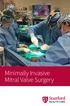 Minimally Invasive Mitral Valve Surgery Stanford Health Care offers leading, superior options in cardiac surgery, including the latest techniques and research for Minimally Invasive Cardiac surgery. Advanced
Imaging of Thoracic Endovascular Stent-Grafts
 Imaging of Thoracic Endovascular Stent-Grafts Tariq Hameed, M.D. Department of Radiology and Imaging Sciences, Indiana University School of Medicine, Indianapolis, Indiana Disclosures: No relevant financial