
Interactive Cardiovascular and Thoracic Surgery 1 (2002) Institutional review
|
|
|
- Sharyl Lloyd
- 9 years ago
- Views:
Transcription
1 Interactive Cardiovascular and Thoracic Surgery 1 (2002) Institutional review Totally endoscopic coronary artery bypass grafting on the arrested heart is a prerequisite for successful totally endoscopic beating heart coronary revascularisation q S. Dogan a, *, T. Aybek a, S. Mierdl b, G. Wimmer-Greinecker a a Department of Thoracic and Cardiovascular Surgery, Johann Wolfgang Goethe University, Frankfurt, Germany b Department of Anesthesiology, Intensive Care and Pain Therapy, Johann Wolfgang Goethe University, Frankfurt, Germany Received 19 March 2002; received in revised form 6 June 2002; accepted 12 June Abstract Telemanipulators have been introduced into cardiac surgery recently expanding the scope of minimally invasive techniques and enabling endoscopic cardiac surgery. Our aim was to evaluate clinical results of totally endoscopic single vessel bypass grafting on the arrested as well as on the beating heart. Since 1999, 44 totally endoscopic single vessel arterial bypass grafting procedures were performed at our institution. Thirty-eight procedures were performed on the arrested heart (group A), and six such procedures on the beating heart (group B) using the davinci telemanipulation system. In group A, totally endoscopic coronary artery bypass grafting (TECAB) with left internal thoracic artery (LITA) to left anterior descending artery (LAD) was performed in 33 patients and right internal thoracic artery (RITA) to right coronary artery (RCA) grafting in five cases. The overall conversion rate in group A was 18.4% and dropped down to 5% in the last 20 cases. In group B(n ¼ 6), four patients received successful LITA to LAD grafting; two patients (33%) required conversion to minithoracotomy. The first 22 TECAB patients of group A (58%) had control angiography and demonstrated excellent graft patency upon discharge. All grafts in group B showed excellent function on angiographic control as well. The mean procedural time for single vessel TECAB was 4.2 ^ 0.9 h, cardiopulmonary bypass (CPB) time was 136 ^ 32 min and aortic cross-clamp time amounted to 61 ^ 16 min. The present data show feasibility of totally endoscopic single arterial grafting on the arrested heart in a reproducible manner, though procedural times were still prolonged due to the difficult handling of the port access system and the complex time consuming endoscopic operation. A low conversion rate was achieved in arrested heart TECAB after a relatively short learning curve and is mandatory for successful totally endoscopic off-pump bypass grafting. q 2002 Elsevier Science B.V. All rights reserved. Keywords: Totally endoscopic coronary artery bypass; Totally endoscopic off pump surgery; Robotically enhanced surgery; Minimally invasive cardiac surgery 1. Introduction The use of robotically enhanced telemanipulation provides an alternative technique for endoscopic internal thoracic artery (ITA) dissection or construction of ITA to coronary anastomosis in the closed chest setting. Several groups have published data confirming the feasibility and safety of totally endoscopic coronary artery bypass grafting (TECAB) with the final goal to further minimise surgical trauma, reduce risk of wound infection, preserve a stable q Presented at the joint 15th Annual Meeting of the European Association for Cardio-thoracic Surgery and the 9th Annual Meeting of the European Society of Thoracic Surgeons, Lisbon, Portugal, September 16 19, * Corresponding author. Tel.: ; fax: address: [email protected] (S. Dogan). chest cavity, and thus to achieve a good cosmetic and functional result [1 3]. However, the experience in complete totally endoscopic procedures is limited to relatively small patient cohorts and limited information is available in the literature with regard to the success rate of TECAB or totally endoscopic off pump bypass surgery (TOPS). TECAB on the arrested heart using Port Access technology has been first published in 1999 and today appears to be a reproducible but time consuming procedure [1 3]. The first clinical reports on totally endoscopic off pump surgery reveal a high conversion rate [2]. The avoidance of cardiopulmonary bypass in closed chest surgery is crucial not only in order to reduce side effects of extracorporeal circulation [4] but also to refine procedural flow and shorten the operative time. This series reflects 44 patients with the intention to treat /02/$ - see front matter q 2002 Elsevier Science B.V. All rights reserved. PII: S (02)

2 S. Dogan et al. / Interactive Cardiovascular and Thoracic Surgery 1 (2002) as totally endoscopic revascularisation of the left anterior descending artery (LAD) or right coronary artery (RCA). 2. Patients and methods After institutional ethical committee approval was obtained, and each single patient gave written informed consent, all consecutive patients without contraindication to port access surgery with single vessel disease of the LAD or the proximal RCA were approached as complete closed chest procedures [5]. The first TECAB procedure on the arrested heart (group A) was performed at our institution in In June 2001, the first patient received totally endoscopic left internal thoracic artery (LITA) to LAD bypass on the beating heart (TOPS, group B). Average age of the 38 patients (25 males, 13 females) in group A was 58.4 ^ 7.7 years vs. 50 ^ 7.1 in group B (values are mean ^ standard deviation). Left ventricular ejection fraction in group A was 61 ^ 5% vs. 65 ^ 4% in group B. Data analysis was performed with the Statview IV software package (Abacus Concepts, Berkeley, CA). Descriptive values are given as mean ^ standard deviation Anesthesia for totally endoscopic procedures After standard induction of anesthesia, patients underwent double lumen intubation for single lung ventilation. In group A, both radial arteries were cannulated for invasive monitoring of the endoaortic clamp. In addition, a pulmonary artery vent catheter was inserted percutaneously through the right jugular vein to decompress the heart. In group B, the monitoring was less extensive. However, all patients had continuous transesophageal echo (TEE) monitoring to assess cardiac function (group A) Operative technique for TECAB on the arrested heart The technique for TECAB on the arrested heart was described in detail by several groups [6,7]. Also, the components of the da Vinci surgical system with remote tissue manipulation were described elsewhere [8] Operative technique for totally endoscopic off pump surgery The positioning of the patient on the OR table is similar to a TECAB procedure on the arrested heart. After endoscopic harvesting of the left ITA and pericardiotomy a fourth port (12 mm) is placed under the left costal arch to introduce an endoscopic stabilizer (Intuitive Surgical, Mountainview, CA). The latest version of this instrument has a flexible, endo-wristed tip, which resembles stabilizers known from open beating heart surgery. It is positioned at the target site by the patient side surgeon moving the shaft and the remote surgeon directing the tip of the stabilizer with two instruments. This stabilizer provides mechanical stabilization of the target region by applying pressure on the epicardium as well as attachement to the heart by vacuum (Fig. 1). After exact positioning, the stabilizer is rendered stiff and immobile by a pneumatically driven iron intern which is attached to the OR table. After observing hemodynamics, the silastic loops are placed around the LAD to achieve proximal and distal control. The anastomosis of the ITA to the LAD is performed in the same fashion as described previously for the arrested heart technique. Fig. 1. The endoscopic stabilizer for totally endoscopic coronary artery bypass on the beating heart (TOPS).
![access surgery with single vessel disease of the LAD or the proximal RCA were approached as complete closed chest procedures [5].](/docs-images/47/20969711/images/page_2.jpg "The first TECAB procedure on the arrested heart (group A) was performed at our institution in 1999.")
3 32 S. Dogan et al. / Interactive Cardiovascular and Thoracic Surgery 1 (2002) Results Forty-four consecutive patients with single vessel coronary artery disease were revascularised without opening the chest. In group A, 38 patients underwent totally endoscopic LITA to LAD (n ¼ 33) or RITA to RCA (n ¼ 5) grafting on the arrested heart. Mean procedural time and intraoperative data as well as postoperative course are shown in Table 1. In group A, the total conversion rate was 18.4%. Looking at the last 20 patients of this group, the conversion rate dropped down to 5%. Six patients required controlled conversion to minithoracotomy (anastomotic bleeding n ¼ 2, prolonged cross-clamp time n ¼ 1, difficulty to advance the Port Access endoclamp n ¼ 2, injury to the ITA n ¼ 1). Two patients were reoperated due to bleeding from the anastomotic site, one of them under resuscitation. Unfortunately, this patient suffered a hypoxemic brain damage. One TECAB patient with LITA to LAD grafting suffered a postoperative myocardial infarction due to vasospasm of the right coronary artery with subsequent PTCA and stent implantation. Except for one groin hematoma after femoral cannulation, there was no wound infection in group A. The first 22 (58%) patients of group A received control angiograms prior to discharge from the hospital. Except for one ITA graft displaying a 50% stenosis in the middle segment all other grafts were patent with good function. We therefore stopped performing control angiography after the initial series to decrease costs and increase patient comfort. Fig. 2 shows a control angiogram of a LITA to LAD bypass performed on the arrested heart. In group B, four patients received successful LITA to LAD grafting on the beating heart using an endostabilizer; two patients (33%) of group B required conversion to minithoracotomy: one conversion was due to ischemia intolerance on occlusion of a severely diseased LAD. The second conversion was necessary due to break of an endoscopic tool, which we had to take out of the chest via a left-sided Fig. 2. Control angiogram after totally endoscopic coronary artery bypass performed on the arrested heart. minithoracotomy. All grafts in group B showed excellent function on angiographic control. The corresponding control angiogram is shown in Fig Discussion The necessity of surgical revascularisation of the LAD became a rare indication since the cardiologic repertoire Table 1 Intra- and postoperative data of totally endoscopic coronary artery bypass on the arrested (group A) and on the beating heart (group B) Intraoperative data Group A (arrested) (N ¼ 38) Group B (beating) (N ¼ 6) OR time (min) 246 ^ ^ 48 CPB time (min) 138 ^ 32 Cross-clamp time (min) 60 ^ 16 Port placement time (min) 14.8 ^ ^ 6.0 ITA harvesting (min) 62.3 ^ ^ 10.6 Endoscopic anastomosis (min) 18.2 ^ ^ 5.3 Overall concersion rate 18.4% 33% Postoperative data Ventilation time (h) 18 ^ ^ 12 Chest tube drainage 24 h (min) 319 ^ ^ 169 ICU stay (h) 24 ^ ^ 3 Hospital stay (days) 8.6 ^ ^ 1.6 Postoperative atrial fibrillation 3 (8%) 0% Fig. 3. Control angiogram of a LITA to LAD bypass performed in TOPS technique.

4 S. Dogan et al. / Interactive Cardiovascular and Thoracic Surgery 1 (2002) with PTCA and stent implantation takes care of the majority of LAD lesions. In selected cases such as LAD occlusion or ostial lesions, however, the interventional treatment option appears to be too risky, so that minimally invasive operative revascularisation is desirable [8]. The standard minimally invasive approach to operative LAD revascularisation is either the MIDCAB or OPCAB technique. Both methods yield good results [9 11] but still require some opening of the chest. Robotic telemanipulators were introduced into cardiac surgery with the goal to further minimize the surgical access and finally enable totally endoscopic procedures. We operated the first group of patients (A) on the arrested heart using port access technology providing optimal conditions to perform a telemanipulated anastomosis with the davinci system. The cardiopulmonary bypass (CPB) via the port access cannulation system is a complex method in which every single step not only of the venous and arterial cannulation but also of the endoclamping is guided by TEE. This requires an experienced echocardiographer, who has to stay in the OR throughout CPB time. Secondly, the retrograde perfusion via the femoral artery with the addition of a prolonged CPB time is associated with an increased risk for neurologic complications [12]. The risk of retrograde aortic dissection has been reported by several groups and constitutes a serious threat for the patient [13]. Taking these complex modalities of endoscopically guided surgery and CPB via the port access system into account, and adding the extended anesthesiologic monitoring requirement including echocardiography, it is obvious that only a highly specialized team with devoted team members is necessary to refine procedural flow, shorten operating time and thus decreasing the conversion rate. One reason for conversion, reported by other groups, is that the coronary target vessel cannot be identified due to intramural course. A second problem may appear in heavily calcified vessels, which cannot be anastomosed in endoscopic technique. We used preoperative multidetector CT scan (MDCT) to assess the location of the coronary target and to evaluate coronary wall quality [14]. This helps in preoperative planning to identify candidates, who are not suitable for an endoscopic approach, and to further reduce conversion rate. Thus we were able to revascularize five patients with intramural LAD successfully in totally endoscopic technique. One diagnostic tool, routinely used in such patients is preoperative Doppler flow measurement of femoral vessels to identify candidates not suitable for port access surgery. After such extensive preoperative preparation, we schedule patients for an endoscopic procedure and consider every intraoperative change of technique to minithoracotomy as a conversion case (intention to treat). The initial conversion rate of 18.4% in our series dropped to a minimum of 5.0% with growing experience of all team members and only after having overcome all the technical problems with the videoendoscopically guided technique. In our series of single vessel revascularisation, we were confronted with different intraoperative problems leading to a controlled conversion to minithoracotomy. Bleeding from the anastomosis occurred partly because the running suture line was not tight enough or the operative field was not exposed adequately. Interrupted suture clips have been evaluated by other groups and may be appropriate in this scenario but have not been studied so far in this cohort. Adequate port placement was possible in all patients including extremely obese women with large breasts allowing sufficient endothoracic movement of the instruments. We believe that especially these patients benefit from an endoscopic procedure because the risk of wound infection is reduced to a minimum. Two patients were converted to minithoracotomy due to problems associated with port access surgery. Using port access technology in totally endoscopic surgery, two sophisticated techniques are combined, which prolong OR time and carry a potential higher risk for complications. The introduction of the TOPS technique eliminates these specific problems and may help to shorten the procedural time and enhance patient safety. The threshold to convert a totally endoscopic operation to an open technique may be set at different levels depending on various factors. Especially, when a robotic program is initiated the treshhold should be low, since a prolonged operating time with a long CPB time may increase the operative risk. Secondly, the team may be frustrated and the acceptance of such a procedure may decrease. One patient suffered a serious complication. He had to be reexplored on the intensive care unit due to bleeding from a myocardial injury. Unfortunately, this had to be done under resuscitation with the sequelae of a hypoxemic brain damage. Since opening of a patient, who underwent a totally endoscopic cardiac procedure, is more time consuming and requires the appropriate tools we strongly recommend to have a battery driven sternal saw available on the ward. One patient developed postoperative myocardial infarction due to extreme vasospasm of the right coronary artery. This patient had previous totally endoscopic left ITA to LAD grafting so that the complication was not at all associated with the procedure. Despite attempts to perform totally endoscopic surgery with the help endo-wristed and other telemanipulated systems (Zeus, Computer Motion Inc, Goleta, Calif.) on the beating heart the success rate of such procedures remains controversial. After modification of the initial version of the stabilizer sufficient epicardial immobilization of the target site seems to be achieved. Our impression is that pressure to the epicardium is contributing more to stabilization than does vacuum attachment. The second issue of TOPS is that usually the amount of space between the heart and the chest wall is limited. CO 2 insufflation up to 16 mmhg is our current technique to create space, always taking into account the risk of impaired diastolic function at higher levels of insufflation. A shift of the heart occurs when CO 2 leaks out of the chest while the stabilizer is still in place and may cause significant injury. Therefore strategies of
![[8]. The standard minimally invasive approach to operative LAD revascularisation is either the MIDCAB or OPCAB technique.](/docs-images/47/20969711/images/page_4.jpg "Both methods yield good results [9 11] but still require some opening of the chest.")
5 34 S. Dogan et al. / Interactive Cardiovascular and Thoracic Surgery 1 (2002) expanding the space, which is required for sufficient endothoracic movement of the stabilizer and instruments, are currently being evaluated at other centers. Anastomotic suturing on the beating heart may be impossible due to backbleeding from septal perforating branches. However, clearing of the anastomotic site via an additional irrigation line of the stabilizer was sufficient in our early experience. Overall, further development is necessary with regard to endostabilisation and may be necessary for endoluxation of the heart to expose the target site. If these requirements are achieved other target vessels may be addressed. For our group the experience on the arrested heart was very helpful to handle the emerging problems of totally endoscopic beating heart surgery. Only after reaching a reasonably low conversion rate in arrested heart TECAB we would suggest to approach TOPS. References [1] Loulmet D, Carpentier A, d Attellis N, Berrebi A, Cardon C, Ponzio O, Aupecle B, Relland JY. Endoscopic coronary artery bypass grafting with the aid of robotic assisted instruments. J Thorac Cardiovasc Surg 1999;118(1):4 10. [2] Mohr FW, Falk V, Diegeler A, Walther T, Gummert JF, Bucerius J, Jacobs S, Autschbach R. Computer-enhanced robotic cardiac surgery: experience in 148 patients. J Thorac Cardiovasc Surg 2001;121(5): [3] Kappert U, Schneider J, Cichon R, Gulielmos V, Schade I, Nicolai J, Schueler S. Closed chest totally endoscopic coronary artery bypass surgery: fantasy or reality? Curr Cardiol Rep 2000;2(6): [4] Kirklin JK, Westaby S, Blackstone EH, Kirklin JW, Chenoweth Pacifico AD. Complement and the damaging effects of cardiopulmonary bypass. J Thorac Cardiovasc Surg 1983;86(6): [5] Wimmer-Greinecker G, Matheis G, Dogan S, Aybek T, Mierdl S, Kessler P, Moritz A. Patient selection for port-access multi vessel revascularization. Eur J Cardiothorac Surg 1999;16(Suppl 2):S43 S47. [6] Dogan S, Aybek T, Andreßen E, Byhahn C, Mierdl S, Westphal K, Matheis G, Moritz A, Wimmer-Greinecker G. Totally endoscopic coronary artery bypass grafting on cardiopulmonary bypass with robotically enhanced telemanipulation: report of forty-five cases. J Thorac Cardiovasc Surg 2002;123(6): [7] Falk V, Diegeler A, Walther T, Banusch J, Brucerius J, Raumans J, Autschbach R, Mohr FW. Total endoscopic computer enhanced coronary artery bypass grafting. Eur J Cardiothorac Surg 2000;17(1): [8] Diegeler A, Spyrantis N, Matin M, Falk V, Hambrecht R, Autschbach R, Mohr FW, Schuler G. The revival of surgical treatment for isolated proximal high grade LAD lesions by minimally invasive coronary artery bypass grafting. Eur J Cardiothorac Surg 2000;17(5): [9] Cremer JT, Wittwer T, Boning A, Anssar MB, Kofidis T, Mugge A, Haverich A. Minimally invasive coronary artery revascularization on the beating heart. Ann Thorac Surg 2000;69(6): [10] Diegeler A, Spyrantis N, Matin M, Falk V, Hambrecht R, Autschbach R, Mohr FW, Schuler G. The revival of surgical treatment for isolated proximal high grade LAD lesions by minimally invasive coronary artery bypass grafting. Eur J Cardiothorac Surg 2000;17(5): [11] Puskas JD, Thourani VH, Marshall JJ, Dempsey SJ, Steiner MA, Sammons BH, Brown III WM, Gott JP, Weintraub WS, Guyton RA. Clinical outcomes, angiographic patency, and resource utilization in 200 consecutive off-pump coronary bypass patients. Ann Thorac Surg 2001;71(5): (discussion p ). [12] Wimmer-Greinecker G, Matheis G, Dogan S, Aybek T, Kessler P, Westphal K, Moritz A. Complications of port-access cardiac surgery. J Card Surg 1999;14(4): [13] Mohr FW, Falk V, Diegeler A, Walther T, van Son JA, Autschbach R. Minimally invasive port-access mitral valve surgery. J Thorac Cardiovasc Surg 1998;115(3): (discussion p ). [14] Dogan S, Wimmer-Greinecker G, Aybek T, Dzemali O, Herzog C, Vogl TJ, Moritz A. Multidetector CT scan facilitates complex totally endoscopic coronary artery bypass grafting. Heart Surg Forum 2001;5(Suppl. 3). Appendix A. Conference discussion Dr B. Messmer (Aachen, Germany): I have three things. One is the preoperative imaging. We know that the technique is not really safe until now to see the vessel all the way down to the periphery, and so you may run into troubles. This is one question. The second question is with regard to the right coronary artery, you said that you can anastomose the mid part but not the distal part. Can you go to the crux, because the bifurcation is the site of the most stenosis we see on the right coronary artery? It may even be sometimes very difficult to reach with the right internal mammary all the way down to the crux cordis. This is my second question. And the third one has to do something with the first one. Can you really always properly identify not only the vessel but also the optimal site of the anastomosis, because sometimes you have more than one stenosis in the LAD and you need to split one or to have the optimal site for the anastomosis? Dr Dogan (Frankfurt, Germany): I will answer the first and third question first. With the additional information we get from the CT scan, it is possible to identify superficial LADs from intramural vessels, and since the operation is completely different, you don t have tactile feedback as in conventional surgery, it really sometimes is very difficult to identify the optimal target site because you don t feel with your finger in there. So that additional MDCT imaging has helped us a lot to find the appropriate target site. Then, with the endoscopic approach, it is possible to dissect the whole length of the IMA, starting from the subclavian artery all the way down to the end bifurcation, and actually I can t remember a case where we couldn t reach far enough to the apex to put down the anastomosis. Actually we did injure two IMAs and had to convert for that reason, but length was never a problem. And with regard to the right coronary, you are right, it is not possible to go to the crux of the vessel, IMA length is one reason, and the second reason is that you need additional stay sutures on the surface of the heart to pull up the acute margin and to expose properly the anastomotic site. So what we did is we selected patients with ostial lesions where we could go to the mid portion. Dr A Mazzucco (Verona, Italy): I would like to congratulate you and your group for this technically really appealing work, but looking at this issue from another aspect, in light of the contents of the paper which has not been presented, which was referring to the need for a complete revascularization, and having in mind what is going to be presented by the next paper which is about the general quality of the coronary arterial tree which every day we are going to face with, how often are you in a position of getting the right patients and how often are you going to conflict with the interventional cardiologist to treat by endoscopic surgery these patients? Dr Dogan: I agree with you, the main problem is that only very few patients with single vessel disease show up in our practice, but every one of us knows that sometimes cardiologists put in several stents into the LAD or do multiple PTCAs, and since the restenosis problem is still not solved with the interventional approach, there are patients out there requiring a mono bypass to the LAD. We see one such patient with single vessel disease in one to two weeks. It is not a big population of patients, of course, but we have cardiologists who refer precisely for minimally invasive bypass grafting of the LAD. Whether we should go to multivessel revascularization, I don t know. It is a very difficult question because it is very challenging and only a few patients had multivessel grafting. So this is still the future.

Minimally Invasive Mitral Valve Surgery
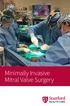 Minimally Invasive Mitral Valve Surgery Stanford Health Care offers leading, superior options in cardiac surgery, including the latest techniques and research for Minimally Invasive Cardiac surgery. Advanced
Endovascular Repair of an Axillary Artery Aneurysm: A Novel Approach
 Endovascular Repair of an Axillary Artery Aneurysm: A Novel Approach Bao- Thuy D. Hoang, MD 1, Jonathan- Hien Vu, MD 2, Jerry Matteo, MD 3 1 Department of Surgery, University of Florida College of Medicine,
Thoracoabdominal aortic aneurysm
 Thoracoabdominal aortic aneurysm Patient (1) - 69 PMH: 2013 - MVP, aortic root replacement with biological valve (Perimount) and subtotal aortic arch replacement Analysis for oppressive chest complaints
CORONARY ARTERY BYPASS GRAFTS, STENTS, AND EXTRACORONARY CARDIAC DZ. Charles White MD
 CORONARY ARTERY BYPASS GRAFTS, STENTS, AND EXTRACORONARY CARDIAC DZ Charles White MD Director of Thoracic Imaging Department of Radiology University of Maryland CORONARY ARTERY BYPASS GRAFTS First performed
ANESTHESIA FOR MYOCARDIAL REVASCULARIZATION. Alla Klimova, M.D UAMS, Little Rock, AR
 ANESTHESIA FOR MYOCARDIAL REVASCULARIZATION Alla Klimova, M.D UAMS, Little Rock, AR Objectives Historical perspective of CABG Stent or surgery Indication for CABG surgery On pump CABG : design and pathophysiology
Diagnostic and Therapeutic Procedures
 Diagnostic and Therapeutic Procedures Diagnostic and therapeutic cardiovascular s are central to the evaluation and management of patients with cardiovascular disease. Consistent with the other sections,
California Health and Safety Code, Section 1256.01
 California Health and Safety Code, Section 1256.01 1256.01. (a) The Elective Percutaneous Coronary Intervention (PCI) Pilot Program is hereby established in the department. The purpose of the pilot program
Heart Center Packages
 Heart Center Packages For more information and appointments, Please contact The Heart Center of Excellence at the American Hospital Dubai Tel: +971-4-377-6571 Email: [email protected] www.ahdubai.com
12 Lead ECGs: Ischemia, Injury & Infarction Part 2
 12 Lead ECGs: Ischemia, Injury & Infarction Part 2 McHenry Western Lake County EMS Localization: Left Coronary Artery Right Coronary Artery Right Ventricle Septal Wall Anterior Descending Artery Left Main
Clinical Research Intracoronary Stenting with Crushing in Coronary Artery Bifurcation Lesions: Initial Results and Medium-Term Follow Up
 Hellenic J Cardiol 45: 379-383, 2004 Clinical Research Intracoronary Stenting with Crushing in Coronary Artery Bifurcation Lesions: Initial Results and Medium-Term Follow Up PETROS S. DARDAS, DIMITRIS
The Cardiac Society of Australia and New Zealand
 The Cardiac Society of Australia and New Zealand Guidelines on Support Facilities for Coronary Angiography and Percutaneous Coronary Intervention (PCI) including Guidelines on the Performance of Procedures
Appendix. Costing Case Samples for OOHCA
 Appendix Costing Case Samples for OOHCA The patient (ICD-1) Treatment Codes (OPCS 4) Patient 27 Admitted to ICU following percutaneous cardiac intervention (PCI) with 2 drugeluting stents following a VF
MYOCARDIAL PERFUSION COMPUTED TOMOGRAPHY PhD course in Medical Imaging. Anne Günther Department of Radiology OUS Rikshospitalet
 MYOCARDIAL PERFUSION COMPUTED TOMOGRAPHY PhD course in Medical Imaging Anne Günther Department of Radiology OUS Rikshospitalet CORONARY CT ANGIOGRAPHY (CTA) Accurate method in the assessment of possible
Graft Flow Increases with Release of Stabilizing Device in Off-pump Coronary Surgery
 Original Article Graft Flow Increases with Release of Stabilizing Device in Off-pump Coronary Surgery Alistair G. Royse, MDBS, FRACS, 1,2 Colin F. Royse, MDBS, FANZCA, 1,3 and Christina T. Wong 1 Transit-time
CARDIOLOGY Delineation of Privileges
 CARDIOLOGY Delineation of Privileges APPLICANT: INITIAL APPOINTMENT REQUIREMENTS: BASIC EDUCATION: M.D. or D.O. from an accredited school of medicine or osteopathy. Successful completion of an ACGME or
INNOVATIONS IN THE ENVIRONMENT: HOW THE HYBRID OPERATING ROOM CAN INFLUENCE CARDIAC SURGERY
 CLAUDIO GROSSI Cardiac Surgery Ospedale Santa Croce CUNEO (Italy) INNOVATIONS IN THE ENVIRONMENT: HOW THE HYBRID OPERATING ROOM CAN INFLUENCE CARDIAC SURGERY Impossibile visualizzare l'immagine. La memoria
UW MEDICINE PATIENT EDUCATION. Aortic Stenosis. What is heart valve disease? What is aortic stenosis?
 UW MEDICINE PATIENT EDUCATION Aortic Stenosis Causes, symptoms, diagnosis, and treatment This handout describes aortic stenosis, a narrowing of the aortic valve in your heart. It also explains how this
The left internal mammary artery (LIMA) is the
 Case Report 925 Direct Stenting of a Transradial Left Internal Mammary Artery Graft Wei-Chin Hung, MD; Bih-Fang Guo, MD, PhD; Chiung-Jen Wu, MD; Chien-Jen Chen, MD; Chih-Yuan Fang, MD Taking the transfemoral
The Bioresorbable Vascular Stent Dr Albert Ko
 The Bioresorbable Vascular Stent Dr Albert Ko Dr Albert Ko MB BS, FRACP, FCSANZ Interventional/General Cardiologist Ascot Cardiology Symposium 2013 Treatment Goals for Coronary Artery Disease Relieve of
Management of Pacing Wires After Cardiac Surgery
 Management of Pacing Wires After Cardiac Surgery David E. Lizotte, Jr. PA C, MPAS, FAPACVS President, Association of Physician Assistants in Cardiovascular Surgery Conflicts: None Indications 2008 Journal
Is Stenting or Coronary Artery By-pass Grafting the Better Treatment for This Patient?
 Is Stenting or Coronary Artery By-pass Grafting the Better Treatment for This Patient? --- NIRS-IVUS TVC Imaging Adds Additional Information for the Heart Team Dr. Luis Tami Memorial Regional Hospital
Subclavian Artery Reconstruction in Patients Undergoing Coronary Artery Bypass Grafting
 Original Article Subclavian Artery Reconstruction in Patients Undergoing Coronary Artery Bypass Grafting Masami Ochi, MD, Nobuo Hatori, MD, PhD, Kazuhiro Hinokiyama, MD, Yoshiaki Saji, MD, and Shigeo Tanaka,
Remote access perfusion for minimally invasive cardiac surgery: to clamp or to inflate?
 European Journal of Cardio-Thoracic Surgery Advance Access published February 22, 2013 European Journal of Cardio-Thoracic Surgery (2013) 1 7 doi:10.1093/ejcts/ezt070 ORIGINAL ARTICLE Remote access perfusion
Michigan Heart & Vascular Institute ON THE ST. JOSEPH MERCY HOSPITAL CAMPUS, ANN ARBOR, MICHIGAN
 ON THE ST. JOSEPH MERCY HOSPITAL CAMPUS, ANN ARBOR, MICHIGAN Dear Colleague: Cardiovascular medicine has marked an important milestone in the battle against heart disease. The latest available data indicates
Coding Updates for 2013: Cardiology
 Coding Updates for 2013: Cardiology Presented by: David Dunn, MD, FACS CIRCC, CPC-H, CCVTC, CCC, CCS, RCC National Coding Standards Sources of information Centers for Medicare and Medicare (CMS) Provider
What You Should Know About Cerebral Aneurysms
 What You Should Know About Cerebral Aneurysms From the Cerebrovascular Imaging and Interventions Committee of the American Heart Association Cardiovascular Radiology Council Randall T. Higashida, M.D.,
SUTTER MEDICAL CENTER, SACRAMENTO Department of Cardiovascular Disease Cardiology - Delineation of Privileges
 INITIAL: [ ] RENEWED: [ ] DATE: ADDITIONAL: [ ] Privileges are granted for Sutter General Hospital, Sutter Memorial Hospital, Sutter Center for Psychiatry, Sutter Oaks Midtown and the Capitol Pavilion
Clinical Practice Assessment Robotic surgery
 Clinical Practice Assessment Robotic surgery Background: Surgery is by nature invasive. Efforts have been made over time to reduce complications and the trauma inherently associated with surgery through
Minimally Invasive Spine Surgery
 Chapter 1 Minimally Invasive Spine Surgery 1 H.M. Mayer Primum non nocere First do no harm In the long history of surgery it always has been a basic principle to restrict the iatrogenic trauma done to
BASIC STANDARDS FOR RESIDENCY TRAINING IN CARDIOLOGY
 BASIC STANDARDS FOR RESIDENCY TRAINING IN CARDIOLOGY American Osteopathic Association and the American College of Osteopathic Internists Specific Requirements For Osteopathic Subspecialty Training In Cardiology
Clinical Commissioning Policy Statement: Percutaneous mitral valve leaflet repair for mitral regurgitation April 2013. Reference: NHSCB/A09/PS/b
 Clinical Commissioning Policy Statement: Percutaneous mitral valve leaflet repair for mitral regurgitation April 2013 Reference: NHS Commissioning Board Clinical Commissioning Policy Statement: Percutaneous
Current concepts for minimally invasive mitral valve repair
 Endorsed by proceedings in Intensive Care Cardiovascular Anesthesia Review article HSR Proc Intensive Care Cardiovasc Anesth. In press. Current concepts for minimally invasive mitral valve repair 1 B.
Ch. 138 CARDIAC CATHETERIZATION SERVICES 28 138.1 CHAPTER 138. CARDIAC CATHETERIZATION SERVICES GENERAL PROVISIONS
 Ch. 138 CARDIAC CATHETERIZATION SERVICES 28 138.1 CHAPTER 138. CARDIAC CATHETERIZATION SERVICES Sec. 138.1 Principle. 138.2. Definitions. GENERAL PROVISIONS PROGRAM, SERVICE, PERSONNEL AND AGREEMENT REQUIREMENTS
Catheter insertion of a new aortic valve to treat aortic stenosis
 Issue date March 2012 Understanding NICE guidance Information for people who use NHS services NICE interventional procedures guidance advises the NHS on when and how new procedures can be used in clinical
Cardiac Catheterization
 Page 1 Cardiac Catheterization What Other Terms Are Used To Describe Cardiac Catheterization? Heart Cath (catheter) Angiogram What Is Cardiac Catheterization? This procedure is nonsurgical and is performed
Regions Hospital Delineation of Privileges Cardiology
 Regions Hospital Delineation of s Cardiology Applicant s Name: Last First M. Instructions: Place a check-mark where indicated for each core group you are requesting. Review education and basic formal training
Critical Care Billing and Coding. Date: February 2015 Presented by: Part B Provider Outreach & Education (POE)
 Critical Care Billing and Coding Date: February 2015 Presented by: Part B Provider Outreach & Education (POE) Workshop Protocol Cannot register with WebEx using mobile device Must use desktop or laptop
Surgeons Role in Atrial Fibrillation
 Atrial Fibrillation Surgeons Role in Atrial Fibrillation Steven J Feldhaus, MD, FACS 2015 Cardiac Symposium September 18, 2015 Stages of Atrial Fibrillation Paroxysmal (Intermittent) Persistent (Continuous)
Ultrasound in Vascular Surgery. Torbjørn Dahl
 Ultrasound in Vascular Surgery Torbjørn Dahl 1 The field of vascular surgery Veins dilatation and obstruction (varicose veins and valve dysfunction) Arteries dilatation and narrowing (aneurysms and atherosclerosis)
Coronary Artery Surgery Recent Developments
 Review Article Acta Cardiol Sin 2005;21:131 6 Coronary Artery Surgery Recent Developments Kuan-Ming Chiu and Shu-Hsun Chu Cardiovascular surgery had great advancement in the twentieth century. In 1929,
Experience of Direct Coronary Stenting at National Institute of Cardiovascular Diseases
 Experience of Direct Coronary Stenting at National Institute of Cardiovascular Diseases T. Masood,T. Sagheer,D. Jan,N. Qamar,A.M.A. Faruqui ( National Institute of Cardiovascular Diseases (NICVD), Karachi.
Resuscitation in congenital heart disease. Peter C. Laussen MBBS FCICM Department Critical Care Medicine Hospital for Sick Children Toronto
 Resuscitation in congenital heart disease Peter C. Laussen MBBS FCICM Department Critical Care Medicine Hospital for Sick Children Toronto Evolution of Congenital Heart Disease Extraordinary success: Overall
A Patient s Guide to Primary and Secondary Prevention of Cardiovascular Disease Using Blood-Thinning (Anticoagulant) Drugs
 A Patient s Guide to Primary and Secondary Prevention of PATIENT EDUCATION GUIDE What Is Cardiovascular Disease? Cardiovascular disease (CVD) is a broad term that covers any disease of the heart and circulatory
Scott Hubbell, MHSc, RRT-NPS, C-NPT, CCT Clinical Education Coordinator/Flight RRT EagleMed
 Scott Hubbell, MHSc, RRT-NPS, C-NPT, CCT Clinical Education Coordinator/Flight RRT EagleMed Identify the 12-Lead Views Explain the vessels of occlusion Describe the three I s Basic Interpretation of 12-Lead
2014 Procedural Reimbursement Guide Select Percutaneous Coronary Interventions
 2014 Procedural Reimbursement Guide Select Percutaneous Coronary Interventions IC-221010-AA Jan 2014 Page 1 of 10 Interventional Cardiology This for interventional cardiology procedures provides coding
Perioperative Cardiac Evaluation
 Perioperative Cardiac Evaluation Caroline McKillop Advisor: Dr. Tam Psenka 10-3-2007 Importance of Cardiac Guidelines -Used multiple times every day -Patient Safety -Part of Surgical Care Improvement Project
Advanced Heart Failure & Transplantation Fellowship Program
 Advanced Heart Failure & Transplantation Fellowship Program Curriculum I. Patient Care When on the inpatient Heart Failure and Transplant Cardiology service, the cardiology fellow will hold primary responsibility
Specific Basic Standards for Osteopathic Fellowship Training in Cardiology
 Specific Basic Standards for Osteopathic Fellowship Training in Cardiology American Osteopathic Association and American College of Osteopathic Internists BOT 07/2006 Rev. BOT 03/2009 Rev. BOT 07/2011
Reporting Transcatheter Aortic Valve Replacement (TAVR) Procedures in 2013
 Reporting Transcatheter Aortic Valve Replacement (TAVR) Procedures in 2013 There are nine new CPT codes effective January 1, 2013, for reporting TAVR procedures. Five of these codes are Category I codes
ST. DAVID S MEDICAL CENTER CARDIOLOGY - Special, Invasive, Diagnostic, or High-Risk Procedure Requirements
 ST. DAVID S MEDICAL CENTER CARDIOLOGY - Special, Invasive, Diagnostic, or High-Risk Procedure Requirements Cardiac Catheterization & Peripheral Angiography Completion of a fellowship in Cardiovascular
Cardiac Catheterization Curriculum for Fellows in Cardiology Dartmouth-Hitchcock Medical Center Level 1 and Level 2 Training 2008-2009
 Cardiac Catheterization Curriculum for Fellows in Cardiology Dartmouth-Hitchcock Medical Center Level 1 and Level 2 Training 2008-2009 I. Overview of Training in Cardiac Catheterization Cardiac catheterization
Practical class 3 THE HEART
 Practical class 3 THE HEART OBJECTIVES By the time you have completed this assignment and any necessary further reading or study you should be able to:- 1. Describe the fibrous pericardium and serous pericardium,
Ostial LAD: Single stent approach is the best. Antonio A. Pocoví, MD, FSCAI, MTSAC, Advisory Council Member, CACI
 Ostial LAD: Single stent approach is the best Antonio A. Pocoví, MD, FSCAI, MTSAC, Advisory Council Member, CACI Chair, Interventional Cardiology Sanatorio San Lucas Instituto Alexander Fleming Buenos
Policies and Procedures. Related to. IABP Therapy
 Policies and Procedures Related to IABP Therapy Courtesy of Datascope Corp. Clinical Support Services The following policies and procedures are intended to serve as guidelines for developing hospital policy.
Real-Time 3-Dimensional Transesophageal Echocardiography in the Evaluation of Post-Operative Mitral Annuloplasty Ring and Prosthetic Valve Dehiscence
 Journal of the American College of Cardiology Vol. 53, No. 17, 2009 2009 by the American College of Cardiology Foundation ISSN 0735-1097/09/$36.00 Published by Elsevier Inc. doi:10.1016/j.jacc.2008.12.059
Press. Siemens solutions support diagnosis and treatment of cardiovascular diseases
 Press Healthcare Erlangen, August 29, 2015 ESC 2015: ExCel London Exhibition and Convention Center, Booth #G700 Siemens solutions support diagnosis and treatment of cardiovascular diseases New cardiovascular
Transcatheter Aortic Valve Implantation (TAVI) A patient s guide
 Transcatheter Aortic Valve Implantation (TAVI) A patient s guide Valvular heart disease The heart is a muscle which pumps blood to your lungs and around the body. There are four valves within the heart.
Academia. Minimally Invasive Mitral Valve Repair/Replacement (MVR) Procedure. Medical Education. Innovating for life.
 Minimally Invasive Mitral Valve Repair/Replacement (MVR) Procedure TECHNIQUES FOR MINIMALLY INVASIVE MITRAL VALVE REPAIR/REPLACEMENT Joseph Lamelas, MD Academia Medical Education Innovating for life. TECHNIQUES
The Hybrid Cath Lab: A Revolution in Cardiac Care
 Surgery Artis zee in the OR In the interest of improved patient outcomes, increased workflow efficiency, and implementation of cutting-edge technology, The Prince Charles Hospital in Brisbane, Australia
PRECOMBAT Trial. Seung-Whan Lee, MD, PhD On behalf of the PRECOMBAT Investigators
 Premier of Randomized Comparison of Bypass Surgery versus Angioplasty Using Sirolimus-Eluting Stent in Patients with Left Main Coronary Artery Disease PRECOMBAT Trial Seung-Whan Lee, MD, PhD On behalf
Bayfront. Heart Center. www.bayfrontheart.org
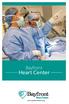 Bayfront Heart Center www.bayfrontheart.org THE HEART OF THE MATTER At the Bayfront Heart Center, the leading cardiac facility in the area, we are fully equipped to treat all aspects of cardiovascular
Patient Information Booklet. Endovascular Stent Grafts: A Treatment for Abdominal Aortic Aneurysms
 Patient Information Booklet Endovascular Stent Grafts: A Treatment for Abdominal Aortic Aneurysms TABLE OF CONTENTS Introduction 1 Glossary 2 Abdominal Aorta 4 Abdominal Aortic Aneurysm 5 Causes 6 Symptoms
HEART CENTER. Touching Lives
 HEART CENTER Touching Lives with INNOVATIVE TOOLS and an EXPERIENCED TEAM THE HEART MATTERS If you or someone you love is faced with a heart problem, you want to put your trust in experienced professionals
STS/AATS CODING. NEWSLETTER Recent Information on CPT and ICD-9 CM Codes for Cardiothoracic Surgeons
 N E W S STS/AATS CODING L E T T E R Vol. 13 No. 1, Spring 2004 2004, The Society of Thoracic Surgeons, Chicago, IL 60611 TEE s; Maze; 0,10, XXX Global Periods; Medicare Usage for Assistants-at- Surgery
SAMPLE. Asia-Pacific Interventional Cardiology Procedures Outlook to 2020. Reference Code: GDMECR0061PDB. Publication Date: May 2014
 Asia-Pacific Interventional Cardiology Procedures Outlook to 2020 Reference Code: GDMECR0061PDB Publication Date: May 2014 Page 1 1 Table of Contents 1 Table of Contents... 2 1.1 List of Tables... 4 1.2
Facing Lung Cancer? Learn why da Vinci Surgery may be your best treatment option for lung cancer.
 Facing Lung Cancer? Learn why da Vinci Surgery may be your best treatment option for lung cancer. The Condition: Lung Cancer The lung is the organ that moves oxygen through your body. You have two lungs
MAKING DOLLAR$ AND $ENSE
 MAKING DOLLAR$ AND $ENSE FROM A CARDIAC ANESTHESIA PRACTICE Christopher A. Troianos, MD Professor and Chair of Anesthesiology Western Pennsylvania Hospital West Penn Allegheny Health System Western Campus
Prognostic impact of uric acid in patients with stable coronary artery disease
 Prognostic impact of uric acid in patients with stable coronary artery disease Gjin Ndrepepa, Siegmund Braun, Martin Hadamitzky, Massimiliano Fusaro, Hans-Ullrich Haase, Kathrin A. Birkmeier, Albert Schomig,
Majestic Trial 12 Month Results
 Majestic Trial 12 Month Results S.Müller-Hülsbeck, MD, EBIR, FCIRSE, FICA ACADEMIC HOSPITALS Flensburg of Kiel University Ev.-Luth. Diakonissenanstalt zu Flensburg Knuthstraße 1, 24939 FLENSBURG Dept.
A Patient s Guide to Minimally Invasive Abdominal Aortic Aneurysm Repair
 A Patient s Guide to Minimally Invasive Abdominal Aortic Aneurysm Repair Table of Contents The AFX Endovascular AAA System............................................ 1 What is an Abdominal Aortic Aneurysm
Section Two: Arterial Pressure Monitoring
 Section Two: Arterial Pressure Monitoring Indications An arterial line is indicated for blood pressure monitoring for the patient with any medical or surgical condition that compromises cardiac output,
Christopher M. Wright, MD, MBA Pioneer Cardiovascular Consultants Tempe, Arizona
 Christopher M. Wright, MD, MBA Pioneer Cardiovascular Consultants Tempe, Arizona Areas to be covered Historical, current, and future treatments for various cardiovascular disease: Atherosclerosis (Coronary
UNMH Cardiothoracic Surgery Clinical Privileges
 All new applicants must meet the following requirements as approved by the UNMH Board of Trustees effective: 02/20/2015 INSTRUCTIONS Applicant: Check off the "Requested" box for each privilege requested.
PHYSICIAN ASSISTANTS IN CARDIAC SURGERY
 PHYSICIAN ASSISTANTS IN CARDIAC SURGERY Past,, and Future PAST 1965 first class of Physician Assistants graduated from Duke University Research revealed geographic maldistribution of primary care providers
ECG may be indicated for patients with cardiovascular risk factors
 eappendix A. Summary for Preoperative ECG American College of Cardiology/ American Heart Association, 2007 A1 2002 A2 European Society of Cardiology and European Society of Anaesthesiology, 2009 A3 Improvement,
PEDIATRIC CARDIOLOGY CLINICAL PRIVILEGES
 Name: Page 1 Initial Appointment Reappointment All new applicants must meet the following requirements as approved by the governing body effective: 08/05/2015. Applicant: Check off the Requested box for
Liau DW : Injuries and Liability Related to Peripheral Catheters: A Closed Claims Analysis. ASA Newsletter 70(6): 11-13 & 16, 2006.
 Citation Liau DW : Injuries and Liability Related to Peripheral Catheters: A Closed Claims Analysis. ASA Newsletter 70(6): 11-13 & 16, 2006. Full Text An anesthesiologist inserted a 14-gauge peripheral
Complications of Femoral Catheterization. Daniel Kaufman, MD University Hospital of Brooklyn December 16, 2005
 Complications of Femoral Catheterization Daniel Kaufman, MD University Hospital of Brooklyn December 16, 2005 Case Presentation xx yr old female presents with fever, chills, and painful swelling of R groin
Resection of Lung Cancer Invading the Mediastinum
 Resection of Lung Cancer Invading the Mediastinum Philippe G. Dartevelle MARIE-LANNELONGUE HOSPITAL GUSTAVE ROUSSY INSTITUTE INSTITUTE OF THORACIC ONCOLOGY PARIS SUD UNIVERSITY Mediastinal Invasion Superior
The return of myocardial ischemia after coronary artery
 Occurrence and Risk Factors for Reintervention After Coronary Artery Bypass Grafting Joseph F. Sabik III, MD; Eugene H. Blackstone, MD; A. Marc Gillinov, MD; Nicholas G. Smedira, MD; Bruce W. Lytle, MD
Common types of congenital heart defects
 Common types of congenital heart defects Congenital heart defects are abnormalities that develop before birth. They can occur in the heart's chambers, valves or blood vessels. A baby may be born with only
Fort Hamilton Hospital Specialty: Cardiology Department of Medicine Delineation of Privileges
 NAME Fort Hamilton Hospital Specialty: Cardiology Department of Medicine Delineation of Privileges GENERAL CARDIOLOGY Required Qualifications for General Cardiology Education/Training/Experience Must have
Section Four: Pulmonary Artery Waveform Interpretation
 Section Four: Pulmonary Artery Waveform Interpretation All hemodynamic pressures and waveforms are generated by pressure changes in the heart caused by myocardial contraction (systole) and relaxation/filling
Bile Leaks After Laparoscopic Cholecystectomy. Kings County Hospital Center Eliana A. Soto, MD
 Bile Leaks After Laparoscopic Cholecystectomy Kings County Hospital Center Eliana A. Soto, MD Biliary Injuries during Cholecystectomy In the 1990s, high rate of biliary injury was due in part to learning
INTRODUCTION TO EECP THERAPY
 INTRODUCTION TO EECP THERAPY is an FDA cleared, Medicare approved, non-invasive medical therapy for the treatment of stable and unstable angina, congestive heart failure, acute myocardial infarction, and
Cilostazol versus Clopidogrel after Coronary Stenting
 Cilostazol versus Clopidogrel after Coronary Stenting Seong-Wook Park, MD, PhD, FACC Division of Cardiology, Asan Medical Center University of Ulsan College of Medicine Seoul, Korea AMC, 2004 Background
Chapter 10. Mitral Valve Repair and Redo Repair for Mitral Regurgitation in a Heart Transplant Recipient
 Chapter 10 Mitral Valve Repair and Redo Repair for Mitral Regurgitation in a Heart Transplant Recipient Journal of Cardiothoracic Surgery 2012; 7: 100 Wobbe Bouma a Johan Brügemann b Inez J. Wijdh den
Steven J. Yakubov, MD FACC For the CoreValve US Clinical Investigators
 Long-Term Outcomes Using a Self- Expanding Bioprosthesis in Patients With Severe Aortic Stenosis Deemed Extreme Risk for Surgery: Two-Year Results From the CoreValve US Pivotal Trial Steven J. Yakubov,
Combined Epicardial and Endocardial Ablation for Treatment of Atrial Fibrillation. Ashkan Babaie MD Providence Portland Medical Center
 Combined Epicardial and Endocardial Ablation for Treatment of Atrial Fibrillation Ashkan Babaie MD Providence Portland Medical Center 1 Disclosures None 2 Cox-Maze III The Godfather Cure rates > 95% in
YALE UNIVERSITY SCHOOL OF MEDICINE: SECTION OF OTOLARYNGOLOGY PATIENT INFORMATION FUNCTIONAL ENDOSCOPIC SINUS SURGERY
 YALE UNIVERSITY SCHOOL OF MEDICINE: SECTION OF OTOLARYNGOLOGY PATIENT INFORMATION FUNCTIONAL ENDOSCOPIC SINUS SURGERY What is functional endoscopic sinus surgery (FESS)? Functional endoscopic sinus surgery