
Coronary Artery Surgery Recent Developments
|
|
|
- James Doyle
- 9 years ago
- Views:
Transcription
1 Review Article Acta Cardiol Sin 2005;21:131 6 Coronary Artery Surgery Recent Developments Kuan-Ming Chiu and Shu-Hsun Chu Cardiovascular surgery had great advancement in the twentieth century. In 1929, Werner Forssman performed the first human cardiac catheterization on himself. 1 Then cardiac catheterization gradually became a gold standard in the diagnosis of congenital heart diseases as well as valvular heart diseases. In 1953, Gibbon set a milestone for cardiac surgery by invention of cardiopulmonary bypass. Mason Sones performed the first diagnostic coronary angiogram at Cleveland Clinic in Rene Favaloro did the first coronary artery bypass grafting (CABG) in From then on, coronary artery diseases (CAD) have had excellent resolution saw Andreas Gruentzig change the landscape by doing the first coronary angioplasty on an awake human. 3 Julio Palmaz and Richard Schatz pushed the advance further by invention of balloon expandable stents to address the issues of recoil and restenosis after balloon angioplasty. Cardiologists have modernized myocardial revascularization by much investment and great innovation. Percutaneous coronary intervention started to play a major role in the myocardial revascularization in the last two decades. The advent of new technologies provides many less invasive methods of myocardial revascularization, such as percutaneous transluminal coronary angioplasty (PTCA), stents, brachytherapy, intravascular ultrasound, rotablator, and drug-eluting stents. Key Words: Coronary artery bypass Off-pump Endoscopic vessel harvest Minimally invasive surgery Minimally invasive surgery Most cardiac patients prefer catheter-based intervention as their first choice rather than CABG. Cardiac surgeons should be aware of this trend and accommodate themselves to less invasive approaches. A shift to less invasive CABG is essential for surgeons to play an active role in the field of coronary revascularization. Patients proposed to have cardiac operations are concerned about having general anesthesia, longer hospital stay, longer post-operative recovery, delayed return to their jobs, and suffering surgery-related discomfort. They face higher operative morbidity and mortality to Received: August 30, 2004 Accepted: March 30, 2005 Division of Cardiovascular Surgery, Cardiovascular Center, Far-Eastern Memorial Hospital, Pan-Chiao, Taipei, Taiwan. Address correspondence and reprint requests to: Dr. Shu-Hsun Chu, Division of Cardiovascular Surgery, Cardiovascular Center, Far-Eastern Memorial Hospital, Pan-Chiao, Taiwan. Tel: ext. 1655; Fax: ; [email protected] get the better long-term outcome. 4 Thus, some people say that they would rather visit their dentist every 6 months than their cardiac surgeon every 10 years. Obviously, patients want their wounds to be smaller, hospital stay to be shorter, and risk of the procedure to be as low as possible. In order to play a better role in the arena of myocardial revascularization, the cardiac surgeon should be able to convince patients of all potential benefits achieved by CABG and reduce surgical drawbacks from the patients points of view. In the past decade, two approaches have been utilized to decrease the invasiveness of coronary artery bypass surgery: 1. elimination of cardiopulmonary bypass and cardioplegic arrest to decrease the systemic inflammatory response and eliminate global myocardial ischemia, and 2. minimization of access trauma through small incisions. Sternotomy remains the patient s major fear. Every patient wants the wound as small as possible. However, every surgeon prefers the procedures as simple and easy as possible, which demand a larger in- 131 Acta Cardiol Sin 2005;21:131 6

2 Kuan-Ming Chiu et al. cision. Cardiac surgeons prefer everything under control and handheld. When every surgical subspecialty started to adopt the endoscopic procedures, cardiac surgeons remained conservative. Recently, more and more cardiovascular procedures have adopted the minimally invasive trend by creating smaller or alternative incisions. Coronary artery revascularization therefore could be tailored to every patient by the incisions of midline sternotomy, para-sternotomy, left anterior thoracotomy, subxyphoid incision, etc. These procedures are termed by their varied approaches as minimally invasive direct coronary artery bypass surgery (MIDCAB), subclavian/ axillary artery to coronary artery bypass (SAXCAB), and endoscopically atraumatic coronary artery bypass (Endo-ACAB). These individualized and tailor-made procedures gain further acceptance by patients. However, minimally invasive surgery may not be thought of as a specific procedure, but as a philosophy aconstellation of new routines, methods, and techniques all directed collectively toward speedily returning patients to normalcy. 5 Off-Pump vs On-Pump To apply a minimally invasive philosophy to cardiac surgery would require an operation-specific strategy. For example, in minimally invasive coronary bypass surgery, the desirable objective is to avoid extracorporeal circulation and its deleterious effects. The first successful coronary artery bypass surgery was performed on the beating heart in the early 1960s. This procedure was not widely adopted at that time due to technical challenges, inconsistent results, and limited applicability. The development of extracorporeal circulation and myocardial protective strategies created a safer, less technically challenging, still, bloodless surgical field. However, enabling technology like coronary stabilizers, apical suction devices, carbon dioxide mist delivery devices and intracoronary shunts provides a nearly motionless, bloodless surgical platform for the revival of beating heart coronary artery bypass surgery. In the last 50 years, off-pump coronary artery bypass (OPCAB) is the procedure with fastest adoption rate by cardiac surgeons in comparison with Beck procedure, Vineberg procedure, and conventional CABG. It has proceeded by CABG concept and proven safe and effective. Most hospitals doing CABG have readily adopted OPCAB. The procedures themselves have been standardized and rapidly duplicated worldwide. The Society of Thoracic Surgeon database shows the continued increase in the percentage of OPCAB in surgical coronary artery revascularization. It is growing even faster in the Third World. Thousands of articles have been published in the journals to discuss the advantages and disadvantages of extracorporeal circulation for coronary artery surgery 6,7. Current consensus is that on-pump CABG has excellent results in the hands of the majority of surgeons, and OPCAB have excellent results in the hands of cardiac surgeons who perform the procedure routinely in their daily practice. The major benefit of OPCAB is demonstrated in highrisk patients, resulting in a lower incidence of stroke, embolic and inflammation mediated events such as renal and pulmonary insufficiency. 8 The lowered mortality of OPCAB was demonstrated primarily in the high-risk patients. 9,10 Quality of anastomoses will become the important issue to evaluate the long-term result. 11 OPCAB will become popular, but extracorporeal circulation is still the most powerful sword of the cardiac surgeon to circumvent all complex cases such as patients with poor ventricular function, huge heart size, or significant valvular disease. Fortunately, as we start to evaluate the drawbacks of CPB, current technologies provide better solutions. Endoscopic harvest of graft conduits For coronary artery surgery, bypass grafts are always necessary. Many surgeons have made great efforts to reduce the morbidities of graft donor sites. Endoscopy based on modern technologies has had tremendously impact in this area. Endoscopic vessel harvest of saphenous vein, radial artery, mammary artery and even gastroepiploic artery has been achieved and become more and more popular in daily practice. These techniques provide patients cosmetic wounds, earlier ambulation, less suffering, and most important, equal quality of vein grafts These benefits would persuade both patients and surgeons to adopt the procedure as the medical standard. A recent published paper even showed equal 6-month patency rate of saphenous vein for CABG in a randomized trial of endoscopic versus open vein harvest. 17 Arterial graft vs venous graft The survival advantage of CABG over PTCA among Acta Cardiol Sin 2005;21:

3 Coronary Artery Surgery Recent Developments patients with diabetes and multivessel diseases suggests sustained graft patency. The long-term patency rate is achieved best by CABG compared with other interventions. Despite diabetic patients having smaller distal vessels and vessels judged to be of poorer quality, diabetes does not appear to adversely affect patency of internal mammary artery or vein grafts over an average of 4-year follow-up. 18 Thus, how to provide a better graft to achieve the goal is a constant concern for cardiac surgeons. Much evidence has shown arterial conduits are much better than venous ones. 19,20 Internal mammary artery is the best choice, followed by radial artery and other less frequently used arteries The most recent data suggested patency at 10 years was 61% for saphenous vein grafts compared with 85% for internal mammary artery grafts. The 10-year patency for vein grafts was better and the 10-year patency for internal mammary artery grafts was worse than expected. 24 Along with the recent advance of medications, like antiplatelet agents and statins, improved bypass graft patency in the future will be hopefully expected. However, the increasing use of arterial conduits is the trend and will benefit our patients. Cerebral embolization Cerebral embolization has been the major risk of cardiovascular surgery. Although OPCAB decreases the incidence of cerebral events, aortic manipulation still remains a concern, especially during clamping. 25 Proximal connectors like Medtronic Spyder anastomotic devices allow aorto-saphenous anastomosis in one shot. These minimize the need for aortic clamping. Proximal seal systems like Guidant Heartstring devices allow surgeons to construct a hand-sewing anastomosis without clamping the ascending aorta. Furthermore, some surgeons have begun to adopt the aorta no-touch principle which has further decreased embolic events. 26 For instance, left internal mammary artery and Y extension with radial artery construct total arterial revascularization. However, the long-term patency of these configurations and whether the flow reserve meets the myocardial demand require further clinical observation. Other coronary bypasses derived from subclavian artery or descending aorta in an exraanatomic way further decrease the incidence of stroke. Intraoperative conduit confirmation In past decades, all the coronary bypass grafts were assumed to be patent immediately after surgery. However, technical errors still contributed to early graft failure in a significant number of cases. In current practice, plastic surgeons show impressive results by providing images before and after procedures. Interventional cardiologists show coronary angiograms before and after PTCA. To see is to believe. How can we cardiac surgeons persuade our patients we have done the best merely by their trust or our reputation? Therefore, today s cardiac surgeons should be able to convince patients what they have achieved in the operation theater. Intra-operative conduit confirmation has become the necessity. Current technologies involving color Doppler ultrasound, electromagnetic flow measurement, transit time flow measurement, and angiography have been applied for this purpose. In most circumstances, intra-operative conduit confirmation serves as a gatekeeper and ensures the graft patency. Meanwhile, it provides the foundation of trust between patients and surgeons. Also, evidence-based data can be collected to evaluate the graft patency of any particular cohort. Robotic surgery Robots in cardiovascular surgery show promise. Robotic systems have been recently refined for use in cardiac surgery to facilitate different surgical procedures. These systems enhance precision through endoscopic approaches by computerization, digital interface, and telemanipulation technology. They provide excellent visualization of operative fields. Electronic arms allow for great maneuverability with stability. Although several groups have demonstrated the feasibility of totally endoscopic coronary artery bypass (TECAB) with robotic systems, there remain significant challenges to further development and unanswered questions regarding efficacy, patency and appropriate application. More than one-third of patients were converted intraoperatively to an open, manual procedure, and most of the reported cases received single-vessel bypass procedures only. Roboticassisted closed-chest coronary artery bypass is currently confronting the limitations of enabling technology. There are challenges to be overcome before widespread application of off-pump multivessel TECAB surgery. 27 Recently developed anastomostic facilitators like magnetic vascular positioner devices are simple yet effective and timesaving techniques for anastomotic coupling. 28 With the continuous progress of essential enabling technology like an- 133 Acta Cardiol Sin 2005;21:131 6

4 Kuan-Ming Chiu et al. astomostic facilitators, robotic intervention will play a role in the detailed handicraft of cardiac surgeons in the future. Before the implementation of robotic program, the safe introduction of totally endoscopic coronary artery bypass grafting using a stepwise and modular approach should always be emphasized. 29 Fast track for cardiac surgery Fast track programs have been introduced to shorten the stay in intensive care unit and hospital. All strategies toward less invasiveness result in less morbidity and earlier discharge from hospital than conventional CABG. Medical cost saving is another significant issue. Continuous and coordinated progress in pre-operative, intra-operative, and post-operative management would provide greatest benefit for patient care. Non-invasive modalities for CAD diagnosis Diagnoses of coronary artery disease (CAD) in the future will be made by non-invasive modalities such as high-resolution multi-slice computed tomography, electronic beam tomography and magnetic resonance imaging, etc. These will change the role of interventional cardiologists who would not otherwise be able to control the patient flow in decisions regarding intervention. That means patients will have a diagnosis of CAD by noninvasive modalities and then start to seek further therapeutic interventions. By that time, who provides the best choice for patients will win the contest. However, cardiac surgeons who are capable of performing percutaneous, endovascular interventions would provide the total solution for cardiac patients in a single visit. Before this possibility comes into reality, hybrid procedures from interventional cardiologists and cardiac surgeons would be the excellent alternative choice for most CAD patients. 30 Pharmacological advances Following the great pharmacological advances, cardiac surgeons have the responsibility to learn more from current evidence-based management of coronary disease. New antiplatelet agents, glycoprotein IIb/IIIa antagonists, and angiotensin receptor antagonists all play an important role in the treatment of variable spectrum CAD patients. Beyond surgical procedures, meticulous clinical follow-up and pharmacological adjustment to prevent graft occlusion and progression of native CAD ensure the best results of CABG. 31 Current status of coronary artery surgery in Taiwan Cardiac surgeons in Taiwan work very hard to keep pace with the pioneers. In past three years, according to the Taiwan Society of Thoracic and Cardiovascular Surgeons database, OPCAB has reached more than 50% of isolated CABG. Endoscopic graft conduit harvest was widely adopted and comprised of one third of total saphenous vein harvest in Taiwan. More than 90% of patients who underwent CABG had at least one arterial graft. Sternum-sparing and minimal-access CABG became popular. Cardiac surgeons are aware of the importance of confirmation of graft patency. All these kinds of progresses better serve patients interest. Cardiac surgery has shown great technological improvements over the past decades. However, impact of interventional technology, impact of new surgical procedures, hospital and surgeon CABG volume, change in patient risk category, reduced hospital resources, and reduced industry interest in cardiac surgery are all our concerns in the future of surgical revascularization. Dennis Jones said, The history of surgery is a history of obsolete operations. By innovation and retraining, surgeons can still insure their places in the management of cardiovascular diseases. Technological advances make coronary surgery less invasive, less morbid, less expensive, and more durable. To survive the test of time, cardiac surgeons need constant retraining to adopt the continuously evolving new techniques. As Darwin said, It is not the smartest or the strongest species that survive, but the most adaptable ones that do. REFERENCES 1. Forssman W. Die Sondierung des rechten Herzens Berl Klin Wochenschr 1929;8: Favaloro R. Direct and indirect coronary surgery. Circulation 1972;46(6): Gruentzig AR, Senning A, Siegenthaler WE. Nonoperative dilatation of coronary artery stenosis: percutaneous transluminal coronary angioplasty. N Engl J Med 1979;301: Bypass Angioplasty Revascularization Investigation (BARI) Investigators. Comparison of coronary bypass surgery with Acta Cardiol Sin 2005;21:

5 Coronary Artery Surgery Recent Developments angioplasty in patients with multivessel disease. N Engl J Med 1996;335: Chitwood WR Jr, Gulielmos V: What is minimally invasive cardiac surgery? CTSnet Web Site Reston JT, Tregear SJ, Turkelson CM. Meta-analysis of shortterm and mid-term outcomes following off-pump coronary artery bypass grafting. Ann Thorac Surg 2003;76(5): Khan NE, De Souza A, Mister R, et al. A randomized comparison of off-pump and on-pump multivessel coronary-artery bypass surgery. N Engl J Med 2004;350: Newman MF, Kirchner JL, Phillips-Bute B, et al. Longitudinal assessment of neurocognitive function after coronary-artery bypass surgery. N Engl J Med 2001;344: Nathoe HM, van Dijk D, Jansen EWL, et al. A comparison of on-pump and off-pump coronary bypass surgery in low-risk patients. N Engl J Med 2003;348: Mack MJ, Magee MJ, Dewey TM, et al. Neurocognitive function after coronary-artery bypass surgery. N Engl J Med 2001;345: MacGillivray TE, Vlahakes GJ. Patency and the pump-the risks and benefits of off-pump CABG. N Engl J Med 2004;350: Allen KB, Griffith GL, Heimansohn DA, et al. Endoscopic versus traditional saphenous vein harvesting: a prospective, randomized trial. Ann Thorac Surg 1998;66(1): Schurr UP, Lachat ML, Reuthebuch O, et al. Endoscopic saphenous vein harvesting for CABG: a randomized, prospective trial. Thorac Cardiovasc Surg 2002;50(3): Genovesi MH, Torrillo L, Fonger J, et al. Endoscopic radial artery harvest: a new approach. Heart Surg Forum 2001; 4(3): Felisky CD, Paul DL, Hill ME, et al. Endoscopic greater saphenous vein harvesting reduces the morbidity of coronary artery bypass surgery. Am J Surg 2002;183(5): Bonde P, Graham AN, MacGowan SW. Endoscopic vein harvest: advantages and limitations. Ann Thorac Surg 2004;77(6): Yun KL, Wu YX, Aharonian Y, et al. Randomized trial of endoscopic versus open vein harvest for coronary artery bypass grafting: six-month patency rates. J Thorac Cardiovasc Surg 2005;129(3): Schwartz L, Kip KE, Frye RL, et al. Coronary bypass graft patency in patients with diabetes in the bypass angioplasty revascularization investigation (BARI). Circulation 2002;106(21): Barner HB, Sundt TM 3rd. Multiple arterial grafts and survival. Curr Opinion Cardiol 1999;14(6): Beghi C, Nicolini F, Budillon AM, et al. Midterm clinical results in myocardial revascularization using the radial artery. Chest 2002;122(6): Dargie HJ. Late results following coronary artery bypass grafting. Eur Heart J 1992;13(Suppl H): Tatoulis J, Buxton BF, Fuller JA, et al. Total arterial coronary revascularization: techniques and results in 3,220 patients. Ann Thorac Surg 1999;68(6): Royse AG, Royse CF, Tatoulis J. Total arterial coronary revascularization and factors influencing in-hospital mortality. Eur J Cardio-Thorac Surg 1999;16(5): Goldman S, Zadina K, Moritz T, et al. Long-term patency of saphenous vein and left internal mammary artery grafts after coronary artery bypass surgery: results from a Department of Veterans Affairs cooperative study. J Am Coll Cardiol 2004; 44(11): Sharony R, Bizekis CS, Kanchuger M, et al. Off-pump coronary artery bypass grafting reduces mortality and stroke in patients with atheromatous aortas: a case control study. Circulation 2003; 108(suppl 1):II Kobayashi J, Sasako Y, Bando K, et al. Multiple off-pump coronary revascularization with aorta no-touch technique using composite and sequential methods. Heart Surg Forum 2002; 5(2): Magee MJ, Mack MJ. Robotics and coronary artery surgery. Curr Opinion Cardiol 2002;17(6): Falk V, Walther T, Stein H, et al. Facilitated endoscopic beating heart coronary artery bypass grafting using a magnetic coupling device. J Thorac Cardiovasc Surg 2003;126(5): Bonatti J, Schachner T, Bernecker O, et al. Robotic totally endoscopic coronary artery bypass: program development and learning curve issues. J Thorac Cardiovasc Surg 2004;127(2): Cisowski M, Morawski W, Drzewiecki J, et al. Integrated minimally invasive direct coronary artery bypass grafting and angioplasty for coronary artery revascularization. Eur J Cardio- Thorac Surg 2002;22(2): Rosenfeldt FL, He GW, Buxton BF, et al. Pharmacology of coronary artery bypass grafts. Ann Thorac Surg 1999;67(3): Acta Cardiol Sin 2005;21:131 6

6 Review Article Acta Cardiol Sin 2005;21: Dr. Gibbon fast track 136

Therapeutic Approach in Patients with Diabetes and Coronary Artery Disease
 Home SVCC Area: English - Español - Português Therapeutic Approach in Patients with Diabetes and Coronary Artery Disease Martial G. Bourassa, MD Research Center, Montreal Heart Institute, Montreal, Quebec,
Endoskopische Venenentnahme der V. saphena in der koronaren Bypasschirurgie - Aktuelle Datenlage - Dr. med. Stefanie Reutter
 Endoskopische Venenentnahme der V. saphena in der koronaren Bypasschirurgie - Aktuelle Datenlage - Dr. med. Stefanie Reutter Endoskopische Venenentnahme (EVH) - Einführung 1979 Tevaearai und Kollegen haben
CORONARY ARTERY BYPASS GRAFTS, STENTS, AND EXTRACORONARY CARDIAC DZ. Charles White MD
 CORONARY ARTERY BYPASS GRAFTS, STENTS, AND EXTRACORONARY CARDIAC DZ Charles White MD Director of Thoracic Imaging Department of Radiology University of Maryland CORONARY ARTERY BYPASS GRAFTS First performed
Antiplatelet and anticoagulation treatment of patients undergoing carotid and peripheral artery angioplasty
 Round Table: Antithrombotic therapy beyond ACS Antiplatelet and anticoagulation treatment of patients undergoing carotid and peripheral artery angioplasty M. Matsagkas, MD, PhD, EBSQ-Vasc Associate Professor
Graft Flow Increases with Release of Stabilizing Device in Off-pump Coronary Surgery
 Original Article Graft Flow Increases with Release of Stabilizing Device in Off-pump Coronary Surgery Alistair G. Royse, MDBS, FRACS, 1,2 Colin F. Royse, MDBS, FANZCA, 1,3 and Christina T. Wong 1 Transit-time
Interactive Cardiovascular and Thoracic Surgery 1 (2002) 30 34. Institutional review
 Interactive Cardiovascular and Thoracic Surgery 1 (2002) 30 34 Institutional review Totally endoscopic coronary artery bypass grafting on the arrested heart is a prerequisite for successful totally endoscopic
INNOVATIONS IN THE ENVIRONMENT: HOW THE HYBRID OPERATING ROOM CAN INFLUENCE CARDIAC SURGERY
 CLAUDIO GROSSI Cardiac Surgery Ospedale Santa Croce CUNEO (Italy) INNOVATIONS IN THE ENVIRONMENT: HOW THE HYBRID OPERATING ROOM CAN INFLUENCE CARDIAC SURGERY Impossibile visualizzare l'immagine. La memoria
2014 Procedural Reimbursement Guide Select Percutaneous Coronary Interventions
 2014 Procedural Reimbursement Guide Select Percutaneous Coronary Interventions IC-221010-AA Jan 2014 Page 1 of 10 Interventional Cardiology This for interventional cardiology procedures provides coding
Ch. 138 CARDIAC CATHETERIZATION SERVICES 28 138.1 CHAPTER 138. CARDIAC CATHETERIZATION SERVICES GENERAL PROVISIONS
 Ch. 138 CARDIAC CATHETERIZATION SERVICES 28 138.1 CHAPTER 138. CARDIAC CATHETERIZATION SERVICES Sec. 138.1 Principle. 138.2. Definitions. GENERAL PROVISIONS PROGRAM, SERVICE, PERSONNEL AND AGREEMENT REQUIREMENTS
ANESTHESIA FOR MYOCARDIAL REVASCULARIZATION. Alla Klimova, M.D UAMS, Little Rock, AR
 ANESTHESIA FOR MYOCARDIAL REVASCULARIZATION Alla Klimova, M.D UAMS, Little Rock, AR Objectives Historical perspective of CABG Stent or surgery Indication for CABG surgery On pump CABG : design and pathophysiology
The Bioresorbable Vascular Stent Dr Albert Ko
 The Bioresorbable Vascular Stent Dr Albert Ko Dr Albert Ko MB BS, FRACP, FCSANZ Interventional/General Cardiologist Ascot Cardiology Symposium 2013 Treatment Goals for Coronary Artery Disease Relieve of
Coronary angiogram : An author view Patwary MSR
 The ORION Medical Journal 2008 Sep;31:599-601 Coronary angiogram : An author view Patwary MSR Abstract It is relatively safe, though minimally invasive, test. Coronary angiogram is an x-ray of the coronary
Subclavian Artery Reconstruction in Patients Undergoing Coronary Artery Bypass Grafting
 Original Article Subclavian Artery Reconstruction in Patients Undergoing Coronary Artery Bypass Grafting Masami Ochi, MD, Nobuo Hatori, MD, PhD, Kazuhiro Hinokiyama, MD, Yoshiaki Saji, MD, and Shigeo Tanaka,
The left internal mammary artery (LIMA) is the
 Case Report 925 Direct Stenting of a Transradial Left Internal Mammary Artery Graft Wei-Chin Hung, MD; Bih-Fang Guo, MD, PhD; Chiung-Jen Wu, MD; Chien-Jen Chen, MD; Chih-Yuan Fang, MD Taking the transfemoral
Endovascular Repair of an Axillary Artery Aneurysm: A Novel Approach
 Endovascular Repair of an Axillary Artery Aneurysm: A Novel Approach Bao- Thuy D. Hoang, MD 1, Jonathan- Hien Vu, MD 2, Jerry Matteo, MD 3 1 Department of Surgery, University of Florida College of Medicine,
STONY BROOK UNIVERSITY HOSPITAL VASCULAR CENTER CREDENTIALING POLICY
 STONY BROOK UNIVERSITY HOSPITAL VASCULAR CENTER CREDENTIALING POLICY Per Medical Board decision March 18, 2008: These credentialing standards do NOT apply to peripheral angiography performed in the context
Objectives. Preoperative Cardiac Risk Stratification for Noncardiac Surgery. History
 Preoperative Cardiac Risk Stratification for Noncardiac Surgery Kimberly Boddicker, MD FACC Essentia Health Heart and Vascular Center 27 th Heart and Vascular Conference May 13, 2011 Objectives Summarize
Perioperative Cardiac Evaluation
 Perioperative Cardiac Evaluation Caroline McKillop Advisor: Dr. Tam Psenka 10-3-2007 Importance of Cardiac Guidelines -Used multiple times every day -Patient Safety -Part of Surgical Care Improvement Project
Cardiac Catheterization Curriculum for Fellows in Cardiology Dartmouth-Hitchcock Medical Center Level 1 and Level 2 Training 2008-2009
 Cardiac Catheterization Curriculum for Fellows in Cardiology Dartmouth-Hitchcock Medical Center Level 1 and Level 2 Training 2008-2009 I. Overview of Training in Cardiac Catheterization Cardiac catheterization
Cardiac Assessment for Renal Transplantation: Pre-Operative Clearance is Only the Tip of the Iceberg
 Cardiac Assessment for Renal Transplantation: Pre-Operative Clearance is Only the Tip of the Iceberg 2 nd Annual Duke Renal Transplant Symposium March 1, 2014 Durham, NC Joseph G. Rogers, M.D. Associate
Measure #257 (NQF 1519): Statin Therapy at Discharge after Lower Extremity Bypass (LEB) National Quality Strategy Domain: Effective Clinical Care
 Measure #257 (NQF 1519): Statin Therapy at Discharge after Lower Extremity Bypass (LEB) National Quality Strategy Domain: Effective Clinical Care 2016 PQRS OPTIONS FOR INDIVIDUAL MEASURES: REGISTRY ONLY
Review Article A review on percutaneous coronary intervention vs. coronary artery bypass graft surgery.
 Kathmandu University Medical Journal (2003) Vol. 1, No. 4, Issue 4, 284-287 Review Article A review on percutaneous coronary intervention vs. coronary artery bypass graft surgery. Karki DB 1 Neopane A
SUTTER MEDICAL CENTER, SACRAMENTO Department of Cardiovascular Disease Cardiology - Delineation of Privileges
 INITIAL: [ ] RENEWED: [ ] DATE: ADDITIONAL: [ ] Privileges are granted for Sutter General Hospital, Sutter Memorial Hospital, Sutter Center for Psychiatry, Sutter Oaks Midtown and the Capitol Pavilion
Clinical Practice Assessment Robotic surgery
 Clinical Practice Assessment Robotic surgery Background: Surgery is by nature invasive. Efforts have been made over time to reduce complications and the trauma inherently associated with surgery through
Clinical Research Intracoronary Stenting with Crushing in Coronary Artery Bifurcation Lesions: Initial Results and Medium-Term Follow Up
 Hellenic J Cardiol 45: 379-383, 2004 Clinical Research Intracoronary Stenting with Crushing in Coronary Artery Bifurcation Lesions: Initial Results and Medium-Term Follow Up PETROS S. DARDAS, DIMITRIS
The Heart and Vascular Institute at Englewood Hospital and Medical Center
 treatment of abnormal heart rhythms. Most recently, for example, we ve incorporated technology that significantly enhances our mapping systems, providing a high-resolution 3-D model on a graphic interface,
Heart Center Packages
 Heart Center Packages For more information and appointments, Please contact The Heart Center of Excellence at the American Hospital Dubai Tel: +971-4-377-6571 Email: [email protected] www.ahdubai.com
2015 Procedural Reimbursement Guide Select Percutaneous Coronary Interventions Interventional Cardiology
 IC-282006-AA Nov 2014 Page 1 of 11 2015 Procedural Reimbursement Guide Select Percutaneous Coronary Interventions Interventional Cardiology This for interventional cardiology provides coding and reimbursement
Michigan Heart & Vascular Institute ON THE ST. JOSEPH MERCY HOSPITAL CAMPUS, ANN ARBOR, MICHIGAN
 ON THE ST. JOSEPH MERCY HOSPITAL CAMPUS, ANN ARBOR, MICHIGAN Dear Colleague: Cardiovascular medicine has marked an important milestone in the battle against heart disease. The latest available data indicates
UW MEDICINE PATIENT EDUCATION. Aortic Stenosis. What is heart valve disease? What is aortic stenosis?
 UW MEDICINE PATIENT EDUCATION Aortic Stenosis Causes, symptoms, diagnosis, and treatment This handout describes aortic stenosis, a narrowing of the aortic valve in your heart. It also explains how this
Reporting Transcatheter Aortic Valve Replacement (TAVR) Procedures in 2013
 Reporting Transcatheter Aortic Valve Replacement (TAVR) Procedures in 2013 There are nine new CPT codes effective January 1, 2013, for reporting TAVR procedures. Five of these codes are Category I codes
The Hybrid Cath Lab: A Revolution in Cardiac Care
 Surgery Artis zee in the OR In the interest of improved patient outcomes, increased workflow efficiency, and implementation of cutting-edge technology, The Prince Charles Hospital in Brisbane, Australia
Specific Basic Standards for Osteopathic Fellowship Training in Cardiology
 Specific Basic Standards for Osteopathic Fellowship Training in Cardiology American Osteopathic Association and American College of Osteopathic Internists BOT 07/2006 Rev. BOT 03/2009 Rev. BOT 07/2011
Listen to your heart: Good Cardiovascular Health for Life
 Listen to your heart: Good Cardiovascular Health for Life Luis R. Castellanos MD, MPH Assistant Clinical Professor of Medicine University of California San Diego School of Medicine Sulpizio Family Cardiovascular
Imaging of Thoracic Endovascular Stent-Grafts
 Imaging of Thoracic Endovascular Stent-Grafts Tariq Hameed, M.D. Department of Radiology and Imaging Sciences, Indiana University School of Medicine, Indianapolis, Indiana Disclosures: No relevant financial
Endoscopic versus Open Saphenous Vein Harvest in Patients Undergoing CABG, an Angiographically Measured Graft Patency Comparison
 Pacific University CommonKnowledge School of Physician Assistant Studies Theses, Dissertations and Capstone Projects 8-14-2010 Endoscopic versus Open Saphenous Vein Harvest in Patients Undergoing CABG,
PRECOMBAT Trial. Seung-Whan Lee, MD, PhD On behalf of the PRECOMBAT Investigators
 Premier of Randomized Comparison of Bypass Surgery versus Angioplasty Using Sirolimus-Eluting Stent in Patients with Left Main Coronary Artery Disease PRECOMBAT Trial Seung-Whan Lee, MD, PhD On behalf
Appendix. Costing Case Samples for OOHCA
 Appendix Costing Case Samples for OOHCA The patient (ICD-1) Treatment Codes (OPCS 4) Patient 27 Admitted to ICU following percutaneous cardiac intervention (PCI) with 2 drugeluting stents following a VF
Advanced Heart Failure & Transplantation Fellowship Program
 Advanced Heart Failure & Transplantation Fellowship Program Curriculum I. Patient Care When on the inpatient Heart Failure and Transplant Cardiology service, the cardiology fellow will hold primary responsibility
Coding Updates for 2013: Cardiology
 Coding Updates for 2013: Cardiology Presented by: David Dunn, MD, FACS CIRCC, CPC-H, CCVTC, CCC, CCS, RCC National Coding Standards Sources of information Centers for Medicare and Medicare (CMS) Provider
HEART CENTER. Touching Lives
 HEART CENTER Touching Lives with INNOVATIVE TOOLS and an EXPERIENCED TEAM THE HEART MATTERS If you or someone you love is faced with a heart problem, you want to put your trust in experienced professionals
Clinical Commissioning Policy Statement: Percutaneous mitral valve leaflet repair for mitral regurgitation April 2013. Reference: NHSCB/A09/PS/b
 Clinical Commissioning Policy Statement: Percutaneous mitral valve leaflet repair for mitral regurgitation April 2013 Reference: NHS Commissioning Board Clinical Commissioning Policy Statement: Percutaneous
LEADING-EDGE Cardiovascular Care
 LEADING-Edge Cardiovascular Care Coral Gables Hospital North Shore Medical Center Hialeah Hospital Delray Medical Center Good Samaritan Medical Center Palm Beach Gardens Medical Center St. Mary s Medical
Experience of Direct Coronary Stenting at National Institute of Cardiovascular Diseases
 Experience of Direct Coronary Stenting at National Institute of Cardiovascular Diseases T. Masood,T. Sagheer,D. Jan,N. Qamar,A.M.A. Faruqui ( National Institute of Cardiovascular Diseases (NICVD), Karachi.
PREOPERATIVE CARDIAC RISK FOR NONCARDIAC SURGERY Review of 2014 ACC/AHA Guidelines and Implications for Clinical Care
 PREOPERATIVE CARDIAC RISK FOR NONCARDIAC SURGERY Review of 2014 ACC/AHA Guidelines and Implications for Clinical Care Ronald L Walsh, D.O., MACOI, FACC ACOI Clinical Challenges in Inpatient Care March
Credentials for Peripheral Angioplasty: Comments on Society of Cardiac Angiography and Intervention Revisions
 Credentials for Peripheral Angioplasty: Comments on Society of Cardiac Angiography and Intervention Revisions David Sacks, MD, Gary J. Becker, MD, and Terence A.S. Matalon, MD J Vasc Interv Radiol 2003;
Christopher M. Wright, MD, MBA Pioneer Cardiovascular Consultants Tempe, Arizona
 Christopher M. Wright, MD, MBA Pioneer Cardiovascular Consultants Tempe, Arizona Areas to be covered Historical, current, and future treatments for various cardiovascular disease: Atherosclerosis (Coronary
Declaratory Ruling 2005-1 Replaces Declaratory Ruling 97-2
 Declaratory Ruling 2005-1 Replaces Declaratory Ruling 97-2 RE: The permitted role of unlicensed surgical assistants ( assistants ) in taking of the saphenous vein during coronary artery bypass graft (
The return of myocardial ischemia after coronary artery
 Occurrence and Risk Factors for Reintervention After Coronary Artery Bypass Grafting Joseph F. Sabik III, MD; Eugene H. Blackstone, MD; A. Marc Gillinov, MD; Nicholas G. Smedira, MD; Bruce W. Lytle, MD
Duration of Dual Antiplatelet Therapy After Coronary Stenting
 Duration of Dual Antiplatelet Therapy After Coronary Stenting C. DEAN KATSAMAKIS, DO, FACC, FSCAI INTERVENTIONAL CARDIOLOGIST ADVOCATE LUTHERAN GENERAL HOSPITAL INTRODUCTION Coronary artery stents are
Ultrasound in Vascular Surgery. Torbjørn Dahl
 Ultrasound in Vascular Surgery Torbjørn Dahl 1 The field of vascular surgery Veins dilatation and obstruction (varicose veins and valve dysfunction) Arteries dilatation and narrowing (aneurysms and atherosclerosis)
Minimally Invasive Mitral Valve Surgery
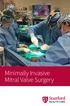 Minimally Invasive Mitral Valve Surgery Stanford Health Care offers leading, superior options in cardiac surgery, including the latest techniques and research for Minimally Invasive Cardiac surgery. Advanced
MEDICAL POLICY No. 91580-R1 DRUG-ELUTING STENTS FOR ISCHEMIC HEART DISEASE
 DRUG-ELUTING STENTS FOR ISCHEMIC HEART DISEASE Effective Date: October 1, 2015 Review Dates: 10/11, 10/12, 10/13, 8/14, 8/15 Date Of Origin: October 12, 2011 Status: Current Summary of Changes Clarifications:
California Health and Safety Code, Section 1256.01
 California Health and Safety Code, Section 1256.01 1256.01. (a) The Elective Percutaneous Coronary Intervention (PCI) Pilot Program is hereby established in the department. The purpose of the pilot program
CARDIAC RISKS OF NON CARDIAC SURGERY
 CARDIAC RISKS OF NON CARDIAC SURGERY N E W S T U D I E S & N E W G U I D E L I N E S W. B. C A L H O U N, M D, F A C C 2014 ACC/AHA Guideline on perioperative cardiovascular evaluation and management
An All-Star Team Approach to Cardiac Care at Vassar Brothers Medical Center
 AirStrip Case Study An All-Star Team Approach to Cardiac Care at Vassar Brothers Medical Center Through sophisticated technology, a team approach to care and a new model centered on uniform adoption of
Atherosclerosis of the aorta. Artur Evangelista
 Atherosclerosis of the aorta Artur Evangelista Atherosclerosis of the aorta Diagnosis Classification Prevalence Risk factors Marker of generalized atherosclerosis Risk of embolism Therapy Diagnosis Atherosclerosis
Protocol. Cardiac Rehabilitation in the Outpatient Setting
 Protocol Cardiac Rehabilitation in the Outpatient Setting (80308) Medical Benefit Effective Date: 07/01/14 Next Review Date: 09/15 Preauthorization No Review Dates: 07/07, 07/08, 05/09, 05/10, 05/11, 05/12,
Utilizing the Cath Lab for Cardiac Arrest
 Utilizing the Cath Lab for Cardiac Arrest Khaled M. Ziada, MD Director, Cardiovascular Catheterization Laboratories Gill Heart Institute, University of Kentucky UK/AHA Strive to Revive Symposium May 2013
Fort Hamilton Hospital Specialty: Cardiology Department of Medicine Delineation of Privileges
 NAME Fort Hamilton Hospital Specialty: Cardiology Department of Medicine Delineation of Privileges GENERAL CARDIOLOGY Required Qualifications for General Cardiology Education/Training/Experience Must have
Steven J. Yakubov, MD FACC For the CoreValve US Clinical Investigators
 Long-Term Outcomes Using a Self- Expanding Bioprosthesis in Patients With Severe Aortic Stenosis Deemed Extreme Risk for Surgery: Two-Year Results From the CoreValve US Pivotal Trial Steven J. Yakubov,
ESC Guidelines on the diagnosis and treatment of peripheral artery diseases Lower extremity artery disease. Erich Minar Medical University Vienna
 ESC Guidelines on the diagnosis and treatment of peripheral artery diseases Lower extremity artery disease Erich Minar Medical University Vienna for the Task Force on the Diagnosis and Treatment of Peripheral
Local Coverage Article: Endovascular Repair of Aortic Aneurysms (A53124)
 Local Coverage Article: Endovascular Repair of Aortic Aneurysms (A53124) Contractor Information Contractor Name Novitas Solutions, Inc. Article Information General Information Article ID A53124 Original
BASIC STANDARDS FOR RESIDENCY TRAINING IN CARDIOLOGY
 BASIC STANDARDS FOR RESIDENCY TRAINING IN CARDIOLOGY American Osteopathic Association and the American College of Osteopathic Internists Specific Requirements For Osteopathic Subspecialty Training In Cardiology
Thoracoabdominal aortic aneurysm
 Thoracoabdominal aortic aneurysm Patient (1) - 69 PMH: 2013 - MVP, aortic root replacement with biological valve (Perimount) and subtotal aortic arch replacement Analysis for oppressive chest complaints
A Patient s Guide to Minimally Invasive Abdominal Aortic Aneurysm Repair
 A Patient s Guide to Minimally Invasive Abdominal Aortic Aneurysm Repair Table of Contents The AFX Endovascular AAA System............................................ 1 What is an Abdominal Aortic Aneurysm
UNMH Cardiothoracic Surgery Clinical Privileges
 All new applicants must meet the following requirements as approved by the UNMH Board of Trustees effective: 02/20/2015 INSTRUCTIONS Applicant: Check off the "Requested" box for each privilege requested.
The Cardiac Society of Australia and New Zealand
 The Cardiac Society of Australia and New Zealand Guidelines on Support Facilities for Coronary Angiography and Percutaneous Coronary Intervention (PCI) including Guidelines on the Performance of Procedures
2016 Procedural Reimbursement Guide Select Percutaneous Coronary Interventions
 2016 Procedural Reimbursement Guide Select Percutaneous Coronary Interventions This Procedural Payment Guide for interventional cardiology procedures provides coding and reimbursement information for physicians
Bayfront. Heart Center. www.bayfrontheart.org
 Bayfront Heart Center www.bayfrontheart.org THE HEART OF THE MATTER At the Bayfront Heart Center, the leading cardiac facility in the area, we are fully equipped to treat all aspects of cardiovascular
Press. Siemens solutions support diagnosis and treatment of cardiovascular diseases
 Press Healthcare Erlangen, August 29, 2015 ESC 2015: ExCel London Exhibition and Convention Center, Booth #G700 Siemens solutions support diagnosis and treatment of cardiovascular diseases New cardiovascular
Understanding Coronary Artery Disease, Cardiac Catheterization, and Treatment Options. A Guide for Patients
 Understanding Coronary Artery Disease, Cardiac Catheterization, and Treatment Options A Guide for Patients Coronary Artery Disease If you or a member of your family has been diagnosed with coronary artery
Patients with end-stage renal disease (ESRD) are at high
 Long-Term Outcome of Renal Transplant Recipients in the United States After Coronary Revascularization Procedures Charles A. Herzog, MD; Jennie Z. Ma, PhD; Allan J. Collins, MD Background Retrospective
Regions Hospital Delineation of Privileges Cardiology
 Regions Hospital Delineation of s Cardiology Applicant s Name: Last First M. Instructions: Place a check-mark where indicated for each core group you are requesting. Review education and basic formal training
Resection of Lung Cancer Invading the Mediastinum
 Resection of Lung Cancer Invading the Mediastinum Philippe G. Dartevelle MARIE-LANNELONGUE HOSPITAL GUSTAVE ROUSSY INSTITUTE INSTITUTE OF THORACIC ONCOLOGY PARIS SUD UNIVERSITY Mediastinal Invasion Superior
CARDIOLOGY Delineation of Privileges
 CARDIOLOGY Delineation of Privileges APPLICANT: INITIAL APPOINTMENT REQUIREMENTS: BASIC EDUCATION: M.D. or D.O. from an accredited school of medicine or osteopathy. Successful completion of an ACGME or
Diagnostic and Therapeutic Procedures
 Diagnostic and Therapeutic Procedures Diagnostic and therapeutic cardiovascular s are central to the evaluation and management of patients with cardiovascular disease. Consistent with the other sections,
CARDIAC CARE. Giving you every advantage
 CARDIAC CARE Giving you every advantage Getting to the heart of the matter The Cardiovascular Program at Northwest Hospital & Medical Center is dedicated to the management of cardiovascular disease. The
Delineation of Privileges Department of Surgery/Section of Vascular Surgery. Name: Please print or type
 University of Michigan Hospitals and Health Centers Delineation of Privileges Department of Surgery/Section of Vascular Surgery Name: Please print or type CORE PRIVILEGES VASCULAR SURGEON Vascular Surgery
ANESTHESIA FOR PATIENTS WITH CORONARY STENTS FOR NON CARDIAC SURGERY. Dr. Mahesh Vakamudi. Professor and Head
 ANESTHESIA FOR PATIENTS WITH CORONARY STENTS FOR NON CARDIAC SURGERY Dr. Mahesh Vakamudi Professor and Head Department of Anesthesiology, Critical Care and Pain Medicine Sri Ramachandra University INTRODUCTION
In patients undergoing noncardiac surgery, preoperative
 LEE A. FLEISHER, MD Robert D. Dripps Professor and Chair, Department of Anesthesiology and Critical Care, and Professor of Medicine, University of Pennsylvania School of Medicine, Philadelphia, PA Cardiac
Drug-Eluting Coronary Stents. Paul Montero PGY-II University of Colorado Health Sciences Center Surgical Grand Rounds Resident Debate
 Drug-Eluting Coronary Stents Paul Montero PGY-II University of Colorado Health Sciences Center Surgical Grand Rounds Resident Debate Outline Coronary Artery Disease Evolution of Percutaneous Coronary Intervention
Heart & Vascular Institute of New Jersey. Englewood Hospital and Medical Center
 Northern New Jersey Edition Heart & Vascular Institute of New Jersey Englewood Hospital and Medical Center Unique Approach to the Diagnosis and Treatment of Cardiovascular Disease Earns Top Heart Attack
Remote access perfusion for minimally invasive cardiac surgery: to clamp or to inflate?
 European Journal of Cardio-Thoracic Surgery Advance Access published February 22, 2013 European Journal of Cardio-Thoracic Surgery (2013) 1 7 doi:10.1093/ejcts/ezt070 ORIGINAL ARTICLE Remote access perfusion
ECG may be indicated for patients with cardiovascular risk factors
 eappendix A. Summary for Preoperative ECG American College of Cardiology/ American Heart Association, 2007 A1 2002 A2 European Society of Cardiology and European Society of Anaesthesiology, 2009 A3 Improvement,
Repeat Coronary Revascularization Procedures after Successful Bare-Metal or Drug-Eluting Stent Implantation
 Original Contribution Repeat Coronary Revascularization Procedures after Successful Bare-Metal or Drug-Eluting Stent Implantation Cynthia A. Yock, MS, J. Michael Isbill, MS, Spencer B. King III, MD, Mark