
X-Plain Pneumonia Reference Summary
|
|
|
- Aldous Stone
- 9 years ago
- Views:
Transcription
1 X-Plain Pneumonia Reference Summary Introduction Pneumonia is an inflammation and infection of the lungs. Every year, more than 60,000 Americans die of pneumonia. It can affect anybody, but is more dangerous to older adults, babies and patients with chronic illnesses. Preventing pneumonia is always better than treating it. If you do get pneumonia, your best chance for getting better is knowing the symptoms and getting treatment right away. This patient education summary explains pneumonia. It covers the different types of pneumonia, its causes, diagnosis, and treatment options. The tutorial also reviews how to prevent pneumonia. The Lungs Pneumonia is an infection of the lung. This section reviews the anatomy of the respiratory system and the role of the immune system in preventing lung infections. The lungs allow us to fill our blood with oxygen. The oxygen we breathe is absorbed into our blood through tissue in the lungs. When we breathe in, the air goes through our mouth and our nose. From there it goes to the throat, also known as pharynx. The pharynx divides into two places near the top of the neck. It divides into: 1. The windpipe at the front which goes to the lungs. It is also known as larynx and trachea. 2. The tube at the back which goes to the stomach. It is known as the esophagus. From the windpipe, air goes into a number of increasingly smaller tubes called bronchial tubes. These are located on each side of the lungs. 1

2 Small balloon-like sacs called alveoli are at the end of the bronchial tubes. The alveoli are very thin. Oxygen goes from the air into the blood through the alveoli. At the same time, carbon dioxide leaves the blood through the alveoli and goes into the lungs where it is breathed out. The inner lining of the bronchial tubes produce a special substance called mucus. Mucus helps trap dirt from the air. Mucus is constantly expelled from our lungs. Very small brushes called cilia protect the respiratory tract. The cilia constantly push the mucus out of the lungs. Most of the time the mucus is pushed automatically. If there is too much mucus, it can be coughed out. When the air we breathe contains germs, our immune system protects the lungs from infection. In fact, the bacteria Alveoli and viruses that can cause pneumonia are commonly found in the air we breathe, but our body normally keeps them from entering our lungs and causing a problem. Sometimes germs can get past the defenses of the respiratory system causing pneumonia. Pneumonia Pneumonia is an inflammation of the lung. Inflammation is the immune system's normal response to injury or contaminants. Germs, bacteria, and viruses are contaminants and can cause inflammation. When a person has pneumonia, lung tissue can fill with pus and other fluids. This makes it hard for oxygen to reach the bloodstream. With pneumonia, a person develops a cough and fever and it might be hard to breathe. How serious a pneumonia is depends on several factors. The patient s overall health and the type and extent of the pneumonia are important factors. If you are young and healthy, your pneumonia can almost always be treated successfully. 2

3 If you are older, have heart failure or lung disease, your pneumonia could be harder to treat. With these factors, you are also more likely to develop complications. Some complications can be fatal. There are more than 50 kinds of pneumonia. Bacteria cause bacterial pneumonias. Viruses cause viral pneumonias. Fungi and other organisms can cause other types of infectious pneumonia. Pneumonia can affect one or both lungs. When it affects both lungs, it is sometimes called double pneumonia. Community-acquired pneumonia refers to pneumonia you get, or acquire, from your community, such as at school, work or the gym. Hospital-acquired or nosocomial pneumonia is a serious pneumonia acquired at a hospital or a healthcare facility. It usually affects patients who are on a mechanical ventilator in the intensive care unit or have a weak immune system. Aspiration pneumonia happens when anything other than air gets into the lungs. An example of this is when a person cannot stop vomit from going into the lungs. Patients with brain injury or other conditions that affect their ability to swallow are more likely to have vomit or food go down the trachea and into the lungs. When vomit, food or liquid, other than clean fresh water, enter the lungs, it causes a chemical reaction that leads to inflammation of the lungs. Often this inflammation causes bacteria to multiply and make the pneumonia worse. Walking pneumonia refers to a pneumonia that is mild enough so you may not even know you have it. You may be able to walk around with this type of pneumonia. Babies and people 65 years of age and older have a higher risk of getting pneumonia. Other people at increased risk include people who: have immune deficiency diseases such as HIV/AIDS have chronic illness such as cardiovascular disease, emphysema or diabetes smoke or abuse alcohol or drugs are exposed to toxic fumes and pollutants 3

4 Symptoms Signs and symptoms of pneumonia can be very different, depending on any other conditions you may have and what caused the infection. There are many symptoms of pneumonia, and some of them, like a cough or a sore throat, are associated with other common infections. Often, people get pneumonia after they've had the flu or an upper respiratory tract infection like a cold. Most people experience a few, but not all, of the following symptoms of pneumonia: Fever Chills Cough Unusually fast breathing Wheezing Difficulty breathing Less common symptoms of pneumonia include: Chest or abdominal pain Loss of appetite Exhaustion Vomiting When bacteria cause pneumonia, the person gets sick right away, along with a high fever and difficulty breathing. When a virus causes pneumonia, symptoms usually appear more gradually and may be less severe. When to See a Doctor If you think you may have pneumonia, don't hesitate to get medical care. Severe pneumonia can be life threatening. See your doctor right away if you have any of these symptoms and they don t go away: Cough Shortness of breath Chest pain that changes as you breathe A fever especially a fever of 102 F or higher for 2 or more days, along with chills and sweats If you suddenly feel worse after a cold or the flu 4

5 Make sure to take your child to the pediatrician if you suspect he or she has pneumonia. Seek medical care immediately if you have symptoms of pneumonia and are an older adult. It is also important to get immediate care if you're an alcoholic, have been injured, are taking chemotherapy or have a weak immune system. Patients with diseases that impair the immune system, such as AIDS, are especially vulnerable to pneumonia. Just the same, patients with other chronic illnesses, such as asthma, or patients undergoing cancer therapy or organ transplant, are also very vulnerable to pneumonia. Diagnosis Your doctor may first think that you have pneumonia based on your medical history and a physical exam. During the exam, your doctor will listen to your lungs with a stethoscope to check for bubbling or crackling sounds and for rumblings, which means there s thick liquid in your lungs. Both these sounds could mean there is inflammation caused by an infection. Your doctor might also give you chest x-rays. This will show whether or not you have pneumonia and if so, how severe the infection is and where it s located. If the x-rays aren't clear, you might need a CT scan, which takes a series of computer-directed x- rays. You may have blood tests to check your white blood cell count or to look for viruses, bacteria, or other organisms. Your doctor may examine a sample of your phlegm or your blood to help identify the microorganism that's causing the pneumonia. If the pneumonia is more advanced, the doctor may perform a bronchoscopy, which is a test where the doctor looks at the lungs with a special scope. During a bronchoscopy the doctor can clear out some of the pus and phlegm from the bronchiole tubes, which could not be coughed out. He or she may also be able to get a sample of pus to examine closer. This will help your doctor find the exact cause of the pneumonia. Once the organism causing the pneumonia is identified, a treatment plan is developed that will target the specific organism. 5

6 Treatment People who have bacterial or atypical pneumonia will probably be given antibiotics to take at home. If you have this type of pneumonia, you will also need to get lots of rest and drink plenty of fluids. Drinking fluids, especially water, keeps you from becoming dehydrated and also helps loosen mucus in your lungs. There are also antiviral medications that can reduce the severity of certain viral infections if taken in the first 1 to 2 days after symptoms begin. Take all of your prescribed medications. Stopping prescribed medication too soon could cause your pneumonia to come back and could cause you to develop antibiotic-resistant bacteria. Follow the instructions that came with your medicine and take all the prescribed doses on time. With treatment, most types of pneumonia are cured in 1-2 weeks. For severe pneumonia, it may take longer to completely recover. Keep all of your follow-up appointments. Even if you feel better, your lungs may still be infected. It's important to have your doctor monitor your progress. Some people with severe pneumonia may need to be hospitalized to get better. Usually this includes babies, young children, people over 65 and people with immune system problems. When pneumonia patients are hospitalized, treatment may include: IV antibiotics, which are intravenous antibiotics that are delivered through a needle inserted into a vein Respiratory therapy that helps the patient breathe Prevention The germs that cause many of the different types of pneumonia can be contagious and are spread through coughing and sneezing. You can prevent pneumonia by following good hygiene habits. Cough or sneeze into a tissue. Use separate drinking glasses and eating utensils. Wash your hands often with warm soapy water. Use alcohol based gel for handwashing when soap and water are not available. 6

7 Do not visit sick patients with pneumonia. If you have pneumonia, do not visit older people, babies or sick people. Some types of pneumonia develop when the immune system is weak. To prevent this type of pneumonia, follow these well-known measures to stay healthy and keep the immune system ready: Eat healthy Sleep well Avoid smoking Exercise Reduce stress Do not drink alcohol in excess Get routine child vaccines and flu shots. Flu vaccinations are recommended since pneumonia often occurs as a complication of the flu. Pneumonia vaccinations are recommended for adults 65 and older and for those who have long-term illnesses. Flu shots are recommended annually. Conclusion Pneumonia is an inflammation and infection of the lung. There are more than 50 types of pneumonia. For people who are young and healthy, pneumonia can almost always be treated successfully. Those who are older, have heart failure or lung disease, pneumonia could be harder to treat. With these factors, developing complications is more likely. Some complications can be fatal. See your doctor right away if you have any of these persistent symptoms: Cough Shortness of breath Chest pain that changes as you breathe An unexplained fever Preventing pneumonia is always better than treating it. You can prevent pneumonia by following good hygiene habits. Cough or sneeze into a tissue. Use separate drinking glasses and eating utensils. Wash your hands often with warm soapy water. Use alcohol based gel for handwashing when soap and water are not available 7

8 Do not visit sick patients with pneumonia. If you have pneumonia, do not visit older people, babies or sick people. Keep your immune system strong by following these healthy habits. Eat healthy Sleep well Avoid smoking Exercise Reduce stress Avoid drinking alcohol excessively 8

Whooping Cough. The Lungs Whooping cough is an infection of the lungs and breathing tubes, both of which are parts of the respiratory system.
 Whooping Cough Introduction Whooping cough is a serious bacterial infection of the lungs and breathing tubes. It is also called pertussis. About 16 million cases of whooping cough happen worldwide each
Pneumonia. Pneumonia is an infection that makes the tiny air sacs in your lungs inflamed (swollen and sore). They then fill with liquid.
 Pneumonia Pneumonia is an infection that makes the tiny air sacs in your lungs inflamed (swollen and sore). They then fill with liquid. People with mild (not so bad) pneumonia can usually be treated at
Pneumonia Education and Discharge Instructions
 Pneumonia Education and Discharge Instructions Pneumonia Education and Discharge Instructions Definition: Pneumonia is an infection of the lungs. Many different organisms can cause it, including bacteria,
Lung Cancer. This reference summary will help you better understand lung cancer and the treatment options that are available.
 Lung Cancer Introduction Lung cancer is the number one cancer killer of men and women. Over 165,000 people die of lung cancer every year in the United States. Most cases of lung cancer are related to cigarette
Lesson 7: Respiratory and Skeletal Systems and Tuberculosis
 Glossary 1. asthma: when the airways of the lungs narrow, making breathing difficult 2. bacteria: tiny living creatures that can only be seen with a microscope; some bacteria help the human body, and other
Your Lungs and COPD. Patient Education Pulmonary Rehabilitation. A guide to how your lungs work and how COPD affects your lungs
 Patient Education Your Lungs and COPD A guide to how your lungs work and how COPD affects your lungs Your lungs are organs that process every breath you take. They provide oxygen (O 2 ) to the blood and
X-Plain Pediatric Tuberculosis Reference Summary
 X-Plain Pediatric Tuberculosis Reference Summary Introduction Tuberculosis, or TB, is a bacterial infection that causes more deaths in the world than any other infectious disease. When a child gets TB,
Swine Flu and Common Infections to Prepare For. Rochester Recreation Club for the Deaf October 15, 2009
 Swine Flu and Common Infections to Prepare For Rochester Recreation Club for the Deaf October 15, 2009 Supporters Deaf Health Community Committee Members Julia Aggas Cathie Armstrong Michael McKee Mistie
 You can get more information about TB from the following: Local Public Health Nurse Community Clinic Nurse Communicable Disease Control Nurse Your Family or Community Doctor Your Infection Control Practitioner
INFLUENZA (FLU) Flu and You
 Influenza (Flu) What is the flu? The flu is an illness caused by flu viruses. The flu may make people cough and have a sore throat and fever. They may also have a runny or stuffy nose, feel tired, have
READ THIS LEAFLET VERY CAREFULLY, AND KEEP IT IN A SAFE PLACE. FLU IS SPREADING IN IRELAND, AND THIS INFORMATION IS IMPORTANT FOR YOU AND YOUR FAMILY.
 READ THIS LEAFLET VERY CAREFULLY, AND KEEP IT IN A SAFE PLACE. FLU IS SPREADING IN IRELAND, AND THIS INFORMATION IS IMPORTANT FOR YOU AND YOUR FAMILY. Information and medical advice for the public on Pandemic
RSV infection. Information about RSV and how you can reduce the risk of your infant developing a severe infection.
 RSV infection Information about RSV and how you can reduce the risk of your infant developing a severe infection. What is RSV? RSV is one of the most common respiratory viruses and is spread easily. By
Nursing college, Second stage Microbiology Dr.Nada Khazal K. Hendi L14: Hospital acquired infection, nosocomial infection
 L14: Hospital acquired infection, nosocomial infection Definition A hospital acquired infection, also called a nosocomial infection, is an infection that first appears between 48 hours and four days after
HEALTH EFFECTS. Inhalation
 Health Effects HEALTH EFFECTS Asbestos can kill you. You must take extra precautions when you work with asbestos. Just because you do not notice any problems while you are working with asbestos, it still
WHEN COPD* SYMPTOMS GET WORSE
 WHEN COPD* SYMPTOMS GET WORSE *Includes chronic bronchitis, emphysema, or both. Boehringer Ingelheim Pharmaceuticals, Inc. has no ownership interest in any other organization that advertises or markets
2.06 Understand the functions and disorders of the respiratory system
 2.06 Understand the functions and disorders of the respiratory system 2.06 Understand the functions and disorders of the respiratory system Essential questions What are the functions of the respiratory
These factors increase your chance of developing emphysema. Tell your doctor if you have any of these risk factors:
 Emphysema Pronounced: em-fiss-see-mah by Debra Wood, RN En Español (Spanish Version) Definition Emphysema is a chronic obstructive disease of the lungs. The lungs contain millions of tiny air sacs called
Tuberculosis: FAQs. What is the difference between latent TB infection and TB disease?
 Tuberculosis: FAQs What is TB disease? Tuberculosis (TB) is a disease caused by bacteria (germs) that are spread from person to person through the air. TB usually affects the lungs, but it can also affect
Respiratory Syncytial Virus (RSV)
 Respiratory Syncytial Virus (RSV) What is? is a common virus that infects the linings of the airways - the nose, throat, windpipe, bronchi and bronchioles (the air passages of the lungs). RSV is found
Quick Reference H1N1 Flu (swine flu)
 Quick Reference H1N1 Flu (swine flu) The United States declared a public health emergency in response to the recent reports of swine flu. UMR wants to help you understand some important facts about H1N1
What You Should Know About ASTHMA
 What You Should Know About ASTHMA 200 Hospital Drive Galax, VA 24333 (276) 236-8181 www.tcrh.org WHAT IS ASTHMA? It s a lung condition that makes breathing difficult. The cause of asthma is not known.
Key Facts about Influenza (Flu) & Flu Vaccine
 Key Facts about Influenza (Flu) & Flu Vaccine mouths or noses of people who are nearby. Less often, a person might also get flu by touching a surface or object that has flu virus on it and then touching
COPD What Is It? Why is it so hard to catch my breath? What does COPD feel like? What causes COPD? What is an exacerbation (ig-zas-er-bay-shun)?
 Attitudes and Beliefs 4 COPD What Is It? Why is it so hard to catch my breath? COPD is a disease that damages the lungs. In a healthy lung, the airways are open and the air sacs fill up with air. Then
Peptic Ulcer. Anatomy The stomach is a hollow organ. It is located in the upper abdomen, under the ribs.
 Peptic Ulcer Introduction A peptic ulcer is a sore in the lining of your stomach or duodenum. The duodenum is the first part of your small intestine. Peptic ulcers may also develop in the esophagus. Nearly
X-Plain Sinus Surgery Reference Summary
 X-Plain Sinus Surgery Reference Summary Introduction Sinus surgery is a very common and safe operation. Your doctor may recommend that you have sinus surgery. The decision whether or not to have sinus
FOLFOX Chemotherapy. This handout provides information about FOLFOX chemotherapy. It is sometimes called as FLOX chemotherapy.
 FOLFOX Chemotherapy This handout provides information about FOLFOX chemotherapy. It is sometimes called as FLOX chemotherapy. What is chemotherapy? Chemotherapy is a method of treating cancer by using
Childhood Diseases and potential risks during pregnancy: (All information available on the March of Dimes Web Site.) http://www.modimes.
 Childhood Diseases and potential risks during pregnancy: (All information available on the March of Dimes Web Site.) http://www.modimes.org/ Fifth disease (erythema infectiosum) is a common, mild, childhood
Sore Throat. Definition. Causes. (Pharyngitis; Tonsillopharyngitis; Throat Infection) Pronounced: Fare-en-JY-tis /TAHN-sill-oh-fare-en-JY-tis
 Sore Throat (Pharyngitis; Tonsillopharyngitis; Throat Infection) Pronounced: Fare-en-JY-tis /TAHN-sill-oh-fare-en-JY-tis by Jennifer Lewy, MSW En Español (Spanish Version) Definition A sore throat is the
FOR INFORMATION CONTACT:
 NEWS RELEASE FOR INFORMATION CONTACT: Caroline Calderone Baisley Deborah C. Travers Director of Health Director of Family Health Tel [203] 622-7836 Tel [203] 622-7854 September 10, 2014 For Immediate Release
Your Go-to COPD Guide
 Your Go-to COPD Guide Learning how to live with chronic obstructive pulmonary disease (COPD) Inside, you ll learn: COPD facts COPD symptoms and triggers How to talk with your doctor Different treatment
Tuberculosis and You A Guide to Tuberculosis Treatment and Services
 Tuberculosis and You A Guide to Tuberculosis Treatment and Services Tuberculosis (TB) is a serious disease that can damage the lungs or other parts of the body like the brain, kidneys or spine. There are
Emphysema. Introduction Emphysema is a type of chronic obstructive pulmonary disease, or COPD. COPD affects about 64 million people worldwide.
 Emphysema Introduction Emphysema is a type of chronic obstructive pulmonary disease, or COPD. COPD affects about 64 million people worldwide. Emphysema involves damage to the air sacs in the lungs. This
Blood Transfusion. There are three types of blood cells: Red blood cells. White blood cells. Platelets.
 Blood Transfusion Introduction Blood transfusions can save lives. Every second, someone in the world needs a blood transfusion. Blood transfusions can replace the blood lost from a serious injury or surgery.
The flu vaccination WINTER 2016/17. Who should have it and why. Flu mmunisation 2016/17
 The flu vaccination WINTER 2016/17 Who should have it and why Flu mmunisation 2016/17 The flu vaccination 1 Winter 2016/17 Helping to protect everyone, every winter This leaflet explains how you can help
Mesothelioma. 1995-2013, The Patient Education Institute, Inc. www.x-plain.com ocft0101 Last reviewed: 03/21/2013 1
 Mesothelioma Introduction Mesothelioma is a type of cancer. It starts in the tissue that lines your lungs, stomach, heart, and other organs. This tissue is called mesothelium. Most people who get this
Get the Facts About Tuberculosis Disease
 TB Get the Facts About Tuberculosis Disease What s Inside: Read this brochure today to learn how to protect your family and friends from TB. Then share it with people in your life. 2 Contents Get the facts,
What Is. Norovirus? Learning how to control the spread of norovirus. Web Sites
 Web Sites Centers for Disease Control and Prevention (CDC) http://www.cdc.gov/norovirus/index.html Your Local Health Department http://www.azdhs.gov/diro/lhliaison/countymap.htm What Is Ocument dn Norovirus?
How can you protect yourself from infections?
 How can you protect yourself from infections? Your Infection Prevention Guide www.esrdncc.org Table of Contents Preventing an infection is an important part of your kidney care...3 Things you can do...4
Conjunctivitis - Pink Eye
 Conjunctivitis - Pink Eye Introduction Conjunctivitis is often called pink eye. It causes inflammation of the thin, clear lining inside the eyelid and on the white of the eye. The inflammation gives the
Better Breathing with COPD
 Better Breathing with COPD People with Chronic Obstructive Pulmonary Disease (COPD) often benefit from learning different breathing techniques. Pursed Lip Breathing Pursed Lip Breathing (PLB) can be very
Frequently asked questions about whooping cough (pertussis)
 Frequently asked questions about whooping cough (pertussis) About whooping cough What is whooping cough? Whooping cough is a highly contagious illness caused by bacteria. It mainly affects the respiratory
C. difficile Infections
 C. difficile Infections Introduction C. difficile is a type of bacteria that can cause diarrhea and infection of the colon. This bacterium is more likely to infect patients at hospitals and other healthcare
Useful contacts. Call 0800 1 513 513 to hear the latest information on swine flu. England: www.nhs.uk www.direct.gov.uk/swineflu
 Useful contacts Call 0800 1 513 513 to hear the latest information on swine flu. England: www.nhs.uk www.direct.gov.uk/swineflu Scotland: www.nhs24.com Wales: www.nhsdirect.wales.nhs.uk www.wales.gov.uk/health
TB CARE EARLY DETECTION AND PREVENTION OF TUBERCULOSIS (TB) IN CHILDREN. Risk factors in children acquiring TB:
 EARLY DETECTION AND PREVENTION OF TUBERCULOSIS (TB) IN CHILDREN Risk factors in children acquiring TB: Children living in the same household as a lung TB patient (especially children under 5) Children
What is whooping cough. (pertussis)? Information and Prevention. Ocument dn
 What is whooping cough Ocument dn (pertussis)? Information and Prevention IMPORTANT Pertussis (or whooping cough) is a highly contagious infection that can cause uncontrollable, violent coughing. If you
Streptococcal Infections
 Streptococcal Infections Introduction Streptococcal, or strep, infections cause a variety of health problems. These infections can cause a mild skin infection or sore throat. But they can also cause severe,
Lung Cancer. Know how to stay strong
 Lung Cancer Know how to stay strong What is cancer? 2 Cancer is a disease when some cells in the body grow out of control Normal cells Your body has many tiny cells and keeps making new cells to keep you
BASIC INFORMATION ABOUT HIV, HEPATITIS B and C, and TUBERCULOSIS Adapted from the CDC
 BASIC INFORMATION ABOUT HIV, HEPATITIS B and C, and TUBERCULOSIS Adapted from the CDC HIV What are HIV and AIDS? HIV stands for Human Immunodeficiency Virus. This is the virus that causes AIDS. HIV is
Multiple Myeloma. This reference summary will help you understand multiple myeloma and its treatment options.
 Multiple Myeloma Introduction Multiple myeloma is a type of cancer that affects white blood cells. Each year, thousands of people find out that they have multiple myeloma. This reference summary will help
Blood Transfusion. Red Blood Cells White Blood Cells Platelets
 Blood Transfusion Introduction Blood transfusions are very common. Each year, almost 5 million Americans need a blood transfusion. Blood transfusions are given to replace blood lost during surgery or serious
COPD It Can Take Your Breath Away www.patientedu.org
 written by Harvard Medical School COPD It Can Take Your Breath Away www.patientedu.org What Is COPD? COPD stands for chronic obstructive pulmonary disease. There are 2 major diseases included in COPD:
H1N1 Flu Vaccine Available to All Virginia Beach City Public Schools Students
 V i r g i n i a B e a c h C i t y P u b l i c S c h o o l s apple-a-day F o r O u r F a m i l y o f I n t e r e s t e d C i t i z e n s Special Edition H1N1 Flu Vaccine Available to All Virginia Beach
Ear Infections Chickenpox chickenpox
 Ear Chickenpox Infections chickenpox Chickenpox Chickenpox is a common, very contagious viral infection that over 90% of people get during childhood unless they have been immunised. After an infection,
SCRIPT NUMBER 88 FOOD POISONING (ONE SPEAKER)
 SCRIPT NUMBER 88 FOOD POISONING (ONE SPEAKER) PROGRAM NAME: HEALTH NUGGETS PROGRAM TITLE: FOOD POISONING PROGRAM NUMBER: 88 SUBJECT: CAUSES, DIAGNOSIS, TREATMENT, PREVENTION OF FOOD POISONING KEY WORDS:
Bone Marrow or Blood Stem Cell Transplants in Children With Severe Forms of Autoimmune Disorders or Certain Types of Cancer
 Bone Marrow or Blood Stem Cell Transplants in Children With Severe Forms of Autoimmune Disorders or Certain Types of Cancer A Review of the Research for Parents and Caregivers Is This Information Right
Department of Surgery
 What is emphysema? 2004 Regents of the University of Michigan Emphysema is a chronic disease of the lungs characterized by thinning and overexpansion of the lung-like blisters (bullae) in the lung tissue.
The Hepatitis B virus (HBV)
 The Hepatitis B virus (HBV) There are 400 million people in the world who live with chronic hepatitis B, including France. Most people don t even know they are infected. But there are several important
MANAGING ANEMIA. When You Have Kidney Disease or Kidney Failure. www.kidney.org
 MANAGING ANEMIA When You Have Kidney Disease or Kidney Failure www.kidney.org About the Information in this Booklet Did you know that the National Kidney Foundation (NKF) offers guidelines and commentaries
written by Harvard Medical School COPD It Can Take Your Breath Away www.patientedu.org/copd
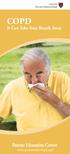 written by Harvard Medical School COPD It Can Take Your Breath Away www.patientedu.org/copd What Is COPD? COPD stands for chronic obstructive pulmonary disease. There are two major diseases included in
I am reaching out to you with some preventative information that you might be interested in sharing with your school community.
 Reported cases of pertussis (whooping cough) are on the rise in Colorado and El Paso County. As of October 23, more than 1,000 cases of pertussis have been reported across the state. El Paso County cases
F r e q u e n t l y As k e d Qu e s t i o n s. Lung Disease
 Lung Disease page 1 Q: What is lung disease? A: Lung disease refers to disorders that affect the lungs, the organs that allow us to breathe. Breathing problems caused by lung disease may prevent the body
VAD Chemotherapy Regimen for Multiple Myeloma Information for Patients
 VAD Chemotherapy Regimen for Multiple Myeloma Information for Patients The Regimen contains: V = vincristine (Oncovin ) A = Adriamycin (doxorubicin) D = Decadron (dexamethasone) How Is This Regimen Given?
Learning about Mouth Cancer
 Learning about Mouth Cancer Creation of this material was made possible in part by a pioneering grant from CBCC-USA. Distributed by India Cancer Initiative What is mouth cancer? Our bodies are made up
Disease/Illness GUIDE TO ASBESTOS LUNG CANCER. What Is Asbestos Lung Cancer? www.simpsonmillar.co.uk Telephone 0844 858 3200
 GUIDE TO ASBESTOS LUNG CANCER What Is Asbestos Lung Cancer? Like tobacco smoking, exposure to asbestos can result in the development of lung cancer. Similarly, the risk of developing asbestos induced lung
FAQs on Influenza A (H1N1-2009) Vaccine
 FAQs on Influenza A (H1N1-2009) Vaccine 1) What is Influenza A (H1N1-2009) (swine flu) 1? Influenza A (H1N1-2009), previously known as "swine flu", is a new strain of influenza virus that spreads from
Get the Facts About. Disease
 Get the Facts About TB TUBERCULOSIS Disease What s Inside: 3 PAGE Get the facts, then get the cure 4 PAGE 9 PAGE 12 PAGE Learn how TB is spread Treatment for TB disease Talking to family and friends about
What If I Have a Spot on My Lung? Do I Have Cancer? Patient Education Guide
 What If I Have a Spot on My Lung? Do I Have Cancer? Patient Education Guide A M E R I C A N C O L L E G E O F C H E S T P H Y S I C I A N S Lung cancer is one of the most common cancers. About 170,000
Lung cancer (non-small-cell)
 Patient information from the BMJ Group Lung cancer (non-small-cell) It can be devastating to find out that you or someone close to you has lung cancer. You will have to make some important decisions about
Cocaine. Like heroin, cocaine is a drug that is illegal in some areas of the world. Cocaine is a commonly abused drug.
 Cocaine Introduction Cocaine is a powerful drug that stimulates the brain. People who use it can form a strong addiction. Addiction is when a drug user can t stop taking a drug, even when he or she wants
Acute Myeloid Leukemia
 Acute Myeloid Leukemia Introduction Leukemia is cancer of the white blood cells. The increased number of these cells leads to overcrowding of healthy blood cells. As a result, the healthy cells are not
Like cocaine, heroin is a drug that is illegal in some areas of the world. Heroin is highly addictive.
 Heroin Introduction Heroin is a powerful drug that affects the brain. People who use it can form a strong addiction. Addiction is when a drug user can t stop taking a drug, even when he or she wants to.
Small cell lung cancer
 Small cell lung cancer Small cell lung cancer is a disease in which malignant (cancer) cells form in the tissues of the lung. The lungs are a pair of cone-shaped breathing organs that are found within
Problems of the Digestive System
 The American College of Obstetricians and Gynecologists f AQ FREQUENTLY ASKED QUESTIONS FAQ120 WOMEN S HEALTH Problems of the Digestive System What are some common digestive problems? What is constipation?
BE SURE. BE SAFE. VACCINATE.
 DON T GET OR GIVE THE FLU THIS YEAR THANK YOU Vaccination is the only protection. www.immunisation.ie BE SURE. BE SAFE. VACCINATE. FLU VACCINE 2013-2014 Healthcare workers prevent the spread of flu and
2 months Diptheria; Tetanus; Whooping Cough; Hib & Polio 1st dose Pneumococcal Conjugate Vaccination
 IMMUNISATIONS You may want to know if your child should have routine immunisations and whether there could be an increased risk of complications because of the heart condition. We have sought the opinions
X-Plain Chemotherapy for Breast Cancer - Adriamycin, Cytoxan, and Tamoxifen Reference Summary
 X-Plain Chemotherapy for Breast Cancer - Adriamycin, Cytoxan, and Tamoxifen Reference Summary Introduction Breast cancer is a common condition that affects one out of every 11 women. Your doctor has recommended
Respiratory Disorders
 Respiratory Disorders Teaching Plan To use this lesson for self-study, the learner should read the material, do the activity, and take the test. For group study, the leader may give each learner a copy
The Reality Pertussis can be a serious illness, part icularly for babies and young children.
 Sounds of Pertussis Pertussis, also known as whooping cough, is a poten tially deadly infection that can strike at any age, but is particularly dangerous for babies. The sounds of pertussis are like no
Ear Disorders and Problems
 Ear Disorders and Problems Introduction Your ear has three main parts: outer, middle and inner. You use all of them to hear. There are many disorders and problems that can affect the ear. The symptoms
Name Date Class. This section explains what kinds of organisms cause infectious disease and how infectious diseases are spread.
 Fighting Disease Name Date Class Infectious Disease This section explains what kinds of organisms cause infectious disease and how infectious diseases are spread. Use Target Reading Skills Before you read,
Influenza Education Presentation Prepared by Peel Public Health 2014
 Influenza Education Presentation Prepared by Peel Public Health 2014 Disclaimer We are pleased to be able to offer you the use of our Influenza PowerPoint presentation for your use. Peel Public Health
Lung Cancer Understanding your diagnosis
 Lung Cancer Understanding your diagnosis Lung Cancer Understanding your diagnosis When you first hear that you have cancer you may feel alone and afraid. You may be overwhelmed by the large amount of information
Influenza and Pandemic Flu Guidelines
 Influenza and Pandemic Flu Guidelines Introduction Pandemic flu is a form of influenza that spreads rapidly to affect most countries and regions around the world. Unlike the 'ordinary' flu that occurs
UW MEDICINE PATIENT EDUCATION. Xofigo Therapy. For metastatic prostate cancer. What is Xofigo? How does it work?
 UW MEDICINE PATIENT EDUCATION Xofigo Therapy For metastatic prostate cancer This handout explains how the drug Xofigo is used to treat metastatic prostate cancer. What is Xofigo? Xofigo is a radioactive
35-40% of GBS disease occurs in the elderly or in adults with chronic medical conditions.
 What is Group B Strep (GBS)? Group B Streptococcus (GBS) is a type of bacteria that is found in the lower intestine of 10-35% of all healthy adults and in the vagina and/or lower intestine of 10-35% of
Common Childhood Infections
 Common Childhood Infections Most infections are caused by germs called viruses and bacteria. While you may be able to keep germs from spreading, you can t always keep your child from getting sick. It is
Learning about Hepatitis C and Chronic Kidney Disease
 Learning about Hepatitis C and Chronic Kidney Disease Hepatitis C and Chronic Kidney Disease If you have chronic kidney disease (CKD), you want to learn all you can about your disease and what you can
You. guide to tuberculosis treatment and services
 Adapted from TB and You: A Guide to Tuberculosis Treatment and Services with permission from Division of Public Health TB Control Program State of North Carolina Department of Health and Human Services
Tuberculosis Exposure Control Plan for Low Risk Dental Offices
 Tuberculosis Exposure Control Plan for Low Risk Dental Offices A. BACKGROUND According to the CDC, approximately one-third of the world s population, almost two billion people, are infected with tuberculosis.
ECDC INTERIM GUIDANCE
 ECDC INTERIM GUIDANCE Interim ECDC public health guidance on case and contact management for the new influenza A(H1N1) virus infection Version 3, 19 May 2009 ECDC intends to produce a series of interim
Chronic obstructive pulmonary disease (COPD)
 Chronic obstructive pulmonary disease (COPD) Chronic obstructive pulmonary disease (COPD) is the name for a group of lung diseases including chronic bronchitis, emphysema and chronic obstructive airways
Remove this cover sheet before redistributing and replace it with your own. Please ensure that DPHHS is included on your HAN distribution list.
 State of Montana Health Alert Network DPHHS HAN ADVISORY Cover Sheet DATE: May 15, 2012 SUBJECT: Pertussis INSTRUCTIONS: DISTRIBUTE to your local HAN contacts. This HAN is intended for general sharing
CHAPTER 1: THE LUNGS AND RESPIRATORY SYSTEM
 CHAPTER 1: THE LUNGS AND RESPIRATORY SYSTEM INTRODUCTION Lung cancer affects a life-sustaining system of the body, the respiratory system. The respiratory system is responsible for one of the essential
AC: Doxorubicin and Cyclophosphamide
 PATIENT EDUCATION patienteducation.osumc.edu What is AC? It is the short name for the drugs used for this chemotherapy treatment. The two drugs you will receive during this treatment are Doxorubicin (Adriamycin
Fourth Grade The Human Body: The Respiratory System Assessment
 Fourth Grade The Human Body: The Respiratory System Assessment 1a. The brings air in and out of the body. a. respiratory system b. circulatory system 1b. The system is the part of the body responsible
Why you and your Family Should Get the Flu Shot
 Why you and your Family Should Get the Flu Shot Why Get VaCCinated against influenza? Influenza (flu) is a virus that can lead to serious complications, hospitalization, or even death. Even healthy children
There is no cure for COPD Chronic Bronchitis Emphysema
 Live Well With COPD Chronic Obstructive Pulmonary Disease, or COPD is a lung disease. People with COPD have a hard time getting air in and out of their lungs. There is no cure for COPD. COPD is also commonly
Gemcitabine and Cisplatin
 PATIENT EDUCATION patienteducation.osumc.edu What is Gemcitabine (jem-site-a been)? Gemcitabine is a chemotherapy medicine known as an anti-metabolite. Another name for this drug is Gemzar. This drug is