
Name Class Date. Essential Question: In what ways have migration and trade affected cultures?
|
|
|
- Ethelbert McCoy
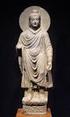
- 9 years ago
- Views:
Transcription
1 Cultural Diffusion Essential Question: In what ways have migration and trade affected cultures? A. Define cultural diffusion. B. Record information about the topics listed in the Cumulative Review or your answers to the questions in the Cumulative Review below. Use the Concept Connector Handbooks at the end of your textbook, as well as chapter information, to complete this worksheet. 1. Cultural Diffusion in Early Human History Cultural diffusion has long been a key source of change in society. Some of the changes that took place during the Old Stone Age, the New Stone Age, and the time of early civilizations were likely the result of cultural diffusion. Developments during these periods include the use of fire, the creation of stone tools, the painting of caves, the domestication of plants and animals, and the development of early civilizations. These technologies were not invented everywhere at the same time. Knowledge traveled slowly, perhaps taking thousands of years to spread across continents. 2. Arabic Numerals The system of writing numbers that we use today was devised by Gupta mathematicians in India. The Guptas ruled from A.D. 320 to about 540. The system is commonly called Arabic; however, Hindu-Arabic is the more accurate term. Arab merchants and traders introduced the numerals as they traveled around the Mediterranean. The numerals may have been introduced in Europe via the Muslim empire in Spain. A European manuscript containing the numerals was written in Spain in 976. The superiority of the Hindu-Arabic numeral system is evident by its use nearly everywhere. 3. Decimal System Indian mathematicians also originated the concept of zero and developed the decimal system of numbers based on ten digits that we still use today. Mathematicians in the Islamic world adapted it to include decimal fractions. It was introduced to the West when a text written by the Muslim mathematician al-khwarizmi in the 800s was translated into Latin in the 1200s. 188
2 4. Hinduism Unlike most major religions, Hinduism has no single founder. Instead, it grew out of the overlapping beliefs of diverse groups who settled in India. Aryans began arriving in India by 1500 B.C. They added the gods of the Indus civilization to their own. Later people brought other gods, beliefs, and practices. As a result, Hinduism became one of the world s most complex religions, with many gods and goddesses, and many forms of worship. It has been said that Hinduism accepts all forms of belief and worship, and does not eliminate any. 5. Buddhism Buddhism developed in India around 600 B.C. Its founder, Siddhartha Gautama, became known as the Buddha. Buddhism and Hinduism have some similarities, including ideas about nonviolence and reincarnation. Unlike Hinduism, with its focus on priests and rituals, Buddhism urges each person to seek enlightenment through meditation. Missionaries and merchants spread Buddhism to many parts of Asia. By A.D. 500, Buddhism had spread from India into China, Tibet, Korea, and Japan. Buddhism slowly declined in India. However, Hinduism absorbed some Buddhist ideas and added Buddha as another Hindu god. 6. Evolution of the Alphabet Even today, we can see examples of the important effects of cultural diffusion all around us. Indeed, the words on this page are the result of cultural diffusion. The alphabet we use today was developed by the Phoenicians. The Phoenician system used 22 symbols that stood for consonant sounds. The Phoenician alphabet was borrowed and modified by the Greeks. The Greeks added symbols for vowel sounds. That alphabet was then borrowed and adapted by the Romans. The alphabet was spread through trade and conquest, and because it was easier to use than other ancient writing systems, such as cuneiform or hieroglyphics. 7. The Spread of Roman Culture Roman conquests and the empire (A.D. 27 A.D. 476) helped to spread Roman culture. That culture included language, literature, values, engineering, and laws. The Romans built roads to allow them easy access to all parts of the empire, and these roads allowed Roman culture to spread throughout Europe, North Africa, and the Middle East. The Romans developed laws to govern their large empire. Even after the empire fell, the Roman concept of law remained. Language, too, became a vehicle for spreading Roman culture. Romans wrote histories and epic poems that are read today. Latin remained the language of educated people and of the Roman Catholic Church for hundreds of years. 8. The Spread of Christianity and the Spread of Buddhism The spread of religions depends on a variety of factors, including the appeal of the religion s message and political support. Both Buddhism and Christianity spread far and wide from their original locations. Buddhism developed in South Asia in the late sixth to fourth century B.C. Today there are 373 million followers all over the world. Christianity developed in the early first century A.D. in the Middle East. There are over 2 billion Christians today. Both religions used missionaries to spread their beliefs. 189
3 9. The Roman and Byzantine Empires Byzantine rulers thought of their empire as the successor to the Roman empire. Like the Romans before them, the Byzantines spread their culture across a wide expanse of Europe. Both empires diffused language and learning, religion, art and architecture, and political ideas. The Byzantine Church, known as the Eastern, or Orthodox, Church spread throughout Eastern Europe, the Balkans, and Russia. Byzantine scholars preserved the classic works of ancient Greece. As the Byzantine empire weakened in the 1400s, scholars left the Byzantine capital to teach in universities in the West. The work of these scholars contributed to the cultural flowering in Europe known as the Renaissance. 10. The Spread of Islam Islam began in the Middle East in the A.D. 600s. Islam s founder, Muhammad, created rules that governed and united Muslims, and brought peace. As his reputation grew, thousands of Arabs adopted Islam. Islam is both a religion and a way of life. After the death of Muhammad, Islam continued to spread as the Muslim empire grew. Conquered people were treated fairly; Islam s message emphasized equality; Arab trade networks developed; and Muslim empires developed in Spain, Persia, and India. All these factors contributed to the spread of Islam. Today, there are over one billion followers of Islam all over the world. 11. The Spread of Ideas and Culture as a Result of Buddhist and Christian Missionaries Missionaries share more than their religious beliefs. They also help to spread language, values, technology, and ideas about laws and government. In the 500s, Buddhist missionaries introduced Chinese writing and customs to Japan. A Buddhist form of architecture, known as the stupa, developed into the Japanese pagoda. In the 800s, Christians from the Eastern, or Orthodox, Church adapted the Greek alphabet so they could translate the Bible into the Slavic languages. This alphabet is still used in Russia, Ukraine, Serbia, and Bulgaria. Russians adopted other aspects of the missionaries culture, including art, music, and architecture. 12. The Renaissance and Islam During the Middle Ages, many European peoples were cut off from one another as trade broke down and disease ravaged populations. With the Renaissance, renewed trade and increased curiosity about the world led to great cultural diffusion. For example, art techniques developed in Italy spread to northern Europe, and vice versa. Cultural diffusion also occurred as Islam spread between 750 and Muslim merchants introduced the Indian numerals we use today to the western world. Muslim advances in mathematics and medicine spread as books were translated into Latin. These books became the standard texts in European schools for hundreds of years. 190
4 13. The Renaissance and the Tang and Song Dynasties The European Renaissance ushered in a period of great cultural achievements that would eventually influence people far beyond Europe. The Tang and Song dynasties of China also saw important accomplishments. The Chinese achievements came earlier and in some cases paved the way for later European developments. For example, the Chinese invention of movable type foreshadowed the later European invention of the printing press. The Chinese developed a smallpox vaccine, invented a spinning wheel, and pioneered the use of arches in bridge building. Many of these developments traveled westward. 14. Indian Influence on Southeast Asia Indian culture influenced the cultures of Southeast Asia. Indian merchants and Hindu priests traveled throughout Southeast Asia, slowly spreading their culture. Later, Buddhist monks and scholars introduced their beliefs. Following the path of trade and religion came the influences of writing, law, government, art, architecture, and farming techniques. Southeast Asians visited India as pilgrims or students. As these contacts increased, Indian beliefs and ideas won widespread acceptance. The Khmer empire ( ) is one example of where this occurred. In the 1100s, a Khmer ruler built a temple complex in present-day Cambodia. Hundreds of carvings depict Hindu myths. 15. The Growth of Christianity and the Growth of the Roman Empire (Chapter 1, page 49) 16. Influence of Ancient Civilizations on Enlightenment Thinkers (Chapter 2, page 77) 191
5 C. Sample Topics for Thematic Essays Below are examples of thematic essay topics that might appear on a test. Prepare for the test by outlining an essay for each topic on a separate sheet of paper. Use the Concept Connector Handbooks at the end of your textbook, as well as chapter information, to outline your essays. 1. Describe how Greco-Roman culture spread through the Roman empire during the Pax Romana. 2. Explain the role of cultural diffusion in the spread of Christianity. What factors encouraged Christianity s spread? 3. Describe how the migration to Ireland in the 1600s changed the political and economic structure of the country and the impact of the Great Hunger of the 1840s. 4. Describe how British rule led to cultural diffusion in India, and explain the attitude of Ram Mohun Roy toward Indian and Western culture. 5. Analyze the role of cultural diffusion in the modernization of Japan beginning in the 1850s. 6. How does migration and trade affect culture? Provide at least two examples from world history of the effects of migration and trade on cultural diffusion. 7. Discuss how increased trade and the demands of a global economy have changed people s lives in today s developing countries. 8. Describe at least two examples of cultural diffusion in the world today. 192
Jainism Jainism also began in India; religion teaches ahimsa nonviolence - Jains believe all living things have souls and should not be hurt
 Lesson 3 Buddhism and India s Golden Age MAIN IDEAS Belief System A teacher called the Buddha developed a new religion that focused on helping people to escape suffering. Government The Maurya rulers united
3. The Buddha followed some Hindu ideas and changed others, but he did not consider himself to be a god.
 True / False Indicate whether the statement is true or false. 1. Like the ancient Greeks, Indian astronomers proposed the theory that the Earth was round and revolved around the sun. 2. During his time
Ninth Grade History & Social Science World History I
 SEPTEMBER WHI.1 Historical Research and Geographical Analysis *(ongoing throughout year) identify, analyze, and interpret primary and secondary sources use maps, globes, artifacts, pictures identify major
Unit 01 - Study Questions 1. In what ways did geography and climate affect the development of human society? 2. What were the economic and social
 Unit 01 - Study Questions 1. In what ways did geography and climate affect the development of human society? 2. What were the economic and social results of the agricultural revolution? 3. What are the
Unit 7 The Spread of Religions
 Unit 7 The Spread of Religions Section 1 Unit Materials Questions To Consider Question 1. How did Buddhism, Christianity, and Islam spread across the world, and why are they practiced so far from their
Muhammad Became the Prophet of Islam monotheistic, hajj, The Five Pillars of Islam include all of the following except
 World History Chapter 11 The Muslim World (622 1650) Session 1 Rise of Islam How did Muhammad become the prophet of Islam? What are the teachings of Islam? How did Islam help shape the way of life of its
NCSS Theme #1 Lesson Plan: Culture
 NCSS Theme #1 Lesson Plan: Culture Lesson Title: World Religions Lesson Author: Kathryn Yarbrough Key Curriculum Words: Judaism, Christianity, Islam, Buddhism, Hinduism, religion, monotheism, polytheism
World History 2007-2008
 Brief Description of Course World History 2007-2008 The AP program was started in 1955 by the College Board to construct standard achievement exams that would allow highly motivated high school students
2015.16 Seventh Grade, Social Studies, Quarter 1
 2015.16 Seventh Grade, Social Studies, Quarter 1 The Fall and Legacy of Rome and the Early Modern World Civilizations of Africa, China, and the Islamic World: Students analyze the legacy of the Roman Empire
Human Heritage A World History 2006
 Academic Content Standards Social Studies Minnesota Arizona Human Heritage A World History 2006 STANDARDS Strand 2: World History Concept 1: Research Skills for History PO 1. Construct charts, graphs,
Chapter 6 Learning Guide Religion
 Chapter 6 Learning Guide Religion Key Issue 1 Where Are Religions Distributed? Pgs. 168-178 1. Define universalizing religion: 2. Define ethnic religion: Universalizing Religions 3. Give the percentage
GLOBAL REGENTS REVIEW PACKET 6 - PAGE 1 of 22. The BYZANTINE EMPIRE (divided into 3 parts) PART 1: The BYZANTINE EMPIRE - INFLUENCE ON RUSSIA
 GLOBAL REGENTS REVIEW PACKET 6 - PAGE 1 of 22 The BYZANTINE EMPIRE (divided into 3 parts) PART 1: The BYZANTINE EMPIRE - INFLUENCE ON RUSSIA (The Byzantine Empire influenced the development of early [Kievian]
The Rise of Civilizations
 Page 1 of 6 The Rise of Civilizations Thousands of years ago, several societies in different parts of the world changed from hunting and gathering to farming. Some began to produce surpluses of food. Those
Advanced Placement (AP ) Social Studies Courses
 Advanced Placement (AP ) Social Studies Courses The AP social studies courses are intended to provide a rigorous college level introduction to the social sciences for high school students. While no official
Note Taking Study Guide THE BYZANTINE EMPIRE
 SECTION 1 Note Taking Study Guide THE BYZANTINE EMPIRE Focus Question: What made the Byzantine empire rich and successful for so long, and why did it finally crumble? As you read this section in your textbook,
The Rise and Spread of Islam Study Guide
 The Rise and Spread of Islam Study Guide Terms: Bedouins: Nomadic people of Arabia who eventually became Islamic. Ka aba: Place believed where Abraham had worshipped. When Mohammed prayed there with the
AFRICAN KINGDOMS. Ghana. Around AD 800 the rulers of many farming villages united to create the kingdom of Ghana.
 AFRICAN KINGDOMS In Africa, towns soon became part of an important trade network. Gold and salt were the most important products traded. People needed salt in their diets to prevent dehydration. There
World History Part I (to 1500 C.E.)
 Second Semester World History Part I (to 1500 C.E.) Dates Topic/Content/Skill S.O.L. Notes Unit 1, Geography Skills and Definitions 1/28-2/10 Maps as a visual representation of WG.1c geographic information
KS2 RE Quiz Buddhism. See how much you know about Buddhism by trying this quiz. 1. Whose teachings are the foundation of Buddhism?
 KS2 RE Quiz Buddhism Buddhism focuses on spiritual development in order to reach Enlightenment. Buddhism is an ancient religion - over 2,500 years old! Buddhists believe that wisdom can be learned by observation,
The Mongols and their impact on China and Korea
 The Mongols and their impact on China and Korea Nov. 6, 2012 Review What is the relationship of religion and philosophy to social structure? How much social mobility was there in pre-modern Asia? What
WORLD HISTORY AND GEOGRAPHY: ANCIENT CIVILIZATIONS
 WORLD HISTORY AND GEOGRAPHY: ANCIENT CIVILIZATIONS Students in grade six expand their understanding of history by studying the people and events that ushered in the dawn of the major Western and non- Western
Africa Before the Slave Trade
 Africa Before the Slave Trade Overview of African Kingdoms Ghana and Songhai Ghana (Wagadu) is the earliest known empire of the western Sudan, came into the history books around the eighth century but
HOW TO WRITE A DYNAMITE COMPARE AND CONTRAST AP ESSAY Remember :
 HOW TO WRITE A DYNAMITE COMPARE AND CONTRAST AP ESSAY Remember : 1. Introduction should be no longer than 2-3 sentences. 2. Thesis must be clear, analytical (i.e.,complex - arguable, tenable and comprehensive
World History Unit 4 Empires and Kingdoms: Growth and Expansion
 The following instructional plan is part of a GaDOE collection of Unit Frameworks, Performance Tasks, examples of Student Work, and Teacher Commentary for the World History Course. World History Unit 4
Virginia SOL Review and Assessment Coach Table of Contents
 Table of Contents About This Book...............................................................vii VA Page Title Virginia Standards of Learning 1 Identifying, Analyzing, and Interpreting Primary and Secondary
Late Medieval Period (WHI.12)
 Name Late Medieval Period (WHI.12) Label on Map: England, France, Spain, Russia, Holly Roman Empire, Paris, Rome, Mediterranean Sea, English Channel, Atlantic Ocean Term: Nation-state Describe: Draw: 1
Bentley Chapter 13 Study Guide: The Expansive Realm of Islam
 Name Date Period Bentley Chapter 13 Study Guide: The Expansive Realm of Islam Eyewitness: Season of the Mecca Pilgrimage (259-268) 1. What is the dar al-islam? A Prophet and His World (260) 2. Who were
BACHELOR OF HUMAN SCIENCES IN HISTORY AND CIVILIZATION COURSE SYNOPSES
 BACHELOR OF HUMAN SCIENCES IN HISTORY AND CIVILIZATION COURSE SYNOPSES Introduction to History and Civilization Course Code HIST 1000 This course introduces students to basic concepts and approaches in
Advanced Placement Art History
 Advanced Placement Art History Syllabus Mr. Oram [email protected] Textbooks: Gardner s Art Through the Ages Writing About Art by Sylvan Barnet On-line Resources: Art Study Online - The Book Companion
Here is the list of history courses with cross listings and how they fit in each of the sections of the History Major.
 Here is the list of history courses with cross listings and how they fit in each of the sections of the History Major. Note: if you take a History course that is cross listed and you take it under the
ORIGIN OF THE ARYANS. Argument Against Aryan Migration to the Indian Suncontinent BY K.J. SHARMA
 ORIGIN OF THE ARYANS Argument Against Aryan Migration to the Indian Suncontinent BY K.J. SHARMA Aryan in English is derived from the Sanskrit language, "Ārya" Ārya" " meaning noble, civilized or "honorable.
How did the histories of the Byzantine Empire and Western Europe differ during the era of third-wave civilizations?
 How did the histories of the Byzantine Empire and Western Europe differ during the era of third-wave civilizations? Western Europe. Frankish Kingdoms. Roman Catholic Church. Holy Roman Empire. Eastern
Name Class Date. Note Taking Study Guide EMPIRES OF INDIA AND CHINA
 1 Note Taking Study Guide EMPIRES OF INDIA AND CHINA As you read this section in your textbook, complete the outline below to summarize information about the religions and empires of India and China. I.
Ancient Greece: Teacher s Guide
 Ancient Greece: Teacher s Guide Grade Level: 6-8 Curriculum Focus: Ancient History Lesson Duration: 2 or 3 class periods Program Description Warring city-states flourished into centers of culture 2,500
Ancient Greek Arts and Architecture
 Ancient Greek Arts and Architecture Ancient Greek Architecture The earliest buildings built in Greece in the New Stone Age are small houses or huts with wooden walls around them for protection. Later bigger
Chapter 1. The Renaissance and Reformation 1300-1650
 Chapter 1 The Renaissance and Reformation 1300-1650 The Renaissance The Renaissance was a period of history that sought to join the middle ages to the modern times. This age grew into one of the most culturally
Assignment Discovery Online Curriculum
 Lesson title: Reflections of Ancient Greece Grade level: 5-6, with an adaptation for older students Subject area: Ancient History Duration: Two or three class periods Assignment Discovery Online Curriculum
WELCOME to the Tulsa Mission Mobilizers Network. developing a church missions strategy
 WELCOME to the Tulsa Mission Mobilizers Network developing a church missions strategy by Blake McDaniel today s objectives to introduce 8 key factors to consider in selecting field-based focus areas to
eb.com/>. eastern Africa, history of. Encyclopaedia Britannica Online. May 27,
 Daily Life in Aksum Aksum was a powerful and wealthy ancient kingdom. Located in East Africa, it was very influential between A.D. 50 and 600. During this time, goods from all over the ancient world were
Shinnyo-En at a glance
 Shinnyo-En at a glance What is Shinnyo-En? Shinnyo-En is an independent Buddhist order, which belongs to the Mahayana school of Buddhism in Japan. The complex Buddhist term Shinnyo ( reality ) designates
World History Course Summary Department: Social Studies. Semester 1
 World History Course Summary Department: Social Studies All World History courses (Honors or otherwise) utilize the same targets and indicators for student performance. However, students enrolled in Honors
University General Education Requirements
 University General Education Requirements Written Communication 6 Oral Communication 3 Literature 3 Fine Arts 3 Information Technology 3 Western Civilization / World History 3 Social and Behavioral Science
Tennessee Curriculum Standards for High School World History Correlations to Wright Group/McGraw-Hill s World History
 Tennessee Curriculum Standards for High School World History Correlations to Wright Group/McGraw-Hill s World History Course Description: In World History High School, students study the history of humankind
How did the Crusades affect Europe and the Middle East?
 Focus Lesson - The Impact of the Crusades Merchant ships in the harbor at Naples after the Crusades How did the Crusades affect Europe and the Middle East? The Results of the End of the Medieval Crusades
Summarize how Portugal built a trading empire
 Objectives Summarize how Portugal built a trading empire in. Analyze the rise of Dutch and Spanish dominance in the region. Understand how the decline of Mughal India affected European traders in the region.
Egyptian History 101 By Vickie Chao
 Egyptian History 101 By Vickie Chao 1 A long time ago, before Egypt was a united country, there were two kingdoms -- Upper Egypt and Lower Egypt. Upper Egypt was in the south. It controlled the areas along
Entire course compliment Art History (ARTH)
 Entire course compliment Art History (ARTH) Not every course is offered every year. For details of current offerings, consult the departmental website at http://www.ahva.ubc.ca/coursearthdisplay.cfm. Students
CHINA OVERVIEW: A BRIEF HISTORY OF CHINESE DYNASTIES. Student Handouts, Inc.
 CHINA OVERVIEW: A BRIEF HISTORY OF CHINESE DYNASTIES Student Handouts, Inc. GEOGRAPHY OF CHINA Larger than the United States Climate varies North Temperate and cold South Subtropical Erosion Floods and
RELIGION & CULTURE (REL) Updated January 29, 2016
 RELIGION & CULTURE (REL) Updated January 29, 2016 Note: The department/program code REL replaces the former code 47. Students cannot hold credit in REL-xxxx and the former 47.xxxx having the same course
History programmes of study: key stage 3
 History programmes of study: key stage 3 National curriculum in England Purpose of study A high-quality history education will help pupils gain a coherent knowledge and understanding of Britain s past
Science and technology in Medieval Islam
 What is Islam? Islam is a religion that began in the 7 th century with the prophet Muhammad in Mecca. Muhammad believed that he was a messenger sent by God to teach people the right way to live. Islam
SSWH3 THE STUDENT WILL EXAMINE THE POLITICAL, PHILOSOPHICAL, AND CULTURAL INTERACTION OF CLASSICAL MEDITERRANEAN SOCIETIES FROM 700 BCE TO 400 CE.
 SSWH3 THE STUDENT WILL EXAMINE THE POLITICAL, PHILOSOPHICAL, AND CULTURAL INTERACTION OF CLASSICAL MEDITERRANEAN SOCIETIES FROM 700 BCE TO 400 CE. A. COMPARE THE ORIGINS AND STRUCTURE OF THE GREEK POLIS,
Byzantium: Teacher s Guide
 Byzantium: Teacher s Guide Grade Level: 9-12 Curriculum Focus: World History Lesson Duration: Two class periods Program Description Rome fell in 476, but the empire moved east and lasted another thousand
Art (Art History) courses-1
 Art (Art History) courses-1 AAH 105/Art History I: Caves to Cathedrals An introduction to the history of art through the examination of major monuments of architecture, painting, sculpture, and minor arts
As a Catholic believer I see that they are so close to our own belief in terms of "The Holy Trinity", but maybe the only difference is in the way it i
 World Religion In this paper I would like to let the reader know what I think of and estimate in other religions and their beliefs. It is not easy since I am not part of any among them neither are they
essentials of Buddhism
 BUDDHISM essentials of Buddhism ESSENTIALS OF BUDDHISM There are 350 million Buddhists worldwide. Buddhists do not worship gods or deities. Buddhists believe that the pathway to enlightenment is found
INTO WHICH CASTE HAVE YOU BEEN CAST?: INDIA'S CASTE SYSTEM Ann Crocker West Mid-High School Norman, Oklahoma
 INTO WHICH CASTE HAVE YOU BEEN CAST?: INDIA'S CASTE SYSTEM Ann Crocker West Mid-High School Norman, Oklahoma ABSTRACT: This lesson teaches about the Caste System of Ancient India by grouping students so
Early man was able to overcome his physical environment because he developed what?
 SOL REVIEW QUESTIONS for World History and Geography to 1500 A.D. WHI.2 REVIEW #1 What shaped how early human societies lived their lives? On what continent did the first forms of man evolve? What form
SOCIAL STUDIES UNIT OUTLINES - SIXTH GRADE
 SOCIAL STUDIES UNIT OUTLINES - SIXTH GRADE In sixth grade, students are ready to deepen their understanding of the Earth and its peoples through the study of history, geography, politics, culture, and
The Sudanic African Empires: Ghana / Mali / Songhay & The Swahili City States of East Africa
 The Sudanic African Empires: Ghana / Mali / Songhay & The Swahili City States of East Africa AP World History Mr. Blankenship Ghana Mali Songhay Swahili States The Kingdom of Ghana emerged c. 5 th century
Non-Western Art History. The Art of India 3. End. End. End. End. The Mughal Empire 1526-1707. The Mughal Empire
 Non-Western Art History The Mughal Empire 1526-1707 The 1 2 The Mughal Empire Established by Babur, a Muslim from Central Asia, in 1526 with the help of the rulers of Persia (modern Iran) Expanded by his
History 140 Online: History of Early Civilizations
 History 140 Online: History of Early Civilizations Fall Semester 2009 Mr. Jason R. Suárez Phone: (310) 660-3593 ext. 3769 Office: SOCS 201E E-mail: [email protected] Office Hours: T/Th 6:30am-7:30am
Ancient Rome Unit Plan Unit Overview Rationale Goals and Essential questions Objectives
 Ancient Rome Unit Plan Name: Laura Johnson Unit Overview This unit will focus on Ancient Rome, the rise of the Roman Republic, the transition of that republic to an empire, and the fall of that empire.
Urdu pathway structure as part of BA South Asian Studies (4 years) and BA South Asian Studies and... (4 years)
 Urdu pathway structure as part of BA South Asian Studies (4 years) and BA South Asian Studies and... (4 years) Students must take 4 course units each year. If a student passes 4 course units in one language
Prentice Hall World Studies 2005, 8 Book Series Correlated to: Millard Public School District (Nebraska) Social Studies Standards (Grades 6-7)
 Millard Public School District (Nebraska) Social Studies Standards (Grades 6-7) Note: This is a sample correlation based on four available titles of the new 2005 series in development. Titles include:,
6 The Hindu-Arabic System (800 BC)
 6 The Hindu-Arabic System (800 BC) Today the most universally used system of numeration is the Hindu-Arabic system, also known as the decimal system or base ten system. The system was named for the Indian
UNIVERSITY OF CENTRAL FLORIDA Philosophy Department, College of Arts & Humanities
 UNIVERSITY OF CENTRAL FLORIDA Philosophy Department, College of Arts & Humanities Fall 2013 Instructor: Dennis W. Feltwell, Ph.D. HU 2210-0003: Humanistic Traditions I Office: Psychology Building, 237
Kindergarten-Grade 8
 A Correlation of Pearson myworld Social Studies To Pearson Learning Kindergarten-Grade 8 Introduction This document demonstrates where for Social Studies, Grades K-8, are covered in myworld Social Studies
history (his) History
 history (his) Mark R. Correll, Chair Mark T. Edwards David Rawson Charles E. White The fundamental purpose of the department of history, politics, and geography is to aid the student in gaining an understanding
Growth and Development of World Religions
 Growth and Development of World Religions Lesson Abstract A world religion unites people of different cultural traditions and languages and is portable in that adherents are not bound or tied to one particular
IMPACT OF THE CRUSADES DBQ
 IMPACT OF THE CRUSADES DBQ This task is based on the accompanying documents. Some of these documents have been edited for the purpose of this task. This task is designed to test your ability to work with
Religious Studies Cognates. Christianity This cognate introduces students to historical and contemporary Christianity.
 Religious Studies Cognates Christianity This cognate introduces students to historical and contemporary Christianity. REL 232 History of Christianity REL 101 Introduction to Religion REL 103 One God REL
World History: Essential Questions
 World History: Essential Questions Content Standard 1.0: Culture encompasses similarities and differences among people including their beliefs, knowledge, changes, values, and traditions. Students will
A-H 106 RENAISSANCE THROUGH MODERN ART. (3) Historical development of Western art and architecture from the fourteenth century through the present.
 # 101 INTRODUCTION TO VISUAL STUDIES. (3) The course introduces students to the concepts and techniques of visual literacy. It explores a full spectrum of man-made visual forms encountered by contemporary
Hinduism. kings and heroes like the Mahabharata and. that became the first scriptures of. Hinduism was born from the beliefs of the Indus Valley
 Hinduism The first known civilization in India developed in the Valley region. This civilization left behind two major collections of literature. Epic told exciting stories of wars, kings and heroes like
World Population Growth
 3 World Population Growth Why is world population growing faster than ever before? Population dynamics are one of the key factors to consider when thinking about development. In the past years the world
HISTORY CLASS : XI THEMES IN WORLD HISTORY. 348 CURRICULUM AND SYLLABUS for Classes XI & XII. Periods - 200 One Paper 3 Hours Marks - 100
 348 CURRICULUM AND SYLLABUS for Classes XI & XII HISTORY CLASS : XI Periods - 200 One Paper 3 Hours Marks - 100 UNITS/THEMES PERIODS MARKS I. Early societies 25 10 I. Roman Empires 50 26 I. Changing Traditions
GLOBAL REGENTS REVIEW PACKET NUMBER FOUR - PAGE 1 of 20 THIS IS GLOBAL REGENTS REVIEW PACKET NUMBER FOUR
 GLOBAL REGENTS REVIEW PACKET NUMBER FOUR - PAGE 1 of 20 THIS IS GLOBAL REGENTS REVIEW PACKET NUMBER FOUR THE TOPICS OF STUDY IN THIS PACKET ARE: CULTURAL DIFFUSION RELIGION - This topic is divided into
From c. A.D. 45- A.D. 116, a woman named Ban Zhao served as the imperial historian.
 The Han Dynasty A Time of Great Achievement From Chaos and Disunity to Stability and Great Works With the fall of the Qin Dynasty, China was plunged into chaos and fighting. In time, a farmer-turned soldier,
List of All AIMS Specialized Courses 2014~Fall 2016 (Tentative)
 List of All AIMS Specialized Courses 014~Fall 016 (Tentative) School Course Key Class Course Tutle Credits Core School of Political Science and Economics 1100001F3 01 Introduction to Chinese Linguistics
Section 1- Geography and the Early Greeks
 Name: Class: Date: 6 th Grade World History Chapter 8 Study Guide: Ancient Greece Section 1- Geography and the Early Greeks 1) Complete the chart below to show how geography shaped the lives of early Greeks.
Read The First Japanese and The First Emperors on p. 442-443. Answer the following ques:ons:
 Read The First Japanese and The First Emperors on p. 442-443. Answer the following ques:ons: What is Kami? What is Shinto? How did the tradi:onal religious beliefs of Japan influence the first Emperors?
Aero Engr 315 Aerospace History Opt Area History Opt Beh Sci 310 Biology 315 ECE 315 English 411 History 351 History 352 History Opt Math 300
 HISTORY MAJOR Suggested Course Sequence 3rd-Class Year 2nd-Class Year 1st-Class Year Chem 200 Econ 201 English 211 Engr Mech 220 Geo 310 History 230 History 300 Law 220 MSS 200 Philos 310 Physics 215 Pol
A-H 106 RENAISSANCE THROUGH MODERN ART. (3) Historical development of Western art and architecture from the fourteenth century through the present.
 101 INTRODUCTION TO VISUAL STUDIES. (3) The course introduces students to the concepts and techniques of visual literacy. It explores a full spectrum of man-made visual forms encountered by contemporary
INTERIOR DESIGN. Total Credits: 70 Studio Credits: 46 Academic Credits: 24. SEMESTER I Credits: 18 Studio Credits: 12 Academic Credits: 6
 DELAWARE COLLEGE OF ART AND DESIGN 600 N MARKET ST WILMINGTON DELAWARE 19801 302.622.8000 INTERIOR DESIGN Total Credits: 70 Studio Credits: 46 Academic Credits: 24 SEMESTER I Drawing I 3 2D Design I: Black
West Africa: Bantu Migration and the Stainless Society
 West Africa: Bantu Migration and the Stainless Society Bantu Migration Around 1500 BCE farmers of the Niger and Benue River valleys in West Africa began migrating south and east, bringing with them their
International Business Certificate (IBC) / General Education crossovers
 International Business Certificate (IBC) / General Education crossovers **This is only a guide. Refer to ISIS for the most up-to-date information on courses and to verify General Education categories.
History. Bachelor of Arts Major in History. Objectives. Degree Offered. Major Offered. Minor Offered. International Studies.
 History 123 History Thomas W. Taylor, PhD, Chair Objectives Defying classification as either humanity or social science, history functions as both. It focuses on the values, as well as the ideas, personalities,
1. Patterns and effects of interaction among societies and regions: trade, war, diplomacy, and international organizations.
 AP World History Course Syllabus Packard, Scott Boca Ciega H.S. This AP World History course will enable you to develop a greater understanding of the global processes, contacts and interactions within
Tolerance of other cultures and a focus on learning help Muslim leaders build an empire that includes parts of Asia, Africa, and Europe.
 SLIDE 1 Chapter 10 The Muslim World, 600-1250 Tolerance of other cultures and a focus on learning help Muslim leaders build an empire that includes parts of Asia, Africa, and Europe. SLIDE 2 Section 1:
COURSES FOR THE MAJOR AND MINOR IN EUROPEAN STUDIES (ES) (approval pending)
 COURSES FOR THE MAJOR AND MINOR IN EUROPEAN STUDIES (ES) (approval pending) Note: Courses marked *, such as most "topics" courses, vary in content. They count for ES only if predominantly European in content
AP HUMAN GEOGRAPHY 2009 SCORING GUIDELINES
 AP HUMAN GEOGRAPHY 2009 SCORING GUIDELINES Question 1 The map above shows the distribution of three religious groups in the contiguous United States. Part A (3 points) Using the letters in the legend,
Acceptable Complementary Studies Electives 2016/2017 Fall & Winter Terms
 Acceptable Complementary Studies Electives 2016/2017 Fall & Winter Terms Please read this note carefully before reviewing the list: Many of these courses require upper year standing and course prerequisites,
History 318: The Byzantine Empire Fall, 1995 Professor Abrahamse
 History 318: The Byzantine Empire Fall, 1995 Professor Abrahamse Office: MHB (McIntosh Humanities Building) 207 985-5381 E-Mail: [email protected] Office Hours: Thurs. 5-6:30 or by appointment Assigned
Teacher s Guide. Student Objectives. Materials. Program Description. Onscreen Questions and Activities. Lesson Plan
 Seven Wonders of the World: Simply the Best: Teacher s Guide Grade Level: 6-8 Curriculum Focus: Ancient History Lesson Duration: Three class periods Program Description Discover the ancient "Seven Wonders
Intro to Ancient Writing Systems
 Cave painting from Lascaux, c. 15,000 10,000 B.C. Random placement and shifting scale signify prehistoric people s lack of structure and sequence in recording their experiences. Beautifully drawn but not
Greek Tragedy The Sixth Century BCE
 Introduction: The Sixth Century BCE, or the End of the Pre Classical Age Theatron: Performance Space Actors and Acting in Greek Tragedy Conclusion: Euripides Orestes, or Why the Greeks Went to the Theatre
Introduction. In Chapter 37, you learned how the emperor
 Introduction In Chapter 37, you learned how the emperor Constantine moved his capital from Rome to the ancient city of Byzantium in 330 C.E. This city eventually became known as Constantinople. After Constantine