
Overview of Lipid Metabolism
|
|
|
- Christopher Houston
- 9 years ago
- Views:
Transcription
1 Overview of Lipid Metabolism Learning Objectives By the end of this lecture the students should be able to understand: Classification of Lipids The digestion, absorption and utilization of dietary lipids Lipogenesis and Lipolysis Lipid malabsorption The functions of cholesterol Cholesterol synthesis and metabolism Cholesterol transport Classification of lipids Fatty Acids Fatty acids are long chain carboxylic acids having a terminal carboxyl (COOH-) group Saturated Fatty Acids: have no double bonds e.g. Palmitic acid and Stearic acid Unsaturated Fatty Acids: have one or more double bonds Essential Fatty Acids Fatty Acids that can not be synthesized de novo and have to supplied in the diet Linoleic acid Linolenic acid Triglycerides When one, two or three fatty acids are esterified to a molecule of glycerol; they form mono, di or triacylglycerols aka TGs Lipids are stored within adipose tissue as fat droplets made up of TGs Lipogenesis Lipid synthesis: From glycerol derived from Dihydroxyacetone phosphate from glycolysis Occurs in the liver and to a small extent in adipose tissue

2 Acetyl coa can form any fatty acid except for the essential FA The main rate limiting enzyme of lipid synthesis is Fatty Acid Synthase Lipolysis Lipid catabolism where lipids become: Glycerol Free fatty acids Glycerol can be converted to pyruvic acid which enters TCA Fatty Acids are degraded by beta oxidation, occurs in mitochondria of liver, muscle and adipose tissue The Dietary Lipids An adult consumes about g of lipid per day Much of it is composed of Triglycerides Remaining is made up of free Fatty acids, Cholesterol, cholesterol esters and phospholipids Digestion of Dietary Lipids Digestion begins in the GIT with the action of Lipase Gastric lipase requires neutral ph to emulsify fat In adults much of the dietary lipids are transported unchanged to the small intestine owing to acidic ph of the stomach Emulsification of Dietary Lipids In the small intestine the pancreatic secretions digest the dietary lipids Bile Salts emulsify fat droplets Pancreatic lipase digests triglycerides into monoglycerides and free fatty acids Pancreatic cholesterol esterase digests CE into cholesterol and FFA Absorption of lipids across intestinal mucosa FFA, cholesterol and monoacylglycrol together with bile salts, constitute micelles to get absorbed across the intestinal mucosal cells

3 Micelles: amphipathic structures with hydrophobic core containing the water insoluble lipids, and hydrophilic outer shell soluble in aqueous medium of intestinal epithelium Lipid transport from intestinal mucosa Once inside the intestinal mucosal cells, the absorbed lipids are resynthesized into TG and CE ( cholesterol esters ) Intestinal cells synthesize apolipoprotein B-48 and package TG and CE into Chylomicrons Chylomicrons are secreted first into the lymphatics and then into the blood Lipoproteins TGs and Cholesterol are transported in blood as Lipoproteins. According to density the lipoproteins are classified as Chylomicrons VLDL (very low density lipoproteins ) IDL (intermediate density lipoproteins ) LDL (low density lipoproteins ) HDL (high density lipoproteins ) Classes of lipoproteins with associated Apoproteins Lipoprotein Function Apoprotein Chylomicrons Transport dietary TG and CE from intestine to tissues apob-48 apoc-ii apoe VLDL Transport TG from liver to tissues apob-48 apoc-ii apoe LDL Delivers cholesterol into cells apob-100 IDL Picks up cholesterol from HDL to become LDL Picked up by liver apoe HDL Picks up cholesterol accumulating in blood vessels apoa1 Lipoproteins and their functions

4 Complex lipids Phospholipids Polar, amphipathic, ionic compounds composed of alcohol attached to a diacylglycerol or sphingosine Phosphoglycerides Phospholipids containing glycerol Sphingomylin Phospholipids containing sphingosine Fatty acid + sphingosine = Ceramide Glycolipids Derivatives of ceramide Components of cell membranes Serve as receptors of certain bacterial and viral toxins Antigenic: tumor antigens, embryonal antigens and sources of blood group antigens Cholesterol Component of cell membranes Steroid synthesis Precursor of steroid hormones e.g. corticosteroids, aldosterone, estrogen and testosterone Vitamin D precursor bile acid precursor Fat malabsorption Syndrome of fat malabsorption consists of Diarrhea, steatorria, malabsorption, wasting and vitamin deficiencies Some common causes are: Lactase deficiecy Celiac sprue Pernicious anemia

5 Blind loop syndrome Lymphatic obstruction Tuberculosis lymphoma Deficiencies in Fat malabsorption Deficiency of Fat soluble vitamins: vitamin A, D, E and K Iron deficiency-anemia Vitamin B12/ Folate deficiency- Megaloblastic anemia Vitamin K deficiency- easy bruising Vitamin D deficiency- osteopenia Cholesterol Metabolism and CVS Function Cholesterol The major sterol compose of four fused rings and an eight-membered, branched hydrocarbon chain

6 Functions of Cholesterol Necessary part of cell membranes Precursor molecule for steroid synthesis Aldosterone Corticosteroids Estrogens Progesterone Testosterone Bile acid for digestion Vitamin D Sources of Cholesterol

7 Cholesterol Synthesis Occurs in cytosol Requires NADPH and ATP Highly regulated 80 % in liver, ~10% intestine, ~5% skin Hydroxymethylglutaryl-coenzyme A (HMG-CoA) is the precursor for cholesterol synthesis. HMG-CoA is also an intermediate on the pathway for synthesis of ketone bodies from acetyl-coa.


8 Formation of HMG CoA-Rate Limiting step HMG-CoA is formed by condensation of acetyl-coa & acetoacetyl- CoA, catalyzed by HMG-CoA Synthase. HMG-CoA Reductase catalyzes production of mevalonate from HMG- CoA H 2 O O H 3 C C CH 2 C SCoA acetoacetyl-coa H 3 C C SCoA acetyl-coa HMG-CoA HSCoA Synthase O O O OH O O C CH 2 C CH 2 C SCoA CH 3 hydroxymethylglutaryl-coa

9 Regulation of Cholesterol Synthesis Cholesterol Transport Chylomicrons: Chylomicrons transport triglycerides from intestine Very Low Density Lipoproteins (VLDL) and Intermediate Density Lipoproteins (IDL) : VLDL produced in liver. Carry cholesterol and triglycerides Low Density Lipoproteins (LDL) LDL result from metabolism of VLDL and IDL and carry cholesterol. LDL are important cause of heart disease High Density Lipoproteins(HDL) HDL is good cholesterol. It removes cholesterol and protects against heart disease

10 Cholesterol Transport Hypercholestrolemia Blood Cholesterol levels Total cholesterol < 5.17 mmol/l = Good = Borderline High

11 > 6.20 = High LDL < 2.58 mmol/l = Good = Near Normal = Borderline High = High > 4.88 = Very High Hypercholestrolemia

12 Hypercholestrolemia-Risk factor for Atherosclerosis Atherosclerosis

13 Hypercholesterolemia and Risk of Stroke HDL-Cardio protective Lipoprotein

14 Management of Hypercholestrolemia Life style modifications Balanced diet Exercise Stress management Drug Therapy REFERENCE Lippincott s Illustrated Review Biochemistry 5th Edition Page no. 219 to 224 THANKS

Lecture 6: Cholesterol (Ch. 9.1e, 9.2b, 19.7b,c) & Lipoproteins (Ch. 10.3*, 19.1, 19.7b,c)
 Lecture 6: Cholesterol (Ch. 9.1e, 9.2b, 19.7b,c) & Lipoproteins (Ch. 10.3*, 19.1, 19.7b,c) Next lecture: Fatty Acid Oxidation (Ch. 19.2), Ketone Bodies (Ch. 19.3) and Fatty Acid Biosynthesis (Ch. 19.4)
Lipid Metabolism. Dr. Howaida Nounou Biochemistry department Sciences college
 Lipid Metabolism Dr. Howaida Nounou Biochemistry department Sciences college Lipids - Heterogenous group of biomolecules - Water insoluble (hydrophobic) - Soluble in organic and non-polar solvents acetone,
OVERVIEW OF LIPID METABOLISM
 VERVIEW F LIPID METABLISM Date: September 20, 2005 * Time: 8:00 am 8:50 am * Room: G202 Biomolecular Building Lecturer: Steve Chaney 515A Mary Ellen Jones Building [email protected] 9663286 *Please
1- Fatty acids are activated to acyl-coas and the acyl group is further transferred to carnitine because:
 Section 10 Multiple Choice 1- Fatty acids are activated to acyl-coas and the acyl group is further transferred to carnitine because: A) acyl-carnitines readily cross the mitochondrial inner membrane, but
I The THREE types of LIPIDS
 LECTURE OUTLINE Chapter 5 The Lipids: Fats, Oils, Phospholipids and Sterols I The THREE types of LIPIDS A. Triglycerides (fats & oils)- the MAJOR type of lipid in food and humans. 1. 2 parts of triglyceridesa)
Lipids. Classifying Lipids
 (Woods) Chem-131 Lec-19 09-4 Lipids 1 Lipids Triacylglycerols (triglycerides): a storage form of energy not required for immediate use. Phospholipids, sphingolipids, and cholesterol (together with proteins)
Fatty Acids carboxylic acids
 Triglycerides (TG) should actually be called triacylglycerols (TAG). TG or TAG are molecules with a glycerol (a carbohydrate) backbone to which are attached three acyl groups. They represent a concentrated
Chapter 25: Metabolism and Nutrition
 Chapter 25: Metabolism and Nutrition Chapter Objectives INTRODUCTION 1. Generalize the way in which nutrients are processed through the three major metabolic fates in order to perform various energetic
(Woods) Chem-131 Lec-19 09-4 Lipids 1. Lipids:
 (Woods) Chem-131 Lec-19 09-4 Lipids 1 Lipids Classifying Lipids Triacylglycerols (triglycerides): a storage form of energy not required for immediate use. Phospholipids, p sphingolipids, p and cholesterol
1. Essay: The Digestive and Absorption Processes of Macronutrients
 Jenny Kim Professor Rosario Nutrition: Macronutrients Project June 26, 2014 1. Essay: The Digestive and Absorption Processes of Macronutrients Whenever we eat, the foods we ingest in our bodies undergo
1. What has a higher stored energy potential per gram, glycogen or triglycerides? Explain.
 Lipid Metabolism 1. What has a higher stored energy potential per gram, glycogen or triglycerides? Explain. 2. How can excess acetyl CoA trapped in the mitochondria, be utilized as a substrate for fatty
LIPID AND LIPOPROTEIN METABOLISM. OBJECTIVES: After completion of this lesson, the participant will be able to:
 LIPID AND LIPOPROTEIN METABOLISM OBJECTIVES: After completion of this lesson, the participant will be able to: 1. Define the following terms : a. Lipid b. Lipoprotein c. Apolipoprotein d. Endogenous e.
CHEM 121. Chapter 19, Name: Date:
 CHEM 121. Chapter 19, Name: Date: 1. A lipid is any substance of biochemical origin that is A) soluble in water but insoluble in nonpolar solvents B) insoluble in both water and nonpolar solvents C) insoluble
Regulation of cholesterol synthesis pathway. Cholesterol Synthesis. Cholesterol biosynthesis. Regulation of HMG CoA reductase activity
 Cholesterol Synthesis Main function: ation of steroid nucleus Substrate: cytoplasmic acetyl CoA Endproduct: cholesterol Location: cytoplasm Regulation of cholesterol synthesis pathway HMG CoA reductase
Properties of Triglycerides
 ١ Triglycerides Properties of Triglycerides Triglycerides or Triacylglycerols(TAGs) are Complexes of non-polar lipids. Lipid is a general term that describes substances that are relatively hydrophobic:
Biological molecules:
 Biological molecules: All are organic (based on carbon). Monomers vs. polymers: Monomers refer to the subunits that, when polymerized, make up a larger polymer. Monomers may function on their own in some
The Structure and Function of Macromolecules: Carbohydrates, Lipids & Phospholipids
 The Structure and Function of Macromolecules: Carbohydrates, Lipids & Phospholipids The FOUR Classes of Large Biomolecules All living things are made up of four classes of large biological molecules: Carbohydrates
Fats, Oils, and Other Lipids
 Chapter 5 Fats, Oils, and Other Lipids Slide Show developed by: Richard C. Krejci, Ph.D. Professor of Public Health Columbia College 9.30.15 Objectives for Chapter 5 1. Describe the three classifications
Integration of Metabolism
 I. Central Themes of Metabolism 1. ATP is the universal energy carrier. Integration of Metabolism Bryant Miles 2. ATP is generated by the oxidation of metabolic fuels Glucose Fatty Acids Amino Acids 3.
Dietary Fat Supplements and Body Condition: Does Fatty Acid Profile Matter? James K. Drackley, Professor of Animal Sciences
 Dietary Fat Supplements and Body Condition: Does Fatty Acid Profile Matter? James K. Drackley, Professor of Animal Sciences Does Fatty Acid Profile Matter? How does the balance of the major energy-related
Digestive System Module 7: Chemical Digestion and Absorption: A Closer Look
 OpenStax-CNX module: m49457 1 Digestive System Module 7: Chemical Digestion and Absorption: A Closer Look Donna Browne Based on Chemical Digestion and Absorption: A Closer Look by OpenStax This work is
Anti-Atheroscrerotic Drugs
 Anti-Atheroscrerotic Drugs Masuko Ushio-Fukai, PhD, FAHA Dept. of Pharmacology University of Illinois at Chicago Anti-Atherogenic Drugs: Treatment of Hyperlipidemias Knowledge Objectives: 1) Know the mechanism
Lipids. Classes of Lipids. Types of Lipids. Saturated and Unsaturated Fatty Acids. Fatty Acids. 15.1 Lipids 15.2 Fatty Acids
 hapter 15 15.1 15.2 Fatty Acids are biomolecules that contain fatty acids or a steroid nucleus. soluble in organic solvents, but not in water. named for the Greek word lipos, which means fat. extracted
Lipids. There are 2 types of lipids; those that contain the structural component of a fatty acid; and
 Lipids Lipids are biomolecules that contain fatty acids or a steroid nucleus. soluble in organic solvents, but not in water. named for the Greek word lipos, which means fat. extracted from cells using
MULTIPLE CHOICE. Choose the one alternative that best completes the statement or answers the question.
 Ch23_PT MULTIPLE CHOICE. Choose the one alternative that best completes the statement or answers the question. 1) All of the following statements concerning digestion are correct except A) The major physical
Phosphogluconate pathway (pentose shunt) Classes of lipids. Phosphogluconate pathway (pentose shunt) Phosphogluconate pathway. G-6-P DHase.
 Classes of lipids 1. fatty acids 2. triglycerides = glycerol + 3 f.a. 3. phosphoglycerides = gly. + 2 f.a. 4. steroids 5. sphingolipids=sphingosine+x+f.a. hosphogluconate pathway (pentose shunt) Main functions:
Fatty Acid Catabolism
 Caloric value of fatty acids Dietary triglycerides and lipases Lipoproteins (overview) Fatty acid β-oxidation *activation *transport to mitochondrial matrix *Four-reaction pathway and repeated cycles *β-oxidation
Ch24_PT MULTIPLE CHOICE. Choose the one alternative that best completes the statement or answers the question.
 Ch24_PT MULTIPLE CHOICE. Choose the one alternative that best completes the statement or answers the question. 1) Substances originating in plant or animal material and soluble in non-polar organic solvents
Essentials of Anatomy and Physiology, 5e (Martini/Nath) Chapter 17 Nutrition and Metabolism. Multiple-Choice Questions
 Essentials of Anatomy and Physiology, 5e (Martini/Nath) Chapter 17 Nutrition and Metabolism Multiple-Choice Questions 1) The sum of all of the biochemical processes going on within the human body at any
BIOLOGICAL MOLECULES OF LIFE
 BIOLOGICAL MOLECULES OF LIFE C A R B O H Y D R A T E S, L I P I D S, P R O T E I N S, A N D N U C L E I C A C I D S The Academic Support Center @ Daytona State College (Science 115, Page 1 of 29) Carbon
How To Understand The Chemistry Of Organic Molecules
 CHAPTER 3 THE CHEMISTRY OF ORGANIC MOLECULES 3.1 Organic Molecules The chemistry of carbon accounts for the diversity of organic molecules found in living things. Carbon has six electrons, four of which
Waxes. From the head of sperm whales Structural material of beehives Coating on the leaves of Brazilian palm. Fats and Oils
 Lipids Lipids are organic compounds that contain hydrocarbons which are the foundation for the structure and function of living cells. Lipids are non polar so they are soluble in nonpolar environments
Carbohydrates, proteins and lipids
 Carbohydrates, proteins and lipids Chapter 3 MACROMOLECULES Macromolecules: polymers with molecular weights >1,000 Functional groups THE FOUR MACROMOLECULES IN LIFE Molecules in living organisms: proteins,
Nomenclature of fatty acids. Fatty Acids. Chapter 9: Lipids. Fatty acids are carboxylic acids with a long hydrocarbon chain
 Chapter 9: Lipids Definition: those molecules which can be extracted from biological tissue with a nonpolar solvent Structural relationships of major lipid classes Lipids are essential components of all
Chapter 3 Molecules of Cells
 Bio 100 Molecules of cells 1 Chapter 3 Molecules of Cells Compounds containing carbon are called organic compounds Molecules such as methane that are only composed of carbon and hydrogen are called hydrocarbons
Biochemistry of Cells
 Biochemistry of Cells 1 Carbon-based Molecules Although a cell is mostly water, the rest of the cell consists mostly of carbon-based molecules Organic chemistry is the study of carbon compounds Carbon
Chapter 2 Chemical Principles
 Chapter 2 Chemical Principles I. Chemistry. [Students should read this section on their own]. a. Chemistry is the study of the interactions between atoms and molecules. b. The atom is the smallest unit
1. The diagram below represents a biological process
 1. The diagram below represents a biological process 5. The chart below indicates the elements contained in four different molecules and the number of atoms of each element in those molecules. Which set
Disaccharides consist of two monosaccharide monomers covalently linked by a glycosidic bond. They function in sugar transport.
 1. The fundamental life processes of plants and animals depend on a variety of chemical reactions that occur in specialized areas of the organism s cells. As a basis for understanding this concept: 1.
Cholesterol made simple!
 Cholesterol made simple! Cholesterol is the biggest risk factor for heart disease and also increases your risk of stroke and circulatory disease - Heart UK The Cholesterol Charity What is Cholesterol and
Exam 4 Outline CH 105 Spring 2012
 Exam 4 Outline CH 105 Spring 2012 You need to bring a pencil and your ACT card. Chapter 24: Lipids 1. Describe the properties and types of lipids a. All are hydrophobic b. Fatty acid-based typically contain
Digestion, Absorption. How & where?
 Digestion, Absorption How & where? What happens to food? Three processes Digestion Absorption Elimination Where do they occur? GI tract Overview of Digestion GI tract Gastrointestinal (GI) tract: series
B12 & Cobalamin. Learning objectives
 Learning objectives B12 & Cobalamin Define vitamins Classify fat soluble and water soluble vitamins. Study chemical structure and biological active coenzyme form of vitamin B12. List the dietary sources
Energy Production In A Cell (Chapter 25 Metabolism)
 Energy Production In A Cell (Chapter 25 Metabolism) Large food molecules contain a lot of potential energy in the form of chemical bonds but it requires a lot of work to liberate the energy. Cells need
LAB 3: DIGESTION OF ORGANIC MACROMOLECULES
 LAB 3: DIGESTION OF ORGANIC MACROMOLECULES INTRODUCTION Enzymes are a special class of proteins that lower the activation energy of biological reactions. These biological catalysts change the rate of chemical
Hyperlipidemia and Atherosclerosis 2005 Robert S. Lees, M.D.
 Harvard-MIT Division of Health Sciences and Technology HST.151: Principles of Pharmocology Instructor: Dr. Robert Lees 1 BACKGROUND Hyperlipidemia and Atherosclerosis 2005 Robert S. Lees, M.D. I. Atherosclerosis:
AP BIOLOGY CHAPTER 7 Cellular Respiration Outline
 AP BIOLOGY CHAPTER 7 Cellular Respiration Outline I. How cells get energy. A. Cellular Respiration 1. Cellular respiration includes the various metabolic pathways that break down carbohydrates and other
Reactions of Fats and Fatty Acids
 Reactions of Fats and Fatty Acids Outline Fats and Oils Fatty Acid Biosynthesis Biodiesel Homework We hear quite a lot about the place of fats and oils in human nutrition. Foods high in fat are at the
Overview. Nutritional Aspects of Primary Biliary Cirrhosis. How does the liver affect nutritional status?
 Overview Nutritional Aspects of Primary Biliary Cirrhosis Tracy Burch, RD, CNSD Kovler Organ Transplant Center Northwestern Memorial Hospital Importance of nutrition therapy in PBC Incidence and pertinence
CHAPTER 15: ANSWERS TO SELECTED PROBLEMS
 CHAPTER 15: ANSWERS T SELECTED PRBLEMS SAMPLE PRBLEMS ( Try it yourself ) 15.1 ur bodies can carry out the second reaction, because it requires less energy than we get from breaking down a molecule of
Overview of Fat Digestion and Metabolism in Dairy Cows
 Overview of Fat Digestion and Metabolism in Dairy Cows James K. Drackley Professor of Animal Sciences University of Illinois, Urbana email: [email protected] Introduction Over the last 25 years, the use
1. PATHOPHYSIOLOGY OF METABOLIC SYNDROME
 1. PATHOPHYSIOLOGY OF METABOLIC SYNDROME Izet Aganović, Tina Dušek Department of Internal Medicine, Division of Endocrinology, University Hospital Center Zagreb, Croatia 1 Introduction The metabolic syndrome
Chapter 5. The Structure and Function of Macromolecule s
 Chapter 5 The Structure and Function of Macromolecule s Most Macromolecules are polymers: Polymer: (poly: many; mer: part) Large molecules consisting of many identical or similar subunits connected together.
Lecture Overview. Hydrogen Bonds. Special Properties of Water Molecules. Universal Solvent. ph Scale Illustrated. special properties of water
 Lecture Overview special properties of water > water as a solvent > ph molecules of the cell > properties of carbon > carbohydrates > lipids > proteins > nucleic acids Hydrogen Bonds polarity of water
Name: Hour: Elements & Macromolecules in Organisms
 Name: Hour: Elements & Macromolecules in Organisms Most common elements in living things are carbon, hydrogen, nitrogen, and oxygen. These four elements constitute about 95% of your body weight. All compounds
Worksheet 13.1. Chapter 13: Human biochemistry glossary
 Worksheet 13.1 Chapter 13: Human biochemistry glossary α-helix Refers to a secondary structure of a protein where the chain is twisted to form a regular helix, held by hydrogen bonds between peptide bonds
Chapter 2 Digestion and Absorption Chapter Outline
 Chapter 2 Digestion and Absorption Chapter Outline I. Anatomy of the Digestive Tract A. The Digestive Organs 1. Mouth to the Esophagus 2. Esophagus to the Stomach 3. The Small Intestine 4. The Large Intestine
A disaccharide is formed when a dehydration reaction joins two monosaccharides. This covalent bond is called a glycosidic linkage.
 CH 5 Structure & Function of Large Molecules: Macromolecules Molecules of Life All living things are made up of four classes of large biological molecules: carbohydrates, lipids, proteins, and nucleic
Pantesin Effective support for heart healthy cholesterol levels*
 Pantesin Effective support for heart healthy cholesterol levels* { Pantesin Effective support for heart healthy cholesterol levels* Many health-conscious adults keeping a watchful eye on their cholesterol
UNIT (11) MOLECULES OF LIFE: LIPIDS AND PROTEINS
 UNIT (11) MOLECULES OF LIFE: LIPIDS AND PROTEINS 11.1 Types of Lipids Lipids are also biochemical compounds that contain carbon, hydrogen, and oxygen. But lipids, unlike carbohydrates, share no common
Chapter 3: Biological Molecules. 1. Carbohydrates 2. Lipids 3. Proteins 4. Nucleic Acids
 Chapter 3: Biological Molecules 1. Carbohydrates 2. Lipids 3. Proteins 4. Nucleic Acids Elements in Biological Molecules Biological macromolecules are made almost entirely of just 6 elements: Carbon (C)
Lactic Acid Dehydrogenase
 Lactic Acid Dehydrogenase Pyruvic Acid Dehydrogenase Complex Pyruvate to ACETYL coa CC CoA + CO 2 Mitochondria 3 carbon Pyruvate to 2 carbon ACETYL Coenzyme A Pyruvate Acetyl CoA + CO 2 + NADH + H + CO2
Topic 4: Digestion and Nutrition
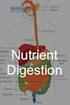 Topic 4: Digestion and Nutrition THE CONTENTS OF FOOD Food contains nutrients: Nutrients include: 1. 2. 3. 4. 5. Nutrients must be small enough to enter our cells. If they are too large they must be digested
Elements in Biological Molecules
 Chapter 3: Biological Molecules 1. Carbohydrates 2. Lipids 3. Proteins 4. Nucleic Acids Elements in Biological Molecules Biological macromolecules are made almost entirely of just 6 elements: Carbon (C)
Macromolecules 1 Carbohydrates, Lipids & Nucleic Acids
 VEA Bringing Learning to Life Program Support Notes Macromolecules 1 Carbohydrates, Lipids & Nucleic Acids Grades 10 - College 25mins Teacher Notes by Sue Wright, B. Sc., Dip. Ed. Produced by VEA Pty Ltd
Chapter 5: The Structure and Function of Large Biological Molecules
 Name Period Concept 5.1 Macromolecules are polymers, built from monomers 1. The large molecules of all living things fall into just four main classes. Name them. 2. Circle the three classes that are called
Chapter 16 The Citric Acid Cycle
 Chapter 16 The Citric Acid Cycle Multiple Choice Questions 1. Which of the following is not true of the reaction catalyzed by the pyruvate dehydrogenase complex? A) Biotin participates in the decarboxylation.
Unsaturated and Odd-Chain Fatty Acid Catabolism
 Unsaturated and dd-hain Fatty Acid atabolism March 24, 2003 Bryant Miles The complete oxidation of saturated fatty acids containing an even number of carbon atoms is accomplished by the β-oxidation pathway.
Summary of Metabolism. Mechanism of Enzyme Action
 Summary of Metabolism Mechanism of Enzyme Action 1. The substrate contacts the active site 2. The enzyme-substrate complex is formed. 3. The substrate molecule is altered (atoms are rearranged, or the
Blood clot in atheroma. help make vitamin D and hormones, like oestrogen and testosterone, in your body.
 CHOLESTEROL This factsheet explains what cholesterol is and why too much cholesterol in your blood is harmful. It also provides information regarding cholesterol testing and tips to help reduce your blood
The correct answer is d C. Answer c is incorrect. Reliance on the energy produced by others is a characteristic of heterotrophs.
 1. An autotroph is an organism that a. extracts energy from organic sources b. converts energy from sunlight into chemical energy c. relies on the energy produced by other organisms as an energy source
Chapter 16 The Citric Acid Cycle
 Chapter 16 The Citric Acid Cycle Multiple Choice Questions 1. Production of acetyl-coa (activated acetate) Page: 603 Difficulty: 2 Ans: A Which of the following is not true of the reaction catalyzed by
Liver Function Tests. Dr Stephen Butler Paediatric Advance Trainee TDHB
 Liver Function Tests Dr Stephen Butler Paediatric Advance Trainee TDHB Introduction Case presentation What is the liver? Overview of tests used to measure liver function RJ 10 month old European girl
The Digestive System. Chapter 16. Introduction. Histological Organization. Overview of Digestive System. Movement and Mixing of Digestive Materials
 The Digestive System Chapter 16 Introduction Structure of the digestive system A tube that extends from mouth to anus Accessory organs are attached Functions include Ingestion Movement Digestion Absorption
Special organ structures and functions conduct these tasks through the successive parts of the overall system.
 Chapter 5 Digestion, Absorption, and Metabolism Chapter 5 Lesson 5.1 Key Concepts Through a balanced system of mechanical and chemical digestion, food is broken down into smaller substances and the nutrients
Chapter 15 Digestive System.
 Chapter 15 Digestive System. I. The Gastrointestinal Tract. a. The digestive system mechanically and chemically breaks down food into molecules that can be absorbed into the bloodstream or lymph. Residues
Chapter 15 Lecture Notes: Metabolism
 Chapter 15 Lecture Notes: Metabolism Educational Goals 1. Define the terms metabolism, metabolic pathway, catabolism, and anabolism. 2. Understand how ATP is formed from ADP and inorganic phosphate (P
Chapter 17 Digestive System. Alimentary Canal. Movements of the Tube
 Chapter 17 Digestive System Functions of Digestive System ingestion mechanical digestion chemical digestion propulsion absorption defecation Consists of the alimentary canal and accessory organs 1 Alimentary
Organic Functional Groups Chapter 7. Alcohols, Ethers and More
 Organic Functional Groups Chapter 7 Alcohols, Ethers and More 1 What do you do when you are in Pain? What do you do when you are in a lot of pain? 2 Functional Groups A functional group is an atom, groups
Digestion, Absorption. How & where?
 Digestion, Absorption How & where? What happens to food? Three processes Digestion Absorption Elimination Where do they occur? GI tract Overview of Digestion GI tract Gastrointestinal (GI) tract: series
I. Chapter 5 Summary. II. Nucleotides & Nucleic Acids. III. Lipids
 I. Chapter 5 Summary A. Simple Sugars (CH 2 O) n : 1. One C contains a carbonyl (C=O) rest contain - 2. Classification by functional group: aldoses & ketoses 3. Classification by number of C's: trioses,
Chemistry. All the three compounds are Naphthoquinone derivatives
 VITAMIN K History Existence first suggested by Henrik Dam in 1929 - Observed : Hemorrhagic disease of cattle fed on synthetic diets 1939 : Dam & co-workers isolated Vitamin K from the plant Alfalfa Edward
Absorption and Transport of Nutrients
 Page1 Digestion Food travels from mouth esophagus stomach small intestine colon rectum anus. Food mixes with digestive juices, moving it through the digestive tract Large molecules of food are broken into
Unit 2: Cells, Membranes and Signaling CELL MEMBRANE. Chapter 5 Hillis Textbook
 Unit 2: Cells, Membranes and Signaling CELL MEMBRANE Chapter 5 Hillis Textbook HOW DOES THE LAB RELATE TO THE NEXT CHAPTER? SURFACE AREA: the entire outer covering of a cell that enables materials pass.
Weds 5/20/15. Membranes - finish last lecture outline. Digestive System Nutrition Types of digestion & digestive systems Vertebrate digestive system
 Membranes - finish last lecture outline Weds 5/20/15 Digestive System Nutrition Types of digestion & digestive systems Vertebrate digestive system structures and functions // accessory organs mechanism
Digestion. What we ll cover. Main stages of digestion. Digestion: A Closer Look. A Tour of the Human Digestive System. Mechanical digestion
 Digestion What we ll cover What are the digestive system structures and their functions? Where does carbohydrate, protein and fat digestion and absorption occur? What are the 3 accessory organs of digestion?
10.2 The Human Digestive System pg. 411
 10.2 The Human Digestive System pg. 411 The human digestive system is made up of a group of organs working together. The digestive tract is made up of the mouth, esophagus, stomach, small intestine, and
Lecture 4 Enzymes Catalytic proteins. Enzymes. Enzymes 10/21/10. What enzymes do therefore is:
 Lecture 4 Catalytic proteins Are a type of protein that acts as a catalyst-speeding up chemical reactions A catalyst is defined as a chemical agent that changes the rate of a reaction without being consumed
The Molecules of Cells
 The Molecules of Cells I. Introduction A. Most of the world s population cannot digest milk-based foods. 1. These people are lactose intolerant because they lack the enzyme lactase. 2. This illustrates
Lecture 18 Membranes 1: Lipids and Lipid Bilayers
 Lecture 18 Membranes 1: Lipids and Lipid Bilayers Subsequent 3 lectures: Membrane Proteins 2 lectures on Membrane Transport Reading: Berg, Tymoczko & Stryer, 6th ed., Chapter 12, pp. 326-335 Problems:
Copyright 2010 Pearson Education, Inc. Chapter Twenty Three 1
 23.2 Glucose Metabolism: An Overview When glucose enters a cell from the bloodstream, it is immediately converted to glucose 6- phosphate. Once this phosphate is formed, glucose is trapped within the cell
Regulation of enzyme activity
 1 Regulation of enzyme activity Regulation of enzyme activity is important to coordinate the different metabolic processes. It is also important for homeostasis i.e. to maintain the internal environment
BSC 2010 - Exam I Lectures and Text Pages. The Plasma Membrane Structure and Function. Phospholipids. I. Intro to Biology (2-29) II.
 BSC 2010 - Exam I Lectures and Text Pages I. Intro to Biology (2-29) II. Chemistry of Life Chemistry review (30-46) Water (47-57) Carbon (58-67) Macromolecules (68-91) III. Cells and Membranes Cell structure
AP Bio Photosynthesis & Respiration
 AP Bio Photosynthesis & Respiration Multiple Choice Identify the letter of the choice that best completes the statement or answers the question. 1. What is the term used for the metabolic pathway in which
Carbon-organic Compounds
 Elements in Cells The living substance of cells is made up of cytoplasm and the structures within it. About 96% of cytoplasm and its included structures are composed of the elements carbon, hydrogen, oxygen,
Chapter 7 Cellular Respiration
 Phases of aerobic cellular respiration 1. Glycolysis 2. Transition or Acetyl-CoA reaction 3. Krebs cycle 4. Electron transport system Chapter 7 Cellular Respiration These phases are nothing more than metabolic
Figure 3-1-1: Alkaline hydrolysis (saponification) of oil to make soaps.
 Chapter 3 CHEMICAL MODIFICATION OF OILS AND FATS From the fats and oils obtained from natural resources, the majority of them are used directly or just after refinement. While the others are used after
What affects an enzyme s activity? General environmental factors, such as temperature and ph. Chemicals that specifically influence the enzyme.
 CH s 8-9 Respiration & Metabolism Metabolism A catalyst is a chemical agent that speeds up a reaction without being consumed by the reaction. An enzyme is a catalytic protein. Hydrolysis of sucrose by