
LNG Vehicle Fuel Tank Installation and Operation Manual
|
|
|
- Jared Davis
- 9 years ago
- Views:
Transcription
1 LNG Vehicle Fuel Tank Installation and Operation Manual Manual P/N Publication # TW-359 Do not attempt to use or maintain these units until you read and understand these instructions. Do not permit untrained persons to use or maintain this equipment. If you do not understand these instructions, contact Taylor-Wharton for additional information.

2 Table of Contents WARNING 3 Safety Precautions for Liquefied Natural Gas 3 References 4 INTRODUCTION 5 General Information 5 INSTALLATION 7 Freight Damage Precautions 7 Handling 7 Tank Supports 7 Level Gauge 8 LNG Fuel System 8 Fittings and Thread Sealants 9 Vent Stack 9 Heat Exchanger 9 Heat Exchanger Relief Valve 10 Over Pressure Regulator 10 Fuel Shut-Off Solenoid Valve 10 Taylor-Wharton Recommended Fuel System Components 11 Leak Test 11 OPERATION 12 First Fill 12 Normal Filling 13 Normal Operation 14 MAINTENANCE 15 Draining the Tank 15 Purging the Tank 16 Hand Valves 17 Relief Valves 17 Check Valves 17 Excess Flow Valve 18 Tank Pressure Control Regulator 18 Fill and Vent Receptacles 19 Manifold Removal and Replacement 20 Liquid Level Gauge and Sender 21 Leak Test 21 Checking Vacuum 22 Trouble-Remedy Guide 24 Replacement Parts 25 APPENDIXES 26 Appendix 1 LNG Vehicle Tank General Arrangement 26 Appendix 2 LNG Heat Exchanger General Arrangement 26

3 WARNING The following safety precautions are for your protection. Before installing, operating, or maintaining this equipment read and follow all safety precautions in this section and in reference publications. Failure to observe all safety precautions can result in property damage, personal injury, or possibly death. It is the responsibility of the purchaser of this equipment to adequately warn the user of the precautions and safe practices for the use of this equipment and the cryogenic fluid stored in it. Safety Precautions for Liquefied Natural Gas Natural gas is a colorless, odorless, tasteless, flammable gas. Natural gas is mostly methane with small amounts of carbon dioxide, nitrogen, ethane, and propane. Liquefied natural gas (LNG) is obtained by cooling natural gas until it becomes a liquid. Natural gas becomes a liquid at a temperature of -259 F (-161 C) under normal atmospheric pressure. Upon release from containment LNG will vaporize and expand to about 600 times the volume of the liquid. Natural gas colder than -170 F is heavier than ambient air at 60 F. As natural gas warms it becomes lighter than air. Flammable Eliminate Natural Gas Accumulation and Ignition Sources Concentrations of natural gas in air are relatively easy to ignite by a low energy spark. Smoking, open flames, unapproved electrical equipment, and other ignition sources must not be permitted. LNG vehicle tanks should be stored outdoors in well ventilated areas. The tank should be safely drained and purged with inert gas before maintenance or indoor storage. Vehicles with fueled tanks may be stored indoors only in maintenance facilities with proper ventilation equipment, consult NFPA guidelines and your local fire marshal. Extreme Cold - Cover Eyes and Exposed Skin Accidental contact of LNG or cold natural gas with the skin or eyes may cause a freezing injury similar to frostbite. Protect your eyes and cover the skin where the possibility of contact with the liquid, cold equipment, or the cold gas exists. Safety equipment should be worn during filling, draining, maintaining, or any other time liquid ejection, liquid splashing, or cold gas can issue forcefully from equipment. Safety equipment consists of a full polycarbonate face shield, insulated gloves that can be easily removed and long sleeves. Trousers without cuffs should be worn outside boots or over the shoes to shed spilled liquid. Asphyxiate - Keep Equipment Area Well Ventilated Although natural gas is non-toxic, it can cause asphyxiation in a confined area without adequate ventilation. Any atmosphere not containing enough oxygen for breathing can cause dizziness, unconsciousness, or even death. Natural gas, a colorless, odorless, and tasteless gas, cannot be detected by the human senses and will be inhaled normally as if it were air. Pipe line natural gas contains an additive that gives the gas an odor. LNG, and the gas created when LNG boils, does not have an odorant. Without adequate ventilation, natural gas will displace the normal air resulting in a non-life-supporting atmosphere. 3

4 References Installation, operation, and maintenance of Taylor-Wharton s LNG Vehicle Fuel Tank shall be in accordance with the documents listed below: For more detailed information concerning safety precautions and safe practices to be observed when handling cryogenic liquids consult CGA pamphlet P-12 Handling Cryogenic Liquids available from the Compressed Gas Association. Compressed Gas Association 1235 Jefferson Davis Highway Arlington, VA Webpage: For detailed safety information regarding LNG consult pamphlet NFPA 57 Liquefied Natural Gas (LNG) Vehicular Fuel Systems Code available from the National Fire Protection Association. National Fire Protection Association 1 Batterymarch Park PO Box 9101 Quincy, MA Webpage: For detailed information on LNG fuel systems consult SAE J2343 Recommended Practices for LNG Powered Heavy-Duty Trucks available from the Society of Automotive Engineers. Society of Automotive Engineers 400 Commonwealth Drive Warrendale, PA Webpage: 4

5 INTRODUCTION This manual provides information for the operation, installation, and maintenance of Taylor- Wharton's LNG Vehicle Fuel Tanks. The LNG Vehicle Fuel Tanks are intended to store pressurized liquefied natural gas on-board a vehicle for use as an engine fuel. Product specifications, flow diagram, views, and important dimensions are shown on the general arrangement drawing provided in the back of this manual. General Information Taylor-Wharton s LNG Vehicle Fuel Tanks are double-walled vacuum-insulated pressure vessels. Taylor-Wharton LNG Vehicle Tanks are designed and manufactured in compliance with: DOT-4L (Vessels to 119 Gallons Gross) ASME, Section VIII, Division 1 (Vessels exceeding 119 Gallons Gross) National Fire Protection Association (NFPA) 57 Society of Automotive Engineers (SAE) J2343 California Code of Regulations Title 13, Division 2, Chapter 4, Article 2 Texas Administration Code, Title 16, Part 1, Chapter 13, Subchapter M LNG is extremely cold. The inner vessel or liquid container is designed to operate safely at temperatures down to -320 degrees F and pressures up to 230 psig. The inner vessel and outer jacket are constructed from type 304 stainless steel. The components (valves, regulators, check valves, etc.) used on this product are O.E.M. approved for the intended application. The vacuum space between the liquid container and the jacket is designed to act as a thermal barrier. A multi-layer insulation consisting of aluminum foil and fiberglass known as S.I. or super insulation is contained inside the vacuum space. The tanks are designed to not vent gas for a nominal period of three days after being filled to 100% net capacity. When the tank is full to 75% of the net capacity the nominal hold time is five days before venting gas. Once venting begins, the rate of venting will be 1% nominal per day by weight, based on the full weight of fuel. The tank must be filled using saturated LNG fuel in order to maintain proper pressure. Saturated LNG is warmed under pressure, typically between 100 and 130 psig, in purpose built LNG vehicle fueling stations. Saturated LNG will begin to boil and expand when its pressure is reduced below its saturation pressure. This makes it possible to maintain adequate pressure within the tank to provide fuel to the engine without using a pump. A pressure control system, factory installed on the tank, reduces the tank pressure when it is excessively high. When the engine is running, the system removes gas from the top of the tank, reducing the tank pressure. When the tank is at its proper operating pressure, the circuit removes liquid from the tank in order to maintain pressure. The pressure control system is adjustable to provide adequate fuel pressure per the engine manufacturer s requirements. Note: This product is intended to store LNG on-board a vehicle for use as engine fuel. It is not intended to transport LNG for the purpose of commerce. 5

6 Vacuum Space and Super Insulation Stainless Steel Inner Vessel Stainless Steel Jacket Figure 1: Cut-Away Image of Fuel Tank 6

7 INSTALLATION Dimensional and connection data for LNG Vehicle Fuel Tank can be found on the General Arrangement Drawing in the appendix of this manual. System installation is the responsibility of the customer. Installation shall be in accordance with NFPA and SAE standards. Freight Damage Precautions Important: Freight damage claims are the responsibility of the customer. LNG Vehicle Tanks are delivered to your carrier from Taylor-Wharton s dock in new condition. When the product is received it should be in the same condition. For your protection, take time to visually inspect each shipment in the presence of the carrier s agent before you accept delivery. If any damage is observed make an appropriate notation on the freight bill. Ask the driver to sign the notation before receiving the product. You should decline to accept products that have damage that may affect serviceability. Handling Taylor-Wharton LNG Vehicle Tanks are rugged products. All cryogenic containers have an inner container and an outer container with an insulated vacuum space between them. Any abuse (dents, dropping, etc.) can affect the integrity of the container s insulation system. It is recommended that the crate bottom be used as a support cradle during installation on the vehicle. Remove the top and four sides of the crate. Lift the shipping cradle and tank with a fork lift. The webbing straps holding the tank in place during shipment should remain in place until the tank is secured on the vehicle. Always keep the tank in a horizontal position. This tank must be shipped, stored, or handled only when empty, purged of fuel, and depressurized (20 psig or less). If not mounted on the vehicle, the tank should be stored in the shipping cradle supplied with the tank. Tank Supports The tank supports must have adequate capacity to hold eight times the entire weight of the tank when full of fuel. Two supports are recommended, positioned to hold the tank on the cylindrical outer jacket within six inches of the head welds. The supports should be provided with rubber pads to protect the outer jacket of the tank from wear. Position the tank with the rubber draw latch for the tank door at the twelve o clock position. 7

8 Level Gauge The remotely mounted fuel gauge is designed to fit in a 2-1/16 circular cut-out. Use control cable, per the specification below, to connect the dash mounted fuel gauge to the 4 pin Weather Pack connector provided with the tank. Control Cable, Unshielded: 4 Stranded Tinned Copper Conductors, 22 Gauge, Red, Green, Black, and White Insulation, Gray Polyvinylchloride Jacket Belden 8444 Recommended Plug into Connector Mounted on Fuel Tank +12 VDC 4-Pin Weather Pack Connector Red (A) Green (B) Black (C) White (D) Ground Back of Dash Mounted VDO Fuel Gauge + - S Ground Figure 2: Level Gauge Wiring Schematic LNG Fuel System Proper selection and installation of all the components in the LNG fuel system are critical to ensure proper operation. Important: Use only components compatible with cryogenic liquids upstream of the heat exchanger. Be sure to include pressure relief valves in all piping where liquid fuel or cold gas could be trapped between closed valves, regulators, etc. All components upstream of the regulator must be suitable for 350 psig service pressure or higher. Relief Valve Engine Coolant Fuel from Tank Solenoid Regulator Fuel to Engine Heat Exchanger Valve Figure3: Chassis Mounted Components in the LNG Fuel System 8

9 Fittings and Thread Sealants Taylor-Wharton recommends the use of stainless steel double ferrule compression fittings on all tube connections used for engine fuel lines. Parker A-lok, Swagelok, Hoke, and Hy-Lok are all suitable manufacturers. Nickel impregnated Teflon tape should be used for all tapered pipe thread connections on the engine fuel lines. The tape is available from Taylor-Wharton; the part number is Vent Stack The vent stack safely vents excess natural gas from the vehicle fuel tank primary relief valve. The vent stack connection on the fuel tank is a 1/2" outer diameter tube compression fitting. Use 1/2" outer diameter tube with a wall thickness of for the vent stack. Run the tube to the top and back of the vehicle, away from the cab. The exhaust of the vent stack must be turned downward in order to prevent the accumulation of rain water. The vent stack must be provided with a drain to prevent the accumulation of water in the tube. The drain should connect to the vent stack at the lowest point. Use 1/8 tubing for the drain line. Run the drain downward and away from the vehicle exhaust. Warning: Water trapped within the vent stack may freeze preventing the primary relief from venting properly. Heat Exchanger The heat exchanger uses warm engine coolant to vaporize and warm the LNG fuel from the vehicle fuel tank. The heat exchanger should be bolted directly to the vehicle frame rails, as close as practical to the fuel tank. Position the heat exchanger horizontally with the engine coolant connections facing upward. The heat exchanger may also be positioned vertically. Connect the fuel tank outlet to the heat exchanger using 3/8 outer diameter stainless steel tubing with a wall thickness of This tubing run should be kept as short as possible. All tubing downstream of the heat exchanger should be 1/2" outer diameter stainless steel tube with a wall thickness of All tube bends should be smooth and free of kinks. Stainless steel compression fittings should be installed in the heat exchanger fuel connections. The inlet and outlet of the heat exchanger use 3/8 female tapered pipe thread. Engine coolant must be supplied to the heat exchanger in order for it to function. Coolant connections on the heat exchanger are 1/2" female tapered pipe thread. Use 5/8 inner diameter rubber hose to provide coolant to the heat exchanger. At full throttle, a minimum of 3 gallons per minute of coolant must be provided to the heat exchanger in order to properly vaporize and warm the fuel. Important: Important: The coolant hoses must be routed from the engine so that a constant flow is provided. Do not install coolant hoses downstream of the cab heater control valve. Fuel and coolant must flow through the heat exchanger in the same direction; i.e. the fuel inlet and coolant inlet should be on the same end of the heat exchanger. 9

10 Coolant Connections 1/2 Pipe Thread Fuel Connection 3/8 Pipe Thread (Identical Connection on Opposite End) Figure 4: Heat Exchanger Heat Exchanger Relief Valve The heat exchanger must be equipped with a relief valve to protect it from over-pressurization in the event that liquid fuel is trapped between tank manual fuel shut-off valve and the engine pressure regulator. The relief valve should be installed downstream of the heat exchanger fuel outlet and upstream of the engine pressure regulator. A relief valve, suitable for cryogenic service, set to discharge at 300 psig is recommended. Warning: The outlet of the relief valve must be directed downward to prevent the accumulation of debris, water, and ice. Over Pressure Regulator The engine fuel over pressure regulator provides natural gas to the engine at a steady pressure. This regulator is necessary as some engine components are not designed for the maximum pressure the tank may provide. The regulator should be mounted directly on the vehicle chassis. The regulator should not be supported by the connecting piping. The engine fuel pressure regulator must be rated for inlet pressures up to 350 psig. It should be adjustable over a minimum range of 80 to 125 psig. A lock nut on the adjustment screw should be featured. A regulator with 1/2 pipe size connections is recommended. Fuel Shut-Off Solenoid Valve The fuel shut-off solenoid valve is connected to the engine s electrical system. The solenoid valve closes when the engine is turned off, disconnecting the engine from the rest of the fuel system. The fuel shut-off solenoid valve should be mounted directly on the vehicle chassis. The solenoid valve should not be supported by the connecting piping. A solenoid valve with 1/2 pipe size connections and 12 VDC actuation is recommended. 10

11 Taylor-Wharton Recommended Fuel System Components Taylor-Wharton recommends the following major components for the vehicle fuel system in addition to the fuel tank: Component Heat Exchanger with Relief Valve, 300 psig Over Pressure Regulator Over Pressure Regulator with Pressure Gauge and Mounting Bracket Fuel Shut-Off Solenoid Valve with Mounting Bracket Taylor-Wharton Part Number VLNG-9C00 VLNG-9C05 VLNG-9C06 VLNG-9C10 Leak Test After installation and assembly of the fuel system components a leak test must be performed. Pressurize the fuel system to 200 psig using a pressure regulated nitrogen gas source. WARNING: Do not use compressed air for leak testing as it will create an explosive mixture with the LNG fuel. Apply leak detector fluid to the all component seals and fitting joints. Large leaks instantly form large bubble clusters, while fine leaks produce white foam that builds up more slowly. Significant leaks must be repaired and retested before the fuel system is placed in service. 11

12 OPERATION Before operating, filling, or maintaining the LNG Vehicle Fuel Tank become familiar with the safety precautions in this manual, the referenced publications, and the LNG fuel station instruction manuals. Make certain all applicable provisions set forth in the Installation Section have been followed before placing a LNG Vehicle Fuel Tank into operation. Study this manual and the general arrangement drawing located in the back of this manual thoroughly. Know the location and function of all system components. CAUTION: Taylor-Wharton LNG Vehicle Fuel Tanks are not intended to contain fuels other than liquefied natural gas (LNG). First Fill When an LNG vehicle fuel tank is filled for the first time, the inner vessel must be cooled to the temperature of LNG. The first fill procedure should be also be followed when a tank is returned to service after maintenance. WARNING: Wear insulated gloves and a face shield as explained in the Safety section of this manual during filling. 1. Electrically ground the LNG vehicle fuel tank to the LNG filling station. 2. Remove the caps covering the fill and vent receptacles. Open the vehicle fuel tank door. 3. Visually check the valves, fittings, and tubes on the vehicle fuel tank. Do not attempt to fill a tank with damage, missing components, or leaks. 4. Spray isopropyl alcohol on the fill and vent receptacles. (Alcohol cleans the receptacles and repels moisture.) Wipe both receptacles with a clean cotton cloth. 5. Engage the station vent nozzle (if so equipped) with the vehicle fuel tank by engaging the station vent nozzle with the receptacle pins and rotating the nozzle 90 degrees. 6. Observe the LNG vehicle tank pressure on the external pressure gauge. If the vehicle fuel tank pressure is too high it may be necessary to vent the vehicle fuel tank back to the station tank. Consult the LNG fuel station manual for this procedure. The vehicle tank vent valve must be opened in order to vent. Close the vent valve once the desired pressure is reached. 7. Engage the station fill nozzle with the vehicle fuel tank fill receptacle. Be sure that the fill nozzle is firmly attached and completely engaged. 8. Begin filling the vehicle tank per the LNG fuel station manual. Fill the vehicle fuel tank with 50 gallons of LNG as indicated on the LNG fuel station dispenser. 9. Vent the vehicle fuel tank pressure down to 100 psig by opening the vehicle fuel tank vent valve. Close the vent valve when the proper pressure is reached. 10. Allow the vessel to cool for approximately 10 minutes. The vehicle fuel tank pressure may rise significantly during this time. 11. If necessary, vent the vehicle fuel tank pressure down again by opening the vehicle fuel tank vent valve. Close the vent valve when the proper pressure is reached. 12

13 12. Restart the filling station pump and completely filling the vehicle fuel tank per the fuel station manufacturer instructions. 13. Be sure that the vehicle fuel tank vent valve is closed. Disconnect the vent nozzle and the fill nozzle from the vehicle fuel tank. 14. Replace the caps for the fill and vent receptacles. Close the vehicle fuel tank door and be sure the draw latch is secure. 15. Check the vehicle fuel gauge to be sure the tank has been completely filled. Normal Filling The normal filling procedure should be used when the inner vessel is cold and already contains some amount of LNG. WARNING: Wear insulated gloves and a face shield as explained in the Safety section of this manual during filling. 1. Electrically ground the LNG vehicle fuel tank to the LNG filling station. 2. Remove the caps covering the fill and vent receptacles. Open the vehicle fuel tank door. 3. Visually check the valves, fittings, and tubes on the vehicle fuel tank. Do not attempt to fill a tank with damage, missing components, or leaks. 4. Spray isopropyl alcohol on the fill and vent receptacles. (Alcohol cleans the receptacles and repels moisture.) Wipe both receptacles with a clean cotton cloth. 5. Engage the station vent nozzle (if so equipped) with the vehicle fuel tank by engaging the station vent nozzle with the receptacle pins and rotating the nozzle 90 degrees. 6. Observe the LNG vehicle tank pressure on the external pressure gauge. If the vehicle fuel tank pressure is too high it may be necessary to vent the vehicle fuel tank back to the station tank. Consult the LNG fuel station manual for this procedure. The vehicle tank vent valve must be opened in order to vent. Close the vent valve once the desired pressure is reached. 7. Engage the station fill nozzle with the vehicle fuel tank fill receptacle. Be sure that the fill nozzle is firmly attached and completely engaged. 8. Begin the filling the vehicle tank per the LNG fuel station manual. Most stations are equipped with an automatic fill stop that will stop the fill when the vehicle fuel tank is completely full. 9. Be sure that the vehicle fuel tank vent valve is closed. Disconnect the vent nozzle and the fill nozzle from the vehicle fuel tank. 10. Replace the caps for the fill and vent receptacles. Close the vehicle fuel tank door and be sure the draw latch is secure. 11. Check the vehicle fuel gauge to be sure the tank has been completely filled. 13

14 Normal Operation During normal operation the vent valve and drain valve should be completely closed. The Manual fuel shut-off valve should be completely open. The tank will gradually build pressure when the vehicle is not being driven. Eventually the primary relief valve may open in order to reduce the vehicle fuel tank pressure. This is normal. The primary relief valve will automatically close once the tank pressure has been reduced slightly. 14

15 MAINTENANCE Routine inspections of the LNG fuel system are recommended. Keep a permanent log of all inspections and repairs performed. Such a log can be valuable in evaluating performance and scheduling maintenance. Date Nature of Work (Describe in Full) Remarks Servicemen's Signature Figure 5: Inspection and Repair Log (Sample Form) Always observe the safety precautions at the front of this manual and follow the instructions given in this section. Do not allow unqualified persons to attempt repairs on this equipment. Refer to the Trouble-Remedy Guide in this manual for assistance in troubleshooting. WARNING: Before working on the LNG fuel system or storing a vehicle in-doors completely drain the fuel tank and purge it with nitrogen gas. The fuel tank and fuel system must be completely depressurized before maintenance may begin. Draining the Tank If possible, the vehicle tank should be drained when it is less than ¼ full. Attempt to schedule draining of the tank at the end of the vehicle route, before refueling. WARNING: WARNING: The tank must be drained outdoors in an open area away from open flame, electrical equipment, and other ignition sources. Do not dispose of LNG by dumping it to the atmosphere. The boiling liquid will create a flammable atmosphere. 1. Make sure the vehicle tank drain valve is completely closed. 2. Remove the wire retaining the vehicle tank drain valve handle and remove the plug. 3. Install a 3/8 male pipe thread by 1/2" outer diameter tube size 45 degree flare fitting, made of brass, into the vehicle tank drain connection. (Taylor-Wharton P/N ) 15

16 4. Attach a stainless steel flex hose, suitable for cryogenic service, (Taylor-Wharton P/N C66) to the liquid connection of another cryogenic storage vessel. A portable, pallet mounted vessel, with a volume of 450 liters is recommended. WARNING: A cryogenic relief valve (P/N ) must be fitted to a tee between the liquid valve on the cryogenic storage vessel and the flex hose. The relief valve will allow liquid trapped between two valves to escape and prevent hose rupture. 5. Connect the flex hose to the flare fitting installed in the vehicle tank drain. 6. Reduce the pressure in the cryogenic storage vessel by venting. The vent of the cryogenic storage vessel must be directed upwards and away from the operator. A vent stack exhausting the flammable gas 10 feet above the ground is recommended. 7. Close the vent of the cryogenic storage vessel when the pressure is at least 50 psi below that of the vehicle tank. 8. Open the drain valve on the vehicle tank and open the liquid valve on the cryogenic storage vessel. Additional venting of the cryogenic storage vessel may be necessary to completely empty the vehicle tank. 9. Once the vehicle tank is empty, close the vehicle tank drain valve using an insulated glove. Allow the flex hose to warm before continuing. 10. Close the cryogenic storage vessel liquid valve and remove the flex hose. 11. Remove the brass fitting from the vehicle tank drain and replace the vented drain plug. IMPORTANT: Make sure the drain valve is completely closed and replace the stainless steel wire retaining the drain valve handle. Purging the Tank The tank must be completely purged of flammable gas before maintenance may begin. Never work on the vehicle fuel system or vehicle tank without completely purging it of flammable gas. The vehicle tank must be completely purged before shipping it for repair. Nitrogen from a liquid cylinder or compressed gas cylinder is the recommended purge gas. Use a compressed gas pressure regulator to reduce the pressure from the nitrogen gas source to approximately 50 psig. WARNING: WARNING: Do not use compressed air for purging as it will create an explosive mixture with the LNG fuel. The tank must be purged outdoors in an open area away from open flame, electrical equipment, and other ignition sources. Before purging the tank, it must be completely drained of LNG. 1. Make sure the vehicle tank drain valve is completely closed. 2. Remove the wire retaining the vehicle tank drain valve handle and remove the plug. 16

17 3. Vent the vehicle tank pressure down to atmospheric pressure (0 psig indicated on the vehicle tank pressure gauge) through the drain valve. 4. Attach a vent nozzle (available from Macro Technologies, P/N 11175) to the vehicle tank vent receptacle. The vent nozzle will open the vehicle tank vent receptacle and allow gas to escape to the atmosphere. Macro Technologies, Inc th Ave NE Kirkland, WA tel: (425) fax: (425) Connect the nitrogen purge gas source to the vehicle tank drain connection. 6. Allow nitrogen to flow into the vehicle tank and out of the vent nozzle. 7. Use a portable methane detector to monitor the gas exiting the vent nozzle. Purge the tank until there are no detectable amounts of methane in the vent nozzle gas stream. 8. Remove the vent nozzle and pressurize the tank to 50 psi. Disconnect the nitrogen purge gas. 9. Allow the tank to sit pressurized for a half hour and reconnect the vent nozzle. Use the portable methane detector to check the gas exiting the nozzle for methane. If any methane is detected repeat the purge procedure. 10. Store the vehicle tank with 20 psig of pressure indicated on the pressure gauge. Replace the vented drain plug in the drain connection. IMPORTANT: Make sure the drain valve is completely closed and replace the stainless steel wire retaining the drain valve handle. 11. The tank purge procedure is complete. It is now safe to work on the tank. Hand Valves If the hand valves leak or are difficult to close completely they should be rebuilt. Rebuild kits (P/N ) are available from Taylor-Wharton. Detailed instructions are provided with the rebuild kit. Be sure the all components are clean and free of debris before reassembly. Relief Valves If the relief valves fail to operate properly they must be replaced. The relief valves cannot be repaired or rebuilt. Indications of improper operation include opening or weeping at pressures significantly below the set to discharge pressure. Check Valves If the check valves fail to operate properly they must be replaced. The check valves cannot be repaired or rebuilt. 17

18 A malfunctioning fill check valve may leak slightly back through the fill connection. It may also cause filling to occur slowly. A slow fill rate may cause the fueling station to automatically shutdown before the tank is completely full. A malfunctioning vapor withdrawal back pressure check valve may not close properly. This may cause lower than desirable tank pressures. When reinstalling the check valves, be sure the flow arrow is pointing in the correct direction. The general arrangement drawing at the back of this manual indicates the proper flow direction. Excess Flow Valve If the excess flow valve fails to operate properly it must be replaced. The excess flow valve cannot be repaired or rebuilt. Indications of improper operation include tripping (closing) during normal engine operation. The excess flow valve can be reset by closing the manual fuel shut-off valve. After a few seconds the excess flow valve will reopen. The manual fuel shut-off valve may now be reopened. Tank Pressure Control Regulator The tank pressure control regulator may be adjusted without removal from the LNG vehicle tank. The following procedure describes the process: 1. Loosen the lock nut on the adjusting screw on the top of the regulator. 2. Raise the setpoint by turning the adjusting screw clockwise; lower the setpoint by turning the screw counterclockwise. One quarter turn will adjust the pressure approximately 6 psi. 3. Tighten the lock nut on the adjusting screw of the regulator. Note that the pressure of the tank will not suddenly change when the regulator is adjusted. The pressure control circuit serves to reduce excessive tank pressure while the engine is running. It will not directly increase the tank pressure. However, increasing the regulator setting will result in higher tank operating pressures after the vehicle tank is refilled or allowed to naturally build pressure over time. For more accurate adjustment it is recommended that the pressure building regulator be removed from the system. A regulator bench adjustment fixture should be used. The figure below shows a typical setup. 18

19 Pressure Gauge Pressure Gauge High Pressure Cylinder On/Off Valve Regulator Regulator to be adjusted Dump Valve Figure 6: Regulator Bench Adjustment Set-Up 1. Leak test joints between the high pressure cylinder regulator and the dump valve. Joints must be leak free before proceeding. 2. Close the on/off valve and the dump valve. 3. Open the high pressure cylinder valve. 4. Set the high pressure regulator above the desired set point for the tank pressure control regulator. 5. Slowly open the on/off valve and observe the downstream pressure gauge. 6. When the tank pressure control regulator closes, the set point is indicated on the downstream pressure gauge. 7. Close the on/off valve and open the dump valve. 8. To reset the tank pressure control regulator, loosen the lock nut on the adjusting screw. Raise the setpoint by turning the adjusting screw clockwise; lower the setpoint by turning the screw counterclockwise. After adjustment, repeat steps 5 and 6 to check the setting before reinstalling the regulator on the vehicle fuel tank. IMPORTANT: Set the regulator to close at a pressure 25 psi higher than the desired LNG fuel tank pressure. 9. When reinstalling the tank pressure control regulator, orient the regulator so the flow arrow points up toward the tank manifold. Fill and Vent Receptacles The fill and vent receptacles are field serviceable and may be rebuilt. Rebuild kits are available from the manufacturer. These components should be rebuilt per the receptacle manufacturer instructions. Replacement receptacles are available from Taylor-Wharton. Leakage from these components is an indication they require rebuilding or replacement. It is important that these components be kept clean and that the covers are used. Dirt and debris on the receptacle at the time of connection is the most common cause of problems. The receptacles should be cleaned before use as explained in the Operation section of this manual. 19

20 Manifold Removal and Replacement In order to remove the manifold, disconnect all the tubes connecting the manifold to the components installed in the shroud plates. Remove the five hex nuts retaining the manifold to the tank. Slide the manifold forward along the mounting studs and off of the tank. Cover the opening in the tank with adhesive tape. The manifold may now be repaired or replaced. IMPORTANT: When reinstalling the manifold always use new copper gaskets. Reusing gaskets will result in leaks. Place a small amount of Loctite copper based thread lubricant (P/N ) on the stud threads before reassembly. This will reduce the possibility of galling the stainless steel fasteners. Make sure the copper gaskets are properly seated before tightening the manifold nuts. A very small amount of grease is helpful in keeping the gaskets in place while the manifold is installed. IMPORTANT: Use the studs and nuts supplied with the tank. These fasteners are strain hardened for extra strength. Always use new lock washers. Torque the nuts sequentially, one quarter turn at a time, to a torque of 350 inch-pounds Figure 7: Manifold, Related Fasteners, and Gaskets (See the Replacement Parts section for part numbers.) 20

21 Liquid Level Gauge and Sender If the liquid level gauge is found to be operating improperly, inspect all the connections and wiring between the tank mounted level sender and the dash mounted fuel gauge. Review the Installation section of this manual to be sure the wiring is properly installed. The internal level sensor may be checked by measuring capacitance of the device and checking it for electrical shorts. A multi-meter capable of measuring capacitance will be required. Remove the cover of the level sender enclosure. A single conductor wire runs from the level sensor inside the tank to the level sender. Remove the shrink tubing from around the wire running from the top of the enclosure. Cut the wire at the connection and strip back the insulation a ¼ on both sides of the cut. With the multi-meter set to measure capacitance, connect one lead to the wire running from the top of the enclosure. Connect the other lead to the bracket supporting the liquid level sender. The multi-meter should read between 450 and 500 pico farads when the tank is completely empty of fuel (for the 26 O.D. tank). A reading outside of this range indicates a problem with the wiring or the internal level sensor. Switch the multi-meter to check for electrical shorts. Damage to the wire insulation is the most probable cause for an electrical short. If a problem can be found with the wire inside the tube connecting the tank to the level sender or the pressure feed-thru it may be repaired. An unlikely internal failure of the liquid level sender or wiring internal to the tank cannot be repaired and the tank must be replaced. If no fault is found with the internal level sensor or wiring, replace the level sender and the dash mounted fuel gauge. Solder the connections for the single conductor wire running from the tank to the level sender. Use heat shrink tube over the connections to prevent electrical shorts Leak Test Figure 8: Liquid Level Sender Assembly (See the Replacement Parts section for part numbers.) After making repairs, leak test all valves and piping joints that were reconnected. Pressurize the tank to 200 psig using nitrogen gas. Never pressurize the tank with compressed air. Apply leak detector fluid to the test surfaces. Large leaks instantly form large bubble clusters, while fine leaks produce white foam that builds up more slowly. Significant leaks must be repaired and retested before the fuel tank is returned to service. 21
22 Checking Vacuum This product is carefully designed, manufactured, and tested with every effort made to eliminate vacuum space leakage. An absorbent material (molecular sieve) and a reactive chemical (palladium oxide) are sealed inside the vessel jacket to help maintain the vacuum over a long period of time. However, some vacuum deterioration may be experienced after years of service due to out-gassing of materials inside the vacuum space. Hold Time Test To determine if vacuum deterioration has occurred, a hold time test may be performed as a preliminary evaluation. A hold time test gives an approximate indication of the condition of the vacuum and insulation system. This test may be performed without removing the tank from the vehicle. The tank should be cold and contain some liquid at the start of this procedure. 1. Fill the tank with LNG to a normal full shut-off. Vent the tank to 100 psig. Note the reading on the dash mounted level gauge and the time. 2. Park the vehicle and allow it to sit for at least one hour. Record the tank pressure from the pressure gauge mounted on the tank shroud. Record the time of day. 3. Do not run the vehicle for 24 hours. Record the tank pressure after the end of this time period. Record the time of day. 4. Calculate the average rate of pressure rise using the following formula: Pressure (Step 3) Pressure (Step 2) Rate of Pressure Rise = Time Between Step 2 and 3 in Hours A rate of pressure rise exceeding 2.4 psi per hour indicates that the vessel may have a vacuum problem. A tank failing this test may need to be returned to the factory for evaluation. Note: Due to the limited accuracy of the pressure gauge and other factors the results of this test alone do not constitute a warranty claim. Taylor-Wharton or an approved service center must perform an N.E.R. test to evaluate tanks returned for warranty repair. Condensation or even ice on the vessel jacket is another indication of a vacuum problem. Note that some icing or condensation is normal around the piping connections of the vessel and on the center of the head opposite the piping. Condensation may also occur on the vessel s outer surface as a result of high humidity. If it has been determined that the vessel may have a vacuum problem, it may be necessary to repair or replace the vessel. Contact Taylor-Wharton customer service at for assistance. Have the tank serial number available. Nitrogen N.E.R. Test A more precise method of determining the condition of the vacuum and insulation is a normal evaporation rate test, or N.E.R. test, performed with liquid nitrogen. This method is used by Taylor-Wharton to evaluate warranty claims on returned tanks. (A nitrogen N.E.R. test is used, as apposed to LNG, due to nitrogen s high density and low heat of vaporization.) 22
23 1. Drain the tank and remove it from the vehicle as explained in the maintenance section of this manual. Place the tank in the shipping cradle provided with the tank for ease of handling. 2. Place the tank (and the shipping cradle) on a weight scale. The scale should have a plus/minus 0.2 pound accuracy and a 1,000 pound or greater capacity. Make sure the manual fuel shut-off valve is closed. 3. Fill the tank through the drain valve with 200 pounds of liquid nitrogen. While filling, and throughout the test, leave the vent valve open. Engage a Macro vent nozzle with the tank vent receptacle (if so equipped) and allow the tank to vent to atmosphere during the entire test. 4. Allow the tank to stabilize for 24 hours. Record the weight, time, and date. 5. Allow the tank to sit, undisturbed, for 48 hours. Record the weight, time, and date. The following calculation will provide the actual normal evaporation rate in pounds per day for liquid nitrogen. Weight (Step 4) Weight (Step 5) Daily N.E.R. = x 24 Time between Step 3 and 4 in hours The following chart shows nitrogen N.E.R. requirements for different tanks. N.E.R. test results exceeding those listed in the chart indicate a problem with the vacuum or insulation system. Model Vacuum and Thermal Performance Daily N.E.R. Specification, Liquid Nitrogen, pounds per day 0 to 3 Years (from date of shipment) 3 to 5 Years (from date of shipment) After 5 Years (from date of shipment) LNG-119V LNG-72V Note: The specifications shown in the chart above, and only those shown above, may be used in determination of warranty claims for the indicated models. 23
24 Trouble-Remedy Guide Trouble Possible Cause Remedy 1. Tank pressure is too low. a. Fuel tank is empty. a. Refill the tank. b. Tank pressure control b. Adjust or replace regulator. regulator is out of adjustment. c. Piping leaks to atmosphere. c. Leak test and repair piping. 2. Tank pressure is too high and the primary relief valve is d. Primary or secondary relief valve is opening at too low a pressure. a. Vehicle has not been run lately. opening occasionally. b. Vessel vacuum has deteriorated. 3. Fuel gauge does not appear to read correctly. 4. Tank pressure is adequate however fuel pressure at the engine is too low. a. Level sender is out of adjustment or operating improperly. d. Replace the primary or secondary relief valve. a. No remedy, this is normal operation. b. Perform vacuum test. Have vessel repaired and reevacuated. a. Replace level sender. b. Wiring is faulty. b. Check wiring from fuel gauge to sender. Repair wiring. c. Dash mounted fuel gauge is c. Replace dash mounted fuel malfunctioning. gauge. a. Manual fuel shut-off valve is a. Completely open manual fuel not completely open. shut-off valve. b. Vehicle mounted engine b. Adjust or replace engine pressure regulator requires pressure control regulator. adjustment or replacement. c. Excess flow valve is malfunctioning and closing prematurely. d. Fuel lines, fittings, or other fuel system components are undersized. c. Replace excess flow valve. d. Consider up-sizing fuel lines, fittings, or components. 24
25 Replacement Parts Order replacement parts from Taylor-Wharton Customer Service ( ). To identify components refer to the general arrangement drawing in the appendix of the manual. Replacement Parts List ITEM PART NUMBER DESCRIPTION Valve, Check, 1/2" FNPT, Brass Receptacle, LNG, Carter, 3/4" FNPT Cover for Receptacle, Carter Receptacle, LNG, Parker, 1" FNPT Cover for Receptacle, Parker Relief Valve, 1/4 MNPT, Brass, 230 PSIG Relief Valve, 1/4 MNPT, Brass, 350 PSIG Valve, 3/8 FNPT x 3/8 Pipe Stub Valve Repair Kit Bulkhead Union, 1/2" ODT, S C04 Regulator, 1/4" FNPT, Set at 125 PSIG Valve, 3/8 FNPT x 3/8 Pipe Stub 9 V119-9C08 Drain Plug, 3/8, Drilled Valve, 3/8 FNPT x 3/8 Pipe Stub Excess Flow Valve, 3/8 ODT x 3/8 MNPT, S.S. 12 V119-9C24 Bulkhead Fitting, Drilled 13 Level Gauge Parts: Sender, LNG Level, 26 OD Tank Fuel Gauge, Dash Mounted Connector, 4-Pin Male O-Ring, 1/2"ID X 11/16"OD Pressure Feed-Thru Nut, 1/4" NPT Washer, 9/16" ID Pressure Gauge, PSIG Pressure Gauge Mount, 2-1/ Check Valve, 3/8 ODT, Type Check Valve, 3/8 ODT, Type Quick Connector, Macro, 3/8 MNPT Stud, 5/16"-24, Type 304SH Nut, Hex, 5/16"-24, Type 304SH Lock-washer, 5/16", Stainless Steel Gasket, Copper, 3/4 OD Gasket, Copper, 1 OD 23 V119-9C23 Decal Kit, LNG Vehicle Tank 25
26 APPENDIXES Appendix 1 LNG Vehicle Tank General Arrangement Appendix 2 LNG Heat Exchanger General Arrangement 26
27
28
29
30 4075 Hamilton Blvd. Theodore, Alabama U.S.A. Telephone (251) Fax (251) In U.S. and Canada: (800) TW TANKS ( Manual P/N Publication # TW Harsco Corporation
USER MANUAL. 10 GPM Small Single Line Cryogenic Coupling
 JC Carter LLC LNG Couplings USER MANUAL 10 GPM Small Single Line Cryogenic Coupling Models 50E722 Nozzle and 50E721 Receptacle User s Manual and Installation Guide! Warning: Read the User s Manual and
NITROUS TRANSFER PUMP INSTRUCTIONS
 NITROUS TRANSFER PUMP INSTRUCTIONS SAFETY TIPS Never directly inhale nitrous oxide. When inhaled in large quantities, nitrous oxide can cause respiratory ailments or in extreme cases, death by suffocation.
OWNER S MANUAL FORCE 10 MARINE COMPANY 23080 HAMILTON ROAD RICHMOND, BC CANADA V6V 1C9 TEL: (604) 522-0233 FAX: (604) 522-9608
 Electric Water Heater OWNER S MANUAL FORCE 10 MARINE COMPANY 23080 HAMILTON ROAD RICHMOND, BC CANADA V6V 1C9 TEL: (604) 522-0233 FAX: (604) 522-9608 If your water Heater is Damaged or you have questions
Replacement parts. WM97+ gas-fired water boiler Boiler Manual. OBTAIN PARTS ONLY THROUGH WEIL-McLAIN THE BOILER CONTAINS CERAMIC FIBER MATERIALS
 Replacement parts DO NOT SERVICE THE BOILER WITHOUT A WM97+ MAINTENANCE KIT AVAILABLE Failure to adhere to these guidelines can result in severe personal injury, death or substantial property damage. The
BUILT-IN DISHWASHER INSTALLATION INSTRUCTIONS
 BUILT-IN DISHWASHER INSTALLATION INSTRUCTIONS PLEASE READ COMPLETE INSTRUCTIONS BEFORE YOU BEGIN LEAVE INSTALLATION INSTRUCTIONS AND USER'S GUIDE WITH OWNER ALL ELECTRIC WIRING AND PLUMBING MUST BE DONE
Float and Thermostatic Traps Series H, C and X
 Hoffman Specialty Installation & Maintenance Instructions HS-(E) and Thermostatic Traps Series H, C and X Series C & NPT Series C NPT Series X NPT Series C NPT Series H Ratings Maximum Max. Operating NPT
University of Tennessee Safety Guidelines
 University of Tennessee Safety Guidelines Guideline Subject: Compressed Gases and Cryogenics Safety Guidelines Approval Date: 10/1/15 (Rev. 1) Next Scheduled Review: 10/1/19 Date Effective: 1/01/09 Contact
CARING FOR YOUR WATER HEATER
 http://waterheatertimer.org/troubleshoot-rheem-tankless-water-heater.html Water Heater Inspections CARING FOR YOUR WATER HEATER Venting System (Direct Vent Only) The venting system should be inspected
=.03% CO2 10/4/2012. Carbon Dioxide (CO2) Safety. Carbon Dioxide (CO2) Safety. Carbon Dioxide (CO2) Safety. Carbon Dioxide (CO2) Safety
 Carbon Dioxide (CO2) Safety Training Topics we ll cover General properties and uses of CO2 Potential risks of exposure and symptoms Handling, storage, and equipment safety features Safety considerations
DTM04 TANK MONITOR DTM08 TANK MONITOR Dtm12 TANK MONITOR. Installation and Operation Manual
 DTM04 TANK MONITOR DTM08 TANK MONITOR Dtm12 TANK MONITOR Installation and Operation Manual 1 ENGLISH Safety Instructions 2 Features 2-3 Specifications 3 Installation 4-5 Wiring Diagrams 6-7 Warranty 8
VT-21-250 PSI. 1500 Gallons. Through. 15,000 Gallons
 BT-478 VT-21-250 PSI VERTICAL STORAGE TANKS 1500 Gallons Through 15,000 Gallons Do not attempt to use or maintain these units until you read and understand these instructions. Refer to the Taylor- Wharton
Your safety and the safety of others are very important.
 NATURAL GAS TO PROPANE CONVERSION KIT 090 INSTALLATION INSTRUCTIONS FOR ALTITUDES 0 -,00 FT. ONLY PROPANE CONVERSION KIT SAFETY... INSTALLATION REQUIREMENTS... Tools and Parts... LP Gas Requirements...
580-6001 INSTALLATION AND OPERATION INSTRUCTIONS NOT FOR OXYGEN OR OTHER OXIDIZING GASES
 ADI 3205-A Certified ISO 9001 580-6001 Micron Filter Assembly INSTALLATION AND OPERATION INSTRUCTIONS NOT FOR OXYGEN OR OTHER OXIDIZING GASES Before Installing or Operating, Read and Comply with These
Important: Please read these instructions carefully and completely before starting the installation. TITAN Fuel Tanks
 TITAN pt. no.: 03 0000 0120 Important: Please read these instructions carefully and completely before starting the installation. TITAN Fuel Tanks INSTALLATION INSTRUCTIONS G e n e r a t i o n V Extended
Oxy-Fuel Gas Welding. Given a functional oxy-fuel gas unit, instruction and demonstration of use, each student will be able to:
 I. Competencies Oxy-Fuel Gas Welding Given a functional oxy-fuel gas unit, instruction and demonstration of use, each student will be able to: A. Identify the major parts of the oxy-fuel gas unit. B. Pass
INSPECTION, MAINTENANCE AND RECHARGE SERVICE MANUAL P/N 16303
 WATER MIST HAND PORTABLE FIRE EXTINGUISHERS Model B270 ¾ Gallon Model B272 2 ½ Gallon INSPECTION, MAINTENANCE AND RECHARGE SERVICE MANUAL P/N 6303 All fire extinguishers should be installed, inspected
Rexroth Hydraulic Pump A10VO Series User Manual
 Rexroth Hydraulic Pump A10VO Series User Manual Rexroth Hydraulic pump A10VO Series User Manual Revised 5/1/2009 Page 1 of 12 Functional Purpose This pump is preferred over a fixed displacement (gear)
PREPIPED LIQUID FUEL MANIFOLDS PLPM
 PREPIPED LIQUID FUEL MANIFOLDS PLPM INSTRUCTIONS WARNING These instructions are intended for use only by experienced, qualified combustion start-up personnel. Adjustment of this equipment and its components,
WHAT YOU DON T KNOW ABOUT ACCUMULATORS CAN KILL YOU!
 WHAT YOU DON T KNOW ABOUT ACCUMULATORS CAN KILL YOU! Atlanta (Monroe) GA 770-267-3787 [email protected] www.gpmhydraulic.com What You Don t Know About Hydraulic Accumulators Can Kill You TABLE OF CONTENTS
VOYAGER 570G. 744A Sprayer Control
 VOYAGER 570G 744A Sprayer Control U S E R M A N U A L U S E R M A N U A L Table of Contents CHAPTER 1 - INTRODUCTION...1 SYSTEM CONFIGURATIONS...1 KIT CONTENTS...3 CONTROL HOUSING ASSEMBLY...5 CHAPTER
Submersion/Insertion Toroidal Sensor
 Instruction Sheet PN 51A-228/rev.P December 2010 Model 228 Submersion/Insertion Toroidal Sensor For additional information, please visit our website at www.emersonprocess.com/raihome/liquid/. CAUTION SENSOR/PROCESS
INSTALLATION INSTRUCTIONS & HOME OWNERS MANUAL EEMAX ELECTRIC TANKLESS WATER HEATERS IMPORTANT SAFETY INFORMATION
 INSTALLATION INSTRUCTIONS & HOME OWNERS MANUAL EEMAX ELECTRIC TANKLESS WATER HEATERS IMPORTANT SAFETY INFORMATION When installing or using any high voltage electrical appliance, basic safety precautions
Not required for most applications Not required for most applications High pressure (12-803 provided) High pressure (12-803 provided)
 ELECTRIC FUEL PUMPS P/N 12-801-1, 712-801-1, 12-802-1, 712-802-1, 12-815-1, & 712-815-1 FUEL PRESSURE REGULATORS P/N 12-803, 12-501, 12-804, 12-500, & 15812NOS Installation Instructions THESE INSTRUCTIONS
Cleaning Instructions for Burner, Pilot Assembly, and Emitter Screen. Series: 150000 200605 LP Gas
 Cleaning Instructions for Burner, Pilot Assembly, and Emitter Screen Series: 150000 200605 LP Gas Tools needed Bottle brush Non-abrasive scouring pad Small utility brush Heavy-duty pipe cleaners Air hose
Please keep this manual for f uture reference.
 GAS WATER/AGUA Congratulations! You've just purchased a new Marey Portable tankless water heater and will soon begin to enjoy the benefits of going tankless. Take the time to thoroughly read and understand
Cleaning Instructions, Pilot Replacement and Valve Change. Model No.: 233010 Natural Gas
 Cleaning Instructions, Pilot Replacement and Valve Change Model No.: 233010 Natural Gas 8mm open-end wrench 9mm open-end wrench 10mm open-end wrench 12mm open-end wrench 13mm open-end wrench Phillips screw
Before installation it is important to know what parts you have and what the capabilities of these parts are.
 INSTALLATION GUIDE Before installation it is important to know what parts you have and what the capabilities of these parts are. The Recon XZT is the smallest and most powerful gauge of its kind. With
with installation dynafact boost GAUGE this manual is for use with systems 64050-64054
 owners manual with installation instructions dynafact boost GAUGE this manual is for use with systems 64050-64054 GENERAL INSTALLATION PRACTICES This manual is an installation guide for all 1. Banks DynaFact
Oil and Coolant Circulating Heating System. Model - OCSM
 Oil and Coolant Circulating Heating System Model - OCSM Installation & Operation Manual 216280-000 REV 2 Identifying Your System The HOTSTART heating system is designed to heat fluids for use in marine
Compressed Gas Cylinder Program
 Department of Environmental Health & Safety Procedures Compressed Gas Cylinder Program March 2010 Compressed Gas Cylinder Program Page 1 of 8 Table of Contents I. Introduction II. III. IV. Policy Scope
Cooling system components, removing and installing
 Volkswagen Touareg 3.2 - Cooling system components, removing and installing Page 1 / 24 19-1 Cooling system components, removing and installing Warning! Hot steam may escape when opening expansion tank.
Indirect-Fired Storage Water Heater Models WH-30 through WH-80 INSTALLATION AND OPERATING INSTRUCTIONS
 Indirect-Fired Storage Water Heater Models WH-30 through WH-80 INSTALLATION AND OPERATING INSTRUCTIONS Contents Page Ratings and Specifications..................... 2 Installation Requirements......................
Peasouper Operator s Manual
 Peasouper Operator s Manual Contact Information Le Maitre Special Effects, Inc. Canada 1960 Blue Heron Drive, London, ON. N6H 5L9 Phone Direct: (519) 659.7972 Phone Toll Free Direct: (800) 388.0617 Fax:
REMOVAL AND INSTALLATION
 303-01C-1 REMOVAL AND INSTALLATION Engine Body On Special Tool(s) Adapter For 303-D043 303-D043-02 or equivalent Special Tool(s) 303-01C-1 Turbocharger Lifting Bracket 303-1266 Wrench, Fan Clutch Nut 303-214
36G22, 36G23, 36G24 & 36G52 36J22, 36J23, 36J24 & 36J52 DSI and HSI Single Stage Combination Gas Valve
 Operator: Save these instructions for future use! FAILURE TO READ AND FOLLOW ALL INSTRUCTIONS CAREFULLY BEFORE INSTALLING OR OPERATING THIS CONTROL COULD CAUSE PERSONAL INJURY AND/OR PROPERTY DAMAGE. DESCRIPTION
CDS TROUBLESHOOTING SECTION I. VACUUM. 1.0. Weak vacuum at wand. Gauge reads normal (10hg to 14hg)
 CDS TROUBLESHOOTING SECTION I. VACUUM 1.0. Weak vacuum at wand. Gauge reads normal (10hg to 14hg) 1.1. Clogged hoses or wand tube. Disconnect hoses and carefully check for an obstruction. 1.2. Excessive
Installer s Guide 18-AH39D1-13
 18-AH39D1-13 Cased Aluminum "Convertible" Coils 4TXCA018BC3HC** 4TXCA024BC3HC** 4TXCB025BC3HC** 4TXCB026BC3HC** 4TXCB031BC3HC** 4TXCB032BC3HC** ALL phases of this installation must comply with NATIONAL,
MODEL G300 BRAKE BLEEDER
 MODEL G300 BRAKE BLEEDER Installation, Operation & Repair Parts Information Branick Industries, Inc. 4245 Main Avenue P.O. Box 1937 Fargo, North Dakota 58103 REV060616 P/N: 81-0035G 1 THIS PAGE INTENTIONALLY
INSTALLATION MANUAL MODEL RP-100
 INSTALLATION MANUAL FOR 24 VALVE 5.9L CUMMINS POWERED DODGE TRUCKS 2003 THROUGH 2004.5 MODEL RP-100 READ THESE INSTRUCTIONS THOROUGHLY BEFORE BEGINNING INSTALLATION 5400 BUSINESS 50 WEST SUITE 8 573 635-0555
Utility Distribution Systems
 Utility Distribution Systems 6/2012 A0011037 1 WARRANTY This equipment is warranted to be free from defects in materials and workmanship, under normal use and service, for a period of 12 months from date
Seaward Products OWNER S MANUAL WATER HEATERS. Serial Number:
 Seaward Products WATER HEATERS OWNER S MANUAL Serial Number: IMPORTANT SAFETY INSTRUCTIONS WARNING When using electrical appliances, basic safety precautions to reduce the risk of fire, electrical shock,
INSTALLATION INSTRUCTIONS Fan Coil Replacement Coil Kit EBX & EBXX
 Fan Coil Replacement Coil Kit EBX & EBXX These instructions must be read and understood completely before attempting installation. These instructions covers the installation of replacement coil kit into
NAVIEN AMERICA INC. 17855 FITCH AVENUE
 Navien America Inc. Specification Details for the Navien models: CC-240 CC-240A For Potable Water Heating and Space Heating NAVIEN AMERICA INC. 17855 FITCH AVENUE IRVINE, CALIFORNIA, USA 92614 Toll Free:
INSTALLATION & OPERATING INSTRUCTIONS
 INSTALLATION & OPERATING INSTRUCTIONS WARNING RISK OF ELECTRIC SHOCK. CONNECT ONLY TO A CIRCUIT PROTECTED BY A GROUND-FAULT CIRCUIT-INTERRUPTER. THE UNIT SHOULD BE INSTALLED BY A QUALIFIED SERVICE REPRESENTATIVE.
Overview PARTS LIST. B. Lever mounting base C. Flush handle assembly D. Grey/Blue float stop E. Grey float (Full Flush) F. Flush valve washer
 Overview READ ENTIRE INSTRUCTIONS BEFORE STARTING INSTALLATION PARTS LIST A. Flush valve B. Lever mounting base C. Flush handle assembly D. Grey/Blue float stop E. Grey float (Full Flush) F. Flush valve
TITAN Fuel Tanks. INSTALLATION INSTRUCTIONS G e n e r a t i o n V
 TITAN pt. no.: 02 0000 0143 Important: Please read these instructions carefully and completely before starting the installation. TITAN Fuel Tanks INSTALLATION INSTRUCTIONS G e n e r a t i o n V Extended
SERVICE PARTS INSTRUCTIONS
 WACO MERITOR SERVICE PARTS INSTRUCTIONS Installing the Meritor WABCO System Saver 1000 and 1200 Series Air Dryers For Use on Tractors, Trucks and Buses with Air Brakes Installation Requirements 5 P/N 434
STORED PRESSURE STAINLESS STEEL
 STORED PRESSURE STAINLESS STEEL WATER FIRE EXTINGUISHERS Model 240-2-1/2 Gallon OWNER'S SERVICE MANUAL NO. 05601 INSPECTION, MAINTENANCE AND RECHARGE All fire extinguishers should be installed, inspected
INSTALLATION MANUAL MODEL RP-150
 INSTALLATION MANUAL FOR 24 VALVE 5.9L CUMMINS POWERED DODGE TRUCKS 2003 THROUGH 2004.5 MODEL RP-150 READ THESE INSTRUCTIONS THOROUGHLY BEFORE BEGINNING INSTALLATION 5400 BUSINESS 50 WEST SUITE 8 573 635-0555
How To Stop A Gas Leak
 Natural Gas / Propane Emergencies Probationary Firefighter Academy Properties of Natural Gas / Propane Natural Gas and Propane are gaseous fossil fuels Natural Gas is primarily Methane(CH 4 ) Propane is
OPERATIONS & MAINTENANCE (O&M) FOR PROPANE STORAGE FACILITIES
 OPERATIONS & MAINTENANCE (O&M) FOR PROPANE STORAGE FACILITIES Reference: National Fire Protection Association (NFPA) Pamphlet No. 58 Liquefied Petroleum Gas Code, 2001, Chapter 11 Type of Facility: Petroleum
ROUGHNECK II Pumpless Drain
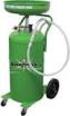 SERVICE BULLETIN SB4027 Rev. I 1/11 For Used Oil Only ROUGHNECK II Pumpless Drain Model #4110-022 FOR USED OIL ONLY (Black) For Antifreeze Only Model #4110-023 FOR USED ANTIFREEZE ONLY (Green) Patent #
Volkswagen Golf 5 2004-> VW Rabbit GTI 2006->
 Стр. 1 из 24 Volkswagen Golf 5 2004-> VW Rabbit GTI 2006-> 19-1 Cooling system components Warning! Hot steam may escape when opening expansion tank. Wear protective goggles and protective clothing to prevent
THC 85 INDUSTRIAL / COMMERCIAL SPACE HEATER
 THC 85 INDUSTRIAL / COMMERCIAL SPACE HEATER Certified to / Certifié à CGA 2.14 M2000 Conforms to / Conforme à ANSI std Z83.7 2000 Suitable for indoor or outdoor installation / Unvented / Unattended Type
MANI-FLEX AutoSwitch
 ADI 3059-B Certified ISO 9000 MANI-FLEX AutoSwitch Automatic and Semi-Automatic Switchover Systems INSTALLATION AND OPERATION INSTRUCTIONS Before Installing or Operating, Read and Comply with These Instructions
TABLE OF CONTENTS. SECTION 1 General Information: Pg 2 Description of Operation
 GTRDD SERIES HEATLESS DRYER INSTALLATION, OPERATION & MAINTENANCE MANUAL TABLE OF CONTENTS SECTION 1 General Information: Pg 2 Description of Operation SECTION 2 Safety Instructions: Pg 3 Installation
http://waterheatertimer.org/troubleshoot-rheem-tankless-water-heater.html
 http://waterheatertimer.org/troubleshoot-rheem-tankless-water-heater.html TECHNICAL SERVICE DEPARTMENT Removal, Cleaning, & Reinstallation of the Burner Assembly For models 74 & GT199 Required tools -
Vehicle Maintenance Facilities Requirements for CNG and LNG Vehicles
 Vehicle Maintenance Facilities Requirements for CNG and LNG Vehicles Presented by: Leo Thomason Executive Director Natural Gas Vehicle Institute (NGVi) at NFPA Conference and Expo, June 11, 2014 Leo Thomason
Product Manual. CVS Type 67AFR Filter Regulator. Introduction. Installation. Description
 Product Manual CVS Type 67AFR Filter Regulator Introduction This CVS Controls product manual includes instructions for the installation, adjustment, maintenance and parts ordering of the CVS Type 67AFR
Constantemp Double Wall Low pressure steam-water Heater F-340LDW,F-640LDW, F-940LDW and F-1240LDW
 Installation, Operating and Maintenance Instructions 90/4.5.5 Rev. 0 Constantemp Double Wall Low pressure steam-water Heater F-340LDW,F-640LDW, F-940LDW and F-1240LDW Table of Contents SECTION I... 2 INSTALLATION...
COOLING SYSTEM Section Page
 5 COOLING SYSTEM Section Page 5.1 COOLANT PRE-HEATER... 5-3 5.2 COOLANT PUMP NON-EGR ENGINE... 5-7 5.3 COOLANT PUMP EGR ENGINE... 5-13 5.4 FRONT CONNECTOR HOUSING NON-EGR ENGINE... 5-17 5.5 FRONT CONNECTOR
Cooling system components, removing and installing
 Engine BHW Cooling system components, removing and installing Page 1 / 24 19-1 Cooling system components, removing and installing Warning! When doing any repair work, especially in the engine compartment,
Compressed Gas Cylinder Safety
 Compressed Gas Cylinder Safety I. Background. Due to the nature of gas cylinders, special storage and handling precautions are necessary. The hazards associated with compressed gases include oxygen displacement,
COMPRESSED GASES. 1.2 The contents of each cylinder and container must be clearly identified (by tag or stamp) on the cylinder.
 Page 1 of 5 COMPRESSED GASES A compressed gas is defined as any mixture of gases in a container with a pressure exceeding 40 psi. at 70 o F, or 104 psi. at 130 o F; or any flammable liquid with an absolute
SELECTION, APPLICATION AND MAINTENANCE
 DIESEL PROTECTION SYSTEMS Automatic Diesel Engine Shut Down System for Safe Area Applications SELECTION, APPLICATION AND MAINTENANCE Series 300 Series 310 SYSTEM DESCRIPTION Suitable for attended engine
CTV-1500 Cooling Tower Vacuum Operating & Maintenance Manual
 CTV-1500 Cooling Tower Vacuum Operating & Maintenance Manual Goodway Technologies Corporation 420 West Avenue Stamford, CT 06902-6384 (203)359-4708 Sales: 1-800-333-7467 Customer Service: 1-800-370-2855
Section 7 Adjustment, Repair and Replacement
 Section 7 Adjustment, Repair, and Replacement Page 7-1 Section 7 Adjustment, Repair and Replacement Section Contents Page Overview...7-5 Belts Belt Guard Removal/Installation...7-7 Belt Removal/Installation...7-11
Cleaning Instructions for Burner, Pilot Assembly, and Emitter Screen Series: 220000-450000
 Cleaning Instructions for Burner, Pilot Assembly, and Emitter Screen Series: 220000-450000 10 mm open end wrench 12 mm open end wrench 9/16 open end wrench 5/8 open end wrench 11/16 open end wrench 9/16
James M. Pleasants Company
 James M. Pleasants Company SUBMITTAL DATA GAINESVILLE MECHANICAL DECEMBER 20, 2013 PROJECT: GSU: J-183 HUMANITIES LAW BLDG. QUOTE NO:12116 ENGINEER: STEVENS & WILKINSON GASKETED PLATE HEAT EXCHANGER Tag:
How To Fix A Car With A Carbide Engine
 Section 12 Adjustment, Repair, and Replacement Page 12-1 Section 12 Adjustment, Repair and Replacement Section Contents Page Overview...12-5 Belts Belt Guard Removal/Installation...12-7 Belt Removal/Installation...12-11
PBX Series Quick Fit Connector Bimetallic Steam Traps
 6262100/6 IM-P626-01 ST Issue 6 PBX Series Quick Fit Connector Bimetallic Steam Traps Installation and Maintenance Instructions 1. Safety information 2. General product information 3. Installation 4. Commissioning
INSTANT HOT WATER RECIRCULATING SYSTEM
 INSTANT HOT WATER RECIRCULATING SYSTEM INSTALLATION AND OPERATING INSTRUCTIONS Save manual for future reference MODEL 500800 Warning Please read carefully before proceeding with installation. Your failure
OHIO MEDICAL CORPORATION. Medical Gas Panel. Installation and Maintenance Manual
 OHIO MEDICAL CORPORATION Medical Gas Panel Installation and Maintenance Manual P/N 255105 (Rev.5) 08/2005 P/N 255105 (Rev.5) 08/2005 PAGE 2 OHIO MEDICAL CORPORATION PAGE 3 1.0 User Responsibilities The
Voltmaster Trash Pumps Model TSP2, TSP3 and TSP4
 Model TSP2, TSP3 and TSP4 Owner s Manual July 2010 Table of Contents 1 Introduction...................................................... 1 1.1 Read before using..............................................
NFPA31FuelOilPiping 1 Revised 3-1-11
 NFPA 31 Fuel Oil Piping, Installation and Testing Chapter 8 Fuel Piping Systems and Components 8.1 Scope. This chapter shall apply to piping systems and their components used to transfer fuel oil from
Failure to comply with the following cautions and warnings could cause equipment damage and personal injury.
 1.0 IMPORTANT RECEIVING INSTRUCTIONS Visually inspect all components for shipping damage. Shipping Damage is not covered by warranty. If shipping damage is found, notify carrier at once. The carrier is
OPERATING and MAINTENANCE MANUAL SERIES 2700A CONTROL VALVE CONTENTS. INTRODUCTION...1 Scope...1 Description...1 Valve Identification...
 OPERATING and MAINTENANCE MANUAL SERIES 2700A CONTROL VALVE CONTENTS INTRODUCTION...1 Scope...1 Description...1 Valve Identification...2 1.0 VALVE INSTALLATION...2 2.0 VALVE MAINTENANCE...3 Actuator Disassembly...3
TYPE E Main Valve Sizes 3 /8 through 12
 SD 3001F PRINTED IN U.S.A. SD 3001F/0707 A B TYPE E MAIN VALVE C D E TYPE E Main Valve Sizes 3 /8 through 12 The Spence Type E Main Valve is of normally closed, single seat design featuring packless construction,
2010 Residential Water Heater Replacement Check List
 2010 Residential Water Heater Replacement Check List The intent of this check list is to provide installers a general reference for the enforcement of code requirements in the Greater San Diego Area. This
SELECTION, APPLICATION & MAINTENANCE
 DIESEL PROTECTION SYSTEMS TPZ Engine Air Intake Shut Down Valves (Combined Automatic Overspeed and Air Pressure Operated Shut Down Bendix Types) SELECTION, APPLICATION & MAINTENANCE Valve Numbers TPZ-101
Installation Instructions 4508 4508S
 SYMPHONY Spread Lavatory Faucet with Speed Connect Drain Congratulations on purchasing your American Standard faucet with Speed Connect drain, a feature found only on American Standard faucets. Speed Connect
San josé OWNER S MANUAL
 San josé OWNER S MANUAL Assembling & operating manual San josé 30 mbar - PORTABLE GAS BARBECUE 1. 2. 3. Improper installation, adjustment, alteration, service or maintenance can injury or property damage.
Manual for Fire Suppression & Methane Detection System
 Manual for Fire Suppression & Methane Detection System Fogmaker North America Post address: 150 Gordon Dr Exton, PA 19341 Delivery address: 150 Gordon Dr Exton, PA 19341 Tel: 610-265-3610 Fax: 610-265-8327
Volkswagen Jetta, Golf, GTI 1999, 2000 Brake System 47 Brakes - Hydraulic Components (Page GR-47)
 47 Brakes - Hydraulic Components (Page GR-47) FS III front brake calipers, servicing Front brake caliper piston, removing and installing FN 3 front brake calipers, servicing Front caliper piston, removing
ARCO Electric Products Installation and Maintenance Manual Low Voltage Automatic Power Factor Correction Capacitor Systems 2013
 ARCO Electric Products Installation and Maintenance Manual Low Voltage Automatic Power Factor Correction Capacitor Systems 2013 READ CAREFULLY These instructions are intended to cover good practices in
Use & Care Manual. Electric Tankless Water Heaters. With Installation Instructions for the Installer AP15447 (10/10)
 Use & Care Manual With Installation Instructions for the Installer Electric Tankless Water Heaters The purpose of this manual is twofold: one, to provide the installer with the basic directions and recommendations
LPM-06 CONVERSION KIT
 LPM-06 CONVERSION KIT TWO-STAGE FURNACE NATURAL GAS TO L.P. GAS CONVERSION Goodman Manufacturing Company, L.P. 2009-2011 5151 San Felipe, Suite 500, Houston, TX 77056 www.goodmanmfg.com -or- www.amana-hac.com
PROCEDURES PREVENTION OF ACCIDENTAL IGNITION
 Page No: 1 of 7 6.0 PURPOSE (192.751) All possible precautions shall be exercised to prevent the accidental escape and ignition of gas. Whenever possible, potential sources of ignition should be eliminated
Operators manual Basic water heater
 Operators manual Basic water heater Isotemp Basic water heater has been designed and produced to ensure that your water heater will give long and trouble free operation for many years. It is important,
11101, 11108 & 11151 INSTALLATION INSTRUCTIONS
 11101, 11108 & 11151 INSTALLATION INSTRUCTIONS WARNING! The fuel system is under pressure. Do not open the fuel system until the pressure has been relieved. Refer to the appropriate vehicle service manual
Fuel Injection Pump, Rotary (005-014)
 Fuel Injection Pump, Rotary View Related Topic Page 1 of 30 Fuel Injection Pump, Rotary (005-014) Table of Contents Summary General Information Preparatory Steps Remove Front Gear Train Rear Gear Train
Geyser-R Heat pump water heater Installation manual
 Geyser-R Heat pump water heater Installation manual 1 Version 2.9 SAFETY INFORMATION Please read carefully to prevent serious accidents or injury. The Geyser-R Heat Pump Water Heater must be installed
Watts Pure Water Systems
 Watts Pure Water Systems WM-120-PT Installation and Operation Manual Premier Water Systems Do not use with water that is microbiologically unsafe or of unknown quality without adequate disinfection before
OPERATING AND MAINTENANCE MANUAL FOR COMMERCIAL ELECTRIC WATER HEATER ELECTRIC HEATER COMPANY BASE MODEL SE
 OPERATING AND MAINTENANCE MANUAL FOR COMMERCIAL ELECTRIC WATER HEATER ELECTRIC HEATER COMPANY BASE MODEL SE HUBBELL ELECTRIC HEATER COMPANY P.O. BOX 288 STRATFORD, CT 06615 PHONE: (203) 378-2659 FAX: (203)
Universal Adjustable Fuel Pressure Regulator
 Universal Adjustable Fuel Pressure Regulator Installation Instructions for: Part Numbers 25-302 U.S. Patent # 6,298,828! Due WARNING: to the fact that this installation deals with your fuel system this
UCLA - Compressed Gas Cylinder Storage and Handling
 UCLA - Compressed Gas Cylinder Storage and Handling Purpose UCLA is committed to provide safety guidelines concerning the handling and use of portable compressed gas cylinders. Compressed gases represent