
Smokeless tobacco use in Sri Lanka
|
|
|
- Patrick Carson
- 9 years ago
- Views:
Transcription
1 Review Article Smokeless tobacco use in Sri Lanka Somatunga LC, Sinha DN 1, Sumanasekera P 2, Galapatti K 2, Rinchen S 1, Kahandaliyanage A 1, Mehta FR 3, Jayasuriya-Dissanayake NL 3 Ministry of Healthcare and Nutrition, Sri Lanka, 1 World Health Organization, Regional Office for South East Asia, New Delhi, India, 2 Alcohol and Drug Information Centre, Colombo, 3 World Health Organization, Sri Lanka, Colombo Correspondence to: Dr. Dhirendra N. Sinha, E mail: [email protected] Abstract To comprehensively review the issues of smokeless tobacco use in Sri Lanka. This review paper is based on a variety of sources including Medline, WHO documents, Ministry of Health and Nutrition, Colombo and from other sources. RESULTS: The prevalence of smokeless tobacco (SLT) use in Sri Lanka has been reported high, especially among rural and disadvantaged groups. Different smokeless tobacco products were not only widely available but also very affordable. An increasing popularity of SLT use among the youth and adolescents is a cause for concern in Sri Lanka. There were evidences of diverse benign, premalignant, and malignant oral diseases due to smokeless tobacco use in the country. The level of awareness about health risks related to the consumption of smokeless tobacco products was low, particularly among the people with low socio economic status. In Sri Lanka various forms of smokeless tobacco products, some of them imported, are used. At the national level, 15.8% used smokeless tobacco products and its use is three fold higher among men compared to women. Betel quid is by far the traditional form in which tobacco is a general component. Other manufactured tobacco products include pan parag/pan masala, Mawa, Red tooth powder, Khaini, tobacco powder, and Zarda. Some 8.6% of the youth are current users of smokeless tobacco. There are studies demonstrating the harmful effects of smokeless tobacco use, especially on the oral mucosa, however, the level of awareness of this aspect is low. The highest mean expenditure on betel quid alone in rural areas for those earning Rs. 5,000/month was Rs The core issue is the easy availability of these products. To combat the smokeless tobacco problem, public health programs need to be intensified and targeted to vulnerable younger age groups. Another vital approach should be to levy higher taxation. Key words: Impact of smokeless tobacco use, policy intervention, prevalence of smokeless tobacco use, smokeless tobacco products Introduction Smokeless Tobacco (SLT) use is widely prevalent in many forms in Sri Lanka. Chewing betel quid with tobacco has been a part of cultural practice among Sri Lankans for centuries. The smokeless tobacco use, especially in rural areas, has been reported to be high. The trends of availability of manufactured smokeless tobacco products in different parts of the country and its increasing popularity among youth and Quick Response Code: Access this article online Website: DOI: / X PMID: adolescents add new dimension to the tobacco epidemic in the country. The morbidity and mortality are also increasingly becoming apparent due to smokeless tobacco use. Hence, in this context, smokeless tobacco use in Sri Lanka was reviewed. Materials and Methods This review paper is based on information from following sources: Literature search including PECOS: Mentioned in Tables 1 and Table 2 One local study commissioned paper by WHO SEARO Data on smokeless tobacco from the Ministry of Health and Nutrition, Colombo and WHO Personal communication with experts in Sri Lanka. The present review mainly concentrates on the 357

2 Table 1: Percentage of current users of tobacco products among adults aged years, 2011 Current users Total (%) Male (%) Female (%) Smokeless tobacco Any smoked tobacco Source: Wolrd Health Organi sation (2011) [7], The global tobacco epidemic report (2011), Sri Lanka. [6] Table 2: Prevalence of betel quid use with tobacco among males aged 18 years and above in Colombo and Polonnaruwa district, 2007 Age group Urban (%) Rural (%) ( ) ( ) 10.4 ( ) ( ) 21.2 ( ) ( ) 20.2 ( ) ( ) 31.4 ( ) > ( ) 36.0 ( ) Total (18 >65) 1.7 ( ) 17.6 ( ) Source: VA de Silva et al., Sri Lanka [7] availability and affordability of smokeless tobacco products, awareness about the consequences of smokeless tobacco use among population, morbidity and mortality issues, and health policies to combat smokeless tobacco epidemic in Sri Lanka. Results Use of betel quid Betel quid is called bulath hapaya in Sinhala and its use has been culturally encouraged in Sri Lankan homes since the ancient times. Offering of betel quid to any visitor to a home and also after any meal or tea has been widely practiced in ancient Sri Lanka. It is still considered an important social and cultural custom in the rural household. When greeting or worshiping elders and dignitaries at family and social functions like weddings and also at auspicious occasions like the Dawn of the Sinhala or Tamil New Year in April, which is considered the biggest cultural event in Sri Lanka, it is customary to offer a sheaf of betel leaves with a dried leaf of tobacco. Even the children are taught to practice this age old tradition when meeting their teachers on the first day of their schooling. [1] Basically, betel quid contains betel leaf (Piper betle), locally called bulath kola, pieces of arecanut (Areca catechu), slaked lime (calcium hydroxide), and may contain a few flakes of tobacco. Other substances, such as cardamom, saffron, cloves, aniseed, turmeric, etc., are often added to the betel quid. Betel quid can be prepared at home for personal consumption, or by vendors for sale. One preparation of quid (bulath vita) may cost about Rs Betel quid is sold in small kiosks or on the streets by vendors. Betel quid, with its ingredients wrapped in a small piece of newspaper, is known as bulath vita and is sold for around Rs. 15. Betel quid presented as a cone, which is prepared by neatly wrapping grated colored coconut kernels, arecanut scrapings, and some other spices in a betel leaf, is called sara bulath vita. This form is offered by street vendors at times of public functions. In recent years, another form called beeda [Figure 1] has been introduced, which is made up of the quid wrapped in a betel leaf accompanied with a small sachet of a mixture of unknown products imported from neighbouring countries. These are put together in cellophane packets and sold at prices ranging from Rs 15 to 50 per packet depending on their sizes. These unknown products are reported to cause giddiness or a high feeling when chewed. [2-3] Ingredients Betel quid and tobacco are available in most parts of the country. The most common form of smokeless tobacco use in Sri Lanka is as an ingredient of betel quid, more often in the rural and estate areas. There is a wide customer choice for tobacco components. Chewing along with newer manufactured tobacco products is a new fashion. [2,3] In Sri Lanka, tobacco (species of Nicotiania) is called dumkola and is grown in two seasons: The Maha (November to May) and the Yala (May to November). Tobacco farmers are categorized depending on the types of tobacco plants grown, the main markets for their produce, and methods used for the curing of the tobacco leaf. Majority of the farmers grow tobacco for Ceylon Tobacco Company (CTC) that manufactures cigarettes. A very small amount of tobacco is grown for chewing. The raw tobacco that comes from the Jaffna peninsula in the north of Sri Lanka is popular for chewing. [2,3] Betel vine is grown mainly in the western part of Sri Lanka. Gampaha district is the major supplier of betel quid in the country. This non seasonal crop yields good income to farmers. The commercial production of betel vine, with bigger leaves with dark green color combined with thickness, is known as kalu bulath. The demand for betel leaves is constant and high throughout the year. A sheaf of betel contains 25 leaves, and is priced at Rs. 25 per sheaf. Sri Lanka also exports betel leaves to other countries such as Bangladesh, India, Maldives, and Pakistan. Arecanut in Sinhala is called puwak and is cultivated in most parts of the country, especially in the wet and intermediate zone. The price of betel quid mostly
![[6] Table 2: Prevalence of betel quid use with tobacco among males aged 18 years and above in Colombo and Polonnaruwa district, 2007 Age group Urban (%) Rural (%) 18 24 0 2.7 (0.56 4.9) 25 34 0.4 ( 0.](/docs-images/43/21615169/images/page_2.jpg "35-1.0) 10.4 (7.3 13.6) 35 44 2.5 (0.8 4.2) 21.2 (16.3 26.1) 45 54 1.7 (0.04 3.4) 20.2 (15.1 25.3) 55 64 2.9 (0.37 5.5) 31.4 (23.9 38.8) >65 3.9 ( 0.4 6.6) 36.0 (27.4 44.7) Total (18 >65) 1.7 (0.92 2.")
3 [Downloaded free from on Thursday, March 28, 2013, IP: ] Click here to download free Android application for this jou Figure 1: Beeda preparation (Photo credit: Alcohol and Drug Figure 2: Packet of Pan masala, (Photo credit: Alcohol and Drug Figure 3: Flakes of Mawa, (Photo credit: Alcohol and Drug Information Centre (ADIC), Colombo, Sri Lanka) Figure 4: Red tooth powder, (Photo credit: Alcohol and Drug depends on the availability of arecanut in the market. The cost of one arecanut ranges from 50 cents to Rs. 5 during the year. There are different forms of arecanut according to the way they are produced unripe arecanut, ripe arecanut, and fermented arecanut known as madapuwak. though the data on prevalence is not available. It is very cheap costing just about Rs 2 per packet.[1] Other manufactured smokeless tobacco products in Sri Lanka A study commissioned by the WHO among the population in Colombo, Monaragala, and Nuwara Eliya districts representing the urban, rural, and estate sectors, respectively, found that the following smokeless tobacco products are used.[1] Pan parag/pan masala is a product consisting of areca nut, slaked lime, catechu (Acacia catechu), some condiments, and tobacco may be added [Figure 2]. They come in many brands, often imported from India and Pakistan. Its use is widespread among adolescents in Sri Lanka even Mawa is a blend of pieces or thin shavings of dried arecanut with tobacco flakes and slaked lime, and comes in an attractive packet. It is chewed. It costs around Rs. 50 per packet, and is popular among adolescents [Figure 3]. This is also imported from other countries.[1] Red tooth powder is imported mainly from India. It is a powdery preparation containing tobacco, and is used by placing it between the teeth and gums. This power is believed to help maintain oral health. It is popular among school children. It costs about Rs 150 per bottle [Figure 4].[1] Khaini (also known under the brand name Hans) consists of tobacco mixed with lime and honey/alcohol packed in plastic sachets. Hans is one of the most popular brands found only in Colombo. Khaini is kept 359

4 [Downloaded free from on Thursday, March 28, 2013, IP: ] Click here to download free Android application for this jou between lips and gums and the quid is sucked or spat out. Common users of Khaini are people in the lower income groups, particularly the labor community. It costs about Rs.150 [Figure 5]. Tobacco powder is widely available, affordable, and popular among young students. This product is placed in the mouth and sucked or used nasally. Elderly used it in the past thinking that it had some medicinal value that could prevent influenza [Figure 6]. Babul and Babul like products are a mixture of tobacco leaf, arecanut, lime, and some other substances. It is basically imported from India and available in urban areas. It comes always with tobacco while pan parag may be without tobacco in it. Babul Beeda, imported from Pakistan, is another popular brand in Sri Lanka, which is primarily used in bulath vita, and is a favorite among people of all ages[2,3] [Figure 7]. Figure 5: Packets of Khaini, (Photo credit: Alcohol and Drug Smokeless tobacco use among adults Studies in eighties and nineties show that the prevalence of betel chewing was very high in rural Sri Lanka. In one study among villagers in 1982, 54% of males and 42% of females used betel quid regularly.[4] According to the National Oral Health Survey of 1994/1995, the prevalence of betel quid use was 33.78% among year olds and 47.7% among year olds with an overall prevalence of 40.5% among year olds.[5] Figure 6: Tobacco powder, (Photo credit: Alcohol and Drug Information Centre (ADIC), Colombo, Sri Lanka) At the national level, in 2007, 15.8% of adult population aged years in Sri Lanka used smokeless tobacco. Smokeless tobacco use among men (24.9%) was over three fold more than that of women (6.9%). Overall, there was no significant difference between the smokeless tobacco use (15.6%) and any tobacco smoked (15%) among the current tobacco users. However, smokeless tobacco use (6.9%) was higher than smoking (0.4%) among females [Table 1].[6,7] In rural (Polonaruwa) and urban (Colombo) district, one study among 2,684 males aged 18 years and above showed that the prevalence of betel quid use with tobacco in the rural area (17.6%) was significantly higher than in the urban area (1.6%). The prevalence was lowest among males between years of age (2.7%) and highest among over 65 years (36%). In rural areas, the prevalence of betel chewing was 18.2% among Sinhalese and 6.6% among moors. In the rural areas, prevalence of betel chewing was significantly associated with age, and the odds of being a betel quid chewer increased with age; with the odds for those aged >65 years being compared to the reference group years [Table 2].[8] 360 Figure 7: Babul beeda packets[3] Asian betel quid consortium of South and East Asia carried out the prevalence study on betel quid chewing across six Asian countries. In Sri Lanka, the study among 1,072 subjects from three provinces of Gangawata Korale, Udunuwara, and Yatinuwara with the response rate of 99%, showed the prevalence of betel quid with tobacco was 6.4% among men and 3.2% among women.[9]
![Common users of Khaini are people in the lower income groups, particularly the labor community. It costs about Rs.150 [Figure 5].](/docs-images/43/21615169/images/page_4.jpg "Tobacco powder is widely available, affordable, and popular among young students. This product is placed in the mouth and sucked or used nasally.")
5 Smokeless tobacco use among youth Sri Lanka conducted Youth Tobacco Survey (GYTS) in A total of 4,031 students aged years participated in the survey. The overall response rate was 84.2%. The prevalence of current users of smokeless tobacco among students was 8.6%. The prevalence was higher among males (13%) than females (4.1%). The overall prevalence of betel quid with tobacco was 7.1%; it was higher among boys (11.3%) than girls (2.9%). However, other than betel quid with tobacco, both boys and girls used equally other forms [Table 3]. [10] When the difference in SLT use among boys and girls was compared between 2007 and 2011, the change was not statistically significant. However, a gradual rise in the total SLT use was noticed during this period [Figure 8]. [10,11] Awareness Many studies also revealed that the overall understanding and the level of awareness about health risks attributable to consumption of smokeless tobacco products is low among Sri Lankans. [12-14] The population with low socio economic status was found to have a low level of awareness about oral cancer and OPMD (oral potentially malignant disorders). [12] Estate workers were significantly less aware than villagers even through the SLT use is high as compared with others. Most estate people only knew that tobacco can cause health Table 3: Percentage of current users of smokeless tobacco among students aged years old Smokeless tobacco use Tobacco with betel Any form of smokeless tobacco other than betel quid Total 8.5 ( ) 7.1 ( ) 2.5 ( ) Male 13.0 ( ) 11.3 ( ) 3.0 ( ) Female 4.1 ( ) 2.9 ( ) 1.8 ( ) Source: Sri Lanka GYTS 2011 [9] Figure 8: Percentage of current users of smokeless tobacco among youth aged years Source: Sri Lanka GTYS Reports of 2007 and 2011 [3,4] problems, but they were not aware that the major risk of consuming smokeless tobacco products was oral cancer. Most of the rural and estate sector users did not know the symptoms of oral cancer. Many users believed that the use of smokeless tobacco products makes them feel manly, energetic, and excited. Spitting by betel quid users is also a common problem in Sri Lanka. Most of the users are unaware that this could cause tuberculosis and other diseases. [1] Some women in the tea plantation use betel quid to keep themselves warm in cold season, avoid bad breath, and hunger. Also, some workers in the estate use it to keep away the leeches while they are working. It seems as if chewing betel quid among estate workers has become a necessity as they believe that they can survive without food but not without betel quid. [13] Health impact of smokeless tobacco use in Sri Lanka Oral cancer is the most common cancer among men in Sri Lanka accounting up to 12% of total malignant diseases in the country. [15] The report of Ministry of Health shows that the incidence of diseases related to tobacco use, such as ischemic heart disease, neoplasms, cerebrovascular accidents, is on the rise. [16,17] Tobacco use is the second biggest cause of all deaths and disabilities arising from non communicable diseases in Sri Lanka. [15] Oral cancer is often preceded by premalignant lesions or oral potentially malignant lesions and conditions (OPMC)/Oral Potentially Malignant Disease (OPMD). [18] The global prevalence of OPMD is reported to be between 1 and 5%. [19] A high prevalence of OPMD is reported from South and East Asia with male preponderance, and with malignant transformation rates of over 2% per year. [11, 17-20] According to the Sri Lankan National Oral Health Survey 2002/2003, it is estimated that more than 2,84,000 people are alive with OPMD, a prevalence of 3.4% (Ministry of Health Sri Lanka, 2009). [21] The nature and prevalence of risk factors for OPMDs differ by country and region. In the developing world, tobacco and arecanut used either singly or in various combinations of betel quid or pan, account for the vast majority of the most common OPMD, leukoplakia [22] have recently shown that, in Sri Lanka, the population attributable risks for OPMD of daily betel quid chewing and of regular consumption of alcohol can be estimated at 84 and 25%, respectively. Further, recent meta analyses of the available literature have shown that socioeconomic status (SES) can be considered a significant risk marker for oral cancer, presumably as a surrogate for poor diet, and for heavier use of arecanut, tobacco, and perhaps alcohol. [23] A study among tea estate laborers found that 92% with oral mucosal lesions reported betel quid chewing. [11] Betel chewing has been associated with a high risk 361
![1%; it was higher among boys (11.3%) than girls (2.9%). However, other than betel quid with tobacco, both boys and girls used equally other forms [Table 3].](/docs-images/43/21615169/images/page_5.jpg "[10] When the difference in SLT use among boys and girls was compared between 2007 and 2011, the change was not statistically significant.")
6 of pre cancerous lesions including oral sub mucous fibrosis (OSF). [24] One study based on hospital based cancer registry reports showed a decline in the age standardized incidence of lip and oral cavity cancers between 1985 and 2005 and an increase in cancer of the oropharynx incidence over the same period. [Ariyawardana and Warnakulasuriya, 2011] [25] However, National Cancer Control Programme showed an increase and oral cancer tops the list of all cancers in Sri Lanka in [16] Economic impact of smokeless tobacco use in Sri Lanka A majority of the smokeless tobacco users were reported from low socioeconomic groups in Sri Lanka. A betel quid in the market would cost around Rs. 10, and on average a betel quid user would spend Rs. 280 per month. [1] One study found that the rural and urban area prevalence was significantly associated with income (P < 0.05). In both study areas ((Polonnaruwa and Colombo), the prevalence was highest among those with a monthly income <Rs 5,000. In rural areas, 23.8% of those with a monthly income <Rs 5,000 chewed betel, while only 4.7% of those earning >Rs 25,000 a month chewed betel. Among income categories, odds were highest for those with monthly income of <Rs 5,000. Of the betel chewers, 93.8% used it daily while only 5% used it less than 10 days a month. The mean number of betel quid used per day was 5.9 (SD 4.06). Rural betel users spent significantly more on betel monthly (mean = Rs. 883) than urban users (mean = Rs 371) (t = 3.75 P < 0.001). The highest mean expenditure on betel quid of Rs 962 was by users in the rural areas earning <Rs 5,000. This accounts for 19.2% of their income. The amount spent by urban user in the same income category was only Rs 307 per month. [8] Policy Intervention A study conducted by Warnakulasuriya et al., 1984 in Sri Lanka in the early 1980 s using Primary Health Care (PHC) staff in detection of OPMD and oral cancer reported a sensitivity of 89%. As a result, this approach has been included in the National Health Policy of Sri Lanka since The main obstacles to effective oral cancer screening over the intervening three decades include: The lack of adequate guidelines for PHC staff, particularly concerning which individuals should be examined, an excessive workload including their duties with mothers and babies, and with immunization programs, devolution of all vertical preventive programs to the provincial level; and lack of quality continuing education and assessment systems for health workers. [26-29] 362 Comments The core issue is the easy availability of domestically and internationally prepared smokeless tobacco products at a very affordable price added by continuing myths about smokeless products and shifting business tactics of tobacco industry from smoking tobacco products to smokeless tobacco products in its different form, named as mouth freshener, makes the issue more complex for tobacco control. New lucrative products conceived as Babul among Sri Lankan adolescents will hook them to experiment to come under nicotine trap making them daily smokeless tobacco user or smoker in future. Hence, it is imperative to monitor tobacco use prevalence at periodic interval using standard protocol such as Global Tobacco surveillance System (GTSS) [30] or Tobacco Questions for Surveys (TQS). [31] Public health awareness programs need to be intensified including educating about harms of all tobacco products. Media advocacy programs best suited for the country should be established in sustainable way. Reach of the programs should be wider so that it reaches to all corners most importantly to rural areas. Health alarms, like the effect on reproductive life and sexual impotence, are very effective ways to approach youth. Some appropriate strategies should also be developed targeting men and school boys to reduce the use of tobacco among them. It is equally necessary to make general public and sellers of smokeless tobacco products aware of the existence of policy framework and regulations (NATA) [32] on smokeless tobacco products. Multi sectoral efforts are needed to enforce the laws and regulations on smokeless tobacco products effectively and continue to monitor the key indicators of MPOWER policy package. Another vital approach should be to levy higher taxation and ban advertisement and import of arecanut preparations. References 1. WHO SEARO, Current situation of smokeless tobacco in Sri Lanka ( unpublished ) 2. Babul Beeda seized, OnLanka News Oct 28. Available from: [Last accessed on 2012 Dec 12] 3. Full-scale, islandwide war on drugs mafia. The Sunday Times Oct 31. Available from: nws_10.html [Last accessed on 2012 Dec 12] 4. Warnakulasuriya S. Smoking and chewing habits in Sri Lanka: implications for oral cancer and precancer. In: Gupta PC, Hamner JE, Murti PR, editors. Control of tobacco related cancers and other diseases. Bombay: Oxford University Press; p Ministry of Health. National Oral Health Survey 1994/1995. Colombo: Ministry of Health; Ministry of Health and Nutrition, Government of Sri Lanka, STEPS NCD Risk Factor Survey; World Health Organization. The WHO report on the global tobacco epidemic, Geneva; de Silva VA, Hanwella DR, Gnawardena N. Prevalence of betel chewing among males in Colombo and Polonnaruwa districts. J Coll Commnity Phys Sri Lanka 2009;14: Lee CH, Ko AM, Warnakulasuriya S, Yin BL, Sunarjo, et al.

7 Inter-country prevalences and practices of betel quid use in south, southeast and eastern asia regions and associated oral preneopalstic disorders: an internaltional collaborative study by Asian betel-quid consortium of south and east Asia. Int J Cancer 2011;129: Ministry of Health and Nutrition, Sri Lanka. Global Youth Tobacco Survey factsheet; Ministry of Health and Nutrition, Sri Lanka. Global Youth Tobacco Survey factsheet; Ariyawardana A, Sitheeque MA, Ranasinghe AW, Perera I, Tilakaratne WM, Amaratunga EA, et al. Prevalence of oral cancer and pre-cancer and associated risk factors among tea estate workers in the central Sri Lanka. J Oral Pathol Med 2007;36: Sanjeewa R, National Alcohol and Tobacco Control Authority (NATA), Colombo, Sri Lanka. Personal communication. 14. Amarasinghe HK, Usgodaarachchi US, Johnson NW, Lalloo R, Waranakulasuriya S. Public awareness of oral cancer of oral potentially malignant disorders and of their risk factors in some rural population in Sri Lanka. Community Dent Oral Epidemiol 2010:38; Perera B. Regional Health Forum South-East Asia Region Tobacco control in Sri Lanka. Vol. 3. World Health Organization. 16. Ministry of Health and Nutrition and WHO Sri Lanka, Cancer Incidence Data: Sri Lanka Year , Cancer Registry, National Cancer Control Programme, 555, Elvitigala Mawatha, Colombo 05, Sri Lanka. Available from: healthrepository.org/bitstream/ /338/1/cancer%20 registry% pdf [Last accessed on 2012 Dec 12] 17. Ministry of Health and Nutrition, Sri Lanka. Brief Tobacco Profile in Sri Lanka; Warnakulasuriya S, Johnson NW, van der Waal I. Nomenclature and classification of potentially malignant disorders of the oral mucosa. J Oral Pathol Med. 2007;36: Napier SS, Speight PM. Natural history of potentially malignant oral lesions and conditions: an overview of the literature. J Oral Pathol Med 2008;37: Chung CH, Yang YH, Wang TY, Shieh TY, Warnakulasuriya S. Oral precancerous disorders associated with areca quid chewing, smoking, and alcohol drinking in southern Taiwan. J Oral Pathol Med 2005;34: Ministry of Health Sri Lanka. National Oral Health Survey, Sri Lanka (2002/2003) 3rd publication. Colombo: Ministry of Health Sri Lanka; Amarasinghe HK, Usgodaarachchi US, Johnson NW, Lalloo R, Warnakulasuriya S. Betel-quid chewing with or without tobacco is a major risk factor for oral potentially malignant disorders in Sri Lanka: a case-control study. Oral Oncol 2010;46: Warnakulasuriya S. Significant oral cancer risk associated with low socioeconomic status. Evid Based Dent 2009;10: Ariyawardana A, Athukorala AD, Arulanandam A. Effect of betel chewing, tobacco smoking and alcohol consumption on oral submucous fibrosis: case control study in Sri Lanka. J Oral Pathol Med 2006; 35: Ariyawardana A, Warnakulasuriya S. Declining oral cancer rates in Sri Lanka: are we winning the war after being at the top of the cancer league table? Oral Dis 2011;17: Warnakulasuriya KA, Ekanayake AN, Sivayoham S, Stjernswärd J, Pindborg JJ, Sobin LH, et al. Utilization of primary health care workers for early detection of oral cancer and precancer cases in Sri Lanka. Bull World Health Organ 1984;62: Ministry of Health Sri Lanka National Health Policy of Sri Lanka. Ministry of Health Sri Lanka: Colombo; Amarasinghe AA. Early detection of oral cancer in the estate sector and the urban areas in the Kalutara district of Sri Lanka: a comparison of utilization of health staff and health volunteers. Sri Lanka Dent J 2007;37: National Cancer Control Programme Sri Lanka. Cancer Incidence Data: Sri Lanka Year th Publication. Colombo: NCCP; Global Tobacco surveillance System (GTSS). Available from: [Last accessed on 2012 Dec 12] 31. Global Tobacco surveillance System (GTSS). Tobacco Questions for surveys: A subset of key questions from the Global Adult Tobacco survey (GATS, 2010). Available from: surveillance/en_tfi_tqs.pdf [Last accessed on 2012 Dec 12] 32. NATA: National Authority on Tobacco and Alcohol Act No 27 of How to cite this article: Somatunga LC, Sinha DN, Sumanasekera P, Galapatti K, Rinchen S, Kahandaliyanage A, et al. Smokeless tobacco use in Sri Lanka. Indian J Cancer 2012;49: Source of Support: World Health Organization. Conflict of Interest: None declared. 363

SMOKELESS TOBACCO GLOSSARY
 SMOKELESS TOBACCO GLOSSARY 1 Smokeless tobacco glossary (in alphabetical order) Bajjar. A form of tobacco tooth powder traditionally used in India, in particular by women in state of Gujrat. The product
Pattern of Smokeless Tobacco Use among the Women in Old Dhaka
 Pyrex Journal of Dental and Oral Hygiene Pyrex Journal of Dental and Oral Hygiene Vol 2 (1) pp. 1-6 June, 2016 Copyright 2016 Pyrex Journals Author(s) retain the copyright of this article http://www.pyrexjournals.org/pjdoh
TONNES OF SMOKELESS TOBACCO SOLD IN CANADA. 280 cigarettes. The use of chewing tobacco fell dramatically over the past century,
 Smokeless Tobacco New trends for an old product. A century ago, smokeless tobacco, in the form of snuff or plug tobacco, was quite 290 common in Canada and was more commonly used than manufactured 280
Globally 12% of all deaths among adults aged 30 years and over were attributed to tobacco.
 SUMMARY Proportion of all deaths attributable to tobacco (%) WHO Region Men Women All adults African 5 1 3 Americas 17 15 16 Eastern Mediterannean 12 2 7 European 25 7 16 South East Asian 14 5 10 Western
Tobacco Questions for Surveys A Subset of Key Questions from the Global Adult Tobacco Survey (GATS) 2 nd Edition GTSS
 GTSS GLOBAL TOBACCO SURVEILLANCE SYSTEM Tobacco Questions for Surveys A Subset of Key Questions from the Global Adult Tobacco Survey (GATS) 2 nd Edition GTSS GLOBAL TOBACCO SURVEILLANCE SYSTEM Tobacco
NCDs POLICY BRIEF - INDIA
 Age group Age group NCDs POLICY BRIEF - INDIA February 2011 The World Bank, South Asia Human Development, Health Nutrition, and Population NON-COMMUNICABLE DISEASES (NCDS) 1 INDIA S NEXT MAJOR HEALTH CHALLENGE
JAMAICA. Recorded adult per capita consumption (age 15+) Last year abstainers
 JAMAICA Recorded adult per capita consumption (age 15+) 6 5 Litres of pure alcohol 4 3 2 Beer Spirits Wine 1 1961 1965 1969 1973 1977 1981 1985 1989 1993 1997 21 Sources: FAO (Food and Agriculture Organization
Tobacco Control in India
 Tobacco Control in India K R Thankappan MD, MPH Professor Achutha Menon Centre for Health Science Studies Sree Chitra Tirunal Institute for Medical Sciences and Technology (SCTIMST), Trivandrum, India
Poverty Indicators Household Income and Expenditure Survey - 2006/07 Department of Census and Statistics Ministry of Finance and Planning Sri Lanka
 ISSN 1391-4695 March 2008 Poverty Indicators Household Income and Expenditure Survey - 2006/07 Department of Census and Statistics Ministry of Finance and Planning Sri Lanka Introduction The Household
Health and Longevity. Global Trends. Which factors account for most of the health improvements in the 20th century?
 8 Health and Longevity The health of a country s population is often monitored using two statistical indicators: life expectancy at birth and the under-5 mortality rate. These indicators are also often
Smokeless Tobacco and Cancer: Questions and Answers
 Smokeless Tobacco and Cancer: Questions and Answers Key Points Snuff is a finely ground or shredded tobacco that is either sniffed through the nose or placed between the cheek and gum. Chewing tobacco
MOUTH CANCER. How to spot the signs and symptoms and reduce your risk. cruk.org
 MOUTH CANCER How to spot the signs and symptoms and reduce your risk cruk.org Mouth cancer (also called oral cancer) is becoming more common in the UK. But around 9 in 10 cases could be prevented by changes
Country profile. Sri Lanka
 WHO Report on the Global Tobacco Epidemic, 2015 Country profile Sri Lanka WHO Framework Convention on Tobacco Control (WHO FCTC) status Date of signature 23 September 2003 Date of ratification (or legal
Draft Sri Lanka National Health Promotion Policy
 Draft Sri Lanka National Health Promotion Policy Table of contents Executive summary...1 Forewords...2 Preamble...3 The Concept for Health Promotion development...4 Guiding Principles...4 Current Sri Lanka
Summary. 1 WHO (2013) Country Profile of Capacity and Response to Noncommunicable diseases.
 Development of a limited set of action plan indicators to inform reporting on progress made in the implementation of the WHO Global Action Plan for the prevention and control of NCDs Summary This is a
Smokeless tobacco and health in India and South Asia
 Blackwell Science, LtdOxford, UKRESRespirology1323-77992003 Blackwell Science Asia Pty LtdDecember 200384419431Review ArticleTobacco and health: India and South AsiaPC Gupta and CS Ray Respirology (2003)
Smoking and Nicotine Addiction among Young People in Cyprus. Maria Karekla, Ph.D 1., & Margarita Kapsou, M.A 2.
 Smoking and Nicotine Addiction among Young People in Cyprus Maria Karekla, Ph.D 1., & Margarita Kapsou, M.A 2. 1 University of Nicosia, Nicosia, Cyprus 2 University of Cyprus, Nicosia, Cyprus Abstract
Country profile. Bhutan
 WHO Report on the Global Tobacco Epidemic, 2015 Country profile Bhutan WHO Framework Convention on Tobacco Control (WHO FCTC) status Date of signature 09 December 2003 Date of ratification (or legal equivalent)
WHO PACKAGE OF SIX EVIDENCE-BASED TOBACCO CONTROL MEASURES THAT ARE PROVEN TO REDUCE TOBACCO USE AND SAVE LIVES
 About 1.2 billion smokers are currently in the world. Tobacco consumption has led to a 100 million deaths in the last century, and statistics indicate estimated to rise to 1,000 million deaths by the end
Country profile. Saudi Arabia
 WHO Report on the Global Tobacco Epidemic, 2015 Country profile Saudi Arabia WHO Framework Convention on Tobacco Control (WHO FCTC) status Date of signature 24 June 2004 Date of ratification (or legal
HEALTH TRANSITION AND ECONOMIC GROWTH IN SRI LANKA LESSONS OF THE PAST AND EMERGING ISSUES
 HEALTH TRANSITION AND ECONOMIC GROWTH IN SRI LANKA LESSONS OF THE PAST AND EMERGING ISSUES Dr. Godfrey Gunatilleke, Sri Lanka How the Presentation is Organized An Overview of the Health Transition in Sri
The demand for cigarettes and other tobacco products. Anne-Marie Perucic Tobacco Control Economics Tobacco Free Initiative WHO
 The demand for cigarettes and other tobacco products Anne-Marie Perucic Tobacco Control Economics Tobacco Free Initiative WHO Price (tax) increases and tobacco use in the words of the tobacco industry
SMOKING TOBACCO: SMOKING
 TOBACCO: SMOKING One in 4 adults in Guam is a smoker. Among youth, 1 in 5 smokes. Guam s smoking rate is higher than most US States and Territories; this has remained unchanged since 2001. T O B A C C
Brief Analysis of Population and Housing Characteristics. Population and Housing Censuses in Sri Lanka Introduction
 Brief Analysis of Population and Housing Characteristics Population and Housing Censuses in Sri Lanka Introduction A Census of Population and Housing is undoubtedly the single most extensive statistical
The Curriculum of Health and Nutrition Education in Czech Republic Jana Koptíková, Visiting Scholar
 The Curriculum of Health and Nutrition Education in Czech Republic Jana Koptíková, Visiting Scholar ABSTRACT The average one-year health expenditure per capita in the European member states has doubled
Country profile. India
 WHO Report on the Global Tobacco Epidemic, 2015 Country profile India WHO Framework Convention on Tobacco Control (WHO FCTC) status Date of signature 10 September 2003 Date of ratification (or legal equivalent)
WHO STEPwise approach to chronic disease risk factor surveillance (STEPS)
 WHO STEPwise approach to chronic disease risk factor surveillance (STEPS) Promotion of Fruits and Vegetables for Health African Regional Workshop for Anglophone Countries Mount Meru Hotel, Arusha, Tanzania
Tanzania. Report card on the WHO Framework Convention on Tobacco Control. 29 July 2007. Contents. Introduction
 Report card on the WHO Framework Convention on Tobacco Control Tanzania Introduction Tobacco use is the single most preventable cause of death in the world today, and is estimated to kill more than five
What Works in Reducing Inequalities in Child Health? Summary
 What Works in Reducing Inequalities in Child Health? Summary Author: Helen Roberts Report Published: 2000 The 'What Works?' series Some ways of dealing with problems work better than others. Every child
Non-response bias in a lifestyle survey
 Journal of Public Health Medicine Vol. 19, No. 2, pp. 203-207 Printed in Great Britain Non-response bias in a lifestyle survey Anthony Hill, Julian Roberts, Paul Ewings and David Gunnell Summary Background
 SLIDE 1: Good morning; I would like to thank the organizers for the opportunity to speak today on a significant issue the relationship between tobacco taxation and public health. Much of the background
MATARA. Geographic location 4 (2006-07) Distribution of population by wealth quintiles (%), 2006-07 27.3 21.4 12.9 23.7 14.8. Source: DHS 2006-07
 Ministry of Health MATARA DEMOGRAPHICS Total population 822, (28) L and area (Sq. Km) 1,27 (26) under-five (%) 9.2 (26-7) 1 Females in reproductive age group (%) 2 5.1 (26-7) 1 Estimated housing units
Part 4 Burden of disease: DALYs
 Part Burden of disease:. Broad cause composition 0 5. The age distribution of burden of disease 6. Leading causes of burden of disease 7. The disease and injury burden for women 6 8. The growing burden
Stopping smoking. The carbon monoxide in tobacco smoke reduces the amount of oxygen that the blood carries to the heart and around the body.
 Checklist Session time: 30 minutes You will need Training card 10 Visual card 10 Summary sheet 10 USB Session 10 Stopping smoking The aim of the session is to understand: The impact of smoking on your
NETHERLANDS (THE) Recorded adult per capita consumption (age 15+) Last year abstainers
 NETHERLANDS (THE) Recorded adult per capita consumption (age 15+) 14 12 Litres of pure alcohol 1 8 6 4 Beer Spirits Wine 2 1961 1965 1969 1973 1977 1981 1985 1989 1993 1997 21 Year Sources: FAO (Food and
Social Marketing and Breastfeeding
 Global Journal of Management and Business Studies. ISSN 2248-9878 Volume 3, Number 3 (2013), pp. 303-308 Research India Publications http://www.ripublication.com/gjmbs.htm Social Marketing and Breastfeeding
A conversation with CDC s Alcohol Program, September 5, 2014
 A conversation with CDC s Alcohol Program, September 5, 2014 Participants Robert Brewer, MD, MSPH Epidemiologist; Lead, Excessive Alcohol Use Prevention Team (Alcohol Program), Division of Population Health
INDICATOR REGION WORLD
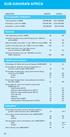 SUB-SAHARAN AFRICA INDICATOR REGION WORLD Demographic indicators Total population (2006) 748,886,000 6,577,236,000 Population under 18 (2006) 376,047,000 2,212,024,000 Population under 5 (2006) 125,254,000
Food costing in BC 2013. October 2014
 October 2014 Food costing in BC 2013 Sufficient, safe and nutritious food is critical to the health and well-being of the British Columbian population, which is why Provincial Health Services Authority
World Population Growth
 3 World Population Growth Why is world population growing faster than ever before? Population dynamics are one of the key factors to consider when thinking about development. In the past years the world
SOUTH AFRICA. Recorded adult per capita consumption (age 15+) Last year abstainers
 SOUTH AFRICA Recorded adult per capita consumption (age 15+) 18 16 14 Litres of pure alcohol 12 10 8 6 4 Beer Spirits Wine 2 0 1961 1965 1969 1973 1977 1981 1985 1989 1993 1997 2001 Year Sources: FAO (Food
Test Your Breast Cancer Knowledge
 Test Your Breast Cancer Knowledge Regular exams and a good understanding can help defend against breast cancer, yet many women hold outdated ideas about their own breast cancer risk. Take this quiz to
Your Future by Design
 Retirement Research Series Your Future by Design Health, money, retirement: The different needs of men and women This research report is one of several reports in the Your Future by Design Retirement Research
National alcohol use prevalence survey in Sri Lanka
 Journal of the Postgraduate Institute of Medicine 2014;1(1):E7:1-12 doi: http://dx.doi.org//jpgim.7858 Original Article National alcohol use prevalence survey in Sri Lanka L C Somatunga 1, LV R Ratnayake
HIV/AIDS: AWARENESS AND BEHAVIOUR
 ST/ESA/SER.A/209/ES DEPARTMENT OF ECONOMIC AND SOCIAL AFFAIRS POPULATION DIVISION HIV/AIDS: AWARENESS AND BEHAVIOUR EXECUTIVE SUMMARY UNITED NATIONS NEW YORK 200 1 2 HIV/AIDS: AWARENESS AND BEHAVIOUR Executive
Southern NSW Local Health District: Our Population s Health
 Page 1 of 5 This Factsheet summarises a selection of health indicators (health behaviours & risk factors, hospitalisations and deaths) for the of the Southern NSW Local Health District (LHD). Health services
Learning about Mouth Cancer
 Learning about Mouth Cancer Creation of this material was made possible in part by a pioneering grant from CBCC-USA. Distributed by India Cancer Initiative What is mouth cancer? Our bodies are made up
Social Policy Analysis and Development
 Social Policy Analysis and Development UNICEF/Julie Pudlowski for children unite for children UNICEF/Giacomo Pirozzi Fast facts Children 0 14 years living below the basic needs poverty line Children 0
Alcohol Units. A brief guide
 Alcohol Units A brief guide 1 2 Alcohol Units A brief guide Units of alcohol explained As typical glass sizes have grown and popular drinks have increased in strength over the years, the old rule of thumb
SUMMARY- REPORT on CAUSES of DEATH: 2001-03 in INDIA
 SUMMARY- REPORT on CAUSES of DEATH: 2001-03 in INDIA Background: Long-term mortality measurement by cause, gender and geographic area has been the requirement of every country. With this in view, Medical
4/30/2013 HPV VACCINE AND NORTH DAKOTA HPV IMMUNIZATION RATES HUMAN PAPILLOMAVIRUS (HPV) HUMAN PAPILLOMAVIRUS HPV CONTINUED
 HPV VACCINE AND NORTH DAKOTA HPV IMMUNIZATION RATES HUMAN PAPILLOMAVIRUS (HPV) HUMAN PAPILLOMAVIRUS What is human papillomavirus (HPV)? HPV is the most common sexually transmitted infection. There are
HIV and AIDS in Bangladesh
 HIV and AIDS in Bangladesh BACKGROUND The first case of HIV/AIDS in Bangladesh was detected in 1989. Since then 1495 cases of HIV/AIDS have been reported (as of December 2008). However UNAIDS estimates
INDICATOR REGION WORLD
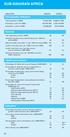 SUB-SAHARAN AFRICA INDICATOR REGION WORLD Demographic indicators Total population (2005) 713,457,000 6,449,371,000 Population under 18 (2005) 361,301,000 2,183,143,000 Population under 5 (2005) 119,555,000
ARGENTINA. Recorded adult per capita consumption (age 15+) Last year abstainers in Buenos Aires
 ARGENTINA Recorded adult per capita consumption (age 15+) 2 18 16 Litres of pure alcohol 14 12 1 8 6 4 2 1961 1965 1969 1973 1977 1981 1985 1989 1993 1997 21 Beer Spirits Wine Sources: FAO (Food and Agriculture
Diabetes. Gojka Roglic. Department of Chronic Diseases and Health Promotion. World Health Organization
 Diabetes Gojka Roglic What is diabetes? Diabetes mellitus is a metabolic disorder of multiple aetiology, characterized by chronic hyperglycaemia with disturbances of carbohydrate, fat and protein metabolism
Nutrition Education Competencies Aligned with the California Health Education Content Standards
 Nutrition Education Competencies Aligned with the California Health Education Content Standards Center for Nutrition in Schools Department of Nutrition University of California, Davis Project funded by
Sri Lanka s Food Industry Experience on HACCP Implementation
 Sri Lanka s Food Industry Experience on HACCP Implementation Nirupa Edirisinghe Group Quality Assurance Manager Cargills Ceylon PLC Sri Lanka Presentation Outline Overview Sri Lanka Food Sector HACCP Certification
Injury Survey 2008. Commissioned by. Surveillance and Epidemiology Branch Centre for Health Protection Department of Health.
 Injury Survey 2008 Commissioned by Surveillance and Epidemiology Branch Centre for Health Protection Department of Health September 2010 Copyright of this survey report is held by the Department of Health
WHY THE FDA SHOULD REGULATE TOBACCO PRODUCTS
 WHY THE FDA SHOULD REGULATE TOBACCO PRODUCTS WHAT IF a product consumed by nearly 50 million Americans every day killed one-third of those who became regular users and one-half of those who use it for
MALAWI YOUTH DATA SHEET 2014
 MALAWI YOUTH DATA SHEET 2014 2 of Every 3 People in Malawi Are Under Age 25 Age 80+ 75-79 70-74 65-69 60-64 55-59 50-54 45-49 40-44 35-39 30-34 25-29 Male Female 20-24 POPULATION 700,000 700,000 0 POPULATION
CANCER PREVENTION AND CONTROL IN INDIA
 CANCER PREVENTION AND CONTROL IN INDIA Cherian Varghese Non-communicable diseases including cancer are emerging as major public health problems in India. These diseases are lifestyle related, have a long
Poverty in Sri Lanka
 Poverty in Sri Lanka (Based on Household Income and Expenditure Survey - 2006/07) Department of Census and Statistics Ministry of Finance and Planning Sri Lanka Acknowledgement Household Income and Expenditure
The global tobacco crisis
 The global tobacco crisis Tobacco global agent of death Although tobacco deaths rarely make headlines, tobacco kills one person every six seconds. 1 Tobacco kills a third to half of all people who use
CENTRAL POLICY UNIT THE GOVERNMENT OF THE HONG KONG SPECIAL ADMINISTRATIVE REGION A STUDY ON DRUG ABUSE AMONG YOUTHS AND FAMILY RELATIONSHIP
 CENTRAL POLICY UNIT THE GOVERNMENT OF THE HONG KONG SPECIAL ADMINISTRATIVE REGION A STUDY ON DRUG ABUSE AMONG YOUTHS AND FAMILY RELATIONSHIP THE UNIVERSITY OF HONG KONG FEBRUARY 2011 1 EXECUTIVE SUMMARY
growing sources of employment in the country. In
 SRI LANKA 8,000 7,000 6,000 5,000 Fig. 1: Employment by Major Economic Activity ('000s), 2002-2008 Agriculture, Hunting, Forestry, Mining and Wholesale and Retail Trade Hotels and Restaurants Agriculture,
III. World Population Growth
 III. World Population Growth Population dynamics are one of the key factors to consider when thinking about development. In the past 50 years the world has experienced an unprecedented increase in population
The Burden of Cancer in Asia
 P F I Z E R F A C T S The Burden of Cancer in Asia Medical Division PG283663 2008 Pfizer Inc. All rights reserved. Printed in USA/December 2008 In 2002, 4.2 million new cancer cases 39% of new cases worldwide
Black and Minority Ethnic Groups Author/Key Contact: Dr Lucy Jessop, Consultant in Public Health, Buckinghamshire County Council
 Black and Minority Ethnic Groups Author/Key Contact: Dr Lucy Jessop, Consultant in Public Health, Buckinghamshire County Council Introduction England is a country of great ethnic diversity, with approximately
CONTROL AND PREVENTION OF ENTERIC FEVER: POLICY AND PRACTICE IN WHO SEARO
 CONTROL AND PREVENTION OF ENTERIC FEVER: POLICY AND PRACTICE IN WHO SEARO Professor Lalitha Mendis 8 th International Conference on Typhoid fever And Other Invasive Salmonelloses 1-2 March 2013 WHO Position
GENDER AND DEVELOPMENT. Uganda Case Study: Increasing Access to Maternal and Child Health Services. Transforming relationships to empower communities
 GENDER AND DEVELOPMENT Uganda Case Study: Increasing Access to Maternal and Child Health Services The Context World Vision has been active in working with local communities to increase access to health
AUSTRALIA AND NEW ZEALAND FACTSHEET
 AUSTRALIA AND NEW ZEALAND FACTSHEET What is Stillbirth? In Australia and New Zealand, stillbirth is the death of a baby before or during birth, from the 20 th week of pregnancy onwards, or 400 grams birthweight.
INTRODUCTION. Tobacco Prevention & Cessation Program Substance Abuse and Tobacco Cessation Report - March 2011
 TPCP Tobacco Prevention & Cessation Program Substance Abuse and Tobacco Cessation Report Report Prepared by Antionne Dewayne Alcorn, BS, CPC, CIT Contributors Miriam N Karanja, MBA Ma rc h 2 0 1 1 INTRODUCTION
Southern Grampians & Glenelg Shires COMMUNITY PROFILE
 Southern Grampians & Glenelg Shires COMMUNITY PROFILE Contents: 1. Health Status 2. Health Behaviours 3. Public Health Issues 4. References This information was last updated on 14 February 2007 1. Health
Science Technology and Innovation in Sri Lanka
 THE PANEL OF THE UNITED NATIONS COMMISSION ON SCIENCE AND TECHNOLOGY FOR DEVELOPMENT 28-30 November 2007 Kuala Lumpur Science Technology and Innovation in Sri Lanka The views presented here are the participants
Alcoholism and Drug Abuse in China By David J. Powell, Ph.D. President, International Center for Health Concerns, Inc.
 Alcoholism and Drug Abuse in China By David J. Powell, Ph.D. President, International Center for Health Concerns, Inc. Introduction Alcohol and drug abuse and dependence are worldwide concerns. In China,
VISION MISSION GOAL AND OBJECTIVES
 VISION MISSION GOAL AND OBJECTIVES 3. Vision, Mission, Goal and Objectives 3.1. Vision To create a tobacco-free society 3.2. Mission 3.3. Goal To promote individual, community and government responsibility
Successful prevention of non-communicable diseases: 25 year experiences with North Karelia Project in Finland
 Public Health Medicine 2002; 4(1):5-7 Successful prevention of non-communicable diseases: 25 year experiences with North Karelia Project in Finland Pekka Puska Abstracts The paper describes the experiences
Dublin Declaration. on Partnership to fight HIV/AIDS in Europe and Central Asia
 Dublin Declaration on Partnership to fight HIV/AIDS in Europe and Central Asia Against the background of the global emergency of the HIV/AIDS epidemic with 40 million people worldwide living with HIV/AIDS,
Tobacco/Marijuana. Tobacco. Short-term effects of smoking
 Tobacco/Marijuana Tobacco Nicotine, one of the more than 4,000 chemicals found in the smoke from tobacco products such as cigarettes, cigars, and pipes, is the primary component in tobacco that acts on
cambodia Maternal, Newborn AND Child Health and Nutrition
 cambodia Maternal, Newborn AND Child Health and Nutrition situation Between 2000 and 2010, Cambodia has made significant progress in improving the health of its children. The infant mortality rate has
Ireland and the EU 1973-2003 Economic and Social Change
 Ireland and the EU 1973-2003 Economic and Social Change Table 1 Population, 1971-2002 viii Table 2 Population of the provinces ix Table 3 Births, deaths and life expectancy ix Table 4 Numbers in education
EPIDEMIOLOGY OF HEPATITIS B IN IRELAND
 EPIDEMIOLOGY OF HEPATITIS B IN IRELAND Table of Contents Acknowledgements 3 Summary 4 Introduction 5 Case Definitions 6 Materials and Methods 7 Results 8 Discussion 11 References 12 Epidemiology of Hepatitis
Country profile. Slovakia
 WHO Report on the Global Tobacco Epidemic, 2013 Country profile Slovakia WHO Framework Convention on Tobacco Control (WHO FCTC) status Date of signature 19 December 2003 Date of ratification (or legal
Smoking in Hong Kong. Smoking in Hong Kong. Female Smoking. Policies and Strategies to tackle Smoking and Drug Abuse in Hong Kong
 Conference on Lifestyle and Health, Geneva, Switzerland July 6-8, 2009 Policies and Strategies to tackle Smoking and Drug Abuse in Hong Kong Professor S.H.Lee Emeritus Professor of Community Medicine,
UNICEF in South Africa
 UNICEF in South Africa A message from the Representative 47,900,000 people live in South Africa 20,200,000 are children 294,000 children are HIV-positive 1 in 17 children die before their fifth birthday
Tobacco use is one of the chief preventable causes of
 Special Report Differences in Worldwide Tobacco Use by Gender: Findings from the Global Youth Tobacco Survey Global Youth Tobacco Survey Collaborating Group ABSTRACT: The World Health Organization (WHO)
Water, Sanitation and Hygiene
 Water, Sanitation and Hygiene UNICEF/Giacomo Pirozzi for children unite for children UNICEF/Julie Pudlowski Fast facts Tanzanians that lack access to improved drinking water sources 46% Tanzanians with
Statement by Dr. Sugiri Syarief, MPA
 Check against delivery_ Commission on Population and Development 45th Session Economic and Social Council Statement by Dr. Sugiri Syarief, MPA Chairperson of the National Population and Family Planning
2009 Mississippi Youth Tobacco Survey. Office of Health Data and Research Office of Tobacco Control Mississippi State Department of Health
 9 Mississippi Youth Tobacco Survey Office of Health Data and Research Office of Tobacco Control Mississippi State Department of Health Acknowledgements... 1 Glossary... 2 Introduction... 3 Sample Design
Alcohol Related Harm in India. a fact sheet
 Alcohol Related Harm in India a fact sheet INDIAN ALCOHOL POLICY ALLIANCE Policy Advocacy Alliance against harms related to alcohol use Affiliated to: Global Alcohol Policy Alliance (GAPA), UK Reg. Office:
on a daily basis. On the whole, however, those with heart disease are more limited in their activities, including work.
 Heart Disease A disabling yet preventable condition Number 3 January 2 NATIONAL ACADEMY ON AN AGING SOCIETY Almost 18 million people 7 percent of all Americans have heart disease. More than half of the