
National alcohol use prevalence survey in Sri Lanka
|
|
|
- Cory Park
- 9 years ago
- Views:
Transcription
1 Journal of the Postgraduate Institute of Medicine 2014;1(1):E7:1-12 doi: Original Article National alcohol use prevalence survey in Sri Lanka L C Somatunga 1, LV R Ratnayake 1, W M D N K Wijesinghe 1, Y M M M Yapa 1, M P N S Cooray 1 1 Ministry of Health, Sri Lanka Keywords: alcohol; alcoholism; prevalence; drinking pattern Abstract Background Alcohol consumption is a risk factor for n-communicable Diseases (NCD). A national NCD risk factor survey conducted in Sri Lanka in 2008 estimated a prevalence of alcohol use of 26% among males aged between years. It is important to assess the current situation, in order to determine trends in alcohol consumption in the country which will contribute to planning of comprehensive prevention programmes. Objective To determine the prevalence of alcohol use and the pattern of drinking of alcohol in Sri Lanka. Methods A descriptive cross sectional study was conducted in the 14 to 64 year age group. Sample size was 3750 comprising 750 participants in each 10 year age/sex stratum (250 males and 500 females). Out of this figure 3728 responded Multi stage cluster sampling technique was used and a Public Health Midwife (PHM) area was considered as a cluster. Data were collected using an interviewer administered questionnaire obtained from the Alcohol module of the WHO STEP wise approach. Core variables and some expanded variables were assessed in the data collection tool. Data collectors (n=36) were PHMs attached to the Medical Officer of Health office in the area where the cluster was selected. Analysis was done using SPSS version 16 and results in relation to prevalence of alcohol use were presented as percentages. Results Prevalence of current drinkers were 39.6% among males and 2.4% among females when adjusted to the population of the districts in which the sample was obtained..the most consumed type, among those who have ever used alcohol is beer (76.9%) followed by spirits (51.5%), wine (25.8%), kasippu (22.2%), palmyrah toddy (16.9%), toddy (16.8%) and other types not detailed in the questionnaire (5.3%). Conclusions Alcohol consumption has increased since the last survey in 2008 (male: 26%, female: 1.2%). Preventative activities focusing on vulnerable groups should be implemented at the national as well as regional levels. At the same time non-drinkers must be routinely addressed to sustain their status. As prevalence is high among males a targeted cost effective rehabilitation programme should be prioritised. The increasing trend among female drinking indicates the need of primary preventive actions targeted at them. Corresponding Author: L C Somatunga, <[email protected]> Received: April 2014, Accepted revised version: Dec. 2014, Published: December 2014 Competing Interests: Authors have declared that no competing interests exist Introduction Research and studies on alcohol consumption are mostly available in developed countries. The average global alcohol consumption for individuals above 15 years of age is 6.2 litres of pure alcohol per year 1. However, there is wide regional disparity. The highest total per capita consumption is in the European Region while the lowest consumption levels are in the South- 1

2 East Asian Region. Although the level of consumption is obviously much higher in the European region than in other regions, two regions, South East Asia and the Western Pacific show a recent and continuing increase in consumption. On a regional level, countries with the highest consumption rates are decreasing their intake while consumption in the lowest countries is increasing. With the increased level of economic development, many developing countries are reported to be increasing their alcohol consumption 1. The average total per capita consumption in the South-East Asian Region for the periods and was 2.9 and 3.5 litres of pure alcohol, respectively. Per capita consumption of alcohol in India has been increasing over the past five decades, with the average total per capita consumption (recorded and unrecorded) for the period being 3.6 litres of pure alcohol increasing to 4.3 litres for the period Total per capita consumption in Bangladesh for the same time periods is a static figure of 0.2 litres of pure alcohol 1. The average total consumption for the Western-Pacific Region is 5.4 and 6.8 litres for the same two periods. The average total per capita consumption in China is 4.9 and 6.7 of pure alcohol respectively for the periods and A study in Harar town in Ethiopia reported the percentage of ever drinkers as 22.2% (males: 68.3% and females: 31.7%) with current drinkers at 10.4%. 2 A Nigerian study of 482 male undergraduates of four higher institutions in Owerri between October 2008 and March 2009 revealed that 78.4% were current drinkers 3. Per capita consumption of alcohol in Sri Lanka has been increasing over the years. This has reflected in the increase in the annual consumption of arrack from year 2000 (50.3 million L) to 2006 (67.1 million L) as reported in the Administrative Report of the Commissioner General of Excise 4. Because there are other types of illicit liquor consumed by unknown numbers in this country, this is only a rough estimate of the level of consumption in Sri Lanka. In the late 1980 s the incidence of alcoholism among males aged 25 yrs and over in the suburbs of Colombo was reported to be 29 per thousand 5. In a study by de Silva, of 238 married males in the Divisional Secretariat area of Wattala, the prevalence of hazardous drinking had been 31.4% and that of alcohol use disorders 24.5% 6. In a cross sectional study among males 18 years and above, conducted in two districts (rural and urban) in Sri Lanka, the overall prevalence of current drinkers was 27.8% and the year age group had the highest rate 7. Pathmeswaran (1997) in a cross-sectional community based study conducted in the Gampaha District in Sri Lanka involving 1200 persons found that the proportion of regular heavy drinkers who consumed alcohol more than six days during the reference period of two weeks was 15.5%. This study gave the highest prevalence figure to date of occasional drinkers (33.3%). Regular light drinkers who consumed alcohol six days or less during the reference period comprised 22.2% 8. A national NCD risk factor survey estimated the prevalence of alcohol use as 26% among males between years. In spite of all measures taken by successive governments, the production of illicit alcohol is yet to be controlled. Illicit alcohol causes more harm than legal alcohol. 9 Although alcohol use was not a household phenomenon in the past it has now become a social norm among both the rich and the poor. Alcohol is linked to many harmful consequences for the individual drinker, the drinker s immediate environment and society as a whole, thus making alcohol use a socio-economic problem. Heavy drinking has been linked to increased risk of hypertension 10. Djoussé et al., 2

3 20044 found that alcohol increased high density lipoprotein cholesterol which has cardio protective effects 11. However, the WHO Global Status Report on alcohol and health (2014) has stated that harmful use of alcohol is a leading risk factor for morbidity, disability and mortality. It is one of the four most common modifiable risk factors for major non communicable diseases and a component cause for more than 200 disease and injury conditions. Alcohol consumption results in approximately 3.3 million deaths each year. Therefore it is clearly evident that the harmful effects of alcohol use outweigh any possible benefits 1,12. A risk factor refers to any attribute, characteristic or exposure of an individual, which increases the likelihood of developing a non communicable disease. Out of the key risk factors which have a major impact on almost all the important NCD s, alcohol consumption is the subject of this study. Alcohol abuse has become a public health problem, given the disastrous effects on the health and financial aspects of the family. Preventive strategies should be in the form of community awareness and legislative measures. Proper planning of alcohol control strategies requires knowledge of the true nature of the problem. Alcohol consumption patterns are not static and vary from one period to another. As illicit alcohol contributes immensely to the alcohol problem, official figures do not reflect the authentic burden of the problem. Therefore, methodically sound research is the need of the day. However, at present there is no ongoing programme to assess the gravity of the problem. This study incorporated the existing primary health care system in the country by using PHM as data collectors. Thereby the sustainability of any future programme to assess trends in alcohol consumption across time has been enhanced. The use of the STEPS instrument, which is the tool recommended by WHO for prevalence studies of risk factors for noncommunicable diseases, in this study enables us to assess trends within the country and to compare data between South East Asian Region countries. The study presented in this paper is an important one due to the lack of up to date data in this area in Sri Lanka and the urgent need to monitor changes over time and identify demographic patterns. The present study was carried out with the objectives of determining the prevalence of alcohol use and describing prevailing drinking patterns in Sri Lanka. Methods Study setting A descriptive cross sectional study was conducted in all nine provinces of Sri Lanka. The country is divided into nine provinces and each province is further subdivided into 2 5 administrative districts. Health in each district is the responsibility of the Regional Director of Health Services (RDHS). An area of RDHS has several divisional health units called Medical Officers of Health (MOH) areas, depending on the population and the extent of the geographical area. The Public Health Midwife (PHM) is the grass root level officer under the MOH and is responsible for the preventive and promotional health activities for the population of her area. Study population WHO recommends surveillance on risk factors for the age group years, as chronic disease generally occurs following prolonged exposure to risk factors. However, in the national interest, this study included the year age group as well, for the purpose of assessing risk factors at a younger age. Thus, the study participants included males and females aged 15 to 64 years who were permanent residents of the study area and could speak either Sinhalese or Tamil, the two main languages in the country. Those who were not citizens of Sri Lanka or who were terminally ill were excluded from the study. 3

4 Sample size The study sample was stratified by sex and 10 year age groups to ensure adequate representation in each stratum. The WHO recommends selecting 250 persons from each sex and 10 year age group, as adequate to estimate the means of the variables in Step 1 and Step 2 provided that the sample is homogenous and the analysis is by subgroups, age and sex 13. According to the previous NCD survey, the prevalence of current male and female drinkers was 26.0% and 1.2% respectively 9. As the female current drinker prevalence was at a very low level, it was decided to increase the female sample by two fold of that of males. Therefore, each 10 year age group consists of 250 males and 500 females. This is a larger sample size than is recommended by the WHO. The total sample was 3750 (1250 males and 2500 females). There were 36 clusters and a PHM area was considered as a cluster. In order to have a male: female ratio of 1: 2 in each age range in a cluster, each 10 year age-sex group was allocated seven male and 14 female participants resulting in 105 participants in each cluster. Therefore, the final sample size was increased to Sampling technique A multistage cluster sampling method was used to identify the sample. Two districts were selected randomly from each province and two MOH areas from each selected district. One PHM area was selected randomly from each selected MOH area. Therefore, there were 18 districts, 36 MOH areas and 36 PHM areas selected. The roads in each selected PHM area were listed and one road was randomly selected. A significant landmark in the road was demarcated as the starting point for collection of data in a cluster. One side of the road was randomly selected and data collection commenced in a direction selected based on the toss of a coin. At the end of the road the data collector continued along the opposite side of the road, ending at the starting point. If the required sample size was not achieved along the selected road, another road was selected randomly and the process continued until the required sample was gathered. Within the cluster, the unit of enumeration was a housing unit. A housing unit was defined as any building or part of a building or any structure whether permanent or temporary, which are in fact used as places of residence 14. A household was defined as a person or a group of persons who usually live in the same housing unit and have a common arrangement for preparation and consumption of food 14. Only one eligible person was selected from each household in accordance with the Kish method 13. One hundred and five eligible persons were selected from each cluster in order to have a male: female ratio of 1:2 at the end of the survey. If a house was closed on the day the survey was conducted, it would be visited on another day (week end or public holiday) and was regarded as non-respondent if still found to be inaccessible on the second visit. Instruments The WHO recommends the STEP wise approach (Core and Expanded version 1.4) to survey key risk factors for non-communicable diseases 13. This consists of three steps with core and expanded components. In addition, there are optional components which countries can adopt. The present study incorporated all the core items as recommended by the WHO as well as the expanded items relevant to alcohol under step 1. The core questions in Step 1 provide basic demographic information and measures of alcohol consumption. The expanded questions assess details of demographic breakdown and binge drinking. Step 2 and 3 include physical and biochemical measurements respectively and were not included in study. 4

5 Adaptation of the STEPS instrument was done to suit the objectives of the study without affecting the original meaning. Firstly, the selected items in the STEPS instrument were translated into two languages, namely Sinhalese and Tamil, by an expert in the field of Community Medicine. Then a bilingual expert translated it back to English to assess whether the original meaning had been retained. Expert opinion was sought with regard to content and face validity and modifications were made. All questions were structured with close ended responses. The questions were simple and short and phrased carefully in order to avoid ambiguity. technical terms were included to ensure easy comprehension. leading questions were asked. These measures were expected to contribute to the accuracy and reliability of the responses. The main components of this interviewer administered questionnaire were personal identification, basic socio-demographic data and data pertaining to alcohol consumption. Pre-testing of instruments Pre-testing was done in four MOH areas representing urban, rural and estate areas and in all ethnic groups. Time taken to complete the questionnaire, sequence and the comprehensiveness of questions were noted. It took nearly one hour to complete a questionnaire. At the end of each interview, the participant was asked by data collectors to comment on factors such as any feeling of uneasiness, understanding, and clarity of intent of the questions and encouraged to suggest improvements to the questions. Consequently, a few alterations were made to the questionnaire. Selection of data collectors PHMs belonging to the selected PHM areas comprised the data collectors. This made the study more acceptable to the participants as PHMs have a good rapport with the community. Data collection A two day training workshop was conducted for all data collectors. Data collection was done with the least disturbance to the routine work of PHMs. When the questions on alcohol consumption were administered, a show card containing the types of alcoholic drinks with volumes of commonly used containers for drinking was used by the data collectors to determine the number of standard drinks. Some examples of locally brewed liquor, and the most commonly used containers and their volume were added to the WHO show card. Informed consent was obtained from all respondents and confidentiality of data was assured by concealing their identity using a coding system. Ethics clearance was obtained from the Ethics Review Committee of the Medical Research Institute, Ministry of Health, Sri Lanka. Statistical analysis Data entry was carried out using EPI INFO 6. Double entry was performed to check reliability of data entry. Data analysis was performed using the Statistical Package for the Social Sciences (SPSS) version 16 statistical software package. A probability level of <0.05 was considered significant. Calculation of frequencies, percentages, means and cross tabulations were carried out. Results Demographic data Analysis was performed on data from 3728 participants out of the total number of 3780 giving a response rate of 98.6%.The mean age of the study population was 39.3 years (SD=13.9) with a range of yrs. The demographics of the study group are shown in Table 1. 5

6 Table 1: Distribution of participants by socio-demographic factors Variable Sex Male Female Frequency (%) (N = 3728) 1377 (36.9%) 2351 (63.1%) Age* 30 yrs > 30 yrs Ethnicity Sinhalese Tamils Moors Marital Status Married (legal /customary) Single (not married) Separated Divorced Widowed Education Grade 10 Grade 11 Income Rs >Rs Missing 1168 (31.3%) 2560 (68.7%) 2361 (63.3%) 925 (24.8%) 442 (11.9%) 3058 (82.0%) 506 (13.6%) 35 (0.9%) 14 (0.4%) 115 (3.1%) 2109 (56.6%) 1619 (43.4%) 1712 (45.9%) 1856 (49.8%) 160 (4.3%) * Mean age = 39.3 (SD=13.9) Table 2 shows the distribution of participants of the study by use of alcohol. Among the participants more males (69.6%) than females (26.5%) have consumed alcohol any day during their life time (ever use of alcohol). Majority of males (54.5%) have used alcohol during the past 12 months versus only 7.6% of females. After standardizing according to the population structure of the country the percentages were 51.5% and 7.4% for males and females respectively. Prevalence of current drinkers, defined as those consuming one or more drinks of alcohol during the past 30 days, among males was 37.5% (95% CI: ) whereas that of females was 2.4% (95% CI: ). When weighted to the population of the districts in which the sample was obtained the prevalence for the country is 39.6%. Nearly sixty nine percent (68.8%) of males and 31.8% of females who drank during the past 12 months were current drinkers. 6

7 Table 2: Distribution of participants by period of use of alcohol Alcohol use pattern Male (n (%) (N=959) Female (n (%) (N=622) Total (n (%) (N=3728) Ever use 959 (69.6%) 418 (30.4%) 622 (26.5%) 1729 (73.5%) 1581 (42.4%) 2147 (57.6%) Within past 12 months 750 (54.5%) 627 (45.5%) 179 (7.6%) 2172 (92.4%) 929 (24.9%) 2799 (75.1%) Within past 30 days 517 (37.5%) 860 (62.5%) 57 (2.4%) 2294 (97.6%) 574 (15.4%) 3154 (84.6%) Table 3 gives the type of alcoholic drink consumed among ever drinkers. Some have consumed more than one type alcoholic drinks and therefore, calculations have been done separately for each type. The three most consumed types of alcohol among ever drinkers for both sexes were beer, spirits and wine. Table 3: Distribution of type of alcoholic drink among ever drinkers Type of alcohol drink Male (n (%) (N=959) Female (n (%) (N=622) Beer 737 (76.8%) 385 (61.9%) Spirits 494 (51.5%) 175 (28.1%) Wine 247 (25.8%) 157 (25.2%) Kasippu 213 (22.2%) 24 (3.9%) Palmyrah toddy 162 (16.9%) 16 (2.6%) Toddy 161 (16.8%) 29 (4.7%) Others 51 (5.3%) 2 (0.3%) When ten year age groups among male ever drinkers were analysed for the four most widely used alcoholic drinks beer was followed by spirits, wine and palmyrah toddy in the15-24 yrs and years groups. In the year and year age groups kasippu, a locally brewed alcoholic drink, took fourth place and in the year age group kasippu and toddy took third and fourth place respectively. With regard to females all ten year age groups had the same pattern (beer followed by spirit, wine and toddy) except for the year group where the order was beer, wine, spirit and toddy. In all age groups of females, kasippu took fifth place. 7

8 As shown in Table 4 the least affected age range for current drinkers among both sexes is years. Table 4: Distribution of current drinkers in the 10 year age range Age range Males Current drinking Females Current drinking (14.5%) 206 (85.5%) 5 (1.0%) 474 (99.0%) (40.1%) 188 (59.9%) 18 (3.4%) 485 (96.6%) (45.2%) 165 (54.8%) 11 (2.3%) 461 (97.7%) (47.7%) 139 (52.3%) 15 (3.2%) 453 (96.8%) (36.5%) 160 (63.5%) 8 (1.9%) 421 (98.1%) Among drinkers during past 12 months most males (46.6%) had a drinking frequency of 1-3 days a month while the majority of females (51.1%) drank less than once a month (Table 5). Table 5: Distribution of frequency of drinking among those who drank alcohol during the past 12 months Frequency of drinking during past 12 months Male (n (%) Female (n (%) 5 days a week 74 (9.8%) 13 (7.3%) 1-4 days a week 119 (15.8%) 3 (1.5%) 1-3 days a month 349 (46.6%) 72 (40.1%) < once a month 208 (27.8%) 91 (51.1%) The largest number of drinks consumed on a single occasion in the past 12 months varied between one to 30 standard drinks with a mean of 4.9 drinks (SD=5.4). However, only 705 participants (75.9%) responded to this question. The number of days of drinking five or more standard drinks in a single day (during the past 12 months) for males varied from days with a median value of 2 days. In the case of females the range was from 0-60 days with a median of one day. The average consumption of alcohol by those who drank during the last week was 23.5 units per week. As shown in Table 6, there is a statistically significant association between drinking alcohol and those who are currently employed compared to those who are not employed. Another statistically significant association is between current drinking among males and those with an education level equal or less than Grade 10. 8

9 Table 6: Association between current drinkers and occupation and education Variable N=517 Current Employment Status Males Current drinking N=860 Females Current drinking N=57 N=2294 Employed 456 (41.5%) 644 (58.5%) 36 (5.7%) 595 (94.3%) Unemployed 44 (17.3%) 211 (82.7%) 21 (1.2%) 1699 (98.8%) OR=3.4(95% CI: ) p< OR=4.7 (95% CI: ) p< Education Grade (43.7%) 429 (56.3%) 39 (2.9%) 1308 (97.1%) Grade (29.9%) 431 (70.1%) 18 (1.8%) 986 (98.2%) OR=1.83 (95% CI: ) p< OR=1.63 (95% CI: ) p=0.09 Discussion In this study, the prevalence of current drinkers among males is 39.6% whereas that of females is 2.4%. When drinkers of both sexes were considered, frequency of drinking per week among males was higher than females. The three most consumed types of alcohol among ever drinkers for both sexes were beer, spirit and wine. Among the current drinkers the least affected age range was yrs for both sexes. Those who are currently employed and with an educational level less than Grade 10 have a higher chance of being current drinkers compared to the unemployed and those with a higher educational level. When comparing this study to the NCD survey in 2008 we note that PHMs were the data collectors in both studies. Unlike the present study, the NCD survey selected five districts and one MOH area from each district randomly. From each MOH area 10 PHM areas (clusters) were selected. Each cluster had 250 participants with an equal number of males and females. Drinking alcohol can cause damage to physical, mental, psychological and spiritual wellbeing of a person. The prevalence of alcohol consumption in different countries varies. It has been pointed out by the WHO that drinking in the South Asian Region is on the rise. The percentage of more frequent drinking ( 5 days per week) in our study is at a slightly lower level (Table 5) than that of the NCD study (12.2%). Less frequent drinking (<once a month) is also at a lower level than the NCD study (56.2%). Although the prevalence for females has remained low, the trend shows a twofold rise within a period of five years. Easy access to alcohol in all parts of the country and some myths and beliefs regarding alcohol use may have contributed to this upward trend. It is also noted that some types of alcoholic drinks, for example beer, have become easily accessible and available at super market chains when compared to the past. The prevalence of alcohol use among males increased with age to the highest level in the yr age group and decreased thereafter. This pattern is similar to the results of the study done in The most consumed alcoholic beverage among males and females was found to be beer. The reason for this might be that beer is regarded as not being a strong alcoholic 9

10 drink and due to its wide availability. However, the most consumed alcohol for the South East Asian Region is spirits. The prevalence data in the present study is almost similar to that found in the spot survey, which is a biannual survey conducted by Alcohol and Drug Information Centre (ADIC) in 10 out of 25 administrative districts of Sri Lanka 15. In the spot survey an interviewer administered questionnaire was used by research assistants (volunteers engaged in alcohol related activities connected with ADIC and university students) to identify trends and attitudes in relation to alcohol use. According to ADIC, current users of alcohol were 36.5% among males 15 years and above. Similar to this study the age range, years, was found as the group with the lowest consumption with a prevalence of current consumers of 26.7%, although this prevalence was higher than that found in the present study. The most frequently used alcohol brew was different from the present study as it was spirits followed by beer, kasippu and other products. The prevalence of current users found in the 2012 July spot survey was slightly lower (35.6%) than the 2013 July figure. One of the strengths of current survey is the use of health care providers who are already in the health system as data collectors contributing to capacity building in order to sustain periodic alcohol consumption surveys in the country. The average consumption of alcohol in the present study for those drinking during last week (23.5 units/week) is less than the prevalence for urban (33.1 units/week) and rural (29.9 units/week) areas among men in a study conducted in two districts of Sri Lanka 7. The present study only assessed the overall prevalence but did not differentiate according to the area of residence. Limitations Use of public health midwives as data collectors could have led to an underestimation of female consumption of alcohol due to social desirability bias. As 'kasippu' is an illicit alcohol people are reluctant to reveal its use to another person and instead tend to claim that they drink spirits giving rise to underestimation of 'kasippu' and overestimation of spirits consumption. Conclusions and recommendations The prevalence of current drinkers among males was 39.6% whereas that of females was2.4%. Among drinkers of both sexes, frequency of drinking among males was higher than females. The three most consumed types of alcohol among ever drinkers for both sexes were beer, spirit and wine. Among the current drinkers the least affected age range was yrs for both sexes. Those who are currently employed and with an educational level less than Grade 10 have a higher chance of being current drinkers compared to the unemployed and those with a higher educational level As alcohol consumption has increased since the last survey in 2008 (male: 26%, female: 1.2%) preventative activities focusing on vulnerable groups should be implemented at the national as well as regional levels. At the same time non-drinkers must be routinely addressed to sustain their status. As prevalence is high among males a targeted cost effective, comprehensive rehabilitation programme should be prioritized to address the already affected people. In this regard the socioecological approach 16 which is appropriate for a low resource setting is worth a pilot study. This method which addresses the family as a whole unit affected by drinking is culturally and socially acceptable to Sri Lanka and is already practiced in some parts of the country in an ad hoc manner. The increasing trend among female drinking indicate the need of primary preventive actions targeted at them. Work place education is also imperative as there is an association between drinking and employment. 10

11 This can be incorporated in to the duties of Medical Officers of Mental Health. Occasional drinking too needs to be discouraged as there is higher chance of ending as current drinkers. The fact that the age range of years is the least affected sends a message that current strategies should focus on sustaining this group from being vulnerable to inducement. At the same time, qualitative studies in relation to the reasons for drinking should be conducted and preventive actions implemented based on the results. Sri Lanka needs a strong Alcohol Act and an action plan to implement it. The many groups of people who work hard towards alcohol control should have a common platform to work. Both the Directorate of Mental Health of the Ministry of Health and the National Authority on Tobacco and Alcohol (NATA) should collaborate to serve the purpose. Surveillance activities should be strengthened with periodic research. Medical professionals engaged in alcohol prevention and control need proper training and exposure to successful programmes conducted elsewhere, with provision of infrastructure facilities. The Directorate of Mental Health of the Ministry of Health is responsible for this task. Ministry of Health should incorporate with Ministry of Education and national youth services programmes to address the issue of drinking among adolescents and youth and get them involved in campaign against alcohol. Acknowledgements Public Health Midwives who acted as research and the staff at the Directorate of Mental Health, Ministry of Health are acknowledged for assistance during all the stages of the study. References 1. WHO. Global Status Alcohol Report. Geneva: World Health Organization; Available from: pdf?ua=1 2. Reda1 A A, Moges A, Wondmagegn BY, Biadgilig NS. Alcohol drinking patterns among high school students in Ethiopia: a cross-sectional study. BMC Public Health Available from: 3. Chikere EIC, Mayowa MO. Prevalence and perceived health effect of alcohol use among male undergraduate students in Owerri, South-East Nigeria: a descriptive cross-sectional study. BMC Public Health Available from: 4. Commissioner General of Excise. Administrative Report. Colombo (Sri Lanka): Samarasinghe D, Dissanayake SAW, Wijesinghe CP. Alcoholism in Sri Lanka: an epidemiological survey. British Journal of Addiction. 1987;82: doi 6. De Silva EJMP. Prevalence of and Risk factors for Hazardous Drinking and Alcohol Use Disorders among married men of Wattala Divisional Secretariat area [MD Thesis]. Postgraduate Institute of Medicine, Colombo; Available from: file:///c:/users/6200/downloads/ pb.pdf 7. de Silva V, Samarasinghe D, Gunawardena N. Alcohol and tobacco use among males in two districts in Sri Lanka. Ceylon Medical Journal. 2009;54(4): doi 8. Pathmeswaran A. The pattern and problems of alcohol use in Gampaha District [MD thesis]. Colombo (Sri Lanka): Postgraduate Institute of Medicine: University of Colombo;

12 9. Directorate of n Communicable Diseases. National risk factor survey.colombo (Sri Lanka): Ministry of Health (Sri Lanka); Stewart SH, Latham PK, Miller PM, Randall P, Anton RF. Blood pressure reduction during treatment for alcohol dependence: Results from the Combining Medications and Behavioral Interventions for Alcoholism (COMBINE) study. Addiction.2008;103: doi Djousse L, Arnett DK, Province MA, Singer MR, Ellison RC. Alcohol consumption and metabolic syndrome: Does the type of beverage matter? Wiley Online Library Available from: 12. WHO. Global strategy to reduce the harmful use of alcohol. Geneva: World Health Organization; WHO. WHO STEPS Surveillance Manual: The WHO STEPwise approach to chronic disease risk factor surveillance. Geneva: World Health Organization; Household Income and Expenditure Survey. Department of Census and Statistics. Colombo (Sri Lanka): 2009/ Alcohol and Drug Information Centre. Spot Survey Alcohol. Colombo (Sri Lanka): ADIC; July Hudolin VL (1984). Alcoholism programme at the University Department for Neurology, Psychiatry, Alcohology and other dependencies: Dr. M. Stojanovic, University Hospital, Zagreb. Alcoholism: Journal on Alcoholism and Related Addictions. 1984;20(1-2):

JAMAICA. Recorded adult per capita consumption (age 15+) Last year abstainers
 JAMAICA Recorded adult per capita consumption (age 15+) 6 5 Litres of pure alcohol 4 3 2 Beer Spirits Wine 1 1961 1965 1969 1973 1977 1981 1985 1989 1993 1997 21 Sources: FAO (Food and Agriculture Organization
NETHERLANDS (THE) Recorded adult per capita consumption (age 15+) Last year abstainers
 NETHERLANDS (THE) Recorded adult per capita consumption (age 15+) 14 12 Litres of pure alcohol 1 8 6 4 Beer Spirits Wine 2 1961 1965 1969 1973 1977 1981 1985 1989 1993 1997 21 Year Sources: FAO (Food and
SOUTH AFRICA. Recorded adult per capita consumption (age 15+) Last year abstainers
 SOUTH AFRICA Recorded adult per capita consumption (age 15+) 18 16 14 Litres of pure alcohol 12 10 8 6 4 Beer Spirits Wine 2 0 1961 1965 1969 1973 1977 1981 1985 1989 1993 1997 2001 Year Sources: FAO (Food
IBADAN STUDY OF AGEING (ISA): RATIONALE AND METHODS. Oye Gureje Professor of Psychiatry University of Ibadan Nigeria
 IBADAN STUDY OF AGEING (ISA): RATIONALE AND METHODS Oye Gureje Professor of Psychiatry University of Ibadan Nigeria Introduction The Ibadan Study of Ageing consists of two components: Baseline cross sectional
ARGENTINA. Recorded adult per capita consumption (age 15+) Last year abstainers in Buenos Aires
 ARGENTINA Recorded adult per capita consumption (age 15+) 2 18 16 Litres of pure alcohol 14 12 1 8 6 4 2 1961 1965 1969 1973 1977 1981 1985 1989 1993 1997 21 Beer Spirits Wine Sources: FAO (Food and Agriculture
TAJIKISTAN. Recorded adult (15+) alcohol consumption by type of alcoholic beverage (in % of pure alcohol), 2005
 TAJIKISTAN SOCIOECONOMIC CONTEXT Total population 6,640,000 Annual population growth rate 1.3% Population 15+ years 61% Adult literacy rate 99.5% Population in urban areas 25% Income group (World bank)
Injury Survey 2008. Commissioned by. Surveillance and Epidemiology Branch Centre for Health Protection Department of Health.
 Injury Survey 2008 Commissioned by Surveillance and Epidemiology Branch Centre for Health Protection Department of Health September 2010 Copyright of this survey report is held by the Department of Health
Alcoholic Beverages Drinking among Female Students in a Tourist Province, Thailand
 Alcoholic Beverages Drinking among Female Students in a Tourist Province, Thailand Wirin Kittipichai Faculty of Public Health, Mahidol University Bangkok, Thailand E-mail: [email protected] Hatairat
WHO STEPwise approach to chronic disease risk factor surveillance (STEPS)
 WHO STEPwise approach to chronic disease risk factor surveillance (STEPS) Promotion of Fruits and Vegetables for Health African Regional Workshop for Anglophone Countries Mount Meru Hotel, Arusha, Tanzania
NCDs POLICY BRIEF - INDIA
 Age group Age group NCDs POLICY BRIEF - INDIA February 2011 The World Bank, South Asia Human Development, Health Nutrition, and Population NON-COMMUNICABLE DISEASES (NCDS) 1 INDIA S NEXT MAJOR HEALTH CHALLENGE
CHINA. Recorded adult per capita consumption (age 15+)
 CHINA Recorded adult per capita consumption (age 15+) 5 4.5 4 Litres of pure alcohol 3.5 3 2.5 2 1.5 1 0.5 0 1961 1965 1969 1973 1977 1981 1985 1989 1993 1997 2001 Year Beer Spirits Wine Sources: FAO (Food
AZERBAIJAN. Lower-middle Income Data source: United Nations, data range 1999-2006
 AZERBAIJAN SOCIOECONOMIC CONTEXT Total population 8,406,000 Annual population growth rate 0.6% Population 15+ years 76% Adult literacy rate 98.8% Population in urban areas 52% Income group (World bank)
CENTRAL POLICY UNIT THE GOVERNMENT OF THE HONG KONG SPECIAL ADMINISTRATIVE REGION A STUDY ON DRUG ABUSE AMONG YOUTHS AND FAMILY RELATIONSHIP
 CENTRAL POLICY UNIT THE GOVERNMENT OF THE HONG KONG SPECIAL ADMINISTRATIVE REGION A STUDY ON DRUG ABUSE AMONG YOUTHS AND FAMILY RELATIONSHIP THE UNIVERSITY OF HONG KONG FEBRUARY 2011 1 EXECUTIVE SUMMARY
Non-response bias in a lifestyle survey
 Journal of Public Health Medicine Vol. 19, No. 2, pp. 203-207 Printed in Great Britain Non-response bias in a lifestyle survey Anthony Hill, Julian Roberts, Paul Ewings and David Gunnell Summary Background
The Economic Benefits of Risk Factor Reduction in Canada
 The Economic Benefits of Risk Factor Reduction in Canada Tobacco Smoking, Excess Weight, Physical Inactivity and Alcohol Use Public Health 2015 May 26, 2015 Risk Factors in High-Income North America Ranked
COST OF HEALTH CARE- A STUDY OF UNORGANISED LABOUR IN DELHI. K.S.Nair*
 Health and Population -Perspectives and Issues: 24 (2): 88-98, 2001 COST OF HEALTH CARE- A STUDY OF UNORGANISED LABOUR IN DELHI K.S.Nair* ABSTRACT The study attempts to estimate the economic burden of
ADMISSION TO THE PSYCHIATRIC EMERGENCY SERVICES OF PATIENTS WITH ALCOHOL-RELATED MENTAL DISORDER
 Bulletin of the Transilvania University of Braşov Series VI: Medical Sciences Vol. 4 (53) No. 2-2011 ADMISSION TO THE PSYCHIATRIC EMERGENCY SERVICES OF PATIENTS WITH ALCOHOL-RELATED MENTAL DISORDER P.
Draft comprehensive global monitoring framework and targets for the prevention and control of noncommunicable diseases
 SIXTY-SIXTH WORLD HEALTH ASSEMBLY A66/8 Provisional agenda item 13.1 15 March 2013 Draft comprehensive global monitoring framework and targets for the prevention and control of noncommunicable diseases
Alcoholism and Drug Abuse in China By David J. Powell, Ph.D. President, International Center for Health Concerns, Inc.
 Alcoholism and Drug Abuse in China By David J. Powell, Ph.D. President, International Center for Health Concerns, Inc. Introduction Alcohol and drug abuse and dependence are worldwide concerns. In China,
A conversation with CDC s Alcohol Program, September 5, 2014
 A conversation with CDC s Alcohol Program, September 5, 2014 Participants Robert Brewer, MD, MSPH Epidemiologist; Lead, Excessive Alcohol Use Prevention Team (Alcohol Program), Division of Population Health
Poverty Indicators Household Income and Expenditure Survey - 2006/07 Department of Census and Statistics Ministry of Finance and Planning Sri Lanka
 ISSN 1391-4695 March 2008 Poverty Indicators Household Income and Expenditure Survey - 2006/07 Department of Census and Statistics Ministry of Finance and Planning Sri Lanka Introduction The Household
Key trends nationally and locally in relation to alcohol consumption and alcohol-related harm
 Key trends nationally and locally in relation to alcohol consumption and alcohol-related harm November 2013 1 Executive Summary... 3 National trends in alcohol consumption and alcohol-related harm... 5
Indian Journal of Basic and Applied Medical Research; March 2015: Vol.-4, Issue- 2, P. 242-249
 Original article Knowledge, attitude & practices amongst substance abusers regarding their efforts to curb substance indulgence in urban slums of Amritsar city *Dr. Shivesh Devgan, **Dr.Shyam Sunder Deepti,
Year. Sources: FAO (Food and Agriculture Organization of the United Nations), World Drink Trends 2003. Male 36.4%
 ITALY Recorded adult per capita consumption (age 15+) 25 Litres of pure alcohol 2 15 1 Beer Spirits Wine 5 1961 1965 1969 1973 1977 1981 1985 1989 1993 1997 21 Year Sources: FAO (Food and Agriculture Organization
Quitline Tax Increase. Survey NEW ZEALAND POLICE CITIZENS SATISFACTION RESEARCH (TN/10/19) Six Month Follow Up. Contents
 Market Research Proposal Proposal Prepared For New Zealand Police Quitline Tax Increase Research Report Prepared for The Quit Group January 2011 Survey Six Month Follow Up NEW ZEALAND POLICE CITIZENS SATISFACTION
Prevalence and Causes of Substance Abuse Among Undergraduate Medical College Students
 276 Original Study Prevalence and Causes of Substance Abuse Among Undergraduate Medical College Students Gouri Kumari Padhy, Associate Prof., Dept. of Community Medicine, Hi -Tech Medical College and Hospital.
Alcohol Related Harm in India. a fact sheet
 Alcohol Related Harm in India a fact sheet INDIAN ALCOHOL POLICY ALLIANCE Policy Advocacy Alliance against harms related to alcohol use Affiliated to: Global Alcohol Policy Alliance (GAPA), UK Reg. Office:
Published by Alcohol Concern, 64 Leman Street, London E1 8EU Tel: 020 7264 0510,
 Alcohol Concern Alcohol Concern is the national agency on alcohol misuse campaigning for effective alcohol policy and improved services for people whose lives are affected by alcoholrelated problems. This
Draft Sri Lanka National Health Promotion Policy
 Draft Sri Lanka National Health Promotion Policy Table of contents Executive summary...1 Forewords...2 Preamble...3 The Concept for Health Promotion development...4 Guiding Principles...4 Current Sri Lanka
REDUCTION OF THE HARMFUL USE OF ALCOHOL: A STRATEGY FOR THE WHO AFRICAN REGION. Report of the Regional Director. Executive summary
 15 June 2010 REGIONAL COMMITTEE FOR AFRICA Sixtieth session Malabo, Equatorial Guinea, 30 August 3 September 2010 ORIGINAL: ENGLISH Provisional agenda item 7.2 REDUCTION OF THE HARMFUL USE OF ALCOHOL:
Socio-economic and demographic characteristics of alcohol and other substance abusers, undergoing treatment in Sikkim, a north east state of India
 Available online at www.scholarsresearchlibrary.com Archives of Applied Science Research, 2014, 6 (2):106-110 (http://scholarsresearchlibrary.com/archive.html) ISSN 0975-508X CODEN (USA) AASRC9 Socio-economic
A pint sized history of alcohol
 A pint sized history of alcohol Cultures change. How can we be part of it? 1. There is evidence of alcohol use for many thousands of years Going all the way back to ancient China, there are wine jars dating
Young people and alcohol Factsheet
 IAS Factsheet Young people and alcohol Updated May 2013 Young people and alcohol Factsheet Institute of Alcohol Studies Alliance House 12 Caxton Street London SW1H 0QS Tel: 020 7222 4001 Email: [email protected]
49. INFANT MORTALITY RATE. Infant mortality rate is defined as the death of an infant before his or her first birthday.
 49. INFANT MORTALITY RATE Wing Tam (Alice) Jennifer Cheng Stat 157 course project More Risk in Everyday Life Risk Meter LIKELIHOOD of exposure to hazardous levels Low Medium High Consequences: Severity,
inflammation of the pancreas and damage to the an increased risk of hypertension, stroke and Table 7.1: Classification of alcohol consumption
 H E A LT H SURVEY Alcohol Consumption 7 Alcohol Consumption N AT I O N A L Introduction Excessive alcohol consumption is associated with inflammation of the pancreas and damage to the an increased risk
Assessing the Perceptions and Usage of Substance Abuse among Teenagers in a Rural Setting
 Journal of Rural Community Psychology Vol E12 No 2 Assessing the Perceptions and Usage of Substance Abuse among Teenagers in a Rural Setting Regina Fults McMurtery Jackson State University Department of
Brief Analysis of Population and Housing Characteristics. Population and Housing Censuses in Sri Lanka Introduction
 Brief Analysis of Population and Housing Characteristics Population and Housing Censuses in Sri Lanka Introduction A Census of Population and Housing is undoubtedly the single most extensive statistical
Globally 12% of all deaths among adults aged 30 years and over were attributed to tobacco.
 SUMMARY Proportion of all deaths attributable to tobacco (%) WHO Region Men Women All adults African 5 1 3 Americas 17 15 16 Eastern Mediterannean 12 2 7 European 25 7 16 South East Asian 14 5 10 Western
How to keep health risks from drinking alcohol to a low level: public consultation on proposed new guidelines
 How to keep health risks from drinking alcohol to a low level: public consultation on proposed new guidelines January 2016 2 How to keep health risks from drinking alcohol to a low level: public consultation
HEALTH TRANSITION AND ECONOMIC GROWTH IN SRI LANKA LESSONS OF THE PAST AND EMERGING ISSUES
 HEALTH TRANSITION AND ECONOMIC GROWTH IN SRI LANKA LESSONS OF THE PAST AND EMERGING ISSUES Dr. Godfrey Gunatilleke, Sri Lanka How the Presentation is Organized An Overview of the Health Transition in Sri
Global burden of mental disorders and the need for a comprehensive, coordinated response from health and social sectors at the country level
 EXECUTIVE BOARD EB130/9 130th session 1 December 2011 Provisional agenda item 6.2 Global burden of mental disorders and the need for a comprehensive, coordinated response from health and social sectors
Complementary and alternative medicine use in Chinese women with breast cancer: A Taiwanese survey
 Complementary and alternative medicine use in Chinese women with breast cancer: A Taiwanese survey Dr Fang-Ying (Sylvia) Chu Department of Nursing, Tzu Chi College of Technology, Hua Lien, Taiwan 1 BACKGROUND
Diabetes. Gojka Roglic. Department of Chronic Diseases and Health Promotion. World Health Organization
 Diabetes Gojka Roglic What is diabetes? Diabetes mellitus is a metabolic disorder of multiple aetiology, characterized by chronic hyperglycaemia with disturbances of carbohydrate, fat and protein metabolism
NAMIBIA MOHSS STRATEGY FOR ALCOHOL CONTROL
 NAMIBIA MOHSS STRATEGY FOR ALCOHOL CONTROL PEPFAR Southern & Eastern Africa Meeting on Alcohol and HIV Prevention Presented by: René A. Adams Programme Manager: Substance Abuse, Prevention, Drug Control
QuickStats About Auckland Region
 QuickStats About Population/ Dwellings Number of people counted Total population 1,303,068 people usually live in. This is an increase of 144,177 people, or 12.4 percent, since the 2001 Census. Its population
What Health Professionals Know and Do About Alcohol and Other Drug Use During Pregnancy
 What Health Professionals Know and Do About Alcohol and Other Drug Use During Pregnancy Trecia Wouldes, PhD Department of Psychological Medicine A Research Report in Collaboration with Executive Summary
Alcohol Disorders in Older Adults: Common but Unrecognised. Amanda Quealy Chief Executive Officer The Hobart Clinic Association
 Alcohol Disorders in Older Adults: Common but Unrecognised Amanda Quealy Chief Executive Officer The Hobart Clinic Association The Hobart Clinic Association Not-for-profit private Mental Health Service
CHARACTERISTICS OF PERSONS WHO REPORTED DRIVING UNDER THE INFLUENCE OF ALCOHOL OR OTHER DRUGS
 CHARACTERISTICS OF PERSONS WHO REPORTED DRIVING UNDER THE INFLUENCE OF ALCOHOL OR OTHER DRUGS Janet C. Greenblatt, Substance Abuse and Mental Health Services Administration Darryl Bertolucci, National
Policy Brief. Tackling Harmful Alcohol Use Economics and Public Health Policy. Directorate for Employment, Labour and Social Affairs.
 Policy Brief Tackling Harmful Alcohol Use Economics and Public Health Policy May 2015 Directorate for Employment, Labour and Social Affairs OECD s new flagship report examines the economic and public health
Internship at the Centers for Diseases Control
 Internship at the Centers for Diseases Control Survey method to assess reproductive health of refugees Edith Roset Bahmanyar International Emergency Refugee Health Branch (IERHB) Division of Emergency
Oklahoma county. Community Health Status Assessment
 Oklahoma county Wellness Score 2014 Community Health Status Assessment Mental and Social Health Overall Mental Health score The World Health Organization defines mental health as a state of well-being
Running Head: INTERNET USE IN A COLLEGE SAMPLE. TITLE: Internet Use and Associated Risks in a College Sample
 Running Head: INTERNET USE IN A COLLEGE SAMPLE TITLE: Internet Use and Associated Risks in a College Sample AUTHORS: Katherine Derbyshire, B.S. Jon Grant, J.D., M.D., M.P.H. Katherine Lust, Ph.D., M.P.H.
Course Description. SEMESTER I Fundamental Concepts of Substance Abuse MODULE OBJECTIVES
 Course Description SEMESTER I Fundamental Concepts of Substance Abuse MODULE OBJECTIVES At the end of this course participants will be able to: Define and distinguish between substance use, abuse and dependence
activity guidelines (59.3 versus 25.9 percent, respectively) and four times as likely to meet muscle-strengthening
 18 HEALTH STATUS HEALTH BEHAVIORS WOMEN S HEALTH USA 13 Adequate Physical Activity* Among Women Aged 18 and Older, by Educational Attainment and Activity Type, 09 11 Source II.1: Centers for Disease Control
Alcohol consumption. Summary
 Alcohol consumption 6 Elizabeth Fuller Summary This chapter presents adults alcohol consumption in several ways: frequency; the maximum amount drunk on any day in the last week; and usual weekly consumption.
2. Incidence, prevalence and duration of breastfeeding
 2. Incidence, prevalence and duration of breastfeeding Key Findings Mothers in the UK are breastfeeding their babies for longer with one in three mothers still breastfeeding at six months in 2010 compared
UK Chief Medical Officers Alcohol Guidelines Review Summary of the proposed new guidelines
 UK Chief Medical Officers Alcohol Guidelines Review Summary of the proposed new guidelines January 2016 2 UK Chief Medical Officers Alcohol Guidelines Review Summary of the proposed new guidelines 1. This
Community Intervention and Effective Substance Abuse Prevention
 Community Intervention and Effective Substance Abuse Prevention Fatemeh Sarami 1+ and Hamid Reza Sarami 2 1 Department of Social and Development Science, Faculty of Human Ecology, 43400, University Putra
Optimal levels of alcohol consumption for men and women at different ages, and the all-cause mortality attributable to drinking
 Optimal levels of alcohol consumption for men and women at different ages, and the all-cause mortality attributable to drinking Ian R. White, Dan R. Altmann and Kiran Nanchahal 1 1. Summary Background
Age/sex/race in New York State
 Age/sex/race in New York State Based on Census 2010 Summary File 1 Jan K. Vink Program on Applied Demographics Cornell University July 14, 2011 Program on Applied Demographics Web: http://pad.human.cornell.edu
Written Example for Research Question: How is caffeine consumption associated with memory?
 Guide to Writing Your Primary Research Paper Your Research Report should be divided into sections with these headings: Abstract, Introduction, Methods, Results, Discussion, and References. Introduction:
Christobel Deliwe Chakwana
 DOMESTIC VIOLENCE 5 5. INTRODUCTION Christobel Deliwe Chakwana The 2004 survey represents the first time the Malawi Demographic and Health Survey (MDHS) collected information on domestic. The inclusion
Maternal and Child Health Issue Brief
 Maternal and Child Health Issue Brief Why is substance abuse an issue among youth? December 14 8 Substance Abuse among Youth in Colorado Substance abuse among youth is defined as using alcohol, tobacco,
October 31, 2014. The effect of price on youth alcohol. consumption in Canada. Stephenson Strobel & Evelyn Forget. Introduction. Data and Methodology
 October 31, 2014 Why should we care? Deaths 0 500 1000 1500 2000 2500 2000 2002 2004 2006 2008 2010 2012 Year Accidents (unintentional injuries) Intentional self-harm (suicide) Other causes of death Assault
Snap shot. Cross-sectional surveys. FETP India
 Snap shot Cross-sectional surveys FETP India Competency to be gained from this lecture Design the concept of a cross-sectional survey Key areas The concept of a survey Planning a survey Analytical cross-sectional
Maternal and Child Health Issue Brief
 Maternal and Child Health Issue Brief Substance Abuse among Women of Reproductive Age in Colorado September 14 9 Why is substance abuse an issue among women of reproductive age? Substance abuse poses significant
Ethnic Minorities, Refugees and Migrant Communities: physical activity and health
 Ethnic Minorities, Refugees and Migrant Communities: physical activity and health July 2007 Introduction This briefing paper was put together by Sporting Equals. Sporting Equals exists to address racial
Prevention Status Report 2013
 The Prevention Status Reports (PSRs) highlight for all 50 states and the District of Columbia the status of public health policies and practices designed to prevent or reduce important health problems.
A PROSPECTIVE EVALUATION OF THE RELATIONSHIP BETWEEN REASONS FOR DRINKING AND DSM-IV ALCOHOL-USE DISORDERS
 Pergamon Addictive Behaviors, Vol. 23, No. 1, pp. 41 46, 1998 Copyright 1998 Elsevier Science Ltd Printed in the USA. All rights reserved 0306-4603/98 $19.00.00 PII S0306-4603(97)00015-4 A PROSPECTIVE
Alcohol Screening and Brief Interventions of Women
 Alcohol Screening and Brief Interventions of Women Competency #2 Midwest Regional Fetal Alcohol Syndrome Training Center Competency 2: Screening and Brief Interventions This competency addresses preventing
Alcohol Facts and Statistics
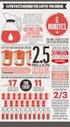 Alcohol Facts and Statistics Alcohol Use in the United States: Prevalence of Drinking: In 2012, 87.6 percent of people ages 18 or older reported that they drank alcohol at some point in their lifetime;
BC Community Health Profile Kelowna 2014
 When we think of health we often think of health conditions like diabetes or cancer, visits to the doctor s office, or wait times for medical services. But evidence shows that, long before illness, health
THE CORRELATION BETWEEN PHYSICAL HEALTH AND MENTAL HEALTH
 HENK SWINKELS (STATISTICS NETHERLANDS) BRUCE JONAS (US NATIONAL CENTER FOR HEALTH STATISTICS) JAAP VAN DEN BERG (STATISTICS NETHERLANDS) THE CORRELATION BETWEEN PHYSICAL HEALTH AND MENTAL HEALTH IN THE
http://nurse practitioners and physician assistants.advanceweb.com/features/articles/alcohol Abuse.aspx
 http://nurse practitioners and physician assistants.advanceweb.com/features/articles/alcohol Abuse.aspx Alcohol Abuse By Neva K.Gulsby, PA-C, and Bonnie A. Dadig, EdD, PA-C Posted on: April 18, 2013 Excessive
Behavioral Health Trends in the United States: Results from the 2014 National Survey on Drug Use and Health
 Behavioral Health Trends in the United States: Results from the 2014 National Survey on Drug Use and Health Results from the 2014 National Survey on Drug Use and Health September 2015 ii Behavioral Health
Bachelor s graduates who pursue further postsecondary education
 Bachelor s graduates who pursue further postsecondary education Introduction George Butlin Senior Research Analyst Family and Labour Studies Division Telephone: (613) 951-2997 Fax: (613) 951-6765 E-mail:
Patient Responsibility in Health Care: An AARP Bulletin Survey
 Patient Responsibility in Health Care: An AARP Bulletin Survey May 2011 Patient Responsibility in Health Care: An AARP Bulletin Survey Data Collected by SSRS Report Prepared by Teresa A. Keenan, Ph.D.
The Irish Health Behaviour in School-aged Children (HBSC) Study 2010
 The Irish Health Behaviour in School-aged Children (HBSC) Study 2 ii The Irish Health Behaviour in School-aged Children (HBSC) Study 2 February 212 Colette Kelly, Aoife Gavin, Michal Molcho and Saoirse
Public Health Association of Australia: Policy-at-a-glance Alcohol Policy
 Key message: Public Health Association of Australia: Policy-at-a-glance Alcohol Policy 1. Alcohol is responsible for a substantial burden of death, disease and injury in Australia. Alcohol-related harm
Health and Longevity. Global Trends. Which factors account for most of the health improvements in the 20th century?
 8 Health and Longevity The health of a country s population is often monitored using two statistical indicators: life expectancy at birth and the under-5 mortality rate. These indicators are also often
Drinking patterns. Summary
 Drinking patterns 6 Linda Ng Fat and Elizabeth Fuller Summary This chapter presents data on frequency of drinking alcohol, the amount consumed on the heaviest drinking day in the previous week, and regular
European status report on alcohol and health 2014. Reducing the negative consequences of drinking and alcohol intoxication
 European status report on alcohol and health 2014 Reducing the negative consequences of drinking and alcohol intoxication Reducing the negative consequences of drinking and alcohol intoxication Background
Ireland and the EU 1973-2003 Economic and Social Change
 Ireland and the EU 1973-2003 Economic and Social Change Table 1 Population, 1971-2002 viii Table 2 Population of the provinces ix Table 3 Births, deaths and life expectancy ix Table 4 Numbers in education
Substance Use, Treatment Need and Receipt of Treatment in Minnesota:
 Substance Use, Treatment Need and Receipt of Treatment in Minnesota: Results from Minnesota Student Survey, Minnesota Survey on Adult Substance Use, and Drug and Alcohol Abuse Normative Evaluation System
HIV/AIDS: AWARENESS AND BEHAVIOUR
 ST/ESA/SER.A/209/ES DEPARTMENT OF ECONOMIC AND SOCIAL AFFAIRS POPULATION DIVISION HIV/AIDS: AWARENESS AND BEHAVIOUR EXECUTIVE SUMMARY UNITED NATIONS NEW YORK 200 1 2 HIV/AIDS: AWARENESS AND BEHAVIOUR Executive