
Balance and Vestibular Center Programs to treat dizziness and reduce your risk of falling
|
|
|
- Grace Gallagher
- 9 years ago
- Views:
Transcription
1 Balance and Vestibular Center Programs to treat dizziness and reduce your risk of falling

2 Helping you overcome dizziness and vertigo Most people will experience dizziness at some point in their lives. Dizziness can occur at any age. It could be a sign of a serious medical condition so you should always discuss your symptoms with your primary care provider. Often, dizziness is a result of a vestibular disorder, that is, a disorder of the inner ear and its connection to centers in the brain. The vestibular system is responsible for sending information to your brain when your head moves quickly or you change positions. Problems in this system could cause you to be dizzy, lightheaded or woozy, or you may experience a spinning sensation known as vertigo. This dizziness can be effectively treated with vestibular therapy.

3 Common causes for dizziness or vertigo Benign paroxysmal positional vertigo (BPPV) Labyrinthitis or vestibular neuronitis (from viral infections) Migraine-related dizziness Traumatic brain injury (TBI) Meniere s disease Acoustic neuroma (benign tumor on the vestibular nerve) Bilateral vestibular loss from ototoxic medications that can damage the vestibular system Unilateral vestibular hypofunction Our physical therapists are specially trained to treat balance and dizziness related to these conditions, working closely with otolaryngologists and neurotologists (ear, nose and throat specialists), physiatrists, and neurologists. We perform a complete assessment including Platform Posturography Testing using the SMART Balance Master EquiTest advanced technology to test a patient s balance. After our team completes a comprehensive assessment, we will determine the most appropriate treatment that may include: vestibular habituation and gaze stabilization exercises meant to help retrain the vestibular system balance exercises to improve steadiness with walking and standing activities Epley s canalith repositioning maneuver for BPPV a technique that involves moving your head in specific directions to eliminate a spinning sensation when you move

4

5 Improving your balance to avoid falls Having proper balance means you are able to maintain your body s center of gravity (your lower trunk) over your base of support (your feet) as you stand and move. To maintain your balance, your brain gathers and processes sensory information from your eyes, inner ear (vestibular system), and feet. Muscles and joints in your body then respond to what your brain tells them to do. Deficits in any of the sensory areas, including numbness in your feet, dizziness, visual problems, decreased strength, decreased flexibility, or neurologic diseases in the brain, can cause unsteadiness, which can cause you to fall. Why falling is so dangerous and how we can help 30% of individuals age 65 and older will fall each year and 50% of those individuals will have more than one fall 50% of individuals age 80 and over will fall each year Those who fall may break bones and lose their level of independence; they may also become fearful of movement in general and decrease daily activities Falls are the leading cause of nursing home admissions, the fifth leading cause of death overall in individuals 65 and older, and the leading cause of death from injury The good news is you CAN reduce your risk of falling and falling is NOT a normal part of aging! Studies have shown the most effective means for reducing your risk of falling is called Multifactorial Intervention. This approach can reduce your risk of falling by at least 30%. Using this method, we will teach you balance and strengthening exercises and give tips on how to make your home safer. We will also make sure you are evaluated by the right professionals to review the medications you take and address the medical conditions that can cause unsteadiness and dizziness. Our physical therapists who specialize in balance rehabilitation will perform a comprehensive evaluation that includes tests for strength, flexibility, balance, gait (how you walk), and the vestibular system. We will recommend a program that addresses your specific areas of deficit to decrease your risk of falling. We will also help you develop a plan to maintain the gains you make after you finish your physical therapy program, either through home exercises, community exercise programs or our weekly Wellness Program.

6 When should you have balance therapy? You should talk to your primary care provider about a referral to our Balance Program for an assessment if you have: fallen or been close to falling changed your normal activities because you are concerned about your balance experienced dizziness or unsteadiness Balance Therapy Program After your Balance Assessment we will develop a plan with you. Often, people begin with one or two therapy sessions weekly to work on strength, balance, and flexibility. Our team uses the latest equipment available, including the ActiveStep Fall Assessment and Fall Reduction System, a new technology in balance treatment that specifically targets improvement of slips and trips. It is similar to a treadmill except that you have a harness and a belt around you to make sure you are safe as the machine makes quick starts, forward and backward, to simulate slips and trips. The motion helps your body learn how to balance better in these situations. We also have a large gym with equipment for strengthening and balance training. A specialized mobile harness system is set up in an open area where you can walk and do exercises to improve your balance without falling.

7 Quick Tips to Reduce Your Risk of Falling 1. Exercise daily Working balance and strengthening exercises into your daily routine is essential. Remember, you can increase strength at any age. Ask for a referral from your primary care provider to our Balance Therapy Program to determine the best exercise approach for you. 2. Medications Review your medications with your primary care provider. Make sure you take medications as prescribed and discuss any potential side effects you are having. Four or more medications can put you at risk for falling. 3. Vision Have your vision checked annually. 4. Regular check-ups Schedule regular medical visits to receive optimal treatment for any health issues that could affect your balance, including diabetes, high blood pressure, cardiac diseases, or neurologic conditions. 5. Environment Make your home and environment safer. Remove scatter rugs, loose cords, and clutter. Install railings on both sides of the stairs. Install grab bars in the bathroom. Make sure there is adequate lighting at night if you need to get up. Be sure to wear supportive, non-skid footwear. Take extra caution in the winter; consider using a trekking or ski pole and treads for your shoes.

8 Our Team Since this program began in 1991, our patients have proven that balance and vestibular rehabilitation works. Our knowledgeable team is involved with balance and fall risk reduction initiatives here at Dartmouth-Hitchcock Medical Center, as well as at the state and national level. Let our experienced and dedicated staff help you to improve your function. Dawna Pidgeon, PT David Edson, PT Need Photo Maggie Stone, PTA Christina Blake, PTA For more information or to make a referral To join our program, have your primary care provider call us to arrange a referral: (603) REHABILITATION MEDICINE BALANCE & VESTIBULAR PROGRAM (603) Fax: (603) dhmc.org

Dizziness and Vertigo
 Dizziness and Vertigo Introduction When you are dizzy, you may feel lightheaded or lose your balance. If you also feel that the room is spinning, you may have vertigo. Vertigo is a type of severe dizziness.
Vestibular Rehabilitation Therapy. Melissa Nelson
 Vestibular Rehabilitation Therapy Melissa Nelson What is Vestibular Rehabilitation Therapy (VRT)? VRT is an exercise-based program designed to promote CNS compensation for inner ear deficits. The goal
Vestibular Rehabilitation
 PO BOX 13305 PORTLAND, OR 97213 FAX: (503) 229-8064 (800) 837-8428 [email protected] WWW.VESTIBULAR.ORG Vestibular Rehabilitation An Effective, Evidence-Based Treatment By Anne Shumway-Cook, PT, PhD;
Balance and Aging By Charlotte Shupert, PhD, with contributions by Fay Horak, PhD, PT Oregon Health & Science University, Portland, Oregon
 PO BOX 13305 PORTLAND, OR 97213 FAX: (503) 229-8064 (800) 837-8428 [email protected] WWW.VESTIBULAR.ORG Balance and Aging By Charlotte Shupert, PhD, with contributions by Fay Horak, PhD, PT Oregon Health
BALANCE AND VESTIBULAR REHABILITATION THERAPY MANUAL
 BALANCE AND VESTIBULAR REHABILITATION THERAPY MANUAL Copyright AMERICAN HEARING & BALANCE CENTERS, INC., 2010 2010 Revision 3.01 TABLE OF CONTENTS Description Page Five Indications For Therapy... 1 Treatments
Vestibular Injury. Vestibular Disorders Association www.vestibular.org Page 1 of 5
 PO BOX 13305 PORTLAND, OR 97213 FAX: (503) 229-8064 (800) 837-8428 [email protected] WWW.VESTIBULAR.ORG Vestibular Injury Compensation, De-compensation, and Failure to Compensate By Thomas E. Boismier,
Speaker: Shayla Moore, BMR(PT) Relationship with commercial interests: Employee at Creekside Physiotherapy Clinic
 Speaker: Shayla Moore, BMR(PT) Relationship with commercial interests: Employee at Creekside Physiotherapy Clinic 1 Vestibular Rehabilitation Managing dizziness to maintain mobility in the elderly" Dizziness:
Vestibular Injury: Compensation, Decompensation, and Failure to Compensate
 VESTIBULAR DISORDERS ASSOCIATION PO Box 13305 Portland, OR 97213 fax: (503) 229-8064 toll-free voice-mail: (800) 837-8428 [email protected] http://www.vestibular.org/ VEDA Publication No. F-26 Vestibular
Benign Paroxysmal Positional Vertigo (BPPV)
 Benign Paroxysmal Positional Vertigo (BPPV) UHN Information for Patients Patient Education Improving Health Through Education You have been told by your doctor that you have Benign Paroxysmal Positional
Dizziness and balance problems
 Dizziness and balance problems Dizziness and balance problems, Action on Hearing Loss Information, May 2011 1 Dizziness and balance problems This factsheet is part of our Ears and ear problems range. It
Benign Paroxysmal Positional Vertigo. By Mick Benson
 Benign Paroxysmal Positional Vertigo By Mick Benson Definition Benign - not life-threatening Paroxysmal - a sudden onset Positional - response provoked by change in head position Vertigo - sensation of
Recovering from a Mild Traumatic Brain Injury (MTBI)
 Recovering from a Mild Traumatic Brain Injury (MTBI) What happened? You have a Mild Traumatic Brain Injury (MTBI), which is a very common injury. Some common ways people acquire this type of injury are
Vestibular Rehabilitation What s the Spin?
 Vestibular Rehabilitation What s the Spin? Carolyn Tassini, PT, DPT, NCS Vestibular Certified Rehabilitation Supervisor Bancroft NeuroRehab Objectives Attendees demonstrate a basic understanding of the
National Hospital for Neurology and Neurosurgery. Inner ear balance problems. Department of Neuro-otology
 National Hospital for Neurology and Neurosurgery Inner ear balance problems Department of Neuro-otology If you would like this document in another language or format or if you require the services of an
Introduction to Dizziness and the Vestibular System
 Introduction to Dizziness and the Vestibular System David R Friedland, MD, PhD Professor and Vice-Chairman Chief, Division of Otology and Neuro-otologic Skull Base Surgery Chief, Division of Research Department
Post-Concussion Syndrome
 Post-Concussion Syndrome Anatomy of the injury: The brain is a soft delicate structure encased in our skull, which protects it from external damage. It is suspended within the skull in a liquid called
PREPARING THE PATIENT FOR TRANSFER TO AN INPATIENT REHABILITATON FACILITY (IRF) University Hospitals 8th Annual Neuroscience Nursing Symposium
 PREPARING THE PATIENT FOR TRANSFER TO AN INPATIENT REHABILITATON FACILITY (IRF) University Hospitals 8th Annual Neuroscience Nursing Symposium May 31, 2013 2 DEFINITION: INPATIENT REHABILITATION FACILITY
Can you do this in less than 12 seconds? YES NO
 Why is falling a problem for farmers over 55? The risk of falling and being injured from a fall increases as people age. Preventing falls in older people is important because falls often result in serious
Mobility After Stroke
 Mobility After Stroke Issues facing stroke survivors and their families Regaining Mobility Moving around safely and easily is not something you may think about, until you have had a stroke. Each year more
Traumatic brain injury (TBI)
 Traumatic brain injury (TBI) A topic in the Alzheimer s Association series on understanding dementia. About dementia Dementia is a condition in which a person has significant difficulty with daily functioning
Good Samaritan Inpatient Rehabilitation Program
 Good Samaritan Inpatient Rehabilitation Program Living at your full potential. Welcome When people are sick or injured, our goal is their maximum recovery. We help people live to their full potential.
Falls and falls injury prevention activity audit for residential aged care facilities
 Falls and falls injury prevention activity audit for residential aged care facilities National Ageing Research Institute October 2009 www.nari.unimelb.edu.au This tool is based on a tool that was originally
Preventing Falls & Injuries. Dr. Gregory Gatchell Assistant Professor UC Irvine Geriatrics
 Preventing Falls & Injuries Dr. Gregory Gatchell Assistant Professor UC Irvine Geriatrics Objectives Define fall and discuss common causes of falls. Discuss consequences of falls. Discuss home safety.
Steps to getting a diagnosis: Finding out if it s Alzheimer s Disease.
 Steps to getting a diagnosis: Finding out if it s Alzheimer s Disease. Memory loss and changes in mood and behavior are some signs that you or a family member may have Alzheimer s disease. If you have
Quality Measures for Long-stay Residents Percent of residents whose need for help with daily activities has increased.
 Quality Measures for Long-stay Residents Percent of residents whose need for help with daily activities has increased. This graph shows the percent of residents whose need for help doing basic daily tasks
The Role of Physical Therapy in Post Concussion Management. Non Disclosure
 The Role of Physical Therapy in Post Concussion Management. Cook Children s Sports Medicine Symposium Ryan Blankenship, PT, SCS Non Disclosure No conflicts of interest. 1 Course Objectives Participants
Neck Injuries and Disorders
 Neck Injuries and Disorders Introduction Any part of your neck can be affected by neck problems. These affect the muscles, bones, joints, tendons, ligaments or nerves in the neck. There are many common
Haifa, Israel. The. diabetes;
 The Bnai Zion Medical Center Haifa, Israel The Rehabilitation Center Head: Kathelin Goldenberg, MD Head Nurse: Vered Cohen The rehabilitation center covers three major areas: 1. Neurological rehabilitation,
Dizziness: More than BPPV or Meniere s. William J Garvis, MD Otology, Neurotology & Skull Base Surgery Ear, Nose & Throat SpecialtyCare of MN, PA
 Dizziness: More than BPPV or Meniere s William J Garvis, MD Otology, Neurotology & Skull Base Surgery Ear, Nose & Throat SpecialtyCare of MN, PA American Family Physician Dizziness: A Diagnostic Approach
Check for Safety. A Home Fall Prevention Checklist for Older Adults
 P Safety This checklist was produced with support from the MetLife Foundation. Centers Disease Control and Prevention National Center Injury Prevention and Control A Home Fall Prevention list Older Adults
The prevention and management of slips, trips and falls
 The prevention and management of slips, trips and falls Delivering the best in care UHB is a no smoking Trust To see all of our current patient information leaflets please visit www.uhb.nhs.uk/patient-information-leaflets.htm
Nikki White Children s Occupational Therapist Barnet Community Services
 Nikki White Children s Occupational Therapist Barnet Community Services What is Occupational Therapy (OT)? An occupation is anything you do in your daily life. Anything meaningful or purposeful Eg. Getting
Universal Exercise Unit (UEU)
 -- www.genius4kids.com -- Universal Exercise Unit (UEU) I. The History of Universal Exercise Unit (UEU): The Universal Exercise Unit was designed and developed in the 1940s by a well-known orthopedic surgeon,
Rehabilitation. Day Programs
 Rehabilitation Day Programs Healthe Care is the hospital division of Healthe. As the largest privately owned network of private hospitals in Australia, we take pride in delivering premium care to our valued
Preventing Patient Falls
 Preventing Patient Falls Patient Falls are the #1 cause of ALL sentinel events. All patients at Doctors Community Hospital are assessed for fall risk and, as appropriate, the Fall Risk Protocol is implemented.
by Argyrios Stampas, MD, Carolin Dohle, MD, and Elizabeth Dominick, PT, DPT, NCS
 by Argyrios Stampas, MD, Carolin Dohle, MD, and Elizabeth Dominick, PT, DPT, NCS Therapist Jennifer Metz (right) helps a patient use a body-weight support treadmill system. Up and Moving Blending dedication
Tips To Improve 5-Star Performance Ratings
 Tips To Improve 5-Star Performance Ratings Two different patient surveys impact CMS Star ratings: 1. The Consumer Assessment of Healthcare Providers and Systems (CAHPS) survey, typically mailed to plan
Otologic (Ear) Dizziness. Fistula Other. SCD Bilateral. Neuritis. Positional Vertigo BPPV. Menieres
 Otologic Dizziness (Dizziness from Ear) Ear Structures of importance Timothy C. Hain, MD Northwestern University, Chicago [email protected] The ear is an inertial navigation device Semicircular Canals
How can DIABETES affect my FEET? Emma Howard Community Diabetes Lead Podiatrist, Oxford Health NHS Foundation Trust
 How can DIABETES affect my FEET? By: Emma Howard Community Diabetes Lead Podiatrist, Oxford Health NHS Foundation Trust HOW CAN DIABETES AFFECT MY FEET? What is neuropathy? This leaflet explains how diabetes
Do I Have Epilepsy? Diagnosing Epilepsy and Seizures. Epilepsy & Seizures: Diagnosis
 Epilepsy & Seizures: Diagnosis Do I Have Epilepsy? Diagnosing Epilepsy and Seizures Artwork by Studio E participant Ashley N. (details on inside cover) About the Cover: Cover artwork was created by Ashley
Accident Prevention: Slips, Trips & Falls
 Accident Prevention: Slips, Trips & Falls Judith Davies BSc (Hons) SROT Falls Service Development and Project Manager Central Norfolk NHS East of England Ambulance Service NHS Trust Slips, Trips & Falls
Vestibular Disorders: An Overview
 5018 NE 15 TH AVE, OR 97211 FAX: (503) 229-8064 (800) 837-8428 [email protected] VESTIBULAR.ORG Vestibular Disorders: An Overview By the Vestibular Disorders Association The vestibular system includes
Endoscopic Plantar Fasciotomy
 Endoscopic Plantar Fasciotomy Introduction Plantar fasciitis is a common condition that causes pain centralized around the heel. It may be severe enough to affect regular activities. Health care providers
How to Prevent Slips, Trips, Falls. For the Employees of Cascade County
 How to Prevent Slips, Trips, Falls For the Employees of Cascade County Walking is Risky Business Think about the things that you do frequently. Often these tasks are done without thought or planning.
SUMMA HEALTH SYSTEM. Summa s Outpatient Rehabilitation Services
 SUMMA HEALTH SYSTEM Summa s Outpatient Rehabilitation Services Summa s Outpatient Rehabilitation Services Patients have convenient access to therapy services ranging from acute rehab to wellness Summa
April No Falls bingo game
 April No Falls bingo game Bingo playing cards with falls prevention themes, can be used as a recreational activity and at the same time help educate participants on how to prevent falls. These cards can
2014 Neurologic Physical Therapy Professional Education Consortium Webinar Course Descriptions and Objectives
 Descriptions and Neuroplasticity Health care providers are facing greater time restrictions to render services to the individual with neurological dysfunction. However, the scientific community has recognized
Lewy body dementia Referral for a Diagnosis
 THE Lewy Body society The more people who know, the fewer people who suffer Lewy body dementia Referral for a Diagnosis Lewy Body Dementias REFERRAL FOR A DIAGNOSIS In the UK people with all forms of dementia
National Stroke Association s Guide to Choosing Stroke Rehabilitation Services
 National Stroke Association s Guide to Choosing Stroke Rehabilitation Services Rehabilitation, often referred to as rehab, is an important part of stroke recovery. Through rehab, you: Re-learn basic skills
Marianjoy Physical Therapy and. A Leader in Rehabilitation
 Marianjoy Physical Therapy and Outpatient Services A Leader in Rehabilitation Choose Wisely Choose Marianjoy Marianjoy Distinctly Different Marianjoy provides a complete range of rehabilitation services
Normal bladder function requires a coordinated effort between the brain, spinal cord, and the bladder.
 .. Urinary Incontinence Urinary incontinence is not an inevitable part of aging, and it is not a disease. The loss of bladder control - called urinary incontinence - affects between 13 and 17 million adult
Slips, Trips and Falls Avoid Them All
 Slips, Trips and Falls Avoid Them All A Falls Risk Reduction Program Presenter's Guide & Participant Handouts Developed by: The NH Falls Risk Reduction Task Force www.nhfallstaskforce.org 1 Slips, Trips
Parkinson s Disease. Signs. Your Care
 Parkinson s Disease Parkinson s disease affects the part of the brain that controls muscle movement. The exact cause of this disease is not known, but there is a decrease in a chemical called dopamine
Vestibular Neuritis and Labyrinthitis
 PO BOX 13305 PORTLAND, OR 97213 FAX: (503) 229-8064 (800) 837-8428 [email protected] WWW.VESTIBULAR.ORG Vestibular Neuritis and Labyrinthitis Infections of the Inner Ear By Charlotte L. Shupert, PhD
.org. Herniated Disk in the Lower Back. Anatomy. Description
 Herniated Disk in the Lower Back Page ( 1 ) Sometimes called a slipped or ruptured disk, a herniated disk most often occurs in your lower back. It is one of the most common causes of low back pain, as
Parkinson s Disease (PD)
 Parkinson s Disease (PD) Parkinson s disease (PD) is a movement disorder that worsens over time. About 1 in 100 people older than 60 has Parkinson s. The exact cause of PD is still not known, but research
Check for Safety. A Home Fall Prevention Checklist for Older Adults
 This checklist is based on the original version printed by the Centers Disease Control and revention. Support this version was provided by MetLife Foundation. 2005 Department of Health and Human Services
A STUDY OF THE EFFECTS OF A VESTIBULAR REHABILITATION PROGRAM ON PATIENTS WITH PERIPHERAL VESTIBULAR DYSFUNCTIONS
 The Indian Journal of Occupational Therapy : Vol. XXXVI : No. 1 (April - July 04) A STUDY OF THE EFFECTS OF A VESTIBULAR REHABILITATION PROGRAM ON PATIENTS WITH PERIPHERAL VESTIBULAR DYSFUNCTIONS * Pina
Tool 5 Multifactorial falls risk assessment and management tool (includes an osteoporosis risk screen)
 Tool 5 Multifactorial falls risk assessment and management tool (includes an osteoporosis risk screen) Name of resident: DOB: Room no.: Name of assessor: Date of assessment: Record all risks and actions
Table of Contents. Before admission to hospital... 2. The hospital setting... 2. During your stay in hospital... 2. Before you leave the hospital...
 Table of Contents Page Before admission to hospital... 2 The hospital setting... 2 During your stay in hospital... 2 Before you leave the hospital... 4 The discharge summary... 4 Resources... 5 You, as
Outpatient Neurological Rehabilitation Victoria General Hospital. Pam Loadman BSC.P.T., MSc. Physiotherapist
 Outpatient Neurological Rehabilitation Victoria General Hospital Pam Loadman BSC.P.T., MSc. Physiotherapist OPN - overview Who we see: Inclusion criteria Diagnoses Who we are: Clinicians involved What
Provincial Rehabilitation Unit. Patient Handbook
 Provincial Rehabilitation Unit Patient Handbook ONE ISLAND FUTURE ONE ISLAND HEALTH SYSTEM Welcome to Unit 7, the Provincial Rehabilitation Unit. This specialized 20 bed unit is staffed by an interdisciplinary
DROP FOOT AND TREATMENTS YOUNGMEE PARK
 DROP FOOT AND TREATMENTS YOUNGMEE PARK WHAT IS FOOT DROP Foot drop / Drop foot the inability to lift the front part of the foot not a disease a symptom of some other medical problems a sign of an underlying
LiveHealthy! Health questions are not easy to answer alone. See inside! 24/7 Nurse Advice Line for Health Choice Members. Speak with registered nurses
 LiveHealthy! Spring 2014 24/7 Nurse Advice Line for Health Choice Members Health questions are not easy to answer alone. Get the help you need to make the right choices. Speak with registered nurses Toll-free,
Staff, please note that the Head Injury Routine is included on page 3.
 Staff, please note that the Head Injury Routine is included on page 3. This booklet explains what can happen after a concussion, how to get better and where to go for more information and help if needed.
Plantar Fascia Release
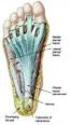 Plantar Fascia Release Introduction Plantar fasciitis is a common condition that causes pain around the heel. It may be severe enough to affect regular activities. If other treatments are unsuccessful,
22/02/2015. Possible causes. Decisions decisions decisions. Challenging eye and ear conditions at underwriting and claim stage Dr Maritha van der Walt
 Challenges Underwriting symptoms rather than conditions- tinnitus, vertigo, blurred vision Requests for narrower rather than broad exclusions and consequences Pre existing condition and unrelated claims
Slips, Trips and Falls. Awareness Month. February 2005. Slips, Trips and Falls
 THE SCHOOL DISTRICT OF PITTSBURGH Slips, Trips and Falls Awareness Month Joint Labor / Management Safety Committee Please open the attachment for additional information that will answer safety questions
Multiple Sclerosis (MS)
 Multiple Sclerosis (MS) Purpose/Goal: Care partners will have an understanding of Multiple Sclerosis and will demonstrate safety and promote independence while providing care to the client with MS. Introduction
Ear Disorders and Problems
 Ear Disorders and Problems Introduction Your ear has three main parts: outer, middle and inner. You use all of them to hear. There are many disorders and problems that can affect the ear. The symptoms
Brain Injury Association National Help Line: 1-800-444-6443 Brain Injury Association Web site: www.biausa.org Centers for Disease Control and
 Brain Injury Association National Help Line: 1-800-444-6443 Brain Injury Association Web site: www.biausa.org Centers for Disease Control and Prevention Web site: www.cdc.gov/ncipc/tbi Contents About Brain
Functions of the Brain
 Objectives 0 Participants will be able to identify 4 characteristics of a healthy brain. 0 Participants will be able to state the functions of the brain. 0 Participants will be able to identify 3 types
CAREGIVER GUIDE. A doctor. He or she authorizes (approves) the rehab discharge.
 Guide for Discharge to Home From Inpatient Rehab Who Is on the Discharge Team? Many people help plan a rehab discharge, and they are often referred to as a team. The team members include: A doctor. He
INPATIENT REHABILITATION GUIDE
 INPATIENT REHABILITATION GUIDE ON THE COVER Bayfront s rehabilitation team has helped thousands take a first step for the second time. WELCOME TO BAYFRONT REHABILITATION CENTER Often, a successful ending
Script/Notes for PowerPoint Presentation. Medication Use Safety Training for Seniors (MUST for Seniors)
 Script/Notes for PowerPoint Presentation Medication Use Safety Training for Seniors (MUST for Seniors) Instructions: You can use the following script to help you prepare your remarks to your organization
So, how do we hear? outer middle ear inner ear
 The ability to hear is critical to understanding the world around us. The human ear is a fully developed part of our bodies at birth and responds to sounds that are very faint as well as sounds that are
The Human Balance System
 PO BOX 13305 PORTLAND, OR 97213 FAX: (503) 229-8064 (800) 837-8428 [email protected] WWW.VESTIBULAR.ORG The Human Balance System A Complex Coordination of Central and Peripheral Systems By the Vestibular
ARE THE USE OF MEDICARE G CODES MAKING YOU SPIN?
 1 2 3 4 5 6 7 8 ARE THE USE F MEDICARE G CDES MAKING YU SPIN? HERE ARE SME ANSWERS: VESTIBULAR REHABILITATIN SPECIAL INTEREST GRUP Functional Limitation Reporting Kenda Fuller, PT South Valley Physical
Knowing about your Low Back Pain
 Knowing about your Low Back Pain Knowing about low back pain Low back pain is very common with around 80-90% of adults having some sort of back pain in their lifetime. detail vertebra disc Although a specific
Preoperative Education: CERVICAL SPINE SURGERY
 Preoperative Education: CERVICAL SPINE SURGERY 1 Dear Patient, In order to make your hospital stay as comfortable as possible, we have prepared this informational packet for you designed to outline and
DIABETES. Eyes, Heart, Nerves, Feet, and Kidneys. www.kidney.org
 DIABETES Eyes, Heart, Nerves, Feet, and Kidneys www.kidney.org About the Information in this Booklet Did you know that the National Kidney Foundation (NKF) offers guidelines and commentaries that help
The Morse Fall Scale Training Module Partners HealthCare System Fall Prevention Task Force
 The Morse Fall Scale Training Module Partners HealthCare System Fall Prevention Task Force Based on J. Morse (1997). Preventing Patient Falls. CA: Sage Publishing Co. 1 2 Objectives 1. What is fall risk
Exercise. Good Weight A PT E R. Staying Healthy
 Eat Healthy Foods Keep at a Good Weight Exercise Don t Smoke Get Regular Checkups Take Care of Stress A PT E R CH Staying Healthy 6 81 How Can I Stay Healthy? You can do many things to prevent poor health
Proposed Treatment for Vestibular Dysfunction in Dogs By Margaret Kraeling, DPT, CCRT
 Proposed Treatment for Vestibular Dysfunction in Dogs By Margaret Kraeling, DPT, CCRT Vestibular dysfunction in the dog can be a disturbing condition for owners, as well as somewhat confounding for the
Rehabilitation. Rehabilitation. Walking after Total Knee Replacement. Continuous Passive Motion Device
 Walking after Total Knee Replacement After your TKR, continue using your walker or crutches until your surgeons tells you it is okay to stop using them. When turning with a walker or crutches DO NOT PIVOT