
HIV-related opportunistic diseases
|
|
|
- Chrystal Morton
- 9 years ago
- Views:
Transcription
1 HIV-related opportunistic diseases UNAIDS Technical update UNAIDS Best Practice Collection

2 At a Glance Opportunistic diseases in a person with HIV are the products of two things: the person s lack of immune defences caused by the virus, and the presence of microbes and other pathogens in our everyday environment. A partial list of the world s most common opportunistic diseases and diseases includes: bacterial diseases such as tuberculosis (TB, caused by Mycobacterium tuberculosis), Mycobacterium avium complex disease (MAC), bacterial pneumonia and septicaemia ( blood poisoning ) protozoal diseases such as Pneumocystis carinii pneumonia (PCP), toxoplasmosis, microsporidiosis, cryptosporidiosis, isosporiasis and leishmaniasis fungal diseases such as candidiasis, cryptococcosis (cryptococcal meningitis (CRM)) and penicilliosis viral diseases such as those caused by cytomegalovirus (CMV), herpes simplex and herpes zoster virus HIV-associated malignancies such as Kaposi sarcoma, lymphoma and squamous cell carcinoma. Effective intervention against opportunistic diseases requires not only the appropriate drug or other medications for a given medical condition, but also the infrastructure necessary to diagnose the condition, monitor the intervention, and counsel patients. As well, use of drugs and tests must be supported by proper storage, handling and administrative procedures. The main challenge of choosing between interventions is to alleviate the morbidity and suffering of those in need while not exceeding the financial and technical capabilities of the health system. Unfortunately, these choices often need to be made without the help of formal cost-benefit and cost-effectiveness analyses. This is partly because the information needed to calculate costs is difficult to collect, but also because benefits other than short-term improvements in quality of life are not well understood or easily quantified. In places where resources are very scarce, priority should be given to health needs shared by most or all of the population, including those who are HIV-infected. Examples are drugs to relieve pain in terminal patients including those with AIDS or for TB. Drugs to treat and prevent TB have a high overall value to society in many countries because they (a) benefit people affected by two epidemics (HIV/AIDS and TB), (b) are proven effective and (c) are relatively inexpensive given the number of people who can benefit. Only a few opportunistic diseases and symptoms such as oropharyngeal and vaginal candidiasis ( thrush ) or herpes zoster and herpes simplex can be managed effectively through home-based care. Most other opportunistic diseases require diagnosis and treatment which are beyond the capabilities of most community-based groups and NGOs. For conditions that can be treated only at a very high cost, the publichealth rationale for treatment is weaker, and humanitarian or equity considerations become more important. Examples of such conditions are CMV, MAC, cryptococcal meningitis (CRM), penicilliosis and rarer systemic mycoses. UNAIDS Best Practice materials The Joint United Nations Programme on HIV/AIDS (UNAIDS) is preparing materials on subjects of relevance to HIV infection and AIDS, the causes and consequences of the epidemic, and best practices in AIDS prevention, care and support. A Best Practice Collection on any one subject typically includes a short publication for journalists and community leaders (Point of View); atechnical summary of the issues, challenges and solutions (Technical Update); case studies from around the world (Best Practice Case Studies); a set of presentation graphics; and a listing of key materials (reports, articles, books, audiovisuals, etc.) on the subject. These documents are updated as necessary. Technical Updates and Points of View are being published in English, French, Russian and Spanish. Single copies of Best Practice materials are available free from UNAIDS Information Centres. To find the closest one, visitunaids on the Internet ( contact UNAIDS by ([email protected]) or telephone ( ), orwrite to the UNAIDS Information Centre, 20 Avenue Appia, 1211Geneva 27, Switzerland. HIV-related opportunistic diseases: UNAIDS Technical Update.. I. UNAIDS II. Series 1. AIDS-related opportunistic infections drug therapy 2. AIDS-related opportunistic infections diagnosis 3. Prevalence 4. Drug therapy economics 5. Diagnosic services 6. Cost of illness 7. Health priorities UNAIDS, Geneva WC HIV-related opportunistic diseases: UNAIDS Technical Update

3 Background People with advanced HIV infection are vulnerable to infections or malignancies that are called opportunistic because they take advantage of the opportunity offered by a weakened immune system. Various treatments and prophylaxis some simple and low-cost, others highly complex and expensive exist to counter the most common opportunistic diseases, but delivery systems and funding are insufficient in many parts of the world to ensure their universal use. The worldwide distribution of opportunistic diseases is highly varied. Table 1 shows data on their distribution in six countries from Africa, the Americas, and South- East Asia. Like the following brief overview of the most common diseases and the interventions available for their treatment or prevention, the table is only intended to give a sense of the wide differences from country to country. Table 2 provides a comparison of costs of treatment and prophylaxis for the most common opportunistic diseases. Candidiasis The two main types of candidiasis are localized disease (of the mouth and throat, and of the vagina), and systemic disease (of the oesophagus, and disseminated disease). The mouth and throat variant (oropharyngeal candidiasis or OPC) is believed to occur at least once in the lifetime in all HIV-infected patients. While OPC is not a cause of death, it causes oral pain and makes swallowing difficult. The symptom of oesophageal candidiasis is pain in the chest that increases with swallowing, and difficulty in swallowing. Disseminated candidiasis causes fever and symptoms in the organs affected by the disease (for example, blindness when it affects the eyes). Localized disease is treated first with relatively inexpensive topical drugs such as nystatin, miconazole, or clotrimazole. Systemic antifungals agents are usually given only when topical therapy fails. Systemic candidiasis requires treatment with systemic antifungal agents such as ketoconazole, itraconazole, fluconazole or amphotericin B. A two-week course of ketoconazole 200 mg costs US$ Other azole antifungal agents are not available through generics suppliers, and are much more expensive. Cryptococcosis Systemic mycoses such as cryptococcosis probably cause about 5% of all HIV-associated deaths worldwide. Cryptococcosis most often appears as meningitis, and occasionally as pulmonary or disseminated disease. Cryptococcal meningitis (CRM) is the most frequent systemic fungal infection in HIV-infected persons. Without treatment, life expectancy is probably less than a month. Cryptococcosis is relatively easy to diagnose. However, its treatment (either amphotericin B with or without flucytosine, or in mild cases with oral fluconazole) and secondary chemoprophylaxis are often impossible in developing countries because of the high cost and limited availability of the drugs required. Cytomegalovirus infection (CMV) Estimates of the incidence of CMV disease vary considerably between geographical locations, but CMV causes significant suffering in HIVinfected persons worldwide. Symptoms include fever and diarrhoea from CMV colitis, dyspnoea from CMV pneumonitis, and blindness caused by CMV retinitis. Treatment aims to alleviate symptoms, and to prevent blindness, rather than provide a cure. The drugs currently used are ganciclovir and foscarnet, with cidofovir when the first two have failed. They have high toxicity and limited efficacy at a relatively high cost (which is increased by the need for close monitoring), and are not included in the WHO essential drugs list. Herpes simplex and Herpes zoster Herpes simplex virus infection (HSV, which causes sores around the mouth and genitals) and herpes zoster virus infection ( zonal herpes) are not life-threatening but can be extremely painful. Both occur frequently in HIV-infected persons, but as they are not considered AIDS-defining conditions there are few data about their incidence. Note, however, that both can cause encephalitis, which can be life-threatening. Treatment with aciclovir is only marginally effective in herpes zoster but is sometimes dramatic in HIV-associated herpes simplex with extensive ulceration. Aciclovir is expensive, costing US$ and US$ for 5-day herpes simplex and 7-day herpes zoster regimens respectively. However, its cost is likely to decrease when it is no longer protected by patent, as is the case in the United Kingdom where generic aciclovir is available. Aciclovir can also be used to treat encephalitis at a cost of US$ for a ten-day intravenous regimen. Kaposi sarcoma HIV-associated Kaposi sarcoma causes dark blue lesions which can occur in a variety of locations including the skin, mucous membranes, gastrointestinal tract, lungs or lymph nodes. The lesions usually appear early in the course of HIV infection. Treatment depends on the lesions symptoms and location. For local lesions, injection therapy with 3 HIV-related opportunistic diseases: UNAIDS Technical Update

4 Background vinblastine has been used with some success. Radiotherapy can also be used, especially in hardto-reach sites such as the inner mouth, eyes, face and soles of the feet. For severe widespread disease, systemic chemotherapy is the preferred treatment. Most drugs for the chemotherapy of Kaposi sarcoma are included in the WHO essential drugs list. However, since international generic drug suppliers appear to offer only vincristine and methotrexate, the availability of drugs to treat the disease is limited in developing countries. Leishmaniasis Leishmaniasis is transmitted by sandflies and currently affects some 12 million people in 88 countries. The most serious of its four forms is visceral leishmaniasis (VL) also known as kala azar which is characterized by irregular bouts of fever, substantial weight loss, swelling of the spleen and liver, and anaemia (occasionally serious). Recently, there has been an increase in overlapping of VL and HIV infection. Treatment with pentavalent antimony is relatively expensive, partly because of the cost of drugs but also because hospital admission is recommended (in milder cases, trained health workers may administer the injections or infusions at a patient s home). Even with optimal treatment, mean survival time with this coinfection is only 12 months. Lymphoma and squamous cell carcinoma The treatment of lymphoma in HIV-infected persons is controversial. Survival is not greatly increased by expensive chemotherapy, and quality of life is poor during treatment. Drugs used in these regimens are included in the WHO essential drugs list and ought to be available, but this is often not the case as they are not often stocked by generic drugs distributors. Also, 4 only sophisticated health-care systems can handle them safely. Mycobacterium avium complex disease (MAC) MAC disease appears to be relatively rare in Africa, but elsewhere it occurs in around 5% of persons with AIDS. Symptoms include fever, weight loss, night sweats, diarrhoea, and wasting. Recommended drugs for prophylaxis include azithromycin, clarithromycin and rifabutin. For treatment, clarithromycin/ ethambutol/rifabutin combination therapy is the only regimen that has been documented to increase life expectancy; even so, in practice a two-drug regimen of a macrolide antibiotic and ethambutol is often used as it reduces the potential for both drug interactions and toxicity and it decreases cost. With the exception of ethambutol, none of these drugs is included in the WHO essential drugs list because of their high cost and the fact they do not cure MAC. Pneumocystis carinii pneumonia (PCP) PCP is the most frequent HIVassociated opportunistic infection in industrialized countries, but appears to be less frequent in Africa. The symptoms are mainly pneumonia along with fever and respiratory symptoms such as dry cough, chest pain and dyspnoea. Definitive diagnosis requires microscopy of bodily tissues or fluids. Severe cases of PCP are initially treated intravenously with trimethoprim-sulfamethoxazole (TMP-SMZ), or clindamycin and oral primaquine. Mild cases can be treated with oral TMP-SMZ throughout. With both of these regimens, toxicity (notably allergic-type reactions) often requires changes in therapy. Prevention of PCP is strongly recommended for HIV-infected persons with significant immune compromise wherever PCP is a significant health problem for HIVinfected persons, and also after their first episode of PCP. Preventing and treating PCP need not be very expensive: use of no-brand generic products can reduce the cost of drugs for TMP-SMZ prophylaxis to under US$ per year. Toxoplasmosis This disease is found in about 5% of AIDS patients in the USA, but a greater proportion in Europe. Reliable data on its incidence in developing countries are lacking, but studies have demonstrated that the disease does occur in a significant proportion of AIDS patients. In HIV-infected persons toxoplasmosis mainly appears as encephalitis or as disseminated disease. Diagnosis of toxoplasmosis is by CT scan or MRI scan. Brain biopsies are rarely carried out. If toxoplasmosis is strongly suspected, patients are more likely to be given a trial of therapy, and only if they do not respond to this therapy is a brain biopsy considered. The disease is treated with pyrimethamine plus sulfadiazine. Primary chemoprophylaxis for PCP with TMP-SMZ, or with dapsone and pyrimethamine, offers protection against toxoplasmosis as well. Secondary chemoprophylaxis is with pyrimethamine plus sulfadiazine and leucovorin. While pyrimethamine is widely available, the drug combination is toxic to bone marrow at the dosage recommended for prophylaxis. Prophylactic leucovorin (also called calcium folinate), which is given to prevent the side effects of pyrimethamine and as secondary prophylaxis, is very expensive. Tuberculosis Tuberculosis (TB) is the leading HIV-associated opportunistic disease in developing countries. The DOTS (directly observed, short course) treatment strategy recommended by WHO treats TB in HIV-infected persons as effectively as it treats those without the virus. HIV-related opportunistic diseases: UNAIDS Technical Update

5 Background A complete cure takes 6 to 8 months and uses a combination of antibiotics. In addition to curing the individual it also prevents further spread of the disease to others. This is why treating infectious cases of TB has important benefits for society as a whole, and is the mainstay of the WHO s TB control strategy. (See Tuberculosis and AIDS in the UNAIDS Best Practice Collection for more information.) Isoniazid preventive therapy is recommended as a health-preserving measure for HIV-infected persons at risk of TB, such as those with a positive TB skin test or who are living in areas where the disease is endemic. TB prophylaxis has been shown to increase the survival of HIV-infected persons at risk of TB (see O Brien and Perriëns in the Selected Key Materials). The case for public funding of TB prophylaxis by developing countries awaits confirmation of its cost-effectiveness compared to treating infectious TB cases. However, given the low incremental cost of isoniazid therapy US$ 5.15 for a year s prevention according to the 1996 Drug and Price Independent Guide once a person is identified as HIV-infected, there is a strong case to provide TB prophylaxis for HIV-infected persons whenever financially feasible. (See WHO Policy Statement on Preventive Therapy against Tuberculosis in People Living with HIV in the Selected Key Materials.) Table 1. AIDS-defining opportunistic diseases: Prevalence in six countries 1 Opportunistic disease Côte Brazil Mexico Thailand USA Zaire 2 Infrastructure or malignancy d Ivoire needed 3 Aspergillosis 3% 3 7% advanced Atypical mycobacteriosis 4% 5 6% 2% 4% advanced Bacteraemia 7% 4% advanced Candidiasis 24% 5% 30% 11% 13% minimal CMV 26% 5% 65 69% 4% 5% 13% advanced Cryptococcosis 5% 5% 7 11% 2% 7% 19% medium Cryptosporidiosis Isosporiasis 4% 14% 8% 4% 6.2% <2% advanced Enteritis, non-specific 4 12% 13% minimal Herpes (systemic) 6% 5% 10% 4% minimal Histoplasmosis 3% 5 10% 8% <2% advanced Kaposi sarcoma 13% 5% 30 43% 21% 16% medium Lymphoma 4% 4% 10% 0.7% advanced Nocardiosis 5% <2% advanced Penicilliosis 4 25% advanced Progressive multifocal leukoencephalopathy (PML) or HIV encephalitis 6% 11% 7% 0.6% advanced Pneumocystis carinii pneumonia 4% 22% 24% 26% 64% <2% medium Pneumonia 5% 16% 34% advanced Toxoplasmosis 21% 14 34% 17% 2% 3% 11% advanced Tuberculosis 54% 41% 28% 20% 3% 41% medium Others 9% 9% Source: Perriëns J, Clinical aspects of HIV-related opportunistic diseases in Africa: tuberculosis and candidiasis. University of Gent, Data from autopsy studies, except Brazil (one autopsy and one clinical series), Thailand (two clinical series) and USA (one clinical series). 2 Democratic Republic of Congo. 3 Infrastructure needed to diagnose, treat 4 Clinical diagnosis for non-specific enteritis does not identify the cause. It permits treatment to be carried out, but not necessarily the most effective one. HIV-related opportunistic diseases: UNAIDS Technical Update 5

6 Background Table 2. Comparative costs of treatment and prophylaxis for common opportunistic diseases in adults Opportunistic Drug and dose Duration Cost of treatment (in $) Source (b) disease course or per-year cost (a) Candidiasis Ketoconazole 200 mg once a day 14 days 5.53 IDPIG Fluconazole 50 mg once a day 07 days BNF Itraconazole liquid 100 mg twice a day 07 days BNF Cryptococcosis Amphotericin B 1 mg/kg daily +/- 14 days 164 Acute treatment Flucytosine 100 mg/kg/day orally 14 days price not available BNF Fluconazole 800 mg orally for 2 days see dose 662 BNF followed by 600 mg daily Cryptococcosis Amphotericin 1 mg/kg/day 8 weeks 657 BNF Consolidation Fluconazole 400 mg/day 8 weeks 1685 BNF treatment Itraconazole 400 mg/day (liquid) 8 weeks 1238 BNF Cryptococcosis Fluconazole 200 mg once a day Long term 5493 p.a. BNF Secondary prophylaxis Amphotericin 50 mg twice a week Long term 610 p.a. BNF Cytomegalovirus Ganciclovir 1 g 3 times a day orally Long-term BNF infection Ganciclovir 5 mg/kg once a day Long-term BNF Prophylaxis Foscarnet 90 mg/kg once a day Long-term BNF Cidofovir 5 mg/kg/14 days Long-term (c) Cytomegalovirus Ganciclovir 5 mg/kg twice a day 14 days 959 BNF infection Foscarnet 90 mg/kg twice a day 14 days 1160 BNF Treatment Cidofovir 5 mg/kg once a week 14 days 2236 (c) Herpes simplex Simplex: Aciclovir 200 mg 5 times a day 05 days (d) BNF and zoster Zoster: Aciclovir 800 mg 5 times a day 07 days 170 (d) BNF Encephalitis: Aciclovir 10 mg/kg IV 3 times a day 10 days 1283 (d) BNF Kaposi sarcoma Bleomycin 15 units and vincristine 2mg 1 cycle BNF every three weeks BNF Mycobacterium avium Azithromycin 1.25 g once a week (American dose 1.2 g) Long-term 923 p.a. BNF complex disease Clarithromycin 500 mg twice a day Long-term 1860 p.a. BNF Prophylaxis Rifabutin 300 mg once a day Long-term 3176 p.a. BNF Mycobacterium avium Clarithromycin 500 mg twice a day Long-term 1860 p.a. BNF complex disease + ethambutol 15 mg/kg once a day Long-term p.a. IDPIG Treatment +/- rifabutin 450 mg once a day Long-term 4764 p.a. BNF Mycobacterium Isoniazid 300 mg daily 1 year 5.15 p.a. IDPIG tuberculosis Prophylaxis Mycobacterium Rifampicin 600 mg once a day 6 months Combined IDPIG tuberculosis Isoniazid 300 mg once a day 6 months Treatment Pyrazinamide 2 g once a day 2 months 11.11/course IDPIG Pneumocystis carinii Trimethoprim-sulfamethoxazole 960 mg once a day Long-term p.a. IDPIG pneumonia Dapsone 100 mg a day Long-term 3.58 p.a. IDPIG Prophylaxis Dapsone 100 mg a day and pyrimethamine 25 mg Long-term p.a. IDPIG three times a week Pneumocystis carinii Trimethoprim-sulfamethoxazole 90 mg/kg/day 21 days PO 3.93 IDPIG pneumonia IV: 611 BNF Treatment Clindamycin 600 mg four times a day 21 days PO 253 BNF and primaquine 15 mg once a day IV 1370 BNF PO 0.11 IDPIG 6 HIV-related opportunistic diseases: UNAIDS Technical Update

7 Background Table 2. (continued) Opportunistic Drug and dose Duration Cost of treatment (in $) Source (b) disease course or per-year cost (a) Toxoplasmosis Sulfadiazine 2 g three times a day plus 6 weeks 217 BNF Treatment pyrimethamine 200 mg in divided 6 weeks 4.19 IDPIG doses then 50 mg daily and calcium 6 weeks 244 BNF folinate 15 mg daily (all oral) Clindamycin 600 mg orally four times 6 weeks 507+ BNF a day plus pyrimethamine and calcium folinate as above 244 Toxoplasmosis Sulfadiazine 1 g three times a day plus Long-term 944 p.a.+ BNF Secondary pyrimethamine 25 mg once a day and Long-term p.a.+ IDPIG prophylaxis calcium folinate 15 mg once a day Long-term 2125 p.a. BNF Clindamycin 450 mg three times a day Long-term 4411 p.a.+ BNF and pyrimethamine and calcium p.a.+ folinate as above 2125 p.a. (a) (b) (c) (d) PO orally; IV intravenously; p.a. per annum Sources: IDPIG: International Drug Price Indicator Guide 1996, and BNF: British National Formulary Number 33 (March 1997) Middlesex Hospital Price (recently released medication not yet in the BNF) Aciclovir prices given are for branded products, reduced generic prices not in the BNF yet Doses calculated for an average 60 kg patient. If it is possible for intravenous vials to be used more than once or the reconstituted solution kept, doses have been calculated as the number of milligrams for the treatment course, and then converted into the number of vials (e.g. ganciclovir). When this is not possible, the number of vials for each dose has been calculated (e.g. amphotericin 60 mg would require 2 x 50 mg vials/day). HIV-related opportunistic diseases: UNAIDS Technical Update 7

8 The Challenges Lack of advocacy Because of the large variety of conditions related to HIV and the number of care options, prophylaxis and management of opportunistic diseases (including their diagnosis, treatment and palliation) is a difficult issue to advocate for. Patients and their families may enthusiastically lobby for access to a particular drug they have heard about. However, it is harder to for them to inform themselves sufficiently to advocate in an effective way for a full package of equipment, services, laboratory materials, testing kits and staff training needed to deal with the full range of opportunistic diseases. Representative organizations may have the same problem of insufficient knowledge, or they may have too many other priority issues to focus on this highly technical one. Even medical personnel who, on a technical level, have a clear understanding of what is needed, often do not have the means or motivation to turn this knowledge into effective advocacy. In some places, it is difficult or dangerous for people living with HIV to carry out their own advocacy openly, or for organizations to do it on their behalf. Lack of infrastructure Effective intervention against opportunistic diseases requires not only the appropriate drug or other medicament for a given medical condition, but also the infrastructure necessary to diagnose the condition, monitor the intervention, and counsel patients. As well, use of drugs and tests must be supported by proper storage, handling and administrative procedures. (For a more detailed discussion of HIV-related drugs, see the Technical Update on Access to Drugs. Also relevant to this discussion is the Technical Update on HIV Testing Methods.) As can be seen in Table 1, the infrastructure required to prevent, diagnose and manage opportunistic diseases 8 and malignancies can be classified (somewhat arbitrarily) in three levels: Minimal: diagnosis can be made by observation of symptoms or use of a simple microscope; diagnostic, treatment and palliative procedures are non-invasive; follow-up of patients does not require highly trained staff. Relatively little investment in equipment is required. Successful diagnosis, treatment and palliation (including for terminal patients) chiefly require that staff have sufficient knowledge and experience to recognize symptoms and prescribe drugs that are easily stored, along with equipment for simple microscope work. Home-based care and community health initiatives can be very effective in delivering treatment and follow-up. Examples are oral candidiasis and pulmonary tuberculosis, herpes, and cryptococcal meningitis. Medium: diagnosis requires X-ray equipment or culture facilities, while diagnostic and treatment procedures require trained staff and well run laboratories. Significant investment in equipment and ongoing operating costs are required. Examples are extra-pulmonary tuberculosis, cryptosporidiosis-isosporiasis, PCP and Kaposi sarcoma. Advanced: diagnosis requirements include endoscopy and CT scanning; diagnosis and treatment require highly trained and specialized staff; investment in equipment and operating costs is high; patient follow-up may be complex. Examples include toxoplasmosis, MAC disease and CMV. As one moves from level to level, costs and training requirements increase dramatically. Lack of information for decision-making To estimate which interventions and what supporting infrastructure are required to handle HIV-related opportunistic infections and malignancies, decision makers need to know: What are the incidence rates of the HIV-related conditions in the area under their responsibility? Which regimens are available to treat or prevent the conditions of interest, and at what cost? What are the non-drug costs of dealing with opportunistic diseases (such as medical staff time, purchase and operation of diagnostic equipment, storage and transportation of drugs, etc.)? The main challenge of choosing between interventions is to alleviate the morbidity and suffering of those in need while not exceeding the financial and technical capabilities of the health system. Unfortunately, these choices often need to be made without the help of formal cost-benefit and costeffectiveness analyses. This is partly because, as described above, the information needed to calculate costs is difficult to collect, but also because benefits other than shortterm improvements in quality of life are not well understood or easily quantified. For example, it has been demonstrated that prophylaxis of MAC with azithromycin can lengthen survival, but it is still not clear exactly how much life expectancy is lengthened with it. The challenge of fairness Given the lack of complete epidemiological data in many regions and the difficulties of formal cost-benefit and cost-effectiveness analysis, the process of choosing which interventions merit public funding is frequently forced into less methodologically solid and more political calculations than most health administrators would like. This brings forward the additional challenge of ensuring equity and non-discrimination in the decisionmaking process, and re-emphasizes the need for informed advocacy. In places where resources are very scarce, priority should be given to health needs shared by most or all of the population, including those who are HIV-infected. Examples are drugs to relieve pain in terminal patients and to treat or prevent TB. HIV-related opportunistic diseases: UNAIDS Technical Update

9 The Responses A complete response to the needs created by HIV-related opportunistic diseases requires a variety of stakeholders to play their part. On the one hand, people infected with or affected by HIV must become aware of (and believe in) the possibilities for managing opportunistic diseases if they are to advocate for them. On the other hand, health systems must be prepared to make decisions about what interventions can and should be offered. In between, NGOs and community-based organizations can have a strong role to play both in advocacy and delivery of care. Preventing opportunistic diseases Interventions that prevent the occurrence of opportunistic diseases can result in significant gains in life expectancy and quality of life among people living with HIV. Two useful sources for those wishing more information on this important subject are mentioned in the Selected Key Materials. In France, the book Prise en charge des personnes atteintes par le VIH (Care for people with HIV) is widely distributed to physicians and presents a great deal of practical information on the subject. In the United States, guidelines on prevention of opportunistic diseases are jointly published and updated by the US Public Health Service (USPHS) and the Infectious Diseases Society of America (IDSA). These guidelines are also found on the Internet at com/cdcoiguide/guidelines1.html. Mobilizing communities In a variety of settings around the world, community-based groups and NGOs are working to provide home-based care for people with HIV/AIDS. However, it should be realized that only a few opportunistic diseases and symptoms such as oropharyngeal and vaginal candidiasis or herpes zoster and herpes simplex can be managed effectively through homebased care. Most opportunistic diseases require Toxoplasmosis diagnosis and treatment of a complexity beyond the capabilities of most community-based groups and NGOs. Priorities for public spending When faced with limited resources, as is the case for most health-care systems, the best framework for decision making is one that takes into account both the costs and the spinoff value of interventions for HIV-related opportunistic diseases. The term spinoff means that the framework must not only value the benefits of a given intervention for individual HIV-infected patients, but also the benefits for other people including those not infected with HIV. The clearest example of a highpriority public intervention against opportunistic infection is probably the diagnosis, treatment and prevention of tuberculosis. Even without exact information on HIV prevalence or the cost-benefit ratios of these interventions in a given setting, their overall value to society can be accepted as high on several counts: they benefit people affected by or at risk from two epidemics: HIV/AIDS and TB; they are proven effective; both the drug costs and associated costs are relatively low given the number of people reached by the intervention. Even in societies with minimal resources and facilities, a basic package of palliative care should be available for persons living with HIV/ AIDS, including terminal patients. For conditions that can be treated but only at a very high cost, the decision to be made is more controversial. Examples are CMV, MAC, fungal infections such as cryptococcal meningitis (CRM), penicilliosis and rarer systemic mycoses such as histoplasmosis and coccidioidomycosis. All have very high treatment and prophylaxis costs. Governments should assess which of these diseases are common in their population, and then decide whether subsidizing the available therapies is warranted. In many cases the only affordable approach is to make available palliative drugs that alleviate the suffering caused by these conditions. 9 HIV-related opportunistic diseases: UNAIDS Technical Update

10 10 HIV-related opportunistic diseases: UNAIDS Technical Update

11 HIV-related opportunistic diseases: UNAIDS Technical Update 11

12 Selected Key Materials Dormont PJ (ed). Prise en charge des personnes atteintes par le VIH, 1996 edition. Paris: Flammarion, This is a practical, compre-hensive guide to management of HIV, published with the support of the French Ministry of Labour and Social Services. It is widely distributed to physicians in France. Steward GJ (ed). Managing HIV. Sydney: The Australasian Medical Publishing Company, Part 5 of this book provides a comprehensive overview of how HIVrelated opportunistic diseases should be diagnosed and treated. U.S. Public Health Service (USPHS), Infectious Diseases Society of America (IDSA). Guidelines for the Prevention of Opportunistic Diseases in Persons Infected With Human Immunodeficiency Virus: A Summary. Available on the Internet at com/cdc/ oiguide/guidelines1.html. This overview of prevention of HIVrelated opportunistic infections includes therapeutic recommendations and guidance on pet ownership, hygienic practices, and avoidance of environmental exposure. A version specific to Latin America and the Caribbean has been published in Spanish. Kaplan JE et al. Preventing opportunistic diseases in human immunodeficiency virus-infected persons: implications for the developing world. American Journal of Tropical Medicine and Hygiene 1996; 55(1):1 11. This discusses how the USPHS/IDSA Guidelines can/should be adapted to fit developing country needs. Leishmania and HIV: in gridlock. Geneva: WHO/UNAIDS, 1998 (WHO/CTD/LEISH/98.9/UNAIDS). This document is aimed to help decision-makers shape and prioritize strategies to deal with the growing threat of leishmania/hiv coinfection. Management Sciences for Health. Managing Drug Supply: The Selection, Procurement, Distribution, and Use of Pharmaceuticals (2 nd edition). Boston: Kumarian Press, Comprehensive manual with practical case studies on all aspects of drug selection, procurement, distribution and use. WHO Policy Statement on Preventive Therapy against Tuberculosis in People Living with HIV. Geneva: WHO, August Recommendations to governments based on a meeting of regional experts, including discussion of costbenefit and cost-efficacy. Marco M et al. The OI Report: A Critical View of the Treatment and Prophylaxis of HIV-related Opportunistic Infections (version 2.0) New York: The Treatment Action Group (TAG), This report discusses opportunistic infections since development of protease inhibitors. Includes chapters on bacterial infections and AIDS-related tuberculosis. Van der Horst CM et al. Treatment of cryptococcal meningitis associated with the acquired immunodeficiency syndrome. New England Journal of Medicine, 1997, 337: The authors report on a trial testing treatment of AIDS-related cryptococcal meningitis using amphotericin B plus flucytosine. The results include increased rate of cerebrospinal fluid sterilization and decreased mortality. Joint United Nations Programme on HIV/AIDS All rights reserved. This publication may be freely reviewed, quoted, reproduced or translated, in part or in full, provided the source is acknowledged. It may not be sold or used in conjunction with commercial purposes without prior written approval from UNAIDS (contact: UNAIDS Information Centre, Geneva see page 2.). The views expressed in documents by named authors are solely the responsibility of those authors. The designations employed and the presentation of the material in this work do not imply the expression of any opinion whatsoever on the part of UNAIDS concerning the legal status of any country, territory, city or area or of its authorities, or concerning the delimitation of its frontiers and boundaries. The mention of specific companies or of certain manufacturers' products do not imply that they are endorsed or recommended by UNAIDS in preference to others of a similar nature that are not mentioned. Errors and omissions excepted, the names of proprietary products are distinguished by initial capital letters. 12 HIV-related opportunistic diseases: UNAIDS Technical Update

What is HIV? What is AIDS? The HIV pandemic HIV transmission Window period Stages of HIV infection
 Module 1 Overview of HIV Infection Purpose Pre-requisite Modules Learning Objectives To provide you with the basic terms and concepts related to HIV infection. None At the end of this module, you will
Appendix E-- The CDC s Current and Proposed Classification System for HIV Infection
 Appendix E-- The CDC s Current and Proposed Classification System for HIV Infection The Centers for Disease Control (CDC) has developed a classification system for human immunodeficiency virus (HIV) infection
GUIDELINES FOR TUBERCULOSIS PREVENTIVE THERAPY AMONG HIV INFECTED INDIVIDUALS IN SOUTH AFRICA
 GUIDELINES FOR TUBERCULOSIS PREVENTIVE THERAPY AMONG HIV INFECTED INDIVIDUALS IN SOUTH AFRICA 2010 1 TB prophylaxis GUIDELINES FOR TUBERCULOSIS PREVENTIVE THERAPY AMONG HIV INFECTED INDIVIDUALS Background
HIV/AIDS Care: The Diagnosis Code Series 2. Prepared By: Stacey L. Murphy, MPA, RHIA, CPC AHIMA Approved ICD-10-CM/ICD-10-CM Trainer
 HIV/AIDS Care: The Diagnosis Code Series 2 Prepared By: Stacey L. Murphy, MPA, RHIA, CPC AHIMA Approved ICD-10-CM/ICD-10-CM Trainer Learning Outcomes Identify and explain the difference between ICD-9-CM
Tuberculosis: FAQs. What is the difference between latent TB infection and TB disease?
 Tuberculosis: FAQs What is TB disease? Tuberculosis (TB) is a disease caused by bacteria (germs) that are spread from person to person through the air. TB usually affects the lungs, but it can also affect
HIV/AIDS. HIV- Human Immunodeficiency Virus. AIDS immume system severely damaged
 HIV/AIDS HIV- Human Immunodeficiency Virus Person is infected with virus. May have no s/s (but may transmit virus) More common to have brief flu-like illness 2-6 wks after becoming infected (swollen lymph
SIXTY-SEVENTH WORLD HEALTH ASSEMBLY. Agenda item 12.3 24 May 2014. Hepatitis
 SIXTY-SEVENTH WORLD HEALTH ASSEMBLY WHA67.6 Agenda item 12.3 24 May 2014 Hepatitis The Sixty-seventh World Health Assembly, Having considered the report on hepatitis; 1 Reaffirming resolution WHA63.18,
Core Competencies: HIV/AIDS: HIV Basics HIV/AIDS JEOPARDY* Overview. To change category names: Instructions. 2. Introduce session.
 Core Competencies: HIV/AIDS: HIV Basics HIV/AIDS JEOPARDY* ABOUT THIS ACTIVITY Time: 60 minutes Objectives: By the end of this session, participants will be able to: Reviewed their knowledge of HIV/AIDS
Peripheral Neuropathy (painful feet)
 Peripheral Neuropathy (painful feet) What does it feel like? Peripheral neuropathy is a long lasting pain that usually occurs in the lower legs. Often it is a burning sensation of the foot soles, sometimes
The Stigma of HIV and AIDS. A Brief History of HIV/AIDS. A Brief History of HIV/AIDS. Opportunistic Infections and Modes of Transmission
 Nurse Caring Concepts 1A The Stigma of HIV and AIDS Opportunistic Infections and Modes of Transmission Week 17 12-8 -03 1926-1945 HIV may have spread from monkeys to humans (may have first jumped from
Tuberculosis and HIV/AIDS Co-Infection: Epidemiology and Public Health Challenges
 Tuberculosis and HIV/AIDS Co-Infection: Epidemiology and Public Health Challenges John B. Kaneene, DVM, MPH, PhD University Distinguished Professor of Epidemiology Director, Center for Comparative Epidemiology
TB Prevention, Diagnosis and Treatment. Accelerating advocacy on TB/HIV 15th July, Vienna
 TB Prevention, Diagnosis and Treatment Accelerating advocacy on TB/HIV 15th July, Vienna Diagnosis Microscopy of specially stained sputum is the main test for diagnosing TB (1 2 days) TB bacilli seen in
Borderless Diseases By Sunny Thai
 Borderless Diseases By Sunny Thai Millennium Development Goal #6 6. Combat HIV/AIDS, malaria and other borderless diseases. A. Halt and begin reversing spread of HIV by 2015. B. Achieve universal access
Contents. I. Principles... 53
 Contents I. Principles... 53 II. Management of opportunistic infections... 54 1. General information... 54 2. Initial evaluation... 54 3. Counselling patients on OIs and other conditions... 55 4. OI prophylaxis
CIBMTR Infection Data and the New Infection Inserts.
 CIBMTR Infection Data and the New Infection Inserts. Marcie Tomblyn, MD, MS Scientific Director, CIBMTR Infection and Immune Reconstitution Working Committee Overview Indication for expanded data collection
Nursing college, Second stage Microbiology Dr.Nada Khazal K. Hendi L14: Hospital acquired infection, nosocomial infection
 L14: Hospital acquired infection, nosocomial infection Definition A hospital acquired infection, also called a nosocomial infection, is an infection that first appears between 48 hours and four days after
The Contribution of Traditional Medicine in Treatment and Care in HIV/AIDS- The THETA Experience in Uganda
 The Contribution of Traditional Medicine in Treatment and Care in HIV/AIDS- The THETA Experience in Uganda THETA background information THETA is an acronym that stands for: Traditional and modern Health
Chapter 21. What Are HIV and AIDS?
 Section 1 HIV and AIDS Today What Are HIV and AIDS? Human immunodeficiency virus (HIV) is the virus that primarily affects cells of the immune system and that causes AIDS. Acquired immune deficiency syndrome
An overview of CLL care and treatment. Dr Dean Smith Haematology Consultant City Hospital Nottingham
 An overview of CLL care and treatment Dr Dean Smith Haematology Consultant City Hospital Nottingham What is CLL? CLL (Chronic Lymphocytic Leukaemia) is a type of cancer in which the bone marrow makes too
LEARNING OUTCOMES. Identify children at risk of developing TB disease. Correctly manage and refer children suspected of TB. Manage child contacts
 TB in Children 1a TB IN CHILDREN 2 LEARNING OUTCOMES Identify children at risk of developing TB disease Correctly manage and refer children suspected of TB Manage child contacts 3 TB Infection and Disease
TUBERCULOSIS CONTROL INDIA
 TUBERCULOSIS CONTROL INDIA In terms of population coverage, India now has the second largest DOTS (Directly Observed Treatment, Short course) programme in the world. However, India's DOTS programme is
Clinical description 2 Laboratory test for diagnosis 3. Incubation period 4 Mode of transmission 4 Period of communicability 4
 Tuberculosis Contents Epidemiology in New Zealand 2 Case definition 2 Clinical description 2 Laboratory test for diagnosis 3 Case classification 3 Spread of infection 4 Incubation period 4 Mode of transmission
Lymphomas after organ transplantation
 Produced 21.03.2011 Revision due 21.03.2011 Lymphomas after organ transplantation People who have undergone an organ transplant are more at risk of developing lymphoma known as post-transplant lymphoproliferative
Accent on Health Obgyn, PC HERPES Frequently Asked Questions
 1. What is herpes? 2. How common is herpes? 3. Is there a cure for herpes? 4. What is oral herpes (cold sores)? 5. How is oral herpes spread? 6. What is genital herpes? 7. How is genital herpes spread?
Leader's Resource. Note: Both men and women can have an STD without physical symptoms.
 Leader's Resource Information on Sexually Transmitted Diseases (STDs) Signs and Symptoms of STDs Note: Both men and women can have an STD without physical symptoms. Any of the following can indicate to
Cervical lymphadenopathy
 Cervical lymphadenopathy Introduction There are various classifications of lymphadenopathy, but a simple and clinically useful system is to classify lymphadenopathy as "generalized" if lymph nodes are
Disease/Illness GUIDE TO ASBESTOS LUNG CANCER. What Is Asbestos Lung Cancer? www.simpsonmillar.co.uk Telephone 0844 858 3200
 GUIDE TO ASBESTOS LUNG CANCER What Is Asbestos Lung Cancer? Like tobacco smoking, exposure to asbestos can result in the development of lung cancer. Similarly, the risk of developing asbestos induced lung
41 Viral rashes and skin infections
 41 Viral rashes and skin infections Clinical There are several kinds of skin infections caused by viruses, and these are best considered in the four categories that group together similar symptoms for
Pregnancy and Tuberculosis. Information for clinicians
 Pregnancy and Tuberculosis Information for clinicians When to suspect Tuberculosis (TB)? Who is at risk of TB during pregnancy? Recent research suggests that new mothers are at an increased risk of TB
Delaware. Downloaded 01/2011
 Delaware Downloaded 01/2011 3.0 CNA Training Program Requirements 3.3 Curriculum Content 3.3.2 Environmental Needs Of The Resident Key Concepts: Introduces the nursing assistant to the need to keep residents
HIV/AIDS Prevention and Care
 HIV/AIDS Prevention and Care Nancy S. Padian, PhD, MPH Professor, Obstetrics, Gynecology & Reproductive Sciences Associate Director for Research, Global Health Sciences and AIDS Research Institute: University
GUIDELINES FOR THE SCREENING, CARE AND TREATMENT OF PERSONS WITH CHRONIC HEPATITIS C INFECTION POLICY BRIEF
 NEW RECOMMENDATIONS IN THE UPDATED WHO GUIDELINES FOR THE SCREENING, CARE AND TREATMENT OF PERSONS WITH CHRONIC HEPATITIS C INFECTION POLICY BRIEF NEW RECOMMENDATIONS IN THE UPDATED WHO GUIDELINES FOR
LYMPHOMA IN DOGS. Diagnosis/Initial evaluation. Treatment and Prognosis
 LYMPHOMA IN DOGS Lymphoma is a relatively common cancer in dogs. It is a cancer of lymphocytes (a type of white blood cell) and lymphoid tissues. Lymphoid tissue is normally present in many places in the
Recent Advances in The Treatment of Mycobacterium Tuberculosis
 Recent Advances in The Treatment of Mycobacterium Tuberculosis Dr Mohd Arif Mohd Zim Senior Lecturer & Respiratory Physician Faculty of Medicine, Universiti Teknologi MARA [email protected]
SARCOIDOSIS. Signs and symptoms associated with specific organ involvement can include the following:
 SARCOIDOSIS Sarcoidosis is a disease that occurs when areas of inflammation develop in different organs of the body. Very small clusters of inflammation, called granulomas, are seen with sarcoidosis. They
FOREWORD. Member States in 2014 places patients and communities at the heart of the response. Here is an introduction to the End TB Strategy.
 FOREWORD We stand at a crossroads as the United Nations move from the 2015 Millennium Development Goals (MDGs) to the Sustainable Development Goals (SDGs) for 2030. Integral to this transition, the world
General Information on Tuberculosis
 General Information on Tuberculosis ON THE MOVE AGAINST TUBERCULOSIS: Transforming the fi ght towards elimination World TB Day 2011 SAARC Tuberculosis & HIV/AIDS Centre GPO Box No 9517, Kathmandu, Nepal
COMMUNICABLE DISEASE
 Public Health Activities & Services Inventory Technical Notes COMMUNICABLE DISEASE CLINICAL SERVICES, SURVEILLANCE AND CONTROL In 2014, decision was made to adopt number of national public health activities
Drug-resistant Tuberculosis
 page 1/6 Scientific Facts on Drug-resistant Tuberculosis Source document: WHO (2008) Summary & Details: GreenFacts Context - Tuberculosis (TB) is an infectious disease that affects a growing number of
Basic Presentation HIV/AIDS. For Use by Students, Teachers and the Public Seeking Basic Information About HIV/AIDS
 Basic Presentation HIV/AIDS For Use by Students, Teachers and the Public Seeking Basic Information About HIV/AIDS Objectives- Define and understand the difference between HIV Infection and AIDS Describe
Other Causes of Fever
 T e c h n i c a l S e m i n a r s Other Causes of Fever Febrile Illness Causes Fever After Seven Days Referral Relapsing Fever - Borreliosis Overview JHR Adaptation Sore Throat Overview Prevention Management
Childhood Diseases and potential risks during pregnancy: (All information available on the March of Dimes Web Site.) http://www.modimes.
 Childhood Diseases and potential risks during pregnancy: (All information available on the March of Dimes Web Site.) http://www.modimes.org/ Fifth disease (erythema infectiosum) is a common, mild, childhood
What actually is the immune system? What is it made up of?
 This is a radio interview with Ken Sell, M.D., scientific director of the National Institute of Allergy and Infectious Diseases, National Institutes of Health (NIH), and Co-Chairman of the NIH Working
Breast Cancer. Breast Cancer Page 1
 Breast Cancer Summary Breast cancers which are detected early are curable by local treatments. The initial surgery will give the most information about the cancer; such as size or whether the glands (or
Sepsis Awareness Month
 Aon Kenya Insurance Brokers Ltd Aon Hewitt Healthcare Division Sepsis Awareness Month Issue 11 September 2015 In this Issue 2 Getting to understand Sepsis 3 Stages in Sepsis Advancement 4 Diagnosis & Treatment
Tuberculosis Exposure Control Plan for Low Risk Dental Offices
 Tuberculosis Exposure Control Plan for Low Risk Dental Offices A. BACKGROUND According to the CDC, approximately one-third of the world s population, almost two billion people, are infected with tuberculosis.
X-Plain Pediatric Tuberculosis Reference Summary
 X-Plain Pediatric Tuberculosis Reference Summary Introduction Tuberculosis, or TB, is a bacterial infection that causes more deaths in the world than any other infectious disease. When a child gets TB,
Prevention & Control of Viral Hepatitis Infection: A Strategy for Global Action
 Prevention & Control of Viral Hepatitis Infection: A Strategy for Global Action World Health Organization 2011. All rights reserved. The designations employed and the presentation of the material in this
Aggressive lymphomas. Michael Crump Princess Margaret Hospital
 Aggressive lymphomas Michael Crump Princess Margaret Hospital What are the aggressive lymphomas? Diffuse large B cell Mediastinal large B cell Anaplastic large cell Burkitt lymphoma (transformed lymphoma:
50 years THE GAP REPORT 2014
 THE GAP REPORT 2014 People aged 50 years and older The ageing of the world s population is one of the most significant demographic trends of this era, and there are a growing number of people aged 50 and
Many people with non-hodgkin lymphoma have found an educational support group helpful. Support
 Track 2: Treatment Options [Narrator] Many people with non-hodgkin lymphoma have found an educational support group helpful. Support groups take many forms: some meet the needs of people with all kinds
PRIORITY RESEARCH TOPICS
 PRIORITY RESEARCH TOPICS Understanding all the issues associated with antimicrobial resistance is probably impossible, but it is clear that there are a number of key issues about which we need more information.
Interim Guidance for Medical Schools on health checks for active and latent Tuberculosis in medical students returning from elective periods overseas
 Interim Guidance for Medical Schools on health checks for active and latent Tuberculosis in medical students returning from elective periods overseas This document has been developed by: Dr Mathina Darmalingam
SHINGLES (Herpes zoster infection)
 SHINGLES (Herpes zoster infection) What are the aims of this leaflet? This leaflet has been written to help you understand more about shingles. It will tell you what it is, what causes it, what can be
Pediatric Oncology for Otolaryngologists
 Pediatric Oncology for Otolaryngologists Frederick S. Huang, M.D. Division of Hematology/Oncology Department of Pediatrics The University of Texas Medical Branch Grand Rounds Presentation to Department
Recurrent or Persistent Pneumonia
 Recurrent or Persistent Pneumonia Lower Respiratory Tract Dr T Avenant Recurrent or Persistent Pneumonia Definitions Recurrent pneumonia more than two episodes of pneumonia in 18 months Persistent pneumonia
WHO/UNICEF JOINT STATEMENT
 WHO/UNICEF JOINT STATEMENT CLINICAL MANAGEMENT OF ACUTE DIARRHOEA Two recent advances in managing diarrhoeal disease newly formulated oral rehydration salts (ORS) containing lower concentrations of glucose
Patient Guide. Important information for patients starting therapy with LEMTRADA (alemtuzumab)
 Patient Guide Important information for patients starting therapy with LEMTRADA (alemtuzumab) This medicinal product is subject to additional monitoring. This will allow quick identification of new safety
Hodgkin Lymphoma Disease Specific Biology and Treatment Options. John Kuruvilla
 Hodgkin Lymphoma Disease Specific Biology and Treatment Options John Kuruvilla My Disclaimer This is where I work Objectives Pathobiology what makes HL different Diagnosis Staging Treatment Philosophy
RADIATION THERAPY FOR LYMPHOMA. Facts to Help Patients Make an Informed Decision TARGETING CANCER CARE AMERICAN SOCIETY FOR RADIATION ONCOLOGY
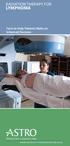 RADIATION THERAPY FOR Facts to Help Patients Make an Informed Decision TARGETING CANCER CARE AMERICAN SOCIETY FOR RADIATION ONCOLOGY FACTS ABOUT The lymphatic system is a network of tiny vessels extending
Exploring the Role of Vitamins in Achieving a Healthy Heart
 Exploring the Role of Vitamins in Achieving a Healthy Heart There are many avenues you can take to keep your heart healthy. The first step you should take is to have a medical professional evaluate the
Tuberculosis OUR MISSION THE OPPORTUNITY
 Tuberculosis OUR MISSION Guided by the belief that every life has equal value, the Bill & Melinda Gates Foundation works to help all people lead healthy, productive lives. Our Global Health Program is
TB CARE EARLY DETECTION AND PREVENTION OF TUBERCULOSIS (TB) IN CHILDREN. Risk factors in children acquiring TB:
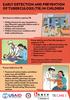 EARLY DETECTION AND PREVENTION OF TUBERCULOSIS (TB) IN CHILDREN Risk factors in children acquiring TB: Children living in the same household as a lung TB patient (especially children under 5) Children
GLOBAL DATABASE ON BLOOD SAFETY
 GLOBAL DATABASE ON BLOOD SAFETY Summary Report 1998 1999 World Health Organization Blood Transfusion Safety 1211 Geneva 27, Switzerland Tel: +41 22 791 4385 Fax: +41 22 791 4836 http://www.who.int/bct/bts
Pentavalent Vaccine. Guide for Health Workers. with Answers to Frequently Asked Questions
 Pentavalent Vaccine Guide for Health Workers with Answers to Frequently Asked Questions Ministry of Health and Family Welfare Government of India 2012 Immunization is one of the most well-known and effective
Chickenpox in pregnancy: what you need to know
 Chickenpox in pregnancy: what you need to know First published December 2003 Revised edition published November 2008 What is chickenpox? Chickenpox is a very infectious illness caused by a virus called
10. Treatment of peritoneal dialysis associated fungal peritonitis
 10. Treatment of peritoneal dialysis associated fungal peritonitis Date written: February 2003 Final submission: July 2004 Guidelines (Include recommendations based on level I or II evidence) The use of
Guideline. Treatment of tuberculosis in pregnant women and newborn infants. Version 3.0
 Guideline Treatment of tuberculosis in pregnant women and newborn infants Version 3.0 Key critical points The decision to treat tuberculosis (TB) in pregnancy must consider the potential risks to mother
12 Points of Tuberculosis (TB) Patient Education
 12 Points of Tuberculosis (TB) Patient Education Transmission of TB TB is a disease caused by the TB germ. The disease is mainly in the lungs (pulmonary TB), but the germ can travel to other parts of the
Symptoms of Hodgkin lymphoma
 Produced 28.02.2011 Revision due 28.02.2013 Symptoms of Hodgkin lymphoma Lymphoma is a cancer of cells called lymphocytes. These cells are part of our immune system, which helps us to fight off infections.
Canine Lymphoma Frequently Asked Questions by Pet Owners
 Canine Lymphoma Frequently Asked Questions by Pet Owners What is lymphoma? The term lymphoma describes a diverse group of cancers in dogs that are derived from white blood cells called lymphocytes. Lymphocytes
BASIC INFORMATION ABOUT HIV, HEPATITIS B and C, and TUBERCULOSIS Adapted from the CDC
 BASIC INFORMATION ABOUT HIV, HEPATITIS B and C, and TUBERCULOSIS Adapted from the CDC HIV What are HIV and AIDS? HIV stands for Human Immunodeficiency Virus. This is the virus that causes AIDS. HIV is
Pertussis Information for GPs and other Health Care Providers on Clinical and Public Health Management. March 2010
 Pertussis Information for GPs and other Health Care Providers on Clinical and Public Health Management March 2010 Infectious Agent Bordetella pertussis (a bacterium) Clinical Features Infants and Young
PACKAGE LEAFLET: INFORMATION FOR THE USER Omeprazol XXX 40 mg powder for solution for infusion omeprazole
 PACKAGE LEAFLET: INFORMATION FOR THE USER Omeprazol XXX 40 mg powder for solution for infusion omeprazole Read all of this leaflet carefully before you start using this medicine. - Keep this leaflet. You
Mesothelioma. 1995-2013, The Patient Education Institute, Inc. www.x-plain.com ocft0101 Last reviewed: 03/21/2013 1
 Mesothelioma Introduction Mesothelioma is a type of cancer. It starts in the tissue that lines your lungs, stomach, heart, and other organs. This tissue is called mesothelium. Most people who get this
In Tanzania, ARVs were introduced free-of-charge by the government in 2004 and, by July 2008, almost 170,000 people were receiving the drugs.
 ANTIRETROVIRAL TREATMENT What is ART and ARV? ART is a short form for Antiretroviral Therapy (or Treatment). Antiretroviral therapy is a treatment consisting of a combination of drugs which work against
Severe Combined Immune Deficiency (SCID)
 Severe Combined Immune Deficiency (SCID) ASCIA EDUCATION RESOURCES (AER) PATIENT INFORMATION Severe combined immune deficiency (SCID) is the most serious form of primary immune deficiency and is usually
Clinical Commissioning Policy: Proton Beam Radiotherapy (High Energy) for Paediatric Cancer Treatment
 Clinical Commissioning Policy: Proton Beam Radiotherapy (High Energy) for Paediatric Cancer Treatment Reference: NHS England xxx/x/x 1 Clinical Commissioning Policy: Proton Beam Radiotherapy (High Energy)
Remove this cover sheet before redistributing and replace it with your own. Please ensure that DPHHS is included on your HAN distribution list.
 State of Montana Health Alert Network DPHHS HAN ADVISORY Cover Sheet DATE: May 15, 2012 SUBJECT: Pertussis INSTRUCTIONS: DISTRIBUTE to your local HAN contacts. This HAN is intended for general sharing
UNAIDS ISSUES BRIEF 2011 A NEW INVESTMENT FRAMEWORK FOR THE GLOBAL HIV RESPONSE
 UNAIDS ISSUES BRIEF 2011 A NEW INVESTMENT FRAMEWORK FOR THE GLOBAL HIV RESPONSE Copyright 2011 Joint United Nations Programme on HIV/AIDS (UNAIDS) All rights reserved The designations employed and the
Kidney Cancer OVERVIEW
 Kidney Cancer OVERVIEW Kidney cancer is the third most common genitourinary cancer in adults. There are approximately 54,000 new cancer cases each year in the United States, and the incidence of kidney
ACCESS TO AFFORDABLE TREATMENT FOR HIV/AIDS: THE ISSUES
 ACCESS TO AFFORDABLE TREATMENT FOR HIV/AIDS: THE ISSUES AIDS Law Unit Legal Assistance Centre July, 2002 INTRODUCTION Although there is currently no cure for HIV/Aids, treatment has, however, been developed
Thymus Cancer. This reference summary will help you better understand what thymus cancer is and what treatment options are available.
 Thymus Cancer Introduction Thymus cancer is a rare cancer. It starts in the small organ that lies in the upper chest under the breastbone. The thymus makes white blood cells that protect the body against
Pediatric Latent TB Diagnosis and Treatment
 Date Updated: April 2015 Guidelines Reviewed: 1. CDC Latent TB Guidelines 2. Harborview Pediatric Clinic Latent TB Management, 2010 3. Pediatric Associates Latent TB Guidelines, 2013 4. Seattle Children
Maria Dalbey RN. BSN, MA, MBA March 17 th, 2015
 Maria Dalbey RN. BSN, MA, MBA March 17 th, 2015 2 Objectives Participants will be able to : Understand the Pathogenesis of Tuberculosis (TB) Identify the Goals of Public Health for TB Identify Hierarchy
CMV: Your questions answered
 The basics about the virus CMV: Your questions answered What is CMV? CMV, or Cytomegalovirus, is a common virus that can infect people of all ages. Once CMV is in a person s body, it stays there for life.
How can herpes simplex spread to an infant?
 CHAPTER 3 HERPES AND PREGNANCY As an expectant parent eagerly awaiting the birth of your new baby, you are probably taking a number of steps to ensure your baby s health. One step many experts recommend
This factsheet aims to outline the characteristics of some rare lung cancers, and highlight where each type of lung cancer may be different.
 There are several different kinds of lung cancer, often referred to as lung cancer subtypes. Some of these occur more often than others. In this factsheet we will specifically look at the subtypes of cancers
Referral Guidelines for TB/HIV co-management. (First Edition)
 Referral Guidelines for TB/HIV co-management (First Edition) Government of Lesotho April 2011 1 REFERRAL GUIDELINES FOR TB/HIV CO-MANAGEMENT INTRODUCTION Many TB patients are infected with HIV. Many people
WHO Regional Office for Europe update on avian influenza A (H7N9) virus
 WHO Regional Office for Europe update on avian influenza A (H7N9) virus Situation update 2: 30 April 2013 Address requests about publications of the WHO Regional Office for Europe to: Publications WHO
Hematologic Malignancies/Stem Cell Transplantation Program Clinical Section UCLA Health System Los Angeles, CA 90095
 Hematologic Malignancies/Stem Cell Transplantation Program Clinical Section UCLA Health System Los Angeles, CA 90095 CS 6.4 DIAGNOSIS AND MANAGEMENT OF CYTOMEGALOVIRUS (CMV) INFECTION AND DISEASE Location:
Cancer of the Cervix
 Cancer of the Cervix WOMENCARE A Healthy Woman is a Powerful Woman (407) 898-1500 A woman's cervix (the opening of the uterus) is lined with cells. Cancer of the cervix occurs when those cells change,
Questions and Answers About Tuberculosis
 Questions and Answers About Tuberculosis 2014 Questions and Answers About Tuberculosis 2014 Questions and Answers About Tuberculosis ( TB) was written to provide information on the diagnosis and treatment
The Global Alliance against Chronic Respiratory Diseases
 The Global Alliance against Chronic Respiratory Diseases Pulmonary hypertension Dr Marc Humbert What is the burden of pulmonary hypertension? The true burden of pulmonary hypertension is currently unknown
Santa Clara County Tuberculosis Screening Requirement for School Entrance Effective June 1, 2014. Frequently Asked Questions
 Frequently Asked Questions A child has history of BCG vaccination, should they have TST or IGRA? According to the American Academy of Pediatrics Red Book (2012), Interferon Gamma Release Assay (IGRA) is
PART III COUNSELING ON TB
 PART III COUNSELING ON TB Objectives: By the end of Part III of the training, the participants will: Understand the Cough-to-Cure Pathway and be able to successfully apply the three phases of counseling
A guide for people with genital herpes
 A guide for people with genital herpes Contents Getting the facts 4 The key facts 6 What is genital herpes? 8 Genital herpes symptoms 10 Getting tested 12 The first outbreak 14 Recurrent outbreaks 16 Common
Summary of the risk management plan (RMP) for Accofil (filgrastim)
 EMA/475472/2014 Summary of the risk management plan (RMP) for Accofil (filgrastim) This is a summary of the risk management plan (RMP) for Accofil, which details the measures to be taken in order to ensure