
The St Jude Medical Trifecta aortic pericardial valve: Results from a global, multicenter, prospective clinical study
|
|
|
- Christal Bradley
- 9 years ago
- Views:
Transcription
1 The St Jude Medical Trifecta aortic pericardial valve: Results from a global, multicenter, prospective clinical study Joseph E. Bavaria, MD, a Nimesh D. Desai, MD, PhD, a Anson Cheung, MD, b Michael R. Petracek, MD, c Mark A. Groh, MD, d Michael A. Borger, MD, e and Hartzell V. Schaff, MD f Background: The St Jude Medical Inc (St Paul, Minn) Trifecta valve is a novel aortic biological prosthesis that incorporates several design features, including a true supra-annular sewing cuff, a stent design that maximizes valve hemodynamics while minimizing leaflet stresses, and an ethanol-based anticalcification technology. This study establishes the safety and early clinical and hemodynamic performance of the Trifecta valve. Methods: The Trifecta bioprosthesis was implanted in 1014 eligible patients between 2007 and 2009 at 31 centers. The mean age of the population was years, of whom 650 (64.1%) were male and 364 (35.9%) were female. Eighty-two subjects (8.1%) had undergone previous open surgery. Indications for aortic valve replacement surgery included stenosis in 556 patients (54.8%), regurgitation in 61 patients (6.0%), and mixed pathology in 397 patients (39.2%). Results: The overall follow-up included late patient-years. Early (30 day) mortality occurred in 18 patients (1.8%), and there were 23 late (31 days) deaths yielding a linearized mortality rate of 2.72% per late patient-year. There were 27 early thromboembolic events, including 8 (0.8%) strokes, 17 (1.7%) reversible neurologic events, and 2 (0.2%) systemic embolic events. There were no instances of early valve thrombosis, endocarditis, or clinically significant hemolysis. There were 16 late thromboembolic events (linearized rate of 1.90% per year of follow-up), including 4 strokes and 12 reversible neurologic events. In total, there were 5 late valve explants, including 1 structural deterioration and 4 prosthetic valve endocarditis cases. Overall, freedom from valve explant was 99.4% at 2 years. At the time of discharge, average mean gradients ranged from 9.3 to 4.1 mm Hg and effective orifice area ranged from 1.58 to 2.50 cm 2 for valve sizes 19 to 29 mm, respectively. Conclusions: The St Jude Medical Trifecta valve is a unique pericardial bioprosthesis with design elements that provide excellent hemodynamic performance while providing ease of implantation. Long-term follow-up continues to confirm the promising results of this innovative bioprosthesis. (J Thorac Cardiovasc Surg 2013;-:1-8) Bioprosthetic valves are implanted in approximately 80% of patients requiring aortic valve replacement in North America. 1 During the past 4 decades, there has been a consistent, iterative improvement in bioprosthetic valve longevity and hemodynamic performance based on valve design and tissue processing. 2-5 The St Jude Medical Inc (St Paul, Minn) Trifecta valve is a novel biological prosthesis that incorporates several design features, including a true supra-annular sewing cuff, a stent design From the Division of Cardiovascular Surgery, a Hospital of the University of Pennsylvania, Philadelphia, Pa; Division of Cardiovascular Surgery, b St Paul s Hospital, Vancouver, British Columbia, Canada; Department of Cardiac Surgery, c Vanderbilt Medical Center, Nashville, Tenn; Mission Health and Hospitals, d Asheville, NC; Department of Cardiac Surgery, e Herzzentrum Leipzig GmbH, Leipzig, Germany; and Division of Cardiovascular Surgery, f Mayo Clinic, Rochester, Minn. Disclosures: Authors have nothing to disclose with regard to commercial support. Received for publication Aug 1, 2012; revisions received Dec 1, 2012; accepted for publication Dec 20, Address for reprints: Joseph E. Bavaria, MD, Hospital of the University of Pennsylvania, 3400 Spruce St, Philadelphia, PA ( joseph.bavaria@uphs. upenn.edu) /$36.00 Copyright Ó 2013 by The American Association for Thoracic Surgery that maximizes valve hemodynamics while minimizing leaflet stresses, and an ethanol-based anticalcification technology. The Trifecta pericardial aortic valve was evaluated in a rigorous multicenter US Food and Drug Administration Investigational Device Exemption study conducted between 2007 and Data from 31 centers in the United States, Canada, Germany, France, Italy, The Netherlands, and Switzerland involving 1022 patients were collected to obtain regulatory approvals. This study establishes the safety and early clinical and hemodynamic performance of the Trifecta valve in one of the largest prospective evaluations ever performed on any surgical aortic valve prosthesis. MATERIALS AND METHODS Patients The Trifecta bioprosthesis was implanted in 1022 patients between 2007 and Eight subjects were excluded from the analysis who did not meet the prespecified study eligibility criteria, resulting in an analysis dataset of 1014 patients. A list of participating institutions and Principal Investigators is in Appendix Table I. Inclusion criteria necessitated a patient of legal age requiring aortic valve replacement who could sign for informed consent and complete the follow-up requirements of the study. Exclusion criteria included being pregnant or nursing; requiring other concomitant valve The Journal of Thoracic and Cardiovascular Surgery c Volume -, Number - 1

2 Bavaria et al Abbreviations and Acronyms EOA ¼ effective orifice area EOAI ¼ effective orifice area index NYHA ¼ New York Heart Association PPM ¼ patient prosthesis mismatch TAVR ¼ transcatheter aortic valve replacement replacement surgery; active endocarditis; presence of other significant cardiovascular abnormality, such as aortic dissection; acute preoperative (within 30 days before implant) neurologic event; renal dialysis; a history of substance abuse in the past year; inability to perform follow-up requirements or predicted life expectancy less than 2 years; or participating in another Investigational Device Exemption or Investigational New Drug study. Institutional review board approval was obtained at every participating site. The mean age of the population was years. Among the 1014 study patients, 95 (9.4%) were aged less than 60 years at the time of implant and 210 (20.7%) were aged 80 years or more at the time of implant (Figure 1). There were 650 men (64.1%) and 364 women (35.9%). Eightytwo subjects (8.1%) had undergone previous open surgery. Preoperatively, the majority of patients had New York Heart Association (NYHA) class II or III symptoms. NYHA class IV symptoms occurred preoperatively in 55 patients (5.4%). Indications for aortic valve replacement surgery included stenosis in 556 patients (54.8%), regurgitation in 61 patients (6.0%), and mixed pathology in 397 patients (39.2%). Sixteen patients (1.6%) had a previous prosthetic aortic valve or aortic homograft explanted, whereas the remainder of procedures were performed on the patient s native aortic valve. Calcific stenosis of a trileaflet valve was observed in 696 patients (68.6%), bicuspid pathology was observed in 295 patients (29.1%), and 23 patients (2.3%) had rheumatic disease. Other aortic valve disease and causes were observed in 53 patients (5.2%). Preoperative demographic information is presented in Table 1. Aortic Valve Implantation Operative Details Valve description. The Trifecta valve is a 3-leaflet stented pericardial valve designed for supra-annular placement in the aortic position. The valve is fabricated using a polyester-covered titanium stent. The stent, excluding the sewing cuff, is covered with porcine pericardial tissue. This covering is designed to provide protection from mechanical wear by allowing only tissue-to-tissue contact during valve opening and closing. A silicone insert in the polyester sewing cuff is contoured to conform to the shape of the native annulus while providing access to the coronary artery ostia. The valve leaflets are fabricated from bovine pericardium. The porcine and bovine pericardium are preserved and crosslinked in glutaraldehyde. Glutaraldehyde, formaldehyde, and ethanol are used in the valvesterilization process. The Trifecta valve is processed with ethanol-based Linx anticalcification technology. 6 Valve sizes are available in 2-mm increments from 19 to 29 mm. The nominal valve size is based on the outer diameter of the stent. Implanted sizes are outlined in Figure 2. The valve is designed to be implanted in the true supra-annular position, typically with noneverting pledgeted mattress sutures placed on the ventricular side of the aortic annulus. Among 1014 implanted valves, 56 were placed with simple interrupted sutures, 34 were placed with nonpledgeted mattress sutures, 57 were placed using a continuous running technique, 56 were placed using an intraannular technique with everting pledgeted mattress sutures placed on the aortic side, and 811 were placed using the recommended supra-annular technique. Concomitant procedures included coronary artery bypass grafting in 372 patients (36.7%), mitral valve repair in 38 patients (3.7%), tricuspid valve repair in 23 patients (2.3%), Maze or other cardiac ablation FIGURE 1. Distribution of enrolled patients by age range, N ¼ procedures in 66 patients (6.5%), and atrial septal defect repairs in 38 patients (3.7%). Aortic root enlargement was performed in 17 patients (1.7%). An intra-aortic balloon pump was placed at the time of surgery in 17 patients (1.7%). The mean aortic crossclamp time for isolated aortic valve replacement with the Trifecta valve was minutes. Operative information is presented in Table 2. End point definitions. Adverse events were classified according to the standardized definitions from the Society of Thoracic Surgeons/ American Association for Thoracic Surgery Guidelines for Reporting Morbidity and Mortality and Cardiac Valvular Operations and the requirements of the US Food and Drug Administration. 7 Events were classified as occurring early (within 30 days of implant) or late (31 days after implant). Data Analysis Statistical analyses were performed using SAS software (v 9; SAS institute Inc, Cary, NC). Descriptive data are presented as mean values with standard deviation for continuous variables and as counts with percentages for categoric variables. Statistical significance was determined using a 2-sample t test or Fisher exact test as appropriate. Late adverse event rates (ie, those occurring 31 days postimplant) were determined using both linearized rates and Kaplan Meier analyses. Patient Follow-up The overall late follow-up included patient-years with a median follow-up interval of 0.90 years (standard deviation, 0.45 years; interquartile range, years). The completeness of follow-up at 1 and 2 years was 97.7% and 98.0% of patients, respectively. Echocardiographic evaluation was completed at discharge, 6 months, and 1 year in 98.4%, 96.9%, and 94.5% of patients, respectively. The follow-up was performed at the local investigating sites by clinic evaluation at 6 months, 1 year, and annually thereafter. Study visits included clinical determination of NYHA functional classification, study echocardiograms, blood assessment including plasma free hemoglobin, medication review including anticoagulants, and documentation of any adverse events. Study echocardiograms and blood laboratory assessments were evaluated at central core laboratories. 2 The Journal of Thoracic and Cardiovascular Surgery c

3 TABLE 1. Patient demographics Variable All implants (N ¼ 1014) Age at implant (y) (32-95) Subject gender (male) 64.1% (650) Medical history Hypertension 81.9% (830) Low ejection fraction (<50%) 12.4% (126) Hyperlipidemia 71.2% (722) Coronary artery disease 58.2% (590) Smoking history (previous or current) 55.7% (565) Diabetes 24.8% (251) Carotid artery disease 21.3% (216) Pulmonary hypertension 17.3% (175) Myocardial infarction 12.9% (131) Peripheral vascular disease 10.9% (111) Kidney disease 7.0% (71) Stroke, cerebrovascular accident, 6.0% (61) reversible ischemic neurologic deficit Transient ischemic attack 7.3% (74) Preoperative NYHA Class I 6.6% (67) Class II 44.1% (447) Class III 43.9% (445) Class IV 5.4% (55) Predominant preoperative cardiac rhythm Sinus 88.3% (895) Atrial fibrillation/flutter 8.8% (89) Paced 2.7% (27) Other 0.3% (3) Previous cardiovascular surgery/procedure None 72.4% (734) Aortic valve repair 0.3% (3) Aortic valve replacement 1.5% (15) Mitral valve repair 0.1% (1) Mitral valve replacement 0.0% (0) CABG 6.5% (66) Percutaneous coronary intervention 14.3% (145) Balloon valvuloplasty 1.1% (11) NYHA, New York Heart Association; CABG, coronary artery bypass grafting. RESULTS Clinical Events Early (30 days postimplant) mortality occurred in 18 patients (1.8%). There were 27 early thromboembolic events, including 8 (0.8%) strokes, 17 (1.7%) reversible neurologic events, and 2 (0.2%) systemic embolic events. Of the 27 early thromboembolic events, 8 were known to be in atrial fibrillation. There were 81 (8.0%) instances of major bleeding, of which 61 (6.0%) were procedurerelated. There was 1 early valve explant due to suture injury to a congenitally malpositioned intramural coronary artery. The bioprosthetic valve was functioning normally at the time of explant. The coronary artery was not obstructed by the prosthesis. There were no instances of early structural deterioration, valve thrombosis, endocarditis, or clinically significant hemolysis. Early clinical events are presented in Table 3. FIGURE 2. Distribution of valves sizes implanted, N ¼ Late Clinical Events Late clinical events are those events that occurred 31 days or more postimplant. There were 23 deaths, yielding a linearized mortality rate of 2.72% per late patient-year. Of these, 3 (0.36% per late patient-year) were valve related and 4 (0.47% per late patient-year) were cardiac related. Overall Kaplan Meier survival was 95.8% at 1 year and 94.5% at 2 years. Freedom from valve-related mortality was 99.4% at 2 years. There were 16 thromboembolic events (linearized rate of 1.90% per late patient-year of follow-up), including 4 strokes and 12 reversible neurologic events. Of these patients, 1 was known to be in atrial fibrillation. Overall freedom from thromboembolic events was 92.9% at 2 years. There were 22 instances of major bleeding (linearized rate of 2.61% per late patient-year). Freedom from major bleeding events was 86.0% at 2 years. There was 1 TABLE 2. Operative details Variable No. of patients (N ¼ 1014) Mean ± SD (min) Aortic crossclamp time All subjects With concomitant procedure Without concomitant procedure Cardiopulmonary bypass time All subjects With concomitant procedure Without concomitant procedure No. of patients (N ¼ 1014) % Concomitant procedures CABG Mitral valve repair Tricuspid valve repair Maze Cardiac ablation Maze or cardiac ablation ASD Root enlargement SD, Standard deviation; CABG, coronaryartery bypass grafting; ASD, atrialseptal defect. The Journal of Thoracic and Cardiovascular Surgery c Volume -, Number - 3

4 Bavaria et al TABLE 3. Early adverse event rates Safety measures for the early postoperative period No. of early events* N ¼ 1014 Early ratey % (95% upper CL) Thromboembolism (3.7) Neurologic (3.4) Transient ischemic attack (0.8) Reversible ischemic neurologic deficit (2.2) Stroke (1.4) Systemic (0.6) Valve thrombosis (0.3) Major bleed (9.5) Procedure related (7.4) Anticoagulant or antiplatelet related (2.2) Anticoagulant with or without (1.5) antiplatelet Other bleed (1.2) Nonstructural dysfunction (0.8) Paravalvular leak (0.5) Minor paravalvular leak (0.5) Major paravalvular leak (0.3) Endocarditis (0.3) Clinically significant hemolysis (0.3) Structural deterioration (0.3) Reoperation (0.5) Repair (0.3) Explant (0.5) Mortality (2.6) Valve-related (0.6) CL, Confidence limit. *Early events are those occurring on or before 30 days post-implant. yearly rate is calculated as number of early events*100/number of subjects. instance of nonstructural dysfunction that did not require explantation. Endocarditis occurred in 9 patients (linearized rate of 1.07% per late patient-year). Freedom from prosthetic valve endocarditis was 98.6% at 2 years. There was 1 instance of structural valve deterioration requiring explantation. There was no overt calcification of the valve cusps. In total, there were 5 valve explants, including 1 case of structural deterioration and 4 cases of prosthetic valve endocarditis. Overall, freedom from valve explant was 99.4% at 2 years. There were no instances of valve thrombosis or clinically significant hemolysis. Late clinical event rates are summarized in Table 4 and Figures 3to6. New York Heart Association Results At 2 years of clinical follow-up, 83.5% of patients had NYHA class I functional status. A further 14.4% of patients had NYHA class II status, and 2.1% of patients had NYHA class III status. There were no instances of NYHA functional class IV status in follow-up. At 2 years, freedom from NYHA class III or IV symptoms was 96.1%. Hemodynamic Results Hemodynamic results at discharge and 1 year for each valve size are presented in Figures 7to10. At the time of TABLE 4. Late adverse event rates Safety measures for the latepostoperative period (31 d postimplant) No. of late events Late rate* (late patient-y ¼ 844.3) %/late patient-y (95% upper CL) Thromboembolism (2.88) Neurologic (2.88) Transient ischemic attack (2.16) Reversible ischemic neurologic (0.56) deficit Stroke (1.08) Systemic (0.35) Valve thrombosis (0.35) Major bleed (3.72) Anticoagulant or antiplatelet (2.88) related Anticoagulant with or without (1.56) antiplatelet Other bleed (1.40) Nonstructural dysfunction (0.56) Paravalvular leak (0.35) Minor paravalvular leak (0.35) Major paravalvular leak (0.35) Endocarditis (1.86) Clinically significant hemolysis (0.35) Structural deterioration (0.56) Reoperation (1.25) Repair (0.35) Explant (1.25) Mortality (3.86) Valve-related (0.92) CL, Confidence limit. *More than 31-day adverse event rate (%) is calculated as the number of events divided by the total patient-years times 100. discharge, average mean gradients ranged from 9.3 to 4.1 mm Hg and average peak gradients ranged from 17.8 to 7.8 mm Hg for valve sizes 19 to 29 mm, respectively. At 1 year of follow-up, average mean gradients ranged from 10.7 to 4.7 mm Hg and average peak gradients ranged from 19.9 to 9.2 mm Hg for valve sizes 19 to 29 mm, respectively. Average effective orifice area (EOA) ranged from FIGURE 3. All-cause mortality. 4 The Journal of Thoracic and Cardiovascular Surgery c

5 FIGURE 4. Valve-related mortality to 2.50 cm 2 at the time of discharge and from 1.41 to 2.35 cm 2 at 1 year for valve sizes 19 to 29 mm, respectively. At the time of discharge, 12 patients (1.2%) had mild aortic insufficiency, and 4 patients (0.4%) had moderate aortic insufficiency. There were no early cases of severe insufficiency. At 1 year, 11 patients (1.8%) had mild aortic insufficiency, 6 patients (1.0%) had moderate aortic insufficiency, and 3 patients (0.5%) had severe aortic insufficiency (Figure 11). At 1 year, moderate or greater aortic insufficiency was observed in 9 patients (1.5%). Paravalvular leaks were exceedingly uncommon with only 1 (0.1%) minor paravalvular leak observed in the early period (Figure 12). Mild to moderate patient prosthesis mismatch (PPM) as defined by an effective orifice area index (EOAI) of 0.65 to 0.85 cm 2 /m 2 occurred in 209 patients (22.8%) at the time of discharge. Severe PPM, defined as an EOAI less than 0.65 cm 2 /m 2, was found in 18 patients (2.0%) at the time of discharge and 32 patients (5.5%) at 1 year. Overall freedom from severe PPM at 1 year was 94.8%. Mean indexed left ventricular mass for subjects who had values at all 3 postoperative time points decreased from g/m 2 at the time of discharge to g/m 2 at 6 months, g/m 2 at 1 year, FIGURE 6. Freedom from NYHA III or greater. NYHA, New York Heart Association. and g/m 2 at 2 years (P<.001 for all time points vs left ventricular mass at discharge) (Figure 13). DISCUSSION Characteristics of the ideal aortic prosthesis include ease of implant, lack of intrinsic thrombogenicity that does not require therapeutic anticoagulation, no residual transvalvular pressure gradient, a physiologic orifice area that can adapt to exercise conditions, and long-term durability. 6,8,9 The Trifecta valve prosthesis was designed to specifically address some of the fundamental limitations of previous aortic valve bioprostheses. Specifically, it was designed with a concave, slightly scalloped sewing ring to conform to the aortic annulus and provide adequate clearance for the native coronary arteries. Attachment of the bioengineered single sheet of bovine pericardium around the external aspects of the titanium stent allows for maximal cylindrical opening during systole. In addition, the titanium stent has intrinsic distensibility, potentially allowing for further expansion of the prosthesis in highload conditions such as exercise. The purpose of the current investigation was to establish the safety and hemodynamic profile of the Trifecta aortic valve prosthesis. One important trend observed in the current study and other recent multicenter evaluations of FIGURE 5. Freedom from Trifecta (St Jude Medical Inc, St Paul, Minn) valve explant. FIGURE 7. Average mean valve gradients over time. The Journal of Thoracic and Cardiovascular Surgery c Volume -, Number - 5

6 Bavaria et al FIGURE 8. Average peak valve gradients over time. FIGURE 10. Average EOAI. EOAI, Effective orifice area index. biologic valve prostheses is that the average age of the patients was fairly high at 72.5 years. 6,10,11 Despite the advanced age and higher risk profile, the clinical results of the patients in this study were exemplary. Perioperative mortality was 1.8%, and overall survival was 94.5% at 2 years. This compares favorably to contemporary multicenter valve performance studies in similar patient populations by Conte and colleagues 10 evaluating the Sorin Mitroflow (Sorin Group, Milan, Italy) pericardial aortic prosthesis, Fradet and colleagues 11 evaluating the Medtronic Mosaic (Medtronic Inc, Minneapolis, Minn) porcine aortic prosthesis, and Jamieson and colleagues 6 evaluating the St Jude Epic (St Jude Medical Inc) porcine prosthesis. On the basis of the results of the current study, the Trifecta valve represents significant progress in the development of a stented bioprosthesis with near physiologic hemodynamics. The nearly cylindric opening of the prosthesis on systole provides gradients and EOAs that surpass any other available stented aortic prosthesis and approach those of stentless prostheses. 6,10-12,14,15 Although study-to-study comparisons of different aortic prostheses are confounded by many factors, among multicenter studies with rigorous centralized core laboratory analysis echocardiographic follow-up, the Trifecta valve showed favorable hemodynamics to other pericardial prostheses. 10,12 At 1 year, EOAs for the Trifecta valve, Sorin Mitroflow, 10 Medtronic Mosaic, 11 and Edwards Magna Ease 12 (Edwards Lifesciences, Irvine, Calif) were 1.4, 1.1, 1.2, and 1.3 cm 2 for the 19-mm prosthesis; 1.6, 1.2, 1.3, and 1.5 cm 2 for the 21-mm prosthesis; and 1.8, 1.4, 1.5, and 1.8 cm 2 for the 23-mm prosthesis, respectively. In a nominal size-by-size comparison, the 6-month EOAs for the Trifecta valve versus the St Jude Medical Toronto stentless porcine valve (full root implants only) were 1.7 and 1.2 cm 2 for the 21-mm prostheses, 1.9 and 1.5 cm 2 for the 23-mm prostheses, 2.1 and 1.9 cm 2 for the 25-mm prostheses, 2.2 and 2.3 cm 2 for the 27-mm prostheses, and 2.5 and 2.6 cm 2 for the 29-mm prostheses, respectively. 13 The presence of a titanium stent that may be able to expand during high loading conditions, such as exercise, may provide additional clinical benefit and minimize leaflet stresses as seen in stentless porcine valves. In addition, optimal leaflet shaping and coaptation are achieved through a proprietary leaflet fixation method. The favorable hemodynamics led to an incidence of severe PPM that was uniquely low for the Trifecta valve. Among patients receiving 19-, 21-, and 23-mm prostheses, at 1 year, the mean EOAI was 0.85, 0.90, and 0.91 cm 2 /m 2, respectively. Severe mismatch with an EOA less than 0.65 cm 2 /m 2 was found in only 2.0% of patients at the time of discharge. The presence of severe PPM has been shown in several studies to lead to significantly poorer long-term survival in a variety of patient groups. In series with oldergeneration prostheses and varying definitions of mismatch, its incidence has been reported up to 51%. 15,16 The discussion of near physiologic hemodynamics seen in the Trifecta valve is particularly important with the FIGURE 9. Average EOA. EOA, Effective orifice area. FIGURE 11. Total aortic insufficiency over time. 6 The Journal of Thoracic and Cardiovascular Surgery c

7 regurgitation even in larger sizes, a problem more common in previous-generation surgical pericardial valves. 24 CONCLUSIONS The St Jude Medical Inc Trifecta valve is a unique pericardial bioprosthesis with design elements that incorporate significant improvements in hemodynamic performance over previous-generation valves while providing ease of implantation. Long-term follow-up continues to confirm the promising results of this innovative bioprosthesis. FIGURE 12. Paravalvular leak over time. proliferation of transcatheter aortic valve replacement (TAVR) technologies TAVR valves have been purported in several nonrandomized studies to have hemodynamics superior to open surgical valves, with low residual gradients due to the nonobstructive nature of the metallic stent and lack of sewing ring. 19 In the only large multicenter randomized controlled trial comparing TAVR with open aortic valve replacement in high-risk patients, the difference in postoperative gradients was in the low single digits and not likely to be clinically significant. 20 Although TAVR valves tend to be hemodynamically efficient in systole, paravalvular leaks, and to a lesser extent intravalvular leaks, seen frequently in the first-generation devices represent true sources of energy loss that may limit the full clinical benefit of the relief of severe aortic stenosis. A recent bench study by Azadani and colleagues 21 revealed that energy loss in the setting of even mild aortic regurgitation from a paravalvular leak may be as hemodynamically important as a modest residual gradient. Aortic regurgitation, predominantly from paravalvular sources, is present in more than 51% of TAVR valves, and moderate or worse regurgitation is generally described in up to 13% of TAVR valves. 17,18,22,23 In the current study, the Trifecta valve had a low rate of paravalvular leak (Figure 12) despite having a highly efficient low-profile sewing ring, indicative of ease of implantability. There was also minimal valvular FIGURE 13. Left ventricular mass regression. References 1. Brown JM, O Brien SM, Wu C, Sikora JA, Griffith BP, Gammie JS. Isolated aortic valve replacement in North America comprising 108,687 patients in 10 years: changes in risks, valve types, and outcomes in the Society of Thoracic Surgeons National Database. J Thorac Cardiovasc Surg. 2009;137: Schoen FJ, Levy RJ. Founder s Award, 25th Annual Meeting of the Society for Biomaterials, perspectives. Providence, RI, April 28 May 2, Tissue heart valves: current challenges and future research perspectives. J Biomed Mater Res. 1999;47: Flomenbaum MA, Schoen FJ. Effects of fixation back pressure and antimineralization treatment on the morphology of porcine aortic bioprosthetic valves. J Thorac Cardiovasc Surg. 1993;105: Jones M, Eidbo EE, Hilbert SL, Ferrans VJ, Clark RE. Anticalcification treatments of bioprosthetic heart valves: in vivo studies in sheep. J Card Surg. 1989;4: Hilbert SL, Barrick MK, Ferrans VJ. Porcine aortic valve bioprostheses: a morphologic comparison of the effects of fixation pressure. J Biomed Mater Res. 1990;24: Jamieson WR, Lewis CT, Sakwa MP, Cooley DA, Kshettry VR, Jones KW, et al. St Jude Medical Epic porcine bioprosthesis: results of the regulatory evaluation. J Thorac Cardiovasc Surg. 2011;141: e2. 7. Edmunds LH Jr, Clark RE, Cohn LH, Grunkemeier GL, Miller DC, Weisel WD. Guidelines for reporting morbidity and mortality after valvular operations. Ad Hoc Liaison Committee for Standardizing Definitions of Prosthetic Heart Valve Morbidity of The American Association for Thoracic Surgery and the Society of Thoracic Surgeons. J Thorac Cardiovasc Surg. 1996;112: Rahimtoola SH. Choice of prosthetic heart valve in adults: an update. J Am Coll Cardiol. 2010;55: Sharma S, Mehra A, Rahimtoola SH. Valvular heart disease: a century of progress. Am J Med. 2008;121: Conte J, Weissman N, Dearani JA, Bavaria J, Heimansohn D, Dembitsky W, et al. A North American, prospective, multicenter assessment of the Mitroflow aortic pericardial prosthesis. Ann Thorac Surg. 2010;90:144-52,e Fradet GJ, Bleese N, Burgess J, Cartier PC. Mosaic valve international clinical trial: early performance results. Ann Thorac Surg. 2001;71(5 Suppl):S Edwards Life Sciences Corp. Carpentier-Edwards Magna Ease Pericardial Aortic Bioprosthesis Model 3300TFX Instructions for Use. Irvine, CA: Edwards Life Sciences Corp; Gleason TG, David TE, Coselli JS, Hammon JW Jr, Bavaria JE. St. Jude Medical Toronto biologic aortic root prosthesis: early FDA phase II IDE study results. Ann Thorac Surg. 2004;78: Lehmann S, Walther T, Kempfert J, Leontjev S, Rastan A, Falk V, et al. Stentless versus conventional xenograft aortic valve replacement: midterm results of a prospectively randomized trial. Ann Thorac Surg. 2007;84: Moon MR, Pasque MK, Munfakh NA, Melby SJ, Lawton JS, Moazami N, et al. Prosthesis-patient mismatch after aortic valve replacement: impact of age and body size on late survival. Ann Thorac Surg. 2006;81: Clavel MA, Webb J, Pibarot P, Altwegg L, Dumont E, Thompson C, et al. Comparison of the hemodynamic performance of percutaneous and surgical bioprostheses for the treatment of severe aortic stenosis. J Am Coll Cardiol. 2009;53: Ewe SH, Muratori M, Delgado V, Pepi M, Tamborini G, Fusini L, et al. Hemodynamic and clinical impact of prosthesis-patient mismatch after transcatheter aortic valve implantation. J Am Coll Cardiol. 2011;58: Clavel MA, Webb JG, Rodes-Cabau J, Masson JB, Dumont E, De Larochelliere R, et al. Comparison between transcatheter and surgical prosthetic The Journal of Thoracic and Cardiovascular Surgery c Volume -, Number - 7

8 Bavaria et al valve implantation in patients with severe aortic stenosis and reduced left ventricular ejection fraction. Circulation. 2010;122: Zhao Y, Lindqvist P, Nilsson J, Holmgren A, N aslund U, Henein MY. Trans-catheter aortic valve implantation early recovery of left and preservation of right ventricular function. Interact Cardiovasc Thorac Surg. 2011;12: Smith CR, Leon MB, Mack MJ, Miller DC, Moses JW, Svensson LG, et al., PARTNER Trial Investigators. Transcatheter versus surgical aortic-valve replacement in high-risk patients. N Engl J Med. 2011;364: Azadani AN, Jaussaud N, Matthews PB, Ge L, Guy TS, Chuter TA, et al. Energy loss due to paravalvular leak with transcatheter aortic valve implantation. Ann Thorac Surg. 2009;88: Colli A, D Amico R, Kempfert J, Borger MA, Mohr FW, Walther T. Transesophageal echocardiographic scoring for transcatheter aortic valve implantation: impact of aortic cusp calcification on postoperative aortic regurgitation. J Thorac Cardiovasc Surg. 2011;142: Moat NE, Ludman P, de Belder MA, Bridgewater B, Cunningham AD, Young CP, et al. Long-term outcomes after transcatheter aortic valve implantation in highrisk patients with severe aortic stenosis: the U.K. TAVI (United Kingdom Transcatheter Aortic Valve Implantation) Registry. JAm Coll Cardiol. 2011;58: Vander Salm TJ, Toran AJ, Lewis W, O Connor J. Severe, transient aortic insufficiency after bovine pericardial aortic valve replacement: a cautionary note. Ann Thorac Surg. 2009;88: APPENDIX TABLE 1. Principal Investigator list Principal Investigator Investigational sites Joseph Bavaria, MD Hospital of the University of Pennsylvania Michael Petracek, MD Vanderbilt Medical Center Hartzell Schaff, MD Mayo Clinic Mark Groh, MD Mission Health and Hospitals Scott Goldman, MD Lankenau Hospital Kent Jones, MD Intermountain Medical Center Vibhu Kshettry, MD Abbott Northwestern Hospital A. Marc Gillinov, MD Cleveland Clinic Foundation Marc Sakwa, MD William Beaumont Hospital Mamdouh Bakhos, MD Loyola University Medical Center David Kress, MD St Luke s Medical Center Vaughn Starnes, MD University of Southern California Joseph Coselli, MD St Luke s Episcopal Hospital Donald Glower, MD Duke University Medical Center Stephen Dewan, MD Cardiothoracic and Vascular Surgeons Thomas Kelly, MD Sarasota Medical Center Charles Schwartz, MD New York University Medical Center Allen Stewart, MD Columbia University Medical Center Anson Cheung, MD St Paul s Hospital Eric Charbonneau, MD H^opital Laval Vivek Rao, MD Toronto General Hospital Jeremy Wood, MD Queen Elizabeth II Health Science Centre Guy Fradet, MD Vancouver General Hospital Michel Pellerin, MD Institut de Cardiologie de Montreal Roderick MacArthur, MD University of Alberta Frederick W. Mohr, MD, PhD Herzzentrum Leipzig GmbH Frederik N. Hofman, MD Onze Lieve Vrouw Gasthuis, Netherlands Alain Leguerrier, MD CHRU Rennes R udiger S. Lange, MD, PhD German Heart Center M unchen Thierry Carrel, MD, PhD Inselspital Bern Gino Gerosa, MD, PhD Azienda Ospedaliera Di Padova 8 The Journal of Thoracic and Cardiovascular Surgery c

9 000 The St Jude Medical Trifecta aortic pericardial valve: Results from a global, multicenter, prospective clinical study Joseph E. Bavaria, MD, Nimesh D. Desai, MD, PhD, Anson Cheung, MD, Michael R. Petracek, MD, Mark A. Groh, MD, Michael A. Borger, MD, and Hartzell V. Schaff, MD, Philadelphia, Pa; Nashville, Tenn; Vancouver, British Columbia, Canada; Asheville, NC; Leipzig, Germany; and Rochester, Minn The St Jude Medical Inc (St Paul, Minn) Trifecta valve is a novel aortic valve pericardial prosthesis that was was implanted in 1014 eligible patients at 31 centers. This study demonstrates the safety and efficacy of this new bioprosthetic, which has excellent hemodynamics. The Journal of Thoracic and Cardiovascular Surgery c Volume -, Number -

Transcatheter Mitral Valve-in-Valve and Valve-in-Ring Implantations. Danny Dvir, MD On behalf of VIVID registry investigators
 Transcatheter Mitral Valve-in-Valve and Valve-in-Ring Implantations Danny Dvir, MD On behalf of VIVID registry investigators Introduction Bioprosthetic valves are increasingly implanted in open-heart surgeries.
Steven J. Yakubov, MD FACC For the CoreValve US Clinical Investigators
 Long-Term Outcomes Using a Self- Expanding Bioprosthesis in Patients With Severe Aortic Stenosis Deemed Extreme Risk for Surgery: Two-Year Results From the CoreValve US Pivotal Trial Steven J. Yakubov,
Clinical Commissioning Policy Statement: Percutaneous mitral valve leaflet repair for mitral regurgitation April 2013. Reference: NHSCB/A09/PS/b
 Clinical Commissioning Policy Statement: Percutaneous mitral valve leaflet repair for mitral regurgitation April 2013 Reference: NHS Commissioning Board Clinical Commissioning Policy Statement: Percutaneous
Real-Time 3-Dimensional Transesophageal Echocardiography in the Evaluation of Post-Operative Mitral Annuloplasty Ring and Prosthetic Valve Dehiscence
 Journal of the American College of Cardiology Vol. 53, No. 17, 2009 2009 by the American College of Cardiology Foundation ISSN 0735-1097/09/$36.00 Published by Elsevier Inc. doi:10.1016/j.jacc.2008.12.059
Mitral Valve Repair versus Replacement for Severe Ischemic Mitral Regurgitation. Michael Acker, MD For the CTSN Investigators AHA November 2013
 Mitral Valve Repair versus Replacement for Severe Ischemic Mitral Regurgitation Michael Acker, MD For the CTSN Investigators AHA November 2013 Acknowledgements Supported by U01 HL088942 Cardiothoracic
Dysfunction of aortic valve prostheses
 Dysfunction of aortic valve prostheses Kai Andersen Oslo University Hospital Rikshospitalet, Norway Dysfunction of aortic valve prostheses Kai Andersen Oslo University Hospital Rikshospitalet, Norway No
Heart valve repair and replacement
 16 Heart valve repair and replacement 222 Valvular heart disease can be treated in a variety of ways: valve replacement, in which an artificial (prosthetic) heart valve is implanted surgically to replace
Durability of mitral valve repair for mitral regurgitation due to degenerative mitral valve disease
 Keynote Lecture Series Durability of mitral valve repair for mitral regurgitation due to degenerative mitral valve disease Tirone E. David Division of Cardiovascular Surgery, Peter Munk Cardiac Centre,
PHARMACOLOGICAL Stroke Prevention in Atrial Fibrillation STROKE RISK ASSESSMENT SCORES Vs. BLEEDING RISK ASSESSMENT SCORES.
 PHARMACOLOGICAL Stroke Prevention in Atrial Fibrillation STROKE RISK ASSESSMENT SCORES Vs. BLEEDING RISK ASSESSMENT SCORES. Hossam Bahy, MD (1992 2012), 19 tools have been identified 11 stroke scores 1
Low-gradient severe aortic stenosis with normal LVEF: A disturbing clinical entity
 Low-gradient severe aortic stenosis with normal LVEF: A disturbing clinical entity Jean-Luc MONIN, MD, PhD Henri Mondor University Hospital Créteil, FRANCE Disclosures : None 77-year-old woman, mild dyspnea
Managing Mitral Regurgitation: Repair, Replace, or Clip? Michael Howe, MD Traverse Heart & Vascular
 Managing Mitral Regurgitation: Repair, Replace, or Clip? Michael Howe, MD Traverse Heart & Vascular Mitral Regurgitation Anatomy Mechanisms of MR Presentation Evaluation Management Repair Replace Clip
Contegra Pulmonary Valved Conduit Humanitarian Device Exemption (HDE) H020003
 Presentation to the Pediatric Advisory Committee September 16, 2015 Contegra Pulmonary Valved Conduit Humanitarian Device Exemption (HDE) H020003 George Aggrey, MD, MPH Epidemiologist Division of Epidemiology
Diagnostic and Therapeutic Procedures
 Diagnostic and Therapeutic Procedures Diagnostic and therapeutic cardiovascular s are central to the evaluation and management of patients with cardiovascular disease. Consistent with the other sections,
on behalf of the AUGMENT-HF Investigators
 One Year Follow-Up Results from AUGMENT-HF: A Multicenter Randomized Controlled Clinical Trial of the Efficacy of Left Ventricular Augmentation with Algisyl-LVR in the Treatment of Heart Failure* Douglas
Minimally Invasive Mitral Valve Surgery
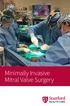 Minimally Invasive Mitral Valve Surgery Stanford Health Care offers leading, superior options in cardiac surgery, including the latest techniques and research for Minimally Invasive Cardiac surgery. Advanced
Listen to your heart: Good Cardiovascular Health for Life
 Listen to your heart: Good Cardiovascular Health for Life Luis R. Castellanos MD, MPH Assistant Clinical Professor of Medicine University of California San Diego School of Medicine Sulpizio Family Cardiovascular
Treating AF: The Newest Recommendations. CardioCase presentation. Ethel s Case. Wayne Warnica, MD, FACC, FACP, FRCPC
 Treating AF: The Newest Recommendations Wayne Warnica, MD, FACC, FACP, FRCPC CardioCase presentation Ethel s Case Ethel, 73, presents with rapid heart beating and mild chest discomfort. In the ED, ECG
Read It, Code It, See It
 Read It, Code It, See It Richard L. Prager, M.D. University of Michigan Ann Arbor, Michigan Dorothy Latham, R.N. Port Huron Hospital Port Huron, Michigan Nothing to Disclose Disclosure Preoperative diagnosis:
Cardiac Assessment for Renal Transplantation: Pre-Operative Clearance is Only the Tip of the Iceberg
 Cardiac Assessment for Renal Transplantation: Pre-Operative Clearance is Only the Tip of the Iceberg 2 nd Annual Duke Renal Transplant Symposium March 1, 2014 Durham, NC Joseph G. Rogers, M.D. Associate
Stented Bioprosthetic Valve: Porcine Stented Bioprosthetic Valves
 TEE Assessment of Prosthetic Valves Lecture Outline Prosthetic Valve Construction Echo characteristics of PVs Intraoperative Assessment of PVs 10 General Principles Scott Streckenbach, M.D. Director of
TAVR: A New Treatment Option for Aortic Stenosis. Alexis Auger, MSN, NP-BC
 TAVR: A New Treatment Option for Aortic Stenosis Alexis Auger, MSN, NP-BC 22nd Annual Northeast Regional Nurse Practitioner Conference May 6-8, 2015 DISCLOSURES There has been no commercial support or
Main Effect of Screening for Coronary Artery Disease Using CT
 Main Effect of Screening for Coronary Artery Disease Using CT Angiography on Mortality and Cardiac Events in High risk Patients with Diabetes: The FACTOR-64 Randomized Clinical Trial Joseph B. Muhlestein,
Atrial Fibrillation 2014 How to Treat How to Anticoagulate. Allan Anderson, MD, FACC, FAHA Division of Cardiology
 Atrial Fibrillation 2014 How to Treat How to Anticoagulate Allan Anderson, MD, FACC, FAHA Division of Cardiology Projection for Prevalence of Atrial Fibrillation: 5.6 Million by 2050 Projected number of
STROKE PREVENTION IN ATRIAL FIBRILLATION
 STROKE PREVENTION IN ATRIAL FIBRILLATION OBJECTIVE: To guide clinicians in the selection of antithrombotic therapy for the secondary prevention of ischemic stroke and arterial thromboembolism in patients
ECG may be indicated for patients with cardiovascular risk factors
 eappendix A. Summary for Preoperative ECG American College of Cardiology/ American Heart Association, 2007 A1 2002 A2 European Society of Cardiology and European Society of Anaesthesiology, 2009 A3 Improvement,
CARDIAC RISKS OF NON CARDIAC SURGERY
 CARDIAC RISKS OF NON CARDIAC SURGERY N E W S T U D I E S & N E W G U I D E L I N E S W. B. C A L H O U N, M D, F A C C 2014 ACC/AHA Guideline on perioperative cardiovascular evaluation and management
Type II Pulmonary Hypertension: Pulmonary Hypertension due to Left Heart Disease
 Heart Failure Center Hadassah University Hospital Type II Pulmonary Hypertension: Pulmonary Hypertension due to Left Heart Disease Israel Gotsman MD The Heart Failure Center, Heart Institute Hadassah University
Cardiac Rehabilitation The Best Medicine for Your CAD Patients. James A. Stone
 James A. Stone BPHE, BA, MSc, MD, PhD, FRCPC, FAACVPR, FACC Clinical Professor of Medicine, University of Calgary Total Cardiology, Calgary Acknowledgements and Disclosures Acknowledgements Jacques Genest
Hydrodynamic characteristics of prosthetic heart valves Cardiamed
 Hydrodynamic characteristics of prosthetic heart valves Cardiamed Hydrodynamic characteristics of blood flow passing through a prosthetic heart valve have profound effect on the activation of thrombus
Measure #257 (NQF 1519): Statin Therapy at Discharge after Lower Extremity Bypass (LEB) National Quality Strategy Domain: Effective Clinical Care
 Measure #257 (NQF 1519): Statin Therapy at Discharge after Lower Extremity Bypass (LEB) National Quality Strategy Domain: Effective Clinical Care 2016 PQRS OPTIONS FOR INDIVIDUAL MEASURES: REGISTRY ONLY
Reporting Transcatheter Aortic Valve Replacement (TAVR) Procedures in 2013
 Reporting Transcatheter Aortic Valve Replacement (TAVR) Procedures in 2013 There are nine new CPT codes effective January 1, 2013, for reporting TAVR procedures. Five of these codes are Category I codes
Perioperative Cardiac Evaluation
 Perioperative Cardiac Evaluation Caroline McKillop Advisor: Dr. Tam Psenka 10-3-2007 Importance of Cardiac Guidelines -Used multiple times every day -Patient Safety -Part of Surgical Care Improvement Project
Management of the Patient with Aortic Stenosis undergoing Non-cardiac Surgery
 Management of the Patient with Aortic Stenosis undergoing Non-cardiac Surgery Srinivasan Rajagopal M.D. Assistant Professor Division of Cardiothoracic Anesthesia Objectives Describe the pathophysiology
Objectives. Preoperative Cardiac Risk Stratification for Noncardiac Surgery. History
 Preoperative Cardiac Risk Stratification for Noncardiac Surgery Kimberly Boddicker, MD FACC Essentia Health Heart and Vascular Center 27 th Heart and Vascular Conference May 13, 2011 Objectives Summarize
5. Management of rheumatic heart disease
 5. Management of rheumatic heart disease The fundamental goal in the long-term management of RHD is to prevent ARF recurrences, and therefore, prevent the progression of RHD, and in many cases allow for
Overview. Total Joint Replacement in the U.S. KP National Total Joint Registry EMR Tools and Outcome Assessment: A Model for Vascular Surgery?
 KP National Total Joint Registry EMR Tools and Outcome Assessment: A Model for Vascular Surgery? Liz Paxton Director of Surgical Outcomes and Analysis Overview KP Total Joint Replacement Registry Background
STROKE PREVENTION IN ATRIAL FIBRILLATION. TARGET AUDIENCE: All Canadian health care professionals. OBJECTIVE: ABBREVIATIONS: BACKGROUND:
 STROKE PREVENTION IN ATRIAL FIBRILLATION TARGET AUDIENCE: All Canadian health care professionals. OBJECTIVE: To guide clinicians in the selection of antithrombotic therapy for the secondary prevention
Medical management of CHF: A New Class of Medication. Al Timothy, M.D. Cardiovascular Institute of the South
 Medical management of CHF: A New Class of Medication Al Timothy, M.D. Cardiovascular Institute of the South Disclosures Speakers Bureau for Amgen Background Chronic systolic congestive heart failure remains
Anticoagulants in Atrial Fibrillation
 Anticoagulants in Atrial Fibrillation Starting and Stopping Them Safely Carmine D Amico, D.O. Overview Learning objectives Introduction Basic concepts Treatment strategy & options Summary 1 Learning objectives
Aortic Valve Surgery
 From the Department of Cardiovascular Surgery and Anaesthesia Sahlgrenska University Hospital and Department of Molecular and Clinical Medicine Institute of Medicine, Sahlgrenska Academy University of
LEADING-EDGE Cardiovascular Care
 LEADING-Edge Cardiovascular Care Coral Gables Hospital North Shore Medical Center Hialeah Hospital Delray Medical Center Good Samaritan Medical Center Palm Beach Gardens Medical Center St. Mary s Medical
The Carpentier-Edwards Perimount Magna mitral valve bioprosthesis: intermediateterm efficacy and durability
 Loor et al. Journal of Cardiothoracic Surgery (2016) 11:20 DOI 10.1186/s13019-016-0412-4 RESEARCH ARTICLE Open Access The Carpentier-Edwards Perimount Magna mitral valve bioprosthesis: intermediateterm
Atherosclerosis of the aorta. Artur Evangelista
 Atherosclerosis of the aorta Artur Evangelista Atherosclerosis of the aorta Diagnosis Classification Prevalence Risk factors Marker of generalized atherosclerosis Risk of embolism Therapy Diagnosis Atherosclerosis
Christopher M. Wright, MD, MBA Pioneer Cardiovascular Consultants Tempe, Arizona
 Christopher M. Wright, MD, MBA Pioneer Cardiovascular Consultants Tempe, Arizona Areas to be covered Historical, current, and future treatments for various cardiovascular disease: Atherosclerosis (Coronary
CTA OF THE EXTRACORONARY HEART
 CTA OF THE EXTRACORONARY HEART Charles White MD Director of Thoracic Imaging Department of Radiology University of Maryland NO DISCLOSURES [email protected] CARDIAC CASE DISTRIBUTION Coronary CTA 30% ED chest
Antiplatelet and Antithrombotics From clinical trials to guidelines
 Antiplatelet and Antithrombotics From clinical trials to guidelines Ashraf Reda, MD, FESC Prof and head of Cardiology Dep. Menofiya University Preisedent of EGYBAC Chairman of WGLVR One of the big stories
ACLS Defibrillation Protocols With the ZOLL Rectilinear Biphasic Waveform AHA/ERC Guidelines 2005
 ACLS Defibrillation Protocols With the ZOLL Rectilinear Biphasic Waveform AHA/ERC Guidelines 2005 Introduction: The purpose of this document is to outline the equivalent biphasic protocols specific to
The author has no disclosures
 Mary Bradbury, PharmD, BCPS Clinical Pharmacy Specialist, Cardiac Surgery September 18, 2012 [email protected] This presentation will discuss unlabeled and investigational use of products The author
RATE VERSUS RHYTHM CONTROL OF ATRIAL FIBRILLATION: SPECIAL CONSIDERATION IN ELDERLY. Charles Jazra
 RATE VERSUS RHYTHM CONTROL OF ATRIAL FIBRILLATION: SPECIAL CONSIDERATION IN ELDERLY Charles Jazra NO CONFLICT OF INTEREST TO DECLARE Relationship Between Atrial Fibrillation and Age Prevalence, percent
Surgeons Role in Atrial Fibrillation
 Atrial Fibrillation Surgeons Role in Atrial Fibrillation Steven J Feldhaus, MD, FACS 2015 Cardiac Symposium September 18, 2015 Stages of Atrial Fibrillation Paroxysmal (Intermittent) Persistent (Continuous)
How should we treat atrial fibrillation in heart failure
 Advances in Cardiac Arrhhythmias and Great Innovations in Cardiology Torino, 23/24 Ottobre 2015 How should we treat atrial fibrillation in heart failure Matteo Anselmino Dipartimento Scienze Mediche Città
INNOVATIONS IN THE ENVIRONMENT: HOW THE HYBRID OPERATING ROOM CAN INFLUENCE CARDIAC SURGERY
 CLAUDIO GROSSI Cardiac Surgery Ospedale Santa Croce CUNEO (Italy) INNOVATIONS IN THE ENVIRONMENT: HOW THE HYBRID OPERATING ROOM CAN INFLUENCE CARDIAC SURGERY Impossibile visualizzare l'immagine. La memoria
Contemporary Management of Cardiovascular Disease
 Contemporary Management of Cardiovascular Disease NOVEMBER 20 21, 2015 Hilton Anatole Hotel Register Today! ccfcme.org/gocvdtx Contemporary Management of Cardiovascular Disease Join us on November 20-21
Kevin Saunders MD CCFP Rivergrove Medical Clinic Wellness Institute @ SOGH April 17 2013
 Kevin Saunders MD CCFP Rivergrove Medical Clinic Wellness Institute @ SOGH April 17 2013 Family physician with Rivergrove Medical Clinic Practice in the north end since 1985 Medical Director of the Wellness
BASIC STANDARDS FOR RESIDENCY TRAINING IN CARDIOLOGY
 BASIC STANDARDS FOR RESIDENCY TRAINING IN CARDIOLOGY American Osteopathic Association and the American College of Osteopathic Internists Specific Requirements For Osteopathic Subspecialty Training In Cardiology
Specific Basic Standards for Osteopathic Fellowship Training in Cardiology
 Specific Basic Standards for Osteopathic Fellowship Training in Cardiology American Osteopathic Association and American College of Osteopathic Internists BOT 07/2006 Rev. BOT 03/2009 Rev. BOT 07/2011
PRECOMBAT Trial. Seung-Whan Lee, MD, PhD On behalf of the PRECOMBAT Investigators
 Premier of Randomized Comparison of Bypass Surgery versus Angioplasty Using Sirolimus-Eluting Stent in Patients with Left Main Coronary Artery Disease PRECOMBAT Trial Seung-Whan Lee, MD, PhD On behalf
Prognostic impact of uric acid in patients with stable coronary artery disease
 Prognostic impact of uric acid in patients with stable coronary artery disease Gjin Ndrepepa, Siegmund Braun, Martin Hadamitzky, Massimiliano Fusaro, Hans-Ullrich Haase, Kathrin A. Birkmeier, Albert Schomig,
Name: DEPARTMENT OF CARDIOLOGY CRITERIA FOR RECOMMENDATION AND CATEGORIZATION OF MEDICAL STAFF PRIVILEGES
 Name: DEPARTMENT OF CARDIOLOGY CRITERIA FOR RECOMMENDATION AND CATEGORIZATION OF MEDICAL STAFF PRIVILEGES A. Applicants (Full Privileges) 1. Satisfactory completion of an application, including documentation
THE INTERNET STROKE CENTER PRESENTATIONS AND DISCUSSIONS ON STROKE MANAGEMENT
 THE INTERNET STROKE CENTER PRESENTATIONS AND DISCUSSIONS ON STROKE MANAGEMENT Stroke Prevention in Atrial Fibrillation Gregory Albers, M.D. Director Stanford Stroke Center Professor of Neurology and Neurological
Stroke Risk Scores. CHA 2 DS 2 -VASc. CHA 2 DS 2 -VASc Scoring Table 2
 Bleeding/Clotting Risk Evaluation Tools for Atrial Fibrillation Patients Before prescribing anticoagulants, providers should weigh the risk of thrombosis against the risk of bleeding. The tools below can
Long term anticoagulant therapy in patients with atrial fibrillation at high risk of stroke: a new scenario after RE-LY trial
 Long term anticoagulant therapy in patients with atrial fibrillation at high risk of stroke: a new scenario after RE-LY trial Camillo Autore Università di Roma Sapienza II Facoltà di Medicina e Chirurgia
CorMatrix ECM Technology
 CorMatrix ECM Technology Rethink the treatment of a damaged heart REMODEL. REGROW. RESTORE. CorMatrix ECM Technology provides a natural bioscaffold matrix that enables the body s own cells to repair and
Osama Jarkas. in Chest Pain Patients. STUDENT NAME: Osama Jarkas DATE: August 10 th, 2015
 STUDENT NAME: Osama Jarkas DATE: August 10 th, 2015 PROJECT TITLE: Analysis of ECG Exercise Stress Testing and Framingham Risk Score in Chest Pain Patients PRIMARY SUPERVISOR NAME: Dr. Edward Tan DEPARTMENT:
Updated Cardiac Resynchronization Therapy Guidelines
 The Ohio State University Heart and Vascular Center Updated Cardiac Resynchronization Therapy Guidelines William T. Abraham, MD, FACP, FACC, FAHA, FESC Professor of Medicine, Physiology, and Cell Biology
Therapeutic Approach in Patients with Diabetes and Coronary Artery Disease
 Home SVCC Area: English - Español - Português Therapeutic Approach in Patients with Diabetes and Coronary Artery Disease Martial G. Bourassa, MD Research Center, Montreal Heart Institute, Montreal, Quebec,
INHERIT. The Lancet Diabetes & Endocrinology In press
 INHibition of the renin angiotensin system in hypertrophic cardiomyopathy and the Effect on hypertrophy a Randomized Intervention Trial with losartan Anna Axelsson, Kasper Iversen, Niels Vejlstrup, Carolyn
California Health and Safety Code, Section 1256.01
 California Health and Safety Code, Section 1256.01 1256.01. (a) The Elective Percutaneous Coronary Intervention (PCI) Pilot Program is hereby established in the department. The purpose of the pilot program
Risk Stratification for Cardiac Valve Replacement. National Cardiac Surgery Database
 Risk Stratification for Cardiac Valve Replacement. National Cardiac Surgery Database W. R. Eric Jamieson, MD, Fred H. Edwards, MD, Marc Schwartz, BS, Joseph W. Bero, MS, Richard E. Clark, MD, and Frederick
DISCLOSURES RISK ASSESSMENT. Stroke and Heart Disease -Is there a Link Beyond Risk Factors? Daniel Lackland, MD
 STROKE AND HEART DISEASE IS THERE A LINK BEYOND RISK FACTORS? D AN IE L T. L AC K L AN D DISCLOSURES Member of NHLBI Risk Assessment Workgroup RISK ASSESSMENT Count major risk factors For patients with
Contemporary Management of Cardiovascular Disease
 Contemporary Management of Cardiovascular Disease FRIDAY, OCTOBER 30, 2015 Baltimore Hilton Hotel Baltimore, Maryland Register Today! ccfcme.org/gocvddc Contemporary Management of Cardiovascular Disease
Common types of congenital heart defects
 Common types of congenital heart defects Congenital heart defects are abnormalities that develop before birth. They can occur in the heart's chambers, valves or blood vessels. A baby may be born with only
Systolic Blood Pressure Intervention Trial (SPRINT) Principal Results
 Systolic Blood Pressure Intervention Trial (SPRINT) Principal Results Paul K. Whelton, MB, MD, MSc Chair, SPRINT Steering Committee Tulane University School of Public Health and Tropical Medicine, and
Specialty Excellence Award and America s 100 Best Hospitals for Specialty Care 2013-2014 Methodology Contents
 Specialty Excellence Award and America s 100 Best Hospitals for Specialty Care 2013-2014 Methodology Contents Introduction... 2 Specialty Excellence Award Determination... 3 America s 100 Best Hospitals
The largest clinical study of Bayer's Xarelto (rivaroxaban) Wednesday, 14 November 2012 07:38
 Bayer HealthCare has announced the initiation of the COMPASS study, the largest clinical study of its oral anticoagulant Xarelto (rivaroxaban) to date, investigating the prevention of major adverse cardiac
2014 Emerging Faculty Participants
 Nazem Akoum, MD, FACC Assistant Professor of Medicine, Clinical Cardiac Electrophysiology EPIC EMR Cardiology Liaison University of Utah Health Sciences [email protected] Areas of Interest: Cardiac
Pre-Operative Cardiac Evaluation Kalpana Jain, MD
 Pre-Operative Cardiac Evaluation Kalpana Jain, MD Cardiac evaluation is an integral part of pre-op evaluation. Perioperative cardiac events are common causes of mortality. Major cardiac complications associated
Current concepts for minimally invasive mitral valve repair
 Endorsed by proceedings in Intensive Care Cardiovascular Anesthesia Review article HSR Proc Intensive Care Cardiovasc Anesth. In press. Current concepts for minimally invasive mitral valve repair 1 B.
Novel oral anticoagulant (NOAC) for stroke prevention in atrial fibrillation Special situations
 Novel oral anticoagulant (NOAC) for stroke prevention in atrial fibrillation Special situations Dardo E. Ferrara MD Cardiac Electrophysiology North Cascade Cardiology PeaceHealth Medical Group Which anticoagulant
2/20/2015. Cardiac Evaluation of Potential Solid Organ Transplant Recipients. Issues Specific to Transplantation. Kidney Transplantation.
 DISCLOSURES I have no relevant financial relationships to disclose. Cardiac Evaluation of Potential Solid Organ Transplant Recipients Michele Hamilton, MD Director, Heart Failure Program Cedars Sinai Heart
Atrial Fibrillation, Chronic - Antithrombotic Treatment - OBSOLETE
 Atrial Fibrillation, Chronic - Antithrombotic Treatment - OBSOLETE Clinical practice guidelines serve as an educational reference, and do not supersede the clinical judgment of the treating physician with
Stroke: Major Public Health Burden. Stroke: Major Public Health Burden. Stroke: Major Public Health Burden 5/21/2012
 Faculty Prevention Sharon Ewer, RN, BSN, CNRN Stroke Program Coordinator Baptist Health Montgomery, Alabama Satellite Conference and Live Webcast Monday, May 21, 2012 2:00 4:00 p.m. Central Time Produced
To Bridge or Not to Bridge. Periop Anticoagulation Management. Don Weinshenker, MD Ambulatory Care Denver VAMC
 To Bridge or Not to Bridge Periop Anticoagulation Management Don Weinshenker, MD Ambulatory Care Denver VAMC Financial Disclosure Information Nothing to report Periop AC Management Chronically anti-coagulated
Failure or significant adverse effects to all of the alternatives: Eliquis and Xarelto
 This policy has been developed through review of medical literature, consideration of medical necessity, generally accepted medical practice standards, and approved by the IEHP Pharmacy and Therapeutics
Antonio Colombo MD on behalf of the SECURITY Investigators
 Second Generation Drug-Eluting Stents Implantation Followed by Six Versus Twelve-Month - Dual Antiplatelet Therapy - The SECURITY Randomized Clinical Trial Antonio Colombo MD on behalf of the SECURITY
Antiplatelet and anticoagulation treatment of patients undergoing carotid and peripheral artery angioplasty
 Round Table: Antithrombotic therapy beyond ACS Antiplatelet and anticoagulation treatment of patients undergoing carotid and peripheral artery angioplasty M. Matsagkas, MD, PhD, EBSQ-Vasc Associate Professor
UW MEDICINE PATIENT EDUCATION. Aortic Stenosis. What is heart valve disease? What is aortic stenosis?
 UW MEDICINE PATIENT EDUCATION Aortic Stenosis Causes, symptoms, diagnosis, and treatment This handout describes aortic stenosis, a narrowing of the aortic valve in your heart. It also explains how this
Your Guide to Express Critical Illness Insurance Definitions
 Your Guide to Express Critical Illness Insurance Definitions Your Guide to EXPRESS Critical Illness Insurance Definitions This guide to critical illness definitions will help you understand the illnesses