
Penetration of Antimicrobial Agents into the Prostate
|
|
|
- Horace Waters
- 9 years ago
- Views:
Transcription
1 Pharmacology Chemotherapy 2003;49: DOI: / Received: December 23, 2002 Accepted after revision: March 18, 2003 Penetration of Antimicrobial Agents into the Prostate Konstantin Charalabopoulos a, c George Karachalios a,c Dimitrios Baltogiannis b Alexander Charalabopoulos a Xenofon Giannakopoulos b Nikolaos Sofikitis b a Department of Physiology, Clinical Unit, b Department of Urology, Ioannina University Medical School, Ioannina, c Department of Medicine, Division of Infectious Diseases, Red Cross Hospital, Athens, Greece Key Words Antimicrobial agents W Antibiotics W Prostate W Prostatitis Abstract In the present review article, the penetration of antimicrobial agents into prostatic fluid and tissue was examined. Three major factors determining the diffusion and concentration of antimicrobial agents in prostatic fluid and tissue are the lipid solubility, dissociation constant (pka) and protein binding. The normal ph of human prostatic fluid is , and it increases in chronic prostatitis, ranging from 7.0 to 8.3. A greater concentration of antimicrobial agents in the prostatic fluid occurs in the presence of a ph gradient across the membrane separating plasma from prostatic fluid. Of the available antimicrobial agents, ß-lactam drugs have a low pka and poor lipid solubility, and thus penetrate poorly into prostatic fluid, expect for some cephalosporins, which achieve greater than or equal to the inhibitory concentration. Good to excellent penetration into prostatic fluid and tissue has been demonstrated with many antimicrobial agents, including tobramycin, netilmicin, tetracyclines, macrolides, quinolones, sulfonamides and nitrofurantoin. Copyright 2003 S. Karger AG, Basel Introduction The treatment of patients with prostatic infections, particularly chronic prostatitis, is a difficult medical problem. Neither short- nor long-term therapy with most antimicrobial agents, so effective in the treatment of urinary tract infections, is able to cure chronic bacterial prostatitis, and this is so in spite of the fact that the pathogens are highly sensitive to the antimicrobials used and remain so at the end of the treatment [1]. Investigations on diffusion kinetics of a large number of antibacterial agents in fluids from plasma to prostatic fluid in a normal canine experimental model by Winningham et al. [2] revealed that most of these drugs are unable to cross the electrically charged lipid membrane of the prostate epithelium to reach therapeutic levels within the prostatic acini. Drug penetration into the prostate gland is thought to be governed by the principles determining drug passage across biological lipid-containing membranes in general. In the absence of secretory or active transport mechanisms, the drug penetration is presumably passive, consisting of diffusion and concentration [3]. Drug characteristics that determine simple diffusion and concentration are lipid solubility, degree of ionization, degree of protein binding and the size and shape of the molecule. ABC Fax [email protected] S. Karger AG, Basel /03/ $19.50/0 Accessible online at: Assoc. Prof. K.A. Charalabopoulos, MD, PhD 13 Solomou Street GR Ioannina (Greece) Tel , Fax [email protected]

2 Plasma and interstitial fluid (ph = 7.4) Prostatic secretion (ph = 6.4) Diffusion: 1) Lipid solubility 2) Degree of ionization in plasma (pka) 3) Protein binding Concentration: 1) Acid or base 2) ph gradient 4) Molecular radius and shape, if small and water soluble Fig. 1. Factors determining the diffusion and concentration of antimicrobial agents across biologic membranes. Prostatic acinus The normal ph of human prostatic fluid is [2]. In chronic prostatitis, the ph increases and ranges from 7.0 to 8.3 [4]. A greater concentration of antimicrobial agents in the prostatic fluid occurs in the presence of a ph gradient across the membrane separating plasma from prostatic fluid [5]. In addition, it is known that only the unionized fraction of antimicrobial agents diffuses readily through cellular membranes [2]. Acid molecules with a dissociation constant (pka) less than 6.0 are highly ionized at a normal plasma ph, and therefore would be unlikely to diffuse through the prostatic epithelium into the space occupied by prostatic fluid. The lipid solubility of the molecule also determines the rate of diffusion of drugs across the prostatic epithelium. Only lipid-soluble drugs can cross biological membranes. Since the plasma membrane is a bimolecular lipid leaflet with small pores (4 40 Å), lipid-soluble substances as well as very small water-soluble substances penetrate the membrane by passive diffusion. Therefore, the movement of an antibiotic across the plasma membrane is related to the concentration gradient and the lipid:water partition coefficient. At equilibrium, the concentration of a lipid-soluble drug is the same on both sides of the membrane. If antimicrobial agents with a similar pka are compared, it is evident that the more lipid-soluble compound demonstrates greater diffusion across biological membranes [3]. There are several other factors beside lipid solubility and ion trapping that can influence drug distribution. Most drugs bind variably to plasma proteins, primarily albumin. Extensive protein binding will tend to lower the amount of free drug available for passive diffusion. Decreased protein binding of antimicrobial agents to plasma or tissue proteins may further improve their penetration into prostatic fluid [2, 4, 5]. In summary, the penetration of antimicrobial agents into prostatic tissue and prostatic secretions depends on absorption, plasma protein binding, lipid solubility, the intercompartment ph gradient and biotransformation. These factors are illustrated in figure 1. Table 1 shows some of the most widely used antibiotic categories with some of their members with respect to their penetration into the prostate. Penicillins The natural penicillin, penicillin G, unlike antibiotics with good lipid solubility, penetrates very poorly into the human prostate. This has been shown by findings that levels of penicillin G in canine prostatic fluid are less than 270 Chemotherapy 2003;49: Charalabopoulos/Karachalios/Baltogiannis/ Charalabopoulos/Giannakopoulos/Sofikitis
![Fig. 1. Factors determining the diffusion and concentration of antimicrobial agents across biologic membranes. Prostatic acinus The normal ph of human prostatic fluid is 6.5 6.7 [2].](/docs-images/44/21124374/images/page_2.jpg "In chronic prostatitis, the ph increases and ranges from 7.0 to 8.3 [4].")
3 Table 1. Categories of the most widely used antibiotics with some of their members with respect to their penetration into the prostate Penicillins Amoxicillin/clavulanic acid Hetacillin Piperacillin Mezlocillin Azlocillin Temocillin Cephalosporins Cephalothin Cephradine Cephalexin Cefaclor Cephazolin Cefamandole Cefonicid Cefotetan Cefotiam Cefotaxime Ceftriaxone Ceftazidime Cefmenoxime Cefoperazone Cefpirome Cefminox Cefpodoxime Cefuroxime Cefazedon Monobactams Aztreonam Carbapenems Imipenem Aminoglycosides Gentamicin Netilmicin Tetracyclines Lincosamides Clindamycin Macrolides Quinolones Rosoxacin Cinoxacin Norfloxacin Ciprofloxacin Pefloxacin Enoxacin Ofloxacin Lomefloxacin Fleroxacin Rufloxacin Grepafloxacin Trimethoprim-sulfamethoxazole Nitrofurantoin 1% of the simultaneous serum concentrations. Studies in men without prostatitis have typically shown very low levels of penicillin G in prostatic fluid or tissues. Amoxicillin and Clavulanic Acid Combination In a study of prostatic tissue and serum concentrations of amoxicillin and clavulanic acid in a fixed combination in 10 patients requiring prostatic surgery, Juricic et al. [6] reported levels of 26.4 and 0.6 Ìg/ml, respectively, min after administration of a single oral dose. Different results were reported by Scaglione et al. [7], who found that the prostatic tissue concentrations of amoxicillin and clavulanic acid in 31 patients undergoing surgery were 0.77 and 0.15 Ìg/ml, respectively [7]. Hetacillin Hetacillin is a relatively lipophilic ester that is hydrolyzed in the bowel to ampicillin. The drug penetrates the prostatic membrane fairly well, whereupon it is deesterified to produce ampicillin. In a canine model, the levels of ampicillin in the prostate were twice as high when hetacillin was given than when an equivalent dose of ampicillin was administered [8]. Piperacillin Piperacillin achieves high and sustained concentrations in prostatic tissue. Tunn and Adam [9] administered 4 g of piperacillin to 21 patients undergoing transurethral resection of the prostate. One hour after injection, piperacillin reached levels of 70.7 Ìg/g in prostatic tissue compared with Ìg/ml in the serum. Successful treatment was achieved with piperacillin given to patients suffering from chronic bacterial prostatitis in a study by Ponchietti et al. [10]. Mezlocillin Mezlocillin achieves high concentrations in the prostate. Naber and Adam [11] studied the prophylactic efficacy of mezlocillin in 23 males with benign hypertrophy of the prostate undergoing transurethral resection or suprapubic prostatectomy. Perioperative chemoprophylaxis was started with 5 g of mezlocillin in each patient. Mezlocillin was administered as an intravenous bolus and/or intravenous infusion in various groups of patients. In this study, it was noted that a rapid peak in the prostatic tissue concentration was detected 30 min after mezlocillin administration, but this declined after min. The mean tissue concentrations 60 and 90 min after bolus injection of 1 g and after the 1-hour infusion were fairly similar, with values of 76 and 78 mg/kg at 60 min, and 31 and 24 mg/kg at 90 min, respectively. No different clinical effect could therefore be expected using these two modes of administration, since in both groups, the tissue concentrations were sufficiently high to inhibit mezlocillin bacteria. Smith et al. [12] studied the concentrations of mezlocillin in human prostatic tissue in 9 patients undergoing elective suprapubic or transurethral resection of the prostate. Mezlocillin was administered at doses of 2 g intravenously over 20 min 6 h before and at the time of induction of anesthesia, and at the onset of surgery. The average plasma concentration of mezlocillin at the time of tissue sampling was 36.3 Ìg/ml, and the tissue concentration of mezlocillin at the time of sampling was sufficiently high at a level of 9.4 Ìg/g. The ratio of the plasma concentration to that of tissue was The authors concluded that mezlocillin at appropriate doses achieved a concentration in human prostatic tissue above the inhibitory concentration for common bacterial pathogens. Penetration of Antimicrobial Agents into Prostate Chemotherapy 2003;49:

4 Azlocillin In the study referred to above, azlocillin was administered in the same way in 8 patients, and it was found that the average plasma concentration of azlocillin at the time of tissue sampling was 64.9 Ìg/ml, and the tissue concentration at the time of sampling was 22.9 Ìg/g [12]. The ratio of the plasma concentration to that of tissue was The authors concluded that azlocillin at appropriate doses achieved a concentration in human prostatic tissue above the inhibitory concentration for common bacterial pathogens. Temocillin Temocillin is a semisynthetic parenteral penicillin active only against gram-negative bacteria, excluding Pseudomonas aeruginosa or Bacteroides fragilis. Gould et al. [13] administered temocillin as a single intravenous bolus injection of 1 or 2 g 3 4 h prior to tissue sampling. Peak levels of temocillin in the prostatic tissue were found after 3 h and 45 min at 4.7 mg/kg. Cephalosporins Cephalosporins are weak acids with a low pka, poor lipid solubility and variable protein binding. From a theoretical viewpoint, cephalosporin antibiotics should not achieve high concentrations in prostatic fluid. Cephalothin In a study on prostatic secretion of cephalothin, Winningham et al. [2] infused cephalothin intravenously into a dog. A serum level of 63 Ìg/ml was attained, with a simultaneous prostatic fluid level of only 0.4 Ìg/ml. This is below the minimal inhibitory concentration for most urinary pathogens. Cephradine Cephradine is excreted at satisfactory concentrations in prostatic tissue [14]. Cephalexin Cephalexin is slightly lipid soluble, although dissociated primarily as an acid (pka 5.2), is amphoteric and also has a pka value of 7.3. These features probably are responsible for the low but measurable level of cephalexin found in prostatic tissue [14]. In two studies on human prostatic tissue, the concentration of cephalexin after oral administration was invariably less than 10 Ìg/ml and was less than 5 Ìg/ml in the majority of patients [15, 16]. Cefaclor Cefaclor is an orally administered cephalosporin. Cefaclor achieves levels in human prostatic tissue which are equal to or below the minimum inhibitory concentration of most strains of known facultative bacterial pathogens associated with prostatitis. Smith et al. [17] administered 0.25 and 0.5 g of cefaclor to 10 patients undergoing suprapubic prostatectomy. The average prostatic tissue concentrations were 0.51 and 0.74 Ìg/g with the and 0.5- gram dose, respectively. The ratio of the prostate concentration of cefaclor to that of plasma was approximately 0.7, indicating no evidence of accumulation of the drug in prostatic tissue. Cephazolin Cephazolin has been shown to penetrate well into prostatic tissue at high concentrations [16]. Litvak et al. [16] measured the cephazolin concentration in 18 human prostates min after intramuscular administration of 500 mg and found that serum concentrations exceeded 15 Ìg/ml in 17 of 18 patients, but prostatic tissue concentrations were less than 10 Ìg/ml in 13 of the patients. Cefamandole Cefamandole has been shown to penetrate poorly into prostatic tissue and fluid [18]. Cefonicid Cefonicid has been shown to attain high concentrations in prostatic tissue. Raifer et al. [19] administered 1 g of cefonicid intramuscularly to 11 patients undergoing prostatectomy. One hour after injection, cefonicid reached a level of 13 Ìg/g in prostatic tissue, and the ratio of the prostate concentration to that of serum was 0.1. Cefotetan Cefotetan achieves high and sustained concentrations in prostatic tissue. Concentrations sufficient to inhibit even moderately susceptible bacteria were attained in prostatic tissue. Intravenous bolus doses of 1 g have been shown to produce relatively high peak concentrations of cefotetan of 36 mg/kg in prostatic tissue in patients with prostatic hypertrophy, but not in the prostatic fluid (0.8 Ìg/ml) of patients with prostatitis [20]. The ratio of the prostatic tissue concentration of cefotetan to that of serum was Chemotherapy 2003;49: Charalabopoulos/Karachalios/Baltogiannis/ Charalabopoulos/Giannakopoulos/Sofikitis

5 Cefotiam In a study by Charton et al. [21], after a single intravenous injection of a 2-gram dose, prostatic tissue taken about 20, 30 and 90 min after dosing had levels of cefotiam of 42, 54 and 16 mg/g, respectively. These findings confirm the satisfactory diffusion of cefotiam within prostatic tissue, although saturation occurs after 30 min. Cefotaxime After the usual dose of cefotaxime, therapeutic concentrations occur in the prostate. In the study of Pelz et al. [22], prostatic tissue was obtained 1.5 h after intravenous administration of 2 g of cefotaxime in patients undergoing prostatectomy. The average concentration of cefotaxime was 22.5 Ìg/g [22]. Ceftriaxone Ceftriaxone achieves satisfactory concentrations in prostatic tissue. Adam and Naber [23] administered a single intravenous 2-gram dose of ceftriaxone to 46 patients at different points of time, ranging from 30 min to 74 h before the transurethral resection of prostatic adenoma. Thirty minutes after administration, prostatic tissue concentrations of ceftriaxone were between 12.9 and 73.7 Ìg/g, and after 4 h, they were still between 1.0 and 50.0 Ìg/g. Even after 48 h, levels of ceftriaxone were between 0.6 and 5.6 Ìg/g. Ceftazidime In the study of Abbas et al. [24], after a 2-gram intravenous dose of ceftazidime, prostatic tissue taken about 1.0, 1.5, 4.0 and 6.9 h after dosing had levels of ceftazidime of 10.1, 6.0, 3.6 and 2.5 Ìg/g, respectively, and the ratio of the prostatic tissue concentration of ceftazidime to that of serum was 1.4. These concentrations of ceftazidime in the prostatic tissue were greater than the minimum inhibitory concentrations of ceftazidime for gram-negative infections. Cefmenoxime Cefmenoxime has been shown to achieve high concentrations in prostatic fluid. In one study including 45 patients undergoing prostatectomy, the average concentration of cefmenoxime in prostatic tissue 40 min after intravenous administration of a 1-gram dose of cefmenoxime was 35 mg/kg [25]. Katoh et al. [26] reported high levels of cefmenoxime in prostatic fluid after an intramuscular dose of 2 g in patients with acute prostatitis. Cefoperazone It is well known that cephalosporins do not reach therapeutic concentrations in the prostatic tissue in patients suffering from chronic bacterial prostatitis. Cefoperazone is an exception. Its efficacy and concentrations were studied in 14 patients undergoing transurethral operation due to prostatic hypertrophy [27]. The cefoperazone concentrations in the prostatic tissue were evaluated 60, 90 and in some cases 120 min after the administration of cefoperazone. The average cefoperazone concentration in the prostatic tissue after 60 min was 22.8 mg/kg, and after 90 min, 35.7 mg/kg. Cefpirome Cefpirome is a new semisynthetic cephalosporin with an extended antimicrobial spectrum. Cefpirome penetrates the prostate satisfactorily. In one study, the concentration of cefpirome in prostatic tissue was determined in 25 patients undergoing prostatectomy [28]. A single intravenous 1-gram dose of cefpirome was given to the patients before prostatectomy. Prostatic tissue levels 1 2, 4 and 6 h after administration were 10, 9 and 6 8 Ìg/g, respectively. Cefminox The concentration of cefminox sodium, a new cephamycin, in prostatic tissue was determined by Sasagawa [29] in 25 patients with benign prostatic hypertrophy undergoing transurethral prostatectomy. After a 1-gram intravenous dose, prostatic tissue obtained 1 h after dosing had concentrations of cefminox of 5.33 Ìg/g. The ratio of the prostatic tissue concentration to that of serum was There was no correlation between serum and prostatic tissue levels of cefminox. Cefpodoxime Cefpodoxime is a new oral cephalosporin with broadspectrum activity against gram-positive and gram-negative bacteria. Nishimura et al. [30] determined the concentration of cefpodoxime in prostatic fluid obtained by prostatic massage in a patient with chronic prostatitis after 1 week of a dose of 200 mg of cefpodoxime twice daily. About 2 3 h after the final administration, a prostatic fluid concentration of 1.6 mg/l was measured. This is an obvious example of the fact that after 1 week of treatment, prostatic fluid cannot be obtained by prostatic massage without urinary contamination, because the urethra is contaminated with urine voided before, and this urine contains a certain amount of antibiotics. The concentration of cefpodoxime in prostatic tissue between 13 and Penetration of Antimicrobial Agents into Prostate Chemotherapy 2003;49:

6 18 h after a final administration of 200 mg was found to be 0.38 Ìg/g in four patients undergoing suprapubic prostatectomy [31]. Cefuroxime Cefuroxime penetrates into prostatic tissues efficiently and achieves levels well in excess of the minimum inhibitory concentrations for many common pathogens. Becopoulos et al. [32] found that the prostatic tissue concentrations of cefuroxime in 24 patients after administration of 750 mg given either as a single dose or as three intravenous doses daily were 9.87 and 7.62 Ìg/g, respectively. The ratio of the prostatic tissue concentration to that of serum was Cefazedon Cefazedon shows excellent penetration into prostatic tissue [33]. In one study, a single intravenous injection of 2g of cefazedon resulted within 30 min in a mean concentration of 35 Ìg/g in the prostatic tissue and serum levels of 139 Ìg/ml. In 5 patients, additional values were estimated after 60 min. At this time, the cefazedon concentrations in the prostatic tissue were 25 Ìg/g, with simultaneous serum levels of 87 Ìg/ml. Monobactams Madsen et al. [34] showed that the average concentration of aztreonam in human prostate tissue after a 1-gram intramuscular dose was 7.8 Ìg/g min after administration. The average ratio of the prostate concentration of aztreonam to that of serum was 0.25, and it was significantly higher than the minimal inhibitory concentrations for most Enterobacteriaceae implicated in chronic prostatitis [34]. Studies with a dog model have shown that while the concentration of aztreonam in the parenchyma of severely diseased kidneys is reduced compared to that in healthy tissue, it is comparable to the serum level. In prostatic tissue obtained during transurethral resection, the average ratio of the tissue concentration of aztreonam to that of plasma was 0.25 [34]. Atzeotram is excreted in seminal fluid of patients with chronic prostatitis [35]. prostatic hypertrophy min after a single intravenous injection, imipenem reached a level of 5.3 mg/kg in prostatic tissue, compared with 0.2 Ìg/ml in prostatic fluid 1.5 h after injection in patients with chronic prostatitis or urinary tract infections [36 38]. Aminoglycosides Aminoglycosides do not penetrate prostatic tissue well, and prostatic tissue levels of these antibiotics are probably inadequate to eradicate gram-negative bacteria. Of the various aminoglycosides, netilmicin has been found to penetrate most effectively into prostatic tissue and fluid. Gentamicin Dyderski and Sokolowski [39] studied the prostatic tissue concentrations of gentamicin in 15 patients with periurethral prostatic adenoma without complete anuresis. Gentamicin was administered intramuscularly at doses of 80 mg 1 day before and 60 mg in a single 1-hour infusion immediately before operation. Gentamicin levels in removed adenomas ranged from 1.31 to 3.8 Ìg/ml, and it was found that the gentamicin concentration in adenomas depended upon their weight (between 18.0 and 45.8 g, respectively). Moreover, the pharmacokinetic parameters of this antibiotic exert a negligible effect on its levels in adenoma. Netilmicin Becopoulos et al. [32], in a comparative study including six different antimicrobial agents in 48 patients undergoing prostatectomy, found that netilmicin levels in prostatic tissue were 10.1 and 11.4 Ìg/g after administration of a single dose of 150 mg and two doses of 150 mg, respectively. The ratio of the prostatic tissue concentrations of netilmicin was The authors concluded that netilmicin has a high concentration of the prostate and indicated that this is the agent of choice for prostatic disease, followed by aztreonam, cefuroxime and the ticarcillin-clavulanic acid combination. The ratio of the prostatic tissue concentration to that of serum was 6 times higher for netilmicin compared to amikacin [32]. Carbapenems Imipenem has been shown to achieve good concentrations in prostatic tissue. Ito et al. [36] and Suzuki et al. [37] administered 0.5 g of imipenem to 4 patients with Tetracyclines As mentioned above, lipid solubility and degree of ionization are important factors in the passage of various antimicrobial drugs in prostatic fluid. It is well known 274 Chemotherapy 2003;49: Charalabopoulos/Karachalios/Baltogiannis/ Charalabopoulos/Giannakopoulos/Sofikitis
![[32] found that the prostatic tissue concentrations of cefuroxime in 24 patients after administration of 750 mg given either as a single dose or as three intravenous doses daily were 9.87 and 7.](/docs-images/44/21124374/images/page_6.jpg "62 Ìg/g, respectively. The ratio of the prostatic tissue concentration to that of serum was 0.69. Cefazedon Cefazedon shows excellent penetration into prostatic tissue [33].")
7 that most of the tetracyclines have high lipid solubility [5, 40]. Oxytetracycline could not be detected in prostatic fluid, because the drug has relatively low lipid solubility [5, 40]. Concentrations exceeding those in the serum are obtained in the prostate. Tetracycline is more lipid soluble and can be detected in prostatic fluid in amounts substantially below serum concentrations [40, 41]. Minocycline has been shown to penetrate into prostatic tissue at levels % of serum concentrations [42, 43]. Hensle et al. [42] measured minocycline concentrations in the prostate in 20 patients undergoing prostatectomy after preoperative intravenous administration of 100 mg. The concentrations of minocycline in the prostate and serum were similar, i.e. 4.6 versus 3.01 Ìg/g. Doxycycline concentrations in the prostate have been shown to be 60% of those in serum [44]. Baumueller and Madsen [44] found prostatic concentrations of doxycycline of 40% of those in serum. Lincosamides Clindamycin is a lipid-soluble base with pka values favorable for diffusion into prostatic fluid. Indeed, clindamycin diffuses readily into prostatic fluid, becomes ion trapped on one side of the membrane and reaches levels in prostatic fluid that significantly exceed the levels in plasma [45]. Macrolides Erythromycin is a lipid-soluble base with pka values favorable for diffusion into prostatic tissue. Erythromycin penetrates well into prostatic fluid and reaches levels in prostatic fluid that significantly exceed the levels in plasma [46]. Roxithromycin, a new macrolide compound, penetrates well into prostatic tissue. In one study, Botto et al. [47] found that after preoperative administration of roxithromycin in three doses of 150 mg orally at 12-hour intervals, prostatic concentrations of the drug were high. Twelve hours after the last of the three 12-hourly doses of 150 mg of roxithromycin, tissue and serum concentrations were similar. There are only few data regarding the use of josamycin and clarithromycin in chronic prostatitis cases [48, 49]. Quinolones Concentrations of several quinolone antibacterials in prostatic tissue or prostatic fluid exceed those in plasma by a factor greater than 1. Rosoxacin Rosoxacin is a weak acid which is lipid soluble and moderately protein bound. A rosoxacin infusion sufficient to maintain a plasma level of 11.9 Ìg/ml resulted in a prostatic secretion level of only 1.4 Ìg/ml [50]. Prostatic fluid contained 39% as much rosoxacin as did plasma. Cinoxacin Cinoxacin is a weak acid, which is relatively insoluble in lipid, but is minimally protein bound. Maigaard et al. [50] found that the concentration of cinoxacin in prostatic secretion was only 3% of the simultaneous plasma levels. Norfloxacin Norfloxacin studies have shown that norfloxacin penetrates well into prostatic tissue [51, 52]. The norfloxacin concentrations in prostatic tissue and fluid were similar to those in concurrent sera, and were bactericidal for commonly found pathogens responsible for prostatic infection. In another study by Naber et al. [53], it was found that the concentration of norfloxacin in prostatic fluid was very low. In a study by Shaeffer and Darras [54], norfloxacin showed good results in chronic bacterial prostatitis cases refractory to trimethoprim-sulfamethoxazole and/or carbenicillin [54]. Ciprofloxacin Penetration of ciprofloxacin into the prostatic tissue is very good, with concentrations consistently above those reached in most other tissues [55 57]. Ciprofloxacin concentrations in prostatic fluid reach particularly high levels 3 10 times higher than the serum levels because ciprofloxacin molecules become trapped inside the prostatic acini. However, these results were not confirmed in two other studies reported later on by Naber et al. [58, 59]. In those two studies regarding ciprofloxacin concentration in prostatic fluid, these investigators found much lower concentrations than those mentioned above [55 57]. Ciprofloxacin may, therefore, prove to be an extremely effective drug for the treatment of prostatitis and urinary tract infections. Penetration of Antimicrobial Agents into Prostate Chemotherapy 2003;49:
![Tetracycline is more lipid soluble and can be detected in prostatic fluid in amounts substantially below serum concentrations [40, 41].](/docs-images/44/21124374/images/page_7.jpg "Minocycline has been shown to penetrate into prostatic tissue at levels 40 100% of serum concentrations [42, 43]. Hensle et al.")
8 Pefloxacin Pefloxacin achieved equivalent or higher levels in prostatic gland. In one study which included 12 patients undergoing prostatectomy, 400 mg of pefloxacin administered as a single dose produced a peak concentration in prostatic tissue of 1.73 mg/l, while the serum concentration was 2.30 mg/l [60]. Enoxacin Concentrations of enoxacin have been shown to be higher in the prostate gland than in serum [61, 62]. The levels of enoxacin in serum and prostatic tissue were above the minimal inhibitory concentrations for most urinary pathogens. In general, enoxacin penetrates well into the prostatic fluid [63]. Ofloxacin Ofloxacin has been shown to penetrate well into prostatic tissue and fluid, and the ratio between the prostatic tissue and serum concentrations was 1.4 B 0.2 [64, 65]. Naber et al. [65] found that the median concentration of ofloxacin in prostatic fluid was about one third that in plasma. Lomefloxacin Lomefloxacin penetrates well into prostatic tissue, and the ratio between the tissue and serum concentrations is 11. In the study of Leroy et al. [66] including 47 patients undergoing prostatectomy, the peak prostatic tissue concentration was mg/l, and the serum concentration was mg/l. The prostatic tissue concentrations of lomefloxacin were above the minimal inhibitory concentrations for most pathogens responsible for a large percentage of prostatic infections [66]. Fleroxacin Fleroxacin concentrations in prostatic tissue have been found to be similar to those concomitantly measured in plasma [67]. In 12 healthy volunteers, the concentrations of fleroxacin were measured in plasma and prostatic fluid 2, 4 and 12 h after an oral dose of 400 mg [67]. The mean plasma concentrations of 3 of 4 volunteers at each time point were 4.2, 3.6 and 1.2 mg/l, respectively. The corresponding prostatic fluid ratios were 0.30, 0.27 and 1.26 mg/l, respectively. In the same study, the prostatic fluid and prostatic adenoma tissue concentrations of fleroxacin in 13 elderly patients were similar to those of volunteers. Since this agent is active against almost all bacteria causing complicated urinary tract infections, it should be effective in most cases of bacterial prostatitis [67, 68]. Rufloxacin In one study including 16 patients undergoing elective transurethral prostate resection, rufloxacin 400 mg was given orally approximately 16 h before surgery, with a further dose of 200 mg approximately 5 h before surgery [69]. The prostatic penetration of rufloxacin appears to be excellent, with prostatic tissue to plasma and prostatic fluid to plasma concentration ratios of 1.9 and 1.5, respectively. The individual rufloxacin concentrations in prostatic tissue and fluid are far above the MFCs for the majority of microorganisms involved in chronic bacterial prostatitis [69]. Grepafloxacin Suzuki et al. [70] found that in patients (number not indicated) receiving grepafloxacin mg/day for 5 days for the treatment of complicated urinary tract infections, the maximum drug concentration in prostatic fluid was mg/l at 1 4 h, achieving a ratio of prostate fluid concentration to that of serum of In general, the concentrations of the newer quinolones in prostatic fluid and prostatic tissue are relatively high in comparison to corresponding plasma concentrations, in contrast to ß-lactam antibiotics. Studies showed that prostatic tissue concentrations exceeded the corresponding tissue concentrations, with some differences between the quinolones. The results are not directly comparable, however, because different techniques of tissue preparation and analysis were used. Trimethoprim-Sulfamethoxazole It has been shown both theoretically and to some extent experimentally that only lipid-soluble bases with a high pka can pass through the prostatic epithelium and become concentrated in the acini. In contrast to sulfamethoxazole, trimethoprim is a lipid-soluble base with a pka value of 7.3, indicating that more than half of it is unionized and available for diffusion. In agreement with this, trimethoprim at the dose usually recommended has been shown to have a ratio for the noninflamed prostatic fluid concentration to that of plasma of [71]. At equilibrium state, the ratio of the concentration of trimethoprim in noninflamed prostatic tissue to that in plasma varied from 2.0 to 2.3, while values for sulfamethoxazole varied from 0.3 to 0.5. The trimethoprim to sulfamethoxazole ratio in prostatic tissue is 1:2 to 1:6 [72]. In many studies, trimethoprim concentrations in the human prostate have been found to be 2 3 times higher than that in plasma [73]. 276 Chemotherapy 2003;49: Charalabopoulos/Karachalios/Baltogiannis/ Charalabopoulos/Giannakopoulos/Sofikitis
![73 mg/l, while the serum concentration was 2.30 mg/l [60]. Enoxacin Concentrations of enoxacin have been shown to be higher in the prostate gland than in serum [61, 62].](/docs-images/44/21124374/images/page_8.jpg "The levels of enoxacin in serum and prostatic tissue were above the minimal inhibitory concentrations for most urinary pathogens. In general, enoxacin penetrates well into the prostatic fluid [63].")
9 Winningham and Stamey [74] and Robb et al. [75] found a plasma concentration of sulfamethoxazole 10 times higher than that of prostatic fluid. The prostate concentration of sulfamethoxazole in one study was high, and the ratio of the plasma concentration to that of the prostate varied from 1.25 to 3.29 [71]. Although the plasma trimethoprim to sulfamethoxazole ratio generally exceeded 1:10, the prostatic tissue ratio was usually!1.3. In one study, the secretion ratio of trimethoprim to sulfamethoxazole was 7:1, while in another, the ratio was 2.5:1 [76, 77]. Although Dabhoiwala et al. [72] believe that sulfamethoxazole achieves sufficient concentrations in prostatic tissue to be synergistic with trimethoprim, it is not clear that this is true for prostatic secretion [74, 75]. Nitrofurantoin Nitrofurantoin is a lipid-soluble weak acid with a pka value that is somewhat favorable for diffusion into prostatic fluid [78]. Although low levels of nitrofurantoin were achieved in prostatic fluid in dogs, the administration of standard oral doses of this drug to men results in levels of ^1 Ìg/ml of blood; such levels guarantee that the levels attained in prostatic fluid will be nontherapeutic. Conclusions In conclusion, drug solubility, degree of ionization and degree of protein binding, as well as the size and the shape of the drug molecule, are the main factors involved in the process of drug penetration into the prostate. Antimicrobial drugs presenting a low pka and a poor lipid solubility penetrate poorly into the prostate tissue. Among a large number of members of the various antibiotic categories used nowadays, good to excellent penetration into the prostate has been demonstrated with a broad spectrum of antimicrobial agents discovered/synthesized recently, e.g. some of the newer quinolones. In general, reported data on prostatic tissue penetration by various antimicrobial drugs, as presented in our bibliography, must always be considered cautiously with a critical view of the methodology used, since controversial results have been reported [79]. The physician has to take into account a number of patient-related factors in order to decide on a specific treatment. References 1 Meares EM: Prostatitis. Med Clin North Am 1991;75: Winningham DC, Nemoy NJ, Stamey TA: Diffusion of antibiotics from plasma into prostatic tissue. Nature 1968;219: Reeves DS, Blacklock NJ: Secretion of antibiotics into human prostatic fluid; in Kass EH, Brumfitt W (eds): Infections of the Urinary Tract. Proceedings of the 3rd International Symposium on Pyelonephritis at the Royal College of Physicians, London, England, Chicago, University of Chicago Press, 1978, pp Pfau A, Perlberg S, Shapira A: The ph of the prostatic fluid in health and disease: Implications of treatment in chronic bacterial prostatitis. J Urol 1978;119: Stamey TA, Meares EM, Winningham DG: Chronic bacterial prostatitis and the diffusion of drugs into prostatic fluid. J Urol 1970;103: Juricic C, Klippel KF, Sietzen W, et al: Concentration of amoxycillin and clavunalate in the prostate tissue and in serum: A pharmacokinetic study. Proc 15th Int Congr Chemother, Istanbul Scaglione F, Ferrara F, Logo R, et al: Pharmacokinetics and tissue penetration of clavulanic acid and amoxicillin given in combination and in a single intake. Proc 6th Mediterr Congr Chemother, Taormina, May, Kjaer TB, Madsen PO: Prostatic fluid and tissue concentrations of ampicillin after administration of hetacillin ester (BL-P1761). Invest Urol 1976;14: Tunn U, Adam D: Diffusion and pharmacokinetics of piperacillin in prostatic tissue. Curr Chemother 1980;1: Ponchietti R, Raugei A, Dami A, Trippitelli A: Piperacillin in the treatment of chronic bacterial prostatitis (in Italian). Minerva Urol Nefrol 1987;39: Naber KG, Adam D: Tissue concentrations of mezlocillin in benign hypertrophy of the prostate following intravenous bolus injection versus infusion. J Antimicrob Chemother 1983; 11(suppl C): Smith RP, Wilbur HJ, Bassey C, Baltch AL: Azlocillin and mezlocillin concentration in human prostatic tissue. Chemotherapy 1988;34: Gould JG, Meikle G, Cooper DL, Horton R: Temocillin concentrations in human tissues. Drugs 1985;29(suppl 5): Adam D, Hofstetter AG, Jacoby W: Studies on the diffusion of cephradine into human tissues. Infection 1976;4(suppl 2): Symes JM, Jarvis JD, Tresidder GC: An appraisal of cephalexin monohydrate levels in semen and prostatic tissue. Chemotherapy 1974;20: Litvak AS, Frank CD, Vaught SK, McRoberts JW: Cephazolin and cephalexin levels in prostatic tissue and serum. Urology 1976;7: Smith RP, Schmid GP, Baltch AL, Sutphen NT, Hammer MC: Concentration of cefaclor in human prostatic tissue. Am J Med Sci 1981; 281: Adam D, Hofstetter AG, Eisenberger F: Zur Diffusion von Cefamandol in das Prostategewebe. Med Klin 1979;74: Raifer J, Jacob LS, Pitkin D: Prostatic tissue levels following cefonicid administration. 22nd lnterscience Conference on Antimicrobial Agents and Chemotherapy, Florida Fujimura N, Yuasa M, Yuasa K, et al: Fundamental and clinical studies on cefotetan (YM09330) in urological field. Chemotherapy 1982;30: Penetration of Antimicrobial Agents into Prostate Chemotherapy 2003;49:

10 21 Charton M, Panis G, Brisset JM, Veillon B, Vallancien G, Selles JP: Passage of cefotiam into prostatic tissue. Pathol Biol (Paris) 1985; 33: Pelz K, Marcushen M, Erhart KP, et al: Konzentration von Cefotaxim in verschiedenen menschlichen Geweben. Infection 1980;8 (suppl 4):S442 S Adam D, Naber K: Concentrations of ceftriaxone in prostate adenoma tissue. Chemotherapy 1984;30: Abbas AMA, Taylor MC, Da Silva C, Francis RA, Bennet C: Penetration of ceftazidime into the human prostate gland following intravenous injection. J Antimicrob Chemother 1985; 15: Miyagawa I, Goto H, Nakashita E, et al: Clinical studies of cefmenoxime concentrations in prostatic tissue and bladder wall (in Japanese). Jpn J Antibiot 1984;37: Katoh N, Sugiyama T, Ono Y, Hirabayashi S: Diffusion of cefmenoxime into prostatic fluid in the patients with acute prostatitis (in Japanese). Hinyokika Kiyo 1990;36: Melloni D, Ammatuna P, Formica P, Falletta V, Gaglio F, Cacciatore M, Messina G: Pharmacokinetic study on adenomatous prostate tissue concentrations of cefoperazone. Clinical efficacy and patient tolerance of intramuscular cefoperazone treatment of chronic bacterial prostatitis. Chemotherapy 1989;35: Saxby MF, Arkell DG, Andrews JM, Wise R: Penetration of cefpirome into prostatic tissue. J Antimicrob Chemother 1990;25: Sasagawa I: Study on the concentration of cefminox sodium in serum and prostatic tissue (in Japanese). Hinyokika Kiyo 1990;36: Nishimura K, Habuchi T, Nishio Y, et al: Effects of CS-807 on urinary tract infections and its transfer into prostate. Chemotherapy (Tokyo) 1988;36(suppl 1): Naber G, Kinzig M, Adam D, et al: Concentrations of cefpodoxime in plasma, ejaculate and in prostatic fluid and adenoma tissue. Infection 1991;19: Becopoulos T, Georgoulias D, Constantinides C, Stathakis H, Kosmidis J: Acute prostatitis: Which antibiotic to use first. J Chemother 1990;2: Adam VD, Hofstetter AG, Reichart B, Schneider C, Wolff H, Koch E: Zur Diffusion von Cefazedon in das Herzmuskel-, Prostataund Hautgewebe sowie in die Gallenflüssigkeit. Arzneimittelforschung 1979;29: Madsen PO, Dhruv R, Friedhoff LT: Aztreonam concentrations in human prostatic tissue. Antimicrob Agents Chemother 1984;26: Ammatuna P, Romano C, Falletta C, Tripi M, Di Trapani D, Formica P, Pavone-Macaluso M: Concentration of aztreonam in plasma, urine, and seminal fluid of patients with chronic prostatitis (in Italian). Arch Ital Urol Nefrol Androl 1992;64: Ito Y, Takeda A, Kanematsu M, et al: Clinical studies of imipenem/cilastatin sodium in complicated urinary tract infections and drug concentrations in human kidney and prostate. Chemotherapy (Tokyo) 1985;33(suppl 4): Suzuki K, Tamai H, Naide Y, et al: Diffusion into human prostatic fluids and clinical evaluation of imipenem/cilastatin sodium in urinary tract infections. Chemotherapy (Tokyo) 1985; 33(suppl 4): Shindo K, Hori T, Hayashi M, Kiyokawa S, Maeda K, Iwasaki S, Maruta N, Yamada J, Morimitsu H, Taide M, Hoshino K, Shimomae H, Matsuo R, Suzu H, Nishimura N, Hashiguchi J, Saito Y: Efficacy and safety of intramuscular imipenem/cilastatin (IPM/CS) for complicated urinary tract infections (in Japanese). Jpn J Antibiot 1997;50: Dyderski S, Sokolowski W: Gentamicin level in the prostate and its pharmacokinetics in patients with benign prostatic hypertrophy (in Polish). Pol Tyg Lek 1990;45: Sharer WC, Fair WR: The pharmacokinetics of antibiotic diffusion in bacterial prostatitis. Prostate 1982;3: Hess JM, Stamex TA: The passage of tetracyclines across epithelial membranes with special reference to prostatic epithelium. Prostate 1971;106: Hensle TW, Prout GR, Griffin P: Minocycline diffusion into benign prostatic hyperplasia. J Urol 1977;118; Fair W: Diffusion of minocycline into prostatic secretions in dogs. Urology 1974;3: Baumueller A, Madsen PO: Secretion of various antimicrobial substances in dogs with experimental bacterial prostatitis. Urol Res 1977; 5: Panzer JD, Brown DC, Epstein WL, Lipson RL, Mahaffey HW, Atkinson WH: Clindamycin levels in various body tissues and fluids. J Clin Pharmacol 1972;12: Meares EM Jr: Prostatitis syndromes: New perspectives about old woes. J Urol 1980;123: Botto H, Camey M, Chretien P, et al: Study of the diffusion of roxitromycin into prostatic tissue after repeat oral dosing. Br J Clin Pract 1988;42(suppl 55): Aleksandrov VP, Kniaz kin IV, Zeziulin PN, Pecherskii AV: Wilprafen (josamycin) therapy of patients with urogenital inflammations (in Russian). Urologiia 2000;(6): Giannopoulos A, Koratzanis G, Giamarellos- Bourboulis EJ, Panou C, Adamakis I, Giamarellou H: Pharmacokinetics of clarithromycin in the prostate: Implications for the treatment of chronic abacterial prostatitis. J Urol 2001;165: Maigaard S, Frimodt-Moller N, Hoyme U, Madsen PO: Rosoxacin and cinoxacin distribution in prostate, vagina and female urethra. An experimental study in dogs. Invest Urol 1979; 17: Lambert T, Janpitre A, Voinnesson A, et al: Norfloxacin concentration in human prostatic tissues. 4th Mediterranean Congress of Chemotherapy, Rhodos, Greece, Dan M, Golomb J, Gorea A, Lindner A, Berger SA: Penetration of norfloxacin into human prostatic tissue following single-dose oral administration. Chemotherapy 1987;33: Naber KG, Soergel F, Kees F, et al: Norfloxacin concentration in prostatic adenoma tissue (patients) and in prostatic fluid in patients and volunteers. Proc 15th Int Congr Chemother, Landsberg, Germany. Landsberg, Ecomed, 1987, pp Schaeffer AJ, Darras FS: The efficacy of norfloxacin in the treatment of chronic bacterial prostatitis refractory to trimethoprim-sulfamethoxazole and/or carbenicillin. J Urol 1990; 144: Boerena JBJ, Dalhoff A, Debruyne FMY: Ciproflaxacin distribution in prostatic tissue and fluid following oral administration. Chemotherapy 1985;31: Grabe M, Forsgren A, Bjork T: Concentrations of ciprofloxacin in serum and prostatic tissue in patients undergoing transurethral resection. Eur J Clin Microbiol 1986;5: Dalhoff A, Weidner A: Diffusion of ciprofloxacin into prostatic tissue. Eur J Clin Microbiol Infect Dis 1988;7: Naber KG, Soergel F, Kees F, Jaehde U, Schumacher H: Pharmacokinetics of ciprofloxacin in young (healthy volunteers) and elderly patients, and concentrations in prostatic fluid, seminal fluid, and prostatic adenoma tissue following intravenous administration. Am J Med 1989;87(suppl 5A):57S 59S. 59 Naber KG, Soergel F, Kinzig M, Weigel DM: Penetration of ciprofloxacin into prostatic fluid, ejaculate and seminal fluid in volunteers after an oral dose of 750 mg. J Urol 1993;150: Montay G, Tassel JP: Improved high-performance liquid chromatographic determinations of pefloxacin and its metabolite rorfloxacin in human plasma and urine. J Chromatogr 1985; 339: Rannikko S, Malmborg A-S: Enoxacin concentration in human prostatic tissue after oral administration. J Antimicrob Chemother 1986;17: Bergeron MG, Rejean R, Lessard C, Foucault P: Enoxacin penetration into human prostatic tissue. Antimicrob Agents Chemother 1988;32: Naber KG, Soergel F, Kees F, Schumacher H, Sigl G, Zurcher J, Berger S: Enoxacin-Konzentrationen in der Samenflüssigkeit, im Prostatasekret und im Prostataadenomgewebe nach oraler Gabe oder intravenöser Infusion. Infection 1989;17(suppl 1):S30 S Ito Y, Fujimoto Y, Hasegawa Y, et al: Prostatic tissue levels of DL Chemotherapy (Tokyo) 1984;32(suppl 1): Naber KG, Kinzig M, Sorgel F, Weigel D: Penetration of ofloxacin into prostatic tissue, ejaculate and seminal fluid. Infection 1993;21: Chemotherapy 2003;49: Charalabopoulos/Karachalios/Baltogiannis/ Charalabopoulos/Giannakopoulos/Sofikitis

11 66 Leroy A, Grise P, Dhib M, Valtchev B, Fillastre JP: Penetration of lomefloxacin into human prostatic tissue. Urology 1991;38: Naber KG, Sorgel F, Kees F, Schumacher H, Metz R, Grobecker H: In-vitro activity of fleroxacin against isolates causing complicated urinary tract infections and concentrations in seminal and prostatic fluid and in prostatic adenoma tissue. J Antimicrob Chemother 1988;22(suppl D): Kees F, Naber KG, Schumacher H, Grobecker H: Penetration of fleroxacin into prostatic secretion and prostatic adenoma tissue. Chemotherapy 1988;34: Boerena JBJ, Bach D, Jol C, Pahlmann W: Penetration of rufloxacin into human prostatic tissue and fluid. J Antimicrob Chemother 1991; 28: Suzuki K, Horida M, Ishikawa K, et al: Penetration of grepafloxacin in prostatic fluid and clinical study in urinary tract infections. Jpn J Chemother 1995;43(suppl 1): Nielsen ML, Hansen I: Trimethoprim in human prostatic tissue and prostatic fluid. Scand J Urol Nephrol 1972;6: Dabhoiwala NF, Bye A, Claridge M: A study of concentrations of trimethoprime-sulfamethoxazole in the human prostatic gland. Br J Urol 1976;4: Oosterlinck W, Defoort R, Renders G: The concentration of sulfamethoxazole and trimethoprim in human prostate gland. Br J Urol 1975;47: Winningham DG, Stamey TA: Diffusion of sulfonamides from plasma into prostatic fluid. J Urol 1970;104: Robb CA, Carroll PT, Tippett LO, Langston JB: The diffusion of selected sulfonamides, trimethoprim and diaveridine into prostatic fluid. Invest Urol 1971;8: Madsen PV, Kjaer TB, Baumueller A: Prostatic tissue and fluid concentrations of trimethoprim and sulfamethoxazole. J Urol 1976;8: Hofstetter A, Friesen A, Bishop-Freudling GB, Vergin H: Co-trimoxazole concentration in the prostatic fluid of patients with subacute and chronic prostatitis (in German). Fortschr Med 1984;102: Dunn BL, Stamey TA: Antibacterial concentrations in prostatic fluid. 1. Nitrofurantoin. J Urol 1967;97: Naber KG, Madsen PO: Antibiotics: Basic concepts; in Nickel JC (ed): Textbook of Prostatitis. Oxford, ISIS Medical Media, 1999, pp Penetration of Antimicrobial Agents into Prostate Chemotherapy 2003;49:

Date: November 30, 2010
 Department of Health and Human Services Public Health Service Food and Drug Administration Center for Drug Evaluation and Research Date: November 30, 2010 To: Through: From: Subject: Drug Name(s): Application
Drug Use Review. Edward Cox, M.D. Director Office of Antimicrobial Products
 Department of Health and Human Services Public Health Service Food and Drug Administration Center for Drug Evaluation and Research Drug Use Review Date: April 5, 2012 To: Through: Edward Cox, M.D. Director
ANTIMICROBIAL AGENT CLASSES AND SUBCLASSES
 ANTIMICROBIAL AGENT CLASSES AND SUBCLASSES FOR USE WITH CLSI DOCUMENTS M2 AND M7 Beta-lactams: penicillins e penicillin a penicillin beta-lactam/beta-lactamase inhibitor combinations aminopenicillin a
Absorption of Drugs. Transport of a drug from the GI tract
 Absorption of Drugs Absorption is the transfer of a drug from its site of administration to the bloodstream. The rate and efficiency of absorption depend on the route of administration. For IV delivery,
Liofilchem - Antibiotic Disk Interpretative Criteria and Quality Control - F14013 - Rev.7 / 20.02.2013
 Liofilchem Antibiotic Disk Interpretative Criteria and Quality Control F0 Rev.7 /.02. Amikacin AK Amoxicillin + Clavulanic acid AUG (+) ATCC 352 Coagulasenegative staphylococci Amoxicillin + Clavulanic
Urinary Tract Infections
 Urinary Tract Infections Overview A urine culture must ALWAYS be interpreted in the context of the urinalysis and patient symptoms. If a patient has no signs of infection on urinalysis, no symptoms of
Dosing information in renal impairment
 No. Drug name Usual dose Adjustment for Renal failure estimated CrCl (ml/min) Aminoglycoside antibiotics 1 Amikacin 2 Gentamicin 7.5 mg /kg q 12 hr > 50-90 7.5 mg/kg q 12 hr 10-50 7.5 mg/kg q 24 hr < 10
Determination of minimum inhibitory concentrations. Jennifer M. Andrews* Department of Microbiology, City Hospital NHS Trust, Birmingham B18 7QH, UK
 Journal of Antimicrobial Chemotherapy (2001) 48, Suppl. S1, 5 16 Determination of minimum inhibitory concentrations JAC Jennifer M. Andrews* Department of Microbiology, City Hospital NHS Trust, Birmingham
Etiology and treatment of chronic bacterial prostatitis the Croatian experience
 Etiology and treatment of chronic bacterial prostatitis the Croatian experience Višnja Škerk University Hospital for Infectious Diseases "Dr. Fran Mihaljevic" Zagreb Croatia Milano, Malpensa, 14 Nov 2008
2016 PQRS OPTIONS FOR INDIVIDUAL MEASURES: REGISTRY ONLY
 Measure #65 (NQF 0069): Appropriate Treatment for Children with Upper Respiratory Infection (URI) National Quality Strategy Domain: Efficiency and Cost Reduction 2016 PQRS OPTIONS FOR INDIVIDUAL MEASURES:
Appropriate Treatment for Children with Upper Respiratory Infection
 BCBS ACO Measure Appropriate Treatment for Children with Upper Respiratory Infection HEDIS Measure CPT II coding required: YES Click here to go to Table of Contents BCBS Measure: Page 50 of 234 Dated:
Product Catalogue 2015 Clinical and Industrial Microbiology
 Product Catalogue 201 Antibiotic discs in cartridge µg CLSI 1,2 EUCAST 3,4 BSAC Packaging * Amikacin AK x0 Discs 9004 Amoxicillin AML 2 x0 Discs 911 Amoxicillin AML x0 Discs 9133 Amoxicillin AML 2 x0 Discs
GUIDELINES ON UROLOGICAL INFECTIONS
 GUIDELINES ON UROLOGICAL INFECTIONS (Text update April 2010) M. Grabe (chairman), T.E. Bjerklund-Johansen, H. Botto, M. Çek, K.G. Naber, R.S. Pickard, P. Tenke, F. Wagenlehner, B. Wullt Introduction Infections
GUIDELINES ON UROLOGICAL INFECTIONS
 GUIDELINES ON UROLOGICAL INFECTIONS (Text update April 2014) M. Grabe (chair), R. Bartoletti, T.E. Bjerklund-Johansen, M. Çek, K.G. Naber, R.S. Pickard, P. Tenke, F. Wagenlehner, B. Wullt Introduction
ANTIBIOTICS IN SEPSIS
 ANTIBIOTICS IN SEPSIS Jennifer Curello, PharmD, BCPS Clinical Pharmacist, Infectious Diseases Antimicrobial Stewardship Program Ronald Reagan UCLA Medical Center October 27, 2014 The power of antibiotics
Nursing 113. Pharmacology Principles
 Nursing 113 Pharmacology Principles 1. The study of how drugs enter the body, reach the site of action, and are removed from the body is called a. pharmacotherapeutics b. pharmacology c. pharmacodynamics
Vancomycin. Beta-lactams. Beta-lactams. Vancomycin (Glycopeptide) Rifamycins (rifampin) MID 4
 Antibiotic Classes Introduction to Antimicrobials Rachel J. Gordon, MD, MPH Assistant Professor of Clinical Medicine and Epidemiology Beta-lactams Inhibit cell wall synthesis Penicillins Cephalosporins
SURGICAL PROPHYLAXIS: ANTIBIOTIC RECOMMENDATIONS FOR ADULT PATIENTS
 Page 1 of 8 TITLE: SURGICAL PROPHYLAXIS: ANTIBIOTIC RECOMMENDATIONS FOR ADULT PATIENTS GUIDELINE: Antibiotics are administered prior to surgical procedures to prevent surgical site infections. PURPOSE:
POAC CLINICAL GUIDELINE
 POAC CLINICAL GUIDELINE Acute Pylonephritis DIAGNOSIS COMPLICATED PYELONEPHRITIS EXCLUSION CRITERIA: Male Known or suspected renal impairment (egfr < 60) Abnormality of renal tract Known or suspected renal
PACKAGE LEAFLET. CLINDAMYCIN capsules Clidamycin. One capsule of 75 mg contains 75 mg Clindamycin (as hydrochloride).
 PACKAGE LEAFLET CLINDAMYCIN capsules Clidamycin COMPOSITION One capsule of 75 mg contains 75 mg Clindamycin (as hydrochloride). One capsule of 150 mg contains 150 mg Clindamycin (as hydrochloride). PROPERTIES
Drug Excretion. Renal Drug Clearance. Drug Clearance and Half-Life. Glomerular Filtration II. Glomerular Filtration I. Drug Excretion and Clearance
 t/.drugexcretion AINTRAVENOUSDOSE 36848765430TIME(hours) t/ Drug Excretion Dr. Robert G. Lamb Professor Pharmacology & Toxicology Drug Excretion and Clearance Drug Excretion: is the movement of drug from
Antimicrobial Prophylaxis for Transrectal Prostate Biopsy: Organizational Recommendations. J. Stuart Wolf, Jr., M.D.
 Antimicrobial Prophylaxis for Transrectal Prostate Biopsy: Organizational Recommendations J. Stuart Wolf, Jr., M.D. Department of Urology University of Michigan Ann Arbor, MI Official Recommendations for
Volume of Distribution
 1 Volume of Distribution Nick Holford Dept Pharmacology & Clinical Pharmacology University of Auckland, New Zealand 2 Objectives Learn the definition of volume of distribution Understand the physiological
Omega-3 fatty acids improve the diagnosis-related clinical outcome. Critical Care Medicine April 2006;34(4):972-9
 Omega-3 fatty acids improve the diagnosis-related clinical outcome 1 Critical Care Medicine April 2006;34(4):972-9 Volume 34(4), April 2006, pp 972-979 Heller, Axel R. MD, PhD; Rössler, Susann; Litz, Rainer
IDSA GUIDELINES EXECUTIVE SUMMARY
 IDSA GUIDELINES International Clinical Practice Guidelines for the Treatment of Acute Uncomplicated Cystitis and Pyelonephritis in Women: A 2010 Update by the Infectious Diseases Society of America and
British Society for Antimicrobial Chemotherapy
 British Society for Antimicrobial Chemotherapy BSAC to actively support the EUCAST Disc Diffusion Method for Antimicrobial Susceptibility Testing in preference to the current BSAC Disc Diffusion Method
Disc Diffusion Susceptibility Methods
 Disc Diffusion Susceptibility Methods Introduction When a filter paper disc impregnated with a chemical is placed on agar the chemical will diffuse from the disc into the agar. This diffusion will place
Introduction to Antimicrobial Therapy
 Introduction to Antimicrobial Therapy Christine Kubin, Pharm.D., BCPS Clinical Pharmacist, Infectious Diseases Case #1 L.G. is a 78 yo woman admitted for cardiac cath. 3-vessel disease was identified and
Antibiotic-Associated Diarrhea, Clostridium difficile- Associated Diarrhea and Colitis
 Antibiotic-Associated Diarrhea, Clostridium difficile- Associated Diarrhea and Colitis ANTIBIOTIC-ASSOCIATED DIARRHEA Disturbance of the normal colonic microflora Leading to alterations in bacterial degradation
Intra-abdominal abdominal Infections
 Intra-abdominal abdominal Infections Marnie Peterson, Pharm.D., BCPS Dept. of Pediatric Infectious Diseases Medical School University of Minnesota Intra-abdominal abdominal Infections Intra-abdominal abdominal
IV solutions may be given either as a bolus dose or infused slowly through a vein into the plasma at a constant or zero-order rate.
 د.شيماء Biopharmaceutics INTRAVENOUS INFUSION: IV solutions may be given either as a bolus dose or infused slowly through a vein into the plasma at a constant or zero-order rate. The main advantage for
Do general practitioners prescribe more antimicrobials when the weekend comes?
 DOI 10.1186/s40064-015-1505-6 RESEARCH Open Access Do general practitioners prescribe more antimicrobials when the weekend comes? Meera Tandan 1*, Sinead Duane 1 and Akke Vellinga 1,2 Abstract Inappropriate
Urinary tract infections caused by extended spectrum β-lactamase (ESBL) producing Escherichia coli and Klebsiella pneumoniae
 African Journal of Biotechnology Vol. 10(73), pp. 16661-16666, 21 November, 2011 Available online at http://www.academicjournals.org/ajb DOI: 10.5897/AJB11.2449 ISSN 1684 5315 2011 Academic Journals Full
Fungal Infection in Total Joint Arthroplasty. Dr.Wismer Dr.Al-Sahan
 Fungal Infection in Total Joint Arthroplasty Dr.Wismer Dr.Al-Sahan Delayed Reimplantation Arthroplasty for Candidal Prosthetic Joint Infection: A Report of 4 Cases and Review of the Literature David M.
TEN MYTHS OF MASTITIS THERAPY. Ron Erskine College of Veterinary Medicine Michigan State University E. Lansing, Michigan
 TEN MYTHS OF MASTITIS THERAPY Ron Erskine College of Veterinary Medicine Michigan State University E. Lansing, Michigan 1. Once a Staph aureus cow, always a Staph aureus cow. Although a difficult therapeutic
APPENDIX B: UWHC SURGICAL ANTIMICROBIAL PROPHYLAXIS GUIDELINES
 APPENDIX B: UWHC SURGICAL ANTIMICROBIAL PROPHYLAXIS GUIDELINES Principles of prophylaxis 1) Use antimicrobials for surgical procedures where prophylactic antimicrobials have been found to be beneficial.
CEFA-DROPS AND CEFA-TABS
 Page 1 of 5 FORT DODGE ANIMAL HEALTH Division of Wyeth 800-5TH STREET N.W., P.O. BOX 518 FORT DODGE IA 50501 USA Telephone: 515-955-4600 Fax: 515-955-3730 Order Desk Telephone: 800-685-5656 Order Desk
Treatment of Fever and Infection in Children with Transfusion Dependent Thalassaemia
 Treatment of Fever and Infection in Children with Transfusion Dependent Thalassaemia Document Information Version: 2 Date: June 2014 Authors (incl. job title): Professor David Rees, Sue Height (consultant
A Practical Guide to Diagnosis and Treatment of Infection in the Outpatient Setting Diagnosis and Treatment of Urinary Tract Infections
 A Practical Guide to Diagnosis and Treatment of Infection in the Outpatient Setting Diagnosis and Treatment of Urinary Tract Infections By Gary R. Skankey, MD, FACP, Infectious Disease, Las Vegas, NV Sponsored
skin and soft tissue infections (skinfold pyoderma, impetigo, folliculitis, furunculosis, cellulitis) caused by susceptible strains of organisms.
 Part II SUMMARY OF PRODUCT CHARACTERISTICS 1. NAME OF THE VETERINARY MEDICINAL PRODUCT MARBOCYL P 5 mg tablet 2. QUALITATIVE AND QUANTITATIVE COMPOSITION Active Ingredient Marbofloxacin 5mg per tablet
GUIDELINES ON UROLOGICAL INFECTIONS
 GUIDELINES ON UROLOGICAL INFECTIONS (Limited text update March 2015) M. Grabe (Chair), R. Bartoletti, T.E. Bjerklund Johansen, M. Çek, B. Köves (Guidelines Associate), K.G. Naber, R.S. Pickard, P. Tenke,
Nursing college, Second stage Microbiology Dr.Nada Khazal K. Hendi L14: Hospital acquired infection, nosocomial infection
 L14: Hospital acquired infection, nosocomial infection Definition A hospital acquired infection, also called a nosocomial infection, is an infection that first appears between 48 hours and four days after
ESCMID Online Lecture Library. by author
 Do statins improve outcomes of patients with sepsis and pneumonia? Jordi Carratalà Department of Infectious Diseases Statins for sepsis & community-acquired pneumonia Sepsis and CAP are major healthcare
Optimizing Antimicrobial Susceptibility Test Reporting
 JOURNAL OF CLINICAL MICROBIOLOGY, Sept. 2011, p. S15 S19 0095-1137/11/$12.00 doi:10.1128/jcm.00712-11 Copyright 2011, American Society for Microbiology. All Rights Reserved. VOL. 49, NO. 9 SUPPL. Optimizing
Probiotics for the Treatment of Adult Gastrointestinal Disorders
 Probiotics for the Treatment of Adult Gastrointestinal Disorders Darren M. Brenner, M.D. Division of Gastroenterology Northwestern University, Feinberg School of Medicine Chicago, Illinois What are Probiotics?
Ceftriaxone Therapy Vs. Ciprofloxacin In Treatment Of Typhoid Fever In Adult Patients.
 Dec QMJ VOL.5 No.8 Ceftriaxone Therapy Vs. Ciprofloxacin In Treatment Of Typhoid Fever In Adult Patients. Radhi F.Alshaibani* الخلاصھ لا زالت حمى التایفوید سببا مھما من اسباب الامراض وفقدان ساعات العمل
TREATMENT OF PERITONEAL DIALYSIS (PD) RELATED PERITONITIS. General Principles
 WA HOME DIALYSIS PROGRAM (WAHDIP) GUIDELINES General Principles 1. PD related peritonitis is an EMERGENCY early empiric treatment followed by close review is essential 2. When culture results and sensitivities
Disease Site Breast. Less than 120 kg: Cefazolin 2 grams IV Greater than or equal to 120 kg: Cefazolin 3 grams IV. Head & Neck
 Patients scheduled for surgery should have the following antibiotics administered prior to their procedure Vancomycin and Ciprofloxacin are to be initiated 60 to 120 minutes prior to incision and all other
Biological Sciences Initiative
 Biological Sciences Initiative HHMI Student Activities Measuring Antibiotic Resistance Introduction: You might be aware that antibiotics were once thought of as a magic bullet; a nearly perfect drug for
Diagnosis, Treatment and Prevention of Typhoid Fever in the Children of Bangladesh: A Microbiologist s View.
 Diagnosis, Treatment and Prevention of Typhoid Fever in the Children of Bangladesh: A Microbiologist s View. Samir K Saha, Ph.D. Department of Microbiology Dhaka Shishu Hospital Bangladesh Typhoid Fever:Salmonella
NewYork-Presbyterian Hospital Sites: Columbia University Medical Center Guideline: Medication Use Manual Page 1 of 12
 Page 1 of 12 TITLE: ANTIBIOTICS IN ADULT PATIENTS EMPIRIC USE GUIDELINES, COLUMBIA UNIVERSITY MEDICAL CENTER MEDICATION GUIDELINE PURPOSE: These are the 2011 guidelines for the empiric use of antibiotics
HEALTH NEWS PROSTATE CANCER THE PROSTATE
 HEALTH NEWS PROSTATE CANCER THE PROSTATE Prostate comes from the Greek meaning to stand in front of ; this is very different than prostrate which means to lie down flat. The prostate is a walnut-sized
Frequently Asked Questions
 Guidelines for Testing and Treatment of Gonorrhea in Ontario, 2013 Frequently Asked Questions Table of Contents Background... 1 Treatment Recommendations... 2 Treatment of Contacts... 4 Administration
The sensitive marker for glomerular filtration rate (GFR) Estimation of GFR from Serum Cystatin C:
 The sensitive marker for glomerular filtration rate (GFR) Estimation of GFR from Serum Cystatin C: The good correlation allows close estimation of GFR Cystatin C GFR GFR in serum estimated* measured* n
James T. Dwyer DO, FACOI
 Antibiotics in the Surgical Patient James T. Dwyer DO, FACOI Objectives Define current prophylactic recommendations for the use of antibiotics in the surgical patient List current antibiotics available
Ca : methods for determining DRIs. Adults. 4average requirement, meta-analyzed balance studies by FAO/WHO :
 Minerals Categories of Ds for Minerals - Ca, P, Na, Cl, K, Mg - Mineral Ca RDA P Ca ; 서울대학교 이연숙 Na P ; 국민대학교 김선희 Na, Cl ; 동의대학교 임화재 K ; 국민대학교 장문정 Mg ; 인하대학교 천종희 Cl K Mg Indicators for Estimating Ds Ca
Overview of Dissolution for BA/BE
 Biopharmaceutics Classification System based on Solubility/Permeability Biowaivers for BCS I Drugs Discussion of BCS III Drugs Models establishing in vivo-in vitro Correlations (IVIVC Levels A-C) 1 Biopharmaceutics
GLOBAL OVERVIEW OF ANTIMICROBIAL RESISTANCE STD AGENTS
 GLOBAL OVERVIEW OF ANTIMICROBIAL RESISTANCE STD AGENTS IN Dr.P.Bhalla Director Professor and Head Dept. of Microbiology Maulana Azad Medical College New Delhi, INDIA STDs & RTIs l HIV l Gonococcal infections/
Practice Guidelines. Updated Guideline on Diagnosis and Treatment of Intra-abdominal Infections
 Updated Guideline on Diagnosis and Treatment of Intra-abdominal Infections CARRIE ARMSTRONG Guideline source: Surgical Infection Society, Infectious Diseases Society of America Literature search described?
Why Do Some Antibiotics Fail?
 Why Do Some Antibiotics Fail? Patty W. Wright, M.D. April 2010 Objective To outline common reasons why antibiotic therapy is not successful and how this can be avoided. And to teach you a little bit about
How To Remove A Drug By Therapeutic Apheresis
 Medication Removal by Apheresis Yanyun Wu, M.D., Ph.D. Yale University School of Medicine 1 Objectives Review basic pharmacokinetics and its relevance in drug removal by therapeutic apheresis (TPE) Review
Streptococcus pneumoniae IgG AB (13 Serotypes), MAID... 7
 Volume 12 December 2011 Table of Contents Summary of Test Changes... 3 Test Changes... 6 Human Anti-Mouse AB (HAMA), ELISA... 6 Hepatitis E Antibody (IgG, IgM)... 6 Hepatitis E Antibody (IgG)... 6 Hepatitis
McDonald s Global Vision for Antimicrobial Stewardship in Food Animals* I
 McDonald s Global Vision for Antimicrobial Stewardship in Food Animals* I Preserving antimicrobial effectiveness in the future through ethical practices today As the body of scientific evidence grows,
serum protein and A/ G ratio
 serum protein and A/ G ratio Blood plasma contains at least 125 individual proteins. Serum ( as contrasted with plasma) is deficient in those coagulation protein which are consumed during the process of
Yvette Marie Miller, M.D. Executive Medical Officer American Red Cross October 20, 2012 45 th Annual Great Lakes Cancer Nursing Conference Troy, MI
 Yvette Marie Miller, M.D. Executive Medical Officer American Red Cross October 20, 2012 45 th Annual Great Lakes Cancer Nursing Conference Troy, MI Overview of Hematology, http://www.nu.edu.sa/userfiles/mhmorsy/h
Course Curriculum for Master Degree in Clinical Pharmacy
 Course Curriculum for Master Degree in Clinical Pharmacy The Master Degree in Clinical Pharmacy is awarded by the Faculty of Graduate studies at Jordan University of Science and Technology (JUST) upon
Received 4 July 2010; returned 10 August 2010; revised 27 September 2010; accepted 30 September 2010
 J Antimicrob Chemother 2011; 66: 205 209 doi:10.1093/jac/dkq404 Advance Access publication 8 November 2010 Sustained reduction in antimicrobial use and decrease in methicillin-resistant Staphylococcus
The Oral Administration of Antibiotics to Research Mice
 The Oral Administration of Antibiotics to Research Mice James Marx, Daljit Vudathala, Lisa Murphy, Shelley Rankin, and F. Claire Hankenson Department of Pathobiology, School of Veterinary Medicine, University
Learning Resource Guide. Understanding Incontinence. 2000 Prism Innovations, Inc. All Rights Reserved
 Learning Resource Guide Understanding Incontinence 2000 Prism Innovations, Inc. All Rights Reserved ElderCare Online s Learning Resource Guide Understanding Incontinence Table of Contents Introduction
Urinary Tract Infection and Asymptomatic Bacteriuria Guidance
 Urinary Tract Infection and Asymptomatic Bacteriuria Guidance Urinary tract infection (UTI) is the most common indication for antimicrobial use in hospitals and a significant proportion of this use is
Women suffer in silence
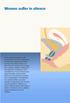 Women suffer in silence Stress urinary incontinence is the involuntary loss of urine resulting from increased intra-abdominal pressure. In people who suffer with this condition, forms of exertion such
Venkatadri Babu. et al. / International Journal of Biological & Pharmaceutical Research. 2014; 5(1): 66-70.
 66 e- ISSN 0976-3651 Print ISSN 2229-7480 International Journal of Biological & Pharmaceutical Research Journal homepage: www.ijbpr.com IJBPR MULTIDRUG RESISTANT ESCHERICHIA COLI AND KLEBSIELLA PNEUMONIAE
SECTION 6 THERAPEUTIC DRUG MONITORING
 SECTION 6 THERAPEUTIC DRUG MONITORING Kieran Hand Consultant Pharmacist Anti-infectives The objectives of this section are: To test your ability to monitor serum levels for drugs with a narrow therapeutic
Trans Urethral Resection of the Prostate (TURP) Trans Urethral Incision of the Prostate (TUIP) Department of Urology
 Trans Urethral Resection of the Prostate (TURP) Trans Urethral Incision of the Prostate (TUIP) Department of Urology Where is the Prostate Gland? The prostate gland sits below the bladder which lies behind
Results of all scientific investigations with the A.Vogel Sore Throat Spray. Issue 2 - June 2008
 Results of all scientific investigations with the A.Vogel Sore Issue 2 - June 2008 Antiviral Antibacterial Anti-inflammatory Analgetic Immunemodulatory Authors: Andy Suter, Medical Department Roland Schoop,
A Summary of the Guideline for the Diagnosis and Management of. Urinary Tract Infections in Long Term Care
 A Summary of the Guideline for the Diagnosis and Management of Urinary Tract Infections in Long Term Care Exclusions Community acquired UTIs UTIs in acute care Prevention Limit use of catheters Ensure
PLAN OF ACTION FOR. Physician Name Signature License Date
 PLAN OF ACTION FOR Patient s copy (patient s name) I Feel Well Lignes I feel short directrices of breath: I cough up sputum daily. No Yes, colour: I cough regularly. No Yes I Feel Worse I have changes
The Treatment ofnon-gonococcal Urethritis with Single Dose Oral Azithromycin
 The Journal of International Medical Research 1995; 23: 386-393 The Treatment ofnon-gonococcal Urethritis with Single Dose Oral Azithromycin T ERDOGRU\ A AGA9FIDAff, M ONELz,S BADUR z, 0 ANG 2 AND S TELALLOGLU
STD Treatment Chart Nancy Harris, N.P. Women s Health Coordinator August 2003 Disease Treatment Alternative treatment
 STD Treatment Chart Nancy Harris, N.P. Women s Health Coordinator August 2003 Disease Treatment Alternative Pregnancy Chlamydia Chancroid Epdidymitis Gonorrhea: Uncomplicated (cx, urethra, and rectum):
1. What is the prostate-specific antigen (PSA) test?
 1. What is the prostate-specific antigen (PSA) test? Prostate-specific antigen (PSA) is a protein produced by the cells of the prostate gland. The PSA test measures the level of PSA in the blood. The doctor
Proceedings of the World Small Animal Veterinary Association Sydney, Australia 2007
 Proceedings of the World Small Animal Sydney, Australia 2007 Hosted by: Next WSAVA Congress Rescue Chemotherapy Protocols for Dogs with Lymphoma Kenneth M. Rassnick, DVM, DACVIM (Oncology) Cornell University
Dechra Veterinary Products Limited (A business unit of Dechra Pharmaceuticals PLC) Sansaw Business Park Hadnall, Shrewsbury Shropshire SY4 4AS
 Dechra Veterinary Products Limited (A business unit of Dechra Pharmaceuticals PLC) Sansaw Business Park Hadnall, Shrewsbury Shropshire SY4 4AS Tel: 01939 211200 Fax: 01939 211201 Email: [email protected]
PHARMACOLOGICAL PROPERTIES
 ANTİ-FOSFAT ca 700 mg Film Tablet COMPOSITION 1 film tablet contains 700 mg Calcium acetate, as an active ingredient. Excipients are Microcrystalline cellulose, Povidone K30, Crosspovidone, Magnesium stearate,
ORIGINAL ARTICLE. 10.1111/j.1469-0691.2006.01613.x
 ORIGINAL ARTICLE 10.1111/j.1469-0691.2006.01613.x Benchmarking antimicrobial drug use at university hospitals in five European countries V. Vlahović-Palc evski 1, U. Dumpis 2, P. Mitt 3, J. Gulbinovic
Adjustment of antibiotic treatment according to the results of blood cultures leads to decreased antibiotic use and costs
 Journal of Antimicrobial Chemotherapy (2006) 57, 326 330 doi:10.1093/jac/dki463 Advance Access publication 29 December 2005 Adjustment of antibiotic treatment according to the results of blood cultures
Chapter 20: Antimicrobial Drugs
 Chapter 20: Antimicrobial Drugs 1. Overview of Antimicrobial Drugs 2. Antibacterial Drugs 3. Antiviral Drugs 4. Drugs for Eukaryotic Pathogens 1. Overview of Antimicrobial Drugs Antibiotics An antibiotic
PCA3 DETECTION TEST FOR PROSTATE CANCER DO YOU KNOW YOUR RISK OF HAVING CANCER?
 PCA3 DETECTION TEST FOR PROSTATE CANCER DO YOU KNOW YOUR RISK OF HAVING CANCER? PCA3 DETECTION TEST FOR PROSTATE CANCER There is a range of methods available to your healthcare professional to verify the
CONTROLLING MICROBIAL GROWTH IN WINE
 CONTROLLING MICROBIAL GROWTH IN WINE Learning Outcome. This chapter reviews the many practical features of importance involved in understanding wine microbiology. The student will gain an understanding
VITAMIN C AND INFECTIOUS DISEASE: A REVIEW OF THE LITERATURE AND THE RESULTS OF A RANDOMIZED, DOUBLE-BLIND, PROSPECTIVE STUDY OVER 8 YEARS
 39 Chapter 3 VITAMIN C AND INFECTIOUS DISEASE: A REVIEW OF THE LITERATURE AND THE RESULTS OF A RANDOMIZED, DOUBLE-BLIND, PROSPECTIVE STUDY OVER 8 YEARS Maxine Briggs TABLE OF CONTENTS I. Review of the
Treatment of skin and soft tissue infections due to methicillin-resistant Staphylococcus aureus in adults
 1 of 6 9/24/2010 11:16 AM Official reprint from UpToDate www.uptodate.com 2010 UpToDate Treatment of skin and soft tissue infections due to methicillin-resistant Staphylococcus aureus in adults Author
Comparison of effectiveness of sterile vs. clean technique for indwelling catheter care in preventing urinary tract infection
 Comparison of effectiveness of sterile vs. clean technique for indwelling catheter care in preventing urinary tract infection Monika Dutta, Prem Verma, A.K. Mandal Abstract : Indwelling urinary catheterization
Received 22 March 2006/Returned for modification 2 May 2006/Accepted 14 September 2006
 JOURNAL OF CLINICAL MICROBIOLOGY, Nov. 2006, p. 4085 4094 Vol. 44, No. 11 0095-1137/06/$08.00 0 doi:10.1128/jcm.00614-06 Copyright 2006, American Society for Microbiology. All Rights Reserved. Two-Center
Science Highlights. To PSA or not to PSA: That is the Question.
 Science Highlights June 2012 by Ann A. Kiessling, PhD at the To PSA or not to PSA: That is the Question. The current raucous debate over the commonly used PSA blood test to screen for prostate cancer,
Antibiotic Prophylaxis for Short-term Catheter Bladder Drainage in adults. A Systematic Review (Cochrane database August 2013)
 Antibiotic Prophylaxis for Short-term Catheter Bladder Drainage in adults A Systematic Review (Cochrane database August 2013) Gail Lusardi, Senior Lecturer Dr Allyson Lipp, Principal Lecturer, Dr Chris
Official reprint from UpToDate www.uptodate.com 2013 UpToDate
 Official reprint from UpToDate www.uptodate.com 2013 UpToDate The content on the UpToDate website is not intended nor recommended as a substitute for medical advice, diagnosis, or treatment. Always seek
Urinary Tract Infection Update Kim Gibson, MD Joseph Toscano, MD
 82 Urinary Tract Infection Update Kim Gibson, MD Joseph Toscano, MD Abstract Urinary tract infections are commonly treated in urgent care practice. Clinicians need to be aware of the advantages and limitations