
SCHOOL PRONOUNCER GUIDE Spelling Only Edition
|
|
|
- Poppy Campbell
- 9 years ago
- Views:
Transcription
1 2016 SCHOOL PRONOUNCER GUIDE Spelling Only Edition CONTENTS Merriam-Webster Pronunciation Symbols... 2 Guidelines Regarding Pronunciation and Language of Origin... 3 Tips for Spelling Bee Officials... 4 Rules for Local Spelling Bees Words 1 225: Words from the 2016 School Spelling Bee Study List Words : Additional Words...51 Numerical Index Alphabetical Index , Scripps National Spelling Bee All rights reserved. This is copyrighted material. Do not post to Web.

2 Merriam-Webster Pronunciation Symbols... banana, collect,... humdrum... as in one pronunciation used by r-droppers for bird (alternative \ \)... two-value symbol equivalent to the unstressed variants \ \, \ \, as in habit, duchess (\ \ = \ b, - \)... immediately preceding \ \, \ \, \ \, \ \, as in battle, mitten, and in one pronunciation of cap and bells \- -\, lock and key \- -\; immediately following \ \, \ \, \ \, as in one pronunciation of French table, prisme, titre... as in one pronunciation used by r-droppers for bird (alternative \ \)... operation; stressed, as in bird as pronounced by speakers who do not drop r; stressed and with centered period after the \ \, as in one pronunciation of burry (alternative \ \) and in one pronunciation of hurry (alternative \ \); stressed and with centered period after \ r\ as in one pronunciation of hurry (alternative \ \)... mat, map... day, fade, date, aorta... bother, cot; most American speakers have the same vowel in father, cart... father as pronounced by speakers who do not rhyme it with bother; farther and cart as pronounced by r-droppers... bad, bag, fan as often pronounced in an area having New York City and Washington, D.C., on its perimeter; in an emphatic syllable, as before a pause, often \ \... as in some pronunciations of bag, bang, pass... now, loud, some pronunciations of talcum... baby, rib... chin, nature \ ( )\ (actually, this sound is \ \ + \ \)... elder, undone... as in the usual American pronunciation of latter, ladder... bet, bed,... beat, nosebleed, evenly, sleepy... as in one pronunciation of evenly, sleepy, envious, igneous (alternative \ \)... (in transcriptions of foreign words only) indicates a vowel with the quality of e in bet but long, not the sound of ee in sleep: en arrière \ \... as in one pronunciation of elk, helm... fifty, cuff... go, big... hat, ahead... whale as pronounced by those who do not have the same pronunciation for both whale and wail... tip, one pronunciation of banish (alternative unstressed \ \), one pronunciation of habit (alternative \ \; see )... site, side, buy (actually, this sound is \ \ + \ \, or \ \ + \ \)... as in one pronunciation of milk, film... job, gem, edge, procedure \ ( )\ (actually, this sound is \ \ + \ \)... kin, cook, ache... as in one pronunciation of loch (alternative \ \), as in German ich-laut... lily, pool... murmur, dim, nymph... no, own... indicates that a preceding vowel is pronounced with the nasal passages open, as in French un bon vin blanc \ \... sing \ \, singer \ ( )\, finger \ ( )\, ink \ \... bone, snow, beau; one pronunciation of glory... saw, all, saurian; one pronunciation of horrid... French b uf, German H lle... French feu, German H hle... coin, destroy, strawy, sawing... (in transcriptions of foreign words only) indicates a vowel with the quality of o in bone but longer, not the sound of oo in food: comte \ \... pepper, lip... rarity, one pronunciation of tar... source, less... with nothing between, as in shy, mission, machine, special (actually, this is a single sound, not two); with a stress mark between, two sounds as in death s-head \ \... tie, attack; one pronunciation of latter (alternative \ \)... with nothing between, as in thin, ether (actually, this is a single sound, not two); with a stress mark between, two sounds as in knighthood \ \... then, either (actually, this is a single sound, not two)... rule, fool, youth, union \ \, few \ \... pull, wood, curable \ \... German f llen, h bsch... French rue, German f hlen... vivid, give... we, away... yard, cue \ \, union \ \... (in transcriptions of foreign words only) indicates that during articulation of the sound represented by the preceding character the tip of the tongue has substantially the position it has for the articulation of the first sound of yard, as in French digne \ \... youth, union, cue, few... curable... zone, raise... with nothing between, as in vision, azure \ ( )\ (actually, this is a single sound, not two); with a stress mark between, two sounds as in rosehill \ \... mark preceding a syllable with primary (strongest) stress: \ \... mark preceding a syllable with secondary (next-strongest) stress: \ \ ( ) indicate that what is symbolized between is present in some utterances but not in others: factory \ ( ) \ page 2 Merriam-Webster Pronunciation Symbols

3 Guidelines Regarding Pronunciation and Language of Origin Pronunciation For many words in Webster s Third New International Dictionary, copyright 2002, Merriam-Webster (Webster s Third), more than one pronunciation is offered. In this school pronouncer guide, the chief pronunciation for a word is most often the first pronunciation given in this dictionary. Occasionally, however, the Bee has chosen to assign the dictionary s second or third pronunciation as the chief pronunciation. This decision has been made whenever the Bee has reason to think that a certain pronunciation has become the most prevalent one since this dictionary was first published. Many of the variations in pronunciation listed in Webster s Third are included in this publication as alternate pronunciations and are listed in square brackets under the chief pronunciation. These alternate pronunciations are all the variants in the dictionary s pronunciation data that differ phonemically from the chief pronunciation. Minor phonetic variations that are described in the dictionary pages are not included here, however, such as pronunciations that differ only in the level of stress on given syllables. In addition, this publication has not included the voluminous treatment of r-dropping and vowel variations before /r/ such as those that are found in certain geographical dialects of American English. Experience has shown that this information about nuances of phonetic variation in pronunciation can be the cause for confusion for spellers and pronouncers alike. Nevertheless, every pronunciation in Webster s Third that can offer any clues about spelling is listed as an alternate pronunciation herein. The phrase no alternate pronunciations means simply that, while the dictionary entry may or may not contain further details about phonetic differences in different dialects, the word in question has no other pronunciations that differ phonemically from the chief pronunciation that is provided. Language of Origin Information in this guide regarding language of origin is a simplification of that provided in Webster s Third. For example, Webster s Third gives Old English, Middle English, and English, but we give only English. With New Latin and International Scientific Vocabulary, however, we tend to provide information that supplements that provided in Webster s Third. Where Webster s Third lists New Latin as the language of origin, we attempt to list the origin of the roots used to form the new word. We list International Scientific Vocabulary only when it is difficult to determine instead the languages from which the International Scientific Vocabulary element came. We do not always list all of the languages a word passed through before it entered modern English. Only those languages that significantly altered the word are listed, with the earliest language listed first followed by the subsequent language(s). We give the separate etymologies of each word element regularly used in Webster s Third, with one exception: combining form(s). Combining forms are word elements regularly used in English or another language to make a new word, but they do not by themselves constitute words. Examples include -ly, -ing, -ment, -en, -o-, en-, non-, etc. Page 16a of Webster s Third contains more detailed information about etymological entries. page 3 Guidelines Regarding Pronunciation and Language of Origin

4 Tips for Spelling Bee Officials 1. Acquaint yourself with the organization of the (available in the log-in section of spellingbee.com). A. Words 1 225: These words were selected from the 2016 School Spelling Bee Study List for students in grades 1 8. Words progress in difficulty by groups of 25 words. B. Words (Additional Words): These words were NOT selected from the 2016 School Spelling Bee Study List for students in grades 1 8. Instead, these words were selected from Webster s Third New International Dictionary and its addenda section, copyright 2002, Merriam-Webster (Webster s Third). 2. Acquaint yourself with the Rules for Local Spelling Bees (available in the log-in section of spellingbee.com and in the front section of the ). 3. Pronouncers, please note: Before the spelling bee gets under way, review the and familiarize yourself with the correct pronunciations of the words. One pronunciation is listed alongside each word in the. If the speller requests an alternate pronunciation, consult the additional pronunciation information provided in square brackets. Please refer to the guidelines regarding pronunciation provided on page 3 of the 2016 School Pronouncer Guide. Vocabulary sections list only the first pronunciation. The provides language of origin information. Please refer to the guidelines regarding language of origin on page 3. Consult your dictionary if you desire additional information or clarity regarding a word s language of origin. Although some words can be more than one part of speech, only one part of speech per word is provided in the. The part of speech provided matches that of the definition listed and coincides with the word s use in the illustrative sentence. Several words have homonyms or near homonyms. If you think a word is a homonym and yet a homonym is not listed, check your dictionary or skip the word. It is possible that we did not note the fact that the word is a homonym. For the final word in handling homonyms, see the portions of Rules 5, 7, and 11 that refer to homonyms. For spelling words, the provides the Webster s Third page and column location of each word, designated in parentheses after the part of speech as follows: (Webster s Third page number, column number). 4. Judges, please note: Ensure that you are completely familiar with the Rules for Local Spelling Bees. Pay particular attention to Rule 6 (Judges role), Rule 10 (End-of-bee procedure) and Rule 11 (Appeals). page 4 Tips for Spelling Bee Officials

5 You may customize the word list in the for the circumstances of your spelling bee. You may omit words. You may place words elsewhere on the list. However, if you choose to place words elsewhere on the list, avoid placing a School Spelling Bee Study List word (any word with a number between 1 and 225) in the Additional Words (any word with a number greater than 225) and vice versa. Preserve fairness by ensuring that all spellers spelling in the same round receive words from the same section of the. Webster s Third (Figure 1) is the final authority for the spelling of all words that appear on Scripps National Spelling Bee word lists. We suggest that you have at least one copy of Webster s Third on hand at your spelling bee. If you cannot locate a copy of Webster s Third in time for your spelling bee, Merriam-Webster s Collegiate Dictionary, eleventh edition (Figure 2), copyright 2003, Merriam- Webster, Inc., is the preferred alternative. Figure 1 Figure 2 page 5 Tips for Spelling Bee Officials

6 Preface Rules for Local Spelling Bees We encourage spellers, parents, teachers, and spelling bee officials to read these rules prior to any spelling bee. These rules are guidelines designed to assist spelling bee officials and spellers at the local level. Spellers should check with their local spelling bee officials for the rules in effect in their area. Spelling bee officials include the pronouncer, judges, coordinator and sponsor. While local spelling bee officials have the prerogative to amend Rules 2 through 11, amendments particularly any amendments to the end-of-bee procedure should be undertaken only with careful consideration of the various outcomes that may result from the amendments. The Scripps National Spelling Bee has no authority over the conduct of local spelling bees (namely, spelling bees other than the Scripps National Spelling Bee near Washington, D.C.). Consequently, the national office will not render judgments relating to the conduct of local spelling bees. Individuals bearing complaints about the conduct of local spelling bees should register their concerns with local spelling bee officials. DECISIONS OF LOCAL SPELLING BEE OFFICIALS ARE FINAL. These Rules for Local Spelling Bees are not the rules in effect at the Scripps National Spelling Bee near Washington, DC. When a local spelling bee official says, We use the national rules, he or she is probably indicating that the Rules for Local Spelling Bees are in effect. The Scripps National Spelling Bee near Washington, D.C. operates under a significantly different set of rules called the Contest Rules of the 2016 Scripps National Spelling Bee. These rules contain provisions that are specific to unique conditions at the event near Washington, D.C. Their successful implementation at the local level is considered impossible and therefore is not recommended. 1. Eligibility: A speller qualifying for the 2016 Scripps National Spelling Bee near Washington, D.C. must meet these requirements: (1) The speller must not have won a Scripps National Spelling Bee championship near Washington, D.C. (2) The speller must attend a school that is officially enrolled with the Scripps National Spelling Bee. (3) The speller must not have passed beyond the eighth grade on or before February 1, (4) The speller must not have repeated any grade for the purpose of extending spelling bee eligibility. If the speller has repeated any grade, the speller must notify the Scripps National Spelling Bee of the circumstances of grade repetition by March 31, 2016; and the Scripps National Spelling Bee will, at its sole discretion, determine the speller s eligibility status on or before April 30, Rules (5) The speller or the speller s parent, legal guardian, or school official acting on the speller s behalf must not have declared to another entity an academic classification higher than eighth grade for any purpose, including high school graduation equivalency or proficiency examinations and/or examinations such as the PSAT, SAT, or ACT. (6) The speller must not have earned the legal equivalent of a high school diploma. (7) The speller must not have completed or have been enrolled in more than six high school-level courses or two college-level courses on or before April 30, (8) The speller must not eschew normal school activity to study for spelling bees. The Scripps National Spelling Bee defines normal school activity as adherence to at least four courses of study other than language arts, spelling, Latin, Greek, vocabulary, and etymology for at least four hours per weekday for 34 of the 38 weeks between August 25, 2015, and May 16, (9) The speller must not have reached his/her 15 th birthday on or before August 31, page 6 Rules for Local Spelling Bees

7 (10) The speller must have been declared a champion of a final local spelling bee taking place on or after February 1, 2016, or be a spelling champion of a school whose application for participation in the Scripps National Spelling Bee s school selfsponsorship program has received final approval by the Scripps National Spelling Bee. (11) Once having been disqualified at any level of a sponsor s spelling bee program between June 2015 and April 2016, the speller remains disqualified for the 2016 Scripps National Spelling Bee and may not seek advancement in the 2016 Scripps National Spelling Bee program through another sponsor and/or enrollment in another school. (12) The speller, upon qualifying for the 2016 Scripps National Spelling Bee near Washington, D.C., must submit a completed Champion Bio Form, a Certification of Eligibility Form, a signed Appearance Consent and Release Form and a photo to the Scripps National Spelling Bee. The speller will notify the Bee at least 24 hours prior to the first day of competition in the 2016 Scripps National Spelling Bee in Washington, D.C. if any of the statements made on the Certification of Eligibility Form are no longer true or require updating. The speller s sponsor will provide access to the necessary forms. (13) The speller must not have any first-, second- or third-degree relatives (i.e. sibling, parent, grandparent, aunt, uncle, niece, nephew, half-sibling, first cousin or great grandparent) who are current employees of The E.W. Scripps Company. The Scripps National Spelling Bee may disqualify prior to or during competition any speller who is not in compliance with any of its eligibility requirements; and it may at any time between the conclusion of the 2016 Scripps National Spelling Bee and April 30, 2017 require any speller who is found to have not been in compliance with any of the eligibility requirements to forfeit the prizes, rank, and other benefits accorded to the speller as a result of participation in the 2016 Scripps National Spelling Bee. 2. Format: The spelling bee is conducted in rounds. Each speller remaining in the spelling bee at the start of a round spells one word or answers one vocabulary question in each round except in the case of a written, multiple choice, or online test. The spelling bee may be conducted orally or in writing or in a manner that is a combination of the two; however, if the spelling bee officials specify an oral format, the speller may not demand a written format except under the conditions of Rule Word list: Local spelling bee officials are responsible for selecting the word lists for use at each local spelling bee. Many local spelling bee officials use word lists generated by the Scripps National Spelling Bee. These lists include many words that appear in the current edition of Spell It! as well as some end-of-bee words. All words on Scripps National Spelling Bee word lists are entries in Webster s Third New International Dictionary and its addenda section, copyright 2002, Merriam- Webster, the official dictionary of the Scripps National Spelling Bee. 4. Special needs: Spelling bee officials will strive to provide accommodation for spellers who have physical challenges. All requests for spelling bee officials to accommodate special needs involving sight, hearing, speech, or movement should be directed to spelling bee officials well in advance of the spelling bee date. The judges have discretionary power to amend oral and/or written spelling requirements on a case-by-case basis for spellers with diagnosed medical conditions involving sight, hearing, speech, or movement. 5. Pronouncer s role: The pronouncer strives to pronounce words according to the diacritical markings in Scripps National Spelling Bee word lists. In Oral Spelling Rounds: Homonyms: If a word has one or more homonyms, the pronouncer indicates which word is to be spelled by defining the word. Speller s requests: The pronouncer responds to the speller s requests for a definition, sentence, part of speech, language(s) of origin, and alternate pronunciation(s). When presented with requests for alternate pronunciations, the pronouncer or an aide to the pronouncer checks for alternate pronunciations in either Webster s Third New International Dictionary and its addenda section, copyright 2002, Merriam- Webster or Merriam-Webster s Collegiate Dictionary, eleventh edition. The pronouncer does not entertain root word questions, requests for alternate definitions, or requests for markedly slower pronunciation. Pronouncer s sense of helpfulness: The pronouncer may offer word information without the speller having requested the information if the pronouncer senses that the information is helpful and the information is presented in the entry for the word in a 2016 Scripps National Spelling Bee word list. In Oral Vocabulary Rounds: Procedure: The pronouncer reads aloud the vocabulary question and both options (A) and (B), but does not indicate which is correct. page 7 Rules for Local Spelling Bees

8 Homonyms: If a word has one or more homonyms, the pronouncer indicates which word is in question by spelling the word aloud. Speller s requests: The pronouncer responds to the speller s requests for the question and/or answer options to be repeated. The pronouncer may also provide the spelling of the word in question. 6. Judges role: The judges uphold the rules and determine whether or not words are spelled correctly or vocabulary items are answered correctly. They also render final decisions on appeals in accordance with Rule 11. They are in complete control of the competition and their decision is final on all questions. Interaction with the speller: Because seeing the speller s lip movements may be critical in detecting misunderstandings or misspellings, the judges encourage spellers to face them when pronouncing and spelling the word. Notice of rules: The judges ensure that all spellers and audience members are given an opportunity to receive a complete copy of the rules prior to the start of the spelling bee. Misunderstandings: The judges participate in the exchange of information between the speller and pronouncer if they feel that clarification is needed. Also, the judges listen carefully to the speller s pronunciation of the word; and, if they sense that the speller has misunderstood the word, the judges work with the speller and pronouncer until they are satisfied that reasonable attempts have been made to assist the speller in understanding the word. While the judges are responsible for attempting to detect a speller s misunderstanding, it is sometimes impossible to detect a misunderstanding until an error has been made. The judges are not responsible for the speller s misunderstanding. Pronouncer errors: The judges compare the pronouncer s pronunciation with the diacritical markings in the word list. If the judges feel that the pronouncer s pronunciation does not match the pronunciation specified in the diacritical markings, the judges direct the pronouncer to correct the error as soon as it is detected. Disqualifications for reasons other than error: The judges will disqualify a speller (1) who refuses a request to start spelling or to provide an answer to a vocabulary question; (2) who does not approach the microphone when it is time to receive the word or question; (3) who does not comply with the eligibility requirements; (4) who engages in unsportsmanlike conduct; (5) who, in the process of retracing a spelling, alters the letters or sequence of letters from those first uttered; (6) who, in the process of spelling, utters unintelligible or nonsense sounds; or (7) who, in the process of providing an answer in an oral vocabulary round, provides a blend of correct and incorrect information (For example: If in answering the question, What is porridge made from? A. fur, or B. grain, the speller provides as an answer either A. grain or B. fur. ). Speller activities that do not merit disqualification: The judges may not disqualify a speller (1) for failing to pronounce the word either before or after spelling it, (2) for asking a question, or (3) for noting or failing to note the capitalization of a word, the presence of a diacritical mark, the presence of a hyphen or other form of punctuation, or spacing between words in an open compound. 7. Speller s role: In a spelling round, the speller makes an effort to face the judges and pronounce the word for the judges before spelling it and after spelling it. The speller while facing the judges makes an effort to utter each letter distinctly and with sufficient volume to be understood by the judges. The speller may ask the pronouncer to say the word again, define it, use it in a sentence, provide the part of speech, provide the language(s) of origin, and/or provide an alternate pronunciation or pronunciations. Misunderstandings: The speller is responsible for any misunderstanding of the word unless (1) the pronouncer never provided a correct pronunciation; (2) the pronouncer provided incorrect information regarding the definition, part of speech, or language of origin; or (3) the speller correctly spelled a homonym of the word and the pronouncer failed to either offer a definition or distinguish the homonyms. In an oral vocabulary round, a speller may answer the question by providing (1) the letter associated with the chosen answer, (2) the chosen answer or (3) both. If the correct answer is identified by (1) associated letter alone or (2) by answer alone or (3) by both correct letter and correct answer, the speller is correct. For example: If the speller is offered the question, What is porridge made from? A. fur, or B. grain, each of the following methods of answering is correct: B, grain, or B. grain. 8. Correction of a misspelling: The pronouncer and judges will not ask the speller to correct another speller s misspelling, even in end-of-bee circumstances. 9. Errors: Upon providing an incorrect spelling of a word or an incorrect answer to a vocabulary question, the speller immediately drops out of the competition, except as provided in Rule 10. page 8 Rules for Local Spelling Bees

9 10. End-of-bee procedure: If all spellers in a round misspell or answer vocabulary questions incorrectly: If none of the spellers remaining in the spelling bee at the start of a round spells a word correctly or answers a vocabulary question correctly during that round, all remain in the competition and a new spelling round begins. Ties: All spellers eliminated in the same round are tied for the same place. After the champion has been determined, spelling bee officials may opt to conduct tiebreakers (of their own design) if tiebreakers are necessary for the awarding of prizes or the determination of qualifying spellers for the next level of competition. If only one speller in a round spells correctly or answers a vocabulary question correctly: If only one speller spells correctly in a round, a new one-word spelling round begins and the speller is given an opportunity to spell a word on the list (anticipated championship word). If the speller succeeds in correctly spelling the anticipated championship word in this one-word round, the speller is declared the champion. Example: In Round 12 there are four spellers. Spellers 6 and 21 misspell. Speller 30 spells correctly. Speller 42 misspells. So, Speller 30 is the only speller in the round to spell correctly. Speller 30 begins Round 13 a oneword round and is offered the anticipated championship word. Speller 30 correctly spells the anticipated championship word and is declared champion. Example: Two spellers spell in Round 10. Speller 14 misspells. Speller 25 spells correctly. Speller 25 begins Round 11 a one-word round and is offered the anticipated championship word. Speller 25 correctly spells the anticipated championship word and is declared champion. Example: Two spellers spell in Round 16. Speller 3 spells correctly. Speller 9 misspells. Speller 3 begins Round 17 a one-word round and is offered the anticipated championship word. Speller 3 correctly spells the anticipated championship word and is declared champion. VERY IMPORTANT: If a speller misspells the anticipated championship word in a one-word round: A new spelling round begins with ALL the spellers who participated in the previous round. These spellers spell in their original order. Example: In Round 8 there are three spellers. Speller 12 spells correctly and Spellers 23 and 37 misspell. Round 9 a one-word round begins, and Speller 12 is offered the anticipated championship word. Speller 12 misspells the anticipated championship word. Round 10 begins and includes Spellers 12, 23, and 37. The rules prescribe that spellers 12, 23, and 37 spell in their original order; so Speller 12 gets the next word on the list even though Speller 12 misspelled the previous word on the list. Round 10 is not complete until all three spellers have spelled. Tip: Spelling bee officials may find it helpful to designate a record keeper or judge to track the progress of spellers throughout the rounds. The record keeper s information will be helpful in preventing end-of-bee confusion. 11. Appeals: The speller s parent(s), legal guardian, or teacher may appeal to the judges for the speller s reinstatement provided that the appeal is in compliance with the appeal protocol. The judges render a final decision on the appeal in accordance with the reinstatement protocol. Appeal protocol A written appeal must be hand delivered to the designated official (usually the spelling bee coordinator/director). The deadline for delivering an appeal is before the speller affected would have received his/her next word had he/she stayed in the spelling bee; however, to minimize disruptions to the spelling bee, every effort should be made to deliver an appeal by the end of the round in which the speller was eliminated. When five or fewer spellers remain, the written appeal requirement is suspended, and an oral appeal must be made before the speller would have received his/her next word had he/she stayed in the spelling bee. A written appeal must provide the speller s name, the word in question, and the reason the speller should be reinstated. While the competition is in session, individuals who have filed appeals may not directly approach the judges unless explicit permission to approach the judges has been given. The judges will contact the speller if they decide to reinstate the speller. To minimize disruption to the pace of the spelling bee and the concentration of the spellers, the judges are under no obligation to stop the spelling bee in order to discuss with the speller s parent(s), legal guardian, or teacher a denied appeal. The judges decisions are final and are subject neither to review nor to reversal by the Scripps National Spelling Bee s headquarters office. page 9 Rules for Local Spelling Bees

10 Reinstatement protocol Pronouncer mispronunciation: An appeal claiming that a speller s elimination from the spelling bee was due to pronunciation error should be denied unless there is agreement that the pronouncer never offered a correct pronunciation. Alternate pronunciations: An appeal claiming that the pronouncer did not offer alternate pronunciations should be denied unless it is determined that the speller requested alternate pronunciations and the pronouncer did not accommodate the speller s request for alternate pronunciations and it appears that the speller s spelling almost matches the correct spelling. Speller s misunderstanding: An appeal claiming that the speller s elimination from the spelling bee was due to the speller s not understanding the word [its pronunciation(s) and/or other information about the word] should be denied. It is the speller s responsibility to understand the word. Speller offered correct spelling for a word in this guide: An appeal claiming that the speller correctly spelled the word should be denied unless an audio recording of the bee s proceedings or bee officials recollections clearly indicate that the word was indeed spelled correctly. Homonym in an oral vocabulary round: An appeal claiming that the speller s elimination was unfair because the speller s word is a homonym should be denied unless the pronouncer failed to spell the word and the speller identified an answer matching the definition of a homonym of the word. Incorrect or unsolicited information: An appeal claiming that the speller s elimination was unfair because the pronouncer offered incorrect or unsolicited information about the word should be denied unless it is determined that the pronouncer indeed gave factually incorrect information and it appears that the speller s spelling would have been correct if not for the incorrect or unsolicited information provided by the pronouncer. Bee officials failed to correct a misunderstanding: An appeal claiming that the speller misspelled or incorrectly answered because the judges and/or pronouncer failed to correct the speller s mispronunciation of the word should be denied. It is sometimes impossible to detect a speller s mispronunciation or misunderstanding, and ultimately it is the responsibility of the speller to understand and correctly pronounce the word. Disqualification request: An appeal seeking to dislodge another speller from the spelling bee should be denied. Exception: If the speller s spelling is listed in Webster s Third New International Dictionary and its addenda section, Merriam-Webster, copyright 2002, the speller should be reinstated if all of the following three criteria are met: (1) The pronunciations of the words are identical, (2) the definitions of the words are identical, and (3) the words are clearly identified as being standard variants of each other. Spellings at other locations having temporal labels (such as archaic, obsolete), stylistic labels (such as substand, nonstand), or regional labels (such as North, Midland, Irish) which differ from main entry spellings not having these status labels will not be accepted as correct. Speller offered correct spelling, as indicated in a dictionary other than Webster s Third: An appeal claiming that the speller spelled the word correctly according to a dictionary other than Webster s Third New International Dictionary and its addenda section, copyright 2002, Merriam-Webster, should be denied. Homonym in a spelling round: An appeal claiming that the speller s elimination was unfair because the speller s word is a homonym should be denied unless the pronouncer failed to define the word and the speller correctly spelled a homonym of the word. page 10 Rules for Local Spelling Bees

11 Words are Scripps National Spelling Bee School Level Study Words. Before starting your bee, inform the spellers of your end-of-bee procedure. If you are using the Rules for Local Spelling Bees, refer to Rule 10. Failure to inform the spellers of how you will end your bee may result in complications at the end of the bee. If a word has a homonym or near homonym, the word s homonym status is probably noted at the word s entry in this guide. We encourage you to include these words in your bee, provided you indicate the word s homonym or near homonym status to the speller. If you think a word is a homonym and yet a homonym is not listed, please check Webster s Third New International Dictionary for further information or skip the word. It is possible that we did not note the fact that the word is a homonym. For the final word in handling homonyms, see the portions of Rules 5, 7, and 11 that refer to homonyms. 1. yam This word is from a West African word that went into Spanish and Portuguese and then to English. noun (Webster s Third page 2646, column 3) a sweet potato with brown skin and usually orange flesh. Jordan served his chicken with collard greens, rice and a baked yam. 2. Say to the speller This word has a homonym. Next, say the word. Then, provide the word s part of speech and sky This word went from Norse to English. noun (Webster s Third page 2136, column 1) [Has homonym: name Skye.] the space surrounding the earth. On nice days, Maddie likes to sit in the grass and find shapes in the clouds in the sky. 3. plus 4. bark preposition (Webster s Third page 1745, column 2) increased by. Miranda practiced her addition tables beginning with "one plus one is two." This word is originally English. verb (Webster s Third page 177, column 1) [Different definition has variant: barque.] to make a short loud explosive sound (like a dog). Beth let Windsor sleep on the couch so he wouldn't bark during the night. page 11

12 5. Say to the speller This word could be confused with a similar word. Next, say the word. Then, provide the word s part of speech and vote This word went from Latin to English. verb (Webster s Third page 2565, column 2) [Could be confused with boat.] to give a formal opinion in response to a proposed decision. The whole class will vote on the winner of the drawing contest. 6. tank 7. only This word is from a Portuguese word that was probably Latinderived. noun (Webster s Third page 2337, column 3) a large container for holding liquid. Bryce could sit for hours watching the sharks swim around in their tank at the aquarium. This word is from English. adjective (Webster s Third page 1577, column 1) alone in a class or category. Ross sometimes wishes he wasn't an only child. 8. Say to the speller This word has a near-homonym. Next, say the word. Then, provide the word s part of speech and store This word passed from Latin to French to English. noun (Webster s Third page 2252, column 1) [Has near-homonym: stower.] a place where things are available to buy. Cody went to the store to buy eggs and milk for the cake he was baking. 9. peep 10. truck This word is from English of imitative origin. noun (Webster s Third page 1665, column 3) a weak, high sound like a chirp or a squeak. Mrs. Owens told the girls at the slumber party that she'd have to put them in separate rooms if she heard one more peep out of them. This word is probably from a Greek word that passed into Latin. noun (Webster s Third page 2454, column 2) a vehicle built for moving things in its own frame. Mark tied his canoe into the back of his truck and drove to the lake for the day. page 12

13 11. smug This word is probably a modification of a German word. adjective (Webster s Third page 2153, column 3) marked by belief in one's own superiority, virtue and respectability. Nick's smug expression dropped when he heard he placed second in the science fair. 12. Say to the speller This word could be confused with a similar word. Next, say the word. Then, provide the word s part of speech and blob This word is originally English. noun (Webster s Third page 235, column 2) [Could be confused with blab.] a small drop or lump of something thick and wet. Seb put a blob of toothpaste on his toothbrush and began to scrub his teeth. 13. curly 14. down 15. apart This word is from an English word that probably came from Dutch, plus an English combining form. adjective (Webster s Third page 556, column 3) twisting into round or curved shapes. Frieda usually wore her naturally curly hair in a high ponytail. This word is originally English. adverb (Webster s Third page 681, column 2) from a higher place to a lower place. Standing at the top of the water slide, Colin looked down at his parents and waved. This word is from French, which formed it from a Latin word. adverb (Webster s Third page 98, column 2) away from one another. Reggie couldn't bear to be apart from his favorite stuffed bumblebee toy for too long. 16. Say to the speller This word has a near-homonym. Next, say the word. Then, provide the word s part of speech and cranny This word was formed in English from an originally French part plus an English part. noun (Webster s Third page 530, column 2) [Has near-homonym: granny.] a small space that is easy to overlook and is a likely place to hide something. Mikayla searched every cranny in her bedroom for her missing necklace, and then realized it had been around her neck the whole time. page 13

14 17. Say to the speller This word has a near-homonym. Next, say the word. Then, provide the word s part of speech and glass This word is originally English. noun (Webster s Third page 962, column 3) [Has near-homonym: class.] a hard, brittle and usually transparent substance used to make windows, drinking vessels and other items. Adi watched closely as the artist crafted the piece of molten glass into a beautiful vase. 18. Say to the speller This word could be confused with a similar word. Next, say the word. Next, provide the word s part of speech and definition. Next, answer speller s questions, if any, about the word. thing This word is from English. noun (Webster s Third page 2376, column 1) [Different definition has variant.] an object whose name is not said or not known. Priya was offended when, instead of complimenting her new hair ribbon, Laurel asked, "What's that thing in your hair?" 19. Say to the speller This word has a homonym. Next, say the word. Then, provide the word s part of speech and broom This word is originally English. noun (Webster s Third page 283, column 3) [Has homonym: brume.] a brush on a long handle that is used for sweeping. Matt got the broom and dustpan out of the closet to clean up the broken glass in the kitchen. 20. The speller should not be disqualified based upon noting or failing to note punctuation or spacing within the following word. The speller should be judged based upon uttering the correct sequence of letters in the correct order. all-star This word is made up of two originally English words. adjective (Webster s Third page 58, column 3) made up of the best performers or participants. Tracy was proud to be selected to play on the regional all-star team at the end of her volleyball league's season. 21. napkin This word was formed in English from a part that went from Latin to French to English plus an English part. noun (Webster s Third page 1502, column 2) a piece of fabric or paper used during a meal to wipe your lips or hands. Before the holiday dinner at grandma and grandpa's house, mom reminded Ethan to put his napkin in his lap and keep his elbows off the table. page 14

15 22. Say to the speller This word could be confused with a similar word. Next, say the word. Then, provide the word s part of speech and patch This word is from English, which perhaps formed it from a French word. noun (Webster s Third page 1654, column 1) [Could be confused with batch.] a piece used to mend or cover a hole or a weak spot. After Stuart tore the knee of his jeans, his mom helped him sew on a patch to cover the hole. 23. towel 24. problem 25. goldfish 26. arch This word is from an originally Germanic word that became French before becoming English. noun (Webster s Third page 2417, column 3) a rectangular piece of absorbent cloth or paper for wiping or drying. Jennifer dried her hair with a towel. This word went from Greek to Latin to English. noun (Webster s Third page 1807, column 1) something that is a source of difficulty, trouble or worry. The teacher told Jessa and Claudia that their talking during class was becoming a problem and he might have to separate them. This word is made up of two originally English words. noun (Webster s Third page 976, column 1) a small usually yellow or orange fish that is often kept in ponds or fish tanks. After Sarah won a bright orange goldfish at the county fair, her mom took her to the pet store to buy a small fishbowl and some food. This word went from Latin to French to English. noun (Webster s Third page 111, column 2) a typically curved structure that goes over the top of and supports an opening (as in a wall). Kyle admired the stone arch in the wall surrounding the castle. 27. Say to the speller This word could be confused with a similar word. Next, say the word. Then, provide the word s part of speech and sofa This word is from Arabic. noun (Webster s Third page 2165, column 1) [Could be confused with sol-fa.] a couch usually with arms and a back that is often able to be made into a bed. Siri shooed the cat off the sofa before sitting down with her needlepoint. page 15
![] a piece used to mend or cover a hole or a weak spot. After Stuart tore the knee of his jeans, his mom helped him sew on a patch to cover the hole. 23. towel 24. problem 25. goldfish 26.](/docs-images/47/20991335/images/page_15.jpg "arch This word is from an originally Germanic word that became French before becoming English.")
16 28. exam This word is from a word that went from Latin to French to English. noun (Webster s Third page 790, column 3) a test given by a teacher to show how much a student has learned over a period of time. The students in Mr. Henry's English class organized a study group to prepare for the final exam. 29. bedrock 30. atlas 31. dojo This word is made up of two originally English words. noun (Webster s Third page 196, column 1) the solid stone that is under the ground and soil. Selena surprised her teacher by saying she knew bedrock would be solid and very hard to break in real life from playing Minecraft. This word is from a Greek name. noun (Webster s Third page 138, column 2) a book of maps. Jonah loves to take his grandpa's old atlas off the shelf and flip through the pages, dreaming of the places he'll travel someday. This word is from Japanese. noun (Webster s Third page 81a, column 3) a school for training in judo, karate or other martial arts. Zander took karate classes at a local dojo three times a week. 32. The speller should not be disqualified based upon noting or failing to note punctuation or spacing within the following word. The speller should be judged based upon uttering the correct sequence of letters in the correct order. x-ray This word is a translation of a German word, and the first part is from an algebraic symbol while the second part went from Latin to French to English. verb (Webster s Third page 2645, column 1) to examine, treat or photograph with powerful invisible rays that make it possible to see inside things (such as the human body). When Todd fell out of the tree, his mom took him to the emergency room where the staff could x-ray his arm to see if he had any broken bones. 33. habits Originally Latin, this word went through French before becoming English. plural noun (Webster s Third page 1017, column 2) normal repeated behaviors. Celinda knew that if she wanted to get healthy, she would have to change both her eating and exercise habits. page 16

17 34. puddle This word is from English. noun (Webster s Third page 1837, column 2) a small, shallow pool of water and especially of muddy or dirty water. After the rain stopped, Luke ran outside with the goal of stomping in every puddle on his street. 35. forget This word is from English. verb (Webster s Third page 891, column 3) to not be able to think of or remember. As soon as Jet finished his first airplane ride, he said he would never forget it for the rest of his life. 36. quack 37. rare 38. Velcro This word is imitative in origin. noun (Webster s Third page 1856, column 2) the sound a duck makes or an imitation of it. As a joke, Joy's older brother very patiently explained to her that a duck says "meow" and a cat says "quack." This word is from a word that went from Latin to English. adjective (Webster s Third page 1883, column 1) not occurring or appearing very often : unusual. Misty possesses a rare talent for ballet dancing. This word is from an American trademark. trademark (Webster s Third page 141a, column 1) used for a closure made from fabric with small hooks that sticks to another piece of the same fabric. The toddler's sneakers fastened with Velcro instead of shoelaces. 39. frothy This word is from a word that came to English from Norse plus an English combining form. adjective (Webster s Third page 915, column 2) full of foam or light bubbles. Camilla likes to stand on the wet beach and let the frothy waves tickle her feet. 40. Say to the speller This word has a homonym. Next, say the word. Then, provide the word s part of speech and chair This word went from Greek to Latin to French to English. noun (Webster s Third page 370, column 1) [Has homonym: chare.] a seat for one person that usually has four legs and a back. Jessica loves to read books while snuggled under a blanket in her favorite chair. page 17

18 41. Say to the speller This word has a near-homonym. Next, say the word. Then, provide the word s part of speech and dizzy This word is from English. adjective (Webster s Third page 664, column 3) [Has near-homonym: busy.] feeling like your head is spinning and you might fall. Alia felt dizzy after riding the roller coaster. 42. Say to the speller This word has a near-homonym. Next, say the word. Then, provide the word s part of speech and reward This word passed to English from Old North French, which formed it from an originally Germanic element. noun (Webster s Third page 1945, column 1) [Has near-homonym: reword.] something that is given for a service provided or an achievement reached. Angelica got a sticker as a reward for behaving at the dentist's office. 43. The following word has two or more correct spellings. Either one of the two spellings listed below should be accepted as correct; the speller only needs to provide one correct spelling. likable or likeable This word is from English. adjective (Webster s Third page 1310, column 1) having pleasant qualities : easy to enjoy. Gabe's favorite TV show is about a grumpy detective and his likable sidekick. 44. husband 45. passport 46. length This word came to English from Norse. noun (Webster s Third page 1104, column 2) a married man. Eric prides himself on being a good husband and father. This word is from Latin-derived French. noun (Webster s Third page 1652, column 1) an identification document that is issued to a citizen of a country that is used to allow the person to leave and come back to that country. Before leaving for her flight to Paris, Annie checked her purse one more time to make sure she had her passport. This word is originally English. noun (Webster s Third page 1293, column 2) the distance from end to end. Carla asked Angie if she wanted to race down the entire length of the soccer field. page 18

19 47. splashy This word is from an alteration of an imitative word plus an English combining form. adjective (Webster s Third page 2200, column 2) showy in a way that attracts attention. The cheerleaders used bright markers and glitter to make splashy posters for the pep rally. 48. Say to the speller This word has a homonym. Next, say the word. Then, provide the word s part of speech and balm Probably originally Semitic in origin, this word passed from Greek to Latin and then French before becoming English. noun (Webster s Third page 168, column 2) [Has homonym: bomb.] a healing ointment. Erica bought some lip balm to soothe her chapped lips. 49. Say to the speller This word has a near-homonym. Next, say the word. Then, provide the word s part of speech and people This word is from a probably originally Etruscan word that passed from Latin to French to English. plural noun (Webster s Third page 1673, column 3) [Has near-homonym: peephole.] human beings in general. Mom encouraged Darius to ignore what people say and to be himself. 50. Say to the speller This word has a homonym. Next, say the word. Then, provide the word s part of speech and cough This word is from English. verb (Webster s Third page 517, column 3) [Has homonyms: coff, kaph/caph/kaf.] to force air from the lungs suddenly with a loud noise. Grady doesn't like going down to the basement because the dust always makes him cough. 51. naysayer The first part of this word went from Old Norse to English and the second part is originally English. noun (Webster s Third page 1509, column 2) one who denies, refuses or opposes. Tripp told Gina to quit being such a naysayer and get on the bus. page 19

20 52. Say to the speller This word has a homonym. Next, say the word. Then, provide the word s part of speech and forum noun (Webster s Third page 896, column 2) [Has homonym: foram. Has near homonym: form.] a place where open discussion can happen. Trina values her favorite pop culture website as a forum to share her opinions about television shows and movies. 53. Say to the speller This word has a homonym. Next, say the word. Then, provide the word s part of speech and barrel This word is from a French word that then became English. noun (Webster s Third page 179, column 1) [Has homonym: beryl.] a round container that usually has curved sides, that is taller than it is wide, and that has a flat top and bottom. Kyle couldn't help but laugh at the image that came to his mind when his mom said their vacation would be more fun than a barrel of monkeys. 54. silent adjective (Webster s Third page 2117, column 1) [Has obsolete variant not found in Webster's Third: scilent.] not making noise : completely quiet. Joe looked out at the silent audience before introducing the guest speaker. 55. Say to the speller This word has a near-homonym. Next, say the word. Then, provide the word s part of speech and error noun (Webster s Third page 772, column 2) [Has near-homonym: airer.] an act or statement that is not correct. The chef s little error with the peppers had half the restaurant s patrons screaming for water. 56. atomic This word is from a word that went from Greek to Latin to English plus an English combining form. adjective (Webster s Third page 139, column 1) of or relating to the smallest particles of an element. The atomic structure is made up of protons, neutrons and electrons. page 20

21 57. Say to the speller This word could be confused with a similar word. Next, say the word. Then, provide the word s part of speech and zinger The first part of this word is imitative in origin and the second is an English combining form. noun (Webster s Third page 144a, column 3) [Could be confused with singer.] a quick and witty comment that criticizes or insults someone. The comedian responded to the heckler with a zinger that had everyone in the audience laughing. 58. plaza This word is from a word that went from Latin to Spanish. noun (Webster s Third page 1738, column 1) a public square in a city or town. The summer festival was held under the stars in the plaza. 59. splendid adjective (Webster s Third page 2200, column 3) excellent, praiseworthy. Ms. Fitzwilliam told the class that they had done a splendid job on their geography projects. 60. Say to the speller This word has a homonym. Next, say the word. Then, provide the word s part of speech and coward This word is from a Latin word that became French and then English. noun (Webster s Third page 525, column 3) [Has homonym: cowered.] someone who is easily intimidated or frightened. By letting the tarantula walk up her arm, Vanessa proved to the whole class that she was no coward. 61. barter This word went from French to English. verb (Webster s Third page 180, column 1) to trade goods or services for other things rather than using money. The Johnsons barter their homegrown tomatoes for their neighbor's corn each summer. 62. sonar This word is an English acronym. noun (Webster s Third page 2172, column 3) a device used for finding underwater objects by using reflected sound waves. The shipwreck hunter used a sonar to locate a ship on the ocean floor near the Florida Keys. page 21
22 63. acre This word is originally English. noun (Webster s Third page 19, column 1) [Has obsolete variant not found in Webster's Third: aker.] any of various units of land area. Uncle Clarence planted peanuts on one acre of his farm this past spring. 64. Say to the speller This word has a homonym. Next, say the word. Then, provide the word s part of speech and marlin This word is probably from a Dutch word. noun (Webster s Third page 1384, column 1) [Has homonyms: marline and marling.] a big fish that lives in the ocean and that people catch for sport. The doctor removed his prize marlin from the waiting room wall because the fish s long snout frightened many of his young patients. 65. postpone verb (Webster s Third page 1773, column 2) to hold back to a later time : defer, delay. Although he knew it wasn't a wise decision, Felix decided to postpone doing his chores. 66. Say to the speller This word could be confused with a similar word. Next, say the word. Then, provide the word s part of speech and clutch This word is originally English. verb (Webster s Third page 431, column 1) [Could be confused with similarly pronounced variant: clitch. Has differently pronounced variants cleek, cleik, click.] to hold onto something tightly with your hand. Little Blake likes to clutch his raisins in his fist before gobbling them up. 67. Say to the speller This word has a near-homonym. Next, say the word. Then, provide the word s part of speech and glance This word is originally English. noun (Webster s Third page 962, column 2) [Has near-homonyms: glands and glans. Has obsolete variant not in Webster's Third: glaunce.] a quick look. Helen took a glance at the lacy green dress as she hurried past the window display. page 22
23 68. crumb 69. parade This word is originally English. noun (Webster s Third page 546, column 2) [Has archaic variant: crum.] a tiny piece of food. When Evan was finished with his oatmeal cookie, not a single crumb remained on his plate. This word is from a French word. noun (Webster s Third page 1635, column 3) a public procession : the movement of people or things in order. The annual Thanksgiving Day parade featured many new floats and balloons. 70. Say to the speller This word has a homonym. Next, say the word. Then, provide the word s part of speech and ocean This word went from Greek to Latin to French to English. noun (Webster s Third page 1561, column 1) [Has homonym not in Webster's Third: Oshun.] the salt water that covers nearly three fourths of the surface of the earth. Scientists estimate that only about five percent of the ocean has been explored. 71. The speller should not be disqualified based upon noting or failing to note punctuation or spacing within the following word. The speller should be judged based upon uttering the correct sequence of letters in the correct order. Band-Aid This word is from a trademark. trademark (Webster s Third page 170, column 2) a small bandage. Ryan cleaned his cut and covered it with a Band-Aid from the medicine cabinet. 72. watchdog This word is made up of two originally English words. noun (Webster s Third page 2581, column 1) a dog that is trained to guard property. Whenever a stranger knocks on the door, Nicole's fluffy little terrier turns into a viciously barking watchdog. 73. Say to the speller This word could be confused with a similar word. Next, say the word. Then, provide the word s part of speech and curries This word is from Tamil-Malayalam. plural noun (Webster s Third page 557, column 3) [Could be confused with curies.] foods that are seasoned with a blend of ground spices. Instead of ordering their favorite noodle dish, Fiona and Charles decided to try two different chicken curries. page 23
24 74. owlishly 75. euro 76. granola 77. excuse This word consists of an originally English part plus two English combining forms. adverb (Webster s Third page 1612, column 3) in a manner resembling or suggesting an owl. Maribel looked owlishly at the stacks of books beside her bed. This word is from a continental geographic name. noun (Webster s Third page 85a, column 3) the common notes and coins used by most countries of the European Union. Named in 1995 and introduced in 1999, the euro didn't enter circulation as paper currency until This word is from a trademark. noun (Webster s Third page 92a, column 2) rolled oats mixed with other ingredients (such as brown sugar, raisins, coconut and nuts) and eaten for breakfast or as a snack. Graham s favorite breakfast is homemade granola topped with fresh blueberries. This word went from French to English. noun (Webster s Third page 794, column 2) a reason given to justify a fault, mistake or defect. Savannah didn't have a good excuse for being late for school again. 78. Say to the speller This word could be confused with a similar word. Next, say the word. Then, provide the word s part of speech and thigh This word is originally English. noun (Webster s Third page 2375, column 2) [Could be confused with thy.] the part of the leg from the hip to the knee. Damian had to miss practice because of an injury to his left thigh. 79. Say to the speller This word could be confused with a similar word. Next, say the word. Then, provide the word s part of speech and flattery This word went from French to English. noun (Webster s Third page 867, column 1) [Could be confused with fluttery.] praise that is excessive or not sincere. Despite Olivia's flattery, her mom still refused to be swayed. page 24
25 80. Say to the speller This word could be confused with a similar word. Next, say the word. Then, provide the word s part of speech and umpire This word went from Latin to French to English. noun (Webster s Third page 2481, column 2) [Could be confused with empire.] an official in a sport who rules on the plays. The coach objected when the umpire ejected the player for unsportsmanlike conduct. 81. shoehorn The word is made of two originally English elements. verb (Webster s Third page 2100, column 1) to force into a small, narrow or insufficient space : squeeze. Lewis, Mac and Mikey tried unsuccessfully to shoehorn themselves into a bumper car designed to seat two people. 82. Say to the speller This word could be confused with a similar word. Next, say the word. Then, provide the word s part of speech and drench This word is originally English. verb (Webster s Third page 689, column 1) [Could be confused with trench.] to make completely wet. Elaine was worried the rain would drench her new dress, so she put on a raincoat. 83. rattler This word is originally English. noun (Webster s Third page 1886, column 2) a New World pit viper that has a series of horned interlocking joints at the end of the tail which make short sharp noises when vibrated. While he was out hiking with his friends, Kevin saw three deer, an indigo bunting, and a large rattler sunning itself on a rock. 84. junior adjective (Webster s Third page 1226, column 3) [Has obsolete variant not in Webster's Third: juniour.] designed for or done by young people, especially adolescents. Dustin is a goaltender on a junior hockey team, and he hopes to play in the NHL one day. page 25
26 85. Say to the speller This word has a homonym. Next, say the word. Then, provide the word s part of speech and scarlet This word is from an originally Persian word that then became Latin and then French. noun (Webster s Third page 2026, column 2) [Has homonym not in Webster's Third: Scarlett.] any of various bright reds. Robyn planted so many flowers that her garden was a sea of scarlet and purple all summer long. 86. Say to the speller This word could be confused with a similar word. Next, say the word. Then, provide the word s part of speech and emerald Probably originally Semitic, this word passed into Greek and then Latin and then French before becoming English. noun (Webster s Third page 741, column 1) [Could be confused with proper name Emeril. Different definition has similarly pronounced variant emeraude.] a highly prized gemstone of rich green color. Beth s grandfather has a lovely unmounted emerald that he plans to give to her for a graduation present. 87. Say to the speller This word has a homonym. Next, say the word. Then, provide the word s part of speech and summary noun (Webster s Third page 2289, column 3) [Has homonym: summery.] a short restatement of the main points. James forgot to read the book on turtles before visiting the aquarium, so he asked his brother to give him a summary instead. 88. fringe Originally Latin, this word went through French before becoming English. noun (Webster s Third page 912, column 2) a decorative border of hanging threads or strips. Jody s leather coat has fringe on the back and sleeves. 89. torrent Originally Latin, this word went through French before becoming English. noun (Webster s Third page 2413, column 1) a raging flood or outpouring. After he sent report cards home, Mr. MacDonald received a torrent of calls from concerned parents. page 26
27 90. mustang 91. bonkers This word is from a word that went from Latin to Spanish. noun (Webster s Third page 1492, column 1) the small strong wild horse of western North America descended from horses brought in by the Spaniards. Veronica s father explained that a wild mustang would not be a good house pet. This word consists of a part probably originally from Dutch and an English combining form. adjective (Webster s Third page 65a, column 3) as if broken in mind. Geoff declared that if he didn't get ice cream in the next ten minutes, he might just go bonkers. 92. Say to the speller This word could be confused with a similar word. Next, say the word. Then, provide the word s part of speech and calico This word is from an Indian geographical name. noun (Webster s Third page 316, column 3) [Could be confused with calicle.] a blotched or spotted animal. Morgan owns four cats: three tabbies and a calico named Patches. 93. hubbub 94. lyrics 95. worrywart This word is probably from a Celtic word. noun (Webster s Third page 1098, column 3) [Has obsolete variant not in Webster's Third: whobub.] a noisy confusion of sound. In the hubbub after the concert, Bronwen did not notice the pickpocket who took her wallet. This word is from an originally French or Latin word. plural noun (Webster s Third page 1351, column 2) the words of a song. Katia spent the entire weekend memorizing the lyrics of the new Taylor Swift song. This word consists of two originally English parts. noun (Webster s Third page 2637, column 1) a person who worries too much or who worries for no reason. Erin tries not to fret about everything, but being a worrywart is just part of her personality. 96. platoon This word is from a French word. noun (Webster s Third page 1736, column 1) a unit of soldiers consisting of two or more squads led by a lieutenant. The lieutenant sent scouts into the jungle and followed them with the rest of the platoon. page 27
28 97. astronaut This word is formed from two originally Greek parts. noun (Webster s Third page 135, column 3) a traveler in interplanetary space. On June 16, 1963, Valentina Tereshkova became the first female astronaut to travel into space. 98. beverage This word is from an originally Latin word that passed into French before becoming English. noun (Webster s Third page 210, column 1) a liquid for drinking. Chai is a delicious beverage made of black tea mixed with honey, spices and milk. 99. pedigree This word is from a French word that then became English. noun (Webster s Third page 1664, column 3) a list showing the line of ancestors for a person or animal. Jackson examined the racehorse s pedigree closely before making his purchase offer Say to the speller This word could be confused with a similar word. Next, say the word. Then, provide the word s part of speech and Americana The first part of this word is from a Latinized Italian name and the second is an English combining form. plural noun (Webster s Third page 68, column 2) [Could be confused with Americano.] materials concerning or characteristic of America. Aunt Gladys has an impressive collection of Americana that includes a road sign from Route 66, two original Norman Rockwell illustrations and a set of 1950s postcards from national parks bewilder This word consists of two originally English elements. verb (Webster s Third page 210, column 2) to confuse. The rules of chess bewilder Magnus, but he likes to try to play anyway origin noun (Webster s Third page 1591, column 3) ancestry : parentage. Gary says his origin is from coal mining country, but he never mentions that his grandfather owned the mine. page 28
29 103. The following word has two or more correct spellings. Either one of the two spellings listed below should be accepted as correct; the speller only needs to provide one correct spelling. catalog or catalogue This word went from Greek to Latin to French to English. noun (Webster s Third page 350, column 2) a pamphlet or book that contains a list of items arranged systematically often with other related matter. Timothy flipped through the museum's catalog to find more information on his favorite painting Say to the speller This word could be confused with a similar word. Next, say the word. Then, provide the word s part of speech and median This word went from Latin to French to English. noun (Webster s Third page 1402, column 1) [Could be confused with medium.] a value that falls in the middle of a list of values arranged from smallest to largest, or which is the average of the two middle values if there is no one middle number. The median of the set {8, 10, 14, 36} is Say to the speller This word could be confused with a similar word. Next, say the word. Then, provide the word s part of speech and tropical This word consists of an originally Greek part that passed from Latin to English plus an English combining form. adjective (Webster s Third page 2452, column 3) [Could be confused with topical.] of, relating to, occurring in or used in the region near the equator. Diana s cruise took her to several tropical islands Say to the speller This word could be confused with a similar word. Next, say the word. Then, provide the word s part of speech and curfew This word passed to English from French, which formed it from Latin-derived elements. noun (Webster s Third page 556, column 1) [Could be confused with Greek island Corfu.] the hour at which persons (such as juveniles, military personnel, or other specified types) must be off the streets or at which businesses or places of assembly must be closed. Megan and all her friends have a curfew of 9:00 p.m. on weeknights moxie This word is from an American trademark. noun (Webster s Third page 1480, column 3) audacity, nerve. Mrs. Kapadia couldn't believe her students had the moxie to ask for more recess time. page 29
30 108. lactose This word was probably originally formed in French from a Latin part and a French part. noun (Webster s Third page 1262, column 2) a type of sugar that is found in milk. Sean cannot easily digest lactose, but he can still enjoy pizza as long as it's made with vegan cheese Say to the speller This word could be confused with a similar word. Next, say the word. Then, provide the word s part of speech and trellis This word went from Latin to French to English. noun (Webster s Third page 2437, column 3) [Could be confused with treeless.] a frame made of crossing pieces of wood that is used as a screen or as a support for climbing plants. Elizabeth's favorite spot in the backyard is the trellis covered in morning glory vines The speller should not be disqualified based upon noting or failing to note punctuation or spacing within the following word. The speller should be judged based upon uttering the correct sequence of letters in the correct order. hoity-toity This word is from an English word. adjective (Webster s Third page 1077, column 3) affecting superiority : haughty and patronizing. Taryn tries not to affect a hoity-toity manner and boss her brother around, but sometimes it just happens Say to the speller This word has a homonym. Next, say the word. Then, provide the word s part of speech and parable This word is from a word that went from Greek to Latin to French to English. noun (Webster s Third page 1635, column 1) [Has homonym parabole not in Webster's Third.] a short story that teaches a moral or religious lesson. Ms. Brown used an ancient parable to illustrate the concept of leadership to her class swollen This word is originally English. adjective (Webster s Third page 2314, column 2) distended or puffed up, as by disease or injury. Craig suspected that his swollen, painful thumb was in fact broken whiff This word is an imitative word. noun (Webster s Third page 2603, column 3) an inhalation of odor, smoke, gas or vapor. The faintest whiff of cigarette smoke makes Fran sneeze. page 30
31 114. Say to the speller This word has a homonym. Next, say the word. Then, provide the word s part of speech and phrasing This word is from an originally Greek word that passed into Latin. noun (Webster s Third page 1704, column 2) [Has homonym: frazing.] style of expression : wording. Jakob was confused by the phrasing of the instructions columnist 116. evaporation The first part of this word went from Latin to French to English and the second is an English combining form. noun (Webster s Third page 451, column 2) a person who writes a regular newspaper feature or conducts a radio or television program similar to a feature. Tara is the sports columnist for her high school newspaper, so it's part of her job to attend all the games. noun (Webster s Third page 787, column 1) the change by which a liquid is turned into a gas or a substance that consists of very small drops mixed with the air. The Mediterranean Sea loses much water through evaporation, leaving behind extra-salty water that sinks to the bottom fulfilling This word is originally English. verb (Webster s Third page 918, column 3) carrying out or accomplishing. Manuel is fulfilling his mother's request that he clean his room before the weekend Say to the speller This word could be confused with a similar word. Next, say the word. Then, provide the word s part of speech and hammock This word is from an originally Taino word that passed into Spanish. noun (Webster s Third page 1025, column 2) [Could be confused with similarly pronounced synonym hummock. Could also be confused with ham hock, not in Webster's Third.] a swinging couch or bed usually made of netting or canvas and hanging by cords from supports at each end. John enjoys swinging in his hammock and listening to the birds. page 31
32 119. Say to the speller This word could be confused with a similar word. Next, say the word. Then, provide the word s part of speech and nurture This word went from Latin to French before passing to English. verb (Webster s Third page 1552, column 1) [Could be confused with differently pronounced obsolete variant: nouriture.] to further the development of : promote the growth of : foster. Suki knew it was unhealthy to nurture a grudge, but she couldn't seem to help it Say to the speller This word could be confused with a similar word. Next, say the word. Then, provide the word s part of speech and smidge This word is probably an alteration of an originally English word. noun (Webster s Third page 2151, column 2) [Could be confused with smitch.] a small amount. Louis asked his mother for just a smidge more gravy on his biscuits Say to the speller This word could be confused with a similar word. Next, say the word. Then, provide the word s part of speech and measly This word is originally English. adjective (Webster s Third page 1399, column 3) [Could be confused with muesli.] contemptibly small. Holden complained that he needed more than one measly helping of macaroni and cheese Say to the speller This word could be confused with a similar word. Next, say the word. Then, provide the word s part of speech and autumn noun (Webster s Third page 149, column 2) [Could be confused with atom.] the season comprising the months of September, October and November called also fall. Autumn is Maggie s favorite season of the year vicinity Originally Latin, this word went through French before becoming English. noun (Webster s Third page 2550, column 1) a surrounding area or district. In the vicinity of Wanda s apartment there are four coffee shops and three bookstores. page 32
33 124. Say to the speller This word has a near-homonym. Next, say the word. Then, provide the word s part of speech and macaw This word is from Portuguese. noun (Webster s Third page 1353, column 1) [Has near-homonym: macá. Could be confused with macabre.] a large long-tailed parrot that has bright, showy feathers and lives in Central and South America. In the background of the painting, Charlie spotted a macaw on a golden perch cyberspace 126. entertain This word consists of a part that was originally from a Greek word plus a part that went from Latin to French to English. noun (Webster s Third page 77a, column 3) the online world of computer networks and the Internet. Tina was surprised to learn that the game she played with her friends in cyberspace was also a board game. This word passed from Latin to French to English. verb (Webster s Third page 757, column 2) to cause the time to pass pleasantly : amuse. Zara hoped her tap dance routine would entertain her younger sisters Say to the speller This word could be confused with a similar word. Next, say the word. Then, provide the word s part of speech and banquet This word came to English from French, which formed it from an Italian word. noun (Webster s Third page 173, column 1) [Could be confused with banquette.] an elaborate meal attended by many people usually to celebrate a special event. After the speech tournament, the competitors gathered to celebrate at the awards banquet modular 129. frequently adjective (Webster s Third page 1452, column 3) capable of being easily joined to or arranged with other parts or units. Clay bought a modular sofa so it would fit perfectly in his living room. adverb (Webster s Third page 909, column 3) at short intervals. In order to make browned butter, you must be patient and check the butter frequently to ensure it does not turn from brown to burnt. page 33
34 130. impulse noun (Webster s Third page 1138, column 2) a sudden spontaneous desire to do something. Jorge had difficulty resisting the impulse to eat another cookie jargon This word is probably from an imitative word that went from French to English. noun (Webster s Third page 1211, column 1) the technical language of specialists or workers in a particular activity or area of study. Anna was sure that the computer programmers were speaking English, but their jargon made it impossible for her to understand what they were saying sympathy 133. vague This word is from Greek. noun (Webster s Third page 2317, column 2) the feeling of being sensitive to or affected by someone else's emotions, experiences or especially sorrows. Andy sent a card to his teacher to express his sympathy for the loss of her dog. This word passed from Latin to French before becoming English. adjective (Webster s Third page 2528, column 3) not clearly expressed. Mr. Armstrong's directions for the assignment were so vague that the class had to ask him to explain again chortle This word is a blend of an imitative English word and another English word. noun (Webster s Third page 399, column 2) a sound expressing pleasure or joy. The whole class let out a hearty chortle when Mr. Hendricks said they'd be released early on the last day of school alternate verb (Webster s Third page 63, column 2) take or do in turns. Joyce and Benjamin alternate performing lines of the poem for the poetry contest at school. page 34
35 136. Say to the speller This word has a near-homonym. Next, say the word. Then, provide the word s part of speech and genteel This word came from French, which formed it from a Latin word. adjective (Webster s Third page 947, column 1) [Has near-homonyms: gentle, genty.] not vulgar or rude : polite. Despite his genteel manner, Senator Smith could be a ruthless opponent Say to the speller This word has a homonym. Next, say the word. Then, provide the word s part of speech and paragon Originally Greek, this word went from Italian to French. noun (Webster s Third page 1636, column 3) [Has homonym: perigon.] a model of excellence or perfection. Magazines described the new engine as a paragon of efficiency casserole This word is from an originally Greek word that passed into Latin and then Old Provençal and then French before becoming English. noun (Webster s Third page 347, column 2) a type of food cooked and served in a dish made of earthenware, glass or metal usually having a cover. Laura's favorite meal is her mother's tuna noodle casserole Say to the speller This word has a near-homonym. Next, say the word. Then, provide the word s part of speech and enunciate verb (Webster s Third page 759, column 3) [Has near-homonyms: annunciate, denunciate. Has archaic near homonym: nunciate.] to pronounce words or sounds clearly. Ozzie doesn t enunciate perfectly, but he is only three years old Say to the speller This word could be confused with a similar word. Next, say the word. Next, provide the word s part of speech and definition. Next, answer speller s questions, if any, about the word. mogul This word went from Mongolian to Persian before becoming English. noun (Webster s Third page 1453, column 2) [Different definition has variant: moghul.] a dominant person in a particular business or field. In an interview, the business mogul credited her success to luck and hard work. page 35
36 141. Say to the speller This word could be confused with a similar word. Next, say the word. Then, provide the word s part of speech and personnel This word is from a word that went from Latin to German to French. plural noun (Webster s Third page 1687, column 2) [Could be confused with personal.] individuals of a particular (as professional or occupational) group. The Secretary of Defense called for a meeting with the highestranking military personnel marathon 143. collude 144. polemic 145. billiards This word is from a Greek geographical name. noun (Webster s Third page 1380, column 1) a footrace that is usually 26.2 miles in length. Ernie s goal is to become a successful long-distance runner and win at least one major marathon. verb (Webster s Third page 446, column 3) to connive with another : conspire, plot. Leah will collude with Desmond to defeat the other candidates in the school elections. This word passed from Greek to French before becoming English. adjective (Webster s Third page 1753, column 2) of, relating to or of the nature of a controversial discussion or argument. Try as he might, Rupert could not prevent the conversation from turning into a polemic debate. This word is from French. plural noun (Webster s Third page 216, column 1) any of several games played on a table by hitting balls into one another or into pockets using a long stick. Ashley enjoys playing billiards in her free time udon This word is from Japanese. noun (Webster s Third page 139a, column 3) a Japanese noodle made from wheat flour. Kelly's favorite comfort food is a big bowl of udon and vegetables in a spicy broth pomposity noun (Webster s Third page 1762, column 3) a self-important demeanor, speech or action. Although he had much power, the leader exhibited no trace of pomposity. page 36
37 148. zealous 149. montage 150. anorak adjective (Webster s Third page 2657, column 1) filled with passionate support for a person or a cause. John-Paul is a zealous supporter of the presidential candidate. This word is from a French word. noun (Webster s Third page 1465, column 2) a quick sequence of images in a film or television program that develop a single theme, suggest a state of mind or bridge a time lapse. The program s opening credit sequence is a montage of white beaches, swaying palm trees, racing boats and attractive sunbathers. This word is from Greenland Inuit. noun (Webster s Third page 89, column 2) a hooded jacket or pullover made of heavy windproof fabric. Geraldine bought a purple anorak for her backpacking trip Say to the speller This word has a near-homonym. Next, say the word. Then, provide the word s part of speech and badger The first part of this word is probably from a word that is probably from Anglo-French, and the second part is an English combining form. verb (Webster s Third page 161, column 3) [Has near-homonyms: batcher, spadger.] harass or pester someone in an attempt to confuse, annoy or wear down. Judge Jones has little patience with prosecutors who badger witnesses Say to the speller This word could be confused with a similar word. Next, say the word. Next, provide the word s part of speech and definition. Next, answer speller s questions, if any, about the word. migraine This word is from an originally Greek word that passed into Latin and then French. noun (Webster s Third page 1432, column 2) [Has differently pronounced variant: megrim.] a severe headache that usually affects one side of the head, is often accompanied by nausea, and is followed by sleep. Karen s doctor found out that her migraine was caused by a food allergy hypnotic Originally from Greek, this word passed through Latin and French before becoming English. adjective (Webster s Third page 1114, column 2) tending to produce sleep. Etta found that listening to thunderstorms had a hypnotic effect on her. page 37
38 154. obscure 155. nationalism Originally Latin, this word went through French before becoming English. adjective (Webster s Third page 1557, column 3) difficult to understand : not clear. The idea the chapter was trying to convey was expressed in an unnecessarily obscure way. This word consists of a Latin-derived French word plus English combining forms. noun (Webster s Third page 1505, column 2) a feeling characterized by an exaltation of one country above all others, and an emphasis on loyalty to and the promotion of one country as opposed to other countries. Nationalism is often cited as one of the causative factors of international hostilities The speller should not be disqualified based upon noting or failing to note punctuation or spacing within the following word. The speller should be judged based upon uttering the correct sequence of letters in the correct order. quid pro quo noun (Webster s Third page 1865, column 1) something that is given to or done for you in return for something you have given to or done for someone else. Lacy made Paul lunch as a quid pro quo for helping her paint the living room spectacles 158. iambic 159. territory plural noun (Webster s Third page 2188, column 1) glasses. Mary spent a long time looking at the display of spectacles in the museum. This word is from a Greek word that passed through Latin before becoming English. adjective (Webster s Third page 1119, column 1) relating to or consisting of a unit of rhythm usually of one unstressed syllable followed by one stressed syllable. Shakespeare's sonnets are predominantly written in iambic pentameter. noun (Webster s Third page 2361, column 1) a geographical area belonging to or controlled by a political authority. A dispute over territory between Michigan and Ohio led to the 1835 Toledo War. page 38
39 160. Say to the speller This word could be confused with a similar word. Next, say the word. Then, provide the word s part of speech and pathogen This word is from Greek. noun (Webster s Third page 1655, column 1) [Could be confused with differently pronounced variant: pathogene.] a specific cause of disease (such as a type of bacteria or virus). The plant scientist is investigating the pathogen that is spreading a disease in grape harvests in Northern California cylindrical 162. latency This word is from an originally Greek word that passed into French before becoming English. adjective (Webster s Third page 565, column 2) relating to or shaped like a tube. The cylindrical caterpillar inched its way across the broad leaf. This word is from a Latin word plus an English combining form. noun (Webster s Third page 1275, column 2) the state or period of living and developing in a host without producing symptoms : incubation period. The latency of Uncle Arthur s Addison s disease lasted until nine days before he died Say to the speller This word has a near-homonym. Next, say the word. Then, provide the word s part of speech and pinnacle This word is originally Latin and passed through French before becoming English. noun (Webster s Third page 1720, column 1) [Has near-homonym: pinochle/pinocle.] a high top of a hill or mountain. The clouds obscured the pinnacle from the view of those in the valley below stagflation 165. fundamental This word is a blend of two originally Latin words. noun (Webster s Third page 132a, column 1) continual increases in the costs of goods and services combined with low demand for those goods and services and relatively high unemployment. Many worried that the recent economic downturn would lead to a period of stagflation. This word is from a word that went from Latin to English. adjective (Webster s Third page 921, column 2) basic : underlying. The ability to recognize and interpret symbols is fundamental to the skill of reading. page 39
40 166. approximate 167. contentious adjective (Webster s Third page 107, column 1) near to correctness or accuracy : nearly exact. The approximate distance between the two rest stops is 50 miles. adjective (Webster s Third page 492, column 1) marked by a wearisome tendency to disputes. The members of the group were so contentious that Mrs. Taylor doubted any cooperative learning could take place Say to the speller This word could be confused with a similar word. Next, say the word. Then, provide the word s part of speech and legislature The first part of this word is from an originally Latin word, and the second part is an English combining form. noun (Webster s Third page 1291, column 3) [Could be confused with legislator.] an organized group of people with the authority to make or change laws. Ellen served as a page for the legislature last year Say to the speller This word could be confused with a similar word. Next, say the word. Then, provide the word s part of speech and proprietary adjective (Webster s Third page 1819, column 3) [Has differently pronounced variant: proprietory.] made and marketed by a person or persons having the exclusive right to manufacture and sell. The company s computer system uses both free and proprietary software maverick 171. Celsius This word is from an American name. noun (Webster s Third page 1395, column 3) a member of any group who refuses to follow the rules or traditions of the group. The rest of the teachers considered Ms. Finney to be a maverick because she invited her students to call her by her first name. This word is from a Swedish name. adjective (Webster s Third page 360, column 3) relating to the international thermometric scale on which 0 is the freezing point and 100 is the boiling point of water. Normal human body temperature is 37 degrees Celsius. page 40
41 172. alfresco This word is from Italian. adjective (Webster s Third page 52, column 1) open-air. Everyone looks forward to the alfresco party that the Smiths hold every Derby Day Say to the speller This word could be confused with a similar word. Next, say the word. Then, provide the word s part of speech and organelle This word consists of a Greek part that went from Latin to English plus a Latin part. noun (Webster s Third page 1590, column 1) [Has similarly pronounced variant: organella.] a specialized part of a cell performing functions like the organs of many-celled animals. The mitochondrion, an organelle found in many cells, is sometimes described as a "cellular power plant" because it generates most of the cell's supply of chemical energy Say to the speller This word could be confused with a similar word. Next, say the word. Then, provide the word s part of speech and pancetta This word came from Italian, which formed it from a Latin word. noun (Webster s Third page 115a, column 3) [Could be confused with Italian plural pancette.] unsmoked bacon used in Italian cuisine. Pancetta is cured with salt rather than smoked cartouches 176. frigate This word came to English from French, which formed it from an Italian word. plural noun (Webster s Third page 344, column 3) oval or oblong figures (as on ancient Egyptian monuments) enclosing a sovereign's name. During the unit on Ancient Egypt, Mr. Greene used an online tool to generate cartouches featuring each of his students' names. This word is from French, which formed it from an Italian word. noun (Webster s Third page 911, column 3) a warship that is smaller than a cruiser and larger than a destroyer. The frigate was part of a group of supporting ships tasked with protecting the aircraft carrier. page 41
42 177. generosity 178. adhesion 179. ramifications 180. olfactory noun (Webster s Third page 945, column 3) the quality of being willing to give money and other valuable things to others. The generosity of the opera company s patrons enabled it to operate for another season. noun (Webster s Third page 26, column 1) [Has obsolete variant not in Webster's Third: adhaesion.] steady or firm attachment to a person, party, principle or idea : adherence. To continue riding the school bus each day, Janelle had to demonstrate adhesion to the safety rules. This word is from Latin-derived French. plural noun (Webster s Third page 1878, column 3) resulting developments : consequences. Mrs. Miller warned Adrienne that there would be long-term ramifications if she chose not to clean her room. adjective (Webster s Third page 1572, column 1) of, relating to or connected with the sense of smell. Humans have relatively weak olfactory abilities compared with many other animals Say to the speller This word could be confused with a similar word. Next, say the word. Then, provide the word s part of speech and serpentine Originally from Latin, this word passed through French before becoming English. adjective (Webster s Third page 2074, column 2) [Could be confused with noun serpentine/serpentin.] winding or turning one way and another. Many San Francisco tourists love to drive the famous steep and serpentine Lombard Street inclement adjective (Webster s Third page 1143, column 1) of weather: harsh, rough or stormy. Stevie's soccer game was postponed due to the inclement weather. page 42
43 183. Say to the speller This word has a homonym. Next, say the word. Then, provide the word s part of speech and appositive The first part of this word is from an originally Latin word, and the second part is an English combining form. adjective (Webster s Third page 105, column 3) [Has homonym: oppositive.] relating to a grammatical construction where one noun or noun phrase follows another noun or noun phrase but refers to the same person or thing. In the phrase my brother John, the words brother and John are appositive laceration 185. corollary 186. excursion This word came from French, which formed it from a Latin word. noun (Webster s Third page 1261, column 1) a wound made by tearing or rending roughly. Forty stitches were required to close the laceration in Jeremy s scalp. noun (Webster s Third page 509, column 2) a proposition that follows one just demonstrated and that requires no additional proof. After proving the theorem, Mr. Barnes showed how the corollary logically followed. noun (Webster s Third page 794, column 1) a usually brief trip for pleasure. Dad took the family on a one-day excursion to Boston to see the Red Sox play Say to the speller This word has a near-homonym. Next, say the word. Then, provide the word s part of speech and plaintiff Originally Latin, this word went through French before becoming English. noun (Webster s Third page 1729, column 2) [Has near-homonym: plaintive.] one who commences a personal action suit or lawsuit to obtain a remedy for an injury to one s rights. The plaintiff was suing the hospital for negligence because he developed a bacterial infection after surgery inimical adjective (Webster s Third page 1163, column 3) viewing with disfavor: hostile. Nila is inimical to any proposal involving an increase in city taxes. page 43
44 189. Say to the speller This word has a homonym. Next, say the word. Then, provide the word s part of speech and ciao This word came from Italian, which formed it from a Latin word. interjection (Webster s Third page 71a, column 3) [Has homonym: chow.] used conventionally as an utterance at meeting or parting. Ciao! called the server as he handed Sarah a menu acquiesce 191. temerity 192. evanescent 193. acetone 194. mawkish This word came from French, which formed it from a Latin word. verb (Webster s Third page 18, column 3) to accept something or comply with something passively or by not arguing. Because he hates to argue, Stephen tends to acquiesce in most situations involving conflict. noun (Webster s Third page 2352, column 2) unreasonable or foolhardy contempt of danger or opposition. Rafael was the only one in his family who had the temerity to cheer for the Mets at Yankee Stadium. adjective (Webster s Third page 786, column 3) lasting a very short time : fleeting. In Franklin D. Roosevelt's first inaugural address, he stated that "The joy and moral stimulation of work is often forgotten in the mad chase of evanescent profits." This word is from a word that went from Latin to German. noun (Webster s Third page 15, column 2) a volatile fragrant flammable liquid used chiefly as a solvent. The simplest ketone is acetone, a liquid that is used mainly as a solvent for organic compounds. The first part of this word is from an originally Old Norse word that then passed into English, and the second part is an English combining form. adjective (Webster s Third page 1395, column 3) [Has obsolete variant not in Webster's Third: maukish.] falsely or immaturely sentimental. Though universally berated by reviewers as mawkish, the movie grossed over $40 million its opening weekend. page 44
45 195. estuary noun (Webster s Third page 779, column 3) [Has obsolete variant aestuary not found in Webster's Third.] a water passage where the tide meets the current of a stream. Boaters using small vessels without motorized power were warned not to travel the estuary Say to the speller This word could be confused with a similar word. Next, say the word. Then, provide the word s part of speech and garrulous adjective (Webster s Third page 937, column 2) [Could be confused with carolus.] loquacious : talkative. Although she had been a shy child, Amanda turned into quite a garrulous teenager shoji This word is from Japanese. noun (Webster s Third page 2100, column 1) a paper screen serving as a wall, partition or sliding door. Kayoko bought a beautifully painted shoji for her mother Say to the speller This word has a homonym. Next, say the word. Then, provide the word s part of speech and pharaoh This word is from an originally Egyptian element that went through Hebrew, Greek, and Latin before becoming English. noun (Webster s Third page 1693, column 3) [Has homonyms: faro, farrow, farro. Has variant not in Webster's Third: pharao.] a ruler of ancient Egypt. After the death of the last pharaoh, Egypt became a Roman province The speller should not be disqualified based upon noting or failing to note punctuation or spacing within the following word. The speller should be judged based upon uttering the correct sequence of letters in the correct order. soirée This word came from French, which formed it from a Latin word. noun (Webster s Third page 2166, column 3) an evening party or reception. When the band s new album was released, the record company sponsored a soirée to celebrate the occasion. page 45
46 200. The following word has two or more correct spellings. Either one of the two spellings listed below should be accepted as correct; the speller only needs to provide one correct spelling. The speller should not be disqualified based upon noting or failing to note punctuation or spacing within the following word. The speller should be judged based upon uttering the correct sequence of letters in the correct order. mazel tov or mazal tov This word is from Hebrew. interjection (Webster s Third page 1397, column 1) used among Jewish people to express congratulations. Emily's entire family gathered to wish her mazel tov for her eighth birthday gargantuan 202. solstice 203. turpitude This word is from a French name. adjective (Webster s Third page 936, column 2) of tremendous size or volume : gigantic. The seemingly gargantuan gorilla in the movie was actually a four-foot-high computerized model. Originally Latin, this word went through French before becoming English. noun (Webster s Third page 2170, column 2) one of the two points on the path of the sun at which its distance from the celestial equator is greatest and which is reached by the sun each year about June 22nd and December 23rd. Summer solstice is the longest day of the year. noun (Webster s Third page 2469, column 3) a base or vile way of thinking or acting : depravity. The physician lost his license to practice because of unprofessional conduct involving moral turpitude Say to the speller This word has a homonym. Next, say the word. Then, provide the word s part of speech and cozen This word came from Italian, which formed it from a Latin word. verb (Webster s Third page 527, column 1) [Has homonym: cousin.] to deceive by artful persuasion or tricky dishonesty : cheat. Aaliyah s father told her that he fears that the car dealer will cozen her The speller should not be disqualified based upon noting or failing to note punctuation or spacing within the following word. The speller should be judged based upon uttering the correct sequence of letters in the correct order. bossa nova This word is from Portuguese. noun (Webster s Third page 66a, column 1) music resembling the samba with jazz passages. Tyler's plans for the weekend include baking muffins, watching her favorite movie and listening to bossa nova. page 46
47 206. tungsten This word is from Swedish. noun (Webster s Third page 2463, column 2) a gray-white hard metal that is used in its pure form mainly for electrical purposes (such as for thin wires used in light bulbs). Tungsten was first used to make the filaments in incandescent light bulbs by a Hungarian company in Say to the speller This word could be confused with a similar word. Next, say the word. Then, provide the word s part of speech and desertification noun (Webster s Third page 80a, column 1) [Could be confused with decertification.] the process of becoming an area of dry land with few plants and little rainfall. In the 1920s and 30s, prolonged drought and unrestricted agricultural practices led to the desertification of a significant portion of the Central Plains of the United States Say to the speller This word could be confused with a similar word. Next, say the word. Then, provide the word s part of speech and sakura This word is from Japanese. noun (Webster s Third page 2002, column 2) [Could be confused with sakkara.] a type of ornamental cherry hybrid developed in Japan that bears white or pink fragrant flowers. Although it was developed in Japan, the sakura is now cultivated worldwide in moderate climates hegemony 210. deciduous 211. vituperative This word is from Greek. noun (Webster s Third page 1049, column 3) preponderant influence or authority (as of a government or state) : domination. Nazi Germany attempted world hegemony and failed. adjective (Webster s Third page 585, column 2) falling off or shed at the end of the growing period, after blooming, during certain seasons, or at certain stages of development. Deciduous trees drop their leaves each fall. adjective (Webster s Third page 2560, column 1) containing or characterized by wordy abuse. Josh s dad gave him a vituperative lecture after the accident. page 47
48 212. arpeggio 213. interlocutor 214. vainglorious 215. susurration 216. ecclesiastical 217. auriferous 218. pachyderm This word is from a Germanic element that went into Italian before entering English. noun (Webster s Third page 120, column 2) production of the tones of a chord in succession rather than at the same time. The opening measure of Ryan s piano recital piece featured a difficult arpeggio. This word consists of an originally Latin word plus an English combining form. noun (Webster s Third page 1179, column 3) a person who takes part in a dialogue or conversation. The seminar leader instructed everyone to choose an interlocutor and discuss the video one-on-one. This word is from two originally Latin parts that passed through French before becoming English. adjective (Webster s Third page 2529, column 1) marked by excessive pride in one's achievements : boastful. The chef's vainglorious ways were often blamed for high turnover among her staff. noun (Webster s Third page 2304, column 3) a whispering sound : a murmur. A mild susurration could be heard in the study hall as the end of the period approached. This word is from an originally Greek word that passed into Latin, plus an English combining form. adjective (Webster s Third page 718, column 2) [Has obsolete variant not in Webster's Third: ecclesiasticall.] of or suitable for use in a church or church service. Ramona designed and sewed all the ecclesiastical garments worn in the church s services. The first part of this word is from an originally Latin word, and the second part is an English combining form. adjective (Webster s Third page 144, column 3) gold-bearing used of gravels and rocks. The auriferous quartz veins sparkled in the sunlight. This word is from an originally Greek word that passed into French before becoming English. noun (Webster s Third page 1616, column 3) one of a group of hoofed mammals usually having a thick skin (such as an elephant or rhinoceros). Isaac was interested to learn that a hippopotamus is a type of pachyderm. page 48
49 219. insouciance 220. larynx This word is from an originally Latin word, plus two French combining forms. noun (Webster s Third page 1170, column 2) an attitude of not worrying about what others think of your work or behavior. Liam's mother did not appreciate the insouciance she saw in him every time she suggested he try a bit harder on his homework. This word is from an originally Greek word that passed into Latin. noun (Webster s Third page 1274, column 1) the upper part of the respiratory passage of air-breathing vertebrates with the glottis above it and continuous below with the trachea. The vocal cords are situated within the larynx The speller should not be disqualified based upon noting or failing to note punctuation or spacing within the following word. The speller should be judged based upon uttering the correct sequence of letters in the correct order. de rigueur This word is from French. adjective (Webster s Third page 608, column 1) required by fashion, etiquette or custom especially among sophisticated or informed persons : proper. At Seth's office, wearing suits to work is de rigueur Say to the speller This word has a near-homonym. Next, say the word. Then, provide the word s part of speech and joule This word is from an English name. noun (Webster s Third page 1221, column 2) [Has near-homonyms: jewel, jowl.] a unit of measurement that represents absolute meter-kilogramsecond unit of work or energy. A joule represents the energy released in 1 second by a current of 1 ampere through a resistance of 1 ohm The following word has two or more correct spellings. Either one of the two spellings listed below should be accepted as correct; the speller only needs to provide one correct spelling. leitmotif or leitmotiv This word was formed in German from a German part and a French part. noun (Webster s Third page 1292, column 3) a dominant recurring theme. Josie's assignment was to identify a leitmotif in Shakespeare's Macbeth. page 49
50 224. The speller should not be disqualified based upon noting or failing to note punctuation or spacing within the following word. The speller should be judged based upon uttering the correct sequence of letters in the correct order. jai alai This word went from Basque to Spanish. noun (Webster s Third page 1208, column 2) a ball game played on a large walled court by two or four players who wear long curved wicker baskets strapped to their wrists. Some people consider jai alai the fastest game in the world because of how quickly the ball travels cheongsam This word is from Chinese. noun (Webster s Third page 71a, column 1) a dress of southern Chinese origin with a slit skirt and a mandarin collar. A frog button closed the teardrop-shaped opening below the collar of Wendy s cheongsam. page 50
51 Additional Words Words do not appear on Scripps National Spelling Bee Study Word Lists There is no rule stating that you must proceed word-for-word from this list. You may skip a word if you sense that the word may present a problem at your bee courtyard 227. huddle 228. network 229. decode 230. promise 231. cannonball The first part of this word was originally Latin and went through French before becoming English, and the second part is originally English. noun (Webster s Third page 523, column 3) an enclosure adjacent to or attached to a house, castle, palace or other building. The king was pacing in the courtyard when the messenger breathlessly announced the birth of the prince. This word is from English. verb (Webster s Third page 1099, column 1) to gather in a group : assemble. The coach called his team in to huddle before the next play. This word consists of two originally English parts. noun (Webster s Third page 110a, column 3) a system of computers, terminals and data bases connected by communications lines. As a freshman, Bjorn received a user name and password to log onto his college's network. This word is made up of two originally Latin parts that went through French to English. verb (Webster s Third page 587, column 1) to identify the constituent significant elements of a message. The assignment was to decode the formal language of the Gettysburg Address and produce a summary of key points. This word came to English from Latin. noun (Webster s Third page 1815, column 2) a declaration that one will do or refrain from doing something specified. Lacey and her best friend made a promise to never go a day without talking to each other. This word is from a word that went from Latin to Italian to French and a word that went from Old Norse to English. noun (Webster s Third page 327, column 3) a jump into the water made with the arms holding the knees tight against the chest. Alan yelled for his mom to watch as he did a cannonball off the diving board. page 51
52 232. stadium This word is from an originally Greek word that passed into Latin and then French before becoming English. noun (Webster s Third page 2218, column 3) a large usually unroofed structure with tiers of seats for spectators and enclosing a field usually for sports events. The new sports stadium will be named after a large corporation thanks to a big contribution to cover construction costs Say to the speller This word could be confused with a similar word. Next, say the word. Then, provide the word s part of speech and personal This word went from Latin to French to English. adjective (Webster s Third page 1686, column 3) [Could be confused with personnel.] peculiar to private concerns : not public or general. Tommy had to miss the class field trip to the museum for personal reasons formerly 235. groundbreaker 236. courage This word is from a word that came to English from Latin plus an English combining form. adverb (Webster s Third page 894, column 1) in time past : once, previously. P.J. lives in an apartment building that was formerly an elementary school. This word is made up of English elements. noun (Webster s Third page 1003, column 1) one that begins or helps develop something new and prepares a way for others to follow : pioneer, innovator. Steve Jobs was considered to be a groundbreaker in the world of technology. The first part of this word is originally Latin and went through French, and the second part is a French combining form. noun (Webster s Third page 522, column 1) mental or moral strength enabling one to venture, persevere, and withstand danger, fear, or difficulty. Stan s letter to the editor praised the courage of those who fought the wildfires that threatened his community weighty This word is from English. adjective (Webster s Third page 2593, column 3) having much importance or consequence : momentous. During his sophomore year in high school, Patrick began considering the weighty decision of which college he wanted to attend. page 52
53 238. Say to the speller This word has a homonym. Next, say the word. Then, provide the word s part of speech and gorilla This word is from an originally Greek word that passed into Latin. noun (Webster s Third page 981, column 1) [Has homonym: guerrilla.] an anthropoid ape of the forest region of equatorial West Africa. The behavior of the gorilla has been extensively studied by anthropologists and zoologists entirety This word went from Latin to French to English. noun (Webster s Third page 758, column 1) sum total : whole. Donna vowed to read Tolstoy's epic novel War and Peace in its entirety during her summer vacation aspirin This word is from International Scientific Vocabulary. noun (Webster s Third page 130, column 2) a white crystalline compound of salicylic acid used especially in tablet form as a pain-killer. Tests have shown that small, daily doses of aspirin can reduce the risk of stroke meditate verb (Webster s Third page 1403, column 1) dwell in thought; especially : practice religious contemplation. Eileen and her friends meditate in the chapel every morning before breakfast propel This word came to English from Latin. verb (Webster s Third page 1817, column 3) to push ahead by imparting motion : drive onward. Octopuses propel themselves through water by sucking water in and then quickly shooting it out of a narrow siphon salmon Originally Latin, this word went through French before becoming English. noun (Webster s Third page 2004, column 2) a large fish that frequents coastal waters of the northern Atlantic and ascends adjacent streams of Europe and North America to spawn and is commonly used for food. Pacific salmon is the most valuable of all the commercial fishes of North America. page 53
54 244. maintain 245. recipe 246. protrude This word went from Latin to French to English. verb (Webster s Third page 1362, column 3) to preserve from failure or decline. After Gwen lost 20 pounds, she continued to exercise and eat well in order to help maintain her newly improved health. noun (Webster s Third page 1895, column 2) a list of ingredients and a statement of the procedure to be followed in making an item of food or drink. Chuck s chili recipe is a closely guarded secret. verb (Webster s Third page 1826, column 1) to jut out beyond the surrounding surface or context. Pam's dream home would have large bay windows that protrude from the walls The following word has two or more correct spellings. Either one of the two spellings listed below should be accepted as correct; the speller only needs to provide one correct spelling. organize or organise verb (Webster s Third page 1590, column 2) [British variant organise should also be accepted as correct.] to put in a state of order. Marie likes to organize her closet by color rather than by type of clothing illegal adjective (Webster s Third page 1126, column 2) contrary to or violating a law or rule or regulation : unlawful. Driving faster than the speed limit is illegal caution 250. capable This word went from Latin to French to English. noun (Webster s Third page 356, column 2) careful avoidance of undue risk. The guide warned the tourists to take caution when entering the cavern. This word went from Latin to French to English. adjective (Webster s Third page 330, column 2) marked by general efficiency and by adequate resourcefulness, skill and reliability. Although Carla is a capable cook, she dreams of heightening her skills to the level of a master chef. page 54
55 251. victim 252. bracketed 253. monorail 254. pigment noun (Webster s Third page 2550, column 2) someone tricked, duped, or subjected to hardship. After Aurora discovered that she was a victim of identity theft, she began the long process of restoring her credit. This word is from a word that went from Latin to Old Provençal to French. adjective (Webster s Third page 265, column 2) curved where it joins the vertical stroke of a letter (used of a serif). Malik chose a font with bracketed serifs for the title of his paper. This word is from an originally Greek part plus an originally English part. noun (Webster s Third page 1463, column 3) a single rail track for railway cars that usually sit over it or hang suspended from it. America's first monorail opened in Disneyland in noun (Webster s Third page 1714, column 1) a substance that gives color to other objects. Annie mixed some red and green pigment to create a brown paint Say to the speller This word has a homonym. Next, say the word. Then, provide the word s part of speech and knight This word is from English. noun (Webster s Third page 1249, column 3) [Has homonym: night.] a man ceremonially inducted by a feudal superior into special military rank commonly immediately below that of baron. The knight was known for both his bravery and his loyalty sacrifice noun (Webster s Third page 1996, column 3) destruction or surrender of something for the sake of something else : giving up of some desirable thing in behalf of a higher object. The commander commended the troops for their commitment and their sacrifice. page 55
56 257. disguised 258. appliance 259. admiringly 260. challenge 261. exploit 262. octopus 263. disturbance This word is from English, which formed it from French. adjective (Webster s Third page 649, column 2) dressed in unfamiliar or uncharacteristic style apparel so as to conceal one's identity. The undercover reporter attended the college football game disguised as a student. This word is from a word that went from Latin to French to English. noun (Webster s Third page 104, column 3) a household or office utensil, apparatus, instrument, or machine that utilizes a power supply, especially electric current (as a vacuum cleaner). When Daniela's washing machine broke, she was forced to go shopping for a new appliance. The first part of this word was originally Latin and then became French, and the remaining parts are English combining forms. adverb (Webster s Third page 28, column 2) with an elevated feeling of pleasure. Marcia gazed admiringly at her newly purchased oil painting. This word went from French to English. noun (Webster s Third page 371, column 2) a stimulating task or problem. The beginning yoga class was more of a challenge than Tom had expected. Originally Latin, this word went through French before becoming English. noun (Webster s Third page 801, column 3) a notable or heroic act : feat. Orpheus' most famous exploit is his journey to Hades to retrieve his dead wife, Eurydice. This word is from an originally Greek word that passed into Latin. noun (Webster s Third page 1562, column 3) a mollusk having a small saclike body, a large head, and eight arms with two rows of suckers by which the mollusk clings to the sea bottom or holds its prey. The octopus can change color to hide from predators. This word is from a part that went from Latin to French to English plus an English combining form. noun (Webster s Third page 661, column 1) an interruption of a state of peace or quiet. After a week of nightly thunderstorms, Lily was grateful for a night of sleep without a single disturbance. page 56
57 264. continue 265. invoice 266. diversity 267. journalism This word came from French, which formed it from a Latin word. verb (Webster s Third page 493, column 3) keep going : maintain a course, direction or progress. The boat will continue downriver after discharging the passengers. This word in a modification of a Latin-derived French word. noun (Webster s Third page 1190, column 3) an itemized statement given to a purchaser by a seller and specifying the price of goods or services and the terms of sale : a bill. When the bathroom was finished being remodeled, the contractor sent Mr. Simpson an invoice for the work. This word came from Latin through French to English. noun (Webster s Third page 663, column 1) the condition of being different or having differences : variety. The oceans are home to a wide diversity of species. This word is from a French word. noun (Webster s Third page 1221, column 3) an academic study concerned with the collection and editing of news or the editorial or business management of a news medium. Karl's dream was to study journalism, have a career as a reporter, and maybe someday win a Pulitzer Prize Say to the speller This word could be confused with a similar word. Next, say the word. Then, provide the word s part of speech and haunches This word is from an originally Germanic word that became French before becoming English. plural noun (Webster s Third page 1039, column 1) [Could be confused with honchos.] hips : hindquarters. The guard dog sat on his haunches and growled a warning to anyone who came near modem This word is made up of originally Latin parts. noun (Webster s Third page 108a, column 2) a device that converts signals produced by one type of device (as a computer) to a form compatible with another. When Mariah moved into a new apartment, she bought a new wireless modem to increase her Internet speed. page 57
58 270. internally 271. emergence 272. divisive 273. populist 274. conference This word is from Latin plus English combining forms. adverb (Webster s Third page 1181, column 1) in or in respect to the inner constitution or affairs of something. The manager decided to handle the reorganization process internally rather than hiring an outside consultant. noun (Webster s Third page 741, column 2) a coming forth or rising into view. The cold weather delayed the emergence of the apple blossoms. adjective (Webster s Third page 664, column 2) creating or tending to create disunity or dissension. The politician's divisive statements led to a public outcry. The first part of this word is from an originally Latin word, and the second part is an English combining form. adjective (Webster s Third page 120a, column 2) representing and usually chosen by vote of the common people as distinguished from a specific class or group. The movie star positioned himself as a populist candidate for senator. This word went from Latin to French to English. noun (Webster s Third page 475, column 2) a meeting for consultation, discussion, or an interchange of opinions whether of individuals or groups. Caleb submitted a proposal to speak at an interactive technology conference Say to the speller This word has a homonym. Next, say the word. Then, provide the word s part of speech and manor Originally Latin, this word went through French before becoming English. noun (Webster s Third page 1377, column 2) [Has homonym: manner.] the house or hall of an estate : a mansion. The lord of the manor was a gracious man, giving the servants good food and plenty of time off. page 58
59 276. unicycle 277. frolicsome 278. skeleton 279. immunity 280. mechanics 281. supervisor This word is from a part that went from Latin to French to English plus a part that went from Greek to Latin to French to English. noun (Webster s Third page 2498, column 3) any of various vehicles that have a single wheel, are used for personal transport and are propelled usually by pedals. At the summer circus camp she attended, Marlena learned to ride a unicycle while balancing an umbrella on her chin. The first part of this word is from an originally Dutch word, and the second part is an English combining form. adjective (Webster s Third page 913, column 3) full of merrymaking and mirth : playful. The frolicsome little kitten attacked Veronica s feet as she walked down the hallway. This word is from Greek. noun (Webster s Third page 2131, column 3) the bones of a human being or other vertebrate. Dr. Symonds has a real human skeleton in his office. noun (Webster s Third page 1130, column 3) a condition of being able or the capacity to resist a particular disease. Native Americans' lack of immunity to European disease wreaked havoc on the Wampanoags and other New England Indians. This word is from Greek. plural noun (Webster s Third page 1401, column 1) a branch of physical science that deals with energy and forces and their relation to the equilibrium, deformation, or motion of solid, liquid and gaseous bodies. A scientist in the field of fluid mechanics used a Ping-Pong ball and a shop vacuum cleaner to demonstrate the Bernoulli effect. This word was formed in English from a Latin part and an English combining form. noun (Webster s Third page 2296, column 2) a person having authority delegated by an employer to hire, transfer, suspend, recall, promote, assign or discharge another employee or to recommend such action. Marty asked his supervisor for approval to take a week off for his family vacation in August. page 59
60 282. tormented 283. informative 284. telecast 285. migratory 286. nonplus 287. precept 288. irrational adjective (Webster s Third page 2412, column 2) distressed. The tormented hypochondriac finally decided to seek help from a psychotherapist. This word is from a word that went from Latin to French to English plus an English combining form. adjective (Webster s Third page 1163, column 3) imparting knowledge : instructive. Bryant was impressed by how informative the lecture was. This word is from a Greek part plus an English part that came from Old Norse. noun (Webster s Third page 2349, column 3) a program broadcast by television. The first ever telecast of the Scripps National Spelling Bee was in adjective (Webster s Third page 1432, column 3) marked by periodic movement from one region or climate to another. The migratory monarch butterflies travel long distances southward in the fall, and those that survive return in the spring. verb (Webster s Third page 1538, column 1) cause to be at a loss as to what to say, think or do. Vince is confident that his aggressive interviewing technique will nonplus inexperienced candidates. noun (Webster s Third page 1783, column 3) a command or principle intended as a general rule of action. Mark owes his success to the precept that it never hurts to ask a question. This word went from Latin to English. adjective (Webster s Third page 1195, column 2) not governed by or according to reason. Callie may have been a little irrational when she claimed her life was over because she couldn't go to the Taylor Swift concert. page 60
61 289. pithily 290. accompany 291. embassy This word is from English. adverb (Webster s Third page 1726, column 1) in a manner that contains much meaning and substance in a terse, concentrated form. Brianne admired the way her English professor could so memorably and pithily express the key points of his lecture. This word is from a Latin word that became French and then English. verb (Webster s Third page 12, column 2) to play or sing an instrumental or vocal part subordinate to and designed to support, amplify, or complement a principal voice or instrument to or for. Julie asked a pianist to accompany her for two of the pieces she performed at her flute recital. This word is from a word that went from Germanic to Provençal to Italian to French. noun (Webster s Third page 739, column 1) the official residence and offices of an ambassador. In front of the Indian Embassy in Washington, D.C., there is a statue of Mahatma Gandhi Say to the speller This word has a near-homonym. Next, say the word. Then, provide the word s part of speech and porpoise Originally from Latin, this word went through French before becoming English. noun (Webster s Third page 1767, column 3) [Has near-homonym: purpose.] any of various small gregarious toothed whales having a blunt rounded snout that does not form a projecting beak. Killer whales are the only known natural enemy of the spectacled porpoise Say to the speller This word could be confused with a similar word. Next, say the word. Then, provide the word s part of speech and governance This word came from French, which formed it from a Latin word. noun (Webster s Third page 982, column 3) [Could be confused with governess.] controlling or directing influence : authority. Amelia dislikes whatever does not yield to her governance. page 61
62 294. ultraviolet 295. hexagon 296. industrious 297. miracle 298. supplant 299. magnifier 300. orientation This word consists of a Latin part plus a part that went from Latin to French to English. adjective (Webster s Third page 2480, column 1) having a wavelength shorter than those of visible light and longer than those of X rays used of radiation. Arthur purchased sunglasses that provide some protection against ultraviolet radiation. This word is from Greek. noun (Webster s Third page 1064, column 2) a plane polygon of six angles and therefore six sides. Kelly drew one hexagon after another until she had filled the page with a honeycomb pattern. This word is from a Latin word that went through French. adjective (Webster s Third page 1155, column 3) marked by steady dependable energetic work : not lazy : diligent. Tim s teacher described him as an intelligent and industrious student. This word went from Latin to French to English. noun (Webster s Third page 1441, column 2) an accomplishment or occurrence so outstanding or unusual as to seem beyond human capability or endeavor. Many consider the moon landing to be a miracle of modern science. Originally Latin, this word went through French before becoming English. verb (Webster s Third page 2296, column 3) take the place of : oust from a position and serve as a substitute for especially by reason of superior excellence or power. Todd claims that he will supplant the current floor supervisor within the next six months. noun (Webster s Third page 1360, column 2) one that increases the apparent dimensions of an object under view; specifically : a lens or combination of lenses. Lisa and her brother peered through the magnifier at the bustling flea circus. This word is from a word that went from Latin to French to English plus an English combining form. noun (Webster s Third page 1591, column 2) the act of determining one's bearings or settling one's sense of direction. The hikers used a map and a compass for orientation prior to setting out on the trail. page 62
63 301. Laundromat 302. congruent 303. retrieval 304. mentality 305. heirloom 306. literature 307. intransigent This word is from a United States trademark. noun (Webster s Third page 1278, column 2) a self-service laundry. Gabby went to the bank for a roll of quarters to use at the Laundromat. adjective (Webster s Third page 479, column 1) in geometry, able to be laid upon another geometric figure so as to make all like parts coincide. Simon's tutor explained that two triangles are congruent when their corresponding sides have equal lengths and their corresponding angles are also equal. This word is from a word that came to English from French plus an English combining form. noun (Webster s Third page 1940, column 2) an act or process of getting and bringing back something. Allie was ecstatic about the successful retrieval of her favorite ring from the bathroom sink drain. noun (Webster s Third page 1411, column 3) mode or way of thought, mind set or disposition : outlook. Brenda's positive mentality and determination to succeed will get her far in life. The first part of this word was originally Latin and went through French before becoming English, and the second part is originally English. noun (Webster s Third page 1050, column 2) something with special monetary or sentimental value or significance that is handed on from one generation to another. Great-grandfather s Bavarian cuckoo clock is a treasured heirloom. noun (Webster s Third page 1321, column 2) the body of writings on a particular subject. Scientists usually begin addressing a problem by reviewing the existing literature on the subject. This word came to English from Spanish, which formed it from Latin parts. noun (Webster s Third page 1186, column 1) one that is characterized by refusal to compromise or to abandon an extreme position or attitude. The politician was known as an intransigent whose extreme views had garnered him a small but dedicated following. page 63
64 308. mariner 309. wheelwright 310. applicable This word is from a Latin word that became French and then English. noun (Webster s Third page 1382, column 1) one who navigates or assists in navigating a ship : a sailor. Rosa expected the mariner who took her family fishing to be ancient and to have a long, gray beard. This word is originally English. noun (Webster s Third page 2602, column 1) a person whose occupation is to make or repair circular frames of metal, wood, or other hard material. In the days of the horse and buggy, the wheelwright had an essential job to do. This word is from a Latin-derived French word plus an English combining form. adjective (Webster s Third page 105, column 1) having relevance. The teacher told June that while her story about finding a dollar on the playground was compelling, it wasn't applicable to their lesson on John F. Kennedy Say to the speller This word has a homonym. Next, say the word. Then, provide the word s part of speech and chronicle This word went from Greek to Latin to Anglo-French to English. noun (Webster s Third page 402, column 2) [Has homonym: chronical.] an especially historical account of facts or events that are arranged in order of time and usually continuous and detailed but without analysis or interpretation. Shakespeare consulted a contemporary chronicle of the War of the Roses in order to write plays about that time period punctuation 313. accountant noun (Webster s Third page 1843, column 1) the act, practice, or system of inserting standardized marks or signs in written or printed matter in order to clarify the meaning and separate structural units. Mrs. Winslett always refers to her old grammar textbook when she has questions about punctuation. This word is from a French word. noun (Webster s Third page 13, column 1) one who is skilled in the practice of recording business and financial transactions and analyzing, verifying and reporting the results. Every April Rhonda vows to hire an accountant to figure her next year s taxes. page 64
65 314. Jurassic This word came to English from French, which formed it from a Latin geographic name. adjective (Webster s Third page 1227, column 2) constituting or relating to the period of the Mesozoic era preceding the Cretaceous and succeeding the Triassic. The Jurassic period is sometimes referred to as the "Age of Reptiles." 315. percentage 316. radius This word consists of a Latin part and a part that went from Latin to French to English. noun (Webster s Third page 1675, column 2) a part of a whole expressed in hundredths. Coral's teacher asked her to calculate the percentage of girls in her math class. noun (Webster s Third page 1874, column 1) a line segment extending from the center of a circle or sphere to the curve or surface. The diameter of a circle is twice as long as the radius lemur noun (Webster s Third page 1293, column 2) any of numerous arboreal chiefly nocturnal mammals formerly widespread but now largely confined to Madagascar that are related to the monkeys. The lemur is lower on the evolutionary scale and less intelligent than the monkey odious 319. sedimentary 320. carbonate adjective (Webster s Third page 1564, column 1) exciting or deserving deep hatred and severe condemnation : hateful. The tyrant's odious acts against his subjects caused them to band together and rebel. This word is from a word that came from Latin plus an English combining form. adjective (Webster s Third page 2054, column 2) formed by or from deposits of matter that settles to the bottom of a liquid. Sandstones and mudrocks are both classified as sedimentary rocks. adjective (Webster s Third page 336, column 1) of or relating to a salt or ester of carbonic acid. After reading the paragraph six times, Hugo still could not understand the bonding in the carbonate ion. page 65
66 321. architecture 322. longanimity 323. antibody 324. demographics 325. postprandial 326. analogy This word is from an originally Greek word that passed into Latin. noun (Webster s Third page 113, column 1) the art or practice of designing and building structures in accordance with principles determined by aesthetic and practical or material considerations. The building that housed the department of architecture was, to many students, the most hideous-looking edifice on campus. noun (Webster s Third page 1332, column 3) a disposition to bear injuries patiently : forbearance. Murphy s Law strikes often in Sam s project, but his longanimity will help him weather all setbacks. The first part of this word is from an originally Greek word, and the second part is originally English. noun (Webster s Third page 93, column 3) any of various body proteins normally present or produced in response to infection. The function of the antibody is to render harmless any foreign microorganism in the blood. This word came from French, which formed it from Greek elements. plural noun (Webster s Third page 600, column 2) statistical characteristics (as age, sex, income, educational level) of a segment of a human population used especially to identify markets. Demographics are used widely in public opinion polling and marketing. This word is from a word that went from Latin to English. adjective (Webster s Third page 1773, column 2) of, relating to, or occurring in the period after a meal, especially dinner. Uncomfortably full after eating a huge dinner, George and Barbara decided to take a leisurely postprandial walk. This word is from Greek. noun (Webster s Third page 77, column 1) a figure of speech involving an extended or elaborate comparison between two things or situations. Hugo used an analogy to illustrate his point, but no one understood the analogy either. page 66
67 327. consciousness 328. agricultural The first part of this word is from an originally Latin word, and the second part is an English combining form. noun (Webster s Third page 482, column 2) intuitively perceived knowledge of something in one s inner self. With a sort of sneering consciousness, Tyler admitted that he had nothing to say that would be entertaining to anyone. The first part of this word was originally Latin and then became French, and the second part is an English combining form. adjective (Webster s Third page 43, column 3) of, relating to, or used in the science or art of cultivating the soil, harvesting crops and raising livestock. Tina s report on agricultural disasters began with a discussion of the Dust Bowl of the 1930s Say to the speller This word has a near-homonym. Next, say the word. Then, provide the word s part of speech and secession noun (Webster s Third page 2050, column 2) [Has near-homonym: succession.] formal withdrawal from an organization (as a religious communion or political party or federation). The history teacher explained that the South s secession from the United States was not solely an issue regarding slavery tyranny 331. plethora 332. deglutition Originally Latin, this word went through French before becoming English. noun (Webster s Third page 2477, column 2) absolute government in which power is vested in a single ruler. The tyranny of many medieval kingdoms was eventually replaced by democracy. This word is from Greek. noun (Webster s Third page 1740, column 2) an excess : a profusion. The jury retired to her chambers consider the plethora of evidence presented in court. This word came from French, which formed it from a Latin word. noun (Webster s Third page 594, column 1) the act or process of swallowing (as food). Pam s sore throat made deglutition painfully difficult. page 67
68 333. allium 334. jackanapes 335. decennial noun (Webster s Third page 57, column 1) a plant of a genus of bulbous herbs distinguished by their characteristic odor, leaves growing from the base, and clusters of small flowers. Betty loves the oniony odor of the red allium in her garden. This word is from an English nickname. noun (Webster s Third page 1206, column 1) a mischievous child. Billy was removed from class for being an insolent jackanapes. adjective (Webster s Third page 584, column 3) occurring or being done every ten years. In the year 2020 the government will again conduct the decennial census taking accolade This word came from French, which formed it from a Latin word. noun (Webster s Third page 12, column 1) a bestowal of praise. Martin received one accolade after another at the awards banquet blandishment 338. censure The first part of this word is from an originally Latin word that went through French before becoming English, and the second part is an English combining form. noun (Webster s Third page 229, column 3) speech or action that flatters and tends to coax or cajole. No blandishment can sway Gil from his steadfast sense of propriety. noun (Webster s Third page 361, column 3) the act of blaming, finding fault with or condemning sternly. The commentator spoke in censure of the political candidate's latest speech Say to the speller This word could be confused with a similar word. Next, say the word. Then, provide the word s part of speech and gorse This word is originally English. noun (Webster s Third page 981, column 1) [Could be confused with gores/coarse/course.] a spiny evergreen shrub. Talia went hiking in an area of England that is just miles and miles of wild land covered with heather and gorse. page 68
69 340. nonage 341. irrisory 342. portico 343. vertex 344. agora 345. rhapsody 346. astronomy 347. bicameral This word is from a French word that then became English. noun (Webster s Third page 1535, column 2) a period of youth, childhood or infancy. The pieces that Mozart wrote in his nonage demonstrate an understanding of music that few adults ever attain. adjective (Webster s Third page 1196, column 3) given to the use of scorn : ridiculing. The irrisory critic wrote a scathing review of the horror movie. This word is from a Latin word that passed through Italian before becoming English. noun (Webster s Third page 1768, column 3) a colonnade or covered walkway especially in classical architecture usually at the entrance of a building. The couple entered the shaded portico for a private conversation. noun (Webster s Third page 2546, column 1) the point on the limb of a celestial body nearest the zenith. The tiny dark spot near the Moon s vertex is a huge crater. This word is from Greek. noun (Webster s Third page 43, column 1) a gathering place or assembly; especially : the market place in ancient Greece. While shopping in the agora, the Athenians gossiped about the latest government scandals. This word is from an originally Greek word that passed into Latin. noun (Webster s Third page 1946, column 2) an instrumental composition that is irregular in form like an improvisation or free fantasia. Gershwin s Rhapsody in Blue is one of the best-known examples of the form. This word is from Greek. noun (Webster s Third page 136, column 1) the science that deals with the celestial bodies. Astronomy is a popular topic for science writers. adjective (Webster s Third page 212, column 1) having or made up of two distinct legislative bodies. The U.S. Congress is bicameral, consisting of the Senate and the House of Representatives. page 69
70 348. Say to the speller This word has a homonym. Next, say the word. Then, provide the word s part of speech and complaisant This word is from an originally Latin word that then became French. adjective (Webster s Third page 464, column 2) [Has homonym: complacent.] marked by an inclination to please or oblige, or by courteous agreeability. Gretel discovered that her complaisant nature suited her well for customer service work Adonis This word is from a Greek name. noun (Webster s Third page 28, column 3) an exceptionally handsome young man. Casey thinks that Harry Styles is an Adonis, and has decorated her locker with pictures of him pneumonia 351. quadruped 352. respirometer 353. formicide This word is from an originally Greek word. noun (Webster s Third page 1746, column 3) a disease of the lungs caused by microorganisms, viruses, chemical irritants or foreign bodies. Many organisms, including viruses and fungi, can cause pneumonia; but strains of bacteria are the most common causes. adjective (Webster s Third page 1857, column 2) having four feet : using four limbs when walking. Sally s apartment lease restricts the weight of any quadruped pets. The first part of this word is from an originally Latin word, and the second part is from an originally Greek word. noun (Webster s Third page 1934, column 3) an instrument for studying the character and extent of the consumption of oxygen. Eggs and seeds have been studied using a respirometer. This word is made up of a Latin part and an English combining form that went from Latin to French to English. noun (Webster s Third page 894, column 1) a substance used for destroying ants. Upon noticing the hill of red ants in the back yard, Melissa went to the hardware store to purchase a formicide. page 70
71 354. velodrome 355. panophobia 356. serrano 357. arbutus This word is from a part that went from Latin to French plus a part that went from Greek to French. noun (Webster s Third page 2539, column 1) a building containing a track designed for cycling. The university s new velodrome was funded by an alumnus who was an ardent cyclist. Both parts of this word went from Greek to Latin. noun (Webster s Third page 1631, column 2) a condition of vague nonspecific anxiety : generalized fear. For several days after the earthquake, Rachel experienced mild panophobia. This word is from American Spanish. noun (Webster s Third page 128a, column 2) a small thin very hot Mexican chili pepper that is red when mature. The secret to Paul's famous salsa is that he uses a blend of peppers including serrano, habanero and jalapeño for depth of flavor. noun (Webster s Third page 110, column 3) a tree of a genus of evergreen shrubs or trees of southern Europe and western North America with white or pink flowers and scarlet berries. Evelyn refers to the arbutus in her backyard as a strawberry tree Say to the speller This word has a near-homonym. Next, say the word. Then, provide the word s part of speech and hauteur This word is from a French word. noun (Webster s Third page 1039, column 2) [Has near-homonyms: auteur, hotter.] arrogant or condescending manner. The waiter s hauteur caused many patrons to leave less-thanaverage tips glabella noun (Webster s Third page 961, column 1) the smooth prominence of the forehead between the eyebrows. The skull s prominent glabella made Horace think it was of Cro-Magnon origin. page 71
72 360. paradiddle 361. nidology 362. antonym 363. melisma 364. hieroglyphics This word is probably imitative in origin. noun (Webster s Third page 1635, column 3) a snare-drum stroke characterized by the left-handed and righthanded attack on successive principal beats. When he was learning to drum, Sebastien found a video on the Internet to help him learn to perform a paradiddle. This word is from an originally Latin part plus a Greek-derived English combining form. noun (Webster s Third page 1526, column 2) the study of birds' nests. Specialists in nidology study the way the nest environment impacts how birds provide for their offspring. This word is from Greek. noun (Webster s Third page 97, column 1) a word of opposite meaning. The usual antonym of good is bad. This word is from Greek. noun (Webster s Third page 1407, column 1) melodic embellishment or ornamentation. Whitney Houston used melisma to great effect in the song "I Will Always Love You." This word is from Greek. plural noun (Webster s Third page 1066, column 3) characters in the ancient Egyptian writing system which are for the most part recognizable pictures of objects. Egyptian hieroglyphics remained a mystery until the Rosetta Stone provided the key to deciphering them Assyrian This word is from a geographical name. adjective (Webster s Third page 133, column 3) of, relating to, or characteristic of Assyria, an ancient empire of western Asia. The doorways of the Assyrian palace of Nineveh were flanked by large winged bulls philosophaster This word consists of a Greek part plus a Latin part. noun (Webster s Third page 1698, column 1) a pretender or dabbler in the science that comprises logic, ethics, aesthetics, metaphysics and epistemology. Kerry had no use for the superficial reflections of a philosophaster. page 72
73 367. lymphocyte 368. viburnum 369. anaphora This word is from Greek. noun (Webster s Third page 1350, column 3) a colorless weakly motile cell that is produced in lymphoid tissue. When a lymphocyte recognizes a virus in a cell, it will attempt to kill that cell. noun (Webster s Third page 2549, column 1) any plant of a large genus of widely distributed shrubs or trees having simple leaves and white or rarely pink flowers and a one-seeded fruit. Oetzi the Iceman, a 5000-year-old mummy with a quiver full of arrow shafts made from branches of viburnum and dogwood, was found in the Italian Alps. This word is from Greek. noun (Webster s Third page 78, column 1) repetition of a word or words at the beginning of two or more successive clauses or verses especially for rhetorical or poetic effect. The voice of the Lord occurred three times in anaphora in the psalm Julie read Say to the speller This word has a homonym. Next, say the word. Then, provide the word s part of speech and scissile This word came to English from French, which formed it from Latin. adjective (Webster s Third page 2033, column 2) [Has homonyms and near homonyms: scissel, syssel, sisel, sisal, sessile.] capable of being cut smoothly or split easily. A scissile bond is a type of covalent chemical bond that can be split with an enzyme pentimento 372. chateaubriand This word is from Latin-derived Italian. noun (Webster s Third page 1673, column 1) a reappearance in a painting of a design which has been painted over. The docent explained that the pentimento in the Caravaggio painting was there because the artist had changed his mind about the position of the subject's hand. This word is from a French name. noun (Webster s Third page 380, column 1) a thick tenderloin steak. The server commented that both the prime rib and the chateaubriand were excellent menu choices. page 73
74 373. unau This word is from an originally Tupi word that passed into French. noun (Webster s Third page 2482, column 3) a two-toed sloth. The unau seldom descends to the ground because its slow movement makes it easy prey for jaguars and other predators Say to the speller This word has a homonym. Next, say the word. Then, provide the word s part of speech and timbale This word is from a French word. noun (Webster s Third page 2394, column 1) [Has homonyms: timbal, tymbal.] a creamy mixture (as of chicken, lobster, cheese, or fish) cooked in a drum-shaped mold or in individual molds or cups. After the salad dishes were cleared, Max served a curried chicken timbale kaddish This word is from Aramaic. noun (Webster s Third page 1230, column 2) an ancient Jewish prayer recited daily at public services during the first 11 months after the death of a parent or other close relative and on subsequent anniversaries of the death. In the mourner s kaddish there is no mention of death or mourning. page 74
75 Numerical Index of Spelling Words 1. yam 2. sky 3. plus 4. bark 5. vote 6. tank 7. only 8. store 9. peep 10. truck 11. smug 12. blob 13. curly 14. down 15. apart 16. cranny 17. glass 18. thing 19. broom 20. all-star 21. napkin 22. patch 23. towel 24. problem 25. goldfish 26. arch 27. sofa 28. exam 29. bedrock 30. atlas 31. dojo 32. x-ray 33. habits 34. puddle 35. forget 36. quack 37. rare 38. Velcro 39. frothy 40. chair 41. dizzy 42. reward 43. likable or likeable 44. husband 45. passport 46. length 47. splashy 48. balm 49. people 50. cough 51. naysayer 52. forum 53. barrel 54. silent 55. error 56. atomic 57. zinger 58. plaza 59. splendid 60. coward 61. barter 62. sonar 63. acre 64. marlin 65. postpone 66. clutch 67. glance 68. crumb 69. parade 70. ocean 71. Band-Aid 72. watchdog 73. curries 74. owlishly 75. euro 76. granola 77. excuse 78. thigh 79. flattery 80. umpire 81. shoehorn 82. drench 83. rattler 84. junior 85. scarlet 86. emerald 87. summary 88. fringe 89. torrent 90. mustang 91. bonkers 92. calico 93. hubbub 94. lyrics 95. worrywart 96. platoon 97. astronaut 98. beverage 99. pedigree 100. Americana 101. bewilder 102. origin 103. catalog or catalogue 104. median 105. tropical 106. curfew 107. moxie 108. lactose 109. trellis 110. hoity-toity 111. parable 112. swollen 113. whiff 114. phrasing 115. columnist 116. evaporation 117. fulfilling 118. hammock 119. nurture 120. smidge 121. measly 122. autumn 123. vicinity 124. macaw 125. cyberspace 126. entertain 127. banquet 128. modular 129. frequently 130. impulse 131. jargon 132. sympathy 133. vague 134. chortle 135. alternate 136. genteel 137. paragon 138. casserole 139. enunciate 140. mogul 141. personnel 142. marathon 143. collude 144. polemic 145. billiards 146. udon 147. pomposity 148. zealous 149. montage 150. anorak 151. badger 152. migraine 153. hypnotic 154. obscure 155. nationalism 156. quid pro quo 157. spectacles 158. iambic 159. territory 160. pathogen 161. cylindrical 162. latency 163. pinnacle 164. stagflation 165. fundamental 166. approximate 167. contentious 168. legislature 169. proprietary 170. maverick 171. Celsius 172. alfresco 173. organelle 174. pancetta 175. cartouches 176. frigate 177. generosity 178. adhesion 179. ramifications 180. olfactory 181. serpentine 182. inclement 183. appositive 184. laceration 185. corollary 186. excursion 187. plaintiff 188. inimical 189. ciao 190. acquiesce 191. temerity 192. evanescent 193. acetone 194. mawkish 195. estuary 196. garrulous 197. shoji 198. pharaoh 199. soirée 200. mazel tov or mazal tov 201. gargantuan 202. solstice 203. turpitude 204. cozen 205. bossa nova 206. tungsten 207. desertification 208. sakura 209. hegemony 210. deciduous 211. vituperative 212. arpeggio 213. interlocutor 214. vainglorious 215. susurration 216. ecclesiastical 217. auriferous 218. pachyderm 219. insouciance 220. larynx 221. de rigueur 222. joule 223. leitmotif or leitmotiv 224. jai alai 225. cheongsam 226. courtyard 227. huddle 228. network 229. decode 230. promise 231. cannonball 232. stadium 233. personal 234. formerly 235. groundbreaker 236. courage 237. weighty 238. gorilla 239. entirety 240. aspirin 241. meditate 242. propel 243. salmon 244. maintain 245. recipe 246. protrude 247. organize or organise 248. illegal 249. caution 250. capable 251. victim 252. bracketed 253. monorail 254. pigment 255. knight 256. sacrifice 257. disguised 258. appliance 259. admiringly 260. challenge 261. exploit 262. octopus 263. disturbance 264. continue 265. invoice 266. diversity 267. journalism 268. haunches 269. modem 270. internally 271. emergence 272. divisive 273. populist 274. conference 275. manor 276. unicycle 277. frolicsome 278. skeleton 279. immunity 280. mechanics 281. supervisor page 75
76 282. tormented 283. informative 284. telecast 285. migratory 286. nonplus 287. precept 288. irrational 289. pithily 290. accompany 291. embassy 292. porpoise 293. governance 294. ultraviolet 295. hexagon 296. industrious 297. miracle 298. supplant 299. magnifier 300. orientation 301. Laundromat 302. congruent 303. retrieval 304. mentality 305. heirloom 306. literature 307. intransigent 308. mariner 309. wheelwright 310. applicable 311. chronicle 312. punctuation 313. accountant 314. Jurassic 315. percentage 316. radius 317. lemur 318. odious 319. sedimentary 320. carbonate 321. architecture 322. longanimity 323. antibody 324. demographics 325. postprandial 326. analogy 327. consciousness 328. agricultural 329. secession 330. tyranny 331. plethora 332. deglutition 333. allium 334. jackanapes 335. decennial 336. accolade 337. blandishment 338. censure 339. gorse 340. nonage 341. irrisory 342. portico 343. vertex 344. agora 345. rhapsody 346. astronomy 347. bicameral 348. complaisant 349. Adonis 350. pneumonia 351. quadruped 352. respirometer 353. formicide 354. velodrome 355. panophobia 356. serrano 357. arbutus 358. hauteur 359. glabella 360. paradiddle 361. nidology 362. antonym 363. melisma 364. hieroglyphics 365. Assyrian 366. philosophaster 367. lymphocyte 368. viburnum 369. anaphora 370. scissile 371. pentimento 372. chateaubriand 373. unau 374. timbale 375. kaddish page 76
77 Alphabetical Index of Spelling Words A accolade 336 accompany 290 accountant 313 acetone 193 acquiesce 190 acre 63 adhesion 178 admiringly 259 Adonis 349 agora 344 agricultural 328 alfresco 172 all-star 20 allium 333 alternate 135 Americana 100 analogy 326 anaphora 369 anorak 150 antibody 323 antonym 362 apart 15 appliance 258 applicable 310 appositive 183 approximate 166 arbutus 357 arch 26 architecture 321 arpeggio 212 aspirin 240 Assyrian 365 astronaut 97 astronomy 346 atlas 30 atomic 56 auriferous 217 autumn 122 B badger 151 balm 48 Band-Aid 71 banquet 127 bark 4 barrel 53 barter 61 bedrock 29 beverage 98 bewilder 101 bicameral 347 billiards 145 blandishment 337 blob 12 bonkers 91 bossa nova 205 bracketed 252 broom 19 C calico 92 cannonball 231 capable 250 carbonate 320 cartouches 175 casserole 138 catalog or catalogue 103 caution 249 Celsius 171 censure 338 chair 40 challenge 260 chateaubriand 372 cheongsam 225 chortle 134 chronicle 311 ciao 189 clutch 66 collude 143 columnist 115 complaisant 348 conference 274 congruent 302 consciousness 327 contentious 167 continue 264 corollary 185 cough 50 courage 236 courtyard 226 coward 60 cozen 204 cranny 16 crumb 68 curfew 106 curly 13 curries 73 cyberspace 125 cylindrical 161 D de rigueur 221 decennial 335 deciduous 210 decode 229 deglutition 332 demographics 324 desertification 207 disguised 257 disturbance 263 diversity 266 divisive 272 dizzy 41 dojo 31 down 14 drench 82 E ecclesiastical 216 embassy 291 emerald 86 emergence 271 entertain 126 entirety 239 enunciate 139 error 55 estuary 195 euro 75 evanescent 192 evaporation 116 exam 28 excursion 186 excuse 77 exploit 261 F flattery 79 forget 35 formerly 234 formicide 353 forum 52 frequently 129 frigate 176 fringe 88 frolicsome 277 frothy 39 fulfilling 117 fundamental 165 G gargantuan 201 garrulous 196 generosity 177 genteel 136 glabella 359 glance 67 glass 17 goldfish 25 gorilla 238 gorse 339 governance 293 granola 76 groundbreaker 235 H habits 33 hammock 118 haunches 268 hauteur 358 hegemony 209 heirloom 305 hexagon 295 hieroglyphics 364 hoity-toity 110 hubbub 93 huddle 227 husband 44 hypnotic 153 I iambic 158 illegal 248 immunity 279 impulse 130 inclement 182 industrious 296 informative 283 inimical 188 insouciance 219 interlocutor 213 internally 270 intransigent 307 invoice 265 irrational 288 irrisory 341 J jackanapes 334 jai alai 224 jargon 131 joule 222 journalism 267 junior 84 Jurassic 314 K kaddish 375 knight 255 L laceration 184 lactose 108 larynx 220 latency 162 Laundromat 301 legislature 168 leitmotif or leitmotiv 223 lemur 317 length 46 likable or likeable 43 literature 306 longanimity 322 lymphocyte 367 lyrics 94 M macaw 124 magnifier 299 maintain 244 manor 275 marathon 142 mariner 308 marlin 64 maverick 170 mawkish 194 mazel tov or mazal tov 200 measly 121 mechanics 280 median 104 meditate 241 melisma 363 mentality 304 migraine 152 migratory 285 miracle 297 modem 269 modular 128 mogul 140 monorail 253 montage 149 moxie 107 mustang 90 N napkin 21 nationalism 155 naysayer 51 network 228 nidology 361 nonage 340 nonplus 286 nurture 119 O obscure 154 ocean 70 octopus 262 odious 318 olfactory 180 only 7 organelle 173 organize or organise 247 orientation 300 origin 102 owlishly 74 P pachyderm 218 pancetta 174 panophobia 355 parable 111 parade 69 paradiddle 360 paragon 137 passport 45 patch 22 pathogen 160 pedigree 99 peep 9 pentimento 371 page 77
78 people 49 percentage 315 personal 233 personnel 141 pharaoh 198 philosophaster 366 phrasing 114 pigment 254 pinnacle 163 pithily 289 plaintiff 187 platoon 96 plaza 58 plethora 331 plus 3 pneumonia 350 polemic 144 pomposity 147 populist 273 porpoise 292 portico 342 postpone 65 postprandial 325 precept 287 problem 24 promise 230 propel 242 proprietary 169 protrude 246 puddle 34 punctuation 312 Q quack 36 quadruped 351 quid pro quo 156 R radius 316 ramifications 179 rare 37 rattler 83 recipe 245 respirometer 352 retrieval 303 reward 42 rhapsody 345 S sacrifice 256 sakura 208 salmon 243 scarlet 85 scissile 370 secession 329 sedimentary 319 serpentine 181 serrano 356 shoehorn 81 shoji 197 silent 54 skeleton 278 sky 2 smidge 120 smug 11 sofa 27 soirée 199 solstice 202 sonar 62 spectacles 157 splashy 47 splendid 59 stadium 232 stagflation 164 store 8 summary 87 supervisor 281 supplant 298 susurration 215 swollen 112 sympathy 132 T tank 6 telecast 284 temerity 191 territory 159 thigh 78 thing 18 timbale 374 tormented 282 torrent 89 towel 23 trellis 109 tropical 105 truck 10 tungsten 206 turpitude 203 tyranny 330 U udon 146 ultraviolet 294 umpire 80 unau 373 unicycle 276 V vague 133 vainglorious 214 Velcro 38 velodrome 354 vertex 343 viburnum 368 vicinity 123 victim 251 vituperative 211 vote 5 W watchdog 72 weighty 237 wheelwright 309 whiff 113 worrywart 95 X x-ray 32 Y yam 1 Z zealous 148 zinger 57 page 78
79 This is copyrighted material. Do not post to Web.
2016 Rules for Local Spelling Bees
 Preface 2016 Rules for Local Spelling Bees We encourage spellers, parents, teachers, and spelling bee officials to read these rules prior to any spelling bee. These rules are guidelines designed to assist
2013-14 HCLS SPELLING BEE COORDINATOR HANDBOOK
 2013-14 HCLS SPELLING BEE COORDINATOR HANDBOOK Presented by Howard County Library System Sponsored by BB&T, Friends of Howard County Library, and the Josephine B. Scheffenacker EducationTrust Table of
PUSD High Frequency Word List
 PUSD High Frequency Word List For Reading and Spelling Grades K-5 High Frequency or instant words are important because: 1. You can t read a sentence or a paragraph without knowing at least the most common.
Fry Phrases Set 1. TeacherHelpForParents.com help for all areas of your child s education
 Set 1 The people Write it down By the water Who will make it? You and I What will they do? He called me. We had their dog. What did they say? When would you go? No way A number of people One or two How
A Note to Parents. 1. As you study the list, vary the order of the words.
 A Note to Parents This Wordbook contains all the sight words we will be studying throughout the year plus some additional enrichment words. Your child should spend some time each week studying this Wordbook
Phonics. High Frequency Words P.008. Objective The student will read high frequency words.
 P.008 Jumping Words Objective The student will read high frequency words. Materials High frequency words (P.HFW.005 - P.HFW.064) Choose target words. Checkerboard and checkers (Activity Master P.008.AM1a
Fry s Sight Word Phrases
 The people Write it down By the water Who will make it? You and I What will they do? He called me. We had their dog. What did they say? When would you go? No way A number of people One or two How long
5.7 Nominative Case and Objective Case Pronouns
 Chapter 5 Usage of Verbs, Pronouns, & Modifiers 171 5.7 Nominative Case and Objective Case Pronouns Personal pronouns have three cases: nominative, objective, and possessive (See lesson 1.4). The way a
RELATIVE CLAUSES PRACTICE
 RELATIVE CLAUSES PRACTICE I. INTRODUCTION CLAUSE: A clause is a group of words containing a subject and a verb. INDEPENDENT CLAUSE: An independent clause is a complete sentence. It contains the main subject
AR State PIRC/ Center for Effective Parenting
 Helping Young Children Learn to Read What Parents Can Do Reading is one of the basic building blocks for your child s learning and school success. It is a skill on which most other learning is built. Children
Fast Phrases. - Timed - PHRASES WITH FRY INSTANT WORDS
 Fast Phrases - Timed - PHRASES WITH FRY INSTANT WORDS Fry Instant Words are high-frequency words that occur in reading. By practicing reading these phrases containing these words, students can improve
LESSON TITLE: Jesus Visits Mary and Martha THEME: Jesus wants us to spend time with \ Him. SCRIPTURE: Luke 10:38-42
 Devotion NT249 CHILDREN S DEVOTIONS FOR THE WEEK OF: LESSON TITLE: Jesus Visits Mary and Martha THEME: Jesus wants us to spend time with \ Him. SCRIPTURE: Luke 10:38-42 Dear Parents Welcome to Bible Time
Kino, Juana and Coyotito
 1 Kino, Juana and Coyotito K ino woke up early in the morning. The stars were still shining in the sky. The cockerels were beginning to crow 1 and the pigs were looking for something to eat. Outside the
Gerunds, Participles, and Infinitives
 5 7 3 4 All About Gerunds, Participles, and Infinitives ] The words of the world want to make sentences. Gaston Bachelard Introduction Gerunds, participles, and infinitives are formed from verbs, but each
California Treasures High-Frequency Words Scope and Sequence K-3
 California Treasures High-Frequency Words Scope and Sequence K-3 Words were selected using the following established frequency lists: (1) Dolch 220 (2) Fry 100 (3) American Heritage Top 150 Words in English
Simple Present Tense. Simple Present Tense in the Negative. Grammar Practice Worksheets
 Simple Present Tense Choose the correct verb from the list below to complete the following sentences. Use the correct form of the simple present tense. fix stand speak drink eat do wear have wash make
Parable of The Prodigal Son
 Parable of The Prodigal Son Teacher Pep Talk: Children need to know that they are loved unconditionally. In fact, we all need to know it! In the Parable of the Prodigal Son, Jesus assures us that God will
GED Language Arts, Writing Lesson 1: Noun Overview Worksheet
 CLN Televised Courses Nina Beegle, Instructor Lesson 1: Noun Overview Worksheet NOUNS: DEFINITION A NOUN can be a person, a place, a thing, or an idea. EXAMPLES: man, children, store, a dream There are
Subject Pronouns. Memorize the subject pronouns. Say them from memory to someone. Write a subject pronoun to replace the underlined words.
 Lesson 2 Subject Pronouns You know that pronouns take the place of nouns. Subject pronouns replace nouns that are used as subjects in a sentence. They usually come before the verb. Susan climbed the tree.
Tapescript. B Listen and write the words. C Help the baby spider. Draw a red line. D Help the baby frog. Listen and draw a green line.
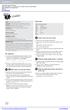 Unit 1 Hello! Topics animals, colours, numbers Functions following instructions, spelling and writing Grammar questions (What s? What are? What colour?), demonstratives (this/these), imperatives Vocabulary
Chapter 12: Adverb Clauses and Adverb Phrases
 Chapter 12: Adverb Clauses and Adverb Phrases TRUE/FALSE The two sentences have the same meaning. Mark T or F. 1. After taking questions, we're going to begin the slide presentation. Before beginning the
Sunflowers. Name. Level and grade. PrimaryTools.co.uk
 Sunflowers Name Score Level and grade 2012 Contents Billy s Sunflower... 3 A story by Nicola Moon So Many Sunflowers!... 14 Vincent Van Gogh... 15 Information about the artist Making a Paper Sunflower...
The Chocolate Touch: Chapters 1-2
 Complete. The Chocolate Touch: Chapters 1-2 Review 1. What did John find unusual about the man inside the store? 2. Why didn't John make it to Susan's house? 3. Is this book written from a first or third
A Chair for My Mother written and illustrated by Vera B. Williams
 A Chair for My Mother written and illustrated by Vera B. Williams My mother works as a waitress in the Blue Tile Diner. After school sometimes I go to meet her there. Then her boss Josephine gives me a
Contents. A Word About This Guide... 3. Why Is It Important for My Child to Read?... 4. How Will My Child Learn to Read?... 4
 Contents A Word About This Guide............................... 3 Why Is It Important for My Child to Read?................ 4 How Will My Child Learn to Read?....................... 4 How Can I Help My
Cheshire Public Schools Spelling Program. Practice Strategies
 Cheshire Public Schools Spelling Program Practice Strategies This booklet suggests more than twenty different ideas for practicing spelling words. We suggest that students write, spell, and pronounce the
5 Free Techniques for Better English Pronunciation
 5 Free Techniques for Better English Pronunciation Enhancing Communication Skills Enhancing Performance Judy Ravin, President The Accent Reduction Institute, LLC 410 N. 4th Ave. Ann Arbor, MI. 48104 734-665-2915
Year 3 Grammar Guide. For Children and Parents MARCHWOOD JUNIOR SCHOOL
 MARCHWOOD JUNIOR SCHOOL Year 3 Grammar Guide For Children and Parents A guide to the key grammar skills and understanding that your child will be learning this year with examples and practice questions
Advice for Class Teachers. Moderating pupils reading at P 4 NC Level 1
 Advice for Class Teachers Moderating pupils reading at P 4 NC Level 1 Exemplars of writing at P Scales and into National Curriculum levels. The purpose of this document is to provide guidance for class
First Grade Spelling 3-1. First Grade Spelling. 1. an 2. at 3. can 4. cat 5. had 6. man 7. I 8. and 9. the 10. a. Dictation Sentences:
 First Grade Spelling Dear Parents, Beginning this week, the first graders will be starting their spelling program. Each Monday, or the beginning of the week, they will be given a pre-test on 10 words that
WWW.MRSCARRION.WEBS.COM. First Grade High Frequency /Spelling Words
 WWW.MRSCARRION.WEBS.COM Name: First Grade High Frequency /Spelling Words Indicate Words that become decodable and are included in blending lines and word work for that week. 1. can 2. I 3. we 4. like 5.
A to Z of Potty Training Tips
 A to Z of Potty Training Tips Age There is no right age to potty train, as natural readiness varies from child to child. Children gain bowel and bladder control at their own pace, but most are potty trained
7.5 Emphatic Verb Tense
 Chapter 7 Verb Usage 211 7.5 Emphatic Verb Tense The emphatic tenses of a verb are used to add emphasis. In addition, the emphatic tense can be used with the word not in negative sentences and to form
Movers Reading & Writing
 Page 28 Movers Cambridge Young Learners English Tests Part 1 6 questions Look and read. Choose the correct words and write them on the lines. a whale coffee a shoulder an elephant soup a stomach milk a
Fiction: Poetry. Classic Poems. Contemporary Poems. Example. Key Point. Example
 Reading - Comprehension Fiction: Poetry Read classic and contemporary poems Recognise riddles and rhymes Recognise tongue twisters Classic Poems A poem expresses an emotion or an idea. Rhyme is when words
- ENGLISH TEST - PRE-INTERMEDIATE 100 QUESTIONS
 Exercise 1: Tick (P) the suitable answer. 1. What's... job? A your B yours C you 2. The traffic is... than it was many years ago. A badder B more bad C worse 3. I've... washed the floor. It's wet. A already
IN A SMALL PART OF THE CITY WEST OF
 p T h e L a s t L e a f IN A SMALL PART OF THE CITY WEST OF Washington Square, the streets have gone wild. They turn in different directions. They are broken into small pieces called places. One street
Grammar Academic Review
 Name Grammar Academic Review s Hour s are used in place of nouns. s can be singular or plural. I you he she it they we me him her them us Isaac is in the bad. He is in the band. Connor and Brook like to
1. 2. 3. 4. 5. 6. 7. 8.
 arm horn core oar Pick a word from the box to match each picture. Write the word on the line. artist bark garden roar score short start store stork storm 1. 2. 3. 4. 5. 6. 7. 8. Pick a word that is the
First Grade Spelling Words
 First Grade Spelling Words The Hat 1. at 2. hat 3. cat 4. can 5. cap 6. tap 7. map 8. mad 9. a 10. the I tap the can. Sam and the Bag 1. am 2. ham 3. had 4. bad 5. bag 6. rag 7. cap 8. mad 9. up 10. go
Eat & Drink. It s time to eat, eat, eat What a treat Eat, eat, EAT I m all done now I wash it down with my favorite drink DRINK!
 Eat & Drink It s time to eat, eat, eat What a treat Eat, eat, EAT I m all done now I wash it down with my favorite drink DRINK! It s time to eat, eat, eat What a treat Eat, eat CRACKERS I m all done now
That spring, the sun shone every day. I was lonely at first in
 1 Tom and Daisy That spring, the sun shone every day. I was lonely at first in the East. But I felt that this was the real beginning of my life. I walked in the fresh air. I bought books. I worked hard.
Become Independent with Daily Routines
 Teaching Your Child to: Become Independent with Daily Routines Does this Sound Familiar? Nadine is a single mom with two young children ages 3 and 5. Her children attend preschool while she is working.
Past Simple & Past Continuous. Exercises
 Past Simple & Past Continuous Exercises The following document is a brief description and a series of exercises for practicing the past simple and the past continuous in order to improve your knowledge
Online Tutoring System For Essay Writing
 Online Tutoring System For Essay Writing 2 Online Tutoring System for Essay Writing Unit 4 Infinitive Phrases Review Units 1 and 2 introduced some of the building blocks of sentences, including noun phrases
English Appendix 2: Vocabulary, grammar and punctuation
 English Appendix 2: Vocabulary, grammar and punctuation The grammar of our first language is learnt naturally and implicitly through interactions with other speakers and from reading. Explicit knowledge
Third Grade Word Study Wizards
 Third Grade Word Study Wizards Name: Week of You will find a description of the word study pattern for this week on the next page. You will also find a list of words to study for the week. Some of the
EARLY CHILDHOOD LITERACY AND NUMERACY BUILDING GOOD PRACTICE MARILYN FLEER AND BRIDIE RABAN
 EARLY CHILDHOOD LITERACY AND NUMERACY BUILDING GOOD PRACTICE MARILYN FLEER AND BRIDIE RABAN EARLY CHILDHOOD LITERACY AND NUMERACY CARDS This set of cards has been developed to help you support young children
Pupil SPAG Card 1. Terminology for pupils. I Can Date Word
 Pupil SPAG Card 1 1 I know about regular plural noun endings s or es and what they mean (for example, dog, dogs; wish, wishes) 2 I know the regular endings that can be added to verbs (e.g. helping, helped,
GESE Initial steps. Guide for teachers, Grades 1 3. GESE Grade 1 Introduction
 GESE Initial steps Guide for teachers, Grades 1 3 GESE Grade 1 Introduction cover photos: left and right Martin Dalton, middle Speak! Learning Centre Contents Contents What is Trinity College London?...3
Strand: Reading Literature Topics Standard I can statements Vocabulary Key Ideas and Details
 Strand: Reading Literature Key Ideas and Craft and Structure Integration of Knowledge and Ideas RL.K.1. With prompting and support, ask and answer questions about key details in a text RL.K.2. With prompting
Young Learners English
 University of Cambridge ESOL Examinations Young Learners English Flyers Information for Candidates Information for candidates YLE Flyers Dear Parent Thank you for encouraging your child to learn English
English Language Arts Book 3
 English Language Arts Grade 4 Sample Test 2005 Name TIPS FOR TAKING THE SAMPLE TEST Here are some suggestions to help you do your best: Be sure to read carefully all the directions in the test book. Plan
THE CONTEST BETWEEN THE SUN AND THE WIND. Outcome: Students will learn about Aesop and Aesop s fables.
 Outcome: Students will learn about Aesop and Aesop s fables. World map or globe Sun Graphic Organizer worksheet Blackboard or Whiteboard Unlined paper Lined paper Markers or pastels Optional: Cleveland,
Grade 8 English Language Arts 90 Reading and Responding, Lesson 9
 GRADE 8 English Language Arts Reading and Responding: Lesson 9 Read aloud to the students the material that is printed in boldface type inside the boxes. Information in regular type inside the boxes and
CAMBRIDGE FIRST CERTIFICATE Listening and Speaking NEW EDITION. Sue O Connell with Louise Hashemi
 CAMBRIDGE FIRST CERTIFICATE SKILLS Series Editor: Sue O Connell CAMBRIDGE FIRST CERTIFICATE Listening and Speaking NEW EDITION Sue O Connell with Louise Hashemi PUBLISHED BY THE PRESS SYNDICATE OF THE
Cain and Abel. The children will hear that we can learn to love our brothers and sisters and to help take care of them.
 Cain and Abel Teacher Pep Talk: Everyone understands sibling rivalry. Even the youngest child can relate to being upset with a brother or sister. Cain and Abel are the first example of this enmity. Cain
California. www.heinemann.com Phone: 800.225.5800
 California Preschool Learning Foundations, Vol. 1 (Foundations in Language and Literacy) and The Continuum of Literacy Learning, Grades PreK 8: A Guide to Teaching by Gay Su Pinnell and Irene C. Fountas
Chapter. The Weekend
 Chapter 3 The Weekend T he weekend begins on Friday night and ends on Sunday night. Our weekend lives are usually different from our weekday lives. We may relax and have fun. We may also work at weekend
Tom had 5 toy cars. His dad gave him 3 more toy cars. How many toy cars did Tom have in all?
 How many and in all? How many more than? How many are left? Tom had 5 toy cars. His dad gave him 3 more toy cars. How many toy cars did Tom have in all? 7 birds were in a tree. 2 more birds flew to the
An elementary school teacher developed this method of helping with spelling and the kids really enjoy Sacawac.
 Spelling Top Tips Spelling game for young students SACAWAC An elementary school teacher developed this method of helping with spelling and the kids really enjoy Sacawac. Study And Cover And Write And Check
INTRODUCTION. Welcome to BUILDING VOCABULARY SKILLS & STRATEGIES!
 CONTENTS Introduction.......................5 Using Definitions 1..................6 Using Definitions 2..................7 Using Definitions 3..................8 Synonyms 1.......................9 Synonyms
Homework Activities for Kindergarten
 Homework Activities for Kindergarten Listed below are several learning activities for your child to complete at home to reinforce skills being taught in school. The sight words are on the last page. Reading
Young Learners English
 University of Cambridge ESOL Examinations Young Learners English Movers Information for Candidates Information for candidates YLE Movers Dear Parent Thank you for encouraging your child to learn English
Making Friends at College
 Unit 1 1 Making Friends at College Study Buddies Passage 02 One of the most challenging aspects of college life is finding the right balance between social and academic activities. Everyone wants to have
Strand: Reading Literature Topics Standard I can statements Vocabulary Key Ideas and Details
 Strand: Reading Literature Key Ideas and Details Craft and Structure RL.3.1 Ask and answer questions to demonstrate understanding of a text, referring explicitly to the text as the basis for the answers.
End-of-course Test Answer Key A. Grammar, Vocabulary, and Pronunciation GRAMMAR
 End-of-course Test Answer Key A Grammar, Vocabulary, and Pronunciation GRAMMAR 1 1 s going to look for 2 ve been 3 used to live 4 isn t cleaned 5 didn t go 6 had seen 7 have been married 8 s cooking 9
Compound- Complex Sentences
 Compound- Complex Sentences 40 Task Cards Plus Grammar Posters By Classroom Core Grades 6 8 Aligned to CCSS 40 Task Cards Storage Case Template 3 Grammar Posters Student Recording Sheet Instructions &
English lesson plans for Grade 3
 English lesson plans for Grade 3 Lessons in this section 3.1 Vocabulary and speaking: How do you say in English? 76 3.2 Reading: We re going to take a holiday 80 3.3 Listening and writing: holiday plans
2nd Grade Language Arts Practice Test
 2nd Grade Language Arts Practice Name: Instructions: Copyright 2000-2002 Measured Progress, All Rights Reserved : 1. Which word in the paragraph below is used too much? My music teacher is nice. He plays
GRADE 4 English Language Arts Proofreading: Lesson 5
 GRADE 4 English Language Arts Proofreading: Lesson 5 Read aloud to the students the material that is printed in boldface type inside the boxes. Information in regular type inside the boxes and all information
All Saints (or All Hallows) Celebration
 All Saints (or All Hallows) Celebration Bible base: Mark 10:46 52 Aim: To present an alternative focus to the Hallowe en events that dominate this time of year. Note to leaders Our focus this week will
Do Not Worry Lesson Aim: To know God takes care of everything.
 Teacher s Guide: Ages 4-5 Kings & Kingdoms Part 1: The Life of Jesus Unit 6, Lesson 30 Do Not Worry Lesson Aim: To know God takes care of everything. THE WORSHIP Who God is: The King Who Teaches THE WORD
English (Literacy) Reading Target Ideas. P Scale 4
 P Scale 4 Pupils listen and respond to familiar rhymes and stories Begin to remember one or two repeated words e.g. names of people or objects, or key words in a repetitive phrase, in a familiar text when
Understanding Verbs: Gerunds, Participles, and Infinitives
 Understanding Verbs: Gerunds, Participles, and Infinitives A verbal is a verb that functions as some other part of speech in a sentence. In the English language, there are three basic types of verbals:
Tools to Use in Assessment
 Tools to Use in Assessment II. Observations and Checklists Teachers have always watched and observed students in the classroom and they have made instructional decisions based on these observations. Too
FORM 5 ENGLISH TIME: 15 minutes Listening Comprehension. Instructions for the conduct of the Listening Comprehension Examination
 DIRECTORATE FOR QUALITY AND STANDARDS IN EDUCATION Department for Curriculum Management and elearning Educational Assessment Unit Annual Examinations for Secondary Schools 2011 Track 1 FORM 5 ENGLISH TIME:
Name: Class: Date: ID: A. Multiple Choice Identify the choice that best completes the statement or answers the question.
 Name: Class: _ Date: _ NeSA Reading Practice Test 1 Multiple Choice Identify the choice that best completes the statement or answers the question. Directions Looking through old photographs can be fun
English lesson plans for Grade 1
 English lesson plans for Grade 1 Lessons in this section 1.1 Vocabulary, listening and speaking: parts of the body and can 26 1.2 Vocabulary, listening and speaking: colours and parts of the body 29 1.3
TEST DIAGNOSTYCZNY Z JĘZYKA ANGIELSKIEGO
 1. They are the United States. a) to b) for c) from d) with 3. is your favourite colour? a) How b) This c) Who d) What 5. This is my car. a) mother b) mothers c) mother is d) mother's 7. Are these shoes
- ENGLISH TEST - INTERMEDIATE 100 QUESTIONS
 Exercise 1: Tick (P) the suitable answer. - ENGLISH TEST - 1. Wait a minute. I... an important letter. A finish B 'm finishing C will finish 2.... books are in the other part of this library. A Childrens'
Fragments, Comma Splices, Run-ons: How to make them go away!
 Fragments, Comma Splices, Run-ons: How to make them go away! Sentence fragments, comma splices and run-on sentences are some of the most common writing errors. In order to avoid these three common problems,
Step 1: Come Together
 THE STORY FOR LITTLE ONES: Preschool LESSON GUIDE: Lesson 2 5 ABRAHAM FOLLOWS GOD Bible Basis: Genesis 12:1 9, 17; 21:1 7 Bible Verse: Abram believed the Lord. The Lord accepted Abram because he believed.
Indiana Department of Education
 GRADE 1 READING Guiding Principle: Students read a wide range of fiction, nonfiction, classic, and contemporary works, to build an understanding of texts, of themselves, and of the cultures of the United
About This Lesson: Figurative Language and Imagery
 About This Lesson: Figurative Language and Imagery Common Core State Standards Grade 6 Grade 7 Grade 8 RL 4 Determine the meaning of words and phrases as they are used in a text, including figurative and
5thLA_Research writing process (5thLA_researchwriteproces) 3. In a U.S. atlas, where is the BEST place to find information about the state of Georgia?
 Name: Date: 1. Which is the BEST way to organize the sentences in the paragraph? 1 Painting a room can be easy if you follow these steps. 2 Using a roller or paint brush, apply the paint to the wall. 3
Female Child s date of birth: Last name: State/ Province: Home telephone number:
 60 Ages & Stages Questionnaires 57 months 0 days through 66 months 0 days Month Questionnaire Please provide the following information. Use black or blue ink only and print legibly when completing this
Jesus at the Temple (at age 12)
 Jesus at the Temple (at age 12) Teacher Pep Talk: Twelve sounds so grown up, especially when you are a Little Guy! But to us adults, 12 seems really young to be doing some of the things Jesus was doing
Five Pronunciation Games for Brazil
 Five Pronunciation Games for Brazil Mark Hancock with Ricardo Sili I presented a workshop called 'Pronunciation Games for Brazil' with Ricardo Sili at the 13th BRAZ-TESOL National Convention. This article
THE WASHING MACHINE. Written by. Lorena Padilla
 THE WASHING MACHINE Written by Lorena Padilla [email protected] INT. DINING ROOM - DAY A very messy dining room. There are empty beer bottles and ashtrays with cigarettes on the table. (12) cleans
Sentence Lesson 2: Picture Sentences Sentence Structure Nouns/Subjects, Descriptive Verbs (participles) Poetry: Concrete Nouns/Verbs
 Sentence Lesson 2: Picture Sentences Sentence Structure Nouns/Subjects, Descriptive Verbs (participles) Poetry: Concrete Nouns/Verbs Sentence to Paragraph Lesson 2: Page 1 1. Previous work: Lesson 1 2.
Ling 201 Syntax 1. Jirka Hana April 10, 2006
 Overview of topics What is Syntax? Word Classes What to remember and understand: Ling 201 Syntax 1 Jirka Hana April 10, 2006 Syntax, difference between syntax and semantics, open/closed class words, all
THE FORGIVING FATHER
 BOOK 1, PART 3, LESSON 4 THE FORGIVING FATHER THE BIBLE: Luke 15:11-32 THEME: We can discover what Jesus wants us to do and be by hearing the parables Jesus told. PREPARING FOR THE LESSON MAIN IDEA: Jesus
God Sends the Holy Spirit (Pentecost)
 God Sends the Holy Spirit (Pentecost) Teacher Pep Talk: It had been 10 days since Jesus ascended into Heaven. He had promised to send the Holy Spirit to be with His disciples forever. On Pentecost, when
The Fruit of the Spirit is Love
 The Fruit of the Spirit is Love Pre-Session Warm Up (Galatians 5:22-23) Today we are going to learn more about the fruit of the Spirit called, Love. What do you think of when you hear the word love? A
Grammar Unit: Pronouns
 Name: Miss Phillips Period: Grammar Unit: Pronouns Unit Objectives: 1. Students will identify personal, indefinite, and possessive pronouns and recognize antecedents of pronouns. 2. Students will demonstrate
DOMAIN Ill: Cognitive Development
 Purpose: To develop new skills, knowledge and the ability to acquire and process new information through play and interaction with others and the environment. The cognitive development domain includes
Compare and Contrast Versions of a Story
 Compare and Contrast Versions of a Story What story has wicked stepsisters, a fairy godmother, glass slippers, and a girl who works hard and ends up marrying a prince? Cinderella! You have probably read