
Rare Mendelian Disorders Test Requisition Form
|
|
|
- Julius King
- 9 years ago
- Views:
Transcription
1 Rare Mendelian Disorders Test Requisition Form For oncology, neurology/mitochondrial disorders, cardiology, array CGH, FISH, whole exome sequencing or prenatal testing please use specific submission forms available at Patient Information First name Last name Gender Male Female Date of birth (mm/dd/yy) Ancestry Caucasian Eastern European Northern European Western European Native American Middle Eastern African American Asian Pacific Islander Caribbean Central/South American Ashkenazi-Jewish Hispanic Other: Mailing address City State Zip code Home phone Work phone Patient's primary language if not English Ordering Account Information Sample Information Medical record # Specimen ID # Date sample obtained (mm/dd/yy) Sample Type r blood in EDTA (purple top - one tube of 1-5ml) r buccal brushes (must be GeneDx kits) r skin punch biopsy, size mm r DNA (source?) (ug/ml) r Oral Rinse (At least 30 ml of Scope oral rinse in a 50 ml centrifuge tube or GeneDx kit) Clinical diagnosis and family history ICD-10 Code(s): Clinical Diagnosis: Age at Initial Presentation: Please provide relevant information below or attach detailed medical records. Acct # Account Name Reporting Preference*. Care Evolve Fax *If unmarked, we will use the account's default preferences or fax to new clients. Physician NPI # Genetic Counselor Street address 1 Street address 2 City State Zip code Phone Fax (important) Beeper Send Additional Report Copies To: Physician or GC/Acct # Fax#/ /CE # Physician or GC/Acct # Fax#/ /CE # Statement of Medical Necessity This test is medically necessary for the diagnosis or detection of a disease, illness, impairment, symptom, syndrome or disorder. The results will determine my patient's medical management and treatment decisions. The person listed as the Ordering Physician is authorized by law to order the tests(s) requested herein. I confirm that I have provided genetic testing information to the patient and they have consented to genetic testing. Medical Professional Signature (required) Date Patient Consent (sign here or on the consent document) I have read the Informed Consent document and I give permission to GeneDx to perform genetic testing as described. I also give permission for my specimen and clinical information to be used in de-identified studies at GeneDx to improve genetic testing and for publication, if appropriate. My name or other personal identifying information will not be used in or linked to the results of any studies and publications. I also give GeneDx permission to inform me in the future about research opportunities, including treatments for the condition in my family. Check this box if you wish to opt out of any research studies. Check this box if you do not wish to be contacted. Check this box if you are a New York state resident, and give permission for GeneDx to retain any remaining sample longer than 60 days after the completion of testing. Test requested Test Code Test Name Testing for known familial mutation(s) r 9011 Testing for ONE known familial mutation r 9012 Testing for TWO known familial mutations r 905 Testing for ONE known familial exon-level del/dup Gene(s): Mutation(s) Proband Name: Proband GeneDx Acc#: Relationship to proband: r Positive control included - Positive control is required if previous test was performed at another lab. r Family Member Test Report included - A clear copy of the test report on the mutation positive family member is recommended if previous test was performed at another lab. ExonArray: Exon-level deletion/duplication testing r 906 One Gene r 703 Custom Del/Dup Panel Gene(s): If expedited testing is requested, please indicate reason: r Pregnancy (gestational age weeks) r Transplantation r Other Ordering Checklist: r Sample submission form (pages 3-8) r Completed payment form (page 2) r Informed consent (if appropriate) r Specimen tube, appropriately labeled with TWO identifiers Patient/Guardian Signature Date Reason for testing - please complete (required): r Diagnosis r Presymptomatic diagnosis r Carrier testing r Prenatal r Other r Positive control sample (no report issued) for patient/relative: For GeneDx use only: GeneDx ID First name Last name For metabolic disorders - please complete: Enzyme assay positive r Yes r No r Not done Newborn screen positive r Yes r No GeneDx 07/ Perry Parkway, Gaithersburg, MD T: (888) (Toll-Free), (301) F: (201) Page 1 of 11

2 Payment Options 1. Institutional Bill GeneDx Account # INSTITUTIONAL BILLING ADDRESS STAMP Hospital/Lab Name Contact Name Address City State Zip Code Phone Fax 2. Insurance Bill PATIENT STATUS ONE MUST BE CHECKED Hospital Inpatient Outpatient Not a Hospital Patient GeneDx is a Medicare provider and therefore is able to accept Medicare patient samples. A completed Advance Beneficiary Notice (ABN) is required for Medicare patients that do not meet Medicare criteria. Medicaid does not cover genetic testing for these conditions in most cases. Medicaid coverage varies by state and usually prior authorization is required. For more information, please contact us at Referral/Prior Authorization # Please attach copy of Referral/authorization Insurance Carrier Policy Name Insurance ID # Group # Name of Insured Date of Birth Insurance Address City State Zip Secondary Insurance Carrier Name Name of Insured Date of Birth Relationship to Insured o Child o Spouse o Self o Other o Child o Spouse o Self o Other Insurance ID # Group # Please include a copy of the front and back of the patient s insurance card (include secondary when applicable) If you would like to expedite an assessment of your possible eligibility for GeneDx s financial assistance program (FAP), please provide the number of your household members and the annual income of your household $. GeneDx may require additional information from you to complete an application for GeneDx s financial assistance program. I represent that I am covered by insurance and authorize GeneDx, Inc. to give my designated insurance carrier, health plan, or third party administrator (collectively Plan ) the information on this form and other information provided by my healthcare provider necessary for reimbursement. I authorize GeneDx to inform my Plan of my test result only if test results are required for preauthorization of or payment for reflex/additional testing. I authorize Plan benefits to be payable to GeneDx. I will cooperate fully with GeneDx by providing all necessary documents needed for Plan billing and appeals. I understand that I am responsible for sending GeneDx any and all of the money that I receive directly from my Plan in payment for this test. Reasonable collection and/or attorney s fees, including filing and service fees, shall be assessed if the account is sent to collection but said fees shall not exceed those permitted by state law. I permit a copy of this authorization to be used in place of the original. Patient Signature (required) Date 3. Patient Bill A. By Credit Card Amount: I understand that my credit card will be charged the full amount for the testing. r Mastercard r Visa r Discover r American Express Name as it appears on card Account Number Expiration date CVC Billing address City State Zip Code B. By Check or Money Order Minimum of 75% of the cost of the test is required at the time of sample submission*, with the remainder of the fee billed at the time of test completion. Check or money order enclosed in the amount of $. * For patients from outside the United States, 100% of the fee is due at the time of sample submission C. Online Bill Pay Please visit Phone Signature (Required) Date GeneDx 07/ Perry Parkway, Gaithersburg, MD T: (888) (Toll-Free), (301) F: (201) Page 2 of 11

3 Testing Services for Rare Mendelian Disorders Special services (complete box to the right) Mutation-specific testing o 9011 One known familial mutation o 9012 Two known familial mutations Prenatal testing o 902 Known familial mutation(s) o 9023 Maternal cell contamination studies only Mutation confirmations o 9001 One known mutation identified in a research lab o 9002 Two known mutations identified in a research lab Custom deletion/duplication testing (CopyDx) o 903 One gene or locus Deletion/duplication testing for a gene on the current menu o 904 One gene or locus Follow-up testing for known familial deletion or duplication o 905 One gene or locus DNA extraction only o 909 One sample ExonArrayDx: Exon-level gene-specific deletion/duplication testing * o 906 One gene o 907 Two genes For special services please provide the information below Known mutation in relative (please send copy of report): o Relative tested at GeneDx GeneDx ID/Name of relative o Relative tested at another lab (Positive control required) o Positive control Included Required Information: Gene or locus Mutation(s) Relationship to patient Custom ExonArrayDx: Exon-level gene specific deletion/duplication testing (Gene(s) not on GeneDx test menu)* o 703 One to twenty genes * Fill in genes or gene panel to be tested: Alagille Syndrome (JAG1) o 1001 Tier 1 JAG1 sequencing and deletion/duplication testing o 1002 Tier 2 JAG1 sequencing, if Tier1 negative o 1004 JAG1 full sequencing and deletion/duplication testing NOW Bone marrow failure syndromes o 104 Congenital amegakaryocytic thrombocytopenia (MPL) o 505 X-linked Thrombocytopenia or X-linked Neutropenia (WAS) o 105 Severe congenital neutropenia, autosomal dominant (ELANE aka ELA2) o 303 Severe congenital neutropenia, autosomal recessive (HAX1) Diamond-Blackfan anemia (specify concurrent or reflex ordering) o 1061 RPS19 sequencing o 361 RPL5 sequencing o 362 RPL11 sequencing o 906 RPS19 deletion/duplication testing Dyskeratosis Congenita (specify concurrent or reflex testing) o 108 DKC1 gene sequencing, X-linked o 414 TINF2 gene exon 6 sequencing, autosomal dominant o 107 TERC gene sequencing, autosomal dominant o 682 TERT gene sequencing, autosomal dominant/recessive o 906 TERC gene, deletion/duplication analysis o 906 DKC1 gene, deletion/duplication if sequencing negative, females o 109 Shwachman-Diamond Syndrome (SBDS) o 938 Congenital Sideroblastic Anemia Panel (ABCB7, ALAS2, GLRX5, PUS1, SLC19A2, SLC25A38, TRNT1, YARS2, Mitochondrial genome large deletion testing) Congenital ichthyoses o 708 Congenital Ichthyosis XomeDxSlice. Test includes 39 genes known to cause syndromic or non-syndromic congenital ichthyosis. Epidermolytic Ichthyosis (Epidermolytic Hyperkeratosis) (KRT1, KRT2, KRT10) o 1181 KRT1, KRT10 hotspots o 1182 KRT1 sequencing o 1183 KRT10 sequencing o 122 KRT2 hotspots o 119 Erythrokeratodermia variabilis (GJB3, GJB4) o 124 Keratitis-ichthyosis-deafness (KID) Syndrome (GJB2; connexin26) Disorders involving bones and limbs Campomelic dysplasia o 338 SOX9 sequencing o 906 SOX9 deletion/duplication testing if sequencing is negative o 285 Cherubism (SH3BP2) Duane-Radial-Ray syndrome (DRRS; SALL4) o 262E SALL4 sequencing and deletion/duplication testing Grieg Cephalopolysyndactyly syndrome o 472 GLI3 sequence (exons 2-15) and deletion/duplication analysis Hereditary Multiple Exostosis (EXT1/EXT2) o 1811 EXT1 sequencing and EXT1/EXT2 deletion/duplication testing o 1812 EXT2 sequencing o 1813 EXT1+EXT2 sequencing and deletion/duplication testing NOW Holt-Oram syndrome (TBX5) o 2361 TBX5 sequencing o 906 TBX5 deletion/duplication testing if sequencing is negative HOXD13-Associated Limb Abnormalities o 503 HOXD13 sequencing o 906 HOXD13 deletion/duplication testing if sequencing is negative o 3272 Osteoporosis-pseudoglioma syndrome (LRP5) o 3272 Osteopetrosis type 1, autosomal dominant (LRP5) o 248 Popliteal pterygium syndrome (IRF6, exon 4 only) Pallister Hall Syndrome o 4711 Tier 1 GLI3 sequence analysis of exons o 4712 Tier 2 GLI3 sequence analysis of remaining exons (2-12) and del/dup analysis Pseudoachondroplasia/multiple epiphyseal dysplasia (COMP) o 249 COMP sequencing o 906 COMP deletion/duplication testing if sequencing is negative Triphalangeal Thumb Polydactyly o 502 ZRS sequence analysis (intron 5 of LMBR1 gene) o 906 ZRS deletion/duplication analysis (intron 5 of LMBR1 gene) if sequencing is negative Townes-Brocks syndrome (SALL1) o 2521 SALL1 sequencing o 906 SALL1 deletion/duplication testing if sequencing is negative Disorders of the immune system o 154 Agammaglobulinemia, X-linked, BTK sequencing and deletion/duplication testing Autoimmune lymphoproliferative syndrome (ALPS) o 138 ALPS1A FAS (TNFRSF6) sequencing o 2611 ALPS2A (CASP10) sequencing o 2612 ALPS2B (CASP8) sequencing Autoimmune polyendocrinopathy/apeced (AIRE) o 1391 Tier 1 AIRE sequencing o 1392 Tier 2 AIRE sequencing, if Tier 1 negative o 1393 AIRE full gene sequencing NOW Chronic granulomatous disease (CGD) (specify concurrent or reflex ordering) o 1434 CYBB sequencing (X-linked) o 1435 NCF1 exon 2 only (recessive) o 1431 Above two at the same time (aka Tier 1) o 1436 CYBA sequencing (recessive) o 1437 NCF2 sequencing (recessive) o 906 CYBB (X-linked) deletion/duplication if sequencing negative, females GeneDx 07/ Perry Parkway, Gaithersburg, MD T: (888) (Toll-Free), (301) F: (201) Page 3 of 11

4 Specimen Requirements ALL tests offered by GeneDx can be performed with whole blood specimen. As an alternative to blood, buccal specimen or mouthwash collection kits (supplied by GeneDx) can be used for many tests. Some exceptions are tests marked with and any deletion/duplication, microarray, and non-conventional sequencing tests. Hyper-IgE syndrome (specify concurrent or reflex ordering) o 678 Hyper-IgE Syndromes Panel (STAT3, DOCK8, TYK2 and SPINK5 gene sequencing + DOCK8 deletion/duplication analysis) o 312 STAT3 sequence analysis, selected exons (dominant) o 3122 STAT3 sequence analysis, remaining exons (dominant) o 3123 STAT3 (Full gene sequencing, dominant) o 736 DOCK8 sequencing and deletion/duplication testing (recessive) o 679 DOCK8 (Full gene sequencing, recessive) o 906 DOCK8 deletion/duplication testing (recessive) Immunodeficiency Syndrome with Hyper-IgM o 669 CD40LG sequencing; Type 1 (X-linked) o 318 AICDA sequencing; Type 2 o 668 CD40 sequencing; Type 3 o 670 UNG sequencing; Type 5 o 301 IRAK4 deficiency, IRAK4 sequencing o 146 Leukocyte adhesion deficiency, ITGB2 sequencing Severe combined immune deficiency (SCID) o 601 Comprehensive SCID Panel, 26 genes o 602 B+ SCID Sub-panel, 17 genes o 603 B- SCID Sub-panel, 9 genes SCID with radiation sensitivity (ARTEMIS/DCLRE1C) o 1501 DCLRE1C full gene sequencing and deletion/duplication testing o 1502 DCLRE1C exon 8 only for Athabascan Indians Severe combined immune deficiency (SCID) o 492 X-linked SCID, IL2RG sequencing o 352 Adenosine deaminase deficiency, ADA sequencing o 145 JAK3 deficiency, JAK3 sequencing o 147 RAG1 and RAG2 deficiency (include Omenn Syndrome) sequencing o 302 IL7R deficiency, IL7R sequencing Wiskott Aldrich Syndrome (X-linked) o 505 WAS gene sequencing o 906 WAS gene deletion/duplication testing for females Ectodermal dysplasia syndromes X-linked hypohidrotic ED (EDA aka ED1) o 1601 EDA sequencing (males) o 1601E EDA sequencing and deletion/duplication testing (females) o 373 Autosomal recessive/dominant ED/Odonto-onycho-dermal dysplasia, Schöpf-Schulz-Passarge Syndrome (WNT10A) o 156 Autosomal recessive/dominant hypohidrotic ED (EDAR) o 617 Autosomal hypohidrotic/anhidrotic ED (EDARADD) o 157 Clouston syndrome, GJB6, connexin30 sequencing o 306 Focal dermal hypoplasia/goltz syndrome (PORCN) o 158 TP63 Select Exons Sequencing o 1581 TP63 Remaining Exons Sequencing Epidermolysis bullosa o 707 XomeDxSlice Epidermolysis Bullosa (EB) and other bullous skin disorders Test includes ALL of the known genes for Dystrophic, Simplex, Junctional and Hemidesmosomal EB (COL7A1, COL17A1, KRT5/KRT14, LAMA3/ LAMB3/LAMC2, PLEC1, ITGA6/ITGB4) and 17 additional genes (MMP1, DSP, CD151, FERMT1, NID1, GRIP1, TGM5, PKP1, DST, EXPH5, CHST8, CSTA, DSG1, DSG2, DSG3, DSG4, ITGA3) o 162 Epidermolysis bullosa, dystrophic (COL7A1) Epidermolysis bullosa, simplex (KRT5, KRT14 hotspots; PLEC1) o 168 KRT5/KRT14 hotspots Eye Disorders Achromatopsia o 513 CNGB3 sequencing o 514 CNGA3 sequencing Aniridia o 491 PAX6 sequencing and deletion/duplication PAX6/DCDC1/ELP4/WT1 Anophthalmia, Microphthalmia o 132 SOX2 sequencing o 906 SOX2 deletion/duplication testing if sequencing is negative o 343 OTX2 sequencing o 906 OTX2 deletion/duplication testing if sequencing is negative o 509 RAX sequencing o 516 STRA6 sequencing o 604 FOXE3 sequencing o 344 VSX2 sequencing Anterior segment dysgenesis of the eye o 491 PAX6 sequencing and deletion/duplication PAX6/DCDC1/ELP4/WT1 o 604 FOXE3 sequencing Axenfeld-Rieger syndrome (PITX2, FOXC1) o 1341 PITX2 sequencing o 906 PITX2 deletion/duplication testing if sequencing is negative o 1342 FOXC1 sequencing o 904 FOXC1 deletion/duplication testing if sequencing is negative o 403 BEST1 related disorders ( VMD2) Bothnia retinal dystrophy o 4242 RLBP1 BRD: R234W mutation only Choroideremia (CHM) o 296 CHM sequencing o 906 CHM del/dup testing if sequencing is negative Cone and cone-rod dystrophies o 379 AIPL1 sequencing o 468 Cone rod dystrophy panel: ABCA4, PRPH2 (RDS) o 506 CERKL sequencing o 513 CNGB3 sequencing o 514 CNGA3 sequencing o 353 CRX sequencing o 476 GUCA1A sequencing o 467 GUCY2D exon 13 only Congenital nystagmus, X-linked o 432 FRMD7 sequencing Congenital stationary night blindness, autosomal dominant o 298 RHO sequencing o 589 GNAT1 sequencing Congenital stationary night blindness, autosomal recessive o 489 TRPM1 sequencing o 588 GRM6 sequencing o 589 GNAT1 sequencing o 517 Tier 1 SAG: c.926dela mutation only o 518 Tier 2 SAG rest of gene sequencing o 590 CABP4 sequencing o 427 RDH5 sequencing Congenital stationary night blindness, X-linked o 431 NYX sequencing o 587 CACNA1F sequencing Enhanced S-Cone Syndrome o 586 NR2E3 sequencing Familial exudative vitreoretinopathy (FZD4, LRP5, NDP, TSPAN12) o 3271 FZD4 sequencing o 3272 LRP5 sequencing o 906 LRP5 deletion/duplication testing if sequencing is negative o 3273 NDP sequencing in males o 3274 NDP sequencing and deletion/duplication testing in females o 3275 TSPAN12 sequencing Fundus albipunctatus o 427 RDH5 sequencing o 4241 RLBP1 sequencing Glaucoma (CYP1B1, MYOC, OPTN) Primary congenital glaucoma o 330 CYP1B1 sequencing Primary open-angle glaucoma / juvenile open-angle glaucoma o 329 MYOC sequencing Primary open-angle glaucoma / Normal tension glaucoma o 346 OPTN sequencing o 649 Glycogen storage disease type V (GSD V) (PYGM) Goldmann-Favre Syndrome o 586 NR2E3 sequencing Leber congenital amaurosis, autosomal recessive. Tiered panel (reflex testing) o 2980 Tier 1: Common mutations (CEP290, GUCY2D, AIPL1, CRB1, RPE65) o 2981 Tier 2: CRB1 exons 1-6, 8, only o 2982 Tier 3: RPE65 exons 2-3, 6-7, only o 2983 Tier 4: GUCY2D exons 3-11, 14, only o 2984 Tier 5: AIPL1 exons 1, 3, 5 o 2985 Tier 6: RPGRIP1 (entire gene) Leber congenital amaurosis, autosomal dominant. Tiered panel (reflex testing) o 412 Tier 1: IMPDH1 full gene sequencing o 353 Tier 2: CRX full gene sequencing GeneDx 07/ Perry Parkway, Gaithersburg, MD T: (888) (Toll-Free), (301) F: (201) Page 4 of 11

5 Specimen Requirements ALL tests offered by GeneDx can be performed with whole blood specimen. As an alternative to blood, buccal specimen or mouthwash collection kits (supplied by GeneDx) can be used for many tests. Some exceptions are tests marked with and any deletion/duplication, microarray, and non-conventional sequencing tests. Please check appropriate boxes and fax only the sheets necessary Leber congenital amaurosis, comprehensive panel (CEP290, GUCY2D, CRB1, RPE65, AIPL1, IMPDHI, CRX, RPGRIP1) o 376 CEP290 gene: IVS A>G mutation only o 377 Entire GUCY2D gene o 378 Entire CRB1 gene o 345 Entire RPE65 gene o 379 Entire AIPL1 gene o 412 Entire IMPDH1 gene o 353 Entire CRX gene o 2985 Entire RPGRIP1 gene Lenz microphthalmia syndrome (BCOR) o 370 BCOR LMS: P85L mutation only Newfoundland rod-cone dystrophy o 4243 RLBP1 NFRCD: IVS4+2 T>C and c.141g>a (K47K) mutations only Norrie disease (NDP) o 3273 NDP sequencing in males o 3274 NDP sequencing and deletion/duplication testing in females Oculofaciocardiodental syndrome (BCOR; females only) o 3691 BCOR Tier 1: mutation hotspots and deletion/duplication testing o 3692 BCOR Tier 2: Rest of gene sequencing if Tier 1 is negative o 3693 BCOR full gene sequencing and deletion/duplication testing NOW Oguchi disease o 517 Tier 1 SAG: c.926dela mutation only o 518 Tier 2 SAG rest of gene sequencing Progressive external ophthalmoplegia o 394 POLG sequencing Retinitis pigmentosa, autosomal dominant, tiered panel (reflex testing) o 2971 Tier 1: Common mutations (IMPDH1, RP1, PRPF8, PRPH2 (RDS) full, RHO full) o 2975 Tier 2: PRPF31 gene sequencing and deletion/duplication testing o 2974 Tier 3: IMPDH1 rest of gene sequencing Retinitis pigmentosa, autosomal dominant, additional genes o 2973 Retinitis pigmentosa, autosomal dominant, PRPF3 gene sequencing o 353 Retinitis pigmentosa, autosomal dominant CRX sequencing o 403 Retinitis pigmentosa, autosomal dominant BEST1 sequencing Retinitis pigmentosa, autosomal dominant, individual genes o 412 Retinitis pigmentosa, autosomal dominant IMPDH1 sequencing o 295 Retinitis pigmentosa, autosomal dominant RP1 sequencing o 298 Retinitis pigmentosa, autosomal dominant RHO sequencing o 299 Retinitis pigmentosa, autosomal dom. PRPH2 (RDS) sequencing o 300 Retinitis pigmentosa, autosomal dominant PRPF8 sequencing Retinitis pigmentosa panel (7 genes), autosomal recessive/sporadic RP o 368 Seven genes panel: USH2A, EYS, ABCA4, PDE6A, PDE6B, RPE65, CRB1 sequencing o 908 Autosomal recessive RP panel - deletion/duplication testing o 506 CERKL sequencing o 417 CNGA1 sequencing Retinitis pigmentosa, X-linked o 326 RP2 sequencing o 906 RP2 deletion/duplication testing if sequencing negative, females Retinitis punctata albescens o 4241 RLBP1 sequencing o 474 Septo-optic dysplasia (HESX1) Stargardt panel: Stargardt disease, fundus flavimaculatus, Stargardt-like macular dystrophy, other maculopathies o 466 ABCA4, PRPH2 (RDS), and ELOVL4 Stargardt-like macular dystrophy, autosomal dominant o 2990 Tier 1: ELOVL4 mutations hot spot o 2991 Tier 2: ELOVL4 remaining exons X-linked juvenile retinoschisis o 2571 RS1 sequencing o 906 RS1 deletion/duplication if sequencing negative, females Familial hyperparathyroid syndromes/endocrine neoplasias o 170 Familial hypocalciuric hypercalcemia (CASR) Hyperparathyroidism-jaw tumor syndrome or parathyroid carcinoma or familial isolated hyperparathyroidism (HRPT2) o 1731 Tier 1 HRPT2 sequencing o 1732 Tier 2, if Tier1negative o 173 HRPT2 full gene sequencing NOW Multiple Endocrine Neoplasia Type 1 (MEN1, Menin) o 176 MEN1 sequencing o 904 MEN1 deletion/duplication testing if sequencing is negative o 177 Multiple endocrine neoplasia Type 2A or familial medullary thyroid carcinoma, RET ex10, 11, 13 and 14 o 178 Multiple endocrine neoplasia type 2B, RET ex15 and 16 Hereditary rickets o 184 Autosomal dominant hypophosphataemia (FGF23) o 185 Autosomal recessive vitamin D-dependent rickets (CYP27B1) o 314 Autosomal recessive hypophosphatemic rickets (DMP1) X-linked dominant hypophosphatemia (PHEX) o 1861 PHEX sequencing in males o 1861E PHEX sequencing and deletion/duplication testing in females Inborn errors of metabolism o 665 Hyperammonemia, urea cycle and transporter defects Next-Gen sequencing panel (44 genes) o 684 Reflex deletion/duplication panel for hyperammonemia, urea cycle & transporter defect panel o 667 Methylmalonic acidemia, disorders of cobalamin metabolism and related disorders Next-Gen sequencing panel (16 genes) o 685 Reflex deletion/duplication panel for methylmalonic academia & related disorders panel o 664 Fatty acid oxidation disorders Next-Gen sequencing panel (15 genes) o 683 Reflex deletion/duplication panel for fatty acid oxidation disorders panel o Hydroxyacyl-CoA dehydrogenase deficiency (HADH) o pyruvoyl--tetrahydropterin synthase deficiency (PTS) o 354 ß-ketothiolase deficiency (ACAT1) o 465 Arginase deficiency (ARG1) o 426 Argininosuccinic Aciduria (ASL) o 658 Aspartylglucosaminuria (AGA) o 294 Biotinidase deficiency (BTD) o 564 Canavan disease (ASPA) sequencing and deletion/duplication testing o 429 Carnitine-Acylcarnitine Translocase Deficiency (SLC25A20) o 425 Carnitine palmitoyltransferase IA deficiency (CPT1A) o 334 Carnitine palmitoyltransferase deficiency type II (CPT2) o 500 Citrin Deficiency (SLC25A13) o 382 Classic Citrullinemia (ASS1) o 274 Cobalamin C deficiency (MMACHC) o 659 Combined malonic and methylmalonic aciduria (ACSF3) o 490 Dihydrolipoamide Dehydrogenase Deficiency (DLD) o 381 Dihydropteridine reductase (DHPR) deficiency (QDPR) o 558 Ethylmalonic Encephalopathy (ETHE1) sequencing and deletion/duplication testing Fabry disease (GLA) o 2321 GLA sequencing o 906 GLA deletion/duplication testing, females o 605 Free sialic storage disorders (SLC17A5) sequencing and deletion/ duplication testing o 661 Fucosidosis (FUCA1) o 2843 Fumarate hydratase deficiency (FH) (see also hereditary leiomyomatosis) o 499 Galactokinase Deficiency (GALK1) o 349E Galactosemia / Galactosyltransferase deficiency (GALT) sequencing and deletion/duplication testing o 399 Glutaric aciduria type I (GCDH) Glutaric aciduria II / Multiple acyl-coa dehydrogenase deficiency (MADD) o 280 ETFDH o 279 ETFB o 278 ETFA Glycerol kinase Deficiency (GK) o 438 GK sequencing o 906 GK Exon-level deletion testing o 287 Glycogen storage disease II (Pompe disease) (GAA) o 649 Glycogen storage disease type V (GSD V) (PYGM) o 657 GM1-gangliosidosis (GLB1) o 230 GTP cyclohydrolase I deficiency (GCH1) (see dopa-responsive dystonia) HMG CoA lyase deficiency (HMGCL) o 3211 HMGCL full gene sequencing o 3212 HMGCL sequence exon 2 only (Saudi/Spanish mutation) o 3213 Sequence rest of HMGCL gene, (if 3212 negative) o 320 Holocarboxylase synthetase deficiency (HLCS) o 331 Homocystinuria (CBS) o 351 Isobutyryl CoA dehydrogenase deficiency (ACAD8) Isovaleric acidemia (IVD) o 3191 Full sequencing o 3192 Sequence exon 9 only (includes common A282V mutation) o 3193 Rest of IVD (if 3192 negative) o 507 Krabbe disease (GALC) LCHAD/trifunctional protein deficiency (HADHA/HADHA and HADHB) o 2711 HADHA Tier 1 (common mutation; c.1528g>c) o Reflex testing: HADHA (full), HADHB if necessary: 2712, 272 o 2712 HADHA Full sequencing o 272 HADHB Full sequencing GeneDx 07/ Perry Parkway, Gaithersburg, MD T: (888) (Toll-Free), (301) F: (201) Page 5 of 11

6 Specimen Requirements ALL tests offered by GeneDx can be performed with whole blood specimen. As an alternative to blood, buccal specimen or mouthwash collection kits (supplied by GeneDx) can be used for many tests. Some exceptions are tests marked with and any deletion/duplication, microarray, and non-conventional sequencing tests. Lowe syndrome (OCRL) o 335 Lowe syndrome, OCRL full sequencing o 906 OCRL deletion/duplication testing, females o 655 Lysosomal acid lipase deficiency (LIPA) o 404 Malonyl-CoA decarboxylase deficiency (MLYCD) Maple Syrup Urine Disease (MSUD) o 4881 BCKDHA o 4882 BCKDHB o 4883 DBT o 488 BCKDHA/ BCKDHB/ DBT All NOW o 565 Maroteaux-Lamy syndrome/mucopolysaccharidosis VI (ARSB) MCAD deficiency (ACADM) o 2682 Full gene sequencing NOW o 2681 Sequence exon 11 only (includes common K329E mutation) o 2683 Rest of ACADM o 456 T121I (common Saudi Arabian mutation) o 649 McArdle disease (PYGM) o 563 Metachromatic leukodystrophy (ARSA) o 473 Methionine adenosyltransferase I/III deficiency (MAT1A) 2-Methyl-3-hydroxybutyryl-CoA dehydrogenase deficiency (HSD17B10) o 463 HSD17B10 sequencing o 906 HSD17B10 deletion/duplication testing, females 3-Methylcrotonyl CoA carboxylase deficiency o 2881 Tier 1: MCCC2 o 2882 Tier 2: MCCC1, if necessary o Methylglutaconic aciduria type I (AUH) Methylmalonic acidemia (MUT, MMAA, MMAB) o 2752 MUT full sequencing o 276 MMAA o 277 MMAB o MUT, MMAA, MMAB all NOW: 2752, 276, 277 o 2753 MUT sequence exon 2 only (Hispanic mutations) o 2754 MUT, rest of gene, after 2753, if necessary o 657 Morquio B disease (GLB1) o 608 Morquio syndrome A/ Mucopolysaccharidosis IVA (GALNS) o 648 Mucolipidosis I (NEU1) o 2432 Tier 2 Mucolipidosis type IV (MCOLN1) sequence analysis o 906 MCOLN1 deletion/duplication testing, including common 6.45kb deletion Mucopolysaccharidosis III (MPSIII)/Sanfilippo syndrome (Types A, B, C and D) o 591 MPSIII A (SGSH sequencing) o 592 MPSIII B (NAGLU sequencing) o 593 MPSIII C (HGSNAT sequencing) o 609 MPSIII D (GNS sequencing and deletion/duplication testing) o 610 SGSH/NAGLU/HGSNAT/GNS All now o 608 Mucopolysaccharidosis IVA/Morquio syndrome A (GALNS) o 565 Mucopolysaccharidosis VI (Maroteaux-Lamy syndrome) (ARSB) o 657 Mucopolysaccharidosis type IVB (GLB1) o 611 Multiple sulfatase deficiency (SUMF1) o 478 N-acetylglutamate synthase deficiency (NAGS) o 607 Neuronal ceroid-lipofuscinosis 2 (TPP1) Niemann-Pick disease (NPD) o 2631 NPD type A/B, SMPD1 full gene sequencing o 2632 NPD type A/B (SMPD1) Ashkenazi Jewish mutations o 246 NPD type C1 (NPC1) o 247 NPD type C2 (NPC2/HEI) Ornithine transcarbamylase deficiency (OTC) o 313 OTC sequencing (males) o 313E OTC sequencing and deletion/duplication testing (females) o 273 Phenylalanine hydroxylase (PAH) o 287 Pompe disease/glycogen storage disease type II (GAA) Propionic acidemia o 2901 Tier 1: PCCB o 2902 Tier 2: PCCA, if necessary o 365 Primary/systemic carnitine deficiency (SLC22A5) o 528 PSAP-related disorders (PSAP) o 540 Pyruvate carboxylase deficiency (PC) o 462 Pyruvate Dehydrogenase E1-Beta Deficiency (PDHB) Pyruvate Dehydrogenase E1-Alpha Deficiency (PDHA1) o 461 PDHA1 sequencing o 906 PDHA1 deletion/duplication testing, females o 462 Pyruvate Dehydrogenase E1-Beta Deficiency (PDHB) o 605 Salla disease (SLC17A5) sequencing and deletion/duplication testing o 515 Sandhoff disease (HEXB) sequencing and deletion/duplication testing Sanfilippo syndrome/ Mucopolysaccharidosis III (MPS IIIA, IIIB, IIIC, and IIID) o 591 Sanfilippo A (SGSH sequencing) o 592 Sanfilippo B (NAGLU sequencing) o 593 Sanfilippo C (HGSNAT sequencing) o 609 Sanfilippo D (GNS sequencing and deletion/duplication testing) o 610 SGSH/ NAGLU/ HGSNAT/ GNS All NOW o 528 Saposin deficiency (combined, SapA, SapB, and SapC) (PSAP) Short/branched chain acyl-coa dehydrogenase deficiency (ACADSB) o 383 Full Sequencing o 529 M389V (common Hmong mutation) o 269 Short-chain acyl-coa dehydrogenase (SCAD) deficiency (ACADS) o 648 Sialidosis (NEU1) Smith-Lemli-Opitz syndrome (DHCR7) o 2502 DHCR7 sequencing o 519 Tay-Sachs disease (HEXA) Tyrosinemia type I (FAH) o 3661 FAH full sequencing o 3662 Sequencing exon 12 only o 3663 FAH rest of the gene (if 3662 negative) o 494 Tyrosinemia Type II (TAT) o 495 Tyrosinemia Type III (HPD) o 270 Very long chain acyl-coa dehydrogenase (VLCAD) deficiency (ACADVL) o 394 POLG related disorders (POLG) Neurodevelopmental intellectual disability disorders Angelman/Angelman-Like Syndrome o 374 UBE3A Sequencing o 375 SLC9A6 Sequencing o 566 Methylation-MLPA (UPD, deletions, imprinting errors) Autism/macrocephaly syndrome (PTEN) o 195 PTEN sequencing and deletion/duplication testing Coffin-Lowry syndrome (RSK2) o 1101 RSK2 Tier 1 sequencing o 1102 RSK2 Tier 2 sequencing, if Tier 1 negative o 906 RSK2 del/dup testing if sequencing negative, females only o 1104 Full RSK2 gene sequencing NOW Cornelia de Lange syndrome (NIPBL, SMC1A) o 568 NIPBL sequencing of select exons o 569 NIPBL sequencing of remaining exons o 906 NIPBL deletion/duplication o 570 SMC1A full sequencing o 906 SMC1A deletion/duplication Prader-Willi syndrome o 595 Methylation-MLPA (UPD, deletions, imprinting errors) Rett syndrome / Atypical Rett syndrome (MECP2)/ASD o 549 Rett/Atypical Rett syndromes (MECP2 seq & del/dup) Rubinstein-Taybi syndrome (CREBBP) o 2921 CREBBP Tier 1 mutation hotspots and deletion/duplication testing o 2922 CREBBP Rest of gene sequencing if Tier 1 negative Smith-Magenis syndrome (RAI1) o 2511 Sequencing and intragenic deletion/duplication testing X-linked infantile spasm / Atypical Rett (CDKL5/STK9)/ASD o 3051 CDKL5 sequencing o 906 CDKL5 deletion/duplication testing sequencing is negative Neurofibromatosis o 962 NF1 panel: NF1 and SPRED1 sequencing and deletion/duplication testing o 534 Reflex to Noonan syndrome and RASopathies panel (sequencing of 15 genes) if 962 is negative o 963 NF2 panel: NF2 and SMARCB1 sequencing and deletion/duplication testing o 961 Combined NF panel: NF1, SPRED1, NF2, and SMARCB1 sequencing and deletion/duplication testing GeneDx 07/ Perry Parkway, Gaithersburg, MD T: (888) (Toll-Free), (301) F: (201) Page 6 of 11

7 Specimen Requirements ALL tests offered by GeneDx can be performed with whole blood specimen. As an alternative to blood, buccal specimen or mouthwash collection kits (supplied by GeneDx) can be used for many tests. Some exceptions are tests marked with and any deletion/duplication, microarray, and non-conventional sequencing tests. Please check appropriate boxes and fax only the sheets necessary Noonan, LEOPARD, Cardiofaciocutaneous, and Costello syndromes and related RASopathies o 534 Noonan Syndrome and RASopathies Panel (15 genes): ACTB, ACTG1, BRAF, CBL, HRAS, KRAS, MAP2K1, MAP2K2, NRAS, PTPN11, RAF1, RIT1, SHOC2, SOS1, SPRED1 Individual gene testing - o 191 HRAS sequencing o 192 PTPN11 sequencing o 389 SHOC2 (S2G mutation only) o 535 CBL/NRAS sequencing o 815 RIT1 sequencing Other hereditary skin disorders Birt-Hogg-Dubé syndrome (FLCN) o 197 FLCN sequencing o 906 FLCN deletion/duplication testing if sequencing is negative Carney complex (PRKAR1A) o 198 PRKAR1A sequencing o 906 PRKAR1deletion/duplication testing if sequencing is negative Cowden Syndrome (PTEN)/(BRRS)/ASD o 195 PTEN sequencing and deletion/duplication testing o 201 Darier Disease (ATP2A2) Familial cutaneous malignant melanoma o 2021 CDKN2A/p16 and CDK4 (exon 2) o 2022 CDKN2A/p16 only o 512 Ferguson-Smith disease/multiple Self-Healing Squamous Epithelioma (TGFBR1) Gorlin Syndrome (PTCH1) o 205 Sequencing and deletion/duplication testing o 206 Hailey-Hailey disease (ATP2C1) Hereditary leiomyomatosis and renal cell carcinoma (FH) o 2841 FH Tier 1 sequencing o 2842 FH Tier 2 sequencing o 906 FH deletion/duplication testing if sequencing is negative o 693 Ichthyosis Follicularis with Atrichia and Photophobia / Keratosis Follicularis Spinulosa Decalvans (MBTPS2) Incontinentia pigmenti (IKBKG/NEMO) o 2861 Tier 1: Common deletion assay for females only o 2862 Tier 2: IKBKG full gene sequencing if tier 1 negative Peutz-Jeghers syndrome (STK11) o 2071 Sequencing and deletion/duplication testing Pseudoxanthoma elasticum (PXE; ABCC6) o 2641 Tier 1: Common mutations o 2642 Tier 2: Full gene sequencing if T1 negative o 130 Syndromic Palmoplantar Keratoderma (incl. Vohwinkel syndr.) (GJB2, connexin 26) Other keratin disorders o 208 Epidermolytic PPK of Vörner (KRT9 hotspots) Pachyonychia congenita o 2091 KRT16, KRT6a hotspots o 2092 KRT17, KRT6b hotspots o 2111 Steatocystoma multiplex (KRT17 hotspots) o 2131 White sponge nevus (KRT4, KRT13 hotspots) Non-epidermolytic Palmoplantar Keratoderma (NEPPK), Unna-Thost disease o 2121 KRT16 hotspots o 1182 KRT1 sequencing Periodic fever syndromes o 367 Comprehensive panel for Periodic Fever Syndromes: Familial Hibernian Fever/TRAPS; Familial Mediterranean Fever; Hyper-IgD Syndrome; Muckle Wells/Familial Cold Urticaria, NOMID; Cyclic neutropenia; PAPA Syndrome; Majeed syndrome (MEFV, TNFRSF1A, MVK, NLRP3 (CIAS1), ELANE (ELA2), PSTPIP1, and LPIN2) o 400 Rest of fever panel if 2 or more genes of the Periodic Fever Panel have been previously tested at GeneDx o 214 Familial Mediterranean fever (MEFV) Exons 2,3 and 10 only o 215 Familial Hibernian fever/ TRAPS (TNFRSF1A) Exons 2-5 only o 216 Hyper-IgD Syndrome (MVK) Exons 8 and 10 only o 217 Muckle-Wells/familial cold urticaria/nomid (CIAS1) Exon 3 only Pyogenic sterile arthritis, pyoderma gangrenosum, acne (PAPA) (PSTPIP1) o 2101 Tier 1 (Exons 10,11) o 2102 Tier 2 (rest), if Tier 1 negative Pheochromocytoma and related cancer syndromes von Hippel-Lindau syndrome (VHL) o 332 VHL sequencing and deletion/duplication testing Hereditary paraganglioma-pheochromocytoma syndrome o 322 SDHB sequencing o 906 SDHB/C/D deletion/duplication testing o 324 SDHD sequencing o 323 SDHC sequencing o 555 TMEM127 sequencing o 454 SDHAF2 targeted testing (G78R mutation only) Sex differentiation disorders o 339 Adrenal hyperplasia, POR deficiency (POR) o alpha hydroxylase/17,20-lyase deficiency (CYP17A1) 5-alpha reductase deficiency (SRD5A2) o 469 SRD5A2 sequencing Androgen Insensitivity Syndrome (AR) o 220 AR sequencing o 340 Aromatase deficiency (CYP19A1) Campomelic dysplasia (SOX9) o 338 SOX9 sequencing o 906 SOX9 deletion/duplication testing if sequencing is negative XY gonadal dysgenesis o 341 NR5A1/SF-1 sequencing o 259 SRY sequencing o 422 DHH sequencing o 906 NROB1/DAX1 gene duplication testing Other genetic disorders o 547 Aicardi-Goutieres syndrome (TREX1, RNASEH2A, RNASEH2B, RNASEH2C sequencing) o 218 Alexander disease (GFAP) o 219 Allgrove (Triple-A) syndrome (AAAS) Alport syndrome (COL4A5) o 281 COL4A5 sequencing o 906 COL4A5 del/dup testing if sequencing negative Bannayan-Riley-Ruvalcaba syndrome (PTEN) (see also Cowden syn.) o 195 PTEN sequencing and deletion/duplication testing o 651 Benign familial infantile seizures (BFIS) (PRRT2) o 372 Bloom Syndrome (BLM) o 317 Branchiootic syndrome 3 (SIX1) Branchiootorenal syndrome 3 (EYA1) o 315E EYA1 sequencing and deletion/duplication testing o 225 Cartilage-hair hypoplasia and associated disorders (RMRP) CHARGE syndrome (CHD7) o 2261 CHD7 sequencing o 906 CHD7 deletion/duplication testing if sequencing is negative Cerebral Cavernous Malformations (CCM) o 526 Cerebral cavernous malformations (KRIT1, CCM2, PDCD10 sequencing and deletion/duplication testing) o 4181 KRIT1 Tier 1 sequencing (exons 14, 16, and 18) o 4182 KRIT1 Tier 2 sequencing (rest of KRIT1) + deletion/duplication testing (KRIT1/CCM2/PDCD10) o 419 CCM2 sequencing o 420 PDCD10 sequencing o 906 KRIT1/CCM2/PDCD10 deletion/duplication testing ONLY Chondrodysplasia punctata, X-linked (ARSE) o 282 ARSE sequencing (males) o 282E ARSE sequencing and deletion/duplication testing (females) o 413 Chuvash Polycythemia (VHL) o 227 Cohen syndrome (VPS13B) o 2271 Finnish mutation only o 650 Congenital indifference to pain (SCN9A) o 239 Congenital insensitivity to pain and anhidrosis (NTRK1) Craniofrontonasal dysplasia (EFNB1) o 3251 EFNB1 sequencing o 906 EFNB1 deletion/duplication testing if sequencing negative, females o 229 Dent disease, X-linked recessive nephrolithiasis (CLCN5) o 906 CLCN5 deletion/duplication testing if sequencing negative, females Dopa-responsive dystonia (GCH1, TH) o 230 GCH1 sequencing o 906 GCH1 deletion/duplication testing if sequencing is negative o 359 Infantile Parkinsonism (TH deficiency) - TH sequencing GeneDx 07/ Perry Parkway, Gaithersburg, MD T: (888) (Toll-Free), (301) F: (201) Page 7 of 11

8 Specimen Requirements ALL tests offered by GeneDx can be performed with whole blood specimen. As an alternative to blood, buccal specimen or mouthwash collection kits (supplied by GeneDx) can be used for many tests. Some exceptions are tests marked with and any deletion/duplication, microarray, and non-conventional sequencing tests. Please check appropriate boxes and fax only the sheets necessary Feingold syndrome (MYCN) o 260 MYCN sequencing o 904 MYCN deletion/duplication testing if sequencing is negative Grieg Cephalopolysyndactyly syndrome o 472 GLI3 sequence (exons 1-15) and deletion/duplication analysis Hereditary angioedema o 2341 Type I/II SERPING1 (C1NH) and deletion/duplication testing o 388 Type III F12 sequencing of exon 9 (Thr328 mutation) Hermansky-Pudlak syndrome (HPS1 and HPS3) o 188 HPS1 and HPS3 Puerto Rican mutations o 189 HPS3 Ashkenazi splice mutation Hirschsprung disease (RET) o 2351 RET sequencing of select exons: 2, 3, 5, 6, 9, 10, 12, 13, and 17 o 2352 RET sequencing of remaining exons if select exons negative o 906 RET deletion/duplication testing if sequencing is negative Holoprosencephaly (SHH, ZIC2, SIX3, TGIF) o 2371 Sequencing and deletion/duplication testing Hypogonadotropic hypogonadism (HH) / Kallmann syndrome o 676 HH sequencing and deletion/duplication panel, 14 genes o 2401 KAL1 gene sequencing o 906 KAL1 deletion/duplication testing if sequencing is negative, females o 2402 FGFR1 gene sequencing o 238 Inclusion body myopathy (GNE; M712T only) o 650 Inherited erythromelalgia (SCN9A) Juvenile Polyposis syndrome (JPS) (including JPS-HHT) o 536 JPS Tier 1 SMAD4 sequencing + SMAD4 and BMPR1A deletion/duplication o 537 JPS Tier 2 BMPR1A sequencing o 538 SMAD4/BMPR1A deletion/duplication testing ONLY Kabuki syndrome (KS) o 583 KMT2D sequencing o 673 KBG syndrome (ANKRD11) Legius syndrome o 816 SPRED1 sequencing o 906 SPRED1 deletion/duplication testing Li-Fraumeni Syndrome/Li-Fraumeni Like Syndrome o 559 TP53 sequencing o 906 TP53 deletion/duplication testing if sequencing is negative Marfan syndrome, Loeys-Dietz syndrome, Thoracic Aortic Aneurysm and Dissection (TAAD) and Related Disorders o 597: Marfan Syndrome/TAAD (16 Genes) ACTA2, CBS, COL3A1, COL5A1, COL5A2, FBN1, FBN2, FLNA, MED12, MYH11, SKI, SLC2A10, SMAD3, TGFB2, TGFBR1, TGFBR2 o 458: Marfan Syndrome/TAAD deletion/duplication if sequencing is negative (12 Genes) ACTA2, CBS, COL3A1, COL5A1, COL5A2, FBN1, FBN2, MYH11, SLC2A10, SMAD3, TGFBR1, TGFBR2 o 511 TGFBR1 and TGFBR2 sequencing Maturity-onset diabetes of the young (MODY) o 674 MODY panel: GCK, HNF1A, HNF1B, HNF4A, PDX1 Nemaline myopathy, autosomal recessive o 244 Nemaline myopathy (ACTA1) o 245 Nemaline myopathy (NEB; Askenazi Jewish mutation) Oral-facial-digital syndrome type 1 (OFD1, aka CXORF5) o 3641 Tier 1 OFD1 sequencing o 3642 Tier 2 OFD1 sequencing o 906 OFD1 deletion/duplication testing if sequencing is negative Pallister Hall Syndrome o 4711 Tier 1 GLI3 sequence analysis of exons o 4712 Tier 2 GLI3 sequence analysis of remaining exons (1-12) and deletion/duplication analysis o 650 Paroxysmal extreme pain disorder (SCN9A) o 651 Paroxysmal kinesigenic dyskinesia with infantile convulsions (PRRT2) Pendred syndrome/dfnb4 Nonsyndromic hearing loss o 572 SLC26A4 gene sequencing Premature ovarian failure (POF) o 522 FMR1 CGG repeat analysis o 677 POF sequencing panel: BMP15, CYP17A1, CYP19A1, FIGLA, FSHR, GDF9, LHCGR, NOBOX, NR5A1, POR, PSMC31P Renal-Coloboma Syndrome / Papillorenal Syndrome o 5211 PAX2 Tier 1 sequencing o 5212 PAX2 Tier 2 sequencing (rest of PAX2) o 5213 PAX2 full gene sequencing NOW o 906 PAX2 deletion/duplication testing Simpson-Golabi-Behmel Syndrome (SGBS) o 415 GPC3 sequencing (males) o 415E GPC3 sequencing and deletion/duplication testing (females) o 650 Small fiber neuropathy (SCN9A) Sotos Syndrome o 406 NSD1 sequencing and deletion/duplication testing Spinal muscular atrophy with respiratory distress, type 1 (IGHMBP2) o 342 IGHMBP2 sequencing o 401 Supravalvular aortic stenosis / autosomal dominat cutis laxa (ELN) o 363 Transthyretin amyloidosis/familial amyloid cardiomyopathy (TTR) Treacher Collins Syndrome (TCOF1) o 653 TCOF1 sequencing o 906 TCOF1 deletion/duplication testing if sequencing is negative Usher syndrome panel (9 genes) o genes panel: MYO7A, USH1C, CDH23, PCDH15, USH1G, USH2A, GPR98, DFNB31, and CLRN1 sequencing o genes Usher syndrome panel, deletion/duplication testing Van der Woude syndrome (IRF6) o 253 IRF6 sequencing Velocardiofacial syndrome / DiGeorge syndrome (TBX1) o 358 TBX1 sequencing X-linked Adrenal Hypoplasia Congenita (AHC) o 416 NR0B1 sequencing X-linked hydrocephalus, X -linked spastic paraplegia, MASA, CRASH syndrome (L1CAM) o 2551 L1CAM sequencing o 906 L1CAM deletion/duplication testing GeneDx 07/ Perry Parkway, Gaithersburg, MD T: (888) (Toll-Free), (301) F: (201) Page 8 of 11

9 Rare Mendelian Disorders Clinical Information Form Account # Account Name Clinical Diagnosis: Age of Onset: Clinical diagnosis: ICD-10 codes: PLEASE ATTACH DETAILED MEDICAL RECORDS, CLINICAL SUMMARY, PICTURES AND FAMILY HISTORY. CLINICAL INFORMATION IS CRUCIAL FOR ACCURATE INTERPRETATION OF RESULTS. Please check all that apply. Perinatal history r Prematurity r IUGR r Oligohydramnios r Polyhydramnios r Cystic hygroma/increased NT Growth r Failure to thrive r Growth retardation/short stature r Overgrowth r Macrocephaly r Microcephaly Physical/Cognitive Development r Fine motor delay r Gross motor delay r Speech delay r Intellectual disability/mr IQ: r Learning disability r Developmental regression Behavioral r Autism spectrum disorder r Autistic features r Obsessive-compulsive disorder r Stereotypic behaviors r Other psychiatric symptoms Craniofacial/Ophthalmalogic/Auditory r Cataracts r Cleft lip/palate r Coloboma of eye r CPEO (opthalmoplegia) r Ptosis r Blindness r Optic atrophy r Retinitis pigmentosa r Hearing loss r Ototoxicity (aminoglycoside-induced) r External ear malformation r Facial dysmorphism - please describe: Cardiac/congenital heart malformations r ASD r VSD r Coarctation of aorta r Hypoplastic left heart r Tetralogy of Fallot r Cardiomyopathy r Arrhythmia/conduction defect r Other: Cancer/Malignancy r Age of onset: r Tumor type: r Location(s): r Affected relatives: Skin, Hair, and Nail Abnormalities r Abnormal nails: r Abnormal pigmentation: r Abnormal connective tissue: r Blistering r Ichthyosis r Skin tumors/malignancies r Other: Brain malformations/abnormal imaging r Agenesis of the corpus callosum r Holoprosencephaly r Lissencephaly r Cortical dysplasia r Heterotopia r Hydrocephalus r Brain atrophy r Periventricular leukomalacia r Hemimegalencephaly r Abnormalities of basal ganglia r Other: Neurological/Muscular r Ataxia r Chorea r Dystonia r Hypotonia r Hypertonia r Seizures (type: ) r Spasticity r Exercise intolerance/easy fatigue r Muscle weakness r Stroke/stroke-like episodes r Recurrent headache/migraine Gastrointestinal r Gastroschisis/omphalocele r Pyloric stenosis r Tracheoesophageal fistula r Delayed gastric emptying r Eosinophilic esophagitis r Gastrointestinal reflux r Recurrent vomiting r Chronic diarrhea r Constipation r Chronic intestinal pseudo-obstruction r Hirschsprung disease r Hepatic failure r Elevated transaminases Skeletal/Limb abnormalities r Contractures r Club foot r Polydactyly r Syndactyly r Scoliosis r Vertebral anomaly r Other: Genitourinary abnormalities r Ambiguous genitalia r Hypospadias r Hydronephrosis r Undescended testis r Kidney malformation r Renal agenesis r Renal tubulopathy r Other: Endocrine r Diabetes mellitus: r Type 1 r Type II r Hypothyroidism r Hypoparathyroidism r Pheochromocytoma/paraganglioma Metabolic r Ketosis r Lactic acidemia/high CSF lactate r Elevated pyruvate r Elevated alanine r Organic aciduria r Low plasma carnitine r CPK abnormalities Hemotologic/Immunologic r Recurrent fever r Anemia/neutropenia/pancytopenia r Immunodeficiency: Type: r Other: Other testing (summarize or attach reports): r Chromosomes/FISH: r Array CGH: r Fragile X syndrome: r Muscle biopsy: r Other relevant results (clinical or research): Additional relevant clinical info: GeneDx 07/ Perry Parkway, Gaithersburg, MD T: (888) (Toll-Free), (301) F: (201) Page 9 of 11

10 Informed Consent and Authorization Form I understand that my health care provider has ordered the following genetic testing for {me/my child}:. General Information About Genetic Testing What is genetic testing? Genetic disorders are caused by changes in a person s DNA. DNA is the material that provides instructions for our body s growth and development. For example, DNA determines such things as eye color and how our lungs work. DNA is compacted into 46 chromosomes, which are found in almost every cell of the body. A gene is a stretch of DNA on a chromosome that has the instructions for making a protein. Genetic testing is a type of medical test that identifies changes in chromosomes and the DNA of a gene. The purpose of this test is to see if I, or my child, have a genetic variant or chromosome rearrangement causing a genetic disorder or to determine the chance I, or my child, will develop or pass on a genetic disorder in the future. For the purposes of this Consent, my child can also mean my unborn child. Additional information about the specific test being ordered is available from my health care provider or I can go to the GeneDx website, This information includes the specific types of genetic disorders that can be identified by the genetic test, the likelihood of a positive result, and the limitations of genetic testing. What could I learn from this genetic test? If {I/my child} have a family history of one of the conditions that is being tested, I should inform the laboratory of the specific gene variant(s) or chromosome rearrangement present in the family if it is known. The genetic test may identify the cause of the genetic disease that {I/my child} have or a normal genetic result may significantly reduce, but cannot eliminate, the likelihood that the condition in {me/my child} is genetic or that {I/my child} will develop the genetic disorder in the future. The following describes the possible results from the test: 1) Positive: A positive result indicates that a gene or chromosome variation has been identified that explains the cause of {my/my child s} genetic disorder or that {I/my child} am at increased risk to develop the disorder in the future. It is possible to test positive for more than one genetic variant. 2) Negative: A negative result indicates that no disease-causing genetic variant was identified for the test performed. It does not guarantee that {I/my child} will be healthy or free from other genetic disorders or medical conditions. If {I/my child} test negative for a variant known to be present in other members of {my/my child s family}, this result rules out a diagnosis of the same genetic disorder in {me/my child}. 3) Inconclusive/Variant of Uncertain Significance (VUS): A finding of a variant of uncertain significance indicates that a change in a gene was detected, but it is currently unknown whether that change is associated with a genetic disorder. A variant of uncertain significance is not the same as a positive result and does not clarify whether {I/my child} am at increased risk to develop a genetic disorder. The change could be a normal genetic variant or it could be disease-causing. Further analysis may be recommended, including testing both parents and other family members. Detailed medical records or information from other family members also may be needed to help clarify results. 4) Unexpected results: In rare instances, this test may reveal an important genetic change that is not directly related to the reason for ordering this test. For example, this test may tell me about the risk for another genetic condition {I/my child} am not aware of or it may indicate differences in the number or rearrangement of sex chromosomes. This information may be disclosed to the ordering health care provider if it likely impacts medical care. Result interpretation is based on currently available information in the medical literature, research and scientific databases. Because the literature, medical and scientific knowledge are constantly changing, new information that becomes available in the future may replace or add to the information GeneDx used to interpret {my/my child s} results. GeneDx does not routinely re-analyze test results or issue new test reports, and has no obligation to do so. I, or {my/my child s} health care providers may monitor publicly available resources used by the medical community, such as ClinVar ( to find current information about the clinical interpretation of my/my child s variant(s). What are the risks and limitations of this genetic test? Genetic testing is an important part of the diagnostic process. However, genetic tests may not always give a definitive answer. In some cases, testing may not identify a genetic variant even though one exists. This may be due to limitations in current medical knowledge or testing technology. Accurate interpretation of test results may require knowing the true biological relationships in a family. Failing to accurately state the biological relationships in {my/my child s} family may result in incorrect interpretation of results, incorrect diagnoses, and/or inconclusive test results. In some cases, genetic testing can reveal that the true biological relationships in a family are not as they were reported. This includes non-paternity (the stated father of an individual is not the biological father) and consanguinity (the parents of an individual are related by blood). It may be necessary to report these findings to the health care provider who ordered the test. Genetic testing is highly accurate. Rarely, inaccurate results may occur for various reasons. These reasons include, but are not limited to: mislabeled samples, inaccurate reporting of clinical/medical information, rare technical errors, or unusual circumstances such as bone marrow transplantation, blood transfusion, or the presence of change(s) in such a small percentage of cells that may not be detectable by the test (mosaicism). This test does not have the ability to detect all of the long-term medical risks that {I/my child} might experience. The result of this test does not guarantee my health or the health of my child/fetus. Occasionally, an additional sample may be needed if the initial specimen is not adequate. Specimen Retention, De-identified Scientific and Medical Research DNA samples are not returned to individuals or to referring health care providers. De-identified samples and de-identified test results may be stored in a repository and used for internal validation, educational, and/ or research purposes or presented in scientific presentations or papers. In addition, de-identified information may be submitted in a HIPAA-compliant manner to research databases. Any such research with such de-identified samples and test data that results in medical advances, including new products, tests or discoveries, may have potential commercial value and may be developed and owned by GeneDx or the researchers who analyze the data. If any individuals or corporations benefit financially from studying {my/my child s} de-identified genetic material, no compensation will be provided to {me/my child} or {my/my child s} heirs. GeneDx has no obligation to retain {my/my child s} sample indefinitely and may destroy it once it no longer has a legal duty to retain it. By consenting to this agreement, I provide authorization for GeneDx and its partners to use {my/my child s} de-identified sample and test results for such purposes as mentioned above (New York residents: please see specific language on the next page). GeneDx may also contact me in the future regarding the opportunity to participate in research opportunities, including treatment for the condition in my family. GeneDx 07/ Perry Parkway, Gaithersburg, MD T: (888) (Toll-Free), (301) F: (201) Page 10 of 11

11 I understand that I may contact the laboratory via at [email protected] or by phone at , or if I am located in the United States, toll free at if I wish to opt out of future contact or have any questions. I understand that samples from residents of New York State will not be included in the de-identified research studies described in this authorization and will not be retained for more than 60 days after test completion, unless specifically authorized by my selection below. The authorization is optional, and testing will be unaffected if I do not check the box for the New York authorization language. International Specimens If {I/my child} reside outside the United States, I attest that by providing a sample for testing, I am not knowingly violating any export ban or other legal restriction in the country of {my/my child s} residence. Patient Confidentiality and Genetic Counseling It is recommended that I receive genetic counseling before and after having this genetic test. Further testing or additional consultations with a health care provider may be necessary. To maintain confidentiality, the test results will only be released to the referring health care provider, to the ordering laboratory, to me, to other health care providers involved in {my/my child s} diagnosis and treatment, or to others as entitled by law. The United States Federal Government has enacted several laws that prohibit discrimination based on genetic test results by health insurance companies and employers. In addition, these laws prohibit unauthorized disclosure of this information. For more information, I understand that I can visit Patient Acknowledgment By agreeing to this authorization, I acknowledge the following: I am either (1) the patient providing the sample and am at least 18 years of age or (2) I have legal authorization to provide this informed consent on behalf of another person. I have read and agree to the contents of this form. I understand the benefits, risks and limitations of genetic testing. I have been informed of the availability of genetic counseling services. I can find a genetic counselor in my area at: I will be given the opportunity to discuss the results of the test with my health care provider, once I receive them. I am responsible for informing my ordering health care provider of changes in {my/my child's} family history. I understand that GeneDx may contact me in the future for research opportunities, including treatments for the condition in {my/my child's} family. (Please check the box at the end of this Authorization if you do not wish to be contacted for future research opportunities.) I understand that GeneDx may use {my/my child's} de-identified information and test results for validation, educational, and/or research purposes, and this de-identified data may be submitted in a HIPAA-compliant manner to research databases. For tests or studies that generate data from multiple family members or my spouse or partner, I consent to all the data being included in a single comprehensive report that will be shared with participating family members, my spouse or partner. If GeneDx is billing my medical insurance carrier directly, I represent that I am covered by insurance and authorize GeneDx to give my designated insurance carrier, health plan, or third party administrator (collectively Plan ) the information on this form and other information provided by my health care provider necessary for reimbursement and I authorize Plan benefits to be payable directly to GeneDx. I authorize GeneDx to inform my Plan of my test result(s) only if the test result(s) are required for preauthorization of, or payment for, additional testing. I will cooperate fully with GeneDx by providing all necessary documents needed for insurance billing and appeals; and understand that I am responsible for sending GeneDx any, and all, of the money that I receive directly from my insurance company in payment for this test. Reasonable collection and/or attorney s fees, including filing and service fees, shall be assessed if the account is sent to collection, as permitted by state law. I permit a copy of this authorization to be used in place of the original. By agreeing to this informed consent below I am confirming that I understand the benefits, risks and limitations associated with genetic testing. Furthermore, I am affirming that I recognize the seriousness of conditions for which {I/my child} am being tested, and that disease descriptions, prognoses, and treatment options have been made available to me by {my/my child s} health care provider. Finally, if I have the legal authorization to provide this informed consent on behalf of another person, I am attesting that the sample provided belongs to that person. Patient/Guardian Authorization By my signature below I attest to the following: I have read and I understand the information provided on this form. Opt Out for Research and Contact r I do not wish to participate in any research studies. r I do not wish to be contacted by GeneDx for future research opportunities. I understand that my election to opt out of such follow up contacts will not affect my ability to obtain testing. Authorization for New York Residents r I am a New York state resident and I give permission for GeneDx to retain any remaining sample longer than 60 days after completion of testing and use my de-identified data for scientific and medical research purposes. Such authorization is optional and is not required for testing. Patient/Guardian Name: (Please print) First Name Middle Name Last Name Date of Birth: mm/dd/yyyy Patient/Guardian Signature: Date: mm/dd/yyyy Health Care Provider s Statement This test is medically necessary for the risk assessment, diagnosis or detection of a disease, illness, impairment, symptom, syndrome or disorder. The results will determine my patient's medical management and treatment decisions. By my signature below, I indicate that I am the referring physician or authorized health care provider. I have explained the purpose of the test described above. The patient has been given the opportunity to ask questions and/or seek genetic counseling. The patient has voluntarily decided to have the test performed by GeneDx. Health Care Provider s Signature: Date: mm/dd/yyyy GeneDx 07/ Perry Parkway, Gaithersburg, MD T: (888) (Toll-Free), (301) F: (201) Page 11 of 11

XomeDx Test Requisition Form
 XomeDx Test Requisition Form Patient Information First name Last name Gender Male Female Date of birth (mm/dd/yy) Ancestry Caucasian Eastern European Northern European Western European Native American
Doenças Raras de Demais Especialidades
 Informações do Paciente (Patient Information) Teste solicitado (test requested) Nome ( First Name) Sobrenome (Last Name) Escreva o nome do gene/doença abaixo ou selecione nas páginas 2-7: (Write gene /
Patient Information. Ordering Physician Information. Indication for Testing (REQUIRED)
 EPILEPSY EXOME CLINICAL CHECKLIST REQUIRED Please check all clinical features that apply, and use the additional space provided at the bottom of the form if needed Patient Information Name: Last First
REQUEST FOR IMAGe SYNDROME TESTING
 REQUEST FOR IMAGe SYNDROME TESTING Please provide the following information. We cannot perform your test without ALL of this information. PLEASE PRINT ALL ANSWERS PATIENT INFORMATION* FIRST NAME MI LAST
Fatty Acid Oxidation Disorders Galactosemia Biotinidase Deficiency
 Fatty Acid Oxidation Disorders Galactosemia Biotinidase Deficiency Dr. Kathy Grange, MD Division of Genetics and Genomic Medicine Department of Pediatrics Washington University School of Medicine What
Objectives Role of Medical Genetics in Hearing Loss Evaluation. 5 y.o. boy with severe SNHL
 Objectives Role of Medical Genetics in Hearing Loss Evaluation Millan Patel, MD UBC Dept. of Medical Genetics October 22, 2010 Case presentation to illustrate importance of defining syndromic hearing loss
CMS CLINICAL ELIGIBILITY ATTESTATION
 CMS CLINICAL ELIGIBILITY ATTESTATION Patient Name: DOB: Medicaid and/or KidCare ID: Parent/Legal Guardian Name: Phone number: Initial all that Apply: Initials ICD 10 Descriptor Certain infectious and parasitic
***Next Generation sequencing testing options available effective April 18 th, 2016***
 ***Next Generation sequencing testing options available effective April 18 th, 2016*** Genetic Test Next Generation Sequencing NF1-RASopathy Panel Testing NF1-only NGS testing and copy number analysis
***Next Generation sequencing testing options available effective April 18 th, 2016***
 ***Next Generation sequencing testing options available effective April 18 th, 2016*** Genetic Test Next Generation Sequencing NF1-RASopathy Panel Testing NF1-only NGS testing and copy number analysis
Newborn Screening in Manitoba. Information for Health Care Providers
 Newborn Screening in Manitoba Information for Health Care Providers Newborn screening: a healthy start leads to a healthier life Health care professionals have provided newborn screening for phenylketonuria
NORD Guides for Physicians #1. Physician s Guide to. Tyrosinemia. Type 1
 NORD Guides for Physicians #1 The National Organization for Rare Disorders Physician s Guide to Tyrosinemia Type 1 The original version of this booklet was made possible by donations in honor of Danielle
Test Information Sheet
 Test Information Sheet GeneDx 207 Perry Parkway Gaithersburg, MD 20877 Phone: 888-729-1206 Fax: 301-710-6594 E-mail: [email protected] www.genedx.com/oncology OncoGene Dx: High/Moderate Risk Panel Sequence
Jennifer A. Defant, M.S., C.G.C. Certified Genetic Counselor Division of Genetics and Metabolism University of Florida
 Jennifer A. Defant, M.S., C.G.C. Certified Genetic Counselor Division of Genetics and Metabolism University of Florida 60% of childhood hearing loss is genetic Syndromic Nonsyndromic 40% of childhood hearing
Mendelian inheritance and the
 Mendelian inheritance and the most common genetic diseases Cornelia Schubert, MD, University of Goettingen, Dept. Human Genetics EUPRIM-Net course Genetics, Immunology and Breeding Mangement German Primate
Please leave this space blank
 Please leave this space blank REQUEST FORM EXOME SEQUENCING Radboudumc 848 Human Genetics / Genome diagnostics Postbus 9101 6500 HB Nijmegen, The Netherlands Laboratory head: Dr. H. Yntema Tel : 0031-(0)24-3613799
Submitting Data to ISCA and NCBI
 Submitting Data to ISCA and NCBI created by Tim Hefferon last updated August 28, 2012 Dear ISCA Submitter, This brief guide is intended to make the submission of your copy number variation and clinical
Information leaflet. Centrum voor Medische Genetica. Version 1/20150504 Design by Ben Caljon, UZ Brussel. Universitair Ziekenhuis Brussel
 Information on genome-wide genetic testing Array Comparative Genomic Hybridization (array CGH) Single Nucleotide Polymorphism array (SNP array) Massive Parallel Sequencing (MPS) Version 120150504 Design
Overview of Genetic Testing and Screening
 Integrating Genetics into Your Practice Webinar Series Overview of Genetic Testing and Screening Genetic testing is an important tool in the screening and diagnosis of many conditions. New technology is
Corporate Medical Policy Genetic Testing for Fanconi Anemia
 Corporate Medical Policy Genetic Testing for Fanconi Anemia File Name: Origination: Last CAP Review: Next CAP Review: Last Review: genetic_testing_for_fanconi_anemia 03/2015 3/2016 3/2017 3/2016 Description
Patient Information. for Childhood
 Patient Information Genetic Testing for Childhood Hearing Loss Introduction This document describes the most common genetic cause of childhood hearing loss and explains the role of genetic testing. Childhood
DIAGNOSING CHILDHOOD MUSCULAR DYSTROPHIES
 DIAGNOSING CHILDHOOD MUSCULAR DYSTROPHIES Extracts from a review article by KN North and KJ Jones: Recent advances in diagnosis of the childhood muscular dystrophies Journal of Paediatrics and Child Health
Single Gene and NextGen Panels
 Molecular Testing for Hearing Loss: Single Gene and NextGen Panels Honey V Reddi, PhD, FACMG Clinical Molecular Geneticist Prevention Genetics, Marshfield, WI www.preventiongenetics.com Outline of Presentation
2014 CPT Code Updates
 2014 CPT Code Updates This publication is a summary of The American Medical Association Current Procedural Terminology (CPT) codes published in ARUP's Laboratory Test Directory effective January 1, 2014.
Optional Tests Offered Before and During Pregnancy
 Plano Women s Healthcare Optional Tests Offered Before and During Pregnancy Alpha-Fetoprotein Test (AFP) and Quad Screen These are screening tests that can assess your baby s risk of having such birth
9/17/2014. Conflict of Interest Disclosure. Support Foundation Fighting Blindness National Institutes of Health
 Eye Can See Clearer Now: Genetic Counseling and Genetic Testing for Retinitis Pigmentosa Kari Branham, MS, CGC University of Michigan Kellogg Eye Center Conflict of Interest Disclosure In relation to this
Carrier Screening For Genetic Diseases Preconception Consent (Female and/or Male Partner)
 Carrier Screening For Genetic Diseases Preconception Consent (Female and/or Male Partner) The goal of our practice at ARMS is to make sure that you receive optimal care to improve your chances of having
Neonatal Hypotonia. Clinical Approach to Floppy Baby
 Neonatal Hypotonia Clinical Approach to Floppy Baby Hypotonia in the newborn is a common presenting feature of systemic illness or neurologic dysfunction at any level of the central or peripheral nervous
About The Causes of Hearing Loss
 About 1 in 500 infants is born with or develops hearing loss during early childhood. Hearing loss has many causes: some are genetic (that is, caused by a baby s genes) or non-genetic (such as certain infections
GENETIC CONSIDERATIONS IN CANCER TREATMENT AND SURVIVORSHIP
 GENETIC CONSIDERATIONS IN CANCER TREATMENT AND SURVIVORSHIP WHO IS AT HIGH RISK OF HEREDITARY CANCER? Hereditary Cancer accounts for a small proportion of all cancer or approximately 5-10% THE DEVELOPMENT
A Guide to Prenatal Genetic Testing
 Patient Education Page 29 A Guide to Prenatal Genetic Testing This section describes prenatal tests that give information about your baby s health. It is your choice whether or not to have these tests
Chromosomal Abnormalities
 Chromosomal Abnormalities George E Tiller, MD, PhD Regional Chief, Dept. Genetics Southern California Permanente Medical Group Los Angeles, CA Objectives of Lecture list several indications for karyotyping
TEST AND PRICE LIST FOR NEXT GENERATION SEQUENCING
 AIP ALK APC Mutation Detection Techniques Ai Saple Type TAT ATM BAP1 BLM BMPR1A BRCA1 BRCA2 BRIP1 BUB1B CDC73 CDH1 CDK4 CDKN1C CDKN2A CEBPA CEP57 CHEK2 CYLD DDB2 DICER1 DIS3L2 EGFR EPCAM ERCC2 ERCC3 ERCC4
Inborn Errors of Metabolism
 Intensive Care Nursery House Staff Manual Inborn Errors of Metabolism INTRODUCTION and PATHOPHYSIOLOGY: Inborn Errors of Metabolism (IEM) comprise a group of disorders in which a single gene defect causes
Inborn Errors of Metabolism
 351 Inborn Errors of Metabolism Definition/ cut-off value Inherited metabolic disorders caused by a defect in the enzymes or their cofactors that metabolize protein, carbohydrate, or fat. Inborn errors
ACMG Practice Guideline
 June 2007 Vol. 9 No. 6 ACMG Practice Guideline Indications for genetic referral: a guide for healthcare providers Beth A. Pletcher, MD 1, Helga V. Toriello, PhD 2, Sarah J. Noblin, MS, CGC 3, Laurie H.
Organic Acid Disorders
 Genetic Fact Sheets for Parents Organic Acid Disorders Screening, Technology, and Research in Genetics is a multi-state project to improve information about the financial, ethical, legal, and social issues
Test Information Sheet
 Test Information Sheet GeneDx 207 Perry Parkway Gaithersburg, MD 20877 Phone: 888-729-1206 Fax: 301-710-6594 E-mail: [email protected] www.genedx.com/oncology OncoGene Dx: Breast/Ovarian Cancer Panel Sequence
GENETIC TESTING AND MARFAN SYNDROME
 GENETIC TESTING AND MARFAN SYNDROME Genetic testing for mutations in fibrillin-1 (FBN1) and other genes has become an important and reliable option to aid in the diagnosis of Marfan syndrome and related
The Newborn With a Congenital Disorder. Chapter 14. Copyright 2008 Wolters Kluwer Health Lippincott Williams & Wilkins
 The Newborn With a Congenital Disorder Chapter 14 Congenital Anomalies or Malformations May be caused by genetic or environmental factors Approximately 2% to 3% of all infants born have a major malformation
Organisation of Biochemical Genetic Testing in Estonia
 Organisation of Biochemical Genetic Testing in Estonia Katrin Õunap Department of Pediatrics, University of Tartu Department of Genetics, Tartu University Hospital Basel, 09 th May 2008 ESTONIA 1,35 million
PROVIDER POLICIES & PROCEDURES
 PROVIDER POLICIES & PROCEDURES BRCA GENETIC TESTING The purpose of this document is to provide guidance to providers enrolled in the Connecticut Medical Assistance Program (CMAP) on the requirements for
Non-covered ICD-10-CM Codes for All Lab NCDs
 Non-covered ICD-10-CM s for All Lab NCDs This section lists codes that are never covered by Medicare for a diagnostic lab testing service. If a code from this section is given as the reason for the test,
CHROMOSOMES Dr. Fern Tsien, Dept. of Genetics, LSUHSC, NO, LA
 CHROMOSOMES Dr. Fern Tsien, Dept. of Genetics, LSUHSC, NO, LA Cytogenetics is the study of chromosomes and their structure, inheritance, and abnormalities. Chromosome abnormalities occur in approximately:
Allied, Therapeutic and Psychology Extender Benefit
 Allied, Therapeutic and Psychology Extender Benefit 2015 Allied, Therapeutic and Psychology Extender Benefit The Allied, Therapeutic and Psychology Extender Benefit is available on the Executive and Comprehensive
Newborn screening policy and guidelines
 Newborn screening policy and guidelines 2011 Newborn screening policy and guidelines 2011 Newborn screening policy and guidelines 2011 Contacts Detailed newborn screening program information including
Allied, Therapeutic and Psychology Extender Benefit
 Allied, Therapeutic and Psychology Extender Benefit 2013 The Allied, Therapeutic and Psychology Extender Benefit is available on the Enhanced Option only. Overview This document tells you about the Allied,
Array Comparative Genomic Hybridisation (CGH)
 Array Comparative Genomic Hybridisation (CGH) Exceptional healthcare, personally delivered What is array CGH? Array CGH is a new test that is now offered to all patients referred with learning disability
Genetic Testing in Research & Healthcare
 We Innovate Healthcare Genetic Testing in Research & Healthcare We Innovate Healthcare Genetic Testing in Research and Healthcare Human genetic testing is a growing science. It is used to study genes
Genetic Mutations. Indicator 4.8: Compare the consequences of mutations in body cells with those in gametes.
 Genetic Mutations Indicator 4.8: Compare the consequences of mutations in body cells with those in gametes. Agenda Warm UP: What is a mutation? Body cell? Gamete? Notes on Mutations Karyotype Web Activity
Becker Muscular Dystrophy
 Muscular Dystrophy A Case Study of Positional Cloning Described by Benjamin Duchenne (1868) X-linked recessive disease causing severe muscular degeneration. 100 % penetrance X d Y affected male Frequency
Cystic Fibrosis. Cystic fibrosis affects various systems in children and young adults, including the following:
 Cystic Fibrosis What is cystic fibrosis? Cystic fibrosis (CF) is an inherited disease characterized by an abnormality in the glands that produce sweat and mucus. It is chronic, progressive, and is usually
Genetic Mutations Cause Many Birth Defects:
 Genetic Mutations Cause Many Birth Defects: What We Learned from the FORGE Canada Project Jan M. Friedman, MD, PhD University it of British Columbia Vancouver, Canada I have no conflicts of interest related
If you are signing for a minor child, you refers to your child throughout the consent document.
 CONSENT TO PARTICIPATE IN A CLINICAL RESEARCH STUDY Adult Patient or Parent, for Minor Patient INSTITUTE: National Cancer Institute PRINCIPAL INVESTIGATOR: Raffit Hassan, M.D. STUDY TITLE: Tissue Procurement
Developmental delay and Cerebral palsy. Present the differential diagnosis of developmental delay.
 Developmental delay and Cerebral palsy objectives 1. developmental delay Define developmental delay Etiologies of developmental delay Present the differential diagnosis of developmental delay. 2. cerebral
Laboratory User Guides
 CLINICAL GENETIC SERVICE Laboratory User Guides (Website version) January 2016 DEPARTMENT OF HEALTH GOVERNMENT OF HONG KONG SAR Page 1 of 10 Compared with the previous version of January 2015, several
Congenital Anomalies In Diamond Blackfan Anemia (DBA)
 Congenital Anomalies In Diamond Blackfan Anemia (DBA) CS217857 National Center on Birth Defects and Developmental Disabilities Division of Blood Disorders Congenital Anomalies In Diamond Blackfan Anemia
What Is Genetic Counseling? Helping individuals and families understand how genetics affects their health and lives
 What Is Genetic Counseling? Helping individuals and families understand how genetics affects their health and lives What does the career involve? Explore family histories to identify risks Reducing risks
Common Cancers & Hereditary Syndromes
 Common Cancers & Hereditary Syndromes Elizabeth Hoodfar, MS, LCGC Regional Cancer Genetics Coordinator Kaiser Permanente Northern California Detect clinical characteristics of hereditary cancer syndromes.
DISABILITY-RELATED DEFINITIONS
 DISABILITY-RELATED DEFINITIONS 1. The Americans with Disabilities Act (ADA) of 1990 is a civil rights law, which makes it unlawful to discriminate on the basis of disability. It covers employment in the
Florida Neurology, P.A.
 Florida Neurology, P.A. Sam Shanmugham, MD Elias Gizaw, MD Nitesh Shekhadia, MD Ramit Panara, MD Robert Rahe, PA-C Lake Mary Orange City Tavares 755 Stirling Center Place Lake Mary, FL 32746 (407) 333-1718
Genetics in Family Medicine: The Australian Handbook for General Practitioners. Newborn screening
 Genetics in Family Medicine: The Australian Handbook for General Practitioners GP s role 3 The newborn screening process 3 Storage of newborn screening cards 3 results 5 Where no further testing is required
UNIT 13 (OPTION) Genetic Abnormalities
 Unit 13 Genetic Abnormailities 1 UNIT 13 (OPTION) Genetic Abnormalities Originally developed by: Hildur Helgedottir RN, MN Revised (2000) by: Marlene Reimer RN, PhD, CCN (C) Associate Professor Faculty
CCS - Does CCS provide Counseling or Support Services? CCS - Are there any costs to me? CCS - What papers should I bring?
 CCS - Does CCS provide Counseling or Support Services? CCS - Are there any costs to me? CCS - What papers should I bring? CCS - What are the steps to CCS services? CCS - How is my privacy protected? CCS
1199 SEIU Benefit Funds Laboratory Management Program PRIOR AUTHORIZATION CODE LIST FOR OUTPATIENT MOLECULAR AND GENOMIC LABORATORY TESTS
 1199 SEIU Benefit Funds Laboratory Management Program PRIOR AUTHORIZATION CODE LIST FOR OUTPATIENT MOLECULAR AND GENOMIC LABORATORY TESTS Effective January 1, 2016 Administered by evicore healthcare Refer
Newborn Screening Test
 Important Information for Parents about the Newborn Screening Test Newborn Screening Branch Genetic Disease Screening Program http://cdph.ca.gov/nbs California Department of Public Health Publication Date:
Alabama Newborn Screening Program
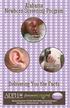 Alabama Newborn Screening Program Blood Spot Screening Hearing Screening Pulse Oximetry Screening Delivering You the Facts Alabama Department of Public Health Newborn Screening Program www.adph.org/newbornscreening
dagan.wells@obs gyn.ox.ac.ukgyn.ox.ac.uk
 In vitro fertilisation and genetic testing Dagan Wells, PhD, FRCPath dagan.wells@obs gyn.ox.ac.ukgyn.ox.ac.uk Infertility Unprotected intercourse for 1 year without conception Very common 1 in 6 couples
Genetic Aspects of Mental Retardation and Developmental Disabilities
 Prepared by: Chahira Kozma, MD Associate Professor of Pediatrics Medical Director/DCHRP [email protected] [email protected] Genetic Aspects of Mental Retardation and Developmental Disabilities
GENETIC TESTING FOR INHERITED MUTATIONS OR SUSCEPTIBILITY TO CANCER OR OTHER CONDITIONS MED207.110
 GENETIC TESTING FOR INHERITED MUTATIONS OR SUSCEPTIBILITY TO CANCER OR OTHER CONDITIONS MED207.110 COVERAGE: Pre- and post-genetic test counseling may be eligible for coverage in addition to the genetic
Welcome! Thank you for choosing our practice for your eye care needs! Please fill out our new patient registration paperwork.
 Welcome! Thank you for choosing our practice for your eye care needs! Please fill out our new patient registration paperwork. So we may eliminate any potential waiting time, please fax the completed forms
C CS. California Children Services Alameda County
 C CS California Children Services Alameda County The California Children Services (CCS) Program strives to assure access to medical services essential to the health and well-being of children with catastrophic
Gene Therapy and Genetic Counseling. Chapter 20
 Gene Therapy and Genetic Counseling Chapter 20 What is Gene Therapy? Treating a disease by replacing, manipulating or supplementing a gene The act of changing an individual s DNA sequence to fix a non-functional
REGISTRATION FORM PATIENT NAME: ADDRESS (STREET, CITY, STATE, ZIP): HOME PHONE: WORK PHONE: CELL PHONE: DATE OF BIRTH: / / AGE: SEX:
 REGISTRATION FORM PATIENT NAME: ADDRESS (STREET, CITY, STATE, ZIP): HOME PHONE: WORK PHONE: CELL PHONE: E-MAIL ADDRESS: OCCUPATION: DATE OF BIRTH: / / AGE: SEX: SOCIAL SECURITY NUMBER: MARITAL STATUS:
The Developing Person Through the Life Span 8e by Kathleen Stassen Berger
 The Developing Person Through the Life Span 8e by Kathleen Stassen Berger Chapter 3 Heredity and Environment PowerPoint Slides developed by Martin Wolfger and Michael James Ivy Tech Community College-Bloomington
INSURANCE INFORMATION FINANCIAL AGREEMENT PRIVACY POLICY (HIPAA) LIFETIME INSURANCE AUTHORIZATION
 PATIENT INFORMATION: DATE: NAME (LAST, FIRST, MI) ADDRESS CITY, STATE, ZIP PHONE ALTERNATE PHONE BIRTHDATE SEX MARITAL STATUS SOCIAL SECURITY RACE/ETHNICITY (please circle): American Indian or Alaskan
Please bring the following with you to your appointment: Completed New Patient forms A list of all prescribed medications with dosages and quantity
 Mark E. Hollingshead, M.D. Cataract & Refractive Surgeon Welcome: We look forward to being of assistance to you on your first visit with Hollingshead Eye Center. In order to provide the best possible service,
CRITICAL ILLNESS INSURANCE. ExtensiA. The ideal complement to your group insurance
 CRITICAL ILLNESS INSURANCE ExtensiA The ideal complement to your group insurance Peace of mind within your reach Today, progress in medicine and breakthroughs in research have significantly extended our
PELED PLASTIC SURGERY HEADACHE HISTORY FORM
 HEADACHE HISTORY FORM IF THIS IS YOUR FIRST VISIT, PLEASE TAKE THE TIME TO FILL THIS FORM OUT COMPLETELY. Patient Name: Age: Date of Birth: Weight: Height: Address: City: State: Zip: Home Phone: Cell Phone:
COLLECTION OF NEWBORN SCREENING SPECIMENS
 COLLECTION OF NEWBORN SCREENING SPECIMENS Newborn Screening is Mandatory Newborn screening has the potential to save or greatly improve the life of a newborn; therefore, Newborn Screening is mandatory
PATIENT REGISTRATION FORM PATIENT INFORMATION
 Siepser Laser Eye Care PATIENT REGISTRATION FORM : PATIENT INFORMATION First Name Middle Initial: Last Name: Birth : Gender: Male Female Marital Status: SSN: Driver s License #: Address: City: State: Zip:
Making the Connections District 75 NYCDOE
 Medical Syndromes and Their Effect on Learning Making the Connections District 75 NYCDOE Cerebral Palsy The most frequent medical condition in 12:1:4 classes Associated with other disabilities including
Prenatal screening and diagnostic tests
 Prenatal screening and diagnostic tests Contents Introduction 3 First trimester routine tests in the mother 3 Testing for health conditions in the baby 4 Why would you have a prenatal test? 6 What are
Medicare Supplement Application Aetna Life Insurance Company Aetna Administrator, P.O. Box 10374, Des Moines, IA 50306
 Medicare Supplement Application Aetna Administrator, P.O. Box 10374, Des Moines, IA 50306 INSTRUCTIONS: To be considered complete, all sections on this form must be filled out, unless marked optional.
LEUKODYSTROPHY GENETICS AND REPRODUCTIVE OPTIONS FOR AFFECTED FAMILIES. Leila Jamal, ScM Kennedy Krieger Institute, Baltimore MD
 LEUKODYSTROPHY GENETICS AND REPRODUCTIVE OPTIONS FOR AFFECTED FAMILIES Leila Jamal, ScM Kennedy Krieger Institute, Baltimore MD 2 Outline Genetics 101: Basic Concepts and Myth Busting Inheritance Patterns
Hereditary Breast Cancer Panels. High Risk Hereditary Breast Cancer Panel Hereditary Breast/Ovarian/Endometrial Cancer Panel
 P A T I E N T G U I D E Hereditary Breast Cancer Panels High Risk Hereditary Breast Cancer Panel Hereditary Breast/Ovarian/Endometrial Cancer Panel B a y l o r M i r a c a G e n e t i c s L a b o r a t
BIRTH DEFECTS IN MICHIGAN All Cases Reported and Processed by April 15, 2008
 MICHIGAN DEPARTMENT OF COMMUNITY HEALTH Division for Vital Records and Health Statistics MICHIGAN BIRTH DEFECTS SURVEILLANCE REGISTRY BIRTH DEFECTS IN MICHIGAN All Cases Reported and Processed by April
CCS Statewide CY2012 Fee for Service Expenditures by Claim Type and Diagnosis Duplicate CIN Count Claim Type Code Desc DX Group DX SubGroup Sum of
 CCS Statewide CY2012 Fee for Service Expenditures by Claim Type and Diagnosis Duplicate CIN Count Claim Type Code Desc DX Group DX SubGroup Sum of Medi-Cal Reimbursement * Outpatient Supplementary V Codes
This fact sheet describes how genes affect our health when they follow a well understood pattern of genetic inheritance known as autosomal recessive.
 11111 This fact sheet describes how genes affect our health when they follow a well understood pattern of genetic inheritance known as autosomal recessive. In summary Genes contain the instructions for