
Paediatric Clinical Guidelines: Status Epilepticus
|
|
|
- Gabriella Poole
- 9 years ago
- Views:
Transcription
1 Paediatric Clinical Guidelines: Status Epilepticus Consultant: Dr Alastair Sutcliffe, Dr Christina Petrololous, Dr Tom Bailey Pharmacist: Simon Keady/Neil Tickner To be reviewed: Autumn 2010 The following guideline is approved only for use at University College London Hospitals NHS Foundation Trust. It is provided as supporting information for the UCLH Injectable Medicines Administration Guide. Neither UCLH nor Wiley accept liability for errors or omissions within the guideline. Wherever possible, users of the Guide should refer to locally produced practice guidelines. UCLH s guidelines represent the expert opinion of the clinicians within the hospital and may not be applicable to patients outside the Trust. Summary of Contents Diagnosis and major management points...page 2 APLS status epilepticus algorithm....page 3 Management of status epilepticus.pages 4 & 5 CATS Clinical Guideline Pages 6 & 7 References......Page 7-1 -

2 STATUS EPILEPTICUS University College Hospital Paediatric Clinical Guidelines Diagnosis Generalised convulsive status epilepticus is defined as a generalized convulsion lasting 30 minutes or longer or when successive convulsions occur so frequently over a 30-minute period that the patient does not recover consciousness between them 1. However, it is usual practice to start anti-convulsive treatment when the episode has lasted 5 or more minutes 1,3. Management Anti-convulsive treatment should be started according to the Advanced Paediatric Life Support (APLS) algorithm below 1. If the patient is febrile, the temperature should be controlled with immediate antipyretics and cooling measures 1. If transfer to a PICU is required, CATS should be called on CATS Clinical Guidelines 2004 outline the patient management needed prior to transportation (available in the CATS folder in A&E resus and on the ward)

3 APLS Status Epilepticus algorithm Airway Highflow O2 Check Glucose Yes Vascular access? No Lorazepam 100 micrograms/kg PO/IO 10 minutes Midazolam (buccal) see below (1 st line unless previous allergy) Diazepam (rectal) see below Lorazepam 100 micrograms/kg PO/IO 10 minutes Yes Vascular access? No Phenytoin 18mg/kg IV/IO over 20 minutes If patient is already taking phenytoin give phenobarbitone 20mg/kg IV/IO over 10 minutes RSI with thiopentone 4mg/kg IV/IO Buccal midazolam doses Neonate 300 microgram as a single dose Child 1-6 months 300 micrograms/kg (max 2.5mg), repeated once if necessary Child 6 months 1 year 2.5mg, repeated once if necessary Child 1-5 years 5mg, repeated once if necessary Child 5-10 years 7.5mg, repeated once if necessary Child years 10mg, repeated once if necessary Diazepam rectal doses Neonate mg repeated after 5minutes if necessary Child 1 month 2 years 5mg repeated after 5 minutes if necessary Child 2 12 years 5-10mg repeated after 5 minutes if necessary Child years 10mg repeated after 5 minutes if necessary Ensure that the correct doses of drugs are given 3,4. If required, the approximate weight of children age 1 10 years can be calculated using the APLS formula: Approximate weight (kg) = 2 x [age (years) + 4]

4 If no vascular access is available, buccal midazolam 0.5mg/kg should be given unless there has been a previous documented allergy. Rectal diazepam is the second choice agent. Involve Senior Paediatric help early from the SpR +/- Consultant. The on call anaesthetist (bleep 4600) must be called at the latest when starting phenytoin or phenobarbitone infusions 1,3. Management of Status Epilepticus Summary of APLS, CATS and North Central London Epilepsy Network for Children & Young People Guidelines Primary assessment and resuscitation Airway Ensure a patent airway 1. Put the child in the recovery position 1. If the airway is not patent, use an airway manoeuvre or airway adjunct 1. Airway compromise is an indication for intubation 2. Breathing Assess breathing signs of respiratory distress, respiratory rate, oxygen saturations, clinical examination of the chest 1. Give high flow oxygen via a non-rebreathe face mask to all children 1. Hypoventilation should be supported with oxygen via a bag-valve-mask device and intubation considered. This is not unusually encountered in infants (as abdominal muscle breathers) 1. Circulation Assess circulation pulse rate, blood pressure, capillary refill time, cardiovascular examination 1. Hypertension indicates a possible cause for the convulsion, or more likely is a result of it 1. Malignant hypertension may require treatment (APLS Section 12.7) 1. Intravenous, or intraosseous, access must be established 1. Blood tests: glucose BM testing, FBC, U+E, calcium, magnesium, serum glucose, blood gas and blood cultures for suspected meningitis 1,2. Hypoglycaemia? Give 5 ml/kg of 10% dextrose. If hypoglycaemia is a new condition, take bloods before giving dextrose according to the hypoglycaemia protocol 1. Signs of shock? Give 20 ml/kg rapid bolus of crystalloid 1. Suspected meningitis? Give ceftriaxone 80 mg/kg od. Give IV aciclovir in suspected encephalitis 1. Signs of raised intracranial pressure? Consider mannitol 0.25 g/kg

5 Disability Assess conscious level (AVPU), pupil size and reaction, and posture decorticate or decerebrate posturing in a previously normal child should suggest raised intracranial pressure 1. Look for signs of meningitis including neck stiffness and a full fontanelle. Exposure Temperature a fever suggests febrile convulsion, meningoencephalitis or poisoning 1. Look for a petechial or purpuric rash 1. Look for signs of trauma. Secondary assessment Emergency treatment of the convulsion After ABC resuscitation and exclusion or treatment of hypoglycaemia, the priority is to stop the convulsion according to the APLS algorithm 1. History taking Important points in the history are 1 : - Duration of fitting - Recent trauma - Treatment given - Poison ingestion - History of epilepsy - Last meal - Current febrile illness - Known illnesses. Ongoing management If transfer to PICU is required, call CATS on Reassess ABC 1. Monitor for respiratory depression post benzodiazepines 1,3,4. Regular neuro obs and monitor glucose 1. Restrict fluids to 60% of maintenance and monitor urine output 1. Insert NG tube to aspirate stomach contents 1. Lumbar puncture should never be performed in a child with reduced level of consciousness 3. Consider CT head scan. Identify and treat underlying causes, including metabolic disturbances and poisoning 1. Most common underlying causes 3 - Febrile convulsion - Meningitis / encephalitis - Known epilepsy +/- acute illness - Trauma (including NAI) - Metabolic / hypoglycaemia / poisoning - Hypoxia Complications of status epilepticus 1 - Airway obstruction - Cardiac arrhythmias - 5 -

6 - Aspiration - Pulmonary oedema - Hypoxia - Hyperthermia - Hypertension - Disseminated intravascular coagulation (DIC) - Respiratory depression secondary to excess benzodiazepines. CATS Clinical Guideline Status Epilepticus 1. Assessment Aetiology o Febrile convulsion o Known epileptic + acute illness o Meningoencephalitis o Metabolic/electrolyte abnormality (glucose?) o Trauma (including NAI) Duration of fitting Morphology of fit Treatment given 2. Initial management 2.1 Ensure patent airway 2.2 Give 100% oxygen via rebreathing mask 2.3 Check glucose before giving anticonvulsants. Check urea, electrolytes, calcium and magnesium. 2.4 Stop seizures using the APLS protocol shown below. Give enough time for drugs to work to avoid respiratory depression from benzodiazepine overdose. 2.5 Maintain normothermia. Treat fever with paracetamol and cooling. Ibuprofen may be useful. 2.6 Cefotaxime, acyclovir and erythromycin are recommended if aetiology is uncertain (ie meninogoencephalitis is a possibility) and acyclovir should always be used for focal fits of unknown cause. N.B. Ceftriaxone is recommended for suspected meningitis at UCH. 2.7 Consider mannitol 0.25g/kg if signs of raised intracranial pressure. 2.8 Lumbar puncture should never be performed in a child with a reduced level of consciousness. 3. Indications for intubation 3.1 Child in convulsive status epilepticus 20 minutes after commencement of iv phenytoin/iv phenobarbitone 3.2 Airway compromised at any time 4. Management of the child requiring intubation 4.1 Prepare infusions of morphine and midazolam - 6 -

7 4.2 Rapid sequence induction with thiopentone and suxamethonium 4.3 Place NGT if not already in situ 4.4 Initiate infusions of morphine and midazolam once ETT in situ 4.5 If seizures continue consider thiopentone infusion (discuss with CATS consultant on call) 4.6 Give iv fluids at 60% maintenance 5. Transport considerations 5.1 Ventilate to normocarbia 5.2 Infusion or bolus drugs for breakthrough seizures en route (benzodiazepines, thiopentone) 5.3 Monitor glucose. 5.4 Consider mannitol if signs of raised ICP 5.5 Paralysis only if necessary to ventilate or protect airway 5.6 Take CT scans if these have been done. References 1. Advanced Paediatric Life Support (APLS) Fourth Edition 2005 Advanced Life Support Group (ALSG), Blackwell Publishing. 2. Childrens Acute Transport Service (CATS) Clinical Guidelines North Central London Epilepsy Network for Children & Young People Guidelines April Inappropriate emergency management of status epilepticus in children contributes to need for intensive care (2004) R F M Chin, L Verhulst, B G R Neville, M J Peters and R C Scott Journal of Neurology Neurosurgery and Psychiatry 2004;75:

Gloucestershire Hospitals
 Gloucestershire Hospitals NHS Foundation Trust TRUST GUIDELINE EPILEPSY AND STATUS EPILEPTICUS MANAGEMENT 1. INTRODUCTION The aim of this guideline is to ensure safe management of Status Epilepticus in
Diabetic Ketoacidosis
 Princess Margaret Hospital for Children PAEDIATRIC ACUTE CARE GUIDELINE Diabetic Ketoacidosis Scope (Staff): Scope (Area): All Emergency Department Clinicians Emergency Department This document should
EMS Branch / Office of the Medical Director. Active Seziures (d) Yes Yes Yes Yes. Yes Yes No No. Agitation (f) No Yes Yes No.
 M07 Medications 2015-07-15 All ages EMS Branch / Office of the Medical Director Benzodiazepines Primary Intermediate Advanced Critical INDICATIONS Diazepam (c) Lorazepam (c) Midazolam (c) Intranasal Midazolam
Summary of State Emergency Medical Control Committee (SEMCC) Approved Protocol Revisions September 1, 2015 NALOXONE
 October 22, 2015 Summary of State Emergency Medical Control Committee (SEMCC) Approved Protocol Revisions September 1, 2015 NALOXONE Summary: Expand Naloxone down to the Emergency Medical Technician (EMT)
NICE Pathways bring together all NICE guidance, quality standards and other NICE information on a specific topic.
 Diabetic ketoacidosis in children and young people bring together all NICE guidance, quality standards and other NICE information on a specific topic. are interactive and designed to be used online. They
Community Ambulance Service of Minot ALS Standing Orders Legend
 Legend Indicates General Information and Guidelines Indicates Procedures Indicates Medication Administration Indicates Referral to Other Protocol Indicates Referral to Online Medical Direction Pediatric
Lothian Diabetes Handbook MANAGEMENT OF DIABETIC KETOACIDOSIS
 MANAGEMENT OF DIABETIC KETOACIDOSIS 90 MANAGEMENT OF DIABETIC KETOACIDOSIS Diagnosis elevated plasma and/or urinary ketones metabolic acidosis (raised H + /low serum bicarbonate) Remember that hyperglycaemia,
!!! BOLUS DOSE IV. Use 5-10 mcg IV boluses STD ADRENALINE INFUSION. Use IM adrenaline in advance of IV dosing!
 ADRENALINE IVI BOLUS IV Open a vial of 1:1000 ADRENALINE 1 mg /ml Add 1 ml to 9 ml N/Saline = 1mg adrenaline in 10 ml (or 100 mcg/ml) Add 1 ml 1:10,000 to 9 ml N/Saline = 100 mcg adrenaline in 10 ml (or
404 Section 5 Shock and Resuscitation. Scene Size-up. Primary Assessment. History Taking
 404 Section 5 and Resuscitation Scene Size-up Scene Safety Mechanism of Injury (MOI)/ Nature of Illness (NOI) Ensure scene safety and address hazards. Standard precautions should include a minimum of gloves
PARACETAMOL POISONING
 Background Resuscitation Risk Assessment Supportive Care Decontamination Paracetamol Levels Nomogram Antidote N-acetylcysteine (NAC) Table NAC infusion guide Timing of Investigations Risk factors for Paracetamol
Levels of Critical Care for Adult Patients
 LEVELS OF CARE 1 Levels of Critical Care for Adult Patients STANDARDS AND GUIDELINES LEVELS OF CARE 2 Intensive Care Society 2009 All rights reserved. No reproduction, copy or transmission of this publication
Seizures (Convulsions, Status Epilepticus) in Dogs
 Customer Name, Street Address, City, State, Zip code Phone number, Alt. phone number, Fax number, e-mail address, web site Seizures (Convulsions, Status Epilepticus) in Dogs Basics OVERVIEW Seizures are
CLINICAL SKILLS: THE 'DR ABCDE' ASSESSMENT
 CLINICAL SKILLS: THE 'DR ABCDE' ASSESSMENT The 'DR ABCDE' approach to assessing an acutely unwell patient should be at the front of every junior doctor's mind whenever they get bleeped or asked to see
Investigation and treatment of liver disease with acute onset Local hospital protocol
 Alastair Baker Page 1 9/7/2013 Investigation and treatment of liver disease with acute onset Local hospital protocol Defined as EITHER sudden onset of jaundice with evidence of liver aetiology OR incidental
Diabetic Ketoacidosis: When Sugar Isn t Sweet!!!
 Diabetic Ketoacidosis: When Sugar Isn t Sweet!!! W Ricks Hanna Jr MD Assistant Professor of Pediatrics University of Tennessee Health Science Center LeBonheur Children s Hospital Introduction Diabetes
Intraosseous Vascular Access and Lidocaine
 Intraosseous Vascular Access and Lidocaine Intraosseous (IO) needles provide access to the medullary cavity of a bone. It is a technique primarily used in emergency situations to administer fluid and medication
Hyperosmolar Non-Ketotic Diabetic State (HONK)
 Hyperosmolar Non-Ketotic Diabetic State (HONK) University Hospitals of Leicester NHS Trust Guidelines for Management of Acute Medical Emergencies Management is largely the same as for diabetic ketoacidosis
PREPARATIONS: Adrenaline 1mg in 1ml (1:1000) Adrenaline 100micrograms in 1ml (1:10,000)
 ADRENALINE Acute hypotension Via a CENTRAL venous line Initially 100-300 nanograms/kg/minute 0.1-0.3 microgram/kg/minute adjusted according to response up to a maximum of 1.5 micrograms/kg/minute. Increase
Target groups: Paramedics, nurses, respiratory therapists, physicians, and others who manage respiratory emergencies.
 Overview Estimated scenario time: 10 15 minutes Estimated debriefing time: 10 minutes Target groups: Paramedics, nurses, respiratory therapists, physicians, and others who manage respiratory emergencies.
INTRAVENOUS FLUIDS. Acknowledgement. Background. Starship Children s Health Clinical Guideline
 Acknowledgements Background Well child with normal hydration Unwell children (+/- abnormal hydration Maintenance Deficit Ongoing losses (e.g. from drains) Which fluid? Monitoring Special Fluids Post-operative
NORTH WALES CRITICAL CARE NETWORK
 NORTH WALES CRITICAL CARE NETWORK LEVELS OF CRITICAL CARE FOR ADULT PATIENTS Throughout the work of the North Wales Critical Care Network reference to Levels of Care for the critically ill are frequently
Oxygen Therapy. Oxygen therapy quick guide V3 July 2012.
 PRESENTATION Oxygen (O 2 ) is a gas provided in a compressed form in a cylinder. It is also available in a liquid form. It is fed via a regulator and flow meter to the patient by means of plastic tubing
University of Gezira. Faculty of Medicine. Department of Paediatrics and Child Health. Integrated Management of Diabetes in Children (IMDC) Project
 University of Gezira Faculty of Medicine Department of Paediatrics and Child Health Integrated Management of Diabetes in Children (IMDC) Project Guidelines for Diabetes Management in Children 2007 1 These
Emergency Medical Services Advanced Level Competency Checklist
 Emergency Services Advanced Level Competency Checklist EMS Service: Current License in State of Nebraska: # (Copy of license kept in file at station) Date of joining EMS Service: EMS Service Member Name:
Feverish illness in children Assessment and initial management in children younger than 5 years
 Feverish illness in children Assessment and initial management in children younger than 5 years NICE guideline Draft for consultation, November 2012 If you wish to comment on this version of the guideline,
Paediatric fluids 13/06/05
 Dr Catharine Wilson Consultant Paediatric Anaesthetist Sheffield Children s Hospital. UK Paediatric fluids 13/06/05 Self assessment: Complete these questions before reading the tutorial. Discuss the answers
APPENDIX B SAMPLE PEDIATRIC CRITICAL CARE NURSE PRACTITIONER GOALS AND OBJECTIVES
 APPENDIX B SAMPLE PEDIATRIC CRITICAL CARE NURSE PRACTITIONER GOALS AND OBJECTIVES The critical care nurse practitioner orientation is an individualized process based on one s previous experiences and should
The early symptoms of acute salicylism are the triad of gastrointestinal distress, tinnitus or altered hearing, and hyperventilation.
 POISONING SALICYLATES (ASPIRIN) Management Guidelines Emergency Department Princess Margaret Hospital for Children Perth, Western Australia Last reviewed: January 2007 Page 1 of 5 Dr Gary Geelhoed Dr Frank
PEDIATRIC GUIDELINES
 PEDIATRIC GUIDELINES Southwest CT EMS,coord. Rev. 4/07 5-01 Guidelines For Pediatric Care Page 1 of 1 5-01 GUIDELINES FOR PEDIATRIC CARE I. Cardiac arrest in children is not a sudden event. It is almost
ACID- BASE and ELECTROLYTE BALANCE. MGHS School of EMT-Paramedic Program 2011
 ACID- BASE and ELECTROLYTE BALANCE MGHS School of EMT-Paramedic Program 2011 ACID- BASE BALANCE Ions balance themselves like a see-saw. Solutions turn into acids when concentration of hydrogen ions rises
F.E.E.A. FONDATION EUROPEENNE D'ENSEIGNEMENT EN ANESTHESIOLOGIE FOUNDATION FOR EUROPEAN EDUCATION IN ANAESTHESIOLOGY
 créée sous le Patronage de l'union Européenne Detailed plan of the program of six courses 1. RESPIRATORY 1. ESPIRATORY AND THORAX 1.1 Physics and principles of measurement 1.1.1 Physical laws 1.1.2 Vaporizers
PHSW Procedural Sedation Post-Test Answer Key. For the following questions, circle the letter of the correct answer(s) or the word true or false.
 PHSW Procedural Sedation Post-Test Answer Key 1 1. Define Procedural (Conscious) Sedation: A medically controlled state of depressed consciousness where the patient retains the ability to continuously
Cardiac Arrest Pediatric Ventricular Fibrillation / Pulseless Ventricular Tachycardia Protocol revised October 2008
 Cardiac Arrest Pediatric Ventricular Fibrillation / Pulseless Ventricular Tachycardia Protocol revised October 2008 Preamble In contrast to cardiac arrest in adults, cardiopulmonary arrest in pediatric
PEDIATRIC TREATMENT GUIDELINES
 P1 Pediatric Patient Care P2 Cardiac Arrest Initial Care and CPR P3 Neonatal Resuscitation P4 Ventricular Fibrillation / Ventricular Tachycardia P5 PEA / Asystole P6 Symptomatic Bradycardia P7 Tachycardia
HEALTH PROFESSIONS COUNCIL OF SOUTH AFRICA PROFESSIONAL BOARD FOR EMERGENCY CARE
 FORM 314 HEALTH PROFESSIONS COUNCIL OF SOUTH AFRICA PROFESSIONAL BOARD FOR EMERGENCY CARE EMERGENCY CARE TECHNICIAN SCOPE OF PRACTICE 2009 TABLE OF CONTENTS 1. Introduction Pg 3 2. Capabilities Pg 5 3.
Southern Stone County Fire Protection District Emergency Medical Protocols
 TITLE Pediatric Medical Assessment PM 2.4 Confirm scene safety Appropriate body substance isolation procedures Number of patients Nature of illness Evaluate the need for assistance B.L.S ABC s & LOC Focused
Pediatric Airway Management
 Pediatric Airway Management Dec 2003 Dr. Shapiro I., PICU Adult Chain of Survival EMS CPR ALS Early Defibrillation Pediatric Chain of Survival Prevention CPR EMS ALS Out-of-Hospital Cardiac Arrest SIDS
NICE guideline Published: 9 December 2015 nice.org.uk/guidance/ng29
 Intravenous fluid therapy in children and young people in hospital NICE guideline Published: 9 December 2015 nice.org.uk/guidance/ng29 NICE 2015. All rights reserved. Contents Key priorities for implementation...
Paediatric Advanced Warning Score (PAWS)
 Paediatric Advanced Warning Score (PAWS) Prevention is better than cure. Spectrum of critical illness Ward level care HDU Care ICU Care Early admission may improve outcome ICU Outreach teams Medical Emergency
WITHDRAWAL OF ANALGESIA AND SEDATION
 WITHDRAWAL OF ANALGESIA AND SEDATION Patients receiving analgesia and/or sedation for longer than 5-7 days may suffer withdrawal if these drugs are suddenly stopped. To prevent this happening drug doses
KING FAISAL SPECIALIST HOSPITAL AND RESEARCH CENTRE (GEN. ORG.) NURSING AFFAIRS. Scope of Service PEDIATRIC INTENSIVE CARE UNIT (PICU)
 PICU-Jan.2012 Page 1 of 7 Number of Beds: 18 Nurse Patient Ratio: 1:1-2 : The Pediatric Intensive Care Unit (PICU) provides 24 hour intensive nursing care for patients aged neonate through adolescence.
Emergency treatment of anaphylactic reactions
 Emergency treatment of anaphylactic reactions Emergency treatment of anaphylactic reactions Objectives - to understand: What is anaphylaxis? Who gets anaphylaxis? What causes anaphylaxis? How to recognise
Paramedic Pediatric Medical Math Test
 Paramedic Pediatric Medical Math Test Name: Date: Problem 1 Your 4 year old pediatric patient weighs 40 pounds. She is febrile. You need to administer acetaminophen (Tylenol) 15mg/kg. How many mg will
The Clinical Evaluation of the Comatose Patient in the Emergency Department
 The Clinical Evaluation of the Comatose Patient in the Emergency Department patients with altered mental status (AMS) and coma. treat patients who present to the Emergency Department with altered mental
Oxygen - update April 2009 OXG
 PRESENTATION Oxygen (O 2 ) is a gas provided in compressed form in a cylinder. It is also available in liquid form, in a system adapted for ambulance use. It is fed via a regulator and flow meter to the
BLS TREATMENT GUIDELINES - CARDIAC
 BLS TREATMENT GUIDELINES - CARDIAC CARDIOPULMONARY ARREST - NON-TRAUMATIC (SJ-B101) effective 07/01/99 Defibrillation CPR Apply S-AED and assess rhythm as trained. Defib as indicated Simultaneous OXYGEN:
Routine Protocols & Pulse Oximetry
 Routine Protocols & Pulse Oximetry Q4 2012 Pulse Oximetry Continuing Education 2012 4 th Quarter The purpose of this training bulletin is to familiarize the members of the Cleveland Fire Department of
Neonatal Reference Guide
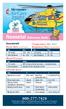 Operated by REACH Air Medical Services Assessment Heart Rate (beats/min.) Age Rate
Dengue Update: WHO 2009 Guideline
 Dengue Update: WHO 2009 Guideline Ma. Rosario Z. Capeding, MD Research Institute for Tropical Medicine Global Burden of Dengue 1.8 Billion or >70% of the population at risk for dengue worldwide live in
Emergency Treatment of an Anaphylactic Reaction in the Community Protocol
 Emergency Treatment of an Anaphylactic Reaction in the Community Protocol Reference Number: NHSCT/09/216 Responsible Directorate: Children s Services Replaces (if appropriate): Northern Trust Departmental
ROC CONTINUOUS CHEST COMPRESSIONS STUDY (CCC): MEDICAL CARDIAC ARREST MEDICAL DIRECTIVE
 ROC CONTINUOUS CHEST COMPRESSIONS STUDY (CCC): MEDICAL CARDIAC ARREST MEDICAL DIRECTIVE An Advanced Care Paramedic will provide the treatment based on the randomization scheme and as prescribed in this
Guideline for the Management of Nephrotic Syndrome
 Guideline for the Management of Nephrotic Syndrome Renal Unit Royal Hospital for Sick Children Yorkhill Division Please note: the following guideline has not been assessed according to the AGREE (Appraisal
The management of cardiac arrest
 CHAPTER 6 The management of cardiac arrest LEARNING OBJECTIVES In this chapter you will learn: How to assess the cardiac arrest rhythm and perform advanced life support 6.1. INTRODUCTION Cardiac arrest
NEWBORN (birth to 24 hours)
 NEWBORN (birth to 24 hours) 3kg ETT size: 3mm ETT length: 14cm AIRTRAQ: GREY LMA size: 1 or 1.5 IGT size: 5 FG SHOCK: 15 joules CPR: one third of chest depth rate 100/min 3:1 The emphases in resuscitation
EMBARGOED FOR RELEASE
 Systems of Care and Continuous Quality Improvement Universal elements of a system of care have been identified to provide stakeholders with a common framework with which to assemble an integrated resuscitation
Clinical Performance Director of Nursing Allison Bussey
 PGD 0314 Patient Group Direction Administration of Adrenaline (Epinephrine) 1:1000 (1mg/ml) Injection By Registered Nurses employed by South Staffordshire & Shropshire Healthcare Foundation NHS Trust This
Drugs & Everything Else
 Pain Relief, Common Drugs & Everything Else Henrik Jörnvall MD, PhD MKAIC November 11 2011 Lidocaine Noradrenaline Isoflurane Morphine Ropivacaine Platelets l t Pethidine Dobutamine Propofol Normal Saline
Michigan Adult Cardiac Protocols CARDIAC ARREST GENERAL. Date: May 31, 2012 Page 1 of 5
 Date: May 31, 2012 Page 1 of 5 Cardiac Arrest General This protocol should be followed for all adult cardiac arrests. Medical cardiac arrest patients undergoing attempted resuscitation should not be transported
MECHINICAL VENTILATION S. Kache, MD
 MECHINICAL VENTILATION S. Kache, MD Spontaneous respiration vs. Mechanical ventilation Natural spontaneous ventilation occurs when the respiratory muscles, diaphragm and intercostal muscles pull on the
Update on Small Animal Cardiopulmonary Resuscitation (CPR)- is anything new?
 Update on Small Animal Cardiopulmonary Resuscitation (CPR)- is anything new? DVM, DACVA Objective: Update on the new Small animal guidelines for CPR and a discussion of the 2012 Reassessment Campaign on
Initial Pediatric Assessment in the Emergency Room
 Pediatric criteria Acta Pediátr Mex 2014;35:75-79. Initial Pediatric Assessment in the Emergency Room Eduardo Cázares-Ramírez Mario Alberto Acosta-Bastidas 1 Pediatric emergency physician, assigned to
Acute heart failure may be de novo or it may be a decompensation of chronic heart failure.
 Management of Acute Left Ventricular Failure Acute left ventricular failure presents as pulmonary oedema due to increased pressure in the pulmonary capillaries. It is important to realise though that left
Acute Care Day Respiratory. SCENARIO The Patient with Acute Asthma
 Acute Care Day Respiratory SCENARIO The Patient with Acute Asthma Notes for the instructor not volunteered to students 30 minutes have been allocated to the running of the scenario with an additional 10
Laboratory Monitoring of Adult Hospital Patients Receiving Parenteral Nutrition
 Laboratory Monitoring of Adult Hospital Patients Receiving Parenteral Nutrition Copy 1 Location of copies Web based only The following guideline is for use by medical staff caring for the patient and members
Obstetrical Emergencies
 Date: July 18, 2014 Page 1 of 5 Obstetrical Emergencies Purpose: To provide the process for the assessment and management of the patient with an obstetrical related emergency. Pre-Medical Control 1. Follow
Nige g ri e an a N at a ional a Antimal a ari a a Tre re t a men e t g ide d l e ines
 Nigerian National Antimalaria Treatment guidelines Pre Purpose: To provide guidelines for the treatment of malaria in Pregnant women in Nigeria Pregnant women Malaria: An infectious disease caused by plasmodium.
Naloxone Hydrochloride Injection PRODUCT INFORMATION
 Naloxone Hydrochloride Injection PRODUCT INFORMATION DESCRIPTION Naloxone hydrochloride is 17-allyl-4,5α-epoxy-3,14-dihydroxymorphinan-6-one hydrochloride; C 19 H 21 NO 4.HCl. It is an off-white powder
CPT Pediatric Coding Updates 2009. The 2009 Current Procedural Terminology (CPT) codes are effective as of January 1, 2009.
 CPT Pediatric Coding Updates 2009 The 2009 Current Procedural Terminology (CPT) codes are effective as of January 1, 2009. NEW CODES Evaluation and Management Services Normal Newborn Care Codes 99431-99440
Addendum to the NRP Provider Textbook 6 th Edition Recommendations for specific modifications in the Canadian context
 Addendum to the NRP Provider Textbook 6 th Edition Recommendations for specific modifications in the Canadian context A subcommittee of the Canadian Neonatal Resuscitation Program (NRP) Steering Committee
Equine Sedation, Anesthesia and Analgesia
 Equine Sedation, Anesthesia and Analgesia Janyce Seahorn, DACVAA, DACVIM-LA, DACVECC Lexington Equine Surgery and Sports Medicine Equine Veterinary Specialists Georgetown, KY The need for equine field
ANAPHYLAXIS. Introduction. Differential Diagnosis. Starship Children s Health Clinical Guideline
 Introduction Differential Diagnosis Management Treatment of Anaphylaxis (Flow Chart) Disposition from Emergency Department Adrenaline Autoinjectors Action Plan Adrenaline Autoinjector Information Sheet
Anaphylaxis: Treatment in the Community
 : Treatment in the Community is likely if a patient who, within minutes of exposure to a trigger (allergen), develops a sudden illness with rapidly progressing skin changes and life-threatening airway
Neonatal Emergencies. Care of the Neonate. Care of the Neonate. Care of the Neonate. Student Objectives. Student Objectives continued.
 Student Objectives Neonatal Emergencies After completing this section the student will be able to: 1. Identify three physiologic and/or anatomic features unique to the newborn 2. List three perinatal factors
ACLS Provider Manual Comparison Sheet Based on 2010 AHA Guidelines for CPR and ECC. BLS Changes
 ACLS Provider Manual Comparison Sheet Based on 2010 AHA Guidelines for CPR and ECC CPR Chest compressions, Airway, Breathing (C-A-B) BLS Changes New Old Rationale New science indicates the following order:
Lung Pathway Group Pemetrexed and Cisplatin in Non-Small Cell Lung Cancer (NSCLC)
 Indication: NICE TA181 First line treatment option in advanced or metastatic non-squamous NSCLC (histology confirmed as adenocarcinoma or large cell carcinoma) Performance status 0-1 Regimen details: Pemetrexed
Provision of Intravenous EDTA Chelation as a Complementary and Alternative Medicine
 Provision of Intravenous EDTA Chelation as a Complementary and Alternative Medicine Guideline Updated: August 2010 Replaced: November 1998 To serve the public and guide the medical profession EDTA Chelation
Title/Description: Admission Criteria, Discharge Criteria, and Standards of Operation of the Pediatric Intensive Care Unit.
 University of Kentucky / UK HealthCare Policy and Procedure Policy # CH02-02 Title/Description: Admission Criteria, Discharge Criteria, and Standards of Operation of the Pediatric Intensive Care Unit.
RGN JOY LAUDE WATFORD GENERAL HOSPITAL, ENGLAND
 RGN JOY LAUDE WATFORD GENERAL HOSPITAL, ENGLAND Monitor patient on the ward to detect trends in vital signs and to manage accordingly To recognise deteriorating trends and request relevant medical/out
CARDIOPULMONARY RESUSCITATION (CPR)
 Alert the Emergency Team Algorithm ABC Assess & Manage Defibrillation Medications Disability Exposure Secondary Survey Emergency Team Roles Medical Emergency Team Roles - Nursing Role in Wards Post-Resuscitation
Canine Tactical Combat Casualty Care
 Canine Tactical Combat Casualty Care The following C-TCC guidelines are based on human C-TCCC guidelines and the limited data available on combat injuries and field treatment of working dogs. These guideline
What is epilepsy? English
 What is epilepsy? English WHAT IS EPILEPSY? An epileptic seizure is the term used for a temporary brain dysfunction due to a sudden and uncontrolled disturbance of the brain s electrical activity. Epilepsy
Guidelines for the Diagnosis and Management of Acute Confusion (delirium) in the Elderly
 Guidelines for the Diagnosis and Management of Acute Confusion (delirium) in the Elderly Author: Madeleine Purchas (SpR Care of the Elderly) Consultant Supervisor: Dr Neil Pollard Date: 16 th Dec 2005
Postoperative management in adults
 Scottish Intercollegiate Guidelines Net work 77 Postoperative management in adults A practical guide to postoperative care for clinical staff 1 Introduction 1 2 Clinical assessment and monitoring 3 3 Cardiovascular
Protocol for the safe administration of iodinated contrast media in diagnostic radiology
 Protocol for the safe administration of iodinated contrast media in diagnostic radiology Protocol statement: This protocol applies to all staff within Radiology Departments at Heart of England NHS Foundation
National Registry of Emergency Medical Technicians Emergency Medical Responder Psychomotor Examination PATIENT ASSESSMENT/MANAGEMENT TRAUMA
 PATIENT ASSESSMENT/MANAGEMENT TRAUMA Scenario # Note: Areas denoted by ** may be integrated within sequence of Primary Survey/Resuscitation SCENE SIZE-UP Determines the mechanism of injury/nature of illness
Emergency Fluid Therapy in Companion Animals
 Emergency Fluid Therapy in Companion Animals Paul Pitney BVSc [email protected] The administration of appropriate types and quantities of intravenous fluids is the cornerstone of emergency therapy
BOARD OF PHARMACY SPECIALITIES 2215 Constitution Avenue, NW Washington, DC 20037-2985 202-429-7591 FAX 202-429-6304 [email protected] www.bpsweb.
 BOARD OF PHARMACY SPECIALITIES 2215 Constitution Avenue, NW Washington, DC 20037-2985 202-429-7591 FAX 202-429-6304 [email protected] www.bpsweb.org Content Outline for the CRITICAL PHARMACY SPECIALTY CERTIFICATION
Nurses Competencies in Caring for Mechanically Ventilated Patients, What does the Evidence Say? Dr. Samah Anwar Dr. Noha El-Baz
 Nurses Competencies in Caring for Mechanically Ventilated Patients, What does the Evidence Say? Dr. Samah Anwar Dr. Noha El-Baz The mechanically ventilated patient presents many challenges for the intensive
National Registry of Emergency Medical Technicians Emergency Medical Responder Psychomotor Examination BVM VENTILATION OF AN APNEIC ADULT PATIENT
 BVM VENTILATION OF AN APNEIC ADULT PATIENT Candidate: Examiner: Date: Signature: Possible Points Checks responsiveness NOTE: After checking responsiveness and breathing for at least 5 but no 1 Checks breathing
Emergency Medical Technician - Basic
 Washington State Specific Objectives for Emergency Medical Technician - Basic OFFICE OF EMERGENCY MEDICAL AND TRAUMA PREVENTION September 1996 Emergency Medical Technician - Basic Definition: Emergency
Alabama Medications. Christopher J. Colvin January 2010
 Alabama Medications Christopher J. Colvin p January 2010 Activated Charcoal Used to absorb toxins ingested before they can be absorbed in the GI system. Contraindicated in AMS patients who cannot control
DAYTON CHILDREN S HOSPITAL CLINICAL PRACTICE GUIDELINES
 One Children s Plaza Dayton, OH 45404-1815 www.childrensdayton.org DAYTON CHILDREN S HOSPITAL CLINICAL PRACTICE GUIDELINES DISCLAIMER: This Clinical Practice Guideline (CPG) generally describes a recommended
Nursing college, Second stage Microbiology Dr.Nada Khazal K. Hendi L14: Hospital acquired infection, nosocomial infection
 L14: Hospital acquired infection, nosocomial infection Definition A hospital acquired infection, also called a nosocomial infection, is an infection that first appears between 48 hours and four days after
TN Emergency Medical Services
 TN Emergency edical ODULES AND UNITS ES System ES Providers: ER and ET Safety and Wellness Body echanics System Communication Documentation Therapeutic Communication Legal and Ethical Issues Intro to Respiratory
Diabetic Emergencies. David Hill, D.O.
 Diabetic Emergencies David Hill, D.O. Class Outline Diabetic emergency/glucometer training Identify the different signs of insulin shock Diabetic coma, and HHNK Participants will understand the treatment