
Probiotics and prebiotics
|
|
|
- Ambrose Powers
- 9 years ago
- Views:
Transcription
1 World Gastroenterology Organisation Global Guidelines Probiotics and prebiotics October 2011 Review Team Francisco Guarner (Chair, Spain) Aamir G. Khan (Pakistan) James Garisch (South Africa) Rami Eliakim (Israel) Alfred Gangl (Austria) Alan Thomson (Canada) Justus Krabshuis (France) Ton Lemair (The Netherlands) Invited outside experts Pedro Kaufmann (Uruguay) Juan Andres de Paula (Argentina) Richard Fedorak (Canada) Fergus Shanahan (Ireland) Mary Ellen Sanders (USA) Hania Szajewska (Poland) B.S. Ramakrishna (India) Tarkan Karakan (Turkey) Nayoung Kim (South Korea)

2 WGO Global Guideline Probiotics and prebiotics 2 Contents 1 Probiotics the concept 3 2 Products, health claims, and commerce 6 3 Probiotics the science 12 4 Clinical applications 14 5 Probiotics, prebiotics and evidence the global picture 17 List of tables Table 1 Definitions used by the international scientific associations for probiotics and prebiotics 3 Table 2 Definitions 4 Table 3 Nomenclature for microorganisms 6 Table 4 Examples of probiotic strains in products 7 Table 5 Information on suppliers of probiotics and prebiotics 9 Table 6 Table 7 Table 8 Table 9 Human intestinal microbiota. The gut microbiota form a diverse and dynamic ecosystem, including bacteria, Archaea, and Eukarya that have adapted to live on the intestinal mucosal surface or within the gut lumen 12 Mechanisms of probiotic/host interaction. Symbiosis between microbiota and the host can be optimized by pharmacological or nutritional interventions in the gut microbial ecosystem using probiotics or prebiotics 13 Evidence-based pediatric indications for probiotics and prebiotics in gastroenterology 18 Evidence-based adult indications for probiotics and prebiotics in gastroenterology 21 List of figures Fig. 1 Electron micrograph of Lactobacillus salivarius 118 adhering to Caco-2 cells 4 Fig. 2 Spectrum of interventions that can affect health and disease 6 Fig. 3 The normal microbiota and probiotics interact with the host in metabolic activities and immune function and prevent colonization of opportunistic and pathogenic microorganisms 14

3 WGO Global Guideline Probiotics and prebiotics 3 1 Probiotics the concept History and definitions A century ago, Elie Metchnikoff (a Russian scientist, Nobel laureate, and professor at the Pasteur Institute in Paris) postulated that lactic acid bacteria (LAB) offered health benefits capable of promoting longevity. He suggested that intestinal autointoxication and the resultant aging could be suppressed by modifying the gut microbiota and replacing proteolytic microbes such as Clostridium which produce toxic substances including phenols, indoles, and ammonia from the digestion of proteins with useful microbes. He developed a diet with milk fermented with the bacterium he called Bulgarian bacillus. In 1917, before Sir Alexander Fleming s discovery of penicillin, the German professor Alfred Nissle isolated a nonpathogenic strain of Escherichia coli from the feces of a First World War soldier who did not develop enterocolitis during a severe outbreak of shigellosis. Disorders of the intestinal tract were frequently treated with viable nonpathogenic bacteria to change or replace the intestinal microbiota. The Escherichia coli strain Nissle 1917 is one of the few examples of a non-lab probiotic. A Bifidobacterium was first isolated by Henry Tissier (of the Pasteur Institute) from a breast-fed infant, and he named the bacterium Bacillus bifidus communis. Tissier claimed that bifidobacteria would displace the proteolytic bacteria that cause diarrhea and recommended the administration of bifidobacteria to infants suffering from this symptom. The term probiotics was first introduced in 1965 by Lilly and Stillwell; in contrast to antibiotics, probiotics were defined as microbially derived factors that stimulate the growth of other organisms (Table 1). In 1989, Roy Fuller emphasized the requirement of viability for probiotics and introduced the idea that they have a beneficial effect on the host. Table 1 Definitions used by the international scientific associations for probiotics and prebiotics Probiotics Prebiotic Synbiotics Live microorganisms that confer a health benefit on the host when administered in adequate amounts Selectively fermented ingredients that result in specific changes in the composition and/or activity of the gastrointestinal microbiota, thus conferring benefit(s) upon host health Products that contain both probiotics and prebiotics

4 WGO Global Guideline Probiotics and prebiotics 4 Fig. 1 Electron micrograph of Lactobacillus salivarius 118 adhering to Caco-2 cells. Neurogastroenterology and motility : the official journal of the European Gastrointestinal Motility Society by EUROPEAN GASTROINTESTINAL MOTILITY SOCIETY. Reproduced with permission of BLACKWELL PUBLISHING LTD. in the format Journal via Copyright Clearance Center. What are probiotics? Probiotics are live microbes that can be formulated into many different types of product, including foods, drugs, and dietary supplements. Species of Lactobacillus (Fig. 1) and Bifidobacterium are most commonly used as probiotics, but the yeast Saccharomyces cerevisiae and some E. coli and Bacillus species are also used as probiotics. Lactic acid bacteria, including Lactobacillus species, which have been used for preservation of food by fermentation for thousands of years, can serve a dual function by acting as agents for food fermentation and, in addition, potentially imparting health benefits. Strictly speaking, however, the term probiotic should be reserved for live microbes that have been shown in controlled human studies to impart a health benefit. Fermentation of food provides characteristic taste profiles and lowers the ph, which prevents contamination by potential pathogens. Fermentation is globally applied in the preservation of a range of raw agricultural materials (cereals, roots, tubers, fruit and vegetables, milk, meat, fish etc.). Table 2 Definitions Lactic acid bacteria (LAB) Fermentation A functional classification of nonpathogenic, nontoxigenic, Grampositive, fermentative bacteria that are associated with the production of lactic acid from carbohydrates, making them useful for food fermentation. Species of Lactobacillus, Lactococcus, and Streptococcus thermophilus are included in this group. Since the genus Bifidobacterium is not associated with food fermentation and is taxonomically distinct from the other LABs, it is not usually grouped as a member of the LABs. Many probiotics are also LABs, but some probiotics (such as certain strains of E. coli, spore-formers, and yeasts used as probiotics) are not A process by which a microorganism transforms food into other products, usually through the production of lactic acid, ethanol, and other metabolic end-products

5 WGO Global Guideline Probiotics and prebiotics 5 Prebiotics and synbiotics Prebiotics are dietary substances (mostly consisting of nonstarch polysaccharides and oligosaccharides poorly digested by human enzymes) that nurture a selected group of microorganisms living in the gut. They favor the growth of beneficial bacteria over that of harmful ones. Unlike probiotics, most prebiotics are used as food ingredients in biscuits, cereals, chocolate, spreads, and dairy products, for example. Commonly known prebiotics are: Oligofructose Inulin Galacto-oligosaccharides Lactulose Breast milk oligosaccharides Lactulose is a synthetic disaccharide used as a drug for the treatment of constipation and hepatic encephalopathy. The prebiotic oligofructose is found naturally in many foods, such as wheat, onions, bananas, honey, garlic, and leeks. Oligofructose can also be isolated from chicory root or synthesized enzymatically from sucrose. Fermentation of oligofructose in the colon results in a large number of physiologic effects, including: Increasing the numbers of bifidobacteria in the colon Increasing calcium absorption Increasing fecal weight Shortening gastrointestinal transit time Possibly, lowering blood lipid levels The increase in colonic bifidobacteria has been assumed to benefit human health by producing compounds to inhibit potential pathogens, by reducing blood ammonia levels, and by producing vitamins and digestive enzymes. Synbiotics are appropriate combinations of prebiotics and probiotics. A synbiotic product exerts both a prebiotic and probiotic effect. Genera, species, and strains Probiotic research suggests a range of potential health benefits. However, the effects described can only be attributed to the strain or strains tested, and not to the species or the whole group of LABs or other probiotics. The implications of the strain-specificity of effects are: Documentation of health effects must be conducted on the specific strain being sold in the product. Results and review articles from studies conducted on specific strains cannot be used as evidence to support health effects of untested strains. Studies that document the efficacy of specific strains at a specific dosage are not sufficient evidence to support health effects at a lower dosage.

6 WGO Global Guideline Probiotics and prebiotics 6 The role of the vehicle/filler substances in delivering functional benefits also has to be taken into account. Some effects may not be reproduced using a different vehicle/filler for instance, due to reduced viability of the strain. A probiotic strain is identified by the genus, species, and an alphanumeric designation. In the scientific community, there is an agreed nomenclature for microorganisms for example, Lactobacillus casei DN or Lactobacillus rhamnosus GG (Table 3). Table 3 Nomenclature for microorganisms Genus Species Strain designation Lactobacillus rhamnosus GG Lactobacillus casei DN Marketing and trade names are not regulated, and companies can call their products probiotics whatever they want for example, LGG. 2 Products, health claims, and commerce Market potential High-profile probiotic-containing products have been hugely successful in Europe, Asia, and, more recently, in other regions of the world. This marketing success will promote consumption, product development, and research. Probiotics are often recommended by nutritionists and sometimes by doctors, and a range of product types are available on the market (Fig. 2). Food Meal replacement Dietary supplement Neutraceutical Over-thecounter drug Prescription drug Fig. 2 Spectrum of interventions that can affect health and disease. Health claims Probiotics are intended to assist the body s naturally occurring gut microbiota. Some probiotic preparations have been used to prevent diarrhea caused by antibiotics, or as part of the treatment for antibiotic-related dysbiosis. Studies have documented probiotic effects on a variety of gastrointestinal and extraintestinal disorders, including inflammatory bowel disease (IBD), irritable bowel syndrome (IBS), vaginal infections, and immune enhancement. Some probiotics have been shown to increase survival of preterm neonates. Probiotics have also been investigated in relation to atopic eczema and complications of liver cirrhosis. Although there is some clinical evidence for the role of probiotics in lowering cholesterol, the results are conflicting.

7 WGO Global Guideline Probiotics and prebiotics 7 In general, the strongest clinical evidence for probiotics is related to their use in improving gut health and stimulating immune function. Justification research and proof Claims of benefit for probiotics can take different forms, depending on the intended use of the product. The most common claims are those that relate probiotics to the normal structure and functioning of the human body, known as structure function claims. Often considered soft claims, as no mention of disease or illness is allowed, these claims still have to be substantiated by consistent results from welldesigned, double-blind, placebo-controlled human studies. In vitro and animal studies, though important in developing clinical strategies, are not considered sufficient to document such claims. The Council for Agricultural Science and Technology ( has published a paper on probiotics that makes the following statements concerning product claims: It is unfortunate that products can currently be labeled as probiotics without being either well defined or substantiated with controlled human studies. The pace of research into probiotics has accelerated in recent years: in , more than four times as many human clinical trials on probiotics were published as in There are significant gaps for some products between what research has shown to be effective and what is claimed in the marketplace. Failures of products to meet label claims with regard to the numbers and types of viable microbes present in the product, and about the quantity that needs to be consumed for a health benefit, have been documented. The guidelines for examining the scientific evidence on the functional and safety aspects of probiotics in food [FAO/WHO 2002], should be used as a startingpoint for governments to devise their own policy with regard to new probiotic strains to be introduced for human use. It is suggested that manufacturers label the genus, species, and strain for each probiotic in a product, along with the number of viable cells of each probiotic strain that will remain up to the end of shelf-life. Table 4 Examples of probiotic strains in products Strain (alternative designations) Brand name Producer Bifidobacterium animalis DN Activia Danone/Dannon Bifidobacterium animalis subsp. lactis Bb-12 Chr. Hansen Bifidobacterium breve Yakult Bifiene Yakult Bifidobacterium infantis Align Procter & Gamble Bifidobacterium lactis HN019 (DR10) Howaru Bifido Danisco Bifidobacterium longum BB536 Morinaga Milk Industry Enterococcus LAB SF 68 Bioflorin Cerbios-Pharma Escherichia coli Nissle 1917 Mutaflor Ardeypharm

8 WGO Global Guideline Probiotics and prebiotics 8 Strain (alternative designations) Brand name Producer Lactobacillus acidophilus LA-5 Lactobacillus acidophilus NCFM Lactobacillus casei DN Lactobacillus casei CRL431 Actimel, DanActive Chr. Hansen Danisco Danone/Dannon Chr. Hansen Lactobacillus casei F19 Cultura Arla Foods Lactobacillus casei Shirota Yakult Yakult Lactobacillus johnsonii La1 (Lj1) LC1 Nestlé Lactococcus lactis L1A Lactobacillus plantarum 299V Lactobacillus reuteri DSM Norrmejerier GoodBelly, ProViva L. reuteri Protectis NextFoods Probi BioGaia Lactobacillus rhamnosus ATCC (LGG) Vifit and others Valio Lactobacillus rhamnosus LB21 Verum Norrmejerier Lactobacillus salivarius UCC118 Saccharomyces cerevisiae (boulardii) lyo Tested as mixture: Lactobacillus acidophilus CL1285 & L.casei Lbc80r Tested as mixture: Lactobacillus rhamnosus GR-1 & L. reuteri RC- 14 Tested as mixture: VSL#3 (mixture of one strain of Streptococcus thermophilus, four Lactobacillus spp., & three Bifidobacterium spp. strains Tested as mixture: Lactobacillus acidophilus CUL60 & Bifidobacterium bifidum CUL 20 Tested as mixture: Lactobacillus helveticus R0052 & L. rhamnosus R0011 Tested as mixture: Bacillus clausii strains O/C, NR, SIN, and T DiarSafe, Ultralevure, etc. Bio K+ FemDophilus VSL#3 A Biotica and others Enterogermina Wren Laboratories, Biocodex, etc. Bio K+ International Chr. Hansen Sigma-Tau Pharmaceuticals, Inc. Institut Rosell Sanofi-Aventis Products: dosages and quality The most common forms for probiotics are dairy products and probiotic-fortified foods (Table 4). However, tablets, capsules, and sachets containing the bacteria in freeze-dried form are also available. The dose needed for probiotics varies greatly depending on the strain and product. Although many over-the-counter products deliver in the range of 1 10 billion cfu/dose, some products have been shown to be efficacious at lower levels, while some require substantially more. For example, Bifidobacterium infantis was

9 WGO Global Guideline Probiotics and prebiotics 9 effective in alleviating the symptoms of IBS at 100 million cfu/day, whereas studies with VSL#3 have used sachets with billion cfu t.i.d. It is not possible to state a general dose that is needed for probiotics; the dosage has to be based on human studies showing a health benefit. Despite the existing scientific consensus, there is no legal definition of the term probiotic. The minimum criteria that have to be met for probiotic products are that the probiotic must be: Specified by genus and strain research on specific probiotic strains cannot be applied to any product marketed as a probiotic. Alive. Delivered in adequate dose through the end of shelf-life (with minimal variability from one batch to another). Shown to be efficacious in controlled human studies. Safe for the intended use. As there are no universally established and/or enforced standards for content and label claims on products, the industry (Table 5) should maintain integrity in formulating and labeling the products so that consumers can have confidence in this product category. Table 5 Information on suppliers of probiotics and prebiotics Company Description URL BioGaia Bio K + Chr. Hansen Lactobacillus reuteri culture comes in three different, producer-friendly forms: freezedried powder, freeze- dried DVS (Direct Vat Set) granules, and frozen pellets Producer and seller of probiotic mix including L. acidophilus and L. casei The nu-trish brand probiotic culture range consists of Probio-Tec, Yo-Fast, and other nu-trish culture blends with a well-defined viscosity profile that ferment quickly Cerbios-Pharma Producer of Enterococcus LAB SF 68 Danisco Danone DSM GTC Nutrition The company s cultures division produces, develops, and markets starter cultures, media, coagulants, and enzymes for cheese, fresh dairy, and other food products, and also supplies probiotic cultures for foods and supplements, as well as natural food protectants Producer of several brands of fermented dairy products containing probiotics The Lafti line of probiotics is formulated for stability, survivability, and concentration, and includes L. acidophilus (Lafti L10), L. casei (Lafti L26), and Bifidobacterium (Lafti B94) NutraFlora short-chain fructooligosaccharides (scfos) are a cane sugar

10 WGO Global Guideline Probiotics and prebiotics 10 Company Description URL Lallemand National Starch Orafti Probi Proctor & Gamble Sanofi-Aventis Sensus Solvay Valio VSL Pharmaceuticals Winclove Yakult or beet sugar derived natural prebiotic fiber This Canadian supplier delivers probiotics and biosupplements to the nutraceuticals, functional-foods, and pharmaceuticals industries The Hi-Maize brand corn-based resistant starch has multiple benefits, including acting as a prebiotic for digestive health BeneoSynergy1 is the unique, patented oligofructose-enriched inulin prebiotic used in the landmark SynCan project on synbiotics and colon cancer This biotech company develops and patents probiotic strains, including L. plantarum 299v and L. rhamnosus 271. L. plantarum 299 has not yet been commercialized, but it is in the out-licensing phase Align is a probiotic supplement produced by P&G. Align capsules contain Bifidobacterium infantis Producer of Bacillus clausii strains O/C, NR, SIN, and T, marketed in Europe, Asia, and South America as Enterogermina Frutafit inulin and Frutalose fructooligosaccharides (FOS) are soluble dietary fibers with bifidogenic/prebiotic properties, suitable for a variety of food systems to enrich fiber, reduce calories, and replace sugars and fats Producer of lactulose (Duphalac) for treatment of constipation and hepatic encephalopathy The Lactobacillus rhamnosus GG probiotic is the most researched in the world and was recently licensed to Dannon for the U.S. yogurt market. The Gefilus family containing LGG is marketed worldwide VSL#3 is a mixture of eight strains with 450 billion live bacteria per packet The company sells mixtures of probiotic strains for different indications Produces probiotic drinks with L. casei Shirota

11 WGO Global Guideline Probiotics and prebiotics 11 Product safety Some species of lactobacilli and bifidobacteria are normal residents of, or common transients through, the human digestive system and as such do not display infectivity or toxicity. Traditional lactic acid bacteria, long associated with food fermentation, are generally considered safe for oral consumption as part of foods and supplements for the generally healthy population and at levels traditionally used. Regulations for dietary supplements are nonexistent in many countries, or much less strict than those that apply for prescription drugs. Currently, the Food and Drug Administration (FDA) in the United States has not been petitioned for (and therefore has not ruled on) any claims for probiotics that relate probiotics to a reduction in the risk of disease. Structure function claims are commonly used for probiotics, but these do not require approval by the FDA for use. Dietary supplement production varies among manufacturers, and perhaps over time with the same manufacturer. Efficacy and side effects are likely to differ among strains, products, brands, or even within different lots of the same brand. Products purchased may not be identical with the form used in research. Long-term effects of most dietary supplements, other than vitamins and minerals, are not known. Many dietary supplements are not used long-term. The question of safety has been raised with the more recent use of intestinal isolates of bacteria delivered in high numbers to severely ill patients. Use of probiotics in ill persons is restricted to the strains and indications with proven efficacy, as described in section 5. Testing or use of probiotics in other disease indications is only acceptable after approval by an independent ethics committee. On the basis of the prevalence of lactobacilli in fermented food, as normal colonizers of the human body, and the low level of infection attributed to them, the safety of these microbes has been reviewed and their pathogenic potential is deemed to be quite low. On the basis of the FAO/WHO report [2002], a multidisciplinary approach is necessary to examine the pathological, genetic, toxicological, immunological, gastroenterological, and microbiological safety aspects of new probiotic strains. Conventional toxicology and safety evaluation is not sufficient, since a probiotic is meant to survive and/or grow in order to benefit humans. From a scientific perspective, the suitable description of a probiotic product as reflected on the label should include: Genus and species identification, with nomenclature consistent with current scientifically recognized names Strain designation Viable count of each strain at the end of shelf-life Recommended storage conditions Safety under the conditions of recommended use Recommended dose, which should be based on induction of the claimed physiological effect An accurate description of the physiological effect, as far as is allowable by law Contact information for post-market surveillance

12 WGO Global Guideline Probiotics and prebiotics 12 3 Probiotics the science Microbial ecosystem and mucosal immunity The information available about the microbial composition of the intestinal ecosystem in health and disease is still limited (Table 6). The intestine contains extensive microbiota 100 trillion bacteria cells that provide an average of 600,000 genes to each human being located mainly in the colon and comprising hundreds of species of bacteria. Most bacterial cells in fecal specimens cannot be grown in culture. At the level of species and strains, the microbial diversity between individuals is quite remarkable: each individual harbors his or her own distinctive pattern of bacterial composition, determined partly by the host genotype and by initial colonization at birth via vertical transmission. In healthy adults, the fecal composition is stable over time. In the human gut ecosystem, three bacterial divisions dominate: Bacteroidetes, Firmicutes, and to a lesser extent Actinobacteria. Table 6 Human intestinal microbiota. The gut microbiota form a diverse and dynamic ecosystem, including bacteria, Archaea, and Eukarya that have adapted to live on the intestinal mucosal surface or within the gut lumen Stomach and duodenum Jejunum and ileum Large intestine Harbor very low numbers of microorganisms: < 10 3 bacterial cells per gram of contents Mainly lactobacilli and streptococci Acid, bile, and pancreatic secretions suppress most ingested microbes Phasic propulsive motor activity impedes stable colonization of the lumen Numbers of bacteria progressively increase from approximately 10 4 cells in the jejunum to 10 7 cells per gram of contents in the distal ileum Heavily populated by anaerobes: cells per gram of luminal contents 1, mouth; 2, pharynx; 3, tongue; 4, esophagus; 5, pancreas; 6, stomach; 7, liver; 8, transverse colon; 9, gallbladder; 10, descending colon; 11, duodenum; 12, jejunum; 13, ascending colon; 14, sigmoid colon; 15, ileum; 16, rectum; 17, anus. The normal interaction between gut bacteria and their host is a symbiotic relationship. An important influence of upper intestinal bacteria on immune function is suggested by the presence of a large number of organized lymphoid structures in

13 WGO Global Guideline Probiotics and prebiotics 13 the small- intestinal mucosa (Peyer s patches). Their epithelium is specialized for the uptake and sampling of antigens, and they contain lymphoid germinal centers for induction of adaptive immune responses. In the colon, microorganisms can proliferate by fermenting available substrates from diet or endogenous secretions. The intestine is the body s most important immune function related organ; approximately 60% of the body s immune cells are present in the intestinal mucosa. The immune system controls immune responses against: Dietary proteins Prevention of food allergies Pathogenic microorganisms Viruses (rotavirus, poliovirus) Bacteria (Salmonella, Listeria, Clostridium, etc.) Parasites (Toxoplasma) Mechanisms of action Prebiotics affect intestinal bacteria by increasing the numbers of beneficial anaerobic bacteria and decreasing the population of potentially pathogenic microorganisms (Fig. 3). Probiotics affect the intestinal ecosystem by stimulating mucosal immune mechanisms and by stimulating nonimmune mechanisms through antagonism and competition with potential pathogens (Table 7). These phenomena are thought to mediate most beneficial effects, including reduction of the incidence and severity of diarrhea, which is one of the most widely recognized uses for probiotics. Probiotics reduce the risk of colon cancer in animal models, probably due to their role in suppressing the activity of certain bacterial enzymes that may increase the levels of procarcinogens, but this has not been proven in humans. Table 7 Mechanisms of probiotic/host interaction. Symbiosis between microbiota and the host can be optimized by pharmacological or nutritional interventions in the gut microbial ecosystem using probiotics or prebiotics Probiotics Immunologic benefits Nonimmunologic benefits Activate local macrophages to increase antigen presentation to B lymphocytes and increase secretory immunoglobulin A (IgA) production both locally and systemically Modulate cytokine profiles Induce hyporesponsiveness to food antigens Digest food and compete for nutrients with pathogens Alter local ph to create an unfavorable local environment for pathogens Produce bacteriocins to inhibit pathogens Scavenge superoxide radicals Stimulate epithelial mucin production Enhance intestinal barrier function Compete for adhesion with pathogens Modify pathogen-derived toxins

14 WGO Global Guideline Probiotics and prebiotics 14 Prebiotics Metabolic effects: production of short-chain fatty acids, fat metabolism, absorption of ions (Ca, Fe, Mg) Enhancing host immunity (IgA production, cytokine modulation, etc.) Fig. 3 The normal microbiota and probiotics interact with the host in metabolic activities and immune function and prevent colonization of opportunistic and pathogenic microorganisms. Journal of internal medicine by BLACKWELL PUBLISHING LTD.. Reproduced with permission of BLACKWELL PUBLISHING LTD. in the format Journal via Copyright Clearance Center. 4 Clinical applications Current insights into the clinical applications for various probiotics or prebiotics are summarized below (in alphabetical order). Cardiovascular disease The use of probiotics/prebiotics for preventative medicine and decreasing risk of cardiovascular disease is still unproven. Colon cancer The SYNCAN study tested the effect of oligofructose plus two probiotic strains in patients at risk of developing colonic cancer. The results of the study suggest that a synbiotic preparation can decrease the expression of biomarkers for colorectal cancer.

15 WGO Global Guideline Probiotics and prebiotics 15 Diarrhea Treatment of acute diarrhea: It has been confirmed that different probiotic strains (see Tables 8 and 9), including L. reuteri ATCC 55730, L. rhamnosus GG, L. casei DN , and Saccharomyces cerevisiae (boulardii) are useful in reducing the severity and duration of acute infectious diarrhea in children. The oral administration of probiotics shortens the duration of acute diarrheal illness in children by approximately 1 day. Several meta-analyses of controlled clinical trials have been published that show consistent results in systematic reviews, suggesting that probiotics are safe and effective. The evidence from studies on viral gastroenteritis is more convincing than the evidence on bacterial or parasitic infections. Mechanisms of action are strain-specific: there is evidence for efficacy of some strains of lactobacilli (e.g., Lactobacillus casei GG and Lactobacillus reuteri ATCC 55730) and for Saccharomyces boulardii. The timing of administration is also of importance. Prevention of acute diarrhea: In the prevention of adult and childhood diarrhea, there is only suggestive evidence that Lactobacillus GG, L. casei DN , and S. boulardii are effective in some specific settings (see Tables 8 and 9). Antibiotic-associated diarrhea: In antibiotic-associated diarrhea, there is strong evidence of efficacy for S. boulardii or L. rhamnosus GG in adults or children who are receiving antibiotic therapy. One study indicated that L. casei DN is effective in hospitalized adult patients for preventing antibiotic-associated diarrhea and C. difficile diarrhea. Radiation-induced diarrhea: There is inadequate research evidence to be certain that VSL#3 (Lactobacillus casei, L. plantarum, L. acidophilus, L. delbrueckii, Bifidobacterium longum, B. breve, B. infantis, and Streptococcus thermophilus) is effective in the treatment of radiation-induced diarrhea. Eradication of Helicobacter pylori Several lactobacilli and bifidobacterial strains, as well as Bacillus clausii, appear to reduce the side effects of antibiotic therapies and improve patient compliance. Several strains were effective in decreasing side effects, but did not have effects on the eradication rate. A recent meta-analysis of 14 randomized trials suggests that supplementation of anti H. pylori antibiotic regimens with certain probiotics may also be effective in increasing eradication rates and may be considered helpful for patients with eradication failure. There is currently insufficient evidence to support the concept that a probiotic alone, without concomitant antibiotic therapy, would be effective. In summary, there is literature suggesting that certain probiotics may be helpful as adjuvant therapy with antibiotics in the eradication of H. pylori infection.

16 WGO Global Guideline Probiotics and prebiotics 16 Allergy The strongest evidence is for the prevention of atopic dermatitis when certain probiotics are administered to pregnant mothers and newborns up to 6 months of age. However, a recent clinical trial did not confirm these results. With regard to the treatment of allergic disease, a few well-designed studies have provided evidence that specific probiotic strains can be effective in the treatment of a subset of patients with atopic eczema. Little is known about the efficacy of probiotics in preventing food allergy. Hepatic encephalopathy Prebiotics such as lactulose are commonly used for the prevention and treatment of this complication of cirrhosis. Minimal hepatic encephalopathy was reversed in 50% of patients treated with a synbiotic preparation (four probiotic strains and four fermentable fibers, including inulin and resistant starch) for 30 days. Immune response There is suggestive evidence that several probiotic strains and the prebiotic oligofructose are useful in boosting the immune response. Indirect evidence has been obtained in studies aimed at preventing acute infectious disease (nosocomial diarrhea in children, influenza episodes in winter) and studies that tested antibody responses to vaccines. Inflammatory bowel disease (IBD) Pouchitis: There is good evidence for the usefulness of probiotics in preventing an initial attack of pouchitis (VSL#3), and in preventing further relapse of pouchitis after the induction of remission with antibiotics. Probiotics can be recommended to patients with pouchitis of mild activity, or as maintenance therapy for those in remission. Ulcerative colitis: The probiotic E. coli Nissle strain may be equivalent to mesalazine in maintaining remission of ulcerative colitis. The probiotic mixture VSL#3 has shown efficacy to induce and maintain remission in children and adults with mild-to-moderate ulcerative colitis. Crohn s disease: Studies of probiotics in Crohn s disease have been disappointing, and the Cochrane systematic review concluded that there is no evidence to suggest that probiotics are beneficial for maintenance of remission in Crohn s disease.

17 WGO Global Guideline Probiotics and prebiotics 17 Irritable bowel syndrome (IBS) Several studies have demonstrated significant therapeutic gains with probiotics in comparison with placebo. A reduction in abdominal bloating and flatulence as a result of probiotic treatments is a consistent finding in published studies; some strains may ameliorate pain and provide global relief (B. infantis 35624) in addition. Lactobacillus reuteri may improve colicky symptoms within one week of treatment, as shown in a recent trial with 90 breastfed babies with infantile colic. In summary, there is literature suggesting that certain probiotics may alleviate symptoms in persons with functional abdominal pain. Lactose malabsorption Streptococcus thermophilus and Lactobacillus delbrueckii subsp. bulgaricus improve lactose digestion and reduce symptoms related to lactose intolerance. This was confirmed in a number of controlled studies with individuals consuming yogurt with live cultures. Necrotizing enterocolitis Clinical trials have shown that probiotic supplementation reduces the risk of necrotizing enterocolitis in preterm neonates. Systematic reviews of randomized controlled trials have also shown a reduced risk of death in probiotic treated groups. The numbers-needed-to-treat to prevent 1 death from all causes by treatment with probiotics is 20. Nonalcoholic fatty liver disease The usefulness of probiotics as a treatment option has not been sufficiently confirmed through randomized clinical trials. Prevention of systemic infections There is insufficient evidence to support the use of probiotics and synbiotics in critically ill adult patients in intensive-care units. 5 Probiotics, prebiotics and evidence the global picture Tables 8 and 9 summarize a number of clinical conditions for which there is evidence, from at least one well-designed and properly powered clinical trial, that oral administration of a specific probiotic strain or a prebiotic is effective and beneficial for a healthy or therapeutic outcome. The list may not be complete, as the flow of new published studies has been continuous during the past few years. The level of evidence may vary between the different indications. Recommended doses are those shown to be useful in the trials. The order of the products listed is random. Currently,

18 WGO Global Guideline Probiotics and prebiotics 18 there is insufficient evidence from comparative studies to rank the products with proven efficacy. Table 8 Evidence-based pediatric indications for probiotics and prebiotics in gastroenterology Disorder, action Probiotic strain / prebiotic Recommended dose Evidence level Ref. Comments Treatment of acute infectious diarrhea Lactobacillus rhamnosus GG cfu, twice 1a 1 Meta-analysis of RCTs; ESPGHAN/ESPID recommendation Saccharomyces boulardii, strain of S. cerevisiae 200 mg, three times 1a 2 Meta-analysis of RCTs; ESPGHAN/ESPID recommendation Indian Dahi containing Lactococcus lactis, L. lactis cremoris and Leuconostoc mesenteroides cremoris cfu of each strain, 2 or 3 times per day 2b 3 Prevention of antibiotic associated diarrhea S. boulardii, strain of S. cerevisiae 250 mg, twice L. rhamnosus GG cfu, once or twice Bifidobacterium lactis Bb12 + Streptococcus thermophilus L. rhamnosus (strains E/N, Oxy and Pen) cfu/g of formula , twice 1a 4,5 Meta-analysis of RCTs 1b 6,7 1b 8 1b 9 Prevention of nosocomial diarrhea L. rhamnosus GG cfu, twice B. lactis Bb12 + S. thermophilus cfu/g of formula 1b 10,11 1b 12 Prevention of common gastrointestinal infections acquired in the community L. casei DN in fermented milk B. lactis Bb-12 or L. reuteri ATCC L. casei Shirota in fermented milk cfu, once 10 7 cfu/g of formula powder cfu, once 1b 13,14, 15 1b 16 1b 17

19 WGO Global Guideline Probiotics and prebiotics 19 Disorder, action Probiotic strain / prebiotic Recommended dose Evidence level Ref. Comments Adjuvant therapy for H. pylori eradication L. casei DN in fermented milk cfu, for 14 days 1b 18 The probiotic was given together with a 7-day course of eradication triple therapy with omeprazole, amoxicillin, and clarithromycin Alleviates some symptoms of functional bowel disorders L. rhamnosus GG cfu, twice L. reuteri DSM cfu, twice 1a 19 Meta-analysis of RCTs 1b 20,21 Infantile colic L. reuteri DSM cfu/day 1b 22 Prevention of necrotizing enterocolitis in preterm infants B. bifidum NCDO 1453, L. acidophilus NCDO 1748 Infloran : L. acidophilus + B. infantis B. infantis, B. bifidum, S. thermophilus 10 9 cfu each strain, twice 10 8 cfu each, twice 10 9 cfu each, once 1b 23 1b 24 1b 25 Meta-analysis of pooled data from RCTs testing different probiotic preparations confirms significant benefits of probiotic supplements in reducing death and disease in preterm neonates [26] Treatment of mildly active ulcerative colitis VSL#3 mixture 4 to 9x10 11 cfu, twice 1b 27 References for Table 8 1. Szajewska H, Ruszczyński M, Gieruszczak-Białek D. Lactobacillus GG for treating acute diarrhea in children. A meta-analysis of randomized controlled trials. Aliment Pharmacol Ther 2007;25: Szajewska H, Skorka A, Dylag M. Meta-analysis: Saccharomyces boulardii for treating acute diarrhoea in children. Aliment Pharmacol Ther 2007;25: Agarwal KN, Bhasin SK. Feasibility studies to control acute diarrhoea in children by feeding fermented milk preparations Actimel and Indian Dahi. Eur J Clin Nutr 2002; 56 Suppl 4:S Kotowska M, Albrecht P, Szajewska H. Saccharomyces boulardii in the prevention of antibiotic-associated diarrhoea in children: a randomized double-blind placebo-controlled trial. Aliment Pharmacol Ther 2005;21:

20 WGO Global Guideline Probiotics and prebiotics Szajewska H, Mrukowicz J. Meta-analysis: non-pathogenic yeast Saccharomyces boulardii in the prevention of antibiotic-associated diarrhoea. Aliment Pharmacol Ther 2005;22: Arvola T, Laiho K, Torkkeli S, et al. Prophylactic Lactobacillus GG reduces antibioticassociated diarrhoea in children with respiratory infections: a randomized study. Pediatrics 1999;104: Vanderhoof JA, Whitney DB, Antonson DL, Hanner TL, Lupo JV, Young RJ. Lactobacillus GG in the prevention of antibiotic-associated diarrhoea in children. J Pediatr 1999;135: Correa NB, Peret Filho LA, Penna FJ, Lima FM, Nicoli JR. A randomized formula controlled trial of Bifidobacterium lactis and Streptococcus thermophilus for prevention of antibiotic-associated diarrhea in infants. J Clin Gastroenterol 2005;39: Ruszczyński M, Radzikowski A, Szajewska H. Clinical trial: effectiveness of Lactobacillus rhamnosus (strains E/N, Oxy and Pen) in the prevention of antibiotic-associated diarrhoea in children. Aliment Pharmacol Ther 2008;28: Szajewska H, Kotowska M, Mrukowicz JZ, Armanska M, Mikolajczyk W. Efficacy of Lactobacillus GG in prevention of nosocomial diarrhea in infants. J Pediatr 2001;138: Hojsak I, Abdovińá S, Szajewska H, Milosevińá M, Krznarińá Z, Kolacek S. Lactobacillus GG in the prevention of nosocomial gastrointestinal and respiratory tract infections. Pediatrics 2010;125:e Saavedra JM, Bauman NA, Oung I, Perman JA, Yolken RH. Feeding of Bifidobacterium bifidum and Streptococcus thermophilus to infants in hospital for prevention of diarrhoea and shedding of rotavirus. Lancet 1994;334: Merenstein D, Murphy M, Fokar A, et al. Use of a fermented dairy probiotic drink containing Lactobacillus casei (DN ) to decrease the rate of illness in kids: the DRINK study. Eur J Clin Nutr 2010;64: Pedone CA, Arnaud CC, Postaire ER, Bouley CF, Reinert P. Multicentric study of the effect of milk fermented by Lactobacillus casei on the incidence of diarrhoea. Int J Clin Pract 2000;54: Pedone CA, Bernabeu AO, Postaire ER, Bouley CF, Reinert P. The effect of supplementation with milk fermented by Lactobacillus casei (strain DN ) on acute diarrhoea in children attending day care centres. Int J Clin Pract 1999;53: Weizman Z, Asli G, Alsheikh A. Effect of a probiotic infant formula on infections in child care centers: comparison of two probiotic agents. Pediatrics 2005:115: Sur D, Manna B, Niyogi SK, et al. Role of probiotic in preventing acute diarrhoea in children: a community-based, randomized, double-blind placebo-controlled field trial in an urban slum. Epidemiol Infect 2011;139: Sykora J, Valeckova K, Amlerova J, et al. Effects of a specially designed fermented milk product containing probiotic Lactobacillus casei DN and the eradication of H. pylori in children: a prospective randomized double-blind study. J Clin Gastroenterol 2005;39: Horvath A, Dziechciarz P, Szajewska H. Systematic review and meta-analysis of randomized controlled trials: Lactobacillus rhamnosus GG for abdominal pain-related functional gastrointestinal disorders in childhood. Aliment Pharmacol Ther 2011;33: Coccorullo P, Strisciuglio C, Martinelli M, Miele E, Greco L, Staiano A. Lactobacillus reuteri (DSM 17938) in infants with functional chronic constipation: a double-blind, randomized, placebo-controlled study. J Pediatrics 2010;157: Romano C, Ferrau' V, Cavataio F, et al. Lactobacillus reuteri in children with functional abdominal pain (FAP). J Paediatr Child Health 2010 Jul 8. [Epub ahead of print]. 22. Savino F, Cordisco L, Tarasco V, et al. Lactobacillus reuteri DSM in infantile colic: a randomized, double-blind, placebo-controlled trial. Pediatrics 2010;126:e Lin HC, Hsu CH, Chen HL, et al. Oral probiotics prevent necrotizing enterocolitis in very low birth weight preterm infants: a multicenter, randomized, controlled trial. Pediatrics 2008;122: Lin HC, Su BH, Chen AC, et al. Oral probiotics reduce the incidence and severity of necrotizing enterocolitis in very low birth weight infants. Pediatrics 2005;115: Bin-Nun A, Bromiker R, Wilschanski M, et al. Oral probiotics prevent necrotizing enterocolitis in very low birth weight neonates. J Pediatr 2005;147:192 6.

21 WGO Global Guideline Probiotics and prebiotics Deshpande G, Rao S, Patole S, Bulsara M. Updated meta-analysis of probiotics for preventing necrotizing enterocolitis in preterm neonates. Pediatrics 2010;125: Miele E, Pascarella F, Giannetti E, Quaglietta L, Baldassano RN, Staiano A. Effect of a probiotic preparation (VSL#3) on induction and maintenance of remission in children with ulcerative colitis. Am J Gastroenterol. 2009; 104: Table 9 Evidence-based adult indications for probiotics and prebiotics in gastroenterology Disorder, action Probiotic strain / prebiotic Recommended dose Evidence level Ref. Comments Treatment of acute diarrhea in adults Enterococcus faecium LAB SF68 Lactobacillus paracasei B or L. rhamnosus GG 10 8 cfu, three times 10 9 cfu twice 1b 1 2b 2 Saccharomyces. boulardii, strain of S. cerevisiae 10 9 cfu per capsule of 250mg, 2 6 capsules per day 1b 1,3,4 Prevention of antibiotic associated diarrhea in adults E. faecium LAB SF68 S. boulardii, strain of S. cerevisiae 10 8 cfu, twice 1 g or cfu per day L. rhamnosus GG cfu, twice L. casei DN in fermented milk Bacillus clausii (Enterogermina strains) L. acidophilus CL L. casei LBC80R cfu, twice spores, three times cfu, once or twice 1b 5 1b 5 1b 5 1b 6 1b 7 1b 8,9 The strains were administered in capsules or in fermented milk vehicle Prevention of C. difficile diarrhea in adults L. casei DN in fermented milk cfu, twice 1b 6 L. acidophilus + B. bifidum (Cultech strains) cfu each strain, once 1b 10 Strain designations not provided in paper Oligofructose 4 g, three times per day 1b 11
22 WGO Global Guideline Probiotics and prebiotics 22 Disorder, action Probiotic strain / prebiotic L. rhamnosus HN001 + L. acidophilus NCFM L. acidophilus CL L. casei LBC80R S. boulardii, strain of S. cerevisiae Recommended dose 10 9 cfu each, once cfu, once or twice for 28 days, followed for another 4 weeks Evidence level Ref. Comments 2b 12 Probiotic administration reduced fecal counts of C. difficile in elderly patients without diarrhea 1b 9 1b 13,14 Coadjuvant therapy for H. pylori eradication in adults L. rhamnosus GG cfu, twice B. clausii (Enterogermina strains) S. boulardii, strain of S. cerevisiae Kefir L. reuteri ATCC spores, three times 500 mg 1 g or cfu per day 250 ml twice 1b 15 1b 15 1b cfu/day 1b 21 2b 20 Improves eradication rates (78% vs 50%) Reduces symptoms associated with lactose maldigestion Yogurt with live cultures of L. delbrueckii subsp. bulgaricus and Streptococcus thermophilus At least 10 8 cfu of each strain per gram of product 1a 22 Systematic review of RCTs Alleviates some symptoms of irritable bowel syndrome Bifidobacterium infantis B. animalis DN in fermented milk 10 8 cfu, once cfu, twice 1b 23, 24, 25 1b 26, 27, 25 L. acidophilus SDC 2012, cfu per day 2b 28, 25
23 WGO Global Guideline Probiotics and prebiotics 23 Disorder, action Probiotic strain / prebiotic L. rhamnosus GG, L. rhamnosus LC705,B. breve Bb99 and Propionibacterium freudenreichii ssp. shermanii B. longum 101 (29%), L. acidophilus 102 (29%), Lactococcus lactis 103 (29%), and S. thermophilus 104 (13%) Short-chain fructooligosaccharides Galactooligosaccharides Bacillus coagulans GBI-30, 6086 Recommended dose cfu, once cfu, once Evidence level Ref. 1b 29, 30, 25 1b 31, 25 5 g per day 2b g per day 2b cfu, once 2b 34 Comments Maintenance of remission in ulcerative colitis Escherichia coli Nissle viable bac, twice 1b 35 Treatment of mildly active ulcerative colitis or pouchitis VSL# 3 mixture of eight strains (one S. thermophilus, four Lactobacillus, three Bifidobacterium) cfu, twice 1b 36, 37, 43 Prevention and maintenance of remission in pouchitis VSL# 3 mixture of eight strains (one S. thermophilus, four Lactobacillus, three Bifidobacterium) cfu, twice 1b 38 Treatment of constipation Lactulose g/day 1a 39 Review of cohort studies Oligofructose > 20 g/day 2a 40 Review of cohort studies Treatment of hepatic encephalopathy Lactulose g/day 1a 41 Systematic review of RCTs
24 WGO Global Guideline Probiotics and prebiotics 24 Disorder, action Probiotic strain / prebiotic Recommended dose Evidence level Ref. Comments Prevention of common infections in athletes L. casei Shirota in fermented milk cfu, once 1b 42 References for Table 9 1. Allen SJ, Martinez EG, Gregorio GV, Dans LF. Probiotics for treating acute infectious diarrhoea. Cochrane Database Syst Rev 2010;(11):CD Grossi E, Buresta R, Abbiati R, Cerutti R; Pro-DIA study group. Clinical trial on the efficacy of a new symbiotic formulation, Flortec, in patients with acute diarrhea: a multicenter, randomized study in primary care. J Clin Gastroenterol 2010;44 Suppl 1:S Hochter W, Chase D, Hagenhoff G. Saccharomyces boulardii in acute adult diarrhea: efficacy and tolerability of treatment. Munch Med Wochenschr 1990;132: Mansour-Ghanaei F, Dehbashi N, Yazdanparast K, Shafaghi A. Efficacy of Saccharomyces boulardii with antibiotics in acute amoebiasis. World J Gastroenterol 2003;9: Sazawal S, Hiremath G, Dhingra U, Malik P, Deb S, Black RE. Efficacy of probiotics in prevention of acute diarrhoea: a meta-analysis of masked, randomised, placebocontrolled trials. Lancet Infect Dis 2006;6: Hickson M, D Souza AL, Muthu N, et al. Use of probiotic Lactobacillus preparation to prevent diarrhoea associated with antibiotics: randomised double blind placebo controlled trial. BMJ 2007;335(7610): Nista EC, Candelli M, Cremonini F, et al. Bacillus clausii therapy to reduce side-effects of anti-helicobacter pylori treatment: randomized, double-blind, placebo controlled trial. Aliment Pharmacol Ther 2004;20: Beausoleil M, Fortier N, Guénette S, et al. Effect of a fermented milk combining Lactobacillus acidophilus Cl1285 and Lactobacillus casei in the prevention of antibioticassociated diarrhea: a randomized, double-blind, placebo-controlled trial. Can J Gastroenterol 2007;21: Gao XW, Mubasher M, Fang CY, Reifer C, Miller LE. Dose response efficacy of a proprietary probiotic formula of Lactobacillus acidophilus CL1285 and Lactobacillus casei LBC80R for antibiotic-associated diarrhea and Clostridium difficile-associated diarrhea prophylaxis in adult patients. Am J Gastroenterol 2010;105: Plummer S, Weaver MA, Harris JC, et al. Clostridium difficile pilot study: effects of probiotic supplementation on the incidence of Clostridium difficile diarrhoea. Int Microbiol 2004;7: Lewis S, Burmeister S, Brazier J. Effect of the prebiotic oligofructose on relapse of Clostridium difficile associated diarrhea: a randomized, controlled study. Clin Gastroenterol Hepatol 2005;3: Lahtinen SJ, Forssten S, Aakko J, et al. Probiotic cheese containing Lactobacillus rhamnosus HN001 and Lactobacillus acidophilus NCFM( ) modifies subpopulations of fecal lactobacilli and Clostridium difficile in the elderly. Age (Dordr) 2011 Jan 25. [Epub ahead of print]. 13. McFarland LV, Surawicz CM, Greenberg RN, et al. A randomized placebo-controlled trial of Saccharomyces boulardii in combination with standard antibiotics for Clostridium difficile disease. JAMA 1994;271: Surawicz CM, McFarland LV, Greenberg RN, et al. The search for a better treatment for recurrent Clostridium difficile disease: use of high-dose vancomycin combined with Saccharomyces boulardii. Clin Infect Dis 2000;31: Tong JL, Ran ZH, Shen J, Zhang CX, Xiao SD. Meta-analysis: the effect of supplementation with probiotics on eradication rates and adverse events during Helicobacter pylori eradication therapy. Aliment Pharmacol Ther 2007;25: Cindoruk M, Erkan G, Karakan T, Dursun A, Unal S. Efficacy and safety of Saccharomyces boulardii in the 14-day triple anti-helicobacter pylori therapy: a
25 WGO Global Guideline Probiotics and prebiotics 25 prospective randomized placebo-controlled double-blind study. Helicobacter 2007;12: Cremonini F, Di Caro S, Covino M, et al. Effect of different probiotic preparations on anti- Helicobacter pylori therapy-related side effects: a parallel group, triple blind, placebocontrolled study. Am J Gastroenterol 2002;97: Duman DG, Bor S, Ozütemiz O, et al. Efficacy and safety of Saccharomyces boulardii in prevention of antibiotic-associated diarrhoea due to Helicobacter pylori eradication. Eur J Gastroenterol Hepatol 2005;17: Song MJ, Park DI, Park JH, et al. The effect of probiotics and mucoprotective agents on PPI-based triple therapy for eradication of Helicobacter pylori. Helicobacter 2010;15: Bekar O, Yilmaz Y, Gulten M. Kefir Improves the efficacy and tolerability of triple therapy in eradicating Helicobacter pylori. J Med Food 2011;14: Lionetti E, Miniello VL, Castellaneta SP, et al. Lactobacillus reuteri therapy to reduce side-effects during anti-helicobacter pylori treatment in children: a randomised placebo controlled trial. Aliment Pharmacol Ther 2006;24: EFSA Panel on Dietetic Products, Nutrition and Allergies (NDA). Scientific opinion on the substantiation of health claims related to live yoghurt cultures and improved lactose digestion (ID 1143, 2976) pursuant to Article 13(1) of Regulation (EC) No 1924/2006. EFSA J 2010;8: O Mahony L, McCarthy J, Kelly P, et al. Lactobacillus and Bifidobacterium in irritable bowel syndrome: symptom responses and relationship to cytokine profiles. Gastroenterology 2005;128: Whorwell PJ, Altringer L, Morel J, et al. Efficacy of an encapsulated probiotic Bifidobacterium infantis in women with irritable bowel syndrome. Am J Gastroenterol 2006;101: Moayyedi P, Ford AC, Talley NJ, et al. The efficacy of probiotics in the treatment of irritable bowel syndrome: a systematic review. Gut 2010;59: Guyonnet D, Chassany O, Ducrotte P, et al. Effect of a fermented milk containing Bifidobacterium animalis DN on the health-related quality of life and symptoms in irritable bowel syndrome in adults in primary care: a multicentre, randomized, doubleblind, controlled trial. Aliment Pharmacol Ther 2007;26: Agrawal A, Houghton LA, Morris J, et al. Clinical trial: the effects of a fermented milk product containing Bifidobacterium lactis DN on abdominal distension and gastrointestinal transit in irritable bowel syndrome with constipation. Aliment Pharmacol Ther 2009;29: Sinn DH, Song JH, Kim HJ, et al. Therapeutic effect of Lactobacillus acidophilus-sdc 2012, 2013 in patients with irritable bowel syndrome. Dig Dis Sci 2008;53: Kajander K, Hatakka K, Poussa T, Farkkila M, Korpela R. A probiotic mixture alleviates symptoms in irritable bowel syndrome patients: a controlled 6-month intervention. Aliment Pharmacol Ther 2005;22: Kajander K, Myllyluoma E, Rajilic-Stojanovics M, et al. Clinical trial: multispecies probiotic supplementation alleviates the symptoms of irritable bowel syndrome and stabilizes intestinal microbiota. Aliment Pharmacol Ther 2008;27: Drouault-Holowacz S, Bieuvelet S, Burckel A, et al. A double blind randomized controlled trial of a probiotic combination in 100 patients with irritable bowel syndrome. Gastroenterol Clin Biol 2008;32: Paineau D, Payen F, Panserieu S, et al. The effects of regular consumption of shortchain fructo-oligosaccharides on digestive comfort of subjects with minor functional bowel disorders. Br J Nutr 2008;99: Silk DBA, Davis A, Vulevic J, Tzortzis G, Gibson GR. Clinical trial: the effects of a transgalactooligosaccharide prebiotic on faecal microbiota and symptoms in irritable bowel syndrome. Aliment Pharmacol Ther 2009;29: Dolin BJ. Effect of a proprietary Bacillus coagulans on symptoms of diarrheapredominant irritable bowel syndrome. Methods Find Exp Clin Pharmacol 2009;31: Kruis W, Fric P, Pokrotnieks J, et al. Maintaining remission of ulcerative colitis with the probiotic Escherichia coli Nissle 1917 is as effective as with standard mesalazine. Gut 2004;53:
26 WGO Global Guideline Probiotics and prebiotics Tursi A, Brandimarte G, Papa A, et al. Treatment of relapsing mild-to-moderate ulcerative colitis with the probiotic VSL#3 as adjunctive to a standard pharmaceutical treatment: a double-blind, randomized, placebo-controlled study. Am J Gastroenterol 2010;105: Gionchetti P, Rizzello F, Morselli C, et al. High-dose probiotics for the treatment of active pouchitis. Dis Colon Rectum 2007;50: Gionchetti P, Rizzello F, Helwig U, et al. Prophylaxis of pouchitis onset with probiotic therapy: a double-blind, placebo-controlled trial. Gastroenterology 2003;124: Schumann C. Medical, nutritional and technological properties of lactulose. An update. Eur J Nutr 2002;41 Suppl 1:I Nyman M. Fermentation and bulking capacity of indigestible carbohydrates: the case of inulin and oligofructose. Br J Nutr 2002; 87 Suppl 2: S Shukla S, Shukla A, Mehboob S, Guha S. Meta-analysis: the effects of gut flora modulation using prebiotics, probiotics and synbiotics on minimal hepatic encephalopathy. Aliment Pharmacol Ther 2011;33: Gleeson M, Bishop NC, Oliveira M, Tauler P. Daily probiotic s (Lactobacillus casei Shirota) reduction of infection incidence in athletes. Int J Sport Nutr Exerc Metab 2011;21: Sood A, Midha V, Makharia GK, Ahuja V, Singal D, Goswami P, Tandon RK. The probiotic preparation, VSL#3 induces remission in patients with mild-to-moderately active ulcerative colitis. Clin Gastroenterol Hepatol. 2009; 7: Automatic searches and further reading Automatic PubMed searches Precise literature search for probiotics research published in the last 6 months in the top clinical journals Click here to begin the search Sensitive literature search for probiotics research published in the last 3 years in all journals Click here to begin the search References and further reading 1. Allen SJ, Martinez EG, Gregorio GV, Dans LF. Probiotics for treating acute infectious diarrhoea. Cochrane Database of Systematic Reviews 2010, Issue 11. Art. No.: CD DOI: / CD pub3
27 WGO Global Guideline Probiotics and prebiotics Deshpande G, Rao S, Patole S, Bulsara M. Updated meta-analysis of probiotics for preventing necrotizing enterocolitis in preterm neonates. Pediatrics May;125(5): PMID Floch MH, Madsen KK, Jenkins DJ, et al. Recommendations for probiotic use. J Clin Gastroenterol 2006;40: PMID Gibson GR, Roberfroid MB. Dietary modulation of the human colonic microbiota: introducing the concept of prebiotics. J Nutr 1995;125: PMID Hickson M, D Souza AL, Muthu N, et al. Use of probiotic Lactobacillus preparation to prevent diarrhoea associated with antibiotics: randomized double blind placebo controlled trial. BMJ 2007;335:80. PMID Johnston BC, Supina AL, Ospina M, Vohra S. Probiotics for the prevention of pediatric antibiotic- associated diarrhea. Cochrane Database Syst Rev 2007;(2):CD PMID Lemberg DA, Ooi CY, Day AS. Probiotics in paediatric gastrointestinal diseases. J Paediatr Child Health 2007;43): PMID Lenoir-Wijnkoop I, Sanders ME, Cabana MD, et al. Probiotic and prebiotic influence beyond the intestinal tract. Nutr Rev 2007;65: PMID Lirussi F, Mastropasqua E, Orando S, Orlando R. Probiotics for non-alcoholic fatty liver disease and/or steatohepatitis. Cochrane Database Syst Rev 2007;(1):CD PMID Mallon P, McKay D, Kirk S, Gardiner K. Probiotics for induction of remission in ulcerative colitis. Cochrane Database Syst Rev 2007;(4):CD PMID Meurman JH, Stamatova I. Probiotics: contributions to oral health. Oral Dis 2007;13: PMID O Mahony LJ, McCarthy J, Kelly P, et al. Lactobacillus and Bifidobacterium in irritable bowel syndrome: symptom responses and relationship to cytokine profiles. Gastroenterology 2005;128: PMID Osborn DA, Sinn JK. Probiotics in infants for prevention of allergic disease and food hypersensitivity. Cochrane Database Syst Rev Oct 17;(4):CD PMID Quigley EM. Therapies aimed at the gut microbiota and inflammation: antibiotics, prebiotics, probiotics, synbiotics, anti-inflammatory therapies. Gastroenterol Clin North Am Mar;40(1): PMID Qin J, Li R, Raes J, Arumugam M, et al.. A human gut microbial gene catalogue established by metagenomic sequencing. Nature 2010; 464: PMID Sazawal SG, Hiremath U, Dhingra P, Malik P, Deb S, Black RE. Efficacy of probiotics in prevention of acute diarrhoea: a meta-analysis of masked randomised, placebocontrolled trials. Lancet Infect Dis 2006;6: PMID Shanahan F. Probiotics in perspective. Gastroenterology Dec;139(6): PMID Szajewska H, Ruszczyński M, Radzikowski A. Probiotics in the prevention of antibioticassociated diarrhea in children: a meta-analysis of randomized controlled trials. J Pediatr 2006;149: PMID Szajewska H, Skórka A, Dylag M. Meta-analysis: Saccharomyces boulardii for treating acute diarrhoea in children. Aliment Pharmacol Ther 2007;25: PMID Szajewska H, Skórka A, Ruszczyński M, Gieruszczak-Białek D. Meta-analysis: Lactobacillus GG for treating acute diarrhoea in children. Aliment Pharmacol Ther 2007;25: PMID Tong JL, Ran ZH, Shen J, Zhang CX, Xiao SD. Meta-analysis: the effect of supplementation with probiotics on eradication rates and adverse events during
28 WGO Global Guideline Probiotics and prebiotics 28 Helicobacter pylori eradication therapy. Aliment Pharmacol Ther 2007;25: PMID Van Loo JV, Gibson GR, Probert HM, Rastall RA, Roberfroid MB. Dietary modulation of the human colonic microbiota: updating the concept of prebiotics. Nutr Res Rev 2004;17: PMID Yan F, Polk DB. Probiotics: progress toward novel therapies for intestinal diseases. Curr Opin Gastroenterol Mar;26(2): PMID Useful web sites ISAP: The International Scientific Association for Probiotics and Prebiotics The organization aims to engender and disseminate information on high-quality, multidisciplinary, scientific investigations in the fields of probiotics and prebiotics, and to advance the development of scientifically substantiated, health- promoting probiotic and prebiotic products worldwide. Webcast: Probiotics: Applications in Gastrointestinal Health & Disease Presented in conjunction with the American College of Gastroenterology s 72nd Annual Scientific Meeting, Autumn 2007) The FAO food safety and quality site for probiotics. A Danone company one of the leading research organizations in the field of probiotics. 8 Queries and feedback The Guidelines Committee welcomes any comments and queries that readers may have. Do you feel we have neglected some aspects of the topic? Do you think that some procedures are associated with extra risk? Tell us about your own experience. You are welcome to the address below and let us know your views. guidelines@worldgastroenterology
Probiotics for the Treatment of Adult Gastrointestinal Disorders
 Probiotics for the Treatment of Adult Gastrointestinal Disorders Darren M. Brenner, M.D. Division of Gastroenterology Northwestern University, Feinberg School of Medicine Chicago, Illinois What are Probiotics?
Symptomspesifikke probiotikum. Linda Mulder, MSc. Vårseminaret 2014
 Linda Mulder, MSc. Vårseminaret 2014 Content Background on probiotics Intestinal microbiota & health on 3 levels Indication-specific probiotics Strain-specific characteristics Monostrain vs. multispecies
PROBIOTICS. what they are and what they can do for you. A patient s guide from your doctor and
 PROBIOTICS what they are and what they can do for you A patient s guide from your doctor and Probiotics Products containing probiotics have flooded the market in recent years. As more people seek natural
Current and Future Applications of Probiotic Science
 Current and Future Applications of Probiotic Science Patricia L Hibberd, MD, PhD Chief, Division of Global Health Department of Pediatrics Massachusetts General Hospital, Boston Disclosures Probiotics
Probiotics are live microorganisms
 complementary and alternative medicine Probiotics Benjamin Kligler, MD, MPH, Albert Einstein College of Medicine of Yeshiva University, New York, New York Andreas Cohrssen, MD, Beth Israel Residency Program
YO-MIX Yogurt Cultures
 YO-MIX Yogurt Cultures YO-MIX Yogurt Cultures: the DVI range for yogurt and fresh fermented milk products A broader sensory experience Deliciously refreshing yogurt and fermented milk products gain their
Migrene og mikroflora. Linda Mulder, MSc. Vårseminaret 2014
 Migrene og mikroflora Linda Mulder, MSc. Vårseminaret 2014 Contents Introduction to migraine Introduction to intestinal barrier The role of the intestine & microbiota in migraine Finding the best probiotic
BioGaia a healthcare company working with probiotics
 BioGaia presentation March 2014 1 BioGaia a healthcare company working with probiotics BioGaia s vision is to improve the health of people around the world by offering first class probiotic products. BioGaia
Probiotics for Gut Health
 Probiotics for Gut Health Peter Cartwright MSc MA Human Microbiota Specialist, Probiotics International Ltd. It is widely accepted that probiotics (beneficial microbes) improve the health of the intestine,
Controlling intestinal microflora with BioHealth, MicroHealth and LactoHealth. Below illustration shows clearly the effects of unbalanced microflora
 Controlling intestinal microflora with BioHealth, MicroHealth and LactoHealth Probiotics are products aimed at delivering living bacterial cells to the guts ecosystem of humans and other animals, whereas
BioGaia a healthcare company working with probiotics
 BioGaia presentation March 2015 1 BioGaia a healthcare company working with probiotics BioGaia s vision is to improve the health of people around the world by offering first class probiotic products. BioGaia
Clostridium Difficile Colitis. Presented by Mark Skains August 2003
 Clostridium Difficile Colitis Presented by Mark Skains August 2003 What is Clostridium Difficile Gram positive rod Produces spores (hang out in diverticula) Forms Endotoxin A + B which cause diarrhea.
CODEX STANDARD FOR FERMENTED MILKS CODEX STAN 243-2003
 CODEX STAN 243-2003 Page 1 of 5 1. SCOPE CODEX STANDARD FOR FERMENTED MILKS CODEX STAN 243-2003 This standard applies to fermented milks, that is Fermented Milk including, Heat Treated Fermented Milks,
BioGaia a healthcare company working with probiotics
 BioGaia presentation June 2014 1 BioGaia a healthcare company working with probiotics BioGaia s vision is to improve the health of people around the world by offering first class probiotic products. BioGaia
Antibiotic-Associated Diarrhea, Clostridium difficile- Associated Diarrhea and Colitis
 Antibiotic-Associated Diarrhea, Clostridium difficile- Associated Diarrhea and Colitis ANTIBIOTIC-ASSOCIATED DIARRHEA Disturbance of the normal colonic microflora Leading to alterations in bacterial degradation
Final report of the BgVV Working Group "Probiotic Microorganism Cultures in Food" October 1999
 Final report of the BgVV Working Group "Probiotic Microorganism Cultures in Food" 1. Introduction October 1999 At the initiative of the Group of Experts for Food Hygiene and Veterinary Medicine (Arbeitskreis
PROBIOTICS. Prof Kerryn Phelps 2012
 PROBIOTICS Prof Kerryn Phelps 2012 PROBIOTICS A probiotic has been defined as a live microbial feed supplement that beneficially affects the host by improving its intestinal microbial balance. Isolauri
Study of Effects of Probiotic Lactobacilli in Preventing Major Complications in Patients of Liver Cirrhosis
 Research Article Study of Effects of Probiotic Lactobacilli in Preventing Major Complications in Patients of Liver Cirrhosis RR. Pawar*, ML. Pardeshi and BB. Ghongane Department of Pharmacology, B.J. Medical
BioGaia a healthcare company working with probiotics
 1 BioGaia a healthcare company working with probiotics BioGaia s vision is to improve the health of people around the world by offering first class probiotic products. BioGaia s business concept is to
PHYSIOLOGY AND MAINTENANCE Vol. II Intestinal Microflora - Erkki Eerola, Wen Hua Ling
 INTESTINAL MICROFLORA Erkki Eerola Turku University. Department of Medical Microbiology, Turku, Finland. Wen Hua Ling Zhongshan University. Department of Clinical Nutrition, Guangzhou, PRChina Keywords:
Probiotics. Healthy Eating Tip of the Month
 Probiotics Healthy Eating Tip of the Month February 2013 Table of Contents What are Probiotics?...2 How did we Acquire Bacteria?...3 Common Probiotic Bacteria.. 4 National Yogurt Association.5 Dairy Products
Learning Objectives. Introduction to Medical Careers. Vocabulary: Chapter 16 FACTS. Functions. Organs. Digestive System Chapter 16
 Learning Objectives Introduction to Medical Careers Digestive System Chapter 16 Define at least 10 terms relating to the digestive Describe the four functions of the digestive Identify different structures
Ingredients. www.triphasepharma.com. Triphase Pharmaceuticals Pvt Ltd
 Ingredients Triphase Pharmaceuticals Pvt Ltd #36-A,18/1,9th Main,4th Cross, Sadashivnagar, RMV Ext, Bangalore-560080, KARNATAKA, INDIA Operations: #429 (P), Hebbal Industrial Estate, Kasaba Hobli, Hebbal,Mysore-570016,
Digestive System Notes
 Digestive System Notes Structure Function Relation Mouth cavity Mechanical digestion by teeth; chemical digestion of starch by saliva. Salivary glands Three pairs of glands which secrete saliva containing
Probiotics (printer-friendly)
 www.medscape.com Authors and Disclosures Nancy Toedter Williams Nancy Toedter Williams, Pharm.D., BCPS, BCNSP, is Associate Professor of Pharmacy Practice, College of Pharmacy, Southwestern Oklahoma State
What Is Clostridium Difficile (C. Diff)? CLOSTRIDIUM DIFFICILE (C. DIFF)
 What Is Clostridium Difficile (C. Diff)? Clostridium difficile, or C. diff for short, is an infection from a bacterium, or bug, that can grow in your intestines and cause bad GI symptoms. The main risk
Principles of Disease and Epidemiology. Copyright 2010 Pearson Education, Inc.
 Principles of Disease and Epidemiology Pathology, Infection, and Disease Disease: An abnormal state in which the body is not functioning normally Pathology: The study of disease Etiology: The study of
[email protected] Eric Claassen, Immunologist Professor Erasmus Medical Center
 [email protected] Eric Claassen, Immunologist Professor Erasmus Medical Center Professor Business Management & Entrepreneurship in Health and Life Sciences (VU Amsterdam) Darmvlokken (villi)
International Aloe Science Council Certified Facility and Products
 Aloe vera L. Simply, the most extensively tested Aloe vera available Aloecorp, Inc International Aloe Science Council Certified Facility and Products Qmatrix The GRAS Ingredient A Highly Purified Fraction
THE DIGESTIVE SYSTEM
 THE DIGESTIVE SYSTEM What is digestion? Digestion is the process of breaking down food so that it's small enough to be absorbed and used by the body for energy or in other bodily functions. Digestion involves
7 Reasons You Can t Eat the Foods You Love!
 Dr. Susan Plank s Report: 7 Reasons You Can t Eat the Foods You Love! Betsy Coltrain sat feeling miserable on the couch. She had just finished eating dinner and began to feel the uncomfortable fullness,
Prebiotics in Infant Nutrition
 Prebiotics in Infant Nutrition edited by: SHARON DONOVAN, PhD university of illinois urbana, illinois GLENN GIBSON, PhD the university of reading reading, united kingdom DAVID NEWBURG, PhD massachusetts
Bile Duct Diseases and Problems
 Bile Duct Diseases and Problems Introduction A bile duct is a tube that carries bile between the liver and gallbladder and the intestine. Bile is a substance made by the liver that helps with digestion.
Frequently Asked Questions: Ai-Detox
 What is Ai-Detox? Frequently Asked Questions: Ai-Detox Ai-Detox is a Chinese herbal medicinal formula, produced using state of the art biotechnology, which ensures the utmost standards in quality and safety.
C. difficile Infections
 C. difficile Infections Introduction C. difficile is a type of bacteria that can cause diarrhea and infection of the colon. This bacterium is more likely to infect patients at hospitals and other healthcare
Introduction to Microbiology The Microbial World and You (Chapter 1) Lecture Materials for Amy Warenda Czura, Ph.D. Suffolk County Community College
 Introduction to Microbiology The Microbial World and You (Chapter 1) Lecture Materials for Amy Warenda Czura, Ph.D. Suffolk County Community College Primary Source for figures and content: Eastern Campus
Diarrhea National Digestive Diseases Information Clearinghouse
 Diarrhea National Digestive Diseases Information Clearinghouse National Institute of Diabetes and Digestive and Kidney Diseases NATIONAL INSTITUTES OF HEALTH Diarrhea Diarrhea loose, watery stools occurring
Omega-3 fatty acids improve the diagnosis-related clinical outcome. Critical Care Medicine April 2006;34(4):972-9
 Omega-3 fatty acids improve the diagnosis-related clinical outcome 1 Critical Care Medicine April 2006;34(4):972-9 Volume 34(4), April 2006, pp 972-979 Heller, Axel R. MD, PhD; Rössler, Susann; Litz, Rainer
Beneficial Microflora in Honey Bee Colonies
 Beneficial Microflora in Honey Bee Colonies Diana Sammataro, Ph.D. USDA-ARS Carl Hayden Bee Research Center Tucson, AZ Our Website: http://gears.tucson.ars.ag.gov Lactobacillus spp. Bifidobacterium spp.
THE PROBIOTICS MARKET: INGREDIENTS, SUPPLEMENTS, FOODS
 THE PROBIOTICS MARKET: INGREDIENTS, SUPPLEMENTS, FOODS FOD035D April 2014 Rachel Agheyisi Project Analyst ISBN: 1-56965-796-3 BCC Research 49 Walnut Park, Building 2 Wellesley, MA 02481 USA 866-285-7215
Millions of Americans suffer from abdominal pain, bloating, constipation and diarrhea. Now new treatments can relieve your pain and discomfort.
 3888-IBS Consumer Bro 5/8/03 10:38 AM Page 1 TAKE THE IBS TEST Do you have recurrent abdominal pain or discomfort? YES NO UNDERSTANDING IRRITABLE BOWEL SYNDROME A Consumer Education Brochure Do you often
The Digestive System
 School of Social Work The Digestive System Undergraduate researcher: Nancy D. Bergerson (2010). 1 The Digestive System breaks down and absorbs food. When food is eaten, it is not in a form the body can
New Dextrins. Supplementing Fiber with Innovation DATA AND REVIEW
 New Dextrins Supplementing Fiber with Innovation Ashish A. Joshi and Sergio Neves Formulations containing a novel soluble dextrin fiber have been shown to exhibit several advantages in processibility and
National Digestive Diseases Information Clearinghouse
 Diarrhea National Digestive Diseases Information Clearinghouse National Institute of Diabetes and Digestive and Kidney Diseases NATIONAL INSTITUTES OF HEALTH U.S. Department of Health and Human Services
Disclosure. Diet in Irritable Bowel Syndrome. Objectives. FGIDs and Dietary Complaints. Diet in IBS. Pathogenesis of Symptoms
 Disclosure Diet in Irritable Bowel Syndrome Robert J. Shulman, MD Professor of Pediatrics I have the following financial relationships to disclose: Gerson-Lehrman (consultant) Mead-Johnson (consultant)
Diet and Pancreatic Enzyme Replacement Therapy. Anna Burton Specialist Pancreatic Dietitian Leeds Teaching Hospital NHS Trust
 Diet and Pancreatic Enzyme Replacement Therapy Anna Burton Specialist Pancreatic Dietitian Leeds Teaching Hospital NHS Trust Pancreatic cancer Symptoms which affect nutritional status Patient and carers
TREATING INFLAMMATORY BOWEL DISEASE (IBD) BACKGROUNDER
 Press information for journalists only TREATING INFLAMMATORY BOWEL DISEASE (IBD) BACKGROUNDER Why treat IBD? IBD describes a range of chronic diseases of the gastrointestinal system, encompassing Ulcerative
Effect of feeding Bacillus-based probiotic on growth performance and health of broilers. Dr. Girish Channarayapatna Evonik Industries, Singapore
 Effect of feeding Bacillus-based probiotic on growth performance and health of broilers Dr. Girish Channarayapatna Evonik Industries, Singapore Significance of gut Barrier to ingested chemicals, feed contaminants
Problems of the Digestive System
 The American College of Obstetricians and Gynecologists f AQ FREQUENTLY ASKED QUESTIONS FAQ120 WOMEN S HEALTH Problems of the Digestive System What are some common digestive problems? What is constipation?
HYDROLYSATES IN EASY TO DIGEST FORMULAS
 This information is intended for industrial customers only and not intended for consumers HYDROLYSATES IN EASY TO DIGEST FORMULAS In vitro evaluation of digestion kinetics Copyright of FrieslandCampina
Breath Hydrogen Tests
 Breath Hydrogen Tests Breath hydrogen tests are very useful to help plan a low FODMAP diet. The tests have been around for many years - decades, in fact. However they were not regularly used in routine
EVIDENCE BASED TREATMENT OF CROHN S DISEASE. Dr E Ndabaneze
 EVIDENCE BASED TREATMENT OF CROHN S DISEASE Dr E Ndabaneze PLAN 1. Case presentation 2. Topic on Evidence based Treatment of Crohn s disease - Introduction pathology aetiology - Treatment - concept of
Specialization - I : Clinical Nutrition and Dietetics Papers are given. with Subject paper code A. Specialization -II :
 Specialization - I : Clinical Nutrition and Dietetics Papers are given with Subject paper code A. Specialization -II : Food Science and Quality Control Papers are given with Subject paper code B. (DFN21A)
Chapter 3. Immunity and how vaccines work
 Chapter 3 Immunity and how vaccines work 3.1 Objectives: To understand and describe the immune system and how vaccines produce immunity To understand the differences between Passive and Active immunity
100% WHEY PROTEIN PARTIALLY HYDROLYZED in Infant Formula and REDUCING THE RISK OF ALLERGY IN INFANTS EXECUTIVE SUMMARY
 QUALIFIED HEALTH CLAIM PETITION 100% WHEY PROTEIN PARTIALLY HYDROLYZED in Infant Formula and REDUCING THE RISK OF ALLERGY IN INFANTS EXECUTIVE SUMMARY The prevalence of allergic (atopic) diseases continues
Digestive System Functions
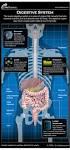 Digestive System Functions A. Gastrointestinal Processes 1. Ingestion: placing food in mouth (voluntary) 2. Propulsion: moving food through GI tract a. Peristalsis: alternating waves of contraction and
Liver, Gallbladder, Exocrine Pancreas KNH 406
 Liver, Gallbladder, Exocrine Pancreas KNH 406 2007 Thomson - Wadsworth LIVER Anatomy - functions With disease blood flow becomes obstructed Bile All bile drains into common hepatic duct Liver Bile complex
Nutritional Intervention for IBS
 Nutritional Intervention for IBS Bette Bischoff, Fourth Year Medical Student, University of Kansas Medical Center Background Prior to medical school when I was a practicing dietician, I had the privilege
Nutrients: Carbohydrates, Proteins, and Fats. Chapter 5 Lesson 2
 Nutrients: Carbohydrates, Proteins, and Fats Chapter 5 Lesson 2 Carbohydrates Definition- the starches and sugars found in foods. Carbohydrates are the body s preferred source of energy providing four
HIGH FIBER DIET. (Article - Web Site) August 20, 2003
 HIGH FIBER DIET (Article - Web Site) August 20, 2003 Dietary fiber, found mainly in fruits, vegetables, whole grains and legumes, is probably best known for its ability to prevent or relieve constipation.
Develop an understanding of the differential diagnosis of pseudomembranous colitis
 Update on Clostridium difficile Colitis Clostridium difficile infection has recently emerged in populations without any known risk factors. This presentation will focus on the historical background, diagnosis,
ESCMID Online Lecture Library. by author
 Do statins improve outcomes of patients with sepsis and pneumonia? Jordi Carratalà Department of Infectious Diseases Statins for sepsis & community-acquired pneumonia Sepsis and CAP are major healthcare
Immunity and how vaccines work
 1 Introduction Immunity is the ability of the human body to protect itself from infectious disease. The defence mechanisms of the body are complex and include innate (non-specific, non-adaptive) mechanisms
Chronic Diarrhea in Children
 Chronic Diarrhea in Children National Digestive Diseases Information Clearinghouse What is chronic diarrhea? Diarrhea is loose, watery stools. Chronic, or long lasting, diarrhea typically lasts for more
The Use of Enzymes in Dietary Supplements USP Enzyme Workshop July 8, 2009
 The Use of Enzymes in Dietary Supplements USP Enzyme Workshop July 8, 2009 Nena Dockery Introduction and History of Use Commercial production of enzymes for use as digestive aids has an extensive history
A: Nursing Knowledge. Alberta Licensed Practical Nurses Competency Profile 1
 A: Nursing Knowledge Alberta Licensed Practical Nurses Competency Profile 1 Competency: A-1 Anatomy and Physiology A-1-1 A-1-2 A-1-3 A-1-4 A-1-5 A-1-6 A-1-7 A-1-8 Identify the normal structures and functions
Dietary Fiber and Alcohol. Nana Gletsu Miller, PhD Spring 2014
 Dietary Fiber and Alcohol Nana Gletsu Miller, PhD Spring 2014 Dietary Fiber It is the complex carbohydrate in plants that can not be broken down by human digestive enzymes Sources Grains Fruits and Vegetables
Digestive System. About the Digestive System. How Digestion Works
 Digestive System The first step in the digestive process happens before we even taste food. Just by smelling that homemade apple pie or thinking about how delicious that ripe tomato is going to be, you
How To Get Healthy
 Dietary Fiber and Alcohol Nana Gletsu Miller, PhD Fall 2-13 Dietary Fiber It is the complex carbohydrate in plants that can not be broken down by human digestive enzymes Sources Grains Fruits and Vegetables
Medical Microbiology Culture Media :
 Lecture 3 Dr. Ismail I. Daood Medical Microbiology Culture Media : Culture media are used for recognition and identification (diagnosis) of microorganisms. The media are contained in plates (Petri dishes),
Health and Nutritional Properties of Probiotics in Food including Powder Milk with Live Lactic Acid Bacteria
 Food and Agriculture Organization of the United Nations World Health Organization Health and Nutritional Properties of Probiotics in Food including Powder Milk with Live Lactic Acid Bacteria Report of
Digestive System Why is digestion important? How is food digested? Physical Digestion and Movement
 Digestive System The digestive system is made up of the digestive tract a series of hollow organs joined in a long, twisting tube from the mouth to the anus and other organs that help the body break down
Oral Zinc Supplementation as an Adjunct Therapy in the Management of Hepatic Encephalopathy: A Randomized Controlled Trial
 Oral Zinc Supplementation as an Adjunct Therapy in the Management of Hepatic Encephalopathy: A Randomized Controlled Trial Marcus R. Pereira A. Study Purpose Hepatic encephalopathy is a common complication
F. Morgan, J.-J. Maugas
 Whey, the natural source for a broad range of food ingredients F. Morgan, J.-J. Maugas LACTALIS R&D Whey Skim milk Milk Casein production Cheese production Acid Rennet Fresh cheeses Soft cheeses Semi-hard
Restore and Maintain treatment protocol
 Restore and Maintain treatment protocol Combating inflammation through the modulation of eicosanoids Inflammation Inflammation is the normal response of a tissue to injury and can be triggered by a number
Long Term Use of Antacid Medications Can Cause an Increased Risk for Osteoporosis and Much More
 Long Term Use of Antacid Medications Can Cause an Increased Risk for Osteoporosis and Much More By: Jeremie Pederson D.C., C.S.C.S. Many people are concerned about the FDA news release dated May 25, 2010
Functional properties of fructans and their potential role in management of intestinal inflammatory pathologies
 Functional properties of fructans and their potential role in management of intestinal inflammatory pathologies Dr.ssa Valentina Pasqualetti Unità di Ricerca di Scienze degli Alimenti e della Nutrizione
ENZAR FORTE TABLETS. (derived from Pancreatin USP) Sodium tauroglycocholate BPC 65mg (with sugar coating containing essential carminative oils)
 ENZAR FORTE TABLETS COMPOSITION Each enteric-coated tablet contains: Amylase activity -15,000 USP units Lipase activity -4,000 USP units Protease activity -15,000 USP units of (derived from Pancreatin
Course Curriculum for Master Degree in Food Science and Technology/ Department of Nutrition and Food Technology
 Course Curriculum for Master Degree in Food Science and Technology/ Department of Nutrition and Food Technology The Master Degree in Food Science and Technology / Department of Nutrition and Food Technology,
COMMITTEE FOR PROPRIETARY MEDICINAL PRODUCTS (CPMP)
 The European Agency for the Evaluation of Medicinal Products Evaluation of Medicines for Human Use London, 19 March 2003 CPMP/EWP/785/97 COMMITTEE FOR PROPRIETARY MEDICINAL PRODUCTS (CPMP) POINTS TO CONSIDER
DEVELOPING WHEY-BASED INNOVATIVE BIOACTIVE INGREDIENTS. Éric Simard, Ph.D. Vice-President, Operations BiolActis, Canada
 DEVELOPING WHEY-BASED INNOVATIVE BIOACTIVE INGREDIENTS Éric Simard, Ph.D. Vice-President, Operations BiolActis, Canada Modus Operandi BiolActis commercializes innovative and clinically proven Whey-Based
Sugars, Starches, and Fibers Are All Carbohydrates
 Sugars, Starches, and Fibers Are All Carbohydrates What are carbohydrates? Today's food advertisements call them carbs, but they are not all the same. They are a group of compounds that have some similarities
Chapter 48. Nutrients in Food. Carbohydrates, Proteins, and Lipids. Carbohydrates, Proteins, and Lipids, continued
 Carbohydrates, Proteins, and Lipids The three nutrients needed by the body in the greatest amounts are carbohydrates, proteins, and lipids. Nutrients in Food All of these nutrients are called organic compounds,
Overview. Nutritional Aspects of Primary Biliary Cirrhosis. How does the liver affect nutritional status?
 Overview Nutritional Aspects of Primary Biliary Cirrhosis Tracy Burch, RD, CNSD Kovler Organ Transplant Center Northwestern Memorial Hospital Importance of nutrition therapy in PBC Incidence and pertinence
Without intrinsic factor, which is a unique protein made in the stomach, vitamin B12 cannot gain access to the rest of the body where it is needed.
 What is vitamin B12? Vitamin B12 is one of the most controversial members of the vitamin family collectively referred to as the "B-complex" vitamins. Although the full chemical structure of B12 was not
Gooig ahh ah. When you re as cute as I am, you can afford to be fussy. You have to understand toddlers to understand their needs
 Gooig ahh ah When you re as cute as I am, you can afford to be fussy. You have to understand toddlers to understand their needs NAN Toddler milks can be used to complement the nutritional needs of toddlers
Treatment and Prevention Options for Clostridium difficile Infection (CDI)
 Treatment and Prevention Options for Clostridium difficile Infection (CDI) Dale N. Gerding, MD Professor of Medicine Loyola University Chicago Stritch School of Medicine Research Physician Hines VA Hospital
3.0 Treatment of Infection
 3.0 Treatment of Infection Antibiotics and Medicine National Curriculum Link SCN 3-13b SCN 3-20b HWB 3-15a HWB 3-16a HWB 3-17a Learning Outcomes All students will know: Most common infections will get
{ Rifaximin versus Nonabsorbable Disaccharides for the Treatment of Hepatic Encephalopathy: A Meta Analysis}
 { Rifaximin versus Nonabsorbable Disaccharides for the Treatment of Hepatic Encephalopathy: A Meta Analysis} {Dong Wu, Shu-Mei Wu, Jie Lu, Ying-Qun Zhou, Ling Xu, and Chuan-Yong Guo} Noor Al-Hakami, Pharm
IMPORTANT: PLEASE READ
 PART III: CONSUMER INFORMATION combined hepatitis A (inactivated) and hepatitis B (recombinant) vaccine This leaflet is part III of a three-part "Product Monograph" published when was approved for sale
BSc in Medical Sciences with GASTROENTEROLOGY AND HEPATOLOGY
 BSc in Medical Sciences with GASTROENTEROLOGY AND HEPATOLOGY Introduction The BSc in Gastroenterology and Hepatology allows a science-based study of the physiology, cell biology, pathology and pharmacology
Vitamins and Supplements for Cancer Survivors
 Vitamins and Supplements for Cancer Survivors Moving Beyond Cancer to Wellness Fred Hutchinson Cancer Research Center Dan Labriola ND Lisa Price ND Tara Stacker ND Carrie Dennett RD, MPH Northwest Natural
Topic 4: Digestion and Nutrition
 Topic 4: Digestion and Nutrition THE CONTENTS OF FOOD Food contains nutrients: Nutrients include: 1. 2. 3. 4. 5. Nutrients must be small enough to enter our cells. If they are too large they must be digested
Proposal to Establish the Crohn s and Colitis Center at the University of Miami Miller School of Medicine
 Proposal to Establish the Crohn s and Colitis Center at the University of Miami Miller School of Medicine Contents Mission... 1 Background... 2 Services and Programs... 2 Clinical Care... 2 IBD Specialists...