
The retention of complete dentures
|
|
|
- Earl Rose
- 9 years ago
- Views:
Transcription
1 CHAPTER 21 The retention of complete dentures Kenneth Shay Optimal outcome of complete denture treatment depends on the successful integration of the prosthesis with the patient s oral functions plus psychological acceptance of the dentures by the patient. These parameters require that patients perceive their dentures as stationary or well retained during function, and that the prostheses and their effects on the face meet the esthetic and psychodynamic requirements of the patient. In this chapter, the factors involved in achieving denture retention (the resistance to removal in a direction opposite that of insertion) are reviewed, and the role that a denture adhesive agent may play in the context of the patient s adjustment to, and acceptance of, the dentures is discussed. FACTORS INVOLVED IN THE RETENTION OF DENTURES Interfacial force Interfacial force is the resistance to separation of two parallel surfaces that is imparted by a film of liquid between them. A discussion of interfacial forces is best broken into separate comments on interfacial surface tension and viscous tension. Interfacial surface tension results from a thin layer of fluid that is present between two parallel planes of rigid material. It is dependent on the ability of the fluid to wet the rigid surrounding material. If the surrounding material has low surface tension, as oral mucosa does, fluid will maximize its contact with the material, thereby wetting it readily and spreading out in a thin film. If the material has high surface tension, fluid will minimize its contact with the material, with the result that it will form beads on the material s surface. Most denture base materials have higher surface tension than oral mucosa, but once coated by salivary pellicle thay display low surface tension that promotes maximizing the surface area between liquid and base. The thin fluid film between denture base and the mucosa of the basal seat therefore furnishes a retentive force by virtue of the tendency of the fluid to maximize its contact with both surfaces. Another way to understand the role of surface tension in denture retention is by describing capillary attraction, or capillarity. Capillarity is what causes a liquid to rise in a capillary tube, because in this physical setting the liquid will maximize its contact with the walls of the capillary tube, thereby rising along the tube wall at the interface between liquid and air. When the adaptation of the denture base to the mucosa on which it rests is sufficiently close, the space filled with a thin film of saliva acts like a capillary tube in that the liquid seeks to increase its contact with both the denture and the mucosal surface. In this way, capillarity will help to retain the denture. Interfacial surface tension may not play as important a role in retaining the mandibular denture as it does for the maxillary one. Interfacial surface tension is dependent on the existence of a liquid/air interface at the terminus of the liquid/solid contact: if the two plates with interposed fluid are immersed in the same fluid, there will be no resistance to pulling them apart. In many patients, there is sufficient saliva to keep the external borders of the mandibular denture awash in saliva, 400

2 The retention of complete dentures 401 thereby eliminating the effect of interfacial surface tension. This is not so in the maxilla. Interfacial viscous tension refers to the force holding two parallel plates together that is due to the viscosity of the interposed liquid. Viscous tension is described by Stefan s law.* For two parallel, circular plates of radius r that are separated by a Newtonian (incompressible) liquid of viscosity k and thickness h, this principle states that the force (F) necessary to pull the plates apart at a velocity V in a direction perpendicular to the radius will be (3/2) kr 4 F V The relationship expressed by Stefan s law makes it clear that the viscous force increases proportionally to increases in the viscosity of the interposed fluid. The viscous force drops off readily as the distance between the plates (i.e., the thickness of the interposed medium) increases. The force increases proportionally to the square of the area of the opposing surfaces. When applied to denture retention, the equation demonstrates the essential importance of an optimal adaptation between denture and basal seat (a minimal h), the advantage of maximizing the surface area covered by the denture (a maximum r), and the theoretical improvement in retention made possible by increasing the viscosity of the medium between the denture and its seat. It also explains why a slow, steady displacing action (small V) may encounter less resistance and, therefore, be more effective at removing a denture than is a sharp attempt at displacement (large V). In application, interfacial forces are further enhanced through ionic forces developed between the fluid and the surrounding surfaces (adhesion) and the forces holding the fluid molecules to each other (cohesion). Adhesion Adhesion is the physical attraction of unlike molecules for each other. Adhesion of saliva to the mucous membrane and the denture base is *Stefan J, Sitzberger K: Akad Wiss Math Natur 69:713, h 3 achieved through ionic forces between charged salivary glycoproteins and surface epithelium or acrylic resin. By promoting the contact of saliva to both oral tissue and denture base, adhesion works to enhance further the retentive force of interfacial surface tension. Another version of adhesion is observed between denture bases and the mucous membranes themselves, which is the situation in patients with xerostomia (sparse or absent saliva). The denture base materials seem to stick to the dry mucous membrane of the basal seat and other oral surfaces. Such adhesion is not very effective for retaining dentures, and predisposes to mucosal abrasions and ulcerations due to the lack of salivary lubrication. It is annoying to patients to have denture bases stick to the lips, cheeks, and tongue. An ethanol-free rinse containing aloe or lanolin, or a water-soluble lubricating jelly, can be helpful in this situation. For patients whose mouths are dry due to irradiation or an autoimmune disorder such as Sjögren s syndrome, salivary stimulation through a prescription of 5 to 10 mg of oral pilocarpine three times daily can be very beneficial if the patient can tolerate the likely side effects of increased perspiration and (occasionally) excess lacrimation. The amount of retention provided by adhesion is proportionate to the area covered by the denture. Mandibular dentures cover less surface area than maxillary prostheses and, therefore, are subject to a lower magnitude of adhesive (and other) retentive forces. Similarly, patients with small jaws or very flat alveolar ridges (small basal seats) cannot expect retention to be as great as can patients with large jaws or prominent alveoli. Thus, the dentures (and hence the impressions that serve as the patient analogue for their fabrication) should be extended to the limits of the health and function of the oral tissues, and efforts should at all times be made to preserve the alveolar height to maximize retention. Cohesion Cohesion is the physical attraction of like molecules for each other. It is a retentive force because 401

3 402 Rehabilitation of the edentulous patient: fabrication of complete dentures it occurs within the layer of fluid (usually saliva) that is present between the denture base and the mucosa, and works to maintain the integrity of the interposed fluid. Normal saliva is not very cohesive, so that most of the retentive force of the denture-mucosa interface comes from adhesive and interfacial factors unless the interposed saliva is modified (as it can be with the use of denture adhesive). Thick, high-mucin saliva is more viscous than thin, watery saliva yet thick secretions usually do not result in increased retention for the following reason. Watery, serous saliva can be interposed in a thinner film than the more cohesive mucin secretions. Stefan s law makes it clear, all other factors being equal, that increase in fluid viscosity cannot be accompanied by an equal increase in film thickness if displacement force is to be kept the same. Oral and facial musculature The oral and facial musculature supply supplementary retentive forces, provided (1) the teeth are positioned in the neutral zone between the cheeks and tongue and (2) the polished surfaces of the dentures are properly shaped (see Chapter 9). This is not to say that patients must hold their prosthetic teeth in place by conscious effort, only that the shape of the buccal and lingual flanges must make it possible for the musculature to fit automatically against the denture and thereby to reinforce the border seal (Figs and 21-2). One of the objectives in impression making and arch form design is the harnessing of a patient s unconscious tissue behavior to enhance both retention and stability of the prostheses. If the buccal flanges of the maxillary denture slope up and out from the occlusal surfaces of the teeth and the buccal flanges of the mandibular denture slope down and out from the occlusal plane, the contraction of the buccinators will tend to seat both dentures on their basal seats. The lingual surfaces of the lingual flanges should slope toward the center of the mouth so the tongue can fit against them and perfect the border seal on the lingual side of the denture. The base of the tongue is guided on top of the lingual flange by the lingual side of the distal end of the flange, which turns laterally toward the ramus. This part of the denture also helps ensure the border seal at the back end of the mandibular denture. The base of the tongue also may serve as an emergency retentive force for some patients. It rises up at the back and presses against the distal border of the maxillary denture during incision of food by the anterior teeth. This is done without conscious effort when the experienced denture wearer bites into an apple or sandwich or other food. It is seldom that a patient needs to be taught how to do this. For the oral and facial musculature to be most effective in providing retention for complete dentures, the following conditions must be met: (1) the denture bases must be properly extended to cover the maximum area possible, without interfering in the health and function of the structures that surround the denture; (2) the occlusal plane must be at the correct level; and (3) the arch form of the teeth must be in the neutral zone between the tongue and the cheeks. Atmospheric pressure Atmospheric pressure can act to resist dislodging forces applied to dentures, if the dentures have an effective seal around their borders. This resistance force has been called suction because it is a resistance to the removal of dentures from their basal seat; but there is no suction, or negative pressure, except when another force is applied (suction alone applied to the soft tissues of the oral cavity for even a short time would cause serious damage to the health of the soft tissues under negative pressure). A suction cup pressed against a pane of glass stays in place because the rubber of the squeezed cup elastically seeks to return to a larger shape, thereby causing air pressure within the cup to be less than the pressure outside the cup. A denture cannot be distorted like a suction cup, but oral mucosa can be. When a force is exerted perpendicular to and away from the basal seat of a prop- 402

4 The retention of complete dentures 403 Fig Complete dentures have three Surfaces that must harmonize with the oral biological environment. A, The dentures polished surfaces are so contoured as to support and contact the cheeks, lips, and tongue. B and C, The impression or basal surfaces are fitted to the basal seats. D and E, The occlusal surfaces of one Denture must fit those of the opposing denture.

5 404 Rehabilitation of the edentulous patient: fabrication of complete dentures Fig Frontal section showing dentures properly filling the available space. A, The buccinator. B, The lingual flange and border are placed under the tongue. C, The mylohyoid. Notice that both upper and lower dentures are so shaped that the action of the tongue and cheeks tends to seat rather than unseat them. If posterior artificial teeth are too wide buccolingually, the form of the dentures will be changed and the tongue and cheeks will tend to unseat them. erly extended and fully seated denture, pressure between the prosthesis and the basal tissues drops below the ambient pressure, resisting displacement. Retention due to atmospheric pressure is directly proportionate to the area covered by the denture base. For atmospheric pressure to be effective, the denture must have a perfect seal around its entire border. Proper border molding with physiological, selective pressure techniques is essential for taking advantage of this retentive mechanism. Undercuts, rotational insertion paths, and parallel walls The resiliency of the mucosa and submucosa overlying basal bone allows for the existence of modest undercuts that can enhance retention. Although exaggerated bony undercuts or less overt ones covered by thin epithelium may compromise denture retention by necessitating extensive internal adjustment of the denture, less severe undercuts of the lateral tuberosities, maxillary premolar areas, distolingual areas, and lingual mandibular midbody areas can be extremely helpfulto the retention of the prosthesis. Some undercuts are only undercut in relationship to a linear path of insertion or relative to a presumed vertical path of insertion. But if the undercut area is seated first (usually in a direction that deviates from the vertical), and the remainder of the denture base can be brought into proximity with the basal seat on rotation of the prosthesis around the undercut part that is already seated, this rotational path will provide resistance to vertical displacement. One common example of this is to be found in the area inferior to the retromolar pad, into which the distolingual extensions of the mandibular base can be introduced from the superior and posterior prior to rotating the anterior segment of the denture down over the alveolar process. The opposite sequence

6 The retention of complete dentures 405 is common in the maxilla, where a prominent or even undercut anterior alveolus may dictate an insertion path that begins with seating the anterior in a posterior and superior direction and ends with rotation of the posterior border over the backs of the tuberosities. This concept increases in importance as other retentive mechanisms decline in strength. For instance, in a patient who has undergone loss of normal anatomic contours due to tumor resection or trauma, surgically created relative undercuts may mean the difference between prosthetic success and failure. Prominent alveolar ridges with parallel buccal and lingual walls may also provide significant retention by increasing the surface area between denture and mucosa and thereby maximizing interfacial and atmospheric forces. Prominent ridges also resist denture movement by limiting the range of displacive force directions possible. Very flat ridges may bear dentures that display strong resistance to displacement perpendicular to the basal seat, due to interfacial and atmospheric forces. Yet these same prostheses are very susceptible to movement parallel to the basal seat, analogous to sliding a suction cup along a pane of glass, or sliding apart two glass pieces separated by intervening fluid. Gravity When a person is in an upright posture, gravity acts as a retentive force for the mandibular denture and a displacive force for the maxillary denture. In most cases, the weight of the prosthesis constitutes a gravitational force that is insignificant in comparison with the other forces acting on the denture. But if a maxillary denture is fabricated wholly or partially of a material that increases its weight appreciably (e.g., a metal base or precious metal posterior occlusal surfaces), the weight of the prosthesis may work to unseat it if the other retentive forces are themselves suboptimal. Increasing the weight of a mandibular denture (through the addition of a metallic base, insert, or occlusal surfaces) may seem theoretically capable of taking advantage of gravity. Anecdotal evidence suggests that this may indeed prove beneficial in cases where the other retentive forces and factors are marginal. ADJUNCTIVE RETENTION THROUGH THE USE OF DENTURE ADHESIVES Complete denture treatment needs to be customized for each patient s particular needs. Successful treatment combines exemplary technique, effective patient rapport and education, and familiarity with all possible management options in order to provide the highest degree of patient satisfaction. Commercially available denture adhesives are products that have the capacity to enhance treatment outcome. This reality is compellingly underscored by two facts: (1) consumer surveys reveal that approximately 33% of denture patients purchase and use one or more denture adhesive products in a given year; and (2) denture adhesive sales in the United States exceeded $200 million in 1994 (12% more than for denture cleaners, and nearly twice the spending on dental floss). Dentists need to know about denture adhesives for two reasons: (1) to be able to educate all denture patients about the advantages, disadvantages, and uses of the product, because adhesives are a widely used dental material and patients rightfully expect their dentists to be accurately informed about over-the-counter oral care products and (2) to identify those patients for whom such a product is advisable and/or necessary for a satisfactory denture-wearing experience. In this chapter, denture adhesive is used to refer to a commercially available, nontoxic, soluble material (powder, cream, or liquid) that is applied to the tissue surface of the denture to enhance denture retention, stability, and performance. It does not refer to insoluble patient-directed efforts at improving denture fit and comfort such as home reliner kits, home repair kits, paper or cloth pads, or other self-applied cushions many of which have been anecdotally linked with incidents of serious soft tissue damage, alterations in occlusal relations and vertical dimension of occlusion, and exacerbated alveolar bone destruction. Included in this second category are thin wafers of water-soluble material 405

7 406 Rehabilitation of the edentulous patient: fabrication of complete dentures that are adherent to both basal tissue and denture base and that lack the ability to flow and, therefore, do not have the capacity to direct uneven and point pressures against the bearing tissues. Components and mechanism(s) of action Denture adhesives augment the same retentive mechanisms already operating when a denture is worn. They enhance retention through optimizing interfacial forces by (1) increasing the adhesive and cohesive properties and viscosity of the medium lying between the denture and its basal seat and (2) eliminating voids between the denture base and its basal seat. Adhesives (or, more accurately, the hydrated material that is formed when an adhesive comes into contact with saliva or water) are agents that stick readily both the tissue surface of the denture and the mucosal surface of the basal seat. Furthermore, because hydrated adhesives are more cohesive than saliva, physical forces intrinsic to the interposed adhesive medium resist the pull more successfully than would similar forces within saliva. The material increases the viscosity of the saliva with which it mixes, and the hydrated material swells in the presence of saliva/water and flows under pressure. Voids between the denture base and bearing tissues are therefore obliterated. Denture adhesive materials in use prior to the early 1960s were based on vegetable gums such as karaya, tragacanth, xanthan, and acacia that display modest, nonionic adhesion to both denture and mucosa, and possessed very little cohesive strength. Gum-based adhesives (still commercially available) are highly water soluble, particularly in hot liquids such as coffee, tea, and soups, and therefore wash out readily from beneath dentures. Allergic reactions have been reported to karaya (and to the paraben preservative that the vegetable derivatives require), and formulations with karaya impart a marked odor reminiscent of acetic acid. Overall, the adhesive performance of the vegetable gum based materials is short lived and relatively unsatisfactory. Synthetic materials presently dominate the denture adhesive market. The most popular and successful products consist of mixtures of the salts of short-acting (carboxymethylcellulose, or CMC) and long-acting (poly[vinyl methyl ether maleate], or gantrez ) polymers. In the presence of water, CMC hydrates and displays quick-onset ionic adherence to both dentures and mucous epithelium. The original fluid increases its viscosity and CMC increases in volume, thereby eliminating voids between prosthesis and basal seat. These two actions markedly enhance the interfacial forces acting on the denture. Polyvinylpyrrolidone ( povidone ) is another, less commonly used agent that behaves like CMC. Over a more protracted time course than necessary for the onset of hydration of CMC, gantrez salts hydrate and increase adherence and viscosity. The long-acting (i.e., less soluble) gantrez salts also display molecular cross-linking, resulting in a measurable increase in cohesive behavior. This effect is significantly more pronounced and longer lived in calcium-zinc gantrez formulations than in calcium-sodium gantrez. Eventually, all the polymers become fully solubilized and washed out by saliva; this elimination is hastened by the presence of hot liquid. Other components of denture adhesive products impart particular physical attributes to the formulations. Petrolatum, mineral oil, and polyethylene oxide are included in creams to bind the materials and to make their placement easier. Silicone dioxide and calcium stearate are used in powders to minimize clumping. Menthol and peppermint oils are used for flavoring, red dye for color, and sodium borate and methylparaben or polyparaben as preservatives. Some objective and subjective responses to denture adhesive With the exception of uncommon allergic reactions to either karaya or paraben, as just mentioned, there have been no reports of tissue reactions to denture adhesive products. For example, prior to 1990, a few of the commercially available denture adhesives contained very low levels of benzene, which is regarded as a carcinogen. These products were recalled by the Food and Drug Administration. Today s adhesives are either 406

8 The retention of complete dentures 407 free of benzene or contain trace amounts believed to be harmless. Commercially available formulations in the United States must pass laboratory animal tests of skin and eye sensitivity and oral toxicity before they are acceptable for sale to the public. Clinical studies of mucosal tissues underlying adhesive-bearing dentures reveal lessened inflammation in patients who perform adequate denture hygiene daily. Dentists must ensure that they are cognizant of any sequelae that may be associated with the prescription of all materials used in routine dental practice. Incisal bite force exerted by well-fitting dentures overlying well-keratinized ridges with favorable anatomical features (square arch form; broad, prominent alveoli without undercuts; mild or absent frena) is improved significantly with the use of an adhesive. More interestingly, incisal bite force of well-fitting dentures overlying inferior basal tissues (tapering arch form, little or no keratinization, spiny or absent alveolar ridges, frena extending to ridge crests) can be increased to the range of the adhesive-bearing dentures overlying ideal basal tissues. The frequency of dislodgment of dentures during chewing also is markedly decreased with the use of adhesive. Vertical, anteroposterior, and lateral movements (short of full dislodgment) of new and old maxillary dentures retained on their mucosal seats under chewing and speech function can be decreased by 20% to 50% for up to 8 hours after placement of denture adhesive. Objective comparison of chewing performance fails to show an improvement after use of adhesive, although subjects report increased confidence and security in chewing with the use of denture adhesive. Not all products are the same, and patients can tell them apart: subjects are able to identify preferred adhesive characteristics and products in comparisons of different formulations. Improvement in chewing efficiency during adjustment to new dentures progresses further in patients who employ a denture adhesive product. Patient response to the use of these materials is not universally positive. Some patients object to the grainy or gritty texture of powder, or to the taste or sensation of semidissolved adhesive material that escapes from the posterior and other peripheries (often due to use of excessive quantity or use in an inadequate prosthesis). Others object to the difficulties encountered in removing adhesive from the denture and the oral tissues, as well as to the cost of the material. Indications and contraindications Scientific evidence favoring the support of routine and safe use of adhesives is lacking. Yet clinical experience indicates that prudent use of adhesives to enhance the retentive qualities of wellmade complete dentures is sound clinical judgment. Denture adhesives are indicated when well-made complete dentures do not satisfy a patient s perceived retention and stability expectations. Irrespective of the underlying reasons for a patient s reported dissatisfaction psychological, occupational, morphological, functional, and so on the dentist must recognize that a patient s judgment of the treatment outcome is what defines prosthodontic success. Such maladaptive patients are clearly candidates for an implant-supported prosthesis (see Section 8). But health, financial, or other considerations can preclude this, and then a well-organized protocol of functional do s and don t s may be the best palliative measure the professional can offer. Specific patient populations who can benefit from this strategy include patients with salivary dysfunction or neurological disorders, and those who have undergone resective surgical or traumatic modifications of the oral cavity. Patients who suffer from xerostomia due to medication side effects, a history of head and neck irradiation, systemic disease, or disease of the salivary glands have great difficulty managing complete dentures due to impaired retention and an increased tendency for ulceration of the bearing tissues. The use of denture adhesive can compensate for the retention that is lacking in the absence of healthy saliva, and can mitigate the onset of oral ulcerations that result from frequent dislodgments. Xerostomic patients must be educated, however, that the adhesive-bearing denture will 407

9 408 Rehabilitation of the edentulous patient: fabrication of complete dentures need to be deliberately moistened (e.g., with water from the tap) before it is seated in the otherwise dry mouth to initiate the actions of the material. Several neurological diseases can complicate the use of complete dentures, but adhesive may help to overcome the impediments imposed. Cerebrovascular accident (stroke) may render part of the oral cavity insensitive to tactile sensation or partially or wholly paralyze oral musculature. Adhesives can assist in helping these patients accommodate to new dentures or to prostheses that were fabricated prior to the stroke but that the patient is now unable to manage due to lost sensory feedback and neuromuscular control. Orofacial dyskinesia is a prominent side effect of phenothiazine-class tranquilizers (e.g., fluphenazine, trifluoperazine, thioridazine or thiothixene), other neuroleptics (e.g., haloperidol), and even gastrointestinal medications (e.g., prochlorperazine, metoclopramide). This movement disorder, sometimes termed tardive dyskinesia because it is often a late-onset side effect of dopamine-blocking drugs, is characterized by exaggerated, uncontrollable muscular actions of the tongue, cheeks, lips, and mandible. In such situations, denture retention, stability, and function may be a virtual impossibility without adjunctive retention, such as that made possible with denture adhesive. Patients who have undergone resective surgery for removal of oral neoplasia, or those who have lost intraoral structures and integrity due to trauma, may have significant difficulty in functioning with a tissue-borne prosthesis unless denture adhesive is employed, even if rotational undercuts have been surgically created to resist displacement of the prosthesis. It must be emphasized that a denture adhesive is not indicated for the retention of improperly fabricated or poorly fitting prostheses. Patient education It is mandatory that dentists educate denture patients about denture adhesives their use, abuse, advantages, disadvantages, and available Fig Prior to applying powder adhesive formulations, the denture must be cleaned and then thoroughly moistened. choices. The major information resource for a patient should be the dentist and not magazine and television advertisements or the testimonials of relatives and acquaintances. The choice between cream and powder is largely subjective, but certain facts may underscore a patient s selection. Powder formulations, as a rule, do not confer the same degree of hold, nor do their effects last as long, in comparison to comparable cream formulations. However powders can be used in smaller quantities, are generally easier to clean out of dentures and off tissues, and are not perceived as messy by patients. Furthermore, the initial hold for powders is achieved sooner than it is with cream formulations. Obtaining the greatest advantage from the use of an adhesive product is dependent on its proper usage (Figs to 21-7) For powder and cream products, the least amount of material that is effective should be used. This is approximately 0.5 to 1.5 g per denture unit (more for larger alveolar ridges, less for smaller ones). For powders, the clean prosthesis should be moistened and then a thin, even coating of the adhesive sprayed onto 408

10 The retention of complete dentures 409 Fig The moistened denture surface is then covered with a slightly excess coating of the powder. Fig Prior to applying cream denture formulations, the denture must be cleaned and then thoroughly dried. Most manufacturers recommend the distribution of product as shown. For the mandibular denture, a series of thin beads at the crest of the ridge is recommended. If adhesive is expressed around the periphery of the denture in function, a lesser quantity should be used. Fig When the excess powder is shaken off, a thin, even coat remains. the tissue surface of the denture. The excess is shaken off, and the prosthesis inserted and seated firmly. If the patient suffers from inadequate or absent saliva, the sprayed denture should be moistened lightly with water before being inserted. For creams, two approaches are possible. Most manufacturers recommend placement of thin beads of the adhesive in the depth of the dried denture in the incisor and molar regions, and, in the maxillary unit, an anteroposterior bead along the midpalate. However, more even distribution of the material can be achieved if small spots of cream are placed at 5-mm intervals throughout the fitting surface of the dried denture. Regardless of the pattern selected, the denture is then inserted and seated firmly. As with powders, use of denture adhesive cream by the xerostomia patient requires that the adhesive material be moistened with water prior to inserting the denture. Patients must be instructed that daily removal of adhesive product from the tissue surfaces of the denture is an essential requirement for the use of the material (Fig. 21-8). Removal is facilitated by letting the prosthesis soak in water or 409

11 410 Rehabilitation of the edentulous patient: fabrication of complete dentures Fig An alternative application procedure for cream adhesive. To the clean and dried denture, small dots of product are placed at 5-mm intervals. If adhesive is expressed around the periphery of the denture in function, the dots should be distributed farther apart. soaking solution overnight, during which the product will be fully solubilized and can then be readily rinsed off. If soaking is not possible before new adhesive material needs to be placed, removal is facilitated by running hot water over the tissue surface of the denture while scrubbing with a suitable hard-bristle denture brush. Adhesive that is adherent to the alveolar ridges and palate is best removed by rinsing with warm or hot water, and then firmly wiping the area with gauze or a washcloth saturated with hot water. Finally, patients need to be educated about the limitations of denture adhesive. Discomfort will not be resolved by placing a cushioning layer of adhesive under the denture. In fact, pain or soreness signals a need for professional management. Gradual increase in the quantity of adhesive required for acceptable fit of the denture is also a clear signal to seek professional care. In all cases, denture patients need to be recalled annually for oral mucosal evaluation and prosthesis assessment, but they also need to be educated about the Fig Daily thorough cleaning of the denture is essential. Removal is facilitated by running warm or hot water over the tissue surface of the denture while scrubbing with a suitable hard-bristle denture brush. To prevent accidental damage in the event the prosthesis is dropped during cleaning, the sink should be partially filled with water, or a washcloth or towel should be placed in the sink beneath the denture. warning signs that should alert them to seek professional attention between the checkups. Professional attitudes toward denture adhesive Denture adhesive products can improve patient acceptance of, and comfort and function with, dentures. They are, however, regarded frequently as unesthetic and an impediment to a dentist s ability to apprise accurately the health of a patient s oral tissues and the true character of denture adaptation. The fact that ill-fitting dentures often are retained by large amounts of adhesive material has regrettably led many dentists to presume a correlation between denture adhesive and severe alveolar ridge resorption. 410

12 The retention of complete dentures 411 If a correlation did indeed exist between denture adhesive use and increased alveolar ridge resorption, it would provide a strong basis for cautioning patients against the use of adhesives. Yet there is no scientific basis for presuming this alleged correlation. Denture adhesives themselves are not capable of exerting forces that would accelerate resorption. Adhesives are liquid materials that are no more capable of directing forces than is saliva. There is no mechanism through which adhesives can exert forces to further accelerate resorption: as fluids, adhesives will transmit occlusal forces evenly to the basal tissues, just as would an intimately fitted acrylic base. If they fail to do so in one or more areas, the patient will experience discomfort and seek professional attention. Denture adhesives merely reduce the amount of lateral movements that dentures even wellfitting dentures undergo while in contact with basal tissues. Admittedly, this benefit can mislead a patient into ignoring his or her need for professional help when dentures actually become ill-fitting. This is an inherent risk when using any form of adjunctive therapy. However, it should not preclude prudent clinical strategies. Denture adhesives are an integral part of a professional service, and their adjunctive benefits must be recognized. BIBLIOGRAPHY Berg E: A clinical comparison of four denture adhesives, Int J Prosthodont 4:449, Boone M: Analysis of soluble and insoluble denture adhesives and their relationship to tissue irritation and bone resorption, Compend Contin Educ Dent 4(suppl):S26, Grasso JE, Rendell J, Gay T: Effect of denture adhesive on the retention and stability of maxillary dentures, J Prosthet Dent 72: , Kapur KK: A clinical evaluation of denture adhesives, J Prosthet Dent 18:550, Shay K: Denture adhesives: choosing the right powders and pastes, J Am Dent Assoc 122:70-76, Tarbet WJ, Boone M, Schmidt NF: Effect of a denture adhesive on complete denture dislodgement during mastication, J Prosthet Dent 44:374, Tarbet WJ, Grossman E: Observations of denture-supporting tissue during six months of denture adhesive wearing, J Am Dent Assoc 101:789, Tarbet WJ, Silverman G, Schmidt NF: Maximum incisal biting force in denture wearers as influenced by adequacy of denture-bearing tissues and the use of an adhesive, J Dent Res 60:115, Vinton P, Manly RS: Masticatory efficiency during the period of adjustment to dentures, J Prosthet Dent 5:477,

Effect of dynamic impression technique on retention of lower complete denture
 Effect of dynamic impression technique on retention of lower complete denture A thesis Submitted to Faculty of Oral and Dental Medicine Cairo University in Partial fulfillment of the Requirements of Master
DENTURE CARE AND MAINTENANCE
 D DEEN NTTU UR REESS When a patient no longer has any natural teeth, complete dentures are the traditional method to restore function and appearance. Many patients experience difficulty wearing conventional
Effect of denture adhesives on the retention of maxillary complete denture
 Effect of denture adhesives on the retention of maxillary complete denture Yaarob M. Salman., B.D.S., M.S.c. (1) Ibrahim K. Ibrahim, B.D.S., C.E.S., D.S.O. (2) ABSTRACT Background: Using of denture adhesives
IMPLANT DENTISTRY EXAM BANK
 IMPLANT DENTISTRY EXAM BANK 1. Define osseointegration. (4 points, 1/4 2. What are the critical components of an acceptable clinical trial? (10 points) 3. Compare the masticatory performance of individuals
Resorptive Changes of Maxillary and Mandibular Bone Structures in Removable Denture Wearers
 Resorptive Changes of Maxillary and Mandibular Bone Structures in Removable Denture Wearers Dubravka KnezoviÊ-ZlatariÊ Asja»elebiÊ Biserka LaziÊ Department of Prosthodontics School of Dental Medicine University
Flexible dentures an alternate for rigid dentures? Volume 1 Issue 1
 Flexible dentures an alternate for rigid dentures? Dr. Sunitha N Shamnur 1, Dr. Jagadeesh KN 1, Dr. Kalavathi SD 1, Dr. Kashinath KR 2 1 Senior Lecturer, 2 Professor & Head, Department of Prosthodontics,
PREPARATION OF MOUTH FOR REMOVABLE PARTIAL DENTURES Dr. Mazen kanout
 PREPARATION OF MOUTH FOR REMOVABLE PARTIAL DENTURES Dr. Mazen kanout Mouth preparation includes procedures in four categories: 1. Oral Surgical Preparation. 2. Conditioning of Abused and Irritated Tissue.
What Dental Implants Can Do For You!
 What Dental Implants Can Do For You! Putting Smiles into Motion About Implants 01. What if a Tooth is Lost and the Area is Left Untreated? 02. Do You Want to Restore Confidence in Your Appearance? 03.
Page 1 of 10 BDS FINAL PROFESSIONAL EXAMINATION 2007 Prosthodontics (MCQs) Model Paper SECTION I
 Page 1 of 10 COMPLETE DENTURES ANATOMICAL LANDMARKS SECTION I 1. There are many landmarks in the oral cavity which helps in designing complete dentures. One of the important landmarks is fovea palatini.
Denture Trouble Shooting Guide
 Denture Trouble Shooting Guide Comfort Sore spot in vestibuleupper or lower denture 1. Overextended borders 2. Rough spot in base 1. Shorten borders and polish. 2. Refinish borders. Sore spot in upper
!Financial agreement COST / RISK / BENEFIT
 COMPLETE DENTURES 1 2 Oral Examination, Diagnosis and Treatment Planning Initial Appointment! Get to know your patient! Personally, experiences, expectations! Past medical history! Past dental history!
There When You Need Them: 10 Principles of Successful RPD Treatment
 There When You Need Them: 10 Principles of Successful RPD Treatment Jeff Scott, DMD [email protected] 239 2 nd Ave South Suite 100 St. Petersburg, FL 33701 The West Coast District Dental
Effect of denture adhesive on stability of complete dentures and the masticatory function
 J Med Dent Sci 2003; 50: 239 247 Original Article Effect of denture adhesive on stability of complete dentures and the masticatory function Sho Hasegawa, Toshiaki Sekita and Iwao Hayakawa Section of Complete
CHAPTER 10 RESTS AND PREPARATIONS. 4. Serve as a reference point for evaluating the fit of the framework to the teeth.
 CHAPTER 10 RESTS AND DEFINITIONS A REST is any rigid part of an RPD framework which contacts a properly prepared surface of a tooth. A REST PREPARATION or REST SEAT is any portion of a tooth or restoration
In Class IV arch: Fulcrum line passes through two abutments adjacent to single edentulous space.
 It is that part of removable partial denture which assists the direct retainers in preventing displacement of distal extension denture bases by resisting lever action from the opposite side of the fulcrum
Full Crown Module: Learner Level 1
 Full Crown Module Restoration / Tooth # Full Gold Crown (FGC) / 30 Extensions: Porcelain Fused to Metal (PFM) / 12 All Ceramic / 8 Learner Level 1 Mastery of Tooth Preparation Estimated Set Up Time: 30
Understanding Dental Implants
 Understanding Dental Implants Comfort and Confidence Again A new smile It s no fun when you re missing teeth. You may not feel comfortable eating or speaking. You might even avoid smiling in public. Fortunately,
IMPLANT CONSENT FORM WHAT ARE DENTAL IMPLANTS?
 IMPLANT CONSENT FORM WHAT ARE DENTAL IMPLANTS? Dental implants are a very successful and accepted treatment option to replace lost or missing teeth. A dental implant is essentially an artificial tooth
The Lower Free End Saddle (distal extension saddle)
 Giles Perryer 1997 I The Lower Free End Saddle (distal extension saddle) Free end saddle dentures move Excessive movement of the denture can cause pain, tissue damage, and complaints of instability and
The Most Frequently Asked Questions About Dental Implants... A Consumer s Guide to Understanding Implant Treatment
 Number 3 $1.25 The Most Frequently Asked Questions About Dental Implants... A Consumer s Guide to Understanding Implant Treatment If you are like most people considering dental implants, you probably have
PATIENT INFORM CONSENT for IMPLANT RESTORATION Rev 04.2012
 PATIENT INFORM CONSENT for IMPLANT RESTORATION Rev 04.2012 Implant placement and restoration involves two major stages: surgical placement of the implant(s) followed by the restoration of the implant after
Introduction to Dental Anatomy
 Introduction to Dental Anatomy Vickie P. Overman, RDH, MEd Continuing Education Units: N/A This continuing education course is intended for dental students and dental hygiene students. Maintaining the
The Complete Denture Prosthesis: Clinical and Laboratory Applications - The Patient Analog, Part 1: Final Impressions
 The Complete Denture Prosthesis: Clinical and Laboratory Applications - The Patient Analog, Part 1: Final Impressions Kenneth Shay, DDS, MS; Joseph E. Grasso, DDS, MS; Kenneth S. Barrack, DDS Continuing
Implants in your Laboratory: Abutment Design
 1/2 point CDT documented scientific credit. See Page 41. Implants in your Laboratory: Abutment Design By Leon Hermanides, CDT A patient s anatomical limitations have the greatest predictive value for successful
USE AND CARE INSTRUCTIONS for your Invisalign aligners
 USE AND CARE INSTRUCTIONS for your Invisalign aligners WEARING AND USING YOURINVISALIGN ALIGNERS - ENGLISH Here are some tips to help ensure proper use and avoid damaging your aligners. Always Remember
Ridge Reconstruction for Implant Placement
 Volume 1, No. 5 July/August 2009 The Journal of Implant & Advanced Clinical Dentistry Ridge Reconstruction for Implant Placement 2 Hours of CE Credit Oral Implications of Cancer Chemotherapy Immediate
stone model bonding tray improve the accuracy
 indirectbonding Bonding brackets to the patient s stone model and transferring the bonding tray to the patient s mouth Developed to improve the accuracy of bracket placement (especially premolars) advantagesdisadvantages
CLASSIFICATION OF REMOVABLE PARTIAL DENTURES
 Unless otherwise noted, the content of this course material is licensed under a Creative Commons Attribution - Non-Commercial - Share Alike 3.0 License. Copyright 2008, Dr. Jeff Shotwell. The following
Phonetics Related to Prosthodontics
 Middle-East Journal of Scientific Research 12 (1): 31-35, 2012 ISSN 1990-9233 IDOSI Publications, 2012 DOI: 10.5829/idosi.mejsr.2012.12.1.988 Phonetics Related to Prosthodontics 1 2 Abdul-Aziz Abdullah
The history of complete denture impression procedures has been influenced largely by
 Cairo Dental Journal (24) Number (3), 415:420 September, 2008 Effect Of Different Border Molding Materials on Complete Denture Retention Fardos N Rizk 1 1. Lecturer, Prosthetic Dept, Faculty of Dentistry,
What is a dental implant?
 What is a dental implant? Today, the preferred method of tooth replacement is a dental implant. They replace missing tooth roots and form a stable foundation for replacement teeth that look, feel and function
Tooth preparation J. C. Davenport, 1 R. M. Basker, 2 J. R. Heath, 3 J. P. Ralph, 4 P-O. Glantz, 5 and P. Hammond, 6
 12 5 Tooth preparation J. C. Davenport, 1 R. M. Basker, 2 J. R. Heath, 3 J. P. Ralph, 4 P-O. Glantz, 5 and P. Hammond, 6 This final article in the series describes the modification of teeth to improve
Treatment planning for the class 0, 1A, 1B dental arches
 Treatment planning for the class 0, 1A, 1B dental arches Dr.. Peter Hermann Dr Reminder: Torquing movement on tooth supported denture : no movement Class 1 movement in one direction (depression) Class
SCD Case Study. Treatment Considerations for Implant Rehabilitation
 SCD Case Study Treatment Considerations for Implant Rehabilitation Multiple surgical and restorative factors play a role in the treatment planning of implant restorations for the edentulous patient (Ali
ANGEL DENTAL CARE Implant Consent
 This information is to help you make an informed decision about having implant treatment. You should take as much time as you wish to make the decision in relation to signing the following consent form.
The Mandibular Two-Implant Overdenture First-Choice. Standard of Care for the Edentulous Denture Patient
 The Mandibular Two-Implant Overdenture First-Choice Standard of Care for the Edentulous Denture Patient Joseph R. Carpentieri, DDS Dennis P. Tarnow, DDS ii Preface Preface The prosthetic management of
Headgear Appliances. Dentofacial Orthopedics and Orthodontics. A Common Misconception. What is Headgear? Ideal Orthodontic Treatment Sequence
 Ideal Orthodontic Treatment Sequence Headgear Appliances Natalie A. Capan, D.M.D. 580 Sylvan Avenue, Suite 1M Englewood Cliffs, New Jersey 07632 (201)569-9055 www.capanorthodontics.com [email protected]
Nobel Clinician - Quick Guide
 1220 E. Birch St. #201 Brea, CA 92821 (800)750-5004 Haupt Dental Lab Inc. Nobel Clinician - Quick Guide Step #1 - Diagnostics Make impressions of both the upper and lower arches using custom trays. Care
DENT IMPLANT restoring qualit S: of LIfE
 DENTAL IMPLANTS: restoring quality of life Dental Implants: A Better Treatment Option. What are dental implants? Dental implants are a safe, esthetic alternative to traditional crowns, bridgework, and
CHAPTER 12 SURVEY LINES. portion of the tooth is undercut to the path of placement of the denture. DEFINITIONS
 CHAPTER 12 portion of the tooth is undercut to the path of placement of the denture. SURVEY LINES DEFINITIONS A SURVEY LINE is a line produced on a cast by a surveyor or scribe marking the greatest prominence
Your Own Teeth and Gums
 Your Own Teeth and Gums CHAPTER1 Next time you look in a mirror, look at your teeth and the skin (gums) around them. Look in your children s mouths, too. Look at both gums and teeth, because the health
Telescopic Denture A Treatment Modality for Minimizing the Conventional Removable Complete Denture Problems: A Case Report
 Dentistry Section Case Report ID: JCDR/2012/3886:2351 Telescopic Denture A Treatment Modality for Minimizing the Conventional Removable Complete Denture Problems: A Case Report Kunwarjeet Singh, Nidhi
The Attractive Glass Abutment System (ZX-27) HANDOUT
 The Attractive Glass Abutment System () HANDOUT! " " # $ % $ # & ' ( ) FAQs New Solutions Pharmaceuticals Tel.: +971 6 7460661 Fax : +971 6 7460771 P.O.Box. 18161 Ajman - UAE e-mail : [email protected]
Dental care and treatment for patients with head and neck cancer. Department of Restorative Dentistry Information for patients
 Dental care and treatment for patients with head and neck cancer Department of Restorative Dentistry Information for patients i Why have I been referred to the Restorative Dentistry Team? Treatment of
Restoring quality to life. Dental implants. A naturally better solution. Patient Education
 Restoring quality to life. Dental implants. A naturally better solution. Patient Education Dental implants: A better treatment option. What are dental implants? Dental implants are a safe, medically proven,
Improving Esthetics with Sequential Treatment Planning and Implant-Retained Dentures
 Improving Esthetics with Sequential Treatment Planning and Implant-Retained Dentures by Timothy F. Kosinski, DDS, MAGD While oral function is the primary concern for most patients, the importance of esthetics
Replacement of the upper left central incisor with a Straumann Bone Level Implant and a Straumann Customized Ceramic Abutment
 Replacement of the upper left central incisor with a Straumann Bone Level Implant and a Straumann Customized Ceramic Abutment by Dr. Ronald Jung and Master Dental Technician Xavier Zahno Initial situation
Classification of Malocclusion
 Classification of Malocclusion What s going on here? How would you describe this? Dr. Robert Gallois REFERENCE: Where Do We Begin? ESSENTIALS FOR ORTHODONTIC PRACTICE By Riolo and Avery Chapter 6 pages
DEVELOPMENT AND GROWTH OF THE MANDIBLE
 2012-2013 ORAL BIOLOGY DEVELOPMENT AND GROWTH OF THE MANDIBLE Ass. Prof. Dr. Heba M. Elsabaa Development and Growth of the Mandible DEVELOPMENT OF THE MANDIBLE The Mandible Is the largest and strongest
THE VOICE OF TECHNO-CLINICAL DENTISTRY
 May 2009 Vol. 3, No. 2 THE VOICE OF TECHNO-CLINICAL DENTISTRY The Enhanced Restoration of Removables Jim Collis, CDT Patients with existing full or partial dentures often report that they would like to
A New Beginning with Dental Implants. A Guide to Understanding Your Treatment Options
 A New Beginning with Dental Implants A Guide to Understanding Your Treatment Options Why Should I Replace My Missing Teeth? Usually, when you lose a tooth, it is best for your oral health to have it replaced.
The Lasermet Removable Partial Denture The Future of Partial Dentures is Here! Frank DeMello, DDS
 Winter 2006-2007 Vol. 5, No. 2 Dental Practice Building Strategies The Lasermet Removable Partial Denture The Future of Partial Dentures is Here! Frank DeMello, DDS Complements for Your Partial Denture
HEALTH SERVICES POLICY & PROCEDURE MANUAL. SUBJECT: Types of Dental Treatments Provided EFFECTIVE DATE: July 2014 SUPERCEDES DATE: January 2014
 PAGE 1 of 5 References Related ACA Standards 4 th Edition Standards for Adult Correctional Institutions 4-4369, 4-4375 PURPOSE To provide guidelines for determining appropriate levels of care and types
Fluid Mechanics: Static s Kinematics Dynamics Fluid
 Fluid Mechanics: Fluid mechanics may be defined as that branch of engineering science that deals with the behavior of fluid under the condition of rest and motion Fluid mechanics may be divided into three
ROLE OF ORAL APPLIANCES TO TREAT OBSTRUCTIVE SLEEP APNEA
 1 ROLE OF ORAL APPLIANCES TO TREAT OBSTRUCTIVE SLEEP APNEA There are three documented ways to treat obstructive sleep apnea: 1. CPAP device 2. Oral Appliances 3. Surgical correction of nasal and oral obstructions
MINI IMPLANTS FOR LOWER DENTURE STABLIZATION
 MINI IMPLANTS FOR LOWER DENTURE STABLIZATION From the Office of Dr. Michael J. Guy 511A Lakeshore Drive, North Bay ON, P1A 2E3 Mini dental implants (MDI) have become increasingly popular in the past decade
Acceptability of maxillary major connectors in removable partial dentures
 Acceptability of maxillary major connectors in removable partial dentures Abiodun Olabisi Arigbede *, Oluwole.O Dosumu *, Temitope Ayodeji Esan, ** Patricia A. Akeredolu. *** * Department of Restorative
Rigid Gas Permeable Contact Lens Information
 Rigid Gas Permeable Contact Lens Information Congratulations! You have been fit with quality contact lenses designed specifically for your visual correction. Please note that successful contact lens wear
BEST DENTAL ASSOCIATES / DRSTONEDDS.COM THE DENTAL IMPLANT GUIDE
 THE DENTAL IMPLANT GUIDE We specialize in the most advanced technologies in dental restoration, reconstruction and replacement. We d love to help you to improve your comfort, lifestyle, & confidence with
Jacket crown. Advantage : Crown and Bridge
 Crown and Bridge Lecture 1 Dr.Nibras AL-Kuraine Jacket crown It is a type of crown that is formed by a tooth colored material. It is mainly used as a single unit in the anterior quadrant of the mouth.
Tooth Replacement Options
 Dr. Jordan Johnson Johnson Dental Associates http://www.beta.mydentalhub.com/ada/test/ (800) 947-4746 Tooth Replacement Options If you re missing one or more teeth, you may be all too aware of their importance
[PAGE HEADLINE] Improve your Health and Change Your Smile with Complete Dental Services in One [CITYNAME] Location
![[PAGE HEADLINE] Improve your Health and Change Your Smile with Complete Dental Services in One [CITYNAME] Location](/thumbs/31/14971568.jpg "[PAGE HEADLINE] Improve your Health and Change Your Smile with Complete Dental Services in One [CITYNAME] Location") Eddie Stephens//Copywriter Sample: Website copy/internal Dental Services Pages [PAGE HEADLINE] Improve your Health and Change Your Smile with Complete Dental Services in One [CITYNAME] Location [LEAD SENTENCE/PARAGRAPH]
Eddie Stephens//Copywriter Sample: Website copy/internal Dental Services Pages [PAGE HEADLINE] Improve your Health and Change Your Smile with Complete Dental Services in One [CITYNAME] Location [LEAD SENTENCE/PARAGRAPH]
TOTAL HIP REPLACEMENT FOR A LIFETIME: THE CEMENTLESS METAL ON METAL RECONSTRUCTION
 Richard A. Sweet, M.D. Louisville Orthopaedic Clinic Louisville, KY TOTAL HIP REPLACEMENT FOR A LIFETIME: THE CEMENTLESS METAL ON METAL RECONSTRUCTION INTRODUCTION Total hip replacement surgery (THR) has
Thyroid Eye Disease. Anatomy: There are 6 muscles that move your eye.
 Thyroid Eye Disease Your doctor thinks you have thyroid orbitopathy. This is an autoimmune condition where your body's immune system is producing factors that stimulate enlargement of the muscles that
ORTHODONTIC TREATMENT
 ORTHODONTIC TREATMENT Informed Consent for the Orthodontic Patient As a general rule, positive orthodontic results can be achieved by informed and cooperative patients. Thus, the following information
Impression Technique for complete dentures
 Impression Technique for complete dentures Dr. M A Abdullah M.D.S. Associate Professor of Prosthodontics, College of Dentistry, King Saud University. Saudi Arabia. References. Heartwell C M, Rahn A O,Text
RESTORING STRAUMANN IMPLANTS WITH LOCATOR ABUTMENTS
 RESTORING STRAUMANN IMPLANTS WITH LOCATOR ABUTMENTS Straumann is the industrial partner of the ITI (International Team for Implantology) in the areas of research, development, and education. CONTENTS Product
porcelain fused to metal crown
 Lectur.5 Dr.Adel F.Ibraheem porcelain fused to metal crown the most widely used fixed restoration,it is full metal crown having facial surface (or all surfaces) covered by ceramic material. It consist
Clinical and Laboratory Procedures for Fixed Margin Implant Abutments
 Clinical and Laboratory Procedures for Fixed Margin Implant Abutments Dr. Carl Drago DDS, MS, American Board of Prosthodontics Director, Dental Research BIOMET 3i, Adjunct Faculty Department of Prosthodontics,
PATIENT INFORMATION. A new quality of life with dental implants. www.straumann.com
 PATIENT INFORMATION A new quality of life with dental implants www.straumann.com A N E W Q U A L I T Y O F L I F E W I T H D E N T A L I M P L A N T S Contents Page 3 4 7 7 8 11 12 14 15 17 18 The beauty
Section 16 Dental Laboratories
 Section 16 Dental Laboratories TABLE OF CONTENTS Policies and Procedures for Central Dental Laboratory Services 1 Purpose 1 Scope 1 Laboratory Hours and Information 1 Procedures 1 Patient Accounts 2 Selection
Ando A., Nakamura Y., Kanbara R., Kumano H., Miyata T., Masuda T., Ohno Y. and Tanaka Y.
 11. The Effect of Abutment Tooth Connection with Extracoronal Attachment using the Three Dimensional Finite Element Method - Part 2. The Construction of Finite Element Model from CT Data - Ando A., Nakamura
Removable appliances II. Functional jaw orthopedics
 Removable appliances II. Functional jaw orthopedics Melinda Madléna DMD, PhD Associate professor Department of Pedodontics and Orthodontics Faculty of Dentistry Semmelweis University Budapest Classification
Residency Competency and Proficiency Statements
 Residency Competency and Proficiency Statements 1. REQUEST AND RESPOND TO REQUESTS FOR CONSULTATIONS Identify needs and make referrals to appropriate health care providers for the treatment of physiologic,
THE EFFECTIVENESS OF MOUTH GUARDS AND FACE MASKS IN REDUCING FACIAL AND ORAL INJURY IN ICE HOCKEY PLAYERS
 THE EFFECTIVENESS OF MOUTH GUARDS AND FACE MASKS IN REDUCING FACIAL AND ORAL INJURY IN ICE HOCKEY PLAYERS ABSTRACT Purpose: The purpose of this study was to evaluate the use and the effect of mouth guards
The etiology of orthodontic problems Fifth session
 بنام خداوند جان و خرد The etiology of orthodontic problems Fifth session دکتر مھتاب نوری دانشيار گروه ارتدنسی Course Outline( 5 sessions) Specific causes of malocclusion Genetic Influences Environmental
Long-term success of osseointegrated implants
 Against All Odds A No Bone Solution Long-term success of osseointegrated implants depends on the length of the implants used and the quality and quantity of bone surrounding these implants. As surgical
Like natural teeth. Treatment with dental implants is a safe, reliable and well-proven solution for permanently replacing one or more missing teeth.
 Implants for life 2 IMPLANTS FOR LIFE Like natural teeth Treatment with dental implants is a safe, reliable and well-proven solution for permanently replacing one or more missing teeth. Millions of people
Implant Assisted Removable Prosthodontics
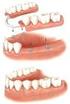 Implant Assisted Removable Prosthodontics M. Nader Sharifi, D.D.S., M.S. Cincinnati Dental Society Cincinnati, OH Friday May 7, 2014 I. Course Synopsis A. Different Types of Overdentures B. Implants with
LATERAL BONE EXPANSION FOR IMMEDIATE PLACEMENT OF ENDOSSEOUS DENTAL IMPLANTS
 LATERAL BONE EXPANSION FOR IMMEDIATE PLACEMENT OF ENDOSSEOUS DENTAL IMPLANTS Department of Oral Maxillofacial Surgery, Chisinau Abstract: The study included 10 using the split control expansion technique
Airways Resistance and Airflow through the Tracheobronchial Tree
 Airways Resistance and Airflow through the Tracheobronchial Tree Lecturer: Sally Osborne, Ph.D. Department of Cellular & Physiological Sciences Email: [email protected] Useful links: www.sallyosborne.com
IMPRESSION TECHNIQUE AND MATERIALS
 IMPRESSION TECHNIQUE AND MATERIALS DR ZURYATI AB GHANI BDS (WALES), Grad Dip Clin Dent (Adelaide), Doctor in Clinical Dentistry (prosthodontics( prosthodontics), Adelaide, FRACDS (Australia). 24.06.07
Dentures. Dental Implants. Look Younger. Chew Better
 Dentures & Dental Implants That Will Help You Look Younger & Chew Better Herbert Dental Copyright 2013 by Herbert Dental All rights reserved. Published by Herbert Dental No part of this publication may
U.S. Department of Health and Human Services National Institutes of Health National Institute of Dental and Craniofacial Research
 U.S. Department of Health and Human Services National Institutes of Health National Institute of Dental and Craniofacial Research What do I need to know about dry mouth? Dry mouth is the feeling that
Removable Partial Dentures 101 Back to the Basics. Luther A. Ison, CDT University of Minnesota School of Dentistry
 Removable Partial Dentures 101 Back to the Basics Luther A. Ison, CDT University of Minnesota School of Dentistry Anterior-Posterior Palatal Strap Major connector Lingual Bar Major Connector, Kennedy Class
Tooth Supported Overdentures
 Unless otherwise noted, the content of this course material is licensed under a Creative Commons Attribution - Non-Commercial - Share Alike 3.0 License. Copyright 2008, Dr. Jeff Shotwell. The following
SURFACE TENSION. Definition
 SURFACE TENSION Definition In the fall a fisherman s boat is often surrounded by fallen leaves that are lying on the water. The boat floats, because it is partially immersed in the water and the resulting
Introduction of Removable Partial Denture - Design and Retention
 Introduction of Removable Partial Denture - Design and Retention By : Dr Zaihan Ariffin BDS(Malaya), GDCDent (Adelaide), Doctor of Clinical Dentistry (Adelaide), FRACDS (Australia) Type of denture Full
X-Plain Sinus Surgery Reference Summary
 X-Plain Sinus Surgery Reference Summary Introduction Sinus surgery is a very common and safe operation. Your doctor may recommend that you have sinus surgery. The decision whether or not to have sinus
Fast and Predictable Tooth Extraction Technique
 Fast and Predictable Tooth Extraction Technique When I first saw the ads for Physics Forceps, I did not believe the claims could be true. At first glance, I didn t see how this strange looking instrument
LANAP. (Laser Assisted New Attachment Procedure)
 LANAP (Laser Assisted New Attachment Procedure) Marcus Hannah, DDS 970 N. Kalaheo Avenue, Suite A305 Kailua, HI 96734 Tel: 808.254.5454 Fax: 808.254.5427 Dental Laser ANAP Informed Consent and Authorization
Dental Implants - the tooth replacement solution
 Dental Implants - the tooth replacement solution Are missing teeth causing you to miss out on life? Missing teeth and loose dentures make too many people sit on the sidelines and let life pass them by.
Tired of THE Gooey mess?
 Tired of THE Gooey mess? There IS a better option. if you Are WeArinG conventional full or partial dentures you may relate To THese daily complications. Messy adhesives that ruin the taste of food. It
Dental Care and Chronic Conditions. Respiratory Disease Cardiovascular Disease Diabetes
 Dental Care and Chronic Conditions Respiratory Disease Cardiovascular Disease Diabetes Shape Up Your Smile and Avoid Some Complications of Chronic Diseases When you take good care of your oral health,
Oral health care is vital for seniors
 Oral health care is vital for seniors (NC) Statistics Canada estimates seniors represent the fastest growing segment of the Canadian population, a segment expected to reach 9.2 million by 2041. As more
How to Achieve Shade Harmony With Different Restorations
 Procera Alumina vs. Feldspathic Porcelain How to Achieve Shade Harmony With Different Restorations Luke S. Kahng, CDT Key Words: Stump shade, Feldspathic Porcelain, Zirconia, Alumina, LSK Treatment Plan
BICON DENTAL IMPLANTS
 BICON DENTAL IMPLANTS The Bicon Dental Implant System, since 1985, has offered discerning dentists the ability to provide secure implant restorations that look, feel, and function like natural teeth. With
Periapical radiography
 8 Periapical radiography Periapical radiography describes intraoral techniques designed to show individual teeth and the tissues around the apices. Each film usually shows two to four teeth and provides
Dental Updates. Excerpted Article e-mail: [email protected]. Why Implant Screws Loosen Part 1. Richard Erickson, MS, DDS
 ¼ ½ ¾ µ mw/cm 2 Volume 17; 2007 Dental Updates "CUTTING EDGE INFORMATION FOR THE DENTAL PROFESSIONAL " 200 SEMINARS AND 30 JOURNALS REVIEWED YEARLY FOR THE LATEST, CUTTING EDGE INFORMATION Excerpted Article