
Living in Medieval Europe
|
|
|
- Maud Hardy
- 9 years ago
- Views:
Transcription
1 Living in Medieval Europe Teacher s Guide 1

2 LIVING IN MEDIEVAL EUROPE Produced By Chariot Productions Teacher's Guide Written By Joe Sitko, Ph.D. Published & Distributed by AGC/UNITED LEARNING 1560 Sherman Avenue Suite 100 Evanston, Illinois Hour Fax No Website: 2

3 This video is the exclusive property of the copyright holder. Copying, transmitting, or reproducing in any form, or by any means, without prior written permission from the copyright holder is prohibited (Title 17, U.S. Code Sections 501 and 506). MM Chariot Productions 3

4 LIVING IN MEDIEVAL EUROPE Teacher s Guide Table of Contents Introduction and Summary...1 Links to Curriculum Standards...1 Teacher Preparation/Instructional Notes..1 Student Preparation...2 Pre-Test...2 Student Objectives...2 Introducing the Video...3 View the Video...3 FOLLOW-UP ACTIVITIES...3 Discussion Questions...3 Blackline Masters...3 Extended Learning Activities...4 Answer Key...5 Script of Narration...8 This video is closed captioned The purchase of this video program entitles the user to the right to reproduce or duplicate, in whole or in part, this teacher's guide and the blackline master handouts that accompany it for the purpose of teaching in conjunction with this video, Living in Medieval Europe. This right is restricted only for use with this video program. Any reproduction or duplication in whole or in part of this guide and the blackline master handouts for any purpose other than for use with this video program is prohibited. 4

5 CLASSROOM/LIBRARY VIEWING CLEARANCE This program is for instructional use. The cost of each program includes public performance rights as long as no admission charge is made. Public performance rights are defined as viewing of a video in the course of face-to-face teaching activities in a classroom, library, or similar setting devoted to instruction. Closed Circuit Rights are included as a part of the public performance rights as long as closed-circuit transmission is restricted to a single campus. For multiple locations, call your AGC/United Learning representative. Television/Cable/Satellite Rights are available. Call your AGC/United Learning representative for details. Duplication Rights are available if requested in large quantities. Call your AGC/United Learning representative for details. Quantity Discounts are available for large purchases. Call your AGC/United Learning representative for information and pricing. Discounts, and some special services, are not applicable outside the United States. Your suggestions and recommendations are welcome. Feel free at any time to call AGC/United Learning at

6 LIVING IN MEDIEVAL EUROPE TEACHERS GUIDE Grades 4-8 Running time: 20 minutes INTRODUCTION AND SUMMARY This program introduces students to life in Medieval Europe. The feudal class structure is examined by looking at the roles of royalty, noble lords, knights, serfs, and the clergy. Feudal concepts of service and reward are explained. The design of a typical castle and important expressions of Medieval Christianity are also presented in this program. LINKS TO CURRICULUM STANDARDS The design for this program was guided by the curriculum standards of the states of Texas, California, and Illinois, as well as the National Center for History in Schools (U.C.L.A). In accordance with these guideline,s we have attempted to help students: 1. Understand the basic economic and political structure of Medieval society by drawing on accurate visual sources. 2. Understand the meaning of time and chronology with regard to the Medieval era. 3. Analyze cause and effect as it pertains to the activities of Medieval people. 4. Develop an improved vocabulary that relates to the Medieval period of history. 5. Understand the importance of religion and belief systems to the Medieval Europeans. TEACHER PREPARATION/ INSTRUCTIONAL NOTES 1. Before presenting this lesson to your students, we suggest that you review history textbooks on the subject of life in Medieval Europe. We also advise you to preview the video and review the guide and accompanying blackline masters in order to familiarize yourself with their content. 6

7 As you review the materials presented in this guide, you may find it necessary to make some changes, additions, or deletions to meet the specific needs of your class. We encourage you to do so, for only by tailoring this program to your class will they obtain the maximum instructional benefits afforded by the materials. It is also suggested that the video presentation take place before the entire group under your supervision. The lesson activities grow out of the context of the video; therefore, the presentation should be a common experience for all students. You should also duplicate selected hand out materials from the blackline masters included in this guide. 2. Set up a Learning Center with maps, pictures, or other materials relevant to Medieval times. STUDENT PREPARATION Before viewing Living in Medieval Europe: 1. Have students explore the Learning Center. 2. Introduce or review with your students the meaning of any words from Blackline Masters #3a-3c: Vocabulary List with which they may need help. PRE-TEST An optional pre-test is provided (Blackline Master #1). This assessment tool will help you determine the level of student comprehension prior to participating in this lesson. An Answer Key appears on pages 5-7 of this Teachers Guide. STUDENT OBJECTIVES After viewing the video and participating in the follow up activities, students should be able to: 1. Describe the basic workings of feudal society with regard to the roles of lords, knights, serfs, and clergy. 7

8 2. Outline the design of a Medieval castle. 3. Describe feudal manors. INTRODUCING THE VIDEO 1. Give a brief overview of life in Medieval times. Discuss the power of the Catholic Church versus feudal states. Show the political boundaries of western Europe in the year Discuss the lord vassal system of feudalism. Discuss the Magna Carta. 2. Hand out whichever activity sheets you decide to use. VIEW THE VIDEO Running time of the program is 18 minutes followed by a short Video Quiz. FOLLOW-UP ACTIVITIES DISCUSSION QUESTIONS 1. What similarities and differences exist between the lives of Medieval people and your own life. 2. What would you have liked best about living in Medieval times? What would you have most disliked? BLACKLINE MASTERS The following blackline master activities are included with this guide. An Answer Key appears on pages 5-7. (1.) Blackline Master #1 is a Pre-Test that, when compared to the results of Blackline Master #8: Post-Test, will help you gauge student comprehension of the Objectives before and after the administration of the lesson. (2.) Blackline Master #2: Video Quiz replicates the Video Quiz questions found on-screen immediately following the video presentation. (3.) Blackline Masters #3a-3c are a Vocabulary List that will introduce students to vocabulary words used in the program. (4.) Blackline Master #4: Vocabulary Activity asks students to find terms and facts from Blackline Master #3: Vocabulary List. 8

9 (5.) Blackline Master #5 is a Crossword Puzzle that challenges students to use some of the words from the vocabulary worksheet presented in this program. (6.) Blackline Masters #6a-6b: Timeline delineates some of the major events and occurrences of the age. (7.) Blackline Master #7: Timeline Activity asks students to locate specific information on Blackline Master #6: Timeline. (8.) Blackline Master #8: Plan of a Norman Castle labels the various parts of a Medieval castle. Discuss the labeled parts with the class and try to imagine what it would have been like to live in such a castle. (9.) Blackline Master #9: Interesting Facts About Life in Medieval Europe describes various aspects of life in the Middle Ages. (10.) Blackline Master #10: Post-Test is an assessment tool to be administered after the entire lesson is complete. Contrasting students results with those of Blackline Master #1: Pre-Test should help you gauge overall comprehension of the Student Objectives. EXTENDED LEARNING ACTIVITIES The following activities may be assigned to more advanced students in order to extend the Objectives of the lesson. 1. Discuss the principles of feudalism and compare them to a modern democracy. This subject could also be the topic for a written paper. 2. Discuss the Medieval roots of our twentieth century legal systems. Where does the notion of the court system come from? What are the roots of common law? This subject provides an excellent topic for term papers. 3. Discuss the Medieval view of the world and its relationship to popular religious beliefs of the time. In what way has the growth of science altered the way modern people view the world compared to the way it was viewed by Medieval people? 4. Discuss alchemy, a popular form of Medieval science, and compare it to modern science. The subject of Medieval science would be a good one on which to write a paper. 9

10 ANSWER KEY Blackline Master #1: Pre-Test 1. False; Wealth came mainly from land ownership and crops in pre industrial societies. 2. False; Serfs mostly worked the fields. 3. True 4. True 5. True Blackline Master #2: Video Quiz 1. True 2. False; They lived in small rural villages. 3. True 4. True 5. False; Training began at eight years of age. 6. True 7. True 8. True 9. False; Bishops were well educated. 10. False; Guns weren t in use in Medieval Europe. Blackline Master #4: Vocabulary Activity 1. Jousts, Melees, Tournaments 2. Inner ward, Outer ward, Portcullis, Moat, Keep, Dungeon, Great Hall, Curtain Wall, Murder Holes 3. Cathedral, Bishop, Monastery, Pilgrimage, Tithing, Monk 10

11 Blackline Master #5: Crossword Puzzle Blackline Master #7: Timeline Activity 5. (1215) 2. (1250) 1. ( ) 8. ( ) 10. (1324) 6. ( ) 7. ( ) 9. ( ) 3. (1440) 4. (1492) 11

12 Blackline Master #10: Post-Test 1. False; Wealth came mainly from land ownership and crops in pre industrial societies. 2. False; Serfs mostly worked the fields. 3. True 4. True 5. True 6. True 7. False; They lived in small rural villages. 8. True 9. True 10. False; Training began at eight years of age. 11. True 12. True 13. True 14. False; Bishops were well educated. 15. False; Guns weren t in use in Medieval Europe. 12

13 Eight centuries ago, during the Medieval era of history, the people of Europe followed a way of life called feudalism that would seem strange to us today. The Medieval era was a time when the huge castles of powerful lords dotted the countryside, a time of constant warfare when knights put on suits of metal armor before going into battle, a time when most ordinary people lived in humble cottages on large feudal estates, and had very few individual rights. It was also the time when the world s largest and most beautiful Christian churches were being built. All in all, it was one of the most fascinating periods in the history of the world. Now, let us find out what it was like to live in Medieval times. If we could travel back in time about 800 years, to Europe when the Medieval era was at its peak, the first thing we would notice was how few people there were, and we would also notice that it was very quiet because there were no factories, cars, or large cities. Back then, nearly everyone lived in small isolated country villages scattered among open fields and big forests. The villages were connected to one another by roads that to us would look like rutted muddy paths. Ordinary people rarely traveled beyond the lands where they were born, not only because they were poor, but also because Medieval Europe was a very dangerous place. Robbers roamed the countryside and war was an almost constant fact of life. That was why, eight centuries ago, the safest place to be was behind the walls of a castle. CASTLES AND LORDS In Medieval Europe, castles were found almost everywhere. The fact that so many castles were built shows how much fear people lived with back then. Castles were almost always the biggest buildings for miles around. They were the fortress homes of the noble lords, some of the wealthiest and most powerful people in Europe, but a castle was also home to lots of servants and soldiers, as well. Inside their walls, wars were planned and important political decisions were made, but they also were places where villagers could seek protection in times of danger. Castles were built in places that were easy to defend, and it is interesting to look at the design of a castle to learn the many ways in which it protected the people inside. THE DESIGN OF A CASTLE As a first line of defense, most castles had a tall outer wall that was often surrounded by a deep, water-filled moat. The outer wall was studded with high towers where soldiers surveyed the surrounding fields for invading troops. Although Medieval 13

14 soldiers had no guns, they did have powerful bows, and there were many places in a castle from which arrows could be fired, such as through the hundreds of notches built into the tops of the walls, or through special windows like this one called arrow slits. Usually a drawbridge over the moat had to be crossed to get into a castle, and it could be raised at any time. If someone was able to cross the drawbridge, he could be stopped by heavy wooden doors protected by a thick metal grate. And hidden above the castle s doors were openings called murder holes, through which large rocks and boiling liquids could be dumped on enemies. If someone managed to get through the doors, he would find himself in an enclosed courtyard where the stables were located, and where villagers came for protection in times of war. From here, invaders could go no further without passing through another well guarded door. On the other side of this door was a second large courtyard where the great stronghold - the best fortified part - of the castle was located. The lord of the castle usually lived with his family in a tower within the walls of the stronghold. Inside this tower his servants climbed winding stone staircases to get from floor to floor. Here, within the castle s biggest room, The Great Hall, the lord met with people and also ate his meals. The main meal, which was served at ten in the morning, took several hours to eat and hands were always used since there were no forks back then. To show their important social position, Medieval lords and their families dined at a table that was raised above everyone else. After eating, many lords enjoyed going upstairs to sit in a window seat like this one so they could gaze out across the lands that gave them their wealth. FEUDALISM: THE MEDIEVAL WAY OF LIFE The Medieval way of life known as feudalism was based on the ownership of land, and feudal social classes reflected how much land people owned. Royalty, like kings and queens, were in the highest class. After them came the noble lords, such as dukes and earls. They were followed by the knights, who were followed by skilled craftsmen, who were followed by the lowly serfs who worked the land. Under the feudal system, people of lower classes showed their respect to the upper classes by serving them, and for their service they received rewards. For example, the lord of a great castle might serve his king by supplying him with knights and soldiers for a war. To show his appreciation for this service, the king might reward the lord with a gift of land, usually in the form of a manor, which was an important unit of territory in the feudal society. A manor usually came complete with a large house like this one, several farms, and at least one village along with all 14

15 the serfs who lived in it. The crops grown on these lands supplied the lord with his income, and the more manors he had the richer he became. SERFS The serfs who belonged to the manors never got rich. They were at the bottom of feudal society because they owned no land. Serfs were not even allowed to move away from a manor without the lord s permission because his wealth depended on the labor they supplied. The lord rewarded his serfs for the service of their labor by giving them a place to live, a share of the crops they raised, and protection during dangerous times. Because serfs owned no land, they had nothing to pass down from one generation to the next, so their families always remained poor. In their manor villages, they were not even allowed to grind their own grain into flour for bread. Instead, they had to pay to have it ground at the lord s mill. In feudal society, even though serfs produced nearly all the food, did most of the hard labor, and were the largest class of people, they had few rights, and almost no opportunity for education. As a result, it was nearly impossible for them to rise above the poverty that ruled their lives. KNIGHTS While serfs provided the labor on great feudal estates, knights were highly valued for their military skills, so there were always quite a few of them on hand at a castle. Knights were professional warriors who usually fought on horseback. They were very different from the ordinary soldiers of that time because they came from wealthy families and they were much better trained. Training for knighthood began at eight years of age when a boy was sent to a castle to become a page, a student and servant of an experienced knight. His training went on for many years, and it wasn t just in how to fight; it was also in such things as horsemanship, reading, singing, chess, and the art of falconry. Special contests called tournaments were often held so that knights and those learning to be knights could practice the skills they needed for combat. Tournaments were popular forms of entertainment in Medieval times... but they were dangerous and knights were often severely injured participating in them. Because knights came from well to do families and were so valued for their fighting skills, they held a very high position in feudal society just below the noble lords. That was why, to show them respect, knights were always addressed as Sir. A noble lord would often reward a knight for his courage with the gift of manor lands and the income they provided, so on a lord s great estate it was not uncommon to find knights living in many of the manor houses 15

16 RELIGION IN MEDIEVAL EUROPE In Medieval times, nearly everyone in western Europe belonged to the Roman Catholic faith, and, although not every person was a sincere believer, this was a time when most people held deep religious beliefs. In fact, about one out of ten Medieval people became monks or nuns, devoting their entire adult lives to the service of God, locked away behind the walls of monasteries. Eight hundred years ago, lords and ladies supported the church with income from manor lands, and often paid the wages of priests, as well. Noble families helped to maintain parish churches in the villages on their estates, in part because they believed that such acts of generosity would help them reach heaven. Wealthy nobles also paid to have beautiful funeral monuments made, and to have prayers and masses said for the souls of their family members after death. Even the poor serfs were expected to give one- tenth of their crops to support their village church, even though it was a great hardship for them. And, although travel was dangerous in Medieval times, some people made long pilgrimages to holy shrines as acts of religious devotion. But what Medieval people are really the most famous for are the huge cathedrals they built all across Europe. These cathedrals, with their soaring towers and delicate stonework, are not only great monuments to faith, they are equally great monuments to the skill of Medieval architects, artists, and builders. It took hundreds of years to construct most Medieval cathedrals, but when they were done, they were truly magnificent places in which to worship - places that filled people s hearts with the mystery and glory of God. Their towering walls held brilliantly colored stained glass windows depicting sacred images and stories from the Bible. These windows served to instruct churchgoers in religion, because back then most people could not read or write Sculptors were kept very busy carving stone for new churches, and their incredible designs give us a glimpse into the Medieval imagination. Directly over the doorway of this French cathedral is a stone carving with a powerful reminder about the consequences of sin. It shows the Day of Judgment. Here, God is depicted as the large figure in the center. At His left hand, those who led lives of sin are being condemned to an eternity of suffering in Hell, while, on His right hand, those who led good lives are being rewarded with an eternity of happiness in heaven. It is interesting that, unlike ordinary people, most members of the clergy could read and write, and, in a time before the invention of the printing press, it was the clergy who copied books by hand. It was also during the Medieval era that the Catholic Church founded nearly all of the great European universities. In Medieval society, a cathedral like this one was the special church of a bishop. Bishops held a high position in the church and belonged to the same feudal class as the noble lords. They 16

17 also possessed great political power, because in Medieval Europe, the Catholic Church was more powerful than any feudal state. As we have just learned, the Medieval era was a time when people s lives were strongly affected by both their deep religious beliefs and their fear of war. It was a time of knights, of feudal manors, and enormous class differences, when most people owned no land, were poor, and were ruled by a few wealthy lords who lived behind the walls of huge castles. But the Medieval era also created great centers of learning and countless rich treasures of architecture and art that continue to inspire people to this very day. 17

18 1 PRE-TEST Name Directions: Answer each question either true or false. 1. In Medieval times, countries grew rich from the goods produced by their factories. 2. Serfs were the people who worked in Medieval factories. 3. The terms Medieval Era and Middle Ages basically refer to the same period in history. 4. Most of the world s largest Christian churches were built in Medieval Europe. 5. Castles were built because war was a constant threat in Medieval Europe Chariot Productions Distributed by AGC/United Learning All rights to print materials cleared for classroom duplication and distribution.

19 2 Name VIDEO QUIZ 1. TRUE OR FALSE? Knights were famous for their skill on horseback 2. TRUE OR FALSE? Most Medieval people lived in cities. 3. TRUE OR FALSE? Stained glass windows were used for religious instruction 4. TRUE OR FALSE? Medieval lords owned whole villages 5. TRUE OR FALSE? Training for knighthood began at the age of sixteen 6. TRUE OR FALSE? Serfs were considered to be a part of a manor. 7. TRUE OR FALSE? A cathedral is the church of a bishop. 8. TRUE OR FALSE? Manors were important units of land in Medieval times. 9. TRUE OF FALSE Medieval bishops could not read or write. 10. TRUE OR FALSE? Medieval castles had powerful guns Chariot Productions Distributed by AGC/United Learning All rights to print materials cleared for classroom duplication and distribution.

20 3a VOCABULARY LIST Name ALCHEMY Medieval chemistry. Alchemists tried to find ways to change base metals, such as lead, into gold. ARCHER A person who shoots with a bow and arrows ARISTOCRACY A privileged minority, usually based on inherited wealth and high social position. Royalty and noble lords belonged to the aristocracy. BISHOP A clergyman of noble rank in charge of the administration of a diocese. CASTLE Usually the fortress home of a noble lord CATHEDRAL The main church for a district or diocese which served as the seat of a bishop. COAT OF ARMS A shield marked with designs of a particular family or group. CHIVALRY Knightly qualities such as valor, fairness, courtesy, respect for women, and protection of the poor. CROSSBOW A short, extremely powerful bow mounted on a piece of wood that holds a special cranking mechanism for pulling the bowstring back. CURTAIN WALL A castle s outer protective wall. DARK AGES The first part of the Middle Ages from around A.D. DIOCESE A church district controlled by a bishop. DUKE A noble lord of the highest rank whose estate was called a Duchy. DUNGEON A cell for prisoners, usually located in the basement of a castle s tower. EARL A high-ranking, noble lord. FALCONRY A Medieval sport of hunting with falcons, FEUDALISM The Medieval way of life, FIFE The lands over which a person has control; a lord s fife would be all the lands of his great estate. GREAT HALL A large hall used by Medieval lords for dining and for meeting with people. INNER WARD The central courtyard of the castle where the castle s great stronghold or keep was located. Sometimes the inner ward was also where the castle s great hall and kitchens were located. JOUST Combat or mock combat with lances between two knights. KEEP The central stronghold or core of a castle. The castle s best defended area Chariot Productions Distributed by AGC/United Learning All rights to print materials cleared for classroom duplication and distribution.

21 3b VOCABULARY LIST Name KNIGHT A person of from a wealthy family who, through years of training, became a professional warrior. Knights fought on horseback. Knights were military servants of their lords and often held manor lands in exchange for their service. LIEGE Someone in Medieval times entitled to give or receive feudal service or allegiance. LORD A rich land owner who ruled a great feudal estate. A lord s title, such as Earl, was passed down from father to the oldest son. MAGNA CARTA A document signed by King John of England in the year It limited the king s power to restrict the feudal privileges of the noble lords. The Magna Carta was a step toward representative government at a time when kings had unlimited power. MANOR An important unit of land in feudal society. Manors usually consisted of farmlands, a village, a church, a large manor house, and all the serfs who lived in the village. MELEE A mock fight between groups of knights MIDDLE AGES The historical period from around 500 A.D. up to around 1450 A.D, between the fall of Rome and the birth of the Renaissance. Medieval ERA The Middle Ages. Usually refers to the late or High Middle Ages, which were from around the year 1000 A.D. up to about 1450 A.D. MONASTERY A place where communities of monks live lives of devotion to God in isolation from the outside world. MONK A man who lives a life separated from the rest of the world, usually in a monastery where he devotes his life to God and follows strict rules of poverty, obedience, and chastity. MOAT A deep ditch around a castle, usually filled with water. MURDER HOLES Holes hidden above a castle s doors through which boiling hot liquids could be dumped, or rocks hurled down on invaders. NOBLES People of high birth, such as dukes and earls. In Medieval Europe, they were the people who lived in the castles. NOBILITY The class of nobles. OUTER WARD An outer courtyard of a castle. It usually contained stables, soldiers barracks, a church, and a granary where grain was stored. Villagers could come here for protection in times of war PAGE A boy servant and student of a knight. The first stage in becoming a knight. PILGRIMAGE A long journey undertaken to reach a holy shrine done out of religious devotion or to gain spiritual merit. PORTCULLIS A grate used to protect a castle s entrance Chariot Productions Distributed by AGC/United Learning All rights to print materials cleared for classroom duplication and distribution.
22 3c VOCABULARY LIST Name RENAISSANCE The great period of rebirth in art, literature, and learning in the 14th 16th centuries, which marked the transition into the modern periods of European history. SERF A landless person who raised crops; bound to a feudal manor. TITHING One-tenth of a farm s produce or a person s income paid as a tax to support the Church and clergy. TITLE The social rank of of a noble lord. For example, a noble lord may have the title of Duke. Titles are hereditary and are passed down from a father to his oldest son. TOURNAMENT A Medieval sport of mounted combat with blunted weapons. VASSAL A holder of land under feudal agreements; also a humble servant. A serf was a vassal of a lord. A lord was a vassal of the king Chariot Productions Distributed by AGC/United Learning All rights to print materials cleared for classroom duplication and distribution.
23 4 VOCABULARY ACTIVITIES Name From the Vocabulary List: 1. Find three activities pertaining to knights. 2. Find six parts of a castle. 3. Find four words that have something to do with religion Chariot Productions Distributed by AGC/United Learning All rights to print materials cleared for classroom duplication and distribution.
24 5 CROSSWORD PUZZLE Name ACROSS 1. The Medieval way of life based on ownership of land, on service, and on loyalty was called. 2. Young boys from wealthy families began their training in knighthood at a young age when they became. 3. The lands of a great castle were usually divided into units called. 4. The most powerful people in Medieval Europe, higher in class than the noble lords, were members of the. 5. Men who joined monasteries and devoted their entire adult lives to the service of god were called. 6. Windows made of were used to instruct illiterate Medieval people in religion. DOWN 7. A bishop s church is called a. 8. A large water filled ditch around a castle is called a. 9. In Medieval times, a class of people called did most of the work of raising crops. 10. A, an event in which knights participated in mock battles, was a popular form of entertainment in Medieval times 11. In Medieval times, prisoners were put into a castle s. 12. If you tried to get into a Medieval castle, it was pretty likely an archer would shoot at you Chariot Productions Distributed by AGC/United Learning All rights to print materials cleared for classroom duplication and distribution.
25 6a TIMELINE Name 1066 Norman conquest of England. A small group of soldiers from Normandy in France, take over England University of Paris is founded growing out of a Medieval cathedral school Cambridge University is founded in England Magna Carta is signed at Runnymede. A step toward representative government in England The first men s college is founded at Oxford University in England Cliff cities are built on Mesa Verde in present-day southern Colorado by people known as the Anasazi Eyeglasses are in common use. Starting in 1309, the first of seven popes, who are rivals of the Roman popes, rule from Avignon, France First mechanical clocks appear in Europe, Pope John XXII attempts to stop the practice of alchemy. The first western European book on human anatomy based on dissection appears. Grain crisis in Europe results in widespread famine, owing to the fact that summer did not come to much of Europe. Crop failure due to cold wet weather forced people to eat their seed grain The Aztecs found the city of Tenochitlan on the spot where they see an eagle sitting on a cactus with a snake in his beak. It is here that the Spanish will establish Mexico City 200 years later. The explorer Marco Polo dies in Venice, Italy, on January 9, 1324, after years of travel in Asia The University of Paris decrees in 1336 that no student can graduate without attending lectures on some mathematical books. The Hundred Years War between France and England begins in The first blast furnace for iron smelting is developed in Belgium. In 1346 or 1347, Italian ships bring rats carrying fleas infected with the Black Plague to Europe. Geoffrey Chaucer, author of The Canterbury Tales, is born in London. By 1347, small cannons that shoot arrows using gunpowder have been designed. This marks the first appearance of guns in Europe By 1351, an estimated 25 million Europeans have died from a plague called The Black Death, raging since The French king is kept a prisoner in England for a few years. Peasants (serfs) have uprising in France, 1358; 20,000 people die The French reconquer many of their territories that had been previously occupied by the English The steel crossbow is introduced as a weapon of war Geoffrey Chaucer begins to write The Canterbury Tales. Rockets are used for the first time in Europe at the battle of Chioggia between the Venetians and the Genoese. Cast iron objects become generally available in Europe Chariot Productions Distributed by AGC/United Learning All rights to print materials cleared for classroom duplication and distribution.
26 6b TIMELINE Name Italian mapmaker Paolo Toscanelli makes a map incorrectly showing Asia to be only 3000 miles west of Europe. A century later, this map inspired Christopher Columbus to make his first voyage of discovery Major improvements are made in sailing ships. The long lost map of the world drawn in the second century by the geographer Ptlomey is rediscovered in western Europe. It becomes the best existing map of the world. Ptolomey s map makes Columbus believe that Asia can be reached by sailing west from Europe The Guttenberg Bible is printed on a printing press that uses movable type. This invention made it possible for books to be made cheaply and, as a result, knowledge began to spread more rapidly than ever before in history Columbus discovers the West Indies in the New World. Columbus also learns that compasses change direction slightly as the longitude changes. After seven centuries, the last Moslems are driven from Spanish soil. Leonardo Da Vinci draws a plan for a flying machine Chariot Productions Distributed by AGC/United Learning All rights to print materials cleared for classroom duplication and distribution.
27 7 TIMELINE ACTIVITY Name Directions: Using the Timeline, organize the following things beginning with the oldest and ending with the latest. 1. Eyeglasses are in common use in Europe. 2. The Anasazi build Mesa Verde in Colorado. 3. Guttenberg prints Bibles using movable type. 4. Moslems are driven from Spain. 5. The Magna Carta is signed. 6. The Hundred Years War begins. 7. Peasants (serfs) have an uprising in France. 8. Mechanical clocks are invented. 9. Steel crossbow is invented. 10. Marco Polo dies Chariot Productions Distributed by AGC/United Learning All rights to print materials cleared for classroom duplication and distribution.
28 Name 2000 Chariot Productions Distributed by AGC/United Learning All rights to print materials cleared for classroom duplication and distribution.
29 9 Name INTERESTING FACTS ABOUT LIFE IN MEDIEVAL EUROPE 1. In some large castles, the lord had as many as 300 servants. Servants were often the children of serfs. 2. A lord had the right to demand work, rents, and taxes from his serfs, but it was also his duty to defend them. 3. Lords, and sometimes ladies, administered justice on behalf of the king. This was how our modern legal system was born. 4. A great lord often had to leave his castle for many months to do government business or to fight in a war. When the lord was gone, he often left his wife, or Lady, in charge of things to make sure the castle ran smoothly. 5. The kings and lords who built the great Medieval castles were the richest men of their time. Their wealth came from the land both from the crops and from rents paid by the serfs and other tenants. 6. In Medieval times, raw fruit and vegetables were believed to be unhealthy. That was why ordinary people ate mostly stews and porridges of vegetables plus about two pounds (one kilogram) of bread a day. Medieval lords and ladies ate a great deal of meat. Their meals could last two or three hours. 7. Half the children born in Medieval Europe died before they were 15 years old. 8. Castle floors were covered with a layer of straw or reeds which could be swept away when they got too dirty. 9. Large castles had fish ponds, gardens, places for pigs and chickens, windmills, chapels, brewhouses, and even small orchards within their walls Chariot Productions Distributed by AGC/United Learning All rights to print materials cleared for classroom duplication and distribution.
30 10 POST-TEST Name Directions: Answer each question either true or false. 1. In Medieval times, countries grew rich from the goods produced by their factories. 2. Serfs were the people who worked in Medieval factories. 3. The terms Medieval Era and Middle Ages basically refer to the same period in history. 4. Most of the world s largest Christian churches were built in Medieval Europe. 5. Castles were built because war was a constant threat in Medieval Europe. 6. Knights were famous for their skill on horseback 7. Most Medieval people lived in cities. 8. Stained glass windows were used for religious instruction 9. Medieval lords owned whole villages 10. Training for knighthood began at the age of sixteen 11. Serfs were considered to be a part of a manor. 12. A cathedral is the church of a bishop. 13. Manors were important units of land in Medieval times. 14. Medieval bishops could not read or write. 15. Medieval castles had powerful guns Chariot Productions Distributed by AGC/United Learning All rights to print materials cleared for classroom duplication and distribution.
Teacher s Guide For. Ancient History: Ancient Pueblo People: The Anasazi
 Teacher s Guide For Ancient History: Ancient Pueblo People: The Anasazi For grade 7 - College Programs produced by Centre Communications, Inc. for Ambrose Video Publishing, Inc. Executive Producer William
World History Middle Ages Test
 World History Middle Ages Test 1. Europe became a feudal society because a. Europeans needed to defend themselves against constant raids and invasions. b. overpopulation required that a more efficient
Teacher s Guide For. Ancient History: The Greek City-State and Democracy
 Teacher s Guide For Ancient History: The Greek City-State and Democracy For grade 7 - College Programs produced by Centre Communications, Inc. for Ambrose Video Publishing, Inc. Executive Producer William
5- Why did the Shogun rule Japan?
 Global History and Geography I The Rise of Feudalism in Japan Name: The emperor was an important political and religious figure in Japan. However, by the 1100s, the emperor s power was so weakened that
Benchmark C Describe the characteristics of feudal societies and the transition to the Renaissance and Reformation in Europe.
 Feudalism in Japan and Europe Connection: History Benchmark C Describe the characteristics of feudal societies and the transition to the Renaissance and Reformation in Europe. Indicator 3 Describe the
PUSD High Frequency Word List
 PUSD High Frequency Word List For Reading and Spelling Grades K-5 High Frequency or instant words are important because: 1. You can t read a sentence or a paragraph without knowing at least the most common.
The social structure of the Medieval world
 Medieval Society & Medieval Architecture The social structure of the Medieval world First order: Oratores, those who pray Second order: Bellatores, those who fight Third order: Laboratores, those who work
WELCOME TO GOD S FAMILY
 WELCOME TO GOD S FAMILY To all who received him, to those who believed in his name, he gave the right to become children of God children born not of natural descent, nor of human decision or a husband
THEME: Jesus sent the Holy Spirit to indwell and empower us.
 Devotion NT285 CHILDREN S DEVOTIONS FOR THE WEEK OF: LESSON TITLE: The Day of Pentecost THEME: Jesus sent the Holy Spirit to indwell and empower us. Dear Parents SCRIPTURE: Acts 2:1-41 Dear Parents, Welcome
GRADES: 4-5. Be like the stars of our faith-help care for the church! Tithe. to tithe is to share to tithe is to care
 GRADES: 4-5 Be like the stars of our faith-help care for the church! Tithe to tithe is to share to tithe is to care Dear Student, As Orthodox Christians, we care about our faith and our church. One way
ROCHESTER CATHEDRAL. Who s who in Rochester Cathedral
 ROCHESTER CATHEDRAL A cathedral is the main church of a diocese. A diocese is a group of churches looked after by a bishop. You can find a map of the Diocese of Rochester in the Cathedral crypt. Christians
THEME: God desires for us to demonstrate His love!
 Devotion NT320 CHILDREN S DEVOTIONS FOR THE WEEK OF: LESSON TITLE: The Gift of Love THEME: God desires for us to demonstrate His love! SCRIPTURE: 1 Corinthians 13:1-13 Dear Parents Welcome to Bible Time
Devotion NT347 CHILDREN S DEVOTIONS FOR THE WEEK OF: LESSON TITLE: The Hall of Faith. THEME: God wants us to trust Him. SCRIPTURE: Hebrews 11:1-40
 Devotion NT347 CHILDREN S DEVOTIONS FOR THE WEEK OF: LESSON TITLE: The Hall of Faith THEME: God wants us to trust Him. SCRIPTURE: Hebrews 11:1-40 Dear Parents Welcome to Bible Time for Kids! This is a
THEME: Jesus knows all about us and He loves us.
 Devotion NT224 CHILDREN S DEVOTIONS FOR THE WEEK OF: LESSON TITLE: The Woman at the Well THEME: Jesus knows all about us and He loves us. SCRIPTURE: John 4:1-42 Dear Parents Welcome to Bible Time for Kids!
Late Medieval Period (WHI.12)
 Name Late Medieval Period (WHI.12) Label on Map: England, France, Spain, Russia, Holly Roman Empire, Paris, Rome, Mediterranean Sea, English Channel, Atlantic Ocean Term: Nation-state Describe: Draw: 1
Kilkenny Castle Trail Background Information
 Kilkenny Castle Trail Background Information When Strongbow and the other Norman knights came to Kilkenny in 1172, the high ground beside the river was chosen as an ideal site on which to build a wooden
Devotion NT273 CHILDREN S DEVOTIONS FOR THE WEEK OF: LESSON TITLE: The Garden of Gethsemane. THEME: We always need to pray! SCRIPTURE: Luke 22:39-53
 Devotion NT273 CHILDREN S DEVOTIONS FOR THE WEEK OF: LESSON TITLE: The Garden of Gethsemane THEME: We always need to pray! SCRIPTURE: Luke 22:39-53 Dear Parents Welcome to Bible Time for Kids. Bible Time
OUR LIFE WITH JESUS. Faith and Life Series 3. Third Edition
 OUR LIFE WITH JESUS Faith and Life Series 3 Third Edition Contents Note to Parents... 7 1. God Loves Us... 9 2. God Created the World... 13 3. Learning about God.... 17 4. The Promise of a Savior... 23
THEME: We should take every opportunity to tell others about Jesus.
 Devotion NT307 CHILDREN S DEVOTIONS FOR THE WEEK OF: LESSON TITLE: Paul Goes Before Agrippa THEME: We should take every opportunity to tell others about Jesus. SCRIPTURE: Acts 25:13 26:32 Dear Parents
Middle Ages Research Project
 Assigned On: Wednesday, March 2 Due On: Friday, March 25 Middle Ages Research Project By Royal Proclamation of the 7 th Grade Court Hear ye, hear ye! Loyal citizens of Jeffersonshire! The Royal Court of
Bible for Children. presents THE MAN OF FIRE
 Bible for Children presents THE MAN OF FIRE Written by: Edward Hughes Illustrated by: Lazarus Adapted by: E. Frischbutter Produced by: Bible for Children www.m1914.org 2007 Bible for Children, Inc. License:
Theme: The deliverance of the Israelites from Egypt demonstrates God s power
 Title: THE LIBERATING POWER AND LOVE OF GOD Theme: The deliverance of the Israelites from Egypt demonstrates God s power Bible Basis: Genesis 15:13-15 CEV; Exodus 1-12* Introduction: We have been learning
The Conquistadors and the Aztecs
 The Conquistadors and the Aztecs from the Exploring the World Series Teacher's Guide 1 Conquistadors and the Aztecs from the Exploring the World Series catalog # 3397 Published & Distributed by AGC/UNITED
California Treasures High-Frequency Words Scope and Sequence K-3
 California Treasures High-Frequency Words Scope and Sequence K-3 Words were selected using the following established frequency lists: (1) Dolch 220 (2) Fry 100 (3) American Heritage Top 150 Words in English
Unit 9 Lesson 5 Popes, Kings and Challenges to the Church
 Unit 9 Lesson 5 Popes, Kings and Challenges to the Church Lesson 5 Popes, Kings and Challenges to the Church Directions Read each False statement below. Replace each underlined word with one from the word
Teacher s Guide For. Glaciers and Ice Caps The Melting
 Teacher s Guide For Glaciers and Ice Caps The Melting For grade 7 - College Program produced by Centre Communications, Inc. for Ambrose Video Publishing, Inc. Executive Producer William V. Ambrose Teacher's
Guided Reading Level Ī - -
 A Friend to the Pilgrims Guided Reading Level Ī - - No part of this publication may be reproduced in whole or in part, or stored in a retrieval system, or transmitted in any form or by any means, electronic,
LESSON TITLE: Jesus Heals Blind Bartimaeus
 Devotion NT257 CHILDREN S DEVOTIONS FOR THE WEEK OF: LESSON TITLE: Jesus Heals Blind Bartimaeus THEME: Jesus always has time for us! SCRIPTURE: Mark 10:46-52 Dear Parents Welcome to Bible Time for Kids!
Teacher s Guide For. The First Amendment in the 21 st Century: Garcetti v. Ceballos - The Whistleblower Case
 Teacher s Guide For The First Amendment in the 21 st Century: Garcetti v. Ceballos - The Whistleblower Case For grade 7 - College Program produced by Centre Communications, Inc. for Ambrose Video Publishing,
Home work. Fill in the Blanks Use your study sheet to find the correct answers. BETWEEN ANCIENT AND MODERN
 Date: 1 BETWEEN ANCIENT AND MODERN The Middle Ages is the period between a and m history. The early period of the Middle Ages is known as the D Ages because the great c of G and R had fallen. Life during
The importance of Prayer life
 The importance of Prayer life Prayer means communication with God. Prayer will lead us into dependence upon God. A person completely declared before God I am nothing and God is supreme. And declare without
Devotion NT267 CHILDREN S DEVOTIONS FOR THE WEEK OF: LESSON TITLE: The Second Coming. THEME: Jesus is coming again. SCRIPTURE: Matthew 24:27-31
 Devotion NT267 CHILDREN S DEVOTIONS FOR THE WEEK OF: LESSON TITLE: The Second Coming THEME: Jesus is coming again. SCRIPTURE: Matthew 24:27-31 Dear Parents Welcome to Bible Time for Kids. Bible Time for
LESSON TITLE: Jesus Visits Mary and Martha THEME: Jesus wants us to spend time with \ Him. SCRIPTURE: Luke 10:38-42
 Devotion NT249 CHILDREN S DEVOTIONS FOR THE WEEK OF: LESSON TITLE: Jesus Visits Mary and Martha THEME: Jesus wants us to spend time with \ Him. SCRIPTURE: Luke 10:38-42 Dear Parents Welcome to Bible Time
The Once and Future King
 Individual Learning Packet Teaching Unit The Once and Future King by T.H. White Copyright 2000 by Prestwick House Inc., P.O. Box 658, Clayton, DE 19938. 1-800-932-4593. www.prestwickhouse.com Permission
LESSON TITLE: Jesus is the Way, the Truth, and the Life
 Devotion NT271 CHILDREN S DEVOTIONS FOR THE WEEK OF: LESSON TITLE: Jesus is the Way, the Truth, and the Life THEME: We can always trust Jesus. SCRIPTURE: John 14:1-6 Dear Parents Welcome to Bible Time
Teacher s Guide For. Core Biology: Environmental Sciences
 Teacher s Guide For Core Biology: Environmental Sciences For grade 7 - College Programs produced by Centre Communications, Inc. for Ambrose Video Publishing, Inc. Executive Producer William V. Ambrose
Main Point: God gives each of us gifts and abilities. We should use them to glorify Him.
 The Ten Talents Matthew 18:21-35 PPT Title The Ten Talents Main Point: God gives each of us gifts and abilities. We should use them to glorify Him. Key Verse: God s gifts of grace come in many forms. Each
Government of Ancient Egypt Question Packet
 Government of Ancient Egypt Question Packet Your group will research Ancient Egyptian culture focusing on the Government of Ancient Egypt. Assign jobs to group members. Everyone must have a job. Research
PRAYER OF THE FAITHFUL 27 th Sunday in Ordinary Time October 6/7, 2007
 27 th Sunday in Ordinary Time October 6/7, 2007 Celebrant: My sisters and brothers, trusting in the love and mercy of Almighty God, we bring all our needs before him: 1. For Pope Benedict and all bishops,
Haslingden High School RE HOMEWORK BOOKLET Year 8 Block A
 Haslingden High School RE HOMEWORK BOOKLET Year 8 Block A Name: Form: Subject Teacher: Date Given: Date to Hand in: Level: Effort: House Points: Comment: Target: Parent / Guardian Comment: 0 Year 8 Block
The Shield of Faith. Pre-Session Warm Up. Opening Prayer. Memory Verse. Lesson
 Pre-Session Warm Up The Shield of Faith (Ephesians 6:16) Would you believe me if I told you that if you fell backward into my arms, I would catch you and not let you hit the floor? [Teacher, have several
Unit 4 Lesson 8 The Qin and Han Dynasties
 Unit 4 Lesson 8 The Qin and Han Dynasties Directions Read the False statements below. Replace each underlined word with one from the word bank that makes each sentence True. Word Bank Ying Zheng army copper
Schools & Families Department. Find Out About The Cathedral
 Schools & Families Department Find Out About The Cathedral What is a Cathedral? It is a giant church. Do a google search for different types of churches in Britain. There are lots of different shapes,
How To Recover Your Spiritual Edge? II Kings 6:1-7 (NKJV)
 Message for THE LORD S DAY MORNING, February 12,2012 Christian Hope Church of Christ, Plymouth, North Carolina by Reggie A. Braziel, Minister REVIVALS How To Recover Your Spiritual Edge? II Kings 6:1-7
Reality 2: God Pursues a Continuing Love Relationship with You that is Real and Personal
 Reality 2: God Pursues a Continuing Love Relationship with You that is Real and Personal Reality 2: God Pursues a Continuing Love Relationship with You that is Real and Personal Created for a Love Relationship
them scarf it down is gross. They eat more than we do and were rich.
 Knights It is the time of ower lord 1066. I m Sterling the lll, and I m going to tell you a story of my great life, but very tough. It all starts out when I was a young boy running about our castle. My
Hobbes, Locke, Montesquieu, and Rousseau on Government
 CONSTITUTIONAL RIGHTS FOUNDATION Bill of Rights in Action 20:2 Hobbes, Locke, Montesquieu, and Rousseau on Government Starting in the 1600s, European philosophers began debating the question of who should
LIFE OF CHRIST from the gospel of. Luke. Lesson 13 Journey to the Cross: Jesus is Arrested/ Peter Denies Jesus
 LIFE OF CHRIST from the gospel of Luke Lesson 13 Journey to the Cross: Jesus is Arrested/ Peter Denies Jesus Luke 22:31-34;47 34;47-71 71 Mission Arlington/Mission Metroplex Curriculum/Life of Christ/Gospel
Immigration. The United States of America has long been the world s chief receiving
 Non-fiction: Immigration Immigration The United States of America has long been the world s chief receiving nation for immigrants. An immigrant is a person who leaves his/her country to settle and remain
KNOWING GOD PERSONALLY
 KNOWING GOD PERSONALLY These four points explain how you can enter into a personal relationship with God and experience the life for which you were created... GOD LOVES YOU AND CREATED YOU TO KNOW 1HIM
YEAR 1: Kings, Queens and Leaders (6 lessons)
 YEAR 1: Kings, Queens and Leaders (6 lessons) Contents Include: The United Kingdom and the Union Jack Kings and Queens The Magna Carta Charles I Parliament The Prime Minister Suggested Teacher Resources:
LESSON TITLE: The Last Supper. Maidens. THEME: Jesus is the Passover lamb. SCRIPTURE: Luke 22:7-10 CHILDREN S DEVOTIONS FOR THE WEEK OF:
 Devotion NT269 CHILDREN S DEVOTIONS FOR THE WEEK OF: Maidens LESSON TITLE: The Last Supper THEME: Jesus is the Passover lamb. SCRIPTURE: Luke 22:7-10 Dear Parents Welcome to Bible Time for Kids. Bible
LESSON TITLE: Our Chief Cornerstone. THEME: Jesus is our cornerstone! SCRIPTURE: Ephesians 2:19-22 CHILDREN S DEVOTIONS FOR THE WEEK OF: Dear Parents
 Devotion NT328 CHILDREN S DEVOTIONS FOR THE WEEK OF: LESSON TITLE: Our Chief Cornerstone THEME: Jesus is our cornerstone! SCRIPTURE: Ephesians 2:19-22 Dear Parents Welcome to Bible Time for Kids! This
WILL WE BE MARRIED IN THE LIFE AFTER DEATH?
 Explanatory Notes: WILL WE BE MARRIED IN THE LIFE AFTER DEATH? Series title: Topic: Marriage in heaven / heaven as a marriage Table of Contents: Message 1: What is the Life after Death Like? p. 1 Message
BEFORE THE ROOSTER CROWS
 BOOK 3, PART I, LESSON 5 BEFORE THE ROOSTER CROWS THE BIBLE: Luke 22:54-62 THEME: We remember that Jesus taught about love and showed love in everything he did. During Lent and Easter we remember and celebrate
12. Choose You This Day
 RWS #106, Our Mighty God... 12. Choose You This Day Joshua 23-24 Joshua was a good example. He put God first in his life. When Joshua died at the age of 110, he was called the servant of the Lord (Joshua
Chapter 1. The Renaissance and Reformation 1300-1650
 Chapter 1 The Renaissance and Reformation 1300-1650 The Renaissance The Renaissance was a period of history that sought to join the middle ages to the modern times. This age grew into one of the most culturally
LESSON TITLE: A Story about Investing. THEME: We should share the love of Jesus! SCRIPTURE: Luke 19:11-27 CHILDREN S DEVOTIONS FOR THE WEEK OF:
 Devotion NT258 CHILDREN S DEVOTIONS FOR THE WEEK OF: LESSON TITLE: A Story about Investing THEME: We should share the love of Jesus! SCRIPTURE: Luke 19:11-27 Dear Parents Welcome to Bible Time for Kids!
The French Revolution Begins Close Read
 The French Revolution Begins Close Read Standards Alignment Text with Close Read instructions for students Intended to be the initial read in which students annotate the text as they read. Students may
Renaissance and Reformation Study Guide and Notebook Checklist. **Use your notes and pages 34-57 and 146-148. Answers in Italics
 Renaissance and Reformation Study Guide and Notebook Checklist **Use your notes and pages 34-57 and 146-148 Answers in Italics 1. What is the Renaissance Movement the rebirth of? Art and learning 2. Where
September 15th TEACHER BIBLE STUDY. The Northern Kingdom Was Destroyed
 Big Picture Question: Why did God scatter His people? God s people sinned against Him. Bible Passage: 2 Kings 17:1-23 Christ Connection: The prophets called God s people to repentance as Christ calls people
Jesus Parables in Chronological Order. Parable #46 ~ Matthew 25:31-46 ~ The Sheep and the Goats ~ Scripture
 Jesus Parables in Chronological Order Parable #46 ~ Matthew 25:31-46 ~ The Sheep and the Goats ~ Scripture 31 When the Son of Man comes in his glory, and all the angels with him, he 32 will sit on his
Subject Area: World History Standard: Understands major global trends from 1000 to 1500 CE
 #3567 THE AZTECS Grade Levels: 9-12 25 minutes AMBROSE VIDEO PUBLISHING 1998 1 Student Activity Sheet DESCRIPTION Aztec civilization flourished in Mexico for three centuries before Cortez and his Spanish
The Protestant Reformation
 The Protestant Reformation Mr. Montreuil April 2015 1 The Big Picture I can explain how the Protestant Reformation impacted Europe religiously, politically, & socially. This Lesson I can identify Reformation
Overview. Mission Gate, ca. late 1700s Courtesy Texas Archeological Research Labs. Photo by Hunt Wellborn
 H C H A P T E R t h r e e H immigration Overview Chapter 3: Immigration covers many groups involved in the early colonization of Texas: farmers, ranchers, soldiers, missionaries, and slaves. Exhibits in
What are you. worried about? Looking Deeper
 What are you worried about? Looking Deeper Looking Deeper What are you worried about? Some of us lie awake at night worrying about family members, health, finances or a thousand other things. Worry can
Our Lady Invites Us To Wake Up From Our Spiritual Coma - Medjugorje.com
 Medjugorje visionary, Ivan, speaking to several thousand pilgrims today, August 18, 2010. Ivan was given special instructions from Our Lady concerning the youth and family. Being married to an American
God is Eternal Lesson 1
 Preschool Curriculum (4K / 5K) August 15 th & 16 th, 2009 God is Eternal Lesson 1 Divine Attribute: Heart Response: God is Eternal Be Amazed Memory Verse: Jesus Christ is the same yesterday, today and
Prayers for a Virtual Pilgrimage with Pope Francis
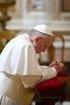 Prayers for a Virtual Pilgrimage with Pope Francis Tuesday, September 22 Washington, DC As our shepherd Pope Francis begins his pilgrimage to the United States, please pray for the Church in our country.
THE JOURNEY TO JERUSALEM
 BOOK 3, PART 1, LESSON 1 THE JOURNEY TO JERUSALEM THE BIBLE: Luke 19:29-40 THEME: We remember that Jesus taught about love and showed love in everything he did. During Lent and Easter, we remember and
Men from the British Empire in the First World War
 In 1914, Britain ruled over one quarter of the world s surface area and 434 million people. This was known as the British Empire. When war broke out, Britain was desperate for men to fight. Unlike France,
The Walls Came Tumbling Down The Story, Chapter 7: Joshua Sunday, October 19, 2014 Lakeside Lutheran Church Almost every Sunday morning, I post an
 The Walls Came Tumbling Down The Story, Chapter 7: Joshua Sunday, October 19, 2014 Lakeside Lutheran Church Almost every Sunday morning, I post an invitation on Lakeside s Facebook page about what will
THE VICTORIANS ON THE CANALS
 THE VICTORIANS ON THE CANALS An education pack for Key Stage 2 The London Canal Museum, 12-13 New Wharf Road, London N1 9RT. ( (020) 7713 0836 Introduction The London Canal Museum is an interactive, hands-on
A SHORT HISTORY OF CHURCH BUILDING
 A SHORT HISTORY OF CHURCH BUILDING From its beginning, a critical part of Christianity has been the gathering of people worshipping together. By virtue of this activity, the place where they worship has
LESSON TITLE: The Great Commandment. THEME: Love is the fulfillment of the Law. SCRIPTURE: Mark 12:28-34 CHILDREN S DEVOTIONS FOR THE WEEK OF:
 Devotion NT264 CHILDREN S DEVOTIONS FOR THE WEEK OF: LESSON TITLE: The Great Commandment THEME: Love is the fulfillment of the Law. SCRIPTURE: Mark 12:28-34 Dear Parents Welcome to Bible Time for Kids.
Fry Phrases Set 1. TeacherHelpForParents.com help for all areas of your child s education
 Set 1 The people Write it down By the water Who will make it? You and I What will they do? He called me. We had their dog. What did they say? When would you go? No way A number of people One or two How
Tithe to the Church! Why do people go there? Well, basically they go there to get fed... to nourish themselves with good food.
 Tithe to the Church! Many of us enjoy eating at Jim N Nick s here in Gardendale. Not only do they offer satisfying food and service... they favor us by funding most of the bill when they provide BBQ sandwiches
THE LESSON. Humility In David s Life TEACHER S LESSON # 4 A MAN OF HUMILITY
 TEACHER S LESSON # 4 A MAN OF HUMILITY Lesson Summary: We know that David was a humble leader because he was not spoiled by honor, he freely confessed his weaknesses, and he gave God the glory for what
First Holy Communion Prep Game
 ST. JOAN OF ARC ACADEMY S First Holy Communion Prep Game Learning the CatechismThrough Play directions Game pieces needed to play: 1 game board 1 set of questions 1 dice (1-4) game pieces (button, dime,
THEME: God has a calling on the lives of every one of His children!
 Devotion NT298 CHILDREN S DEVOTIONS FOR THE WEEK OF: LESSON TITLE: Paul s First Missionary Journey THEME: God has a calling on the lives of every one of His children! SCRIPTURE: Acts 12:25 13:52 Dear Parents
Lesson 35. The Tabernacle. Exodus 25 27. God lives among his people
 Gospel Story Curriculum (OT) lower Lower elementary Lesson 35 The Tabernacle Exodus 25 27 Bible Truth God lives among his people l e s s o n snapshot 1. Opening review.... 5 min Use last week s lesson
"God's Wisdom Revealed to All (Ephesians 3:7-20)
 "God's Wisdom Revealed to All (Ephesians 3:7-20) by Rev. Jackie Stoneman Paul begins this chapter by reminding the Ephesians that he is in fact a prisoner. Because he has been preaching to the Gospel especially
The Story of the Titanic Called "Lost or Saved?"
 The Story of the Titanic Called "Lost or Saved?" Introduction: Good afternoon everyone, my name is. Today I am here using this sketch board to share with you a great message. I would like to talk to you
The Trinity is a mystery. Even great theologians don t completely understand it, and some scholars spend their whole lives studying it.
 Holy Trinity Sunday In the name of the Father, Son, and Holy Spirit Mathew 28:16-20 Sometimes when I m leading chapel for our preschoolers, I ask a question like: Who was born in Bethlehem? And one of
FOUNDER S DAY. Adult Lesson
 African Methodist Episcopal Church FOUNDER S DAY Adult Lesson GOD CALLS: THE PEOPLE RESPOND By Shirley Richards, Assst. District Superintendent South Philadelphia District FOCUS: Following God s Leadership.
Soul-Winning Commitment Day. Sunday School/ Small Group Lessons. Soul-Winning. Commitment Day
 Sunday School/ Small Group Lessons Soul-Winning Commitment Day Purpose of Lesson: This guide is for the purpose of preparing older children through adult Sunday school members to understand the importance
Acts 11 : 1-18 Sermon
 Acts 11 : 1-18 Sermon Imagine a church being riven apart by different personalities leading different groups each trying to pull it in different directions. Imagine a church whose future is threatened
Webquest: The Dog of Pompeii by Louis Untermeyer
 Name Date Webquest: The Dog of Pompeii by Louis Untermeyer http://www.history.com/topics/ancient history/pompeii Watch the 2 minute video. Pay special attention to where Pompeii is and where Vesuvius is
LIFE OF CHRIST from the gospel of
 LIFE OF CHRIST from the gospel of Mark Lesson 40 The greatest commandment Mark 12:28-34 Created for use with young, unchurched learners Adaptable for all ages including adults Mission Arlington/Mission
The Empty Tomb. (Easter Sunday)
 The Empty Tomb! (Easter Sunday) Teacher Pep Talk: Congratulations! You get to teach children the greatest Bible story of all: The Resurrection of Jesus Christ! EASTER!! There is no greater story of God
LESSON 2 Learners Guide 40 Spiritual Principles For Life Management Rick Ellison Managing Time Family Work and Christian Service
 LESSON 2 Learners Guide 40 Spiritual Principles For Life Management Rick Ellison Managing Time Family Work and Christian Service Today there is a wave of philanthropy unlike anything witnessed in history.
BASIC CATHOLIC PRAYERS
 BASIC CATHOLIC PRAYERS Sign of the Cross In the name of the Father, and of the Son, and of the Holy Spirit. Amen. The Apostles Creed I believe in God, the Father almighty, creator of heaven and earth.
water baptism contents
 ABOUT WATER BAPTISM water baptism If you have received this booklet, chances are that you are interested in getting water baptized or you want to know what Crossroads Church believes about it. Either way,
Jacob and Esau. You will need: 2 Coupons or Tickets: One for Birthright and One for Blessing. Soup to cook in class
 Jacob and Esau Teacher Pep Talk: Soup Esau despised his birthright and sold it to Jacob for a bowl of soup! Twins What can you say? These two boys were born on the same day to the same parents, but they
CHINA OVERVIEW: A BRIEF HISTORY OF CHINESE DYNASTIES. Student Handouts, Inc.
 CHINA OVERVIEW: A BRIEF HISTORY OF CHINESE DYNASTIES Student Handouts, Inc. GEOGRAPHY OF CHINA Larger than the United States Climate varies North Temperate and cold South Subtropical Erosion Floods and
Parable of The Talents Matthew 25:14-30
 "Scripture taken from the NEW AMERICAN STANDARD BIBLE, Copyright 1960, 1962, 1963, 1968, 1971, 1972, 1973, 1975, 1977, 1995 by The Lockman Foundation Used by permission." (www.lockman.org) Parable of The
Predesigned Plan of God (PPOG)
 Predestination or Predesigned Plan of God (PPOG) A letter to God the Father Revised 10-18-2013 Dear God the Father, Thank You for giving us the Bible. It has wonderful and precise directions for our adventure
~SHARING MY PERSONAL PERSPECTIVE~
 April 2012 ~SHARING MY PERSONAL PERSPECTIVE~ Dear Friends, It is a certainty that shared values encourage cooperative relationships. I don t know who first said this, but I certainly believe it to be true.
How to Simplify Your Life
 Life Reference: Matthew 6:24-34 Focus Verse: But seek ye first the kingdom of God, and his righteousness: and all these things shall be added unto you (Matthew 6:33). Stuff! Wonderful stuff everywhere!
work out your own salvation with fear and trembling.
 By: Dov Avnon It is important to know what does it mean to work out your salvation. Remember it is Paul who writing it to the members of the body of Christ in this dispensation of Grace. Paul is not talking