
Roppe ESD Static Control Vinyl Flooring
|
|
|
- Elvin Welch
- 9 years ago
- Views:
Transcription

1 Installation 6.1 General Preparation and Conditioning Read the literature concerning the product description, product limitations, product installation, adhesive information, product maintenance, and warranty before installing the tile. All materials including recommended adhesive are to be delivered to the installation location in its original packaging with labels intact. DO NOT stack pallets. Store products in a dry area protected from the weather on a smooth, flat, dry surface with temperatures maintained between 65ºF (19ºC) and 85ºF (30ºC). Remove all plastic wrapping and strapping from the pallets in the installation area at least 48 hours prior to installation. For proper acclimatization, remove the tile from the cartons and stack evenly on a smooth dry surface with each stack no more than 18 high. When stacking tiles prior to and during installation, place the tiles face-to-face and sanded back-tosanded back to prevent the sanded back of the tiles from being contaminated. Protect the product from damage. The installation area, tile, adhesive, and welding rods, if required, are to be maintained between 65ºF (19ºC) and 85ºF (30ºC) for at least 48 hours before installation, during installation, and 48 hours after the installation. Maintain room temperatures between 65ºF (19ºC) and 85ºF (30ºC) thereafter. If temperatures other than Roppe s requirements become an issue, contact Roppe s Technical Service Department prior to installation. Notice: Tile should be loose laid in the room or area prior to spreading of adhesive to determine the proper layout to ensure the best overall appearance and to minimize small border cuts. Inspect all material for proper type and color. Notice: It is the Flooring Installer s direct responsibility to inspect and loose lay the flooring in the room or area prior to installation to determine the proper layout and best overall appearance. Flooring Installer must inspect all material for manufacturing imperfections and irregularities prior to installation. All manufacturing imperfections or irregularities must be reported to the appropriate authority. Conduct the proper moisture emission and ph testing on the substrate. Proceed with the installation only when the conditions are proper and correct. A bond test using Roppe ROP605 two-part ESD epoxy or ROP604 single-part ESD acrylic adhesive throughout the area approximately 50 feet apart should be performed at least one week prior to the scheduled installation to ensure the surface is suitable. After 72 hours, there should be an unusual amount of force to lift tile from the substrate with adhesive bonding to the tile and the substrate. Close the area to traffic during flooring installation. Install tiles and accessories after other finishing operations, including painting, have been completed. If the back of the tile becomes soiled prior to installation, clean with a clean soft cloth dampened with clean water or denatured alcohol, and allow to completely dry. Tile may be installed over radiant heated floors, provided the surface temperature is maintained between 65ºF (19ºC) and 85ºF (30ºC). If radiant-heated floors have cooled after installation, a gradual increase in temperature is required to prevent adhesive bond from being adversely (excluding ROP604) affected. Notice: You will find an arrow on the back, sanded side, of each tile. It is important that each tile be installed with the arrow in the same direction. If the tiles are not laid in the same direction, the reflection of light will cause an optical illusion, making the surface appear to be different shades. If the tiles are installed at random, disregarding the arrows on the back, it will require extensive buffing with 3M 5300 Blue Cleaner pads and occasionally 3M 7200 Brown Stripper Page 1 of 11 Roppe Corporation, Printed in the U.S.A.

2 Pads with a RPM buffer. Warning: Follow all local, state, and federal standards and practices for the proper removal and disposal of flooring, adhesives, or other materials. Follow all local, state, federal, and manufacturer s safety standards for the use of all products and equipment. 6.2 Subfloor/Substrate Inspection and Preparation All subfloors/substrates must be inspected prior to installation. All substrates must be clean, smooth, permanently dry, flat, and structurally sound. The substrate must be free of moisture, dust, sealers, paint, primers, curing compounds, parting agents, residual adhesives, adhesive removers, hardeners, resinous compounds, solvents, wax, oil, grease, asphalt, gypsum compounds, alkaline salts, excessive carbonation or laitance, mold, mildew, any other extraneous coatings, films, materials and all other foreign matter which might interfere/restrict proper adhesive bonding. DO NOT use sweeping compounds, solvents, citrus adhesive removers, or acid etching to clean the substrate. DO NOT install flooring over gypsum-based or plaster based leveling or patching compounds. DO NOT install new floor covering over old floor covering, as the old floor covering may not be adequately bonded, hide possible structural defects, or cause plasticizer migration into the new flooring. In renovation or remodel work, remove all existing *adhesive residue so that 100% of the overall area of the original subfloor/substrate is exposed. Follow The Resilient Floor Covering Institute s (RFCI) Recommended Work Practice for Removal of Existing Floor Covering and Adhesive, and all applicable industry, local, state, and federal standards. Care must be taken to analyze the conditions and correct any problems prior to installation. Follow the manufacturer s recommendations for any patching or underlayment materials, excluding gypsum based or plaster based levelers or patching compounds. * Some previous manufactured asphaltic cutback contained asbestos. For removal instructions, refer to the Resilient Floor Covering Institute s publication Recommended Work Practices for Removal of Resilient Floor Covering Concrete substrates on all Grade Levels must be tested in accordance with ASTM F 1869 Standard Test Method for Measuring Moisture Vapor Emission Rate of Concrete Subfloor Using Anhydrous Calcium Chloride or ASTM F 2170 Standard Test Method for Determining Relative Humidity in Concrete Floor Slabs using in situ Probes to quantitatively determine the amount of moisture vapor emission at least one week prior to the installation. Caution: ASTM F 1869 or ASTM F 2170 tests cannot predict long-term moisture conditions of concrete slabs. Moisture testing only indicates moisture conditions at the time the tests are performed. Before conducting ASTM F 1869 or ASTM F 2170 test, the installation area must be maintained between for 65 F (19 C) and 85 F (30 C) or at least 48 hours prior to testing, during testing and thereafter. In addition, the concrete s temperature range must also be identical to that of the installation area. Conduct three test for the first 1,000 sq. ft. and one additional test for each 1,000 sq. ft. or fraction thereof per grade level. The Vapor Emission Rate shall not exceed 5.0 lbs and Relative Humidity Test shall not exceed 75% when using either ROP604 Acrylic ESD Adhesive or ROP605 Two-Part ESD Epoxy. If the substrate does not meet the above noted requirements, the flooring shall not be installed until the problem has been corrected. DO NOT install flooring if there is hydrostatic pressure. Every concrete floor slab on-grade or below grade to receive Page 2 of 11 Roppe Corporation, Printed in the U.S.A.

3 resilient flooring shall have a permanent, effective moisture vapor retarder installed below the slab. A ph test must be performed to test for excessive alkalinity using a ph pencil or litmus paper and deionized water. A scaly, sandy, or powdery surface is an indication of some form of contaminant, usually excessive alkalis or an alkali-silica residue. A ph reading higher than 8 is an indication of a potential problem and the concrete must be neutralized by rinsing with clear water. Apply clear water with a mop and allow to dry. Re-rinse with clear water, allow to dry and retest to ensure ph level is within acceptable range of 5 to 8 on the ph scale. Continue to neutralize until the ph level is acceptable. The testing of concrete for alkalinity indicates the degree of alkalinity only at the time the test is conducted, and cannot be used to predict longterm conditions. Moisture and alkali salts in the concrete can cause the following problems after installation: adhesive deterioration, bumps, ridges, bubbles, discoloration, mold, mildew, bacteria growth, efflorescence, tile shifting, tile releasing, tile peaking, or sheet seam curling. DO NOT install over burnished (slick troweled) concrete to avoid adhesive and underlayment patch or self-leveling bonding problems due to the non-porosity of the concrete finish. Corrective measures such as bead blasting (shot blasting) or scarifying must be performed prior to installation. The concrete slab must be of good quality, standard density concrete with low water/cement ratios consistent with placing and finishing requirements, having a maximum slump of 4, a minimum compressive strength of 3500 psi, and following the recommendations of ACI Standard 302.1R-96 for class 2 or call 4 floors and the Portland Cement Association s recommendations for slabs on ground. Joints such as expansion joints, contraction joints, isolation joints, saw cuts, control joints, grooves or other moving joints shall not be filled with patching compound or covered with resilient flooring. Expansion joint covers designed for use with resilient flooring should be used. Any non-moving surface cracks, depressions, and other irregularities shall be filled and smoothed with a high quality grade Portland cement-based, water resistant, non-shrinking, non-staining, mildew resistant, alkali resistant underlayment having a minimum compressive strength of 3500 psi after 28 days. Some underlayments may fail under excessive weight; an epoxy caulking compound may be required for certain repairs. Mechanically cleaning the substrate by shot-blasting, scarifying, or sanding shall be performed to achieve a flat, smooth, clean surface to prevent irregularities, roughness, or other defects from telegraphing through the new resilient flooring. The surface of the concrete shall be flat to within the equivalent of 3/16 in 10 feet, as described in ACI 117R. The surface shall be cleaned of all loose material by scraping, brushing, vacuuming, or other methods, or a combination thereof, immediately before commencing installation of resilient flooring. Follow the proper safety practices during the preparation and installation. Follow the recommendations of the American Concrete Institute (ACI 302.1R, Guide for Concrete Floor and Slab Construction; ACI 360.R, Design of Slabs on Grade; ACI 223, Standard Practice for the Use of Shrinkage- Compensating Concrete); The American Society for Testing and Materials (ASTM F 710, Standard Practice for Preparing Concrete Floors and Other Monolithic Floors to Receive ), and the American National Standards Institute (ANSI A157.1, Recommended Practice for Concrete Floor and Slab Construction) for the preparation of concrete to receive resilient flooring. Refer to Wood subfloors to be used as subfloors/substrates are to follow the procedures recommended in and Wood subfloors should be of double layer construction with a Page 3 of 11 Roppe Corporation, Printed in the U.S.A.

4 minimum thickness of 1. Crawl spaces underneath wood subfloors shall be in compliance with local building code ventilation practices and have clearance of at least 18 of cross-ventilated space between the ground level and joists. Wood joists should be spaced on no more than 16 centers. Place a moisture retarder; having a maximum rating of 1.0 perm, on the top of the ground under the wood subfloor overlapped at least 8. APA, The Engineered Wood Association, Underlayment Grade plywood, minimum 3/8 thick, with a fully sanded face is to be used. Use APA approved exterior grade plywood if finished floors are subjected to moisture. OSB, lauan, maranti, solid-core mahogany, waferboard, particleboard, chipboard, flakeboard, tempered hardboard, glass mesh mortar units or cementitious tile backer boards, sheathinggrade plywood, preservative-treated plywood, or fire-retardant treated plywood are not recommended as some manufacturers may use resins or other adhesives in the manufacturing of the product that may cause discoloration or staining of the flooring. Wood subfloor movement, flexing or instability will cause the flooring installed to release, buckle or become distorted. Do not proceed with the installation until corrective measures have been made. The warranties, performance, installation, and use are the responsibility of the manufacturer and/or contractor. DO NOT use plastic or resin filler to patch cracks. DO NOT use cement or rosin coated nails or staples or solvent-based construction adhesive to adhere the plywood. Installation on a sleeper, a wood subfloor system constructed over the top of concrete, is not recommended. Installation directly over Sturd-I-Floor panels is not recommended. All wood subfloors, single construction plywood floors, single and/or double tongue-and-groove strip floors, and wood plank floors must be prepared to receive resilient flooring in accordance with federal and industry standards. Follow the recommendations of the APA, The Engineered Wood Association, Design/Construction Guide, Residential and Commercial, and ASTM F 1482, Standard Guide to Wood Underlayment Products Available for Use Under, for the installation and proper construction of the panels to receive resilient flooring. It is the contractor s responsibility to determine if the subfloor is acceptable to receive the flooring Cementitious Terrazzo and ceramic floors to be used as subfloors/substrates are to follow the procedures recommended for concrete in & Ceramic tile must be solidly adhered and all loose tiles must be removed and repaired or replaced. Ensure all glazed, sealed, smooth, and/or shiny surfaces are properly sanded and cleaned. Fill all grout lines and other irregularities with a manufacturer s recommended Portland cement-based underlayment with a minimum compressive strength of 3500 psi. The subfloor must be structurally sound. Inspect and ensure there is an adequate bond of the old flooring to the original substrate. Do not install over epoxy based terrazzo. Cementitious terrazzo must first be sanded to remove all finishes, and then cleaned. Conduct a bond test with adhesive to ensue a successful bond can be achieved before installing. Roppe will not warrant the product if there is a bond failure caused by problems relating to the old flooring Metal floors to be used as subfloors/substrates must be thoroughly cleaned of any residue, oil, paint, primer, sealer, rust, and oxidation and properly sanded/grinded to provide a smooth, level, clean substrate to receive flooring. The flooring must be installed within 12 hours after sanding/grinding to prevent the metal from re-oxidizing. The metal subfloor shall be Page 4 of 11 Roppe Corporation, Printed in the U.S.A.

5 structurally sound. Deflection of the metal can cause a bond failure between the adhesive and the metal substrate. It is the contractor s responsibility to decide the feasibility of the application, and Roppe Corporation will not be held liable for failures caused by flexing or deterioration of metal substrates. On an extremely smooth, non-porous, metal substrate, a longer tack up may be required in order to prevent the adhesive from oozing between the seams. Refer to Caution: The installation of flooring material will not prevent deterioration of metal substrates from occurring. 6.3 Adhesive Application Roppe ROP605 Two-Part ESD Epoxy and ROP604 ESD Acrylic Adhesive Roppe ROP605 Two-Part ESD Epoxy: ROP605 is recommended for the installation of Roppe s ESD Static Control Solid Vinyl tile. ROP605 is a non-flammable, high performance epoxy adhesive for indoor installations over porous and non-porous substrates on grade, below grade, or above grade, and available in both quarts and gallon containers. Caution: ROP605 Two-Part Epoxy only must be used in areas subjected to rolling loads, lateral sheer stress and over non-porous substrates including but not limited to metal. When used on non-porous substrates, the adhesive must be allowed to tack up, but do not allow adhesive to dry. Spread coverage using the 1/32 deep x 1/16 open x 1/32 square notch trowel provided is approximately square feet on smooth, steel troweled concrete or a non-porous substrate. Over porous or rough substrates, a 1/16 x 1/16 x 1/16 flat V notch trowel is required. The spread rate for this trowel is approximately square feet. Coverage will vary according to the type of surface, surface texture, spreading angle, and adhesive temperature. Although the epoxy components are non-freezing, the adhesive must be allowed to stabilize to ambient temperature before mixing. Shelf life is one 70ºF (21ºC) from adhesive manufacturing date in an unopened container. It is extremely important that adhesive inventory is check to ensure within manufacturing date guidelines. Wet adhesive on the surface of the tiles or surrounding area must be removed immediately with a clean cloth dampened with warm soapy water or denatured alcohol. DO NOT allow adhesive to cure on the surface of the tile. A bond failure will occur if the epoxy is not properly mixed. Label information is in English and Spanish. Read all of the product and safety information concerning the adhesive and any other chemicals or cleaning agents prior to installation. Roppe ROP605 Two-Part ESD Epoxy Calculated VOC s according to California SCAQMD Rule #1168: Part A: 9 grams per liter of coating. Roppe ROP605 Part B: 20 grams per liter of coating. Part A & B Calculated VOC s when mixed: 14.3 grams per liter of coating ROP604 Acrylic ESD Adhesive: ROP604 Acrylic ESD Adhesive is recommended for the installation of Roppe s ESD Static Control Solid Vinyl tile. ROP604 is a non-flammable; onepart acrylic base adhesive for indoor installations over approved concrete and wood subfloors only, on grade or above grade, and is available in both quarts and gallon containers. Caution: ROP605 Two-Part Epoxy only must be used in areas subjected to rolling loads, lateral sheer stress and over non-porous substrates including but not limited to metal, and below grade. ROP604 must be applied using a 1/16 x 1/16 x 1/16 square notch trowel over either porous or rough substrates. The spread rate for this trowel size is approximately square feet. Page 5 of 11 Roppe Corporation, Printed in the U.S.A.

6 Coverage will vary according to the type of surface, surface texture, spreading angle, and adhesive temperature. The adhesive is freeze/thaw stable to 5 cycles at 0ºF (-18ºC); however, it is recommended to protect all adhesive products from freezing. If frozen, DO NOT stir until material has completely thawed. Shelf life is one 70ºF (21ºC) from adhesive manufacturing date in an unopened container. It is extremely important that adhesive inventory is check to ensure within manufacturing date guidelines. Wet adhesive on the surface of the tiles or surrounding area must be removed immediately with a clean cloth dampened with warm soapy water or denatured alcohol. DO NOT allow adhesive to cure on the surface of the tile. A bond failure will occur if the epoxy is not properly mixed. Label information is in English and Spanish. Read all of the product and safety information concerning the adhesive and any other chemicals or cleaning agents prior to installation. Roppe ROP604 Acrylic ESD Adhesive Calculated VOC s according to California Rule #1168: 37 grams per liter of coating. 6.4 Adhesive Application and Product Installation Roppe ESD Static installation using Roppe ROP605 Two-Part ESD Epoxy: Read all installation literature before proceeding. Prior to adhesive application, dry lay the flooring to ensure desired aesthetics. Caution: ROP605 Two-Part Epoxy only must be used in areas subjected to rolling loads, lateral sheer stress and over non-porous substrates including but not limited to metal, and below grade. When stacking tiles prior to and during installation, place the tiles face-to-face and sanded back-to-sanded back to prevent the sanded back of the tiles from becoming contaminated and to protect the face from damage. Follow safety precautions on the adhesive labels and Material Safety Data Sheet s. Must have adequate ventilation. DO NOT mix partial units of this adhesive, because the ratio of Part A to Part B is not 1:1. Roppe ROP605 Two-Part ESD Epoxy Adhesive is packaged in two separate containers marked Part A (epoxy resin) and Part B (polyamide resin, hardener). Remove the lids and add all of Part B into Part A. Then Turn Part B upside down and fully drain adhesive into Part A. Mix the combined parts using a rotary motion while at the same time lifting from the bottom. A slow speed, 200 RPM maximum, drill with an attached mixing paddle may also be used. Mix 3 minutes. After mixing, there must be no streaking of adhesive, which must by one consistent solid color. Caution: Higher mixing speeds and/or longer mixing time will reduce the open time and can cause premature curing of the adhesive; however, if not mixed long enough, the adhesive will not properly cure. DO NOT allow the mixed epoxy adhesive to stand in the container. Immediately after mixing, pour the contents onto the substrate. Immediately spread the adhesive evenly with the 1/32 deep x 1/16 open x 1/32 square notch trowel provided for smooth substrates while being careful to leave no puddles of adhesive. Note: Over extremely porous or rough concrete, a 1/16 x 1/16 x 1/16 Square notch trowel may be required. Caution: If to much adhesive is applied, oozing and telegraphing may occur along with adhesive displacement when the tile is rolled or subjected to rolling loads or lateral sheer stress, resulting in loose areas and adhesive telegraphing. Spreading large areas of adhesive in excess of 175 square feet could possibly allow the adhesive to cure or setup before the tile is installed which would result in a bond failure. Allow the adhesive to tack up which takes approximately 15 Page 6 of 11 Roppe Corporation, Printed in the U.S.A.

7 minutes at 70ºF (21ºC) and 50% humidity. Caution: Tack up time, open time, and curing characteristics will vary upon the type of substrate, temperature of the substrate, ambient temperature, humidity, proper mixing of the adhesive and proper conditioning of the adhesive. Observe the adhesive to ensure the adhesive has not surpassed its open time and started to cure. Notice: You will find an arrow on the back, sanded side, of each tile. It is important that each tile be installed with the arrow in the same direction installing the sanded side with the arrow into the adhesive. If the tiles are not laid in the same direction, the reflection of light will cause an optical illusion, making the surface appear to be different shades. If the tiles are installed at random, disregarding the arrows on the back, it will require extensive buffing with 3M 5300 Blue Buffer Pads using a RPM buffer followed with Red and White pads for polishing. When laying the flooring, use a kneeling board, or for best results, work off the flooring whenever possible to avoid shifting of the tile, adhesive displacement and telegraphing, and to not also track the epoxy adhesive onto the surface of the tile. If the adhesive is bleeding or oozing at the seams, either too much adhesive is being applied or the adhesive is too wet. Immediately remove the excessive wet adhesive with a clean cloth dampened with warm soapy water or denatured alcohol before the epoxy cures. After cleaning with denatured alcohol, rinse with a clean soft cloth dampened with clean water. DO NOT allow the epoxy to cure on the surface of the tile; it will be extremely difficult to remove. Note: If heat welding, the vinyl welding rods will not adhere to adhesive left remaining in the pre-grooved seam. Periodically, lift the tile to check for proper adhesive transfer. There should be at least a 90% transfer of adhesive on the back of the tile. Also, observe the adhesive to ensure the adhesive has not surpassed its open time and started to cure. Borders and other specialty cut tiles must be scribed and cut fit snugly, not tightly, against the wall, threshold, transition strip, fixtures, or other obstacles. DO NOT wait until all the main aisle flooring has been installed to begin laying the borders. Roll and cross roll each section of tile laid with a 100-pound 3-section roller within 30 minutes after the tile section has been installed. Use a hand roller in areas that cannot be reached with the larger roller. Conduct a visual inspection during the rolling process to ensure there has been no shifting of the tiles and that there is no adhesive on the surface of the tile. DO NOT wait until the entire installation is completed before rolling as the adhesive may have surpassed its open time. Inspect each section laid after rolling to check for raised edges. Roll and cross roll a second time approximately 30 minutes after the initial rolling. If necessary, roll and cross roll again. There is to be no foot traffic on the floor for at least 48 hours and no wheeled conveyances for at least 3 days. Protect flooring against damage Roppe Static Control ESD Vinyl Tile installation using Roppe ROP604 Acrylic ESD Adhesive: ROP604 Acrylic ESD Adhesive is recommended for the installation of Roppe s Static Control ESD Solid Vinyl tile. ROP604 is a non-flammable; one-part acrylic base adhesive for indoor installations over approved concrete and wood substrates only, on grade, or above grade, and available in both quarts and gallon containers. Caution: ROP605 Two-Part Epoxy only must be used in areas subjected to rolling loads, lateral sheer stress and over non-porous substrates including but not limited to metal, and below grade. ROP604 must be applied using a 1/16 x 1/16 x 1/16 square notch trowel over either porous or rough substrates. The spread rate for Page 7 of 11 Roppe Corporation, Printed in the U.S.A.

8 this trowel size is approximately square feet. Coverage will vary according to the type of surface, surface texture, spreading angle, and adhesive temperature. The adhesive is freeze/thaw stable to 5 cycles at 0ºF (-18ºC); however, it is recommended to protect all adhesive products from freezing. If frozen, DO NOT stir until material has completely thawed. Shelf life is one 70ºF (21ºC) from adhesive manufacturing date in an unopened container. It is extremely important that adhesive inventory is check to ensure within manufacturing date guidelines. Wet adhesive on the surface of the tiles or surrounding area must be removed immediately with a clean cloth dampened with warm soapy water or denatured alcohol. DO NOT allow adhesive to cure on the surface of the tile. Caution: If to much adhesive is applied, oozing and telegraphing may occur along with adhesive displacement when the tile is both rolled & subjected to traffic, resulting in loose areas and adhesive telegraphing. Spreading large areas of adhesive in excess of 175 square feet could possibly allow the adhesive to cure or setup before the tile is installed which would result in a bond failure. Allow the adhesive to tack up which takes approximately 15 minutes at 70ºF (21ºC) and 50% humidity. Caution: Tack up time, open time, and curing characteristics will vary upon the type of substrate, temperature of the substrate, ambient temperature, humidity, proper mixing of the adhesive and proper conditioning of the adhesive. Observe the adhesive to ensure the adhesive has not surpassed its open time and started to cure. Notice: You will find an arrow on the back, sanded side, of each tile. It is important that each tile be installed with the arrow in the same direction installing the sanded side with the arrow into the adhesive. If the tiles are not laid in the same direction, the reflection of light will cause an optical illusion, making the surface appear to be different shades. If the tiles are installed at random, disregarding the arrows on the back, it will require extensive buffing with 3M 5300 Blue Buffer Pads using a RPM buffer followed with Red and White pads for polishing. When laying the flooring, use a kneeling board, or for best results, work off the flooring whenever possible to avoid shifting of the tile. the adhesive is bleeding or oozing at the seams, either too much adhesive is being applied or the adhesive is too wet. Immediately remove the excessive wet adhesive with a clean cloth dampened with warm soapy water or denatured alcohol before the adhesive cures. After cleaning with denatured alcohol, rinse with a clean soft cloth dampened with clean water. DO NOT allow adhesive to cure on the surface of the tile; it will be extremely difficult to remove. Note: If heat welding, the vinyl welding rods will not adhere to adhesive left remaining in the pregrooved seam. Periodically, lift the tile to check for proper adhesive transfer. There should be at least a 90% transfer of adhesive on the back of the tile. Also, observe the adhesive to ensure the adhesive has not surpassed its open time and started to cure. Borders and other specialty cut tiles must be scribed and cut fit snugly, not tightly, against the wall, threshold, transition strip, fixtures, or other obstacles. DO NOT wait until all the main aisle flooring has been installed to begin laying the borders. Roll and cross roll each section of tile laid with a 100-pound 3-section roller within 30 minutes after the tile section has been installed. Use a hand roller in areas that cannot be reached with the larger roller. Conduct a visual inspection during the rolling process to ensure there has been no shifting of the tiles and that there is no adhesive on the surface of the tile. DO NOT wait until the entire installation is completed before rolling as the adhesive may have surpassed its open time. Inspect each section laid after rolling to check for raised edges. Roll and cross roll a second time approximately 30 minutes after the initial rolling. If necessary, Page 8 of 11 Roppe Corporation, Printed in the U.S.A.

9 roll and cross roll again. There is to be no foot traffic on the floor for at least 48 hours and no wheeled conveyances for at least 3 days. Protect flooring against damage. 6.5 Grounding & Grounding Diagram Grounding: To ground the conductive and static dissipative flooring to a known ground, use the 1 wide x thick x 18 long copper foil strips, supplied by Roppe and place approximately 9 of the strip into Roppe ROP605 two-part ESD epoxy or ROP604 single-part ESD acrylic adhesive while the adhesive is wet in order to achieve a 100% transfer to the copper foil backing, under the tile nearest the ground point (center copper foil in the center of the tile). Roppe ROP605 two-part ESD epoxy or ROP604 single-part ESD acrylic adhesive must also be applied to the top section of the copper foil strips in order to complete the conductivity and to bond the tile to directly to the copper foil strips. Allow the other half, approximately 9, of the length of the strip to pigtail up the wall to permit an electrician to mechanically connect the copper foil to the ground point. If using a specifically supplied ESD facility grounding system, a ground bus bar would be placed near the floor where any ESD ground can be connected. If bus bars are not used, the ESD ground wire is normally #10 or #12 stranded copper wire, supplied by the electrical contractor, is placed inside the wall from a ground bus and a hole is cut into the drywall for the wire to exit at the floor/wall junction where the copper foil has been placed. Grounding to the green wire ground in the wiring system may also be used; Refer to the Grounding Diagram in section Use longer copper foil strips if necessary. Place the copper strips approximately every 2000 square feet along the perimeter of the floor or where the ground points are located and or at least one per room. The ground connection may also be made directly to an exposed steel support column. The connection must be mechanically secured to the column. The point of contact on the column must be clean and dry, and free of any paint or other substance that would prevent adequate metal contact. Protect or enclose all connections as required by safety codes. Bridge expansion joints, saw-cuts etc with a copper strip from a tile on one side of the expansion joint, saw-cut etc to a tile on the other side of the expansion joint, saw cut etc to ensure continuity. Resistance testing should be conducted in accordance to the test method, voltage, and conditions specified Grounding Methods Diagram: See two (2) diagrams at end of document Flash Cove Procedure for ESD Static Allow a minimum of 6 flash up the wall and extending at least 6 on the floor. Install the Roppe #165 Square Resilient Cove Cap at the desired height. Temperature of the flooring and Roppe vinyl welding bead prior to and during installation and thereafter is to be maintained between 65º F (19ºC) and 85ºF (30ºC). Install the Roppe #167 Cove Stick Filler at the wall and floor junction to provide the desired radius. Measure and cut in the flash cove. Bend to desired radius, making sure there is good contact with the cove stick. To make both inside corners and outside butterfly corners, use building felt to create a dry pattern. Cut the flooring to the pattern. Trim and fit into place. For outside corners, after cutting and grooving your butterfly piece, fit it into place. As an alternative, preformed metal corners may be used. Hand groove the seams after the adhesive has been applied and prior to welding the two pieces together. Use Roppe Page 9 of 11 Roppe Corporation, Printed in the U.S.A.

10 360 Acrylic Tile and Stair Tread Adhesive on the wall for installation of flashed-cove pieces of tile. Use Roppe 604 Single Part ESD Adhesive or ROP605 Two- Part ESD Epoxy Adhesive on the floor, (depending on substrate and installation type) and allow the adhesive to overflow on the cove strip. Weld the flash cove tile to the field tiles and up the wall. Trim flash cove seams using an X-ACTO knife with a blade to make it easy to trim inside and outside corners. A C B C o m m o n a c c e p t e d E S D T il e s y s t e m g r o u n d in g m e th o d s A. S p e c ific E S D g r o u n d in g s y s t e m b u ilt in t o t h e f a c ilit y d e s ig n. B B u ild in g c o lu m n : S t e e l c o lu m n s o r g r o u n d e d b u ild in g f r a m in g s y s t e m p r o v id e s a n a c c e p t a b le g r o u n d f o r E S D f lo o r in g. G r o u n d in g lu g f a s t e n e d t o s t e e l f r a m in g p e r N E C r e q u ir e m e n t s C. C o n n e c t t h e c o p p e r s t r a p t o t h e g r e e n g r o u n d w ir e ju m p e r e d f r o m a r e c e p t a c le b o x. Page 10 of 11 Roppe Corporation, Printed in the U.S.A.

11 9-10 Page 11 of 11 Roppe Corporation, Printed in the U.S.A.

Installation System. Existing Resilient Sheet Floors
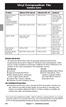 Vinyl Composition Tile Installation System Product Adhesive/Full Spread Adhesive/Tile-On Comment Imperial Texture MultiColor RAVE Stonetex Companion Square Feature Tile/Strips ARTEFFECTS SAFETY ZONE Vinyl
Vinyl Composition Tile Installation System
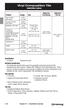 Vinyl Composition Tile Installation System Product Gauge Size Vinyl No-Wax (Dry Back) Urethane No-Wax (Dry Back) 0.045" (1.1 mm) 0.080" (2.0 mm) IMPERIAL TEXTURE 0.094" (2.4 mm) STONETEX ChromaSpin COMPANION
BENTLEY ELEMENTS COLLECTION LVT
 This document refers to the following products: Product Size Installation direction Seams treatment Elements Tiles See specifications 90 None Elements Planks See specifications Stair Step None Note: This
12 POLYURETHANE ADHESIVE (PU 105)
 12 POLYURETHANE ADHESIVE (PU 105) DISCLAIMER: Refer to page 5 of this document. 12.1 DESCRIPTION PU 105 is a high performance two-part polyurethane adhesive for both indoor installations of Mondo rubber
Moisture and Resilient Floor Covering
 Moisture and Resilient Floor Covering Moisture related failures of resilient floor coverings installed over concrete have focused unfairly over the years on the premise that the flooring product itself
ARDEX GUIDE SPECIFICATION ARDEX Exterior Concrete Repair & Resurfacing Polymer-Modified, Cement-Based, Patch & Horizontal Overlay Materials
 ARDEX GUIDE SPECIFICATION ARDEX Exterior Concrete Repair & Resurfacing Polymer-Modified, Cement-Based, Patch & Horizontal Overlay Materials SECTION 03 92 50 PART 1 - GENERAL 1.1 RELATED DOCUMENTS A. Drawings,
Fiberglass-Reinforced Sheet Flooring Installation System
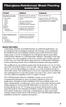 Fiberglass-Reinforced Sheet Flooring Installation System Product Adhesive Comments Residential Use Only CushionStep Value Good Better Best FlexStep Duality Premium Premium Plus Modified loose lay method
installation Mannington Works. 800 241 2262 manningtoncommercial.com Mannington Commercial Luxury Vinyl Tile Installation Instructions GENERAL
 GENERAL These instructions cover all fully adhered s of Mannington Commercial LVT; Assurance Squared, Create, Nature s Paths, Nature s Paths Select and Walkway luxury vinyl flooring. Nature s Paths LockSolid
Commercial/Residential Linoleum Sheet Installation System
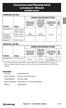 Commercial/Residential Linoleum Sheet Installation System COMMERCIAL USE ONLY Product MARMORETTE GRANETTE COLORETTE UNI WALTON LINORETTE Gauge 0.080" (2.0 mm) 0.100" (2.5 mm) 0.125" (3.2 mm) 0.100" (2.5
Carpet Tile Installation Guidelines
 NOTICE FAILURE TO FOLLOW THESE GUIDELINES CAN RESULT IN VOIDING THE CARPET WARRANTY. Installation Guidelines The following instructions should be reviewed prior to installation. Shaw Industries will not
Technical Services. Product MM INCH Installation direction Seams treatment GTI CONNECT (interlocking)
 INSTALLATION INSTRUCTIONS FOR GTI CONNECT TILES This document refers to the following products: Product MM INCH Installation direction Seams treatment GTI CONNECT (interlocking) 635 X 635 mm 25.5 x 25.5
INSTALLATION RECOMMENDATIONS. Outdoor Rubber Tiles
 INSTALLATION RECOMMENDATIONS Outdoor Rubber Tiles Prior to Installation: The Outdoor Rubber Tiles and accessory transition pieces intended for this installation have been shipped to you via a freight carrier
How to Install Hardwood Flooring Over a Sub Floor
 How to Install Hardwood Flooring Over a Sub Floor Installation Preparation Instructions Read the entire instructions before starting your project. 1) INSPECT EACH PLANK (see fig. a) Wood is a natural product
Laminate Flooring T-Lock Angle-Drop Installation Instructions
 TECHNICAL SERVICE Laminate Flooring T-Lock Angle-Drop Installation Instructions March 23, 2012 Read all instructions carefully before beginning installation. Make sure that the instructions are the most
Armstrong Do-It-Yourself Tile Installation System
 Armstrong Do-It-Yourself Tile Installation System What tools will I need to install my tile floor? You'll need just the basics: - floor tile (make sure you have enough tile to finish the job) - adhesive
RESILIENT TILE FLOORING INCLUDING SOLID VINYL AND LINOLEUM FLOOR TILE
 THIS DOCUMENT IS INTENDED AS A SUGGESTED GUIDE FOR CREATING, MODIFYING, OR EDITING YOUR CSI FORMATTED 3-PART ARCHITECTURAL GUIDE SPECIFICATIONS. JOHNSONITE WILL NOT BE LIABLE FOR ANY DAMAGES ARISING OUT
Adhesive Recommendation for Altro Flooring. Porous (absorbent) subfloors (most wood subfloors and some concrete)
 Adhesive Recommendation for Altro Flooring Product Safety Sheet Flooring Smooth Sheet Flooring Porous (absorbent) subfloors (most wood subfloors and some concrete) Altrofix 30/31 (excessively heavy rolling
CHAPTER 3 MOISTURE TESTING
 CHAPTER 3 MOISTURE TESTING Part I - Moisture Testing for Wood Subfloors A. Testing Requirements 1. Test for moisture at several locations in the room a minimum of 20 per 1,000 square feet and average the
COMMERCIAL RESILIENT INSTALLATION GUIDELINES
 COMMERCIAL RESILIENT INSTALLATION GUIDELINES GENERAL INFORMATION All substrates to receive moisture sensitive floor covering require proper moisture testing. Use only Portland based patching and leveling
Division 9. SignaFlor Pad and Pour Flooring System
 Division 9 SignaFlor Pad and Pour Flooring System SPECIFICATIONS Page 1. General... 2 1.1 Description 2 1.2 Quality Assurance 2 1.3 Submittals 2 1.4 Delivery and Storage 3 1.5 Warranty 3 1.6 Working Conditions
Bella Cera Engineered Hardwood Flooring Installation Instructions. Check for Proper Color Selection Prior to Installation
 Bella Cera Engineered Hardwood Flooring Installation Instructions Check for Proper Color Selection Prior to Installation 1 Important Information before You Begin 1.1 Installer/Owner Responsibility Carefully
GigaCrete Specification PlasterMax
 GigaCrete Inc. 6775 Speedway Blvd. Suite M105 Las Vegas, NV 89115 Ph (702) 643-6363 Fax (702) 643 1453 www.gigacrete.com GigaCrete Specification PlasterMax PlasterMax : Fire Rated Plaster for Direct Application
E. CONCRETE. Chapter III Subfloors and Underlayments
 E. CONCRETE New and existing concrete subfloors must meet the requirements of the latest edition of ASTM F710, Standard Practice for Preparing Concrete Floors to Receive Resilient Flooring available from
SECTION 623 CONCRETE BONDING COMPOUND, EPOXY MORTAR AND EPOXY POLYMER CONCRETE OVERLAY SECTION 623.10 CONCRETE BONDING COMPOUND.
 SECTION 623 CONCRETE BONDING COMPOUND, EPOXY MORTAR AND EPOXY POLYMER CONCRETE OVERLAY SECTION 623.10 CONCRETE BONDING COMPOUND. 623.10.1 Description. This work shall consist of preparing the surface,
CORROSION ENGINEERING RESIN-BASED POLYMER CONCRETES AND GROUTS
 AN ERGONARMOR COMPANY TECHNICAL INFORMATION SPECIFICATION FOR INSTALLATION 07/11 SUPERSEDES 04/00 PAGE 1 OF 6 CORROSION ENGINEERING RESIN-BASED POLYMER CONCRETES AND GROUTS 1. SCOPE 1.1 This specification
Installation Guidelines for Modular Carpet
 Installation Guidelines for Modular Carpet Ecoflex Urethane Cushion Backed Carpet Tiles PVC Backed Carpet Tiles Thermoplastic Backed Carpet Tiles Self Lock Carpet Tiles 1975 West Oak Circle Field Services
Fiberglass-Reinforced Sheet Flooring Installation System
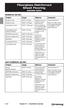 RESIDENTIAL USE ONLY Fiberglass-Reinforced Sheet Flooring Installation System Product Gauge Comments FlexStep Value FlexStep Good 0.055" (1.4 mm) 0.065" (1.65 mm) Modified loose lay method: Acrylic double-faced
Minor Cracks in Horizontal Surfaces
 Cracks, chips and broken or flaking areas in concrete are not only unsightly, they can lead to further deterioration of the surface. The result is a costly replacement project as opposed to a simple repair.
APPENDIX C MOISTURE GUIDELINES & MOISTURE TESTING
 APPENDIX C MOISTURE GUIDELINES & MOISTURE TESTING Appendix C Moisture Guidelines Determining moisture content is an essential part of quality control within the flooring installation process. Flooring
INSTALLATION INSTRUCTIONS FOR LAMINATE FLOORING
 INSTALLATION INSTRUCTIONS FOR LAMINATE FLOORING Introduction Laminate flooring is designed to be a floating floor that may be installed over virtually any type of sub floor. It is not nailed or glued to
Herringbone Pattern Flooring
 Herringbone Pattern Flooring If it s not marked NOFMA, it s not certified. Handling, Storage, Installation and Tips Herringbone is generally manufactured from 3/4 x 2 ¼ or ¾ x 1-1/2 standard tongue & groove
INDUSTRIAL FLOORING INSTALLATION CHALLENGES. James C. Ziegler, ArmorSeal Product Manager Sherwin Williams Cincinnati, Ohio, USA
 INDUSTRIAL FLOORING INSTALLATION CHALLENGES James C. Ziegler, ArmorSeal Product Manager Sherwin Williams Cincinnati, Ohio, USA Abstract: Specifier's and contractors not only need to properly evaluate the
VINYL CLICK FLOORING INSTALLATION GUIDE
 VINYL CLICK FLOORING INSTALLATION GUIDE Owner/Installer Responsibility Prior to installing a single board, you or the installer must determine that the job-site environment and the sub-surfaces meet the
Shower Walls and Tub Surrounds
 Reverso en español TEC Skill Set How-To Project Guide Shower Walls and Tub Surrounds 3 Steps to a Beautiful Tile Surface! 1. Prepare the surface 2. Set the tile 3. Grout and caulk H.B. Fuller Construction
SC2000 CEMENT BONDING PROCEDURES
 Pg.1 SC2000 CEMENT BONDING PROCEDURES Widely recognized as the world s finest cold vulcanizing cement REMA SC2000 is the solution to your industrial bonding problems. By using REMA UTR20 hardener with
Engineered Hardwood Flooring Installation Instructions
 Engineered Hardwood Flooring Installation Instructions Tip: Check for proper color selection and style prior to Installation. No claims will be accepted after installation Important Information before
Guide Specifications for Maple Flooring Systems
 Guide Specifications for Maple Flooring Systems MFMA Guide Specification for Resilient Pre-Engineered Fixed Panel System Purpose This Guide Specification is designed to assist in the production of actual
OLD BRICK ORIGINALS KILN-FIRED THIN BRICK VENEER Installation Guide. GeneralShale.com
 OLD BRICK ORIGINALS KILN-FIRED THIN BRICK VENEER Installation Guide GeneralShale.com OLD BRICK ORIGINALS THIN BRICK VENEER Page 2 INTRODUCTION Check local building codes for proper installation guidelines
INSTALLATION IMPORTANT INSTALLER/OWNER RESPONSIBILITY TOOLS & EQUIPMENT NEEDED FOR INSTALLATION PRE-INSTALLATION PROCEDURES & JOBSITE CONDITIONS
 IMPORTANT It is important that you read & understand the following information and instructions in their entirety before proceeding with installation. Please thoroughly inspect all Flooring products in
SECTION 03 35 43 - POLISHED CONCRETE FINISHING. InovaCrete Polished Concrete Floor Finish (GUIDE SPEC)
 SECTION 03 35 43 - POLISHED CONCRETE FINISHING InovaCrete Polished Concrete Floor Finish (GUIDE SPEC) PART 1 GENERAL 1.01 SUMMARY This Section includes information about: A. Polished concrete finish in
SECTION 03 54 00 RESURFACING CAST IN PLACE CONCRETE
 Page 1 SECTION 03 54 00 RESURFACING CAST IN PLACE CONCRETE Specifier Notes: This guide specification is written according to the Construction Specifications Institute (CSI) format. The section must be
RESIDENTIAL ROOFING & RE-ROOFING, ROOF VENTILATION AND ROOF SHEATHING REQUIREMENTS MICHIGAN RESIDENTIAL CODE 2000
 RESIDENTIAL ROOFING & RE-ROOFING, ROOF VENTILATION AND ROOF SHEATHING REQUIREMENTS MICHIGAN RESIDENTIAL CODE 2000 SECTION R905 REQUIREMENTS FOR ROOF COVERINGS R905.1 Roof covering application. Roof coverings
Mold Preventing I nterior System
 interior insulation and renovation boards A system of components that have been designed to work perfectly together to repair damage caused by mold. The system consists of boards, insulation wedges, reveal
Specifications. PermaTone, Inc. Manufacturer s Long Form Specifications Interior Finish Coatings PF-405
 PermaTone, Inc. Manufacturer s Long Form PF-405 PART I GENERAL 1.01 SUMMARY This document provides requirements for the proper specification, design, use and installations of PermaTone specialty interior
INSTALLATION THE SIMPLIFIED VERSION
 Fo Subfloor has to be flat, permanently dry, solid and clean. ng INSTALLATION THE SIMPLIFIED VERSION Floori rbo Adhésif Modul up pr é c o n is e Trim off over lengths leaving 1mm gap all around the walls.
SECTION 03 35 43 POLISHED CONCRETE FINISHING
 SECTION 03 35 43 POLISHED CONCRETE FINISHING PART 1 - GENERAL 1.01 SUMMARY A. Provide polished concrete finishing system where indicated on drawings, complete. This section includes the following: 1. Concrete
T R A N S F E R A B L E F U L LY
 HSTOPS A WALL OF WATER 22 FT. HIG! F U L LY T R A N S F E R A B L E RESISTS10 PSI ! 1 F U L LY T R A N S F E R A B L E HSTOPS A WALL OF WATER 22 FT. HIG RESISTS10 PSI Guaranteed To Stop Water Even Under
ENGINEERED FLOORING INSTALLATION
 ENGINEERED FLOORING INSTALLATION ATTENTION! INSTALLER/OWNER RESPONSIBILITIES Beautiful hardwood floors are a product of nature and, therefore, they will show variations in color, grain, texture, and appearance.
Aspect Metal Peel & Stick Tile Installation Guide
 Aspect Metal Peel & Stick Tile Installation Guide Proper surface preparation is essential for a successful project Failure to follow recommended surface preparation instructions may void the warranty Read
Technical Data wedi Subliner Dry Waterproofing Shower and Wet Area System
 Technical Data wedi Subliner Dry Waterproofing Shower and Wet Area System Technical Data wedi Subliner Dry Waterproofing Shower and Wet Area System General Product Description Waterproof, thin-layer, crack
Construction. 3-part thixotropic epoxy patching mortar. Product Description. Tests
 Product Data Sheet Edition 05/12/2014 Identification no: 020204030010000044 Sikadur -41 CF Rapid 3-part thixotropic epoxy patching mortar Construction Product Description Uses Characteristics / Advantages
LAYING BLOCK AND BRICK
 LAYING BLOCK AND BRICK Products highlighted in this section: SAKRETE Type N Mortar Mix SAKRETE Type S Mortar Mix Brick And Block Laying Basics The first step in building a brick or block wall is to construct
LATICRETE 290 Premium Floor and Wall Thin-set Adhesive PRODUCT DESCRIPTION
 LATICRETE 290 Premium Floor and Wall Thin-set Adhesive PRODUCT DESCRIPTION LATICRETE 290 Premium Floor and Wall Thin Set Adhesive is a high performance bagged cementitious powder to be mixed with either
INSTALLATION GUIDE. Imago Installation Guide - January 2008 1
 INSTALLATION GUIDE IMAGO Floors are very sensitive to ambient humidity conditions, since all wood flooring will expand and contract as relative humidity varies. In order to keep the flooring manufacturer
Moisture Mitigation for Concrete Slabs
 Moisture Mitigation for Concrete Slabs A brief description of alternative methods for dealing with slab moisture problems By Peter A. Craig M oisture-related problems with floor coverings and coatings
WATERPROOFING OF WET ROOMS
 WATERPROOFING OF WET ROOMS Waterproofing under tiles For longterm enjoyment of a wetroom area a complete and resistant waterproofing system is an important precondition. Most tiles are by themselves waterproof
VC 104+ Rigid Grade / Rigid Grade Imagine VC 104 Rigid Grade Commercial Customised
 Page 1 of 6 instructions VC 104+ Rigid Grade / VC 104+ Rigid Grade Imagine / (for the rest of this document referred to as VC 104) can be applied to new and used trucks and trailers with painted rigid
SECTION 03 35 43. Formatted Specification for the ULTRAFLOR DIAMATIC Topical Polished Concrete System DRAFT
 SECTION 03 35 43 Formatted Specification for the ULTRAFLOR DIAMATIC Topical Polished Concrete System PART I GENERAL 1.01 SUMMARY A. This is the recommended specification for ULTRAFLOR DIAMATIC Topical
FIVE STAR PRODUCTS, INC. www.fivestarproducts.com (800) 243-2206
 Page 1 of 14 FIVE STAR PRODUCTS, INC. www.fivestarproducts.com (800) 243-2206 DESIGN-A-SPEC GUIDELINES FIVE STAR DP EPOXY GROUT PG CONTENTS PART A - GENERAL CONDITIONS PART B - MATERIAL SPECIFICATIONS
09 00 03 GENERAL PROVISIONS
 09 00 03 GENERAL PROVISIONS A. For renovation projects, consider the building s character and existing finishes. All material patches should blend as closely as possible. Some buildings on campus have
Retail Price List 2015
 Retail Price List 2015 SETTING MORTARS SERVOFLEX TRIO SUPER TEC Flexible Full Transfer Thin Set and Medium Bed Mortar 20 KG Flexible, cement-based thin set and medium bed mortar with polymer additive for
FAQs. 19. Does the sub floor need to be level before I install my new direct-to-stud bathtub or shower base?
 1. Where is the serial number of my tub located? 2. What can I use to clean my tub or shower? 3. What is an Above Floor Rough-in? 4. Can I replace my towel bar? 5. What are grommets? 6. Why do some bathing
RAPTOR TRUCK BED LINER - BLACK
 4 x 750ml RAPTOR base coating x L RAPTOR hardener TECHNICAL DATA SHEET & U-POL s RAPTOR Truck Bed Liner is a durable K polyurethane coating that provides surfaces with a protective barrier. RAPTOR Tintable
Document Library TS Data Sheet 46012 46013 46014
 Document Library TS Data Sheet 46012 46013 46014 Rev:2 Effective: 01/11/2002 3M Marine High Strength Repair Filler Data Sheet Status: Active 3M Part No.(s) 46012 46013 46014 3M Part Descriptor(s) Pint
INSTALLATION INSTRUCTIONS FOR RIGID VINYL WALLCOVERING
 INSTALLATION INSTRUCTIONS FOR RIGID VINYL WALLCOVERING HIGH IMPACT, PROTECTIVE, STAIN-RESISTANT RIGID VINYL WALLCOVERING SHEETS FOR: HEALTHCARE/ELDERCARE FACILITIES LODGING & HOSPITALITY RETAIL ESTABLISHMENTS
Wecryl Waterproofing System under surfacing supplied by others
 Brief description The Wecryl waterproofing system allows a high-quality, seamless and crack-bridging waterproofing layer to be installed under loose-laid or bonded surfacing supplied by others (stone slabs,
How To Install Hardwood Flooring
 phone: 1.855.Ludaire e-mail: [email protected] Solid Flooring Installation Instructions These Instructions and Guidelines are for the typical installation of ¾ Pre-finished Solid Hardwood Flooring manufactured
Section 04810 EXTERIOR STONE VENEER Full Mortar
 Full Mortar PART 1 GENERAL 1.1 SUMMARY A. Section includes: 1. Portland cement mortar bed 2. Stone Veneer 3. Expansion and control joints. 4. Portland cement and hydraulic mortar and grout. 5. Sealer and
Subfloors and Underlayments
 IV Subfloors and Underlayments 47 IV. Subfloors and Underlayments A. GRADE LEVELS 1. Suspended A suspended floor is one with a minimum of 18 of well-ventilated air space below. 2. On-grade An on-grade
Manufactured Stone Veneer Installation Instructions
 Manufactured Stone Veneer Installation Instructions Published: 8/14/2008 Revised: 6/25/2010 Table of Contents PART 1 -- INTRODUCTION PART 2 -- MATERIAL REQUIREMENTS PART 3 EXECUTION REQUIREMENTS PART 4
INSTALLATION INSTRUCTIONS
 INSTALLER/OWNER RESPONSIBILITIES Hardwood flooring is a product of nature and its inherent beauty stems from the fact that each piece is unique with no two pieces the same. Due to the fact that this flooring
Sikaflex Sealant Installation. Sika Corporation
 Sikaflex Sealant Installation 1 Critical Success Factors Substrate preparation If done properly would probably eliminate 95% of all call backs Most common mode of sealant failure Must remove all weak material
Please calculate with around 5% more square meters than needed because you will have material loss due to cutting and sorting.
 1. TEKA Soft Loc Installation Guide Thank you for having chosen TEKA Parquet. To guarantee a constant quality product TEKA engineered hardwood flooring is made out of selected wood species and runs only
How To Level A Subfloor
 Skill Level: INTERMEDIATE Give these projects a try if you're a confident DIYer with a good working knowledge of a variety of tools. They can take a day or more to complete. If you can build a birdhouse
first look at GigaCrete s revolutionary new New Construction GigaHouse GigaHouse Utilizing GigaPanel
 first look at GigaCrete s revolutionary new New Construction GigaHouse GigaHouse Utilizing GigaPanel What is GigaCrete GigaCrete is a family of products based on low carbon footprint Green ceramic binders
Hardwood Flooring. Urbania Flooring
 Engineered Hardwood Flooring Installation Guide for Urbania Flooring BEFORE STARTING THE INSTALATION - Please take the time to read and ensure that you understand the information contained in this document.
Triarch Products Over Various Interior Substrates
 Triarch products work well over a variety of substrates, both for interior and exterior settings. This document will only discuss interior substrates and is not intended to be a technical discussion of
Epoxy Floor Coating Problem Solving Guide
 Table of Contents: Page: Troubleshooting Issue: 2. Color Differential 3. Fish Eye 4. Milky or Cloudy Coatings 5. Orange Peel 6. Peeling or Delamination 8. Delamination between Coats 9. Pinholes/Bubbling
TARKETT VINYL SHEET 2009 INSTALLATION MANUAL
 Tarkett Felt En 09.qxd:Layout 1 3/12/09 2:02 PM Page 2 TARKETT VINYL SHEET 2009 INSTALLATION MANUAL Tarkett Felt En 09.qxd:Layout 1 3/12/09 2:02 PM Page 3 IMPORTANT NOTICE Safety is everyone s responsibility.
CA-48 TECHNICAL SPECIFICATION
 CA-48 TECHNICAL SPECIFICATION SafeLane surface overlay Pavement Substrate A Cargill Deicing Technology Product Providing customers with deicing solutions that save lives and enhance commerce. Helping to
How To Replace A Roofing System In Florida
 Florida Consumer Considerations in Replacing their Roofing System The Florida Roofing, Sheet Metal and Air Conditioning Contractors Association provides the following general information to help Florida
Low viscosity, solvent free elastic adhesive for wood flooring
 Product Data Sheet Edition 25/06/2012 Identification no: 01 05 02 01 250 0 000009 SikaBond -54 54 Wood Floor Low viscosity, solvent free elastic adhesive for wood flooring Construction Product Description
Grand Mesa Plus LAMINATE - WIRE BRUSHED. GAGVGM81012A Prairie. GAGVGM80012NA Colorado. GAGVGM84012A Pecan Rustic. GAGVGM85012A Saddle Walnut
 MARCH 2015 Grand Mesa Plus LAMINATE - WIRE BRUSHED Specifications 12.3mm 6.5 wide x 47-13/16 long 19.42 sf/ctn 48 ctn/plt Triple Plate Embossing Wire Brushed Texture Micro-Bevel & Waxed Edges Warranty
Amorim Rubber Flooring Specifications
 Amorim Rubber Flooring Specifications Test Method Amorim Typical Value Durometer, Shore A, points of hardness ASTM D2240-97 60 Density, lbs/ft 3 ASTM D297-93 Part A, Section 16.3 64 Compressibility @ 100
GUIDE SPECIFICATION COMBINATION SURFACE SYSTEM FOR NEW HOT MIX ASPHALT TENNIS COURTS I. PART 1 - GENERAL
 COMBINATION SURFACE SYSTEM FOR NEW HOT MIX ASPHALT TENNIS COURTS I. PART 1 - GENERAL 1.1 SUMMARY A. This section is a part of the entire set of Contract Documents and shall be coordinated with the applicable
Scotch-Weld TM. Epoxy Adhesive 1838 B/A Green 1838 B/A Tan 1838-L B/A Translucent. Technical Data February, 2016. Product Description
 3 Scotch-Weld TM 1838 1838 1838-L Technical Data February, 2016 Description 3M TM Scotch-Weld TM s 1838 and are controlled flow products; Scotch-Weld 1838-L is flowable. These epoxy adhesives are two-part,
Resurfacing Concrete. Page 1 of 5
 Resurfacing Concrete Materials List QUIKRETE Concrete Resurfacer (No. 1131) (see calculator on page 5 for quantity needed) QUIKRETE Concrete and Stucco Wash (No. 8601) QUIKRETE Concrete Sealer (No. 8800)
Read and understand all installation instructions and precautions before installing. GENERAL APPLICATION INSTRUCTIONS
 AC TOPSEAL SELF-ADHERED, GRANULAR SURFACED, SINGLE PLY, LOW SLOPE ROLLED ROOFING 3 X 33.3 = 100 SQ. FT. 10 YEAR MATERIAL LIMITED WARRANTY For Use on Porches / Sheds / Utility Buildings / Accessory Buildings
Installation Systems. Chapter V Installation Systems
 V Installation Systems Chapter V Installation Systems 81 ARSTRONG STRATEGIC ACCOUNTS RECOENDED SHEET FLOORING ADHESIVES AND INSTALLATION SYSTE Product Avantra Cambray Chelsea Corner Concerto Deco Collection
Installation for Wood Flooring
 Installation for Wood Flooring Tarkett wood flooring offers a beautiful variety of options from species and colour, to plank widths and finishes. We developed enhanced locking system, T-lock, and the best
Section 03 35 43 Polished Concrete Finishing. Vexcon
 SS 120 1-13 Section 03 35 43 Polished Concrete Finishing Specifier Note: This product guide specification is written according to the Construction Specifications Institute (CSI) 3-part format. This section
ALKALI-RESISTANT WATERPROOFING AND DECOUPLING MEMBRANE UNDER CERAMIC TILES AND NATURAL STONE
 Mapeguard WP System ALKALI-RESISTANT WATERPROOFING AND DECOUPLING MEMBRANE UNDER CERAMIC TILES AND NATURAL STONE Products used: Mapeguard WP 200, Mapeguard ST, Mapeguard IC, Mapeguard EC, Mapeguard WP
ARMSTRONG RESIDENTIAL VINYL TILE FLOORING WARRANTY: Professionally Installed & Do It Yourself (DIY)
 ARMSTRONG RESIDENTIAL VINYL TILE FLOORING WARRANTY: Professionally Installed & Do It Yourself (DIY) THE ARMSTRONG LIFETIME LIMITED RESIDENTIAL WARRANTY FOR: Abingdon Adiamo Clear Creek Caliber Granville
International Greenhouse Company
 Greenhouse Foundation Design As with any building, a good solid foundation is crucial for the long term durability and functionality of your greenhouse. A weak foundation will cause your greenhouse to
K2 STONE NATURAL VENEER
 INTRODUCTION WHAT IS K2 NATURAL THINSTONE VENEER? Natural K2 Stone veneer is real stone, cut 1 inch thick, making it light enough to be installed as a veneer. Sometimes referred to as thin veneer, thin
ITEM 599.06060008 THERMOPLASTIC MEMBRANE ROOFING
 DESCRIPTION Construct adhered membrane roofing system, roof insulation, and vapor retarder in accordance with these specifications. MATERIALS: General: Provide installed roofing membrane and base flashings