
ANGIO-SEAL EVOLUTION VASCULAR CLOSURE DEVICE INSTRUCTIONS FOR USE
|
|
|
- Felicia Elliott
- 9 years ago
- Views:
Transcription
1 ANGIO-SEAL EVOLUTION VASCULAR CLOSURE DEVICE INSTRUCTIONS FOR USE TO ENSURE PROPER DEPLOYMENT AND USE OF THIS DEVICE AND TO PREVENT INJURY TO PATIENTS, READ ALL INFORMATION CONTAINED IN THESE INSTRUCTIONS FOR USE. CAUTION: Federal law restricts this device to sale by or on the order of a physician. Safety Information Use Before STERILE R REF LOT Vascular Closure Device Accessory Guidewire Product of Ireland

2 DESCRIPTION The Angio-Seal Evolution Vascular Closure Device consists of the Angio-Seal Evolution Device, an insertion sheath, an arteriotomy locator (modified dilator) and a guidewire. The Angio- Seal Evolution Device is composed of an absorbable collagen sponge and a specially designed absorbable polymer anchor that are connected by an absorbable self-tightening suture (STS). The device seals and sandwiches the arteriotomy between its two primary members, the anchor and the collagen sponge. Hemostasis is achieved primarily by the mechanical means of the anchorarteriotomy-collagen sandwich, which is supplemented by the coagulation-inducing properties of the collagen. The device is contained in a delivery system that stores and then delivers the absorbable components to the arterial puncture. The delivery system features a device handle with a gear driven collagen compaction mechanism that facilitates proper technique for delivery and deployment of the absorbable unit. The Angio-Seal Vascular Closure Device components are not made from latex rubber. INDICATIONS The Angio-Seal Device is indicated for use in closing and reducing time to hemostasis at the femoral arterial puncture site in patients who have undergone diagnostic angiography procedures or interventional procedures using an 8 French or smaller procedural sheath for the 8F Angio- Seal Device and a 6 French or smaller procedural sheath for the 6F Angio-Seal Device. The Angio-Seal Device is also indicated for use to allow patients who have undergone diagnostic angiography to ambulate safely as soon as possible after sheath removal and device placement. The Angio-Seal Device is also indicated for use to allow patients who have undergone an interventional procedure to ambulate safely after sheath removal and device placement. CONTRAINDICATIONS There are no contraindications to the use of this device. Attention is drawn to the warnings and precautions. WARNINGS Do not use if the temperature indicator dot on package has changed from light gray to dark gray or black. Do not use if the package is damaged or any portion of the package has been previously opened. Do not use if the items in the kit appear damaged or defective in any way. Do not use the Angio-Seal Device where bacterial contamination of the procedure sheath or surrounding tissues may have occurred as this may result in an infection. Do not use the Angio-Seal Device if the procedure sheath has been placed through the superficial femoral artery and into the profunda femoris as this may result in collagen deposition into the superficial femoral artery. This may reduce blood flow through the vessel leading to symptoms of distal arterial insufficiency. Do not use the Angio-Seal Device if the puncture site is at or distal to the bifurcation of the superficial femoral and profunda femoris artery, as this may result in 1) the anchor catching on the bifurcation or being positioned incorrectly, and/or 2) collagen deposition into the vessel. These events may reduce blood flow through the vessel leading to symptoms of distal arterial insufficiency. Do not use the Angio-Seal Device if the puncture site is proximal to the inguinal ligament as this may result in a retroperitoneal hematoma. PRECAUTIONS Special Patient Populations The safety and effectiveness of the Angio-Seal Device has not been established in the following patient populations: Patients undergoing an interventional procedure who are being treated with warfarin. Patients who have known allergies to beef products, collagen and/or collagen products, or polyglycolic or polylactic acid polymers. Patients with pre-existing autoimmune disease. Patients undergoing therapeutic thrombolysis. Patients punctured through a vascular graft. Patients with uncontrolled hypertension (> 180 mm Hg systolic). Patients with a bleeding disorder, including thrombocytopenia (< 100,000 platelet count), thrombasthenia, von WilleBrand s disease, or anemia (Hgb < 10 mg/dl, Hct < 30). Pediatric patients or others with small femoral artery size (< 4 mm in diameter). Small femoral artery size may prevent the Angio-Seal anchor from deploying properly in these patients. Patients who are pregnant or lactating. Procedure The Angio-Seal Device is to be used only by a licensed physician (or other health care professional authorized by or under the direction of such physician) possessing adequate instruction in the use of the device, e.g., participation in an Angio-Seal physician instruction program or equivalent. Use a single wall puncture technique. Do not puncture the posterior wall of the artery. If a patient has had a procedure sheath left in place for longer than 8 hours, consideration should be given to the use of prophylactic antibiotics before insertion of the Angio-Seal Device. The Angio-Seal Device should be used within one hour of opening the foil pouch. The biodegradable components will begin to deteriorate upon exposure to ambient conditions. 1

3 Observe sterile technique at all times when using the Angio-Seal Device. The Angio-Seal Device is for single use only and should not be reused in any manner. The Angio-Seal Device must be inserted through the insertion sheath provided in the kit. Do not substitute any other sheath. Use only the arteriotomy locator provided in the kit to locate the puncture in the arterial wall. Follow physician orders regarding patient ambulation and discharge. If the Angio-Seal Device does not anchor in the artery due to improper orientation of the anchor or patient vascular anatomy, the absorbable components and delivery system should be withdrawn from the patient. Hemostasis can then be achieved by applying manual pressure. If repuncture at the same location of previous Angio-Seal Device use is necessary in 90 days, re-entry 1 cm proximal to the previous access site can be performed safely, based on published medical literature. Before considering Angio-Seal use, a femoral angiogram of the site is indicated. [Applegate, R.; Rankin, K.; Little, W.; Kahl, F.; Kutcher, M., Restick following initial Angioseal use. Catheterization and Cardiovascular Interventions Official Journal of the Society for Cardiac Angiography and Interventions, Feb 2003; 58(2) p181-4.] If patients have clinically significant peripheral vascular disease, based on published medical literature, the Angio-Seal Device can be deployed safely in patient arteries > 5 mm diameter when there is found to be no luminal narrowing of 40% or greater within 5 mm of the puncture site. [Abando, A.; Hood, D.; Weaver, F.; Katz, S.; The use of the Angioseal device for femoral artery closure. J Vasc Surg 2004;40: ] Dispose of contaminated device, components, and packaging materials utilizing standard hospital procedures and universal precautions for biohazardous waste. ADVERSE EVENTS The Angio-Seal Device was evaluated in a non-randomized clinical trial involving 306 patients in whom the access sites were closed with the device following diagnostic angiography (n=97) or percutaneous coronary intervention (n=209) procedures. Table 1 reports the adverse events as a percentage of patients who received the Angio-Seal Device in the clinical investigation. Table 1: Percentage of Patients Experiencing Adverse Events Adverse Event Minor Complication 8F/6F Diagnostic (n=97) 8F Interventional (n=106) 6F Interventional (n=103) Hematoma > 6 cm 0% 4 (3.8%) 1 (1.0%)* Infection w/o hospitalization 0% 0% 0% False aneurysm w/o intervention 0% 0% 0% AV Fistula 0% 1 (0.9%) 0% Deep Vein Thrombosis 0% 0% 0% Vasovagal Response 0% 1 (0.9%) 0% Device Non-Deployment 0% 0% 3 (2.9%) Device Malfunction 0% 0% 0% Major Complication Vascular Repair 0% 0% 1 (1.0%) Late GI bleeding requiring transfusion 0% 0% 1 (1.0%)** Infection w/ hospitalization 0% 0% 0% False aneurysm requiring intervention 0% 0% 1 (1.0%)** DVT requiring intervention 0% 0% 0% AV Fistula requiring intervention 0% 0% 0% Retroperitoneal bleeding requiring intervention 0% 1 (0.9%) 0% Any Complication 0% 7 (6.6%) 4 (3.9%) Major Complication 0% 1 (0.9%) 3 (2.9%) * One patient had hematoma > 6 cm combined with DVT. ** Not device related. Patient also experienced a hematoma < 6 cm. Not including device non-deployments No deaths occurred during the study. Based on clinical experience, the following describes possible treatments for risks or situations that are associated with use of the Angio-Seal Device or vascular access procedures. Bleeding or hematoma Apply light digital or manual pressure to the puncture site. If manual pressure is necessary, monitor pedal pulses. AV fistula or pseudoaneurysm If suspected, the condition may be evaluated with duplex ultrasound. When indicated, ultrasound guided compression of a pseudoaneurysm may be used after the Angio-Seal Device has been placed. 2

4 Device non-deployment If device pulls out with sheath upon withdrawal, apply manual or mechanical pressure per standard procedure. Examine the device to ensure all absorbable components have been withdrawn. Anchor fracture or embolism Examine device to determine if anchor has been withdrawn. If bleeding occurs, apply manual or mechanical pressure to the puncture site per standard procedures. If anchor is not attached to the device, monitor the patient (for at least 24 hours) for signs of vascular occlusion. Clinical experience to date indicates that tissue ischemia from an embolized anchor is unlikely. Should ischemic symptoms appear, treatment options include thrombolysis, percutaneous extraction of the anchor or fragments, or surgical intervention. Infection Any sign of infection at the puncture site should be taken seriously and the patient monitored carefully. Surgical removal of the device should be considered whenever an access site infection is suspected. Collagen deposition into the artery or thrombosis at puncture site If this condition is suspected, the diagnosis can be confirmed by duplex ultrasound. Treatment of this event may include thrombolysis, percutaneous thrombectomy, or surgical intervention. Very thin patients Collagen may protrude from the skin after compaction has been completed. Attempt to push the collagen under the skin using the compaction tube or a sterile hemostat. DO NOT apply vigorous compaction as this may result in anchor fracture. DO NOT cut off the excess collagen, as the suture woven through the collagen may be cut and the integrity of the anchor/collagen sandwich could be compromised. The following potential adverse reactions or conditions may also be associated with one or more Angio-Seal Device components (i.e., collagen, synthetic absorbable suture, and/or synthetic absorbable polymer): Allergic reaction Foreign body reaction Potentiation of infection Inflammation Edema CLINICAL TRIALS The Angio-Seal Vascular Closure Device with a self-tightening suture was evaluated in a multicenter non-randomized study designed to examine the safety and effectiveness of femoral artery closure using the 8F and 6F Angio-Seal Device following arterial cannulation during diagnostic angiography and percutaneous coronary intervention procedures. The study was conducted in the United States at nine institutions involving 306 patients. Patients eligible for participation included candidates for early ambulation and patients who were clinically indicated for a diagnostic or an interventional cardiac procedure involving access through the femoral artery using an 8F sheath or smaller for the 8F Angio-Seal or a 6F sheath or smaller for the 6F Angio-Seal. Exclusion criteria included patients with known allergies to the materials used in the device, severe acute non-cardiac systemic disease, evidence of systemic infection, coagulopathy, thrombolytic medication use reducing fibrinogen to less than 100 mg/dl, use of intra-aortic balloon pump support (ipsilateral), sheath in place for more than 36 hours, suspected double wall puncture, pre-existing hematoma, pregnancy/lactation, or indication that the puncture had been made in the profunda femoris or at the bifurcation of the common femoral artery. Patients ages ranged between (mean 62.7 ± 11.7). Most (71.6%) of the patients were male. The 6F Angio-Seal was used in 85 (88%) diagnostic patients and 103 (49%) interventional patients. A total of 144 (68.9%) interventional patients were being treated with GP IIb/IIIa inhibitors. The mean activated clotting time for interventional patients was ± 85.0 seconds. The effectiveness of the Angio-Seal Device was evaluated by times to hemostasis and ambulation. Time to hemostasis was defined as the elapsed time from device deployment until cessation of bleeding. Time to ambulation was defined as the elapsed time from device deployment to the time the patient walked for five minutes or 100 feet. Major and overall complication rates comprised the safety endpoints. A major complication was defined as surgical vascular repair; bleeding requiring transfusion; infection extending hospitalization; and pseudoaneurysm, AV fistula, deep vein thrombosis, or retroperitoneal bleeding that required treatment by surgical intervention or ultrasound guided compression. Data were analyzed separately in diagnostic, 8F interventional, and 6F interventional arms. Effectiveness Results The results of the effectiveness measures are summarized in Tables 2 and 3 below. Table 2: Time to Hemostasis Time to Hemostasis (minutes) Diagnostic Patients (n=97) 8F Interventional Patients (n=105)* 6F Interventional Patients (n=103) Mean ± SD Range 0.3 ± ± ± Distribution t = 0 t 1 t 2 t 5 t 10 t > 10 Cumulative N (%) 89 (92%) 91 (94%) 92 (95%) 96 (99%) 97 (100%) 97 (100%) Cumulative N (%) 84 (80%) 92 (88%) 94 (90%) 95 (90%) 99 (94%) 105 (100%) Cumulative N (%) 70 (68%) 73 (71%) 77 (75%) 85 (82%) 90 (87%) 103 (100%) * In one patient, the physician lost access. No time to hemostasis was recorded. 3

5 Table 3: Time to Ambulation Time to Ambulation (hours) Diagnostic (n=92) 8F Interventional (n=98) 6F Interventional (n=99) Mean ± SD Range 1.1 ± ± ± Distribution* t 0.25 t 0.5 t 1 t 2 t 3 t 4 t 5 t > 5 Cumulative N (%) 14 (15%) 28 (30%) 51 (55%) 77 (84%) 88 (96%) 91 (99%) 92 (100%) 92 (100%) Cumulative N (%) 1 (1%) 1 (1%) 3 (3%) 10 (10%) 36 (37%) 53 (54%) 73 (74%) 98 (100%) Cumulative N (%) 0 (0%) 0 (0%) 0 (0%) 10 (10%) 35 (35%) 57 (58%) 68 (69%) 99 (100%) * Time to ambulation varied across investigational centers and may have been a result of variable clinical approaches taken by physicians when ambulating patients. In a clinical study to evaluate safety and efficacy of early ambulation and discharge, the Angio- Seal STS device was clinically evaluated in patients who had undergone diagnostic angioplasty procedures using a 6 French or smaller procedural sheath. The Angio-Seal STS was evaluated for safety and efficacy when ambulating patients as soon as possible following device deployment and discharging patients as early as 30 minutes following ambulation. Methods: Patients who met all inclusion and no exclusion criteria were enrolled during a pre-procedure screening evaluation. Four U.S. investigational centers participated in the study. The primary endpoints studies were 1) rate of major complication, 2) time to ambulation and 3) time to discharge. Results: A total of 132 patients (75% male: mean age years) received the 6F Angio-Seal STS device from March 14, 2002 through September 6, 2002 after diagnostic angiography and were included in analyses of study endpoints. The evaluation of time to ambulation and time to discharge were relative to the time of deployment being defined as time zero. The median time to ambulation from device deployment was 9.00 minutes (mean / minutes) and the median time to discharge from deployment was minutes (mean / ). Hypothesis testing on the median yielded a p-value of < for time to ambulation and < for time to discharge, supporting the study hypothesis that the median time to ambulation is less than one hour and the median time to discharge is less than three hours. If the time of discharge is evaluated relative to the time of ambulation, with the time of ambulation defined as time zero, the median time to discharge is 60 minutes (mean / minutes). No Major complications were reported for the study patients, with only one Minor complication noted. Hypothesis testing yielded a p-value of 0.005, supporting the conclusion that the major complication rate is less than 5%. Endpoint Time to ambulation (minutes post deployment) Mean ± Std. Dev. (95% C.I.) Median (95% C.I.) Range (N) Time to discharge (minutes post deployment) Mean ± Std. Dev. (95% C.I.) Median (95% C.I.) Range (N) Time to discharge (minutes post ambulation) Mean ± Std. Dev. (95% C.I.) Median Range (N) Endpoint Major complications (N) Study Patients ± (13.64, 24.26) 9.00 (7, 15) 1 to 323 (131) ± (73.01, 84.30) (67, 75) 38 to 368 (130) ± (57.15, 62.66) to 120 (130) Study Patients 0 (n=125) z-statistic; p-value 2.56; Minor complications 1 Conclusions: Results of the clinical study demonstrate that patients that have undergone diagnostic angiography and have received a 6F Angio-Seal Device can safely and effectively ambulate in less than 20 minutes and be discharged one hour post ambulation. 4

6 HOW SUPPLIED The Angio-Seal Evolution Vascular Closure Device is supplied sterile in a bag. This bag contains the following supplies. 1 each: Insertion Arteriotomy Locator 6F (2.0 mm) in. (0.89 mm) Guidewire with J-Straightener or 8F (2.7 mm) in. (0.96 mm) Guidewire with J-Straightener Angio-Seal Device (refer to device component figure) Device Components Suture Release Button Anchor Suture Carrier Tube Reference Indicator Bypass Tube Hemostatic Collagen Sponge Compaction Tube Device Sleeve Device Handle ANGIO-SEAL DEVICE INSERTION PROCEDURE The medical techniques and procedures described in these Instructions for Use do not represent ALL medically acceptable protocols, nor are they intended as a substitute for the clinician s experience and judgment in treating any specific patient. The Angio-Seal procedure is composed of three stages: A. Locate the B. Set the Anchor C. Seal the Puncture A. Locate the 1. Assess the puncture site location and evaluate the femoral artery characteristics prior to placing the Angio-Seal Device by injecting contrast medium through the procedure sheath followed by an angiogram. 2. Using sterile technique, remove the Angio-Seal Device contents from the foil package, taking care to pull foil apart completely before removing the Angio-Seal Device. NOTE: The Angio-Seal Device must be used within one hour after opening the foil pouch due to the moisture-sensitive nature of the product. 3. Insert the arteriotomy locator into the Angio-Seal insertion sheath (Figure 1), making sure the two pieces snap together securely. To ensure proper orientation of the arteriotomy locator with the sheath, the hub of the locator and the sheath cap fit together only in the correct position. The reference indicator on the locator hub must align with the reference indicator on the sheath cap. Figure 1 Reference Indicator Drip Hole Insertion Blood Inlet Hole Arteriotomy Locator Insertion 1.5 cm 4. Insert the Angio-Seal guidewire into the procedure sheath that is currently in the patient. If the procedure sheath is smaller than the Angio-Seal sheath, it is advisable to ensure that the skin incision is of sufficient size to accommodate the Angio-Seal insertion sheath. 5. Remove the procedure sheath, leaving the guidewire in place to maintain vascular access. 6. Thread the Angio-Seal arteriotomy locator/insertion sheath assembly over the guidewire; the drip hole (located above the arteriotomy locator hub) will be oriented down and away so the flow of blood can be observed. Make sure the reference indicator on the insertion sheath is facing up, insert the assembly into the puncture tract. When the tip of the insertion sheath is about 1.5 cm into the artery, blood will begin to flow from the drip hole in the locator (Figure 2). 5

7 Figure 2 Guidewire Drip Hole Blood Arteriotomy Locator Blood Inlet Hole 7. Slowly withdraw the arteriotomy locator/insertion sheath assembly until blood slows or stops flowing from the drip hole. This indicates that the distal locator holes of the Angio-Seal insertion sheath have just exited the artery (Figure 3). Figure 3 Guidewire Drip Hole Little or No Blood Insertion Arteriotomy Locator Blood Inlet Hole 8. From this point, advance the arteriotomy locator/insertion sheath assembly until blood begins to flow from the drip hole on the locator. NOTE: Over-insertion of the arteriotomy locator/insertion sheath assembly into the artery, beyond 2 cm, may increase the chance of premature anchor hook up or interfere with the anchor s performance to achieve hemostasis. If blood flow does not resume, repeat Steps A-7 and A-8 until blood flows from the drip hole again upon advancement of the assembly into the artery. 9. Holding the insertion sheath steady, without moving it into or out of the artery: a) remove the arteriotomy locator and guidewire from the insertion sheath by flexing the arteriotomy locator upward at the sheath hub (Figure 4); Figure 4 Guidewire Arteriotomy Locator Insertion b) if necessary, rotate the insertion sheath so that the reference indicator (arrow) on the insertion sheath cap is facing up (Figure 5). Figure 5 Insertion Patient 6

8 WARNING: Under normal conditions, the Angio-Seal insertion sheath should not move into or out of the artery for the remainder of the Angio-Seal Device deployment procedure. Using the sheath markings as a guide, ensure that the sheath position has not changed. If re-advancement is necessary, the guidewire and puncture locator must be inserted prior to advancing the Angio-Seal insertion sheath. B. Set the Anchor 1. Confirm that the device sleeve has remained in the rear holding position (Figure 6). Carefully grasp the Angio-Seal Device just behind the bypass tube with the reference indicator on the handle facing up. Slowly insert the bypass tube into the insertion sheath hemostatic valve (Figure 7). Figure 6 Ensure tab is in rear holding position prior to insertion Figure 7 Reference Indicator Carrier Tube Ensure tab is in rear holding position prior to insertion Bypass Tube Hemostatic Valve 2. Confirm that the reference indicator on the insertion sheath is facing up. To ensure proper orientation of the Angio-Seal Device with the sheath, the sheath cap and the device sleeve only fit together in the correct position. The reference indicator on the device handle should align with the reference indicator on the insertion sheath cap (Figure 8). Keeping the insertion sheath in place, carefully advance the Angio-Seal Device in small increments until completely inserted into the insertion sheath. The sheath cap and the device sleeve will snap together when properly fitted. Figure 8 NOTE: If significant resistance to the carrier tube advancement is encountered when insertion is almost complete, the anchor may be impinging on the posterior wall of the artery. DO NOT CONTINUE TO ATTEMPT TO ADVANCE. In this case, slight repositioning of the sheath, either by reducing the angle of the sheath with respect to the skin surface or by pulling the sheath back by 1-2 mm, may permit normal deployment. 7

9 3. With one hand, continue to hold the insertion sheath cap steady to prevent movement of the sheath into or out of the artery. With the other hand, grasp the device handle and slowly and carefully pull back. Slight resistance will be felt when the device sleeve is pulled out from the rear holding position. Continue pulling on the device handle until resistance from the anchor catching on the distal tip of the insertion sheath is felt. 4. Correct anchor position is also assured by visualizing the position of the white bands on the device sleeve. In a correct deployment (Figure 9), the edge of the device handle will fall within the white bands on the device sleeve. Figure 9 Correct Resistance is felt as the Carrier Tube is withdrawn. 5. After anchor position has been confirmed by proper alignment of the device handle within the white band of the device sleeve, maintain grip on the insertion sheath and pull the device handle into the full rear locked position (Figure 10). Some resistance will be felt as the device handle and sleeve snap lock. The device sleeve white band should now be completely visible. Figure Incorrect Indicator Alignment Distal end of device handle completely covers the white band on the device sleeve (Figure 11). If anchor catches prematurely as in Figure 11, advance the device into the insertion sheath again. It may be necessary to push the device handle back into the rear holding position in order to get full extension of the anchor from the sheath. Then withdraw the device until the anchor catches correctly. Figure 11 Incorrect Resistance is felt, premature deployment anchor leg catches sheath for oblique deployment. NOTE: Do not proceed until you are certain that the anchor has been properly deployed (Figure 9). If the anchor is improperly deployed, the Angio-Seal Device will not function. 8

10 C. Seal the Puncture 1. Once the anchor has been deployed correctly (Figure 9), and the device handle has been locked into the rear position (Figure 10), support the puncture site with two fingers from one hand. With the other hand, slowly and carefully withdraw the device/sheath assembly along the angle of the puncture tract to position the anchor against the vessel wall (Figure 12). Figure 12 Pull NOTE: Once a full rear lock has been achieved, and the device is being deployed, do not attempt to re-insert or push forward the device. Re-insertion of the device following partial deployment could cause collagen to be deposited in the artery. 2. Continue to pull back slowly on the device handle (Figure 13) until hemostasis is achieved. There will be a gradual increase in resistance as the device is pulled back and the collagen is compacted. As a guide, a colored compaction marker will be revealed on the proximal end of the compaction tube (Figure 14). The essential indicators for a seal are hemostasis, exposure of the colored compaction marker, and sufficient resistance. Figure 13 Pull Compaction Tube Collagen Figure 14 Marker Compaction Tube NOTE: If hemostasis is not achieved, check to see if the colored compaction marker is exposed. If not, repeat step C-2. Hemostasis, exposure of the colored compaction marker, and sufficient resistance will indicate completion of sealing. 9

11 NOTE: Once hemostasis is achieved, do not intentionally continue to pull beyond the proximal end of the colored compaction marker (as shown in Figure 15) in order to prevent anchor deformation and/or collagen tearing. Figure 15 Overtightened Marker Compaction Tube Compaction Tube Detail 3. When hemostasis is achieved, push and hold the suture release button, and pull back until the suture is exposed (Figure 16). This will release the remaining suture within the device handle, and remove the compaction tube from the tissue tract. Figure 16 Press and Hold Pull 4. Once the device has been pulled back and the compaction tube has been removed from the tissue tract, continue to maintain tension on the suture. Using a sterile instrument, cut the suture below the skin level (Figure 17). Figure 17 Skin Level NOTE: Make sure the suture retracts below the skin level to avoid infection. NOTE: If seeping of blood occurs after placing the Angio-Seal Device, application of gentle digital pressure (one or two fingers) at the puncture site is usually sufficient to produce hemostasis. If manual pressure is necessary, monitor pedal pulses. 5. Clean the puncture site with an antiseptic solution/ointment. 6. Apply a sterile dressing to the puncture site so that it can be easily observed during recovery. 10

12 LIMITED WARRANTY AND DISCLAIMER St. Jude Medical (SJM) hereby warrants that if any SJM product fails to perform within normal tolerances for a patient due to a defect in materials or workmanship, SJM will provide, at no charge, a replacement SJM product for the patient s use. This limited warranty applies only if each of the following conditions is met: 1. The product was packaged and labeled by SJM. 2. The failed product must be returned to SJM and becomes the property of SJM. 3. The product has not been mishandled, reprocessed or altered in any way. 4. The product was used before the USE BY date marked on the packaging of the product. No representation or warranty is made that a SJM product will not fail. SJM disclaims responsibility for any medical complications, including death, resulting from the use of its products. Except as expressly provided by this limited warranty, SJM IS NOT RESPONSIBLE FOR ANY DIRECT, INCIDENTAL, OR CONSEQUENTIAL DAMAGES BASED ON ANY DEFECT, FAILURE, OR MALFUNCTION OF ITS PRODUCTS, WHETHER THE CLAIM IS BASED ON WARRANTY, CONTRACT, TORT, OR OTHERWISE. Some states do not allow the exclusion or limitation of incidental or consequential damages however, so the above limitation or exclusion may not apply to you. Except as expressly provided by the limited warranty, SJM MAKES NO WARRANTY, EXPRESS OR IMPLIED, INCLUDING, BUT NOT LIMITED TO, ANY IMPLIED WARRANTY OF MERCHANTABILITY, OR FITNESS FOR A PARTICULAR PURPOSE. St. Jude Medical DeVeau Place Minnetonka, MN Phone: Fax: Part Number: , Version B Specification Number: , Version B Artwork Number: , Version B Angio-Seal, Evolution, ST. JUDE MEDICAL, the nine-squares symbol and MORE CONTROL. LESS RISK. are trademarks and service marks of St. Jude Medical, Inc. and its related companies St. Jude Medical. All rights reserved. 09/2008

Instructions for Use. Device Description The AMPLATZER Vascular Plug II is a self-expandable nitinol mesh occlusion device (see Figure 1).
 Vascular Plug II Instructions for Use Device Description The AMPLATZER Vascular Plug II is a self-expandable nitinol mesh occlusion device (see Figure 1). A B Figure 1. AMPLATZER Vascular Plug II A. Nitinol
12276408.3. Instructions for Use Cordis EXOSEAL TM VASCULAR CLOSURE DEVICE
 12276408.3 Instructions for Use Cordis EXOSEAL TM VASCULAR CLOSURE DEVICE Figure 1: Components of the EXOSEAL TM Vascular Closure Device 1. Handle Assembly 2. Plug Deployment Button 3. Indicator Window
X-Plain Subclavian Inserted Central Catheter (SICC Line) Reference Summary
 X-Plain Subclavian Inserted Central Catheter (SICC Line) Reference Summary Introduction A Subclavian Inserted Central Catheter, or subclavian line, is a long thin hollow tube inserted in a vein under the
Complications of Femoral Catheterization. Daniel Kaufman, MD University Hospital of Brooklyn December 16, 2005
 Complications of Femoral Catheterization Daniel Kaufman, MD University Hospital of Brooklyn December 16, 2005 Case Presentation xx yr old female presents with fever, chills, and painful swelling of R groin
KnifeLight. Carpal Tunnel Ligament Release. Operative Technique
 KnifeLight Carpal Tunnel Ligament Release Operative Technique Contents Page 1. Features & Benefits 3 Intended Use and Indications 3 Contraindications 3 Features & Benefits 3 2. Operative Technique 4 Antegrade
PATIENT INFORMATION BOOKLET
 PATIENT INFORMATION BOOKLET Wingspan Stent System with Gateway PTA Balloon Catheter TABLE OF CONTENTS Definitions... 2 What is the Purpose of This Booklet?... 3 What is an Intracranial Lesion?... 3 Who
Inferior Vena Cava filter and removal
 Inferior Vena Cava filter and removal What is Inferior Vena Cava Filter Placement and Removal? An inferior vena cava filter placement procedure involves an interventional radiologist (a specialist doctor)
Understanding your Renal Stent Procedure. A patient Guide (COVER PAGE) TABLE OF CONTENTS (inside front page)
 Understanding your Renal Stent Procedure. A patient Guide (COVER PAGE) TABLE OF CONTENTS (inside front page) The Kidney and the Renal Arteries... 1 Renal Artery Disease... 2 Diagnosis of Renal.Artery Disease...
Patient Information Booklet. Endovascular Stent Grafts: A Treatment for Abdominal Aortic Aneurysms
 Patient Information Booklet Endovascular Stent Grafts: A Treatment for Abdominal Aortic Aneurysms TABLE OF CONTENTS Introduction 1 Glossary 2 Abdominal Aorta 4 Abdominal Aortic Aneurysm 5 Causes 6 Symptoms
A Patient s Guide to Minimally Invasive Abdominal Aortic Aneurysm Repair
 A Patient s Guide to Minimally Invasive Abdominal Aortic Aneurysm Repair Table of Contents The AFX Endovascular AAA System............................................ 1 What is an Abdominal Aortic Aneurysm
OVER 45 YEARS TEXTILE GRAFT TECHNOLOGY EXPERIENCE MAQUET THE GOLD STANDARD
 OVER 45 YEARS TEXTILE GRAFT TECHNOLOGY EXPERIENCE MAQUET THE GOLD STANDARD A comprehensive, proven vascular graft portfolio and exceptional professional support make MAQUET Cardiovascular a valuable asset
PICC & Midline Catheters Patient Information Guide
 PICC & Midline Catheters Patient Information Guide medcompnet.com 1 table of contents Introduction 4 What is a PICC or Midline Catheter? 4 How is the PICC or Midline Catheter Inserted? 6 Catheter Care
Section Two: Arterial Pressure Monitoring
 Section Two: Arterial Pressure Monitoring Indications An arterial line is indicated for blood pressure monitoring for the patient with any medical or surgical condition that compromises cardiac output,
LifeStent XL Biliary Stent System
 B05688 Rev.2/07-13 LifeStent XL Biliary Stent System Recommended Guidewire Length Table Catheter Working Length Recommended Guidewire Length 130 cm 300 cm 80 cm 260 cm 130 cm & 80 cm 160 cm & 110 cm Figure
Peripherally Inserted Central Catheter (PICC) for Outpatient
 Peripherally Inserted Central Catheter (PICC) for Outpatient Introduction A Peripherally Inserted Central Catheter, or PICC line, is a thin, long, soft plastic tube inserted into a vein of the arm. It
Aspira* Peritoneal Drainage Catheter
 Aspira* Peritoneal Drainage Catheter Instructions For Use Access Systems Product Description: The Aspira* Peritoneal Drainage Catheter is a tunneled, long-term catheter used to drain accumulated fluid
Achieving Independence
 Bard: Intermittent Self-Catheterization A Guide to Self-Catheterization Achieving Independence Introduction This brochure is provided by Bard, a leading provider of urology products since 1907. The best
Sheep@Purdue. Blood Sampling in Sheep AS-557-W
 Sheep@Purdue AS-557-W Blood Sampling in Sheep Becky Mitchell, Animal Sciences Student Mike Neary, Extension Sheep Specialist Gerald Kelly, Manager of Sheep Teaching and Research Flock Purdue University
Talent Thoracic Stent Graft with THE Xcelerant Delivery System. Expanding the Indications for TEVAR
 Talent Thoracic with THE Xcelerant Delivery System Expanding the Indications for TEVAR Talent Thoracic Precise placement 1 Broad patient applicability 1 Excellent clinical outcomes 1, a + Xcelerant Delivery
A4.7 Management of a totally occluded central catheter and persistent withdrawal occlusion (PWO)
 A4.7 Management of a totally occluded central catheter and persistent withdrawal occlusion (PWO) Types of Catheter Related Thrombotic A catheter-related thrombus may be intraluminal (inside the catheter)
Syringe. Product Usage Information: Precautions:
 Syringe Standard Draw Procedure In-Patient, Automated Retraction Non-Reusable. Prepare and give injection using aseptic technique according to institutional policy.. For injection into patients, continue
Chapter 6. Hemorrhage Control UNDER FIRE KEEP YOUR HEAD DOWN
 Hemorrhage Control Chapter 6 Hemorrhage Control The hemorrhage that take[s] place when a main artery is divided is usually so rapid and so copious that the wounded man dies before help can reach him. Colonel
Achilles Tendon Repair, Operative Technique
 *smith&nephew ANKLE TECHNIQUE GUIDE Achilles Tendon Repair, Operative Technique Prepared in Consultation with: C. Niek van Dijk, MD, PhD KNEE HIP SHOULDER EXTREMITIES Achilles Tendon Repair, Operative
Patient Information Guide Morpheus CT Peripherally Inserted Central Catheter
 Patient Information Guide Morpheus CT Peripherally Inserted Central Catheter IC 192 Rev C A measure of flexibility and strength. Table of Contents 1. Introduction 2. What is the Morpheus CT PICC? 3. What
Cardiac Catheterization
 Page 1 Cardiac Catheterization What Other Terms Are Used To Describe Cardiac Catheterization? Heart Cath (catheter) Angiogram What Is Cardiac Catheterization? This procedure is nonsurgical and is performed
CONGRATULATIONS! TABLE OF CONTENTS. 1 Safety Warnings 2 About Your Wheels 3 Setting Up Your Wheels 7 Care and Cleaning 8 Warranty
 WHEEL MANUAL CONGRATULATIONS! Congratulations on your purchase of Oval Concepts Wheels. Developed to perform at a high level, it is important that you follow the operation and maintenance instructions
Renal Vascular Access Having a Fistula For Haemodialysis
 Renal Vascular Access Having a Fistula For Haemodialysis Delivering the best in care UHB is a no smoking Trust To see all of our current patient information leaflets please visit www.uhb.nhs.uk/patient-information-leaflets.htm
Policies and Procedures. Related to. IABP Therapy
 Policies and Procedures Related to IABP Therapy Courtesy of Datascope Corp. Clinical Support Services The following policies and procedures are intended to serve as guidelines for developing hospital policy.
PRACTICE GUIDELINE TITLE: INTRAVENOUS LINE INSERTION: PERIPHERAL AND CENTRAL
 PRACTICE GUIDELINE Effective Date: 9-17-04 Manual Reference: Deaconess Trauma Services TITLE: INTRAVENOUS LINE INSERTION: PERIPHERAL AND CENTRAL PURPOSE: To outline the indications and options for intravenous
PATIENT GUIDE. Understand and care for your peripherally inserted central venous catheter (PICC). MEDICAL
 PATIENT GUIDE Understand and care for your peripherally inserted central venous catheter (PICC). MEDICAL Introduction The following information is presented as a guideline for your reference. The best
Catheter Embolization and YOU
 Catheter Embolization and YOU What is catheter embolization? Embolization therapy is a minimally invasive (non-surgical) treatment that occludes or blocks one or more blood vessels or vascular channels
Contraindications: Malign or benign strictures in the upper part of esophagus close to the cricopharyngeal muscle.
 Manufactured by: ELLA CS, s.r.o. Milady Horákové 504 500 06 Hradec Králové 6 Czech Republic Phone: +420 49 527 91 11 Fax: +420 49 526 56 55 E-mail: [email protected] Instructions for Use FerX-ELLA Esophageal
Adult Forearm Fractures
 Adult Forearm Fractures Your forearm is made up of two bones, the radius and ulna. In most cases of adult forearm fractures, both bones are broken. Fractures of the forearm can occur near the wrist at
FREEDOM INGUINAL Hernia Repair System TECHNIQUE GUIDE
 FREEDOM INGUINAL Hernia Repair System TECHNIQUE GUIDE The following describes the open surgical preparation and implantation technique for the Freedom Inguinal Hernia Repair System. 1) Anesthesia can be
Get the Facts, Be Informed, Make YOUR Best Decision. Pelvic Organ Prolapse
 Pelvic Organ Prolapse ETHICON Women s Health & Urology, a division of ETHICON, INC., a Johnson & Johnson company, is dedicated to providing innovative solutions for common women s health problems and to
Reporting Transcatheter Aortic Valve Replacement (TAVR) Procedures in 2013
 Reporting Transcatheter Aortic Valve Replacement (TAVR) Procedures in 2013 There are nine new CPT codes effective January 1, 2013, for reporting TAVR procedures. Five of these codes are Category I codes
SE-100-1, SE-200-1, SE-500-1, and SE-1000-1 AIR CHAMP PRODUCTS. User Manual SE BRAKE MODELS: (i) MTY (81) 83 54 10 18 ventas@industrialmagza.
 AIR CHAMP PRODUCTS User Manual SE BRAKE MODELS: SE-00-, SE-200-, SE-500-, and SE-000- (i) FORM NO. L-20084-E-040 In accordance with Nexen s established policy of constant product improvement, the specifications
Percutaneous Transluminal Angioplasty (PTA) and Stenting For PVS Patients
 Percutaneous Transluminal Angioplasty (PTA) and Stenting For PVS Patients There are two types of blood vessels in the body arteries and veins. Arteries carry blood rich in oxygen from the heart to all
Provided by the American Venous Forum: veinforum.org
 CHAPTER 17 SURGICAL THERAPY FOR DEEP VALVE INCOMPETENCE Original author: Seshadri Raju Abstracted by Gary W. Lemmon Introduction Deep vein valvular incompetence happens when the valves in the veins (tubes
Femoral artery bypass graft (Including femoral crossover graft)
 Femoral artery bypass graft (Including femoral crossover graft) Why do I need the operation? You have a blockage or narrowing of the arteries supplying blood to your leg. This reduces the blood flow to
Policies & Procedures. I.D. Number: 1073
 Policies & Procedures Title:: CENTRAL VENOUS CATHETERS INSERTION ASSISTING I.D. Number: 1073 Authorization [] Pharmacy Nursing Committee [] MAC Motion #: [x] SHR Nursing Practice Committee Source: Nursing
Having denervation of the renal arteries for treatment of high blood pressure
 Having denervation of the renal arteries for treatment of high blood pressure The aim of this information sheet is to help answer some of the questions you may have about having denervation of the renal
ECM-D70T / ECM-D70T1.5
 Elliptical Ceiling Dual Mount for 37 to 50 Flat Panels INSTALLATION INSTRUCTIONS CREATING POSITIVE CUSTOMER EXPERIENCES 9531-041-001-01 Contents ECM-D70T / ECM-D70T1.5 Installation Tools... 3 Parts List...
Ultrasound in Vascular Surgery. Torbjørn Dahl
 Ultrasound in Vascular Surgery Torbjørn Dahl 1 The field of vascular surgery Veins dilatation and obstruction (varicose veins and valve dysfunction) Arteries dilatation and narrowing (aneurysms and atherosclerosis)
Cardiac Catheterization Lab Procedures
 UW MEDICINE PATIENT EDUCATION Cardiac Catheterization Lab Procedures This handout describes how cardiac catheterization works. It also explains how to prepare for your procedure and the self-care needed
Imaging of Thoracic Endovascular Stent-Grafts
 Imaging of Thoracic Endovascular Stent-Grafts Tariq Hameed, M.D. Department of Radiology and Imaging Sciences, Indiana University School of Medicine, Indianapolis, Indiana Disclosures: No relevant financial
Y O U R S U R G E O N S. choice of. implants F O R Y O U R S U R G E R Y
 Y O U R S U R G E O N S choice of implants F O R Y O U R S U R G E R Y Y O U R S U R G E O N S choice of implants F O R Y O U R S U R G E R Y Your Surgeon Has Chosen the C 2 a-taper Acetabular System The
NIH Clinical Center Patient Education Materials Giving a subcutaneous injection
 NIH Clinical Center Patient Education Materials What is a subcutaenous injection? A subcutaneous injection is given in the fatty layer of tissue just under the skin. A subcutaneous injection into the fatty
PERCUTANEOUS PD CATHETER IMPLANTATION SYSTEM
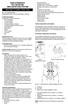 Place on Patient s Cranial Border of the Pubic Symphysis IMPLANTATION STENCIL Classic Exit Cuff Site PERCUTANEOUS PD CATHETER IMPLANTATION SYSTEM INSTRUCTIONS FOR USE VP 511 and VP-511M Implantation System
ARTHROSCOPIC HIP SURGERY
 ARTHROSCOPIC HIP SURGERY Hip Arthroscopy is a relatively simple procedure whereby common disorders of the hip can be diagnosed and treated using keyhole surgery. Some conditions, which previously were
Vascular Access. Chapter 3
 Vascular Access Chapter 3 Vascular Access Introduction Obtaining vascular access in infants and children can be difficult even under optimal conditions. Attempting emergent access in a hypotensive, struggling
Vaxcel PICCs Valved and Non-Valved. A Patient s Guide
 Vaxcel PICCs Valved and Non-Valved A Patient s Guide Information about your Vaxcel PICC is available by calling the Navilyst Medical Vascular Access Information Line 800.513.6876 Vaxcel Peripherally Inserted
Aspira* Pleural Drainage Catheter
 Aspira* Pleural Drainage Catheter Instructions For Use Access Systems Product Description: The Aspira* Pleural Drainage Catheter is a tunneled, long-term catheter used to drain accumulated fluid from the
Arrow NextStep and Arrow Cannon II Plus Chronic Hemodialysis Catheters
 Retrograde-Tunneling Insertion Poster Arrow NextStep and Arrow Cannon II Plus Chronic Hemodialysis Catheters Arrow Retrograde-Tunneling catheters Luer Lock caps Color-coded Luer Lock caps Arterial port
Are venous catheters safe in terms of blood tream infection? What should I know?
 Are venous catheters safe in terms of blood tream infection? What should I know? DIAGNOSIS, PREVENTION AND TREATMENT OF HAEMODIALYSIS CATHETER-RELATED BLOOD STREAM INFECTIONS (CRBSI): A POSITION STATEMENT
Tibial Intramedullary Nailing
 Tibial Intramedullary Nailing Turnberg Building Orthopaedics 0161 206 4898 All Rights Reserved 2015. Document for issue as handout. Procedure The tibia is the long shin bone in the lower leg. It is a weight
T.E.D. Anti-Embolism Stockings
 T.E.D. Anti-Embolism Stockings You have been given this information because you are spending time in the hospital. This booklet contains important information about why you are wearing T.E.D. anti-embolism
PICC- Peripherally Inserted Central Catheter PROCEDURAL CONSENT FORM. A. Interpreter / cultural needs. B. Procedure. C. Risks of the procedure
 DO NOT WRITE IN THIS BINDING MARGIN v3.00-03/2011 SW9266 Facility: PICC- Peripherally Inserted Central Catheter A. Interpreter / cultural needs An Interpreter Service is required? Yes No If Yes, is a qualified
BARD MEDICAL DIVISION UROLOGICAL DRAINAGE. Foley Catheter Care & Maintenance. Patient Education Guide
 BARD MEDICAL DIVISION Foley Catheter Care & Maintenance Patient Education Guide WHAT IS A FOLEY CATHETER? Because of your medical problem, your body is having trouble completely emptying your bladder of
LAP-BAND System Calibration Tube DIRECTIONS FOR USE (DFU)
 LAP-BAND System Calibration Tube DIRECTIONS FOR USE (DFU) LAP-BAND System Calibration Tube The LAP-BAND System Calibration Tube is a flexible gastric tube designed to be used in gastric and bariatric surgical
Wingspan Stent System with Gateway PTA Balloon Catheter
 Wingspan System with Gateway PTA Balloon Catheter Directions for Use AUS Australian Sponsor Address Boston Scientific (Australia) Pty Ltd PO Box 332 BOTANY NSW 1455 Australia Free Phone 1800 676 133 Free
PERIPHERALLY INSERTED CENTRAL CATHETERS (PICC) Fong So Kwan APN, Haematology unit Medical Department, QMH
 PERIPHERALLY INSERTED CENTRAL CATHETERS (PICC) Fong So Kwan APN, Haematology unit Medical Department, QMH 1 What is a PICC catheter? Primary vascular access device since their introduction in the mid-1970s,
Inferior Vena Cava Filter Placement and Removal
 Scan for mobile link. Inferior Vena Cava Filter Placement and Removal What is Inferior Vena Cava Filter Placement and Removal? In an inferior vena cava filter placement procedure, interventional radiologists
Varicose Vein Treatment (Endovenous Ablation of Varicose Veins)
 Scan for mobile link. Varicose Vein Treatment (Endovenous Ablation of Varicose Veins) Varicose vein treatment, also known as endovenous ablation, uses radiofrequency or laser energy to cauterize and close
MODEL G300 BRAKE BLEEDER
 MODEL G300 BRAKE BLEEDER Installation, Operation & Repair Parts Information Branick Industries, Inc. 4245 Main Avenue P.O. Box 1937 Fargo, North Dakota 58103 REV060616 P/N: 81-0035G 1 THIS PAGE INTENTIONALLY
Confirmed Deep Vein Thrombosis (DVT)
 Confirmed Deep Vein Thrombosis (DVT) Information for patients What is deep vein thrombosis? Blood clotting provides us with essential protection against severe loss of blood from an injury to a vein or
Within the Scope of Practice/Role of APRN RN _ X_LPN CNA
 Wyoming State Board of Nursing 130 Hobbs Avenue, Suite B Cheyenne, WY 82002 Phone (307) 777-7601 Fax (307) 777-3519 E-Mail: [email protected] Home Page: https://nursing-online.state.wy.us/ OPINION:
Venous Reflux Disease and Current Treatments VN20-87-A 01/06
 Venous Reflux Disease and Current Treatments Leg Vein Anatomy Your legs are made up of a network of veins and vessels that carry blood back to the heart The venous system is comprised of: Deep veins Veins
INFORMED CONSENT FOR SLEEVE GASTRECTOMY
 INFORMED CONSENT FOR SLEEVE GASTRECTOMY This informed-consent document has been prepared to help inform you about your Sleeve Gastrectomy including the risks and benefits, as well as alternative treatments.
ANTERIOR LUMBAR INTERBODY FUSION (ALIF) Basic Anatomical Landmarks: Anterior Lumbar Spine
 (ALIF) Anterior In human anatomy, referring to the front surface of the body or the position of one structure relative to another Lumbar Relating to the loins or the section of the back and sides between
Majestic Trial 12 Month Results
 Majestic Trial 12 Month Results S.Müller-Hülsbeck, MD, EBIR, FCIRSE, FICA ACADEMIC HOSPITALS Flensburg of Kiel University Ev.-Luth. Diakonissenanstalt zu Flensburg Knuthstraße 1, 24939 FLENSBURG Dept.
OPERATION:... Proximal tibial osteotomy Distal femoral osteotomy
 AFFIX PATIENT DETAIL STICKER HERE Forename.. Surname NHS Organisation. Responsible surgeon. Job Title Hospital Number... D.O.B.././ No special requirements OPERATION:..... Proximal tibial osteotomy Distal
el-720 Carbon Dioxide Gas Leak Detector User s Guide
 el-720 Carbon Dioxide Gas Leak Detector User s Guide Congratulations on the purchase of the AccuTools el-720 Carbon Dioxide Gas Leak Detector, the most technologically advanced instrument of its kind.
Angioplasty and Stent Education Guide
 Angioplasty and Stent Education Guide Table of Contents Treating coronary artery disease...2 What is coronary artery disease...3 Coronary artery disease treatment options...4 What are coronary artery
Bard LifeStar Biliary Stent System
 Bard LifeStar Biliary Stent System Instructions For Use (IFU) Bard LifeStar Biliary Stent System Delivery System Diagram B05686 Vers.1/08-11 1 Information for use Read the Bard LifeStar Biliary Stent System
Ankle Block. Indications The ankle block is suitable for the following: Orthopedic and podiatry surgical procedures of the distal foot.
 Ankle Block The ankle block is a common peripheral nerve block. It is useful for procedures of the foot and toes, as long as a tourniquet is not required above the ankle. It is a safe and effective technique.
An Overview of Transradial Patient Set-up. Susan R. Cooney RN,BSN,CCRN Durham VAMC Cardiac Catheterization Lab Duke University School of Nursing
 An Overview of Transradial Patient Set-up Susan R. Cooney RN,BSN,CCRN Durham VAMC Cardiac Catheterization Lab Duke University School of Nursing Advantages of the Transradial Approach from a Nursing Perspective!!
CordlessPleated FabricShade including Top-Down/Bottom-Up. owner's handbook
 CordlessPleated FabricShade including Top-Down/Bottom-Up owner's handbook July, 2013 español página 9 2 INSTALLATION INSTRUCTIONS Step 1. Check Package Contents Missing part? Call 1-800-264-1190 Mounting
ROTOR LOADER OWNER S MANUAL
 ROTOR LOADER OWNER S MANUAL ROTOR LOADER OWNER S MANUAL WARNING IMPORTANT SAFETY INSTRUCTIONS AND GUIDELINES. Misuse of paintball equipment may cause serious injury or death. QUICK SET-UP GUIDE BATTERY
Achieving Independence. A Guide to Self-Catheterization with the Bard Touchless Plus Intermittent Catheter System
 Bard: Intermittent Self-Catheterization A Guide to Self-Catheterization with the Bard Touchless Plus Intermittent Catheter System Achieving Independence Introducing the Bard Touchless Plus Catheter One
Posterior Referencing. Surgical Technique
 Posterior Referencing Surgical Technique Posterior Referencing Surgical Technique INTRO Introduction Instrumentation Successful total knee arthroplasty depends in part on re-establishment of normal lower
GENERAL HEART DISEASE KNOW THE FACTS
 GENERAL HEART DISEASE KNOW THE FACTS WHAT IS Heart disease is a broad term meaning any disease affecting the heart. It is commonly used to refer to coronary heart disease (CHD), a more specific term to
Ch. 138 CARDIAC CATHETERIZATION SERVICES 28 138.1 CHAPTER 138. CARDIAC CATHETERIZATION SERVICES GENERAL PROVISIONS
 Ch. 138 CARDIAC CATHETERIZATION SERVICES 28 138.1 CHAPTER 138. CARDIAC CATHETERIZATION SERVICES Sec. 138.1 Principle. 138.2. Definitions. GENERAL PROVISIONS PROGRAM, SERVICE, PERSONNEL AND AGREEMENT REQUIREMENTS
Hemostasis Solutions Boston Scientific is committed to improving patient care in the management of gastrointestinal bleeding.
 Hemostasis Solutions Boston Scientific is committed to improving patient care in the management of gastrointestinal bleeding. Through innovation and continuous educational support, we offer a wide range
An Informative Guide for Heart Catheterization Patients & Families
 An Informative Guide for Heart Catheterization Patients & Families What is a Cardiac Cath? Cardiac catheterization is a procedure used to diagnose and treat patients who have various forms of heart disease.
Coding Companion for Radiology. A comprehensive illustrated guide to coding and reimbursement
 Coding Companion for Radiology A comprehensive illustrated guide to coding and reimbursement 2013 Contents Getting Started with Coding Companion...i Diagnostic Radiology Head/Neck...1 Chest...38 Spine/Pelvis...51
Donor Adverse Events
 Donor Adverse Events Common terminology Frequency Risk factors Hold still, Mrs. Brown, while I draw your blood Mindy Goldman, MD Canadian Blood Services IHN Seminar, Paris March 11, 2016 Outline Donor
A Patient s Guide to Primary and Secondary Prevention of Cardiovascular Disease Using Blood-Thinning (Anticoagulant) Drugs
 A Patient s Guide to Primary and Secondary Prevention of PATIENT EDUCATION GUIDE What Is Cardiovascular Disease? Cardiovascular disease (CVD) is a broad term that covers any disease of the heart and circulatory
Policies & Procedures. Care of
 Policies & Procedures Title: SUPRAPUBIC CATHETER Care of Changing Removal Authorization: [x] SHR Nursing Practice Committee I.D. Number: 1021 Source: Nursing Date Revised: November 2014 Date Effective:
Arterio-Venous Fistula or Arterio-Venous Graft for Haemodialysis
 Department of Nephrology Care of your Fistula Nephrology Department Lower Lane Liverpool L9 7AL Tel:0151-525-5980 Arterio-Venous Fistula or Arterio-Venous Graft for Haemodialysis Haemodialysis access In
DTM04 TANK MONITOR DTM08 TANK MONITOR Dtm12 TANK MONITOR. Installation and Operation Manual
 DTM04 TANK MONITOR DTM08 TANK MONITOR Dtm12 TANK MONITOR Installation and Operation Manual 1 ENGLISH Safety Instructions 2 Features 2-3 Specifications 3 Installation 4-5 Wiring Diagrams 6-7 Warranty 8
Clinician Competency:
 Thanks to CR Bard Clinician Competency: INS (Intravenous Nursing Society) recommends that an institution create a set criteria to evaluate the competency of nurses learning to place PICC Line / Midline
X-Plain Abdominal Aortic Aneurysm Vascular Surgery Reference Summary
 X-Plain Abdominal Aortic Aneurysm Vascular Surgery Reference Summary Ballooning of the aorta, also known as an "abdominal aortic aneurysm," can lead to life threatening bleeding. Doctors may recommend
Treating HIV-related lipoatrophy by injecting a non-absorbable gel polymer
 Issue date January 2013 Information for the public NICE interventional procedures guidance advises the NHS on when and how new procedures can be used in clinical practice. Treating HIV-related lipoatrophy
Automatic Wrist Blood Pressure Monitor with
 Instruction Manual Automatic Wrist Blood Pressure Monitor with Model HEM-609 ENGLISH ESPAÑOL CONTENTS Before Using the Monitor Introduction...................................... 3 Important Safety Notes.............................
MANITOBA PATIENT SERVICE CENTRE STANDARDS
 MANITOBA PATIENT SERVICE CENTRE STANDARDS February 2015 INTRODUCTION These Standards are derived from Z316.7-12 and are approved by the Council of the College of Physicians and Surgeons of Manitoba. These
Instructions and User Guide. Select Series: Vascular Access Ultrasound Training Models BPO100, BPBV110, BPP120, BPNB150. June 8, 2011 Rev 2.
 Instructions and User Guide Select Series: Vascular Access Ultrasound Training Models BPO100, BPBV110, BPP120, BPNB150 June 8, 2011 Rev 2.1 Contents 3 Chapter 1: Overview 3 Giving you the confidence only
III-701 Urinary Catheterization/Bladder Irrigation Original Date: 3/1/1977 Last Review Date: 10/28/2004
 III-701 Urinary Catheterization/Bladder Irrigation Original Date: 3/1/1977 Last Review Date: 10/28/2004 Purpose A. Allow for precise measurement of urine output. B. Collect a sterile urine specimen. C.
Caring for Your PleurX Pleural Catheter
 Caring for Your PleurX Pleural Catheter A PleurX Pleural Catheter has been placed in your chest through a small incision in your skin into the pleural space (see picture below). This allows you to drain
Triple Threat 3-in-1 Game Table 3 IN 1 GAME TABLE
 NG0M Triple Threat 3-in- Game Table 3 IN GAME TABLE Thank 3 in Y Game Table Thank you for your purchase of our product. We work around the clock and around the globe to ensure that our products maintain