
Wingspan Stent System with Gateway PTA Balloon Catheter
|
|
|
- Aldous Briggs
- 10 years ago
- Views:
Transcription
1 Wingspan System with Gateway PTA Balloon Catheter Directions for Use AUS Australian Sponsor Address Boston Scientific (Australia) Pty Ltd PO Box 332 BOTANY NSW 1455 Australia Free Phone Free Fax

2 Wingspan System with Gateway PTA Balloon Catheter Directions for Use Caution: Federal Law (USA) restricts this device to sale by or on the order of a physician. Humanitarian Device: The Wingspan System with Gateway PTA Balloon Catheter is Authorized by Federal law for use in improving cerebral artery lumen diameter in patients with intracranial atherosclerotic disease, refractory to medical therapy, in intracranial vessels with >50% stenosis that are accessible to the system. The effectiveness of this device for this use has not been demonstrated. DEVICE DESCRIPTION The Wingspan System includes: A self-expanding, nitinol with four radiopaque markerbands on each end (distal and proximal). A flexible over-the-wire Delivery System (Inner Body and Outer Body) with pre-loaded. The Wingspan System is used in conjunction with the Gateway PTA Balloon Catheter. INTENDED USE/INDICATIONS FOR USE The Wingspan System with Gateway PTA Balloon Catheter is indicated for use in improving cerebral artery lumen diameter in patients with intracranial atherosclerotic disease, refractory to medical therapy, in intracranial vessels with >50% stenosis that are accessible to the system. CONTRAINDICATION Patients in whom antiplatelet and/or anticoagulation therapy is contraindicated. Lesions that are highly calcified or otherwise could prevent access or appropriate expansion of the. WARNINGS WARNING Contents supplied STERILE using an ethylene oxide (EO) process. Do not use if sterile barrier is damaged. If damage is found, call your Boston Scientific representative. For single use only. Do not reuse, reprocess or resterilize. Reuse, reprocessing or resterilization may compromise the structural integrity of the device and/or lead to device failure which, in turn, may result in patient injury, illness or death. Reuse, reprocessing or resterilization may also create a risk of contamination of the device and/or cause patient infection or cross-infection, including, but not limited to, the transmission of infectious disease(s) from one patient to another. Contamination of the device may lead to injury, illness or death of the patient. After use, dispose of product and packaging in accordance with hospital, administrative and/or local government policy. 2

3 The Wingspan System with Gateway PTA Balloon Catheter should only be used by physicians who have received appropriate training in interventional neuroradiology and treatment of intracranial atherosclerotic disease. The Wingspan System is not designed or intended for contrast injections or injections other than heparinized saline. If excessive resistance is encountered during the use of the Wingspan System or with the Gateway PTA Balloon Catheter at any time during the procedure, discontinue use of the System. Movement of the System against resistance may result in damage to the vessel, or a System component. In animal evaluations, the severity of vessel stenosis/neointimal thickness appears to be correlated with the degree of trauma inflicted on the arterial walls by placement or radial expansion. Experience with stent implants indicates that there is a risk of restenosis. Subsequent restenosis may require repeat dilation of the vessel segment containing the stent. The risks and long-term outcome following repeat dilation of endothelialized stents is unknown at present. If the stent is implanted adjacent to or contacting other implanted metal, such as another stent or embolic coil, the metals should be of similar composition to avoid galvanic corrosion potential. PRECAUTIONS General Precautions The Wingspan System and the Gateway PTA Balloon Catheter are provided STERILE for single use only. Do not resterilize. Store in a cool, dry place. Use the Wingspan System and Gateway PTA Balloon Catheter prior to the Use By date printed on the package. Select a size (length and diameter) that extends a minimum of 3 mm on both sides of the lesion. Preparation Precautions Carefully inspect the sterile package and Wingspan System prior to use to verify that neither has been damaged during shipment. Do not use kinked or damaged components. Typical antiplatelet and anticoagulation regimen used for interventional intracranial procedures is an important adjunct to treatment. Patients must be advised to take their prescribed medications after the is implanted and should be counseled on the risk of not complying with medical therapy. In-stent thrombosis may occur during the procedure if proper antiplatelet and anticoagulation therapy is not administered. Do not steam shape the tip of the Wingspan System because it could damage the or Delivery System. Procedure Precautions Implanting a may lead to dissection of the vessel distal or proximal to the and may cause other complications (vasospasm/acute closure) of the vessel requiring additional intervention (i.e., further dilation, placement of stents). Do not deploy the if it is not properly positioned in the vessel. Placement of the may compromise side branch patency. Follow the Wingspan System preparation and use instructions carefully. Previous studies have shown that some metal stents may be incompatible with MRI scanning. The Wingspan System has been shown to be MRI compatible in MRI systems operating at field strengths of 3.0 Tesla or lower. MRI laboratory evaluation demonstrated that no significant image distortion or heating was created by the presence of the s at scanning sequences commonly used during MRI procedures. Do not use the Wingspan System or the Gateway PTA Balloon Catheter for repositioning or recapturing the. Exercise caution when crossing the deployed with guidewires or other devices. In tortuous vessels, a stiff guidewire may cause binding within the Wingspan System or the Gateway Balloon Catheter during deployment. In such cases, use only soft guidewires, and position the floppy section of the guidewire within the. After deployment, the may foreshorten up to 2.4% in 2.5 mm s and up to 7.1% in 4.5 mm s. retrieval methods (use of additional wires, snares and/or forceps) may result in additional trauma to the vasculature and/or the vascular access site. Complications may include bleeding, hematoma, or pseudoaneurysm. ADVERSE EVENTS Observed Adverse Events A clinical study was conducted on 45 patients with intracranial atherosclerotic disease at 12 international sites. Data are presented on 44 patients through 30 days and on 42 patients who have reached the 6-month follow-up visit. Table 1 summarizes the adverse events observed in the clinical study. 3

4 Table 1 Adverse Events N=45 Time of Occurrence Event N % Procedure (1) <30 days >30 days Infection TIA 7 (2) Stroke (3) 0 2 (4) 3 (5) Hematoma Vasospasm Hemorrhagic Event Hypertension Peripheral vascular diseases Neurological symptoms Pain AMI Angina Arrhythmia Creatinine increase Hematuria Hypoglycemia/hyperglycemia Asymptomatic Thromboembolic Event Bradycardia (35 min) Broken middle-foot left/v-fracture Chronical antrum gastritis Death Elevated bilirubin, GOT, GPT (6) Fever Hiatus hernia Hypervolemia New distal in stent stenosis (7) Pulmonary edema Respiratory failure (8) Seizure Syncope (1) Procedural events were those occurring within 24 hours of the procedure (day 0). (2) Seven TIAs occurred in 6 patients. (3) Five strokes occurred in four patients. Four strokes were adjudicated as ischemic stroke, and one as a hemorrhagic stroke. (4) Both events were adjudicated as major ipsilateral stroke. One of these was a hemorrhagic stroke, and the patient later died. The other was an ischemic stroke from which the patient recovered. (5) All three events were ischemic strokes. One event was adjudicated as ipsilateral and minor. The remaining two events were adjudicated as contralateral, one major and the other minor. (6) Due to unknown reasons (7) This patient was implanted with a coronary stent after experiencing TIA but without CT scan evidence of a new infarction. Angiographic results indicated an in-stent stenosis of >90% distal to the previously treated lesion. (8) Due to epiglottic edema caused by an unknown allergic reaction. Potential Adverse Events Potential adverse events that were not observed in the clinical study, but that may be associated with the use of the Wingspan System with Gateway PTA Balloon Catheter or with the procedure include: Aneurysm Restenosis Vessel occlusion Cerebral ischemia Pseudoaneurysm Vessel perforation Coagulopathy migration Vessel rupture Drug reaction to contrast or antiplatelet misplacement Vessel spasm medication occlusion Vessel thrombosis Emboli (air, tissue, or thrombotic tissue) embolization Vessel trauma requiring surgical Hypotension thrombosis repair or intervention Intimal dissection Thromboembolic event Ischemia/infarct Vessel dissection 4

5 CLINICAL EXPERIENCE This study was a prospective, multi-center, single-arm trial of 45 patients enrolled at 12 international centers. Patients were considered eligible if they had presented with evidence of recurrent stroke, refractory to medical therapy and thought to be secondary to intracranial stenosis >50%. For the purpose of the study inclusion criteria, recurrent stroke was defined as patients with stroke history, treated with medical therapy, who remain symptomatic at enrollment screening. The study did not include a control group because no alternative standard therapy was readily available for this disease state. The results from this study were compared with historical controls based on literature published in peer-reviewed journals pertaining to a similar cohort of patients. The objective of the study was to evaluate the safety and feasibility of the Wingspan System with Gateway PTA Balloon Catheter for the treatment of symptomatic atherosclerotic lesions in the intracranial arteries. Patients were evaluated with a neurological examination and cerebral angiography preoperatively, with a cerebral angiography immediately postoperatively, with a neurological examination prior to hospital discharge and at 30-day follow-up, and with a neurological examination and cerebral angiography at 6 months post-procedure. The primary safety endpoint was composite ipsilateral stroke/death at 30 days. Changes in the target vessel were evaluated angiographically. Procedure success was defined as success without stroke or death at discharge. Safety was evaluated by the incidence of adverse events at discharge, 30-day follow-up, and 6-month follow-up. The study was considered complete, with respect to the primary endpoint, after 30 evaluable patients completed the 30-day follow-up evaluation. However, all enrolled patients were to have a follow-up digital subtraction angiogram and neurological exam at 6 months. Evaluable patients were those who met eligibility requirements for primary endpoint assessment and who received a. Patient Data Available Of the 45 patients enrolled, 44 were treated with the Wingspan System with Gateway PTA Balloon Catheter and were considered evaluable patients. All 45 patients were followed through discharge. One patient was enrolled but not treated due to problems with access through the patient s tortuous anatomy. One patient died ten days post-procedure from cerebral hemorrhage, and 44 were followed through 30-day follow-up. Of these, 42 patients were followed through 6 months with clinical and neurological examinations, and 40 patients were followed through 6 months with post-operative angiographic assessment of the treated lesions. Patient demographics are listed in Table 2, patient neurological history is listed in Table 3, and patient medical history is listed in Table 4. Table 2 Patient Demographics Patient Characteristics N=45 Age (Years) Mean + SD Median 65 Range (min, max) 47, 81 Male 73.3% (33/45) Ethnicity Caucasian 73.3% (33/45) Asian 26.7% (12/45) Table 3 Neurological History Neurological History N=45 N % Stroke Transient Ischemic Attacks Other Neurological Diseases

6 Table 4 Medical History Medical History N=45 N % Hypertension Hypercholesterolemia/Hyperlipidemia Smoking Diabetes Angina/Coronary Artery Disease Peripheral Artery Disease Arrhythmia Congestive Heart Failure Renal Failure Myocardial Infarction Liver Dysfunction Table 5 summarizes the data from the investigators regarding lesion locations. A total of 44 intracranial atherosclerotic lesions were treated in 45 patients. Twenty-three (51.1%) of the lesions were located in the anterior circulation, and 22 (48.9%) were located in the posterior circulation. Table 5 Lesion Location Location N=45 N % Carotid petrous artery Carotid cavernous artery Carotid ophthalmic artery Posterior communicating artery Supraclinoid carotid artery Carotid bifurcation Middle cerebral artery (M1) Vertebral artery Basilar trunk 9 20 Total Primary Safety Endpoints The results of the study indicated that the Gateway PTA Balloon Catheter could be inflated safely to dilate the lesion, and the could be deployed safely across the target lesion (44/45 lesions, 97.8% successfully accessed). The primary endpoints for safety were composite ipsilateral stroke or death at 30 days. The data are presented below for the evaluable patient populations (N=44) in Table 6. Table 6 Primary Endpoints: Stroke or Death (Evaluable Patients) Endpoints (30 Day)* (N=44) N % Death or Ipsilateral stroke** (composite) Major Ipsilateral stroke # Death * Results were based on adjudication by the Clinical Events Committee (CEC) ** Ipsilateral stroke is defined as events that occurred in the same hemisphere of the target lesion # Major stroke is defined as NIHSS >15, MRS >4, or BI <60, where NIHSS is the National Institute of Health Stroke Scale, MRS is Modified Rankin Scale, and BI is Barthel Index 6

7 Secondary Endpoints The secondary endpoints in this study include incidence of parent vessel dissection, symptomatic restenosis, migration, access site complications requiring treatment, and clinical outcomes of stroke and death at 6 months. No parent vessel dissections or migration were reported at immediate post-implant or at 6-month follow-up. There were four reported incidents of access site complications requiring treatment. Five patients developed seven access site-related adverse events, but only four events required treatment. Table 7 summarizes the secondary endpoints for safety of composite ipsilateral stroke or death at 6-month follow-up. A total of 42 patients had 6-month follow-up and are included in this analysis. TABLE 7 Incidence of Stroke or Death at 6-Month Follow-Up (Clinical Follow-Up) Endpoints at 6 Months (N = 42)** (Evaluable Patients)* N % Death or ipsilateral stroke (composite) Ipsilateral stroke # Major ipsilateral stroke Minor ipsilateral stroke Contralateral stroke Major contralateral stroke Minor contralateral stroke Death All-cause stroke Major all-cause stroke Minor all-cause stroke * Results were based on adjudication by the CEC ** At 6 months, 2 of the 44 patients were lost to follow-up # Ipsilateral stroke is defined as events that occurred in the same hemisphere of the target lesion + Major stroke is defined as NIHSS >15, MRS >4, or BI <60 where NIHSS is the National Institute of Health Stroke Scale, MRS is Modified Rankin Scale, and BI is Barthel Index Table 8 below compares the angiographic results between treatment and 6-month follow-up. At trial s end, 40 patients were examined angiographically at 6 months. Table 8 Angiographic Treatment Results at 6-Month Follow-Up Measure Baseline Post PTA Post 6 Months* (N=45) (N=44) (N=44) (N=40) Reference Vessel Diameter (mm) Mean ± SD Median Range (min, max) MLD at Target Lesion (mm)** Mean ± SD Median Range (min, max) Gain in MLD from Baseline (mm) Mean ± SD Median Range (min, max) % Stenosis Mean ± SD Median Range (min, max) Change in % Stenosis from Baseline Mean ± SD Median Range (min, max) 3.1 ± (1.3, 4.8) 0.8 ± (0.0, 2.0) 74.9 ± (57.0, 99.0) 3.2 ± (1.3, 4.8) 1.6 ± (0.5, 2.9) -0.8 ± (-3.0, 0.2) 50.0 ± (0.0, 79.0) 24.8 ± (-5.0, 88.0) >50% Stenosis 100% (45/45) 54.5% (24/44) 3.2 ± (1.3, 4.8) 2.1 ± (1.3, 3.2) -1.3 ± (-3.5, -0.2) 31.9 ± (-8.0, 49.0) 43.0 ± (18.0, 107.0) 0.0% (0/44) * Of the 44 evaluable patients, 40 patients were available for angiographic follow-up ** MLD Minimum Lumen Diameter (1.3, 4.8) (0.4, 4.0) -1.4 ± (-3.5, -0.0) 28.0 ± (-33.0, 81.0) 47.8 ± (2.0, 116.0) 7.5% (3/40) 7

8 A comparison of the stroke rates in the SSYLVIA study to those in the Wingspan System study are summarized in Table 9. The SSYLVIA study was a prospective, single arm study of angioplasty and balloon expandable stenting of intracranial atherosclerotic disease in patients with a history of stroke or TIA. From the small number of patients studied, it appears that the Wingspan System study results are similar to those reported for the SSYLVIA study. Table 9 Stroke Rate Comparison (SSYLVIA* vs. Wingspan) Clinical Study Follow-Up All Stroke Death All Stroke and Death Ipsilateral Stroke SSYLVIA n=61 Mean: 216 days (n=48 at 6 months) 13.1% (8/61) 6.6% (4/61) 13.1% (8/61) 11.5% (7/61) Wingspan n=45 Mean: 174 days (n=42 at 6 months) 9.5% (4/42) 2.4% (1/42) 9.5% (4/42) 7.1% (3/42) HOW SUPPLIED * Food and Drug Administration, CDRH SSYLVIA Study NEUROLINK System Summary of Safety and Probable Benefit page. Available at: Accessed January 19, Do not use if package is opened or damaged. Do not use if labeling is incomplete or illegible. HANDLING AND STORAGE Store in a cool, dry, dark place. OPERATIONAL INSTRUCTIONS Angiographic Assessment of Lesion and Selection 1. Using angiography, determine the location and size of the lesion and vessel diameter. Careful sizing is important to successful ing. In general, the size should be chosen to match the normal vessel diameter adjacent to the lesion. 2. Select a length that is at least 6 mm longer than the lesion to extend a minimum of 3 mm on both sides of the lesion. sizing guidelines for each diameter are given in Table Select a Balloon size to match the lesion length and no more than 80% of the reference vessel diameter, allowing for vessel dilation up to but no more than the vessel diameter proximal and distal to the lesion. (See Gateway PTA Balloon Catheter Instructions for Use.) Wingspan System Preparation 1. Open the pouch to remove the packaging tray, and inspect for compromised packaging. 2. Flush the dispenser hoop with sterile heparinized saline, carefully pull out the proximal hub assemblies from tray, tighten the rotating hemostasis valve onto the Inner Body, and remove the Delivery System. Inspect Delivery System for damage, such as kinks. The should be preloaded into the distal tip of the Delivery System. 3. Connect a rotating hemostasis valve to the hub of the Delivery System Inner Body, and flush the lumen of the Delivery System Inner Body with sterile, heparinized saline. 4. Loosen the Delivery System Outer Body rotating hemostasis valve, flush the Delivery System Outer Body with heparinized saline, and tighten the hemostasis valve onto the Delivery System Inner Body. 5. Continue to flush the Delivery System Outer Body to purge air from the system. 6. Connect the hemostasis valve side port of the Delivery System Outer Body and Delivery System Inner Body to a pressurized sterile heparinized saline flush. 7. Loosen the hemostasis valve on the Delivery System Outer Body that is locked onto the Delivery System Inner Body, and gently retract the Delivery System Inner Body so that there is a 1-2 mm gap between the proximal end of the dual tapered tip and the distal end of the Outer Body. This should result in a rapid saline drip from the Outer Body tip. Note: Do not use excessive force or lodge the Inner Body tip inside the Delivery System. 8

9 8. Tighten the Delivery System Outer Body hemostasis valve around the Delivery System Inner Body to hold the Delivery System Inner Body in place during advancement of the Wingspan System. Gateway PTA Balloon Catheter Preparation 1. Prepare the Gateway PTA Balloon Catheter as outlined in the Gateway PTA Balloon Catheter Instructions for Use. Guidewire Positioning 1. Position an access guidewire across the lesion using standard microcatheter and guidewire techniques. Recommended guide catheter specifications include a minimum 90 cm length and 1.63 mm (0.064in) ID. 2. Replace the access guidewire with an exchange length 0.36 mm (0.014in) guidewire, and remove the microcatheter. Leave the exchange length guidewire across the lesion. Soft guidewires are recommended rather than support guidewires. Balloon Deployment 1. Insert the Gateway PTA Balloon Catheter over the guidewire and pre-dilate the lesion as described in the Instructions for Use. (See Gateway PTA Balloon Catheter Instructions for Use). Ensure that Balloon inflation does not exceed 80% of the reference vessel diameter (proximal or distal to the lesion, whichever is smaller). Positioning and Deployment 1. Carefully backload the Wingspan System onto the 0.36 mm (0.014 in) guidewire through the Delivery System. 2. Carefully advance the Wingspan System into the guide catheter. 3. Open the guide catheter hemostasis valve. Under fluoroscopic guidance, advance the Wingspan System over the guidewire until the is slightly distal to the target lesion site (use the four distal radiopaque markerbands to identify the position). See Figure 1, Delivery Catheter Advancement. Guidewire Artery Wall Plaque Distal Markerbands Guidewire Distal Markerbands Fig 1 Delivery Catheter Advancement Fig 2 Pre-Deployment Alignment 4. Loosen the Delivery System Outer Body rotating hemostasis valve, and advance the Delivery System Inner Body until the proximal radiopaque markerband bumper is just proximal to the. Tighten the Outer Body rotating hemostasis valve. 5. Slightly withdraw the hub of the Delivery System Outer Body until the is directly aligned with the target lesion site. Pull back on the Delivery System to make the final adjustment for positioning. This will ensure that slack has been removed from the Delivery System just prior to deployment. See Figure 2, Pre-Deployment Alignment. 6. The is now ready to be deployed. NOTE: The best fluoroscopic view for positioning the for deployment is the view that shows the vessel distal to the lesion. This view may not be the same view as that used as the working position for deployment. 9

10 Artery Wall Plaque Guidewire Artery Wall Plaque Delivery Catheter Fig. 3 Positioning Fig. 4 Deployed 7. Loosen the rotating hemostasis valve on the Delivery System Outer Body. Deploy the by holding the Delivery System Inner Body Hub stationary with one hand while continuing to carefully withdraw the hub of the Delivery System Outer Body hub with the other hand. This will deploy the. See Figure 3, Positioning. 8. As the deploys, you will see the markerbands on the distal end of the spread out from one another. This is the opening. Continue deploying the in a continuously smooth motion. Do not attempt to move the after deployment has begun. Be careful to not advance the Delivery System Outer Body as the is deploying. 9. After the is completely deployed, tighten the Delivery System Outer Body rotating hemostasis valve, and gently remove the Wingspan System. If excessive friction is experienced during removal of system, loosen the Delivery System Outer Body rotating hemostasis valve, and pull the Delivery System Inner Body Hub back so the tip is in contact with the Delivery System Outer Body tip. Tighten the rotating hemostasis valve and remove the Delivery System. See Figure 4, Deployed. Labeled Diameter mm 3.0 mm 3.5 mm 4.0 mm 4.5 mm Labeled Length 1 (mm) 9 mm 15 mm 20 mm 9 mm 15 mm 20 mm 9 mm 15 mm 20 mm 9 mm 15 mm 20 mm 9 mm 15 mm 20 mm TABLE 10 Wingspan System Recommended Sizing Guidelines Self - Expanded Diameter 2 Recommended Vessel Diameter 3 (mm) 2.8 mm >2.0 and mm >2.5 and mm >3.0 and mm >3.5 and mm >4.0 and 4.5 Delivery System Useable Length 135 cm Maximum Guidewire Diameter 0.36 mm (0.014 in) Minimum Guide Catheter ID 1.63 mm (0.064 in) Select a length that is at least 6 mm longer than the lesion to extend a minimum of 3 mm on both sides of the lesion. will not expand beyond the self-expanding diameter. Select a diameter based both on the sizing recommendations in this table and on the larger vessel diameter (proximal or distal reference vessel diameter). 10

11 QUESTIONS AND ANSWERS Q: The Wingspan System seems to be binding with the guidewire, making it difficult to advance the System. What should I do? A: Use soft guidewires rather than support guidewires because soft guidewires facilitate maneuverability of the Wingspan System and deployment of the. Excess tension can build up in the guidewire resulting in increased friction in the System. Alleviate the friction by slightly retracting the guidewire and Delivery System to remove any accumulated tension. If excessive friction continues, confirm that the Delivery System saline flush is functioning. With use, guidewires can become kinked and lose their lubricious coatings. If excessive friction persists, consider removing and discarding the guidewire and Wingspan System and replacing them with new devices. Generally, once the Wingspan System is tracking forward over the guidewire, take advantage of the momentum and continue tracking to a target site that is distal to target lesion. It is easier to move the Wingspan System from a distal to proximal location across the target lesion instead of trying to reposition it by advancing the Wingspan System. Q: Which size should I choose if I intend to place the in a vessel that has a different diameter between the proximal and distal ends of the? Example: Vessel increases from 2 mm PCA (posterior cerebral artery) to a 3.4 mm basilar. A: Choose the sized for the larger vessel. In this example, choose the 3.5 mm. This can be deployed safely in the smaller PCA and will be well anchored in the basilar artery. Q: I have accidentally started to deploy the, but it is not in the location that I wanted. What should I do? A: The safest course of action generally is not to try repositioning the, but to continue to deploy the where it is, and then deploy a second at the desired location. Safely deploying a, even in an undesired location will minimize vascular injury. Animal studies have demonstrated that the endothelializes in less than 30 days. Q: I misjudged the positioning of the and have deployed it with one end adjacent to the target lesion rather than in the normal part of the parent vessel? What should I do? A: Leave the guidewire in place, remove the Delivery System, and insert and deploy a second starting from inside from the first to the normal portion of the parent vessel (telescoping s). The second should be of the same diameter or larger than the first. WARRANTY Boston Scientific Corporation (BSC) warrants that reasonable care has been used in the design and manufacture of this instrument. This warranty is in lieu of and excludes all other warranties not expressly set forth herein, whether express or implied by operation of law or otherwise, including, but not limited to, any implied warranties of merchantability or fitness for a particular purpose. Handling, storage, cleaning and sterilization of this instrument as well as other factors relating to the patient, diagnosis, treatment, surgical procedures, and other matters beyond BSC s control directly affect the instrument and the results obtained from its use. BSC s obligation under this warranty is limited to the repair or replacement of this device and BSC shall not be liable for any incidental or consequential loss, damage, or expense directly or indirectly arising from the use of this instrument. BSC neither assumes, nor authorizes any other person to assume for it, any other or additional liability or responsibility in connection with this instrument. BSC assumes no liability with respect to devices reused, reprocessed, or resterilized and makes no warranties, express or implied, including but not limited to merchantability or fitness for a particular purpose with respect to such instruments. 11

12 Recyclable Package 2010 Boston Scientific Corporation or its affiliates. All rights reserved

PATIENT INFORMATION BOOKLET
 PATIENT INFORMATION BOOKLET Wingspan Stent System with Gateway PTA Balloon Catheter TABLE OF CONTENTS Definitions... 2 What is the Purpose of This Booklet?... 3 What is an Intracranial Lesion?... 3 Who
Instructions for Use. Device Description The AMPLATZER Vascular Plug II is a self-expandable nitinol mesh occlusion device (see Figure 1).
 Vascular Plug II Instructions for Use Device Description The AMPLATZER Vascular Plug II is a self-expandable nitinol mesh occlusion device (see Figure 1). A B Figure 1. AMPLATZER Vascular Plug II A. Nitinol
LifeStent XL Biliary Stent System
 B05688 Rev.2/07-13 LifeStent XL Biliary Stent System Recommended Guidewire Length Table Catheter Working Length Recommended Guidewire Length 130 cm 300 cm 80 cm 260 cm 130 cm & 80 cm 160 cm & 110 cm Figure
Majestic Trial 12 Month Results
 Majestic Trial 12 Month Results S.Müller-Hülsbeck, MD, EBIR, FCIRSE, FICA ACADEMIC HOSPITALS Flensburg of Kiel University Ev.-Luth. Diakonissenanstalt zu Flensburg Knuthstraße 1, 24939 FLENSBURG Dept.
Overview of Newer Stent Devices for Aneurysm Treatment
 Overview of Newer Stent Devices for Aneurysm Treatment Randall C. Edgell, M.D. Associate Professor Vascular and Interventional Neurology Saint Louis University Disclosure Outcome adjudication for THERAPY,
Talent Thoracic Stent Graft with THE Xcelerant Delivery System. Expanding the Indications for TEVAR
 Talent Thoracic with THE Xcelerant Delivery System Expanding the Indications for TEVAR Talent Thoracic Precise placement 1 Broad patient applicability 1 Excellent clinical outcomes 1, a + Xcelerant Delivery
Bard LifeStar Biliary Stent System
 Bard LifeStar Biliary Stent System Instructions For Use (IFU) Bard LifeStar Biliary Stent System Delivery System Diagram B05686 Vers.1/08-11 1 Information for use Read the Bard LifeStar Biliary Stent System
Contraindications: Malign or benign strictures in the upper part of esophagus close to the cricopharyngeal muscle.
 Manufactured by: ELLA CS, s.r.o. Milady Horákové 504 500 06 Hradec Králové 6 Czech Republic Phone: +420 49 527 91 11 Fax: +420 49 526 56 55 E-mail: [email protected] Instructions for Use FerX-ELLA Esophageal
Instructions for Use Cordis PRECISE Nitinol Stent System (5.5F and 6F) 10368453-2
 Instructions for Use Cordis PRECISE Nitinol Stent System (5.5F and 6F) 10368453-2 Caution: Federal (USA) law restricts this device to sale by or on the order of a physician. Read all instructions carefully.
Cilostazol versus Clopidogrel after Coronary Stenting
 Cilostazol versus Clopidogrel after Coronary Stenting Seong-Wook Park, MD, PhD, FACC Division of Cardiology, Asan Medical Center University of Ulsan College of Medicine Seoul, Korea AMC, 2004 Background
Bard LifeStar Vascular Stent System
 Bard LifeStar Vascular Stent System Instructions For Use (IFU) Bard LifeStar Vascular Stent System Delivery System Diagram B05685 Vers.1/08-11 1 Instructions for use Read the Bard LifeStar Vascular Stent
RELAY Plus Thoracic Stent-Graft System with Transport Delivery System
 RELAY Plus Thoracic Stent-Graft System with Transport Delivery System TABLE OF CONTENTS Section Page DEVICE DESCRIPTION 8 RADIOPAQUE MARKER BANDS 8 RELAY PLUS TRANSPORT DELIVERY SYSTEM 8 INDICATIONS FOR
Table 1. Balloon and Stent Specifications. Nominal Pressure During Stent Deployment (atm/kpa) Stent Length (mm)
 90590772-01 ONLY Caution: Federal Law (USA) restricts this device to sale by or on the order of a physician. warning 2010-05 < EN > VeriFLEX (Liberté ) m o n o r a i l o v e r - t h e - w i r e Bare-Metal
GRAFTMASTER RX Coronary Stent Graft System PPL2082232 (2/1/13)
 GRAFTMASTER RX Coronary Stent Graft System PPL2082232 (2/1/13) Graphical Symbols for Medical Device Labeling Manufacturer Sterilized using ethylene oxide Catalogue number Batch code French size Outer diameter
When Procedural Support really matters. Navien TM A+ Intracranial Support Catheter
 When Procedural Support really matters Navien TM A+ Intracranial Support Catheter Coils / Liquid Embolics DURABLE ovalization resistance, Maintains patent lumen in tortuosity for smooth micro catheter
Supera Peripheral Stent System Instructions for Use
 Supera Peripheral Stent System Instructions for Use Table of Contents 1.0 DEVICE DESCRIPTION 2.0 HOW SUPPLIED 3.0 INDICATIONS 4.0 CONTRAINDICATIONS 5.0 WARNINGS 6.0 PRECAUTIONS 6.1 Stent Delivery System
AERO. Tracheobronchial Stent Technology System
 AERO Tracheobronchial Stent Technology System Review Instructions For Use Before Using This System. Single Use Non-sterile MR Conditional CONTENTS Instructions For Use.............................. 3 IMPORTANT
Endovascular Repair of an Axillary Artery Aneurysm: A Novel Approach
 Endovascular Repair of an Axillary Artery Aneurysm: A Novel Approach Bao- Thuy D. Hoang, MD 1, Jonathan- Hien Vu, MD 2, Jerry Matteo, MD 3 1 Department of Surgery, University of Florida College of Medicine,
Vascular Quality Initiative - Carotid Artery Stent. Last Name First Name Middle Initial
 Vascular Quality Initiative - Carotid Artery Stent Last Name First Name Middle Initial Date of Birth Medical Record Social Security General Information Patient Data Zip/Postal Code Gender Male Female Ethnicity
XIENCE V and Magnetic Resonance Imaging Examination
 XIENCE V and Magnetic Resonance Imaging Examination To Whom it May Concern: Thank you for your inquiry regarding magnetic resonance imaging (MRI) examinations of patients implanted with the Abbott Vascular
Aspira* Peritoneal Drainage Catheter
 Aspira* Peritoneal Drainage Catheter Instructions For Use Access Systems Product Description: The Aspira* Peritoneal Drainage Catheter is a tunneled, long-term catheter used to drain accumulated fluid
Ultrasound in Vascular Surgery. Torbjørn Dahl
 Ultrasound in Vascular Surgery Torbjørn Dahl 1 The field of vascular surgery Veins dilatation and obstruction (varicose veins and valve dysfunction) Arteries dilatation and narrowing (aneurysms and atherosclerosis)
IN.PACT ADMIRAL DRUG-COATED BALLOON NEW TECHNOLOGY ADD-ON PAYMENT (NTAP)
 IN.PACT ADMIRAL DRUG-COATED BALLOON NEW TECHNOLOGY ADD-ON PAYMENT (NTAP) New Technology Add-on (NTAP) for DCB OVERVIEW Effective October 1, 2015, hospital inpatient cases using a drug-coated balloon (DCB)
WallFlex Biliary RX Stent. Fully, Partially and Uncovered Self-Expanding Metal Stents
 WallFlex Biliary RX Stent Fully, Partially and Uncovered Self-Expanding Metal Stents WallFlex Biliary RX Stent Fully, Partially and Uncovered Self-Expanding Metal Stents The WallFlex Biliary RX Stent is
Christopher M. Wright, MD, MBA Pioneer Cardiovascular Consultants Tempe, Arizona
 Christopher M. Wright, MD, MBA Pioneer Cardiovascular Consultants Tempe, Arizona Areas to be covered Historical, current, and future treatments for various cardiovascular disease: Atherosclerosis (Coronary
Instructions For Use Aorfix AAA Flexible Stent Graft System
 Instructions For Use AAA Flexible Stent Graft System With AorFlex Delivery Device Caution: Federal law (USA) restricts this implant to sale by or on the order of a physician. Page 1 of 62 PN02114 Issue
Ostial LAD: Single stent approach is the best. Antonio A. Pocoví, MD, FSCAI, MTSAC, Advisory Council Member, CACI
 Ostial LAD: Single stent approach is the best Antonio A. Pocoví, MD, FSCAI, MTSAC, Advisory Council Member, CACI Chair, Interventional Cardiology Sanatorio San Lucas Instituto Alexander Fleming Buenos
What You Should Know About Cerebral Aneurysms
 What You Should Know About Cerebral Aneurysms From the Cerebrovascular Imaging and Interventions Committee of the American Heart Association Cardiovascular Radiology Council Randall T. Higashida, M.D.,
Understanding your Renal Stent Procedure. A patient Guide (COVER PAGE) TABLE OF CONTENTS (inside front page)
 Understanding your Renal Stent Procedure. A patient Guide (COVER PAGE) TABLE OF CONTENTS (inside front page) The Kidney and the Renal Arteries... 1 Renal Artery Disease... 2 Diagnosis of Renal.Artery Disease...
Instructions For Use
 Instructions For Use B05667 Rev.4/05-14 INFORMATION FOR USE Caution: Federal law (U.S.) restricts the use of this device to sale by or on the order of a physician. Device Description The Fluency Plus
Antiplatelet and anticoagulation treatment of patients undergoing carotid and peripheral artery angioplasty
 Round Table: Antithrombotic therapy beyond ACS Antiplatelet and anticoagulation treatment of patients undergoing carotid and peripheral artery angioplasty M. Matsagkas, MD, PhD, EBSQ-Vasc Associate Professor
Ischemia and Infarction
 Harvard-MIT Division of Health Sciences and Technology HST.035: Principle and Practice of Human Pathology Dr. Badizadegan Ischemia and Infarction HST.035 Spring 2003 In the US: ~50% of deaths are due to
Angioplasty and Stent Education Guide
 Angioplasty and Stent Education Guide Table of Contents Treating coronary artery disease...2 What is coronary artery disease...3 Coronary artery disease treatment options...4 What are coronary artery
TAXUS Express 2. Paclitaxel-Eluting Coronary Stent System. Patient Information Guide
 TAXUS Express 2 Paclitaxel-Eluting Coronary Stent System Patient Information Guide 1 Table of Contents Coronary Artery Disease...2 Who Is at Risk?...3 Diagnosis of Coronary Artery Disease...3 Treatment
NAME OF THE HOSPITAL: 1. Coronary Balloon Angioplasty: M7F1.1/ Angioplasty with Stent(PTCA with Stent): M7F1.3
 1. Coronary Balloon Angioplasty: M7F1.1/ Angioplasty with Stent(PTCA with Stent): M7F1.3 1. Name of the Procedure: Coronary Balloon Angioplasty 2. Select the Indication from the drop down of various indications
Imaging of Thoracic Endovascular Stent-Grafts
 Imaging of Thoracic Endovascular Stent-Grafts Tariq Hameed, M.D. Department of Radiology and Imaging Sciences, Indiana University School of Medicine, Indianapolis, Indiana Disclosures: No relevant financial
100000002022.2. Instructions for Use. Cordis S.M.A.R.T. CONTROL Vascular Stent System
 100000002022.2 Instructions for Use Cordis S.M.A.R.T. CONTROL Vascular Stent System Symbols Catalog Number LOT NonPyrogenic Lot Number Store in cool, dark, dry place Use By Date Sterilized with ethylene
A Post-market Study to Assess the STENTYS Self-exPanding COronary Stent In AcuTe myocardial InfarctiON in Real Life APPOSITION III
 A Post-market Study to Assess the STENTYS Self-exPanding COronary Stent In AcuTe myocardial InfarctiON in Real Life APPOSITION III Gilles Montalescot, MD, PhD Pitié-Salpêtrière Hospital, Paris, France
New Treatments for Stroke Prevention in Atrial Fibrillation. John C. Andrefsky, MD, FAHA NEOMED Internal Medicine Review course May 5 th, 2013
 New Treatments for Stroke Prevention in Atrial Fibrillation John C. Andrefsky, MD, FAHA NEOMED Internal Medicine Review course May 5 th, 2013 Classification Paroxysmal atrial fibrillation (AF) Last < 7
2009/JUL/20 at 9:18 a.m. Doc number: M710950B001 [Uni+] VALIANT THORACIC STENT GRAFT WITH THE CAPTIVIA DELIVERY SYSTEM Instructions for Use
![2009/JUL/20 at 9:18 a.m. Doc number: M710950B001 [Uni+] VALIANT THORACIC STENT GRAFT WITH THE CAPTIVIA DELIVERY SYSTEM Instructions for Use](/thumbs/40/21239668.jpg "2009/JUL/20 at 9:18 a.m. Doc number: M710950B001 [Uni+] VALIANT THORACIC STENT GRAFT WITH THE CAPTIVIA DELIVERY SYSTEM Instructions for Use") VALIANT THORACIC STENT GRAFT WITH THE CAPTIVIA DELIVERY SYSTEM Instructions for Use 0086 EXPLANATION OF SYMBOLS Explanation of symbols that may appear on product labeling. Consult instructions for use
VALIANT THORACIC STENT GRAFT WITH THE CAPTIVIA DELIVERY SYSTEM Instructions for Use 0086 EXPLANATION OF SYMBOLS Explanation of symbols that may appear on product labeling. Consult instructions for use
PROMUS Element Plus. Everolimus-Eluting Platinum Chromium Coronary Stent System. Patient Information Guide
 PROMUS Element Plus Patient Information Guide PROMUS Element Plus Patient Information Guide You have recently had a PROMUS Element drug-coated stent implanted in the coronary arteries of your heart. The
Coronary Artery Disease leading cause of morbidity & mortality in industrialised nations.
 INTRODUCTION Coronary Artery Disease leading cause of morbidity & mortality in industrialised nations. Although decrease in cardiovascular mortality still major cause of morbidity & burden of disease.
Lifecheque Basic Critical Illness Insurance
 Lifecheque Basic Critical Illness Insurance Strong. Reliable. Trustworthy. Forward-thinking. Extra help on the road to recovery Surviving a critical illness can be very challenging financially Few of us
Duration of Dual Antiplatelet Therapy After Coronary Stenting
 Duration of Dual Antiplatelet Therapy After Coronary Stenting C. DEAN KATSAMAKIS, DO, FACC, FSCAI INTERVENTIONAL CARDIOLOGIST ADVOCATE LUTHERAN GENERAL HOSPITAL INTRODUCTION Coronary artery stents are
Understanding Coronary Artery Disease, Cardiac Catheterization, and Treatment Options. A Guide for Patients
 Understanding Coronary Artery Disease, Cardiac Catheterization, and Treatment Options A Guide for Patients Coronary Artery Disease If you or a member of your family has been diagnosed with coronary artery
Discovery of an Aneurysm Following a Motorcycle Accident. Maya Babu, MSIII Gillian Lieberman, M.D.
 Discovery of an Aneurysm Following a Motorcycle Accident Maya Babu, MSIII Gillian Lieberman, M.D. Patient CC: July 2004 65 yo male transferred to the BI from an OSH s/p motorcycle crash w/o a helmet CC
Clinical Programs. Medtronic Coronary Stent Systems. driver BMS
 Clinical Programs Medtronic Coronary Stent Systems Endeavor DES driver BMS July 2010 Contents Overview of Clinical Programs... 2 Drug-Eluting Stents ENDEAVOR I*... 4 ENDEAVOR II*... 6 ENDEAVOR II Continued
Aneurysm Embolization System for the Treatment of Cerebral Aneurysms. Information for Patients and Families
 this booklet is provided for for any non emergency questions, contact us at Aneurysm Embolization System for the Treatment of Cerebral Aneurysms Information for Patients and Families 2 3 Information for
Instructions For Use CORDIS ENTERPRISE Vascular Reconstruction Device and Delivery System
 10531691-6 Instructions For Use CORDIS ENTERPRISE Vascular Reconstruction Device and Delivery System Explanation of symbols on labels and packaging: Store in a cool, dark, dry place. Do not use if package
Aspira* Pleural Drainage Catheter
 Aspira* Pleural Drainage Catheter Instructions For Use Access Systems Product Description: The Aspira* Pleural Drainage Catheter is a tunneled, long-term catheter used to drain accumulated fluid from the
Patient Information Guide Morpheus CT Peripherally Inserted Central Catheter
 Patient Information Guide Morpheus CT Peripherally Inserted Central Catheter IC 192 Rev C A measure of flexibility and strength. Table of Contents 1. Introduction 2. What is the Morpheus CT PICC? 3. What
CHAPTER 9 DISEASES OF THE CIRCULATORY SYSTEM (I00-I99)
 CHAPTER 9 DISEASES OF THE CIRCULATORY SYSTEM (I00-I99) March 2014 2014 MVP Health Care, Inc. CHAPTER 9 CHAPTER SPECIFIC CATEGORY CODE BLOCKS I00-I02 Acute rheumatic fever I05-I09 Chronic rheumatic heart
MEDICAL POLICY No. 91580-R1 DRUG-ELUTING STENTS FOR ISCHEMIC HEART DISEASE
 DRUG-ELUTING STENTS FOR ISCHEMIC HEART DISEASE Effective Date: October 1, 2015 Review Dates: 10/11, 10/12, 10/13, 8/14, 8/15 Date Of Origin: October 12, 2011 Status: Current Summary of Changes Clarifications:
The Bioresorbable Vascular Stent Dr Albert Ko
 The Bioresorbable Vascular Stent Dr Albert Ko Dr Albert Ko MB BS, FRACP, FCSANZ Interventional/General Cardiologist Ascot Cardiology Symposium 2013 Treatment Goals for Coronary Artery Disease Relieve of
RX Herculink Elite Renal and Biliary Stent system Instructions for Use. RX Herculink Elite Renal Stent System. Table of Contents
 RX Herculink Elite Renal and Biliary Stent system Instructions for Use Table of Contents RX Herculink Elite Renal Stent System 1.0 DEVICE DESCRIPTION Table 1. In Vitro* Device Specifications 2.0 HOW SUPPLIED
LAP-BAND System Calibration Tube DIRECTIONS FOR USE (DFU)
 LAP-BAND System Calibration Tube DIRECTIONS FOR USE (DFU) LAP-BAND System Calibration Tube The LAP-BAND System Calibration Tube is a flexible gastric tube designed to be used in gastric and bariatric surgical
Guidelines for the Management of Patients Following Endoluminal Vein Dilation Procedures for the Treatment of Multiple Sclerosis
 Guidelines for the Management of Patients Following Endoluminal Vein Dilation Procedures for the Treatment of Multiple Sclerosis Report Submitted to the Minister of Health and Long-Term Care By the Ontario
Drug-Eluting Balloons. Klaus Bonaventura Department of Cardiology and Angiology Heart Thorax Vascular Center, Klinikum Ernst von Bergmann, Potsdam
 Drug-Eluting Balloons Klaus Bonaventura Department of Cardiology and Angiology Heart Thorax Vascular Center, Klinikum Ernst von Bergmann, Potsdam Potential conflicts of interest Speaker s name: Klaus Bonaventura
ANESTHESIA FOR PATIENTS WITH CORONARY STENTS FOR NON CARDIAC SURGERY. Dr. Mahesh Vakamudi. Professor and Head
 ANESTHESIA FOR PATIENTS WITH CORONARY STENTS FOR NON CARDIAC SURGERY Dr. Mahesh Vakamudi Professor and Head Department of Anesthesiology, Critical Care and Pain Medicine Sri Ramachandra University INTRODUCTION
FREEDOM INGUINAL Hernia Repair System TECHNIQUE GUIDE
 FREEDOM INGUINAL Hernia Repair System TECHNIQUE GUIDE The following describes the open surgical preparation and implantation technique for the Freedom Inguinal Hernia Repair System. 1) Anesthesia can be
Subclavian Steal Syndrome By Marta Thorup
 Subclavian Steal Syndrome By Marta Thorup Definition Subclavian steal syndrome (SSS), is a constellation of signs and symptoms that arise from retrograde flow of blood in the vertebral artery, due to proximal
PRECOMBAT Trial. Seung-Whan Lee, MD, PhD On behalf of the PRECOMBAT Investigators
 Premier of Randomized Comparison of Bypass Surgery versus Angioplasty Using Sirolimus-Eluting Stent in Patients with Left Main Coronary Artery Disease PRECOMBAT Trial Seung-Whan Lee, MD, PhD On behalf
Clinical Study Synopsis
 Clinical Study Synopsis This Clinical Study Synopsis is provided for patients and healthcare professionals to increase the transparency of Bayer's clinical research. This document is not intended to replace
Diagnosis Code Crosswalk : ICD-9-CM to ICD-10-CM Cardiac Rhythm and Heart Failure Diagnoses
 Diagnosis Code Crosswalk : to 402.01 Hypertensive heart disease, malignant, with heart failure 402.11 Hypertensive heart disease, benign, with heart failure 402.91 Hypertensive heart disease, unspecified,
RADIOLOGY 2014 CPT Codes
 RADIOLOGY 2014 CPT Codes Radiology 2014 CPT Codes CMS has issued 36 new procedure codes (one is a radiation therapy code) for CY 2014 that directly pertain to radiology with 26 of those codes the result
PERIPHERALLY INSERTED CENTRAL CATHETERS (PICC) Fong So Kwan APN, Haematology unit Medical Department, QMH
 PERIPHERALLY INSERTED CENTRAL CATHETERS (PICC) Fong So Kwan APN, Haematology unit Medical Department, QMH 1 What is a PICC catheter? Primary vascular access device since their introduction in the mid-1970s,
Yukon Choice DES + Translumina - The polymer-free DES solution. www.translumina.de. Coronary Stent System for Drug Application
 Coronary Stent System for Drug Application Yukon Choice DES + new catheter polymer-free DES Translumina - The polymer-free DES solution www.translumina.de A First Class Stent The YUKON Choice DES+ is the
NOVOSTE BETA-CATH SYSTEM
 HOSPITAL INPATIENT AND OUTPATIENT BILLING GUIDE FOR THE NOVOSTE BETA-CATH SYSTEM INTRAVASCULAR BRACHYTHERAPY DEVICE This guide is intended solely for use as a tool to help hospital billing staff resolve
PERCUTANEOUS PD CATHETER IMPLANTATION SYSTEM
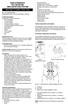 Place on Patient s Cranial Border of the Pubic Symphysis IMPLANTATION STENCIL Classic Exit Cuff Site PERCUTANEOUS PD CATHETER IMPLANTATION SYSTEM INSTRUCTIONS FOR USE VP 511 and VP-511M Implantation System
Patient Information Booklet. Endovascular Stent Grafts: A Treatment for Abdominal Aortic Aneurysms
 Patient Information Booklet Endovascular Stent Grafts: A Treatment for Abdominal Aortic Aneurysms TABLE OF CONTENTS Introduction 1 Glossary 2 Abdominal Aorta 4 Abdominal Aortic Aneurysm 5 Causes 6 Symptoms
Allium Ureteral Stent (URS)
 Allium Ureteral Stent (URS) Instructions For Use Manufactured by Allium Ltd. DEVICE NAME: ALLIUM Ureteral Stent (URS) is intended to be inserted into the lower ureter to allow free flow of urine from the
Innova Vascular OVER-THE-WIRE
 POTENTIAL ADVERSE EVENTS... HOW SUPPLIED...6 909580-0 Innova Vascular OVER-THE-WIRE Self-Expanding Stent System TABLE OF CONTENTS 05-07 < en > WARNING... DEVICE DESCRIPTION... Contents... INTENDED USE
THE INTERNET STROKE CENTER PRESENTATIONS AND DISCUSSIONS ON STROKE MANAGEMENT
 THE INTERNET STROKE CENTER PRESENTATIONS AND DISCUSSIONS ON STROKE MANAGEMENT Stroke Prevention in Atrial Fibrillation Gregory Albers, M.D. Director Stanford Stroke Center Professor of Neurology and Neurological
LIMITED BENEFIT HEALTH COVERAGE FOR SPECIFIED CRITICAL ILLNESS. OUTLINE OF COVERAGE (Applicable to Policy Form CI-1.0-NC)
 COLONIAL LIFE & ACCIDENT INSURANCE COMPANY 1200 Colonial Life Boulevard, P.O. Box 1365, Columbia, South Carolina 29202 1.800.325.4368 www.coloniallife.com A Stock Company LIMITED BENEFIT HEALTH COVERAGE
Tracheal Stent System
 nt Tracheal Stent System Available sizes: 08mm x 20mm NEW 08mm x 30mm 08mmx 50 mm 08mm x 60mm 08mm x 70mm 08mm x 80mm 08mm x 90mm 10mm x 20mm NEW 10 mm x 30 mm 10 mm x 50 mm 10 mm x 60 mm 10 mm x 70 mm
Antonio Colombo MD on behalf of the SECURITY Investigators
 Second Generation Drug-Eluting Stents Implantation Followed by Six Versus Twelve-Month - Dual Antiplatelet Therapy - The SECURITY Randomized Clinical Trial Antonio Colombo MD on behalf of the SECURITY
A Patient s Guide to Minimally Invasive Abdominal Aortic Aneurysm Repair
 A Patient s Guide to Minimally Invasive Abdominal Aortic Aneurysm Repair Table of Contents The AFX Endovascular AAA System............................................ 1 What is an Abdominal Aortic Aneurysm
Scout Vessel Guard. A cover for vessels during anterior lumbar spine surgery.
 Scout Vessel Guard. A cover for vessels during anterior lumbar spine surgery. Technique Guide Instruments and implants approved by the AO Foundation Table of Contents Introduction Scout Vessel Guard 2
12276408.3. Instructions for Use Cordis EXOSEAL TM VASCULAR CLOSURE DEVICE
 12276408.3 Instructions for Use Cordis EXOSEAL TM VASCULAR CLOSURE DEVICE Figure 1: Components of the EXOSEAL TM Vascular Closure Device 1. Handle Assembly 2. Plug Deployment Button 3. Indicator Window
REPORTING STENT PLACEMENT FOR NONOCCLUSIVE VASCULAR DISEASE IN LOWER EXTREMITIES
 REPORTING STENT PLACEMENT FOR NONOCCLUSIVE VASCULAR DISEASE IN LOWER EXTREMITIES Effective January 1, 2015, there was a change in CPT that affects reporting specific endovascular services provided in the
Intracoronary Stenting and. Robert A. Byrne, Julinda Mehilli, Salvatore Cassese, Franz-Josef Neumann, Susanne Pinieck, Tomohisa Tada,
 Prospective, Randomized Trial of Paclitaxel-Eluting Balloon versus Paclitaxel-Eluting Stent versus Balloon Angioplasty for Treatment of Coronary Restenosis in Limus- Eluting Stents Intracoronary Stenting
University of Ulsan College of Medicine, Asan Medical Center on behalf of the REAL-LATE and the ZEST-LATE trial
 Duration of Dual Antiplatelet Therapy After Drug-Eluting Stent Implantation A Pooled Analysis of the REAL-LATE and the ZEST-LATE Trial Seung-Jung Park MD PhD Seung-Jung Park, MD, PhD, University of Ulsan
INTRODUCTION TO EECP THERAPY
 INTRODUCTION TO EECP THERAPY is an FDA cleared, Medicare approved, non-invasive medical therapy for the treatment of stable and unstable angina, congestive heart failure, acute myocardial infarction, and
Is Stenting or Coronary Artery By-pass Grafting the Better Treatment for This Patient?
 Is Stenting or Coronary Artery By-pass Grafting the Better Treatment for This Patient? --- NIRS-IVUS TVC Imaging Adds Additional Information for the Heart Team Dr. Luis Tami Memorial Regional Hospital
Acute Myocardial Infarction (the formulary thrombolytic for AMI at AAMC is TNK, please see the TNK monograph in this manual for information)
 ANNE ARUNDEL MEDICAL CENTER CRITICAL CARE MEDICATION MANUAL DEPARTMENT OF NURSING AND PHARMACY Guidelines for Use of Intravenous Alteplase (Tissue Plasminogen Activator (t-pa)), Activase in the Treatment
National Patient Safety Goals Effective January 1, 2015
 National Patient Safety Goals Effective January 1, 2015 Goal 1 Improve the accuracy of resident identification. NPSG.01.01.01 Long Term are ccreditation Program Medicare/Medicaid ertification-based Option
Note to Teachers about The Virtual Stroke Lab Student Handout
 Note to Teachers about The Virtual Stroke Lab Student Handout This document contains a handout that can be distributed for students to fill out as they complete The Virtual Stroke Lab, a free online Virtual
STROKE PREVENTION IN ATRIAL FIBRILLATION
 STROKE PREVENTION IN ATRIAL FIBRILLATION OBJECTIVE: To guide clinicians in the selection of antithrombotic therapy for the secondary prevention of ischemic stroke and arterial thromboembolism in patients
ANGIO-SEAL EVOLUTION VASCULAR CLOSURE DEVICE INSTRUCTIONS FOR USE
 ANGIO-SEAL EVOLUTION VASCULAR CLOSURE DEVICE INSTRUCTIONS FOR USE TO ENSURE PROPER DEPLOYMENT AND USE OF THIS DEVICE AND TO PREVENT INJURY TO PATIENTS, READ ALL INFORMATION CONTAINED IN THESE INSTRUCTIONS
Vascular Stent System (6F, 20 100mm stents)
 100000000922.2 Instructions for Use Cordis S.M.A.R.T. CONTROL Vascular Stent System (6F, 20 100mm stents) Cordis S.M.A.R.T. Vascular Stent System (6F, 120 150mm stents) Symbols Catalog Number LOT NonPyrogenic
TURQUOISE PTCA BALLOON DILATATION CATHETER
 TURQUOISE PTCA BALLOON DILATATION CATHETER TURQUOISE PTCA BallOOn Dilatation CATheter The right BAlance TO meet the clinical need TURQUOISE PTCA s advanced catheter technology offers the right balance
A Patient s Guide to Primary and Secondary Prevention of Cardiovascular Disease Using Blood-Thinning (Anticoagulant) Drugs
 A Patient s Guide to Primary and Secondary Prevention of PATIENT EDUCATION GUIDE What Is Cardiovascular Disease? Cardiovascular disease (CVD) is a broad term that covers any disease of the heart and circulatory
Dual Antiplatelet Therapy. Stephen Monroe, MD FACC Chattanooga Heart Institute
 Dual Antiplatelet Therapy Stephen Monroe, MD FACC Chattanooga Heart Institute Scope of Talk Identify the antiplatelet drugs and their mechanisms of action Review dual antiplatelet therapy in: The medical
JUL 2 2008. Ms. Kendra Basler Regulatory Affairs Associate Abbott Vascular Cardiac Therapies 3200 Lakeside Drive Santa Clara, CA 95054-2807
 DEPARTMENT OF HEALTH & HUMAN SERVICES Public Health Service JUL 2 2008 Food and Drug Administration 9200 Corporate Boulevard Rockville MD 20850 Ms. Kendra Basler Regulatory Affairs Associate Abbott Vascular
Renovascular Hypertension
 Renovascular Hypertension Philip Stockwell, MD Assistant Professor of Medicine (Clinical) Warren Alpert School of Medicine Cardiology for the Primary Care Provider September 28, 201 Renovascular Hypertension
E x p l a i n i n g Stroke
 Explaining Stroke Introduction Explaining Stroke is a practical step-by-step booklet that explains how a stroke happens, different types of stroke and how to prevent a stroke. Many people think a stroke
Listen to Your Heart. What Everyone Needs To Know About Atrial Fibrillation & Stroke. The S-ICD System. The protection you need
 Listen to Your Heart The S-ICD System What Everyone Needs To Know About Atrial Fibrillation & Stroke The protection you need without Stroke. touching Are you your at heart risk? Increase your knowledge.