
The use of optical coherence tomography in neuro-ophthalmology
|
|
|
- Elfrieda Bryant
- 9 years ago
- Views:
Transcription
1 REVIEW ARTICLE The use of optical coherence tomography in neuro-ophthalmology Carmen K. M. Chan, MRCP, FRCSEd (Ophth) Neuro-ophthalmology service, Hong Kong Eye Hospital; Department of Ophthalmology & Visual Sciences, The Chinese University of Hong Kong, Hong Kong. Correspondence and reprint requests: Dr. Carmen Chan, Hong Kong Eye Hospital, 147K Argyle Street, Kowloon, Hong Kong. Abstract In recent years, optical coherence tomography has become an indispensable tool for ophthalmologists. In neuro-ophthalmology, this form of tomography is particularly useful for the structural documentation of peripapillary retinal nerve fiber layer thickness and optic nerve head morphology. The spectral-domain optical coherence tomography has advantages over the older, time-domain, optical coherence tomography and other instruments used to measure retinal nerve fiber layer thickness. Such other instruments for this purpose entail use of the confocal scanning laser ophthalmoscope and scanning laser polarimetry. Optical coherence tomography can aid diagnosis, disease monitoring and in some cases, give prognostic information about optic neuropathies. It is particularly useful for the diagnosis of functional visual loss, differentiation of optic neuropathy and maculopathy, and discriminating real disc swelling from pseudopapilledema. Signal strength and movement artefacts affect the reliability of its images and measurements. The available technology is rapidly changing and it is important to keep up with latest developments so as to utilize this tool fully and interpret the findings correctly. Key words: Ophthalmoscopy; Optic disk; Optic neuropathy, ischemic; Tomography, optical coherence Introduction What is optical coherence tomography? Optical coherence tomography (OCT) is a non-invasive, non-contact technology which can be used to obtain crosssections of the anterior and posterior segments of the eye. For the posterior segment, in addition to obtaining cross-sectional images of the retina, the instruments may have built-in algorithms to automatically measure retinal thickness, peripapillary retinal nerve fiber layer thickness (PRNFLT), and quantify optic nerve head (ONH) morphology (e.g. disc size and cup-disc ratio). History and scientific principles of optical coherence tomography The Massachusetts Institute of Technology, USA developed OCT technology in the early 90s. 1 The first commercial OCT instrument for the eye became available in 1996, however its use was limited by its slow scanning speed. The clinical use of OCT only took off with the advent of the Stratus OCT (Carl Zeiss, 2002), with improved scanning speed and definition. In OCT, low coherence interferometry is used to measure optical delay on a micron scale. The technology is analogous to obtaining images with an ultrasound B scan, but instead of ultrasound, it uses near-infrared rays with a wavelength of 820 nm, generated by a superluminescent diode. Stratus OCT is an example of a time-domain technology. From 2006, spectral-domain OCT (SD-OCT) became commercially available; SD-OCT is also known as Fourier domain OCT, and is marketed as HD-OCT or 3D-OCT. The SD-OCT technology is spectrometer-based and uses Fourier transformation to convert the obtained signals to images. Compared with time-domain OCT, SD-OCT offers higher scanning speeds and definition (Table 1) and movement artefacts are greatly reduced. Currently there are many commercially available instruments using SD-OCT technology to image the posterior segment, for example the Cirrus OCT (Carl Zeiss Meditec), the Spectralis (Heidelberg Engineering), 3D OCT-2000 (Topcon), the RTVue (Optovue Inc), and others. By contrast, the Visante OCT (Carl Zeiss Meditec) is an instrument dedicated to the imaging of the anterior segment. An example of the Cirrus OCT printout of the ONH analysis of 12

2 a patient with nonarteritic anterior ischemic optic neuropathy (NAION) is shown in Figure 1. Optical coherence tomography versus other modalities for assessment of optic nerve pathology In neuro-ophthalmology, OCT can be used objectively to assess the structure of the ONH and PRNFL. This is analogous to looking at the optic disc by fundoscopy or taking stereoscopic disc photographs, but OCT has the advantage of giving reproducible and quantifiable measurements, with low inter- and intra-observer variability. Other objective assessments of optic nerve pathology, e.g. the relative afferent pupillary defect and visual-evoked potential, are used for assessment of optic nerve function. The objective assessment of structure and function complement each other. To give a complete picture, they have to be performed in conjunction with subjective assessment of optic nerve function e.g. visual acuity, color vision, visual field examination. Optical coherence tomography versus other instruments for retinal nerve fiber layer assessment Apart from OCT, PRNFLT can also be measured by the confocal scanning laser ophthalmoscope (CSLO) e.g. Heidelberg Retinal Tomograph (HRT3), and scanning laser polarimetry (SLP), e.g. GDx nerve fiber analyzer. Both CSLO and SLP were originally developed for glaucoma assessment. The CSLO is an instrument designed primarily to analyze ONH morphology. It uses a confocal diode laser to scan the surface of the retina and creates a 3-dimensional topography of the retinal surface. It then estimates the PRNFLT from the height above a standard reference plane. OCT-PRNFLT has a better structure-function correlation compared to that measured by CSLO, both in glaucoma 2 and in non-glaucomatous optic neuropathies. 3 Table 1. Time-domain vs spectral-domain optical coherence tomography. Time-domain Spectral-domain Scanning speed 400 A-scans per sec 1024 A-scans in 0.04 sec Scanning mode Sequential: 1 pixel at a time Simultaneous 1024 pixels at a time Resolution 10 microns 5 microns The SLP uses a near-infrared diode laser, which emits polarized light. The RNFL has birefringent properties and causes a phase shift of the polarized light that is proportional to the RNFLT. The SLP estimates the PRNFLT from retardation of birefringence. In different types of optic neuropathies, the structure-function correlation of OCT- PRNFLT has been shown to be similar to or better than SLP- PRNFLT measurements. 4-6 A comparison of the 3 imaging modalities is displayed in Table 2. Due to its ability to image the macula / retina as well as the ONH, and measure PRNFLT, in recent years OCT has become increasingly popular relative to the other two instruments. Clinical use of optical coherence tomography in neuro-ophthalmology For optic neuropathies, OCT can aid diagnosis, disease monitoring and in some cases, give prognostic information. Diagnosis OCT can be used to confirm a chronic optic neuropathy but does not usually give information on the underlying cause. PRNFL thinning is an objective biomarker of optic atrophy. Notably, optic atrophy takes about 6 to 8 weeks to develop after an acute insult. 7 Thus, immediately after an acute severe traumatic optic neuropathy causing no light perception and in the presence of an absolute afferent pupillary defect, the PRNFLT is usually normal unless there is disc swelling. Thus, for the assessment of acute optic neuropathies this technique is of limited value, except to detect subtle disc swelling. Moreover, optic atrophy can develop secondary to retinal or extensive macular disease, such that PRNFL thinning is not diagnostic of a primary optic neuropathy. Functional visual loss OCT is particularly useful in cases of long-standing visual loss with no apparent cause revealed by clinical examination. If a patient complains of chronic severe unilateral visual loss with no apparent afferent pupillary defect, the clinical suspicion of a cause other than optic neuropathy can usually be confirmed by normal and symmetrical PRNFLT findings. If the electroretinography (ERG) [full field ± multifocal] is also normal, then functional visual loss is high on the list of differential diagnoses. Pattern-reversal visual-evoked potentials can also be used in the diagnosis of functional visual loss, though intelligent malingerers can voluntarily alter visual-evoked potential results, 8 e.g. by defocusing. Table 2. Comparison of optical coherence tomography (OCT), confocal scanning laser ophthalmoscope (CSLO) and scanning laser polarimetry (SLP). Spectral-domain OCT e.g. Cirrus OCT CSLO e.g. HRT 3 SLP e.g. GDx NFA (ECC) Retinal nerve fiber layer thickness Optic nerve head morphology X Macula / retina X X Abbreviations: HRT 3 = Heidelberg Retinal Tomograph; GDx NFA (ECC) = GDx nerve fiber analyzer (enhanced corneal compensation). 13

3 Name: Chan, Sze Hoo (a) ID: D074293(8) Exam Date: 8/10/2010 8/10/2010 CZM DOB: Gender: Doctor: 5/14/1954 Male Exam Time: Technician: Signal Strength: 4:34 PM 4:39 PM Operator, Cirrus 10/10 9/10 RNFL and ONH:Optic Disc Cube 200x200 RNFL Thickness Map RNFL Thickness Map RNFL Deviation Map Neuro-retinal Rim Thickness RNFL Deviation Map Offset (0.12,-0.09) mm Extracted Horizontal Tomogram RNFL Thickness Offset (0.03,0.09) mm Extracted Horizontal Tomogram Extracted Vertical Tomogram Extracted Vertical Tomogram Quadrant RNFL Circular Tomogram RNFL Circular Tomogram Clock Hours Comments Doctor's Signature SW Ver: Copyright 2010 Carl Zeiss Meditec, Inc Figure 1. (a) Cirrus OCT optic disc cube scan of a patient with a history of NAION of the left eye 3 All years Rights earlier. Reserved In the left eye, there is thinning of the superotemporal sectors of the peripapillary RNFL, particularly well-demonstrated Page on 1 of the 1 RNFL deviation map. This corresponds to an inferior arcuate visual field defect on the Humphrey visual field (24-2) as shown in (b), and retinal thinning of the superior macula (c). Also note the nearly cupless disc of the fellow (right) eye in (a). Images in (a) and (c) were generated with Cirrus OCT software version Abbreviations: OCT = optical coherence tomography; NAION = nonarteritic anterior ischemic optic neuropathy; RNFL = retinal nerve fiber layer, ONH = optic nerve head. 14

4 (b) Name: Chan, Sze Hoo (c) ID: DOB: Gender: Doctor: D074293(8) 5/14/1954 Male Exam Date: Exam Time: Technician: Signal Strength: 8/10/2010 4:40 PM Operator, Cirrus 10/10 CZM Macula Thickness : Macular Cube 200x200 ILM-RPE Thickness (µm) Fovea: 102, 102 Overlay: ILM - RPE Transparency: 50 % ILM - RPE ILM RPE Central Subfield Thickness (µm) Cube Volume (mm³) Cube Average Thickness (µm) ILM - RPE Comments Doctor's Signature SW Ver: Copyright 2010 Carl Zeiss Meditec, Inc All Rights Reserved 15

5 Optic neuropathy versus maculopathy OCT, especially SD-OCT, can detect subtle abnormalities of the macula, which may not be apparent on clinical examination. 9,10 An example is shown in Figure 2. Traditionally occult maculopathies can also be diagnosed using multifocal electroretinography (mferg) or pattern electroretinography (PERG), but OCT is quicker and requires less cooperation than for mferg or PERG. Real disc swelling versus pseudopapilledema Karam and Hedges 11 have shown that with a single measurement, OCT-PRNFLT could not distinguish between congenitally crowded discs and mild papilledema due to increased intracranial pressure. However with serial measurements, in congenitally crowded discs the PRNFLT should remain stable, whilst in papilledema, it might increase (due to increased severity) or decrease (due to resolution of papilledema from normalization of intracranial or advent of secondary optic atrophy). On the contrary, a recent study by Johnson et al 12 demonstrated that OCT can be used to distinguish optic disc swelling from pseudopapilledema due to ONH drusen. This was achieved qualitatively by comparing the internal optic disc contour, and qualitatively by comparing nasal RNFLT and subretinal hyporeflective space thickness. Disease monitoring OCT-PRNFLT is useful for monitoring disease progression in chronic optic neuropathies, in conjunction with visual acuity, color vision and visual field examination. However, it is of less use in conditions with optic disc swelling (e.g. in idiopathic intracranial hypertension [IIH]) because it cannot distinguish resolving disc edema from the development of optic atrophy. 13 On the other hand, serial objective quantification of ONH morphology could be useful in IIH monitoring and this has been demonstrated with HRT. 14 With the advent of ONH analysis software (e.g. Cirrus OCT), it is anticipated that OCT can also be used in a similar way. Prognosis In a study by Danesh-Meyer et al, 15 the authors evaluated the OCT-PRNFLT before surgery in 35 patients with compressive neuropathy from parachiasmal lesions. They found that patients with objective PRNFL loss at the time of surgery were less likely to have post-surgery recovery of visual acuity or visual field defects. This is entirely consistent with the observation that patients with established optic atrophy from compressive optic neuropathies are less likely to recover their optic nerve function after relieving the compression. It has been demonstrated that on Stratus OCT, eyes with no light perception vision from non-glaucomatous optic neuropathies had a residual peripapillary PRNFLT of about 45 microns. 16 Therefore a patient with an optic neuropathy of any cause and a PRNFLT of less than 50 microns is unlikely to enjoy significant recovery of vision. In rare cases, even patients with very thin PRNFL can have reasonable central vision, but these patients usually have very constricted visual fields. An example is illustrated in Figure 3. Other specific conditions In addition to the conditions already mentioned, there are Figure 2. Spectralis optical coherence tomography (OCT) scan of the left macula of a 33-year-old man who was referred for investigation of visual loss of unknown cause. He did not give a definite history of subjective visual loss but had bilaterally reduced vision (20/50) with a normal ocular examination. OCT scan of both eyes revealed subtle cystoid macula edema. Together with abnormal cone and rod responses on full-field electroretinogram, the diagnosis was retinitis pigmentosa (sine pigmento) with cystoid macular edema. 16

6 Name: CHAN, KWAN SHING ID: K606747(6) Exam Date: 10/19/ /19/2010 CZM REVIEW ARTICLE DOB: 9/9/1953 Exam Time: 4:08 PM 4:12 PM (a) Gender: Doctor: Male Technician: Signal Strength: Operator, Cirrus 8/10 8/10 RNFL and ONH:Optic Disc Cube 200x200 RNFL Thickness Map RNFL Thickness Map RNFL Deviation Map Neuro-retinal Rim Thickness RNFL Deviation Map Offset (0.06,-0.18) mm Extracted Horizontal Tomogram RNFL Thickness Offset (0.09,-0.06) mm Extracted Horizontal Tomogram Extracted Vertical Tomogram Extracted Vertical Tomogram Quadrant RNFL Circular Tomogram RNFL Circular Tomogram Clock Hours (b) Comments Doctor's Signature SW Ver: Copyright 2010 Carl Zeiss Meditec, Inc All Rights Reserved Page 1 of 1 Figure 3. (a) Cirrus OCT optic disc cube scan of a patient with a history of non-arteritic anterior ischemic neuropathy of the right eye 3 years earlier. Despite a residual average peripapillary retinal nerve fiber layer thickness of only 51 microns in the right eye, he retained a visual acuity of 20/40, but the visual field was very constricted, as shown in (b) (Humphrey visual field 24-2 of right eye). 17

7 published reports about the use of OCT in almost all types of optic neuropathies. 17,18 A few specific conditions of particular interest are mentioned below. Optic neuritis / multiple sclerosis This is one area in neuro-ophthalmology where the use of OCT is widely reported. Not surprisingly, there is PRNFL thinning after optic neuritis. More interestingly, even in the eyes of multiple sclerosis patients with no prior history of optic neuritis, the PRNFL is thin. 19 PRNFL thinning has also been reported in Alzheimer s and Parkinson s disease. 20 Such findings indicate that loss of retinal ganglion cells may reflect more widespread degenerative changes in the brain. Non-arteritic anterior ischemic optic neuropathy Classically, NAION patients have smaller optic cups ( cupless discs ), which was quantitatively demonstrated with OCT. 3 Using OCT, Hedges et al 21 demonstrated the presence of subfoveal fluid in the acute stage of NAION and suggested that resolution of the subfoveal fluid may account for some of the visual recovery after NAION. More recently, using OCT and HRT, Danesh-Meyer et al 22 demonstrated that eyes with NAION and arteritic anterior ischemic optic neuropathy had significantly different disc topography than in open-angle glaucoma (at a given level of retinal ganglion cell loss). This was an example of using OCT to delineate the cause of optic neuropathy, instead of just confirming its presence. Leber s hereditary optic neuropathy Using OCT ONH analysis, Ramos Cdo et al 23 demonstrated that Leber s hereditary optic neuropathy (LHON) carriers had larger ONHs than LHON-affected eyes. In addition, among the LHON-affected eyes, larger discs correlated with visual recovery and had better visual outcomes. The authors postulated that a large disc size could have a protective role in patients with LHON mutations. Retrogeniculate lesions Using OCT, Jindahra et al 24 demonstrated that in patients with congenital and acquired homonymous hemianopia due to occipital lesions had thinning of PRNFL in the corresponding sectors of both optic discs. This was a demonstration of trans-synaptic retrograde degeneration of retinal ganglion cells following retrogeniculate visual pathway lesions. Practical considerations An OCT measurement is only reliable if the signal strength is good and there is a lack of movement artefacts. Signal strength A signal strength of at least 7/10 is generally considered acceptable on the Stratus OCT or Cirrus OCT. There are many factors which affect signal strength. Media opacity Obviously corneal scars, cataract and vitreous opacities affect signal strength, but it has been shown that cataracts can also cause underestimation of PRNFLT. 25 Similarly, contact lenses should be removed before the examination, as they reduce signal strength and measured PRNFLT. 26 If the corneal surface is dry, topical lubrication can be applied during the assessment. The corneal surface should be optimal before performing OCT, so it is advised not to undertake prior contact lens examinations (e.g. gonioscopy) or use contact lens electrodes (e.g. Burian Allan electrodes for ERG). Pupil size Studies have shown that a pupil size of 3 mm or more does not significantly affect OCT measurements, 25,27 but obtaining a satisfactory image is much easier with a dilated pupil, especially if the media is not absolutely clear. Refractive error It is more difficult to obtain a good signal strength in patients with high myopia. In addition, such patients have a thinner PRNFL and may have a different distribution from emmetropic patients, 28,29 which means OCT results in these patients must be interpreted with caution. Movement artefacts Movement artefacts affect OCT results considerably; getting an eye to fixate on the target is especially difficult in patients with poor vision. If vision is good in the fellow eye, then an external fixation target (if available) can be used. Newer models (e.g. Spectralis) have active eye tracking, which minimizes movement artefacts. Scan displacement also affects OCT-measured PRNFLT, but some models e.g. Cirrus OCT, automatically detects the position of the ONH and can ensure that the scan is well-centered. Result interpretation In cases where it is impossible to obtain images of good signal strength, any measurement has to be interpreted with caution. Most instruments have built-in software which utilizes algorithms to place demarcation lines separating different ocular structures e.g. edge of optic disc or RNFL. The placement of such lines may be incorrect in poorly acquired images and it may be necessary to rectify the position of the demarcation lines manually before generating measurements. Conclusion In the past few years, OCT has become an indispensable tool for ophthalmologists, initially for retinal and glaucoma specialist, but now increasingly for neuro-ophthalmologists too. The available technology is rapidly changing and it is important to keep up with the latest developments, so as to utilize this tool fully and interpret the findings correctly. Acknowledgment The author would like to thank Dr Bingzhi Yang for her help with acquiring some of the images used in this article. Declaration The author has no financial or proprietary interest. 18

8 References 1. Huang D, Swanson EA, Lin CP, et al. Optical coherence tomography. Science. 1991;254: Bowd C, Zangwill LM, Medeiros FA, et al. Structurefunction relationships using confocal scanning laser ophthalmoscopy, optical coherence tomography, and scanning laser polarimetry. Invest Ophthalmol Vis Sci. 2006;47: Chan CK, Cheng AC, Leung CK, et al. Quantitative assessment of optic nerve head morphology and retinal nerve fibre layer in non-arteritic anterior ischaemic optic neuropathy with optical coherence tomography and confocal scanning laser ophthalmoloscopy. Br J Ophthalmol. 2009;93: Deleón-Ortega J, Carroll KE, Arthur SN, Girkin CA. Correlations between retinal nerve fiber layer and visual field in eyes with nonarteritic anterior ischemic optic neuropathy. Am J Ophthalmol. 2007;143: Bertuzzi F, Suzani M, Tagliabue E, et al. Diagnostic validity of optic disc and retinal nerve fiber layer evaluations in detecting structural changes after optic neuritis. Ophthalmology. 2010;117: Horn FK, Mardin CY, Laemmer R, et al. Correlation between local glaucomatous visual field defects and loss of nerve fiber layer thickness measured with polarimetry and spectral domain OCT. Invest Ophthalmol Vis Sci. 2009;50: Topical diagnosis of acquired optic nerve disorders. In: Miller NR, Newman NJ, editors. Walsh & Hoyt s clinical neuro-ophthalmology. Philadelphia: Lippincott Williams & Wilkins; 1999: Manresa MJ, Bonaventura I, Martinez I, Gómez L, Aguilar M. Voluntary changes of visual evoked potentials in cases with hysteria and/or simulation [in Spanish]. Rev Neurol. 1996;24: Witkin AJ, Wojtkowski M, Reichel E, et al. Photoreceptor disruption secondary to posterior vitreous detachment as visualized using high-speed ultrahigh-resolution optical coherence tomography. Arch Ophthalmol. 2007;125: Rodriguez-Padilla JA, Hedges TR 3rd, Monson B, et al. High-speed ultra-high-resolution optical coherence tomography findings in hydroxychloroquine retinopathy. Arch Ophthalmol. 2007;125: Karam EZ, Hedges TR. Optical coherence tomography of the retinal nerve fibre layer in mild papilloedema and pseudopapilloedema. Br J Ophthalmol. 2005;89: Johnson LN, Diehl ML, Hamm CW, Sommerville DN, Petroski GF. Differentiating optic disc edema from optic nerve head drusen on optical coherence tomography. Arch Ophthalmol. 2009;127: Rebolleda G, Munoz-Negrete FJ. Follow-up of mild papilledema in idiopathic intracranial hypertension with optical coherence tomography. Invest Ophthalmol Vis Sci. 2009;50: Salgarello T, Falsini B, Tedesco S, Galan ME, Colotto A, Scullica L. Correlation of optic nerve head tomography with visual field sensitivity in papilledema. Invest Ophthalmol Vis Sci. 2001;42: Danesh-Meyer HV, Papchenko T, Savino PJ, Law A, Evans J, Gamble GD. In vivo retinal nerve fiber layer thickness measured by optical coherence tomography predicts visual recovery after surgery for parachiasmal tumors. Invest Ophthalmol Vis Sci. 2008;49: Chan CK, Miller NR. Peripapillary nerve fiber layer thickness measured by optical coherence tomography in patients with no light perception from long-standing nonglaucomatous optic neuropathies. J Neuroophthalmol. 2007;27: Subei AM, Eggenberger ER. Optical coherence tomography: another useful tool in a neuro-ophthalmologist s armamentarium. Curr Opin Ophthalmol. 2009;20: Mendoza-Santiesteban CE, Gonzalez-Garcia A, Hedges TR 3rd, et al. Optical coherence tomography for neuro-ophthalmologic diagnoses. Semin Ophthalmol. 2010;25: Petzold A, de Boer JF, Schippling S, et al. Optical coherence tomography in multiple sclerosis: a systematic review and meta-analysis. Lancet Neurol. 2010;9: Jindahra P, Hedges TR, Mendoza-Santiesteban CE, Plant GT. Optical coherence tomography of the retina: applications in neurology. Curr Opin Neurol. 2010;23: Hedges TR 3rd, Vuong LN, Gonzalez-Garcia AO, Mendoza- Santiesteban CE, Amaro-Quierza ML. Subretinal fluid from anterior ischemic optic neuropathy demonstrated by optical coherence tomography. Arch Ophthalmol. 2008;126: Danesh-Meyer HV, Boland MV, Savino PJ, et al. Optic disc morphology in open-angle glaucoma compared with anterior ischemic optic neuropathies. Invest Ophthalmol Vis Sci. 2010;51: Ramos Cdo V, Bellusci C, Savini G, et al. Association of optic disc size with development and prognosis of Leber s hereditary optic neuropathy. Invest Ophthalmol Vis Sci. 2009;50: Jindahra P, Petrie A, Plant GT. Retrograde trans-synaptic retinal ganglion cell loss identified by optical coherence tomography. Brain. 2009;132: Savini G, Zanini M, Barboni P. Influence of pupil size and cataract on retinal nerve fiber layer thickness measurements by Stratus OCT. J Glaucoma. 2006;15: Youm DJ, Kim JM, Park KH, Choi CY. The effect of soft contact lenses during the measurement of retinal nerve fiber layer thickness using optical coherence tomography. Curr Eye Res. 2009;34: Savini G, Carbonelli M, Parisi V, Barboni P. Effect of pupil dilation on retinal nerve fibre layer thickness measurements and their repeatability with Cirrus HD-OCT. Eye (Lond). 2010;24: Kang SH, Hong SW, Im SK, Lee SH, Ahn MD. Effect of myopia on the thickness of the retinal nerve fiber layer measured by Cirrus HD optical coherence tomography. Invest Ophthalmol Vis Sci. 2010;51: Leung CK, Mohamed S, Leung KS, et al. Retinal nerve fiber layer measurements in myopia: An optical coherence tomography study. Invest Ophthalmol Vis Sci. 2006;47:

Optic Nerve Imaging. Management of Glaucoma
 Optic Nerve Imaging in the Diagnosis and Management of Glaucoma Scott D. Smith, MD, MPH Associate Professor of Clinical Ophthalmology Director, Glaucoma Service Columbia University, New York, NY Glaucoma
How To Understand The Current Of An Optic Nerve Fiber Layer
 A Practical Guide for Journal Interpretation of Current of Optical Glaucoma Coherence Practice, Tomography January-April Retinal 2009;3(1):9-13 Nerve Fiber Layer Measurement A Practical Guide for Interpretation
Measure of Confidence. Glaucoma Module Premium Edition
 Measure of Confidence Glaucoma Module Premium Edition The Changing Face of Glaucoma Practice Literature 1 Leske et al., Arch Ophthalmol 1997; 115:1051-1057 2 Doughty et al., Surv Ophthalmol 2000; 44:367-408
NEW. CIRRUS HD-OCT 5000/500 Advancing Smart OCT. Imaging Applications: Anterior Segment Glaucoma Retina. International Version
 NEW CIRRUS HD-OCT 5000/500 Advancing Smart OCT Imaging Applications: Anterior Segment Glaucoma Retina International Version NEW PanoMap Analysis Wide-field structural damage assessment for glaucoma NEW
EFFECT OF MYOPIC LASIK ON RETINAL NERVE FIBER LAYER THICKNESS- IS IT SAFE OR UNSAFE?
 24. Glaucoma: Imaging EFFECT OF MYOPIC LASIK ON RETINAL NERVE FIBER LAYER THICKNESS- IS IT SAFE OR UNSAFE? Chief Author: Dr. Amit porwal 1 Co-Authors: Dr. Kavita Porwal 2, Dr. Puja Rai 1 1. Choithram Netralaya,
SOCT Copernicus HR Specification
 Specification Light Source: SLED Central Wavelength: 850 nm Axial Resolution: 3 µm Transversal Resolution: 12-18 µm Scanning Speed: 52000 A-Scan per second A-Scan Resolution: 1024 points B-Scan Resolution:
Retinal Imaging Biomarkers for Early Diagnosis of Alzheimer s Disease
 Retinal Imaging Biomarkers for Early Diagnosis of Alzheimer s Disease Eleonora (Nora) Lad, MD, PhD Assistant Professor of Ophthalmology, Vitreoretinal diseases Duke Center for Macular Diseases Duke University
The Nurse/Technician Role Within the Emerging Ophthalmic Technology - OCTs/B-Scan
 The Nurse/Technician Role Within the Emerging Ophthalmic Technology - OCTs/B-Scan Margie V. Wilson, COMT Chief Clinical Supervisor UCSD Shiley Eye Center Thanks, Carol! Unfortunately. I have not financial
NC DIVISION OF SERVICES FOR THE BLIND POLICIES AND PROCEDURES VOCATIONAL REHABILITATION
 NC DIVISION OF SERVICES FOR THE BLIND POLICIES AND PROCEDURES VOCATIONAL REHABILITATION Section: E Revision History Revised 01/97; 05/03; 02/08; 04/08; 03/09; 05/09; 12/09; 01/11; 12/14 An individual is
Optic Disc Drusen. Normal Enlarged view of Optic Disc. Lumpy Appearance of Optic Disc. Optic Disc Drusen With Drusen
 Optic Disc Drusen Your doctor has diagnosed you with optic disc drusen. Optic disc drusen are abnormal deposits of protein-like material in the optic disc the front part of the optic nerve. We do not know
Spectral domain OCT used to view and quantify choroidal vascular congestion in new subretinal fluid following scleral buckling.
 Spectral domain OCT used to view and quantify choroidal vascular congestion in new subretinal fluid following scleral buckling. Robert Gizicki MD, Mohamed Haji, Flavio Rezende Retina Service, Hôpital Maisonneuve-Rosemont,
Case Report Laser Vision Correction on Patients with Sick Optic Nerve: A Case Report
 Case Reports in Ophthalmological Medicine Volume 2011, Article ID 796463, 4 pages doi:10.1155/2011/796463 Case Report Laser Vision Correction on Patients with Sick Optic Nerve: A Case Report Ming Chen
Trends in Ophthalmology a Market Perspective. Matthias Karl, Michael Kempe
 Trends in Ophthalmology a Market Perspective Matthias Karl, Michael Kempe 30.04.2013 Agenda 1 2 3 4 Role of Optical Technologies in Ophthalmology Demands of the Market - Trends in the Application Implications
Diabetic macular edema (DME) is the primary cause of
 Retina Fully Software for Retinal Thickness in Eyes With Diabetic Macular Edema From Images Acquired by Cirrus and Spectralis Systems Joo Yong Lee, 1,2 Stephanie J. Chiu, 3 Pratul P. Srinivasan, 3 Joseph
Boomers and Disease Detection with OCT: Catalyst for Optometric Practice Growth
 Boomers and Disease Detection with OCT: Catalyst for Optometric Practice Growth COPE 38496-PD Michael Chaglasian, OD Boomers and Disease Detection with OCT: Catalyst for Optometric Practice Growth Disclosure:
Principles of Diagnosis MEDICAL DECISION-MAKING IN OPTOMETRIC PRACTICE. Medical Decision-Making. Medical Decision-Making.
 MEDICAL DECISION-MAKING IN OPTOMETRIC PRACTICE Craig Thomas, O.D. 3900 West Wheatland Road Dallas, Texas 75237 972-780-7199 [email protected] Principles of Diagnosis The study of the art and science of
THE EYES IN MARFAN SYNDROME
 THE EYES IN MARFAN SYNDROME Marfan syndrome and some related disorders can affect the eyes in many ways, causing dislocated lenses and other eye problems that can affect your sight. Except for dislocated
Scanning laser polarimetry and retinal thickness analysis before and after laser in situ k e r a t o m i l e u s i s
 European Journal of Ophthalmology / Vol. 15 no. 4, 2005 / pp. 434-440 Scanning laser polarimetry and retinal thickness analysis before and after laser in situ k e r a t o m i l e u s i s E.M. HOFFMANN,
Visual Acuity, Impairments and Vision Insurance Plan Provisions. Stuart West Specialty Sales Manager Virginia CE Forum 2009 Course # 201718
 Visual Acuity, Impairments and Vision Insurance Plan Provisions Stuart West Specialty Sales Manager Virginia CE Forum 2009 Course # 201718 How Vision Works Light passes through the cornea & lens Light
Vitreo-Retinal and Macular Degeneration Frequently Asked Questions
 Vitreo-Retinal and Macular Degeneration Frequently Asked Questions What is a Vitreo-Retinal specialist? Retinal specialists are eye physicians and surgeons who focus on diseases in the back of the eye
Optic Nerve Head and Retinal Nerve Fiber Layer Imaging in Glaucoma Diagnosis
 Journal of Current Glaucoma Rajul Practice, Parikh et May-August al 2009;3(2):8-19 Optic Nerve Head and Retinal Nerve Fiber Layer Imaging in Glaucoma Diagnosis 1 Rajul Parikh, 2 Shefali Parikh, 1 Kulin
Top Medicare Audit problems. Retinal Imaging Technology. Optometric Medical Coding. Unilateral codes. Modifiers
 Top Medicare Audit problems Evaluation, Diagnosis, Coding and Reimbursement Associated with Medical Vitreo-Retinal Conditions Kim Castleberry, OD Plano Eye Associates Patient/staff initiated billing complaints!
Age- Related Macular Degeneration
 Age- Related Macular Degeneration Age-Related Macular Degeneration (AMD) is the leading cause of blindness in the United States. It is caused by damage to a localized area of the central retina called
Relation of optic disc topography and age to thickness of retinal nerve fibre layer as measured using scanning laser polarimetry, in normal subjects
 Br J Ophthalmol 2000;84:473 478 473 Relation of optic disc topography and age to thickness of retinal nerve fibre layer as measured using scanning laser polarimetry, in normal subjects Ahmet Baris Toprak,
IMAGE ASSISTANT: OPHTHALMOLOGY
 IMAGE ASSISTANT: OPHTHALMOLOGY Summary: The Image Assistant has been developed to provide medical doctors with a software tool to search, display, edit and use medical illustrations of their own specialty,
INTERNATIONAL CLINICAL DIABETIC RETINOPATHY DISEASE SEVERITY SCALE DETAILED TABLE
 Proposed Disease Severity Level No apparent Mild Non- Proliferative Moderate Nonproliferative Severe Non- Proliferative Proliferative INTERNATIONAL CLINICAL DIABETIC RETINOPATHY DISEASE SEVERITY SCALE
LIVING WITH GLAUCOMA Volume 29, Number 1
 LIVING WITH GLAUCOMA Volume 29, Number 1 Fall 2014 DECODING THE VISUAL FIELD AND OTHER GLAUCOMA CONCERNS Dr. Daniel Laroche opened his address on September 20, 2014 at the Glaucoma Support group by complimenting
Three pearls in one shell. Heidelberg Retina Tomograph
 Three pearls in one shell Heidelberg Retina Tomograph HRT the practice builder HRT for every practice Milestones of a pioneer 1991 Heidelberg Retina Tomograph First scanning laser system for glaucoma exam.
MASTER OCT LECTURE OUTLINE Ophthalmic Photographers Society November 16, 2013 New Orleans, LA
 MASTER OCT LECTURE OUTLINE Ophthalmic Photographers Society November 16, 2013 New Orleans, LA Authors: James B Soque, CRA COA and Pamela A Weber, MD Island Retina Shirley, New York OPS COURSE SA 3 B Financial
The Normative Database for the RTVue. Software version 4.0. Michael J. Sinai, PhD
 The Normative Database for the RTVue Software version 4.0 Michael J. Sinai, PhD Glaucoma is a multi-factorial optic neuropathy with characteristic structural changes and subsequent functional impairment.
Glaucoma. OET: Reading Part A. Reading Sub-test. Complete the following summary using the information in the four texts provided.
 Glaucoma Reading Sub-test TIME LIMIT: 15 MINUTES Complete the following summary using the information in the four texts provided. You do not need to read each text from beginning to end to complete the
National Medical Policy
 National Medical Policy Subject: Policy Number: Scanning Computerized Ophthalmic Diagnostic Imaging (SCODI) NMP425 Effective Date*: June 2008 Updated: December 2014 This National Medical Policy is subject
Screening for Progressive Retinal Atrophy in Tibetan Terriers
 Screening for Progressive Retinal Atrophy in Tibetan Terriers What is PRA? Progressive retinal atrophy (PRA) is the name given to a group of conditions that are inherited and result in a progressive loss
DISTANCE LEARNING COURSE. Anatomy of the Patient Exam. 2008 2012, BSM Consulting All rights reserved.
 DISTANCE LEARNING COURSE Anatomy of the Patient Exam 2008 2012, BSM Consulting All rights reserved. Table of Contents OVERVIEW... 1 PRELIMINARY WORK-UP... 1 OTHER DIAGNOSTIC TESTING... 3 DIAGNOSIS... 4
Graduate Diploma in Optometry. Related modules Pre-requisites Satisfying requirements of second year BSc (Hons) Optometry examination board
 Posterior Eye & General Ophthalmology School and subject group Module code Module title Module type Module replaces (where appropriate) Life and Health Sciences / Optometry OP3PEG Posterior Eye & General
Robert T. Chang, M.D.
 Robert T. Chang, M.D. HIGHER EDUCATION 2009 present Assistant Professor of Ophthalmology Palo Alto, CA Department of Ophthalmology, Glaucoma Stanford University School of Medicine Oct. 2008 Board Certified,
Optic Neuritis. The optic nerve fibers are coated with myelin to help them conduct the electrical signals back to your brain.
 Optic Neuritis Your doctor thinks that you have had an episode of optic neuritis. This is the most common cause of sudden visual loss in a young patient. It is often associated with discomfort in or around
Cataract Testing. What a Patient undergoes prior to surgery
 Cataract Testing What a Patient undergoes prior to surgery FINANCIAL DISCLOSURE I have no financial interest or relationships to disclose What do most Technicians find to be the most mundane yet very important
Measure #12 (NQF 0086): Primary Open-Angle Glaucoma (POAG): Optic Nerve Evaluation National Quality Strategy Domain: Effective Clinical Care
 Measure #12 (NQF 0086): Primary Open-Angle Glaucoma (POAG): Optic Nerve Evaluation National Quality Strategy Domain: Effective Clinical Care 2016 PQRS OPTIONS FOR INDIVIDUAL MEASURES: CLAIMS, REGISTRY
Acute demyelinating optic neuritis Rod Foroozan, MD, Lawrence M. Buono, MD, Peter J. Savino, MD, and Robert C. Sergott, MD
 Acute demyelinating optic neuritis Rod Foroozan, MD, Lawrence M. Buono, MD, Peter J. Savino, MD, and Robert C. Sergott, MD Acute demyelinating optic neuritis associated with multiple sclerosis (MS) is
Do You STILL Need Technology? DO YOU STILL TECHNOLOGY? The Challenges in 2013. The Challenges in 2013. FEC s Production Reports 2012
 DO YOU STILL TECHNOLOGY? Craig Thomas, O.D. 3900 West Wheatland Road Dallas, Texas 75237 (972) 780-7199 [email protected] NEED Do You STILL Need Technology? Why do we need to buy technology like a $10,000
iocutouchtm for ipad Contents of Videos and Still Images Anatomy 906. Normal Eye and Orbit - no labels 907. Normal Eye and Orbit - with labels
 iocutouchtm for ipad Contents of Videos and Still Images Anatomy 906. Normal Eye and Orbit - no labels 907. Normal Eye and Orbit - with labels Normal Eye 474. Normal Eye overview 476. Cornea - overview
Background & objectives
 Indian J Med Res 138, October 2013, pp 531-535 Evaluation of the effectiveness of diagnostic & management decision by teleophthalmology using indigenous equipment in comparison with in-clinic assessment
Fundus Photograph Reading Center
 Modified 7-Standard Field Digital Color Fundus Photography (7M-D) 8010 Excelsior Drive, Suite 100, Madison WI 53717 Telephone: (608) 410-0560 Fax: (608) 410-0566 Table of Contents 1. 7M-D Overview... 2
1994-1995 Intern in medicine, Beijing University Health Science Center The Third School of Clinical Medicine (the Third Hospital), Beijing, China
 Jinghua Chen, MD, PhD Updated on 10/05/2011 Neuro-Ophthalmology Department Massachusetts Eye and Ear Infirmary 243 Charles Street Boston, MA 02114 Tel: 617-573-6476 Email: [email protected]
UAMS / CAVHS Adult Neurology Neuro-Ophthalmology Curriculum 6/13/08
 UAMS / CAVHS Adult Neurology Neuro-Ophthalmology Curriculum 6/13/08 Summary Description of Rotation The adult neurology neuro-ophthalmology rotation is an extremely important rotation for 1 month during
Long-Term Outcomes of Flap Amputation After LASIK
 Long-Term Outcomes of Flap Amputation After LASIK Priyanka Chhadva BS, Florence Cabot MD, Anat Galor MD, Sonia H. Yoo MD Bascom Palmer Eye Institute, University of Miami Miller School of Medicine Miami
Glaucoma - Visual Fields
 Glaucoma - Visual Fields Program Strategies Perspectives on Perimetry Visual Field Interpretation Foundational guidelines Catch trials Grey scale Total and Pattern deviation Glaucoma hemifield test Global
Donna McCune, CCS-P, COE Vice President Corcoran Consulting Group
 Documentation and Coding for Ophthalmic Diagnostic Tests Financial Disclosure The instructor is a consultant for Corcoran Consulting Group and acknowledges a financial interest in the subject matter of
Physical and Mental Conditions Guidelines VISION CONDITIONS AND ACTIONS Page 5.4
 Physical and Mental Conditions Guidelines VISION CONDITIONS AND ACTIONS Page 5.4 AMBLYOPIA (Lazy Eye) A reduction in the acuteness of vision without apparent eye disease. This condition cannot be entirely
Your one stop vision centre Our ophthalmic centre offers comprehensive eye management, which includes medical,
 sight see OLYMPIA EYE & LASER CENTRE Your one stop vision centre Our ophthalmic centre offers comprehensive eye management, which includes medical, At the Olympia Eye & Laser Centre, our vision is to improve
COS Statement on Values for Uninsured Services in Canada
 COS Statement on Values for Uninsured Services in Canada Introduction A number of eye health services provided by physicians are not considered medically necessary and are therefore not insured under provincial
Customized corneal ablation and super vision. Customized Corneal Ablation and Super Vision
 Customized Corneal Ablation and Super Vision Scott M. MacRae, MD; James Schwiegerling, PhD; Robert Snyder, MD, PhD ABSTRACT PURPOSE: To review the early development of new technologies that are becoming
Laser scanning tomography of the optic nerve head in ocular hypertension and glaucoma
 British Journal of Ophthalmology 1997;81:871 876 871 Laser scanning tomography of the optic nerve head in ocular hypertension and glaucoma Wendy V Hatch, John G Flanagan, Edward E Etchells, Donna E Williams-Lyn,
Eye Diseases. 1995-2014, The Patient Education Institute, Inc. www.x-plain.com otf30101 Last reviewed: 05/21/2014 1
 Eye Diseases Introduction Some eye problems are minor and fleeting. But some lead to a permanent loss of vision. There are many diseases that can affect the eyes. The symptoms of eye diseases vary widely,
Post LASIK Ectasia. Examination: Gina M. Rogers, MD and Kenneth M. Goins, MD
 Post LASIK Ectasia Gina M. Rogers, MD and Kenneth M. Goins, MD October 6, 2012 Chief Complaint: Decreasing vision after laser- assisted in- situ keratomileusis (LASIK) History of Present Illness: This
Understanding Visual Fields, Part III; Which Field Should Be Performed?
 Journal of Ophthalmic Medical Technology Volume 3, Number 1 February 2007 www.jomtonline.com Understanding Visual Fields, Part III; Which Field Should Be Performed? Michael N. Wiggins, MD and Inci Dersu,
Guide to Eye Surgery and Eye-related Claims
 If you or a loved one have suffered because of a negligent error during eye treatment or surgery, you may be worried about how you will manage in the future, particularly if your eyesight has been made
Analysis of neuroretinal rim distribution and vascular pattern in eyes with presumed large
 1 Analysis of neuroretinal rim distribution and vascular pattern in eyes with presumed large physiological cupping: a comparative study Flavio S S Lopes, MD 1,2 ; Syril Dorairaj, MD 3 ; Daniela L M Junqueira,
DIABETIC RETINOPATHY. Diabetes mellitus is an abnormality of the blood glucose metabolism due to altered
 DIABETIC RETINOPATHY Diabetes mellitus Diabetes mellitus is an abnormality of the blood glucose metabolism due to altered insulin production or activity. There are two types diabetes mellitus- Insulin
Comparison to other anterior segment imaging devices
 found helpful in a number of areas of ophthalmology. However, in the field of anterior segment tumors its usefulness is confined to a subset of tumors that are confined to the iris, hypo pigmented, and
MODERN CLINICAL OPTOMETRY BILLING & CODING THE MEDICAL EYE EXAMINATION. Definitions of Eye Examinations. Federal Government Definition
 MODERN CLINICAL OPTOMETRY BILLING & CODING THE MEDICAL EYE EXAMINATION Craig Thomas, O.D. 3900 West Wheatland Road Dallas, Texas 75237 972-780-7199 [email protected] Definitions of Eye Examinations Optometry
Vision Glossary of Terms
 Vision Glossary of Terms EYE EXAMINATION PROCEDURES Eyeglass Examinations: The standard examination procedure for a patient who wants to wear eyeglasses includes at least the following: Case history; reason
To: all optometrists and billing staff
 Number: Opto 27 Date: September 29, 2011 Page: 1 of 1 Subject: Schedule of Optometric Benefits amendments October 1, 2011/New explanatory code list Reference: Schedule of Optometric Benefits To: all optometrists
PATIENT INFORMATION BOOKLET
 (060110) VISIONCARE S IMPLANTABLE MINIATURE TELESCOPE ( BY DR. ISAAC LIPSHITZ ) AN INTRAOCULAR TELESCOPE FOR TREATING SEVERE TO PROFOUND VISION IMPAIRMENT DUE TO BILATERAL END-STAGE AGE-RELATED MACULAR
ICG IMAGING FOR EXUDATIVE ARMD
 ICG IMAGING FOR EXUDATIVE ARMD MARK H. NELSON, MD MBA WINSTON-SALEM, NC ASRS INSTRUCTION COURSE AUGUST 24, 2011 FINANCIAL DISCLOSURE Novartis Pharmaceutics, Incorporated Consultant, Grant Recipient Heidelberg
Different Clinical Parameters to Diagnose Glaucoma Disease: A Review
 Different Clinical Parameters to Diagnose Glaucoma Disease: A Review Pravitra and T. C. Manjunath H. K. B. K. College of Engg. Bangalore, Karnataka, India Dharmanna Lamani and Chandrappa S SDM Institute
BSM Connection elearning Course
 BSM Connection elearning Course Scope of the Eye Care Practice 2008, BSM Consulting All Rights Reserved. Table of Contents OVERVIEW...1 THREE O S IN EYE CARE...1 ROUTINE VS. MEDICAL EXAMS...2 CONTACT LENSES/GLASSES...2
NEW YORK UNIVERSITY SCHOOL OF MEDICINE DEPARTMENT OF OPHTHALMOLOGY SUPERVISION OF RESIDENTS POLICY
 NEW YORK UNIVERSITY SCHOOL OF MEDICINE DEPARTMENT OF OPHTHALMOLOGY SUPERVISION OF RESIDENTS POLICY Applies to: All Ophthalmology Residents, including those in ACGME- and non-acgme-accredited specialty
OPTICAL COHERENCE TOMOGRAPHY (OCT) IS AN
 Thickness Profiles of Retinal Layers by Optical Coherence Tomography Image Segmentation AHMET MURAT BAGCI, MAHNAZ SHAHIDI, RASHID ANSARI, MICHAEL BLAIR, NORMAN PAUL BLAIR, AND RUTH ZELKHA PURPOSE: To report
Program Requirements for Fellowship Education in Neuro- Ophthalmology
 Program Requirements for Fellowship Education in Neuro- Ophthalmology [M] = Must have / required [S] = Should have I. Introduction A. Definition and Scope of Neuro ophthalmology Neuro ophthalmology is
ACTVE INTERVENTIONAL CLINICAL TRIALS - 03/01/2015. Principal Investigator Study Title and Sponsor Study Description
 Cornea and External Disease Service Li, Jennifer A Prospective, Multicenter Post-Approval Study (PAS) of VisionCare s Implantable Miniature Telescope (by Dr. Isaac Lipshitz) in Patients with Bilateral
~Contributing to Eye Health~
 ~Contributing to Eye Health~ 26 Eye Care Market Trends FY2007 Retinal Camera market forecasts by eye disease FY 2010 Auto Keratorefractometer Retina 160 Refraction Retina 200 Refraction Auto Lens Edger
ReLEx smile Minimally invasive vision correction Information for patients
 ReLEx smile Minimally invasive vision correction Information for patients Seeing is living Our eyes are our most important sensory organ. The human brain obtains over 80 % of its information via the sense
Keratoconus Detection Using Corneal Topography
 Keratoconus Detection Using Corneal Topography Jack T. Holladay, MD, MSEE, FACS ABSTRACT PURPOSE: To review the topographic patterns associated with keratoconus suspects and provide criteria for keratoconus
Tucson Eye Care, PC. Informed Consent for Cataract Surgery And/Or Implantation of an Intraocular Lens
 Tucson Eye Care, PC Informed Consent for Cataract Surgery And/Or Implantation of an Intraocular Lens INTRODUCTION This information is provided so that you may make an informed decision about having eye
OPTICAL COHERENCE TOMOGRAPHY (OCT) IS A
 Normative Reference Ranges for the Retinal Nerve Fiber Layer, Macula, and Retinal Layer Thicknesses in Children SUSAN E. YANNI, JINGYUN WANG, CHRISTINA S. CHENG, KELLY I. LOCKE, YUQUAN WEN, DAVID G. BIRCH,
Customized corneal ablation can be designed. Slit Skiascopic-guided Ablation Using the Nidek Laser. Scott MacRae, MD; Masanao Fujieda
 Slit Skiascopic-guided Ablation Using the Nidek Laser Scott MacRae, MD; Masanao Fujieda ABSTRACT PURPOSE: To present the approach of using a scanning slit refractometer (the ARK 10000) in conjunction with
Rediscover quality of life thanks to vision correction with technology from Carl Zeiss. Patient Information
 Rediscover quality of life thanks to vision correction with technology from Carl Zeiss Patient Information 5 2 It was really w Vision defects: Light that goes astray For clear vision the eyes, cornea and
FIRST EXPERIENCE WITH THE ZEISS FEMTOSECOND SYSTEM IN CONJUNC- TION WITH THE MEL 80 IN THE US
 FIRST EXPERIENCE WITH THE ZEISS FEMTOSECOND SYSTEM IN CONJUNC- TION WITH THE MEL 80 IN THE US JON DISHLER, MD DENVER, COLORADO, USA INTRODUCTION AND STUDY OBJECTIVES This article summarizes the first US
CLINICAL SCIENCES. Enhanced Depth Imaging Optical Coherence Tomography of Small Choroidal Melanoma
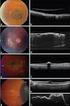 CLINICAL SCIENCES Enhanced Depth Imaging Optical Coherence Tomography of Small Choroidal Melanoma Comparison With Choroidal Nevus Carol L. Shields, MD; Swathi Kaliki, MD; Duangnate Rojanaporn, MD; Sandor
S canning laser polarimetry (SLP) of the retinal nerve fibre
 627 SCIENTIFIC CORRESPONDENCE Influence of post-lasik corneal healing on scanning laser polarimetric measurement of the retinal nerve fibre layer thickness G Holló, Z Z Nagy, P Vargha, I Süveges... Br
Explanation of the Procedure
 Informed Consent Cataract Surgery with Intraocular Lens Implant Please initial below indicating that you have read and understand each section Introduction The internal lens of the eye can become cloudy
Eye Department Baden-Baden. Prof. Dr. med. Frank Faude Dr. med. Susanne Faude Oxana Bräunlich. Ophthalmology specialists
 E y e D e p a r t m e n t Prof. Dr. med. Frank Faude Dr. med. Susanne Faude Oxana Bräunlich Ophthalmology specialists Prof. Dr. med. Frank Faude Inpatient and outpatient treatment at the Stadtklinik Baden-Baden
Surgical Advances in Keratoconus. Keratoconus. Innovations in Ophthalmology. New Surgical Advances. Diagnosis of Keratoconus. Scheimpflug imaging
 Surgical Advances in Keratoconus Keratoconus Ectatic disorder 1 in 1,000 individuals Starts in adolescence & early adulthood Uncertain cause 20% require corneal transplant Innovations in Ophthalmology
FINANCIAL DISCLOSURE. Visual Field Interpretation VISUAL FIELD INTERPRETATION IN GLAUCOMA
 VISUAL FIELD INTERPRETATION IN GLAUCOMA Danica J. Marrelli, OD, FAAO University of Houston College of Optometry FINANCIAL DISCLOSURE In the past, I have received consulting or speaking fees from Carl Zeiss
An Informational Guide to CENTRAL RETINAL VEIN OCCLUSION
 Science of CRVO www.scienceofcrvo.org An Informational Guide to CENTRAL RETINAL VEIN OCCLUSION This brochure will guide you in understanding CRVO and the treatment options available to prevent vision loss.
Eye Movements, Strabismus, Amblyopia, and Neuro-Ophthalmology
 Eye Movements, Strabismus, Amblyopia, and Neuro-Ophthalmology Progressive Degeneration of the Retinal Nerve Fiber Layer in Patients with Multiple Sclerosis Raquel Herrero, 1,2 Elena Garcia-Martin, 1,2
Visual Disorders in Middle-Age and Elderly Patients with Diabetic Retinopathy
 Medical Care for the Elderly Visual Disorders in Middle-Age and Elderly Patients with Diabetic Retinopathy JMAJ 46(1): 27 32, 2003 Shigehiko KITANO Professor, Department of Ophthalmology, Diabetes Center,
Glenn B. Cook, M.D., Ph.D. DIPLOMATE AMERICAN BOARD OF OPHTHALMOLOGY Coronado Eye Associates
 Glenn B. Cook, M.D., Ph.D. INFORMED CONSENT FOR CATARACT OPERATION AND/OR IMPLANTATION OF INTRAOCULAR LENS INTRODUCTION: RIGHT / LEFT This information is given to you so that you can make an informed decision
Retinal Detachments Mark E. Hammer, M.D. Ivan J. Suñer, M.D. Marc C. Peden, M.D.
 Retinal Detachments Mark E. Hammer, M.D. Ivan J. Suñer, M.D. Marc C. Peden, M.D. What is a retinal detatchment? The retina is the light sensitive layer covering the inside of the back of the eye. It is
There may be no symptoms at first. Eye problems can. You can help prevent eye problems. Just because you have
 Keeping your eyes healthy when you have diabetes Oregon Diabetes Resource Bank Handouts to help people with diabetes If you have diabetes, here are things you need to know: 1 2 3 Having diabetes makes
Page: 1 of 6. Corneal Topography/Computer-Assisted Corneal Topography/ Photokeratoscopy
 Section: Surgery Effective Date: July 15, 2015 Last Review Status/Date: June 2015 Page: 1 of 6 Corneal Topography/ Photokeratoscopy Description Computer-assisted topography/photokeratoscopy provides a
Ophthalmic Consultants of Long Island
 Case History Improving Cataract and Refractive Surgery Outcomes Through Ocular Surface Optimization 59 year old healthy white female History increased IOP Mother has history of glaucoma Presents for refractive