
National Medical Policy
|
|
|
- Derick Cameron
- 9 years ago
- Views:
Transcription

1 National Medical Policy Subject: Policy Number: Scanning Computerized Ophthalmic Diagnostic Imaging (SCODI) NMP425 Effective Date*: June 2008 Updated: December 2014 This National Medical Policy is subject to the terms in the IMPORTANT NOTICE at the end of this document For Medicaid Plans: Please refer to the appropriate Medicaid Manuals for coverage guidelines prior to applying Health Net Medical Policies The Centers for Medicare & Medicaid Services (CMS) For Medicare Advantage members please refer to the following for coverage guidelines first: Use Source Reference/Website Link National Coverage Determination (NCD) National Coverage Manual Citation X Local Coverage Determination (LCD)* Scanning Computerized Ophthalmic Diagnostic Imaging (SCODI); Visual Fields: Article (Local)* X Other National Government Services. Comments and Responses Regarding Draft Local Coverage Determination. Scanning Computerized Ophthalmic Diagnostic Imaging (SCODI): uterized_ophthalmic_diagnostic_imaging_scodi_com m_resp_art_pub_jan_09.pdf None Use Health Net Policy Instructions Medicare NCDs and National Coverage Manuals apply to ALL Medicare members in ALL regions. Medicare LCDs and Articles apply to members in specific regions. To access your specific region, select the link provided under Reference/Website and follow the search instructions. Enter the topic and your specific state to find the coverage determinations for your region. *Note: Health Net must follow local coverage Scanning Computerized Ophthalmic Diagnostic Imaging (SCODI) Dec 14 1

2 determinations (LCDs) of Medicare Administration Contractors (MACs) located outside their service area when those MACs have exclusive coverage of an item or service. (CMS Manual Chapter 4 Section 90.2) If more than one source is checked, you need to access all sources as, on occasion, an LCD or article contains additional coverage information than contained in the NCD or National Coverage Manual. If there is no NCD, National Coverage Manual or region specific LCD/Article, follow the Health Net Hierarchy of Medical Resources for guidance. Current Policy Statement I. Health Net, Inc. considers scanning computerized ophthalmic diagnostic imaging (SCODI) of the posterior segment of the eye for documentation of the appearance of the optic nerve head and retina medically necessary in any of the following: Mild or moderate glaucoma, or Retinal diseases that involve changes in the optic nerve, retina and macular regions, or As a baseline prior to starting chloroquine (Aralen) and/or hydroxychloroquine (Plaquenil) or to detect retinal changes that are due to the use of these medications as long term use of these medications can lead to irreversible retinal toxicity. Note: It is expected that only two (SCODI) exams/eye/year would be required to manage the patient who has glaucoma or is suspected of having glaucoma. II. Health Net, Inc. considers scanning computerized ophthalmic diagnostic imaging (SCODI) to examine the structures in the anterior segment structures of the eye medically necessary for any of the following indications: Narrow angle, suspected narrow angle, and mixed narrow and open angle glaucoma To determine the proper intraocular lens for a patient who has had prior refractive surgery and now requires cataract extraction Iris tumor Presence of corneal edema or opacity that precludes visualization or study of the anterior chamber Calculation of lens power for cataract patients who have undergone prior refractive surgery Investigational Health Net. Inc. considers SCODI for examination of the structures in the anterior segment structures of the eye for any other indication, other than those above, investigational. Not Medically Necessary Health Net, Inc. considers scanning computerized ophthalmic diagnostic imaging not medically necessary in the following scenarios: For routine glaucoma and retinal disease screening; and Advanced glaucoma where visual field is the preferred method of evaluation. Scanning Computerized Ophthalmic Diagnostic Imaging (SCODI) Dec 14 2

3 Abbreviations SCODI IOP POAG AAO VF C/D ratio Scanning Computerized Ophthalmic Diagnostic Imaging Intraocular pressure Primary open-angle glaucoma American Academy of Ophthalmology Visual Field Cup/disc ratio Codes Related To This Policy NOTE: The codes listed in this policy are for reference purposes only. Listing of a code in this policy does not imply that the service described by this code is a covered or noncovered health service. Coverage is determined by the benefit documents and medical necessity criteria. This list of codes may not be all inclusive. On October 1, 2015, the ICD-9 code sets used to report medical diagnoses and inpatient procedures will be replaced by ICD-10 code sets. Health Net National Medical Policies will now include the preliminary ICD-10 codes in preparation for this transition. Please note that these may not be the final versions of the codes and that will not be accepted for billing or payment purposes until the October 1, 2015 implementation date. ICD-9 Codes Diabetic macular edema Changes in vascular appearance of retina Other intraretinal microvascular abnormalities Retinal vasculitis Other nondiabetic proliferative retinopathy Retinal vascular occlusion unspecified Central retinal artery occlusion Central retinal vein occlusion Retinal layer separation, unspecified Central serous retinopathy Serous detachment of retinal pigment epithelium Macular cyst, hole, or pseudohole Toxic maculopathy Macular puckering Peripheral retinal degeneration, unspecified Hereditary retinal dystrophies Other retinal disorders Focal chorioretinitis and focal retinochoroditis Choroidal degeneration Choroidal detachment Secondary iridocyclitis, noninfectious Glaucomatocyclitic crises Recession of chamber angle Borderline glaucoma (glaucoma suspect) Open-angle glaucoma Primary angle-closure glaucoma Corticosteroid induced glaucoma Glaucoma associated with congenital anomalies, dystrophies, and systemic syndromes Glaucoma associated with disorder of the lens Scanning Computerized Ophthalmic Diagnostic Imaging (SCODI) Dec 14 3

4 Glaucoma associated with other ocular disorder Other specified forms of glaucoma Visual field defect, unspecified Sector or arcuate defects Other localized visual field defect Generalized contraction or constriction Glaucomatous atrophy (cupping) of optic disc Partial optic atrophy Unspecified disorder of optic nerve and visual pathways ICD-10 Codes E11.3-E11.39 E35-E35.9 H40-H42 H47.2-H H47.3-H H53-H53.9 Type 2 diabetes mellitus with ophthalmic complications Other retinal disorders Glaucoma Optic atrophy Other disorders of optic disc Visual disturbances CPT Codes Scanning computerized ophthalmic diagnostic imaging, anterior segment with interpretation and report, unilateral or bilateral Scanning computerized ophthalmic diagnostic imaging, posterior segment with interpretation and report, unilateral or bilateral, optic nerve Scanning computerized ophthalmic diagnostic imaging, posterior segment with interpretation and report, unilateral or bilateral, retina HCPCS Codes N/A Scientific Rationale Update December 2014 According to the FDA, both Aralen and Plaquenil are contraindicated in the presence of retinal or visual field changes either attributable to 4-aminoquinoline compounds or to any other etiology. Retinopathy/maculopathy, as well as macular degeneration have been reported, and irreversible retinal damage has been observed in some patients who had received long-term or high-dosage 4-aminoquinoline therapy. Risk factors for the development of retinopathy include age, duration of treatment, high daily and/or cumulated doses. When prolonged therapy with any antimalarial compound is contemplated, initial (base line) and periodic ophthalmologic examinations (including visual acuity, expert slit-lamp, funduscopic, and visual field tests) should be performed. If there is any indication (past or present) of abnormality in the visual acuity, visual field, or retinal macular areas (such as pigmentary changes, loss of foveal reflex), or any visual symptoms (such as light flashes and streaks) which are not fully explainable by difficulties of accommodation or corneal opacities, the drug should be discontinued immediately and the patient closely observed for possible progression. Retinal changes (and visual disturbances) may progress even after cessation of therapy. Both Aralen and Plaquenil are indicated for the suppressive treatment and for acute attacks of malaria due to P. vivax, P.malariae, P. ovale, and susceptible strains of P. falciparum. Aralen is also indicated for the treatment of extraintestinal amebiasis. Plaquenil is also indicated for the treatment of discoid and systemic lupus erythematosus, and rheumatoid arthritis. Scanning Computerized Ophthalmic Diagnostic Imaging (SCODI) Dec 14 4

5 Calvo et al (2014) compared the equivalent optic nerve head (OHN) parameters obtained with confocal scanning laser ophthalmoscopy (HRT3) and spectral-domain optical coherence tomography (OCT) in healthy and glaucoma patients. One hundred and eighty-two consecutive healthy subjects and 156 patients with openangle glaucoma were divided into 2 groups according to intraocular pressure and visual field outcomes. All participants underwent imaging of the ONH with the HRT3 and the Cirrus OCT. The ONH parameters and the receiver operating characteristic (ROC) curves were compared between both groups. Mean age did not differ between the normal and glaucoma groups (59.55 ± 9.7 years and ± 9.4 years, resp.; P = 0.15). Rim area, average cup-to-disc (C/D) ratio, vertical C/D ratio, and cup volume were different between both instruments (P < 0.001). All equivalent ONH parameters, except disc area, were different between both groups (P < 0.001). The best areas under the ROC curve were observed for vertical C/D ratio (0.980 for OCT and for HRT3; P = 0.11). Sensitivities at 95% fixed-specificities of OCT parameters were higher than those of HRT3. The authors concluded equivalent ONH parameters of Cirrus OCT and HRT3 are different and cannot be used interchangeably. ONH parameters measured with OCT yielded a slightly better diagnostic performance. Schulze et al (2014) compared the diagnostic accuracy and to evaluated the correlation of optic nerve head and retinal nerve fiber layer thickness values between Fourier-Domain optical coherence tomography (FD-OCT), confocal scanning laser ophthalmoscopy (CSLO), and scanning laser polarimetry (SLP) for early glaucoma detection. Ninety-three patients with early open-angle glaucoma, 58 patients with ocular hypertension, and 60 healthy control subjects were included in this observational, cross-sectional study. All study participants underwent FD-OCT (RTVue-100), CSLO (HRT3), and SLP (GDx VCC) imaging of the optic nerve head and the retinal nerve fiber layer. Area under the receiver operating characteristic curves (AUROC) and Bland-Altman analysis were performed. The parameters with the highest diagnostic accuracy were found for FD-OCT cup-to-disc ratio (AUROC=0.841), for SLP NFI (AUROC=0.835), and for CSLO cup-to-disc ratio (AUROC=0.789). Diagnostic accuracy of the best CSLO and SLP parameter was similar (P=0.259). There was a small statistically significant difference between the best CSLO and FD-OCT parameters for differentiating between glaucoma and healthy eyes (P=0.047). The authors concluded FD-OCT and SLP have a similarly good diagnostic ability to distinguish between early glaucoma and healthy subjects. The diagnostic accuracy of CSLO was comparable with SLP and marginally lower compared with FD-OCT. Mansouri et al (2014) sought to describe anterior segment optical coherence tomography (AS-OCT) parameters in phacomorphic angle closure eyes, mature cataract eyes, and their fellow eyes, and identify those parameters that could be used to differentiate phacomorphic angle closure eyes from those with mature cataract and no phacomorphic angle closure. In this cross-sectional study, a total of 33 phacomorphic angle closure subjects and 34 control patients with unilateral mature cataracts were enrolled. All patients underwent AS-OCT imaging and A-scan biometry of both eyes. Anterior chamber depth (ACD), anterior chamber area (ACA), iris thickness, iris curvature, lens vault (LV), and angle parameters, including angle opening distance (AOD750) and trabecular-iris space area (TISA750), were measured in qualified images using customized software and compared among eyes with phacomorphic angle closure, mature cataract eyes, and their fellow eyes. There was no significant difference in axial length among the four groups. Phacomorphic angle closure had the smallest angle (AOD750, TISA750) and anterior chamber parameters (ACD, ACA, anterior chamber width) and the greatest LV among the groups. This pattern was similar when comparing fellow eyes of mature cataract Scanning Computerized Ophthalmic Diagnostic Imaging (SCODI) Dec 14 5

6 patients and fellow eyes of phacomorphic angle closure. Anterior chamber area less than mm(2), ACD less than 2.60 mm, LV greater than μm, and AOD750 less than mm had the highest odds ratios (ORs) for distinguishing fellow eyes of phacomorphic angle closure versus fellow eyes of mature cataracts, with OR values of 9.90, 8.31, 7.91, and 7.91, respectively. Logistic regression showed that ACA less than was the major parameter associated with fellow eyes of phacomorphic angle closure (OR = 10.96, P < 0.001). The authors concluded anterior chamber depth, ACA, AOD750, and LV are powerful indicators in differentiating phacomorphic angle closure eyes from those with mature cataract and their fellow eyes Moghimi et al (2014) sought to evaluate different mechanisms of acute angle closure and to compare it with unaffected fellow eyes and primary angle closure suspects using anterior segment OCT in a prospective, cross-sectional. 116 eyes (76 patients) with angle closure disease were included. Eyes were categorized into three groups: acute angle closure (40 eyes); fellow eyes of acute angle closure (40 eyes); and primary angle closure suspect (36 eyes). Complete ophthalmic examinations including gonioscopy, A-scan biometry and anterior segment OCT were performed. Based on the anterior segment OCT images, four mechanisms of primary angle closure including pupil block, plateau iris configuration, thick peripheral iris roll and exaggerated lens vault were evaluated among the three subtypes of angle closure disease. There was a statistically significant difference in the mechanism of angle closure disease among the three groups (P<0.001). Although the majority of fellow and primary angle closure suspect eyes had pupil block mechanism (77.5% and 75%, respectively), only 37.5% of acute angle closure eyes had dominant pupil block mechanism. The percentage because of exaggerated lens vault was greatest in acute angle closure eyes (50%). Acute angle closure eyes had the shallowest anterior chamber depth (P<0.001), least iris curvature (P<0.001) and greatest lens vault (P=0.003) compared with the other two groups. The authors concluded a statistically significant difference in the underlying primary angle closure mechanisms among acute angle closure eyes as compared with their fellow eyes and primary angle closure suspect may exist. Sng et al (2014) sought to describe anterior segment optical coherence tomography (ASOCT) parameters during acute primary angle closure (APAC) before therapeutic interventions and comparative analyses of biometric parameters of APAC eyes with fellow eyes in a prospective, comparative case series of thirty-one consecutive patients with APAC. All patients underwent ASOCT imaging of both eyes during the attack, before therapeutic interventions were administered. Custom software was used to measure anterior chamber depth (ACD), anterior chamber area (ACA), anterior chamber volume (ACV), iris curvature (I-Curv), iris area (I-Area), lens vault (LV), and angle opening distance (AOD750), trabecular iris space area (TISA750), and iris thickness (IT750) at 750 μm from the scleral spur. Multivariate logistic regression modeling using forward selection was used to determine the most important biometric variables associated with APAC compared with the fellow eye during the attack. Main outcome measures were the anterior segment biometric parameters associated with APAC. The mean age of the patients was 60.9±7.5 years, and 11 patients (35.5%) were male. The mean intraocular pressure was 3.8±9.2 mmhg in the APAC eye and 4.2±4.3 mmhg in the fellow eye before treatment (P<0.001). After adjustment for pupil diameter, APAC eyes had smaller ACD, ACA, ACV, I-Curv (all P<0.001), AOD750 (P = 0.037), TISA750 (P = 0.043), I- Area (P = 0.027), and IT750 (P = 0.002) and larger LV (P = 0.041) than fellow eyes. An optimal model consisting of 3 variables (pupil diameter, ACD, and I-Curv) explained 36.7% of the variance in APAC occurrence, with ACD accounting for 18.1% and I-Curv accounting for 14.1% of this variance. The authors concluded shallower ACD and smaller I-Curv were the 2 main anterior segment biometric parameters Scanning Computerized Ophthalmic Diagnostic Imaging (SCODI) Dec 14 6

7 associated with APAC during the attack. These findings present new insights into the anterior segment biometric parameters of APAC and fellow eyes before therapeutic interventions. Anatomic changes in the anterior segment explained only about one third of the variance in APAC occurrence, and the role of nonanatomic factors require further investigation. Scientific Rationale Update December 2013 SCODI is able to detail the microscopic anatomy of the retina and the vitreo-retinal interface. SCODI allows for early detection of glaucomatous damage to the nerve fiber layer or optic nerve of the eye. These tests can provide precise methods of observation of the optic nerve head and can more accurately reveal subtle glaucomatous changes over the course of follow-up exams than visual field and/or disc photos. This can allow earlier and more efficient treatment of the disease process. SCODI is useful to measure the effectiveness of therapy, and in determining the need for ongoing therapy, or the safety of cessation of that therapy. SCODI includes the following tests: Confocal Laser Scanning Ophthalmoscopy (topography); Scanning Laser Polarimetry, nerve fiber analyzer and Optical Coherence tomography (OCT). Although these techniques are different, their objective is the same: Confocal scanning laser ophthalmoscopy (topography) uses stereoscopic videographic digitized images to make quantitative topographic measurements of the optic nerve head and surrounding retina. Scanning laser polarimetry measures change in the linear polarization of light (retardation). It uses both a polarimeter (an optical device to measure linear polarization change) and a scanning laser ophthalmoscope, to measure the thickness of the nerve fiber layer of the retina. Optical coherence tomography (OCT) is a non-invasive, non-contact imagining technique. OCT produces high resolution, cross-sectional tomographic images of ocular structures and is used for the evaluation of retinal disease. OCT is currently being investigated for its utility in tracking the progress of neurodegeneration in multiple sclerosis (MS) by capturing thinning of the retinal nerve fiber layer (RNFL). Multiple sclerosis (MS), a disease of the central nervous system (CNS) that leads to axonal dysfunction and neuronal loss and often presents optic neuritis (ON). ON is an inflammatory, demyelinating condition that causes acute, usually monocular, visual loss. It is highly associated with MS. Decreased thickness of the retinal nerve fiber layer (RNFL) is a classic finding on ophthalmoscopic examination of patients with MS and especially noted in those patients with a history of ON. OCT measures the thickness in the retinal nerve fiber layer and detects thinning in most of patients with optic neuritis. Lower values correlate with impaired visual outcome. However, its utility as a prognostic tool is limited in that abnormal values do not show up until early swelling disappears. A gadolinium-enhanced MRI of the brain and orbits provides confirmation of optic neuritis and aids in the assessment of prognosis and treatment decisions. Other tests, including lumbar puncture, fluorescein angiography, and visual evoked potentials are used in atypical cases. MRI is the test of choice to support the clinical diagnosis of MS. The McDonald diagnostic criteria include specific clinical and MRI findings needed for the demonstration of lesion dissemination in time and space, the core requirement of the diagnosis. Scanning Computerized Ophthalmic Diagnostic Imaging (SCODI) Dec 14 7

8 Bichuetti et al (2013) compared the RNFL in eyes of 62 patients with relapsing remitting multiple sclerosis (RRMS), neuromyelitis optica (NMO) and chronic relapsing inflammatory optic neuritis (CRION) in a cross-sectional study with spectral domain OCT. A total of 124 eyes were evaluated (96 RRMS, 18 NMO, and 10 CRION). Frequency of optic neuritis for each disease was: 34% for RRMS, 84% for NMO, and 100% for CRION. Visual acuity and RNFL thickness were significantly worse in NMO and CRION eyes than in RRMS, but there were no differences between NMO and CRION eyes. A RNFL of 41 μm was 100% specific for optic neuritis associated with NMO and CRION when compared to RRMS. Investigators concluded the study established RNFL values to differentiate optic neuritis of RRMS from NMO and CRION. Although similarities observed between NMO and CRION eyes might suggest that they are within the same disease spectrum, it is still recommended that these 2 conditions be differentiated on clinical grounds. Optical coherence tomography serves as an additional diagnostic tool and can be used to monitor disease progression. Schneider et al (2013) applied spectral-domain OCT in eyes of NMO spectrum disorders (NMOSD) patients and compared them to matched RRMS patients and healthy controls (HC). Semi-automatic intra-retinal layer segmentation was used to quantify intra-retinal layer thicknesses. In a subgroup low contrast visual acuity (LCVA) was assessed. NMOSD-, MS- and HC-groups, each comprising 17 subjects, were included in analysis. RNFL thickness was more severely reduced in NMOSD compared to MS following ON. In MS-ON eyes, RNFL thinning showed a clear temporal preponderance, whereas in NMOSD-ON eyes RNFL was more evenly reduced, resulting in a significantly lower ratio of the nasal versus temporal RNFL thickness. In comparison to HC, ganglion cell layer thickness was stronger reduced in NMOSD-ON than in MS-ON, accompanied by a more severe impairment of LCVA. The inner nuclear layer and the outer retinal layers were thicker in NMOSD-ON patients compared to NMOSD without ON and HC eyes while these differences were primarily driven by microcystic macular edema. Investigators concluded the study supports previous findings that ON in NMOSD leads to more pronounced retinal thinning and visual function impairment than in RRMS. The different retinal damage patterns in NMOSD versus RRMS support the current notion of distinct pathomechanisms of both conditions. However, OCT is still insufficient to help with the clinically relevant differentiation of both conditions in an individual patient. Oreja-Guevara et al (2012) aimed to evaluate RNFL thickness in patients at presentation with clinically isolated syndromes (CIS) suggestive of MS in a crosssectional study. Twenty-four patients with CIS suggestive of MS (8 optic neuritis [ON], 6 spinal cord syndromes, 5 brainstem symptoms and 5 with sensory and other syndromes) were prospectively studied. The main outcome evaluated was RNFL thickness at CIS onset. Secondary objectives were to study the relationship between RNFL thickness and MRI criteria for disease dissemination in space (DIS) as well as the presence of oligoclonal bands in the cerebrospinal fluid. Thirteen patients had decreased RNFL thickness in at least one quadrant. Mean RNFL thickness was ±10.72 µm in retrobulbar ON eyes and 96.93±10.54 in unaffected eyes. Three of the 6 patients with myelitis had at least one abnormal quadrant in one of the two eyes. Eight CIS patients fulfilled DIS MRI criteria. The presence of at least one quadrant of an optic nerve with a RNFL thickness at a P<5% cut-off value had a sensitivity of 75% and a specificity of 56% for predicting DIS MRI. Investigators concluded the findings from this study show that axonal damage measured by OCT is present in any type of CIS; even in myelitis forms, not only in ON as seen up to now. OCT can detect axonal damage in very early stages of disease and seems to have high sensitivity and moderate specificity for predicting DIS MRI. Studies with Scanning Computerized Ophthalmic Diagnostic Imaging (SCODI) Dec 14 8

9 prospective long-term follow-up would be needed to establish the prognostic value of baseline OCT findings. Serbecic et al (2011) prospectively studied 37 MS patients with relapsing remitting (n=27) and secondary progressive (n=10) course on two occasions with a median interval of 22.4±0.5 months [range 19-27]. They used the high resolution spectral domain (SD-)OCT with the Spectralis 3.5 mm circle scan protocol with locked reference images and eye tracking mode. Patients with an attack of optic neuritis within 12 months prior to the onset of the study were excluded. Although the disease was highly active over the observation period in more than half of the included relapsing remitting MS patients (19 patients/32 relapses) and the initial RNFL pattern showed a broad range, from normal to markedly reduced thickness, no significant changes between baseline and follow-up examinations could be detected. Authors concluded these results show that caution is required when using OCT for monitoring disease activity and global axonal injury in MS. Pulicken et al (2007) examined RNFL thickness, macular volumes (MV), and visual acuity in MS eyes, with and without history of acute ON. RNFL thickness was measured in 326 MS and 94 control eyes usingoct.mv and vision testing were done in a subset of the cohort. MS subtype was classified as RRMS= 135), primary progressive (PPMS, n = 12), and secondary progressive (SPMS, n = 16). MS ON eyes had decreased RNFL thickness (84.2 microm) compared to controls (102.7 microm) (p < ). Unaffected fellow eyes of MS ON eyes (93.9 microm) (p < 0.01) and patients with MS with no history of ON (95.9 microm) (p < 0.05) also had decreased RNFL. RRMS (94.4 microm) (p < 0.001), PPMS (88.9 microm) (p < 0.01), and SPMS (81.8 microm) (p < ) (adjusted for age and duration of disease) had decreased RNFL compared to controls. There were significant differences in RNFL thickness within quadrants of peripapillary retina comparing relapsing to progressive MS subtypes. MV was decreased in MS ON eyes (6.2 mm(3)) (p < ) and SPMS subjects (6.2 mm(3)) (p < 0.05) compared to controls (6.8 mm(3)). Investigators concluded RNFL is significantly decreased in MS optic neuritis eyes, unaffected fellow eyes of patients with MS ON, and MS eyes not affected by ON in theis cohort. Macular volumes (MV) showed a significant decrease in MS ON eyes. Progressive MS cases showed more marked decreases in RNFL and MV than relapsing-remitting MS. OCT is a promising tool to detect subclinical changes in RNFL and MV in patients with MS and should be examined in longitudinal studies as a potential biomarker of retinal pathology in MS. The American Academy of Neurology does not address the use for OCT in the diagnosis of MS in any of their guidelines. Clinical trials are in progress. A clinical trial, Optical Coherence Tomography in Multiple Sclerosis Patients is currently recruiting participants. The trial will evaluate the ability of different spectral domain OCT devices, as well as different acquisition and analysis packages, to detect disease progression in patients with multiple sclerosis with and without a history of optic neuritis. Scientific Rationale Update May 2013 Scanning computerized ophthalmic diagnostic imaging (SCODI) is non-invasive, noncontact new imaging techniques used in the evaluation of retinal disease or early detection of glaucoma damage. They include confocal laser scanning ophthalmoscopy (topography), scanning laser polarimetry (nerve fiber analyzer) and optical coherence tomography. Anterior Segment Optical Coherence Tomography (AS-OCT) is a non-invasive noncontact imaging high resolution technique using computerized tomography that can create a high resolution cross-sectioned image of the cornea and anterior segment of Scanning Computerized Ophthalmic Diagnostic Imaging (SCODI) Dec 14 9
![5 months [range 19-27]. They used the high resolution spectral domain (SD-)OCT with the Spectralis 3.5 mm circle scan protocol with locked reference images and eye tracking mode.](/docs-images/48/18930310/images/page_9.jpg "Patients with an attack of optic neuritis within 12 months prior to the onset of the study were excluded.")
10 the eye without the use of ocular anesthesia. It is a form of scanning computerized ophthalmic diagnostic imaging. Scanning computerized ophthalmic diagnostic Imaging allows earlier detection of patients with glaucoma irrespective of the status of their intraocular pressure. These techniques differ but their objective is the same to allow for early detection of glaucoma damage to the nerve fiber layer. The main treatment of glaucoma is aimed at reducing intraocular pressure. Swami et al. (2012) completed a retrospective observational, Medicare claims-based study. The authors used a 5% random sample, from , of Medicare beneficiaries, selected for International Classification of Diseases, 9th Revision (ICD- 9) diagnoses of glaucoma or glaucoma suspect, who had greater than one year of follow up (N = 143,374). The proportion of patients with an ICD-9 diagnosis of glaucoma or glaucoma suspect who received fundus photography (Physicians' Current Procedural Terminology, CPT 99250) or scanning computerized ophthalmic diagnostic imaging (SCODI; CPT 92135) was determined. A total of 48% of patients did not have any form of imaging during the study period. Among those who were imaged, 27% were imaged only once. The use of fundus photography was significantly lower than the use of SCODI (p < ). A total of 75% of those imaged once received SCODI while only 25% were photographed. Analysis of optic nerve complex imaging over time revealed that 20% received SCODI and 6% were photographed in the first quarter of appearance of the glaucoma or suspect diagnosis code in the dataset, with a decline thereafter. Optic disc imaging in patients diagnosed with glaucoma or glaucoma suspect may not meet guidelines set by the American Academy of Ophthalmology. While both modalities are underused, optic disc photos are performed less often and repeated less frequently when compared to SCODI. Underuse of imaging may negatively impact detection of disease progression over time in glaucoma patients. Scientific Rationale Update June 2010 Standard methods of evaluation for glaucoma include direct examination of the optic nerve using ophthalmoscopy, evaluation of the visual fields (perimetry test), tonometry, fundus photography, slit lamp exam and gonioscopy. A variety of newer techniques have been developed to document optic nerve damage and detect changes early before permanent damage occurs as well as measuring the effectiveness of ongoing therapy. Scanning Computerized Ophthalmic Diagnostic Imaging allows earlier detection of patients with glaucoma irrespective of the status of their intraocular pressure. These techniques differ but their objective is the same to allow for early detection of glaucoma damage to the nerve fiber layer. The main treatment of glaucoma is aimed at reducing intraocular pressure. Posterior segment SCODI allows for earlier detection of optic nerve and retinal nerve fiber layer pathologic changes before there is visual field loss. When appropriately used in the management of the glaucoma patient or glaucoma suspect, therapy can be initiated before there is irreversible loss of vision. This imaging technology provides the capability to discriminate among patients with normal intraocular pressures who have glaucoma, patients with elevated intraocular pressure who have glaucoma, and patients with elevated intraocular pressure who do not have glaucoma. SCODI also permits high-resolution assessment of the retinal and choroidal layers, the presence of thickening associated with retinal edema, and of macular thickness measurement. Vitreo-retinal and vitreo-papillary relationships are displayed permitting surgical planning and assessment. Anterior segment SCODI is proposed in the evaluation and treatment planning of diseases affecting the cornea, iris, and other anterior chamber structures, Based on Scanning Computerized Ophthalmic Diagnostic Imaging (SCODI) Dec 14 10

11 the assessment of peer-reviewed literature, imaging of the anterior segment of the eye using optical coherence tomography has not been medically proven effective and is considered investigational at this time. Mansouri et al. (2009) compared the accuracy in measurement of the anterior chamber (AC) angle by AS-OCT and UBM with suspected primary angle closure (PACS), primary angle closure (PAC), or primary angle-closure glaucoma (PACG). In all, 55 eyes of 33 consecutive patients presenting with PACS, PAC, or PACG were examined with AS-OCT, followed by UBM. The trabecular-iris angle (TIA) was measured in all 4 quadrants. The AOD was measured at 500 mum from the scleral spur. The Bland-Altman method was used for assessing agreement between the 2 methods. The mean (+/- SD) superior TIA was / degrees in AS-OCT and / degrees in UBM (p = 0.50) and inferior TIA was / degrees (AS-OCT) and / degrees (UBM) (p = 0.71). The superior AOD(500) was / mm in UBM and / mm in AS-OCT (p = 0.06). Bland-Altman analysis showed a mean SD of +/- 9.4 degrees for superior and inferior TIA and a mean SD of +/ mm for superior and inferior AOD(500). This comparative study showed that AS-OCT measurements are significantly correlated with UBM measurements but show poor agreement with each other. The authors do not believe that AS-OCT can replace UBM for the quantitative assessment of the anterior chamber angle. Kalev-Landoy et al. (2007) evaluated imaging of the anterior angle chamber with the Stratus OCT, which had been developed for retinal imaging. Ten eyes with normal open angles and 16 eyes with narrow or closed angles or plateau iris configuration as determined by gonioscopy were assessed. The OCT image was rated for quality, for ability to demonstrate the anterior chamber angle, and for ability to visualize the iris configuration; patients were classified as having open angles, narrow angles, closed angles, or plateau iris configuration. Ultrasound biomicroscopy was performed for comparison if plateau iris configuration was diagnosed. The investigators reported that the Stratus OCT provided high-resolution images of iris configuration and narrow or closed angles, and imaging of the angle was found to be adequate in cases of acute angle-closure glaucoma where the cornea was to cloudy to enable a clear gonioscopic view. Open angles and plateau iris configurations could not be visualized with the 0.8-micron wavelength Stratus OCT. Ideally, a diagnostic test would be evaluated based on its technical performance, diagnostic performance (sensitivity and specificity), and clinical validity. Current literature consists primarily of assessments of qualitative and quantitative imaging and detection capabilities. Technically, the Visante OCT has the ability to create highresolution images of the anterior eye segment. Studies indicate that the Visante OCT detects more eyes with narrow or closed angles than gonioscopy, showing high sensitivity and low specificity in comparison with the reference standard. However, if the reference standard is flawed (e.g., does not detect all cases), the information provided by sensitivity and specificity is limited. Evaluation of the diagnostic performance of the Visante OCT depends, therefore, on demonstration of an improvement in clinical outcomes. Although the resolution of the images and the ease of use might be considered advantageous, evidence is insufficient to determine whether use of OCT can improve detection and management of patients at risk of developing primary angle-closure glaucoma. Given the number of questions regarding the impact of this new technology on health outcomes, this procedure is considered investigational. In summary, available evidence for anterior segment optical coherence tomography (AS-OCT) is primarily comparison studies between this imaging tool and established methods for measuring anterior segment ocular structures. Currently, there are no Scanning Computerized Ophthalmic Diagnostic Imaging (SCODI) Dec 14 11

12 data that demonstrate improved outcomes using this technology. Thus, AS-OCT is a promising technology; but its clinical value remains to be ascertained by welldesigned studies that show improved outcomes. Scientific Rationale - Initial Scanning computerized ophthalmic diagnostic imaging tests allows earlier detection of those patients with normal tension glaucoma and more sophisticated analysis for ongoing management. This technology can distinguish patients with glaucomatous damage irrespective of the status of intraocular pressure. This allows early treatment of the disease, preventing unnecessary medical or surgical therapy. Scanning computerized ophthalmic diagnostic imaging tests are considered medically necessary for patients with mid and moderate glaucoma. SCODI is also a valuable tool for the evaluation and treatment of patients with retinal disease, especially macular abnormalities. This procedure is able to detail the microscopic anatomy of the retina and the vitreo-retinal interface. SCODI is useful to measure the effectiveness of therapy, and to determine the need for ongoing therapy, or the safety of cessation of that therapy. Two forms of scanning computerized ophthalmic diagnostic imaging tests that currently exist are confocal laser scanning ophthalmoscopy (topography) and scanning laser polarimetry. Confocal scanning laser ophthalmoscopy uses thirty-two tomographic images to make quantitative topographic measurements of the optic nerve head and surrounding retina. Scanning laser polarimetry measures change in the linear polarization of light. It uses a polarimeter, an optical device to measure linear polarization change and a scanning laser ophthalmoscope together to measure the thickness of the nerve fiber layer of the retina. Glaucoma Glaucoma encompasses a group of eye diseases traditionally characterized by elevated intraocular pressure (IOP). However, glaucoma is more accurately described as an optic neuropathy than a disease of high pressure. Optic nerve damage results in a progressive loss of retinal ganglion cell axons, which is manifested initially as visual field loss. Since optic nerve fiber loss may be identified prior to the onset of visual field loss, scanning computerized ophthalmic diagnostic imaging tests are very important, in this situation. Glaucoma is characterized according to the severity of the disease: Mild glaucoma damage refers to optic nerve damage with a normal visual field or minimal loss of peripheral vision. If there are signs of optic nerve damage without visual loss, the person may be considered to have pre-glaucoma. Moderate glaucoma damage refers to optic nerve damage with moderate loss of vision in at least one eye. Central vision is not affected. In this type of damage, SCODI and visual field testing, to include two tests per year, would be reasonable and necessary, and may increase the sensitivity of detecting further glaucomatous damage. Advanced glaucoma damage refers to optic nerve damage with loss of vision in both eyes or loss of sight in one eye, which could include central vision loss. The four major categories of glaucoma include acute angle closure glaucoma, secondary glaucoma, congenital glaucoma, and primary open-angle glaucoma (POAG), which is the subject of this policy. Scanning Computerized Ophthalmic Diagnostic Imaging (SCODI) Dec 14 12

13 Primary open-angle glaucoma (POAG), is the most common type of this disorder that is generally bilateral, but often asymmetric. Patients with POAG develop progressive peripheral visual field loss followed by central field loss, in a characteristic pattern, usually but not always in the presence of elevated IOP. The optic nerve or "disc" takes on a hollowed-out appearance on ophthalmoscopic exam, which is described as "cupping." Cupping is associated with the loss of ganglion cell axons. This results in an anterior chamber angle that is open by gonioscopic appearance. There are neither anatomic factors nor symptoms that identify eyes that are at risk. Glaucoma must be screened for and confirmed on comprehensive ophthalmic examination. Visual field loss cannot be recovered once it has occurred. Per the American Academy of Ophthalmology (AAO) primary open-angle glaucoma usually occurs with the following scenarios: Adult onset; Open anterior-chamber angles; Intraocular pressure consistently above 21 mm Hg; Absence of other known explanations (e.g., secondary glaucoma) for progressive glaucomatous optic nerve change (e.g., pigment dispersion, pseudoexfoliation, uveitis). A diagnosis of glaucoma is rarely made on the basis of a single clinical observation, but instead relies upon analysis of a variety of clinical data. This includes review of the optic nerve, retinal nerve fiber, and anterior chamber structure, as well as observing for hemorrhage of the optic nerve, pigment in the anterior chamber, and especially visual field loss. Retinal Disorders Retinal disorders are the most common causes of severe and permanent vision loss. Patients with retinal disorders may develop glaucoma of both a primary and secondary type, at a higher frequency than might be expected in an age-matched control group. The retinal disorder itself does not appear to have a direct role in the glaucoma, but the frequency of the association and the clinical relevance bear consideration. When several glaucoma mechanisms are operative, the primary diagnosis may be obscured and result in delayed treatment and greater morbidity. Pigment may contribute to trabecular obstruction in some patients with open-angle glaucoma. Lattice degeneration of the retina in its typical form is a degenerative process with significant alterations of retinal pigmentation. The association between myopia, open angle glaucoma and pigment dispersion is striking. Therefore, there seems to be a significant prevalence of open angle glaucoma in patients with retinal lattice degeneration, especially in combination with myopia. Scanning Computerized Ophthalmic Diagnostic Imaging (SCODI) Dec 14 13

14 Review History June 2008 October 2008 June 2009 June 2010 June 2011 May 2012 May 2013 December 2013 December 2014 Medical Advisory Council Removed word investigational in policy statement per request of Medical Director. Left Not medically necessary verbiage. Update. No revisions. Codes reviewed. Update. Removed code T0187T (Scanning computerized Ophthalmic diagnostic imaging, anterior segment with interpretation and report, unilateral), since policy refers to to the posterior segment. Added posterior segment into policy statement. Update. Added Medicare Table. Added link to LCD and article. Added 2011 CPT Codes. No revisions. Update no revision Update no revisions. Updated codes. Update no revisions Update Added to policy statement as medically necessary: SCODI as a baseline prior to starting chloroquine (Aralen) and/or hydroxychloroquine (Plaquenil) or to detect retinal changes that are due to the use of these medications; Added additional section to policy statement to clarify when SCODI would be medically necessary to evaluate the anterior segment of eye. Revised note regarding frequency of SCODI, noting it is expected that only two (SCODI) exams/eye/year would be required to manage the patient who has glaucoma or is suspected of having glaucoma. This policy is based on the following evidence-based guidelines: 1. American Academy of Ophthalmology: Preferred practice pattern: primary openangle glaucoma, San Francisco, American Academy of Ophthalmology: Primary Open-Angle Glaucoma Suspect PPP. October American Academy of Ophthalmology: Corneal Edema and Opacification PPP Oct 2013 References Update December Calvo P, Ferreras A, Abadia B, et al. Assessment of the optic disc morphology using spectral-domain optical coherence tomography and scanning laser ophthalmoscopy. 2. Biomed Res Int. 2014;2014: Mansouri M, Ramezani F, Moghimi S, et al. Anterior segment optical coherence tomography parameters in phacomorphic angle closure and mature cataracts. Invest Ophthalmol Vis Sci Oct 21;55(11): Mastropasqua R, Fasanella V, Agnifili L, et al. Anterior segment optical coherence tomography imaging of conjunctival filtering blebs after glaucoma surgery. Biomed Res Int. 2014;2014: Moghimi S, Zandvakil N, Vahedian Z, et al. Acute angle closure: qualitative and quantitative evaluation of the anterior segment using anterior segment optical coherence tomography. Clin Experiment Ophthalmol Sep;42(7): Spaeth GL, Reddy SC. Imaging of the optic disk in caring for patients with glaucoma: ophthalmoscopy and photography remain the gold standard. Surv Ophthalmol Jul-Aug;59(4): Radhakrishnan S, Yarovoy D. Development in anterior segment imaging for glaucoma. Curr Opin Ophthalmol Mar;25(2): Scanning Computerized Ophthalmic Diagnostic Imaging (SCODI) Dec 14 14

15 8. Roberti G, Centofanti M, Oddone F, et al. Comparing optic nerve head analysis between confocal scanning laser ophthalmoscopy and spectral domain optical coherence tomography. Curr Eye Res Oct;39(10): Schulze A, Lamparter J, Pfeiffer N, et al. Comparison of Laser Scanning Diagnostic Devices for Early Glaucoma Detection. J Glaucoma May Sehi M, Iverson SM. Glaucoma Diagnosis and Monitoring Using Advanced Imaging Technologies. US Ophthalmic Rev. 2013;6(1): Sng CC, Aquino MC, Liao J, et al. Pretreatment anterior segment imaging during acute primary angle closure: insights into angle closure mechanisms in the acute phase. Ophthalmology Jan;121(1): Xu G, Weinreb RN, Leung CK. Optic Nerve Head Deformation in Glaucoma: The Temporal Relationship between Optic Nerve Head Surface Depression and Retinal Nerve Fiber Layer Thinning. Ophthalmology Aug 6. pii: S (14) References Update December Bichuetti DB, de Camargo AS, Falcão AB, et al. The retinal nerve fiber layer of patients with neuromyelitis optica and chronic relapsing optic neuritis is more severely damaged than patients with multiple sclerosis. J Neuroophthalmol Sep;33(3): Costello F, Hodge W, Pan YI, et al. Using retinal architecture to help characterize multiple sclerosis patients. Can J Ophthalmol Oct;45(5): Frohman EM, Goodin DS, Calabresi PA, et al. The utility of MRI in suspected MS: Report of the Therapeutics and Technology. Assessment Subcommittee of the American Academy of Neurology. Neurology 2003;61; Garcia-Martin E, Pablo LE, Herrero R, et al. Diagnostic ability of a linear discriminant function for spectral-domain optical coherence tomography in patients with multiple sclerosis. Ophthalmology Aug;119(8): Naismith RT, Tutlam NT, Xu J, et al. Optical coherence tomography is less sensitive than visual evoked potentials in optic neuritis. Neurology Jul 7;73(1): Oreja-Guevara C, Noval S, Alvarez-Linera J, et al. Clinically isolated syndromes suggestive of multiple sclerosis: an optical coherence tomography study. PLoS One. 2012;7(3):e Pulicken M, Gordon-Lipkin E, Balcer LJ, et al. Optical coherence tomography and disease subtype in multiple sclerosis. Neurology Nov 27;69(22): Schneider E, Zimmermann H, Oberwahrenbrock T, et al. Optical Coherence Tomography Reveals Distinct Patterns of Retinal Damage in Neuromyelitis Optica and Multiple Sclerosis. PLoS One Jun 21;8(6):e Serbecic N, Aboul-Enein F, Beutelspacher SC, et al. High resolution spectral domain optical coherence tomography (SD-OCT) in multiple sclerosis: the first follow up study over two years. PLoS One. 2011;6(5):e Watson GM, Keltner JL, Chin EK, et al. Comparison of retinal nerve fiber layer and central macular thickness measurements among five different optical coherence tomography instruments in patients with multiple sclerosis and optic neuritis. J Neuroophthalmol Jun;31(2): References Update May Swamy L, Smith S, Radcliffe NM. Optic nerve complex imaging in glaucoma Medicare beneficiaries. Ophthalmic Epidemiol Aug;19(4): References Update May Benítez-del-Castillo J, Martinez A, Regi T. Correlation between scanning laser polarimetry with and without enhanced corneal compensation and high-definition Scanning Computerized Ophthalmic Diagnostic Imaging (SCODI) Dec 14 15

16 optical coherence tomography in normal and glaucomatous eyes. Int J Clin Pract Jul;65(7): Castro Lima V, Rodrigues EB, Nunes RP,et al. Simultaneous confocal scanning laser ophthalmoscopy combined with high-resolution spectral-domain optical coherence tomography: a review. J Ophthalmol. 2011;2011: Kim HG, Heo H, Park SW. Comparison of scanning laser polarimetry and optical coherence tomography in preperimetric glaucoma. Optom Vis Sci Jan;88(1): Kremmer S, Anastassiou G, Selbach JM. Clinical value of scanning laser polarimetry in glaucoma diagnostics. Klin Monbl Augenheilkd Feb;229(2): Kremmer S, Keienburg M, Anastassiou G, et al. Scanning laser topography and scanning laser polarimetry: comparing both imaging methods at same distances from the optic nerve head. Open Ophthalmol J. 2012;6: Kupersmith MJ, Kardon R, Durbin M, et al. Scanning Laser Polarimetry Reveals Status of RNFL Integrity in Eyes with Optic Nerve Head Swelling by OCT. Invest Ophthalmol Vis Sci Apr 18;53(4): Lee S, Sung KR, Cho JW, et al. Spectral-domain optical coherence tomography and scanning laser polarimetry in glaucoma diagnosis. Jpn J Ophthalmol Nov;54(6): Makabe K, Takei K, Oshika T. Longitudinal relationship between retinal nerve fiber layer thickness parameters assessed by scanning laser polarimetry (GDxVCC) and visual field in glaucoma. Graefes Arch Clin Exp Ophthalmol Oct Prata TS, Lima VC, Guedes LM, et al. Association between corneal biomechanical properties and optic nerve head morphology in newly diagnosed glaucoma patients. Clin Experiment Ophthalmol Mar 19. doi: /j x. 10. Wasyluk JT, Jankowska-Lech I, Terelak-Borys B, Grabska-Liberek I. Comparative study of the retinal nerve fibre layer thickness performed with optical coherence tomography and GDx scanning laser polarimetry in patients with primary open-angle glaucoma. Med Sci Monit Mar;18(3):CR References Update June CMS. Centers for Medicare & Medicaid. Local Coverage Determination (LCD) for Scanning Computerized Ophthalmic Diagnostic Imaging (SCODI). National Government Services. References Update June Vessani et al. Comparison of Quantitative Imaging Devices and Subjective Optic Nerve Head Assessment by General Ophthalmologists to Differentiate Normal From Glaucomatous Eyes. J Glaucoma Mar; 18(3): Schulze A, Lamparter J, Hoffmann EM. New options of high resolution optical coherence tomography in glaucoma diagnostic]. Ophthalmologe Aug;106(8):702-4, González-García AO, Vizzeri G, Bowd C, et al. Reproducibility of RTVue retinal nerve fiber layer thickness and optic disc measurements and agreement with Stratus optical coherence tomography measurements. Am J Ophthalmol Jun;147(6): , 1074.e1. 4. Mansouri K, Sommerhalder J, Shaarawy T. Prospective comparison of ultrasound biomicroscopy and anterior segment optical coherence tomography for evaluation of anterior chamber dimensions in European eyes with primary angle closure. Eye May 15. Scanning Computerized Ophthalmic Diagnostic Imaging (SCODI) Dec 14 16

17 5. Pavlin CJ, et al. Anterior segment optical coherence tomography and ultrasound biomicroscopy in the imaging of anterior segment tumors. Am J Ophthalmol 2009 Feb;147(2): Pekmezci M, et al. Anterior segment optical coherence tomography as a screening tool for the assessment of the anterior segment angle. Ophthalmic Surg Lasers Imaging 2009 Jul-Aug;40(4): Agarwal A, et al. High-speed optical coherence tomography for imaging anterior chamber inflammatory reaction in uveitis: clinical correlation and grading. Am J Ophthalmol 2009 Mar;147(3): Sakata LM, et al. Comparison of gonioscopy and anterior segment ocular coherence tomography in detecting angle closure in different quadrants of the anterior chamber angle. Ophthalmol 2008 May;115(5): Sakata LM, et al. Comparison of Vistante and slit lamp anterior segment optical coherence tomography in imaging the anterior chamber angle. Eye 2009 Jun 12 References Update June Parikh RS, et al. Diagnostic capability of scanning laser polarimetry with variable cornea compensator in Indian patients with early primary open-angle glaucoma. Ophthalmology 2008 Jul;115(7): Lemij HG, et al. New Developments in scanning laser polarimetry for glaucoma. Curr Opin Ophthalmol 2008 Mar;19(2): Mai TA, et al. Longitudinal measurement variability of corneal bifringence and retinal nerve fiber layer thickness in scanning laser polarimetry with variable corneal compensation. Arch Ophthalmol 2008 Oct;126(10): Medeiros FA, et al. Comparison of retinal nerve fiber layer and optic disc imaging for diagnosing glaucoma in patients suspected of having the disease. Ophthalmology 2008 Aug;115(8): Moriches S, et al. Retinal nerve fiber layer assessment in myopic glaucomatous eyes: comparison of God variable corneal compensation with God enhanced corneal compensation. Br J Ophthalmol 2008 Oct;92(10): References Initial 1. Greenfield DS, Weinreb RN. Role of Optic Nerve Imaging in Glaucoma Clinical Practice and Clinical Trials. American Journal of Ophthalmology - Volume 145, Issue 4 (April 2008). 2. Lin SC, Singh K, Jampel HD, et al: Optic nerve head and retinal nerve fiber analysis. A report by the American Academy of Ophthalmology Weinreb RN, Medeiros FA. Is scanning laser polarimetry ready for clinical practice? Am J Ophthalmol Wu Z, Vazeen M, Varma R, et al. Factors associated with variability in retinal nerve fiber layer thickness measurements obtained by optical coherence tomography. Ophthalmology Ng D, Zangwill LM, Racette L, et al. Agreement and Repeatability for Standard Automated Perimetry and Confocal Scanning Laser Ophthalmoscopy in the Diagnostic Innovations in Glaucoma Study. American Journal of Ophthalmology - Volume 142, Issue 3 (September 2006). 6. Bagga H, et al. Detection of psychophysical and structural injury in eyes with glaucomatous optic neuropathy and normal standard automated perimetry. Arch Ophthalmol 2006 Feb;124(2): Friedman DS, Nordstrom B, Mozaffari E, et al. Glaucoma management among individuals enrolled in a single comprehensive insurance plan. Ophthalmology Scanning Computerized Ophthalmic Diagnostic Imaging (SCODI) Dec 14 17

18 8. Bagga H, Greenfield D, Feuer W. Quantitative assessment of atypical birefringence images using scanning laser polarimetry with variable corneal compensation. Am J Ophthalmol ; 9. Ray R, Stinnett SS, Jaffe GJ. Evaluation of image artifact produced by optical coherence tomography of retinal pathology. Am J Ophthalmol Lee PP, Dawn AG, McGwin G. Screening for glaucoma. In: Ophthalmology. 2nd Centers for Medicare & Medicaid Services (CMS). Local Coverage Determination. National Government Services, Inc. LCD for Scanning Computerized Ophthalmic Diagnositic Imaging. (SCODI) (L7082) Available at: Highmark Local Medicare Services. LCD M-62E - Scanning Computerized Ophthalmic Diagnostic Imaging. Available at: Health Now UMD (Local Medicare Services). LCD Database ID Number L Scanning Computerized Ophthalmic Diagnostic Imaging (SCODI). Available at: Diagnostic Imaging. March Available at: Lopes JM, Russ H, Costa VP. Retinal nerve fiber layer loss in patients with type First Coast Options. Local Medicare Carrier. Scanning Computerized Ophthalmic 1 diabetes mellitus without retinopathy. Br J Ophthalmol (2002) 86 : pp Ozdek S, Lonneville YH, Onol M, et al. Assessment of nerve fiber layer in diabetic patients with scanning laser polarimetry. Eye (2002) 16 : pp Prevent Blindness America. Vision problems in the U.S.: prevalence of adult vision impairment and age-related eye disease in America. 18. Kass MA, Heuer DK, Higginbotham EJ, et al: The Ocular Hypertension Treatment Study: a randomized trial determines that topical ocular hypotensive medication delays or prevents the onset of primary open-angle glaucoma. Arch Ophthalmol 2002; 120: discussion Heijl A, Leske MC, Bengtsson B, et al: Reduction of intraocular pressure and glaucoma regression: results from the Early Manifest Glaucoma Trial. Arch Ophthalmol 2002; 12: Feuer WJ, Parrish 2nd RK, Schiffman JC, et al: The Ocular Hypertension Treatment Study: reproducibility of cup/disk ratio measurements over time at an optic disc reading center. Am J Ophthalmol 2002; 133: Wadood AC, Azuara-Blanco A, Aspinall P, et al: Sensitivity and specificity of frequency-doubling technology, tendency-oriented perimetry, and Humphrey Swedish interactive threshold algorithm fast perimetry in a glaucoma practice. Am J Ophthalmol 2002; 133: Spry PG, Johnson CA, McKendrick AM, et al. Variability components of standard automated perimetry and frequency-doubling technology perimetry. Invest Ophthalmol Vis Sci 2001; 42: Mills RP, Janz NK, Wren PA, et al. Correlation of visual field with quality-of-life measures at diagnosis in the Collaborative Initial Glaucoma Treatment Study (CIGTS). J Glaucoma 2001; 10: Chauhan BC, McCormick TA, Nicolela MT, et al. Optic disc and visual field changes in a prospective longitudinal study of patients with glaucoma: comparison of scanning laser tomography with conventional perimetry and optic disc photography. Arch Ophthalmol 2001; 119: Sanchez-Galeana C, Bowd C, Blumenthal EZ, et al: Using optical imaging summary data to detect glaucoma. Ophthalmology 2001; 108: Michelson G, Groh MJ: Screening models for glaucoma. Curr Opin Ophthalmol 2001; 12: Scanning Computerized Ophthalmic Diagnostic Imaging (SCODI) Dec 14 18

19 27. Mardin CY, Junemann AG: The diagnostic value of optic nerve imaging in early glaucoma. Curr Opin Ophthalmol 2001; 12: Fortune B, Johnson CA, Cioffi GA: The topographic relationship between multifocal electroretinographic and behavioral perimetric measures of function in glaucoma. Optom Vis Sci 2001; 78: Hood DC, Zhang X: Multifocal ERG and VEP responses and visual fields: comparing disease-related changes. Doc Ophthalmol 2000; 100: Klistorner A, Graham SL: Objective perimetry in glaucoma. Ophthalmology 2000; 107: AGIS Investigators: The advanced glaucoma intervention study (AGIS): The relationship between control of intraocular pressure and visual field deterioration. The AGIS Investigators. Am J Ophthalmol 2000; 130: Sharma AK, Goldberg I, Graham SL, et al. Comparison of the Humphrey Swedish interactive thresholding algorithm (SITA) and full threshold strategies. J Glaucoma 2000; 9: Cello KE, Nelson-Quigg JM, Johnson CA. Frequency doubling technology perimetry for detection of glaucomatous visual field loss. Am J Ophthalmol 2000; 129: Trible JR, Schultz RO, Robinson JC, et al. Accuracy of glaucoma detection with frequency-doubling perimetry. Am J Ophthalmol 2000; 129: Hood DC, Greenstein VC, Holopigian K, et al: An attempt to detect glaucomatous damage to the inner retina with the multifocal ERG. Invest Ophthalmol Vis Sci 2000; 41: Important Notice General Purpose. Health Net's National Medical Policies (the "Policies") are developed to assist Health Net in administering plan benefits and determining whether a particular procedure, drug, service or supply is medically necessary. The Policies are based upon a review of the available clinical information including clinical outcome studies in the peer-reviewed published medical literature, regulatory status of the drug or device, evidence-based guidelines of governmental bodies, and evidence-based guidelines and positions of select national health professional organizations. Coverage determinations are made on a case-by-case basis and are subject to all of the terms, conditions, limitations, and exclusions of the member's contract, including medical necessity requirements. Health Net may use the Policies to determine whether under the facts and circumstances of a particular case, the proposed procedure, drug, service or supply is medically necessary. The conclusion that a procedure, drug, service or supply is medically necessary does not constitute coverage. The member's contract defines which procedure, drug, service or supply is covered, excluded, limited, or subject to dollar caps. The policy provides for clearly written, reasonable and current criteria that have been approved by Health Net s National Medical Advisory Council (MAC). The clinical criteria and medical policies provide guidelines for determining the medical necessity criteria for specific procedures, equipment, and services. In order to be eligible, all services must be medically necessary and otherwise defined in the member's benefits contract as described this "Important Notice" disclaimer. In all cases, final benefit determinations are based on the applicable contract language. To the extent there are any conflicts between medical policy guidelines and applicable contract language, the contract language prevails. Medical policy is not intended to override the policy that defines the member s benefits, nor is it intended to dictate to providers how to practice medicine. Policy Effective Date and Defined Terms. The date of posting is not the effective date of the Policy. The Policy is effective as of the date determined by Health Net. All policies are subject to applicable legal and regulatory mandates and requirements for prior notification. If there is a discrepancy between the policy effective date and legal mandates and regulatory requirements, the requirements of law and regulation shall govern. * In some states, prior notice or posting on the website is required before a policy is deemed effective. For information regarding the effective dates of Policies, contact your provider representative. The Policies do not include definitions. All terms are defined by Health Net. For information regarding the definitions of terms used in the Policies, contact your provider representative. Policy Amendment without Notice. Health Net reserves the right to amend the Policies without notice to providers or Members. In some states, prior notice or website posting is required before an amendment is deemed effective. No Medical Advice. Scanning Computerized Ophthalmic Diagnostic Imaging (SCODI) Dec 14 19

20 The Policies do not constitute medical advice. Health Net does not provide or recommend treatment to members. Members should consult with their treating physician in connection with diagnosis and treatment decisions. No Authorization or Guarantee of Coverage. The Policies do not constitute authorization or guarantee of coverage of particular procedure, drug, service or supply. Members and providers should refer to the Member contract to determine if exclusions, limitations, and dollar caps apply to a particular procedure, drug, service or supply. Policy Limitation: Member s Contract Controls Coverage Determinations. Statutory Notice to Members: The materials provided to you are guidelines used by this plan to authorize, modify, or deny care for persons with similar illnesses or conditions. Specific care and treatment may vary depending on individual need and the benefits covered under your contract. The determination of coverage for a particular procedure, drug, service or supply is not based upon the Policies, but rather is subject to the facts of the individual clinical case, terms and conditions of the member s contract, and requirements of applicable laws and regulations. The contract language contains specific terms and conditions, including pre-existing conditions, limitations, exclusions, benefit maximums, eligibility, and other relevant terms and conditions of coverage. In the event the Member s contract (also known as the benefit contract, coverage document, or evidence of coverage) conflicts with the Policies, the Member s contract shall govern. The Policies do not replace or amend the Member s contract. Policy Limitation: Legal and Regulatory Mandates and Requirements The determinations of coverage for a particular procedure, drug, service or supply is subject to applicable legal and regulatory mandates and requirements. If there is a discrepancy between the Policies and legal mandates and regulatory requirements, the requirements of law and regulation shall govern. Reconstructive Surgery CA Health and Safety Code requires health care service plans to cover reconstructive surgery. Reconstructive surgery means surgery performed to correct or repair abnormal structures of the body caused by congenital defects, developmental abnormalities, trauma, infection, tumors, or disease to do either of the following: (1) To improve function or (2) To create a normal appearance, to the extent possible. Reconstructive surgery does not mean cosmetic surgery," which is surgery performed to alter or reshape normal structures of the body in order to improve appearance. Requests for reconstructive surgery may be denied, if the proposed procedure offers only a minimal improvement in the appearance of the enrollee, in accordance with the standard of care as practiced by physicians specializing in reconstructive surgery. Reconstructive Surgery after Mastectomy California Health and Safety Code requires treatment for breast cancer to cover prosthetic devices or reconstructive surgery to restore and achieve symmetry for the patient incident to a mastectomy. Coverage for prosthetic devices and reconstructive surgery shall be subject to the co-payment, or deductible and coinsurance conditions, that are applicable to the mastectomy and all other terms and conditions applicable to other benefits. "Mastectomy" means the removal of all or part of the breast for medically necessary reasons, as determined by a licensed physician and surgeon. Policy Limitations: Medicare and Medicaid Policies specifically developed to assist Health Net in administering Medicare or Medicaid plan benefits and determining coverage for a particular procedure, drug, service or supply for Medicare or Medicaid members shall not be construed to apply to any other Health Net plans and members. The Policies shall not be interpreted to limit the benefits afforded Medicare and Medicaid members by law and regulation. Scanning Computerized Ophthalmic Diagnostic Imaging (SCODI) Dec 14 20

Optic Nerve Imaging. Management of Glaucoma
 Optic Nerve Imaging in the Diagnosis and Management of Glaucoma Scott D. Smith, MD, MPH Associate Professor of Clinical Ophthalmology Director, Glaucoma Service Columbia University, New York, NY Glaucoma
Measure of Confidence. Glaucoma Module Premium Edition
 Measure of Confidence Glaucoma Module Premium Edition The Changing Face of Glaucoma Practice Literature 1 Leske et al., Arch Ophthalmol 1997; 115:1051-1057 2 Doughty et al., Surv Ophthalmol 2000; 44:367-408
Principles of Diagnosis MEDICAL DECISION-MAKING IN OPTOMETRIC PRACTICE. Medical Decision-Making. Medical Decision-Making.
 MEDICAL DECISION-MAKING IN OPTOMETRIC PRACTICE Craig Thomas, O.D. 3900 West Wheatland Road Dallas, Texas 75237 972-780-7199 [email protected] Principles of Diagnosis The study of the art and science of
Curriculum for the Glaucoma EBO-EGS Subspecialty exam/diploma (Glaucoma-medical)
 Curriculum for the Glaucoma EBO-EGS Subspecialty exam/diploma (Glaucoma-medical) This curriculum will concentrate on: 1) General requirements for the candidate 2) Requirements for the institution and the
NC DIVISION OF SERVICES FOR THE BLIND POLICIES AND PROCEDURES VOCATIONAL REHABILITATION
 NC DIVISION OF SERVICES FOR THE BLIND POLICIES AND PROCEDURES VOCATIONAL REHABILITATION Section: E Revision History Revised 01/97; 05/03; 02/08; 04/08; 03/09; 05/09; 12/09; 01/11; 12/14 An individual is
NEW. CIRRUS HD-OCT 5000/500 Advancing Smart OCT. Imaging Applications: Anterior Segment Glaucoma Retina. International Version
 NEW CIRRUS HD-OCT 5000/500 Advancing Smart OCT Imaging Applications: Anterior Segment Glaucoma Retina International Version NEW PanoMap Analysis Wide-field structural damage assessment for glaucoma NEW
Comparison to other anterior segment imaging devices
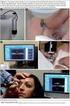 found helpful in a number of areas of ophthalmology. However, in the field of anterior segment tumors its usefulness is confined to a subset of tumors that are confined to the iris, hypo pigmented, and
Top Medicare Audit problems. Retinal Imaging Technology. Optometric Medical Coding. Unilateral codes. Modifiers
 Top Medicare Audit problems Evaluation, Diagnosis, Coding and Reimbursement Associated with Medical Vitreo-Retinal Conditions Kim Castleberry, OD Plano Eye Associates Patient/staff initiated billing complaints!
NEW YORK UNIVERSITY SCHOOL OF MEDICINE DEPARTMENT OF OPHTHALMOLOGY SUPERVISION OF RESIDENTS POLICY
 NEW YORK UNIVERSITY SCHOOL OF MEDICINE DEPARTMENT OF OPHTHALMOLOGY SUPERVISION OF RESIDENTS POLICY Applies to: All Ophthalmology Residents, including those in ACGME- and non-acgme-accredited specialty
EFFECT OF MYOPIC LASIK ON RETINAL NERVE FIBER LAYER THICKNESS- IS IT SAFE OR UNSAFE?
 24. Glaucoma: Imaging EFFECT OF MYOPIC LASIK ON RETINAL NERVE FIBER LAYER THICKNESS- IS IT SAFE OR UNSAFE? Chief Author: Dr. Amit porwal 1 Co-Authors: Dr. Kavita Porwal 2, Dr. Puja Rai 1 1. Choithram Netralaya,
Do You STILL Need Technology? DO YOU STILL TECHNOLOGY? The Challenges in 2013. The Challenges in 2013. FEC s Production Reports 2012
 DO YOU STILL TECHNOLOGY? Craig Thomas, O.D. 3900 West Wheatland Road Dallas, Texas 75237 (972) 780-7199 [email protected] NEED Do You STILL Need Technology? Why do we need to buy technology like a $10,000
Donna McCune, CCS-P, COE Vice President Corcoran Consulting Group
 Documentation and Coding for Ophthalmic Diagnostic Tests Financial Disclosure The instructor is a consultant for Corcoran Consulting Group and acknowledges a financial interest in the subject matter of
SOCT Copernicus HR Specification
 Specification Light Source: SLED Central Wavelength: 850 nm Axial Resolution: 3 µm Transversal Resolution: 12-18 µm Scanning Speed: 52000 A-Scan per second A-Scan Resolution: 1024 points B-Scan Resolution:
Measure #12 (NQF 0086): Primary Open-Angle Glaucoma (POAG): Optic Nerve Evaluation National Quality Strategy Domain: Effective Clinical Care
 Measure #12 (NQF 0086): Primary Open-Angle Glaucoma (POAG): Optic Nerve Evaluation National Quality Strategy Domain: Effective Clinical Care 2016 PQRS OPTIONS FOR INDIVIDUAL MEASURES: CLAIMS, REGISTRY
INTERNATIONAL CLINICAL DIABETIC RETINOPATHY DISEASE SEVERITY SCALE DETAILED TABLE
 Proposed Disease Severity Level No apparent Mild Non- Proliferative Moderate Nonproliferative Severe Non- Proliferative Proliferative INTERNATIONAL CLINICAL DIABETIC RETINOPATHY DISEASE SEVERITY SCALE
Getting Ready for ICD-10. Dianna Hoskins, OCS Cincinnati Eye Institute
 Dianna Hoskins, OCS Cincinnati Eye Institute Chart Documentation: Will your documentation stand up to ICD-10? Do you always mark which eye, severity or status of the disease (chronic or acute), site, etiology
SECONDARY GLAUCOMA: Pseudoexfoliation (PXF), Pigmentary Dispersion Syndrome (PDS), Neovascular (NV), Uveitic
 SECONDARY GLAUCOMA: Pseudoexfoliation (PXF), Pigmentary Dispersion Syndrome (PDS), Neovascular (NV), Uveitic Many roads can lead to glaucoma. With the exception of primary open-angle glaucoma (POAG) and
The Nurse/Technician Role Within the Emerging Ophthalmic Technology - OCTs/B-Scan
 The Nurse/Technician Role Within the Emerging Ophthalmic Technology - OCTs/B-Scan Margie V. Wilson, COMT Chief Clinical Supervisor UCSD Shiley Eye Center Thanks, Carol! Unfortunately. I have not financial
Retinal Imaging Biomarkers for Early Diagnosis of Alzheimer s Disease
 Retinal Imaging Biomarkers for Early Diagnosis of Alzheimer s Disease Eleonora (Nora) Lad, MD, PhD Assistant Professor of Ophthalmology, Vitreoretinal diseases Duke Center for Macular Diseases Duke University
Visual Disorders in Middle-Age and Elderly Patients with Diabetic Retinopathy
 Medical Care for the Elderly Visual Disorders in Middle-Age and Elderly Patients with Diabetic Retinopathy JMAJ 46(1): 27 32, 2003 Shigehiko KITANO Professor, Department of Ophthalmology, Diabetes Center,
Trends in Ophthalmology a Market Perspective. Matthias Karl, Michael Kempe
 Trends in Ophthalmology a Market Perspective Matthias Karl, Michael Kempe 30.04.2013 Agenda 1 2 3 4 Role of Optical Technologies in Ophthalmology Demands of the Market - Trends in the Application Implications
ACTIVITY DISCLAIMER. Glaucoma DISCLOSURE. Learning Objectives. Audience Engagement System Step 1 Step 2 Step 3. Jeffrey SooHoo, MD. Jeffrey SooHoo, MD
 Glaucoma Jeffrey SooHoo, MD ACTIVITY DISCLAIMER The material presented here is being made available by the American Academy of Family Physicians for educational purposes only. This material is not intended
MODERN CLINICAL OPTOMETRY BILLING & CODING THE MEDICAL EYE EXAMINATION. Definitions of Eye Examinations. Federal Government Definition
 MODERN CLINICAL OPTOMETRY BILLING & CODING THE MEDICAL EYE EXAMINATION Craig Thomas, O.D. 3900 West Wheatland Road Dallas, Texas 75237 972-780-7199 [email protected] Definitions of Eye Examinations Optometry
Case Report Laser Vision Correction on Patients with Sick Optic Nerve: A Case Report
 Case Reports in Ophthalmological Medicine Volume 2011, Article ID 796463, 4 pages doi:10.1155/2011/796463 Case Report Laser Vision Correction on Patients with Sick Optic Nerve: A Case Report Ming Chen
OHTAC Recommendation
 OHTAC Recommendation Multiple Sclerosis and Chronic Cerebrospinal Venous Insufficiency Presented to the Ontario Health Technology Advisory Committee in May 2010 May 2010 Issue Background A review on the
Glaucoma. Quick reference guide. Issue date: April 2009. Diagnosis and management of chronic open angle glaucoma and ocular hypertension
 Issue date: April 2009 Glaucoma Diagnosis and management of chronic open angle glaucoma and ocular hypertension Developed by the National Collaborating Centre for Acute Care About this booklet This is
DISTANCE LEARNING COURSE. Anatomy of the Patient Exam. 2008 2012, BSM Consulting All rights reserved.
 DISTANCE LEARNING COURSE Anatomy of the Patient Exam 2008 2012, BSM Consulting All rights reserved. Table of Contents OVERVIEW... 1 PRELIMINARY WORK-UP... 1 OTHER DIAGNOSTIC TESTING... 3 DIAGNOSIS... 4
How To Understand The Current Of An Optic Nerve Fiber Layer
 A Practical Guide for Journal Interpretation of Current of Optical Glaucoma Coherence Practice, Tomography January-April Retinal 2009;3(1):9-13 Nerve Fiber Layer Measurement A Practical Guide for Interpretation
ICD-10 Codes for Optometry. Eric Botts, OD Macomb, IL [email protected]
 ICD-10 Codes for Optometry Eric Botts, OD Macomb, IL [email protected] Disclosures I am a member of Speakers Bureau for Zeissmeditec and ALCON but have no financial interest in these companies.
istent Trabecular Micro-Bypass Stent Reimbursement Guide
 istent Trabecular Micro-Bypass Stent Reimbursement Guide Table of Contents Overview Coding 3 4 Coding Overview Procedure Coding Device Coding Additional Coding Information Coverage Payment 10 11 Payment
Cataract Testing. What a Patient undergoes prior to surgery
 Cataract Testing What a Patient undergoes prior to surgery FINANCIAL DISCLOSURE I have no financial interest or relationships to disclose What do most Technicians find to be the most mundane yet very important
Essentials in Diagnostic Testing in the Retina Practice Riva Lee Asbell
 Essentials in Diagnostic Testing in the Retina Practice Riva Lee Asbell INTRODUCTION Coding and billing for diagnostic testing is a major part of ophthalmic practices in general, but more so in some of
An Informational Guide to CENTRAL RETINAL VEIN OCCLUSION
 Science of CRVO www.scienceofcrvo.org An Informational Guide to CENTRAL RETINAL VEIN OCCLUSION This brochure will guide you in understanding CRVO and the treatment options available to prevent vision loss.
Page: 1 of 6. Corneal Topography/Computer-Assisted Corneal Topography/ Photokeratoscopy
 Section: Surgery Effective Date: July 15, 2015 Last Review Status/Date: June 2015 Page: 1 of 6 Corneal Topography/ Photokeratoscopy Description Computer-assisted topography/photokeratoscopy provides a
Graduate Diploma in Optometry. Related modules Pre-requisites Satisfying requirements of second year BSc (Hons) Optometry examination board
 Posterior Eye & General Ophthalmology School and subject group Module code Module title Module type Module replaces (where appropriate) Life and Health Sciences / Optometry OP3PEG Posterior Eye & General
Preparing for ICD-10 Advance Preparation for Implementation Charles Brownlow, OD [email protected]
 Preparing for ICD-10 Advance Preparation for Implementation Charles Brownlow, OD [email protected] International Classification of Diseases (ICD-9, ICD-10) Both include codes for all medical conditions,
The Normative Database for the RTVue. Software version 4.0. Michael J. Sinai, PhD
 The Normative Database for the RTVue Software version 4.0 Michael J. Sinai, PhD Glaucoma is a multi-factorial optic neuropathy with characteristic structural changes and subsequent functional impairment.
Coding for the Future!
 Coding for the Future! American Society of Ophthalmic Registered Nurses November 11, 2012 Presented by Joy Newby, LPN, CPC, PCS Newby Consulting, Inc. 5725 Park Plaza Court Indianapolis, IN 46220 Voice:
Glaucoma. OET: Reading Part A. Reading Sub-test. Complete the following summary using the information in the four texts provided.
 Glaucoma Reading Sub-test TIME LIMIT: 15 MINUTES Complete the following summary using the information in the four texts provided. You do not need to read each text from beginning to end to complete the
To: all optometrists and billing staff
 Number: Opto 27 Date: September 29, 2011 Page: 1 of 1 Subject: Schedule of Optometric Benefits amendments October 1, 2011/New explanatory code list Reference: Schedule of Optometric Benefits To: all optometrists
ACTVE INTERVENTIONAL CLINICAL TRIALS - 03/01/2015. Principal Investigator Study Title and Sponsor Study Description
 Cornea and External Disease Service Li, Jennifer A Prospective, Multicenter Post-Approval Study (PAS) of VisionCare s Implantable Miniature Telescope (by Dr. Isaac Lipshitz) in Patients with Bilateral
What is Coding. Basics of Coding and Billing for the Optometric Staff. Vision Plan vs. Health Insurance. Vision Plan vs.
 What is Coding Basics of Coding and Billing for the Optometric Staff A system of diagnosis and procedure codes to describe an encounter, procedure, diagnostic test, or supplies provided to a patient. Jonathan
Robert T. Chang, M.D.
 Robert T. Chang, M.D. HIGHER EDUCATION 2009 present Assistant Professor of Ophthalmology Palo Alto, CA Department of Ophthalmology, Glaucoma Stanford University School of Medicine Oct. 2008 Board Certified,
Guide to Eye Surgery and Eye-related Claims
 If you or a loved one have suffered because of a negligent error during eye treatment or surgery, you may be worried about how you will manage in the future, particularly if your eyesight has been made
22/02/2015. Possible causes. Decisions decisions decisions. Challenging eye and ear conditions at underwriting and claim stage Dr Maritha van der Walt
 Challenges Underwriting symptoms rather than conditions- tinnitus, vertigo, blurred vision Requests for narrower rather than broad exclusions and consequences Pre existing condition and unrelated claims
Background & objectives
 Indian J Med Res 138, October 2013, pp 531-535 Evaluation of the effectiveness of diagnostic & management decision by teleophthalmology using indigenous equipment in comparison with in-clinic assessment
Glaucoma - Visual Fields
 Glaucoma - Visual Fields Program Strategies Perspectives on Perimetry Visual Field Interpretation Foundational guidelines Catch trials Grey scale Total and Pattern deviation Glaucoma hemifield test Global
Tucson Eye Care, PC. Informed Consent for Cataract Surgery And/Or Implantation of an Intraocular Lens
 Tucson Eye Care, PC Informed Consent for Cataract Surgery And/Or Implantation of an Intraocular Lens INTRODUCTION This information is provided so that you may make an informed decision about having eye
Acute demyelinating optic neuritis Rod Foroozan, MD, Lawrence M. Buono, MD, Peter J. Savino, MD, and Robert C. Sergott, MD
 Acute demyelinating optic neuritis Rod Foroozan, MD, Lawrence M. Buono, MD, Peter J. Savino, MD, and Robert C. Sergott, MD Acute demyelinating optic neuritis associated with multiple sclerosis (MS) is
Vitreo-Retinal and Macular Degeneration Frequently Asked Questions
 Vitreo-Retinal and Macular Degeneration Frequently Asked Questions What is a Vitreo-Retinal specialist? Retinal specialists are eye physicians and surgeons who focus on diseases in the back of the eye
Spectral domain OCT used to view and quantify choroidal vascular congestion in new subretinal fluid following scleral buckling.
 Spectral domain OCT used to view and quantify choroidal vascular congestion in new subretinal fluid following scleral buckling. Robert Gizicki MD, Mohamed Haji, Flavio Rezende Retina Service, Hôpital Maisonneuve-Rosemont,
iocutouchtm for ipad Contents of Videos and Still Images Anatomy 906. Normal Eye and Orbit - no labels 907. Normal Eye and Orbit - with labels
 iocutouchtm for ipad Contents of Videos and Still Images Anatomy 906. Normal Eye and Orbit - no labels 907. Normal Eye and Orbit - with labels Normal Eye 474. Normal Eye overview 476. Cornea - overview
2.1 Who first described NMO?
 History & Discovery 54 2 History & Discovery 2.1 Who first described NMO? 2.2 What is the difference between NMO and Multiple Sclerosis? 2.3 How common is NMO? 2.4 Who is affected by NMO? 2.1 Who first
Scanning laser polarimetry and retinal thickness analysis before and after laser in situ k e r a t o m i l e u s i s
 European Journal of Ophthalmology / Vol. 15 no. 4, 2005 / pp. 434-440 Scanning laser polarimetry and retinal thickness analysis before and after laser in situ k e r a t o m i l e u s i s E.M. HOFFMANN,
Glaucoma Grand Rounds. Glaucoma Cases: What Was Done Wrong?
 Glaucoma Grand Rounds Robert E. Prouty, O.D., F.A.A.O. Omni Eye Specialists Denver, Co [email protected] Description: This course will be lectured in a grand rounds format presenting various interesting
THE EYES IN MARFAN SYNDROME
 THE EYES IN MARFAN SYNDROME Marfan syndrome and some related disorders can affect the eyes in many ways, causing dislocated lenses and other eye problems that can affect your sight. Except for dislocated
GLAUCOMA. American Academy of Ophthalmology
 GLAUCOMA American Academy of Ophthalmology What is glaucoma? Glaucoma is a disease of the optic nerve, which is the part of the eye that carries the images we see to the brain. The optic nerve is made
Introduction to ICD- 10 Coding for Eyecare May 3, 2014
 Introduction to ICD- 10 Coding for Eyecare May 3, 2014 Jeffrey Restuccio, CPC, CPC- H, MBA Coding and Billing Consultant specializing in Eyecare Memphis TN (901) 517-1705 [email protected] www.!
The HIPPA Act of 1996 BILLING & CODING THE MEDICAL EYE EXAMINATION. Federal Government Definition. Optometry School Definition 7/20/2011
 BILLING & CODING THE MEDICAL EYE EXAMINATION Craig Thomas, O.D. 3900 West Wheatland Road Dallas, Texas 75237 972-780-7199 [email protected] The HIPPA Act of 1996 Result of law is to establish national standards
LOCSU Enhanced Services
 LOCSU Enhanced Services Glaucoma Repeat Readings & OHT Monitoring Enhanced Service Pathway Issued by Local Optical Committee Support Unit May 2009 [Revised June 2012] Contents Page Executive Summary...
Educational Goals & Objectives for Ophthalmology Residents at Parkland Memorial Hospital (PMH)
 Educational Goals & Objectives for Ophthalmology Residents at Parkland Memorial Hospital (PMH) Competencies addressed: PC = Patient care MK = Medical knowledge Pr = Professionalism PBLI = Practice-based
Basics of Medical versus Vision Coding
 Basics of Medical versus Vision Coding Marcus Gonzales, OD TOA Convention 2011 DISCLAIMER This lecture and the concepts within apply to CPT and Medicare/Medicaid guidelines that are currently applicable,
Program Requirements for Fellowship Education in Surgical Retina & Vitreous
 Program Requirements for Fellowship Education in Surgical Retina & Vitreous I. Introduction A Definition and Scope of the Subspecialty The goal of the fellowship is to provide an advanced level of training
ReLEx smile Minimally invasive vision correction Information for patients
 ReLEx smile Minimally invasive vision correction Information for patients Seeing is living Our eyes are our most important sensory organ. The human brain obtains over 80 % of its information via the sense
11/11/2015. Glaucoma: Diagnosis and Treatment. Financial disclosures. Glaucoma: the problem. Joshua J. Ney, M.D. No disclosures to report
 Glaucoma: Diagnosis and Treatment Joshua J. Ney, M.D. No disclosures to report Financial disclosures Glaucoma: the problem Glaucoma is second most common cause of blindness worldwide 7 million people are
Medical Necessity: Can You Please Define That? Part I. Riva Lee Asbell Philadelphia, PA
 Medical Necessity: Can You Please Define That? Part I Riva Lee Asbell Philadelphia, PA INTRODUCTION One of Medicare=s most elusive concepts is the term Amedical necessity@. Yet, lack thereof is the reason
Assessing the Accuracy of the Technology-based Eye Care Services (TECS) Protocol to a Standard Clinical Ophthalmic Exam
 Assessing the Accuracy of the Technology-based Eye Care Services (TECS) Protocol to a Standard Clinical Ophthalmic Exam Introduction: As patients age, they are more at risk to lose vision. Routine eye
Co$tly Coding Errors AMERICAN ACADEMY OF OPHTHALMOLOGY AMERICAN ACADEMY OF OPHTHALMIC EXECUTIVES
 Co$tly Coding Errors Financial Disclosure Sue Vicchrilli, COT, OCS AAO Director, Coding & Reimbursement has no financial interests or relationships relative to this live activity to disclose. Error #1
APRIL 8th 2016 Therapy
 APRIL 8th 2016 Therapy 09.00-10.00 SESSION 1: Age-related Macular Degeneration Moderators: S. Sadda, D. Sarraf, K. Bailey Freund, E. Souied 09.00-09.15 Prospective SD OCT Analysis of PED Associated with
IMAGE ASSISTANT: OPHTHALMOLOGY
 IMAGE ASSISTANT: OPHTHALMOLOGY Summary: The Image Assistant has been developed to provide medical doctors with a software tool to search, display, edit and use medical illustrations of their own specialty,
Optic Disc Drusen. Normal Enlarged view of Optic Disc. Lumpy Appearance of Optic Disc. Optic Disc Drusen With Drusen
 Optic Disc Drusen Your doctor has diagnosed you with optic disc drusen. Optic disc drusen are abnormal deposits of protein-like material in the optic disc the front part of the optic nerve. We do not know
Age- Related Macular Degeneration
 Age- Related Macular Degeneration Age-Related Macular Degeneration (AMD) is the leading cause of blindness in the United States. It is caused by damage to a localized area of the central retina called
Cataracts. Cataract and Primary Eye Care Service...215-928-3041. Main Number...215-928-3000. Physician Referral...1-877-AT-WILLS 1-877-289-4557
 Main Number...215-928-3000 Physician Referral...1-877-AT-WILLS 1-877-289-4557 Emergency Service...215-503-8080 Cataract and Primary Eye Care Service...215-928-3041 Retina Service... 215-928-3300 Cataract
Diabetic Eye Screening Revised Grading Definitions
 Diabetic Eye Screening Revised Grading Definitions Version 1.3, 1 November 2012 To provide guidance on revised grading definitions for the NHS Diabetic Eye Screening Programme Project/Category Document
THE BEST OF BOTH WORLDS Dual-Scheimpflug and Placido Reaching a new level in refractive screening
 THE BEST OF BOTH WORLDS Dual-Scheimpflug and Placido Reaching a new level in refractive screening GALILEI G4 Clinical Applications Corneal Implant Planning The comes with a licensable corneal inlay software
Physical and Mental Conditions Guidelines VISION CONDITIONS AND ACTIONS Page 5.4
 Physical and Mental Conditions Guidelines VISION CONDITIONS AND ACTIONS Page 5.4 AMBLYOPIA (Lazy Eye) A reduction in the acuteness of vision without apparent eye disease. This condition cannot be entirely
How To Treat Eye Problems With A Laser
 1550 Oak St., Suite 5 1515 Oak St., St Eugene, OR 97401 Eugene, OR 97401 (541) 687-2110 (541) 344-2010 INFORMED CONSENT FOR PHOTOREFRACTIVE KERATECTOMY (PRK) This information is to help you make an informed
PERIOCULAR (SUBTENON) STEROID INJECTION ERIC S. MANN M.D.,Ph.D.
 PERIOCULAR (SUBTENON) STEROID INJECTION ERIC S. MANN M.D.,Ph.D. A. INDICATIONS: Periocular steroid injection involves placement of steroid around the eye to treat intraocular inflammation or swelling of
Glaucoma. The sneak thief of sight
 Glaucoma The sneak thief of sight Glaucoma, a leading cause of blindness, affects more than two million Americans and is responsible for fifteen percent of world blindness. It is a family of ocular diseases
The Nuts and Bolts of Multiple Sclerosis. Rebecca Milholland, M.D., Ph.D. Center for Neurosciences
 The Nuts and Bolts of Multiple Sclerosis Rebecca Milholland, M.D., Ph.D. Center for Neurosciences Objectives Discuss which patients are at risk for Multiple Sclerosis Discuss the diagnostic criteria for
Medical Compliance with Billing and Coding 2013: Will your Records Survive an Audit from a Third Party Payer or the OIG?
 Medical Compliance with Billing and Coding 2013: Will your Records Survive an Audit from a Third Party Payer or the OIG? Michael J. McGovern, OD, FAAO; Richard Soden, OD, FAAO American Academy of Optometry
PATIENT INFORMATION BOOKLET
 (060110) VISIONCARE S IMPLANTABLE MINIATURE TELESCOPE ( BY DR. ISAAC LIPSHITZ ) AN INTRAOCULAR TELESCOPE FOR TREATING SEVERE TO PROFOUND VISION IMPAIRMENT DUE TO BILATERAL END-STAGE AGE-RELATED MACULAR
Title:Clinical and Optic Coherence Tomography Findings of Focal Choroidal Excavation in Chinese Patients
 Author's response to reviews Title:Clinical and Optic Coherence Tomography Findings of Focal Choroidal Excavation in Chinese Patients Authors: Jie Guo ([email protected]) Lu Zhong ([email protected]) Chunhui
MRI in Differential Diagnosis
 MRI in Differential Diagnosis Jill Conway, MD, MA, MSCE Director, Carolinas MS Center Clerkship Director, UNCSOM-Charlotte Campus Charlotte, NC DISCLOSURES Speaking, consulting, and/or advisory boards
ALL-IN-ONE Optical Biometry, Dual Scheimpflug Tomography and Placido Topography
 ALL-IN-ONE Optical Biometry, Dual Scheimpflug Tomography and Placido Topography GALILEI G6 Clinical Applications High confidence premium IOL selection The GALILEI G6 offers a link to the ray-tracing software
PART 2 Countdown to ICD-10... Tips for a Smooth & Effective Transition
 PART 2 Countdown to ICD-10... Tips for a Smooth & Effective Transition Cindy Cain, BSHA, CPC, CPC-H, CCS-P, CHC Senior Manager, Consulting June 23,2015 Objectives Identifying complex ICD-10 transitional
Experience and Quality Assurance MES Vision Provider Network nationwide Four
 Experience and Quality Assurance MESVision has been providing exceptional vision care services to millions of individuals and thousands of employer groups since 1976 MESVision is the only medically led
Explanation of the Procedure
 Informed Consent Cataract Surgery with Intraocular Lens Implant Please initial below indicating that you have read and understand each section Introduction The internal lens of the eye can become cloudy
DIABETIC RETINOPATHY. Diabetes mellitus is an abnormality of the blood glucose metabolism due to altered
 DIABETIC RETINOPATHY Diabetes mellitus Diabetes mellitus is an abnormality of the blood glucose metabolism due to altered insulin production or activity. There are two types diabetes mellitus- Insulin
Your one stop vision centre Our ophthalmic centre offers comprehensive eye management, which includes medical,
 sight see OLYMPIA EYE & LASER CENTRE Your one stop vision centre Our ophthalmic centre offers comprehensive eye management, which includes medical, At the Olympia Eye & Laser Centre, our vision is to improve
Schedule of Benefits. for Optometry Services (April 1, 2009) Ministry of Health and Long-Term Care
 Schedule of Benefits for Optometry Services (April 1, 2009) Ministry of Health and Long-Term Care PREAMBLE [Commentary: The Schedule of Benefits for Optometry Services identifies the maximum amounts prescribed
BSM Connection elearning Course
 BSM Connection elearning Course Scope of the Eye Care Practice 2008, BSM Consulting All Rights Reserved. Table of Contents OVERVIEW...1 THREE O S IN EYE CARE...1 ROUTINE VS. MEDICAL EXAMS...2 CONTACT LENSES/GLASSES...2
~Contributing to Eye Health~
 ~Contributing to Eye Health~ 26 Eye Care Market Trends FY2007 Retinal Camera market forecasts by eye disease FY 2010 Auto Keratorefractometer Retina 160 Refraction Retina 200 Refraction Auto Lens Edger