
Miracles, Myths and Words Vishvanath Khaire. 1. Jñānadeva s Background
|
|
|
- Meghan Wheeler
- 9 years ago
- Views:
Transcription
1 Miracles, Myths and Words Vishvanath Khaire 1. Jñānadeva s Background Jñānadeva, Marathi saint poet, yogi and philosopher, was born in Alandi, on Indrayani, a tributary of Bhima, one of the major rivers of Maharashtra in Western India. The rivers rise from a lofty mountain range in the west and flow eastwards in the extensive trap rock region in channels stabilized between substantial plateaus. Excavations at various riverbank sites have revealed some fairly developed agricultural habitations dating back to the 18 th century BC. Some of them have shown links with the reputed Indus civilization, considered the most ancient in India. 1 The next available historical records of the region are the Ashokan edicts (3 rd century BC.), one in the coastal strip west of the mountains and one in the plateau in the east. Almost immediately followed the first of the series of impressive cave monuments in the solid trap tock, of which the tradition continued upto the tenth century AC. These were executed for the votaries of Buddhism, Jainism, Vedic and Puranic Hindusim in different periods. The unique feature of these excavations chiseling the sculpture of the deity, the temple and the attendant precints, all from one mount, has been alluded as the model for the practice of devotion, in a philosophical verse by Jñānadeva. 2 Many of these monuments are located near trade routes of internal as well as overseas commerce, that were in use from ancient to medieval times. Quite a few of these are overviewed by forts on nearby promontories usually flanked by almost intractable rock-cliffs. Those provide with heavy gateways, secret passages tunnelled upto the top, massive bastions and the like, were considered invincible. Jnanadeva the yogi poet has used an extensive metaphor of the conquest of such a fort, in describing the yogic practices for conquest of the mind. 3 It has been shown that at the cave monument sites, old rude cults are also existing and are worshipped to this age by faraway rural groups. The existence of similar cults at the forts would indicate that the forts have been safety havens of antecedent cultures in the hilly regions. The primitive cults and the caves for wandering ascetics would appear to fill the gap between the excavated cultures and the Asokan dicts. 4 The sect of wandering asceties known as Nātha Pantha owed allegiance to Śiva, considered as their prime guru. The votaries were known in Maharashtra as kānphāṭe jogī (torn-ear medicants) from their pierced ears, carrying rings as sign of enunciation by the guru. Jñānadeva has described his spiritual genealogy in this sect, upto his brother and guru Nivṛttināth. 5 He has however been considered the saint patriarch of Vārkarī s, devotees of the god Vithobā of Pandharpur on the river Bhīma in the east. Rural and urban householders of all castes have been walking from all parts of Maharashtra, twice every year, for pilgrimage to Pandharpur and back, since before Jñānadeva to the present day. His verses are mass chants during the walks and his writing are read out and listened to, with devotion. 6 Miracles, Myths and Words Vishvanath Khaire Page 1

2 2. Jñānadeva s Literature Jñānadeva is traditionally taken to have been born in 1275 and gone into meditative communion (samādhi) in During this short span of life he produced the monumental poetical works by which he is really known to the Marathi speakers. His magnum opus was Jñāneśwarī, the Marathi commentary on the Gītā, running into about nine thousand verses in the popular ovi meter. Both as poetry and philosophy, this work has been held to be the acme of perfection by the learned and commoners alike. With imcomparable humility, the poet repeatedly maintains that the splendid exposition is all due to the grace of his guru, the brother. He also declares that he has taken guidance from the earlier commentators. Yet his exposition is so replete with analogies, metaphors and imageries from contemporary life, that the philosophy of the Gītā almost receives new content at his deft hands. The devout as well as the lay reader is led away by the tender beauty of his language almost to the point of getting lost in the poetry rather than reaching the core of his philosophy. The Anubhavāmṛta meaning the elixir of the experience is a quintessential poem of eight hundred ovi verses, dealing with the spiritual experience of the devotee in which ultimately the knower, the knowledge and the known all become one. In this work too, the poet s flair for analogies and metaphors from the world around awaken the reader toe unimagined subtleties of physical as well as spiritual experience. Sixty-five ovi verses given the title Cāṅgadeva Pāsaṣṭī supposedly addressed to Cāṅgaveda, possessed of superior powers through yoga but uninitiated into the sublimity of devotion. Numbering about a thousand, the abhanga poems are favourite recitaton for Vārkarīs. They do not propose to be philosophical and often lean towards the tradition of folklore. While being easy to go with, they too lead the believer into devotion and the spiritual joy of devotion. The basic philosophy is the same as in the other three works. All these works have come down through copies made by hand, by the members of a populace in which literacy was microscopic. Mass circulation was mainly by word of mouth in pilgrimage, fairs and day to day modes of religious communication like discourses, kīrtans and week- or month long sessions of reading aloud complete works like the Jñāneśvari. In the tradition-andcaste-bound society of the times, learning was restricted to Brahmins, and even for them spiritual learning was confined to Sanskrit. The works of Jñāśnadeva and some of his predecessors had thrown both restrictions to the winds. The illiterate masses, till then being led by tradition alone, in their devotional practices, were now provided with a philosophy in their own idiom. They were avidly learning it - in the traditional manner, by word of mouth. Over the centuries, the masses have continued to perform the two annual pilgrimages, chanting the verses and carrying the footprints of Jnanadeva, from his samadhi at Ālandi to his favourite god at Pandharpur. The literate and the thinking have been religiously or critically reading the elevating classics, following the dictum of the 13 th century saint poet Nāmadeva : One should experience at least one ovī of Jñāneśwari. This was one of the first books lithographed in the Miracles, Myths and Words Vishvanath Khaire Page 2

3 19 th century. It was the favourite of outstanding Maharashtrians like justice Ranade and Vinoba the disciple of Mahatma Gandhi. It provided them with a large content of their models of life. 3. The Miracles of the Saint While Jñānadeva's works -are so extensively known among the Marathi speakers, his life story is barely known only from traditions. Even his life span has been a constant subject of debate though the most popular belief has been that all the outstanding literary output was the achievement of a child Prodigy, alongwith this conviction, popular tradition holds that there were a number of episodes in the saint's life, in which his role was nothing short of the miraculous. These are briefly narrated below. 3.1 Jñānadeva's father had recanted from renunciation into the householder's state, after which the four children were born. The children were therefore denied the social status of Brahmins. They approached for appeal to the acknowledged authorities in paithan. Before them Jñānadeva proved his prowess by making a water-carrier he-buffalo recite the Veda Cāṅgadeva, a yogi reputed to have lived 1400 years, rode a tiger for conveyance. He sent messengers to Jnanadeva to inform his arrival. The foursomes were basking in the morning sun sitting on a wall. For setting out to welcome the yogi, Jñānadeva commanded the wall to move; and the wall obliged As part of the tribulations forced on them, Muktā the younger sister was divested of the earthen pot and fuel required for baking a wheat bread delicacy. To the weeping girl, Jñānadeva offered his back to serve as the baking pan and heated it by yogic fire, of which the flames came out of his mouth On way back from Paithan, the children saw a boy's body on a funeral pyre. Jñānadeva breathed life into the boy, who grew to become Jñānadeva s scribe to take down verses of the Jñānesvari. 10 These narratives are contained in the 18th century compendium Bhaktavijaya (The Devout s Victories) which is based on a 16th century Hindi composition of similar content. The contents purport to be life stories of devout saints, in ovī verses, composed by a believer for the believers. Episodes of miracles performed by the saints or by Divinity for the saints are contained in every chapter. 4. Genesis of Miracles The miraculous in many of them is based on words in the names of the devotees. Thus, about Nāmadeva, a contemporary of Jñānadeva, it is narrated that he was born from a shell (shimpala) picked up by his father from the Bhīmā river. This is obviously connected with shimpi meaning tailor, the caste in which Nāmadeva was born. When he became an ardent devotee of Vithobā, to the neglect of worldly duties, the god sent wealth in goni (sack) to his mother Goṇāī in response to her irate complaints. The construction of miracles through words of similar sounds Miracles, Myths and Words Vishvanath Khaire Page 3

4 and dissimilar meanings, is a familiar device employed in ancient literatures of all societies. The words had to be somehow connected or associated with the character in the narrative. 11 For Jñānadeva's miracles the words were passed down via the handwritten copies and the oral transmission through generations over five centuries. Those were days of limited literacy seldom going beyond the three R s required for ordinary living. Neither the writing nor the reading of the pithy but numerous verses of the genius could be devoid of flaws or in strict accordance with his original delivery. The errors in transcription would be compounded by the errors in comprehension and oral transmission. This would give rise to interpretations at will by the imaginative faithfuls. The wide discrepancies in the redactions followed by different Vārkarī authorities and their interpretations of them provide ample instances of his process. By reasoning objectively on these lines, we can trace the originating sources of Jñānadeva s miracles in the texts of his poetic works. 4.1 The genealogy of the he-buffalo would go back to a concluding verses in the Jñāneśwari. This verse traces his spiritual ancestry to Śiva. The verse runs : Then, the one born in the line of Śiva, son(like) to Nivṛttī Nātha, Jñānadeva made the indigenous (local idiom) adornment to Gītā. For this the correct meaning to be correctly taken, the grammatically correct word in the beginning should have been māheśa with the sibilant and not with the retroflex syllable. If hasty writting of the world in Nagari script slightly curls down the headstroke towards the headline, the word would become mahiṣa with retroflex ṣ. And that means a he-buffalo and the first line would mean : Then, the once born in the line of the buffalo, and not of Śiva. The garbled meaning would derive by reading Jñānadeva as the causal agent, equating Gītā to the Veda and subconscious derision of Brāhminic recitation as the drone of a he-buffalo A histoirian of marathi literature has cited an abhanga ascribed to Jñānadeva in support of the actual occurrence of miracle of the walking wall : If God does it, whatever may not happen? A river may be crossed by a stone afloat.. With legs sprouted, walls will walk; mount Meru and the moth will weigh the same.. Says Jñānadeva, the impossible happens,-the guru's grace unites one with the great Brahma. If a learned historian could does believe Jñānadeva to be the maker and not mere narrator of the impossible rightly ascribed to God, the lay devotee of the age of belief could do so as well and with greater conviction A verse in the Anubhavāmṛta refers to the consumption of non-knowing (avidyā) with itself as the fuel thrust into the flame of knowledge, resulting into the residual ashes of realization. The first two lines mention the body being made fuel and entered into the fire. A layman who does not follow the metaphorical string of verses in their true import, imagines this to be referring to a yogi whose body itself becomes fuel to the internal fire. With implicit faith in Jñānadeva s yogic powers, he ascribes the phenomenon to the saint-person and weaves a suitable narrative around it The personal name Satcidananda occurs in the concluding portion of Jñāneśwari. The word as acommon noun, however, occurs some 168 verses earlier in the same chapter with the epithet sadeha (corporeal). The reference is properly to the words of the dialogue of Kṛṣṇa and Arjuna, that are considered sat-cit-ānanda incarnate. The three constituent terms referring to the spiritual good, the supreme, and the joy, are dealt at length in the Anubhavāmṛta. Verses like the Miracles, Myths and Words Vishvanath Khaire Page 4

5 following three could help in building up the miracle by deriving the imagined meaning given thus : Satcidananda had been split. The three brothers feet were moving but bereft of joy. Then, presenting face to the face, and walking up to the sleeping (Satcidananda), showing to his sight the Seer, they took to their path in silence. Needless to say, this is NOT the proper meaning of the verses at all. It is, however, parallel to the content of the narrative of the miracle Miracles and Myths These narratives are essentially mythical stories. They would loosely be called myths even in academic writing. It is, however, necessary to distinguish between myth and mythical story. Myth is the principle element or the character in the mythical story. The mythical story is a narrative or story that is believed to be true in faith and not on the basis of concrete evidence, historical or otherwise. The mythical story is a narrative concerning one or more myths that may be conceptual (e.g. superior power) or corporeal (e.g. hero, villain and the rest). The Myth is therefore, not the literal content of the mythical story of cultural history. The first step in such interpretation should be to find out the myth(s) underlying or contained in the story. In the narratives of Jñānadeva s miracles, the Myth is not the hero that is Jñānadeva, for his historicity is attested by the literary output bearing his name as the author, that has come down to us. The myth is in the concept of supernatural power acquired by a yogī or saint. The supernatural power was manifested in the performance of acts bringing about physical events which do not seen to follow the generally known laws of nature. That myth in turn was a product of the belief of the masses in his written word. They implicitly believed the description in the Jñāneśvari, of a person deflecting away from yoga, and being reborn in a house of piety. He, it says, is endowed with omniscience in the tender young age; and with the acquisition of that unfailing wisdom, his mind secretes the nectar of the letters and all the self-sustaining disciplines spring from his speech. The masses believed that Jñānadeva himself fitted to this description of a yogic prodigy of that sort. 6 The seeds of the description lie in the text of the Gitā ( ). But its expression came before the masses from Jñāneśvari. In the same way, the practice of Hatha Yoga was appearing before them, in the votaries of Nātha Pantha and not from the aphorisms of Patañjali.. Those aphorisms contain affirmations to the effect that concentration of the mind s faculties in special ways leads to acquisition of various exemplary powers Myths and Words The yoga of Patañjali in its turn, is said to have its roots in the Upaniśads and back again in the Ṛg Veda. To quote : In a late hymn of the Ṛg Veda we read a class of holy men different from the Brāhmans, the silent ones ; (munis), who wear the wind as a girdle, and who, drunk with their own silence, rise on the wind and fly in the paths of the demigods and birds Miracles, Myths and Words Vishvanath Khaire Page 5

6 It is obvious that the author believes that the vedic hymn refers to holy men treading this earth, who yet have acquired the miraculous power of rising on the wind and flying in the paths of birds. We have then reached the oldest source of words believed by the illiterate and the learned alike. And those words convey the existence of supernatural power in some human beings. Here is the myth. The hymn referred to (10.136) called Keśi Sūkta. The hymn of the Hairy One, describes an object or personage that appears possessed of an attachment which resemble the flowing beard of the human male. The word muni no doubt occurs in the hymn which has given rise to the belief and the myth. The text however contains many physical descriptions as well, which cannot apply to a human being, be he an ascetic or someone else. 19 The first verse makes the statement that this brightness or heavenly body is called Keśi The second tells us that they get into motion like the wind. The fourth describes how Keśi moves in the atmospheric region, viewing objects in the west. These descriptions raise before our eyes, the picture of a heavenly body, moving in rarefied from like that of the wind glowingly traversing the universe, spread over the space between the east and west seas. This heavenly body turns out to be the comet, the vast bright apparition that appears hairy on account of the spread of its tail. The word comet is from Greek kometes, the hairy one, which is exactly similar to Keśi' in Vedic Sanskrit, The Greek word came into use as a common noun, in which the analogy with human hair remained a matter of fact only. The Sanskrit word keśi became a metaphor for comet, the common noun for it being, ketu. 20 The live metaphor was, however, the muni, the ascetic with his tresses and beard. Keśi and Muni, both became myths for the comet, in the hymn, the physical aspects associated with the comet were described in statements made with Keśi or Muni as the subjects. The verbs and predicates, also often metaphorical were applied to any of them at will. The poet cannot be faulted, for he had all the while the comet in mind. It is the latter-day interpreter who is in error of taking the literal meaning as applicable to ascetics, and reffering to a totally different aspect ( silence ) of their conduct, which has little in common with the hairy Keśi. The hymn is a mythical narrative, an ode to the physical phenomenon of comets, and not a statement of the superior power of ascetics on earth. It certainly alludes to their attributes, with the object of describing the comets as celestial ascetics of the starry heavens Myth, Fact and Truth The Keśi hymn contains statements but no narrative about the ascetics who constitute the live metaphor. Mythical stories could be and have been built, in which the ascetics, like Vishvāmitra, have been made the characters or heroes. The stories carried in themeselves, metaphors in the characters as well as their actions or roles in the various episodes. Just as Keśi in the hymn were taken to be ascetics in the true sense of the term, so were the stories taken tobe true, of true ascetics in some bygone past. Miracles, Myths and Words Vishvanath Khaire Page 6

7 The dictionary meaning of metaphor can be referred, to understand metaphor in the narrative : Application of name descriptive term or phrase to an object or action to which it is not literally applicable (e.g. a glaring error, food for thought. Leave no stone unturned); mixed metaphor : combination of inconsistent metaphors (this tower of strength will forge ahead); {from meta (phero : bear) : transfer}. In this difinition, the name applies to an object, and the descriptive term to an action. The mixed metaphor combines the (metaphoric) name of one object with the descriptive term for another's action. The inconsistency in the mixed metaphor is often obvious. But a narrative with mixed metaphors would be faulted mainly for its figures of speech, not for the truth of its statements. 22 A metaphor and the narrative based on it, may be well thought and elaborately worked out. Homeric similies are good examples of such metaphors, A large number of metaphors, particulary by the ancient, were based on implusive feel-thought which perceives gross similarities and analogies to construct metaphors. The real object and the metaphoric are compared for shape, colour, sound or anything else. So the glowing object in the sky was metaphorised as a bundle of hair, moving in the sky. Or it was compared to an ascetic and the hair in the earlier metaphor were compared to a garment tied round the waist by an invisible girdle of wind. The glowing object s action of movement was combined with the metaphoric ascetic s course and likened to the attribute of flying, of the wind and birds. All this gave rise to the complex metaphors. A complex metaphor brings together the metaphoric name of one object with the metaphoric or proper descriptive term for the action of another metaphoric or real object. If the objects and actions are in plural numbers, the complexity will be increased. The hymn of the comet contains complex metaphors, leading to the statement that, ascetics fly like birds in the sky. This mythical statement can be analysed for its truth value with the help of Plato s discussion of truth and falsehood in The Sophist. Plato takes two statements made by putting together a thing with an action by means of a name and a verb. They are : Theaetetus sits and 'Theaetetus flies, concerning the same Theaetetus. Plato then assigns the characters to them : the first is true, the second is false; statement that states things different from the things that are. 23 The judgement of flashood on the second statement is correct in the case of a real Theaetetus. If, however, Theaetetus in the second statement is metaphorical and not real, it could also assume the appearance of being true. The common man who knows of Theaetetus, only from the metaphorical statement (without knowing that it is metaphorical) will believe that Theaetetus possesses the flower of flying. And indeed, if the referent of the metaphoric Theaetetus has, in fact, an attribute analogous to flying, the statement may not be considered false even by the philosopher. 24 Statements composed of complex metaphors are thus prone to be taken as true; they engender belief in things different from the things that are. Mythical stories, being composed of complex metaphors in nouns and verbs, do not lend themselves to easy grasp of the things that are and the things that are not. They have been taken to be true on the strength of belief. Miracles, Myths and Words Vishvanath Khaire Page 7

8 8. Metaphor and Belief The ambivalence of a mythical statement is partly the result of the nature of the word itself. The word is mere signifier and does not concretise the thing or the action that it signifies. A word that is used as metaphor by a speaker is signifying the thing that is not, to the speaker, but some different thing that is, to the listener. Jñānadeva, the great master of metaphor as poet, has, as philosopher, brought out the imperfection of the word in his Anubhavāmṛta. His refrain is : The word is a mighty useful entity as mnemonic; but it is no mirror to the unknown. By itself it cannot produce a semblance of what is concrete, even though with its assistance even the blind can perceive, because its sound is heard by the car. 25 Plato who employs the metaphor of the cave to explain the philosophy of forms, defines word as a vocal sign, used to signify being or nature which is a form (eidos), and also to stand for an existing thing. The interplay of this shift of reference from the world of forms to the world of things is reflected in the imprecision of terms used in his expositions. And he used words aplenty in dialogues as the medium of his expositions. Yet he denounced poetry, as the imitator of things that are themselves shadows. 26 Aristotle, on the other hand, writes in his Poetics: Metaphor consists in giving the thing a name that belongs to something else. It is a great thing, indeed, to make a proper use of these poetical forms, as also of compounds and strange words But the greatest thing by far is to be a master of metaphor. It is the one thing that cannot be learnt from others; and it is also a sign of genius, since a good metaphor implies an intuitive perception of the similarity in dissimilar. He defines words, as tokens or signs, of mental affectations that are likenesses of things. Metaphors would therefore be further removed from the things as they are. 27 Aristotle also tells us that, Diction becomes distinguished and non-prosaic by the use of strange words, metaphors. But a whole statement in such terms will be a riddle if made up of metaphors. The very nature, indeed of a riddle is this, to describe a fact in an impossible combination of words (which cannot be done with the real names for things, but can be with their metaphorical substitutes). 28 A song containing a series of statements made in an impossible combination of words carries the name-stamp of Jñānadeva. It starts with a verse which can be translated as: On the tip of a thorn, stood three towns/ Two desolate, one would stay not. This was followed by similar triads, of which two would not form and one would not exist. The last verse means, Says Jñānadeva : you will not fathom this without the help of a guru. On the strength of this, serious scholars have derived overtly spiritual or mystic meanings from those statements. As a matter of fact, songs of the same content are found in South Indian languages, sung by children as an interminable riddle describing other such triads connected by very thin threads. 29 Miracles, Myths and Words Vishvanath Khaire Page 8

9 In the Greek tradition, there is an exact parallel to this riddle : A man who was not a man threw a stone that was not a stone at a bird that was not a bird sitting on a twig that was not a twig. In the Republic Plato refers to this as the children's puzzle about a eunuch throwing a pumice stone at a bat sitting on a reed. He calls such statements, ambiguous, neither one thing nor the other, belonging to the fluctuating intermediate realm apprehended by the intermediate faculty, of belief. 30 Narratives built up of statements of complex metaphors, impossible combinations of metaphorical words, and the like, give us mythical stories. They fall in the realm apprehended by belief. To the extent that the myths (as metaphors) are based on facts or phenomena of the universe, they are first steps towards the realm of knowledge. Even the knowledgeable have their own realms or areas of belief. Jnanadeva deals with devotion at great length. As examples he cites stories from Indian mythology. One of them, for example, relates how the great elephant of the gods was caught by the leg by a crocodile and was freed as a result of his devout prayers to Viṣṇu, the foremost god. Aristotle says that tragedy adheres to the historical names for an aesthetic reason, because what has happened is absolutely possible and therefore convincing. Taken together these two quotations show that the mythical stories in Homer s epics were believed to be true, by the great exponent of logical reasoning. This would not appear as a contradiction if it is realised that reason and belief are complements in the totality of the human mind. Both the faculties function mainly through the medium of words. They are also the creators of words. 31 It is now generally held that the conceptual capacity that creates language is coeval with the emergence of Homo sapiens as primates in the evolutionary scale. Some sort of speech for social communication did exist even among the lower primates. Attachment of meaning to sounds or to a group of them is, however, the speciality of humans. That forms the capacity for creating words or language. It is equipment for living and is given by the parents to the young child. The infant possesses the ability to recognise faces almost from the first days. The ability to pick up and reproduce language from the human environment appear at one and a half to two years of age. To a small extent, the child can make his own language, but its major acquisition comes from the parents. This consists mainly in the naming of things, in accordance with the sounds received and repeated, on trust, as units of meaning. Though expressed in sounds, words are essentially conceptual. 32 The phenomena of the universe make impressions on the mind. They are so regular that the concept of rationality is almost ingrained with the human mind. Acquisition of empirical knowledge by the growing individual develops this innate rationality. Observed similarities between things or phenomena also aid in the formation of concepts. All these concepts are expressed in words. The rationality of phenomena in the universe such as cause-and-effect relationships find expression in words. So also the similarities and differences between things or phenomena. Thinking itself starts getting verbalised. As a result, words almost become equated with the things they signify. 33 Extraordinary phenomena or things are not understood in the rational mode. The mind then takes recourse to perceiving their similarities to known entities. In expressing those similarities in words, metaphors are born and then the myths. There was rationality perceived in the regular Miracles, Myths and Words Vishvanath Khaire Page 9

10 ity of the sun, moon, stars and even planets (the wanderers) in the sky. An irregularity like the comets appearing in the sky with an impressive spread, led to the metaphor of a hairy entity, live or inert, around which mythical stories were built. Believers sought rationality in them, rationalists dubbed them as phantasies. It was all a war fought with words, in the arena of words. Miracles and myths have been created with words. That. Perhaps, is no wonder. For, word was the first Myth. Word was the Mataphor on Sounds. 34 NOTES 1. The name of the language of Jñānadeva s writings is given as marhātī, which is also an adjective meaning open, clear, unclosed. The adjective applies to die country as well, as the plateaus and steep hillsides do not support vegetation and many districts in the rainshadow of the mountain present a bare visage. The name Mahārāṣṭra as a sanskrit compound meaning, great nation, appears to have been formed from the adjective marhāta, resulting in the change of meaning also. This can be called a phonational metaphor. 2. The verse is form Anubhavamrita, Ed. V.D. Gokhale द व द ऊळ पर व र क न ककज ड गर त स भन व यवह र क क व ७४२ 3. The conquest of the yogic fort, yoga-durga, is described in jñāneśwari The Sanskrit word durga is explained as one, difficult to go to. More correctly, it appears to be Sanskritisation of the SI (South Indian) words turu, turuvu, turugu, tunnel, bore. The Marāthi word gada, fort is related to pit, cave. Mahārāṣtra has over 450 forts remains. Notably the Tamil poem, Tirukkurall Ck. 75 describes hill fort s likethose in Maharashtra, the like of which, Tamil country has none. 4. For example, villagers of the fisherman (koli) cast from coastal areas across the mountain hold fairs for the goddess Ekvīra at Karle, the famous Buddhist cave complex. The timber arch supports there are carbon-dated to the 2nd - 3rd century BC. 5. Jñāneśvarī The cult of devotion is traditionally held to have originated in South India and developed in Karnāṭaka and Mahārāṣtra. The word varakari should be from Tamil varam, song of devotion. The town of Pandharpur is derectiy south of Paithan, the capital of first-century Sātavāhana kings, and more importantly, meeting point of ancient trade routes towards north and south India. Precious stones from Sri Lanka should have passed through Pandharpur and Paithan to Mohenjo-daro. The name pandharpur is related to Tamil panḍṛi, hog; the constellation Pleiades (krttikā). Vithobā (ithuba in rural speech), the akimbo god, appears to have developed from an original god-of-the-crossing : Tamil itu means narrows and kol is a barge pole, leading to the name koli, boatmen, the local original Miracles, Myths and Words Vishvanath Khaire Page 10

11 devotees of the god For the last thousand years the god has been identified with Vishnu, and mainly the Krishna incarnation of his. 7. नडय त मह ह भ द त य च म ख ब लव व द ९.६१... ऐस ब लत त वर त वल व तल अनत अद भ त न य यप वतक श र नत ब लत मनहष प त र त धव ९.६३ भन नवजय 8. मग ब सल ह त भभत व त स आज ञ क ल त अवस ऐक न ज ञ द व च म त वल अद भ त व तल ९.१९४ ब सल ह त नजय व त भभत नच च लल अनत सत व ९.१९५ भन नवजय. 9. मग य गध ण कर ज ञ द व प टनवल प च न ज व ळ न घत म ख त आ य कदसत त ९.१७९ ज ब द तप त स वणत त स प ठ आ वणत ९.१८० मग म ईस महण ज ञ श व म ड क व प ठ व ९.१८१ भन नवजय. 10. शक ब शत ब त त त ट क क ल ज ञ श व सन द दब ब आद ल खक ज ल १८.१७९२ ज ञ श व. 11. त भ म तट व हत भशपल अकस म त द नखल य त द मश ट ज तज त घ तल सत व त घव ४.३२...क छपन न क ट य दव त व ष णव वर ष ठ उद धव भ त भव भशनपय च व श त म न न त आवत ल ४.१७३...स वणतह च भर न ग ण गर ड स महण चक रप ण व षभर प त धर च ल सद मय च य ४.१०४ भन नवजय. 12. त म ह ष न वयस भ त श र न व नत त थस त क ल ज ञ द व ग त द श क ल ण १०.१७८४ ज ञ श व 13. द व क त क य ह ई दगड च न ई तर ज ल स यतकक ण व म नगय च ह अ च प ठ प क ह य फ ट न य प य च लत ल भभत म र मशक य त सम त क ज ञ द व महण अघरटत घड ग र क प ज ड प ब रह म - ल.. प ग क : म ठ व ड मय च इनतह स. 14. आ ग च न इ ध द ह श उठ न ज ञ भ प रव श क त थ भस मल श ब ध च उ १७० अ भव म त. 15. त य च नबस ट शब द स ख महण य नत व द सद ह सन द द क व ह व त १८.१६२४ ज ञ श व. य व ह सन द द भ द च लल नतन ह पद प नतन ह उण आ द क ल ज ण २२६... म ख म ख द व आर स ज य न ग न क न ज ल च वउन च वनवत ज नव २४३ त स सन द द च खट द उन द रष ट य नस द रष ट मग नतन ह पद न घनत व ट म नचय २४४ अ भव म त. 16. ऐस न जप ण य नचय ज ड व क न नल सवतस ख च क ळव ड नतय जन म त स व ड य गच य त ६.४४६... त स दश च व ट प त वयस नचय ग व य त ब ळपण नच सवतज ञत व तय त ६.४५१ नतय नसद धप रज ञ च न ल भ म नच स स वत द भ मग सकळ श स त र स वय भ न घनत व च ६.४५२ ज ञ श व. Miracles, Myths and Words Vishvanath Khaire Page 11

12 17. तत प र नतभश रवणव द दश तस व दव त त ज यन त ३.३६ त सम ध व पसग त व य त थ नसद धय ३.३७ प तत र जल य गस त र. 18. The Wonder That Was India A.L. Basham, 8 th Impression, The hymn can be translated as follows: Keshi holds fire, water, heaven and earth; he brightens the hole of his space; this brightness is called keśi (1). The keśi are hermits grit with winds and clad in unclean tawny skins. As they have attained the state of the gods, they move with the motion of wind (2) Led into ecstasy by our life of hermits, we have reached the ethereal state. What you mortals see, are just our bodies, they say (3). He moves in the middle region, observing the panorama of the universe, He is live sage from god. Wind s horse friend of wind, sage sent over by god, friend sent for doing good. He reaches both the seas, the one in the east and the one in the west, (5). Treading in the trails of apsaras, gaṅdharvas, and the antelopes of skies, keśi is the knower of the skies, friendly, agreeable and exhilarating (6). Wind churned and earth the inflexible pounded, to extract that which he drank from the pot of position, with Rudra (7) 20. The word Ketu means a bright appearance, an apparition, comet. This hymn depicts the comet as a benevolent messenger from god. In Varāhamīhira s Brihatsamhita in the chapter on the comets, barely two varises attribute benevolence to some, against thirtyfive that talk of their evil effects. This aspects is evident in the allophonic Tamil word keṭu, to be destroyed, to run away defeated. 21. Similarly, the popular image of ascetics cursing people, is contained in the Tamil word muni, to be angry with. The Sanskrit explanation of muni from mauna, silence, appears to be deductive rather than linguistic. 22. Concise Oxford Dictionary. 23. Sophist 262E 263B; Plato s Theory of Knowledge F. M. Comford, (1979) p For most Indians, the statement, Hanumān flies has a ring of truth. The character of the monkey named Hanumān in the Rāmāyaṇa is believed to have had the power of flying across the sky. It has been possible to decipher the myth of Hanumān. The monkey, a hairy creature, is a metaphor for the comet Like in the Vedic hymn above, the mythical monkey can expand and contract at will, and can fly towards the sun, over the ocean, and across the country to the Himālayas and back. The word vāl means tail in Sanskrit and Tamil. And vālar in Tamil, mean monkey and celestial being respectively. We can visualize the process by which the metaphor and myth would have been developed. The episodes in the mythical narrative correspond to, the comet s head always facing the sun and the tail growing and vanishing erratically, during its passage towards and away from the sun. 25. ब प उप ग शब द ज स म णद प रनसध द अम त तच नवशद आर स ह २८८ प हत आर स प ह य थ वल क इ आह पर दपतण य ण ह य प त ह प त २८९ अ भव म त. Miracles, Myths and Words Vishvanath Khaire Page 12

13 26. pp. 305, 306, 307, - as per Note 23. Concluding pages of Republic as per Note 30 below. 27. Aristotle : The Art of Poetry, Translated by Ingram Bywater. Oxford University Press Twelth Impression pp , As per 27, p क ट य च य अण व वसल त ग व द ओस ड एक वस नच This riddle has been dealt as a mythical narrative, in : Vishvanath Khaire भ त य नमथय च म ग व स मत प रक श, प ण p. १० १५, १४८ १५० (the Tamil folk song) 30. Plato : The Republic A new Translation, by H D P Lee, Te Penguin Classics p Aristotel (as per 27), Preface by Gilbert Murray, p By that time (three years of age) a child perceives, remembers, and trusts fully the existing norms, and reproduces what it has learned, The origin of the Human Race by V.P. Alexeev, Progress Publishers Moscow, p. 197, 33. The sphere of empirical experience is one of elementary direct knowledge, or rather not so much knowledge as acquaintance with are simplest properties of objects, the reperition of natural processes, and the course of human life. Note 32 p The Original Greek term for myth (mythos) denotes word in the sense of a decisive, final pronouncement. It differs from logos, the word whose validity or truth can be argued and demonstrated. Because myths present extraordinary events without trying to justify them, people have sometimes assumed that myths are simply unprovable and false stories and thus have made myth a synonym for fable. Myth and Mythology p. 492, Vol. 12, Encyclopaedia Britannica 15 th Ed. The Sanskrit word mithyā meaning falsely, untruly is related to mithas, to or from or with each other, mutually. The word as communication is mutual excellence. Expounding rājasa knowledge, Jñānadeva employs the metaphor of the grand plan of mithyā that goes on, outside the precincts of the temple of true knowledge, exhibiting the three states of worldly existence. त स स वज ञ नचय प ळ - ब नहर नमथय च मह ख ळ नतभह अवस थ नचय ब ह ळ द व ज ज व १८.५३८ ज ञ श व. *** Miracles, Myths and Words Vishvanath Khaire Page 13

What You Can Do to Sleep Better
 What You Can Do to Sleep Better Make new habits for sleeping rather than simply breaking old ones. You may want to start by keeping a sleep diary to help you understand your sleep patterns and habits.
Kindly keep in mind the following points while doing your holiday homework.
 Apeejay School, Saket Holiday Homework (2016-17) Class V As the holidays have begun, it s time for us to have some fun, We will make new friends and play a lot of games, Spend time with them and know their
vlk/kj.k EXTRAORDINARY Hkkx II [k.m 3 mi&[k.m (i) PART II Section 3 Sub-section (i) izkf/dkj ls izdkf'kr PUBLISHED BY AUTHORITY
 jftlvªh laö Mhö,yö&33004@99 REGD. NO. D. L.-33004/99 vlk/kj.k EXTRAORDINARY Hkkx II [k.m 3 mi&[k.m (i) PART II Section 3 Sub-section (i) izkf/dkj ls izdkf'kr PUBLISHED BY AUTHORITY la- 643] ubz fnyyh]
PUSD High Frequency Word List
 PUSD High Frequency Word List For Reading and Spelling Grades K-5 High Frequency or instant words are important because: 1. You can t read a sentence or a paragraph without knowing at least the most common.
Fry Phrases Set 1. TeacherHelpForParents.com help for all areas of your child s education
 Set 1 The people Write it down By the water Who will make it? You and I What will they do? He called me. We had their dog. What did they say? When would you go? No way A number of people One or two How
भ रत य कप स नयम इ डय ल मट ड
 भ रत य कप स नयम इ डय ल मट ड ( भ रत सरक र क उपक र) कप स भवन, प लट न. 3ए, स क र-10, स ब ड ब ल प र, नव म बई 400 614 व ड ज 8 और एमएस ऑ फस 2013 क लए प पर ल इस स क खर द क लए न वद न टस भ रत य कप स नग इ डय ट ट
God, the Great Creator
 Pre-Session Warm Up God, the Great Creator (Genesis 1: 2:3) Today we re going to start a new series of lessons all about God s attributes. An attribute is a character trait or quality about someone. For
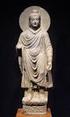
3. The Buddha followed some Hindu ideas and changed others, but he did not consider himself to be a god.
 True / False Indicate whether the statement is true or false. 1. Like the ancient Greeks, Indian astronomers proposed the theory that the Earth was round and revolved around the sun. 2. During his time
LESSON TITLE: Our Chief Cornerstone. THEME: Jesus is our cornerstone! SCRIPTURE: Ephesians 2:19-22 CHILDREN S DEVOTIONS FOR THE WEEK OF: Dear Parents
 Devotion NT328 CHILDREN S DEVOTIONS FOR THE WEEK OF: LESSON TITLE: Our Chief Cornerstone THEME: Jesus is our cornerstone! SCRIPTURE: Ephesians 2:19-22 Dear Parents Welcome to Bible Time for Kids! This
The Literature of Classical Greece
 The Literature of Classical Greece The golden age of classical Greece lasted from the early fifth to the late fourth century BC, and was concentrated in Asia Minor and the Greek Isles. Although this era
Guidelines for Registration and Monitoring of Non STP Units and Providing services to such units by STPI
 Guidelines for Registration and Monitoring of Non STP Units and Providing services to such units by STPI In pursuance of the decision of the 41 st Governing Council held on 15.11.2013 the following guidelines
WELCOME TO GOD S FAMILY
 WELCOME TO GOD S FAMILY To all who received him, to those who believed in his name, he gave the right to become children of God children born not of natural descent, nor of human decision or a husband
Greetings, Blessings, Scott DeWitt Director of Spiritual Outreach Casas por Cristo
 Team Devotional Greetings, Welcome to Casas por Cristo! If you are reading this, then more than likely you are embarking on a week-long adventure serving our Lord and Savior along the U.S. / México border
Read this syllabus very carefully. If there are any reasons why you cannot comply with what I am requiring, then talk with me about this at once.
 LOGIC AND CRITICAL THINKING PHIL 2020 Maymester Term, 2010 Daily, 9:30-12:15 Peabody Hall, room 105 Text: LOGIC AND RATIONAL THOUGHT by Frank R. Harrison, III Professor: Frank R. Harrison, III Office:
Grammar Unit: Pronouns
 Name: Miss Phillips Period: Grammar Unit: Pronouns Unit Objectives: 1. Students will identify personal, indefinite, and possessive pronouns and recognize antecedents of pronouns. 2. Students will demonstrate
LESSON TITLE: Jesus is the Way, the Truth, and the Life
 Devotion NT271 CHILDREN S DEVOTIONS FOR THE WEEK OF: LESSON TITLE: Jesus is the Way, the Truth, and the Life THEME: We can always trust Jesus. SCRIPTURE: John 14:1-6 Dear Parents Welcome to Bible Time
Worldview, Theology, & Culture
 Worldview, Theology, & Culture First Baptist Church, McLoud Recap: 1. Every worldview answers the questions of Creation, Fall, and Redemption. In other words, every worldview asks the questions: Where
CHRISTIAN STEWARDSHIP FOR YOUNG PEOPLE Curriculum Outline. Lesson 1 Lesson 2 Lesson 3 Lesson 4 The Beginning Elias Helps a A Poor Jars of Oil
 CHRISTIAN STEWARDSHIP FOR YOUNG PEOPLE Curriculum Outline Session Title* Scripture Reference** Learning Objective*** Bible Verse To Remember Activities Lesson 1 Lesson 2 Lesson 3 Lesson 4 The Beginning
Eight Limbs of Yoga (Yoga Sutras of Patanjali)
 Eight Limbs of Yoga (Yoga Sutras of Patanjali) Pranayama (Breathing Techniques) (Part 3) Subhash Mittal Integral Yoga Studio www.integralyogastudio.com 919 926 9717 [email protected] 1 Invocation
RITES LIMITED (A Govt. of India Enterprise) RITES Bhawan, Plot No. 1, Sector 29, Gurgaon 122001
 RITES LIMITED (A Govt. of India Enterprise) RITES Bhawan, Plot No. 1, Sector 29, Gurgaon 122001 Recruitment of Structural Design Engineers on contract basis through walk in interview RITES Ltd., a Mini
RITES LIMITED (A Govt. of India Enterprise) RITES Bhawan, Plot No. 1, Sector 29, Gurgaon 122001
 RITES LIMITED (A Govt. of India Enterprise) RITES Bhawan, Plot No. 1, Sector 29, Gurgaon 122001 Recruitment of Engineers on contract basis through Walk-In Interview RITES Ltd., a Mini Ratna Central Public
Creation - Genesis 1:1-2:3 Argyle - 1/3/16-52 Key Bible Stories. Introduction to Scripture
 1 Creation - Genesis 1:1-2:3 Argyle - 1/3/16-52 Key Bible Stories Introduction to Scripture Several years after moving here from Pennsylvania, I had the chance to see Argyle from a whole new perspective.
MAIN POINT THIS WEEK: Father, Son, and Spirit are united in their work (14:17 18, 23, 26; 15:26; 20:21 22).
 LESSON 12 The Word is UNIFIED WITH FATHER AND SPIRIT IN THEIR WORK OF REVELATION AND REDEMPTION FACILITATOR S Note MAIN POINT THIS WEEK: Father, Son, and Spirit are united in their work (14:17 18, 23,
RITES LIMITED (A Govt. of India Enterprise) RITES Bhawan, Plot No. 1, Sector 29, Gurgaon 122001
 RITES LIMITED (A Govt. of India Enterprise) RITES Bhawan, Plot No. 1, Sector 29, Gurgaon 122001 Recruitment of Engineers in various disciplines on contract basis in pay-scale RITES Ltd., a Mini Ratna Central
Originally published in the Pentecostal Evangel, March 24, 2002. The 16 Foundational Truths Series There is one true God: Father, Son and Holy Spirit
 Originally published in the Pentecostal Evangel, March 24, 2002. The 16 Foundational Truths Series There is one true God: Father, Son and Holy Spirit By Edgar R. Lee Editor s note: This is the second in
Text-To-Speech for Languages without an Orthography अ रप त नसल भ ष स ठ व ण स षण
 Text-To-Speech for Languages without an Orthography Sukhada Palkar Alan W Black Alok Parlikar Language Technologies Institute Carnegie Mellon University Pittsburgh (PA), USA {spalkar, awb, aup} @cs.cmu.edu
Live for the Glory of God
 Live for the Glory of God The Disciple s Response to the Excellence of God How would you like to be remembered? As a successful person in my field of work. As one who accumulated great wealth and possessions.
BIBL 323 D12 LUO. Sign Miracles Paper. Jesus Deity Revealed. Thomas Hutto
 BIBL 323 D12 LUO Sign Miracles Paper Jesus Deity Revealed Thomas Hutto From the beginning of time, people have often looked for signs from heaven. They wanted to God to show them evidence or proof that
THEME: God wants us to walk as children of light.
 Devotion NT330 CHILDREN S DEVOTIONS FOR THE WEEK OF: LESSON TITLE: Children of Light THEME: God wants us to walk as children of light. SCRIPTURE: Ephesians 5:1-18 Dear Parents Welcome to Bible Time for
Did you know that more than 50% of the folks who call themselves Catholic choose not to believe what is really the heart of our faith?
 The Body and Blood of Christ? Really! Did you know that more than 50% of the folks who call themselves Catholic choose not to believe what is really the heart of our faith? You may have forgotten why we
Sub: Selection for the post of CHAIRMAN, INDIAN OIL CORPORATION LIMITED(IOCL) in schedule 'A' of the CPSE
 No. 6/3/2016-PESB भ रत सरक र / Government of India क र म क एव प रर क षण ववभ ग / Department of Personnel & Training ल क उद यम चयन ब र / Public Enterprises Selection Board *** ब ल क स ख य 14, स ज ओ क म प
Ordinary Moments of Grace
 Ordinary Moments of Grace To everything there is a time and a season for every purpose under heaven. A time to be born and a time to die. A time to sow and a time to reap. A time to laugh and a time to
1/9. Locke 1: Critique of Innate Ideas
 1/9 Locke 1: Critique of Innate Ideas This week we are going to begin looking at a new area by turning our attention to the work of John Locke, who is probably the most famous English philosopher of all
Fiction: Poetry. Classic Poems. Contemporary Poems. Example. Key Point. Example
 Reading - Comprehension Fiction: Poetry Read classic and contemporary poems Recognise riddles and rhymes Recognise tongue twisters Classic Poems A poem expresses an emotion or an idea. Rhyme is when words
Window into the Throne Room (Revelation 4:1-10)
 Window into the Throne Room (Revelation 4:1-10) by Rev. Vince Finnegan John, Isaiah, and Ezekiel were all allowed to see a window into God s throne room (Revelation 4-6, Isaiah 6, and Ezekiel 1). Each
Jesus Invites Me! Affirmation. I am welcome in the flock! Word: INVITATION
 Jesus Invites Me! Word: INVITATION Come, you that are blessed by my Father, inherit the kingdom prepared for you from the foundation of the world. Affirmation I am welcome in the flock! (Matthew 25:34b)
LAST DATE FOR RECEIPT OF APPLICATION : 16/08/2016
 Government of India BHABHA ATOMIC RESEARCH CENTRE ADVERTISEMENT NO. 03/2016-R-III LAST DATE FOR RECEIPT OF APPLICATION : 16/08/2016 ONLINE applications are invited from eligible candidates for filling
Chapter 3 The Science of Astronomy
 Chapter 3 The Science of Astronomy Days of the week were named for Sun, Moon, and visible planets. What did ancient civilizations achieve in astronomy? Daily timekeeping Tracking the seasons and calendar
This passage elucidates the profound significance
 Learning From the Writings of Nichiren Daishonin The Teachings for Victory Selected Sections From SGI President Ikeda s Study Lecture Series [28] How Those Initially Aspiring to the Way Can Attain Buddhahood
Kendriya Vidyalaya Social Science Exhibition-cum-National Integration Camp 2016-17
 Kendriya Vidyalaya Social Science Exhibition-cum-National Integration Camp 2016-17 Dear Parents and students, Organizing Social Science Exhibition cum-national Integration Camp is a permanent feature of
The Gospel Preached to Abraham
 Law and Grace Lesson Eighteen 1 Chapter Eighteen The Gospel Preached to Abraham How were people saved before Jesus died and rose to justify the believer? How was Adam saved? How was Abraham saved? Were
THEME: We need to completely trust in Jesus.
 Devotion NT238 CHILDREN S DEVOTIONS FOR THE WEEK OF: LESSON TITLE: Jesus Walks on Water THEME: We need to completely trust in Jesus. SCRIPTURE: Mark 6:45-52 Dear Parents Welcome to Bible Time for Kids!
THEME: Jesus knows all about us and He loves us.
 Devotion NT224 CHILDREN S DEVOTIONS FOR THE WEEK OF: LESSON TITLE: The Woman at the Well THEME: Jesus knows all about us and He loves us. SCRIPTURE: John 4:1-42 Dear Parents Welcome to Bible Time for Kids!
Hinduism. kings and heroes like the Mahabharata and. that became the first scriptures of. Hinduism was born from the beliefs of the Indus Valley
 Hinduism The first known civilization in India developed in the Valley region. This civilization left behind two major collections of literature. Epic told exciting stories of wars, kings and heroes like
Assisting Someone in Receiving the Baptism of the Holy Spirit:
 Assisting Someone in Receiving the Baptism of the Holy Spirit: Bronc Flint The following is a number of practical and spiritual suggestions that have worked well for me through the years. Remember they
ALIGNMENT WITH THE HIGHER SELF & MEETING SPIRIT GUIDES
 ALIGNMENT WITH THE HIGHER SELF & MEETING SPIRIT GUIDES Experiencing Spiritual Connection This becomes more and more obvious to you with practice you will get a distinct feeling and knowing when you are
PRAYING FOR OTHER PEOPLE
 PRAYING FOR OTHER PEOPLE SESSION ONE HOW TO PRAY FOR OTHER PEOPLE When friends get together, they talk about their problems. Sometimes your friends will share with you about their own personal difficulties
I. Micah 7:14-20 A. This is a prophecy of the Messianic Kingdom (the church).
 When Did Miracles Cease? - 1 Introduction: 1. Have you ever heard someone say it s a miracle!? a. This has become a cliché, a phrase which someone uses in order to convey that they didn t think a certain
The Image of God In You
 Seek the Lord while He may be found, call upon Him while He is near. (Isaiah 55:6) If you are a born-again child of Almighty God, God has given you the motivating force of right conduct and the power to
Parveen Babi on UG perfect human-being
 Parveen Babi on UG I must state a few facts about UG Krishnamurti here, because it is impossible to understand my case without knowing a little bit about UG and the facts of his enlightenment. The only
CHAIRMAN & MANAGING DIRECTOR, SCOOTERS INDIA LIMITED
 No. 6/29/2012-PESB भ रत सरक र Government of India क र म क एव प रर क षण ववभ ग Department of Personnel and Training (ल क उद यम चयन ब र ) (Public Enterprises Selection Board) ब ल क स ख य १४ स.ज.ओ. क म प ल
The Trinity is a mystery. Even great theologians don t completely understand it, and some scholars spend their whole lives studying it.
 Holy Trinity Sunday In the name of the Father, Son, and Holy Spirit Mathew 28:16-20 Sometimes when I m leading chapel for our preschoolers, I ask a question like: Who was born in Bethlehem? And one of
LESSON TITLE: Jesus Heals Blind Bartimaeus
 Devotion NT257 CHILDREN S DEVOTIONS FOR THE WEEK OF: LESSON TITLE: Jesus Heals Blind Bartimaeus THEME: Jesus always has time for us! SCRIPTURE: Mark 10:46-52 Dear Parents Welcome to Bible Time for Kids!
Devotion NT267 CHILDREN S DEVOTIONS FOR THE WEEK OF: LESSON TITLE: The Second Coming. THEME: Jesus is coming again. SCRIPTURE: Matthew 24:27-31
 Devotion NT267 CHILDREN S DEVOTIONS FOR THE WEEK OF: LESSON TITLE: The Second Coming THEME: Jesus is coming again. SCRIPTURE: Matthew 24:27-31 Dear Parents Welcome to Bible Time for Kids. Bible Time for
Section 1- Geography and the Early Greeks
 Name: Class: Date: 6 th Grade World History Chapter 8 Study Guide: Ancient Greece Section 1- Geography and the Early Greeks 1) Complete the chart below to show how geography shaped the lives of early Greeks.
Cosmological Arguments for the Existence of God S. Clarke
 Cosmological Arguments for the Existence of God S. Clarke [Modified Fall 2009] 1. Large class of arguments. Sometimes they get very complex, as in Clarke s argument, but the basic idea is simple. Lets
How does God want us to live? What does He want us to do? How are we to treat others?
 Discernment It Takes A Church November 2, 2014 Introduction Romans 12:1, 2 NRSV I appeal to you therefore, brothers and sisters, by the mercies of God, to present your bodies as a living sacrifice, holy
Neutrality s Much Needed Place In Dewey s Two-Part Criterion For Democratic Education
 Neutrality s Much Needed Place In Dewey s Two-Part Criterion For Democratic Education Taylor Wisneski, Kansas State University Abstract This paper examines methods provided by both John Dewey and Amy Gutmann.
KINDGERGARTEN. Listen to a story for a particular reason
 KINDGERGARTEN READING FOUNDATIONAL SKILLS Print Concepts Follow words from left to right in a text Follow words from top to bottom in a text Know when to turn the page in a book Show spaces between words
Jesus and the Counsellor in John s Gospel
 Jesus and the Counsellor in John s Gospel In Jesus farewell speech, recorded in John s Gospel (chapters 13-17) Jesus introduces the disciples to one he calls the Counsellor. This Counsellor (the name itself
PUNJAB & SIND BANK THE SALIENT FEATURES OF PSB FLOATING RATE FIXED DEPOSIT SCHEME IS ENUMERATED AS UNDER:-
 प ज ब ए ड स ध ब क PUNJAB & SIND BANK (भ रत सरक र क उप म / Government of India Undertaking) (.क क. य जन एव वक स वभ ग, ब क ह उस, प चम तल, 21 - र ज ल स, नई द ल - 110 125) H.O. Planning & Development Department,
How does the problem of relativity relate to Thomas Kuhn s concept of paradigm?
 How does the problem of relativity relate to Thomas Kuhn s concept of paradigm? Eli Bjørhusdal After having published The Structure of Scientific Revolutions in 1962, Kuhn was much criticised for the use
Main Point: God gives each of us gifts and abilities. We should use them to glorify Him.
 The Ten Talents Matthew 18:21-35 PPT Title The Ten Talents Main Point: God gives each of us gifts and abilities. We should use them to glorify Him. Key Verse: God s gifts of grace come in many forms. Each
King Midas & the Golden Touch
 TM Celebration Press Reading DRA2 Level 30 Guided Reading Level N Genre: Fiction Traditional Tale Reading Skill: Analyze Theme King Midas & the Golden Touch Retold by Alan Trussell-Cullen Illustrated by
What are you. worried about? Looking Deeper
 What are you worried about? Looking Deeper Looking Deeper What are you worried about? Some of us lie awake at night worrying about family members, health, finances or a thousand other things. Worry can
Religions Hinduism Quiz The Basics of Hinduism
 Religions Hinduism Quiz The Basics of Hinduism Hinduism is so diverse that the basics are spread over thousands of texts and these depict a vast series of events that unfolded over a long course of time.
THEME: Jesus sent the Holy Spirit to indwell and empower us.
 Devotion NT285 CHILDREN S DEVOTIONS FOR THE WEEK OF: LESSON TITLE: The Day of Pentecost THEME: Jesus sent the Holy Spirit to indwell and empower us. Dear Parents SCRIPTURE: Acts 2:1-41 Dear Parents, Welcome
CHARACTERISTICS OF RADIO
 MODULE - 3 Characteristics of 9 CHARACTERISTICS OF RADIO You probably know the story of Sanjay in the Mahabharata who described the war to Dritharasthtra who could not see. Sanjay could see the war with
THE REQUIREMENTS OF COMMITTED MEMBERS Part 2
 THE REQUIREMENTS OF COMMITTED MEMBERS Part 2 We need to give strong support. We cannot give strong support unless we become mighty men. None of us should fail because this is God s plan. God wants us to
Plato gives another argument for this claiming, relating to the nature of knowledge, which we will return to in the next section.
 Michael Lacewing Plato s theor y of Forms FROM SENSE EXPERIENCE TO THE FORMS In Book V (476f.) of The Republic, Plato argues that all objects we experience through our senses are particular things. We
DEPARTMENT OF POSTS: GOVERNMENT OF INDIA OFFICE OF THE CHIEF POSTMASTER GENERAL, HIMACHAL PRADESH CIRCLE- 171009
 Sl. No DEPARTMENT OF POSTS: GOVERNMENT OF INDIA OFFICE OF THE CHIEF POSTMASTER GENERAL, HIMACHAL PRADESH CIRCLE- 171009 Notification no. R&E/77-17/2013 dated DIRECT RECRUITMENT OF POSTMAN/MAILGUARD IN
miracles of jesus 1. LEADER PREPARATION
 miracles of jesus Week 1: Jesus Heals a Paralyzed Man This includes: 1. Leader Preparation 2. Lesson Guide 1. LEADER PREPARATION LESSON OVERVIEW One night, Jesus is teaching to a crowded home. Friends
With critical approaches, Bible scholars learn more about the work and make judgments about its meaning.
 Reading Glasses: Literary Criticism By Brennan Breed Bible scholars have several different ways of studying and appreciating biblical texts. These methods are like reading glasses that allow readers to
1 rethinking the Ten Commandments: Why Ten Commandments? The Backstory September 4, 2011 Rev. George S Reynolds
 1 We all have rules. Some we keep, some we don t. Some we expect others to keep, even if we don t. After all isn t a person s ability to keep the rules we create what we base our relationships on? You
Jesus at the Temple (at age 12)
 Jesus at the Temple (at age 12) Teacher Pep Talk: Twelve sounds so grown up, especially when you are a Little Guy! But to us adults, 12 seems really young to be doing some of the things Jesus was doing
You will by now not be surprised that a version of the teleological argument can be found in the writings of Thomas Aquinas.
 The design argument The different versions of the cosmological argument we discussed over the last few weeks were arguments for the existence of God based on extremely abstract and general features of
AP ART HISTORY 2015 SCORING GUIDELINES
 AP ART HISTORY 2015 SCORING GUIDELINES Question 8 In his Notebooks, Leonardo da Vinci wrote the following: The painter is lord of all types of people and of all things. If the painter wishes to see beauties
Ghazal Mimi Khalvati. Mimi Khalvati was born in Tehran and moved to the Isle of Wight as child. She had her first poetry published in 1991.
 Ghazal Mimi Khalvati The Ghazal is a particular form of poetry that has its origins in the Middle East. It was common in Persia (now Iran). It is a poem that could have been sung and is structured in couplets.
Christmas in black and white it s plain as day and night Look through God s Word and you ll see Christmas in black and white.
 Song: Christmas in Black & White Your favorite Christmas colors may be red and green Or you may be someone who likes a different scheme But once you realize what Christmas really means You ll see the colors
The Disciple Driven Church
 The Disciple Driven Church An Old Expression of Faith in a Fresh New Way Contributors: Dr. Terry & Suzette Goodwin What is Different About the Disciple Driven Church? Question? Is your faith focused more
The Parables: Wheat & Tares
 t The Parables: Wheat & Tares Matthew 13: 24-30 and Matthew 13: 37-43 Items Needed! Bible with marked scripture! Crayons/Pencils/Markers! Illustration Photos in order of use for lesson.! Copies of Coloring
Prayers on the Edge based on John 17;11-19 Aspen Community UMC May 24, 2009
 Page 1 of 5 (A prayer on the edge is a prayer we pray when we know things are going to change. Jesus prayer in the gospel of John is such a prayer. Prayer itself may actually shape our minds and our experience
Live by Faith. A Disciple s Response to God s Word
 Live by Faith A Disciple s Response to God s Word Most of us get along pretty well in this world. Our physical senses serve us well in exploring our world and exposing any dangers that dwell there. We
Advent Family Devotional
 Advent Family Devotional For to us a child is born, to us a son is given, and the government will be on his shoulders. And he will be called Wonderful Counselor, Mighty God, Everlasting Father, Prince
SECRET LOVE. Wonderful Illusion
 SECRET LOVE Wonderful Illusion Waiting for the moment to be right All I m asking for is a ray of light Wait and see Somewhere down the road You never know I don t wanna say goodbye It s hard to leave this
LESSON TITLE: The House Built on the Rock
 Devotion NT227 CHILDREN S DEVOTIONS FOR THE WEEK OF: LESSON TITLE: The House Built on the Rock THEME: We must hear and do the Word of God. SCRIPTURE: Matthew 7:24-29 Dear Parents Welcome to Bible Time
UNDERSTANDING OTHER RELIGIONS Week 3: Islam 1. LEADER PREPARATION
 This includes: 1. Leader Preparation 2. Lesson Guide UNDERSTANDING OTHER RELIGIONS Week 3: Islam 1. LEADER PREPARATION LESSON OVERVIEW When you look at the major world religions, Islam is one of the youngest.
How To Understand The Nature Of God
 The Nature of God Teleological argument (intelligent design) Order and complexity via intelligent design by God. From Greek word telos meaning purpose suggests that the world has been designed for a purpose.
Devotion NT347 CHILDREN S DEVOTIONS FOR THE WEEK OF: LESSON TITLE: The Hall of Faith. THEME: God wants us to trust Him. SCRIPTURE: Hebrews 11:1-40
 Devotion NT347 CHILDREN S DEVOTIONS FOR THE WEEK OF: LESSON TITLE: The Hall of Faith THEME: God wants us to trust Him. SCRIPTURE: Hebrews 11:1-40 Dear Parents Welcome to Bible Time for Kids! This is a
2. From the grammar workbook do all the exercises from units 1-4. 3. The following work has to be done according to your respective roll numbers.
 HOLIDAY HOMEWORK CLASS IX ENGLISH Your holiday homework this year is a fun mix of all the aspects of the language It has been designed to ensure that you enjoy and learn at the same time Do the homework
Creation. Then God spoke and Creation came into being. God formed everything: Creation Week God called all that He had created good.
 Creation Teacher Pep Talk: Imagine darkness and emptiness and nothing else except God. God in His own time decides that He is going to create something wonderful: something which will eventually cost Him
THEME: God desires for us to demonstrate His love!
 Devotion NT320 CHILDREN S DEVOTIONS FOR THE WEEK OF: LESSON TITLE: The Gift of Love THEME: God desires for us to demonstrate His love! SCRIPTURE: 1 Corinthians 13:1-13 Dear Parents Welcome to Bible Time
SPENDING TIME IN GOD S PRESENCE
 SPENDING TIME IN GOD S PRESENCE Helps for a Meaningful Time with God Preparing ahead... 4 During your time... 5 Devotional Guides Lectio Divina... 6 Meditation... 8 How to Have a Quiet Time You Won t Want
A NOVEL APPROACH FOR RULE BASED TRANSLATION OF ENGLISH TO MARATHI
 A NOVEL APPROACH FOR RULE BASED TRANSLATION OF ENGLISH TO MARATHI Amruta Godase 1 and Sharvari Govilkar 2 1 Department of Information Technology (AI & Robotics), PIIT, Mumbai University, India 2 Department
Lesson Eight 1 Timothy 6
 Lesson Eight 1 Timothy 6 Review all the questions in the lessons before you begin your study. Then read 1 Timothy 6. Section 1 To review and prepare 1. To help you put this chapter into context, summarize
Sub: Selection for the post of DIRECTOR (ENGINEERING), MECON LIMITED in schedule 'A' of the CPSE.
 No. 7/84/2015-PESB भ रत सरक र Government of India क र म क एव प रर क षण ववभ ग Department of Personnel and Training (ल क उद यम चयन ब र ) (Public Enterprises Selection Board) ब ल क स ख य १४ स.ज.ओ. क म प ल
Indian Castes Connection to Current Times
 What Is a Caste? Have you ever heard of the American Dream? It refers to the idea that anyone can become anything in the land of opportunity that you can be born into a poor family but grow up to become
How to Encourage a Brother or Sister in Christ. 3 John 1-6a
 How to Encourage a Brother or Sister in Christ 3 John 1-6a Introduction: We come to the third and last epistle of John. Even though it may look longer in our English texts than does 2 John, 3 John is actually
Valley Bible Church Sermon Transcript
 Conducting Ourselves in a Manner Worthy of the Gospel Philippians 2:1-4 Part 2 We are now studying Phil. 1:27-2:18. In this section of scripture Paul shares with us what it means to conduct ourselves in